TWIN RIVERS REHABILITATION AND HEALTHCARE CENTER
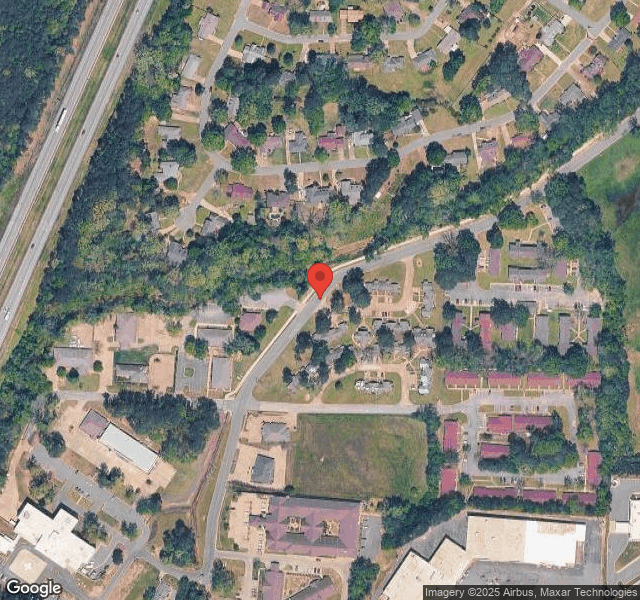
3021 TWIN RIVERS DRIVE, ARKADELPHIA, AR 71923 (870) 246-6337
For profit - Limited Liability company 72 Beds SOUTHERN ADMINISTRATIVE SERVICES Data: November 2025
Trust Grade
58/100
#93 of 218 in AR
Last Inspection: August 2024

Within standard 12-15 month inspection cycle. Federal law requires annual inspections.

Overview

Twin Rivers Rehabilitation and Healthcare Center has received a Trust Grade of C, which means it is average-middle of the pack, neither great nor terrible. It ranks #93 out of 218 facilities in Arkansas, placing it in the top half, but is the only nursing home option in Clark County, ranking #2 of 2. The facility is improving, as the number of issues reported decreased from three in 2024 to one in 2025. Staffing ratings are good, with a 4/5 star rating, but the turnover rate is 58%, which is higher than the state average. However, the facility has concerning fines of $12,335, which are higher than 83% of Arkansas facilities. On the positive side, Twin Rivers has more registered nurse coverage than 92% of facilities in the state, helping to catch issues early. However, there are notable weaknesses; for instance, one resident suffered a serious injury due to improper transferring practices, resulting in a fractured bone. Additionally, there were concerns about food safety practices, such as foods not being stored properly in the freezer and unsanitized kitchen equipment, which could lead to foodborne illnesses. Overall, while there are strengths in staffing and RN coverage, families should be aware of the facility's history of incidents and fines.

Trust Score
C
58/100
In Arkansas
#93/218
Top 42%
Safety Record
Moderate
Needs review
Inspections
Getting Better
3 → 1 violations
Staff Stability
⚠ Watch
58% turnover. Above average. Higher turnover means staff may not know residents' routines.
Penalties
✓ Good
$12,335 in fines. Lower than most Arkansas facilities. Relatively clean record.
Skilled Nurses
○ Average
Each resident gets 39 minutes of Registered Nurse (RN) attention daily — about average for Arkansas. RNs are the most trained staff who monitor for health changes.
Violations
⚠ Watch
21 deficiencies on record. Higher than average. Multiple issues found across inspections.
★★★★☆
4.0
Overall Rating
★★★★☆
4.0
Staff Levels
★★★★☆
4.0
Care Quality
★★★★☆
4.0
Inspection Score
Stable
2024: 3 issues
2025: 1 issues

The Good

  • 4-Star Staffing Rating · Above-average nurse staffing levels
  • 4-Star Quality Measures · Strong clinical quality outcomes
  • Full Sprinkler Coverage · Fire safety systems throughout facility
  • No fines on record

Facility shows strength in staffing levels, quality measures, fire safety.

The Bad

Staff Turnover: 58%

12pts above Arkansas avg (46%)

Frequent staff changes - ask about care continuity

Federal Fines: $12,335

Below median ($33,413)

Minor penalties assessed

Chain: SOUTHERN ADMINISTRATIVE SERVICES

Part of a multi-facility chain

Ask about local staffing decisions and management

Staff turnover is elevated (58%)

10 points above Arkansas average of 48%

The Ugly 21 deficiencies on record

1 actual harm
Aug 2025 1 deficiency 1 Harm
SERIOUS (G) 📢 Someone Reported This

A family member, employee, or ombudsman was alarmed enough to file a formal complaint

Actual Harm - a resident was hurt due to facility failures

Accident Prevention (Tag F0689)

A resident was harmed · This affected 1 resident

Based on observations, interviews, record review and facility policy review, it was determined that the facility failed to ensure residents were free of harm due to improper transferring of residents ...

Read full inspector narrative →
Based on observations, interviews, record review and facility policy review, it was determined that the facility failed to ensure residents were free of harm due to improper transferring of residents with a mechanical lift for one (Resident #1) of one resident reviewed for transfers. Resident #1 had a negative outcome which resulted in a right distal third spiral femur fracture (a spiral fracture line caused by twisting forces). The findings include: Review of an “admission Record,” indicated the facility admitted Resident #1 on 07/03/2012 with diagnoses which included brain damage due to lack of oxygen, blocked blood flow to the brain, anxiety disorder, sudden burst of electrical activity in the brain (seizures), weakened bones, cognitive communication deficit, contracture of left hand, brain disorder that affects memory and behavior, high blood pressure, and type 2 diabetes. Review of an “Annual Minimum Data Set” (MDS) with Assessment Reference Date (ARD) of 09/25/2024 and a review of a “Quarterly MDS” with an ARD 06/24/2025, indicated Resident #1 had a Staff Assessment for Mental Status (SAMS) score of 3, which indicated the resident had severe cognitive impairment and had long and short-term memory problems. Resident #1 was severely impaired for daily decision making, and no behaviors were exhibited. The residents’ functional abilities were dependent; the helper performed all the effort. Resident #1 was incontinent with bowel and bladder, and a mechanical lift was required. Review of a “Discharge MDS”, with an ARD of 01/02/2025, revealed Resident #1 had a SAMS score of 3, which indicated the resident was severely cognitively impaired for their daily decision making. The MDS also revealed that Resident #1 was dependent on Activities of Daily Living (ADL’s) such as eating, hygiene, transfers, bed mobility, bathing, and dressing. Review of “ADL Transferring” dated 07/31/2025, indicated Resident #1 required total dependence for transferring and was dependent on “full staff performance.” Review of Resident #1’s “Comprehensive Care Plan” dated 06/30/2025, indicated Resident #1 was at risk for fracture due to diagnosis of weakened bones and staff was to provide gentle care while assisting the resident with ADLs. Resident #1 required non-weight bearing assistance with ADLs due to cognitive impairment, required total care and was dependent on two-person assistance with bed mobility, dressing, shower or bathing self, toileting and transfers required two staff with use of a mechanical lift with a green sling. A review of an “Incident by Incident Type” dated March 2025 indicated Resident #1 had an ‘other’ incident on 03/15/2025 at 10:30 PM. A review of a “Progress Note” dated 03/15/2025 at 8:46 PM, indicated Resident #1 had a swollen right knee that was not present the day before and an x-ray was ordered. A review of a “Progress Note” dated 03/16/2025 at 12:09 AM, indicated Resident #1 had a displaced fracture of the right femur. Resident #1 was sent to the emergency room via ambulance. A review of Resident #1’s “Hospital records” revealed Resident #1 obtained a distal third spiral right femur from the pre-operative and post-operative diagnosis. Resident #1 received surgical fixation and stabilization of stated fracture. During an interview on 08/25/2025 at 5:45 PM, Resident #1’s family member stated they arrived to visit the resident on 03/15/2025 when CNA #10 informed them of a swollen knee. When the family member asked the Licensed Practical Nurse (LPN) #4 about the swollen knee and what happened, the LPN asked, “Well what do you want me to do about it?” The family member stated all they wanted to know was what happened and when the nurse “had an attitude,” it upset them without knowing what happened. After the X-ray was completed and it showed a fracture the Administrator was asked by the family member what happened, and the Administrator informed them that “the employee that hurt Resident #1 had been terminated.” When the resident was taken to the hospital for surgery, the hospital personnel came out and wanted to know how the resident got a spiral fracture. The family member stated, “You will have to ask the nursing home because that was where it happened.” The family member stated they had reported concerns about the care that was provided to Resident #1 and the facility had not done anything about their concerns. The family member stated that there were two employees that did not provide good, quality care and it worried them when they were working. The family member stated one was CNA #7 and they did not know the other one’s name. During a telephone interview on 08/25/2025 7:52 PM, CNA #10 stated the reason for her termination was due to improper use of a mechanical lift. She stated she noticed Resident #1 had a swollen knee the morning of 03/15/2025 and she alerted LPN #4. Resident #1 was already up to the Geri-chair when she got to work at 8:00 AM on 03/15/2025. The resident sat in the chair until around 2:30 PM on 03/15/2025. “We had previously been told by the Administrator that we had to do the best we could do when we were working short-staffed and as long as the second staff member was outside the door of the room they counted that as the second staff assist.” CNA #10 stated Resident #1 was like family to her and she did not drop or hit the leg on anything. When she told LPN #4 about the leg and asked if she would come look at it, LPN #4 stated, “Well, you know how the [Resident #1] is.” CNA #10 stated she told LPN #4, “No, something was wrong, the leg was flopping when I turned the resident.” When the family member came to visit the resident she informed them of the knee and that was what started the process for the X-ray. CNA #10 stated she took accountability and admitted she used the mechanical lift by herself. The Administrator informed the CNA that the fracture had happened between Friday 03/14/2025 and Saturday 03/15/2025. CNA #10 stated she did not work on that Friday night and came in on Saturday morning and the knee was already swollen. CNA #10 stated “upper management covered up for someone and I took the fall for it.” During an interview on 08/26/2025 9:46 AM, CNA #1 stated she looked at the Kardex to know how to care for Resident #1. She stated if a resident had a change of condition, she informed the nurse. CNA #1 stated to operate a lift, you had to push it under the bed, lock the wheels and open the legs of the lift, hook up the sling, then the resident would be moved. She stated, “We are required to always use two staff to operate the mechanical lift.” She stated Resident #1 was totally dependent and required two or three staff members to move the resident. CNA #1 stated, “I had seen the lift being used by one person and the last time I saw it was a week ago on the 4-12 shift and it was CNA #7.” During an interview on 08/26/2025 10:01 AM, CNA #2 stated she had never worked the mechanical lift by herself. CNA #2 stated to work the lift, you had to push it under the bed, lock the wheels, hook the sling up and lift the resident up and you had to use a second staff member to help. CNA #2 stated Resident #1 was a total care resident. She stated she had recently seen staff work the lift with just one person on the 12-8 shift. During an interview on 08/26/2025 10:27 AM, CNA #3 stated you had to look every morning at the Kardex to see what you had to do for Resident #1. To work the mechanical lift, you had to get another CNA, get the right size sling, open the legs of the lift and make sure the legs are locked. You had to make sure the legs were opened to balance the resident. When this surveyor asked the reason the incident with Resident #1’s fractured leg occurred, CNA #1 stated “Someone used the mechanical lift by themselves.” During an interview on 08/26/2025 10:43 AM, Licensed Practical Nurse (LPN) #4 stated she had “worked the lift by herself a few months ago due to low staffing.” LPN #4 stated she had received mechanical lift training “a very long time ago.” She stated she was at work the day CNA #10 called her to Resident #1’s room to assess the swollen knee. A family member of the resident walked in, and LPN #4 asked the family member if they wanted me to call the doctor. LPN #4 notified the provider and received an order for a stat x-ray. LPN #4 stated Resident #1’s knee was not swollen on 03/14/2025 and was on 03/15/2025. She stated she felt the incident happened “when they put the resident to bed the night of 03/14/2025 or when they got Resident #1 up early the morning of 03/15/2025.” She also stated, “I do not believe the CNA they terminated was the one that hurt the resident.” During an interview on 08/26/2025 11:31 AM, the CNA Supervisor stated there were ‘always’ to be two staff operating the mechanical lift. If a staff member used the lift by themselves, they would be terminated immediately. The CNA Supervisor stated, “I always made sure there was sufficient staffing, the reason Resident #1 got a fracture was due to an employee that used the lift without assistance and that was why they were terminated.” During an interview on 08/26/2025 2:01 PM, the Advance Practical Registered Nurse (APRN) stated for a resident to get a spiral fracture, there had to be some type of twisting movement. She stated if the lift was not properly used, it could result in a fracture. During an interview on 08/26/2025 2:39 PM, the Medical Director (MD) stated “I would not think a sling would cause this type of injury.” He stated the staff always called to inform him of incidents that happened at the facility. During an interview on 08/26/2025 3:01 PM, the Maintenance Director stated to operate the mechanical lift, you had to roll the lift under the bed, open the legs of the lift, lock the legs, hook the sling up to the lift, then proceed to lift the resident. He also stated, “if a person did not open the legs of the lift and did not lock the wheels, it affected the balance of the lift and resident.” During an interview on 08/26/2025 3:19 PM, LPN #5 stated “you had to look at the care plan to know how to care for a resident.” She stated two staff were required to operate the mechanical lift. LPN #5 stated she worked with Resident #1 on 03/14/2025 and the resident did not appear to be in pain. LPN #5 stated the CNAs that were working had gotten the resident up to the Geri-chair and that was where the resident was when she gave medications. The skin on Resident #1’s legs were not discolored. LPN #5 stated, “when day shift staff came on the next morning 08/15/2025, we noticed the knee was swollen, so the injury had to have happened the night before or early that morning and I do not believe it was done by the employee that got terminated even if that person was operating the lift by themselves.” She stated she had not seen an employee use the lift by themselves. During an interview on 08/26/2025 3:55 PM, CNA #6 stated the process to operating a mechanical lift was to get another staff member to help, open and lock the legs of the lift, lift the resident up, unlock the wheelchair to move it under the lift and to get the right size sling you had to look on the Kardex to see which color to get. CNA #6 stated “I heard Resident #1’s leg was hurt from someone that used the lift wrong, and the resident’s leg was dangling.” During an interview on 08/26/2025 4:25 PM, CNA #7 stated the “online care kiosk told us how to care for a resident, it gives us the care plan.” He stated to operate the mechanical lift “you had to make sure your partner was with you, the resident was placed flat on their back, the sling was placed under the resident, then you rolled the lift under the bed, spread the legs of the lift open, clamp the sling to the lift, work with your partner to move the chair.” He stated that Resident #1 required total, full care. CNA #7 stated he worked on 03/14/2025 on the 4-12 shift. When this surveyor asked if he had worked the lift by himself he responded, “not by myself, or let me say this…the other employee would peek around the door or would stand at the door to watch to make sure everything was okay while lifting the resident but that was when we were shorthanded to get the residents up to dinner.” When the question was reworded by this surveyor, CNA #7 stated he would be the only one that worked the lift, and the nurse would stand in the doorway and looked into the room.” CNA #7 stated “the reason residents were still in bed at that moment was due to being short-staffed tonight (08/26/2025) so he would feed the residents in bed and not get the residents up to a chair to eat.” During an interview on 08/27/2025 6:40 AM, CNA #9 stated she had not used a lift without having another aid helping even when they were short-staffed and that, “you would get terminated if you used it without two staff.” On 08/27/ 8:10 AM, this surveyor called and spoke to an employee with the company that serviced the mechanical lifts at this facility. He stated they checked them every 30-45 days and made sure they worked and did not have broken rubber strips or parts. He stated the facility had not had an issue with batteries not charging. He stated he would email this surveyor the manufacturer guidelines to operate the lift. Review of a “Invacare Reliant 450_600 Patient Lift Manual,” revealed Invacare does not recommend locking the rear casters of the patient lift when lifting an individual. Doing so could cause the lift to tip and endanger the patient and assistants. Invacare does recommend that the rear casters be left unlocked during lifting procedures to allow the patient lift to stabilize when the patient is initially lifted from a chair, bed or any stationary object. During an interview on 08/27/2025 at 9:49 AM, the CNA Supervisor revealed that care plans would indicate two people assist with any mechanical lift. During an interview on 08/27/2025 at 10:38 AM, the Radiologist Medical Director (RMD) indicated the x-ray on 03/15/2025 revealed that Resident #1 had a spiral fracture that did not appear to be pathological. RMD revealed that the type of fracture Resident #1 had does not typically come from osteoporosis (weakened bones). He revealed that this type of fracture could have resulted from a fall or body weight movement. He stated, “It takes a fair amount of force to break a femur. Whatever broke it took some weight behind it. I expect a body weight movement for this type of fracture.” During an interview on 08/27/2025 at 1:24 PM, LPN #11 revealed in reference to the morning of 03/15/2025, that the lift was locked prior to raising Resident #1 off the bed and when lowering the resident to the chair. LPN#11 stated, “We are supposed to lock the lift prior to lifting or lowering the lift.” During an interview on 08/27/2025 at 1:35 PM, CNA #3 verified that the lift was supposed to be locked when raising or lowering a resident. She stated, “It was so the lift wouldn’t tip over.” CNA #3 explained that the last in-service regarding the mechanical lift was 3-4 months ago. During an interview on 08/27/2025 at 1:37 PM, CNA #1 revealed that the mechanical lift was supposed to be locked when raising and lowering a resident. CNA #1 stated, “So the resident isn’t moving around when in the lift.” CNA #1 explained that the last in-service regarding the mechanical lift was 2-3 months ago. During an interview on 08/27/2025 1:45 PM, ADON (Assistant Director of Nursing) revealed that staff would know how to care for a resident by utilizing the care plan which was also reflected on the Kardex. She explained that interventions are determined based on resident cognition and the residents’ fall risk. The ADON explained that the Kardex will tell the staff how many staff would be required, as well as the sling color to use for each resident. The ADON revealed that the facilities’ last training regarding use of the mechanical lifts indicated to lock the wheels with transfers. She referred to the patients’ sling book, stating that the “wheels do not have to be locked.” She stated, “I was always trained to lock the mechanical lift.” This surveyor asked the ADON to read the passage on “Invacare Reliant 450_600 Patient Lift Manual”. After reading the passage, the ADON stated that the staff are “not locking the wheels.” During an interview on 08/27/2025 at 2:15 PM, the Director of Nursing (DON) revealed that the CNA’s and Nurses would know how to care for a resident based upon the care plan and Kardex. The DON revealed the care plan was reviewed every three months. The DON revealed that she was taught to lock the wheels on a mechanical lift when in use but said she was recently taught not to lock the wheels and if a resident swung on the lift pad the mechanical lift could tip over. The DON revealed there was one staff member who admitted to using a mechanical lift by themselves. The time frame CNA #10 used the lift by themselves was in March of 2025. The DON revealed that what she remembers regarding Resident #1’s fracture was that the family member was there, and the family member noticed the resident’s knee was a little swollen. The doctor ordered an x-ray, and the results revealed a fracture and Resident #1 was sent to the hospital. A review of a facility policy titled, “Accident Hazards Prevention”, indicated, “An effective way for the facility to avoid accidents is to develop a culture of safety and commit to implementing systems that address risk and environmental hazards to minimize the likelihood of accidents. A facility with a commitment to safety: 6. Demonstrates a commitment to at all levels of the organization.”
Aug 2024 3 deficiencies
CONCERN (D)

Potential for Harm - no one hurt, but risky conditions existed

Incontinence Care (Tag F0690)

Could have caused harm · This affected 1 resident

Based on observation, record review, and interviews, the facility failed to provide appropriate treatment and services to prevent complications from an indwelling urinary catheter for 1 (Resident #67)...

Read full inspector narrative →
Based on observation, record review, and interviews, the facility failed to provide appropriate treatment and services to prevent complications from an indwelling urinary catheter for 1 (Resident #67) of 1 sampled resident with indwelling catheters. The findings are: A review of the Diagnosis Record indicated Resident #67 had no proper diagnosis for an indwelling urinary catheter. The quarterly Minimum Data Set (MDS) with an Assessment Reference Date (ARD) of 06/21/2024 revealed Resident #67 had a Brief Interview Mental Status (BIMS) with a score of 14 which indicated the resident was cognitively intact. A review of Resident #67's Care plan, dated 06/21/2024, showed the resident had no diagnosis requiring an indwelling urinary catheter. A review of July 2024 Medication Administration Record, revealed Resident #67 had an indwelling urinary catheter placed on 07/23/2024. A review of Resident #67 Order Summary revealed an order to place indwelling urinary catheter on 07/24/2024. During observation on 08/28/2024 at 9:27 AM, Resident #67 was observed with an indwelling urinary catheter in place attached to the side of the bed. During an interview on 08/29/2024 at 9:18 AM, Licensed Practical Nurse (LPN)#4 said that before an indwelling urinary catheter is placed, there should always be a proper diagnosis to prevent any issues happening to the bladder for unnecessary placement. During an interview on 08/29/2024 at 9:28 AM, Registered Nurse (RN) #5 said there should be a proper diagnosis before ever placing an indwelling urinary catheter to prevent increased risk for urinary tract infections or damage to the bladder. During an interview on 08/29/2024 at 9:46 AM, the Director of Nurses (DON) said there should be a diagnosis present before placing an indwelling catheter to prevent any damage to bladder. At 10:02 AM, the Administrator was asked for a catheter policy, surveyor was informed facility did not have a catheter policy.
CONCERN (D) 📢 Someone Reported This

A family member, employee, or ombudsman was alarmed enough to file a formal complaint

Potential for Harm - no one hurt, but risky conditions existed

Medication Errors (Tag F0758)

Could have caused harm · This affected 1 resident

Based on observation, record review, and interview, it was determined that the facility failed to ensure a medication was used only to treat specific diagnosed condition for 1 (Resident #71) sampled r...

Read full inspector narrative →
Based on observation, record review, and interview, it was determined that the facility failed to ensure a medication was used only to treat specific diagnosed condition for 1 (Resident #71) sampled resident. The findings are: Review of the Orders portion of Resident #71's electronic health record, it was determined the resident was taking a psychotropic medication. Resident #71's had an order for 15 mg (milligram) of an anti-depressant, 1 tablet by mouth at bedtime for depression. Review of the Medical Diagnosis portion of Resident #71's electronic health record revealed no medical diagnosis for depression listed in the resident's medical record. On 8/29/2024 at 8:59 AM, Licensed Practical Nurse (LPN) #1 was asked what criteria needs to be met before giving a resident a medication. LPN #1 said an order from a physician and a diagnosis. Review of an admission Minimum Data Set (MDS) with an Assessment Reference Date (ARD) of 5/28/2024 revealed Resident #71 had a Brief Interview for Mental Status (BIMS) score of 12, indicating the resident had moderate cognitive impairment. On 8/29/2024 at 9:08 AM, LPN #2 was asked what criteria needs to be met prior to giving a resident a medication. LPN #2 said a physician's order and a diagnosis. On 8/29/2024 at 8:15 AM, the Administrator was asked for a policy regarding unnecessary medications. The Administrator said the facility does not have a policy specific to unnecessary medications.
CONCERN (E)

Potential for Harm - no one hurt, but risky conditions existed

Food Safety (Tag F0812)

Could have caused harm · This affected multiple residents

Based on observation and interview, it was determined the facility failed to keep food at a safe temperature prior to serving residents. The findings are: On 8/28/2024 at 7:31 AM, [NAME] #1 checked t...

Read full inspector narrative →
Based on observation and interview, it was determined the facility failed to keep food at a safe temperature prior to serving residents. The findings are: On 8/28/2024 at 7:31 AM, [NAME] #1 checked the temperature of the foods on the steam table using a probe thermometer. The temperature of the pureed eggs was 125 degrees. On 8/28/2024 at 11:52 AM, [NAME] #1 was asked what the temperature of the food held on the steam table should be. [NAME] #1 said between 175 and 185 (degrees Fahrenheit). [NAME] #1 said the steam table hasn't been working correctly and that 2 of the compartments had quit working. On 8/28/2024 at 11:59 AM, the Dietary Manager (DM) was asked what temperature should the food on the steam table be held at prior to serving the residents. The DM said 180 degrees. On 8/29/2024 at 8:05 AM, a policy and in-service on food temperatures was requested from the DM. The DM said that the Administrator keeps all of those documents. On 8/29/2024 at 8:10 AM, the Administrator provided an in-service dated 5/07/2024 that kitchen staff had read and signed. The in-service indicates hot foods are to be served hot and cold foods are to be served cold. Hot food must maintain a temperature of 135 or higher. The facility did not provide a policy on safe food temperatures.
Oct 2023 9 deficiencies
CONCERN (D)

Potential for Harm - no one hurt, but risky conditions existed

Comprehensive Care Plan (Tag F0656)

Could have caused harm · This affected 1 resident

Based on record review and interview, the facility failed to ensure a comprehensive care plan was developed to address the use of opioid medication for 1 (Resident #42) of 29 (Residents #3, #5, #7, #9...

Read full inspector narrative →
Based on record review and interview, the facility failed to ensure a comprehensive care plan was developed to address the use of opioid medication for 1 (Resident #42) of 29 (Residents #3, #5, #7, #9, #11, #12, #16, #26, #27, #28, #30, #34, #38, #39, #42, #44, #45, #46, #47, #48, #49, #51, #60, #61, #62, #64, #69, #72, and #76) sampled residents who had a physician order for pain medication. The findings are: A Physician's Order dated 08/25/23 noted Resident #42 was to receive Hydrocodone-Acetaminophen 1 tablet by mouth every 4 hours as needed for pain. As of 10/18/23 at 10:33 AM, Resident #42's Care Plan did not address pain management and/or opioid (pain) medication. On 10/19/23 at 9:58 AM, the Surveyor asked Licensed Practical Nurse (LPN) #2 if Resident #42 had an order for pain medications. LPN #2 responded, Yes. The Surveyor asked, What is the order for? LPN #2 responded, Hydrocodone-Acetaminophen 7.5/325 milligrams every four hours as needed. The Surveyor asked if Resident #42's care plan addressed the pain medication. LPN #2 responded, It's not in the care plan. The Surveyor asked if pain should be addressed on the care plan. LPN #2 responded, If she is taking it. I believe it should be there. It could be put in there. On 10/19/23 at 10:07 AM, the DON confirmed it was put in the chart on 10/19/2023. The Surveyor asked if pain should be documented on the care plan. The DON responded, Yes. On 10/19/23 at 10:09 AM, the Nurse Consultant stated the facility did not have a policy on care planning.
CONCERN (E)

Potential for Harm - no one hurt, but risky conditions existed

Deficiency F0554 (Tag F0554)

Could have caused harm · This affected multiple residents

**NOTE- TERMS IN BRACKETS HAVE BEEN EDITED TO PROTECT CONFIDENTIALITY** Based on observation, record review and interview, the facility failed to ensure residents were assessed to self-administer medi...

Read full inspector narrative →
**NOTE- TERMS IN BRACKETS HAVE BEEN EDITED TO PROTECT CONFIDENTIALITY** Based on observation, record review and interview, the facility failed to ensure residents were assessed to self-administer medications prior to self-administration for 4 (Residents #39 Residents #46, #76 and #60) of 6 (Residents #34, #44, #46, #60, #62 and #76) sampled residents. The findings are: 1. On 10/16/23 at 11:00 AM, 10/17/23 at 9:09 AM, and 10/18/23 at 8:53 AM, observed a tube of Zinc Oxide in a blue mesh bag on Resident #39's overbed table and a tube of Biofreeze on the nightstand. The tubes did not have a pharmacy label. During review of Resident #39's Medical Record there was not an assessment to self-administer medication, there was not Physician Orders for Zinc Oxide, Biofreeze or self-administration of medications and the Care Plan did not address Zinc Oxide, Biofreeze or self-administration of medications. A Package Insert for Zinc Oxide Cream provided by the Director of Nursing (DON) on 10/18/23 at 11:41 AM documented, Tell all of your health care providers that you use zinc oxide cream. This includes your doctors, nurses, pharmacists, and dentist. This medicine may cause harm if swallowed. If . swallowed, call a doctor or poison control center right away . keep all drugs in a safe place . A Package Insert for Biofreeze provided by the DON on 10/18/23 at 11:41 AM documented, .Biofreeze side effects . Biofreeze may cause serious side effects. Stop using Biofreeze and call your doctor at once if you have: ∙ burning, stinging, redness, or irritation after using this medicine; or ∙ swelling, or blistering where the medicine was applied . Use exactly as directed on the label, or as prescribed by your doctor. Do not take by mouth . Do not use on open wounds, broken skin, or irritated skin . An overdose of menthol is not expected to be dangerous. Seek emergency medical attention or call the poison help hotline . if anyone has accidentally swallowed the medication . Avoid using other topical pain medications on the areas you treat with menthol .Remember, keep this and all other medicines out of the reach of children, never share you medicines with others, and use this medication only for the indication prescribed . On 10/17/23 at 1:04 PM, Licensed Practical Nurse (LPN) #3 confirmed there were no residents on the 100 Hall who were assessed to self-administer medications. On 10/18/23 at 9:07 AM, LPN #4 confirmed there were no residents on the 100 Hall who were assessed to self-administer medications. On 10/19/23 at 8:45 AM, the Surveyor asked LPN #4, if you were going to store medications in a resident room, how should they be stored? LPN #4 answered, I never store medications in a resident room. The Surveyor asked if medications should have a pharmacy label LPN #4 answered, Yes, so we would know the directions, the expiration date, and the resident's name. The Surveyor asked if zinc oxide was a medication. LPN #4 answered, Yes, topical. The Surveyor asked if Biofreeze was a medication. The nurse answered, Yes, topical. On 10/19/23 at 9:00 AM, the Surveyor asked the DON if you were going to store medications in a resident's room, how should they be stored. The DON answered, We are not supposed to store medications in a resident's room. The Surveyor asked should medications have a pharmacy label. The DON answered, Yes or at least the opened date and resident's name. The Surveyor asked would you consider zinc oxide a medication. The DON answered, Yes. The Surveyor asked would you consider Biofreeze a medication. The DON answered, Yes. 2. On 10/16/23 at 12:41 PM, Resident #46 was sitting in a wheelchair in the room with a nebulizer mask on and the machine was running without a nurse present. On 10/17/23 at 10:18 AM, the Surveyor asked Resident #46 if he did his own breathing treatments. He answered, Yes. The Surveyor asked if the nurse stays in the room with you when you do them. He answered, No. The nurse does not stay with me. A Physician's Order dated 09/25/23 noted Resident #46 was to receive an Albuterol nebulizer treatment every 4 hours as needed for shortness of breath/wheezing and an Ipratropium-Albuterol nebulizer treatment every 6 hours for shortness of breath while awake There was not a Physicians Order to self-administer medications. On 10/17/23 at 12:51 PM, during review of Resident #46's Medical Record, there was not an assessment to self-administer medication, and the Care Plan did not address self-administration of medications. On 10/19/23 at 8:45 AM, the Surveyor asked LPN #4 what the process is for administering a nebulizer treatment. LPN #4 answered, After you fill the chamber with medication, you explain the procedure and apply the mask or hand them the pipe. Turn it on. I stay with them to make sure they keep the mask on and get all the medication. During an interview on 10/19/23 at 9:00 AM, the DON confirmed the nurse should either stay with the resident or stand right outside the door to monitor the resident. Surveyor: [NAME], [NAME] 3. On 10/16/23 at 10:18 AM, Resident #76 was lying in bed receiving a nebulizer treatment without a nurse present. The reservoir to the nebulizer was dry. Resident #76 asked for the mask to be removed. He stated, It's been on for a long time. On 10/17/23 at 8:40 AM, Resident #76 was lying in bed receiving a nebulizer treatment without a nurse present. At 8:48 AM, observed the Social Services Director enter Resident #76's room, turn off the nebulizer, remove the nebulizer mask and set up Resident #76's breakfast. A Physicians Order dated 08/11/23 noted Resident #76 was to receive Ipratropium-Albuterol nebulizer treatment every 6 hours related to Chronic Obstructive Pulmonary Disease, Unspecified. The Physician orders did not address self-administration of medications. During review of Resident #76's Medical Record there was not an assessment to self-administer medication, and the Care Plan did not address self-administration of medications. On 10/19/23 at 8:32 AM, the Surveyor asked LPN #1 who should administer and discontinue a nebulizer treatment. LPN #1 stated, A nurse. The Surveyor asked if a nurse should stay in eyesight during the administration. LPN #1 stated, Absolutely. Surveyor: [NAME], [NAME] 4. On 10/17/23 at 9:28 AM, Resident #60 was lying in bed receiving a nebulizer treatment without a nurse present. On 10/17/23 at 9:32 AM, observed Resident #60 turn off the nebulizer machine and remove the mask without a nurse present. On 10/18/23 at 8:35 AM, during medication pass Resident #60 requested a nebulizer treatment. LPN #5 started the nebulizer treatment and stated to Resident #60, I will be back in about seven minutes. LPN #5 left the room. On 10/18/23 at 8:49 AM, LPN #5 continued to pass medications without returning to Resident #60's room. During review of Resident #60's Medical Record there was not an assessment for self-administration of medications, and the Care Plan did not address self-administration of medications. A Physicians Order dated 06/01/23 noted Resident #60 was to receive Ipratropium-Albuterol nebulizer treatment every 4 hours as needed for shortness of breath. The Physician orders did not address self-administration of medications. A facility policy titled, Self-Administration of Medications, revised January 2018, provided by the Administrator on 10/18/23 at 11:30 AM documented, .residents who desire to self-administer medications are permitted to do so if the facility's interdisciplinary team has determined that the practice would be safe for the resident and other residents of the facility and there is a prescriber's order to self-administer. A.an assessment is conducted by the interdisciplinary team of the resident's cognitive .physical, and visual ability to carry out the responsibility during the care planning process . F. Bedside medication storage is permitted only when it does not present a risk to confused residents who wander into the rooms of, or room with, residents who self-administer . A facility policy titled, Medication Administration - General Guidelines, revised January 2018, provided by the DON on 10/19/23 at 3:00 PM documented, .Administration .14. Residents can self-administer medications when specifically authorized by the attending physician and in accordance with procedures for self-administration of medications .
CONCERN (E)

Potential for Harm - no one hurt, but risky conditions existed

Accident Prevention (Tag F0689)

Could have caused harm · This affected multiple residents

Based on observation, record review and interview, the facility failed to ensure a Janitor's Closet containing chemicals was locked when not in use to prevent the potential for accidents. This failed ...

Read full inspector narrative →
Based on observation, record review and interview, the facility failed to ensure a Janitor's Closet containing chemicals was locked when not in use to prevent the potential for accidents. This failed practice had the potential to affect 8 residents who resided on the 100 Hall who were independent or supervision/set up with locomotion as documented on a list provided by the Administrator on 10/19/23 at 10:00 AM. The findings are: On 10/16/23 at 10:17 AM, the 100 Hall Janitor's Closet was unlocked. A chemical dispenser labeled Bio Enzymatic Odor Eliminator, Disinfectant Cleanser, Peroxide Multi Surface Cleaner and Disinfectant, and High Performance Ultra Concentrated Neutral Floor Cleaner was on the wall. There were aerosol cans of glass cleaner and furniture polish on the top shelf. On 10/17/23 at 8:30 AM, the 100 Hall Janitor's Closet was unlocked. A spray bottle labeled, Enzyme and 2 other spray bottles were on the floor of the closet near the mop bucket. The Bio Enzymatic Odor Eliminator MSDS (Material Safety Data Sheet) Sheet provided by the Administrator on 10/18/23 at 11:30 AM documented, .SECTION 2. HAZARDS IDENTIFICTATION . Causes serious eye irritation . Wash skin thoroughly after handling. Wear eye protection/face protection . IF IN EYES: Rinse cautiously with water for several minutes If eye irritation persists: Get medical advice/attention . The High Performance Ultra Concentrated Neutral Floor Cleaner MSDS Sheet provided by the Administrator on 10/18/23 at 11:30 AM documented, .SECTION 2. HAZARDS IDENTIFICTATION .Causes eye irritation . IF IN EYES . Rinse cautiously with water for several minutes . If eye irritation persists: Get medical advice/attention . SECTION 4. FIRST AID MEASURES .If swallowed: Rinse mouth. Get medical attention if symptoms occur . The Peroxide Multi-Surface Cleaner and Disinfectant MSDS Sheet provided by the Administrator on 10/18/23 at 11:30 AM documented, .SECTION 2. HAZARDS IDENTIFICTATION .Danger .Harmful if swallowed or in contact with skin. Causes severe burns and eye damage . Toxic if inhaled . IF SWALLOWED: Call a POISON CENTER/doctor if you feel unwell . IF INHALED: .immediately call a POISON CENTER/doctor . The Disinfectant Cleaner MSDS Sheet provided by the Administrator on 10/18/23 at 11:30 AM documented, .SECTION 2. HAZARDS IDENTIFICTATION .Danger - Harmful if swallowed or in contact with skin. Causes severe burns and eye damage . IF SWALLOWED: Call a POISON CENTER or doctor/physician if you feel unwell . On 10/18/23 at 2:03 PM, the Surveyor asked Housekeeping Staff #1 how chemicals were stored inside this building. Housekeeping Staff #1 answered, They should be locked up in the janitor's closet. A facility policy titled, Housekeeping and Maintenance, provided by the Administrator on 10/18/23 at 11:30 AM documented, .All poisons, bleaches, detergents and disinfectants will be kept in a safe place accessible only to employees . A facility policy titled, Accident Hazards Prevention, provided by the Administrator on 10/19/23 at 1:08 PM documented, . Resident Environment. The environment will be free from accident hazards as is possible . It is important that all facility staff understand the facility's responsibility, as well as their own, to ensure the safest environment possible for residents .
CONCERN (E)

Potential for Harm - no one hurt, but risky conditions existed

Deficiency F0692 (Tag F0692)

Could have caused harm · This affected multiple residents

Based on observation, record review and interview, the facility failed to ensure dietary supplements were provided as ordered for (Resident #76) of 1 Resident reviewed for dietary supplements. The fin...

Read full inspector narrative →
Based on observation, record review and interview, the facility failed to ensure dietary supplements were provided as ordered for (Resident #76) of 1 Resident reviewed for dietary supplements. The findings are: Resident #76 had a Physicians' order dated 8/11/23 which showed regular diet, mechanical soft texture and a Physician's Order dated 10/6/2023 which showed House Shake two times a day for weight loss supplement. On 10/16/23 at 12:53 PM Resident #76 did not receive a house shake with the noon meal. On 10/17/23 at 08:40 AM, Resident #76 did not receive a house shake with breakfast. On 10/17/23 at 12:34 PM Resident #76 did not receive a house shake with the noon meal. On 10/18/23 at 08:46 AM, Resident #76 did not receive a house shake with the meal. On 10/18/23 at 12:58 PM, Resident #76 did not receive a house shake. Review of a Care Plan dated 08/17/23 with a revision date of 09/09/23 showed Resident #76 had a for nutritional deficits related to stroke with an intervention to obtain food preferences, likes and dislikes. As of 10/19/23 Resident #76's food likes and dislikes had not been updated. On 10/18/23 at 1:05 PM, Certified Nurse Assistant #1 (CNA) said she was not aware Resident #76 had a house shake ordered with meals and confirmed there was not a shake on the noon meal. On 10/18/23 at 1:12 PM, the Surveyor asked [NAME] #1 if she was aware of Resident #76 having an order for a house shake twice daily. [NAME] #1 stated. No but I'll take care of it now. During an interview on 10/18/23 at 1:38 PM, the Director of Nursing (DON) said she was not aware Resident #76 had an order for house shake for weight loss. During an interview on 10/19/23 at 11:22AM, the DON said when there is a new diet order, it is entered in the computer and then printed and taken to the dietary department. On 11/19/23 at 11:30 AM, the Dietary Manager confirmed the order for house shakes for Resident #76 was probably missed.
CONCERN (E)

Potential for Harm - no one hurt, but risky conditions existed

Deficiency F0761 (Tag F0761)

Could have caused harm · This affected multiple residents

Based on observation, record review and interview, the facility failed to ensure refrigerated scheduled II-V controlled medications were maintained within a separately locked permanently affixed compa...

Read full inspector narrative →
Based on observation, record review and interview, the facility failed to ensure refrigerated scheduled II-V controlled medications were maintained within a separately locked permanently affixed compartment in 1 of 1 medication room. The findings are: On 10/18/23 at 10:16 AM, during observation of the Medication Room with the Director of Nursing (DON), a locked narcotic box, containing narcotics was inside of the refrigerator and was not permanently affixed. On 10/19/23 at 4:10 PM, the DON confirmed the narcotic box was not secured so that it could not be taken.
CONCERN (E)

Potential for Harm - no one hurt, but risky conditions existed

Menu Adequacy (Tag F0803)

Could have caused harm · This affected multiple residents

Based on observation, record review, and interview, the facility failed to ensure meals were prepared and served according to the planned written menu to meet the nutritional needs of the residents fo...

Read full inspector narrative →
Based on observation, record review, and interview, the facility failed to ensure meals were prepared and served according to the planned written menu to meet the nutritional needs of the residents for 1 of 1 meal observed. This failed practice had the potential to affect 6 residents who received pureed diets and 21 residents who received mechanical soft diets from 1 of 1 kitchen, according to a list provided by the Dietary Supervisor on 10/20/23. The findings are: On 10/18/23, the menu for the supper meal documented the residents on regular diets were to receive 8 ounces (1 cup) of turkey pot pie, residents on mechanical soft diets were to receive two #8 scoops (1 cup) of ground turkey pot pie and residents on pureed diets were to receive two #8 scoops of pureed turkey pot pie. On 10/18/23 at 4:54 PM, Dietary Employee (DE) #2 used a 6 ounce (¾ cup) spoon to serve turkey pot pie to the residents who received regular diets, instead of one cup of turkey pot pie. At 5:37 PM, the Surveyor asked DE #2 what spoon size she used to serve regular pot pie. She stated, I used a 6 ounce spoon. I should have used an 8 ounce spoon. On 10/18/23 at 5:08 PM, DE #2 used a 6 ounce (3/4 cup) spoon to serve regular turkey potpie with diced turkey to the residents on mechanical soft diets, instead of two #8 (1 cup) of ground turkey pot pie. At 5:36 PM, the Surveyor asked DE #2 the reason residents on mechanical soft diets were served regular turkey potpie that contained diced turkey. DE #2 stated, I thought they were supposed to have regular pot pie. On 10/18/23 at 5:11 PM, DE #2 used a #8 scoop (1/2 cup) to serve a single portion of turkey pot pie to the residents on pureed diets, instead of two #8 scoops (1 cup) of pureed turkey potpie. On 10/19/23 at 11:34 AM, the Surveyor asked DE #1 what scoop size she used to serve pureed turkey pot pie to the residents on pureed diets. She stated, I used a #8 scoop. The Surveyor asked how many servings she gave to each resident. She stated, I gave one serving each.
CONCERN (E)

Potential for Harm - no one hurt, but risky conditions existed

Deficiency F0804 (Tag F0804)

Could have caused harm · This affected multiple residents

Based on observation, record review and interview, the facility failed to ensure meals were served in a method that maintained the appearance of cold and or hot products and at temperatures that were ...

Read full inspector narrative →
Based on observation, record review and interview, the facility failed to ensure meals were served in a method that maintained the appearance of cold and or hot products and at temperatures that were acceptable to the residents to improve palatability and encourage good nutritional intake during 1 of 1 meal observed. This failed practice had the potential to affect 25 residents who receive meal trays in their rooms on the 300 Hall, 20 residents who receive meal trays in their rooms on the 100 Hall, and 17 residents who received meal trays in their rooms on the 200 Hall, as documented on a list provided by the Administrator on 10/20/23 at 8:27 AM. The findings are: 1. On 10/16/23 at 1:53 PM, the Surveyor asked Resident #16 how the food is, is hot food hot. Resident #16 stated, No, hot food is cold. 2. On 10/19/23 at 7:57 AM, an unheated food cart that contained trays for the breakfast meal was delivered to the 300 Hall by a Certified Nursing Assistant. At 8:16 AM, immediately after the last resident was served in their room on the 300 Hall the temperature of the food items on a tray used as a test tray were taken and read by the Dietary Supervisor with the following results: a. Milk 58 - degrees Fahrenheit. b. Pancakes - 95 degrees Fahrenheit. c. Pureed scrambled egg - 98.4 6 degrees Fahrenheit. d. Sausage - 90 degrees Fahrenheit. e. Scrambled eggs - 92 degrees Fahrenheit. f. Pureed sausage with biscuit - 99.8 degrees Fahrenheit. 3. On 10/19/23 at 8:10 AM, an unheated food cart that contained trays for the breakfast meal was delivered to the 100 Hall by a Certified Nursing Assistant. At 8:29 AM, immediately after the last resident was served in their room on the 100 Hall, the temperature of the food items on the tray used as a test tray were taken and read by the Dietary Supervisor with the following results: a. Milk - 50 degrees Fahrenheit. b. Pureed sausage - 97.7 degrees Fahrenheit. c. Pureed oatmeal - 110 degrees Fahrenheit. d. Pureed eggs - 82.4 degrees Fahrenheit. e. Scrambled eggs - 98.4 degrees Fahrenheit. f. Pancake - 95.6 degrees Fahrenheit. 4. On 10/19/23 at 8:20 AM, an unheated food cart that contained trays for the breakfast meal was delivered to the 200 Hall by a Certified Nursing Assistant. At 8:33 AM, immediately after the last resident was served in their room on the 200 Hall the temperature of the food items on the tray used as a test tray were taken and read by the Dietary Supervisor with the following results: a. Scrambled eggs - 100.2 degrees Fahrenheit. b. Sausage - 93.9 degrees Fahrenheit.
CONCERN (E)

Potential for Harm - no one hurt, but risky conditions existed

Deficiency F0805 (Tag F0805)

Could have caused harm · This affected multiple residents

Based on observation and interview, the facility failed to ensure pureed food items were blended to a smooth, lump-free consistency to minimize the risk of choking or other complications for residents...

Read full inspector narrative →
Based on observation and interview, the facility failed to ensure pureed food items were blended to a smooth, lump-free consistency to minimize the risk of choking or other complications for residents who required pureed diets for 2 of 2 meals observed. This failed practice had the potential to affect 5 residents who received pureed diets as provided by the Administrator on 10/20/23 at 8:27 AM. The findings are: 1. On 10/20/23 at 11:51 AM, the following observations were made on the steam table: a. A pan of pureed meatloaf was on the steam table. The consistency of the pureed meatloaf was thick and not smooth. b. A pan of pureed bread was on the steam table. The consistency of the pureed bread was thick and not smooth. 2. On 10/20/23 at 8:30 AM, a pan of pureed oatmeal was on the steam table. The consistency of the oatmeal was runny. There were lumps in the mixture. At 8:32 AM, the Surveyor asked Dietary Employee (DE) #1 to describe the consistency of the pureed oatmeal served to the residents. She stated, It was a little runny and it has little chunks in it.
CONCERN (F)

Potential for Harm - no one hurt, but risky conditions existed

Food Safety (Tag F0812)

Could have caused harm · This affected most or all residents

Based on observation, record review and interview, the facility failed to ensure foods stored in in the freezer were covered and sealed to minimize the potential for food borne illness for residents w...

Read full inspector narrative →
Based on observation, record review and interview, the facility failed to ensure foods stored in in the freezer were covered and sealed to minimize the potential for food borne illness for residents who received meals from 1 of 1 kitchen; dish washer walls, baseboard, and wallboard were free of stain, debris, dirt, and rust; door frames and baseboards were free of chipped areas; wall tiles and baseboard were replaced, staff washed their hands between dirty and clean tasks and before handling clean equipment or contamination; and hot food items were maintained at or above 135 degrees Fahrenheit on the steam table while awaiting service to prevent potential food borne illness for residents who received meals from 1 of 1 kitchen. These failed practices had the potential to affect 79 residents who receive meals from the kitchen (Total census:80) as documented on a list provided by Administrator on 10/20/2023 at 08:27 AM. The findings are: On 10/16/23 at 10:00 AM, the following observations were made on a shelf in the walk-in freezer: a. An opened box that contained a bag of biscuits. The box was not covered, and the bag was not sealed. b. An opened box that contained a bag of hamburger patties. The box was not covered, and the bag was not sealed. On 10/18/23 at 4:48 PM, the temperatures of the food items when checked and read on the steam table by Dietary Employee (DE) #1 were as follows: a. Fried okra - 130 degrees Fahrenheit. b. Puree turkey pot pie - 130 degrees Fahrenheit. c. Pureed bread - 115 degrees Fahrenheit. d. Pureed vegetables - 120 degrees Fahrenheit. e. Boiled Okra - 120 degrees Fahrenheit. f. Chicken tenders - 110 degrees Fahrenheit. On 10/18/23 at 4:54 PM, DE #1 used a 6 ounce (¾ cup) spoon to serve turkey pot pie to the residents on regular diets, instead of one cup of turkey pot pie. On 10/18/23 at 4:56 PM, the following observations were made in the kitchen: a. The baseboard around the area of the steam table leading to the dish washing machine room was chipped exposing the wood. The areas that were chipped had rust and were covered with black residue. b. The wallboard attached to the counter by the steam table where utensils were kept was chipped exposing to the wood. c. The baseboard on the wall leading to the food preparation counter was missing. The areas where the baseboard was missing had dirt on them. d. The door frame leading to the kitchen and the food preparation were chipped. The area that was chipped had rust. e. The baseboard on the wall under the 3 compartment sink was on the floor. The wall below the dish washing machine had sage discoloration on it. On 10/19/23 at 11:07 AM, DE #2 picked up the water hose with her bare hand, used it to spray leftover food from inside of the dishes, contaminating her hands. She placed the dirty dishes in the dirty racks and pushed the racks into the dish washing machine to wash. After the dishes stopped washing, she moved to the clean side of the dishwasher area and picked up a clean blade and attached it to the base of the blender to be used in pureeing food items to be served to the residents who required pureed diets. When she was ready to place food items into the blender, the Surveyor immediately asked her what she should have done after touching dirty objects or before handling clean equipment. She stated, I should have washed my hands. On 10/19/23 at 11:50 AM, the temperatures of the food items when checked on the steam table by DE #2 were as follows: a. Pureed meatloaf - 113 degrees Fahrenheit. b. Pureed cut green beans - 120 degrees Fahrenheit. c. Meatloaves - 130 degrees Fahrenheit. d. Pureed bread with chicken broth - 109 degrees Fahrenheit. e. Plain meatloaf - 110 degrees Fahrenheit. The above food items were not reheated before being served to the residents.
Jul 2022 8 deficiencies
CONCERN (E)

Potential for Harm - no one hurt, but risky conditions existed

Deficiency F0583 (Tag F0583)

Could have caused harm · This affected multiple residents

Based on observation, record review, and interview, the facility failed to ensure the privacy curtain was completed pulled around the bed and door to the resident ' s room was closed to provide privac...

Read full inspector narrative →
Based on observation, record review, and interview, the facility failed to ensure the privacy curtain was completed pulled around the bed and door to the resident ' s room was closed to provide privacy during incontinent care for 1 (Resident #29) of 11 (Residents #54, 30, 22, 215, 16, 2, 48, 1, 6, 165, 41 and 42) sampled residents who were dependent for incontinent care. The findings are: Resident #29 had a diagnosis of Chronic Diastolic (Congestive) Heart Failure, Cerebral Infarction, Dementia Without Behavioral Disturbance, and Type 2 Diabetes Mellitus with Diabetic Neuropathy. The Quarterly Minimum Data Set (MDS) with an Assessment Reference Date (ARD) of 05/22/2022 documented the resident scored 14 (13-15 cognitively intact) on a Brief Interview for Mental Status, required two-person assist with bed mobility, transfers, and extensive assistance with personal hygiene. a. On 07/11/22 at 11:10 PM, Resident #29 was in bed having his brief changed by physical therapy, without curtain pulled or the door closed b. On 07/12/22 at 11:45 AM, the resident stated he did not like being changed without the privacy curtain pulled all the way and the door closed. c. On 07/13/22 at 8:07 AM, Occupational Therapist #1 was asked about privacy while assisting the resident on 7/12/2022. He stated he should have pulled the curtain. He was asked if he should have pulled the curtain all the way around and he stated, Yes. He was asked about closing the resident ' s room door when providing care and he again stated he should have closed the door. He stated, [Resident #44] comes and goes in and out of the room and that was why I probably didn't close it. I probably should have closed the door during [Resident #29's] care.
CONCERN (E)

Potential for Harm - no one hurt, but risky conditions existed

ADL Care (Tag F0677)

Could have caused harm · This affected multiple residents

Based on observation, interviews and record review, the facility failed to ensure nail care was provided for 2 (Residents #36 and #48) and baths were given for (Resident #36) for 20 (Residents #36, 48...

Read full inspector narrative →
Based on observation, interviews and record review, the facility failed to ensure nail care was provided for 2 (Residents #36 and #48) and baths were given for (Resident #36) for 20 (Residents #36, 48, 60, 16, 24, 165, 14, 6, 54, 30, 22, 2, 53, 51, 29, 41, 1, 9, 215 and 42) sampled residents who were dependent on staff for personal hygiene and oral care was provided to promote good personal hygiene for 1 (Resident #165) of 7 (Residents #165, 39, 11, 51, 41, 9 and 42) sampled residents who required oral care. The findings are: 1. Resident #36 had diagnosis of Chronic Obstructive Pulmonary Disease, Type 2 Diabetes Mellitus, Chronic Atrial Fibrillation, and Psychotic Disorder with Delusions. The Quarterly Minimum Data Set (MDS) with an Assessment Reference Date (ARD) of 05/23/22 documented the resident scored 8 (8-12 indicates moderately impaired) on a Brief Interview for Mental Status (BIMS), required extensive physical help with the bathing activity. a. The Care Plan with an initiated date 09/10/2018 of and revised on: 05/31/2022 documented the resident has an ADL (activities of Daily Living) self-care performance deficit due to limited Mobility, deconditioning, scoliosis, chronic low back pain, orthopnea, and hx [history] of T-spine compression fracture with an interventions of PERSONAL HYGIENE: The resident is able to wash face and hands if given wash cloth and needs assist of one staff to complete care. BATHING/SHOWERING: The resident requires total assist of one staff with, showering 3 times a week and has a physician order for diabetic nail and feet assessment with nail care given every 4 weeks on Monday . b. On 07/11/22 at 10:44 AM, Resident #36 in her room. The resident's nails were greater than 1/2 inch in length. She was asked if she wanted her nails trimmed and she stated yes. c. On 07/12/22 at 12:33 PM, the resident stated she had not had a bath since Monday 7/4/22. 2. Resident #48 had diagnosis of Multiple Sclerosis, Epilepsy, Heart Failure, Dysphagia, and Gastrostomy. The Annual MDS with an ARD of 06/01/2022 documented the resident was severely impaired in cognitive skills per a Staff Assessment for Mental Status (SAMS), and was totally dependent on staff for bed mobility, transfer, toileting, and bathing activity. a. The Care Plan with an initiated 09/27/2018 documented the resident has an ADL self-care performance deficit r/t (related to) disease process multiple sclerosis, with a review date of 06/30/2022 documented, . PERSONAL HYGIENE: The resident requires total assistance with personal hygiene. BATHING/SHOWERING PERSONAL HYGIENE: requires assistance of one staff with bathing/showering. b. On 07/12/22 at 12:57 PM, the resident's nails were greater than 1/4 in length with brown debris under nails. The resident's toenails were greater than 1/4 inch in length. 3. On 07/13/22 at 11:40 AM, the Director of Nursing (DON) was asked, Who does nail care? She stated, CNA's [Certified Nursing Assistants]do, and the nurses do the diabetics. a. On 07/14/22 at 11:45 AM, CNA #4 was asked who performed nail care on residents. CNA #4 stated, CNAs don't do diabetics, the nurses or treatment nurse do the diabetics. The CNA was asked when nail care was done and CNA #4 stated, When they need it, usually done on bath days b. On 07/14/22 at 2:56 PM, CNA #3 was asked who was responsible for nail care and he stated, The CNA's do the non-diabetic residents and Nurses do the diabetic residents. He was asked how often nail care was done and he answered, It depends, I personally have to do my nails about every week, so when they need it. He was asked what he does if he notices any substance or debris under nails and he stated, I use these little wooden sticks we have, with an angled end to get it out from under there. 4. Resident #165 had a diagnosis of Alzheimer's, Type 2 Diabetes Mellitus, and a Percutaneous Endoscopic Gastronomy (PEG) tube. The Significant Change 5-day MDS with an ARD of 5/23/22 documented the resident was severely impaired in cognitive skills per a SAMS and required extensive assistance of 1 staff for dressing, and personal hygiene, and required extensive assistance of 2 for transfer, and dressing. a. A physician order with a start date of 5/20/22 documented, .NPO [nothing by mouth] diet .enteral feed consistency . b. The care plan with a revision date of 1/23/22 documented, .has an ADL self-care performance deficit related to fatigue, impaired balance, limited mobility, and diagnosis of CVA [cerebrovascular accident] and neuropathy .grooming .extensive 1 assist . c. On 07/11/22 at 12:22 PM, 1:33 PM, and 2:02 PM, and on 07/12/22 at 9:43 AM, Resident #165 was in bed. The resident's lips were dry, cracked and flaking. d. On 07/12/22 at 10:02 AM, Licensed Practical Nurse (LPN) #2 was asked, to describe Resident #165's lips. LPN #2 stated, They are dry, crusty and cracked and definitely need oral care. LPN #2 was asked, Who is responsible for the resident's oral care? LPN #2 stated, All of us. e. On 07/14/22 at 9:01 AM, Registered Nurse (RN) #1 was asked, Who is responsible for the resident's oral care? RN #1 stated, The nurse and Certified Nursing Assistants. RN #1 was asked, How do you perform oral care on a resident who has a peg tube? RN 1 stated, Use lemon swabs and pink spongy swabs. RN #1 was asked, What should a resident's lips look like if they are receiving oral care on a regular basis? RN #1 stated, Moisturized, pink, and not cracked. RN #1 was asked, Why shouldn't a resident's lips be cracked, crusty, dry and flaky? RN #1 stated, That could cause wounds or infections, and discomfort. f. On 07/14/22 at 9:46 AM, the Director of Nursing (DON) was asked, Who is responsible for residents' oral care? The DON stated, CNAs and nursing. The DON was asked, How do you perform oral care on a resident who has a peg tube? The DON stated, Lemon glycerin swabs. The DON was asked, What should a resident's lips look like if they are receiving oral care on a regular basis? The DON stated, Not cracked, but moist with some lip balm. The DON was asked, Why shouldn't resident's lips be cracked, crusty, dry and flaky? The DON stated, Because that's poor oral care hygiene. g. On 07/14/22 at 2:47 PM, CNA #3 was asked, Who is responsible for residents' oral care? CNA #3 stated, CNA's. CNA #3 was asked, How do you perform oral care on a resident who has a peg tube? CNA #3 stated, Use pink sponges with water or mouth rinse, and lemon swabs. CNA #3 was asked, Why shouldn't residents' lips be cracked, crusty, dry, and flaky? CNA #3 stated, Painful and dignity. h. On 07/14/22 at 3:05 PM, CNA #4 was asked, Who is responsible for residents' oral care? CNA #4 stated, Everyone. CNA #4 was asked, How do you perform oral care on a resident who has a peg tube? CNA #4 stated, Pink swabs and Listerine, and lemon glycerin swabs. CNA #4 was asked, Why shouldn't residents' lips be cracked, crusty, dry, and flaky? CNA #4 stated, They should be moisturized because we have lip balm. i. On 07/14/22 at 3:07 PM, CNA #5 was asked, Who is responsible for residents' oral care. CNA #5 stated, CNA's and nursing. CNA #5 was asked, How do you perform oral care on a resident who has a peg tube? CNA #5 stated, Lemon swabs, pink swabs and Listerine. CNA #5 was asked, Why shouldn't residents' lips be cracked, crusty, dry, and flaky? CNA #5 stated, It probably hurts, and it's dignity. j. On7/15/22 at 7:40 AM, the Administrator stated, We don't have a policy on oral care, we follow standards of practice. 3. On 07/13/22 at 11:40 AM, the Director of Nursing (DON) was asked, Who does nail care? She stated, CNA's do, and the nurses do the diabetics a. On 07/14/22 at 11:45 AM, CNA #4 when asked who performed nail care on residents. The CNA stated, CNAs don't do diabetics, the nurses or treatment nurse do the diabetics. The CNA was asked when nail care was done and the CNA stated, When they need it, usually done on bath days b. On 07/14/22 at 2:56 PM, CNA #3 was asked who was responsible for nail care and he stated, The CNA's do the non-diabetic residents and Nurses do the diabetic residents. He was asked when asked how often nail care was done and he answered, It depends, I personally have to do my nails about every week, so when they need it. He was asked what he does if he notices any substance or debris under nails and he stated, I use these little wooden sticks we have, with an angled end to get it out from under there.
CONCERN (E)

Potential for Harm - no one hurt, but risky conditions existed

Accident Prevention (Tag F0689)

Could have caused harm · This affected multiple residents

Based on observation, record review and interview, the facility to ensure a bottle of normal saline was securely stored for 1of 1 (Resident #165) sampled resident who required the use of normal saline...

Read full inspector narrative →
Based on observation, record review and interview, the facility to ensure a bottle of normal saline was securely stored for 1of 1 (Resident #165) sampled resident who required the use of normal saline. The facility failed to a gait belt was used during a transfer to prevent the potential for injury for 1 (Resident #9) of 4 (Residents #9, #39, #51, and #42) sampled residents who required 2 person assist for transfers. The findings are: 1. Resident #165 had a diagnosis of Alzheimer's, Type 2 Diabetes Mellitus, and a Percutaneous Endoscopic Gastronomy (PEG) tube. The Significant Change 5-day Minimum Data Set (MDS) with an Assessment Reference Date (ARD) of 5/23/22 documented the resident was severely impaired in cognitive skills per a Staff Assessment for Mental Status (SAMS), required extensive assist of 1 staff for dressing, and personal hygiene, and required extensive assist of 2 for transfer, and dressing. a. A physician order with a start date of 5/21/22 documented, .catheter flush . every day and night shift . flush with 30 ml (milliliters) of normal saline . b. On 07/11/22 at 01:33 PM, 02:04 PM, and on 07/12/22 09:43 AM there was an opened, half full bottle of normal saline with a date of 7/5/22 on the resident's nightstand. c. On 07/12/22 at 10:02 AM, Licensed Practical Nurse (LPN) #2 was asked, What is that bottle of normal saline used for? LPN #2 stated, The wound care nurse uses that. LPN #2 was asked, Why should the normal saline not be left out? LPN #2 stated, Because any resident could get it and open it and drink or anything. d. On 07/14/22 at 09:01 AM, Registered Nurse (RN) #1 was asked, What is normal saline used for in the facility? RN#1 stated, For cleaning wounds, and to flush foley catheters. RN#1 was asked, Is normal saline a medication? RN#1 stated, Yes. RN#1 was asked, Do you need a physician order to use normal saline on a resident? RN#1 stated, Yes. RN#1 was asked, Where should normal saline be stored when not in use? RN#1 stated, Stored on a locked cart. RN#1 was asked, Why should normal saline not be left out in the resident's room. RN#1 stated, Because it's a medication. RN#1 was asked, Why could an accident occur if a cognitively impaired resident were to obtain the bottle of normal saline? RN #1 stated, They could drink it. e. On 07/14/22 at 09:46 AM, the Director of Nursing (DON) was asked, What is normal saline used for in the facility? The DON stated, To clean wounds. The DON was asked, Is normal saline a medication? The DON stated, Yes. The DON was asked, Do you need a physician order to use normal saline on a resident? The DON stated, Yes. The DON was asked, Where should normal saline be stored when not in use? The DON stated, In the med [medication] room, treatment cart or somewhere locked up. The DON was asked, Why should normal saline not be left out in the resident's room? The DON stated, Because they might get to it and not need to. The DON was asked, Why could an accident occur if a cognitively impaired resident were to obtain the bottle of normal saline? The DON stated, Because they have impaired cognition and wouldn't understand. f. A policy received on 7/13/22 at 12:57 PM from the DON documented .Pharmaceutical Services . Storage of drugs . All drugs and biologicals are stored in locked compartments under proper temperature controls . Only authorized personnel are permitted to have access to the medication keys . 2. Resident #9 had a diagnosis of Dementia, Chronic Kidney Disease, and Alzheimer's Disease. The Quarterly Minimum Data Set (MDS) with an Assessment Reference Date (ARD) of 4/13/22 documented the resident was severely impaired in cognitive skills for daily decision making per a SAMS, required extensive assist of 1 staff for bed mobility, dressing, toilet use, and personal hygiene, and extensive assist of 2 staff for transfers, and for surface-to-surface transfers, not steady, only able to stabilize with staff assistance. a. The care plan with an initiated date of 8/19/21 documented, .The resident has an ADL [activity daily living] self-care performance deficit r/t [related to] confusion, impaired balance, limited ROM (range of motion) . extensive 2 assist with transfers . b. On 07/11/22 at 01:17 PM, Resident # 9 was sitting in a lift chair outside the 400 Hall dining room. Certified Nursing Assistant (CNA) #1 and CNA #2 were assisted the resident from the lift chair to the wheelchair without using a gait belt. CNA #1 raised the lift chair up using the remote control. CNA #1 used her right arm and cupped under R#9's right arm, and CNA #2 grabbed the resident's left arm at the elbow and raised the resident out of the recliner and into the wheelchair. c. On 07/14/22 at 09:01 AM, Registered Nurse (RN) #1 was asked, How do you transfer a resident who is dependent on staff for a 2 person transfer from a recliner to a wheelchair? RN #1 stated, Use a gait belt. RN #1 was asked, Why should gait belts be used when transferring a dependent resident from a recliner to a wheelchair? RN #1 stated, To prevent injury to joints, twisting of the knees or injury. d. On 07/14/22 at 02:47 PM, CNA #3 was asked, How do you transfer a resident who is dependent on staff for a 2-person transfer from a recliner to a wheelchair? CNA #3 stated, We put the gait belt around the resident, get on each side of the resident, stand up the resident, then pivot the resident to sit. CNA #3 was asked, Why should gait belts be used when transferring a dependent resident from a recliner to a wheelchair? CNA #3 stated, Don't want to tug on their arms, it could cause fractures or bruising. e. On 07/14/22 at 03:05 PM, CNA #4 was asked, How do you transfer a resident who is dependent on staff for a 2-person transfer from a recliner to a wheelchair? CNA #4 stated, We use a gait belt. CNA #4 was asked, Why should gait belts be used when transferring a dependent resident from a recliner to a wheelchair?' CNA #4 stated, So they won't get skin tears and you're not supposed to chicken wing them. CNA #4 was asked, What do you mean by chicken wing? CNA #4 stated, When you go up under the resident's arm without a gait belt and lift them up. f. On 07/14/22 at 03:07 PM, CNA #5 was asked, How do you transfer a resident who is dependent on staff for a 2 person transfer from a recliner to a wheelchair? CNA #5 stated, 2 CNA's and a gait belt. CNA #5 was asked, Why should gait belts be used when transferring a dependent resident from a recliner to a wheelchair? CNA #5 stated, It's safer for the residents and staff. CNA #5 was asked, Why shouldn't residents be lifted under the arms when being transferred from a recliner to a wheelchair? CNA #5 stated, It causes skin tears and pulling on them is not safe. g. On 07/14/22 09:46 AM, the Director of Nursing (DON) was asked, How do you transfer a resident who is dependent on staff for a 2-person transfer? The DON stated, Use a gait belt and watch the affected side. The DON was asked, Why should gait belts be used when transferring a dependent resident from a recliner to a wheelchair? The DON stated, For safety. The DON was asked, Why shouldn't a resident be lifted under the arms when being transferred from a recliner to a wheelchair? The DON stated, Because of damage to nerves under the arm, it's not a good safety practice. h. On 07/14/22 at 03:53 PM, the DON stated, We do not have a policy on gait belts or 2 assist transfers, we go by standard of practice for transfers with a gait belt.
CONCERN (E)

Potential for Harm - no one hurt, but risky conditions existed

Respiratory Care (Tag F0695)

Could have caused harm · This affected multiple residents

Based on observation, record review, and interview, the facility failed to ensure oxygen was consistently administered at the flow rate ordered by the physician, to minimize respiratory complications ...

Read full inspector narrative →
Based on observation, record review, and interview, the facility failed to ensure oxygen was consistently administered at the flow rate ordered by the physician, to minimize respiratory complications for 1 (Residents #39) of 2 (Residents #39 and #42) sampled residents who had physician's orders for oxygen therapy. The findings are: Resident #39 had a diagnosis of Chronic Obstructive Pulmonary Disease, Heart Failure, and Chronic Kidney Disease. The Modified Significant 5 -day Minimum Data Set (MDS) with an Assessment Reference Date (ARD) of 5/19/22, documented the resident scored 11 (8-12 indicates moderately impaired) on the Brief Interview for Mental Status (BIMS), required extensive assist of 2 staff for bed mobility, was totally dependent on staff for transfer, and required limited assist of 1 staff for dressing, eating and personal care, and received oxygen therapy. a. The care plan with a revision date of 5/18/22 documented, .has COPD [Chronic Obstructive Pulmonary Disease] and other disorders of the lung . Oxygen at 2 liters per nasal cannula . b. A physician order with a start date of 5/31/22 documented, .Apply oxygen at 2 liters per minute via nasal cannula prn [as needed] every shift . c. A physician order with a start date of 6/3/22 documented, .change out oxygen tubing and humidifier . every day shift every Friday . d. On 07/11/22 at 12:19 PM, 1:33 PM and on 07/12/22 at 9:42 AM, Resident #39 was in bed receiving oxygen at 3 liters per minute via nasal cannula. e. On 07/12/22 at 9:50 AM, Licensed Practical Nurse (LPN) #2 was asked, What is [Resident #39's] oxygen running at? LPN #2 stated, 3 liters per minute. LPN #2 was asked, What is it supposed to be on? LPN #2 stated, I'd have to look. LPN #2 was asked, Who is responsible for ensuring resident's oxygen is running per the physician orders? LPN #2 stated, The nurse. f. On 07/14/22 at 9:01 AM, Registered Nurse (RN) #1 was asked, Who is responsible for ensuring resident's oxygen is running per physician's orders? RN #1 stated, Nurses and respiratory therapist. RN #1 was asked, Why should physician orders be followed? RN #1 stated, Because that's an order, it's the law, it's part of your license. RN #1 was asked, Why should care plans be followed? RN #1 stated, It's an order, it's part of their plan of care and you have to follow and ensure residents safety. g. On 07/14/22 at 9:46 AM, the Director of Nursing (DON) was asked, Who is responsible for ensuring resident's oxygen is running per physician orders? The DON stated, Nurses. The DON was asked, Why should physician orders be followed? The DON stated, Because it's the physician order and that's what you're supposed to do. The DON was asked, Why should care plans be followed? The DON stated, So you know how to care for the resident because they are resident centered. h. A policy provided by LPN #1 on 713/22 at 12:25 PM documented, .Lippincott Manual of Nursing Practice .10th edition .Administering Oxygen by Nasal Cannula .Very correct patient .make sure the humidifier is filled to the appropriated mark .attach the connecting tube from the nasal cannula to the humidifier outlet .set the flow rate at the prescribed liters per minute .place the tips of the cannula in the patient's nose and adjust straps around ears for snug, comfortable fit .
CONCERN (E)

Potential for Harm - no one hurt, but risky conditions existed

Unnecessary Medications (Tag F0759)

Could have caused harm · This affected multiple residents

Based on observation of the 9:00 a.m. medication passes on 07/13/22, record review and interview the facility failed to ensure orders were followed to maintain a medication error rate of less than 5% ...

Read full inspector narrative →
Based on observation of the 9:00 a.m. medication passes on 07/13/22, record review and interview the facility failed to ensure orders were followed to maintain a medication error rate of less than 5% to prevent potential complications for 2 (Residents #50 and #165) who were observed during the medication pass. Medication errors were made by 2 Licensed Nurses (Licensed Practical Nurse #3 and Registered Nurse #1). These failed practices had the potential to affect all 68 Residents that reside as documented on a Census and Conditions provided on 07/11/22 by the Administrator. The medication error rate was 5.41% based on observation of 37 medications administered. The findings are: 1. Resident #50 had physician orders for NovoLog Solution 100 UNIT/ML (milliliters) (Insulin Aspart) Inject 5 unit subcutaneously (SQ) before meals. Give within 15 minutes of meals and Levemir Solution 100 UNIT/ML (Insulin Detemir) Inject 20 unit subcutaneously (SQ) in the morning SQ right arm. a. On 07/14/22 at 9:44 a.m., Licensed Practical Nurse (LPN) #3 checked Resident #50's blood glucose via finger stick blood sugar with a reading of 119. The LPN administered 5 units of Novolog Solution (100 units/ML) SQ in right arm and 20 units of Levemir solution (100units/ML) SQ right arm, R#50 had already eaten her breakfast. 2. Resident #165 had physician orders for Folic Acid Tablet Give 800 mcg (micrograms) via PEG (percutaneous endoscopic gastrotomy)-Tube one time a day. a. On 07/13/22, observed Registered Nurse (RN) #1 place all the tablets into a medication cup, crushed them and administered them to Resident #165 via PEG tube. Folic Acid was ordered as 800 mg via PEG tube one time a day and was given as 400 mg via Peg tube.
CONCERN (E)

Potential for Harm - no one hurt, but risky conditions existed

Deficiency F0760 (Tag F0760)

Could have caused harm · This affected multiple residents

Based on observation, interview, and record review, the facility failed to ensure physician orders were followed to prevent a significant medication error for 1 of 1 (Resident #50) sampled resident wh...

Read full inspector narrative →
Based on observation, interview, and record review, the facility failed to ensure physician orders were followed to prevent a significant medication error for 1 of 1 (Resident #50) sampled resident who received insulin on the 300 hall. This failed practice had the potential to affect 4 residents who received Novolog Insulin and resided on the 300 hall, per a list provided by the Director of Nursing (DON) on 7/14/22. The findings are: Resident #50 has a diagnosis of Type 2 Diabetes. a. A physician order with a start date of 6/13/19, revision date 5/18/22, Novolin R Solution 100 UNIT/ML [milliliters] (Insulin Regular Human) Inject 5 unit subcutaneously three times a day for diabetes Give before meals *Hold for FSBS [finger stick blood sugar] < [less than] 150 and notify APN [Advanced Practice Nurse]/MD [Medical Doctor[ if FSBS > [greater than] 400. b. On 7/13/22 at 9:44 am, Resident #50 had eaten her breakfast. Licensed Practical Nurse (LPN) #3 performed the finger stick blood sugar and administered 5 units of Novolog Insulin. c. On 7/14/22 at 11:55 am, LPN #3 was asked, When should you have given [Resident #50's] Insulin? She stated, I should have given it before she ate breakfast, but the meals came out early this morning. She was asked, Did you notify the Physician about the change? She stated, No, I didn't. d. On 7/14/22 at 1:00 pm, the DON was asked, When should you give insulin that is ordered before meals? She stated, At least 15-30 minutes before meals. She was asked, What should be done if the resident eats before her insulin is given? She stated, The Physician should be notified for further instruction.
CONCERN (E)

Potential for Harm - no one hurt, but risky conditions existed

Deficiency F0800 (Tag F0800)

Could have caused harm · This affected multiple residents

Based on observation, record review, and interview, the facility failed to ensure supplements per the dietary tray card and assistance and encouragement with eating snacks were provided for 1 (Residen...

Read full inspector narrative →
Based on observation, record review, and interview, the facility failed to ensure supplements per the dietary tray card and assistance and encouragement with eating snacks were provided for 1 (Resident #39) and tomato juice was provided with meals as requested for 1 (Resident #42) of 2 (Residents #39, and #42) sampled residents who had documented preferences. The findings are: Resident #39 had diagnoses of Chronic Obstructive Pulmonary Disease, Heart Failure, and Chronic Kidney Disease. The Modified Significant 5 -day Minimum Data Set (MDS) with an Assessment Reference Date (ARD) of 5/19/22, documented the resident scored 11 (7-12 indicates moderately impaired) on the Brief Interview for Mental Status (BIMS); required extensive assistance of 2 staff for bed mobility; was totally dependent on staff for transfer; required limited assistance of 1 staff for dressing, eating, and personal care; and received oxygen therapy. a. A physician order with a start date of 5/19/22 documented, .regular diet .regular texture .thin consistency . b. A physician order with a start date 5/31/22 documented, .Snack of choice as needed . snack basket at bedside . c. A care plan with a revision date of 5/30/22 documented, .at risk for alteration in nutrition . provide food preferences as diet allows . serve diet as ordered . supplements per md [Medical Doctor] . d. On 07/11/22 at 1:28 PM, Resident #39 was in bed with lunch on the bedside table. There was no house shake. There was a banana covered with brown colored areas on the bedside table. The lunch tray card documented, .house shake with lunch . e. On 07/11/22 at 1:31 PM, Resident #39 was in bed with eyes closed. Certified Nursing Assistant (CNA) #2 entered the resident ' s room and placed a bowel of fruit cocktail on Resident #39 bedside table. CNA #2 did not assist, re-position, or encourage Resident #39 to eat. No other staff entered the room to assist with the snack for the next 50 minutes. f. On 7/11/22 at 2:23 PM, CNA #2 was asked, Can [Resident #39] feed himself? CNA #2 stated, Yes. CNA #2 was asked, Did [Resident #39] receive a house shake? CNA #2 stated, No. CNA#2 was asked, What is the house shake? CNA#2 stated, I don't know. CNA#2 was asked, Who is responsible for ensuring for providing house shakes? CNA #2 stated, The kitchen. g. On 07/14/22 at 11:45 AM, the Dietary Manager (DM) was asked, Who is responsible for ensuring [R#39] has a house shake at lunch? The DM stated, The CNA's, dietary makes sure it's on the cart and the CNA's give it. The DM was asked, What is the house shake? The DM stated, A mighty shake. h. On 07/14/22 at 03:44 PM, the DM was asked, If a resident tray card documents house shake at lunch, should there be a house shake provided? The DM stated, Absolutely. The DM was asked, Even if there is not a physician order? The DM stated, Yes. The DM was asked to look at a picture of [R#39's] lunch tray card and to read the notes. The DM stated, House shake at lunch. i. On 07/14/22 at 03:45 PM, the Director of Nursing (DON) was asked, If a resident tray card documents house shake at lunch, should there be a house shake provided The DON stated, Yes. The DON was asked, Even if there is not a physician order? The DON stated, Yes. The DON was asked to look at a picture of R#39's lunch tray card and to read the notes. The DM stated, House shake at lunch. 2. Resident #42 had diagnoses of Dementia, Heart Failure, and Chronic Obstructive Pulmonary Disease (COPD). The Quarterly Minimum Data Set (MDS) with an Assessment Reference Date (ARD) of 6/22/22 documented the resident scored 4 (0-7 severe impairment) on the Brief Interview for Mental Status (BIMS); required extensive assistance of 2 staff for bed mobility, transfer, and toilet use; extensive assistance of 1 for dressing, and personal hygiene; and supervision and set up help only for eating. a. A physician order with a start date of 11/4/2020 documented, .tomato Juice with breakfast and lunch . b. The care plan with a revision date of 3/27/22 documented, .at risk for alteration in nutrition/oral status . and weight loss . serve diet as ordered . supplement per md (medical doctor) orders .provide food preferences . c. On 07/12/22 at 10:09 AM, Resident # 42 was in bed. The breakfast tray card documented 4 oz. (ounces) tomato juice. There was no tomato juice on the resident's table. Resident #42 was asked, Did you receive your tomato juice this morning? Resident #42 stated, No, they didn't send it this morning, they usually do, my son got me started on that. Resident #42 was asked, Do you want tomato juice? Resident #42 stated, I would like to have some. d. On 07/12/22 at 10:15 AM, CNA #6 was asked, Did you deliver [Resident #42's] breakfast tray this morning? CNA #6 stated, No. CNA#6 was asked, Who delivered the room trays this morning? CNA#6 stated, Me and [CNA #2]. e. On 07/12/22 at 10:16 AM, CNA #2 was asked, Did you deliver [Resident # 42' ] breakfast tray this morning? CNA #2 stated, Yes, but not all the time. CNA #2 was asked, Did [Resident #42] get tomato juice this morning? CNA #2 stated, No, but I can get her some. f. On 07/14/22 at 11:45 AM, the Dietary Manager (DM) was asked, Who is responsible for ensuring [R#42] gets tomato juice? The DM stated, The CNA's, that's her preference. The DM was asked, If it is [R#42's] preference shouldn't she receive it? The DM stated, Yes. g. On 07/14/22 at 2:47 PM, CNA #3 was asked, Who is responsible for ensuring residents receive their supplements, and their food preferences when being served a meal tray? CNA #3 stated, CNAs are responsible for what is on the tray card, and what is given, like diets, likes/dislikes, food allergies, supplements, and special utensils. h. On 07/14/22 at 3:05 PM, CNA #4 was asked, Who is responsible for ensuring residents receive their supplements and their food preferences when being served a meal tray? CNA #4 stated, Anybody who services the tray. i. A policy provided by LPN #1 on 7/13/22 at 10:18 AM documented, .Diet, Sanitation, and Menu .the nursing facility will provide each resident/elder with a nourishing, palatable, well balanced diet that meets the daily nutritional and special dietary needs of each resident/elder .the nursing facility will strive to provide resident/elders with convivium .convivium gives back to the resident/elder the freedom of choice that adults enjoy including .food selection, quantities of food desired, times and frequency of meals .
CONCERN (F)

Potential for Harm - no one hurt, but risky conditions existed

Food Safety (Tag F0812)

Could have caused harm · This affected most or all residents

Based on observation and interview the facility failed to ensure food stored in the refrigerator and freezer was tightly sealed, dishes were properly sanitized by immersion in either hot water (at lea...

Read full inspector narrative →
Based on observation and interview the facility failed to ensure food stored in the refrigerator and freezer was tightly sealed, dishes were properly sanitized by immersion in either hot water (at least 171 F) for 30 seconds; or a chemical sanitizing solution (chlorine: 50-100 ppm minimum 10 seconds contact time), and the ice machine were maintained in clean sanitary condition to minimize the potential the potential food borne illness for residents who receive meals and ice from the kitchen and food items brought in by visitors were monitored for expiration dates for 1 of 1 resident (Resident #39). The failed practices had the potential to affect 61 residents who receive meals from the kitchen (total census 64:), as documented on a list provided by the dietary manager on 7/13/22. The findings are: 1. On 07/11/22 the following observations were made: a. At 10:33 AM, the ice bin's lid had a sticky brownish debris on the inside and there was an unidentified black substance at the top of the internal shield. Dietary Employee #1 took a white towel and wiped the top of the shield and a pinkish substance appeared on the towel. When she wiped the lid, a black color appeared on the towel. b. At 10:40 AM, there was a 2-door reach in refrigerator near the hand sink with a plastic container of 12 eggs covered with foil with no date. c. At 10:42 AM, at the back of the kitchen there was a white homestyle refrigerator/freezer with a bag of steak cut French fries with no date in the freezer compartment. d. At 10:48 AM, Dietary Employee #2 was asked if this dish machine is a low temperature machine or a high temperature machine. She said, I'm not sure. I just know the dishes are real hot and this water [referring to sprayer hose] is real hot. She was asked, When is the temperatures of the dish machine checked? She said, Temperature of water controls itself. The wash cycle was 120 Fahrenheit (F), and the rinse was 125 Fahrenheit according to the temperature gage on the outside of the machine. 1) At 10:50 AM, review of the posted dish machine's temperature log documented no recorded temperatures or Parts per million documented since 7/10/22. 2) At 10:52 AM, Dietary Employee #1 was asked, Who is in charge when the dietary manager is not here. Dietary Employee #1 said, [Dietary Employee #3]. 3) At 10:53 AM, Dietary Employee #3 was asked, Can you explain the procedure or steps taken when washing the dishes? She said, You spray them off, then put them in a rack, and it comes on and washes them. She was asked, When are temperatures taken? She said, At the beginning of each time you go to use it. She was asked, If there was anything else that needed to be done? She said, You take a stick and put it in to check the chemical. It's supposed to be a color on the bottle. Dietary employee #3 took a chlorine test strip and placed it in the water of the machine after the rinse cycle and the strip returned with no color. She was asked, What do you do if this happens? Dietary Employee #3 said, I don't know. I will tell Dietary Manager. Dietary Employee #2 continued to use the dish machine to wash the dishes from the breakfast meal. 4) At 10:55 AM, this Surveyor was unable to determine if there was a sanitizer attached to the machine. 5) At 11:17 AM, the Administrator was asked for the manufacturer's guidelines for the dish machine. While in the Administrator's office the Dietary Manager arrived at the facility. The Dietary Manager was asked if the machine was a high temperature or low temperature machine and the Dietary Manager replied, It's low temp. The Dietary Manager, Administrator, and Surveyor went to the kitchen. The Dietary Manager was asked to show me the sanitizer. The Dietary Manager said, This Ultra dry is the wrong product. I was told that it would work until I got another one. Dietary Manager took a chlorine test strip and tested the water, and nothing appeared on the strip. The Dietary Manager stated, I have some [sanitizer] that came on the truck today. 6) At 12:11 PM, the Dietary Manager approached Surveyor and reported the sanitizer has been attached to the machine. She said, It's Ultra San and the Ecolab rep told me this is the right one. We are currently re-washing everything. Will start with this morning's dishes and move from there. The Dietary Manager was asked how long the dish machine had been without sanitizer and the dietary manager said, It was Friday when it was low. She looked at her phone and said, It was 10:54 Friday morning when I called the rep. I ordered more and it came on truck today that's where I got it. 2. On 07/11/22 at 1:28 PM, Resident #39 was in bed with lunch on the bedside table and an unopened package of peanut butter crackers with an expiration date of 06JUN22. a. On 7/11/22 at 2:23 PM, CNA#2 was asked, What is the expiration date on the package of peanut butter crackers? CNA #2 stated, June 6th, 2022. CNA #2 was asked, Who provided the peanut butter crackers to [Resident #39]? CNA #2 stated, The family. CNA #2 was asked, Who is responsible for ensuring expired food is not given to the residents? CNA #2 stated, We do. 3. On 07/12/22 at 2:35 PM, there was a box of frozen sugar cookie dough, and a box of pastry sheets that were not tightly closed in the walk-in freezer. The Dietary Manager was asked how food should be store in the freezer and she said, Tied up and closed. 4. On 07/13/22 at 2:23 PM, the Dietary Manager stated, We have only one dietary policy [policy provided did not address areas of concerns] and we follow the guidelines for Servsafe Manual. 5. On 07/15/22 at 8:57 AM, CNA #1 was asked, Why should residents ' snacks not be expired? CNA #1 stated, Because it's not healthy. CNA #1 was asked, Who is responsible for ensuring residents snacks are not expired? CNA #1 stated, The kitchen and the CNA's. 6. On 07/15/22 at 8:59 AM, CNA #7 was asked, Why should resident's snacks not be expired? CNA #7 stated, Because you can't give expired food to people. CNA #7 was asked, Who is responsible for ensuring residents' snacks are not expired? CNA #7 stated, The kitchen and CNA's. 7. On 07/15/22 at 9:01 AM, the Dietary Manager (DM) was asked, Why should residents' snacks not be expired. The DM stated, Because it's not healthy, we don't want to make them sick. The DM was asked, Who is responsible for ensuring residents snacks are not expired? The DM stated, The kitchen. The DM was asked, Who receives snacks on 400 Hall? The DM stated, All residents receive some kind of snack all day long. 8. On 07/15/22 at 9:14 AM, the DON was asked, Why should residents' snacks not be expired? The DON stated, Because they go bad. The DON was asked, Who is responsible for ensuring residents snacks are not expired? The DON stated, Everyone. 9. A policy provided by the Administrator on 7/11/22 at 3:14 PM documented, .Storage of food and beverages brought by visitors .food or beverage that is brought in from the outside will be monitored by nursing staff for spoilage, contamination, and safety .
Understanding Severity Codes (click to expand)
Life-Threatening (Immediate Jeopardy)
J - Isolated K - Pattern L - Widespread
Actual Harm
G - Isolated H - Pattern I - Widespread
Potential for Harm
D - Isolated E - Pattern F - Widespread
No Harm (Minor)
A - Isolated B - Pattern C - Widespread

Questions to Ask on Your Visit

  • "Why is there high staff turnover? How do you retain staff?"
  • "Can I speak with families of current residents?"
  • "What's your RN coverage like on weekends and overnight?"

Our Honest Assessment

Strengths
  • • Licensed and certified facility. Meets minimum state requirements.
Concerns
  • • 21 deficiencies on record, including 1 serious (caused harm) violation. Ask about corrective actions taken.
  • • $12,335 in fines. Above average for Arkansas. Some compliance problems on record.
  • • Grade C (58/100). Below average facility with significant concerns.
  • • 58% turnover. Above average. Higher turnover means staff may not know residents' routines.
Bottom line: Mixed indicators with Trust Score of 58/100. Visit in person and ask pointed questions.

About This Facility

What is Twin Rivers Rehabilitation And Healthcare Center's CMS Rating?

CMS assigns TWIN RIVERS REHABILITATION AND HEALTHCARE CENTER an overall rating of 4 out of 5 stars, which is considered above average nationally. Within Arkansas, this rating places the facility higher than 99% of the state's 100 nursing homes. This rating reflects solid performance across the metrics CMS uses to evaluate nursing home quality.
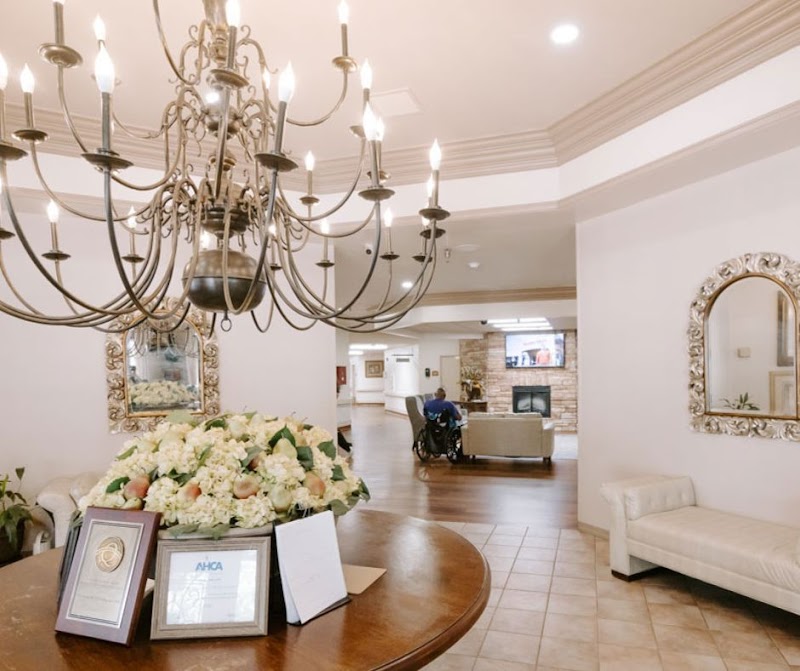
How is Twin Rivers Rehabilitation And Healthcare Center Staffed?

CMS rates TWIN RIVERS REHABILITATION AND HEALTHCARE CENTER's staffing level at 4 out of 5 stars, which is above average compared to other nursing homes. Staff turnover is 58%, which is 12 percentage points above the Arkansas average of 46%. High turnover can affect care consistency as new staff learn residents' individual needs.

What Have Inspectors Found at Twin Rivers Rehabilitation And Healthcare Center?

State health inspectors documented 21 deficiencies at TWIN RIVERS REHABILITATION AND HEALTHCARE CENTER during 2022 to 2025. These included: 1 that caused actual resident harm and 20 with potential for harm. Deficiencies causing actual harm indicate documented cases where residents experienced negative health consequences.
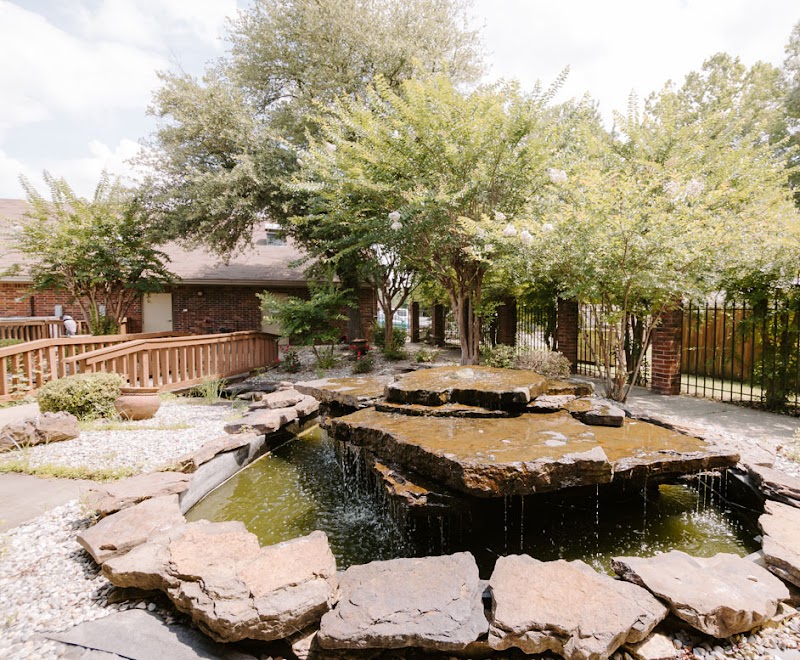
Who Owns and Operates Twin Rivers Rehabilitation And Healthcare Center?

TWIN RIVERS REHABILITATION AND HEALTHCARE CENTER is owned by a for-profit company. For-profit facilities operate as businesses with obligations to shareholders or private owners. The facility is operated by SOUTHERN ADMINISTRATIVE SERVICES, a chain that manages multiple nursing homes. With 72 certified beds and approximately 67 residents (about 93% occupancy), it is a smaller facility located in ARKADELPHIA, Arkansas.
How Does Twin Rivers Rehabilitation And Healthcare Center Compare to Other Arkansas Nursing Homes?

Compared to the 100 nursing homes in Arkansas, TWIN RIVERS REHABILITATION AND HEALTHCARE CENTER's overall rating (4 stars) is above the state average of 3.1, staff turnover (58%) is significantly higher than the state average of 46%, and health inspection rating (4 stars) is above the national benchmark.

What Should Families Ask When Visiting Twin Rivers Rehabilitation And Healthcare Center?

Based on this facility's data, families visiting should ask: "How do you ensure continuity of care given staff turnover, and what is your staff retention strategy?" "Can I visit during a mealtime to observe dining assistance and food quality?" "How do you handle medical emergencies, and what is your hospital transfer rate?" "Can I speak with family members of current residents about their experience?" These questions are particularly relevant given the facility's high staff turnover rate.

Is Twin Rivers Rehabilitation And Healthcare Center Safe?

Based on CMS inspection data, TWIN RIVERS REHABILITATION AND HEALTHCARE CENTER has a clean safety record: no substantiated abuse findings (meaning no confirmed cases of resident harm), no Immediate Jeopardy citations (the most serious violation level indicating risk of serious injury or death), and is not on the Special Focus Facility watch list (a federal program monitoring the lowest-performing 1% of nursing homes). The facility has a 4-star overall rating and ranks #1 of 100 nursing homes in Arkansas. While no facility is perfect, families should still ask about staff-to-resident ratios and recent inspection results during their visit.

Do Nurses at Twin Rivers Rehabilitation And Healthcare Center Stick Around?

Staff turnover at TWIN RIVERS REHABILITATION AND HEALTHCARE CENTER is high. At 58%, the facility is 12 percentage points above the Arkansas average of 46%. High turnover means new staff may not know residents' individual needs, medications, or preferences. It can also be disorienting for residents, especially those with dementia who rely on familiar faces. Families should ask: What is causing the turnover? What retention programs are in place? How do you ensure care continuity during staff transitions?

Was Twin Rivers Rehabilitation And Healthcare Center Ever Fined?

TWIN RIVERS REHABILITATION AND HEALTHCARE CENTER has been fined $12,335 across 1 penalty action. This is below the Arkansas average of $33,202. While any fine indicates a compliance issue, fines under $50,000 are relatively common and typically reflect isolated problems that were subsequently corrected. Families should ask what specific issues led to these fines and confirm they've been resolved.

Is Twin Rivers Rehabilitation And Healthcare Center on Any Federal Watch List?

TWIN RIVERS REHABILITATION AND HEALTHCARE CENTER is not on any federal watch list. The most significant is the Special Focus Facility (SFF) program, which identifies the bottom 1% of nursing homes nationally based on persistent, serious quality problems. Not being on this list means the facility has avoided the pattern of deficiencies that triggers enhanced federal oversight. This is a positive indicator, though families should still review the facility's inspection history directly.