PLEASANT MANOR NURSING & REHAB
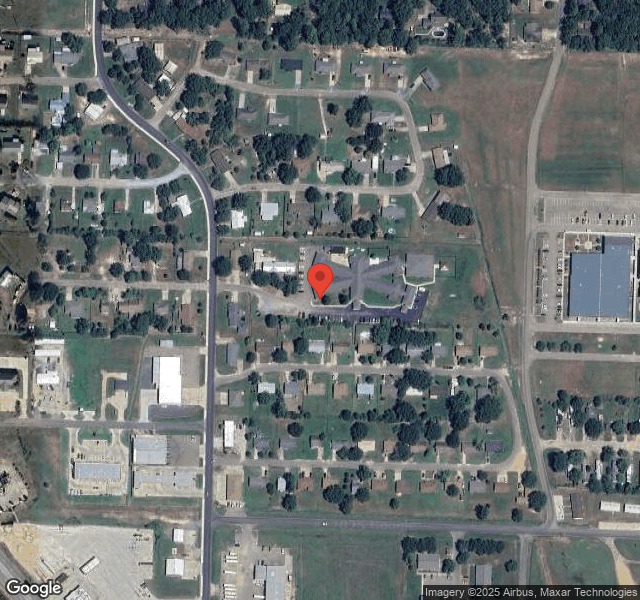
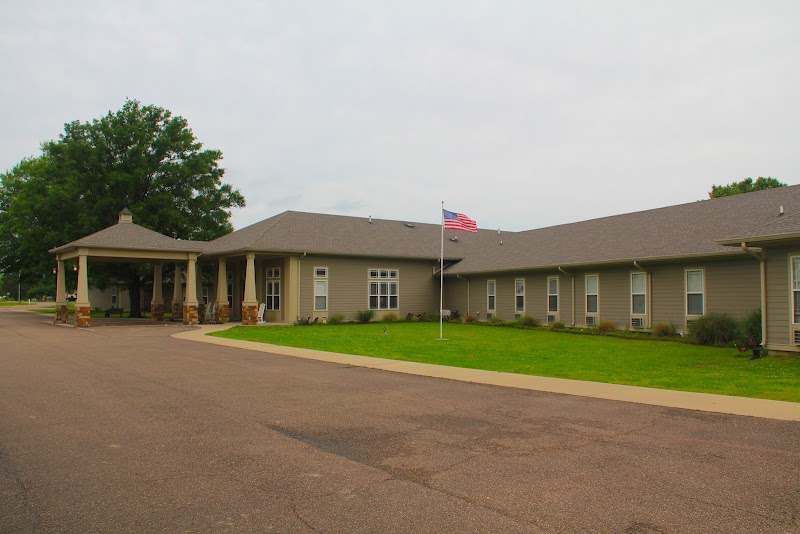
950 HOMESTEAD, ASHDOWN, AR 71822 (870) 898-5001
For profit - Limited Liability company 88 Beds Independent Data: November 2025
Trust Grade
55/100
#117 of 218 in AR
Last Inspection: July 2024

Within standard 12-15 month inspection cycle. Federal law requires annual inspections.

Overview

Pleasant Manor Nursing & Rehab in Ashdown, Arkansas has a Trust Grade of C, which means it is average and sits in the middle of the pack among nursing homes. It ranks #117 out of 218 facilities in Arkansas, placing it in the bottom half, and #2 out of 2 in Little River County, indicating there is only one local option that performs better. Currently, the facility is worsening, with issues increasing from 3 in 2023 to 6 in 2024. Staffing is a relative strength, with a 4 out of 5-star rating and RN coverage better than 98% of Arkansas facilities, although the turnover rate of 61% is concerning as it exceeds the state average. While there have been no fines, recent inspections revealed serious concerns, including unsanitary conditions in the ice machine and improper food storage practices, which could pose health risks for residents. Overall, families should weigh the strengths in staffing against the troubling trends and specific health and safety issues.

Trust Score
C
55/100
In Arkansas
#117/218
Bottom 47%
Safety Record
Low Risk
No red flags
Inspections
Getting Worse
3 → 6 violations
Staff Stability
⚠ Watch
61% turnover. Above average. Higher turnover means staff may not know residents' routines.
Penalties
✓ Good
No fines on record. Clean compliance history, better than most Arkansas facilities.
Skilled Nurses
✓ Good
Each resident gets 63 minutes of Registered Nurse (RN) attention daily — more than 97% of Arkansas nursing homes. RNs are the most trained staff who catch health problems before they become serious.
Violations
⚠ Watch
24 deficiencies on record. Higher than average. Multiple issues found across inspections.
★★★☆☆
3.0
Overall Rating
★★★★☆
4.0
Staff Levels
★★☆☆☆
2.0
Care Quality
★★★☆☆
3.0
Inspection Score
Stable
2023: 3 issues
2024: 6 issues

The Good

  • 4-Star Staffing Rating · Above-average nurse staffing levels
  • Full Sprinkler Coverage · Fire safety systems throughout facility
  • No fines on record

Facility shows strength in staffing levels, fire safety.

The Bad

3-Star Overall Rating

Near Arkansas average (3.1)

Meets federal standards, typical of most facilities

Staff Turnover: 61%

15pts above Arkansas avg (46%)

Frequent staff changes - ask about care continuity

Staff turnover is elevated (61%)

13 points above Arkansas average of 48%

The Ugly 24 deficiencies on record

Jul 2024 6 deficiencies
CONCERN (D)

Potential for Harm - no one hurt, but risky conditions existed

Deficiency F0578 (Tag F0578)

Could have caused harm · This affected 1 resident

Based on interviews and record review, it was determined the facility failed to ensure resident was provided with the opportunity to formulate advance directives other than code status, to enable resi...

Read full inspector narrative →
Based on interviews and record review, it was determined the facility failed to ensure resident was provided with the opportunity to formulate advance directives other than code status, to enable resident to make advance decisions regarding which measures should be provided or withheld in the event of their incapacitation for 1 resident (Resident #54). The findings are: 1. Review of the Care Plan indicated the facility admitted Resident #54 with diagnoses that included Alzheimer's disease, chronic fatigue, hypertension, dementia, and anxiety a. The quarterly Minimum Data Set (MDS) with an Assessment Reference Date (ARD) of 04/11/2024 revealed Resident #54 had a Brief Interview for Mental Status [BIMS] score of 0, which indicated the resident has severe cognitive impairment. b. The clinical records for Resident #54 did not indicate the resident was provided with the opportunity to formulate an Advance Directive. c. On 07/16/2024 at 3:33 PM, the Administrator in Training (AIT) provided a copy of the Physician Orders for Life-Sustaining Treatment (POLST) for Resident #54 dated 01/31/2024. d. On 07/18/2024 at 2:14 PM, the Surveyor interviewed the Administrator regarding Advance Directives. The Administrator was asked what the difference was between an Advance Directive and a POLST. The Administrator stated, Aren't they the same thing? The Surveyor asked if they had an Advance Directive other than the POLST for Resident #54. The Administrator was unable to locate or provide an Advance Directive for Resident #54. e. On 07/18/2024 at 2:18 PM, the Surveyor requested a policy on Advance Directives from the Administrator. At 3:20 PM, the Administrator provided a DNR (Do Not Resuscitate) - No Extraordinary Life-Saving Measures policy. The Do Not Resuscitate Policy indicated, Purpose: Ensure that resident rights are protected in the presence of a DNR order or Advance Directive; when the resident wishes for no extraordinary measures to be taken at his/her end of life.
CONCERN (D)

Potential for Harm - no one hurt, but risky conditions existed

Assessment Accuracy (Tag F0641)

Could have caused harm · This affected 1 resident

Based on interview, and record review the facility failed to ensure the minimum data set [MDS] accurately reflected on section A1500 the preadmission screening and assessment resident record [PASARR] ...

Read full inspector narrative →
Based on interview, and record review the facility failed to ensure the minimum data set [MDS] accurately reflected on section A1500 the preadmission screening and assessment resident record [PASARR] a serious mental illness and/or intellectual disability affecting 2 Resident (Resident #14 and #45) with a level II PASRR. The findings are: 1. Review of the Medical Diagnosis portion of Resident #14's electronic health record revealed diagnoses of bipolar disorder, anxiety disorder, and major depressive disorder. a. The quarterly Minimum Data Set (MDS) with an assessment reference date (ARD) of 04/04/2024 documented no in Section A1500 if the resident was currently considered by the Level 11 PASARR process to have serious mental illness. b. A letter from the State Designated Professional Associates dated 08/17/2022 states, The above-named client will require a PASRR/Level II Screening to be completed at your nursing facility per the Office of Long-Term Care. An Assessor from the State Designated Professional Associates will contact your facility to make arrangements for this appointment. c. A letter from the State Designated Professional Associates dated 08/23/2022 with results of the Level II states, You DO NOT require specialized services for your mental illness (MI). intellectual disability, and/or developmental disability (ID/DD) beyond the capabilities of a nursing facility. Specialized services for ID/DD are services provided outside the nursing facility such as Sheltered Workshop or Adult Education. d. A review of Resident #14's Care Plan showed the resident had a diagnosis of bipolar disorder. e. On 07/18/2024 at 1:38 PM, the Minimum Data Set (MDS) Coordinator was interviewed regarding Resident #14. The Surveyor asked the MDS Coordinator if the Resident had a PASARR II diagnosis. The MDS Coordinator indicated yes. The surveyor asked if the Resident doesn't require services, does the MDS have to be coded showing a PASARR II. The MDS Coordinator indicated yes. The Surveyor asked the MDS Coordinator to look up the MDS for Resident #15 and see how it is marked and tell this surveyor how it is supposed to be coded. The MDS Coordinator looked in the electronic record and stated, PASARR level II but doesn't require services. The Surveyor asked, how is the MDS marked? The MDS Coordinator stated, The MDS under section A1500 is marked NO, it should be marked yes. f. On 07/18/2024 at 3:20 PM, a Resident Assessment Instrument Process (RAI/MDS) was provided to this surveyor by the Administrator and showed Procedure: 1. The MDS Coordinator or designee will open/initiate the appropriate MDS 3.0 item Set either on a paper copy of the item Set or in the facility's electronic medical record (EMR)within the allowable ARD window (Includes grace day for PPS assessments) and complete Section A. 2. Review of the Medical Diagnosis portion of Resident #45's electronic health record revealed diagnoses of depression, anxiety disorder, manic episode, and bipolar disorder. a. A review of Resident #45's MDS with an ARD of 10/23/2023 shows that Section A1500 is marked no for needed a Level II PASRR. b. A review of Resident #45's Care Plan shows, The resident is/has potential to be physically and/or verbally aggressive r/t Bipolar disorder Noted to frequently cry or be emotional Short tempered. c. A letter from the State Designated Professional Associates dated 03/03/2022 states The above-named client will require a PASRR/Level II Screening to be completed at your nursing facility per the Office of Long Term Care. An Assessor from the State Designated Professional Associates will contact your facility to make arrangements for this appointment. d. A letter from the State Designated Professional Associates dated 3/09/2022 indicated results of the Level II that included You DO NOT require specialized services for your mental illness (MI), intellectual disability, and/or developmental disability (ID/DD) beyond the capabilities of a nursing facility. Specialized services for MI are services such as inpatient psychiatric hospitalization. Specialized services for ID/DD are services provided outside the nursing facility such as [Named local workshop] or adult Education. e. On 07/18/2024 at 1:45 PM, the MDS Coordinator was interviewed regarding Resident #14. The Surveyor asked the MDS Coordinator if the resident had a PASARR II diagnosis? The MDS Coordinator indicated yes. The surveyor asked if the Resident doesn't require services, does the MDS have to be coded showing a PASARR II. The MDS Coordinator indicated yes. The Surveyor asked the MDS Coordinator to look up the MDS for this resident and see how it is marked and tell this surveyor how it is supposed to be coded. The MDS Coordinator looked in the electronic record and stated, PASARR level II but doesn't require services. The Surveyor asked, how is the MDS marked? The MDS Coordinator stated, The MDS under section A1500 is marked NO, it should be marked yes. The MDS Coordinator stated, I just missed that one too.
CONCERN (E)

Potential for Harm - no one hurt, but risky conditions existed

Deficiency F0625 (Tag F0625)

Could have caused harm · This affected multiple residents

**NOTE- TERMS IN BRACKETS HAVE BEEN EDITED TO PROTECT CONFIDENTIALITY** Based on record review, and interview the facility failed to notify the resident and/or resident representative of the facility ...

Read full inspector narrative →
**NOTE- TERMS IN BRACKETS HAVE BEEN EDITED TO PROTECT CONFIDENTIALITY** Based on record review, and interview the facility failed to notify the resident and/or resident representative of the facility policy for bed holds including reserve bed hold payments when the resident was transferred/ discharged to the hospital for 4 (Residents #15, #38, #61 and #67) sampled residents. The findings are: 1. The Quarterly Minimum Data Set (MDS) with an Assessment Reference Date (ARD) of 05/22/2024 indicated that Resident #15 had diagnoses of end-stage renal disease (ESRD), Viral Hepatitis, and Non-Alzheimer's Dementia and scored 13 (13-15 indicates cognitively intact) on the Brief Interview for Mental Status (BIMS). a. A review of a Hospital Discharge Summary dated 06/25/2024 indicated Resident #15 was admitted to the hospital on [DATE] with the principal problem of acute renal failure and discharged back to the facility on [DATE]. b. On 07/17/2024 at 12:15 PM, the Administrator was asked for a copy of the bed hold notification that was given to Resident #15 and the resident's representative when the resident went to the hospital on [DATE]. c. On 07/17/2024 at 12:20 PM, the Administrator stated, We do not send out a bed hold notice when the resident's go to the hospital. We give them the bed hold agreement when they are first admitted , but we do not give them a notice when they go to the hospital. d. On 07/17/2024 at 2:05 PM, the Administrator was asked if the facility had a bed hold policy and the Administrator stated, We do not. 2. Resident #38 had diagnoses of chronic obstructive pulmonary disease, depression, schizophrenia and bipolar as noted on the face sheet 07/18/2024 and hospital note on 07/09/2024. a. A review of Resident # 38's hospital admission and discharge documentation indicated the hospital admitted Resident # 38 with a diagnosis of pneumonia on 07/08/2024. b. On 07/18/2024 at 1:39 PM, the Surveyor asked the Administrator for a copy of the notification to Resident #38 and or the resident's representative of the facility policy for bed hold, including reserve bed payment. The Administrator stated she didn't realize that was supposed to be done. 3. Resident #61 had diagnoses listed on the Order Summary of 07/19/2024 of pneumonia, major depressive disorder, and lymphedema. a. A review of Resident #61's Progress Note indicated the resident was sent to the emergency room and admitted the hospital 11/23/2023 related to low 02 (Oxygen) and altered mental status. Resident was discharged home on hospice 01/02/2024 then readmitted back to nursing home on [DATE]. b. On 07/18/2024 at 1:39 PM, the Surveyor asked the administrator for a copy of the notification to resident # 61 and or the resident's representative of the facility policy for bed hold, including reserve bed payment. The Administrator stated she didn't realize that was supposed to be done. c. On 07/18/2024 at 1:39 PM, the Administrator stated they did not have a policy for bed hold they did not know they had to have one. 4. Resident #67 had diagnoses from the Significant Change MDS with Assessment Reference Data (ARD) of 06/25/2024 of sepsis due to streptococcus pneumonia, anxiety disorder, acute embolism, and heart failure. a. A review of Resident #67's hospital admission and discharge documentation indicated the hospital admitted Resident # 67 with a diagnosis of pneumonia on 06/16/2024. b. On 07/18/2024 at 1:39 PM, the Surveyor asked the Administrator for a copy of the notification to Resident # 67 and the resident's representative of the facility policy for bed hold, including reserve bed payment. The Administrator stated she didn't realize that was supposed to be done.
CONCERN (E)

Potential for Harm - no one hurt, but risky conditions existed

Deficiency F0805 (Tag F0805)

Could have caused harm · This affected multiple residents

Based on observation and interview, the facility failed to ensure pureed food items were blended to a smooth, lump free consistency to minimize the risk of choking or other complications for those res...

Read full inspector narrative →
Based on observation and interview, the facility failed to ensure pureed food items were blended to a smooth, lump free consistency to minimize the risk of choking or other complications for those residents who required pureed diets for 2 of 2 meals observed. The failed practice had the potential to affect 3 residents who received pureed diet, and only resident who received pureed meat only. The findings are: 1. On 07/15/2024 at 11:38 AM, Dietary [NAME] (DC) #1 used a spatula to place 5 servings of beef enchilada into a blender and pureed. At 11:39 AM, DC #1 poured the pureed beef enchilada into a pan and placed it on the steam table. The consistency of the pureed beef enchilada was lumpy and not smooth. 2. On 07/15/2024 at 11:47 AM, DC #1 used a #6 scoop to place 5 servings of Spanish rice into a blender and pureed. At 11:49 AM, DC #1 poured the pureed rice into a pan that had some loose rice in it. The consistency of the pureed Spanish rice was lumpy and was not smooth. The were rice grains visible in the mixture. 3. On 07/15/2024 at 12:21 PM, the surveyor asked the Dietary Manager (DM) to describe the consistency of the pureed Spanish rice and pureed beef enchilada served to the residents on pureed diets. She, stated, Pureed rice had some chunks in it still and beef enchilada has lumps in it. I will puree them over. 4. On 07/16/2024 at 12:44 PM, the following food items were served to the residents on the pureed chicken diets: a. Pureed chicken: The consistency was thick and lumpy and was not smooth. b. Pureed bread: The consistency was too thick. 5. On 07/16/2024 at 12:45 PM, the surveyor asked Certified Nursing Assistant (CNA) #5 who was assisting residents in the unit dining room to describe the consistency of the pureed barbeque chicken and pureed bread to the residents on pureed diets. She stated, they were both pretty thick. 6. On 07/16/2024 1at 2:58 PM, the surveyor asked CNA #6 who was assisting residents in the dining room to describe the consistency of the pureed barbeque chicken and pureed bread to the residents on pureed diets. She stated, they were both thick. 7. On 07/16/2024 at 1:15 PM, the surveyor asked the DM to describe the consistency of the pureed foods served to the residents for lunch. She stated, they were thick. She should have added more milk. The surveyor asked the DM what should have been done when food items are not hot enough to serve the to the residents. She stated, Reheat them.
CONCERN (E)

Potential for Harm - no one hurt, but risky conditions existed

Deficiency F0925 (Tag F0925)

Could have caused harm · This affected multiple residents

Based on observation, record review and interview, the facility failed to maintain an effective pest control program to ensure the kitchen service areas and the main dining room were free of pests. Th...

Read full inspector narrative →
Based on observation, record review and interview, the facility failed to maintain an effective pest control program to ensure the kitchen service areas and the main dining room were free of pests. This failed practice had the potential to affect all residents who resided in the facility. The findings are: 1. Pest control invoices were reviewed and showed the following: a. An invoice dated 5/1/2024 showed target pests none. b. An Invoice dated 06/03/2024 showed general pest control service. c. An Invoice dated 06/14/2024 showed re-service inside flies. d. An Invoice dated 06/24/2024 showed re-service inside flies. 2. A Quality Assurance Action Plan provided by the Administrator in training on 07/16/2024 at 10:18 AM under intervention documented, Fly control. I. (Named) pest control x 2 fly spray for 1/5, 2/1, 3/4, 4/1, 5/1, 5/23, 5/25/5/29, 6/1, 6/3, and 7/2. An Invoice dated 07/04/2024 showed re-service inside flies. 3. An Invoice dated 5/29/2024 showed 6 feet lights installed results: ongoing fly treatment. 4. On 07/15/24 at 9:33 AM, the following observations were made in the kitchen area: a. A fly on the ceiling by the air vent. b. Two flies on the metal wall above the food preparation sink. c. One fly on the metal wall above the counter where the drink machine was located. d. One fly on the floor in front of the food preparation counter. e. One fly on the tong, one at the back a saucepan, and one at the back of colander hanging on the metal bar above the food preparation counter. f. One fly at the edge of the tray cover located on the counter that contained snacks. g. One fly on the wall by the hand washing sink. i. Two flies on the rack by the deep fryer where plate covers where kept. j. One fly was on the vent hood. k. One fly on top of the ice chest lid located by the ice machine. l. Two flies in the dishwashing machine room. m. One fly on the wall by the fly trap. n. One fly at the edge of a pan on the steam table. The Dietary Manager stated, That's a lot of files. The surveyor asked the Dietary Manager to count the flies in the kitchen and in the dish washing machine room. She stated, I counted 18 flies. 4. On 07/16/24 11:05 AM, the following observations were made in the kitchen. a. Two flies on the rack where tray covers were kept. b. One fly on the counter where the tea machine was kept. c. One fly on the cod attached to a socket above the food preparation counter. d. Two flies on the tray on the counter. e. 0ne fly on the wall by the fly tray. f. One fly on dish rack where clean dishes were kept uncovered. g. Two flies on a rack leading to the outside. h. Two flies were crawling on top of the potholder on the counter by the steam table. i. One fly was on the metal wall leading to the kitchen. The Dietary Manager stated, We killed some of the flies last night. The surveyor asked the Dietary Manager to count the flies that were in the kitchen now. She stated, There were 13 flies, we have been having problems with flies for few months now. 9. On 07/16/2024 at 12:05 PM, the surveyor interviewed the pest control representative with the pest control company. He stated the flies have been bad for several months, and he noticed they were early this year. He shared photos of the ultraviolet sticky fly traps. The photo of the trap in the kitchen showed there were only 12 flies adhered to the trap since 7/01/2024. He advised the traps were the only intervention they are using at this time inside the building. Other interventions such as chemicals are used outside the building, especially at the entrances.
CONCERN (F)

Potential for Harm - no one hurt, but risky conditions existed

Food Safety (Tag F0812)

Could have caused harm · This affected most or all residents

Based on observation, record review and interview, the facility failed to ensure the ice machine and ice scoop were maintained in a clean and sanitary condition to prevent potential growth of harmful ...

Read full inspector narrative →
Based on observation, record review and interview, the facility failed to ensure the ice machine and ice scoop were maintained in a clean and sanitary condition to prevent potential growth of harmful bacteria that could be transferred to the residents food, failed to ensure opened food items in the refrigerator, freezer and storage room were covered, sealed and dated to maintain freshness and prevent potential cross contamination, failed to ensure dietary staff practiced good hand washing techniques to potential cross contamination of food and clean dishes, failed to ensure hot food item was maintained at the required temperature on the stove and serving line to prevent potential foodborne illness. This failed practice had the potential to affect 69 residents who received meals from the kitchen. The findings are: 1. On 07/15/2024 at 9:17 AM, the area in the ice machine where ice forms before dropping into the ice collector had wet sage and brown colors on it. The Surveyor asked the Dietary Manager (DM) to wipe the area. The wet sage and brown residue easily transferred to the tissue. She stated, It was sage and brown residue. The Surveyor asked the DM, Who uses the ice from the ice machine and how often do you clean it? She stated, We clean it every month. That's the ice the CNAs [Certified Nursing Assistants] use for the water pitchers in the resident's rooms and we use it in the kitchen to fill beverages served to the residents at mealtimes. 2. The scoop holder on top of the hand washing on the wall by the food preparation sink had accumulation of wet black/gray residue all around the corner and the area where ice scoop was resting. The surveyor asked Dietary Manager to wipe the wet yellowish/brown residue. She did so, wet yellowish/brown residue easily transferred to the tissue. The surveyor asked Dietary Manager How often do you clean the ice machine and who uses the ice from the ice machine? stated, We clean it once a week. That's the ice the CNAs [Certified Nursing Assistants] use for the water pitchers in the residents' rooms and we use it in the kitchen to fill beverages served to the residents at mealtimes. 3. On 07/15/2024 at 9:35 AM, the Dietary Manager asked the Maintenance Supervisor to wipe the area where ice forms before dropping into the ice collector. Wet yellowish/brown residue easily transferred to the tissue. The surveyor asked the Maintenance Supervisor to describe what was observed on the tissue. He stated, It's kind of slimy and moldy. 4. On 07/15/2024 at 9:42 AM, the following observations were made in the kitchen: a. An opened box of salt was under food preparation close to the hand washing sink. The box was not covered. b. A gallon of liquid margarine with an opening date of 07/07/2024 was stored on a shelf below the food preparation counter. 5. On 07/15/2024 at 9:46 AM, Dietary Aide (DA)#1 turned on the 3-compartment sink and washed her hands. She dried her hands with a tissue. As the tissue got saturated with water, she pulled another tissue covering the saturated tissue with it, she then, used the same tissue to dry her hands, contaminating her hands. She removed gloves from the glove box, placed them on her hands, contaminating the gloves. Without changing gloves and washing her hands, she picked up clean dishes and stacked them on a rack with her fingers inside the dishes. 6. On 07/16/2024 at 8:22 AM, the surveyor asked DA#1 what should you have done after touching dirty objects and before handling clean equipment? She stated, I should have removed gloves and washed my hands. 7. On 07/15/2024 at 10:11 AM, the following observations were made in the walk-in freezer. a. An opened box of burritos. The box was not covered. b. An opened box of egg rolls. The box was not covered, the bag inside that held egg rolls was not sealed. c. An opened box of chocolate chip cookies. The box was not covered or sealed. d. An opened box of garlic. The box was not covered or sealed. 8. On 07/15/2024 at 10:15 AM, an opened box of fish fryer crumbs was on a rack in the storage room and had no opening date on it. 9. On 07/15/2024 at 10:55 AM, the following observations were made in the freezer in the unit: a. A box of popsicles containing 12 were mushy to touch with a used by date of 04/27/2024. b. A box of popsicles with 9 pops that were mushy to touch. c. A carton of chocolate ice cream was soft to touch. Dietary Manager stated, The popsicles were mushy and chocolate ice cream was soft to touch. A bottle of water and other food package in the freezer were frozen solid. 10. On 07/15/2024 at 10:58 AM, the following observations were made on a shelf in the unit refrigerator: a. A bowl of chili covered with plastic wrap had fuzzy, white, green, and black residue on it. There was no name to identify who it belongs to, and the storage date was not marked on the bowl. The Dietary Manager stated, It's molded. b. A crock pot that contained smokey sausage links with sauce. The was no name to aid in identifying whom it belongs to, and the storage date was not on the pot. c. On 07/15/2024 at 11:06 AM, Licensed Practical Nurse #3 stated, the popsicles were melted, and chili was molded and nasty. d. On 07/16/2024 at 10:48 AM, the Administrator in training stated, The ice cream in the unit freezer came from hospice care. They were having an ice cream social on 06/19./2024 and whatever was left, they said to give it to the residents in the memory unit. 11. On 07/15/2024 at 11:42 AM, DA #4 was wearing gloves on her hands when she turned on the 3-compartment sink and washed the blender bowl, the blade and the lid that goes over the bowl. She then turned off the faucet with her gloved hand. Without changing gloves and washing her hands, she used her contaminated gloved hand to pick up a blade and attached it to the base of the blender. When DC #1 was preparing to use it for pureeing foods to be served to the residents on pureed diets, the surveyor pointed out leftover food stuck in the corners that hadn't been properly cleaned, and immediately asked DA #4 what she should have done after touching dirty objects and before handling clean equipment. She stated, I should have washed my hands. 12. On 07/15/2024 at 12:58 PM, the temperature of tomato soup in a bowl on the stove checked by the Dietary manager before it was served to the residents was 101-degree Fahrenheit. Tomato soup was not reheated before served to the resident who requested for it. 13. A facility policy titled Handwashing/Hand Hygiene provided by the Dietary Manager on 07/16/2024 at 1:41 PM, showed under general instructions wash hands before, during after food preparation.
Sept 2023 3 deficiencies
CONCERN (E)

Potential for Harm - no one hurt, but risky conditions existed

Deficiency F0761 (Tag F0761)

Could have caused harm · This affected multiple residents

Based on observation and interview, the facility failed to ensure that refrigerated scheduled II-V controlled medications were maintained within a locked permanently affixed compartment in the Medicat...

Read full inspector narrative →
Based on observation and interview, the facility failed to ensure that refrigerated scheduled II-V controlled medications were maintained within a locked permanently affixed compartment in the Medication Storage Room. The finding are: On 09/21/23 at 1:15 PM, during observation of the Medication Room with Licensed Practical Nurse (LPN) #1, the Surveyor asked LPN #1 to see the refrigerated controlled medications. LPN #1 removed a small black medal box from the unlocked refrigerator and unlocked the box containing controlled medications. On 09/22/23 at 8:45 AM, in the Medication Storage Room the small black box containing controlled medications continued to not be permanently affixed to the unlocked refrigerator. On 09/22/23 at 9:10 AM, the Surveyor accompanied LPN #2 to the Medication Storage Room. In the unlocked refrigerator was the small black medal box containing controlled medications in the door. The Surveyor asked if she had ever been told that the box should be permanently affixed to the refrigerator. LPN #2 stated, No. During an interview on 09/22/23 at 9:15 AM, the Director of Nursing (DON) said she was not aware of the requirement.
CONCERN (E)

Potential for Harm - no one hurt, but risky conditions existed

Menu Adequacy (Tag F0803)

Could have caused harm · This affected multiple residents

Based on observation, record review, and interview, the facility failed to ensure meals were prepared and served according to the planned written menu to meet the nutritional needs of the residents fo...

Read full inspector narrative →
Based on observation, record review, and interview, the facility failed to ensure meals were prepared and served according to the planned written menu to meet the nutritional needs of the residents for 1 of 1 meal observed. This failed practice had the potential to affect 1 resident who received a pureed diet and 17 residents who received a mechanical soft diet, and 55 residents who received a regular diet from 1 of 1 kitchen, (Total Census:76), according to a list provided by the Dietary Supervisor on 09/20/23 at 2:15 PM. The findings are: 1. On 09/20/23, the menu for the lunch meal documented the resident who received a puree diet was to receive two #8 scoops (1 Cup) of pureed cheeseburger, ½ cup of vegetable juice, and residents on mechanical soft and regular diets were to receive one cheeseburger each. 2. On 09/20/23 at 11:22 AM, Dietary Employee (DE) #2 placed 5 servings of hamburger patties into a blender, ground and poured into a pan. At 11:24 AM, she placed 7 more servings of hamburger patties into a blender, ground and poured in the same pan total of 12 servings without cheese. She then placed the pan in the oven to be served to 17 residents who received mechanical soft diets. At 12:20 PM, DE #2 used a #16 scoop (2 ounces) to serve a single portion of ground hamburger patties to the residents who received mechanical soft diets, instead of 3 ounces of cheeseburger. 3. On 09/20/23 at 11:26 AM, DE #2 placed 2 servings of hamburger patties with gravy into a blender and pureed. At 11:28 AM, she poured the pureed contents into a pan and placed it in the oven. At 12:32 PM, DE #2 used a #16 scoop to serve a single portion of pureed beef patties to the resident who received a puree diet, instead of two #8 scoops. She also used a #16 scoop (1/2 cup) to serve a single portion of pureed cut green beans, instead of ½ cup of pureed vegetable. The resident was not served pureed bread or cheese with her lunch meal. 4. On 09/20/23 at 2:12 PM, the Surveyor asked DE #2 what scoop size she used to serve pureed food items to the resident on a pureed diet and how many servings she gave. She stated, I used a blue scoop (#16) which is equivalent to ¼ cup or 2 ounces. I gave a serving of pureed beef patties and a single portion of pureed green beans. The Surveyor asked the reason bread and/or bun and cheese were not served to the resident. She stated, I forgot to puree them. The Surveyor asked the reason cheese was not served to the residents on regular and on mechanical soft diets. She stated, Only two people asked for cheese, and I forgot to give it to every resident.
CONCERN (F)

Potential for Harm - no one hurt, but risky conditions existed

Food Safety (Tag F0812)

Could have caused harm · This affected most or all residents

Based on observation and interview, the facility failed to ensure eggs were stored below other foods and cooked food items were maintained the proper temperatures to reduce the chances of food borne i...

Read full inspector narrative →
Based on observation and interview, the facility failed to ensure eggs were stored below other foods and cooked food items were maintained the proper temperatures to reduce the chances of food borne illness; dietary staff washed their hands before handling clean equipment or food items to prevent potential food borne illness for residents who received meals from 1 of 1 kitchen; 1 of 1 ice machine was maintained in clean condition; foods stored in the storage area refrigerator and freezer were sealed, labeled, and dated. These failed practices had the potential to 73 affect residents who received meals from the kitchen (Total Census:76), as documented on a list provided by the Dietary Supervisor on 09/20/23 at 2:15 PM. The findings are: 1. On 09/18/23 at 11:02 AM, in the refrigerator there was an opened carton of eggs on the third shelf from the bottom. Two eggs remained in the carton. Sealed containers of cooked food were immediately below the carton on the second shelf. 2. On 09/20/23 at 9:33 AM, Dietary Employee (DE) #1 pushed her glasses to her face. Without washing her hands, she picked up clean plates and stacked them on the racks on the clean side of the machine with her fingers inside the plates. 3. On 09/20/23 at 9:56 AM, the area in the ice machine where ice forms before dropping into the ice collector had wet sage and brown colors on it. The Surveyor asked DE #1 to wipe the area. The wet sage and brown residue easily transferred to the tissue. She stated, It was sage and brown residue. The Surveyor asked the Dietary Supervisor, Who uses the ice from the ice machine and how often do you clean it? She stated, We clean it every month. That's the ice the CNAs [Certified Nursing Assistants] use for the water pitchers in the residents' rooms and we use it in the kitchen to fill beverages served to the residents at mealtimes. 4. On 09/20/23 at 10:06 AM, the following observations were made on a shelf in the walk-in refrigerator: a. An opened box of sausage. The box was not covered or sealed. b. An opened box of bacon. The box was not covered or sealed. 5. On 09/20/23 at 10:11 AM, the following observations were made on a shelf in the walk-in freezer: a. An opened box of hamburger patties. The box was not covered or sealed. b. An opened box of biscuits. The box was not covered or sealed. c. An opened box of beef fritters. The box was covered or sealed. 6. On 09/20/23 at 11:41 AM, DE #3 took a dirty pot from the Dietary Supervisor and took it to the dish washing machine. She placed it on a rack and pushed it inside the machine to wash. Without washing her hands, she picked up clean dishes and stacked them on a cart on the clean side of the machine with her fingers inside the dishes. 7. On 09/20/23 at 11:43 AM, the temperatures of the food items in the baskets on the deep fryer were checked and read by DE #2, the temperatures were: a. Tartar tots - 127 degrees Fahrenheit. b. Pork egg rolls - 120 degrees Fahrenheit. The deep fryer was not on. The above food items were not reheated before being served to the residents. 8. On 09/20/23 at 11:49 AM, DE #2 pushed a cart containing bags of hamburger buns towards the oven and pushed a plate warmer towards the steam table. She then placed gloves on her hands, contaminating the gloves. She opened the bags of buns and then turned off the stove. She removed gloves from the glove box and placed them on her hands, contaminating the gloves in process. She then picked up plates to be used in portioning food items to be served to the residents for lunch and placed them on the trays with her fingers inside the plates. She also picked bowls with her gloved fingers inside the bowls as she placed them on the trays to be used in serving food to the residents for lunch. 9. On 09/19/23 at 12:33 PM, DE #2 turned off the stove after serving cut green beans from a pot on the stove. Without changing gloves and washing her hands, she removed slices of cheese from foil on a pan of ice and placed them on the hamburger patties to be served to two residents who requested cheese with their hamburger. 10. A facility policy titled, Handwashing and Glove Usage in Food Service, provided by the Dietary Supervisor on 09/20/23 at 2:15 PM documented, .When Food Handler's must wash their hands: ∙ starting work . ∙ leaving and returning to the kitchen/prep area ∙ touching anything else such as dirty equipment, work surfaces or cloths . 11. A facility policy titled, Proper Food Storage, provided by the Dietary Supervisor on 09/22/23 at 10:24 PM documented, .the wrong order of food on shelves could potentially promote the growth of pathogens, increasing the risk of foodborne illness.Fourth Shelf . It is important that meat that has been ground, injected, or tenderized be kept on a lower shelf. This category also includes eggs that will be hot held .
Nov 2022 3 deficiencies
CONCERN (D) 📢 Someone Reported This

A family member, employee, or ombudsman was alarmed enough to file a formal complaint

Potential for Harm - no one hurt, but risky conditions existed

Deficiency F0761 (Tag F0761)

Could have caused harm · This affected 1 resident

**NOTE- TERMS IN BRACKETS HAVE BEEN EDITED TO PROTECT CONFIDENTIALITY** Based on record review and interview, the facility failed to ensure all controlled medications were maintained in a secured loca...

Read full inspector narrative →
**NOTE- TERMS IN BRACKETS HAVE BEEN EDITED TO PROTECT CONFIDENTIALITY** Based on record review and interview, the facility failed to ensure all controlled medications were maintained in a secured location and failed to ensure all controlled medications had a detailed record of receipt for medications belonging to 1 (Resident #2) of 2 (Residents #2 and #3) sampled residents who had a physician order for Hydrocodone. The findings are: Resident #2 had a diagnosis of Chronic Obstructive Pulmonary Disease and Other Chronic Pain. The Quarterly Minimum Data Set (MDS) with an Assessment Reference Date (ARD) of 8/13/22 documented the resident scored 15 (13-15 indicates cognitively intact) on a Brief Interview for Mental Status (BIMS) and received an Opioid 7 days of the 7 day look back period. a. The Care Plan with a revision date of 04/12/22 documented, .The resident has a terminal prognosis r/t [related to] renal failure .The resident's comfort will be maintained through the review date .Work with the nursing staff to provide maximum comfort for the resident . b. The August 2022 Physician Orders documented, .Hydrocodone-Acetaminophen Tablet 10-325 MG [milligram] Give 1 tablet by mouth every 4 hours for PAIN . Order Date 04/02/2022 . c. The Incident Report dated 8/23/22 documented, .On 08/22/2022, 1530 [3:30 PM] [Director of Nursing (DON)] was notified by Pharmacy Consultant that [Resident #2] was out of Hydrocodone but when the Charge Nurse tried to reorder the medication, she was told by the Pharmacy that the medication was not due for a refill because 84 pills had been delivered on 08/12/2022 . By 08/22/2022, 1600 [4:00 PM] the Pharmacy Consultant immediately audited the Pharmacy Delivery manifest for 08/12/2022 and found Hydrocodone 84 pills listed for [Resident #2] and signed as received by LPN [Licensed Practical Nurse #2] at 1555 [3:55 PM]. On 08/22/2022, DON [Name] conducted a phone interview with [LPN #2] and she affirmed that she checked the Hydrocodone received was 84 tablets which was 42 tablets on 2 different cards and then handed the medication to [LPN #1] who was the Charge Nurse for [Resident #2]. [LPN #1] placed the medications in an unlocked file drawer at the nurses station . d. The form titled, Report of Loss of Controlled Substance Form documented, .Type of Loss: Pharmacy Consultant auditing and noted medications were not present in facility. Charge nurse signed verifying 84 tablets. Medication handed to nurse of resident. When 2nd [second] nurse logged medication onto controlled log 42 were added. Nurse #2 states she was only handed 42 tablets on blister pack . e. The form titled, List of Controlled Substances Lost or Stolen documented, .Hydrocodone/APAP . 10/325mg tablets, Total Quantity Lost or Stolen 42 . f. The August 2022 Medication Administration Record documented, .HYDROcodone-Acetaminophen Tablet 10-325 MG Give 1 tablet by mouth every 4 hours for PAIN . A H indicating the medication was held was documented on 08/23/22 at 8:00 PM, 08/24/22 and 08/25/22 at 12:00 AM, 4:00 AM, 8:00 AM, 12:00 PM, 4:00 PM, 8:00 PM and 08/26/22 at 12:00 AM, 4:00 AM, 8:00 AM, 12:00 PM and 4:00 PM. g. On 11/02/22 at 9:38 AM, the Surveyor asked the DON, Do you know of any nurses that don't log the Hydrocodone's in the narcotic book when they are received from the pharmacy? The DON stated, The way it went about, we watched the camera. She put the medicine in a drawer. I can't verify that [LPN #2] gave her Hydrocodone. We did verify she gave [LPN #1] Hydrocodone. We gave the Morphine in place of the Hydrocodone until the Hydrocodone came in so he wouldn't have any pain issues. I saw her put them in the drawer, sign the narc [narcotic] book, and put them in the drawer. Didn't anyone else go in the drawer. I watched the cameras. I pulled all the meds [medication] to look. We went through every card of medicine, and shred box. I personally don't feel like they delivered the medicine, but [LPN #2] won't admit it. h. On 11/02/22 at 10:08 AM, the Surveyor asked LPN #1, Do you know of any nurses that don't log the Hydrocodone's in the narcotic book when they are received from the pharmacy? LPN #1 stated, [LPN #2] handed me some medicine and the Hydrocodone was in there. She said, 'Here's your medicine.' I put the medicine in the bottom of the drawer at the nurse's station. Then I went to check on my patient. I came back and got the medicine and put them in the bottom of the nurse's cart. The ones that were narcotics, I put them in the bottom, and the narcotics, I put them in the narcotic box, but I hadn't log them in yet. Then when I got some free time, I logged in the narcotic according to what was on the card and how many was on there. i. On 11/02/22 at 10:15 AM, the Surveyor asked the DON, Did you watch [LPN #2] on the camera from the time she received the medication from the pharmacy until the time she handed the medication to [LPN #1]? The DON stated, Yes, I did. We watched the entire movement. Nobody took any medication. j. On 11/02/22 at 11:05 AM, during a phone interview with LPN #2, the Surveyor asked, What happened to [Resident #2's] Hydrocodone? She stated, I counted the Hydrocodone when I received it from the pharmacy. It was, I think 84 for [Resident #2]. To be exact I think someone else was standing there to. I walked the narcotics over to the other nurse on the other side. I put them in her hand and walked off. I think I might have had 6 cards that we counted in my hands. She was sitting at the desk at the computer. The Surveyor asked, What did [LPN #1] do with the medications when you handed them to her? LPN #2 stated, I walked off, and I'm not real sure what she did with them. The Surveyor asked, Did she count them when you handed them to her? She stated, No ma'am. k. On 11/02/22 at 11:30 AM, the Surveyor asked the DON, When did you realize that [Resident #2] had 42 Hydrocodone's that were missing? She stated, When the Pharmacy Consultant told me. l. On 11/02/22 at 12:25 PM, the Surveyor asked LPN #1, When did you realize [Resident #2] was missing 42 Hydrocodone? She stated, When he had ran out. I called the pharmacy to order more, and they said it's not time. The pharmacist was here, and she overheard our conversation, and she called hospice. They said they sent 84 pills out. The Surveyor asked, Should you have put the narcotics in an unlock drawer? She stated, No, I shouldn't have. I should have immediately locked them up. m. On 11/02/22 at 12:40 PM, the Surveyor asked the Pharmacy Consultant, What is the policy on counting and logging in narcotics? She stated, When they come in from the pharmacy, they are supposed to sign them and do their count. They are supposed to immediately log it into their narcotic book. The Surveyor asked, Should the facility contact the State Board of Nursing when narcotics are missing? She stated, Yes, but we couldn't determine which nurse was at fault. n. On 11/02/22 at 12:59 PM, the DON stated, I've contacted the State Board of Nursing . o. The facility policy titled, Policy Controlled Substances, provided by the DON on 11/02/22 at 11:49 AM documented, .Schedule II [2], III [3], IV [4], and V [5] controlled medications are stored separately from other medications under a double lock in a locked cabinet or safe designed for that purpose . Upon delivery of controlled medication to the facility, the number of controlled medications must be verified with two licensed nurses with signatures on the delivery manifest log indication the medications listed, and the amounts are correct .
CONCERN (E) 📢 Someone Reported This

A family member, employee, or ombudsman was alarmed enough to file a formal complaint

Potential for Harm - no one hurt, but risky conditions existed

Free from Abuse/Neglect (Tag F0600)

Could have caused harm · This affected multiple residents

**NOTE- TERMS IN BRACKETS HAVE BEEN EDITED TO PROTECT CONFIDENTIALITY** Based on record review and interview, the facility failed to ensure all controlled medications were maintained in a secured loca...

Read full inspector narrative →
**NOTE- TERMS IN BRACKETS HAVE BEEN EDITED TO PROTECT CONFIDENTIALITY** Based on record review and interview, the facility failed to ensure all controlled medications were maintained in a secured location and failed to ensure all controlled medications had a detailed record of receipt for medications belonging to 1 (Resident #2) of 2 (Residents #2 and #3) sampled residents who had a physician order for Hydrocodone. The findings are: Resident #2 had a diagnosis of Chronic Obstructive Pulmonary Disease and Other Chronic Pain. The Quarterly Minimum Data Set (MDS) with an Assessment Reference Date (ARD) of 8/13/22 documented the resident scored 15 (13-15 indicates cognitively intact) on a Brief Interview for Mental Status (BIMS) and received an Opioid 7 days of the 7 day look back period. a. The Care Plan with a revision date of 04/12/22 documented, . The resident has a terminal prognosis r/t [related to] renal failure .The resident's comfort will be maintained through the review date .Work with the nursing staff to provide maximum comfort for the resident . b. The August 2022 Physician Orders documented, .Hydrocodone-Acetaminophen Tablet 10-325 MG [milligram] Give 1 tablet by mouth every 4 hours for PAIN . Order Date 04/02/2022 . c. The Incident Report dated 8/23/22 documented, .On 08/22/2022, 1530 [3:30 PM] [Director of Nursing (DON)] was notified by Pharmacy Consultant that [Resident #2] was out of Hydrocodone but when the Charge Nurse tried to reorder the medication, she was told by the Pharmacy that the medication was not due for a refill because 84 pills had been delivered on 08/12/2022 . By 08/22/2022, 1600 [4:00 PM] the Pharmacy Consultant immediately audited the Pharmacy Delivery manifest for 08/12/2022 and found Hydrocodone 84 pills listed for [Resident #2] and signed as received by LPN [Licensed Practical Nurse #2] at 1555 [3:55 PM]. On 08/22/2022, DON [Name] conducted a phone interview with [LPN #2] and she affirmed that she checked the Hydrocodone received was 84 tablet which was 42 tablets on 2 different cards and then handed the medication to [LPN #1] who was the Charge Nurse for [Resident #2]. [LPN #1] placed the medications in an unlocked file drawer at the nurses station . d. The form titled, Report of Loss of Controlled Substance Form documented, .Type of Loss: Pharmacy Consultant auditing and noted medications were not present in facility. Charge nurse signed verifying 84 tablets. Medication handed to nurse of resident. When 2nd [second] nurse logged medication onto controlled log 42 were added. Nurse #2 states she was only handed 42 tablets on blister pack . e. The form titled, List of Controlled Substances Lost or Stolen documented, .Hydrocodone/APAP .10/325mg tablets, Total Quantity Lost or Stolen 42 . f. The August 2022 Medication Administration Record documented, .HYDROcodone-Acetaminophen Tablet 10-325 MG Give 1 tablet by mouth every 4 hours for PAIN . A H indicating the medication was held was documented on 08/23/22 at 8:00 PM, 08/24/22 and 08/25/22 at 12:00 AM, 4:00 AM, 8:00 AM, 12:00 PM, 4:00 PM, 8:00 PM and 08/26/22 at 12:00 AM, 4:00 AM, 8:00 AM, 12:00 PM and 4:00 PM. g. On 11/02/22 at 9:38 AM, the Surveyor asked the DON, Do you know of any nurses that don't log the Hydrocodone's in the narcotic book when they are received from the pharmacy? The DON stated, The way it went about, we watched the camera. She put the medicine in a drawer. I can't verify that [LPN #2] gave her Hydrocodone. We did verify she gave [Resident #2] Hydrocodone. We gave the Morphine in place of the Hydrocodone until the Hydrocodone came in so he wouldn't have any pain issues. I saw her put them in the drawer, sign the narc [narcotic] book, and put them in the drawer. Didn't anyone else go in the drawer. I watched the cameras. I pulled all the meds [medication] to look. We went through every card of medicine, and shred box. I personally don't feel like they delivered the medicine, but [LPN #2] won't admit it. h. On 11/02/22 at 10:08 AM, the Surveyor asked LPN #1, Do you know of any nurses that don't log the Hydrocodone's in the narcotic book when they are received from the pharmacy? LPN #1 stated, [LPN #2] handed me some medicine and the Hydrocodone was in there. She said, 'Here's your medicine.' I put the medicine in the bottom of the drawer at the nurse's station. Then I went to check on my patient. I came back and got the medicine and put them in the bottom of the nurse's cart. The ones that were narcotics, I put them in the bottom, and the narcotics, I put them in the narcotic box, but I hadn't log them in yet. Then when I got some free time, I logged in the narcotic according to what was on the card and how many was on there. i. On 11/02/22 at 10:15 AM, the Surveyor asked the DON, Did you watch [LPN #2] on the camera from the time she received the medication from the pharmacy until the time she handed the medication to [LPN #1]? The DON stated, Yes, I did. We watched the entire movement. Nobody took any medication. j. On 11/02/22 at 11:05 AM, during a phone interview with LPN #2, the Surveyor asked, What happened to [Resident #2's] Hydrocodone? She stated, I counted the Hydrocodone when I received it from the pharmacy. It was I think 84 for [Resident #2]. To be exact I think someone else was standing there to. I walked the narcotics over to the other nurse on the other side. I put them in her hand and walked off. I think I might have had 6 cards that we counted in my hands. She was sitting at the desk at the computer. The Surveyor asked, What did [LPN #1] do with the medications when you handed them to her? LPN #2 stated, I walked off, and I'm not real sure what she did with them. The Surveyor asked, Did she count them when you handed them to her? She stated, No ma'am. k. On 11/02/22 at 11:30 AM, the Surveyor asked the DON, When did you realize that [Resident #2] had 42 Hydrocodone's that were missing? She stated, When the Pharmacy Consultant told me. l. On 11/02/22 at 11:49 AM the DON provided a form titled, Policy of Controlled Substances. It documented, .Schedule II [2], III [3], IV [4], and V [5] controlled medications are stored separately from other medications under a double lock in a locked cabinet or safe designed for that purpose .Upon delivery of controlled medication to the facility, the number of controlled medications must be verified with two licensed nurses with signatures on the delivery manifest log indication the medications listed, and the amounts are correct . m. On 11/02/22 at 12:25 PM, the Surveyor asked LPN #1, When did you realize [Resident #2] was missing 42 Hydrocodone? She stated, When he had ran out. I called the pharmacy to order more, and they said it's not time. The pharmacist was here, and she overheard our conversation, and she called hospice. They said they sent 84 pills out. The Surveyor asked, Should you have put the narcotics in an unlock drawer? She stated, No, I shouldn't have. I should have immediately locked them up. n. On 11/02/22 at 12:40 PM, the Surveyor asked the Pharmacy Consultant, What is the policy on counting and logging in narcotics? She stated, When they come in from the pharmacy, they are supposed to sign them and do their count. They are supposed to immediately log it into their narcotic book. The Surveyor asked, Should the facility contact the State Board of Nursing when narcotics are missing? She stated, Yes, but we couldn't determine which nurse was at fault. o. On 11/02/22 at 12:59 PM, the DON stated, I've contacted the State Board of Nursing .
CONCERN (E) 📢 Someone Reported This

A family member, employee, or ombudsman was alarmed enough to file a formal complaint

Potential for Harm - no one hurt, but risky conditions existed

Deficiency F0602 (Tag F0602)

Could have caused harm · This affected multiple residents

**NOTE- TERMS IN BRACKETS HAVE BEEN EDITED TO PROTECT CONFIDENTIALITY** Based on record review and interview, the facility failed to ensure all controlled medications were maintained in a secured loca...

Read full inspector narrative →
**NOTE- TERMS IN BRACKETS HAVE BEEN EDITED TO PROTECT CONFIDENTIALITY** Based on record review and interview, the facility failed to ensure all controlled medications were maintained in a secured location and failed to ensure all controlled medications had a detailed record of receipt for medications belonging to 1 (Resident #2) of 2 (Residents #2 and #3) sampled residents who had a physician order for Hydrocodone. The findings are: Resident #2 had a diagnosis of Chronic Obstructive Pulmonary Disease and Other Chronic Pain. The Quarterly Minimum Data Set (MDS) with an Assessment Reference Date (ARD) of 8/13/22 documented the resident scored 15 (13-15 indicates cognitively intact) on a Brief Interview for Mental Status (BIMS) and received an Opioid 7 days of the 7 day look back period. a. The Care Plan with a revision date of 04/12/22 documented, .The resident has a terminal prognosis r/t [related to] renal failure .The resident's comfort will be maintained through the review date .Work with the nursing staff to provide maximum comfort for the resident . b. The August 2022 Physician Orders documented, .Hydrocodone-Acetaminophen Tablet 10-325 MG [milligram] Give 1 tablet by mouth every 4 hours for PAIN . Order Date 04/02/2022 . c. The Incident Report dated 8/23/22 documented, .On 08/22/2022, 1530 [3:30 PM] [Director of Nursing (DON)] was notified by Pharmacy Consultant that [Resident #2] was out of Hydrocodone but when the Charge Nurse tried to reorder the medication, she was told by the Pharmacy that the medication was not due for a refill because 84 pills had been delivered on 08/12/2022 . By 08/22/2022, 1600 [4:00 PM] the Pharmacy Consultant immediately audited the Pharmacy Delivery manifest for 08/12/2022 and found Hydrocodone 84 pills listed for [Resident #2] and signed as received by LPN [Licensed Practical Nurse #2] at 1555 [3:55 PM]. On 08/22/2022, DON [Name] conducted a phone interview with [LPN #2] and she affirmed that she checked the Hydrocodone received was 84 tablets which was 42 tablets on 2 different cards and then handed the medication to [LPN #1] who was the Charge Nurse for [Resident #2]. [LPN #1] placed the medications in an unlocked file drawer at the nurses station . d. The form titled, Report of Loss of Controlled Substance Form documented, .Type of Loss: Pharmacy Consultant auditing and noted medications were not present in facility. Charge nurse signed verifying 84 tablets. Medication handed to nurse of resident. When 2nd [second] nurse logged medication onto controlled log 42 were added. Nurse #2 states she was only handed 42 tablets on blister pack . e. The form titled, List of Controlled Substances Lost or Stolen documented, .Hydrocodone/APAP . 10/325mg tablets, Total Quantity Lost or Stolen 42 . f. The August 2022 Medication Administration Record documented, .HYDROcodone-Acetaminophen Tablet 10-325 MG Give 1 tablet by mouth every 4 hours for PAIN . A H indicating the medication was held was documented on 08/23/22 at 8:00 PM, 08/24/22 and 08/25/22 at 12:00 AM, 4:00 AM, 8:00 AM, 12:00 PM, 4:00 PM, 8:00 PM and 08/26/22 at 12:00 AM, 4:00 AM, 8:00 AM, 12:00 PM and 4:00 PM. g. On 11/02/22 at 9:38 AM, the Surveyor asked the DON, Do you know of any nurses that don't log the Hydrocodone's in the narcotic book when they are received from the pharmacy? The DON stated, The way it went about, we watched the camera. She put the medicine in a drawer. I can't verify that [LPN #2] gave her Hydrocodone. We did verify she gave [LPN #1] Hydrocodone. We gave the Morphine in place of the Hydrocodone until the Hydrocodone came in so he wouldn't have any pain issues. I saw her put them in the drawer, sign the narc [narcotic] book, and put them in the drawer. Didn't anyone else go in the drawer. I watched the cameras. I pulled all the meds [medication] to look. We went through every card of medicine, and shred box. I personally don't feel like they delivered the medicine, but [LPN #2] won't admit it. h. On 11/02/22 at 10:08 AM, the Surveyor asked LPN #1, Do you know of any nurses that don't log the Hydrocodone's in the narcotic book when they are received from the pharmacy? LPN #1 stated, [LPN #2] handed me some medicine and the Hydrocodone was in there. She said, 'Here's your medicine.' I put the medicine in the bottom of the drawer at the nurse's station. Then I went to check on my patient. I came back and got the medicine and put them in the bottom of the nurse's cart. The ones that were narcotics, I put them in the bottom, and the narcotics, I put them in the narcotic box, but I hadn't log them in yet. Then when I got some free time, I logged in the narcotic according to what was on the card and how many was on there. i. On 11/02/22 at 10:15 AM, the Surveyor asked the DON, Did you watch [LPN #2] on the camera from the time she received the medication from the pharmacy until the time she handed the medication to [LPN #1]? The DON stated, Yes, I did. We watched the entire movement. Nobody took any medication. j. On 11/02/22 at 11:05 AM, during a phone interview with LPN #2, the Surveyor asked, What happened to [Resident #2's] Hydrocodone? She stated, I counted the Hydrocodone when I received it from the pharmacy. It was, I think 84 for [Resident #2]. To be exact I think someone else was standing there to. I walked the narcotics over to the other nurse on the other side. I put them in her hand and walked off. I think I might have had 6 cards that we counted in my hands. She was sitting at the desk at the computer. The Surveyor asked, What did [LPN #1] do with the medications when you handed them to her? LPN #2 stated, I walked off, and I'm not real sure what she did with them. The Surveyor asked, Did she count them when you handed them to her? She stated, No ma'am. k. On 11/02/22 at 11:30 AM, the Surveyor asked the DON, When did you realize that [Resident #2] had 42 Hydrocodone's that were missing? She stated, When the Pharmacy Consultant told me. l. On 11/02/22 at 12:25 PM, the Surveyor asked LPN #1, When did you realize [Resident #2] was missing 42 Hydrocodone? She stated, When he had ran out. I called the pharmacy to order more, and they said it's not time. The pharmacist was here, and she overheard our conversation, and she called hospice. They said they sent 84 pills out. The Surveyor asked, Should you have put the narcotics in an unlock drawer? She stated, No, I shouldn't have. I should have immediately locked them up. m. On 11/02/22 at 12:40 PM, the Surveyor asked the Pharmacy Consultant, What is the policy on counting and logging in narcotics? She stated, When they come in from the pharmacy, they are supposed to sign them and do their count. They are supposed to immediately log it into their narcotic book. The Surveyor asked, Should the facility contact the State Board of Nursing when narcotics are missing? She stated, Yes, but we couldn't determine which nurse was at fault. n. On 11/02/22 at 12:59 PM, the DON stated, I've contacted the State Board of Nursing . o. The facility policy titled, Policy Controlled Substances, provided by the DON on 11/02/22 at 11:49 AM documented, .Schedule II, III, IV, and V controlled medications are stored separately from other medications under a double lock in a locked cabinet or safe designed for that purpose . Upon delivery of controlled medication to the facility, the number of controlled medications must be verified with two licensed nurses with signatures on the delivery manifest log indication the medications listed, and the amounts are correct .
Jun 2022 12 deficiencies
CONCERN (D)

Potential for Harm - no one hurt, but risky conditions existed

Deficiency F0645 (Tag F0645)

Could have caused harm · This affected 1 resident

Based on record review and interview, the facility failed to ensure an updated determination evaluation and review was received after the 60 day expiration date for a resident with a mental disorder d...

Read full inspector narrative →
Based on record review and interview, the facility failed to ensure an updated determination evaluation and review was received after the 60 day expiration date for a resident with a mental disorder diagnosis to ensure the resident received care and services in the most integrated setting appropriate to their needs for 1 (Resident #48) of 5 (Residents #48, #27, #26, #24 and #19) sampled residents who required a PASARR (Preadmission Screening and Resident Review) as documented on a list provided by the Minimum Data Set (MDS) Coordinator on 6/8/22 at 11:09 AM. The findings are: 1. Resident #48 had a diagnosis of Bipolar Disorder. The admission MDS with an Assessment Reference Date of 5/11/22 documented the resident scored 15 (13-15 indicates cognitively intact) on a Brief Interview for Mental Status (BIMS). a. On 06/06/22 at 3:30 PM, the Director of Nursing (DON) was asked to provide the PASARR for Resident #48. She stated, A PASARR wasn't done but she's leaving tomorrow anyway. b. On 06/07/22 at 11:22 AM, the Administrator was asked to provide the PASARR for Resident #48. She stated, (State Designated Professional Associates) told the DON in an email that since she was here for Medicare they did not have to screening. c. The letter from (State Designated Professional Associates) dated 02/22/22 provided by the DON on 06/07/22 at 12:25 PM documented, . Has been approved for 60 days of convalescent care/medical review by OLTC [Office of Long Term Care] and may enter the nursing home of his/her choice. The DON was asked to provide a letter from (State Designated Professional Associates) that would have been provided to the facility after the 60 day convalescent care period. She stated, I was told I don't have to send all that information to (State Designated Professional Associates) if they are a short-stay Medicare resident. She was asked to provide the documentation where she was given these instructions. She stated, I don't have it. d. On 06/08/22 at 9:46 AM, the DON was asked to contact (State Designated Professional Associates) and see if they would email her about not needing to do a Level 2 screening for Resident #48. She stated, I called them yesterday and they told me something entirely different than what they told me before. But we still aren't going to do one because she is leaving. 2. The facility policy titled Preadmission Screening for Individuals with a Mental Disorder/Intellectual Disability (PASARR), provided by the DON on 6/8/22 at 11:10 AM documented, .Ensure each resident in a nursing facility is screened for a mental disorder (MD - also referred to as mental illness) . prior to admission . Individuals who have or are suspected to have MD . may not be admitted to this facility unless approved based on Level I PASARR evaluation and determination . PASARR is a federal requirement to help ensure that individuals are not inappropriately placed in nursing homes for long term care . PASARR requires that all applicants to a Medicaid Certified nursing facility be evaluated for serious mental disorder .
CONCERN (D)

Potential for Harm - no one hurt, but risky conditions existed

Respiratory Care (Tag F0695)

Could have caused harm · This affected 1 resident

Based on observation, record review and interview, the facility failed to ensure an oxygen humidifier was changed per orders to prevent potential complications and infection for 1 (Resident #52) of 6 ...

Read full inspector narrative →
Based on observation, record review and interview, the facility failed to ensure an oxygen humidifier was changed per orders to prevent potential complications and infection for 1 (Resident #52) of 6 (Residents #39, 45, 52, 53, 62 and 63) sampled residents who received oxygen therapy as documented on a list provided by the Director of Nursing (DON) on 06/08/22 at 1:34 PM. The findings are: Resident #52 had a diagnosis of Acute Respiratory Failure with Hypoxia, Malignant Neoplasm of Unspecified Part of Unspecified Bronchus or Lung, Congestive Heart Failure and Chronic Obstructive Pulmonary Disease. The Quarterly Minimum Data Set with an Assessment Reference Date of 5/4/22 documented the resident scored 9 (8-12 indicates moderately cognitively impaired) on the Brief Interview for Mental Status and received oxygen therapy. a. The Physician's Orders dated 01/23/22 documented, .Oxygen 2 L [liters] per nasal cannula as needed for shortness of breath or sats [saturations] below 92% [percent] as needed for shortness of breath or O2 [oxygen] Sats < [less than] 92% . Change humidifier H2O [water] q [every] week and prn [as needed] as needed every night shift every Saturday . b. The June 2022 Treatment Administration Record (TAR) documented the humidifier H2O was changed on 06/04/22. c. On 06/06/22 at 10:00 AM, Resident #52 was lying in bed with oxygen on via nasal cannula. The humidifier H2O was connected to the oxygen concentrator and was dated 5/28/22. d. On 06/07/22 at 8:30 AM, Resident #52 was out with staff smoking in the smoking area. The oxygen was on and running and the nasal cannula was lying on bed. The humidifier H2O was dated 5/28/22. e. On 06/08/22 at 8:10 AM, Licensed Practical Nurse (LPN) #1 was asked, Who is responsible for oxygen humidifier equipment being changed? She stated, The night shift does that every Saturday. f. On 06/08/22 at 9:00 AM, Resident #52 was lying on her bed with oxygen on via nasal cannula. The humidifier H2O was dated 6/7/22. g. On 06/09/22 at 11:00 AM, LPN #2 was asked, The humidifier on the resident's oxygen, what does the date written on it indicate? She replied, That is the date that it was changed by the staff. She was asked, How often is the oxygen tubing and humidifier changed? She stated, It is generally changed weekly and as needed. The night shift changes it usually on Saturdays. She was asked, If you were to walk in a room today and the resident was using oxygen and you noticed the date on the humidifier was 5/28/22, Should it have been changed already? She replied, Yes, it should have been changed this last weekend. I think. h. On 06/09/22 at 11:24 AM, the Assistant Director of Nursing was asked, Do you have a policy regarding oxygen humidifiers and the care of it? She stated, Not for the humidifier, we count the humidifier as part of the oxygen and the tubing, and we use that policy/procedure. We change it per the Physician's Orders, and we also chart it on the TAR and sometimes on the Medication Administration record. She was asked, If I observed a humidifier dated 5/28/22 when I was in a resident's room on 6/6/22, should it have been changed already? She stated, Yes, they should have changed it 6/4/22. i. On 06/09/22 at 12:30 PM, the Director of Nursing (DON) was asked, What issues could a humidifier that is not changed per the Physician's Orders cause if the resident is using it? She stated, It is old and bacteria. j. The facility policy titled, Oxygen and Nebulizer Tubing Changes, provided by the DON on 06/08/22 at 1:39 PM documented, .all Oxygen and Nebulizer tubing is changed weekly and PRN by night Shift Employees .
CONCERN (D)

Potential for Harm - no one hurt, but risky conditions existed

Deficiency F0698 (Tag F0698)

Could have caused harm · This affected 1 resident

**NOTE- TERMS IN BRACKETS HAVE BEEN EDITED TO PROTECT CONFIDENTIALITY** Based on observation, record review and interview, the facility failed to ensure residents who required dialysis services had Ph...

Read full inspector narrative →
**NOTE- TERMS IN BRACKETS HAVE BEEN EDITED TO PROTECT CONFIDENTIALITY** Based on observation, record review and interview, the facility failed to ensure residents who required dialysis services had Physician Orders for dialysis services for 1 (Resident #25) of 1 sampled resident who received dialysis. The findings are: Resident #25 had diagnoses of Essential (Primary) Hypertension, Renal Osteodystrophy, Type 2 Diabetes Mellitus with Hyperglycemia and End Stage Renal Disease. The admission Minimum Data Set (MDS) with an Assessment Reference Date of 04/02/22 documented the resident scored 14 (13-15 indicates cognitively intact) on a Brief Interview for Mental Status and received dialysis. a. The Care Plan with a revision date of 04/08/22 documented, .The resident needs dialysis . r/t [related to] renal insufficiency . Encourage resident to go for the scheduled dialysis appointments . b. The June 2022 Physician's Orders did not address dialysis. c. On 06/08/22 at 12:18 PM, the Director of Nursing (DON) was asked, Should there be an order for dialysis? She stated Yes, I will look for one and see if it is in there. I know we have one because she was transferred from another facility with dialysis. d. On 06/08/22 at 12:28 PM, the DON stated, I found this, and it has some information about the dialysis, but it has already been changed again so it really doesn't help. She provided a copy of the patient Information form with discharge information .her dialysis time is [Name] is MWF [Monday, Wednesday, Friday] at 10 am . e. On 06/09/22 at 12:17 PM, the MDS Coordinator was asked, Should there be a Physician's Order for dialysis? The MDS Coordinator stated, Yes. The MDS Coordinator was asked, What could not having an order for dialysis care cause in relation to the residents care? She stated, Inaccurate care being provided in relation to the dialysis and all the care she needs. f. On 06/09/22 at 12:25 PM, Infection Control Nurse (IC) was asked, Should there be a Physician's Order for dialysis? She stated, Yes. She was asked, What could not having an order for dialysis care cause in relation to the residents care? She stated, It could cause the nurses not to have the right information needed to provide care to the resident with the dialysis and accurate care being provided in relation to the dialysis and the dialysis catheter care, and the forms needed and the coordination of care for the transport, or if the resident refuses to go and other forms care needed. g. On 06/09/22 at 12:45 PM, DON was asked, If there is no order for dialysis on a resident that goes to Dialysis what issues could this cause? She stated, I have fixed it and put the order in. I want to be able to enter the orders myself.
CONCERN (D)

Potential for Harm - no one hurt, but risky conditions existed

Deficiency F0700 (Tag F0700)

Could have caused harm · This affected 1 resident

Based on observation, record review and interview, the facility failed to provide ongoing monitoring and evaluations for the continued use of side rails for 1 (Resident #45) of 12 (Residents #48, 5, 5...

Read full inspector narrative →
Based on observation, record review and interview, the facility failed to provide ongoing monitoring and evaluations for the continued use of side rails for 1 (Resident #45) of 12 (Residents #48, 5, 54, 32, 19, 41, 44, 7, 25, 26, 52 and 62) sampled residents who used side rails as documented on a list provided by the Minimum Data Set (MDS) Coordinator on 6/8/22 at 11:06 AM. The findings are: Resident #45 had a diagnosis of Cerebral Hemorrhage. The Quarterly MDS with an Assessment Reference Date of 4/27/22 documented the resident scored 15 (13-15 indicates cognitively intact) on a Brief Interview for Mental Status and required extensive physical assistance of one person for bed mobility; was totally dependent on two plus persons for transferring and used bed rails daily. a. The Care plan dated 7/26/21 documented, .Use 1/2 side rails to prompt independence with turning and reposition . b. On 06/06/22 at 3:13 PM, Resident #45 was lying in bed with half rails in use on the upper half of the bed. c. On 6/9/22 at 1:56 PM, Resident #45 was lying in bed with half rails in use on the upper half of the bed. He was asked, Can you lower and raise these rails on your bed? He answered, No. They stay like that all the time. d. As of 06/07/22 at 12:05 PM, there was no Side Rail/Restraint assessment in Resident #45's electronic medical record. e. On 06/08/22 at 8:26 AM, the MDS Coordinator was asked to provide a Side Rail/Restraint Assessment for Resident #45. She stated, We are doing those on paper because we haven't completely switched to the new system. f. The Side Rail Use Assessment Form for Resident #45 dated 06/30/21 provided by the Assistant Director of Nursing on 06/08/22 at 9:06 AM documented, Side Rails are indicated and serve as an enabler to promote independence. The client has expressed a desire to have side rails raised while in bed . The Informed Consent was signed by the representative on 6/30/21. g. On 06/08/22 at 09:15 AM, the MDS Coordinator was asked, How often do you assess the continued need for restraints and side rails? She answered, It is supposed to be done quarterly. She was asked, Do you have any other Side Rail Assessments for [Resident #45] other than the one dated 6/30/21? She answered, No. h. On 06/09/22 at 1:05 PM, the Director of Nursing was asked, How often should the use of side rails or restraints be assessed? She answered, I'm not sure but I assume quarterly. i. The facility policy titled, Restraints (Physical), provided by the Director of Nursing on 6/9/22 at 11:10 AM documented, .Procedure: .Assess the resident's need for restraint use . Implementation: .periodic documentation regarding attempts/evaluation for Restraint Reduction .
CONCERN (D)

Potential for Harm - no one hurt, but risky conditions existed

Medication Errors (Tag F0758)

Could have caused harm · This affected 1 resident

**NOTE- TERMS IN BRACKETS HAVE BEEN EDITED TO PROTECT CONFIDENTIALITY** Based on record review and interview, the facility failed to ensure an anti-anxiety medication ordered on an as needed (PRN) bas...

Read full inspector narrative →
**NOTE- TERMS IN BRACKETS HAVE BEEN EDITED TO PROTECT CONFIDENTIALITY** Based on record review and interview, the facility failed to ensure an anti-anxiety medication ordered on an as needed (PRN) basis was limited to a 14-day period in the absence of a documented re-evaluation by the physician that included a rationale for continuing the medication and indicated a duration for the PRN order to minimize the potential for adverse consequences for 1 (Resident #21) of #3 (Residents #21, #63 and #24 ) sampled residents who received Ativan on a PRN basis as documented on a list provided by the Director of Nursing (DON) on 06/08/22 at 1:54 PM. The findings are: Resident #21 had a diagnosis of Dementia. The Quarterly Minimum Data Set with an Assessment Reference Date of 3/16/22 documented the resident scored 0 (0-7 indicates severely cognitively impaired) on a Brief Interview for Mental Status and received an antianxiety medications 7 days of the 7 day lookback period. a. The Physician's Order dated 12/23/21 documented, . Lorazepam Tablet 0.5 MG [milligrams] Give 0.5 mg by mouth every 8 hours as needed for Increased confusion and agitation . b. The Care Plan with a revision date of 06/07/22 documented, Psychotropic drug use Drug class: antipsychotic antianxiety DX [diagnosis] for which drug has been prescribed: anxiety dementia with behaviors aggression hallucinations delusions . Assess for appropriateness of dose reduction per facility policy . c. The Note to Attending Physician/Prescriber form, provided by the Assistant Director of Nursing (ADON) on 06/08/22 at 8:05 AM documented, The resident is currently receiving . Ativan . 0.5mg PO [by mouth] q [every] 8 hours prn [as needed] .May I suggest the possibility a dose adjustment of . reduce Ativan . 0.25mg . Disagree . printed on 1/19/22 and signed by the provider. There were no other Pharmacy Consultant recommendations in the record that addressed the PRN dose of Ativan that was ordered on 12/23/21. d. On 06/08/22 at 8:23 AM, Resident #21's Medication Administration Records were reviewed. He received the PRN dose of Ativan 2 times in December 2021, 1 time in [DATE] times in [DATE] time in March 2022, 1 time in April 2022, 2 times in May 2022 and none in June 2022. e. On 06/09/22 at 1:05 PM, the Director of Nursing was asked, How long do you keep an order for PRN antianxiety medication before re-evaluation is required? She answered, We are only prescribed enough to give 14 days' worth of doses. When we call the provider for a refill, that triggers the provider to re-evaluate the use of the medication.
CONCERN (E)

Potential for Harm - no one hurt, but risky conditions existed

Assessment Accuracy (Tag F0641)

Could have caused harm · This affected multiple residents

**NOTE- TERMS IN BRACKETS HAVE BEEN EDITED TO PROTECT CONFIDENTIALITY** 3. Resident #39 had diagnoses of Dementia with Lewy Bodies, Major Depressive Disorder. The Annual MDS with an ARD of 4/15/22 doc...

Read full inspector narrative →
**NOTE- TERMS IN BRACKETS HAVE BEEN EDITED TO PROTECT CONFIDENTIALITY** 3. Resident #39 had diagnoses of Dementia with Lewy Bodies, Major Depressive Disorder. The Annual MDS with an ARD of 4/15/22 documented the resident scored 1 (0-7 indicates severely cognitively impaired) on a BIMS and received hospice care. a. The admission MDS with an ASD of 04/21/21 documented the resident scored 3 (0-7 indicates severely cognitively impaired) on a BIMS and did not receive hospice care. b. The Census Profile documented the resident as a Hospice Private Pay resident. c. The Quarterly MDS with an ARD of 7/15/21 documented the resident as receiving Hospice care in the Nursing Facility. d. On 06/08/19 at 1:12 PM, MDS Coordinator was asked, Regarding Hospice care admissions and MDS information, is a Significant Change MDS was needed? She replied, No. She was admitted to the facility with hospice care and admitted as Private Pay and then spend down for Medicaid. There should not have been a Significant Change done because she was admitted with hospice care. She was asked, So the admission MDS dated [DATE] should have documented the resident as having hospice care? She replied, I can't tell you why the admission MDS does not document her as having hospice care in the nursing facility I was not doing the MDS's then. e. On 6/9/22 at 12:15 PM, the Infection Control Nurse was asked, What should be included on the MDS when a resident is admitted to the facility? She replied, Everything about the resident, the special treatments, the diagnosis, the care they will need. She was asked, Should the MDS reflect if the resident is admitted into the facility on hospice care? She replied, Yes, if not it could cause inaccurate care plans, care, reimbursement, and the following MDS's. 4. The facility policy titled, Resident Assessment Instrument Process, received from the DON on 06/09/22 at 1:50 PM documented, .one of the functions in the RAI/MDS process is to gather data in order to develop comprehensive and individualized care plans that meet the medical, nursing, mental and psychosocial needs of each resident . Based on record review and interview, the facility failed to ensure each section of the Minimum Data Set (MDS) was coded accurately to reflect the residents' status for 3 (Residents #32, #23 and #39) of 21 (Residents #8, 48, 1, 21, 23, 45, 5, 62, 54, 52, 7, 66, 27, 25, 32, 58, 39, 67, 63, 24 and 44) sampled residents whose MDS was reviewed. The findings are: 1. Resident #32 had a diagnosis of Benign Prostatic Hypertrophy. The Quarterly MDS with an Assessment Reference Date (ARD) of 4/8/22 documented the resident scored 10 (8-12 indicates moderately cognitively impaired) on a Brief Interview for Mental Status (BIMS). Toilet use was coded 8/8 - Activity did not occur during the lookback period. He did not have a catheter. He was always incontinent of bladder. He was always continent of bowel. a. The Care Plan dated 5/25/21 documented, .Toileting- extensive assist . Bowel and Bladder: incont [incontinent] in bowel and bladder . b. On 06/08/22 at 10:30 AM, the MDS Coordinator was asked to review Resident #32's Quarterly MDS with an ARD of 4/8/22. She was asked, What did you document under toilet use? She answered, He didn't use the bathroom, so I coded it 8/8. She was asked to read the instructions for that section and stated, I misunderstood the directions. 2. Resident #23 had a diagnosis of Cerebral Palsy. The Quarterly MDS with an ARD of 3/17/22 documented the resident scored 11 (8-12 indicates moderately cognitively impaired) on a BIMS. Toilet use was coded 8/8 - Activity did not occur during the lookback period. She did not have a catheter. She was always incontinent of bladder and bowel. a. The Care Plan dated 5/12/21 documented, . Toileting-dependent . Bowel and Bladder: incont in bowel and bladder. Staff provides incont care . b. On 06/08/22 at 10:30 AM, the MDS Coordinator was asked to review Resident #23's Quarterly MDS with an ARD of 3/17/22. She was asked, What did you document under toilet use? She answered, The same thing happened and that was before I took the training. I will fix those. c. On 06/09/22 at 1:05 PM, the Director of Nursing (DON) was asked, What does 8/8 mean on an MDS? She answered, It means the activity did not occur. She was asked, If a resident is always incontinent of bladder and bowel, should their toilet use be coded as 8/8? She answered, No. She was asked, If a resident is always incontinent of bladder but always continent of bowel, should their toilet use be coded as 8/8? She answered, No. d. The RAI (Resident Assessment Instrument) Manual documented, .ASSISTANCE - Code 8, activity did not occur: if the activity did not occur or family and/or non-facility staff provided care 100% of the time for that activity over the entire 7-day lookback period. ADL SUPPORT - Code 8, ADL activity itself did not occur during the entire period: if the activity did not occur or family and/or non-facility staff provided care 100% of the time for that activity over the entire 7-day period .
CONCERN (E)

Potential for Harm - no one hurt, but risky conditions existed

Comprehensive Care Plan (Tag F0656)

Could have caused harm · This affected multiple residents

4. Resident #39 had diagnoses of Dementia with Lewy Bodies, Major Depressive Disorder, Heart Failure, Restlessness and Agitation. The Annual MDS with an ARD of 4/15/22 documented the resident scored 1...

Read full inspector narrative →
4. Resident #39 had diagnoses of Dementia with Lewy Bodies, Major Depressive Disorder, Heart Failure, Restlessness and Agitation. The Annual MDS with an ARD of 4/15/22 documented the resident scored 1 (0-7 indicates severely cognitively impaired) on a BIMS and required limited physical assistance of one person with transferring and extensive physical assistance of one person with toilet use and bed mobility. a. The Physician's Order dated 06/03/21 documented, .ADMIT to hospice . b. The Care Plan with a revision date of 06/10/22 did not address Goals or Interventions for hospice care. 5. Resident #8 had diagnoses of Alzheimer's Disease, Unspecified, Dementia, Chronic Atrial Fibrillation and Chronic Congestive Heart Failure. The Annual MDS with an ARD of 11/02/21 documented the resident scored 7 (0-7 indicates severely cognitively impaired) on a BIMS and received hospice care. a. The Physician's Order dated 05/03/21 documented, .ADMIT to hospice . b. The Care Plan with a revision date of 06/06/22 did not address Goals or Interventions for hospice care. 6. Resident #52 had diagnoses of Malignant Neoplasm of Unspecified Part of Unspecified Bronchus or Lung, (Congestive) Heart Failure and Chronic Obstructive Pulmonary Disease. The Quarterly MDS with an ARD of 05/04/21 documented the resident scored 9 (8-12 indicates moderately cognitively impaired) on a BIMS and received oxygen therapy. a. The Physician's Order dated 01/23/22 documented, .Oxygen 2 L [liters] per nasal cannula as needed for shortness of breath or sats [saturations] below 92% [percent] as needed for shortness of breath or O2 [oxygen] Sats < [less than] 92% . b. The Care Plan with a revision date of 05/18/22 did not address oxygen therapy. 7. On 06/09/22 at 9:21 AM, Certified Nursing Assistant (CNA) #1 was asked, Do you have access to the resident orders in [Facility Computer Software]? She stated, No, I don't think we do. We have access to the Care Plans and the care information should be on it. CNA #1 was asked, So when you come in and a new resident has been admitted , how would you know if the resident is on oxygen or hospice care? She stated, Oh, that will be on the Care Plan. 8. On 06/09/22 at 11:30 AM, the Infection Control Nurse was asked, Who uses Care Plans in the facility to provide care? She replied, CNAs, Nurses, anybody who is providing care to the resident. She was asked, If a resident is receiving hospice care, or receiving oxygen, should that be included on the Care Plan? She replied, Of course 9. On 06/09/22 at 11:40 AM, the MDS Coordinator was asked, Who is responsible for preparing the residents Care Plans? She replied, We have the Interdisciplinary Team that does the Care Plan. She was asked, What information should be included on the Care Plan? She replied, Any information like the diagnosis, the activities of daily living, behaviors, medications. She was asked, If a resident is receiving hospice care or receiving oxygen in the facility, should that be included on the Care Plan? She replied, For sure. 10. On 6/9/22 at 12:24 PM, the DON was asked, If a resident is receiving hospice care in the facility should that be reflected on the residents Care Plan? She replied, Yes, and I am aware of the Care Plans having issues, and we are QAing [Quality Assurance] that. She was asked, How could an inaccurate Care Plan impact a resident? She replied, Impact the care they receive and like I said we are aware that the last nurse that was doing the Care Plans was just checking all the options and when we started discussing them with her, she quit. 11. The facility policy titled Comprehensive Care Plan, provided by the DON on 6/8/22 at 11:10 AM documented, . Each resident will have a person-centered comprehensive care plan developed and implemented to meet his/her preferences and goals and address the resident's medical, physical, mental and psychosocial needs . Based on observation, record review and interview, the facility failed to develop and implement a comprehensive care plan to include measurable objectives, goals, outcomes, and timeframes to meet the residents' needs for 6 (Resident #48, #5, #54, #52, #39 and #8) of 20 (Residents #8, 48, 21, 23, 45, 5, 62, 54, 52 7, 66, 27, 25, 32, 58, 39, 67, 63, 24 and 44) sampled residents whose care plans were reviewed. The findings are: 1. Resident #5 had a diagnosis of Benign Prostatic Hypertrophy. The Annual Minimum Data Set (MDS) with an Assessment Reference Date (ARD) of 3/4/22 documented the resident scored 6 (0-7 indicates severely cognitively impaired) on a Brief Interview for Mental Status (BIMS) and had an indwelling catheter. a. The Care Plan dated 5/24/21 documented, . Toileting-limited assist as needed . Bowel and Bladder: usually cont (continent) of bowel and bladder but incont (incontinent) episodes have occurred - assist with incont care as needed . The Care Plan did not address an indwelling catheter. b. The Physician's Order dated 1/26/22 documented, Suprapubic Catheter care Q [every] shift. Ensure drainage bag is placed below level of bladder. Secured proper to leg every day and night shift every 28 day(s) 16 French AND as needed may change PRN [s needed] for obstruction or accidental removal . c. On 06/08/22 at 10:04 AM, the MDS Coordinator was asked, Is Resident #5's suprapubic catheter documented on the Care Plan? She answered, No. She was asked, Should the presence of a catheter be documented on the Care Plan? She answered, Yes. I will do that right now. d. On 06/09/22 at 1:05 PM, the Director of Nursing (DON) was asked, Should the presence of a catheter be documented on the Care Plan? She answered, Yes. 2. Resident #48 had a diagnosis of Bipolar Disorder. The admission MDS with an ARD of 5/11/22 documented the resident scored 15 (13-15 indicates cognitively intact) on a BIMS and required limited physical assistance of one person for bed mobility and transfers and used bed rails daily. a. The Care Plan with a revision date of 04/05/22 documented, . Encourage use of prescribed assistive devices . The Care Plan did not address Resident #48's Bipolar Disorder or the use of side rails. b. On 06/06/22 at 3:28 PM, Resident #48 was lying in bed with half side rails up on both sides of the bed. She was asked, Can you raise and lower those rails? She answered, I haven't tried to. c. On 06/07/22 at 11:36 AM, Resident #48's Electronic Medical Record did not contain a Side Rail Use Assessment or a Physician's Order for siderails. d. On 06/08/22 at 9:15 AM, the MDS Coordinator was asked, What is a Care Plan? She answered, What we use to say how to care for the residents and what they want and what they need. She was asked, Please define the term 'Prescribed Medical Devices'? She answered, Splints, and such. Anything like that where we would have to have an order from the doctor. Walkers and wheelchairs and canes do not have to be prescribed. She was asked, Would a side rail that is used for bed mobility be considered a Prescribed Medical Device? She answered, No. I care plan them, but we don't have a Physician's Order for them. She was asked, Should side rails used as an enabler for bed mobility be documented on the Care Plan? She answered, Yes. She was asked, Are her side rails documented on the Care Plan? She answered, Yes. She was asked, Please show me where they are documented on the care plan? She answered, It's not on there. She pulled up the Tasks section in the electronic medical record and reviewed. She was asked, Are the side rails documented in the tasks? She answered, It's not there. e. On 06/08/22 at 10:03 AM, the MDS Coordinator was asked, Is [Resident #48's] diagnosis of Bipolar Disorder documented on the Care Plan with interventions to manage? She answered, No. She was asked, Should that be documented on the Care Plan? She answered, Yes. f. On 06/09/22 at 1:05 PM, the DON was asked, Should a diagnosis of Bipolar Disorder be documented on the care plan? She answered, Yes. She was asked, Should the use of side rails be documented on the Care Plan? She answered, Yes. 3. Resident #54 had a diagnosis of Aftercare Following Joint Replacement Surgery. The admission MDS with an ARD of 3/2/22 documented the resident scored 15 (13-15 indicates cognitively intact) on a BIMS and was not on anticoagulant medication during the 7 day lookback period. a. The Physician's Order dated 5/2/22 documented, .Eliquis Tablet 2.5 MG [milligrams] (Apixaban) Give 1 tablet by mouth two times a day . b. On 6/7/22 at 2:29 PM, Resident #54's The Care Plan with a revision date of 05/10/22 did not address the use of an anticoagulant medication. c. On 06/08/22 at 10:05 AM, the MDS Coordinator was asked, Should the use of anticoagulant medications be documented on the Care Plan? She answered, Yes. She was asked, Is the use of anticoagulant medications documented on [Resident #54's] Care Plan? She answered, I see a Care Plan for medication management but not one that talks about anticoagulant. d. On 06/09/22 at 1:05 PM, the DON was asked, Should the use of anticoagulants be documented on the Care Plan? She answered, Yes.
CONCERN (E)

Potential for Harm - no one hurt, but risky conditions existed

Deficiency F0657 (Tag F0657)

Could have caused harm · This affected multiple residents

Based on observation, record review and interview, the facility failed to ensure the Care Plan was reviewed and revised to include the necessary information to meet the residents' care needs for 2 (Re...

Read full inspector narrative →
Based on observation, record review and interview, the facility failed to ensure the Care Plan was reviewed and revised to include the necessary information to meet the residents' care needs for 2 (Residents #27 and #63) of 6 (Residents #7, 26, 27, 39, 41 and 44) sampled residents who had falls in the last 120 days and 7 (Residents #8, 21, 26, 39, 44, 53, and 63) sampled residents who were receiving hospice care. The findings are: 1. Resident #27 had diagnoses of Alzheimer's Disease, Unspecified, Major Depressive Disorder and Bipolar Disorder. The Significant Change Minimum Data Set (MDS) with an Assessment Reference Date (ARD) of 4/11/22 documented the resident scored 2 (0-7 indicates severely cognitively impaired) on a Brief Interview for Mental Status (BIMS) and required extensive physical assistance of one person with toilet use and limited physical assistance of one person with bed mobility, transfers and ambulation on the unit and had 1 fall since admission. a. The Progress Note dated 04/06/22 at 1:20 PM documented, .fall 4/6/22 at 1:20pm. Fall occurred in the hallway. Resident was in a hurry/rush at the time of the fall. Reason for the fall was evident, attempting to leave hall . b. The Significant Change MDS with an ARD of 4/11/22 documented .decline in ADLS [activities of daily living] with fracture of right arm . c. The Progress Note dated 04/16/22 at 7:00 PM documented, .fall 4/16/22 at 7:00 pm fall occurred dining hall, resident walking around dining hall tripped over a w/c [wheelchair] . d. The Care Plan with an initiated date of 05/11/21 and a revision date of 06/10/22 documented, .Potential for falls witnessed fall 1/15/22 witnessed fall 4/16/22 . Evaluate for causative factors. Glasses on when awake. Keep glasses clean and in good repair. Keep bed in low/lowest position. Keep call bell and frequently used items within each reach. Keep mobility aids close to resident Keep room well lit and free of obstacles and clutter. Monitor for and report any potential side effects of resident meds OT [Occupational Therapy] screen for positioning as needed. Provide resident/family teaching to include safety measures to reduce fall risk and what to do if a fall occurs. PT [Physical Therapy] screen and TX [treat] as ordered. Remind resident and reinforce safety awareness lock brakes on bed chair etc [etcetera] before transferring. When rising from a lying position sit on side of bed for a few minutes before transferring/standing. Educate/remind resident to request assistance prior to ambulation and wear appropriate footwear. Report all falls to responsible party and physician. Use 1/2 side rails to prompt independence with turning and reposition. W/C for mobility . e. On 06/08/12 at 12:12 PM, the MDS Coordinator was asked, Should a resident's Care Plan be revised if the resident has had a fall in the facility? She replied, It should be updated with any changes and new interventions. She was asked, What happens if the Care Plan is not updated/revised? She replied, It does not give the staff the updates on the resident and could set them up for further risk or injury. f. On 0/09/22 at 12:27 PM, the Director of Nursing (DON) was asked, When should a resident's Care Plan be revised? She stated, Anytime there are changes in the resident's condition, treatments, care. She was asked, Should the Care Plan be revised with a resident having a fall? She replied, Sure, and like I said we are aware of the issues with the Care Plans and the old nurse that was doing them just clicked all the interventions when she did them and left us really with nothing to add to the Care Plan as far as new interventions. 2. Resident #63 had a diagnosis of End Stage Renal Disease. The Quarterly MDS with an ARD of 05/13/22 documented the resident scored 14 (13-15 indicates cognitively intact) on a BIMS and did not receive dialysis or hospice care. a. The Advance Directive dated 11/2/2021 documented, [Resident #63] wishes not to receive treatment for End-Stage Illnesses: I have an illness that has reached its final stages in spite of full treatment . b. The Physician's Order dated 11/19/2021 documented, Admit to Hospice . c. The Nurse Practitioner's Note dated 11/23/2021 documented, .he [Resident #63] has made the decision to continue hospice care; he has stopped dialysis treatment . d. The Care Plan with a revision date of 04/12/22 did not address receiving hospice services or that dialysis services had been discontinued. e. On 6/09/22 at 2:45 PM, the Assistant Director of Nursing (ADON) was asked, Should a Care Plan be revised if a resident starts receiving hospice services? The ADON stated, Yes, a Care Plan should be updated any time a residents care changes. The ADON was asked, If a resident's Care Plan shows that dialysis services are being used but the resident is no longer receiving dialysis should the Care Plan be revised? The ADON stated, Yes, the dialysis should be removed from the Care Plan. f. On 6/09/2022 at 2:50 PM, Licensed Practical Nurse (LPN) #2 was asked, Should a residents Care Plan reflect that the resident is receiving hospice services? LPN #2 stated, Yes, but hospice shows up on the resident dashboard. LPN #2 was asked, If a resident receiving hospice services was not on the Care Plan would you know how to coordinate the care needed with the hospice agency? LPN #2 stated, I guess not. g. The RAI (Resident Assessment Instrument) Manual Section 4.7 documented, .The Care Plan must be reviewed and revised periodically . on an ongoing basis to reflect changes in the resident and the care that the resident is receiving . individualized interventions .
CONCERN (E)

Potential for Harm - no one hurt, but risky conditions existed

Deficiency F0761 (Tag F0761)

Could have caused harm · This affected multiple residents

Based on observation, record review and interview, the facility failed to ensure all medications were stored according to professional standards of practice, and expired medications in 1 medication ro...

Read full inspector narrative →
Based on observation, record review and interview, the facility failed to ensure all medications were stored according to professional standards of practice, and expired medications in 1 medication room were disposed of according to professional standards of practice. This failed practice had the potential to affect 10 mobile residents who reside on the D hall, as documented on a list provided by the Director of Nursing on 6/10/22 at 10:19 AM and had the potential to affect 5 residents who receive Lorazepam on an as needed basis, as documented on a list provided by the Director of Nursing on 6/8/22 at 1:54 PM. The findings are: 1. Resident #8 had a diagnosis of Alzheimer's Disease. The Annual Minimum Data Set with an Assessment Reference Date of 3/9/22 documented the resident scored 7 (0-7 indicates severely cognitively impaired) on a Brief Interview for Mental Status. a. On 06/06/22 at 12:56 PM, a container of Pain Relief Cream 4% (percent) Lidocaine/topical analgesic was sitting on the Resident #8's bedside table. b. On 06/07/22 at 8:40 AM, a container of Pain Relief Cream 4% Lidocaine/topical analgesic was sitting on Resident #8's bedside table. The resident stated, I am not sure who uses it, but I do not. The label on the container stated, .For external use only, avoid contact with eyes, Keep out of reach of children. If swallowed get medical help or contact a poison control center immediately . c. The facility policy titled, Storage of Medications provided by the Director of Nursing (DON) on 6/10/22 at 10:19 AM documented, Ensure medications are stored in a safe, secure, and orderly manner . medications are stored in the containers in which they are received . d. As of 06/10/22 at 10:43 AM, Resident #8's electronic record did not document an assessment for self-administration of medications and there was not a Care Plan for self-administration of medications. e. On 06/10/22 at 10:49 AM, the MDS Coordinator was asked, Is [Resident #8] assessed for self-administration of medications? She answered, No. Her family keeps bringing that muscle rub up here and we contacted them yesterday to please stop leaving it in her room. 2. On 06/09/22 at 8:10 AM, the locked refrigerator on the Memory Care unit was inspected under the supervision of Licensed Practical Nurse (LPN) #3. A plastic pharmacy bag contained 6 prefilled syringes with instructions on label, Lorazepam 0.5mg SQ [subcutaneous] x [times] 14 days for Resident #22. Each syringe had an expiration of 10/2021. The pharmacy bag containing the syringes had an expiration date of 4/24/22. LPN #3 was asked, Should these still be in here? He stated, No they should have been disposed of already since they are expired. He was asked, Do you have to count these each shift for narcotics reconciliation? He answered, Yes we have to count them each change of shift. He was asked, Why are they still in here? He answered, We just have missed them. a. On 06/09/22 at 9:45 AM, accompanied by the Director of Nursing (DON) a follow up observation of the medication (6 Ativan 0.5mg prefilled syringes-oral) labeled for Resident #22 with an expiration date on each syringe of 10/2021 completed. She reviewed the Narcotics Administration Record that documented the 6 syringes left on this prescription filled by [Pharmacy]. The plastic pharmacy bag they were in showed a different lot number than the actual prefilled syringes and the instructions on the bag, Lorazepam inj. [injectable] 2mg/ml [milligrams per milliliter]-inject IM [intramuscularly] 1 x a day PRN [as needed] x 14 days. The prefilled syringes were for 2mg/ml and were prefilled with 0.5ml with compound Ativan gel for PO [by mouth] administration. A review of the resident's Physician's Orders documented, Ativan gel 0.5mg 1 syringe by mouth Q [every] 12 hours PRN, ordered on 05/19/21 and discontinued on 03/15/22. A new order received on 03/15/22 documented, Ativan 0.5mg syringe PO Q12 hours. The DON stated, Well the issue is that this bag with this prescription number is not for this prefilled Ativan PO, one says IM and one says PO. We should have already gotten rid of this. She has not taken any of it per the Narcotics Sign Out book in a long time, but I see where that is confusing. b. On 06/09/22 at 12:50 PM, the DON stated, The medications should have been removed in October [2021]. I am sure the nurses were looking at the date on the bag 04/22/22 but still that is out of date, and it should have been pulled. It has been taken care of now. I did look back on the MAR for this year and she has not had to have it and as for the 14 day PRN order, the pharmacy is not clicking a button, so it flags us about the 14 days, and we are fixing that as well.
CONCERN (F)

Potential for Harm - no one hurt, but risky conditions existed

Food Safety (Tag F0812)

Could have caused harm · This affected most or all residents

Based on observation, record review and interview, the facility failed to ensure the ice machine was maintained in a clean and sanitary condition; dietary staff washed their hands before handling clea...

Read full inspector narrative →
Based on observation, record review and interview, the facility failed to ensure the ice machine was maintained in a clean and sanitary condition; dietary staff washed their hands before handling clean equipment to prevent the potential for cross contamination; failed to ensure food items stored in the freezer and the kitchen area were covered or sealed and failed to ensure expired food items were promptly removed/discarded by the expiration or use by dates to prevent the potential for food borne illnesses for residents who received meals from 1 of 1 kitchen . These failed practices had the potential to affect 65 residents who received meals from the kitchen (total census: 65) as documented on a list provided by the Director of Nursing on 6/10/22 at 9:04 AM. The findings are: 1. On 6/8/22 at 1:19 PM, the interior surfaces of the metal sections of the ice machine where the ice is formed before dropping into the ice collector had a wet sage colored residue on it. The Dietary Supervisor was asked to wipe the residue on the interior surfaces of the ice machine metal sections. She did, and the sage colored residue easily transferred to the tissue. She was asked to describe the contents within the ice machine. She stated, There was a sage residue. She was asked, How often do you clean the ice machine and who uses ice from the ice machine? She stated, We clean it daily. I just missed that area. We use it to fill beverages served to the residents at mealtimes and the CNAs [Certified Nursing Assistants] use it for the water pitchers in the residents' rooms. 2. On 6/08/22 at 1:20 PM, Dietary Employee #1 was sweeping the kitchen floor when she went into the dish washing machine room. She pushed a trash can out of the way. She then, removed gloves from the glove box and placed them on her hands, contaminating the gloves. Without changing gloves and washing her hands, she picked up clean dishes and placed them in a clean rack with her fingers touching the interior surfaces of the dishes. 3. On 6/08/22 at 1:25 PM, Dietary Employee #1 picked up her backpack from the dish washing room and took it to the Dietary Supervisor's office. She walked back to the dish washing machine, pulled gloves from the glove box, and placed them on her hands, contaminating the gloves. Without changing gloves and washing her hands, she picked up clean dishes and stacked them on a rack to use in portioning food items to be served to the residents for the supper meal. She immediately was asked, What should you have done after touching dirty objects and before handling clean equipment? She stated, I should have changed gloves and washed my hands. 4. On 6/08/22 at 1:31 PM, the following observations were made in the kitchen: a. An open box of plain salt was stored on a rack under the food preparation counter. The box was not covered. b. A bag of [Brand] bread was stored on a rack under the food preparation counter with an expiration date of 6/6/2022. c. An opened box of cream of wheat was stored on a rack under the food preparation counter. The box was not covered. 5. On 6/08/22 at 1:37 PM, an opened box of dinner rolls was on a shelf in the walk-in refrigerator. The box was not covered or sealed. 6. On 6/08/22 at 3:57 PM, Dietary Employee #2 was wearing gloves on his hands when he took out an empty bucket with a rag in it out of the food preparation sink, contaminating the gloves. Without changing gloves and washing his hands, he used his gloved hand to pick up glasses by the rims and placed them on the tray on the counter to be used in serving beverages to the residents for supper meal. 7. On 6/09/22 at 8:15 AM, Dietary Employee #1 picked up dirty dishes and placed them on a rack and pushed it into the dish washing machine to wash. After the dishes stopped washing, she moved to the clean side in dishwasher area and without washing her hands picked up clean gloves from the glove box and placed them on her hands, contaminating the gloves. She used her gloved hands to removed dishes from the dish rack and stacked them on the clean side of the counter to be used in portioning food items to be served to the residents for the lunch meal, touching the insides of the plates with her gloved fingers. She immediately was asked, What should you have done after touching dirty objects and before handling clean equipment? She stated, I should have washed my hands before putting gloves on. 8. On 6/09/22 at 8:31 AM, Dietary Employee #3 touched her mask and without washing her hands, she picked up clean dishes to stack on a shelf. She immediately was stopped and was asked, What should you have done after touching dirty objects and before handling clean equipment? She stated, I should have washed my hands. 9. On 06/09/22 10:54 AM, Dietary Employee #4 was wearing gloves on her hands when she picked up mittens and used them to remove a pan of pork chops from the steam table and placed it on the counter. Without washing her hands, she picked up a clean blade and attached it to the base of the blender to be used in grounding meat items for the residents who received mechanical soft or pureed diets. At 10:56 AM, she placed 6 servings of deboned pork chops into a blender, ground and poured into a pan. At 11:00 AM, she placed 6 more servings of pork chops into the blender, ground and poured into the same pan. At 11:01 AM, she placed 8 more servings of pork chops into the blender, ground and poured into the same pan. She placed the pan of ground pork chops on the steam table. She did not change gloves or wash her hands before she picked up pork chops and placed them into the blender and ground. She poured the meat into the same pan and placed it on the steamtable to be served to the residents who received mechanical soft diets for lunch. At 11:03 AM, she was asked, What should you have done after touching dirty objects and before handling clean equipment? She stated, I should have washed my hands.
MINOR (B)

Minor Issue - procedural, no safety impact

Transfer Notice (Tag F0623)

Minor procedural issue · This affected multiple residents

Based on record review and interview, the facility failed to notify the Ombudsman of a hospital transfer/discharge for 1 (Resident #48) of 4 (Residents #48, 54, 67 and 9) sampled residents who were tr...

Read full inspector narrative →
Based on record review and interview, the facility failed to notify the Ombudsman of a hospital transfer/discharge for 1 (Resident #48) of 4 (Residents #48, 54, 67 and 9) sampled residents who were transferred to the hospital in the last 120 days as documented on a list provided by the Director of Nursing (DON) on 06/08/22 at 11:57 AM. The findings are: Resident #48 had a diagnosis of Dislocation of Left Hip. The admission Minimum Data Set with an Assessment Reference Date of 05/11/22 documented the resident scored 15 (13-15 indicates cognitively intact) on a Brief Interview for Mental Status. a. The Progress Note dated 04/22/22 at 10:17 PM documented, .patient reported chest pains . MD [Medical Doctor] advised to send patient out . b. The Progress Note dated 04/23/22 at 9:50 AM documented, .resident has been admitted to ICU (Intensive Care Unit) with DX (diagnosis) of Sepsis . c. On 06/07/22 at 12:34 PM, the Administrator was asked to provide a copy of the Notice of Transfer Discharge that would have been provided to the representative/resident, and the notice to the Ombudsman. The Administrator stated, She is her own person, and we did not give her a copy of the notice. We also did not notify the Ombudsman in April [2022]. That's on me. d. On 06/08/22 at 9:36 AM, Resident #48's clinical record documented she was her own responsible party and had been in a Medicare A skilled bed since admission. She stated, No. e. On 06/09/22 at 1:05 PM, the DON was asked, Should the Ombudsman be notified of hospital transfers? She answered, I thought it was just for discharges. But as far as I know, yes. f. The facility policy titled, Transfer and Discharge, provided by the DON on 06/08/22 at 11:10 AM documented, .The notice must include: Name, address and telephone number of the state LTC [Long Term Care] Ombudsman .
MINOR (B)

Minor Issue - procedural, no safety impact

MDS Data Transmission (Tag F0640)

Minor procedural issue · This affected multiple residents

**NOTE- TERMS IN BRACKETS HAVE BEEN EDITED TO PROTECT CONFIDENTIALITY** Based on record review and interview, the facility failed to ensure the Discharge Return Not Anticipated Minimum Data Set (MDS) ...

Read full inspector narrative →
**NOTE- TERMS IN BRACKETS HAVE BEEN EDITED TO PROTECT CONFIDENTIALITY** Based on record review and interview, the facility failed to ensure the Discharge Return Not Anticipated Minimum Data Set (MDS) was completed when a resident was discharged from the facility for 1 (Resident #1) of 2 (Residents #1 and #66) sampled residents who were discharged from the facility with return not anticipated. This failed practice had the potential to affect 34 residents who were discharged from the facility with return not anticipated in the last 6 months, as documented on a list provided by the Administrator on 6/9/22 at 9:54. The findings are: Resident #1 had a diagnosis of Heart Disease. The admission MDS with an Assessment Reference Date (ARD) of 1/17/22 documented the resident scored 15 (13-15 indicates cognitively intact) on a Brief Interview for Mental Status (BIMS). a. Resident #1's MDS List documented an Entry tracking form with an ARD of 1/7/22 was completed on 1/14/22 and accepted 1/20/22. The Medicare 5 day MDS with an ARD 1/11/22 was completed on 1/21/22 and was not transmitted. b. The admission MDS with ARD 1/17/22 was completed on 1/21/22 and accepted on 2/1/22. There was no Discharge Return Not Anticipated MDS completed for Resident #1. c. The Progress Note dated 2/12/2022 at 11:13 AM documented, .resident discharged from facility at 0945 [9:45 AM]. Personal belongings and medications taken with resident . d. On 06/08/22 at 10:30 AM, the MDS Coordinator was asked to review Resident #1's MDS list. She stated, He discharged [DATE]. Oh, I see what happened. I didn't do his discharge MDS. e. On 06/09/22 at 9:12 AM, the MDS Coordinator was asked, If a resident discharges with return not anticipated, should a Discharge Return Not Anticipated MDS be completed and transmitted? She answered, Yes. She was asked, What could happen if a Discharge Return Not Anticipated MDS is not completed and transmitted? She answered, It could affect their reimbursement. Or it could affect their insurance. It could delay them getting home health or other services. f. On 06/09/22 at 1:05 PM, the Director of Nursing was asked, Should a Discharge Return Not Anticipated MDS be done when a resident discharges from the facility? She answered, Yes. g. The RAI (Resident Assessment Instrument) Manual Section 2.6 documented, .Discharge Assessment-Return Not Anticipated . Must be completed when the resident is discharged from the facility and the resident is not expected to return to the facility within 30 days. Must be completed (item Z0500B) within 14 days after the discharge date (A2000 + 14 calendar days). Must be submitted within 14 days after the MDS completion date (Z0500B + 14 calendar days) .
Understanding Severity Codes (click to expand)
Life-Threatening (Immediate Jeopardy)
J - Isolated K - Pattern L - Widespread
Actual Harm
G - Isolated H - Pattern I - Widespread
Potential for Harm
D - Isolated E - Pattern F - Widespread
No Harm (Minor)
A - Isolated B - Pattern C - Widespread

Questions to Ask on Your Visit

  • "Why is there high staff turnover? How do you retain staff?"
  • "Can I speak with families of current residents?"
  • "What's your RN coverage like on weekends and overnight?"

Our Honest Assessment

Strengths
  • • No major safety red flags. No abuse findings, life-threatening violations, or SFF status.
  • • No fines on record. Clean compliance history, better than most Arkansas facilities.
Concerns
  • • 24 deficiencies on record. Higher than average. Multiple issues found across inspections.
  • • Grade C (55/100). Below average facility with significant concerns.
  • • 61% turnover. Above average. Higher turnover means staff may not know residents' routines.
Bottom line: Mixed indicators with Trust Score of 55/100. Visit in person and ask pointed questions.

About This Facility

What is Pleasant Manor Nursing & Rehab's CMS Rating?

CMS assigns PLEASANT MANOR NURSING & REHAB an overall rating of 3 out of 5 stars, which is considered average nationally. Within Arkansas, this rating places the facility higher than 0% of the state's 100 nursing homes. This mid-range rating indicates the facility meets federal standards but may have areas for improvement.

How is Pleasant Manor Nursing & Rehab Staffed?

CMS rates PLEASANT MANOR NURSING & REHAB's staffing level at 4 out of 5 stars, which is above average compared to other nursing homes. Staff turnover is 61%, which is 15 percentage points above the Arkansas average of 46%. High turnover can affect care consistency as new staff learn residents' individual needs. RN turnover specifically is 75%, which is notably high. RNs provide skilled clinical oversight, so turnover in this role can affect medical care quality.

What Have Inspectors Found at Pleasant Manor Nursing & Rehab?

State health inspectors documented 24 deficiencies at PLEASANT MANOR NURSING & REHAB during 2022 to 2024. These included: 22 with potential for harm and 2 minor or isolated issues.

Who Owns and Operates Pleasant Manor Nursing & Rehab?

PLEASANT MANOR NURSING & REHAB is owned by a for-profit company. For-profit facilities operate as businesses with obligations to shareholders or private owners. The facility operates independently rather than as part of a larger chain. With 88 certified beds and approximately 71 residents (about 81% occupancy), it is a smaller facility located in ASHDOWN, Arkansas.

How Does Pleasant Manor Nursing & Rehab Compare to Other Arkansas Nursing Homes?

Compared to the 100 nursing homes in Arkansas, PLEASANT MANOR NURSING & REHAB's overall rating (3 stars) is below the state average of 3.1, staff turnover (61%) is significantly higher than the state average of 46%, and health inspection rating (3 stars) is at the national benchmark.

What Should Families Ask When Visiting Pleasant Manor Nursing & Rehab?

Based on this facility's data, families visiting should ask: "How do you ensure continuity of care given staff turnover, and what is your staff retention strategy?" "Can I visit during a mealtime to observe dining assistance and food quality?" "How do you handle medical emergencies, and what is your hospital transfer rate?" "Can I speak with family members of current residents about their experience?" These questions are particularly relevant given the facility's high staff turnover rate.

Is Pleasant Manor Nursing & Rehab Safe?

Based on CMS inspection data, PLEASANT MANOR NURSING & REHAB has a clean safety record: no substantiated abuse findings (meaning no confirmed cases of resident harm), no Immediate Jeopardy citations (the most serious violation level indicating risk of serious injury or death), and is not on the Special Focus Facility watch list (a federal program monitoring the lowest-performing 1% of nursing homes). The facility has a 3-star overall rating and ranks #100 of 100 nursing homes in Arkansas. While no facility is perfect, families should still ask about staff-to-resident ratios and recent inspection results during their visit.

Do Nurses at Pleasant Manor Nursing & Rehab Stick Around?

Staff turnover at PLEASANT MANOR NURSING & REHAB is high. At 61%, the facility is 15 percentage points above the Arkansas average of 46%. Registered Nurse turnover is particularly concerning at 75%. RNs handle complex medical decisions and coordinate care — frequent RN changes can directly impact care quality. High turnover means new staff may not know residents' individual needs, medications, or preferences. It can also be disorienting for residents, especially those with dementia who rely on familiar faces. Families should ask: What is causing the turnover? What retention programs are in place? How do you ensure care continuity during staff transitions?

Was Pleasant Manor Nursing & Rehab Ever Fined?

PLEASANT MANOR NURSING & REHAB has no federal fines on record. CMS issues fines when nursing homes fail to meet care standards or don't correct problems found during inspections. The absence of fines suggests the facility has either maintained compliance or corrected any issues before penalties were assessed. This is a positive indicator, though families should still review recent inspection reports for the full picture.

Is Pleasant Manor Nursing & Rehab on Any Federal Watch List?

PLEASANT MANOR NURSING & REHAB is not on any federal watch list. The most significant is the Special Focus Facility (SFF) program, which identifies the bottom 1% of nursing homes nationally based on persistent, serious quality problems. Not being on this list means the facility has avoided the pattern of deficiencies that triggers enhanced federal oversight. This is a positive indicator, though families should still review the facility's inspection history directly.