The Springs of Brinkley
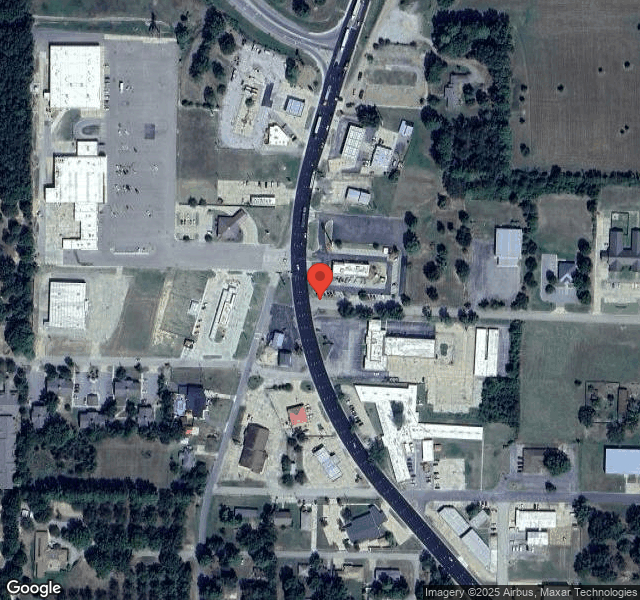

1214 North Main, Brinkley, AR 72021 (870) 734-3636
For profit - Limited Liability company 116 Beds THE SPRINGS ARKANSAS Data: November 2025
Trust Grade
30/100
#181 of 218 in AR
Last Inspection: August 2024

Within standard 12-15 month inspection cycle. Federal law requires annual inspections.

Overview

The Springs of Brinkley has a Trust Grade of F, indicating significant concerns and a poor overall rating. It ranks #181 out of 218 facilities in Arkansas, placing it in the bottom half of nursing homes statewide, although it is the only option in Monroe County. The facility is improving, with the number of issues decreasing from 10 in 2024 to 2 in 2025, but there are still notable weaknesses. Staffing is average with a 54% turnover rate, while RN coverage is also average, meaning residents may not receive the best oversight. A recent inspection found serious concerns, including failures to prevent resident-to-resident abuse and issues with kitchen cleanliness that could lead to foodborne illness, highlighting both strengths and weaknesses in care.

Trust Score
F
30/100
In Arkansas
#181/218
Bottom 17%
Safety Record
High Risk
Review needed
Inspections
Getting Better
10 → 2 violations
Staff Stability
⚠ Watch
54% turnover. Above average. Higher turnover means staff may not know residents' routines.
Penalties
✓ Good
No fines on record. Clean compliance history, better than most Arkansas facilities.
Skilled Nurses
⚠ Watch
Each resident gets only 25 minutes of Registered Nurse (RN) attention daily — below average for Arkansas. Fewer RN minutes means fewer trained eyes watching for problems.
Violations
⚠ Watch
25 deficiencies on record. Higher than average. Multiple issues found across inspections.
★★☆☆☆
2.0
Overall Rating
★★★☆☆
3.0
Staff Levels
★★★☆☆
3.0
Care Quality
★★☆☆☆
2.0
Inspection Score
Stable
2024: 10 issues
2025: 2 issues

The Good

  • Full Sprinkler Coverage · Fire safety systems throughout facility
  • No fines on record

Facility shows strength in fire safety.

The Bad

2-Star Overall Rating

Below Arkansas average (3.1)

Below average - review inspection findings carefully

Staff Turnover: 54%

Near Arkansas avg (46%)

Higher turnover may affect care consistency

Chain: THE SPRINGS ARKANSAS

Part of a multi-facility chain

Ask about local staffing decisions and management

The Ugly 25 deficiencies on record

1 actual harm
Jul 2025 1 deficiency 1 Harm
SERIOUS (G) 📢 Someone Reported This

A family member, employee, or ombudsman was alarmed enough to file a formal complaint

Actual Harm - a resident was hurt due to facility failures

Free from Abuse/Neglect (Tag F0600)

A resident was harmed · This affected 1 resident

**NOTE- TERMS IN BRACKETS HAVE BEEN EDITED TO PROTECT CONFIDENTIALITY** Based on record review, interviews, and facility policy review, it was determined that the facility failed to prevent resident t...

Read full inspector narrative →
**NOTE- TERMS IN BRACKETS HAVE BEEN EDITED TO PROTECT CONFIDENTIALITY** Based on record review, interviews, and facility policy review, it was determined that the facility failed to prevent resident to resident abuse for two (Resident #1 and Resident #3) of four residents reviewed for abuse. The findings include: Resident #1: A review of Resident #1’s admission Record indicated the facility admitted the resident on 07/25/2024, with diagnoses which included metabolic encephalopathy (brain dysfunction) and Parkinson’s disease, with dyskinesia (involuntary muscle movements). A review of Resident #1’s quarterly Minimum Data Set (MDS) with an Assessment Reference Date (ARD) of 03/19/2025, revealed a Brief Interview for Mental Status (BIMS) score of 05, which indicated the resident had severe cognitive impairment. The MDS also revealed Resident #1 required substantial/maximal assistance when using a manual wheelchair. A review of Resident #1’s Care Plan, revised on 05/28/2025, indicated the resident was at risk for wandering. Further review of Resident #1’s Care Plan indicated the resident crawled on their hands and knees in the hallways and rooms at times. Resident #1’s Care Plan included interventions that directed staff to distract the resident from wandering by offering pleasant diversions, structured activities, food, conversation, television, and books. A review of Resident #1’s Order Summary Report revealed an order, with a start date of 11/14/2024, for staff to monitor the resident for agitation and an increase in elopement, delusions, hallucinations, psychosis, and aggression. Resident #1’s Order Summary Report also revealed the resident had an order for hospice, dated 01/16/2025. Resident #2: A review of Resident #2’s admission Record indicated the facility admitted the resident on 02/28/2025, with diagnoses which included Alzheimer’s disease, adjustment disorder with disturbance of conduct, dementia with agitation, mild neurocognitive disorder due to known physiological condition with behavioral disturbance, and hallucinations. A review of Resident #2’s quarterly MDS with an ARD of 06/04/2025, revealed a BIMS score of 03, which indicated the resident had severe cognitive impairment. Resident #2’s MDS also revealed the resident was independent for transfers. A review of Resident #2’s Care Plan, revised on 03/14/2025, indicated the resident had delirium or an acute confusional episode relate to Alzheimer’s, dementia, mild neurocognitive disorder with behavioral disturbance. Incident: A review of an “OLTC [Office of Long-Term Care] Incident and Accident Report,” dated 03/16/2025, indicated Resident #1 was attempting to crawl into Resident #2’s room and was kicked in the face by Resident #2. Both residents resided on the men’s behavioral unit. The residents were separated immediately. Resident #2 was placed on 1:1 observation, while Resident #1 was sent to the emergency room. A review of an OLTC Witness Statement, dated 03/16/2025, indicated Certified Nursing Assistant (CNA) #8 heard a commotion in the hall while she was in the nurse’s station. She walked out in the hallway and saw Resident #2 trying to push their door closed and kicking Resident #1, who was crawling on the floor. CNA #8 indicated Resident #1 was attempting to crawl into Resident #2’s room, so she immediately separated them and called the nurse. A review of an OLTC Witness Statement, dated 03/16/2025, indicated Licensed Practical Nurse (LPN) #9 observed Resident #2 trying to push their door closed while kicking Resident #1, who was on the floor crawling. She indicated that when she arrived, Resident #1 had an injured nose and skin tears. LPN #9 revealed that she provided care, contacted hospice, and sent Resident #1 to the emergency room. A review of Resident #1’s emergency room Records, dated 03/16/2025, revealed the resident was crawling into another patient’s room and was kicked in the head and face multiple times with steel toe boots. Resident #1’s emergency room Records also revealed the resident had contusions of the nose, scalp, head, and part of the neck, with a deviation and laceration to their nose, and bruising to their left hip. During an interview on 07/15/2025 at 10:15 AM, CNA #7 indicated she always worked on the secure unit, and there were usually 13-15 residents that resided there. During a phone interview on 07/15/2025 at 11:10 AM, CNA #8 revealed she was working the secure unit by herself and stated, when she was coming out of a resident room she saw Resident #1 going into Resident #2’s room, and Resident #2 kicked Resident #1. She stated that Resident #2 liked to be by themselves and was placed in a room by themselves as an intervention for their behavior, upon admission. CNA #8 revealed Resident #2 had a bedroom door that opened at the top, and the resident had left the door open. During a phone interview on 07/16/2025 at 12:20 PM, LPN #9 revealed Resident #1 was in the family room on the unit, crawling around on the floor. [Resident #1’s] nose was bleeding when I saw [pronoun]. She revealed there were no interventions put in place to prevent Resident #1 from going into another resident’s room. LPN #9 stated CNA #8 was in another resident’s room when the incident happened. She indicated Resident #1 crawled around the unit a lot. LPN #9 also indicated that at the time of the incident there was only one staff member on the unit. She revealed she felt there was not enough staff to take care of the residents on the locked unit, and revealed the intervention, after the incident, was for Resident #2 to keep their door closed. During an interview on 07/15/2025 at 1:55 PM, the Administrator revealed Resident #2 was admitted to the facility with behaviors. She further revealed that she received a referral from Resident #2’s previous facility that the resident had only one incident and had been on 1:1 observation with no further incidents. The Administrator stated the referral indicated Resident #2 had attacked another resident with no injuries and was put on the unit in a room by themselves. She revealed that a half door was put on Resident #2’s room to keep other residents from going in. The Administrator confirmed that Resident #1 crawled and Resident #2’s door was opened. She verified CNA #8 was not available to always monitor Resident #1, since she was the only staff on the unit, and Resident #1 was seen on the camera trying to push Resident #2’s door open. The Administrator confirmed Resident #1 had been crawling around the unit since they were admitted . Resident #3: A review of Resident #3’s admission Record revealed the facility admitted Resident #3 on 04/22/2025, with diagnoses which included focal traumatic brain injury (TBI), stroke, convulsions, high blood pressure, anger, and altered mental status. A review of Resident #3’s Care Plan revealed the resident had an activities of daily living self-care deficit related to short term memory loss and behavioral issues. Resident #3’s Care Plan also revealed the resident had impaired cognitive function related to TBI and stroke. The Care Plan indicated Resident #3 needed assistance with shaving. The Care Plan did not indicate Resident #3 resided on the secure unit. A review of Resident #3’s admission MDS with an ARD revealed a BIMS score of 11, which indicated moderate cognitive impairment. A review of Resident #3’s Order Summary Report did not reveal an order indicating the resident required residence on the secure unit. Resident #7: A review of Resident #7’s admission Record revealed the facility admitted the resident on 11/02/2024, with diagnoses which included schizophrenia, major depressive disorder, and generalized anxiety disorder. A review of Resident #7’s quarterly MDS with an ARD of 04/30/2025, revealed a BIMS of 15, which indicated the resident was cognitively intact. A review of Resident #7’s Care Plan revealed the resident was admitted to the secure unit due to schizophrenia, anxiety, and being an elopement risk. Incident: A review of an Office of Long Term Care (OLTC) Incident and Accident Report (I&A) with a discovery date of 06/27/2025 at 10:45 AM revealed a “Summary of Incident” that included, “Administrator notified by Ombudsman that [Resident #3] reported to [family member] that “[Resident #7] hit [Resident #3] in the head.” Resident had been transported on 06/27/2025 to ED (emergency department) for abrasion to top of the head that had been addressed previously…” In Section 762-Findings and Actions Taken, the facility documented, “After thorough investigation, the facility could not conclude whether a resident-to-resident event had occurred. However, based on the assessment of the resident and hospital paperwork…[Resident #3] did not have any identified injuries…Conclusion: On 06/27/2025, after being sent out to the ED for assessment of the abrasion, resident returned to the facility with no new orders or injuries noted. While the facility cannot rule out a potential unwitnessed resident altercation, there is no evidence of resident abuse or resultant injury.” During an interview on 07/15/2025 at 8:35 AM, the Administrator stated the incident with the razor cut on Resident #3’s head initially happened on 06/22/2025. The facility did not enter the incident on the Incident & Accident (I&A) log because they did not think anything had happened between the two residents and no allegations were made at that point. During an interview on 07/15/2025 at 1:57 PM, the Administrator stated on 06/22/2025, CNA #2 heard a “commotion” and went to identify the source. CNA #2 found Resident #3 with blood on their head. The Administrator stated later, Resident #7 was seen ambulating down the hall with a razor in hand. The Administrator stated CNA #1 had just gotten back from lunch and Resident #7 gave CNA #1 the razor. The Administrator stated, We thought Resident #7 attempted to help Resident #3 shave Resident #3’s head. The Administrator stated, I thought the razor was one of the facility razors and thought a staff member might have left the razor in the room or in someone’s room. The Administrator stated on the morning of 06/23/2025, I discovered the Incident Report had not been completed. The Administrator stated they had not completed an I & A report for this incident because the nurse was responsible for completing the report, but when it was discovered the report had not been completed, then the Director of Nursing (DON) should have completed it. During a follow-up interview on 07/15/2025 at 4:27 PM, the Administrator stated, I had come out to the facility early on 06/23/2025, when the first incident happened and had a soft file on the incident. A review of the Administrator’s Soft File report, revealed CNA #2 provided a written statement that indicated CNA #2 heard a commotion and went into the residents’ room. Resident #3 was standing by their bed with blood on their head, while Resident #7 was standing by their own bed. A photo of Resident #3’s head was included, with a visible cut. A Skin Check, dated 06/23/2025, identified a six-centimeter laceration to Resident #3 scalp. During an interview on 07/14/2025 at 12:28 PM, Resident #3 told this surveyor that Resident #7 hit them with a piece of iron and cut their head. This surveyor observed a scabbed over linear laceration on the top of Resident #3’s head. During an interview on 07/14/2025 at 1:23 PM, the Director of Nursing (DON) stated the incident on 06/22/2025 was unwitnessed. The DON stated once the staff heard “the commotion,” CNA #2 went to check on the issue and saw a cut on Resident #3’s head. The DON stated that CNA #2 also saw Resident #7 had a razor, so staff took it and put it up. The DON stated there were little spots of blood on the floor beside Resident #3’s bed. The DON revealed Resident #3’s injury was treated with steri-strips, and there was no bruising or complaints following the incident. The DON stated they did not find any metal objects in the resident’s room, We did find razors, but could not say the other resident did it or if Resident #3 did it themself. The DON revealed Resident #3 was sent to the hospital on [DATE]. A review of ED Nurse Documentation dated 06/27/2025 at 8:15 AM, revealed Resident #3 stated they were struck over the head with a piece of iron by Resident #7, due to Resident #7 believing Resident #3 had taken their belongings. The document described the mechanism of injury as a blow from an iron pipe. A review of a form titled, CT (computed topography) Head Without IV Contrast, dated 06/27/2025 at 8:55 AM, revealed an impression that indicated, “Acute linear fracture visualized through the anterior and posterior wall of the left front sinus extending into the superior left ethmoid sinuses, superior segment of the medial left orbital wall, and superiorly into the lower anterior left frontal bone.” This indicated there was a fresh, straight-line break in the front left sinus bone. The crack extended into nearby areas, including part of the bone between the eyes, the inside edge of the left eye socket, and the lower front part of the left forehead bone. During a phone interview on 07/15/2025 at 10:33 AM, Resident #3’s family member stated on 06/27/2025, the facility notified them the resident was being sent to the hospital because they had a cut on their head due to being shaved. Resident #3’s family member stated they were told it happened when the resident, or the resident’s roommate [Resident #7], tried to shave Resident #3’s head, and cut the resident’s head. The family member stated the DON told them they believed the resident had been digging into the cut on their head, making it bleed. Resident #3’s family member stated Resident #3 told them that Resident #7 had hit Resident #3 in the head with a pipe, because the Resident #7 thought Resident #3 stole their things. During a follow-up phone interview on 07/15/2025 at 12:31 PM, Resident #3’s family member said Resident #3 did not have an electric razor, and initially they were told the residents cut was caused by a regular razor. During Resident #3’s Care Plan meeting on 06/30/2025, they were told Resident #3’s cut was caused by an electric razor. The family member said the facility was “assuming everything,” and could not explain definitively what had occurred. During an interview on 07/15/2025 at 11:17 AM, CNA #2 stated they worked the secure unit the night Resident #3 sustained the cut to the top of the head, which CNA #2 confirmed was not the same day Resident #3 was sent to the hospital. CNA #2 said, I heard a commotion and went to check what it was and found [Resident #3 and Resident #7] standing by their own beds, and [Resident #3] had blood on them. CNA #2 stated the incident was around 9:00 -10:00 PM, and revealed the nurse came and evaluated Resident #3 and later found a razor, which looked like the ones the facility provided. CNA #2 stated they did not know how Resident #3 got the razor. During a phone interview on 07/15/2025 at 3:54 PM, LPN #5 said CNA #2 came and told them Resident #3 was bleeding and that Resident #7 had hit Resident #3. LPN #5 said both Resident #7 and Resident #3 reported that Resident #7 had struck Resident #3, but no one witnessed it. LPN #5 said they completed a paper I & A report per instructions provided by the DON. LPN #5 said no one else saw the report and did not remember passing on this information in report, but the I&A report was left at the nurse’s station. LPN #5 said, I wanted to send the resident out just because [pronoun] was hit on the head, but the Administrator told me not to send resident out. LPN #5 revealed they were asked to backdate the I & A report in the computer. During an interview on 07/15/2025 at 4:50 PM, LPN #4 said LPN #5 did not leave a paper I & A report on 06/23/2025. LPN #4 revealed they did not remember if neurological checks were done. LPN #4 and this surveyor looked in the computer system and no neurological checks were found for Resident #3 on 06/22/2023. During a phone interview on 07/16/2025 at 4:06 PM, the Medical Director (MD) stated the facility informed them that Resident #3 had sustained an abrasion to the top of the head while trying to shave. The MD could not remember the date they were notified of the incident, but said it was before July 1st. The MD stated they had seen the laceration and had determined the wound did not have any soft tissue injury or bruising like you would expect if the resident had been hit with an iron bar. The MD said it appeared to be from a razor cut, with a linear opening like a razor. The MD stated, If the resident had been hit with an iron bar, the wound would be popped open from pressure like popping open a lemon or orange. A review of a policy titled, “Abuse, Neglect, Exploitation and Misappropriation Prevention Program,” revised April 2025, indicated residents have the right to be free from abuse, this includes abuse from other residents. A review of a policy tiled, “Resident Rights,” revised February 2021, indicated federal and state laws guaranteed certain basic rights to all residents of this facility. These rights included the resident’s right to: be free from abuse and neglect. An in-service training regarding abuse and dealing with behaviors on the unit was completed on 03/16/2025. Following the March 16, 2025 incident involving Residents #1 and #2, the following was completed on or before 03/26/2025: Residents were immediately separated Resident #2 was placed on 1:1 observation A half-door was installed on Resident #2's room to prevent entry by other residents These interventions remained in place and effective as confirmed by the Administrator during the survey Staff educated on abuse Immediate incident investigating and reporting protocols were followed Resident #1 expired on hospice prior to the survey Following the June 22, 2025 incident involving Residents #3 and #7, the following was completed on or before 06/27/2025: Immediate safety interventions were implemented Increased safety rounds were instituted Sharp objects were removed from resident areas Staff educated on abuse Immediate incident investigating and reporting protocols were followed The survey team was able to verify the facility had performed the aforementioned corrections via interview and record review.
Feb 2025 1 deficiency
CONCERN (D) 📢 Someone Reported This

A family member, employee, or ombudsman was alarmed enough to file a formal complaint

Potential for Harm - no one hurt, but risky conditions existed

Infection Control (Tag F0880)

Could have caused harm · This affected 1 resident

Based on observation, interview, record review, and policy review, the facility failed to ensure Enhanced Barrier Precautions (EBP) were implemented and hand hygiene was performed to prevent the possi...

Read full inspector narrative →
Based on observation, interview, record review, and policy review, the facility failed to ensure Enhanced Barrier Precautions (EBP) were implemented and hand hygiene was performed to prevent the possible spread of infection for 1 (Resident #5) of 1 resident sampled for infection prevention and control. The findings are: Per a Centers for Medicare and Medicaid Services (CMS) memorandum titled, Enhanced Barrier Precautions in Nursing Homes and dated 03/20/2024, EBP refers to an infection control intervention designed to reduce the transmission of multidrug-resistant organisms (MDRO) that employs targeted gown and glove use during high contact resident care activities. It stipulated EBP are indicated for residents with wounds and/or indwelling medical devices, even if the resident is not known to be infected or colonized with an MDRO and indicated EBP be employed when performing high-contact resident care activities, including wound care: any skin opening requiring a dressing. Review of Resident #5's diagnosis sheet indicated diagnoses of pressure ulcer of unspecified heel and skin graft infection. Resident #5's quarterly Minimum Data Set (MDS) with an Assessment Reference Date (ARD) of 11/26/2024 indicated a Brief Interview for Mental Status (BIMS) of 03, indicating the resident's cognitive status was severely impaired. The MDS indicated that the resident was dependent on staff for activities of daily living (bathing, dressing, grooming, toileting) as well as transfers and bed mobility and that the resident had one stage 3 pressure ulcer and one unstageable deep tissue injury. Resident #5's Care Plan with a revision date of 12/23/2024 indicated the resident was on EBP related to wounds, and indicated staff were to wear a gown and gloves during high contact care activities. On 02/04/2025 at 11:20 AM, prior to the treatment being performed, a one inch circle of a bright red substance, resembling blood, was noted to the bottom fitted sheet at the foot of Resident #5's bed, in the area the resident's heel would rest. Licensed Practical Nurse (LPN) #6, accompanied by the Director of Nursing (DON), entered Resident #5's room and was observed providing wound care to Resident #5's right heel. LPN #6 washed her hands and entered the resident's room and began treatment without donning a gown. The front of LPN #6's scrubs repeatedly came into contact with the sheets on Resident #5's bed during the treatment. LPN #6 removed the soiled dressing from the heel of Resident #5, then removed her gloves. Without performing hand hygiene, LPN #6 applied a new pair of gloves and cleaned the wound on the resident's heel. With soiled gloves the LPN opened a clean dressing package. LPN #6 removed the soiled gloves, and without performing hand hygiene applied a new pair of gloves. LPN #6 then applied the dressing to the wound. On 02/04/2025 at 11:45 AM, LPN #6 confirmed she should have performed hand hygiene with each glove change. She said she normally would have washed her hands between glove changes, but the resident's room did not have a sink. When asked what she could have done without soap and water, LPN #6 stated, I could have used alcohol hand sanitizer, but I didn't have it. On 02/04/2024 at 11:50 AM, LPN #6 and the DON acknowledged EBP, which included gowns and gloves, were required to be utilized when performing high contact activities with residents that have an indwelling device such as a catheter or feeding tube or that have a wound. On 02/04/2025 at 3:10 PM, LPN #7 related all residents on EBP were identified by a sign on the door of their room, so staff knew gloves and gowns were required prior to providing care to those residents. LPN #7 related PPE (Personal Protective Equipment) supplies were kept in a supply room beside hall 200's nurses' station, to which she had the key, and she would put supplies out at the nurses' station for use by staff. On 02/04/2025 at 3:14 PM, CNA #8 confirmed residents with EBP were identified by signage on the door of their room and required staff to wear gowns and gloves and masks at times. CNA #8 stated the staff got PPE supplies from the linen closet but most of the time they were unable to locate supplies there and must go to the brief room which was located on the 100 Hall. On 02/04/2025 at 2:20 PM, the DON stated residents on EBP were identified by signage on the door to their rooms, and it was in their electronic health record. The DON reported PPE was kept in a drawer in each resident's room. The DON then accompanied this surveyor to 4 different resident rooms, who were identified by the DON as being on EBP and was unable to locate PPE in the rooms. On 02/04/2025 at 2:33 PM, the Assistant Director of Nursing (ADON)/Infection Preventionist (IP) stated that residents on EBP were identified by signage by their bed, and they included gowns, gloves and goggles if required. She reported the supplies were kept locked in her office but now they were located in the central supply closet, so staff had access to it. On 02/04/2025 at 2:45PM the DON came to this surveyor and stated the ADON/IP had just informed her that the EBP supplies had been moved under the sink in the room of each resident with EBP last week. A list of residents on EBP obtained from the DON included 5 residents who had indwelling devices on the 200 Hall, but did not include any residents identified as having a wound, including Resident #5. Review of the facility policy for Infection and Prevention Control indicated, it is designed to provide a safe, sanitary, and comfortable environment to help prevent the development and transmission of communicable diseases and infections. Review of the facility policy for Enhanced Barrier Precautions with no indication or revision date, showed enhanced barrier precautions would be provided for residents with wounds and/or indwelling medical devices. The policy also indicated the facility would make gowns and gloves available immediately near or outside of the resident's room.
Aug 2024 10 deficiencies
CONCERN (D)

Potential for Harm - no one hurt, but risky conditions existed

Deficiency F0569 (Tag F0569)

Could have caused harm · This affected 1 resident

Based on interviews, record review, and facility policy review, the facility failed to ensure residents personal funds were returned within 30 days of death for 1 (Resident #207) of 3 sampled (Residen...

Read full inspector narrative →
Based on interviews, record review, and facility policy review, the facility failed to ensure residents personal funds were returned within 30 days of death for 1 (Resident #207) of 3 sampled (Residents #207, #14, #6) sampled residents. The findings are: On 8/13/2024 at 11:20 AM, upon review of the facility, Progress Notes, Resident #207 passed away on 3/15/2024, and upon review of facility financial records continues to show an active balance on the account of $94.08. On 8/14/2024 at 2:07 PM, interviewed Business Office Manager regarding the resident continuing to have a positive balance of $94.08 five months following death of resident. She stated, I was waiting on the corporate office to advise me of whether or not to return the money in the account to the residents' family because the resident had an outstanding balance owed to the facility. Review of a facility policy titled, Management of Residents' Personal Funds, dated/revised March 2021, stated the facility they manage the resident's funds in accordance with federal/state requirements.
CONCERN (D)

Potential for Harm - no one hurt, but risky conditions existed

Deficiency F0625 (Tag F0625)

Could have caused harm · This affected 1 resident

Based on observation, record review, interview, and facility policy review, it was determined the facility failed to provide a bed hold notice prior to discharge for 1 (Resident #11) of 2 sampled resi...

Read full inspector narrative →
Based on observation, record review, interview, and facility policy review, it was determined the facility failed to provide a bed hold notice prior to discharge for 1 (Resident #11) of 2 sampled residents (Resident #11 and Resident #54) who were discharged or transferred to the hospital. The findings include: a. On 08/14/24 at 11:08 AM, the Business Office Manager (BOM) was asked to look at the last two bed holds for Resident #11. The BOM confirmed Resident #11 did not get a bed hold because the resident was not cognitive, his family member cannot be reached, and she was newly hired 11/2023 and did not know it was her job to get a bed hold. b. On 08/14/2024 at 11:15 AM, the BOM was asked why bed holds were given to residents. The BOM stated she did not know, and thought it was a Medicare/Medicaid requirement to ensure the safe transfer of residents. c. On 08/14/24 at 11:30 AM, the Administrator revealed the facility has an action plan for bed holds and was asked to provide the documentation. d. On 08/14/24 at 2:00 PM, the Administrator provided an action plan, dated 07/31/2024, stating the BOM/Social Designee will audit all transfers for 30 days to ensure a transfer letter is initiated and negative findings addressed. The Administrator will also complete a random audit with a target completion date of 08/16/2024. e. A review of the Clinical Review Profile shows Resident #11 is the responsible party and guarantor. f. Review of a facility policy titled, Bed Holds and Returns indicated, Residents or representatives will be informed of bed hold policies in writing prior to transfers and therapeutic leaves. g. On 08/15/24 at 9:00 AM, the Administrator told Surveyors the BOM did not become responsible for bed holds until 6/12/2024 after the previous business office manager left on 05/03/2024, despite Resident #11's bed hold from a transfer on 03/24/2024 being signed by the current BOM on 04/17/2024. The problem with bed holds not being completed was identified on 07/31/2024 according to an action plan started on 07/31/2024.
CONCERN (D)

Potential for Harm - no one hurt, but risky conditions existed

Comprehensive Care Plan (Tag F0656)

Could have caused harm · This affected 1 resident

Based on observation, record review, interview, and facility policy review, it was determined the facility failed to ensure a comprehensive care plan was provided for 1 (Resident #11) of 20 (Residents...

Read full inspector narrative →
Based on observation, record review, interview, and facility policy review, it was determined the facility failed to ensure a comprehensive care plan was provided for 1 (Resident #11) of 20 (Residents #1, #4, #8, #11, #12, #13, #14, #17, #19, #20, #21, #31, #32, #34, #35, #38, #39, #42, #49, #53) sampled residents requiring a comprehensive care plan to ensure residents receive appropriate care. The findings include: 1. Review of the Medical Diagnosis revealed Resident #11 had diagnoses of stroke, chronic obstructive respiratory failure, and acute respiratory failure. a. The admission Minimum Data Set (MDS) with an Assessment Reference Date (ARD) of 05/25/2024 suggested a Brief Interview for Mental Status score of 9 (8-12 indicates moderately cognitively impaired). Section I6300 indicated the resident had respiratory failure, Section O0110 indicated the resident was on oxygen on admission, and while a resident, and had a tracheostomy on admission and while a resident. b. On 08/14/2024 at 12:25 PM, the MDS Nurse was asked about measurable interventions on Resident #11's care plan for Respiratory failure, tracheostomy, and oxygen. The MDS Nurse said she was unable to find those areas on the care plan because the care plan was vague, and should be addressed to keep the resident well, help to assess the resident and to prevent rehospitalizations. c. During an interview with the MDS Nurse on 08/14/2024 at 12:40 PM, the MDS Nurse was asked what the process for forming a comprehensive care plan. The MDS Nurse revealed a baseline care plan is formed, and she checks what triggers after the MDS is updated using the guidance of the Resident Assessment Instrument (RAI) manual. d. Review of a facility policy titled, Care Planning-Interdisciplinary Team, indicated, Comprehensive care plans are based on resident assessments by the Interdisciplinary Team (IDT). d. Review of a facility policy titled Care Plans, Comprehensive Person-Centered, (Revised, March 2023) revealed the Interdisciplinary Team (IDT) reviews and updates care plans when a resident is readmitted from a hospital, when warranted, and with the required quarterly MDS assessment.
CONCERN (D)

Potential for Harm - no one hurt, but risky conditions existed

ADL Care (Tag F0677)

Could have caused harm · This affected 1 resident

Based on observation, interview, and record review, the facility failed to ensure fingernails were cleaned and trimmed for 1 (Resident #35) sampled resident who was reviewed for nail care. The findin...

Read full inspector narrative →
Based on observation, interview, and record review, the facility failed to ensure fingernails were cleaned and trimmed for 1 (Resident #35) sampled resident who was reviewed for nail care. The findings are: 1. Resident #35 had diagnoses of muscle weakness and altered mental status as indicated on an Order Summary Report dated 08/13/2024. a. Review of the quarterly Minimum Data Set (MDS) with an Assessment Reference Date (ARD) of 05/23/2024 indicated Resident #35 had a Brief Interview for Mental Status (BIMS) score of 06 indicating the resident was severely cognitively impaired. b. The Care Plan dated 08/07/2024 was reviewed and indicated Resident #35 had an activities of daily living (ADL) self-care performance deficit. The interventions for nail care indicated checking nail length and trim and clean as necessary. c. The ADL Task: Nail Care was reviewed on the electronic health record on 08/13/2024 and indicated no data found. d. On 08/12/2024 at 1:09 PM, Resident #35 was sitting up in bed awake. The fingernails on both hands were greater than a quarter (1/4) inch in length with a dark brown substance under them. Resident #35 confirmed fingernails are trimmed maybe once a year. e. On 08/13/2024 at 8:35 AM, Resident #35 was sitting up in bed finishing breakfast. The fingernails on both hands were greater than 1/4 inch in length and there was a dark substance underneath the nails on both hands. f. On 08/15/2024 at 11:46 AM, Licensed Practical Nurse (LPN) #2 looked at Resident #35's fingernails and described them as too long, and dirty. She confirmed the resident was not a diabetic and Certified Nursing Assistants (CNA) were responsible for providing nail care on the residents' bath/shower days.
CONCERN (D)

Potential for Harm - no one hurt, but risky conditions existed

Respiratory Care (Tag F0695)

Could have caused harm · This affected 1 resident

Based on observation, interview, and record review, the facility failed to ensure oxygen was administered at the physician's ordered flow rate to decrease the potential for respiratory complications f...

Read full inspector narrative →
Based on observation, interview, and record review, the facility failed to ensure oxygen was administered at the physician's ordered flow rate to decrease the potential for respiratory complications for 1 (Resident #38) of 2 (Residents #38 and #39) sampled residents who were reviewed for oxygen. The findings are: Resident #38 had diagnoses of heart failure and issues with the respiratory system (breathing), indicated on an Order Summary Report dated 08/13/2024 that was reviewed. There was an order for oxygen to be administered at two liters per minute (2 l/min) by way of (via) a nasal cannula as needed for shortness of breath and ordered on 07/12/2024. A Care Plan with a completed date of 07/25/2024 was reviewed on 08/13/2024 and indicated Resident #38 had an altered respiratory status/difficulty breathing related to heart disease and the oxygen setting was 2 liters per nasal cannula and was to be humidified. On 08/13/2024 at 2:49 PM, the Electronic Medication Administration Record (eMAR) was reviewed and indicated the oxygen should be at 2 liters per minute by way of a nasal cannula as needed for shortness of breath. There was no documentation in any of the boxes that the resident had oxygen in use for 08/01/2024 to 08/13/2024. On 08/12/2024 at 12:27 PM, Resident #38 was lying in bed, awake, with a nasal cannula in use. The oxygen concentrator was on and set at 3.5 l/min. On 08/13/2024 at 8:16 AM, Resident #38 was lying in bed on the right side with eyes closed. The nasal cannula was in the resident's nose and the oxygen concentrator was on and set at 3.5 l/min. On 08/13/2024 at 4:05 PM, Resident #38 was lying in bed on the right side awake. A nasal cannula was in the resident's nose and the oxygen concentrator was on at 4 l/min with a humidifier bottle attached to the concentrator. On 08/14/2024 at 4:52 PM, during an interview and concurrent observation, Registered Nurse (RN) #5 was asked to look at the oxygen concentrator and to state what the flow rate was set at. She looked at the concentrator and confirmed the resident's oxygen concentrator was set at 4 l/min. She walked to the medication cart, reviewed Resident #38's orders in the electronic health record and confirmed the resident's order was for 2 l/min. She was asked who monitors the oxygen rate. She stated, We usually glance at it and confirmed the nurses were responsible for monitoring the oxygen flow rate. An Oxygen Administration policy, revised 06/2024, provided by the Director of Nursing on 08/15/2024, was reviewed and indicated oxygen is administered under orders of a physician, except in cases of emergencies. It also indicated the staff would document the beginning and continued assessment of the resident's condition requiring oxygen and the response to oxygen use.
CONCERN (D)

Potential for Harm - no one hurt, but risky conditions existed

Infection Control (Tag F0880)

Could have caused harm · This affected 1 resident

Based on observation, interview, and record review, the facility failed to ensure a glucometer machine was cleansed after being used for 1 (Resident #107) of 1 sampled resident observed during a gluco...

Read full inspector narrative →
Based on observation, interview, and record review, the facility failed to ensure a glucometer machine was cleansed after being used for 1 (Resident #107) of 1 sampled resident observed during a glucometer check. The findings are: An Order Summary Report dated 08/14/2024, was reviewed and indicated Resident #107 had a diagnosis of type 2 diabetes mellitus. There was no order for a random blood sugar check. On 08/13/2024 at 4:49 PM, Resident #107 was sitting in a wheelchair and asked Registered Nurse (RN) #5 for a blood sugar check. She put on gloves, held Resident #107's third (3rd) finger on the right hand, pricked it with a lancet and collected a sample of blood on the test strip. The machine's screen displayed 116 after a few seconds. RN #5 discarded her gloves and tossed the used items in the trash. She placed the glucometer machine directly in the top right drawer of the medication cart without cleaning it, closed the drawer and sanitized her hands. She opened the door of the unit to leave, and this surveyor stopped her. RN #5 was interviewed, and she confirmed she placed the glucometer back in the medication cart without cleaning it. She confirmed the glucometer was supposed to be cleansed after being used but was going to clean it later. A Blood Sampling-Capillary (Finger Sticks) policy, revised September 2014, provided by the Director of Nursing (DON) on 08/15/2024, was reviewed and indicated reusable equipment was to be cleansed and disinfected after each use.
CONCERN (E)

Potential for Harm - no one hurt, but risky conditions existed

Safe Environment (Tag F0584)

Could have caused harm · This affected multiple residents

Based on observation, record review, interview, and facility policy reviews, it was determined the facility failed to repair or replace a leaking water heater in a timely manner for 2 sampled (Residen...

Read full inspector narrative →
Based on observation, record review, interview, and facility policy reviews, it was determined the facility failed to repair or replace a leaking water heater in a timely manner for 2 sampled (Resident #31, Resident #39) capable of ambulation or self-propelling on North Hall to ensure a sanitary, orderly, and comfortable interior. The findings are: a. On 08/12/24 at 10:28 AM, wet linens and water extending beyond a yellow caution sign were observed resting on the floor outside the soiled linen and equipment room on the North Hall. b. On 08/12/24 at 10:29 AM, during an interview the Floor Tech stated the hot water heater had been leaking a couple of weeks on North Hall and Housekeeping #3 stated the hot water heater had been leaking for many weeks. c. On 08/13/24 at 9:25 AM, a review of the maintenance log hanging up outside the Administrators office did not show documentation of a leaking hot water heater. d. On 08/13/2024 at 4:00 PM, the Maintenance Director stated the leaking hot water heater should have been documented on paper a long time ago. e. On 08/14/24 at 10:30 AM, during an interview with the Maintenance Supervisor (MS), the MS was asked how long the hot water heater has been leaking in the North Hall equipment room, and the Surveyor was referred to the Administrator. f. On 08/14/2024 at 10:45 AM, during an interview the Administrator was unable to confirm the exact date the North Hall water heater started leaking but was able to provide documentation of 2 plumbing estimates to replace the hot water heater, dated 06/25/2024, and 07/11/2024. g. Review of a facility policy titled Maintenance Service, revised 12/2024, indicated The maintenance department is responsible for maintaining the facility building in a safe and operational manner at all times.
CONCERN (E)

Potential for Harm - no one hurt, but risky conditions existed

Deficiency F0657 (Tag F0657)

Could have caused harm · This affected multiple residents

**NOTE- TERMS IN BRACKETS HAVE BEEN EDITED TO PROTECT CONFIDENTIALITY** Based on observation, record review, interview, and facility policy review, it was determined the facility failed to ensure care...

Read full inspector narrative →
**NOTE- TERMS IN BRACKETS HAVE BEEN EDITED TO PROTECT CONFIDENTIALITY** Based on observation, record review, interview, and facility policy review, it was determined the facility failed to ensure care plans were revised to reflect the changing needs and preferences for 2 (Residents #11 and #35) of 20 (Residents #1, #4, #8, #11, #12 , #13, #14, #17, #19, #20, #21, #31, #32, #34, #35, #38, #39, #42, #49 and #53) sampled residents reviewed for care plan revisions. The findings include: 1. Review of the Medical Diagnosis, revealed Resident #11 had diagnoses of stroke, chronic obstructive respiratory failure, and acute respiratory failure. a. The admission Minimum Data Set (MDS) with an Assessment Reference Date (ARD) of 05/25/2024 suggested a Brief Interview for Mental Status score of 9 (8-12 indicates moderately impaired). Section K0529 indicates the resident had a feeding tube on admission and while a resident. b. Review of Resident #11's Physician Orders, dated 05/23/2024, revealed continuous [diabetic tube feeding formula] 1.2 calorie at 65 cubic centimeters per hour. c. Review of Resident #11's Care Plan, dated 05/31/2024, revealed Resident was on a [non-diabetic tube feeding formula] 1.5 at 55 cc per hour (Revised, 02/05/2024) related to difficulty swallowing. d. On 08/14/2024 at 12:30 PM, the MDS Nurse was asked to pull up Resident #11's care plan, physician orders, and comprehensive MDS from 05/25/2024, and verify interventions implemented on the care plan for tube feeding. e. On 08/14/2024 at 12:38 PM, the MDS Nurse confirmed Resident #11 had an increase and change in tube feeding prior to the admission MDS, dated [DATE], it was not revised on the care plan dated 05/31/2024. The Surveyor asked why is it important for the care plan to be accurate. The MDS Nurse confirmed the care plan should be revised to reflect accurate tube feeding to make sure Resident #11 gets needed nutrients. f. Review of a facility policy titled Care Planning-Interdisciplinary Team, Revised, 03/2024, did not address care plan revisions. g. On 08/15/2024 at 10:15 AM, the Administrator was asked for an MDS policy. The Chief Nursing Officer (CNO) clarified surveyor was looking at revisions, and stated they did not have a policy related to revisions. 2. Resident #35 had a diagnosis of seizures indicated on an, Order Summary Report, dated 08/13/2024 that was reviewed. a. The Order Summary Report, dated 08/13/2024, was reviewed and indicated Resident #35 had a physician's order for Dilantin 100 milligrams (mg) by mouth three times a day for seizures and was ordered on 02/27/2024. Resident #35 was prescribed Levetiracetam 500 mg by mouth two times a day for seizures and was prescribed on 02/27/2024. b. A Care Plan, dated 08/07/2024, was reviewed and indicated Resident #35 had a seizure disorder related stroke. The interventions included seizure precautions as indicated but did not list the precautions to monitor the resident for. The interventions included giving the medications as ordered, but it did not list the medications or the side effects to monitor the resident for.
CONCERN (E)

Potential for Harm - no one hurt, but risky conditions existed

Accident Prevention (Tag F0689)

Could have caused harm · This affected multiple residents

**NOTE- TERMS IN BRACKETS HAVE BEEN EDITED TO PROTECT CONFIDENTIALITY** Based on observation, interview, record review, and facility policy review, it was determined the facility failed to ensure the ...

Read full inspector narrative →
**NOTE- TERMS IN BRACKETS HAVE BEEN EDITED TO PROTECT CONFIDENTIALITY** Based on observation, interview, record review, and facility policy review, it was determined the facility failed to ensure the North Hall was free of water and wet linens affecting 2 (Resident #31 and #39) sampled residents when ambulating in the hallway to prevent falls, and accidents; failed to ensure the North Hall shower door tub room was locked to prevent residents from having access to open razors, and to prevent falls on wet, soapy floors; failed to ensure the tub room on the North Hall, being used to store portable oxygen tanks, was kept locked to prevent resident accidents or injuries failed to ensure 1 smoker requiring supervision (Resident #39) of 1 sampled (Resident #39) was not smoking without supervision to prevent accidents or injuries; failed to ensure the 200 Hallway was free of missing tile with an uneven surface to prevent accidents and injury; and failed to ensure an aerosol can of a name brand insect spray was not stored in a resident's room for 1 (Resident #53) of 1 sampled resident. The findings include: 1a. On 08/12/2024 at 10:28 AM, soaking wet, rolled up linens were observed resting in the floor against the soiled linen and equipment room doors across the hall from 2 resident bathrooms on the North Hall. b. On 08/12/2024 at 10:29 AM, during an interview, the Floor Tech stated the hot water heater had been leaking for a couple of weeks and said if water stands on the floor it would cause a risk of someone falling and pointed out the resident bathrooms across the hall. Housekeeper #3 stated the linens on the floor outside the soiled linen and equipment room were changed out when they get soaked, and confirmed administration is aware of the hot water heater leaking. c. On 08/13/2024 at 4:49 PM, water was observed resting in the hallway floor beyond the wet rolled up linens, and a yellow wet floor sign. d. During an interview with the Director of Nursing (DON) on 08/14/2024 at 3:30 PM, the DON stated when staff see that something is broken or there is a problem they are expected to notify maintenance or someone to fix it and confirmed it was a risk for falls. e. On 08/14/24 at 4:30 PM, a large puddle of water was observed outside the baseboard of the soiled linen door on the North Hall. f. On 08/12/24 at10:35 AM, the North Hall shower room was found unlocked with soapy, wet, slick floors, and open packages of razors resting on a table on the right side of the room. There was an uncapped razor in a basket on the floor, and in a bag on the table. g. On 08/12/24 at 11:10 AM, Certified Nursing Assistant (CNA) #4 accompanied the Surveyor to the shower room on the North Hall and confirmed the shower door was supposed to be locked, open razors could cause injury to a confused resident, and CNA #4 confirmed residents could fall on the wet, soapy floor. h. During an interview with the DON on 08/13/24 at 2:29 PM, the DON confirmed the shower door should be locked so residents do not have access to the razors because they could harm themselves, and the soapy floor caused a risk for falls. i. On 08/12/24 at 10:43 AM, the North Hall tub room was observed unlocked, and on the left side of the room were unused concentrators, 20 portable oxygen tanks in the rack, and 1 full portable tank, and 1 empty portable tank in a small cart. j. On 08/12/24 at 10:59 AM, during an interview, the DON was asked what the tub room is used for, and the DON confirmed the room was used to store oxygen. The Surveyor asked if the room was supposed to be locked and the DON confirmed the door should be kept locked because the tanks could fall on someone or explode. 2. Review of Resident #39's Medical Diagnosis, revealed diagnoses of acute respiratory failure, chronic obstructive pulmonary disease, and alcohol dependence. a. Review of the admission Minimum Data Set (MDS) with an Assessment Reference Date (ARD) of 05/26/2024 suggested a Brief Interview for Mental Status (BIMs) of 15 (13-15 indicates cognitively intact). b. Review of Resident 39's Care Plan, initiated 05/24/2024, revealed the resident required assistance and supervision when smoking. c. On 08/13/24 at 10:10 AM, Resident #39 was observed smoking while sitting outside alone in the smoker's area. Resident #39 said a staff member provided the cigarette, lit it, and left the resident alone in the smoking area. d. During an interview with Registered Nurse (RN) #5 on 08/13/24 at 10:45 AM, RN #5 confirmed Resident #39 was a supervised smoker, should not have been smoking alone outside, and could have been burned or had an accident. e. On 08/13/24 at 10:41 AM, the DON was asked if staff were expected to stay with residents while they smoked when they are assessed and require supervision. The DON confirmed residents are to allow staff to light their cigarettes and are not to be left alone outside smoking because they could harm themselves or start a fire. f. A review of Resident 39's Smoking Safety Screen, initiated 05/24/24 indicated the resident can smoke safely with supervision and cannot light residents own cigarette. g. Review of a facility policy titled, Smoking Policy-Residents, indicated, Residents with a smoking restriction will require supervision by a staff, or family member while smoking. h. On 08/12/2024 at 11:00 AM, several pieces of tile were missing, forming a large open area of uneven concrete. Resident #32 was observed walking up and down the length of the hallway, walking through the uneven area multiple times. i. On 08/15/2024 at 10:00 AM, the Maintenance Supervisor was interviewed about the area, he stated the area had been in place for several weeks and he was going to grind the area down. The Maintenance Supervisor measured the area and stated the area was Two feet long and two feet wide. j. On 08/12/2024 at 1:03 PM, Resident #53 was awake and sitting up in the resident's room in a wheelchair. The lunch meal tray was on the bedside table and the resident was preparing to eat. There was a 12-ounce (oz.) aerosol spray can of [name brand] insect spray observed on the counter by the sink. The can indicated the spray kills flies, mosquitoes and gnats. k. On 08/13/2024 at 9:08 AM, Resident #53 was lying in bed, awake with the television on. There was a 12-ounce (oz.) aerosol spray can of [name brand] insect spray observed on the counter by the sink. The can indicated the spray kills flies, mosquitoes and gnats. l. On 08/13/3024 at 8:37 AM, there was a resident wandering in the hallway that Resident #53 resided on and the resident who was wandering was observed entering another resident's room. m. On 08/14/2024 at 8:37 AM, Licensed Practical Nurse (LPN) #2 and this surveyor entered the resident's room as the nurse was preparing to administer the resident's morning medications. There was a 12-ounce (oz.) aerosol spray can of [name brand] insect spray observed on the counter by the sink. The can indicated the spray kills flies, mosquitoes and gnats. n. On 08/15/2024, a website, [name].com, was reviewed and indicated the product was not to be sprayed directly on people, is flammable and the contents were under pressure.
CONCERN (E)

Potential for Harm - no one hurt, but risky conditions existed

Food Safety (Tag F0812)

Could have caused harm · This affected multiple residents

Based on observation, interview and record review, the facility failed to ensure manufacture's guidelines found on the container were followed to prevent the potential for food spoilage and / or growt...

Read full inspector narrative →
Based on observation, interview and record review, the facility failed to ensure manufacture's guidelines found on the container were followed to prevent the potential for food spoilage and / or growth of bacteria, foods were stored properly after being opened and dietary staff washed their hands and changed gloves during the meal preparation to decrease the potential for food borne illnesses for residents who received meals from 1 of 1 kitchen. This had the potential to affect 49 residents (Census: 51), as indicated on a list provided by the District Dietary Manager on 08/15/2024. The findings are: On 08/12/2024 at 11:07 AM, initial rounds were conducted in the kitchen and the following observations were made: 1. The Storage Room: a. There was a 32-ounce (oz.) bottle of [brand name] Lemon Juice Concentrate with an opened dated of 7/22/2024, observed on the shelf. There was about a fourth of the liquid left in the bottle. It was not cold and there was no condensation on the bottle. The label on the bottle indicated refrigerate after opening. b. There was a plastic bin observed on the bottom shelf with rice and it had a foam cup inside, directly in the rice. 2. On 08/14/2024 at 9:17 AM, this surveyor entered the kitchen to observe the lunch meal preparation (prep). During the meal prep, Dietary Staff #6 removed a pair of gloves, washed her hands and took a red cutting board, rinsed it off in the sink. Without washing her hands, she put on a clean pair of gloves and pealed an onion and diced it with a knife. During the meal prep, she washed her hands, put on a clean pair of gloves, picked up one of two packages of tortilla shells that were placed in the work area by the Dietary Manager, opened the package with her gloved hands, reached inside and began removing the shells one at a time, placing them in a metal pan. During the meal prep, Dietary Staff #6 had on gloves and picked up a scoop to place the cooked meat mixture over the tortilla shells in the pan. With the same gloved hands, she reached in a bag of shredded cheese with her right hand, removed some of the cheese and sprinkled it over the meat mixture. She poured the remaining shredded cheese in a plastic pitcher and began shaking the pitcher so the cheese could fall over the meat mixture. During the meal prep, she used gloved hands to open the second package of tortilla shells that the Dietary Manager had placed in the work area, and she reached inside and began removing the shells one a time, placing them in two different metal pans. She did not change her gloves or wash her hands. During the meal prep, she washed her hands and picked up a pair of black oven gloves, placed them in the work area and put on a pair of clean gloves and continued with the lunch meal prep without washing her hands or changing gloves. 3. On 08/14/2024 at 9:21 AM, there was a metal cart observed in the corner where the dietary staff prepares the pureed food. On the top shelf there was an open bag of breadcrumbs that was not properly sealed or dated and a bag with slices of bread inside that was not properly sealed. 4. On 08/14/2024 at 11:03 AM, the steam table was observed and there was brown residue on the bottom of the pans. 5. On 08/15/2024 at 9:29 AM, Dietary Staff #6 was interviewed, and she confirmed food / dry goods should be wrapped with [brand name] clear wrap, put it in a [brand name] storage bags with the opened and use by date on it. She confirmed hands should be washed in the kitchen before, during, and after, something has been touched while performing a task and before putting gloves on. She confirmed gloves should be changed before touching something. She confirmed the steam table pans are cleaned and she has scrubbed the pans, and they feel gritty. She confirmed the foam cup should not be left inside the bin of rice due to possible cross contamination. 6. On 08/15/2024 at 9:47 AM, the Dietary Manager was interviewed and confirmed the bottle of lemon juice should have been stored in the refrigerator after it was opened. She confirmed the steam table pans were cleansed with the products recommended by the facility and pieces were coming off the bottom of the pans. 7. A QRT Hand Washing policy dated 09/01/2021, provided by the District Dietary Manager (DDM) on 08/15/2024, was reviewed and indicated hand should be washed as often as possible and to wash hands before starting to work with food, utensils, or equipment, before putting on gloves and as often as needed during food preparation and when changing tasks. 8. A Safe Storage of Food policy date 09/01/2021, provided by the DDM on 08/15/2024, was reviewed and indicated all foods will be wrapped or in covered containers, labeled and dated and arranged in a manner to prevent cross contamination and all perishable foods will be maintained at a temperature of 41 degrees Fahrenheit (F) or below, except during necessary periods of preparation and service.
Aug 2023 6 deficiencies
CONCERN (D)

Potential for Harm - no one hurt, but risky conditions existed

Notification of Changes (Tag F0580)

Could have caused harm · This affected 1 resident

Based on record review and interview, the facility failed to ensure the resident's Emergency Contact was notified after a fall for 1 (Resident #40) of 1 sampled resident who had a documented fall with...

Read full inspector narrative →
Based on record review and interview, the facility failed to ensure the resident's Emergency Contact was notified after a fall for 1 (Resident #40) of 1 sampled resident who had a documented fall without injury. The findings are: Resident #40 had diagnoses of Cognitive Communication Deficit and Altered Mental Status, Unspecified. a. A Care Plan with a revision date of 01/11/23 noted Resident #40 had impaired cognitive function/dementia and staff were to communicate with the resident/family/caregivers regarding resident's capabilities and needs. b. A Nursing Incident and Accident (I&A) Note dated 07/25/23 at 7:01 PM noted, Resident #40 was leaning forward in his wheelchair and fell into floor hitting the left side of his forehead. The note stated the Medical Doctor was notified and Resident #40 was the responsible party. c. A Nursing I&A Note dated 11/21/22 at 5:09 AM noted, Resident #40's roommate went to the nurse's desk and reported Resident #40 was in the floor. The nurse went to the room and Resident #40 was lying in the floor on a floor mat with no bruises or cuts, the nurse noted his left arm was stiff. The Medical Doctor and Emergency Contact #1 was notified at 5:16 AM. d. A Nursing I&A dated 10/4/22 at 12:15 AM noted a resident came to the Nurse's Desk and reported Resident #40 fell out of bed and was lying on the fall mat at the bed side. No apparent injury was noted, and Resident #40 was alert and able to move all extremities as before the fall. The Emergency Contact and the Doctor was notified. e. On 08/24/23 at 11:50 AM, the Surveyor asked Licensed Practical Nurse (LPN) #1 when a resident falls, what is the process of notification. She stated, The doctor is called first and then the family/representative. The Surveyor asked what if the resident is listed as his own person but has an emergency contact listed. She stated, I still try to call the person listed as emergency contact. f. On 08/24/23 at 11:53 AM, the Surveyor asked the Director of Nursing (DON) when a resident falls, what is the process of notification. She stated, The Certificated Nurse Aid (CNA) tells the nurse, then the nurse calls the physician and the first emergency contact listed in the resident's chart. The Surveyor asked what if the resident is listed as his own person but has an emergency contact listed. She stated, I think the previous DON didn't care if the emergency contact was called if the resident was their own person, but I like to go ahead and call them. If it was my family member, I would want to know. g. A facility policy titled Accidents and Incidents - Investigation and Reporting, provided by the DON on 08/24/23 at 12:20 PM documented, .h. The date/time of injured person's responsible party was notified and by whom .
CONCERN (E)

Potential for Harm - no one hurt, but risky conditions existed

Deficiency F0604 (Tag F0604)

Could have caused harm · This affected multiple residents

Based on observation, interview and record review, the facility failed to ensure that a physical restraint was released in accordance with a Physician's Order for 1 (Resident #25) of 2 (Residents #25 ...

Read full inspector narrative →
Based on observation, interview and record review, the facility failed to ensure that a physical restraint was released in accordance with a Physician's Order for 1 (Resident #25) of 2 (Residents #25 and #33) sampled residents with a Physician's Order for a physical restraint according to the Resident Matrix provided by the Administrator on 08/21/23 at 1:05 PM. The findings are: 1. Resident #25 had diagnoses of Alzheimer's Disease and Psychotic Disorder with Delusions due to known Physiological Condition. a. On 08/21/23 at 12:08 PM, observed Resident #25 in her room in a chair restraint. Resident #25 was slumped down in the chair, with her head hanging over the side of the chair. The restraint was around the resident's waist and tied in a knot at the back of the chair. b. A Care Plan with a revision date of 05/24/22 noted Resident #25 uses physical restraints related to leaning forward to include a lap belt while up in a geri-chair. A soft lap belt was to be applied and checked every 30 minutes. The lap belt was to be released every 2 hours for 10 minutes of exercise. When restrained Staff were to ensure Resident #25 was positioned correctly with proper body alignment. c. A Physician's Order dated 10/06/22 noted Resident #25 was to be restrained with a lap belt while up in chair due to leaning forward continuously and was to be checked every 30 minutes and released every 2 hours for ten minutes of exercise. d. On 08/23/23 at 11:13 AM, observed a staff member go into Resident #25's room. Resident #25 was in her chair with the lap restraint with her eyes closed. Resident #25 had slid down some in the chair and her head was laying over the arm rest. A staff member went into Resident #25's room and put a pillow under her arm and tried to prop her head up. Resident #25 did not wake up and the staff member left the resident's room. The restraint was not released. e. On 08/23/23 at 12:18 PM, observed Resident 25 for two hours and fifty-three minutes and the Resident was never released from her lap restraint. f. On 08/25/23 at 10:07 AM, the Surveyor asked the Administrator about the policy on restraints and when they were to be released and checked. The Administrator stated that they are to be checked every two hours and released every two hours. The Surveyor asked who was allowed to release or check the restraints. The Administrator stated that a nurse is to release the restraints, but a CNA (Certified Nursing Assistant) can check the restraints. g. On 08/25/23 at 10:44 AM, the Surveyor asked Licensed Practical Nurse (LPN) #3 how often Resident #25's restraint was to be released. LPN #3 stated, Every 2 hours. The Surveyor asked when the last time Resident 25's restraint was released. LPN #3 stated, I haven't actually observed her being released today. The Surveyor asked who can release the restraints. LPN #3 stated, The CNAs. h. On 08/25/23 at 10:48 AM, the Surveyor asked CNA #1 how often Resident #25's restraint was to be released. CNA #1 stated Every one to two hours. 2. A facility policy titled Use of Restraints provided by the Nurse Consultant documented, .10. The following safety guidelines shall be implemented and documented while a resident is in restraints: a. Restraints shall be used in such a way as not to cause physical injury to the resident and to insure the least possible discomfort to the resident . c. A resident placed in a restraint will be observed at least every thirty (30) minutes by nursing personnel and an account of the resident's condition shall be recorded in the resident's medical record. d. The opportunity for motion and exercise is provided for a period of not less than ten (10) minutes during each two (2) hours in which restraints are employed. e. Restrained residents must be repositioned at least every two (2) hours on all shifts .
CONCERN (E)

Potential for Harm - no one hurt, but risky conditions existed

Accident Prevention (Tag F0689)

Could have caused harm · This affected multiple residents

Based on observation, record review, and interview, the facility failed to ensure the doors to the Electrical Equipment Room and the Water Heater Mechanical Room located in the Dining Room were locked...

Read full inspector narrative →
Based on observation, record review, and interview, the facility failed to ensure the doors to the Electrical Equipment Room and the Water Heater Mechanical Room located in the Dining Room were locked and inaccessible by residents. This failed practice had the potential to affect 20 residents who were mobile and able to access the dining area according to a list provided by the Administrator on 08/23/23 at 8:00 AM. The findings are: 1. On 08/21/23 at 12:05 PM, during observation of the lunch meal in the Dining Room, the Surveyor observed two doors and gained access to the rooms without assistance. On the walls of the Electrical Equipment Room were 3 large electrical breaker box panels with all 3 doors open and accessible and one phone line panel was not covered. In the Water Heater Mechanical Room there was one large hot water heater with a cold pipe and a hot pipe accessible by touch, and 2 large air conditioning units in the room. 2. On 08/21/23 at 2:55 PM, the Surveyor asked the Maintenance Supervisor, Are the doors to the two rooms usually unlocked? The Maintenance Supervisor stated No, they are usually locked. I think they have been unlocked since Friday (08/18/23) when we had a breaker issue when we were working on the air conditioner. That is my responsibility, that is on me. 3. On 08/22/23 at 3:30 PM, the Surveyor ask the Administrator If the doors to the Electrical Equipment and the Water Heater Mechanical rooms in the Dining Room should be unlocked. She replied, No, they should always be locked. 4. On 08/23/2023 at 11:30 AM, the Surveyor asked the Administrator if there was a policy regarding safety of residents and locking doors of rooms containing mechanical equipment. The Administrator stated, No we don't have anything for that. They just should be locked.
CONCERN (E)

Potential for Harm - no one hurt, but risky conditions existed

Deficiency F0925 (Tag F0925)

Could have caused harm · This affected multiple residents

**NOTE- TERMS IN BRACKETS HAVE BEEN EDITED TO PROTECT CONFIDENTIALITY** Based on observation and interview, the facility failed to ensure an effective pest control program was maintained. The failed p...

Read full inspector narrative →
**NOTE- TERMS IN BRACKETS HAVE BEEN EDITED TO PROTECT CONFIDENTIALITY** Based on observation and interview, the facility failed to ensure an effective pest control program was maintained. The failed practice had the potential to affect all 49 residents residing in the facility according to the Resident Census and Conditions of Residents provided by the Administrator on 08/21/23 at 1:05 PM. The findings are: 1. On 08/21/23 at 12:34 PM, observed 5 flies on the utensils, the food items and on the lunch tray of the resident in Resident room [ROOM NUMBER] B while she was eating lunch. The Resident in bed A had one fly buzzing around her head and landed on the edge of the resident's cup while she was drinking from it. The Surveyor asked Certified Nursing Assistant (CNA) #1 if flies should be on a resident's food. She stated, No, I know they have tried several different things. 2. On 08/21/23 at 12:44 PM, 2 flies were in the Dining Room flying around 2 residents and landed on the food items of one of the resident's lunch tray. 3. On 08/24/23 at 2:18 PM, the Surveyor asked Housekeeping staff #1 and #2 if they had observed flies in the resident rooms. Housekeeper #1 and #2 unanimously agreed that flies have been seen in the resident rooms. Licensed Practical Nurse (LPN) #1 verbalized that she too was aware of flies in the resident rooms. 4. On 08/25/23 at 10:15 AM, the Surveyor asked the Administrator if she was aware of the flies in the resident rooms. She stated, They have been terrible this year. We have signed a contract with a new pest service.
CONCERN (F)

Potential for Harm - no one hurt, but risky conditions existed

Food Safety (Tag F0812)

Could have caused harm · This affected most or all residents

Based on observation and interview, the facility failed to ensure the kitchen area air conditioner intake filter and vents were clean to prevent potential food borne illness. This failed practice had ...

Read full inspector narrative →
Based on observation and interview, the facility failed to ensure the kitchen area air conditioner intake filter and vents were clean to prevent potential food borne illness. This failed practice had the potential to affect 47 residents who received food from the kitchen (total census: 49), according to the Diet List provided by the Dietary Manager on 08/21/23 at 10:55 AM. The findings are: 1. On 08/21/23 at 11:03 AM, the following observations were made in the Kitchen: a. Observed the air conditioner unit located in the middle of kitchen area. The air intake filter and vents had a dark brown/black substance and dark brown fuzzy particles of debris stuck to the vents which was over the food prep table area. b. A dietary employee was rolling silverware in napkins on the prep table for residents to use with lunch. c. Two large open bags of frozen tater tots were on the prep table by the oil fryer. d. An open box of frozen hamburger patties were on the prep table. 2. On 08/21/23 at 2:00 PM, the Surveyor asked the Dietary Manager to look at the air conditioning out vent and describe what she saw. The Dietary Manager stated, Well it looks like dust to me. The Surveyor asked her to describe what she saw on the wall by the air conditioner out vent. She stated, Dust and dirt. The Surveyor asked if the dust and dirt could get in the food that is prepped on the prep table below it. She stated, Well we don't use that table much. The Surveyor asked if the silverware rolled on that table and the tater tots sitting on the table waiting to be cooked was for the residents today. She stated, Oh, well yes. 3. On 08/21/23 at 2:10 PM, the Surveyor asked Dietary Employee (DE) #1 if the vents felt like they were blowing air. DE #1 stuck his hand up in front of the out vents blowing toward the prep table and toward the center of the kitchen and said, Yep it is blowing a little bit. Looks to me like they need to clean the intake vent, blow it out or something. 4. On 08/21/23 at 2:20 PM, the Surveyor asked the Director of Operations to describe what was on the air conditioner out vent area. The Director of Operations stated, Dust and maintenance is responsible for taking care of anything that is above the staffs heads. They should be cleaning and taking care of things like that. The Surveyor asked if the dust could get in the food that is prepped on the prep table. Stated, Of course. 5. On 08/21/23 at 2:25 PM, the Surveyor asked the Regional Manager to get a paper towel and wipe the area on the air vents. The Regional Manager got a clean white paper towel and wiped on both sides of the air conditioner vents. The Surveyor noted the paper towel had a black slimy colored substance on it. The Surveyor asked if that should be there. The Regional Manager stated, No. 6. On 08/22/23 at 11:00 AM, during lunch prep for the day, the Surveyor observed DE #2 get a pot from the hanging pot rack below the air conditioner vent to use for the preparation of the soft vegetables for puree diets. 7. On 08/22/23 at 3:20 PM, The Maintenance Supervisor and the Surveyor were standing in the door of the kitchen and able to see the air conditioner ceiling unit. The Surveyor asked if he was responsible for cleaning the ceiling air conditioner unit. He stated, Yes, I have cleaned it today. I had the filter out and cleaned it today too. The Surveyor asked, How often is it cleaned? He stated, About once a month or so. I clean it when I clean the vent-a-hood that is over the stove there. The Surveyor asked, Do you have a log showing that the unit is cleaned? He stated, Yes, it is in my safety binder that I keep. The Administrator has it right now. 8. On 08/22/23 at 3:30 PM, the Surveyor asked if the air conditioner vents have fuzzy brown particles on them and a black slimy substance on them what could that cause in the kitchen. She stated, It could contaminate the food. 9. On 08/23/23 at 8:00 AM, the maintenance log titled, Monthly High Use Exhaust Fans and Air Conditioner Vents, for the Kitchen documented cleaning was completed monthly since 04/04/22, with the last cleaning on 08/08/23. 10. A facility policy titled, Clean & Sanitary, provided by the Administrator on 08/23/23 at 8:00 AM documented, STANDARD: All food preparation areas, food service areas, and dining areas will be maintained in a clean and sanitary condition. GUIDELINE: 1. The Dining Services Director will ensure that the kitchen is maintained in a clean and sanitary manner, including floors, walls, ceilings, lighting, and ventilation .
CONCERN (F)

Potential for Harm - no one hurt, but risky conditions existed

Garbage Disposal (Tag F0814)

Could have caused harm · This affected most or all residents

Based on observation and interview, the facility failed to ensure waste was properly contained in a dumpster with the door and lid closed to reduce the potential of insect and/or rodent infestation. T...

Read full inspector narrative →
Based on observation and interview, the facility failed to ensure waste was properly contained in a dumpster with the door and lid closed to reduce the potential of insect and/or rodent infestation. The failed practice had the ability to affect all 49 residents who resided in the facility according to the Resident Census and Conditions of Residents provided by the Administrator on 08/25/23 at 1:05 PM. The findings are: 1. On 08/24/23 at 8:52 AM, upon exiting the back door of the building, the ground was littered with cigarette butts. To the right on the way to the dumpster was a brown cardboard box. The door of the dumpster was open with a white bag protruding from the opening. Located next to the dumpster, on the ground was an additional bag of trash. 2. On 08/24/23 at 9:53 AM, one half of the lid to the dumpster was open. The side door remained open with trash bags protruding. 3. On 08/25/23 at 10:00 AM, the Surveyor asked the Maintenance Supervisor what was important concerning the disposal of waste. He stated, It's important to keep the area clean and the doors closed. We have to keep the residents safe.
May 2022 7 deficiencies
CONCERN (D)

Potential for Harm - no one hurt, but risky conditions existed

Deficiency F0688 (Tag F0688)

Could have caused harm · This affected 1 resident

Based on observation, record review and interview the facility failed to ensure a resident that admitted with a contracture and limited range of motion received appropriate treatment and services to i...

Read full inspector narrative →
Based on observation, record review and interview the facility failed to ensure a resident that admitted with a contracture and limited range of motion received appropriate treatment and services to increase range of motion and/or to prevent further decrease in range of motion for 1 (Resident #10) of 1 sampled resident who had contractures of the hand. The findings are: Resident #10 had diagnoses of Hypertension, Aphasia, Hemiplegia, and Hemiparesis. The Quarterly Minimum Data Set (MDS) with an Assessment Reference Date (ARD) of 03/7/22 documented the resident scored 9 (8-12 moderately impaired) on the Brief Interview for Mental Status (BIMS), required limited assist for bed mobility, extensive assist for toilet use, and personal hygiene, and had an impairment to 1 upper extremity, and had an impairment to 2 lower extremities. a. On 05/23/22 at 11:03 AM., Resident #10 was in a wheelchair in her room eating chips. Her right hand/arm was laying across her stomach. The right hand was contracted and there was no splint in place. b. On 05/23/22 at 12:29 PM., Resident #10 was in the dining room eating with her left hand and the right arm was laying across her stomach. The right hand was contracted and there was no splint in place. c. On 05/24/22 at 10:12 AM., the Occupational Therapist (OT) was asked, Are you familiar with [R#10]? OT stated, No. OT was asked, Have you ever worked with her? OT stated, No, I started on 4/1/22. d. On 05/25/22 at 10:20 AM., Certified Nursing Assistant (CNA) #3 was asked, Is [R#10 ' s] right hand contracted. CNA #3 stated, I don't think so, I think she holds it in her lap. CNA#3 was asked, Why doesn't [R#10] wear a splint to the right hand? CNA #3 stated, I don't know. CNA #3 was asked, Can [R#10] use her right hand/arm? CNA #3 stated, No, it was like that when she got here. e. On 05/25/22 at 10:35 AM., Licensed Practical Nurse (LPN) #2 was asked, Does [R#10] take therapy? LPN #2 stated, No, they haven't evaluated her for therapy. LPN #2 was asked, Is [R#10] right hand contracted? LPN #2 stated, Yes. LPN #2 was asked, Why doesn't [R#10] wear a splint in the right hand. LPN #2 stated, I don't know why. f. On 05/25/22 at 10:48 AM., the Administrator was asked, Is [R#10] right hand contracted? The Administrator stated, It is, but not majorly. The Administrator was asked, Does [R#10] wear a splint to the right hand. The Administrator stated, No. The Administrator was asked, Has [R#10] ever been screened for therapy. The Administrator stated, [R#10] is Medicaid. g. On 05/25/22 at 1:43 PM., the Administrator stated, [R#10] had not been seen by therapy, but we are adding [R#10] to the case load. h. On 05/25/22 at 2:58 PM., Licensed Practical Nurse (LPN) #2 was asked, Did [R#10] have right sided weakness when you documented the admission assessment done on 11/22/21? LPN #2 stated, Yes. LPN #2 was asked, Did [R#10] have right-handed contracture when you documented the admission assessment done on 11/22/21? LPN #2 stated, Yes.
CONCERN (D)

Potential for Harm - no one hurt, but risky conditions existed

Deficiency F0761 (Tag F0761)

Could have caused harm · This affected 1 resident

Based on observation and interview, the facility failed to ensure a medication cart was locked when the nurse was not in eyesight of the medication cart on the North Hall. The findings are 1. On 5/24/...

Read full inspector narrative →
Based on observation and interview, the facility failed to ensure a medication cart was locked when the nurse was not in eyesight of the medication cart on the North Hall. The findings are 1. On 5/24/22 at 7:14 AM., the medication cart on the North was unlocked and there were no licensed personal around the cart. The Surveyor opened the drawer and there was set of keys in the medication cart with all medications for the residents on the North Hall. 2. On 5/24/22 at 7:24 AM., Licensed Practical Nurse (LPN) #1 was asked, Is this your medication cart? She said, No, I have not counted yet. She was asked, Should the medication cart be left unlocked and unattended? She said, No. The LPN was why and she stated, Because anybody can get into it and get into the medications. 3. On 5/24/22 at 7:24 AM., the DON was asked, Should the med cart be locked when left unattended? She said, Yes at all times. 4. On 5/24/22 at 9:24 AM., the Administrator provided a copy of the Medication Administration policy that documented, . 13. Lock medication cart before entering resident/patient room. Never leave the medication cart open and unattended .
CONCERN (E)

Potential for Harm - no one hurt, but risky conditions existed

Accident Prevention (Tag F0689)

Could have caused harm · This affected multiple residents

**NOTE- TERMS IN BRACKETS HAVE BEEN EDITED TO PROTECT CONFIDENTIALITY** Based on observation, record review, and interview, the facility failed to ensure a planned fall prevention intervention was con...

Read full inspector narrative →
**NOTE- TERMS IN BRACKETS HAVE BEEN EDITED TO PROTECT CONFIDENTIALITY** Based on observation, record review, and interview, the facility failed to ensure a planned fall prevention intervention was consistently implemented to decrease the potential for falls for 2 (Resident #26, and #22) and a fall mat was not torn in the middle to prevent potential injury for 1 (Resident #22) of 4 (Residents #26, #22, #2, and #8) sampled residents who were care planned for fall mats/mattresses, shower chairs were in good repair for 1 resident (Resident #35) who used a shower chair for transport, and a gerichair was not torn exposing the stuffing and wood to prevent the potential for injury for 2 (Resident #21 and 2) of 5 (Residents #21, #2, #42, #36, and #8) sampled residents who had and used Geriatric chairs. The findings are: 1. Resident #22 had a diagnosis of Bipolar, Dementia, and Hypertension. The Quarterly Minimum Data Set (MDS) with an Assessment Reference Date (ARD) 3/18/2022 documented the resident scored 8 (8-12 moderately impaired) on the Brief Interview for Mental Status (BIMS), was totally dependent on staff for bed mobility, transfer dressing, and toilet use, and had upper and lower extremities impairments on both sides. a. The care plan with a revision date of 4/14/2022 documented, .Resident had an actual fall from bed . Staff instructed and educated on leaving mattress in place beside bed anytime they leave the room to prevent any falls with injuries . b. A Fall Risk assessment dated [DATE] documented, .resident scored 55 .high risk for falling . c. The closet care plan dated 5/17/2022 did not document any fall precautions or interventions. d. On 5/23/2022 at 10:53 AM., Resident #22 was lying in a low bed. A fall mat was approximately 4 feet from the bed against the exterior wall of the building, next to the heating and cooling unit. The fall mat was ripped in the middle at approximately 2.5 feet. There was no mattress on the floor next to either side of R#22 ' s bed. e. On 5/23/2022 at 12:34 PM., Resident #22 was lying in a low bed. The fall mat was approximately 4 feet from the bed against the exterior wall of the building, next to the heating and cooling unit. The fall mat was ripped in the middle at approximately 2.5 feet. There was no mattress on the floor next to either side of R#22 ' s bed. f. On 5/24/2022 at 09:08 AM., Resident #22 was in bed. The fall mat was approximately 4 feet from the bed against the exterior wall of the building, next to the heating and cooling unit. The fall mat was ripped in the middle at approximately 2.5 feet. There was no mattress on the floor next to either side of R#22 ' s bed. g. On 5/24/2022 at 09:18 AM., R#22 was in bed and there was no mattress on the floor on either side of R#22 ' s bed. CNA #1 was asked, Is [R#22] supposed to have a mattress on the floor beside the bed? CNA #1 stated, She is supposed to have a mattress on the floor. h. On 5/24/2022 at 09:20 AM., R#22 stated, I'm supposed to have a mattress on the floor, but they took it. i. On 5/25/2022 at 10:20 AM., CNA #3 was asked, Why was []R#22 ' s] fall intervention, (mattress) removed from the floor beside the bed? CNA #3 stated, I'm not sure, I believe she has a mat (fall) in there. j. On 5/25/2022 at 10:35 AM., Licensed Practical Nurse (LPN) #2 was asked, Why was [R#22 ' s] fall intervention, (mattress) removed from the floor beside the bed? LPN #2 stated, I do not know. k. On 5/25/2022 at 10:48 AM., the Director of Nursing (DON) was asked, Why was [R#22 ' s] fall intervention, (mattress) removed from the floor beside the bed? The DON stated, The nurse consultant came in and they were removing mattresses and putting mats down. 2. Resident #26 had diagnoses of Epilepsy, Rhabdomyolysis, and Muscle Spasms. The Quarterly MDS with and ARD of 4/12/2022, documented the resident scored a 4 (0-7 severely impaired) on the Brief Interview for Mental Status (BIMS) and required extensive assist for most all activities of daily living. a. The care plan with a revision date of 4/14/2022 documented, .Resident had an actual fall with no injuries . Fall mat or mattress placed beside bed to prevent injuries . b. A fall risk assessment dated [DATE] documented, .a score of 55 .high risk for falling . c. The closet care plan dated 5/17/2022 did not document any fall precautions or interventions. d. On 5/23/2022 at 10:59 AM., Resident #26 was in bed with full rails up times 2 fall mat/mattress on floor times 1 approximately 2 feet away from bed, next to the exterior wall and heating and cooling unit. e. On 5/23/2022 at 12:27 PM., Resident #26 was in bed with full rails up times 2 fall mat/mattress on floor times 1 approximately 2 feet away from bed, next to the exterior wall and heating and cooling unit. f. On 5/23/2022 at 02:55 PM., Resident #26 in bed with full rails up times 2 fall mat/mattress on floor times 1 approximately 2 feet away from bed, next to the exterior wall and heating and cooling unit. g. On 5/24/2022 at 09:21 AM., Certified Nursing Assistant (CNA) #1 was asked, What precautions are used for residents at risk for falls while in the bed? CNA #1 stated, Lowered bed, side rails up, a floor mat or mattress. CNA #1 was asked, What is on [R#26] floor? CNA #1 stated, A mattress. CNA #1 was asked, Should the mattress be next to the bed on the floor? CNA #1 stated, Yes, so in case they fall. CNA #1 was asked, How far is the mattress on the floor from [R#26 ' s] bed? CNA #1 stated, I don't know, and moved the mattress approximately 2 feet toward and next to R#26 ' s bed. CNA #1 was asked, How do you know how to take care of the residents? CNA #1 stated, We have closet care plans. 3. On 5/25/2022 at 10:20 AM., CNA #3 was asked, How do the CNA's know what precautions are in place for residents at high risk for falling? CNA #3 stated, Usually we talk to the nurse, they will tell us who had a fall, and they tell us what we should do, like lower the bed, or put a mat beside the bed, or some may have to use non-skid socks. CNA #3 was asked, Why should fall mats/mattresses be on the floor beside residents who are at high risk for falls? CNA #3 stated, So if they do fall out of bed, they will have something soft to fall on. CNA #3 was asked, Who is responsible for ensuring fall mats/mattresses are in place when care planned, and the resident is in bed? CNA #3 stated, CNA's and nurses. CNA #3 was asked, Should the fall mat/mattress be beside the bed and not against the wall? CNA #3 stated, It should be placed on the floor by the bed. 4. On 5/25/2022 at 10:35 AM., Licensed Practical Nurse (LPN) #2 was asked, How do the CNA's know what precautions are in place for residents at high risk for falling. LPN #2 stated, There is a closet care plan and that's what they go by. LPN #2 was asked, When should care plans be followed? LPN #3 stated, As soon as we're notified of changes. LPN #2 was asked, Why should fall mats/mattresses be on the floor beside residents who are at high risk for falls? LPN #2 stated, They could hurt themselves. LPN #2 was asked, Who is responsible for ensuring fall mats/mattresses are in place when care planned, and the resident is in bed? LPN #2 stated, Everybody. LPN #2 was asked, Should the fall mat/mattress be beside the bed and not against the wall? LPN #2 stated, They should be on the floor next to the bed. 5. On 5/25/2022 at 10:48 AM., the DON was asked, How do the CNA's know what precautions are in place for residents at high risk for falling? The DON stated, They are on the care plan. The DON was asked, When should care plans be followed? The DON stated, At all times. The DON was asked, Why should fall mats/mattresses be on the floor beside residents who are at high risk for falls? The DON stated, For safety issues. The DON was asked, Who is responsible for ensuring fall mats/mattresses are in place when care planned, and the resident is in bed? The DON stated, The nurse, CNAs, everybody. 6. A policy provided by the Administrator on 5/24/2022 at 9:24 AM documented, .Falls Management . A risk reduction falls, and injuries program will be used to assess residents/patients to determine fall risk factors . the interdisciplinary team identifies and implements appropriate interventions to reduce the risk of falls or injuries' while maximizing dignity and independence . A fall is the unintentional change in position coming to rest on the ground, floor or onto the next lower surface . Assess and review resident risk factors for falls and injuries upon admission, with a significant change in condition or after a fall . complete the Fall Risk Assessment . implement goals and interventions . communicate interventions to the care giving teams . provide training to staff as needed . 7. Resident #21 had a Diagnoses of Heart Failure, Kidney Disease, and Parkinson's Disease. The Annual Minimum Data Set (MDS) with an Assessment Reference Date (ARD) of 2/17/22 documented the resident scored 12 (8-12 moderately impaired) on the Brief Interview for Mental Status (BIMS); required extensive assistance for bed mobility and dressing; was totally dependent on staff for transfer, dressing, toileting, and personal hygiene; and was always incontinent of bowel and bladder. a. The care plan with a revision date of 5/12/22 documented, .The resident has an Activities of Daily Living (ADL) self-care performance deficit r/t [related to] requires extensive assist x's [times] 2 with bed mobility, transfers, toileting and 1 staff with locomotion, dressing & personal hygiene, nail care, total assist x's 1 for showering . Resident uses Geri-chair for mobility and dependent on staff . b. On 5/23/22 at 03:07 PM., Resident #21 was in a Geriatric chair in her room, with feet elevated. The left arm and right arm of the Geriatric chair were torn, with hard vinyl and stuffing sticking out, and there was a board exposed on both end corners of the arms. c. On 5/24/23 at 09:38 AM., Licensed Practical Nurse (LPN) #1 was asked, Can you describe the arms of [Resident #21 ' s] Geriatric chair? LPN #1 stated, They are ripped with stuffing showing, there is wood exposed on both corners. 8. Resident #2 had a Diagnoses of Heart Failure, Kidney Disease, and Parkinson's Disease. The Annual Minimum Data Set (MDS) with an Assessment Reference Date (ARD) of 2/17/22 documented the resident scored 12 (8-12 moderately impaired) on the Brief Interview for Mental Status (BIMS); required extensive assistance for bed mobility and dressing; was totally dependent on staff for transfer, dressing, toileting, and personal hygiene; and was always incontinent of bowel and bladder. a. The care plan with a revision date of 5/12/22 documented, .The resident has an Activities of Daily Living (ADL) self-care performance deficit r/t [related to] requires extensive assist x's [times] 2 with bed mobility, transfers, toileting and 1 staff with locomotion, dressing & personal hygiene, nail care, total assist x's 1 for showering . Resident uses Geri-chair for mobility and dependent on staff . b. On 5/23/22 at 03:07 PM., Resident #21 was in a Geriatric chair in her room, with feet elevated. The left arm and right arm of the Geriatric chair were torn, with hard vinyl and stuffing sticking out, and there was a board exposed on both end corners of the arms. 9. On 5/25/22 at 10:20 AM., Certified Nursing Assistant (CNA) #3 was asked, Why should residents ' geriatric chairs be free from rips, tears, with foam stuffing and boards exposed? CNA #3 stated, So they don't harm themselves. 10. On 5/25/22 at 10:35 AM., LPN #2 was asked, Why should residents ' geriatric chairs be free from rips, tears, with foam stuffing and boards exposed? LPN #2 stated, To help prevent injuries. 11. On 5/25/22 at 10:48 AM., the Director of Nursing (DON) was asked, Why should residents ' geriatric chairs be free from rips, tears, with foam stuffing and boards exposed? The DON stated, Risk for injury. 12. Resident #35 admitted to the facility 1/17/2013 and had diagnoses of Type II Diabetes Mellitus, Parkinson ' s Disease and Heart Failure. A Quarterly MDS [Minimum Data Set] with an ARD [Assessment Reference Date] of 4/15/2022 documented the resident scored 9 (8-12 indicates moderately impaired) on a BIMS [Brief Interview for Mental Status], required total dependence assistance of two for transfer and hygiene. a. The care plan documented, .The resident has an ADL [Activity of Daily Living] self-care performance deficit r/t [related to] requires TNC [total nursing care] with ADL's and 2+ [plus] staff for transfers with mechanical lift. Date Initiated: 8/06/2018 . BATHING/SHOWERING: The resident is totally dependent on 1 staff to provide showers 3x's [times] weekly and as necessary. Date Initiated: 8/06/2018 . TRANSFER: The resident requires Mechanical Lift x's 2+ staff assistance for transfers . Slid herself out of recliner into floor Date Initiated: 1/30/2022 .The resident has Parkinson's affecting gait, mobility, cognitive function. Date Initiated: 8/06/2018 . b. On 5/24/2022 at 1:55 PM., the CNAs (Certified Nursing Assistants) #1 and #2 were pushing the resident in the shower chair down the North Hall to the resident's room. The chair wheels were not rolling. The CNAs were struggling to push the shower chair. The chair leaned to the right almost tipping over with the resident sitting in the chair. CNA #1 was asked, Are you having a hard time pushing that shower chair? She said, Yes, it doesn ' t roll good. The CNA was asked, Have you reported it to anyone? She said, Yes, there is one put up we can't use. This is the one we have to use. The resident was asked, Are you worried they are going to tip you over? She said, It depends on who is pushing it. These girls are good and try to be careful. There are some that are not as careful. c. On 5/25/2022 at 9:25 AM., the DON was asked, Should shower chairs be in good repair for the residents? She said, Yes.
CONCERN (E)

Potential for Harm - no one hurt, but risky conditions existed

Tube Feeding (Tag F0693)

Could have caused harm · This affected multiple residents

**NOTE- TERMS IN BRACKETS HAVE BEEN EDITED TO PROTECT CONFIDENTIALITY** Based on observation, interview and record review, the facility failed to ensure the tube feeding formula bag and flush were lab...

Read full inspector narrative →
**NOTE- TERMS IN BRACKETS HAVE BEEN EDITED TO PROTECT CONFIDENTIALITY** Based on observation, interview and record review, the facility failed to ensure the tube feeding formula bag and flush were labeled with the flow rate and date and physician orders were followed for 2 of 2 (Resident #12 and 36) sampled residents who had physician orders for enteral feedings via Percutaneous Endoscopic Gastronomy (PEG) tube. The findings are: 1. Resident #12 had diagnoses of Ataxic Cerebral Palsy and Shaken Baby Syndrome. The Annual Minimum Data Set (MDS) dated [DATE] did not document a Staff Assessment for Mental Status (SAMS) or a Brief Interview of Mental Status (BIMS). The resident required total assistance with Activities of Daily Living (ADL) and had a Percutaneous Endoscopic gastrostomy (PEG) tube. a. The Physician order dated 8/21/18 documented, Enteral Feed Order every 4 hours Flush peg with 150cc's [cubic centimeters]H20 [water] q [every] 4 hr . b. The Care plan initiated on 8/28/18 documented, .The resident has a potential fluid deficit r/t requires peg tube feeding for all nutritional and fluid needs . c. Physician order dated 5/4/22 documented, Enteral Feed Order every shift Promote with Fiber at 65 ml/hr . d. On 5/23/22 at 11:01 AM., the settings on the pump were 65 milliliter per hour (ml/hr) feeding rate and 0 ml/hr every 0 hours for the flush. The feeding bag documented it was hung at 5/23/22 at 6:00 AM. The formula was documented as Promote with Fiber with the rate of 65ml/hr with additions of water for flush was 150ml flush every 4 hours. The flush bag did not have a label but did have a date of 5/23/22 with an unknown clear substance. e. On 5/23/22 at 2:87 PM., the feeding pump was running at 65ml/hr and flush was programmed at 0ml every 0 hours. f. On 5/23/22 at 2:58 PM., Registered Nurse (RN) #1 was asked, Is [Resident #12] on a continuous feeding pump with flush? RN #1 stated, Yes. RN #1 was asked, Can you tell me what her rate for her feeding and the flush rate are? RN #1 stated, I can look it up . The rate is 65ml/hr and the flush I cannot find the order for. I will have to look at the pump since I cannot find the order at the moment. The surveyor and RN #1 walked into resident #12's room. RN #1 stated, It looks like the rate of the feeding is 65ml/hr but the flush is not set on the pump. It is normally not like this. RN #1 was asked, What does the label on the feeding say? RN #1 stated, Promote with Fiber at 65ml/hr and flush of water at 150ml every 4 hours. RN #1 was asked, Is the resident getting a flush every 4 hours? RN #1 stated, No, it is not programmed on the pump. RN #1 was asked, Would you say the resident is not getting her hydration as ordered by the doctor? RN #1 stated, No she is not getting the flush. 2. Resident #36 was admitted with diagnosis of Dementia in other disease classified elsewhere with behavioral disturbance. The Quarterly Minimum Data Set (MDS) dated [DATE] documented resident scored a 2 (Moderately Impaired) on the Staff Assessment for Mental Status (SAMS) and a percutaneous gastrostomy tube for nutrition. a. The care plan initiated on 3/2/21 documented, .The resident requires tube feeding via PEG tube r/t [related to] Resisting eating, Weight Loss . The resident is dependent with tube feeding and water flushes. See MD [Medical Doctor] orders for current feeding orders . b. The Physician order dated 4/21/22 documented, .Enteral Feed Order every shift automatic flush of 200ml [milliliters] q [every] 6 hours per pump . c. The Physician order dated 5/12/22 documented, .Enteral Feed Order every shift Osmolyte 1.2 on continuous pump at 60ml/hr . d. The Physician order dated 5/18/22 documented, .Enteral Feed Order every shift may hold feedings to perform ADLs and transfers as needed . e. On 5/24/22 at 8:22 AM., the Resident had a feeding supplement running via pump at 60 milliliter per hour (ml/hr) and flush running at 200ml every 6 hours via pump. There was no label on the feeding bag and on the flush bag. The date of 5/24/22 was written on both bags with black ink. f. On 5/24/22 at 8:29 AM., the surveyor and RN #2 were in resident's room. RN #2 was asked, Can you tell me what type of feeding [Resident #36] is receiving at this time? RN #2 stated, She is getting Osmolyte 60ml/hr and she is getting a flush of 200ml every 6 hours. RN #2 was asked, How do you know what formula the resident is receiving? RN # 2 stated, Me and [another nurse] put this bag up this morning. RN #2 was asked, Should the formula and the flush bag have a label on it? RN # 2 stated, Yes, it should. The night nurse could not find a label and we had to get the bags switched out, so we hung it up. g. On 5/25/22 at 10:10 AM., Resident # 36 was not in room. The feeding pump was turned off and tubing was capped hanging over the pole. At 10:12 AM., Resident # 36 setting up in Geri-chair in dining room and the feeding pump was in the resident's room turned off. h. On 5/25/22 at 10:50 AM., Licensed Practical Nurse (LPN) #1 was asked, Can you tell me what Activities of Daily living (ADL) that [Resident #36] is performing right now? LPN #1 stated, She is in her chair watching television. She came out of her room for the social for the sing along. She has been out here for 45 minutes to an hour. LPN #1 was asked, Should she be disconnected from her feeding pump? LPN #1 stated, I want to say she has an order to hold her feeding for activities and ADL's. LPN #1 was asked, What can happen to the resident by not being connected to the feeding pump? LPN #1 stated, It will throw off her feeding schedule and if she is at risk for weight loss or low weight, she would not be getting the proper nutrition. LPN #1 was asked, Did you unhook her for the social? LPN #1 stated, Yes, I did. When she goes back to her room, I will hook her back up. LPN #1 was asked, Should the resident be connected while in the social? LPN #1 stated, Yes, she should. i. On 5/25/22 at 10:57 AM., RN #3 was in the dining area observing Resident #36. RN #3 was asked, Can you tell me what ADL's that [Resident #36] is performing right now? RN #3 stated, None. RN #3 was asked, Should she be disconnected from her feeding pump? RN #3 stated, No, she should be on it. RN #3 was asked, What can happen to the resident by not being connected to the feeding pump? RN #3 stated, She could become a weight loss. j. On 5/25/22 at 11:11 AM., the Director of Nursing (DON) was informed that Resident #36 was in the dining room for over an hour disconnected from her feeding pump. The DON was asked, If the resident has an order for continuous feeding, should she be disconnected from the pump for over an hour while at the social event? DON stated, No, not if the order is for a continuous feeding. DON was asked, What can happen by being disconnected for over an hour? DON stated, The tubing can get clogged, and the resident is not getting the nutrition she needs. 3. On 5/24/22 at 9:24 AM., the Administrator provided a policy titled, Enteral Feeding Tube, Care of that documented, .When administering tube feeding, make sure that feeding is restarted. Label for piston syringe, tube feeding, and water bags (if applicable) should be present and validated at the time of the observation . 4. On 5/24/22 at 10:31 AM., the Administrator provided a policy titled, Care and Treatment of Feeding Tubes that documented, It is a policy of this facility to utilize feeding rubes in accordance with current clinical standards of practice, with interventions to prevent complications to the extent possible. Procedure/Protocol: 1. Feeding tubes will be utilized according to physician orders .
CONCERN (E)

Potential for Harm - no one hurt, but risky conditions existed

Respiratory Care (Tag F0695)

Could have caused harm · This affected multiple residents

**NOTE- TERMS IN BRACKETS HAVE BEEN EDITED TO PROTECT CONFIDENTIALITY** Based on observation, record review, and interview, the facility failed to ensure oxygen was consistently administered at the fl...

Read full inspector narrative →
**NOTE- TERMS IN BRACKETS HAVE BEEN EDITED TO PROTECT CONFIDENTIALITY** Based on observation, record review, and interview, the facility failed to ensure oxygen was consistently administered at the flow rate ordered by the physician, to minimize the potential respiratory complications for 2 (Residents #43 and #21) of 8 (Residents #4, #11, #21, #35, #43, #18, #28, and #34) and nasal cannula were changed on a weekly basis and the oxygen humidifier bottle was dated and had water in it for 1 (Resident #43) of 8 (Residents #4, #11, #21, #35, #43, #18, #28, and #34) sampled residents who had physician's orders for oxygen therapy. The findings are: 1. Resident #43 had diagnoses of Paraplegia, Pneumothorax, and Non-[NAME] ' s Lymphoma. The Annual Minimum Data Set (MDS) with an Assessment Reference Date (ARD) of 5/4/2022, documented the resident scored 13 (13-15 cognitively intact) on the Brief Interview for Mental Status (BIMS), required extensive assist for bed mobility, dressing, and toilet use, and dependent for personal hygiene, had impairments on both upper and lower extremities, was always incontinent of bowel and bladder and used oxygen therapy in the last 14 days while a resident. a. A physician order with a start date of 9/24/2020 documented, .oxygen (02) a 2 liters per minute (L/M) per nasal cannula as needed (PRN) every shift . b. A physician order with a start date of 4/14/2019 documented, .change oxygen, tubing, water weekly (wkly), date, initial tubing and water every evening shift every Sunday (Sun) . c. The care plan with a revision date of 4/14/2022 documented, .The resident has oxygen therapy related to (r/t) respiratory illness .oxygen (02) via nasal prongs at (@) 2 liters (L) as needed (PRN) .per physician (MD) orders .humidified . d. On 5/23/2022 at 11:09 AM., Resident #43 was in bed receiving 02 via nasal cannula at 2.5 l/m. There was no water in the humidifier bottle and it was not dated and the tubing was dated 5/15/2022. e. On 5/23/2022 at 12:36 PM., Resident #43 was in bed receiving oxygen at 2.5 liters per minute. There was no water in the humidifier bottle and it is not dated. The oxygen tubing was dated 5/15/22. Resident #43 was asked, Does your nose dry out? Resident #43 stated, Sometimes. Resident # 43 was asked, Does it bother you? Resident # 43 stated, Sometimes. f. On 5/24/2022 at 9:36 AM., Licensed Practical Nurse (LPN) #1 was asked, When is the oxygen tubing changed out for [R#43]? LPN #1 stated, On Sundays on 11-7 [11:00 - 7:00 p.m.] shift. LPN #1 was asked, What is the date on [R#43] oxygen tubing? LPN#1 stated, 5/15/2022. LPN #1 was asked, Is there water in the humidifier bottle? LPN #1 stated, It's empty. 2. Resident #21 had diagnoses of Respiratory Failure, Respiratory Infection, and Hypertension. The Quarterly MDS with an AR) of 3/14/2022 documented the resident scored 8 (8-12 moderately impaired) on the Brief Interview for Mental Status (BIMS), required extensive assist for bed mobility, and toilet use, and was dependent for transfer, dressing and personal hygiene, and received oxygen therapy in the last 14 days while a resident. a. A physician order with a start date of 9/24/2020 documented, .oxygen (02) at (@) 2 liters per minute (L/M) via nasal cannula (N/C) as needed (PRN) . b. The Care Plan with a revision date of 10/8/2020 documented, .The resident has asthma related to (r/t) Chronic Obstructive Pulmonary Disease (COPD) diagnosis (dx) and requires oxygen at times for shortness of breath (SOB) . give medications as ordered . c. On 5/23/2022 at 10:56 AM. and 12:33 p.m., Resident #21 in bed with eyes closed and receiving oxygen via nasal cannula at 3 liters per minute. d. On 5/24/2022 at 9:25 AM., Resident #21 was in a Geriatric chair in her room receiving oxygen at 3 liters per minute via nasal cannula. 3. On 5/24/2022 at 9:26 AM., Licensed Practical Nurse (LPN) #1 was asked, What is [R#21] oxygen supposed to be running at? LPN#1 stated, It's supposed to be on 2 liters. LPN#1 was asked, Can you tell me what it's running at? LPN#1 stated, 3 liters per minute. 3. On 5/25/2022 at 10:35 AM., LPN #2 was asked, When should physician orders be followed? LPN #2 stated, Immediately and within 24 hours. LPN #2 was asked, When should care plan be followed? LP#2 stated, As soon as were notified of a change. LPN #2 was asked, Why should oxygen be administered per the physician orders? LPN #2 stated, Because that's what you ' re supposed to do. LPN #2 was asked, Why should oxygen tubing be dated? LPN #2 stated, So you know how often it's being changed. LPN #2 was asked, Why should oxygen humidifier bottles be dated and have water in them? LPN #2 stated, So you know how often it's being changed. LPN #2 was asked, Who is responsible for ensuring oxygen is running at the prescribed rate? LPN #2 stated, Nurses. LPN #2 was asked, Who is responsible for ensuring residents oxygen tubing is changed and dated and how often? LPN #2 stated, Nurses, and once a week. LPN #2 was asked, Who is responsible for ensuring oxygen humidifier bottles are changed, dated, and have water in them? LPN#2 stated, Nurses. 4. On 5/25/22 at 10:48 AM., the Director of Nursing (DON) was asked, When should physician orders be followed? The DON stated, At all times. The DON was asked, When should the care plan be followed? The DON stated, At all times. The DON was asked, Why should oxygen be administered per the physician orders? The DON stated, Because it's an order and you follow orders. The DON was asked, Why should oxygen tubing be dated? The DON stated, Contamination. The DON was asked, Why should oxygen humidifier bottles be dated and have water in them? The DON stated, Infection. The DON was asked, Who is responsible for ensuring oxygen is running at the prescribed rate? The DON stated, The nurse. The DON was asked, Who is responsible for ensuring residents oxygen tubing is changed, dated, and how often? The DON stated, The nurse and weekly. The DON was asked, Who is responsible for ensuring oxygen humidifier bottles are changed, dated, and have water in them? The DON stated, the nurse. 5. A policy provided by the Administrator on 5/24/2022 at 9:24 AM documented, .Oxygen Management . It is the policy of this facility to require a physician's order for administering oxygen . humidifier and nasal cannula shall be changed every week and when needed . Connect the nasal cannula to the bubble humidifier and turn flow meter to the appropriate flow as ordered by the physician . oxygen materials to be changed weekly and PRN .
CONCERN (E)

Potential for Harm - no one hurt, but risky conditions existed

Deficiency F0805 (Tag F0805)

Could have caused harm · This affected multiple residents

Based on observation, record review and interview, the facility failed to ensure pureed food items were blended to a smooth lump free consistency and thick enough to minimize the risk of choking or ot...

Read full inspector narrative →
Based on observation, record review and interview, the facility failed to ensure pureed food items were blended to a smooth lump free consistency and thick enough to minimize the risk of choking or other complications for residents who required pureed diets for 1 of 1 meal observed. These failed practices had the potential to affect 6 residents who received pureed diets as documented on the diet list provided by the Administrator on 5/23/22 at 1:16 PM. The findings are: 1. The Administrator provided a policy titled Pureed Food preparation on 5/23/2022 at 3:33 p.m. that documented, . Policy: Facility will prepare foods in a manner that sustains nutritional value and taste. The foods will be pureed to assure the desired consistency . 2. On 5/23/22 at 11:23 AM., Dietary Employee (DE) # 2 washed her hands and donned clean gloves. She opened a package of hot dog buns with the gloved hands. She removed the lid from the blender and placed 3 buns into the blender. She walked back to the counter and retrieved 3 more buns. She broke the buns apart in the blender using the same gloved hands. She placed the lid on the blender and turned the blender on. She retrieved 6 beef patties with tongs and placed them in a pan. She placed the beef patties in the blender. She poured in an unmeasured amount of beef broth into the blender. The blender had a crack running down the seam and the beef broth was coming out of the blender onto the counter. She used a spatula and scraped the mixture into a pan. There were visible chunks of meat in the puree mixture. She was asked, What do you see? She said, It still has lumps in it. She placed it back into the blender. 3. On 5/23/22 at 11:27 AM., DE # 2 added lettuce in the blender. She opened a can of V-8 juice and poured an unmeasured amount of juice into the blender. She turned on the blender then used a spatula and poured the puree juice into a container. The juice was very thin. The Dietary Employee was asked, Is that thick enough? She poured the juice back into the blender and added thickener to the mixture. 4. On 5/23/22 at 11:34 AM., DE # 2 placed the blender on the base of the blender. She added 6 pieces of cake to the blender and poured in an unmeasured amount of milk. She removed the lid from the blender then used a spatula and scraped the cake mixture into a pan. You could see visible chunks of cake in the puree mixture. She was asked, What do you see? She said, It is still lumpy. She poured it back into the blender and placed the lid on the blender. She then continued to puree the cake mixture.
CONCERN (F)

Potential for Harm - no one hurt, but risky conditions existed

Food Safety (Tag F0812)

Could have caused harm · This affected most or all residents

Based on observation, record review, and interview, the facility failed to ensure dietary staff wash hands before and during meal serving trays, staff did not touch their face or clothes before handli...

Read full inspector narrative →
Based on observation, record review, and interview, the facility failed to ensure dietary staff wash hands before and during meal serving trays, staff did not touch their face or clothes before handling clean equipment or food ,and dented cans were removed to prevent potential food borne illness for residents who received meals from 1 of 1 kitchen. The failed practices had the potential to affect 40 residents who received trays as documented on a list provided by Administrator documented on 5/23/22 at 2:18 PM. The findings are: 1. On 5/23/22 at 10:55 AM., the following observations were made on initial rounds with Dietary Employee (DE) #1: a. In the dry storage area there was a large container labeled flour. There was no date on the label. There was a crack in the lid approximately 8 inches long. DE was asked, What could happen with that crack in the lid? She said, Something could get in it. b. There were approximately 15 plastic containers with dry storage goods in them. The lids would not stay closed on the containers. c. There were 2 cans of Great Northern Beans, 2 cans of Turnip Greens, 1 can of Tuna and 1 can of Mandarin oranges that had dents in the cans. The DE was asked, Why should you not use dented cans? She said, When you open it, something could get into the food from the can. 2. On 5/23/22 at 11:13 AM., in the outside walk-in freezer there was water dripping from the top of the vent of the freezer to the floor. There were ice particles on approximately 5 boxes of frozen food. The ice was frozen to the boxes and down on the box of carrots. The DE was asked, Why is that ice dripping? She said, It needs defrosted and probably serviced. There was approximately 3 feet across by 4 feet of ice on the floor of the freezer by the boxes of food. The ice was approximately 1 inch thick. 3. On 5/23/22 at 11:14 AM., in the chest freezer inside the facility in the kitchen there were ice particles on approximately 6 boxes of ice cream in the freezer. There was a cup in the freezer with a clear plastic cover over the cup that was torn. There were ice particles down in the cup. There was no label or date of what was in the cup. The DE was asked, What is in that cup? She said, I don't know. 4. On 5/23/22 at 11:15 AM., the first ice machine the DE used a white napkin and wiped the back splash of where the ice drops. There were brown particles on the napkin. The DE was asked, What is that? She said, I guess it's because the filter needs changed. The DE was asked, How often is the ice machine cleaned? She said, Monthly, he just did it. The second ice machine she used a white napkin and wiped the back splash of where the ice drops. There was a thick substance on the napkin. The DE was asked, What is that? She said, I think it ' s a pink film. 5. On 5/23/22 at 11:23 AM., DE # 2 washed her hands and donned clean gloves. She opened a package of hot dog buns with the gloved hands. She removed the lid from the blender and placed 3 buns into the blender. She walked back to the counter and retrieved 3 more buns. She broke the buns apart in the blender using the same gloved hands. She picked up the lid to the blender with her right hand and her right thumb was touching the inside of the blender lid. She placed the lid on the blender and turned the blender on. She retrieved 6 beef patties with tongs and placed in a pan., then placed the beef patties in the blender. She poured in an unmeasured amount of beef broth into the blender. The blender had a crack running down the seam and the beef broth was coming out of the blender onto the counter. She said, It's cracked, and you have to hold it down to use it. That's why I have this towel to clean up the mess. 6. On 5/23/22 at 11:27 AM., DE # 2 washed her hands and donned clean gloves. She retrieved the blender and blade from the 3 sinks with water dripping from the blender. She placed the blender on the base of the blender. She placed lettuce into the blender with water dripping from the blender. With the same gloved hands, she opened a can of V-8 juice and poured an unmeasured amount of juice into the blender and turned on the blender. She used a spatula and poured the puree juice into a container. She told DE #4 she needed a pan of ice for her cold foods. DE #4 was placing ice from the second ice machine in glasses to serve to the residents for lunch. The Surveyor stopped him and explained you cannot use that ice because it was dirty from the ice machine. DE #1 said, She would get the credit card and go get some ice. 7. On 5/23/22 at 11:34 AM., DE # 2 washed her hands and donned clean gloves. She retrieved the blender and blade from the 3 sink with water dripping from the blender. She placed the blender on the base of the blender. She added 6 pieces of cake to the blender and poured in an unmeasured amount of milk. She removed the lid from the blender with her right thumb touching the inside of the lid. She used a spatula and scraped the caked mixture into a pan. You could see visible chunks of cake in the puree mixture. She was asked, What do you see? She said, It is still lumpy. She poured it back into the blender and placed the lid on the blender. She then continued to puree the cake mixture. 8. On 5/23/22 at 2:18 PM., the Administrator provided a policy Food Preparation and Handling that documented, .The employee of the facility will demonstrate good sanitation practices in accordance with the State and Federal Food Codes in order to minimize the risk of infection and food borne illness . Hand washing Employees must wash their hands and exposed portions of their arms at designated hand washing facilities . Gloves are not a substitute for through and frequent handwashing .
Understanding Severity Codes (click to expand)
Life-Threatening (Immediate Jeopardy)
J - Isolated K - Pattern L - Widespread
Actual Harm
G - Isolated H - Pattern I - Widespread
Potential for Harm
D - Isolated E - Pattern F - Widespread
No Harm (Minor)
A - Isolated B - Pattern C - Widespread

Questions to Ask on Your Visit

  • "What safeguards are in place to prevent abuse and neglect?"
  • "Can I speak with families of current residents?"
  • "What's your RN coverage like on weekends and overnight?"

Our Honest Assessment

Strengths
  • • No fines on record. Clean compliance history, better than most Arkansas facilities.
Concerns
  • • Multiple safety concerns identified: Federal abuse finding, 1 harm violation(s). Review inspection reports carefully.
  • • 25 deficiencies on record, including 1 serious (caused harm) violation. Ask about corrective actions taken.
  • • Grade F (30/100). Below average facility with significant concerns.
Bottom line: This facility has a substantiated abuse finding. Extreme caution advised. Explore alternatives.

About This Facility

What is The Springs Of Brinkley's CMS Rating?

CMS assigns The Springs of Brinkley an overall rating of 2 out of 5 stars, which is considered below average nationally. Within Arkansas, this rating places the facility higher than 0% of the state's 100 nursing homes. A rating at this level reflects concerns identified through health inspections, staffing assessments, or quality measures that families should carefully consider.

How is The Springs Of Brinkley Staffed?

CMS rates The Springs of Brinkley's staffing level at 3 out of 5 stars, which is average compared to other nursing homes. Staff turnover is 54%, compared to the Arkansas average of 46%.

What Have Inspectors Found at The Springs Of Brinkley?

State health inspectors documented 25 deficiencies at The Springs of Brinkley during 2022 to 2025. These included: 1 that caused actual resident harm and 24 with potential for harm. Deficiencies causing actual harm indicate documented cases where residents experienced negative health consequences.

Who Owns and Operates The Springs Of Brinkley?

The Springs of Brinkley is owned by a for-profit company. For-profit facilities operate as businesses with obligations to shareholders or private owners. The facility is operated by THE SPRINGS ARKANSAS, a chain that manages multiple nursing homes. With 116 certified beds and approximately 55 residents (about 47% occupancy), it is a mid-sized facility located in Brinkley, Arkansas.

How Does The Springs Of Brinkley Compare to Other Arkansas Nursing Homes?

Compared to the 100 nursing homes in Arkansas, The Springs of Brinkley's overall rating (2 stars) is below the state average of 3.1, staff turnover (54%) is near the state average of 46%, and health inspection rating (2 stars) is below the national benchmark.

What Should Families Ask When Visiting The Springs Of Brinkley?

Based on this facility's data, families visiting should ask: "What safeguards and monitoring systems are in place to protect residents from abuse or neglect?" "Can I visit during a mealtime to observe dining assistance and food quality?" "How do you handle medical emergencies, and what is your hospital transfer rate?" "Can I speak with family members of current residents about their experience?" These questions are particularly relevant given the substantiated abuse finding on record.

Is The Springs Of Brinkley Safe?

Based on CMS inspection data, The Springs of Brinkley has documented safety concerns. The facility has 1 substantiated abuse finding (meaning confirmed case of resident harm by staff or other residents). The facility has a 2-star overall rating and ranks #100 of 100 nursing homes in Arkansas. Families considering this facility should ask detailed questions about what corrective actions have been taken since these incidents.

Do Nurses at The Springs Of Brinkley Stick Around?

The Springs of Brinkley has a staff turnover rate of 54%, which is 8 percentage points above the Arkansas average of 46%. Moderate turnover is common in nursing homes, but families should still ask about staff tenure and how the facility maintains care continuity when employees leave.

Was The Springs Of Brinkley Ever Fined?

The Springs of Brinkley has no federal fines on record. CMS issues fines when nursing homes fail to meet care standards or don't correct problems found during inspections. The absence of fines suggests the facility has either maintained compliance or corrected any issues before penalties were assessed. This is a positive indicator, though families should still review recent inspection reports for the full picture.

Is The Springs Of Brinkley on Any Federal Watch List?

The Springs of Brinkley is not on any federal watch list. The most significant is the Special Focus Facility (SFF) program, which identifies the bottom 1% of nursing homes nationally based on persistent, serious quality problems. Not being on this list means the facility has avoided the pattern of deficiencies that triggers enhanced federal oversight. This is a positive indicator, though families should still review the facility's inspection history directly.