EVERGREEN LIVING CENTER AT STAGECOACH
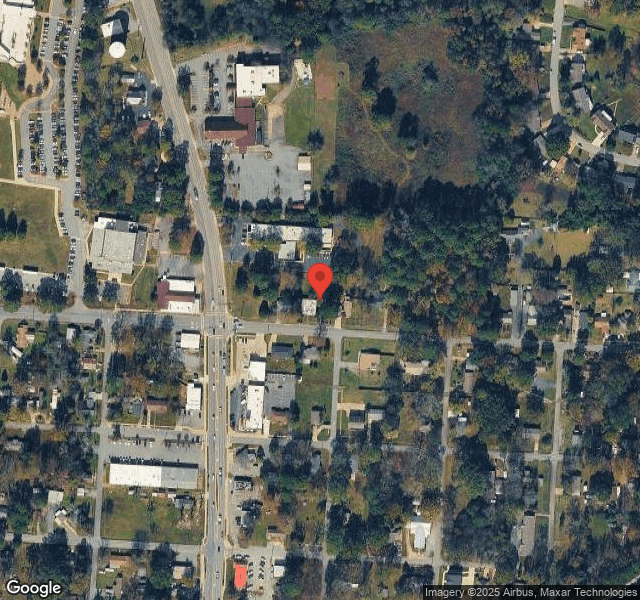
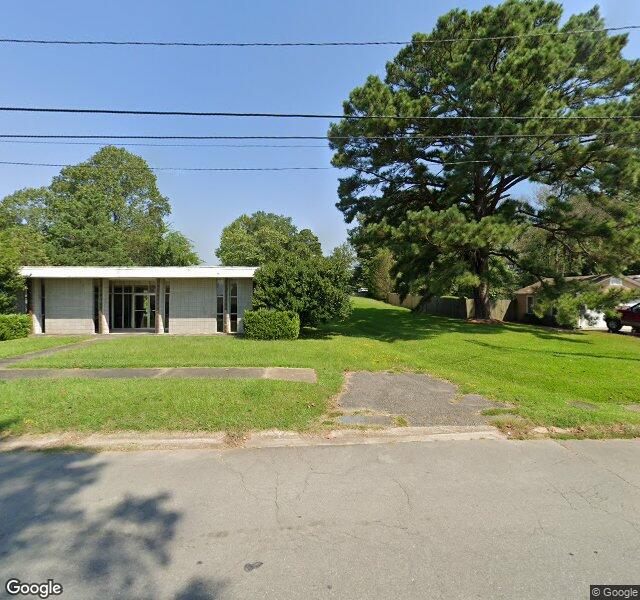
6907 HIGHWAY 5 NORTH, BRYANT, AR 72022 (501) 213-0547
For profit - Corporation 116 Beds ANTHONY & BRYAN ADAMS Data: November 2025
Trust Grade
65/100
#63 of 218 in AR
Last Inspection: January 2025

Within standard 12-15 month inspection cycle. Federal law requires annual inspections.

Overview

Evergreen Living Center at Stagecoach has a Trust Grade of C+, indicating it is decent and slightly above average compared to other facilities. It ranks #63 out of 218 nursing homes in Arkansas, placing it in the top half, and #3 out of 6 in Saline County, meaning only two local options are better. The facility is improving, having reduced its issues from 10 in 2024 to 3 in 2025. However, staffing is a weak point with a 2 out of 5 rating and a concerning 69% turnover rate, which is higher than the state average of 50%. On a positive note, the facility has not incurred any fines, which is a good sign, and they have average RN coverage, meaning they have sufficient registered nurse oversight. Specific incidents noted by inspectors include a resident with significant cognitive impairment who was not properly monitored during meals, as well as unsafe conditions where chemicals were left accessible in resident bathrooms. Additionally, concerns about food quality were raised, with residents reporting many meals served cold and unappealing. Overall, while there are notable strengths, families should consider both the staffing challenges and the identified safety issues.

Trust Score
C+
65/100
In Arkansas
#63/218
Top 28%
Safety Record
Low Risk
No red flags
Inspections
Getting Better
10 → 3 violations
Staff Stability
⚠ Watch
69% turnover. Above average. Higher turnover means staff may not know residents' routines.
Penalties
✓ Good
No fines on record. Clean compliance history, better than most Arkansas facilities.
Skilled Nurses
⚠ Watch
Each resident gets only 22 minutes of Registered Nurse (RN) attention daily — below average for Arkansas. Fewer RN minutes means fewer trained eyes watching for problems.
Violations
⚠ Watch
24 deficiencies on record. Higher than average. Multiple issues found across inspections.
★★★★☆
4.0
Overall Rating
★★☆☆☆
2.0
Staff Levels
★★★★☆
4.0
Care Quality
★★★★☆
4.0
Inspection Score
Stable
2024: 10 issues
2025: 3 issues

The Good

  • 4-Star Quality Measures · Strong clinical quality outcomes
  • Full Sprinkler Coverage · Fire safety systems throughout facility
  • No fines on record

Facility shows strength in quality measures, fire safety.

The Bad

Staff Turnover: 69%

23pts above Arkansas avg (46%)

Frequent staff changes - ask about care continuity

Chain: ANTHONY & BRYAN ADAMS

Part of a multi-facility chain

Ask about local staffing decisions and management

Staff turnover is elevated (69%)

21 points above Arkansas average of 48%

The Ugly 24 deficiencies on record

Jan 2025 3 deficiencies
CONCERN (D)

Potential for Harm - no one hurt, but risky conditions existed

Comprehensive Care Plan (Tag F0656)

Could have caused harm · This affected 1 resident

Based on observation, interview, and record review, the facility failed to ensure the Comprehensive Care Plan contained the necessary information to fully provide and coordinate care and services for ...

Read full inspector narrative →
Based on observation, interview, and record review, the facility failed to ensure the Comprehensive Care Plan contained the necessary information to fully provide and coordinate care and services for a resident with physician's orders for Hospice Services for 1 (Resident #192) of 3 sampled residents that were reviewed for Hospice Services. The findings are: 1. The admission Minimum Data Set (MDS) with an Assessment Reference Date (ARD) of 12/29/2024 indicated Resident #192 had diagnoses of cancer of the colon, coronary artery disease, chronic obstructive pulmonary disease, scored 11 (8-12 indicated moderate impairment) on the Brief Interview for Mental Status (BIMS), required substantial to maximum assistance with activities of daily living (ADL's), and was on hospice services. a. A physician's order dated 01/05/2025 indicated Resident #192 was admitted to (Name of Hospice Company) hospice for malignant neoplasm (cancer) of colon. b. Review of the care plan with a revision date of 01/11/2025 revealed it did not address Resident #192 receiving hospice services. c. On 01/29/2025 at 10:00 AM, the MDS Coordinator confirmed during an interview that Resident #192 had been receiving hospice services since admission to the facility. The MDS Coordinator was asked if Resident #192's care plan addressed that the resident was receiving hospice services. The MDS Coordinator looked in the resident's electronic record and stated not yet, but it will. When asked why the care plan should address that the resident is receiving hospice services, the MDS Coordinator stated it should be included so staff know which hospice the resident is using and what care is to be provided. d. On 01/29/25 at 10:05 AM, during an interview the Director of Nursing (DON) confirmed Resident #192 was receiving hospice services and the resident's care plans should include that they are receiving hospice services because care plans should be individualized. The DON was asked if the facility had a policy on care plans. e. On 01/29/25 at10:10 AM, the policy titled Care Plans, Comprehensive Person-Centered (Revised March 2022) indicated a comprehensive, person-centered care plan that includes measurable objectives and timetables to meet the resident' physical, psychosocial and functional needs is developed and implemented for each resident and describes the services that are to be furnished
CONCERN (D) 📢 Someone Reported This

A family member, employee, or ombudsman was alarmed enough to file a formal complaint

Potential for Harm - no one hurt, but risky conditions existed

Accident Prevention (Tag F0689)

Could have caused harm · This affected 1 resident

Based on observation, interview and record review, it was determined the facility failed to ensure staff followed a care planned intervention requiring two staff members to perform a mechanical lift t...

Read full inspector narrative →
Based on observation, interview and record review, it was determined the facility failed to ensure staff followed a care planned intervention requiring two staff members to perform a mechanical lift transfer for 1 (Resident # 43) of 4 sampled residents reviewed for accidents. The findings are: 1. The quarterly Minimum Data Set (MDS) with an Assessment Reference Date (ARD) of 11/14/24 revealed the resident scored a 0 on a Brief Interview for Mental Status (BIMS) (0-7 indicates severe impairment) and was on hospice care. The MDS revealed diagnoses of Alzheimer's disease, Non-Alzheimer's dementia, and Parkinsonism. a. A Care Plan, dated 1/14/2025, indicated Resident #43 required a mechanical lift with 2 staff member ' s assistance for transfers. b. Review of Resident #43's Hospital records for hospital admission with a date of 1/27/2025 revealed an operation note with date of service of 1/28/2024 that indicated a preoperative diagnosis of right distal femur fracture, operative procedure open reduction and internal fixation of right distal femur. This patient with advanced dementia and Parkinson's disease. Patient is on hospice but now lives in a geriatric care facility, was found to have a right femoral fracture. There was no reported fall. Clearly something happened as she had a displaced right femur shaft fracture. Details of the procedure indicated there was a lot of hematoma (pooled blood) at the fracture site, and the fracture was very displaced, and muscle was interposed in the fracture site. c. An OLTC (Office of Long-Term Care) Witness Statement dated 1/28/2024 and signed by Certified Nursing Assistant (CNA) #1 revealed on 1/26/2024 at 4:45 am Certified Nursing Assistant (CNA) # 1 log rolled Resident # 43 to tuck and get the lift pad under Resident # 43, I used a crank lift to lift [Resident #43] out of bed and into [the resident ' s] chair .I didn't have help and didn ' t ask anyone on another hall because we were short staffed , without assistance and did not report the improper transfer. d. On 1/29/2025 at 4:14 pm, the surveyor interviewed CNA #2 regarding Resident #43. CNA #2 stated while placing Resident # 43 back in bed on Sunday 1/26/2025 at 1:30 pm, it was noticed the resident ' s knee was swollen, the resident was grimacing and not smiling, which was reported to Licensed Practical Nurse (LPN) #3. e. A Nsg-Hot Rack progress note dated 01/26/2025 at 7:36 pm read, [Resident #43] has some swelling in her right knee that has not always been there and when move [the resident] grimaces in pain. f. A progress note dated 01/26/2025 at 10:03 pm read, Resident given morphine for swelling to knee. Hospice nurse made aware by day shift nurse, and they said they will evaluate resident tomorrow. g. A form titled, Radiology Results Report documented, .Examination Date: 1/27/25 .Procedure: Knee RT 2 V . Impression: Acute angulated spiral fracture of the distal right femur without prosthetic involvement . h. On 1/29/2025 at 4:16 pm, the surveyor interviewed LPN # 3 regarding Resident #43. LPN # 3 reported being called into Resident #43 ' s room by CNA # 2 on Sunday 01/26/2025 at 1:30 pm regrading a swollen right knee with pain. After assessing Resident #43, LPN #3 notified Baptist hospice of the findings and an x-ray was ordered, and instructions given to put some ice on the leg. LPN #3 stated Hospice said that they will notify the primary nurse to come out the next day to assess the resident and to give further instructions. i. On 1/29/2025 at 4:25 pm, the Director of Nursing (DON) stated that she had done competencies on all CNA staff that have worked, and she began the training on 1/27/2025. The DON reported about 7 staff members that still needed to be trained who had not worked as they were mostly PRN staff j. On 1/29/2025 at 4:39pm, the surveyor interviewed the DON and received an Inservice Education Report indicating staff were to refer to closet care plans prior to transferring resident. 2 staff (licensed staff) must transfer residents when using a (mechanical) lift with no exceptions. The DON reported having conducted the Lift Training Competency training. k. On 1/29/2025 at 5:35 pm, the DON provided a QAA (Quality Assurance) plan showing what she had done once she identified that the transfer was done incorrectly. The DON also provided a monitoring sheet where she watched mechanical lift transfers on 1/27/2025, 1/28/2025 and 1/29/2025. l. On 1/29/2025 at 5:44 pm, the surveyor interviewed Registered Nurse #4 who reported working the 7pm to 7am shift on 1/26/2025 and stated they had given Resident #43 morphine for exhibited signs of pain. m. On 1/30/2025 at 9:00 am, the surveyor spoke with LPN #3, who stated the Hospice nurse was notified of Resident #43 ' s swelling at 3:00 pm on Sunday (1/26/25). LPN #3 stated the DON and Administrator were notified on Sunday (1/26/2025) at 3-4pm of the findings. n. 01/30/25 5:30PM, The surveyor spoke with the Medical Director by telephone and the Medical Director stated that she did not feel that Resident 43 ' s fracture came to the level of IJ (Immediate Jeopardy). The Medical Director stated that she felt the resident ' s fracture was spontaneous. The Medical Director stated Resident #43 was a hospice patient with poor nutrition, had osteoporosis and had lost 10lbs in weight that was why she was put on hospice. The stated that there was no indication of an injury. I explained to the Medical Director that according to the witness statements the Certified Nursing Assistant (CNA) that worked nights had done a two person lift transfer with the mechanical lift by herself on Sunday morning (01/16/2025) about 4:45am when getting the resident up into the chair and at 1:30pm that day the aide who put the resident to bed noted the resident ' s knee was swollen. The nurse who looked at the resident also noted the knee was swollen and the resident grimaced when moved. The Medical Director asked if the aide said anything had happened and I said her statement said nothing unusual happened, but I had not been able to speak with her. The medical director again stated she felt that the fracture was most likely spontaneous. o. On 1/30/2025 at 5:45 pm, CNA #1 was interviewed by telephone and asked how much assistance Resident #43 needed with ADL's (activities of daily living). CNA #1 stated Resident #43 was totally dependent on staff for ADL's. CNA #1 was asked how many staff are required to transfer Resident #43 and CNA #1 stated the care plan stated two. CNA #1 was asked how Resident #43 was on the night of 1/26/2025 and she stated that the resident was their normal self. CNA #1 stated she cleaned the resident up, did incontinence care, and put the lift pad under the resident and then transferred the resident to the chair. When asked if she got help for the mechanical lift transfer, CNA #1 stated she was on the hall by herself, they were short staffed, and she did all the care herself. When asked if she tried to get a second person to help with the lift transfer CNA #1 stated no, she just tried to get the work done. She had residents that needed to get up and they (staff) got coachings if they did not get their work done. CNA #1 stated nothing unusual happened during the transfer and the only thing she reported to the nurse was that the resident had been coughing. CNA #1 was asked if she had done any other mechanical lift transfer by herself and she stated, to be honest they do it all the time CNA #1 confirmed she did not work after 1/26/2025 and she was suspended on 1/27/2025 after she received a call from the facility regarding the incident. CNA #1 confirmed that the closet care plan and the residents electronic record documented how much assistance the resident's needed with transfers. She also confirmed she had been trained on mechanical lift transfers on hire, but she did not recall whether she had been in-serviced on following the care plan at that time. CNA #1 confirmed she was in-serviced on the lift and following policies on 1/28/24 after the incident occurred. p. A policy titled, Care Plans, Comprehensive Person Centered (revision March 2022) indicated the care plan describes the services that are to be furnished to attain or maintain the resident's highest practicable physical, mental, and psychosocial well-being. q. A policy titled Lifting Machine, using a Mechanical (Revised July 2017) indicated the purpose of this procedure was to establish the general principles of safe lifting using the mechanical lifting device and included at least two (2) nursing assistants are needed to safely move a resident with a mechanical lift.
CONCERN (D)

Potential for Harm - no one hurt, but risky conditions existed

Staffing Information (Tag F0732)

Could have caused harm · This affected 1 resident

Based on observation, interview, and record review, the facility failed to post and make readily accessible to residents and visitors daily nurse staffing in a clear and readable format to include the...

Read full inspector narrative →
Based on observation, interview, and record review, the facility failed to post and make readily accessible to residents and visitors daily nurse staffing in a clear and readable format to include the facility name, date, total census and total number and actual hours worked by nursing staff. This failed practice had the potential to affect all 98 residents residing in the facility. The findings are: During an interview on 01/28/2025 at 4:20 pm, the Director of Nursing (DON) was asked for the location the nurse staffing was posted, and stated it was on the wall over by the nurse's station in a display case. The posted schedule only showed the daily schedule. The title of staff scheduled was not included. The schedule did not show the hours worked, the total hours, the census, or the name of the facility. The DON was asked what kind of information should be included on the nursing staffing and stated, The date, number of hours actually worked, and the hours scheduled. The DON was asked if the facility name and the census be on the nurse staffing posting and stated, Yes, they should. The DON was asked who makes the nurse staffing schedule and stated, Our HR (Human Resources) person does this. The one we had before wasn't doing it so she was terminated. We lost the key to the case and haven't been able to open it. The Maintenance man has ordered a new one and it hasn't come in yet so that's one reason it is not up to date. During an interview on 01/29/2025 at 1:58 pm, the Administrator was asked what information is required to be included on the posted nursing staffing schedule and stated, The date, census, hours scheduled, hours actually worked, facility name, schedule hours and shifts.
Jan 2024 10 deficiencies
CONCERN (D)

Potential for Harm - no one hurt, but risky conditions existed

PASARR Coordination (Tag F0644)

Could have caused harm · This affected 1 resident

Based on record review and interview, the facility failed to coordinate with the State Agency for a Pre-admission Screening and Resident Review (PASARR) to ensure the resident received appropriate men...

Read full inspector narrative →
Based on record review and interview, the facility failed to coordinate with the State Agency for a Pre-admission Screening and Resident Review (PASARR) to ensure the resident received appropriate mental health services for 2 (Residents #59 and #40) of 2 sampled residents. The findings are: 1. Resident #59 had a diagnosis of Schizophrenia and was taking the medication Olanzapine 2.5 milligrams twice a day for psychotic disorder. The Annual Minimum Data Set (MDS) with an Assessment Reference Date (ARD) of 10/16/23 documented Resident #59 had a Brief Interview for Mental Status (BIMS) of 13 (13-15 indicates cognitively intact) and had diagnosis of schizophrenia, and was not considered by the state level II PASRR process to have serious mental illness and/or intellectual disability or a related condition. a. On 1/10/24 at 8:45 AM, the Surveyor requested Resident #59's PASARR. b. On 1/10/24 at 9:15 AM, the Administrator provided the Surveyor with the following forms: i) Arkansas Department of Health and Human Services Evaluation of Medical Need Criteria (703), submitted in October 2022. ii) Arkansas Department of Health and Human Services Division of Medical Services Dementia Diagnosis Substantiation (780), submitted in October 2022. iii) Arkansas Department of Health and Human Services Division of Medical Services pre-admission screening (787), submitted in October 2022 2. Resident #40 had a diagnosis of schizoaffective and was taking Citalopram Hydrobromide for anxiety. The Annual MDS with an ARD of 02/22/23 documented Resident #40 had a BIMS of 15 (13-15 indicates cognitively intact) and was not considered by the state level II PASRR process to have serious mental illness and/or intellectual disability or a related condition. a. On 1/10/24 at 8:45 AM, the Surveyor requested an Arkansas Department of Health and Human Services Division of Medical Services pre-admission screening (787). b. On 1/10/24 at 2:15 PM, the Administrator provided the following forms: i) Arkansas Department of Health and Human Services Evaluation of Medical Need Criteria (703), submitted in February 2022. ii) Arkansas Department of Health and Human Services Division of Medical Services Dementia Diagnosis Substantiation (780), submitted in February 2022. iii) Arkansas Department of Health and Human Services Division of Medical Services pre-admission screening (787), submitted in February 2022. c. On 1/10/24 at 10:30 AM, the Surveyor requested documentation of the response from the state designated authority for Resident 59's PASARR from October of 2022 and Resident #40's level II screening. Nurse Consultant #1 stated, I keep a binder for PASARR, but I do not have the response for those two residents. I remember when the level II was done. Nurse Consultant #1 was asked to pull up Resident #59's Annual MDS and go to section A 1500. What is documented? Nurse Consultant #1 said no. The Surveyor asked what should be documented? Nurse Consultant #1 stated, Yes. d. On 1/10/24 at 3:30 PM, the Surveyor asked the Director of Nursing (DON) who was responsible for the PASSAR? The DON stated, MDS Coordinator, but she is out. The Surveyor asked the DON without the response for the PASSAR, how can you incorporate any recommendation into the Resident's care? The DON opted to get Nurse Consultant #2. Nurse Consultant #2 gave the DON the detailed in-service on PASSAR mentioning the (State Designated Professional Associates) may suggest recommendation for care and/or therapy. The Surveyor asked the DON without the response from the state-designated authority how can the facility incorporate any possible recommendations into the resident's care? Nurse Consultant #2 stated to the DON, She wants you to say you can't because we can't. e. On 1/10/24 at 4:00 PM, a policy titled, admission Criteria, revised March 2019, provided by the DON, documented, .9. All new admission and readmission are screened for mental disorders (MD), intellectual disabilities (ID) or related disorders (RD) per the Medicaid Pre-admission Screening and Resident Review (PASARR) process. A. The facility conducts a Level I PASARR screen for all potential admission, regardless of payer source, to determine if the individual meets the criteria for MD, ID, or RD. B. If the level I screen indicates that the individual may meet the criteria for a MD, ID, or RD, he or she is referred to the state PASARR representative for the level II (evaluation and determination) screening process. (1) The admitting nurse notifies the social service department when a resident is identified as having a possible (or evident) MD, ID, or RD. (2) The social worker is responsible for making referrals to the appropriate state designated authority. C. Upon completion of the level II evaluation, the state PASARR representative determines if the individual has a physical or mental condition, what specialized or rehabilitative services he or she needs, and whether placement in facility is appropriate. D. The state PASARR representative provides a copy of the report to the facility. E. The interdisciplinary team determines whether the facility is capable of meeting the needs and services of the potential resident that are outlined in the evaluation. F. Once a decision is made, the state PASARR representative, the potential resident and his or her representative are notified .
CONCERN (D)

Potential for Harm - no one hurt, but risky conditions existed

Comprehensive Care Plan (Tag F0656)

Could have caused harm · This affected 1 resident

Based on interview and record review, the facility failed to ensure the comprehensive resident centered care plan for 1 (Resident #22) of 1 sampled resident addressed generalized anxiety, and major de...

Read full inspector narrative →
Based on interview and record review, the facility failed to ensure the comprehensive resident centered care plan for 1 (Resident #22) of 1 sampled resident addressed generalized anxiety, and major depression diagnoses and medications. The findings are: 1. Resident #22 had diagnoses of transient cerebral ischemic attack, anxiety disorder, and major depressive disorder. The Quarterly Minimum Data set (MDS) with an Assessment Reference Date (ARD) of 12/14/2023 documented a Brief Interview for Mental Status (BIMS) of 13 (13-15 indicates cognitively intact) and had received antianxiety and antidepressant medication during the 7 day lookback period. b. A Physician Order dated 08/16/2023 documented, Sertraline HCl [Hydrochloride] Oral Tablet 100 MG [milligram] .Give 1 tablet by mouth one time a day related to MAJOR DEPRESSIVE DISORDER, SINGLE EPISODE, UNSPECIFIED . c. A Physician Order Dated 06/16/2023 documented, busPIRone HCl Oral Tablet 15 MG .Give 15 mg by mouth two times a day related to GENERALIZED ANXIETY DISORDER . d. On 01/12/2023 at 09:05 AM, the Surveyor asked Licensed Practical Nurse (LPN) #2 for assistance finding antianxiety and antidepression medication interventions on Resident #22's care plan. LPN #2 said, Let's just look at the orders. [Resident #22] is on Buspar for anxiety and Sertraline for depression. The Surveyor asked for assistance finding documentation on the care plan. LPN #2 told the Surveyor that she does not use the care plan, and just goes and asks another nurse. e. On 01/12/2024 at 09:05 AM, the Surveyor asked the MDS nurse who puts in care plans and revises them. The MDS nurse said that she was responsible for care plans. The Surveyor asked for assistance finding antianxiety and antidepression medication interventions on the care plan for Resident #22. The MDS nurse said she could not find anxiety or depression on the care plan. The Surveyor asked why psychiatric diagnoses, and treatment medications are documented on the care plan. The MDS nurse said so nursing can see that Resident #22 has these diagnoses and how to care for them. The Surveyor asked if nursing is expected to use care plans, and if they are in-serviced on how to navigate the care plans. The Assistant Director of Nursing (ADON) told the Surveyor that nursing is expected to use care plans, and during orientation the nurse consultant shows them how to use care plans.
CONCERN (D)

Potential for Harm - no one hurt, but risky conditions existed

Deficiency F0657 (Tag F0657)

Could have caused harm · This affected 1 resident

Based on record review and interview, the facility failed to ensure the plan of care was reviewed and revised to address tube feedings for 1 (Resident 43) of 1 sampled resident who had a physician's o...

Read full inspector narrative →
Based on record review and interview, the facility failed to ensure the plan of care was reviewed and revised to address tube feedings for 1 (Resident 43) of 1 sampled resident who had a physician's order for tube feedings. The findings are: 1. Resident #43 had a diagnosis of Alzheimer's Dementia, Malnutrition, and Dysphagia. The Quarterly Minimum Data Set (MDS) with an Assessment Reference Date (ARD) of 12/22/23 documented the resident scored 2 (0-7 indicates severe cognitive impairment) on a Brief Interview for Mental Status (BIMS), and received a mechanically altered diet and had a feeding tube. a. A Physician's Order dated 8/23/23 documented, .Enteral Feed: in the afternoon [Nutritional Supplement] 1.5 Cal 237 cc [cubic centimeters] with 60cc H2O [Water] flush before and after . b. The Care Plan with a revision date of 07/28/23 did not address the Resident #43 received tube feedings. c. On 01/11/24 at 2:15PM, the MDS Coordinator was asked, Does [Resident #43] have a feeding tube? The MDS Coordinator stated, Yes. The MDS Coordinator was asked, Does [Resident #43's] care plan address the that she has a feeding tube? The MDS Coordinator stated, I will have to look in her record and see. She had the tube feeding prior to my coming to work at the facility. The MDS Coordinator looked in the electronic record and stated, The care plan talks about talking to family about tube feeding placement, but it does not address that she has a feeding tube. The MDS Coordinator was asked, Should the care plan address the fact that the resident has a feeding tube? The MDS Coordinator stated, Yes. It should. The MDS Coordinator was asked, Why is it important that the care plan addresses that the resident has a feeding tube? The MDS Coordinator stated, It is important so that everyone knows how to take care of the feeding tube. d. On 01/12/2024 at 8:10 AM, the policy titled, Care Plan, Comprehensive Person-Centered, provided by the Assistant Director of Nursing (ADON) documented, .Policy Statement: A Comprehensive, person-centered care plan that includes measurable objectives and timetables to meet the resident's physical. psychosocial and functional needs is developed and implemented for each resident .8. The comprehensive, person-centered care plan will: .b. Describe the services that are to be furnished to attain or maintain the residents highest practicable physical, mental and psychosocial well-being .
CONCERN (D)

Potential for Harm - no one hurt, but risky conditions existed

ADL Care (Tag F0677)

Could have caused harm · This affected 1 resident

Based on observation, interview, and record review, the facility failed to ensure fingernails were trimmed, cleaned, and free of jagged edges to promote good personal hygiene and grooming for 1 (Resid...

Read full inspector narrative →
Based on observation, interview, and record review, the facility failed to ensure fingernails were trimmed, cleaned, and free of jagged edges to promote good personal hygiene and grooming for 1 (Resident #18) of 7 (Residents #11, #18, #24, #41, #78, #83 and #191) sampled residents who were dependent on staff for nail care on the 100 Hall according to a list provided by Assistant Director of Nursing on 01/12/2024 at 3:40 PM. The findings are: 1. Resident #18 had diagnoses of Stroke, Dysphagia, and Pain in Right Shoulder. The Significant Change in Condition Minimum Data Set (MDS) with an Assessment Reference Date (ARD) of 10/16/23 documented that the resident scored 3 (indicating severely cognitively impaired) on a Staff Assessment for Mental Status (SAMS). a. The care plan with a revision date of 12/12/23 documented, .Focus: The resident has an ADL [Activities of Daily Living] self-care performance deficit r/t [related to] Activity Intolerance, Limited Mobility, Pain to right shoulder, Stroke . Intervention/Task: BATHING/SHOWERING: Check nail length and trim and clean on bath day and as necessary. Report any changes to the nurse . The care plan did not document the resident refuses care. b. On 01/08/24 at11:06 AM, Resident #18 was sitting up in bed watching television. His left hand was on top of the covers. The resident's fingernails were ungroomed with a dark substance under the nails and around the cuticles. Some of the nail edges were jagged and uneven. c. On 01/09/24 at 08:35 AM, Resident #18 was sitting up in bed eating breakfast. The fingernails on both hands had a dark substance under them and around the cuticles. Some of the nail edges were jagged and uneven. d. On 01/10/24 at 08:35 AM, Resident #18 was lying in bed with eyes closed with his left arm and hand outside of the covers. His fingernails on the left hand appeared ungroomed with a dark substance under the nail and around the cuticles. Some of the edges of the nails were jagged and uneven. e. On 01/11/24 at 08:35 AM, Resident #18 was lying in bed with eyes open. His fingernails had a dark substance under the nails and around the cuticles. Some of the edges of the fingernails were jagged and uneven. f. On 01/11/24 at 09:25 AM, the Surveyor asked Licensed Practical Nurse (LPN) #3 to accompany her to Resident #18's room. LPN #3 entered the room and spoke with the resident prior to looking at his fingernails. The Surveyor and LPN #3 then exited the room and LPN #3 was asked, Can you describe [Resident #18's] fingernails to me? LPN #3 stated, There is an unknown substance around his nail bed. His fingernails need to be cleaned. LPN #3 was asked, How much assistance does [Resident #18] require with activities of daily living? LPN #3 stated, He's total assistance of two people with care. LPN #3 was asked, Who is responsible for providing nail care to the resident? LPN #3 stated, All nursing staff on the hall are responsible for doing nail care. LPN #3 was asked, How often should nail care be done? LPN #3 stated, Every day. LPN #3 was asked, Does the resident refuse care? LPN #3 stated, Yes. He does sometimes refuse. LPN #3 was asked, What do you do if the resident refuses care? LPN #3 stated, Most of the time we call his [family member] and she will talk to him on the phone, and he will allow us to do the care. If he refuses, we back off and give him his space though, because he does have the right to refuse. LPN #3 was asked, How do you ensure that staff are providing the care that the residents need? LPN # stated, I stay on my hall. The CNA [Certified Nursing Assistant] can find me and report any refusals or concerns to me. We all work together as a team to make sure care is provided. LPN #3 was asked, Is it in the residents care plan that he refuses care? LPN #3 stated, I am pretty sure that it is, but we document any refusals anyway. LPN #3 was asked, Where is it documented in the chart when the resident refuses? LPN #3 stated, The nurse documents in the nurses notes and the aide also documents the refusal in the chart. g. On 01/11/24 at 09:55 AM, the Surveyor asked CNA #3, How much assistance does [Resident #18] require with activities of daily living? CNA #3 stated, We do everything for him. He is total care. He is on hospice services. CNA #3 was asked, Who is responsible for nail care? CNA #3 stated, The aides are unless the resident is a diabetic and then the nurse does the care. Hospice does his showers. CNA #3 was asked, How often should nail care be done? CNA #3 stated, Every day if they are nasty, but usually every other day when they are getting their shower. CNA #3 was asked, Does [Resident #18] refuse care? CNA #3 stated, He will refuse. He usually does not refuse for me, but if he does, they [aides] will tell the nurse and will try two more times. CNA #3 was asked, Do you document when the resident refuses care? CNA #3 stated, Yes. We document in the [database] so it goes into the residents record. h. On 01/11/24 10:08 AM, Resident #18's Progress Notes from 12/12/23 to 01/12/24 contained no documentation of Resident #18 refusing care. i. On 1/11/24 at 10:24 AM, Resident #18's activities of daily living care sheets provided by the Director of Nursing (DON) did not document any provision of nail care from 1/1/24 to 1/11/24 that Resident #18 refused care. j. On 01/11/24 at 02:10 PM, the DON was asked, Who is responsible for nail care? The DON stated, The CNAs on the floor unless the resident is diabetic and then the nurse should cut the nails. The DON was asked, How often should nail care be done? The DON stated, Nail care should be done on bath days and as needed. The DON was asked, What should staff do if a resident refuses nail care? The DON stated, The staff member should notify the nurse and make sure that they document it. The DON was asked, Where should the refusal be documented? The DON stated, The CNA should document the refusal where they document the ADL (care was provided. The DON was asked, Should refusal of care be documented on the residents care plan? The DON stated, Yes, it should be if it is continuous refusals of care. k. On 1/12/23 at 8:10 AM, the policy titled, Fingernails/Toenails, Care of , provided by the Assistant Director of Nursing (ADON) documented, .Purpose: The purpose of this procedure are to clean the nail bed, to keep nails trimmed, and to prevent infect .General Guidelines: 1. Nail care includes daily cleaning and regular trimming. 2. Proper nail care can aid in the prevention of skin problems around the nail bed .
CONCERN (D)

Potential for Harm - no one hurt, but risky conditions existed

Accident Prevention (Tag F0689)

Could have caused harm · This affected 1 resident

2. On 01/09/24 at 10:24 AM, the Surveyor observed a cabinet on the 100 Hall with an unlocked lock hanging on the handle. The Survey asked CNA #3 if she could open the unlocked cabinet. A bottle of Hyd...

Read full inspector narrative →
2. On 01/09/24 at 10:24 AM, the Surveyor observed a cabinet on the 100 Hall with an unlocked lock hanging on the handle. The Survey asked CNA #3 if she could open the unlocked cabinet. A bottle of Hydrogen Peroxide 3% was observed in the unlocked cabinet. a. On 01/09/24 at 10:24 AM, the Surveyor asked CNA #3 if Hydrogen Peroxide should be in the unlocked cabinet. CNA #3 stated, No, it shouldn't be in the cabinet. I am taking it out right now. b. On 01/10/24, at 3:38 PM, the Surveyor asked the DON if Hydrogen Peroxide should be in the unlocked cabinet on the 100 Hall? The DON was not familiar with the referenced cabinet, and accompanied the Surveyor and Nurse Consultant #1 to the 100 Hall. Upon arrival, the cabinet had an unlocked lock hanging on the handle. The Surveyor asked the DON and Nurse Consultant #1 should there be hydrogen peroxide in this cabinet? Nurse Consultant #1 stated No. The Surveyor asked the DON and Nurse Consultant #1 why should hydrogen peroxide not be in the unlocked cabinet? Nurse Consultant #1 stated, It's a hazard. The Surveyor asked who is it a possible hazard to? Nurse Consultant #1 stated To demented and confused residents. c. On 1/11/24 at10:51 AM, The DON provided a policy titled, Hazardous Areas, Devices and Equipment. The Policy Statement stated, All hazardous areas, devices, and equipment in the facility will be identified and addressed appropriately to ensure resident safety and mitigate accident hazards to the extent possible. Identification of Hazards 1. A hazard is defined as anything in the environment that has the potential to cause injury or illness. Examples of environmental hazards include, but are not limited to: d. Open areas or items that should be locked when not in use; g. Access to toxic chemicals . Based on observation, interview and record review, the facility failed to ensure the shower door on the 400 Hall was locked and a cabinet on the 100 was locked to prevent accidental ingestion harmful chemicals contained in both areas. The findings are: 1. On 1/8/2023 at 11:00 AM, the Surveyor touched the handle to the shower door on the 400 Hall. The shower door opened. a. Upon entering the Shower Room a bottle of Ammonia Lactate 12% lotion was left in the chair by the door. b. An open bottle of (Brand) Professional Hair and Body wash was left on the floor in Shower #2. c. On 1/8/23 at 11:12 AM, Registered Nurse (RN) #2 was overheard telling a staff member the shower door was left unlocked. The Surveyor asked RN #2 what the procedure was for the shower room. RN #2 said that the door was supposed to remain locked. The Surveyor asked why do they keep the shower room locked? RN #2 said that not all residents are allowed in the shower room. The Surveyor asked are there any residents allowed in the shower room by themselves? RN #2 said that no residents were allowed in the shower room by themselves. d. On 1/10/24 at 02:45 PM, the Surveyor asked the Director of Nursing (DON) what is the policy for shower doors? The DON said the doors were to be locked. The Surveyor asked what is the reason for this? The DON said the Certified Nursing Assistants (CNA) have soaps and lotions to give residents baths in there. Residents may wander in and get them. The Surveyor asked what is to be done with the Ammonia Lactate 12% (lotion) The DON said she will find out and provide MSDS [Material Safety Data Sheet]. The Surveyor asked if the open bottle of (Brand) Body wash was to be kept on the shower floor. The DON said I doubt it is to be kept there. It is ok to keep it in the shower room as long as the doors are locked. The Surveyor asked why would you not want to keep it there? The DON said residents may wander in and think it is something to drink. e. 1/10/2023 3:35 PM, the Nurse Consultant provided a Safety Data Sheet for the Ammonium Lactate 12% Moisturizing Lotion which documented, .First Aid Measures: Skin Contact: Remove contaminated clothing and wash immediately with soap and water. Eye Contact: Rinse immediately with plenty of water and seek medical advice. Ingestion: Do not induce vomiting. If patient is conscious, give 2 glasses of water or milk. Contact a physician or poison Control Center immediately. Inhalation: Move person to fresh air. If breathing is difficult get medical attention. Important symptoms: None Special treatment: If swallowed get immediate medical attention or contact a Poison Control Center f. On 1/10/2024 at 3:28 PM, the Nurse Consultant provided a policy titled, Bath, Shower/Tub, which documented, General Guidelines .Never leave the resident unattended in the tub or shower .
CONCERN (D)

Potential for Harm - no one hurt, but risky conditions existed

Respiratory Care (Tag F0695)

Could have caused harm · This affected 1 resident

Based on observation, interview and record review, the facility failed to ensure a residents oxygen tubing was dated for 1 (Resident #10) of 4 sampled residents who required oxygen to reduce the risk ...

Read full inspector narrative →
Based on observation, interview and record review, the facility failed to ensure a residents oxygen tubing was dated for 1 (Resident #10) of 4 sampled residents who required oxygen to reduce the risk of infection. The findings are: 1. Resident #10 had diagnoses of chronic obstructive pulmonary disease (COPD). The Annual Minimum Data Set (MDS) with an Assessment Reference Date (ARD) of 09/25/2023, documented a Brief Interview of Mental Status (BIMS) of 15 (13-15 indicates cognitively intact). a. A Care Plan with a revision date of 03/13/2022 documented Resident #10 was to receive .OXYGEN SETTINGS: O2 [oxygen] @ [at] 2L/min [liters per minute] via nasal cannula PRN [as needed] . Physician Orders dated 10/16/23 noted Resident #10 was to have the oxygen tubing changed every Sunday on night shift and the CPAP cleaned daily on day shift. b. On 01/08/24 at 11:36 AM, Resident #10 was lying in bed with Continuous Positive Airway Pressure (CPAP) in place with 3 liters of oxygen via nasal cannula. The oxygen tubing was not dated and was sticky. c. On 01/08/24 at 02:30 AM, Resident #10 was resting with eyes closed with CPAP in place and oxygen at 3 liters per minute. The oxygen tubing not dated and sticky to the touch. d. On 01/09/2024 at 11:30 AM, Resident #10 was resting with eyes closed wearing the CPAP with oxygen at 2 liters. No date was seen on the oxygen tubing connected to the CPAP. e. On 01/10/24 at 09:45 AM, the Surveyor asked Registered Nurse (RN) #1 to check the oxygen and CPAP machine and tubing for Resident #10. Resident #10's oxygen was set at 2 liters, and the oxygen and CPAP tubing were undated. RN #1 looked and found a blue sticker dated 01/08/2023 and told the Surveyor it fell off of the oxygen tubing. RN #1 told the Surveyor there was not a date on the oxygen tubing that is connected to the CPAP. Resident #10 told RN #1 that it had been a while since the CPAP tubing was changed. f. On 01/10/24 at 02:45 PM, the Surveyor asked the Director of Nursing (DON) what procedure do you expect staff to follow for oxygen and CPAP tubing. The DON said, Tubing is to be changed once a week. The Surveyor asked why it is important to change oxygen and CPAP tubing weekly. The DON said to prevent bacteria growth. g. On 01/10/2024 at 03:28 PM, Nurse Consultant #1 provided a policy titled, Oxygen Administration, which documented, .Purpose The purpose of this procedure is to provide guidelines for safe oxygen administration . The documentation did not address dating oxygen tubing. h. On 01/11/2024 at 10:29 AM, the DON provided a policy titled, CPAP/BIPAP [Bilevel Positive Airway Pressure] Support, which documented, .7. Masks, nasal pillows and tubing: Clean daily by placing in warm, soapy water . The policy did not address labeling tubing.
CONCERN (D)

Potential for Harm - no one hurt, but risky conditions existed

Deficiency F0761 (Tag F0761)

Could have caused harm · This affected 1 resident

**NOTE- TERMS IN BRACKETS HAVE BEEN EDITED TO PROTECT CONFIDENTIALITY** Based on observation and interview, the facility failed to ensure only licensed staff had access to keys to the medication room ...

Read full inspector narrative →
**NOTE- TERMS IN BRACKETS HAVE BEEN EDITED TO PROTECT CONFIDENTIALITY** Based on observation and interview, the facility failed to ensure only licensed staff had access to keys to the medication room to prevent the potential of misappropriation of resident property. This failed practice had the potential to affect all 89 residents in the facility that get medications from the medication room. The findings are: a. On [DATE] at 02:09 PM, the Surveyor asked to see the medication room. Staff at the nursing station pointed to the medication room, and Licensed Practical Nurse (LPN) #1 handed the medication room keys to Certified Nursing Assistant (CNA) #4. The Surveyors observed CNA #4 unlock the door, and stand holding the door open. The Surveyors did not enter the medication room and stood waiting for licensed staff while the door was being held open. b. On [DATE] at 02:11 PM, LPN #2 came to the medication room, and entered with the Surveyors. c. On [DATE] at 02:50 PM, the Surveyor asked the Director of Nursing (DON) if unlicensed personnel are supposed to be given keys to the medication room, and why do they not allow unlicensed personnel to have access to the medication room. The DON said that no unlicensed personnel should have keys to the medication room because there were medications in the refrigerator; over the counter medications; and expired and discontinued medications were in there as well. d. On [DATE] at 10:29 AM, the DON provided a policy titled, Storage of Medications, which documented, .Policy Statement The facility shall store all drugs and biologicals in a safe, secure, and orderly manner .10. Only persons authorized to prepare and administer medications shall have access to the medication room including any keys .
CONCERN (E)

Potential for Harm - no one hurt, but risky conditions existed

Deficiency F0804 (Tag F0804)

Could have caused harm · This affected multiple residents

Based on observation, record review and interview, the facility failed to ensure meals were served in a method that maintained the appearance of food items that were acceptable to the residents to imp...

Read full inspector narrative →
Based on observation, record review and interview, the facility failed to ensure meals were served in a method that maintained the appearance of food items that were acceptable to the residents to improve palatability and encourage good nutritional intake during 1 of 1 meal observed. This failed practice had the potential to affect 58 residents who had regular diets; 20 residents who received mechanical soft diets; and 7 residents who received pureed diets as documented on a list provided by the Dietary Supervisor on 01/11/2024 at 1:58 PM. The findings are: 1. On 01/08/2024 at 11:30 AM, Resident #44 told the Surveyors the food sucks, 90% is cold and 20% can't tell what you're eating. 2. The facility recipe for beef stroganoff for 100 residents documented, Used 20 ½ lb [pound] of beef stew meat, ¼ #10 can of mushroom pieces and stems, 11 oz [ounces] of yellow onion, 1 tablespoon of iodized salt, 3 cups of 2% reduced fat milk, 1¼ cups of sour cream, 3 cups of reconstituted beef base and 1 teaspoon of ground black pepper. a. [NAME] stew meat according to manufacturer's instructions. [NAME] to an internal temperature of 145 degrees Fahrenheit for 4 minutes. Maintain at an internal temperature of > (Greater than) 140 degrees Fahrenheit for only 4 hours. b. Add onions and mushrooms during last 5 minutes. Drain fat. Transfer to counter pans. c. Mix beef broth, milk, sour cream, salt, and pepper. Pour over beef cube mixture the bake. [NAME] to an internal temperature of 155 degrees Fahrenheit for 15 seconds. Maintain at an internal > (Greater than) 140 degrees Fahrenheit for only 4 hours. 3. On 01/10/24 at 01:24 PM, the following observations were made during the noon meal service: a. Egg noodles with beef sauce served to the residents on regular diets were watery. The water was separated from the food mixture. b. The egg noodles with ground beef sauce served to the residents on mechanical soft diets was watery. Water was separated from the food mixture. c. The pureed bread served to the residents on pureed diets was thick. The surveyor asked the Dietary Supervisor to describe the appearance of the foods served to the residents. She stated, Egg noodles with beef sauce was watery, and pureed bread was thick. 4. 01/10/24 01:25 PM, the Surveyor asked Dietary Employee (DE) #1 how she prepared the beef stroganoff. DE #1 stated, I sautéed onion, beef, and mushroom. Added salt, pepper, broth, and 4 cups of sour cream. She did not mention adding milk in the mixture. 5. 01/11/24 at 01:45 PM, the Surveyor asked DE #3 to describe the appearance of the food served to the residents for lunch on 01/10/2024. DE #3 stated, The egg noodles were watery. I kept draining the water off the noodles, before putting them on the plates, but still watery. Ground beef tips look like water down gravy. We don't know what it was. Pureed bread was thick.
CONCERN (E)

Potential for Harm - no one hurt, but risky conditions existed

Infection Control (Tag F0880)

Could have caused harm · This affected multiple residents

**NOTE- TERMS IN BRACKETS HAVE BEEN EDITED TO PROTECT CONFIDENTIALITY** 2. On 01/09/24 at 07:50 AM, the Surveyor observed CNA #2 feeding both Resident #45 and Resident #66 with her right hand without ...

Read full inspector narrative →
**NOTE- TERMS IN BRACKETS HAVE BEEN EDITED TO PROTECT CONFIDENTIALITY** 2. On 01/09/24 at 07:50 AM, the Surveyor observed CNA #2 feeding both Resident #45 and Resident #66 with her right hand without using hand sanitizer between giving each resident a bite of food. a. On 01/09/24 at 07:53 AM, the Surveyor asked CNA #2 do you have any hand sanitizer in your pocket? CNA #2 said no. The Surveyor asked between feeding Resident #45 and Resident #66 what should you have done? CNA #2 stated Sanitize my hands. b. On 01/10/24 03:15 PM, the Surveyor asked the Director of Nursing (DON) if a Certified Nursing Assistant is feeding multiple residents at the same time, between giving each resident a bite of food what should the CNA do? The DON said that's easy to forget but sanitize their hands. c. On 01/09/24 at 07:51 AM, the Surveyor observed CNA #1 pulling Resident #83's wheelchair up to the table with the right hand, then give Resident #24 a bite of food with the same hand without sanitizing. d. On 01/09/24 at 07:54 AM, the Surveyor asked CNA #1 do you have hand sanitizer in your pocket? CNA said no. The Surveyor asked after you pulled Resident #83's wheelchair up to table but before you gave Resident #24 a bite of food what should you have done? CNA #1 stated Sanitize my hands. e. On 01/10/24 at 03:15 PM, the Surveyor asked the DON if a Certified Nursing Assistant pulls a resident's chair to the table with her right hand, then give another resident a bite of food with her right hand what should she have done prior to giving the other resident a bite of food? The DON said sanitize her hands. The Surveyor asked why it is important to use proper hand hygiene. The DON said to keep down the spread of germs and infection. f. On 01/11/24 at 10:29 AM, the DON provided a policy titled, Handwashing/Hand Hygiene which documented, .Administrative Practices to promote Hand Hygiene 1. All personnel are trained and regularly in-serviced on the importance of hand hygiene in preventing the transmission of healthcare-associated infections . Based on observation, interview, and record review, the facility failed to ensure Personal Protection Equipment (PPE) was available to prevent the spread of infection and staff sanitized their hands appropriately when assisting residents with meals. This failed practice had the potential to affect all 89 residents in the facility. The findings are: 1. On 01/08/2024 at 10:10 AM, the Administrator told the Surveyors there were 15 COVID residents, and mask were mandatory. The Surveyors observed surgical mask at the door, and the Administrator offered a N-95 mask if Surveyors wanted one, but everyone had a choice. a. On 01/08/2024 at 01:40 PM, the Surveyor was looking for personal protective equipment to don for interviews. Certified Nursing Assistant (CNA) #4 was asked to accompany the Surveyor to look at the isolation carts on the 400 Hall. The following PPE was missing: i) Cart outside room [ROOM NUMBER]: had food service hair protection, and two surgical mask, gowns, red and yellow bags. CNA #4 was asked should there be a droplet precautions sign on the door. CNA #4 pointed out the contact precaution sign, and looked on top of the isolation cart and found the droplet precaution signage. CNA #4 said, It looks like it came off the door. CNA #4 told the Surveyor there were no eye shields or protective eyewear, and no N-95 mask in the isolation cart. ii) Cart outside room [ROOM NUMBER]: CNA #4 was observed checking isolation cart and agreed there were no eye shields or eye protective equipment. iii) Cart outside room [ROOM NUMBER]: CNA #4 checked the isolation cart with the Surveyor and said, There are no N-95 mask. iv) Cart outside room [ROOM NUMBER]: CNA #4 checked the isolation cart with the Surveyor and told the Surveyor there were no N-95 mask. v) Cart outside room [ROOM NUMBER]: CNA #4 checked the isolation cart with the Surveyor and agreed no N-95, or protective eye shields or eye protection equipment was in the cart. vi) Cart outside room [ROOM NUMBER]: CNA #4 checked the isolation cart with the Surveyor and agreed no N-95, or protective eye shields or eye protection equipment were in the cart. vii) Cart outside room [ROOM NUMBER]: CNA #4 checked the isolation cart with the Surveyor and agreed there were no N-95 masks, or eye protection shields or equipment on the cart. b. On 01/08/2024 at 02:00 PM, the Surveyor asked CNA #4 who was responsible for isolation carts. CNA #4 said there had been recent changes and she did not want to tell the Surveyor the wrong thing. The Surveyor asked about the procedure for putting on PPE for resident care because no staff have been observed going in and out of isolation rooms. CNA #4 told the Surveyor that there are precautions signs on the doors, and the isolation carts should be stocked with everything to put on before entering a COVID-19 room. The Administrator approached and CNA #4 told the Administrator that the carts were missing eye protection and N-95 mask. The Administrator told the Surveyor and CNA #4 that he had supplies in his office. The Surveyor asked the Administrator what staff were expected to maintain the isolation carts and the Administrator told the Surveyor housekeeping, and environmental services. The Administrator told the Surveyor he was leaving to take care of the PPE. c. On 01/08/2024 at 03:00 PM, the Director of Nursing (DON) was asked for a policy on isolation precautions, and COVID-19. d. On 01/08/2024 at 03:30 PM, the Assistant Administrator provided a policy titled Isolation-Categories of Transmission-Based Precautions which documented, .Policy Interpretation and Implementation 1. Transmission-Based precautions will be used whenever measures more stringent than Standard Precautions are needed to prevent or control the spread of infection .Droplet Precautions .4. Masks a. In addition to Standard Precautions, put on a mask when entering the room or cubicle. e. On 01/08/2024 at 03:30 PM, the Administrator in Training provided a policy titled, Isolation-Initiating Transmission-Based Precautions which documented, .Policy Interpretation and Implementation .5. When Transmission-Based Precautions are implemented, the Infection Preventionist (or designee) shall; a. Ensure that protective equipment (i.e., gloves, gowns, masks, etc.) is maintained near the resident's room so that everyone entering the room can access what they need. f. On 01/11/2024 at 10:29 AM, The DON provided a policy titled Coronavirus Disease (COVID-19) Infection Prevention and Control Measures which documented, .Policy Statement This facility follows recommended standard and transmission-based precautions, environmental cleaning and social distancing practices to prevent the transmission of COVID-19 within the facility .Policy Interpretation and Implementation .2. While in the building, personnel are required to strictly adhere to established infection prevention and control policies, including: .c. Appropriate use of PPE .10.b. For a resident on Droplet Precautions: staff don a facemask within six feet of a resident .11. For a resident with known COVID-19 or symptoms of COVID-19: a. Staff don prior to entering the units or resident room gloves, isolation gown, eye protection and a N-95 or higher level respirator if available (a facemask is an acceptable alternative if a respirator is not available) . g. On 01/12/2024 at 08:10 AM, the Infection Preventionist (IP) was asked what role she plays in maintaining the isolation carts. The IP told the Surveyor that she makes sure the carts have hairnets, gowns, gloves, masks, and eye shields. The Surveyor asked who was responsible for filling the isolation carts. The IP said that everyone is responsible. If staff, see they are running out of PPE they should let someone know or get more from the Medical Supply Closet. The Surveyor asked if they had any in-services on maintaining the isolation carts and the IP told the Surveyor not to her knowledge.
CONCERN (F)

Potential for Harm - no one hurt, but risky conditions existed

Food Safety (Tag F0812)

Could have caused harm · This affected most or all residents

7. Resident #12 had diagnoses of hemiplegia and hemiparesis, cerebral infarction, and dysphagia. The Quarterly Minimum Data set (MDS) with an Assessment Reference Date (ARD) of 11/17/2023 documented a...

Read full inspector narrative →
7. Resident #12 had diagnoses of hemiplegia and hemiparesis, cerebral infarction, and dysphagia. The Quarterly Minimum Data set (MDS) with an Assessment Reference Date (ARD) of 11/17/2023 documented a Brief Interview for Mental Status (BIMS) of 06 (0-7 indicates severe cognitive impairment). and required supervision for eating and oral hygiene, moderate assistance for dressing, maximal assistance with toileting and moderate assistance for personal hygiene. a. A Physicians Order dated 02/15/2023 documented, Regular Diet .Nectar consistency . b. A Care Plan with a revision date of 08/14/2023 documented .The resident has nutritional problem or potential nutritional problem r/t unspecified severe .Regular mechanical soft diet with nectar thick liquids . c. On 01/08/24 at 03:47 PM, Resident #12 asked the Surveyor for tea. The Surveyor observed a small ice chest with the lid elevated on a night table across the room from the foot of the bed in Resident #12's room. The ice chest contained a thawed ice pack, and thickened lemon water at room temperature. The thickened lemon water had a received date of 12/16/2023, there was no open date. d. On 01/10/24 at 09:59 AM, in Resident #12's room, the Surveyor observed a closed ice chest containing an opened 46 ounce container of thickened lemon water dated 12/16/2023, and it is sitting on a large, blue, thawed ice pack. There was no open date on the thickened lemon water. Resident #12 was sitting at the bedside with a full cup of thickened lemon water. The Surveyor asked Resident #12 how her drink tasted. Resident #12 told the Surveyor the drink was not cold, and she prefers it cold, because it tastes better and is easier to drink. e. On 01/10/24 at 10:10 AM, the Surveyor asked Certified Nursing Assistant (CNA) #5 what the process was for dispensing thickened liquids to residents that have an order. CNA #5 told the Surveyor that it would come from the kitchen. CNA #5 called over CNA #6 and asked her where the freezer packs come from. CNA #6 told the Surveyor that freezer packs come from the nutrition room. The Surveyor asked how often the 46 ounce containers of thickened lemon water are changed out. CNA #6 told the Surveyor she thinks it is every three days. The Surveyor asked how to identify the date it was opened, and CNA #6 said she did not know. The Surveyor pointed out the container was dated 12/16/2023. CNA #6 told the Surveyor that is a good question, I think I will start writing the open date on the container. f. The Certified Dietary Manager told the Surveyor that there is not a policy or procedure in place for dating thickened liquids with an open date when it leaves the kitchen. The kitchen places a received date on food and beverages when they are delivered to the facility, but they would not place an open date on thicken liquids that leave the kitchen because they do not know when staff would open the product. Based on observation and interview, the facility failed to ensure clean dishes and glasses were stored in a manner to prevent cross contamination; thickened liquids were dated when opened to prevent the potential for food borne illness; refrigerator temperature was maintained at 41 degrees Fahrenheit or below to prevent the potential for food borne illness; foods stored in the refrigerator and freezer were covered or sealed prevent the potential for food borne illness and employees washed their hands and changed gloves when contaminated to decrease the potential for food borne illness for residents receiving food from 1 of 1kitchen. The failed practice had the potential to affect 85 residents who received meal trays from the kitchen (total census 89), as identified on the list received from the Dietary Supervisor on 01/11/2024 at 11:20 AM. The finding are: 1. On 01/08/2024 at 10:45 AM, the racks where clean dishes and coffee mugs were stored by the door leading to the dish machine were not covered, exposing them to dust particles. 2. On 01/10/24 at 09:57 AM, the following observations were made in the walk-in refrigerator: a. The temperature in the walk-in refrigerator was 45 degrees Fahrenheit. The Surveyor asked the Dietary Supervisor to check the internal temperature of the milk. She did so and stated, It was 45 degrees Fahrenheit. b. An opened reusable, re-sealable zipper plastic bag that contained slices of cheese was on a shelf in the refrigerator. The bag was not sealed. c. An opened reusable, re-sealable zipper plastic bag that contained slices of ham was on a shelf in the refrigerator. The bag was not sealed. 3. On 01/10/24 at 10:00 AM, the following observations were made on a shelf in the walk-in freezer: a. An opened box of biscuits. The box was not covered, and the bag was not completely sealed. b. An opened box of fish was not covered, and the bag was not sealed. 4. On 01/10/24 at 11:27 AM, Dietary Employee (DE) #1 picked up a pan of beef sauce from the stove and placed it on the grill. DE #1 then picked up a pan from under the food preparation counter and placed it on the counter. She removed gloves from the glove box and placed them on her hands, then untied a bag of dinner rolls, contaminating the gloves. Without changing the gloves and washing her hands she removed dinner rolls from the bag and placed them into a pan to be served to the residents for the lunch meal. 5. On 01/10/24 11:33 AM, DE #2 pushed an empty dirty foil pie pan on the shelf on the steam table. She removed gloves from the glove box and placed them on her hands, contaminating the gloves. She picked up a spatula and used it to slice pies. She used the spatula to pick up sliced pieces of pie and then used her contaminated gloved hand to push the slices of pie into individual plates to be served to the residents for lunch. The Surveyor asked DE #2 what should you have done after touching dirty objects and before handling clean equipment? DE #2 stated, I should have washed my hands. 6. A facility policy titled, Employee Cleanliness and Handwashing Technique documented, .Dietary department employees are required to wash their hands on the occasions listed below. Before beginning shift and any other time deemed necessary .
Feb 2023 2 deficiencies
CONCERN (D) 📢 Someone Reported This

A family member, employee, or ombudsman was alarmed enough to file a formal complaint

Potential for Harm - no one hurt, but risky conditions existed

ADL Care (Tag F0677)

Could have caused harm · This affected 1 resident

**NOTE- TERMS IN BRACKETS HAVE BEEN EDITED TO PROTECT CONFIDENTIALITY** Based on observation, record review, and interview, the facility failed to ensure residents' adult briefs were changed when wet ...

Read full inspector narrative →
**NOTE- TERMS IN BRACKETS HAVE BEEN EDITED TO PROTECT CONFIDENTIALITY** Based on observation, record review, and interview, the facility failed to ensure residents' adult briefs were changed when wet to promote good personal hygiene and prevent skin breakdown for 1 (Resident #3) of 2 (Resident #1, and R #3) sample mix residents who were dependent for pericare. The findings are: 1. Resident #3 was admitted on [DATE] with a diagnosis of Diabetes Mellitus with Complications. The Nursing Admit/ Readmit Assessment with an effective date of 02/04/2023 documented the residents' orientation to person, place, time, and situation. a. The Plan of Care dated 02/27/23 documented, . The resident has (specify: Urge, Stress, Functional, Mixed) bladder incontinence r/t [related to] Change resident Q2 [every 2 hours] and as needed peri-area with each incontinence episode. Encourage fluids during the day to promote prompted voiding responses . b. On 02/27/2023 at 09:53 AM, resident #3 sat in the doorway of his room, his brief was full of urine. Resident #3 stated to the Director of Nursing (DON), hey can you get someone to come down here and change me I'm wet, and I've been waiting about forty-five minutes and can't get an assistant to help me. The DON stated, hold on, we will get someone down here right away to come help you. c. On 02/27/23 at 10:16 AM, Certified Nursing Assistant (CNA) #1 went to Resident #3's room with a Physical Therapist to transfer the resident back to bed with a Hoyer lift. CNA #1 stated, I'll be right back I have to go get someone to help me change you. d. On 02/27/23 at 10:25 AM, CNA #1 and Licensed Practical Nurse (LPN) #1 changed Resident #3 and performed peri care on him. e. On 02/27/23 at 10:41 AM, the Surveyor asked LPN #1, how long does it for you to assist a wet resident to be changed? She stated, I don't change the residents the assistants do. The Surveyor asked, should a resident wait forty-five minutes for someone to help him, then be told someone will be right there to help them, and still wait another thirty minutes before care can be performed? She stated, no, but I think he was only waiting a few minutes. f. On 02/27/23 at 10:43 AM, the Surveyor asked CNA #1, how long does it take for you to assist a wet resident to be changed? She stated, usually 3-5 minutes. The Surveyor asked, are you aware the resident stated he was waiting for forty-five minutes to the Director of Nursing (DON), and then proceeded to wait approximately 30 more minutes until you were able to change him? She stated, no, I was giving another resident a shower when they asked me to come here and change him. The Surveyor asked, should a resident wait forty-five minutes for someone to help him, then be told someone will be right there to help them, and still wait another thirty minutes before care can be performed? She stated, no, ma'am. g. On 02/27/23 at 10: 51 AM, the Surveyor asked the DON, how long should it take staff to change a resident who is wet? She stated, we had to send an Assistant on that hallway home this morning over an allegation of abuse, but generally ask quick as we possibly can. Depending on time and if we are in the middle of meal service. The Surveyor asked, how long should it take to change the resident? She stated, it should be within ten minutes. The Surveyor asked, is it acceptable when a resident states to you they have been trying to get an assistant to assist them for forty-five minutes and you tell them you will get someone right away to come help and the resident ends up waiting another thirty minutes until staff come to the room to change them? She stated, no, but we did have to send a CNA home. h. The facility policy titled, Activities of Daily Living (ADLs), Supporting provided by the Administrator on 02/28/2023 at 10:59 AM documented, Policy Statement . Residents will provided with care, treatment and services as appropriate to maintain or improve their ability to carry out ADLs . Residents who are unable to carry out activities of daily living independently will receive the services necessary to maintain good nutrition, grooming and personal an oral hygiene . Appropriate care and services will be provided for residents who are unable to carry out ADLs independently, with the consent of the resident and in accordance with the plan of care, including appropriate support with assistance with: . Elimination (toileting) .
CONCERN (D) 📢 Someone Reported This

A family member, employee, or ombudsman was alarmed enough to file a formal complaint

Potential for Harm - no one hurt, but risky conditions existed

Infection Control (Tag F0880)

Could have caused harm · This affected 1 resident

**NOTE- TERMS IN BRACKETS HAVE BEEN EDITED TO PROTECT CONFIDENTIALITY** Based on observation, record review and interview, the facility failed to ensure Intravenous (IV) tubing was dated and ports wer...

Read full inspector narrative →
**NOTE- TERMS IN BRACKETS HAVE BEEN EDITED TO PROTECT CONFIDENTIALITY** Based on observation, record review and interview, the facility failed to ensure Intravenous (IV) tubing was dated and ports were capped for 1 (Resident #3) sample mix resident to prevent microbial growth and infectious organisms from entering the ports, and that linen carts were kept closed and lift slings and sheets were not stored on top of the cart to prevent cross contamination of the clean linen carts on 200 Hallways. 1. Resident #3 was admitted on [DATE] with a diagnosis of Diabetes Mellitus with Complications. The Nursing Admit/ Readmit Assessment with an effective date of 02/04/23 documented the residents' orientation to person, place, time, and situation. a. The Physician Orders dated 02/23/2023 documented, . Ceftazidime Intravenous Solution Reconstituted 1 GM [gram] (Ceftazidime) Use 1 gram intravenously every 8 hours for infection/post-surgical amputation for 113 Administrations Start Date 02/23/2023 . b. Resident #3's full Care Plan not due until 03/01/23. c. On 02/27/23 at 09:50 AM, the Surveyor made observations on the two hundred (200) hallway and a clean linen cart on the hallway was open and lift slings and sheets were sitting on top of the clean linen cart. d. On 02/27/23 at 09:52 AM, the Surveyor asked the Director of Nursing (DON) on the two hundred (200) hallway, should the clean linen cart be open? She stated, no, it shouldn't. The Surveyor asked, should lift pads and sheets be sitting on top of the clean linen cart? She stated, no, they shouldn't be. The Surveyor asked, why should the linen cart be kept closed with no linens, or lift pads on top of it? She stated, for contamination reasons. e. On 02/27/23 at 09:53 AM in Resident #3's room, the Intravenous Tubing (IV) connected to IV antibiotic Ceftazidime 1 GM was reconstituted. IV tubing was not dated, and IV port ends were not capped. Old IV antibiotic bag and tubing were lying on the residents' table. f. On 02/27/23 at 10:45 AM, the Surveyor asked the DON, should IV tubing be dated? She stated, yes. The Surveyor asked, why? She stated, to show the date it was used. The Surveyor asked, should the IV port ends be capped? She stated, yes. The Surveyor asked, why should they be capped? She stated, for infection control. The Surveyor asked, should old IV antibiotic with old tubing attached be lying on the residents' table in his room? She stated, no, it should've been pulled. The Surveyor asked, why? She stated, because it is an old used medication. g. The facility policy titled, Infection Control provided by the Administrator on 02/28/23 at 10:59 AM documented, . Policy Statement . This facility's infection control policies and practices are intended to facilitate maintaining a safe, sanitary, and comfortable environment and to help prevent and manage transmission of diseases and infections The objectives of our infection control policies and practices are to: . maintain a safe, sanitary, and comfortable environment . All personnel will be trained on our infection control policies and practices upon hire and periodically thereafter . h. The facility policy titled, Administration Set/Tubing Changes provided by the Administrator on 02/28/23 at 10:59 AM documented, . The purpose of this procedure is to provide guidelines for aseptic administration set changes to prevent infections associated with contaminated IV therapy equipment . Label new tubing with date, time, and initials. If facility requires, label may include the date and time that tubing was initialed and when tubing should be discontinued . All IV equipment, including administration sets, shall be managed using aseptic technique and observing standard precautions . All tubing is labeled with start and change date and time. Any tubing that is observed not to have a label must be changed and then labeled accordingly . Primary tubing should have a sterile end cap applied to end of tubing when it is disconnected from the catheter . Label administration set and tubing with date, time, and initials .
Dec 2022 1 deficiency
CONCERN (E) 📢 Someone Reported This

A family member, employee, or ombudsman was alarmed enough to file a formal complaint

Potential for Harm - no one hurt, but risky conditions existed

Quality of Care (Tag F0684)

Could have caused harm · This affected multiple residents

Based on observation, interview, and record review, the facility failed to ensure wound care was provided for 1 (Resident #3) of 3 (Residents #1, #2 and #3) sampled residents who had a wound to preven...

Read full inspector narrative →
Based on observation, interview, and record review, the facility failed to ensure wound care was provided for 1 (Resident #3) of 3 (Residents #1, #2 and #3) sampled residents who had a wound to prevent the potential for infection and failed to ensure weekly skin assessments were completed for 1 (Resident #3) of 3 (Residents #1, #2 and #3) sampled residents who required weekly skin assessments. The findings are: Resident #3 had diagnoses of Type 2 Diabetes Mellitus with Diabetic Nephropathy, Paralytic Syndrome and Other Abnormalities of Gait and Mobility. The Annual Minimum Data Set (MDS) with an Assessment Reference Date (ARD) of 10/11/2022 documented the resident scored 15 (13-15 indicates cognitively intact) on a Brief Interview for Mental Status (BIMS) and required extensive physical assistance of two plus persons for personal hygiene, transfers, and bed mobility. a. The Baseline Care Plan with a completion date of 12/15/22 documented, .Monitor/document location, size and treatment of skin injury. Report abnormalities, failure to heal, s/sx [signs and/or symptoms] of infection, maceration etc. [etcetera] to MD [Medical Doctor] . b. The Physicians Order dated 12/22/22 documented, .Paint friction rub/abrasion on right thigh with Betadine and leave open to air daily and as needed . c. The last Skin Assessment documented in the electronic record for Resident #3 was dated 07/11/22. d. On 12/19/22 at 3:45 PM, Resident #3 was in his room with his eyes closed. He had on shorts. Above his right knee was a cluster of blisters approximately 3 ½ inches long. Redness was observed around the blisters, and the area was wet. e. On 12/20/22 at 10:45 AM, the Surveyor asked Resident #3, Do you have any pressure ulcers, or open sores? He stated, Right leg above knee has bruise. The Surveyor asked, How did you get the bruise on your leg? He stated, I rubbed it on the exercising machine in therapy. It happened two weeks ago. She put some cream and a bandage on it this morning. The Surveyor asked, How often do the staff help you with your care? He stated, They don't come in unless you ring for them. f. On 12/20/22 at 11:12 AM, the Surveyor asked the Director of Rehab, How did [Resident #3] burn his right leg? He stated, He was in a wheelchair on the exercising bike, and I didn't realize his leg was sticking out. It's a friction rub. The Surveyor asked, When did it happen? He stated, 12/14. The Surveyor asked, Did you complete an incident report? He stated, Yes, the [Director of Nursing (DON)] should have it. I have a copy of the witness statement on my desk. g. On 12/20/22 at 12:30 AM, the Surveyor asked Licensed Practical Nurse (LPN) #1, Does he have any pressure ulcers, or open sores? She stated, Not that I'm aware of. The Surveyor asked, How did [Resident #3] get the burn area on his right leg? She stated, I'm not sure, but the DON put a dressing on there this morning, but he pulled it off. The Surveyor asked, When was the last time [Resident #3] had a skin assessment? She stated, I don't know, but I can check and find out. The Surveyor asked, What kind of treatment were you doing to the burn on his right leg before I entered the facility on yesterday? She stated, I don't know. I haven't worked over there in months. The Surveyor asked, Who's responsible for doing the skin assessments? She stated, The nurses. h. On 12/20/22 at 3:07 PM, the Surveyor asked LPN #2, How did [Resident #3] get the burn area on his right leg? She stated, I don't know. The Surveyor asked, What kind of treatment were you doing to the burn on his right leg before I entered the facility on yesterday? She stated, Don't know. The Surveyor asked, Who's responsible for doing the skin assessments? She stated, Usually the treatment nurse would, but we're doing our own as far as I know. I think the DON is doing them, otherwise she would let us know. The Surveyor asked, When was the last time [Resident #3] had a skin assessment? She stated, I have no idea. i. On 12/21/22 at 1:05 PM, the Surveyor asked the DON, How did [Resident #3] get the burn area on his right leg? She stated, On the 15th, I was making rounds and I asked him what happened. He stated, 'I was in therapy and my leg leaned over and it did a friction rub.' I said in the morning meeting that he had an abrasion on his leg. The Director of Rehab said it was just red. When I saw it, the scab had started, [Resident #3] told me what happened and I told the Director of Rehab to get me a witness statement. We were just watching it. He asked me to come to his room yesterday and to look at his leg. I told him I was going to put a dressing on it and he let me put it on him. The Surveyor asked, Do you know why the nurses weren't aware that he had the burn to his right leg? She stated, I don't know. The Surveyor asked, What kind of treatment were you doing to the burn on his right leg before I entered the facility on Monday? She stated, We were not treating it we were just monitoring it. The Surveyor asked, Who's responsible for doing the skin assessments? She stated, The floor nurses in the absence of the treatment nurse. The Surveyor asked, How long has the facility been without a treatment nurse? She stated, She left I think the end of October. The Surveyor asked, How often should the skin assessments be completed? She stated, Weekly. The Surveyor asked, Why was a skin assessment not completed for [Resident #3] when he received the burns to his legs? She stated, In the I&A [Incident and Accident report] I referenced the area.
Oct 2022 8 deficiencies
CONCERN (D)

Potential for Harm - no one hurt, but risky conditions existed

Comprehensive Assessments (Tag F0636)

Could have caused harm · This affected 1 resident

Based on observation, interview, and record review, the facility failed to ensure a gastrotomy tube was documented on the Comprehensive Minimum Data Set (MDS) for 1 (Resident #73) of 3 (Resident #19 #...

Read full inspector narrative →
Based on observation, interview, and record review, the facility failed to ensure a gastrotomy tube was documented on the Comprehensive Minimum Data Set (MDS) for 1 (Resident #73) of 3 (Resident #19 #73 and #63) sampled residents who had feeding tubes. The findings are: Resident #73 had diagnoses of End Stage Renal Disease, Gastroparesis and Dysphagia, Unspecified. The 5-Day admission MDS with an Assessment Reference Date (ARD) of 8/27/22 documented the resident scored 12 (8-12 indicates moderately cognitively impaired) on a Brief Interview of Mental Status Exam (BIMS) and did not have a gastrotomy tube. a. The Physician's Orders dated 08/24/22 documented, .Enteral Feed after meals related to End State Renal Disease, Gastroparesis, Dysphagia. Give 8 oz. [ounces] Bolus of Nepro per peg if resident consumes > [greater than] 50% of meals, okay to use Jevity 1.5 while awaiting delivery of Nepro. Flush with 60cc [cubic centimeters] of water before and after bolus . b. On 10/28/22 at 8:50 AM, the Surveyor asked the MDS Coordinator if the presence of a gastrotomy tube should be documented on the Minimum Data Set. She stated, Yes.
CONCERN (D)

Potential for Harm - no one hurt, but risky conditions existed

Tube Feeding (Tag F0693)

Could have caused harm · This affected 1 resident

Based on observation, interview, and record review, the facility failed to ensure feeding tube placement was verified before administering medication in accordance with acceptable standards of practic...

Read full inspector narrative →
Based on observation, interview, and record review, the facility failed to ensure feeding tube placement was verified before administering medication in accordance with acceptable standards of practice for 1 (Resident #73) of 3 (Residents #19 #73 and #63) sampled residents who had feeding tubes. The findings are: 1. The Facility In-service Education Report dated 6/20/22 provided by the Administrator on 10/26/22 at 1:30 PM documented, .4. Gastrostomy Tube hand out provided with proper placement verification and proper medication administration . 2. Resident #73 had diagnoses of End Stage Renal Disease, Gastroparesis and Dysphagia, Unspecified. The 5-Day admission Minimum Data Set (MDS) with an Assessment Reference Date (ARD) of 8/27/22 documented the resident scored 12 (8-12 indicates moderately cognitively impaired) on a Brief Interview of Mental Status (BIMS) and does not have a gastrotomy tube. a. The Care Plan with an initiated date of 8/26/22 documented, .The resident requires tube feeding related to Dysphagia. The resident will maintain adequate nutritional and hydration status and weight stable, no signs and symptoms of malnutrition or dehydration through review date. The resident needs the head of bed elevated 30 degrees at all times . Check for tube placement and gastric contents/residual volume per facility protocol and record. Monitor/document/report as necessary any signs and symptoms of: Aspiration- fever, Shortness of breath, Tube dislodged, Infection at tube site, Self-extubation, Tube dysfunction or malfunction, Abnormal breath/lung sounds, Abnormal lab values, Abdominal pain, distension, tenderness, Constipation or fecal impaction, Diarrhea, Nausea/vomiting, Dehydration . b. On 10/25/22 at 8:45 AM, Licensed Practical Nurse (LPN) #2 knocked on Resident #73's door, acknowledged the resident, washed her hands then gloved up. She then explained to Resident #73 she was going to give medications and asked if it was ok that the Surveyor watch. She brought warm water, medication, and a piston syringe. She poured 60 ccs (cubic centimeters) of water into the syringe, then the medication dissolved in water and let the dissolved medication flow in by gravity. c. On 10/25/22 at 8:45 AM, the Surveyor asked LPN #2, Did you check placement? LPN #2 stated No. The Surveyor asked, Should you have checked for placement? LPN #2 stated, Yes. The Surveyor asked, What could happen? LPN #2 stated, It could go outside the intestine and cause an infection and she won't get the proper nutrition. d. On 10/25/22 at 9:30 AM, the Surveyor asked the Director of Nursing (DON), When should you check for proper placement when administering medications per a gastrostomy tube? She answered, Prior to and after administering medication. The Surveyor asked, What could happen? The DON stated, It could become clogged. e. The facility policy titled Enteral Feedings - Safety Precautions, provided by the Administrator on 10/25/22 at 10:00 AM documented, .Preventing aspiration 1. Check enteral tube placement prior to feeding or administration of medication .
CONCERN (D)

Potential for Harm - no one hurt, but risky conditions existed

Deficiency F0804 (Tag F0804)

Could have caused harm · This affected 1 resident

Based on observation, record review and interview, the facility failed to ensure meals were served at temperatures that were acceptable to the residents, to improve palatability and encourage good nut...

Read full inspector narrative →
Based on observation, record review and interview, the facility failed to ensure meals were served at temperatures that were acceptable to the residents, to improve palatability and encourage good nutritional intake during 1 of 1 meal observed. The failed practice had potential to affect 12 residents who received meal trays in their rooms on the 200 Hall, 10 residents who received their meal trays in the unit dining room, 15 residents who received meal trays in their rooms on the 400 Hall and 8 residents who received their meal trays in their rooms on the 100 Hall, as documented on a list provided by Dietary Supervisor on 10/27/2022 at 2:55 PM. The findings are: 1. On 10/27/22 at 7:33 AM, an unheated food cart that contained breakfast trays was delivered to the 200 Hall by Certified Nursing Assistant (CNA) #2. At 7:51 AM, immediately after the last resident received a tray in their room on the 200 Hall, the temperatures of the food items on a test tray from the cart was checked and read by the Dietary Supervisor with the following results: a. Milk - 52 degrees Fahrenheit. b. Ground sausage - 111 degrees Fahrenheit. c. Sausage link - 102 degrees Fahrenheit. d. Scrambled eggs - 115 degrees Fahrenheit. 2. On 10/27/22 at 7:37 AM, an unheated food cart that contained breakfast trays was delivered to the unit by the Social Activity. At 7:56 AM, immediately after the last resident received a tray in their room on the 200 Hall, the temperatures of the food items on a test tray from the cart was checked and read by the Dietary Supervisor with the following results: a. Milk - 54 degrees Fahrenheit. b. Ground sausage with gravy - 106 degrees Fahrenheit. 3. On 10/27/22 at 8:27 AM, an unheated food cart that contained breakfast trays was delivered to the 400 Hall by the CNA #3. At 8:50 AM, immediately after the last resident received a tray in their room on the 400 Hall, the temperatures of the food items on a test tray from the cart was checked and read by the Dietary Supervisor with the following results: a. Milk - 59 degrees Fahrenheit. b. Oatmeal - 104 degrees Fahrenheit. c. Ground sausage with gravy - 100 degrees Fahrenheit. d. Scrambled eggs - 102 degrees Fahrenheit. e. The ice cream was melted. The Surveyor asked the Dietary Supervisor to describe the consistency of the ice cream. She stated, It was melted. 4. On 10/27/22 at 8:45 AM, an unheated food cart that contained breakfast trays was delivered to the 100 Hall by CNA #4. At 8:55 AM, immediately after the last resident received a tray in their room on the 100 Hall, the temperatures of the food items on a test tray from the cart was checked and read by the Dietary Supervisor with the following results: a. Milk - 45 degrees Fahrenheit. b. Ground sausage with gravy - 109 degrees Fahrenheit. c. Scrambled eggs - 104 degrees Fahrenheit. d. Sausage link - 102 degrees Fahrenheit.
CONCERN (E)

Potential for Harm - no one hurt, but risky conditions existed

Deficiency F0604 (Tag F0604)

Could have caused harm · This affected multiple residents

Based on observation, interview, and record review, the facility failed to ensure residents were free from physical restraints as evidenced by the wheels of the Dyn-Ergo chair being double locked whil...

Read full inspector narrative →
Based on observation, interview, and record review, the facility failed to ensure residents were free from physical restraints as evidenced by the wheels of the Dyn-Ergo chair being double locked while sitting in the Dayroom and/or Dining Room with a lap top tray attached for 1 (Resident #46) of 1 sampled resident who had a physician's order for a restraint while up in her wheelchair. The findings are: 1. Resident #46 had diagnoses of Unspecified Dementia with Agitation and Unsteadiness on Feet. The Quarterly Minimum Data Set (MDS) with an Assessment Reference Date (ARD) of 8/26/22 documented the resident scored 0 (0-7 indicates severely cognitively impaired) on a Brief Interview of Mental Status (BIMS) and has 2 or more falls since admission and required a physical restraint daily when in chair of out of bed. a. The Care Plan with a revision date of 09/12/22 documented, .The resident is Moderate risk for falls r/t [related to] Gait/balance problems .Anticipate and meet the resident's needs . The Care Plan does not address the Dyn-Ergo and lap tray or interventions when in the chair. b. The Physician Orders dated 09/21/22 documented, .Table top tray with strap to be applied while up in wheelchair due to impaired cognition, poor safety awareness and overall inability to follow safety precautions, impulsiveness, gait, and mobility disorder. Release Q [every] 2 hours for 15 minutes to perform range of motion, activities of daily living (ADLs), etc. [etcetera] Table top tray with strap while in wheelchair for repeated attempts to rise unattended. Release every 2 hours for 15 minutes and as needed to perform ROM [range of motion], repositioning and ADLs . c. On 10/24/22 at 11:38 AM, Resident #46 was sitting in her Dyn-Ergo chair with a lap tray attached to the chair. d. On 10/24/22 at 3:30 PM, Resident #46 was still sitting in her Dyn-Ergo chair with a lap tray attached to the chair. e. On 10/25/22 at 7:45 AM, Resident #46 was in the Dining Room sitting in her Dyn-Ergo chair with a lap tray attached. f. On 10/25/22 at 8:30 AM, Resident #46 was sitting in her Dyn-Ergo chair in the Day Room in front of the TV with a tray on the chair and the wheels of the chair were locked. g. On 10/25/22 at 9:35 AM, 10:30 AM, 11:15 AM, 11:40 AM Resident #46 was sitting in her Dyn-Ergo chair in the Day Room in front of the TV with the tray on the chair and the wheels of the chair were locked. h. On 10/25/22 at 11:45 AM, Resident #46 was pushed into the Dining Room with the tray on her chair. i. On 10/25/22 at 12:30 PM, Resident #46 was in the Dining Room with the tray on her Dyn-Ergo chair. j. On 10/25/22 at 1:10 PM, Resident #46 was being fed lunch sitting in her Dyn-Ergo chair with the tray attached. k. On 10/25/22 at 1:45 PM, Resident #46 was still in the Dining Room sitting in her Dyn-Ergo chair with the tray attached. l. On 10/25/22 at 2:10 PM, 2:45 PM and 3:30 PM, Resident #46 was in the Day Room sitting in her Dyn-Ergo chair with the tray attached. m. On 10/26/22 at 7:45AM, Resident #46 was in the Dining Room being fed with the tray attached to her Dyn-Ergo chair. n. On 10/26/22 at 8:15AM, Resident #46 was moved to the Day Room with the tray still attached to her Dyn-Ergo chair and the wheels locked. o. On 10/26/22 at 8:30 AM and 9:00 AM, Resident #46 remained in the Day Room in front of the TV, in her Dyn-Ergo chair with the tray still attached. p. On 10/26/22 at 9:10AM, Resident #46 was moved to her room in her Dyn-Ergo chair with the tray attached. q. On 10/26/22 at 12:35 PM, Resident #46 was taken to the Dining Room in her Dyn-Ergo chair with the tray attached to be fed lunch. r. On 10/26/22 at 1:30 PM, Resident #46 was still at the Dining Room in her Dyn-Ergo chair with tray attached. s. On 10/26/22 at 1:50 PM, Resident #46 was taken to her room and was sitting in the doorway in her Dyn-Ergo chair with the tray attached with her feet on the door. t. On 10/27/22 at 8:16 AM, Resident #46 was sitting in her Dyn-Ergo chair in the Day Room with the lap tray attached and the wheels locked. u. On 10/27/22 at 8:35 AM, 9:05 AM, 9:15 AM, 9:30 AM, 9:45 AM, 10:00 AM and 10:45 AM, Resident #46 was sitting in the Day Room in her Dyn-Ergo chair with the tray on her wheelchair and the chair locked. v. On 10/27/22 at 10:15 AM, the Surveyor asked CNA #6, Why is the device on [Resident #46] being used? CNA #6 stated, She falls a lot. The Surveyor asked, Have you been trained on a lap tray? She stated, No, just keep it on her as long as she's up by maintenance and a nurse. The Surveyor asked, What is the rationale in using this device? She stated, She may fall. The Surveyor asked, How often do you remove this device? She stated, Don't know. The Surveyor asked, Should the chair that rolls ever be locked when a resident is in it? She stated, No w. On 10/27/22 at 10:35 AM, the Surveyor asked Licensed Practical Nurse (LPN) #2, How do you supervise staff to ensure the lap tray is being released as ordered? She stated, I monitor her. The Surveyor asked, I noticed you document every two hours that she is being released and exercised. Have you monitored her today to ensure its being done? She stated, Today I haven't. The Surveyor asked, Should the chair that rolls ever be locked when a resident is in it? She stated, No. x. On 10/27/22 at 10:45 AM, the Surveyor asked the Director of Nursing (DON), Should the chair that rolls ever be locked when a resident is in it? She stated, No The Surveyor asked, How often should a resident be released from a restraint and checked? The DON stated, Every 2 hours. The Surveyor asked, What is the plan for reducing this restraint? She stated, I'll be right back, I'm new. The DON returned in 15 minutes and stated, On 12/21/22, we will look during our quarterly meeting. y. On 10/27/22 at 10:56 AM, Certified Nursing Assistant (CNA) #5 came to Dayroom, proceeded to [Resident #46], and unlocked the breaks on the Dyn-Ergo chair. The Surveyor asked CNA #5, What did you just do? She stated, I unlocked her breaks. The Surveyor asked, Should they have been locked? She stated, No. The Surveyor asked, What are your job duties? She replied, I'm the Staffing Coordinator. The Surveyor asked, Are you a LPN or a CNA? She replied, CNA. The Surveyor asked, Why were you coming to get [Resident #46]? She replied, Because I know she probably needed changed. The Surveyor asked, Why do you think she needed changed? She replied, Because she's been out here since she was gotten up before breakfast.
CONCERN (E)

Potential for Harm - no one hurt, but risky conditions existed

ADL Care (Tag F0677)

Could have caused harm · This affected multiple residents

Based on observation, interview, and record review, the facility failed to ensure incontinent care was routinely provided, and clothing was routinely changed to maintain good hygiene and prevent poten...

Read full inspector narrative →
Based on observation, interview, and record review, the facility failed to ensure incontinent care was routinely provided, and clothing was routinely changed to maintain good hygiene and prevent potential odors for 2 (Resident #35 and 50) of 16 (Residents #1, #3, #10, #12, #19, #21, #23, #34, #37, #40, #46, #50, #63, #73, #76 and #79) for dependent residents. The findings are: 1. Resident #35 had diagnoses of Congestive Heart Failure, Atrial Fibrillation, Dementia, and Chronic Kidney Disease Stage 4. The admission Minimum Data Set (MDS) with an Assessment Reference Date (ARD) of 8/9/22 documented the resident scored 8 (8-12 indicates moderately cognitively impaired) and required extensive physical assistance of one person for toilet use and limited physical assistance of one person for personal hygiene. a. The Care Plan with an initiation date of 7/28/22 documented, .The resident has potential impairment to skin integrity r/t [related to] fragile skin. Avoid scratching and keep hands and body parts from excessive moisture . Clean peri-area with each incontinence episode. b. On 10/25/22 at 10:21 am, Resident #35 was lying in bed on top of the covers, dressed. There was a urine smell in the room and the floor was sticky. c. On 10/27/22 at 8:16 am, Resident #35's bed was wet from his pillow, almost to the foot of the bed and almost completely from side to side. A yellowish-brownish ring was at the edges. [NAME] smears were on his pillow and the upper right edge of the sheet. The Surveyor asked Resident #35, Did anyone come check on you last night? He stated, No. d. On 10/26/22 at 8:26 am, the Surveyor asked Certified Nursing Assistant (CNA) #1, Can you describe his bed for me? She stated, It looks like he hasn't been changed all night. e. On 10/26/22 at 8:31 am, the Surveyor asked Licensed Practical Nurse (LPN) #1, Can you describe his bed for me? She stated, It looks wet. The Surveyor asked, Do you see those yellowish-brownish rings at the edges? She stated, Yes I do. f. On 10/26/22 at 8:54 am, the Surveyor asked the Director of Nursing (DON), How often are the residents supposed to be checked and changed? She stated, At least every two hours. The Surveyor asked the DON for a policy for incontinent care. 2. Resident #50 had diagnoses of Alzheimer's Disease, Depression and Colon Cancer. The Quarterly Minimum Data Set with an Assessment Reference Date ARD of 9/3/22 documented the resident scored 5 (0-7 indicates severely cognitively impaired) on a BIMS and required extensive physical assistance of one person for personal hygiene and toilet use. a. The Care Plan with revision date of 05/28/21 documented, .The resident has an ADL [Activities of Daily Living] self-care performance deficit related to Dementia and Alzheimer's Disease . Dressing: The resident requires extensive assistance by 1 staff to dress . Toilet Use: The resident requires extensive assistance by 1 staff for toileting . b. On 10/25/22 at 10:33 am, Resident #50 was wheeling himself in the hallway with a blanket over his legs. He had on a dirty stained white T-shirt with red splotchy stains, and some brown stains. A urine odor was emanating from the resident. 3. The facility policy titled, Activities of Daily Living (ADLs), Supporting, provided by the Administrator on 10/26/22 at 10:00 AM documented, .Residents who are unable to carry out ADLs independently will receive the services necessary to maintain good nutrition, grooming, and personal and oral hygiene . 2. Appropriate care and services will be provided for residents who are unable to carry out ADLs independently, with the consent of the resident and in accordance with the plan of care, including appropriate support and assistance with: a. Hygiene . c. Elimination (toileting) .
CONCERN (E)

Potential for Harm - no one hurt, but risky conditions existed

Quality of Care (Tag F0684)

Could have caused harm · This affected multiple residents

2. Resident #46 had diagnoses of Unspecified Dementia with Agitation and Unsteadiness on Feet. The Quarterly Minimum Data Set (MDS) with an Assessment Reference Date (ARD) of 8/26/22 documented the re...

Read full inspector narrative →
2. Resident #46 had diagnoses of Unspecified Dementia with Agitation and Unsteadiness on Feet. The Quarterly Minimum Data Set (MDS) with an Assessment Reference Date (ARD) of 8/26/22 documented the resident scored 0 (0-7 indicates severely cognitively impaired) on a Brief Interview of Mental Status (BIMS) and has 2 or more falls since admission and required a physical restraint daily when in chair of out of bed. a. The Care Plan with a revision date of 09/12/22 documented, .The resident is Moderate risk for falls r/t [related to] Gait/balance problems .Anticipate and meet the resident's needs . The Care Plan does not address the Dyn-Ergo and lap tray or interventions when in the chair. b. The Physician Orders dated 09/21/22 documented, .Table top tray with strap to be applied while up in wheelchair due to impaired cognition, poor safety awareness and overall inability to follow safety precautions, impulsiveness, gait, and mobility disorder. Release Q [every] 2 hours for 15 minutes to perform range of motion, activities of daily living (ADLs), etc. [etcetera] Table top tray with strap while in wheelchair for repeated attempts to rise unattended. Release every 2 hours for 15 minutes and as needed to perform ROM [range of motion], repositioning and ADLs . c. On 10/24/22 at 11:38 AM, Resident #46 was sitting in her Dyn-Ergo chair with a lap tray attached to the chair. d. On 10/25/22 at 7:45 AM, Resident #46 was in the Dining Room sitting in her Dyn-Ergo chair with a lap tray attached. e. On 10/25/22 at 8:30 AM, Resident #46 was sitting in her Dyn-Ergo chair in the Day Room in front of the TV with a tray on the chair and the wheels of the chair were locked. f. On 10/25/22 at 9:35 AM, 10:30 AM, 11:15 AM, 11:40 AM Resident #46 was sitting in her Dyn-Ergo chair in the Day Room in front of the TV with the tray on the chair and the wheels of the chair were locked. g. On 10/25/22 at 11:45 AM, Resident #46 was pushed into the Dining Room with the tray on her chair. h. On 10/25/22 at 12:30 PM, Resident #46 was in the Dining Room with the tray on her Dyn-Ergo chair. i. On 10/25/22 at 1:10 PM, Resident #46 was being fed lunch sitting in her Dyn-Ergo chair with the tray attached. j. On 10/25/22 at 1:45 PM, Resident #46 was still in the Dining Room sitting in her Dyn-Ergo chair with the tray attached. k. On 10/25/22 at 2:10 PM, 2:45 PM and 3:30 PM, Resident #46 was in the Day Room sitting in her Dyn-Ergo chair with the tray attached. l. On 10/27/22 at 8:16 AM, Resident #46 was sitting in her Dyn-Ergo chair in the Day Room with the lap tray attached and the wheels locked. m. On 10/27/22 at 8:35 AM, 9:05 AM, 9:15 AM, 9:30 AM, 9:45 AM, 10:00 AM and 10:45 AM, Resident #46 was sitting in the Day Room in her Dyn-Ergo chair with the tray on her wheelchair and the chair locked. n. On 10/27/22 at 10:15 AM, the Surveyor asked CNA #6, Why is the device on [Resident #46] being used? CNA #6 stated, She falls a lot. The Surveyor asked, Have you been trained on a lap tray? She stated, No, just keep it on her as long as she's up by maintenance and a nurse. The Surveyor asked, What is the rationale in using this device? She stated, She may fall. The Surveyor asked, How often do you remove this device? She stated, Don't know. The Surveyor asked, Should the chair that rolls ever be locked when a resident is in it? She stated, No o. On 10/27/22 at 10:30 AM Surveyor asked CNA #7, Why is the device on [Resident #46] being used? CNA #7 stated, So she don't get up. Its support for her. The Surveyor asked, Have you been trained on a lap tray? She stated, No training, just take it off every 2 hours. The Surveyor asked, What is the rationale in using this device? She stated, So she don't get up. The Surveyor asked, How often do you remove this device? CNA #7 stated, After each round. The Surveyor asked, Should the chair that rolls ever be locked when a resident is in it? She stated, No, we've been inserviced on it. p. On 10/27/22 at 10:35 AM, the Surveyor asked Licensed Practical Nurse (LPN) #2, How do you supervise staff to ensure the lap tray is being released as ordered? She stated, I monitor her. The Surveyor asked, I noticed you document every two hours that she is being released and exercised. Have you monitored her today to ensure its being done? She stated, Today I haven't. The Surveyor asked, Should the chair that rolls ever be locked when x. On 10/27/22 at 10:45 AM, the Surveyor asked the Director of Nursing (DON), Should the chair that rolls ever be locked when a resident is in it? She stated, No The Surveyor asked, How often should a resident be released from a restraint and checked? The DON stated, Every 2 hours. The Surveyor asked, What is the plan for reducing this restraint? She stated, I'll be right back, I'm new. The DON returned in 15 minutes and stated, On 12/21/22, we will look during our quarterly meeting. q. On 10/27/22 at 10:56 AM, Certified Nursing Assistant (CNA) #5 came to Dayroom, proceeded to [Resident #46], and unlocked the breaks on the Dyn-Ergo chair. The Surveyor asked CNA 5, What did you just do? She stated, I unlocked her breaks. The Surveyor asked, Should they have been locked? She stated, No. The Surveyor asked, What are your job duties? She replied, I'm the Staffing Coordinator. The Surveyor asked, Are you an LPN or a CNA? She replied, CNA. The Surveyor asked, Why were you coming to get [Resident #46]? She replied, Because I know she probably needed changed. The Surveyor asked, Why do you think she needed changed? She replied, Because she's been out here since she was gotten up before breakfast. Based on observation, interview, and record review, the facility failed to ensure wound care was provided according to physician's orders for 1 (Resident #192) of 4 (Residents #1, #137, #189 and #192) sampled residents with a physician's order for wound care and failed to ensure residents were properly positioned and range of motion (ROM) was provided every two hours as ordered by the physician for 1 (Resident #46) of 1 sampled resident who had physician orders for a table top tray with strap while in wheelchair and ROM and repositioning every two hours. The findings are: 1. Resident #192 had a diagnosis of Encephalopathy. The admission Minimum Data Set (MDS) with an Assessment Reference Date (ARD) of 10/18/22 documented the resident scored 14 (13-15 indicates cognitively intact) on a Brief Interview for Mental Status (BIMS) and required extensive physical assistance of two plus persons for transfers, extensive physical assistance of one person for dressing and limited physical assistance of one person with toileting, personal hygiene and bed mobility require limited assistance. a. The Physician's Order dated 10/12/22 documented, .Cleanse R [right] great toe amputation site with betadine. Apply betadine and cover with Alldress dressing. Protect periwound with skin prep. Every day shift for wound care . b. The Care Plan with a revision date 10/12/22 did not address the presence of the surgical wound. c. On 10/24/22 at 11:30 AM, Resident #192 was lying in bed with his foot protruding from the blanket. Resident #192's spouse reported to this surveyor that the resident had received, No treatment to his butt or foot since 10/20/22. The bandage on his right foot had a half dollar size dark red discoloration and had 10/20 written on the top. The edges of the dressing were no longer adhered to the skin on each end. The Surveyor asked Resident #192 if he had received any care to his foot. Resident #192 stated, No, not since that day you see written on top of it. d. The facility policy titled, Wound Care, provided by the Administrator on 10/26/22 at 3:13 PM documented, .The purpose of this procedure is to provide guidelines for the care of wounds to promote healing . 2. Review the resident's care plan to assess for any special needs of the resident . e. On 10/27/22 at 11:05 AM, the Surveyor asked the Director of Nursing (DON) when a resident should receive wound care. The DON replied, Wound care should be provided according to the physician's orders or when the dressing becomes soiled.
CONCERN (E)

Potential for Harm - no one hurt, but risky conditions existed

Deficiency F0761 (Tag F0761)

Could have caused harm · This affected multiple residents

Based on observation, interview and record review the facility failed to ensure medications and biologicals were stored at the correct temperature in the medication refrigerator in the medication room...

Read full inspector narrative →
Based on observation, interview and record review the facility failed to ensure medications and biologicals were stored at the correct temperature in the medication refrigerator in the medication room and failed to ensure medications were not left at the beside for 1 (Resident #8) of 1 sampled resident. This failed practice had the potential to affect all 92 residents in the building according to the Census by Hall provided by the Administrator on 10/24/22. The findings are: 1. On 10/27/22 at 12:30 pm, the Medication Room was checked with Licensed Practical Nurse (LPN) #4. The medication storage refrigerator had no temperature log on the refrigerator or anywhere in medication room. The temperature at 12:32 pm was 47 degrees Fahrenheit. The temperature at 12:34 pm was 48 degrees Fahrenheit (F). The Surveyor asked LPN #4, Where is the temperature log for the fridge? She stated, That's a good question, night shift does it. 2. On 10/27/22 at 12:40 pm, the Assistant Director of Nursing (ADON) accompanied the Surveyor to the Medication Room and was asked to open the refrigerator and look at the temperature and to tell the Surveyor what the temperature was. She stated, 50 degrees. The Surveyor asked what medications were stored in the refrigerator. She stated, Insulins, Tuberculin solution, Rosuvastatin injections . The Surveyor asked, What can happen to medications not stored at the correct temp? She stated, Well when you give them, they may not work the way they need to. The Surveyor asked, Where is the temperature log books? She went to her office and got the refrigerator temperature log and stated, We keep it in here because they were losing the sheets. The sheet for the month of October only had temperatures documented on October 2nd, 3rd, 7th, 8th, 9th, and the 14th. 3. The Food and Drug Administration document titled, Information Regarding Insulin Storage, documented, .According to the product labels from all three U.S. insulin manufacturers, it is recommended that insulin be stored in a refrigerator at approximately 36°F to 46°F. Unopened and stored in this manner, these products maintain potency until the expiration date on the package . 4. The Tubersol (Tuberculin solution) package insert documented, .Store at 2° to 8°C [Celsius] (35° to 46°) . 5. Resident #8 had diagnoses of Dementia, Anxiety and Adult Failure to Thrive. The Quarterly Minimum Data Set (MDS) with an Assessment Reference Date (ARD) of 7/9/22 documented the resident scored 8 (8-12 indicates moderately cognitively impaired) on a Brief Interview for Mental Status Exam (BIMS). a. The facility In-service Education Report dated 6/20/22 provided by the Administrator on 10/26/22 at 1:30 PM documented, .No medications are to be left at the bedside . b. The Care Plan with an initiated date of 7/15/21 documented, .The resident lacks capacity to understand and make decisions regarding healthcare due to: vascular dementia . The resident has impaired cognitive function/dementia or impaired thought processes . c. The October 2022 Physician Orders did not document an order for self-administration. d. On 10/26/22 at 11:16 AM, the Surveyor entered Resident #8's room and Resident #8's roommate said look over there. A cup of pills was sitting on the bedside table beside a glass of water. The cup had 6 pills in it. (A red one, a white one, a light tan one, a blue one, pink one and a green and light brown capsule in it. Resident #8 was in his recliner sound asleep and didn't even know the Surveyor was in the room. The Surveyor summoned for the charge nurse to come to the room. Upon entering the room, this Surveyor pointed to the medication sitting on the table. Licensed Practical Nurse (LPN) #2 picked them up and stated, He must have spit them out, they are probably stuck together. The Surveyor asked LPN #2, Should these meds be left at the bedside? She stated, No. The Surveyor asked, What could happen because of this? She stated, Anyone could get them. The Surveyor asked, Are these 8:00 AM medications? LPN #2 stated, Yes. The Surveyor asked LPN #2 to shake the medication cup, as she did the pills moved freely and were not stuck together. e. The facility policy titled, Administering Oral Medications, provided by the Administrator on 10/26/22 documented, .21. Remain with resident until all medications have been taken .
CONCERN (F)

Potential for Harm - no one hurt, but risky conditions existed

Safe Environment (Tag F0921)

Could have caused harm · This affected most or all residents

Based on observation and interview, the facility failed to ensure the environment was maintained in a safe condition for residents on the Secured Unit. This affected all 27 residents on the unit accor...

Read full inspector narrative →
Based on observation and interview, the facility failed to ensure the environment was maintained in a safe condition for residents on the Secured Unit. This affected all 27 residents on the unit according to the Daily Census provided by the Administrator on 10/24/22. The findings are: 1. On 10/24/22 from 10:43 AM until 11:30 AM, during rounds on the unit, numerous chemicals were left in every resident's bathroom including but not limited to: (Germicidal Disposable) wipes, Perineal wash, skin lotion, and hair conditioner. 2. On 10/24/22 at 10:45 AM, the Surveyor asked the Social Director, Should these be in out in the bathrooms for the resident's to possibly get into? She stated, No, I'll take care of it. 3. On 10/28/22 at 11:04 AM, the Surveyor asked the Administrator for a policy regarding the storage of chemicals in the facility. She stated, We don't have one.
Understanding Severity Codes (click to expand)
Life-Threatening (Immediate Jeopardy)
J - Isolated K - Pattern L - Widespread
Actual Harm
G - Isolated H - Pattern I - Widespread
Potential for Harm
D - Isolated E - Pattern F - Widespread
No Harm (Minor)
A - Isolated B - Pattern C - Widespread

Questions to Ask on Your Visit

  • "Why is there high staff turnover? How do you retain staff?"
  • "Can I speak with families of current residents?"
  • "What's your RN coverage like on weekends and overnight?"

Our Honest Assessment

Strengths
  • • No major safety red flags. No abuse findings, life-threatening violations, or SFF status.
  • • No fines on record. Clean compliance history, better than most Arkansas facilities.
Concerns
  • • 24 deficiencies on record. Higher than average. Multiple issues found across inspections.
  • • 69% turnover. Above average. Higher turnover means staff may not know residents' routines.
Bottom line: Mixed indicators with Trust Score of 65/100. Visit in person and ask pointed questions.

About This Facility

What is Evergreen Living Center At Stagecoach's CMS Rating?

CMS assigns EVERGREEN LIVING CENTER AT STAGECOACH an overall rating of 4 out of 5 stars, which is considered above average nationally. Within Arkansas, this rating places the facility higher than 99% of the state's 100 nursing homes. This rating reflects solid performance across the metrics CMS uses to evaluate nursing home quality.

How is Evergreen Living Center At Stagecoach Staffed?

CMS rates EVERGREEN LIVING CENTER AT STAGECOACH's staffing level at 2 out of 5 stars, which is below average compared to other nursing homes. Staff turnover is 69%, which is 23 percentage points above the Arkansas average of 46%. High turnover can affect care consistency as new staff learn residents' individual needs. RN turnover specifically is 91%, which is notably high. RNs provide skilled clinical oversight, so turnover in this role can affect medical care quality.

What Have Inspectors Found at Evergreen Living Center At Stagecoach?

State health inspectors documented 24 deficiencies at EVERGREEN LIVING CENTER AT STAGECOACH during 2022 to 2025. These included: 24 with potential for harm.

Who Owns and Operates Evergreen Living Center At Stagecoach?

EVERGREEN LIVING CENTER AT STAGECOACH is owned by a for-profit company. For-profit facilities operate as businesses with obligations to shareholders or private owners. The facility is operated by ANTHONY & BRYAN ADAMS, a chain that manages multiple nursing homes. With 116 certified beds and approximately 94 residents (about 81% occupancy), it is a mid-sized facility located in BRYANT, Arkansas.

How Does Evergreen Living Center At Stagecoach Compare to Other Arkansas Nursing Homes?

Compared to the 100 nursing homes in Arkansas, EVERGREEN LIVING CENTER AT STAGECOACH's overall rating (4 stars) is above the state average of 3.1, staff turnover (69%) is significantly higher than the state average of 46%, and health inspection rating (4 stars) is above the national benchmark.

What Should Families Ask When Visiting Evergreen Living Center At Stagecoach?

Based on this facility's data, families visiting should ask: "How do you ensure continuity of care given staff turnover, and what is your staff retention strategy?" "Can you walk me through typical staffing levels on day, evening, and night shifts?" "Can I visit during a mealtime to observe dining assistance and food quality?" "How do you handle medical emergencies, and what is your hospital transfer rate?" These questions are particularly relevant given the facility's high staff turnover rate and the below-average staffing rating.

Is Evergreen Living Center At Stagecoach Safe?

Based on CMS inspection data, EVERGREEN LIVING CENTER AT STAGECOACH has a clean safety record: no substantiated abuse findings (meaning no confirmed cases of resident harm), no Immediate Jeopardy citations (the most serious violation level indicating risk of serious injury or death), and is not on the Special Focus Facility watch list (a federal program monitoring the lowest-performing 1% of nursing homes). The facility has a 4-star overall rating and ranks #1 of 100 nursing homes in Arkansas. While no facility is perfect, families should still ask about staff-to-resident ratios and recent inspection results during their visit.

Do Nurses at Evergreen Living Center At Stagecoach Stick Around?

Staff turnover at EVERGREEN LIVING CENTER AT STAGECOACH is high. At 69%, the facility is 23 percentage points above the Arkansas average of 46%. Registered Nurse turnover is particularly concerning at 91%. RNs handle complex medical decisions and coordinate care — frequent RN changes can directly impact care quality. High turnover means new staff may not know residents' individual needs, medications, or preferences. It can also be disorienting for residents, especially those with dementia who rely on familiar faces. Families should ask: What is causing the turnover? What retention programs are in place? How do you ensure care continuity during staff transitions?

Was Evergreen Living Center At Stagecoach Ever Fined?

EVERGREEN LIVING CENTER AT STAGECOACH has no federal fines on record. CMS issues fines when nursing homes fail to meet care standards or don't correct problems found during inspections. The absence of fines suggests the facility has either maintained compliance or corrected any issues before penalties were assessed. This is a positive indicator, though families should still review recent inspection reports for the full picture.

Is Evergreen Living Center At Stagecoach on Any Federal Watch List?

EVERGREEN LIVING CENTER AT STAGECOACH is not on any federal watch list. The most significant is the Special Focus Facility (SFF) program, which identifies the bottom 1% of nursing homes nationally based on persistent, serious quality problems. Not being on this list means the facility has avoided the pattern of deficiencies that triggers enhanced federal oversight. This is a positive indicator, though families should still review the facility's inspection history directly.