CONWAY HEALTHCARE AND REHABILITATION CENTER
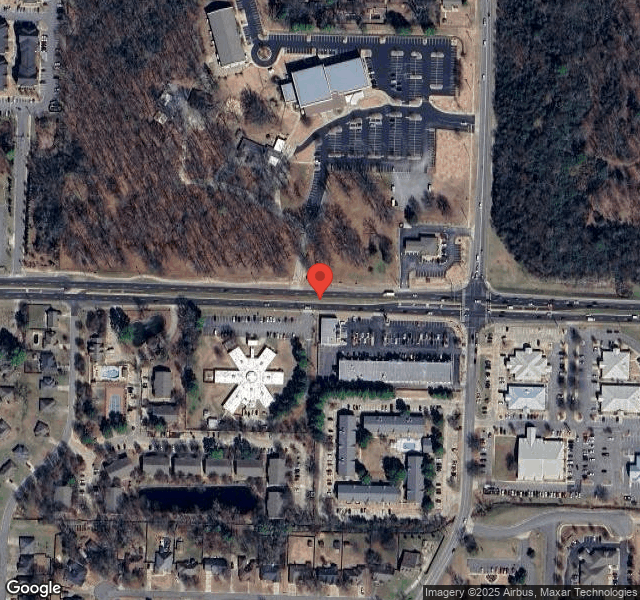
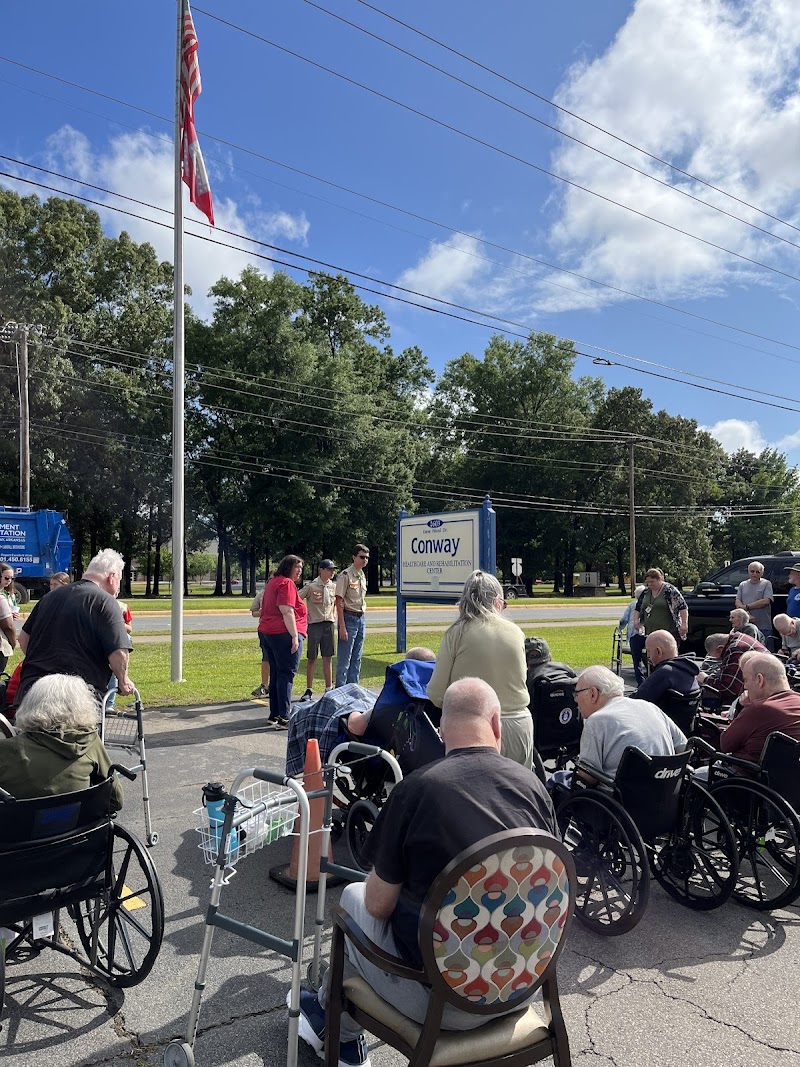
2603 DAVE WARD DRIVE, CONWAY, AR 72034 (501) 329-2149
For profit - Limited Liability company 105 Beds SOUTHERN ADMINISTRATIVE SERVICES Data: November 2025 1 Immediate Jeopardy citation
Trust Grade
3/100
#189 of 218 in AR
Last Inspection: May 2024

Within standard 12-15 month inspection cycle. Federal law requires annual inspections.

Overview

Conway Healthcare and Rehabilitation Center has received an "F" Trust Grade, indicating significant concerns and poor quality of care. They rank #189 out of 218 nursing homes in Arkansas, placing them in the bottom half of facilities in the state and #5 out of 6 in Faulkner County, meaning only one nearby option is better. The facility is showing some improvement, with issues decreasing from 10 in 2024 to just 1 in 2025, but it still faces serious challenges. Staffing is rated 2 out of 5 stars, with a turnover rate of 60%, which is average for Arkansas, but it suggests staff may not be as consistent. The facility has incurred $25,483 in fines, which is concerning and indicates ongoing compliance problems. Inspections revealed some alarming incidents, including a critical finding where two residents were involved in repeated verbal and physical altercations, posing a risk to all residents' safety and mental well-being. Additionally, the kitchen has faced issues with cleanliness; ice machines and food storage areas were not properly maintained, raising the risk of foodborne illnesses. Lastly, the environment has safety hazards such as floor clutter and detached wall fixtures that could lead to falls, highlighting the need for better maintenance for resident safety.

Trust Score
F
3/100
In Arkansas
#189/218
Bottom 14%
Safety Record
High Risk
Review needed
Inspections
Getting Better
10 → 1 violations
Staff Stability
⚠ Watch
60% turnover. Above average. Higher turnover means staff may not know residents' routines.
Penalties
✓ Good
$25,483 in fines. Lower than most Arkansas facilities. Relatively clean record.
Skilled Nurses
⚠ Watch
Each resident gets only 27 minutes of Registered Nurse (RN) attention daily — below average for Arkansas. Fewer RN minutes means fewer trained eyes watching for problems.
Violations
⚠ Watch
23 deficiencies on record. Higher than average. Multiple issues found across inspections.
★☆☆☆☆
1.0
Overall Rating
★★☆☆☆
2.0
Staff Levels
★★★★☆
4.0
Care Quality
★☆☆☆☆
1.0
Inspection Score
Stable
2024: 10 issues
2025: 1 issues

The Good

  • 4-Star Quality Measures · Strong clinical quality outcomes
  • Full Sprinkler Coverage · Fire safety systems throughout facility
  • No fines on record

Facility shows strength in quality measures, fire safety.

The Bad

1-Star Overall Rating

Below Arkansas average (3.1)

Significant quality concerns identified by CMS

Staff Turnover: 60%

14pts above Arkansas avg (46%)

Frequent staff changes - ask about care continuity

Federal Fines: $25,483

Below median ($33,413)

Moderate penalties - review what triggered them

Chain: SOUTHERN ADMINISTRATIVE SERVICES

Part of a multi-facility chain

Ask about local staffing decisions and management

Staff turnover is elevated (60%)

12 points above Arkansas average of 48%

The Ugly 23 deficiencies on record

1 life-threatening
Aug 2025 1 deficiency
CONCERN (D) 📢 Someone Reported This

A family member, employee, or ombudsman was alarmed enough to file a formal complaint

Potential for Harm - no one hurt, but risky conditions existed

Deficiency F0627 (Tag F0627)

Could have caused harm · This affected 1 resident

Based on record review, facility document review, interview, and facility policy review, it was determined that the facility failed to not discharge on e (Resident #81) of one sampled resident after a...

Read full inspector narrative →
Based on record review, facility document review, interview, and facility policy review, it was determined that the facility failed to not discharge on e (Resident #81) of one sampled resident after an appeal was filed. The findings include: A review of Resident #81’s admission Record indicated the facility admitted the resident on 12/23/2024, with diagnoses which included anxiety disorder. A review of Resident #81’s discharge Minimum Data Set with an Assessment Reference Date of 07/24/2025, revealed a Brief Interview of Mental Status score of 15, which indicated the resident was cognitively intact. A review of Resident #81’s Care Plan Report, revised on 12/26/2024, revealed there were no discharge plans anticipated. Resident #81’s Care Plan Report indicated plans for the resident to remain in the facility for long-term care. Resident #81’s Care Plan did not indicate that the resident smoked. A review of a Discharge Notice, dated 07/23/2025 and signed by the Administrator, indicated that a decision had been made to discharge Resident #81 effective 30-days from 07/23/2025. The Discharge Notice also documented that Resident #81’s discharge may be appealed within seven days from 07/23/2025. A document titled, Resident #81’s Appeal, dated 07/23/2025, documented “I, [Resident #81], wish to appeal this involuntary discharge from [facility name].” A review of Resident #81’s progress note dated 7/22/2025 revealed Resident #81 refused to give up a pack of cigarettes and lighter. Her son was called, and he was informed that if Resident #81 have any other behaviors within the 30 days the discharge will be immediate. A review of a progress note dated 6/02/2025 indicated Resident #81 instigated conflict with another resident. [Resident #81 was in the hallway and would purposely stop in front of the other resident causing a collision with another resident. During an interview on 08/19/2025 at 2:54 PM, the Administrator indicated Resident #81 was admitted around December 2024, and the resident filed an appeal before they were discharged . The Administrator then stated the Ombudsman helped Resident #81 file the appeal. During a telephone interview on 08/19/2025 at 3:18 PM, the Ombudsman stated Resident #81 indicated they were not given a choice about discharging. The Ombudsman stated she informed Resident #81 and their family member, that Resident #81 did not have to leave if they wanted to appeal the discharge. The Ombudsman revealed she called and cancelled the appeal after the facility discharged the resident. She then stated she could not get in contact with Resident #81’s family member after she found out the facility had discharged the resident. The Ombudsman indicated that Resident #81’s family member did not want the resident discharged to a different facility. During a telephone interview on 08/20/2025 at 2:39 PM, Resident #81's family member revealed the resident filed an appeal before they were discharged from the facility, and Resident #81 was still discharged . The family member then stated Resident #81 did not want to be discharged . During a phone interview on 08/21/2025 at 11:15 AM, Resident #81 confirmed they were admitted to the facility December 2024 and did not know why they were discharged from the facility. Resident #81 revealed they informed the Administrator they wanted to file an appeal the day they were told they had to leave. The resident stated the Administrator informed them they had no choice. Resident #81 indicated she did not want to leave the facility, they never smoked in the facility, never had cigarettes or a lighter in their room, and the only drug they had ever taken, before being admitted , was marijuana. Resident #81 indicated they only had a urine test for a urinary tract infection and was never asked or informed of a drug test being completed. During an interview on 08/21/2025 at 1:50 PM, Certified Nurse Aide (CNA) #5 indicated Resident #81 was never witnessed being physically abusive to another resident. During an interview on 08/21/2025 at 2:03 PM, CNA #9 indicated she did not remember Resident #81 physically harming another resident. During an interview on 08/21/2025 at 2:34 PM, the Administrator indicated Resident #81 was discharged for improper behavior and for not following smoking policies. He revealed Resident #81 was issued a 30-day notice on 07/23/2025 and discharged to a different facility the next day on 07/24/2025. The Administrator indicated that he was aware that Resident #81 filed an appeal, and he chose to discharge the resident to another facility anyway. The Administrator then revealed Resident #81 never physically abused another resident, but there was a need for an immediate discharge because Resident #81 bumped their chair into another resident’s wheelchair. During an interview on 08/21/2025 at 2:53 PM, CNA #6 stated she did not know why Resident #81 was discharged from the facility. She revealed she had never witnessed Resident #81 physically abusing another resident or smoking in their room. During a phone interview on 08/21/2025 at 3:14 PM, the Medical Director stated he did not know why Resident #81 was discharged from the facility. A review of a facility policy titled, Admission, Transfer, and Discharge revealed, The nursing facility will not transfer or discharge a resident while an appeal is pending, unless the failure to discharge would endanger the health or safety of the resident or other individuals in the nursing facility.
Oct 2024 1 deficiency
CONCERN (E) 📢 Someone Reported This

A family member, employee, or ombudsman was alarmed enough to file a formal complaint

Potential for Harm - no one hurt, but risky conditions existed

Safe Environment (Tag F0584)

Could have caused harm · This affected multiple residents

**NOTE- TERMS IN BRACKETS HAVE BEEN EDITED TO PROTECT CONFIDENTIALITY** Based on observation, interview and record review the facility failed to maintain a safe and homelike environment, ensuring safe...

Read full inspector narrative →
**NOTE- TERMS IN BRACKETS HAVE BEEN EDITED TO PROTECT CONFIDENTIALITY** Based on observation, interview and record review the facility failed to maintain a safe and homelike environment, ensuring safety from floor clutter, detached wall vinyl, and detached wall rails posing potential hazards for falls. The findings are: 1. Review of an undated policy titled, Accidents, Hazard Prevention, specified, the frailty of some residents increases their vulnerability to hazards in the resident environment and can result in life-threatening injuries. It is important that all facility staff understand the facility's responsibility, as well as their own, to ensure the safest environment possible for residents. 2. On 10/30/2023, at 9:15 AM, environmental rounds were made in the facility, the following were observed: a. Standing at the front of the 100 Hall, and facing room [ROOM NUMBER], in the middle of the room, on the floor, between Bed A, located horizontal on the left side of the room, against the wall and Bed B, located vertical under the wall light, on the right side of the room, were three (3) medium size full cardboard boxes, shoes, clothes, personal documents, books, magazines, and three (3) full size plastic grocery bags of clothes, spread out on the floor between and in front of the privacy curtain. In addition, the bed side table on the left side of the room, between the bathroom and closets, obstructed the sink pathway, with an upright television, detached cords lying on the floor just under the bedside table, which belonged to Bed B. b. Entering the dining room, on the 300 Hall, after leaving the nurses station, located in the center of the building, immediate to the right was 6-inch wall vinyl four feet in length, detaching from the wall of the dining room on the immediate right of the entrance. The floor had brownish-black discolored stains and debris. c. Standing in front of the 300 Hall, upon entering room [ROOM NUMBER], standing at the door, to the immediate left, the wall rail, eight (8) inches by five (5) feet detached from the wall, on the left side and held up by a bedside table. d. Standing at the entrance of room [ROOM NUMBER], on the left side of the room, between the sink and the bathroom, six (6) inches by two (2) feet vinyl trim was detached from the wall. On the left side of the room the bed was positioned horizontally against the wall, half-way between the bottom and top of the bed was a 6-inch gash in the middle of the wall, with fuzzy residue. Toward the head of the bed, on the left was 1 gash, 1 inch by 2 inches with white fuzzy residue exposing grainy white substance, next to resident ' s sleeping pillows. 3. On 10/30/2024, during a tour with the Administrator and the Corporate Nurse Consultant at 2:06 PM, in response to the questions, is maintenance available and are you aware of the difficulty walking in room [ROOM NUMBER], disconnecting vinyl in the dining room upon entering from the 300 Hall with the discolored stains and debris, hanging wall rail in room [ROOM NUMBER], and the disconnected vinyl trim and wall gashes next to the bed where the resident sleeps the Administrator stated, maintenance is not here. The Corporate Nurse stated that the repairs will be made immediately. 4. Review of the facility Maintenance Request Book obtained from the Administrator on 10/30/2024 with dates for current repairs, revealed no maintenance requests for the vinyl repair in the dining room, or any repairs requested for room [ROOM NUMBER], and 307.
May 2024 8 deficiencies 1 IJ
CRITICAL (J) 📢 Someone Reported This

A family member, employee, or ombudsman was alarmed enough to file a formal complaint

Immediate Jeopardy (IJ) - the most serious Medicare violation

Free from Abuse/Neglect (Tag F0600)

Someone could have died · This affected 1 resident

According to observation, record review, and interview the facility failed to ensure residents were free from abuse with continuous altercations of verbal abuse and physical abuse between two resident...

Read full inspector narrative →
According to observation, record review, and interview the facility failed to ensure residents were free from abuse with continuous altercations of verbal abuse and physical abuse between two residents (Resident #47 and Resident #54). This failed practice had the potential to affect all 66 residents currently in the facility to psychosocial harm from repeated resident to resident abuse altercations. It was determined the facility's non-compliance with one or more requirements of participation had caused, or was likely to cause, serious injury, harm, impairment, or death to residents. The Immediate Jeopardy (IJ) was related to State Operations Manual, Appendix PP, 483.25 (Quality of Care) at a scope and severity of J. The IJ began on 03/12/2024 at 12:30 PM, when Resident #47 and Resident #54 had an altercation in the dining room. The altercation from witness statements began when Resident #54 was impatient at the coffee area and rammed into Resident #47, which caused an argument between the two residents. A few minutes later after separation Resident #47 bumped into Resident #54's wheelchair and another argument began in the dining area. The Administrator and Nurse Consultant were notified of the IJ on 05/03/2024 at 11:00 AM. A Removal Plan was requested. The Removal Plan was accepted by the State Survey Agency on 05/03/2024 at 05:32 PM. The IJ was removed after the survey team performed onsite verification that the Removal Plan had been implemented. Noncompliance for F600 remained at the lower scope and severity of no actual harm with an isolated potential for more than minimal harm that was not immediate jeopardy: These were our findings: A review of the Care Plan indicates that Resident #47 had diagnoses of chronic inflammatory demyelinating polyneuritis, cerebral palsy, bipolar disorder, major depressive disorder, and post-traumatic stress syndrome (PTSD). A review of the quarterly Minimum Data Set (MDS) with an Assessment Reference Date (ARD) of 04/22/2024 documented the resident scored 15 (13-15 indicates cognitively intact) on a Brief Interview for Mental Status. A review of the Care Plan indicated Resident #47 makes false accusations against staff, yells at other residents without provocation, and will argue with others and get in their personal space. A review of the quarterly Minimum Data Set (MDS) with an Assessment Reference Date (ARD) of 03/28/2024 indicated Resident #54 had a score of 7 (0-7 indicates moderate cognitive impairment) on a Brief Interview of Mental Status. A review of the order summary indicated Resident #54 had diagnoses of Down Syndrome, generalized anxiety disorder, and unspecified intellectual disabilities. A review of the medication administration record indicates no charting for behavioral symptoms. A review of the Care Plan indicated on 03/12/2024 a revision was made that stated, [Resident #54] is obsessed with certain other resident's and becomes physically and verbally aggressive towards them. placed on male secured unit for decreased stimuli . A review of the Care Plan with an initiated date of 05/04/23 and a revision date of 04/23/2024 indicated, .[Resident #54] can be disruptive. Yelling at other residents and staff, will throw food, plastic wrappers, other items on the floor. Also, will throw food on the walls. Sits in wheelchair in the middle of the hallway and watches television. Wants other residents doors closed. Grabs other residents. Goes into other residents rooms and yells at them, physically aggressive, agitated, frustration/anger at others, makes disruptive sounds, threatens others, anxious, exit seeking behaviors. Refuses bath. Scratches others .' A review of documentation from a care plan conference held on 03/19/2024 for Resident #54 stated, Care plan conference regarding behaviors - possible room change per family [the resident] perceives that somebody will take his stuff. Had a psych [psychological] eval which recommends [Facility Name]. [Resident #54] is going to return to regular room on 400 hall. Family does not want [Facility Name] placement. On 05/02/2024 at 10:55 AM, the Surveyor heard a commotion in the hallways, while walking toward the dining room on the 300 Hall side could hear raised voices. There were several staff members standing at the entrance, ten residents were in the dining room and residents around the nurse ' s station were looking around confused at where the raised voices were coming from. Two residents down the 300 Hall were in the hallway looking down the hall towards the dining room. Staff were standing around Resident #47. The Dietary Manager had a hold of Resident #47's wheelchair handles, the resident was saying if, [Resident #54] wants to [expletive] fight [Resident #54] can [expletive] fight, [Resident #54] said [Resident #54] was going to kill him. Resident #47 then stated, [Resident #54] kicked me, [Resident #54] kicked me I am telling you [Resident #54] kicked me. The Surveyor observed Resident #47 kept yelling as the Dietary Manager wheeled the resident over to a table to calm the resident down. Resident #47 was stating that [Resident #54] kicked me, and I did not do [expletive] to [Resident #54] him. The Surveyor observed Resident #54 was nowhere in sight. The Surveyor then observed Resident #47 wheeling over to the 400 Hall stating over and over again, I am going to [expletive] kill [Resident #54], if [Resident #54] wants to go, I will go. I am going to beat [Resident #54's] [expletives]. The Surveyor observed Resident #47 was red in the face, spit was flying from the resident's mouth, legs straight, and visibly shaking threatening to go down the hall to Resident #54's room with staff attempting to calm the resident down. The Surveyor heard Resident #54 yelling back down the hall threatening Resident #47. The Surveyor walked with Licensed Practical Nurse (LPN) #2 to Resident #54's room. LPN #2 asked what happened. The Surveyor heard Resident #54 stating, I am not going to lie, I kicked [Resident #47]. LPN #2 asked if [Resident #54] was good, the resident was calm. Resident #54 said yes and asked about the resident's cokes. LPN #2 said [Resident #54] was getting two boxes this afternoon. Resident #54 then started complaining about how cold the room was and wanting the vents closed. LPN #2 said what are we going to do when we see [Resident #47] again today. Resident #54 stated, I will beat [Resident #47's] [expletive]. LPN #2 said no we will not engage again. LPN #2 asked if the resident was good, [Resident #54] was calm. Resident #54 then said yes and started complaining about the vents being cold. LPN #2 asked if [Resident #54] wanted to stay in the resident's room to calm down for a while if maintenance will close the vents, and Resident #54 started rubbing the resident's stomach to ask for a snack being agreeable with staying in the resident's room as long as they closed the vents. On 05/02/2024 at 11:00 AM, Dietary Aide #2 stated, This happens all the time, it's only the two of them. The Surveyor asked what happened with today's altercation. Dietary Aide #2 stated, [Resident #54] was getting a cup of coffee and [Resident #47] wheeled into the dining room. When [Resident #54] saw [Resident #47], [Resident #54] pointed the resident's finger at [Resident #47] and yelled, I am going to kill you. Resident #54 then ran the resident's wheelchair into [Resident #47] and then kicked the resident in the left leg. On 05/02/2024 at 12:09 PM, the Surveyor interviewed Resident #9 and Resident #1 in the resident's room. The Surveyor asked if any interaction or incidents of yelling between residents has happened before. Resident #9 laughs and said, All the time. Constant hollering between Resident #54 and Resident #23 a lot of times they say they want to kill each other and cursing. I have never heard such filthy talking men. I don't go for that kind of stuff and when you say anything they say nothing they can do. The Surveyor asked who have you told, whoever is around, staff. Resident #9 said, yes, they holler and wake you out of a sound sleep. It is disturbing. I would not let a child do that in my home, it was never allowed. I'm told they can't help it. I hate when they start as you are falling off to sleep. I don't know the resident's name, but is handicapped and, in a wheelchair, and they hit the resident, and the resident's words are bad. The Surveyor asked how often the incidents occur. Resident #9 said off and on all the time and early afternoon and night too. The Surveyor asked what has been done to prevent the negative interactions. Resident #9 stated they try to keep them apart and it lasts maybe 2 minutes. The Surveyor asked does this ever involve or happen to other residents. Resident #9 said usually at the dining table and whoever is at the table. That is why [Resident #1] and I eat in here. (In room) I don't want to get in on that. The Surveyor asked do you feel safe here. Resident #9 said I do not feel safe here. I am teetering on my feet and now in a wheelchair. The Surveyor asked Resident #1 if there had been any incidents of yelling. Resident #1 said yes. It happens all the time, but I grew up in a house full of kids, so noise doesn ' t bother me. I hear [Resident #23] all the time. The Surveyor asked is that why you don't go to the dining room. Resident #1 said I don't ever leave my room. I don't feel good. The Surveyor asked do you feel safe here. Resident #1 said yes, I feel safe here. On 05/02/2024 at 12:30 PM, the Surveyor interviewed the Assistant Director of Nursing (ADON). The Surveyor asked if the interaction/incidents between Resident #47 and Resident #54 happened before. The ADON stated yes. The Surveyor asked how often has these incidents occurred. The ADON said April and March maybe. I would have to check. The Surveyor asked what has been done to prevent the negative interactions. The ADON said immediately separated, medication reviews, and psych visits for each. The Surveyor asked that is after the fact, what was done to prevent the incidents. The ADON said one intervention was to put coffee machine up front as Resident #54 usually eats in the resident's room. The Surveyor asked does this ever involve or happen to other residents. The ADON said just those two. The Surveyor asked if any other residents have complained. The ADON said yes in the dining room and a grievance was done from someone in a room. On 05/02/2024 at 1:23 PM, Certified Nursing Assistant (CNA) #3 had worked in the facility almost 1 month on the 7:00 AM to 3:00 PM shift. The Surveyor asked if interaction/incidents between Resident #47 and Resident # 54 had happened before. CNA #3 said yes, every other week. We try to keep them separated. The Surveyor asked what has been done to prevent negative interactions with these residents. CNA #3 said we keep an eye on Resident #54, was on monitor sheet for every 15 minutes. The Surveyor asked does this ever involves or happens to other residents. CNA #3 said Resident #47 is sweet to everybody else so is Resident #54. Resident #54 was yelling at Resident #44 his roommate that is dependent on care. Resident #47 and Resident #54 had an altercation on my second day here. They said they usually do that. The Surveyor asked who said they usually do that. CNA #3 said the other staff, Resident #54 usually doesn't eat in the dining room. The Surveyor asked has any resident told you they were tired of hearing the two of them. CNA #3 said no. On 05/02/2024 at 01:30 PM, during an interview with Dietary Manager, the Surveyor asked if this interaction between Resident #47 and Resident #54 had happened before. The Dietary Manager said yes. The Surveyor asked how often the incidents occur. The Dietary Manager stated it used to happen every other day. I talk to Resident #47 a lot and talk about the values the resident has, common sense, and calm the resident and redirect the resident. The Surveyor asked what has been done to prevent the negative interaction. The Dietary Manager said we put a coffee pot up front for Resident #54 to go get coffee. I ask Resident #47 to ignore Resident #54 when the resident points and makes noises. Resident #54 was at one point on the unit. Resident #47 wanted to go to another facility and referrals were sent out. The Surveyor asked who the aggressor was. The Dietary Manger stated, When I see them, it is usually [Resident #54] with finger pointing and words. The Surveyor asked why was Resident #54 taken off the unit. The Dietary Manager said I do not know why. The Surveyor asked does this ever involve or happen to other residents. The Dietary Manger said yes. Resident #23 and Resident #54. One gets loud and the other starts getting loud. I don't remember Resident #47 having physical issues with anyone else. Just verbal between Resident #54 and Resident #23. On 05/02/2024 at 1:30 PM, the Surveyor interviewed residents in the facility: The Surveyor asked Resident #19, have you heard any yelling and fighting. Resident #19 stated yes, three or four times a day. The Surveyor asked do you know their names. Resident #19 said no I do not. The Surveyor asked do you feel safe. Resident #19 responded yes; I do. The Surveyor asked when you saw the fighting, did you tell anyone. Resident #19 said no I have not. The Surveyor asked Resident #26 have you heard any yelling and fighting, Resident #26 said yes. The Surveyor asked how often does it happen. Resident #26 said every day, I think. The Surveyor asked do you know their names. The resident indicated no. The Surveyor asked, have you told anyone? Resident #26 said no they have never asked me. The Surveyor asked do you feel safe. Resident #26 said yes. The Surveyor asked Resident #12 if the resident had heard any yelling and fighting, Resident #12 said in the dining room. The Surveyor asked how often this happens. Resident #12 said every day, it keeps me up and I can ' t sleep. The Surveyor asked do you know their names. Resident #12 said no I do not but its men and women. The Surveyor asked, have you told anyone. Resident #12 said yes, I tell the Certified Nursing Assistants and it makes me feel like they do not care for me as they cannot make them go to bed or to their room that is what they said. The Surveyor asked do you feel safe. Resident #12 said yes, I think I do. The Surveyor interviewed Resident #42, who had been in the facility 6 months and was Resident Council President. The Surveyor asked has there been any interactions or incidents with residents. Resident #42 said at lunch today Resident #23, and Resident #14 hollered during the meal and Resident #47 got in the wheelchair got a little loud. No peace or quiet while eating here. The Surveyor asked do you feel safe here. Resident #42 said sure. The Surveyor asked what has been done to prevent the negative interactions. Resident #42 said nothing. It needs something done. The Surveyor interviewed Resident # 24 who stated he had heard a resident named (Resident #54) and a resident named (Resident #47) that yell and cuss at each other. That I've heard, but I've never seen it happen and 2 males that yell and cuss each other. Resident #24 was asked what the staff does when this happens. Resident #24 stated, Staff separate them. Resident #24 denied feeling afraid to be here in the facility, and no resident has cussed him or hit him. Resident #24 said this happens every other day. On 05/02/2024 at 2:58 PM, the Administrator was asked about [Facility Name] placement. She said no referral, it was just a suggestion in the care plan meeting that was shut down by the family. The Administrator was asked about why Resident #54 was placed on the unit then taken out. She stated it was to see if a decrease in stimuli would help. (Resident #54) ended up getting hit back there, so it was not helping. We ended up placing him back in the hall. The Administrator was asked what do you feel is the underlying cause of these altercations. The Administrator said they had a time frame and it usually occurred in the dining room but was not sure what the underlying issue was. The Administrator was asked what they were doing to protect the other residents. The Administrator said that they redirect and separate during altercations and that no other residents have been involved. The Administrator was asked what they were doing to protect Resident #54's vulnerable roommate. The Administrator said, I do not know of any issue or incident with his roommate. The Surveyor informed the Administrator that during interviews, a CNA said that they have witnessed Resident #54 yelling at their roommate. The Administrator said I was not informed of this and will look into it. Dates and Times of the Incidents: 03/11/2024 at 12:30 PM, the Witness Statement completed by Dietary Aide #3 stated, [Resident #54] got mad at [Resident #47] cause [Resident #47] was at the coffee table getting coffee. [Resident #54] rammed [the residents] wheelchair into [Resident #47] wheelchair. This is when the argument started between them. The facility then in-serviced on managing behaviors, filled out witness statements, separated, and redirected the residents. 04/10/2024 at 12:45 PM, the Witness Statement completed by Restorative CNA (RCNA) stated, [Resident #54] started to enter dining room. I stopped [Resident#54] to remind [the resident] to be nice. I turned away to help assist a resident eating. [Resident#54] entered the dining room, wheeled .up to [Resident #47], the two started to argue. The resident, [Resident #47] hit [Resident #54]. [Resident #54] kicked [Resident #47], me, and other staff member separated the two. The facility then in-serviced on managing behaviors, filled out witness statements, separated, and redirected the residents. 04/12/2024 at 10:45 AM, the Witness Statement completed by Medication Attendant Certified #1 stated, [Resident #54] was getting coffee while [Resident #47] was coming in from smoking. [Resident #54] did not say anything to [Resident #47], but [Resident #47] said Do you have a problem to [Resident #54]. That is when [Resident #47] started wheeling towards [Resident #54] as I was taking [Resident #54] out of the dining room I asked [Resident #47] to please stop yelling and [the resident] would not. [Resident #54] then started to yell back stating, I kill [Resident #47]. I removed [Resident #54] away from [Resident #47]. A facility policy titled, Abuse, Neglect and Maltreatment Investigation and Reporting stated, The facility will endeavor to protect Resident/Elders from maltreatment, which means adult abuse, exploitation, neglect, physical abuse, sexual abuse, neglect, and the misappropriation of Resident/Elder property. such maltreatment is strictly prohibited' This policy recognizes Resident/Elder rights to be free from physical or mental abuse, corporal punishment, involuntary seclusion, and any chemical and physical restraints. Removal Plan: 1. On 5/2/2024, Resident #47 was placed on 1 on 1 observation by nursing staff for verbal altercation that occurred in the dining room at 11:00 a.m. 2. On 5/2/2024, Resident #54 was placed on 1 on 1 observation by nursing staff for verbal altercation that occurred in the dining room at 11:00 a.m. 3. On 5/2/2024 at 5:04 p.m., Resident #47 was transported to [local hospital] for medical clearance to be evaluated and treated for behavioral health. 4. Nurse consultant in-serviced Administrator, Assistant Administrator, and the Assistant Director of Nursing (ADON) on ensuring any resident-to-resident altercation and any residents that witness the altercation are assessed for psychosocial affects and offered Mental Health Services if needed. This was completed 5/3/2024 at 11:40 p.m. 5. Assistant Administrator in-serviced all staff on duty on Resident-to-Resident altercations, to stop the altercation immediately, and protect the resident involved. This includes any resident that witnessed the altercation to ensure an assessment is completed to ensure their psychosocial wellbeing is addressed and any Mental Health issues are assessed. Assistant administrator will in-service all oncoming employees before starting assigned shifts. This was completed 05/03/2024 at 3:40 p.m. 6. On 05/03/2024, the Assistant Administrator interviewed all residents that are interviewable for any psychosocial distress and offered mental health care as needed. There were no negative findings noted. This was completed on 05/03/2024 at 3:45p.m. 7. On 05/03/2024, at 12:15 p.m., the Nurse consultant contacted our behavioral health provider to immediately see any residents that have been negatively affected and were available as needed. There were no negative findings and Mental Health services provider was notified 3:48 p.m. on 5/3/2024. Onsite Verification: On 05/06/2024 between 9:30 AM and 2:00 PM, the Surveyor was in the facility for verification of removal of Immediate Jeopardy. 1. Record Review of Resident #47's 1 on 1 monitoring log began 05/02/2024 at 11:00 AM and ended at 4:45 after other resident sent out at 5:04 PM. 11:00 AM, resident crying, upset. 11:15 AM calm. no other documentation of emotional upset. 2. Record Review of Resident #54's 1 on 1 log sheet that began on 05/02/2024 at 11:00 AM and ended at 5:04 PM with documentation that Resident #54 was sent out. 3. Record Review of Resident #54's Discharge Instructions & Summary; Sent to local emergency department for medical clearance, then to be transferred to behavioral health facility. Resident #54 continued to have explosive behaviors and is at risk for self-injury and injury to others. All appropriate notifications made. 4.Record review of inservice education provided by Nurse Consultant included: If a resident-to-resident altercation occurs any resident that witnesses or is a part of the altercation should be assessed for any psychosocial injury. If the resident-to-resident altercation occurs with the same resident repeatedly, effective interventions should be implemented to protect the resident. signed by Administrator, Director Of Nursing, Assistant Administrator. 5. Record Review of facility staff in-service conducted on 05/03/2024, the education included: Stop altercation, protect residents involved in altercation as well as residents that may have witnessed altercation for psychosocial well-being, and notify charge nurse, Director of Nursing, and/or Administrator. Reviewed staff audit of all staff inserviced. Between 11:00 AM and 1:00 PM, interviewed the Staff that work various shifts, who confirmed they received inservice training related to resident-to-resident altercation and were able to verbalize understanding of separating/stopping, protecting residents involved as well as any resident that may have witnessed altercation that could affect their psychosocial wellbeing, notify charge nurse, Director of Nursing or Administrator of altercation. Nine Certified Nursing Assistants, 6 Licensed Practical Nurses, 1 Registered Nurse, 2 Medication Assistants, 3 Housekeeping staff, the Activity Director and occupational therapist were the staff interviewed. 6. Reviewed residents interviewed for psychosocial effect of Resident to Resident altercation, documented no negative effects, residents clamed no affect. Between 1:00 PM and 1:40 PM, interviewed 7 alert and oriented residents who reported being aware of or witnessed altercations between residents. They were asked if they were upset, worried, or felt fearful due to witnessing the altercations. All residents verbalized feeling safe now that the resident is no longer in the facility. 7. Reviewed Nurse Consultant note on 05/03/2024, contacted our Behavioral health Provider to be available for possible Telemed Psychosocial eval and treatment for any resident that may have been affected negatively by any Resident-to-Resident altercation. After Resident interviews, there were no noted negative findings. Behavior Health Providers were notified that there were no negative findings from Resident interviews. At 1:06 PM, the Nurse Consultant reported education was provided to all staff through audit to ensure all staff had received inservice, confirmed the Mental Health Consultants were notified of possible need to have residents referred for evaluation and treatment. At 11:58 AM, the Assistant Administrator confirmed that all staff were inserviced and that she participated in the resident audit to ensure all residents were evaluated for psychosocial effects. At 12:57 PM, the Administrator was interviewed and confirmed any altercation between residents are to be reported, all residents are to be protected and assessed for any effect and referred to Mental Health consultants for evaluation and treatment. The Administrator and the Regional Nurse Consultant were informed of the Immediate Jeopardy Plan of Removal with a completion date of 05/03/2024, verified removal on 05/06/2024 at 2:00 PM.
CONCERN (D)

Potential for Harm - no one hurt, but risky conditions existed

Deficiency F0558 (Tag F0558)

Could have caused harm · This affected 1 resident

**NOTE- TERMS IN BRACKETS HAVE BEEN EDITED TO PROTECT CONFIDENTIALITY** Based on observations, interviews, and record reviews, it was determined the facility failed to ensure residents call devices we...

Read full inspector narrative →
**NOTE- TERMS IN BRACKETS HAVE BEEN EDITED TO PROTECT CONFIDENTIALITY** Based on observations, interviews, and record reviews, it was determined the facility failed to ensure residents call devices were in reach in the resident's room for 1 (Resident #29) of 1 sampled resident with call devices not in reach. The findings include: A review of Resident #29's admission Record indicated the facility admitted Resident #29 on 05/17/2019 and listed diagnoses to included Parkinson's Disease with dyskinesia, Altered mental status, Repeated falls, Supraventricular tachycardia, Headache, Type 2 diabetes, and Unspecified pain. A review of the Quarterly Minimum Data Set (MDS) dated [DATE] revealed Resident #29 had a Brief Interview for Mental Status (BIMS) score of 02, which indicated the resident had severe cognitive impairment. The resident was dependent on staff for oral hygiene, toileting hygiene, shower/bathe, upper and lower body dressing, putting on/taking off footwear, personal hygiene, and with transfers from chair/bed-to-chair transfer. Resident #29 was independent with eating and used a manual wheelchair for ambulation. A review of Resident #29's Care Plan initiated on 06/01/2020, revealed Resident #29 attempts to slide out of wheelchair, crawls out of bed, and is at risk for falls and falls with serious injury. Approaches/Tasks listed, Ensure call light is in reach. with a date initiated 12/02/2021. On 05/01/2024 at 10:16 AM, Resident #29 was sitting in the middle of the room in a wheelchair. The call light was lying across the bed on top of the linens. A fall mat was on the floor, parallel, next to the bed. Resident #29 was unable to reach the call light due to the fall mat impeding access to bed. During an interview on 05/01/2024 at 10:18 AM, CNA #2 stated all lights should be in reach and are in reach of the residents and if they are not the resident would not be able to call for assistance and they push the call light to get assistance. On 05/01/2024 at 10:19 AM, CNA #2 accompanied the Surveyor to Resident #29's room, Resident #29 was sitting in a wheelchair. CNA #2 stated the call light was not in reach and CNA #2 believed Resident #29 to be in bed. The call light should have been in reach. CNA #2 moved the resident's wheelchair closer to the bed in reach of the call light.
CONCERN (D) 📢 Someone Reported This

A family member, employee, or ombudsman was alarmed enough to file a formal complaint

Potential for Harm - no one hurt, but risky conditions existed

Deficiency F0657 (Tag F0657)

Could have caused harm · This affected 1 resident

Based on record review and interview, the facility failed to update a care plan regarding a resident's placement on the unit for 1 (Resident #54) of 1 sampled resident. The findings are: 1. A review ...

Read full inspector narrative →
Based on record review and interview, the facility failed to update a care plan regarding a resident's placement on the unit for 1 (Resident #54) of 1 sampled resident. The findings are: 1. A review of the Quarterly Minimum Data Set (MDS) with an Assessment Reference Date (ARD) of 03/28/2024 indicated Resident #54 had a score of 7 (0-7 indicates severe cognitive impairment) on a Brief Interview of Mental Status (BIMS). 2. A review of the Order Summary indicated Resident #54 had diagnoses of Down Syndrome, Generalized Anxiety Disorder, and Unspecified Intellectual Disabilities. 3. A facility review of the Care Plan indicated on 03/12/2024 a revision was made that stated, [Resident #54] is obsessed with certain other resident's and becomes physically and verbally aggressive towards them. placed on male secured unit for decreased stimuli . 4. A review of the Care Plan with a revision date of 04/23/2024 indicated [Resident #54] can be disruptive. Yelling at other residents and staff, will throw food, plastic wrappers, other items on the floor. Also, will throw food on the walls. Sits in wheelchair in the middle of the hallway and watches television. Wants other resident's doors closed. Grabs other residents. Goes into other resident's rooms and yells at them, physically aggressive, agitated, frustration/anger at others, makes disruptive sounds, threatens others, anxious, exit seeking behaviors. Refuses bath. Scratches others. 5. A review of a Care Plan Conference held on 3/19/24 for Resident #54 stated, Care plan conference regarding behaviors possible room change per family he perceives that somebody will take his stuff. Had a psych eval which recommends [Name of facility]. He is going to return to regular room on 400 hall. Family does not want [Name of facility] placement . 6. On 05/02/24 at 2:58 PM, the Administrator was asked about [Name of facility] placement, she stated no referral, it was just a suggestion in the care plan meeting that was shut down by the family. The Administrator was asked about why Resident #54 was placed on the unit then taken out. She stated it was to see if a decrease in stimuli would help. He ended up getting hit back there, so it was not helping. We ended up placing him back in the hall. The Administrator was asked what do you feel is the underlying cause of these altercations. The Administrator stated they had a time frame and it usually occurred in the dining room but was not sure what the underlying issue was. The Administrator was asked what they are doing to protect the other residents. She stated that they redirect and separate during altercations and that no other residents have been involved. The Administrator was asked what they were doing to protect Resident #54's vulnerable roommate. She said she did not know of any issue or incident with his roommate. The Surveyor then stated that the roommate was 100% dependent and non-verbal and Resident #54 had yelled at the roommate. The Administrator said I will look into that. 7. On 05/03/24 at 9:40 AM, during an interview with the MDS Coordinator the Surveyor asked why it is important to have an accurate care plan. The MDS Coordinator stated so that the best quality of care can be provided to the resident. The Surveyor asked what could happen if a care plan was not accurate. The MDS Coordinator said we may not be able to provide something that a resident needs.
CONCERN (D)

Potential for Harm - no one hurt, but risky conditions existed

Medication Errors (Tag F0758)

Could have caused harm · This affected 1 resident

Based on interviews, record review, and medication prescribing information, it was determined that the facility failed to ensure residents were free from unnecessary psychotropic medication for 1 (Res...

Read full inspector narrative →
Based on interviews, record review, and medication prescribing information, it was determined that the facility failed to ensure residents were free from unnecessary psychotropic medication for 1 (Resident #51) of 2 residents reviewed for unnecessary psychotropic medications. The findings include: A review of physician orders revealed Resident #51 had Depakote Oral Tablet Delayed Release (a medication used to treat manic episodes associated with bipolar disorder, seizures and migraine headaches) 250 milligrams (mg), Give 1 tablet by mouth three times a day for seizures/behaviors related to Alzheimer's disease with late onset. The order status is Active, with an order date of 03/08/2024, a start date of 03/08/2024, and no end date indicated. A review of medical diagnoses revealed Resident #51 had Alzheimer's disease with late onset, unspecified dementia, depression, post-traumatic stress disorder (PTSD), and unspecified convulsions. A review of the Depakote Full Prescribing Information, Revised March 2024, available through the Food and Drug Administration at www.accessdata.fda.gov, 1 Indications and Usage, revealed Depakote is indicated in the treatment for 1.1 Mania, 1.2 Epilepsy, and 1.3 Migraine. A review of the physician orders revealed Resident #51 had Quetiapine Fumarate (Seroquel) Tablet 50 mg (a medication used for the management of the manifestations of psychotic disorders and schizophrenia) Give 1 tablet by mouth two times a day related to Post-Traumatic Stress Disorder (PTSD), unspecified. The order status is Active, with an order date of 09/29/2022 and a start date of 09/29/2022, and no end date indicated. A review of the Quetiapine Full Prescribing Information, Revised October 2013, available through the Food and Drug Administration noted, 1 Indications and Usage, revealed Quetiapine is indicated for 1.1 Schizophrenia and 1.2 Bipolar Disorder. The quarterly Minimum Data Set (MDS) with an Assessment Reference Date (ARD) of 02/05/2024 revealed Resident #51 had a Brief Interview for Mental Status (BIMS) score of 3 which indicated the resident had severe cognitive impairment. Section D Mood, D0500 Staff Assessment of Resident Mood, 2. J. Being short-tempered, easily annoyed did not indicate symptom presence or frequency. Section E Behaviors, E0200. Behavioral Symptom - Presence & Frequency A. Physical Behavioral symptoms directed at others, indicated, 1 the behavior of this type occurred 1 to 3 days. B. Verbal behavioral symptoms directed toward others, indicated 1, behavior of this type occurred 1 to 3 days. C. Other behavioral symptoms not directed toward others indicated, 1 behavior of this type occurred 1 to 3 days. Section I Diagnoses indicated Psychiatric/Mood Disorder, I5800. Depression (other than bipolar) and I6100 Post Traumatic Stress Disorder (PTSD). During an interview on 05/03/2024 at 04:33 PM, Licensed Practical Nurse (LPN) #3 stated Resident #51 was currently receiving Depakote for behaviors. LPN #3 stated clinical indications for the use of Depakote were seizures and behaviors. During an interview on 05/03/2024 at 04:42 PM, the Assistant Director of Nursing (ADON), stated Resident #51 was taking Depakote for seizures and behaviors but did not know the indications for the use of Depakote. During an interview on 05/03/2024 at 04:33 PM, Licensed Practical Nurse (LPN) #3 stated Resident #51 was currently receiving Quetiapine for behaviors and the clinical indication is to help Resident #51's mood and behavior. During an interview on 05/03/2024 at 04:42 PM, the ADON stated Resident #51 was taking Quetiapine for Post Traumatic Stress Disorder (PTSD) and the clinical indication was an antipsychotic. LPN #3 was asked how the Interdisciplinary Team (IDT) addresses unnecessary medications with the physician. LPN #3 stated, they would look at behaviors notes to determine if Resident #51 should be on it. The ADON was asked how the IDT addresses unnecessary medication with the physician. The ADON stated, sometimes try a gradual dose reduction (GDR) to see if they can go off of it. The ADON stated the physician would be questioned about prescribing for an off-label purpose. The ADON stated no residents in the facility were currently part of any drug testing study.
CONCERN (E)

Potential for Harm - no one hurt, but risky conditions existed

Deficiency F0688 (Tag F0688)

Could have caused harm · This affected multiple residents

**NOTE- TERMS IN BRACKETS HAVE BEEN EDITED TO PROTECT CONFIDENTIALITY** Based on record review, observation and interview, the facility failed to ensure interventions were utilized to prevent worsenin...

Read full inspector narrative →
**NOTE- TERMS IN BRACKETS HAVE BEEN EDITED TO PROTECT CONFIDENTIALITY** Based on record review, observation and interview, the facility failed to ensure interventions were utilized to prevent worsening of contractures for 2 (Residents #40 and #66) of 2 sampled residents. The findings are: 1. A review of the Order Summary indicated Resident #40 had diagnoses of abnormal posture, stiffness of left shoulder, and stiffness of left elbow. A review of the Quarterly Minimum Data Set (MDS) with an Assessment Reference Date (ARD) of 01/29/2024 indicated Resident #40 had a Staff Assessment for Mental Status (SAMS) completed with a memory problem for short-term and long-term and has impairment on both sides of upper and lower extremities. A review of the Care Plan with an initiated date of 01/10/2024, indicated Resident #40 required, Problem: .is receiving a restorative program . Goal: Will maintain a ROM (range of motion), balance in order to reduce risk for contractures and skin breakdown by next review .Approaches/Tasks Left Elbow Extension [NAME] up to 4 hours . Further review indicates Resident #40 was to have cushion boots on at all times. On 04/30/2024 at 10:00 AM, the Surveyor observed Resident #40 in bed with no interventions in place for left arm or cushion boots on feet. On 05/01/2024 at 8:30 AM, the Surveyor observed Resident #40 in bed with no interventions in place for left arm or cushion boots on feet. On 05/02/2024 at 9:25 AM, the Surveyor asked Certified Nursing Assistant (CNA) #3 if Resident #40 had had a left elbow extension brace. CNA #3 stated, No. The Surveyor asked if Resident #40 wears cushion boots at all times. CNA #3 stated, No. The Surveyor asked, without interventions in place what could happen without the brace or cushion boots. CNA #3 said contracture could worsen and the residents' feet could get sores on them without interventions. On 05/01/2024 at 9:45 AM, the Surveyor asked Registered Nurse (RN) #1 what could happen if Resident #40 does not have interventions in place for contractures. RN #1 stated they could become worse. The Surveyor asked what could happen without interventions for feet such as cushion boots. RN #1 said the resident could develop pressure ulcers. 2. A review of the Order Summary indicated Resident #66 had a diagnosis of hemiplegia and hemiparesis after a cerebral vascular incident. Further review indicated an order with a start date of 12/09/2023 that stated, Ensure hand brace is in place at least 16 hours a day, every shift for brace. A review of Resident #66's May 2024 Medication Administration Record documented a check mark for every shift but the evening shift on May 2, 2024. A review of the Quarterly MDS with an ARD of 03/15/2024 indicated Resident #66 had a SAMS indicated Resident #66 was severely cognitively impaired and had no impairment of the upper or lower extremities. A review of the Care Plan with an initiated date of 05/01/2024, documented Resident #66 had a right hand contracture and right foot drop, and occupational therapy (OT) was to evaluate and treat as indicated for right hand splint. On 04/30/2024 at 10:05 AM, the Surveyor observed Resident #66 up in a geriatric chair in the resident's room, with a right-hand contracture. Resident #66 was unable to open the right hand and had no interventions in place. On 05/01/2024 at 8:30 AM Surveyor observed Resident #66 up in a geriatric chair up in room, with no interventions in place for right hand contracture. On 05/02/2024 at 9:25 AM, the Surveyor asked CNA #3 if Resident #66 had any interventions for the right hand contracture. CNA #3 said oh yeah, they were talking about changing it to a carrot, the contracture has worsened, and Resident #66 cannot hand the brace anymore. The Surveyor asked CNA #3 what could happen if interventions are not in place. CNA #3 said that the contracture could worsen. The Surveyor observed CNA #3 insert a washcloth in the right hand of Resident #66 after the interview. On 05/02/2024 at 9:45 AM, the Surveyor asked RN #1 what interventions were in place for Resident #66's right hand contracture. RN #1 said she would have to look. The Surveyor asked what could happen without interventions in place for the right hand contracture. RN #1 said the contracture could worsen. On 05/02/2024 at 10:34 AM, the Administrator reported there was no relevant policy.
CONCERN (E)

Potential for Harm - no one hurt, but risky conditions existed

Food Safety (Tag F0812)

Could have caused harm · This affected multiple residents

Based on observation, interview and record review, the facility failed to ensure dishes/utensils were stored under sanitary conditions and food preparation equipment was cleaned properly in the kitche...

Read full inspector narrative →
Based on observation, interview and record review, the facility failed to ensure dishes/utensils were stored under sanitary conditions and food preparation equipment was cleaned properly in the kitchen. These are the findings: A review of the Cleaning Schedule indicated the following were to be completed weekly: ovens inside and outside, Aide tables/microwave area, Outside of the refrigerator, Refrigerator inside cleaning, plate warmer, under cooks table, fryer-cleaning inside and outside, dish machine-cleaning on top of dish machine, steam table under, coffee pots and tea pots, carts-daily. The Dietary Manager stated on 05/01/24 at 3:30 PM, that this is the only cleaning schedule they use. On 04/30/24 at 9:10 AM, the Surveyor observed the hand washing station in the kitchen, the hot water side had water coming from the base, creating a red brown stain inside of the sink. The Surveyor then observed the eye wash station was covered in red/brown spots, and that the left cover was missing with debris on the inside of the gray plastic piece. On 04/30/24 at 9:18 AM, the Surveyor observed in a cardboard box at the bottom of the bread shelf a package of tortillas with a received date of 12/28/24 and expiration date of 04/17/24. The Dietary manager stated there were five packages of 12 flour tortillas left in the box that were expired. On 04/30/24 at 9:20 AM, the Surveyor observed the backsplash spanning from the left of the oven to the prep table was covered in yellow/brown spots of various sizes. On 04/30/24 at 9:21 AM, the Surveyor observed a surveillance camera above the prep area that was covered in a brownish gray material, that was dripping off the cord. On 05/01/24 at 10:51 AM, the Surveyor observed a medium sized hole in the back right corner of the ceiling. On 05/01/24 at 10:52 AM, the Surveyor observed a white fan that is coated in gray matter on the outside and inside. On 05/01/24 at 10:52 AM, the Surveyor observed a secondary white fan close to the prep area that was coated in gray/black matter. The right hand corner was buckling from the ceiling, a sprinkler had been placed in the corner with a brown foam like matter surrounding the sprinkler head. On 05/01/24 at 10:53 AM, the Surveyor observed a small hole under the right hand corner of the venti hood. A nozzle that was over the fryer area was covered in yellow brown matter, and it was dripping off the orange rubber piece on the nozzle. A white plastic pipe was on the left hand side of the venti hood, towards the middle of the stove/oven area, was thickly coated in a yellow/brown matter. On 05/01/24 at 11:04 AM, the Surveyor observed in the dishwashing area the tile on the left hand side, under the dishwasher. The tile was discolored in gray black matter. The back wall had a large crack that forks in left and right directions, with missing tile directly underneath. In the back right corner under a shelf was a row of missing tiles, under the left side of the shelf, there was a red/brown stain on a tile with a hole in the middle of it, a cracked tile was observed on the left corner of the shelf. On 05/01/24 at 11:05 AM, the Surveyor observed the food processor coming out of the dishwasher. Dietary Aide #3 stated that it needed to run again as it had soap still on the inside. The Surveyor observed Dietary Aide #3 run the dishwasher with the food processor again. On 05/01/24 at 11:06 AM, the Surveyor observed the back wall of the three compartment sink was discolored, the shorter faucet was dripping continuously. On 05/01/24 at 11:15 AM, the Surveyor observed the Dietary Aide run the food processor through the dishwasher and bring it back to the prep area. The inside of the food processor had white soap bubbles and water inside. Dietary Aide #3 scooped 4 ounces of broth and the potatoes back into the food processor to finish pureeing for lunch. On 05/01/24 at 11:21 AM, the Surveyor observed two plastic clear bins filled with various ladles, scoops, tongs, spatulas, and whisks sitting with the handles in the bin and the kitchen silverware was exposed to kitchen contaminates. The Surveyor observed Dietary Aide #3 while preparing pureed foods, grab a #8 scoop and touch the inside of the scoop, then proceeded to use it to scoop the potatoes into the food processor for the residents on pureed foods. On 05/01/24 at 11:30 AM, the Surveyor observed Dietary Aide #3 bring the food processor back to the prep area with white soap suds and water in it. Using a 4 ounce scoop, Dietary Aide #3 added 8 scoops of California blend vegetables to the food processor and blended it for lunch.
CONCERN (E)

Potential for Harm - no one hurt, but risky conditions existed

Infection Control (Tag F0880)

Could have caused harm · This affected multiple residents

**NOTE- TERMS IN BRACKETS HAVE BEEN EDITED TO PROTECT CONFIDENTIALITY** Based on observations, interviews, record reviews, facility document review, and facility policy review, it was determined that ...

Read full inspector narrative →
**NOTE- TERMS IN BRACKETS HAVE BEEN EDITED TO PROTECT CONFIDENTIALITY** Based on observations, interviews, record reviews, facility document review, and facility policy review, it was determined that the facility failed to ensure hand hygiene was performed between resident rooms while delivering clean laundry. This failed practice had the potential to affect 14 residents residing on the secure unit, and the facility failed to keep a trash barrel covered to prevent residents from digging through trash on the secure unit for 1 (Resident #32) of 1 sampled resident observed. This failed practice had the ability to affect 14 residents residing on the secure unit. Findings include: A review of a document to Environmental Services Account Managers and Laundry Employees on 05/02/2024 at 09:40 AM regarding Reminder - Handling, Transport and Storage of Laundry, with a revised date of 10/2023, indicated, Page 2 Transport of Laundry indicates laundry will be handled and transported with appropriate measures to prevent cross-contamination and prevent the spread of infection. During an observation on 04/30/2024 at 12:07 PM, Laundry #1 entered the unit with a laundry cart containing clean laundry. Laundry #1 stopped at Resident room [ROOM NUMBER], covered her mouth with two ungloved hands, and coughed into hands. Laundry #1 then exposed clean laundry on cart by lifting the front cover of the cart and folding it back across the top of cart. Laundry #1 removed several items of clothing on hangers, entered Resident room [ROOM NUMBER], delivered the laundry, exited the room with empty hangers and placed them on the left side of the pole in the cart. Laundry #1 pushed the laundry cart to Resident room [ROOM NUMBER], removed clothing on hangers from the cart and entered Resident room [ROOM NUMBER]. Laundry #1 exited room [ROOM NUMBER] with empty hangers, hung the hangers on the left side of the cart on the pole. Laundry #1 pushed the laundry cart to Resident room [ROOM NUMBER], knocked, and announced, and entered Resident room [ROOM NUMBER] with laundry. No hand hygiene was done during this observation. During an interview on 04/30/2024 at 12:16 PM, Laundry #1 stated she had worked for facility for 11 1/2 years. Laundry #1 did not believe it was necessary to sanitize while delivering clean laundry. Laundry #1 stated, I should be, I guess. I just don't think about it. Laundry #1 was asked about the hangers being removed from the resident's rooms and said, I put the hangers here, and indicated to the far left of the bar under the cover. Laundry #1 further stated hangers and cart are sanitized after returning to laundry room. During an interview conducted on 05/01/2024 at 03:55 PM, the Administrator stated the laundry personnel were contracted and are expected to follow the same rules, policies, and procedures as all other staff. Review of the laundry and housekeeping schedule, provided on 05/01/2024 at 04:08 PM, by Laundry #4, documented Laundry #1 was a scheduled laundry employee on 04/30/2024. During an interview on 05/02/2924 at 08:24 AM, Laundry #3 was asked to describe appropriate laundry handling, washing, drying, and delivery of laundry to the halls/the resident rooms. Laundry #3 stated, during delivery, the cart is covered, and hands are to be sanitized before entry to a resident's room and after delivery of clothing. Laundry #2 agreed hands are sanitized prior to entry and after exit. After all laundry is delivered, return to each room to pick up empty hangers and place in clear trash bag to return to laundry for sanitizing. On 04/30/24 at 10:31 AM, Resident # 32 was observed bending over the rim of a gray trash barrel on wheels, and digging/moving garbage around, lifting a white piece of paper with the right hand and dropping it back into the barrel. There was no lid on the barrel located just inside the locked unit to the right of the double door, outside of the dayroom door. The Quarterly Minimum Data Set (MDS), with an Assessment Reference Date (ARD) of 02/09/2024, revealed Resident #51 had a Brief Interview for Mental Status (BIMS) score of 3 which indicated the resident had severe cognitive impairment and indicated the resident had Alzheimer's Disease and Non-Alzheimer's Dementia. A review of Resident #32's Care Plan, revised 04/15/2024, revealed the resident digs, pilfers with hands around the resident's bed, between the bed and the wall, and under the mattress. Interventions included, Please provide me with supervision for my safety. with an initiation date of 08/21/2019. A review of Order Summary Report, revealed Resident #32 was to be monitored for behaviors including stealing. Order date of 08/15/2019, start date of 08/15/2019, and no end date entered. During an interview on 05/01/2024 at 09:15 AM, Certified Nursing Assistant (CNA) #2 said a lid should be on the trash barrel and that she spoke with administration Thursday, last week, about getting a lid on the barrel for this and she was going to order one. On 05/01/2024 at 10:04 AM, Dietary #1 was observed placing a lid on the trash barrel. During an interview on 05/03/2024 at 03:25 PM, the Assistant Director of Nursing (ADON) said trash barrels should have lids and be covered to prevent infection and prevent residents from getting into the barrels. The ADON was not aware of who was responsible for having the trash barrels covered. During an interview on 05/03/2024 at 03:28 PM, the Administrator stated if the barrels are the large ones they should have a lid, the CNAs are responsible for the barrels being covered, and lids were recently ordered.
CONCERN (E)

Potential for Harm - no one hurt, but risky conditions existed

Deficiency F0883 (Tag F0883)

Could have caused harm · This affected multiple residents

Based on interviews and record review, it was determined that the facility failed to provide a pneumonia vaccine for 2 (Residents #63 and #69) of 2 residents reviewed for immunizations. Findings incl...

Read full inspector narrative →
Based on interviews and record review, it was determined that the facility failed to provide a pneumonia vaccine for 2 (Residents #63 and #69) of 2 residents reviewed for immunizations. Findings include: Review of a facility policy titled, Pneumococcal Vaccine (Series) with a Copyright date of 2022, specified, 1. Each resident will be assessed for pneumococcal immunization upon admission.2. Each resident will be offered a pneumococcal immunization unless it is medically contraindicated or resident has already been immunized. Following assessment for any medical contraindications, the immunization may be administered in accordance with physician-approved standing orders . A review of the Consent for Vaccinations dated 07/24/2023, documented Resident #63 authorized the facility to administer a one-time pneumococcal vaccine. A review of the Immunizations tab in, the electronic health record, Resident #63 did not have information entered that the pneumonia vaccine was received. A review of the Consent for Vaccinations dated 02/26/2024, documented Resident #69 authorized the facility to administer a one-time pneumococcal vaccine. A review of the Immunizations tab in the electronic health record, Resident #69 did not have information entered that the pneumonia vaccine was received. On 05/03/2024 at 02:43 PM, the Infection Control Preventionist (IPC) was asked to provide information on the administration of the pneumococcal vaccine to Resident #63 and Resident #69. During an interview on 05/03/2024 at 02:59 PM, the IPC stated Resident #63 and Resident #69 never received the pneumococcal vaccine. The IPC stated the facility was working on a process for vaccines due to IPC not receiving notification when residents request vaccines. During an interview on 05/03/2024 at 03:10 PM, Social Services stated when new residents enter the facility, they are given an opportunity to consent or decline vaccines for the flu, pneumonia, and COVID-19. Once the document is complete it is uploaded into their chart. Social Services notifies the nurse who then looks at the computer for the document and orders the vaccine. Social Services was not aware of who ensures the orders are done.
Mar 2024 1 deficiency
CONCERN (E) 📢 Someone Reported This

A family member, employee, or ombudsman was alarmed enough to file a formal complaint

Potential for Harm - no one hurt, but risky conditions existed

ADL Care (Tag F0677)

Could have caused harm · This affected multiple residents

Based on observation, interview, and record review, the facility failed to ensure residents were showered/bathed as scheduled, fingernails were kept clean, and male residents were shaved to promote go...

Read full inspector narrative →
Based on observation, interview, and record review, the facility failed to ensure residents were showered/bathed as scheduled, fingernails were kept clean, and male residents were shaved to promote good personal hygiene for 02 (Resident #02 and #03) sample mix residents. The findings are: Facility provided procedure document titled 'Bath (Shower)' with a Revision Date of 01/03 that documented, Basic Responsibility: Licensed Nurse and Nursing Assistant Purpose: 1. To cleanse and refresh the resident. 2. To observe the skin. 3. To provide increased circulation . General Guidelines for Assessment may include, but are not limited to: Condition of skin, range of motion limitation, ADL function, resident's preference for time of day, frequency and type of bath, skin allergies .Procedure . 12. Report any reddened areas, skin discolorations of skin breaks to the charge nurse. General documentation guidelines Frequency of documentation should follow facility policy. Date, time (or shift), as appropriate. Other documentation may include amount of assistance required, reports of unusual observations to the charge nurse, initial once completed on assignment sheet . A review of Resident #02's care plan dated 11/21/2023 documented, .ADL (Activities of Daily Living) self-care performance deficit .Bathing Schedule: Monday, Wednesday and Friday .Eating: Set up or clean up Assistance . Personal Hygiene: Combing hair, shaving, makeup, washing/drying face and hands: Independent .Shower/bathe self: Partial or Moderate assist . Review of progress notes documented, 02/16/2024 Alert Note Text: No documented shower/ bath X 5 days will try again on next shower day . 02/23/2024 11:03 Alert Note Text: No documented shower/ bath X 5 day-2/21 1000 per document. Was also showered Friday 02/23 .03/10/2024 14:15 Alert Note Text: No documented shower/ bath X 5 day WNL(within normal limits) for resident per current CNA . Resident #02 had diagnoses of Dementia and Intellectual disabilities. The Modification of Annual Minimum Data Set (MDS) with an Assessment Reference Date (ARD) of 02/20/2024 documented, Section.GG0130. Self-Care E. Shower/ bathe self: The ability to bathe self, including washing, rinsing, and drying self . 03. Partial/ moderate assistance .GG0130. Self-Care I. Personal hygiene: The ability to maintain personal hygiene including combing hair, shaving, applying makeup, washing/drying face, and hands .Independent . Resident #02's shower log for the last thirty days dated 02/21/2024 through 03/15/2024 documented the resident received a shower on 02/21/2024; 02/26/2024; 02/28/2024; and 03/15/2024. The resident is not documented as refusing any shower/ bath. On 03/20/2024 at 08:12 AM, the Surveyor observed Resident #02 in the dining room during breakfast with dirty fingers that have a brown substance underneath the nails. Resident had a slight body odor and is not shaven. On 03/20/2024 at 08:32 AM, the Surveyor interviewed Licensed Practical Nurse (LPN) #01 in the dining room where the resident was sitting in his/her wheelchair and asked, Are the resident ' s fingernails clean? She stated, No. When asked, Can you describe what is on and under [his/her] fingernails? She stated, It's brown with some black stuff. When asked, Can you tell why [his/her] fingernails should be kept cleaned? She stated, Because [he/she] needs good hygiene and not chance them going into his mouth. When asked, What does the resident smell like to you? She stated, Like [he/she] needs a bath. When asked, Do you know when [he/she] was last showered? She stated, No. When asked, Do you know where showers are documented? She stated, In (electronic chart system). When asked, Do you know when [he/she] was last shaved? She stated, No. When asked, Does [he/she] appear to need to be shaved? She stated, Yes, it's getting shaggy. On 03/20/2024 10:02 AM, the Surveyor interviewed Certified Nurse Aide (CNA) #01 in the dining room where the resident was eating and asked, How often are residents showered/ bathed? She stated, Three times a week, unless the resident refuses, or as needed as well. When asked, Are Resident #02's fingernails clean? She stated, No, they aren't. When asked, Can you describe what is on and under [his/her] fingernails? She stated, It looks like B.M. When asked, Can you tell me why [his/her] fingernails should be kept clean? She stated, Well, [he/she] is eating those chips, and they are dirty. When asked, What does the resident smell like to you? She stated, Like body odor. When asked, Do you know when [he/she] was last showered? She stated, I normally don't work two hundred (200) halls, so I don't know. When asked, Do you know where showers are documented? She stated, Yes, in the kiosk. When asked, Do you know when [he/she] was last shaved? She stated, It looks like it's been a while. Resident #03's care plan dated 11/03/2023 documented, ADL self-performance deficit . Bathing Schedule: Tuesday, Thursday and Saturday . Eating: Set up or clean up Assistance. Staff sets up and cleans up .Personal Hygiene: Combing hair, shaving, washing/drying face, and hands: Dependent with 1 staff .Shower/bathe self: Dependent with 1 staff assist . The Quarterly MDS with an ARD of 02/01/2024 documented, GG0130. Self-Care A. Eating: The ability to use suitable utensils to bring food and/ or liquid to the mouth and swallow food and/ or liquid once the meal is placed before the resident . 05/ Setup or clean-up assistance . GG0130. Self-Care E. Shower/ bathe self: The ability to bathe self-including washing, rinsing, and drying self . 01. Dependent . GG0130. Self-Care I. Personal hygiene: The ability to maintain personal hygiene, including combing hair, shaving, applying makeup, washing/ drying face, and hands 01. Dependent . Review of Resident #03's shower logs dated 02/20/2024 through 03/19/2024 documented the resident received a shower/ bath on 02/20/2024; 02/24/2024; 02/27/2024; 02/29/2024; 03/02/2024 03/05/2024; 03/07/2024; 03/09/2024; 03/16/2024. The resident is not documented as refusing any shower/ bath. Facility provided an Inservice Education Report titled 'Activities of Daily Living (ADL)' dated 02/23/24 documented, Include hygiene, grooming, dressing, fluid and nutritional intake, mobility, and elimination needs. See Figure 5.1 for an illustration of ADLs. Hygiene refers to keeping the body clean and reducing pathogens by performing tasks such as bathing and oral care. Grooming also keeps the body clean but refers to maintaining a resident's appearance through shaving, hair, and nail care. Showers should be given as scheduled. If resident refuses notify the nurse and return later and ask again. Document multiple attempts were made and by who. If you notice a shower is not scheduled, notify DON (Director of Nursing)/ADON (Assistant Director of Nursing). Nail care should be provided on shower days and prn (when needed). If diabetic, the nurse should clip. Ensure nails are cleaned under the nail and at the cuticle. Document refusals and notify nurse. Beards should be shaved after the shower, while in the shower room. Ensure women are assessed for facial hair and addressed. Documentation does not chart N/A (non-available) on showers unless out of the building and a note should be entered. Showers are NOT N/A. Yes or no it was given. If ever not given, you must enter an alert and notify nurse. On 03/19/2024 at 01:46 PM, the Surveyor observed Resident #03 with with a brown substance underneath his/her fingernails and dirty hands. Residents #03 had a noticeable body odor. On 03/19/2024 at 01:46 AM, the Surveyor interviewed Resident #03 and asked, Are you receiving your shower/ bath as scheduled? He/she stated, No, supposed to be a couple times a week. When asked, When was the last time you received a shower/ bath? He/she stated, It's been a while. On 03/20/2024 at 10:02 AM, the Surveyor interviewed CNA #02 at Resident #03's bedside and asked, How often are the residents showered/ bathed? She stated, Monday, Wednesday, Friday is a set and Tuesday, Thursday, Saturday is a set. When asked, Are Resident #03's fingernails and hands clean? She stated, No, they should be clean. When asked, Can you describe what is underneath [his/her] fingernails and on [his/her] hands? She stated, It's brown with some orange under the nails, but hot sauce on [his/her] hands. [He/she] eats with their hands during meals and uses lots of hot sauce. When asked What does the resident smell like to you? She stated, Like [he/she] hasn't had a shower. When asked, Do you know when [he/she] was last showered? She stated, I believe [he/she] is Tuesday, Thursday, Saturday and [he/she] should've had one yesterday. When asked, Where do you document shower/ baths? She stated, On the computer. On 03/20/2024 at 10:49 AM, the Surveyor interviewed the DON and asked, How often are residents showered/ bathed? She stated, They are on a schedule for Monday, Wednesday, Friday or Tuesday, Thursday, Saturday. A few requests a shower day one day a week and PRN as they request. When asked, Should residents who eat with their hands have their hands cleaned after each meal? She stated, Yes. When asked, Why should residents who eat with hands have their hands cleaned after each meal? She stated, Because they are going to be dirty. When asked, Should brown/ black substance be cleaned off of residents hands and fingernails? She, Yes. When asked, Why should those substances be cleaned off of residents hands and fingernails? She stated, They should be clean, but it could also be something else. When asked, Should staff verify that resident ' s hands and fingernails are kept clean? She stated, Yes. When asked, Should male residents be shaved? She stated, Yes. When asked, Is Resident #02 allowed to shave without supervision? She stated, [He/she] used to have an electric razor but told me [he/she] can't find it. To be shaved any with a razor staff would have to do it. When asked, Can you tell me the last time Resident #03 received a shower/bath? She stated, Last bath was 03/16, [his/her] days are Tuesday, Thursday, Saturday. When asked, Did the resident receive [his/her] bath on Tuesday 03/19/2024? She stated, I can only look at documentation and it's not documented. When asked, Can you tell me when Resident #02 last received a shower/ bath? She stated, Based on documentation it's not documented on the schedule, and [he/she] is Monday, Wednesday and Friday last shower on 03/15. When asked, Did the resident receive [his/her] scheduled bath on 03/18/2024? She stated, No. When asked, Where do staff document resident baths? She stated, In (electronic record system), in the kiosk.
Mar 2023 7 deficiencies
CONCERN (D)

Potential for Harm - no one hurt, but risky conditions existed

Deficiency F0578 (Tag F0578)

Could have caused harm · This affected 1 resident

Based on interview, and record review, the facility failed to ensure residents were provided with information on their right to formulate an advance directive and/or that their decisions to formulate ...

Read full inspector narrative →
Based on interview, and record review, the facility failed to ensure residents were provided with information on their right to formulate an advance directive and/or that their decisions to formulate or not formulate advance directives were documented in the medical record, to ensure residents and/or their responsible parties were able to make advance decisions regarding end-of-life care if they wished to do so for 1 (Resident #10) of 19 (Residents #10, #16, #17, #19, #26, #29, #45, #46, #47, #48, #51, #58, #60, #69, #120, #121, #122, #123 and #220) sampled residents whose advance directives were reviewed. The findings are: a. Resident #10 had diagnoses of Alzheimer's Disease, Unspecified and Major Depressive Disorder, Recurrent, Unspecified. The Quarterly, Minimum Data Set (MDS) with an Assessment Reference Date (ARD) of 02/15/23 documented the resident was moderately impaired in cognitive skills for daily decision-making per a Staff Assessment for Mental Assessment (SAMS). b. On 03/13/23 at 8:43 PM, review of the medical record was completed. Resident #10 did not have an Advance Directive in the electronic medical record. c. On 03/14/23 at 9:04 AM, the Surveyor asked the Director of Nursing (DON) for a copy of Resident #10's Advance Directive. The DON left and came back with no Advance Directive on Resident #10. The Surveyor asked the DON if she had forgotten Resident #10's Advance Directive. The DON answered, No, [Resident #10] does not have an Advance Directive.
CONCERN (D)

Potential for Harm - no one hurt, but risky conditions existed

PASARR Coordination (Tag F0644)

Could have caused harm · This affected 1 resident

Based on observation, interview, and record review, the facility failed to provide referral to appropriate state-designated authorities for Level II Preadmission Screening and Resident Review (PASARR)...

Read full inspector narrative →
Based on observation, interview, and record review, the facility failed to provide referral to appropriate state-designated authorities for Level II Preadmission Screening and Resident Review (PASARR) evaluation concerning residents who had a negative Level I pre-screening, and were later identified with newly evident or possible serious Mental Disorder/Intellectual Disorder (MD/ID) or related conditions for 1 (Resident #48) of 6 (Residents #5, #8, #46, #121, #122 and #220) sampled residents with a new diagnosis requiring a Level II PASARR screening since admission to the facility. The findings are: 1. Resident #48 had diagnoses of Multiple Sclerosis (MS), Major Depressive Disorder, Recurrent, Unspecified, and Delusional Disorders. The Annual Minimum Data Set (MDS) with an Assessment Reference Date (ARD) of 02/03/23 documented the resident scored 13 (11-15 indicates cognitively intact) on a Brief Interview for Mental Status (BIMS) and received antidepressant and hypnotic medications 6 of the 7 day look back period and did not receive an antipsychotic during the 7 day look back period. The Preadmission Screening and Resident Review (PASRR) and Level II PASRR sections were blank. a. The Annual MDS with an ARD of 11/04/22 documented, .Preadmission Screening and Resident Review (PASRR) . Is the resident currently considered by the state level II PASRR process to have serious mental illness and/or intellectual disability or a related condition? . No . b. The [State Designated Professional Associates] document dated 01/14/21 documented, .client is a NON-PASSR client . c. Resident #48 received medical diagnoses of: Delusional disorder secondary to MS on 02/12/21 and Major Depressive Disorder on 02/17/21. d. On 03/16/23 at 10:18 AM, the Surveyor asked the Administrator who was responsible for making the referral to the appropriate state designated authority when a resident is identified as having a mental or intellectual disability. She stated, Usually the Social Director, but I don't currently have a Social [Director], so you'll have to ask me. The Surveyor asked how the facility identified residents with newly evident or diagnosed MD/ID occurring after their admission to the facility and received a negative Preadmission Screening and Resident Review. She stated, We'd look in the medical diagnoses. The Surveyor asked what should occur when a new MD/ID diagnosis is made. She stated, We should have done it again, gotten a new PASARR. The Surveyor asked what the possible outcome could be for a resident not having an accurate, updated PASARR determination. She stated, Couldn't receive services. e. On 03/16/23 at 11:08 AM, the Surveyor requested the PASARR I that had been resubmitted since the resident had received MD/ID diagnoses from the Administrator. f. On 03/16/23 at 11:30 AM, the Administrator stated, We're going to do a new PASARR I on [Resident #48] today. The Surveyor asked if she had not found one. She stated, No. The Surveyor requested a list of residents who required a PASARR II for a new diagnosis received since admission. g. On 03/16/23 at 11:40 AM, the Director of Nursing (DON) provided a list of 16 residents who required a PASARR II for a new MD/ID diagnosis since admission. h. The Resident Assessment Instrument (RAI) Manual documents, If an SCSA [Significant Change in Status Assessment] occurs for an individual known or suspected to have a mental illness, intellectual disability, or related condition (as defined by 42 CFR 483.102), a referral to the State Mental Health or Intellectual Disability/Developmental Disabilities Administration authority (SMH/ID/DDA) for a possible Level II PASRR evaluation must promptly occur as required by Section 1919(e)(7)(B)(iii) of the Social Security Act.5 .Referral should be made as soon as the criteria indicating such are evident - the facility should not wait until the Significant Change in Status Assessment (SCSA) is complete.
CONCERN (D)

Potential for Harm - no one hurt, but risky conditions existed

Deficiency F0645 (Tag F0645)

Could have caused harm · This affected 1 resident

**NOTE- TERMS IN BRACKETS HAVE BEEN EDITED TO PROTECT CONFIDENTIALITY** Based on record review, and interview, the facility failed to ensure a Preadmission Screening and Resident Review (PASARR) scree...

Read full inspector narrative →
**NOTE- TERMS IN BRACKETS HAVE BEEN EDITED TO PROTECT CONFIDENTIALITY** Based on record review, and interview, the facility failed to ensure a Preadmission Screening and Resident Review (PASARR) screening was conducted for 1 (Resident #5) of 6 (Residents #8, #46, #48, #121, #122 and #220) sampled residents who had a Mental Disorder/Intellectual Disability (MD/ID), or a related condition since the last annual survey. The findings are: Resident #5 had diagnoses of Psychotic Disturbance and Schizotypal Disorder. The Annual Minimum Data Set (MDS) with an Assessment Reference Date (ARD) of 01/05/23 documented the resident scored 15 (13-15 indicates cognitively intact) on a Brief Interview for Mental Status (BIMS) and received an antipsychotic and an antianxiety medication 7 days of the 7 day look back period. Preadmission Screening and Resident Review (PASRR) . Is the resident currently considered by the state level II PASRR process to have serious mental illness and/or intellectual disability or a related condition? . No . a. The [State Designated Professional Associates] document dated 11/16/2018 provided by the Director of Nursing (DON) on 03/15/23 at 2:10 PM documented, .client is EXEMPT from a PASRR/Level II Screening due to severe illness . b. Resident #5 was admitted to the facility on [DATE], discharged on 09/25/20, and re-admitted on [DATE]. He was diagnosed with Schizotypal Disorder on 10/30/19 and Psychotic Disturbance on 10/10/22. c. The electronic medical records did not contain a PASSAR. d. On 03/15/23 at 12:50 PM, the Surveyor asked the Administrator, What is the facility's process for identifying residents with a possible Mental Disorder, Intellectual Disability or a related condition prior to admission to the facility? She stated, We look in the notes we receive along with their diagnosis. The Surveyor asked, Who is responsible for making the referral to the appropriate state-designated authority when a resident is identified as having an evident or possible MD/ID or related condition? She stated, Our MDS [Manager] would capture it on a 700 form. I've been submitting to [State Designated Professional Associates]. The Surveyor asked, If a resident is identified as having newly-evident or possible MD/ID or a related condition after admission, what is the facility's process for referring the resident to the appropriate state-designated authority? She stated, Once the diagnosis is given MDS [Manager] should complete a 700 series. The surveyor asked, Can you tell me why a referral to the appropriate state-authority was not made for [Resident #5]? She stated, No I cannot, no ma'am. e. On 03/15/23 at 1:05 PM, the Surveyor asked the DON, What is the facility's process for identifying residents with a possible MD/ID or a related condition prior to admission to the facility? She stated, We would get a PASSAR to see if they qualify for long term care based on diagnosis provided in referral process. The Surveyor asked, Who is responsible for making the referral to the appropriate state-designated authority when a resident is identified as having an evident or possible MD/ID or related condition? She stated, It would be the MDS Manager. The Surveyor asked, If a resident is identified as having newly-evident or possible MD/ID or a related condition after admission, what is the facility's process for referring the resident to the appropriate state-designated authority? She stated, We would need to deal out another 703 and submit to [State Designated Professional Associates] for another 703, if the diagnosis was pertinent for that. The Surveyor asked, Can you tell me why a referral to the appropriate state-authority was not made for [Resident #5]? She stated, No I cannot.
CONCERN (D)

Potential for Harm - no one hurt, but risky conditions existed

Respiratory Care (Tag F0695)

Could have caused harm · This affected 1 resident

Based on observation, interview, and record review, the facility failed to ensure residents received oxygen therapy as ordered by the Physician for 1 (Resident #26) of 7 (Residents #10, #17, #26, #45,...

Read full inspector narrative →
Based on observation, interview, and record review, the facility failed to ensure residents received oxygen therapy as ordered by the Physician for 1 (Resident #26) of 7 (Residents #10, #17, #26, #45, #46, #58 and #122) sampled residents who received oxygen. This failed practice had the potential to affect 17 residents who received oxygen therapy in the facility as documented on a list provided by the Director of Nursing (DON) on 03/16/23 at 12:14 PM. The findings are: 1. Resident #26 had diagnoses of Chronic Obstructive Pulmonary Disease, Hypertensive Heart Disease with Heart Failure, and Unspecified Sequelae of Unspecified Cerebrovascular Disease. The Quarterly Minimum Data Set (MDS) with an Assessment Reference Date (ARD) of 03/02/23 documented the resident scored 3 (0 to 7 indicates severely cognitively impaired) on a Brief Interview for Mental Status (BIMS) and received oxygen therapy. a. The Physicians Order dated 09/24/22 documented, .Oxygen 2 LPM [liters per minute] Via N/C [nasal cannula] every shift for Oxygen Therapy related to ACUTE RESPIRATORY DISTRESS SYNDROME . b. On 03/13/23 at 11:18 AM, Resident #26 was seated in a Geri chair in his room with a nasal cannula in place. His nasal cannula was attached to an oxygen canister with a gauge that displayed the contents at 0%. The Surveyor asked Resident #26 if he was receiving oxygen. He stated, I don't think this thing even works. c. On 03/16/23 at 10:18 AM, the Surveyor asked the Administrator who was responsible for ensuring resident orders for oxygen were maintained. She stated, Any of the nurses. d. On 03/16/23 at 10:21 AM, the Surveyor asked Licensed Practical Nurse (LPN) #1 who was responsible for ensuring resident orders for oxygen were maintained, and for replacing depleted oxygen cylinders. He stated, Anybody . any of the nursing staff. The Surveyor asked if a resident with an order for continuous oxygen should have oxygen administered as ordered. He stated, Yes, if it's ordered as continuous. The Surveyor asked what the outcome could be if oxygen was not administered as ordered. He stated, They could be short of breath, their oxygen saturation could get low. e. On 03/16/23 at 11:07 AM, the Surveyor requested a copy of the facility oxygen therapy policy from the Administrator. f. On 03/16/23 at 11:30 AM, the Administrator stated, We don't have a specific policy on oxygen therapy. g. On 03/16/23 at 12:06 PM, the Surveyor requested a list of residents receiving oxygen therapy in the facility from the Administrator. h. On 03/16/23 at 12:14 PM, the Director of Nursing provided a list of residents receiving oxygen therapy in the facility. The list documented three residents receiving continuous oxygen therapy, and fourteen with orders for oxygen to be administered as needed.
CONCERN (E)

Potential for Harm - no one hurt, but risky conditions existed

Deficiency F0582 (Tag F0582)

Could have caused harm · This affected multiple residents

Based on interview, and record review, the facility failed to ensure residents received notification that their Medicare Part A Services were being terminated for 1 (Resident #25) of 3 (Residents # 21...

Read full inspector narrative →
Based on interview, and record review, the facility failed to ensure residents received notification that their Medicare Part A Services were being terminated for 1 (Resident #25) of 3 (Residents # 21, #25 and #124) sampled residents who were reviewed for beneficiary notification. The findings are: 1. Resident #25 had a diagnosis of Type 2 Diabetes Mellitus with Hyperglycemia. The 5 Day admission Minimum Data Set (MDS) with and Assessment Reference Date (ARD) of 01/09/23 documented the resident scored 15 (13-15 indicates cognitively intact) on a Brief Interview for Mental Status (BIMS). a. The Beneficiary Protection Notification provided by the Administrator on 03/16/23 at 10:50 AM documented, .Medicare Part A Skilled Services episode start date: 1/04/23; Last covered day of Part A Service: 1/13/23 . b. On 03/16/23 at 10:50 AM, the Administrator stated, I don't have the forms that were given to him. The old Social Worker was in charge of that, and I'm not sure why she didn't scan it in, or what she did with the forms. c. On 03/16/23 at 11:02 AM, the Surveyor asked Resident #25, In January, did any of the staff inform you that you had Medicare Part A services that were being terminated? He stated, No, I've never heard of that. The Surveyor asked, Did they provide you with a Skilled Nursing Facility Advance Beneficiary Notice of Non-Coverage Form, and a Notice of Medicare Non-Coverage Form? He stated, No, they didn't give me anything, and I've never heard of those forms. I didn't know I was getting Medicare. I know I get VA [Veterans Administration] benefits. No one has brought me any type of papers. d. On 03/16/23 at 12:16 PM, the Surveyor asked the Director of Nursing (DON), Can you tell me why [Resident #25] wasn't issued a Beneficiary Protection Notification? She stated, No I cannot.
CONCERN (E)

Potential for Harm - no one hurt, but risky conditions existed

ADL Care (Tag F0677)

Could have caused harm · This affected multiple residents

Based on interview, and record review, the facility failed to ensure showers were given as scheduled for 1 (Resident #47) of 6 (Residents #5, #17, #26, #47, #51 and #58) sampled residents who were dep...

Read full inspector narrative →
Based on interview, and record review, the facility failed to ensure showers were given as scheduled for 1 (Resident #47) of 6 (Residents #5, #17, #26, #47, #51 and #58) sampled residents who were dependent on staff for showers. The findings are: Resident #47 had diagnoses of Major Depressive Disorder and Seborrheic Dermatitis. The Quarterly Minimum Data Set (MDS) an Assessment Reference Date of 01/09/23 documented the resident scored 15 (13-15 indicates cognitively intact) on a Brief Interview for Mental Status (BIMS) and required extensive two plus persons physical assistance with bed mobility, dressing and toilet use; was totally dependent of two plus persons physical assistance for transfers and required supervision with one person physical assistance with personal hygiene. Bathing activity was marked as did not occur during the 7 day look back period. a. The Care Plan with a completion date of 01/24/23 documented, .I have ADL [activities of daily living] self-care performance deficit . I will be clean and well-groomed daily throughout review date . Bathing: Extensive assist with 1 staff . b. On 03/14/23 at 10:21 AM, Resident #47 stated, I'm concerned about my showers. I talked with the Administrator, and they have been doing better. I ' m supposed to get them Monday's, Wednesday ' s, and Friday's. c. On 03/16/23 at 10:54 AM, the Director of Nursing (DON) provided a copy of Resident #47's bathing logs for February 2023 and March 2023. The February 2023 bathing log documented Resident #47 received a bath 4 times, 02/08/23, 02/10/23, 02/13/23 and 02/15/23. The March 2023 bathing log documented Resident #47 did not receive a bath on 03/03/23, 03/06/23 and 03/10/23. d. On 03/16/23 at 11:50 AM, the Surveyor asked Certified Nursing Assistant (CNA) #1, How often does [Resident #47] get a shower? She stated, I believe it's three times a week. It's Monday's, Wednesday's, and Fridays. The Surveyor asked, Do you know why he's been missing some of his showers? She stated, We don't have a shower aide. We had someone coming in every other day, but she's called in the last couple of weeks. e. On 03/16/23 at 12:00 PM, a Grievance Report provided by the DON documented, .03/06/23 . [Family Member] to [Resident #47] called the Administrator to report his [Resident #47] isn't getting showers regularly and hasn't had one in several days . f. On 03/16/23 at 12:08 PM, the Surveyor asked CNA #2, How often does [Resident #47] get a shower? She stated, I don't normally work on the 200 Halls, but I believe his shower days are Monday's Wednesday's and Friday's. The Surveyor asked, Do you know why he hasn't been getting his showers? She stated, No ma'am, I don't. On 03/16/23 at 12:20 PM, the Surveyor asked the DON. How often does [Resident #47] get a shower? She stated, He is three days a week. The Surveyor asked, Do you know why he hasn't been getting his showers? She stated, I have to go by the charting, and do an in-service on charting. The Surveyor asked, Did you talk to [Resident #47] about his showers? She stated, I've spoken with him in the past, and the CNA's as well about him not getting showers. The Surveyor asked, What does it mean when the staff documents NA on the shower log? She stated, Not Applicable. The Surveyor asked, Why would the staff document not applicable? She stated, He didn't receive a shower.
CONCERN (E)

Potential for Harm - no one hurt, but risky conditions existed

Deficiency F0805 (Tag F0805)

Could have caused harm · This affected multiple residents

Based on observation, and interview, the facility failed to ensure pureed food items were blended to a smooth, lump free consistency to minimize the risk of choking or other complications for resident...

Read full inspector narrative →
Based on observation, and interview, the facility failed to ensure pureed food items were blended to a smooth, lump free consistency to minimize the risk of choking or other complications for residents who required pureed diets for 2 of 2 meals observed. The failed practice had the potential to affect 11 residents who received pureed diets as documented on the Diet List provided by the Food Service Supervisor on 03/16/23. The findings are: 1. On 03/15/23 at 11:24 AM, Dietary Employee (DE) #1 placed 13 servings of polish sausages into a blender, added beef broth and pureed. At 11:26 PM, She poured the pureed polish sausages into a pan. She covered the pan with foil and placed it in the oven to serve to 11 residents who had Physician Orders for pureed diets. The consistency of the pureed polish sausage was gritty and was not smooth. 2. On 03/15/23 at 11:41 AM, DE #1 used a 4 ounce spoon to place 15 servings of fried potatoes into a blender, she added beef broth and pureed. At 11:46 AM, she poured the pureed fried potatoes into a pan. She covered the pan with a piece of foil and placed it in the oven to be served to the residents on pureed diets. The consistency of the pureed fried potatoes was lumpy and was not smooth. 3. On 03/15/23 at 12:31 PM, the Surveyor asked the Dietary Supervisor to describe the consistency of the pureed food items served to the residents. She stated, Pureed polish sausage and the pureed oven fried potatoes needed to be pureed some more for the consistency of pudding. 4. On 03/16/23 at 7:40 AM, for breakfast, pureed sausage and pureed cream of wheat were served to the residents on pureed diets. The pureed sausage and the cream of wheat were runny. At 7:49 AM, the Surveyor asked the Dietary Supervisor to describe the consistency of the pureed sausage and the pureed cream of wheat served to the residents. She stated, There were a little runny.
Oct 2021 5 deficiencies
CONCERN (D)

Potential for Harm - no one hurt, but risky conditions existed

Deficiency F0638 (Tag F0638)

Could have caused harm · This affected 1 resident

Based on record review and interview the facility failed to ensure a quarterly Minimum Data Set (MDS) assessment was completed within 92 days of the last assessment to ensure critical indicators of gr...

Read full inspector narrative →
Based on record review and interview the facility failed to ensure a quarterly Minimum Data Set (MDS) assessment was completed within 92 days of the last assessment to ensure critical indicators of gradual change in a resident's status were monitored and updated between comprehensive assessments for 1 (Resident #17) of 17 (Residents #21, #47, #32, #8, #17, #57, #115, #5, #114, #37, #7, #38, #11, #49, #39, #60, and #62) sampled residents whose MDS assessments were reviewed. The findings are: Resident #17 had diagnoses of Acute on Chronic Systolic Heart Failure, Anoxic Brain Damage and Hemiplegia and Hemiparesis following Cerebral Infarction. a. On 10/22/21, the MDS History in the resident's electronic health record (EHR) documented the MDS assessments completed for this resident in 2021 included an Entry MDS with an assessment reference date (ARD) of 4/1/21; an admission MDS with an ARD of 4/6/21; a Discharge Return Anticipated MDS with an ARD of 5/19/21; an Entry MDS with an ARD of 6/1/21; a Quarterly MDS with an ARD of 7/7/21; a Discharge Return Anticipated MDS with an ARD of 7/7/21; and an Entry MDS with an ARD of 7/12/21. As of 10/22/21, the most recent Omnibus Budget Reconciliation Act (OBRA)-required MDS assessment was the Quarterly MDS with an ARD of 7/7/21. The tracking section of the MDS History documented, Next Full [assessment due] 4/7/2022 . Next Qtrly [Quarterly MDS due]: 10/7/2021 . b. On 10/22/21 at 9:58 AM, the MDS Coordinator was asked, When should a Quarterly MDS assessment be completed? She stated, By the ARD [assessment reference date]. I don't do the scheduling. She was asked to look at Resident #17's MDS History and was asked, When should he have had the next assessment? She stated she wasn't sure. c. On 10/22/21 at 10:00 AM, the Director of Nursing was asked, When should a Quarterly MDS assessment be completed? She stated, 3 months. She was asked to look at Resident #17 MDS History and determine when the next assessment should have been done. She stated, The week of 10/7. She was asked, Is the quarterly [MDS] late? She stated, Yes.
CONCERN (D)

Potential for Harm - no one hurt, but risky conditions existed

Quality of Care (Tag F0684)

Could have caused harm · This affected 1 resident

Based on observation, record review and interview, the facility failed to ensure wound care was provided and accurately documented to promote healing and continuity of care for 1 (Resident #37) of 1 s...

Read full inspector narrative →
Based on observation, record review and interview, the facility failed to ensure wound care was provided and accurately documented to promote healing and continuity of care for 1 (Resident #37) of 1 sampled resident who required wound care to the forehead. The findings are: Resident #37 had a diagnosis of Non-Alzheimer's Dementia. The Quarterly Minimum Data Set with an assessment reference date of 9/15/21 documented the resident was severely impaired in cognitive skills for daily decision making per the Staff Assessment for Mental Status (SAMS), had a pressure ulcer, and had no venous ulcers, arterial ulcers, or other skin problems. a. A Care Plan dated 10/7/21 documented, I am at risk for . serious impairment of skin . 10/06/21 raised area to . forehead - treatment as ordered . b. Progress Notes, with text messages to the Advanced Practice Nurse (APN) from the facility Nursing staff documented, . [Licensed Practical Nurse (LPN) #2] 10/5/21 11:37 AM - please assess bump on top right side of forehead, has large scab draining yellowish green from it . [APN] 10/6/21 3:23 Apply abt [antibiotic] bid [twice a day] monitor . oint [ointment] . [LPN #2] 10/7/21 2:00 PM, can we warm pack the area bid possibly? . [APN] 10/7/21 2:52 PM Sure! c. A Wound Care Nurse Note dated 10/12/2021 at 7:51 AM documented, .Clean hematoma right forehead with wound cleanser. Apply antibiotic ointment and dressing daily . d. A Physician's Order dated 10/12/2021 documented, .Warm packs to open area right forehead. Cleanse area with wound cleanser, apply TAO [triple antibiotic ointment] to area and cover with dressing daily two times a day for 14 days . e. On 10/18/21 at 12:12 PM, Resident #37 was sitting in a Broda chair in the dining room at the assist table. A band-aid was on the right side of her forehead. f. On 10/20/21 at 09:27 AM, Resident #37 was lying in bed with eyes closed. No dressing was in place to the right forehead area. g. On 10/20/21 at 11:44 AM, Resident #37 was lying in bed with no dressing to the right forehead area. h. The October 2021 Treatment Administration Record (TAR) documented Licensed Nurse initials indicating the treatment to the right forehead was performed daily on the day shift from 10/12/21 to 10/20/21 and only on 3 occasions on the evening shift (10/12/21, 10/17/21 and 10/18/21). i. On 10/20/21 at 11:44 AM, LPN #1 was asked, regarding the frequency of the wound care for Resident #37, What does the TAR say? He answered, It says BID. He was asked, Has it been signed off on the TAR twice a day? He answered, There are some evenings when it wasn't signed off. We had some agency nurses who worked then. He was asked, Is it signed off as done today? He answered, Yes. j. On 10/20/21 at 1:20 PM, the Director of Nursing was asked, What could it mean if the TAR isn't initialed off? She answered, If they don't sign it, they didn't document that they did it. She was asked, If the TAR is initialed that a dressing change was done, should the resident have a dressing on? She answered, Yes. She was asked, If a treatment is ordered BID, how many times a day should a treatment be done? She answered, Twice a day. k. On 10/21/21 at 11:40 AM, Registered Nurse (RN) #1 was asked Should [resident] have a dressing on if there is an order for a dressing? She answered, Yes. It looked like it was healing, so I took it off.
CONCERN (D)

Potential for Harm - no one hurt, but risky conditions existed

Menu Adequacy (Tag F0803)

Could have caused harm · This affected 1 resident

Based on observation, record review, and interview, the facility failed to ensure pureed meals were prepared and served in accordance with the planned, written menu to meet the nutritional needs of th...

Read full inspector narrative →
Based on observation, record review, and interview, the facility failed to ensure pureed meals were prepared and served in accordance with the planned, written menu to meet the nutritional needs of the residents for 1 of 2 meals observed. This failed practice had the potential to affect 8 residents who received pureed diets, according to a list provided by the Dietary Supervisor on 10/19/2021. The findings are: On 10/19/2021 at 12:03 PM, the menu for the noon meal documented for each resident on a pureed diet to receive a #6 scoop (6 ounces) of spaghetti beef sauce and a #10 scoop (3 to 4 ounces) of pureed ziti. a. On 10/19/2021 at 12:35 p.m., Dietary Employee #1 used a #8 scoop (4 ounces) to serve a single portion of pureed ziti with meat sauce to the residents who received pureed diets. The menu specified a #6 scoop of pureed spaghetti sauce with meat plus a #10 scoop of ziti for each person, for a total of 1 cup when combined. b. On 10/19/2021 at 12:43 p.m., Dietary Employee #1 was asked, What scoop size did you used to serve pureed pasta with meat sauce. She stated, I used #8 scoop to serve a single portion of pureed meat sauce with pasta.
CONCERN (E)

Potential for Harm - no one hurt, but risky conditions existed

Comprehensive Care Plan (Tag F0656)

Could have caused harm · This affected multiple residents

**NOTE- TERMS IN BRACKETS HAVE BEEN EDITED TO PROTECT CONFIDENTIALITY** Based on observation, record review and interview, the facility failed to ensure the comprehensive care plan accurately describe...

Read full inspector narrative →
**NOTE- TERMS IN BRACKETS HAVE BEEN EDITED TO PROTECT CONFIDENTIALITY** Based on observation, record review and interview, the facility failed to ensure the comprehensive care plan accurately described the care and services that were to be provided to assist residents in achieving or maintaining their highest practicable level of well-being for 3 (Residents #115, #37, #21) of 20 (Residents #115, 5, 114, 37, 7, #21, 47, 263, 32, 8, 17, 57, 38, 11, 9, 49, 39, 60, 12, and 62) residents whose care plans were reviewed. The findings are: 1. Resident #115 was admitted on [DATE] and had a diagnosis of Respiratory Failure. The admission Minimum Data Set (MDS) with an Assessment Reference Date (ARD) of 8/2/21 documented the resident scored 14 (13-15 indicates cognitive intact) on a Brief Interview for Mental Status (BIMS), required limited assistance of 1 person for transfer and had no falls since admission. a. A Care Plan dated 7/30/21 documented, I am at risk for falls. I have a personal history of falling . 10/11/21: Add Anti-roll back to wheelchair . 09/02/21: Place high break locks with colored tape . b. On 10/18/21 at 12:13 PM, Resident #115 was sitting in the dining room in a wheelchair. Anti-rollbacks were on the back of the chair. He was wearing Geri-sleeves to both arms. He had dark purple bruising on the right side of the back of his neck and purple discoloration to the skin on the tops of his hands. c. On 10/19/21 at 10:07 AM, Resident #115's room had nonskid strips on the floor beside the bed and a bolster mattress on the bed. d. On 10/20/21 at 10:45 AM, several Incident and Accident forms (I&As) for falls involving Resident #15 were reviewed with the MDS Coordinator. The MDS Coordinator was asked, regarding a fall that occurred on 10/12/21, What was the intervention for that fall? She stated, Requested brake extenders for wheelchair. She was asked, Is this documented on the care plan? She stated, I don't see it. She was asked what intervention was put in place for a fall on 10/19/21 and stated, It says fall mat. She was asked if this intervention was on the care plan and stated, I was not aware of that at all. She was asked, Do the CNAs [Certified Nursing Assistants] have access to the care plans? She stated, Yes, it's on the Kiosk. She was asked, Should all interventions be on the Kiosk? She stated, Yes. She was asked what could happen if the interventions were not included on the care plan or in the Kiosk and stated, We wouldn't meet the interventions and there is a risk for the same incident happening again. 2. Resident #37 had a diagnosis of Non-Alzheimer's Dementia. The Quarterly MDS with an ARD of 9/15/21 documented the resident was severely impaired in cognitive skills for daily decision making per a Staff Assessment for Mental Status (SAMS) and had no documented wandering behavior in the past 7 days. a. A Care Plan revised 6/18/21 documented, I reside on the female secure unit as I have a history of wandering . 1.) An Elopement assessment dated [DATE] documented a score of 7 (high risk) due to wandering behaviors. 2.) A Progress Note dated 10/11/21 documented, .Social Note . is one of our long-term care residents. She is no longer residing on the female special care unit due to not having any more behaviors at this time . As of 10/18/21, the Care Plan did not reflect that the resident no longer resided on the secure unit. 3.) On 10/20/21 at 11:35 AM, Licensed Practical Nurse (LPN) #1 was asked, Do you usually work on the secure unit? He stated, Yes. He was asked, Does [Resident #37] live on the secure unit? He stated, Not anymore. b. Progress Notes, with text messages to the Advanced Practice Nurse (APN) from the facility's Nursing staff, documented, .[Licensed Practical Nurse (LPN) #2]: 10/5/21 11:37 AM, please assess bump on top right side of forehead, has large scab draining yellowish green from it . [APN]: 10/6/21 3:23 Apply abt [antibiotic] bid [twice a day] monitor . 1.) A Wound Care Nurse Note dated 10/12/2021 at 7:51 AM documented, .Clean hematoma right forehead with wound cleanser. Apply antibiotic ointment and dressing daily . 2.) A Physician's Order dated 10/12/2021 documented, .Warm packs to open area right forehead. Cleanse area with wound cleanser, apply TAO [triple antibiotic ointment] to area and cover with dressing daily two times a day for 14 Days . 3.) A Care Plan dated 10/7/21 documented, I am at risk for . serious impairment of skin . 10/06/21 raised area to left forehead - treatment as ordered . The Care Plan incorrectly identified the left forehead as the affected area, instead of the right forehead. 4.) On 10/18/21 at 12:12 PM, Resident #37 was sitting in a Broda chair in the dining room at the table for residents who required assistance with meals. A bandage was on the right side of her forehead. 5.) On 10/21/21 at 10:53 AM, the MDS Coordinator was asked, if a resident has a wound on the right forehead, should the care plan say the wound is on the left forehead? She stated, No. 3. Resident #21 had diagnoses of Personal History of Urinary Tract Infections, Retention of Urine, Neuromuscular Dysfunction of the Bladder, and Morbid Obesity. The Quarterly Minimum Data Set (MDS) with an ARD of 8/16/21 documented the resident scored 9 (8-12 indicates moderately impaired) on a BIMS, required extensive assistance of 2 plus persons for toileting and did not have an indwelling catheter during the 7-day lookback period. a. The Comprehensive Plan of Care dated 5/19/21 documented, .CATHETER: 16fr [French]10 cc [cubic centimeter] balloon foley catheter. Position catheter bag and tubing below the level of the bladder, secure catheter tubing to leg with applicable device . Observe foley catheter for s/s [signs/symptoms] occlusion/dislodgement . Change foley cath [catheter] as per MD [Medical Doctor] orders . b. The October 2021 Physician Orders did not document a current order for an indwelling catheter. c. On 10/19/21 at 8:57 AM, Resident #21 was in her room, resting in bed. There was no indwelling catheter, tubing, or collection bag in place. d. On 10/22/21 at 09:55 AM, the MDS Coordinator was asked Does [Resident #21] have an indwelling catheter? She stated, No. She was asked, Should the care plan reflect an accurate picture of the resident? She stated, Yes. 4. On 10/20/21 at 08:29 AM, Certified Nursing Assistant (CNA) #1 was asked, What is a care plan? She stated, It is a description of care that is individualized to the patient needs. She was asked, Should all the interventions be on the care plan? She stated, Yes, so we will know what all they need. She was asked, Where is the care plan? She answered, It's in the Kiosk. 5. On 10/20/21 at 1:20 PM, the Director of Nursing was asked, Should care plans have accurate information? She stated, Yes. 6. On 10/20/21 at 1:57 PM, the MDS Coordinator was asked, Should the care plan have accurate information? She stated, Yes.
CONCERN (F)

Potential for Harm - no one hurt, but risky conditions existed

Food Safety (Tag F0812)

Could have caused harm · This affected most or all residents

Based on observation and interview, the facility failed to ensure the ice scoop holder and ice machine were maintained in clean condition; food items stored in the dry goods area were covered or seale...

Read full inspector narrative →
Based on observation and interview, the facility failed to ensure the ice scoop holder and ice machine were maintained in clean condition; food items stored in the dry goods area were covered or sealed; and dietary staff washed their hands before handling clean equipment or food items to prevent potential food borne illness for residents who received meals from 1 of 1 kitchen. The failed practices had the potential to affect 64 residents who received meals from the kitchen (total census: 66), as documented on a list provided by the Dietary Supervisor on 10/19/2021. The findings are: 1. On 10/18/21 at 12:03 PM, in the nourishment room on the 400 Hall, the ice scoop holder on the wall opposite the ice machine had pinkish substance on the rim of it. The Dietary Supervisor was asked to wipe the rim of the scoop holder. When she did, the substance easily transferred to the paper towel. There was a black residue on the interior surface of the ice machine. The Dietary Supervisor was asked to wipe the interior surface of the ice machine and when she did, the wet black substance easily transferred to the paper towel. She was asked, How often do you clean the ice machine and who uses the ice from the machine? She stated, That's the ice the CNAs [Certified Nursing Assistants] use for the water pitchers in the residents' rooms and we use it to fill beverages served to the residents with meals; the Maintenance Supervisor said he cleans it once a month. 2. On 10/18/21 at 12:05 PM, an open box of grits was stored on a shelf below the food preparation counter. The container was not covered or sealed. 3. On 10/18/21 at 12:19 PM, the following observations were made in the freezer: a. An open pan of 5-pound hickory smoke pulled pork barbeque was in a tin foil pan and stored on a shelf in the freezer. The pan was not completely covered. b. An open 3-gallon container of vanilla ice cream was stored on a shelf in the freezer. The ice cream was discolored. The Dietary Supervisor stated, It smells. 4. On 10/18/21 at 4:10 PM, Dietary Employee #1 picked up the water hose with her bare hand and used it to spray off leftover food items from the dishes, contaminating her hands. She placed dishes in the racks and pushed them into the dish washing machine to wash. After the dishes stopped washing, the Dietary Employee moved to the clean side in the dishwasher area and, without washing her hands, picked up a clean blade and placed it on the blender base. As she was ready to put food items into the blender to puree, she was stopped, and was asked, What should you have done after using the water hose to spray off leftover food items from the bowl. She stated, I should have washed my hands. 5. On 10/18/21 at 4:26 PM, Dietary Employee #2 pushed a blender motor towards the edge of the counter. Without washing her hands, she picked up a glove and placed on her right hand, contaminating the glove in the process. She then removed slices of bread from a bread bag and placed the bread into a blender to be pureed and served to the residents who required pureed diets.
Understanding Severity Codes (click to expand)
Life-Threatening (Immediate Jeopardy)
J - Isolated K - Pattern L - Widespread
Actual Harm
G - Isolated H - Pattern I - Widespread
Potential for Harm
D - Isolated E - Pattern F - Widespread
No Harm (Minor)
A - Isolated B - Pattern C - Widespread

Questions to Ask on Your Visit

  • "What changes have you made since the serious inspection findings?"
  • "What safeguards are in place to prevent abuse and neglect?"
  • "Why is there high staff turnover? How do you retain staff?"
  • "Can I speak with families of current residents?"
  • "What's your RN coverage like on weekends and overnight?"

Our Honest Assessment

Strengths
  • • Licensed and certified facility. Meets minimum state requirements.
Concerns
  • • Multiple safety concerns identified: Federal abuse finding, 1 life-threatening violation(s), $25,483 in fines. Review inspection reports carefully.
  • • 23 deficiencies on record, including 1 critical (life-threatening) violation. These warrant careful review before choosing this facility.
  • • $25,483 in fines. Higher than 94% of Arkansas facilities, suggesting repeated compliance issues.
  • • Grade F (3/100). Below average facility with significant concerns.
Bottom line: This facility has a substantiated abuse finding. Extreme caution advised. Explore alternatives.

About This Facility

What is Conway Healthcare And Rehabilitation Center's CMS Rating?

CMS assigns CONWAY HEALTHCARE AND REHABILITATION CENTER an overall rating of 1 out of 5 stars, which is considered much below average nationally. Within Arkansas, this rating places the facility higher than 0% of the state's 100 nursing homes. A rating at this level reflects concerns identified through health inspections, staffing assessments, or quality measures that families should carefully consider.

How is Conway Healthcare And Rehabilitation Center Staffed?

CMS rates CONWAY HEALTHCARE AND REHABILITATION CENTER's staffing level at 2 out of 5 stars, which is below average compared to other nursing homes. Staff turnover is 60%, which is 14 percentage points above the Arkansas average of 46%. High turnover can affect care consistency as new staff learn residents' individual needs. RN turnover specifically is 60%, which is notably high. RNs provide skilled clinical oversight, so turnover in this role can affect medical care quality.

What Have Inspectors Found at Conway Healthcare And Rehabilitation Center?

State health inspectors documented 23 deficiencies at CONWAY HEALTHCARE AND REHABILITATION CENTER during 2021 to 2025. These included: 1 Immediate Jeopardy (the most serious level, indicating potential for serious harm or death) and 22 with potential for harm. Immediate Jeopardy findings are rare and represent the most serious regulatory concerns. They require immediate corrective action.

Who Owns and Operates Conway Healthcare And Rehabilitation Center?

CONWAY HEALTHCARE AND REHABILITATION CENTER is owned by a for-profit company. For-profit facilities operate as businesses with obligations to shareholders or private owners. The facility is operated by SOUTHERN ADMINISTRATIVE SERVICES, a chain that manages multiple nursing homes. With 105 certified beds and approximately 69 residents (about 66% occupancy), it is a mid-sized facility located in CONWAY, Arkansas.

How Does Conway Healthcare And Rehabilitation Center Compare to Other Arkansas Nursing Homes?

Compared to the 100 nursing homes in Arkansas, CONWAY HEALTHCARE AND REHABILITATION CENTER's overall rating (1 stars) is below the state average of 3.1, staff turnover (60%) is significantly higher than the state average of 46%, and health inspection rating (1 stars) is much below the national benchmark.

What Should Families Ask When Visiting Conway Healthcare And Rehabilitation Center?

Based on this facility's data, families visiting should ask: "What changes have been made since the serious inspection findings, and how are you preventing similar issues?" "What safeguards and monitoring systems are in place to protect residents from abuse or neglect?" "How do you ensure continuity of care given staff turnover, and what is your staff retention strategy?" "Can you walk me through typical staffing levels on day, evening, and night shifts?" These questions are particularly relevant given the facility's Immediate Jeopardy citations, the substantiated abuse finding on record, the facility's high staff turnover rate, and the below-average staffing rating.

Is Conway Healthcare And Rehabilitation Center Safe?

Based on CMS inspection data, CONWAY HEALTHCARE AND REHABILITATION CENTER has documented safety concerns. The facility has 1 substantiated abuse finding (meaning confirmed case of resident harm by staff or other residents). Inspectors have issued 1 Immediate Jeopardy citation (the most serious violation level indicating risk of serious injury or death). The facility has a 1-star overall rating and ranks #100 of 100 nursing homes in Arkansas. Families considering this facility should ask detailed questions about what corrective actions have been taken since these incidents.

Do Nurses at Conway Healthcare And Rehabilitation Center Stick Around?

Staff turnover at CONWAY HEALTHCARE AND REHABILITATION CENTER is high. At 60%, the facility is 14 percentage points above the Arkansas average of 46%. Registered Nurse turnover is particularly concerning at 60%. RNs handle complex medical decisions and coordinate care — frequent RN changes can directly impact care quality. High turnover means new staff may not know residents' individual needs, medications, or preferences. It can also be disorienting for residents, especially those with dementia who rely on familiar faces. Families should ask: What is causing the turnover? What retention programs are in place? How do you ensure care continuity during staff transitions?

Was Conway Healthcare And Rehabilitation Center Ever Fined?

CONWAY HEALTHCARE AND REHABILITATION CENTER has been fined $25,483 across 1 penalty action. This is below the Arkansas average of $33,334. While any fine indicates a compliance issue, fines under $50,000 are relatively common and typically reflect isolated problems that were subsequently corrected. Families should ask what specific issues led to these fines and confirm they've been resolved.

Is Conway Healthcare And Rehabilitation Center on Any Federal Watch List?

CONWAY HEALTHCARE AND REHABILITATION CENTER is not on any federal watch list. The most significant is the Special Focus Facility (SFF) program, which identifies the bottom 1% of nursing homes nationally based on persistent, serious quality problems. Not being on this list means the facility has avoided the pattern of deficiencies that triggers enhanced federal oversight. This is a positive indicator, though families should still review the facility's inspection history directly.