SALEM PLACE NURSING AND REHABILITATION CENTER, INC
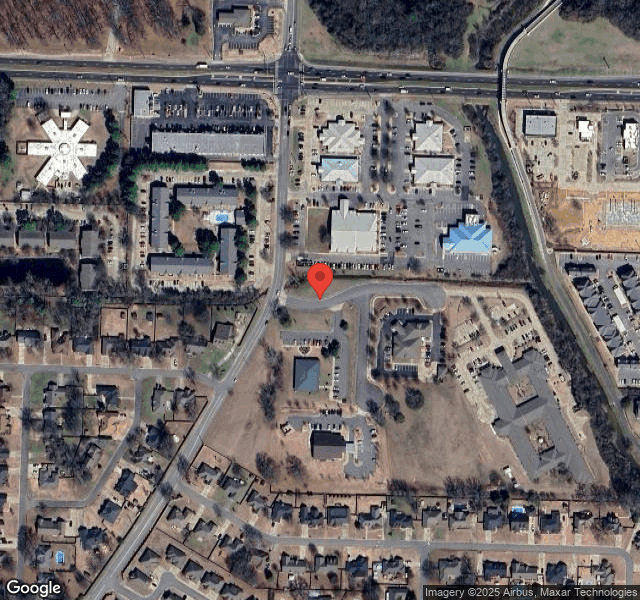

2401 CHRISTINA LANE, CONWAY, AR 72034 (501) 327-4421
For profit - Corporation 103 Beds CENTRAL ARKANSAS NURSING CENTERS Data: November 2025
Trust Grade
60/100
#120 of 218 in AR
Last Inspection: August 2024

Within standard 12-15 month inspection cycle. Federal law requires annual inspections.

Overview

Salem Place Nursing and Rehabilitation Center has a Trust Grade of C+, indicating that it is slightly above average but not outstanding. In Arkansas, it ranks #120 out of 218 facilities, placing it in the bottom half, and #4 out of 6 in Faulkner County, meaning there are only a few local options that are better. The facility is improving, with issues decreasing from 14 in 2023 to 9 in 2024, and it boasts excellent staffing with a 5/5 star rating and a turnover rate of 39%, which is well below the state average of 50%. While there are no fines on record, which is a positive sign, there are concerns regarding dietary practices and infection control; for example, staff failed to wash hands properly before handling food, and a glucometer was not disinfected between uses, potentially risking residents' health. Overall, while there are notable strengths, families should be aware of these weaknesses as they consider this facility.

Trust Score
C+
60/100
In Arkansas
#120/218
Bottom 45%
Safety Record
Low Risk
No red flags
Inspections
Getting Better
14 → 9 violations
Staff Stability
○ Average
39% turnover. Near Arkansas's 48% average. Typical for the industry.
Penalties
✓ Good
No fines on record. Clean compliance history, better than most Arkansas facilities.
Skilled Nurses
⚠ Watch
Each resident gets only 24 minutes of Registered Nurse (RN) attention daily — below average for Arkansas. Fewer RN minutes means fewer trained eyes watching for problems.
Violations
⚠ Watch
33 deficiencies on record. Higher than average. Multiple issues found across inspections.
★★★☆☆
3.0
Overall Rating
★★★★★
5.0
Staff Levels
★★★★☆
4.0
Care Quality
★★☆☆☆
2.0
Inspection Score
Stable
2023: 14 issues
2024: 9 issues

The Good

  • 5-Star Staffing Rating · Excellent nurse staffing levels
  • 4-Star Quality Measures · Strong clinical quality outcomes
  • Full Sprinkler Coverage · Fire safety systems throughout facility
  • No fines on record
  • Staff turnover below average (39%)

    9 points below Arkansas average of 48%

Facility shows strength in staffing levels, quality measures, fire safety.

The Bad

3-Star Overall Rating

Near Arkansas average (3.1)

Meets federal standards, typical of most facilities

Staff Turnover: 39%

Near Arkansas avg (46%)

Typical for the industry

Chain: CENTRAL ARKANSAS NURSING CENTERS

Part of a multi-facility chain

Ask about local staffing decisions and management

The Ugly 33 deficiencies on record

Aug 2024 9 deficiencies
CONCERN (D)

Potential for Harm - no one hurt, but risky conditions existed

Transfer Notice (Tag F0623)

Could have caused harm · This affected 1 resident

Based on observations, interviews, record review, facility document review, and facility policy review, it was determined that the facility failed to notify the ombudsman of a hospital transfer for 1 ...

Read full inspector narrative →
Based on observations, interviews, record review, facility document review, and facility policy review, it was determined that the facility failed to notify the ombudsman of a hospital transfer for 1 (Resident #95) of 1 resident reviewed for hospitalization. Findings include: A review of Progress Notes revealed Resident #95 had been sent to the hospital for low blood pressure and abdominal cramping on 6/12/2024. A review of Emergency Transfers from the Facility document sent to the ombudsman provided by the Business Office Manager revealed Resident #95 had not been included on the list. During an interview on 08/15/2024 at 8:57 AM, the Business Office Manager confirmed by reviewing the list with the surveyor that Resident #95 was not included and should have been to reflect the hospital transfer and the ombudsman should have been notified. During an interview on 08/15/2024 at 9:05 AM, the Administrator confirmed the hospital transfer and reviewed the provided list with the surveyor and stated Resident #95 should have been included on the list sent to the ombudsman to notify of the hospital transfer. On 08/15/2024 at 9:05 AM, the Administrator stated the facility did not have a policy for ombudsman notification of hospital transfers.
CONCERN (D)

Potential for Harm - no one hurt, but risky conditions existed

Infection Control (Tag F0880)

Could have caused harm · This affected 1 resident

Based on observations, interviews, and facility policy review, the facility failed to ensure a laundry linen delivery cart on W Hall was covered during delivery of clean personal laundry to prevent th...

Read full inspector narrative →
Based on observations, interviews, and facility policy review, the facility failed to ensure a laundry linen delivery cart on W Hall was covered during delivery of clean personal laundry to prevent the possible spread of harmful bacteria. Findings include: On 08/14/2024 at 2:47 PM, during an interview, the Laundry and Housekeeping Supervisor stated the facility did not have a policy for the delivery of clean resident laundry. During an observation on 08/12/2024 at 12:14 PM, a linen cart was parked against the wall on W Hall with the cover open and laid on top of the cart. Laundry Employee #11 was going in and out of resident rooms delivering laundry from the opened linen delivery cart. During an observation on 08/12/2024 at 12:16 PM, Laundry Employee #11 was observed pushing the linen cart down the W Hallway with the front cover open and continued to pass out resident's laundry. During an observation on 08/12/2024 at 12:33 PM, there was a clean linen laundry cart on the other end of W Hall with the front cover open, exposing the resident's clean laundry as Laundry Employee #11 continued to take laundry to each resident's room. During an interview on 08/14/2024 at 2:41 PM, Laundry Employee #3 stated they had been trained to deliver laundry in a covered transport cart or a rolling basket with a cover placed over the top to prevent germs, bacteria, and particles from landing on the resident's clean clothing. During an interview on 08/14/2024 at 2:38 PM, the Housekeeping and Laundry Supervisor stated when delivering laundry, the cart should always be covered. When removing laundry from the cart, the cover should be opened and closed to protect the remaining clothes on the cart from germs, bacteria, and particles in the air. Also, by closing the cart it prevents non-staffed individuals and residents from accessing the linen cart.
CONCERN (E)

Potential for Harm - no one hurt, but risky conditions existed

Assessment Accuracy (Tag F0641)

Could have caused harm · This affected multiple residents

Based on observation, interview, and record review, it was determined the facility failed to ensure a discharge Minimum Data Set (MDS) assessment to accurately reflect the residents discharge status f...

Read full inspector narrative →
Based on observation, interview, and record review, it was determined the facility failed to ensure a discharge Minimum Data Set (MDS) assessment to accurately reflect the residents discharge status for 1 (Resident #13) sampled resident. The findings are: Facility provided the Resident Assessment Instrument (RAI) assessment for discharge instructions on 8/15/2024 and was reviewed. The instructions indicated a discharge assessment must be completed when a resident is discharged from the facility and the resident is not expected to return to the facility within 30 days; must be completed within 14 days after discharge date , must be submitted within 14 days after the MDS completion date, and for unplanned discharges. Review of the admission Minimum Data Set (MDS) with an Assessment Reference Date (ARD) of 2/19/2024 indicated Resident #13 had a Brief Interview for Mental Status (BIMS) score of 9, which indicated the resident had moderate cognitive impairment. During a closed record review, the surveyor was unable to locate an MDS Discharge Summary for Resident #13. In an interview on 8/15/2024 at 8:38 AM, the Administrator stated the MDS Coordinator was responsible for the MDS discharge assessments, and that medical records staff fill in when needed. She also stated a discharge could have been overlooked when the MDS Coordinator was previously out on leave. In an interview on 8/15/24 at 10:09 AM, MDS Coordinator #9 said a notification appears in the system to indicate that an MDS discharge is overdue, and that medical records staff fill in when the MDS Coordinator is out of the office.
CONCERN (E)

Potential for Harm - no one hurt, but risky conditions existed

Accident Prevention (Tag F0689)

Could have caused harm · This affected multiple residents

Based on observation, interview, and record review, the facility failed to ensure hazards were removed from resident areas as evidenced by medications left at the bedside for 1 (Resident #64) of 1 res...

Read full inspector narrative →
Based on observation, interview, and record review, the facility failed to ensure hazards were removed from resident areas as evidenced by medications left at the bedside for 1 (Resident #64) of 1 resident; and a handrail on the Rehab hallway had an end-cap cover on the end of the handrail to prevent exposure of rough edges. Findings include: 1. A review of the facility's undated policy titled, Medications, Oral, indicated staff were to remain at the bedside until all medications are swallowed. A review of the admission Record, indicated the facility admitted Resident #64 with diagnosis that included fracture around internal prosthetic joint. The quarterly Minimum Data Set (MDS) with an Assessment Reference Date (ARD) of 07/04/2024, revealed Resident #64 had a Brief Interview of Mental Status (BIMS) score of 8 which indicated the resident had moderate cognitive impairment. During an observation on 08/12/2024 at 10:46 AM, Resident #46 had a medication cup with one green pill and one yellow pill located on the resident's overbed table. During a concurrent observation and interview on 08/12/2024 at 11:24 AM, Licensed Practical Nurse (LPN) #2 stated she administered the resident's medications this morning and did not observe the resident take them. LPN #2 confirmed there was a medicine cup with two pills present on the resident's bedside table. LPN #2 stated that during medication administration the staff are supposed to observe the resident take the prescribed medication to ensure it is taken as prescribed. During an interview on 08/15/2024 at 10:48 AM, the Assistant Director of Nursing (ADON) stated that the nurse administering the resident's medications should ensure the medications are swallowed prior to leaving room, and medications should never be left at the bedside because another resident could take the medication and the nurse needs to ensure the medications are taken. 2. During an observation on 08/13/24 at 10:38 AM, a handrail on the left side of the Rehab Hallway near the therapy room was missing the end-cap. The exposed end of the rail had the potential to cause skin tears if a resident were to use this area to hold the handrail for balancing or to hold themselves up. On 08/14/2024 at 8:30 AM, the same observation was made of the missing end cap of the handrail. During an interview on 8/15/24 at 8:55 AM, the Maintenance Supervisor stated he checks the handrails once a month. The Maintenance Supervisor s they do not keep a maintenance log or work orders for the handrails, he just walks around each month and checks and repairs any issues. The Maintenance Supervisor stated the facility checks to ensure the handrails are in good working condition and tight in case a resident grabs a handrail. At 9:05 AM, The Maintenance Supervisor and the surveyor walked over to the handrail with the missing endcap. The Maintenance Supervisor observed the handrail with the missing cap and stated, Oh no, that is not good, it is sharp and could cause a skin tear or a bruise.
CONCERN (E)

Potential for Harm - no one hurt, but risky conditions existed

Deficiency F0761 (Tag F0761)

Could have caused harm · This affected multiple residents

Based on observation, interview, and record review, the facility failed to ensure all medications were safely stored and secured in to prevent accidental ingestion and or injury, as evidenced by a tub...

Read full inspector narrative →
Based on observation, interview, and record review, the facility failed to ensure all medications were safely stored and secured in to prevent accidental ingestion and or injury, as evidenced by a tube of anti-fungal medication left at Resident #15's bedside. The findings are: 1. Resident #15 had a diagnosis of brain bleed, heart failure and stroke, as indicated in the Physician's Orders dated August 12, 2024. a. Review of the Care Plan dated 07/23/24, Resident #15 had impaired cognitive function/dementia or impaired thought processes with a Brief Interview for Mental Status (BIMS) score of 6 severely impaired. b. On 08/13/24 at 9:33 AM, the surveyor observed a tube of anti-fungal medication lying on the residents over bed table. A review of the information located on the back of the tube indicated the active ingredient was Miconazole Nitrate 2% (antifungal medication). On the back of the tube was warnings for external use only; keep out of reach of children; and if swallowed, get medical help or contact a Poison Control Center right away. c. On 08/14/24 at 8:20 AM, the surveyor observed a tube of anti-fungal medication lying on the Resident #15's over bed table. 2. On 08/14/24 at 10:31 AM, the surveyor conducted an interview with Registered Nurse (RN) #4 and asked why Resident #15 used the anti-fungal cream. RN #4 stated Resident #15 used the anti-fungal cream as a lotion due to redness around the groin area and that Resident #15 did not have an order for the anti-fungal cream. 3. On 8/14/24 at 11:19 AM, the surveyor interviewed the Assistant Director of Nursing (ADON). The ADON confirmed that the anti-fungal cream used at the facility had medication in it and should be stored in the treatment cart and a physician ' s order is required and it should not be left at Resident #15's bedside to prevent other residents from getting into it. 4. Review of the facility policy titled, Medication Storage in the Facility indicated under Storage of Medications that medications and biologicals are to be stored safely, securely, and properly, following manufacturer's recommendations or those of the supplier and is only accessible to licensed nursing personnel, pharmacy personnel, or staff members lawfully authorized to administer medications. 5. On 08/14/24 at 12:58 PM, the Assistant Director of Nursing (ADON) provided the surveyor with a Safety Data Sheet (SDS) for Clinical Antifungal Ointment. Review of the SDS sheet indicated the ointment can cause eye irritation and to get medical advice/attention. The eyes should be rinsed cautiously with water for several minutes. The skin should be washed with water and get medical attention if it persists. If inhaled one should get fresh air. If ingested consult a physician.
CONCERN (E)

Potential for Harm - no one hurt, but risky conditions existed

Menu Adequacy (Tag F0803)

Could have caused harm · This affected multiple residents

Based on observation, record review, and interview, the facility failed to ensure meals were prepared and served according to the planned written menu to meet the nutritional needs of the residents fo...

Read full inspector narrative →
Based on observation, record review, and interview, the facility failed to ensure meals were prepared and served according to the planned written menu to meet the nutritional needs of the residents for 1 of 1 meal observed. This failed practice had the potential to 8 affect residents who received regular diets from 1 of 1 kitchen according to a list provided by the Dietary Manager on 8/15/2024. The findings are: 1. On 8/13/24, a facility supper meal menu indicated residents on mechanical soft diets were to receive 3 ounces of chicken with bun and 1/2 cup of chopped lettuce with tomatoes. Residents on pureed diets were to receive two #8 scoops (#8 scoop is 1/2 cup) of pureed breaded chicken with bun. 2. On 8/13/24 at 5:51 PM, the following observations were made during supper meal service: a. Dietary [NAME] (DC) #5 used a #16 scoop (1/4 cup or 2 ounces) to serve a single portion of ground breaded chicken to the residents on mechanical soft diets, instead of 3 ounces. b. Used a 2-ounce spoon to serve a single portion of chopped lettuce with tomatoes to the residents on mechanical soft diets, instead of 4 ounces c. DC #5 used a #8 scoop (1/2 cup) to serve a single portion of pureed breaded chicken with bun, instead of two #8 scoops. At 5:53 PM, DC #5 was asked what scoop size he had used to serve pureed burger and ground meat and how many servings he gave to each resident. DC #5 confirmed that he had used #16 scoop (1/4 cup) to serve a single portion to the residents on mechanical soft and used a #8 scoop (1/2 cup) to serve a single serving each to the residents on a puree diet. Dietary [NAME] #5 was asked if he looked at the menu before serving supper meal and stated, NO. 3. On 8/14/24 at 11:22 AM, Dietary [NAME] (DC) #7 used a 4 -ounce spoon to place 6 servings of brussels sprouts into a blender and pureed, instead of 7 servings. At 11:25 AM, DC #2 poured the pureed vegetables into a pan and placed it into the warmer. 4. On 8/14/24 at 11:34 AM, DC #7 used a 4-ounce spoon to place 6 servings of candy yam into a blender, added melted butter and pureed. At 11:37 AM, DC #2 poured the pureed candy yam into a pan and placed it in the warmer to serve it to 7 residents who required pureed diets. 5. On 8/14/24 at 11:42 AM, DC #7 placed 6 slices of bread into a blender, added a little water, thickener and pureed, instead of 7 servings. 6. On 8/14/24 at 11:44 AM DC #7 poured the pureed bread into a pan, covered the pan with foil and placed it in the warmer. The DC #7 stated, I just added a little water.
CONCERN (E)

Potential for Harm - no one hurt, but risky conditions existed

Deficiency F0804 (Tag F0804)

Could have caused harm · This affected multiple residents

Based on observation, record review, and interview, the facility failed to ensure meals were served in a method that maintained nutritive value and taste that were acceptable to the residents to impro...

Read full inspector narrative →
Based on observation, record review, and interview, the facility failed to ensure meals were served in a method that maintained nutritive value and taste that were acceptable to the residents to improve palatability and encourage good nutritional intake during 1 of 1 meal observed. This failed practice had the potential to affect 7 residents who receive their meal from 1 of 1 kitchen, as documented. on a list provided by Dietary Manager on 8/15/2024 at 8:30 AM. The findings are: 1. Review of a facility titled recipe for pureed herbed pork loin initiated on 2/20/2024, indicated for 10 residents to use ten 3 ounce herbed pork loins and add 1.25 cups of water or stock. 2. On 8/14/2024 at 10:58 AM, Dietary [NAME] (DC) #7 placed 6 thick slices of pork lion into a blender, added 2 cups of water, instead of 1.25 cup, and pureed. At 11:01 AM, DC #7 poured the pureed meat into a pan and placed it in the oven. 3. Review of a facility titled recipe for pureed brussels sprouts initiated on 2/20/2024, indicated for 10 residents use 10.5 cups of brussels sprouts, three tablespoons plus 2 teaspoons of food thickener. Process until smooth using 1 teaspoon food thickener per serving. A note at the bottom stated the amount of thickener may vary relative to liquid content of cooked vegetable. On 8/14/24 at 11:22 AM, DC #7 used a 4 ounce spoon to place 6 servings of brussels sprouts into a blender, added 2 cups of water and pureed, instead of no fluids. 4. On 8/14/24 at 12:31 PM, during an interview DC #7 was asked how much water she had used in the pureed pork lion, pureed brussels sprouts, and pureed bread. DC #7 stated, I used 2 cups water for both pureed meat and pureed vegetables. I just put a little water in the pureed bread. 5. On 8/15/24 at 8:08 AM, during an interview DC #7 was asked to describe how food items pureed with water would taste. DC #7 stated, Both pureed meat and pureed vegetables would taste nasty, and pureed bread would be bland.
CONCERN (E)

Potential for Harm - no one hurt, but risky conditions existed

Deficiency F0883 (Tag F0883)

Could have caused harm · This affected multiple residents

**NOTE- TERMS IN BRACKETS HAVE BEEN EDITED TO PROTECT CONFIDENTIALITY** Based on record review, and interview, the facility failed to ensure the influenza and/or pneumococcal immunizations were admini...

Read full inspector narrative →
**NOTE- TERMS IN BRACKETS HAVE BEEN EDITED TO PROTECT CONFIDENTIALITY** Based on record review, and interview, the facility failed to ensure the influenza and/or pneumococcal immunizations were administered and/or offered and documented for 4 (Resident #18, Resident #19, Resident #60, and Resident #64) of 5 (Resident #18, Resident #19, Resident #60, Resident #64, and Resident #92) sampled residents reviewed for the compliance of immunizations. The findings are: On 8/14/24 at 3:09 PM, the Administrator provided a form titled, Immunizations, Influenza, Pneumococcal and Covid 19. It indicated that the influenza, pneumococcal, and the Covid 19 immunizations will be administered unless medically contraindicated. The immunization policy indicated that the immunizations will be documented in the medical record when administered or refused. On 8/14/24 at 10:47 AM, review of Resident #64's Physician Orders indicated Resident #64 was admitted on [DATE]. There was no documentation that Resident #64 received the pneumonia or influenza immunization. The immunizations were reviewed in the immunization tab on the electronic record. There was no documentation that the resident's representative, or the resident consented or declined the immunization. On 8/14/24 at 10:49 AM, review of Resident #18's Physician Orders indicated Resident #18 was admitted on [DATE]. There was no documentation Resident #18 received the influenza immunization. The immunizations were reviewed in the immunization tab on the electronic record. There was no documentation that the resident's representative, or the resident consented or declined the immunization. On 8/14/24 at 10:52 AM, review of Resident #60's Physician Orders indicated Resident #60 was admitted on [DATE]. There was no documentation Resident #60 had received the pneumonia, or influenza immunization. The immunizations were reviewed in the immunization tab on the electronic record. There was no documentation that the resident's representative, or the resident consented or declined the immunization. On 8/14/23 at 10:58 AM, review of Resident #19's Physician Orders indicated Resident #19 was admitted on [DATE]. There was no documentation indicating the resident had received the influenza immunization. The immunizations were reviewed in the immunization tab on the electronic record. There was no documentation that the resident's representative, or the resident consented or declined the immunization. On 8/15/24 at 9:30 AM, during an interview, Resident #18 did not remember if the influenza or the pneumococcal immunizations were offered when the resident was admitted . Resident #18 did not remember taking the influenza or the pneumococcal immunizations. On 8/15/24 at 9:35 AM, during an interview, Resident #60 did not remember if the influenza or the pneumococcal immunizations were offered when the resident was admitted . Resident #18 did not remember ever taking the influenza or the pneumococcal immunizations. On 8/15/24 at 9:53 AM, Licensed Practical Nurse (LPN) #10 indicated the department head nurses administer the influenza or the pneumococcal immunizations to the residents, documents the results on a form, and gives the results to the Director of Nursing (DON). She indicated that she doesn't know when the influenza or the pneumococcal immunizations were offered. She indicated that the immunizations should be documented in the electronic record if a resident refuses. On 8/15/24 at 10:05 AM, Certified Medication Technician (CMT) #1 indicated the DON usually administers the influenza or the pneumococcal immunizations. She indicated that the DON has the form with the immunizations documented. She indicated that it should be documented if a resident refuses a vaccine. On 8/15/24 at 10:13 AM, Registered Nurse (RN) #4 indicated the floor nurse or any department head nurse administers the influenza or the pneumococcal immunizations. She indicated the immunizations are documented on a piece of paper and given to medical records. She indicated the Influenza Vaccine is offered in September and October, and the Pneumococcal Vaccine is offered on admission. She indicated that the residents are educated if they refuse to take the vaccine, and the refusal is documented. On 8/15/24 at 10:29 AM, the Administrator indicated the nursing staff is responsible for administering the influenza and the pneumococcal immunizations. She indicated the immunizations should be documented under the immunization tab in the electronic record. The Administrator indicated the Influenza vaccine is offered during the flu season, and the Pneumococcal vaccine is offered on admission. She was asked the reason Resident #60, Resident #64, Resident #18, and Resident #19, did not have the influenza, and/or the pneumococcal immunization documented in the clinical records. She stated, To be completely honest I'm not sure where the ball got dropped. I don't know if a pass employee took it.
CONCERN (F)

Potential for Harm - no one hurt, but risky conditions existed

Food Safety (Tag F0812)

Could have caused harm · This affected most or all residents

Based on observation, interview, and facility policy review, the facility failed to ensure dietary staff practiced good hand washing to prevent potential cross contamination, Dairy products were maint...

Read full inspector narrative →
Based on observation, interview, and facility policy review, the facility failed to ensure dietary staff practiced good hand washing to prevent potential cross contamination, Dairy products were maintained frozen to prevent the growth of bacteria, and hot food items were maintained at above 135 degrees Fahrenheit on the steam table while awaiting service to prevent potential food borne illness for residents who received meals from 1 of 1 kitchen. These failed practices had the potential to affect 84 residents who received meals from 1 of 1 kitchen, as indicated by a list provided by the Dietary Manager on 8/15/2024 at 8:30 AM. The findings are: 1. On 8/13/24 at 5:16 PM, Dietary [NAME] (DC) #5 was wearing gloves on his hands when he pulled his pants up, contaminating the gloves. Without changing gloves and washing his hands, he picked up chicken patties, buns, lettuce, tomatoes, and tarter tots, and placed them on the plates to be served to the residents for supper meal. DC #5 was asked what he should have done after touching dirty objects and before handling food items. DC #5 stated, I should have changed gloves and washed my hands. 2. On 8/13/24 at 5:29 PM, after the lunch meal service Dietary Aide (DA) #6 was pushing a cart that contained a deep bowl with 4 cartons of vanilla ice cream, 3 cartons of strawberry ice cream, 2 cartons of chocolate ice cream, one carton of whole milk, and one cartoon of 2% milk to the walk-in freezer. DA #6 was asked to check to see if the ice cream was frozen. DA #6 opened one carton of vanilla ice cream, and stated, No, they are melted. DA #6 was asked to check the temperature of the milk. She did, and stated, It was 50 degrees Fahrenheit. DA #6 was asked if thawed ice cream should be refrozen. DA #6 stated, No. 3. On 8/13/24 at 5:41 PM, the following observations were made on a shelf in the storage room: a. An opened gallon of soy sauce, the manufacture's speciation on the gallon specified to refrigerator after opening. b. There were 6 bags of coffee in a pan with an expiration date of 1/20/2024. 4. On 8/14/24 at 10:59 AM, Dietary [NAME] (DC) #7 lifted the trash can lid and threw away an empty glove box into the trash, contaminating the gloves. Without washing her hands, DC #7 picked up strawberries that had been rinsed with water and placed them on the cutting board. DC #7 then sliced the strawberries and placed them in individual bowls. She then removed rinsed fresh grapes from a deep bowl and placed them in individual bowls to be served to the residents for a noon meal. DC #7 was about to cover the bowls of fruits with lids, when she was stopped. DC #7 was asked what she should have done after touching dirty objects and before handing fruits. DC #7 stated, I should have removed the gloves and washed my hands. 4. On 8/14/24 at 12:02 PM, Dietary Aide #8 checked the temperatures of the hot food items that had been placed on the serving line on the steam table in preparation for the noon meal service. The temperatures were: a. Pureed yams - 100 degree Fahrenheit. b. Pureed bread with a little water - 100 degree Fahrenheit, c. Hamburger - 100 degree Fahrenheit. d. Plain pork lion - 125 degree Fahrenheit. The above food items were not reheated before being served to the residents. 5. A facility policy titled, Hand Washing, initiated 3/27/2012 indicated hands should be washed before and after putting gloves on and after touching dirty objects.
Oct 2023 1 deficiency
CONCERN (D) 📢 Someone Reported This

A family member, employee, or ombudsman was alarmed enough to file a formal complaint

Potential for Harm - no one hurt, but risky conditions existed

Deficiency F0558 (Tag F0558)

Could have caused harm · This affected 1 resident

Based on observation, record review and interview, the facility failed to ensure call lights were within reach to enable residents to call for any necessary assistance for 1 (Resident #1) of 3 sample ...

Read full inspector narrative →
Based on observation, record review and interview, the facility failed to ensure call lights were within reach to enable residents to call for any necessary assistance for 1 (Resident #1) of 3 sample mix residents. The findings are: Review of Resident #1's care plan dated 06/03/2020 showed encourage Resident to use the bell to call for assistance. During observation on 10/26/2023 at 9:49 AM, the Surveyor observed Certified Nurse Aide (CNA) #1 clip Resident #1's soft call light to the right side of the bed on the quarter siderail and position the Resident onto his left side with a blue wedge placed behind him for positioning. During observation on 10/26/2023 at 11:38 AM, Resident #1 was in bed on his left side with a blue wedge behind him, and his soft call light clipped onto the right side of the bed on the quarter siderail. During interview on 10/26/2023 at 11:39 AM, CNA #1 confirmed based on the placement of the call light and Resident #1's current position in bed, he could not reach the call light. During interview on 10/26/2023 at 11:41 AM, Registered Nurse #1 confirmed based on the placement of the call light and Resident #1's current position in bed, he could not reach the call light.
Aug 2023 13 deficiencies
CONCERN (D)

Potential for Harm - no one hurt, but risky conditions existed

Assessment Accuracy (Tag F0641)

Could have caused harm · This affected 1 resident

**NOTE- TERMS IN BRACKETS HAVE BEEN EDITED TO PROTECT CONFIDENTIALITY** Based on record review and interview, the facility failed to accurately record the Resident Assessment for 1 (Resident #13) of 1...

Read full inspector narrative →
**NOTE- TERMS IN BRACKETS HAVE BEEN EDITED TO PROTECT CONFIDENTIALITY** Based on record review and interview, the facility failed to accurately record the Resident Assessment for 1 (Resident #13) of 14 (Residents #5, #9, #11, #13, #18, #19, #23, #27, #31, #36, #47, #55, #58 and #65) sampled residents. The findings are: 1. Resident #13 had diagnoses of Unspecified Dementia, Chronic Obstructive Pulmonary Disease (COPD), Heart Failure and Acute Kidney Failure. The Quarterly MDS with an Assessment Reference Date (ARD) of 05/10/23 was currently in progress. The electronic medical record documented The next Quarterly: ARD: 5/11/2023 currently 77 days overdue. a. A Physicians Order dated 05/24/23 documented the resident was to receive Lasix 20 milligrams one time a day related to acute kidney failure. b. A Physicians Order dated 08/01/23 documented the resident was to receive Hydrocodone-Acetaminophen 5-325 milligrams 1 tablet every 8 hours as needed for pain and Sertraline (Zoloft) 50 milligrams 1 tablet one time a day related to other recurrent depressive disorders. c. On 08/11/23 at 9:35 AM, the Surveyor asked the MDS Coordinator who was responsible for completing the MDS. She stated, Myself and [Rehab MDS Coordinator]. The Surveyor asked her to look at Resident #13's MDS and asked when the Quarterly should have been completed. She stated, It should have been completed on May 24th. The Surveyor asked should medications such as diuretics, opioids and antidepressants be listed on the MDS. She stated, Yes. d. On 08/11/23 at 9:58 AM, the Surveyor asked the MDS Coordinator if there was a facility policy on completing MDSs. She stated, No, we use the RAI [Resident Assessment Instrument] [NAME]. e. On 08/09/23 at 2:30 PM, the Administrator stated, We do not have a care plan policy, we use the Resident Assessment Instrument manual. f. The RAI Manual documents the MDS and the Care Area Assessment process provide the foundation upon which the care plan is formulated, and completion of the Care Area Assessments is required.
CONCERN (D)

Potential for Harm - no one hurt, but risky conditions existed

Quality of Care (Tag F0684)

Could have caused harm · This affected 1 resident

Based on observation, interview and record review, the facility failed to ensure Physician Orders were transcribed accurately for 1 (Resident #8) of 1 sampled resident to ensure residents orders recei...

Read full inspector narrative →
Based on observation, interview and record review, the facility failed to ensure Physician Orders were transcribed accurately for 1 (Resident #8) of 1 sampled resident to ensure residents orders received by the Advance Practice Nurse (APN) were followed. The findings are: 1. On 08/07/23 at 12:58 PM, Resident #8 had a reddish substance on several upper teeth. Resident #8 stated she has a gum infection, and it has prevented her from eating her breakfast. That the blood is making her nauseated and that her teeth feel slimly. They are supposed to be getting me something to put on my gums. a. On 08/08/23 at approximately 9:15 AM, Resident #8 was lying in bed. The Surveyor asked if she received a treatment for her gums. She stated, No, not yet. Resident #8's teeth had a white substance between them and some brownish discoloration. b. On 08/09/23 at 8:15 AM, Resident #8 was in bed eating breakfast. The Surveyor asked if she had received a treatment to her gums/teeth. c. On 08/09/23 at approximately 2:00 PM, the Surveyor reported to Licensed Practical Nurse (LPN) #1 that Resident #8 was concerned that she had not been provided eye drops and that the treatment to her gums had not been initiated. LPN #1 reviewed the Medication Administration Record (MAR) and stated, It's not on the MAR for today. The Physician Orders dated 08/07/23 and the August 2023 MAR documented Resident #8 was to receive Artificial Tears 1 drop in both eyes two times a day every 7 days for irritation and Peridex Mouth/Throat Solution 1 application by mouth two times a day every 7 days for Gingivitis for 7 days. LPN #2 stated, The order was put in wrong. The way it was put in she is just supposed to get eye drops and the mouth treatment every 7 days. The order was put in wrong. That's why she didn't get it. d. On 08/10/23 at 10:39 AM, a review of the Physician Orders and the August 2023 MAR revealed that the order remained unchanged. e. On 08/10/23 at 3:34 PM, the Surveyor asked the Assistant Director of Nursing (ADON) who enters a physician's order in the electronic medical record. The ADON stated, When the nurse receives the order, she enters it then. The Surveyor asked who reviewed the orders to ensure that they were entered correctly. The ADON stated, I not sure. The Administrator spoke up and stated that each unit had a department head that was a unit director and that they were the ones who should be checking the orders to ensure they are correct.
CONCERN (D)

Potential for Harm - no one hurt, but risky conditions existed

Dental Services (Tag F0791)

Could have caused harm · This affected 1 resident

**NOTE- TERMS IN BRACKETS HAVE BEEN EDITED TO PROTECT CONFIDENTIALITY** Based on observation, interview and record review, the facility failed to provide routine dental services for 1 (Resident #8) of...

Read full inspector narrative →
**NOTE- TERMS IN BRACKETS HAVE BEEN EDITED TO PROTECT CONFIDENTIALITY** Based on observation, interview and record review, the facility failed to provide routine dental services for 1 (Resident #8) of 1 sampled resident who required oral care. The findings are: 1. On 08/07/23 at 12:58 PM, Resident #8 described having a gum infection. Resident #8 had a reddish substance on several upper teeth. Resident #8 describes that the infection has prevented her from eating her breakfast, that the blood is making her nauseated and that her teeth feel slimly. Resident #8 stated, They are supposed to be getting me something to put on my gums. a. On 08/08/23 at approximately 9:15 AM, Resident #8 was lying in bed. The Surveyor asked if she received a treatment for her gums. She stated, No, not yet. Resident #8's teeth appeared to be plaque covered. A white substance was between some teeth and there was some brownish discoloration. The Surveyor asked when she had seen a dentist. Resident #8 stated, Oh goodness. I'm not sure. b. A Physicians order dated 11/20/20 documented Resident #8 to the dentist as indicated. c. On 08/09/23 at 2:30 PM, Resident #8's medical record contained no nursing progress notes or other documentation related to dental care. The Surveyor asked the Administrator when the last time Resident #8 was seen by a dentist. Upon investigation the Administrator stated, I could not find any dental records in her chart, so I called her niece who is her POA [Power of Attorney]. Her niece told me that she went to the dentist about a year before she was admitted here. d. On 08/10/23 at 2:05 PM, the Surveyor asked the Assistant Director of Nursing (ADON) how often the mobile dentist provides care at the facility. The ADON stated, I'm not sure, I'm thinking every 6 months. The Surveyor asked how the facility determined who needed to see the dentist when they were onsite. The ADON stated, Honestly, I'm not sure. Social takes care of that. The ADON accompanied the Surveyor to the Social Directors office and asked the Social Director how often the mobile dentist was on site. The Social Director stated that the dentist is at the facility every 3 months and that they were last here in May. The Surveyor asked the Social Director if she was aware of any reason Resident #8 would not see the dentist. She stated, I don't know, they send me the list. The Surveyor asked the Social Director if she was aware of the resident refusing oral care or to see the dentist. The Social Director stated, No, not that I know of. The Surveyor asked if the resident refused to see the dentist who would document that refusal. The Social Director stated, Well that would be me or her nurse. The Surveyor asked if she had completed such documentation. The Social Director stated, No, I haven't done it. The Surveyor asked if she was aware that Resident #8 had not seen the dentist since before her admission on [DATE]. The Social Director stated, I didn't know that it ' s no big deal. I can just pop her on the list. e. On 08/10/23 at 3:00 PM, the ADON reported that the facility did not have a policy concerning oral or dental care and that the facility adheres to the regulations.
CONCERN (E)

Potential for Harm - no one hurt, but risky conditions existed

Safe Environment (Tag F0584)

Could have caused harm · This affected multiple residents

Based on observation, interview, and record review, the facility failed to ensure wheelchair arm rests were free of rips and tears for 2 (Residents #1 and #2) of 2 sampled residents and failed to ensu...

Read full inspector narrative →
Based on observation, interview, and record review, the facility failed to ensure wheelchair arm rests were free of rips and tears for 2 (Residents #1 and #2) of 2 sampled residents and failed to ensure the flooring was free of rips and tears. The findings are: 1. Resident #2 ' s Care Plan with a revision date of 05/24/22 documented, The resident has potential impairment to skin integrity . Identify/document potential causative factors and eliminate/resolve where possible . Use caution during transfers and bed mobility to prevent striking arms, legs, and hands against any sharp or hard surface . a. On 08/07/23 at 10:33 AM, Resident #2 observed sitting in room. The left wheelchair arm rest was peeling with foam exposed. b. On 08/07/2023 at 1:11 PM, Resident #2 observed sitting in wheelchair in the dining room. The left wheelchair arm was peeling with foam exposed. 2. Resident #1's Care Plan with a revision date of 06/11/21 documented, The resident has potential/actual impairment to skin integrity . Identify/document potential causative factors and eliminate/resolve where possible . Use caution during transfers and bed mobility to prevent striking arms, legs, and hands against any sharp or hard surface . a. On 08/07/23 at 10:46 AM, Resident #1's left wheelchair arm rest was split with rough edges and foam exposed. b. On 08/07/23 at 1:21 PM, Resident #1's left wheelchair arm rest was split with rough edges and foam exposed. c. On 08/07/23 at 1:26 PM, Resident #1 was observed in a wheelchair in the hall. Resident #1's left arm rest was split with rough edges and foam exposed. 3. On 08/09/23 at 10:30 AM, a rip approximately 1.5 feet in length was observed in the floor tile in Room W7. The ripped hole was covered with clear tape that was curling on the sides. 4. On 08/10/23 at 9:46 AM, the Surveyor asked Certified Nursing Assistant (CNA) #6 how is it reported if something needed to be fixed. CNA #6 replied, We use a Work Order form. We fill it out and place it on the clip board outside the Maintenance Office. The Surveyor asked CNA #6 to describe the left arm rest on Resident #1's wheelchair. CNA #6 replied, It has cracks and it's peeling. The Surveyor asked her to describe the ripped area in the floor tile in Room W7. CNA #6 replied, It's ripped and taped. The Surveyor asked how long the floor had been like that. CNA #6 replied, I don't know. The Surveyor asked if the arm rests on Resident #1's and Resident #2's wheelchair and the rip in the floor tile in Room W7 had been reported. CNA #6 replied, I don't know. I haven't noticed it. 5. On 08/10/23 at 9:52 AM, the Surveyor asked Maintenance #1 if something needs to be fixed how is it reported. Maintenance #1 replied, With a work order. There are some at the Nurses Stations and outside the Maintenance Office. They fill it out and put it in a box and I fix it. The Surveyor asked who could fill the work orders out. Maintenance #1 replied, Anyone can fill out a work order. The Surveyor asked if he kept logs of what was fixed and when it was fixed. Maintenance #1 replied, Sometimes I keep them and then get rid of them. The Surveyor asked if Resident #1's left wheelchair arm rest had been reported as needing to be fixed. Maintenance #1 replied, No, it hasn't been reported. The Surveyor asked if he replaced Resident #2's left wheelchair arm rest. Maintenance #1 replied, Yes. The Surveyor asked when he replaced Resident #2's left wheelchair arm rest. Maintenance #1 replied, Yesterday. The Surveyor asked him to describe the ripped floor tile in Room W7. Maintenance #1 replied, It was coming up and we taped it down. The Surveyor asked when the floor tile became ripped. Maintenance #1 replied, It's been like that for a while. The Surveyor asked if there was a reason why it hadn't been fixed yet. Maintenance #1 replied, I forgot about it.
CONCERN (E)

Potential for Harm - no one hurt, but risky conditions existed

Comprehensive Assessments (Tag F0636)

Could have caused harm · This affected multiple residents

Based on record review and interview, the facility failed to ensure the annual comprehensive resident assessments were completed and transmitted within 14 calendar days to facilitate appropriate care ...

Read full inspector narrative →
Based on record review and interview, the facility failed to ensure the annual comprehensive resident assessments were completed and transmitted within 14 calendar days to facilitate appropriate care planning and maintain current and accurate assessment records for 8 (Residents #5, #11, #18, #23, #27, #47, #51 and #65) of 8 sampled residents whose comprehensive assessments were reviewed. The findings are: During resident record review the following annual resident assessments were not completed within the regulatory time frame: 1. Resident #5's Annual Assessment with an Assessment Reference Date (ARD) of 06/23/23 was still in progress. 2. Resident #11's Annual Assessment with an ARD of 06/16/23 was still in progress. 3. Resident #18's Annual Assessment with an ARD of 06/05/23 was still in progress. 4. Resident #23's Annual Assessment with an ARD of 05/18/23 was still in progress. 5. Resident #27's Annual Assessment with an ARD of 06/14/23 was still in progress. 6. Resident #47's Annual Assessment with an ARD of 06/06/23 was still in progress. 7. Resident #51's Annual Assessment with an ARD of 05/09/22 was still in progress. 8. Resident #65's Annual Assessment with an ARD of 05/11/23 was still in progress. 9. On 08/11/23 at 9:35 AM, the Surveyor asked the MDS Coordinator who was responsible for completing the MDS. She stated, Myself and [Rehab MDS Coordinator]. The Surveyor asked when the MDS should be completed. She stated, Upon entry, when resident had a significant change, quarterly and annually. The care areas should be completed within 14 days. 10. On 08/11/23 at 9:58 AM, the Surveyor asked the MDS Coordinator if there was a facility policy on completing the MDS. She stated, No, we use the RAI [Resident Assessment Instrument] Manual. 11. The RAI Manual documents the Annual assessment is a comprehensive assessment for a resident that must be completed on an annual basis. The MDS completion date must be no later than 14 days after the ARD.
CONCERN (E)

Potential for Harm - no one hurt, but risky conditions existed

Deficiency F0638 (Tag F0638)

Could have caused harm · This affected multiple residents

Based on record review and interview, the facility failed to ensure the completion of the quarterly resident assessments within 14 days of the Assessment Reference Date (ARD) and submitted no later th...

Read full inspector narrative →
Based on record review and interview, the facility failed to ensure the completion of the quarterly resident assessments within 14 days of the Assessment Reference Date (ARD) and submitted no later than an additional 14 days after completion to meet requirements for 6 (Residents #9, #19, #31, #36, #55 and #58) of 6 sampled residents whose Quarterly Assessments were reviewed. The findings are: During resident record review, the following quarterly assessments were not completed within the regulatory time frame: 1. Resident #9's Quarterly Assessment with an ARD of 06/19/23 was still in progress. 2. Resident #19's Quarterly Assessment with an ARD of 06/14/23 had a completion date of 08/07/23. 3. Resident #31's Quarterly Assessment with an ARD of 06/11/23 had a completion date of 08/07/23. 4. Resident #36's Quarterly Assessment with an ARD of 06/12/23 was still in progress. 5. Resident #55's Quarterly Assessment with an ARD of 06/12/23 had a completion date of 08/07/23. 6. Resident #58's Quarterly Assessment with an ARD of 6/10/23 had a completion date of 08/07/23. 7. On 08/11/23 at 9:35 AM, the Surveyor asked the MDS Coordinator who was responsible for completing the MDS. She stated, Myself and [Rehab MDS Coordinator]. The Surveyor asked when the MDS should be completed. She stated, Upon entry, when a resident had a significant change, Quarterly and Annually. The care areas should be completed within 14 days. 8. On 08/11/23 at 9:58 AM, the Surveyor asked the MDS Coordinator if there was a facility policy on completing the MDS. She stated, No, we use the RAI [Resident Assessment Instrument] Manual. 9. The RAI Manual documents the Quarterly assessment is a non-comprehensive assessment for a resident that must be completed at least every 92 days following the previous assessment of any type. It is used to track a resident's status between comprehensive assessments to ensure critical indicators of gradual change in a resident's status are monitored. The ARD must be not more than 92 days after the ARD of the most recent assessment of any type.
CONCERN (E)

Potential for Harm - no one hurt, but risky conditions existed

Deficiency F0657 (Tag F0657)

Could have caused harm · This affected multiple residents

2. A review of Resident #40's Care Plan, last revised on 02/04/20 noted the resident had a diagnosis of Chronic Obstructive Pulmonary Disease (COPD) and noted a care plan for altered respiratory statu...

Read full inspector narrative →
2. A review of Resident #40's Care Plan, last revised on 02/04/20 noted the resident had a diagnosis of Chronic Obstructive Pulmonary Disease (COPD) and noted a care plan for altered respiratory status. The care plan noted an intervention of oxygen at 1 liter per minute. a. A review of Physicians Order dated 05/08/20 documented Resident #40 was to receive oxygen (02) at liters 2 Liters per minute via nasal cannula as needed.Based on record review and interview, the facility failed to ensure comprehensive care plans were revised quarterly, to accurately identify care area needs and provide care for 4 (Residents #13, #40, #46 and #130) of 22 (Resident #1, #3, #5, #7, #8, #9, #10, #13, #16, #18, #19, #23, #27, #29, #31, #32, #36, #40, #41, #43, #46, #55, #57, #58, #67, #69, #71, #75, #77, #78, #130, #180 and #236) sampled residents whose care plans were reviewed. The findings are: 1. A review of Resident #13's resident profile in the electronic medical record noted diagnoses of Unspecified Dementia, Chronic Obstructive Pulmonary Disease (COPD), Heart Failure and Acute Kidney Failure. a. A Physician Order dated 05/24/23 documented the resident was to receive Lasix, a diuretic medication one time a day related to acute kidney failure. b. A Physician Order dated 08/01/23 documented the resident was to receive Sertraline (an antidepressant medication) one time a day related to other recurrent depressive disorders and Hydrocodone-Acetaminophen (an opioid pain reliever) every 8 hours as needed for pain. c. A review of Resident #13's Care Plan noted an admission date of 02/20/23. There were no revisions noted. The Care Plan did not address goals or interventions for dementia, COPD, heart failure or the need for use of opioids, diuretics, or antidepressants.3. Resident #46 had a Physicians Order dated 09/21/20 documented Resident #46 was to receive oxygen (O2) at 2 liters per minute via nasal cannula as needed. a. A Physicians Order dated 06/05/23 documented the resident was to have a CPAP (Continuous Positive Airway Pressure) applied at bedtime and was to be removed in the morning. b. Review of the Care Plan noted an admission date of 11/25/21 and noted diagnoses of asthma and sleep apnea. The care plan failed to address the use of oxygen therapy and CPAP. 4. A review of Resident #130's Physicians Order dated 08/08/23 documented Resident #130 had an indwelling catheter. a. A review of the Care Plan failed to address the use of an indwelling catheter. 5. On 08/09/23 at 2:30 PM, the Administrator stated, We do not have a care plan policy, we use the Resident Assessment Instrument (RAI) manual. 6. On 08/11/23 at 9:35 AM, the Surveyor asked the Minimum Data Set (MDS) Coordinator who was responsible for completing the MDS. She stated, Myself and [Rehab MDS Coordinator]. The Surveyor asked her to look at Resident #13's Care Plan, and asked if medications such as diuretics, opioids, and antidepressants should be addressed on the care plan. She stated, Yes. 7. On 08/11/23 at 9:36 AM, the Surveyor asked the MDS Coordinator to look at Resident #46's Care Plan and asked if the use of O2 and a CPAP should be listed on the care plan. She stated, Yes. 8. On 08/11/23 at 9:37 AM, the Surveyor asked the MDS Coordinator to look at Resident #130's Care Plan. and asked if having an indwelling catheter should be listed on the care plan. She stated, Yes, every time.
CONCERN (E)

Potential for Harm - no one hurt, but risky conditions existed

Respiratory Care (Tag F0695)

Could have caused harm · This affected multiple residents

2. A Physicians Order with a start date of 05/08/20 documented Resident #40 was to receive oxygen at 2 liters per minute via nasal cannula as needed. a. A Physicians Order with a start date of 11/16/...

Read full inspector narrative →
2. A Physicians Order with a start date of 05/08/20 documented Resident #40 was to receive oxygen at 2 liters per minute via nasal cannula as needed. a. A Physicians Order with a start date of 11/16/22 documented Resident #40 was to receive Albuterol nebulizer treatments. b. The Care Plan with a revision date of 02/04/20 documented Resident #40 was to receive O2 at 1 liter per minute as needed. The Care Plan did not address nebulizer treatments. c. On 08/07/23 at 10:27 AM, Resident #40 was lying in bed with oxygen on at 3 liters per minute via nasal cannula. A nebulizer mask was on the bedside table not in a plastic bag or container. d. On 08/07/23 at 1:31 PM, Resident #40 was sitting up in bed. A nebulizer mask was on the bedside table not in a plastic bag or container. e. On 08/08/23 at 8:36 AM, Resident #40 was sitting up on the side of the bed. A nebulizer mask was sitting on the bedside table not in a plastic bag or container. f. On 08/08/23 at 1:46 PM, Resident #40 was lying in bed. A nebulizer mask was on the bedside table not in a plastic bag or container. g. On 08/08/23 at 2:15 PM, the Surveyor asked CNA #2 how a nebulizer mask should be stored. CNA #2 said, In a clear plastic bag. The Surveyor asked why the mask needed to be stored in a bag. CNA #2 said, To protect them from contamination. h. On 08/08/23 at 2:27 PM, the Surveyor asked LPN #1 how a nebulizer mask should be stored. LPN #1 said, Stored in a plastic bag with residents name, check it weekly. The Surveyor asked why the nebulizer mask needs to be stored in a plastic bag. LPN #1 said, To protect from germs, privacy, and keep it sanitary. It could become contaminated from the air and other substances. Based on observation, interview, and record, the facility failed to ensure oxygen was consistently administered at the flow rate ordered by the Physician for 2 (Residents #40 and #46) of 2 sampled residents; staff were trained on Continuous Positive Airway Pressure (CPAP) equipment and interventions and nebulizer masks/tubing were contained in a plastic bag or container when not in use for 1 (Resident #40) to prevent potential contamination or infection. The findings are: 1. A Physicians Order dated 09/21/20 documented Resident #46 was to receive oxygen at 2 liters per minute via nasal cannula as needed. a. A Physicians Order dated 06/05/23 documented Resident #46 was to use Continuous Positive Airway Pressure (CPAP) at bedtime. b. On 08/07/23 at 11:42 AM, Resident #46 was sitting in a chair in her room with oxygen on at 3 liters per minute via nasal cannula. c. On 08/07/23 at 2:13 PM, Resident #46 stated the nurses don't know anything about my CPAP. I was having trouble breathing Sunday morning and the nurse came in and said, I don't know anything about that (CPAP). d. On 08/10/23 at 6:34 AM, The Surveyor asked LPN #5 who was responsible for ensuring a resident's oxygen is running at the prescribed rate. LPN #5 replied, The nurse. The Surveyor asked how a nurse would know what the CPAP settings are supposed to be if it's not in the orders. LPN #5 replied, I have no idea, nobody told me. The Surveyor asked if she had been trained on CPAPs. LPN #5 replied, No, I have not. e. On 08/10/2023 at 9:30 AM, the Surveyor asked LPN #6 who was responsible for ensuring a resident's oxygen is running at the prescribed rate. LPN #6 replied, The nurse. The Surveyor asked what Resident #46's CPAP settings were supposed to be. LPN #6 replied, I don't see any. The Surveyor asked how a nurse would know what the CPAP settings are supposed to be if it's not in the orders. LPN #6 replied, To be accurate, we'd have to call the doctor. The Surveyor asked if she had been trained on CPAPs. LPN #6 replied, It's been a while and not since I've been here.
CONCERN (E)

Potential for Harm - no one hurt, but risky conditions existed

Pharmacy Services (Tag F0755)

Could have caused harm · This affected multiple residents

Based on observation, interview, and record review, the facility failed to ensure licensed staff accurately documented the removal of narcotics at the time of administration, to ensure periodic accura...

Read full inspector narrative →
Based on observation, interview, and record review, the facility failed to ensure licensed staff accurately documented the removal of narcotics at the time of administration, to ensure periodic accurate reconciliation and accounting for all controlled medications. The findings are: 1. On 08/08/23 at 2:28 PM, the following observations were made on the medication cart on the Observation Hall/Women's Unit with Licensed Practical Nurse (LPN) #1: a. A medication card of Lorazepam 0.5 mg. (milligram) with 40 tablets in the card. The Narcotic Book documented there were 42 tablets. LPN #1 stated, I haven't signed them out. The Surveyor asked, What time did you give them? LPN #1 replied, It's scheduled for 8:00 AM and 2:00 PM. I gave it around 1:00 PM and the first dose around 8:30 AM. The Surveyor asked when the medications should be signed out. LPN #1 replied, When we give them. The Surveyor asked who was responsible for signing medications when giving them. LPN #1 replied, The nurse that has the keys or gives the medications. LPN #1 said she usually signs out the narcotics after medication pass, because of my workload and further stated, I take shortcuts and that's not good practice. The Surveyor asked, How many residents are you responsible for? LPN #1 replied, Thirty-five or more, and that's too many for one nurse. 2. On 08/08/23 at 2:44 PM, the following observations were made on the medication cart on the T Hall medication cart with LPN #1: a. A medication card of Hydrocodone/APAP (Acetaminophen) 5/325 mg with 27 tablets in the card. The Narcotic Book documented 28 tablets. LPN #1 stated, I gave one table at 7:45 AM, as a PRN [as needed]. b. Another medication card of Hydrocodone/APAP 5/325 mg contained 36 tablets. The Narcotic Book documented 37 tablets. LPN #1 stated, I gave it this morning around 7:45 AM and didn't sign it out. 3. On 8/11/23 at 12:17 PM, the Surveyor asked the Assistant Director of Nursing (ADON) when narcotics should be signed out of the Narcotic Book. The ADON replied, Immediately. 4. A facility policy titled, Medication, General Administration of , provided by the Administrator on 08/09/23 at 8:42 AM documented, Procedure . 4. Medications must be charted immediately following the administration by the person administering the drugs. The date, time administered, dosage, etc., must be entered in the medical record and signed by the person entering the data .
CONCERN (E)

Potential for Harm - no one hurt, but risky conditions existed

Deficiency F0761 (Tag F0761)

Could have caused harm · This affected multiple residents

**NOTE- TERMS IN BRACKETS HAVE BEEN EDITED TO PROTECT CONFIDENTIALITY** 14. A facility policy titled, Medication, General Administration of, provided by the Administrator on [DATE] at 8:42 AM document...

Read full inspector narrative →
**NOTE- TERMS IN BRACKETS HAVE BEEN EDITED TO PROTECT CONFIDENTIALITY** 14. A facility policy titled, Medication, General Administration of, provided by the Administrator on [DATE] at 8:42 AM documented, Procedure 1. Drugs and biologicals may be administered only by licensed physicians, licensed registered or practical ngl5ing personnel, or by other personnel who are duly authorized to perform such services under state law. 4. Medications must be charted immediately following the administration by the person administering the drugs. The date, time administered, dosage, etc., must be entered in the medical record and signed by the person entering the data . 9. Self administration of drugs is permitted when approved by the interdisciplinary team and with a physician's order . 15. A facility policy titled, Medication Ordering, Receiving and Storage, provided by the Administrator on [DATE] at 10:14 AM documented, Medication Storage Policy The facility shall store all medications and biologicals in a safe, secure, and orderly manner . 3. If medication containers have missing, incomplete, improper or incorrect labels, contact the dispensing pharmacy for instructions regarding returning or destroying these items. 4. If the facility has discontinued outdated or deteriorated medications or biologicals, contact the dispensing pharmacy for instructions regarding returning or destroying these items . 8. Medications shall be stored in all orderly manner in cabinets, drawers, carts, or automatic dispensing systems. Each resident's medications shall be assigned to an individual cubicle, drawer, or other holding area to prevent the possibility of mixing medications of several residents . 13. On [DATE] at 10:19 AM, the following items were in the lobby of the COVID Hall that is currently not being used and unlocked on top of a cabinet: a. 1 box containing 12 Acetaminophen Suppositories 650mg. b. 1 bottle of Folic Acid 250 tablets, 400 mcg (micrograms) with an expiration date of 2/23. c. 1 bottle of Folic Acid 100 tablets, 1000 mg (milligrams) with an expiration date of 8/23. d. 1 bottle Simethicone 100 tablets, 8 mg. e. 1 bottle of Multi Vitamin 200 tablets with an expiration date of 3/24. f. 1 bottle of Oyster Shell Calcium 100 tabs, 500 mg with an expiration date of 7/24. g. Stool Softener - 200 Softgel 100 mg with an expiration date of 2/24. h. Calcium Carbonate 150 tabs 500 mg with an expiration date of 4/24. i. Vitamin C 100 tabs 1000 mg. j. 1 bag of 5% Dextrose 1000 milliliters with an expiration date of 7/23.Based on observation, interview, and record review, the facility failed to ensure vials of insulin, nasal sprays, and inhalers were dated, and disposed of in accordance with manufacturer's instructions, and medications were stored in a locked Medication Cart/Medication Room and not at the bedside for 4 (Residents #1, #36, #40 and #59) of 4 sampled residents. The findings are: 1. On [DATE] at 1:58 PM, the following observations were made on the [NAME] Hall Medication Cart with Licensed Practical Nurse (LPN) #3: a. One vial of Novolog 100 unit/ml (milliliter) Insulin with a fill date of [DATE] and had an opened date of [DATE]. The label reads, Discard 28 days after opened. b. One vial of Lantus 100 unit/ml Insulin with a fill date of [DATE] and had an open date of [DATE]. The label reads, Discard 28 days after opened. c. One canister of Symbicort 80 mcg/4.5 mcg (micrograms) with a fill date of [DATE] and no open date. The order reads inhale 2 puffs orally 2 times a day. The dose counter on top of the canister reads 25 and is yellow. d. One vial of Novolog 100 unit/ml Insulin with a fill date [DATE] and an opened date of [DATE]. The label reads, Discard 28 days after opened. e. One half full bottle of Fluticasone Propionate 50 mcg 120 metered sprays with a fill date of [DATE] with no opened date. f. On [DATE] at 2:23 PM, the Surveyor asked LPN #3 How long is Novolog Insulin good for after opening? LPN #3 replied, 28 days. The Surveyor asked, How long is Lantus Insulin good for after opening? LPN #3 replied, 28 days. The Surveyor asked how long inhalers and nose sprays were good for after opening. LPN #3 replied, One month. The Surveyor asked who was responsible for ensuring insulins, inhalers, and nose sprays were dated when opened. LPN #3 replied, The nurses. The Surveyor asked who was responsible for ensuring medications were removed from the cart when expired or past the discard date. LPN #3 replied, The nurse. 2. On [DATE] at 2:28 PM, the following observations were made on the Observation Hall - Women's Unit medication cart with LPN #1: a. One vial of Novolin N 100 unit/ml Insulin with a fill date of [DATE] and no opened date. b. A medication card containing Lorazepam 0.5 mg. (milligram) with 40 tablets in the card. The Narcotic Book documented there were 42 tablets. LPN #1 stated, I haven't signed them out. The Surveyor asked, What time did you give them? LPN #1 replied, It's scheduled for 8:00 AM and 2:00 PM. I gave it around 1:00 PM and the 1st dose around 8:30 AM. The Surveyor asked when the medications should be signed out. LPN #1 replied, When we give them. The Surveyor asked who was responsible for signing medications when giving them. LPN #1 replied, The nurse that has the keys or gives the medications. 3. On [DATE] at 2:44 PM, the following observations were made on the medication cart on the T Hall medication cart with LPN #1: a. A medication card of Hydrocodone/APAP (Acetaminophen) 5/325 mg with 27 tablets in the card. The Narcotic Book documented 28 tablets. LPN #1 stated, I gave one table at 7:45 AM, as a PRN [as needed]. b. Another medication card of Hydrocodone/APAP 5/325 mg contained 36 tablets. The Narcotic Book documented 37 tablets. LPN #1 stated, I gave it this morning around 7:45 AM and didn't sign it out. c. On vial of Novolog 100 unit/ml (Insulin Aspart) with a fill date of [DATE] and an opened date of [DATE]. The label reads, Discard 28 days after opened. The Surveyor asked, How long is Novolog good for after opening? LPN #1 replied, I think it's 30 days, all insulin's, that's what pharmacy recommends. LPN #1 was asked who was responsible for ensuring medications are removed from the cart when expired or past the discard date? LPN #1 replied, The nurse. 4. On [DATE] at 10:45 AM and 1:20 PM, Resident #1 was observed lying in bed. A can of Lotrimin Antifungal Spray was sitting on the nightstand. 5. On [DATE] at 11:22 AM, Resident #59 was lying in bed. A medicine cup containing 4 pills: 1 blue capsule, 1 yellow capsule, 1 red capsule, and 1 pink tablet was sitting on the bedside table. The Surveyor asked do you always leave your pills on the nightstand. Resident#59 replied, I can't take all my pills at once and began to take the pills. A bottle of Flonase nose spray and a bottle of alcohol were sitting on the nightstand. Resident #59 stated, I uses the alcohol to clean my glasses. 6. On [DATE] at 9:28 AM, Resident #36 was sitting in her wheelchair in her room. On top of the over the bed table was a container of nose spray, a bottle of Aspirin approximately 3/4 full, a Fluticasone Inhaler and a container of eye drops. On top of the nightstand was a bottle of nail polish remover and two bottles of nail polish. 7. On [DATE] at 10:27 AM, Resident #40 was lying in bed, there were 2 Breo Ellipta Inhaler canisters sitting on the bedside table. a. On [DATE] at 2:21 PM, the Surveyor asked LPN #1 how prescription drugs were stored. LPN #1 said, They're behind locked doors and the controls [narcotics] are behind two locked doors. The Surveyor asked why Resident #40's Breo Inhaler was left on his bedside table. does the resident self-administrate. LPN #1 said, He can, but it is not care planned. 8. On [DATE] at 8:42 AM, the Administrator stated, We have no residents that self-administer medications. 9. On [DATE] at 11:34 AM, the Surveyor asked Certified Nursing Assistant (CNA) #5 where medications were stored when not in use. CNA #5 replied, In the nurse's cart or the Medication Room. The Surveyor asked who was responsible for ensuring medications were not left out in the resident rooms. CNA #5 replied, Nursing staff. 10. On [DATE] at 6:34 AM, the Surveyor asked LPN #5 where medications were stored when not in use. LPN #5 replied, In the Medication Room. The Surveyor asked why medications should not be left out in the resident rooms. LPN #5 replied, The wrong resident could get them, and they could overdose. 11. On [DATE] at 12:17 PM, the Surveyor asked the Assistant Director of Nursing (ADON) how long insulin, inhalers, and nasal sprays were good for after opening. The ADON replied, I know 28 days for insulin, and usually one month for inhalers and nose sprays. The Surveyor asked why insulin, inhalers, and nose sprays should be dated when opened. The ADON replied, So we know when to get rid of them. The Surveyor asked who was responsible for dating insulin, inhalers, and nose sprays when they are opened. The ADON replied, The nurses as they open them. The Surveyor asked who was responsible for ensuring insulins, inhalers, and nose sprays were removed from usage according to the recommended Minimum Medication Storage Parameters. The ADON replied, We trust the nurses to do it. 12. A document titled, Recommended Minimum Medication Storage Parameters (based on manufacturer package inserts), provided by Registered Nurse (RN) #1 on [DATE] at 8:45 AM documented, .Insulin products (All vials) Based on American Diabetes Association guidelines . All vials should be dated when opened and discarded 28 days after opening [Except for Levemir .] .
CONCERN (F)

Potential for Harm - no one hurt, but risky conditions existed

Food Safety (Tag F0812)

Could have caused harm · This affected most or all residents

Based on observation and interview, the facility failed to ensure food items stored in the two door ice cream freezer were properly sealed to prevent freezer burn dietary employees used clean utensils...

Read full inspector narrative →
Based on observation and interview, the facility failed to ensure food items stored in the two door ice cream freezer were properly sealed to prevent freezer burn dietary employees used clean utensils when preparing food to maintain food quality and dietary employees used clean utensils when preparing meals to prevent potential food borne illness for residents who received meals from 1 of 1 kitchen. The failed practices had the potential to affect 82 residents who received meals from the kitchen (total census: 82), as documented on a list provided by the Dietary Manager on 08/11/23 at 9:50 AM. The findings are: 1. On 08/07/23 at 10:00 AM, during the initial tour of the kitchen, the following observations were made in the two door ice cream freezer: a. An opened box of approximately 24 single serving cups of vanilla ice cream, with ice cream dripped down the side of the cup and ice cream smears on the box. The Surveyor asked the Dietary Assistant Manager why the ice cream containers look like that. She stated, It looks like they have thawed and been refrozen. b. An opened ziplock bag containing approximately 15 to 20 tator tots with ice crystals on the tator tots and in the bottom of the bag. c. An opened ziplock bag containing approximately 10 chicken strips. d. An opened ziplock bag containing approximately 8-10 biscuits with ice crystals on the biscuits and in the bottom of the bag. The Surveyor asked the Dietary Assistant Manager if the bags should be left open. She stated, No, I'll throw those away. 2. On 08/09/23 at 10:27 AM, Dietary Employee (DE) #1 was preparing pureed lasagna. She placed approximately 48 ounces of lasagna with sauce into a processor and blended it. She took a plastic spatula and stirred the contents, then placed the spatula on the stainless steel countertop. DE #1 blended the lasagna into a smooth pudding like consistency, then using the plastic spatula from the counter, she dumped the contents into a metal bowl and placed a foil sheet on top. She took all 3 metal bowls and placed them in the oven. a. On 08/09/23 at 10:45 AM, the Surveyor asked DE #1 if she should use the spatula in the lasagna after laying it on the counter. She stated, No, I should have used a clean one. 3. The facility policy titled, Food Storage, provided by the Dietary Manager on 08/10/23 at 1:00 PM documented, Policy: Food is stored and prepared in clean safe sanitary manner that will comply with state and federal guidelines. Procedure: .All food not in original containers are to be labeled and dated and stored in NSF [National Sanitation Foundation] approved containers .
CONCERN (F)

Potential for Harm - no one hurt, but risky conditions existed

Infection Control (Tag F0880)

Could have caused harm · This affected most or all residents

Based on observation, interview, and record review, the facility failed to ensure a multi-resident use glucometer was disinfected after use to prevent potential spread of infection for 2 (Residents #1...

Read full inspector narrative →
Based on observation, interview, and record review, the facility failed to ensure a multi-resident use glucometer was disinfected after use to prevent potential spread of infection for 2 (Residents #19 and #236) of 2 sampled residents; staff followed clean technique during the administration of medications to prevent potential infection for 3 (Residents #19, #41 and #236) of 3 sampled residents who received medications from Licensed Practical Nurse (LPN) #2. The findings are: On 08/09/23, the following observations were made during medication pass by Licensed Practical Nurse (LPN) #2 on the Rehab Hall: 1. Resident #236 a. On 08/09/23 at 11:44 AM, LPN #2 used an alcohol prep pad to wipe the top of the glucometer and then sat the glucometer on top of the medication cart. b. On 08/09/23 at 11:45 AM, LPN #2 applied gloves. LPN #2 did not perform hand hygiene. c. On 08/09/23 at 11:46 AM, LPN #2 cleaned Resident #236's right middle finger with an alcohol prep pad and pricked the finger. d. On 08/09/23 at 11:47 AM, LPN #2 exited Resident #236's room and placed the lancet and blood glucose strip in a sharps container attached to the medication cart. LPN #2 removed her dirty gloves. LPN #2 did not perform hand hygiene. e. On 08/09/23 at 11:48 AM, LPN #2 used an alcohol prep pad and cleaned the glucometer and placed the glucometer on top of the medication cart. LPN #2 removed a vial of Insulin and rolled the insulin in between hands. LPN #2 removed a clean pair of gloves from the box of gloves on the medication cart and applied the gloves. LPN #2 did not perform hand hygiene. f. On 08/09/23 at 11:50 AM, LPN #2 injected 3 units of Insulin to Resident #236's left arm. LPN #2 exited the room and placed the used insulin syringe into the sharps container and removed her dirty gloves. LPN #2 did not perform hand hygiene. 2. Resident #41 a. On 08/09/23 11:55 AM, LPN #2 pulled medications for Resident #41. LPN #2 did not perform hand hygiene prior to, during, or after medication administration. 3. Resident #19 a. On 08/09/23 at 12:02 PM, LPN #2 used an alcohol prep pad to wipe the top of the glucometer and placed the glucometer on top of the medication cart. LPN #2 applied clean gloves. LPN #2 did not perform hand hygiene prior to applying the clean gloves. b. On 08/09/23 at 12:04 PM, LPN #2 administered medications to Resident #19. LPN #2 did not perform hand hygiene prior, during, or after medication administration. c. On 08/09/23 at 12:05 PM, LPN #2 cleaned Resident #19's right middle finger with an alcohol prep pad, pricked the finger. LPN #2 exited the room, placed the lancet and blood glucose strip in the sharps container, then removed the dirty gloves and typed on the lap top. LPN #2 did not perform hand hygiene after removing the dirty gloves. d. On 08/09/23 at 12:07 PM, LPN #2 used an alcohol prep pad and wiped the glucometer, then placed it on top of the medication cart. LPN #2 pulled 13 units of insulin into an insulin syringe and applied clean gloves. LPN #2 did not perform hand hygiene before applying clean gloves. e. On 08/09/23 at 12:09 PM, LPN #2 cleaned Resident #19 right upper posterior arm and injected 13 units of insulin. LPN #2 exited the room, placed the used syringe in the sharps container and removed her dirty gloves. LPN #2 did not perform hand hygiene. 4. On 08/09/23 at 12:34 PM, the Surveyor asked LPN #2 when hand hygiene is performed. LPN #2 replied, Before and after entering the residents room. The Surveyor asked, Are you supposed to perform hand hygiene before and after medication administration and checking blood sugars? LPN #2 replied, Yes, you should, even with gloves on. The Surveyor asked what the glucometer manufacturer's guidelines recommend using to clean the glucometer. LPN #2 replied, I'm not real sure. I use alcohol pads. The Surveyor asked if that glucometer was used on all the residents. LPN #2 replied, Just the Rehab Hall. The Surveyor asked how many residents on the Rehab Hall used that glucometer. LPN #2 replied, Ten residents. The Surveyor asked were you trained on cleaning the glucometers. LPN #2 replied, No, I haven't had any training or inservices. 5. On 08/10/23 at 6:34 AM, the Surveyor asked LPN #5 when hand hygiene is performed. LPN #5 replied, All day, after everything you touch. The Surveyor asked when the glucometers are cleaned. LPN #5 replied, After every use. The Surveyor asked what the glucometers are cleaned with. LPN #5 replied, Bleach wipes. 6. The Glucometer (Blood Glucose Monitoring System) Manufacturer's Guidelines provided by the Assistant Director of Nursing (ADON) on 08/09/23 at 1:24 PM documented, .Caring for your system to minimize the risk of transmission of blood-borne pathogens, the cleaning and disinfection procedure should be performed as recommended in the instructions below . Cleaning and Disinfecting: .The meter should be cleaned and disinfected after use on each patient. This Blood Glucose Monitoring System may only be used for testing multiple patients when Standard Precautions and the manufacturer's disinfection procedures are followed . We have validated [Germicidal Disposable Wipes] for disinfecting the . meter . 7. A facility policy titled, Handwashing/Hand Hygiene, provided by the Administrator on 08/09/23 at 1:44 PM documented, This facility considers hand hygiene the primary means to prevent the spread of infections 1. All personnel shall follow the handwashing/hand hygiene procedures to help prevent the spread of infections to other personnel, residents, and visitors . 4. An alcohol-based hand rub may be used if no visible soiling. 5. Hand hygiene is the final step after removing and disposing of personal protective equipment. 6. The use of gloves does not replace hand washing/hand hygiene. Integration of glove use along with routine hand hygiene is recognized as the best practice for preventing healthcare-associated infections .
MINOR (C)

Minor Issue - procedural, no safety impact

Comprehensive Care Plan (Tag F0656)

Minor procedural issue · This affected most or all residents

3. Resident #75 had diagnoses of Unspecified Dementia, Unspecified Severity, without Behavioral Disturbance, Psychotic Disturbance, Mood Disturbance, and Anxiety; Major Depressive Disorder, Single Epi...

Read full inspector narrative →
3. Resident #75 had diagnoses of Unspecified Dementia, Unspecified Severity, without Behavioral Disturbance, Psychotic Disturbance, Mood Disturbance, and Anxiety; Major Depressive Disorder, Single Episode Unspecified; Pain, Unspecified; Restlessness and Agitation; Anxiety Disorder, Unspecified and Low Back Pain, Unspecified. a. A Physicians Order with a start date of 08/02/23 and an end date of 08/09/23 documented the resident was to receive Lorazepam (anxiety medication) 0.5 milligrams 1 tablet every 6 hours as needed for Anxiety and Agitation. b. A Physicians Order with a start date of 08/11/23 and an end date of 08/25/23 documented the resident was to receive Lorazepam 0.5 milligrams 1 tablet every 6 hours as needed for agitation/aggression related to Major Depressive Disorder, c. A Physicians Order dated 07/13/23 documented the resident was to receive Hydrocodone-Acetaminophen (pain medication) 10-325 milligrams 1 tablet every 6 hours as needed for pain. d. A Physicians Order dated 08/04/23 documented the resident was to receive Buspirone (anxiety medication) 5 milligrams three times a day related to Major Depressive Disorder. e. A Physicians Order dated 08/04/23 documented the resident was to receive Zoloft (depression medication) 25 MG milligrams one time a day related to Major Depressive Disorder, and Anxiety Disorder. f. The Care Plan as of 08/10/23 did not address anxiety, restlessness, agitation, depression, or pain. g. On 08/10/23 at 10:10 AM, the Surveyor asked LPN #1 if it was important for the care plan to include the diagnosis of anxiety. She stated, Absolutely. The Surveyor asked how about the use of opioids [pain medications] and antidepressants. LPN #1 stated, Yes, that is important, due to fall risks and side effects. h. On 08/10/23 at 10:19 AM, the Surveyor asked Certified Nursing Assistant (CNA) #1 how important it was to have a diagnosis of anxiety on the Closet Care Plan. CNA #1 responded, Very important, we should know that. The Surveyor asked why it was important to know if the resident had a diagnosis of anxiety. CNA #1 responded, Because something could trigger her and we should know how to take care of her. Based on observation, interview, and record review, the facility failed to develop and implement a care plan for 3 (Residents #8, #29 and #75) of 3 sampled residents. The findings are: 1. Resident #8 had diagnoses of Candidiasis of Skin and Nail, Glaucoma and Macular Degeneration. a. On 08/07/23 at 2:07 PM, observed Resident #8 lying in bed. Her fingernails protruded past the end of the fingers approximately 1/8 inch. The Surveyor asked Resident #8 if she had requested her nails be cut. She stated, That goes back to them having enough staff. I hate to ask them. b. On 08/09/23 at 8:15 AM, Resident #8 stated that she was given a bath on Monday (08/07/23) afternoon, however her fingernails were not cut or trimmed. c. On 08/10/23 at 1:46 PM, Resident #8's Comprehensive Care Plan with a revision date of 06/01/21 did not address nail care. d. On 8/10/23 at 1:57 PM, the Surveyor asked Licensed Practical Nurse (LPN) #5 when nail care should be provided. LPN #5 stated, Per the schedule and as needed. The Surveyor asked if nail care should be addressed on the resident's Care Plan. LPN #5 stated, I would think so. 2. Resident #29 had a diagnosis of Type 2 Diabetes Mellitus with Diabetic Polyneuropathy. a. A Physicians order with a start date of 08/06/23 documented Resident #29 was to receive Levemir Insulin. b. Review of Resident #29's record, failed to reveal a care plan for diabetes and insulin use. c. On 08/11/23 at 8:49 AM, the Surveyor asked Minimum Data Set (MDS) Coordinator #2 if there was a reason why Resident #29's Care Plan did not address Type 2 Diabetes or any interventions. MDS Coordinator #2 said, I was not aware of this. I've had this job for 2 months and we have been trying to get things caught up.
May 2022 10 deficiencies
CONCERN (D)

Potential for Harm - no one hurt, but risky conditions existed

Deficiency F0637 (Tag F0637)

Could have caused harm · This affected 1 resident

Based on record review, and interview, the facility failed to ensure a comprehensive Minimum Data Set (MDS) assessment was completed within 14 days after a significant change in condition was identifi...

Read full inspector narrative →
Based on record review, and interview, the facility failed to ensure a comprehensive Minimum Data Set (MDS) assessment was completed within 14 days after a significant change in condition was identified to facilitate the ability to determine if any changes in care were necessary for 1 (Residents #21) of 2 (Residents #11 and #21) sampled residents who received hospice services. This failed practice had the potential to affect 12 residents who received hospice services according to the Resident Census and Conditions of Residents form dated 5/16/22. The findings are: Resident #21 had a diagnosis of heart disease. The admission Minimum Data Set (MDS) with an Assessment Reference Date (ARD) of 3/6/22 documented the resident score 7 (0-7 indicates severely impaired) on a Brief Interview able Mental Status (BIMS) and did not receive Hospice services. a. As of 5/19/2022 there was no documentation in the resident's medical record of an order for Hospice. b. On 5/19/22 at 2:15p.m., the Director of Nursing (DON) was asked, When was the resident admitted to Hospice? She stated, In April 2022. The DON was asked, Was a Significant Change MDS Assessment completed? She stated, No. She was asked, Should a Significant Change MDS have been completed within 14 days of his Hospice admission? The DON stated, Yes. c. On 5/20/22 at 8:20 a.m., the Director of Nursing was asked, Should there be an PO [Physician's Order] for hospice? She stated, It should be under the discontinued orders. I will have to look. The Hospice order usually falls off, but once on we know to keep the order active. d. On 5/20/22 at 8:45 a.m., the DON stated, He didn't have an order for Hospice but now he does. The Director of Nursing handed this surveyor a Physician Order dated 4/4/22 that documented, . Admit to Hospice Home Care for Hospice Services .
CONCERN (D)

Potential for Harm - no one hurt, but risky conditions existed

Assessment Accuracy (Tag F0641)

Could have caused harm · This affected 1 resident

**NOTE- TERMS IN BRACKETS HAVE BEEN EDITED TO PROTECT CONFIDENTIALITY** Based on interview and record review, the facility failed to ensure the Minimum Data Set Assessment was accurately coded for ant...

Read full inspector narrative →
**NOTE- TERMS IN BRACKETS HAVE BEEN EDITED TO PROTECT CONFIDENTIALITY** Based on interview and record review, the facility failed to ensure the Minimum Data Set Assessment was accurately coded for anticoagulant therapy to accurately identify care area needs and provide accurate care for 1 (Resident #47) of 6 (#6, #15, #19, #45, #47, #67) sampled residents who receive anticoagulant medication. The findings are: Resident #47 had a diagnosis of Atrial Fibrillation. The Annual Minimum Data Set (MDS) with an Assessment Reference Date of 2/11/2022 documented the resident did not receive an anticoagulant during the 7 day look back period. a. The Physician's orders for February 2022 documented, .1/28/2020 Eliquis Tablet 2.5 mg [Milligrams] (Apixaban) Give 1 tablet by mouth two times a day related to UNSPECIFIED ATRIAL FIBRILLATION . b. The February 2022 Medication Administration Record (MAR) documented the resident received Eliquis 2.5 mg tablet by mouth two times a day, February 1 through February 28, 2022, that included the 7 day look back period. c. On 05/20/2022 at 08:40 AM., the Director of Nursing (DON) was asked if a resident was receiving an anticoagulant, should it be coded correctly on the MDS and she stated, yes. She was asked to review the MDS dated [DATE] and the February 2022 Medical Administration Record (MAR) for Resident #47. She looked at the documents and was asked if the MAR documented the resident received anticoagulants during the 7 day look back period. She stated, He was given it. She was asked what the MDS documented. She stated, 0. She was asked if it was coded correctly. She stated, no. She stated they [the facility] uses the Resident Assessment Instrument Manual for accuracy of coding.
CONCERN (D)

Potential for Harm - no one hurt, but risky conditions existed

Deficiency F0655 (Tag F0655)

Could have caused harm · This affected 1 resident

**NOTE- TERMS IN BRACKETS HAVE BEEN EDITED TO PROTECT CONFIDENTIALITY** Based on observation, record review and interview the facility failed to ensure a baseline care plan was completed and the Compr...

Read full inspector narrative →
**NOTE- TERMS IN BRACKETS HAVE BEEN EDITED TO PROTECT CONFIDENTIALITY** Based on observation, record review and interview the facility failed to ensure a baseline care plan was completed and the Comprehensive Care Plan included the use of a urinary catheter and colostomy to assure necessary care and services were provided for 1 (Resident #66) sampled resident who had a urinary catheter and colostomy. The findings are: Resident (R) #66 was admitted to the facility on [DATE] with diagnoses of Aftercare following surgery on the Digestive System, Pelvis fracture, Irritable Bowel Syndrome, Dementia, Perforation of Intestine, and Colostomy status. An admission Minimum Data Set with an Assessment Reference Date of 4/12/22 documented the resident scored 4 (0-7 indicates severely impaired) on a Brief Interview for Mental Status (BIMS) and had an indwelling catheter, ostomy. a. As of 5/20/22, there was no documentation in the resident's medical record of a physician order for an indwelling urinary catheter or colostomy. b. A baseline care plan was in the resident's Electronic Health Record. The form was not filled out and did not address the resident's care needs. c. The Comprehensive Care Plan did not address the colostomy and did not address the urinary catheter. d. On 5/20/22 at 08:24 AM., Resident #66 was lying in bed with staff present providing care. She had an indwelling urinary catheter and a colostomy bag attached to her abdomen. e. On 5/20/22 at 8:29 AM., Licensed Practical Nurse (LPN) #5 was asked if she provided care to Resident #66 and she stated, Yes. She was asked if the resident had a colostomy and she stated, Yes, I saw the colostomy this morning. She was asked if the resident had an indwelling urinary catheter and she stated, Not that I know of. The LPN was asked if the resident had a Physician's order for the colostomy and a physician's order for an indwelling catheter. She looked at the physician's order and stated she did not see orders for a colostomy or indwelling urinary catheter. f. On 5/20/22 at 8:40 AM., the Director of Nursing (DON) was asked if Resident #66 had an order for an indwelling urinary catheter. While looking in the resident's record, she stated, .I know she has one . no order . She was asked if the resident had an order for a colostomy bag or care. She stated, No She was asked if there should be a physician's order for the indwelling urinary catheter and for the colostomy bag. She stated, Yes The DON was asked if either the resident's baseline care plan was completed, and if the comprehensive plan of care was completed to include the care of the indwelling urinary catheter and the care of the colostomy. She stated, The baseline care plan is not done. She was asked if it should have been and she stated, Yes. She stated the resident's comprehensive plan of care was not completed it should have included care for the indwelling urinary catheter and colostomy.
CONCERN (D)

Potential for Harm - no one hurt, but risky conditions existed

Infection Control (Tag F0880)

Could have caused harm · This affected 1 resident

Based on observation, record review, and interview, the facility failed to ensure reusable equipment was appropriately cleaned before and after use on a resident, and syringes used for medication were...

Read full inspector narrative →
Based on observation, record review, and interview, the facility failed to ensure reusable equipment was appropriately cleaned before and after use on a resident, and syringes used for medication were appropriately handled and a clean surface was used for preparing medications for 1 of 1 (Resident #330) who received oral medications. The findings are: 1. Resident #330 had a diagnosis of Depressive Disorders and Anxiety. a. A Physician order dated 5/12/22 documented, Morphine Sulfate (Concentrate) Solution 20 MG/ML [Milligrams/Milliliters] *Controlled Drug* Give 0.25 ml by mouth three times a day for pain AND Give 0.25 ml by mouth every 2 hours as needed for pain. b. A Physician Order dated 5/12/22 documented, risperidone Solution Give 0.5 mg by mouth two times a day related to Restlessness and Agitation (R45.1) for 14 Days. c. On 05/19/22 at 8:32 AM., Licensed Practical Nurse (LPN) #1 filled the 3.0mg Syringe with 0.5 mg of Risperidone Solution and filled the 1ml syringe with 0.25 ml Morphine Sulfate (Concentrate) Solution. Without cleaning the top section of the medication cart, she then laid the uncapped solution filled syringes on the top section of the medication cart. She then walked over to the dining room table and laid both solutions filled syringes on the dining room table, administer both solutions filled to Resident # 330 via oral route. After administering the solutions to the resident and without cleaning the syringes, she laid both contaminated syringes on top of the medication cart. She then placed the empty contaminated syringe that was filled with morphine in a plastic bag with the solution bottle back into the locked narcotic box on the medication cart. She was then asked, Are you done with the resident medication pass? She stated, Yes, did you need something else? The empty syringe that was filled with the Risperidone was still laying on top of medication cart. Without cleaning the syringe, she placed the Risperidone box and unclean syringe in clear cup, and then placed it in a drawer on medication cart. d. On 5/19/22 at 9:01 AM., LPN #1 was asked, Should you clean the surface area before laying an uncapped syringe on it to prevent cross contamination? She stated, Yes. She was asked, Should you clean a contaminated uncapped syringe before administering medication to via oral route? She stated, Yes, She was asked, Should you clean contaminated syringes before placing them back into the medication cart? She stated, Yes. e. On 5/19/22 The Director of Nursing (DON) was asked, Should the nurse lay an uncapped syringe filled with Risperidone and one filled with Morphine Sulfate on an uncleaned medication cart or dining room table? She stated, Did it touch the surface? She was asked, after a solution filled syringe has been administered, via oral route to the resident, Should the contaminated syringes be laid on the medication cabinet and placed back in the mediation cart without being cleaned? She stated, I see what you're saying, No. 2. Resident #67 had a diagnose of GASTROSTOMY STATUS a. An Order summary dated 5/6/22 documented, . Check placement of peg tube prior to meds and feedings every shift . b. On 05/19/22 at 1:31 PM., during the 2:00 p.m. medication pass, LPN #2 removed a stethoscope from around her neck and without cleaning the stethoscope, placed it on all four quadrants of Resident #67 abdominal area to check Percutaneous Endoscopic Gastrostomy Tube (PEG) placement. She then placed the contaminated stethoscope around her neck and administered medications via PEG. After LPN#2 administered the medication, she exited the room into the hallway and laid the contaminated stethoscope on the top medication cart. She signed off the medication on the electronic record. She was asked, Should the stethoscope be cleaned before and after use on a resident? LPN #2 stated, Yes, and I know that. c. On 5/19/22 at The DON was asked, Should the stethoscope be cleaned before and after checking PEG-tube placement? The DON stated, She went back and cleaned the medication cart. She was asked, Should the stethoscope be cleaned before placing it on all four quadrants of the resident abdominal area? She stated, She has two stethoscopes and clean them after each use.
CONCERN (E)

Potential for Harm - no one hurt, but risky conditions existed

Comprehensive Care Plan (Tag F0656)

Could have caused harm · This affected multiple residents

**NOTE- TERMS IN BRACKETS HAVE BEEN EDITED TO PROTECT CONFIDENTIALITY** Based on interview and record review, the facility failed to ensure the Minimum Data Set Assessment was accurately coded for ant...

Read full inspector narrative →
**NOTE- TERMS IN BRACKETS HAVE BEEN EDITED TO PROTECT CONFIDENTIALITY** Based on interview and record review, the facility failed to ensure the Minimum Data Set Assessment was accurately coded for anticoagulant therapy to accurately identify care area needs and provide accurate care for 1 (Resident #47) of 6 (#6, #15, #19, #45, #47, #67) sampled residents who receive anticoagulant medication. The findings are: Resident #47 had a diagnosis of Atrial Fibrillation. The Annual Minimum Data Set (MDS) with an Assessment Reference Date of 2/11/2022 documented the resident did not receive an anticoagulant during the 7 day look back period. a. The Physician's orders for February 2022 documented, .1/28/2020 Eliquis Tablet 2.5 mg [Milligrams] (Apixaban) Give 1 tablet by mouth two times a day related to UNSPECIFIED ATRIAL FIBRILLATION . b. The February 2022 Medication Administration Record (MAR) documented the resident received Eliquis 2.5 mg tablet by mouth two times a day, February 1 through February 28, 2022, that included the 7 day look back period. c. On 05/20/2022 at 08:40 AM., the Director of Nursing (DON) was asked if a resident was receiving an anticoagulant, should it be coded correctly on the MDS and she stated, yes. She was asked to review the MDS dated [DATE] and the February 2022 Medical Administration Record (MAR) for Resident #47. She looked at the documents and was asked if the MAR documented the resident received anticoagulants during the 7 day look back period. She stated, He was given it. She was asked what the MDS documented. She stated, 0. She was asked if it was coded correctly. She stated, no. She stated they [the facility] uses the Resident Assessment Instrument Manual for accuracy of coding.
CONCERN (E)

Potential for Harm - no one hurt, but risky conditions existed

Quality of Care (Tag F0684)

Could have caused harm · This affected multiple residents

**NOTE- TERMS IN BRACKETS HAVE BEEN EDITED TO PROTECT CONFIDENTIALITY** 2. Resident #66 was admitted to the facility on [DATE] with diagnoses of Aftercare following surgery on the Digestive System, Pe...

Read full inspector narrative →
**NOTE- TERMS IN BRACKETS HAVE BEEN EDITED TO PROTECT CONFIDENTIALITY** 2. Resident #66 was admitted to the facility on [DATE] with diagnoses of Aftercare following surgery on the Digestive System, Pelvis fracture, Irritable Bowel Syndrome, Dementia, Perforation of Intestine, and Colostomy status. An admission Minimum Data Set with an Assessment Reference Date of 4/12/22 documented the resident scored 4 (0-7 indicates severely impaired) on a Brief Interview for Mental Status (BIMS) and had an indwelling catheter, ostomy. a. As of 5/20/22, there was no documentation in the resident's medical record of a physician order for an indwelling urinary catheter or colostomy. b. On 5/20/22 at 08:24 AM., Resident #66 was lying in bed with staff present providing care. She had a indwelling urinary catheter and a colostomy bag attached to her abdomen. c. On 5/20/22 at 8:29 AM., Licensed Practical Nurse (LPN) #5 was asked if she provided care to Resident #66 and she stated, Yes. She was asked if the resident had a colostomy and she stated, Yes, I saw the colostomy this morning. She was asked if the resident had an indwelling urinary catheter and she stated, Not that I know of. The LPN was asked if the resident had a Physician's order for the colostomy and a physician's order for an indwelling catheter. She looked at the physician's order and stated she did not see orders for a colostomy or indwelling urinary catheter. d. On 5/20/22 at 8:40 AM., the Director of Nursing (DON) was asked if Resident #66 had an order for an indwelling urinary catheter. While looking in the resident's record, she stated, I know she has one . no order . She was asked if the resident had an order for a colostomy bag or care and she stated, No. She was asked if there should be a physician's order for the indwelling urinary catheter and for the colostomy bag and she stated, Yes Based on record review, and interview, the facility failed to ensure there was a physician order for Hospice care for 1 (Residents #21) of 2 (Residents #11 and #21 an ) sampled residents who received hospice services and failed to ensure there was a physician order for an indwelling urinary catheter and colostomy for 1 of 1 (Resident #66) who had an indwelling urinary catheter and colostomy. This failed practice had the potential to affect 12 residents who received hospice services, 1 resident who had a colostomy and 7 residents who had an indwelling urinary catheter, according to the Resident Census and Conditions of Residents form dated 5/16/22. The findings are: 1. Resident #21 had a diagnosis of heart disease. The admission Minimum Data Set (MDS) with an Assessment Reference Date (ARD) of 3/6/2022 documented the resident score 7 (0-7 indicates severely impaired) on a Brief Interview able Mental Status (BIMS) and did not receive hospice services. a. On 5/19/22 at 2:15p.m., the Director of Nursing (DON) was asked, When was the resident admitted to Hospice? She stated, In April 2022. b. As of 5/19/2022 there was no documentation in the resident's medical record of an order for Hospice. c. On 5/20/22 at 8:20 a.m., the Director of Nursing was asked, Should there be an PO [Physician's Order] for hospice? She stated, It should be under the discontinued orders. I will have to look. The Hospice order usually falls off, but once on we know to keep the order active. d. On 5/20/22 at 8:45 a.m., the DON stated, He didn't have an order for Hospice but now he does. The Director of Nursing handed this surveyor a Physician Order dated 4/4/22 that documented, . Admit to Hospice Home Care for Hospice Services .
CONCERN (E)

Potential for Harm - no one hurt, but risky conditions existed

Accident Prevention (Tag F0689)

Could have caused harm · This affected multiple residents

**NOTE- TERMS IN BRACKETS HAVE BEEN EDITED TO PROTECT CONFIDENTIALITY** Based on observation, interview and record review the facility failed to ensure residents smoking materials were securely mainta...

Read full inspector narrative →
**NOTE- TERMS IN BRACKETS HAVE BEEN EDITED TO PROTECT CONFIDENTIALITY** Based on observation, interview and record review the facility failed to ensure residents smoking materials were securely maintained when not in use for 4 (residents #39, #43, #51 and #60) of 4 final sample residents who smoke according to a list provided by the facility on 5/18/2022 at 1:46 PM. Resident #43 had diagnosis of Anxiety Disorder. An admission MDS with an ARD of 4/1/2022 documented a BIMS of 14. Residents Care Plan documented .This resident is a smoker and is at risk for complications from smoking, including injury ., Resident smokes, and does not wish to quit smoking while a resident at our facility. Date Initiated: 05/18/2022 . Residents May Physician's Orders were reviewed and did not address any smoking related issues. a. 5/17/2022 at 11:03 AM Observation of the smoking area. Resident #43 lit his cigarette and put the lighter in the pocket of his pants. Staff was present, but made no move to assist with lighting of the cigarettes or take the lighters from the residents present. b. 5/18/2022 at 2:05 PM Resident was returning from the smoking area, he was asked how his smoking materials were stored? He stated, . I don't keep anything, I don't have a lighter, they keep all of my cigarettes, I don't have anything . You don't keep any of your cigarettes or lighter with you? Resident stated flatly, .no . and turned his back on this surveyor. 4. Resident #60 had diagnosis of Acute Transverse Myelitis in Demyelinating Disease of the Central Nervous System. A Quarterly MDS [minimum data set] with an ARD [assessment reference date] of 4/07/2022 documented a BIMS [brief interview for mental status] of 14 [13-15 indicated cognitively intact]. Residents care plan that was saved to the survey on 5/16/2022 was reviewed and did not address his smoking, his smoking materials, smoking safety or policies. Residents May Physician's Orders were reviewed and did not address any smoking related issues. a. 05/17/22 10:20 AM the smoking area policy posted on the door going out to the smoking area was reviewed. It documented .lighters cannot be kept in patient rooms . A sign posted on the door .Smoking Schedule . documented .All lighters must be kept by the nurses . b. 5/17/2022 at 10:52 AM Resident was interviewed, he was asked if he keeps his smoking materials on his person? He stated, .yes, it's right here . reaching over the side of his electric wheelchair and bringing up a partial pack of cigarettes and a black disposable lighter. Do you keep them with you all of the time? He stated, .yes, and don't you take them away from me either . A partial carton, 7 packs, of cigarettes was observed sitting on table just inside of the residents room. c. 5/17/2022 at 11:03 AM Observation of the smoking area. Resident #60 lit his cigarette, then placed the lighter in a pocket on the side of his chair. Resident #43 lit his cigarette and put the lighter in the pocket of his pants. Resident #39 was observed lighting a short butt of a cigarette with a lighter, he then held the lighter in his hand. Staff was present, but made no move to assist with lighting of the cigarettes or take the lighters from the residents present. d. 05/18/22 01:15 PM residents current smoking assessment was requested of Admin, she provided one dated 3/29.2021. She was asked for the smoking assessments from his last admission of 9/23/2021. e. 05/18/22 01:17 PM Administrator returned and stated, .he doesn't have one, but he'll have one in just a minute . Should he have been assessed when he was readmitted ? She stated, .yes, he should have . How often should he be assessed for smoking? She stated, .my gut tells me quarterly . f. 5/18/2022 at 1:46 PM The administrator provided a .Smoking Policy and Procedures . with a .revised 1-22-16 . date. It documented .It is the facility's intention to maximize its ability to provide a safe environment to all residents admitted to the facility, including residents who smoke as well as visitors and staff ., Upon admission, readmission, quarterly, and with a significant change in condition, residents who smoke will be assessed for their ability to smoke safely using the Safety-Smoking assessment form. The results of the assessment will be documented to the resident's care plan ., No smoking materials will be in any resident's possession at any time. Any materials found in a resident's possession or in a resident's room will be removed from the resident's possession. All smoking materials will be labeled, kept in a designated area and furnished to the resident during the smoking times designated by the facility's smoking schedule. All residents will receive assistance with ignition sources and extinguishing cigarettes . g. 5/19/2022 at 9:05 AM CNA [certified nurses aid] was interviewed and was asked, Are the residents allowed to keep their smoking materials on their person? CNA #1 stated, .no they are not . When did that start? CNA #1 stated, .as of yesterday . So the residents who smoke, were keeping their smoking materials on their person or in their room until yesterday? CNA #1 stated, .yes, ma'am, that is correct . Why were they taken away from the residents? CNA #1 stated, .for safety, so other residents couldn't get to them . h. 05/19/22 02:19 PM LPN [licensed practical nurse] #3 was interviewed and asked, Who is responsible for ensuring the smoking assessment is completed and reassessed? She stated, .I think the charge nurses, when should that be completed? She stated, .On admission and Quarterly . Who is responsible for ensuring that a resident specific plan of care is developed and implemented? She stated, .Charge nurses and MDSCPC [minimum data set care plan coordinator . Who is responsible for reassessing each residents individual plan of care? She stated, .MDSCPC . Are residents allowed to keep smoking material in their rooms? She stated .no . Since when? She stated, .yesterday . that would be 5/18/2022? She stated, .yes . Are residents informed they can't keep their smoking materials on their person or in their room? She stated, .yes . When are they notified? She stated, .On admission . Who is responsible for ensuring residents are educated on the facilities smoking policy? She stated, .I think the charge nurses . Was R#60 educated on not keeping his smoking material in his room or on his person? She stated, .I don't know . When does the resident get a copy of the smoking policy? She stated, .yes they do get a copy, on admission . Who is responsible for monitoring the residents who smoke to ensure they don't keep cigarettes and lighters on their person or in their rooms? She stated, .the cna [certified nursing assistants] and the charge nurses . Is it documented? She stated, .No, i don't think so . To your knowledge it isn't documented anywhere? She stated, .no . What is the facilities policy regarding residents having smoking materials in their room or on their person? She stated, .I don't know . i. 05/19/22 02:30 PM LPN #4 Who is responsible for ensuring the smoking assessment is completed and reassessed? She stated, .MDSCPC, I was notified yesterday of my responsibility, and it should be completed Quarterly . How often should a resident be assessed for smoking? She stated, .Quarterly and as PRN [as needed] . Who is responsible for ensuring that a resident specific plan of care is developed and implemented? She stated, .MDSCPC for long term care . Who is responsible for reassessing each residents individual plan of care? She stated, .MDSCPC Quarterly or with significant change . How often should the plan of care be reassessed and updated? She stated, .Quarterly and PRN . Are residents allowed to keep smoking material in their rooms? She stated, .No . Are residents informed they can't keep their smoking materials on their person or in their room? She stated, .yes . When are they informed? She stated, .on admission . Who is responsible for ensuring residents are educated on the facilities smoking policy? She stated, .The Social Services Director, on admission . Who is responsible for monitoring the residents who smoke to ensure they don't keep cigarettes and lighters on their person or in their rooms? She stated, .the floor nurses, cna's whoever comes into contact with the resident the most . Is this monitored and documented? She stated, .I honestly don't know . What is the facilities policy regarding residents having smoking materials in their room or on their person? She stated, .the Policy, that I'm aware of, they are only allowed to have them in the designated smoking area, they are locked up with either the activities or nurses station . Why are they kept locked up? She stated, .it's a safety concern, a fire hazard . j. 05/19/22 02:38 PM an interview was conducted with the DON she was asked Who is responsible for ensuring the smoking assessment is completed and reassessed? She stated, .the long term care MDSCPC . How often should a resident be assessed for smoking? She stated, .typically on admission and with changes . Who is responsible for ensuring that a resident specific plan of care is developed and implemented? She stated, .The long term care MDS CPC . Who is responsible for reassessing each residents individual plan of care? She stated, .The long term care MDS CPC . How often should the plan of care be reassessed and updated? She stated, .Quarterly and with changes . Are residents allowed to keep smoking material in their rooms? She stated, .no ma'am . Are residents informed they can't keep their smoking materials on their person or in their room? She stated, .yes, upon admission . Who is responsible for ensuring residents are educated on the facilities smoking policy? She stated, .The Social Services Director on admission . When does the resident get a copy of the smoking policy? She stated, .on admission . Who is responsible for monitoring the residents who smoke to ensure they don't keep cigarettes and lighters on their person or in their rooms? She stated, .I don't know . What is the facilities policy regarding residents having smoking materials in their room or on their person? She stated, .I'm not sure of exact policy, I'll get a copy and check . Do you expect the facility staff to follow the policies of the facility? She stated, .yes, I do . k. 05/20/22 08:53 AM SSD was interviewed and asked, are you responsible for the paperwork admissions process? She stated, .yes, once they get into the facility, i go over the admissions paperwork with them and get it signed . Do you explain the smoking policy to them? She stated, .yes I do . Do they get a copy of the policy? She stated, .Yes, when the paperwork is completed, they get a copy . To your knowledge, does anyone monitor to ensure the residents don't keep contraband smoking materials? She stated, .no, not to my knowledge . Based on observation, record review, and interview the facility failed to ensure residents smoking materials were securely maintained when not in use and smoking assessments were completed in accordance with the facility's policy and procedure for 3 (Residents #39, #43, and #60) of 4 (Residents #39, #43, 51 and #60) final sample residents who smoke. The findings: 1. Resident #43 had diagnosis of anxiety disorder. An admission MDS (Minimum Data Assessment) with an ARD (Assessment Reference Date) of 4/1/2022 documented the resident scored 14 (13-15 indicates cognitively intact) on a Brief Interview for Mental Status (BIMS). a. Residents Care Plan documented, .This resident is a smoker and is at risk for complications from smoking, including injury ., Resident smokes, and does not wish to quit smoking while a resident at our facility. Date Initiated: 5/18/2022 . b. On 5/17/2022 at 11:03 AM., in the smoking area, Resident #43 lit his cigarette and put the lighter in the pocket of his pants. Staff was present but made no move to assist with lighting of the cigarettes or take the lighters from the resident. c. On 5/18/2022 at 2:05 PM., the resident was returning from the smoking area. He was asked how his smoking materials were stored and he stated, I don't keep anything, I don't have a lighter, they keep all of my cigarettes, I don't have anything. He was asked, You don't keep any of your cigarettes or lighter with you? Resident stated, No and turned his back on this surveyor. 2. Resident #60 had diagnosis of Acute Transverse Myelitis in Demyelinating Disease of the Central Nervous System. A Quarterly MDS with an ARD of 4/07/2022 documented the resident scored 14 (13-15 indicated cognitively intact) on a BIMS. a. As of 5/16/2022 the resident's care plan did not address smoking, smoking materials, smoking safety, or policies. b. On 5/17/2022 at 10:52 AM., the resident was asked if he kept his smoking materials on his person and he stated, Yes, it's right here. The resident reached over the side of his electric wheelchair and brought up a partial pack of cigarettes and a black disposable lighter. The resident was asked, Do you keep them with you all the time? He stated, Yes, and don't you take them away from me either There was a partial carton, 7 packs of cigarettes, sitting on table just inside of the resident's room. c. On 5/18/2022 at 1:15 PM., the Administrator provided a smoking assessment dated [DATE]. She was asked for the smoking assessments from his last admission of 9/23/2021. d. On 5/18/2022 at 1:17 PM., the Administrator returned and stated, He doesn't have one, but he'll have one in just a minute. The Administrator was asked, Should he have been assessed when he was readmitted ? She stated, Yes, he should have. The Administrator was asked, How often should he be assessed for smoking? She stated, My gut tells me quarterly . 3. Resident #39 had diagnosis of Epilepsy, Emphysema, and Nicotine Dependence. The Annual MDS with an ARD of 6/22/2022 documented the resident scored 14 (13-15 indicates cognitively intact) on a Brief Interview for Mental Status and smoked a. A Smoking assessment dated [DATE] documented, .Assessment Outcome: 1. Resident may smoke with supervision . b. The resident's comprehensive plan of Care documented, .This resident is a smoker and is at risk for complications from smoking, including injury. Date Initiated: 5/6/22 . Smoking materials are stored by the facility. Resident will be provided smoking materials when in appropriate smoking area and being supervised. Date Initiated: 5/6/22 . c. On 5/16/2022 at 10:10 AM., Resident #39 was sitting in bed in his room, and a cigarette pack was on the overbed table beside his bed. d. On 5/17/2022 at 9:42 AM., the resident was lying in bed in his room. A pack of cigarettes and a lighter were on the overbed table beside his room. He was asked if he smoked and if he had any problems with smoking and if he kept his cigarettes and lighter with him. He stated, No problems. I wear an apron . I keep mine (cigarettes and lighter) locked up . e. On 5/17/2022 at 1:27 PM., the Director of Nursing (DON) was asked if the resident had a Smoking Assessment more recent than the one in the electronic health records dated 4/15/20. She stated, .I don't see one . 4. On 5/17/2022 10:20 AM., the smoking area policy posted on the door going out to the smoking area was documented, .lighters cannot be kept in patient rooms . A sign posted on the door .Smoking Schedule . documented .All lighters must be kept by the nurses . 5. On 5/17/2022 at 11:03 AM., in the Smoking area, Resident #60 lit his cigarette, then placed the lighter in a pocket on the side of his chair. Resident #43 lit his cigarette and put the lighter in the pocket of his pants. Resident #39 was lighting a short butt of a cigarette with a lighter, he then held the lighter in his hand. Staff was present but made no move to assist with lighting of the cigarettes or take the lighters from the residents present. 6. On 5/18/2022 at 1:46 PM., the Administrator provided a Smoking Policy and Procedures with a revised dated of 1/22/2016 that documented, .It is the facility's intention to maximize its ability to provide a safe environment to all residents admitted to the facility, including residents who smoke as well as visitors and staff ., Upon admission, readmission, quarterly, and with a significant change in condition, residents who smoke will be assessed for their ability to smoke safely using the Safety-Smoking assessment form. The results of the assessment will be documented to the resident's care plan ., No smoking materials will be in any resident's possession at any time. Any materials found in a resident's possession or in a resident's room will be removed from the resident's possession. All smoking materials will be labeled, kept in a designated area, and furnished to the resident during the smoking times designated by the facility's smoking schedule. All residents will receive assistance with ignition sources and extinguishing cigarettes . 7. On 5/19/2022 at 9:05 AM., CNA [Certified Nurse's Assistant] was interviewed and was asked, Are the residents allowed to keep their smoking materials on their person? CNA #1 stated, No they are not. The CNA was asked, When did that start? CNA #1 stated, As of yesterday. The CNA was asked, So, the residents who smoke, were keeping their smoking materials on their person or in their room until yesterday? CNA #1 stated, Yes, ma'am, that is correct . CNA was asked, Why were they taken away from the residents? CNA #1 stated, For safety, so other residents couldn't get to them. 8. On 5/19/2022 at 2:19 PM., LPN (Licensed Practical Nurse) #3 was interviewed and asked, who is responsible for ensuring the smoking assessment is completed and reassessed? She stated, I think the charge nurses. She was asked, When should that be completed? She stated, On admission and Quarterly. She was asked, Are residents allowed to keep smoking material in their rooms? She stated, No. She was asked, Since when? She stated, Yesterday. The LPN was asked, That would be 5/18/2022? She stated, Yes. She was asked, Are residents informed they can't keep their smoking materials on their person or in their room? She stated, Yes. She was asked, When are they notified? She stated, On admission. She was asked, Who is responsible for ensuring residents are educated on the facilities smoking policy? She stated, I think the charge nurses. She was asked, Was [R#60] educated on not keeping his smoking material in his room or on his person? She stated, I don't know. She was asked, When does the resident get a copy of the smoking policy? She stated, They do get a copy, on admission. She was asked, Who is responsible for monitoring the residents who smoke to ensure they don't keep cigarettes and lighters on their person or in their rooms? She stated, The CNA [Certified Nursing Assistants] and the charge nurses. She was asked, Is it documented? She stated, No, I don't think so. She was asked, To your knowledge it isn't documented anywhere? She stated, No. She was asked, What is the facility's policy regarding residents having smoking materials in their room or on their person? She stated, I don't know. 9. On 5/19/2022 at 2:30 PM., Licensed Practical Nurse (LPN) #4 was asked who was responsible for ensuring the smoking assessment was completed and reassessed and She stated, MDSCPC [Minimum Data Set Care Plan Coordinator]. I was notified yesterday of my responsibility, and it should be completed Quarterly. The LPN was asked, How often should a resident be assessed for smoking? She stated, Quarterly and as PRN [as needed] 10. On 5/19/2022 at 2:38 PM., the DON was asked, Who is responsible for ensuring the smoking assessment is completed and reassessed? She stated, The long-term care MDSCPC. The DON was asked, How often should a resident be assessed for smoking? She stated, Typically on admission and with changes. 11. On 5/20/2022 at 8:53 AM., SSD [Social Services Director] was asked, Are you responsible for the paperwork admissions process? She stated, Yes, once they get into the facility, I go over the admissions paperwork with them and get it signed. She was asked, do you explain the smoking policy to them? She stated, Yes I do. She was asked, Do they get a copy of the policy? She stated, Yes, when the paperwork is completed, they get a copy. She was asked, To your knowledge, does anyone monitor to ensure the residents don't keep contraband smoking materials? She stated, No, not to my knowledge.
CONCERN (F)

Potential for Harm - no one hurt, but risky conditions existed

Deficiency F0804 (Tag F0804)

Could have caused harm · This affected most or all residents

Based on observation, record review and interview, the facility failed to ensure food was prepared by methods that maintained flavor and meals were served at temperatures that were acceptable to the r...

Read full inspector narrative →
Based on observation, record review and interview, the facility failed to ensure food was prepared by methods that maintained flavor and meals were served at temperatures that were acceptable to the residents to improve palatability and encourage good nutritional intake during 1 of 2 meals observed. The failed practices had the potential to affect 82 residents who received meal trays from the kitchen (total census: 83), as documented on a list provided by the Dietary Supervisor on 5/20/2022 at 8:20 AM. The findings are: 1. On 5/18/2022 at 9:00 AM., during the resident council meeting, all four residents agreed that the food is frequently cold or at room temperature. They described it as tasteless with little to no seasoning. 2. Resident #58 Diagnosis Type 2 Diabetes Mellitus, Renal Dialysis, And Gastro-Esophageal Reflux Disease. The Quarterly Minimum Data Set (MDS) with an Assessment Reference Date (ARD) of 4/7/2022 documented the resident score 12 (8-12 indicates moderately cognitive impaired) on a Brief Interview for Mental Status (BIMS). On 5/18/2022 at 10:10 AM., the resident stated, The food is horrible, but I have my own food in my drawer. The resident was asked, Have you told anyone? The resident stated, They know. The resident was asked, When did you tell and who did you tell? The resident stated, All the people here will tell you the food is cold and horrible. 3. Resident #60 had diagnosis of Acute Transverse Myelitis in Demyelinating Disease of the Central Nervous System. A Quarterly MDS [Minimum Data Set] with an ARD [Assessment Reference Date] of 4/07/2022 documented a BIMS [Brief Interview for Mental Status] of 14 [13-15 indicated cognitively intact]. On 5/17/2022 at 10:30 AM., the resident stated the food is horrible, last night we had tuna salad sandwiches, and it was just tuna and mayonnaise, it was awful .this would be a great place if the food was better . 4. On 5/18/22 at 12:05 PM., an unheated food cart that contained 14 lunch trays was delivered to the T- Hall by Restorative Certified Nursing Assistant (RCNA) #2. 5. On 5/18/22 at 12:14 PM., An unheated cart that contained 19 lunch trays was delivered to the observation Hall by Restorative Certified Nursing Assistant (RCNA). At 12:28 PM., Immediately after the last resident tray was served on the Observation Hall, the temperature of the food items on test tray were checked and read by Dietary Supervisor with the following results: a. Milk: 46 degrees Fahrenheit. b. Pureed meat sauce: 104 degrees Fahrenheit. c. Pureed cut green beans: 98 degrees Fahrenheit. d. Pureed bread with milk: 102 degrees Fahrenheit. 5. On 5/18/22 at 12:14 PM., an unheated food cart that contained 15 lunch trays was delivered to the T Hall by Restorative Certified Nursing Assistant (RCNA) #2. At 12:30 PM Immediately after the last resident tray was served on the T-Hall, the temperature of the food items on test tray were checked and read by Dietary Supervisor with the following results: a. Milk: 46.2 degrees Fahrenheit. b. Pureed meat sauce: 104 degrees Fahrenheit. c. Pureed cut green beans: 111 degrees Fahrenheit. d. Pureed bread with milk: 102 degrees Fahrenheit. e. Pureed pasta: 106 Degrees Fahrenheit. 6. On 5/18/22 at 12:43 PM., an unheated cart that contained 31 lunch trays was delivered to the [NAME] Hall by Restorative Certified Nursing Assistant (RCNA) #2. At 12:52 PM Immediately after the last resident tray was served on the West-Hall, the temperature of the food items on test tray were checked and read by Dietary Supervisor with the following results: a. Milk: 47 degrees Fahrenheit. b. Pureed cut green beans: 107 degrees Fahrenheit. c. Pureed sauce: 113 degrees Fahrenheit 7. On 5/19/22 0 at 7:22 AM., an unheated cart that contained 19-breakfast trays was delivered to the observation Hall by Restorative Certified Nursing Assistant (RCNA) #2. At 7:49 AM., Immediately after the last resident tray was served on the observation Hall, the temperature of the food items on test tray were checked and read by Certified Nursing Assistant #3 with the following results: a. Milk: 52.2 degrees Fahrenheit. b. Sausage: 84 degrees Fahrenheit. 8. On 5/19/22 at 7:28 AM., an unheated cart that contained 15-breakfast trays was delivered to the T-Hall by Restorative Certified Nursing Assistant (RCNA) #2 At 7:59 AM Immediately after the last resident tray was served on the T-Hall, the temperature of the food items on test tray were checked and read by Certified Nursing Assistant #4 with the following results: a. Milk: 50 degrees Fahrenheit. b. Scrambled eggs: 110 degrees Fahrenheit. c. Pureed sausage: 100.2 degrees Fahrenheit. d. Pureed bread with milk: 97.7 degrees Fahrenheit. e. Scrambled eggs: 92.1 degrees Fahrenheit. f. Regular sausage: 93 degrees Fahrenheit. Certified Nursing Assistant was asked to feel the plate to see if it was hot. She felt it and stated, It was cold. 9. On 5/19/22 at 7:47 AM., a heated food cart that contained 25 breakfast trays was delivered to Rehab Hall by Restorative Certified Nursing Assistant (RCNA) #2. At 7:57 AM, Immediately after the last resident tray was served on the Rehab dining Hall, the temperature of the food items on test tray were checked and read by Certified Nursing Assistant #3 with the following results: a. Milk: 44 degrees Fahrenheit. b. Scrambled eggs: 110 degrees Fahrenheit. 4. On 5/19/22 at 8:03 AM., an unheated food cart that contained 31 breakfast trays was delivered to [NAME] Hall by Restorative Certified Nursing Assistant (RCNA) #2. At 8:15 AM, immediately after the last resident tray was served on the [NAME] Hall, the temperature of the food items on test tray were checked and read by Certified Nursing Assistant #5 with the following results: a. Scrambled eggs: 93 degrees Fahrenheit. b. Pureed sausage: 95.4 degrees Fahrenheit. c. Regular sausage: 102 degrees Fahrenheit. d. Gravy: 101 degrees Fahrenheit. Certified Nursing Assistant #5 was asked to feel the plate to see if it was hot. She felt it and stated, It was just warm. 5. On 5/19/22 at 1:05 PM., a test tray consisted of regular Swiss steak, Ground Swiss Steak, Mashed Potatoes, Cut [NAME] Beans, Pureed Swiss Steak, Pureed Cut [NAME] Beans, and pureed bread were obtained from the kitchen. Dietary Supervisor tested the food items and stated, Cut green beans was bland. He should have added seasoning. Ground Swiss steak was mushy.
CONCERN (F)

Potential for Harm - no one hurt, but risky conditions existed

Deficiency F0805 (Tag F0805)

Could have caused harm · This affected most or all residents

Based on observation and interview, the facility failed to ensure pureed food items were blended to a smooth, lump free consistency to minimize the risk of choking or other complications for residents...

Read full inspector narrative →
Based on observation and interview, the facility failed to ensure pureed food items were blended to a smooth, lump free consistency to minimize the risk of choking or other complications for residents who required pureed diets for 1 of 1 meal observed. The failed practice had the potential to affect 6 residents who received pureed diets, as documented on the diet List provided by the Food Service Supervision 5/19/22 at 2:09 PM. The findings are: 1. On 5/19/22 at 8:58 AM., the Dietary Employee #1 placed 9 servings of Swiss steak into a blender, added broth, ground, and poured them into a pan. He placed 7 more servings of Swiss steak into a blender, added broth and ground. He poured the ground Swiss steak in the same pan. He covered the pan with foil and placed it in the oven. The consistency was mushy. 2. On 5/19/22 at 9:06 AM., Dietary Employee #1 placed 7 Swiss steaks into a blender, added broth and pureed. At 9:08 AM, he placed 6 more Swiss steaks into a blender, added broth and pureed. He poured the pureed Swiss steaks into a pan. He covered the pan of ground meat with foil and placed them in the oven. The consistency of the pureed Swiss steak was gritty and not smooth. 3. On 5/19/22 at 11:24 AM., Dietary Employee #1 picked up 11 dinner rolls and placed them into a blender, added whole milk and pureed them. At 11:30 PM, He poured the pureed dinner rolls into a pan. There were lumps in the mixture. 4. On 5/19/22 at 1:05 PM., Dietary Employee Food Service Supervisor was asked to describe the consistency of the pureed food items served to the residents on pureed diets for lunch. She stated, Pureed Swiss steak should have been firmer. It has lumps, may be because it was battered with flour and pureed dinner rolls has lumps.
CONCERN (F)

Potential for Harm - no one hurt, but risky conditions existed

Food Safety (Tag F0812)

Could have caused harm · This affected most or all residents

Based on observation and interview, the facility failed to ensure food items stored in the refrigerator were covered or sealed; leftover food items were used properly to maintain food quality, and die...

Read full inspector narrative →
Based on observation and interview, the facility failed to ensure food items stored in the refrigerator were covered or sealed; leftover food items were used properly to maintain food quality, and dietary staff washed their hands before handling clean equipment or food items to prevent potential food borne illness for residents who received meals from 1 of 1 kitchen. These failed practices had the potential to affect 82 residents who received meals from the kitchen (total census: 83), as documented on a list provided by the Dietary Supervisor on 5/19/2022 at 2:09 PM. The findings are: 1. On 5/18/22, The following observations were made in the walk-in refrigerator: a. An opened zip lock bag that contained slices of cheese was stored on a shelf in the walk-in refrigerator. b. A pan of leftover bacon and a pan that contained leftover ground sausage with whole sausage patties were stored on a shelf in the refrigerator. Dietary Supervisor was asked what you use them for, and she stated, We serve them for breakfast in the morning. 2. On 5/18/22 at 11:47 AM., the closed cabinet below the deep fryer had 4 pallets that were attached to the deep fryer. All 4 pallets had grease build up on them. The bottom of the deep fryer had grease on it. Dietary Supervisor was asked how often they cleaned the bottom of the deep fryer and she stated, It has not been cleaned. She was asked to describe the appearance of the bottom of the deep fryer cabinet. She stated, It's grungy and greasy. 3. On 5/19/22 at 7:32 AM., Dietary Employee #1 was on the tray line serving breakfast. He picked up serving spoons, picked up plates with his thumb touching the interior surfaces of the plates. Without changing gloves and washing his hands, he picked up the fried eggs and placed it on the plate to be served to the resident who requested fried eggs for breakfast. 4. On 5/19/22 at 11:21 AM., Dietary Employee #1 took out a gallon of whole milk from the refrigerator and placed it on the counter. Without washing you his hands, he pulled gloves out from the glove box and put them on his hands contaminating the gloves. He then used his hands to attach a clean blade at the base of the blender to be used in pureeing food items to be served to the residents on pureed diets. 5. The facility policy on hand washing provided by Dietary Supervisor on 5/19/2022 at 2:09 PM, documented. Staff will wash hands before donning gloves for working with food, after engaging in other activities that contaminates the hands.
Understanding Severity Codes (click to expand)
Life-Threatening (Immediate Jeopardy)
J - Isolated K - Pattern L - Widespread
Actual Harm
G - Isolated H - Pattern I - Widespread
Potential for Harm
D - Isolated E - Pattern F - Widespread
No Harm (Minor)
A - Isolated B - Pattern C - Widespread

Questions to Ask on Your Visit

  • "Can I speak with families of current residents?"
  • "What's your RN coverage like on weekends and overnight?"

Our Honest Assessment

Strengths
  • • No major safety red flags. No abuse findings, life-threatening violations, or SFF status.
  • • No fines on record. Clean compliance history, better than most Arkansas facilities.
  • • 39% turnover. Below Arkansas's 48% average. Good staff retention means consistent care.
Concerns
  • • 33 deficiencies on record. Higher than average. Multiple issues found across inspections.
Bottom line: Mixed indicators with Trust Score of 60/100. Visit in person and ask pointed questions.

About This Facility

What is Salem Place, Inc's CMS Rating?

CMS assigns SALEM PLACE NURSING AND REHABILITATION CENTER, INC an overall rating of 3 out of 5 stars, which is considered average nationally. Within Arkansas, this rating places the facility higher than 0% of the state's 100 nursing homes. This mid-range rating indicates the facility meets federal standards but may have areas for improvement.

How is Salem Place, Inc Staffed?

CMS rates SALEM PLACE NURSING AND REHABILITATION CENTER, INC's staffing level at 5 out of 5 stars, which is much above average compared to other nursing homes. Staff turnover is 39%, compared to the Arkansas average of 46%. This relatively stable workforce can support continuity of care.

What Have Inspectors Found at Salem Place, Inc?

State health inspectors documented 33 deficiencies at SALEM PLACE NURSING AND REHABILITATION CENTER, INC during 2022 to 2024. These included: 32 with potential for harm and 1 minor or isolated issues.

Who Owns and Operates Salem Place, Inc?

SALEM PLACE NURSING AND REHABILITATION CENTER, INC is owned by a for-profit company. For-profit facilities operate as businesses with obligations to shareholders or private owners. The facility is operated by CENTRAL ARKANSAS NURSING CENTERS, a chain that manages multiple nursing homes. With 103 certified beds and approximately 84 residents (about 82% occupancy), it is a mid-sized facility located in CONWAY, Arkansas.
How Does Salem Place, Inc Compare to Other Arkansas Nursing Homes?

Compared to the 100 nursing homes in Arkansas, SALEM PLACE NURSING AND REHABILITATION CENTER, INC's overall rating (3 stars) is below the state average of 3.1, staff turnover (39%) is near the state average of 46%, and health inspection rating (2 stars) is below the national benchmark.

What Should Families Ask When Visiting Salem Place, Inc?

Based on this facility's data, families visiting should ask: "Can I visit during a mealtime to observe dining assistance and food quality?" "How do you handle medical emergencies, and what is your hospital transfer rate?" "Can I speak with family members of current residents about their experience?"

Is Salem Place, Inc Safe?

Based on CMS inspection data, SALEM PLACE NURSING AND REHABILITATION CENTER, INC has a clean safety record: no substantiated abuse findings (meaning no confirmed cases of resident harm), no Immediate Jeopardy citations (the most serious violation level indicating risk of serious injury or death), and is not on the Special Focus Facility watch list (a federal program monitoring the lowest-performing 1% of nursing homes). The facility has a 3-star overall rating and ranks #100 of 100 nursing homes in Arkansas. While no facility is perfect, families should still ask about staff-to-resident ratios and recent inspection results during their visit.

Do Nurses at Salem Place, Inc Stick Around?

SALEM PLACE NURSING AND REHABILITATION CENTER, INC has a staff turnover rate of 39%, which is about average for Arkansas nursing homes (state average: 46%). Moderate turnover is common in nursing homes, but families should still ask about staff tenure and how the facility maintains care continuity when employees leave.

Was Salem Place, Inc Ever Fined?

SALEM PLACE NURSING AND REHABILITATION CENTER, INC has no federal fines on record. CMS issues fines when nursing homes fail to meet care standards or don't correct problems found during inspections. The absence of fines suggests the facility has either maintained compliance or corrected any issues before penalties were assessed. This is a positive indicator, though families should still review recent inspection reports for the full picture.

Is Salem Place, Inc on Any Federal Watch List?

SALEM PLACE NURSING AND REHABILITATION CENTER, INC is not on any federal watch list. The most significant is the Special Focus Facility (SFF) program, which identifies the bottom 1% of nursing homes nationally based on persistent, serious quality problems. Not being on this list means the facility has avoided the pattern of deficiencies that triggers enhanced federal oversight. This is a positive indicator, though families should still review the facility's inspection history directly.