THE BLOSSOMS AT CONWAY REHAB & NURSING CENTER
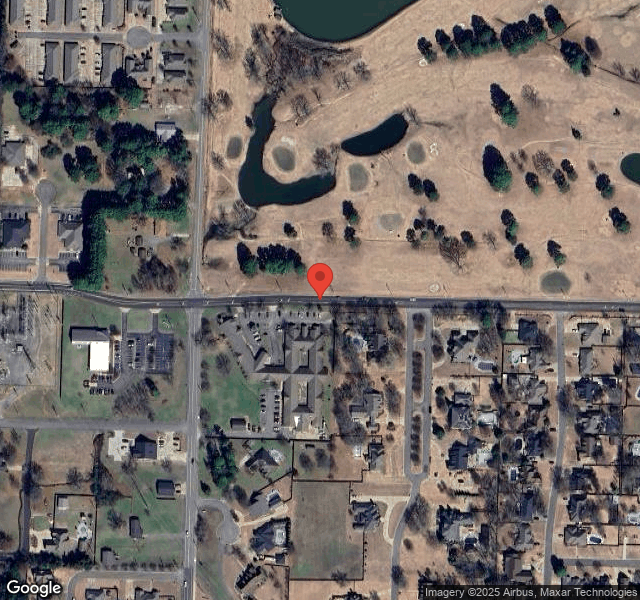
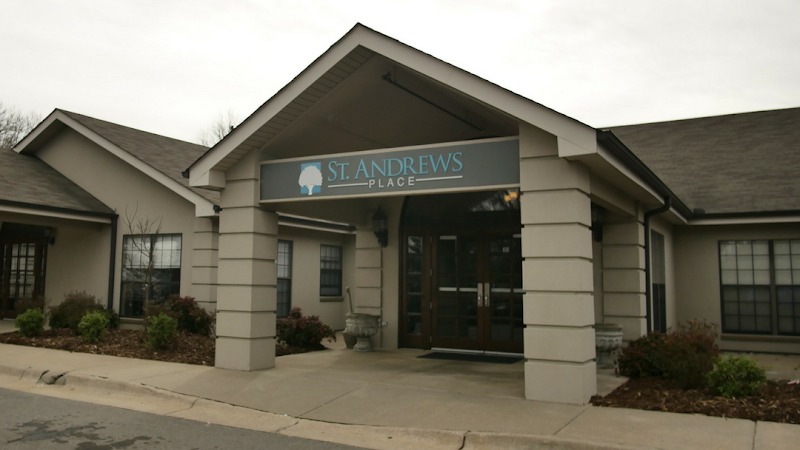
3501 COLLEGE AVENUE, CONWAY, AR 72034 (501) 329-9879
For profit - Corporation 104 Beds THE BLOSSOMS NURSING AND REHAB CENTER Data: November 2025 1 Immediate Jeopardy citation
Trust Grade
16/100
#206 of 218 in AR
Last Inspection: May 2025

Inspected within the last 6 months. Data reflects current conditions.

Overview

The Blossoms at Conway Rehab & Nursing Center has received a Trust Grade of F, indicating significant concerns regarding care quality. Ranked #206 out of 218 facilities in Arkansas, this places it in the bottom half of nursing homes in the state and at #6 out of 6 in Faulkner County, suggesting limited local options for better care. While the facility is showing improvement in its issues, decreasing from 16 to 6 problems in the past year, it still has a concerning staffing turnover rate of 73%, significantly higher than the state average of 50%. Additionally, there have been critical incidents, including a resident eloping from the facility due to inadequate supervision and unsanitary conditions in the kitchen, which could affect the health and safety of the residents. Overall, while there are some signs of improvement, families should weigh these serious concerns carefully.

Trust Score
F
16/100
In Arkansas
#206/218
Bottom 6%
Safety Record
High Risk
Review needed
Inspections
Getting Better
16 → 6 violations
Staff Stability
⚠ Watch
73% turnover. Very high, 25 points above average. Constant new faces learning your loved one's needs.
Penalties
✓ Good
$8,021 in fines. Lower than most Arkansas facilities. Relatively clean record.
Skilled Nurses
⚠ Watch
Each resident gets only 20 minutes of Registered Nurse (RN) attention daily — below average for Arkansas. Fewer RN minutes means fewer trained eyes watching for problems.
Violations
⚠ Watch
36 deficiencies on record. Higher than average. Multiple issues found across inspections.
★☆☆☆☆
1.0
Overall Rating
★★☆☆☆
2.0
Staff Levels
★★☆☆☆
2.0
Care Quality
★☆☆☆☆
1.0
Inspection Score
Stable
2024: 16 issues
2025: 6 issues

The Good

  • Full Sprinkler Coverage · Fire safety systems throughout facility
  • No fines on record

Facility shows strength in fire safety.

The Bad

1-Star Overall Rating

Below Arkansas average (3.1)

Significant quality concerns identified by CMS

Staff Turnover: 73%

26pts above Arkansas avg (46%)

Frequent staff changes - ask about care continuity

Federal Fines: $8,021

Below median ($33,413)

Minor penalties assessed

Chain: THE BLOSSOMS NURSING AND REHAB CENT

Part of a multi-facility chain

Ask about local staffing decisions and management

Staff turnover is very high (73%)

25 points above Arkansas average of 48%

The Ugly 36 deficiencies on record

1 life-threatening
May 2025 6 deficiencies
CONCERN (D)

Potential for Harm - no one hurt, but risky conditions existed

Deficiency F0583 (Tag F0583)

Could have caused harm · This affected 1 resident

Based on observation, record review, interview, and facility in-services, the facility failed to ensure privacy for 1 (Resident #4) sampled resident, to promote a dignified existence based on 1 of 1 o...

Read full inspector narrative →
Based on observation, record review, interview, and facility in-services, the facility failed to ensure privacy for 1 (Resident #4) sampled resident, to promote a dignified existence based on 1 of 1 observation. The findings include: During an observation and interview on 05/18/2025 at 11:41 AM, this surveyor observed a medication cart resting against the wall of 200 hall, with the screen facing out toward anyone who walked at the end of the hallway, for several minutes. This surveyor walked down the hall and noted the computer screen was pulled up with Resident #4's picture, vital signs, medication, date of birth , room number, and allergies facing out toward anyone that was in the hallway. Licensed Practical Nurse (LPN) #18 was found in Resident #4's room, starting an intravenous antibiotic. This surveyor and LPN #18 walked out of the room and saw an unidentified young man in the hallway, facing the medication cart and unlocked computer, turn and walk away. LPN #18 was asked about the normal procedure before leaving a medication cart unattended in the hallway. LPN #18 said we lock the cart and turn the screen off for privacy, especially when other people are around. A review of Medical Diagnosis revealed Resident #4 to have diagnoses which included paraplegia, heart failure, and left knee contracture. A review of the Quarterly Minimum Data Set (MDS) with an Assessment Reference Date (ARD) of 03/14/25 indicated Resident #4 to have a Brief Interview for Mental Status (BIMS) score of 14, indicating the resident was cognitively intact. During an interview on 05/20/2025 at 8:00 AM, the Administrator was asked what process nursing staff were expected to follow when leaving their medication cart. The Administrator said staff were expected to close the computer screen and lock the medication cart. The Administrator revealed, for privacy reasons, the screen should not have been left open. During an interview on 05/20/2025 3:30 PM, the Director of Nursing (DON) was asked what process nursing staff were expected to follow when leaving the medication cart unattended. The DON stated that the screen and medication cart should be locked. The DON said that staff should close the computer screen on the medication cart to protect residents ' medical information, because it showed the medications they were on and their personal information. The DON revealed this was a HIPPA (Health Insurance Portability and Accountability Act) violation. A review of an in-service titled HIPPA Privacy, dated 10/08/2024, revealed HIPPA Privacy Rules provided standards and protected individuals ' health information and identifying information by limiting or preventing disclosure without authorization. Technology has introduced the risk of sensitive healthcare information being exploited, and any identifiable healthcare information related to medical treatment, physical or mental, past or present is protected by HIPPA. A review of an in-service titled Nursing Home Residents ' Rights, dated 10/08/24, revealed residents have the right to privacy during medical care and treatment, regarding medical affairs, and communication with persons of their choice.
CONCERN (E) 📢 Someone Reported This

A family member, employee, or ombudsman was alarmed enough to file a formal complaint

Potential for Harm - no one hurt, but risky conditions existed

Safe Environment (Tag F0584)

Could have caused harm · This affected multiple residents

**NOTE- TERMS IN BRACKETS HAVE BEEN EDITED TO PROTECT CONFIDENTIALITY** Based on observation, record review, interview, and facility policy review, the facility failed to ensure a wheelchair was clean...

Read full inspector narrative →
**NOTE- TERMS IN BRACKETS HAVE BEEN EDITED TO PROTECT CONFIDENTIALITY** Based on observation, record review, interview, and facility policy review, the facility failed to ensure a wheelchair was clean and sanitized for one (Resident #6) of one resident and failed to maintain and ensure clean shower rooms for residents in two (200 hall and 100 hall) of three shower rooms in the facility, to maintain a safe, clean, homelike environment. The findings are: 1. During an observation on 05/18/2025 at 1:53 PM, Resident #6 was observed sitting in a wheelchair, eating lunch in the dining area, and the black spokes of the wheelchair were coated in a tan/brown colored substance. Resident #6 described the substance on the wheelchair wheels as dirt or dust. a. During a concurrent interview and observation on 05/21/2025 at 11:35 AM, this surveyor went to Resident #6's room and asked to look at their anti-tippers, equipment designed to keep the wheelchair from turning over. This surveyor observed a visitor bend down, look at the right side of the wheelchair, and commented she knows one thing, it is filthy. The right wheel of Resident #6's wheelchair had a tan/brown substance, with white in the cracks of the spokes, and a tan/brown substance on the left side of the wheelchair, confirmed by the visitor. b. A review of a Medical Diagnosis revealed Resident #6 was admitted to the facility with diagnoses which included right hip bursitis, chronic pain, and epilepsy. c. A review of the annual Minimum Data Set (MDS) with an Assessment Reference Date (ARD) of 05/09/2025 revealed Resident #6 had a Brief Interview for Mental Status (BIMS) score of 14, which indicated no cognitive impairment. The resident could go 150 feet with manual wheelchair. d. During an interview on 05/21/2025 at 11:37 AM, Certified Nursing Assistant (CNA) #15 was asked what the procedure was to maintain clean wheelchairs. CNA #15 stated that it was not in writing, but CNAs on night shift were supposed to wipe down the wheelchairs, because they might start to stink, the wheels can stick to the floor, and I guess it could be an infection control issue if they touch the wheel. e. During an interview on 05/21/2025 at 11:47 AM, the Director of Nursing (DON) was asked if there was a policy or procedure on cleaning resident wheelchairs and the DON stated she did not think so. The Infection Preventionist (IP) Nurse Consultant, revealed there was a procedure for cleaning resident wheelchairs, and wheelchairs should be cleaned on night shift for infection control, cleanliness, and a homelike environment. The DON stated it could also be a dignity issue. The IP Nurse Consultant stated she would provide a copy of the wheelchair cleaning documentation. f. A review of policy titled Infection Prevention and Control Program, revised 11/02/2022, involved all disciplines and provides oversight, policies and procedures, infection prevention, safety, outbreak management and surveillance. Policy did not address cleaning wheelchairs, or the environment specifically. g. A review of Resident Council, notes dated 12/12/2024, and 01/21/2024 under unresolved old business, indicated residents requested their wheelchairs be washed. February Resident Council notes indicated cleaning wheelchairs had been addressed. h. A review of 11-7 Assignment Sheets, for the last two weeks revealed a Wheelchair cleaning schedule: Monday, Wednesday, Fridays, odd numbers rooms are checked to clean wheelchairs, and on Tuesday and Thursdays- even numbers rooms are checked to clean wheelchairs. The Regional Director of Operations (RDO) stated there was no environmental cleaning policy. 2. During an observation on 05/18/2025 at 10:51 AM, Housekeeper #7 opened the shower room on the 200 hall, per request. This surveyor observed a strong musty, mildew type odor immediately. The housekeeper said, it smells like dirty, wet towels. The room was observed to be dimly lit. All light switches were in the ON position. An overhead fluorescent light was observed to be broken and did not work. Two other fluorescent lights were observed to not work. The housekeeper verified that all three lights did not work. The housekeeper indicated it would be hard for a resident to see good with those lights out. Housekeeper #7 described the vents on the ceiling as dirty, with a black substance on the vents, and rusty. An open sharps container was on the floor with two opened, used razors sitting on top. He indicated the used razors should have been inside of the sharps container. Housekeeper #7 said the sharps container should be closed at all times, and out of reach of the residents, because someone could have hurt themselves. a. During an interview on 05/19/2025 at 2:06 PM, Maintenance opened the shower room on the 200 hall. Maintenance described the odor as it smells musty, but not bad musty. He indicated the room was not well lit. He verified there was one broken, non-working fluorescent light, and two non-working fluorescent lights. He reported it was important for the residents and staff to be able to see clearly, to stay safe, and not bump into things. He described the vents on the ceiling as having a little rust, a dark something that appears to be black mold and not in just one spot. He indicated the vents did not look good, they looked unhealthy and unsanitary for the residents. Maintenance went to the nurses' station, on the 100 hall, and was made aware of the Maintenance Logbook. He verified he had not seen the logbook before. b. A review of Maintenance Logs on 05/19/2025 at 1:22 PM, indicated no completed, reported maintenance issues documented, starting 04/29/2025 through 05/19/2025. c. During a concurrent interview and observation on 05/19/2025 at 2:21 PM, the Assistant Director of Nursing (ADON) reported it was not acceptable for an opened sharps container, with two opened razors sitting on top, to be sitting on the floor in the shower room, on the 200 hall. The ADON opened the shower room on the 200 hall, per request. She described vent A as it looked like black mold and rust on the vent, and it needed to be inspected, since it was loose. She described vent B with less black mold, but still evident and some rust. She indicated the intake vent had cobwebs, chipped paint that was falling off, it was not secure, and it was dirty. d. On 05/19/2025 at 3:20 PM, the Administrator opened the shower room on the 200 hall, per request. She described both vents on the ceiling as the same. She indicated the vents on the ceiling in the shower room on the 200 hall were the same as she described in shower room [ROOM NUMBER] hall. When asked if the vent condition adhered to a homelike environment for the residents, the Administrator stated, I will have maintenance look at it. e. During an observation on 05/18/2025 at 11:58 AM, CNA #9 opened the shower room on the 100 hall, per request. A strong musty smell was observed immediately. The CNA reported it smelled musty in the room. The toilet did not have any water in the bowl but had partially dried toilet tissue in the bowl. The CNA reported the toilet should have been able to flush and be in good condition. The trash can, beside the toilet, was observed to have trash and brown liquid at bottom of trash can, without a trash can liner in place. CNA #9 stated the trash can should have had a liner in place, especially since it was a bathroom trash can. The vents on the ceiling were observed to be dirty, with black substances and rust. After she looked at the ceiling vents, the CNA verified the shower room was not conducive to a home-like environment condition for the residents. f. During an observation and interview on 05/19/2025 at 9:56 AM, Housekeeper #8 opened the shower room on the 100 hall, per request. She described the odor in the shower room as musty. The toilet did not have any water in the bowl but had partially dried toilet tissue in the bowl. The housekeeper indicated the toilet needed to be fixed, so the residents could use it, if needed. The trash had been emptied, and the trash can had been moved. The brown liquid at the bottom of the trash can remained, and there was still no liner in the can. She verified the trash can needed to be cleaned, and there should have been a liner in the can. She indicated the ceiling vents were dirty with black substances, and they were rusty. g. During an observation and interview on 05/19/2025 at 2:49 PM, the ADON opened the shower room on the 100 hall, per request. The ADON described the ceiling vents as they have black colored dirt or mold spots, some rust and chipped paint, and definitely dirty. She indicated the toilet needed to be repaired. The ADON then attempted to flush the toilet, without success. h. During a concurrent interview and observation on 05/19/2025 at 1:45 PM, Maintenance reported he was filling in for the usual maintenance person, due to that staff member being out for surgery. Maintenance opened the shower room on the 100 hall, per request. He indicated the toilet did not have water in it, and there was paper in the toilet bowl. He stated, it was possibly plugged up. He attempted to flush the toilet without success, then stated I need to work on that. Maintenance described the ceiling vents as rusty, having a little bit of moisture, something dark on it, it could possibly be mold, and they are just dirty. He reported the trash can should have had a liner, the toilet should have been in working condition, and the ceiling vents needed to be cleaned. Regarding the vents he stated, it is unhealthy, it is not sanitary. i. During a concurrent interview and observation on 05/19/2025 at 2:59 PM, the Administrator confirmed an open sharps container, with two used razors sitting on top, should not have been left out in the shower room. The Administrator opened the shower room on the 100 hall, per request. She described vent B as something black is on the vent, that is all she described vent A as like rust, a little black. When asked if the vent condition adhered to a homelike environment, the Administrator stated, I don't know. She indicated it was important that the toilet should have been in working condition, so that it could flush, and that the trash can should have had a liner in place.
CONCERN (E)

Potential for Harm - no one hurt, but risky conditions existed

Menu Adequacy (Tag F0803)

Could have caused harm · This affected multiple residents

Based on observation, record review, interview, and review of the menu, the facility failed to ensure meals were prepared and served according to the planned written menu to ensure nutritionally balan...

Read full inspector narrative →
Based on observation, record review, interview, and review of the menu, the facility failed to ensure meals were prepared and served according to the planned written menu to ensure nutritionally balanced meals were provided for the residents for 2 of the 2 meals observed. The findings are: 1. A review of the 5/18/2025 noon meal menu indicated the residents on a pureed diet were to receive a #8 scoop equal to 4 ounces, or 1/2 cup of pureed meat sauce and a #6 scoop, equal to 2/3 cup, of pureed spaghetti noodles. a. On 5/18/25 at 12:45 PM, during the noon meal preparation, the Dietary Manager (DM) used a 6-ounce ladle spoon equal to 3/4 cup to place 3 servings of plain cooked spaghetti into a blender added 2 servings of plain tomato sauce, and pureed. At 12:50 PM, she added 2 more servings of spaghetti into blender to puree. b. At 12:52 PM, she poured pureed spaghetti with plain tomato sauce into a pan, then placed it on the steam table to be served to the residents who required pureed diets. c. On 5/18/2025 at 2:02 PM, during the noon meal service the DM, used #8 scoop, or 1/2 cup, to serve a single serving of spaghetti with plain tomato sauce to the residents on pureed diets. d. During an interview on 5/18/2025 at 2:47 PM, the DM was asked how she prepared the pureed spaghetti, what scoop size was used, and how many servings were given to each resident. The DM stated she just pureed spaghetti with the plain sauce, but she should have used the spaghetti that was already made because there was no meat in the sauce she had used. The DM stated she had used the #8 scoop, and it was only 4 ounces. When asked for the menu, she stated she did not look at the menu because the meal was a resident council request. When she looked at a menu that contained the exact meal for the meal of the month, the DM confirmed she had served it incorrectly. 2. A review of the 5/18/2025 supper meal menu indicated residents on mechanical soft diets were to receive 2 ounces of protein. a. A review of the 5/18/2025 facility recipe for deli sandwich indicated using 2 ounces of lunch meat and one slice of cheese which would be equivalent to a 2-ounce portion. b. During an observation in the kitchen of supper meal preparation on 5/18/2025 at 4:41 PM, the DM placed 38 slices of turkey into a blender, then added 9 slices of cheese and mayo and ground it to be served to the residents who required mechanical soft diets for supper, instead of 16 slices of cheese. c. During an interview, on 5/18/2025 at 1:34 PM, the DM was asked if she could weigh the same amount of deli meat and cheese prepared and served to the residents on mechanical soft diets. She did and stated 2 slices of meat weighed 1 ounce, 4 slices weighed 2 ounces, and 1 cheese slice weighed 1 ounce. d. During an interview on 5/19/2025 at 1:39 PM, the DM was asked how many slices of cheese she had used for mechanical soft diets, and she stated 9 and she should have used 16.
CONCERN (E)

Potential for Harm - no one hurt, but risky conditions existed

Deficiency F0809 (Tag F0809)

Could have caused harm · This affected multiple residents

Based on observation, interview, and review of the mealtime schedule, the facility failed to ensure all residents who received meals from the kitchen were consistently being served at regularly schedu...

Read full inspector narrative →
Based on observation, interview, and review of the mealtime schedule, the facility failed to ensure all residents who received meals from the kitchen were consistently being served at regularly scheduled times and failed to provide the residents with a dependable eating schedule for 2 of 2 meal services observed. The findings are: 1. On 05/18/25, a document titled, Meal Times, was provided and revealed mealtimes in the facility were 7:30 AM for breakfast, 12:00 PM for lunch, and 5:00 PM for dinner. 2. On 5/18/2025 at 1:30 PM, the first food cart for Hulan hall was pushed into the dining room by Dietary Aide (DA) #5. At 2:02 PM, the first resident received a meal tray in the dining room. a. During an interview on 5/18/25 at 2:10 PM, Resident #36 stated lunch had not been served on their hall yet, and sometimes it was late. They do not let us know why it is late. b. The last noon tray was served on the 200 Hall at 2:30 PM, 2 hours and 30 minutes after the scheduled mealtime. 3. On 5/18/25 at 6:11 PM, the first supper meal food cart for Hulan hall was pushed into the dining room by DA #5. The last room tray was served on the 200 Hall, at 7:25 PM, 2 hours and 25 minutes late. 4. On 5/18/2025 at 7:32 PM, Resident #18, Resident #31, Resident #42, Resident #43, and Resident #50 were sitting in a common area on the 200 Hall. When asked about the timing of the meals, the residents agreed that meals were frequently delayed at mealtimes and worse on the weekends. 5. On 5/19/25 at 8:22 AM, Resident #17 reported frustration because the pastor who was to provide the Sunday church service in the facility was unable to stay for lunch because the meal was so late. 10. On 05/19/2025 at 11:48 AM, four residents present in the Resident Council meeting were asked if their meal was ever late. One member of the council voiced, It's been about 1 to 2 hours late. Resident #51 reported complaining of hunger around 1:30 PM because they had not had lunch yet. 11. During an interview with the Administrator on 5/19/25 at 12:20 PM, she was asked if she was aware of the food being late and she stated, No, it's not normal and it has never happened before.
CONCERN (E)

Potential for Harm - no one hurt, but risky conditions existed

Infection Control (Tag F0880)

Could have caused harm · This affected multiple residents

Based on observation, record review, interview, and facility policy review, the facility failed to ensure proper hand hygiene was performed during tracheostomy care for one (Resident #29) of 2 residen...

Read full inspector narrative →
Based on observation, record review, interview, and facility policy review, the facility failed to ensure proper hand hygiene was performed during tracheostomy care for one (Resident #29) of 2 residents sampled for infection control. The findings are: A review of the admission Record, indicated the facility admitted Resident #29 with diagnoses that included aftercare following surgery for tracheostomy and a disorder that makes it difficult to move food from the mouth into the throat and esophagus. The 5-day Minimum Data Set (MDS), with an Assessment Reference Date (ARD) of 03/31/2025, revealed Resident #29 had a Staff Interview for Mental Status (SAMS) score of 3 which indicated the resident was severely impaired, and never/rarely made decisions. A review of Resident #29's Care Plan, initiated on 02/23/2025, revealed the resident required enhance barrier precautions due to have a feeding tube and tracheostomy. Staff were required to wear gloves, gown, and face protection if there is a risk for splash or spray. Resident #29 was at risk for complications related to the tracheostomy. Staff were instructed to provide daily tracheostomy care and as needed. A review of Order Summary, revealed Resident #29 had an order for tracheostomy care, instructing staff to change all tracheostomy related tubing weekly and as needed at bedtime. Suction tracheostomy tube as needed for patency or to keep air way open. Resident #29 had an additional order to change the inner cannula daily and as needed, along with trach care every shift and as needed. During an observation of tracheostomy care for Resident #29 on 05/19/2025 at 11:25 AM, Licensed Practical Nurse (LPN) #3 entered the room and put on a gown and gloves without performing hand hygiene. LPN #3 set up the necessary supplies to provide tracheostomy care, then removed their gloves. Without performing hand hygiene, LPN #3 put on sterile gloves to perform the procedure. LPN #3 proceeded to clean Resident #29 ' s tracheostomy site and apply new dressings. In an interview immediately following the procedure, LPN #3 indicated hand hygiene should have been initiated before trach care began as well as in between changing of gloves. LPN #3 stated that good hand hygiene was important to prevent infection. During an observation of tracheostomy care on 5/21/2025 at 11:20, LPN #4 entered Resident #29 ' s room, performed hand hygiene, and applied personal protective equipment (PPE) in the form of a mask, gloves, and gown. LPN #4 set up the necessary supplies to provide tracheostomy care, then removed their gloves. Without performing hand hygiene, LPN #4 put on sterile gloves to perform the procedure. LPN #4 proceeded to clean Resident #29 ' s tracheostomy site. LPN #4 removed their gloves, put on a new pair without performing hand hygiene, and applied new dressings to the tracheostomy site. In an interview immediately following the procedure, LPN #4 stated, I did not know I was supposed to wash my hands in between glove changes. I thought because I did not touch anything with bare hands it was ok. During an interview on 05/21/2025 at 11:30 AM, the Assistant Director of Nursing (ADON) indicated that staff should wash their hands between glove changes when performing procedures such as tracheostomy care, and the first thing staff should do upon entering a room that is on enhanced barrier precautions is to wash hands and put on personal protective equipment. During an interview on 05/21/2025 at 12:25 PM, the Director of Nursing (DON) indicated that every time gloves were taken off during a procedure, hand washing should occur. A review of a facility policy titled, Tracheostomy Care, dated 01/01/2024, revealed that when staff are performing tracheostomy care and need to remove and replace their gloves, they should wash their hands before putting on fresh gloves. A review of an undated facility policy titled, Hand Washing revealed that when to wash hands as, after handing soiled equipment or utensils.
CONCERN (F)

Potential for Harm - no one hurt, but risky conditions existed

Food Safety (Tag F0812)

Could have caused harm · This affected most or all residents

Based on observation, interview, and facility policy review, the facility failed to ensure 1 of 1 ice machine was maintained in a sanitary condition; dietary staff washed their hands between clean tas...

Read full inspector narrative →
Based on observation, interview, and facility policy review, the facility failed to ensure 1 of 1 ice machine was maintained in a sanitary condition; dietary staff washed their hands between clean tasks when contaminated; food stored in the freezer was covered; expired food items were promptly removed/discarded on or before the expiration or use by date; food items were free of discoloration, and hot food items were maintained at 135 degrees Fahrenheit or above on the steam table while awaiting service for 1 of the 2 meals observed. The findings are: On 5/18/25 at10:17 AM, there was a piece of hair inside the lid of the ice machine in the kitchen. The Dietary Manager was asked to describe what was observed inside the lid of the ice machine. She stated it was hair. The left corner of the gasket above the ice machine panel had a sage color residue on it, and there was an orange wet residue below on the right corner of the ice machine panel. The areas were pointed out to the Dietary Manager during an interview, she was asked if the residue buildup could be wiped off and who used the ice from the machine. The Dietary Manager used tissue paper and wiped the wet residue off. The wet sage color and orange color residues easily transferred to the tissue, and she stated the area had dirty rusty color from the water. We use it to fill beverages served to the residents at mealtimes. The ice was also used by the CNAs (Certified Nursing Assistants) to fill water pitchers in the residents' rooms. On 5/18/25 at 11:59 AM, the Dietary Manager was wearing gloves on her hands when she removed a lettuce head from a bag and placed it on the cutting board, removed one red onion from a box and placed it on the cutting board and without rinsing, sliced and placed them on a plate. She then put new gloves on her hands, picked up a container of shredded cheese, removed the lid, and without changing gloves and washing her hands, she took some shredded cheese and sprinkled them on the lettuce to be served to the resident who requested it. On 5/18/25 at 10:25 AM, an opened box of sausage links was on a shelf in the freezer. The box was not covered or sealed. During an interview with the Dietary Manager, she stated they would be thrown out due to freezer burn. On 5/18/25 at 10:33 AM, the following observations were made in the walk-in refrigerator: a. Eight single packs of sour cream were in a box on a shelf with an expiration date of 2/23/25. b. There were 24 tomatoes in a box on a shelf in the refrigerator. The tomatoes had sage colors on them. During an interview the Dietary Manager was asked if she could describe the appearance of the tomatoes observed and she stated there were 24 tomatoes with mold. c. A box that contained 38 cups of sweet tea was on a shelf with an expiration date of 1/26/2025. On 5/18/25 at 11:34 AM, Dietary Aide (DA) #5 picked up the water hose with his bare hand, used it to spray off leftover food items from the dishes, contaminating his hands. He placed dishes in the dirty racks and pushed them into the dish washing machine to wash. After the dishes stopped washing, DA #5 placed gloves on his hands. He picked up clean plates with his contaminated gloved fingers inside the plates and he was ready to place them in the plate warmer to be used in serving food items to the residents for lunch. DA #5 was asked what he should have done after touching dirty objects and before handling clean equipment and stated he should have washed his hands. On 5/18/25 at 11:39 AM, DA #6 used his finger to press the tea dispenser to dispense tea the glasses, contaminating his hands. He then picked up the glasses from the trays by their rims and dispensed tea into them to be served to the residents for lunch. On 5/18/25 at 11:59 AM, the Dietary Manager removed a head of lettuce and a red onion and placed them on the cutting board. She then sliced them and placed them on a plate without rinsing them. On 5/18/25 at 12:07 PM, the Dietary Manager placed gloves on her hands, removed a lid from the shredded cheese container, contaminating her hands. Without changing gloves and washing her hands, she removed shredded cheese and sprinkled them on the salad to be served to the resident who requested salad. On 5/18/2025 at 12:34 PM, the Dietary Manager moved the blender machine with bare hands towards the edge of the counter. Without washing her hands, she picked up a clean blade and attached it to the blender to be used in pureeing foods for the residents for their lunch. On 5/18/2025 at 12:45 PM, the Dietary Manager was wearing gloves on her hands when she removed the lid from a pan on the steam table that contained plain spaghetti, thereby contaminating the gloves. She then used the same gloved hand to take spaghetti from the pan, transferred them into a 6-ounce ladle spoon, and emptied them into a blender to be pureed for the residents who required pureed diets. On 5/18/2025 at 1:20 PM, the temperature of the food items when checked and read on the steam table by the Dietary Manager were as follows: a. Pureed green beans 116.4 degrees Fahrenheit. b. Pureed bread with milk 126.3 degrees Fahrenheit. c. Fortified potatoes 120 degrees Fahrenheit. d. Regular spaghetti 120 degrees Fahrenheit. The above food items were not reheated before they were served to the residents. The Dietary Manager stated she should have reheated them. On 5/18/2025 at 4:40 PM, the Dietary Manager wore gloves on her hands when she picked up a lid that still had leftover wet food residue on the handle after being washed in the dishwashing machine. After pointing it out to her. She wiped it off with her gloved hand. She also touched the underside of the lid, which had rough areas, further contaminating her gloves. When she attempted to use the same gloves to place slices of turkey into a blender, she was stopped and was asked what she should she have done after touching dirty objects before handling clean equipment and or food. She stated she should have removed her gloves and washed her hands. On 5/18/2025 at 4:41 PM, the Dietary Manager turned on the 3-compartment sink faucet and washed and sanitized the blender bowl, then turned off the faucet with her bare hands. The Dietary Manager did not wash her hands before attaching the blade to the blender to be used in processing meat to be served to the residents who required mechanical soft diets. On 5/18/2025 at 4:42 PM, the Dietary Manager wore gloves on her hands when she opened the bread bag. She then removed a packet of turkey from a box and used a knife to cut it open, further contaminating the gloves. Using the same gloved hands, she took 38 slices of turkey from the packet and placed them into a blender. Then added 9 slices of cheese. She then removed slices of bread and broke them into a blender, with mayo and slices of turkey to be ground and served to the residents who required mechanical soft diets for the supper meal. A review of facility policy titled, Bare hand contact with food and use of plastic gloves indicated, hands should be washed when entering the kitchen and before putting on gloves to work with food and after removing the gloves. A review of the facility policy titled, Hand Washing indicated employees should wash their hands when entering the kitchen at the start of a shift. Before using disposable gloves for working with food, after removing the gloves, and after engaging in other activities that contaminate the hands. A review of the facility policy titled, Food Safety: Ice indicated ice machine and containers should be cleaned and sanitized on a regular basis. A review of the facility policy titled, Food Temperature indicated temperatures should be taken periodically to assure hot foods stay above 135 degrees Fahrenheit for hot foods.
Aug 2024 2 deficiencies 1 IJ
CRITICAL (J) 📢 Someone Reported This

A family member, employee, or ombudsman was alarmed enough to file a formal complaint

Immediate Jeopardy (IJ) - the most serious Medicare violation

Accident Prevention (Tag F0689)

Someone could have died · This affected 1 resident

**NOTE- TERMS IN BRACKETS HAVE BEEN EDITED TO PROTECT CONFIDENTIALITY** Based on observations, interviews, and record review, the facility failed to ensure adequate and/or increased supervision was pr...

Read full inspector narrative →
**NOTE- TERMS IN BRACKETS HAVE BEEN EDITED TO PROTECT CONFIDENTIALITY** Based on observations, interviews, and record review, the facility failed to ensure adequate and/or increased supervision was provided by staff during periods of increased exit-seeking and aggressive behaviors for 1 (Resident #4) of 3 sampled residents reviewed for elopement. The lack of effective supervision resulted in Resident #4 eloping from the facility and facility staff being unaware of the resident's whereabouts for approximately one hour before the resident walked back into the facility. At the time of the survey, there were nine residents residing in the facility who were identified as at risk for elopement. It was determined the facility's non-compliance with one or more requirements of participation had caused, or was likely to cause, serious injury, harm, impairment, or death to residents. The Immediate Jeopardy (IJ) was related to State Operations Manual, Appendix PP, 483.25 (Quality of Care) at a scope and severity of J. The IJ began on 08/19/2024 at 6:24 PM, when Resident #4 began to have aggressive behaviors, which included blocking the resident's bedroom door so staff could not enter, throwing furniture and water at staff, refusing medication and dinner, and the resident stated they wanted to fight staff. Resident #4 was last seen at 8:30 PM, and by 9:00 PM, the facility was unable to locate the resident, who had dismantled an exterior window, and eloped from the facility for approximately one hour. The resident ambulated back into the facility at approximately 10:00 PM. The resident had exited the facility without staff knowledge. The Administrator and Director of Nursing were notified of the IJ on 08/21/2024 at 3:31 PM. A Removal Plan was requested. The Removal Plan was accepted by the State Survey Agency on 08/22/2024 at 12:11 PM. The IJ was removed on 08/22/2024 at 6:35 PM after the survey team performed onsite verification that the Removal Plan had been implemented. Noncompliance for F689 remained at the lower scope and severity of no actual harm with an isolated potential for more than minimal harm that was not immediate jeopardy. The findings are: A review of an admission Record revealed Resident #4 was admitted to the facility on [DATE] with diagnoses of alcohol abuse, altered mental status, encephalopathy, and cognitive communication deficit. The admission Minimum Data Set (MDS) with an Assessment Reference Date (ARD) of 8/5/2024 revealed Resident #4 scored a 02 (indicates cognitively moderately impaired for daily decision making) on a Staff Assessment for Mental Status (SAMS) and was substantial/maximal assistance with mobility and used a wheelchair. Review of the Order Summary Report initiated on 8/2/2024 revealed a physician's order for chlordiazepoxide HCL (a sedative and hypnotic medication) 25 milligrams (mg), to be given every 6 hours as needed for alcohol withdrawal related to alcohol abuse. Another physician's order, with a start date of 08/02/2024, indicated staff should monitor for behaviors including scratching, biting, sexual inappropriate behavior, hitting, attention seeking behaviors, hand wrenching, cussing, elopement attempts, refusal of care, hallucinations, anxiety, depression, change in mood, self-isolation, false accusations, and to include a nurses note for any behavior with added documentation for non-pharmacological interventions. Review of Resident #4's plan of care, initiated on 8/19/2024, revealed the resident was an elopement risk/ wanderer related to disorientation of place, history of attempts to leave facility unattended, and impaired safety awareness. Interventions included to check placement of the electronic wander management device to the left wrist every shift, distract the resident from wandering by offering pleasant diversions, structured activities, food, conversation, television, or a book. Staff were to identify patterns of wandering and intervene as appropriate. The plan of care did address the residents' preferences. On 8/20/2024 the plan of care noted Resident #4 required one-on-one care. A review of Progress Notes dated 8/17/2024 at 5:18 PM, revealed Resident #4 was in a wheelchair in the common area under staff supervision due to attempting to enter other resident's rooms. Resident #4 had multiple family members visiting throughout the day. A review of Progress Notes dated 8/18/2024 at 2:05 AM, revealed Resident #4 required frequent redirection, would become angry, would strike out, was an elopement risk and fall risk, and required frequent observation for safety. A review of Progress Notes, dated 8/18/2024 at 6:01 PM, revealed Resident #4 was in the common area watching television. Resident #4 showed signs and symptoms of increased anxiety, which were treated with chlordiazepoxide 25 mg with mild effect. Resident #4 was impulsive, with poor safety awareness, and difficult to redirect at times. Resident #4 wandered and entered other resident rooms, and staff were to keep Resident #4 within sight when not in bed. A review of Medication Administration Record for August 2024 indicated Resident #4 had a physician's order for staff to check placement of the electronic wander management device on the resident's left wrist every shift, with a start date of 08/19/2024 at 3:00 PM. A review of Progress Notes, dated 8/19/2024 at 6:42 PM, revealed Resident #4 began to verbally abuse staff when asked to go to the dining room. Resident #4 closed their bedroom door, blocking the door so staff could not enter and refused all medication and dinner. The Director of Nursing (DON) was present for all events. A review of Progress Notes, dated 8/19/2024 at 7:30 PM, revealed a nurse attempted to give Resident #4 their medication and the resident took the cup of water and threw it in the nurse's face, then proceeded to pick up a chair and tried to hit the nurse with it. Staff attempted to redirect the resident but were unsuccessful. The resident would ball up their fist and state they wanted to fight. A review of a facility incident and accident report, dated 8/19/2024 at 9:00 PM and titled Elopement, revealed at 9:00 PM the staff went to check on Resident #4 and Resident #4 was not in their room. A bedroom window was discovered dismantled with the window removed from the frame. A search was initiated inside and outside of the facility. Family, police, DON, and Administrator were notified of the resident's absence. The resident's mental status was confused and/or disoriented. A review of Progress Notes, dated 08/17/2024 at 5:18 PM through 8/20/2024 at 2:58 AM, did not document facility nursing staff notifying the physician or Advance Practice Nurse (APN) of Resident #4's behaviors, wandering, and exit seeking. A review of Arkansas Incident Report, dated 8/19/2024, indicated the incident was received at 9:24 PM, The report noted the response was in reference to a missing person. Prior to the officer's arrival they were advised Resident #4 had left the facility through a window and was last seen by staff around 7:30 PM. Once the officer arrived, they were directed to the window Resident #4 eloped from. The window screen was sitting against the side of the building and the glass pane of the window was sitting inside the vacant room. It was noted what appeared to be a footprint in the mud just outside of the window. The officer proceeded inside the facility to speak with Licensed Practical Nurse (LPN) #7. LPN #7 advised the officer that around 7:30 or 8:00 staff had noticed Resident #4 was missing. LPN #7 provided medical diagnoses, a description of what the resident was last seen wearing, and a photo of Resident #4. LPN #7 advised the officer that Resident #4 had left the faciity on ce before on 8/17/2024, but the officer was unable to locate a call for that incident. Officer was advised prior to completing the Missing Person Questionnaire with LPN #7 that Resident #4 was located on the property walking back up to the front door. A review of the facility's OLTC Incident and Accident Report, dated 8/19/2024 at 11:56 PM, revealed Resident #4 was found to be missing after staff went to check on the resident and found a window had been dismantled. Previously in the shift, Resident #4 had barricaded the bedroom door to prevent staff from entering. Resident #4 later let staff in the room. Resident #4 was last seen at 8:30 PM by staff. Police, the Administrator, the Director of Nursing (DON), and family were notified at 9:00 PM of Resident #4's absence. At 10:00 PM, Resident #4 walked back to the facility stating the resident had been to Texas. Resident #4 was assessed by ambulance service and sent to the hospital as a precaution. A review of an Elopement Drill Code Silver In-Service with forty-seven out of sixty-eight staff signatures on it dated 8/19/2024 revealed a facility policy titled, Elopements with a reviewed date of 1/2024 that revealed, staff shall investigate and report all cases of missing residents and promptly report any resident who tries to leave the premises or is suspected of being missing to the Charge Nurse of Director of Nursing. When the resident returns to the facility the DON or Charge nurse was to examine the resident for injuries, notify the attending physician, notify the resident's legal representative, complete and file Report of Incident/ Accident, and document the event in the resident's medical record. If an employee discovers that a resident is missing from the facility, they should initiate a Code Silver and search the building and premises. When the resident returns to the facility, the DON or charge nurse shall notify all parties involved and document relevant information in the resident's medical record. There was no information regarding how staff should handle a resident with behaviors. A review of Resident #4's hospital visit on 08/19/20245 at 10:38 PM revealed the facility staff last saw Resident #4 at 8:00 PM, the resident was oriented to self only, a records from recent admission indicated the resident likely had dementia and chronic alcohol related encephalopathy A review of Progress Notes, dated 8/20/2024 at 2:58 AM, revealed Resident #4 returned to the facility at 2:30 AM with no new orders. Review of 1:1 Behavior Monitoring Visual Check Sheet revealed Resident #4 was monitored one-on-one starting 8/20/2024 at 2:30 AM through discharge on [DATE] at 12:00 PM. On 8/20/2024 at 9:29 AM, the Surveyor attempted to interview Resident #4 about the elopement on the night of 8/19/2024, but the resident had garbled speech and was unable to be interviewed. During a telephone interview with Certified Nurse Aide (CNA) #1 on 8/20/2024 at 2:15 PM, the CNA stated Resident #4 was exit seeking and wandered and that staff kept the resident in the day area on the weekends so staff could monitor Resident #4. During a telephone interview with LPN #2 on 8/20/2024 at 3:06 PM, the LPN revealed Resident #4 wandered the halls and talked about wanting alcohol and drugs. LPN #2 also indicated the resident wandered into other rooms. LPN #2 stated she redirected Resident #4 when they tried entering other resident rooms. During a telephone interview with LPN #3 on 8/20/2024 at 4:19 PM, the LPN revealed Resident #4 was impulsive, unsteady on their feet when walking around and the facility tried to get the resident to use a wheelchair due to being a fall risk. LPN #3 indicated the resident wandered quite a bit and staff had to keep the resident up at the nurse ' s station because the resident wandered, and the resident was confused. LPN #3 revealed family visited on weekends. During a telephone interview with CNA #4 on 8/20/2024 at 6:01 PM, the CNA revealed Resident #4 liked to roam and would go into wrong rooms and facility staff redirected Resident #4 by keeping the resident by the nurse's station in the day room because the resident wandered. During a telephone interview with CNA #5 on 8/20/2024 at 6:37 PM, the CNA revealed Resident #4 swung a full blown punch at him and that Resident #4 could be aggressive. CNA #5 indicated they redirected the resident by talking with Resident #4 and would give Resident #4 something to do, a snack, or having the resident watch television. During an interview with LPN #6 on 8/20/2024 at 7:19 PM, the LPN revealed Resident #4 wandered and that when she came on shift on 8/19/2024 she was notified Resident #4 had a electronic wander management device in place and that staff were to listen for alarms due to Resident #4's exit seeking behaviors. LPN #6 revealed Resident #4 went into an empty resident room, shut the door, and climbed out the window by taking the window off and climbing out of it. LPN #4 indicated the resident's nurse notified the police, the Administrator, and the DON, who came to the facility. Resident #4 was assessed by paramedics for injuries and upon the resident's return to the facility from the emergency room was placed one-on-one with staff. LPN #6 reported the facility did an in-service on elopement but not on behaviors. During an interview with LPN #7 on 8/20/2024 at 7:24 PM, the LPN revealed Resident #4 was very aggressive toward staff, that on 8/19/2024 Resident #4 threw a glass of water in the LPN's face and then threw a chair at the LPN during medication administration. LPN #7 revealed the DON was trying to talk to the resident, but Resident #4 kept balling up their fists. LPN #7 then revealed CNA #8 assisted her with trying to get the resident to take their medication, but Resident #4 went straight to fighting. LPN #7 indicated that staff kept resident doors closed because Resident #4 kept wandering into other resident rooms. LPN #7 revealed she continued medication pass and when she got to the end of Resident #4's hallway at approximately 8:10 PM, she opened the resident's room door, and the resident was not there. LPN #7 asked staff if anyone had seen Resident #4 and no one had so staff started searching rooms, and closets and then they noticed room [ROOM NUMBER] had the whole window out. LPN #7 indicated Resident #4 lifted the window up and went out. LPN #7 stated Resident #4 came back to the facility and walked up and told the police officer they had to go check on business. Resident #4 was transported to the emergency room and returned at 2:30 AM, was assessed, and a CNA was placed one-on-one with Resident #4. LPN #7 reported she signed an elopement in-service this week, but not one on behaviors. During an interview with CNA #8 on 8/20/2024 at 7:39 PM, the CNA revealed Resident #4 as very aggressive and wandered. CNA #8 revealed that when they do their rounds, the resident would get up out of the wheelchair and wander around and try to get in other rooms. CNA #8 revealed that Resident #4 was redirected by staff telling the resident they can't be in other rooms, and staff take Resident #4 to the resident's room or to the sitting area. CNA #8 revealed she was doing rounds on 08/19/2024 and went down the hallway looking for Resident #4 and could not find the resident in their room. CNA #8 then said she got another CNA to help her look for Resident #4, they let the nurse know and a search was started inside and outside the building. CNA #8 revealed they opened the door to an empty room, room [ROOM NUMBER], and the window was out. CNA #8 took the surveyor to room [ROOM NUMBER] to observe the window which was currently back in place. CNA #8 indicated that one side of the windowpane had been removed and the screen was gone. She revealed that she and another staff member also searched by vehicle and that the resident returned as staff were conducting their last rounds. CNA #8 stated the facility had staff sign an in-service after the resident left for elopement but not behaviors. During an interview with CNA #9 on 8/20/2024 at 7:51 PM, the CNA revealed Resident #4 was aggressive, anxious, confused, always asking for a beer, and very argumentative. CNA #9 indicated the resident wandered and had gone into other rooms like empty ones. CNA #9 indicated he redirected the resident. CNA #9 revealed he was the CNA involved on 8/19/2024 when Resident #4 barricaded themselves in their room using their body up against the door. CNA #9 indicated he went to the resident ' s room and tried to get the resident to come to the dining room for dinner and Resident #4 kept refusing and slammed the door shut. CNA #9 indicated he tried to open the door but could tell the resident was holding it so for resident safety he backed away and notified the DON who was present in the facility. Resident #4 eventually came to the dining room but refused to eat or sit down. CNA #9 said when he came back from his break around 8:20 PM he was alerted by another CNA while outside in his vehicle that Resident #4 eloped. CNA #9 drove around in his vehicle for 30-45 minutes looking for the resident until the police arrived. CNA #9 stated he was told Resident #4 got out through a window. CNA #9 stated he signed the elopement in-service when he came to work. There was not an in-service for behaviors. During an interview with CNA #10 on 8/20/2024 at 8:00 PM, the CNA revealed Resident #4 was terrible, liked to argue, and could not be redirected at all on 8/19/2024. CNA #10 indicated the resident wandered in other rooms. Staff tried redirecting the resident with television, going to the resident ' s room, or just something else away from other resident's rooms. CNA #10 indicated that she and CNA #11, were on the resident ' s hallway on 08/19/2024, going toward the therapy room and that CNA #11 tried to redirect the resident up to the front of the building. CNA #11 finally managed to get Resident #4 to the day room. CNA #10 said the CNAs needed to start their rounds and were on their fifth resident and walked into Resident #4's room and couldn't find the resident. CNA #10 indicated they searched every room, closet and bathroom, looking in the dining room and went back to the resident ' s hallway and saw part of the window sitting on the floor and the screen outside. She stated two CNAs drove around looking, two CNAs were looking around outside of the building, and the nurses looked inside and made telephone calls. CNA #10 said Resident #4 was now one-on-one observation. CNA #10 stated, I think I might need to sign the elopement in-service they have one out for us to sign. During an interview with CNA #11 on 8/20/2024 at 8:13 PM, the CNA stated Resident #4 hit, cussed, slapped, and threw chairs. CNA #11 stated the resident wandered and was usually able to be redirected but not the night of 08/19/2024. CNA #11 sated Resident #4 barricaded the door to their room and would not let CNA #9 in. CNA #11 stated staff kept checking on the resident and that she last saw Resident #4 around the day room at 8:30 PM. She stated the resident took part of the window off in room [ROOM NUMBER] and went out and the resident was now one-on-one with a electronic wander management device. CNA #11 reported having signed an in-service for elopements but nothing for behaviors. During an interview with the DON on 8/21/24 at 9:18 AM, the DON stated she was familiar with Resident #4, and that the resident called staff names in Spanish, was combative at times with staff, and could be difficult to redirect. She stated that on Monday, 8/19/2024, before she left at 7:00 PM, CNA staff came to her because the resident was standing in a corner down on the hallway and was unable to be redirected. She stated the nurse on duty was down on the hall and Resident #4 was talking about fighting and pumping their fists at staff. To decrease agitation, the nurse said she was able to handle the situation and the DON left the facility. The DON said shortly after leaving the facility, she received a call that the resident had thrown water in the LPN's face and thrown a chair at her. The DON stated Resident #4 was really agitated. The DON stated Resident #4 had been roaming around and not exiting seeking until Monday. Once informed the resident had barricaded themselves in their room, the DON instructed staff to leave the resident alone, and the resident then went to the dining room. The DON stated she received a call on Monday night at 9:00 PM that staff could not find the resident after checking all the rooms and walking the perimeter of the facility. The DON said she notified the Administrator and then called the nurse back and told the nurse to call 911 and to conduct a head count of all other residents. The DON indicated when she arrived, emergency medical personnel were already assessing the resident and that she saw the window off the track. The resident went to the hospital to be checked out, the window was replaced, and the resident was one-on-one observation with a electronic wander management device. The DON indicated that Resident #4 was not exiting seeking until 8/19/2024, so the facility placed a electronic wander management device on the resident. The DON stated residents who have been newly admitted to the facility, the resident may be confused, and staff pay more attention to the resident. During an interview with the Administrator on 8/21/2024 at 9:45 AM, the Administrator stated she was familiar with Resident #4 and that when the resident first came to the facility the resident required extensive assistance and then became more alert and wandering all over the building. The Administrator stated on Monday, 08/19/2024, the resident became increasingly agitated and had some behaviors that night and then eloped. The Administrator stated the resident was redirected by staff, reminding the resident where their room was, and directing the resident to the sit-in area. She also stated she heard about the resident not allowing staff in their room and that the resident was agitated. The Administrator stated she was notified by staff they could not locate Resident #4; the building had been searched, and police and family were notified. She revealed she received a call before she got to the facility that the resident was seen walking back toward the building. The Administrator stated Resident #4 went to the emergency room and when they returned, were provided with one-on-one observation with staff and Resident #4 had a electronic wander management device, and all windows are secured. The Administrator indicated that if a resident was exit-seeking they would put a electronic wander management device on the resident with staff doing frequent checks. During an interview with the Maintenance Director on 8/21/2024 at 2:34 PM, the Maintenance Director stated he came to the facility on Monday night, 08/19/2024, and the window was sitting on the floor. He stated he put the top part of the window in the track and was able to push it back over the bottom rail. There was a screw in it so it would move about six inches, but the window was picked up not slid over. On 8/21/2024 at 3:01 PM, with guidance from the State Agency, the facility was provided the IJ Template. At 3:31 PM the IJ Template was signed by the Administrator and Director of Nursing. During an interview with the DON on 8/21/2024 at 3:51 PM, the DON revealed she placed an order for Resident #4 to have a electronic wander management device around 3:00 PM on Monday, 8/19/2024 and that she took a picture of the back of the electronic wander management device, then she placed the device on Resident #4 and took the picture to the Minimum Data Set (MDS) Coordinator to enter in the computer. She said the order was obtained because Resident #4 was going around to the doors holding the handle and trying to get out. During an interview with the MDS Coordinator on 08/21/2024 at 3:55 PM, the MDS Coordinator revealed the resident was exhibiting behaviors and wandering around. A review of a letter from Resident #4's physician, dated 08/22/2024, revealed the physician was not notified of Resident #4's behaviors until 08/19/2024 at 7:20 PM, indicating the physician's order for the electronic wander management device was place prior to the physician being notified. The physician indicated the resident had an as-needed order for a sedative and hypnotic medication and the resident required no further interventions. Removal Plan: 1. On 8/19/24, Resident #4 was placed 1-on-1 immediately upon his return to the facility from the emergency room. Resident #4 remained 1-on-1 until he was transferred to a facility with a secure unit on 8/21/24 at approximately 12:00pm. On 8/19/24 all windows were checked by the Maintenance Director to ensure they were secure with any negative findings corrected. 2. On 8/20/24 Elopement assessments were completed on all residents. The care plan for each resident identified at high risk of elopement was reviewed and updated as necessary. On 8/19/24 during the 11pm - 7am shift, all residents identified with a history of behaviors were assessed for behaviors on their Medication Administration Record, including Resident #4. The care plan for each resident identified at risk of behaviors was reviewed and updated as necessary. 3. On 8/19/24 the administrator/designee initiated an in-service for staff on elopement and/or wandering. All staff have/will be in-serviced prior to working their next shift. The in-service will be completed on 8/22/24. On 8/22/24, the administrator/designee initiated a behavior in-service with staff. All staff have/will be in-serviced prior to working their next shift. The in-service will be completed on 8/22/24. 4. Using a monitoring tool, elopement drills will be conducted 1x weekly on each shift x 8 weeks or until compliance is achieved. Negative findings will be reported to t the administrator immediately. 5. An Ad Hoc QAPI meeting was completed on 8/20/24. All corrections were completed on 8/22/24. Onsite Verification: The IJ was removed on 8/22/2024 at 6:35 PM after the survey team performed onsite verification that the Removal Plan had been implemented. Onsite verification of the Removal Plan began on 8/22/2024 at 8:23 AM. Resident #4 was placed 1 on 1 monitoring with staff upon return to the facility from the emergency room and remained 1 on 1 until the resident was transferred to a facility with a secure unit, all windows were checked by the Maintenance Director to ensure they were secure, elopement assessments were completed on all residents, care plans for reach resident identified at high risk for elopement were reviewed and updated, all residents with a history of behaviors were assessed for behaviors on their Medication Administration Record including Resident #4, care plan for each resident identified at risk for behaviors was reviewed and updated, in-service on elopement and/ or wandering initiated 8/19/2024 to be completed by the end of the day on 8/22/2024, on 8/22/2024 Administrator/ designee initiated a behavior in-service with staff with in-service to be completed at the end of the day on 8/22/2024, the facility used a 1 on 1 monitoring tool, and conducted an elopement drill. A total of [16] staff interviews were conducted with staff from all shifts to verify training had been completed. The staff interviewed included Certified Nursing Assistants, Licensed Practical Nurses, Treatment Nurse, Activity Director, Housekeeping, Dietary staff, Social Director, Business Office Manager, and the Maintenance Director. The staff interviewed verified they had been trained on resident elopement and behaviors. A review of in-service sheets provided indicated [47] of [68] had been provided training. Those staff who were not physically present to receive the in-services were messaged via telephone, with the in-service information provided and the employee acknowledging receipt and voicing understanding.
CONCERN (D) 📢 Someone Reported This

A family member, employee, or ombudsman was alarmed enough to file a formal complaint

Potential for Harm - no one hurt, but risky conditions existed

Comprehensive Care Plan (Tag F0656)

Could have caused harm · This affected 1 resident

**NOTE- TERMS IN BRACKETS HAVE BEEN EDITED TO PROTECT CONFIDENTIALITY** Based on record review and interview, it was determined the facility failed to ensure the comprehensive care plan addressed and ...

Read full inspector narrative →
**NOTE- TERMS IN BRACKETS HAVE BEEN EDITED TO PROTECT CONFIDENTIALITY** Based on record review and interview, it was determined the facility failed to ensure the comprehensive care plan addressed and individualized appropriate care and services for resident behaviors for 1 (Resident #4) of 1 sample mixed resident. The findings are: A review of an admission Record, revealed Resident #4 was admitted to the facility on [DATE] with diagnoses of alcohol abuse, altered mental status, encephalopathy, and cognitive communication deficit. The admission Minimum Data Set (MDS) with an Assessment Reference Date (ARD) of 8/5/2024 revealed Resident #4 scored a 02 (indicates cognitively moderately impaired for daily decision making) on a Staff Assessment for Mental Status (SAMS). A review of the nursing Progress Notes dated 8/17/2024 at 5:18 PM, revealed Resident #4 was in a wheelchair in the common area under staff supervision due to attempting to enter other resident's rooms. Resident #4 had multiple family members visiting throughout the day. A review of nursing Progress Notes dated 8/18/24 at 2:05 AM, revealed Resident #4 requiring frequent redirection and becoming angry and striking out. Resident #4 was assessed as an elopement risk and fall risk and required frequent observation for safety. A review of the nursing Progress Notes dated 8/18/24 at 6:01 PM, revealed Resident #4 was in the common area watching television. Signs and symptoms (S/S) of increased anxiety were observed and treated with Chlordiazepoxide (a medication used to relieve symptoms of anxiety, including nervousness or anxiety and may also be used to treat symptoms of alcohol withdrawal) 25 milligrams (mg) by mouth as needed (PRN) with mild effect. Resident #4 was impulsive with poor safety awareness, difficult to redirect at times, wandered and entered other resident rooms, and staff were to keep the resident within sight when not in bed. A review of a nursing Progress Notes dated 8/19/2024 at 6:42 PM, revealed Resident #4 began to have aggressive behaviors, which included verbally abusing staff when asked to go to the dining room, blocking the resident's bedroom door so staff could not enter, refusing medication and dinner. The Director of Nursing (DON) was present for all events. A review of a nursing Progress Note dated 8/19/2024 at 7:30 PM, revealed Resident #4 was having aggressive behaviors which included refusing medication, throwing furniture and water at staff, balling up fist, and expressing a desire to fight staff. Review of Resident #4's Care Pan, initiated on 8/19/2024, revealed Resident #4's care plan did address the resident's behaviors. Review of a 1:1 Behavior Monitoring Visual Check Sheet revealed Resident #4 was monitored one-on-one starting 8/20/2024 at 2:30 AM, through discharge on [DATE] at 12:00 PM. Review of a facility In-Service Education Report dated 8/22/2024 noted if a resident exhibits a behavior, follow the resident's care plan. If necessary, follow up with the physician. Document the behavior and the notification to the physician if he was notified. During a telephone interview with Licensed Practical Nurse (LPN) #3 on 8/20/2024 at 4:19 PM, LPN #3 revealed Resident #4 was impulsive. During a telephone interview with Certified Nurse's Aide (CNA) #5 on 8/20/2024 at 6:37 PM, CNA #5 revealed Resident #4 swung a full blown punch at him and that Resident #4 could be aggressive. During an interview with LPN #7 on 8/20/2024 at 7:24 PM, the LPN revealed Resident #4 was very aggressive toward staff, that on 8/19/2024 Resident #4 threw a glass of water in the LPN's face and then threw a chair at the LPN during medication administration. LPN #7 revealed the DON was trying to talk to the resident, but Resident #4 kept balling up their fists. LPN #7 then revealed CNA #8 assisted her with trying to get the resident to take their medication, but Resident #4 went straight to fighting. During an interview with CNA #8 on 8/20/2024 at 7:39 PM, CNA #8 revealed Resident #4 was very aggressive and wanders. During an interview with CNA #9 on 8/20/2024 at 7:51 PM, CNA #9 revealed Resident #4 was aggressive, anxious, confused, always asking for a beer, and very argumentative. CNA #9 revealed he was the CNA involved on 8/20/2024 when the residents barricaded themselves in their room using their body up against the door. CNA #9 indicated he went to the resident's room and tried to get the resident to come to the dining room for dinner and Resident #4 kept refusing, slammed the door shut. CNA indicated he tried to open the door but could tell the resident was holding it so for resident safety he backed away and notified the DON who was present in the facility. Resident #4 eventually came to dining room but refused to eat and sit down. During an interview with CNA #10 on 8/20/2024 at 8:00 PM, CNA #10 revealed Resident #4 was terrible, liked to argue, and could not be redirected at all on 8/19/2024. During an interview with CNA #11 on 8/20/2024 at 8:13 PM, CNA #11 revealed Resident #4 hits, curses, slaps, and throws chairs. CNA #11 revealed the resident barricaded the door to Resident #4's room and wouldn't let CNA #9 in. During an interview with the DON on 8/21/2024 at 9:18 AM, the DON said she was familiar with Resident #4, and that the resident calls staff names in Spanish, was combative at times with staff, and could be difficult to redirect. She said that on Monday (8/19/2024) before she left at 7:00 PM, CNA staff came to her because the resident was standing in a corner down on the hallway and not allowing redirection. She said the nurse on duty was down on the hall and Resident #4 was talking about fighting and pumping their fists. To decrease agitation the nurse said she had it and the DON left. The DON said shortly afterward she received a call describing how the resident had thrown water in the LPN's face and thrown a chair at her. She said Resident #4 was really agitated. Once informed the resident had barricaded themselves in their room, she instructed staff to leave the resident alone, and the resident then went to the dining room. During an interview with the Administrator on 8/21/2024 at 9:45 AM, the Administrator said she was familiar with Resident #4. She said on Monday the resident became increasingly agitated and had some behaviors that night. She also said she heard about the Resident #4 not allowing staff in their room and that the resident was agitated. During an interview with the DON on 8/21/2024 at 3:51 PM, the DON confirmed Resident #4 was not care planned for behaviors. During an interview with the Minimum Data Set (MDS) Coordinator on 8/21/2024 at 3:55 PM, the MDS Coordinator confirmed Resident #4 was not care planned for behaviors.
Jul 2024 1 deficiency
CONCERN (E) 📢 Someone Reported This

A family member, employee, or ombudsman was alarmed enough to file a formal complaint

Potential for Harm - no one hurt, but risky conditions existed

Safe Environment (Tag F0921)

Could have caused harm · This affected multiple residents

**NOTE- TERMS IN BRACKETS HAVE BEEN EDITED TO PROTECT CONFIDENTIALITY** Based on observation and interviews, the facility failed to promote a healthy comfortable environment to support a safe living, ...

Read full inspector narrative →
**NOTE- TERMS IN BRACKETS HAVE BEEN EDITED TO PROTECT CONFIDENTIALITY** Based on observation and interviews, the facility failed to promote a healthy comfortable environment to support a safe living, healthy homelike and comfortable environment. The findings include: 1. On 07/01/2023, at 2:22 PM, environmental rounds were made in the facility, during which the following were observed: a. Upon entering room [ROOM NUMBER], standing at the entrance, on the left side of the middle to the wall, has 4 pieces of sheetrock two inches by three inches missing from the wall, as well as one gouge measuring six inches. b. Upon entering room [ROOM NUMBER], standing at the entrance, to the far left of the room on the ceiling, are white patches of white, caked in appearance with dark discoloration on a slightly bowed surface. c. Upon entering room [ROOM NUMBER], standing at the front entrance, on the immediate left, past the bathroom, the edge of the left corner wall between the built-in chest of draws, is exposed metal edges mid-way with sheet rock and tape. d. Next to the storage room on the left, (200 hall), there is evidence of side [NAME] at floor level, detached from the wall, six inches in height and one foot in width. e. During an interview with the Administrator on 07/02/2024 at 3:45 PM, the Administrator was asked if they were aware of the needed repairs in rooms 222, 211, 220, and the trim next to the storage room on hall 200, and if the facility had a policy on these issues. The Administrator stated, We do not have a policy for environmental repairs, was not aware, but the Maintenance man will meet you and will correct repair issues. f. During a tour with the Maintenance man on 07/03/2024 at 9:55 AM, in response to the question, Where you aware of the needed repairs in rooms 222, 211, 220, and the trim next to the storage room on hall 200? The Maintenance man stated, I have been working on the bigger jobs and missed the smaller repairs of room [ROOM NUMBER], 220, and the trim issue next to the storage room. I have been working toward repairs of the leaking roof and missed room [ROOM NUMBER].
Mar 2024 13 deficiencies
CONCERN (D) 📢 Someone Reported This

A family member, employee, or ombudsman was alarmed enough to file a formal complaint

Potential for Harm - no one hurt, but risky conditions existed

Resident Rights (Tag F0550)

Could have caused harm · This affected 1 resident

**NOTE- TERMS IN BRACKETS HAVE BEEN EDITED TO PROTECT CONFIDENTIALITY** Based on observation, interview, and record review, the facility failed to ensure residents were provided consistent access to p...

Read full inspector narrative →
**NOTE- TERMS IN BRACKETS HAVE BEEN EDITED TO PROTECT CONFIDENTIALITY** Based on observation, interview, and record review, the facility failed to ensure residents were provided consistent access to personal property for 1 (Resident #46) sampled resident. The findings are: Resident #46 was admitted on [DATE]. The admission Minimum Data Set (MDS) with an Assessment Reference Date (ARD) of 01/15/2024 documented a score of 14 (13-15 indicates cognitively intact) on the Brief Interview for Mental Status (BIMS) On 03/05/2024 at 08:43 AM, the Surveyor observed a cell phone in the narcotic box of 100 Hall cart. Complaint stated that Resident #46 had their cellphone taken away by the Director of Nursing (DON) and placed on the med cart. Licensed Practical Nurse (LPN) #2 stated was made aware by other staff that the DON removed the residents cell phone from them and put on the med cart. On 03/05/2024 at 01:30 PM, the DON was asked, On Friday February 23, 2024, did you remove Resident #46's cell phone and lock it up in the 100 hallway medication cart? The DON stated, No. The Surveyor took the DON to the 100 hallway medication cart and had her unlock and open the narcotic drawer. The Surveyor asked the DON whose cellphone is locked up on the med cart? She stated, It's [Resident #46's], but I didn't lock it up. I don't know who put it in there. The weekend crew put it in the drawer left of the computer. When asked, Is this a violation of the resident rights to take their cell phone? the DON stated, Yes. On 03/05/2024 at 01:41 PM, the Administrator confirmed the cell phone was locked up on the medication cart. A facility staff in-service dated 02/26/2024 documented, Residents have the right to their property. Do not take anything from them. An in-service witness statement from the DON dated 02/28/2024 documented, On February 23rd resident came in from smoking, hollering, and stating [the resident] couldn't breathe, and wanted to go to the hospital because [the resident] didn't feel good. This nurse, sat with [the resident], explained to [the resident] we need to put oxygen on, that I knew [the resident] didn't feel good, [the resident] had a yeast infection, a UTI (Urinary tract infection), and we had just started on antibiotics. Going to smoke and not wearing oxygen always makes things worse. Resident yelled If you don't call the ambulance I will. I asked for resident's phone while pushing [the resident] to [the resident's] room. The Resident stated, I just don't feel good. Resident oxygen (saturation) was in the 70's. Arrived at resident's room placed oxygen on resident. Coached resident to breath, resident requested assistance to bed. Assisted resident in bed. Resident stated [the resident] was ok at that time. Wanted [the resident's] phone back. Rechecked resident's oxygen resident oxygen was at 93% with n.c. [nasal cannula]. I told resident I have to go get the paperwork completed and I had to get an order from the MD to send [the resident] to ER (Emergency Room). Resident nodded head. I went to computer filled out paperwork. Called MD [Medical Doctor], MD did not answer. APN [Advanced Practice Nurse] did not answer. Went back to check on resident to let [the resident] know MD did not answer, awaiting return call. Resident was laying on . bed eyes closed, appeared to be asleep. Respirations were non-labored. Oxygen was at 93% via n.c. I did not wake resident up. Call light was within reach . A witness statement dated 03/04/2024 from the Regional Director of Operations documented, .When question about her comment regarding the DON taking someone's phone, she stated that she was not present on Friday, but she heard that the DON had placed [Resident #46's] phone on the med cart but that the resident's phone was on the med cart on Saturday and that she returned it to [the resident] . The facility policy titled, 'Resident Rights', provided by the Administrator on 03/07/2024 at 11:38 AM documented, Residents and employees are routinely made aware of rights of this facility. These rights include the resident's right to: f. communication with and access to people and services, both inside and outside the facility; g. exercise his or her rights as a resident of the facility and as a resident of the United States; h. be supported by the facility in exercising his or her rights; i. exercise his or her rights without interference, coercion, discrimination, or reprisal from the facility .
CONCERN (D)

Potential for Harm - no one hurt, but risky conditions existed

Deficiency F0554 (Tag F0554)

Could have caused harm · This affected 1 resident

Based on observation, record review, and interview, the facility failed to ensure that before a resident was allowed to self-administer nasal spray, the Interdisciplinary Team (IDT) conducted an asses...

Read full inspector narrative →
Based on observation, record review, and interview, the facility failed to ensure that before a resident was allowed to self-administer nasal spray, the Interdisciplinary Team (IDT) conducted an assessment to determine if this practice was safe, obtain a physician order for self-administration, and develop a care plan to address educating the resident on self-administration, to prevent potential errors in administration for 1 (Resident #35) sampled resident. The findings are: On 03/04/2024 at 10:17 AM, the Surveyor observed a bottle of nasal spray lying in Resident (R) #35's windowsill next to the bed. The Surveyor asked the resident how long he/she had the nasal spray and they stated, Long enough for it to be empty. When asked, Were you assessed to be able to self-administer your own medications? R #35 stated, I don't think so. The physician order dated 11/27/2023 noted saline nasal solution (Saline) 1 spray in both nostrils every 4 hours as needed for dry nares. There was no order related to the self-administration of medication. The care plan date 11/20/2023 does not document that R #35 was assessed to self-administer medications. A facility in-service education report dated 02/04/2024 documented, Direct Care Staff: Nurses: As a reminder, state is writing tags a lot this year for medication carts not being lock, and being unattended, leaving medication at a resident bedside, or not monitoring to ensure a resident takes all their pills. This is a deficiency that is easily preventable with training and monitoring . A facility in-service education report dated 02/13/2024 documented, Direct Care Staff: As a reminder nothing is considered a medication can be stored at bedside. Please pay attention when going in rooms and remove these items as you see them. Anything that says keep out of reach of children should not be in a resident's room per state guidelines . A facility in-service education report dated 02/22/2024 documented, Direct Care Staff: Nurses: Nurses please do not pre-pop your medications. When you initial cups and then leave them in a residents room, it indicates you pre-popped meds. This also may suggest you are leaving your medications at bedside. Please do not do this . R #35's March Medication Administration Record (MAR) does not document self-administration of Nasal Spray. On 03/05/2024 at 08:32 AM, Licensed Practical Nurse (LPN) #03 confirmed the resident does not have a self-administration order to self-administer medication. On 03/05/2024 at 08:54 AM, R #35's Assessments did not document a self-administration assessment for the resident. On 03/07/2024 at 10:57 AM, the Surveyor interviewed the Director of Nursing (DON), who confirmed the resident did not have a self-administration order and medication should not be left at bedside. Facility provided a policy titled, 'Medication Administration' on 03/06/2024 that documented, Medication shall be administered in a safe and timely manner, and as prescribed . 24. Residents may self-administer their own medications only if the Attending Physician, in conjunction with the Interdisciplinary Care Planning Team, has determined that they have the decision-making capacity to do so safely .
CONCERN (D) 📢 Someone Reported This

A family member, employee, or ombudsman was alarmed enough to file a formal complaint

Potential for Harm - no one hurt, but risky conditions existed

Quality of Care (Tag F0684)

Could have caused harm · This affected 1 resident

Based on observation, interview, and record review, the facility failed to ensure that residents who are care planned for mechanical lift transfers were transferred by the mechanical lift, and that th...

Read full inspector narrative →
Based on observation, interview, and record review, the facility failed to ensure that residents who are care planned for mechanical lift transfers were transferred by the mechanical lift, and that they were assessed for usage of the mechanical lift in accordance with professional standards of practice for 1 (Resident # 22) sample mix resident. The finding are: On 03/04/24 at 02:34 PM, the Surveyor observed Certified Nursing Assistant (CNA) #01 and CNA #02 give the resident the option of standing or using the mechanical lift to transfer from the wheelchair to the bed. Resident #22 chose to stand and was grasping the grab bar multiple times and rocking trying to get into a standing position. Both CNAs grasped the back of the Resident ' s pants and their brief, no gait belt observed, and assisted the resident into bed by swinging them from wheelchair to bed. On 03/04/24 at 02:39 PM, CNA #01 was asked, Is the resident to be transferred with a [mechanical lift]? CNA #01 stated, Ya, but they've been allowing [the resident] to do [themselves]. When asked, Who instructed you that it was okay not to use the [mechanical lift]? CNA #01 stated, I haven't talked to anyone about it or double checked. I actually just came back. On 03/04/24 at 02:40 PM, CNA #02 was asked, Is the resident to be transferred with a [mechanical lift]? CNA #02 stated, Yes. When asked, Who instructed you that it was okay to not use the mechanical lift to transfer the resident? CNA #02 stated, The resident. On 03/04/24 at 02:50 PM, the Surveyor interviewed the Director of Nursing (DON) who confirmed that if a resident requires a lift for transfer that is how staff are to transfer them for safety. On 03/04/24 at 03:16 PM, the Surveyor interviewed the Administrator who confirmed that if a resident requires a lift for transfer that is how staff are to transfer them for safety. The Administrator also confirmed a lift assessment could not be found for Resident #22 and they would need to speak to the therapy department. On 03/05/24 at 10:11 AM, Resident #22 was asked, Do staff assist you back to bed? The Resident stated, They come in here and help me. When asked, Do staff always use the lift to get you up out of bed or put you back in? Resident #22 stated, No they don't. The care plan dated 10/24/2023 noted Resident #22 required mechanical light assistance from 1 staff, may use 2 staff when available. On 03/05/24 at 02:21 PM, the Annual Minimum Data Set (MDS) with an Assessment Reference Date (ARD) of 01/02/2024 documented, Functional Limitation in Range of Motion . lower extremity (hip, knee, ankle, foot) .Impairment on one side. On 03/05/24 at 02:22 PM, there was no mechanical lift assessment for this resident. The Surveyor requested assessment. On 03/06/24 at 08:24 AM, the facility had not provided the Surveyor with a lift assessment for R #02. On 03/07/24 at 09:59 AM, the Surveyor interviewed the DON who confirmed all staff are up to date on the competency skill checkoffs. Certified Nursing Assistant Competency Skills Check-Off dated 11/22/2023 for CNA #01 noted that competency was met for fall prevention, transfers, and mechanical lift technique. Certified Nursing Assistant Competency Skills Check-Off dated 03/04/2024 for CNA #02 noted that competency was met for fall prevention, transfers, and mechanical lift technique. An In-service Education Report dated 03/04/2024 documented, Direct-Care Staff: CNA's We never give a resident an option of standing if they are a [mechanical lift]. This is a safety concern. If they are listed as a [mechanical lift], transfer them as a [mechanical lift]. If it says two person, transfer with two people and a gait belt. One person assist. One person and a gait belt. There should be no questioning this. If you have questions about this protocol come see me or the Administrator .
CONCERN (D)

Potential for Harm - no one hurt, but risky conditions existed

Room Equipment (Tag F0908)

Could have caused harm · This affected 1 resident

Based on observation and interview, the facility failed to ensure a deep freezer was maintained in a manner to ensure frozen food was maintained at the appropriate temperature to minimize the potentia...

Read full inspector narrative →
Based on observation and interview, the facility failed to ensure a deep freezer was maintained in a manner to ensure frozen food was maintained at the appropriate temperature to minimize the potential for food borne illness who could affect all 47 residents who receive their meals from one of one kitchen. The findings are: On 03/04/2025 at 10:25 AM, a large deep freezer is observed in the emergency storage room. The lid of the freezer is observed to protrude up from the bottom, failing to seal around the top. The front edge of the freezer and the edge of the lid failed to join by 2-2.5 inches. The Dietary Manager (DM) raises the lid to display a thick layer of ice (2 inches), which extended down the inside of the freezer and over the top edge. Standing at the end of the freezer the lid can be seen to extend toward the back, as opposed to forming a closure against the bottom. The rubber seal around the top of the freezer is loose preventing the formation of a seal. On 03/06/2024 at 09:05 AM, the Maintenance Director was asked if he was aware of the issues related to the deep freezer. The Maintenance Director stated, She told me about that yesterday. It looks to me like someone pried that lid open. They used to steal stuff out of there and it looks like they had it locked because of that so they pried it open to get what they wanted. When asked about the 2 door refrigerator in the kitchen, which was not the correct temperature. The Maintenance Director stated, They told me about that yesterday too. When asked about a maintenance log or records concerning the reporting of maintenance needs or records for when a job is completed. The Maintenance Director described having returned to the facility in January after a brief retirement. Issues are reported by word of mouth and he has been so busy since returning that a record system of requests and completions has not been in the forefront. On 03/07/2024 at 11:00 AM, this Surveyor accompanied the DM to the emergency storage area. On this date some of the ice was observed to have broken off and there was a gap between the lid and body of the freezer which was 1 to 1.5 inches wide. Cold air could be felt escaping from the space. On 03/07/2024 at 11:20 AM, the Administrator was asked if she was aware of the problems with the freezer. The Administrator stated, I have been since this week. We are just going to get rid of that one.
CONCERN (E)

Potential for Harm - no one hurt, but risky conditions existed

Safe Environment (Tag F0584)

Could have caused harm · This affected multiple residents

**NOTE- TERMS IN BRACKETS HAVE BEEN EDITED TO PROTECT CONFIDENTIALITY** Based on observation, interview, and record review, the facility failed to ensure that a call light was within reach for 1 (Resi...

Read full inspector narrative →
**NOTE- TERMS IN BRACKETS HAVE BEEN EDITED TO PROTECT CONFIDENTIALITY** Based on observation, interview, and record review, the facility failed to ensure that a call light was within reach for 1 (Resident #32) of 8 sampled residents who utilize their call light on Hall 100; failed to maintain resident rooms in good condition for 1 (Resident #35) sampled resident; and failed to ensure a sufficient amount of bed linen was available to maintain a homelike environment for all 47 residents who reside in the facility. The findings are: Resident #32 had a diagnosis of Fracture of right acetabulum. On the Quarterly Minimum Data Set, (MDS) with an Assessment Reference Date (ARD) of 1/26/2024, the resident received a score of 13 (13-15 cognition intact) on the Brief Interview for Mental Status (BIMS). a. On 03/04/24 at 11:17 AM, Resident #32 was observed sitting in a wheelchair in their room. The call light was lying on the bed. Resident #32 was asked if he/she could reach the call light if needed. Resident #32 said, The call light is worthless and needs to be thrown away. Resident #32 reported pushing the call light before and nobody ever answered it. The wheelchair was observed to be 3-4 feet from bed. b. On 03/06/24 at 02:36 PM, Resident #32 was observed sitting in a wheelchair in their room. The call light was observed lying on the bed. Resident #32 was asked if he/she could reach the call light if needed. Resident #32 said, It's no use for it to be in reach. When I push it, nobody answers it. The wheelchair was observed 3-4 feet from bed. 2. On 03/04/24 at 10:28 AM, the Surveyor observed the wall behind bed in the room of Resident #35 had gouging scrapes down the wall. a. On 03/06/24 at 08:24 AM, the Surveyor observed gouging scrapes down the resident's wall behind the bed. The Surveyor interviewed Licensed Practical Nurse (LPN) #03 in the resident's room and asked, How long have those gouges been on the resident's wall behind his bed? LPN #3 stated, I'm not sure, but as long as I can remember. When asked, Is that a homelike environment? LPN #3 stated, No, they should be fixed. b. On 03/07/24 at 09:00 AM, the Surveyor took the Maintenance Director to Resident #35's room and the Maintenance Director confirmed the gouges on the resident's wall need repaired and that he was unaware they were on the wall. 3. On 03/05/24 at 09:40 AM, the Resident in room [ROOM NUMBER] B reported that there appears to be a shortage of linen. Resident stated, I am a heavy wetter and more than once when they change me, they don't have any more sheets for this bed. The Resident is observed to require a bariatric bed. Resident describes a flat sheet for a regular size bed may be used to cover the mattress if a bariatric fitted sheet can't be found. Resident states, They just put whatever then can find over it. a. On 03/04/24 at 11:00 AM, the Resident in room [ROOM NUMBER] B describes the linen as being changed about every two weeks. b. On 03/06/24 at 11:18 AM, the Resident in room [ROOM NUMBER] B was observed sitting in a wheelchair beside the bed. Resident is waiting for assistance with making the bed. Observed on top of the bed is a fitted sheet and a flat sheet. There is no pillowcase. At 11:20 AM, CNA #1 entered the resident's room and began to place the sheets on the bed. CNA #1 was asked if there was any shortage of linen. CNA #1 stated, That depends on when they are finished with the laundry. We might have to wait on a load to dry. CNA #1 was asked how long there have been issues with having enough linen and she stated, For as long as I can remember. c. On 03/06/24 at 10:49 AM, the Resident in room [ROOM NUMBER] B is observed to be lying bed with his/her head on a pillow. The pillow is discolored in various shades of yellow/gold. The pillow is observed to be coming unsewn at the seam. There is no pillowcase present. d. On 3/7/24 at 8:40 AM, the Resident in room [ROOM NUMBER] A was observed to be lying in bed with no pillow present. The Resident was asked if they could locate their pillow. The Resident reported having not seen the pillow since last night. The resident raised the head of the bed, and the pillow was observed to be between the mattress frame and the base of the bed. The pillow is the same stained and torn pillow that was observed yesterday. e. On 3/7/24 at 8:55 AM, this surveyor entered the linen room on the 100 Hall. Located on the shelves were a total of 2 pillowcases. At 9:13 AM, this surveyor entered the linen room on the 200 Hall. Located in the closet were 3 pillowcases. f. On 3/7/24 at 9:18 AM, the Laundry/Housekeeping Supervisor (LHS) was asked to accompany this surveyor to the linen closet on the 200 Hall. LHS was asked to address the process for ensuring the linen supply. LHS described laundry aides as coming to the hall at times to assist in moving the dirty laundry which has accumulated during the night so it can be washed as quickly as possible. The LHS confirmed the presence of one washing machine in the facility and when asked when the machine went out, the LHS stated, In May I will have been here one year, and it hasn't worked the entire time I've been here. When the LHS was asked how the linen supply is maintained they reported that when a need is identified that information is relayed to the transport person who is responsible for ordering linen. When asked about pillowcases, the LHS stated, .eww we always seem to be short of those, I have put an order in, but the transport person quit. I know we have a new one but maybe he/she is still training. The LHS described having an additional storage room where linen is stored prior to it being placed on the halls. Surveyor accompanied LHS to this storage room to determine if a supply of pillowcases was available. When asked if pillowcases were available the LHS stated, We don't have any. When asked about the availability of sheets to fit the bariatric beds in the facility the LHS stated, That has always been a problem. We have started keeping them in their rooms.
CONCERN (E)

Potential for Harm - no one hurt, but risky conditions existed

ADL Care (Tag F0677)

Could have caused harm · This affected multiple residents

Based on observation, interview, and record review, the facility failed to ensure residents were showered/bathed as scheduled to promote good personal hygiene for 01 (Resident R #35); ensure residents...

Read full inspector narrative →
Based on observation, interview, and record review, the facility failed to ensure residents were showered/bathed as scheduled to promote good personal hygiene for 01 (Resident R #35); ensure residents fingernails were kept clean and free of debris for 01 (Resident #13) sample mix residents who require assistance with showering/bathing. The findings are: 1. On 03/04/24 at 10:27 AM, the Surveyor observed Resident #35 lying in bed with greasy hair. a. On 03/04/24 at 10:28 AM, Resident #35 was asked, How long has it been since you've had a shower/bath? Resident #35 stated, Last shower was last week. b. On 03/06/24 at 08:24 AM, Licensed Practical Nurse (LPN) #03 confirmed the resident's hair was greasy and that he needed a shower. c. The admission Minimum Data Set (MDS) with an Assessment Reference Date (ARD) of 11/23/2023 documented, Self-Care E. Shower/ bathe self: The ability to bathe self, including washing, rinsing, and drying self (excludes washing of back and hair) . Partial/ moderate assistance . d. On 03/06/24 at 09:04 AM, the care plan dated 02/24/2024 documented, . Please ensure my shower/bathing as per my bath schedule. I may need assist with set-up . e. On 03/07/2024 at 10:47 AM, the Nurse Consultant confirmed the residents should be showered per schedule. f. On 03/07/2024 at 10:56 AM, the shower log for the last thirty days for Resident #35 noted the resident had a shower/bath and was independent on 02/26/2024 and 03/04/2024; and on 03/06/2024 required set-up help. It noted the resident refused a shower/bath on 02/12/2024 and 02/28/2024. g. On 03/07/2024 at 10:56 AM, the facility provided a shower refusal sheet that noted Resident #35 refused a shower on 02/12/2024. h. On 03/07/2024 at 10:56 AM, the Administrator confirmed that shower refusal sheets are to be signed by the resident when they refuse, and that Resident #35 had only signed one refusal sheet from 02/12/2024 through 03/06/2024 and only received 03 showers/baths. i. An Inservice Education Report dated 01/17/2023 documented, CNA's [Certified Nursing Assistants] when we have a resident that refuses to take a shower, staff must offer bed bath, and perform bath. If resident does refuse shower, bed bath or both, if resident can sign a refusal sheet, please obtain one and you sign and turn it into your nurse. Your nurse is to go attempt to encourage resident shower or bath as well. All three signatures need to be on refusal sheet. If resident unable to sign, nurse and cna signature must be noted that two attempts made by staff . j. An Inservice Education Report dated 01/30/2023 documented, CNA's Shower Refusals Residents are to have at least two showers a week either. They will be either M/W [Monday /Wednesday] or T/TH [Tuesday/Thursday] Fridays will be make up days for the ones that were missed. When a resident refuses a shower. There are shower refusal sheets that must be signed by the resident and cna. If a resident is unable to sign, then the nurse must go in and attempt to get them to take one. Then if resident still refuses, the nurse needs to sign and place refusal sheet in DON [Director of Nursing] door . k. An Inservice Education Report dated 02/22/2024 documented, .Direct-Care Staff: CNA's and Nurses: As a reminder here is a few things that are in your job description.·If a resident misses a shower, they need to have bed bath offer to them. ·If a resident refuses a shower, they need to have a shower refusal sheet signed . 2. Resident #13's Annual MDS with an ARD of 06/20/2023 documented the resident was moderately impaired in cognitive skills for daily decision-making per a Staff Assessment for Mental Status (SAMS) and required one person's physical help with bathing. a. Resident #13's Care Plan dated 06/19/2019 documented, .The resident has an ADL [activities of daily living] self-care performance deficit r/t [related to] cognitive and motor function deficits . BATHING/SHOWERING: Check nail length and trim and clean on bath day and as necessary. Report any changes to the nurse . b. On 03/04/24 at 10:51 AM, Resident #13 was lying in bed. Residents #13's fingernails were not clean. A dark brown/black substance was observed underneath the fingernails of the left hand. c. On 03/05/24 at 10:24 AM, Residents fingernails appear to have a dark brown/ black substance under the fingernails of the left hand. d. On 03/05/24 at 10:24 AM, the Surveyor accompanied LPN #3 to Resident #13's room. LPN #3 confirmed Resident #13's fingernails were not clean and that they should be kept clean for hygiene purposes. e. On 03/07/2024 at 10:47 AM, the Nurse Consultant confirmed resident's fingernails are to be kept clean. f. An Inservice Education Report dated 01/05/2024 documented, .Staff need to routinely check resident's hands/nails for cleanliness. If they are dirty, please clean their hands/nails. Not only is this a dignity issue it is also infection control. Resident's hands need to be routinely checked for soiling throughout your shift (when getting up for the day, prior to and after meals, after being changed, during showers, prior to going to bed). Failure to check your resident's hands/ nails and overall hygiene routinely during your shift will result in disciplinary action. We need to work as a team to ensure our resident's care and hygiene are met . g. An Inservice Education Report dated 02/13/2024 documented, .Nail Care, nail care is the cnas and nurses' responsibility. Please be performing this during ADL care. This should be done during showers and bed baths. If you notice a residents fingers need to be clean, stop and do it, even if its not their shower day. This is a PRN [as needed] task, mark it in the kiosk and show your performing the tasks. If they are diabetics, you can still clean nails, you just can't cut them . h. An Inservice Education Report dated 02/22/2024 documented, .Direct-Care Staff: CNA'S AND NURSES: As a reminder here is a few things that are in your job description .Doing nail care .
CONCERN (E)

Potential for Harm - no one hurt, but risky conditions existed

Deficiency F0692 (Tag F0692)

Could have caused harm · This affected multiple residents

Based on observation, interview, and record review, the facility failed to ensure thickened liquids were within reach and that the cooler was maintained with cold ice packs to promote adequate hydrati...

Read full inspector narrative →
Based on observation, interview, and record review, the facility failed to ensure thickened liquids were within reach and that the cooler was maintained with cold ice packs to promote adequate hydration for 01 (Resident #22) sample mix resident and the facility failed to provide services to maintain acceptable parameters of nutritional status for 01 (Resident #37) of 7 sampled residents who have a physician's order to receive fortified foods. The findings are: On 03/05/24 at 10:09 AM, the Surveyor observed no thickened liquid drinks in Resident #22 room's or the resident's cooler. The ice packs in the cooler were thawed. No fluids were present in the resident's room. On 03/05/24 at 02:30 PM, Licensed Practical Nurse (LPN) #03 confirmed there were no fluids at Resident #22's bedside or in the room. LPN #03 also confirmed the ice packs were thawed and no drinks were in the cooler. The Annual Minimum Data Set (MDS) with an Assessment Reference Date (ARD) of 01/02/2024 noted in section K- Swallowing/ Nutritional Status the resident is on a mechanically altered diet that required a change in texture of food or liquids such as purred food and thickened liquids. On 03/05/24 at 02:37 PM, the Physician Orders documented, .General diet, Mechanical Soft texture, Nectar consistency . On 03/05/24 at 02:39 PM, the Care Plan for Resident #22 dated 12/20/2019 documented, .Nutrition: Resident has risk for nutritional deficit and/or dehydration related to mechanically altered diet w/thickened liquids and has [history] of aspiration resident receives a mechanical soft diet with nectar thick liquids . On 03/07/2024 at 10:47 AM, the Nurse Consultant confirmed that residents on thickened liquids should have them at the bedside and that ice packs in the cooler should be replaced to keep liquids cold. On 03/07/2024 at 11:10 AM, the Dietary Manager confirmed that the CNA (Certified Nursing Assistant) staff are responsible for bringing the resident ' s cooler to the kitchen to have the ice packs replaced. An In-service Education Report dated 02/22/2024 that documented, As a reminder here is a few things that are in your job description . Offering resident drinks while doing rounds. 2. Resident #37 had diagnoses of Displaced fracture of base of neck of left femur, Dementia, and Alzheimer's. On the Quarterly MDS, with an ARD of 12/26/2023 shows to have received a score of 99 (unable to complete) on a Brief Interview for Mental Status (BIMS), summary of cognitive assessment. a. On 03/06/24 at 12:39 PM, Resident #37's meal ticket called for a magic cup. The Dietary Manager (DM) was asked, What is a magic cup? The DM said, That is a supplement that residents get for weight loss. The DM was asked if Resident #37 was supposed to have one. The DM said, We can't get those right now. The Surveyor asked what was supposed to be given in place of the magic cup. The DM said the resident should have fortified pudding. The DM checked resident's tray and said, [Resident #37] doesn't have one, but I can get him/her one. b. On 03/07/2024 at 8:15 AM, Resident #37 was observed eating breakfast in the dining room. The resident's tray contained pancakes, ground sausage, a bowl of oatmeal which remained covered, 2 packets of artificial sweetener, and coffee. c. On 3/07/2024 at 8:16am, the [NAME] was asked to identify the fortified food for the breakfast meal. The [NAME] stated, There is no fortified food for breakfast, but if they put butter and sugar in the oatmeal, it's considered fortified. The Surveyor returned to the resident and observed there to be 2 packets of artificial sweetener and no butter. d. Resident #37's records showed that the Resident's weights from 3/08/2023 until present has decreased from 180lbs to 158lbs, a 12.2% loss. e. On 3/7/2024 at 1:30 PM, the Care Plan dated 12/26/2023 stated, .at risk for weight loss due to diagnosis of dementia . required supervision at mealtime with cues to eat his/her food Resident #37's care plan has orders dated 1/11/2024 for the following interventions: Add fortified foods to all meals. f. On 3/7/2024 at 3:35 PM, the Administrator was asked for what reasons would a resident be prescribed fortified meals. The Administrator said it could be for anemia, vitamin deficiencies, weight loss, etc. The Administrator was asked what could be a possible consequence of the resident not receiving their meals fortified. The Administrator said that it wouldn't be an effective intervention and there wouldn't be an improvement in the residents' nutritional status.
CONCERN (E) 📢 Someone Reported This

A family member, employee, or ombudsman was alarmed enough to file a formal complaint

Potential for Harm - no one hurt, but risky conditions existed

Deficiency F0726 (Tag F0726)

Could have caused harm · This affected multiple residents

Based on observation, interviews, and record review, the facility failed to assure nursing staff possessed the skill sets necessary to provide nursing services to meet the resident's needs safely and ...

Read full inspector narrative →
Based on observation, interviews, and record review, the facility failed to assure nursing staff possessed the skill sets necessary to provide nursing services to meet the resident's needs safely and in a manner that promoted each resident's physical well-being, as evidenced by hand hygiene not being performed before putting on gloves during wound care to prevent the spread of infection for 2 (Residents #5, and #18), and the use of a mechanical lift as a care plan documented to prevent accidents for 1 (Resident #22) sampled resident. The findings are: a. On 03/05/2024 at 10:35 AM, Licensed Practical Nurse (LPN) #1, who reported they filled the roles of Treatment Nurse and Infection Preventionist [IP], gathered supplies and placed on bedside table in Resident #5's room. The nurse pulled gloves from uniform pocket, donned (applied) them, and proceeded to clean a pressure ulcer. LPN #1 took a collagen sheet from bedside table, tore it into small pieces placing some inside the wound bed, then laid the remaining collagen sheet back on the bedside table. LPN #1 then touched a different wound with the same gloves on. The nurse then changed gloves without performing hand hygiene. The second wound was cleaned, the remaining collagen picked up from the bedside table and placed in the wound bed before covering with dressing. LPN #1 gathered supplies from the bedside table, placed them in a regular (not biohazard) bag, then doffed (removed) the gloves before pushing the bedside table away from the resident's bed. b. On 03/05/2024 at 11:05 AM, the Surveyor asked LPN #1, Is there anything you would have done different during wound care? LPN #1 said, No. The Surveyor asked, Should hand hygiene be performed before donning gloves, between donning/doffing, and then again after doffing? LPN #1 said, Yes. The Surveyor verbalized their observation including lack of hand hygiene performed before, between, and after donning/doffing, touching a second wound with dirty gloves, then pushing the bedside table away from the resident's bed without performing hand hygiene or disinfecting the bedside table. The LPN was asked, What could the negative outcome be from not performing hand hygiene? LPN #1 said, Spread infection. The nurse was asked, What could the negative outcome be from touching the second wound with dirty gloves from the first wound? LPN #1 said, Spread infection from one wound to the other. c. On 03/05/2024 at 02:15 PM, LPN #1 gathered supplies and took them to Resident #18's room to provide wound care. The nurse donned gloves without performing hand hygiene, cleaned the pressure ulcer, doffed gloves, gathered regular (not biohazard) bags, and threw them away in the trash, then left the resident's room all without performing hand hygiene. The Surveyor asked, Is there anything you would have done different during wound care? LPN #1 said, Probably not. The Surveyor asked if the nurse should have performed hand hygiene between donning/doffing gloves. LPN #1 said, Probably. The Surveyor asked what the negative outcome could be for not performing hand hygiene between donning/doffing. The LPN said, Well, there isn't any hand sanitizer in the rooms, so I didn't know if I could bring some in there or not, but the spread of infection. d. A facility policy in the survey readiness book provided on 03/04/2024 at 10:00 AM titled, Infection Control, documented .7. Prevention of Infection . (3) educating staff and ensuring that they adhere to proper techniques and procedures . e. On 03/05/2024 at 11:42 AM, the facility in-services and competency checkoffs for direct care staff were reviewed. A nursing skill check off for LPN #1 was dated 01/24/24. f. On 03/05/2024 at 03:00 AM, the Nurse Consultant reported the facility did not have a hand hygiene policy. On 03/04/24 02:34 PM, the Surveyor observed Certified Nursing Assistant (CNA) #1 and CNA #2 giving Resident #22 the option of standing or using the mechanical lift to transfer from the wheelchair to the bed. Resident #22 chose to stand and was grabbing the grab bar multiple times while rocking in an attempt to get into a standing position. CNA #01 and #02 grasped the back of the resident ' s pants and brief, no gait belt observed, and assisted the resident into bed sitting on the side of bed by swinging them from wheelchair to bed. On 03/04/2024 at 02:39 PM, the Surveyor interviewed CNA #1 and asked, Is the resident to be transferred with a [mechanical lift]? CNA #1 stated, Ya, but they've been allowing [the resident] to do it [themselves]. When asked, Who instructed you that it was okay not to use the [mechanical lift]? CNA #1 stated, I haven't talked to anyone about it or double checked. I actually just came back. On 03/04/2024 at 02:40 PM, the Surveyor interviewed CNA #2 and asked, Is the resident to be transferred with a [mechanical lift]? CNA #2 stated, Yes. When asked, Who instructed you that it was okay to not use the [mechanical lift] to transfer the resident? CNA #2 stated, The resident. On 03/04/2024 at 02:50 PM, the Surveyor interviewed the Director of Nursing (DON) who confirmed that if a resident requires a [mechanical lift] for transfer that is how staff are to transfer them for safety. On 03/04/24 at 03:16 PM, the Surveyor interviewed the Administrator who confirmed that if a resident requires a mechanical lift for transfer that is how staff are to transfer them for safety. The Administrator stated they could not find a lift assessment for Resident #22 and would need to speak to the therapy department. On 03/05/2024 at 10:11 AM, the Surveyor interviewed Resident #22 and asked, Do staff assist you back to bed? Resident #22 stated, They come in here and help me. When asked, Do staff always use the lift to get you up out of bed or put you back in? Resident #22 stated, No they don't. The care plan dated 10/24/2023 noted Resident #22 requires mechanical lift times 1 staff, may use 2 staff when available. On 03/05/2024 at 02:21 PM, the Annual MDS with an ARD of 01/02/2024 documented Resident #22 had a functional limit in range of motion in the lower extremity on one side. On 03/05/2024 at 02:22 PM, the Surveyor could not locate a mechanical lift assessment for Resident #22. The Surveyor requested assessment. On 03/06/2024 at 08:24 AM, the facility had not provided the Surveyor with Resident #22's lift assessment. On 03/07/2024 at 09:59 AM, the Surveyor interviewed the Director of Nursing (DON) confirmed all staff are up to date on the competency skill check-offs. Certified Nursing Assistant Competency Skills Check-Off dated 11/22/2023 for CNA #01 noted the competency was met for fall prevention, transfers, and mechanical lift technique. Certified Nursing Assistant Competency Skill Check-Off dated 03/04/2024 for CNA #02 noted the competency was met for fall prevention, transfers, and mechanical lift technique.
CONCERN (E)

Potential for Harm - no one hurt, but risky conditions existed

Pharmacy Services (Tag F0755)

Could have caused harm · This affected multiple residents

Based on observation, interview, and record review, the facility failed to ensure all pharmaceuticals were available for the residents during medication administration. The findings are: 1. On 03/05/2...

Read full inspector narrative →
Based on observation, interview, and record review, the facility failed to ensure all pharmaceuticals were available for the residents during medication administration. The findings are: 1. On 03/05/2024 at 08:13 AM, during observation of medication administration for 200 Hall with Licensed Practical Nurse (LPN) #03, Resident #24 did not receive their ordered dose of Lactulose Oral Solution. LPN #3 said she would obtain the lactulose and notify the Surveyor to come back and observe her administer it. a. The Physician Orders dated 03/05/2024 documented, Lactulose Oral Solution 10 GM [gram]/15 ML [milliliter] (Lactulose) 30 ML by mouth every 12 hours as needed for constipation. b. On 03/05/2024 at 11:36 AM, LPN #3 confirmed that the facility does not have Resident #24 ' s Lactulose Oral Solution. c. Resident #24 ' s Nursing Progress note dated 3/5/2024 documented, Medication Administration Note Text: Lactulose Oral Solution 10 GM/15ML Give 30 ml by mouth two times a day related to CONSTIPATION, UNSPECIFIED Give 30ml to =20gm med not available . d. On 03/06/2024 at 12:39 PM, Resident #24 ' s Medication Administration Record (MAR) noted the resident did not receive the 08:00 AM dose of Lactulose Oral Solution on 03/05/2024. 2. On 03/05/2024 at 08:24 AM, during observation of medication administration for 100 Hall/H-Hall with LPN #02, Resident #18 did not receive Folic Acid or [urinary tract infection medication]. a. The physician order dated 09/23/2020 noted [urinary tract infection medication] (Cranberry-Vitamin C-Inulin) Give 30 ml by mouth one time a day for urinary tract health; and on 01/19/2024 noted Folic Acid Oral Capsule 0.8 mg (milligram) (Folic Acid) Give 1 capsule by mouth one time a day for low folate levels. b. On 03/05/2024 at 08:24 AM, LPN #3 confirmed the facility did not have Resident #18's Folic Acid and UTI stat or [urinary tract infection medication]. c. On 03/05/2024 at 09:15 AM, the Surveyor interviewed the Resident #18 and asked, Do you receive your medications daily as ordered? Resident #18 stated, Not lately. I haven't had my [urinary tract infection medication] in a couple of weeks. d. On 03/06/2024 at 12:20 PM, Resident #18 ' s MAR noted resident did not receive the 08:00 AM dose of folic acid capsule 0.8 mg. e. On 03/07/2024 at 09:59 AM, the Director of Nursing (DON) confirmed the facility should have all prescribed medication for the residents at all times. f. On 03/07/2024 at 10:47 AM, the Nurse Consultant confirmed the facility should have all prescribed medications for the residents at all times. g. A facility policy titled Medication Administration, provided by the Administrator on 03/06/2024 at 02:56 PM, documented, Medications shall be administered in a safe and timely manner, and as prescribed . 3. Medications must be administered in accordance with the orders, including any required tie frame . 4. Medications must be administered within one (1) hour of their prescribed time, unless otherwise specified (for example, before and after meal orders) .
CONCERN (E)

Potential for Harm - no one hurt, but risky conditions existed

Unnecessary Medications (Tag F0759)

Could have caused harm · This affected multiple residents

Based on observation and record review, the facility failed to ensure physician orders were followed to maintain a medication rate of less than 5% to prevent complications for 2 (Residents #18 and #24...

Read full inspector narrative →
Based on observation and record review, the facility failed to ensure physician orders were followed to maintain a medication rate of less than 5% to prevent complications for 2 (Residents #18 and #24) of 3 residents observed during medication pass resulting in medication errors. The findings are: 1. On 03/05/2024 at 08:13 AM, during observation of medication administration for the 200 Hall with Licensed Practical Nurse (LPN) #3, Resident #24 did not receive Lactulose (a medication used to treat constipation). LPN #3 said they would obtain the lactulose and notify the Surveyor to come back and observe its administration. a. The Physician Order dated 03/05/2024 documented, Lactulose Oral Solution 10 GM (gram)/15ML (milliliter) (Lactulose) 30 ml by mouth every 12 hours as needed for constipation. b. On 03/05/2024 at 11:36 AM, LPN #3 confirmed that the facility does not have Resident #24's Lactulose. c. A Nursing Progress note dated 03/05/2024 documented, Medication Administration Note Text: Lactulose Oral Solution 10 GM/15ML Give 30 ml by mouth two times a day related to CONSTIPATION, UNSPECIFIED . d. On 03/06/2024 at 12:39 PM, Resident #24's Medication Administration Record (MAR) noted the resident did not receive the 08:00 AM dose of Lactulose on 03/05/2024. 2. On 03/05/2024 at 08:24 AM, during observation of medication administration for 100 Hall/H-Hall with LPN #2, Resident #18 did not receive folic acid or [urinary tract infection medication]. a. The Physician Order dated 09/23/2020 documented, [urinary tract infection medication] Give 30 ml by mouth one time a day for urinary tract health; and on 01/19/2024, Folic Acid Oral Capsule 0.8 mg (Folic Acid) Give 1 capsule by mouth one time a day for low folate levels. b. On 03/05/2024 at 08:24 AM, the Surveyor interviewed LPN #3 who confirmed the facility did not have Resident #18's folic acid and [urinary tract infection medication]. c. On 03/05/2024 at 09:15 AM, Resident #18 asked, Do you receive your medications daily as ordered? Resident #18 stated, Not lately. I haven't had my [urinary tract infection medication] in a couple of weeks. d. On 03/06/2024 at 12:20 PM, Resident #18's MAR documented the resident did not receive the 08:00 AM dose of folic acid [urinary tract infection medication] on 03/05/2024. e. On 03/07/2024 at 09:59 AM, the Director of Nursing (DON) confirmed the facility should have all prescribed medication for the residents at all times. f. On 03/07/2024 at 10:47 AM, the Nurse Consultant confirmed the facility should have all prescribed medications for the residents at all times. g. A facility policy titled, Medication Administration, provided by the Administrator on 03/07/2024 at 10:52 AM documented, Medications shall be administered in a safe and timely manner, and as prescribed to maintain a medication error rate of below 5% . Medications must be administered in accordance with the orders, including any required time frame. 4. Medications must be administered within one (1) hour of their prescribed time, unless otherwise specified (for example, before and after meal orders) .
CONCERN (E)

Potential for Harm - no one hurt, but risky conditions existed

Garbage Disposal (Tag F0814)

Could have caused harm · This affected multiple residents

Based on observation and interview, the facility failed to ensure that garbage receptacles were maintained in a manner to minimize pests. The failed practice had the ability to affect all 47 residents...

Read full inspector narrative →
Based on observation and interview, the facility failed to ensure that garbage receptacles were maintained in a manner to minimize pests. The failed practice had the ability to affect all 47 residents who reside in the facility. The findings are: On 03/04/2024 at 10:27 AM, the dumpster to the left of the back door which was designated for recycling is observed to have the lid open. To the far right, located on the edge of the back parking lot were two trash dumpsters. The lids/doors of each dumpster were open. The Dietary Manager (DM) stated, They must have emptied them this morning because they were overflowing yesterday. There have been some issues with getting someone to pick them up, like maybe we switched companies. On 03/06/2024 at 12:00 PM, the dumpster found to the left after exiting the back kitchen door is observed to have the lid open, exposing the contents and providing an opening for pests. To the right, the two dumpsters at the back of the parking lot are observed to have a lid and a sliding door open. On 03/07/2024 at 12:30 PM, the DM was asked how the dumpsters should be maintained. The DM stated, We are supposed to keep the doors closed and make sure there isn't any trash on the ground. On 03/07/2024 at 01:15 PM, the Administrator was asked how the dumpsters should be maintained. She verbalized that the doors should be closed.
CONCERN (E) 📢 Someone Reported This

A family member, employee, or ombudsman was alarmed enough to file a formal complaint

Potential for Harm - no one hurt, but risky conditions existed

Infection Control (Tag F0880)

Could have caused harm · This affected multiple residents

**NOTE- TERMS IN BRACKETS HAVE BEEN EDITED TO PROTECT CONFIDENTIALITY** Based on observation, interview, and record review, the facility failed to ensure staff changed gloves/washed hands when contami...

Read full inspector narrative →
**NOTE- TERMS IN BRACKETS HAVE BEEN EDITED TO PROTECT CONFIDENTIALITY** Based on observation, interview, and record review, the facility failed to ensure staff changed gloves/washed hands when contaminated before, during and after wound care in accordance with professional standards of nursing practice, to prevent the potential spread of infection for 3 (Resident #5, #15 and #18) of 4 (Residents #5, #15, #18 and #24) sampled residents who had Physicians Orders for wound dressings changes. This failed practice had the potential to affect 6 residents who received wound care treatment /dressings changes. The findings are: 1. Resident #5 had diagnoses of Paraplegia, Pressure ulcer of right buttock, stage 4 (a stage 4 pressure injury indicates the wound has extended to muscle, tendon, or bone), and Pressure ulcer of left hip, stage 4. An admission Minimum Data Set (MDS) with an Assessment Reference Date (ARD) of 09/11/23 documented a Brief Interview for Mental Status (BIMS) of 15 (13-15 indicates cognitively intact), and that the resident had pressure injuries to include a stage 4 pressure injury. a. On 03/05/2024 at 10:35 AM, Licensed Practical Nurse (LPN) #1, who was filling the roles of Treatment Nurse and Infection Preventionist, gathered supplies and placed them on bedside table in Resident #5's room. LPN #1 pulled gloves from her pocket and put them on. Using gauze and wound cleanser, the pressure ulcer on resident's left buttock was cleaned. LPN #1 then reached over to the resident's bedside table, grasped a collagen sheet, and tore it into small pieces before placing it inside the wound bed until it was completely covered, before placing the remaining collagen sheet back on the bedside table. LPN #1 touched another wound on the resident's labia with the same gloves on. LPN #1 then changed gloves without performing hand hygiene. The labia wound was cleaned with gauze and wound cleaner, the remaining collagen was picked up off the bedside table and placed in the wound bed, then an antimicrobial foam dressing was placed in the buttock wound and both areas covered with a clean, heart shaped dressing. LPN #1 gathered supplies from the bedside table and placed them in regular (not biohazard) bag, then removed her gloves before pushing the bedside table away from resident's bed, threw away the disposable bag and went outside in the hall. b. On 03/05/2024 at 11:05 AM, LPN #1was asked, Is there anything you would have done different during wound care? LPN #1 said, No. The Surveyor asked, Should you have performed hand hygiene before donning (applying) gloves, between donning/doffing (removing), and then again after doffing? LPN #1 stated Yes. The Surveyor verbalized observation including lack of hand hygiene performed before, between, and after donning/doffing, the second wound being touched with dirty gloves, and the resident's bedside table had been pushed away from bed all without performing hand hygiene. LPN #1 was asked, What could be a negative outcome from not performing hand hygiene? LPN #1 stated, Spread infection. LPN #1 was asked, What could be a negative outcome from touching the second wound with dirty gloves from the first wound? LPN #1 said, Spread infection from one wound to the other. c. A Physician's Order documented, right labia PU [pressure ulcer] clean with wound cleanser, pat dry, apply collagen to wound bed, cover with clean dry dressing every day shift for PU healing AND as needed for as needed for soiling or displacement. d. A Physician's Order documented, Pressure ulcer to left buttock: clean with wound cleanser, pat dry, pack wound with [Named collagen wound dressing], cover with [Named brand] foam, and wound tape. every day shift for wound healing AND as needed for soiled/displacement. e. A care plan saved to the survey folder documented PRESSURE ULCER .Resident was admitted to this facility with a pressure ulcer to left buttock and is at risk for new pressure ulcers related to impaired mobility .Administer treatments as ordered and monitor for effectiveness . Assess/record/monitor wound healing weekly. Measure length, width, and depth where possible. Assess and document status of wound perimeter, wound bed, and healing progress. Report improvements and declines to the MD . The resident requires: air loss mattress on bed and cushion in wheelchair. 2. Resident #15 had diagnoses of Complete traumatic amputation at knee level, left lower leg and Type II Diabetes Mellitus. The Quarterly MDS with an ARD of 1/04/2024, shows to have a score of 14 (13-15 indicates cognitively intact) on a BIMS. a. On 3/4/2024 at 2:50 PM, LPN #1 came into Resident #15's room to do a dressing change. LPN #1 removed a clean bandage from the packaging and then placed the bandage on the resident's bedside table, which was littered with food crumbs, debris, dried liquid stains, and cluttered. LPN #1 then, with gloved hands, removed the contaminated dressing from Resident #15's left leg. With gauze, LPN #1 cleaned the wound on the left leg, picked up the new bandage with the same gloves and placed the new bandage on the wound on the Resident #15's left leg. b. On 3/7/2024 at 1:30 PM, a review of the medical record reflected Resident #15 was hospitalized from [DATE] through 03/01/2024 due to infection of the left stump from amputation. Resident #15 was discharged back to facility on 3/01/2024 with orders as follows: Resident has orders for wound care as follows: Left BKA (below knee amputation) dehiscence (a partial or total separation of wound edges): Cleanse area with wound cleanser, pat dry, cover with [named a brand of foam dressing]. every day shift AND every 24 hours as needed. 3. Resident #18 had diagnoses of Type 2 diabetes mellitus with diabetic neuropathy, Peripheral vascular disease, Unspecified and morbid (severe) obesity due to excess Calories. An admission MDS with ARD 11/20/23 documented a BIMS of 14, that the resident has a pressure ulcer/injury. a. On 03/05/2024 at 02:15 PM, LPN #1 was observed gathering supplies and taking them to Resident #18's room. LPN #1 donned gloves without performing hand hygiene, then cleaned a PU on the resident's right buttock with gauze and wound cleanser. The LPN doffed used gloves, donned new gloves without performing hand hygiene, placed collagen to wound bed and covered with dry heart shaped bandage. LPN #1 doffed gloves, gathered up the disposal bag, threw it away, then left the resident's room. The LPN was standing beside treatment cart outside resident's room when the Surveyor asked, Is there anything you would have done different during wound care? LPN #1 stated, Probably not. The Surveyor asked if the nurse should have performed hand hygiene between donning/doffing gloves. The LPN said, Probably. The Surveyor asked what the negative outcome could be for not performing hand hygiene between donning/doffing. LPN #1 stated, Well, there isn't any hand sanitizer in the rooms, so I didn't know if I could bring some in there or not, but the spread of infection. b. A Physician's Order documented, Stage III PU (Indicates full thickness tissue loss, in which subcutaneous fat may be visible, but bone, tendon, or muscle is not exposed) right buttock, clean open area with wound cleanser, pat dry, apply collagen to wound bed, cover with dry dressing, every day shift for PU AND as needed for OBSERVE FOR PLACE/SOILING, REPLACE AS NEEDED. c. A care plan saved to the survey folder documented, Resident has potential for pressure ulcer development related to obesity, decreased mobility, diabetes and fragile skin .Weekly treatment documentation to include measurement of each area of skin breakdown's width, length, depth, type of tissue and exudate . d. A facility policy found in the survey readiness book provided on 03/04/24 at 10:00 am titled, Infection Control documented .7. Prevention of Infection . (3) educating staff and ensuring that they adhere to proper techniques and procedures . e. On 03/05/24 at 03:00 PM, the Surveyor was told by the Nurse Consultant that the facility did not have a hand hygiene policy.
CONCERN (F) 📢 Someone Reported This

A family member, employee, or ombudsman was alarmed enough to file a formal complaint

Potential for Harm - no one hurt, but risky conditions existed

Food Safety (Tag F0812)

Could have caused harm · This affected most or all residents

Based on observation, interview, and record review, the facility failed to ensure that food was utilized prior to the expiration date, that equipment was clean to prevent potential cross contamination...

Read full inspector narrative →
Based on observation, interview, and record review, the facility failed to ensure that food was utilized prior to the expiration date, that equipment was clean to prevent potential cross contamination, and that hands were washed between clean and dirty tasks. These failed practices had the ability to affect all 47 residents who receive their meals from one of one kitchen according to a list provided by the administrator on 3/7/23 at 9:15 AM. The findings are: On 03/04/2024 at 09:55 AM, the kitchen floor is observed to be worn through revealing the concrete underneath and missing in places. The Dietary Manager (DM) reported being told multiple times that the floor is going to be replaced. The floor is discolored in the corners with debris under several appliances, worktables, and cabinets. On 03/04/2024 at 09:58 AM, a box containing seventeen 4 ounce servings of prune juice was located on the bottom shelf in the dry storage area. The use-by date for the juice was 08/03/2023. Located on the middle shelf in the right rear of the room was a 50 lb. (pound) bag of powdered milk. The date on the bag was 10/04. The DM stated, That has been here since I started. It could be from last year or the year before. I just didn't know what to do with it. There was a bag that had been opened and I threw that out. Located on the middle shelf, on the right side of the room next to the door a container of basil and a container of oregano are observed to have the lid open exposed the contents to air and contaminants. On 03/04/2024 at 10:10 AM, a large box of winter blend vegetables located on the middle shelf of the refrigerator was observed to be open. The bag inside the box was tied on top and was open on two sides leaving the bag open to air and contaminants. Located on the same shelf was a 29.7 lb. box of biscuit dough that was 3/4 full. The bag of dough was not sealed leaving the contents open to air and contaminants. On 03/04/2024 at 10:15 AM, the DM opened the top door of a two door refrigerator. The temperature inside the refrigerator was 48 degrees. DM stated, I have been wanting to move this one out of here. The DM reported that one of the legs is broken. When the door is opened, a plastic bag is observed to contain a variety of items, including a canned drink. The DM removed the bag and stated to Dietary Employee (DE) #1, I think this is yours. A large clear plastic container was also observed in the top section of the refrigerator and contained diced peaches. On 03/04/2024 at 10:18 AM, the metal shelves located in the walk-in refrigerator were covered in rust and the floor was discolored with patches of rust in the corners. On 03/04/2023 at 10:21 AM, the oven had a small puddle of water on the floor just below where the double doors meet. When the oven was opened, it had multiple areas of spilled, cooked on food in the bottom. The areas around the oven controls were coated in crumbs and greasy film. To the right of the range was the deep fryer which was uncovered. The oil had a layer of food particles floating on top. The particles were of various sizes and shades of brown. The inner shelf of the deep fryer was covered in oil with a layer of food particles. The two baskets resting over the top of the oil also had food particles adhered to the sides and bottom. On 03/04/2024 at 11:41 AM, DE #1 performed hand sanitizing. DE #1 then proceeded to use her hands to relocate the food processor and gather the pans and utensils needed to puree items for the lunch meal. DE #1 completed the process of grinding the meat for the residents who receive a mechanical soft diet. Upon completion the mixture was placed into a ¼ steam table pan and carried to the steam table. DE #1 was then observed pushing a wheeled cart with a pan of gravy. DE #1 then proceeded to place pork into the bowl of the food processor, add gravy and puree. DE #1 did not wash his/her hands between clean and dirty tasks. On 03/04/2024 at 12:15 PM, the red suction device which was used to lift the warm plates and move them to the tray was lying in the floor. The DM picked up the device from the floor and placed it beside the warming plates. At 12:33 AM, DE #1 picked up the suction device and placed the contaminated device on top of the dinner plate to place it onto the tray. The contaminated device was used to place each plate onto the lunch trays of every resident who received a meal from the kitchen. On 03/06/2024 at 09:06 AM, the Administrator provided a policy titled, Food Safety-Infection Control, which documented, .Food Service Workers must wash their hands when: Handling soiled utensils or equipment, switching tasks between raw food and ready-to-eat foods, before and after tasks requiring gloves to work with food, engaging in any activity that may contaminate hands . On 03/07/2024 at 10:30 AM, the DM was asked when hands should be washed in the kitchen. The DM stated, Anytime you touch something that is contaminated, any time you change gloves, anytime you touch a raw food product and before you move on to the next job. The DM was asked how often the oven is cleaned. The DM stated, Every two weeks. The DM was asked how often the deep fryer is cleaned. The DM stated, We clean it and change the oil every time we fry fish. My weekend cook usually does it for me unless we don't have any oil. Sometimes I put it on my order and if I am over my budget, they take it off and don't send it. On 03/07/2023 at 1:30 PM, the Administrator was asked when hands should be washed in the kitchen. The Administrator stated, They should be washed between clean and dirty tasks.
Oct 2023 1 deficiency
CONCERN (E) 📢 Someone Reported This

A family member, employee, or ombudsman was alarmed enough to file a formal complaint

Potential for Harm - no one hurt, but risky conditions existed

Comprehensive Care Plan (Tag F0656)

Could have caused harm · This affected multiple residents

**NOTE- TERMS IN BRACKETS HAVE BEEN EDITED TO PROTECT CONFIDENTIALITY** Based on record review and interview, the facility failed to ensure the comprehensive care plan addressed and individualized app...

Read full inspector narrative →
**NOTE- TERMS IN BRACKETS HAVE BEEN EDITED TO PROTECT CONFIDENTIALITY** Based on record review and interview, the facility failed to ensure the comprehensive care plan addressed and individualized appropriate care and services for 2 (Residents #1 and #3) of 3 (Residents #1, #2 and #3) sampled residents. The findings are: 1. Review of the Order Summary Report dated 10/10/23 noted Resident #1 was admitted to the facility on [DATE]. a. On 10/10/2023 at 3:43 PM, a review of Resident #1's Care Plan with an initiated date of 09/09/23 did not document any Activity of Daily Living (ADL) assistance. 2. Review of the Order Summary Report dated 10/11/23 noted Resident #3 was admitted on [DATE]. a. On 10/10/23 at 4:13 PM, a review of Resident #3's Care Plan did not document any ADL assistance. 3. On 10/11/23 at 10:45 AM, during an interview Licensed Practical Nurse (LPN) #1 confirmed Resident #1's and Resident #3's care plans did not contain the ADL care plans. 4. On 10/11/23 at 10:56 AM, during an interview the Director of Nursing (DON), confirmed Resident #1 and Resident #3 should have their ADLs on their care plan in order for staff to know the level of care they are to provide. 5. On 10/11/23 at 11:01 AM, during an interview LPN #2 confirmed Resident #1 and Resident #3 did not have ADLs on their care plan and without it we wouldn ' t know the level of care they need. 7. On 10/11/23 at 11:22 AM, during an interview the Minimum Data Set (MDS) Coordinator confirmed Resident #1 and Resident #3 should have their ADLs on their care plan.
Dec 2022 13 deficiencies
CONCERN (D)

Potential for Harm - no one hurt, but risky conditions existed

Resident Rights (Tag F0550)

Could have caused harm · This affected 1 resident

Based on observation, record review, and interview, the facility failed to ensure a resident rights to visual privacy were maintained for 1 (Resident #38) of 23 (Residents #1, #7, #8, #12, #13, #14, #...

Read full inspector narrative →
Based on observation, record review, and interview, the facility failed to ensure a resident rights to visual privacy were maintained for 1 (Resident #38) of 23 (Residents #1, #7, #8, #12, #13, #14, #15, #21, #22, #26, #27, #28, #30, #31, #32, #34, #37, #38, #41, #92, #192, #243 and #244) sampled residents who was dressed in a hospital gown and the door was open. The findings are: 1. Resident #38 had diagnoses of Cerebrovascular Accident Affecting Left Dominant Side, Type 2 Diabetes Mellitus, Paroxysmal Atrial Fibrillation and Hemiplegia and Hemiparesis following Cerebrovascular Disease Affecting Left Dominant Side. The 5 Day Minimum Data Set (MDS) with an Assessment Reference Date (ARD) of 11/26/22 documented the resident was severely impaired in cognitive skills for daily decision making per a Staff Assessment for Mental Status (SAMS) and was totally dependent of two plus persons physical assistance for bed mobility, transfer, dressing, and toilet use and one person for personal hygiene and eating. a. The Care Plan with a revision date of 11/29/22 does not address behaviors. b. On 12/06/22 at 2:34 PM, Resident #38 was lying in a low bed, dressed in a hospital gown with a fall mat beside the bed. The door to the room was open, and Resident #38 was visible from hallway. The Surveyor observed Resident #38 lift the hospital gown up to the neck with both breasts exposed and visible from the hallway. c. On 12/08/22 at 8:15 AM, the Surveyor informed the Director of Nursing (DON) of the observation of Resident #38 on initial rounds. The Surveyor asked the DON why a hospital gown was in use by Resident #38 and if it was appropriate for resident to be exposed and visible to anyone passing in the hallway. The DON said, No, it's not. [Resident #38] will do that. d. The facility policy and procedure titled, Dignity, provided by the Consultant on 12/08/22 at 11:45 AM documented, .Purpose: To ensure residents are cared for in a manner and in an environment that maintains or enhances each resident's dignity and respect in full recognition of his or her individuality . 4. Assist the resident with dressing appropriately . 7.Treat all residents as you would wish to be treated or as you would wish for a loved one to be treated .
CONCERN (D)

Potential for Harm - no one hurt, but risky conditions existed

Accident Prevention (Tag F0689)

Could have caused harm · This affected 1 resident

Based on observation, record review, and interview, the facility failed to ensure the resident's environment was as free from accident hazards as possible, as evidenced by failure to ensure a heating ...

Read full inspector narrative →
Based on observation, record review, and interview, the facility failed to ensure the resident's environment was as free from accident hazards as possible, as evidenced by failure to ensure a heating pad was not used by a resident without supervision and/or facility knowledge for 1 (Resident#244) of 1 sampled resident. The findings are: 1. Resident #244 had diagnoses of Age-Related Physical Debility and Muscle Wasting and Atrophy. The Admissions Minimum Data Set (MDS) with an Assessment Reference Date (ARD) documented the resident scored 15 (13-15 indicates cognitively intact) on a Brief Interview for Mental Status (BIMS) and required extensive physical assistance of two plus persons with transfers, extensive physical assistance of one person with dressing, toilet use and personal hygiene. a. On 12/06/22 at 3:05 PM, Resident #244 was lying in bed with eyes closed. A heating pad was over her chest area. b. On 12/07/22 at 10:38 AM, Resident #244 was in her room, sitting up in a wheelchair. The heating pad was draped over the headboard of her bed. c. On 12/07/22 at 3:45 PM, the Surveyor asked the Treatment Nurse and Licensed practical Nurse (LPN) #2, Are heating pads allowed in the nursing home? LPN #2 stated, I'm only part time and I don't know about a heating pad. The Treatment Nurse stated, I'll check it out. I'm not aware of anyone having a heating pad. d. On 12/07/22 at 3:59 PM, the Treatment Nurse asked Resident #244 about the heating pad. Resident #244 stated, My family brought it to me. I told the nurse about it, and she said it was alright. e. The Hazardous Items Information Agreement signed by Resident #244's daughter on 11/30/22 documented, .We find it necessary to ask family members, friends, or responsible parties to refrain from bringing any type of hazardous items into this facility. These items may include anything with the label of Caution, Keep out of the reach of children, Hazardous, etc.F. electric blankets .
CONCERN (E)

Potential for Harm - no one hurt, but risky conditions existed

Deficiency F0558 (Tag F0558)

Could have caused harm · This affected multiple residents

Based on observation, record review, and interview, the facility failed to ensure the call light was accessible to allow residents to summon for assistance to accommodate their individual needs for 1 ...

Read full inspector narrative →
Based on observation, record review, and interview, the facility failed to ensure the call light was accessible to allow residents to summon for assistance to accommodate their individual needs for 1 (Residents #7) and failed to provide therapy recommended adaptive eating utensils to accommodate resident needs for 1 (Resident #13) of 23 (Residents #1, #7, #8, #12, #13, #14, #15, # 21, #22, #26, #27, #28, #30, #31, #32, #34, #37, #38, #41, #92, #192, #243 and #244) sampled residents who used the call light system to summon for assistance and 1 sampled resident who required adapted eating utensils. The findings are: 1.Resident #7 had diagnoses of Dementia with Agitation, Type 2 Diabetes Mellitus and Obesity. The Quarterly Minimum Data Set (MDS) with an Assessment Reference Date (ARD) of 09/25/22 documented the resident scored 8 (8-12 indicates moderately cognitively impaired) on a Brief Interview for Mental Status (BIMS) and required extensive physical assistance of two plus persons for bed mobility, transfer, dressing and toilet use, and extensive physical assistance of one person for personal hygiene. a. The Care Plan with a revision date of 05/09/21 documented, .The resident is High risk for falls r/t [related to] immobility . Be sure the resident's call light is within reach and encourage the resident to use it for assistance as needed. The resident needs prompt response to all requests for assistance . b. On 12/06/22 at 1:56 PM, Resident #7 was sitting in a recliner at the end of the bed with the call light stretched across and toward the end of the bed and was approximately 24 inches out of Resident #7's reach. The Surveyor asked Certified Nursing Assistant (CNA) #5 if Resident #7 could reach the call light and she said, No. c. On 12/08/22 at 1:44 PM, the Registered Nurse (RN) Consultant accompanied the Surveyor to Resident #7's room. Resident #7 was sitting in a recliner at end of bed and was unable to reach call light. Resident #7 stated, They are going to move my chair. The RN Consultant stated, We will have maintenance obtain a longer call light if we don't have one. d. The facility policy and procedure titled, Call Light System, provided by the RN Consultant on 12/08/22 at 2:37 PM documented, .Essential Points: .Unless indicated in the care plan*, each resident, when in their room or in bed, must have the call light placed within reach, regardless of staff assessment of the residents ability to use it. When the resident is in bed, the call light should be fastened to the side rail he/she is facing or to the linens on the unaffected side for a resident with hemiplegia. When out of bed, the call light is to be accessible from wheelchair or bedside chair . 2. Resident #13 had a diagnosis of Quadriplegia. The Quarterly MDS with an ARD of 11/19/22 documented the resident scored 15 (13-15 indicates cognitively intact) on a BIMS and was totally dependent on two plus persons for bed mobility, dressing, toilet use, bathing, personal hygiene and transfers, and extensive physical assistance of one person for with eating. a. Review of the Therapy notes dated 08/26/22 showed, .Breakfast use built up utensils, Dinner use built up utensils, Supper use built up utensils . b. On 12/08/22 at 3:00 PM, the Surveyor asked Resident #13, Do you have built up eating utensils that you use to feed yourself during meals? Resident #13 stated, I have them but the aids [Certified Nursing Assistants] feed me. The Surveyor asked, Do you prefer the aids feed you? He stated, No, I'd rather feed myself if they would give me time and not rush me. c. On 12/08/22 at 3:05 PM, the Surveyor asked Resident #13 Where are your built-up utensils? He answered, Over there in my bedside table. You can see if you can find them. The Surveyor looked on top of bedside table and located a built-up fork. It had dried food particles on it and was not cleaned nor bagged. The built-up spoon was in the top drawer of his bedside table, it was mostly covered in a dark brown dried matter. Resident #13 stated, I stopped sending them to the kitchen to be washed because they kept getting lost. d. On 12/08/22 at 3:07 PM, the surveyor took the built-up utensils to the Administrator's office. The Administrator looked at the dirty utensils and stated, That's not good. The Surveyor asked, Why should these items be clean and available to the resident? He responded, We want to promote as much independence as possible to keep from any further decline. e. On 12/09/22 at 11:03 AM, the Surveyor received a letter from the Administrator documented the facility did not have a policy for the use of adapted utensils.
CONCERN (E)

Potential for Harm - no one hurt, but risky conditions existed

Assessment Accuracy (Tag F0641)

Could have caused harm · This affected multiple residents

Based on observation, record review, and interview, the facility failed to ensure the Minimum Data Set (MDS) assessment accurately reflected the resident's status to reflect current services for 2 (Re...

Read full inspector narrative →
Based on observation, record review, and interview, the facility failed to ensure the Minimum Data Set (MDS) assessment accurately reflected the resident's status to reflect current services for 2 (Residents #21 and #31) of 6 (Residents #7, #12, #15, #21, #26 and #31) sampled residents who had physician orders for oxygen therapy. The findings are: 1. Resident #21 had a diagnosis of Shortness of Breath. The Quarterly MDS with an Assessment Reference Date (ARD) of 10/03/22 documented the resident scored 12 (8-12 indicates moderately cognitively intact) on a Brief Interview for Mental Status (BIMS) and had no shortness of breath upon exertion, sitting at rest or lying flat and did not receive oxygen therapy. a. The December 2022 Physician Orders documented, .Keep O2 [oxygen] within reach of resident at all times. Keep O2 concentrator close to bed. Check every shift every shift related to SHORTNESS OF BREATH . Order Date 10/30/2022 . O2 @ [at] 2LPM [liters per minute] via Nasal Cannula for SOB [shortness of breath] as needed . Order Date 08/31/2022 .'' b. On 12/06/22 at 1:38 PM, Resident #21 was in her room. An O2 concentrator with an attached nasal canula was lying across her bed. Resident #21 stated she took it off and on. 2. Resident #31 had a diagnosis of Acute and Chronic Respiratory Failure with Hypoxia. The Quarterly MDS with ARD of 10/31/22 documented the resident scored 15 (13-15 indicates cognitively intact) on a BIMS and did not receive oxygen therapy. a. The Physician Orders dated 07/28/22 documented, .May have oxygen at 4-6 LPM via NC [nasal cannula] PRN [as needed] for respiratory failure . b. The Care Plan with a revision date of 08/02/22 did not address oxygen therapy. c. On 12/06/22 at 1:36 PM, Resident #31 was lying in bed in her room. The oxygen concentrator was running with the flow rate set at 3 LPM via NC. There was no date on the oxygen tubing or the humidifier bottle and no Oxygen in Use signage on the door. 3. On 12/08/22 at 9:56 AM, the Surveyor asked Licensed Practical Nurse (LPN) #1 to look at Resident #31's physician orders and at section O on the Quarterly MDS with ARD of 10/31/22. LPN #1 reviewed the MDS section O and stated, Oxygen use while a resident is marked No. It should be marked yes. It was just a mistake. 4. The facility policy and procedure titled, MDS-RAI (Resident Assessment Instrument) provided by the Consultant documented, for coding the MDS.PURPOSE: To ensure that a comprehensive assessment of each resident's needs is completed, which is based on a uniform data set. POLICY STATEMENT: The Minimum Data Set (MDS) will be used for assessment by all disciplines. The resident assessment protocol summary and the entire resident assessment instrument will be used in developing the comprehensive interdisciplinary care plan, which addresses needs which are identified in the comprehensive assessment. The assessment is coordinated by a Registered Nurse. ESSENTIAL POINT: Refer to RAI Manual . LPN #1 stated the facility goes by the MDS RAI manual.
CONCERN (E)

Potential for Harm - no one hurt, but risky conditions existed

Comprehensive Care Plan (Tag F0656)

Could have caused harm · This affected multiple residents

Based on observation, record review, and interview, the facility failed to ensure the comprehensive care plan was accurately developed to address current services for oxygen therapy for 2 (Residents #...

Read full inspector narrative →
Based on observation, record review, and interview, the facility failed to ensure the comprehensive care plan was accurately developed to address current services for oxygen therapy for 2 (Residents #21 and #31) of 6 (Residents #7, #12, #15, #21, #26 and #31) sampled residents who had physician orders for oxygen therapy. The findings are: 1. Resident #21 had a diagnosis of Shortness of Breath. The Quarterly Minimum Data Set (MDS) with an Assessment Reference Date (ARD) of 10/03/22 documented the resident scored 12 (8-12 indicates moderately cognitively intact) on a Brief Interview for Mental Status (BIMS) and had no shortness of breath upon exertion, sitting at rest or lying flat and did not receive oxygen therapy. a. The Care Plan with a revision date of 10/24/22 did not address oxygen therapy. b. The December 2022 Physician Orders documented, .Keep O2 [oxygen] within reach of resident at all times. Keep O2 concentrator close to bed. Check every shift related to SHORTNESS OF BREATH . Order Date 10/30/2022 . O2 @ [at] 2LPM [liters per minute] via Nasal Cannula for SOB [shortness of breath] as needed . Order Date 08/31/2022 .'' c. On 12/06/22 at 1:38 PM, Resident #21 was in her room. An O2 concentrator with an attached nasal canula was lying across her bed. Resident #21 stated she took it off and on. 2. Resident #31 had a diagnosis of Acute and Chronic Respiratory Failure with Hypoxia. The Quarterly MDS with ARD of 10/31/22 documented the resident scored 15 (13-15 indicates cognitively intact) on a BIMS and did not receive oxygen therapy. a. The Physician Orders dated 07/28/22 documented, .May have oxygen at 4-6 LPM via NC [nasal cannula] PRN [as needed] for respiratory failure . b. The Care Plan with a revision date of 08/02/22 did not address oxygen therapy. c. The December 2022 Medication Administration Record (MAR) did not address oxygen therapy. d. On 12/06/22 at 1:36 PM, Resident #31 was lying in bed in her room. The oxygen concentrator was running with the flow rate set at 3 LPM via NC. There was no date on the oxygen tubing or the humidifier bottle and no Oxygen in Use signage on the door. e. On 12/08/22 at 8:05 AM, the Surveyor asked the Director of Nursing (DON) to look at Resident #31's record and identify if the oxygen therapy flow rate and care instructions for respiratory equipment were documented on the Medication Administration record (MAR) and was addressed on the care plan. The DON stated, It is not on the MAR, and I don't see it on the physician order or care plan. The Surveyor asked if it should be documented on the physician orders, MAR, and care plan. She stated Yes, definitely. 3. The facility policy and procedure titled, Care Plan/Assessment Schedule, provided by the Consultant documented, .The resident assessment protocol summary and the entire resident assessment instrument will be used in developing the comprehensive interdisciplinary care plan, which addresses needs which are identified in the comprehensive assessment coordinated by a Registered Nurse .
CONCERN (E)

Potential for Harm - no one hurt, but risky conditions existed

Respiratory Care (Tag F0695)

Could have caused harm · This affected multiple residents

Based on observation, record review, and interview, the facility failed to ensure professional standards of care in the care and storage of respiratory and/or nebulizer equipment was maintained for 2 ...

Read full inspector narrative →
Based on observation, record review, and interview, the facility failed to ensure professional standards of care in the care and storage of respiratory and/or nebulizer equipment was maintained for 2 (Residents #8 and #26); oxygen was ordered and administered at prescribed flow rate for 1 (Resident #31) and signage indicating No Smoking was posted on the door for 2 (Residents #21and #31) of 6 (Residents #7, #12, #15, #21, #26 and #31) sampled residents who received oxygen therapy and 11 (Residents #7, #8, #13, #15, #21, #26, #27, #31, #32, #38 and #244) nebulizer treatments. The findings are: 1. Resident #8 had diagnoses of Hypoxia, Chronic Pulmonary Edema, Chronic Combined Systolic and Diastolic Congestive Heart Failure and Pneumonia. The Quarterly Minimum Data Set (MDS) with Assessment Reference Date (ARD) of 11/13/22 documented the resident scored 15 (13-15 indicates cognitively intact) on a Brief Interview for Mental Status (BIMS) and did not receive oxygen therapy. a. The Care Plan with an initiated date of 05/13/22 documented, .has altered respiratory status/difficulty breathing r/t [related to] pneumonia at times . Administer medication/puffers as ordered. Monitor for effectiveness and side effects . b. The Physician's Orders dated 08/09/22 documented, .Albuterol Sulfate Nebulization Solution 2.5 MG [milligrams]/0.5ML [milliliters] 2.5 mg inhale orally via nebulizer three times a day related to PNEUMONIA, UNSPECIFIED ORGANISM . c. On 12/06/22 at 2:22 PM, Resident #8 was in his room, a nebulizer mask was lying on the bedside table with no date on the mask and it was not in a bag. Resident #8 said he received nebulizer treatments three times a day. The Surveyor asked Resident #8 if the mask had ever had a bag to store it in when not in use and if a new mask was provided and if so, how often. Resident #8 stated he had a bag in the other room, not in this room. I think they brought that one not long ago. d. On 12/07/22 at 8:36 AM, Resident #8's nebulizer mask was lying on the bedside table, there was no date on the mask, and it was not in a bag. 2. Resident #21 had a diagnosis of shortness of breath. The Quarterly MDS with an ARD of 10/03/22 documented the resident scored 12 (8-12 indicates moderately cognitively impaired) on a BIMS and did not receive oxygen therapy. a. The Physicians Orders documented, .Keep O2 [oxygen] within reach of resident at all times. Keep O2 concentrator close to bed. Check every shift . related to SHORTNESS OF BREATH . Order Date: 10/30/2022 . O2 @ [at] 2LPM [liters per minute] via Nasal Cannula for SOB [shortness of breath] as needed . 8/31/2022 .'' b. The Care Plan with a revision date of 12/07/2022 did not address oxygen therapy. c. On 12/06/22 at 1:38 PM, Resident #21 had an O2 concentrator in her room, the tubing with an attached nasal canula was lying across the bed. Resident #21 stated she takes if off and on. There was no signage to indicate oxygen usage on the resident's door. d. On 12/08/22 at 1:20 PM, the door to Resident #21's room continued to not have signage on it to indicate oxygen was in use. 3. Resident #26 had diagnoses of Acute Respiratory Failure with Hypercapnia and Morbid Obesity with Alveolar Hypoventilation. The Quarterly MDS with an ARD of 12/02/22 documented the resident scored 14 (13-15 indicates cognitively intact) on a BIMS and received oxygen therapy and does not use a BIPAP [Bilevel Positive Airway Pressure]/CPAP [Continuous Positive Airway Pressure]. a. The Physicians Orders dated 6/28/2021 documented .Check resident for Trilogy compliance, document if resident is non-compliant or removing Trilogy during the night. four times a day for facility protocol .Trilogy .every evening and night shift related to morbid (severe) obesity with alveolar hypoventilation . b. The Care Plan with an initiated date of 08/25/22 documented, .Ineffective breathing pattern related to impaired regulation secondary to sleep apnea . Apply C-pap/Bipap as prescribed, and monitor for compliance during sleeping hours . c. On 12/06/22 at 2:30 PM, Resident #26's trilogy mask was lying inside of the top drawer of the bedside table, and was not in a bag. d. On 12/08/22 at 7:39 AM, Resident #26's trilogy mask was lying inside of the top drawer of the bedside table, not in a bag. 4. Resident #31 had a diagnosis of Acute and Chronic Respiratory Failure with Hypoxia. The Quarterly MDS with ARD of 10/31/22 documented the resident scored 15 (13-15 indicates cognitively intact) on a (BIMS) and did not receive oxygen therapy. a. The Physicians Orders dated 07/28/22 documented, .May have oxygen at 4-6 LPM via NC [nasal cannula] PRN [as needed] for respiratory failure . b. The Care Plan with a revision date of 08/02/22 did not address oxygen therapy. c. The December 2022 Medication Administration Record (MAR) did not address oxygen therapy. d. On 12/06/22 at 1:36 PM, Resident #31 was lying in bed in her room. The oxygen concentrator was running with the flow rate set at 3 LPM via NC. There was no date on the oxygen tubing or the humidifier bottle and no Oxygen in Use signage on the door. e. On 12/08/22 at 8:05 AM, the Surveyor asked the Director of Nursing (DON) to look at Resident #31's record and identify if the oxygen therapy flow rate and care instructions for respiratory equipment were documented on the Medication Administration Record (MAR) and Care Plan. The DON stated, It is not on the MAR, and I don't see it on the Physician Orders or Care Plan. The Surveyor asked if it should be documented on the Physician Orders, MAR, and Care Plan. She stated Yes, definitely. 5. On 12/08/22 at 8:05 AM, the Surveyor asked the DON, What training is provided for staff by the facility on specific respiratory interventions or care, including oxygen, nebulizer treatments and proper documentation so that all staff know when it is completed? The DON stated, We have inservices every couple of months. The oxygen tubing and nebulizer masks get changed weekly. We clean the filters when the nebulizer masks and oxygen tubing are changed. The tubing and masks should be dated and initialed when changed and stored in a bag when not in use. It should be documented on the MAR. 6. The facility policy and procedure titled, Oxygen Administration, provided by the Registered Nurse (RN) Consultant on 12/8/22 at 11:44 AM documented, .Oxygen shall only be administered by physician order, except in an emergency . While in use, Oxygen in Use signs will be posted at the entrance to the room . Humidifier bottles and cannulas will be changed at least once weekly on the 11-7 [11:00 PM - 7:00 AM] shift, dated and initialed. When oxygen is not in use the, the tubing and cannula are to be coiled and placed in a bag . 7. The facility policy and procedure titled, Nebulizer/Updraft Treatment, provided by the RN Consultant on 12/08/22 at 2:37 PM documented, .Nebulizer tubing and T-Pipe or mask will be changed at least weekly on the 11-7 shift, dated, and initialed. When not in use the mouthpiece or mask shall be placed in a plastic bag for cleanliness . 8. The RN Consultant stated there was no specific policy for CPAP usage and care.
CONCERN (E)

Potential for Harm - no one hurt, but risky conditions existed

Menu Adequacy (Tag F0803)

Could have caused harm · This affected multiple residents

Based on observation, record review, and interview, the facility failed to ensure meals were prepared and served according to the planned written menu to meet the nutritional needs of the residents fo...

Read full inspector narrative →
Based on observation, record review, and interview, the facility failed to ensure meals were prepared and served according to the planned written menu to meet the nutritional needs of the residents for 1 of 1 meal observed. This failed practice had the potential to affect 5 residents who received pureed diets, 9 residents who received mechanical soft diets, 2 residents who received chopped diets and 20 residents who received regular diets (total census: 38) from1 of 1 kitchen according to a list provided by the Dietary Supervisor on 12/6/2022. The findings are: 1. On 12/6/2022, the menu for the supper meal documented residents who received regular diets were to receive 8 oz (ounces) of chicken stuffing casserole; residents who received mechanical soft diets were to receive ground chicken stuffing casserole and residents on pureed diets were to receive two # 8 scoops of pureed chicken stuffing casserole (1 cup). 2. On 12/6/2022 at 5:15 PM, the following observations were made during the supper meal service: a. Dietary Employee (DE) #1 used a #8 scoop which is equivalent ½ cup (4 ounces) to serve a single portion of chicken corn stuffing to the residents on regular diets and the residents on mechanical soft diets, instead of an 8 oz which is equivalent to one cup as specified on the menu. b. DE #1 used a #8 scoop to serve a single portion of chicken corn stuffing to the residents who required pureed diets, instead of two #8 scoops as specified on the menu. c. On 12/06/22 at 5:44 PM, the Surveyor asked DE #1, What scoop size did you use to serve regular chicken corn stuffing to the resident on regular diets, residents on mechanical soft diets and residents on pureed diets? He stated, I used #8 scoop and I gave one serving each.
CONCERN (E)

Potential for Harm - no one hurt, but risky conditions existed

Deficiency F0804 (Tag F0804)

Could have caused harm · This affected multiple residents

**NOTE- TERMS IN BRACKETS HAVE BEEN EDITED TO PROTECT CONFIDENTIALITY** Based on observation, record review, and interview, the facility failed to ensure a meal tray was not left to sit in a resident'...

Read full inspector narrative →
**NOTE- TERMS IN BRACKETS HAVE BEEN EDITED TO PROTECT CONFIDENTIALITY** Based on observation, record review, and interview, the facility failed to ensure a meal tray was not left to sit in a resident's room while they were out of the facility for an appointment and a new meal tray was provided instead of the residents eating the food to prevent the potential for food borne illness for 2 (Residents #27 and #243) of 2 residents who received dialysis and failed to ensure meals were served at temperatures that were acceptable to the residents, to improve palatability and encourage good nutritional intake during 1 of 1 meal observed. The failed practice had the potential to affect 7 residents who received meal trays in their rooms on Hulan Hall as documented on a list provided by Dietary Supervisor on 12/6/2022 and 2 residents who received dialysis as documented on the Resident Matrix provided by the Minimum Data Set Coordinator on 12/6/22. The findings are: 1. Resident #27 had diagnoses of Depression, Diabetes Mellitus, Renal Failure (Dialysis) Congestive Heart Failure and Chronic Obstructive Pulmonary Disease. The Annual Minimum Data Set (MDS) with an Assessment Reference Date (ARD) of 10/4/2022 documented the resident scored 13 (13-15 indicates cognitively intact) on a Brief Interview for Mental Status (BIMS) and was independent for eating with set help only. a. The Physician's Order dated 11/20/2019 documented, .Regular diet . b. On 12/06/22 at 1:55 PM, Resident #27 was out of the facility for a dialysis appointment. His lunch which consisted of a bowl of black-eyed peas, ground pork chop with gravy, fried squash, cornbread, and a bowl of fruit fluff was sitting on the bedside table in his room, covered. At 3:08 PM, the lunch tray remained on the bedside table. At 4:02 PM, Resident #27 was sitting in a wheel chair in his room eating the black-eyed peas from a bowl on the lunch tray that had been left on his bedside table. The Surveyor asked if his lunch tray was left in the room every day when he goes to Dialysis, if he eats it when he gets back, and if it is heated up for him or if he gets offered a fresh meal. He stated he does not, but he is hungry when he gets back so he eats some of it. c. On 12/06/22 at 5:47 PM, the Surveyor asked Resident #27, How often is your lunch tray left out? He stated, Every time. The Surveyor asked if he ever got ill from this. He stated he has not. The Surveyor asked if he minds his food being cold. He stated, I would prefer it hot. The Surveyor asked, How often is your lunch tray on your over bedside table when you return from dialysis? He stated, About all the time. The Surveyor asked, Have you had any issues from eating the food that has been left in your room, such as an upset stomach or diarrhea? He stated, No, it hasn't bothered me. 2. Resident #243 was admitted to the facility on [DATE] and had diagnoses of Diabetes Mellitus and Renal Failure. His admission MDS was still in progress. a. On 12/06/22 at 2:58 PM, Resident #243 was out of the facility for a dialysis appointment. Her lunch tray was sitting on top of the bedside table, covered. The lunch tray consisted of fried squash, pork chop, a bowl of black-eyed peas, cornbread, and a bowl of fruit fluff. At 4:35 PM, after Resident #243 had returned from her dialysis appointment, she was sitting up in a chair in her room and she had eaten the fruit fluff off her tray. She stated, The rest is too dried out and cold, but I was hungry, so I ate that to hold me over to super. The temperature of the pork chop when tested and read by the Dietary Supervisor was 81 degrees Fahrenheit. 3. On 12/06/22 at 4:45 PM, the Surveyor asked Certified Nursing Assistant (CNA) #1, What do you do if you are passing trays on the hall and the resident is out of the facility? CNA #1 stated, I would take it back to the Dining Room. 4. On 12/6/2022 at 4:46 PM, the Surveyor asked CNA #2, What do you do if you are passing trays on the hall and the resident is out of the facility? CNA #2 stated, Let the kitchen know that resident is out and take the tray back to the kitchen. 5. On 12/6/2022 at 4:48 PM, the Surveyor asked CNA #4, What do you do if you are passing trays on the hall and the resident is out of the facility? CNA #4 stated, Bring the tray out and put back on the cart or take back to the kitchen. We have been told by the LPN [Licensed practical Nurse] to leave it in the room for an hour in case the resident returns. If over an hour, then get them a fresh tray when the resident returns. 6. On 12/06/22 at 4:49 PM, the Surveyor asked the Dietary Supervisor to check temperature of the food on Resident #27's lunch tray. She did, and the temperatures were: a. Fruit Fluff - 72 degrees Fahrenheit. b. Black Eye Peas - 78 degrees Fahrenheit. c. Ground Pork Chops with Gravy - 71.6 degrees Fahrenheit d. Fried squash -73 degrees Fahrenheit. e. Tea - 64 degrees Fahrenheit. The Surveyor asked the Dietary Manager, How do you know when a lunch tray needs to be held or a lunch needs to be sent with residents going out of facility? The Dietary Supervisor stated, I have asked and asked for a list of who goes where. I have asked the van driver and nurses, everybody. If we knew they were in Dialysis we would hold it, and when they come back, we will get fresh heated foods, and sandwich. If we know ahead of time, we will send a lunch with them. 7. On 12/6/2022 at 5:23 PM, the Surveyor asked the Director of Nursing (DON), What do you do when passing trays on the hall and the resident is out of the facility? She stated, Keep the tray and put it back on the cart to go back to the kitchen. Go to the kitchen and get a meal when they return. The Surveyor asked, How do you communicate with the kitchen that someone has an appointment and won't be here for a meal? The DON stated, It is discussed at the morning meeting with the department heads and van driver. 8. On 12/6/2022 at 5:29 PM, the Surveyor asked LPN #1, What do you do when passing trays on the hall and the resident is out of the facility? She stated, Take back and get fresh food when they return. The Surveyor asked, Have you ever told a Certified Nursing Assistant to leave the tray in the room in case the resident returns? She stated, No. 9. On 12/06/22 at 5:39 PM, an unheated food cart that contained 7 supper trays was delivered to the Hulan Hall by CNA #3. At 5:50 PM, immediately after the last resident received a tray in their room, the temperatures of the food items on a test tray from the cart were checked and read by the Dietary Supervisor with the following results: a. Pureed chicken corn stuffing - 115 degrees Fahrenheit. b. Pureed bread with milk - 105 degrees Fahrenheit. c. Pureed broccoli - 111 degrees Fahrenheit. 10. The facility policy and procedure titled, Early and Late Meal, provided by the Dietary Supervisor on 12/7/2022 at 8:58 AM documented, .1. Food and nutrition services staff will pull the meal identification (ID) cards/tickets for those who need to have their meal trays held. Meal cards will be placed in a designated kitchen. The director of food and nutrition services will notify the cook/chef at the start of the tray line how many late trays there are. 2. After the meal is served, the cook/chef will reserve enough food for the meals that will be served later. Food should be held safely at the proper temperatures. 3. When the nursing department communicates that a certain individual is ready to eat, the cook/chef will prepare the meal and the food and nutrition services staff will deliver it to the proper nursing station, assuring that the meal is properly labeled with the name and room number of the individual. The nursing staff on the unit will promptly serve the meal to assure proper food temperature.
CONCERN (E)

Potential for Harm - no one hurt, but risky conditions existed

Deficiency F0805 (Tag F0805)

Could have caused harm · This affected multiple residents

Based on observation and interview, the facility failed to ensure pureed food items were blended to a smooth, lump free consistency to minimize the risk of choking or other complications for residents...

Read full inspector narrative →
Based on observation and interview, the facility failed to ensure pureed food items were blended to a smooth, lump free consistency to minimize the risk of choking or other complications for residents who required pureed diets for 2 of 2 meals observed. The failed practice had the potential to affect 5 residents who received pureed diets as documented on the Diet List provided by the Food Service Supervisor on 12/6/2022. The findings are: 1. On 12/06/22 at 3:24 PM, DE #1 placed 12 slices of bread into a blender, added warm milk and pureed. She poured the pureed bread with milk into a pan, covered the pan with foil and placed it in the oven to be served to the residents on pureed diets for supper. The consistency of the pureed bread was thick, not smooth. 2. On 12/06/22 at 3:46 PM, DE #1 used a #8 scoop to placed 6 servings of chicken/corn stuffing into a blender. He added gravy and pureed. He poured the pureed chicken/corn stuffing in a pan. He covered the pan with foil and placed it in the oven to be served to the residents on pureed diets. The consistency of the pureed stuffing was thick, not smooth. 3. On 2/06/22 at 5:46 PM, the Surveyor asked the Dietary Supervisor to describe the consistency of the pureed foods served to the residents on pureed diets. She stated, Pureed chicken corn stuffing was thick. She should have added more gravy to make it smooth. Pureed bread was too thick. It looked like a ball. 4. On 12/07/22 at 7:56 AM, the Pureed sausage served to the residents on pureed diets was thick, not smooth. At 8:05 AM, the Surveyor asked Certified Nursing Assistant (CNA) #5 to describe the pureed food items served to the residents on pureed diets. She stated, Pureed sausage was thick.
CONCERN (E)

Potential for Harm - no one hurt, but risky conditions existed

Food Safety (Tag F0812)

Could have caused harm · This affected multiple residents

**NOTE- TERMS IN BRACKETS HAVE BEEN EDITED TO PROTECT CONFIDENTIALITY** Surveyor: [NAME], [NAME] Based on observation and interview, the facility failed to ensure that chipped areas in the kitchen flo...

Read full inspector narrative →
**NOTE- TERMS IN BRACKETS HAVE BEEN EDITED TO PROTECT CONFIDENTIALITY** Surveyor: [NAME], [NAME] Based on observation and interview, the facility failed to ensure that chipped areas in the kitchen floors tiles were not covered with a black residue; failed to ensure food items stored in the refrigerator were covered, sealed and dated; ceiling vents were maintained in clean, sanitary conditions for food preparation to prevent the potential food borne illnesses for residents who received meals from 1 of 1 kitchen; expired food items were promptly removed/discarded by the expiration or use by dates; foods were dated when received to assure first in, first out usage to prevent the potential for food bone illness; and dietary staff washed their hands before handling clean equipment or food items; and hot foods were maintained at or above 135 degrees Fahrenheit on the steam table while awaiting service to prevent potential food borne illness for residents who received meals from 1 of 1 kitchen. These failed practices had the potential to affect 36 residents who received meals from the kitchen (total census: 37), as documented on a list provided by the Dietary Supervisor on 12/6/2022 at 5:21 p.m. The findings are: 1. On 12/06/22 at 1:27 PM, the following observations were made in the kitchen: a. The floor throughout the kitchen was chipped. The areas that were chipped were covered with a black residue. b. The air vent located by the food preparation counter, the steamtable, and the conventional oven, was covered with a black residue. c. The air vent between the refrigerator and the freezer, the air vent above the big mixer and the air vent by the hand washing sink had black dirt all around the edges of impact. d. The air vent leading to the storage room had an accumulation of gray residue on it. e. The air vent leading to the bread storage area, freezer, and the air vent above the rack where clean pans and bowls were kept had dusty lint hanging from the vent slats above the rack where pans and bowls were kept. f. There were smears of a liquid brown substance on the ceiling tiles above the food preparation counter. g. Dietary Employee (DE) #1 picked up the water hose with his bare hand, used it to spray off leftover food items from the dishes, contaminated his hands. He placed dishes in the dirty racks and pushed them into the dish washing machine to be washed. After the dishes were washed, he moved to the clean side in the dishwasher area, did not wash his hands, picked up clean dishes from the dish rack and stacked them on the clean dish rack, touched the insides of the plates with his hand. The Surveyor asked, What should you have done after touching dirty objects and before handling clean equipment? He stated, I should have removed gloves and washed my hands. 2. On 12/06/22 at 1: 44 PM, the following were in the refrigerator in the kitchen: a. A carton of nectar strawberry lemonade had an expiration date of 11/20/2022. b. A pan that contained shredded cheese was not covered. c. A ziplock bag that contained slices of ham was not sealed. 3. On 12/06/22 at 1:59 PM, an opened bag of bag of crispitos was on a shelf in the freezer, there was no date on the bag that indicated when it was opened or stored. 4. On 12/06/22 at 2:02 PM, a box of sausage was on a shelf in the walk-in refrigerator, the box was not covered or sealed. 5. On 12/06/22 at 2:08 PM, 19 boxes of baking soda were stored on a shelf in the storage room and had an expiration date of 6/24/2022. 6. On 12/06/22 at 2:19 PM, the following were in the storage room: a. A container of apple filling with an opened date of 11/3/22, the Manufacturer ' s instructions on the can documented, Refrigerate after opening. b. An opened box of graham crackers was not covered or sealed. 7. On 12/06/22 at 2:25 PM, the following were on the bread rack in the kitchen: a. There were ten 8-count bags of hotdog buns with an expiration date of 11/24/2022. b. Two 12-count bags of dinner rolls had an expiration date of 11/24/2022. c. Five 12-count bags of hamburger buns had an expiration date of 12/5/2022. 8. On 12/06/22 at 2:24 PM, DE #2 wore gloves on her hands. She picked up a sauce pan and placed it on the stove, contaminated the gloves. She took out a ziplock bag that contained butter from the refrigerator and placed it on the counter. She removed an onion from the bag and placed it on the cutting board. She did not rinse the onion, removed the skin, sliced it, and placed it in a saucepan. She used the contaminated knife to cut out a piece of butter and placed it in a saucepan to sauté and mix in the stuffing to be cooked and served to the residents for the supper meal. The Surveyor immediately asked, What should you have done after touching dirty objects and before handling clean equipment? She stated, Took the gloves off and washed my hands. 9. On 12/06/22 at 2:25 PM, DE #2 walked into the kitchen from the Dining Room, removed gloves from the glove box, placed them on her hands, contaminated the gloves. She picked up glasses by the rims and placed them on the shelf. She picked up plates and bowls and placed them on the shelf with her gloved fingers inside of them. She did not wash her hands before she placed the gloves on her hands, after she removed the gloves, or between tasks. The Surveyor immediately asked, What should you have done after touching dirty objects and before handling clean equipment? She stated, I should have changed gloves and washed my hands. 10. On 12/06/22 at 1:39 PM, DE #1 wore gloves on his hands. He picked up the water hose with his gloved hand, used it to spray off leftover food items from the dishes, contaminated the gloves. He placed dishes in the dirty racks, pushed them into the dish washing machine to wash. When the dishes stopped washing, DE #1, moved to the clean side in the dishwasher area. He did not remove his gloves or wash his hands, he picked up clean dishes from the dish rack and stacked them on the shelf, touching the insides of the plates and bowls with his gloved hands. The Surveyor asked, What should you have done after touching dirty objects and before handling clean dishes? He stated, I should have removed the gloves and washed my hands. 11. On 12/06/22 at 1:27 PM, the scoop holder on a wall above the ice machine had a wet reddish-brown residue at the bottom of it. The ice scoop was stored in the scoop holder in direct contact with the residue. The Surveyor asked the Dietary Supervisor to wipe the reddish-brown residue from the bottom of the scoop holder. She did so, and the reddish-brown substance easily transferred to the tissue. The Surveyor asked the Dietary Supervisor to describe what was inside the scoop holder. She stated, It was reddish/brown something. The Surveyor asked, How often do you clean the scoop holder? She stated, Every 2 to 3 days. 12. On 12/6/2022 at 1:30 PM, the interior surfaces of the ice machine had of red/brown/black wet residue on them. The Surveyor asked the Dietary Supervisor to wipe the interior surfaces. She did so, and the red/brown/black substance easily transferred to the tissue. The Dietary Supervisor stated, It had black/pinkish color. The Surveyor asked, Who uses the ice from the ice machine, and how often do you clean ice machine? She stated, Every 2 to 3 days. That's the ice the CNAs [Certified Nursing Assistants] use for the water pitchers in the residents' rooms, and we use it in the kitchen to fill beverages served to the residents at meals. 13. On 12/06/22 at 1:35 PM, 10 cartons of chocolate ice cream, and a carton of vanilla ice cream were on a tray in the freezer and were soft to touch. The Dietary Supervisor stated, They were left over from lunch. 14. On 12/06/22 at 1:36 PM, an opened box of plain salt was on a shelf above the food preparation counter. The box of salt was not covered. 15. On 12/06/22 at 3:06 PM, the ice machine spout located in the Nourishment Room on Bistro Hall, had a black wet residue in it. The Surveyor asked the Dietary Supervisor to wipe the black residue from inside the spout of the ice machine. She did so, and the black substance easily transferred to the tissue. The Dietary Supervisor stated, It has a black color. The Surveyor asked, Who uses the ice from the ice machine and how often do you clean ice machine? She stated, Two times a week. That's the ice the CNAs [Certified Nursing Assistants] use for the water pitchers in the residents' rooms. 16. On 12/06/22 at 3:24 PM, DE #2 opened the refrigerator door, took out a gallon of whole milk and placed it on the counter. She poured milk into a cup and placed it in the microwave to warm. She picked up a bag of bread from the bread rack and placed it on the counter. She did not wash her hands, she placed gloves on her hands, contaminated the gloves. She untied the bread bag, removed 12 slices of bread from the bag, placed them into a blender, added warm milk and pureed. The bread was to be served to the residents on pureed diets for supper. 17. On 12/6/2022 at 3:39 PM, DE #2 used a marker to write the date on a gallon of milk. She placed the gallon of milk on a shelf in the refrigerator. She did not wash her hands, she picked up a blade and attached it to the base of the blender. The Surveyor immediately asked, What should you have done after touching dirty objects and before handling clean equipment? She stated, Washed my hands. At 3:32 PM, she did not rewash the blender bowl, she used a 4 ounce spoon to place 6 servings of broccoli into a pan. At 3:34 PM, she poured broccoli into the blender, added juice from the broccoli and pureed. At 3:36 PM, she poured the pureed broccoli into a pan and covered with foil. She placed the pan in the oven to be served to the residents who required pureed diets. 18. On 12/06/22 at 4:57 PM, the temperatures of the food items on the steam table were tested by DE #2 and were: a. Gravy - 140 degrees Fahrenheit, b. Ground hotdogs - 122 degrees Fahrenheit, c. Pureed chicken corn stuffing - 118 degrees Fahrenheit, d. Pureed bread with milk - 105 degrees Fahrenheit, e. Pureed broccoli - 112 degrees Fahrenheit and f. Tarter tots - 120 degrees Fahrenheit. At 5:12 PM, the above food items were not reheated before they were served to the residents. 19. The facility policy titled, Preventing Foodborne Illness - Employee Hygiene and Sanitary Practices, provided by the Dietary Supervisor on 12/7/2022 at 8:58 AM documented, .6. Employees must wash their hands: .c. Whenever entering or re-entering the kitchen; d. Before coming in contact with any food surfaces; .f. After handling soiled equipment or utensils; g. During food preparation, as often as necessary to remove soil and contamination and to prevent cross contamination when changing tasks; and/or h. After engaging in other activities that contaminates the hands .
CONCERN (E)

Potential for Harm - no one hurt, but risky conditions existed

Deficiency F0847 (Tag F0847)

Could have caused harm · This affected multiple residents

Based on interview and record review, the facility failed to ensure the Binding Arbitration Agreement was explained in a manner understood by residents and representatives, explicitly granted the righ...

Read full inspector narrative →
Based on interview and record review, the facility failed to ensure the Binding Arbitration Agreement was explained in a manner understood by residents and representatives, explicitly granted the right to rescind the agreement within 30 days of signing, allowed the resident or representative to communicate with federal, state or local officials or Office of Long Term Care (LTC) Ombudsman, and was not required as part of the admission process for 3 (Residents #14, #38 and #192) of 3 sampled residents who signed Binding Arbitration Agreements upon admission since September 16, 2019. This failed practice had the potential to affect 121 residents admitted since the facility's last annual survey on 9/3/21. The findings are: 1. On 12/06/22 at 2:38 PM, the Administrator provided a copy of the facility's Arbitration Agreement. 2. On 12/06/22 at 9:38 PM, there was no reference to the 30-day right to rescind the agreement or allow residents/representatives to speak to federal, state, or local officials or the LTC (Long Term Care) Ombudsman. 3. On 12/08/22 at 9:28 AM, Resident #38's family member was interviewed via telephone and asked if the arbitration agreement was explained to her and if it was required. She asked the Surveyor to remind her what the agreement was. Resident #38's family member replied, I didn't understand a lot of what she read because I am so upset my mom even needs to be there. She read it, but I wasn't told I could change my mind by 30 days or that I couldn't go to a judge in court if they screw up. 4. On 12/08/22 at 9:44 AM, Resident #14 was lying in bed. The Surveyor asked Resident #14, if the arbitration agreement was explained to her and if it was required. Resident #14 stated, She read it all to me, but I didn't understand it. I will sue them if I want, even if I signed it. 5. On 12/08/22 at 9:58 AM, Resident #192's family member was interviewed via telephone and asked if the arbitration agreement was explained to and if it was required. He replied, I am so confused about all that is going on. I was told I had no choice but to sign all of those papers when she went there. 6. On 12/08/22 at 10:03AM, the Surveyor asked the Social Service Director (SSD), Are you responsible for the Arbitration Agreements? The SSD stated, Yes. The Surveyor asked, What do you go over with the resident/representative about the arbitration agreement? The SSD stated, I basically read it to them and let them decide if they wish to sign it. Which most of them decide to go ahead and sign it. The Surveyor asked, Is signing the arbitration agreement a requirement of the admission packet? The SSD stated, No. The only requirements are the admission agreement, the guarantor, the consent to treat, and consent to bill their insurance. The Surveyor asked, Do you inform the resident or representative they have 30 days to change their mind? The SSD stated, Yes. The Surveyor asked, Does your facility's arbitration agreement state the resident has 30 days to change their mind? I believe so. The SSD began reviewing arbitration agreement. Hummm . I thought it did. I am not finding it. 7. On 12/08/22 at 10:18 AM, the Surveyor asked the Administrator, Can you locate on your facility's arbitration agreement where it explicitly states the resident/representative has 30 days to change their mind? The Administrator stated, No, I don't. The Surveyor asked, Can you locate on your facility's arbitration agreement where it states the venue must be agreeable to both parties? The Administrator stated, Nope. The Surveyor asked, Can you locate on your facility's arbitration agreement where it states the resident or representative can communicate with State, Federal, and local officials, Health Department, and Office of LTC Ombudsman? The Administrator stated, No, it does not. The Surveyor asked, Is the Arbitration agreement a required part of the admission packet? The Administrator stated, Yes, it is. 8. On 12/08/22 at 11:42 AM, the Administrator informed the Surveyors the Arbitration Agreements are not required, and they are starting in-services with all administrative staff. 9. The statement provided by the Consultant on 12/08/22 at 2:37 PM documented, .[Facility] does not have a policy regarding arbitration agreements but does not require an arbitration agreement as a condition of admission .
CONCERN (E)

Potential for Harm - no one hurt, but risky conditions existed

Deficiency F0848 (Tag F0848)

Could have caused harm · This affected multiple residents

Based on interview and record review, the facility failed to ensure the Binding Arbitration Agreement provided for the selection of a neutral arbitrator or a venue was convenient to both parties for 3...

Read full inspector narrative →
Based on interview and record review, the facility failed to ensure the Binding Arbitration Agreement provided for the selection of a neutral arbitrator or a venue was convenient to both parties for 3 (Residents #14, #38 and #192) of 3 sampled residents who signed Binding Arbitration Agreements upon admission since September 16, 2019. This failed practice had the potential to affect 121 residents admitted since the facility's last annual survey on 09/03/21. The findings are: 1. On 12/06/22 at 2:38 PM, the Administrator provided a copy of the facility's Arbitration Agreement. 2. On 12/06/22 at 9:38 PM, there was no reference to venue selection or neutral arbitrator. 3. On 12/08/22 at 10:03AM, the Surveyor asked the Social Service Director (SSD), Are you responsible for the Arbitration Agreements? The SSD stated, Yes. The Surveyor asked, Does your facility's arbitration agreement state the venue must be agreeable to both parties? The SSD stated, No, it doesn't. The Surveyor asked, Does the facility's arbitration agreement state the neutral arbitrator must be agreed upon by both parties? The SSD stated, No, I don't see it. 4. On 12/08/22 at 10:18 AM, the Surveyor asked the Administrator, Can you locate on your facility's arbitration agreement where it states the venue must be agreeable to both parties? The Administrator reviewed the agreement and stated, Nope. The Surveyor asked, Can you locate on your facility's arbitration agreement where it states the neutral arbitrator must be agreed upon by both parties? The Administrator stated, Nope. 5. The statement provided by the Consultant on 12/08/22 at 2:37 PM, documented, .[Facility] does not have a policy regarding arbitration agreements .
MINOR (B)

Minor Issue - procedural, no safety impact

Deficiency F0582 (Tag F0582)

Minor procedural issue · This affected multiple residents

Based on interview and record review, the facility failed to ensure required notices were provided to resident/resident representatives when Medicare Part A services were no longer covered for 2 (Resi...

Read full inspector narrative →
Based on interview and record review, the facility failed to ensure required notices were provided to resident/resident representatives when Medicare Part A services were no longer covered for 2 (Residents #8 and #28) of 3 (Residents #8, #28, and #92) sampled residents. This failed practice had the potential to affect 136 residents discharged since the facility's last survey per the Discharge list provided by the Consultant on 12/08/22. The findings are: 1. On 12/06/22 at 4:45 PM, the Social Service Director (SSD) provided the completed Skilled Nursing Facility (SNF) Beneficiary Protection Notification Review forms and Notice of Medicare Non-Coverage (NOMNC). 2. On 12/06/22 at 5:45 PM, review of the SNF Beneficiary Protection Notification Review forms and NOMNC showed the following: a. Resident #8's last day of coverage was 09/08/22. The NOMNC documented it was completed via phone with the POA [Power of Attorney] on 09/06/22. b. Resident #28's last day covered was 10/01/22. The NOMNC documented it was completed via phone with the POA on 10/01/22 and contained the following statement, does not wish to appeal. 3. On 12/07/22 at 8:22 AM, the Surveyor asked the Administrator to provide the Skilled Nursing Facility Advanced Beneficiary Notice of non-coverage (SNFABN) for Resident #8 & Resident #28. (Active voice) 4. On 12/07/22 at 8:46 AM, the Administrator informed the Surveyor the facility had not completed SNFABNs for Resident #8 or Resident #28. 5. On 12/07/22 at 9:08 AM, the Administrator provided a statement which documented Resident #8, and Resident #28 were .not issued an ABN [Advanced Beneficiary Notice of non-coverage] upon discharge of skilled stay . We are correcting the situation immediately . 6. The policy and procedure titled, Form Instructions Skilled Nursing Facility Advanced Beneficiary Notice of non-coverage (SNFABN) provided by the Consultant on 12/08/22 at 2:37 AM documented, .The SNFABN provides information to the beneficiary so that s/he [she and/or he] can decide whether or not to get the care that may not be paid for by Medicare and assume financial responsibility .
Understanding Severity Codes (click to expand)
Life-Threatening (Immediate Jeopardy)
J - Isolated K - Pattern L - Widespread
Actual Harm
G - Isolated H - Pattern I - Widespread
Potential for Harm
D - Isolated E - Pattern F - Widespread
No Harm (Minor)
A - Isolated B - Pattern C - Widespread

Questions to Ask on Your Visit

  • "What changes have you made since the serious inspection findings?"
  • "Why is there high staff turnover? How do you retain staff?"
  • "Can I speak with families of current residents?"
  • "What's your RN coverage like on weekends and overnight?"

Our Honest Assessment

Strengths
  • • Licensed and certified facility. Meets minimum state requirements.
Concerns
  • • Multiple safety concerns identified: 1 life-threatening violation(s). Review inspection reports carefully.
  • • 36 deficiencies on record, including 1 critical (life-threatening) violation. These warrant careful review before choosing this facility.
  • • Grade F (16/100). Below average facility with significant concerns.
  • • 73% turnover. Very high, 25 points above average. Constant new faces learning your loved one's needs.
Bottom line: Trust Score of 16/100 indicates significant concerns. Thoroughly evaluate alternatives.

About This Facility

What is The Blossoms At Conway Rehab & Nursing Center's CMS Rating?

CMS assigns THE BLOSSOMS AT CONWAY REHAB & NURSING CENTER an overall rating of 1 out of 5 stars, which is considered much below average nationally. Within Arkansas, this rating places the facility higher than 0% of the state's 100 nursing homes. A rating at this level reflects concerns identified through health inspections, staffing assessments, or quality measures that families should carefully consider.
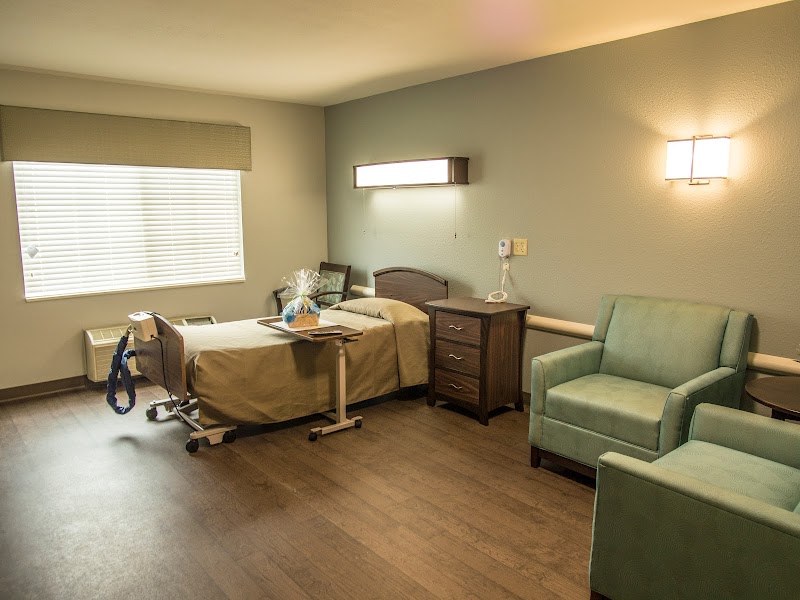
How is The Blossoms At Conway Rehab & Nursing Center Staffed?

CMS rates THE BLOSSOMS AT CONWAY REHAB & NURSING CENTER's staffing level at 2 out of 5 stars, which is below average compared to other nursing homes. Staff turnover is 73%, which is 26 percentage points above the Arkansas average of 46%. High turnover can affect care consistency as new staff learn residents' individual needs. RN turnover specifically is 71%, which is notably high. RNs provide skilled clinical oversight, so turnover in this role can affect medical care quality.

What Have Inspectors Found at The Blossoms At Conway Rehab & Nursing Center?

State health inspectors documented 36 deficiencies at THE BLOSSOMS AT CONWAY REHAB & NURSING CENTER during 2022 to 2025. These included: 1 Immediate Jeopardy (the most serious level, indicating potential for serious harm or death), 34 with potential for harm, and 1 minor or isolated issues. Immediate Jeopardy findings are rare and represent the most serious regulatory concerns. They require immediate corrective action.
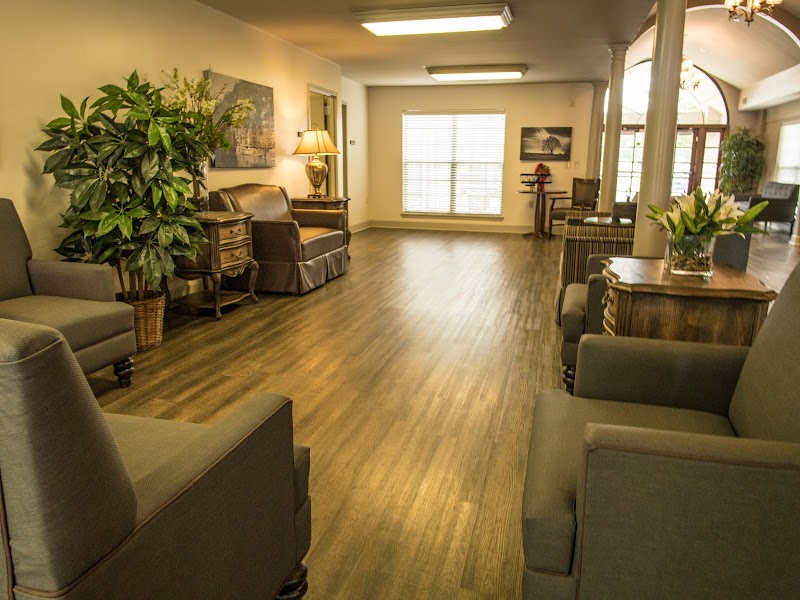
Who Owns and Operates The Blossoms At Conway Rehab & Nursing Center?

THE BLOSSOMS AT CONWAY REHAB & NURSING CENTER is owned by a for-profit company. For-profit facilities operate as businesses with obligations to shareholders or private owners. The facility is operated by THE BLOSSOMS NURSING AND REHAB CENTER, a chain that manages multiple nursing homes. With 104 certified beds and approximately 57 residents (about 55% occupancy), it is a mid-sized facility located in CONWAY, Arkansas.
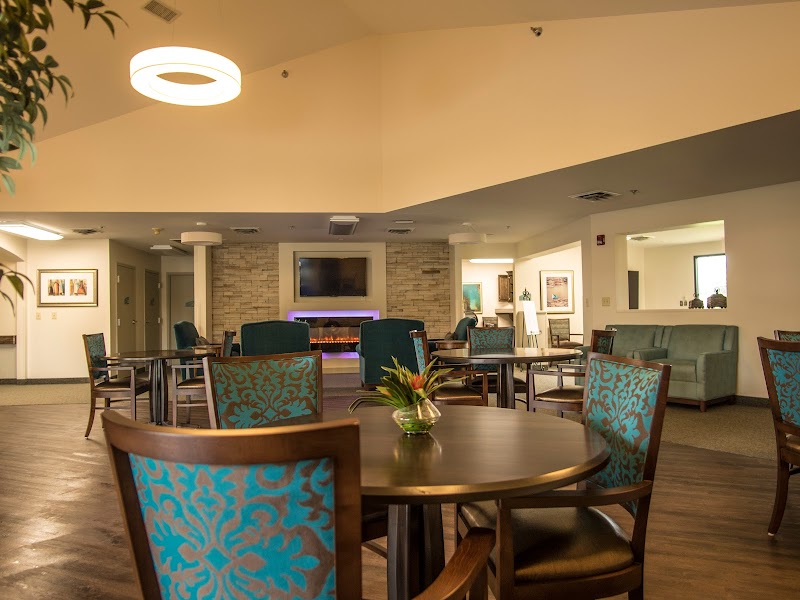
How Does The Blossoms At Conway Rehab & Nursing Center Compare to Other Arkansas Nursing Homes?

Compared to the 100 nursing homes in Arkansas, THE BLOSSOMS AT CONWAY REHAB & NURSING CENTER's overall rating (1 stars) is below the state average of 3.1, staff turnover (73%) is significantly higher than the state average of 46%, and health inspection rating (1 stars) is much below the national benchmark.

What Should Families Ask When Visiting The Blossoms At Conway Rehab & Nursing Center?

Based on this facility's data, families visiting should ask: "What changes have been made since the serious inspection findings, and how are you preventing similar issues?" "How do you ensure continuity of care given staff turnover, and what is your staff retention strategy?" "Can you walk me through typical staffing levels on day, evening, and night shifts?" "Can I visit during a mealtime to observe dining assistance and food quality?" These questions are particularly relevant given the facility's Immediate Jeopardy citations, the facility's high staff turnover rate, and the below-average staffing rating.

Is The Blossoms At Conway Rehab & Nursing Center Safe?

Based on CMS inspection data, THE BLOSSOMS AT CONWAY REHAB & NURSING CENTER has documented safety concerns. Inspectors have issued 1 Immediate Jeopardy citation (the most serious violation level indicating risk of serious injury or death). The facility has a 1-star overall rating and ranks #100 of 100 nursing homes in Arkansas. Families considering this facility should ask detailed questions about what corrective actions have been taken since these incidents.

Do Nurses at The Blossoms At Conway Rehab & Nursing Center Stick Around?

Staff turnover at THE BLOSSOMS AT CONWAY REHAB & NURSING CENTER is high. At 73%, the facility is 26 percentage points above the Arkansas average of 46%. Registered Nurse turnover is particularly concerning at 71%. RNs handle complex medical decisions and coordinate care — frequent RN changes can directly impact care quality. High turnover means new staff may not know residents' individual needs, medications, or preferences. It can also be disorienting for residents, especially those with dementia who rely on familiar faces. Families should ask: What is causing the turnover? What retention programs are in place? How do you ensure care continuity during staff transitions?

Was The Blossoms At Conway Rehab & Nursing Center Ever Fined?

THE BLOSSOMS AT CONWAY REHAB & NURSING CENTER has been fined $8,021 across 1 penalty action. This is below the Arkansas average of $33,159. While any fine indicates a compliance issue, fines under $50,000 are relatively common and typically reflect isolated problems that were subsequently corrected. Families should ask what specific issues led to these fines and confirm they've been resolved.

Is The Blossoms At Conway Rehab & Nursing Center on Any Federal Watch List?

THE BLOSSOMS AT CONWAY REHAB & NURSING CENTER is not on any federal watch list. The most significant is the Special Focus Facility (SFF) program, which identifies the bottom 1% of nursing homes nationally based on persistent, serious quality problems. Not being on this list means the facility has avoided the pattern of deficiencies that triggers enhanced federal oversight. This is a positive indicator, though families should still review the facility's inspection history directly.