CORNING THERAPY AND LIVING CENTER
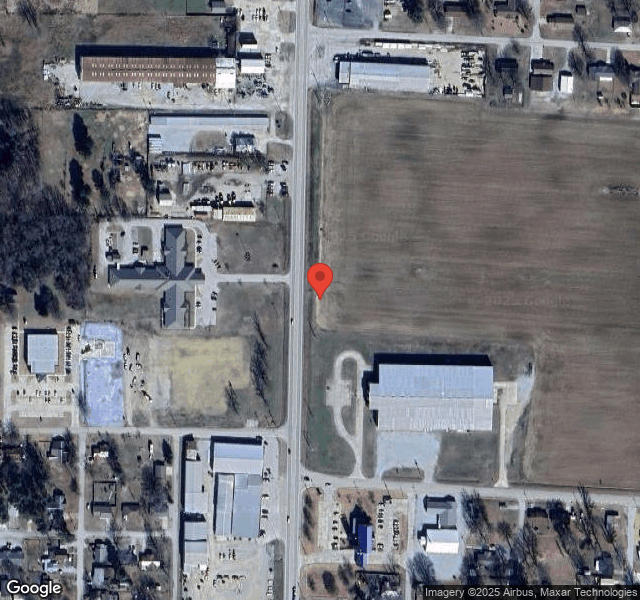
831 NORTH MISSOURI, CORNING, AR 72422 (870) 857-3100
For profit - Corporation 42 Beds ANTHONY & BRYAN ADAMS Data: November 2025 1 Immediate Jeopardy citation
Trust Grade
71/100
#6 of 218 in AR
Last Inspection: August 2024

Within standard 12-15 month inspection cycle. Federal law requires annual inspections.

Overview

Corning Therapy and Living Center has received a Trust Grade of B, indicating it's a good choice for care, though there is room for improvement. The facility ranks #6 out of 218 nursing homes in Arkansas, placing it in the top half, and is the best option among the three homes in Clay County. The facility's trend is stable, maintaining three issues from 2023 to 2024, which suggests consistency in care quality. Staffing is rated average with a turnover rate of 58%, which is close to the state average, indicating some staff stability. However, the center has incurred $8,021 in fines, which is concerning and higher than 85% of Arkansas facilities, pointing to ongoing compliance issues. While the nursing home boasts strong RN coverage-better than 92% of facilities in the state, allowing for better oversight of residents-there have been critical incidents reported. For instance, one resident, who was at high risk for leaving the facility, managed to elope and was found outside, raising serious safety concerns. Additionally, the facility failed to provide adequate activities for residents, with multiple observations noting a lack of engaging activities, which can affect residents' well-being. Overall, while there are strengths in RN oversight and quality measures, families should be aware of the critical safety issues and activity deficiencies.

Trust Score
B
71/100
In Arkansas
#6/218
Top 2%
Safety Record
High Risk
Review needed
Inspections
Holding Steady
3 → 3 violations
Staff Stability
⚠ Watch
58% turnover. Above average. Higher turnover means staff may not know residents' routines.
Penalties
⚠ Watch
$8,021 in fines. Higher than 82% of Arkansas facilities, suggesting repeated compliance issues.
Skilled Nurses
○ Average
Each resident gets 39 minutes of Registered Nurse (RN) attention daily — about average for Arkansas. RNs are the most trained staff who monitor for health changes.
Violations
⚠ Watch
11 deficiencies on record. Higher than average. Multiple issues found across inspections.
★★★★★
5.0
Overall Rating
★★★☆☆
3.0
Staff Levels
★★★★★
5.0
Care Quality
★★★★☆
4.0
Inspection Score
Stable
2023: 3 issues
2024: 3 issues

The Good

  • 5-Star Quality Measures · Strong clinical quality outcomes
  • Full Sprinkler Coverage · Fire safety systems throughout facility
  • No fines on record

Facility shows strength in quality measures, fire safety.

The Bad

Staff Turnover: 58%

12pts above Arkansas avg (46%)

Frequent staff changes - ask about care continuity

Federal Fines: $8,021

Below median ($33,413)

Minor penalties assessed

Chain: ANTHONY & BRYAN ADAMS

Part of a multi-facility chain

Ask about local staffing decisions and management

Staff turnover is elevated (58%)

10 points above Arkansas average of 48%

The Ugly 11 deficiencies on record

1 life-threatening
Aug 2024 3 deficiencies 1 IJ
CRITICAL (J)

Immediate Jeopardy (IJ) - the most serious Medicare violation

Accident Prevention (Tag F0689)

Someone could have died · This affected 1 resident

**NOTE- TERMS IN BRACKETS HAVE BEEN EDITED TO PROTECT CONFIDENTIALITY** Based on record review, document review, observations, interviews, and facility policy review, the facility failed to ensure ade...

Read full inspector narrative →
**NOTE- TERMS IN BRACKETS HAVE BEEN EDITED TO PROTECT CONFIDENTIALITY** Based on record review, document review, observations, interviews, and facility policy review, the facility failed to ensure adequate supervision was provided to prevent an elopement, as evidenced by failure to ensure increased supervision was provided during periods of increased exit-seeking behaviors for 1 (Resident # 240) sampled resident. The failed practice resulted in past noncompliance at the level of immediate jeopardy (IJ), which caused, or could have caused serious harm, injury or death to Resident # 240 who was at high risk for elopement. Resident # 240 eloped from the facility and was found approximately 300 feet from the facility on 7/30/2023 at 5:45 PM after the facility received a call from a passerby stating they drove by facility and saw elderly [gender of Resident] sitting by the road. A visitor leaving the facility pulled their vehicle between the resident and the highway and remained with the resident until staff reached the resident. The Administrator and Nurse Consultant were notified of the past immediate jeopardy on 8/08/2024 at 1:12 PM. The findings are: A review of a Medical Diagnosis Record indicated the facility admitted Resident # 240 with a medical diagnosis (dx) of Dementia, with agitation. The admission Minimum Data Set (MDS) with an Assessment Reference Date (ARD) of 06/05/2023 revealed Resident # 240 scored 06 (0-7 indicates severe cognitive impairment) on a Brief Interview for Mental Status (BIMS), exhibited wandering behavior in section E0900, and in section E1100 change of behavior or other symptoms was revealed current behavior or wandering was worse compared to prior assessment. Review of Resident # 240's Care Plan, initiated 11/05/2020, revealed the resident was an elopement risk/wanderer r/t (related to) Dementia. Resident # 240 was disoriented to place, had impaired safety awareness and a history of attempts to leave facility unattended. Resident wandered aimlessly and interventions included distract resident from wandering by offering diversions, structured activities, food, conversation, television or books. The care plan did not address Resident # 240's preferences. A review of a nursing Progress Note Type: Alert Note dated 7/24/2023 at 8:11 AM revealed Resident # 240 was wandering and unable to redirect. A review of a nursing Progress Note Type: Hot Rack Charting dated 7/24/2023 at 7:05 PM revealed Resident # 240 had increased anxiety that medication had minimal effect, that resident was exit seeking and wandered around the facility yelling Grandpa let us out and was unable to be reoriented or redirected. A review of a nursing Progress Note Type: Hot Rack Charting dated 7/25/2023 at 4:15 PM revealed Resident # 240 wandered around the facility and into other resident rooms having to be redirected. A review of a nursing Progress Note Type: General Note dated 7/28/2023 at 7:13 PM revealed Resident # 240 rolled up and down corridor in wheelchair stating, God, please help us! and disturbing other residents and was unable to be redirected. A review of a nursing Progress Note Type: Hot Rack Charting dated 7/29/2023 at 6:49 PM revealed Resident # 240 had been up and about the facility wandering to each exit stating let me out requiring frequent supervision from staff required for safety. The Resident was observed to become easily agitated with staff at times and was redirected. The past noncompliance began on 7/30/2023 at 5:45 PM, when the facility received a call from a passerby who stated, Hey I just drove by your facility and saw elderly [gender of resident] sitting by the road and wanted to let you know! Resident # 240 was observed sitting by the highway in a wheelchair (w/c). A visitor leaving the facility pulled their vehicle between the resident and the highway and remained with the resident until staff reached the resident. Resident # 240 was returned to the facility and placed on the secured unit. The Resident's family member and on-call physician were notified. A review of a nursing Progress Note Type: Nursing I & A (incident & accident) dated 7/30/2023 at 7:25 PM written by Registered Nurse (RN) # 8 indicated a call to the Nurse Practitioner at 7:58 PM and family contact at 7:55 PM revealed that Resident # 240 exited the facility via the front door and was at the end of the driveway. Immediate intervention upon Resident return to the facility was Resident # 240 was placed on the secured unit for safety due to exit seeking and wandering. A review of a nursing Progress Note Type: Nursing I & A follow up dated 07/30/2023 at 8:25 PM written by the Director of Nurses (DON) indicated the facility received a call from a passerby who stated, Hey I just drove by your facility and saw elderly [gender] sitting by the road and wanted to let you know! Resident # 240 was observed sitting by the highway in a wheelchair (w/c). A visitor leaving the facility pulled their vehicle between the resident and the highway and remained with the resident until staff came. Resident # 240 was returned to the facility and placed on the secured unit. Resident # 240's family member and the on-call physician notified with orders received and processed. The Long-Term Intervention: Resident placed on secure dementia unit and intervention was added to the care plan. Review of Resident # 240's Care Plan initiated 11/22/2023 revealed resident needed secured/special care neighborhood due to behaviors, wondering and exit seeking. Interventions included walking with or redirecting resident, to engage in diversionary activity such as towel folding, music, or coloring and to have supplies and activity resources readily available and scheduled in the neighborhood. During an interview on 8/07/2024 at 4:45 PM, Certified Nurses Aid (CNA) # 5 said it happened during a night shift that she wasn't working. She was told someone called the facility, and the staff didn't know for sure how resident got out or how long resident was outside, but they thought [gender] followed someone outside. CNA # 5 said Resident # 240 had a history of wandering around the facility and going in/out of other resident's rooms, going to the doors and looking out. The CNA said she did not remember having an in-service or training related to (r/t) elopement afterwards. During an interview on 8/07/2024 at 4:55 PM, CNA # 6 said, she was told about the elopement the next morning during report, that Resident # 240 got out without staff knowing and was only discovered after someone called the facility to report it. She didn't know if Resident # 240 was wandering that night but had previously seen resident wandering and exit seeking. As far as she could remember, they did not a training related to elopement after the incident. During a telephone interview on 8/07/2024 at 5:40 PM, CNA # 7 said that she didn't know the exact time, maybe between 5:00 PM and 6:00 PM, but remembered Resident # 240 was seated in w/c out in the front foyer. CNA # 7 said that staff didn't know the resident was gone until the facility received a phone call from someone driving down the road saying that there was someone in a w/c out by the road. None of the staff working that night knew how the resident got out but assumed that Resident # 240 went out the front door when a visitor left. CNA # 7 said Registered Nurse (RN) # 8 and CNA # 5 went outside to get the resident. Resident # 240 was crying, screaming and yelling at RN # 8 while the RN was trying to assess resident for heat related injury because it was hot outside. CNA # 7 recalled seeing Resident # 240 wandering around the facility, going to the entrance and exit doors and looking outside, but did not observe resident wandering or at the door that evening, but remembered resident seated in the front foyer. CNA # 7 said she couldn't remember if an in-service was done after the elopement or in the last year. During a telephone interview on 8/08/2024 at 8:55 AM, the DON said she was called by RN # 8 and was told about Resident # 240 leaving the building. She came to the facility to follow protocol and fill out an I&A note. She was told that Resident # 240 must have left through the front door with a visitor and was found on the side of the highway by a passerby who called the facility. RN # 8 assessed the resident for possible heat stroke or other injuries. The DON said she thought it was warm that day since it was in July. The DON said that RN # 8 called the resident's family member, herself, the APN (Advanced Practice Nurse) and [name] the Administrator, who would have a done a reportable and call the police. She said she couldn't remember if an in-service on elopement was done but she was pretty sure the facility did. During an interview on 8/08/2024 at 10:44 AM, the Administrator said the facility did not have cameras but the best they could tell, a visitor went out the front door and Resident # 240 went out with the visitor. An internal investigation was conducted with the Action Plan completion date of 7/30/2023 on the same day resident eloped. The Action Plan included: An elopement assessment upon admission, quarterly and PRN, residents identified as high risk for elopement care planned with appropriate interventions, resident that demonstrate new exit seeking/elopement behaviors have an updated assessment. Elopement Drill conducted 7/31/23 at 3:15 PM, Elopement Drill conducted 8/9/23 at 4:35 PM, Elopement Drill conducted 10/03/23 at 11:20 AM, Weekly Exit Door Inspections for the months of August 2023, September 2023, October 2023, November 2023, December 2023, January 2024, February 2024, March 2024, April 2024, May 2024, June 2024, July 2024 and the first week of August 2024. The Administrator said, I did not report to the OLTC (Office of Long-Term Care) because Resident # 240 did not leave the premises, so it was not considered an elopement and necessary to report. Review of facility policy titled Elopements with a revision date of December 2007 indicated Staff shall investigate and report all cases of missing residents to the administrator. Elopement is a resident missing from the facility without staff knowledge. On 8/08/2024 at 11:30 AM an elopement in-service completed on 7/30/2023 with fifty-two staff signatures was provided by the Administrator. Out of fifty-two, twenty-seven were still employed at the facility. At 11:35 AM Licensed Practical Nurse (LPN) # 2 said I can't remember an elopement in-service or an elopement drill. At 11:42 AM CNA # 9 said I can't honestly say if there had been an elopement in-service or drill. At 11:48 AM Housekeeping # 10 said I remember an elopement drill and I'm pretty sure there was an in-service sometime last year. At 11:49 AM Maintenance said we had elopement drills, in-services and an action plan to prevent further incidents. During an observation an In-service education notebook at the nurse's station on 8/08/2024 at 12:07 PM did not have copies of an Elopement in-service inside it. At 12:10 PM LPN # 11 returned a phone call after a message was left from surveyor. LPN said, I don't remember signing an in-service on elopement or having a drill. During a telephone interview on 08/08/2024 at 12:20 PM, RN # 8 said she remembered the night of the elopement. She assumed Resident # 240 went out the front door with a visitor, but she didn't think the visitor realized it was a resident trying to leave. RN # 8 said the resident used a wheelchair and was 1 person transfer assist but could get around good in the chair. Resident # 240 was found outside close to the road and was quickly assessed outside, then a full assessment done upon entry. RN # 8 said the resident was monitored for behaviors and had a history of wandering. She couldn't remember having an elopement in service in the last 6 months but was pretty sure the facility had one after the elopement. On 8/08/2024 at 12:52 PM, guidance from the State office indicated to provide facility with Immediate Jeopardy (IJ)Template. At 1:12 PM, Immediate Jeopardy (IJ) template was signed by Administrator and Nurse Consultant.
CONCERN (D)

Potential for Harm - no one hurt, but risky conditions existed

Comprehensive Care Plan (Tag F0656)

Could have caused harm · This affected 1 resident

Based on observation, interviews, and record review, it was determined the facility failed to ensure interventions that were implemented in the care plan to promote safety while smoking for one (Resid...

Read full inspector narrative →
Based on observation, interviews, and record review, it was determined the facility failed to ensure interventions that were implemented in the care plan to promote safety while smoking for one (Resident #17) of one sampled resident. Findings include: Review of facility policy titled Smoking Policy-Residents dated 2001 (revised July 2017) indicated This facility shall establish and maintain safe resident smoking practices. A review of an admission Record indicated the facility admitted Resident # 17 on 2/01/2024 with diagnoses that included Nontraumatic Ischemic Infarction of Muscle of left lower leg, persistent Atrial Fibrillation and behavioral disturbance. The annual Minimum Data Set (MDS) with an Assessment Reference Date (ARD) of 2/08/2024, revealed Resident #17 had a Brief Interview for Mental Status (BIMS) score of 11, which indicated the resident was moderately impaired for their daily decision making. Review of Resident #17's Care Plan revised 2/19/2024 revealed the resident is a smoker and requires supervision while smoking. Interventions included The resident requires a smoking apron while smoking. Date Initiated: 02/19/2024. On 8/07/2024 at 11:30 AM, Resident #17 was observed smoking and Resident #17 did not have a smoking apron on. During an interview with Certified Nursing Assistant (CNA) #1 at 11:35 AM, was asked if Resident #17 should have on a smoking apron. CNA#1 said the resident should have a smoking apron on to protect himself if he should drop the cigarette. Medication Administration Tech #3 was asked on 8/07/2024 at 11:35 AM to observe Resident #17 while smoking. She was asked if Resident #17 had a smoking apron on and if they should have on one. She stated Resident #17 did not have an apron on but, they should. On 8/07/2024 at 11:40 AM, Licensed Practical Nurse (LPN) #2 was asked if Resident #17 should wear a smoking apron while smoking. She stated all smokers should wear a smoking apron to prevent an accident while smoking. During an interview on 8/07/2024 at 1:00 PM, Nurse Consultant stated the resident should have been wearing a smoking apron to prevent any accidents while smoking.
CONCERN (E)

Potential for Harm - no one hurt, but risky conditions existed

Deficiency F0679 (Tag F0679)

Could have caused harm · This affected multiple residents

Based on observations, record review, interviews, and facility policy review, the facility failed to ensure that activities were provided for all 42 residents that reside in the building. The findings...

Read full inspector narrative →
Based on observations, record review, interviews, and facility policy review, the facility failed to ensure that activities were provided for all 42 residents that reside in the building. The findings included: On 8/5/24 at 2:33 PM, the Surveyor did not observe activities upon entry of the secure unit. On 8/6/24 at 8:57 AM, the Surveyor observed no activities occurring on the secure unit. On 8/6/24 at 10:08 AM, the Surveyor observed staff offering the residents a snack. No activities observed this morning on the secured unit. On 8/6/24 at 2:01 PM, the Surveyor observed no activities on the secure unit. On 8/7/24 at 8:52 AM, the Surveyor observed no activities on the secure unit. One Certified Nursing Assistant (CNA) observed sitting at desk in day room with residents that were watching television. On 8/7/24 at 9:46 AM, the Surveyor observed no activities being provided on the secure unit. One CNA observed sitting at desk in day room with residents that are watching television. On 8/7/24 at 10:04 AM, the Surveyor observed staff offering snacks to the residents. No activities observed this morning on the secure unit. On 8/7/24 at 11:14 AM, the Surveyor observed no activities being provided on the secure unit. One CNA observed sitting at desk in day room with residents that are watching television. On 8/7/24 at 12:04 PM, the Surveyor observed no activities being provided on the secure unit. On 8/7/24 at 1:15 PM, the Surveyor observed no activities being provided on the secured unit. One CNA observed sitting at desk in day room with residents that are watching television. On 8/7/24 at 2:02 PM, the Surveyor observed no activities being provided on the secured unit. One CNA observed sitting at desk in day room with residents that are watching television. During an interview on 8/7/24 at 1:53 PM, Resident #28's family member stated activities are not performed on the secure unit. During an interview on 8/7/24 at 2:42 PM, the Activities Director stated activities should be performed on the secure unit daily. She confirmed activities had not been performed daily for the past 30 days During an interview on 8/7/24 at 3:09 PM, CNA #4 stated activities should be performed every day on the secure unit. During an interview on 8/8/2024 at 9:19 AM, the Administrator stated activities should be offered every day for those residents that were willing to participate, that activities provided daily were a resident's right, and each activity should be documented in the resident's electronic health record when they occur. The Administrator stated the benefits of activities included socialization, decreased depression, and an overall better quality of life. The Administrator stated lack of activities could lead to depression and a decline in the residents' health. The Administrator stated the Social Service Activity Director was in charge of the activities for the facility, except the secured unit, which was completed by a neighborhood coordinator/CNA who also provided direct care to the residents on the secured unit. The facility provided a policy titled, Activity Program with a revision date of June 2018 revealed activity programs are designed to meet the needs and interests of and support the physical, mental, and psychosocial well-being of each resident. Policy Interpretation and Implementation noted the activities program is ongoing and is to enhance the resident's sense of well-being and to promote or enhance physical, cognitive or emotional health. Activities are scheduled seven days a week. Resident activity participation is to be documented in the resident's medical record.
Jul 2023 3 deficiencies
CONCERN (D)

Potential for Harm - no one hurt, but risky conditions existed

Resident Rights (Tag F0550)

Could have caused harm · This affected 1 resident

Based on observation, interview and record review, the facility failed to ensure residents were treated with dignity and respect for 1 (Resident #6) of 6 (Residents #5, #6, #9, #10, #13, and #310) res...

Read full inspector narrative →
Based on observation, interview and record review, the facility failed to ensure residents were treated with dignity and respect for 1 (Resident #6) of 6 (Residents #5, #6, #9, #10, #13, and #310) residents who required assistance with personal hygiene for cleaning their face of nasal drainage. This failed practice had the potential to affect 8 residents who resided on the 200 Hall and required assistance with wiping their nose per a list provided by the Nurse Consultant on 07/27/23. The findings are: 1. Resident #6 had diagnoses Unspecified Dementia, Peripheral Vascular Disease, and Depressive Disorders. a. On 07/25/23 at 8:20 AM, Resident #6 was sitting in a wheelchair in the Dining Room at a table with another resident. Resident #6 was sitting with her head drooping forward with clear nasal drainage dripping from her left nare approximately 4 inches. A Certified Nursing Assistant (CNA) removed Resident #6's clothing protector. The clear nasal drainage remained dripping from Resident #6's nose approximately 4 to 6 inches. A second CNA assisted Resident #6 to her room and left her up in her wheelchair sitting by the window. The nasal drainage remained dripping from her nose approximately 6 to 8 inches. b. On 07/25/23 at 9:00 AM, during observation of wound care to Resident #6's head wound, Licensed Practical Nurse (LPN) #3 had to hold Resident #6's head in the upright position to perform the wound care. Resident #6 had clear nasal drainage hanging approximately 8 to 10 inches from her left nare. c. On 07/25/23 at 9:30 AM, two CNAs entered Resident #6's room to perform resident care and to assist the resident to the Dayroom. One of the CNAs got a tissue and removed the nasal drainage from the residents left nare. d. On 07/26/23 at 1:34 PM, the Surveyor asked CNA #1, What would you do if you observed a resident sitting in the Dining Room with clear nasal drainage dripping from their nose approximately 6 to 10 inches? CNA #1 stated, I would get some gloves and then get a tissue and clean them up. The Surveyor asked, Should a resident have nasal drainage dripping from their nose for an hour? CNA #1 stated, No, they should not. The Surveyor asked, Would you say that is a dignity issue for a resident? CNA #1 stated, Yes. e. On 07/26/23 at 1:40 PM, the Surveyor asked CNA #2, What would you do if you observed a resident sitting in the Dining Room with clear nasal drainage dripping from their nose approximately 6 to 10 inches? CNA #2 stated, I would clean them up. The Surveyor asked, Should a resident have nasal drainage dripping from their nose for an hour? CNA #2 stated, No. The Surveyor asked, Would you say that is a dignity issue for a resident? CNA #2 stated, Yes ma'am. f. On 07/26/23 at 1:45 PM, the Surveyor asked LPN #1, What would you do if you observed a resident sitting in the Dining Room with clear nasal drainage dripping from their nose approximately 6 to 10 inches? LPN #1 stated, I would get a tissue and clean that up. The Surveyor asked, Should a resident have nasal drainage dripping from their nose for an hour? LPN #1 stated, No, of course not. The Surveyor asked, Would you say that is a dignity issue for a resident? g. On 07/26/23 at 1:50 PM, the Surveyor asked LPN #3, What would you do if you observed a resident sitting in the Dining Room with clear nasal drainage dripping from their nose approximately 6 to 10 inches? LPN #3 stated, I would get some gloves and a tissue and clean them up. I would probably take them to their room to do it. The Surveyor asked, Should a resident have nasal drainage dripping from their nose for an hour? LPN #3 stated, No. The Surveyor asked, Would you say that is a dignity issue for a resident? LPN #3 stated, Yes. The Surveyor asked, When you did the wound care on Resident #6's forehead yesterday, did you see the nasal drainage dripping from her nose approximately 6 to 10 inches? LPN #3 stated, Oh no, I did not. Honestly if I had seen it I would of cleaned it up. h. On 07/27/23 at 8:20 AM, the Surveyor asked the Director of Nursing (DON), Should a resident be allowed to sit in the Dining Room with nasal drainage dripping from their nose approximately 6 to 10 inches if they cannot clean it themselves? She stated, No they should not. The Surveyor asked, Is that a resident dignity issue, or Quality of Care issue to have nasal drainage dripping from their nose for approximately one hour? She stated, that is all of the above. That should not happen. i. The Care Plan with a revision date of 06/26/23 indicated Resident #6 required extensive assistance of one staff for oral care/personal hygiene. j. A facility policy titled, Activities of Daily Living (ADLs), Supporting, provided by the Nurse Consultant on 07/26/23 at 4:05 PM documented, .Residents who are unable to carry out activities of daily living independently will receive the services necessary to maintain good nutrition, grooming and personal and oral hygiene . 2. Appropriate care and services will be provided for residents who are unable to carry out ADLS independently, with the consent of the resident and in accordance with the plan of care, including appropriate support and assistance with: a. Hygiene (bathing, dressing, grooming, and oral care) . k. A facility policy titled, Quality of Life-Dignity, provided by the Nurse Consultant on 07/27/23 at 8:35 AM documented, Policy Statement Each resident shall be cared for in a manner that promotes and enhances quality of life, dignity, respect and individuality. 1. Residents shall be treated with dignity and respect at all times . 2. Treated with dignity means the resident will be assisted in maintaining and enhancing his or her self-esteem and self-worth .
CONCERN (D)

Potential for Harm - no one hurt, but risky conditions existed

Assessment Accuracy (Tag F0641)

Could have caused harm · This affected 1 resident

Based on record review and interview, and review of the Centers for Medicare and Medicaid Services Resident Assessment Instrument Manual 3.0, the facility failed to accurately record the assessment fo...

Read full inspector narrative →
Based on record review and interview, and review of the Centers for Medicare and Medicaid Services Resident Assessment Instrument Manual 3.0, the facility failed to accurately record the assessment for 2 (Residents #24 and #31) of 8 (Residents #13, #17, #20, #24, #31, #33, #34 and #45) sampled residents whose MDS was reviewed. The findings are: 1. Resident #24's Quarterly Minimum Data Set (MDS) with an Assessment Reference Date (ARD) of 03/23/23 documented, under section J1900, the resident had two falls with no injury and one fall with injury. a. Resident #24's Significant Change in Status MDS with an ARD of 05/12/23 documented, under section J1900, the resident had two falls with no injury, one fall with injury and two falls with major injury. b. A Nursing Incident and Accident (I&A) Note dated 03/20/23 documented staff entered Resident #24 ' s room and found him kneeling on his left knee next to the bed with his torso across the bed, his left knee was light red in color. No injuries were noted. c. A Nursing I&A Note dated 03/22/23 documented Resident #24 was found on the floor in the living/lounge area. No injuries were documented. d. A Nursing I&A Note dated 04/30/23 documented Resident #24 was found lying between his bed and the recliner on his left side in the fetal position with a small abrasion to his left knee. No other injuries were noted. e. A Nursing I&A Note dated 07/15/23 documented Resident #24 was found lying on the floor on his right side between the air conditioning unit and the bed with a skin tear to both elbows and the back of his left hand. No other injuries were noted. f. On 07/26/23 at 12:11 PM, the Surveyor asked the Nursing Consultant why Resident #24 had two falls with major injury coded on their MDS. The Nursing Consultant voiced intent to investigate. g. On 07/26/23 at 12:18 PM, the Surveyor asked the Nursing Consultant and Licensed Practical Nurse (LPN) #4 if Resident #24 was coded as having two falls with major injury since the last assessment. LPN #4 stated, Yes, it's showing [Resident #24] has had two. The Surveyor asked if Resident #24 had any major injuries documented in the chart. LPN #4 stated, No, [Resident #24] hasn't had any major injuries. 2. Resident #31's admission MDS with an ARD of 06/14/23 documented Resident #31 did not receive oxygen therapy while a resident. a. On 07/24/23 at 1:30 PM, Resident #31 was in bed with oxygen on per nasal canula at two liters per minute. b. A Physicians Order dated 06/05/23 indicated Resident #31 received oxygen at 2 liters per minute per nasal cannula as needed for shortness of breath. c. A Care Plan with an initiated and a revision date of 06/08/23 indicated Resident #31 received oxygen therapy at 2 liters per minute via nasal cannula. d. Resident #31's admission assessment with an effective date 06/06/23 indicated Oxygen Rate 2 (liters) per nasal cannula. e. A Nursing Progress Note dated 06/07/23 time at 6:43 AM documented, .Resident continues on hospice with no complaints voiced. O2 at 2 L [liters] via NC [nasal cannula]. No dyspnea (shortness of breath) noted . f. On 07/26/23 at 2:00 PM, the Administrator and the Nurse Consultant reviewed Resident #31's admission MDS with an ARD of 06/14/23 and stated, It does not have that he needs it (oxygen), but we would look at the look back date and see if he had used the oxygen and we would answer the question from that. The Surveyor asked the Nurse Consultant, Does the resident have an order for the Oxygen? The Nurse Consultant stated, It looks like he does have an order for PRN [as needed] oxygen dated 06/05/23. But we would not mark it unless he was using it. The Surveyor asked the Nurse Consultant if there was a progress note in the resident file stating Resident #31 was resting with oxygen on per nasal cannula, would the answer to the question be yes then. The Nurse Consultant stated, Yes if it is documented on a progress note during the look back time frame then the MDS should have it documented yes for oxygen as a resident. 3. A facility policy titled, Resident Assessment Instrument, provided by the Nurse Consultant on 07/26/23 at 4:05 PM documented, .4. Information derived from the comprehensive assessment helps the staff to plan care that allows the resident to reach his/her highest practicable level of functioning .
CONCERN (D)

Potential for Harm - no one hurt, but risky conditions existed

Medication Errors (Tag F0758)

Could have caused harm · This affected 1 resident

Based on interview and record review, the facility failed to ensure an antidepressant medication was not prescribed and administered to a resident who did not have a diagnosis of depression for 1 (Res...

Read full inspector narrative →
Based on interview and record review, the facility failed to ensure an antidepressant medication was not prescribed and administered to a resident who did not have a diagnosis of depression for 1 (Resident #32) of 1 (Residents #32) sampled resident who had Physician Order for an antidepressant medication in the facility per a list provided by the Director of Nursing (DON) on 07/27/23 at 10:15 AM. The findings are: 1. A Physician's Order dated 06/28/23 revealed Resident #32 received Duloxetine (an antidepressant) 20 milligrams one time a day for depression. 2. The June 2023 and July 2023 Medication Administration Record (MAR) revealed Resident #32 received Duloxetine 20 milligrams daily beginning on 06/28/23. 3. Resident #32's Medical Diagnosis list did not include a diagnosis of depression. 4. On 07/27/23 at 8:55 AM, the Surveyor asked the Director of Nursing (DON) to identify if there were any psychotropic medications ordered for Resident #32. The DON stated, Yes, they've got an order for Duloxetine. The Surveyor asked what diagnosis the medication was documented to treat. The DON stated, It's for depression. The Surveyor asked if there was a medical diagnosis for depression in Resident #32's chart. The DON stated, No there's not. The Surveyor asked if a medication should be administered if it was not being used to treat a specific condition that had been diagnosed and documented in the resident's clinical record. The DON stated, Oh, no. 5. The facility policy titled, Administering Medications, provided by the Administrator on 07/27/23 at 9:40 AM, did not detail specifics on psychotropic medications. The Surveyor requested additional information on the facility's medication policy. The Nursing Consultant stated that no additional policy information was available.
Apr 2022 5 deficiencies
CONCERN (D)

Potential for Harm - no one hurt, but risky conditions existed

ADL Care (Tag F0677)

Could have caused harm · This affected 1 resident

Based on record review and interview, the facility failed to ensure baths / showers / oral care were regularly and consistently provided, to maintain good personal hygiene and prevent odors for 1 (Res...

Read full inspector narrative →
Based on record review and interview, the facility failed to ensure baths / showers / oral care were regularly and consistently provided, to maintain good personal hygiene and prevent odors for 1 (Residents #9) of 14 (Resident #39, #46, #15, #6, #34, #45, #23, #3, #42, #2, #26, #9, #16, and #41) sampled residents who required assistance from staff for personal hygiene / bathing. The findings are: Resident #9 had diagnoses of Glaucoma and Visual Loss. The admission Minimum Data Set with an Assessment Reference Date of 1/6/22 documented the resident scored 15 (13-15 indicates cognitively intact) on a Brief Interview for Mental Status and required extensive one-person physical assistance for personal hygiene and bathing. a. The revised Care Plan dated 2/4/22 documented, The resident has an ADL [Activity of Daily Living] self-care performance deficit r/t [related to] impaired vision, weakness . BATHING/SHOWERING: extensive X [times] 1 . PERSONAL HYGIENE/ORAL CARE: extensive X1 . The resident exhibits dental/mouth problem as evidenced by several missing teeth . Provide set-up/supervision/hand under hand assistance as needed for mouth/oral care. b. On 4/26/22 at 7:28 AM, the resident was sitting in his recliner. The resident stated, It's been a long time since I've brushed my teeth, I have no mouth wash, and I need help bruising my teeth, they don't offer to help. My last shower was a week ago, Monday. I'm not even getting them once a week. I have to wash myself with a washcloth. I never refuse a shower, they hardly offered to give me one. c. On 4/27/22 at 9:38 AM, the resident was sitting in his recliner. He was asked if he had his teeth brushed or a shower this morning and he stated, No, I need assistance, if they would just put the tooth paste on my toothbrush, I could brush my teeth. d. The facility Activities of Daily Living Flow sheet dated April 2022 documented the following: .Bathing Monday, and Thursday and PRN [as needed]. On Monday the 18th the resident received a shower, on Thursday the 21st and Monday the 25th it was documented the resident received a bed bath. e. On 4/27/22 at 9:12 AM, Certified Nursing Assistant (CNA) #1 was asked, Who performs the resident's showers? She stated, The CNAs. She was asked, how often do the residents receive showers. She stated, Two to three times a week. The CNA was asked, what if they refuse? She replied, I reattempt, inform the nurse and chart it in the kiosk. The CNA was asked, Who brushes the resident's teeth? She replied, The CNAs. She was asked, Do you assist [Resident #26] with brushing his teeth? She replied, No, I have never assisted him with his teeth, I don't always work on this hall, I work on all halls. f. On 4/27/22 at 9:20 AM, Licensed Practical Nurse (LPN) was asked, who performs the resident's showers? The LPN stated, The CNAs. She was asked, how often do the resident receive showers. She stated, Two to three times a week. The LPN was asked, Who brushes the resident's teeth? She replied, The CNAs. The LPN was asked, Who is responsible to ensure the resident's teeth are brushed and showers are completed as scheduled? She stated, The floor nurses. g. The Policy on Activities of Daily Living (ADLs), Supporting was received on 4/27/22 documented, . Residents will be provided with care, treatment and services as appropriate to maintain or improve their ability to carry out activities of daily living (ADLs). Residents who are unable to carry out activities of daily living independently will receive the services necessary to maintain . personal .hygiene.Appropriate care and services will be provided for residents, who are unable to carry out ADLs independently, with the consent of the resident and in accordance with the plan of care, including appropriate support and assistance with: Hygiene (bathing .oral care .
CONCERN (D)

Potential for Harm - no one hurt, but risky conditions existed

Deficiency F0678 (Tag F0678)

Could have caused harm · This affected 1 resident

**NOTE- TERMS IN BRACKETS HAVE BEEN EDITED TO PROTECT CONFIDENTIALITY** Based on observation, record review and interview, the facility failed to ensure information regarding resident's code status wa...

Read full inspector narrative →
**NOTE- TERMS IN BRACKETS HAVE BEEN EDITED TO PROTECT CONFIDENTIALITY** Based on observation, record review and interview, the facility failed to ensure information regarding resident's code status was accurately documented and readily available to enable staff to quickly ascertain the resident's wishes in the event of a decline in condition for 1 (Residents #27) of 21 (Residents #22 #24, #26, #9, #27, #16, #41, #46, #12,#39, #3, #42, #2, #34, #23, #10, #45, #6, #38, #21, and #15) sampled residents whose code status was reviewed. The findings are: Resident #27 had diagnoses of End Stage Renal Disease, Heart Failure and Diabetes Mellitus. The Quarterly Minimum Data Set (MDS) with an Assessment Reference Date (ARD) [DATE] documented a score of 11 (8-12 indicates Moderately impaired) on a Brief Interview for Mental Status (BIMS). a. The Physician Order dated [DATE] documented, CPR FULL CODE-Please see misc. [miscellaneous] . b. The face sheet documented, CPR [Cardiopulmonary Resuscitation] FULL CODE - Please see misc. c. The Care Plan dated [DATE] documented, The resident's code status is Full Code . Check to make sure that Full Code is listed as the resident's code status on the resident profile/face sheet . Review code status with the resident/responsible party quarterly or as needed. d. On [DATE] under Document Manager Misc. documented, ' . CODE STATUS-DNR [Do Not Resuscitate] UPDATED [DATE]. The code status was signed by his sister, Resident #27 ' s documented Responsible Party and Emergency Contact in his Profile Page, which was dated [DATE]. e. On [DATE] at 11:20 AM, Licensed Practical Nurse (LPN) was asked, How do you know what the resident's code status is? She replied, It's in the computer, on the resident's profile page. The LPN was asked, What is [Resident #27's] code status? The LPN logged onto the computer, which took approximately a minute to bring up the resident's electronic record then she stated, He's a full code. f. On [DATE] at 11:30 AM, the Director of Nursing (DON) was asked, How do you know what the resident's code status is? She replied, It's on the resident's closet close plan and on their profile page in the computer. A copy of the resident's closet care plan was received from the DON which documented the resident was a Full Code. The DON was asked, Is the resident a Full Code or a DNR (Do Not Resuscitate)? The DON replied, According to the closet care plan and his profile page he is a full code. The DON was asked to review the code status on [DATE] and she stated, He's a DNR, I will check into that and correct his code status.
CONCERN (D)

Potential for Harm - no one hurt, but risky conditions existed

Deficiency F0687 (Tag F0687)

Could have caused harm · This affected 1 resident

Based on observation, record review, and interview, the facility failed to ensure toenails were trimmed to promote good foot care for 1 (Residents #26) of 21 (Resident #39, #46, #15, #6, #34, #45, #23...

Read full inspector narrative →
Based on observation, record review, and interview, the facility failed to ensure toenails were trimmed to promote good foot care for 1 (Residents #26) of 21 (Resident #39, #46, #15, #6, #34, #45, #23, #3, #42, #2, #26, #9, #16, #24, #38, #27, #12, #10, #21, #22 and #41) sampled residents who were dependent for nail care. The findings are: Resident #26 had a diagnosis of Alzheimer's Disease. The Annual Minimum Data Set (MDS) with an Assessment Reference Date (ARD) of 1/21/22 documented the resident was severely impaired in cognitive skills for daily decision making per a Staff Assessment for Mental Status, required extensive assistance of one for personal hygiene and total assistance of one for bathing. a. The revised Care Plan documented, The resident has Potential for Decline and Complications R/T [Related to] ADL [Activities of Daily Living] self-care performance deficit r/t Dementia . BATHING/SHOWERING: Check nail length and trim and clean on bath day and as necessary. Report any changes to the nurse. b. On 4/25/22 at 11:43 AM, the resident was resting in a low bed. He had a heel protector on the left foot. The resident's toenail was uneven and jagged. c. On 4/27/22 at 9:12 AM, CNA (Certified Nursing Assistant) #1 was asked, Who performs toe care on the residents? She replied, The CNAs. She was asked, when is toenail care completed? She replied, On their shower days and as needed. d. On 4/27/22 at 9:20 AM, the Licensed Practical Nurse (LPN) #2 accompanied the surveyor to the resident's room. The resident was sitting in a Geri-chair with non-skid socks on. The LPN was asked, Who performs toenail care on the residents? She replied, The CNAs on their shower days. The LPN was asked, Are her two big toes uneven and jagged? She replied, Yes, they are, and they need to be filed, they could cause a skin injury. The LPN was asked, Who is responsible to ensure the resident's toenail care are completed? She replied, The floor nurses. e. The Policy on Activities of Daily Living (ADLs), Supporting was received on 4/27/22 documented, . Residents who are unable to carry out activities of daily living independently will receive the services necessary to maintain . personal .hygiene.Appropriate care and services will be provided for residents, who are unable to carry out ADLs independently, with the consent of the resident and in accordance with the plan of care, including appropriate support and assistance with: Hygiene .
CONCERN (D)

Potential for Harm - no one hurt, but risky conditions existed

Incontinence Care (Tag F0690)

Could have caused harm · This affected 1 resident

Based on observation, record review, and interview, the facility failed to ensure treatment and care for management of indwelling urinary catheters were provided in accordance with accepted standards ...

Read full inspector narrative →
Based on observation, record review, and interview, the facility failed to ensure treatment and care for management of indwelling urinary catheters were provided in accordance with accepted standards of nursing practice, by failing to ensure the urinary catheter tubing was secured to prevent potential pulling or trauma to the urinary meatus/urethra for 1 (Residents #42) of 1(R#42, R#16 and R#7) sample residents with indwelling catheters. The failed practices had the potential to affect 2 residents who had indwelling urinary catheters, according to a list provided by the Administrator on 4/27/22. The findings are: 1. Resident #42 had diagnoses of Benign Prostatic Hyperplasia with Lower Urinary Tract Symptoms, Chronic Kidney Disease Stage 3. A Quarterly Minimum Data Set with an Assessment Reference Date of 1/27/22 documented the resident scored an 11 (8 -12 indicates moderately impaired) on a Brief Interview for Mental Status and required Assistance of 1-2 staff members for Activities of Daily Living [ADLS]. a. A Care Plan with a review date of 04/14/22 documented, [Resident #42] has an indwelling (18) fr (French) Foley Resident will remain free from catheter -related trauma . The care plan did not address the need to secure the catheter tubing to prevent to potential trauma to the bladder or urinary meatus. b. On 04/25/22 at 01:02 PM, Licensed Practical Nurse (LPN) #1, the Treatment nurse provided peri-care to Resident #42. LPN #1 was asked, Is his catheter secured? LPN #1 stated, No, I'll (I will) get him a stat lock . She was asked, What is a complication of his catheter not being secured? She stated, He could pull it out. c. On 4/28/22 at 08:57 AM, the Director of Nursing (DON) was asked, When should a resident's foley catheter be secured? She stated, At all times. She was asked, How should a Foley Catheter be secured to prevent trauma? She stated, With a stat lock. She was asked, Who is responsible for ensuring the resident's catheter is secured with a stat lock? She stated, Everyone. d. On 4/26/22 A Review of the Policy and Procedure titled, Foley Catheter Insertion, Male Resident documented, .25. Tape catheter to top of thigh or lower abdomen .
CONCERN (E)

Potential for Harm - no one hurt, but risky conditions existed

Deficiency F0625 (Tag F0625)

Could have caused harm · This affected multiple residents

**NOTE- TERMS IN BRACKETS HAVE BEEN EDITED TO PROTECT CONFIDENTIALITY** Based on record review and interview, the facility failed to notify resident representatives or Power of Attorneys (POA) in writ...

Read full inspector narrative →
**NOTE- TERMS IN BRACKETS HAVE BEEN EDITED TO PROTECT CONFIDENTIALITY** Based on record review and interview, the facility failed to notify resident representatives or Power of Attorneys (POA) in writing of the bed hold policy upon a resident's transfer to the hospital and/ or discharge as required for 2 (Resident #27 and #22) of 6 (Resident #27, #42, #41, #16, #38 and #22) sample residents who were transferred to the hospital in the last five months. The findings are: 1. Resident #27 had a diagnosis End Stage Renal Disease and Sepsis. The Quarterly Minimum Data Set (MDS) with an Assessment Reference Date (ARD) 1/17/2022 documented a score of 11 (8-12 indicates Moderately impaired) on a Brief Interview for Mental Status (BIMS). a. Nurses note dated 12/9/2022 at 9:20 PM, documented, This nurse entered resident's room at med [medication] pass time and observed resident leaning to right side in bed with copious amount of drool draining from mouth onto chest. Resident lethargic . APRN [Advanced Practice Registered Nurse] notified of findings with order obtained to transfer resident to ER [Emergency Room] for eval [evaluation] . b. Nurse's Note dated 12/10/2022 at 1:00 PM, documented, [Hospital] contacted facility at this time with update for resident. Resident admitted to [hospital] for dx [diagnosis] of Sepsis. Resident's POA [Power of Attorney] was aware of resident's admission. c. There was a Discharge with Return Anticipated MDS dated [DATE] and Entry MDS dated [DATE]. The Notice of Bed Hold Policy and Return documented it was completed on 12/13/2021. d. SBAR (Situation, Background, Assessment, Recommendation) Summary for Providers dated 1/2/2022 at 9:50 AM, documented, . Resident appears more tired than usual, he is having light brown milky appearing urine. Urine is consistent in appearance like his Peg [percutaneous endoscopic gastrostomy] tube feedings . Primary Care Provider responded with the following feedback: . Send to ER for evaluation and treatment . e. The MDS documented a Discharge with Return Anticipated on 1/2/2022 with an Entry on 1/14/2022. The Notice of Bed Hold Policy and Return documented it was completed on 1/4/2022. 2. Resident #22 had diagnoses of Dementia, Psychosis and Depression. The Quarterly Minimum Data Set (MDS) with an Assessment Reference Date (ARD) 1/24/2022 documented a score of 14 (13-15 indicates Cognitively intact) on a Brief Interview for Mental Status (BIMS). a. Nurse's Note dated 4/23/2022 at 7:00 AM, documented, .Resident hospitalized at [geri psych facility] . b. The Resident's Census documented 4/22/2022 . Hospital Unpaid Leave . The Notice of Bed Hold Policy and Return documented it was completed on 4/25/2022. c. Nurse's Note dated 3/14/2022 at 8:47 AM, documented, .Reported to this nurse from Physical Therapist, general decline and weakness. Wound Nurse c/o [complained of] slurred speech (sic). APN gave order to send to send to ER for eval and treatment . d. Nurse's Note dated 3/15/2022 at 10:56 AM, documented, admitted to . for CVA on 3/14/2022. Husband aware and at hospital with resident. e. The MDS documented a Discharge with Return Anticipated on 3/14/2022 with an Entry on 3/15/2022. The Notice of Bed Hold Policy and Return documented it was completed on 3/15/22. f. Nurse's Note dated 3/28/2022 at 12:17 PM documented, . resident admitted with dx of syncope . g. Nurse's Note dated 12/28/2021 at 6:30 PM documented, . Resident noted to be in severe pain, vomited moderate amount of gray to brown colored emesis. Spoke with resident regarding change of condition with request to go to the hospital, spoke with . APRN with order given to transfer out to ER for evaluation . h. An MDS documented a Discharge with Return Anticipated on 12/28/2021 with an Entry on 1/12/2022. The Notice of Bed Hold Policy and Return documented it was completed on 12/29/2021. 3. On 4/27/2022 At 10:29 AM, the Business Office Manager [BOM] was asked, who is responsible for completing the bed hold and transfer letter? She replied, Me. She was asked, When should the bed hold, and transfer letter be processed? She replied, If they are transferred on Friday, they should be done by Monday. She was asked, what if the resident is transferred during the week? She replied, I get them out within 24. She was asked, For [Resident #27, #41, #16 and #22] that were transferred to the hospital, is there a reason why the resident's bed hold, and transfer letter were not completed on the day of the transfer? She replied, Either I'm not here or I thought I had 24 hours. 4. The admission Packet was received on 4/27/2022 documented, . Bed-Hold Policy: Except in the case of an emergency, before the facility transfers the patient to a hospital . the Facility will provide written information to the Patient and a family member or Patient Representative that specifies: . For private pay patients, the bed will be held . For Medicaid Patients the bed will be held . If the patient's hospitalization .leave exceeds the bed- hold period, the facility will permit readmission upon the first availability of a bed .
Understanding Severity Codes (click to expand)
Life-Threatening (Immediate Jeopardy)
J - Isolated K - Pattern L - Widespread
Actual Harm
G - Isolated H - Pattern I - Widespread
Potential for Harm
D - Isolated E - Pattern F - Widespread
No Harm (Minor)
A - Isolated B - Pattern C - Widespread

Questions to Ask on Your Visit

  • "What changes have you made since the serious inspection findings?"
  • "Why is there high staff turnover? How do you retain staff?"
  • "Can I speak with families of current residents?"
  • "What's your RN coverage like on weekends and overnight?"

Our Honest Assessment

Strengths
  • • Licensed and certified facility. Meets minimum state requirements.
Concerns
  • • Multiple safety concerns identified: 1 life-threatening violation(s). Review inspection reports carefully.
  • • 11 deficiencies on record, including 1 critical (life-threatening) violation. These warrant careful review before choosing this facility.
  • • 58% turnover. Above average. Higher turnover means staff may not know residents' routines.
Bottom line: Mixed indicators with Trust Score of 71/100. Visit in person and ask pointed questions.

About This Facility

What is Corning Therapy And Living Center's CMS Rating?

CMS assigns CORNING THERAPY AND LIVING CENTER an overall rating of 5 out of 5 stars, which is considered much above average nationally. Within Arkansas, this rating places the facility higher than 99% of the state's 100 nursing homes. This rating reflects solid performance across the metrics CMS uses to evaluate nursing home quality.

How is Corning Therapy And Living Center Staffed?

CMS rates CORNING THERAPY AND LIVING CENTER's staffing level at 3 out of 5 stars, which is average compared to other nursing homes. Staff turnover is 58%, which is 12 percentage points above the Arkansas average of 46%. High turnover can affect care consistency as new staff learn residents' individual needs.

What Have Inspectors Found at Corning Therapy And Living Center?

State health inspectors documented 11 deficiencies at CORNING THERAPY AND LIVING CENTER during 2022 to 2024. These included: 1 Immediate Jeopardy (the most serious level, indicating potential for serious harm or death) and 10 with potential for harm. Immediate Jeopardy findings are rare and represent the most serious regulatory concerns. They require immediate corrective action.

Who Owns and Operates Corning Therapy And Living Center?

CORNING THERAPY AND LIVING CENTER is owned by a for-profit company. For-profit facilities operate as businesses with obligations to shareholders or private owners. The facility is operated by ANTHONY & BRYAN ADAMS, a chain that manages multiple nursing homes. With 42 certified beds and approximately 38 residents (about 90% occupancy), it is a smaller facility located in CORNING, Arkansas.

How Does Corning Therapy And Living Center Compare to Other Arkansas Nursing Homes?

Compared to the 100 nursing homes in Arkansas, CORNING THERAPY AND LIVING CENTER's overall rating (5 stars) is above the state average of 3.2, staff turnover (58%) is significantly higher than the state average of 46%, and health inspection rating (4 stars) is above the national benchmark.

What Should Families Ask When Visiting Corning Therapy And Living Center?

Based on this facility's data, families visiting should ask: "What changes have been made since the serious inspection findings, and how are you preventing similar issues?" "How do you ensure continuity of care given staff turnover, and what is your staff retention strategy?" "Can I visit during a mealtime to observe dining assistance and food quality?" "How do you handle medical emergencies, and what is your hospital transfer rate?" These questions are particularly relevant given the facility's Immediate Jeopardy citations and the facility's high staff turnover rate.

Is Corning Therapy And Living Center Safe?

Based on CMS inspection data, CORNING THERAPY AND LIVING CENTER has documented safety concerns. Inspectors have issued 1 Immediate Jeopardy citation (the most serious violation level indicating risk of serious injury or death). The facility has a 5-star overall rating and ranks #1 of 100 nursing homes in Arkansas. Families considering this facility should ask detailed questions about what corrective actions have been taken since these incidents.

Do Nurses at Corning Therapy And Living Center Stick Around?

Staff turnover at CORNING THERAPY AND LIVING CENTER is high. At 58%, the facility is 12 percentage points above the Arkansas average of 46%. High turnover means new staff may not know residents' individual needs, medications, or preferences. It can also be disorienting for residents, especially those with dementia who rely on familiar faces. Families should ask: What is causing the turnover? What retention programs are in place? How do you ensure care continuity during staff transitions?

Was Corning Therapy And Living Center Ever Fined?

CORNING THERAPY AND LIVING CENTER has been fined $8,021 across 1 penalty action. This is below the Arkansas average of $33,159. While any fine indicates a compliance issue, fines under $50,000 are relatively common and typically reflect isolated problems that were subsequently corrected. Families should ask what specific issues led to these fines and confirm they've been resolved.

Is Corning Therapy And Living Center on Any Federal Watch List?

CORNING THERAPY AND LIVING CENTER is not on any federal watch list. The most significant is the Special Focus Facility (SFF) program, which identifies the bottom 1% of nursing homes nationally based on persistent, serious quality problems. Not being on this list means the facility has avoided the pattern of deficiencies that triggers enhanced federal oversight. This is a positive indicator, though families should still review the facility's inspection history directly.