NIGHTINGALE AT STONEGATE
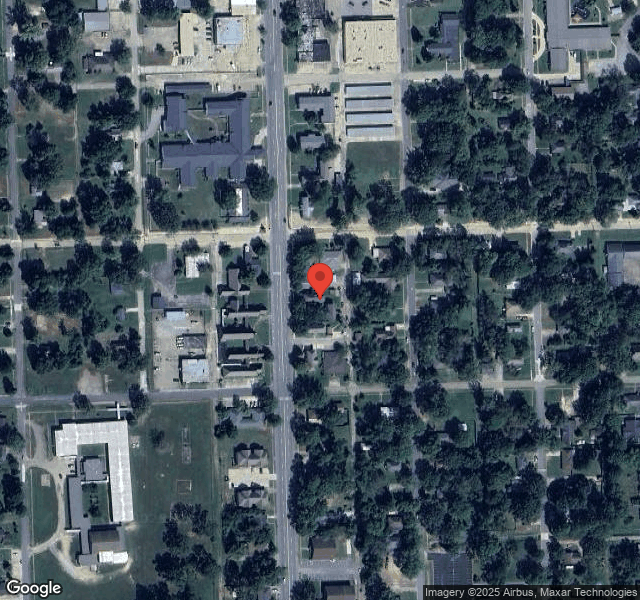
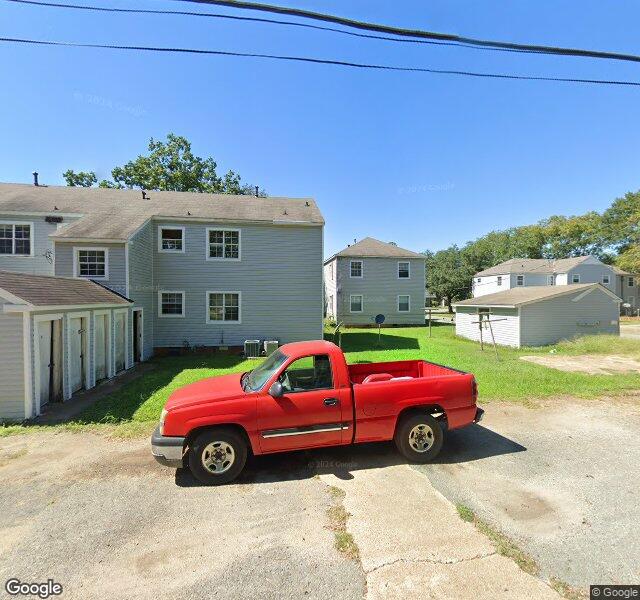
118 JERRY SELBY DRIVE, CROSSETT, AR 71635 (870) 364-1534
For profit - Limited Liability company 56 Beds NIGHTINGALE Data: November 2025
Trust Grade
90/100
#26 of 218 in AR
Last Inspection: July 2025

Inspected within the last 6 months. Data reflects current conditions.

Overview

Nightingale at Stonegate in Crossett, Arkansas, has earned an impressive Trust Grade of A, indicating it is an excellent facility and highly recommended. It ranks #26 out of 218 nursing homes in Arkansas, placing it in the top half, and is the best option among the two facilities in Ashley County. The facility is improving, with issues decreasing from 7 in 2024 to just 2 in 2025, and it boasts strong staffing ratings, with a 4 out of 5 stars and a turnover rate of 37%, which is better than the state average. There have been no fines reported, and the facility has more RN coverage than 97% of other Arkansas facilities, ensuring attentive care. However, there are some areas of concern. Recent inspections revealed that the facility failed to maintain a sanitary environment, with dirty shower chairs and inadequate cleaning practices affecting the residents' comfort. Additionally, there were issues with respecting residents' dignity and not adequately updating care plans for individuals with changing needs, which could lead to potential harm. Overall, while Nightingale at Stonegate shows many strengths, families should be aware of these weaknesses when considering it for their loved ones.

Trust Score
A
90/100
In Arkansas
#26/218
Top 11%
Safety Record
Low Risk
No red flags
Inspections
Getting Better
7 → 2 violations
Staff Stability
○ Average
37% turnover. Near Arkansas's 48% average. Typical for the industry.
Penalties
✓ Good
No fines on record. Clean compliance history, better than most Arkansas facilities.
Skilled Nurses
✓ Good
Each resident gets 42 minutes of Registered Nurse (RN) attention daily — more than average for Arkansas. RNs are trained to catch health problems early.
Violations
⚠ Watch
12 deficiencies on record. Higher than average. Multiple issues found across inspections.
★★★★★
5.0
Overall Rating
★★★★☆
4.0
Staff Levels
★★★★★
5.0
Care Quality
★★★★★
5.0
Inspection Score
Stable
2024: 7 issues
2025: 2 issues

The Good

  • 4-Star Staffing Rating · Above-average nurse staffing levels
  • 5-Star Quality Measures · Strong clinical quality outcomes
  • Full Sprinkler Coverage · Fire safety systems throughout facility
  • No fines on record
  • Staff turnover below average (37%)

    11 points below Arkansas average of 48%

Facility shows strength in staffing levels, quality measures, fire safety.

The Bad

Staff Turnover: 37%

Near Arkansas avg (46%)

Typical for the industry

Chain: NIGHTINGALE

Part of a multi-facility chain

Ask about local staffing decisions and management

The Ugly 12 deficiencies on record

Jul 2025 2 deficiencies
CONCERN (E) 📢 Someone Reported This

A family member, employee, or ombudsman was alarmed enough to file a formal complaint

Potential for Harm - no one hurt, but risky conditions existed

Safe Environment (Tag F0921)

Could have caused harm · This affected multiple residents

**NOTE- TERMS IN BRACKETS HAVE BEEN EDITED TO PROTECT CONFIDENTIALITY** Based on observation, interview, record, and facility policy review, the facility failed to ensure housekeeping and maintenance ...

Read full inspector narrative →
**NOTE- TERMS IN BRACKETS HAVE BEEN EDITED TO PROTECT CONFIDENTIALITY** Based on observation, interview, record, and facility policy review, the facility failed to ensure housekeeping and maintenance provided a safe, sanitary, comfortable environment for the residents who reside in the facility. This failed practice has the potential to affect 38 of 59 residents living in the facility. The findings include: Halls 100 and 300 During an observation on 07/21/2025 at 2:17 PM, in the Shower Room on the 300 hall, it was observed to have dried, brown substance and a black ring around in the toilet bowl; the smaller shower chair had clusters of black spots on all four legs, the back of the chair, under the chair and on the back mesh of the seat. Orange, brown, and white residue noted on the mesh of the seat. A strap on the chair was observed to have black, orange, brown, grey and white residues on the clasp and along the length of the strap. The larger shower chair also had black spotted residue on the back of the chair and legs and orange, brown, grey and white residue on the seat back and piping. There was a purple loofah sponge hanging on the shower caddy with pink/orange colored residue on the cord of the loofah. Black spots were observed around the lower shower wall tile. During an observation on 07/21/2025 at 02:30 PM, a black, transferable substance was observed on multiple shower tiles and grout lines in the Shower Room on 100 Hall. The shower chair was observed to have an orange discoloration under the seat on the frame. During an observation on 07/22/2025 at 4:26 PM on the 300 Hall and 100 Halls, no changes were observed since the previous observation of the shower room on 300 Hall, including that of the chairs, toilet, tiles, and loofah, nor of the shower room on 100 Hall, including the tiles, grout, and chair. A loose body chair bucket was under the shower chair in the 100 Hall shower room with cloudy, dirty liquid full to the rim. During an observation on 07/23/2025 at 4:15 PM on the 300 Hall and 100 Hall no changes were observed since the previous observation. During an observation and interview on 07/24/2025 at 9:24 AM in the 300 Hall Shower Room, Housekeeper #2 described how housekeeping cleaned the shower room. Housekeeper #2 stated they wipe everything, for the big shower chair, wipe down the seat and, on the small shower chair, wipe down the seat. Housekeeper #2 stated they also scrub the floor. Housekeeper #2 was asked to raise the toilet and describe what was seen. The housekeeper stated, “Ew…that is poop in the toilet.” She described the smaller shower chair as, “the black stuff on the back of the chair looks like mold. It is black, gray, and brown stuff that looks like it is growing stuff.” Housekeeper #2 described the strap and chair legs as “mold and dirty with a little bit of everything” and stated it was the same for the big shower chair. “It has mold on it as well.” The Certified Nursing Assistants (CNA)s are supposed to come in to clean the shower room during the week, and housekeepers only clean on Sundays. During an interview and observation in the 300 Hall Shower Room on 07/24/2025 at 9:30 AM, CNA #3 stated housekeeping cleaned the shower rooms on Sundays. CNA #3 stated the shower was sprayed with multipurpose cleaner after every shower given. CNA #3 placed gloves on their hands and raised the toilet lid and stated it has “poop in there.” The CNA described the substance on the back of the small shower chair at “black mold with orange and brown color residue with black spots” CNA #3 stated the small chair belt and chair legs had “the same.” CNA #3 describe the larger shower chair as “the same stuff, black mold and brown residue.” CNA #3 stated the toilet was supposed to be cleaned daily by housekeeping. CNA #3 stated, “This room is not clean or sanitary for residents to use this shower and I just used it for a resident’s shower.” During an interview and observation in the 300 Hall Shower Room on 07/24/2025 at 10:09 AM, the Director of Nursing (DON) placed gloves on her hands and raised the toilet lid. She stated, I see feces residue. The DON described the small shower chair with “brown substance, and black grayish, frothy substance all over bottom, sides and back.” She described the strap as “the same substances.” The DON stated the loofah should not have been hanging in the shower. The DON described the larger shower chair to have, white, grayish, black, frothy substance.” She stated, “It is not sanitary for the resident to be in here.” The DON also stated the shower room was supposed to be sanitized after each shower by the CNAs, and it should be thoroughly cleaned by housekeeping staff daily. During an interview and observation in the 300 Hall Shower Room on 07/24/2025 at 10:19 AM, the Administrator stated housekeeping cleaned the showers daily and deep cleaned on Sundays. After placing gloves on and raising the toilet lid, the Administrator stated, “I see dried feces and stains” inside the toilet. The administrator stated the small shower chair had “white, tan, and black mildew, and the same on the legs.” The strap also had the same substances as legs and back of chair. The Administrator stated the loofah that was hanging should be taken out and not left hanging in the shower. The Administrator stated the larger shower chair had the same substances as the smaller chair, but “not as bad.” The Administrator stated the bathroom was “not sanitary for residents. The Administrated stated residents had mentioned previously there was “mold on the wall and the facility did get the “mold” off the shower wall on this hall. During an interview and observation of the 300 Hall on 07/24/2025 at 10:41 AM with the Housekeeping Supervisor, the Administrator, three housekeepers, and the Maintenance Director, the Housekeeping Supervisor placed gloves on their hands and raised the toilet lid. The Housekeeping Manager described the toilet to contain “feces and mold.” The Housekeeping Supervisor described the small shower chair back, legs, seat, and strap as having “black mold with orange and brown looking substance.” She stated the larger shower chair was not as bad, but it had “the same mold and colors on it.” The Housekeeping Supervisor stated it was “not clean and sanitary for the residents to shower in there. Resident Rooms On 07/21/2025 at 10:46 AM in room [ROOM NUMBER] B, this surveyor observed an electrical outlet missing half of the face plate. The inside of the outlet and wiring was exposed. The resident’s bed was observed to be covered with a fuzzy blanket, in the low position, and was pushed against the wall, next to the exposed outlet. On 07/21/2025 at 1:34 PM the Maintenance Supervisor accompanied this surveyor to room [ROOM NUMBER] B and confirmed the exposed outlet was a safety hazard. The Maintenance Supervisor went on to say he was responsible for maintaining outlet covers and that all outlet covers should be intact to prevent injury to residents from electrical shock or fire. Review of maintenance work requests dated 01/20/2025 to present revealed there was no request for repair for the broken outlet in room [ROOM NUMBER] B. Hall 400 On 07/21/2025 from 10:40 AM to 12:00 PM, during initial rounds on the 400 hall, dirt, dust, debris and food crumbs were observed inside the vents, that provided air flow into the rooms, of the heating/air-conditioning units installed on both A and B side of each resident room for rooms 401, 403, 404, 405, 407, 408, and 410. The dirt, dust, debris and food crumbs were again observed in the above listed rooms on 07/22/2025 at 9:52 AM and 07/23/2025 at 3:26 PM. On 07/21/2025 at 2:22 PM the following observations were made in the 400 Hall Shower Room and Whirlpool Room. The bath chair in the shower room had white, black, gray and pink substances on the mesh netting that formed the back of the chair, down the legs of the chair, under the seat and in the security belt attached to the chair. There was a dark substance along the tiles in the floor corners, going up the wall, and behind the toilet. The toilet in the shower room had a greenish brown ring in the toilet bowl. The whirlpool Room contained a shower gurney with a thick padded foam mattress. The mattress had cracks along the seams. Under the mattress was various debris, including an orange stick designed to be used to clean under fingernails and toenails. During an interview on 07/21/2025 at 1:16 PM, Resident #4 stated there was mold on the shower chairs, on the legs, and back of shower chair. It had been on the wall, but they tried covering it up. It is so nasty, and we don't want to take showers in there.” During an interview on 07/24/2025 at 8:58 AM, Housekeeper #2 stated the shift for the day was 7:00 AM to 3:00 PM. Housekeeper #2 stated cleaning staff switched halls all the time. “Today my assignment is to work 300 Hall and half of 100 Hall.” Housekeeper #2 stated in the residents’ room they gathered the trash, placed a new trash bag, swept the rooms, wiped down the tables, cleaned the bathroom, toilets, soap holder, paper towel holder, and straighten the floor if shoes were present. The rooms were mopped after all other cleaning tasks were completed. Housekeeper #2 state, on Sundays housekeepers clean up the soiled room and shower rooms and verified that Sunday was the only day the shower room was cleaned. Housekeeper #2 stated when they cleaned the shower room, they gathered the trash, cleaned the sink, toilets, and shower area, sanitized, and organized the shampoos. Housekeeper #2 stated they used a bottle of disinfecting acid bathroom cleaner spray and wipe it then spray with multi-surface disinfectant cleaner. Housekeeper #2 stated shower chairs were cleaned with acid cleaner, wiped and then sprayed with multi surface also. On 07/24/2025 at 9:48 AM, Housekeeper #4 stated they had worked at the facility for 4 or 5 years, reported she works four days a week, and usually cleaned the shower room and spa on the last two days of her work week. When asked who was responsible for cleaning the air conditioning units in resident rooms, Housekeeper #4 stated housekeeping was responsible for surface cleaning of the units, but maintenance was responsible for cleaning the vents. On 07/24/2025 at 9:58 AM, the Maintenance Supervisor stated they had worked in the position for almost a year. The Maintenance Supervisor stated he and the housekeeper were responsible for keeping the heating/air conditioning units clean, and the last time he had cleaned them was at the start of using the air conditioning for the year. The Maintenance Supervisor stated it was time to clean them again. He confirmed it was important to keep the heating/air conditioning vents clean to prevent any respiratory symptoms and to promote air flow. During an interview on 07/24/2025 at 10:31 AM, the Housekeeping Supervisor stated there were two housekeepers daily and a third housekeeper would come in to help make all halls clean. The Housekeeping Supervisor stated housekeepers would clean the lobby first thing in the morning and then start cleaning their assigned hall. The Housekeeping Supervisor stated the shower rooms get deep cleaned on Sundays since there are no baths given on Sundays. Review of the facility “Housekeeping and Maintenance” policy indicated “…housekeeping services with be provided daily, including weekends…every part of the building will be kept clean and orderly…toilet and bath and toilet facilities…will be clean and sanitary at all times.”
MINOR (C)

Minor Issue - procedural, no safety impact

Staffing Information (Tag F0732)

Minor procedural issue · This affected most or all residents

Based on record review and interview, the facility failed to post the resident census on a daily basis. A review of a Daily Staffing Log dated 07/23/2025 revealed the census was not provided or posted...

Read full inspector narrative →
Based on record review and interview, the facility failed to post the resident census on a daily basis. A review of a Daily Staffing Log dated 07/23/2025 revealed the census was not provided or posted. A review of a Daily Staffing Log, dated June 2025, revealed the allotted area to display the census was not completed for the month of June. During an interview on 07/24/2025 at 12:28 PM, the Business Office Manager (BOM) stated she had been in the role for over a year and was responsible for maintaining the Daily Staffing Logs. She verified there was no place in the facility where the census was posted and available for viewing. The BOM also verified the respective information had not been completed on the Daily Staffing Logs since she began the role as the BOM. During an interview on 07/24/2025 at 1:43 PM, the Administrator stated she was responsible for ensuring the BOM completed the Daily Staffing logs. The Administrator also stated there was not another area where the census was posted.
Apr 2024 7 deficiencies
CONCERN (D)

Potential for Harm - no one hurt, but risky conditions existed

Transfer Notice (Tag F0623)

Could have caused harm · This affected 1 resident

**NOTE- TERMS IN BRACKETS HAVE BEEN EDITED TO PROTECT CONFIDENTIALITY** Based on interview and record review, the facility failed to ensure a resident and or resident representative and the Office of ...

Read full inspector narrative →
**NOTE- TERMS IN BRACKETS HAVE BEEN EDITED TO PROTECT CONFIDENTIALITY** Based on interview and record review, the facility failed to ensure a resident and or resident representative and the Office of the State Long-Term Care Ombudsman were provided written documentation regarding a transfer to the hospital for 1 (Resident #21) of 1 sampled resident reviewed for transfer / discharge to the hospital. The findings are: Resident #21 was admitted to the facility on [DATE] as documented on a Quarterly Minimum Data Set (MDS) with an Assessment Reference Date (ARD) of 03/21/2024. Resident #21 had a Brief Interview for Mental Status (BIMS) score of 6 (00-07 indicates severely impaired). a. A Progress Note dated 01/13/2024 at 8:16 AM documented, .resident noted to be vomiting dark brown emesis with foul odor noted .received orders to send resident to [local hospital] ER [Emergency Room] for further eval/tx [evaluation / treatment]. resident transferred via [by way of] [ambulance service] . b. On 04/11/2024 at 06:00 AM, Resident #21's electronic health record was reviewed and there was no documentation regarding a notice of transfer and or discharge for the resident's transfer on 01/13/2024. c. On 4/11/24, the Surveyor ask the Administrator to provide documentation regarding a notice of transfer and bed hold policy for Resident #21's transfer on January 13, 2024. At 04:50 PM, the Administrator said they do not have a notice of transfer or bed hold notification for Resident #21 for the January 13th hospital visit.
CONCERN (D)

Potential for Harm - no one hurt, but risky conditions existed

Deficiency F0625 (Tag F0625)

Could have caused harm · This affected 1 resident

**NOTE- TERMS IN BRACKETS HAVE BEEN EDITED TO PROTECT CONFIDENTIALITY** Based on interview and record review, the facility failed to ensure a resident and/or resident representative was provided a cop...

Read full inspector narrative →
**NOTE- TERMS IN BRACKETS HAVE BEEN EDITED TO PROTECT CONFIDENTIALITY** Based on interview and record review, the facility failed to ensure a resident and/or resident representative was provided a copy of a bed hold policy after a transfer to the hospital for 1 (Resident #21) of 1 sampled resident reviewed for bed-hold policy notification. The findings are: 1. Resident #21 was admitted to the facility on [DATE] as documented on a Quarterly Minimum Data Set (MDS) with an Assessment Reference Date (ARD) of 03/21/2024. Resident #21 had a Brief Interview for Mental Status (BIMS) score of 6 (00-07 indicates severe cognitive impairment). a. A Progress Note dated 01/13/2024 at 08:16 AM documented, .resident noted to be vomiting dark brown emesis with foul odor noted .received orders to send resident to [local hospital] ER [Emergency Room] for further eval/tx [evaluation / treatment]. resident transferred via [by way of] [ambulance service] . b. On 04/11/2024 at 06:00 AM, Resident #21's electronic health record was reviewed and there was no documentation regarding a bed hold notification for the resident's transfer on 01/13/2024. c. On 04/11/2024, the Administrator was asked to provide documentation regarding a bed hold policy for Resident #21's transfer on January 13, 2024. At 4:50 PM, the Administrator stated they did not have a bed hold notification for Resident #21 for the January 13th hospital visit.
CONCERN (D)

Potential for Harm - no one hurt, but risky conditions existed

ADL Care (Tag F0677)

Could have caused harm · This affected 1 resident

Based on observation, interview and record review, the facility failed to ensure nail care was consistently provided to promote good grooming and personal hygiene for 1 (Resident #54) of 1 sampled res...

Read full inspector narrative →
Based on observation, interview and record review, the facility failed to ensure nail care was consistently provided to promote good grooming and personal hygiene for 1 (Resident #54) of 1 sampled resident who required staff assistance with nail care. The findings are: 1. Resident #54 had diagnoses of reduced mobility and muscle wasting, as documented in an Order Summary Report. a. An admission Minimum Data Set (MDS) with an Assessment Reference Date (ARD) of 02/26/2024 documented Resident #54 had a Brief Interview for Mental Status (BIMS) score of 11 (08-12 indicates moderately cognitive impaired) and had an impairment in range of motion on one side in an upper extremity which included the shoulder, elbow, wrist, and hand. b. A Care Plan dated 03/06/2024 documented Resident #54 had a deficiency in performing Activities of Daily Living (ADL) due to a Cerebrovascular Accident (CVA), also known as a Stroke, required extensive care with personal hygiene and nail length was to be checked, trimmed, and cleaned on bath day and as necessary. c. On 04/09/2024 at 01:50 PM, Resident #54 said she had a stroke on January 25th, came to the facility in February of this year and had been doing therapy because the entire left side was affected. The fingernails on the Resident's right hand were greater than 0.25 inch in length. Resident #54 admitted she liked for the nails to be trimmed and admitted to the nails on the left hand being clipped independently but needed help with the right hand since unable to use the left hand and that staff had not offered. d. On 04/11/2024 at 08:44 AM, Resident #54 was in bed and Certified Nursing Assistance (CNA) #3 had the curtain pulled and stated Resident Care after the surveyor knocked and opened the door. CNA #3 stepped out to get more wash clothes. The fingernails on the right hand were greater than 0.25 inch in length. e. On 04/11/2024 at 08:49 AM, CNA #3 was asked if she was familiar with [Resident #54]'s care and she confirmed she was. The Surveyor asked to look at Resident #54's fingernails on the Resident's right hand and describe what she saw. She confirmed the fingernails were long and uneven. The Surveyor asked who does the nail care? CNA #3 said sometimes the Activity Director does them on Fridays, and sometimes the CNAs do them and some residents like to do it themselves. The Surveyor asked if [Resident #54] was care planned to do Resident #54's nail care. CNA #3 said she was not sure but, [Resident #54] could speak for herself, and she thought the nurses do nail care if a resident has an illness. She confirmed CNAs do nail care if the nails need to be cared for. f. On 04/11/2024, the Administrator provided a typed document with no title that documented, .The facility does not have an individual policy on fingernail care. Fingernail care is part of the ADL care provided to residents on an as needed basis .
CONCERN (D)

Potential for Harm - no one hurt, but risky conditions existed

Infection Control (Tag F0880)

Could have caused harm · This affected 1 resident

Based on observation, interview and record review, the facility failed to ensure that staff used proper hand hygiene when assisting residents during meal service to prevent spread of bacteria, viruses...

Read full inspector narrative →
Based on observation, interview and record review, the facility failed to ensure that staff used proper hand hygiene when assisting residents during meal service to prevent spread of bacteria, viruses, and/or infections. This failed practice had the potential to affect 2 (Residents #7, #50) sampled residents residing in the facility requiring assistance with meal service. The findings are: On 04/09/2024 at 12:11 PM, the Surveyor observed Certified Nursing Assistant (CNA) #1 positioning Resident #7 to an upright position in a Geri-chair (a type of chair that is useful for those with mobility issues and can also be used for bedridden patients who have difficulty sitting upright in a conventional wheelchair). CAN #1 did not sanitize/wash hands after contact with Resident #7. CNA #1 picked up silverware from the table and initiated meal assistance for Resident #50. CNA #1 placed a napkin over Resident #7 shirt, tucking the napkin in the Resident's shirt (encountering Resident's skin) and did not wash/sanitize hands. CNA #1 took silverware from Resident #50's hand, who was attempting to assist self, and gave the Resident a bite of food. CAN #1 brushed her left hand across her nose and without performing hand hygiene re-positioned Resident #7, placing a pillow to the side of the Resident. On 04/09/2024 at 01:01 PM, the Surveyor stated to CNA #1, I noticed during meal service that you did the following: positioned Resident #7, assisted Resident #50 with feeding, tucked a napkin into Resident #7's shirt encountering her skin, and grabbed silverware from Resident #50's hands, touched your face, and re-positioned Resident #7, and placed a pillow at her side. The Surveyor asked CNA #1, Does this sound accurate to you? CNA stated, Maybe so. The Surveyor asked CNA #1, What should you have done after positioning Resident #7? CNA #1 stated, Wash/sanitize my hands. The Surveyor asked CNA #1, What should you have done after placing a napkin over Resident #7's shirt, tucking it in and touching the skin? CNA #1 stated, Wash/sanitize my hands. The Surveyor asked, What should you have done after you took silverware from Resident 50's hand? CNA #1 stated, Wash/sanitize my hands. On 04/11/2024 at 11:25 AM, the Surveyor asked the Director of Nursing (DON), Between positioning a Resident (physically shifting in the wheelchair) and assisting a different Resident with meal service what should staff do? The DON stated, sanitize hands. The Surveyor asked the DON, What should staff do after making physical contact with their face (staff wiped hand across their nose), physical contact with a Resident, and/or touching an item previously touched by the Resident? The DON stated, They should sanitize their hands.The Surveyor asked the DON what could be a negative outcome of improper hand hygiene could be. The DON Passing on infection. On 04/11/2024 at 02:05 PM, the Surveyor was provided a policy titled Handwashing and Glove Usage in food Service that documented Introduction: According to the Centers for Disease Control and Prevention (CDC) hand washing is the single most important way to stop the spread of infection.
CONCERN (E)

Potential for Harm - no one hurt, but risky conditions existed

Resident Rights (Tag F0550)

Could have caused harm · This affected multiple residents

Based on observation, interview and record review, the facility failed to treat each resident with respect and dignity, and care for each resident in a manner and in an environment that promotes maint...

Read full inspector narrative →
Based on observation, interview and record review, the facility failed to treat each resident with respect and dignity, and care for each resident in a manner and in an environment that promotes maintenance or enhancement of his or her quality of life, recognizing each resident's individuality for 3 (Residents #7, #10, #50) sampled residents. The findings are: 1. Resident #7 had diagnoses of Intervertebral disc degeneration lumbar region and Gastro-esophageal reflux disease. According to a Quarterly Minimum Data Set (MDS) with an Assessment Reference Date (ARD) of 03/18/2024, Resident #7 scored 09 (8-12 indicates moderately impaired cognition) on a Brief Interview of Mental Status (BIMS). The care plan documented that Resident #7 needed assistance with spoon feeding for all meals. Resident is to be up for all meals. 2. Resident #50 had diagnoses of Dementia and muscle weakness. According to a Quarterly MDS with an ARD of 02/27/2024 Resident #50 scored 13 (13-15 indicates cognitively intact) on a BIMS. The care plan documented that Resident #50 required assistance with eating. 3. On 04/09/2024 at 12:19 PM, the Surveyor observed Licensed Practical Nurse (LPN) #3 standing over Resident #50 and #7 while providing feeding assistance. The Surveyor observed several chairs in the dining area unoccupied during the time LPN #3 was standing while aiding Resident #7 and #50. 4. On 04/09/2024 at 01:15 PM, the Surveyor asked LPN #3, What should you have done prior to assisting Residents #50 and #7 with meal service? LPN #3 stated, Ask if they needed something. The Surveyor asked LPN #3, How should staff be positioned when assisting Residents with meal service? LPN #3 stated, Prefer to sit but if we don't have enough chairs we usually stand. 5. On 04/11/2024 at 11:25 AM, the Surveyor asked the Director of Nursing (DON), How should staff be positioned when assisting Residents with eating? The DON stated, They should be seated. The Surveyor asked the DON, By staff not being seated what issue could this cause? The DON stated, dignity issue. 6. Resident #10 had diagnoses of Dementia and Weakness. According to a Quarterly MDS with an ARD of 03/08/2024, Resident #10 scored 06 (0-7 indicates severe cognitive impairment) on a BIMS. The care plan documented that Resident #10 required set-up assistance with meals/eating. 7. On 04/09/2024 at 01:30 PM, the Surveyor observed Resident #10 self-propelling in wheelchair around the day room. The Surveyor observed dried food on the Resident's shirt and mouth. 8. On 04/09/2024 at 03:00 PM, the Surveyor observed Resident #10 self-propelling in wheelchair on 100 hall. The Surveyor observed dried food on the Resident's shirt and mouth. 9. On 04/10/2024 at 02:22 PM, the Surveyor observed Resident #10 sitting in wheelchair in his/her room. Resident #10 was picking at the dried food on his/her shirt. The Surveyor also observed dried food on Resident 10's pants. 10. On 04/09/2024 at 03:05 PM, the Surveyor asked Nursing Assistant (NA) #3, Can you tell what you see on Resident #10's clothing? CNA #3 voiced that Resident had dried food from lunch or something that [Resident #10] had gotten into on his/her shirt. 11. On 04/10/2024 at 02:50 PM, the Surveyor asked Certified Nursing Assistant (CNA) #2, Can you describe for me what you see on [Resident #10's] clothing? CNA #2 stated, It look like food my partner had .I will get [Resident #10] cleaned up. 12. On 04/11/2024 at 11:25 AM, the Surveyor asked the Director of Nursing (DON), Should a Resident have dried food on their face and clothing after meal service? The DON stated, no. The Surveyor asked the DON, What do you think is a decent amount of time for staff to assist a Resident with the cleaning of the face and clothing? The DON stated, thirty minutes. The Surveyor asked the DON what issue could a dirty face and clothing cause the Resident? DON stated, dignity. 13. On 04/11/2024 at 02:05 PM, a policy titled Resident Rights and Responsibility was provided that documented the nursing facility protects and promotes the rights of each Resident/Elder admitted in order to provide a dignified existence, self-determination and communication with and access to persons and services inside and outside the nursing facility. The facility will protect and promote the rights of each Resident/Elder.
CONCERN (E)

Potential for Harm - no one hurt, but risky conditions existed

Deficiency F0657 (Tag F0657)

Could have caused harm · This affected multiple residents

**NOTE- TERMS IN BRACKETS HAVE BEEN EDITED TO PROTECT CONFIDENTIALITY** Based on interview and record review, the facility failed to ensure care plans were reviewed and revised at least quarterly and/...

Read full inspector narrative →
**NOTE- TERMS IN BRACKETS HAVE BEEN EDITED TO PROTECT CONFIDENTIALITY** Based on interview and record review, the facility failed to ensure care plans were reviewed and revised at least quarterly and/or when residents' care needs changed, as evidence by failure to revise the plan of care to address an indwelling urinary catheter and dementia care, to ensure staff were aware of the necessary care, assessments and services required for 1 (Resident #15) of 1 sampled resident who had an indwelling catheter and 1 (Resident #6) of 3 sampled residents whose care plans were reviewed for dementia care. The findings are: 1. Resident #6 had a diagnosis of dementia as documented in an Order Summary Report. a. An Annual Minimum Data Set (MDS) with an Assessment Reference Date (ARD) of 03/12/2024 documented Resident #6 had a Brief Interview for Mental Status (BIMS) score of 6 (00-07 indicates severe cognitive impairment) and an active diagnosis of non-Alzheimer ' s dementia. b. A Care Plan revised on 03/14/2024 had no documented interventions regarding Dementia Care. c. On 04/12/2024 at 02:31 PM, the MDS Coordinator was interviewed by telephone, and she confirmed that Dementia Care should have been added to Resident #6's care plan for staff to know how to care for Resident #6. 2. Resident #15 had a diagnosis of retention of urine as documented on the Order Summary Report. a. An Order Summary documented, .Change 16 Fr [French, which indicates the size of the device] [Brand Name] catheter Q [every] month . and PRN [as needed] using sterile technique . [Brand name] catheter care q [every] shift and prn with soap and water or wipes. Ensure privacy bag and leg band are in place . b. A Quarterly MDS with an ARD of 01/19/2024 documented Resident #15 had a BIMS score of 15 (13-15 indicates cognitively intact) and had an indwelling catheter. c. A Care Plan dated 01/26/2024 documented Resident #15 was re-admitted on [DATE] with a catheter and there was no other documentation regarding catheter care. d. On 04/09/2024 at 02:05 PM, Resident #15 was lying in bed and a catheter bag in a privacy bag was hanging on the right side of the bed with cloudy sediment in the tubing. e. A Nursing Progress Note dated 04/11/2024 at 1:05 PM documented, .Resident back in facility from wound clinic. Assessed by this nurse with resident noted to be short of breath, pale in color, with temp of 101.3 pulse ox [oximeter] 90% [percent] RA [room air] . Call placed to APRN [Advanced Practice Registered Nurse] with update on condition provided with new orders to send to ER for evaluation and treatment . f. A Progress Note dated 04/11/2024 at 4:05 PM documented, .Spoke with [name] at [local hospital] .was informed resident was admitted with AKI [Acute Kidney Injury] and UTI [Urinary Tract Infection]. g. On 04/12/2024 at 02:29 PM the Director of Nursing (DON) was asked about the catheter being mentioned on the care plan but no interventions regarding catheter care. She telephoned the MDS Coordinator at 02:29 PM and confirmed there should have been interventions on Resident #15's care plan. h. On 04/12/2024 the Administrator provided a typed document with no title that documented, .Our facility follows the RAI [Resident Assessment Instrument] Manual for guidance on completion of care plans .
CONCERN (E)

Potential for Harm - no one hurt, but risky conditions existed

Food Safety (Tag F0812)

Could have caused harm · This affected multiple residents

Based on observation and interview, the facility failed to ensure food items stored in the refrigerator and freezer were covered, sealed and dated to minimize the potential for food borne illness for ...

Read full inspector narrative →
Based on observation and interview, the facility failed to ensure food items stored in the refrigerator and freezer were covered, sealed and dated to minimize the potential for food borne illness for residents who received meals from 1 of 1 kitchen; 1 of 1 ice machine was maintained in clean and sanitary condition to prevent contamination of airborne particles; baseboard was secured, wall were free of chips, stains and rust and were maintained in clean sanitary conditions, and dietary staff. washed their hands before handling clean. equipment or food items to prevent potential food borne illness for residents who received meals from 1 of 1 kitchen; These failed practices had the potential to affect 55 residents who received. meals from the kitchen, (total census: 56). The findings are: 1. On 04/09/2024 at 09:59 AM, an opened box of biscuits was on a shelf in the freezer. The box was not covered, and was not completely sealed, exposing it to cross contamination. There was no date on the box to indicate when it was opened. 2. On 04/09/2024 at 10:09 AM, the following observations were made in the refrigerator. a. An open box of sausage was on a shelf in the refrigerator. The box was not covered or sealed. b. An opened box of bacon was on a shelf in the refrigerator. The box was not covered or sealed. 3. On 04/09/2024 at 10:21 AM, the top inside panel of the ice machine in the kitchen had wet black/gray residue on it. The Dietary Supervisor was asked how often they cleaned the ice machine and who used the ice from the machine. She stated, We clean it once a week. That's the ice the CNAs (Certified Nursing Assistants) use for the water pitchers in the residents' rooms, and we use it to fill beverages served to the residents at mealtimes. 4. On 04/09/2024 at 10:29 AM, the following observations were made in the dish washing machine room: a. The base board under the dish washing machine was loose, the area that was exposed had sage color. b. The corner of the wall in the dish washing machine had a sage color on it. c. There was a crack on the wall in the dish washing machine room. 5. On 04/09/2024 at 10:44 AM, the following observations were made in the kitchen: a. The floor between the deep fryer and oven, in front of the deep fryer, and behind the deep fryer, had thick buildup of grease on it. b. There was lint hanging from the edges of the deep fryer. 6. On 04/09/2024 at 10:46 AM, the shelf below the food preparation counter was a rack that contained cutting boards and containers of dried cereal with rust stains. 7. On 04/09/2024 at 11:00 AM, Dietary Employee (DE) #1 turned on the 2-compartment sink faucet and rinsed the glasses. After rinsing the glasses, she turned off the faucet with her hand contaminating them. Then picked up glasses by their rims and placed them on the trays to be used in serving beverages to the residents for a noon meal. At 02:22 PM, the Surveyor asked DE #1, What should you have done after touching dirty objects and before handling clean equipment? DE #1 stated, I should have washed my hands. 8. A facility policy titled, Hand Washing and Glove Usage in Food service provided by the Dietary Supervisor on 04/09/2024 at 3:34 PM documented, When Food Handlers must wash their hands: a. Before starting work b. After leaving and returning to the kitchen /prep area. c. After touching anything, work else such as dirty equipment, work surfaces or cloths .
Apr 2023 3 deficiencies
CONCERN (D)

Potential for Harm - no one hurt, but risky conditions existed

Assessment Accuracy (Tag F0641)

Could have caused harm · This affected 1 resident

**NOTE- TERMS IN BRACKETS HAVE BEEN EDITED TO PROTECT CONFIDENTIALITY** Based on observation, interview, and record review, the facility failed to ensure the admission Evaluation accurately assessed 1...

Read full inspector narrative →
**NOTE- TERMS IN BRACKETS HAVE BEEN EDITED TO PROTECT CONFIDENTIALITY** Based on observation, interview, and record review, the facility failed to ensure the admission Evaluation accurately assessed 1 (Resident #100) of 1 sampled resident whose admission Evaluation was reviewed for the use of psychotropic medications and smoking. The findings are: Resident #100 was admitted on [DATE] and had diagnoses of Atherosclerosis of Coronary Artery, Type 2 Diabetes Mellitus and Primary Hypertension. The Medicare 5 Day Minimum Data Set (MDS). was still in progress. As documented on a list provided by the Director of Nursing (DON) on 04/20/23 at 11:23 AM, Resident #100 smoked. a. The Physician orders dated 04/06/23 documented, .risperiDONE Oral Tablet 1 MG (Risperidone) Give 1 tablet by mouth one time a day for Delirium for 30 Days . b. The admission Evaluation dated 04/06/23 documented, .2. Medications .D. Abnormal Involuntary Movement Scale (AIMS) 1. Does the resident/elder receive ANY psychotropic medications such as antipsychotics, antidepressants, antianxiety, sedatives or hypnotics? b. No . 13. Safety .C. Smoking Risk 1. Does the resident smoke? b. No . c. On 04/20/23 at 9:10 AM, the Surveyor asked the Assistant Director of Nursing (ADON) what information was required for the admission Assessment. The ADON stated, Everything relevant to provide care for a resident. The Surveyor asked if the admission Assessment should reflect if a resident uses any psychotropic medications. The ADON stated, Yes. That is a question on the assessment. The Surveyor asked if the admission Assessment should reflect if a resident is a smoker. The ADON stated, Yes. That is also a question on the assessment. The Surveyor asked why the admission Assessment was important. The ADON stated, It sets up how to take care of a resident and that information is pulled to formulate the Baseline Care Plan. d. On 04/20/23 at 9:25 AM, the Surveyor asked the Director of Nursing (DON) what information was required for the admission Assessment. The DON stated, The diagnosis, how a resident transfer, medications a resident takes, and basically everything it takes to provide care for a resident. The Surveyor asked if the admission Assessment should reflect if a resident uses any psychotropic medications. The DON stated, Yes. The Surveyor asked if the admission Assessment should reflect if a resident is a smoker. The DON stated, Yes. The Surveyor asked why the admission Assessment was important. The DON stated, So staff will know what type of medications and how to monitor for those medications, if monitoring is required. Also, if a resident is a smoker it will help to determine what safety interventions may need to be put in place.
CONCERN (D)

Potential for Harm - no one hurt, but risky conditions existed

Accident Prevention (Tag F0689)

Could have caused harm · This affected 1 resident

Based on observation, record review, and interview, the facility failed to ensure 1 (Resident #12) of 2 (Residents #12 and #100) sampled residents who smoked as documented on a list provided by the Di...

Read full inspector narrative →
Based on observation, record review, and interview, the facility failed to ensure 1 (Resident #12) of 2 (Residents #12 and #100) sampled residents who smoked as documented on a list provided by the Director of Nursing (DON) on 04/20/23 at 11:23 AM, was supervised while smoking to prevent potential accidents. The findings are: 1. Resident #12 had diagnoses of Hemiplegia and Hemiparesis following unspecified Cerebrovascular Disease Affecting Unspecified Side and Muscle Weakness and Unspecified Lack of Coordination. The Quarterly Minimum Data Set (MDS) with an Assessment Reference Date (ARD) of 03/07/23 documented the resident scored 14 (13-15 indicates cognitively intact) on a Brief Interview for Mental Status (BIMS) and was independent with set up help only with locomotion on the unit. a. A Smoking - Safety Screen dated 12/05/22, provided by the Director of Nursing (DON) on 04/19/23 at 11:11 AM documented, .E. SAFETY 6. Can resident light own cigarette? No . 7. RESIDENT NEED FOR ADAPTIVE EQUIPMENT 7a. Smoking apron . 7c. Supervision . 8. Does resident need facility to store lighter and cigarettes? 1. Yes . 9. Plan of care is used to assure resident is safe while smoking? 1. YES F. IDTC [Interdisciplinary Team Committee] Decision 1. Notes on Safety from IDTC (i.e. [for example] resources required to support resident, other resident safety, potential capabilities): Resident is to be supervised and wear smoking apron while smoking 2. Team Decision: 2. Safe to smoke with supervision 3. Rationale/conditions: Resident can safely hold cigarette while smoking. b. The Care Plan with a revision date of 04/04/23 documented, Smoking Safety . Resident requires assistance and/or supervision with smoking . Smoking apron while smoking . c. On 04/17/23 at 10:10 AM, Resident #12 was outside at the smoking area. She was sitting in a wheelchair smoking. There was no staff in attendance. Resident #12 remained in the smoking area and continued to smoke without staff supervision until 10:59AM. d. On 04/18/23 at 11:11 AM, the Surveyor asked Resident #12 who she was smoking with on Monday (04/17/23). She stated, That was [Resident #100] and his [family member]. The Surveyor asked if she had permission to smoke without the supervision of the staff. She stated, I gave myself permission. The Surveyor asked who let her go out to smoke. She stated, [Resident #100's family member] opened the door. I smoke when I want. The Assistant Director of Nursing (ADON) and the Administrator both came outside at the smoking area while Resident #12 was outside smoking and went back inside. e. On 04/19/23 at 4:18 PM, the Surveyor asked the DON who she expected to take a resident who is assessed and care-planned to be supervised to smoke, out to smoke. She stated, A staff member or a family member. The Surveyor asked what could happen if a resident is not supervised as assessed. She stated, Burn themselves. f. On 04/19/23 at 4:25 PM, the Surveyor asked the Administrator who she expected to take a resident who was assessed, and care planned to be supervised, out to smoke. She stated, Their family or staff. The Surveyor asked if anybody's family member could take a resident out to smoke. She stated, No, just their own family. g. A facility policy titled, Smoking Policy and Procedure, provided by the Administrator on 04/19/23 at 4:31 PM documented, .4. Accommodation for residents at risk: The facility will accommodate residents with a desire to smoke who have been assessed as unable to safely smoke independently .
CONCERN (D)

Potential for Harm - no one hurt, but risky conditions existed

Deficiency F0761 (Tag F0761)

Could have caused harm · This affected 1 resident

Based on observation, and interview, the facility failed to ensure 300 Hall medication cart was locked when out of the nurse's line of vision to keep medications and biologicals securely stored and to...

Read full inspector narrative →
Based on observation, and interview, the facility failed to ensure 300 Hall medication cart was locked when out of the nurse's line of vision to keep medications and biologicals securely stored and to prevent potential access by residents or visitors. This failed practice had the potential to affect 14 self-mobile residents who resided on the 300 Hall as documented on a list provided by the Director of Nursing (DON) on 04/20/23 at 11:20 AM. The findings are: 1. On 04/20/23 at 8:17 AM, Licensed Practical Nurse (LPN) #1 was on the 300 Hall preparing mediations outside of a resident's room. LPN #1 entered the resident's room leaving the medication cart facing the hall unlocked. No other facility staff was in sight. The Surveyor was standing beside the cart and observed 3 residents in manual wheelchairs come within reach of the medication cart. The medication cart was unlocked and not supervised, and accessible to residents on the 300 Hall for 7 minutes. 2. On 04/20/23 at 8:24 AM, when LPN #1 came out of the resident's room, the Surveyor asked, Should your medication cart be locked when it is not within sight or attended by staff? She stated, Yes ma'am. The Surveyor asked, What could happen if the medication cart is unlocked and accessible in the hall? She replied, Anybody could get in it and take the medications. 3. On 04/20/23 at 10:40 AM, the Surveyor asked the DON, Should the medication cart that is unattended by staff be locked? The DON stated, Yes. The Surveyor asked, What could happen if the medication cart is left unlocked and unattended by staff? The DON stated, Residents could get into the medications. 4. The facility policy titled, Pharmaceutical Services, provided by the DON on 04/20/23 at 11:20 AM states, .Storage of drugs. All drugs and biologicals are stored in locked compartments .
Understanding Severity Codes (click to expand)
Life-Threatening (Immediate Jeopardy)
J - Isolated K - Pattern L - Widespread
Actual Harm
G - Isolated H - Pattern I - Widespread
Potential for Harm
D - Isolated E - Pattern F - Widespread
No Harm (Minor)
A - Isolated B - Pattern C - Widespread

Questions to Ask on Your Visit

  • "Can I speak with families of current residents?"
  • "What's your RN coverage like on weekends and overnight?"

Our Honest Assessment

Strengths
  • • Grade A (90/100). Above average facility, better than most options in Arkansas.
  • • No major safety red flags. No abuse findings, life-threatening violations, or SFF status.
  • • No fines on record. Clean compliance history, better than most Arkansas facilities.
  • • 37% turnover. Below Arkansas's 48% average. Good staff retention means consistent care.
Concerns
  • • 12 deficiencies on record. Higher than average. Multiple issues found across inspections.
Bottom line: Generally positive indicators. Standard due diligence and a personal visit recommended.

About This Facility

What is Nightingale At Stonegate's CMS Rating?

CMS assigns NIGHTINGALE AT STONEGATE an overall rating of 5 out of 5 stars, which is considered much above average nationally. Within Arkansas, this rating places the facility higher than 99% of the state's 100 nursing homes. This rating reflects solid performance across the metrics CMS uses to evaluate nursing home quality.

How is Nightingale At Stonegate Staffed?

CMS rates NIGHTINGALE AT STONEGATE's staffing level at 4 out of 5 stars, which is above average compared to other nursing homes. Staff turnover is 37%, compared to the Arkansas average of 46%. This relatively stable workforce can support continuity of care.

What Have Inspectors Found at Nightingale At Stonegate?

State health inspectors documented 12 deficiencies at NIGHTINGALE AT STONEGATE during 2023 to 2025. These included: 11 with potential for harm and 1 minor or isolated issues.

Who Owns and Operates Nightingale At Stonegate?

NIGHTINGALE AT STONEGATE is owned by a for-profit company. For-profit facilities operate as businesses with obligations to shareholders or private owners. The facility is operated by NIGHTINGALE, a chain that manages multiple nursing homes. With 56 certified beds and approximately 55 residents (about 98% occupancy), it is a smaller facility located in CROSSETT, Arkansas.

How Does Nightingale At Stonegate Compare to Other Arkansas Nursing Homes?

Compared to the 100 nursing homes in Arkansas, NIGHTINGALE AT STONEGATE's overall rating (5 stars) is above the state average of 3.2, staff turnover (37%) is near the state average of 46%, and health inspection rating (5 stars) is much above the national benchmark.

What Should Families Ask When Visiting Nightingale At Stonegate?

Based on this facility's data, families visiting should ask: "Can I visit during a mealtime to observe dining assistance and food quality?" "How do you handle medical emergencies, and what is your hospital transfer rate?" "Can I speak with family members of current residents about their experience?"

Is Nightingale At Stonegate Safe?

Based on CMS inspection data, NIGHTINGALE AT STONEGATE has a clean safety record: no substantiated abuse findings (meaning no confirmed cases of resident harm), no Immediate Jeopardy citations (the most serious violation level indicating risk of serious injury or death), and is not on the Special Focus Facility watch list (a federal program monitoring the lowest-performing 1% of nursing homes). The facility has a 5-star overall rating and ranks #1 of 100 nursing homes in Arkansas. While no facility is perfect, families should still ask about staff-to-resident ratios and recent inspection results during their visit.

Do Nurses at Nightingale At Stonegate Stick Around?

NIGHTINGALE AT STONEGATE has a staff turnover rate of 37%, which is about average for Arkansas nursing homes (state average: 46%). Moderate turnover is common in nursing homes, but families should still ask about staff tenure and how the facility maintains care continuity when employees leave.

Was Nightingale At Stonegate Ever Fined?

NIGHTINGALE AT STONEGATE has no federal fines on record. CMS issues fines when nursing homes fail to meet care standards or don't correct problems found during inspections. The absence of fines suggests the facility has either maintained compliance or corrected any issues before penalties were assessed. This is a positive indicator, though families should still review recent inspection reports for the full picture.

Is Nightingale At Stonegate on Any Federal Watch List?

NIGHTINGALE AT STONEGATE is not on any federal watch list. The most significant is the Special Focus Facility (SFF) program, which identifies the bottom 1% of nursing homes nationally based on persistent, serious quality problems. Not being on this list means the facility has avoided the pattern of deficiencies that triggers enhanced federal oversight. This is a positive indicator, though families should still review the facility's inspection history directly.