MITCHELL'S NURSING HOME, INC
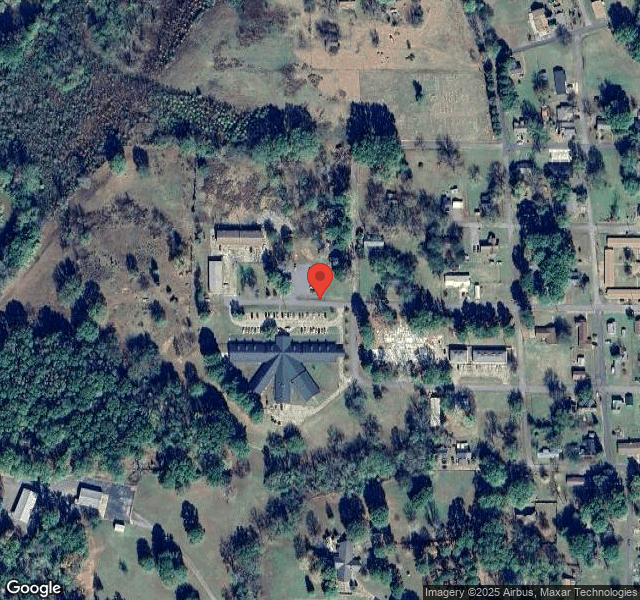

501 W 10TH, DANVILLE, AR 72833 (479) 495-2914
For profit - Corporation 105 Beds Independent Data: November 2025
Trust Grade
70/100
#113 of 218 in AR
Last Inspection: May 2024

Within standard 12-15 month inspection cycle. Federal law requires annual inspections.

Overview

Mitchell's Nursing Home, Inc. has a Trust Grade of B, indicating it is a good choice for care, though it ranks #113 out of 218 facilities in Arkansas, placing it in the bottom half. The facility's trend is improving, with issues dropping from 6 in 2023 to 2 in 2024, which is a positive sign. However, staffing is a concern, rated at 1 out of 5 stars with a turnover rate of 53%, which is average but could affect care continuity. Notably, there have been no fines, which is a strength, but RN coverage is below average, being less than that of 82% of Arkansas facilities, meaning residents may not receive as much oversight from registered nurses as needed. Specific incidents include a failure to ensure proper hand sanitation during meal service, which risks infection, and a lack of compliance in food handling and preparation, potentially exposing residents to foodborne illnesses. Overall, while there are strengths, especially in the absence of fines, families should consider the staffing and food safety issues when evaluating this nursing home.

Trust Score
B
70/100
In Arkansas
#113/218
Bottom 49%
Safety Record
Low Risk
No red flags
Inspections
Getting Better
6 → 2 violations
Staff Stability
⚠ Watch
53% turnover. Above average. Higher turnover means staff may not know residents' routines.
Penalties
✓ Good
No fines on record. Clean compliance history, better than most Arkansas facilities.
Skilled Nurses
⚠ Watch
Each resident gets only 13 minutes of Registered Nurse (RN) attention daily — below average for Arkansas. Fewer RN minutes means fewer trained eyes watching for problems.
Violations
⚠ Watch
12 deficiencies on record. Higher than average. Multiple issues found across inspections.
★★★☆☆
3.0
Overall Rating
★☆☆☆☆
1.0
Staff Levels
★★★★☆
4.0
Care Quality
★★★★☆
4.0
Inspection Score
Stable
2023: 6 issues
2024: 2 issues

The Good

  • 4-Star Quality Measures · Strong clinical quality outcomes
  • Full Sprinkler Coverage · Fire safety systems throughout facility
  • No fines on record

Facility shows strength in quality measures, fire safety.

The Bad

3-Star Overall Rating

Near Arkansas average (3.1)

Meets federal standards, typical of most facilities

Staff Turnover: 53%

Near Arkansas avg (46%)

Higher turnover may affect care consistency

The Ugly 12 deficiencies on record

May 2024 2 deficiencies
CONCERN (E)

Potential for Harm - no one hurt, but risky conditions existed

Deficiency F0761 (Tag F0761)

Could have caused harm · This affected multiple residents

Based on observation and interviews, it was determined that the facility failed to ensure over the counter medications were not expired for medication storage. Findings include: On 05/31/2024 at 10:4...

Read full inspector narrative →
Based on observation and interviews, it was determined that the facility failed to ensure over the counter medications were not expired for medication storage. Findings include: On 05/31/2024 at 10:45 AM, the Director of Nursing (DON) stated the facility did not have a policy for Medication Storage. During observation of the medication storage on 05/29/2024 at 01:30 PM the following was noted: a. 1 bottle of N-Acetyl-L-Cysteine (NAC) (an amino acid, a building block of proteins that are used throughout the body) 600 mg (milligrams) with an expiration date of April 2024. b. 1 bottle of Vitamin and Mineral Supplement (a multivitamin product used to treat or prevent vitamin deficiency due to poor diet, certain illnesses, or during pregnancy) with an expiration date of September 2023. c. 18 bottles of antiseptic skin cleanser that helps reduce bacteria that potentially can cause disease with an expiration date of April 2024. On 05/29/2024 at 01:45 PM, Licensed Practical Nurse (LPN) #3 removed the bottles of expired medications from use and stated, I will inform the Director of Nursing.
CONCERN (E) 📢 Someone Reported This

A family member, employee, or ombudsman was alarmed enough to file a formal complaint

Potential for Harm - no one hurt, but risky conditions existed

Infection Control (Tag F0880)

Could have caused harm · This affected multiple residents

**NOTE- TERMS IN BRACKETS HAVE BEEN EDITED TO PROTECT CONFIDENTIALITY** 3. During an observation on 05/28/2024 at 11:26 AM, the Surveyor observed CNA/Medication Assistant Certified (CNA/MAC) #1 in roo...

Read full inspector narrative →
**NOTE- TERMS IN BRACKETS HAVE BEEN EDITED TO PROTECT CONFIDENTIALITY** 3. During an observation on 05/28/2024 at 11:26 AM, the Surveyor observed CNA/Medication Assistant Certified (CNA/MAC) #1 in room [ROOM NUMBER] A walk out of the room without sanitizing her hands, holding a plastic bag, walked down the hallway and entered the soiled utility room. During an interview on 05/28/2024 at 11:30 AM, CNA/MAC #1 was asked why she did not sanitize her hands when coming out of room. CNA/MAC #1 stated she was going to the hopper room and after she emptied the bag out, then she was going to wash her hands. 2. On 05/28/2024 at 12:41 PM, during observation of the noon meal service Certified Nursing Assistant (CNA) #2 was assisting a resident on the left with eating and switched to assisting the resident on the right with inserting a straw into a cup. CNA #2 did not sanitize hands between switching from resident to resident. a. On 05/30/2024 at 8:10 AM, CNA #9 was asked what is an important step when passing meal trays. CNA #9 said to sanitize hands in between. The Surveyor asked what is the proper way to assist with more than one resident at a time with eating their meal. CNA #9 said to be sure to sanitize hands between each resident. CNA #9 was asked what could be a possible outcome if staff failed to sanitize between trays or residents. CNA #9 said it could spread germs. b. On 05/30/2024 at 3:30 PM, CNA #10 was asked what is something important to do when passing meal trays. CNA #10 said to sanitize hands between each tray. CNA #10 was asked when feeding multiple residents, what should you do between each resident. CNA #10 stated you should sanitize your hands. CNA #10 was asked what could be a result of not sanitizing hands between trays or assisting residents to eat. CNA #10 said it could spread germs from one resident to the other. c. On 05/31/2024 at 8:20 AM, the Infection Preventionist (IP) was asked who is the person responsible for training staff on hand hygiene. The IP said she was. The IP was asked when passing meal trays in the dining room, what should staff do in between each tray. The IP stated, Sanitize hands. The IP was asked when staff are assisting with feeding multiple residents at the table, what should staff do in between assisting each resident. The IP said, Sanitize hands. d. A policy titled, Handwashing/Hand Hygiene, received from the IP on 5/30/2024 at 2:30 PM documented, Handwashing is considered the primary means to help prevent the transfer of infections. Based on observation, interview and record review, the facility failed to ensure staff washed their hands after resident care, and between feeding residents. The findings include: 1. On 05/28/2024 at 11:26 AM, Licensed Practical Nurse (LPN) #12 was observed repositioning Resident #29. LPN #12 walked out of the room without washing her hands. On 05/28/2024 at 11:28 AM, LPN #12 indicated that she forgot to wash or sanitize her hands when she finished care for Resident #29 On 05/31/2024 at 10:08 AM, the Director of Nursing (DON) indicated staff should use hand hygiene or soap and water after contact with residents.
Jul 2023 1 deficiency
CONCERN (D) 📢 Someone Reported This

A family member, employee, or ombudsman was alarmed enough to file a formal complaint

Potential for Harm - no one hurt, but risky conditions existed

Accident Prevention (Tag F0689)

Could have caused harm · This affected 1 resident

**NOTE- TERMS IN BRACKETS HAVE BEEN EDITED TO PROTECT CONFIDENTIALITY** Based on record review and staff interview, the facility failed to follow the plan of care to prevent a resident from falling ou...

Read full inspector narrative →
**NOTE- TERMS IN BRACKETS HAVE BEEN EDITED TO PROTECT CONFIDENTIALITY** Based on record review and staff interview, the facility failed to follow the plan of care to prevent a resident from falling out of bed during a bed bath for 1 (Resident #1) of 3 (Resident #1, #2, #3) sampled residents reviewed for accidents. The findings are: The quarterly Minimum Data Set (MDS) assessment dated [DATE] indicated Resident #1 had a cognitive assessment completed and she scored a 15 with no cognitive impairment and required extensive assistance of 2 + persons for bed mobility and personal hygiene. The resident was totally dependent on staff for bathing with 2 person assist. Review of Resident #1's closet care plan, not dated, revealed the resident is dependent on staff for bathing and requires 2 person assist. Review of the nurse's notes dated 6/30/23 at 7:40 AM, noted as a late entry, the Certified Nurse Assistant, (CNA) was giving resident #1 a bed bath and rolled the resident to the left side. The resident was holding onto the bedrail for support and then fell from the bed. The resident had a laceration over the left eye. The resident was transferred to the emergency room for evaluation, and the family was notified. The Facility Investigation Report for Resident Abuse, Neglect, Misappropriation of Property, and Exploitation of Residents in Long-Term Care Facilities (DMS -762) witness statement dated 6/30/23 from CNA #1 noted, the CNA was bathing the resident and rolled her to her side and the resident grabbed the siderail, then I heard a snap and she fell and was on the floor. The DMS-762 witness statement dated 6/30/23 completed by Registered Nurse (RN) #1 noted she was called to go the resident room, where she found the resident lying in the floor in a semi prone position on top of the padded bedrails. Interview with CNA # 1 on 7/19/23 at 2:26 PM who stated, she was bathing Resident #1 and she asked the resident to grab the siderail while she helped turn her. She further stated, she turned her back to get a washcloth which was behind, her when she heard a snap and the resident just fell out of the bed. The CNA stated she checked on the resident and got help. She stated the side rail broke off the bed. The CNA confirmed she did not wait for help to bathe the resident and confirmed she bathed Resident #1 alone. 7/19/23 at 11:23 AM observed with the facility Administrator the side rail which had been removed from the bed. There was a ¼ inch bolt that was bend, which allowed the hanger/hooks to become unhooked causing it to fall off the bed.
Apr 2023 5 deficiencies
CONCERN (D)

Potential for Harm - no one hurt, but risky conditions existed

Transfer Notice (Tag F0623)

Could have caused harm · This affected 1 resident

Based on interview and record review, the facility failed to ensure that a resident's representative was provided with a notice of discharge and a copy of the notice was sent to the Office of Long-Ter...

Read full inspector narrative →
Based on interview and record review, the facility failed to ensure that a resident's representative was provided with a notice of discharge and a copy of the notice was sent to the Office of Long-Term Care Ombudsman. This failed practice affected one sampled Resident (#76) who was discharged to another healthcare facility. The findings are: 1. Resident #76 had diagnoses Neurocognitive disorder with Lewy bodies, Unspecified Dementia and Depression Unspecified. On the Minimum Data Set (MDS) with an Assessment Referenced Date (ARD) of 03/31/23 the Resident scored 12 (8-12 indicates moderately impaired) on the Brief Interview for Mental Status (BIMS), Bed Mobility Transfer, toileting and personal hygiene, the resident required limited assistance, resident required extensive assistance with dressing. The Resident was independent with eating and drinking. a. The Nurse's Note dated 04/13/23 at 9:30 a.m. documented that the resident had been accepted for admission to [facility]. Resident's [family member] was notified and agreed. b. On 04/27/23 at 8:45 a.m., the Surveyor contacted the Area Ombudsman concerning the notification of Resident #76's unplanned discharge. The Ombudsman was unfamiliar with this resident, and she was not aware of his inability to return to the facility after his hospitalization. c. On 04/27/23 at 9:30 a.m., the Administrator provided a Notice of Resident Transfer or Discharge which was dated 04/13/23. The Notice reflected the transfer was necessary for the resident's welfare and the Resident's needs could not be met by the Facility (i.e. (that is), urgent medical needs). Specify: admission to inpatient Behavioral Health Hospital. d. On 04/27/23 at 9:40 a.m., the Surveyor asked the Administrator to clarify Resident #76's status. The Administrator reported that a care team meeting was held after the resident was admitted to the hospital. At that time, the facility decided that the resident would not be allowed to return. The Surveyor asked the Administrator to provide documentation of Family Notification. e. On 04/27/23 at 10:11 a.m., the Administrator reported that no letter was provided to the Resident's [family member] concerning his inability to return to the facility. The Administrator stated, The Director of Nursing (DON) just called his [family member], told her and apologized. A note dated 04/27/23 had been placed in the Resident's chart.
CONCERN (D)

Potential for Harm - no one hurt, but risky conditions existed

Deficiency F0645 (Tag F0645)

Could have caused harm · This affected 1 resident

Based on record review, and interview, the facility failed to refer 1 (Resident #37) of 6 (#28, #33, #37, #57, #63, #130) sampled residents who were identified with a Mental Illness or an Intellectual...

Read full inspector narrative →
Based on record review, and interview, the facility failed to refer 1 (Resident #37) of 6 (#28, #33, #37, #57, #63, #130) sampled residents who were identified with a Mental Illness or an Intellectual Disability to the appropriate state-designated authority for Level II Preadmission Screening and Resident Review (PASARR) evaluation and determination. This failed practice had the potential to affect 14 residents in the facility who had a diagnosis of Mental Illness, or Intellectual Disability as documented on a list provided by the Director of Nursing (DON) on 04/26/23 at 3:00 PM. The findings are: 1. Resident #37 had a diagnosis of Delusional Disorder. The Annual Minimum Data Set (MDS) with an Assessment Reference Date (ARD) of 03/14/23 documented the resident scored a 14 (13-15 indicates cognitively intact) on a Brief Interview for Mental Status (BIMS). a. On 04/24/23 at 2:33 PM, there was no PASARR in the medical record. b. On 04/25/23 at 1:30 PM, the Surveyor asked Registered Nurse (RN) #2 for the PASSAR for Resident #37. At 2:24 PM, she stated that the PASARR could not be located. c. On 04/26/23 at 10:06 AM, the Surveyor spoke with an [Employee] (via phone) of State Designated Professional Associates who stated, Yes the resident should have had one prior to entering the building. The Surveyor explained to her that he had been here before then went to the hospital then returned. She stated, He needed one. d. On 04/26/23 at 1:11 PM, the Surveyor requested Resident #37's PASARR. e. On 04/28/23 at 9:28 AM, the Surveyor asked the Assistant Administrator, Who was responsible for making the referral to the appropriate state designated authority when a resident was identified as having a Mental Illness, Intellectual Disability, or related condition? The Assistant Administrator stated, Medical Records. The Surveyor asked, What is her title? The Assistant Administrator stated, Medical Records Nurse. f. On 04/28/23 at 9:30 AM, the Surveyor asked the Medical Records Nurse, Are you responsible for making the referral to the appropriate state designated authority when a resident is identified as having a Mental Illness, Intellectual Disability, or related condition? The Medical Records Nurse stated, Yes that's me. The Surveyor asked, Should a PASARR have been done on Resident #37? The Medical Records Nurse stated, Yes. The Surveyor asked, If a PASARR is not done what could be the negative outcome? The Medical Records Nurse stated, He wouldn't get the care he needed if he was still having those issues. g. On 04/28/23 at 3:00 PM, the Administrator stated, We have no policy for PASSARs.
CONCERN (E)

Potential for Harm - no one hurt, but risky conditions existed

Respiratory Care (Tag F0695)

Could have caused harm · This affected multiple residents

Based on observation, interview, and record review, the facility failed to post oxygen signs, change out weekly oxygen tubing, humidifier bottle and failed to store Continuous Positive Airway Pressure...

Read full inspector narrative →
Based on observation, interview, and record review, the facility failed to post oxygen signs, change out weekly oxygen tubing, humidifier bottle and failed to store Continuous Positive Airway Pressure (CPAP) mask and tubing in a manner that would prevent cross contamination. This failed practice had the potential to affect 6 (Resident #13, #16, #26, #33, #38, #280) of 7 (#13, #16, #26, #33, #38, #130 and #280) sampled residents who had orders for Oxygen/CPAP according to a list provided by the Director of Nursing (DON) on 04/28/23 at 11:50 AM. The findings are: 1. Resident #13 had diagnoses of Heart Failure, Unspecified, Unspecified Atrial Fibrillation, Polyneuropathy, Unspecified, Unspecified Atrial Fibrillation. The Quarterly Minimum Data Set (MDS) with Assessment Reference Date (ARD) of 01/16/23 received a score of 14, (13-15 indicated cognitively intact) on a Brief Interview of Mental Status (BIMS). The MDS did not identify BIPAP/CPAP usage. Resident required total 2-person assistance for transfers, extensive 2-person assistance for bed mobility and toileting, extensive 1 person assistance for dressing and personal hygiene. Resident required supervision with set up assistance for eating. Resident incontinent of bowel and bladder. a. The Medication Administration Record (MAR)/Treatment Administration Record (TAR) with a start date of 02/05/23 documented, Change oxygen tubing every Sunday when in use every day shift every Sunday, documented change on 04/23/23. b. On 04/24/23 at 11:25 AM, Resident #13's humidifier bottle was not dated. c. On 04/24/23 at 3:26 PM, Resident #13 was resting quietly, with her neck support in place. She was on 3 LNC liters via nasal canula (LNC), and the tubing was dated 04/23/23. The humidifier bottle was not dated, and there was no Oxygen sign posted. d. On 04/25/23 at 3:00 PM, the Surveyor asked Licensed Practical Nurse (LPN) #1 to check the signage, read off amount of oxygen, and check the dates on the humidifier and tubing. LPN #1 stated, Sign on door, 3 liters, tubing dated 04/23/23, humidifier bottle not dated. LPN #1 stated, Nursing is responsible for tubing and humidifier change. 2. Resident #16 had diagnoses of Chronic Respiratory Failure, Unspecified whether with Hypoxia or Hypercapnia and Sleep Apnea, Unspecified. The Annual MDS with an ARD of 02/21/23 documented the resident scored a 13 (13-15 indicated cognitively intact) on a Brief Interview for Mental Status (BIMS). The MDS did not identify BIPAP/CPAP usage. a. The Physicians Order dated 11/01/22 documented, CPAP At Setting of 8 at bedtime. b. The Care Plan with a revision date of 04/26/23 documented, CPAP/BIPAP therapy for Sleep Apnea. CPAP setting of 8 at bedtime. c. On 04/24/23 at 11:35 AM, Resident #16 was in bed. The CPAP mask was not in a closed container or dated. d. On 04/25/23 at 8:57 AM, Resident #16 was sitting in his wheelchair in the Dining Room. The CPAP machine continued to lay on his bed side table with no date and was not contained in an enclosed bag. e. On 04/26/23 at 10:00 AM, Resident #16 was in his wheelchair in his room. The Surveyor asked if he used his CPAP machine and he stated, Yes at night. The CPAP machine was lying on the bedside table with the mask uncovered and did not have a date on the tubing. f. On 04/27/23 at 8:43 AM, Resident #16's CPAP mask and tubing was lying on the bedside table, not in a closed container. g. On 04/27/23 at 8:50 AM, the Surveyor asked LPN #3 to look at the CPAP and tubing and identify the failed practice. LPN #3 stated that It should be in a closed zip lock bag with a date on it. The Surveyor asked, What could occur due to this failed practice? LPN #3 stated, Contamination and without the date, we don't know when it was changed out last. h. On 04/27/23 at 9:30 AM, the Surveyor asked the DON what she expected the nurses to do with a CPAP mask and tubing when not in use. The DON stated, To be in a closed bag. The Surveyor asked, What could occur due to this failed practice? The DON stated, Could get bacteria in the respiratory tract. i. On 04/27/23 at 2:00 PM, the Surveyor asked the Administrator for a policy on CPAPs. j. The facility policy titled Policy and Procedure for CPAP and BIPAP Therapy, provided by the DON on 04/27/23 at 3:00 PM did not address the failed practice of not dating CPAP/BIPAP mask/tubing and keeping it free from cross contamination by not being stored in a closed bag. 3. Resident #26 had diagnoses of Heart Disease, Unspecified, Atherosclerotic Heart Disease of Native Coronary Artery without Angina Pectoris, Retention of Urine, Unspecified, Pressure Ulcer of Unspecified Site, Unspecified Stage. The Quarterly MDS with ARD of 02/27/23 documented a score of 13, (13-15 indicated cognitively intact) on a BIMS. Resident required extensive 2-person assistance for bed mobility, transfers, and toileting, limited 2-person assistance for dressing, supervision with set up for eating, limited 1 person assistance for personal hygiene, frequently incontinent of bowel and not rated for bladder incontinence. a. The Care Plan and MAR/TAR with a Revised date of 12/13/22 documented, Change oxygen tubing every Sunday when in use everyday shift, every Sunday, documented change on 04/23/23. b. On 04/24/23 at 1:31 PM, Resident #26's humidifier bottle was not dated and a No Smoking Oxygen sign was not in place. c. On 04/24/23 at 3:38 PM, Resident #26's humidifier bottle was not dated, and a No Smoking Oxygen sign was not in place. d. On 04/25/23 at 8:59 AM, Resident #26's humidifier bottle was not dated and a No Smoking Oxygen sign was not in place. e. On 04/25/23 at 3:13 PM, the Surveyor asked LPN #1 to check the oxygen, the signage, and the tubing in Resident #26's room. LPN #1 stated, Oxygen sign not on door, tubing dated 04/23/23, humidifier bottle not dated. Well, when there is no date it's hard to tell if it was changed. The Surveyor asked the importance of signage, LPN #1 stated, Well someone could come in here with cigarettes or a lighter and it would be a danger. The Surveyor asked, Who is responsible for oxygen tubing, humidifier bottle change, and signage? LPN #1 said, Nursing. f. On 04/25/23 at 3:15 PM, RN #1 and LPN #1 provided the MAR/TAR that showed the tubing had been changed. Humidifier is not on the order. The Surveyor asked them, What is the standard procedure? RN #1 and LPN #1 said, We change humidifier when we change the oxygen tubing and date the humidifier bottle and tubing. 4. Resident #33 had diagnoses of Chronic Kidney Disease, Stage 3 Unspecified, Chronic Obstructive Pulmonary Disease, Unspecified, Unspecified Dementia, Unspecified Severity, Without Behavioral Disturbance, Psychotic Disturbance, Mood Disturbance, and Anxiety. The Quarterly M DS with ARD of 03/07/23 documented a score of 13 (13-15 indicated cognitively intact), on a BIMS. The MDS did not indicate BIPAP/CPAP usage. Resident required limited 1 person assistance with personal hygiene, limited 2-person assistance for transfers. Resident required extensive 2-person assistance for bed mobility, extensive 1 person assistance for dressing and toileting, supervision with one person assistance for eating and was frequently incontinent of bowel and bladder. a. The Care Plan and MAR/TAR with a start date of 04/09/23 documented, Change oxygen tubing every Sunday when in use every day shift every Sunday, documented change on 04/23/23. b. On 04/24/23 at 12:09 PM, Resident #33 was sitting in her recliner with oxygen on 3LNC, the humidifier bottle was dated 04/16/23, and the tubing bag was dated 04/23/23. The Surveyor asked Resident #33 who assisted her with respiratory needs. Resident #33 stated, I guess the nurse, but I have not seen her. c. On 04/24/23 at 2:09 PM, Resident #33 was sitting in her recliner. The humidifier bottle was dated 04/16/23, there was no oxygen in use signage. d. On 04/25/23 at 3:13 PM, the Surveyor asked LPN #1 to check the signage, the oxygen settings and the equipment dates in Resident #33's room. Humidifier bottle dated 04/16/23 and is empty. That's bad because the resident is getting dry air. The Surveyor asked LPN #1 the importance of signage, LPN #1 stated, Someone could have cigarettes or a lighter. We had a new person Sunday. I blame myself too. I've been here 2 days and should have noticed. The Surveyor asked, Who is responsible for changing the humidifier and oxygen tubing? LPN #1 said, Nursing. 5. Resident #38 had diagnoses of Senile Degeneration of Brain, Not Elsewhere Classified, Heart Failure, Unspecified, Paroxysmal Atrial Fibrillation, Chronic Obstructive Pulmonary Disease, Unspecified. The Quarterly MDS with an ARD of 02/23/23 documented a score of 9, (8-12 indicated moderately cognitively impaired) on a BIMS. The MDS did not identify BIPAP/CPAP usage. Resident required limited 1 person assistance with bed mobility, transfer, and personal hygiene, extensive 1 person assistance for dressing and toileting, supervision with one person assistance for eating, and frequently incontinent of bowel and bladder. a. On 04/23/23 at 11:55 AM, Resident #38's humidifier bottle was not dated. b. On 04/24/23 at 12:01 PM, Resident #38's humidifier bottle was not dated. c. On 04/24/23 at 2:02 PM, Resident #38's humidifier bottle was not dated. d. On 04/25/23 at 3:00 PM, the Surveyor asked LPN #1 to verify the liters of oxygen, signage, and dates on the equipment. LPN #1 stated, Humidifier bottle not dated. She pulled up the TAR showing tubing change was initialed on 04/23/23. 6. Resident #280 had diagnoses of Heart Disease, Unspecified, Atherosclerotic Heart Disease of Native Coronary Artery Without Angina Pectoris, Retention of Urine, Unspecified, Pressure Ulcer of Unspecified Site, Unspecified Stage. The admission MDS of 04/27/23 was in progress. a. On 04/24/23 at 2:20 PM, Resident #280's humidifier bottle and oxygen tubing were not labeled or dated. b. On 04/25/23 at 9:09 AM, Resident #280's humidifier bottle and oxygen tubing were not labeled or dated. Medical Record orders showed tubing change done 04/23/23. c. On 04/25/23 at 3:10 PM, the Surveyor asked LPN #1 to check the oxygen, the tubing, and the humidifier in Resident #280's room. LPN #1 stated, Tubing and humidifier bottle are not dated. It looks like 8 liters. d. On 04/25/23 at 3:13 PM, the Surveyor asked Registered Nurse (RN #1) if there was a policy for humidifiers and oxygen tubing changes. RN #1 stated, I do not know. 7. The facility policy titled, Oxygen Concentrator-Humidifier Nebulizer Updraft Maintenance, with a revision date of 08/28/15, provided by the Administrator on 04/26/23 at 10:08 AM documented, 1. Oxygen tubing, mask, cannulas will be changed weekly on Sunday. 2. Disposable humidification containers will be changed out as needed when empty, not to exceed 14 days. 3. Nebulizer will be rinsed daily and stored after drying in plastic Ziploc bag. The nebulizer and tubing will be changed weekly on Sunday. 4. Oxygen Concentrator Filters will be cleaned monthly and as needed.
CONCERN (E)

Potential for Harm - no one hurt, but risky conditions existed

Unnecessary Medications (Tag F0759)

Could have caused harm · This affected multiple residents

Based on observation, interview, and record review, the facility failed to ensure medications were administered with an error rate of less than 5% [percent] for 2 (Residents #36 and #63) of 24 (#4, #5...

Read full inspector narrative →
Based on observation, interview, and record review, the facility failed to ensure medications were administered with an error rate of less than 5% [percent] for 2 (Residents #36 and #63) of 24 (#4, #5, #16, #26, #28, #31, #32, #33, #36 ,#37, #38, #40, #44, #45, #47, #51, #57, #62, #63, #64, #67, #74, #130, #280) sampled residents for who received medication. This failed practice had the potential to affect 28 residents who received medications from the 400 Hall medication cart and 24 from the 100 Hall medication cart on a list provided by the Administrator on 04/27/23 at 3:00PM. The findings are: 1. Resident #36 had diagnoses of Paralytic Syndrome and Polyneuropathy, Unspecified. The Quarterly Minimum Data Set (MDS) with an Assessment Reference Date (ARD) of 03/22/23 received a score of 15 (13-15 indicates cognitively intact) on the Brief Interview of Mental Status (BIMS). a. The Physician Order dated 04/21/23 documented, Fluticasone 50% mcg [micrograms] 1 spray in each nostril. b. On 04/26/23 at 8:13AM, LPN #2 handed the Fluticasone 50% mcg nasal spray to Resident #36. She did not advise her to only give 1 spray in each nostril, as a result she gave herself 2 sprays in each nostril. Resident #36 did not have an assessment to self-medicate. 2. Resident #63 had a diagnosis of Constipation. The Annual MDS with an ARD of 01/05/23 documented a score of 11 (8-12 indicates moderately impaired) on the BIMS. a. The Physician Order with the start date of 04/11/22 documented, Colace Capsule (Docusate Sodium) Give 1 capsule by mouth one time a day related to Constipation. b. On 04/26/23 at 8:13AM, the Surveyor observed 2 different LPNs during the morning medication pass. 45 opportunities were observed with 4 errors occurring, resulting in an 8.89 % [percent] medication error rate. c. On 04/26/23 at 8:13AM, LPN #3 held (did not give) 3 medications, Atenolol 50 mg [milligrams], Chlorthalidone 25 mg and Lisinopril 40 mg. She had the Physician's parameters for Chlorthalidone 25 mg but did not have the parameters for Atenolol or Lisinopril. She did not notify the Medical Doctor (MD) that she had held (not given) blood pressure medications. 3. On 04/27/23 at 8:50AM, the Surveyor asked LPN #3 to explain the facility's policy for holding medications. LPN #3 responded, We aren't supposed to hold medications. The Surveyor asked if she had to hold a medication due to the resident's blood pressure being too low, what would her actions be and she responded, It's a nursing judgement and I would call the Physician and let him know and wait for further orders. The Surveyor asked if she could name the 5 rights of giving a medication. LPN #3 responded, Right resident, Right medication, Right dosage, Right route, and Right time. The Surveyor asked, When you allow a resident to administer his/her own nose spray, what would you explain to the resident? LPN #3 responded, How to do it. 4. On 04/27/23 at 9:40AM, the Surveyor asked the Director of Nursing (DON) if she expected the nurses to follow the Physician's Orders. The DON responded, Yes. The Surveyor asked what she should expect the nurses to do when they held a medication. The DON responded, If it's not a significant medication then after 3 days notify the Physician. If it's a significant medication notify the Physician for 1 hold. The Surveyor asked to name the 5 rights when giving a medication. The DON responded, Right patient, Right medication, Right route, Right dose and Right time. The Surveyor asked, Should the dosage be on the orders and Medication Record? The DON responded, We only stock the 100 mg. the Surveyor asked, What do you expect to happen prior to allowing a resident to self-administer a medication? The DON responded, Make sure they have a self-administration assessment and instruct them the correct way to administer it. 5. The facility policy titled, Med Pass Reminders Read the E-MAR, provided by the Administrator on 04/27/23 at 10:10AM documented, Be sure to give medications exactly as ordered. 6. The facility policy titled, Medications Administration Observation, provided by the Administrator on 04/27/23 at 10:10AM documented, #3 .The correct medication dose was administered to the resident . #8 Medication held, and physician notified .
CONCERN (F)

Potential for Harm - no one hurt, but risky conditions existed

Food Safety (Tag F0812)

Could have caused harm · This affected most or all residents

Based on observation and interview, the facility failed to ensure meal trays were served in a manner to prevent cross contamination, food was obtained from approved vendors, food was used or discarded...

Read full inspector narrative →
Based on observation and interview, the facility failed to ensure meal trays were served in a manner to prevent cross contamination, food was obtained from approved vendors, food was used or discarded prior to use by date, and contaminated biohazard bags were disposed of properly. This failed practice had the ability to effect 78 residents who received meals from 1 of 1 kitchen according to a list provided by the Administrator on 04/27/23 at 4:00 PM. The findings are: a. On 04/24/23 at 11:55 AM, the Dietary Manager passed out trays in the Main Dining Room. She did not sanitize her hands between providing trays for the 40 residents in the Main Dining Room and the 5 residents in the Assist Dining Room. b. On 04/24/23 at 12:17 PM, Certified Nursing Assistant (CNA) #5 used a clothing protector to wipe mucus from a resident's nose. After she wiped the resident's nose, she left the contaminated clothing protector around the resident's neck and continued to assist other residents without sanitizing her hands. c. On 04/25/23 at 10:50 AM, the Surveyor asked the Dietary Manager to explain how dishes used by residents on isolation precautions were processed. She reported that Paper products are not used to maintain the dignity of the residents. A tray is taken into the room by the CNA. Upon meal completion the CNA places the entire tray into a red biohazard bag and takes the bag down the hall to the kitchen. Upon arrival to the dish room, the Dietary Employee takes the red bag in a gloved hand. The Surveyor asked the Dietary Manager if the employees use any other Personal Protective Equipment (PPE). The Dietary Manager stated, No, just gloves. With the gloved hands the Dietary Employee removes the tray and utensils and places the items into a tub of bleach and the items are left to soak for 30 minutes. The Surveyor asked What is done with the red bag upon removal of the dishes? The Dietary Manager stated, She puts it in the trash. The Surveyor clarified by asking her if the item was placed into the regular kitchen trash receptacle located in the Dish Room. The Dietary Manager stated, Yes. d. On 04/25/23 at 11:00 AM, the Surveyor asked the Dietary Manager to retrieve a tray from the top shelf of the refrigerator which contained food items and had the names of residents on them. She reported that the families of 2 residents bring in canned vegetables. The jar that contained green beans was dated 04/10/23. The Surveyor asked, How long leftovers are kept and used? The Dietary Manager stated, A week or so, she then asked, But shouldn't she be able to keep her beans and eat them .? e. On 04/25/23 at 11:55 AM, the Social Director passed out lunch trays. She did not sanitize her hands between each tray. f. On 04/25/23 at 12:00 PM, CNA #4 was in the Assist Dining Room. She was on a rolling stool in the middle of a curved dining table. There were 4 residents at the table waiting for their lunch to be served. When the trays arrived, she placed the utensils within the resident's reach, opened the condiments, and repositioned the food items on the tray. When she completed the setup of a tray, she immediately moved to the next tray which had been brought to the table. She did not sanitize her hands between passing the trays. She reached under the table and touched the leg rest of the resident's wheelchair to move him closer to the table and rubbed the resident's leg to get his attention for lunch. She did not sanitize her hands after she touched the chair or the resident's clothing and continued to feed the other residents. g. On 04/25/23 at 12:05 PM, CNA #6 sat in the middle of an assist table in the Main Dining Room. There were 5 residents at the table. A resident vomited a moderate amount of brownish liquid into her clothing protector. CNA #6 rolled up the clothing protector, covered the emesis. She did not sanitize her hands after she touched the contaminated clothing protector and assisted another resident. The resident held the rolled-up clothing protector that contained the emesis to her chest for a total of 12 minutes. At that time CNA #7 who was previously at another table provided the resident with a wipe for her mouth and went to get a nurse for assistance. h. On 04/27/23 at 12:00 PM, the Dietary Manager passed trays in the Main Dining Room. She carried one tray on her forearm and a second tray in her right hand. Her clothing grazed the top of the food items on the tray as she steadied the tray by holding it against her torso. She continued to pass out the lunch trays and she did not sanitize her hands between passing the trays. i. On 04/27/23 at 3:02 PM, the Administrator reported the facility did not have an actual policy for kitchen handwashing. He provided documentation of multiple in-service trainings the Dietary Staff had attended. The Summary Sheet Handout documented, Poor hygiene practices such as failing to wash hands properly after using the restroom or whenever hands become contaminated, can result in a foodborne illness. j. On 4/28/23 at 10:05 AM, the Surveyor asked the Dietary Manager, Should hands be sanitized between each tray when serving a meal? The Dietary Manager stated, Yes, I should if I touch anything that contaminates my hands, but if I'm just touching trays then no. The Surveyor asked if hands should be sanitized when alternating between feeding multiple residents. The Dietary Manager stated, If I am the only one touching the spoon of each person that I'm don't really think so, unless I touch something that contaminates my hands. The Surveyor asked if items brought in from the outside by a resident's family should be stored in the kitchen. The Dietary Manager stated, Yes, if they are in a separate area.
Nov 2021 4 deficiencies
CONCERN (D)

Potential for Harm - no one hurt, but risky conditions existed

Accident Prevention (Tag F0689)

Could have caused harm · This affected 1 resident

Based on observation and interview the facility failed to ensure alcohol-based hand gel was stored in a secure location to prevent potential access by cognitively impaired residents in 1 of 1 main din...

Read full inspector narrative →
Based on observation and interview the facility failed to ensure alcohol-based hand gel was stored in a secure location to prevent potential access by cognitively impaired residents in 1 of 1 main dining room. The finds are: 1. On 11/03/21 at 9:03 AM, in the main dining room, there were 5 pump bottles of hand sanitizer located on various dining tables. Licensed Practical Nurse (LPN) #1 was asked if the residents were up and about. She stated, .Yes, some of them are in their rooms being showered . but yes they have access to the dining room . The Director of Nursing (DON) was asked if she identified a problem in the dining room. She stated, .the sanitizer .it should be kept behind this locked door . 2. On 11/3/21 at 9:15 AM, the label on the hand sanitizer container documented, For external use only. Flammable, avoid contact with eyes, avoid contact with broken skin .
CONCERN (F)

Potential for Harm - no one hurt, but risky conditions existed

Menu Adequacy (Tag F0803)

Could have caused harm · This affected most or all residents

Based on observation, record review and interview, the facility failed to ensure meals were prepared and served in accordance with the planned, written menu to meet the nutritional needs of the reside...

Read full inspector narrative →
Based on observation, record review and interview, the facility failed to ensure meals were prepared and served in accordance with the planned, written menu to meet the nutritional needs of the residents for 2 of 2 meals observed. The findings are: 1. On 11/2/21 at 12:14 PM, an unidentified Certified Nursing Assistant (CNA) presented at the dietary serving window and requested butter for a resident. Dietary Employee #1 provided 2 individual pats of margarine. Dietary Employee #1 was asked if margarine typically was placed on the meal trays or must be requested. She stated, .butter is an option. It doesn't come with the meal . The Spring/Summer menu 2021 for the 11/2/21 lunch meal documented, margarine spread - 1 each for all diets. 2. On 11/2/21 at 12:14 PM, a pureed lunch tray was sitting on the serving line, just prior to being served. The tray contained the following pureed food items: Pork chop, turnip greens, black eyed peas, creamed potatoes, and carrot cake. In addition, the menu called for cornbread and margarine. Dietary Employee #2 was asked if the residents on pureed diets were supposed to receive cornbread. She stated, No, there isn't any bread. 3. The Spring/Summer menu 2021 for the 11/3/21 breakfast meal documented, fruit/choice. On 11/03/21 at 7:10 AM, the trays being served for breakfast contained no fruit. 4. On 11/03/21 at 7:15 AM, a pureed breakfast tray was prepared by Dietary Employee #2. The tray contained hot cereal, white gravy and chocolate gravy. Employee #2 was asked if residents on pureed diets were to receive eggs. She stated, No eggs . they get overwhelmed with too much, so we try to give them what they mainly like. Dietary Employee #2 was asked if residents on pureed diets were given pureed biscuits. She stated, No. The breakfast menu for pureed diets documented juice, chilled pears, hot cereal, scrambled eggs, sausage/bacon, biscuit, margarine spread, jelly, coffee/tea, milk. 5. On 11/4/21 at 10:00 AM, the interim Dietary Manager was asked if she had discussed the changes in the menu with the Dietitian and had obtained her signature. She stated, No. When asked about the pears that were omitted from breakfast, she stated, I didn't get here till 8:00 AM, but I would say that they weren't served. She acknowledged that the residents who required a pureed diet were not given cornbread. Dietary Manager was asked why it was important to follow the menu. She stated, Because of the diets . they all have different needs.
CONCERN (F)

Potential for Harm - no one hurt, but risky conditions existed

Food Safety (Tag F0812)

Could have caused harm · This affected most or all residents

Based on observation and interview, the facility failed to ensure foods were dated, sealed, and discarded before the 'use by' date and scoops were stored separately from the contents of the cornmeal b...

Read full inspector narrative →
Based on observation and interview, the facility failed to ensure foods were dated, sealed, and discarded before the 'use by' date and scoops were stored separately from the contents of the cornmeal bin to prevent potential contamination and food borne illness for residents who received meals from 1 of 1 kitchen. The findings are: 1. On 11/01/21 at 10:56 AM, during the kitchen tour, the following was observed: a. Five packages, containing 8 hotdog buns each were located on a shelf on the bread rack. The use by date located on the bag was 10/25/21. The Dietary Manager stated, These have mold on them . these should be thrown away . b. A package containing 4 flour tortillas had a use by date of 10/23/21. c. Five 32-ounce bottles of lemon juice were located on the top shelf in the dry storage area. The use by date was 6/14/21. d. Seven containers of pineapple juice concentrate were located on a shelf in the dry storage area. The use by date was 6/21/21. e. Two 5-pound containers of cottage cheese were located on a shelf in the refrigerator. The use by date was 10/23/21. f. Four 2.5-pound bags of ham cubes were in the chest freezer. The bags had no date. g. One box containing 14 hamburger patties was in the chest freezer. The bag inside the box was open and had not been sealed. 2. On 11/2/21 at 10:30 AM, Dietary Employee #1 was combining ingredients for cornbread. The cornmeal was in a large plastic bin located under the worktable. The plastic scoop was left in the bin of cornmeal after use.
MINOR (B)

Minor Issue - procedural, no safety impact

Deficiency F0567 (Tag F0567)

Minor procedural issue · This affected multiple residents

Based on record review and interview, the facility failed to ensure 11 of 11 residents' personal funds totaling more than $100 dollars were placed in an interest-bearing account to promote resident ri...

Read full inspector narrative →
Based on record review and interview, the facility failed to ensure 11 of 11 residents' personal funds totaling more than $100 dollars were placed in an interest-bearing account to promote resident rights. This failed practice had the potential to affect 11 residents who had personal funds managed by the facility, according to a list provided by the Assistant Administrator on 11/03/21. The findings are: 1. On 11/03/21 at 9:30 AM, the Assistant Administrator was asked if the residents' trust fund accounts were interest-bearing. She stated, .no, I don't guess so. If they were, the interest would be on their statements . 2. On 11/03/21 at 10:00 AM, the Administrator was asked if the residents' trust accounts were interest-bearing accounts. He stated, No, I thought that was an option. 3. On 11/03/21 at 10:30 AM, the Administrator provided a list of 11 residents who had trust funds managed by the facility. Four of the 11 residents were selected for review, with the following findings: a. The bank statement dated 9/26/21 for Resident #11 documented a beginning balance on 8/25/21 of $690.44 and an ending balance on 9/26/21 of $730.44. The bank statement dated 10/24/21 for Resident #11 documented a beginning balance on 9/27/21 of $730.44 and an ending balance on 10/24/21 of $770.44. There was no documentation of any interest earned on either of the 2 statements. b. The bank statement dated 9/26/21 for Resident #25 documented a beginning balance on 8/25/21 of $3,426.00 and an ending balance on 9/26/21 of $934.00. The bank statement dated 10/24/21 for Resident #25 documented a beginning balance on 9/27/21 of $934.00 and an ending balance on 10/24/21 of $1,204.00. There was no documentation of any interest earned on either of the 2 statements. c. The Resident Check Register dated 10/1/21 for Resident #43 documented a beginning balance on 10/1/21 of $1,306.07 and an ending balance on 10/29/21 of $1,244.82. There was no documentation of any interest earned. d. The Resident Check Register dated 9/3/21 for Resident #63 documented a beginning balance on 9/3/21 of $1,244.70 and an ending balance on 10/29/21 of $1,055.31. There was no documentation of any interest earned.
Understanding Severity Codes (click to expand)
Life-Threatening (Immediate Jeopardy)
J - Isolated K - Pattern L - Widespread
Actual Harm
G - Isolated H - Pattern I - Widespread
Potential for Harm
D - Isolated E - Pattern F - Widespread
No Harm (Minor)
A - Isolated B - Pattern C - Widespread

Questions to Ask on Your Visit

  • "Can I speak with families of current residents?"
  • "What's your RN coverage like on weekends and overnight?"

Our Honest Assessment

Strengths
  • • No major safety red flags. No abuse findings, life-threatening violations, or SFF status.
  • • No fines on record. Clean compliance history, better than most Arkansas facilities.
Concerns
  • • 12 deficiencies on record. Higher than average. Multiple issues found across inspections.
Bottom line: Mixed indicators with Trust Score of 70/100. Visit in person and ask pointed questions.

About This Facility

What is Mitchell'S, Inc's CMS Rating?

CMS assigns MITCHELL'S NURSING HOME, INC an overall rating of 3 out of 5 stars, which is considered average nationally. Within Arkansas, this rating places the facility higher than 0% of the state's 100 nursing homes. This mid-range rating indicates the facility meets federal standards but may have areas for improvement.

How is Mitchell'S, Inc Staffed?

CMS rates MITCHELL'S NURSING HOME, INC's staffing level at 1 out of 5 stars, which is much below average compared to other nursing homes. Staff turnover is 53%, compared to the Arkansas average of 46%.

What Have Inspectors Found at Mitchell'S, Inc?

State health inspectors documented 12 deficiencies at MITCHELL'S NURSING HOME, INC during 2021 to 2024. These included: 11 with potential for harm and 1 minor or isolated issues.

Who Owns and Operates Mitchell'S, Inc?

MITCHELL'S NURSING HOME, INC is owned by a for-profit company. For-profit facilities operate as businesses with obligations to shareholders or private owners. The facility operates independently rather than as part of a larger chain. With 105 certified beds and approximately 69 residents (about 66% occupancy), it is a mid-sized facility located in DANVILLE, Arkansas.

How Does Mitchell'S, Inc Compare to Other Arkansas Nursing Homes?

Compared to the 100 nursing homes in Arkansas, MITCHELL'S NURSING HOME, INC's overall rating (3 stars) is below the state average of 3.1, staff turnover (53%) is near the state average of 46%, and health inspection rating (4 stars) is above the national benchmark.

What Should Families Ask When Visiting Mitchell'S, Inc?

Based on this facility's data, families visiting should ask: "Can you walk me through typical staffing levels on day, evening, and night shifts?" "Can I visit during a mealtime to observe dining assistance and food quality?" "How do you handle medical emergencies, and what is your hospital transfer rate?" "Can I speak with family members of current residents about their experience?" These questions are particularly relevant given the below-average staffing rating.

Is Mitchell'S, Inc Safe?

Based on CMS inspection data, MITCHELL'S NURSING HOME, INC has a clean safety record: no substantiated abuse findings (meaning no confirmed cases of resident harm), no Immediate Jeopardy citations (the most serious violation level indicating risk of serious injury or death), and is not on the Special Focus Facility watch list (a federal program monitoring the lowest-performing 1% of nursing homes). The facility has a 3-star overall rating and ranks #100 of 100 nursing homes in Arkansas. While no facility is perfect, families should still ask about staff-to-resident ratios and recent inspection results during their visit.

Do Nurses at Mitchell'S, Inc Stick Around?

MITCHELL'S NURSING HOME, INC has a staff turnover rate of 53%, which is 7 percentage points above the Arkansas average of 46%. Moderate turnover is common in nursing homes, but families should still ask about staff tenure and how the facility maintains care continuity when employees leave.

Was Mitchell'S, Inc Ever Fined?

MITCHELL'S NURSING HOME, INC has no federal fines on record. CMS issues fines when nursing homes fail to meet care standards or don't correct problems found during inspections. The absence of fines suggests the facility has either maintained compliance or corrected any issues before penalties were assessed. This is a positive indicator, though families should still review recent inspection reports for the full picture.

Is Mitchell'S, Inc on Any Federal Watch List?

MITCHELL'S NURSING HOME, INC is not on any federal watch list. The most significant is the Special Focus Facility (SFF) program, which identifies the bottom 1% of nursing homes nationally based on persistent, serious quality problems. Not being on this list means the facility has avoided the pattern of deficiencies that triggers enhanced federal oversight. This is a positive indicator, though families should still review the facility's inspection history directly.