BEAR CREEK HEALTHCARE LLC
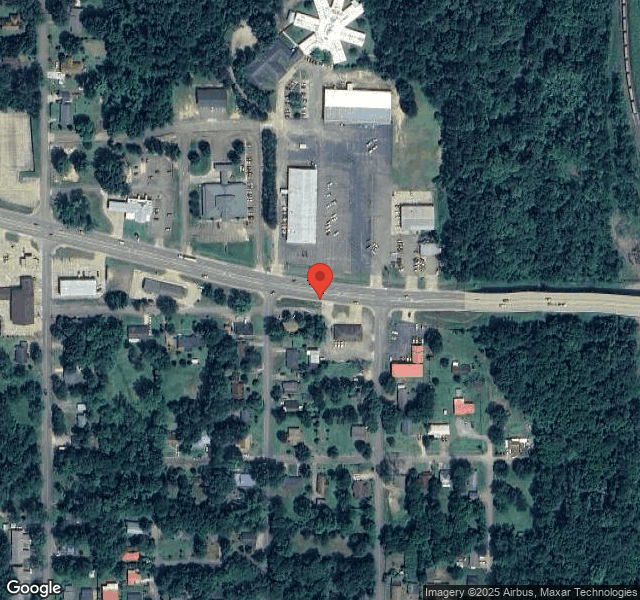

322 WEST COLLIN RAYE DRIVE, DE QUEEN, AR 71832 (870) 642-3562
For profit - Limited Liability company 131 Beds Independent Data: November 2025
Trust Grade
75/100
#54 of 218 in AR
Last Inspection: October 2024

Within standard 12-15 month inspection cycle. Federal law requires annual inspections.

Overview

Bear Creek Healthcare LLC in De Queen, Arkansas has a Trust Grade of B, indicating it is a good choice for families, as it is solidly above average. It ranks #54 out of 218 facilities in the state, placing it in the top half, and is the only option in Sevier County. The facility is improving, with reported issues decreasing from 12 in 2023 to 8 in 2024. Staffing is average with a rating of 3 out of 5, and a turnover rate of 48% is slightly below the state average, suggesting that while staff may not stay long-term, they are not leaving at an alarming rate. Notably, there have been no fines reported, which is a positive sign of compliance. However, there are some areas of concern. Recent inspections found that the kitchen failed to properly date and store food items, which could impact the safety of meals for residents. Additionally, care plans for some residents were not updated following incidents, and there were issues with the preparation of pureed foods that did not follow the required nutritional guidelines. While the facility has strengths, including good RN coverage and no fines, these incidents highlight areas that need attention to ensure resident safety and care quality.

Trust Score
B
75/100
In Arkansas
#54/218
Top 24%
Safety Record
Low Risk
No red flags
Inspections
Getting Better
12 → 8 violations
Staff Stability
⚠ Watch
48% turnover. Above average. Higher turnover means staff may not know residents' routines.
Penalties
✓ Good
No fines on record. Clean compliance history, better than most Arkansas facilities.
Skilled Nurses
⚠ Watch
Each resident gets only 19 minutes of Registered Nurse (RN) attention daily — below average for Arkansas. Fewer RN minutes means fewer trained eyes watching for problems.
Violations
⚠ Watch
20 deficiencies on record. Higher than average. Multiple issues found across inspections.
★★★★☆
4.0
Overall Rating
★★★☆☆
3.0
Staff Levels
★★★☆☆
3.0
Care Quality
★★★★☆
4.0
Inspection Score
Stable
2023: 12 issues
2024: 8 issues

The Good

  • Full Sprinkler Coverage · Fire safety systems throughout facility
  • No fines on record

Facility shows strength in fire safety.

The Bad

Staff Turnover: 48%

Near Arkansas avg (46%)

Higher turnover may affect care consistency

The Ugly 20 deficiencies on record

Oct 2024 3 deficiencies
CONCERN (D)

Potential for Harm - no one hurt, but risky conditions existed

Quality of Care (Tag F0684)

Could have caused harm · This affected 1 resident

Based on interviews, record review, facility document review it was determined that the facility failed to ensure that physician orders were followed as written on telephone order for 1 (Resident #27)...

Read full inspector narrative →
Based on interviews, record review, facility document review it was determined that the facility failed to ensure that physician orders were followed as written on telephone order for 1 (Resident #27) reviewed for physician order accuracy. Findings include: On 10/24/2024 at 11:00 AM, the Director of Nursing (DON) stated the facility did not have a policy for physician's orders or the processing of physician's orders. A review of a Face Sheet indicated the facility admitted Resident #27 with diagnoses of anxiety disorder, muscle spasm, and bipolar disorder. The quarterly Minimum Data Set (MDS), with an Assessment Reference Date (ARD) of 08/22/2024, revealed Resident #27 was severely impaired for daily decision making. The MDS indicated Resident #27 had an indication for use of a high-risk drug, an anti-anxiety medication. A review of a Physician's Telephone Order dated 09/12/2024, for Resident #27 indicated a new order for (name brand) anti-anxiety medication 0.5 mg (milligram) give 1 tablet by mouth twice a day and was signed by the physician on 10/03/2024. A review of October 2024 Physician's Orders, signed by the physician on 10/03/2024, for Resident #27 revealed an order for (name brand) Anti-anxiety medication 0.5 mg 1 tablet by mouth three times a day for anxiety disorder that had been updated on 09/12/2024. A review of Resident #27's Care Plan, dated on 06/18/2024, revealed the resident was at risk for adverse effects of psychotropic medications. Interventions included: observe for adverse effects of - (name brand) Anti-anxiety medication and report to physician if occurs, sedation, discoordination, unsteady balance, increased agitation, headache, nausea, and hallucination. A review of the Medication Administration Record (MAR) for September 2024 revealed, on 09/12/2024, an order had been added. (Name brand) Anti-anxiety medication 0.5 mg 1 tablet by mouth three times a day (TID). The original twice a day (BID) was marked out with one line through the BID with error written above the word. A review of the MAR for October 2024 revealed, an order for -(name brand) Anti-anxiety medication 0.5 mg 1 tablet by mouth TID. On 10/16/2024 at 9:49 AM, the DON confirmed the Physician's Telephone Order and the printed October Physician's Orders did not match. During an interview on 10/17/2024 at 9:20 AM, the LPN stated, that the order should have been clarified when the BID had been crossed out on the MAR. Confirmation was given by LPN that the telephone order had not been reviewed and the order had not been clarified for the (name brand) Anti-anxiety medication. During an interview on 10/17/24 at 9:00 AM, the DON indicated, the process of processing physician's orders was for the nurse to write the order, tear the top copy of the telephone order off, and fax to the pharmacy then to call the family. Once completed, the telephone order would go in a basket and would be picked up each morning. The order would then be entered into the electronic physician's orders. The DON revealed, it was important to ensure orders are transferred correctly and with any order that was unclear, that the order should be clarified.
CONCERN (E)

Potential for Harm - no one hurt, but risky conditions existed

Comprehensive Care Plan (Tag F0656)

Could have caused harm · This affected multiple residents

Based on interviews, record review, and facility document review, it was determined that the facility failed to ensure care plans were updated to include interventions for incidents for (Resident #16,...

Read full inspector narrative →
Based on interviews, record review, and facility document review, it was determined that the facility failed to ensure care plans were updated to include interventions for incidents for (Resident #16, Resident # 18, Resident # 27) 3 residents reviewed for incidents with care plan revisions and updates. Findings include: 1. On 10/24/2024 at 11:00 AM, the Director of Nursing (DON) stated, the facility did not have a policy for care plans or care plan revisions. 2. A review of Resident #16's Face Sheet indicated, the facility admitted Resident #16 with diagnoses that included congestive heart failure, Type 2 Diabetes Mellitus, chronic obstructive pulmonary disease, vascular dementia with behavioral disturbance, cerebral infarction and polyneuropathy. a. The quarterly Minimum Data Set (MDS), with an Assessment Reference Date (ARD) of 07/12/2024, revealed, Resident #16 had a Brief Interview for Mental Status (BIMS) score of 15 which indicated the resident was cognitively intact. b. A review of the Incident/Accident report revealed, Resident #16, on 07/09/2024 at 5:00 PM, was observed to have a bruise to their right great toe. The resident stated the toe was smashed between the wheelchair and the doorframe. According to the report, the additional step taken to prevent recurrence was to encourage Resident #16 to be mindful of feet when wheeling the wheelchair through doorways. c. A review of the Incident/Accident report revealed, Resident #16, on 08/22/2024 at 8:00 AM, was leaning on the right side of the bed attempting to eat and fell from the side of the bed onto the floor. According to the report, the additional step taken to prevent recurrence was to encourage Resident #16 to be out of bed for all meals. d. A review of the Nurse Aide's Information Sheet for Resident #16 had no interventions for the incident that occurred on 07/09/2024 and no interventions for the incident that occurred on 08/22/2024. e. A review of Resident #16's Care Plan, dated 04/23/2024 and updated 07/23/2024, revealed Resident #16 had a risk for abnormal bleeding or hemorrhage because of antiplatelet usage and a risk for injury related to falls; due to unsteady balance and history of fall. The bruise and intervention that occurred on 07/09/2024, and the fall that occurred on 08/22/2024, were not included in the care plan. 3. A review of Resident #18's Face Sheet indicated, the facility admitted Resident #18 with diagnoses of Dementia with Lewy Bodies, Parkinson's disease and soft tissue infection. a. The quarterly MDS with an ARD of 09/16/2024 revealed Resident #18 had a BIMS score of 3, which indicated the resident had severe cognitive impairment. A review of the Incident/Accident report revealed Resident #18, on 10/11/2024, complained of pain to the right forefinger with swelling and redness noted, with no open lesion. Additional comments noted on the reports stated, the physician prescribed an antibiotic and wound care to be provided. Resident #18 was assessed and there was no indication that the area to the forefinger was caused by an injury. A review of Physician's Orders for Resident #18 revealed the resident had an order, initiated on 10/11/24, to clean lesion to right index finger with wound cleanser; apply antibiotic ointment and cover with bandage every day until healed and as needed and to start antibiotic, 1 pill every day for 7 days. A review of Resident #18's Care Plan, updated 09/24/2024, revealed Resident #18 had a risk for abnormal bleeding or hemorrhage due to daily antiplatelet use; a risk for unrelieved pain related to Parkinson's disease and cognitive deficit with limited memory; and a risk for skin breakdown related to decreased mobility and frequent episodes of incontinence of bowel and bladder. The care plan had not been updated to include the incident/infection or the antibiotic and treatment order that occurred on 10/11/2024. A review of Resident #27's Face Sheet indicated the facility admitted Resident #27 with diagnoses of anxiety disorder, muscle spasm, and bipolar disorder. The quarterly Minimum Data Set (MDS), with an Assessment Reference Date (ARD) of 08/22/2024, revealed Resident #27 had a Staff Interview for Mental Status (SAMS) which indicated the resident was severely impaired for daily decision making. A review of the Incident/Accident report revealed that Resident #27, on 09/29/2024, received a skin tear to their left hand while pulling hand out of the side of the wheelchair when the hand caught on the bottom of the arm rest. Additional comment/steps taken to prevent recurrence indicated, treatment order for the skin tear and a larger, more comfortable and safer chair was requested from hospice. A review of the Nurse Aide's Information Sheet for Resident #27 had no interventions for the incident that occurred on 09/29/2024. A review of Physician Orders for Resident #27 revealed, resident had an order, initiated on 09/29/2024, to cleanse skin tear to left hand with wound cleanser. Pat dry. Apply strip closures and cover with dry dressing. Monitor strip closures every day and as needed. Keep covered with dry dressing until healed. A review of Resident #27's Care Plan, dated 06/18/2024, revealed Resident #27 had a terminal illness and the family had opted for hospice care for the diagnosis of senile degeneration of the brain and resident was at risk for further decline in overall condition as disease progresses. The request for a larger, more comfortable, and safer chair from hospice had not been added to the care plan. There was no care plan added to include the skin tear Resident #27 received on 09/29/2024. During an interview on 10/16/2024 at 2:20 PM, the MDS Coordinator confirmed there were no updates or interventions added to Resident #16's care plan for the incident that occurred on 07/09/2024 and no updates or interventions were added for the incident that occurred on 08/22/2024. MDS coordinator confirmed that the care plan for Resident #18 had not been updated to include the incident/accident, the treatment or the infection for the right index finger. MDS coordinator confirmed, the care plan for Resident #27's skin tear and the intervention for a larger, more comfortable and safer chair request had not been added to the resident's care plan. MDS coordinator indicated, the care plan should be updated as soon as the incident/accident happens or as soon as possible and the reason for that would be to prevent it from happening again. When asked how the staff would know what interventions were put into place, the MDS Coordinator stated the staff have ADL books but, they were being worked on and for now the staff would be told. During an interview on 10/16/2024 at 2:30 PM, the DON stated each morning Incidents/Accidents and infections were reviewed in the morning stand up meetings and the registered nurse (RN) was supposed to be updating the care plan with the information and interventions. The DON confirmed that care plans should be updated within 24 hours after an incident occurred. DON explained the importance of making sure care plans are updated was to prevent it from happening again. The DON indicated the ADL books that the staff use are supposed to be updated by the MDS Coordinator. During an interview on 10/17/2024 at 9:10 AM, RN stated there had been a misunderstanding, but now the incidents/accidents would be care planned. RN stated the incident/accident reports had been given to the MDS Coordinator thinking that the interventions would be care planned, not realizing that they were to be care planned by the RN.
CONCERN (E)

Potential for Harm - no one hurt, but risky conditions existed

Deficiency F0804 (Tag F0804)

Could have caused harm · This affected multiple residents

Based on observation, record review, and interview, it was determined that the facility failed to follow the recipe for pureed foods to maintain nutritional value for 4 ( Resident # 8, #9, #25, and #3...

Read full inspector narrative →
Based on observation, record review, and interview, it was determined that the facility failed to follow the recipe for pureed foods to maintain nutritional value for 4 ( Resident # 8, #9, #25, and #38) residents receiving pureed foods from the facility kitchen. The findings are: On 10/15/2024 at 10:16 AM, during an observation the [NAME] prepared and pureed food items for lunch. The [NAME] pureed chicken fried steak and thinned food mixture using a total of 3 cups of hot water. On 10/15/2024 at 10:33 AM, the [NAME] pureed rolls and thinned the bread mixture with a total of 2 cups of hot water. On 10/16/2024, a list of residents with puree diets was provided by the Dietary Supervisor (DS), along with guidelines for pureeing foods, and recipes for pureed chicken fried steak and pureed rolls. The recipes for pureed foods were reviewed and the recipe for pureed chicken fried steak indicated at Step #2, add liquid if needed [ex. reserved liquid, broth, milk, gravy, or sauce] to assist with pureeing and a note that indicated, water should not be used as a liquid to puree foods. The recipe for pureed rolls indicated at Step #2, add liquid if needed [ex. reserved liquid, broth, milk, gravy, or sauce] to assist with pureeing, and a note that indicated water should not be used as a liquid to puree foods. On 10/16/2024 at 10:27 AM, the [NAME] was asked during an interview to read over the recipe. The [NAME] read the recipe and confirmed water should not have been used to thin the food mixtures. The [NAME] stated adding water takes away from the nutritional value and flavor of the foods. On 10/16/2024 at 10:33AM, the DS was asked to read over the recipe and confirmed water should not have been used to thin pureed foods. Broth, gravy, or milk would have been a better option. The DS said when water is used, it reduces the nutritional value and flavor of foods. If broth, milk, or gravy would have been used, it would have added nutrition and more flavor.
Jun 2024 5 deficiencies
CONCERN (D)

Potential for Harm - no one hurt, but risky conditions existed

Assessment Accuracy (Tag F0641)

Could have caused harm · This affected 1 resident

**NOTE- TERMS IN BRACKETS HAVE BEEN EDITED TO PROTECT CONFIDENTIALITY** Based on observation, record review, and interview the facility failed to ensure the minimum data set (MDS) accurately reflected...

Read full inspector narrative →
**NOTE- TERMS IN BRACKETS HAVE BEEN EDITED TO PROTECT CONFIDENTIALITY** Based on observation, record review, and interview the facility failed to ensure the minimum data set (MDS) accurately reflected, on section A1500 the preadmission screening and assessment resident record (PASRR) a serious mental illness and/or intellectual disability affecting 1 (Resident 24) of 3 sampled Residents (Resident #3, #24, and #29) with a level II PASRR. This failed practice had the potential to affect 6 residents with a level II PASRR. The findings are: 1. Resident #24 with a diagnosis of Vascular Dementia, Parkinson's, and altered mental status. The Annual Minimum Data Set (MDS) with an Assessment Reference Date (ARD) of 10/11/2023 suggests a Brief Mental Status Score (BIMS) of 11 (8-12 indicated moderate cognitive impairment). a. A Care Plan documenting .Resident #24 is at risk for alteration in mood related to dx of bipolar disorder (10/24/2023) .Observe for mood changes is, crying, self-isolation, sleeping too much or too little .Observe effectiveness /side effects of medications as Observe effectiveness as ordered: Oxcarbazepine . b. On 06/04/2024 at 8:33 AM, the Surveyor observed Resident #24's Level II PASRR evaluation dated 12/08/2022. While reviewing Resident #24's chart the annual MDS dated [DATE] section A 1500 showed no mental health diagnoses. c. On 06/05/2024 at 10:02 AM, the MDS nurse reviewed Resident #24's chart and read the level II evaluation stating no services were recommended for Resident #24's mental illness and told the Surveyor Resident #24 did not have a level II PASRR. The MDS nurse then checked the Annual MDS section A1500 to make sure the MDS nurse did not incorrectly record Resident #24 as having a level II PASRR. d. On 06/05/2024 at 11:18 AM during interview, the MDS nurse confirmed Resident #24 did in fact have a level II PASSAR. The Surveyor asked why it was important to code correctly to the MDS, and if the MDS nurse used anything to guide documenting to the MDS. The MDS nurse confirmed it is important to code the MDS correctly because it paints a picture of the resident and helps to make sure they get the care they need, and the Resident Assessment Instrument (RAI) manual is used as a guide when coding to the MDS. The Surveyor requested a copy of the portion of the RAI manual instructing section A1500. e. On 06/05/2024 2:12 AM, the Assistant Administrator was asked for section from the RAI manual on section A1500. f. On 06/05/2024 at 3:15 PM, the Assistant Administrator provided a copy of section A1500 from the MDS, and there is not a MDS policy. g. On 06/05/2024 at 4:00 PM, the MDS nurse was asked to provide a copy from the RAI manual concerning section A1500. h. On 06/06/2024 at 9:00 AM, the MDS nurse provided documentation from the RAI manual titled A1500: Preadmission Screening and Resident Review (PASRR) documenting, .Code 1, Yes: if PASRR Level II screening determined that the resident has a serious mental illness and/or ID/DD or related condition .
CONCERN (D)

Potential for Harm - no one hurt, but risky conditions existed

Respiratory Care (Tag F0695)

Could have caused harm · This affected 1 resident

Based on observation, record review, and interview the facility failed to ensure 1 (Resident #156) oxygen was administered at the physician ordered rate to prevent respiratory complications. This fail...

Read full inspector narrative →
Based on observation, record review, and interview the facility failed to ensure 1 (Resident #156) oxygen was administered at the physician ordered rate to prevent respiratory complications. This failed practice had the potential to affect 2 sampled (Residents #3, and #156) of 6 residents with oxygen orders. The findings are: Resident #156 with a diagnosis of chronic obstructive pulmonary disease. The significant Minimum Data Set (MDS) with an Assessment Reference Date (ARD) of 04/25/2024 suggested a Brief Mental Status Score (BIMS) of 10 (8-12 indicates moderate cognitive impairment). a. A Physician Orders (dated, 04/24/2024) .Oxygen as needed every 24 at 2 liters per minute as needed nasal cannula shortness of breath . b. A Care Plan for Resident #156 (dated, 05/07/2024) documented, .has potential for difficulty breathing related to chronic condition: COPD .Administer/observe effectiveness of treatments (see current physicians orders) Oxygen inhaler .oxygen at 2 liters per minute as per orders .Change oxygen tubing, humidifier and clean filter every Saturday and as needed . c. On 06/03/2024 at 9:36 AM, while observing, Resident #156 was observed resting quietly on 3.5 liters of oxygen nasal cannula. d. On 06/04/2024 at 8:53 AM, Resident #156 was observed receiving 3.5 liters nasal cannula. Resident appears pleasantly confused, and said he was on oxygen for shortness of breath. e. On 06/04/2024 at 2:18 PM, Licensed Practical Nurse (LPN) #3 arrived at the bedside and confirmed Resident #156 is supposed to be on 2 Liters nasal cannula. f. On 06/04/2024 at 2:16 PM, LPN #3 was asked what procedure is used to check that concentrators are working and set at the right rate. LPN #3 confirmed nursing eyeballs the oxygen when staff rounds on each shift, oxygen tubing is checked on the weekend and the rate should be checked at that time too, and the oxygen was not set on 2 liters. The Surveyor said the oxygen was observed on 3.5 liters since yesterday, and most of the day today. LPN #3 said he is supposed to be on 2 liters, and that is how it is ordered. The Surveyor asked is there any reason why nursing would want to make sure residents are going at the correct rate. LPN #4 said, Yes, it could blow him out. g. On 06/05/2024 at 1:20 PM, while interviewing the Director of Nursing (DON) the Surveyor asked what procedure staff is expected to monitor oxygen concentrator settings, and who is responsible for checking the rate. The DON confirmed that the doctor orders the rate and nursing is responsible for checking the rate with every medication pass. The rule of thumb is to look and check anytime nursing is walking down the hall. h. On 06/05/2024 at 2:12 PM, the Assistant Administrator was asked for the oxygen policy, and in-services. i. On 06/06/2024 at 8:00AM, the Assistant Administrator provided a policy titled Oxygen Administration documenting, . Procedure 1. Check physician's order for liter flow and method of administration .5. e. Set the flow meter to the rate ordered by the physician . 11. At regular intervals, check liter flow contents of oxygen cylinder .
CONCERN (D)

Potential for Harm - no one hurt, but risky conditions existed

Infection Control (Tag F0880)

Could have caused harm · This affected 1 resident

Based on observation, record review, and interview the facility failed to ensure proper hand hygiene was performed during peri care for 1 (Resident #11) to prevent cross contamination and infection. T...

Read full inspector narrative →
Based on observation, record review, and interview the facility failed to ensure proper hand hygiene was performed during peri care for 1 (Resident #11) to prevent cross contamination and infection. This failed practice had the potential to affect 4 sampled (Resident #18, #31, #56, and #156) of 12 residents requiring peri care. The findings are: Resident #11 with diagnoses of Diabetes Mellitus, Heart Failure, and Anxiety. The Quarterly Minimum Data Set (MDS) with an Assessment Reference Date (ARD) suggests a Brief Mental Status Score of 7 (0-7 suggests severe cognitive impairment). a. A Care Plan for Resident #11 (dated, 05/11/2023) requires total assistance with all ADL (Activities of Daily Living) activities .TOILET USE resident needs staff assistance x 1 for toileting/incontinence care . b. 06/03/2024 at 10:28 AM, the Surveyor observed Certified Nursing Assistant (CNA) #4 wiping Resident #11's buttocks and peri area using clean wipes pulled out with right hand and wiping Resident #11 with the right hand. CNA #4 removed soiled gloves and pulled on glove from the right pocket and put it on the right hand leaving the left hand bare. I only have one glove. CNA #4 completed peri care then without removing the one glove or performing hand hygiene Resident #11 was rolled onto the left side and both hands were used to pull the draw sheet and pull the clean brief over, and adjusted residents brief in the peri area. CNA #4 then rubbed lotion on the left and right shoulder, arms, and legs, then dressed resident without performing hand hygiene. CNA #4 washed hands at the sink. c. On 06/03/2024 at 10:42 AM, CNA #4 was asked the procedure for providing peri care and was asked if CNA #4 always uses her right hand to get clean wipes and wipes residents buttocks and peri area with the same hand. CNA #4 said, Yes, that is just how I do it. CNA #4 confirmed that CNA #4 should have washed the hands or put on another pair of gloves for infection control. d. On 06/05/2024 at 9:04 AM, the Dietary Manager provided a policy titled, When and How to Wash Your Hands documenting, . You should wash your hands: After you touch anything that may contaminate your hands . e. On 06/05/2024 at 1:15 PM, the Director of Nursing (DON) was asked if it was standard care to pull out clean wipes with the right hand, then use the same hand to provide peri care. The DON confirmed that it is not standard practice to go back and forth from clean to dirty with the same hand without doing hand hygiene. f. On 06/05/2024 at 2:12 PM, the Assistant Administrator was asked for the peri care policy. g. On 06/06/2024 at 8:00 AM, the Assistant Administrator confirmed the facility does not have a peri care policy.
CONCERN (E)

Potential for Harm - no one hurt, but risky conditions existed

Deficiency F0805 (Tag F0805)

Could have caused harm · This affected multiple residents

Deficiency Text Not Available

Read full inspector narrative →
Deficiency Text Not Available
CONCERN (E)

Potential for Harm - no one hurt, but risky conditions existed

Food Safety (Tag F0812)

Could have caused harm · This affected multiple residents

**NOTE- TERMS IN BRACKETS HAVE BEEN EDITED TO PROTECT CONFIDENTIALITY** Based on observation, record review, and interview, the facility failed to ensure (1) that manufacture specifications for season...

Read full inspector narrative →
**NOTE- TERMS IN BRACKETS HAVE BEEN EDITED TO PROTECT CONFIDENTIALITY** Based on observation, record review, and interview, the facility failed to ensure (1) that manufacture specifications for seasonings storage were followed, (2) that dietary staff washed their hands and changed their gloves before handling food items, (3) that expired food products were promptly removed from the dining room, (4) that cold food items were maintained at 41 or below degrees Fahrenheit on ice while awaiting, and (5) that the facility kitchen was free of pests. These failed practices had the potential to affect 52 residents who received meals from the Kitchen. The findings are: 1. 06/04/24 1:05 PM, the following observations were made in the kitchen area. a. An opened bottle of soy sauce was on the shelf behind the steam table. The manufacture specification on the bottle documented refrigerate after opening. b. An opened bottle of lime juice on a shelf behind the steam table. The manufacture specification on the bottle documented refrigerate after opening. The surveyor asked the Dietary Supervisor what do you use this for? She stated, We use it when we make pie. 2. On 06/04/24 at 3:42 PM, two of 2 Italian salad dressings in a basket on a table holding straws and spices had an expiration date of 04/03/2024. One of 1 Italian salad dressing in a basket on the second table holding straws and spices had expiration date of 04/03/2024. The surveyor showed the dressings to the Dietary Manager who stated, It was not from the kitchen. 3. On 06/04/24 at 4:45 PM, Dietary [NAME] (DC) #1 took out a pan of chicken noodle soup from the oven and placed it on the counter, picked up a pan from a rack and placed it on the counter with her fingers inside the pan. She removed a serving spoon from a drawer and used it to place 5 servings of chicken noodle soup into a pan. Without washing her hands, she picked up a clean blade and attached it to the base of the blender, then poured chicken noodle soup in the pan into a blender with contaminated blade and pureed to be served to the residents who received pureed diets. 4. On 06/04/24 at 4:51 PM, Dietary [NAME] (DC) #1 picked up the water hose with her bare hand, used it to spray leftover food from inside of the dishes, contaminating her hands. She placed the dirty dishes in the dirty racks and pushed the racks into the dish washing machine to wash. After the dishes stopped washing, she moved to the clean side of the dishwasher area and picked up clean dishes and placed them on the clean rack to be used in serving noon meal to the residents. As she was about to use it to puree other food items. The surveyor immediately stopped and asked DC #1 what should you have done after touching dirty objects and before handling clean equipment or food items? DC #1 stated, I should have washed my hands. 5. On 06/04/24 at 4:59 PM, the temperatures of the cold food items when checked and read on a pan of ice by the Dietary Aide (DA) #1 were. a. [NAME] tuna salad 60 degrees Fahrenheit. b. Mechanical soft tuna salad 60-degree Fahrenheit. c. Pureed tuna salad 60-degree Fahrenheit. 6. On 06/04/24 at 5:14 PM, DC #1 picked up a pan of cabbage and placed it on the steam table. Without washing her hands, she picked up plates to be used in portioning food items to be served to the residents for supper meal with her fingers inside of them. 7. On 06/04/24 at 5:19 PM, DA #2 who was on the tray line assisting with supper meal, wore gloves on her hands. DA #2 picked up cartons of beverages, supplements, tray cards, crackers and placed them on the trays. She then opened the refrigerator, removed cartons of supplements, and placed them on the trays. Without washing her hands, she picked up glasses by their rims and placed them on the trays to be served to the residents. The surveyor asked DA #2 what you should have done after touching dirty objects and before handling clean equipment? DA #2 stated, I should have changed, and removed the gloves and washed my hands. 8. Review of commercial and noncommercial pest control Records dated 01/09/2024 documented, Target Pest 'E German Roaches. 9. 06/05024 7:45 AM, Dietary Supervisor aide opened a recipe book and 2 live roaches fell to the floor. The Dietary Manager stated, They came and sprayed last month. 10. A facility policy titled . When and how to wash your hands documented, Before you begin a task and after you touch anything that may contaminate your hands.
Dec 2023 12 deficiencies
CONCERN (D)

Potential for Harm - no one hurt, but risky conditions existed

Deficiency F0554 (Tag F0554)

Could have caused harm · This affected 1 resident

Based on observation, record review and interview, the facility failed to ensure before a resident was allowed to self-administer physician ordered liquid mouthwash for dry mouth, the interdisciplinar...

Read full inspector narrative →
Based on observation, record review and interview, the facility failed to ensure before a resident was allowed to self-administer physician ordered liquid mouthwash for dry mouth, the interdisciplinary team (IDT) conducted an assessment to determine if this practice was safe, care planned, and a system was in place to assure the medication was safely and correctly utilized by the resident for 1 (Resident #43) of 1 sampled resident who self-administered a liquid mouthwash for dry mouth medication. The findings are: a. A Physicians Order dated 10/27/23 documented Resident #43 was to receive Biotene Oral Balance 2 sprays in the mouth before meals and at bedtime. b. The December 2023 Medication Administration Record (MAR) noted Resident #43 was to receive Biotene Oral Balance 2 sprays in the mouth before meals and at bedtime at 6:00 AM, 11:00 AM, 4:00 PM and 8:00 PM. c. On 12/19/23 at 07:15 AM, the Surveyor observed the 8:00 AM medication pass with Licensed Practical Nurse (LPN) #2. After administering Resident #43's medications, the Surveyor observed LPN #2 sign off on the MAR for the 11:00 AM Biotene Oral Balance. The Surveyor did not observe the administration of the Biotene mouth spray. d. On 12/19/23 at 01:30 PM, the Surveyor asked Resident #43 did you take any mouth spray this morning? Resident #43 said, Yes, I spray it in my mouth between meals. e. On 12/19/23 at 01:35 PM, the Surveyor asked LPN #2, does Resident #43 self-administer any medications? LPN #2 stated, Yes, his Biotene, he knows when to give it. The Surveyor stated he just told me he gives it between meals, but the order states before meals and at bedtime. LPN #2 did not respond. f. On 12/19/23 at 01:36 PM, the Surveyor asked the Minimum Data Set (MDS) Coordinator if Resident #43 was care planned to self-administer medications. The MDS Coordinator stated, No. g. On 12/19/23 at 02:00 PM, the Surveyor asked the Director of Nursing (DON) do you have any residents in the facility that self-administer their medications? The DON stated, I don't believe we do. h. On 12/20/23 at 2:15 PM, a facility policy titled, Medication Administration - General, provided by the DON documented, .Self-Administration of Medication by Resident Policy Each Resident who desires to self-administer medication is permitted to do so if the facility's interdisciplinary team has determined that the practice would be safe for the resident and other residents of the facility .If the resident desires to self-administer medications, an assessment is conducted by the interdisciplinary team of the resident's cognitive, physical, and visual ability to carry out this responsibility prior to allowing self administration . 3. The interdisciplinary team determines the resident's ability to self-administer medications by means of a skill assessment conducted on a quarterly basis . 4. The results of the interdisciplinary team assessment are recorded on the Medication Self-Administration Assessment Form, which is placed in the resident's medical record. 5. If the resident demonstrates the ability to safely self-administer medications, a further assessment of the safety of bedside medication storage is conducted .
CONCERN (D)

Potential for Harm - no one hurt, but risky conditions existed

Deficiency F0583 (Tag F0583)

Could have caused harm · This affected 1 resident

Based on observation, record review and interview, the facility failed to ensure privacy was provided to maintain dignity when flushing a percutaneous endoscopic gastrostomy (PEG) tube for 1 (Resident...

Read full inspector narrative →
Based on observation, record review and interview, the facility failed to ensure privacy was provided to maintain dignity when flushing a percutaneous endoscopic gastrostomy (PEG) tube for 1 (Resident #52) of 1 sampled resident. The findings are: a. A Physicians Order dated 12/2/2023 documented, Flush PEG tube w/ [with] 60 ml [milliliters] of H2O [water] Q [every] shift to keep patent . b. The Care Plan dated 12/15/23 documented, . Promote dignity. Converse with resident and ensure privacy while providing care . c. On 12/19/23 at 09:00 AM, the Surveyor accompanied Licensed Practical Nurse (LPN) #1 into Resident #52's room. Observed LPN #1 flush Resident #52's feeding tube. LPN #1 removed 60cc of tap water from the sink and assisted in raising Resident #52's shirt exposing her stomach. Resident #52 held her shirt under her breast. Both the privacy curtain and door remained open during the process. When completed, the Surveyor asked LPN #1 if she always leaves the curtain and/or door open. LPN #1 responded, No, I'm sorry I was so nervous I forgot. I always close the door. The Surveyor asked why is it important for the curtain and/or door to be closed. LPN #1 answered, To provide privacy for dignity. d. On 12/20/2023 at 03:21 PM, The Director of Nursing [DON] was asked what procedures are staff expected to use to protect a resident's privacy? The DON said to shut the door, use a privacy curtain if it's a room for two residents, and to close the blinds when one's bed is to the outside. The Surveyor asked why do staff provide resident privacy? The Administrator said, Dignity. The DON said, Dignity, and it can be embarrassing for the resident. e. On 12/17/2023 at 11:25 AM, the [Facility] admission Packet provided by the Infection Preventionist documented, .Resident [NAME] of Rights .Each person admitted to a nursing home has the following rights among others: .To be treated with consideration, respect, and full recognition or his/her dignity and individuality, including privacy in treatment and care for his/her personal needs . f. On 12/17/2023 at 10:54 AM, the DON provided an in-service dated 01/23/2023 titled, Resident Rights and Dignity, which documented, .Specific Resident Rights .The Right to . Be treated with the fullest measure of consideration respect and dignity . Specific Resident Rights . Right to privacy and confidentiality . Resident Rights are the Law oOur residents deserve to be treated and cared for with the utmost dignity and respect oOur residents deserve quality care .
CONCERN (D)

Potential for Harm - no one hurt, but risky conditions existed

Deficiency F0660 (Tag F0660)

Could have caused harm · This affected 1 resident

Based on record review and interview, the facility failed to ensure discharge planning was conducted to promote continuity of care after discharge for 1 (Resident #56) of 1 sampled resident who was di...

Read full inspector narrative →
Based on record review and interview, the facility failed to ensure discharge planning was conducted to promote continuity of care after discharge for 1 (Resident #56) of 1 sampled resident who was discharged in the last 90 days. The findings are: 1. On 12/19/23 at 10:04 AM, during record review, a Progress Note dated 12/9/23 at 11:30 AM documented Resident #56 was discharged from the facility and the daughter was given Resident 56's medications. a. On 12/19/23 at 10:30 AM, the Surveyor asked the Social Worker if she had a discharge summary on Resident #56. The Social Worker stated, No. I didn't do it. b. On 12/19/23 at 10:47 AM, the Surveyor asked the Director of Nursing (DON) should there have been a discharge plan in place that reflected Resident #56's needs, goals, and treatments. The DON stated yes there should have been a plan in place and if there were no needs, then it should have been documented. c. A facility policy titled, Discharge/Transfer Of A Resident, provided by the DON on 12/20/23 at 11:15 AM stated, Purpose: To provide safe departure from the facility and or to provide sufficient information for continuing or after care of the resident . PROCEDURE: discharge: .6. Complete a Discharge Summary and the Post Discharge Plan of Care form. a. Include list of medication with instructions in simple terms. Do not use medical terms or abbreviations. b. Include instructions for post discharge care and explain to the resident and/or responsible party. c. Have the resident and/or responsible party or the person responsible for care to sign the Discharge Summary and the Post Discharge Plan of Care forms. This includes release of medications. d. Give a copy of the forms to the resident and/or responsible party or the person(s) responsible for care. e. Place the signed original copies of the forms in the clinical record .
CONCERN (D)

Potential for Harm - no one hurt, but risky conditions existed

Deficiency F0661 (Tag F0661)

Could have caused harm · This affected 1 resident

Based on record reviews, and interviews, the facility failed to formulate a discharge summary and provide the Resident and/or responsible party with a copy per the facility policy for 1 (Resident #56)...

Read full inspector narrative →
Based on record reviews, and interviews, the facility failed to formulate a discharge summary and provide the Resident and/or responsible party with a copy per the facility policy for 1 (Resident #56) of 1 sampled resident who was discharged from the facility in the last 90 days. The finding are: 1. On 12/19/23 at 10:04 AM, during record review, a Progress Note dated 12/9/23 at 11:30 AM documented Resident #56 was discharged from the facility and the daughter was given Resident 56's medications. a. On 12/19/23 at 10:30 AM, the Surveyor asked the Social Worker if she had a discharge summary on Resident #56. The Social Worker stated, No I didn't do it. b. On 12/19/23 at 10:47 AM, the Surveyor asked the Director of Nursing (DON) should there have been a discharge summary for Resident #56. The DON stated, That was a problem. We are going to in-service on that to make sure all of our residents who discharge have that documentation. c. On 12/20/23 at 11:15 AM, the DON provided a policy titled, Discharge/Transfer Of A Resident documented, .Equipment .7. Discharge Summary and Post Discharge Plan of Care (for discharge home, lower level of care, or other long term care facility) .Discharge .6. Complete a Discharge Summary and the Post Discharge Plan of Care form. a. Include a list of medications with instruction in simple terms. Do not use medical terms or abbreviations. b. Include instructions for post discharge care and explain to the resident and/or responsible party. c. Have the resident and/or responsible party or the person responsible for care to sign the Discharge Summary and the Post Discharge Plan of Care forms. This includes release of medications. d. Give a copy of the form to the resident and/or responsible party or the person(s) responsible for care. e. Place the signed original copies of the forms in the clinical record .
CONCERN (D)

Potential for Harm - no one hurt, but risky conditions existed

ADL Care (Tag F0677)

Could have caused harm · This affected 1 resident

Based on observations, interviews, and record reviews, the facility failed to ensure 1 (Resident (#46) of 1 sampled resident who was unable to carry out activities of daily living received the necessa...

Read full inspector narrative →
Based on observations, interviews, and record reviews, the facility failed to ensure 1 (Resident (#46) of 1 sampled resident who was unable to carry out activities of daily living received the necessary services to maintain good nutrition, grooming, and personal and oral hygiene. The findings are: 1. Resident #46 had diagnoses of Dementia and Depression according to his face sheet. The Annual Minimum Data Set with an Assessment Reference Date of 10/09/23 documented Resident #46 was totally dependent for personal hygiene. The Activities of Daily Living (ADL) flow record documented that Resident #46 was totally dependent with 1 person assistance with personal hygiene. a. On 12/17/23 at 01:50 PM, observed Resident #46 sitting in a wheelchair. He had a shaggy beard and dirty jagged fingernails on both hands. Pictures taken of the fingernails. b. On 12/19/23 at 08:54 AM, observed Resident #46 lying in bed resting. His fingernails were dirty and jagged. c. On 12/19/23 at 08:54 AM, observed Resident #46 lying in bed resting. His fingernails were dirty and jagged. d. On 12/19/23 at 08:55 AM, the Surveyor accompanied Certified Nursing Assistant (CNA) #5 to observe Resident #46's nails. The Surveyor asked CNA #5, can you tell me what you see when you look at Resident #46's nails. CNA #5 stated, Dirty needs to be cleaned. I will get him. e. On 12/19/23 at 09:05 AM, the Surveyor accompanied the Infection Preventionist to observe Resident #46's nails. The Surveyor asked the Infection Preventionist, can you tell me what you see when you look at Resident #46's nails. The Infection Preventionist stated, They need to be clipped and they look dirty. f. On 12/19/23 10:04 AM, the Director of Nursing (DON) stated, I just want to let you know that [Resident #46's] nails have been cleaned. g. On 12/20/23 at 11:15 AM, the DON provided a facility policy titled, ADL [Activities of Daily Living]/Care Plan Flow Sheet that documented, .Procedure: 1. Each Certified Nursing Assistant will review and initial on each assigned resident's ADL/Care Plan flow sheet . h. On 12/20/23 at 11:45 AM, Surveyor was provided the ADL book for the D Hall, a review of the December 2023 record for Resident #46 showed no signature for personal hygiene on the 7:00 am - 7:00 pm shift for December 1, 2, 3, 4, 5, 8, 9, 18, 19; and for the 7:00 pm - 7:00 am shift for 1, 2, 3, 4, 5, 11, 12, 14, 15, 16, 19. i. On 12/20/23 at 11:50 AM Surveyor asked DON does an initial indicate that the care was done? The DON stated, Yes.
CONCERN (D)

Potential for Harm - no one hurt, but risky conditions existed

Unnecessary Medications (Tag F0759)

Could have caused harm · This affected 1 resident

Based on observation, interviews and record review, the facility failed to ensure physician orders were followed to maintain a medication error rate of less than 5%, to prevent potential complications...

Read full inspector narrative →
Based on observation, interviews and record review, the facility failed to ensure physician orders were followed to maintain a medication error rate of less than 5%, to prevent potential complications for 1 (Resident #43) of 1 sampled resident observed during the medication pass. The medication error rate was 5.13%, based on observations of 38 medications administered, plus 1 medication ordered and signed off on the Medication Administration Record (MAR) before time to administer the medication for a total of 2 errors detected. The findings are: a. The MAR documented Resident #43 was to receive Biotene Oral Balance 2 sprays in the mouth before meals and at bedtime. b. The MAR documented Resident #43 was to receive Metoprolol Tartrate (high blood pressure medication) 25 milligrams 1 tablet twice a day and to hold if blood pressure was less than 110/50. c. On 12/19/23 at 07:15 AM, the Surveyor observed the 8:00 AM medication pass with Licensed Practical Nurse (LPN) #2, LPN #2 checked Resident #43's blood pressure prior to administration of any medication. The Surveyor asked LPN #2 what Resident #43's blood pressure was. LPN #2 stated, 103/62, heart rate 86. LPN #2 prepared and then administered a Metoprolol 25 milligram tablet to Resident #43. After administering the medication, the Surveyor observed LPN #2 sign off on the MAR for the 8:00 AM Metoprolol and the 11:00 AM Biotene Oral Balance. The Surveyor did not observe the administration of the Biotene mouth spray. d. On 12/19/23 at 01:30 PM, the Surveyor asked Resident #43 did you take any mouth spray this morning? Resident #43 said, Yes, I spray it in my mouth between meals. e. On 12/19/23 at 01:35 PM, the Surveyor asked LPN #2, does Resident #43 self-administer any medication? LPN #2 stated, Yes, his Biotene, he knows when to give it. The Surveyor stated he just told me he gives it between meals, but the order states before meals and at bedtime. LPN #2 did not respond. The Surveyor asked what does signing the MAR mean? LPN #2 stated that you gave medication. The Surveyor asked, did you give the Biotene? LPN #2 stated, No. The Surveyor asked why did you sign the MAR for the Biotene? LPN #2 stated, Because he tells me when he gives it but not the time. The Surveyor asked did you see him give it? LPN #2 stated, No. The Surveyor asked so, how do you know it was actually given and when? LPN #2 did not respond. f. On 12/19/23 at 01:40 PM, the Surveyor asked LPN #2 when you administer the medication metoprolol what are looking at in reference to blood pressure the systolic or diastolic? LPN #2 stated both. The Surveyor asked so if either the systolic or the diastolic was too low what would you do? LPN #2 said hold the medication. The Surveyor asked LPN #2 what was Resident #43's blood pressure this morning? LPN #2 said, 103/62. The Surveyor asked, What does the order say? LPN #2 stated hold if blood pressure less than 110/50. The Surveyor asked was either the systolic or diastolic outside of parameters? LPN #2 Yes. The Surveyor asked which one? LPN #2 stated systolic. The Surveyor asked what should you have done? LPN #2 said held the medication. g. On 12/19/23 at 02:00 PM, the Surveyor asked the Director of Nursing (DON) do you have any residents in the facility that self-administer their medications? The DON stated, I don't believe we do. The Surveyor asked when a nurse puts her signature on a MAR what does that mean? The DON stated, That she gave the med [medication]. The Surveyor asked if you have a medication with blood pressure parameters what are you looking at systolic and/or diastolic? The DON stated, Both of them. The Surveyor what do you do if it is too low? The DON stated, Hold the medication. The Surveyor showed the DON the order on the MAR and Resident #46's blood pressure and asked what should have happened? The DON stated it should have been held. h. On 12/20/23 at 02:15 PM, the DON provided a policy titled, Medication Administration - General. The policy stated, .MEDICATION ADMINISTRATION - GENERAL GUIDELINES Policy Medication are administered as prescribed, in accordance with good nursing principles and practices and only by persons legally authorized to do so. Personnel authorized to administer medication do so only after they have familiarized themselves with the medication . 3. Residents are allowed to self-administer medications when specifically authorized by the attending physician and in accordance with procedures for self- administration of medications. 8.only the licensed or legally authorized personnel who prepare a medication may administer it. This individual records the administration on the resident's MAR at the time the medication is given. 9. Medications are administered within a range of 60 minutes prior to or after the scheduled time, except before or after meal orders, which are administered precisely as ordered. 10. The resident's MAR is initialed by the person administering a medication, in the space provided under the date, and on the line for that specific medication dose administration . ORAL MEDICATION ADMINISTRATION PROCEDURE .13. Read label three times before administering medication. First when getting medication, second when putting medication in cup, and third when returning medication to the cart .
CONCERN (D)

Potential for Harm - no one hurt, but risky conditions existed

Deficiency F0760 (Tag F0760)

Could have caused harm · This affected 1 resident

Based on observations, interviews and record review, the facility failed to ensure the Medication Administration Record (MAR) was followed to prevent a significant medication error which could result ...

Read full inspector narrative →
Based on observations, interviews and record review, the facility failed to ensure the Medication Administration Record (MAR) was followed to prevent a significant medication error which could result in complications for 1 (Resident #43) of 1 sampled resident who received Metoprolol (a medication for high blood pressure, chest pain, and heart failure). The finding are: a. Resident #43's MAR had an order for Metoprolol Tartrate 25 milligrams 1 tablet twice a day at 8:00 AM and 5:00 PM and to hold if blood pressure less than 110/50. b. On 12/19/23 at 07:15 AM, the Surveyor observed the 8:00 AM medication pass for Resident #43 with Licensed Practical Nurse (LPN) #2. Prior to the administration of any medication LPN #2 checked Resident #43's blood pressure. The Surveyor asked LPN #2 what the blood pressure was. LPN #2 stated 103/62, heart rate 86. The Surveyor observed LPN #2 administer a Metoprolol 25 milligram tablet to Resident #43. c. On 12/19/23 at 01:40 PM, the Surveyor asked LPN #2, when you administer the medication Metoprolol what are looking at in reference to the blood pressure, the systolic or diastolic? LPN #2 stated both. The Surveyor asked LPN #2 so if either the systolic or the diastolic was too low what would you do? LPN #2 said hold the medication. The Surveyor asked LPN #2 what was Resident #43's blood pressure this morning? LPN #2 said 103/62. The Surveyor asked what does the order say? LPN #2 stated hold if blood pressure less 110/50. The Surveyor asked LPN #2 was either the systolic or diastolic outside of the parameters? LPN #2 Yes. The Surveyor asked which one? LPN #2 stated systolic. The Surveyor asked what should you have done? LPN #2 said held the medication. d. On 12/19/23 at 02:00 PM, the Surveyor asked the DON if you have a medication with blood pressure parameters what are you looking at, systolic and/or diastolic? The DON stated, Both of them. The Surveyor asked what do you do if one is outside of the parameters? The DON stated, Hold the medication. The Surveyor showed the DON the order on the MAR and Resident #43's blood pressure and asked what should have been done? The DON stated, It should have been held. e. On 12/19/23 at 03:00 PM, the Surveyor went over the MAR with the DON about the low blood pressure recorded on 7p-7a (7:00 pm - 7:00 am) shift. The DON stated that those were not the blood pressure taken before the medication was administered and pointed out that medication was given at 5:00 pm and the blood pressure was taken after 7:00 pm. The Surveyor asked the DON where is the documentation for the blood pressures taken prior to the 5:00 pm dose? The DON could not produce any documentation that the blood pressure had been taken prior to the 5:00 pm dose administration. The DON stated, We will get that fixed. F. On 12/20/23 at 08:40 AM, the Surveyor asked LPN #3 when you administer Resident #43's metoprolol do you check his blood pressure? LPN stated, Yes. The Surveyor asked what about his 5:00 pm dose do you check his blood pressure? LPN #3 stated, Yes. The Surveyor asked where do you document the blood pressure for the 5:00 pm dose? LPN #3 stated It's not documented. We do check it, just don't document it. G. On 12/20/23 at 2:15 PM Director of Nursing provided a policy titled, Medication Administration - General. The policy documented, . MEDICATION ADMINISTRATION - GENERAL GUIDELINES Policy Medication are administered as prescribed, in accordance with good nursing principles and practices and only by persons legally authorized to do so. Personnel authorized to administer medication do so only after they have familiarized themselves with the medication . ORAL MEDICATION ADMINISTRATION PROCEDURE .13. Read the label three times before administering medication. First when getting the medication, second when putting medication in cup, and third when returning medication to the cart 18. Obtain and record any vital signs necessary prior to medication administration .
CONCERN (D)

Potential for Harm - no one hurt, but risky conditions existed

Deficiency F0761 (Tag F0761)

Could have caused harm · This affected 1 resident

Based on interviews and record review, the facility failed to ensure a medication (Biotene, a liquid mouthwash for dry mouth) was not left at the bedside for self-administration for 1 (Resident #43) o...

Read full inspector narrative →
Based on interviews and record review, the facility failed to ensure a medication (Biotene, a liquid mouthwash for dry mouth) was not left at the bedside for self-administration for 1 (Resident #43) of 1 sampled resident to prevent a potential for ingestion by other residents. The findings are: 1. A Physicians Order dated 10/27/23 noted Resident #43 was to receive Biotene Oral Balance 2 sprays in the mouth before meals and at bedtime. a. On 12/19/23 at 07:15 AM, the Surveyor observed medication pass for Resident #43 with Licensed Practical Nurse (LPN) #2. After administering Resident #43's 8:00 AM medications, the Surveyor observed LPN #2 sign off on the MAR for the 11:00 AM Biotene Oral Balance The Surveyor did not observe the administration of Biotene mouth spray. a. On 12/19/23 at 01:30 PM, the Surveyor asked Resident #43 did you take any mouth spray this morning? Resident #43 said yes, I spray it in my mouth between meals. c. On 12/19/23 at 01:35 PM, the Surveyor asked Licensed Practical Nurse (LPN) #2, does Resident #43 self-administer medication? LPN #2 stated, Yes, his Biotene. He knows when to give it. The Surveyor stated he just told me he gives it between meals and the order states before meals and at bedtime. LPN #2 did not respond. c. On 12/19/23 at 01:36 PM, the Surveyor asked the Minimum Data Set (MDS) Coordinator if Resident #43 was care planned to self-administer medications. The MDS Coordinator stated, No. e. On 12/19/23 at 02:00 PM, the Surveyor asked the Director of Nursing (DON) do you have any residents in the facility that self-administer their medication? The DON stated, I don't believe we do. f. On 12/20/23 at 08:45 AM, the DON stated that Biotene is just a mouth wash and that it could be purchased over the counter. The Surveyor stated Aspirin and Tylenol can be purchased over the counter, and they are kept on the med cart. The DON stated well you have a point there. g. On 12/20/23 at 2:15 PM, a facility policy titled, Medication Administration, provided by the DON documented, MEDICATION ADMINISTRATION-GENERAL GUIDELINES . Procedures 3. Residents are allowed to self-administer medications when specifically authorized by the attending physician and in accordance with procedures for self- ~ administration of medications . 8.only the licensed or legally authorized personnel who prepare a medication may administer it . SELF-ADMINISTRATION OF MEDICATION BY RESIDENT Policy .5. If the resident demonstrates the ability to safely self-administer medications, a further assessment of the safety of bedside medication storage is conducted . 6. Bedside medication storage is permitted only when it does not present a risk to confused residents who wander into the rooms of, or room with, residents who self-administer. The following conditions are met for bedside storage to occur: o The medications provided to the resident for bedside storage are kept in the containers dispensed by the provider pharmacy and must be locked up at all times . 7. All nurses and aides are required to report to the charge nurse on duty any medications found at the bedside not authorized for bedside storage . 9. When the interdisciplinary team determines that bedside or in-room storage of medications would be a safety risk to other residents, the medications of residents permitted to self-administer are stored in the central medication cart or medication room .
CONCERN (D)

Potential for Harm - no one hurt, but risky conditions existed

Deficiency F0919 (Tag F0919)

Could have caused harm · This affected 1 resident

Based on observation, interview and record review, the facility failed to ensure call lights were in good working order for 1 (Resident #27) of 5 (Residents #20, #27, #35, #41, and #44) sampled reside...

Read full inspector narrative →
Based on observation, interview and record review, the facility failed to ensure call lights were in good working order for 1 (Resident #27) of 5 (Residents #20, #27, #35, #41, and #44) sampled residents who resided on the closed unit. The findings are: 1. Resident #27 had diagnoses of Dementia, Transient Ischemic Attack, and Major Depressive Disorder. The admission Minimum Data Set (MDS) with an Assessment Reference Date (ARD) of 11/28/2023 documented the resident scored 07 (0-7 indicates severe cognitive impairment) on a Brief Interview for Mental Status (BIMS) and required set up assistance for meals, moderate assistance for toileting, and moderate assistance for transfers. a. A Care Plan dated 12/05/2023 documented, .Resident is at risk for injury related to falls due to weakness and poor safety awareness. Had fall at home prior to facility placement. Has history of left hip fracture with surgical repair and multiple back surgeries.Provide environmental adaptations: Call light within reach . b. On 12/17/23 at 01:13 PM, the Surveyor tested the call light in Resident #27's for Bed B. The call light was pushed twice, and the light did not come on above the door, and staff did not respond. The Surveyor then pressed the call light for Bed A and it did not come on either. Resident #27 said she was recently attacked and needs a working call light. c. On 12/18/23 at 09:20 AM, the Surveyor tested the call lights in Resident #27's room and the light did not come on above the door, and staff did not respond. The Surveyor walked down to the dining area and observed Certified Nursing Assistant (CNA) #3 and CNA #4 sitting alone in the dining area. The Surveyor asked CNA #4 to explain the call light process in the unit. CNA #4 said the call light rings at the nurse's station outside the unit. The call lights do not alarm, and they must sit in the hallway to watch for the lights to come on over the doorway. d. On 12/18/23 at 09:23 AM, CNA #4 was asked to accompany the Surveyor to Resident #27's room. The Surveyor pressed the call light for bed A and B and CNA #4 confirmed the over the door light did not come one. CNA #4 said if the resident needed something they would not be able to reach help using the call light. e. On 12/18/23 at 01:56 PM, Resident #27 said, I cannot live like this. I tried to call for the medication nurse and nobody answered. f. On 12/18/23 at 02:00 PM, CNA #4 said Resident #27's call light is not broken, but if something is pushed up to close to the outlet thing then the call light will not work. g. On 12/19/23 at 12:07 PM, the Director of Nursing (DON) said the call light needs to work so that residents can call if they need something, are sick, or need anything. h. On 12/20/23 at 03:24 PM, the DON said they do not have a call light policy.
CONCERN (E)

Potential for Harm - no one hurt, but risky conditions existed

Resident Rights (Tag F0550)

Could have caused harm · This affected multiple residents

Based on observations, interviews, and record reviews, the facility failed to ensure staff did not stand over Residents while assisting them with eating for 1 (Resident #39), meal trays were removed f...

Read full inspector narrative →
Based on observations, interviews, and record reviews, the facility failed to ensure staff did not stand over Residents while assisting them with eating for 1 (Resident #39), meal trays were removed from the serving tray and placed on the table for 2 (Residents #38 and #39) and residents who required assistance with eating were provided their meal at the same time as the other residents for 1 (Resident #44) of 3 (Residents #38, #39 and #44) sampled residents to promote dignity and respect. The findings are: 1. On 12/17/23 at 12:04 PM, observed Certified Nursing Assistant (CNA) #5 standing to feed Resident #39 at the table for Residents require assistance with eating. a. On 12/17/23 at 12:15 PM, the Surveyor asked CNA #5, How should you position yourself when feeding a resident? CNA #5 stated, At eye level. b. On 12/19/23 at 10:14 AM, the Surveyor asked the Director of Nursing (DON), how should staff position themselves when feeding a Resident? The DON stated, They should be sitting on stools at eye level with the resident. 2. On 12/17/23 at 12:07 PM, observed Residents 38 and #39) with their plates still on the serving tray. a. On 12/17/23 at 12:12 PM, the Surveyor asked CNA #5, why do some of the residents have their plates on serving trays? CNA #5 stated I'm sorry, I'm trying to control the mess. b. On 12/17/23 at 12:20 PM, the Surveyor asked Dietary Employee #1, why are some of the resident's plates on the table and others on the tray? Dietary Employee #1 stated, They are not supposed to be. The Surveyor asked, why should the plates not be on the serving trays? Dietary Employee #1 stated, It's a dignity issue. c. On 12/19/23 at 10:14 AM, the Surveyor asked the DON with the plates being left on the serving traying what issue could that cause? DON stated, That can be a dignity issue, we need to educate and care plan it if the resident prefers it that way. 3. Resident #44 had diagnoses of Dementia, Anxiety Disorder and Urinary Tract Infection. The admission Minimum Data Set (MDS) with an Assessment Reference Date (ARD) of 09/28/2023 indicated the resident was severely cognitively impaired on a Staff Assessment for Mental Status (BIMS) and was totally dependent on staff for eating. a. A Care Plan dated 06/08/2023 documented, .Resident #44 has impaired cognitive skills as evidenced by: Decision making problem Short term memory problem Long term memory problem understanding others Related to: Alzheimer's Disease BIMs score 3 . Provide a homelike therapeutic environment . b. On 12/17/2023 at 11:25 AM, the Infection Preventionist provided the [Facility] admission Packet, which documented, .Resident [NAME] of Rights .Each person admitted to a nursing home has the following rights among others: .To be treated with consideration, respect, and full recognition or his/her dignity and individuality, including privacy in treatment and care for his/her personal needs . c. On 12/17/23 at 12:10 PM, observed Resident #44 sitting at the dining table with Resident #35 waiting on lunch. There were 7 residents sitting in the small dining area. CNA #2 told CNA #1 that Resident #44 was in the wrong place and was normally fed over there, pointing to the common area across the hallway. CNA #1 wheeled Resident #44 across the hall to the common area where the resident was sitting alone beside an open trashcan. Resident #44 watched the other residents being served and put her right hand down in the trash can. d. On 12/17/23 at 12:22 PM, observed CNA #2 walking over and dumping a lunch plate in the trash beside Resident #44. Resident #44 continued to wait to be fed. e. On 12/17/23 at 12:24 PM, CNA #1 placed an overbed table in front of Resident #44 and then placed an apron on Resident #44 and told her she would be back to help feed her. Resident #44 said, I can help. f. On 12/17/23 at 10:08 AM, the DON was asked if residents should be removed from the dining area and taken to another area to be served alone while other residents were eating were in the resident's field of vision. The DON said, No, that is not acceptable. Some of the residents in the unit cannot understand. 4. On 12/17/2023 at 10:54 AM, the DON provided an in-service dated 01/23/2023 titled, Resident Rights and Dignity, which documented, .Specific Resident Rights .The willful infliction of injury, unreasonable confinement, intimidation, or punishment with resulting physical harm, pain or mental anguish . The Right to . Be treated with the fullest measure of consideration respect and dignity . oRight to dignity, respect, and freedom .Promote Resident Rights Never .neglect a resident .Provide access .Resident Rights are the Law oOur residents deserve to be treated and cared for with the utmost dignity and respect oOur residents deserve quality care .
CONCERN (E)

Potential for Harm - no one hurt, but risky conditions existed

Infection Control (Tag F0880)

Could have caused harm · This affected multiple residents

Based on observation, record review and interview the facility failed to ensure residents from the Locked Unit washed their hands after placing hands in the trash can while eating to prevent cross con...

Read full inspector narrative →
Based on observation, record review and interview the facility failed to ensure residents from the Locked Unit washed their hands after placing hands in the trash can while eating to prevent cross contamination for 1 (Resident #44) of 5 (Residents #20, #27, #35, #41, and #44) sampled residents eating in the locked unit; to implement a plan for Legionella and other water borne pathogens, and to plan a flow diagram of the facilities water. The failed practices had the potential to affect all 54 residents who resided in the facility. The findings are: 1. On 12/17/23 at 12:00 PM, the Surveyor observed Resident #44 being removed from a dining table and placed in the common area beside a small, open trashcan without a lid. Certified Nursing Assistant (CNA) #1 told Resident #44 that CNA #1 would be back to feed her. a. On 12/17/23 at 12:15 PM, Resident #44 was observed placing her right hand into the trashcan and running her fingers through the contents and touching and pulling up clear plastic and papers. b. On 12/17/23 at 12:22 PM, CNA #2 was observed walking over and dumping food from another resident's plate into the trash beside Resident #44. Resident #44 placed her right hand into the open trash can as CNA #2 walked away. c. On 12/17/23 at 12:26 PM, Resident #44 was observed with her right hand against her lips between bites. CNA #2 was observed dumping more leftovers from other resident plates into the trash can by Resident #44. d. On 12/17/23 at 12:28 PM, CNA #2 was observed scooting the trashcan away about 12 inches with her foot. e. On 12/17/23 at 12:29 PM, CNA #2 was observed using her foot to scoot the trash can over another 10 inches away from Resident #44. Resident #44 was holding a roll with the right hand and feeding herself. No hand hygiene was offered to the resident. f. On 12/20/23 at 11:51 AM, CNA #2 was asked if it was appropriate to feed residents in the common area alone. CNA #2 told the Surveyor that occasionally Resident #44 is fed in the common area by her husband and they never know when he is coming. The Surveyor asked should residents in the closed unit be seated beside the open trash can. CNA #2 said no because of germs, and they play in the trash cans. g. On 12/19/23 10:08 AM, the Surveyor asked the Director of Nursing (DON) if residents in the Locked Unit should be seated near open trash cans. The DON said, It would not be in good practice to put residents from the Unit by an open trash can. 2a. On 12/19/23 at 09:38 AM, the Surveyor asked the Maintenance Supervisor (MS) for their Legionella policy, procedures, and planning for the facility. b. On 12/19/23 at 09:41 AM, the Maintenance Supervisor provided the Developing a Water Management Program to Reduce Legionella Growth & Spread in Buildings from the CDC. The Maintenance Supervisor told the Surveyor he is not familiar with Legionella and is not familiar with the mentioned document. c. On 12/19/23 09:41 AM, the Maintenance Supervisor said he does not have a flow diagram of the building showing where Legionella and other opportunistic infections may grow in the water supply. That if they thought they had Legionella he would have to get a test kit. The Surveyor asked what would make him suspect they had Legionella. The Maintenance Supervisor said if he was told someone had it. d. On 12/19/23 09:42 AM, the Surveyor asked if there were any tests or procedures, they follow regarding water circulation. The Maintenance Supervisor said, No, but I do check on the water to make sure it is circulating and sometimes I add a little oil. e. On 12/19/23 10:08 AM, the DON was asked why it is important to have a flow diagram of the facility showing where Legionella and other opportunistic infections might grow. The DON said it is very important because residents use water so much, to drink, eat, and for personal hygiene.
CONCERN (F)

Potential for Harm - no one hurt, but risky conditions existed

Food Safety (Tag F0812)

Could have caused harm · This affected most or all residents

Based on observations, interview and record review, the facility failed to ensure foods in the stand-up freezer and chest freezer were properly dated, sealed, and stored in 1 of 1 facility kitchen. Th...

Read full inspector narrative →
Based on observations, interview and record review, the facility failed to ensure foods in the stand-up freezer and chest freezer were properly dated, sealed, and stored in 1 of 1 facility kitchen. This failed practice had the potential to affect 53 residents who received their meals from the kitchen as identified by the Resident List Report provided by Infection Preventionist on 12/17/2023 at 10:54 AM. The findings are: 1. a. On 12/17/2023 at 9:37 AM, an initial kitchen tour was conducted. In the back room was a three-door refrigerator, a stand-alone two-door freezer and two chest freezers. On 12/17/23 at 9:47 AM, in the left door on the bottom shelf of the stand-alone two-door freezer, was 1 resealable bag with 7 fried pork steaks in it with no date on the bag. b. On 12/17/23 at 9:49 AM, in the right door on the bottom shelf of the stand-alone two-door freezer, a was 1 resealable bag with what appeared to be 100 tater tots with no date on the bag. 2.a. On 12/17/23 at 9:55 AM, the Dessert Freezer (Chest style freezer), contained 1 Key Lime Pie with no date of when received and the cellophane was torn on the bottom 3.a. On 12/20/2023 at 12:03 PM, while observing lunch in the Closed Unit, the Surveyor observed Certified Nursing Assistant (CNA) #6 standing at the food cart with the thumb and pointer finger of the left hand resting on the rim of a brown bowl. CNA #6 placed a lid on top of the bowl using the right hand. b. On 12/20/2023 at 12:04 PM, the Surveyor asked CNA #6 if there was any reason staff might not want to hold a bowl or cup with their fingers resting on the rim. CNA #5 said They [residents] might put their mouth on there and get germs, or cross contamination. CNA #6 was asked the procedure to transfer bowls and cups to the residents. CNA #6 said, We are supposed to hold them from the bottom. c. On 12/20/2023 at 03:10 PM, the Surveyor asked the Director of Nursing (DON) why it is important to not place fingers on the rims of a resident's cup or bowl. The DON said, Infection control. The Administrator said, Alcohol gel gets on the top of the glasses also. The DON said she does not have a serving of food policy. 4. a. On 12/17/23 at 9:59 AM, the Dietary [NAME] was asked why it was important to have dates on the food in the freezer? Dietary [NAME] stated, To know when they were opened and to know when they will go bad. b. On 12/19/23 at 10:28 AM, the Dietary Manager (DM) was asked the importance of making sure the dates were on everything in the refrigerator and freezer. The DM stated, To know when they were opened or when they were received. The DM also stated, I'm trying to make sure everything is dated. I am dating everything on the package and not using the labels anymore, because they fall off in the freezer. c. On 12/20/23 at 11:31 AM, the Surveyor asked the DON why it is important to have dates on food in the refrigerator and freezer? The DON stated, So you'll know when it was opened or put in the freezer. d. On 12/21/23 at 9:33 AM, the DON stated, All of the Residents get a tray from the kitchen. e. The DM stated, We do not have a policy and procedure on food storage, we follow Federal Guidelines.
Understanding Severity Codes (click to expand)
Life-Threatening (Immediate Jeopardy)
J - Isolated K - Pattern L - Widespread
Actual Harm
G - Isolated H - Pattern I - Widespread
Potential for Harm
D - Isolated E - Pattern F - Widespread
No Harm (Minor)
A - Isolated B - Pattern C - Widespread

Questions to Ask on Your Visit

  • "Can I speak with families of current residents?"
  • "What's your RN coverage like on weekends and overnight?"

Our Honest Assessment

Strengths
  • • No major safety red flags. No abuse findings, life-threatening violations, or SFF status.
  • • No fines on record. Clean compliance history, better than most Arkansas facilities.
Concerns
  • • 20 deficiencies on record. Higher than average. Multiple issues found across inspections.
Bottom line: Generally positive indicators. Standard due diligence and a personal visit recommended.

About This Facility

What is Bear Creek Healthcare Llc's CMS Rating?

CMS assigns BEAR CREEK HEALTHCARE LLC an overall rating of 4 out of 5 stars, which is considered above average nationally. Within Arkansas, this rating places the facility higher than 99% of the state's 100 nursing homes. This rating reflects solid performance across the metrics CMS uses to evaluate nursing home quality.

How is Bear Creek Healthcare Llc Staffed?

CMS rates BEAR CREEK HEALTHCARE LLC's staffing level at 3 out of 5 stars, which is average compared to other nursing homes. Staff turnover is 48%, compared to the Arkansas average of 46%. RN turnover specifically is 67%, which is notably high. RNs provide skilled clinical oversight, so turnover in this role can affect medical care quality.

What Have Inspectors Found at Bear Creek Healthcare Llc?

State health inspectors documented 20 deficiencies at BEAR CREEK HEALTHCARE LLC during 2023 to 2024. These included: 20 with potential for harm.

Who Owns and Operates Bear Creek Healthcare Llc?

BEAR CREEK HEALTHCARE LLC is owned by a for-profit company. For-profit facilities operate as businesses with obligations to shareholders or private owners. The facility operates independently rather than as part of a larger chain. With 131 certified beds and approximately 50 residents (about 38% occupancy), it is a mid-sized facility located in DE QUEEN, Arkansas.

How Does Bear Creek Healthcare Llc Compare to Other Arkansas Nursing Homes?

Compared to the 100 nursing homes in Arkansas, BEAR CREEK HEALTHCARE LLC's overall rating (4 stars) is above the state average of 3.1, staff turnover (48%) is near the state average of 46%, and health inspection rating (4 stars) is above the national benchmark.

What Should Families Ask When Visiting Bear Creek Healthcare Llc?

Based on this facility's data, families visiting should ask: "Can I visit during a mealtime to observe dining assistance and food quality?" "How do you handle medical emergencies, and what is your hospital transfer rate?" "Can I speak with family members of current residents about their experience?"

Is Bear Creek Healthcare Llc Safe?

Based on CMS inspection data, BEAR CREEK HEALTHCARE LLC has a clean safety record: no substantiated abuse findings (meaning no confirmed cases of resident harm), no Immediate Jeopardy citations (the most serious violation level indicating risk of serious injury or death), and is not on the Special Focus Facility watch list (a federal program monitoring the lowest-performing 1% of nursing homes). The facility has a 4-star overall rating and ranks #1 of 100 nursing homes in Arkansas. While no facility is perfect, families should still ask about staff-to-resident ratios and recent inspection results during their visit.

Do Nurses at Bear Creek Healthcare Llc Stick Around?

BEAR CREEK HEALTHCARE LLC has a staff turnover rate of 48%, which is about average for Arkansas nursing homes (state average: 46%). Moderate turnover is common in nursing homes, but families should still ask about staff tenure and how the facility maintains care continuity when employees leave.

Was Bear Creek Healthcare Llc Ever Fined?

BEAR CREEK HEALTHCARE LLC has no federal fines on record. CMS issues fines when nursing homes fail to meet care standards or don't correct problems found during inspections. The absence of fines suggests the facility has either maintained compliance or corrected any issues before penalties were assessed. This is a positive indicator, though families should still review recent inspection reports for the full picture.

Is Bear Creek Healthcare Llc on Any Federal Watch List?

BEAR CREEK HEALTHCARE LLC is not on any federal watch list. The most significant is the Special Focus Facility (SFF) program, which identifies the bottom 1% of nursing homes nationally based on persistent, serious quality problems. Not being on this list means the facility has avoided the pattern of deficiencies that triggers enhanced federal oversight. This is a positive indicator, though families should still review the facility's inspection history directly.