DERMOTT CITY NURSING HOME
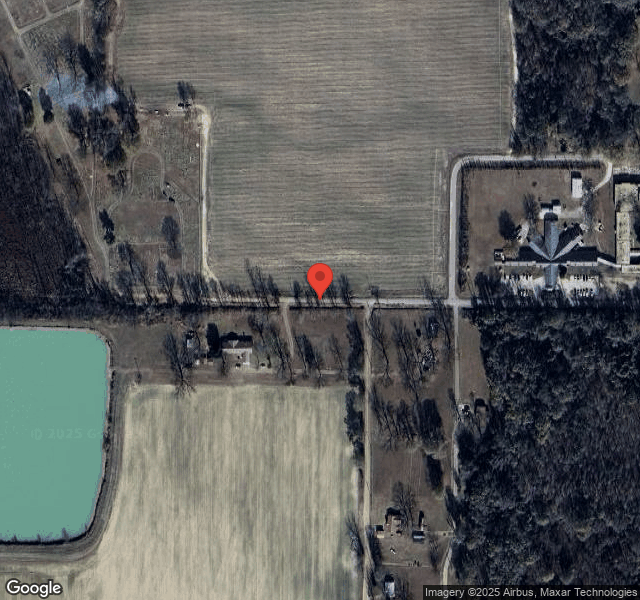

702 WEST GAINES ST, DERMOTT, AR 71638 (870) 538-3241
Government - City 70 Beds Independent Data: November 2025
Trust Grade
33/100
#193 of 218 in AR
Last Inspection: February 2025

Within standard 12-15 month inspection cycle. Federal law requires annual inspections.

Overview

Dermott City Nursing Home has received a Trust Grade of F, indicating significant concerns about the quality of care provided. With a state rank of #193 out of 218, the facility is in the bottom half of nursing homes in Arkansas and has only one competitor in Chicot County that performs better. While the facility's trend is improving, having reduced issues from 15 in 2024 to 4 in 2025, there are still serious deficiencies, including a major injury from improper resident transfers. Staffing has some strengths, with a turnover rate of 33%, which is better than the state average, and the nursing home has more RN coverage than 81% of Arkansas facilities. However, there are concerning fines totaling $8,964, which are higher than 79% of facilities in the state, and specific incidents include failures in safe transfer procedures and inadequate food safety practices, highlighting ongoing risks.

Trust Score
F
33/100
In Arkansas
#193/218
Bottom 12%
Safety Record
Moderate
Needs review
Inspections
Getting Better
15 → 4 violations
Staff Stability
○ Average
33% turnover. Near Arkansas's 48% average. Typical for the industry.
Penalties
✓ Good
$8,964 in fines. Lower than most Arkansas facilities. Relatively clean record.
Skilled Nurses
⚠ Watch
Each resident gets only 26 minutes of Registered Nurse (RN) attention daily — below average for Arkansas. Fewer RN minutes means fewer trained eyes watching for problems.
Violations
⚠ Watch
24 deficiencies on record. Higher than average. Multiple issues found across inspections.
★☆☆☆☆
1.0
Overall Rating
★★☆☆☆
2.0
Staff Levels
★☆☆☆☆
1.0
Care Quality
★★☆☆☆
2.0
Inspection Score
Stable
2024: 15 issues
2025: 4 issues

The Good

  • Full Sprinkler Coverage · Fire safety systems throughout facility
  • No fines on record
  • Staff turnover below average (33%)

    15 points below Arkansas average of 48%

Facility shows strength in fire safety.

The Bad

1-Star Overall Rating

Below Arkansas average (3.1)

Significant quality concerns identified by CMS

Staff Turnover: 33%

13pts below Arkansas avg (46%)

Typical for the industry

Federal Fines: $8,964

Below median ($33,413)

Minor penalties assessed

The Ugly 24 deficiencies on record

1 actual harm
Feb 2025 4 deficiencies
CONCERN (D)

Potential for Harm - no one hurt, but risky conditions existed

Deficiency F0917 (Tag F0917)

Could have caused harm · This affected 1 resident

Based on observations, interviews, record review, and policy review, the facility failed to provide appropriate bedding for 1 (Resident #1) of 1 sampled resident observed for bedding. The findings in...

Read full inspector narrative →
Based on observations, interviews, record review, and policy review, the facility failed to provide appropriate bedding for 1 (Resident #1) of 1 sampled resident observed for bedding. The findings include: A review of the quarterly Minimum Data Set (MDS) with an Assessment Reference Date (ARD) of 12/06/2024 revealed Resident #1 had short-term and long-term memory problems. A review of the plan of care for Resident #1 (revised on 09/08/2023) revealed Resident #1 required total assistance to turn and reposition in the bed and the resident could use rail with left hand to assist with turning and repositioning. On 02/24/2025 at 09:15 AM, this surveyor observed Resident #1 lying on [pronoun] back in bed without a pillow. Resident #1 was holding [pronoun] head up from the mattress. This surveyor did not see a pillow on or around the bed. On 02/24/2025 at 02:54 PM, this surveyor observed Resident #1 in bed lying on [pronoun] left side without a pillow. Resident #1's head was resting on the left hand folded into a fist. This surveyor did not see a pillow on or around the bed. On 02/25/2025 at 08:30 AM, this surveyor observed Resident #1 lying in bed on the [pronoun] right side without a pillow. Resident #1 was resting [pronoun] head on the mattress, and this surveyor noted a bend in the neck. This surveyor did not see a pillow on or around the bed. On 02/25/2025 at 03:40 PM, this surveyor observed Resident #1 lying in the bed on [pronoun] left side without a pillow. Resident #1 was resting [pronoun] head on [pronoun] hand folded into a fist. This surveyor did not see a pillow on or around the bed. On 02/25/2025 at 03:55 PM, this surveyor observed Licensed Practical Nurse (LPN) #7 search for Resident #1's pillow, but she was unable to locate a pillow on, under, or near the resident's bed. LPN #7 was also unable to locate a pillow in the resident's closet. On 02/25/2025 at 03:49 PM, during an interview Certified Nursing Assistant (CNA) #5 stated the position in which Resident #1 was lying, did not appear comfortable. CNA #5 stated Resident #1 was not capable of positing alone and was dependent on staff. CNA #5 stated Resident #1 was not capable of voicing discomfort or desired position. CNA #5 stated if she herself was lying in bed she would want a pillow for comfort. CNA #5 stated the resident removes the pillow, but the facility has done nothing to her knowledge differently to ensure the resident was comfortable. On 02/25/2025 at 03:55 PM, during an interview LPN #7 stated Resident #1 did not have a pillow on the bed, around bed, or in the room. LPN #7 stated she thinks she knows where the pillow was and looked over to the resident in Bed A who had 2 pillows. When asked if that resident was ambulatory or able to self-propel, LPN #7 stated no. LPN #7 stated Resident #1 did not look comfortable in the current position. LPN #7 stated the absence of a pillow can affect the resident by preventing the resident from having proper neck alignment. On 02/27/2025 at 11:32 AM, during an interview the Administrator stated Resident #1 was unable to position self and was dependent on staff for positioning, and the resident was not capable of voicing discomfort. The Administrator stated the absence of a pillow can cause contracture if the resident is not position right. On 02/27/2025 at 11:41 AM, during an interview the Director of Nursing (DON) stated Resident #1 was unable to position self and was dependent on staff for positioning. The DON stated the absence of a pillow could affect the resident's neck posture. A policy titled Repositioning, with a revision date of May 2013 noted, The purpose of this procedure is to provide guidelines for the evaluation of resident repositioning needs, to aid in the development of an individualized care pian for repositioning, to promote comfort for all bed- or chair-bound residents and to prevent skin breakdown, promote circulation and provide pressure relief for residents .
CONCERN (E)

Potential for Harm - no one hurt, but risky conditions existed

Menu Adequacy (Tag F0803)

Could have caused harm · This affected multiple residents

Based on observation, record review, and interview, the facility failed to ensure meals were prepared and served according to the planned written menu to meet the nutritional needs of the residents fo...

Read full inspector narrative →
Based on observation, record review, and interview, the facility failed to ensure meals were prepared and served according to the planned written menu to meet the nutritional needs of the residents for 2 of 2 meals observed. This failed practice had the potential to affect 21 residents who received mechanical soft diets from 1 of 1 kitchen. The findings are: 1. The menu for lunch documented residents on pureed diets were to receive a #6 scoop (2/3) cup of pureed chicken and dumplings. a. On 02/24/2025 at 12:49 PM, Dietary [NAME] (DC) #3 was observed using a #8 scoop (1/2) cup to serve a single portion of chicken and dumplings to the residents who required pureed diets, instead of a #8 scoop (2/3) cup. b. On 02/24/2025 at 12:59 PM, DC #3 was interviewed and was asked what scoop she had used to serve pureed chicken and dumplings and how many servings she gave to each resident and if she had looked at the menu before serving. She stated she used a #8 scoop, gave one serving each, and did not look at the menu. 2. On 02/24/2025 at 12:51 PM, the kitchen ran out of cornbread and served regular bread to seven residents. DC #1 was interviewed and was asked how many residents received bread and the reasons those residents were served bread. She stated because the kitchen ran out of cornbread. DC #2 stated the kitchen ran out of cornbread because she fed the employees first. 3. On 02/24/2025 at 1:10 PM, Resident #15 was interviewed and asked if she liked cornbread. She stated she loved cornbread. Residents #25 and #31 were interviewed and asked if they liked cornbread. Both confirmed that they liked cornbread. 4. The menu for supper documented residents on pureed diets were to receive a #8 scoop (1/2) cup of pureed baked beans. a. On 02/24/2025 at 06:21 PM, during the supper meal service residents who required pureed diets were not served pureed baked beans. 5. On 02/24/2025 at 6:23 PM, the Dietary Manager and DC #3 were asked the reason residents on pureed diets were not served pureed baked beans. The Dietary Manager stated she had wasted the pureed baked beans after the DC #3, using the same gloved hand she had used to open a drawer, removed a #8 scoop, contaminating it in the process. The same #8 scoop, then fell into the pureed baked beans prepared for the residents on pureed diets, leading to cross contamination. The residents on pureed diets were supposed to have pureed baked beans like everyone else. DC #3 stated she gave the residents pureed diets mashed potatoes, pureed corn dogs, and tomato juice, and did not give pureed beans since spoon fell in it.
CONCERN (E)

Potential for Harm - no one hurt, but risky conditions existed

Food Safety (Tag F0812)

Could have caused harm · This affected multiple residents

Based on observation, interview, and facility policy review, the facility failed to ensure dietary staff washed their hands and changed their gloves before handling food items; foods stored in the dry...

Read full inspector narrative →
Based on observation, interview, and facility policy review, the facility failed to ensure dietary staff washed their hands and changed their gloves before handling food items; foods stored in the dry storage area, refrigerator, and freezer were covered and sealed; expired food items were promptly removed from stock; 1 of 2 ice machines was maintained in clean and sanitary condition; hot food items were maintained at or above 135 degrees Fahrenheit on the steam table. The findings are: 1. On 02/24/2025 at 8:11 AM, an ice scoop holder on the wall in the kitchen by the ice machine had a wet black and beige residue on it. The Dietary Manager was interviewed and was asked if she could wipe the area. The black and beige residue easily transferred to the tissue. She stated, It was black and beige residue. The surveyor asked the Dietary Manager who uses the ice from the ice machine and how often she cleans it. She stated she cleaned it every day and the kitchen used it to fill beverages served to the residents at mealtimes. 2. On 02/24/2025 at 8:41 AM, the following observations were made on a shelf in the walk-in refrigerator: a. A container of cottage cheese in a box had an expiration date of 2/1/2025. b. An opened box of bacon. The box was not covered or sealed. 3. On 02/24/2025 at 08:53 AM, the following observations were made on the walk-in freezer shelf: a. An opened box of catfish patties. The box was not covered or sealed. b. An opened box of hamburger patties. The box was not covered or sealed. c. An opened box of garlic bread. The box was not covered or sealed. d. An opened box of dinner rolls. The box was not covered or sealed. e. An opened box of biscuits. The box was not covered or sealed. f. An opened box of hash browns. The box was not covered or sealed. g. An opened box of corn dogs. The box was not covered or sealed. h. An opened box of cheese filled tortillas. The box was not covered or sealed. 4. On 02/24/2025 at 9:03 AM, Dietary [NAME] (DC) #2 was touching a box of plastic sheets while pulling plastic wrap out of the box. Without washing her hands, DC #2 picked up glasses that contained beverages to be served to the residents by their rims and covered each with a piece of plastic wrap. 5. On 02/24/2025 at 9:11 AM, an opened box of raisin bran cereal was on a shelf in the nourishment refrigerator. The box had no received date. 6. On 02/24/2025 at 9:13 AM, an opened container of vanilla ice cream on a shelf in the walk-in freezer, had particles of icicles on it. The Dietary Manager was interviewed and was asked to describe the appearance of the ice cream. She stated it had icicles on the inside and looked like it had been defrosted and refrozen. 7. On 02/24/2025 at 11:49 AM, DC #3 removed fresh tomatoes, cucumbers, and onion from the original box. Without rinsing the tomatoes and cucumbers she placed them on the cutting board. Without rinsing, DC #3 sliced the tomato, cucumber, and onion, and placed the pieces in a container for the vegetable salad to be served to the residents for the supper meal. DC #3 was interviewed and was asked what she should have done before slicing the tomatoes, onion, and cucumbers. She stated she should have rinsed them. DC #3 was then asked if she had rinsed the tomatoes, onion, and cucumbers. She stated that she had not. 8. On 02/24/2025 at 12:28 PM, the temperatures of the food items when checked and read on the steam table by the DC# 2 were as follows: a. Pureed chicken and dumplings - 123.9 degrees Fahrenheit. b. Pureed cut green beans - 129 degrees Fahrenheit. c. Pureed bread with warm milk - 99.5 degrees Fahrenheit. The above food items were not reheated before being served to the residents. 9. On 02/24/2025 at 12:48 PM, DC# 2 was on the tray line serving the lunch meal. She picked up tray cards and placed them on the trays. Without washing her hands, she picked up plates and bowls to be used in portioning food items to be served to the residents and placed them on the trays with her fingers inside the plate and bowls. At 1:06 PM, DC# 2 was interviewed and was asked what she should have done after touching dirty objects and before handling clean equipment. She stated she should have washed her hands. 10. On 02/24/2025 at 5:07 PM, DC #3 was wearing gloves on her hands when she touched the handle of the deep fryer basket that contained corndogs. After that, DC #3 opened the cabinet, took out a spray bottle, and sprayed inside a pan, contaminating the gloves. Without changing gloves and washing her hands, DC #3 picked a clean blade and attached it to the base of the blender to be used in pureeing foods to be served to the residents who required pureed diets. 11. On 02/24/2025 at 5:37 PM, DC #3 was wearing gloves on her hands while sorting tray cards, contaminating the gloves. Then, without changing gloves and washing her hands, DC #3 picked up the tray cards and placed them on the trays. With the same gloves, DC #3 picked up corndogs and placed them on plates. DC #3 then received a bag of bread from the Dietary Manager. Without changing gloves and washing her hands, DC #3 opened the bag of bread, removed slices of bread, and placed them on the plates to be served to the resident who did not receive baked beans. 12. On 02/24/2025 at 5:47 PM, the temperatures of the following food items before been served to the residents were: a. The chicken and dumplings temperature from the container by the steam table was 105 degrees Fahrenheit. b. Ground corn dogs - 106 degrees Fahrenheit. The above food items were not reheated before being served to the residents. 13. A review of facility policy titled, Preventing Foodborne Illness-Employee Hygiene and Sanitary, initiated 2022, provided by the Compliance Officer on indicated, employee should wash their hands during food preparation, as often as necessary and after engaging in other activities that contaminates the hands.
CONCERN (F)

Potential for Harm - no one hurt, but risky conditions existed

Staffing Information (Tag F0732)

Could have caused harm · This affected most or all residents

Based on observation, record review, interview, and facility policy review, the facility failed to ensure the required staffing data was posted daily as evidenced by the daily staffing logs did not di...

Read full inspector narrative →
Based on observation, record review, interview, and facility policy review, the facility failed to ensure the required staffing data was posted daily as evidenced by the daily staffing logs did not display the total number and actual worked hours for Registered Nurses (RNs), Licensed Practical Nurses (LPNs), Certified Nursing Assistants (CNAs) and resident census. The findings are: On 02/24/2025 at 9:38 AM, a review of the nursing schedules posted in the clear glass of the Director of Nursing (DON) office, which was to the right of the nursing station, was dated February 20, 2025, through March 05, 2025. The RN and LPN schedule; 7/3 (7:00 AM to 3:00 PM) shift CNA and [NAME] Clerk schedule; and the 3/11 (3:00 PM to 11:00 PM) and 11/7 (11:00 PM to 7:00 AM) schedule, had an x in some boxes, but the x did not have a number value to indicate the number of hours the x indicated. Some boxes on the RN and LPN schedule had numbers such as 7-3 (7:00 AM to 3:00 PM), 3-7 (3:00 PM to 7:00 PM), 4p-11p (4:00 PM to 11 PM), 3-11 (3:00 PM to 11:00 PM) and 7-11 (7:00 AM to 11:00 PM). The total actual hours were not indicated on the schedule. The 7-3 shift CNA and [NAME] Clerk schedule had an x in the box to indicate the date to be worked and dashes to indicate when the staff member was off. On 02/24/2025 at 10:54 AM, the daily staffing log sheets were observed on a table in the front lobby for the day shift, evening shift, night shift, housekeeping/maintenance and dietary and no census was indicated on any of the staffing logs. There were no staffing logs for the prior day, 02/23/2025, to show the total number of hours worked by the staff. On 02/25/2025 at 9:36 AM, the daily staffing log sheets were observed on a table in the front lobby for the day shift, evening shift, housekeeping/maintenance and dietary and no census was indicated on any of the staffing logs. The staffing log for the night shift for 02/24/2025 was on the table but the total number of hours worked by the staff was not indicated on the staffing log. On 02/26/2025 at 9:44 AM, the daily staffing log sheets were observed on a table in the front lobby for the day shift, evening shift, night shift, housekeeping/maintenance and dietary and no census was indicated on any of the staffing logs. There were no staffing logs for the prior day, 02/25/2025, to show the total number of hours worked by the staff. On 02/26/2025 at 3:09 PM, the Director of Nursing (DON) was interviewed with concurrent observations, and she indicated everyone signs in when asked who was responsible for filling out the staffing logs. She stated the night shift nurse placed the sheets out for the next day. When she was asked if the night nurse was trained in what information needed to be put on the staffing logs, she stated she needed to look at the sheet. After reviewing the daily staffing log sheet on the table dated February 26, 2025, the DON stated the daily census was on a separate sheet that was printed out of their electronic computer system, attached to the staffing log and placed in the collection box on business office door and was not visible to the public. The DON stated she thought the Business Office Manager (BOM) placed the total hours worked on the daily staffing logs. On 02/27/2025 at 9:27 AM, the daily staffing log sheets were observed on a table in the front lobby for the day shift, evening shift, night shift, housekeeping/maintenance and dietary and no census was indicated on any of the staffing logs. There were no staffing logs for the prior day, 02/26/2025, to show the total number of hours worked by the staff. On 02/27/2025 at 9:42 AM, LPN #9 was interviewed by telephone and stated she filled out the staffing log, printed off a census after midnight, indicated if a resident was in the hospital or rehab and placed the sheets in the front door for the front office staff to do the count. She stated she had not been instructed on placing the census on the daily staffing log labeled census and did not total the hours worked for each staff member. She stated she placed the daily staffing logs in the front lobby for each to sign in and out on. On 02/27/2025 at 2:57 PM, the BOM was interviewed and stated once she received the daily staffing logs, she used the census sheet attached to the staffing logs to ensure residents who were out of the facility were reflected in the electronic computer system and the staffing logs and census was given to Human Resources (HR). On 02/27/2025 at 2:58 PM, HR was interviewed and stated once she received the daily staffing logs, she reviewed the staff times in the electronic system to ensure the staff member clocked in and did not have any missed punches. She reviewed the daily staffing log for 02/27/2025 and stated she had not been totaling the hours for staff or placing the daily census on the sheets. A review of a Staffing, Sufficient and Competent Nursing policy, dated as revised August 2022, revealed direct care daily staffing numbers (the number of nursing personnel responsible for providing direct care to residents) are posted in the facility for every shift.
Oct 2024 2 deficiencies 1 Harm
SERIOUS (G) 📢 Someone Reported This

A family member, employee, or ombudsman was alarmed enough to file a formal complaint

Actual Harm - a resident was hurt due to facility failures

Accident Prevention (Tag F0689)

A resident was harmed · This affected 1 resident

**NOTE- TERMS IN BRACKETS HAVE BEEN EDITED TO PROTECT CONFIDENTIALITY** Based on Observation, Interview, Record Review and Facility Policy Review; the facility failed to transfer one (Resident #1) of ...

Read full inspector narrative →
**NOTE- TERMS IN BRACKETS HAVE BEEN EDITED TO PROTECT CONFIDENTIALITY** Based on Observation, Interview, Record Review and Facility Policy Review; the facility failed to transfer one (Resident #1) of five (Resident #1, #2, #3, #4 and #5) sampled residents safely and in accordance to the care plan, resulting in a major injury. The findings are: Review of Resident #1's Medical Diagnosis record revealed the resident had diagnoses of renal osteodystrophy (a complication of chronic kidney disease that weakens the bones), cerebral infarction, hemiplegia affecting the right dominant side, and osteoporosis. The quarterly Minimum Data Set (MDS) with an Assessment Reference Date (ARD) of 08/10/2024 noted a Brief Interview for Mental Status (BIMS) of 15, (cognitively intact). The MDS revealed Resident #1 had unclear speech but was able to make self-understood and understands, had an impairment of upper and lower extremities on one side and was dependent for transfers and ambulated via wheelchair. Review of Resident #1's care plan with a revision date of 11/10/2022 revealed the resident had impaired balance, was dependent on 2 staff members for transfers and required use of a mechanical lift. The care plan was revised on 04/02/2024 to include, Resident #1 had a fall with major injury, facture to fibula and tibia (bones of the lower leg). Review of a form titled, OLTC [Office of Long Term Care] Incident and Accident Report (I&A), sent to the state on 04/01/2024 revealed on 03/31/2024 Registered Nurse (RN) #3 was called to resident's room by Resident #1, who requested assistance to transfer from bed to wheelchair. RN #3 attempted to transfer Resident #1 to the wheelchair by herself, but the resident missed the wheelchair and had to be lowered to the floor. A short while later, Resident #1 had complaints of right knee pain and an x-ray was ordered which revealed a non-displaced fracture to the right proximal (nearest to the body) tibia and fibula. On 10/22/2024 at 10:13 AM, during an observation and concurrent interview, Resident #1 was sitting outside. When asked if the resident remembered the fall, Resident #1 said yes, then went on to say he wanted to get up in the wheelchair and asked RN #3, the Weekend Supervisor, to help. Resident #1 said they didn't make it to the wheelchair and RN #3 helped the resident to the floor, later that day, Resident #1's knee was hurting and, after x-rays, it was found out that the resident's leg was broken. On 10/22/2024 at 2:27 PM, during an interview Certified Nursing Assistant (CNA) #1 confirmed she was trained on how to view the [NAME] (A medical-patient information system which uses forms preprinted on durable card stock) and care plan on the kiosk during orientation when hired. On 10/22/2024 at 2:30 PM, during an interview CNA #2 confirmed she was trained during orientation on how to look on the kiosk to find information such as how many people it took to transfer a resident and if a lift was required for transfers. On 10/22/2024 at 3:00 PM, during a phone interview RN #3 related she had worked at this facility part time for the past 15 years. When asked if she remembered the incident involving Resident #1, she stated yes, she did. When asked if she had known what interventions were used and how Resident #1 transferred, she replied that she had not and was going on instincts to assist them to the wheelchair. When asked if she was trained on the kiosk and how to access the [NAME] and care plan on it, she stated, no, she really wasn't, then went on to say that she was in-serviced on using the kiosk but really didn't know how to use it, and that she had never used it RN #3 was asked if she was familiar with Resident #1, and what the resident's ambulatory status was. She replied that she was familiar with Resident #1 and as far as she knew, she only required one person assist for transfers. On 10/22/2024 at 3:25 PM, during an interview, the Director of Nursing (DON) was asked about training on accessing resident's plan of care and [NAME] to determine how to care for residents. She said everyone is trained during orientation and she also in-services the staff at least once a year. A review of the facility's policy titled, Falls-Clinical Protocol, revealed residents will be evaluated for risk of falls and successful interventions with be continued to prevent falls.
CONCERN (E) 📢 Someone Reported This

A family member, employee, or ombudsman was alarmed enough to file a formal complaint

Potential for Harm - no one hurt, but risky conditions existed

Administration (Tag F0835)

Could have caused harm · This affected multiple residents

Based on observation, interview, and record review, the facility failed to operate under the direction of a licensed Administrator, which had the potential to affect all 45 residents who resided in th...

Read full inspector narrative →
Based on observation, interview, and record review, the facility failed to operate under the direction of a licensed Administrator, which had the potential to affect all 45 residents who resided in the facility. The findings are: On 10/21/2024 at 1:50 PM, upon entering the facility and requesting to speak to the Administrator, this surveyor was informed by the Director of Nursing (DON), and the Acting Administrator (the Compliance Coordinator), no administrator was currently employed at the facility. During interview, the Acting Administrator stated the Administrator had been gone since 7/15/2024, and the position had been posted on employment websites. When asked if she held a nursing home administrator's license, the Acting Administrator confirmed she did not. On 10/22/2024 at 10:10 AM, during an interview the Acting Administrator was asked if she could provide any documentation assigning her as Acting Administrator. She produced an undated typed document stating she was Acting Administrator with no name or signature of who assigned this position. On 10/22/2024 at 3:30 PM, a review of the facility policy titled, Administrator, revealed the Administrator is responsible for day-to-day functioning of the facility, implementing established resident care policies, ensuring resident's rights, ensuring staffing is adequate to meet the needs of the residents and that only residents who can be adequately cared for by staff are admitted to the facility. The policy statement included the Administrator is duly licensed in accordance with federal, state and local laws.
Jan 2024 13 deficiencies
CONCERN (D)

Potential for Harm - no one hurt, but risky conditions existed

Deficiency F0578 (Tag F0578)

Could have caused harm · This affected 1 resident

**NOTE- TERMS IN BRACKETS HAVE BEEN EDITED TO PROTECT CONFIDENTIALITY** Based on interview and record review, the facility failed to ensure resident records, care plans, and physician orders contained...

Read full inspector narrative →
**NOTE- TERMS IN BRACKETS HAVE BEEN EDITED TO PROTECT CONFIDENTIALITY** Based on interview and record review, the facility failed to ensure resident records, care plans, and physician orders contained accurate documentation of a residents' Cardio-Pulmonary Resuscitation (CPR) status for 1 (Resident #39) of 1 sampled resident. The findings are: 1. On [DATE] at 11:11 AM, a review of Resident #39's electronic medical record (EMR) contained a Living Will Declaration provided by the Administrator which noted the resident does not want Cardiac Resuscitation (CPR), Artificially Administered Feeding (Feeding tubes), or Artificial Breathing Machine (Respirator/ventilator). This document was signed on [DATE], by the Power of Attorney and was witness by the Social Services Director (SSD). 2. The Physician Order dated [DATE] noted an order for Full Code. 3. The Face Sheet printed on [DATE] noted, Full Code. 4. The Care Plan dated [DATE] noted a care plan for Advanced Directives and noted Resident #39 was a Full Code. 5. On [DATE] at 04:11 PM, the SSD was asked, What is Resident #39's code status in the EMR? The SSD stated, Full code. The Surveyor asked the SSD to pull up in the EMR Resident #39's Living Will Declaration and state what Resident #39's wishes are. The SSD stated, No CPR, No Feeding tube, and no ventilator. The Surveyor asked, What could happen from the EMR stating full code, but the resident has elected to not be resuscitated? The SSD stated, We could perform CPR and that is not the residents wishes. The Surveyor asked, What is the code status that should be in the EMR? The SSD stated, Should be DNR [Do Not Resuscitate]. The Surveyor asked who is responsible for ensuring the code status is placed in the EMR? The SSD stated, The Business Office Manager is responsible for placing the code status in the EMR. 6. On [DATE] at 04:17 PM, the Director of Nursing (DON) was asked, What is [Resident #39's] code status in the EMR? The DON stated, Full code. The Surveyor asked the DON to pull up in the EMR Resident #39's Living Will Declaration and state what Resident #39's wishes are. The DON stated, No CPR, No Feeding tube, and no ventilator. DNR. The Surveyor asked, What could happen from the EMR stating Full code but the resident has elected not be resuscitated? The DON stated, You could possibly resuscitate when the resident does not want that. The Surveyor asked who was responsible for verifying accuracy of the code status in the EMR? The DON stated, I do not know that answer. We review them in care plan meetings. 7. On [DATE] at 04:20 PM, the Administrator was asked, Who is responsible for living wills in the facility? The Administrator stated, The SSD is responsible. The Surveyor asked, Who places the code status in the EMR? The Administrator stated, The SSD places the code status in the EMR. 8. On [DATE] at 09:30 AM, the Administrator provided a Policy for Advance Directives which stated, . If the Resident Has an Advance Directive . 3. The residents wishes are communicated to the . staff and physician . 4. The plan of care for each resident is consistent with his or her documented treatment preferences and/or advance directive . a. facility staff are not required to provide care that conflicts with an advance directive .
CONCERN (D)

Potential for Harm - no one hurt, but risky conditions existed

Transfer Notice (Tag F0623)

Could have caused harm · This affected 1 resident

**NOTE- TERMS IN BRACKETS HAVE BEEN EDITED TO PROTECT CONFIDENTIALITY** Based on interview and record review, the facility failed to ensure the Ombudsman was notified of a transfer to the hospital for...

Read full inspector narrative →
**NOTE- TERMS IN BRACKETS HAVE BEEN EDITED TO PROTECT CONFIDENTIALITY** Based on interview and record review, the facility failed to ensure the Ombudsman was notified of a transfer to the hospital for 1 (Resident #42) of 1 sampled resident. The findings are: 1. On 01/04/24 at 11:08 AM, during review of Resident #42's medical record, it was noted Resident #42 was admitted [DATE] with diagnoses of heart failure, diabetes mellitus, hypertension, Stage 3 kidney disease and chronic obstructive pulmonary disease (COPD); was a full code; was in the hospital from [DATE] to 10/06/23 for acute-chronic renal insufficiency, hyponatremia, and difficulty swallowing. 2. On 1/4/23 at 11:40 AM, there was no documentation in the medical record that the Ombudsman had been notified of Resident #42 transfer to the hospital. 3. On 1/5/23 at 08:53 AM, the Administrator provided a form titled, Emergency Transfer from Facility Resident #42 was not listed for the second admission to the hospital. 4. On 1/5/23 at 09:00 AM, the Administrator confirmed there was no proof the Ombudsman was notified. 5. On 1/5/23 at 09:57 AM, the DON provided a policy titled, Transfer/Discharge, Facility Initiated, Page 29 documented, Notice of Transfer or discharge: 4. Notice of Transfer is provided to the resident .and to the Long term care ombudsman when practicable .
CONCERN (D)

Potential for Harm - no one hurt, but risky conditions existed

PASARR Coordination (Tag F0644)

Could have caused harm · This affected 1 resident

**NOTE- TERMS IN BRACKETS HAVE BEEN EDITED TO PROTECT CONFIDENTIALITY** Based on record review and interview, the facility failed to notify the State Agency for a Pre-admission Screening and Resident ...

Read full inspector narrative →
**NOTE- TERMS IN BRACKETS HAVE BEEN EDITED TO PROTECT CONFIDENTIALITY** Based on record review and interview, the facility failed to notify the State Agency for a Pre-admission Screening and Resident Review (PASARR) for a new mental illness diagnosis for 1 (Resident #19) sampled resident to ensure the resident received appropriate mental health services. The findings are: Resident #19 was admitted on [DATE] with a Medical Diagnosis of Unspecified Psychosis not due to a substance or known physiological condition. The Annual Minimum Data Set (MDS) with an Assessment Reference Date (ARD) of 11/14/23 documented the resident scored 6 (0-7 indicates severely cognitively impaired) on a Brief Interview for Mental Status (BIMS). A Care Plan dated 11/14/23 documented, He is dependent on staff for meeting emotional, intellectual, physical, and social needs related to Cognitive deficits, Immobility, and Physical Limitations related to stroke. On 01/02/24 at 1:30 pm, per record review a PASARR could not be located. On 01/03/24 at 10:00 am, the Director of Nursing (DON) was asked for a PASARR for Resident #19. On 01/03/24 at 11:10 am, the Administrator said there was no PASARR for Resident #19. On 01/04/24 at 9:34 am, the DON was asked Should a resident with a diagnosis of Unspecified Psychosis not due to substance or known physiological condition receive a PASARR screening? The DON stated, Yes, they should. The Surveyor asked, Who is responsible for ensuring a PASARR is completed on residents? The DON stated, The MDS Coordinator right now. The Surveyor asked, Should he have had a PASARR completed when the diagnosis was given? The DON stated, Yes, they should have one done. On 01/04/24 at 9:40 am, the MDS Coordinator was asked Should a resident with a diagnosis of Unspecified Diagnosis not due to substance or known physiological condition receive a PASARR screening? The MDS Coordinator stated, Yes, he should have. I called the Nursing Home where he came from, and they didn't have one. I called [State Designated Professional Associates] yesterday to get one done and I am waiting on an answer from them. The MDS Coordinator was asked, Should he have had a PASARR completed when the diagnosis was given? The MDS Coordinator stated, Yes, he should have. A Behavioral Assessment, Intervention and Monitoring policy provided by the Administrator on 01/04/24 at 11:49 am documented, .As part of the initial assessment, the nursing staff and attending physician will identify individuals with a history of impaired cognition, altered behavior, substance use disorder, or mental disorder .if the level I screen indicates that the individual may meet the criteria for a mental disorder, intellectual disability or related condition he or she will be referred to the state PASARR representative for the Level II (evaluation and determination) screening process .
CONCERN (D)

Potential for Harm - no one hurt, but risky conditions existed

Comprehensive Care Plan (Tag F0656)

Could have caused harm · This affected 1 resident

Based on observation, interview, and record review the facility failed to develop and implement a care plan to address cigarette smoking for 1 (Resident #33) of 6 (Residents # 5, #9, #18, #26, #33 and...

Read full inspector narrative →
Based on observation, interview, and record review the facility failed to develop and implement a care plan to address cigarette smoking for 1 (Resident #33) of 6 (Residents # 5, #9, #18, #26, #33 and #35) sampled residents who smoke documented on a list provided by the Administrator on 01/02/2023. The findings are: Resident #33 had diagnoses of Chronic Obstructive Pulmonary Disease and Chronic Kidney Disease. The Annual Minimum Data Set (MDS) with an Assessment Reference Date (ARD) of 03/01/2023 documented the resident used tobacco. 1. Review of Resident #33's Plan of Care did not address smoking. 2. On 01/04/2024 at 12:10 PM, the Director of Nurses (DON) was at the Nurses Station and was asked who was responsible for ensuring smoking was included in the care plan. The DON stated, The MDS Coordinator. 3. On 01/04/2024 at 12:15 PM, the MDS Coordinator was asked if tobacco use should be addressed on the resident's care plan. The MDS Coordinator confirmed that it should be. The MDS Coordinator was asked if Resident #33 had tobacco use addressed on the care plan. The MDS Coordinator stated, Yes. When asked to show the Surveyor where it was on the care plan, the MDS Coordinator was unable to locate it, and stated, I'll fix that right now. 4. The facility's Smoking Policy documented, .Any smoke related privileges, restrictions and concerns, are noted on the care plan, and all personnel caring for the resident shall be alerted to these issues .
CONCERN (D)

Potential for Harm - no one hurt, but risky conditions existed

Deficiency F0688 (Tag F0688)

Could have caused harm · This affected 1 resident

**NOTE- TERMS IN BRACKETS HAVE BEEN EDITED TO PROTECT CONFIDENTIALITY** Based on observation, record review, and interview, the facility failed to ensure rehabilitative services were carried out accor...

Read full inspector narrative →
**NOTE- TERMS IN BRACKETS HAVE BEEN EDITED TO PROTECT CONFIDENTIALITY** Based on observation, record review, and interview, the facility failed to ensure rehabilitative services were carried out according to the physician's orders for 1 (Resident #19) of 1 sampled resident who have a contracture. The findings are: Resident #19 was admitted on [DATE] with a diagnosis of Unspecified Psychosis not due to a substance or known physiological condition. The Annual Minimum Data Set (MDS) with an Assessment Reference Date (ARD) of 11/14/23 documented the resident scored a 6 (0-7 indicates severely cognitively impaired) on a Brief Interview for Mental Status (BIMS). A Care Plan dated 11/14/23 documented, He is dependent on staff for meeting emotional, intellectual, physical, and social needs related to Cognitive deficits, Immobility, and Physical Limitations related to stroke. The Care Plan does not address the resident requiring a hand roll to the right hand. A Physician's Order dated 04/17/23 documented, Restorative: Apply hand roll to right hand daily. On 01/02/24 at 11:20am., observed Resident #19 lying in bed without a hand roll in place. On 01/03/24 at 10:20am., observed Resident #19 lying in bed without a hand roll in place. Resident #19 was asked, Do you have any therapy to your hand? Resident #19 stated, No. On 01/04/24 at 3:15 pm, Certified Nursing Assistant (CNA) #1 was asked, How long has [Resident #19] had the contracture? CNA #1 stated, He had it when he came here. CNA #1 was asked, How long has [Resident #19] been in the facility? CNA #1 stated, About two and a half years. CNA #1 was asked, Does [Resident #19] have any restorative therapy on his hand? CNA #1 stated, He usually has a hand roll, but sometimes he will take it off. CNA #1 was asked, How often does he take it off? CNA #1 stated, Not that often, most of the time he will leave it in his hand. CNA #1 was asked, What do you do if you notice it is not in his hand? CNA #1 stated, I tell one of the Nurses. CNA #1 was asked, Should [Resident #19] be using a hand roll? CNA #1 stated, Yes. CNA #1 was asked, What is the purpose of using a hand roll? CNA #1 stated, To prevent the contracture from getting worse. On 01/04/24 at 3:25pm., the Director of Nursing (DON) was asked, Does [Resident #19] have a contracture? The DON stated, Yes, to his right hand. The DON was asked, How long has [Resident #19] had the contracture? The DON stated, It's been like that. I believe he came in with it that way. The DON was asked, Does [Resident #19] use a corrective device for the contracture? The DON stated, Yes, a hand roll. He knows how to take it off, but he doesn't do that very often. The DON was asked, What is the purpose of the hand roll? The DON stated, To prevent the contracture from getting worse. The DON was asked, Is it documented that [Resident #19] removes his hand roll? The DON stated, I'm sure. The DON was asked, Does [Resident #19] refuse to wear the hand roll? The DON stated, Not to my knowledge. The DON was asked, Is [Resident #19] receiving any therapy for his hand? The DON stated, Not right now, he is not. The Restorative Nursing Services Policy provided by the Administrator on 01/05/24 at 9:30 am stated, 1. Restorative nursing care consists of nursing interventions that may or may not be accompanied by formalized rehabilitative services (e.g., physical, occupational or speech therapies). 2. Residents may be started on a restorative nursing program upon admission, during the course of stay or when discharged from rehabilitative care. 3. Restorative goals and objectives are individualized and resident-centered, and are outlined in the resident's plan of care. 4. The resident or representative will be included in determining goals and the plan of care. 5. Restorative goals may include, but are not limited to supporting and assisting the resident in: a. adjusting or adapting to changing abilities; b. developing, maintaining or strengthening his/her physiological resources; c. maintaining his/her dignity, independence, and self-esteem; and d. participating in the development and implementation of his/her plan of care.
CONCERN (D)

Potential for Harm - no one hurt, but risky conditions existed

Deficiency F0692 (Tag F0692)

Could have caused harm · This affected 1 resident

**NOTE- TERMS IN BRACKETS HAVE BEEN EDITED TO PROTECT CONFIDENTIALITY** Based on observations, record review and interview, the facility failed to follow a therapeutic diet by ensuring the nutritional...

Read full inspector narrative →
**NOTE- TERMS IN BRACKETS HAVE BEEN EDITED TO PROTECT CONFIDENTIALITY** Based on observations, record review and interview, the facility failed to follow a therapeutic diet by ensuring the nutritional interventions ordered by the physician were served and offered when the resident's weight continued to decline from week to week in order to minimize further weight loss and maintain nutritional status to the extent possible for 1 (Resident #36) of 1 sampled resident. The findings are: Review of Resident #36's medical record noted Resident #36 was admitted on [DATE] with a weight of 129.2 pounds. Resident #36 weighed 116.8 on 10/03/23. On 11/06/23 Resident #36 weighed 114.6. On 12/5/23 resident #36 weighed 113.8. On 11/30/23 the physician ordered pudding for every meal and to be an assist feeder. Speech Therapy did an evaluation and changed her diet to a mechanical soft and nectar thickened liquids. Resident #36 had an 11.9% weight loss since admission. A Care Plan dated 10/04/23 with a revision date of 10/20/23 documented Resident #36 had unplanned weight loss over the past 6-8 months. The resident will consume 50-75% two of three meals/day. If weight decline persists, contact physician and dietician immediately. Labs as ordered. Report results to physician and ensure dietician is aware. Monitor and evaluate any weight loss. Determine percentage lost and follow facility protocol for weight loss. Offer substitutes as requested or indicated. A Physicians Order dated 11/30/23 documented Regular diet, Mechanical Soft texture, Nectar/Mildly Thick consistency, pudding with meals, staff to feed. On 01/02/24 at 01:38 PM, Resident #36 received honey thickened liquids. The Tray Card stated pudding at every meal. There was no pudding on her tray, and she was not assisted with feeding. On 01/03/24 at 08:04 PM, Resident #36 had a breakfast tray sitting on an over the bed table that consisted of a biscuit, scrambled eggs, sausage, and oatmeal. No pudding was on the tray or in the garbage. Resident #36 was feeding self with no staff in sight. On 01/03/24 at 12:57 PM, Resident #36's lunch consisted of a baked potato, chili, a salad, and water and tea. No pudding was on the tray, and no one assisted Resident #36 to eat. On 01/04/23 at 12:50 PM, Certified Nursing Assistant (CNA) #1 sat Resident #36's tray up then began to feed her. CNA #1 was asked to look at the tray card and see if anything was missing. CNA #1 stated, Yes, pudding. CNA #1 was asked why the resident was supposed to get pudding with every meal. CNA #1 stated, I really don't know unless it's something she requested. On 01/04/23 at 03:10 PM, the Infection Control Preventionist (ICP) was asked to explain the process of recognizing weight loss. The ICP stated, We weigh then we put interventions in place then monitor. The ICP was specifically asked about interventions for Resident #36. The ICP stated, We made her an assist feeder, pudding with meals, Speech Therapist eval [evaluation] and a diet change. The ICP was asked what could happen if the resident continued to not get the interventions that have been put in place. The ICP stated, Continue to lose weight, decline, get sores then death. On 01/04/23 at 03:59 PM, the Director of Nursing (DON) was asked to explain the process of recognizing weight loss. The DON stated, We reweigh first, investigate, notify the physician, dietician, and family, get labs, interventions. The DON was specifically asked about interventions for Resident #36. The DON looked in the electronic record and stated, We didn't do anything at first because she came here from hospice and was NPO [nothing per mouth]. We weren't even serving her a tray then another family member came in and now we send a tray. On 1/4/23 at 08:34 AM the DON provided a Policy titled, Weight Assessment and Intervention, which documented, .interventions: b. Nutrition and hydration needs of the resident, .g. The use of supplementation .
CONCERN (E)

Potential for Harm - no one hurt, but risky conditions existed

Accident Prevention (Tag F0689)

Could have caused harm · This affected multiple residents

Based on observation, interview, and record review, the facility failed to ensure a janitor closet on the 500 Hall containing chemicals remained locked to prevent accidents. This failed practice had t...

Read full inspector narrative →
Based on observation, interview, and record review, the facility failed to ensure a janitor closet on the 500 Hall containing chemicals remained locked to prevent accidents. This failed practice had the potential to affect 25 residents who were ambulatory or self-propel in a wheelchair as documented on a list provided by the Administrator on 01/05/2024 at 09:41 AM. The findings are: 1. On 01/02/2024 at 01:06 PM, a closet door labeled Janitor was noted with a key on a red key chain in the doorknob. 2. On 01/02/2024 at 01:09 PM, a closet door labeled Janitor was noted with a key on a red key chain in the doorknob. Upon observation of the room, the Surveyor noted 2 mop buckets with mops and a blue chemical dispenser with (disinfectant cleaner) in it on the wall on the right side of the room. 3. On 01/02/2024 at 01:13 PM, a closet door labeled Janitor was noted with a key on a red key chain in the doorknob. Upon observation of the room, the Surveyor noted 2 mop buckets with mops and a blue chemical dispenser with (disinfectant cleaner) in it on the wall on the right side of the room. 4. On 01/02/2024 at 01:14 PM, Licensed Practical Nurse (LPN) #2 was asked, What is stored in this closet? LPN #2 replied, Mops and mop buckets. The Surveyor asked, How should the key to this room be stored? LPN #2 replied, Not supposed to leave the key in there (Pointing to the doorknob). The Surveyor asked, What could happen from the key being left in the doorknob? LPN #2 replied, Residents could get in there and get ahold of something they are not supposed to. 5. On 01/02/2024 at 01:20 PM, Housekeeping Employee #1 was asked, How should the key to the janitor's closet be stored? Housekeeping Employee #1 stated, It hangs beside the door. The Surveyor asked, What is stored in the room? Housekeeping Employee #1 replied, Chemicals. The Surveyor asked, What could happen if a resident goes in the Janitor closet? Housekeeping Employee #1 replied, The resident could get hurt from the chemicals. 6. On 01/02/2024 at 01:26 PM, the Administrator was asked, How should the key to the janitor's closet be stored? The Administrator replied, They are supposed to be stored beside the door on the hook. The Surveyor asked, What is stored in the room? The Administrator replied, Chemicals for mopping. The Surveyor asked, What could happen if a resident goes in the Janitor closet? The Administrator replied, The resident could get in the chemicals and become ill. It's very dangerous. 7. On 01/02/2024 at 02:50 PM, a Safety Data Sheet provided by the Administrator for the chemical documented, Clean on the Go [disinfectant cleaner] .Storage: Store locked up .
CONCERN (E)

Potential for Harm - no one hurt, but risky conditions existed

Menu Adequacy (Tag F0803)

Could have caused harm · This affected multiple residents

Based on observation, record review, and interview, the facility failed to ensure meals were prepared and served according to the planned written menu to meet the nutritional needs of the residents fo...

Read full inspector narrative →
Based on observation, record review, and interview, the facility failed to ensure meals were prepared and served according to the planned written menu to meet the nutritional needs of the residents for 1 of 1 meal observed. This failed practice had the potential to affect 4 residents who received pureed diets and 20 residents who received mechanical soft diets from 1 of 1 kitchen according to a list provided by the Dietary Supervisor on 01/05/2024. The findings are: 1. On 01/04/2024, the menu for the lunch meal documented residents who received mechanical soft diets were to receive #8 scoop (4 ounces) of ground fried chicken. Residents who received pureed diets were to receive (4 ounces) of pureed fried chicken. a. On 01/04/2024 at 12:54 PM, the following observations were made during the lunch meal: b. The Dietary Supervisor used a 2 ounce (orange spoon) which is equivalent to 1/4 cup (2 ounces) to serve a single portion of pureed cut green beans, to the residents who required pureed diets, instead of #8 scoop as specified on the menu. c. The Dietary Supervisor used a 2 ounce spoon to serve a single portion of pureed fried chicken to the residents on pureed diets, instead of a #8 scoop which is equivalent to 4 (ounces) as specified on the menu. d. The Dietary Supervisor used a 2 ounce spoon to serve a single portion of ground fried chicken to the residents on mechanical soft diets, instead of a #8 scoop which is equivalent to 4 (ounces) as specified on the menu. 2. On 01/04/24 at 12:56 PM, Dietary Employee #1 served 2 fried chicken legs to 7 residents on regular diets and 2 fried chicken wings to 6 residents on regular diets. 3. On 01/04/24 01:11 PM, the Surveyor asked the Dietary Supervisor to weigh the same 2 fried chicken wings served to the residents for lunch. She did so and stated, It weighed 2.2 ounces. On 01/04/24 at 04:07 PM, the Surveyor asked Dietary Employee #3 to weigh the same amount of fried chicken legs served to the residents for lunch. She did so and stated, It weighed 1.8 ounce.
CONCERN (E)

Potential for Harm - no one hurt, but risky conditions existed

Deficiency F0804 (Tag F0804)

Could have caused harm · This affected multiple residents

Based on observation, record review and interview, the facility failed to ensure meals were served at temperatures that were acceptable to the residents to improve palatability and encourage good nutr...

Read full inspector narrative →
Based on observation, record review and interview, the facility failed to ensure meals were served at temperatures that were acceptable to the residents to improve palatability and encourage good nutritional intake during 1 of 1 meal observed. The failed practice had the potential to affect 8 residents who received their meal trays in their rooms on the 500 Hall, 8 residents who received meals in their rooms on the 100 Hall, as documented on a list provided by the Dietary Supervisor on 01/05/2024 at 10:51 AM. The findings are: 1. On 01/02/24 at 10:40 AM, Resident #39 was asked if the hot food was hot, and cold food was cold when served? Resident #39 stated, The hot food is cold at times. 2. On 01/05/24 at 07:57 AM, an unheated food cart that contained 8 trays for the breakfast meal was delivered to the 500 Hall by Certified Nursing Assistant (CNA) #4. At 08:19 AM, immediately after the last resident received their tray in their room, the Surveyor asked the Dietary Supervisor to check the temperatures of the food items on the trays. She did and stated, a. Milk - 49 degrees Fahrenheit. b. Ground sausage - 86 degrees Fahrenheit. c. Regular oatmeal - 83 degrees Fahrenheit. 3. On 01/05/24 at 08:05 AM, an unheated food cart that contained 8 trays for the breakfast meal was delivered to the 100 Hall by CNA #5. At 08:22 AM, immediately after the last resident received their tray in their room, the Surveyor asked the Dietary Supervisor to check the temperatures of the food items on the trays. She did and stated: a. Milk - 47 degrees Fahrenheit. b. Pureed eggs - 97 degrees Fahrenheit. c. Pureed grits - 106 degrees Fahrenheit. d. Pureed sausage - 96 degrees Fahrenheit.
CONCERN (E)

Potential for Harm - no one hurt, but risky conditions existed

Deficiency F0805 (Tag F0805)

Could have caused harm · This affected multiple residents

Based on observation and interview, the facility failed to ensure pureed food items were blended to a smooth, lump-free consistency to minimize the risk of choking or other complications for residents...

Read full inspector narrative →
Based on observation and interview, the facility failed to ensure pureed food items were blended to a smooth, lump-free consistency to minimize the risk of choking or other complications for residents who required pureed diets for 2 of 2 meals observed. This failed practice had the potential to affect 4 residents who received pureed diets, as documented on the Diet List provided by the Dietary Supervisor on 01/05/2024. The findings are: 1. On 01/04/24 at 11:59 PM, Dietary Employee (DE) #1 placed deboned pieces of fried chicken into a blender, added water, thickener and pureed. At 12:02 PM, DE #1 poured the pureed chicken into a pan and placed it on the steam table. The consistency of the pureed chicken was gritty, not smooth. On 01/04/24 at 12:14 PM, DE #1 used a 4 ounce spoon to place 4 servings of cut green beans into a blender, opened two packages of thickener, emptied them on the beans, and pureed. At 12:15 PM, DE #1 poured the pureed cut green beans into a pan and placed it on the steam table. The consistency of the cut green beans was runny. On 01/05/24 at 07:55 AM, the following food items were served to the residents on a pureed diet for breakfast were not smooth: a. Pureed grits served to the residents on pureed diets was thick, gritty, not smooth. b. The pureed sausage served to the residents on pureed diets was gritty, not smooth. c. On 01/05/2024 at 07:56 AM, the Surveyor asked Certified Nursing Assistant (CNA) #3 in the dining room assisting with meal to describe the consistency of the pureed food items served to the residents on pureed diets. She stated, Pureed sausage was not smooth, needed to be pureed longer. Pureed was thick.
CONCERN (E)

Potential for Harm - no one hurt, but risky conditions existed

Deficiency F0865 (Tag F0865)

Could have caused harm · This affected multiple residents

Based on record review and interview, the facility failed to ensure the Quality Assurance and Performance Improvement program (QAPI) Committee developed and implemented appropriate plans of action to ...

Read full inspector narrative →
Based on record review and interview, the facility failed to ensure the Quality Assurance and Performance Improvement program (QAPI) Committee developed and implemented appropriate plans of action to prevent repeated deficiencies to ensure residents with Mental Health Diagnosis received a Level II Pre-admission Screening and Resident Review (PASARR) before being admitted to the facility. The findings are: A Recertification survey was conducted on 10/13/22 at the facility. A review of the facility's Plan of Correction was conducted on 01/05/24. The Plan of Correction, with a completion date of 11/12/22 stated: F644 - To ensure the deficient practice does not recur, on 10/13/22 the MDS [Minimum Data Set] Coordinator was in-serviced on making sure all residents with mental illness diagnosis are screened for preadmission and a resident with a new mental illness diagnosis receives a PASARR. DON [Director of Nursing]/Designee will monitor new admissions and new diagnosis of current residents to ensure any resident with a mental illness diagnosis receives a PASARR 5X week for 8 weeks or until compliance is verified by OLTC [Office of Long Term Care]. Any negative findings will be corrected immediately, and Admin [Administrator] notified. DON/Designee will present all findings to the monthly QA [Quality Assurance] committee for further review and recommendations. On 01/05/24 at 8:28 am, the Administrator was asked When a deviation from expected performance or negative trend occurs how does the Committee know? The Administrator stated, Our QA meetings, we have them monthly. The Surveyor asked, How does the Committee decide on what issue to work on? The Administrator stated, We usually look at what is directly affecting the residents, we address the severity of it. The Surveyor asked, How does the Committee know that a corrective action that has been implemented, is effective, and an improvement is occurring? The Administrator stated, Through walk throughs. We do a follow up on it and depending on what area the problem was in they do a report on it. On 01/05/24 at 8:05 am, the facility Quality Assurance Improvement Plan was reviewed. The policy states, .Concerns are bought up when a certain department or task is not hitting benchmark. The concern is discussed, and an action plan developed. If necessary, it will go on to the Performance Improvement Project .
CONCERN (E)

Potential for Harm - no one hurt, but risky conditions existed

Infection Control (Tag F0880)

Could have caused harm · This affected multiple residents

Based on observation, record review, and interview, the facility failed to ensure a multi-resident use glucometer (a machine to check glucose levels) was properly disinfected after use to prevent pote...

Read full inspector narrative →
Based on observation, record review, and interview, the facility failed to ensure a multi-resident use glucometer (a machine to check glucose levels) was properly disinfected after use to prevent potential spread of infection for 3 (Residents #10, #12 and #14) sampled residents who had physician orders for capillary blood glucose monitoring as documented on a list provided by the Administrator on 1/05/23 at 9:31 AM. The findings are: 1. On 1/03/23 at 11:30 AM, during Medication Administration Observation, Licensed Practical Nurse (LPN) #1 performed a fingerstick on Resident #10. LPN #1 took a (Brand Name) disinfectant bleach wipe and cleaned the glucometer for 4 seconds then placed the machine on the medication cart. At 11:37 AM, LPN #1 used the same glucometer and obtained a fingerstick on Resident #14. LPN #1 then cleaned the glucometer with a (Brand Name) disinfectant bleach wipe for 6 seconds. After the fingerstick on Resident #14, LPN #1 used the same glucometer and obtained a fingerstick on Resident #12, then cleaned the glucometer for 5 seconds with a (Brand Name) disinfectant bleach wipe. 2. On 1/04/23 at 02:40 PM, LPN #1 was asked how long the glucometer should be cleaned. LPN #1 stated, I wiped it down all over and I waited four minutes. The Surveyor asked how long the machine should have been left wet. LPN #1 stated, I'm not sure. The Surveyor asked how many glucometer machines are on each cart. LPN #1 replied, One. 3. On 1/04/23 at 03:50 PM, the Director of Nursing (DON) was asked how long the glucometer should be cleaned with wet contact. The DON stated, I know it should be one to two minutes then let dry for four to five minutes. The DON was asked what could happen by incorrectly cleaning the glucometer. The DON stated, Infection and spreading it from one patient to another patient. 4. On 1/05/23 at 9:31 AM, the Administrator provided a document titled, [Brand Name] Bleach Wipes General Guidelines which documented, .4. The treated surface must remain visibly wet for a full four minutes. Use additional wipe(s) if needed to assure continuous 4-minute wet contact time . 6. A Policy titled, Obtaining a Fingerstick Glucose Level, provided by the Administrator on 1/05/23 at 9:31 AM documented, .Steps in the procedure .3. Always ensure that blood glucose meters intended for reuse are cleaned and disinfected between residents uses . 18. Clean and disinfect reusable equipment between uses according to the manufacturer's instructions and current infection control standards of practice .
CONCERN (F)

Potential for Harm - no one hurt, but risky conditions existed

Food Safety (Tag F0812)

Could have caused harm · This affected most or all residents

Based on observation, record review and interview, the facility failed to ensure foods stored in the freezer, refrigerator and dry storage areas were covered, sealed and dated to minimize the potentia...

Read full inspector narrative →
Based on observation, record review and interview, the facility failed to ensure foods stored in the freezer, refrigerator and dry storage areas were covered, sealed and dated to minimize the potential for food borne illness for residents who received meals from 1 of 1 kitchen; expired food items were promptly removed/discarded on or before the expiration or use by date to prevent the growth of bacteria; leftover foods were in a manner to maintain food quality; dietary staff washed their hands between dirty and clean tasks and before handling clean equipment or food items to prevent potential for cross contamination; 1 of 2 ice scoop holders was maintained in a clean and sanitary condition to prevent potential contamination of residents' beverages for residents who received meals from 1 of 1 kitchen; and the ceiling tiles were free of stains and walls were free of peeling paint. These failed practices had the potential to affect 35 residents who receive meals from the kitchen (total census: 39) as documented on a list provided by Dietary Supervisor. The findings are: 1. On 01/04/24 at 08:12 AM, the following observations were made in the kitchen area: a. The ceiling tiles around the 5 ceiling air vents had brown stains on them. b. The wall below the 2-compartment sink, and the wall above the hand washing sink above the trash cans, had paint peeling, exposing the cement. c. The ice scoop holder on the wall by the hand washing sink had water standing. There was black and gray residue floating on top of the water. The ice scoop was resting directly in contact with the black and gray residue. The Surveyor asked the Dietary Supervisor to describe what was observed in the scoop holder. She stated, It is black and gray residue. The Surveyor asked how often the ice scoop holder was cleaned and who uses the ice from the machine. She stated, That's the ice the CNAs [Certified Nursing Assistants] use to fill the water pitchers in the residents' rooms. We use it in the kitchen to fill beverages served to the residents at meals. We clean it daily. The Surveyor asked does it looks like it was cleaned yesterday. She stated, No. d. On 01/04/24 at 09:08 AM, Dietary Employee #1 used a sanitizer rag to wipe off a utility cart. Without washing her hands, she picked up dishes and stacked them up inside a cabinet with her fingers touching them. e. On 01/04/24 at 09:25 AM, Dietary Employee #1 picked up a pot from the shelf below the steam table. She turned on the sink faucet and ran water into the pot. She used her bare hand to turn off the faucet, contaminating her hands. She placed the pot on the stove and turned it on. She removed a bag of macaroni from the storage room, opened the bag and emptied it inside the pot. Without washing her hands, she picked up dishes and stacked them inside the cabinet below the steam table with her fingers inside the dishes. The Surveyor asked DE #1 what should you have done after touching dirty objects and before handling clean equipment? She stated, Washed my hands. 2. On 01/04/24 at 09:42 AM, DE #1 removed a spray bottle of nonstick spray from the cabinet and sprayed the inside of the pans on the steam table, contaminating her hands. Without washing her hands, she picked up glasses by their rims and placed them on the counter in front of the juice maker. 3. On 01/04/24 at 09:52 AM, a bag that contained 8 hamburger buns with an expiration date of 12/24/2023, was in the bread cabinet in the kitchen. 4. On 01/04/24 at 09:59 AM, a bag that contained leftover sausage and bacon was in a pan on the top shelf in the refrigerator. The Surveyor asked the Dietary Supervisor what was in the bag. She stated, They are leftover sausage and bacon, we used them for ground and pureed meat the next day. 5. On 01/04/24 at 09:59 AM, the following observations were made of food items on a shelf in the walk-in freezer: a. There was an open box of hamburger patties in the walk-in freezer. The box was not covered or sealed. b. There was an open box of dinner rolls on a shelf in the walk-in freezer. The box was not covered or sealed. 6. On 01/04/24 10:05 AM, the following observations were made in the spice cabinet: a. A container of seasoning salt had an expiration date of 7/28/23. b. A container of mustard had an expiration date of 5/28/23. c. A container of basil leaves had an expiration date of 11/31/2023. d. A container of ground black pepper had an expiration date of 11/3/2023. 7. The following spices were in the cabinet and had no dates to indicate when they were opened. a. Mediterranean style oregano leaves. b. Ground nutmeg. c. Ground cumin. d. Ground thyme. e. Ground cayenne pepper. f. Pumpkin pie spice. g. Taco seasoning. h. Ground ginger. i. Lemon pepper seasoning. j. Black pepper. 8. On 01/04/24 at 11:43 AM, DE #2 threw away a box of oatmeal cream pies in the trash can. Without was washing her hands, she picked up a clean blade and attached it to the base of the blender to be used in pureeing food items to be served to the residents on pureed diets. At 11:52 AM, when DE #2 was ready to put deboned chicken into the blender, the Surveyor immediately stopped her, and asked DE #2, What should you have done after touching dirty objects and before handling clean equipment? She stated, I should have washed my hands. DE #2 stated, We are going to rewash it. 9. On 01/04/24 at 12:22 PM, DE #1 used a rag on the counter that she had used to wipe off spilled food on the counter to dry her hands, contaminating her hands in the process. Without washing her hands, she picked up a clean blade and attached it to the base of the blender. When DE #1 was ready to put biscuits into the blender, the Surveyor immediately asked, What should you have done after touching dirty objects and before handling clean equipment? She stated, I should have washed my hands. 10. The facility policy titled, Handwashing/Hand Hygiene provided by the Dietary Supervisor on 01/05/2024 at 10:51 AM documented, Policy Statement This facility considers hand hygiene the primary means to prevent the spread of infections. Policy Interpretation and Implementation 1. All personnel shall be trained and regularly in-serviced on the importance of hand hygiene in preventing the transmission of healthcare-associated infections. 2. All personnel shall follow the handwashing/hand hygiene procedures to help prevent the spread of infections to other personnel, residents, and visitors. 6. Wash hands with soap (antimicrobial or non-antimicrobial) and water for the following situations: a. When hands are visibly soiled; .7. Use an alcohol-based hand rub containing at least 62% alcohol; or, alternatively, soap (antimicrobial or non-antimicrobial) and water for the following situations: .Before and after eating or handling food .
Oct 2022 5 deficiencies
CONCERN (D)

Potential for Harm - no one hurt, but risky conditions existed

Resident Rights (Tag F0550)

Could have caused harm · This affected 1 resident

**NOTE- TERMS IN BRACKETS HAVE BEEN EDITED TO PROTECT CONFIDENTIALITY** Based on observation, record review, and interview the facility failed to ensure a resident's rights for dignity were maintained...

Read full inspector narrative →
**NOTE- TERMS IN BRACKETS HAVE BEEN EDITED TO PROTECT CONFIDENTIALITY** Based on observation, record review, and interview the facility failed to ensure a resident's rights for dignity were maintained as evidenced by 1 Resident (Resident #41) had a urinary catheter bag being in full view of others. The findings are: Resident #41 was admitted on [DATE] with medical diagnoses of Peripheral Vascular Disease, and Benign Prostatic Hyperplasia without lower urinary tract symptoms. An Annual Minimum Data Set (MDS) with an Assessment Reference Date (ARD) of 09/23/22 documented, the resident is independent for bed mobility, transfer, requires supervision with eating, limited assistance with toileting and personal hygiene, and physical help with bathing. A Care Plan dated 04/06/22 documented, Resident #41 has a Suprapubic Catheter with no revisions. a. On 10/12/22 at 1:00 pm., The Surveyor asked Certified Nursing Assistant #1 (CNA) #1, Should a foley bag be in a privacy bag? CNA #1 stated, Yes. The Surveyor asked, How would a resident feel with his foley bag in full view of others? CNA #1 stated, Probably embarrassed. b. On 10/12/22 at 1:05 pm., The Surveyor asked CNA #2, Should a foley bag be in a privacy bag? CNA #2 stated, Yes. The Surveyor asked, How would a resident feel with his foley bag in full view of others? CNA #2 stated, Feel a little shame. c. On 10/12/22 at 1:10 pm., The Surveyor asked CNA #3, Should a foley bag be in a privacy bag? CNA #3 stated, Yes. The Surveyor asked, How would a resident feel with his foley bag in full view of others? CNA #3 stated, He refuses to have a foley bag. d. On 10/12/22 at 1:15 pm., The Surveyor asked CNA #4, Should a foley bag be in a privacy bag? CNA #4 stated, Yes. The Surveyor asked, How would a resident feel with his foley bag in full view of others? CNA #4 stated, Probably embarrassed. e. On 10/12/22 at 1:20 pm., The Surveyor asked CNA #5, Should a foley bag be in a privacy bag? CNA #5 stated, Yes. The Surveyor asked, How would a resident feel with his foley bag in full view of others? CNA #5 stated, He might feel embarrassed. f. On 10/12/22 at 1:25pm., The Surveyor asked Licensed Practical Nurse (LPN)#1. Should a foley bag be in a privacy bag? LPN #1 stated, Yes. The Surveyor asked, How would a resident feel with his foley bag in full view of others? LPN #1 stated, I would feel embarrassed. g. On 10/12/22 at 1:30pm., The Surveyor asked LPN #2, Should a foley bag be in a privacy bag? LPN #2 stated, Yes. The Surveyor asked, How would a resident feel with his foley bag in full view of others? LPN #2 stated, It would probably mess with his dignity. h. On 10/12/22 at 1:35 pm., The Surveyor asked the Director of Nursing (DON), Should a foley bag be in a privacy bag? The DON stated, Yes. The Surveyor asked, How would a resident feel with his foley bag in full view of others? The DON stated, The resident just won't do it. i. On 10/12/22 at 1:40 pm., The Surveyor asked the Administrator, Should a foley bag be in a privacy bag? The Administrator stated, Yes. The Surveyor asked, How would a resident feel with his foley bag in full view of others? The Administrator stated, Most people would feel embarrassed.
CONCERN (E)

Potential for Harm - no one hurt, but risky conditions existed

PASARR Coordination (Tag F0644)

Could have caused harm · This affected multiple residents

Based on interview and record review, the facility failed to notify the state agency for a Pre-admission Screening and Resident Review (PASRR) for a new mental illness diagnosis for 1 (Resident #34) s...

Read full inspector narrative →
Based on interview and record review, the facility failed to notify the state agency for a Pre-admission Screening and Resident Review (PASRR) for a new mental illness diagnosis for 1 (Resident #34) sampled resident to ensure the resident received appropriate Mental Health Services. The findings are: Resident (R) #34 had diagnoses of, other Specified Depressive Episodes, Unspecified Psychosis not due to a substance or known Physiological Condition. The Resident's Face Sheet for 9/08/21 documented the diagnosis of Unspecified Psychosis not due to a substance or known physiological condition. 1.During the record review no PASRR screening documentation was in the Resident's Electronic Health Record. 2. On 10/12/22 at 10:45 AM, The Surveyor asked the Director of Nursing (DON), Should a resident with a diagnosis of Unspecified Psychosis not due to a substance or known physiological condition receive a PASSR screening? The DON stated, Yes. The Surveyor asked the DON, Who is responsible for ensuring PASRR's are completed on residents? The DON stated, The MDS Coordinator. 3. On 10/12/22 at 10:50 AM, The Surveyor asked the Minimum Data Set (MDS) Coordinator, When R #34 received the diagnosis of Unspecified Psychosis not due to a substance or known physiological condition, was a PASRR screening completed? The MDS Coordinator stated, No, he doesn't have a PASRR. The Surveyor asked the MDS Coordinator if he should have had a PASRR screening completed when he was given the diagnosis. She stated, yes, it was a new diagnosis. 4. A Behavioral Assessment, Intervention and Monitoring policy provide by the DON on 10/12/22 at 9:45 AM stated, New onset or changes in behavior that indicate newly evident or possible serious mental disorder, intellectual disability, or a related disorder will be referred for a PASARR Level II evaluation
CONCERN (E)

Potential for Harm - no one hurt, but risky conditions existed

Deficiency F0657 (Tag F0657)

Could have caused harm · This affected multiple residents

**NOTE- TERMS IN BRACKETS HAVE BEEN EDITED TO PROTECT CONFIDENTIALITY** Based on record review and interview, the facility failed to ensure that the Person-Centered Comprehensive Care Plan was reviewe...

Read full inspector narrative →
**NOTE- TERMS IN BRACKETS HAVE BEEN EDITED TO PROTECT CONFIDENTIALITY** Based on record review and interview, the facility failed to ensure that the Person-Centered Comprehensive Care Plan was reviewed and revised by the interdisciplinary team who had knowledge of the resident and the resident's needs, for 1 (Resident #34) of 1 sampled resident that had a diagnosis of Unspecified Psychosis not due to substance or known psychological condition. The findings are: 1.Resident #34 had diagnoses of Unspecified Psychosis not due to Substance or Known Psychological Condition, Other Specified Depressive Disorder, Hypertensive Heart Disease without Heart Failure, Acquired Absence of the Right Leg Below the Knee, acquired Absence of the Left Leg Below the Knee, and Acute Kidney Failure Unspecified. The Minimum Data Set (MDS) with an Assessment Reference Date (ARD) of 9/13/22 documented a score of 10 (8-12 indicates moderate impairment) on the Brief Interview for Mental Status (BIMS). The MDS documented resident required extensive assist of one person with toileting and limited assist of one person with bed mobility, transferring and ambulation on unit. a. On 10/11/22 at 1:00 PM, a review of the Resident's Electronic Health Record documented that R #34 was admitted to the facility on [DATE] and received the diagnosis of Unspecified Psychosis not due to substance or known psychological condition on 9/08/21. b. On 10/11/22 at 1:30 PM, a review of the Person-Centered Comprehensive Care Plan had not documented a revision, update, or interventions to reflect the diagnosis of Unspecified Psychosis not due to substance or known psychological condition. c. Section 4.7 of the RAI (Resident Assessment Instrument) Manual documented, .The Care Plan must be reviewed and revised periodically .on an ongoing basis to reflect changes in the resident and the care that the resident is receiving .individualized interventions . d. On 10/12/22 at 9:30 AM, The Surveyor asked the Director of Nursing (DON), When should a Resident Care Plan be revised? The DON stated, Anytime there are changes in the resident's condition, treatment, or care needs. The Surveyor asked, Should the Care Plan be revised if a resident received a diagnosis of Unspecified Psychosis? The DON stated, Yes. e. On 10/12/22 at 10:15 AM, The Surveyor asked the MDS Coordinator, When should a Resident Care Plan be revised? The MDS Coordinator stated, Anytime there is a change in a resident's status that would require different care needs for the resident. The Surveyor asked, Should a resident's Care Plan be revised, updated, and have interventions in place if the resident had a diagnosis of unspecified psychosis after admission? The MDS Coordinator stated, It should have been updated with any changes and interventions put in place. The Surveyor asked, What happens if the Care Plan is not updated/revised? The MDS Coordinator stated, The staff will not know about the diagnosis.
CONCERN (E)

Potential for Harm - no one hurt, but risky conditions existed

Accident Prevention (Tag F0689)

Could have caused harm · This affected multiple residents

Based on record review, and interview, the facility failed to ensure 1 resident (Resident #14) of 1 (Resident #14) case mix residents was not left unattended following a doctor's appointment, as evide...

Read full inspector narrative →
Based on record review, and interview, the facility failed to ensure 1 resident (Resident #14) of 1 (Resident #14) case mix residents was not left unattended following a doctor's appointment, as evidenced by the resident having a fall outside the doctor's office. The resident was left alone outside of the doctor's office while the Transport Assistant (TA) went to get the van. While waiting on the van to arrive the resident unlocked her wheelchair and rolled down to the curb where the wheelchair tipped over with the resident in it. The failed practice had the potential to affect all residents who require transportation by the facility van to outside appointments. The findings are: Resident #14 had diagnoses of History of falling, Unspecified dementia, Hypertensive Heart Disease . The 5-day Medicare Minimum Data Set (MDS) with an Assessment Reference Date of 8/11/22 documented the resident scored 14 (12-15 indicates cognitively intact) on a Brief Interview for Mental Status (BIMS), required limited assistance of one person for bed mobility and transfers, and used a walker for mobility. A Fall Risk Evaluation dated 10/6/22 documented the resident had a history of one to two falls within the last three months. The Care Plan initiated on 3/23/22 with no revision indicates: SHE IS AT RISK FOR INJURY R/T (related to) HX (history) OF FALLS, TAKES ANTIDEPRESSANTS AND DIURETICS a. On 10/10/22 at 1:10pm, during initial rounds the resident stated, she was at a Medical Doctor (MD) appointment in (City) last week, that the Van Driver sat her in her wheelchair outside and went to get the van. Resident stated she unlocked her wheels and rolled then the w/c (wheelchair) tipped over and she fell at the curb. She stated that the Van Driver then said it was all her fault for unlocking her wheels. b. On 10/11/22 at 2:49pm, The Surveyor conducted an interview with the TA. The Surveyor asked, Should you have left the resident outside unattended while you went to get the van? She stated, No, I shouldn't have, and I am so upset that she fell, she told me she wanted to sit outside because it was cool inside the office, so I moved her outside, I guess when she saw the van coming, she was going to meet me. I saw her fall, so I stopped the van and ran to her to make sure she was alright. There was a staff member outside that offered to take her inside to the emergency room to get checked out, the resident refused and said she was fine. I called the facility and let the Assistant Director of Nursing (ADON) know what happened and he said they would check her over when we got back. c. On 10/12/22 at 1:25pm, The Surveyor conducted an interview with the Director of Nursing (DON). The Surveyor asked, Should a resident be left unattended while out of the facility at an appointment? She stated, No, and I should have been notified right away. A soon as I found out about the incident on Monday, I did a full body audit. The resident is denying any discomfort except for her left ankle. The Surveyor asked, What is the follow up for this incident? She stated, I have done a one-on-one in-service with the Transport Assistant to make sure this does not happen again. d. On 10/12/22 at 1:35pm, The Surveyor conducted an interview with the Administrator. The Surveyor asked, Should a resident be left unattended while out of the facility at an appointment? She stated, No, they shouldn't. The Surveyor asked, What is the follow up for this incident? She stated, I have turned it over to the DON to handle.
CONCERN (E)

Potential for Harm - no one hurt, but risky conditions existed

Deficiency F0838 (Tag F0838)

Could have caused harm · This affected multiple residents

Based on record review and interview the facility failed to ensure a Facility-Wide Assessment was updated on an annual basis to determine what resources are necessary to care for its residents compete...

Read full inspector narrative →
Based on record review and interview the facility failed to ensure a Facility-Wide Assessment was updated on an annual basis to determine what resources are necessary to care for its residents competently during both day-to-day operations and emergencies. This failed practice had the potential to affect all 44 residents according to the Census and Conditions provided by the Administrator on 10/10/22 at 2:38 pm. The findings are: a. On 10/12/22 at 11:01 am., the Facility Assessment was reviewed and documented the date of Assessment or Update was 11/13/18. The dates the Assessment was reviewed with the Quality Assurance Assessment (QAA)/Quality Assurance and Performance Improvement (QAPI) Committee documents a date of 11/13/18. b. On 10/12/22 at 12:55 pm., The Surveyor asked the Director of Nursing (DON), How often should the Facility Assessment be updated? The DON stated, I thought it was annually. The Surveyor asked, How do you have input into the Assessment? The DON stated, We do it as a team. We get together and talk about what needs to be updated and we talk about how many staff we need per shift. The Surveyor asked, How are residents needs and diagnosis considered when determining staffing needs and requirements? The DON stated, All of our Nurses are assigned to the same area, and they should be competent enough to deal with the resident needs. The Surveyor asked, What is the importance of keeping the Assessment updated? The DON stated, So, everybody can know how we operate our facility. c. On 10/12/22 at 2:00 pm., The Surveyor asked the Administrator, How often should the Facility Assessment be updated? The Administrator stated, Annually. The Surveyor asked, How do you have input into the Assessment? The Administrator stated, We meet as a team and discuss the staffing needs. The Surveyor asked, How are residents needs and diagnosis considered when determining staffing needs and requirements? The Administrator stated, We have an Admissions team that meets with the resident before they are admitted , and they determine whether or not we can admit them. If we can't meet their needs, we won't admit them. The Surveyor asked, What is the importance of keeping the Assessment updated? The Administrator stated, So, all the changes that are made in the facility can be addressed and so we can make sure everyone is on the same page.
Understanding Severity Codes (click to expand)
Life-Threatening (Immediate Jeopardy)
J - Isolated K - Pattern L - Widespread
Actual Harm
G - Isolated H - Pattern I - Widespread
Potential for Harm
D - Isolated E - Pattern F - Widespread
No Harm (Minor)
A - Isolated B - Pattern C - Widespread

Questions to Ask on Your Visit

  • "Can I speak with families of current residents?"
  • "What's your RN coverage like on weekends and overnight?"

Our Honest Assessment

Strengths
  • • 33% turnover. Below Arkansas's 48% average. Good staff retention means consistent care.
Concerns
  • • 24 deficiencies on record, including 1 serious (caused harm) violation. Ask about corrective actions taken.
  • • Grade F (33/100). Below average facility with significant concerns.
Bottom line: Trust Score of 33/100 indicates significant concerns. Thoroughly evaluate alternatives.

About This Facility

What is Dermott City's CMS Rating?

CMS assigns DERMOTT CITY NURSING HOME an overall rating of 1 out of 5 stars, which is considered much below average nationally. Within Arkansas, this rating places the facility higher than 0% of the state's 100 nursing homes. A rating at this level reflects concerns identified through health inspections, staffing assessments, or quality measures that families should carefully consider.

How is Dermott City Staffed?

CMS rates DERMOTT CITY NURSING HOME's staffing level at 2 out of 5 stars, which is below average compared to other nursing homes. Staff turnover is 33%, compared to the Arkansas average of 46%. This relatively stable workforce can support continuity of care.

What Have Inspectors Found at Dermott City?

State health inspectors documented 24 deficiencies at DERMOTT CITY NURSING HOME during 2022 to 2025. These included: 1 that caused actual resident harm and 23 with potential for harm. Deficiencies causing actual harm indicate documented cases where residents experienced negative health consequences.

Who Owns and Operates Dermott City?

DERMOTT CITY NURSING HOME is owned by a government entity. Government-operated facilities are typically run by state, county, or municipal agencies. The facility operates independently rather than as part of a larger chain. With 70 certified beds and approximately 48 residents (about 69% occupancy), it is a smaller facility located in DERMOTT, Arkansas.

How Does Dermott City Compare to Other Arkansas Nursing Homes?

Compared to the 100 nursing homes in Arkansas, DERMOTT CITY NURSING HOME's overall rating (1 stars) is below the state average of 3.1, staff turnover (33%) is significantly lower than the state average of 46%, and health inspection rating (2 stars) is below the national benchmark.

What Should Families Ask When Visiting Dermott City?

Based on this facility's data, families visiting should ask: "Can you walk me through typical staffing levels on day, evening, and night shifts?" "Can I visit during a mealtime to observe dining assistance and food quality?" "How do you handle medical emergencies, and what is your hospital transfer rate?" "Can I speak with family members of current residents about their experience?" These questions are particularly relevant given the below-average staffing rating.

Is Dermott City Safe?

Based on CMS inspection data, DERMOTT CITY NURSING HOME has a clean safety record: no substantiated abuse findings (meaning no confirmed cases of resident harm), no Immediate Jeopardy citations (the most serious violation level indicating risk of serious injury or death), and is not on the Special Focus Facility watch list (a federal program monitoring the lowest-performing 1% of nursing homes). The facility has a 1-star overall rating and ranks #100 of 100 nursing homes in Arkansas. While no facility is perfect, families should still ask about staff-to-resident ratios and recent inspection results during their visit.

Do Nurses at Dermott City Stick Around?

DERMOTT CITY NURSING HOME has a staff turnover rate of 33%, which is about average for Arkansas nursing homes (state average: 46%). Moderate turnover is common in nursing homes, but families should still ask about staff tenure and how the facility maintains care continuity when employees leave.

Was Dermott City Ever Fined?

DERMOTT CITY NURSING HOME has been fined $8,964 across 1 penalty action. This is below the Arkansas average of $33,169. While any fine indicates a compliance issue, fines under $50,000 are relatively common and typically reflect isolated problems that were subsequently corrected. Families should ask what specific issues led to these fines and confirm they've been resolved.

Is Dermott City on Any Federal Watch List?

DERMOTT CITY NURSING HOME is not on any federal watch list. The most significant is the Special Focus Facility (SFF) program, which identifies the bottom 1% of nursing homes nationally based on persistent, serious quality problems. Not being on this list means the facility has avoided the pattern of deficiencies that triggers enhanced federal oversight. This is a positive indicator, though families should still review the facility's inspection history directly.