OAK RIDGE HEALTH AND REHABILITATION
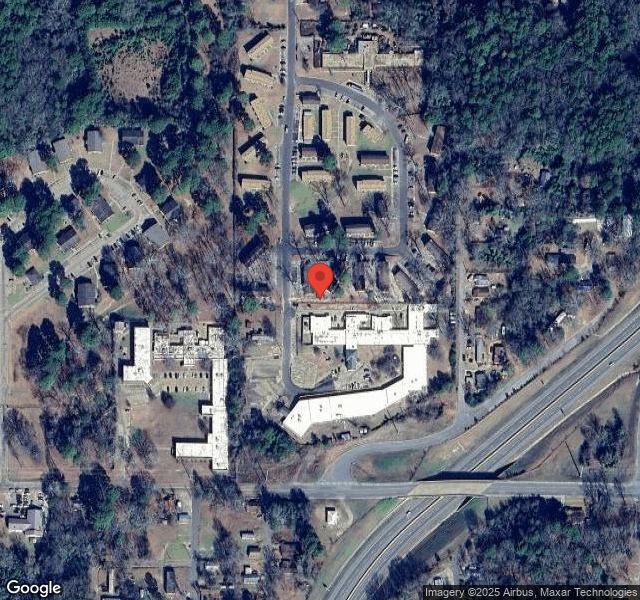
501 HUDSON ST, EL DORADO, AR 71730 (870) 862-5511
For profit - Corporation 180 Beds ANTHONY & BRYAN ADAMS Data: November 2025 1 Immediate Jeopardy citation
Trust Grade
43/100
#115 of 218 in AR
Last Inspection: September 2024

Within standard 12-15 month inspection cycle. Federal law requires annual inspections.

Overview

Oak Ridge Health and Rehabilitation has a Trust Grade of D, which indicates below-average performance and some concerns regarding resident care. It ranks #115 out of 218 facilities in Arkansas, placing it in the bottom half of the state, and #4 out of 5 in Union County, meaning only one local facility is better. The facility is showing signs of improvement, reducing its issues from 11 in 2023 to just 3 in 2024. While staffing is relatively stable with a 38% turnover rate, which is better than the state average, the facility has incurred $74,825 in fines, a figure higher than 95% of Arkansas facilities, suggesting ongoing compliance issues. Recent inspections revealed critical concerns, such as a resident being able to exit the building unattended, which poses a serious safety risk, and failures in food safety practices that could lead to health issues for residents. Overall, while there are some strengths, families should be aware of the significant weaknesses as well.

Trust Score
D
43/100
In Arkansas
#115/218
Bottom 48%
Safety Record
High Risk
Review needed
Inspections
Getting Better
11 → 3 violations
Staff Stability
○ Average
38% turnover. Near Arkansas's 48% average. Typical for the industry.
Penalties
✓ Good
$74,825 in fines. Lower than most Arkansas facilities. Relatively clean record.
Skilled Nurses
⚠ Watch
Each resident gets only 18 minutes of Registered Nurse (RN) attention daily — below average for Arkansas. Fewer RN minutes means fewer trained eyes watching for problems.
Violations
⚠ Watch
20 deficiencies on record. Higher than average. Multiple issues found across inspections.
★★★☆☆
3.0
Overall Rating
★★★☆☆
3.0
Staff Levels
★★★★☆
4.0
Care Quality
★★★☆☆
3.0
Inspection Score
Stable
2023: 11 issues
2024: 3 issues

The Good

  • 4-Star Quality Measures · Strong clinical quality outcomes
  • Full Sprinkler Coverage · Fire safety systems throughout facility
  • No fines on record
  • Staff turnover below average (38%)

    10 points below Arkansas average of 48%

Facility shows strength in quality measures, fire safety.

The Bad

3-Star Overall Rating

Near Arkansas average (3.1)

Meets federal standards, typical of most facilities

Staff Turnover: 38%

Near Arkansas avg (46%)

Typical for the industry

Federal Fines: $74,825

Well above median ($33,413)

Moderate penalties - review what triggered them

Chain: ANTHONY & BRYAN ADAMS

Part of a multi-facility chain

Ask about local staffing decisions and management

The Ugly 20 deficiencies on record

1 life-threatening
Sept 2024 3 deficiencies
CONCERN (D)

Potential for Harm - no one hurt, but risky conditions existed

Accident Prevention (Tag F0689)

Could have caused harm · This affected 1 resident

Based on observation, and interview it was determined that the facility failed to ensure the tub room door on the Memory Unit was locked to ensure vulnerable residents were free from accidents and inj...

Read full inspector narrative →
Based on observation, and interview it was determined that the facility failed to ensure the tub room door on the Memory Unit was locked to ensure vulnerable residents were free from accidents and injuries, affecting 5 (Resident #25, #41, #56, #61, and #73) sampled residents. Findings include: A review of a policy titled Secure Neighborhood Policy & Procedure Manual, revealed that doors to the exits, janitor closets, mechanical rooms, and shower rooms will not be left unlocked, disengaged, or propped open. On 09/23/24 at 11:21 AM, the tub room door across from the nurse's station in the Memory Unit was observed ajar with one resident considered an elopement risk wandering the hallway. Licensed Practical Nurse (LPN) #1 accompanied the surveyor to the tub room door, and LPN #1 revealed dirty linens are stored in the tub room, and stated the door is supposed to be locked to keep the residents out, because a resident could fall in the tub, or otherwise get hurt in the tub room. During an interview with Director of Nursing (DON), she revealed the process for maintaining the tub and shower rooms were to keep them clean, and locked so that residents do not have access. The DON confirmed there are dirty linens stored in the tub room that residents should not be touching, and if the door shuts residents may not be able to get out, they could fall in the floor or the tub and harm themselves.
CONCERN (D)

Potential for Harm - no one hurt, but risky conditions existed

Menu Adequacy (Tag F0803)

Could have caused harm · This affected 1 resident

Based on observation, record review and interview, the facility failed to ensure menus were prepared and followed for 1 of 2 meals observed. The findings are: On 9/24/24 at 1:10 PM, the menu for the ...

Read full inspector narrative →
Based on observation, record review and interview, the facility failed to ensure menus were prepared and followed for 1 of 2 meals observed. The findings are: On 9/24/24 at 1:10 PM, the menu for the noon meal was barbeque beef tips, baked potato salad, fried okra, Texas toast and ice cream. The surveyor observed the meal service of the noon meal. The [NAME] reported the kitchen had run out of barbeque beef tips before all residents were served the lunch meal. The last 4 meal trays prepared from the food line were served chicken nuggets. The Surveyor interviewed Resident #76, who was served chicken nuggets instead of the beef tips indicated on the menu, and the resident said they would rather have had the barbeque beef. The Dietary Manager said she did not know how they ran out of beef tips because they prepared the same number of beef packages as always. On 9/24/24 at 1:45 PM, the surveyor asked the [NAME] why is it important to ensure you have enough food prepared to serve all residents the planned meal. The [NAME] said residents are supposed to get what is on the menu, as this is their home. The [NAME] said he did not know what why they ran out of food because he had prepared the same amount of food he always did.
CONCERN (F)

Potential for Harm - no one hurt, but risky conditions existed

Food Safety (Tag F0812)

Could have caused harm · This affected most or all residents

Based on observations, record review, and interview, the facility failed to store, prepare, distribute and serve food in accordance with professional standards for food service safety. The finding ar...

Read full inspector narrative →
Based on observations, record review, and interview, the facility failed to store, prepare, distribute and serve food in accordance with professional standards for food service safety. The finding are: On 9/23/24 at 10:16 AM, and again on 9/24/24 at 10:15 AM, a half-cut watermelon dated 9/18/24 was observed stored on the top shelf of the refrigerator. On 09/23/24 at 10:18 AM, the surveyor observed two boxes of ice cream that were not dated. The Dietary Manager (DM) dated the boxes and said they were for activity. On 09/24/24 at 10:15 AM, the surveyor observed eggs stored on the 2nd shelf of the refrigerator with a large bin of prepared potato salad sitting below the eggs. The Dietary Consultant (DC) moved the eggs to the bottom shelf and stated they should not be stored on that shelf but should be stored on the bottom shelf. On 9/25/24 at 9:50 AM, the DM informed the surveyor the eggs were regular eggs and were used for baking. On 9/23/24 at 10:20 AM, the surveyor observed a freezer bag of frozen waffles sitting on the shelf in the freezer were not sealed, leaving the waffles exposed. On 9/23/24 at 10:21 AM, and again on 9/23/24 at 11:47 AM, the surveyor observed 9 bowls of prepared dry cereal were sitting on the pantry shelf not sealed. On 9/23/24 at 10:22 AM, the surveyor observed a large bin of sugar sitting in the pantry with the bin lid not secured to the container, leaving the sugar exposed. On 9/23/24 at 10:22 AM, and again at 11:35 AM, the surveyor observed a dented can of evaporated milk sitting on the shelf in the pantry that was used to store food intended to be served to the residents. On 9/23/24 at 10:45 AM, the surveyor and DM checked the ice machine. The DM wiped the top of the inside of the ice machine with a white napkin. A black substance came off on the white napkin. The DM stated the substance was mold. A sign on the right side of the ice machine indicated the ice machine had been cleaned on 8/20/24. On 09/23/24 at 12:41 PM, Certified Nurse Assistant (CNA) #3 was observed serving a cup of orange drink in the unit dining room to Resident #61 with 2 fingers resting on the rim of the cup and the right palm was resting over the fluid. CNA #3 stated she has not been told a process for serving residents but confirmed she probably should have held the cup from the bottom sides to prevent the resident from drinking where her fingers had been, because it put the resident at risk for cross contamination. On 9/24/24 at 11:04 AM, the [NAME] conducted a sanitization test of the 3-compartment sink with the Parts Per Million specific disinfectant strip, then took bread from the meal prep area and began to prepare peanut butter and jelly sandwiches holding the bread slices with his bare hands. The [NAME] did not wash his hands between the task of testing the sanitizer in the sink and preparing the bread with peanut butter. The [NAME] then went to the pantry area and brought back a container of jelly. The [NAME] did not wash his hands. The [NAME] picked up the bread slices with his bare hands and began to spread the jelly on the bread. The surveyor interviewed the [NAME] and asked him if he had washed his hands between the task, the [NAME] said he had not. The DM informed the [NAME] he could not use his bare hands to prepare the sandwiches. On 9/24/24 at 10:29 AM, the Dietary Aide (DA) was stacking the resident dinner plates in the plate cart with her bare hands. The DA picked the plates up with her fingers on the surface of the plate. The surveyor asked her why it was a problem to pick the plates up with her fingers. The DA said it can cause cross contamination because the residents have to eat out of them. On 09/24/24 at 2:47 PM, the DM checked the inside of the ice machine. She swiped the inside of the ice machine with a white paper towel. A black-pinkish substance came off on the white paper towel. The DM said her concern was cross contamination for the residents. On 9/24/24 at 10:39 AM, the wall adjacent to the dishwasher room, inside the kitchen was covered with a rust-colored substances running down the wall behind a shelf containing the cleaned dishes and tea pitchers.
Nov 2023 9 deficiencies
CONCERN (D)

Potential for Harm - no one hurt, but risky conditions existed

Comprehensive Assessments (Tag F0636)

Could have caused harm · This affected 1 resident

Based on record review and interview, the facility failed to comprehensively assess the resident's physical, mental and psychosocial needs to identify risks and impact of the resident function for 1 (...

Read full inspector narrative →
Based on record review and interview, the facility failed to comprehensively assess the resident's physical, mental and psychosocial needs to identify risks and impact of the resident function for 1 (Resident #51) of 16 (Resident #49, 51, 42, 44, 30, 14, 16, 67, 35, 228, 58, 70, 27, 62, 72, 13) sampled residents whose comprehensive assessments were reviewed. The findings are: 1. A Progress Note for Resident #51 dated 7/24/23 at 14:23 (2:23 PM) documented, Incident Description: This nurse and CNAs [Certified Nursing Assistants] clearing tables after noon meal service when alerted by dietary manager that resident had fallen. Resident seen lying on left side on floor with blood oozing from forehead, rollator walker within reach and resident wearing non-skid socks. The Dietary Manager stated that resident was attempting to get up from dining table when her legs got crossed up and she fell . Immediate Intervention: CNA retrieved towels to contain flow of blood. Head to toe assessment and ROM [range of motion] done to upper and lower extremities before resident assisted from floor and into wheelchair by this nurse and CNA. While this nurse and CNA were assisting resident, dietary manager called DON [Director of Nursing] who came to assist. Neuro check was performed and 2 cm [centimeter] skin tear noted to left forehead was cleaned with skin cleanser. Resident taken to room to be cleaned up and helped to bed during which she c/o [complaint of] left hip pain. Resident transported to (Named Hospital) for evaluation. 2. A Progress Note for Resident #51 dated 7/30/23 at 21:29 (9:29 PM) documented, Note Text: Received report from nurse on 3rd floor at (Named Hospital) around 12:20 that resident would be returning to [Named Facility] via non emergency transport. Nurse reports resident underwent a Endoprosthesis Hip Replacement surgery on August 26, 2023 . 3. A History and Physical form dated 7/24/23 documented, .She complained of left hip pain after a fall. She was brought to the ER [Emergency Room] and had x-rays which revealed that she has a fracture to their left hip . 4. The Significant Change in Status (SCSA) Minimum Data Set (MDS) with an Assessment Reference Date (ARD) of 8/6/23 documented Resident #51 had no falls since prior assessment. Recent surgery requiring active SNF (skilled nursing facility) care - hip replacement. 5. A Care Plan with a revision date of 7/25/23 documented, The resident has had an actual fall on 05/16/2023 . I had an actual fall on 07/11/2023 . I had an actual fall on 07/15/2023 . I had an actual fall on 07/21/2023 . I had an actual fall on 07/24/2023 . I had another fall on 07/24/2023 . I had another fall on 10/31/2023 . 6. A Care Plan initiated on 7/31/23 documented, The resident has an alteration in musculoskeletal status R/T [related to] left hip fracture . 7. On 11/02/23 at 04:13 PM, MDS Coordinator #2 was asked, what is the purpose of the MDS? She answered, To set a plan of care that is individualized based on the diagnosis and the resident needs. She was asked, should the MDS be accurate? She answered, Yes. She was asked to review Resident #51's SCSA MDS with ARD 8/6/23 and was asked, did the resident have a fall since prior assessment? She answered, Yes. I should have caught that. 8. The Centers for Medicare & Medicaid Services Long-Term Care Facility Resident Assessment Instrument (RAI) 3.0 User's Manual Version 1.18.11 October 2023 documented, .Medicare and Medicaid participating LTC facilities are required to conduct comprehensive, accurate, standardized and reproducible assessments of each resident's functional capacity and health status. To implement this requirement, the facility must obtain information from every resident. This information is also used by the Centers for Medicare & Medicaid Services (CMS) to ensure that the facility meets quality standards and provides appropriate care to all residents. 42 CFR §483.20, requires LTC facilities to establish a database, the Minimum Data Set (MDS), of resident assessment information .
CONCERN (D)

Potential for Harm - no one hurt, but risky conditions existed

Deficiency F0637 (Tag F0637)

Could have caused harm · This affected 1 resident

Based on observation, record review and interview, the facility failed to complete a Significant Change in a Minimum Data Set (MDS) after a decline in two or more Activities of daily living (ADL) for ...

Read full inspector narrative →
Based on observation, record review and interview, the facility failed to complete a Significant Change in a Minimum Data Set (MDS) after a decline in two or more Activities of daily living (ADL) for 1 resident (R#35) of 17 sampled residents (R#s, 44, 30,14, 16, 67, 35, 228, 58, 49, 70, 51, 24, 27, 62, 72, 13, & R#42) whose MDS's were reviewed. This failed practice had the potential to affect 77 residents in the facility as documented on the Resident Listing Report provided by the Administrator on 10/30/23 at 10:37 AM. The findings are: 1. On Resident #35's quarterly, MDS with an assessment reference date (ARD) of 04/27/23, it was documented that the resident required no help for bed mobility, independent with set up help only with eating. Resident was independent with no help needed for transfers and Supervision with 1 person assist for toileting. 2. On Resident #35's quarterly, MDS with an ARD date of 07/28/23 it was documented that resident #35 was a limited assist with 1 person assist with bed mobility, independent with setup help only with eating. Resident is an extensive assistance with 2- person assistance with transfers and extensive assistance with 1 person assist with toileting. 3. On 11/2/23 at 9:50 AM, the Surveyor asked the Minimum Data Set Coordinator (MDSC) if she could look in the electronic record at the last 2 (two) MDS in section G (4/27/23 and 7/28/23). The MDSC was asked to explain when a significant change should be done. The MDSC stated, when you notice a change in 2 (two) or more areas, then you monitor for 14 days then if there is no returning to normal baseline then you do a significant change. He had a decline in 3 (three) areas actually. The MDSC was asked if a significant change would have been necessary. The MDSC stated, Yes, we should have done one, it's been 3 months. 4. On 10/2/23 at 02:55 PM, the Director of Nurses (DON) was asked if she expected the MDSC to accurately code the MDS. The DON stated, Yes. The DON was asked to explain when a Significant Change should be completed. DON stated, when there is a decline in 2 or more areas. The DON was asked if a MDS was done in April then again in July and there were declines, what should have occurred. The DON stated, a significant change MDS. 5. On 10/2/23 the Surveyor asked the MDSC for a policy on Significant Changes, the policy provided did not meet the criteria needed. 6. Documented from, LONG-TERM CARE FACILITY RESIDENT ASSESSMENT INSTRUMENT 3.0 USER'S MANUAL- Version 1.17.1 October 2019, A significant Change is a major decline or improvement in a resident's status that will not normally resolve itself without intervention . A significant change is appropriate if there are either two or more areas of improvement or decline .
CONCERN (D)

Potential for Harm - no one hurt, but risky conditions existed

Assessment Accuracy (Tag F0641)

Could have caused harm · This affected 1 resident

**NOTE- TERMS IN BRACKETS HAVE BEEN EDITED TO PROTECT CONFIDENTIALITY** Surveyor: [NAME], [NAME] Based on observation, interview and record review the facility failed to ensure the Minimum Data Set (M...

Read full inspector narrative →
**NOTE- TERMS IN BRACKETS HAVE BEEN EDITED TO PROTECT CONFIDENTIALITY** Surveyor: [NAME], [NAME] Based on observation, interview and record review the facility failed to ensure the Minimum Data Set (MDS) was coded accurately to reflect the resident's restraint status for 1 sampled resident (R#27). This failed practice had the potential to affect 77 residents who required MDS assessments, according to the Resident Listing Report provided by the administrator on 10/30/2023 at 10:37 AM. The findings are: a. Resident #27 had a diagnosis of unspecified Sequelae of Cerebral Infarction, and Cerebrovascular Disease, unspecified. The Quarterly Minimum Data Set (MDS) with an Assessment Reference Date (ARD) of 09/22/23 documented the resident was coded for Physical Restraints under Section P0100. The restraints coded were bed rails used in bed daily. b. On 10/31/2023 at 08:53 AM Surveyor entered resident #27's room and made observation that the resident did not have side rails on the bed. c. On 11/01/23 at 09:02 AM Minimum Data Set Coordinator (MDSC) was asked to access resident #27's Minimum Data Set (MDS) and look in the restraint section. MDSC stated Resident #27 should not have any restraints coded. Surveyor asked, What is coded for restraints on the MDS? MDSC stated, Bed rails is coded as used daily. Surveyor asked MDSC, Does Resident #27 use side rails? MDSC replied, No, Resident #27 does not use side rails. Surveyor then asked, Should side rails be coded on the MDS? MDSC replied, No, side rails should not be coded on the MDS. d. On 11/01/23 at 09:22 AM Director of Nurses (DON) was asked to explain the process of building an MDS. DON replied, The nurse assesses the resident when admitted and build the MDS from there. Surveyor asked the DON, Should the MDS be coded accurately? Why? DON replied, Yes, it should be coded correctly because it is an assessment for billing and for residents care. Surveyor asked, If a resident is coded for side rails on the MDS and they don't use them, is that a coding error? DON replied, Yes, that is an MDS coding error. e. According to the Long-Term Care Facility Resident Assessment Instrument 3.0 User's Manual. It states .Medicare and Medicaid participating LTC (Long-term care) facilities are required to conduct comprehensive, accurate, standardized and reproducible assessments of each resident's .
CONCERN (D)

Potential for Harm - no one hurt, but risky conditions existed

Deficiency F0657 (Tag F0657)

Could have caused harm · This affected 1 resident

Based on observation, record review and interview, the facility failed to reassess the effectiveness of interventions and review and revise the care plan to meet the resident's needs for 1 (Resident #...

Read full inspector narrative →
Based on observation, record review and interview, the facility failed to reassess the effectiveness of interventions and review and revise the care plan to meet the resident's needs for 1 (Resident #42) of 16 (#49, 51, 42, 44, 30, 14, 16, 67, 35, 228, 58, 70, 27, 62, 72, 13) sampled residents whose care plans were reviewed. The findings are: 1. On 10/30/23 at 12:29 PM, Resident #42 was sitting in a wheelchair in the room with facial hair measuring approximately ¼ of an inch on the chin area. 2. On 10/30/23 at 04:41 PM, Resident #42 was sitting in a wheelchair in the room with facial hair measuring approximately ¼ of an inch on the chin area. 3. On 10/31/23 at 08:16 AM, Resident #42 was sitting in a recliner eating breakfast with facial hair measuring approximately ¼ of an inch on the chin area. 4. On 11/01/23 at 08:40 AM, Resident #42 was sitting in a recliner eating breakfast with facial hair measuring approximately ¼ of an inch on the chin area. The resident's left middle fingernail was broken and jagged. 5. The resident was asked, do the staff care for your nails? The resident stated, Yes. I broke my nail and I need to have them file it. The resident was asked, do you want the staff to remove your facial hair? The resident answered, They do it when I tell them to do it. 6. The Annual Minimum Data Set (MDS) with an Assessment Reference Date (ARD) of 2/18/23 documented independent with no staff assistance for personal hygiene. 7. The Quarterly MDS with an ARD of 8/21/23 documented the resident required supervision with set up assistance only for personal hygiene. 8. The Care Plan with a revision date of 5/15/21 documented the resident required .extensive assist x 1 person for personal hygiene . 9. On 11/02/23 at 11:15 AM, the Nurse Consultant provided Resident #42's Personal Hygiene Documentation Survey Report which documented personal hygiene/oral care was performed every shift during the month of October and November and no documented refusals of care. 10. On 11/01/23 at 11:01 AM, CNA #1 was asked, do you provide care for Resident #42? The CNA answered, Yes. I try but she is her own person and I do things the way she wants me to. She asks me to do things when she gets ready. 11. On 11/02/23 04:13 PM, MDS Coordinator #2 was asked, what is a care plan? The nurse answered, The plan of care that involves the interdisciplinary team. We adjust it to make it patient centered. She was asked, how often should the care plan be reviewed and revised? She answered, With any change, or any time we add something, or if there is a change in condition or at least every quarter. She was asked to review Resident #42's care plan for personal hygiene. She stated, It says extensive assistance from 1 staff. She was asked to review the Quarterly Minimum Data Set (MDS) with an Assessment Reference Date (ARD) of 8/21/23, how what assistance is documented for personal hygiene? She answered, It says supervision and 1 person assistance. She was asked to review the Annual MDS with the ARD of 2/18/23, what assistance is documented for personal hygiene? She answered, Independent with no setup. She was asked, which one is accurate? She answered, It depends on the day. Some days she is more independent than others. I should have made a progress note. She was asked, should the care plan be reviewed and revised with accurate information? She answered, Yes. 12. A Policy titled, Care Plans, Comprehensive Person Centered which was provided by the Administrator on 11/2/23 at 3:34 p.m. documented, .Assessments of residents are ongoing and care plans are revised as information about the residents and the residents' conditions change .
CONCERN (E)

Potential for Harm - no one hurt, but risky conditions existed

Resident Rights (Tag F0550)

Could have caused harm · This affected multiple residents

Based on observation, interview, and record review the facility failed to ensure that the facility provided privacy to promote dignity for 1 (R#58) of 1 sampled resident who had a catheter and for 1 (...

Read full inspector narrative →
Based on observation, interview, and record review the facility failed to ensure that the facility provided privacy to promote dignity for 1 (R#58) of 1 sampled resident who had a catheter and for 1 (R#228) of 7 (R#228, 17, 35, 23, 27, 72, and 13) sampled residents who reside on section D hall. The findings are: 1. a. On 10/30/23 at 12:23 PM, Resident #58 had a foley catheter bag hanging on the side of the bed with no privacy cover. The urine drainage bag was visible from the door for visitors and other residents to see. b. On 10/31/23 at 08:17 AM, Resident #58 had a foley catheter bag hanging on the side of the bed with no privacy cover. The urine drainage bag was visible from the door for visitors and other residents to see. c. On 11/01/23 at 08:28 AM, Resident #58 had a foley catheter bag hanging on the side of the bed with no privacy cover. The urine drainage bag was visible from the door for visitors and other residents to see. d. According to annual Minimum Data Set (MDS) with an Assessment Reference Date (ARD) dated 09/22/2023 states under section H0100. Appliances, resident has an indwelling catheter. e. A physician order dated 08/24/2023 states Foley french 18 FR [French] and bulb 30 cc [cubic centimeters]: change foley cath [catheter] Q [every] 30 days PRN [as needed] leakage obstruction or patient removal every day shift every 30 day 2. a. On 10/30/23 at 11:49 AM, Resident #228 in bed uncovered with brief undone wearing only a T-shirt with multiple staff and residents going past room in hallway. b. On 10/30/23 at 12:04 PM, Resident #228 remained in bed uncovered with brief undone. Resident across the hall was staring at resident exposed. Multiple staff members had walked past the resident room. c. On 10/31/23 at 08:23 AM, Resident #228 was sitting up on the side of the bed with only a T-shirt and brief on and uncovered. The door was open with other residents going by and staff walking up and down the hall. d. A care plan with initiation date of 10/23/2023 stated, The resident has impaired cognitive function/dementia or impaired thought processes as evidenced by .related to Dementia. e. On 10/30/23 at 12:50 PM, during representative interview Resident #228 family member stated, I dressed him when I got here. On 11/02/2023 at 2:40 PM, the Surveyor asked the certified nursing assistant (CNA) #2, how should a residents foley catheter drainage bag be placed? The CNA replied, placed on the side of the bed below the bladder or under the wheelchair with a privacy bag. The surveyor asked, why should the catheter bag be placed in a privacy bag? The CNA replied, it's a dignity issue, they don't want others to see a bag of pee under them. The Surveyor asked, what would your expectation be for a resident who is in their room and not fully clothed? The CNA replied, ask them why their clothes are not on if they can answer and if they cannot then cover them up or put clothes on them. The Surveyor asked, what is the reason you would cover them or put clothes on? The CNA replied, It's a dignity issue they can be in their room undressed with their door we don't want others to see to the naked in their room. On 11/02/2023 at 2:42 PM, the Surveyor asked the Licensed Practical Nurse (LPN) #3, how should a residents foley catheter drainage bag be placed? The LPN replied, the foley catheter should be placed below the bladder. The surveyor asked, should the catheter bag have a privacy cover? The LPN replied, Yes, it should have a privacy cover. The Surveyor asked, why should it have a privacy cover? The LPN replied, for resident privacy. The surveyor asked, what would your expectation be for a resident who is in their room and not fully clothed? The LPN replied, go in there and give them privacy so others don't see them. The Surveyor asked the Director of Nursing (DON), how should a residents foley catheter drainage bag be placed? The DON replied, placed below the bladder. The surveyor asked, should the catheter bag have a privacy cover? The DON replied, yes, it should have a privacy cover over bag. The Surveyor asked, why should it have a privacy cover? The DON replied, there should be a privacy cover for the resident's privacy. The surveyor asked, what would your expectation be for a resident who is in their room and not fully clothed? The DON replied, provide privacy for dignity and pull curtain or close door. On 11/02/2023 at 3:34 PM, A policy titled, Quality of Life-Dignity states .10. Staff shall promote, maintain, and protect resident privacy, including bodily privacy .a. helping the resident to keep urinary catheter bags covered .
CONCERN (E)

Potential for Harm - no one hurt, but risky conditions existed

Deficiency F0761 (Tag F0761)

Could have caused harm · This affected multiple residents

Based on observation, and interview, the facility failed to ensure expired and unlabeled medications were removed from the medication cart and placed into an area for destruction to prevent potential ...

Read full inspector narrative →
Based on observation, and interview, the facility failed to ensure expired and unlabeled medications were removed from the medication cart and placed into an area for destruction to prevent potential administration to residents. This failed practice had the potential to affect 19 residents who receive medications from the D hall medication cart, according to a list provided by the Administrator on 11/03/23 at 8:39AM. The findings: 1. On 11/02/23 at 2:11pm., the facility's medication room was inspected with Assistant Director of Nurses (ADON) and Licensed Practical Nurse (LPN) #1. There were 2 (two) pens of Basaglar Insulin, opened with the expiration dates of 03/03/23 and 10/04/23. A bottle of Latanoprost without a resident's name opened with no opened date and a 3-ounce bottle (half full) of Saline Nasal Spray without a resident's name or open date on the bottle. 2. On 11/02/23 at 2:38PM, LPN #2 was asked if expired medications and medications without a resident's name be stored in the medication cart. LPN #2 stated 'No, because expired medications can cause an adverse reaction and if there is no label on the medication then someone could get the wrong medication or wrong dose. 3. On 11/02/23 at 3:11PM, the Director of Nursing (DON) was asked to explain the importance of keeping the medication carts inspected. The DON stated to ensure its clean, organized, and expired meds removed so new ones could be ordered. The DON was asked why it is important to remove all expired medication and medications without names on them be removed from the cart. The DON stated, there could be issues if given the wrong resident and expired meds could cause issues. 5. A facility policy titled, Storage of Medication, received from the Administrator on 11/02/23 at 3:34 p.m., documented, .1 Drugs and biologicals shall be stored in the packaging containers or other dispensing systems in which they are received.3 Drug containers that have missing, incomplete . Labels shall be returned to the pharmacy for proper labeling and storing.#4. The facility shall not use discontinued, outdated, or deteriorated drugs or biologicals. All such drugs shall be returned to the dispensing pharmacy or destroyed .
CONCERN (E)

Potential for Harm - no one hurt, but risky conditions existed

Deficiency F0883 (Tag F0883)

Could have caused harm · This affected multiple residents

Based on record review and interview, the facility failed to provide pneumococcal immunizations as required or appropriate for 3 (Resident #49, #51, #62) of 5 (#49, #51, #62, #42, #65) sampled residen...

Read full inspector narrative →
Based on record review and interview, the facility failed to provide pneumococcal immunizations as required or appropriate for 3 (Resident #49, #51, #62) of 5 (#49, #51, #62, #42, #65) sampled residents whose records were reviewed for the receipt of pneumococcal immunizations. The findings are: 1. On 11/01/23 at 03:10 PM, Review of Resident #49's electronic record documented a Participation in Immunization Programs consent form signed by the representative with no date. The form documented, .I authorize the facility to administer a one time pneumococcal vaccine to me . The resident's record did not document the receipt of a Pneumococcal vaccine. 2. On 11/01/23 at 03:20 PM, Review of Resident #51's electronic record documented a Participation in Immunization Programs consent form signed by the representative with no date. The form documented, . I authorize the facility to administer a one time pneumococcal vaccine to me . The resident's record did not document the receipt of a Pneumococcal vaccine. 3. On 11/01/23 at 03:30 PM, Review of Resident #62's electronic record documented a Participation in Immunization Programs consent form initialed by the resident with no date. The form documented, .I authorize the facility to administer a one time pneumococcal vaccine to me . The resident's record did not document the receipt of a Pneumococcal vaccine. 4. On 11/01/23 at 04:02 PM, the Director of Nursing (DON) was asked to provide the dates in which Resident #49, 51 and 62s' Participation in Immunization Programs Consent forms were signed or initialed and documentation of the receipt of Resident #49, 51 and 62's Pneumococcal vaccines. 5. On 11/02/23 at 10:24 AM, the DON provided Resident #49's Participation in Immunization Program Consent form dated 5/9/23. The DON did not provide documentation of the administration of a pneumococcal vaccine for Resident #49. The DON also provided Resident #51's Participation in Immunization Program Consent form dated 5/2/23. The DON did not provide documentation of the administration of a pneumococcal vaccine for Resident #41. The DON also provided Resident #62's Participation in Immunization Program Consent form dated 12/8/22. The DON did not provide documentation of the administration of a pneumococcal vaccine for Resident #62. 6. On 11/02/23 at 03:07 PM, the DON was asked to review Resident #49's record and was asked, when was their pneumococcal vaccine given? She answered, We gave it today. She was asked to review Resident #51's record and was asked, when was their pneumococcal vaccine given? She answered, We gave it today. She was asked to review Resident #62's record and was asked, when was their pneumococcal vaccine given? She answered, We gave it today. I came here in January. I am trying to get things in place. I was going to do a vaccine audit but you came before I could get it done. She was asked, do you know that your policy states that you will give the pneumococcal vaccines within 30 days of their admission? She answered, Yes. 7. A Policy titled, Pneumococcal Vaccine which was provided by the Administrator on 10/30/23 at approximately 3:00 PM documented, Prior to or upon admission, residents will be assessed for eligibility to receive the Pneumovax (pneumococcal vaccine) and when indicated, will be offered the vaccination within thirty (30) days of admission to the facility unless medically contraindicated or the resident has already been vaccinated .
CONCERN (F)

Potential for Harm - no one hurt, but risky conditions existed

Deficiency F0801 (Tag F0801)

Could have caused harm · This affected most or all residents

Based on observation, and interview, the facility failed to ensure a qualified dietitian was utilized in overseeing meal preparation, menu planning, and managing dietary operations to prevent foodborn...

Read full inspector narrative →
Based on observation, and interview, the facility failed to ensure a qualified dietitian was utilized in overseeing meal preparation, menu planning, and managing dietary operations to prevent foodborne illnesses, and sanitation. This failed practice had the potential to affect 72 residents that receive meals from the kitchen according to a list provided by the administrator on 11/02/23 at 3:34PM . The findings are: 1. On 11/01/23 at 02:32 PM The Dietary Manager [DM] told the surveyor that she is not a certified dietary manager. DM said, I'm currently in classes for Safe Serve then I'll take other classes. 2. On 11/01/23 at 02:32 PM The surveyor spoke with the Administrator and asked what their process was for ensuring the dietary manager received certification. The Administrator told the surveyor that the DM was in the process of getting the certification. 3. On 11/03/23 a form titled Job Description, Director of Food Service/Dietary Manager/ Supervisor . Education: Be a graduate of an accredited course in dietetic training approved by the American Dietetic Association . Must be registered as a food service Director in the state .
CONCERN (F)

Potential for Harm - no one hurt, but risky conditions existed

Food Safety (Tag F0812)

Could have caused harm · This affected most or all residents

Based on observation, record review and interview, failed to ensure dented food cans were promptly removed/ discarded to prevent the growth of bacteria; 1of 1 ice scoops were maintained in a clean and...

Read full inspector narrative →
Based on observation, record review and interview, failed to ensure dented food cans were promptly removed/ discarded to prevent the growth of bacteria; 1of 1 ice scoops were maintained in a clean and sanitary condition to prevent potential contamination of residents' beverages for residents who received meals from 1 of 1 kitchen; foods stored in the freezer, refrigerator and dry storage area were covered, sealed, and dated to minimize the potential for food borne illness for residents who received meals from 1 of 1 kitchen; expired food items were promptly removed /discarded on or before the expiration or use by date to prevent the growth of bacteria; fan in preparation area and air conditioner above clean dish washing area were not maintained in a clean and sanitary condition to prevent potential contamination of residents' food for residents who received meals from 1 of 1 kitchen, ensure the three compartment sink dishwashing temperatures were at level to kill and prevent the growth of bacteria for 1 of 1 kitchen and hot food was maintained at 135 degrees or above to prevent potential food borne illness for residents who received meals from 1 of 1 kitchen. These failed practices had the potential to affect 72 residents who receive meals from the kitchen (total census: 77) as documented on a list provided by Administrator on 11/02/2023 at 3:34 PM. The findings are: 1. On 10/30/23 at 10:48 AM The following observations were made on a shelf in the stand-up refrigerator. a. 3 premade and wrapped sandwiches with no preparation date b. pitcher covered with aluminum foil of pear slices dated 10/24/2023. c. sliced turkey in plastic zipper bag with bag not sealed. d. chopped lettuce in plastic bag not sealed and open to air. e. Prepared (flavored drink) in pitcher without a preparation date f. raw bacon stored on top shelf of refrigerator in 2 plastic zipper storage bags and in box. g. bag of 5 premade waffles stored directly on top of raw bacon. h. 7 bowls of prepared salads with no date on any bowl i. lettuce and tomatoes dated 10/28/23 stored under raw bacon. 2. On 10/30/23 at 10:55 AM The following observations were made on a shelf in the stand-up freezer. a. Plastic zipper storage bag of smoked sausage open and not sealed. b. plastic bag of chicken patties open and not sealed. c. bag of veggies that have been refrozen with no opening date. d. banana and chocolate cream pie has no receive date on package. e. Three Quart containers of orange sherbet without receive date. f. Three packages of raw cookie dough with no receive date. 3. On 10/30/23 at 10:59 AM The following observations were made on a shelf in the walk-in refrigerator. a. large bag of spinach laying on shelf not sealed open to air. b. One pound block of butter in box with cabbage no receive date On 10/30/23 at 11:02 AM The following observations were made on a shelf in the dry storage room. a. a one gallon can of cream style corn dented in rack and mixed with other cans. b. a one gallon can of diced potatoes dented in rack and mixed with other cans c. Nine 46 oz jugs of honey thickened tea with an expiration date of July 28, 2023 d. Open package of cherry gelatin wrapped in plastic wrap without an open date and not bagged. e. Open package of lemon pudding wrapped in plastic wrap without an open date and not bagged. f. large bag of vanilla wafers no open date and not in a sealed bag g. 8 tortilla shells without an open date wrapped in plastic wrap. On 10/30/2023 at 11:05 AM The dietary manager was asked, What do you do when you receive dented cans from the supplier? Dietary Manager replied, We place the dented cans to the side and let the truck driver know. Dietary Manager was then asked, How often do you or your staff check for expired items? Dietary Manager replied, Supposed to check for expired items with truck on Mondays and Thursdays. On 10/30/23 at 11:08 AM The following observations were made on a shelf in the walk-in freezer. a. bag of breaded squash not sealed and open to air b. an opened box of uncooked chicken on top of an open box of cooked diced chicken c. Three gallon container of orange sherbet without an open date, appears to have been melted and refroze with ice crystals on top On 11/01/2023 at 10:31 AM Dietary Worker #1 washed 2 pans, spatula, whisk, and ladle in premade dish water in 3 compartment sink. Dietary Worker #1 did not rinse the dishes after washing but went straight to the sanitizer before the drying rack. Surveyor asked the Dietary Manager to obtain temperatures of the dish water and sanitizer water. The findings were wash water was 108.3 and sanitizer water was 91.2. Surveyor also asked the Dietary Manager to use the Quaternary Ammonium Compounds (QAC) test strip to test the sanitizer water. The findings revealed the parts per million was between 400-500. The surveyor asked the Dietary Manager What is the wash and sanitizer water temp supposed to be? Dietary Manager replied I'm not sure. Also there was supposed to have been a rinse in the middle with sanitize in the third compartment. On 11/01/2023 at 10:40 AM Surveyor made observation with Dietary Manager and observed the ice scoop in metal rack on the wall beside the ice machine. The scoop is open to air and not covered. A jug of sliced pears with aluminum foil over the top in the refrigerator dated 10/24/2023. On 11/01/2023 at 11:04 AM Multiple dietary staff noted using the ice scoop to serve ice for the lunch meal pass for drinks. On 11/01/2023 at 11:36 AM The temperature of the food items when checked on the steam table by the Dietary Employee (DE) #1 was chicken fritters 133.1 degrees Fahrenheit, Pureed Carrots 130.1 degrees Fahrenheit, Pureed Noodles 133.1 degrees Fahrenheit. The above food items were not reheated before being served to the residents. On 11/01/2023 at 11:40 AM The air conditioner in the dish washing area and ceiling fan above the preparation table near the stove and fryer are thickly coated with a black/grey substance. On 11/02/2023 at 02:27 PM Dietary worker #3 was asked, how should food be stored after being opened? Dietary Worker #3 replied in a container with a lid with name, date, initials and expiration date. Surveyor asked, how are hazardous foods stored such as raw meat? Dietary Worker #3 replied, covered on the bottom shelf dated and labeled. Surveyor asked, What is the process for dented cans? Dietary Worker #3 replied, date and set to the side. Surveyor asked, once food is brought out of the freezer and thawed how should it be re -stored? Dietary Worker #3 replied, refrigerate the food. Surveyor asked, how often is the deep fryer cleaned? Dietary Worker #3 replied, the deep fryer is cleaned one time a week. Surveyor asked, how is the ice scoop stored? Dietary Worker #3 replied, the ice scoop should be placed in the holder. Surveyor asked, how often do you check the food storage area for expiration dates? Dietary Worker #3 replied, expiration dates are checked daily. Surveyor asked, how long is leftovers stored before being discarded? Dietary Worker #3 replied, left overs are stored for three days. Surveyor asked, In a three department sink when washing dishes what should the temperatures be for wash, rinse and sanitize? Dietary Worker #3 replied, wash 160 degrees Fahrenheit, rinse 140 degrees Fahrenheit, I do not know the temperature of the sanitize solution. Surveyor asked, what should the parts per million (ppm) for the rinse solution be? dietary worker #3 replied, 200 ppm. On 11/02/2023 at 02:31 PM Surveyor asked Dietary Manager, how should food be stored after being opened? Dietary Manager replied, in a plastic bag and dated. Surveyor asked, how are hazardous foods stored such as raw meat? Dietary Manager replied, all raw meats on bottom shelf and all other foods stored above the raw meats. Surveyor asked, once food is brought out of the freezer and thawed how should it be re -stored? Dietary Manager replied, raw veggies from freezer should be stored in a bag in the refrigerator and not back in the freezer. Surveyor asked, how often is the deep fryer cleaned? Dietary Manager replied, the deep fryer is cleaned on Wednesday or Thursday. Surveyor asked, How is the ice scoop stored? dietary manager replied, the ice scoop should be stored facing the wall in a rack. We used to have a bucket with a top on it. Surveyor asked, how long is leftovers stored before being discarded? dietary manager replied, leftovers are stored for three to seven days. Surveyor asked, what should the temperature of foods be at serving time? dietary manager replied, The beef should be greater than 155 degrees Fahrenheit, pork should be 160 degrees Fahrenheit, veggies 140 to 155 degrees Fahrenheit or higher, fish 150 degrees Fahrenheit or higher. Cold deserts should be less 41 degrees Fahrenheit.
Sept 2023 2 deficiencies 1 IJ
CRITICAL (J) 📢 Someone Reported This

A family member, employee, or ombudsman was alarmed enough to file a formal complaint

Immediate Jeopardy (IJ) - the most serious Medicare violation

Accident Prevention (Tag F0689)

Someone could have died · This affected 1 resident

Based on observation, record review and interview, the facility failed to ensure a resident who wore an (electronic wander management device), did not exit the building unattended for 1 (Resident #1) ...

Read full inspector narrative →
Based on observation, record review and interview, the facility failed to ensure a resident who wore an (electronic wander management device), did not exit the building unattended for 1 (Resident #1) of 3 (Residents #1, #2 and #3) case mix residents and had the potential to affect 14 residents who wore an (electronic wander management device) and were at risk for elopement. This failed practice resulted in past noncompliance at the level of Immediate Jeopardy, which caused or could have caused serious harm, injury, or death for Resident #1. The Administrator was notified of the Past Immediate Jeopardy on 09/13/23 at 11:28 AM. The findings are: 1. On 09/12/23 at 11:07 AM, observed the Main Dining Room was on the parking side of the facility and was noted to have an exit door with a keypad. The door exits out into a parking lot with a paved road beside the back of the building. The pavement had cracks and potholes. The road runs down an incline to the main street with a speed bump. The facility dumpsters were at the end of the driveway next to the main street. This street is used by the large apartment complexes nearby and goes around to the front of the facility. 2. Resident #1's clinical record noted the resident had diagnoses of Catatonic Schizophrenia, Alzheimer's Disease, Vascular Dementia and Mild Intellectual Disabilities. 3. Resident #1's Physicians Order dated 09/18/19 noted the resident was to wear an (electronic wander management device) due to poor safety awareness with placement and function checked every shift. 4. A Care Plan with an initiated date of 08/24/18 and a revision date of 04/14/21 noted Resident #1 was an elopement risk and was to be observed for exit seeking behaviors and was to wear a (electronic wander management device) on his left ankle. Other interventions included offering pleasant diversions, structured activities, food, conversation, television and or a book to distract him from wandering. 5. The Nursing Elopement Risk with Care Plan dated 08/16/21 indicated Resident #1 had a history of wandering, was above high risk to wander and was to wear a (electronic wander management device) on his left ankle. 6. The Nursing Admit/Readmit Assessment and Care Plan dated 07/17/23 and 08/01/23 indicated Resident #1 was a high risk to wander and was an elopement risk and was to wear a (electronic wander management device) on his left ankle. 7. A Nursing Note dated 09/7/2023 at 12:38 PM noted the facility received a call around 6:30 AM that Resident #1 sustained a fall outside. Staff nurses and the Housekeeping Supervisor immediately responded to the resident's side where he was assessed and had superficial abrasions to his face. Emergency Medical Services (EMS) were called. Physician Assistant and family member were notified Resident #1 was being sent to the emergency room (ER) for evaluation and treatment. Resident #1 stated to staff that he used the numbers to exit the facility and showed staff that he exited the small dining exit door. The (electronic wander management device) remained in place and was verified that it was functioning. 8. A Nursing Note dated 09/07/23 at 12:45 PM noted Resident #1 arrived back to facility from the ER around 11:30 AM with abrasions noted on the left side of his head and face and steri-strips on his forehead. 9. A Witness Statement dated 09/07/23 at 7:00 AM written by LPN #1 noted around 7:00 AM, maybe 6:30 AM, she answered the phone, and was informed by a lady that one of the residents was outside by the dumpsters and had fallen. She ran out to the dumpsters and saw Resident #1 lying on the ground and he had an abrasion to the left side. Resident #1 got up and was brought back into the building in a wheelchair. 10. A Witness Statement dated 09/07/23 by the Housekeeping and Laundry Supervisor noted she asked Resident #1 how he got out of the building and Resident #1 told her he got out of the Dining Room door. 11. A Witness Statement dated 09/07/23 by the LPN/Minimum Data Set (MDS) noted she asked Resident #1 how he got out of the door and if he used the code. Resident #1 stated, I pushed the code. She then asked him for the code, and he stated, [Numbers] and I didn't push the [Number]. 12. A Nursing Note dated 09/12/23 at 12:17 PM, noted Resident #1 had the (electronic wander management devices) in place, and they were working properly. The passcode to the doors was reset and Resident #1 no longer required one on one. 13. On 09/12/23 at 11:22 AM, the Administrator stated the Secure Care System for the Dining Room was not set correctly. It had an override. The system is supposed to lock when an (electronic wander management device) is close to the door and not open even when the code is entered. The main dining door did not lock when the resident pushed the code in, and he was able to exit the door due to the override. 14. A facility policy titled, Wandering and Elopements, provided by the Administrator on 09/12/23 at 2:24 PM documented, .Policy Statement The facility will identify residents who are at risk of unsafe wandering and strive to prevent harm while maintaining the least restrictive environment for residents. Interpretation and Implementation 1. If identified as at risk for wandering, elopement, or other safety issues, the residents care plan will include strategies and interventions to maintain the resident's safety .
CONCERN (D) 📢 Someone Reported This

A family member, employee, or ombudsman was alarmed enough to file a formal complaint

Potential for Harm - no one hurt, but risky conditions existed

Report Alleged Abuse (Tag F0609)

Could have caused harm · This affected 1 resident

Based on interview and record review, the facility staff failed to report an elopement to the Office of Long Term Care for 1 (Resident #1) of 3 (Residents #1, #2 and #3) case mix residents who were an...

Read full inspector narrative →
Based on interview and record review, the facility staff failed to report an elopement to the Office of Long Term Care for 1 (Resident #1) of 3 (Residents #1, #2 and #3) case mix residents who were an elopement risk. The findings are: 1. On 09/12/23 at 10:45 AM, the Surveyor asked the Administrator if she had completed a reportable on the elopement for Resident #1. The Administrator stated no, it was discussed, and it was decided not to report. Cross Reference F689. 2. On 09/12/23 at 2:05 PM, the Surveyor asked the Nurse Consultant why the facility did not report the elopement to the Office of Long-Term Care. She stated we had 24 hours to decide if it was neglect, and after reviewing the incident, it was decided the facility didn't deviate from the Plan of Care, so it was not neglect. So, we decided not to report it. She further stated they did call the police about the incident. 3. A Nursing Note dated 09/12/23 at12:17 PM noted Resident #1's (electronic wander management device) was in place and working properly and that Resident #1 no longer required one on one due to an override of the doors and the passcode being reset. 4. On 09/12/23 at 11:22 AM, the Administrator stated the Secure Care System for the Dining Room was not set correctly. It had an override. The system is supposed to lock when an (electronic wander management device) is close to the door and not open even when the code is entered. The main dining door did not lock when the resident pushed the code in, and he was able to exit the door due to the override. 5. On 09/12/23 at 2:24 PM, the Administrator provided a policy titled, Abuse Investigations, documented, Policy Statement All reports of resident abuse, neglect and injuries of unknown source shall be promptly and thoroughly investigated by facility management. Policy Interpretation and Implementation .15. The Administrator will provide a written report of the results of all abuse investigations and appropriate action taken to the state survey and certification agency, the local police department, the ombudsman, and others as may be required by state or local laws, within five (5) working days of the reported incident .
Aug 2022 6 deficiencies
CONCERN (E)

Potential for Harm - no one hurt, but risky conditions existed

Deficiency F0567 (Tag F0567)

Could have caused harm · This affected multiple residents

Based on record review and interview, the facility failed to ensure an effective system was in place for residents who have authorized the facility to manage their personal funds to access their perso...

Read full inspector narrative →
Based on record review and interview, the facility failed to ensure an effective system was in place for residents who have authorized the facility to manage their personal funds to access their personal funds after hours and on weekends. This failed practice had the potential to affect 48 residents in the facility who had authorized the facility to manage their personal funds according to a list provided by the Business Office Manager (BOM) on 8/17/22 at 2:05 PM. The findings are: a. On 08/16/22 at 1:01 PM, Resident #19 was in her room. The Surveyor asked, Who takes care of your money. Resident #19 stated, The facility does. The Surveyor asked, Are able to access her money when you need to? Resident #19 stated, Yes, during the week but not on weekends. I try to ask by Friday, because no one is here to handle the money on the weekends. I call my husband if I need something on the weekends and he takes care of it. b. On 8/17/22 at 11:13 AM, during Resident Council Meeting, the Surveyor asked the residents, Do you have access to your personal funds? Two of the five residents stated, they can get money Monday through Friday during the day, but not after hours or on weekends. c. On 08/17/22 11:30 AM, the Surveyor asked the Administrator, Who is responsible for the management of the residents personal funds? She stated, The Business Office Manager. The Surveyor asked the Administrator, Does the facility have a process in place for residents to request their funds that are managed by the facility after hours and on weekends? The Administrator stated, Yes. The staff can call me, and I will come up here and get the money for the resident. The Surveyor asked the Administrator, Is there a process in place if you are not available? The Administrator stated, I am on call 24/7 [24 hours a day, 7 days a week]. The Surveyor asked the Administrator, Are staff aware of this process? The Administrator stated, Yes. d. On 08/17/22 at 11:35 AM, the Surveyor asked the BOM and the Business Office Consultant, Are you responsible for getting the residents their money when they request it? She said, Yes. The Surveyor asked the BOM, Is there a process in place for residents to have access to their money after hours and on weekends? She stated, I'm not sure. I just started in this position. The Business Office Consultant stated, There is a policy for residents to have access to their money after hours and on weekends. The Surveyor informed her that during the Resident Council Meeting this morning two of the five residents in attendance stated they do not have access to their money after hours and on weekends. The Business Office Consultant stated, There should be money in a lock box, a resident list showing who has money, and a sheet showing who requested money and how much, on a nurse's cart for after hours and weekends. e. On 08/17/22 at 11:45 AM, the Surveyor asked Licensed Practical Nurse (LPN) #1, Do you ever work weekends or evenings when the office staff are gone? LPN #1 stated, Yes sir. The Surveyor asked LPN #1, What is the process on how residents access personal funds after hours or on weekends? LPN #1 stated, I don't know of one. The Surveyor asked LPN #1, What would you do if a resident came to you on the weekend and asked for some money to purchase a coke from the vending machine? LPN #1 stated, The office isn't open one the weekends, so I would buy the resident a coke with my own money. f. On 8/17/22 at 1:10 PM, the Surveyor asked Registered Nurse (RN) #2, Do you ever work on the weekends or during the week after the office staff are gone for the day? RN #2 stated, Yes, I work on Saturdays. The Surveyor asked RN #2, Do you know the process for residents that have their money managed by the facility to receive money on the weekends if a resident request it? RN #2 stated, We don't have one, because residents are supposed to get money on Fridays before the office closes. g. On 8/17/22 at 1:45 PM, the Surveyor asked RN #1, What is the process for residents whose money is managed by the facility to request money after hours and/or on the weekends? RN #1 stated, There is not currently a process in place. The facility policy and procedure titled, Patient Trust, received by the Administrator on 8/19/22 at 9:42 documented, .Policy: This facility manages patient personal funds as requested and in accordance with any and all applicable law. Procedure: The facility will manage patient personal funds via an interest-bearing account in the name of the facility with Patient Trust in the title. The following procedures are followed in managing patient trust accounts. Patient Trust Accounting: 10. Trust Cash-On-Hand must be available for patient cash requests. a. The balance of the cash-on-hand should be between $50-$250 at all times .
CONCERN (E)

Potential for Harm - no one hurt, but risky conditions existed

Deficiency F0657 (Tag F0657)

Could have caused harm · This affected multiple residents

Based on record review and interviews, the facility failed to ensure care plan meetings were held and residents and families were invited to the Care Plan meetings to participate in treatment options ...

Read full inspector narrative →
Based on record review and interviews, the facility failed to ensure care plan meetings were held and residents and families were invited to the Care Plan meetings to participate in treatment options for 2 (Residents #34 and #57) of 2 sampled residents. This failed practice had the potential to affect all 79 resident who resided in the facility as documented on the Resident Census and Conditions of Residents provided by the Administrator on 08/15/22 at 10:32 AM. The findings are: 1. Resident #57 had diagnoses of Atherosclerotic Heart Disease of Native Coronary Artery without Angina Pectoris Anxiety Disorder, Unspecified and Type 2 Diabetes. The Quarterly MDS with an ARD of 06/18/22 documented the resident scored 15 (13-15 indicates cognitively intact) on a BIMS. a. On 8/16/22 at 9:30 AM, the Surveyor asked Resident #57, Have you or your family been invited to Care Plan meetings where your care and future plans for your care is discussed? He stated, I don ' t know anything about having a Care Plan meeting. 2. Resident #34 had diagnoses of Human Immunodeficiency Virus (HIV) Disease, Chronic Pain Syndrome and Kaposi's Sarcoma of Skin. The Quarterly Minimum Data Set (MDS) with an Assessment Reference Date (ARD) of 05/09/22 documented the resident scored 15 (13-15 indicates cognitively intact) on a Brief Interview for Mental Status (BIMS). a. On 8/16/22 at 10:30 AM, the Surveyor asked Resident #34, Have you or your family been invited to Care Plan meetings where your care and plans for your care is discussed? He stated, No I used to be asked about them, but it ' s been a long time. 3. On 8/18/22 at 11:02 AM, the Surveyor asked the MDS Coordinator, Have you had any Care Plan meetings for [Resident #34] and [Resident #57]? She stated, To be honest with you it has been 3 or 4 months since we had any Care Plan meetings. The Surveyor asked, Can you tell me why? She stated, I'm not really sure the Social Director schedules those meetings. 4. On 8/18/22 at 11:06 AM, the Surveyor asked the Social Director, Have you had any Care Plan meetings for [Resident #34] and [Resident #57]? She stated, Well yes, we are having Care Plan meetings. The Surveyor asked, When was the last Care Plan meeting for [Resident #34]? She stated, Well I guess it has been a while, it was December of 2019. The Surveyor asked, When was the last Care Plan meeting for [Resident #57]? She stated, Well I guess it has been a while, it was March of 2021. The Surveyor asked, Can you tell me why? She stated, Well I got behind with COVID, but I'm caught up now. 5. On 08/19/22 at 9:45 PM, the Surveyor asked the Director of Nursing, How often should Care Plan meetings be held? She stated, Quarterly and as needed. The Surveyor asked, Have Care Plan meetings been held? She stated, I am new to this position, so I'm unsure about the Care Plan meetings. 6. On 08/19/22 at 9:55 PM, the Surveyor asked the Administrator, How often should Care Plan meetings be held? She stated, Quarterly or as needed. The Surveyor asked, Have Care Plan meetings been held? She stated, I thought we were until the survey started, then I found out we weren't
CONCERN (E)

Potential for Harm - no one hurt, but risky conditions existed

ADL Care (Tag F0677)

Could have caused harm · This affected multiple residents

Based on observation, interview and record review, the facility failed to ensure fingernails were cleaned and groomed to promote good personal hygiene and grooming for 2 (Residents #11 and #34) of 16 ...

Read full inspector narrative →
Based on observation, interview and record review, the facility failed to ensure fingernails were cleaned and groomed to promote good personal hygiene and grooming for 2 (Residents #11 and #34) of 16 (Resident #4, #6, #9, #11, #18, #21, #26, #34, #40, #48, #52, #55, #63, #77, #82 and #333) sampled residents who required staff assistance with nail care. This failed practice had the potential to affect 42 residents who resided in the facility and required staff assistance with nail care according to a list provided by Director of Nursing (DON) on 8/18/22 at 5:05 PM. The findings are: 1. Resident #11 had diagnoses of Peripheral Vascular Disease, End Stage Renal Disease, and Non-Alzheimer's Dementia. The Quarterly Minimum Data Set (MDS) with an Assessment Reference Date (ARD) of 4/12/22 documented the resident scored 9 (8-12 indicates moderately cognitively impaired) on the Brief Interview for Mental Status (BIMS) and required extensive physical assistance of one person with personal hygiene and was totally dependent of one person for bathing. a. The Care Plan with a revision date of 7/10/22 documented, .The resident has an ADL [activities of daily living] self-care performance deficit r/t [related to] Dementia . BATHING/SHOWERING: Check nail length and trim and clean on bath day and as necessary . b. On 08/15/22 at 12:47 PM, Resident #11 was wheeling himself down the hall in his wheelchair. The resident's fingernails were short, and had a black substance under them. c. On 08/16/22 at 8:55 AM, Resident #11 was lying in bed. His fingernails were short and had a black substance under them. d. On 08/17/22 at 12:10 PM, Resident #11 was propelling himself in his wheelchair from the dining room. The Surveyor asked the resident if she could look at his fingernails and he held up his left hand. The nails were short and had a black substance under them. The Surveyor asked, Have the staff cleaned your nails lately? He stated, I am not sure. e. On 08/18/22 at 10:45 AM, Resident #11 was in the hall in his wheelchair. His fingernails were short and had a black substance under his nails. The Surveyor asked Resident # 11, Do you let the staff clean your fingernails? Resident #11 stated, I just let them do what they want. f. On 08/18/22 at 10:50 AM, the surveyor asked Licensed Practical Nurse (LPN) #1, Are you [Resident #11's] nurse? LPN #1 stated, Yes, I am his nurse. The Surveyor asked LPN #1 to accompany the surveyor to where Resident #11 was sitting in his wheelchair and the Surveyor asked, Can you look at [Resident #11's] fingernails and describe them to me? LPN #1 looked at Resident #11's fingernails and quietly said to Resident # 11, I need to clean your fingernails. Resident #11 stated, Okay. LPN #1 stated to the surveyor, There is a dark matter under the nails on the right hand. His nails don't need to be cut, but they do need to be cleaned. The Surveyor asked LPN #1, How much assistance does [Resident # 11] require with his ADL's? LPN #1 stated, He is maximum staff assistance with ADL's The Surveyor asked LPN #1, Who is responsible for nail care? LPN #1 stated, The CNA [Certified Nursing Assistant] staff for nondiabetic residents. The aide caring for him is responsible. That is part of getting him ready for the day. The Surveyor asked LPN #1, How often should nail care be done? LPN #1 stated, Daily and as needed. If it is needed 5 times a day, we should do it that often. The Surveyor asked LPN #1, Does [Resident # 11] refuse care? LPN #1 stated, He can be difficult to do ADL care on at times. The Surveyor asked LPN #1, Do you know if it is care planned that he refuses ADL care? LPN #1 stated, I am not sure if that is care planned or not. The Surveyor asked LPN #1, Why is it important that a residents nails are kept groomed and clean? LPN #1 stated, It is important for the appearance and so as not to risk the resident ingesting a contaminant. I am going to get gloves and take care of this right now. g. On 08/18/22 at 11:40 AM, the surveyor asked CNA #1, Do you take care of [Resident # 11]? CNA #1 stated, Yes I have his hall today, but it is not my usual hall. The surveyor asked CNA #1, How much assistance with ADL's does [Resident # 11] need? CNA #1 stated, He is extensive assistance. He will try to help with putting on his clothes and transferring. The surveyor asked CNA #1, Who is responsible for doing nail care? CNA #1 stated, We had an aide going around earlier this week doing nail care. I do not know if he just would not let her do his nails. The CNA's do nail care unless the residents are diabetic. The surveyor asked CNA #1, How often should nail care be done? CNA #1 stated, It is supposed to be done on bath days. His bath day was yesterday. It should have been done then. The surveyor asked CNA #1, Does [Resident # 11] refuse care? CNA #1 stated, He will refuse care at times. When he says no, he means no. I have not tried today to clean his nails, but the nurse came to me and told me that you had shown her that they were not clean earlier. I will go in a little while and see if he will let me soak his hands in some warm soapy water. The surveyor asked CNA #1, Why is it important that residents nails are kept groomed and clean? CNA #1 stated, When they are feeding themselves, they are using their hands and fingers and if they are dirty that is not sanitary. They could be consuming germs. h. On 08/18/22 at 3:55 PM, the Surveyor asked the DON, Who is responsible for doing nail care? The DON stated, Our CNA's and our nurses are responsible. The Surveyor asked the DON, How often should nail care be done? The DON stated, It should be done weekly. The Surveyor asked the DON, Why is it important that the residents nails are kept groomed and clean? The DON stated, Keeping nails clean and groomed cuts down on infection control issues. Long nails could cause self-inflicted wounds such as skin tears. The Surveyor asked the DON, Did the nurse tell you that I spoke to her about [Resident # 11's] nails not being clean? The DON stated, No she did not. The DON was informed that the nurse the surveyor spoke with about Resident #11's nails said that the resident does resist care at times. The DON stated, I do know he will cuss at times and can get belligerent. I will go and make sure that they did get his nails cleaned though. 2. Resident #34 had diagnoses of Human Immunodeficiency Virus, Chronic Pain Syndrome, Hepatitis C, Kaposi's Sarcoma of the Skin. The Quarterly MDS with an ARD of 05/19/22 documented the resident scored 15 (13-15 indicates cognitively intact) on a BIMS and was totally dependent of one person for personal hygiene and totally dependent of two persons for bathing. a. The Care Plan with a revision date of 05/05/22 documented, .The resident has an ADL self-care performance deficit . BATHING/SHOWERING: Check nail length and trim and clean on bath day and as necessary. Report any changes to the nurse . b. On 8/15/22 at 12:38 PM, Resident #34's fingernails were greater than ½ inch long with debris underneath. Resident #34 stated he would like his nails trimmed. c. On 8/18/22 at 9:17 AM, the Surveyor asked CNA #2, When is nail care done? She stated, On Sunday or when needed. The Surveyor asked, Who does nail care? She stated, The CNA's unless they are diabetic, then the nurse does it. d. On 8/18/22 at 9:33 AM, the Surveyor asked CNA #3, When is nail care done? She stated, On Sunday or when needed. Resident refuses most of the time. The Surveyor asked, Who does nail care? She stated, The CNA's unless they are diabetic, then the nurse does it. e. On 8/18/22 at 1:55 PM, the Surveyor asked LPN #2, Who trims [Resident #34's] nails? She stated, He only lets the 3 to 11 nurse trim his nails. Sometimes he says he wants them trimmed then when you go to do it, he refuses. 3. The facility policy titled, Activities of Daily Living (ADL's), Supporting, provided by the DON on 08/18/22 at 05:05 PM documented, .Policy Statement: Resident will be provided with care, treatment, and services as appropriate to maintain or improve their ability to carry out activities of daily living (ADL's). Residents who are unable to carry out activities of daily living independently will receive the services necessary to maintain good nutrition, grooming and personal and oral hygiene .
CONCERN (E)

Potential for Harm - no one hurt, but risky conditions existed

Deficiency F0697 (Tag F0697)

Could have caused harm · This affected multiple residents

Based on observation, record review and interview, the facility failed to ensure a physician-ordered narcotic pain medication was available for administration as ordered to provide pain management, pr...

Read full inspector narrative →
Based on observation, record review and interview, the facility failed to ensure a physician-ordered narcotic pain medication was available for administration as ordered to provide pain management, promote comfort, and wellbeing for 1 (Resident #27) of 5 (Residents #7, 26, 27, 34 and 82) sampled residents who had physician's orders for pain medications. This failed practice had the potential to affect 7 residents who had a physician's order for pain medication according to a list provided by the Director of Nursing (DON) on 08/18/22 at 5:05 PM. The findings are: Resident #27 has diagnosis of Chronic Obstructive Pulmonary Disease, Chronic Pain Syndrome, Spondylosis with Radiculopathy Lumbosacral Region. The admission Minimum Data Set (MDS) with an Assessment Reference Date (ARD) of 5/12/2022 documented the resident scored 15 (13-15 indicates cognitively intact) on a Brief Interview for Mental Status (BIMS) and received scheduled and PRN (as needed) pain medication and experienced very severe, horrible pain over the last 5 days. a. The Physicians Order dated 05/07/22 documented, .Oxycodone HCL [Hydrochloride] 30mg [milligram] tablet Give 1 tablet by mouth every 6 hours related to Chronic Pain Syndrome, give one tablet po every six hours b. On 8/15/22 at 11:30 AM, during initial rounds Resident #27 stated, I am hurting so bad. They ran out of my pain medicine over the weekend. c. On 8/15/22 at 11:45 AM, the Surveyor asked Licensed Practical Nurse (LPN) #2, Do you have pain medication for [Resident #27]? She stated, We ran out over the weekend. I tried to call the doctor, but all I got was an answering machine and you can't leave a message. The Surveyor asked, Isn't this doctor your Medical Director? She stated, Yes. The Surveyor asked, Don't you have a number other than the office number, should you have an emergency? She stated, I don't have it. The Surveyor asked, When did he last have his pain meds [medications]? She pulled out the narcotic book and the last entry was 12:00 PM on 8/14/22. She stated, The pharmacy is in [City] and they should deliver his meds by 2:00 PM today. The Surveyor asked, Did you notify the Registered Nurse (RN) charge nurse? She stated, No, I didn't. On 8/15/22 at 1:00 PM, the Surveyor asked RN #1, Were you notified that [Resident #27] was out of a scheduled narcotic? She stated, No I wasn't. I would have made arrangements to get the medication locally if I had known. On 8/19/22 at 9:45 AM, The Surveyor asked the Director of Nursing (DON), Were you aware that narcotics for [Resident #27] were not available over the weekend? She stated, No not until the surveyors arrived. The Surveyor asked, What is being done to prevent this from happening again? She stated, I will be having a nurses meeting and in-service for the nurses, and I have counseled the nurse.
CONCERN (E)

Potential for Harm - no one hurt, but risky conditions existed

Deficiency F0804 (Tag F0804)

Could have caused harm · This affected multiple residents

Based on observation, record review and interview, the facility failed to ensure food was prepared by methods that maintained appearance; hot foods were served hot and cold foods were served cold to m...

Read full inspector narrative →
Based on observation, record review and interview, the facility failed to ensure food was prepared by methods that maintained appearance; hot foods were served hot and cold foods were served cold to maintain palatability and encourage adequate nutritional intake for 2 of 2 meals observed on Unit Hall, C Hall, D Hall, E Hall, and F Hall. The failed practice had the potential to affect 17 residents who received meal trays in the Dining Room on the Unit Hall, 18 residents who received meal trays in their rooms on the C Hall, 17 residents who received meal trays in their rooms on the D hall, 22 residents who received their meal trays in their rooms on the E Hall and the F Hall as documented on a list provided by the Administrator on 8/18/2022 at 4:30 PM. The findings are: 1. On 08/16/22 at 8:45 AM, Resident #7 was sitting in his wheelchair in his room. The Surveyor asked Resident #7, How is the food at the facility? Resident #7 stated, I would not feed this garbage to my dog. Breakfast this morning was ice cold. It is never hot enough. I think there are just not enough staff to serve the food and that is why it is cold when we get it. I drink a lot of Ensure, because some of the food they serve is just not edible. The Surveyor asked Resident #7, Have you reported your concern to anyone? Resident #7 stated, Yes, I have reported it, but all they did was tell me that no-one else complains about the food. I find that hard to believe, but I know a lot of residents are not able to complain about anything that's why I think I have to say something about it. 2. On 8/17/22 at 12:08 PM, an unheated food cart with 22 lunch trays was delivered to the E and F Halls by Certified Nursing Assistant (CNA) #2. At 12:21 PM, immediately after the last resident was served their meal tray in their room, the temperatures of the food items on a test tray from the cart were checked and read by the Registered Dietitian with the following results: a. Riblet with sauce - 110 Degrees Fahrenheit. b. Pureed tomatoes/zucchini - 113 Degrees Fahrenheit. c. Pureed chicken - 114 Degrees Fahrenheit. 3. On 8/17/2022 at 12:09 PM, an unheated food cart with 18 lunch trays was delivered to C Hall by CNA #2. At 12:30 PM, immediately after the last resident was served their meal tray in their room on the Back Hall, the temperatures of the food items on a test tray from the cart were checked and read by the Registered Dietitian with the following results: a. Tomatoes/zucchini - 111.9 Degrees Fahrenheit. 4. On 8/17/2022 at 12:22 PM, an unheated food cart on D Hall with 6 lunch trays was delivered to the main dining by Certified Nursing Assistant (CNA) #5. At 12:35 PM, immediately after the last tray was served in the main dining room, the temperatures of the food items on a test tray from the cart were checked and read by the Registered Dietitian with the following results: a. Pureed tomatoes/zucchini - 108 Degrees Fahrenheit. b. Pureed chicken - 108 Degrees Fahrenheit. c. Mashed potatoes - 113 Degrees Fahrenheit. d. Super soup - 106.8 Degrees Fahrenheit. e. Regular tomatoes/zucchini - 111 Degrees Fahrenheit. f. Chicken breast - 108 Degrees Fahrenheit. 5. On 8/17/22 at 7:32 AM an unheated open food cart with 17 breakfast trays was delivered to the Unit by CNA #8. At 7:49 AM, immediately after the last tray was served in the main dining room, the temperatures of the food items on a test tray from the cart were checked and read by Assistant Dietary Supervisor #1 with the following readings: a. Scrambled eggs - 106.8 Degrees Fahrenheit. b. Sausage links - 89.6 Degrees Fahrenheit. 6. On8/18/22 at 7:44 AM, an unheated food cart with 18 breakfast trays was delivered to C Hall by CNA #7. At 8:23 AM, immediately after the last tray was served in the main dining room, the temperatures of the food items on a test tray from the cart were checked and read by Assistant Dietary Supervisor #1 with the following results: a. Milk 48.3 - Degrees Fahrenheit. b. Scrambled eggs - 92.3 Degrees Fahrenheit. c. Pureed eggs - 97.7 Degrees Fahrenheit. d. Pureed sausage - 95 Degrees Fahrenheit. e. Sausage link - 77.7 Degrees Fahrenheit. f. Waffle - 78.2 Degrees Fahrenheit. 7. On 08/18/22 at 7:55 AM, an unheated food cart with 22 breakfast trays was delivered on the E and F Halls by CNA #2. At 8:30 AM, immediately after the last tray was served on E Hall, the temperatures of the food items on a test tray from the cart were checked and read by Assistant Dietary Supervisor #1 with the following results: a. Milk - 51 Degrees Fahrenheit. b. Scrambled eggs - 88 Degrees Fahrenheit. c. Pureed eggs - 92 Degrees Fahrenheit. d. Pureed sausage with gravy - 94 Degrees Fahrenheit. e. Sausage links - 79 Degrees Fahrenheit. f. Waffles - 80 Degrees Fahrenheit. 8. On 08/12/22 at 8:07 AM, an unheated food cart with 17 breakfast trays was delivered on D Hall by CNA #6. At 8:39 AM, immediately after the last tray was served on D Hall, the temperatures of the food items on a test tray from the cart were checked and read by Assistant Dietary Supervisor #1 with the following results: a. Milk - 50 Degrees Fahrenheit. b. Pureed sausage - 95 Degrees Fahrenheit. c. Pureed eggs - 86 Degrees Fahrenheit. d. Regular scrambled eggs - 87 Degrees Fahrenheit.
CONCERN (F)

Potential for Harm - no one hurt, but risky conditions existed

Food Safety (Tag F0812)

Could have caused harm · This affected most or all residents

Based on observation and interview, the facility failed to ensure dietary staff washed their hands before handling clean equipment or food items to prevent potential food borne illness for residents w...

Read full inspector narrative →
Based on observation and interview, the facility failed to ensure dietary staff washed their hands before handling clean equipment or food items to prevent potential food borne illness for residents who received meals from 1 of 1 kitchen, failed to ensure food items stored in the freezer and storage room were dated, covered/sealed and monitored for mold to prevent the potential for food bone illness; convention oven was clean; expired food items were promptly removed/ discarded by the expiration or use by dates, hot foods were maintained at or above 135 degrees Fahrenheit on the steam table to prevent potential food borne illness for residents who received meals from 1 of 1 kitchen. These failed practices had the potential to affect 72 residents who received meals from the kitchen (total census:74) as documented on a list provided by the Administrator The findings are: 1. On 8/17/22 at 12:54 PM, an opened ziplock bag that contained open bags of gravy was stored on a shelf below the cart. The bags were not sealed. 2. On 8/17/22 at 1:00 PM, the following observations were made in the Storage Room on the bread rack: a. An 8 count bag of hamburger buns with an expiration date of 6/2/2022. b. An 8 count bag of hamburger buns was in a box on the bread rack with an expiration date of 6/2/2022. c. There were 8 six count bags of hoagies in a box on the bread rack, 4 of the 8 bags had mold on them. 3. On 8/17/22 at 1:24 PM, an opened box of pork fritters was stored on a shelf in the walk-in freezer. The box was not covered or sealed. 4. On 8/17/22 at 1:28 PM, an opened box of dinner rolls was stored on a shelf in the freezer. The box was not covered or sealed. 5. On 8/17/22 at 1:43 PM, the following observations were made in the kitchen cabinet: a. An 8 count bag of jumbo enriched buns with an expiration date of 8/4/2022. b. A bag of bread with Best by 8/12/2022. c. An 8 count bag of hot dog buns with, Best by 7/12/2022. d. A bag of hamburger buns with no date. 6. On 08/17/22 at 1:59 PM, the floor of the convention oven was covered with caked on corroded burnt food items. Five of five oven racks were covered with buildup of black residue. The Surveyor asked Dietary Employee (DE) #1, How often do you clean the oven? She stated, It has been 3 ½ weeks since the last time I cleaned it. 7. On 08/17/22 at 4:07 PM, DE #2 was wearing gloves on her hands. She united a bag of bread and without washing her hands, removed slices of bread from the bag and placed them on the plate to be used in preparing ham and cheese sandwich to be served the residents who requested a sandwich with their supper meal. 8. On 08/17/22 at 4:11 PM, DE #2 was wearing gloves on her hands. She took a knife from DE #3 and placed it on the counter. Without changing gloves and washing her hands, she picked up a plate and placed it on the counter with her fingers inside the plate to be used in positioning ham and cheese sandwich to be served to the residents who requested a ham and cheese sandwich with their supper meal. At 4:13 PM, she picked up bowls from the cabinet and placed them on the counter to be used in portioning dessert to be served to the residents for supper meal. 9. On 08/17/22 at 04:18PM, DE #2 turned off the sink faucet. Without washing her hands, she picked up a clean blade and attached it to the base of the blender to be used in pureeing food items to be served to the residents for supper. 10. On 08/17/22 at 04:21 PM, DE #7 took out a bowl of fruit fluffy from the refrigerator and placed it on the counter. Without washing her hands, she picked up a clean blade and attached it to the base of the blender to be used in pureeing food items to be served to the residents on pureed diets. The Surveyor immediately asked DE #7, What should you have done after touching a dirty object and before handling food items? She stated, I should have washed my hands 11. On 08/17/22 at 4:35 PM, the temperature of the Pureed Italian vegetables when tested and read from the steam table by DE #1 was as follows: a. Pureed Italian vegetables - 107 Degrees Fahrenheit. The above food was not reheated before being served to the residents on pureed diet. 12. On 08/18/22 at 7:15 AM, DE #3 was wearing gloves, she picked up oven mitts and placed them on her gloved hands contaminating the gloves. She then removed a pan of biscuits from the oven and placed them on the steam table. Without changing gloves and washing her hands, she unwrapped foil and removed pieces of bacon and placed them on the steam table to be served to the residents for breakfast. At 12:41 PM, The Surveyor asked DE #3, What should you have done after touching dirty objects before handling food items? She stated, I should have taken the gloves off and washed my hands 13. On 08/18/22 at 7:28 AM, DE #5, who was on the serving line, was wearing a glove on her right hand. She used her left hand to pick up the tray cards and placed them on the trays, without washing her hands, she picked up clean plates and placed them on the tray to be used in portioning food to be served to the residents for breakfast with her thumb inside the plate. At 12:42 PM, the Surveyor asked DE #5, What should you have done after touching dirty object before handling food items? she responded, I guess, wash my hands. 14. The facility policy titled, Employee Cleanliness and Handwashing Technique, provided by the Registered Dietician on 08/18/22 at 4:30 PM documented, .Dietary department employees are required to wash their hands on the occasions listed below: .f. after disposing or handling of trash or food g. after handling dirty dishes . any other time deemed necessary .
Understanding Severity Codes (click to expand)
Life-Threatening (Immediate Jeopardy)
J - Isolated K - Pattern L - Widespread
Actual Harm
G - Isolated H - Pattern I - Widespread
Potential for Harm
D - Isolated E - Pattern F - Widespread
No Harm (Minor)
A - Isolated B - Pattern C - Widespread

Questions to Ask on Your Visit

  • "What changes have you made since the serious inspection findings?"
  • "Can I speak with families of current residents?"
  • "What's your RN coverage like on weekends and overnight?"

Our Honest Assessment

Strengths
  • • 38% turnover. Below Arkansas's 48% average. Good staff retention means consistent care.
Concerns
  • • Multiple safety concerns identified: 1 life-threatening violation(s), $74,825 in fines. Review inspection reports carefully.
  • • 20 deficiencies on record, including 1 critical (life-threatening) violation. These warrant careful review before choosing this facility.
  • • $74,825 in fines. Extremely high, among the most fined facilities in Arkansas. Major compliance failures.
  • • Grade D (43/100). Below average facility with significant concerns.
Bottom line: Trust Score of 43/100 indicates significant concerns. Thoroughly evaluate alternatives.

About This Facility

What is Oak Ridge's CMS Rating?

CMS assigns OAK RIDGE HEALTH AND REHABILITATION an overall rating of 3 out of 5 stars, which is considered average nationally. Within Arkansas, this rating places the facility higher than 0% of the state's 100 nursing homes. This mid-range rating indicates the facility meets federal standards but may have areas for improvement.

How is Oak Ridge Staffed?

CMS rates OAK RIDGE HEALTH AND REHABILITATION's staffing level at 3 out of 5 stars, which is average compared to other nursing homes. Staff turnover is 38%, compared to the Arkansas average of 46%. This relatively stable workforce can support continuity of care.

What Have Inspectors Found at Oak Ridge?

State health inspectors documented 20 deficiencies at OAK RIDGE HEALTH AND REHABILITATION during 2022 to 2024. These included: 1 Immediate Jeopardy (the most serious level, indicating potential for serious harm or death) and 19 with potential for harm. Immediate Jeopardy findings are rare and represent the most serious regulatory concerns. They require immediate corrective action.
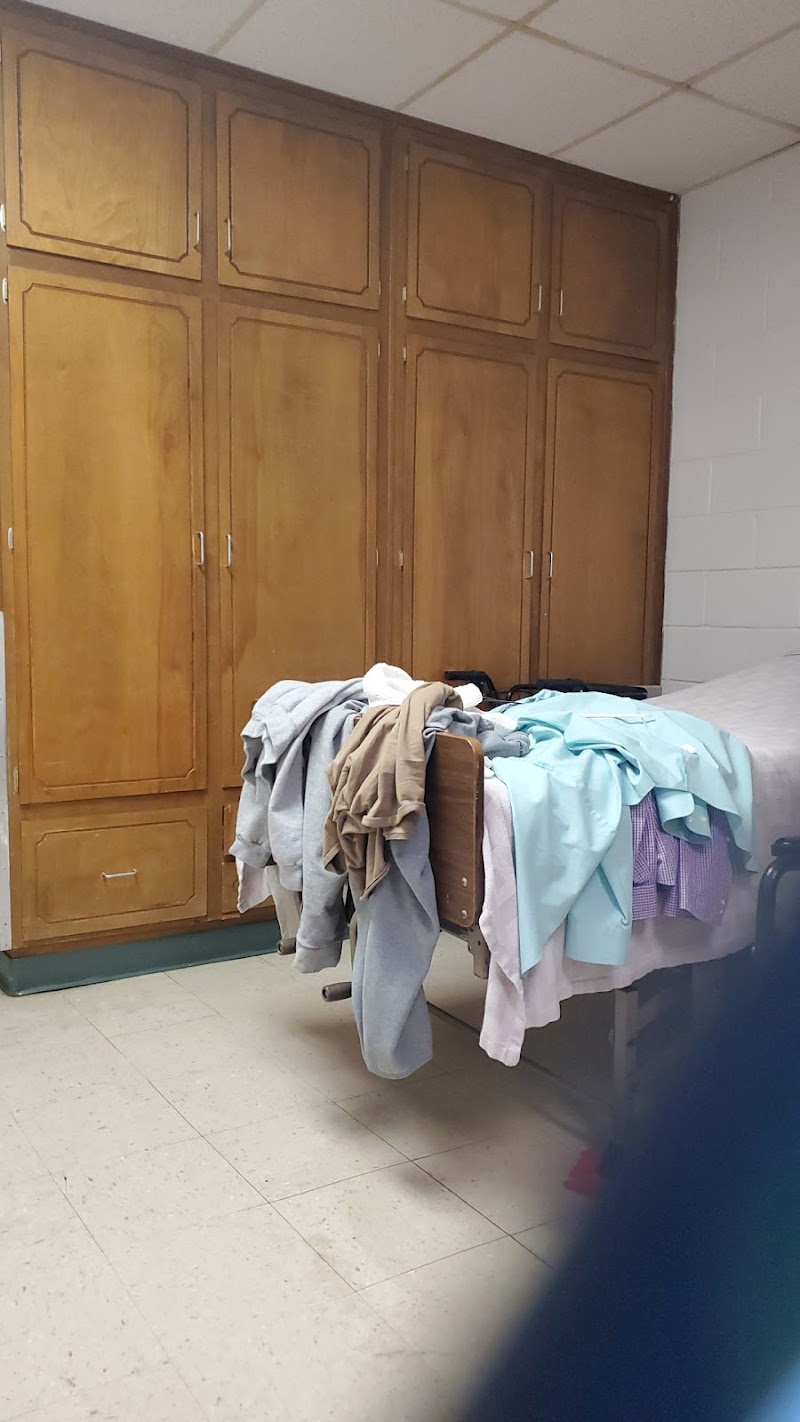
Who Owns and Operates Oak Ridge?

OAK RIDGE HEALTH AND REHABILITATION is owned by a for-profit company. For-profit facilities operate as businesses with obligations to shareholders or private owners. The facility is operated by ANTHONY & BRYAN ADAMS, a chain that manages multiple nursing homes. With 180 certified beds and approximately 80 residents (about 44% occupancy), it is a mid-sized facility located in EL DORADO, Arkansas.
How Does Oak Ridge Compare to Other Arkansas Nursing Homes?

Compared to the 100 nursing homes in Arkansas, OAK RIDGE HEALTH AND REHABILITATION's overall rating (3 stars) is below the state average of 3.1, staff turnover (38%) is near the state average of 46%, and health inspection rating (3 stars) is at the national benchmark.

What Should Families Ask When Visiting Oak Ridge?

Based on this facility's data, families visiting should ask: "What changes have been made since the serious inspection findings, and how are you preventing similar issues?" "Can I visit during a mealtime to observe dining assistance and food quality?" "How do you handle medical emergencies, and what is your hospital transfer rate?" "Can I speak with family members of current residents about their experience?" These questions are particularly relevant given the facility's Immediate Jeopardy citations.

Is Oak Ridge Safe?

Based on CMS inspection data, OAK RIDGE HEALTH AND REHABILITATION has documented safety concerns. Inspectors have issued 1 Immediate Jeopardy citation (the most serious violation level indicating risk of serious injury or death). The facility has a 3-star overall rating and ranks #100 of 100 nursing homes in Arkansas. Families considering this facility should ask detailed questions about what corrective actions have been taken since these incidents.

Do Nurses at Oak Ridge Stick Around?

OAK RIDGE HEALTH AND REHABILITATION has a staff turnover rate of 38%, which is about average for Arkansas nursing homes (state average: 46%). Moderate turnover is common in nursing homes, but families should still ask about staff tenure and how the facility maintains care continuity when employees leave.

Was Oak Ridge Ever Fined?

OAK RIDGE HEALTH AND REHABILITATION has been fined $74,825 across 2 penalty actions. This is above the Arkansas average of $33,827. Fines in this range indicate compliance issues significant enough for CMS to impose meaningful financial consequences. Common causes include delayed correction of deficiencies, repeat violations, or care failures affecting resident safety. Families should ask facility leadership what changes have been made since these penalties.

Is Oak Ridge on Any Federal Watch List?

OAK RIDGE HEALTH AND REHABILITATION is not on any federal watch list. The most significant is the Special Focus Facility (SFF) program, which identifies the bottom 1% of nursing homes nationally based on persistent, serious quality problems. Not being on this list means the facility has avoided the pattern of deficiencies that triggers enhanced federal oversight. This is a positive indicator, though families should still review the facility's inspection history directly.