TIMBERLANE HEALTH & REHABILITATION
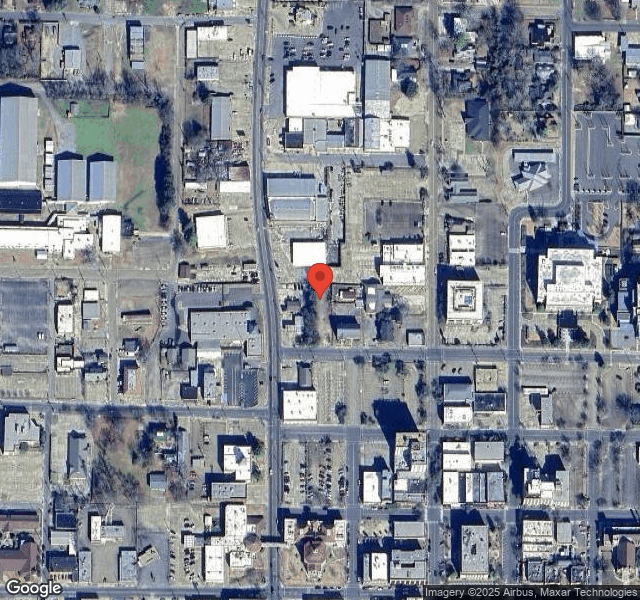
2002 TIMBERWOOD ROAD, EL DORADO, AR 71730 (870) 863-8090
For profit - Limited Liability company 106 Beds ANTHONY & BRYAN ADAMS Data: November 2025
Trust Grade
65/100
#135 of 218 in AR
Last Inspection: August 2024

Within standard 12-15 month inspection cycle. Federal law requires annual inspections.

Overview

Timberlane Health & Rehabilitation has a Trust Grade of C+, which means it is slightly above average but not exceptional. It ranks #135 out of 218 facilities in Arkansas, placing it in the bottom half, and #5 out of 5 in Union County, indicating it has no local competitors that are better. The facility is worsening, with issues increasing from 6 in 2023 to 7 in 2024. Staffing is a strength here, with a rating of 4 out of 5 stars and a turnover rate of 37%, which is significantly lower than the state average of 50%. Although there are no fines on record, recent inspections revealed serious concerns, including a failure to ensure proper hand hygiene, food safety practices, and cleanliness in food storage, which could potentially affect the health of residents. Overall, while Timberlane Health & Rehabilitation has some strengths, particularly in staffing, there are notable weaknesses in food safety and hygiene practices that families should consider.

Trust Score
C+
65/100
In Arkansas
#135/218
Bottom 39%
Safety Record
Low Risk
No red flags
Inspections
Getting Worse
6 → 7 violations
Staff Stability
○ Average
37% turnover. Near Arkansas's 48% average. Typical for the industry.
Penalties
✓ Good
No fines on record. Clean compliance history, better than most Arkansas facilities.
Skilled Nurses
⚠ Watch
Each resident gets only 23 minutes of Registered Nurse (RN) attention daily — below average for Arkansas. Fewer RN minutes means fewer trained eyes watching for problems.
Violations
⚠ Watch
14 deficiencies on record. Higher than average. Multiple issues found across inspections.
★★★☆☆
3.0
Overall Rating
★★★★☆
4.0
Staff Levels
★★★★☆
4.0
Care Quality
★★★☆☆
3.0
Inspection Score
Stable
2023: 6 issues
2024: 7 issues

The Good

  • 4-Star Staffing Rating · Above-average nurse staffing levels
  • 4-Star Quality Measures · Strong clinical quality outcomes
  • Full Sprinkler Coverage · Fire safety systems throughout facility
  • No fines on record
  • Staff turnover below average (37%)

    11 points below Arkansas average of 48%

Facility shows strength in staffing levels, quality measures, fire safety.

The Bad

3-Star Overall Rating

Near Arkansas average (3.1)

Meets federal standards, typical of most facilities

Staff Turnover: 37%

Near Arkansas avg (46%)

Typical for the industry

Chain: ANTHONY & BRYAN ADAMS

Part of a multi-facility chain

Ask about local staffing decisions and management

The Ugly 14 deficiencies on record

Aug 2024 7 deficiencies
CONCERN (D)

Potential for Harm - no one hurt, but risky conditions existed

Transfer Notice (Tag F0623)

Could have caused harm · This affected 1 resident

Based on record review and interview, the facility failed to ensure written notification of transfer/discharge to another facility was provided to the resident and/or resident's representative, and th...

Read full inspector narrative →
Based on record review and interview, the facility failed to ensure written notification of transfer/discharge to another facility was provided to the resident and/or resident's representative, and the state Ombudsman, to protect the rights of 1 (Resident #83) of 1 sampled resident who transferred to a different facility in the last 90 days. 1. Review of a NSG/MD Discharge Summary for Resident #83 revealed the resident was discharged from the facility on 06/07/2024. a. On 08/29/2024 at 10:50 AM, the Administrator (AD) was asked who keeps up with the discharges and sends them to the state Ombudsman. The AD indicated that she did. The AD was then asked if a resident is transferred to another facility, is a notification sent to the Ombudsman. The AD indicated that she keeps a list for the month and at the end of the month it is sent to the Ombudsman. The AD was asked if Resident #83 should be on the transfer log for June? The AD indicated that Resident #83 should be but was left off. b. A Policy titled Transfer or Discharge Documentation provided by the Administrator on 08/29/2024, did not address notifications to the Ombudsman.
CONCERN (D)

Potential for Harm - no one hurt, but risky conditions existed

Comprehensive Care Plan (Tag F0656)

Could have caused harm · This affected 1 resident

Based on record review and interview, the facility failed to ensure a comprehensive care plan addressed a high-risk medication, insulin, to ensure planning was completed for individualized and appropr...

Read full inspector narrative →
Based on record review and interview, the facility failed to ensure a comprehensive care plan addressed a high-risk medication, insulin, to ensure planning was completed for individualized and appropriate care and services for 1 (Resident #43) of 18 (Residents #7, #8, #10, #12, #16, #40, #43, #47, #49, #54, #57, #58, #59, #64, #77, #79, #135 and #286) sampled residents whose care plans were reviewed. The findings are: Resident #43's Medical Diagnosis section of the electronic health record, not dated, was reviewed and indicated a diagnosis of inadequate controls of levels of sugar in the blood (diabetes). The Order Summary dated 08/29/2024 was reviewed and indicated an order for Glargine insulin (a long acting, synthetic form of insulin) 100 units/milliliter (Unit/ML) and was dated 01/14/2024. The instructions were to inject 64 units subcutaneously (under the skin=SQ) one time a day for diabetes. A Care Plan dated 08/22/2024 was reviewed and indicated Resident #43 could have skin integrity issues and had issues with vision, both related to diabetes. The care plan did not indicate any care measures for diabetes, address Glargine insulin usage, or include any adverse reactions or signs and/or symptoms to monitor the resident for. The annual Minimum Data Set (MDS) with an assessment reference date of 06/29/2024 was reviewed and indicated Resident #43 had a Brief Interview for Mental Status score of 15, which indicated cognitively intact. This MDS indicated the resident received insulin injections, a high-risk drug class, during the last seven days or since admission or entry. On 08/28/2024 at 3:58 PM, the Director of Nursing (DON) was interviewed and asked to review Resident #43's annual MDS medication section for June of 2024. She confirmed the annual MDS for June 2024 indicated the resident had received insulin injections and there was a number 7 in the box. She was asked to review the resident's care plan and she confirmed there was no indication for insulin usage or signs and/or symptoms to monitor the resident for. She was asked who was responsible for completing the care plans and she stated the MDS Coordinator. She was asked what drives the care plan and she stated the MDS assessment. She confirmed insulin, a high-risk medication, should be care planned. She was asked to review Resident #43's order summary and asked if there was an order to monitor the resident for signs and or symptoms of insulin use and she confirmed there was no order. A Care Plans, Comprehensive Person-Centered policy, with a revision date of December 2016, provided by the Nurse Consultant was reviewed and indicated this type of care plan included measurable objectives and timetables to meet the resident's physical, psychosocial and functional needs and was developed for each resident. This policy indicated the comprehensive person-centered care plan would incorporate identified problem areas and risk factors associated with identified problems and would be developed within seven days of the completion of the required comprehensive assessment (MDS).
CONCERN (E)

Potential for Harm - no one hurt, but risky conditions existed

Deficiency F0569 (Tag F0569)

Could have caused harm · This affected multiple residents

Based on interview, record review, and policy review, the facility failed to convey a resident's personal funds to the individual or representative administering the individual's estate within 30 days...

Read full inspector narrative →
Based on interview, record review, and policy review, the facility failed to convey a resident's personal funds to the individual or representative administering the individual's estate within 30 days for 1 (Resident #235) of 1 sampled resident for whom the facility-maintained trust accounts per a list provided by the Administrator on 08/2/2024 at 3:33 PM. The findings are: l. Resident #235 was documented as having transferred to a different facility according to resident's Discharge Summary on 05/01/2024. 2. A document titled Timberlane Health and Rehabilitation Trust-Current Account Balance As of 08/27/2027 documented that a trust account for Resident #235 contained a closing balance of $120.00. 3. On 08/29/24 at 10:29 AM, the Surveyor asked the Business Office Manager (BOM) to identify the date Resident #235 had discharged . The BOM verified that Resident #235 was discharged on 05/01/2024. The Surveyor asked the BOM how long the facility was permitted to convey residual funds in trust accounts. The BOM indicated 30 days. 4. On 08/29/2024 at 11:01 AM, the Surveyor asked the Administrator how long the facility was permitted to convey funds after a resident discharge. The AD indicated 30 days. 5. A policy titled Policy & Procedure Patient Trust was provided by the Administrator on 08/29/2024 at 3:42 PM. The policy did not address the return of resident funds upon resident discharge or death.
CONCERN (E)

Potential for Harm - no one hurt, but risky conditions existed

Accident Prevention (Tag F0689)

Could have caused harm · This affected multiple residents

Based on observation, record review, interview, and facility policy review, it was determined that the facility failed to properly lift a resident with the legs open on a mechanical lift for 1 (Reside...

Read full inspector narrative →
Based on observation, record review, interview, and facility policy review, it was determined that the facility failed to properly lift a resident with the legs open on a mechanical lift for 1 (Resident #79) resident to ensure the mechanical lift was balanced to prevent accidents or injuries based on 1 of 1 observation. The findings are: 1. A review of an in-service topic Skills Fair: Mechanical Lift Use, (Dated, 06/27/2024) revealed that Certified Nursing Assistant (CNA) #8 had been in-serviced on how to use a mechanical lift. 2. A review of resident 79's Care Plan, (Revised, 08/19/2024) revealed that Resident #79 requires a mechanical lift with 2-person assistance due to impaired mobility. 3. On 08/26/2024 at 10:05 AM, CNA #8 and CNA #3 entered Resident #79's room with a mechanical lift. CNA #8 rolled the mechanical lift under the bed with the legs in a closed position. The Surveyor observed CNA #8 raise Resident #79 from the bed and rolled the resident to the center of the room with the legs in the closed position. 4. On 08/26/2024 at 10:12 AM, CNA #8 was asked what process was used for raising and lowering residents from the bed with a mechanical lift. CNA #8 confirmed that the legs of the mechanical lift are supposed to be in the open position but confirmed that she does not know why. During the interview CNA #8 was asked if she has been in-serviced on the mechanical lift, and CNA #8 confirmed that she was in-serviced. 5. During an interview with the Director of Nursing (DON) on 08/29/2024 at 09:35 AM, the DON confirmed staff are in-serviced on transferring residents by mechanical lifts. The DON was asked what the process was for raising and lowering a resident with a mechanical lift. The DON stated 2 staff members should be present, and the legs should be in the open position to keep the mechanical lift balanced, because the lift could tip over if the legs are in the closed position. 6. On 08/29/2024 at 11:20 PM, the DON provided a policy titled Safe lifting and Movement of Residents, (Revised, 12/2007) revealed staff are observed for competency, and skills technique in lifting and moving residents in order to protect residents and staff, and to prevent accidents or injuries. A user manual for the [named] mechanical lift was not received.
CONCERN (E)

Potential for Harm - no one hurt, but risky conditions existed

Pharmacy Services (Tag F0755)

Could have caused harm · This affected multiple residents

**NOTE- TERMS IN BRACKETS HAVE BEEN EDITED TO PROTECT CONFIDENTIALITY** Based on observation, interviews, record review, and facility document review, the facility failed to have a process in place to...

Read full inspector narrative →
**NOTE- TERMS IN BRACKETS HAVE BEEN EDITED TO PROTECT CONFIDENTIALITY** Based on observation, interviews, record review, and facility document review, the facility failed to have a process in place to identify refrigerated narcotic expiration or use by dates to ensure refrigerated narcotics were returned to the pharmacy in a timely manner affecting 3 (Resident #63, #64, #185) sampled residents, and the facility failed to ensure periodical accounting for all controlled narcotics, antianxiety medication, affecting 1 deceased (Resident #185) sampled resident discharged from the facility on [DATE] to prevent possible loss or misappropriation of resident medications. Findings include: 1.a. On [DATE] at 02:36 PM, Licensed Practical Nurse (LPN) #9 was observed removing 3 bottles of antianxiety medication belonging to Resident #63, #64, and #185 and 1 bottle of opioid pain medication belonging to Resident #63 from the refrigerated, permanently affixed medication drawer located in the [DATE]/700 Hall medication room. LPN #9 confirmed the 4 opened bottles of medication were undated. LPN #9 and LPN #10 confirmed they could not tell when the medication bottles were opened but the fill dates on the bottles are from [DATE]-[DATE]. During an interview, LPN#9 and LPN #10 were asked for the expiration date of the opened medications and both LPNs confirmed they did not know. LPN #9 stated if a medication is expired it might not be effective. b. On [DATE] at 03:00 PM, the Assistant Director of Nursing (ADON) #6 and Nurse Consultant were asked how to tell if an open bottle of antianxiety medication or opioid pain medication was expired. ADON #6 was observed looking at an antianxiety medication, and the Nurse Consultant stated the label is covering that information, and confirmed if narcotics are expired, they would want to send them back to the pharmacy right away to prevent diversion. c. On [DATE] at 12:00 PM, the Nurse Consultant told the Surveyor an antianxiety medication would expire 90 days after being opened, and depending on how it is stored opioid pain medication could expire in as little as 7 days after it is opened. 2.a. On [DATE] at 02:40 PM, Licensed Practical Nurse (LPN) #9 confirmed Resident #185 had 1 bottle of antianxiety medication. LPN #9 stated she will need help finding narcotic page 116 because Resident #185 was deceased . LPN #9 and LPN #10 stated they were counting narcotic pages 87 (Resident #64), 95 (Resident #63) and 96 (Resident #63), but they were not counting Resident #185's medication, found on narcotic page 116 because Resident #185 was deceased . b. During an interview with the Assistant Director of Nursing (ADON) #6 On [DATE] at 03:12 PM, the Surveyor asked what process staff were expected to follow when a resident died or was discharged . ADON #6 confirmed that staff are to turn the medications in to the Director of Nursing (DON) as soon as possible so they can be returned to the pharmacy. When asked why the facility would expect narcotics to be returned as soon as possible, ADON #6 said the medication could be stolen. The Nursing Consultant stated that when a person dies their medication page is not brought forward to a new narcotic page anymore, and the medication should be given to the DON to return to the pharmacy to prevent diversion. c. On [DATE] at 03:13 PM, ADON #6 provided narcotic book page 116 showing a balance of 29.5 ml of antianxiety medication. The Nurse Consultant stated Resident #185 only had 1 dose on [DATE]. LPN #9 confirmed that during the narcotic count she assumed the other nurse had narcotic page 116, and confirmed it was not being counted. ADON #6 and Nurse Consultant were asked if they had any concerns with a narcotic not being accounted for since [DATE], and the Nurse Consultant stated that if they had a dishonest nurse the narcotic could have been stolen and they would not have known. d. A review of a policy titled Storage of Medications, (Revised, [DATE]) revealed that nursing is responsible for the storage of medications being stored properly. Drugs that are out of date or have deteriorated should be sent back to the pharmacy or destroyed.
CONCERN (E)

Potential for Harm - no one hurt, but risky conditions existed

Deficiency F0761 (Tag F0761)

Could have caused harm · This affected multiple residents

Based on observations, interviews, document review, and facility policy review, the facility failed to ensure hydrocortisone 1/2% was stored in a locked compartment and not left at the bedside for 1 (...

Read full inspector narrative →
Based on observations, interviews, document review, and facility policy review, the facility failed to ensure hydrocortisone 1/2% was stored in a locked compartment and not left at the bedside for 1 (Resident #8) to prevent the risk for accidental overdose, or injury. This failed practice had the potential to affect 1 (Resident #8) sampled resident reviewed for storing medication at the bedside without self-administration rights. Findings include: a. A review of a policy titled Self-Administration of Medications, (Revised, December 2016) revealed the IDT team must assess a resident to see if they are safe for self-administration rights. Resident rooms are not considered a safe place for medication storage, and medications must be stored in a safe and secure area. Medications can be stored in the med carts, or in the medication room, but not in a residents room. b. 08/27/2024 08:50 AM, Resident #8 was observed eating from the resident ' s over the bed table with hydrocortisone cream 1/2% resting on the right side of the over the bed table. c. Licensed Practical Nurse (LPN) #7 checked the medication administration record (MAR) on 08/27/2024 at 08:56 AM, and LPN #7 confirmed there was not an order for steroid cream 1/2 % for Resident #8. LPN #7 accompanied the Surveyor to Resident 8's room and removed a tube of steroid cream from the over the bed table. LPN was asked if there are any residents with self-administration rights. LPN #7 said there were no residents with self-administration rights, because it is not safe and another resident could find the medication and put it in their eyes or mouth. d. On 08/29/2024 at 09:27 AM, the Director of Nursing (DON) was asked if they have any residents with self-administration rights, and the DON said no residents have self-administration rights. When asked for the process for self-administration rights, the DON said the process is to complete an assessment, notify the doctor and get an order, then it would need to be care planned, and it is important for residents to not have medication at the bedside so nursing can oversee what the residents are taking. 2.a. On 08/27/2024 at 02:30 PM, Licensed Practical Nurse (LPN) #9 was asked to identify 4 loose narcotic bottles from a double locked drawer of the 400/500/600/700 Hall refrigerator located in the medication room. LPN #9 was observed holding 1 of 4 bottles up to the light and studying the bottle before confirming it was an antianxiety medication belonging to Resident #63. b. On 08/27/2024 at 02:36 PM, LPN #10 verified a very faded bottle with a 95 on the cap was 7.75 ml (milliliter) of an opioid pain medication after placing it on the light of a cell phone. ADON #6 and the Nurse Consultant approached and were told LPN #10 was trying to identify 1 of 4 narcotics found locked in the medication room refrigerator. The Nurse Consultant looked at the bottle and confirmed that it should have already been sent back to the pharmacy. c. On 08/27/2024 at 01:04:05 PM, the Nurse Consultant provided a policy titled Storage of Medications, (Revised, April 2007) revealing nursing staff are responsible for maintaining medication storage in a clean, safe, and sanitary manner. Drug containers with improper labels should be returned to the pharmacy for proper labeling, and discontinued, outdated, or deteriorated drugs will be returned to the pharmacy or destroyed.
CONCERN (F)

Potential for Harm - no one hurt, but risky conditions existed

Food Safety (Tag F0812)

Could have caused harm · This affected most or all residents

**NOTE- TERMS IN BRACKETS HAVE BEEN EDITED TO PROTECT CONFIDENTIALITY** Through observation, interview, and policy reviews, the facility failed to ensure hand hygiene was conducted, that equipment, ut...

Read full inspector narrative →
**NOTE- TERMS IN BRACKETS HAVE BEEN EDITED TO PROTECT CONFIDENTIALITY** Through observation, interview, and policy reviews, the facility failed to ensure hand hygiene was conducted, that equipment, utensils, plates, cups, and food dome covers were clean and/or properly stored, and that food items had open and expiration dates. These failed practices has the potential to effect 33 sampled residents. The findings: On 8/26/2024 at 9:37 AM, Dietary Aide #1 confirmed an orange whip dessert, uncovered on counter, should had been covered prior to walking away because flies or anything could have gotten in it. On 8/27/2024 at 7:06 AM, the surveyor observed three coffee carafes were neither inverted nor had a cover. On 8/27/2024 at 7:07 AM, the following was observed: 43 plates stacked upon each other leaned left without a cover; a pitcher of water for thinning cooked cereals was on the bottom shelf uncovered; a double basket deep fryer had unknown particles atop the grease, adhered to the baskets and ledge, with a built up brown sticky unknown substance in the outside top crease of the grease. On 8/27/2024 at 7:22 AM, aluminum foil used as a cover for dessert bowls failed to cover the left side and front of the storage container. A trash can was touching the shelving unit where clean oven-mitts, vinyl gloves and aluminum foil were stored. On 8/27/2024 at 7:28 AM, the dishwasher had chunks of unknown substance laying on top and smeared to the front and sides of the dishwasher. On 8/27/2024 at 7:28 AM, in the dishwasher clean area seven bowls were not inverted on a tray, one cup and two scoops were not covered on the second shelf. The third shelf held two storage containers with various equipment and utensils not covered nor stored inverted. On 8/27/2024 at 7:33 AM, 7:38 AM, 7:44 AM, and 7:49 AM Dietary Aide 1's fingers touched the insides of food dome covers. On 8/27/2024 at 7:34 AM, 7:38 AM, 7:52 AM and 7:55 AM, the Cook's fingers touched the plate's surface where food is placed. On 8/27/2024 at 7:45 AM, 68 food dome lids were open side up on the prep table without a cover. On 8/27/2024 at 7:36 AM, 7:43 AM, 7:44 AM, 7:45 AM and 7:53 AM, Dietary Aide #1 used their left hand pushed the milk cart away from the serving line to take a meal tray to serving window, then returned to the serving line with the left hand pulled the milk cart to the serving area. Without washing hands, Dietary Aide #1 used the left hand to get a food dome cover with the finger touching the inside. On 8/27/2024 at 7:47 AM, Dietary Aide #1 touched the inside surface of a cereal bowl lid. On 8/27/2024 at 7:50 AM, Dietary Aide #1 left the serving line, opened room tray cart, with both hands pushed the cart towards the kitchen door. Dietary Aide #1 returned to the serving line, picked up a food dome lid with the left hand. Right hand held a pair of tongs. Dietary Aide #1 left serving line, with both items, opened the warming oven, removed a biscuit and returned to the serving line. Placed biscuit on plate then covered with food dome lid, without washing hands. On 8/27/2024 at 8:01 AM, in the kitchen refrigerator the following failed to have an expired date: one bowl of tuna, two bowls of orange whip, one container of chicken and dumplings, one container of chicken salad, and one container of chicken noodle soup. On 8/27/2024 at 8:05 AM, 14 eggs had been left over the stove for 60 minutes. The Dietary Manager confirmed eggs need to be put in the refrigerator immediately after use. There is concern of cross-contamination. On 8/27/2024 at 8:12 AM, in the walk-in refrigerator a box of 40 four-ounce yogurts did not have an open date. On 8/27/2024 at 8:14 AM, in the Walk-in freezer one 4.4 fluid ounce frozen kiwi-strawberry flavored smoothie was not sealed. On 8/27/2024 at 8:20 AM, a pan with dried rice was uncovered in the dry goods storage room. On 8/27/2024 at 8:21 AM, the following food items in bulk bins failed to have an open and expired date: rice, flour, cornbread mix, powdered milk, picante sauce, graham crackers and saltine crackers. On 8/27/2024 at 8:30 AM. an open package of tortilla shells did not have a received or expiration date. On 8/27/2024 at 8:34 AM, one 46 fluid ounce tomato juice had a dent next to the top seal. On 8/27/2024 at 8:39 AM, a container of 10 tea bags had not been fully closed. On 8/27/2024 at 8:41 AM, the Dietary Manager confirmed food items should have expiration date, as we don't want to give residents expired food for safety reasons. On 8/27/2024 at 9:03 AM, the Dietary Manager confirmed food domes need to be on the rack, so they don't get dirty or knocked on the floor. The utensils, bowls, cups, and plates need to be covered to keep insects or something from dropping on them. This is a sanitary concern for residents. On 8/27/2024 at 9:05 AM, the Dietary Manager confirmed the trashcan should not be touching clean shelving unit with items used for food. On 8/27/2024 at 9:08 AM, the Dietary Manager confirmed the dishwasher should have been cleaned the night before, due to cross contamination. The deep fryer should have been cleaned with the cover over the grease bin. The deep fryer is used to cook for the residents. There is a concern of sanitation and cross contamination from old food on the grates. On 8/27/2024 at 9:10 AM, the Dietary Manager confirmed the orange whip dessert and water pitcher for hot cereal needed to be covered, anything could have gotten into them. On 8/27/2024 at 9:13 AM, the Dietary Manager confirmed whenever staff leave the serving line or touch an item not used for serving hands must be washed before food is served. Staff should not touch the food surface area of plate; food dome lid or bowl covers with fingers or thumb. These are cross-contamination and sanitation concerns. An In-service Education Report for cleaning with signatures dated 8/15/2024 was provided. Page two showed deep fryer weekend cleaning schedule task not signed as completed. Page four showed drain and clean fryer Thursdays. An In-service Training Module for Food Safety (2019-2020, Ben e. [NAME] Foods), signatures and date not provided. Page 6 showed always follow good receiving procedures. Hands should be cleaned after handling soiled equipment or utensils and after engaging in any other activities that contaminate the hands. An Employee Food Safety In-service: Maintaining and Cleaning Equipment (DMA Education Course, Second Edition by [NAME], MS, RD, Updated 2012, www.ANFPonline.org), without signatures and date, showed page four Rule #2 clean equipment at the end of each use/day Essential for sanitation.
Nov 2023 1 deficiency
CONCERN (D) 📢 Someone Reported This

A family member, employee, or ombudsman was alarmed enough to file a formal complaint

Potential for Harm - no one hurt, but risky conditions existed

Accident Prevention (Tag F0689)

Could have caused harm · This affected 1 resident

Based on observation, record review, and interview, the facility failed to ensure residents were free from accidents with the use of a stand-up lift; staff were supervised in the use of the stand-up l...

Read full inspector narrative →
Based on observation, record review, and interview, the facility failed to ensure residents were free from accidents with the use of a stand-up lift; staff were supervised in the use of the stand-up lift and the resident's care plan was followed for 1 (Resident #1) of 3 sampled residents (Residents #1, #2 and #4) per a list of residents who require the use of a stand-up lift provided by Administrator 11-13-23 at 12:24 pm. The findings are: 1. On 11-13-23 at 11:50 am, review of Resident #1's file revealed the resident's last re-admission date was 3-31-23 for CVA (cerebral vascular accident) effects, Chronic Kidney Disease, Hypertension, Schizophrenia, and Rheumatoid Arthritis. The Quarterly Minimum Data Set (MDS) with an Assessment Reference Date (ARD) of 9-23-2023 documented the resident scored 15 (13-15 indicates cognitively intact) on a Brief Interview for Mental Status (BIMS), and documented the resident required extensive assistance of 2 persons with transfers. a. On 11-13-23 at 11:50 am, review of Resident #1's Progress Notes revealed. Note dated 10-15-23 documented Resident #1 requested that Certified Nursing Assistant (CNA) #1 not assist or provide care anymore. CNA #1 was pulled from residents' care. Progress Note dated 10-18-23 documented Resident #1 reports pain in left side rib area. Progress Note dated 10-19-23 documented Resident #1 with increased pain and crying. Per Progress Note dated 10-20-23 at 3:00 am, Resident #1 returned to facility, and diagnosed with Rib Contusion. b. On 11-13-23 at 12:00 pm, review of Resident #1's Care Plan documented, .TRANSFER: The resident requires stand up Lift with (2) staff assistance for transfers . Date Initiated: 03/29/2021 and Revision on: 12/30/2022. c. On 11-13-2023 at 12:35 pm, during an interview with Resident #1, the resident recalled CNA #1 using the standing lift during her incontinent brief change on her about a month ago. Reported CNA #1 hooked up left side of lift strap to machine and then started raising the lift part up and stretched me on the left side. Only the aide had failed to hook up the right side of strap to lift machine. When asked how many aides were in the room and assisting with the incontinent care and the standing lift the day of this incident, Resident #1 stated, One, only CNA #1 and you can ask my roommate, she is my witness. There should have been two but that time there was only one. d. On 11-13-2023 at 1:00 pm, the Surveyor observed Standing Lift use on Resident #1. Two CNAs came into Resident #1's room to perform incontinent care. Observed CNA #2 place lift harness under residents' arms and secure it around chest area with self-adhesive fastener. Then CNA #3 placed the standing lift machine close in front of Resident #1 and CNA #2 hooked the lift harness straps to both sides of the lift machine hook areas. e. On 11-13-2023 at 1:10 pm, the Surveyor asked CNA #2 (Restorative Aide), Can one person use the standing lift? She replied, It is always a two-person lift, never a one person. We do in-services and training on this with all the new staff, and they are told it is always a two person staff lift. CNA #3 stated, It is kind of a new lift for the facility, maybe had the stand lift a year or so, and we were told it is always a two-person lift. f. On 11-13-2023 at 3:00 pm, review of the Incident and Accident report dated 10-19-2023 documented, .[Resident #1] stated about 3 weeks ago, C.N.A. [CNA #1] was lifting her in the stand-up lift and only hooked one side of the sling to the lift and began to lift resident and immediately stopped and hooked the other side and then lifted resident with the lift . g. On 11-14-2023 at 9:10 am, during an interview with the Assistant Director of Nursing (ADON) regarding standing lift use by staff. The ADON stated, It is to be used by two staff members, for standing transfers, anytime it is used. The Surveyor asked if the lift was used by 2 staff members on the day of the incident on Resident #1, by CNA #1. The ADON stated, I am not sure, but I believe it was just the one CNA from what I have read in the notes and reports. h. On 11-14-2023 at 11:25 am, review of Resident #1's Closet Care Plan documented, .TRANSFER SKILLS .With 2 Assist Mechanical Lift with Stand-up ., dated 2/11/23. i. On 11-14-2023 at 12:45 pm, during an interview with Licensed Practical Nurse (LPN) #1, when asked who is responsible for updating the closet care plans for each resident. LPN#1 stated, We all are, if we see a needed change, we (the nurses) update them. When asked who is responsible for supervising and making sure care plans are followed, LPN #1 stated, Well, we all are. j. On 11-14-2023 at 1:20 pm, during an interview with CNA #4, when asked to tell the Surveyor the steps for using the standing lift on a resident, she stated, Always hook up both sides of the harness. It is secured around the resident then the two straps hook on the lift machine and it is based on the size of the resident, and it is always to be used by two staff members when performing a lift. When asked where the CNA's get the information regarding a resident's transfer ability and if a resident requires the use of a lift and how many staff members are to perform the task, she replied, It is on the residents care plan that is kept in the residents closet for the aides to use. k. On 11-14-2023 at 2:00 pm, during an interview with the Director of Nursing (DON), the DON said the CNAs get the transfer information from the closet care plans of the residents, and they can ask the nurses of course but the main place is the closet care plan on each of the residents. When asked when were you aware of the incident on Resident #1 regarding the standing lift with the CNA #1? She replied, On 10-19-23, when the resident told us. The Surveyor asked did CNA #1 have anyone in the room to assist with the standing lift of Resident #1? The DON replied, No, [CNA #1] told us she was alone in doing it and said she knew she was supposed to have someone to help her, but she just did not that day. And CNA stated that she had been trained and the policy was on the use of the standing lift with two staff but just did not do it that day. The Surveyor asked what did the Resident #1's care plan document regarding transfers. She replied, Standing lift two person transfer, and the aide admitted to knowing that she just did not follow it. l. On 11/14/23 at 11:14 am, review of Sit-to-Stand Patient Lift Owner's Manual stated, .4. Attach the sling straps to the hooks .
Sept 2023 4 deficiencies
CONCERN (D)

Potential for Harm - no one hurt, but risky conditions existed

Deficiency F0882 (Tag F0882)

Could have caused harm · This affected 1 resident

Based on observation and interview, the facility failed to ensure the Infection Preventionist had completed specialized training in infection prevention and control. This failed practice had the poten...

Read full inspector narrative →
Based on observation and interview, the facility failed to ensure the Infection Preventionist had completed specialized training in infection prevention and control. This failed practice had the potential to affect all 87 residents. The findings are: 1. On 09/28/23 at 9:10 AM, the Administrator confirmed she was aware the Infection Preventionist requires a certification and confirmed two people are in training for the Infection Preventionist certification but are not currently certified.
CONCERN (E)

Potential for Harm - no one hurt, but risky conditions existed

Respiratory Care (Tag F0695)

Could have caused harm · This affected multiple residents

2. On 09/25/23 at 10:59 AM, observed Resident #322's CPAP mask, nebulizer mouthpiece, and nasal cannula not stored in a bag. a. On 09/25/23 at 2:23 PM, observed Resident #322's CPAP mask, nebulizer mo...

Read full inspector narrative →
2. On 09/25/23 at 10:59 AM, observed Resident #322's CPAP mask, nebulizer mouthpiece, and nasal cannula not stored in a bag. a. On 09/25/23 at 2:23 PM, observed Resident #322's CPAP mask, nebulizer mouthpiece, and nasal cannula not stored in a bag. b. On 09/26/23 at 9:36 AM, observed Resident #322's nasal cannula hanging on the oxygen concentrator and not stored in a bag. c. On 09/26/2023 at 2:17 PM, the Surveyor asked the Director of Nursing (DON), How should oxygen tubing and CPAP/BiPAP headgear, and nebulizer mouthpieces be stored when not in use? The DON responded, In a ziplock or plastic personal belongings bag when not in use. Based on observation, interview and record review, the facility failed to ensure bilevel positive airway pressure/continuous positive airway pressure (BiPAP/CPAP) masks and/or oxygen tubing were stored in a bag or container when not in use 2 (Residents #26, and #322) of 5 (Residents #1, 26, 36, 48 and 322) sampled residents who received oxygen therapy, updrafts, and/or BiPAP/CPAP therapy. The findings are: 1. On 09/25/23 at 12:00 PM, observed a CPAP mask resting on Resident #26's bedside dresser. The mask was not in a closed bag or container. a. On 09/25/23 at 2:27 PM, Resident #26 said, Nobody has given me a bag to store my mask in. I put it on and off myself, but no . I do not have a bag to put it in. I did not know. c. On 09/26/23 at 1:56 PM, observed Resident #26's CPAP mask resting on top of the CPAP machine. The mask was not in a closed bag or container. d. On 09/26/23 at 2:22 PM LPN #1 said mask are supposed to be stored in a bag. e. A Physicians Order dated 09/20/23 noted Resident #26 was to use an overnight pulse ox with Bi-Pap for 7 days.
CONCERN (E)

Potential for Harm - no one hurt, but risky conditions existed

Deficiency F0761 (Tag F0761)

Could have caused harm · This affected multiple residents

**NOTE- TERMS IN BRACKETS HAVE BEEN EDITED TO PROTECT CONFIDENTIALITY** Based on observation, interview, and record review, the facility failed to ensure medications were properly stored on the medica...

Read full inspector narrative →
**NOTE- TERMS IN BRACKETS HAVE BEEN EDITED TO PROTECT CONFIDENTIALITY** Based on observation, interview, and record review, the facility failed to ensure medications were properly stored on the medication cart; beverages were not stored in the medication refrigerator, and narcotics were surrendered in a timely manner. The findings are: 1. On 09/26/23 at 10:20 AM, observed on the 300 Hall an unsupervised medication cart pushed against the wall with medications cards containing medications on top. The Surveyor asked Licensed Practical Nurse (LPN) #1 to identify the medications and count the pills. LPN #1 identified the following medications: i) Pantoprazole (stomach acid reducer) DR (delayed release) 40 milligrams - 1 tablet. ii) Potassium Cl (Chloride) (a potassium supplement) ER (extended release) 10 milliequivalent - 6 tablets. iii) Myrbetriq (overactive bladder treatment) ER 25 milligram - 5 tablets. a. On 09/26/23 at 10:23 AM, LPN #1 said, I did not realize there were still some pills in those. The Pantoprazole DR and Potassium CL ED was out for reorder, and I think the Myrbetriq is discontinued. LPN #2 said she was responsible for the cart, and someone could have taken the pills. LPN #2 said, Medications are not stored on top of the cart. 2. On 09/27/23 at 11:05 AM, in the residents' medication refrigerator was a can of orange soda, a small can of lemon soda, and an opened bottle of dark green soda. The Surveyor asked LPN #2 to describe the bottle of opened soda. LPN #2 said, I do not know what is mixed in that bottle of soda. It is very dark green, and not just [Name] soda. LPN #2 said it is not appropriate to leave drinks in the residents' medication refrigerator. 3. On 09/27/23 at 11:14 AM, observed two plastic bags of medications resting behind the locked narcotic box in the 500/600 Hall medication room refrigerator. LPN #2 identified Bag #1 contents as a full 30 milliliter multi-dose bottle of Lorazepam. LPN #2 said, This resident passed away about three months ago. a. On 09/27/23 at 11:36 AM, the Surveyor asked LPN #2 to identify the medications dated 09/27/2022 and the volume of contents in Bag #2. LPN #2 said, This resident passed in 2022. LPN #2 and Assistant Director of Nursing (ADON) #1 identified the following medications in Bag #2: i) 30 milliliter multi-dose bottle of Morphine Sulfate, containing 26.5 milliliters. ii) 30 milliliter multi-dose bottle of Lorazepam, containing 24.75 milliliters. iii) 30 milliliter Hyosyne Dro (anticholinergic/antispasmodic), containing 12 milliliters. b. On 09/27/23 at 11:42 AM, the Surveyor asked LPN #2 how medications are handled when a resident discharges or expires. LPN #2 said, The charge nurse notifies the Director of Nursing (DON) or the ADON and they surrender the medication. c. On 09/27/23 at 1:30 PM, LPN #2 and ADON #1 provided documentation of the controlled substance book showing the above Morphine and Lorazepam had not been surrendered at this time. 4. On 09/27/23 at 2:42 PM, the Surveyor asked the DON what is the process of surrendering narcotics. The DON said they fill out a medication destruction form and two nurses sign them out of the controlled substance book when it is time to send them in. Medications are double locked and stored in the DON office. The Surveyor asked if a resident was discharged last year should the medications be surrendered. The DON said, Yes, absolutely. The DON said, leaving medication on top of the medication cart is not appropriate. The DON said it is never okay to put food or drinks into the medication refrigerator, because it is meant for resident medication use. 5. A facility policy titled, Storage of Medications, provided by the DON on 09/27/23 at 3:19 PM documented, Policy Statement The facility shall store all drugs and biologicals in a safe, secure, and orderly manner .4. The facility shall not use discontinued, outdated, or deteriorated drugs or biologicals. All such drugs shall be returned to the dispensing pharmacy or destroyed.7. Compartments (including, but not limited to, drawers, cabinets, rooms, refrigerators, carts, and boxes.) containing drugs and biologicals shall be locked when not in use, and trays or carts used to transport such items shall not be left unattended if open or otherwise potentially available to others.9. Medications requiring refrigeration must be stored in a refrigerator located in the drug room at the nurses' station or other secure location. Medications must be stored separately from food and must be labeled accordingly .
CONCERN (F)

Potential for Harm - no one hurt, but risky conditions existed

Food Safety (Tag F0812)

Could have caused harm · This affected most or all residents

Based on observation, interview, and record review, the facility failed to ensure dented cans were removed from stock; foods were dated when received to assure first in first out usage; scoops used in...

Read full inspector narrative →
Based on observation, interview, and record review, the facility failed to ensure dented cans were removed from stock; foods were dated when received to assure first in first out usage; scoops used in dry storage bins were stored in a plastic bag, and items stored in the refrigerator were dated and labeled to prevent potential for food bone illness for residents who received meals from 1 of 1 kitchen. This failed practice had the potential to affect 87 residents residing in the facility. The findings are: 1. On 09/25/23 at 10:46 AM, observed a 1 can of Cream of Chicken soup with a dented rim. The Surveyor asked the Dietary Manager what was done with dented cans. The Dietary Manager stated, If the can is not dented too bad, they use it, if it is too bad, they put it in the bottom shelf and try and return it. 2. On 09/25/23 at 10:48 AM, observed 11 bags of mini marshmallows not dated on a shelf in the pantry. The Surveyor asked the Dietary Manager if food items should be dated when they are received in the kitchen. The Dietary Manager stated, Yes. 3. On 09/25/23 at 10:49 AM, observed two scoops on top of the dry storage bins of powdered milk and flour covered in a white substance and not in a bag. The Dietary Manager indicated that the dietary staff must have used the scoops and not put them back up properly. The Surveyor asked how the scoops should be stored. The Dietary Manager indicated that they were to be stored in a dated, sealed plastic bag. 4. On 09/25/23 at 10:56 AM, on a shelf in the walk-in refrigerator was a transparent container of a brown substance. The container was covered with plastic wrap but was not dated. The Dietary Supervisor stated the substance was gravy and should have been labeled and dated to avoid serving the residents expired food. 5. A facility policy titled, Food Receiving and Storage, with a revised date of October 2017, provided by the Administrator on 09/28/2023 at 4:08 PM documented, Policy Statement Foods shall be received and stored in a manner that complies with safe food handling practices . 8. All foods stored in the refrigerator or freezer will be covered, labeled, and dated .
Jun 2023 1 deficiency
CONCERN (D) 📢 Someone Reported This

A family member, employee, or ombudsman was alarmed enough to file a formal complaint

Potential for Harm - no one hurt, but risky conditions existed

Deficiency F0602 (Tag F0602)

Could have caused harm · This affected 1 resident

Based on record review and interview the facility failed to ensure personal funds were not misappropriated, for 3 (Resident #1, #2, #3) of 3 (resident#1, #2, #3) sampled residents who had money held i...

Read full inspector narrative →
Based on record review and interview the facility failed to ensure personal funds were not misappropriated, for 3 (Resident #1, #2, #3) of 3 (resident#1, #2, #3) sampled residents who had money held in a trust fund by the facility. This failed practice resulted in past noncompliance. The findings are: 1. Review of the Facility Investigation Report for Resident Abuse, Neglect, Misappropriation of Property and Exploitation of Residents in Long-Term Care Facilities, (DMS-762) form revealed on May 9, 2023, a routine business office audit was conducted., During the audit a check in the amount of $3,629.61, payable to the facility was discovered. The check had been cashed without an endorsement on the back. The check stub noted the amount of $100.00, with an individual's name, and the $100.00 was deducted from Resident #1 trust account. a. A check for $1475.00 had been written out of Resident #1's trust account on 1/3/23 the memo documented for roof repairs. The check was deposited by the Business Office Manager (BOM's) landlord. b. A check on 4/28/23 was written to Resident #1 daughter, who did not have authorization to receive funds. A deduction of $574.00 on 3/17/23 was found on Resident #1 account, there was no check or withdrawal documentation to support the deduction. A total of $2,104.00 was deducted from Resident #1 account. The Facility has refunded the money to the account. c. A deduction in the amount of $285.22 was made to the trust account of Resident #2. A notation to close the account was noted although the account had a balance of $1,000. Resident #2 family received $285.22 from the account. A check for $1000.00 was made out to another individual with a notation to close the account. On 1/12/23 another check for $894.40 from the account which was made out to another individual and endorsed by the individual and the BOM. The total amount deducted from Resident #2 account was $1,894.40. The facility has refunded the money to the account. Review of Resident #3 trust transaction history revealed on 5/1/23 a withdrawal correction of $1823.59. The facility action plan provided by the facility indicates that reimbursement with interest was completed to each resident that had been affected within 5 days of discovering the theft. Further corrective action steps have been put in place. On 6/29/23 at 3:30 PM an interview with the Administrator; she stated The misappropriation did happen but that it was not a facility failure but the BOM's failure, the facility had made every resident affected whole with reimbursement of funds with interest. The BOM had been suspended immediately then terminated. Reportable to OLTC on all incidents on misappropriation had been made. Checkpoints were put in place to prevent this from occurring in the future.
Jun 2022 1 deficiency
CONCERN (F)

Potential for Harm - no one hurt, but risky conditions existed

Food Safety (Tag F0812)

Could have caused harm · This affected most or all residents

Based on observation, record review and interview, the facility failed to ensure food items stored in the freezer were covered or sealed and dietary staff washed their hands before handling clean equi...

Read full inspector narrative →
Based on observation, record review and interview, the facility failed to ensure food items stored in the freezer were covered or sealed and dietary staff washed their hands before handling clean equipment or food items to prevent potential food borne illness for residents who received meals from 1 of 1 kitchen according to the list provided by the Dietary Supervisor dated 6/16/2022 The findings are: 1. On 6/15/2022 at 1:27 PM, the following observations were made in the walk-in freezer: a. An opened zip lock bag that contained slices of cheese was stored on a shelf in the refrigerator. The bag was not sealed. b. A box of diced potatoes was on a shelf in the refrigerator with an expiration date of 6/13/2022. c. Two opened boxes of biscuits were stored on a shelf in the walk-in freezer. The boxes were not covered or sealed. d. An opened box of dinner rolls was stored on a shelf in the freezer. The box was not covered or sealed. e. An opened box of hot dogs was on a shelf in the walk-in freezer. The box was not covered or sealed. 2. On 6/15/2022 at 1:28 PM., the cabinet below the deep fryer had one quarter of an inch-thick accumulation of grease. The 3 pallets to the shelf of the deep fryer were covered in grease. Dietary Employee #1 was asked how often the shelf was cleaned and Dietary Employee stated, I have not been able to clean it. 3. On 6/15/2022 at 4:02 PM., Dietary Employee #1 took out a can of cheese sauce from the storage room and placed it on the counter. He opened the can with a can opener and without washing his hands, he grabbed the fried okra with his bare hands and poured them in a pan to be served to the residents for supper. 4. On 6/15/2022 at 4:05 PM., Dietary Employee #2 pushed a cart that contained trays of dessert into the walk-in refrigerator. Without washing her hands, she removed gloves from the glove box and placed them on her hands, contaminating the gloves. She then used her gloved hands to pick up cookies and placed them in individual bags to serve to the residents for supper. 5. On 6/15/2022 at 4:15 PM., Dietary Employee #1 washed his hands in the hand washing sink. After washing his hands, he used his bare hands to turn off the faucet. He pressed down on the lever activating the paper towel dispenser, contaminating his hands. He pulled tissue paper out and dried his hands. He pulled gloves from the glove box and placed them on his hands, which contaminated the gloves. He picked up a pot of macaroni from the stove and poured it into a colander. He picked up a spoon from the tip that goes into the food and used it to scrape macaroni from the pot into a pan. He then used his gloved hand to push the macaroni into a spoon and poured it into a pan. He added cheese sauce and mixed, covered it with a lid, and placed it on the steam table to be served to the residents for supper. Dietary Employee #1 was asked, What should you have done after touching dirty objects and before handling clean equipment? He stated, I should have changed gloves and washed my hands. 6. On 6/15/2022 at 4:29 PM., Dietary Employee #2 washed her hands, after washing her hands, she turned off the faucet with her hands and dried off her hands with tissue papers. She removed gloves from the box and placed them on her hands. She opened a can of Mexican Chili Beans, picked up a bag of bread from the bread rack, untied it, and placed it on the counter. She opened the refrigerator and took out a zip lock bag that contained slices of turkey and a zip lock bag that contained slices of cheese and placed them on the counter. Without changing gloves and washing her hands, she removed slices of bread from the bread bag and placed them on the tray and removed slices of turkey and slices of cheese and placed them on top of the bread. She wrapped them individually with saran wrap to be served to the residents who requested turkey and cheese sandwich for supper. 7. On 6/15/2022 at 4:43 PM., Dietary Employee #2 picked up the water hose with her bare hands, used it to spray off leftover food items from the dishes, contaminating her hands. She placed dishes in the dirty racks and pushed them into the dish washing machine to wash. After the dishes stopped washing, Dietary Employee #2 moved to the clean side in the dishwasher area and picked up clean glasses by the rims and placed them on the clean cart. Dietary Employee #2 did not wash her hands before picking up clean glasses for the residents to use in drinking their beverages for supper meal. At 5:29 PM, Dietary Employee #2 was asked, What should you have done after touching dirty objects and before handling clean equipment? She stated, I should have changed gloves and washed my hands. 8. On 6/16/2022 at 7:22 AM., Dietary Employee #3 was wearing gloves while assisting on the breakfast tray line. She picked up cartons of milk, cartons of ensure, cartons of ice cream and a banana, contaminating her hands. Without changing gloves and washing her hands, she picked up glasses by the rims and placed them on the trays to be served to the residents with their breakfast meal. At 8:08 AM, Dietary Employee #3 was asked, what should you have done after touching dirty objects and before handling clean equipment? She stated, I should have changed gloves and washed my hands. 9. The facility policy provided by the Administrator on 6/16/2022 at 9:26 AM documented, on the dietary department employees are required to wash their hands on the occasions listed below: . I. After picking up anything from the floor . J. Any other time deemed necessary .
Understanding Severity Codes (click to expand)
Life-Threatening (Immediate Jeopardy)
J - Isolated K - Pattern L - Widespread
Actual Harm
G - Isolated H - Pattern I - Widespread
Potential for Harm
D - Isolated E - Pattern F - Widespread
No Harm (Minor)
A - Isolated B - Pattern C - Widespread

Questions to Ask on Your Visit

  • "Can I speak with families of current residents?"
  • "What's your RN coverage like on weekends and overnight?"

Our Honest Assessment

Strengths
  • • No major safety red flags. No abuse findings, life-threatening violations, or SFF status.
  • • No fines on record. Clean compliance history, better than most Arkansas facilities.
  • • 37% turnover. Below Arkansas's 48% average. Good staff retention means consistent care.
Concerns
  • • 14 deficiencies on record. Higher than average. Multiple issues found across inspections.
Bottom line: Mixed indicators with Trust Score of 65/100. Visit in person and ask pointed questions.

About This Facility

What is Timberlane Health & Rehabilitation's CMS Rating?

CMS assigns TIMBERLANE HEALTH & REHABILITATION an overall rating of 3 out of 5 stars, which is considered average nationally. Within Arkansas, this rating places the facility higher than 0% of the state's 100 nursing homes. This mid-range rating indicates the facility meets federal standards but may have areas for improvement.

How is Timberlane Health & Rehabilitation Staffed?

CMS rates TIMBERLANE HEALTH & REHABILITATION's staffing level at 4 out of 5 stars, which is above average compared to other nursing homes. Staff turnover is 37%, compared to the Arkansas average of 46%. This relatively stable workforce can support continuity of care.

What Have Inspectors Found at Timberlane Health & Rehabilitation?

State health inspectors documented 14 deficiencies at TIMBERLANE HEALTH & REHABILITATION during 2022 to 2024. These included: 14 with potential for harm.
Who Owns and Operates Timberlane Health & Rehabilitation?

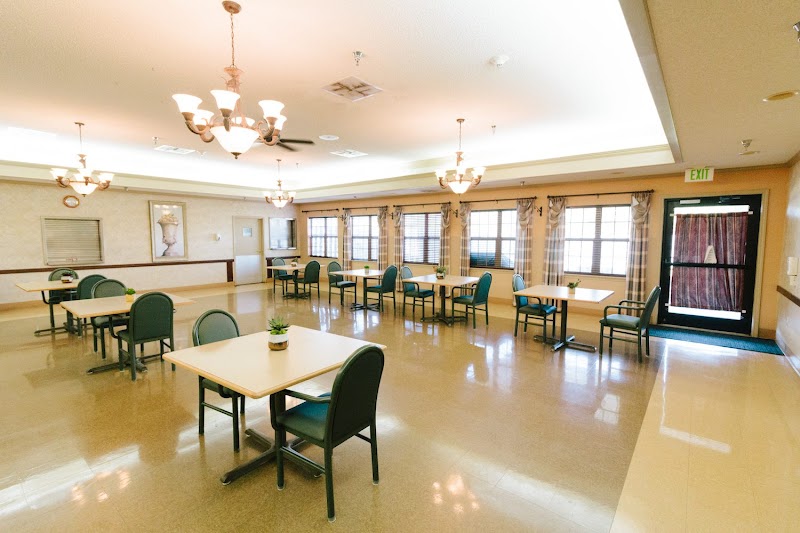
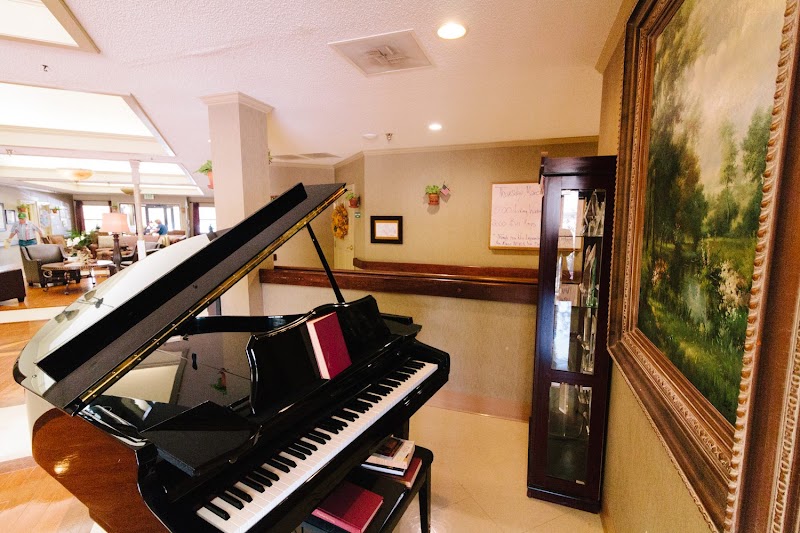
TIMBERLANE HEALTH & REHABILITATION is owned by a for-profit company. For-profit facilities operate as businesses with obligations to shareholders or private owners. The facility is operated by ANTHONY & BRYAN ADAMS, a chain that manages multiple nursing homes. With 106 certified beds and approximately 90 residents (about 85% occupancy), it is a mid-sized facility located in EL DORADO, Arkansas.

How Does Timberlane Health & Rehabilitation Compare to Other Arkansas Nursing Homes?

Compared to the 100 nursing homes in Arkansas, TIMBERLANE HEALTH & REHABILITATION's overall rating (3 stars) is below the state average of 3.1, staff turnover (37%) is near the state average of 46%, and health inspection rating (3 stars) is at the national benchmark.

What Should Families Ask When Visiting Timberlane Health & Rehabilitation?

Based on this facility's data, families visiting should ask: "Can I visit during a mealtime to observe dining assistance and food quality?" "How do you handle medical emergencies, and what is your hospital transfer rate?" "Can I speak with family members of current residents about their experience?"

Is Timberlane Health & Rehabilitation Safe?

Based on CMS inspection data, TIMBERLANE HEALTH & REHABILITATION has a clean safety record: no substantiated abuse findings (meaning no confirmed cases of resident harm), no Immediate Jeopardy citations (the most serious violation level indicating risk of serious injury or death), and is not on the Special Focus Facility watch list (a federal program monitoring the lowest-performing 1% of nursing homes). The facility has a 3-star overall rating and ranks #100 of 100 nursing homes in Arkansas. While no facility is perfect, families should still ask about staff-to-resident ratios and recent inspection results during their visit.

Do Nurses at Timberlane Health & Rehabilitation Stick Around?

TIMBERLANE HEALTH & REHABILITATION has a staff turnover rate of 37%, which is about average for Arkansas nursing homes (state average: 46%). Moderate turnover is common in nursing homes, but families should still ask about staff tenure and how the facility maintains care continuity when employees leave.

Was Timberlane Health & Rehabilitation Ever Fined?

TIMBERLANE HEALTH & REHABILITATION has no federal fines on record. CMS issues fines when nursing homes fail to meet care standards or don't correct problems found during inspections. The absence of fines suggests the facility has either maintained compliance or corrected any issues before penalties were assessed. This is a positive indicator, though families should still review recent inspection reports for the full picture.

Is Timberlane Health & Rehabilitation on Any Federal Watch List?

TIMBERLANE HEALTH & REHABILITATION is not on any federal watch list. The most significant is the Special Focus Facility (SFF) program, which identifies the bottom 1% of nursing homes nationally based on persistent, serious quality problems. Not being on this list means the facility has avoided the pattern of deficiencies that triggers enhanced federal oversight. This is a positive indicator, though families should still review the facility's inspection history directly.