CAVALIER HEALTHCARE OF ENGLAND
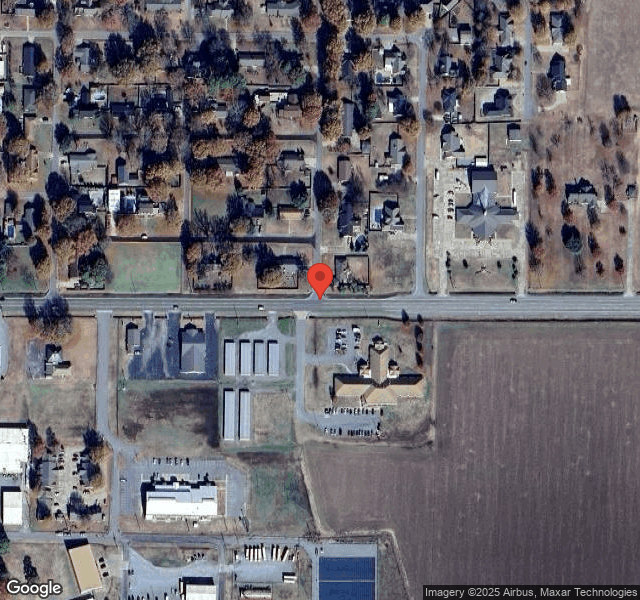
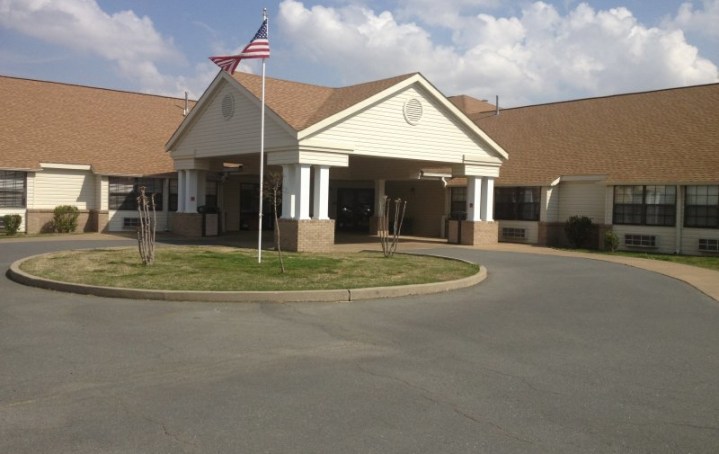
400 STUTTGART HIGHWAY, ENGLAND, AR 72046 (501) 842-2771
For profit - Limited Liability company 57 Beds CAVALIER HEALTHCARE Data: November 2025 1 Immediate Jeopardy citation
Trust Grade
36/100
#143 of 218 in AR
Last Inspection: July 2025

Inspected within the last 6 months. Data reflects current conditions.

Overview

Cavalier Healthcare of England has received a Trust Grade of F, indicating significant concerns about its care quality. With a state ranking of #143 out of 218 facilities in Arkansas, they are in the bottom half, and #5 out of 7 in Lonoke County, meaning there are better options nearby. While the facility shows an improving trend in issues, dropping from 9 to 8 in recent years, the total of 23 deficiencies found, including one critical incident involving unsafe transportation practices, raises alarms about resident safety. Staffing is relatively good with a 4/5 rating and RN coverage exceeding 81% of state facilities, but the 53% turnover rate is concerning, as it is around the state average. Additionally, the fines of $18,356 highlight ongoing compliance issues, with past incidents involving food safety and hygiene practices that could potentially harm residents.

Trust Score
F
36/100
In Arkansas
#143/218
Bottom 35%
Safety Record
High Risk
Review needed
Inspections
Getting Better
9 → 8 violations
Staff Stability
⚠ Watch
53% turnover. Above average. Higher turnover means staff may not know residents' routines.
Penalties
⚠ Watch
$18,356 in fines. Higher than 86% of Arkansas facilities, suggesting repeated compliance issues.
Skilled Nurses
○ Average
Each resident gets 30 minutes of Registered Nurse (RN) attention daily — about average for Arkansas. RNs are the most trained staff who monitor for health changes.
Violations
⚠ Watch
23 deficiencies on record. Higher than average. Multiple issues found across inspections.
★★☆☆☆
2.0
Overall Rating
★★★★☆
4.0
Staff Levels
★★★☆☆
3.0
Care Quality
★★☆☆☆
2.0
Inspection Score
Stable
2024: 9 issues
2025: 8 issues

The Good

  • 4-Star Staffing Rating · Above-average nurse staffing levels
  • Full Sprinkler Coverage · Fire safety systems throughout facility
  • No fines on record

Facility shows strength in staffing levels, fire safety.

The Bad

2-Star Overall Rating

Below Arkansas average (3.1)

Below average - review inspection findings carefully

Staff Turnover: 53%

Near Arkansas avg (46%)

Higher turnover may affect care consistency

Federal Fines: $18,356

Below median ($33,413)

Minor penalties assessed

Chain: CAVALIER HEALTHCARE

Part of a multi-facility chain

Ask about local staffing decisions and management

The Ugly 23 deficiencies on record

1 life-threatening
Jul 2025 7 deficiencies
CONCERN (D)

Potential for Harm - no one hurt, but risky conditions existed

Deficiency F0553 (Tag F0553)

Could have caused harm · This affected 1 resident

Based on record review and interview, the facility failed to ensure a resident’s family member serving as Power of Attorney was invited to participate in a care plan meeting for one (Resident #1...

Read full inspector narrative →
Based on record review and interview, the facility failed to ensure a resident’s family member serving as Power of Attorney was invited to participate in a care plan meeting for one (Resident #13) of three residents reviewed for care plans. The findings include: A review of Resident #13’s admission Record indicated the facility admitted the resident on 10/20/2023, with diagnoses which included Alzheimer’s and dementia. The admission Record indicated the resident had a designated Power of Attorney (POA) when admitted . A review of Resident #13’s quarterly Minimum Data Set (MDS) with an Assessment Reference Date of 04/28/2025 revealed the resident had a Brief Interview for Mental Status score of 04, which indicated severe cognitive impairment. A review of Resident #13's Care Plan, initiated on 11/27/2023, revealed the resident had impaired cognitive function, dementia or impaired thought processes. The Care Plan also revealed Resident #13 had impaired nutrition, with an intervention to include family in their nutritional evaluation. During an interview on 07/02/2025 at 3:23 PM, Resident #13's POA stated they had not heard of, or been invited to participate in, a Care Plan meeting since the resident was admitted (10/20/2023). During an interview on 07/02/2025 at 3:26 PM, the Nurse Manager indicated there was no one to conduct Care Plan meetings, and the facility was currently hiring. During an interview on 07/02/2025 at 3:33 PM, the MDS Coordinator indicated Care Plan meetings were scheduled quarterly. She stated the POA, or whoever the resident wanted to be involved in their Care Plan meeting, was contacted. During an interview on 07/03/2025 at 8:29 AM, the MDS Coordinator revealed Resident #13 had not had a Care Plan meeting since being admitted . During an interview on 07/03/2025 at 10:04 AM, the Administrator stated the Care Plan meetings were conducted quarterly, upon admission, and with a change of condition. He verified Resident #13 had not had a Care Plan meeting because two of the resident’s family members worked at the facility. The Administrator stated he was not sure if Resident #13’s POA had been contacted for a Care Plan meeting. During an interview on 07/03/2025 at 10:23 AM, the DON indicated Care Plan meetings were supposed to be conducted quarterly. She stated she did not know why Resident #13 had not had a Care Plan meeting, since being admitted .
CONCERN (D)

Potential for Harm - no one hurt, but risky conditions existed

Deficiency F0578 (Tag F0578)

Could have caused harm · This affected 1 resident

Based on record review, interview, and observation, the facility failed to ensure one (Resident #15) of one resident reviewed had formulated an advanced directive that provided a clear understanding o...

Read full inspector narrative →
Based on record review, interview, and observation, the facility failed to ensure one (Resident #15) of one resident reviewed had formulated an advanced directive that provided a clear understanding of the resident's wishes. Specifically, documentation regarding Resident #15’s code status containing conflicting information regarding life-sustaining treatments. The findings include: A review of Resident #15’s Code Status, on 06/30/2025 at 8:14 PM, revealed a signed Acknowledgement of Receipt of Advance Directive was signed by their family member on 08/08/2023. A second acknowledgment of Receipt of Advanced Directives/Medical Treatment Decisions was signed on 08/09/2023 and read, “I have chosen to formulate and issue the following Advance Directives,” with the Do Not Resuscitate box checked and an enacted date of 08/08/2023. Another checked box stated, I do not choose to formulate or issue any Advance Directives at this time. I want efforts made to prolong my life and I want life-sustaining treatment to be provided. The family member who signed these documents were not documented as being Resident #15’s Power of Attorney (POA). A review of Resident #15’s admission Record revealed an admission date of 08/09/2023. A review of Resident #15’s Medical Diagnosis report revealed the resident was admitted with diagnoses which included dementia, attention and concentration deficit, cognitive communication deficit, and stage three chronic kidney disease. A review of Resident #15’s quarterly Minimum Data Set with an Assessment Reference Date of 04/04/2025, revealed the resident had a Brief Interview for Mental Status score of 03, which indicated severe cognitive impairment. During an interview on 07/01/2025 at 1:00 PM, this surveyor asked the Administrator for Resident #15’s Healthcare POA. The Administrator stated, We do not have a Healthcare POA on file for Resident #15.” During a concurrent record review and interview on 07/01/2025 at 1:00 PM, the Administrator reviewed the Acknowledgement of Receipt of Advance Directive signed by Resident #15’s family member on 08/08/2023. The Administrator also reviewed Resident #15’s second Acknowledgment of Receipt of Advance Directives/Medical Treatment Decisions, signed on 08/09/2023 with the, “I have chosen to formulate and issue the following Advance Directives” box checked. The document revealed there were two different documented decisions regarding Resident #15’s Advance Directive. The Administrator then called Resident #15’s family member and asked if they had the healthcare POA for Resident #15. The resident’s family member stated they did not, because Resident #15 was not competent to appoint them as the healthcare POA. The Administrator then told Resident #15's family member that a new form would need to be completed due to the conflicting information checked on the current form concerning whether to resuscitate Resident #15 or not. A review of the facility Policy “Advance Directives and Life-Sustaining Measures revealed: The decision of the resident or legal surrogate to forgo life-sustaining treatment will be honored, pursuant to advance directives completed prior to the resident being diagnosed as incompetent to make these decisions. Advance directives honored by this institution are a complete, signed, legal Durable Power of Attorney for Healthcare. A statement written in the resident’s own handwriting, dated and signed by the resident outlining their wishes for life-sustaining treatment. A verbal statement made by the resident and or surrogate informing Advanced Healthcare Management facility staff or medical staff of wishes.
CONCERN (D)

Potential for Harm - no one hurt, but risky conditions existed

Deficiency F0637 (Tag F0637)

Could have caused harm · This affected 1 resident

Based on record review and interview, it was determined the facility failed to complete a significant change Minimum Data Set (MDS) within 14 days after the facility determined there had been a signif...

Read full inspector narrative →
Based on record review and interview, it was determined the facility failed to complete a significant change Minimum Data Set (MDS) within 14 days after the facility determined there had been a significant change in a resident’s physical or mental condition for one (Resident #35) of one resident. The findings include: A review of Resident #35’s “admission Record indicated the facility initially admitted the resident on 01/06/2021, with diagnoses which included abnormal finding of blood chemistry and pneumonia. A review of Resident #35’s “Arkansas Department of Health and Human Services Evaluation of Medical Need Criteria” form indicated the resident was re-admitted from the hospital, on hospice services on 04/25/2025, with a diagnosis of acute kidney injury. The form indicated Resident #35 had multiple hospitalizations within the last month and had decided to transition to hospice care. A review of Resident #35’s Minimum Data Set (MDS) dashboard on the resident's electronic health record revealed the resident’s Significant Change MDS was started on 04/28/2025. A review of Resident #35’s MDS dashboard within the electronic health record on 07/03/2025, revealed the Significant Change MDS status was pending completion from the MDS Coordinator. A review of Resident #35’s Hospice admission Order indicated the resident was admitted to hospice services on 04/25/2025. A review of Resident #35's Care Plan Report, last revised on 04/01/2024, did not indicate the resident was admitted to hospice services. A review of Resident #35’s Order Summary revealed the resident had an order for Evaluate and Treat for Hospice Services, with a start date of 04/25/2025. A review of a telephone order for Resident #35, from the hospice company on 04/25/2025 at 12:47 PM, indicated Evaluate and treat for hospice services, and was signed by the physician. During an interview on 07/03/2025 at 8:29 AM, the MDS Coordinator revealed, A Significant Change Minimum Data Set should be completed within 14 days of the change. The MDS Coordinator reviewed Resident #35’s MDS dashboard and confirmed, There is a Significant Change MDS, with a start date of 04/28/2025, that is not complete. It should have been completed 14 days from 04/28/2025, which would have been around 05/09/2025. When the MDS is completed, it should update the Care Plan. I don’t know why it did not show up on my dashboard. A review of Required Assessment Summary Ombudsman Budget Reconciliation Act(cont.) indicated that a significant correction to prior comprehensive Minimum Data Sheet must be complete within 14 calendar days after determination that significant error in prior comprehensive assessment occurred.
CONCERN (D)

Potential for Harm - no one hurt, but risky conditions existed

MDS Data Transmission (Tag F0640)

Could have caused harm · This affected 1 resident

Based on record review and interview, it was determined that the facility failed to ensure an entry Minimum Data Set (MDS) comprehensive assessment was encoded and transmitted in the allotted timefram...

Read full inspector narrative →
Based on record review and interview, it was determined that the facility failed to ensure an entry Minimum Data Set (MDS) comprehensive assessment was encoded and transmitted in the allotted timeframe for one (Resident #35) of one resident reviewed for MDS requirements. The findings include: A review of Resident #35's admission Record indicated the facility initially admitted the resident on 01/06/2021, with diagnoses which included chronic obstructive pulmonary disease and pneumonia. A review on 07/03/2025 of Residents #35's electronic health record revealed a discharge MDS with an assessment review date (ARD) of 04/23/2025. Also present was an entry MDS, ARD date of 04/25/2025, with n export ready status, a significant change MDS with an ARD of 04/28/2025, with an in-progress status, and a quarterly MDS with an ARD of 06/20/2025, with an in-progress status. A review of Resident #35's Care Plan Report, last revised on 04/01/2024, did not reflect any of the resident's changes in care, such as the resident being admitted to hospice services. During an interview on 07/03/2025 at 8:39 AM, the MDS Coordinator stated the facility did not have a policy for Minimum Data Set timing, but that they followed the Required Assessment Summary Ombudsman Budget Reconciliation Act (RAI OBRA) for MDS timing. The RAI manual indicated a significant change MDS should be completed within 14 calendar days of the significant change. A quarterly MDS should be completed within 92 calendar days from the previous MDS. The MDS Coordinator reviewed Resident #35's MDS dashboard and confirmed, There is a significant change MDS with a start date of 04/28/2025, that is not complete. It should have been completed 14 days from 04/28/2025, which would have been around 05/09/2025. There is also a quarterly and a discharge [MDS] that are in progress and should have been completed.
CONCERN (D) 📢 Someone Reported This

A family member, employee, or ombudsman was alarmed enough to file a formal complaint

Potential for Harm - no one hurt, but risky conditions existed

Quality of Care (Tag F0684)

Could have caused harm · This affected 1 resident

Based on record review, observation, interviews, facility document review, and facility policy review, the facility failed to ensure a resident was checked and changed every two hours for perineal car...

Read full inspector narrative →
Based on record review, observation, interviews, facility document review, and facility policy review, the facility failed to ensure a resident was checked and changed every two hours for perineal care and repositioned to prevent the risk of infection and skin breakdown for one (Resident #39) of one resident reviewed. The findings include: During an observation on 07/01/2025 at 3:00 PM, this surveyor observed Certified Nursing Assistant (CNA) #1 and CNA #2 transfer Resident #39 from a wheelchair to their bed, using a gait belt. When the resident was assisted in placing their legs on the bed, this surveyor observed a large, dark wet spot on the back of both legs going from the groin to just above the knees, and a dark wet spot streaking across the front of Resident #39's jeans. CNA #1 described the resident's jeans as soaked and dirty. The resident's demeaner indicated embarrassment. This surveyor was granted permission to observe care by the resident nodding their head. During an observation on 07/01/2025 at 3:10 PM, this surveyor observed Resident #39 during perineal care and noted a full, wet saturated brief containing stool. CNA #1 stated, [Resident 39] was last changed early this morning and CNA #2 agreed with this and revealed it could have been “around 8:00 [AM],” but CNA #2 was not sure. CNA #1 said they had been asked to help with other residents and that [Resident #39] had been overlooked. CNA #2 revealed staff were trained to bring residents to the room and check to see if they were wet or dirty every two hours to ensure their skin was clean and dry. A review of Resident #39’s Medical Diagnosis report revealed the resident had diagnoses which included stroke, dementia, and depression. A review of Resident #39’s quarterly Minimum Data Set (MDS) with an Assessment Reference Date of 04/04/2025, revealed the resident had a Brief Interview for Mental Status score of 02, which indicated severe cognitive impairment. The MDS also revealed Resident #39 was dependent on staff for toileting, bathing, dressing, and personal care, and that the resident was always incontinent of bladder and frequently incontinent of bowel. A review of Resident #39’s Care Plan, dated 02/02/2024, revealed the resident had mixed incontinence related to cognitive impairment and impaired mobility. The resident’s Care Plan included interventions that directed staff to check Resident #39 as required for incontinence, change clothing as needed, and to monitor for signs and symptoms of urinary tract infection. Resident #39’s Care Plan also revealed the resident had an activities of daily living self-care deficit related to stroke, revised 11/27/2023, and the resident required maximum assistance of one staff for toileting. The resident's Care Plan indicated Resident #39 had an actual fall related to poor communication comprehension, with an included intervention that directed certified nursing assistance (CNA)s and nursing staff to monitor the resident with frequent rounds every hour, while Resident #39 was sitting up in a wheelchair. During an interview on 07/03/2025 at 8:19 AM, Registered Nurse (RN) #6 said, CNAs are responsible for peri-care. RN #6 stated they were not sure what the process was for checking residents sitting in wheelchairs. Nursing rounds on the hour, but I'm not sure about the CNAs. During an interview on 07/03/2025 at 8:21 AM, the Treatment Nurse revealed she worked the floor and nursing staff oversaw the CNAs, but everyone is responsible for checking residents, and heavy wetters should be checked on every two hours or as needed because we do not want skin breakdown or infection, so it is important to make sure residents are clean and dry. During an interview on 07/03/2025 at 8:25 AM, the Director of Nursing (DON) revealed CNAs, and ultimately the nurses should check residents every two hours and keep the residents clean, dry, and turned. The DON stated the nursing staff was expected to supervise to make sure rounding and changing residents is being done. The DON revealed residents in wheelchairs should be checked every two hours the CNAs should take residents to the room and check to see if the residents need to be changed. During an interview on 07/03/2025 at 9:30 AM, the Administrator revealed staff were expected to check perineal care and positioning of residents in wheelchairs every two hours. Some residents could tell you when they were wet, and staff could feel to see if residents were wet to ensure their skin was clean and dry. If CNAs refused to help other aids or yelled at residents for soiling themselves, they would not work here. A review of a policy titled Prevention of Pressure Ulcers, dated January 2014, revealed pressure ulcers occur when residents remain in the same position for an extended time, with a combination of pressure, which could result in decreased circulation and moisture irritants including urine and feces. Residents should be repositioned and on a change program, at least every two hours. A review of a policy titled Bowel and Bladder Habits, Urinary incontinence, Catheter Care, revised 09/15/2022, revealed residents that were incontinent of urine should receive appropriate care to prevent urinary tract infections. The attached in-service revealed CNA #1 and CNA #2 were both educated on perineal care. A review of an untitled in-service from 02/26/2024, revealed residents were to be checked for turning, repositioning, hydration, and episodes of incontinence every two hours, and that a charge nurse was to be notified if a resident refused care. The sign-in sheet for this in-service revealed CNA #1 and CNA #2 both were educated on this matter. A review of the Facility Assessment, dated 01/03/2025, revealed responding to bathroom and toileting assistance promptly were addressed in order to maintain continence and integrity.
CONCERN (E)

Potential for Harm - no one hurt, but risky conditions existed

Deficiency F0657 (Tag F0657)

Could have caused harm · This affected multiple residents

**NOTE- TERMS IN BRACKETS HAVE BEEN EDITED TO PROTECT CONFIDENTIALITY** Based on record review and interview, the facility failed to ensure the interdisciplinary team reviewed and revised the comprehe...

Read full inspector narrative →
**NOTE- TERMS IN BRACKETS HAVE BEEN EDITED TO PROTECT CONFIDENTIALITY** Based on record review and interview, the facility failed to ensure the interdisciplinary team reviewed and revised the comprehensive care plan after each assessment or change in condition for four (Resident #10, #47, #35, and #43) of five sampled residents. The findings include: Resident #10 A review of Resident #10’s Medical Diagnosis record revealed diagnoses which included muscle wasting and atrophy, dementia with behavioral disturbance, anxiety disorder, cognitive communication deficit, schizophrenia, dementia with agitation, and schizoaffective disorder. A review of Resident #10’s annual Minimum Data Set (MDS) with an Assessment Reference Date (ARD) of 12/30/2024, revealed the resident had a Brief Interview for Mental Status (BIMS) score of 03, which indicated severe cognitive impairment. A review of Resident #10’s Care Plan, revised on 09/02/2024, the Care Plan identified the resident to be at high risk for falls, with the resident’s last fall documented on 03/11/2024. A review of Resident #10’s Progress Notes revealed the following documented fall: On 05/19/2025 at 11:30 AM, a Certified Nursing Assistant reported Resident #10 was on the floor, the nurse observed the resident’s upper body lying on the fall mat with their head resting on a pillow and their legs on the bed. The nurse noted she was unable to complete a head-to-toe assessment because the resident was uncooperative. She noted no visible injuries and Resident #10 was positioned back in bed. During a concurrent observation and interview on 06/30/2025 at 11:59 AM, this surveyor observed Resident #10 lying half off the side of the resident’s mattress. The resident was positioned with their elbows on the floor and was attempting to crawl off the bed. The Director of Nursing (DON) went to the resident’s room and confirmed Resident #10’s extra mattress on the floor. The DON stated it was because the resident kept sliding off the bed onto the fall mat and the mattress provided more padding. The resident kept trying to get onto the floor. Resident #47 A review of Resident #47 admission Record revealed the resident was admitted to the facility on [DATE], with diagnoses which included end stage renal disease, high blood pressure, compression of vein, and chronic pain syndrome. A review of Resident #47’s Medical Record on 07/02/2025 at 10:00 AM, revealed the facility had not developed a comprehensive Care Plan, following Resident #47’s admission date of 06/10/2025. During an interview on 07/02/2025 at 10:30 AM, the MDS Coordinator stated the Care Plan should have been reviewed and updated upon admission, at least quarterly, and with each new MDS. She verified the MDS should have been updated with any change of condition or with any new findings. The MDS Coordinator stated the Resident Assessment Instrument (RAI) requirements were to complete the MDS and Care Plan upon admission, and depending on payor source, maybe quarterly. She said the Care Plan team, which included all departments, developed the Care Plan. She said the development of the baseline Care Plan was developed by all departments, because it was a collaboration to ensure the resident was getting what they needed. The MDS Coordinator was asked to review Resident #47's MDS and Care Plan. She stated Resident #47 did not have a comprehensive Care Plan. She stated the baseline Care Plan was due within 24 hours of admission, and that the next review was due on 06/23/2025, but it had not been done. She stated it was important for the Care Plan to be done timely, so staff had it available as a reference tool when providing care to the residents. The MDS Coordinator was then asked to review Resident #10’s MDS and Care Plan. She stated Resident #10’s last review was on 10/13/2024. She also stated that Resident #10’s Care Plan should have been updated in January, but there was not a record review completed. She stated Resident #10's annual was done on 12/30/2024, and the review should have been completed with that annual. The MDS Coordinator revealed Resident #10 had a quarterly MDS on 03/28/2025 and stated there should have been a Care Plan review at that time. She then said, Resident #10 has had several trips out to the hospital, but I do not have a review recorded for those hospitalizations. Resident #35 A review of Resident #35’s admission Record indicated the resident was admitted on [DATE], with diagnoses which included Parkinson's Disease, abnormalities of gait and mobility, muscle wasting, and unsteadiness on feet. A review of Resident #35’s Order Summary revealed the resident had an order to Evaluate and treat for hospice services, with a start date of 04/25/2025. A review of a telephone order for Resident #35, from the hospice company on 04/25/2025 at 12:47 PM, indicated to Evaluate and treat for hospice services, signed by the physician. A review of Resident #35's Care Plan Report, revised on 04/01/2024, did not indicate the resident was on hospice services. Resident #43 A review of Resident #43’s Progress Notes indicated the resident had falls on the following dates: An unwitnessed fall on 04/07/2025, with no interventions noted. On 05/13/2025, indicated the resident reported falling earlier in the week (no date documented), with no interventions noted. An unwitnessed fall on 05/28/2025, with an intervention for Certified Nursing Assistants (CNAs) to offer the resident help with toileting and to remind the resident to use the call light for assistance. A witnessed fall in the dining room on 06/30/2025, with no interventions noted. An unwitnessed fall on 06/30/2025, with an intervention of resident was reminded to use call light to ask for assistance. A review of Resident #43’s Care Plan Report indicated the resident was at a high risk for falls related to confusion, gait/balance problems, incontinence, psychoactive drug use with interventions that included directed staff to ensure the resident’s call light was in reach, to encourage the resident to use the call light for assistance, and to ensure the resident was wearing appropriate footwear when ambulating. The Care Plan report did not indicate the resident had falls dated 04/07/2025, 05/13/2025, 05/28/2025, 06/19/2025, or 06/30/2025. During an interview on 07/03/2025 at 8:29 AM, the MDS Coordinator revealed, A Significant Change Minimum Data Sheet should be completed with 14 days of the [significant] change. The MDS Coordinator reviewed Resident #43’s MDS history. The MDS Coordinator indicated, There is a Significant Change MDS with a start date of 04/28/2025 that is not complete. It should have been completed 14 days from 04/28/2025 which would have been around 05/09/2025. When this is completed, it should update the care plan. A review of the Comprehensive Plan of Care policy indicated, Upon completion of the comprehensive assessment the interdisciplinary team will develop the plan of care for the resident. All Care Assessment Areas (C.A.A.) triggered by the Minimum Data Set (M.D.S.3.0) will be considered in developing the plan of care. Any other factors identified by the interdisciplinary team will also be considered. The facility’s rationale for deciding whether to proceed with care planning will be evidenced in the clinical. The Comprehensive M.D.S. 3.0 Resident Assessment Instrument (R.A.I.) will be completed within 14 days of admission; quarterly, annually, and with a significant change of status. The comprehensive plan of care will be completed within 7 days of the completed admission R.A.I., annually, and with a significant change of status assessments. The plan of care will be reviewed and revised quarterly, annually, with a significant change of status and as needed to enhance the residents ability to meet his/her objectives.
CONCERN (E)

Potential for Harm - no one hurt, but risky conditions existed

Food Safety (Tag F0812)

Could have caused harm · This affected multiple residents

Based on observations, interviews, and facility policy review, it was determined that the dietary staff failed to ensure hand hygiene was completed for one of one meal service observed. The findings i...

Read full inspector narrative →
Based on observations, interviews, and facility policy review, it was determined that the dietary staff failed to ensure hand hygiene was completed for one of one meal service observed. The findings include: During an observation on 07/01/2025 at 11:20 AM, this surveyor observed Dietary [NAME] (DC) #4 open a box of rolls, without gloves on. DC #4 then reached into the box with their bare hands and took out a hand full of rolls to prepare, without washing their hands in between touching the outside of the box and the food. During an interview on 07/01/2025 at 11:42 AM, DC #4 stated, I touched the box and didn't wash my hands. I should have washed my hands after opening the box before touching the rolls because it is cross contamination. During an observation on 07/01/2025 at 12:33 PM, DC #4 opened the lid to the hot metal plate warmer container, retrieved a metal plate, and closed the lid with his bare hands. DC #4 then placed the metal plate on the base of the heat keeper combination. Then DC #4 opened the ceramic hot plate container with his bare hands, retrieved a ceramic plate, and placed the ceramic plate on top of the metal hot plate, and proceeded to the tray line to serve. No hand hygiene was performed by DC #4 between touching the top of the hot plate warmer container and returning to the tray line. During an interview on 07/01/2025 at 3:06 PM, the Administrator stated, The staff should not have to open and close anything to get the plates out, because it was spring loaded and all they had to do was take the round tops off and use the suction cup to pick up plates and put them on the base. An unidentified Dietary Aide present during the interview indicated, We don't have one for those. We had them when they were on the tray line table. The Administrator agreed the staff could not touch the top of the plate warmers, wash their hands, and then return to the tray line. The Administrator stated, The top of the plate warmer was considered dirty, so every time staff touched the top to open it, staff hands were considered dirty when returning to the tray line. A review of a facility policy titled, Hand Washing, dated 2013, indicated, Clean hands and exposed portions of arms (or surrogate prosthetic devices) immediately before engaging in food preparation including working with exposed food. After handling soiled equipment or utensils. During food preparation, as often as necessary to remove soil and contamination and to prevent cross contamination when changing tasks.
Mar 2025 1 deficiency
CONCERN (E) 📢 Someone Reported This

A family member, employee, or ombudsman was alarmed enough to file a formal complaint

Potential for Harm - no one hurt, but risky conditions existed

Deficiency F0804 (Tag F0804)

Could have caused harm · This affected multiple residents

Based on observation, record review, interview, and facility policy review, the facility failed to ensure meals were served in a method that conserved the nutritive value and maintained the appearance...

Read full inspector narrative →
Based on observation, record review, interview, and facility policy review, the facility failed to ensure meals were served in a method that conserved the nutritive value and maintained the appearance of cold and hot products and serving of food items at temperatures that were acceptable to the residents to improve palatability and encourage good nutritional intake during 2 of 2 meals observed. The findings are: 1. The Grievance complaint form initiated 1/6/2025 provided by the Assistant Director of Nursing (ADON) on 3/10/2025, indicated meals on the evening shift were cold when served down the halls. 2. On 3/10/2025 at 12:20 pm, during an interview, Resident #14 stated to this surveyor that the food was sometimes cold when it was served. When asked if the food was cold in the dining room or bedroom, Resident #14 stated, both. 3. On 3/10/2025 at 12:39 PM, Dietary Aide (DA) #1 left the door to an unheated food cart open while loading the lunch meal trays inside the cart. After loading 9 lunch trays into the cart DA #1 closed the door at 12:48 PM and pushed the food cart outside the kitchen door. Certified Nursing Assistant (CNA) #1 then pushed the food cart to the A Hall and the food cart remained open while the meal trays were being served to the residents. At 1:08 PM, immediately after the last resident was served in their room on the A Hall, the temperature of the food items on the tray used as test tray was taken and read by the Dietary Manger with the following results. a. Cream corn - 100 degrees Fahrenheit. b. Chili - 125 degrees Fahrenheit. 4. On 3/10/2025 at 12:55 PM, DA #1 left the door to an unheated food cart open while loading lunch meal trays to be delivered to the C Hall. At 1:05 PM, after loading 13 meal trays inside the cart, DA #1 closed the door and pushed the food cart outside the kitchen. CNA #3 delivered the food cart to the C Hall for passing. The door was left open while CNA #2 passed the meal trays to the residents. At 1:16 PM, immediately after the last resident was served in their room on the C Hall, the temperature of the food items on the tray used as a test tray were taken and read by the Dietary Manger with the following results. a. Milk - 50 degrees Fahrenheit. b. Hamburger patty - 102 degrees Fahrenheit. c. Cream corn - 103 degrees Fahrenheit. d. Hamburger patty - 100 degrees Fahrenheit. The Dietary Manager was interviewed and was asked what temperature cold foods and hot foods should be served to the residents. He stated cold foods are supposed to be 40 degrees Fahrenheit and below, and hot food foods 150 degrees Fahrenheit and above. 5. On 3/10/2025 at 1:21 PM, CNA #3 was interviewed and was asked what temperature cold foods and hot foods should be before being served to the residents. She stated cold foods are supposed to be at least 40 degrees Fahrenheit and below, for milk 50 degrees Fahrenheit is hot, and hot foods should be 150 degrees Fahrenheit and above. CNA #3 was asked if any residents had complained about the food being cold. CNA #3 stated Resident #13 always complained about receiving cold meat. When asked why the door was left open on the food cart, CNA #3 stated it was faster but would cause the temperature to drop. 6. On 3/10/2025 at 1:21 PM, CNA #4 was interviewed and was asked what temperature cold foods and hot foods should be before being served to the residents. She stated cold foods are supposed to be 30 degrees Fahrenheit and hot foods 150 degrees Fahrenheit and above. The milk was hot, and the hamburger patty was not hot. When asked why the door was left open on the food cart, CNA #4 stated it was faster but would cause the temperature to drop. 7. During an interview on 3/10/2025 at 1:26 PM, Resident #13 was asked how the food was. Resident #13 stated the hamburger patty was always cold by the time it got to [pronoun]. 8. On 3/10/2025 at 5:02 PM, the temperatures of the food items when checked and read on the steam table by Dietary [NAME] (DC) #2 were: a. Salisbury steak - 120 degrees Fahrenheit. b. Pureed baked potatoes - 125 degrees Fahrenheit. c. Pureed Salisbury steak - 120 degrees Fahrenheit. d. Pureed broccoli - 115 degrees Fahrenheit. 9. On 3/10/2025 at 5:49 PM, Dietary Aide (DA) #8 left the door to an unheated food cart open while loading the supper meal trays to be delivered to the A Hall. After loading 16 meal trays inside the food cart, DA #8 closed the door at 5:56 PM and pushed the food cart outside the kitchen. CNA #6 delivered the food cart to the A Hall for passing. At 6:13 PM, immediately after the last resident was served in their room on the A Hall, the temperature of the food items on the tray used as test tray was taken and read by CNA #9 with the following results: a. Pureed Salisbury steak - 100 degrees Fahrenheit. b. Pureed baked potatoes - 110 degrees Fahrenheit. c. Pureed broccoli - 108 degrees Fahrenheit. d. Ground Salisbury steak - 105 degrees Fahrenheit. e. Salisbury steak with gravy -100 degrees Fahrenheit. When asked why the door was left open on the food cart, CNA #6 stated it was faster but will cause the temperature to drop down. 10. On 3/10/25 at 6:05 PM, DA #8 left the door to an unheated food cart open while loading the supper meal trays to be delivered to the C Hall. After loading 13 supper meal trays inside the food cart, DA #8 closed the door at 6:22 PM, and pushed the food cart outside the kitchen. CNA #9 delivered the cart to the C Hall for passing. The door was left open while CNA #9 was passing the supper meal trays to the residents. At 6:30 PM, immediately after the last resident was served in their room on the C Hall, the temperature of the food items on the tray used as test tray was taken and read by CNA #8 - with the following results: a. Milk - 45 degrees Fahrenheit. b. Sailsbury steak with gravy - 100 degrees Fahrenheit. c. Broccoli - 111 degrees Fahrenheit. d. Baked Potato - 112 degrees Fahrenheit. When asked why the door was left open on the food cart, CNA #9 stated it was quicker but will cause the food temperature to drop. 11. On 3/10/2025 at 6:40 PM, DA #8 was interviewed and was asked the reason it took so long to load food trays into the food cart. DA #8 stated she could not see the tray cards on the food trays at the back to see what each resident liked to drink. DA #8 was asked the reason the food cart was left open while she was loading food trays inside the cart. She stated keeping the door open made it quicker, but it would make the temperature of the food drop down. 12. On 3/10/2025 at 6:44 PM, DC #5 was asked what the holding temperature on the steam table should be. He stated 150 degrees Fahrenheit. When asked if all food temperatures were hot before serving it to the residents, DC #5 stated most of them were very low. DC #5 then was asked what he should have done when the food items were not hot enough to serve. DC #5 stated he should have reheated them. DC #5 was asked why there was no water in the pan where most food pans were setting on the steam table, awaiting service. DC # 5 stated, the water must have evaporated. 13. On 3/11/2025 at 9:20 AM, DA #1 was interviewed and was asked the reason the food cart was left open while she was loading food trays inside the cart. DA #1 stated keeping the door open made it faster to load but would cause food to lose temperature. 14. On 3/11/25 at 1:11 PM, the Administrator was interviewed and was asked if any residents had complained to him about receiving cold foods. He stated he had received some from the resident council meetings regarding food begin cold and that the facility was addressing the issue to resolve it. The facility changed the card order and implemented the changes on 3/4/2025. Additionally, he contacted the facility representative to order new food carts. As of now, the facility had two food carts that were being used in the kitchen, each holding sixteen meal trays. He further stated that the facility representative was at the facility today and provided him with a quote for the food carts. However, he had not yet received a quote from the direct supplier. His plan was to send two food carts to each hall. 15. On 3/11/24 at 1:52 PM, the Assistant Director of Nursing (ADON) was interviewed and was asked if any residents had complained to her about receiving cold foods. She stated the residents had not complained to her. She received a report from Medical Records staff, who also assisted with resident council meetings, that revealed the residents had complained about receiving cold food by the time it gets to their room. The ADON stated the kitchen had some good food carts which they have begun using as frequently as possible to speed up the process of passing meal trays. Additionally, she provided in-service training on teamwork to ensure food items were delivered as quickly as possible, preventing the food from getting cold. When the ADON was asked if there was additional help available to distribute meal trays to the residents in their rooms, she stated two CNAs assigned to the A Hall had already been on the hall before she arrived to assist with meal distribution. 16. On 3/11/2024 at 1:43 PM, the Dietary Manager was interviewed and was asked if any residents had complained to him about receiving cold foods. He stated when the kitchen had problems with the steam table, about a month or two months ago, the steam table turn switch had to be fixed, and the facility brought a portable one to use until the other steamtable was fixed in the middle of February, but we still have problems with the steam table and the food carts are not heated. 17. On 3/11/2025 at 3:11 PM, the Medical Records employee was interviewed and was asked if any residents had complained to her about receiving cold food. She stated during the resident council meeting on 11/15/2024 the residents complained about receiving colds foods when they received their meal trays in their rooms. The Medical Records employee stated she documented it on grievance, and the facility did an in service and began monitoring how quickly the food carts could be delivered to each hall to prevent the food from getting cold. 18. The Grievance complaint form initiated 11/6/2024 provided by Medical Records on 3/11/2024 indicated resident complaints about meals been cold when transported from the kitchen to the halls. 19. A review of the facility titled, In-service, initiated on 11/15/2024 provided by the Medical Record #1 ion 3/11/2025 indicated Residents have voiced another complaint in regards of meals arriving to them cool or cold on halls, and staff need to work together regardless of hall assignment. As meal trays come out and staff that are not working in the dining room should work together in each hall to pass the trays out quickly and to utilize the use of green plastic carts and keep the door closed between passes to aid in keeping the food warmer. 20. The review of facility policy titled, In-Service Ensuring Proper Temperature of Meal Trays, initiated on 10/4/2024, indicated food trays should remain warm when delivering to the residents to maintain satisfaction and food quality. Residents are receiving cold food which could affect resident satisfaction and health. Delays in passing trays contribute to food cooling down further and CNAs assigned to halls should start passing trays as soon the cart arrives to aid in eliminating the time food spent in the cart before being served to residents, and to keep the cart closed between tray passes and to maintain warmth inside. 21. A review of facility policy titled, Food Temperatures, initiated 3/2024, provided by the Dietary Manager on 3/11/2025, indicated all cold food items should be maintained and served at 41 degrees Fahrenheit and hot food temperatures should be maintained and served at 135 degrees Fahrenheit or above and food delivered the units should be transported and maintained at the temperatures of 41 degrees Fahrenheit or below for cold foods and at above 135 degrees Fahrenheit for hot foods.
Apr 2024 8 deficiencies
CONCERN (E) 📢 Someone Reported This

A family member, employee, or ombudsman was alarmed enough to file a formal complaint

Potential for Harm - no one hurt, but risky conditions existed

Deficiency F0577 (Tag F0577)

Could have caused harm · This affected multiple residents

Based on observation and interview, the facility failed to ensure that the residents had knowledge of the State Inspection Book, and it was made accessible to them if they chose to read it. The findin...

Read full inspector narrative →
Based on observation and interview, the facility failed to ensure that the residents had knowledge of the State Inspection Book, and it was made accessible to them if they chose to read it. The findings are: On 04/02/2023 at 09:30 AM, the Resident Council meeting was conducted. The Surveyor asked the Residents if they were familiar with the State Inspections Book and where it was located in the facility if they chose to read it. All 4 (Resident #1, #3, #26, and #34) residents stated that they were not aware of the State Inspections Book, or where it was located. On 04/02/2023 at 10:15 AM, this Surveyor looked around the facility for the survey results binder. The survey results binder was not located. On 04/02/2024 at 10:22 AM, the Activity Director was asked where the results of the state inspections were located. The state inspection results were located behind the nurse's station, in a location inaccessible to Residents and their Representatives. On 04/02/2024 at 10:24 AM, the Administrator stated, They didn't put the state inspection book back on the wall after they painted.
CONCERN (E)

Potential for Harm - no one hurt, but risky conditions existed

ADL Care (Tag F0677)

Could have caused harm · This affected multiple residents

Based on observation, interview, and record review, the facility failed to ensure nails were clean and trimmed for 1 (Resident #2) of 1 sampled resident. The findings are: Resident #1 had a diagnosis ...

Read full inspector narrative →
Based on observation, interview, and record review, the facility failed to ensure nails were clean and trimmed for 1 (Resident #2) of 1 sampled resident. The findings are: Resident #1 had a diagnosis of Type 2 Diabetes mellitus. A Quarterly Minimum Data Set (MDS) with an Assessment Reference Date (ARD) of 03/09/2024 documented the resident scored 14 (13-15 indicates cognitively intact) on a Brief Interview for Mental Status (BIMS). A care plan for Resident #2 documented, .Check nail length and trim and clean on bath day and as necessary. Report changes to the nurse . On 04/01/2024 at 10:41 AM, Resident #2 ' s fingernails were long with a black substance underneath. She stated, They clean them whenever they have enough help. On 04/01/2024 at 01:04 PM, Resident #2 ' s fingernails were long with a black substance underneath. On 04/04/2024 at 09:19 AM, Certified Nurse Aide (CNA) #3 was asked, Who's responsible for cutting and cleaning Resident #2 nails? She stated, The nurses, because the [Resident] is a diabetic. On 04/04/2024 at 09:22 AM, Licensed Practical Nurse (LPN) # 2 was asked, Who's responsible for cutting and cleaning Resident #2 nails? She stated, The nurses. She was asked, Can you tell me why Resident #2 nails were long and had a black substance underneath them when we entered on Monday? She stated, I don't know. Sometimes the [Resident] doesn't want them cut, but that's not an excuse for them being dirty. On 04/04/2024 at 09:22 AM, the Administrator provided a form titled, Activities of Daily Living. It documented, .A resident who is unable to carry out activities of daily living will receive the necessary services to maintain .grooming .
CONCERN (E)

Potential for Harm - no one hurt, but risky conditions existed

Accident Prevention (Tag F0689)

Could have caused harm · This affected multiple residents

Based on observations, interviews, record review, and policy review, the facility failed to ensure a safe and hazard-free environment for 2 (Resident #43 and #50) sample mixed residents. The findings ...

Read full inspector narrative →
Based on observations, interviews, record review, and policy review, the facility failed to ensure a safe and hazard-free environment for 2 (Resident #43 and #50) sample mixed residents. The findings are: 1. Resident # 50 had diagnoses of Dementia without behavioral disturbance, Psychotic disturbance, Mood disturbance, and Anxiety. 1 a. The Quarterly Minimum Data Set (MDS) with an Assessment Reference Date (ARD) of 03/16/2024 showed a Brief Interview for Mental Status (BIMS) of 4 (a score of 0-7 suggests severe cognitive impairment.) The Resident required supervision or touch assistance with personal hygiene. 1 b. The care plan showed Resident #50 has a communication problem related to dementia. Staff are to ensure/provide a safe environment. 1 c. On 04/01/2024 at 10:54 AM, the Surveyor observed aftershave, shaving gel, shave cream, and body lotion sitting on the dresser by the door. 1 d. On 04/01/2024 at 12:34 PM, the Surveyor observed aftershave, shaving gel, shave cream, and body lotion sitting on the dresser by the door. 1 e. On 04/02/2024 at 09:23 AM, the Surveyor observed aftershave, shaving gel, shave cream, and body lotion sitting on the dresser by the door. 1 f. On 04/03/2024 at 02:00 PM, the Surveyor asked Certified Nursing Assistant (CNA) #1, Can you tell me what is on Resident # 50 dresser, and if should it be there? CNA #1 stated there were things on the dresser that are not supposed to be there, body wash, lotion, and aftershave. The Surveyor asked, Who is responsible for putting the items away? CNA #1 stated, The aides are. 1 g. On 04/03/2024 at 02:05 PM, the Director of Nursing (DON) confirmed the items on the dresser and should not be there with demented and confused Residents. 1 h. A document provided by the Administrator on 04/04/2024 at 09:22 a.m. titled, Incident and Accident Reporting effective 05/15/2015 with a revised date of 08/22/2017 showed, .everything possible should be done to avoid accidents or incidents involving patients . 1 i. A document provided by the Administrator on 04/04/2024 at 11:06 a.m. titled, Job Description: Certified Nursing Assistant Effective 01/16/2015 and Revised 11/28/2017 showed, .duties and responsibilities .promote a safe .environment in which the residents may live . Resident #43 had diagnoses that included Chronic obstructive pulmonary disease with (acute) exacerbation, Pain, unspecified, Gastro-esophageal reflux disease without esophagitis, Hemiplegia and hemiparesis following cerebral infraction affecting left non-dominant side. The Quarterly MDS, with an ARD of 12/21/2023, revealed Resident #43 had a BIMS score of 12 (7-12 indicates moderate cognitive impairment). A review of Resident #43's Care Plan revealed the resident had impaired physical mobility related to CVA (cerebral vascular accident, commonly referred to as a stroke) with left hemiplegia. Interventions included: Assist Resident in performing movements/tasks and educate Resident/Representative on safety precautions. During an observation on 04/01/2024 at 12:27 PM, Resident #43 was observed vaping in his/her room. A review of Resident #43 ' s Progress Note, dated 04/01/2024 at 4:05 PM, documented, Copy of smoking policy explained and given to resident for the use of electronic cigarette. Resident acknowledged and signed policy. Resident gave electronic cigarettes to this nurse. Electronic cigarettes placed inside nursing cart. During observation and interview on 04/03/2024 at 09:56 AM, Resident #43 indicated staff came around and took the vape, and will not allow Resident #43 to vape in the Resident's room. Resident #43 was given a new policy on vaping that showed to only vape outside. Resident #43 stated prior to 04/01/2024 vaping was only allowed in Resdnet's room. On 04/04/2024 at 04:04 PM, the Administrator was asked when the facility became a vape-free facility, because the admission packet indicated they are a smoke-free facility. The Administrator stated, I have no answer, when I came here, they were vaping. A review of facility updated policy titled, Smoking Policy, dated 04/02/2024, indicated, Smoking will only be allowed in designated (outdoor) area(s) in the facility that are not near flammable substances or where oxygen is in use.
CONCERN (E)

Potential for Harm - no one hurt, but risky conditions existed

Deficiency F0761 (Tag F0761)

Could have caused harm · This affected multiple residents

Based on observation and interview, the facility failed to ensure the refrigerated narcotic medications in 1 of 1 medication storage room were stored in a permanently affixed compartment to prevent th...

Read full inspector narrative →
Based on observation and interview, the facility failed to ensure the refrigerated narcotic medications in 1 of 1 medication storage room were stored in a permanently affixed compartment to prevent the potential misappropriation of resident property. The findings are: On 04/03/2024 at 11:47 AM, Licensed Practical Nurse (LPN) #1 pulled the medication narcotic box out of the refrigerator and placed it on the counter. The narcotic box was not affixed to the refrigerator. On 04/03/2024 at 11:48 AM, LPN #1 confirmed that the narcotic box hadn't been affixed to the refrigerator. On 04/03/2024 at 01:12 PM, the Director of Nurses (DON) was asked, Can you tell me why the narcotic box is not permanently affixed to the refrigerator? She stated, I'm not sure, but it should be. On 04/04/2024 at 09:22 AM, the Administrator provided a policy titled, Drug Acquisition, Storage and Inspection. It documented, .Medications shall be stored in a secure manner .
CONCERN (E)

Potential for Harm - no one hurt, but risky conditions existed

Deficiency F0804 (Tag F0804)

Could have caused harm · This affected multiple residents

Based on observation, interview and record review, the facility failed to ensure meals were served in a method that maintained the appearance of cold product and at temperatures that were acceptable t...

Read full inspector narrative →
Based on observation, interview and record review, the facility failed to ensure meals were served in a method that maintained the appearance of cold product and at temperatures that were acceptable to the residents to improve palatability and encourage good nutritional intake during 2 of 2 meals observed. This failed practice had the potential to affect 16 residents who receive meal trays in their rooms on the A Hall, 15 residents who receive meal trays on the B hall, 24 residents who receive meal trays in their room on the C hall. The findings are: 1. Resident #41 had diagnoses of Vitamin deficiency, Mood (affective disorder, Hypo-osmolality, and Hyponatremia. The Quarterly Minimum Data Set (MDS) with an Assessment Reference Date (ARD) of 03/05/2024 showed a Brief Interview for Mental Status (BIM) of 15 (13-15 indicates cognitively intact). Resident was independent for eating. a. A Physician's Order Summary for April 2024 documented, Regular diet Regular texture, Regular/Thin consistency. b. The care plan showed Resident #41 was able to feed themselves after the tray was set up. c. On 04/03/2024 at 10:26 AM, the Surveyor asked, How is the temperature of the food? Resident #41 stated, The hot stuff is usually cold, and the cold stuff is usually warm. 2. Resident #30 had diagnoses of Type 2 diabetes mellitus, Irritable bowel syndrome, Vitamin deficiency, and Nausea. The Quarterly MDS with an ARD of 01/04/2024 documented a BIMS of 15. The Resident was independent for eating. a. A Physician's Order Summary for April 2024 documented a Regular diet, Regular texture, Regular/Thin consistency. b. The care plan for Resident #30 documented, provide meal support per resident's need. c. On 04/03/2024 at 10:29 AM, the Surveyor asked, Is the food ever cold or the milk ever warm? Resident #30 stated, It happens a lot. They stock the cart and leave it out until they are ready to deliver it. We are at the end of the hall, so our food is not as hot as it should be, and our cold stuff is usually warm. 3. On 04/03/2024 at 07:20 AM, an unheated food cart that contained 15 trays for breakfast was delivered to the B hall by the Certified Nursing Assistant (CNA) #2. Immediately after the last resident was served in their room on front hall, temperature of the food items on the tray used as test trays were taken and read by the Dietary Employee (DE) #1 with following results. a. Milk 50 degrees Fahrenheit. b. Biscuit with gravy 102.7 degrees Fahrenheit. c. Sausage 103 .6 degrees Fahrenheit. d. Pureed sausage 110 degrees Fahrenheit. e. Pureed biscuit with gravy 105.6 degrees Fahrenheit. f. Pureed eggs 105 degrees Fahrenheit. g. Scrambled eggs 110 degrees Fahrenheit. 4. On 04/03/2024 at 07:25 AM, an unheated food cart that contained 24 trays for breakfast was delivered to the C hall by the CNA #3. At 07:36 AM, immediately after the last resident was served in their room on the C hall, temperature of the food items on the tray used as test trays were taken and read by the Dietary Supervisor with following results. a. Milk 45 degrees Fahrenheit. b. Pureed eggs 110 degrees Fahrenheit. c. Pureed biscuit with gravy 115 degrees Fahrenheit. d. pureed sausage with gravy 110 degrees Fahrenheit. e. Ground sausage with gravy 112 degrees Fahrenheit. f. Biscuit with gravy 105 degrees Fahrenheit. g. Scrambled eggs 111 degrees Fahrenheit 4. On 04/04/2024 at 07:45 AM, an unheated food cart that contained 16 trays for breakfast trays was delivered to the A hall by the CNA #3. Immediately after the last resident was served in their room on front hall, temperature of the food items on the tray used as test trays were taken and read by the DE #1 with following results. a. Milk 53 degrees Fahrenheit. b. Biscuit with gravy 106 degrees Fahrenheit. c. Sausage 108 .6 degrees Fahrenheit.
CONCERN (E)

Potential for Harm - no one hurt, but risky conditions existed

Deficiency F0805 (Tag F0805)

Could have caused harm · This affected multiple residents

Based on observation and interview, the facility failed to ensure pureed food items were blended to a smooth, lump-free consistency to minimize the risk of choking or other complications for residents...

Read full inspector narrative →
Based on observation and interview, the facility failed to ensure pureed food items were blended to a smooth, lump-free consistency to minimize the risk of choking or other complications for residents who required pureed diets for 2 of 2 meals observed. This failed practice had the potential to affect 6 residents who received pureed diets. The findings are: 1. On 04/03/2024 at 11:14 AM, Dietary Employee (DE) #3 used a #6 scoop to place 8 servings of lasagna into a blender, added tomato sauce and pureed. At 11:19 AM, DE # 3 poured the pureed lasagna into a pan and placed it in a pan of hot water on the stove. The consistency of the pureed lasagna was gritty and not smooth. 2. On 04/03/2024 at 11:21 AM, DE #3 placed 8 servings of garlic bread into a blender, added 3 cartons of 2% milk and pureed. At 11:22 AM, DE #3 poured the pureed garlic bread into a pan. The consistency was thick, lumpy, and not smooth. There were pieces of bread left in the mixture. 3. On 04/03/2024 at 11:44 AM, DE #3 used a #8 scoop to place 8 servings of vegetable blend into a blender and pureed. At 11:46 AM, DE #3 poured the pureed vegetables into a pan. The consistency of the pureed vegetable blend was runny. DE #3 placed a pan that contained pureed vegetable blend in a pan of hot water on the steam. At 11:50 AM, DE #3 added thickener to the pureed vegetables and used a spoon to stir it. The consistency of the pureed vegetable was lumpy and not smooth. The thickener was not completely dissolved into the mixture. 4. On 04/04/2024 at 07:40 AM, the following observations were made on the steamtable. a. A pan of pureed bread to be served to the residents on pureed diets. The consistency of pureed bread was thick. b. A pan of pureed sausage to be served to the resident who required pureed diets. The consistency of pureed sausage was gritty and not smooth. 5. On 04/04/2024 at 07:42 AM, the Surveyor asked DE #1 to describe the consistency of the pureed food items. DE #1 stated, Pureed bread was thick and pureed sausage was gritty it needed to be smooth.
CONCERN (E)

Potential for Harm - no one hurt, but risky conditions existed

Safe Environment (Tag F0921)

Could have caused harm · This affected multiple residents

Based on observation, interview, and policy review, the facility failed to ensure the biohazard and oxygen rooms remained locked at all times. This failed practice had the potential to affect all 57 r...

Read full inspector narrative →
Based on observation, interview, and policy review, the facility failed to ensure the biohazard and oxygen rooms remained locked at all times. This failed practice had the potential to affect all 57 residents. The findings are: On 04/02/2024 at 03:09 PM, the Surveyor observed an unattended set of keys in the doorknob to the Biohazard Room on 300 Hall. The Surveyor knocked on the door with no answer. On 04/02/2024 at 03:19 PM, the Surveyor observed Maintenance walk up to the Biohazard room door and remove the keys. The Surveyor asked Maintenance to open the door and observed oxygen cylinders and biohazard boxes with full containers of syringes and needles inside. The Surveyor asked, Should the keys be left in the door? Maintenance stated, No, but I was only gone for a couple of minutes. The Surveyor asked, What time is it? Maintenance stated, It's 3:19. On 04/02/2024 at 03:33 PM, the Administrator confirmed the keys were left in the door unattended. On 04/03/2024 at 10:11 AM, the Surveyor observed a door on Hall 3 with a sign showing, .keep closed at all times . with a built-in combination lock. The door was unlocked and opened with no combination. The Surveyor observed 2 full containers with used syringes and needles, 7 oxygen cylinders, disinfecting wipes, a small refrigerator, and multiple Personal Protective Equipment (PPE) items. On 04/03/2024 at 10:15 AM, the Director of Nursing (DON) confirmed the room contained 7 oxygen cylinders, lab equipment, a biohazard refrigerator (empty), supplies of masks, disinfecting wipes, and 2 full containers holding used syringes and needles, and that the door was unlocked. On 04/03/2024 at 10:26 AM, the Administrator confirmed the door was unlocked. A document provided by the Administrator on 04/04/2024 at 09:22 a.m. titled, Incident and Accident Reporting effective 05/15/2024 with a revised date of 08/22/2017 showed, .everything possible should be done to avoid accidents or incidents involving patients .
CONCERN (F)

Potential for Harm - no one hurt, but risky conditions existed

Food Safety (Tag F0812)

Could have caused harm · This affected most or all residents

Based on observation and interview, the facility (1) failed to ensure food items stored in the refrigerator were covered and dated, (2) failed to ensure that the kitchen vents were cleaned to provide ...

Read full inspector narrative →
Based on observation and interview, the facility (1) failed to ensure food items stored in the refrigerator were covered and dated, (2) failed to ensure that the kitchen vents were cleaned to provide a sanitary environment for food preparation, (3) failed to ensure floors, dish washer the door frames, baseboard and ceiling tiles were free of chipped, holes, paint peeling, rust, stains, (4) failed to ensure dietary staff washed their hands when contaminated to decrease the potential for food borne illness for residents receiving food from 1 of 1 kitchen, dietary staff washed their hands before handling clean equipment or food items to prevent potential food borne illness for residents who received meals from 1 of 1 kitchen, and (5) failed to ensure hot food item was maintained at 135 degrees Fahrenheit or above on the steam table while awaiting service to prevent potential food borne illness for residents who received meals from 1 of 1 kitchen; The failed practices had the potential to affect 57 residents who received meals from the kitchen (total census: 57). The findings are: 1. On 04/03/2024 at 07:41 AM, the following observations were made in the 6-doors refrigerator: a. There was an open gallon of enchilada sauce on a shelf in the refrigerator with no open on it. b. An opened box of bacon on a shelf. The box was not covered or sealed. 2. On 04/03/2024 at 07:45 AM, the ceiling tile above the 6 doors refrigerator had paint peeling, exposing the wood. 3. On 04/03/2024 at 07:53 AM, the following observations were made in the meat and vegetable freezer. a. An opened zip lock bag that contained onion rings was on a shelf in the freezer. The bag was not covered or sealed. b. An opened zip lock bag that chicken fried steak was on a shelf in the freezer. The bag was not sealed. 4. On 04/03/2024 at 10:03 AM, Dietary Employee (DE) #3 turned on the hand washing sink faucet and washed his hands. After washing his hands, he turned off the faucet with his hands, contaminating them. He then removed gloves from the glove box and placed them on his hands, contaminating the gloves in the process. Without washing gloves and washing his hands, he removed shredded cheese from the original bag to be used in preparing lasagna to be served to the residents for lunch. The surveyor immediately asked DE #3, What should you have done after touching dirty objects and before handling clean equipment? DE #3 stated, I should have washed my hands. 5. On 04/03/2024 at 10:06 AM, the following observations were made in the dish washing room: a. The ceiling tile by the vent hood in the dirty dish washing machine had paint peeling, exposing the cement. b. The right side of the ceiling tile had paint peeling, exposing the cement. The area had water damage, sage color, and a hole in it. c. The floor of the dirty dish machine had black/brown stains on it. d. The left side of the door frame leading to the dirty dish washing machine room was missing, exposing the metal. e. The baseboard on the right side of the door leading to the dirty dish washing machine was chipped. The area that was chipped had rust stain on it. f. 8 of 8 dish racks in the dirty dish machine room had accumulations of white sediments on them. 6. On 04/03/2024 at 10:15 AM, DE #2 was wearing gloves on his hands when he picked up a pitcher of water from the sink and emptied it into the pans on the steam table. Without changing the gloves and washing his hands, he picked up utensils by the area that went into the mouth and placed them in an individual napkin wrapped for the residents to use when eating their lunch meal. The Surveyor asked DE #2, What should you have done after touching dirty objects and before handling clean equipment? DE #2 stated, I should have washed my hands. 7. On 04/03/2024 at 10:28 AM, the following observations were made in the kitchen. a. The kitchen floor around the 3-compartment sink, 2- compartment sink had light green stains on it. b. The floor by the deep fryer and the oven had grease stains on it. c. The floor throughout the kitchen had stains on it. The metal cover on the wall by the oven had dried grease stain on it. The wall by the oven had brown stain on it. 8. On 04/03/2024 at 10:48 AM, DE #3 removed a container of slices of tomatoes from the refrigerator and placed it on the counter. He removed gloves from the glove box and placed them on his hand contaminating the gloves. He then used the same gloved hand to remove a slice of tomato from the container and placed it on top of shredded lettuce inside a bowl to be served to the resident who requested it. The Surveyor asked DE #3, What should you have done after touching dirty objects and before handling clean equipment? DE #3 stated, I should have washed my hands. 9. On 04/03/2024 at 10:56 AM, the baseboard in the janitor's closet was loose from the wall. The floor had gray stains on it. 10. The temperature of the regular vegetable on the steam table when checked and read by DE #3 was 120 degrees Fahrenheit. The above vegetable was not reheated before being served to the residents. 11. On 04/03/2024 at 12:43 PM, DE #4 removed 2 bags of bread from the bread rack and placed them on the counter. He placed gloves on his hands, contaminating the gloves. Without washing his hands, DE # 4 removed slices of bread from the bread bag and placed them on a pan liner on the counter, then slices of cheese were placed on top of a slice of bread and placed another slice of bread on top to prepare grilled chesses sandwich to be served to the resident who asked for it. The Surveyor asked DE #4, What should you have done after touching dirty objects and before handling clean equipment? DE #3 stated, I should have washed my hands. 12. A facility policy titled, Hand Hygiene technique when using soap and water documented, Wet hands with water. Avoid using hot water to prevent drying of skin. Apply to hands the amount of soap recommended by the manufacturer. Rub hands together vigorously for at least 20 seconds, covering all surfaces of the hands and fingers. Rinse hands with water. Dry thoroughly with a single-use towel. Use clean towel to turn off the faucet.
Jan 2024 1 deficiency 1 IJ
CRITICAL (J) 📢 Someone Reported This

A family member, employee, or ombudsman was alarmed enough to file a formal complaint

Immediate Jeopardy (IJ) - the most serious Medicare violation

Accident Prevention (Tag F0689)

Someone could have died · This affected 1 resident

**NOTE- TERMS IN BRACKETS HAVE BEEN EDITED TO PROTECT CONFIDENTIALITY** Based on observation, staff interviews, record review and review of manufacturer's instructions, the facility failed to properly...

Read full inspector narrative →
**NOTE- TERMS IN BRACKETS HAVE BEEN EDITED TO PROTECT CONFIDENTIALITY** Based on observation, staff interviews, record review and review of manufacturer's instructions, the facility failed to properly secure the seat belt for 1 Resident #1 of 2 (Resident #1, and #2) case mix residents who were transported in the facility's transport van. This failed practice resulted in a past immediate jeopardy, which caused or could have caused serious harm, injury or death to Resident #1. These findings were determined to be a past Immediate Jeopardy. The Administrator was notified of the findings of Immediate Jeopardy on 01/31/2024 at 11:35 AM. The findings included: 1. During record review on 1/30/24 at 9:20 AM Resident #1 was admitted on [DATE] with a diagnosis of Orthopedic aftercare following and amputation and Dementia. Resident ' s Minimum Data Set, dated [DATE] assessed the resident cognitive ability as being severely impaired with a Brief Interview for mental Status (BIMS) score of 3. Resident #1 ' s Care Plan dated 10/07/23 Focus: I am at moderate risk for falls related to gait/balance problems right below knee amputation. Focus: I have an activity of daily living self-care performance deficit related to Dementia, Impaired balance, Limited mobility, Musculoskeletal impairment. 2. On 1/31/24 during record review the Office of Long-Term Care (OLTC) incident and accident report (762) was reviewed. Date of Incident 12/13/23. Time of I&A reported 1:30 PM. Type of incident transportation. Description of Incident: Resident #1 was transported back to facility via van from appointment, driver had to stop abruptly due to traffic stopping and Resident #1 fell from wheelchair along with staff member making attempts to secure Resident #1. Resident had been pulling several times to remove seat belt from herself. Staff remarked she had to resecure Resident #1 several times. Upon return to the facility, the Registered Nurse (RN) assessed and sent the Resident out to hospital for evaluation. 3. Finding and actions taken: Statements were obtained from staff and resident present. In service on proper seat belt placement and securement. A professional van securement officer will be contacted to provide updated securement training for drivers and supervisor transportation. Wheelchair to be purchased for van only. Care plan revised. 4. On 1/30/24 at 3:00 PM during Review of the manufacturer ' s instructions for the wheels chair securement company ' s User Instructions. Section B. Secure passenger. Attach lap belts- Use integrated stiffeners to feed belts through opening between seat backs and bottoms, and/ or arm rest to ensure proper belt fit around occupant. 5. On 1/30/24 at 1:30 PM, Certified Nursing Assistant (CNA) #1, CNA #2 and CNA #3 reenacted applying the seat belt on a wheelchair as it had been applied on 12/13/23. CNA #1 said she was the one to place the seat beat on Resident #1. She stated as she applied the seat belt on the volunteer for reenactment in the wheelchair (w/c) that she did not know the arm rest on this w/c could be raised up so the seat belt to be applied across the hips of the resident. She said this type of w/c does not have a split between the seat and the back, so I thought I had to put it over the arm rest. When I did that the seat belt was under her breast and not across her pelvic area. We did not realize that it was not tight enough. Resident #1 could put her arms under it, and then she slipped it over her head. I didn't realize it was not on her correctly. It should have been across her hips. 6. CNA #2 said the Resident #1 had removed the seat belt during transport back from her appointment and slid down in her w/c. Her and CNA #1 pulled her back up in the w/c and refastened the seat belt again which was reapplied across the top of the stomach and was under her breast. We stood by her trying to keep her from removing it, but it was too dangerous for us to continue standing with the van moving and we were in a construction area. Then in about 15 minutes she removed the seat belt again by putting her arms under it and lifting it. I was trying to reach her, but CNA #3 hit the brakes and Resident #1 fell out of the w/c. 7. On 1/30/24 at 2:57 PM, CNA #2 said Resident #1 was on the floor for approximately 5 minutes while I assessed her to make sure she was ok. I asked her and she said she was. There were no skin tears or bleeding. I checked her legs and arms. Me and CNA #1 picked her up and placed her back in the w/c and reapplied the seat belt and headed back to the facility. I called the Director of Nursing that worked at the facility at that time to tell her what had happened, and we were heading back. She never told me to call 911 or wait for a nurse to come. We should have paid attention when she removed it the first time without unclicking it. I should have known it was not right when she was able to remove it. 8. On 1/30/24 at 11:18 during an interview with the Director of Nursing, she said the CNA ' s was not able to assess the Resident and should have called facility or 911 before moving her. When Resident #1 returned. 9. On 1/30/24 at 2:00 during record review of the nurses notes of the incident documented on 12/13/23 at 14:10 (2:10 PM) the Resident was sent out of the facility by ambulance to the ER (Emergency Room) . Resident slid out of wheelchair unto floor; possibly hitting head on floor. Resident being transported via ambulance to (Named Facility) 12/15/23 10:48 Note Text: Resident had Left knee X-ray performed 12/14/23. Results: Left mildly displaced Patella FX (fracture). MD (Medical Doctor) notified. new order: Transfer to (Named Facility) emergency room department for evaluations and orthopedic consult. Transported via ambulance on stretcher. Resident exited the building at 1040. Family at bedside. 12/15/23 at 16:04 Note Text: Patient returned from ER via ambulance. Patient entered facility on stretcher. Knee immobilizer place to lower left extremity. 10. On 1/30/24 at 1:45 PM, CNA #1, CNA #2 and CNA #3 stated said they had been trained about a year ago by someone on using the lift and securing the residents and chair in the van. They had not been trained since that time. They were asked about the in service that they had signed on 12/13/23 at 2:30 PM documenting wheelchair securement training. They all said they signed it but there was no training. The Maintenance Director has said to sign it and the next day he will go over it with them. He had other stuff to do at that time. They were in the facility when they discussed this. CNA #2 and CNA #1 said they did not do return demonstration for the Maintenance Director nor discuss the correct way to apply seat belts for this w/c. They said there was no training completed the next day. 11. On 1/30/24 at 12:25 PM, the Maintenance Director said that he did not have a skill check list to use when he trains the staff. He in- serviced the three van CNA's on 12/13/23 after the incident. He said he talked to them and showed them how to make sure the straps were applied correctly. He stated said they had a man come from (Named Company) about a year ago to train them on the lifts and securing the resident and chairs in the transport van. He said he had not completed spot checked or trained on seat belt application that he mostly does the spot checks for tires and maintenance of the vehicle. 12. On 1/31/24 at 10:08 AM, the Administrator provided an invoice from (Named Company) dated 5/10/23. The charge was for securement training. 13. On 1/31/24 at 8:47 AM, the Administrator provided the facility's Transportation Program- Best Practices Recommendations for Van Safety. Transport staff responsibilities Form- number 3. The resident in a wheelchair will have a properly adjusted and fastened seatbelt on at all times when vehicle is moving. Transport staff education: Inform staff, if resident is injured in the van while traveling, a timeline of events and how they were handled will be needed in their statement, such as, how the resident was injured; type of injury; when was the facility called and who they spoke to; what instruction was given, when/how was resident taken to hospital. 14. The Immediate Jeopardy was removed and the scope / severity was reduced to D on 12/13/23, as evidenced by the following: On 1/31/24 during record review the OLTC incident and accident report (762) was reviewed. Finding and actions taken: In service on proper seat belt placement and securement on 12/13/23. A professional van securement officer was contacted and scheduled to come and train facility. The facility identified wheelchair for van only. That has the back open and is a transport van chair.
Jan 2023 6 deficiencies
CONCERN (D)

Potential for Harm - no one hurt, but risky conditions existed

Assessment Accuracy (Tag F0641)

Could have caused harm · This affected 1 resident

Based on observation, interview, and record review, the facility failed to ensure the resident's environment was free from accident and hazards for 1 (Resident #58) of 8 (Resident #7, #19, #29, #50, #...

Read full inspector narrative →
Based on observation, interview, and record review, the facility failed to ensure the resident's environment was free from accident and hazards for 1 (Resident #58) of 8 (Resident #7, #19, #29, #50, #56, #57, #58 and #59) sampled residents on the 200 Hall, as evidenced by allowing the resident to have over the counter medications in their room and not locked up. This failed practice had the potential to affect 21 residents who were cognitively impaired and ambulated by any means and had access to the medications according to a list provided by the Administrator on 01/18/23. The findings are: 1. Resident #58 had diagnoses of Hypertension, Obstructive Sleep Apnea, and Pain in Left Leg. The admission Minimum Data Set (MDS) with an Assessment Reference Date (ARD) of 11/29/22 documented the resident scored 15 (13-15 indicates cognitively intact) on a Brief Interview for Mental Status (BIMS) and required extensive physical assistance of two people with bed mobility, transfer and toilet use. a. The Care Plan with an initiated date of 12/05/22 did not address self-administration of medications. b. On 01/16/23 at 10:50 am, the Surveyor observed 1 tube of Hydrocortisone Ointment, and 1 tube of Triple Antibiotic Ointment on Resident #58's over bed table. Resident #58 was not in his room. c. On 01/17/23 at 2:00 pm, Resident #58 was in his room, the Surveyor asked, Are these medication's lying here on the table? He replied, Yes, I just have them there so I can use them when I need to. d. On 01/18/23 at 9:00 am, the Surveyor asked Licensed Practical Nurse (LPN) #2, Do you have anyone in the facility that is able to keep medication in their rooms? She stated, No. The Surveyor asked, Are there any residents that have had a medication self-administration assessment that you are aware of? Stated, No, not that I know of. The Surveyor asked, Are residents allowed to keep over the counter ointments in their room to use when they need to? Stated, No, I don't think they can. e. On 01/18/23 at 10:30 am, the Surveyor went into Resident #58's room, Resident #58 was out in the common area. The 2 tubes of over-the-counter medications remained on the over bed table. f. On 01/18/23 at 10:55 AM, the Surveyor asked the Director of Nursing (DON), Are residents allowed to have over the counter medication ointments in their rooms? She stated, No, we don't have anyone that can do that. The Surveyor asked, Do you have anyone that has a medication self-administration assessment? She stated, No, we don't. The Surveyor asked, What could happen with these two medication ointments being out within reach of anyone that goes into residents' room? She stated, They could eat it or put it in their eye or anything. g. On 01/18/23 at 11:15 am, the Surveyor asked the Administrator, Are residents allowed to keep over the counter medication ointments in their room to use? Stated, No, not unless they have been assessed to do so and it is on the care plan for them to do so. The Surveyor asked, Do you have anyone in the facility that has a self-assessment completed and has it on the care plan? Stated, No, we don't have anyone at this time. The Surveyor asked, What could happen by allowing those medications out and in the resident's room for anyone to have access to? She stated, If the resident is confused, they could ingest them or harm themselves with them. h. The facility policy titled, Self-Administration of Medication and Bedside Medications + [plus] Assessment, provided by the Director on 01/18/23 at 2:11 pm stated, .The manner of storage should prevent access by other residents. Lockable drawers or cabinets may be required, if unlocked storage is ineffective .
CONCERN (E)

Potential for Harm - no one hurt, but risky conditions existed

Deficiency F0657 (Tag F0657)

Could have caused harm · This affected multiple residents

**NOTE- TERMS IN BRACKETS HAVE BEEN EDITED TO PROTECT CONFIDENTIALITY** 2. Resident #29 had diagnoses of Vitamin B12 Deficiency Anemias, Type 2 Diabetes Mellitus with Diabetic Neuropathy, Cerebral Inf...

Read full inspector narrative →
**NOTE- TERMS IN BRACKETS HAVE BEEN EDITED TO PROTECT CONFIDENTIALITY** 2. Resident #29 had diagnoses of Vitamin B12 Deficiency Anemias, Type 2 Diabetes Mellitus with Diabetic Neuropathy, Cerebral Infarction, Edema, Hypertension and Depressive Disorders. The Significant Change MDS with an ARD of [DATE] documented the resident scored 14 (13-15 indicates cognitively intact) on a BIMS and required extensive physical assistance of two plus persons for bed mobility, extensive physical assistance of one person with toilet use and limited physical assistance of one person with transfer. a. The Care Plan with an Initiated Date of [DATE] documented, .Advanced Directives I Am a Full Code - I Wish to Have CPR Performed . b. The NO CPR (Cardiopulmonary Resuscitation) Do Not Resuscitate DNR .Emergency Medical Services Do Not Resuscitate Order dated [DATE] was signed by a family member on [DATE]. c. The Physician Orders dated [DATE] documented, .DNR (Do Not Resuscitate) . d. On [DATE] at 10:45 am, the Surveyor requested the MDS Nurse to pull up Resident #29's Electronic Health Record (EHR) and look at the Physician Orders, Advance Directive document and the Care Plan. The Surveyor asked, Who is responsible for care plan revisions? She stated, Me and the other nurses. The Surveyor asked, Should the care plan match the residents DNR document and the physician's order? She stated, Yes. The Surveyor asked, What could the care plan not being revised and updated with correct code status cause for the resident? She stated, Could cause us to do something against her wishes. e. On [DATE] at 2:00 pm, the Surveyor asked the Administrator, Who is responsible for care plan revisions with a residents change in advance directive, code status? She stated, I would think it would be the MDS nurse, or one of the other nurses that uploaded the document or got the Physicians Order. The Surveyor asked, What could the care plan not being updated with the resident's code status change, cause? She stated, The staff will not have the correct information on the care plan. 3. The facility policy titled, Comprehensive Plan of Care, provided by the Administrator on [DATE] at 2:10 PM documented, .Policy: Plans of Care are developed by the interdisciplinary team to coordinate and communicate care approaches and goals for the resident related to clinical diagnosis and identified concerns . Policy Explanation and Compliance Guidelines: .The care plan will be reviewed and revised . as needed to enhance the resident's ability to meet his/her objectives . Based on observation, interview, and record review the facility failed to review and revise the care plan to include that a resident had a wound on the right hip to ensure appropriate coordination of care for 1 (Resident #35) of 3 (Residents #35, #58 and #62) sampled residents who had wounds, and failed to ensure the care plan documented the correct code status for 1 (Resident #29) of 2 (Residents #29 and #56) sampled residents who had a change in code status in the past 120 days. These failed practices had the potential to affect 7 residents who had wounds according to a list provided by the Administrator on [DATE] at 3:25 PM, and 5 residents who had changed their code status in the past 120 days according to a list provided by the Administrator on [DATE] at 1:45 PM. The findings are: 1. Resident #35 had a diagnosis of Metabolic Encephalopathy, Seizure Disorder and End Stage Renal Disease. The Quarterly Minimum Data Set (MDS) with an Assessment Reference Date (ARD) of [DATE] documented the resident scored 14 (13-15 indicates cognitively intact) on a Brief Interview for Mental Status (BIMS) and did not have pressure ulcers, other ulcers wounds and/or skin problems. a. The Care Plan with an initiated date of [DATE] documented, .Focus: The resident has potential impairment to skin r/t [related to] obesity . Goal: The resident will maintain or maintain clean or intact skin . The Care Plan did not address the resident had a wound on her right hip. b. The Physicians Order dated [DATE] documented, .Dakins (1/4 strength) Solution (Sodium Hypochlorite) Apply to right hip topically one time a day for wound Cleans wound with dakins solution, pack wound and apply wet to dry dressing using dakins solution and 2x2 gauze and cover with dry dressing . c. On [DATE] at 11:07 AM, Resident #35 was lying in bed. There was a dressing on her right hip. The dressing was clean, dry, and intact and was dated [DATE]. Resident #35 stated, I broke my hip a while back and the wound got infected. d. On [DATE] at 3:05 PM, the Surveyor asked the Director of Nursing (DON), When did [Resident #35] have the original surgery on her hip? The DON stated, It was about 3 years ago I believe. She had swelling on the incision, and we sent her to the wound clinic. They opened the wound up and gave the orders for the Dakins, and to pack the wound. She is currently taking antibiotics for the infection. Resident #35 stated, I think this is my second set of antibiotics for it. I am glad it is getting better. e. On [DATE] at 1:45 PM, the Surveyor asked the MDS Coordinator, Does [Resident #35] have wounds? The MDS Coordinator stated, Yes, she does. The Surveyor asked, Does [Resident #35's] care plan address that she has wounds? The MDS Coordinator looked at the resident's electronic record and stated, I do not see her wounds on her care plan. The Surveyor asked, Should [Resident 35's] wounds be addressed on her care plan? The MDS Coordinator stated, Yes. The Surveyor asked, Why is it important that the care plan address that the resident has wounds? The MDS Coordinator stated, To let the nurses know the interventions and so they know to monitor for things such as signs of infection. f. On [DATE] at 1:50 PM, the Surveyor asked the DON, Should the fact a resident has a wound be addressed on the resident's care plan? The DON stated, Yes. The Surveyor asked, Why is it important that the resident's care plan address the fact the resident has wounds? The DON stated, It is important so that staff know the plan of action to get the wound healed and resolve it.
CONCERN (E)

Potential for Harm - no one hurt, but risky conditions existed

Accident Prevention (Tag F0689)

Could have caused harm · This affected multiple residents

**NOTE- TERMS IN BRACKETS HAVE BEEN EDITED TO PROTECT CONFIDENTIALITY** B. Based on observation, interview, and record review, the facility failed to ensure the hot water was maintained at a safe temp...

Read full inspector narrative →
**NOTE- TERMS IN BRACKETS HAVE BEEN EDITED TO PROTECT CONFIDENTIALITY** B. Based on observation, interview, and record review, the facility failed to ensure the hot water was maintained at a safe temperature to the resident rooms on the 200 Hall, 300 Hall, and the public restrooms located on the 200 Hall, that are not locked, giving anyone access. The findings are: 1. On 01/18/23 at 11:05 am, the door to the public bathroom opened on the 200 Hall by the Nurses Station. The Surveyor washed his hands in the bathroom, and noted the water was extremely hot. The Surveyor placed his right wrist under the water and the wrist turned red within 3 seconds after being under the water. The Surveyor asked the Maintenance Director to check the water temperature with his thermometer. The temperature displayed was 126.9 degrees. The Surveyor asked him to place his hands under the water. He did and withdrew his hand. He said, Oh [expletive]. The Surveyor asked, What could happen if a resident placed their hand under that water? He said, They would get burned. 2. On 01/18/23 at 11:10 am, the Surveyor went into Resident #53's room to check the hot water in the restroom. Resident #53 stated, Don't let it burn you, it gets really hot. 3. On 01/18/23 at 11:12 am, the Surveyor went into Resident #57's room to check the hot water in his restroom. Resident #57 stated, It gets hot, but that is why we have cold water to mix with it, so it is not too hot. It needs to get hot doesn't it. 4. On 01/18/23 at 11:15 am, Maintenance Director and the Surveyor checked the temperature of the hot water on each hall. The temperatures were as follows: a) On the 100 Hall in room [ROOM NUMBER], the hot water temperature was 106 degrees. b) On the 200 Hall in room [ROOM NUMBER], the hot water temperature was 122.1 degrees. c) On the 300 Hall in room [ROOM NUMBER], the hot water temperature was 123 degrees. d) On the 300 Hall in room [ROOM NUMBER], the hot water temperature was 122.3 degrees. 5. Maintenance Director said they have had someone come out and work on the water pump since the pipes busted on December the 26th at 6:00 pm. He stated, We have been having issues with the water ever since. 6. On 01/18/23 at 11:30 am, the Maintenance Director showed the Surveyors the pipes and regulator that were replaced when the pipes burst during below freezing weather. There was a traditional water heater that supplied the kitchen and two on demand water heaters per the Maintenance Director, he stated that the temperature for the traditional water heater that supplied the kitchen was 134 degrees and the two on demand water heater that supplied the rest of the facility was set at 140 degrees. He stated that because of the location of the water heaters that it was recommended to set temperatures at that. 7. On 01/18/23 at 12:10 pm, the Surveyor asked the Maintenance Director, How often are you monitoring the water temperatures? He stated, Weekly. 8. On 01/18/23 at 12:15 pm, the Administrator stated that due to the city watermain bursting, the entire city has had water issues. The plumbing service has been to the facility on multiple occasions after 12/24/22, related to water issues. 9. On 01/18/23 at 12:20 pm, the Surveyor asked the Administrator, Are you doing any monitoring for the hot water in the residents' rooms? She said, No, I didn't even think about that. A. Based on observation, interview, and record review, the facility failed to ensure the resident's environment was free from accident hazards by allowing residents to have over the counter medications in their room and not locked up for 1 (Resident #58) of 8 (Residents #7, #19, #29, #50, #56, #57, #58 and #59) sampled residents who resided on the 200 Hall. The failed practice had the potential to affect 21 residents with cognitive impairments and ambulated by any means and had access to the medications according to a list provided by the Administrator on 01/18/23. The findings are: 1. Resident #58 had diagnoses of Hypertension, Obstructive Sleep Apnea, and Pain in Left Leg. The admission Minimum Data Set (MDS) with an Assessment Reference Date (ARD) of 11/29/22 documented the resident scored 15 (13-15 indicates cognitively intact) on a Brief Interview for Mental Status (BIMS) and required extensive physical assistance of two people with bed mobility, transfer, and toilet use. a. On 01/16/23 at 10:50 am, the Surveyor observed 1 tube of Hydrocortisone ointment, and 1 tube of Triple Antibiotic Ointment on Resident #58's over bed table. Resident #58 was not in his room. b. On 01/17/23 at 2:00 pm, Resident #58 was in his room, the Surveyor asked, Are these medication's lying here on the table? He replied, Yes, I just have them there so I can use them when I need to. c. On 01/18/23 at 9:00 am, the Surveyor asked Licensed Practical Nurse (LPN) #2, Do you have anyone in the facility that is able to keep medication in their rooms? She stated, No. The Surveyor asked, Are there any residents that have had a medication self-administration assessment that you are aware of? Stated, No, not that I know of. The Surveyor asked, Are residents allowed to keep over the counter ointments in their room to use when they need to? Stated, No, I don't think they can. d. On 01/18/23 at 10:30 am, the Surveyor went into Resident #58's room, Resident #58 was out in the common area. The 2 tubes of over-the-counter medications remained on the over bed table. e. On 01/18/23 at 10:55 am, the Surveyor asked the Director of Nursing (DON), Are residents allowed to have over the counter medication ointments in their rooms? She stated, No, we don't have anyone that can do that. The Surveyor asked, Do you have anyone that has a medication self-administration assessment? She stated, No, we don't. The Surveyor asked, What could happen with these two medication ointments being out within reach of anyone that goes into residents' room? She stated, They could eat it or put it in their eye or anything. f. On 01/18/23 at 11:15 am, the Surveyor asked the Administrator, Are residents allowed to keep over the counter medication ointments in their room to use? Stated, No, not unless they have been assessed to do so and it is on the care plan for them to do so. The Surveyor asked, Do you have anyone in the facility that has a self-assessment completed and has it on the care plan? Stated, No, we don't have anyone at this time. The Surveyor asked, What could happen by allowing those medications out and in the resident's room for anyone to have access to? She stated, If the resident is confused, they could ingest them or harm themselves with them. g. The facility policy titled, Self-Administration of Medication and Bedside Medications + [plus] Assessment, provided by the Director on 01/18/23 at 2:11 pm stated, .The manner of storage should prevent access by other residents. Lockable drawers or cabinets may be required if unlocked storage is ineffective .
CONCERN (E)

Potential for Harm - no one hurt, but risky conditions existed

Respiratory Care (Tag F0695)

Could have caused harm · This affected multiple residents

Based on observation, record review, and interview, the facility failed to ensure oxygen was administered at the flow rate ordered by the physician to reduce the potential for respiratory complication...

Read full inspector narrative →
Based on observation, record review, and interview, the facility failed to ensure oxygen was administered at the flow rate ordered by the physician to reduce the potential for respiratory complications for 1 (Resident #22) of 4 (Residents #7, #22, #58 and #82) sampled residents who received Oxygen. This failed practice had the potential to affect 5 residents that had physicians' orders for Oxygen as documented on a list provided by the Administrator on 01/18/22 at 3:25 PM. The findings are: 1. Resident #22 had diagnoses of Chronic Obstructive Pulmonary Disease, Respiratory Failure, and Heart Failure. The Annual Minimum Data Set (MDS) with an Assessment Reference Date (ARD) of 01/08/23 documented the resident scored 9 (8-12 indicates moderately cognitively impaired) on a Brief Interview for Mental Status (BIMS) and received oxygen therapy. a. The Physician's Order dated 03/22/22 documented, .O2 [Oxygen] @ [at] 2L [Liters]/MIN [Minute] IF SPO2 [Oxygen Saturation] BELOW 90% [percent] VIA NASAL CANNULA as needed for DECREASED SPO2 . b. On 01/16/23 at 11:00 AM, Resident #22 was sitting up in a wheelchair in the therapy room with oxygen in use at 3 liters per nasal cannula per oxygen tank on the back of the wheelchair. c. On 01/17/23 at 8:47 AM, Resident #22 was sitting in the bed eating breakfast. Oxygen was in use at 3 liters per nasal cannula. d. On 01/18/23 at 9:05 AM, Resident #22 was sitting in a wheelchair in her room with her eyes closed. Oxygen was in use at 3 liters per nasal cannula. e. On 01/18/23 at 9:10 AM, the Surveyor asked Licensed Practical Nurse (LPN) #1 to accompany her to Resident #22's room and asked her, What is [Resident #22's] oxygen set at? LPN #1 looked at Resident #22's Oxygen and stated, It is set at 3 liters. The Surveyor asked, What should [Resident #22's] oxygen be set at? LPN#1 looked in the resident's electronic record and stated, It should be set at 2 liters. The Surveyor asked, Who is responsible for checking to make sure oxygen is set at the correct rate? LPN #1 stated, We all are. That is, the nurses are. The Surveyor asked, How often should the oxygen rate be checked? LPN #1 stated, It should be checked every 2 hours. The Surveyor asked, Should the doctor's orders for oxygen flow rate be followed? LPN #1 stated, Yes. f. On 01/18/23 at 1:55 PM, the Surveyor asked the Director of Nursing (DON), Who is responsible for ensuring that the residents oxygen flow rate is set at the correct rate? The DON stated, The floor nurse is responsible for making sure the oxygen is set at the rate per the doctor's orders. The Surveyor asked, How often should the residents oxygen flow rate be checked? The DON stated, It should be checked every time the nurse is in the room giving medications and at least every shift. The Surveyor asked, Should doctor's orders for oxygen flow rate be followed? The DON stated, Yes. g. On 01/19/23 at 9:25AM, the Surveyor asked the Administrator, Do you have a policy that addresses the use of oxygen by nasal cannula? The Administrator stated, We do not have a policy that specifically addresses oxygen per nasal cannula, we just follow the doctor's orders.
CONCERN (E)

Potential for Harm - no one hurt, but risky conditions existed

Deficiency F0804 (Tag F0804)

Could have caused harm · This affected multiple residents

Based on observation, record review, and interview, the facility failed to ensure food was prepared by methods that maintained appearance; failed to ensure meals were served at temperatures that were ...

Read full inspector narrative →
Based on observation, record review, and interview, the facility failed to ensure food was prepared by methods that maintained appearance; failed to ensure meals were served at temperatures that were acceptable to the residents to maintain palatability and encourage good nutritional intake for 2 of 2 meals observed on A Hall and C Hall. The failed practice had the potential to affect 4 residents who received pureed diets, 44 residents who received regular diets, 11 residents who received mechanical soft diets, 18 residents who received meal trays in their rooms on A Hall, and 18 residents who received meal trays in their rooms on C Hall as documented on a list provided by the Dietary Supervisor on 01/19/2023 at 10:02 AM. The findings are: 1. Resident #14 had a diagnosis of Gastro-Esophageal Reflux Disease without Esophagitis. The Annual Minimum Data Set (MDS) with an Assessment Reference Date (ARD) of 11/17/2022 documented the resident scored 15 (13-15 indicates cognitively intact) on a Brief Interview for Mental Status (BIMS) was independent after set up for eating. a. On 01/16/2023 at 10:44 AM, the Surveyor asked Resident #14, How is the food here? Resident #14 stated, By the time it gets to my room half the time it's cold. 2. On 01/18/2022 at 7:17 AM, the following were on the steam table: a. A pan of regular oatmeal that was watery. b. A pan of super cereal that was runny. c. A pan of pureed sausage that was runny. d. A pan of pureed eggs that was runny. e. A pan of pureed bread that was sticky and thick. 3. On 01/18/23 at 11:35 AM, Dietary Employee (DE) #1 used a #8 scoop to place 5 servings of seasoned cabbage into a blender and pureed. She poured the pureed cabbage into a pan. She covered the pan with foil and placed it in a pan of hot water on the stove. The cabbage was not formed and runny. 4. On 01/18/23 at 11: 50 AM, DE #1 placed 5 servings of cornbread into a blender, added warm milk and pureed. She poured the pureed cornbread in a pan. She covered the pan with foil and placed it in a pan of hot water on the stove. The pureed cornbread was watery. 5. On 01/18/23 at 12:30 PM, the Surveyor asked Certified Nursing Assistant (CNA) #2, who was assisting residents in the Dining Room, to describe the appearance of the pureed cornbread with milk. She stated, It was soupy. 6. On 01/18/23 at 1:30 PM, the Surveyor asked DE #1 to describe the appearance of the pureed food items served to the residents on pureed diets for breakfast and lunch. She stated, Oatmeal and Super Cereal had too much water. Pureed eggs and pureed sausage had too little water. Pureed cornbread with milk was runny and pureed cabbage had too little water. 7. On 01/18/23 at 12:54 PM, an unheated food cart that contained 18 lunch trays was delivered to the A Hall. At 1:05 PM, immediately after the last resident received their tray, the temperatures of the food items on a test tray from the cart were checked and read by the Dietary Supervisor with the following results: a. Milk - 64 degrees Fahrenheit. b. Pureed cornbread - 108 degrees Fahrenheit. 8. On 01/18/23 at 1:07 PM, an unheated food cart that contained 18 lunch trays was delivered to the C Hall. At 1:23 PM, immediately after the last resident received their tray, the temperatures of the food items on a test tray from the cart were checked and read by the Dietary Supervisor with the following results: a. Milk - 63 degrees Fahrenheit. b. Polish sausage - 114 degrees Fahrenheit. c. Oven fried potatoes - 110 degrees Fahrenheit.
CONCERN (F)

Potential for Harm - no one hurt, but risky conditions existed

Food Safety (Tag F0812)

Could have caused harm · This affected most or all residents

Based on observation, record review, and interview, the facility failed to ensure dietary staff washed their hands before handling clean equipment; the freezer temperature was maintained at 0 degrees ...

Read full inspector narrative →
Based on observation, record review, and interview, the facility failed to ensure dietary staff washed their hands before handling clean equipment; the freezer temperature was maintained at 0 degrees Fahrenheit to prevent growth of bacteria; food in the refrigerator was covered and sealed to minimize the potential for food borne illness for residents who received meals from 1 of 1 kitchen; and leftover food items were used properly to maintain food quality for residents who received meal trays from 1 of 1 kitchen. The failed practices had the potential to affect 59 residents who received meals from the kitchen (total census:59 ), as documented on a list provided by Dietary Supervisor on 01/19/2023. The findings are: 1. On 01/18/23 at 7:27 AM Dietary Employee (DE) #1 turned on the hand washing sink and washed her hands, she removed tissue paper from the dispenser and used it to wipe her face, contaminating the tissue papers. She used the tissue paper to dry her hands. Without washing her hands, she removed clean plates from the plate warmer with her fingers touching the interior surfaces of the plates She placed the plates on the counter by the steam table and used them to serve the resident's breakfast. The Surveyor immediately asked, What should you have done after touching dirty objects and before handling clean equipment? She stated, I should have washed my hands. DE #1 removed the plates and used clean plates. 2. On 01/18/23 at 7:46 AM, the following were in the three door refrigerator: a. A ziplock bag of leftover bacon and sausage patties was on a shelf. The Surveyor asked the Dietary Supervisor, What do you do with leftover food items from breakfast? He stated, We use them for pureed and mechanical soft diets the next day. b. One opened box of sausage was on a shelf. The box was not covered or sealed.
Understanding Severity Codes (click to expand)
Life-Threatening (Immediate Jeopardy)
J - Isolated K - Pattern L - Widespread
Actual Harm
G - Isolated H - Pattern I - Widespread
Potential for Harm
D - Isolated E - Pattern F - Widespread
No Harm (Minor)
A - Isolated B - Pattern C - Widespread

Questions to Ask on Your Visit

  • "What changes have you made since the serious inspection findings?"
  • "Can I speak with families of current residents?"
  • "What's your RN coverage like on weekends and overnight?"

Our Honest Assessment

Strengths
  • • Licensed and certified facility. Meets minimum state requirements.
Concerns
  • • Multiple safety concerns identified: 1 life-threatening violation(s). Review inspection reports carefully.
  • • 23 deficiencies on record, including 1 critical (life-threatening) violation. These warrant careful review before choosing this facility.
  • • $18,356 in fines. Above average for Arkansas. Some compliance problems on record.
  • • Grade F (36/100). Below average facility with significant concerns.
Bottom line: Trust Score of 36/100 indicates significant concerns. Thoroughly evaluate alternatives.

About This Facility

What is Cavalier Healthcare Of England's CMS Rating?

CMS assigns CAVALIER HEALTHCARE OF ENGLAND an overall rating of 2 out of 5 stars, which is considered below average nationally. Within Arkansas, this rating places the facility higher than 0% of the state's 100 nursing homes. A rating at this level reflects concerns identified through health inspections, staffing assessments, or quality measures that families should carefully consider.

How is Cavalier Healthcare Of England Staffed?

CMS rates CAVALIER HEALTHCARE OF ENGLAND's staffing level at 4 out of 5 stars, which is above average compared to other nursing homes. Staff turnover is 53%, compared to the Arkansas average of 46%. RN turnover specifically is 73%, which is notably high. RNs provide skilled clinical oversight, so turnover in this role can affect medical care quality.

What Have Inspectors Found at Cavalier Healthcare Of England?

State health inspectors documented 23 deficiencies at CAVALIER HEALTHCARE OF ENGLAND during 2023 to 2025. These included: 1 Immediate Jeopardy (the most serious level, indicating potential for serious harm or death) and 22 with potential for harm. Immediate Jeopardy findings are rare and represent the most serious regulatory concerns. They require immediate corrective action.

Who Owns and Operates Cavalier Healthcare Of England?

CAVALIER HEALTHCARE OF ENGLAND is owned by a for-profit company. For-profit facilities operate as businesses with obligations to shareholders or private owners. The facility is operated by CAVALIER HEALTHCARE, a chain that manages multiple nursing homes. With 57 certified beds and approximately 49 residents (about 86% occupancy), it is a smaller facility located in ENGLAND, Arkansas.

How Does Cavalier Healthcare Of England Compare to Other Arkansas Nursing Homes?

Compared to the 100 nursing homes in Arkansas, CAVALIER HEALTHCARE OF ENGLAND's overall rating (2 stars) is below the state average of 3.1, staff turnover (53%) is near the state average of 46%, and health inspection rating (2 stars) is below the national benchmark.

What Should Families Ask When Visiting Cavalier Healthcare Of England?

Based on this facility's data, families visiting should ask: "What changes have been made since the serious inspection findings, and how are you preventing similar issues?" "Can I visit during a mealtime to observe dining assistance and food quality?" "How do you handle medical emergencies, and what is your hospital transfer rate?" "Can I speak with family members of current residents about their experience?" These questions are particularly relevant given the facility's Immediate Jeopardy citations.

Is Cavalier Healthcare Of England Safe?

Based on CMS inspection data, CAVALIER HEALTHCARE OF ENGLAND has documented safety concerns. Inspectors have issued 1 Immediate Jeopardy citation (the most serious violation level indicating risk of serious injury or death). The facility has a 2-star overall rating and ranks #100 of 100 nursing homes in Arkansas. Families considering this facility should ask detailed questions about what corrective actions have been taken since these incidents.

Do Nurses at Cavalier Healthcare Of England Stick Around?

CAVALIER HEALTHCARE OF ENGLAND has a staff turnover rate of 53%, which is 7 percentage points above the Arkansas average of 46%. Moderate turnover is common in nursing homes, but families should still ask about staff tenure and how the facility maintains care continuity when employees leave.

Was Cavalier Healthcare Of England Ever Fined?

CAVALIER HEALTHCARE OF ENGLAND has been fined $18,356 across 2 penalty actions. This is below the Arkansas average of $33,262. While any fine indicates a compliance issue, fines under $50,000 are relatively common and typically reflect isolated problems that were subsequently corrected. Families should ask what specific issues led to these fines and confirm they've been resolved.

Is Cavalier Healthcare Of England on Any Federal Watch List?

CAVALIER HEALTHCARE OF ENGLAND is not on any federal watch list. The most significant is the Special Focus Facility (SFF) program, which identifies the bottom 1% of nursing homes nationally based on persistent, serious quality problems. Not being on this list means the facility has avoided the pattern of deficiencies that triggers enhanced federal oversight. This is a positive indicator, though families should still review the facility's inspection history directly.