THE BLOSSOMS AT EUREKA SPRINGS REHAB & NURSING CEN
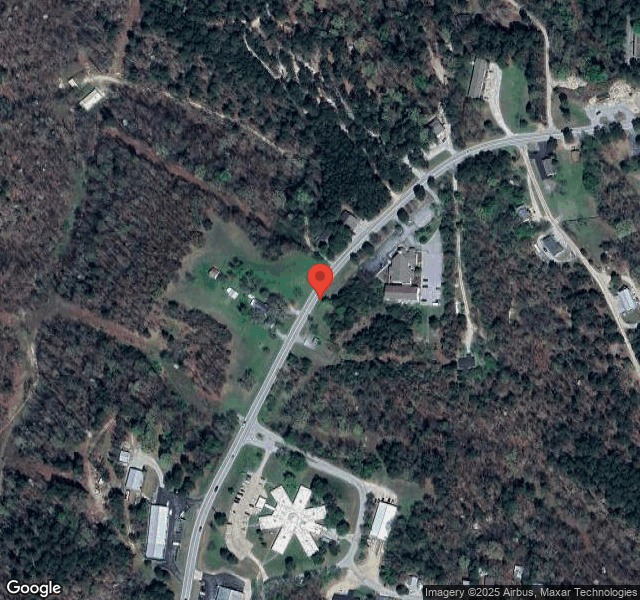

235 HUNTSVILLE ROAD, EUREKA SPRINGS, AR 72632 (479) 253-7038
For profit - Limited Liability company 100 Beds THE BLOSSOMS NURSING AND REHAB CENTER Data: November 2025
Trust Grade
45/100
#167 of 218 in AR
Last Inspection: May 2025

Inspected within the last 6 months. Data reflects current conditions.

Overview

The Blossoms at Eureka Springs Rehab & Nursing Center has a Trust Grade of D, indicating below-average quality and some concerns about care. It ranks #167 out of 218 facilities in Arkansas, placing it in the bottom half of the state, and is the second option in Carroll County with only one local facility rated higher. The facility shows an improving trend, reducing issues from 20 in 2024 to just 3 in 2025, but staffing is a weakness with a rating of 2 out of 5 stars and a turnover rate of 60%, which is on par with the state average. Notably, there are no fines on record, which is a positive sign, but the facility has less RN coverage than 80% of Arkansas facilities, potentially impacting the quality of care. Specific concerns from inspections include unclean ice machines, lapses in hand hygiene during resident care, and failure to allow a resident to privately open their mail, indicating areas for improvement alongside some strengths in quality measures.

Trust Score
D
45/100
In Arkansas
#167/218
Bottom 24%
Safety Record
Low Risk
No red flags
Inspections
Getting Better
20 → 3 violations
Staff Stability
⚠ Watch
60% turnover. Above average. Higher turnover means staff may not know residents' routines.
Penalties
✓ Good
No fines on record. Clean compliance history, better than most Arkansas facilities.
Skilled Nurses
⚠ Watch
Each resident gets only 14 minutes of Registered Nurse (RN) attention daily — below average for Arkansas. Fewer RN minutes means fewer trained eyes watching for problems.
Violations
⚠ Watch
28 deficiencies on record. Higher than average. Multiple issues found across inspections.
★★☆☆☆
2.0
Overall Rating
★★☆☆☆
2.0
Staff Levels
★★★★☆
4.0
Care Quality
★★☆☆☆
2.0
Inspection Score
Stable
2024: 20 issues
2025: 3 issues

The Good

  • 4-Star Quality Measures · Strong clinical quality outcomes
  • Full Sprinkler Coverage · Fire safety systems throughout facility
  • No fines on record

Facility shows strength in quality measures, fire safety.

The Bad

2-Star Overall Rating

Below Arkansas average (3.1)

Below average - review inspection findings carefully

Staff Turnover: 60%

13pts above Arkansas avg (46%)

Frequent staff changes - ask about care continuity

Chain: THE BLOSSOMS NURSING AND REHAB CENT

Part of a multi-facility chain

Ask about local staffing decisions and management

Staff turnover is elevated (60%)

12 points above Arkansas average of 48%

The Ugly 28 deficiencies on record

May 2025 2 deficiencies
CONCERN (E) 📢 Someone Reported This

A family member, employee, or ombudsman was alarmed enough to file a formal complaint

Potential for Harm - no one hurt, but risky conditions existed

Food Safety (Tag F0812)

Could have caused harm · This affected multiple residents

Based on observation, interviews, and facility policy review, the facility failed to ensure the ice machine was clean and sanitary to avoid contamination of the ice provided to residents in 1 of 1 ice...

Read full inspector narrative →
Based on observation, interviews, and facility policy review, the facility failed to ensure the ice machine was clean and sanitary to avoid contamination of the ice provided to residents in 1 of 1 ice machines. The findings include: During an observation and interview on 05/29/2025 at 9:00 AM, Dietary Manager (DM) #4 was asked to wipe the inside of the ice machine with a white paper towel. A pink and brown discoloration was transferred to the paper towel. DM #4 wiped the bottom of the ice guard, with a different white paper towel, and the surveyor observed pink discoloration transfer to the paper towel. DM #4 wiped the wall on the side above the ice with a new white paper towel. A brown discoloration transferred onto the paper towel. DM #4 was asked to describe the substance and stated it was, dirt. During an interview on 05/29/2024 at 9:05 AM, DM #4 revealed that the ice machine was sanitized monthly, and as needed, by the Maintenance Director. She revealed that the machine was taken apart every three months, ice was dumped and thoroughly cleaned by the Maintenance Director. During an interview with Maintenance Assistant (MA) #5 on 05/29/2025 at 9:14 AM, MA # 5 reported that the ice machine was cleaned the week before by the Maintenance Director, and there should not have been any discoloration observed during the observation. He reported that the ice machine was scheduled to be cleaned monthly by the Maintenance Director.
CONCERN (E)

Potential for Harm - no one hurt, but risky conditions existed

Infection Control (Tag F0880)

Could have caused harm · This affected multiple residents

Based on observation, interviews, and record review, it was determined the facility failed to ensure staff performed hand hygiene while providing incontinent care for 1 (Resident #48) of 1 sampled res...

Read full inspector narrative →
Based on observation, interviews, and record review, it was determined the facility failed to ensure staff performed hand hygiene while providing incontinent care for 1 (Resident #48) of 1 sampled resident reviewed for incontinent care; failed to properly clean a glucometer after use for 1 (Resident #49) of 1 sampled resident reviewed for glucometer use; and failed to ensure staff implemented infection control practices while performing wound care for 1 (Resident #219) of 1 sampled resident reviewed for wound care. The findings are: 1. A review of Resident #48's quarterly Minimum Data Set (MDS) with an Assessment Reference Date (ARD) of 03/12/2025, indicated the resident was dependent on staff for toileting hygiene. a. A review of Resident #48 ' s Care Plan revealed an intervention, dated 07/31/2024, to provide incontinent care and change Resident #48 ' s brief every two hours and as needed due to incontinence. b. During an observation on 05/28/2025 at 3:50 PM, Certified Nurse Assistant (CNA) #1 and CNA #2 provided incontinent care for Resident #48. During the incontinent care, CNA #1 was not seen performing hand hygiene at any time before, during, or after incontinent care, or before exiting the resident ' s room. c. During an interview on 05/28/2025 at 4:24 PM, CNA #1 indicated hand hygiene should have been performed before, during, and after incontinence care. She verified she did not perform hand hygiene at any time during incontinent care for Resident #48. d. During an interview on 05/29/2025, the Director of Nursing (DON) reported the facility did not have a handwashing policy, or an incontinent care policy. 2. A review of Resident # 49's Order Summary revealed an order, dated 10/01/2024, to perform capillary blood glucose (CBG) checks before meals and at bedtime. a. During an observation and interview on 05/29/2025 at 5:27 AM, Licensed Practical Nurse (LPN) #3 performed a CBG check on Resident #49 using a glucometer. LPN #3 placed the used glucometer back into the medication cart, without cleaning or disinfecting the glucometer. LPN #3 was asked if the glucometer had been cleaned after use, and verified she did not clean the glucometer before placing it back into the medication cart. LPN #3 stated there is a potential for contamination of the medication cart by not cleaning the glucometer. b. A review of an Assure Prism Glucometer Instruction Manual provided by the Director of Nursing (DON) on 05/29/2025 indicated to minimize the risk of transmission of blood borne pathogen, the cleaning and disinfection procedure should be performed as recommended. The Cleaning and Disinfecting section indicated The cleaning procedure is needed to clean dirt as well as blood and other body fluids on the exterior of the meter and lancing device before performing the disinfection procedure. The disinfection procedure is needed to prevent transmission of blood-borne pathogens. The manual further indicated The meter should be cleaned and disinfected after use on each patient. 3. A review of Resident #219's Order Summary indicated an order, dated 05/26/2025, to clean surgical incision to pubis with wound cleanser, to pack the incision with gauze, and cover with a dressing daily. a. During an observation on 05/28/2025 at 1:27 PM, while providing wound care, the Wound Care Nurse was wearing gloves while applying wound cleanser onto dry gauze, cleansed around Resident #219 ' s perineal wound, then using the same gauze, wiped inside the open incision. The Wound Care Nurse did not remove his dirty gloves, or sanitize his hands, before touching all clean bandages in the resident's bandage bin, to obtain a dressing to apply over the packed wound. He used bandage scissors he removed from his scrubs pocket, without cleansing the scissors, on the abdominal pad he placed over the packed wound. After using the scissors, he returned the uncleansed scissors to his scrubs pocket. b. During an interview with the Wound Care Nurse on 05/28/2025 at 1:27 PM, he indicated it was important to avoid touching an open wound with used gauze, due to the potential for contamination, infection, and/or worsening of the wound. He reported bandage scissors should be cleaned, before and after use, during wound care, and before placing back into scrub pocket. The Wound Care Nurse verified he did not cleanse the scissors, before or after use, and he did use contaminated gloves to search through clean dressing supplies. c. During an interview on 05/29/2025, the DON reported the facility did not have a wound care policy.
Jan 2025 1 deficiency
CONCERN (D) 📢 Someone Reported This

A family member, employee, or ombudsman was alarmed enough to file a formal complaint

Potential for Harm - no one hurt, but risky conditions existed

Deficiency F0760 (Tag F0760)

Could have caused harm · This affected 1 resident

Based on observation, interview and record review the facility failed to ensure that an insulin pen was primed according to manufacturer recommendations prior to administration for 1 (resident #14) of...

Read full inspector narrative →
Based on observation, interview and record review the facility failed to ensure that an insulin pen was primed according to manufacturer recommendations prior to administration for 1 (resident #14) of 1 case mix who had physician's orders for an insulin pen. The findings are: Resident #14 ' s Physician's Orders were reviewed and read in part, resident had a diagnosis of type 2 diabetes mellitus and an order for (Insulin degludec) FlexTouch Subcutaneous Solution Pen injector 100 UNIT/ML [milliliter] Inject 42 unit subcutaneously two times a day for diabetes. ( Insulin degludec is a long-acting type of insulin that works slowly, over about 24 hours.) On 12/31/2024 at 7:22 PM, medication pass was observed with Licensed Practical Nurse (LPN) #1. After attaching the needle cap to the insulin pen, LPN #1 dialed up 2 units to prime the needle and depressed the plunger with the needle pointed downward before administering the 42-unit dose to Resident #14. On 12/31/24 at 7:42 PM, LPN #1 was asked to describe the purpose of priming the needle. LPN #1 stated the pen was primed to remove the air from the needle. LPN #1 was asked if the pen should be primed with the needle pointed down. LPN #1 responded yes. LPN #1 was asked if the air would be better removed if the needle was pointed up for the air to be removed from the pen. LPN responded that yes it probably would. LPN #1 was asked if removing the air was to ensure the resident received the appropriate insulin dose and LPN #1 responded yes, I should have held it point up. On 01/01/2025 at 8:40 AM, the Director of Nursing (DON) was asked to provide education for the nursing staff, if available, for the insulin pen. The DON stated no insulin pen education had been provided that she was aware of since May 2024, and any education that was provided from the sister facility would have been lost to the tornado damage. A package insert for the (brand name) insulin pen was requested at that time. On 01/01/2025 at 10:32 AM, a package insert for insulin degludec pen was provided by DON. The insert was reviewed and read in part, in order to prime the pen, dial up 2 units and hold the pen with the needle pointing up, tap the top of the pen gently to let air bubbles rise to the top. While holding the pen needle point up, press and hold the plunger until the dose counter showed zero. On 01/01/2025 at 10:32, the DON was asked if the facility expected manufacturer guidelines to be followed when it instructed to prime the insulin pen with the pen needle point up, she responded yes, the pen should have been primed needle point up.
Aug 2024 5 deficiencies
CONCERN (E) 📢 Someone Reported This

A family member, employee, or ombudsman was alarmed enough to file a formal complaint

Potential for Harm - no one hurt, but risky conditions existed

Deficiency F0576 (Tag F0576)

Could have caused harm · This affected multiple residents

Based on observations, interviews, record review, and facility document review, the facility failed to allow the resident to receive and open their packages for 1 (Resident #12) of 1 resident reviewed...

Read full inspector narrative →
Based on observations, interviews, record review, and facility document review, the facility failed to allow the resident to receive and open their packages for 1 (Resident #12) of 1 resident reviewed for privacy of communication by mail. Findings include: A review of a facility policy titled, Resident Rights, revised on 11/01/2022 and signed by Resident #12 and the facilities representative on 08/24/2023, indicated residents have the right to communicate by mail in privacy. A review of the admission Record indicated the facility admitted Resident #12 with diagnoses that included major depressive disorder with a single episode, post-traumatic stress disorder, anxiety, and bipolar disorder. The quarterly Minimum Data Set (MDS), with an Assessment Reference Date (ARD) of 06/06/2024, revealed Resident #12 had a Brief Interview for Mental Status (BIMS) score of 14, which indicated the resident was cognitively intact. A review of Resident #12's Care Plan, undated, revealed the resident had behavior problems. Interventions included the facility would open her packages related to history of drug abuse. A review of a progress report dated 06/10/2024 at 7:33 AM revealed Resident #12 had received packages in the mail. The Director of Nursing (DON), witnessed by another staff member, opened the packages to inspect the contents. When Resident #12 was informed, Resident #12 became upset about the violation of rights and stated the DON was breaking the law. During an interview on 08/28/2024 at 12:03 PM, Resident #12 reported to this surveyor packages were delivered to the facility and then opened by the DON with the Administrator's approval. Resident #12 felt this was disrespectful and stated it's a dignity issue and illegal. During an interview on 08/29/2024 at 10:45 AM, the Administrator stated they opened all packages addressed to Resident #12 to inspect what items she had ordered. The Administrator reported Resident #12 had a history of ordering unauthorized items for his/her room in the past. During an interview on 08/29/2024 at 11:00 PM, the DON stated she opened all packages addressed to Resident #12. The DON stated all items were added to one of two inventory lists as the packages were opened and inspected. The first list is approved items that were then turned over to the resident. The second list were unapproved items the DON kept locked in the office in a file cabinet accessible by the DON. During a concurrent observation and interview on 08/29/2024 at 12:17 PM, the DON opened three packages addressed to Resident #12. The first package was a box that contained 6 cans of baked beans, the second, a plastic shipping bag, contained a small black box with two blue stoned rings, and the third, a plastic shipping bag, contained a bag of flavored sunflower seeds. The DON stated she was entering all items on Resident #12 inventory list and would then deliver the approved items.
CONCERN (E) 📢 Someone Reported This

A family member, employee, or ombudsman was alarmed enough to file a formal complaint

Potential for Harm - no one hurt, but risky conditions existed

Safe Environment (Tag F0584)

Could have caused harm · This affected multiple residents

Based on observations, interviews, record review, facility document review, and facility policy review, the facility failed to maintain limited access to special care residents in 2 of 2 units reviewe...

Read full inspector narrative →
Based on observations, interviews, record review, facility document review, and facility policy review, the facility failed to maintain limited access to special care residents in 2 of 2 units reviewed for resident comfort and safety. Findings include: A review of a facility policy titled, Resident Rights, revised on 11/01/2022, indicated residents have a right to live in a safe and environment. A review of a facility policy titled, Special Care Unit, revised on 02/15/2022, indicated the facility would maintain a safe environment for residents who were an elopement risk, at risk due to cognitive impairment, and/or occurrences of behavior symptoms. The Interdisciplinary Team (IDT) reviewed appropriate placement for residents quarterly. A review of the document titled, Consent for admission to Special Care Unit, dated 02/2022, indicated the Special Care Unit provides a quieter living environment for those whose physical, mental, and/or psychosocial diagnoses require protection from external stressors to promote enhanced function and improved quality of life by decreasing anxiety and agitation. The Special Care Unit is maintained by locked doors to support these residents' enhanced environment which allows for reduction in psychiatric medications. During an interview and observation on 08/28/2024 at 8:27 AM, Maintenance Worker (MW) #1 was seen leaving the 300 Hall Special Care Unit and monitoring the door close. The sign posted on the door stated, Please use other door the magnet is tricky. MW #1 stated he was unaware of the sign on the door. The Director of Nursing (DON) approached and put the code in the keypad. Both doors were pushed open and allowed to shut, waited two minutes, the alarm blared, and the doors could be pushed open. The DON and MW #1 both attempted to instruct this surveyor how to use only one door so it would lock. During a second attempt, the code was entered into the keypad and both doors were pushed open. The doors were allowed to close without interference and the magnetic click on the door was heard engaging. Attempted to open the right door only and it was not secured, and the door was opened. No alarm sounded with the second attempt. During a concurrent observation and interview on 08/28/2024 at 8:38 AM, all 300 Hall residents were ambulating in the hallway directly inside the secure doors. Certified Nursing Assistant (CNA) #2 stated the tricky sign was on the 300 Hall secure doors on 08/20/2024 at 8:40 AM when CNA #2 arrived at work. During a concurrent observation and interview on 08/28/2024 at 8:48 AM, the 500 Hall Special Care Unit secure doors were found to have one door not closed and was not secure. Nursing Assistant (NA) #5 stated the secure doors had been broken for about a week. During an interview on 08/28/2024 at 9:10 AM, MW #1 stated technicians had been called and would be out tomorrow to fix the 300 Hall secure doors. During a phone interview on 08/28/2024 at 2:03 PM, the Ombudsman reported secured unit doors propped open with a chair to one of the Special Care Units and at the other Special Care Unit two unidentified staff holding secure doors shut, due to non-functioning secure doors, while exit seeking residents were exhibiting aggressive behavior. During an interview on 08/29/2024 at 10:52 AM, the Maintenance Director stated the issues with the 300 Hall Special Care Unit door was the hinge on the top of the left door when entering. It was an old door and too heavy for the current hinge which was bending under the weight. The Maintenance Director stated he planned to install a heavier hinge to allow the magnetic lock to engage. During a concurrent observation and interview on 08/29/2024 at 12:40 PM, CNA #4 entered the code to the 300 Hall Special Care Unit secure doors, three people walked through the doors and the doors were allowed to shut without interference. Both doors shut completely without issue. The sound of the magnetic click was heard engaging and the light over the doors turned red to indicate they were locked. The doors were able to be pushed open. CNA #4 stated the door did not lock and was not secure. During an interview on 08/29/2024 at 12:52 PM, the Administrator stated the doors were locked, but not locking. The Administrator stated no knowledge that a hinge was needed. The Administrator stated the unit was secure and stated the surveyors seemed to be the only ones having issues. Administration was informed it was CNA #4 who entered the code.
CONCERN (E) 📢 Someone Reported This

A family member, employee, or ombudsman was alarmed enough to file a formal complaint

Potential for Harm - no one hurt, but risky conditions existed

Free from Abuse/Neglect (Tag F0600)

Could have caused harm · This affected multiple residents

**NOTE- TERMS IN BRACKETS HAVE BEEN EDITED TO PROTECT CONFIDENTIALITY** Based on observations, interviews, record review, facility document review and facility policy review, it was determined the fac...

Read full inspector narrative →
**NOTE- TERMS IN BRACKETS HAVE BEEN EDITED TO PROTECT CONFIDENTIALITY** Based on observations, interviews, record review, facility document review and facility policy review, it was determined the facility failed to identify abuse to ensure a calm, safe and injury free environment for 4 (Resident #6, Resident #7, Resident #8, and R #10) of 4 residents reviewed for abuse. Findings include: A review of a facility policy titled, Policies and Procedures .Abuse, Neglect, and Exploitation, with a reviewed date of 07/2023, indicated, Policy Statement .the resident has the right to be free from .physical .abuse .uses the general term abuse to specify all .Policy Interpretation and Implementation .4. Identify events and occurrences that may constitute .abuse .5. Investigation of all allegations of abuse, neglect, or mistreatment .7. Reporting/Response - assurance that incidents are reported, corrective actions are taken, and preventative measures are put into place .Reporting .1. All personnel must immediately report suspected cases of abuse to the Administrator. In the Administrator's absence, suspected abuse should be reported to the Director of Nursing [DON] and immediate supervisor .3. The facility will report all alleged violations involving .abuse to the Office of Long-Term Care, Family, Police, and MD [Medical Director]. Suspicion of allegation of abuse shall be reported immediately, but not later than 2 hours after forming the suspicion, if the events that cause the suspicion result in serious bodily injury, or not later than 24 hours if the events that cause the suspicion do not result in serious bodily injury .Investigation .5. All incidents involving abuse will be analyzed to determine root cause and identify ways to prevent recurrence .Definitions .Abuse - the willful infliction of injury, unreasonable confinement, intimidation, or punishment with resulting physical harm, pain, or mental anguish . A review of Resident #6's Consent for admission to Special Care Unit, indicated risks of residing on the special care may include, incidents of resident-to-resident altercations. Residents may wander into the personal space of others . A review of the admission Record indicated the facility admitted Resident #6 on 05/26/2024 with diagnoses that included vascular dementia, depression, and anxiety. The quarterly Minimum Data Set [MDS] with an Assessment Reference Date [ARD] of 08/19/2024 revealed Resident #6 had a Brief Interview for Mental Status [BIMS] score of 3, which indicated resident had severe cognitive impairment. Resident #6 had a mood score of 1 indicating resident had little interest or pleasure in doing things and scored 1 on feeling down and hopeless 2 to 6 days. Resident #6 did not exhibit behaviors. Resident #6 was independent with toileting and required setup or clean up assistance with eating, oral hygiene, showering, dressing, and personal hygiene. Resident #6 was independent with ambulation and did not require an assistive device. A review of a Care Plan, with an initiation date of 05/30/2024, revealed Resident #6 had a history of self-harm and self-mutilation ideation related to severe mental illness. Interventions included a stop sign placed across the room door to deter wandering and uninvited residents out of the room; conduct random room safety checks and personal wellness checks, and behavior monitoring. A review of a Behavioral Assessment dated 05/28/2024, revealed Resident #6's behaviors as cursing, yelling, agitation, and aggression/combativeness. The interdisciplinary team [IDT] recommendation was continuation on Special Care Unit. A review of the Incident Note dated 07/23/2024 at 5:55 PM, revealed Resident #6 became upset when another resident entered Resident #6's room and attempted to lay down on the bed. Aggressor was placed 1:1 [one-on-one meaning one staff member was assigned to aggressor for observation]. Eureka Springs Police Department was notified. A review of the local Police Department Offense/Incident Report, dated 07/23/2024 at 5:30 PM, revealed the type of incident as an Information Report with a complaint number of 24-000344. The report revealed Licensed Practical Nurse [LPN] #7 contacted the police department to report an altercation involving Resident #6 and the progress notes from the nurses were attached to the report. The attached report indicated it was privileged and confidential. The report revealed the incident #1702 Physical Aggression Initiated, listed impulsive as a predisposing factor. The incident was described as Resident #6 sitting in his room when another resident entered and attempted to lay on the bed. Resident #6 hit the other resident on the arm and Resident #6 was struck back in their arm. No visible marks present. Notification was made to the Administrator, Police Department, Family, Physician, and Director of Nursing (DON). The report was completed by LPN #10. The attached incident note dated 07/25/2024 at 11:25 AM, revealed Resident #6 was placed 1:1 supervision for safety and a stop was placed across Resident #6's door, family member and APRN [Advance Practice Registered Nurse]/MD [Medical Director] were notified. Review of Resident #6's progress notes did not reveal the other resident involved in this incident. A review of the Incidents by Incident Type dated 08/28/2024, under the subheading of Physical Aggression Initiated Incidents, revealed Resident #6 listed with the date of 07/23/2024 at 5:00 PM, and under the subheading of Physical Aggression Received Incidents, Resident #7 listed with a date of 07/23/2024 at 5:00 PM. During interview on 08/29/2024 at 1:11 PM, Licensed Practical Nurse (LPN) #10 stated Resident #7 wandered into Resident #6's room and has a history of wandering. The staff intervened in an altercation between the two of them. Resident #7 went in and laid in Resident #6's bed. Staff heard yelling and LPN #10 was notified and intervened to keep it from becoming physical. Staff also notified LPN #7. LPN #10 stated 1:1 is standard intervention for the aggressor, usually for 24 hours, and the DON will follow up to determine if the situation will occur again. During an interview on 08/29/2024 at 5:58 PM, the DON stated she was notified and was familiar with the Resident-to-Resident incident involving Resident #6 and Resident #7 on 07/23/2024. The DON notified the Administrator via a social communication platform at 9:40 AM. The DON described the procedure for staff to follow, stating the nurses call the physician and then they call the family and the police department. The incident did occur, and an incident number was requested. The physician was notified at 9:40 AM, the police department was notified at 9:47 AM, and the responsible party was notified at 10:02 AM. The nurse did the body audit, and the aggressor was placed on one on one. Resident #7 was sent to the geri-psych unit as an intervention. No facility report was done, and the state was not notified. The DON stated the incident did not involve malice because there were no injuries and the resident's BIMS scores were low. The DON believes no notification to the Office of Long-Term Care was necessary because no malice was involved. The DON stated she received the information regarding malice from a CMS in-service on electronic reporting and could not recall when the in-service was attended. A review of the admission Record, indicated the facility admitted Resident #7 on 05/28/2024 with diagnoses that included a brain disorder caused by a chemical imbalance in the blood, Alzheimer's Disease, and anxiety disorder. A review of the admission MDS, with an ARD of 06/02/2024, revealed Resident #7 had a BIMS score of 2, which indicated Resident #7 had severe cognitive impairment. Resident #7 required supervision with eating; partial to moderate assistance with oral hygiene and dressing; substantial to maximum assistance with personal hygiene and was dependent on staff for toileting and showering; and required partial to moderate assistance from sitting to lying, lying to sitting, and sitting to standing, and utilizes a manual wheelchair for ambulation. A review of the Incident Note dated 07/23/2024 at 5:48 PM, revealed Resident #7 entered another resident's room attempting to lay in another resident's bed, the resident became upset and hit Resident #7 in the arm. Resident #7 in turn, hit the other resident on the arm. Notification was made to the local Police Department, APRN, and resident representative. A review of the eINTERACT SBAR Summary for Providers note, dated 07/23/2024 at 5:49 PM, revealed the situation as an Other change in condition. The primary care provider recommended monitoring. A review of the Incident Note, dated 07/25/2024 at 11:10 AM, revealed an investigation was conducted and showed staff heard a resident yell out and upon arrival to Resident #6's room, Resident #7 was getting into Resident #6's bed, and Resident #6 hit Resident #7 on the arm and Resident #7 hit Resident #6 back on the arm. A review of the Behavior Note, dated 07/25/2024 at 6:45 PM, revealed Resident #7 exhibiting aggressive behaviors toward staff and went for an unnamed Certified Nursing Assistant's [CNA's] hair and throat. Resident #7 placed on 1:1 supervision, notifications made to Assistant Director of Nursing [ADON], and physician. The physician gave order for geri-psych [geriatric psychiatry] transfer. A review of the Behavior Note, dated 07/25/2024 at 9:47 PM, revealed geri-psych did not have a bed available. A review of the Behavior Note, dated 07/27/2024 at 03:50 AM, revealed Resident #7 was aggressive toward staff earlier in the shift. A review of the Behavior Note, dated 07/31/2024 at 07:33 AM, revealed Resident #7 had episodes of agitation related to a failed gradual dose reduction [GDR - reducing the amount of a medication being given to determine the lowest effective dose of the medication]. The medication was not identified. A review of the Nursing Progress Note, dated 08/03/2024 at 6:00 PM, revealed Resident #7 became aggressive with staff and residents and began coming at nurse with a butter knife, and stated, I'm going to cripple you. Resident #7 was kicking and hitting other residents. Residents were not identified in the note. Resident #7's responsible party was notified. A review of the Nursing Progress Note, dated 08/05/2024 at 5:11 AM, revealed the DON was notified of the incident on 08/03/2024 and Resident #7 is scheduled to see psychiatrist on the 9th. A review of the Behavior Note. dated 08/16/2024 at 1:34 PM revealed resident continuing to be aggressive with residents and staff. Resident #7 cannot be redirected. The physician ordered medication for depression to be restarted. A review of an Incident Note, dated 08/19/2024 at 09:35 AM, revealed Resident #7 was placed 1:1 supervision for safety, after staff reported hearing screams and observed Resident #7 trying to us the call light to choke a resident and kneeing the other resident in the chest Notification was made to Eureka Springs Police Department, Power of Attorney [POA], DON, Administrator and physician. Police incident number issued was 24-00416. A review of the local Police Department Offense/Incident Report, complaint number 24-000416, dated 08/19/2024 at 09:58 AM, and an incident type listed as Battery-3rd. The report indicated the incident occurred on 08/19/2024 at The Blossoms Rehab & Nursing Center. The victim is listed as Resident #8, and the suspect is listed as Resident #7. The Offense/Incident Narrative indicated the office spoke with the DON who revealed two residents were involved in an altercation with no injuries and requested the incident be documented, and that both had issues to where they did not fully understand what they were doing. Resident #8 entered Resident #7's room to watch television and Resident #8 became angry and attempted to choke Resident #7 with a cord and was unsuccessful. Resident #8 also kneed Resident #7 in the chest a couple of times. A review of an Incident Note, dated 08/21/2024 at 6:40 AM, revealed Resident #7 had unpredictable behaviors. An unidentified CNA heard screaming and observed Resident #7 using the call light to choke another resident while putting their knee in the other resident's chest. Staff separated the residents immediately before [Resident #7] could get the cord completely around the resident. Resident #7 was sent for a geri-psych consult. A review of the admission Record indicated Resident #8 was admitted on [DATE] with diagnoses that included age related macular degeneration, bipolar disorder, anxiety disorder, traumatic brain injury, alcohol-induced persisting dementia, somnolence [excessive sleepiness with known causes that included anxiety, medication, depression or stress], altered mental status and delusional disorders. The significant change MDS with an ARD of 08/04/2024 revealed Resident #8 had a BIMS score of 2, which indicated the resident had severe cognitive impairment. Resident #8 had a mood score of 1 which indicated resident had little interest or pleasure in doing things 2-6 days. Behaviors toward others occurred 1 to 3 days a week and included physical and verbal symptoms. Resident #8 required assistance eating and was dependent on staff for oral hygiene, toileting dressing, and personal hygiene and required supervision walking and moderate assistance sitting, standing from seated position, and transfers from chair to bed and bed to chair, and use an assistive device for ambulation was not indicated. A review of SBAR [Situation Background Appearance Review and Notify] Communication Form, dated 08/19/2024, indicated Resident #8's change in condition was skin wound, other change in condition: receiver of physical aggression. Notification of the primary care was listed as 9:35 AM with recommendation to monitor. A review of eINTERACT Change in Condition evaluation V5, dated 08/19/2024 at 09:35 AM, revealed, the change in condition was a skin wound or ulcer and other change in condition listed as receiver of physical aggression on 08/19/2024. The skin evaluation status indicated Resident #8 had an abrasion and the site indicated was on the face, with a description of bridge of nose. Response to evaluation for pain status was listed as Not clinically applicable to the change in condition being reported. Additional pertinent diagnosis was marked as dementia. Notification of resident representative was listed as case worker notified on 08/19/2024 at 09:35. A review of Resident #8's Incident Note dated 08/19/2024 at 09:35 AM revealed, the CNA heard screaming and observed another resident with their knee in Resident #8's chest while trying to choke Resident #8 with a call light. Resident #8's body audit revealed an abrasion on the bridge of the nose. The aggressor was placed on 1:1 supervision for safety. The local police department, the POA, the DON, the Administrator, and MD were notified. A Health Status note, dated 08/20/204 at 3:24 PM, revealed Resident #8 remained on follow up for previous altercation and had no complaints of pain or discomfort. An Incident Note, dated 08/21/2024 at 07:03 AM indicated Resident #8 had not been sleeping at night, staff reported screaming and upon investigation found a resident trying to use the call light to choke [Resident #8's first name] while kneeing [Resident #8 gender pronoun] in the chest. Staff separated residents before resident could get cord completely around [Resident #8] neck to choke [Resident #8 gender identity]. Investigation was conducted and revealed Resident #8 entered another resident's room and was sitting on a roommate's bed watching television [TV]. A small abrasion on the bridge of nose was noted and Resident #8 states does not know where it [the abrasion] came from. During an interview on 08/29/2024 at 12:20 PM, LPN #7 stated Resident #8 was watching TV visiting with Resident #11 when Resident #7 attempted to choke Resident #8. Resident #7 lifted their leg to Resident #8's chest and began hitting Resident #8 with their knee. The CNA was sent to report to the DON. Resident #7 was placed 1:1, and the doctor was notified. Resident #7 remained 1:1 until they were sent to behavioral health. Resident #8 usually did not show emotion and there were no signs or symptoms of pain. During an interview on 08/29/2024 at 5:58 PM, the DON stated they were notified of the incident on 08/19/2024 involving Resident #7 and Resident #8 and Resident #8 had an abrasion on the nose from the incident, and indicated the bridge of the nose, the DON placed the right index finger on upper part of the nose between the eyes. The DON stated CNAs were interviewed and the call light was in front of Resident #8's face, but not touching the body. The DON was asked if the documentation in the EHR [electronic health record] was accurate and stated, The nurse put on the I & A [incident and accident report] what she was told. The DON then demonstrated using hands, palms with fingers curled as if holding an object, facing away from their shoulders, even with their jaw line/chin on either side of their neck. The DON was asked to demonstrate with a charging cord, the DON pulled the cord with the right hand, straight out away from their right shoulder, and began to drape the cord to the opposite side of the body, then let the cord drop along the right side and stated the cord was pulled and still attached to the wall in one of Resident #7's hands and was not close to Resident #8's neck, the rest of it was laying on the bed next to him. A review of the admission Record revealed Resident #10 was admitted to the facility on [DATE], with diagnoses that included blood clot formation in the brain after injury, loss of brain function caused by toxins in the blood due to liver damage, and anxiety. The admission MDS, with an ARD of 06/02/2024, revealed Resident #10 had a BIMS score of 6, which indicated resident had severe cognitive impairment. Resident #10 mood score was 1 feeling down, depressed, or hopeless 2-6 days. Resident #10 was independent eating, toileting and oral hygiene; required set up/cleanup assistance with dressing; and required supervision with showering and personal hygiene. Resident #10 was independent with transfers and walking. Resident #10 did not have behaviors. A review of a Behavior Note, dated 08/27/2024 at 12:45 AM revealed, Resident #10 was in another resident's room and was stuck on the left cheekbone causing swelling and hematoma [abnormal collection of blood in the tissues outside of the blood vessel]. A review of a Health Status, note dated 08/27/2024 at 10:36 AM, indicated Resident #10's cheekbone continues to have swelling and labs were drawn for increased confusion. A review of an Order Note, dated 08/27/2024 at 2:53 PM, indicated Resident #10 had vomiting and received an order for medication to relieve nausea and vomiting to be given every 8 hours. A review of a Health Status, note dated 08/29/2024 at 2:52 PM indicated Resident #10 continues to have confusion and swelling to left cheekbone. A review of the local Police Department Offense/Incident Report, dated 08/27/2024 at 1:24 AM, revealed the complaint number was 24-000439 and the incident was listed as Battery 3rd. Resident #10 was identified as the victim, and Resident #11 was identified as the suspect. The narrative indicated a CNA heard cursing and went to the room, Resident #11 was angry and began hitting Resident 10 in the chest and face. The CNA left the room to seek a nurse and upon return, Resident #10 had blood in his mouth and a black eye. Resident #11 had a scratch to the hand. The police report contained photos of the injuries. During an interview on 08/29/2024 at 3:54 PM, LPN #9 stated they are employed by an online staffing platform and was working 6:00 PM to 6:00 AM shift. Resident #10 was wandering all night and went into Resident #11's room, through the bathroom. Resident #10 was confused and had a hematoma on their left cheek when LPN #9 entered the room. Notification was made to the DON, who notified the Administrator, the Physician, and Resident #10's responsible party. LPN #9 notified LPN #7 who called to make a police report. Both residents were assessed. Resident #11 had previously exhibited behaviors that included throwing things and hitting people. During an interview on 08/29/2024 at 5:58 PM, the DON stated being notified of the incident on 08/27/2024 involving Resident #10 and Resident #11 and that Resident #10 was turned around leaving the bathroom and got into Resident #11's bed. When staff arrived in the room, Resident #11 had already hit Resident #10. Staff removed Resident #10 from the room and did a body audit. Resident #10 had redness or signs of pain. The DON stated the assessment did not show any injuries and no treatment was needed because there was no swelling or bruising to Resident #10's face. The DON stated the vomiting was related to Resident #10's elevated potassium level and when Resident #10 was admitted , the level was over 300. [normal range for potassium in adults is 3.5 to 5.2 mEq/L (milliEquivalent per liter)] The DON did not observe any swelling or bruising when they assessed Resident #10 and states there was no swelling or bruising on reassessment. On 08/29/2024 at 6:30 PM, the DON stopped the interview stating they needed to get a copy of the In-service. On 08/29/2024 at 6:37 PM, the Administrator entered the conference room and stated residents are not responsible for their actions and the incident was resident to resident and not required to be reported if there were no injuries. The Administrator stated he had never seen anything in the regulations that says we don't have to report, and it is based on resident to resident. The Administrator stated he was made aware of the incident involving Resident #6 by the DON and that residents were assessed according to the facility's process. The Administrator stated the facility does all the steps as if it was to be reported to the state and notifications to the physician, police department, and family are made. The Administrator stated it was Always told from surveyors, that resident-to-resident are not responsible for their actions and does not need to be reported. The Administrator stated he could not tell the names of everyone that told him and he could not recall what the regulation says. The Administrator stated the facility had two hours, per the requirement, to report. It was not done, not reported to the state, and stated the reason was 10 years ago the person doing the intake at the state said it was not reportable. The Administrator stated it was only major injuries that needed to be reported and stated a major injury, I assume it is a broken bone. The Administrator could not recall the incident with Resident #7 and Resident #8. The Administrator stated the incident was not reported to the state, he believes it was serious, and there was intervention by staff and the process was taken care of. The putting an extra report on that to the state was an unnecessary thing. The Administrator stated Resident #10 and Resident #11 incident was not reported and the fact considering the diagnoses and the hematoma on Resident #10's cheek from being struck by Resident #11 was a resident-to-resident altercation and was not reportable. On 08/29/2024 at 6:52 PM, the DON returned to the conference room to resume the interview. The DON stated there was no report made to the Office of Long-Term Care for the incident involving Resident #7 and Resident #8 or the incident involving Resident #10 and Resident #11. We did all the steps but no, it was not reported. On 08/29/2024 at 7:19 PM, the Nurse Consultant entered the conference room and provided additional information via email to the surveyor. The document was titled, RCF [Residential Care Facility] Incident Reporting, and is not a regulation for a Skilled Nursing or Nursing Facility.
CONCERN (E) 📢 Someone Reported This

A family member, employee, or ombudsman was alarmed enough to file a formal complaint

Potential for Harm - no one hurt, but risky conditions existed

Report Alleged Abuse (Tag F0609)

Could have caused harm · This affected multiple residents

**NOTE- TERMS IN BRACKETS HAVE BEEN EDITED TO PROTECT CONFIDENTIALITY** Based on record review, facility document review and interviews, it was determined the facility failed to report alleged abuse f...

Read full inspector narrative →
**NOTE- TERMS IN BRACKETS HAVE BEEN EDITED TO PROTECT CONFIDENTIALITY** Based on record review, facility document review and interviews, it was determined the facility failed to report alleged abuse for 4 (Resident #6, #7, #8, and #10) residents of 4 resident reviewed for abuse. Findings include: A review of a facility policy titled, Policies and Procedures, with a subject of Abuse, Neglect, and Exploitation, with a reviewed date of 07/2023, specified Reporting: .All complaints, concerns, or suspicions of abuse should be immediately reported to the Administrator .3. The facility will report all alleged violations involving .abuse to the Office of Long-Term Care .shall be reported immediately, but not later than 2 hours after forming the suspicion .or not later than 24 hours if the events that cause the suspicion do not result in serious bodily injury. A review of the admission Record indicated the facility admitted Resident #6 on 05/26/2024 with diagnoses that included vascular dementia, depression, and anxiety. The quarterly Minimum Data Set [MDS], with an Assessment Reference Date [ARD] of 08/19/2024 revealed Resident #6 had a Brief Interview for Mental Status [BIMS] score of 3, which indicated resident had severe cognitive impairment. Resident #6 was independent with toileting and required setup or clean up assistance with eating, oral hygiene, showering, dressing, and personal hygiene. Resident #6 was independent with ambulation and did not require an assistive device. A review of a Care Plan, with an initiation date of 05/30/2024, revealed Resident #6 had a history of self-harm and self-mutilation ideation related to severe mental illness. Interventions included a stop sign placed across the room door to deter wandering and uninvited residents out of the room; conduct random room safety checks and personal wellness checks, and behavior monitoring. A review of the Incident Note, dated 07/23/2024 at 5:55 PM, revealed Resident #6 became upset when another resident entered Resident #6's room and attempted to lay down on the bed. Aggressor was placed 1:1 supervision [one-on-one meaning one staff member was assigned to aggressor for observation]. Local Police Department was notified. A review of the admission Record, indicated the facility admitted Resident #7 on 05/28/2024 with diagnoses that included a brain disorder caused by a chemical imbalance in the blood, Alzheimer's Disease, and anxiety disorder. A review of the admission MDS, with an ARD of 06/02/2024, revealed Resident #7 had a BIMS score of 2, which indicated Resident #7 had severe cognitive impairment. Resident #7 required supervision with eating; partial to moderate assistance with oral hygiene and dressing; substantial to maximum assistance with personal hygiene and was dependent on staff for toileting and showering; and required partial to moderate assistance from sitting to lying, lying to sitting, and sitting to standing, and utilizes a manual wheelchair for ambulation. A review of the Incident Note, dated 07/23/2024 at 5:48 PM, revealed Resident #7 entered another resident's room attempting lay in another resident's bed, the resident became upset and hit Resident #7 in the arm. Resident #7 in turn, hit the other resident in the arm. Notification was made to the local Police Department, APRN[Advance Practice Registered Nurse] , and resident representative. A review of the Incident Note, dated 07/25/2024 at 11:10 AM, revealed an investigation was conducted and showed staff heard a resident yell out and upon arrival to Resident #6's room, Resident #7 was getting into Resident #6's bed, and Resident #6 hit Resident #7 in the arm and Resident #7 hit Resident #6 back in the arm. A review of the local Police Department Offense/Incident Report, dated 07/23/2024 at 5:30 PM, revealed the type of incident as an Information Report. The report revealed Licensed Practical Nurse (LPN) #7 contacted the police department to report an altercation involving Resident #6 and the progress notes from the nurses were attached to the report. The attached report indicated it was privileged and confidential. The report revealed physical aggression initiated, listed impulsive as a predisposing factor. The incident was described as Resident #6 sitting in his room when another resident entered and attempted to lay on the bed. Resident #6 hit the other resident on the arm and Resident #6 was struck back in their arm. No visible marks present. Notification was made to the Administrator, Police Department, Family, Physician, and Director of Nursing (DON). The report was completed by LPN #10. The attached incident note dated 07/25/2024 at 11:25 AM, revealed Resident #6 was placed 1:1 supervision for safety and a stop was placed across Resident #6's door, wife and APRN MD [Medical Director] were notified. During an interview on 08/29/2024 at 5:58 PM, the DON stated she was notified and was familiar with the Resident-to-Resident incident involving Resident #6 and Resident #7 on 07/23/2024. The DON notified the Administrator via social communication at 09:40 AM. The incident did occur, and an incident number was requested. No facility report was done, and the Office of Long-Term Care was not notified. A review of an Incident Note, dated 08/19/2024 at 9:35 AM, revealed Resident #7 was placed 1:1 supervision for safety, after staff reported hearing screams and observed Resident #7 trying to us the call light to choke a resident and kneeing the other resident in the chest Notification was made to local Police Department, POA (Power of Attorney), DON, Administrator and physician. Police incident number issued was issued A review of the admission Record, indicated Resident #8 was admitted on [DATE] with diagnoses that included age related macular degeneration, bipolar disorder, anxiety disorder, traumatic brain injury, alcohol-induced persisting dementia, somnolence [excessive sleepiness with known causes that included anxiety, medication, depression or stress], altered mental status and delusional disorders. The significant change MDS, with an ARD of 08/04/2024, revealed Resident #8 had a BIMS score of 2 which indicated the resident had severe cognitive impairment. Resident #8 had a Mood score of 1 which indicated resident had little interest or pleasure in doing things 2-6 days. Behaviors toward others occurred 1 to 3 days a week and included physical and verbal symptoms. Resident #8 required assistance eating and was dependent on staff for oral hygiene, toileting dressing, and personal hygiene and required supervision walking and moderate assistance sitting, standing from seated position, and transfers from chair to bed and bed to chair, and use an assistive device for ambulation was not indicated. A review of SBAR [Situation Background Appearance Review and Notify] Communication Form, dated 08/19/2024, indicated Resident #8's change in condition was skin wound, other change in condition: receiver of physical aggression. Notification of the primary care was listed as 9:35 AM with recommendation to monitor. A review of Resident #8's Progress Notes New type Incident Note dated 08/19/2024 at 9:35 AM revealed, the Certified Nursing Assistant [CNA] heard screaming and observed another resident with their knee in Resident #8's chest while trying to choke Resident #8 with a call light. Resident #8's body audit revealed an abrasion on the bridge of the nose. The aggressor was placed on 1:1 for safety. Eureka Springs police department, the POA, DON, Administrator and MD were notified. An Incident Note, dated 08/21/2024 at 07:03 AM indicated Resident #8 had not been sleeping at night, staff reported screaming and upon investigation found a resident trying to use the call light to choke [Resident #8's first name] while kneeing [Resident #8 gender pronoun] in the chest. Staff separated residents before resident could get cord completely around [Resident #8] neck to choke [Resident #8 gender identity]. During an interview on 08/29/2024 at 12:20 PM, LPN #7 stated Resident #8 was watching television [TV] and visiting with Resident #11 when Resident #7 attempted to choke Resident #8. Resident #7 lifted their leg to Resident #8's chest and began hitting Resident #8 with their knee. The CNA was sent to report to the DON. Resident #7 was placed 1:1, and the doctor was notified. Resident #7 remained 1:1 until they were sent to behavioral health. Resident #8 usually did not show emotion and there were no signs or symptoms of pain. During an interview on 08/29/2024 at 5:58 PM, the DON stated she was notified of the incident on 08/19/2024 involving Resident #7 and Resident #8 and that Resident #8 had an abrasion on their nose from the incident, and indicated the bridge of the nose, the DON placed their right index finger on upper part of the nose between their eyes. A review of the local Police Department Offense/Incident Report,, dated 08/19/2024 at 9:58 AM, and an incident type listed as Battery-3rd. The report indicated the incident occurred on 08/19/2024 at facility. The victim is listed as Resident #8, and the suspect is listed as Resident #7. The Offense/Incident Narrative indicated the office spoke with the DON who revealed two residents were involved in an altercation with no injuries and requested the incident be documented, and that both had issues to where they did not fully understand what they were doing. Resident #8 entered Resident #7's room to watch television and Resident #8 became angry and attempted to choke Resident #7 with a cord and was unsuccessful. Resident #8 also kneed Resident #7 in the chest a couple of times. A review of the admission Record revealed Resident #10 was admitted to the facility on [DATE], with diagnoses that included blood clot formation in the brain after injury, loss of brain function caused by toxins in the blood due to liver damage, and anxiety. The admission MDS with an ARD of 06/02/2024 revealed Resident #10 had a BIMS score of 6, which indicated resident had severe cognitive impairment. Resident #10 Mood score was 1 feeling down, depressed, or hopeless 2-6 days. Resident #10 was independent eating, toileting and oral hygiene; required set up/cleanup assistance with dressing; and required supervision with showering and personal hygiene. Resident #10 was independent with transfers and walking. Resident #10 did not have behaviors. A review of a Behavior Note, dated 08/27/2024 at 12:45 AM revealed, Resident #10 was in another resident's room and was stuck on the left cheekbone causing swelling and hematoma [abnormal collection of blood in the tissues outside of the blood vessel]. A review of the local Police Department Offense/Incident Report, dated 08/27/2024 at 1:24 AM, revealed the complaint and the incident was listed as Battery 3rd. Resident #10 was identified as the victim, and Resident #11 was identified as the suspect. The narrative indicated a CNA heard cursing and went to the room, Resident #11 was angry and began hitting Resident #10 in the chest and face. The CNA left the room to seek a nurse and upon return, Resident #10 had blood in his/her mouth and a black eye. Resident #11 had a scratch to their hand. The police report contained photos of the injuries. During an interview on 08/29/2024 at 3:54 PM, LPN #9 stated they are employed by online staffing platform and was working 6:00 PM to 6:00 AM shift. Resident #10 was wandering all night and went into Resident #11's room, through the bathroom. Resident #10 was confused and had a hematoma on their left cheek when LPN #9 entered room. Notification was made to the DON, who notified the Administrator, the Physician, and Resident #10's responsible party. LPN #9 notified LPN #7 who called to make a police report. During an interview on 08/29/2024 at 5:58 PM, the DON stated they were notified of the incident on 08/27/2024 involving Resident #10 and Resident #11. On 08/29/2024 at 6:37 PM, the Administrator stated residents are not responsible for their actions and the incident was resident to resident and not required to be reported if there were no injuries. The Administrator stated he had never seen anything in the regulations that says they don't have to report based on resident to resident. The Administrator stated the facility had two hours, per the requirement, to report. It was not done, not reported to the state. The Administrator could not recall the incident with Resident #7 and Resident #8. The Administrator stated the incident was not reported to the state, he believes it was serious, and there was intervention by staff and the process was taken care of. Putting an extra report on that to the state was an unnecessary thing. The Administrator stated Resident #10 and Resident #11 incident was not reported and the fact considering the diagnoses and the hematoma on Resident #10's cheek from being struck by Resident #11 was a resident-to-resident altercation and was not reportable. On 08/29/2024 at 6:52 PM, the DON stated there was no report made to the Office of Long-Term Care for the incident involving Resident #7 and Resident #8 or the incident involving Resident #10 and Resident #11. We did all the steps but no, it was not reported.
CONCERN (E) 📢 Someone Reported This

A family member, employee, or ombudsman was alarmed enough to file a formal complaint

Potential for Harm - no one hurt, but risky conditions existed

Accident Prevention (Tag F0689)

Could have caused harm · This affected multiple residents

Deficiency Text Not Available

Read full inspector narrative →
Deficiency Text Not Available
Mar 2024 15 deficiencies
CONCERN (E) 📢 Someone Reported This

A family member, employee, or ombudsman was alarmed enough to file a formal complaint

Potential for Harm - no one hurt, but risky conditions existed

Resident Rights (Tag F0550)

Could have caused harm · This affected multiple residents

Based on observation, interview, and record review, the facility failed to ensure residents were provided privacy during bathing to promote resident rights and dignity for Resident #13. a. The Care P...

Read full inspector narrative →
Based on observation, interview, and record review, the facility failed to ensure residents were provided privacy during bathing to promote resident rights and dignity for Resident #13. a. The Care Plan , dated 12/14/23, list diagnosis as Paraplegia, Spinal stenosis, Muscle wasting and atrophy, Post traumatic stress disorder (PTSD), Major depressive disorder, and Pressure ulcers. b. The Quarterly Minimum Data Set (MDS) with an Assessment Reference Date of 12/05/23 listed a Brief Interview for Mental Status (BIMS) of 14 (13 to 15 indicates cognitively intact). c. On 02/27/24 at 02:32 PM, Resident #13 was observed leaving the whirlpool room in a wheelchair with a white sheet placed on the front of the resident with the left side of their body exposed during the transfer to their room, traveling from one hall to another hall. d. On 02/27/24 at 2:40 PM, Certified Nursing Aide (CNA) #2 was asked How do you ensure the residents are provided with privacy and dignity after leaving the whirlpool room while being transported to the residents room? CNA #2 responded, Need to make sure that the resident is covered for privacy. In response to the question, Why should the resident be provided privacy? the CNA responded, Because it is their right to be treated with dignity. In response to the question, have you been trained on how to maintain resident's privacy, and dignity after showers or whirlpools? CNA #2 stated, Yes, I have. I knew to cover the resident. e. On 02/27/24 at 3:40 PM, LPN #1 was asked How do you ensure Resident #13 is provided with privacy and dignity after showers and whirlpools while being transported back to their room. The LPN #1 stated, The CNA is aware to cover the resident, and I have told them to be sure and cover their residents completely. f. On 02/29/24 08:30 AM, in response to the question, How do you ensure the resident are provided with privacy and dignity after leaving the whirlpool/shower room while being transported to the residents room? the Director of Nurses (DON) responded, The staff is aware to cover the residents to promote dignity and privacy. The Surveyor asked, Are you aware that Resident #13, had not been completely covered after leaving the Whirlpool on 2/27/24? The DON stated, I will provide in-services. g. The policy titled, Resident Rights (Revised 11/01/22) read in part .Federal and state laws guarantee certain basic right to all residents of this facility. A dignified existence, be treated with respect, kindness, and dignity.
CONCERN (E) 📢 Someone Reported This

A family member, employee, or ombudsman was alarmed enough to file a formal complaint

Potential for Harm - no one hurt, but risky conditions existed

Deficiency F0567 (Tag F0567)

Could have caused harm · This affected multiple residents

Based on observation, interview, and record review, the facility failed to ensure the residents had access to their personal funds on nights and weekends, and that the long-term care financial team as...

Read full inspector narrative →
Based on observation, interview, and record review, the facility failed to ensure the residents had access to their personal funds on nights and weekends, and that the long-term care financial team assumed the responsibility of managing the resident personal funds. The findings included: a. On 1/09/2024, a Grievance Form documented [Resident #9], requesting cash funds for shopping but has not received [the resident ' s] SSI (Supplemental Security Income) check for here. It is still being deposited in (Corporate facility) and has not been transferred here yet. b. On 1/10/2024, a Grievance Form documented, [Resident #20], requesting cash funds for an outing on 01/10/24. Unable to provide due to no way to cash trust funds checks. c. On 01/16/24, a Grievance Form documented, [Resident #3], requested cash funds for an outing on 1/15/24. No way to cash trust fund account. d. On 01/21/24, a Grievance Form documented [Resident #27], requested cash for his personal wants on 01/08/24 but due to no SSI checks we had no funds to give him. On 02/26/24, on 11:47 AM, Resident #13 complained that the facility would not provide transportation to go to the bank. Resident #13 stated, I have been here for months and I cannot access any money, as my bank is in another town. In response to the question on 02/27/24 at 10:47 AM, Was there any transportation available to take the resident to the bank for business? The Social Services/Transport/Activities Director, stated, I was not aware that the resident needed to go to the bank. In an interview on 02/27/2023, at 11:30 AM with the Business Officer Manager (BOM), in response to the question, Was there any transportation available to take the resident to the bank for business? The BOM stated, [The resident ' s] bank was too far away. On 2/27/24 at 10: 47 AM, in an interview with the Social Services/Transport/Activities Director, in response to the question, How do the residents access their personal funds? the Social Services/Transport/Activities Director responded, We had a corporate card and can no longer use the card. They (Administration) used to give me money. I only go shopping for the residents on our VISA card. If I need more money, I go to the Administrator and use his card. The Surveyor asked, can they access their personal funds on weekends and after hours throughout the week? The Social Services/Transport/Activities Director responded, No, they cannot access any personal funds. On 2/27/24 at 11:20 AM, in an interview with Licensed Practical Nurse (LPN) #1 and the Administrator, in response to the question, How do the residents access their personal funds? LPN #1 stated, We have a list and social services goes shopping on Friday, they don't need anything. The Administrator stated, I know that they should have something in place for petty cash but we do not have anything in place. The policy titled, Resident Rights (Revised 11/01/22) read in part .Federal and state laws guarantee certain basic right to all residents of this facility. These rights include the resident's right to: Manage his or her personal funds, or have the facility manage his or her personal funds (if he or she wishes).
CONCERN (E)

Potential for Harm - no one hurt, but risky conditions existed

Deficiency F0576 (Tag F0576)

Could have caused harm · This affected multiple residents

Based on interview and policy review, the facility failed to ensure residents received mail on Saturdays. This failed practice had the potential to affect all sampled residents who receive mail. The f...

Read full inspector narrative →
Based on interview and policy review, the facility failed to ensure residents received mail on Saturdays. This failed practice had the potential to affect all sampled residents who receive mail. The findings are: 1. On 02/27/24 at 02:41 PM, the Surveyor asked Residents #3, #12, #26, #27 during Resident Council, When do you receive your mail? Resident # 3 stated, We get mail Monday through Friday. There is nobody working on Saturday to deliver it. The Surveyor asked, Do you receive mail on Saturday? Resident #3 stated, No. 1A. On 02/28/24 at 11:00 AM, the Surveyor asked the Activities Director (AD), How is mail delivered? The AD stated, The Business Office Manager (BOM) receives the mail and goes through it first and then it is given to me to pass out to the residents. The Surveyor asked, What days are mail delivered? The AD stated, Monday through Saturday. The Surveyor asked, Who delivers it on Saturday? The AD stated, Either the BOM or the Administrator, they alternate weekends. 1B. On 02/28/24 at 12:44 PM, the Surveyor asked the Administrator, How do residents receive mail on Saturday? The Administrator stated, We don't have a process right now. The Surveyor asked, Do they receive mail on Saturdays? The Administrator stated, No. 2a. On 2/27/24 at 2:00 PM, one piece of mail for Resident #2 was laying at front nurses' desk in wire basket. 2b. On 2/28/24 at 08:10 AM, one piece of mail for Resident #2 was laying at front nurses' desk in wire basket. 2c. On 2/28/24 at 12:50 PM, one piece of mail for Resident #2 was laying at front nurses' desk in wire basket. 2d. On 2/29/24 at 08:37 AM, one piece of mail for Resident #2 was laying at front nurses' desk in wire basket. 2e. On 2/29/24 at 08:55 AM, the Social Services Director (SSD) stated, The BOM checks the mail and keeps any insurance related mail on the residents. Then they will place remaining mail into this wire basket. I try to check it daily. I admit I was busy yesterday. Surveyor advised that this letter for Resident #2 was observed in this wire basket since 2/27/24. The SSD stated, I will get it to the resident right now. 2f. A document provided by the Nurse Consultant on 2/26/24 at 3:12 PM titled, Policies and Procedures: Resident Rights Effective Date: 4/2021 Revised Date: 11/1/22 showed, .federal and state laws guarantee certain basic rights to all residents of this facility . these rights include .access to .mail .
CONCERN (E)

Potential for Harm - no one hurt, but risky conditions existed

Deficiency F0577 (Tag F0577)

Could have caused harm · This affected multiple residents

Based on observation and interview, the facility failed to ensure that the State Survey Binder was readily available to residents and visitors. This failed practice had the potential to affect all sam...

Read full inspector narrative →
Based on observation and interview, the facility failed to ensure that the State Survey Binder was readily available to residents and visitors. This failed practice had the potential to affect all sampled residents who choose to read the State Survey Binder. The findings are: On 02/26/24 at 02:31 PM, the Surveyor did not observe a State Survey Binder readily available to residents and visitors. On 02/26/24 at 02:36 PM, the Surveyor asked the Administrator, Can you show me where the State Survey Binder is located? The Administrator stated, I can't find it. The Administrator confirmed the State Survey Binder was not readily available to residents and visitors. A document provided by the Nurse Consultant on 2/26/24 at 3:12 PM titled, Policies and Procedures: Resident Rights Effective Date: 4/2021 Revised Date: 11/1/22 showed, .federal and state laws guarantee certain basic rights to all residents of this facility . these rights include .the right to .examine survey results .
CONCERN (E)

Potential for Harm - no one hurt, but risky conditions existed

Safe Environment (Tag F0584)

Could have caused harm · This affected multiple residents

**NOTE- TERMS IN BRACKETS HAVE BEEN EDITED TO PROTECT CONFIDENTIALITY** Based on observation, interview, and record review, the facility failed to ensure the residents had a safe, clean, homelike envi...

Read full inspector narrative →
**NOTE- TERMS IN BRACKETS HAVE BEEN EDITED TO PROTECT CONFIDENTIALITY** Based on observation, interview, and record review, the facility failed to ensure the residents had a safe, clean, homelike environment for 1 (Resident #6) of 1 sampled residents and in 1 Dining Room and had the potential to affect 29 residents. The findings are: 1. On 2/27/2024 at 10:46 AM, a window in resident 6's room was found to have the screen sitting in the windowsill leaned up against the window. There were 3 strips of tape on the right corner of the window to hold the window in place. a. On 2/27/2024 at 3:45pm the Maintenance Director was shown the window in the resident's room. The Maintenance Director said he/she was unaware of the screen and the tape on the resident's window. The screen was taken to be placed in the appropriate position. 2. On 2/26/2024 at 12:00 PM A brown vinyl loveseat in the main dining room was observed with the vinyl peeling. See photo. a. On 2/26/2024 at 12:01 PM, the handrail near the dining room was observed with 1 inch of missing wood. The edges of the missing wood were pointed and sharp. b. On 2/26/2024 at 12:06 PM, a brown vinyl recliner was observed in the dining room with the vinyl peeling and cracking near the headrest. See photo. c. On 2/2720/24 at 11:40 AM, a brown vinyl loveseat in the main dining room was observed with the vinyl peeling. d. On 2/07/2024 at 11:40 AM, the handrail near the dining room was observed with 1 inch of missing wood. The edges of the missing wood were pointed and sharp. e. On 2/27/2024 at 11:40 AM, a brown vinyl recliner was observed in the dining room with the vinyl peeling and cracking near the headrest. f. Review of the facility Maintenance Request Form dated 11/23/2023 through 2/27/2024, revealed no maintenance request for the handrail near the dining room, window in room [ROOM NUMBER], the recliner and loveseat in the dining room. g. A review of a facility policy titled, Resident Rights, 11/1/2022, specified, Resident and employees are routinely made aware of rights or residents. Federal and state laws guarantee certain basic rights to all residents of this facility. These rights include the resident's right to: a safe, clean, homelike environment including but not limited to treatment and support for daily living safely. FACILITY Environment 2. On 2/26/2024 at 12:00 PM A brown vinyl loveseat in the main dining room was observed with the vinyl peeling. See photo. 2a. On 2/26/2024 at 12:01 PM The hand rail near the dining room was observed with approximately 1 inch of missing wood. The edges of the missing would are pointed and sharp. 2b. On 2/26/2024 at 12:06 PM A brown vinyl recliner was observed in the dining room with the vinyl peeling and cracking near the headrest. See photo 2c. On 2/2720/24 at 11:40 AM A brown vinyl loveseat in the main dining room was observed with the vinyl peeling. 2d. On 2/07/2024 at 11:40 AM The hand rail near the dining room was observed with approximately 1 inch of missing wood. The edges of the missing would are pointed and sharp. 2e. On 2/27/2024 at 11:40 AM A brown vinyl recliner was observed in the dining room with the vinyl peeling and cracking near the headrest. 2f. On 2/27/2024 at 3:49 PM The Nurse Consultant #1 stated, I called the pest control yesterday, because of this warm weather is causing the flies to get bad, not only here, but at other facilities and the hotel. 2g. Review of the facility Maintenance Request Form dated 11/23/2023 through 2/27/2024, revealed no maintenance request for the handrail near the dining room, window in room [ROOM NUMBER], the recliner and loveseat in the dining room. 2h. A review of a facility policy titled, Resident Rights, 11/1/2022, specified, Resident and employees are routinely made aware of rights or residents. Federal and state laws guarantee certain basic rights to all residents of this facility. These rights include the resident's right to: a safe, clean, homelike environment including but not limited to treatment and supports for daily living safely.
CONCERN (E)

Potential for Harm - no one hurt, but risky conditions existed

ADL Care (Tag F0677)

Could have caused harm · This affected multiple residents

**NOTE- TERMS IN BRACKETS HAVE BEEN EDITED TO PROTECT CONFIDENTIALITY** Based on observation, interview, and record review, the facility failed to ensure that residents received nail care to minimize ...

Read full inspector narrative →
**NOTE- TERMS IN BRACKETS HAVE BEEN EDITED TO PROTECT CONFIDENTIALITY** Based on observation, interview, and record review, the facility failed to ensure that residents received nail care to minimize the spread of infection for 2 (Residents #11 & #22) of 14 sample mix residents who were dependent on assistance with nail care; the facility failed to ensure 1 (Resident #11) of 7 sample mix residents who are dependent on 2-person assistance received a shower; the facility also failed to ensure oral care for a resident dependent on staff for oral care. This failed practice had the potential to affect one resident (resident #8) of 5 sample of mixed residents. The findings are: 1. The Care Plan for Resident (R) #22, dated 01/11/24, listed diagnosis of Dementia, Psychotic Disturbance, Behavioral Disturbance, Mood Disorder, Anxiety and Chronic Obstructive Pulmonary Disease (COPD), and documented that the resident needs assistance of staff for basic needs including: Dressing, toileting, bathing, grooming, locomotion, etc. a. The Minimum Data Set (MDS) with an Assessment Reference Date (ARD) of 1/11/2024 documented a Brief Interview for Mental State (BIMS) of (13-15 indicates cognitively intact). b. On 02/26/24 at 11:39 AM, R #22 ' s fingernails were jagged with broken sharp edges. c. On 02/26/24 at 02:07 PM, R #22 ' s fingernails were jagged with broken sharp edges. d. On 02/27/24 at 9:05 AM, R #22 ' s fingernails were jagged with broken sharp edges. e. On 02/28/24 at 11:11 AM, the Nurse Consultant provided documents titled, Shower/Bath dated 1/18/202 through 1/29/24 and Body/Skin Check dated 01/30/24, 01/24/24, 01/10/24, 02/09/24, 02/15/24, and 02/19/24. There was no documentation of any nail care. In response to the question, Where is nail care documented? the Nurse Consultant stated, I know that we are going to get tagged for nails, I have an aide coming in to do just nails today only. f. On 02/28/24 at 11:25 AM, in response to the question, Who does the nail care, how often are they trimmed, and when is the nail care performed? Licensed Practical Nurse (LPN) #1 stated, The nurses and the Certified Nursing Aides (CNA) do the nail care, during baths, unless the president is a diabetic, usually every week. The Surveyor asked ,Where are the nail care documented? LPN #1 stated, it is documented on the Shower/Bath and Body/Skin Check. In response to the question, Are you aware that [R #22] has long nails, jagged with broken sharp edges? LPN #1, responded, Yes, documented on Body/Skin Checks. 2. A review of an admission Record indicated the facility admitted R #11 with a diagnosis of Hemiplegia and hemiparesis following cerebral infarction affecting left non-dominant side. a. The Quarterly MDS dated [DATE], revealed R #11 had a BIMS score of 15. The resident was dependent on staff for personal hygiene and showering/bathing. b. R #11's Care Plan, initiated 3/1/2022, revealed the resident had an activities of daily living (ADL) self-care performance deficit related to (r/t) history of left hip fracture and history of cerebral vascular accident (CVA) deficits to left arm and leg. Interventions initiated on 3/1/2022; bathing/showering, requires extensive assistance by (2) staff with bathing/showering 3 times weekly and as necessary; personal hygiene, requires extensive assistance by (1) staff with personal hygiene. c. On 2/26/2024 at 11:29 AM, R #11 ' s toenails on the left foot were yellow and thick. d. On 02/26/24 at 01:53 PM, R #11 ' s toenails on the left foot are yellow and thick. R #11 ' s fingernails on the right hand are long, jagged with a dried black substance under them. R #11 was asked how often they received a shower. R # 11 stated, I got one last week, but not often, they don't have enough help, especially on the weekends. R #11 was asked, Do you have to wait a long time for someone to answer your call light? R #11 stated, Sometimes, sometimes it's over an hour before they come. R #11 was asked if he/she sees the podiatrist and stated, They have come 3 or 4 times and I saw them then. e. On 2/27/2024 at 2:51 PM, R #11 ' s fingernails on the right hand were observed with a dried black substance under the nail. R #11 was asked, Have you received a shower yet? R #11 stated, No. f. On 2/27/2024 at 2:55 PM, CNA #1 was asked, When is nail care done? CNA #1 stated, When we do showers. CNA #1 was asked how often residents receiving showers. CNA #1 stated, At least twice a week, but they haven't had it lately, I've been here for the last week and half, and they aren't being done. CNA #1 was asked where showers were documented. CNA #1 pulled up the shower sheet book and stated, On these shower sheets. CNA #1 verbally confirmed R #11 had not had a shower and there were no shower sheets for R #11. 3. A review of an admission Record indicated the facility admitted R #8 with diagnoses of Cerebral infarction that included idiopathic normal pressure hydrocephalus, Aphasia, Quadriplegia unspecified, Aphagia, Dry mouth, Contracture of muscle at multiple sites, and Dysphagia. a. The Annual MDS, dated [DATE], revealed Resident #8 had a BIMS score of 0, which indicated the resident had severe cognitive impairment. The resident is dependent on staff for all ADLs. b. Resident #8's Care Plan, initiated 1/12/2016, revealed the resident had an ADL self-care performance deficit. He/She is totally dependent on 1-2 staff to anticipate their needs and to perform all ADLs such as transfers, feeding, bathing, mobility, grooming, oral care, and personal hygiene. Interventions included ensure that he/she is neatly groomed including hair, oral care, and clothing. Alternate rest periods with grooming activity as needed. c. Resident #8's Physician Orders, dated 12/2/2022, revealed a nothing by Mouth (NPO) diet. On 11/30/2021, a Physician Order for (Mouthwash) .by mouth every 4 hours as needed for dry mouth. Apply with swab as needed for dry mouth. d. Record review of oral hygiene dated 2/1/24 through 2/28/24: i. Resident was provided oral hygiene one time on 2/1/24. ii. Resident was provided oral hygiene one time on 2/2/24. iii. Resident was provided oral hygiene one time on 2/3/24. iv. Resident was provided oral hygiene one time on 2/4/24. v. No documentation of oral hygiene 2/5/24-2/7/24. vi. Resident was provided oral hygiene one time each day 2/8 - 2/10/24. vii. No documentation of oral hygiene 2/11-2/15/24. viii. Resident was provided oral hygiene one time each day 2/16 - 2/19/24. ix. No documentation on oral hygiene 2/20-2/21/24. x. Resident was provided oral hygiene one time each day 2/22 - 2/25/24. xi. No documentation of oral hygiene 2/26-2/27/24. xii. Resident was provided oral hygiene one time on 2/28/24. e. Record review of toileting hygiene dated 2/1/24 through 2/28/24: i. Resident was provided toileting hygiene one time on 2/1/24. ii. Resident was provided toileting hygiene one time on 2/2/24. iii. Resident was provided toileting hygiene one time on 2/3/24. iv. Resident was provided toileting hygiene one time on 2/4/24. v. No documentation of toileting hygiene 2/5/24-2/7/24. vi. Resident was provided toileting hygiene one time each day 2/8 - 2/10/24. vii. No documentation of toileting hygiene 2/11-2/15/24. viii. Resident was provided toileting hygiene one time each day 2/16 - 2/19/24. ix. No documentation of toileting hygiene 2/20-2/21/24. x. Resident was provided toileting hygiene one time 2/22-2/25/24. xi. No documentation of toileting hygiene 2/26-2/27/24. xii. Resident was provided toileting hygiene one time on 2/28/24. f. On 02/26/24 at 1:33 PM, Resident #8 was in their room with door closed on transmission based precautions. A white, crusty substance was observed above upper lip. A thick film was noted to teeth and upper and lower lips, with a yellow buildup noted on teeth. g. On 02/27/24 at 10:57 AM, R #8 was resting in bed with their eyes closed and mouth open. A thick film noted to teeth and upper and lower lips, with a yellow buildup noted on teeth. White, crusty substance remains above upper lip. h. On 02/28/24 at 09:56 AM, the Surveyor requested CNA #3 to accompany Surveyor to R #8's room. The film remained over teeth and upper and lower lips. CNA #3 was asked what the process is for oral care on this resident. We use lemon glycerin swabs to swab [R #8 ' s] mouth. We do it every two hours when we change [the resident] and whenever else it is needed. The Surveyor asked when last time R #8 was changed. CNA #3 stated, Probably around eight o'clock this morning so the next one should be soon. Oral care by CNA #3 was not provided at this time. i. On 2/28/2024 at 10:15 AM, the Surveyor inquired about oral care for Resident #8. LPN #2 stated, I provide it when I am in here, typically the CNA's provide oral care though. Oral care was not provided by LPN #2 to the resident at this time. j. On 2/28/2024, the Surveyor continued to monitor Resident #8's room until 11:13 AM. No facility staff entered room to provide oral care or check for incontinence. k. On 2/29/2024 at 4:00 PM, LPN #1 was asked when oral care is provided to Resident #8 and stated, [Resident #8] receives [named medicated mouthwash] in the morning every day. The CNAs are supposed to swab [the resident ' s] mouth every time they are in there, too. l. On 2/28/24 at 3:00 PM, the Nurse Consultant stated the facility did not have a policy on ADLs.
CONCERN (E) 📢 Someone Reported This

A family member, employee, or ombudsman was alarmed enough to file a formal complaint

Potential for Harm - no one hurt, but risky conditions existed

Quality of Care (Tag F0684)

Could have caused harm · This affected multiple residents

**NOTE- TERMS IN BRACKETS HAVE BEEN EDITED TO PROTECT CONFIDENTIALITY** Based on observation, interview, and record review, the facility failed to ensure the resident received person centered care and...

Read full inspector narrative →
**NOTE- TERMS IN BRACKETS HAVE BEEN EDITED TO PROTECT CONFIDENTIALITY** Based on observation, interview, and record review, the facility failed to ensure the resident received person centered care and services as evidenced by failure to ensure residents with skin injuries receiving treatments in 1 of 1 (Resident #13) sampled residents; the facility also failed to ensure a physician's order was followed for 1 (Resident #282) of 3 sample mixed residents who require a physician's order to receive oxygen. The findings are: 1a. The Care Plan for Resident (R) #13, dated 12/14/23, listed diagnoses of Paraplegia, Spinal stenosis, Muscle wasting and atrophy, Post traumatic stress disorder (PTSD), Major depressive disorder, and Pressure ulcers. 1b. The Quarterly Minimum Data Set with an Assessment Reference Date of 12/05/23 documented a BIMS (Brief Interview for Mental Status) of 14 (13 to 15 indicates cognitively intact). 1c. A physician ' s order for R #13 read Cleanse L (left) heel PU (pressure ulcer) with wound cleanser, apply [named a sterile honey and glycerin dressing] to wound bed, cover with foam heel dressing Q (every) Monday, Wednesday, Friday and prn (as needed) until healed every day. The Treatment Profile does not show that the order was followed on the 9th and 12th of February. 1d. A physician ' s order read to Cleanse stage I pressure ulcer to top right foot with wound cleanser, apply [named a sterile honey and glycerin dressing] to wound bed, cover with 4x4 gauze, wrap with [named gauze] every Mon(day)-Wen(day)-Fri(day) one time a day The Treatment Profile did not show that the order was followed on the 7th, 9th, or 12th of February. 1e. A physician ' s order read to Cleanse stage III pressure ulcer on right ankle with normal saline, apply [named a sterile honey and glycerin dressing] to wound bed, cover with 4x4 gauze and wrap with [named gauze] Mon(day), Wed(day), Fri(day) until healed every day shift The Treatment Profile did not show that the order was followed on the 7th, 9th, 12th, or 23rd of February. 1f. A physician ' s order read to Cleanse stage IV (4) pressure ulcer on Sacrum with wound cleanser, skin prep [perineal] wound area, place [named a sterile honey and glycerin dressing] to wound bed and cover with sacral dressing every Mon(day), Wed(day), and Fri(day) every day shift. The Treatment Profile did not show that the order was followed on the 7th, 9th, 12th, or 23rd of February. 1g. On 2/27/24 at 9:55 AM, Licensed Practical Nurse (LPN) #1 confirmed that the treatments were not done on the treatment administration sheet for the 7th, 9th, 12th, and 23rd of February. The LPN stated, I have been here 90 days, and I am the only floor nurse, and I give medications and treatments. The other staff are agency. The blanks verify that the treatments had not been completed. 1h. On 02/27/24 at 7:30 AM, in response to the question, Why is important to ensure that dressing changes are completed per the Physicians order and are you aware that R #13 had received ordered treatments on the 7th, 9th, 12th, or 23rd of February? the Nurse Consultant stated, It is important to follow the physician orders for skin issues to prevent further problems. I was not aware. 2. R #282 had diagnoses of Acute bronchiolitis due to respiratory virus, Pneumonia, and Chronic obstructive pulmonary disease with (acute) exacerbation. The Admissions MDS with an ARD of 2/25/25 showed a BIMS of 15 (13-15 points indicates cognitively intact) 2A. The Physician's Order Summary dated 2/26/24 did not include an order for oxygen. 2B. A Progress noted dated 2/23/24 showed, .resident is a new admit admitted on [DATE] for physical therapy (PT)/occupational therapy (OT) related to acute bronchiolitis due to respiratory syncytial virus . the resident has bouts of shortness of breath (SOB) . 2C. On 02/26/24 at 01:49 PM, the Surveyor observed the resident with oxygen in place at 2 liters (L). 2D. On 02/26/24 at 02:59 PM, the Surveyor observed resident #282 with oxygen in place at 2L. 2E. On 02/27/24 at 11:10 AM, the Surveyor observed the resident with oxygen in place at 2L. 2F. On 02/28/24 at 10:36 AM, the Surveyor asked LPN #2, When a resident is admitted to the facility whose responsibility is it to receive and input orders? LPN #2 stated, Previously it was the Director of Nursing (DON), but they haven't had a DON in a while, so it was up to the charge nurses and then the Minimum Data Set (MDS) nurse to go through and verify the orders. The Surveyor asked, Should a resident be given oxygen without an order? LPN #2 stated, No. The Surveyor asked, Can you tell me when R #282's oxygen order was initiated? LPN #2 stated, 2/27/24. The Surveyor asked, Can you tell me when the resident was admitted . LPN #2 stated, 2/21/24. 2G. On 02/28/24 at 10:48 AM, the Surveyor asked Nurse Consultant (NC) #1, Who puts the orders in the computer when a resident admits? NC #1 stated, The floor nurse or the MDS nurse. It just depends on who is here and what nurse is on the floor. I did see there was not an oxygen order for [Resident #282] so I added it yesterday. The Surveyor asked, Was there an order for oxygen prior to 2/27/24? NC #1 confirmed there was not an order for oxygen. 2H. A document provided by the Nurse Consultant on 2/28/24 at 4:43 PM titled, Policies and Procedures Oxygen Administration-Resident Effective date 4/2021 Revised date: 11/25/22 showed, .verify that there is a physician's order .review the physician's orders .for oxygen administration .
CONCERN (E)

Potential for Harm - no one hurt, but risky conditions existed

Accident Prevention (Tag F0689)

Could have caused harm · This affected multiple residents

**NOTE- TERMS IN BRACKETS HAVE BEEN EDITED TO PROTECT CONFIDENTIALITY** Surveyor: [NAME], [NAME] Resident #10 Accidents Based on observations, interview, and record review, the facility failed to ens...

Read full inspector narrative →
**NOTE- TERMS IN BRACKETS HAVE BEEN EDITED TO PROTECT CONFIDENTIALITY** Surveyor: [NAME], [NAME] Resident #10 Accidents Based on observations, interview, and record review, the facility failed to ensure the environment was as free of potential accident hazards as possible as evidenced by failure to ensure unlabeled medicine cups containing a white cream like substance was contained and not left out in residents rooms; and failed to ensure razors, perineal/body wash, aftershave, shaving cream, and finger/toenail clippers were contained and not left out in residents rooms, to prevent potential accidents for 2 (Resident #10 and #23) of 2 sampled residents. The findings are: 1. The Quarterly Minimum Data Set (MDS), dated , 11/21/2023, revealed Resident #10 had a Brief Interview for Mental Status (BIMS) score of 10, which indicated the resident had moderate cognitive impairment. The resident was dependent on staff for personal hygiene and showering/bathing. On 2/26/2024 at 11:13 AM, Resident # 10 was lying in bed. A blue disposable razor, a bottle of perineal/body wash, a pair of fingernail clippers, 2 cans of shaving cream, and 1 bottle of aftershave were observed on Resident #10 ' s nightstand, none of which were contained. On 2/26/2024 at 1:51 PM, Resident # 10 was observed lying in bed. A blue disposable razor, a bottle of perineal wash, a pair of fingernail clippers, 2 cans of shaving cream, and 1 bottle of aftershave were observed on Resident #10 ' s nightstand, none of which were contained. On 2/27/2024 at 2:52 PM, Resident # 10 was observed lying in bed. A pair of nail clippers, a bottle of aftershave, and a bottle of perineal/body wash were observed sitting on the bedside table at the foot of Resident #10 bed and not contained. 2. The MDS dated [DATE], revealed Resident #23 had a BIMS score of 4, which indicated the resident had severe cognitive impairment. The resident was dependent on staff for all activities of daily living (ADL). A review of Resident #23's Physician Orders, for the month of 2/2024, revealed an order, dated 2/7/2024, for cleanse stage 2 pressure ulcer left (L) buttock with wound cleanser, pat dry, apply alginate and cover with foam adhesive dressing Monday-Wednesday-Friday and as needed (prn) soiled/dislodged. On 02/26/24 11:00 AM, a bottle of wound wash was observed on the bedside table in resident room from the doorway. An unlabeled medicine cup containing a cream substance was observed on the nightstand. On 2/27/2024 at 2:55 PM, Certified Nursing Assistant (CNA) #1 was asked, Where are disposable razors and toenail clippers be stored when not in use? CNA #1 stated, The razors in the biohazard container or locked up. CNA #1 was asked, Where is shaving cream, aftershave, and perineal/body wash supposed to be stored when not in use? CNA #1 stated, In central supply. CNA #1 was asked why razors, nail clippers, shaving cream, aftershave and perineal/body wash should be contained when not in use. CNA #1 stated, Because it's a chemical and the residents could drink it, and the razor, they could cut themselves or commit suicide. On 2/27/2024 at 3:09 PM, Licensed Practical Nurse (LPN) #1 was asked where disposable razors and toenail clippers should be stored when not in use. LPN #1 stated, In the supply rooms or the treatment cart locked up. LPN #1 was asked, Where is shaving cream, aftershave, and perineal/body wash supposed to be stored when not in use? LPN #1 stated, In the supply carts in a locked room. LPN #1 was asked why razors, nail clippers, shaving cream, aftershave and perineal/body wash should be contained when not in use. LPN #1 stated, Because it's hazardous to the residents. A facility policy titled, Accidents and Hazards, dated 5/20/2022, specified, The facility strives to ensure the resident environment remains as free of accident hazards as is possible and each resident receives adequate supervision and assistance devices to prevent accidents. A document titled, Material Safety Data Sheet Finished Product, dated January 2011, specified, [Brand name] After Shave, potential health effects, eye: contact may cause mild, transient irritation. Some redness and/or stinging my occur. Ingestion: accidental ingestion of undiluted product may cause mild gastrointestinal irritation with nausea, vomiting and diarrhea. Explosive Hazard: Flammable Liquid. Explosive mixtures may form with air if large quantities of product are release in unventilated areas. A document titled, Safety Data Sheet, No Rinses Peri Wash, dated 1/25/2021, specified, Eye Contact: May cause temporary eye irritation. Flush eyes with plenty of water. A document titled, Material Safety Data Sheet Finished Product, dated September 2009, specified, [Brand name] Series Shave Foam Sensitive Skin, Eye: Contact may cause mild, transient irritation. Some redness and/or stinging may occur. Inhalation: May cause mild, transient respiratory irritation. Avoid prolonged contact to concentrated vapors. Ingestion: Accidental ingestion of undiluted product may cause mild gastrointestinal irritation with nausea, vomiting and diarrhea. Accidental ingestion of product may necessitate medical attention. For Household Settings: Pressurized container. Protect from sunlight and do not expose to temperatures exceeding 120 degrees Fahrenheit. Do not place in hot water or near radiators, stoves, or other sources of heat. Keep from extreme cold. A document titled, Safety Data Sheet, [Brand name] Shaving Cream, dated 5/28/2015, specified, Contains gas under pressure, may explode if heated. Eye Contact: Flush eyes with large amounts of water for at least 15 minutes. Skin Contact: Flush with water; if irritation persists, seek medical attention. Ingestion: If swallowed, call a physician immediately. Rinse mouth and throat thoroughly with water.
CONCERN (E)

Potential for Harm - no one hurt, but risky conditions existed

Incontinence Care (Tag F0690)

Could have caused harm · This affected multiple residents

**NOTE- TERMS IN BRACKETS HAVE BEEN EDITED TO PROTECT CONFIDENTIALITY** Based on interview and record review, the facility failed to ensure routine incontinence care was provided for 1 (Resident #2) o...

Read full inspector narrative →
**NOTE- TERMS IN BRACKETS HAVE BEEN EDITED TO PROTECT CONFIDENTIALITY** Based on interview and record review, the facility failed to ensure routine incontinence care was provided for 1 (Resident #2) of 11 sample mix residents dependent on staff for incontinent care. The findings are: A review of an admission Record indicated the facility admitted Resident (R) #2 with Hemiplegia and hemiparesis following cerebral infarction, Contracture of right hand, and Neuromuscular disorder of bladder. The Annual Minimum Data Set (MDS), dated [DATE], revealed R #2 had a Brief Interview for Mental Status (BIMS) score of 15, which indicated the resident was cognitively intact. The resident requires extensive assistance with activities of daily living (ADLs). Review of R #2's Care Plan, updated 07/16/2020, revealed the resident had an ADL self-care performance deficit related to activity intolerance, fatigue, hemiplegia, impaired balance, limited mobility, limited range of motion and stroke. R #2 is dependent on staff for most ADLs. Interventions include extensive assist x1 staff for personal hygiene and oral care. According to the Care Plan, updated 7/22/2022 resident #2 has potential skin impairment related to incontinence, mobility limitations and use of multiple psychoactive and diuretic medications. Interventions include change brief every two hours and as needed, establish voiding patterns, clean peri-area with each incontinence episode, encourage fluids during the day to promote prompted voiding responses, and monitor and document intake and output as per facility policy. On 02/26/24 at 1:30 PM, R #2 reported being wet one evening around 6:00PM. R #2 stated, I told the CNA (Certified Nursing Aide) that my brief was wet. [The CNA] told me I would be changed when our rounds are due, meaning I was changed at 9:00 PM that night. On 2/29/24 at 1:35 PM, CNA #3 was asked, Is R #2 dependent on staff for incontinence care? The CNA stated, Yes. CNA #3 was asked, What is process for checking for incontinence? The CNA stated, Whenever the resident calls us or we round every 2-3 hours to check on them. Of course, it depends on mealtime, too. CNA #3 was asked, If a resident informed you that they were wet and it was not rounding time, what would you do? The CNA stated, I would change [the resident] right then. CNA #3 was asked, What could happen if a resident sits in their wet brief? CNA #3 stated, Their skin can breakdown. On 2/29/24 at 1:45 PM, the Nurse Consultant (NC) was asked, Is R #2 dependent on staff for incontinence care? The NC stated, Yes. The NC was asked, What is process for checking for incontinence? The NC stated, Resident should be checked every 2 hours. This resident can also use the call light and I have answered it before when R #2] was wet. The NC was asked, If resident informed you that he/she was wet and it was not rounding time, what would you do? The NC stated, Resident needs to be changed right then. The NC was asked, What could happen if a resident sits in their wet brief? The NC stated, Resident could have skin breakdown and/or urinary tract infection. Record review of toileting hygiene dated 2/1/24 through 2/28/24 1. Resident was provided toileting hygiene one time on 2/1/24. 2. Resident was provided toileting hygiene twice on 2/2/24. 3. Resident was provided toileting hygiene one time on 2/3/24. 4. Resident was provided toileting hygiene one time on 2/4/24. 5. No documentation of toileting hygiene 2/5/24-2/7/24. 6. Resident was provided toileting hygiene one time each day 2/8 - 2/10/24. 7. No documentation of toileting hygiene 2/11-2/15/24. 8. Resident was provided toileting hygiene one time each day 2/16 - 2/19/24. 9. No documentation of toileting hygiene 2/20-2/21/24. 10. Resident was provided toileting hygiene one time 2/22 - 2/26/24. 11. No documentation of toileting hygiene 2/27/24. 12. Resident was provided toileting hygiene one time on 2/28/24.
CONCERN (E)

Potential for Harm - no one hurt, but risky conditions existed

Respiratory Care (Tag F0695)

Could have caused harm · This affected multiple residents

**NOTE- TERMS IN BRACKETS HAVE BEEN EDITED TO PROTECT CONFIDENTIALITY** Based on observation, interview, and record review, the facility failed to ensure oxygen tubing and a humidifier bottle was date...

Read full inspector narrative →
**NOTE- TERMS IN BRACKETS HAVE BEEN EDITED TO PROTECT CONFIDENTIALITY** Based on observation, interview, and record review, the facility failed to ensure oxygen tubing and a humidifier bottle was dated for 2 residents (Resident #22 and #282) of 3 (Residents #11, #22, and #282) sampled residents who required oxygen therapy, to minimize infections. 1a. The Care Plan for Resident #22, dated 01/22/24, list diagnosis as Dementia, Psychotic disturbance, Behavioral disturbance, Mood disorder, Anxiety, and Chronic obstructive pulmonary disease (COPD). 1b. The Quarterly Minimum Data Set (MDS), dated [DATE], documented a BIMS (Brief Interview for Mental Status) of 13 (13 to 15 indicates cognitively intact). 1c. A Physicians order, dated 2/14/24, documented Change Bottle every week on Wednesday and as needed, date tubing and bottle every night shift every Wednesday related to COPD. Continuous oxygen 2-4 Liters at via nasal cannula to maintain [oxygen] saturations above 90%. 1d. On 2/26/24 at 11:23 AM, Resident #22 was receiving oxygen via nasal cannula. There was no evidence that the tubing or humidifier bottle connecting the nasal cannula to the oxygen concentrator had been changed. At 2:07 PM, the oxygen tubing and humidifier bottle had not been changed or labeled as per order. 1e. On 2/27/24 at 08:23 AM, Resident #22 was receiving oxygen via nasal cannula. There was no evidence that the oxygen tubing or bottle had been changed. 1f. On 2/27/24 at 2:35 PM, Resident #22 was receiving oxygen via nasal cannula. The oxygen tubing had been dated 02/26/24. 1g. On 2/27/24 at 3:15 PM, in response to the question, Who is responsible to ensure that the Oxygen tubing is changed and labeled, why is it important to change Oxygen tubing and what could be the outcome of not providing new tubing and a label? Licensed Practical Nurse (LPN) #1 stated, It is the responsibility of the night nurse on a certain day according to the medication profile, and if it is not changed it cause infection. 1h. On 02/29/24 at 11:10 AM, in response to the question, Who is responsible to ensure that the Oxygen tubing is changed and labeled, why is it important to change Oxygen tubing and what could be the outcome of not providing new tubing and a label? The Nurse Consultant stated, It is the responsibility of the night nurse, it is written on the Medication Administration Record (MAR) and if not changed fungus can go in the tubing. 2. Resident #282 had diagnoses of Acute bronchiolitis due to respiratory virus, Pneumonia, and Chronic obstructive pulmonary disease with (acute) exacerbation. The Admissions MDS with an Assessment Reference Date (ARD) of 2/25/25 showed a BIMS of 15 (13-15 points indicates cognitive intactness.) 2A. The Physician's Order Summary dated 2/26/24 showed no order regarding changing and dating oxygen tubing and humidifier bottles. 2B. A Progress noted dated 2/23/24 showed, .resident is a new admit admitted on [DATE] for physical therapy (PT)/occupational therapy (OT) related to Acute bronchiolitis due to respiratory syncytial virus . the resident has bouts of shortness of breath (SOB) . 2C. On 02/26/24 at 01:49 PM, the Surveyor observed no date on the humidifier bottle or tubing and no containment bag in place. 2D. On 02/26/24 at 02:59 PM, the Surveyor observed no date on the humidifier bottle or tubing and no containment bag in place. 2E. On 02/27/24 at 11:10 AM, the Surveyor observed no date on the humidifier bottle or tubing and no containment bag in place. 2F. On 02/28/24 at 10:36 AM, the Surveyor asked LPN #2, When new oxygen tubing and a new humidifier bottle is placed what are the steps you take? LPN #2 stated, You would date them. The Surveyor asked, Is there a date on this tubing? LPN #2 stated, It was dated today; the previous one was not. The Surveyor asked, Should there be a containment bag available? LPN #2 stated, Yes. The Surveyor asked, Was there one? LPN #2 stated, No. 2G. On 02/28/24 at 10:48 AM, the Surveyor asked Nurse Consultant (NC) #1, Was the tubing and humidifier bottle for Resident #282 dated prior to today? NC #1 confirmed the oxygen tubing and humidifier bottle was not dated. 2H. A document provided by the Nurse Consultant on 2/28/24 at 4:43 PM titled, Policies and Procedures Oxygen Administration-Resident Effective date 4/2021 Revised date: 11/25/22 showed, .oxygen tubing will be .labeled with date it was changed .
CONCERN (E)

Potential for Harm - no one hurt, but risky conditions existed

Deficiency F0727 (Tag F0727)

Could have caused harm · This affected multiple residents

Based on interview and record review, the facility failed to provide Registered Nurse (RN) coverage for 8 consecutive hours, 7 days a week. This failure had the possibility to affect all 29 residents ...

Read full inspector narrative →
Based on interview and record review, the facility failed to provide Registered Nurse (RN) coverage for 8 consecutive hours, 7 days a week. This failure had the possibility to affect all 29 residents according to the Midnight Census dated 2/26/24. The findings are: On 03/01/24 at 10:21 AM, the Surveyor reviewed staffing logs for nurse staffing dated 2/15/24, 2/16/24, 2/17/24, 2/18/24, 2/24/24 that showed the facility did not have 8 hours of RN coverage. Time sheets dated: 1. 2/15/24: No RN coverage. 2. 2/16/24: No RN coverage. 3. 2/17/24: RN Coverage 6:00 PM to 12:00 AM. 4. 2/18/24: RN Coverage 12:01 AM to 6:05 AM. 5. 2/24/24: RN Coverage 5:54 PM to 12:00 AM. On 03/01/24 at 10:26 AM, the Surveyor asked the Nurse Consultant (NC) #1, Was there 8 hours RN coverage documented for these 5 days? NC #1 confirmed there was no RN coverage.
CONCERN (E)

Potential for Harm - no one hurt, but risky conditions existed

Deficiency F0761 (Tag F0761)

Could have caused harm · This affected multiple residents

**NOTE- TERMS IN BRACKETS HAVE BEEN EDITED TO PROTECT CONFIDENTIALITY** Based on observation and interview, and policy review, the facility failed to ensure that the medication cart had locked storage...

Read full inspector narrative →
**NOTE- TERMS IN BRACKETS HAVE BEEN EDITED TO PROTECT CONFIDENTIALITY** Based on observation and interview, and policy review, the facility failed to ensure that the medication cart had locked storage drawers, and that undated and discontinued medications were not stored in the facility medication room. The findings are: 1. On 2/26/24 at 12:30 PM, Licensed Practical Nurse (LPN) #1 was administering medications in the dining room with a lockable medication storage cart. The LPN was observed taking medications out of the cart and walking to residents delivering individual medications. While administering medications to residents the cart was left unlocked and unattended. On 2/26/24 at 12:35 PM, LPN #1 was asked, Why should you lock up the medication cart between giving medications to the residents? LPN #1 stated, Should lock cart so resident cannot open up the cart and take out medication, for safety reasons. 2. On 02/29/24 at 9:41 AM, an opened vial used for residential skin test to help diagnose tuberculosis (TB) infections was not dated in the refrigerator. The Director of Nursing (DON) was asked, Who is responsible for dating the Tuberculin vial, how long can an unopened vial be in the refrigerator, why would you date a vial, and what would be outcome of not dating the vial? The DON responded, The nurse who opens the vial should date it, as it should only be opened for 30 days before discarding, as it might affect the shelf-life. 3. On 02/29/24 at 9:50 AM, a medium plastic tub containing pharmacy bubble pack medications was observed in the medication storage room, with bottles of medications on top. The DON was asked, Are these medications belonging to the residents? The DON responded, I believe this is discontinued medications, I am not sure, let me ask [LPN #1]. At 9:55 AM, LPN#1 was asked, Are these discontinued medications? LPN #1 stated, Yes, the tub is full and the top is the overflow. The Nurse Consultant came into the medication room at 9:57 AM and was asked, What is the process for storing discontinued drugs and should it be in an orderly manner? The Nurse Consultant stated, The nurse will copy the discontinued medications into this book Records of Drugs Destroyed until the pharmacist visits, and this is where it is stored. LPN #1 provided the book, with the last entry dated 10/05/23, and stated, I have been here for 3 months, and I never entered any discontinued medications. 4. The policy titled, Label/Store Drugs and Biologicals (Revised 12/26/22) read in part, .The facility shall store all drugs and biologicals in a safe, secure and orderly manner. Compartments (including, but not limited to, drawers, cabinets, rooms, refrigerators, carts, and boxes) containing drugs and biologicals shall be locked when not in use, and trays or carts used in transport such items shall not be left unattended if open of other side potential available to others . 5. An admission Record indicated the facility admitted Resident #23 with diagnoses of Parkinson's and Dementia. a. On 02/26/24 11:00 AM, a bottle of wound wash was observed on a bedside table in resident room from the doorway. A medicine cup containing a cream substance was observed on the nightstand. 6. A review of an admission Record indicated the facility admitted Resident #9 with diagnoses of Kidney failure and Neurogenic bladder. a. The Quarterly Minimum Data Set (MDS), dated [DATE], revealed Resident #9 had a Brief Interview for Mental Status (BIMS) score of 5, which indicated the resident had severe cognitive impairment. b. A review of Resident #9's Physician Orders, for the month of 02/2024, revealed an order, dated 8/23/2023, for acetic acid irrigation solution 0.25%, use 60 cubic centimeters (cc) via irrigation, one time a day, for catheter irrigation (this is used to prevent infection due to placement of a catheter into the bladder). c. On 02/26/24 at 11:41 AM, Resident # 9 was lying in bed. An opened, undated, 1000 milliliter bottle of 0.25% Acetic Acid Irrigation solution containing 900 milliliters of clear liquid was observed on the nightstand in resident ' s room. d. On 02/27/2024 at 2:48 PM, Resident # 9 was lying in bed. An opened, undated, 1000 milliliter bottle of 0.25% Acetic Acid Irrigation solution containing 850 milliliters clear liquid, was observed on the nightstand in resident room. 7. A facility policy titled, Label/Store Drugs & Biologicals, dated 12/26/2022, specified, The facility shall store all drugs and biologicals in a safe, secure, and orderly manner. The nursing staff shall be responsible for maintaining medication storage and preparations areas in a clean, safe, and sanitary manner. Medication will not be stored in a resident room unless the resident has been approved for self-administration of medication.
CONCERN (E)

Potential for Harm - no one hurt, but risky conditions existed

Food Safety (Tag F0812)

Could have caused harm · This affected multiple residents

Based on observation, interview, and record review, the facility failed to ensure foods stored in the freezer, refrigerator, and dry storage area were covered, sealed, and dated to minimize the potent...

Read full inspector narrative →
Based on observation, interview, and record review, the facility failed to ensure foods stored in the freezer, refrigerator, and dry storage area were covered, sealed, and dated to minimize the potential for food borne illness for residents who received meals from 1 of 1 kitchen, and to ensure expired food items were promptly removed/ discarded on or before the expiration or use by dates. This failed practice has the potential to affect twenty-eight (28) residents. 1. The findings on 2/26/2024 at 11:10 AM in the walk-in refrigerator: a. Plastic jug of Worcestershire labeled 9-8 with Best by of 5/12/2023. b. A half full eight-pound plastic jug of maraschino cherries labeled 6/16/2023. No Best by or Use by located. c. A plastic jug of sweet pickle relish labeled 11/27/2023. No Best by or Use by located. d. A plastic jug of yellow mustard labeled 04/10/2023 with Best by 3/15/2023. No Use by located. e. An opened plastic jug of red western French dressing labeled 6-12 with Best by 4/5/2023. No Use by located. f. An unopened plastic jug of red western French dressing labeled 6-12 with Best by 4/5/2023. g. A half-full plastic jug of hamburger slices labeled 5/23 with no Best by. h. An open plastic jug a quarter-full of la choy sweet and sour labeled 10/27. No Best by located. 2. The findings on 2/26/2024 at 11:30 AM in the walk-in freezer: a. An open box of okra labeled 12/29/2023. The bag was unsealed, and okra exposed to air. b. An open box of mixed vegetables labeled 2/16. Vegetables were in an unsealed bag with vegetables exposed to air. c. An opened box of frozen cookie dough with cookies in an unsealed bag and exposed to air. No open date found. d. An opened box of semi-sweet chocolate chips. Chocolate chips were in an opened bag with no closure. No open date found. f. An opened box of ranch style wheat roll dough. The rolls were in an opened bag with no closure and exposed to air. No open date found. 3. The findings on 2/26/2024 @ 11: 45 AM in dry storage area: a. An open bag of potato chips sealed within a second plastic bag. The inner bag of potato chips labeled 1/14/2023. Best by 2/27/2024. b. One dented can of evaporated milk. c. One dented can of tuna. d. Two dented cans of green beans and tomato sauce. e. Two packets of house recipe ranch dressing mix with Best by 3/8/2023. f. One plastic bottle of instant coffee labeled 7/31/23. No Best by located. g. A plastic jug of hamburger slices labeled 5/2023. No Best by located. 4. The findings on 2/26/2024 at 12:00 PM in kitchen area: a. The rear exit door in kitchen with lower ten inches of weather stripping missing. Sunlight visible through gap. 5. The findings on 2/26/2024 at 12:15 PM in the dishwashing area: a. To right of the ventilation hood is a one foot by six inch hole in the ceiling with exposed insulation and pipes. On 2/26/2024 at 11:25 AM, the Dietary Manager (DM) was asked, What process is for opening a new food product? The DM stated, The open date should be written on food product. Surveyor pointed to plastic jug of Worcestershire labeled 9-8 and asked what year was that opened? The DM stated, I assume 2023. They should have put the year on it, too. The Surveyor asked if the DM was aware of when products should be thrown out, for example the yellow mustard. The DM stated, I am still learning. I have a reference sheet I can refer to. I just started this position on January 9th, 2024. The mustard probably needs to be thrown out. On 2/26/2024 at 11:45 AM, the DM was asked, What do you do with dented cans? The DM stated, Truthfully, I don't know. I was just told to put them there. On 2/28/24 at 9:10 AM, the DM was asked, Is the hole in the ceiling above the dishwasher sanitary? The DM stated, Probably not. On 2/28/24 at 9:15 AM, the Maintenance Supervisor (MS) was asked, Are you aware of the missing weather stripping to the exit door in the kitchen and the loose tile in front of it? The MS stated, I am. I have been here for 6 months. There is a long list of things to be repaired. There were no staff and no budget to work with. Resident safety is my priority when it comes to prioritizing repairs. On 02/29/24 at 9:10 AM, the DM was asked about the open boxes in walk-in freezer with unsealed bags with exposed food. Should these bags be sealed? The DM stated, Yes. The DM was asked, Why should they be sealed? The DM stated, Cross contamination and freezer burn can occur. A facility policy titled, Labeling and Dating Food, dated 3/2020, specified All food items must be labeled and dated. All food products, upon receiving, must be dated with the receiving date. All food items must be labeled with either a manufacturer label or handwritten label. Any item which is found not properly dated and labeled shall be discarded . A facility guideline titled, CDS Nutritional Services/Operations Policy #5.6a/Use By Guidelines/Date, dated 11.25.19, specified chocolate chips, use by 3 months, store in airtight container; cookie dough, unopened, use by 9 months, store in freezer, sealed; Worcestershire Sauce, use by 12 months, refrigerate after opening . A document titled, Service Inspection Report, dated 7/24/23, which was an initial pest inspection showing the technician stated .the back door seal needs to be replaced. I covered this with a dietary manager .
CONCERN (E)

Potential for Harm - no one hurt, but risky conditions existed

Infection Control (Tag F0880)

Could have caused harm · This affected multiple residents

**NOTE- TERMS IN BRACKETS HAVE BEEN EDITED TO PROTECT CONFIDENTIALITY** Based on observation, interview, and policy review, the facility failed to ensure staff performed hand sanitation when serving m...

Read full inspector narrative →
**NOTE- TERMS IN BRACKETS HAVE BEEN EDITED TO PROTECT CONFIDENTIALITY** Based on observation, interview, and policy review, the facility failed to ensure staff performed hand sanitation when serving meals to residents, which had the potential to affect 6 (Residents #6, #7, #16, #23, #27, #282) sample mixed residents who receive a meal tray in the dining room; the facility failed to ensure Personal Protective Equipment (PPE) was discarded correctly; the facility failed to ensure isolation bins and proper isolation signage was posted in a transmission-based room. This failed practice had the potential to affect 1 (Resident #8) of 1 sample mix resident on transmission-based precautions; the facility failed to ensure laundry was covered in transport. The findings are: 1. On 02/26/24 at 12:23 PM, the Surveyor observed that Certified Nursing Assistant (CNA) #4 did not sanitize their hands between serving trays. The Surveyor observed CNA #3 serving residents lunch trays without sanitizing hands between trays. The Surveyor observed CNA #2 assisting 2 residents eat at the same table and did not sanitize between each resident. 1A. On 02/26/24 at 12:29 PM, the Surveyor asked CNA #4, What should you do between serving each tray? CNA #4 stated, I don't know. The Surveyor stated, Should you sanitize your hands between each tray? CNA #4 stated, I have been sanitizing, but I don't know. Am I supposed to sanitize between each tray? The Surveyor asked CNA #3, Should you sanitize your hands between trays? CNA #3 stated, I have been sanitizing, but I might have missed between a tray. The Surveyor asked CNA #2, When assisting 2 different residents to eat what should be done between each resident? CNA #2 stated, I should wash my hands or sanitize. The Surveyor asked, Did you sanitize your hands between residents? CNA #2 stated, No. 1B. On 02/26/24 at 2:39 PM, the Surveyor asked Nurse Consultant (NC) #1, Should staff sanitize their hands between passing trays and feeding residents? NC #1 confirmed hands should be sanitized. 1C. On 02/26/24 at 01:33 PM, the Surveyor observed a sign on the door of room [ROOM NUMBER] that showed, Do not enter room without speaking with charge nurse .transmission based precautions are to be utilized upon entering the room. No other signs were available indicating the type of transmission-based precautions. After entering the room, the Surveyor observed no isolation bins to dispose of used PPE. 1D. On 02/26/24 at 01:35 PM, the Surveyor observed a laundry hamper on the 400 Hall with a clear plastic liner and used PPE inside the laundry hamper. 1E. On 02/26/24 at 01:38 PM, the Surveyor observer Laundry Worker (LW) #1 open the laundry hamper on Hall 400 and reached in, grabbing the used PPE with only gloves on. LW #1 immediately dropped the used PPE, removed their gloves, sanitized hands, and donned new gloves. LW #1 then removed the plastic bag containing used PPE and placed it in a red bag, gloves while sanitizing in between. The Surveyor asked LW #1, Should the PPE be in the laundry basket? LW #1 stated, No, this is for laundry only and this should not be in here. 1F. On 02/27/24 at 03:19 PM, the Surveyor observed a sign on the door of room [ROOM NUMBER] that showed, Do not enter room without speaking with charge nurse .transmission based precautions are to be utilized upon entering the room. No other signs were available indicating the type of transmission-based precautions. 1G. On 02/28/24 at 10:11 AM, the Surveyor observed a sign on the door of room [ROOM NUMBER] that showed, Do not enter room without speaking with charge nurse .transmission based precautions are to be utilized upon entering the room. No other signs were available indicating the type of transmission-based precautions. 1H. On 02/28/24 at 10:25 AM, the Surveyor observed Maintenance and the pest control representative enter room [ROOM NUMBER] without applying a gown or gloves, they were wearing the appropriate N95 mask. The Surveyor asked Maintenance, What type of PPE should you wear when entering this room? Maintenance looked at the sign on the door and stated, That is a good question, I don't know. 1I. On 02/28/24 11:17 AM, the Surveyor asked NC #1, Is this an appropriate Isolation sign on room [ROOM NUMBER]? The NC stated, No, the sign should describe what type of isolation, the type of PPE to wear, and how to [apply and remove] the PPE. NC #1 confirmed PPE should not be placed inside a laundry hamper in the hall. 2. On 2/26/2024 at 11:15 AM, Laundry Aid #1 was observed pushing a metal buggy with folded blankets on 200 Hall. The laundry buggy was not covered. Laundry Aid #1 removed a blanket from the buggy, held it against his/her scrub top, and entered room [ROOM NUMBER] and placed the blanket in the room. Laundry Aid #1 exited room [ROOM NUMBER], removed a blanket from the uncovered laundry cart, and holding the blanket up against her scrub top, entered room [ROOM NUMBER] and placed the blanket in the resident ' s room. 2A. On 2/26/2024 at 11:19 AM, Laundry Aid #1 was asked, Is the laundry supposed to be covered when delivering it. Laundry Aid #1 stated, I do not know. Laundry Aid #1 was asked, How do you keep the clean laundry from being contaminated when delivering it? Laundry Aid #1 stated, Supposed to keep it away from the body. 2B. On 2/27/2024 at 4:35 PM, the Maintenance Supervisor/Housekeeping Supervisor (HK) was asked, How are clean linens distributed to residents rooms protected from cross contamination? The Maintenance Supervisor/HK Supervisor stated, On a laundry hall cart, with a sheet, it doesn't have to be covered in a metal cart. The HK was asked, Why should clean linens be held away from the staff's body when distributing to resident's rooms? The HK stated, Because of cross contamination. 3. A document provided by the Director of Nursing (DON) on 2/26/24 at 11:51 am titled, Infection Control: Covid-19 Visitation, Surveillance & Education Guidelines Effective Date: 3/9/20 Review Date: 11/2/22 showed, .instructional signage through the facility and proper visitor education on Covid-19 signs and symptoms, infection control precautions .e.g. use of face covering or mask, cover your cough, and hand hygiene . FACILITY Infection Control 2. On 2/26/2024 at 11:15 AM Laundry Aid #1 was observed pushing a metal buggy with folded blankets on 200 Hall. The laundry buggy was not covered. Laundry Aid #1 removed a blanket from the buggy and held it against her scrub top and entered room [ROOM NUMBER] and placed the blanket in the room. Laundry Aid #1 exited room [ROOM NUMBER] and removed a blanket from the uncovered laundry cart and holding the blanket up against her scrub top, entered room [ROOM NUMBER] and placed the blanket in residents room. 2A. On 2/26/2024 at 11:19 AM Laundry Aid #1 was asked is the laundry supposed to be covered when delivering it. Laundry Aid #1 stated, I do not know. Laundry Aid #1 was asked, how do you keep the clean laundry from being contaminated when delivering it? Laundry Aid #1 stated, supposed to keep it away from the body. 2B. On 2/27/2024 at 4:35 PM The Maintenance Supervisor/Housekeeping Supervisor (HK) was asked how are clean linens distributed to residents rooms protected from cross contamination? The Maintenance Supervisor/HK Supervisor stated, on a laundry hall cart, with a sheet, it doesn't have to be covered in a metal cart. The Maintenance Supervisor/Housekeeping Supervisor (HK) was asked why should clean linens be held away from the staff's body when distributing to resident's rooms? The Maintenance Supervisor/Housekeeping Supervisor (HK) stated, because of cross contamination. Resident #9 Urinary Catheter or UTI 3. A review of an admission Record indicated the facility admitted Resident #9 with a diagnoses that included kidney failure and neurogenic bladder. 3A. The quarterly Minimum Data Set (MDS), dated [DATE], revealed Resident #9 had a Brief Interview for Mental Status (BIMS) score of 5, which indicated the resident had severe cognitive impairment. 3B. A review of Resident #9's Physician Orders, for the month of 02/2024, revealed an order, dated 8/23/2023, for acetic acid irrigation solution 0.25%, use 60 cubic centimeters (cc) via irrigation, one time a day, for catheter irrigation. 3C. On 2/262024 at 11:40 AM Resident # 9 was observed lying in bed. A urinal was observed hanging from the grab bar of resident bed and not contained. Another urinal was observed in the floor in front of resident nightstand and not contained. Resident # 9 was asked do you use the urinals? Resident # 9 stated, no, they use them to empty my bag. 3D. On 2/27/2024 at 2:48 PM Resident # 9 was observed lying in bed. A urinal was observed hanging from the grab bar of resident bed and not contained. Resident #9 stated, they use them to empty my bag. 3E. On 2/27/2024 at 2:55 PM Certified Nursing Assistant (CNA) #1 was asked does Resident #9 use a urinal? CNA #1 stated, no. CNA #1 was asked why are there urinals in Resident #9's room? CNA #1 stated, it's for emptying the catheter bags and measuring output for the nurse. CNA #1 was asked where are urinals supposed to be stored when not in use? CNA #1 stated, in the bathroom in a plastic bag. 3F. On 2/27/2024 at 3:09 PM Licensed Practical Nurse (LPN) #1 was asked does Resident #9 use a urinal? LPN #1 stated, no, he has a catheter. LPN #1 was asked where are urinals supposed to be stored when not in use? LPN #1 stated, in a bag in the bathroom. LPN #1 was asked why should urinals be contained when not in use? LPN #1 stated, because it's unclean and unhealthy. 3G. A document provided by the Director of Nursing (DON) on 2/26/24 at 11:51 am titled, Infection Control: Covid-19 Visitation, Surveillance & Education Guidelines Effective Date: 3/9/20 Review Date: 11/2/22 showed, .instructional signage through the facility and proper visitor education on Covid-19 signs and symptoms, infection control precautions .e.g. use of face covering or mask, cover your cough, and hand hygiene .
CONCERN (E)

Potential for Harm - no one hurt, but risky conditions existed

Deficiency F0925 (Tag F0925)

Could have caused harm · This affected multiple residents

**NOTE- TERMS IN BRACKETS HAVE BEEN EDITED TO PROTECT CONFIDENTIALITY** Based on observation, interview, and record review, the facility failed to ensure it was free of flying pests. This failed pract...

Read full inspector narrative →
**NOTE- TERMS IN BRACKETS HAVE BEEN EDITED TO PROTECT CONFIDENTIALITY** Based on observation, interview, and record review, the facility failed to ensure it was free of flying pests. This failed practice has the potential to affect 29 residents. 1. On 2/26/24 at 12:00 PM, three flying pests landed on four chocolate chip cookies that were being placed in a plastic bag. b. On 2/27/24 at 10:57 AM, Resident #8 was resting in bed with two flying pests crawling on face and resident unable to swat pests away (Resident #8 had a diagnosis of Quadriplegia, unspecified). c. On 2/28/24 at 09:56 AM, Resident #8 was lying in bed with four flying pests landing on the resident's face and crawling over their lip and eyes. Reviewed Service Inspection Reports dated 2/24/24, 12/19/23, 8/23, and 7/24/23 which showed service description of monthly pest. Reviewed Pest Control Service Agreement dated 6/20/23 with [NAME] Services.
Nov 2022 5 deficiencies
CONCERN (D)

Potential for Harm - no one hurt, but risky conditions existed

Deficiency F0645 (Tag F0645)

Could have caused harm · This affected 1 resident

Based on interview and record review, facility failed to ensure the Preadmission Screening and Resident Review (PASRR) evaluation process was completed in accordance with the State PASRR process for 1...

Read full inspector narrative →
Based on interview and record review, facility failed to ensure the Preadmission Screening and Resident Review (PASRR) evaluation process was completed in accordance with the State PASRR process for 1 (Resident #7) of 4 (R #2, R #4, R #5 and R #7) sample selected residents who had a diagnosis of a Serious Mental Disorder, per the Mental Health Issues list provided by the Director of Nursing (DON)/Consultant on 11/30/22, to ensure the resident received appropriate care and services. The findings are: 1. Resident #7 had diagnoses of Schizoaffective Disorder and Bipolar Disorder. The Quarterly Minimum Data Set (MDS) with Assessment Reference Date (ARD) of 8/18/22 showed Resident #7 scored an 8 (8-12 Moderate Cognitive Impairment). a. On 11/28/22 at 11:00 AM, during review of Electronic Records, the State Designated Professional Associates letter dated 4/5/22 documented, .You MUST contact State Designated Professional Associates with the client's admission Date in order to receive your client's completed PASRR packet . b. On 11/28/22 at 02:30 PM, the Surveyor requested R #7's completed Level II PASRR from the DON/Consultant. c. On 11/28/22 at 04:19 PM, the DON/Consultant informed the Surveyor, We are on a skeleton crew here and I do not know if it was ever done. I am 99% [percent] sure it was not done. It has not been scanned in, but I do not know if it is in an office somewhere. d. On 11/30/22 at 09:40 AM, the Surveyor asked the Administrator, What could be the outcome of a PASRR not being completed, saved, or properly documented in a resident's file? The Administrator stated, They could not qualify to be here. The Surveyor asked, What information does the PASRR give the facility? The Administrator stated, I will need assistance from [named] DON/Consultant. The DON/Consultant stated, What level of care and level of services they might need. e. On 11/30/22 at 09:48 AM, the Administrator stated the facility does not have a PASRR policy.
CONCERN (E)

Potential for Harm - no one hurt, but risky conditions existed

Food Safety (Tag F0812)

Could have caused harm · This affected multiple residents

Based on observation, interview, and record review, the facility failed to ensure foods stored in the kitchen freezer, refrigerators, and dry storage area were labeled and dated when received and/or o...

Read full inspector narrative →
Based on observation, interview, and record review, the facility failed to ensure foods stored in the kitchen freezer, refrigerators, and dry storage area were labeled and dated when received and/or opened to prevent potential food borne illness for 17 residents who received meals from 1 of 1 kitchen, as documented by a NPO (No food by mouth) list provided by the Administrator on 11/30/22. The findings are: 1. On 11/28/22 at 09:03 AM, during the initial tour of the kitchen with the Dietary Manager (DM) the following were on the shelves in the Dry Storage Room: a. A Ziploc bag with 10 bread rolls dated 11/22 did not state whether this was a received date or an opened date. b. A Ziploc bag with 2 croissants dated 11/24 with no designation of a received date or an opened date. c. The Surveyor asked the DM, How staff and surveyors would know what the date represented? The DM stated, We all know if the Ziploc has one date, then it was the date it was made. d. A plastic bin contained a bag of flour with the top cut off, there was no date on the bag of flour. The DM stated the sticker on the bag states it was received 10/14/22. e. A plastic bin contained two bags of sugar, one with the top cut off, there was no date on either bag of sugar. f. The DM stated, The stickers on the bags stated they were received 8/5/22 and 11/18/22 which is what we go by. g. A Ziploc bag of [named] noodles dated 10/9 did not state whether this was a received or opened date. h. Two Ziploc bags of spaghetti noodles dated 10/9 did not state whether this was a received date or an opened date. i. The surveyor asked what the dates represented. The DM stated, That is the received date. We get a large bag and split it when it comes. The Surveyor asked, When was the bag of noodles opened? The DM stated, Oh, it should have both a received and opened date. j. A Ziploc bag labeled 3c. (cup) flour, 2c. sugar, 1 tsp (teaspoon) salt, cinnamon, & (and) baking soda dated 11/1/22 did not state whether this was a received date, a made date, or an opened date. 2. On 11/28/22 at 09:15 AM, a covered plastic tray of a variety of fresh vegetables which was not labeled or dated was on a shelf in the Walk-in Refrigerator. a. The Surveyor asked the DM about the tray of vegetables. The DM stated, That is from Thanksgiving. I need to put it in the break room. 3. On 11/28/22 at 09:20 AM, a sealed bag of hashbrowns and a Ziploc bag of tator tots in the Walk in Freezer were not dated. 4. On 11/28/22 at 09:30 AM, a plastic container of Cayenne Pepper on a shelf above the prep table was dated 8/5/20. a. The Surveyor asked, How long are spices good for? The DM stated, They are good for only a year. 5. On 11/30/22 at 10:50 AM, The Receiving and Storage of Food policy provided by the Administrator had no guidelines for dating foods being stored.
CONCERN (E)

Potential for Harm - no one hurt, but risky conditions existed

Deficiency F0887 (Tag F0887)

Could have caused harm · This affected multiple residents

Based on interview and record review, the facility failed to ensure COVID-19 vaccination consents and/or declinations were documented accurately in the immunization records and/or medical records for ...

Read full inspector narrative →
Based on interview and record review, the facility failed to ensure COVID-19 vaccination consents and/or declinations were documented accurately in the immunization records and/or medical records for eligible residents for 3 (Resident #3, R #4, and R #16) of 5 (Resident R #3, R #4, R #8, R #13, and R #16) sample selected residents. This failed practice had the potential to affect the 22 residents admitted since the facility's last survey, per the admission list provided by the Administrator on 11/30/22. The findings are: 1. The Administrator provided a list of resident COVID-19 Vaccinations. 2. On 11/29/22 at 09:36 AM, the Medical Records for five residents showed the following: a. R #3 had diagnoses of Spastic Quadriplegic Cerebral Palsy and Dementia. The Quarterly Minimum Data Set (MDS) with an Assessment Reference Date (ARD) of 8/18/22 showed R #3 scored a 1 (0-7 Severe Cognitive Impairment). R #3's Immunization record documented a COVID-19 Vaccination on 1/7/21 and 2/4/21 and a refusal of the COVID-19 Booster. There was no declination or consent in the electronic records. b. R #4 had diagnoses of Schizoaffective Disorder Bipolar type and Kidney failure. The Quarterly MDS with an ARD of 11/15/22 showed R #4 scored a 9 (8-12 Moderate Cognitive Impairment). R #4's Immunization Record documented a COVID-19 vaccination on 1/7/21 and 2/4/21 and no COVID-19 booster. During review of R #4's scanned Electronic Records, there was a COVID-19 booster given 11/17/21 which was not documented on the immunization record. c. R #16 had a diagnosis of Dementia and Chronic Obstructive Pulmonary Disorder (COPD). The Quarterly MDS with an ARD of 9/7/22 showed R #16 scored an 8 (8-12 Moderate Cognitive Impairment). R #16's Immunization Record documented a COVID-19 vaccination on 1/7/21 and 2/4/21 and a refusal of the COVID-19 booster. There was no declination or consent in the Electronic Records. 3. On 11/29/22 at 01:35 PM, the Surveyor requested declinations or consents for R #3, R #4, and R #16. The Director of Nursing (DON)/Consultant stated, The issue is our forms do not have a consent or declination we save. The Pharmacy takes them with them when they leave, so we do not have any records here. 4. On 11/29/22 at 03:22 PM, The Surveyor asked the DON/Consultant, When are COVID-19 vaccinations given? The DON/Consultant stated, Well, at the next scheduled clinic and we offer them once a month and if they have signed a consent. The Surveyor asked, Where are immunization records kept? The DON/Consultant stated, They should be entered under the immunization tab and scanned into the records. The Surveyor asked, What do you use to track residents' immunization due dates? The DON/Consultant stated, Generally, we run an order report or an immunization report. The Surveyor asked, Is the immunization report run from the immunization tab? The DON/Consultant stated, Yes. 5. On 11/30/22 at 09:40 AM, The Surveyor asked the Administrator, What could be the outcome if a resident does not receive a consented COVID-19 vaccination? The Administrator stated, They could possibly be at more risk to get COVID-19. The Surveyor asked, What could be the outcome if a resident with a declination received a COVID-19 vaccination? The Administrator stated, They could be upset for receiving a medication they did not want. The Surveyor asked, What could be the outcome if a resident who already received a COVID-19 vaccination or booster received another one? The Administrator stated, They could be at risk for any complications and for not following the prescribed vaccination schedule. 6. On 11/30/22 at 10:50 AM, the Influenza/Pneumococcal/COVID-19 Immunization Policy received from the Administrator documented .4. Documentation of the immunizations will be in the resident record under immunizations .
MINOR (B)

Minor Issue - procedural, no safety impact

Assessment Accuracy (Tag F0641)

Minor procedural issue · This affected multiple residents

Based on observation, record review, and interview, the facility failed to ensure the Minimum Data Set (MDS) assessment was accurate and complete to facilitate the ability to plan and provide necessar...

Read full inspector narrative →
Based on observation, record review, and interview, the facility failed to ensure the Minimum Data Set (MDS) assessment was accurate and complete to facilitate the ability to plan and provide necessary care and services for 1 (Resident #13) of 17 (Residents #2, #3, #4, #5, #6, #7, #8, #9, #11, #13, #14, #15, #16, #17, #19, #21, #172) sample case mix residents selected for MDS accuracy review. The findings are: 1.Resident #13 had diagnosis of Hemiplegia and Hemiparesis following Cerebral Infarction Affecting Right Dominant Side. The Quarterly MDS with an Assessment Reference Date (ARD) of 09/01/22 documented the resident scored 14 (13-15 indicates cognitively intact) on a Brief Interview for Mental Status (BIMS); and received an anticoagulant 7 of the 7-day lookback period. a. The Physician's Orders dated 5/17/2022 documented, .Clopidogrel Bisulfate Tablet 75 MG [milligrams] Give 1 tablet by mouth one time a day for blood clot prevention related to HEMIPLEGIA AND HEMIPARESIS FOLLOWING CEREBRAL INFARCTION AFFECTING RIGHT DOMINANT SIDE . Discontinued 10/17/2022 . b. The Care Plan with a revision date of 09/14/22 documented, .Focus is on anticoagulant therapy (PLAVIX) r/t [related to] Disease Process .Interventions/Tasks Administer Anticoagulant Medications as ordered by Physician monitor for side effects and effectiveness q[every] shift .date initiated 03/08/22 . The Care Plan was not updated after Plavix was discontinued on 10/17/22. c. The Progress Note dated 3:13 PM documented, . Resident returned to facility at this time with orders to stop taking her Plavix and return to see Cardiology in about 9 months. Office visit established with Advanced Practice Registered Nurse [APRN] on Monday, July 17th at 1 PM (arrive at 12:45). Message sent to Medical Doctor (MD) to verify he is ok with d/c [discontinue] of Plavix per Cardiologist's request . d. The Progress Note dated 3:27 PM documented, .[Physician] gave orders to d/c (discontinue) Plavix per Cardiology's recommendations . e. On 11/29/22 at 3:50 PM, the Surveyor asked the MDS Consultant Coordinator if Plavix should be coded on the MDS as an Anticoagulant. She stated, It (Clopidogrel) should not be coded as an Anticoagulant, it is Antiplatelet. The Surveyor asked, If the facility had a policy that addressed MDS coding of Anticoagulants? She stated, We do not have a policy for MDS coding. We use the RAI [Resident Assessment Instrument] manual. That MDS Coordinator is not here anymore but was instructed not to code Plavix as an Anticoagulant. f. The Resident Assessment Instrument (RAI) manual documented, Anticoagulant (e.g., [for example] Warfarin, Heparin, or Low-Molecular Weight Heparin): .Do not code Antiplatelet Medications such as Aspirin/Extended Release, Dipyridamole, or Clopidogrel here .
MINOR (C)

Minor Issue - procedural, no safety impact

Deficiency F0577 (Tag F0577)

Minor procedural issue · This affected most or all residents

Based on observation, interview, and record review, the facility failed to ensure residents, resident representatives/family, and visitors had the right to examine the results of the most recent surve...

Read full inspector narrative →
Based on observation, interview, and record review, the facility failed to ensure residents, resident representatives/family, and visitors had the right to examine the results of the most recent survey of the facility conducted by Federal or State Surveyors and any Plan of Correction in effect with respect to the facility. The failed practice had the potential to affect all 18 residents who resided in the facility per the Resident Matrix provided by the Director of Nursing/Consultant on 11/28/22. The findings are: a. On 11/28/22 at 12:32 PM, during a telephone interview with R #19's daughter/Power of Attorney (POA), The POA stated she, Had no idea if it was a good facility or not. They did not go over with me their policies or tell me any of their staffing issues when R #19 went there. The Surveyor asked, If the POA observed the State survey results in the lobby or Entrance Area? The POA stated, No, I did not see that or know of that being there. b. On 11/29/22 at 09:59 AM, during a tour with the Administrator of the front lobby, the bird cage area, and the entrance hallway there were no survey results posted. The Surveyor asked the Administrator where the survey results were displayed. The Administrator walked the entrance hallway and checked a table that had magazines on it, the front lobby, and the room with the bird cage. She did not find the binder of survey results. c. On 11/29/22 at 10:19 AM, the Administrator informed the Surveyor, I just found the binder, but it is not even up to date. I am really disappointed about this.
Understanding Severity Codes (click to expand)
Life-Threatening (Immediate Jeopardy)
J - Isolated K - Pattern L - Widespread
Actual Harm
G - Isolated H - Pattern I - Widespread
Potential for Harm
D - Isolated E - Pattern F - Widespread
No Harm (Minor)
A - Isolated B - Pattern C - Widespread

Questions to Ask on Your Visit

  • "Why is there high staff turnover? How do you retain staff?"
  • "Can I speak with families of current residents?"
  • "What's your RN coverage like on weekends and overnight?"

Our Honest Assessment

Strengths
  • • No major safety red flags. No abuse findings, life-threatening violations, or SFF status.
  • • No fines on record. Clean compliance history, better than most Arkansas facilities.
Concerns
  • • 28 deficiencies on record. Higher than average. Multiple issues found across inspections.
  • • Grade D (45/100). Below average facility with significant concerns.
  • • 60% turnover. Above average. Higher turnover means staff may not know residents' routines.
Bottom line: Trust Score of 45/100 indicates significant concerns. Thoroughly evaluate alternatives.

About This Facility

What is The Blossoms At Eureka Springs Rehab & Nursing Cen's CMS Rating?

CMS assigns THE BLOSSOMS AT EUREKA SPRINGS REHAB & NURSING CEN an overall rating of 2 out of 5 stars, which is considered below average nationally. Within Arkansas, this rating places the facility higher than 0% of the state's 100 nursing homes. A rating at this level reflects concerns identified through health inspections, staffing assessments, or quality measures that families should carefully consider.

How is The Blossoms At Eureka Springs Rehab & Nursing Cen Staffed?

CMS rates THE BLOSSOMS AT EUREKA SPRINGS REHAB & NURSING CEN's staffing level at 2 out of 5 stars, which is below average compared to other nursing homes. Staff turnover is 60%, which is 13 percentage points above the Arkansas average of 46%. High turnover can affect care consistency as new staff learn residents' individual needs. RN turnover specifically is 57%, which is notably high. RNs provide skilled clinical oversight, so turnover in this role can affect medical care quality.

What Have Inspectors Found at The Blossoms At Eureka Springs Rehab & Nursing Cen?

State health inspectors documented 28 deficiencies at THE BLOSSOMS AT EUREKA SPRINGS REHAB & NURSING CEN during 2022 to 2025. These included: 26 with potential for harm and 2 minor or isolated issues.

Who Owns and Operates The Blossoms At Eureka Springs Rehab & Nursing Cen?

THE BLOSSOMS AT EUREKA SPRINGS REHAB & NURSING CEN is owned by a for-profit company. For-profit facilities operate as businesses with obligations to shareholders or private owners. The facility is operated by THE BLOSSOMS NURSING AND REHAB CENTER, a chain that manages multiple nursing homes. With 100 certified beds and approximately 64 residents (about 64% occupancy), it is a mid-sized facility located in EUREKA SPRINGS, Arkansas.

How Does The Blossoms At Eureka Springs Rehab & Nursing Cen Compare to Other Arkansas Nursing Homes?

Compared to the 100 nursing homes in Arkansas, THE BLOSSOMS AT EUREKA SPRINGS REHAB & NURSING CEN's overall rating (2 stars) is below the state average of 3.1, staff turnover (60%) is significantly higher than the state average of 46%, and health inspection rating (2 stars) is below the national benchmark.

What Should Families Ask When Visiting The Blossoms At Eureka Springs Rehab & Nursing Cen?

Based on this facility's data, families visiting should ask: "How do you ensure continuity of care given staff turnover, and what is your staff retention strategy?" "Can you walk me through typical staffing levels on day, evening, and night shifts?" "Can I visit during a mealtime to observe dining assistance and food quality?" "How do you handle medical emergencies, and what is your hospital transfer rate?" These questions are particularly relevant given the facility's high staff turnover rate and the below-average staffing rating.

Is The Blossoms At Eureka Springs Rehab & Nursing Cen Safe?

Based on CMS inspection data, THE BLOSSOMS AT EUREKA SPRINGS REHAB & NURSING CEN has a clean safety record: no substantiated abuse findings (meaning no confirmed cases of resident harm), no Immediate Jeopardy citations (the most serious violation level indicating risk of serious injury or death), and is not on the Special Focus Facility watch list (a federal program monitoring the lowest-performing 1% of nursing homes). The facility has a 2-star overall rating and ranks #100 of 100 nursing homes in Arkansas. While no facility is perfect, families should still ask about staff-to-resident ratios and recent inspection results during their visit.

Do Nurses at The Blossoms At Eureka Springs Rehab & Nursing Cen Stick Around?

Staff turnover at THE BLOSSOMS AT EUREKA SPRINGS REHAB & NURSING CEN is high. At 60%, the facility is 13 percentage points above the Arkansas average of 46%. Registered Nurse turnover is particularly concerning at 57%. RNs handle complex medical decisions and coordinate care — frequent RN changes can directly impact care quality. High turnover means new staff may not know residents' individual needs, medications, or preferences. It can also be disorienting for residents, especially those with dementia who rely on familiar faces. Families should ask: What is causing the turnover? What retention programs are in place? How do you ensure care continuity during staff transitions?

Was The Blossoms At Eureka Springs Rehab & Nursing Cen Ever Fined?

THE BLOSSOMS AT EUREKA SPRINGS REHAB & NURSING CEN has no federal fines on record. CMS issues fines when nursing homes fail to meet care standards or don't correct problems found during inspections. The absence of fines suggests the facility has either maintained compliance or corrected any issues before penalties were assessed. This is a positive indicator, though families should still review recent inspection reports for the full picture.

Is The Blossoms At Eureka Springs Rehab & Nursing Cen on Any Federal Watch List?

THE BLOSSOMS AT EUREKA SPRINGS REHAB & NURSING CEN is not on any federal watch list. The most significant is the Special Focus Facility (SFF) program, which identifies the bottom 1% of nursing homes nationally based on persistent, serious quality problems. Not being on this list means the facility has avoided the pattern of deficiencies that triggers enhanced federal oversight. This is a positive indicator, though families should still review the facility's inspection history directly.