THE SPRINGS OF FAIRFIELD BAY
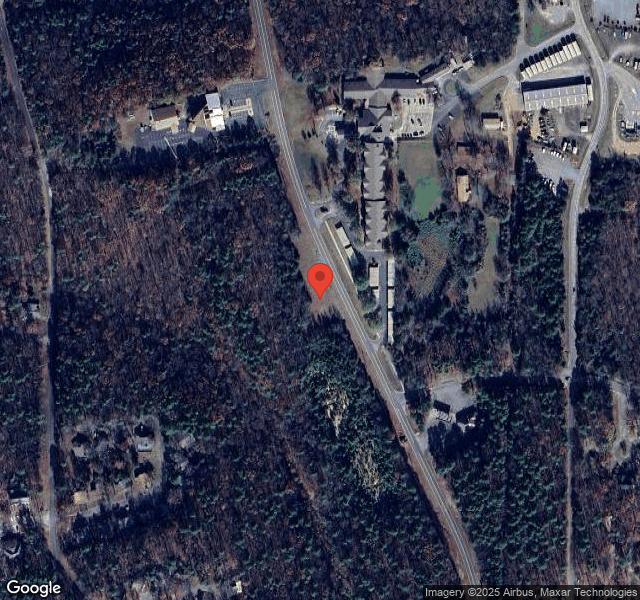

265 DAVE CREEK PARKWAY, FAIRFIELD BAY, AR 72088 (501) 884-3210
For profit - Limited Liability company 46 Beds THE SPRINGS ARKANSAS Data: November 2025
Trust Grade
60/100
#131 of 218 in AR
Last Inspection: September 2024

Within standard 12-15 month inspection cycle. Federal law requires annual inspections.

Overview

The Springs of Fairfield Bay has received a Trust Grade of C+, indicating it is slightly above average but still has room for improvement. It ranks #131 out of 218 facilities in Arkansas, placing it in the bottom half of the state, and it is the second best option out of two in Van Buren County. The facility's trend is concerning, as it worsened from 1 issue in 2023 to 6 issues in 2024. Staffing is a mixed bag; while they have good RN coverage-more than 98% of facilities in Arkansas-turnover is high at 75%, which is significantly above the state average of 50%. Notably, there have been recent incidents where food safety protocols were not followed, such as failing to label food with receive dates and not discarding expired items, which could pose health risks to residents.

Trust Score
C+
60/100
In Arkansas
#131/218
Bottom 40%
Safety Record
Low Risk
No red flags
Inspections
Getting Worse
1 → 6 violations
Staff Stability
⚠ Watch
75% turnover. Very high, 27 points above average. Constant new faces learning your loved one's needs.
Penalties
✓ Good
No fines on record. Clean compliance history, better than most Arkansas facilities.
Skilled Nurses
✓ Good
Each resident gets 61 minutes of Registered Nurse (RN) attention daily — more than 97% of Arkansas nursing homes. RNs are the most trained staff who catch health problems before they become serious.
Violations
○ Average
9 deficiencies on record. Average for a facility this size. Mostly minor or procedural issues.
★★★☆☆
3.0
Overall Rating
★★★☆☆
3.0
Staff Levels
★★★★☆
4.0
Care Quality
★★★☆☆
3.0
Inspection Score
Stable
2023: 1 issues
2024: 6 issues

The Good

  • 4-Star Quality Measures · Strong clinical quality outcomes
  • Full Sprinkler Coverage · Fire safety systems throughout facility
  • No fines on record

Facility shows strength in quality measures, fire safety.

The Bad

3-Star Overall Rating

Near Arkansas average (3.1)

Meets federal standards, typical of most facilities

Staff Turnover: 75%

29pts above Arkansas avg (46%)

Frequent staff changes - ask about care continuity

Chain: THE SPRINGS ARKANSAS

Part of a multi-facility chain

Ask about local staffing decisions and management

Staff turnover is very high (75%)

27 points above Arkansas average of 48%

The Ugly 9 deficiencies on record

Sept 2024 6 deficiencies
CONCERN (D)

Potential for Harm - no one hurt, but risky conditions existed

Comprehensive Care Plan (Tag F0656)

Could have caused harm · This affected 1 resident

Based on observation, record review, interviews, and facility policy review, the facility failed to initiate and update a comprehensive care plan for a resident with wandering and exit seeking behavio...

Read full inspector narrative →
Based on observation, record review, interviews, and facility policy review, the facility failed to initiate and update a comprehensive care plan for a resident with wandering and exit seeking behaviors for 1 (Resident #29) of 1 sampled resident reviewed for elopement. The Findings Are: Review of a Care Plan, initiated 08/20/24, revealed Resident #29 had diagnoses that included Alzheimer's disease and dementia. On 09/04/24 at 9:08 AM, Resident #29 was observed wandering down multiple halls in the facility and pushing on exit doors. On 09/05/24 at 10:40 AM, Certified Nursing Assistant (CNA) #4 stated, The resident (Resident #49) wanders around the facility throughout the day, and often goes to the exit doors and pushes on them. Review of the Care Plan, dated 06/14/2024, for Resident #29 revealed no documentation addressing wandering or exit seeking behaviors. Review of the Assessments portion of Resident #29's electronic health record revealed no elopement assessment. The surveyor requested to review an elopement assessment if completed in the resident's paper chart. The facility was unable to provide an assessment or confirm an assessment had been completed on Resident #29. Review of a document titled, DHS-703, revealed Resident #29 had been previously assessed as having a high potential for elopement. On 09/05/24 at 11:46 AM, the Director of Nursing (DON) confirmed Resident #29's care plan did not address wandering or exit seeking behaviors. When asked if Resident #29 displayed wandering and exit seeking behaviors, the DON stated, Yes, this resident will walk around the facility and at times will approach the doors. On 09/05/24 at 4:08 PM, the Administrator stated the facility has a goal to complete scanning all records into the facility's electronic medical record system by the end of September 2024. When asked what records or sections are completed at this time, the Administrator stated, The orders (physicians orders) section, MAR (medication administration record), care plans, assessments, and MDS (minimum data set). Mostly what we are completing now is scanning the old chart into [Facility Computer Software]. On 09/06/2024 at 8:40 AM, the MDS Coordinator stated all assessments should be completed prior to completing the care plan, and that Resident #29's care plan should address wandering and exit seeking behaviors.
CONCERN (E)

Potential for Harm - no one hurt, but risky conditions existed

Quality of Care (Tag F0684)

Could have caused harm · This affected multiple residents

Based on observation, interview and record review, the facility failed to ensure 2 (Resident #21 and #27) of 2 sampled residents received nutritional supplements as ordered. The findings are: 1. Revi...

Read full inspector narrative →
Based on observation, interview and record review, the facility failed to ensure 2 (Resident #21 and #27) of 2 sampled residents received nutritional supplements as ordered. The findings are: 1. Review of the Medical Diagnosis portion of Resident #21's electronic health record revealed a diagnosis of abnormal weight loss. a. Review of the Physician Orders portion of Resident #21's electronic health record indicated an order for nutritional supplements to be provided two times a day to promote weight gain. b. Review of a Care Plan revealed Resident #21 had potential for nutritional deficits related to ability to feed self, with the goal the resident will receive adequate nutrition. Interventions included providing supplements as ordered. 2. Review of the Medical Diagnosis portion of Resident #27's electronic health record revealed diagnoses of dementia, vitamin D deficiency, and vitamin B12 deficiency. a. Review of the Physician Orders portion of Resident #27's electronic health record indicated an order for nutritional supplements to be provided two times a day to promote weight gain. b. Review of Resident #27's Care Plan revealed the resident has the potential for nutritional deficits, with a goal of receiving adequate nutrition as evidenced by weight stable. Interventions included giving the resident supplements as ordered. 3. On 09/05/2024 at 8:30 AM, the surveyor was notified by Licensed Practical Nurse (LPN) #3 and Certified Nursing Assistant (CNA) #4 the facility had ran out of the ordered nutritional supplement approximately 1 week before survey began on 09/03/2024. 4. On 09/05/2024 at 11:58 AM, a list of residents with physician orders for nutritional supplements was provided by Director of Nursing (DON) that showed 2 of 46 residents were to receive nutritional supplements, Resident #21 and Resident #27. 5. On 09/05/2024 at 2:00 PM, the DON confirmed being responsible for ordering the required nutritional supplement. The DON verified the facility ran out of the ordered nutritional supplement on 08/25/2024 and received a shipment of the supplement on 09/03/2024. When shown the medication administration record for Resident #21 and Resident #27, the DON verified the residents could not have received the nutritional supplement as ordered as no supplement was available in the facility.
CONCERN (E)

Potential for Harm - no one hurt, but risky conditions existed

Accident Prevention (Tag F0689)

Could have caused harm · This affected multiple residents

Based on observation, interview and record review, the facility failed to ensure an accident/hazard free environment was provided for 1 (Resident #3) of 1 sampled residents. The findings are: Review ...

Read full inspector narrative →
Based on observation, interview and record review, the facility failed to ensure an accident/hazard free environment was provided for 1 (Resident #3) of 1 sampled residents. The findings are: Review of a facility policy titled; Safety and Supervision of Residents indicated The environment as free from accident hazards as possible. A review of Medical Diagnosis indicated Resident #3 had a diagnosis of Alzheimer's disease that included dementia. The annual Minimum Data Set (MDS) with an Assessment Reference Date (ARD) of 06/30/2024 revealed the resident had a Staff Assessment for Mental Status (SAMS) of 1, which indicated the resident had severely cognitive impairment for their daily decision making. Review of Resident # 3's Care Plan on 07/17/2024, revealed the resident had dementia with an inability to care for self. On 09/04/24 at 10:24 AM, perineal skin cleanser and antiseptic mouth wash was observed in Resident #3's bathroom. The warning label on the bottles indicated to keep out of the reach of children. On 09/04/2024 at 10:30 AM, Certified Nursing Assistant (CNA) #1 was asked if perineal cleanser or antiseptic mouthwash should be stored in a resident's bathroom, and she stated the cleanser and mouthwash should not since there was a warning label on them. On 09/04/2024 at 10:35 AM, CNA #2 was asked if perineal cleanser or antiseptic mouthwash should be stored in a resident's bathroom, and she stated they should not. On 09/04/2024 at 10:45 AM, Licensed Practical Nurse (LPN) #3, she was asked if perineal cleanser or antiseptic mouthwash should be stored in a resident's bathroom, and she stated they should not since there was a warning label on them. On 09/05/2024 at 11:00 AM, the Director of Nursing stated the perineal cleanser and/or antiseptic mouthwash should not be stored in a resident's bathroom since there was a warning label on them.
CONCERN (E)

Potential for Harm - no one hurt, but risky conditions existed

Deficiency F0805 (Tag F0805)

Could have caused harm · This affected multiple residents

Based on observation, record review and interview, the facility failed to ensure that food was in the proper form to meet resident needs for 1 of 1 meals observed. These are the findings: On 09/04/2...

Read full inspector narrative →
Based on observation, record review and interview, the facility failed to ensure that food was in the proper form to meet resident needs for 1 of 1 meals observed. These are the findings: On 09/04/2024 at 11:38 AM, the Dietary [NAME] (DC) put on gloves and sliced meat to add to the blender to grind up for resident who were on mechanical soft diets (a diet requiring foods that are soft and easy to chew). The DC stated there are five mechanical soft diets. The surveyor observed them adding one sliced steak at a time to the blender. The DC ran the blender with one steak before adding it to the steam table pan, the surveyor observing larger chunks of meat in the puree. The surveyor observed the process repeated with the next four steaks, with each of them having large chunks of meat not properly pureed. On 09/04/2024 at 12:40 PM, the surveyor observed staff setting up a mechanical soft tray, when mixing up the meat with the gravy large chunks were visible. The staff member stated the ground meat is in larger chunks than normal, and you have to mix it up quite a bit to get it to have proper consistency. On 09/05/2024 at 2:41 PM, the Dietary Manager stated that ground mechanical soft should be grounded finely not too chunky or mushy, then stated the mechanical soft meat during lunch service yesterday had large chunks it in and that a resident on this diet could choke on it. On 09/06/24 at 08:34 AM, the Dietary [NAME] stated mechanical soft meats should look like ground beef once you chop it up, and the mechanical soft yesterday was not the greatest it came out a little bit chunky. A review of the facility policy Quick Resource Tool Food Palatability states that Food and liquids/beverages are prepared in a manner, form, and texture that meets each resident's needs.
CONCERN (E)

Potential for Harm - no one hurt, but risky conditions existed

Infection Control (Tag F0880)

Could have caused harm · This affected multiple residents

Based on observations, record review, interviews and facility policy review, it was determined the facility failed to maintain proper infection prevention and control for 1 (Resident #36) of 2 residen...

Read full inspector narrative →
Based on observations, record review, interviews and facility policy review, it was determined the facility failed to maintain proper infection prevention and control for 1 (Resident #36) of 2 residents reviewed for infection prevention. The Findings Are: Review of the Medical Diagnosis portion of Resident #36's electronic health record revealed diagnoses of malignant neoplasm of mandible, adult failure to thrive, and other chronic pain. Review of the Physician Orders portion of Resident #36's electronic health record revealed an order for enhanced barrier precautions due to an open wound on the resident's face. Review of a Care Plan, revised 06/06/2024, reveal the resident had been placed on enhanced barrier precautions related to a facial wound. Interventions included instructions for staff to wear gloves and gowns during high-contact resident care activities. On 09/05/2024 at 8:30 AM, Resident #36 was observed sitting in recliner in day room. The Director of Nursing (DON) and Certified Nursing Assistant (CNA) #4 were observed entering day room and arousing Resident #36. Without gloves, the DON and CNA #4 used repositioned Resident #36 up toward the top of the reclining chair. The DON and CNA #4 sat Resident #36 upright in chair, leaned the resident forward and applied a gait belt. The DON and CNA #4 transferred Resident #36 to a wheelchair and removed him/her from the day room. On 09/05/2024 at 8:51 AM, Resident #36 was observed being transported to the shower room by a hospice care aid. The hospice aid rolled the resident into shower room, and without wearing applying a protective gown, began showering the resident. The hospice aid was interviewed and asked if enhanced barrier precautions were followed, she confirmed that enhanced barrier precautions were not followed as ordered. On 09/05/2024 at 9:00 AM, the DON was interviewed and asked what enhanced barrier precautions consisted of when ordered. The DON verified a gown and gloves are to be worn when providing direct patient care. The DON acknowledged they had repositioned Resident #36, applied a gait belt to resident, and transferred the resident from reclining chair to wheelchair without applying gown or gloves. The DON also confirmed that showering/bathing a resident with orders for enhanced barrier precautions requires a gown and gloves to be worn. On 09/05/2024 at 9:20 AM, the Infection Prevention Nurse was interviewed and asked what precautions were recommended when a resident was on enhanced barrier precautions. The Infection Prevention Nurse indicated gown and gloves were to be worn when providing direct patient care. When asked if transferring and bathing/showering required use of gown and gloves, the Infection Prevention Nurse indicated gloves and a gown were not required when transferring resident. When shown enhanced barrier precaution guidelines posted on Resident #36's door, which illustrated that providers and staff must wear gloves and gown when transferring a resident, the Infection Prevention Nurse confirmed gown and gloves should be worn by staff when transferring a resident on enhanced barrier precautions. A review of a facility policy titled, Enhanced Barrier Precautions , dated 03/20/2024, indicated under the section, Initiation of Enhanced Barrier Precautions that enhanced barrier precautions were an infection control intervention designed to reduce transmission of multi-drug-resistant organisms that employs targeted gown, and gloves use during high contact resident care activities.
CONCERN (F)

Potential for Harm - no one hurt, but risky conditions existed

Food Safety (Tag F0812)

Could have caused harm · This affected most or all residents

Based on observation, record review, and interview, the facility failed to ensure that (1) Food stored in the walk-in cooler, walk in freezer, dry storage area, and storage area shelves along a back w...

Read full inspector narrative →
Based on observation, record review, and interview, the facility failed to ensure that (1) Food stored in the walk-in cooler, walk in freezer, dry storage area, and storage area shelves along a back wall were labeled with a receive date and sealed to prevent food borne illness for one out of one kitchen, (2) expired food items were promptly discarded on or before the expiration date to prevent the growth of bacteria, (3) cross contamination did not occur during lunch service by touching the surface area of the plate, touching food inside a scoop, and touching the inside of the bowl, and hands were washed properly after donning/doffing gloves. 1. The following are findings for the walk-in cooler: On 09/03/2024 at 11:28 AM, six yellow onions in a cardboard box with no receive date labeled, the Dietary Manager confirmed there is not a received date. On 09/03/2024 at 11:30 AM, thirty whole tomatoes in a cardboard box, no receive date labeled, Dietary Manager confirmed that it does not have a receive date. On 09/03/2024 at 11:32 AM, two bags of flour tortillas, one bag is opened and half full, while the other is a full closed bag with no receive date, Dietary Manager confirmed findings. 2. These following are findings for the walk-in freezer: On 09/03/2024 at 11:33 AM, a bag of ten frozen pizza sticks with no received date, Dietary Manager confirmed there is no receive date. On 09/03/2024 at 11:35 AM, a cardboard box of frozen fish fillets, full box with no received date, Dietary Manager confirmed there is no receive date. On 09/03/2024 at 11:36 AM, three boxes of not opened frozen vanilla shakes with no received date, Dietary Manager confirmed there is no receive date. On 09/03/2024 at 11:38 AM, an opened cardboard box of frozen tortillas, 3/4 of the way full, thick ice covered the left and right cardboard flaps, the bags of tortillas contained ice crystals on the outside and inside. Dietary Manager confirmed the findings, states the ice is thick, and covering the top and sides of the boxes underneath the fan in the walk-in freezer. On 09/03/2024 at 11:40 AM, 2 boxes of vanilla ice cream, 2 boxes of orange sherbet not opened, with no receive date, Dietary Manager confirmed there is no receive date. On 09/03/2024 at 11:42 AM, unopened cardboard box of frozen turkey franks with no receive date, Dietary Manager confirmed there is no receive date. On 09/03/2024 at 11:44 AM, an opened cardboard box half full of frozen peas with no receive date, Dietary Manager confirmed there is no receive date. On 09/03/2024 at 11:45 AM A full cardboard box, of four, 6.5 pounds containers of frozen strawberries with no receive date, Dietary Manager confirmed there is no receive date. On 09/03/2024 at 11:48 AM, a bag of frozen fries, and a half bag of fries with no receive date, Dietary Manager confirmed there is no receive date. 3. The following are findings in the Dry Storage Area: On 09/03/2024 at 11:55 AM, two full bags of granola expired on 08/07/2024, both bags have no receive date, Dietary Manager confirmed both findings. On 09/03/2024 at 11:57 AM, five spaghetti sauce mix packets with no receive date, Dietary Manager confirmed there is no receive date. On 09/03/2024 at 12:00 PM, a box of unopened apple juice and orange juice with no receive date, Dietary Manager confirmed there is no receive date on either box. On 09/03/2024 at 12:02 PM, a box of unopened cornflakes with no receive date, Dietary Manager confirmed there was no receive date. 4. The following are findings in the upright deepfreeze: On 09/03/2024 at 12:08 PM, 3 bags and a 1/2 bag of hot dog buns labeled 5/10, with ice crystals observed inside the bag, Dietary Manager stated that it looks like frostbite. On 09/03/2024 at 12:10 PM, 3 loaves of bread labeled 5/10, with ice crystals observed inside the bag and all over the bread, Dietary Managers stated that it looks like frostbite and needs to be thrown out. On 09/03/2024 at 12:10 PM, A 1/2 bag of corn hard tortillas, with ice crystals observed inside the bag and all over the tortillas. Dietary Manager confirmed no receive date and it looks like frost bite, I have no idea how old this is. 5. The following are findings for the storage shelves: On 09/03/2024 at 12:12 PM, three bags of flour, 5 pounds each with no receive date, Dietary Manager confirmed that all three bags had no receive date. 6. On 09/03/2024 at 12:15 PM, Dietary Manager pulled out the small grease trap for the griddle on the stove top, it was full of grease and crumbs throughout. Dietary Manager pulled out the grease trap under the stovetop, observed the foil is filled with various food particles, and dried grease. Dietary Manager stated during interview it should be done daily but it has been overlooked apparently. 7. On 09/04/2024 at 11:38 AM, Dietary [NAME] put on gloves to cut regular Swiss steaks on a plate to ground in the blender. The Dietary [NAME] took off gloves, to pull apart the bottom part of the blender and then reassembled the blender. Placed on gloves and continued to cut up regular Swiss steaks and add into the blender. Took off gloves, then continued to take apart the bottom part of the blender and then reassembled the blender. Dietary [NAME] then washed hands. On 09/04/2024 at 11:45 AM Dietary [NAME] put on gloves to cut up the last Swiss steak for the mechanical soft diets to be ground in the blender. After running the blender, Dietary [NAME] took apart the bottom part and the blade fell into the steam table pan containing the mechanical soft Swiss steak. Dietary [NAME] took out the blade and then knocked the top of the blender into the steam table pan to remove the rest of the ground Swiss steak, in the process the top of the blender touched the already grounded meat in the steam table pan. Took off, The Dietary [NAME] then began setting up the steam table serving line not washing hands after removing gloves, afterwards took the dishes from prepping the grounded Swiss steak to the dishwasher. The Dietary [NAME] then began the process of making gravy by putting water in the pan and putting it down on the stovetop. The Dietary [NAME] then proceeded to clean the stainless-steel preparation table from the Swiss steak preparation. Dietary [NAME] then washed hands. 8. On 09/04/2024 at 12:30 PM, the Dietary [NAME] took a stack of plates out of the warmer, and put it at the end of serving line, the Dietary [NAME] then touched the food surface area with their thumbs on the top plate. Continued this process three more times, where the Dietary [NAME] touched the food surface area of the plate with their thumbs. On 09/04/2024 at 12:35 PM, the Dietary [NAME] put on gloves and began serving trays on the steam table line, removed gloves and did not wash hands. Dietary [NAME] stopped serving trays to get a pizza cutter and a plate for a staff request, observed Dietary Cooks thumb touch the inside of the plate. Dietary [NAME] then continued serving trays after handing staff the requested items. Dietary [NAME] then left to get buns for hot dogs and hamburger, put on gloves to put a hamburger together. Removed gloves to get cheese for hamburger, Dietary [NAME] came back and asked, What do I do with the cheese slices that were left unsealed. Dietary Manager took the unsealed slices stated there was five of them and proceeded to throw them away. Dietary [NAME] then put on a glove removed the cheese slice and put it on the hamburger, then put it onto the plate. Dietary [NAME] removed glove did not wash hands continued serving. The Dietary [NAME] continued to serve lunch, stopping to put on gloves to pull cheese slices, add a handful of chips to a plate or bread for hamburgers. Dietary [NAME] then will remove gloves and not wash hands. Surveyor did not observe Dietary [NAME] wash hands On 09/04/2024 at 12:40 PM, the Dietary [NAME] was preparing a tray; right thumb touched the rice in the scoop and added it to the plate for lunch service. On 09/04/2024 at 12:42 PM, the Dietary [NAME] picked up the dessert, right thumb touched the inside of the bowl and added it to the plate for lunch service. On 09/05/2024 at 2:41 PM, during an interview the Dietary Manager stated it is important to date food in the kitchen as you receive it on the trucks to not used expired food and to keep residents from getting sick. Dietary Manager stated hand hygiene is important to prevent food borne illness, you perform hand hygiene in between tasks and when changing gloves. Then, stated plates or bowls should not be touched with hands as anything on them could transfer to the residents. On 09/06/24 at 08:34 AM, during an interview the Dietary [NAME] stated hands should be washed between every task, and every time you change gloves. Then stated that it is cross contamination when hands are not washed. The Dietary [NAME] the inside of plates should not be touched or other items as it is cross contamination just in case you have something on your fingers. 9. A review of the facility policy Quick Resource Tool Handwashing states to As often as needed during food preparation and when changing tasks. 10. A review of the facility policy Clean and Sanitary states to The Dining Service Director will ensure that all employees are knowledgeable in the proper procedure for cleaning and sanitizing.
Oct 2023 1 deficiency
CONCERN (E)

Potential for Harm - no one hurt, but risky conditions existed

Respiratory Care (Tag F0695)

Could have caused harm · This affected multiple residents

Based on observation, interview and record review, the facility failed to follow Physician Orders for oxygen flow rate for 1 resident (Resident #137) of 2 (Residents #8 and #137) sampled residents. Th...

Read full inspector narrative →
Based on observation, interview and record review, the facility failed to follow Physician Orders for oxygen flow rate for 1 resident (Resident #137) of 2 (Residents #8 and #137) sampled residents. The findings are: Resident #137: a. A Physicians Order dated 09/18/23 noted Resident #137 was to receive oxygen at 2 liters per minute via nasal cannula as needed. b. A Baseline Care Plan dated 09/18/22 noted Resident #137 receives oxygen at 2 liters per minute as needed. c. On 10/02/23 at 11:16 AM, observed Resident #137's oxygen concentrator was set at 3 liters per minute. d. On 10/03/23 at 4:12 PM, observed Resident #137's oxygen concentrator was set at 1 liter per minute. e. On 10/03/23 at 4:17 PM, the Surveyor accompanied the Director of Nursing (DON) into Resident #137's room. The Surveyor asked the DON what the oxygen concentrator was set on. The DON answered, It's between 1 and 2. No, it's actually 1 liter per minute. f. On 10/04/23 at 12:21 PM, Resident #137 was lying in bed receiving oxygen at 2 liters per minute. g. On 10/04/23 at 1:03 PM, the Surveyor asked the DON who was responsible for monitoring oxygen settings daily. The DON answered, Every nurse on the floor when doing their rounds. The Surveyor asked the DON how correct settings were communicated from one nurse or staff member to another. The DON answered, If there has been a change it ' s in the report sheet from first shift to second shift. h. On 10/06/23 at 10:19 AM, the Nurse Consultant stated, There is no Oxygen Administration Policy.
Jul 2022 2 deficiencies
CONCERN (E)

Potential for Harm - no one hurt, but risky conditions existed

Menu Adequacy (Tag F0803)

Could have caused harm · This affected multiple residents

Based on observation, record review and interview, the facility failed to ensure meals were prepared and served in accordance with the planned, written menu to meet the nutritional needs of the reside...

Read full inspector narrative →
Based on observation, record review and interview, the facility failed to ensure meals were prepared and served in accordance with the planned, written menu to meet the nutritional needs of the residents for 1 of 1 meal observed. These failed practices had the potential to affect 25 residents who received regular diets, 7 residents who received mechanical soft diets and 4 residents who received pureed diets from the kitchen, according to a list provided by the Dietary Supervisor on 7/5/2022. The findings are: On 07/5/2022, the menu for the lunch meal documented the residents on regular diets and mechanical soft diets were to receive 4 ounces (oz) of pork chop. The residents on pureed diets were to receive #8 scoop (4 oz) of pureed pork chop, #8 scoop of pureed great northern beans which was equivalent to a ½ cup and #10 scoop of pureed cornbread which was equivalent to 3 to 4 (oz). a. On 7/05/2022 at 12:24 PM, Dietary Employee #5 used a 2 oz spoon to serve a single portion of ground pork chop to the residents on mechanical soft diets. The menu specified the residents on mechanical soft diets to receive 4 ounces of ground pork chop each. b. On 7/5/2022 at 12:29 p.m., Dietary Employee #5 used a #12 scoop (3 oz or 1/3 cup to serve a single portion of pureed great northern beans and used a #10 scoop to serve a single portion of pureed greens to the residents on pureed diets. The menu specified for the residents on pureed diets to receive a #8 scoop of pureed great northern beans and pureed greens which is equivalent to a ½ cup for each person. There was no cornbread or bread served to the residents on pureed diets for lunch. c. On 7/05/2022 at 12:41 PM, Dietary Employee #1 was asked to weigh the same amount of pork chop served to the residents at noon meal. She did so, and stated, It was 1.5 oz. d. On 7/05/2022 t 12:46 PM, Dietary Employee #5 was asked, What scoop size did you use to serve ground pork chop to all the residents who received mechanical softs? He stated, I used a #2 scoop. I gave a single serving to the residents on mechanical soft. e. On 7/05/22 t 01:16 PM, residents on regular diets were served pork chop with bones. f. On 7/05/22 at 02:24 PM Dietary Employee #4 was asked the reason residents on pureed did not receive any type of bread. She stated, For what I understood pureed diets can't get cornbread. They can only get 3 things on their plates. The plate has only 3 sections.
CONCERN (F)

Potential for Harm - no one hurt, but risky conditions existed

Food Safety (Tag F0812)

Could have caused harm · This affected most or all residents

**NOTE- TERMS IN BRACKETS HAVE BEEN EDITED TO PROTECT CONFIDENTIALITY** Based on observation and interview, the facility failed to ensure food items stored in the refrigerator were covered and sealed;...

Read full inspector narrative →
**NOTE- TERMS IN BRACKETS HAVE BEEN EDITED TO PROTECT CONFIDENTIALITY** Based on observation and interview, the facility failed to ensure food items stored in the refrigerator were covered and sealed; dietary staff washed their hands before handling clean equipment, cold dairy products were maintained at a temperature at or below 41 degrees Fahrenheit (F); and hot foods were maintained at or above 135 degrees F on the steam table while awaiting service to prevent potential food borne illness for residents who received meals from 1 of 1 kitchen and expired food items were promptly removed/discarded on or before the expiration or use by date to prevent the growth of bacteria. These failed practices had the potential to affect 36 residents who received meals from the kitchen (total census:36 ), as documented on a list provided by the Dietary Supervisor on 7/06/2022. The findings are: 1. On 7/05/22 at 10:21 AM, the following observations were made in the milk and juice refrigerator: a. The temperature of the refrigerator where thickened milk and juice were stored was 50 degrees Fahrenheit. b. The temperature of the refrigerator where cartons of thickened milk and a carton of silk milk were stored was 59 degrees F. Dietary Employee #1 was asked to check the temperature of the thickened milk and silk milk. She did and the temperature of the thickened milk was 59 degrees F and the silk milk was 60.3 degrees F. Dietary Employee #1 stated, I will throw all of them away. 2. On 7/05/22 at 10:37 AM, there was an opened box of turkey bacon and box of regular bacon stored on a shelf in the walk-in refrigerator. The boxes were not covered or sealed. 3. On 7/05/22 at 10:39, there was an opened box of Brussels sprouts stored on shelf in the Walk-in freezer. The box was not covered or sealed. Dietary Employee #1 stated, That's how they sent it to us. 4. On 07/05/22 at 10:40 AM, Dietary Employee #2 scratched her face without washing her hands. She picked up clean dishes and stacked them on the plate warmer to be used in portioning food items to be served to the residents for lunch. 5. On 7/05/22 at 10:46 AM, Dietary Employee #3 was wearing gloves on his hands. He touched his mask with his gloved hands, contaminating the gloves. Without changing gloves and washing his hands, he picked up utensils by the tips that goes in the month and placed them on the napkins to [NAME]. Dietary Employee #3 was stopped and immediately was asked what should you have done after touching dirty objects and before handing clean equipment and he stated, I should have removed gloves and washed my hands. 6. On 7/05/22 At 10:50 AM., there was an opened box of baking soda stored on a spices rack in the kitchen. 7. On 7/05/22 at 11:09 AM, Dietary Employee #4 opened a food warmer and took out a pan of pork chops and placed it on the counter. Without washing her hands, she picked up a clean blade an attached it to the base of the blender to be used in pureeing food items to be served to the residents who required pureed dietary for lunch. 8. On 7/05/22 at 11:10 AM, Dietary Employee #4 was wearing gloves and used her blouse to wipe off sweat on her face. Without changing gloves and washing her hands, she placed her hand on a pork chop to debone. She was stopped and was asked what should you have done after touching dirty objects and before handling clean equipment and or food items and she stated, Changed loves and washed my hands. 9. On 7/05/22 at 11:24 AM, Dietary Employee #5 turned the stove on and without washing his hands, he placed a glove on his hand contaminating the gloves in the process, he picked up a bun and placed it in a divided Styrofoam plate. He used his gloved hand to pick up lettuce leaf and slices of tomatoes and cheese and placed them on the buns and prepared cheeseburgers to serve to the residents who requested a cheeseburger for the lunch meal. 10. On 7/05/22 at 11:46 AM, Dietary Employee #4 washed the blender and blade in the 3-compartment sink. She turned off the faucet with her hand. Without washing her hands, she attached a clean blade at the base of the blender to be used in pureeing food items to serve to the residents on pureed diets. 11. On 7/05/22 at 11:57 AM. the temperatures of the food items when tested and read on the steam table by Dietary Employee #5 was regular pork chops 124 degrees F. The above meat items were not reheated before being served to the residents for lunch meal. 12. On 7//05/22 at 12:17 PM, the following observations made in the refrigerator in the nourishment room at the nurse's station were. a. A bottle of cranberry/apple juice on a shelf in the refrigerator had an expiration date of 6/12/2022. b. A bag of Nature Own Bread in a grocery bag had an expiration date of 6/19/2022. There was no date on the bag as when it was received, and there was no name on the bag as to whom it belonged to. c. There were two bags stored on a shelf in the refrigerator that contained slices of tomatoes. There was no name or date found on either zip lock bags to indicate when it was received or whom it belonged to. The tomatoes in both bags had white fussy and sage color. Dietary Employee #1 stated, They had mold and they are nasty An opened packet of bologna in the same bag with zip lock bags of tomatoes had an expiration date of 7/2/2022. 13. The facility's policy titled hand washing documented when to wash hands, After engaging in other activities that contaminate the hands.
Understanding Severity Codes (click to expand)
Life-Threatening (Immediate Jeopardy)
J - Isolated K - Pattern L - Widespread
Actual Harm
G - Isolated H - Pattern I - Widespread
Potential for Harm
D - Isolated E - Pattern F - Widespread
No Harm (Minor)
A - Isolated B - Pattern C - Widespread

Questions to Ask on Your Visit

  • "Why is there high staff turnover? How do you retain staff?"
  • "Can I speak with families of current residents?"
  • "What's your RN coverage like on weekends and overnight?"

Our Honest Assessment

Strengths
  • • No major safety red flags. No abuse findings, life-threatening violations, or SFF status.
  • • No fines on record. Clean compliance history, better than most Arkansas facilities.
Concerns
  • • 75% turnover. Very high, 27 points above average. Constant new faces learning your loved one's needs.
Bottom line: Mixed indicators with Trust Score of 60/100. Visit in person and ask pointed questions.

About This Facility

What is The Springs Of Fairfield Bay's CMS Rating?

CMS assigns THE SPRINGS OF FAIRFIELD BAY an overall rating of 3 out of 5 stars, which is considered average nationally. Within Arkansas, this rating places the facility higher than 0% of the state's 100 nursing homes. This mid-range rating indicates the facility meets federal standards but may have areas for improvement.
How is The Springs Of Fairfield Bay Staffed?

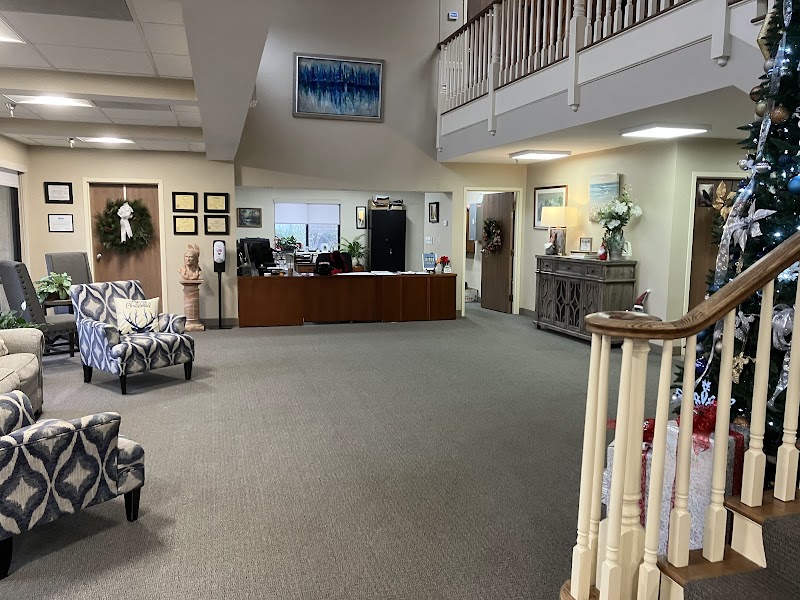
CMS rates THE SPRINGS OF FAIRFIELD BAY's staffing level at 3 out of 5 stars, which is average compared to other nursing homes. Staff turnover is 75%, which is 29 percentage points above the Arkansas average of 46%. High turnover can affect care consistency as new staff learn residents' individual needs. RN turnover specifically is 62%, which is notably high. RNs provide skilled clinical oversight, so turnover in this role can affect medical care quality.

What Have Inspectors Found at The Springs Of Fairfield Bay?

State health inspectors documented 9 deficiencies at THE SPRINGS OF FAIRFIELD BAY during 2022 to 2024. These included: 9 with potential for harm.
Who Owns and Operates The Springs Of Fairfield Bay?

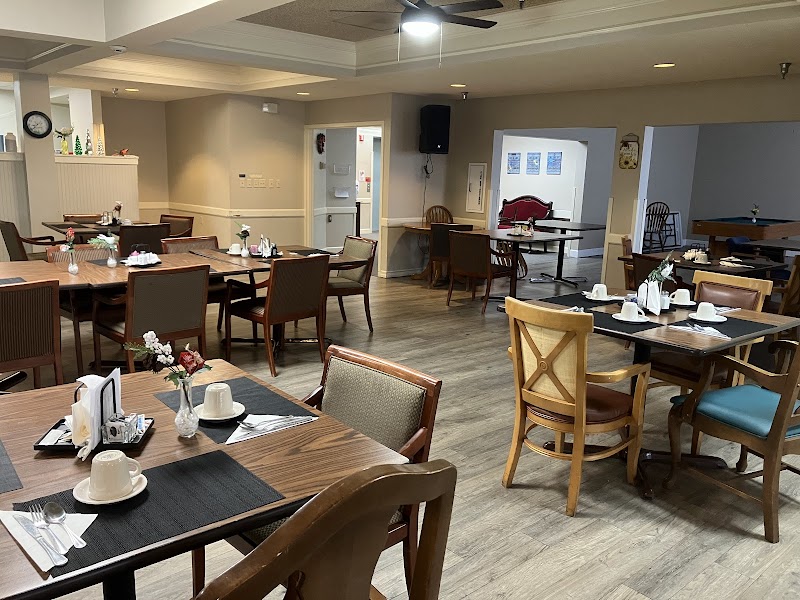
THE SPRINGS OF FAIRFIELD BAY is owned by a for-profit company. For-profit facilities operate as businesses with obligations to shareholders or private owners. The facility is operated by THE SPRINGS ARKANSAS, a chain that manages multiple nursing homes. With 46 certified beds and approximately 35 residents (about 76% occupancy), it is a smaller facility located in FAIRFIELD BAY, Arkansas.
How Does The Springs Of Fairfield Bay Compare to Other Arkansas Nursing Homes?

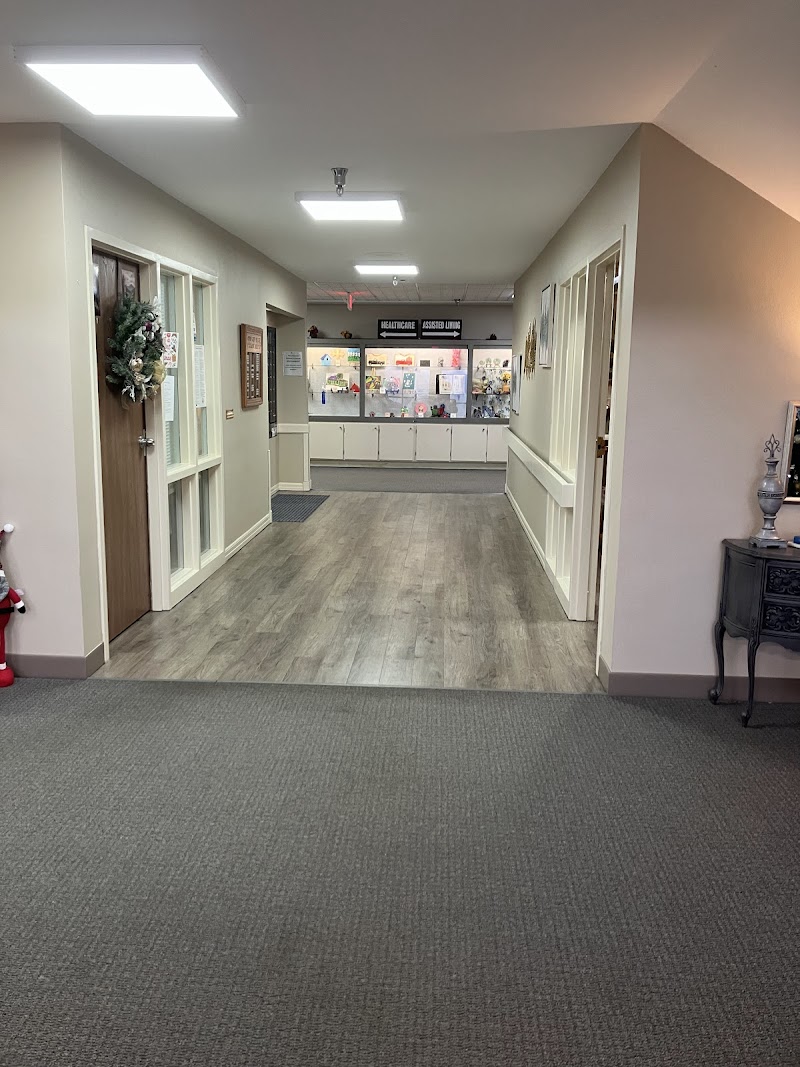
Compared to the 100 nursing homes in Arkansas, THE SPRINGS OF FAIRFIELD BAY's overall rating (3 stars) is below the state average of 3.1, staff turnover (75%) is significantly higher than the state average of 46%, and health inspection rating (3 stars) is at the national benchmark.

What Should Families Ask When Visiting The Springs Of Fairfield Bay?

Based on this facility's data, families visiting should ask: "How do you ensure continuity of care given staff turnover, and what is your staff retention strategy?" "Can I visit during a mealtime to observe dining assistance and food quality?" "How do you handle medical emergencies, and what is your hospital transfer rate?" "Can I speak with family members of current residents about their experience?" These questions are particularly relevant given the facility's high staff turnover rate.

Is The Springs Of Fairfield Bay Safe?

Based on CMS inspection data, THE SPRINGS OF FAIRFIELD BAY has a clean safety record: no substantiated abuse findings (meaning no confirmed cases of resident harm), no Immediate Jeopardy citations (the most serious violation level indicating risk of serious injury or death), and is not on the Special Focus Facility watch list (a federal program monitoring the lowest-performing 1% of nursing homes). The facility has a 3-star overall rating and ranks #100 of 100 nursing homes in Arkansas. While no facility is perfect, families should still ask about staff-to-resident ratios and recent inspection results during their visit.

Do Nurses at The Springs Of Fairfield Bay Stick Around?

Staff turnover at THE SPRINGS OF FAIRFIELD BAY is high. At 75%, the facility is 29 percentage points above the Arkansas average of 46%. Registered Nurse turnover is particularly concerning at 62%. RNs handle complex medical decisions and coordinate care — frequent RN changes can directly impact care quality. High turnover means new staff may not know residents' individual needs, medications, or preferences. It can also be disorienting for residents, especially those with dementia who rely on familiar faces. Families should ask: What is causing the turnover? What retention programs are in place? How do you ensure care continuity during staff transitions?

Was The Springs Of Fairfield Bay Ever Fined?

THE SPRINGS OF FAIRFIELD BAY has no federal fines on record. CMS issues fines when nursing homes fail to meet care standards or don't correct problems found during inspections. The absence of fines suggests the facility has either maintained compliance or corrected any issues before penalties were assessed. This is a positive indicator, though families should still review recent inspection reports for the full picture.

Is The Springs Of Fairfield Bay on Any Federal Watch List?

THE SPRINGS OF FAIRFIELD BAY is not on any federal watch list. The most significant is the Special Focus Facility (SFF) program, which identifies the bottom 1% of nursing homes nationally based on persistent, serious quality problems. Not being on this list means the facility has avoided the pattern of deficiencies that triggers enhanced federal oversight. This is a positive indicator, though families should still review the facility's inspection history directly.