TWIN LAKES THERAPY AND LIVING
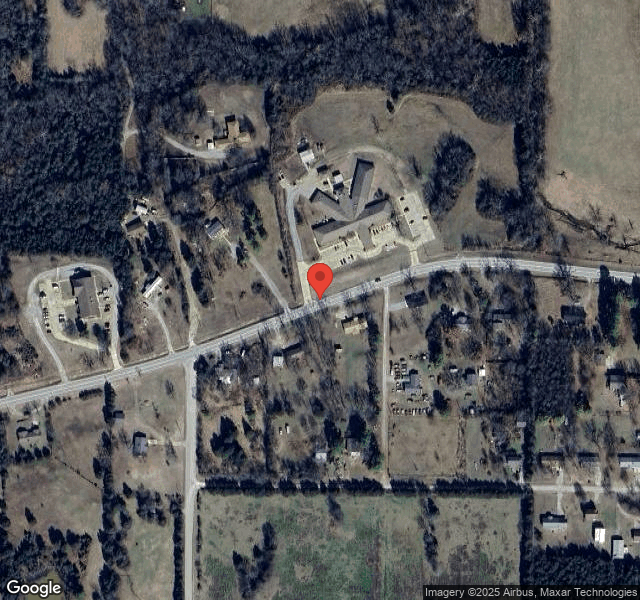

6152 HIGHWAY 202 EAST, FLIPPIN, AR 72634 (870) 453-4603
For profit - Corporation 80 Beds ANTHONY & BRYAN ADAMS Data: November 2025 2 Immediate Jeopardy citations
Trust Grade
6/100
#217 of 218 in AR
Last Inspection: June 2025

Inspected within the last 6 months. Data reflects current conditions.

Overview

Twin Lakes Therapy and Living in Flippin, Arkansas has received a Trust Grade of F, indicating significant concerns about the facility's quality of care. It ranks #217 out of 218 nursing homes in the state, placing it in the bottom half overall and as the second lowest in Marion County. While the facility is showing a trend of improvement-reducing issues from 21 in 2024 to 4 in 2025-staffing remains a challenge with a turnover rate of 64%, which is concerning compared to the state average of 50%. There have been substantial fines totaling $25,678, which is higher than 92% of Arkansas facilities, indicating repeated compliance problems. The facility does have average RN coverage, which is critical for catching potential issues, but recent inspections revealed serious incidents, such as a resident eloping due to inadequate supervision and unsanitary food handling practices, raising alarms about safety and hygiene. Families should weigh these strengths and weaknesses when considering this facility for their loved ones.

Trust Score
F
6/100
In Arkansas
#217/218
Bottom 1%
Safety Record
High Risk
Review needed
Inspections
Getting Better
21 → 4 violations
Staff Stability
⚠ Watch
64% turnover. Above average. Higher turnover means staff may not know residents' routines.
Penalties
✓ Good
$25,678 in fines. Lower than most Arkansas facilities. Relatively clean record.
Skilled Nurses
⚠ Watch
Each resident gets only 25 minutes of Registered Nurse (RN) attention daily — below average for Arkansas. Fewer RN minutes means fewer trained eyes watching for problems.
Violations
⚠ Watch
34 deficiencies on record. Higher than average. Multiple issues found across inspections.
★☆☆☆☆
1.0
Overall Rating
★★☆☆☆
2.0
Staff Levels
★★★★☆
4.0
Care Quality
★☆☆☆☆
1.0
Inspection Score
Stable
2024: 21 issues
2025: 4 issues

The Good

  • 4-Star Quality Measures · Strong clinical quality outcomes
  • Full Sprinkler Coverage · Fire safety systems throughout facility
  • No fines on record

Facility shows strength in quality measures, fire safety.

The Bad

1-Star Overall Rating

Below Arkansas average (3.1)

Significant quality concerns identified by CMS

Staff Turnover: 64%

17pts above Arkansas avg (46%)

Frequent staff changes - ask about care continuity

Federal Fines: $25,678

Below median ($33,413)

Moderate penalties - review what triggered them

Chain: ANTHONY & BRYAN ADAMS

Part of a multi-facility chain

Ask about local staffing decisions and management

Staff turnover is elevated (64%)

16 points above Arkansas average of 48%

The Ugly 34 deficiencies on record

2 life-threatening
Jun 2025 4 deficiencies
CONCERN (D) 📢 Someone Reported This

A family member, employee, or ombudsman was alarmed enough to file a formal complaint

Potential for Harm - no one hurt, but risky conditions existed

Free from Abuse/Neglect (Tag F0600)

Could have caused harm · This affected 1 resident

Based on interviews, record review, facility document review, and facility policy review, it was determined that the facility failed to ensure residents were free of neglect for one (Resident #5) of t...

Read full inspector narrative →
Based on interviews, record review, facility document review, and facility policy review, it was determined that the facility failed to ensure residents were free of neglect for one (Resident #5) of three residents reviewed. Specifically, incontinent care was not provided in a timely manner. The findings include: A review of Resident #5 ' s Reportable, indicated that Certified Nursing Assistant (CNA) #1 and CNA #2 reported to their shift on 02/12/2025, at 6:00 AM. They found Resident #5 soiled with dried bowel movement that covered from the back and down to the ankles. Resident #5 reported to the CNAs a request was made for incontinent care to CNA #3 at 9:30 PM on 02/11/2025. CNA #3 allegedly checked Resident #5 with a flashlight and said, you're fine. No incontinent care services were provided to Resident #5 for the rest of the night shift. CNA #1 and CNA #2 reported the incident to the Administrator and an internal investigation was conducted. Based on the facility's investigation, 11 other CNAs reported that residents were not being changed in a timely manner. The quarterly Minimum Data Set (MDS), with an Assessment Reference Date of 06/04/2025, indicated Resident #5 had a Brief Interview for Mental Status score of 15, which revealed the resident was cognitively intact. The MDS indicated Resident #5 was dependent on staff for toileting hygiene, meaning the helper does all the effort. A review of Resident #5' Closet Care Plan revealed the resident was incontinent of bowel and bladder and was at risk for skin breakdown. A review of an Activity of Daily Living Task dated 02/11/2025, indicated Resident #5 was provided incontinent care at 8:24 PM, and again at 10:54 PM. Resident #5 was not provided incontinent care again until 6:15 AM on 02/12/2025. A review of a Wet Check assignment task on 02/11/2025, indicated that on the 4th check of the night shift, Resident #5 was checked and documented to have a loose bowel movement but there was no documentation of incontinent care provided. A review of a skin assessment diagram, dated 02/12/2025, revealed Resident #5 ' s buttocks were red, raw, and indicated a zinc barrier cream was applied. During a review of the facility's Grievance Logs from 07/31/2024 until 02/17/2025, nine grievances indicated that residents' call lights were not being answered, and they were having to wait a long time to receive help. During an interview on 06/12/2025 at 11:12AM, CNA #2 confirmed that at the beginning of rounds on the morning of 02/12/2025, that Resident #5 was discovered soiled with dried bowel movement that covered the resident's back, down to the ankles. CNA #2 stated Resident #5 reported that a request had been made to CNA #3 for incontinent care, but CNA #3 was not comfortable cleaning the bowel movement since the resident had a catheter. Resident #5 told CNA #2 that CNA #3 never returned during the night shift. During an interview on 06/12/2025 at 12:32PM, the Administrator acknowledged remembering the incident and results of the internal investigation, there were no negative findings. Staff were suspended during the investigation and re-educated once the investigation was final. During an interview on 06/12/2025 at 12:46 AM, CNA #2 confirmed what was written in their witness statement; Upon reporting for the morning shift on 02/11/2025, CNA #1 and CNA #2 began rounds and found Resident #5 soiled with dried bowel movement that covered the back, down to the ankles. While providing incontinent care, Resident #5 told CNA #1 and CNA #2 that CNA #3 was asked to provide incontinent care at around 9:30 PM, and CNA #3 checked for bowel movement with a flashlight and said, You're fine . CNA #3 then left and did not come back the entire night shift. A review of a facility policy titled, Abuse, Neglect, and Exploitation or Misappropriation, revised on 04/01/2021, indicated, Neglect is defined as failure to provide goods and services as necessary to avoid physical harm, mental anguish. or mental illness.
CONCERN (D)

Potential for Harm - no one hurt, but risky conditions existed

Infection Control (Tag F0880)

Could have caused harm · This affected 1 resident

Based on observation, record review, and interview, the facility failed to ensure that transmission-based precautions were utilized as ordered for one (Resident #8) of one resident reviewed. A review ...

Read full inspector narrative →
Based on observation, record review, and interview, the facility failed to ensure that transmission-based precautions were utilized as ordered for one (Resident #8) of one resident reviewed. A review of an Order Summary indicated that Resident #8 had a physician ' s order indicating contact precautions were needed because the resident had tested positive for Extended-Spectrum Beta-Lactamases (ESBL) in their urine. The order indicated personal protective equipment (PPE) should be used as follows: gloves, gown, eye protection, and mask every shift for five days from 06/525 to 06/10/2025. A review of the Lab Results Report of a urinalysis on 06/03/2025 indicated that Resident #8 was ESBL positive. A review of the Antibiotic Stewardship Medication Regimen Review indicated Resident #8 started antibiotics on 06/03/2025 and that it was a true infection with a multidrug resistant organism and urinary tract infection. A review of the Medication Administration Record indicated Resident #8 was receiving an antibiotic every 12 hours for ESBL positive for five days. On 06/09/25 at 12:32 PM, this surveyor observed Certified Nursing Assistant (CNA) #10 deliver a lunch tray to Resident #8. CNA #10 sat the lunch tray down on the bedside table. CNA #10 walked past the isolation supplies in a plastic pocket hanger on the door to the left and a sign that indicated the resident was on contact precautions on the right side of the door frame. CNA #10 applied gloves, leaned down, and wrapped a gait belt around Resident #8's waist. CNA #10 then leaned down to hold onto the gait belt. Resident #8 held onto CNA's elbows while being transferred from recliner to dining room chair in room. This surveyor observed that Resident #8 ' s and CNA #10 ' s clothes touched during the transfer. This surveyor observed CNA #10 sit down with Resident #8 to set up the tray and assist with lunch. This surveyor observed no contact precautions in use by CNA #10. CNA #10 left the resident ' s room to get a straw for the lunch tray from the dining room on the unit. This surveyor observed CNA #10 come back to the room and then CNA #10 paused before stating they were not aware that Resident #8 was on contact isolation. CNA #10 then donned the appropriate PPE to assist Resident #8 with lunch. On 06/09/25 at 1:35 PM, this surveyor observed CNA #10 enter Resident #8's room with no isolation precautions in place, they went past the plastic pocket hanger on the door to the left and the sign on the right side of the door frame. CNA #10 picked up the lunch tray from the bedside table. CNA #10 was observed walking out of the unit with no biohazard bag over the tray. On 06/09/2025 at 11:46 AM, this surveyor attempted to interview Resident #8, the resident was unable to be interviewed. This surveyor observed a contact isolation sign on the right side of the doorway with a plastic pocket hanger on the door to the left with personal protective equipment and supplies. On 06/12/2025 at 10:49 AM, during an interview CNA #10 stated I corrected it by gowning and gloving up after I got the straw, then stated that I did transfer the resident without any PPE, that was an oversight on my part, yes. CNA #10 stated I am not as familiar with the residents on 400 hall. I did not notice that the resident was on contact isolation, that was an oversight on my part. CNA #10 stated that the process for contact isolation is to gown up and glove up. On 06/12/2025 at 10:56 AM, during an interview, the Treatment Nurse (TN) stated that they were involved in infection prevention for the facility. The TN stated the process for contact isolation was to put the barrels in the room, signage posted, make sure there were supplies and notify staff of contact isolation. The TN stated that you are to gown up and glove up when entering the room to prevent the spread of infection. On 06/12/2025 at 12:20 PM, during an interview, the Administrator stated the process for contact isolation was as follows: signage at the door, personal protective equipment (PPE) provided, bins in rooms, and that staff who encountered the resident needed to put on PPE prior to entering the room. A review of the facility policy title Isolation-Categories Transmission Based Precautions, revised in October 2018, indicated staff and visitors will wear clean, non-sterile gloves when entering the room Staff and visitors will wear a disposable gown upon entering the room and remove before leaving the room and avoid touching contaminated surfaces with clothing after the gown is removed. A review of the facility policy titled Policies and Practices-Infection Control revised in October 2018, indicated, This facility's infection control policies and practices are intended to facilitate maintaining a safe, sanitary and comfortable environment and to help prevent and manage transmission of diseases and infections. A review of the facility policy title Personal Protective Equipment revised in October 2018, indicated that Personal protective equipment appropriate to staff task requirements is available at all times.
CONCERN (E) 📢 Someone Reported This

A family member, employee, or ombudsman was alarmed enough to file a formal complaint

Potential for Harm - no one hurt, but risky conditions existed

Deficiency F0838 (Tag F0838)

Could have caused harm · This affected multiple residents

Based on observations, interviews, record review, facility document review, and facility policy review, it was determined that the facility failed to ensure sufficient staffing, as evidenced by the sc...

Read full inspector narrative →
Based on observations, interviews, record review, facility document review, and facility policy review, it was determined that the facility failed to ensure sufficient staffing, as evidenced by the schedule not being informed by the facility assessment for 2 months, July 2024 and January 2025, which included 18 night shifts. The findings include: A review of a facility policy titled, Facility Assessment dated 01/01/2025, indicated they had an average daily census of 45. Common diagnoses of the facility's residents included mental disorders, cardiac disorders, respiratory disorders, skin disorders, cancers, musculoskeletal disorders, fractures, and gastrointestinal disorders. The facility assessed that the acuity affecting licensed nurses included four residents requiring oxygen, three receiving updraft treatments, eight exhibiting behavioral health symptoms, eight receiving medications via injection, one resident with an ostomy, seven residents on hospice, one resident receiving respite care, and one resident receiving parenteral nutrition. Acuity affecting Nurse Aides revealed 38 residents require assistance for dressing, 40 require assistance for bathing, 35 require assistance for transfers, 17 require assistance for eating, and 39 require assistance for toileting. The facility assessed their coverage needs to adequately meet the residents' daily needs per shift as: Day Shift: Certified Nursing Assistants (CNAs) 1:7 residents; Charge Nurse 2 total Evening Shift: CNAs 1:9 residents; Charge Nurse 2 total Night Shift: CNAs 1:13 residents; Charge Nurse 1 total A review of the January Staffing Schedule indicated the census for the following days along with the CNAs that were scheduled to work the night shift: 01/05/2025 - Census: 43 - Night Shift: 3 CNAs A review of the July Staffing Schedule indicated the census for the following days along with the CNAs that were scheduled to work the night shift: 07/04/2025 - Census 40 - Night Shift: 2 CNAs 07/06/2025 - Census 41 - Night Shift: 2 CNAs 07/11/2025 - Census: 42 - Night Shift: 2 CNAs 07/16/2025 - Census: 45 - Night Shift: 2 CNAs 07/17/2025 - Census: 44 - Night Shift: 2 CNAs 07/20/2025 - Census: 45 - Night Shift: 2 CNAs 07/21/2025 - Census: 45 - Night Shift: 2 CNAs 07/22/2025 - Census: 47 - Night Shift: 2 CNAs During an interview on 06/10/25 at 8:40 am, LPN #6 confirmed that staffing issues were a problem prior to the new Director of Nursing (DON) and Administrator being hired. During an interview on 06/11/25 at 6:55 am, Registered Nurse (RN) #7 confirmed that staffing had been an issue prior to the new DON and Administrator being hired but now everything had gotten better. During an interview on 06/11/25 at 9:28 am, CNA #8 confirmed that upon beginning their shift, residents would be found to be soiled and still in bed. During an interview on 06/11/2025 at 10:01 am, the DON, who was hired in March of 2025, confirmed that there were staffing issues prior to being hired. The DON stated that it had gotten better, and the facility had been working on a retention of employees program. During an interview on 06/12/2025 at 1:14 pm, the Administrator acknowledged that there were staffing issues prior to being hired and felt like those issues had been resolved. On 06/12/2025 at 4:10 pm, the facility provided a policy titled, Sufficient and Competent Staffing, which indicated that the Staffing numbers and the skill requirements of direct care staff are determined by the needs of the residents based on each resident's plan of care, the resident assessments and the facility assessment.
CONCERN (F)

Potential for Harm - no one hurt, but risky conditions existed

Food Safety (Tag F0812)

Could have caused harm · This affected most or all residents

Based on observation, and interview the facility failed to ensure that cross contamination did not occur to ensure meals were served in a sanitary manner during lunch service for one of one kitchen. ...

Read full inspector narrative →
Based on observation, and interview the facility failed to ensure that cross contamination did not occur to ensure meals were served in a sanitary manner during lunch service for one of one kitchen. During an observation of the lunch meal service on 06/10/2025, the following was observed: a. At 11:40 AM, Dietary Aide (DA) #13 was using a thermometer to obtain temperatures of food items on the steam table. While testing the regular pork and fried rice, DA #13 was observed pushing the entire thermometer, including the top portion that was being held and had not been sanitized before use, into the food intended to be served to residents. b. At 12:00 PM, this surveyor observed that the mechanical soft pork was piled above the top of the tray containing it on the steam table. While portioning the food from the steam table onto trays, DA #13 touched the mechanical soft pork five different times with the bottom of the trays she was filling. This surveyor observed the scoop being moved back by the tray each time, this surveyor also observed mechanical soft pork on the line and the bottom of the trays when being loaded onto hall carts. c. At 12:10 PM, this surveyor observed DA #14 pour coffee into cups for trays, then observed DA #14 add coffee, silverware, and condiments to the lunch tray. DA #14 was then observed picking up a plate containing chicken tenders. The chicken tenders slipped forward, and DA#14 touched the chicken tenders with their contaminated hands to prevent them from falling. This surveyor observed DA#14 finish preparing the tray and sent it out the window to be served to the resident. DA #14 did not perform hand hygiene until after lunch service was completed. d. At 12:15 PM, and again at 12:36 PM, this surveyor observed DA #13 preparing trays. Regular pork fell off the scoop into the regular carrots, the regular carrots were used for the rest of the lunch service. During an interview on 06/12/2025 at 10:15 AM, DA #13 stated that the top portion of the thermometer and the bottom of the trays should not touch food, that would be considered cross contamination. DA #13 stated that regular pork should not fall into the carrots as the residents with mechanical diets get the same carrots as well, in addition to the risk of cross contamination, which could spread germs or sickness. During an interview on 06/12/2025 at 10:20 AM, DA #14 stated she had touched other things with her hands, contaminating them, before touching the chicken strips, and that was considered cross contamination. During an interview on 06/12/2025 at 10:25 AM, the Dietary Manager (DM) stated that touching the food with dirty hands, trays touching the food, and the unsanitized portion of the thermometer touching the food were cross contamination and people could get sick from that. The DM stated that the dietary aide should not have crossed over from the regular pork to the regular carrots, the residents on mechanical diet eat carrots too, that was cross contamination. On 06/12/2025 at 10:40 AM, the DM stated the facility did not have a policy or procedure referencing cross contamination.
Nov 2024 3 deficiencies 1 IJ
CRITICAL (J) 📢 Someone Reported This

A family member, employee, or ombudsman was alarmed enough to file a formal complaint

Immediate Jeopardy (IJ) - the most serious Medicare violation

Accident Prevention (Tag F0689)

Someone could have died · This affected 1 resident

**NOTE- TERMS IN BRACKETS HAVE BEEN EDITED TO PROTECT CONFIDENTIALITY** Based on observation, interview, and record review, the facility failed to monitor and supervise a moderately cognitively impair...

Read full inspector narrative →
**NOTE- TERMS IN BRACKETS HAVE BEEN EDITED TO PROTECT CONFIDENTIALITY** Based on observation, interview, and record review, the facility failed to monitor and supervise a moderately cognitively impaired resident to prevent elopement, for 1 (Resident #1) of 6 sampled residents. The lack of an effective monitoring plan resulted in Resident #1 eloping from the facility and being found approximately .25 miles from the facility on 10/19/2024. The facility staff was not aware that Resident #1 left the facility due to Resident #3 entering a code into the exit panel, disengaging the locking mechanism on the door, and Resident #1 exited without the electronic wander management system alarming. It was determined the facility's non-compliance with one or more requirements of participation had caused, or was likely to cause, serious injury, harm, impairment, or death to the residents. The Immediate Jeopardy (IJ) was related to the State Operations Manual, Appendix PP, §483.25 (Quality of Care) at a scope and severity of J. The IJ began on 10/19/2024 at 11:19 AM, when Resident #1 was let out of the facility by Resident #3. Upon notification by Resident #3 to Housekeeper (HK) #6, a Code [NAME] was called, and the facility staff began searching inside the facility and around the perimeter of the facility. After facility staff were unable to locate Resident #1, the search was expanded off facility property. Resident #1 was located approximately .25 miles from the facility. The resident had exited the facility property without staff knowledge. The Administrator and the Nurse Consultant were notified of the IJ on 10/29/2024 at 12:34 AM. A Removal Plan was requested. The Removal Plan was accepted by the State Survey Agency on 10/30/2024 at 11:09 AM. Findings include: Review of a facility policy titled, Accidents and Incidents - Investigating and Reporting with a revised date of July 2017 revealed, any accident or incident occurring on facility property would be investigated and reported to the Administrator. Review of a facility policy titled, Unusual Occurrence Reporting, with a revised date of December 2007 revealed, the facility would report unusual occurrences or events affecting the health, safety, or welfare of residents. Interpretation and implementation indicated the facility would report events that could become life-threatening including, f. inoperable emergency systems, equipment. Review of a facility policy titled, Elopements, with a revised date of 12/2007, indicated staff were to investigate and report missing residents. And outlined implementation of investigation process. Page two of this policy was not provided to surveyors. Review of an undated facility procedure titled, Elopement Procedure Code White, outlined the steps to be taken during an elopement that included appointment of a leader, alerting staff to the even, searching for resident, notification and information to be provided to the responsible party, police, Administrator and Director of Nursing. Review of a facility policy titled, Wandering and Elopements, revealed the facility was to identify residents at risk and would use the least restrictive environment to prevent harm. The care plans of residents identified for wandering, elopement, or other safety issues would be updated with interventions to maintain the residents' safety. Review of a facility policy titled, Wandering, Unsafe Resident, revealed residents at risk for wandering, including elopement, would be identified and assessed for correctable risk factors by staff. The residents' care plan would be updated with interventions and would include a detailed monitoring plan. A review of a facility document titled, Facility Assessment Tool, dated 09/2023, indicated the purpose was to identify resources necessary to provide care and services required by residents residing in the facility. Section titled, Staff training/education and competencies, on page 9 and 10, revealed no training on resident wandering or elopement. Specific to Memory Care Neighborhood, on page 10, indicated the staff training included wandering and egress control. A review of the admission Record, indicated the facility admitted Resident #1 on 10/01/2024, with diagnoses of altered mental status, the body's inability to effectively use insulin and leads to elevated blood sugar, and a common lung disease that makes it difficult to breathe. The admission Minimum Data Set (MDS), with an Assessment Reference Date (ARD) of 10/14/2024, revealed Resident #1 had a Brief Interview for Mental Status (BIMS) score of 3 which indicated the resident had severe cognitive impairment. No behavior indicators were present. Resident #1 required partial to moderate assistance bathing; supervision with personal hygiene; set up/clean up assistance for oral hygiene and toileting; and was independent with eating, sitting, standing, walking, transfers, and repositioning in bed. Resident #1 was occasionally incontinent of bowel and bladder; had no indication of pain; no tobacco use; and had no falls. Resident #1 was receiving antianxiety and diuretic medications. Resident #1 had a wander/elopement alarm. A review of care plan, revised 10/20/2024, revealed Resident #1's was an elopement risk, was verbally and physically aggressive, was a fall risk, had suicidal ideation, had altered respiratory status, and had a need for placement on a secured unit. Interventions included assessing fall risk, offering diversions for distraction, addressing unmet emotional /physical needs, intervening when behavioral health consult, administer medications, encourage family visitation, identifying triggers of emotional distress, monitor for fatigue, and providing structured activities. The electronic wander management transmitter device was resolved and was no longer used. A review of Resident #1's Order Summary Report, revealed Resident #1 was admitted to the memory unit due to elopement risk on 10/19/2024. A review of the Nsg [Nursing] Admit/Readmit Assessment and Care Plan, dated 10/01/2024 at 3:45 PM documented Resident #1 was at high risk for elopement. No care planning information was entered. A review of the Nsg [Nursing] Elopement Risk with Care Plan, dated 10/01/2024 documented Resident #1 was at high risk to wander. Interventions included placement of an electronic wander management transmitter device. Interventions not put into place included identifying a wandering pattern; documenting wandering behavior and interventions; and identifying escalating triggers and deescalating behaviors of wandering /elopement. A review of the Nsg [Nursing] Elopement Risk with Care Plan, dated 10/19/2024 at 8:59 PM, documented Resident #1 was at high risk for elopement. There was no change in interventions. A review of the treatment administration record (TAR) dated 10/2024 revealed Resident #1 had treatments for a skin tear to the left and right hands; a scratch to the right wrist; and back of neck. A review of the Progress Notes, dated 10/14/2024 at 10:06 AM, revealed Resident #1 expressed aggressive behaviors toward staff and voiced threats about another resident to staff. Medication administered. A review of the Progress Notes, dated 10/15/2024 at 10:08 AM, revealed Resident #1 upset with staff. Medication administered. At 10:59 AM, revealed, Yelling Screaming Monitored, medication calmed resident. A review of the Progress Notes, dated 10/18/2024 at 3:53 PM, revealed Resident #1 was to upset to get weighed. A review of the Progress Notes, dated 10/19/2024 at 12:45 PM, revealed Resident #1 was receiving an antibiotic for a urinary tract infection (UTI), was ambulating, requested coffee, and stated they lost their way. Code [NAME] was announced at 11:32 AM, and a nurse gave instructions to other staff to search for the resident. The nurse went outside and notified the Director of Nursing (DON), the Administrator and the police department. A passerby notified the nurse of someone walking the creek line and took the nurse to the location of Resident #1. A review of the Progress Notes, dated 10/19/2024 at 4:11 PM, revealed Resident #1 had a skin tear to the right hand, a scratch to the left wrist, and a skin tear to the posterior base of the neck. A review of the Progress Notes, dated 10/19/2024 at 5:41 PM, revealed Resident #1 was sent to the emergency room and received a tetanus shot. A review of the Progress Notes, dated 10/20/2024 at 11:18 AM, revealed Resident #1 enjoyed walking outside and sitting at the windows in the dining room, voiced would like to leave. A review of the Progress Notes, dated 10/20/2024 at 1:17 AM, revealed Resident #1's electronic wander management transmitter device was removed on 10/19/2024. A review of the Progress Notes, dated 10/23/2024 at 08:27 AM, revealed during a provider assessment, Resident #1 voiced they felt trapped inside and wanted to go outside. A review of the Progress Notes, dated 10/28/2024 at 07:52 AM, revealed Resident #1 wandering hall and asking to leave the facility. A review of Nsg [Nursing] Skin Audit, dated 10/19/2024 at 3:05 PM, revealed Resident #1 had a scratch to the right wrist, the back of the neck and the left hand, post elopement. A review of Nsg [Nursing] Skin Observation Daily for Four Days, dated 10/23/2024 at 10:47 AM, revealed Resident #1 had a skin tear to the left hand. A review of an admission Record indicated the facility admitted Resident #3 on 07/26/2024 with diagnoses of fracture of the left humerus, muscle wasting and atrophy, and difficulty in walking. A review of the modified admission MDS with an ARD of 08/08/2024 revealed Resident #3 had a BIMS score of 15 which indicated the resident was cognitively intact. A review of Resident #3's, Order Summary Report, for the month of 10/2024 revealed an order dated 08/09/24 indicating Resident #3 was discharged from skilled care services to long term care on 08/11/2024. Review of the care plan, initiated on 07/26/2024, revealed Resident #3 had limited physical mobility related to rheumatoid arthritis, fracture of the left humerus, osteoarthritis, obesity, muscle wasting and atrophy, and muscle weakness. Resident #3 required the use of a motorized wheelchair for ambulation. On 10/19/2024, Resident #3 required education regarding safety and letting other residents out of the exit door. Interventions included changing the security code to doors monthly and documenting the change; Resident #3 would not have a roommate with an electronic wander management transmitter device; and Resident #3 was educated on the purpose of keypads/alarms/safety of all residents. A review of the Employee Memorandum Witness Statement, with a date of 10/19/2024, revealed Resident #3 admitted to entering the code allowing Resident #1 to exit, and the alarm did not sound when the door opened. A review of the Employee Memorandum Witness Statement, with a date of 10/19/2024, revealed Certified Nursing Assistant (CNA) #8 received notification of a missing resident while on lunch. CNA #8 took a vehicle, turned left from the facility, and began a search. A review of the Employee Memorandum Witness Statement, with a date of 10/19/2024, revealed Registered Nurse (RN) #9 began looking for Resident #1 after the Code [NAME] (missing person) was called. A lady stopped and notified RN #9 of (Resident #1) walking the creek line toward (a boat manufacturing company). The driver took RN #9 to the location of Resident #1. RN #9 got Resident #1 from the creek and up to the barbwire fence when the police and the DON arrived. A review of the Employee Memorandum Witness Statement, with a date of 10/19/2024, revealed Housekeeper (HK) #6 was in the breakroom and heard a knock on the door and was told by Resident #3 that Resident #1 went out the B-Hall door. HK #6 called code white and notified Laundry #7. HK #6 did not hear the alarm sounding. A review of the Employee Memorandum Witness Statement, with a date of 10/21/2024, revealed the Maintenance Director was notified of the elopement, arrived at the facility at 12:06 PM and checked the door on B-Hall. The alarm functioned properly on all doors. 11 (electronic wander management transmitter devices), on residents, were checked and worked. Alarm history was reviewed and revealed Resident #1's electronic wander management transmitter device alarmed multiple times, and the system was in good working condition. During a concurrent interview and observation on 10/28/2024 at 08:40 AM, Certified Nursing Assistant (CNA) #8 stated Resident #1 was wandering daily, and residents are taken outside to a fenced area at least twice daily. Resident #1 exited the dining room into the hallway to the exit door. CNA #8 redirected Resident #1 back to the dining room and offered an activity. Resident #1 refused. During an observation on 10/28/2024 at 08:50 AM, the Maintenance Director was testing door alarms. The Maintenance Director stated there were no residents on D-Hall with electronic wander management transmitter devices. The Maintenance Director stated all doors were tested weekly, on Monday, and the transmitters on the electronic wander management transmitter devices were tested daily to ensure they were working. During an interview on 10/28/2024 at 09:21 AM, the Director of Nursing (DON) did not know the residents that were at risk for elopement, and did not have a list of residents that wandered or had exit seeking behaviors. The DON asked the Maintenance Director if he had a list of residents that had an electronic wander management transmitter device, the Maintenance Director stated 4 residents currently had an electronic wander management transmitter device. During an interview and observation on 10/28/2024 at 9:35 AM, the Maintenance Director stated since the last elopement, the electronic wander management system was part of the action plan, and the electronic wander management transmitter devices were placed on residents, after notifications were made. The Maintenance Director stated he would be notified by staff, (Administrator and DON), during the morning meeting of the residents identified as requiring a transmitter device. The Maintenance Director would then take an electronic wander management transmitter device to the computer and link the number on the electronic wander management transmitter device to the resident's name in the computer. The electronic wander management transmitter device was then taken to the door and checked for operation. The Maintenance Director took an electronic wander management transmitter device into the hallway, from Administrators Office, and stood 15 feet from the front entrance of the facility. The Maintenance Director approached the front entry, entered the exit code (1 symbol and 3 numbers) on the exit panel and a low alarm sounded with a moderate tone and decreased to no sound (decrescendo). The panel was reset by moving the electronic wander management transmitter device away from the door. The Maintenance Director approached the door and set the transmitter device on the arm of the furniture near the door. After 20 seconds an audible alarm sounded and continued to sound until the transmitter device was moved away from the door. The Maintenance Director stated the distance from the monitor varies from 10 to 15 feet, and this one is closer, 6 feet. The Maintenance Director stated the handheld tester was used to check the 4 electronic wander management transmitter devices, currently being used, daily. The Maintenance Director demonstrated with the transmitter, a digital readout on the handheld tester displayed with the transmitter number and OK. The Maintenance Director stated OK meant the transmitter was functioning, the expiration date was located on each transmitter and must be replaced in March of 2025, batteries were no longer accessible, and the transmitter device must be replaced. During an interview on 10/28/2024 at 10:15 AM, the Director of Nursing (DON) stated Resident #3 had a BIMS of 15 and let Resident #1 out of facility using keypad at the end of the 200 Hall. The DON does not know how Resident #3 was aware of the door code. The DON state Resident #3 told housekeeping they let someone out the door. The DON stated she brought Resident #1 back to the facility in her personal vehicle, about noon on Saturday, after Resident #1 was found. During an interview on 10/28/2024 at 10:33 AM, Resident #3 stated they did let someone out the door because they wanted to go out. Resident #3 would not state how the code to the door was obtained. Resident #3 laughed when asked to demonstrate buttons pushed to open the exit door and stated, I just pushed any button. During a concurrent interview and observation on 10/28/2024 at 11:07 AM, the Maintenance Director demonstrated how the electronic wander management system was tested on B Hall the day of the elopement, by placing the electronic wander management transmitter device in their left boot, walked to the exit panel and entered the code. The panel made a decrescendo sound and did not deactivate the exit door. Maintenance Director stood at the exit door for 20 seconds and the alarm sounded. The Maintenance Director walked away from the exit door, past laundry and past room [ROOM NUMBER], left the transmitter device on the handrail and reset the panel, obtained the transmitter device, exited through the door and the alarm continued to sound. The Maintenance Director stated he was notified of the elopement by the Administrator on 10/19/2024 between 11:45 AM and 12:00 PM, and arrived at the facility about 12:30 PM, and changed the code on all of the exit panels. The Surveyors and the Maintenance Director viewed a video of elopement involving Resident #1 and Resident #3 on the B Hall. The following is a timeline of the video, from the facility's video system, shown to surveyors by the Maintenance Director. -Video view from the indoor camera located on B-Hall, faced the exit door, identified by the Maintenance Director as 1 B Hall. -On 10/19/2024 at 11:13 AM, Resident #1 was walking on the B Hall near room [ROOM NUMBER], away from the nurses' station toward the exit door. At 11:14 AM, Resident #1 entered Resident #1's room at the time), on left side of the hallway. At 11:16:46 AM, Resident #1 exited the room and turned left onto the B hall and walked toward the exit door. At 11:17:16 AM, Resident #1 arrived at the back exit door, a laundry aide was walking down the hallway at 11:17:36 AM and spoke with the resident. The Maintenance Director identified the laundry aide as Laundry #7. At 11:17:50 AM, Resident #1 walked from the back door toward nurses' station, and entered room [ROOM NUMBER]. At 11:18:30 AM, Resident #1 and Resident #3 exited room [ROOM NUMBER], turned left toward the exit door. Resident #3 was in an electric wheelchair. At 11:19:10 AM, Resident #3 positioned wheelchair, so it faced the exit panel and pressed 4 buttons on the exit panel, Resident #1 pressed on the door and exited the facility. Resident #3 immediately turned and moved away from the exit door. At 11:19:50 AM, Resident #3 entered room [ROOM NUMBER]. At 11:20:39, Resident #3 exited room [ROOM NUMBER] turned right onto B-Hall, toward the nurses' station. At 11:27:48 AM, Resident #3 pressed numerous buttons on the keypad then knocked on the Employees Breakroom door. The door was opened by a staff member identified by the Maintenance Director as Housekeeper (HK) #6. At 11:28:36 AM, HK #6 exited the employee breakroom, turned right toward the exit door. HK #6 entered the code on the exit panel and exited B-Hall through the doorway. At 11:28:40 AM, HK #6 reentered the door and moved towards the nurses' station out of view of the camera. Video view from the outdoor camera, located outside the B Hall exit, faced the garage/shed. The Maintenance Director stated the designation of the camera was 14 Big Shed. At 11:19:07 AM, Resident #1 exited the B Hall, turned right and followed the gravel road. At 11:28:40 AM, HK #6 exited the B Hall and went out of view. The Maintenance Director stated Resident #1 followed the creek and somebody should have gone outside and looked for the resident when the Code [NAME] was called. During an interview on 10/28/2024 at 11:39 AM, the DON stated Registered Nurse (RN) #9 found Resident #1 after a passerby told her someone was down the road. The DON does not know why they stopped to tell RN #9. During an interview on 10/28/2024 at 12:45 PM, the Administrator stated, Resident #1 was never signed out of the facility, and did not have a sign out sheet in the sign out logbook. During an interview on 10/28/2024 at 2:42 PM, the Resident Representative stated, Resident #1 had never left the facility before, when at home, the resident would have cabin fever and asked to go somewhere and family would take Resident #1 out for a drive. The Resident Representative stated they were informed Resident #1 was found one quarter of a mile from the facility in a creek, clothing was wet and muddy, had burs, and went under barbed wire fence and was cut. The Resident Representative stated Resident #1 was following the creek because Resident #1 knew it would lead to the Resident Representative's home. During an interview on 10/28/2024 at 9:15 PM, Certified Nursing Assistant (CNA) #2 stated they were familiar with Resident #1 and did not work the day of the elopement. CNA #2 stated, Resident #3 was bragging today, about the elopement, about opening the door and letting another resident out and stated I'm gonna use the code and let them (other residents) out. During an interview on 10/28/2024 at 9:30 PM, Licensed Practical Nurse (LPN) #1 stated they were familiar with Resident #1 who had an electronic wander management transmitter device in place and wandered constantly. LPN #1 stated a couple of weeks before the elopement, there were issues with the alarm system, and that the alarm would randomly go off, and indicated Resident #1 was at one of the doors when the resident was in the dining room, or in their room, and not close to the exit door. LPN #1 stated that on 10/04/2024 at 5:33 AM, Resident #1 was in bed and the electronic wander management system showed resident was at the door on the 200 Hall. LPN #1 stated the Maintenance Director was notified and was trying to figure it out. LPN #1 did not know if the Maintenance Director was able to find a problem with the unit. LPN #1 stated the electronic wander management transmitter device was not removed from Resident #1 to be repaired or replaced, and she did not believe it was ever removed from Resident #1. LPN #1 stated Resident #3 told other residents, on first shift, that Resident #3 was going to let all the residents out if given the chance because Resident #3 did not want other residents to come into the resident's room. A review of the Incident Report, number 24-00268, dated 10/28/2024 at 3:39 PM, revealed Law Enforcement (LE) #3 was dispatched on 10/19/2024 at 11:10 AM to an Agency/Officer Assist at the facility address, at the request of LE #10. LE #3 responded to a call at the nursing facility for a missing resident, Resident #1. LE #3 arrived at the dispatched location and observed vehicles on the side of the road and people in the field next to the road. LE #3 spoke with individuals identified as employees of the nursing facility, and Resident #1. During an interview on 10/29/2024 at 08:05 AM, LE #3 stated a call was sent out over the radio for a missing person at the facility. The officer responding was from the Sheriff's Department and LE #3 offered to respond for assistance as they were closer. LE #3 stated the call was located on a local highway and when turning onto the highway, three vehicles were located on the side of the roadway facing West. LE #3 stated he exited the patrol vehicle and entered the field where several people were gathered. LE #3 stated a nurse was present with three other individuals, one was identified as Resident #1 and another as a nurse and one as the Director (LE #3 did not have names of nurse or Director). LE #3 stated Resident #1 had blood on both hands, and the back of the shirt, and the clothing was not wet. LE #3 stated the creek bed was dry, and the concern was the 20-plus black angus [NAME], ranging in age from 3 to 6 years old, in the field facing the resident. LE #3 stated there was a hole in the barbed wire fence and Resident #1 was brought from the area of the creek through the open fence area with the barbed wire being held open so Resident #1 could get through without being caught in the fence. Resident #1 was placed in the Directors vehicle and returned to the facility. LE #3 stated Resident #1 repeated, I don't want to be here. During an interview on 10/29/2024 at 08:58 AM, the (Wander Management System Provider) office staff (WMSOS) #5 stated the wander management system was installed in the facility in March of 2024 and was not aware of any onsite service since that time. WMSOS stated the facility called last week and asked for a guide/manual that outlined testing. WMSOS stated testing should be done weekly on the doors and daily on the transmitters. WMSOS stated that when a resident, with an electronic wander management transmitter device in place, exited the door regardless of an electric wheelchair being present at the door, and a code being put in, the alarm should have sounded as soon as the resident crossed the threshold. During an interview on 10/29/2024 at 09:08 AM, the (Wander Management System Provider) owner (WMSO) #4 stated electrical interference could affect the functioning of the system and the facility should have called if there was a problem. The facility was not contacted about any issues with the transmitter devices. A technician was sent to the facility, regarding the alarm not sounding on Monday (10/21/2024). During an interview on 10/29/2024 at 10:20 AM, the Administrator was asked if a root cause analysis was done for the elopement and the Administrator stated, A Quality Assurance and Performance Improvement (QAPI) was not created for this elopement. Resident #1 was placed on the unit and an electronic wander management transmitter device was removed. The Administrator stated Resident #1 had exit seeking behaviors on 10/18/2024 and was walking the halls. The Administrator stated the electronic wander management system was installed as part of a Plan of Correction for a prior elopement. The Administrator stated he was not aware of issues or malfunctions of the system because the Maintenance Director checked the system. The Administrator stated the Maintenance Director did recreate the incident three times with Resident #3's wheelchair and received the same results. During an interview on 10/29/2024 at 11:15 AM, the Administrator stated there was no specific policy on Elopements, only unusual occurrences, accidents, and incidents. The procedure used for elopements outlined what was done in the event of a missing resident. During an interview on 10/29/2024 at 2:46 PM, the Nurse Consultant provided a copy of the electronic wander management system company's call for service dated 10/21/2024. Review of the document indicated the system was functioning properly, It was picking up 5 to 6 feet, when tested by the technician with the maintenance director. During a telephone interview on 10/30/2024 at 08:28 AM, Licensed Practical Nurse (LPN) #1 stated residents who wandered are assessed for elopement during the shift by observation on rounds every 2 hours, during medication pass and when walking the halls. Interventions would be used if needed, based on observations. If a resident had an electronic wander management transmitter device, it would be checked for each shift for placement and documented on the Treatment Administration Record (TAR). LPN#1 stated a there was a testing device in the medication cart for use to ensure the sensor was working properly but she had not received training on how it was used. LPN #1 stated Resident #1's sensor was activating the system on 10/4/2024 between 05:00 AM and 05:30 AM, and Resident #1 was in bed. LPN #1 stated the Maintenance Director was informed of the issue that morning. LPN #1 stated Certified Nursing Assistant (CNA) #2 reported that Resident #3 was going to let other residents out of the building. LPN #1 did not immediately notify anyone and did not believe it was important, and after some thought, notified the Minimum Data Set (MDS) Coordinator and Registered Nurse (RN) #9. During an interview on 10/30/2024 at 12:17 PM, LPN #11 stated residents at risk for elopement were identified by an assessment, upon admission, and if a resident had increased confusion, were antsy, wanting to leave seeking exit, verbalized they wanted to leave, or had a BIMS showing low cognition. An (electronic wander management transmitter device) would be put on, if the resident was ambulatory, and had exit seeking behaviors, and no comprehension. The device would be placed by (Maintenance Director), or another staff member. LPN #11 stated nurses used to check to confirm placement of the device and documented placement on the TAR, and the Maintenance Director checked functioning. Functioning is checked on the weekend by the nurses. LPN #11 stated the tester was located in the medication cart for use when the Maintenance Director was not available. At 12:18 PM, during interview, the door alarm sounded, LPN #11 observed control panel and left the nurses station, viewed the end doors of A, B and C halls, opened the door and observed the exit on the secured unit, and visualized the entry door and returned to nurse station, no doors were opened. The Administrator walked to the nurse's station, looked at the alarm panel, and returned to the front entry hall, no further action was taken by staff. LPN #11 stated an employee must have left the door open too long. During an interview on 10/30/2024 at 12:25 PM, the DON stated residents at risk for elopement were identified by the admission assessment. The DON stated the decision for placement of an (electronic wander management transmitter device) would be made after reviewing the residents. If a resident is at risk or high risk for wandering, had behaviors, BIMS score, and dignity, were used to determine placement of the device. The DON stated maintenance was responsible for placement of the (electronic wander management transmitter device) on the resident after he received notification. Maintenance would be notified during the morning staff meeting and the DON would follow up to ensure placement. The DON stated Resident #1's device was removed when the resident was placed on the secured unit, because there was no need for the device due to having closer supervision by staff. The DON stated wandering did not constitute placement of an (electronic wander management transmitter device), residents would be observed by staff who would report exit seeking behaviors and a device would be placed. During an interview on 10/30/2024 at 4:08 PM, LE #10 stated he was dispatched to a call for a resident that ran away from the nursing facility. The resident was described as (gender) wearing blue jeans and t-shirt with a beard and white hair. LE #10 responded from the Sheriff's Office to the scene. LE #3 with local police department radioed he was on scene just East of the nursing facility, in a field. Upon arrival there were pedestrians and vehicles off the side of the road, nurses and aides were walking Resident #1 back to the road. LE #10 was notified by LE #3 that the resident w[TRUNCATED]
CONCERN (D) 📢 Someone Reported This

A family member, employee, or ombudsman was alarmed enough to file a formal complaint

Potential for Harm - no one hurt, but risky conditions existed

Deficiency F0712 (Tag F0712)

Could have caused harm · This affected 1 resident

Based on record review and interview, it was determined that the facility failed to ensure a resident was evaluated by a physician within 30 days after admission, in order to establish resident center...

Read full inspector narrative →
Based on record review and interview, it was determined that the facility failed to ensure a resident was evaluated by a physician within 30 days after admission, in order to establish resident centered medical care for 1 (Resident #1) of 17 sampled residents. The findings include: A review of an admission Record indicated the facility admitted Resident #1 on 10/01/2024 with diagnoses of altered mental status, type 2 diabetes mellitus (the body's inability to effectively use insulin and elevate blood sugar) and chronic obstructive pulmonary disease (COPD, a common lung disease that makes it difficult to breathe). The admission Minimum Data Set (MDS) with an Assessment Reference Date (ARD) of 10/14/2024 revealed Resident #1 had a Brief Interview for Mental Status (BIMS) score of 03 which indicated the resident had severe cognitive impairment. A review of an Advance Practice Registered Nurse (APRN) Visit dated 10/03/2024 indicated Resident #1 was seen for hospital transition of care to a LTC (Long Term Care) nursing setting to review current acute and chronic co-morbidity, perform medication reconciliation, review imaging and lab results, and ensure coordination of care is maintained. A review of an APRN Visit dated 10/14/2024 indicated Resident #1 was seen for increased behaviors including pacing the halls, talking about the loud noises of other residents while trying to find them, swinging at staff who try to redirect the resident, and stating that Resident #1 will burn the place down. A review of an APRN Visit dated 10/17/2024 indicated Resident #1 was seen for follow up on a urinalysis collected. A review of an APRN Visit dated 10/19/2024 indicated Resident #1 was seen for evaluation related to Resident #1 eloping from the facility 10/19/2024. A review of an APRN Visit dated 10/22/2024 indicated Resident #1 was seen for increased behaviors. A review of an APRN Visit dated 10/28/2024 indicated Resident #1 was seen via an online medical visit for past medical/psychiatric history that included dementia, after Resident #1 verbally expressing wanting to self-harm. A review of an APRN Visit dated 10/29/2024 indicated Resident #1 was seen for medication regimen review and need to reassess patient. During an interview on 10/30/2024 at 3:15 PM the Registered Nurse (RN) Consultant said the APRN does the initial assessment for residents when admitted and the physician comes monthly. During a telephone interview on 10/31/2024 at 11:30 AM, the Medical Director (MD) said that the nurses would contact him with information when a new resident admits and the APRN comes to see the resident to review medications and treatment plans. During an interview on 10/31/2024 at 11:40 AM, the APRN said she would see a Skilled resident 3 times the first week after admission. On week 2, 3, and 4 she would see residents twice, then on week 5 and after, she would see residents weekly. If a resident was nonskilled, she would see them upon admission and as needed. During an interview on 11/01/2024 at 09:35 AM, the Nurse Consultant confirmed the Medical Director should see newly admitted residents and do the initial comprehensive assessment. During a phone interview on 11/01/24 at 11:00 AM, the Medical Director confirmed that he was familiar with the Federal Regulation stating a physician must see a resident within 30 days of admission and that it could not be delegated to APRN. The Medical Director confirmed that he usually made rounds on the first Tuesday of every month and that he was at the facility during the morning of 10/02/2024 and Resident #1 was admitted that afternoon. The Medical Director stated Resident #1 had just fallen through the cracks and was not seen. The Medical Director said Resident #1 would be seen on Tuesday 10/05/2024. A review of a facility policy titled Physician Visits with a revision date of April 2023 indicated, The Attending Physician must visit his/her patients at least once every thirty (30) days for the first ninety (90) days following the resident's admission, and then at least every sixty (60) days thereafter.
CONCERN (E) 📢 Someone Reported This

A family member, employee, or ombudsman was alarmed enough to file a formal complaint

Potential for Harm - no one hurt, but risky conditions existed

Deficiency F0838 (Tag F0838)

Could have caused harm · This affected multiple residents

Based on facility document review, and interviews, the facility failed to review and update the facility assessment at least annually and failed to ensure the facility assessment included pertinent in...

Read full inspector narrative →
Based on facility document review, and interviews, the facility failed to review and update the facility assessment at least annually and failed to ensure the facility assessment included pertinent information to assure the necessary care and resources were allocated to meet the needs of the residents. This deficient practice had the potential to affect all residents of the facility. The total census was 46 residents. Findings include: A review of a facility document titled, Facility Assessment Tool, dated 09/2023, indicated the purpose was to identify resources necessary to provide care and services required by residents residing in the facility. Section titled, Staff training/education and competencies, on page 9 and 10, revealed no training on resident wandering or elopement. Specific to Memory Care Neighborhood, on page 10, indicated the staff training included wandering and egress control. The section titled, Physical Environment and building/plant needs, revealed a table with headings that included Physical Resource Category and Resources. The first category listed was Building and/or other structures, and the Resources described the resource as Building description and did not indicate specific information about a secure unit; physical equipment included ventilators, a dialysis chair and station. Review of a facility policy titled, Wandering and Elopements, revealed the facility was to identify residents at risk and would use the least restrictive environment to prevent harm. The care plans of residents identified for wandering, elopement, or other safety issues would be updated with interventions to maintain the residents' safety. A review of Resident #1's medical record revealed Resident #1 exited the facility on 10/19/2024 without the knowledge of the facility staff. The Facility Assessment Tool did not identify or address wandering or elopement within the resident population and did not include the electronic wander management system installed by the facility in March of 2024. During an interview on 10/29/2024 at 08:58 AM, the (Wander Management System Provider) office staff (WMSOS) #5 stated the wander management system was installed in the facility in March of 2024. During an interview on 11/01/2024 at 09:35 AM, the Nurse Consultant stated the facility assessment was dated September 2023 and should accurately reflect the current status and needs of the facility, should be updated annually and when changes occur. The Nurse Consultant stated the facility did not have a dialysis chair or station, did not have ventilators, and was not updated to reflect the electronic wander management system. The Nurse Consultant stated the previous Administrator was responsible for the facility assessment accuracy and updates, but the assessment was not current.
May 2024 1 deficiency
CONCERN (E) 📢 Someone Reported This

A family member, employee, or ombudsman was alarmed enough to file a formal complaint

Potential for Harm - no one hurt, but risky conditions existed

Incontinence Care (Tag F0690)

Could have caused harm · This affected multiple residents

Deficiency Text Not Available

Read full inspector narrative →
Deficiency Text Not Available
Mar 2024 17 deficiencies 1 IJ
CRITICAL (J) 📢 Someone Reported This

A family member, employee, or ombudsman was alarmed enough to file a formal complaint

Immediate Jeopardy (IJ) - the most serious Medicare violation

Accident Prevention (Tag F0689)

Someone could have died · This affected 1 resident

**NOTE- TERMS IN BRACKETS HAVE BEEN EDITED TO PROTECT CONFIDENTIALITY** Based on observations, interviews and record review, the facility failed to ensure adequate supervision was provided to prevent ...

Read full inspector narrative →
**NOTE- TERMS IN BRACKETS HAVE BEEN EDITED TO PROTECT CONFIDENTIALITY** Based on observations, interviews and record review, the facility failed to ensure adequate supervision was provided to prevent elopement for 1 (Resident #20) of 2 sampled residents. This resulted in a finding of a past noncompliance Immediate Jeopardy. The Facility's Administrator was notified of the findings of a past noncompliance Immediate Jeopardy on 02/07/2024. The findings are: Resident #20 had diagnoses of Psychophysiological insomnia, Dementia severity with agitation, Psychotic disturbance, Mood disturbance, and Anxiety. According to a Quarterly Minimum Data Set (MDS) with an Assessment Reference Date (ARD) of 01/11/24 revealed the resident received a score of 03 (severe cognitive impairment) on the Brief Interview of Mental Status (BIMS). According to progress notes on 02/05/24 at 5:24 PM Incident Description: Resident left building unassisted and went to A hall door to be let back inside. Immediate Intervention: Head to toe assessment per Registered Nurse (RN) with no negative findings. Returned to Unit with Certified Nursing Assistance (CNA) observation. On 03/13/24 at 09:30 AM, Surveyor asked Maintenance if the door to the unit was propped opened on the date of the incident with Resident #20. Maintenance said yes, the unit door was propped open on the date of the incident. On 03/13/24 at 9:57 AM, the Surveyor asked the Administrator if they performed a Root Cause Analysis of the event. The Administrator said yes. Surveyor asked was the secure unit door left propped open. The Administrator said yes, the nurse propped it open but that was not the issue. They saw on camera where the resident held down the front door for 15 seconds and walked out of the facility. The Administrator explained the plan of correction was to make the front door will sound nonstop even after held the secure unit door will make an audible sound if it is propped open. On 03/13/24 at 10:38 AM, during a phone interview a Fire Safety Company employee and he said they wanted the door to continuously go off, they had someone leave out the door and the door stopped alarming. He installed a lock that will only deactivate with an alarm pad and a key. He then installed a remote sounder in the dining room, to make it more audible to the facility. On 03/13/24 at 1:58 PM, during a phone interview with a Medical Device Company said they would be out within two weeks to install a new electronic wander management system for the facility. On 03/13/24 at 3:45 PM, during a phone interview Surveyor asked CNA #6 what happened the night of the elopement. CNA #6 said her and CNA #7 were getting up a two assist on Hall A. CNA #7 sent her to investigate as soon as 1 person could provide care. Found the resident outside at 5:30 am and took her to the nurse. The doors were then closed to the secure unit and CNA #7 stayed back there with the residents. Surveyor asked was the secure unit door propped open. CNA #6 said yes. Did the front door alarms go off. CNA #6 said, no they did not. Surveyor asked who propped open the secure unit door. CNA #6 said I don't know it was like that when we came in on shift. On 03/14/24 at 8:33 AM, During a phone interview the Surveyor asked CNA #7 what happened the night of the elopement. CNA #7 said they were getting a two assist up and they sent the other CNA to investigate. After giving care, they went back to the unit until the next shift came in. Surveyor asked was the secure unit door propped open. CNA #7 said yes, it was like that when we came in on shift. Surveyor asked if the front door alarm went off. CNA #7 said no it did not go off, they checked the front door with the nurse, and it was having trouble locking back in place after the incident. On 3/14/24 at 3:11 PM, Surveyor asked about elopement in-services prior to the incident. Nurse Consultant said no elopement in-services were completed prior to the incident. According to a time and date stamp Resident #20 eloped from the facility and was found outside of a facility door. The outside temperature on 02/04/2024 at 5:30 AM, was 46 degrees Fahrenheit. On 3/13/2024 at 4:06 PM, Licensed Practical Nurse (LPN) #1 was asked if it was normal to prop the secure unit door open. LPN #1 stated, no. LPN #1 was asked, have you ever seen the secure unit door propped open? LPN #1 stated, No, I've only been here for 3 days. LPN #1 was asked, have you been in-serviced on elopement and not propping the secure unit door open? LPN #1 stated, No, but I know not to prop the door open. On 3/13/2024 at 4:08 PM, LPN #2 was asked if it was normal to prop the secure unit door open? LPN #2 stated, no. LPN #2 was asked, have you ever seen the secure unit door propped open? LPN #2 stated, Last time I saw it, when Resident #20 got out. LPN #2 was asked, who propped the door opened? LPN #2 stated, The night shift, 7 P-7A. LPN #2 was asked, why did they prop the door open? LPN #2 stated, Because of staffing, there are times there is only 1 CNA for this entire building. LPN was asked, have you been in-serviced on not propping the secure unit door open? LPN stated, yes LPN stated, The old DON said it was care planned for resident #194 to get out. On 3/13/2024 at 4:16 PM, Business Office Manager (BOM), was asked, is it normal to prop the secure unit door open? The BOM stated, no. The BOM was asked, have you ever seen the secure unit door propped open? The BOM stated, I've never seen it propped open. The BOM was asked, does Resident #20 have exit seeking behavior? The BOM stated, That's why Resident #20 is down there. The BOM was asked, have you been in-serviced on not propping the secure unit door open? The BOM stated, yes. The BOM was asked, do you know what happened when Resident #20 eloped from the secure unit? The BOM stated, That evening the door was propped open, Resident #20 went out the front, she walked to the outside of A Hall, they were working on A Hall and didn't hear the alarm. I think they heard her knocking on the door. On 3/13/2024 at 4:22 PM House Keeping/Laundry Supervisor was asked, is it normal to prop the secure unit door open? The HK/Laundry Supervisor stated, It's not supposed to be propped open. The HK/Laundry Supervisor was asked, have you ever seen the secure unit door propped open? The HK/Laundry Supervisor stated, In the past, a couple of times at night when I'm here late. The HK/Laundry Supervisor was asked, are you aware of any resident who eloped from the secure unit. The HK/Laundry Supervisor stated, Resident #20 got out and everybody knew about it, and Resident #194 got out, but I don't know how far. The HK/Laundry Supervisor was asked, have you been in-serviced on not propping the secure unit door open? The HK/Laundry Supervisor stated she had been in-serviced. On 03/11/24 at 10:22 PM, the Surveyor interviewed CNA #05 and asked, How often do you work short staffed? She stated, Some days, not very often. People come in to help out. When asked, When are shorter on staff do you feel as though you can provide the residents with their daily care needs? She stated, On days were real short staffed, like the weekends, we are still able to provide it. It just takes longer. On 03/13/24 at 03:59 PM, the Surveyor interviewed CNA #04 (secure unit) and asked, Is it common practice for staff to prop the secure unit door open? She stated, no. When asked, When was the last time you saw it propped open? She stated, I'd say it has been over a month ago I saw it. Plan of Removal for past noncompliance Immediate Jeaporday was recieved from the Administrator and included the following: 1. Resident who exited will be assessed for injury (body audit) 2. Review resident's elopement assessment. 3. Update resident's elopement assessment. 4. Complete unusual occurrence for event. Notify (medical doctor) MD and family of unusual occurrence, intervention, and action plan, then document notification and any new orders. 5. Determine an immediate intervention. 6. Care plan the incident and intervention. 7. Record to closet care plan resident is at risk for elopement. Those residents who are high risk will be documented as such on the closet care plan. 8. Conduct an in-service with all staff on the elopement policy and what to do in the event of an elopement. 9. If the facility has not had an elopement drill; the facility should have an elopement drill Q shift. Evaluate how the staff perform/respond to the drill; then add the evaluation to the QAA and reeducate according to staff's response to the drill. 9. Elopement drills will be conducted after initial drill weekly X 4 weeks, then monthly. These drills will be conducted across varying shifts and coordinates with fire drills. 10. Audit all residents for elopement, identify their risks and update their elopement risks assessment. These must be current after this event. 11. Assure all residents at high risk for elopement are with an intervention in place. Ensure proper care planning and information recorded to resident's closet care plan. 12. Staff in each department will be in-serviced regarding residents who are demonstrating exit seeking and/or have exited the facility and been redirected back inside. These residents are to be placed as one on one until alternate safety measures can be implemented. Staff will immediately report to DON/Administrator. 13. Front door to facility to be evaluated by local company for proper functioning of the regress and alarming function. Door checks will be completed per Maintenance director as per protocol. 14. In-service with nursing staff on securement of the dementia unit door at all times. 15. Residents will have an elopement assessment at the time of admission, 72 hours, 1 month, quarterly, annually, and (when needed) PRN. 16. The facility will maintain a binder of at risk and high-risk residents, with a photo of the resident to be kept at the main nurses' station in case of actual elopement. 17. Copy of the current midnight census will be place on the elopement book each night shift. Inservice nurses on this practice. 18. Administrator/DON/Designee will monitor securement of the dementia care secure neighborhood door on each shift daily X 1 week, X 3-week, X 2-week, weekly X 2 weeks and PRN. 29. Facility Management will monitor for resident exhibiting exit seeking behavior daily with rounds and implement interventions as indicated to maintain resident safety. 20. Nurse management will review progress notes and incident reports daily to monitor for any behaviors related to exit seeking. 21. During nursing start up each a.m. the nurse management team will review all new admission assessments for risk scores and ensure a care plan been completed per Nursing/Admit/Re-admit screener. If any negative findings these will be corrected immediately during the meeting. The MDS closet care plan) will be updated to reflect any/all interventions in relation to identified risk. 22. Review nurses personal files. 23. Order an enunciator for the front door to enunciate alarm. 24. Place a door guard from 7PM to 7 AM every day until enunciator arrives and is installed. 25. The facility will in-service on the staff on the use of walkie talkies for communication between the main staff and the dementia unit staff. 26. The facility will purchase a camera to visualize the dementia unit from the main nursing station 27. The facility will order a wander guard system for the facility. 28. The facility will makeshift assignment for care areas and post the assignment for the staff to know the care areas they are assigned to. 29. The override access code to the dementia unit door (overriding the alarm) was changed. The administrator and DON will be the only two individuals with the override code. All other staff will need to input a code to enter/exit the dementia unit. 30. Local Fire contacted to modify front door keypad alarm continuously until is manually alarmed by physical access to the door. The code to the door will be reset at that time as well. 31. Local Medical company notified to review physical plant and install a wander guard system on all exit doors and entrance door. 32. Have an ad-hoc (Quality Assurance) QA meeting regarding the incident and the action steps taken to resolve the issue. The IJ was removed 02/07/2024 the survey team performed onsite verification that the Removal Plan had been implemented. Onsite verification of the Removal Plan began on 03/12/24 at 8:00 AM when Elopement was found. Elopement drills, in-services, verification with fire safety, schedule of those who monitored the door, invoices/installation interviews for systems have been reviewed. A total of 15 staff interviews were conducted with staff from all shifts to very training had been completed. The staff interviewed included Certified Nursing Assistants, Licensed Practical Nurses, Registered Nurses, Nurse Consultant, Housekeeping, and Administration Staff. The staff interviewed verified they had been trained on Elopement in-services. A review of in-service sheets provided indicated all staff had been in-serviced excluding the six that were terminated before the incident. According to record review interview, and observation the facility failed to ensure resident safety from hazards by leaving the 1st bathhouse unlocked on the side by secure unit, the 2nd unlocked on the side by 200 Hall, and assessable bird seed in a Resident's room. This had the potential to affect 10 mobile/ambulatory residents on A, B, and C Hall. On 03/11/24 at 10:26 PM, Surveyor observed the bathhouse was left unlocked by the secure unit. Upon entry to the right is a plastic container sitting on a chair with lotion, deodorant, mouthwash, and other personal care items. Behind this plastic bin is an unlocked yellow metal locker, inside the locker is two sides filled with personal care items including three-gallon containers of perineal and skin cleanser rinse free, 9 boxes of triple blade razors with ten in each, moisture barrier anti-fungal cream that states on the back to Keep out of Reach of Children, and if swallowed, get medical help or contact a poison control center right away and states on the back to Keep out of the reach of children, if swallowed get medical help or contact Poison Control Center right away. On a shelf on the left-hand side right before the shower stall is a 4 fluid ounce container of Ketoconazole Shampoo 2% and a 3-ounce container of anti-fungal body powder. In the shower stall on the floor is a pump gallon container of shampoo and body wash about ¼ of the way full, shaving cream, a container of old spice pure sport, and various other personal care items strewn on the floor of the shower stall. In an alcove on the left-hand wall of the shower stall is give used razors, perfume, shampoo for men, and shaving cream. In an area along the back wall is a plastic bin that has razors, body wash, and shampoos sitting on a towel. The top drawer is opened with a curling iron, straightener, and a container of Ketoconazole Shampoo 2%. On the wall about waist high level is a gallon container of shampoo and body wash that is ¼ full. A spray bottle of solution is next to the container, the back label states Danger Keep out of Reach of Children. On 03/11/24 at 10:41 PM, Surveyor observed a second bathhouse is unlocked on the 200 Hall side, upon entry it is clutter with a large shower chair and a wheelchair in the hall area. In a shower stall that is not currently used it is cluttered with a shower chair, and a large plastic foam pad. In the back area of the shower stall is a ½ full container of drain cleaner and a full container sulfuric acid. In the back area of the room, is a whirlpool tub full of clutter, and a cabinet with care items including several bottles of perineal and skin cleanser rinse free that states on the back Keep Out of Reach of Children, and several bottles of Alcohol-Free Mouthwash that states on the back to Keep Out of Reach of Children. On 03/12/24 at 3:15 PM, Surveyor asked what the issue with unlocked areas that need to be secured. Housekeeper #1 said that a resident could get hurt. Surveyor asked Housekeeper #1 to pick up the container of drain cleaner and read where it says that is a hazardous chemical. Housekeeper #1 said that oh, it has a warning label, and it says poison fatal if swallowed and causes chemical burns. The surveyor asked Housekeeper #1 to pick up the container of sulfuric acid and read where it says it is a hazardous chemical. Housekeeper #1 said that it says sulfuric acid and that does not sound good. Surveyor asked Housekeeper #1 how long the chemicals has been in this room. Housekeeper #1 said that it has been here in since they started in September of 2023 and that the maintenance man was talking about fixing the room. On 03/13/14 at 4:00 PM, Surveyor asked if the doors should be unlocked to the bathhouse on the 200-hall side. Maintenance said the doors should never be left unlocked, and they were going to make a note to change them from manual locks to self-locking doors. The surveyor asked what the issue with doors could be being unlocked. Maintenance said a lot of things could be hurt or injured. The surveyor asked if the cabinets should be locked, and personal care items put away in the bathhouse that was unlocked by the secure unit. Maintenance said yes, it has been unlocked for as long as I have been here in October. The surveyor asked what could happen with this bathhouse being unlocked. Maintenance said they could ingest the chemicals and get hurt. On 03/15/24 at 4:13, review of a policy Environmental Hazards states Identification of Hazards showed open areas or items that should be locked when not in use g. Access to toxic chemicals. On 03/11/24 at 1:37 PM, a plastic container containing bird seed was observed on the floor near the window in room [ROOM NUMBER]. The plastic container containing bird seed was observed again on 03/12/2024 at 9:16 AM and on 3/12/2024 at 4:00 PM On 3/12/2024 at 4:01 PM, CNA #4 was asked, what is in the plastic container? CNA #4 stated, It's birdseed. CNA #4 was asked, why should birdseed not be left out on the secured unit? CNA #4 stated, Because of the safety of the residents. On 3/12/2024 at 4:13 PM, LPN #6 was asked, why should birdseed not be left out on the secured unit? LPN #6 stated, Because the residents could take it and eat it. On 3/15/2024 at 10:38 AM, the DON was asked, why should birdseed not be left out on the secure unit? The DON stated, For safety reasons.
CONCERN (D) 📢 Someone Reported This

A family member, employee, or ombudsman was alarmed enough to file a formal complaint

Potential for Harm - no one hurt, but risky conditions existed

Deficiency F0558 (Tag F0558)

Could have caused harm · This affected 1 resident

Based on observation, interview, and record review, the facility failed to ensure call lights were within reach to enable residents to call for any necessary assistance for 1 (Resident #38) sample mix...

Read full inspector narrative →
Based on observation, interview, and record review, the facility failed to ensure call lights were within reach to enable residents to call for any necessary assistance for 1 (Resident #38) sample mix residents. The findings are: On 03/14/24 at 11:29 AM, the Surveyor observed Resident #38 lying in bed on with his/her call light draped over the bedside table out of reach. Resident #38 stated, I can't reach my call light can you hand it to me. When asked, How often is your call light out of reach Resident stated, It happens a lot. When asked, Have you told anyone about it being out of reach a lot? Resident stated, I told the Administrator, and he always gets it for me when he's here. When asked, How long do you normally wait for help when you turn your call light? Resident stated, An hour for help because I couldn't reach it. When asked, When does this happen the most? Resident stated, Mostly on nights. When asked, Do you need help now? Resident He stated, Yes, I need my head raised up. The Care Plan dated 12/09/2022 documented, .exhibits behavioral indicators of yelling out loudly for staff members, turning on the call light over and over, with no true unmet needs, on a daily basis, most often on the evening shift r/t depression and wanting staff members to stay in room and visit with him. Encourage and facilitate alternative communication and contact [Resident #38] with family members and friends via phone calls, Internet meetings text, etc. Politely remind [Resident #38] that nursing staff needs to concentrate on medication distribution to all residents she is assigned to. If [Resident #38] becomes upset or aggressive back away and give space or have another staff member intervene. Staff to anticipate and meet all residents needs in a timely manner . [Resident #38] has an ADL (Activities of Daily Living) self-care performance deficit encourage the resident to use bell to call for assistance . The Quarterly Minimum Data Set (MDS) with an Assessment Reference Date (ARD) of 02/04/2024 documented under section GG0130.Self-Care the resident was dependent with toileting. Section GG0170. Mobility documented the resident was dependent with rolling left to right. On 03/14/24 at 11:32 AM, the Surveyor interviewed CNA #2 at the resident ' s bedside and asked, Should the residents call light be kept in reach at all times? He/she stated, Yes, at all times. When asked, Why should the residents call light be kept in reach at all times? He/she stated, So they can contact us if he needs anything. On 03/14/24 at 02:18 PM, the Surveyor interviewed the Director of Nursing (DON) and asked, Should a residents call light always be kept within their reach? She stated, Yes. When asked, Why should the residents call light always be kept within reach? She stated, For their safety and us to get them if they need something and to prevent a fall among other things.
CONCERN (D)

Potential for Harm - no one hurt, but risky conditions existed

Assessment Accuracy (Tag F0641)

Could have caused harm · This affected 1 resident

**NOTE- TERMS IN BRACKETS HAVE BEEN EDITED TO PROTECT CONFIDENTIALITY** Based on interview and record review, the facility failed to complete an accurate Minimum Data Set (MDS) for 01 (Resident #38) s...

Read full inspector narrative →
**NOTE- TERMS IN BRACKETS HAVE BEEN EDITED TO PROTECT CONFIDENTIALITY** Based on interview and record review, the facility failed to complete an accurate Minimum Data Set (MDS) for 01 (Resident #38) sample mix resident. The findings are: Resident #38 was admitted on [DATE] with diagnoses of Dependence on supplemental oxygen and Obstructive sleep apnea. A care plan dated 12/21/2022 documented, .has altered respiratory status/difficulty breathing related to Sleep Apnea [resident] will frequently refuse to wear his BiPAP at night masks and equipment to be cleaned with soap and water weekly and PRN (when needed). Place cleaned equipment in new bag with date on it at bedside . Physician orders dated 10/15/2023 documented, .BiPaP mask and equipment to be cleaned with soap and water weekly and PRN. Place cleaned equipment in new bag with date on it at bedside. every evening shift every Sun related to obstructive sleep apnea . The Annual Minimum Data Set (MDS) with an Assessment Reference Date of 02/04/2024 documented, .O0110.Special Treatments, Procedures, and Programs . G1. Noninvasive Mechanical Ventilator . B. While a Resident: No . G2. BiPAP . While a Resident: Question O0110G2C disabled by question O0110.G1C . Medication Administration Record (MAR) for January 2024 documented the resident used his/her BiPAP January 29, 30, and 31. MAR for February documented the resident used his/her BiPAP on February 1, 2, 3, and 4. On 03/13/2024 at 04:57 PM, the Surveyor interviewed the Director of Nursing (DON) and asked, Does Resident #38 use [his/her] BiPAP machine? She stated, I'm assuming so, yes. When asked, Should it be documented on [his/her] MDS? She stated, Yes. When asked, Why should it be documented on the MDS? She stated, So it's accurate. On 03/13/2024 at 05:01 PM, the Surveyor interviewed the MDS Coordinator and asked, Does Resident #38 MDS Section O0110. Special Treatments, Procedures, and Programs section G1 Non-invasive mechanical ventilator indicate the resident does not use a Bilevel Positive Airway Pressure? She stated, It says no. When asked, Do the physician orders indicate the resident uses a Bilevel Positive Airway Pressure? She stated, It says [he/she] does. When asked, What should the MDS indicate? She stated, It's not accurate, [he/she] has a BiPAP and uses it.
CONCERN (D) 📢 Someone Reported This

A family member, employee, or ombudsman was alarmed enough to file a formal complaint

Potential for Harm - no one hurt, but risky conditions existed

Pressure Ulcer Prevention (Tag F0686)

Could have caused harm · This affected 1 resident

Based on interview and record review, the facility failed to ensure physician's orders were followed for wound care for 1 (Resident #23) sample mix resident with orders for wound care. The findings ar...

Read full inspector narrative →
Based on interview and record review, the facility failed to ensure physician's orders were followed for wound care for 1 (Resident #23) sample mix resident with orders for wound care. The findings are: Resident #23 had a diagnosis of Type 2 Diabetes Mellitus. The physician orders dated 03/07/2024 for Resident #23 documented, .Right Buttock, Stage III, clean with wound cleanser, apply collagen and cover with foam. every day shift for wound care . The nursing progress note dated 3/8/2024 at 12:35 PM documented, Skin Weekly Note Text: Right Buttock, Stage III, clean with wound cleanser, apply collagen and cover with foam. Continue current treatment and observe. Follow up weekly and as needed . On 03/11/24 at 11:29 AM, Resident #23 was observed lying in bed on her back with her head elevated at a 15-degree angle and feet elevated at a 15 degree angle. On 03/11/24 at 02:52 PM, a review of Resident #23 care plan did not document a stage III pressure ulcer. Facility policy titled 'Federal Resident Rights' provided by the Administrator on 03/12/2024 at 09:10 AM documented, .The right to participate in their own care, including the right to: Receive adequate and appropriate care . On 03/12/24 at 02:39 PM, a review of the March Treatment Administration Record (TAR) documented wound care treatment was provided on 03/07/2024; 03/08/2024; 03/09/2024; and 03/10/2024. The resident did not receive wound care treatment on 03/11/2024 and 03/12/2024. On 03/14/24 at 08:59 AM, the Surveyor interviewed the Treatment Nurse, Registered Nurse (RN) #01, and asked, If a resident has a pressure ulcer should the physician orders be followed for daily wound care? She stated, Not necessarily daily, but yes. The girls were supposed to do it the night before last. When asked, Why should physician orders be followed for daily wound care? She stated, I think that was a documentation error. On 03/14/24 at 02:18 PM, the Surveyor interviewed the Director of Nursing (DON) and asked, If a resident has a pressure ulcer should the physician orders be followed for daily wound care? She stated, Yes, ma'am. When asked, Why should physician orders be followed for daily wound care? She stated, So it can heal. Facility policy titled 'Wound Care' documented, The purpose of this procedure is to provide guidelines for the care of wounds to promote healing. Preparation: 1. Verify that there is a physician's order for this procedure . Documentation: The following information should be recorded in the resident's medical record: 1. Type of wound care given. 2. The date and time wound care was given .9. If the resident refused the procedure and reason(s) why. 10. The signature and title of the person recording the data .
CONCERN (D) 📢 Someone Reported This

A family member, employee, or ombudsman was alarmed enough to file a formal complaint

Potential for Harm - no one hurt, but risky conditions existed

Deficiency F0807 (Tag F0807)

Could have caused harm · This affected 1 resident

Based on observation interview, and record review, the facility failed to ensure resident dietary preferences were consistently made available to promote good fluid intake for 1 (Resident #3) of 1 sam...

Read full inspector narrative →
Based on observation interview, and record review, the facility failed to ensure resident dietary preferences were consistently made available to promote good fluid intake for 1 (Resident #3) of 1 sampled resident. The findings are: Resident #09 had a diagnosis of Dementia. The Quarterly Minimum Data Set (MDS) with an Assessment Reference Date (ARD) of 02/17/2024 documented a score of 03 (indicates severely impaired) on the Brief Interview for Mental Status (BIMS), and in Section K- Swallowing/ Nutritional Status . K0300. Weight Loss: Loss of 5% or more in the last month or loss of 10% or more: 2. Yes, not on physician-prescribed weight-loss regimen . Resident #09's physician orders for the month of March 2024 documented, Regular, Enhanced diet Mechanical Soft Texture, Regular consistency, for weight monitoring. On 03/11/24 at 12:45 PM, Resident #9 was observed lying in bed with the meal tray on [his/her] over the bed table uncovered. Resident #9 ' s tray card documented, mechanical soft, regular enhanced foods. Standing order for 1/2 c ice cream, 8 oz. lemonade, and 8 oz. milk. No lemonade was observed on resident ' s tray. On 03/11/24 at 01:01 PM, the Surveyor asked Licensed Practical Nurse (LPN) #02, Should the resident have lemonade on [his/her] lunch tray? She stated, Yes, [his/her] tray card said [he/she] should have it. On 03/12/24 at 09:39 AM, the Surveyor asked the Dietary Manager, If a resident (#09) has standing order on their meal tray card for lemonade should they be followed? She stated, Yes, but the lemonade [he/she] likes to choose something at times, but always gets some sort of fluid in place of it. On 03/12/24 at 05:03 PM, the Director of Nursing was asked, If a resident has a standing order on their dietary tray card should it be followed? She stated, Yes ma'am, it would be a resident preference. A facility policy titled Food and Nutrition Services, provided by the Registered Dietician on 03/15/2024 at 09:32 AM documented, Each resident is provided with a nourishing, palatable, well-balanced diet that meets his or her daily nutritional and special dietary needs, taking into consideration the preferences of each resident . Food and nutrition services staff will inspect food trays to ensure that the correct meal is provided to each resident .
CONCERN (E) 📢 Someone Reported This

A family member, employee, or ombudsman was alarmed enough to file a formal complaint

Potential for Harm - no one hurt, but risky conditions existed

Report Alleged Abuse (Tag F0609)

Could have caused harm · This affected multiple residents

Based on observation, interview, and record review, the facility failed to ensure an elopement was reported in a timely manner, which resulted in failure to ensure an investigation was promptly initia...

Read full inspector narrative →
Based on observation, interview, and record review, the facility failed to ensure an elopement was reported in a timely manner, which resulted in failure to ensure an investigation was promptly initiated and measures were immediately implemented to prevent further elopements for 1 (Resident #194) of 2 sampled residents. The findings are: 1. Resident #194 had diagnoses of cerebral infarction of bilateral middle cerebral arteries and Chronic diastolic congestive heart failure. The admission Minimum Data Set (MDS) with an Assessment Reference Date of 11/05/2023 revealed the resident had a score of 2 (0-7 indicates severe cognitive impairment) on the Brief Interview for Mental Status (BIMS). According to progress notes at 12/23/23 at 7:36 PM, Note Text : resident had a incident this a.m. where he had decided he was going to walk to town, using walker he let himself out the front door and was walking down the driveway toward the hwy (highway)in the front of the building, housekeeping had heard some noises coming from the front entryway and looked outside to see what was going on. she witnessed a man walking with a walker and came back and notified me. We both went toward the front and it was Resident #194 yelled his name he did not stop or look back. we caught up to him as he had began walking along the side of the highway and he was smiling and asked what was wrong, explained the safety concerns and the facility policies on residents safety and the rules of the facility. i drove my car to where he was and drove him back into the driveway and he came inside without incident, approx. 10 minutes later he then used his wheelchair instead of his walker to do the exact same thing while I was standing out in the parking lot trying to update the proper channels. I stopped him as soon as he exited the front door, and he willingly came back inside with me and again I explained everything and called his sister in to come visit and he explained everything to her and stated he did understand. since this occurred, we have been keeping Resident #194 in the common area doing puzzles and visiting he has had all meals in the dining area and he has been monitored by staff continuously, we will continue with 5-minute checks until further steps are in place. Resident #194 has had a complete skin audit since this occurred and he sustained zero injuries during his minute of being outdoors unsupervised, Resident #194 has remained positive and cooperative with all requests and all new plans are in place. his v/s are stable, he remains in good spirits. A. On 03/12/24 at 10:00 AM, the Surveyor reviewed a list of recent incidents and requested one for an elopement on Resident #194. B. On 03/12/24 at 12:30 PM, the Administrator said that no report was completed as the resident received a high BIMS score on his latest MDS and they believed that since he understood that it did not need to be reported. The Administrator then said that the resident went home two weeks later and did not show exit seeking behavior before the incident. C. On 03/12/24 at 12:40 PM, the Nurse Consultant said that they did not report the incident. D. On 03/12/24 at 4:00 PM, the Surveyor asked for the sign-in and out process. The Director of Nursing (DON) said that they keep a binder with the information, residents or representatives can sign them in and out. The Surveyor asked if there was a sign in or out for Resident #194 at the time of the elopement. The DON said no that resident did not sign in or out that day. E. On 12/28/23 a Significant Change MDS was completed that revealed the resident had a BIMS of 15 (cognitively intact). F. On 3/14/24 at 2:28 PM, a Point Click Care Representative brought a policy titled Elopements that documents, Staff shall promptly report any resident who tries to leave the premises or is suspected to be missing.
CONCERN (E)

Potential for Harm - no one hurt, but risky conditions existed

Deficiency F0657 (Tag F0657)

Could have caused harm · This affected multiple residents

Based on interview and record review, the facility failed to ensure a resident ' s individualized plan of care was revised to reflect the current needs of the resident and updated to include oxygen us...

Read full inspector narrative →
Based on interview and record review, the facility failed to ensure a resident ' s individualized plan of care was revised to reflect the current needs of the resident and updated to include oxygen use for 01 (Resident #23) sample mix residents and failed to ensure positioning wedges and pressure ulcer wound were care planned for 01 (Resident #19) residents who had a pressure ulcer as documented in physician orders. The findings are: 1. The physician orders dated 03/07/2024 for Resident #23 documented, .Right Buttock, Stage III, clean with wound cleanser, apply collagen and cover with foam. every day shift for wound care . a. The nursing progress note dated 3/8/2024 12:35 documented, .IDT-Skin Weekly Note Text: Right Buttock, Stage III, clean with wound cleanser, apply collagen and cover with foam. Continue current treatment and observe. Follow up weekly and as needed . b. On 03/11/24 at 11:29 AM, Resident #23 was observed lying in bed on their back with his/her head elevated at a 15-degree angle and feet elevated at a 15 degree angle. c. On 03/11/24 at 02:52 PM, Resident #23 ' s care plan did not document a stage III pressure ulcer (a stage III pressure ulcer indicates full thickness tissue loss. Subcutaneous fat may be visible, but bone, tendon, or muscle is not exposed). d. On 03/13/24 at 04:57 PM, the Surveyor interviewed the Director of Nursing (DON) and asked, If a resident has a pressure ulcer should it be documented on the care plan? She stated, Oh, yes ma'am. When asked, Why should it be documented on the care plan? She stated, So we know what to do. That's the purpose of the care plan. e. On 03/13/24 at 05:07 PM, the Surveyor interviewed the Minimum Data Set (MDS) Coordinator and asked, If a resident has a pressure ulcer should it be documented in the care plan? She stated, Yes, it needs to be documented. When asked, Why should it be documented on the care plan? She stated, It needs to have short term goals and interventions on what to do to treat the wound and trying to heal it. f. A facility policy titled 'Wound Care' documented, The purpose of this procedure is to provide guidelines for the care of wounds to promote healing Review the resident's care plan to assess for any special needs of the resident . 2. Resident #19 had diagnoses of Type 2 diabetes, Morbid obesity, Vascular disorder of intestine, Colostomy, Non-pressure chronic ulcer of right foot, Polyneuropathy, and Muscle weakness. The Significant Change Minimum Data Set (MDS), dated 1.3.2024, revealed Resident #19 had a Brief Interview for Mental Status (BIMS) score of 15 which indicated the resident was cognitively intact. The resident required extensive assistance with lower body dressing and personal hygiene. Review of Resident 19's Care Plan, initiated 9/1/2023, revealed the resident has capacity to understand and make decisions regarding healthcare. Interventions included the resident will receive the information and support needed to continue to be active in making decisions related to her healthcare (initiated 9/1/23). On 03/11/24 at 11:00 AM, the Surveyor observed Resident #19 with positioning blue wedges strapped onto the bed. On 03/11/24 at 1:30 PM, the Surveyor observed positioning blue wedges were not care planned. On 03/14/24 at 10:20 AM, the Surveyor asked the Director of Nursing (DON) why Resident #19 has the blue wedges on their bed. DON said it is for positioning as the resident leans in bed, and for the security of the resident as she likes to feel secure in the bed. On 03/14/24 at 11:30 AM, the Surveyor asked the Minimum Data Set (MDS) Coordinator to look at Resident #19's care plan for positioning wedges on bed. MDS Coordinator said they just started this job and would look into it as the care plans need overhauled. The Surveyor asked the MDS Coordinator why it is important to revise the care plan. The MDS Coordinator said that way the staff knows it ' s for positioning, or they could be taken off and she would fall out of bed.
CONCERN (E) 📢 Someone Reported This

A family member, employee, or ombudsman was alarmed enough to file a formal complaint

Potential for Harm - no one hurt, but risky conditions existed

ADL Care (Tag F0677)

Could have caused harm · This affected multiple residents

Based on observation, interview and record review, the facility failed to ensure residents were showered/bathed as scheduled to promote good personal hygiene for 01 (Resident #23) sample mix resident....

Read full inspector narrative →
Based on observation, interview and record review, the facility failed to ensure residents were showered/bathed as scheduled to promote good personal hygiene for 01 (Resident #23) sample mix resident. The findings are: Facility in-service education report dated 10/21/2023 documented, Showers: Showers are to be given to every Resident 2 times a week. All nursing staff are trained in giving showers. Showers are scheduled on day shift, but the Resident has the right to have a shower whenever they like. A review of the care plan dated 02/04/2022 documented, . ADL (Activities of Daily Living) self-care performance deficit r/t (related to) (related to) Alzheimer's Bathing/ Showering: Provide sponge bath when a full bath or shower cannot be tolerated. Date Initiated: 06/17/2021 . Bathing/ Showering: The resident is totally dependent on (1) staff to provide (bath/shower) (2 x per week) and as necessary . Bathing/ Showering: The resident requires extensive assist of one staff . A review of the Annual Minimum Data Set (MDS) with an Assessment Reference Date (ARD) of 12/29/2023 documented, .Section GG0130. Self-Care . E. Shower/bathe self: The ability to bathe self, including washing, rinsing, and drying self (excludes washing of back and hair). Does not include transferring in/out of tub/shower . dependent . On 03/11/24 at 11:29 AM, the Surveyor observed Resident #23 lying in bed on her back with her head elevated at a 15 degree angle and feet elevated 15 degree angle. Resident ' s hair appears to to be greasy. On 03/11/24 at 10:28 PM, the Surveyor entered the Resident ' s room and observed Resident lying in bed on their back with oxygen nasal cannula on. Resident ' s hair appeared greasy. On 03/11/24 at 10:45 PM, the Surveyor interviewed Licensed Practical Nurse (LPN) #05 at the bedside and asked, Does the Residents hair appear clean to you? He stated, No, looks like she needs a shower. When asked, Can you describe her hair for me? He stated, It's starting to look greasy. On 03/12/24 at 03:53 PM, the Surveyor interviewed Certified Nurse Aide (CNA) #03 at the Resident ' s bedside and asked, How often should the resident have a shower? She stated, Every two days or as needed or as they want one. When asked, Where are showers documented, She stated, In the computer we have a folder in the shower room we document on. When asked, Does the residents hair appear clean? She stated, No, she's probably due for one. When asked, How does the residents hair appear to you? She stated, A little greasy. On 03/12/24 at 05:03 PM, the Surveyor interviewed the Director of Nursing (DON) at the bedside and asked, How often should the Resident have a shower? She stated, Two times a week. When asked, Where are showers documented? She stated, In the computer and they turn in shower sheets. When asked, Does the residents hair appear clean? She stated, Her head feels wet, could be sweat. When asked, Does the residents hair appear clean? She stated, It needs washed, should have PRN bath even if she already had one. Surveyor went with the Director of Nursing (DON) to the shower room to retrieve shower records. Shower records did not document dates, and none were found for Resident #23. On 03/12/24 at 05:07 PM, the Administrator provided Resident #23's shower log record for the last thirty (30) days which documented the resident received a shower or bed bath on 02/14/24; 02/17/24; 02/21/24; 02/28/24; 03/06/24. Facility policy titled 'Activities of Daily Living (ADLs), Supporting' provided by the Electronic Medical Records Representative on 03/14/2024 at 02:28 PM documented, Resident will be provided with care, treatment and services as appropriate to maintain or improve their ability to carry out activities of daily living (ADLs). Residents who are unable to carry out activities independently will receive the services necessary to maintain good nutrition, grooming and personal and oral hygiene .2. Appropriate care and services will be provided for residents who are unable to carry out ADLs independently, with the consent of the resident and in accordance with the plan of care, including appropriate support and assistance with: a. Hygiene (bathing, dressing, grooming, and oral care) . 5. A resident ' s ability to perform ADLs will be measured using clinical tools, including the MDS, Functional decline or improvement will be evaluated in reference to the Assessment Reference Date (ARD) and the following MDS definitions: C. Total Dependence- Full staff performance of an activity with no participation by resident for any aspect of the ADL activity. Resident was unwilling or unable to perform any part of the activity over entire 7-day look-back period .
CONCERN (E) 📢 Someone Reported This

A family member, employee, or ombudsman was alarmed enough to file a formal complaint

Potential for Harm - no one hurt, but risky conditions existed

Deficiency F0687 (Tag F0687)

Could have caused harm · This affected multiple residents

Based on observation, interview, and record review, the facility failed to ensure residents who required assistance with foot care were regularly provided with the necessary assistance to maintain goo...

Read full inspector narrative →
Based on observation, interview, and record review, the facility failed to ensure residents who required assistance with foot care were regularly provided with the necessary assistance to maintain good hygiene and grooming, as evidenced by failure to ensure toenails were kept clean and trimmed for 1 (Resident #5) out of 46 residents who require assistance with foot care. 1. Resident #5 had diagnoses of Peripheral vascular disease, non-rheumatic aortic valve insufficiency, and Non-rheumatic valve stenosis. The most recent Minimum Data Set (MDS) with an Assessment Reference Date (ARD) of 12/19/2023 revealed the resident had a Brief Interview for Mental Status (BIMS) score of 15 (13-15 indicates cognitively intact). Per care plan with a target completion date of 03/20/24, [Resident #5] has Peripheral Vascular Disease (PVD) related to heart disease If resident has thick nails, corns, calluses, refer to podiatrist Keep skin on extremities well hydrated with lotion in order to prevent dry skin and cracking of the skin . 2. On 03/11/24 at 11:30 AM, the Surveyor observed that both feet are propped up open to air with a white blanket. On the left foot the great toe is thick and yellow, the other four toes have nails that are thick and yellow at an inch long. On the right foot the right great toe is thick, yellow, growing into the nail bed and 1 1/2 inch long, the other four toenails are thick yellow and an inch long. The right foot is wrapped in gauze and there is flaky skin on top. 3. On 03/12/24 at 10:30 AM, the Surveyor observed that the toenails have not been trimmed. 4. On 03/13/24 at 3:30 PM, Surveyor asked Resident #5 if they would like their toenails trimmed. Residents said yes, if they are long, I would like them to be trimmed. 5. On 03/13/24 at 3:35 PM, the Surveyor asked Certified Nursing Assistant (CNA)#1 to describe Resident #5's toenails. CNA #1 said that they need to be cut and they should have socks on them. CNA #1 then said that they are dark in color and jagged. Surveyor asked CNA #1 what an issue with resident could be having long toenails. CNA #1 said that it could cut into their feet, snag on some socks or blankets, hurting them. 6. On 03/14/24 at 10:10 AM, the Surveyor asked Licensed Practical Nurse (LPN) #4 to describe Resident #5 ' s toenails. LPN #4 said that the feet are very dry, the toenails are very brittle, they are long, and under the 2nd toenail on the right side is a blister. The Surveyor asked if they should be trimmed and what harm could be done to the resident. LPN #4 said that a podiatry appointment would be beneficial especially if the resident has weak pedal pulses or peripheral vascular disease to have them trimmed properly. 7. At 03/14/24 at 2:30 PM, a policy title Foot Care given by the Facility Computer Software Representative states. Trained staff may provide routine foot care (e.g. toenail clipping) within professional standards of practice for residents without complicating disease process. Residents with foot disorders or medical conditions associated with foot complications will be referred to qualified professionals.
CONCERN (E)

Potential for Harm - no one hurt, but risky conditions existed

Pharmacy Services (Tag F0755)

Could have caused harm · This affected multiple residents

Based on interview and record review, the facility failed to ensure controlled drug records were accurate in order to decrease the potential for diversion or loss for 1 (Resident #20) of 1 sampled res...

Read full inspector narrative →
Based on interview and record review, the facility failed to ensure controlled drug records were accurate in order to decrease the potential for diversion or loss for 1 (Resident #20) of 1 sampled resident. The findings are: An admission Record indicated the facility admitted Resident #20 with a diagnosis of dementia. Review of Resident #20's Physician Orders revealed an order for lorazepam (a medication used to treat anxiety) 1 milligram (mg) every 12 hours as needed for anxiety. On 03/12/2024 at 10:12 AM, the B, C, and D medication cart was assessed with Licensed Practical Nurse (LPN) #6 present. There were two narcotic books on the medication cart. LPN #6 was observed signing different pages in the B and C narcotic book while Surveyor assessed the medication cart. On 03/12/2024 at 10:34 AM, a medication card for Resident #20 containing 56 tablets of Ativan 1 milligram was pulled, and matched back to page 112 of the D hall narcotic book. The narcotic book, page 112, documented 57 tablets left, with the last dose of Ativan 1 milligram given on 3/11/2024 in 1800. LPN #6 stated, I need to sign that one out, I gave it earlier. On 03/12/2024 at 10:38 AM, LPN #6 was asked, Why didn't you sign the medication out when you gave it? LPN #6 stated, I forgot and was going to go back and sign it out. LPN #6 was asked why narcotics should be signed out when given. LPN #6 stated, To make sure count is correct and to know when it was given and not under or over medicate. LPN #6 was asked, Who is responsible for ensuring the narcotics are signed out when given? LPN #6 stated, It's me. On 3/13/2024 at 1:59 PM, the Director of Nursing (DON) was asked, What is the nurse's responsibility when administering a narcotic? The DON stated, They should follow the 5 rights, assess for whatever they're giving. The DON was asked, Is it normal practice for the nurse to sign the narcotic out when it is given? The DON stated, They should sign it out when they give it. The DON was asked, Why is it important to sign narcotics out when it is administered? The DON stated, For correct count, we don't want to have an error. A review of the facility policy titled, Administering Medications, dated April 2019, specified, Medications are administered in a safe and timely manner, and as prescribed. The individual administering the medication initials the resident's MAR (Medication Administration Record) on the appropriate line after giving each medication and before administering the next ones. If a resident uses PRN (as needed) medications frequently, the Attending Physician and Interdisciplinary Care Team, with support from the Consultant Pharmacist as needed, shall reevaluate the situation, examine the individual as needed, determine if there is a clinical reason for the frequent PRN use, and consider whether a standing dose of medication is clinically indicated. Based on observation, record review and interview the facility failed to ensure all pharmaceuticals were available for the residents during medication administration. The finding are: 1. The physician orders dated 02/02/2024 documented, .Advair HFA Inhalation Aerosol 115-21 MCG/ACT (Fluticasone-Salmeterol) 2 puff inhale orally two times a day for SOB 1 puff Q12H BID . Lactobacillus Capsule Give 1 capsule by mouth two times a day for Prevent diarrhea . PreserVision AREDS 2 Oral Capsule (Multiple Vitamins w/ Minerals) Give 1 capsule by mouth two times a day for Supplement . a. On 03/12/2024 at 09:20 AM, during observation of medication administration for 100 hall with Licensed Practical Nurse (LPN) #02, resident #19 did not receive Advair HFA Inhalation Aerosol, Lactobacillus and Areds. b. On 03/12/2024 at 09:22 AM, Licensed Practical Nurse (LPN) #02 stated, She does not have inhaler in here. I will fix this as soon as I'm done with med pass and order it. c. On 03/12/2024 at 09:26 AM, LPN #02 stated, No lactobacillus either. d. On 03/12/2024 at 09:32 AM, LPN #02 stated, We don't have the Areds 2. e. On 03/12/2024 at 09:51 AM, a review of resident #19 MAR documented the resident did not receive Advair HFA Inhalation Aerosol 115-21 MCG/ACT (Fluticasone-Salmeterol) 2 puff inhale orally two times a day for SOB 1 puff Q12H BID, Lactobacillus Capsule Give 1 capsule by mouth two times a day for Prevent diarrhea start date, and PreserVision AREDS 2 Oral Capsule (Multiple Vitamins w/ Minerals) Give 1 capsule by mouth two times a day for Supplement. f. On 03/12/24 at 10:48 AM, LPN #02 stated, I reordered the residents inhaler to be delivered by pharmacy tonight. I'm going to make a list and give it to the Director of Nursing (DON) because we don't have lactobacillus and Areds in the med room, so she make sure to reorder them. g. On 03/14/2024 at 08:17 PM, Review of resident #19 Nursing Progress note documented, .reordered Advair, will be here tonight 3-12-24, DC'd acidophilus and areds2, notified APRN . h. On 03/15/23 at 04:27 PM, the surveyor received the Medication Administration Audit for resident #22 which documented all medications during the Medication Administration pass were administered late. 2. On 03/14/2024 at 08:38 AM, LPN#03 was leaving due to illness and changing the medication cart over to LPN #04 and LPN #03 stated, Acidophilus we don't have a dosage on, so it won't be given to resident #22. a. On 03/14/2024 at 09:08 AM, LPN #04 was observed for medication administration of 100 hallway. Resident #22 did not receive Acidophilus Oral Capsule (Lactobacillus). b. The physician order dated 01/02/2024 documented, . Acidophilus Oral Capsule (Lactobacillus) Give 1 capsule by mouth one time a day for preventative care with foley catheter . c. On 03/14/2024 at 09:45 AM, a review of resident #22 MAR documented the resident did not receive Acidophilus Oral Capsule (Lactobacillus) Give 1 capsule by mouth one time a day for preventative care with foley catheter on 03/13/2024 and 03/14/2024. d. On 03/15/23 at 04:27 PM, the surveyor received the Medication Administration Audit for resident #22 which documented all medications during the Medication Administration pass were administered late. e. Facility policy titled 'Administering Medications' received on 03/14/2024 by the Administrator documented, .Policy Statement: Medications are administered in a safe and timely manner, and as prescribed .3. Staff schedules are arranged to ensure that medications are administered without unnecessary interruptions. 4. Medications are administered in accordance with prescriber orders, including any required time frame. 5. Medication administration times are determined by resident need and benefit, not staff convenience. Factors include a. Enhanced optimal therapeutic effect of the medication; b. Preventing potential medication or food interactions; and c. Honoring resident choices and preferences, consistent with his or her care plan . 7. Medications are administered within one (1) hour of their prescribed time, unless otherwise specified (for example, before and after meal orders) .
CONCERN (E)

Potential for Harm - no one hurt, but risky conditions existed

Deficiency F0757 (Tag F0757)

Could have caused harm · This affected multiple residents

Based on interview and record review, the facility failed to ensure resident medication regimens were free of unnecessary medications to prevent adverse side effects and the potential for injury for 2...

Read full inspector narrative →
Based on interview and record review, the facility failed to ensure resident medication regimens were free of unnecessary medications to prevent adverse side effects and the potential for injury for 2 (Resident #20 and #35) of 2 sampled residents. The findings are: A review of an admission Record indicated the facility admitted Resident #20 with a diagnosis of dementia. The Quarterly Minimum Data Set (MDS) with an Assessment Reference Date of 01/11/2024 revealed Resident #20 had a Brief Interview for Mental Status (BIMS) score of 3, which indicated the resident had severe cognitive impairment. Resident #20's Care Plan, revised on 08/31/2023, revealed the resident uses antidepressant medication related to (r/t) depression. Interventions included administering antidepressant medications as ordered by physician. (Initiated on 08/31/2023.) Resident #20's Physician Orders for the month of 03/2024 revealed an order, dated 02/05/2024, for memantine hcl (hydrochloric acid) (an antidepressant) 10 milligram (mg), one tablet by mouth two times a day for dementia. In a Monthly Record Review, (MRR) dated 02/12/2024, the pharmacist made a recommendation to decrease/discontinue some of Resident #20's medications: Ativan 1 mg twice a day, Lexapro 10 mg every day, isosorbide 30 mg twice a day, hydralazine 50 mg three times a day, clonidine 0.1 mg every 8 hours as needed, Lasix 40 mg every day, and memantine 10 mg twice a day, which may cause orthostatic hypotension, dizziness and/or sedation as a side effect; resident has recently documented fall. The physician responded with, decrease memantine to 5mg by mouth twice a day times 7 days, then (d/c) discontinue medication dated 02/25/2024. A review of Resident #20 ' s Medication Administration Record (MAR), dated 02/2024, revealed Resident #20 received 34 doses of memantine 10 mg twice a day, starting 02/05/2024. A review of Resident #20 MAR, dated 03/2024, revealed Resident #20 received 34 doses of memantine 10 mg twice day, from 03/01/2024 through 03/13/2024. A review of an admission Record indicated the facility admitted Resident #20 with a diagnosis of Dementia. An admission Record indicated the facility admitted Resident #35 with a diagnosis of Dementia. Resident #35's Physician Orders for the month of 03/2024 revealed an order, dated 11/15/2023, for lorazepam (an anxiolytic) 0.5 mg, one tablet every 12 hours as needed for anxiety. Resident #35's Care Plan, revised on 08/28/2023, revealed the resident had a mood problem related to dementia. Interventions included monitor warning and side effects of the medication, revised on 01/15/2024. In a MRR, dated 12/10/2023, the pharmacist documented the resident had a documented fall and requested the physician provide a rationale for PRN (as needed) psychotropic medication. The physician documented on 1/10/2024 to decrease lorazepam 0.5 mg from every 12 hours prn to daily prn and re-evaluate on Thursday. The DON documented MD (Medical Director) response received and follow up required. Order entered. The order was not decreased, and the facility did not follow up with this order. According to Resident #35 ' s MAR, dated 12/2024, Resident #35 received 3 doses of lorazepam 0.5 mg after 12/10/2024. According to Resident #35 ' s MAR, dated 01/2024, Resident #35 received 6 doses of lorazepam 0.5 mg during the month of January 2024. According to Resident #35 MAR, dated 02/2024, Resident #35 received 19 doses of lorazepam 0.5 mg during the month of February 2024. According to Resident #35 ' s MAR, dated 03/2024, Resident #35 received 12 doses of lorazepam 0.5 mg during the month of March 2024. A facility policy titled, Medication Regimen Reviews, dated April 2007, specified, The Consultant Pharmacist shall review the medication regimen of each resident at least monthly. The Consultant Pharmacist will provide a written report to physicians for each resident with an identified irregularity. If the situation is serious enough to represent a risk to a person's life, health, or safety, the Consultant Pharmacist will contact the physician directly to report the information to the Physician and will document such contacts. If the Physician does not provide a pertinent response, or the Consultant Pharmacist identifies that no action has been taken, he/she then contacts the Medical Director, or if the Medical Director is the Physician of Record--the Administrator. The Consultant Pharmacist will provide the Director of Nursing Services and Medical Director with a written, signed and dated copy of the report, listing the irregularities found and recommendations for their solutions. On 3/13/2024 at 12:44 PM, the Director of Nursing (DON) stated, I did not get the pharmacy MRR, it was sent to the other DON through email, and I was the Assistant Director of Nursing (ADON), I didn't know the recommendations needed to be done. On 03/13/24 02:40 PM, the Nursing Consultant confirmed the MRR for February is still partially in progress which means it has not been completed, and that the recommendations have not been implemented. On 3/14/2024 at 1:59 PM, the DON was asked, What is the facility process for MRR's for unnecessary medications? The DON stated, The pharmacists comes in and does the review, they email a report and I have 3 days to take action, the doctor has to agree with the pharmacist, then I go in and do a note, notify everyone, change the order or start the order. The DON was asked to review Resident #20 MRR dated 2/12/2024. The DON stated, I didn't do it, I just started the pharmacy stuff, it's my mistake. The DON was asked to review Resident #35 MRR dated 12/10/2023. The DON stated, It was never changed, I can't argue with it, I wasn't here.
CONCERN (E)

Potential for Harm - no one hurt, but risky conditions existed

Unnecessary Medications (Tag F0759)

Could have caused harm · This affected multiple residents

Based on observation and record review, the facility failed to ensure physician orders were followed to maintain a medication rate of less than 5% to prevent complications for 02 (Resident # 19 and #2...

Read full inspector narrative →
Based on observation and record review, the facility failed to ensure physician orders were followed to maintain a medication rate of less than 5% to prevent complications for 02 (Resident # 19 and #22) of 06 residents observed during medication pass resulting in medication errors. The findings are: 1. On 03/12/2024 at 09:20 AM, during observation of medication administration for 100 Hall with Licensed Practical Nurse (LPN) #02, resident #19 did not receive Advair HFA Inhalation Aerosol, Lactobacillus and AREDS (dietary supplements that can help stop intermediate age-related macular degeneration). a. The physician orders dated 02/02/2024 documented, .Advair HFA Inhalation Aerosol 115-21 MCG/ACT (micrograms per actuation) (Fluticasone-Salmeterol) 2 puff inhale orally two times a day for SOB 1 puff Q12H BID . Lactobacillus Capsule Give 1 capsule by mouth two times a day for Prevent diarrhea . AREDS 2 Oral Capsule (Multiple Vitamins w/ Minerals) Give 1 capsule by mouth two times a day for Supplement . b. On 03/12/2024 at 09:22 AM, LPN #02 stated, [He/she] does not have inhaler in here. I will fix this as soon as I'm done with med pass and order it. c. On 03/12/2024 at 09:26 AM, LPN #02 stated, No lactobacillus either. d. On 03/12/2024 at 09:32 AM, LPN #02 stated, We don't have the AREDS 2. e. On 03/12/2024 at 09:51 AM, a review of resident #19 Medication Administration Record (MAR) documented the resident did not receive Advair HFA Inhalation Aerosol 115-21 MCG/ACT (Fluticasone-Salmeterol) 2 puff inhale orally two times a day for shortness of breath 1 puff Q (every)12H (hours) BID (twice daily), Lactobacillus Capsule Give 1 capsule by mouth two times a day for prevent diarrhea start date, and AREDS 2 Oral Capsule (Multiple Vitamins w/ Minerals) Give 1 capsule by mouth two times a day for Supplement. f. On 03/12/24 at 10:48 AM, LPN #02 stated, I reordered the resident ' s inhaler to be delivered by pharmacy tonight. I'm going to make a list and give it to the Director of Nursing (DON) because we don't have lactobacillus and AREDS in the med room, so she makes sure to reorder them. g. On 03/14/2024 at 08:17 PM, Resident #19 ' s Nursing Progress note documented, .reordered Advair, will be here tonight 3-12-24, discontinued acidophilus and AREDS, notified APRN . 2. On 03/14/2024 at 08:38 AM, LPN #03 stated, Acidophilus we don't have a dosage on, so it won't be given to [Resident #22]. a. On 03/14/2024 at 09:08 AM, LPN #04 was observed for medication administration of 100 Hall. Resident #22 did not receive Acidophilus Oral Capsule (Lactobacillus). b. The physician order dated 01/02/2024 documented, . Acidophilus Oral Capsule (Lactobacillus) Give 1 capsule by mouth one time a day for preventative care with (indwelling) catheter . c. On 03/14/2024 at 09:45 AM, Resident #22 ' s MAR documented the resident did not receive Acidophilus Oral Capsule (Lactobacillus) on 03/13/2024 and 03/14/2024. d. Facility policy titled Adverse Consequences and Medication Errors provided by the Administrator on 03/15/2024 at 04:14 PM documented, .6. Examples of medication errors include a. Omission- a drug is ordered but not administered .
CONCERN (E)

Potential for Harm - no one hurt, but risky conditions existed

Deficiency F0761 (Tag F0761)

Could have caused harm · This affected multiple residents

Based on observation, interviews and record review, the facility failed to ensure that medications were stored in accordance with state law and accepted principles of pharmacy laws and regulations for...

Read full inspector narrative →
Based on observation, interviews and record review, the facility failed to ensure that medications were stored in accordance with state law and accepted principles of pharmacy laws and regulations for 1 of 2 medication carts. The findings are: A review of the facility policy titled, Medication Labeling and Storage, dated February 2023, specified, The facility stores all medications and biologicals in locked compartments under proper temperature, humidity and light controls. Only authorized personnel have access to keys. The nursing staff is responsible for maintaining medication storage and preparation area in a clean, safe, and sanitary manner. If the facility has discontinued, outdated or deteriorated medications or biologicals, the dispensing pharmacy is contacted for instructions regarding returning or destroying these items. On 03/12/2024 at 10:12 AM, the B, C, and D medication cart was assessed with Licensed Practical Nurse (LPN) #6 present. There were two narcotic books on the medication cart. LPN #6 was observed signing different pages in the B and C narcotic book while Surveyor assessed the medication cart. On 03/12/2024 at 10:14 AM, a bottle of Lidocaine HCL 1% vial 200 mg(milligrams)/20 ml(milliliter) for Resident #19 was observed on the B, C, and D medication cart. LPN #6 stated, That shouldn't be on the cart, [he/she] got moved to another hall. I should have got rid of it before [he/she] went to the hospital. There was not an order for Lidocaine for Resident #19. On 03/12/2024 at 10:34 AM, a medication card for Resident #20, containing 56 tablets of Ativan 1 milligram was pulled, and matched back to page 112 of the D hall narcotic book. The narcotic book, page 112, documented 57 tablets left, with the last dose of Ativan 1 milligram given on 3/11/2024 at 1800. LPN #6 stated, I need to sign that one out, I gave it earlier. On 03/12/2024 at 10:38 AM, LPN #6 was asked, Why didn't you sign the medication out when you gave it. LPN #6 stated, I forgot and was going to go back and sign it out. LPN #6 was asked why narcotics should be signed out when given. LPN #6 stated, To make sure count is correct and to know when it was given and not under or over medicate. LPN #6 was asked who was responsible for ensuring the narcotics are signed out when given. LPN #6 stated, It's me. LPN #6 was asked, Why didn't you sign this medication out when you gave it? LPN #6 stated, Because I was going to do it when I got back. On 03/12/24 at 9:18 AM, a tube of Hydrophilic Wound Dressing cream was observed on the bathroom sink in Resident #6 ' s bathroom. On 03/12/2024 at 4:00 PM, a tube of Hydrophilic Wound Dressing cream was observed on the bathroom sink in Resident #6 ' s bathroom. On 03/12/2024 at 4:01 PM, Certified Nursing Assistant (CNA) #4 was asked, What is this tube of cream in Resident #6 ' s bathroom? CNA #4 stated, Wound dressing cream, I don't know how it got there and I don't know what it is used for? CNA #4 was asked, Why should this cream not be left out on the secure unit? CNA #4 stated, Because it's a risk to the residents, health and safety. CNA #4 was asked, Where is this cream supposed to be stored when not in use? CNA #4 stated, It should be on the wound cart. CNA #4 was asked, Who is responsible for ensuring this would treatment ointment is not left out? CNA #4 stated, It's everybody's responsibility. On 03/12/2024 at 4:13 PM, LPN #6 was asked, What is this tube of cream? LPN #6 stated, Triad Wound Care. LPN #6 was asked, Where is this supposed to be stored when not in use? LPN #6 stated, In the treatment room or cart, or the supply room. LPN #6 was asked, Why should this not be left out on the secure unit? LPN #6 stated, Resident safety. LPN #6 was asked, Who is responsible for ensuring this would treatment ointment not be left out? LPN #6 stated, Me. On 03/13/2024 at 1:59 PM, the Director of Nursing (DON) was asked, Why should discontinued medications be removed from the medication cart and who is responsible? The DON stated, The nurse is supposed to remove them, and we destroy them, the pharmacist comes here, and she will take care of the discontinued medications. The DON was asked, What is the nurse's responsibility when administering a narcotic? The DON stated, They should follow the 5 rights, assess for whatever they're giving. The DON was asked, Is it normal practice for the nurse to sign the narcotic out when it is given? The DON stated, They should sign it out when they give it. The DON was asked, Why is it important to sign narcotics out when it is administered? The DON stated, For correct count, we don't want to have an error. On 03/15/2024 at 8:58 AM, the DON was asked, Where are medications supposed to be stored when not use? The DON stated, In the medication cart or medication room. The DON was asked why medications should be stored and contained when not in use. The DON stated, Safety. On 03/11/24 at 10:26 PM, Surveyor observed two prescribed bottles of Ketoconazole Shampoo 2% 4 fluid ounces in a shower room accessible by the secure unit. The first bottle was observed on a shelf on the left-hand side and the second bottle was observed in a three-bin plastic drawer, the top drawer was left open with the bottle lying inside. On 03/15/24 at 10:08 AM, Surveyor observed an unlocked medication cart at 10:00 AM, LPN #4 came back to the cart at 10:08 AM. Surveyor asked if a medication cart should be left unlocked. LPN #4 said, No, it should not be left unlocked. The Surveyor asked why it is important to leave a medication cart locked. LPN #4 said that anybody could come and grab it.
CONCERN (E) 📢 Someone Reported This

A family member, employee, or ombudsman was alarmed enough to file a formal complaint

Potential for Harm - no one hurt, but risky conditions existed

Deficiency F0809 (Tag F0809)

Could have caused harm · This affected multiple residents

According to observation, interview and record review, the facility failed to ensure snacks were passed at bedtime. This failed practice had the potential to affect 22 residents who are scheduled to h...

Read full inspector narrative →
According to observation, interview and record review, the facility failed to ensure snacks were passed at bedtime. This failed practice had the potential to affect 22 residents who are scheduled to have bedtime snacks. The findings are: 1. On 03/11/24 at 10:53 PM, the Surveyor observed a snack cart with two vanilla shakes with labels that read, store frozen, thaw under refrigeration use within 14 days of thawing. A stainless-steel bin is observed with melted water and a tea pitcher that is 3/4 of the way full sitting on the top shelf. A stainless still bin is observed with 4 thickened juices inside all wrapped and labeled which were floating in melted water. A tray of snacks is observed on the left side that includes bananas, oatmeal crème pies and bag of cheese snacks. The ice cooler is observed with three inches of standing water, no ice is observed. 2. On 03/12/24 at 3:00 PM, Surveyor asked the Dietary Manager, Do snacks get passed for bedtime as scheduled? The Dietary Manager said it depended on who is working, sometimes they do and sometimes they do not. The Dietary Manager then said sometimes if I am worried, they won ' t be passed I will attempt to put the snacks on their supper tray. 3. On 03/15/24 at 9:25 AM, the Surveyor asked the Director of Nursing (DON) why it was important to pass snacks at bedtime. The DON said that it can help with weight loss, regulate blood sugars, and it is nice to have a snack sometimes. The Surveyor asked what the issue could be if snacks are not passed. The DON said that blood sugars could drop and weight loss. 4. On 03/14/24 at 2:28 PM, a policy title Snacks (Between Meal and Bedtime), Serving showed, Purpose the purpose of this procedure is to provide the resident with adequate nutrition.
CONCERN (E)

Potential for Harm - no one hurt, but risky conditions existed

Infection Control (Tag F0880)

Could have caused harm · This affected multiple residents

**NOTE- TERMS IN BRACKETS HAVE BEEN EDITED TO PROTECT CONFIDENTIALITY** Based on observation, interview, and record review, the facility failed to ensure Bilevel Positive Airway Pressure (Bi-Pap) face...

Read full inspector narrative →
**NOTE- TERMS IN BRACKETS HAVE BEEN EDITED TO PROTECT CONFIDENTIALITY** Based on observation, interview, and record review, the facility failed to ensure Bilevel Positive Airway Pressure (Bi-Pap) face masks were contained in a storage bag when not in use for 1 (Resident #38) sample mix resident; ensure personal drinks that were open and being consumed during medication pass were not in the medication cart while administering medication. The findings are: Resident #38 was admitted on [DATE] with diagnoses of Dependence on supplemental oxygen and Obstructive sleep apnea. A Care plan dated 12/21/2022 documented, . has altered respiratory status/difficulty breathing r/t Sleep Apnea [resident] will frequently refuse to wear [his/her] BiPAP at night BiPap masks and equipment to be cleaned with soap and water weekly and PRN. Place cleaned equipment in new bag with date on it at bedside . Physician orders dated 10/15/2023 documented, .BiPap mask and equipment to be cleaned with soap and water weekly and PRN. Place cleaned equipment in new bag with date on it at bedside. every evening shift every Sun related to obstructive sleep apnea . On 03/11/24 at 10:59 AM, the Surveyor observed two face masks not contained in storage bags that are not currently in use by the resident. One face mask is lying in a water basin and the other lying on a On 03/12/24 at 08:41 AM, the Surveyor observed a BiPap mask not contained in a storage bag sitting lying next to the BiPap machine on an over the bed table. On 03/12/24 at 08:54 AM, the Surveyor asked Licensed Practical Nurse (LPN) #06 How should the residents BiPap mask be stored? She stated, Nicely in a bag and not just lying on the table. When asked, Why should it be in a storage bag? She stated, So it doesn't get dropped in the floor because it goes over your mouth and nose so germs issue. On 03/13/2024 at 04:57 PM, the Surveyor interviewed the Director of Nursing (DON) and asked, Should the residents BiPap be stored in a storage bag when not in use by the resident? She stated, Yes. When asked, Why should it be stored in a storage bag when not in use? She stated, To keep it clean. On 3/12/2024 at 9:45 AM, Licensed Practical Nurse (LPN) #6 was observed to remove a soda can from the B, C, and D medication cart drawer and took a drink. LPN #6 then placed the can of soda into the B, C, and D medication cart drawer and covered the can with a clear plastic cup. The can of diet soda was next to a plastic jug of medication and packages of dressings. There were multiple bottles of medications in the drawer. On 3/12/2024 at 10:05 AM, LPN #6 was observed to remove a soda can from the B, C, and D medication cart drawer and took a drink. LPN #6 placed the can of soda in the B, C, and D medication cart drawer and covered it up with clear plastic cup. On 3/12/2024 at 10:38 AM LPN #6 was asked, Why should personal drinks not be on the medication carts? LPN #6 stated, Because I could spill it and compromise the medications. On 3/13/2024 at 1:59 PM The Director of Nursing (DON) was asked, Why should personal items (drinks) not be left on the medication cart while nurses are administering medications? The DON stated, It can contaminate the area and medications.
CONCERN (E) 📢 Someone Reported This

A family member, employee, or ombudsman was alarmed enough to file a formal complaint

Potential for Harm - no one hurt, but risky conditions existed

Safe Environment (Tag F0921)

Could have caused harm · This affected multiple residents

**NOTE- TERMS IN BRACKETS HAVE BEEN EDITED TO PROTECT CONFIDENTIALITY** Based on observation and interview, the facility failed to maintain a clean, safety, homelike environment to prevent possible in...

Read full inspector narrative →
**NOTE- TERMS IN BRACKETS HAVE BEEN EDITED TO PROTECT CONFIDENTIALITY** Based on observation and interview, the facility failed to maintain a clean, safety, homelike environment to prevent possible injury to residents. The findings are: On 03/11/24 at 02:31 PM, Surveyor observed a base board outside of room [ROOM NUMBER] coming off the wall. On 03/12/24 at 11:20 AM, the Maintenance logs were reviewed with no documentation of the base board coming off the wall on the 300 Hall at room [ROOM NUMBER]. On 03/14/24 at 02:51 PM, the Surveyor went with the Maintenance Director to the 300 hallway to room [ROOM NUMBER] and asked, Can you tell me what you observe with the baseboard outside of room [ROOM NUMBER]? He stated, The baseboard is coming off of the wall and needs glued back. It's an easy fix. When asked, How do staff inform you of issues in the facility? He stated, They are to go to the black book and write it in and I check it in the morning. It's at the nurses station. On 03/14/24 at 03:07 PM, the Surveyor went back to 300 Hall outside room [ROOM NUMBER] with the Maintenance Director as he measured how far the baseboard is off the wall. He stated, It is 3/4 inch away from the wall. On 03/11/24 at 01:51 PM, the door handle to room [ROOM NUMBER] was observed to be loose with a gap between the handle and door facing; and again on 03/12/2024 at 09:21 AM. On 03/11/2024 at 10:40 PM, a drain 5.5 inches in diameter, 1/4 inch deep, was observed in the hallway on the secure unit. On 03/11/2024 01:18 PM, the armoire in room [ROOM NUMBER] has a drawer facing missing with a sharp bracket sticking out 0.25 inches; and again on 03/12/2024 at 09:20 AM. On 03/14/2024 at 1:32 PM, Certified Nursing Assistant (CNA) #4 was asked, What do you do if something in the facility needs to be fixed? CNA #4 stated, Let the Administrator or Maintenance know. CNA #4 was asked, How do you let them know? CNA #4 stated, I write it down in the book, unless I verbally tell them. CNA #4 was asked, Have you reported any issues on this hall (D) to be fixed? CNA #4 stated, Yesterday I notified the Maintenance Director that the handle on the drawer in room [ROOM NUMBER] was loose. On 03/14/2024 at 2:50 PM, the Maintenance Director was asked what staff are supposed to do if something in the facility needs to be fixed. The Maintenance Director stated, They write in the black book at the nurses station. The Maintenance Director was asked about the door handle to room [ROOM NUMBER]. The Maintenance Director stated, There's a gap and it's loose, this should have been reported. The Maintenance Director was asked about the drain in the floor of the secure unit. The Maintenance Director stated, That's a trip hazard, I see that, that's a 100% a trip hazard. I've never noticed that before, and I even painted these walls. The Maintenance Director was asked to measure the drain area. The Maintenance Director stated the drain measured, It's a 5.5-inch hole and a quarter inch to three-eighths inch deep. The Maintenance Director was asked about the missing drawer facing the armoire in room [ROOM NUMBER]. The Maintenance Director stated, It's missing a drawer, it should have been reported. The bracket release for the drawer could cause a cut or skin tear injury and it should be in the book.
MINOR (B)

Minor Issue - procedural, no safety impact

Deficiency F0582 (Tag F0582)

Minor procedural issue · This affected multiple residents

Based on interview and record review, the facility failed to ensure Advance Beneficiary Notice [ABN] were provided to inform the residents and/or their responsible parties of financial liability for c...

Read full inspector narrative →
Based on interview and record review, the facility failed to ensure Advance Beneficiary Notice [ABN] were provided to inform the residents and/or their responsible parties of financial liability for continued care and services after their Medicare coverage was discontinued for the 3 (Resident #17, Resident #19, Resident #37) sampled residents who were discharged from Medicare Skilled services in the last 6 months and remained in the facility and/or discharged home. This failed practice had the potential to affect 20 residents who received a Beneficiary Notice and were discharged or remained in the facility the last 6 months after they were released from Medicare Services according to a list provided by the Administrator on 03/11/24 at 10:40 AM. The findings are: 1. Resident #17 was served a Notification of Notice of Medicare Provider Non-Coverage (NOMNC) services ended on 01/05/24, signed and notified 01/04/24. No Advanced Beneficiary Notice given. 2. Resident #37 was served a Notice of Medicare Provider Non-Coverage (NOMNC)) services ended on 11/04/23, signed and notified 11/02/24. No Advanced Beneficiary Notice given. 3. Resident #19 was served a Notice of Medicare Provider Non-Coverage (NOMNC)) services ended on 11/17/23, signed and notified 11/15/23. No Advanced Beneficiary Notice given. 4. On 03/12/24 at 11:05 AM Surveyor asked the Business Office Manager if Advanced Beneficiary Notices (ABN) were given with the Notice of Medicare Provider Non-Coverage (NOMNC). Business Office Manager said that to their knowledge this is what we have been giving the residents and it has been a rollercoaster with keeping the Minimum Data Set (MDS Coordinator) position filled. 5. On 03/12/24 at 2:40 PM Surveyor asked the Nurse Consultant if Advanced Beneficiary Notices (ABN) were given with the Notice of Medicare Provider Non-Coverage (NOMNC) 6. On 03/12/24 at 3:00 PM a policy titled The Beneficiary Notice Guidelines was provided by the Nurse Consultant.Part A stay will end because: SNF determines the beneficiary no longer requires daily skilled services. Resident has days remaining in benefit period. Resident is leaving the facility immediately after the last covered day .
Jun 2023 1 deficiency
CONCERN (E) 📢 Someone Reported This

A family member, employee, or ombudsman was alarmed enough to file a formal complaint

Potential for Harm - no one hurt, but risky conditions existed

Deficiency F0760 (Tag F0760)

Could have caused harm · This affected multiple residents

Based on interview and record review, the facility failed to ensure staff followed physician medication orders for 1 (Resident #1) of 1 sampled resident (#1) who had orders for controlled medications ...

Read full inspector narrative →
Based on interview and record review, the facility failed to ensure staff followed physician medication orders for 1 (Resident #1) of 1 sampled resident (#1) who had orders for controlled medications on 100 Hall according to the list provided by the Clinical Nurse Consultant on 06/21/23 at 9:14am. This failed practice resulted in past noncompliance. The findings are: 1. Review of Physician's Order with a start date of 1/24/23 and an end date of 4/28/23 revealed an order for Ativan 0.5 mg [milligrams] to be given three times a day for anxiety. Administration times were scheduled at 4:00 AM, 12:00 PM, and 8:00 PM according to the April MAR. [Medication Administration Record]. 2. Review of the Progress Note signed by the Advanced Practice Registered Nurse (APRN) on 4/28/23 revealed the visit was due to Resident #1 increased complaints of anxiety and panic attacks, which typically occurred in the evenings and throughout the night. The note revealed the Ativan order would be changed to 0.5 mg in the morning and at noon, and 1 mg would be ordered for the evening dose. 3. Review of the Physician's Order with a start date of 4/28/23 and an end date of 5/6/23 revealed an order for Ativan 0.5 MG to be given two times a day for anxiety. Administration times were scheduled at 8:00 AM and 12:00 PM according to the April MAR. A separate Physician's order, with a start date of 4/28/23 and an end date of 5/6/23 revealed an order for Ativan 1 mg at bedtime for anxiety. Administration time was set at 8:00 PM according to the April MAR. a. Review of page 34 of the Narcotic Book revealed on 4/29/23 two tablets of Ativan 0.5 mg (to equal 1mg) was signed as given to Resident #1 at 5:00 AM by LPN (Licensed Practical Nurse) #1. The physician's order was for 0.5 mg Ativan at 8:00 AM. b. Review of page 34 of the Narcotic Book revealed on 4/29/23 one tablet of Ativan 0.5mg was signed as given to Resident #1 at 8:40 PM by LPN #3. The physician's order was for 1 mg Ativan at 8:00 PM. c. Review of page 34 of the Narcotic Book revealed on 5/01/23 Ativan 1 mg was signed out as given to Resident #1 at 9:00 AM, 8:00 AM, and 12:00 PM by LPN #1 in that order. The physician's order was for 0.5 mg Ativan at 8:00 AM and 12:00 PM. d. Review of page 48 of the Narcotic Book revealed on 5/02/23, Ativan 1mg was signed out as given to Resident #1 at 10:40 AM by LPN #4. The physician's order was for 0.5 mg Ativan at 8:00 AM and 12:00 PM. e. Review of page 48 of the Narcotic Book revealed on 5/03/23 Ativan 1 mg was signed out as given to Resident #1 at 9:15 AM by LPN #5. The physician's order was for 0.5 mg Ativan at 8:00 AM and 12:00 PM. 4. Review of a nurses note by LPN #2 on 4/29/23 at 2:19 PM revealed Resident #1 was very lethargic this morning. The note further revealed while preparing medication for the 8:00 AM medication pass LPN #2 noticed 1 mg of Ativan was signed out on the narcotic book at 5:00 AM for the resident, instead of the ordered 0.5 mg dose. The note further revealed the on-call provider, Administrator, family, and primary care physician were all notified of the error. 5. Review of the Nursing I&A [incident and accident] note dated 05/02/23 at 1:19 PM, revealed Resident #1 had a recent medication change. The LPN gave 1 mg of Ativan at noon instead of the ordered 0.5 mg dose. LPN #1 signed the document. 6. On 6/20/23 at 11:41 AM, an interview with Resident #1 who stated, They gave me an overdose two times and it was two different nurses. She further stated, On the 29th of April, LPN#1 gave me too much and on May the 1st LPN #6 gave me too much. On May 1st LPN#1tried to give me two tablets of my Ativan at noon and I said no, I wouldn't take it. That night, when LPN #6came in to give me my meds, I asked her if that was my 1mg dose. She said yes, and I put the meds in my mouth and swallowed them. Then, she said Oh, yeah, I also put that one in there that LPN #1 didn't give you earlier. So, I got more than I was supposed to. She told me that after I had already swallowed them. 7. On 6/21/23 at 11:38 AM, an interview with the Director of Nursing (DON), who confirmed medication errors can occur when the 5 Rights of medication administration are not followed. The DON stated, If the medication is under the dose, the therapeutic effect is not achieved. If it is over the ordered dose, you could have possible sedation. The Surveyor asked if there were identified medication errors in the care of [Resident #1]. She replied, Absolutely. 8. A review of the Inservice Education Report titled, Administering Medications, provided by the Administrator on 06/20/23 at 9:10am revealed 9 staff members attended the training. The document noted .Medications are administered in accordance with prescriber orders, including any required time frame .Medication administration times are determined by resident need and benefit, not staff convenience .Medication errors are documented, reported, and reviewed by the QAPI [Quality Insurance and Performance Improvement] committee to inform process changes and or the need for additional staff training .The individual administering the medication checks the THREE (3) times to verify the right resident, right medication, right dosage, right time and right method (route) of administration before giving the medication .
Jan 2023 5 deficiencies
CONCERN (D)

Potential for Harm - no one hurt, but risky conditions existed

Comprehensive Care Plan (Tag F0656)

Could have caused harm · This affected 1 resident

Based on observation, record review and interview, the facility failed to ensure an individualized comprehensive Care Plan was implemented to meet resident's medical and nursing needs, to promote cont...

Read full inspector narrative →
Based on observation, record review and interview, the facility failed to ensure an individualized comprehensive Care Plan was implemented to meet resident's medical and nursing needs, to promote continuity of care for 1 (Resident #43). This failed practice had the potential to affect all 45 residents who had Care Plans, according to a Census list provided by the Administrator 01/23/23 at 10:15 am. The findings are: 1. Resident #43 had diagnoses (dx) of Atrial Fibrillation, Dementia and Major Depressive Disorder. A Quarterly Minimum Data Set (MDS) with an Assessment Reference Date (ARD) of 11/05/22 documented a Brief Interview of Mental Status (BIMS) score of 09, (08-12 indicates moderately impaired). He required Supervision for toilet use, personal hygiene and bathing, was Independent for bed mobility, transfer, dressing and eating, and was occasionally incontinent of bladder and always continent of bowel. a.A Physician Order (PO) dated 02/01/22 documented, Eliquis Tablet 5 MG [milligrams] (Apixaban), Give 1 tablet by mouth two times a day for ANTICOAGULATION. b. A review of Resident #43's Care Plan that was saved to the survey on 01/25/23 at 12:31 pm did not address the dx of Atrial Fibrillation nor the use of Anticoagulants as identified in the PO dated 02/019/22. c. On 01/26/23 at 02:14 pm, the Surveyor asked Licensed Practical Nurse (LPN) #1 if resident #43 took Anticoagulants. She stated, Yes. d. On 01/26/23 at 02:25 pm, the Surveyor asked the Minimum Data Set (MDS) Coordinator to describe her her duties. She stated, Upon admission, I pull dx for nurses and put in resident charts, check to make sure the admitting nurse has done the admission assessment and do the entry MDS. The Surveyor asked, so you see the dx of the resident? She stated Yes. The Surveyor asked, what are the possible complications if resident dx is not identified? She stated, they wouldn't get the proper treatment. The Surveyor asked, what could happen if the care plans were not updated? She stated, the resident may not get the proper treatment. e. On 01/26/23 at 02:35 pm, the Surveyor asked the MDS Coordinator, should a dx of Atrial Fibrillation and Anticoagulant use of the resident as ordered by the physician be addressed on the Care Plan? She stated, Absolutely. The Surveyor asked what the potential consequences of the omission could be, and she stated, it could be an indicator of bruising, or if they fall, there's a bleeding factor. The Surveyor asked is that important for the Certificated Nursing Assistants (CNAs) to know? She stated, Yes. f. On 01/26/23 at 03:21 pm, the Surveyor asked the Director of Nursing, should a dx of Atrial Fibrillation and Anticoagulant use of the resident as ordered by the physician be addressed on the Care Plan? She stated, Yes. The Surveyor asked, what could the potential consequences of the omission be? and she stated, it is important to know how to take care of resident. g. The facility's Goals and Objective, Care Plans Policy and Procedure with revision date of April 2009 and provided by the Nurse Consultant on 01/26/23 at 03:04 pm, documented, Policy Statement .Care plans shall incorporate goals and objectives that lead to the resident's highest obtainable level of independence .3. Care plan goals and objectives are derived from information contained in the resident's comprehensive assessment . f. The facility's Care Planning - Interdisciplinary Team Policy and Procedure with a revision date of July 2017 provided by the DON on 01/26/23 at 03:57 pm documented, Policy Interpretation and Implementation 1. A comprehensive care plan for each resident is developed within seven (7) days of completion of the resident assessment (MDS) .
CONCERN (D) 📢 Someone Reported This

A family member, employee, or ombudsman was alarmed enough to file a formal complaint

Potential for Harm - no one hurt, but risky conditions existed

Deficiency F0657 (Tag F0657)

Could have caused harm · This affected 1 resident

**NOTE- TERMS IN BRACKETS HAVE BEEN EDITED TO PROTECT CONFIDENTIALITY** Based on observation, record review, and interview the facility failed to ensure the Comprehensive Care Plan was reviewed and re...

Read full inspector narrative →
**NOTE- TERMS IN BRACKETS HAVE BEEN EDITED TO PROTECT CONFIDENTIALITY** Based on observation, record review, and interview the facility failed to ensure the Comprehensive Care Plan was reviewed and revised to meet the needs of the resident for 1 (Resident #9) of 5 (R #9, R #13, R #20, R #23 and R #251) sample residents reviewed who had a Physician Order for oxygen and 1 (Resident #20) of 3 sample residents (R #9, R #20, and R #23) reviewed who had Physician orders for the use of a BI-PAP [Bilevel Positive Airway Pressure]. The findings are: 1.Resident #9 had diagnoses of Acute Respiratory Failure with Hypoxia, Shortness of Breath (SOB), and Asthma. The Quarterly Minimum Data Set (MDS) with an Assessment Reference Date (ARD) of 10/29/22 documented the resident scored 15 (13-15) indicates cognitively intact) on a Brief Interview for Mental Status (BIMS), required Supervision on Bed Mobility, Toileting, Personal Hygiene, Independent on Eating, and Limited Assistance on Dressing One or two staff assistance with all Activities of Daily Living (ADL). a.The Care Plan dated 10/27/22 documented, OXYGEN SETTINGS: O2 via NC (Nasal Cannula) at 2L (liters) as needed and every shift for SOB. b. On 01/23/23 at 9:23 A.M., Resident #9 was lying in bed, the Oxygen (O2) Concentrator was on, set at 3L. c. On 01/23/23 at 2:54 P.M., the Surveyor checked the O2 Concentrator again, it was set on 3L. The Surveyor asked the resident, what is the O2 supposed to be set on? Resident #9 responded, my doctor said to increase it to 3L. d. On 01/25/23 at 2:53 P.M., The Surveyor entered Resident #9's room and the O2 Concentrator was on 3L. The Surveyor found LPN#1 and asked her to come to Resident #9's room. The Surveyor and LPN #1 entered her room. The Surveyor asked LPN#1, what is Resident #9's O2 set on? LPN #1 stated 3L. The Surveyor asked LPN #1, what does the order say it should be? LPN#1 stated, I think, it's supposed to be on 2L. Resident #9 stated, no, the Dr. [Doctor] told me to increase the O2 to 3L. e. On 01/26/23 at 3:01 P.M., the Surveyor reviewed the Care Plan and it had been changed,( April 2009). It read OXYGEN SETTINGS: O2 via NC [nasal canula] at 2L-3L as needed and every shift for SOB. 2. Resident #20 was admitted to the facility on [DATE] with diagnoses of Chronic Respiratory Failure with Hypoxia and Obstructive Sleep Apnea. An Annual Minimum Data Set (MDS) with an Assessment Reference Date (ARD) of 11/12/23 documented the resident scored 15 (13-15 indicates cognitively intact) on a Brief Interview for Mental Status (BIMS). Section O documented: oxygen therapy while a resident yes. Non-Invasive Mechanical Ventilator (BI-PAP/CPAP) [Continuous Positive Airway Pressure] No and required extensive two plus person physical assistance for bed mobility, dressing, toilet use, and personal hygiene, and had total dependence on two plus person physical assistance for transfers. a. On 01/23/23 at 11:31 A.M., Resident #20 was in an electric wheelchair in his room with portable oxygen set at 3 LPM (Liters per Minute) via a nasal cannula. A BI-PAP was on the nightstand. The BI-PAP mask was stored on the nightstand and not in a bag. b. On 01/24/23 at 8:27 A.M., Resident #20 was in bed and removed his BI-PAP mask to eat breakfast. It was lying beside him in the bed. The Surveyor asked if the facility offered him a bag to store BI-PAP mask in and how often they clean it. He said they did not give him a bag to store it in and he doesn't think they have ever cleaned it. Resident #20 said it is normally stored in the hospital pan on the nightstand during the day. c. On 01/24/23 at 12:59 P.M., a Physician's Order dated 12/09/22 documented, BI-PAP settings 18/6- on at HS (hour of sleep) off in AM two times a day for Sleep Apnea. d. On 01/24/23 at 12:59 P.M., Resident #20's Medication Administration Record for December 2022 and January 2023 was reviewed and documented .CPAP per home settings-on at HS, off in AM two times a day for Sleep Apnea-Order Date 11/15/2021 2115 -D/C [Discontinue] Date 12/09/2022 1105 . BI-PAP settings 18/6- on at HS, off in AM two times a day for Sleep Apnea -Order Date 12/09/2022 1105 . e. On 01/26/23 at 10:35 A.M., Resident #20's BIPAP mask was lying on the bedside table covered with blankets and not in a bag. f. On 01/26/23 at 11:00 A.M., a record review of Resident # 20's Care Plan documented .BI-PAP, home settings, per Physicians Orders. Date Initiated: 11/10/2021 Revision on: 04/06/2022 . It did not address cleaning, mask changes or storage of the mask when not in use. g. On 01/26/23 at 1:16 P.M., LPN #2 accompanied the Surveyor to Resident #20's room and the BI-PAP mask was lying on the nightstand underneath blankets and was not in a bag. The Surveyor asked, if the BI-PAP mask was stored appropriately? She stated, no, it should be stored in a bag when not in use. The Surveyor asked how the BI-PAP masks were cleaned and disinfected and how often. She stated, I don't really know. I would think a Cavicide wipe would be effective. h. On 01/26/23 at 2:03 P.M., the Surveyor asked the MDS Coordinator, should the BI-PAP ordered on 12/09/23 for Resident #20 be addressed on the Care Plan along with care, cleaning, and storage when not in use? The MDS Coordinator stated, That was a revised order. Yes, it should be on the Care Plan. The Surveyor asked, how should the mask be stored when not in use and how often it is cleaned and disinfected? She stated, it should be stored in a bag when not in use, but I am not sure how often it is changed, cleaned or disinfected. I will find out. The Surveyor asked her for the manufacturer's instructions for Resident #20's BI-PAP machine. i. On 01/26/23 at 2:47 P.M., The CPAP/BI-PAP Support policy and procedure provided by the Administrator on 01/26/23 documented, .General Guidelines for cleaning Humidifier a. use clean distilled water only in the humidifier chamber. b. Clean humidifier weekly and air dry. c. To disinfect, place vinegar-water solution (1:3) in clean humidifier. Soak for 30 minutes and rinse thoroughly. Masks, nasal pillows, and tubing: clean daily by placing in warm, soapy water and soaking/agitating for 5 minutes. Mild dish detergent is recommended. Rinse with warm water and allow it to air dry between uses. j. On 01/27/23 at 8:48 A.M., the facility policy and procedure Titled, Goals and Objectives, Care Plans documented, .Goals and Objectives are entered on the resident's care plan so that all disciplines have access to such information and are able to report whether not the desired outcomes are being achieved .Goals and objectives are reviewed and or revised: a. when there has been a significant change in the residents condition; .
CONCERN (D) 📢 Someone Reported This

A family member, employee, or ombudsman was alarmed enough to file a formal complaint

Potential for Harm - no one hurt, but risky conditions existed

Quality of Care (Tag F0684)

Could have caused harm · This affected 1 resident

**NOTE- TERMS IN BRACKETS HAVE BEEN EDITED TO PROTECT CONFIDENTIALITY** Based on interview and record review the facility failed to ensure medications were administered in accordance with professional...

Read full inspector narrative →
**NOTE- TERMS IN BRACKETS HAVE BEEN EDITED TO PROTECT CONFIDENTIALITY** Based on interview and record review the facility failed to ensure medications were administered in accordance with professional standards of practice and given in a timely manner for 1 (Resident #20) of 19 (Resident #1, R #9, R #13, R #14, R #16, R #20, R #21, R #23, R #26, R #32, R #33, R #36, R #43, R #44, R #48, R #49, R #50, R #251, R #253) sample residents reviewed. The findings are. 1. Resident #20 was admitted to the facility on [DATE] with diagnoses of Chronic Respiratory Failure with Hypoxia, and Obstructive Sleep Apnea. An Annual Minimum Data Set (MDS) with an Assessment Reference Date (ARD) of 11/12/23 documented the resident scored 15 (13-15 indicates Cognitively Intact) on a Brief Interview for Mental Status (BIMS). Section O documented: oxygen therapy while a resident yes. Non-Invasive Mechanical Ventilator (BI-PAP/CPAP) Bilevel Positive Airway Pressure/Continuous Positive Airway Pressure. No and required extensive two plus person physical assistance for bed mobility, dressing, toilet use, and personal hygiene, and had total dependence on two plus person physical assistance for transfers. a. On 01/24/23 at 10:50 AM, Resident #20 reported to the Surveyor that he did not receive his evening medications until after 11:00 PM last night. b. On 01/26/23 at 2:35 PM, the Surveyor asked Registered Nurse (RN #1),which halls did you give medications on last night? RN #1 stated, A hall-100 and 200 halls. The Surveyor asked, did you give Resident #20's evening meds and what time? RN #1 stated, I have been here a week and am very slow. I left at 9:00 PM on 01/23/23. I know I messed up. The Surveyor asked RN #1 to view the medications screen in the [Electronic Charting System] to verify the evening medications administration times. The screen showed the evening medications were given late at 11:13 PM by another nurse. c. A Medication Administration Report provided by the Administrator at 2:41 PM on 01/24/23 was reviewed along with the January 2023 Medication Administration Record (MAR) with the following findings: i.Citalopram Hydrobromide Tablet 40 MG [milligrams] Give 1 tablet by mouth one time a day for Depression, Administration time on [DATE] Medication Administration Audit Report documented Administration time 01/23/23 23:14 ii.Symbicort Aerosol 80-4.5 MCG/ACT [microgram] (Budesonide-Formoterol Fumarate) 2 puff inhales orally two times a day for asthma **RINSE AND SPIT AFTER USE**WAIT 1 MINUTE BETWEEN PUFFS,** Administration time on [DATE] Medication Administration Audit Report documented Administration time 01/23/23 23:14 iii.Timolol Maleate Solution 0.5 % [percent] Instill 1 drop in both eyes two times a day for eye, Administration time on [DATE] Administration time on Medication Administration Audit Report documented Administration time 23:14 iv.Tylenol Tablet 325 MG (Acetaminophen) Give 2 tablet by mouth two times a day for chronic pain **DO NOT EXCEED MORE THAN 4000MG IN 24 HOURS** Medical Administration Record (MAR), Administration time 1800 Administration time on Medication Administration Audit Report documented Administration time 23:14 v.Zocor Tablet 20 MG (Simvastatin) Give 1 tablet by mouth in the evening for high cholesterol, Administration time on [DATE] .Administration time on Medication Administration Audit Report documented Administration time 23:14 d. On 01/26/23 at 3:20 PM, the Surveyor asked, the Director of Nursing (DON), was it acceptable for medications ordered at 6:00 and 7:00 PM to be given after 11:00 PM? She stated, Absolutely not. Medications should be given one hour before up to one hour after the administration time on the MAR. e. On 01/26/23 at 3:30 PM, The facility policy and procedure on Administering Medications was reviewed and documented .Policy Statement Medications are administered in a safe and timely manner, and as prescribed .7.Medications are administered within one (1) hour of their prescribed time, unless otherwise specified (for example, before and after meal orders) .
CONCERN (D)

Potential for Harm - no one hurt, but risky conditions existed

Accident Prevention (Tag F0689)

Could have caused harm · This affected 1 resident

Based on observation, interview, and record review, the facility failed to ensure residents were free from an electrical shock due to frayed call light cords to prevent potential shock hazard for 1 (R...

Read full inspector narrative →
Based on observation, interview, and record review, the facility failed to ensure residents were free from an electrical shock due to frayed call light cords to prevent potential shock hazard for 1 (Resident #44) sample selected residents who utilized call lights. The findings are: 1. Resident #44 had Diagnoses of Benign Neoplasm of Meninges unspecified, and Cerebrovascular infarction without residual deficits. The Quarterly Minimum Data Set (MDS) with an Assessment Reference Date (ARD) of 12/20/22 documented the resident scored 14 (13-15 indicated cognitively intact) on a Brief Interview for Mental Status (BIMS) and required extensive 2-person assistance for bed mobility, and toileting, extensive 1-person assistance for eating, and 2-person total dependence for transfers. 2. On 01/23/23 at 07:27 PM, the Surveyor reviewed the revised Care Plan in the electronic records which documented, Resident #44 has an ADL self-care performance deficit r/t [related to] Disease Process (Brain Cancer), Hemiplegia, Impaired balance. The resident uses a wheelchair for mobility. 3. On 01/23/23 at 10:24 AM, Resident #44 was in his bed. The call light was lying by his right hand. The cord coming out of the handheld call light device was frayed with the plastic covered electrical wires exposed by 1-2 inches. 4. On 01/23/23 at 02:51 PM, the Surveyor observed the call light cord from the handheld device to the control box on the wall to the left of R#44's bed was frayed with the electrical wires exposed by 1-2 inches. The Surveyor pushed the call light and waited 4 minutes for a staff to arrive. Licensed Practical Nurse (LPN) #1 arrived and the Surveyor showed her the frayed cord attached to the call light. LPN #1 said, Oh, that could be dangerous, we need to replace it. LPN#1 contacted the Maintenance Supervisor, who said, I will go and get another one. 5. On 01/26/23 the policy on Accommodation of Needs provided by the Administrator documented, In order to accommodate individual needs and preferences, staff attitudes and behaviors are directed towards assisting the residents in maintaining independence, dignity and well-being to the extent possible and in accordance with residents' wishes. Interacting with the residents in ways that accommodate the physical or sensory limitations of the residents, promote communication, and maintain dignity.
CONCERN (E) 📢 Someone Reported This

A family member, employee, or ombudsman was alarmed enough to file a formal complaint

Potential for Harm - no one hurt, but risky conditions existed

Respiratory Care (Tag F0695)

Could have caused harm · This affected multiple residents

**NOTE- TERMS IN BRACKETS HAVE BEEN EDITED TO PROTECT CONFIDENTIALITY** Based on observation, record review, and interview, the facility failed to ensure oxygen was ordered and administered at a presc...

Read full inspector narrative →
**NOTE- TERMS IN BRACKETS HAVE BEEN EDITED TO PROTECT CONFIDENTIALITY** Based on observation, record review, and interview, the facility failed to ensure oxygen was ordered and administered at a prescribed flow rate consistent with professional standards of practice for 1 (Resident #9) of 5 ( R #9, R #13, R #20, R #23, and R #251) Sample Residents who had orders for oxygen and failed to ensure a BI-PAP (Bilevel Positive Airway Pressure) mask was kept in a storage bag when not in use for 1 (Resident #20) of 3 (R #9, R #20, R #23) Sample Residents with a Physician Order for BI-PAP. The findings are: 1.Resident #9 had diagnoses of Acute Respiratory Failure with Hypoxia, Shortness of Breath (SOB), and Asthma. The Quarterly Minimum Data Set (MDS) with an Assessment Reference Date (ARD) of 10/29/22 documented the resident scored 15 (13-15) indicates cognitively intact) on a Brief Interview for Mental Status (BIMS), required Supervision on Bed Mobility, Toileting, Personal Hygiene, Independent on Eating, and Limited Assistance on Dressing One or two staff assistance with all Activities of Daily Living (ADL). a. The Care Plan dated 10/27/22. OXYGEN SETTINGS: O2 via [oxygen through Nasal Canula] NC at 2L as needed and every shift for SOB. b. On 01/23/23 at 9:23 A.M., Resident #9 was lying in bed, the O2 Concentrator was on, set at 3L (liters). c. On 01/23/23 at 2:54 P.M., the Surveyor returned to Resident #9's room to check the O2 Concentrator, it read 3L [liters]. The Surveyor asked the resident, what is the O2 supposed to be set on? Resident #9 responded, My doctor said to increase it to 3L. d. On 01/25/23 at 2:53 P.M., the Surveyor entered Resident #9's room, O2 Concentrator was on 3L. The Surveyor left and went to get LPN #1 and asked her to come to Resident #9's room. The Surveyor asked LPN #1, what is Residents #9 O2 set on? LPN #1 stated 3L. The Surveyor asked LPN #1, what does the order say it should be? LPN#1 stated, I think, it's supposed to be on 2L. The resident stated, no, the Dr. [Doctor] told me to increase the O2 to 3L. e. On 01/26/23 at 3:01 P.M., the Surveyor checked the Care Plan and it had been changed on March 2015. It read, OXYGEN SETTINGS: O2 via NC at 2L-3L as needed and every shift for SOB. 2. Resident #20 was admitted to the facility on [DATE] with diagnoses of Chronic Respiratory Failure with Hypoxia and Obstructive Sleep Apnea. An Annual Minimum Data Set (MDS) with an assessment reference date (ARD) of 11/12/23 documented the resident scored 15 (13-15 indicates cognitively intact) on a Brief Interview for Mental Status (BIMS). Section O documented oxygen therapy while a resident: yes. Non-Invasive Mechanical Ventilator (BI-PAP/CPAP) Bilateral Positive Airway Pressure/ Continuous Positive Airway Pressure: no, required extensive two plus person physical assistance for bed mobility, dressing, toilet use, and personal hygiene, and had total dependence on two plus person physical assistance for transfers. a. A Physician's Order dated 12/09/22 documented, BI-PAP settings 18/6 on at HS (hour of sleep), off in AM two times a day for Sleep Apnea . b. On 01/23/23 at 11:31 AM., Resident #20 was in an electric wheelchair in his room with portable oxygen set at 3 LPM (Liters per Minute) via a nasal cannula. A BI-PAP was on the nightstand, the BI-PAP mask was stored on the nightstand and not in a bag. c. On 01/24/23 at 8:27 AM., Resident #20 was in bed and had removed his BI-PAP mask to eat breakfast, it was lying beside him in the bed. The Surveyor asked if the facility had offered him a bag to store the BI-PAP mask in and how often they clean it. He said they had not given him a bag to store it in and he doesn't think they have ever cleaned it. Resident #20 said it is normally stored in that hospital pan on the nightstand during the day. d. On 01/24/23 at 12:59 PM., Resident #20's Medication Administration record for December 2022 and January 2023 was reviewed and documented, .CPAP per home settings- on at HS [bedtime], off in AM [morning] two times a day for Sleep Apnea -Order Date 11/15/2021 2115 -D/C [discontinue] Date 12/09/2022 1105 . BI-PAP settings 18/6- on at HS, off in AM two times a day for Sleep Apnea -Order Date 12/09/2022 1105 . e. On 01/26/23 at 10:35 AM., Resident #20's BI-PAP mask was lying on the bedside table covered with blankets, not in a bag. f. On 01/26/23 at 11:00 AM., a Review of Resident #20's Care Plan with a revision date of 4/6/22 showed, .BI-PAP, home settings, per Physicians' Orders. Date Initiated: 11/10/2021. It did not address cleaning, mask changes or storage of the mask when not in use. g. On 01/26/23 at 1:16 PM., LPN #2 accompanied the Surveyor to Resident #20's room, the BI-PAP mask was lying on the nightstand underneath blankets and not in a bag. The Surveyor asked LPN #2 if the BI-PAP mask was stored appropriately. She stated, no, it should be stored in a bag when not in use. The Surveyor asked how the BI-PAP masks were cleaned and disinfected and how often. She stated, I don't really know. I would think a cavicide wipe would be effective. h. On 01/26/23 at 2:03 PM., the Surveyor asked the MDS Coordinator, should the BI-PAP ordered on 12/09/22 for Resident #20 be addressed on the Care Plan along with care, cleaning and storage when not in use? The MDS Coordinator stated, That was a revised order. Yes, it should be on the Care Plan. The Surveyor asked, how should the mask be stored when not in use and how often it is cleaned and disinfected? She stated, it should be stored in a bag when not in use, but I am not sure how often it is changed, cleaned or disinfected. I will find out. The Surveyor requested the manufacturer's instructions for Resident #20's BI-PAP machine. i. On 01/26/23 at 2:47 PM., The CPAP/BIPAP Support policy and procedure provided by the Administrator documented, .General Guidelines for cleaning Humidifier a. use clean distilled water only in the humidifier chamber b. clean humidifier weekly and air-dry c. To disinfect, place vinegar-water solution (1:3) in clean humidifier. Soak for 30 minutes and rinse thoroughly. Masks, nasal pillows and tubing: clean daily by placing in warm, soapy water and soaking/agitating for 5 minutes. Mild dish detergent is recommended. Rinse with warm water and allow it to air dry between uses.
Dec 2022 3 deficiencies
CONCERN (D) 📢 Someone Reported This

A family member, employee, or ombudsman was alarmed enough to file a formal complaint

Potential for Harm - no one hurt, but risky conditions existed

Deficiency F0557 (Tag F0557)

Could have caused harm · This affected 1 resident

**NOTE- TERMS IN BRACKETS HAVE BEEN EDITED TO PROTECT CONFIDENTIALITY** Based on observation, record review and interview the facility failed to ensure resident rights to retain and use personal prope...

Read full inspector narrative →
**NOTE- TERMS IN BRACKETS HAVE BEEN EDITED TO PROTECT CONFIDENTIALITY** Based on observation, record review and interview the facility failed to ensure resident rights to retain and use personal property were upheld for one resident (Resident #3) of 6 (Resident R #1, R #2, R #3, R #4, R #5, R #6) case mix residents reviewed. This failed practice had the potential to affect all 48 residents according to the resident census list provided by the Administrator on 12/20/22 at 8:50 am. The findings are 1. Resident #3 was admitted to the facility on [DATE] with Diagnoses of Atherosclerotic Heart Disease and Hemiplegia and Hemiparesis after Cerebral Infarction. A quarterly Minimum Data Set (MDS) with Assessment Reference Date (ARD) of 11/03/22 documented a score of 8 (8-12 Indicates Moderate Cognitive Impairment) on the Brief Interview for Mental Status (BIMS) and required extensive two plus person assistance with bed mobility, transfer, dressing, toilet use, and personal hygiene. a. On 12/20/22 at 9:37 am, Resident #3 was in bed in his room with his Bi-pap mask on. The Surveyor asked Resident #3, How often he used the Bi-pap and how long he has had it? Resident #3 said He wears it all the time for about four years now. The Surveyor asked Resident #3, If any staff member had ever asked to use his Bi-pap for another resident? He stated Yes, I told her she could borrow it. She said the resident was dying. The Surveyor asked Resident #3 How long he was without his Bi-pap, and he said, a couple of days. b. On 12/20/22 at 12:10 pm, a Record review of resident #3 had no documentation of a physician's order for a Bi Pap machine. It was not documented on the care plan or the Quarterly Minimum Data Set (MDS) with Assessment Reference Date (ARD) of 11/03/22. c. On 12/20/22 at 12:50 pm, The Surveyor asked the Administrator, If Resident #3 had physician orders for the Bi pap, if it should be assessed and on the care plan? The Administrator said, I believe his spouse brought it in. d. On 12/20/22 at 3:35 pm, the Surveyor asked Licensed Practical Nurse LPN #1, Has Resident #3's Bi-pap been borrowed for another resident use? LPN #1 stated, Resident #5 had been hospitalized , then went home. Resident #5's son showed up and said he wasn't leaving without Resident #5's Bi- pap machine. I couldn't find it anywhere; I couldn't get in touch with the Director of Nursing or anyone. He wouldn't leave without it. I thought of Resident #3, I asked his spouse too if they were ok to loan his Bi-pap machine overnight to a resident that had went home, Resident #3 didn't use it, it was just there in the room. Resident #5's son said he would be back at 8:00 am the next morning and he never came back. I called the police a couple of days after he didn't bring it back and filed a report. Resident #3 never had an order for one and wasn't using it. His wife brought it in after he was admitted . 2. A Record review of a police report dated 10/28/22 at 10:00 pm received via email on 12/21/22 at 9:34 am was reviewed and documented .Taken from the nursing home with consent of patient [Resident #3]; [Resident #5's son] came and picked the bi-pap machine on the 27th and did not return the machine on the 28th as agreed on the 28th. a. On 12/22/22 at 9:40 am, the facility policy and procedure on Resident Rights were reviewed and documented .15. The right to retain and use personal clothing and possessions .
CONCERN (D) 📢 Someone Reported This

A family member, employee, or ombudsman was alarmed enough to file a formal complaint

Potential for Harm - no one hurt, but risky conditions existed

Deficiency F0602 (Tag F0602)

Could have caused harm · This affected 1 resident

**NOTE- TERMS IN BRACKETS HAVE BEEN EDITED TO PROTECT CONFIDENTIALITY** Based on observation, record review and interview the facility failed to ensure resident rights to retain and use personal prope...

Read full inspector narrative →
**NOTE- TERMS IN BRACKETS HAVE BEEN EDITED TO PROTECT CONFIDENTIALITY** Based on observation, record review and interview the facility failed to ensure resident rights to retain and use personal property were upheld for one resident (Resident #3) of 6 (Resident R #1, R #2, R #3, R #4, R #5, R #6) case mix residents reviewed. This failed practice had the potential to affect all 48 residents according to the resident census list provided by the Administrator on 12/20/22 at 8:50 am. The findings are: 1. Resident #3 was admitted to the facility on [DATE] with Diagnoses of Atherosclerotic Heart Disease and Hemiplegia and Hemiparesis after Cerebral Infarction. A quarterly Minimum Data Set (MDS) with Assessment Reference Date (ARD) of 11/03/22 documented a score of 8 (8-12 Indicates Moderate Cognitive Impairment) on the Brief Interview for Mental Status (BIMS) and required extensive two plus person assistance with bed mobility, transfer, dressing, toilet use, and personal hygiene. a. On 12/20/22 at 9:37 am, Resident #3 was in bed in his room with his Bi-pap mask on. The Surveyor asked Resident #3, How often he used the Bi-pap and how long he has had it? Resident #3 said He wears it all the time for about four years now. The Surveyor asked Resident #3, If any staff member had ever asked to use his Bi-pap for another resident? He stated Yes, I told her she could borrow it. She said the resident was dying. The Surveyor asked Resident #3 How long he was without his Bi-pap, and he said, a couple of days. b. On 12/20/22 at 12:10 pm, a Record review of resident #3 had no documentation of a physician's order for a Bi Pap machine. It was not documented on the care plan or the Quarterly Minimum Data Set (MDS) with Assessment Reference Date (ARD) of 11/03/22. c. On 12/20/22 at 12:50 pm, The Surveyor asked the Administrator, If Resident #3 had physician orders for the Bi pap, if it should be assessed and on the care plan? The Administrator said, I believe his spouse brought it in. d. On 12/20/22 at 3:35 pm, the Surveyor asked Licensed Practical Nurse LPN #1, Has Resident #3's Bi-pap been borrowed for another resident use? LPN #1 stated, Resident #5 had been hospitalized , then went home. Resident #5's son showed up and said he wasn't leaving without Resident #5's Bi- pap machine. I couldn't find it anywhere; I couldn't get in touch with the Director of Nursing or anyone. He wouldn't leave without it. I thought of Resident #3, I asked his spouse too if they were ok to loan his Bi-pap machine overnight to a resident that had went home, Resident #3 didn't use it, it was just there in the room. Resident #5's son said he would be back at 8:00 am the next morning and he never came back. I called the police a couple of days after he didn't bring it back and filed a report. Resident #3 never had an order for one and wasn't using it. His wife brought it in after he was admitted . 2. A Record review of a police report dated 10/28/22 at 10:00 pm received via email on 12/21/22 at 9:34 am was reviewed and documented .Taken from the nursing home with consent of patient [Resident #3]; [Resident #5's son] came and picked the bi-pap machine on the 27th and did not return the machine on the 28th as agreed on the 28th. a. On 12/22/22 at 9:40 am, the facility policy and procedure on Resident Rights were reviewed and documented .15. The right to retain and use personal clothing and possessions .
CONCERN (D) 📢 Someone Reported This

A family member, employee, or ombudsman was alarmed enough to file a formal complaint

Potential for Harm - no one hurt, but risky conditions existed

Report Alleged Abuse (Tag F0609)

Could have caused harm · This affected 1 resident

**NOTE- TERMS IN BRACKETS HAVE BEEN EDITED TO PROTECT CONFIDENTIALITY** Based on observation, interview, and record review the facility failed to ensure an incident of misappropriation of resident pro...

Read full inspector narrative →
**NOTE- TERMS IN BRACKETS HAVE BEEN EDITED TO PROTECT CONFIDENTIALITY** Based on observation, interview, and record review the facility failed to ensure an incident of misappropriation of resident property was reported appropriately and investigated for one resident (Resident #3) of 6 (Resident #1, R #2, R #3, R #4, R #5, R #6) case mix residents reviewed. This failed practice had the potential to affect all 48 residents, according to the Resident Census and Condition provided by the Administrator on 12/20/22 at 8:50 am. 1. Resident #3 was admitted to the facility on [DATE] with diagnoses of Atherosclerotic Heart Disease and Hemiplegia and Hemiparesis after Cerebral Infarction. A quarterly Minimum Data Set (MDS) with Assessment Reference Date (ARD) of 11/03/22 documented a score of 8 (8-12 Indicates Moderate Cognitive Impairment) on the Brief Interview for Mental Status (BIMS) and required extensive two plus person assistance with bed mobility, transfer, dressing, toilet use, and personal hygiene. a. On 12/20/22 at 9:37 am, Resident #3 was in bed with his Bi-pap mask on. The Surveyor asked Resident #3, How often do you use the Bi-pap and how long have you had the Bi-pap? Resident #3 stated, I've been wearing it for about four years now. The Surveyor asked Resident #3, Has staff ever asked to use your Bi-pap for another resident? He stated Yes, I told her she could borrow it. She said the resident was dying. The Surveyor asked Resident #3, How long were you without your Bi-pap? He stated, A couple of days. b. On 12/20/22 at 12:10 pm, Resident # 3 medical record was reviewed. There was no documentation of a Physician's order for a Bi-pap machine. Resident # 3 care plans and Quarterly Minimum Data Set (MDS) with Assessment Reference Date (ARD) of 11/03/22 were reviewed. There was no documentation for use of a Bi-pap machine. c. On 12/20/22 at 12:50 pm, the Surveyor asked the Administrator, Does Resident #3 have a Physician's Orders for the Bi-pap? Should the resident be assessed for use of Bi-pap, and should it be included on his care plan? The Administrator stated, I believe his spouse brought it in. She was also asked, Was a reportable completed and what was done? She stated, He gave permission, I called my consultant. The police were notified, or you wouldn't know about it. d. On 12/22/22 at 3:35 pm, The Surveyor interviewed LPN #1, The Surveyor asked if Resident #3's Bi-pap had been borrowed for another resident. LPN #1 said, Resident #5 had been hospitalized , then went home. Resident #5's son showed up and said he wasn't leaving without resident #5's Bi- pap machine. I couldn't find it anywhere; I couldn't get in touch with the Director of Nursing or anyone. He wouldn't leave without it. I thought of Resident #3, I asked his spouse too if they were ok to loan his Bi-pap machine overnight to a resident that had went home, Resident #3 didn't use it, it was just there in the room. Resident #5's son said he would be back at 8:00 am the next morning and he never came back. I called the police a couple of days after he didn't bring it back and filed a report. Resident #3 never had an order for one and wasn't using it. His wife brought it in after he was admitted . e. Record review of a police report dated 10/28/22 at 10:00 pm, received via email on 12/21/22 at 9:34 am was reviewed and documented .Taken from the nursing home with consent of patient [Resident #3]; [Resident #5's son] came and picked the Bi-pap machine on the 27th and did not return the machine on the 28th as agreed on the 28th. f. On 12/22/22 at 9:40 am, the facility policy and procedure on Abuse, Neglect, Exploitation and Misappropriation Prevention Program was reviewed and documented .Residents have the right to be free from abuse, neglect, misappropriation of resident property and exploitation. 8. Identify and investigate all possible incidents of abuse, neglect, mistreatment, or misappropriation of resident property.9. Investigate and report any allegations within timeframes required by federal requirements .
Understanding Severity Codes (click to expand)
Life-Threatening (Immediate Jeopardy)
J - Isolated K - Pattern L - Widespread
Actual Harm
G - Isolated H - Pattern I - Widespread
Potential for Harm
D - Isolated E - Pattern F - Widespread
No Harm (Minor)
A - Isolated B - Pattern C - Widespread

Questions to Ask on Your Visit

  • "What changes have you made since the serious inspection findings?"
  • "Why is there high staff turnover? How do you retain staff?"
  • "Can I speak with families of current residents?"
  • "What's your RN coverage like on weekends and overnight?"

Our Honest Assessment

Strengths
  • • Licensed and certified facility. Meets minimum state requirements.
Concerns
  • • Multiple safety concerns identified: 2 life-threatening violation(s), $25,678 in fines, Payment denial on record. Review inspection reports carefully.
  • • 34 deficiencies on record, including 2 critical (life-threatening) violations. These warrant careful review before choosing this facility.
  • • $25,678 in fines. Higher than 94% of Arkansas facilities, suggesting repeated compliance issues.
  • • Grade F (6/100). Below average facility with significant concerns.
Bottom line: Trust Score of 6/100 indicates significant concerns. Thoroughly evaluate alternatives.

About This Facility

What is Twin Lakes Therapy And Living's CMS Rating?

CMS assigns TWIN LAKES THERAPY AND LIVING an overall rating of 1 out of 5 stars, which is considered much below average nationally. Within Arkansas, this rating places the facility higher than 0% of the state's 100 nursing homes. A rating at this level reflects concerns identified through health inspections, staffing assessments, or quality measures that families should carefully consider.

How is Twin Lakes Therapy And Living Staffed?

CMS rates TWIN LAKES THERAPY AND LIVING's staffing level at 2 out of 5 stars, which is below average compared to other nursing homes. Staff turnover is 64%, which is 17 percentage points above the Arkansas average of 46%. High turnover can affect care consistency as new staff learn residents' individual needs. RN turnover specifically is 86%, which is notably high. RNs provide skilled clinical oversight, so turnover in this role can affect medical care quality.

What Have Inspectors Found at Twin Lakes Therapy And Living?

State health inspectors documented 34 deficiencies at TWIN LAKES THERAPY AND LIVING during 2022 to 2025. These included: 2 Immediate Jeopardy (the most serious level, indicating potential for serious harm or death), 31 with potential for harm, and 1 minor or isolated issues. Immediate Jeopardy findings are rare and represent the most serious regulatory concerns. They require immediate corrective action.

Who Owns and Operates Twin Lakes Therapy And Living?

TWIN LAKES THERAPY AND LIVING is owned by a for-profit company. For-profit facilities operate as businesses with obligations to shareholders or private owners. The facility is operated by ANTHONY & BRYAN ADAMS, a chain that manages multiple nursing homes. With 80 certified beds and approximately 49 residents (about 61% occupancy), it is a smaller facility located in FLIPPIN, Arkansas.

How Does Twin Lakes Therapy And Living Compare to Other Arkansas Nursing Homes?

Compared to the 100 nursing homes in Arkansas, TWIN LAKES THERAPY AND LIVING's overall rating (1 stars) is below the state average of 3.1, staff turnover (64%) is significantly higher than the state average of 46%, and health inspection rating (1 stars) is much below the national benchmark.

What Should Families Ask When Visiting Twin Lakes Therapy And Living?

Based on this facility's data, families visiting should ask: "What changes have been made since the serious inspection findings, and how are you preventing similar issues?" "How do you ensure continuity of care given staff turnover, and what is your staff retention strategy?" "Can you walk me through typical staffing levels on day, evening, and night shifts?" "Can I visit during a mealtime to observe dining assistance and food quality?" These questions are particularly relevant given the facility's Immediate Jeopardy citations, the facility's high staff turnover rate, and the below-average staffing rating.

Is Twin Lakes Therapy And Living Safe?

Based on CMS inspection data, TWIN LAKES THERAPY AND LIVING has documented safety concerns. Inspectors have issued 2 Immediate Jeopardy citations (the most serious violation level indicating risk of serious injury or death). The facility has a 1-star overall rating and ranks #100 of 100 nursing homes in Arkansas. Families considering this facility should ask detailed questions about what corrective actions have been taken since these incidents.

Do Nurses at Twin Lakes Therapy And Living Stick Around?

Staff turnover at TWIN LAKES THERAPY AND LIVING is high. At 64%, the facility is 17 percentage points above the Arkansas average of 46%. Registered Nurse turnover is particularly concerning at 86%. RNs handle complex medical decisions and coordinate care — frequent RN changes can directly impact care quality. High turnover means new staff may not know residents' individual needs, medications, or preferences. It can also be disorienting for residents, especially those with dementia who rely on familiar faces. Families should ask: What is causing the turnover? What retention programs are in place? How do you ensure care continuity during staff transitions?

Was Twin Lakes Therapy And Living Ever Fined?

TWIN LAKES THERAPY AND LIVING has been fined $25,678 across 2 penalty actions. This is below the Arkansas average of $33,336. While any fine indicates a compliance issue, fines under $50,000 are relatively common and typically reflect isolated problems that were subsequently corrected. Families should ask what specific issues led to these fines and confirm they've been resolved.

Is Twin Lakes Therapy And Living on Any Federal Watch List?

TWIN LAKES THERAPY AND LIVING is not on any federal watch list. The most significant is the Special Focus Facility (SFF) program, which identifies the bottom 1% of nursing homes nationally based on persistent, serious quality problems. Not being on this list means the facility has avoided the pattern of deficiencies that triggers enhanced federal oversight. This is a positive indicator, though families should still review the facility's inspection history directly.