ST JOHNS PLACE OF ARKANSAS, LLC
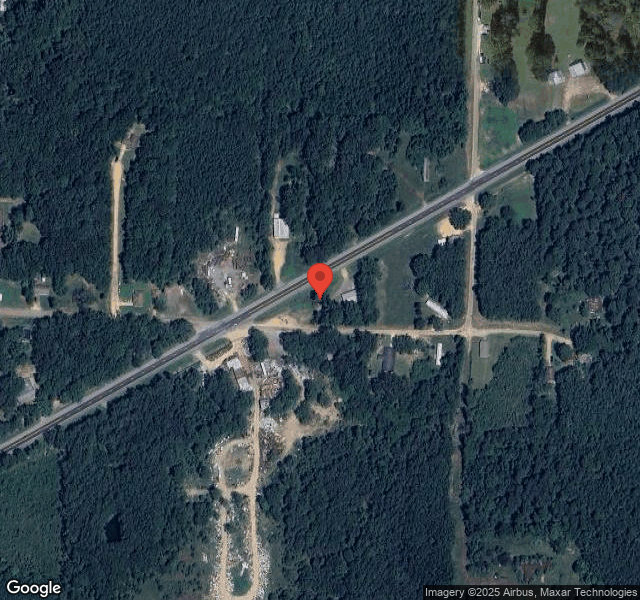
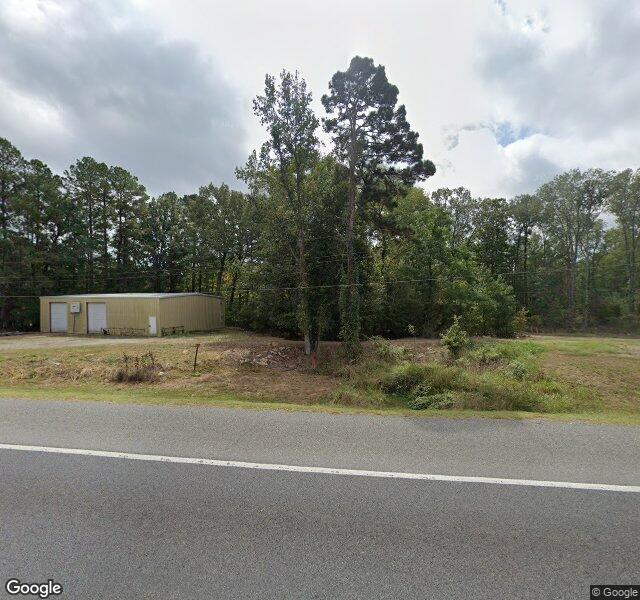
1400 HWY 79/167 BYPASS, FORDYCE, AR 71742 (870) 352-2104
For profit - Limited Liability company 100 Beds SOUTHERN ADMINISTRATIVE SERVICES Data: November 2025
Trust Grade
65/100
#123 of 218 in AR
Last Inspection: June 2024

Within standard 12-15 month inspection cycle. Federal law requires annual inspections.

Overview

St. Johns Place of Arkansas, LLC has received a Trust Grade of C+, indicating that it is slightly above average but still has room for improvement. It ranks #123 out of 218 facilities in Arkansas, placing it in the bottom half, yet it is the only facility in Dallas County. Unfortunately, the facility's trend is worsening, with the number of reported issues increasing from 6 in 2023 to 9 in 2024. Staffing is a strong point, with a rating of 4 out of 5 stars and a turnover rate of 38%, which is lower than the state average, suggesting that staff are more likely to stay and become familiar with residents. While there have been no fines, recent inspector findings revealed concerning incidents, such as improper food storage practices in the kitchen and a lack of cleanliness in essential areas, which could potentially affect the health and safety of residents. Overall, families should weigh the facility's strengths in staffing against its weaknesses in kitchen management and maintenance issues.

Trust Score
C+
65/100
In Arkansas
#123/218
Bottom 44%
Safety Record
Low Risk
No red flags
Inspections
Getting Worse
6 → 9 violations
Staff Stability
○ Average
38% turnover. Near Arkansas's 48% average. Typical for the industry.
Penalties
✓ Good
No fines on record. Clean compliance history, better than most Arkansas facilities.
Skilled Nurses
○ Average
Each resident gets 34 minutes of Registered Nurse (RN) attention daily — about average for Arkansas. RNs are the most trained staff who monitor for health changes.
Violations
⚠ Watch
19 deficiencies on record. Higher than average. Multiple issues found across inspections.
★★★☆☆
3.0
Overall Rating
★★★★☆
4.0
Staff Levels
★★★★☆
4.0
Care Quality
★★★☆☆
3.0
Inspection Score
Stable
2023: 6 issues
2024: 9 issues

The Good

  • 4-Star Staffing Rating · Above-average nurse staffing levels
  • 4-Star Quality Measures · Strong clinical quality outcomes
  • Full Sprinkler Coverage · Fire safety systems throughout facility
  • No fines on record
  • Staff turnover below average (38%)

    10 points below Arkansas average of 48%

Facility shows strength in staffing levels, quality measures, fire safety.

The Bad

3-Star Overall Rating

Near Arkansas average (3.1)

Meets federal standards, typical of most facilities

Staff Turnover: 38%

Near Arkansas avg (46%)

Typical for the industry

Chain: SOUTHERN ADMINISTRATIVE SERVICES

Part of a multi-facility chain

Ask about local staffing decisions and management

The Ugly 19 deficiencies on record

Jun 2024 9 deficiencies
CONCERN (D)

Potential for Harm - no one hurt, but risky conditions existed

Deficiency F0658 (Tag F0658)

Could have caused harm · This affected 1 resident

Based on observation, interviews and facility policy reviews, the facility failed to ensure 1 (Resident #44) sampled resident was not misdiagnosed with a psychological disorder and receive treatment w...

Read full inspector narrative →
Based on observation, interviews and facility policy reviews, the facility failed to ensure 1 (Resident #44) sampled resident was not misdiagnosed with a psychological disorder and receive treatment with medication for a condition that was not present. The finding include: Resident #44 had a diagnosis of dementia and schizoaffective disorder depressive type. Resident #44 had a Physician's Order for Quetiapine Fumarate (an atypical antipsychotic used to treat schizophrenia, bipolar disorder, and depression) Oral Tablet 25 milligrams (MG) two times a day for dementia severe with mood disturbance and schizoaffective disorder depressive type. The Quarterly Minimum Data Set (MDS) with an Assessment Reference Date (ARD) of 03/14/2024 documented Resident #44 scored 2 (0-7 indicates severe cognitive impairment) on a Brief Interview of Mental Status (BIMS) and had schizophrenia and non-Alzheimer ' s dementia. The admission MDS with an ARD of 12/10/2020 documented Resident #44 did not have a diagnosis of schizophrenia. A Care Plan for Resident #44, revision date 03/19/2023, revealed Resident #44 used an antidepressant medication related to schizoaffective disorder depressive type and insomnia. On 06/12/2024 at 12:30 PM, during an interview the Director of Nursing (DON) voiced to the Surveyor that Resident #44 did not have a diagnosis schizoaffective. The DON voiced that she was informed by the current Advanced Practice Nurse (APN) that Resident #44's family member was upset and disagreed with the dose reduction with Resident #44's medication and that the previous APN entered the diagnosis of schizoaffective in to please the family member. The DON stated schizoaffective was not a true diagnosis and she was instructed by the current APN to remove the diagnosis. The Surveyor asked the DON if she was stating that Resident #44 was misdiagnosed. The DON stated, Yes. On 06/13/2024 at 10:35 AM, during an interview the DON voiced that a resident should not be diagnosed with a psychological disorder for the purpose of prescribing a medication, but she was not employed at the facility when this happened. On 06/13/2024 at 11:07 AM, the Surveyor was provided with a policy titled, Organizational Aspects that did not address the deficient practice.
CONCERN (D)

Potential for Harm - no one hurt, but risky conditions existed

Accident Prevention (Tag F0689)

Could have caused harm · This affected 1 resident

Based on observation, interviews, and facility policy review, the facility failed to ensure a housekeeping cart used to store harmful chemicals was locked when not in use by staff. The findings inclu...

Read full inspector narrative →
Based on observation, interviews, and facility policy review, the facility failed to ensure a housekeeping cart used to store harmful chemicals was locked when not in use by staff. The findings include: On 06/10/2024 at 10:02 AM, the Surveyor observed an unattended housekeeping cart unlocked on the secured unit. On 06/10/2024 at 11:16 AM, the Surveyor observed a Resident standing at the housekeeping cart without staff in sight. On 06/10/2024 at 10:18 AM, Housekeeping Staff #9 voiced she had walked away to get something. Housekeeping Staff #9 confirmed the unattended housekeeping cart was not locked and that one of the Residents could get inside the housekeeping cart. On 06/13/2024 at 10:42 AM, Housekeeping Supervisor voiced that the housekeeping cart should be locked at all times, when not in use it is the facility policy and that cognitive impaired Residents could get in the cart and mistakenly ingest the chemicals stored inside, which was more likely to occur on the secured unit. On 06/13/2024 at 11:07 AM, review of a policy titled, Accident Hazards Prevention revealed, Resident Environment. The environment will be free from accidents hazards as is possible . An effective way for the facility to avoid accidents is to develop a culture of safety and commit to implementing systems that address resident risk and environmental hazards to minimize the likelihood of accidents. A facility with a commitment to safety: 1. Acknowledges the high-risk nature of its population and setting .Demonstrates a commitment to safety at all levels of the organization .
CONCERN (D)

Potential for Harm - no one hurt, but risky conditions existed

Deficiency F0692 (Tag F0692)

Could have caused harm · This affected 1 resident

**NOTE- TERMS IN BRACKETS HAVE BEEN EDITED TO PROTECT CONFIDENTIALITY** Based on observation, record review and interview, the facility failed to ensure fluids were maintained within reach to promote ...

Read full inspector narrative →
**NOTE- TERMS IN BRACKETS HAVE BEEN EDITED TO PROTECT CONFIDENTIALITY** Based on observation, record review and interview, the facility failed to ensure fluids were maintained within reach to promote good hydration for 1 (Resident #1) of 1 sample mix resident. The findings are: Resident #1 was admitted on [DATE] and has a diagnosis of Urinary Tract Infection (UTI). The Quarterly Minimum Data Set (MDS) with an Assessment Reference Date (ARD) of 03/31/2024 revealed Resident #1 is a partial/ moderate assistance with documented Eating: The ability to use suitable utensils to bring food and/ or liquid to the mouth and swallow food and/ or liquid once the meal is placed before the resident- Partial/ moderate assistance. On 06/11/2024 at 9:03 AM, the Surveyor interviewed Resident #1 in the resident's room and asked, Do staff provide you with a water pitcher every day? Resident #1 stated, No, there ain't no drinks. The Surveyor did not observe a water pitcher in the resident's room, or fluids in the resident's mini refrigerator. On 06/11/2024 at 3:36 PM, the Surveyor observed Resident #1 lying in bed with eyes closed. No water pitcher was in the resident's room, and no fluids were in the mini refrigerator in the room. On 06/12/2024 at 9:26 AM, the Surveyor interviewed Certified Nurse Aide (CNA) #6 at the resident's room and asked, How do you ensure the resident is provided with adequate fluids? She stated, I give them water every time we go into the room, ask if they want a drink, or ice. When asked, Should fluids always be at the residents bedside? She stated, Yes. When asked, Can you tell me why Resident #1 didn't have a cup at her bedside? She stated, No. On 06/12/2024 at 9:32 AM, the Surveyor interviewed Licensed Practical Nurse (LPN) #7 and asked, How do you ensure the resident is provided with adequate fluids? She stated, I take them water. We do monthly labs .and if they are bad, we do fluids of normal saline. When asked, Should fluids always be at the resident's bedside? She stated, Yes, CNAs pass ice every two hours or as needed. If I'm passing meds [medications], if they need it, I'll get it. When asked, Can you tell me why Resident #1 has no cup at the bedside? She stated, No ma'am. The facility policy titled, Assisted Nutrition and Hydration with a Copyright date of 2023 documented, Policy Residents within the facility will maintain adequate parameters of nutritional ad hydration status, to the extent possible, to ensure each resident is able to maintain the highest practicable level of well-being. Guidelines 1. The facility will: a. Provide nutritional and hydration care and services to each resident, consistent with the resident's comprehensive assessment. 2. Based on the resident's comprehensive assessment, the facility will ensure each resident .Is offered sufficient fluid intake to maintain proper hydration and health .
CONCERN (D)

Potential for Harm - no one hurt, but risky conditions existed

Medication Errors (Tag F0758)

Could have caused harm · This affected 1 resident

Based on observations, interviews, and facility policy reviews, the facility failed to ensure 1 (Resident #44) sampled Resident was free from unnecessary psychotropic medication. The finding include:...

Read full inspector narrative →
Based on observations, interviews, and facility policy reviews, the facility failed to ensure 1 (Resident #44) sampled Resident was free from unnecessary psychotropic medication. The finding include: Resident #44 had a diagnosis of dementia and schizoaffective disorder, depressive type. Resident #44 had a Physician's Order for Quetiapine Fumarate (an atypical antipsychotic used to treat schizophrenia, bipolar disorder, and depression) Oral Tablet 25 milligrams (MG) two times a day for dementia severe with mood disturbance and schizoaffective disorder depressive type. The Quarterly Minimum Data Set (MDS) with an Assessment Reference Date (ARD) of 03/14/2024 documented Resident #44 scored 2 (0-7 indicates severe cognitive impairment) on a Brief Interview of Mental Status (BIMS) and had schizophrenia and non-Alzheimer ' s dementia. The admission MDS with an ARD of 12/10/2020 documented Resident #44 did not have a diagnosis of schizophrenia. A Care Plan for Resident #44, revision date 03/19/2023, revealed Resident #44 used an antidepressant medication related to schizoaffective disorder depressive type and insomnia. A Pharmacy Monthly Medication Review (MMR), with the effective date 05/17/2024, documented, please consider a gradual dose reduction or tapering the dose of this medication, Quetiapine Fumarate Oral Tablet 25 MG||1 tablet||by mouth|| two times a day, in an effort to determine optimal dose or if it may be unnecessary for this resident. The Attending Physician/Prescribing Practitioner documented continue current medication regimen with no changes. Clinical rationale provided documented that Resident #44 will need to continue current medication dosage of Seroquel due to Schizoaffective disorder (DO). [Resident] continues to have periodic behaviors. Due to fear of exacerbation/worsening, will need to continue with current medication dosage. On 06/12/2024 at 12:30 PM, during an interview the Director of Nursing (DON) voiced to the Surveyor that Resident #44 did not have a diagnosis schizoaffective. The DON voiced that she was informed by the current Advanced Practice Nurse (APN) that Resident #44's family member was upset and disagreed with the dose reduction with Resident #44's medication and that the previous APN entered the diagnosis of schizoaffective in to please the family member. The DON stated schizoaffective was not a true diagnosis and she was instructed by the current APN to remove the diagnosis. The Surveyor asked the DON if she was stating that Resident #44 was misdiagnosed? The DON stated, Yes. On 06/13/2024 at 10:35 AM, the DON voiced that a Resident should not be prescribed an antipsychotic medication without a psychological disorder. On 06/13/2024 at 11:07 AM, the Surveyor was provided with a policy titled Organizational Aspects that did not address the deficient practice.
CONCERN (D)

Potential for Harm - no one hurt, but risky conditions existed

Menu Adequacy (Tag F0803)

Could have caused harm · This affected 1 resident

Based on observation, record review, and interview, the facility failed to ensure meals were prepared and served according to the planned written menu to meet the nutritional needs of the residents fo...

Read full inspector narrative →
Based on observation, record review, and interview, the facility failed to ensure meals were prepared and served according to the planned written menu to meet the nutritional needs of the residents for 1 of 1 meal observed. This failed practice had the potential to affect 22 residents who received regular diets and 7 residents who received pureed diets as documented on a list provided by the Dietary Manager on 06/10/2024 at 9:40 AM. The findings are: 1. The menu for the breakfast meal documented the residents on regular diets were to receive ¾ cup of hot cereal and residents on pureed diets were to receive #8 scoop (1/2 cup) of hot cereal. A. On 06/12/2024 at 7:19 AM, Dietary [NAME] (DC) #4 used a 2 ounce red spoon to serve a single portion of oatmeal to the residents on regular diets. The menu specified 3/4 cup of hot cereal for each resident on regular diets. B. On 06/12/2024 at 8:00 AM, the Surveyor asked DC #4, What scoop size did you use to serve regular oatmeal? She stated, I used the red spoon, two ounce spoon. The Surveyor asked, What size a blue spoon was? DC #2 stated, A two ounce spoon. The Surveyor asked how many servings were given to each resident on regular diets. DC #4 stated, I gave one serving each. c. On 06/12/2024 at 8:01 AM, the Surveyor asked DC #4, What scoop size did you use to serve the pureed oatmeal? She stated, I used the orange spoon. The Surveyor asked, What size is the orange spoon? DC #2 stated, A two ounce spoon. The Surveyor asked how many servings were given to each resident on regular diets. DC #4 stated, I gave one serving each.
CONCERN (E)

Potential for Harm - no one hurt, but risky conditions existed

Deficiency F0567 (Tag F0567)

Could have caused harm · This affected multiple residents

Based on record review and interview, the facility failed to ensure residents with a trust account had access to their personal funds after business hours and on weekends. This failed practice had the...

Read full inspector narrative →
Based on record review and interview, the facility failed to ensure residents with a trust account had access to their personal funds after business hours and on weekends. This failed practice had the potential to affect 64 residents who had trust accounts managed by the facility; and failed to ensure resident trust account funds were reimbursed back to the resident/resident representative within 30 days of discharge this failed practice affected one resident. 1. On 06/12/2024 at 9:50 AM, the surveyor asked Resident #38 who handles their money. Resident #38 indicated the facility. The surveyor asked Resident #38 if the resident was able to get money on the weekends? Resident #38 stated No, the [Business Office Manager (BOM)] goes to the bank on Tuesday, so we have to request money on Monday. 2. On 06/12/2024 at 3:04 PM, the BOM was asked if petty cash was left with the charge nurse on the weekend? The BOM indicated no. The BOM indicated that they have never left money on the weekends for the residents. The BOM indicated that she goes around on Thursday and checks with the residents and sees if they need any money for the weekend she will go to the bank on Friday. 3. On 06/12/2024 at 3:04 PM, the BOM asked if the residents have access to their money on the weekends. The BOM stated No. 4. Resident A on the [Facility Name] Trust Current Account Balance passed away on 02/06/2024. Resident A had a balance of $515.77. 5. On 06/12/2024 at 3:04 PM, the BOM was asked when funds were supposed to be refunded or returned after someone discharges from the facility. The BOM indicated 30 days. 6. On 06/13/2024 at 11:13 AM, the Administrator was asked when funds were supposed to be refunded or returned after a resident discharged from the facility. The Administrator indicated 30 days. 7. On 06/12/2024 at 3:04 PM, the BOM was asked about Residents B, C, D and E on the [Facility Name] Trust Current Account Balance, have balances and in [Facility Computer Software] these residents show up under the New tab, they are not current residents. The BOM indicated that she has worked here four years and these residents (Resident's B, C, D and E) have not been residents here. BOM indicated all she could think of was that someone came up and put money in their account and they never came and admitted to the facility. 8. On 06/13/2024 at 11:13 AM, the Administrator was asked about Residents B, C, D and E on the [Facility Name] Trust Current Account Balance. The Administrator indicated that he did not know how these residents ended up in the New tab of [Facility Computer Software]. The Administrator was asked if any of these residents had resided in this facility. The Administrator indicated that he wasn't sure, but he was sure they hadn't in the last four years since he had been here.
CONCERN (E)

Potential for Harm - no one hurt, but risky conditions existed

Deficiency F0679 (Tag F0679)

Could have caused harm · This affected multiple residents

Based on observation, interviews and facility policy review, the facility failed to ensure activities were provided to the Residents on the secured unit despite having an activities calendar in place ...

Read full inspector narrative →
Based on observation, interviews and facility policy review, the facility failed to ensure activities were provided to the Residents on the secured unit despite having an activities calendar in place designed for Residents with cognitive impairment. The findings include: On 06/10/2024 at 10:20 AM, the Surveyor observed Residents sitting in the common area with the television on, but the Residents did not appear to be watching the television. The Surveyor observed the Residents with their heads down, touching other Residents, picking at their clothing, and/or getting up and being told to sit down. On 06/10/2024 at 1:21 PM, the Surveyor observed several Residents sitting in the common area with the television on, but the Residents did not appear to be watching the television. On 06/12/2024 at 10:45 AM, the Surveyor observed Residents sitting in the common area with the television on, but the Residents did not appear to be watching the television. On 06/12/2024 at 1:53 PM, the Surveyor observed Residents sitting in the common area with the television on, but the Residents did not appear to be watching the television. The Surveyor observed Certified Nursing Assistant (CNA) #9 asked the Residents if they were ready for activities, then sat in a chair next to a desk in the common area. On 06/12/2024 at 2:30 PM, the Surveyor observed Residents sitting in the common area with the television on, but the Residents did not appear to be watching the television. The Surveyor observed CNA#9 sitting in a chair next to a desk in the common area. The Surveyor did not observe any ongoing activities. On 06/12/2024 at 2:40 PM, during an interview CNA #9 asked the Surveyor what was sit to stand when asked if sit to stand activity had been performed today. CNA #9 voiced that the Activity Director was responsible for doing activities with the Residents. On 06/12/2024 at 2:50 PM, during an interview the Activity Director voiced that the aides on the hall were responsible for doing activities with the Residents on the secured unit because the activities for the Residents on the secured unit was scheduled at the same time as the other Residents in the facility. The Activity Director voiced that there was an activity calendar posted on the secured unit with suggested time. On 06/13/2024 at 11:06 AM, during an interview the Director of Nursing (DON) voiced the Activity Director was responsible for doing activities with the Residents on the secured unit not the aide, because they have enough to do, and that watching television was not considered an activity if the Residents are not engaged or showing interest in watching the television. On 06/13/2024 at 11:07 AM, review of a policy provided to the Surveyor titled, Activity Programs stated, Activities. The nursing facility provides an ongoing program of Resident/Elder activities/meaningful engagement. Activities will be varied in nature and should be designed to meet the individual needs, interests, and limitations, of Residents/Elder's comprehensive assessment and in conjunction with the Residents/Elder's requests. This includes all Residents/Elders that are bedfast, ambulatory, and disabled. These activities should provide meaningful engagement, mental, social, and spiritual stimulation. The nursing facility will support the Residents/Elders with resources and supplies they need to participate in the program. Activity director/leader. The activity program is directed by a qualified individual who has completed a training course approved by the State. The activity director should be aware of the Residents/Elders' strengths, limitations, and develop activity plans on an individual and group basis .
CONCERN (E)

Potential for Harm - no one hurt, but risky conditions existed

Deficiency F0761 (Tag F0761)

Could have caused harm · This affected multiple residents

Based observations, interviews, and facility policy review, the facility failed to ensure medication carts were locked and secure when untended and out of the line of sight of the nurse and controlled...

Read full inspector narrative →
Based observations, interviews, and facility policy review, the facility failed to ensure medication carts were locked and secure when untended and out of the line of sight of the nurse and controlled medications were stored in separately locked, permanently affixed compartment in the refrigerator to prevent misappropriation of medications. The findings include: 1. On 06/10/2024 at 12:30 PM, the Surveyor observed Registered Nurse (RN) #10 walk away from the unlocked medication cart and enter a Resident's room with her back turned to the hallway where the medication cart was placed. a. On 06/10/2024 at 12:33 PM, Registered Nurse #10 confirmed the medication cart was unlocked while unattended. b. On 06/13/2024 at 10:32 AM, the Director of Nursing (DON) voiced an unattended medication cart not within view of the nurse should be locked. The DON voiced that the Residents and staff can get medication out of the medication cart if the medication cart was left unlocked while unattended. 2. On 06/11/2024 at 2:40 PM, the Surveyor noted the locked medication box used to store refrigerated controlled medications was on a shelf in the refrigerator not permanently affixed. The Surveyor observed controlled medications inside the locked box for the Residents and the emergency kit. a. On 06/11/2024 at 2:45 PM, Licensed Practical Nurse (LPN) #11 confirmed the lock box used to store refrigerated controlled medications was not affixed and was able to be removed from the refrigerator by the Surveyor. b. On 06/13/2024 at 11:07 AM, the Surveyor was provided a policy titled Medication Storage in the Facility that documented, .Only licensed nurses, pharmacy personnel, and those lawfully authorized to administer medications (such as medications aides) permitted to access medications. Medication rooms, carts, and medication supplies are locked when not attended by persons with authorized access .
CONCERN (F)

Potential for Harm - no one hurt, but risky conditions existed

Food Safety (Tag F0812)

Could have caused harm · This affected most or all residents

Based on observation, record review and interview, the facility failed to ensure foods stored in the freezer were covered and sealed to maintain freshness and decrease the potential for cross contamin...

Read full inspector narrative →
Based on observation, record review and interview, the facility failed to ensure foods stored in the freezer were covered and sealed to maintain freshness and decrease the potential for cross contamination who received meals from 1 of1 main kitchen; dietary staff washed their hands before handling clean equipment or food items to prevent potential food borne illness for residents who received meals from 1 of 1 kitchen; hot food items were not maintained at or above 135 degrees Fahrenheit on the steam table while awaiting service to prevent potential food borne illness for the residents who received meals from 1 of 1 kitchen. These failed practices had the potential to affect 67 residents who received meals from the Kitchen (Total Census: 69), according to the list provided by the Dietary Manager on 06/12/2024 at 9:40 AM. The findings are: 1 On 06/11/2024 at 9:24 AM, the following observations were made in the walk-in freezer: a. An opened box of corn dogs was on a shelf in the freezer. The box was not covered or sealed. b. An opened box of mixed vegetables was on a shelf in the freezer. The box was not covered or sealed. 2. On 06/11/2024 at 9:35 AM, Dietary Aide (DA) #1 picked up the water hose with her bare hand, used it to spray leftover food from inside of the dishes, contaminating her hands. She placed the dirty dishes in the dirty racks and pushed the racks into the dish washing machine to wash. After the dishes stopped washing, she moved to the clean side of the dishwasher area and picked up clean dishes and placed them on the clean utility cart to be used in serving the noon meal to the residents. The Surveyor asked her immediately, What should you have done after touching dirty objects and before handling clean equipment and food? She stated, I should have washed my hands. 3. On 06/11/2024 at 11:33 AM, Dietary [NAME] (DC) #2 turned on the hand washing sink faucet and washed her hands. DC #2 then turned off the faucet with her bare hands, contaminating them. Without washing her hands, DC #2 picked a clean blade and attached it to the base of the blender to be used in pureeing food items to be served to the residents on pureed diets. The Surveyor asked, What should you have done after touching dirty objects and before handling clean equipment and food? She stated, I should have washed my hands. 4. On 06/11/2024 at 11:43 AM, Dietary Aide (DA) #3 turned on the hand washing sink and washed her hands. She then used her bare hand to turn off the sink, contaminating her hands. Without washing her hands, DA #3 picked a clean blade and attached it to the base of the blender to be used in pureeing food items to be served to the residents on pureed diets. The Surveyor asked DA #3, What should you have done after touching dirty objects and before handling clean equipment and food? She stated, I should have washed my hands. 5. On 06/11/2024 at 12:01 PM, the temperature of the pureed bread with milk when checked and read on the table by the DA #2 was 100 degrees Fahrenheit. The pureed bread with milk was not reheated before being served to the residents. 6. The facility policy titled, Personal Hygiene, provided by the Dietary Manager on 06/12/2024 at 9:40 AM documented, .Wash hands carefully with soap and water whenever they become soiled, immediately before work in the morning . after handling raw unwashed food and dirty dishes; before touching food, clean dishes and silverware .
Aug 2023 1 deficiency
CONCERN (D) 📢 Someone Reported This

A family member, employee, or ombudsman was alarmed enough to file a formal complaint

Potential for Harm - no one hurt, but risky conditions existed

Deficiency F0602 (Tag F0602)

Could have caused harm · This affected 1 resident

**NOTE- TERMS IN BRACKETS HAVE BEEN EDITED TO PROTECT CONFIDENTIALITY** Based on record review and interview, the facility failed to ensure home medication that was brought to the facility was safegua...

Read full inspector narrative →
**NOTE- TERMS IN BRACKETS HAVE BEEN EDITED TO PROTECT CONFIDENTIALITY** Based on record review and interview, the facility failed to ensure home medication that was brought to the facility was safeguarded or returned for 1 (Resident #1) of 3 (Residents #1, #2 and #3) sampled residents who were admitted to the facility with home medications per list provided by the Director of Nursing (DON) on 8/2/2023. The findings are: On 8/2/23 at 10:59 AM an interview with Resident #1 family member who stated the resident did not get her home medications back upon discharge, and further stated the medications have now been destroyed. The family member stated they received a phone call from the facility around the week of 7/10 to notify them the medication was ready to be picked up. She stated she was waiting for a return call to notify her when she could pick up the medication, and she did not get a call. Review of Resident #1 admission Evaluation revealed the resident was admitted to the facility on [DATE]. There was no mention the residents home medications were brought to the facility. On 8/2/23 at 10:00 am an interview with the Director of Nurses (DON) who stated Resident #1 was admitted with a large bag of medication bottles and it was in the facility during the resident's stay through discharge. She stated the discharge was sudden, and late at night. The DON stated, the facility failed to send the medications with the family on discharge which was at 10:00 PM on 7/6/23. The DON stated the medication was in the medication room, locked up securely and labeled with the resident's name on them. She stated the family was called and asked to pick up the medication, and she told the family member that if the medications were left here that they had the possibility of being destroyed per the facility policy. She stated the family was contacted again on 7/17/23, and further stated she was not sure if the medication was still in the facility, or if the family picked them up. On 8/2/2023 at 10:20 am an observation was made in the medication room to locate Resident #1 bag of home medications. The DON and Nurse Manager stated the medications were stored in the medication room. There were no home medications for Resident #1 in the medication room. The DON and Nurse Manager were unable to locate the bag of medications in the facility. On 8/2/23 at 10:50 am the DON stated, I am assuming the medications were destroyed when our pharmacist came on 7/21/23 for medication destruction. On 8/2/2023 at 12:15 pm during an interview with the Nurse manager, the surveyor asked for a list of medications Resident #1 brought in when admitted to the facility? She stated, we don't have the medications that Resident #1 brought into the facility listed anywhere. She stated the referral document from the hospital would have the home medications listed. She further stated they would have given the resident medications from the bottles on admission, because the resident admitted to the facility late in the evening. Review of the physician documentation from the discharging hospital, and included in the nursing home referral packet noted Resident #1 historical home medications were noted to include Gabapentin, Ferrous Sulfate, Pravastatin, Bumetanide, Albuterol Sulfate inhalation, Colchicine/Probenecid Potassium Chloride Terazosin Xarelto Olmesartan Hydralazine and Amlodipine On 8/2/2023 at 1:15pm the surveyor asked the DON, can you tell me exactly what happened to Resident #1's bag of home medications that was brought into the facility when she was admitted ? She stated, I am guessing I destroyed the medications on 7-21-23. I have started an in-service now to make sure we don't keep any home medications when the residents are admitted . Review of the admission agreement for the facility noted, personal property-the facility will not be liable for the loss, theft, or destruction of personal property of the resident except as delivered to the charge nurse or Administrator of the facility for safekeeping. The resident signed the document on June 15th, 2023. Reviewed policy titled Abuse, Neglect and Maltreatment which noted the facility will endeavor to protect Resident/Elders from maltreatment, which means adult abuse, exploitation, neglect, physical abuse, sexual abuse, neglect and the misappropriation of Resident/Elder property. Such maltreatment is strictly prohibited .
Jun 2023 5 deficiencies
CONCERN (D)

Potential for Harm - no one hurt, but risky conditions existed

Deficiency F0692 (Tag F0692)

Could have caused harm · This affected 1 resident

Based on record review, observation, and interview, the facility failed to maintain acceptable parameters for nutritional status for 1 (Resident #43) of 11 (#2, #7, #9, #25, #32, #35, #38, #39, #43, #...

Read full inspector narrative →
Based on record review, observation, and interview, the facility failed to maintain acceptable parameters for nutritional status for 1 (Resident #43) of 11 (#2, #7, #9, #25, #32, #35, #38, #39, #43, #48 and #49) sampled residents who are at risk for weight loss. The findings are: 1. Resident #43 had a diagnosis of Alzheimer's Disease, Unspecified. The Minimum Data Set (MDS) with and Assessment Reference Date (ARD) of 05/28/23 documented the resident scored a 00 (0-7 indicates severely cognitively impaired) on a Brief Interview of Mental Status (BIMS). a. The Annual Dietary Evaluation for Resident #43 dated 05/18/23 documented no weight change. b The Physician Order with a start date of 05/19/23 documented, Super-calorie diet, regular texture, thin consistency. c. The Care Plan with a revision date of 05/31/23 documented, Resident #43 has potential for nutritional deficits, weight loss related to Alzheimer's Disease. Resident #43 also enjoys eating [named cakes] of all sorts. Approaches: 04/06/23 discontinue Supercal and double portions. 05/19/23 Supercal diet ordered. Staff to assist in the dining room. On 05/05/23 an appetite stimulant was ordered. Give supplements as ordered. Offer substitutes for food not eaten. Provide diet as ordered. RD to evaluate and make diet change recommendations PRN [as needed]. d. Resident #43's Weight Record documented on 04/04/23 that his weight was 166.8 lbs, [pounds]. On 05/21/23 his weight was 151.6 lbs, which was a 9.11% [percent] weight loss. e. On 05/31/23 at 12:25 PM, Resident #43 received the tray in his room. He was served beans and ham, greens, potatoes, corn bread, one pack of butter, tea, and cobbler. He ate the greens, the cobbler, the beans, and drank his tea. The packet of butter remained unopened. f. On 05/31/23 at 1:05 PM, the Surveyor asked Dietary Employee (DE) #1 What was the fortified food for the enhanced for lunch? DE #1 answered, It was the butter. The Surveyor asked if the butter had been added to the recipes or melted on the food. DE #1 answered, No. The enhancement was the butter was on the tray and the Certified Nursing Assistants were to put it on the cornbread. g. On 05/31/23 at 2:05 PM, the Surveyor reviewed the facility's menu. Margarine was listed on Wednesday's meals as a regular part of the meal. Resident #43 did not receive extra margarine with his meal or his Supercal diet as ordered. h. On 06/01/23 at 8:19 AM, the Surveyor asked DE #1, What was the super calorie food for breakfast? DE #1 stated, Cereal. The Surveyor showed DE #1 Resident #43's meal ticket and asked, What was Resident #43's Supercal food? DE #1 stated, Resident #43 doesn't like cereal or eggs, so he doesn't receive them. The Surveyor asked, What food was sent instead of super cereal and eggs? DE #1 stated, Nothing and then stated, the nurse will give him something later. DE #1 gave the Surveyor the menu for 05/31/23 and 06/01/23 with list of items of daily Supercal food. Resident #43 did not receive a substitution for his super cereal or eggs.
CONCERN (E)

Potential for Harm - no one hurt, but risky conditions existed

Respiratory Care (Tag F0695)

Could have caused harm · This affected multiple residents

Based on observations, record review, and interview, the facility failed to follow Physician's Orders by changing the respiratory equipment weekly for 2 (Residents #8 and #33) of 8 (#8, #9, #12, #24, ...

Read full inspector narrative →
Based on observations, record review, and interview, the facility failed to follow Physician's Orders by changing the respiratory equipment weekly for 2 (Residents #8 and #33) of 8 (#8, #9, #12, #24, #26, #33, #39 and #54) sample mix residents that were reviewed for Oxygen therapy. The findings are: 1. Resident #8 had diagnoses of Chronic Obstructive Pulmonary Disease (COPD), Unspecified and Unspecified Asthma, Uncomplicated. The Quarterly Minimum Data Set (MDS) with an Assessment Reference Date (ARD) of 04/24/23 documented the resident scored a 12 (8-12 indicates Moderately Cognitively Impaired) on a Brief Interview of Mental Status (BIMS) and required Oxygen Therapy. a. The Physician Order dated 01/05/22 documented, Change oxygen tubing every week, every night shift every Sunday. b. The Care Plan with a revision date of 04/24/23 documented, Resident #8 has Oxygen therapy related to COPD and SOB [Shortness of breath]. Approaches: Change oxygen tubing, storage bag, and humidification bottle weekly and PRN [as needed]. Clean filter on concentrator weekly and PRN. c. On 05/30/23 at 10:57 AM, Resident #8's Oxygen was running at 2 liters per nasal cannula. The set-up bag's issue date was 05/21/23, which was over due to be changed out on 05/28/23. d. On 05/31/23 at 10:15 AM, the Surveyor showed the Director of Nursing (DON) that Resident #8s' Oxygen (O2) bag was dated for 05/21/23. The DON stated, I know that is a problem, she had started an in-service on changing out the O2 tubing yesterday. 2. Resident #33 had a diagnosis of COPD with Acute Exacerbation. The Quarterly MDS with an ARD of 05/28/23 documented the resident scored a 14 (13-15 Indicates Cognitively Intact) on a BIMS and required Oxygen Therapy. a. The Care Plan with an initiation date of 02/17/23 documented, Resident #33 has oxygen therapy. Approaches: if needed if concentrator present in room, date and change oxygen tubing, storage bag and humidification bottle weekly and PRN, Clean filter on concentrator weekly and PRN. b. The Physician Order with a start date of 05/06/23 documented, Change oxygen tubing every week, every night shift every Sunday. c. On 05/30/23 at 11:08 AM, Resident #33's oxygen was running at 3 liters per nasal cannula. The set-up bag issued date was 05/21/23, which was over due to be changed out on 05/28/23. d. On 05/31/23 at 10:15 AM, the Surveyor showed the DON that Resident #33's O2 bag was dated 05/21/23. The DON stated, I know that, and that she had started an in-service on changing out the O2 tubing yesterday. e. On 05/31/23 at 10:15 AM, the Surveyor asked the DON for a policy and procedure for changing the tubing and set-up equipment. The DON did not have a policy.
CONCERN (E)

Potential for Harm - no one hurt, but risky conditions existed

Menu Adequacy (Tag F0803)

Could have caused harm · This affected multiple residents

Based on observation, record review, and interview, the facility failed to ensure the fortified food was prepared and served according to the planned written Quantified recipe to meet the nutritional ...

Read full inspector narrative →
Based on observation, record review, and interview, the facility failed to ensure the fortified food was prepared and served according to the planned written Quantified recipe to meet the nutritional needs of the residents for 1 of 1 meal observed. This failed practice had the potential to affect 29 residents who received fortified foods from 1 of 1 kitchen according to a list provided by the Dietary Supervisor on 06/02/23. The findings are: 1. The facility's Quantified Recipe for 25 servings documented, 1. 3 quart plus ½ [half] cup of nonfat dry milk. 2. 2 ¼ [fourth] quarts of whole milk. 3. 3 quarts of oatmeal. 4. 2 ¼ cup of light brown sugar. 5. 2 ¼ cup of margarine bulk. Portion size ½ cup. a. On 06/02/23 at 7:19 AM, the Surveyor asked Dietary Employee (DE) #3, How do you prepare super cereal? DE #3 stated, I use ½ cup of brown sugar, ½ a stick of butter and pepper. The Surveyor asked, What size of spoon did you serve super cereal with and how many servings of super cereal did you give to the residents who received fortified foods? DE #3 stated, I used a 4-ounce spoon to serve a single portion and I gave one serving each. The menu specified 1 cup for each resident on fortified foods.
CONCERN (F)

Potential for Harm - no one hurt, but risky conditions existed

Food Safety (Tag F0812)

Could have caused harm · This affected most or all residents

Based on observation and interview, the facility failed to ensure that the kitchen vents were cleaned to provide a sanitary environment for food preparation, the Dish Washing Room, kitchen walls, door...

Read full inspector narrative →
Based on observation and interview, the facility failed to ensure that the kitchen vents were cleaned to provide a sanitary environment for food preparation, the Dish Washing Room, kitchen walls, door frames and baseboards were free of rotten wood, the chipped walls were replaced, the food items stored in the refrigerator was covered or sealed to prevent potential food borne illness for the residents who received meal trays from I of I kitchen, and the ice machine and ice scoop holder were maintained in clean and sanitary conditions and dietary staff washed their hands before handling clean equipment or food items to prevent potential food borne illness for residents who received meals from 1 of 1 kitchen. These failed practices had the potential to affect 62 residents who received meals from the kitchen (total census: 64) as documented on a list provided by the Director of Nursing (DON) on 06/02/23 at 9:10 AM. The findings are: 1. On 06/02/23 at 9:05 AM, the following observations were made in the kitchen. a. Two air vents in the Dish Washing Room, three air vents above the Steam Table, and two air vents in the Storage Room had rusty brown dirt and lint particles stuck to their slats. b. The Dishwashing Room's door frame was loose from the wall, exposing the sheet rock. The bottom of the door frame was rotten. There was an accumulation of wet loose sheet rock on the floor, and a nail was protruding from the door frame. c. The wall between the stove and the Dish Washing Room was chipped, exposing the sheet rock. The board against the wall behind the oven was loose, and the wall paint was peeling, exposing the cement. d. On 06/01/23 at 9:20 AM, an open box of sausage was on the shelf in the refrigerator. e. On 06/01/23 at 9:33 AM, the interior surfaces of the Ice Machine had a wet black residue on it. The Surveyor asked the Dietary Supervisor to wipe off the black residue with a paper towel. The Dietary Employee Supervisor stated, It had black residue. The Surveyor asked, Who used the ice from the ice machine and how often do you clean it? The Dietary Supervisor stated, We use it to fill beverages served to the residents at meals. We clean it once. f. On 06/01/23 at 11:17 AM, Dietary Employee (DE) #1 removed the pans that contained meat loaf from the oven and placed them on the counter. Without washing her hands, she picked up a clean blade and attached it to the base of the blender to be used in pureeing the food items to be served to the residents who required the pureed diets for lunch. g. On 06/01/23 at 11:28 AM, DE #1 picked up a knife from the drawer to cut the meat loaf. Without washing her hands, she picked up a clean blade and attached it to the base of the blender to be used in pureeing food items for the residents who required the pureed or mechanical soft diets. h. On 06/01/23 at 11:44 AM, DE #2 removed a condiment container from the Storage Room and placed it on the counter. She removed a carton of chocolate milk from the milk refrigerator, opened it and placed it on the counter. Without washing her hands, she picked up a glass by the rim and poured the milk in it to be served to a resident for lunch. The Surveyor asked, What should you have done after touching dirty objects and before handling clean equipment? DE #2 stated, I should have washed my hands. i. On 06/01/23 at 11:59 AM, DE #1 lifted the trash can lid and threw away the alcohol pad, contaminating her hands. Without washing her hands, she picked up the plates to be used in portioning the food items and placed them on a shelf of the steam table with her fingers inside of them. When she was about to portion the food on the plates, the Surveyor immediately stopped her and asked, What should you do have done after touching dirty objects and before handling clean equipment? DE #1 stated, Washed my hands. j. On 06/01/23 at 12:08 PM, DE #1 was on the tray line serving lunch. She picked up the tray cards and placed them on the trays, contaminating her hands. Without washing her hands, she picked up the plates to be used in portioning food items to be served to the residents for lunch with her fingers touching the plates' interior surfaces.
CONCERN (F)

Potential for Harm - no one hurt, but risky conditions existed

Room Equipment (Tag F0908)

Could have caused harm · This affected most or all residents

Based on observation, record review, and interview, the facility failed to ensure that all essential areas of the building were in good repair. This failed practice had the potential to affect 61 resi...

Read full inspector narrative →
Based on observation, record review, and interview, the facility failed to ensure that all essential areas of the building were in good repair. This failed practice had the potential to affect 61 residents who receive a meal tray from the kitchen, as documented on a list provided by the Assistant Director of Nursing (ADON) on 06/01/23 at 9:45 AM. The findings are: a. On 05/30/23 at 10:50 AM, during the brief tour of the Kitchen with the Dietary Manager, there was approximately ½ liter of standing water on the floor in the doorway of the Dry Storage Room. The Dietary Manager stated, I think that was caused by a leak in the Dish Machine. We try to keep it mopped up. b. On 05/31/23 at 9:06 AM, the Surveyor asked the Administrator to provide the Maintenance Logs. A review of the Maintenance Logs showed no documentation of leaking water in the kitchen or the leaking Dish Machine. The Surveyor asked, Has anyone made you aware of the leak in the kitchen? The Administrator answered, They told the Maintenance Supervisor about it this morning. c. On 05/31/23 at 9:57 AM, the Surveyor asked the Administrator, How long has the leak in the kitchen been going on? The Administrator answered, The Maintenance Supervisor is looking at it now. He thinks it may be caused by a drainpipe in the laundry. It happens every great once in a while. d. On 05/31/23 at 2:29 PM, the Surveyor took a tour of the Laundry Room with Housekeeping Staff #1. She stated, There are 2 men tearing out sheet rock between the 'dirty' side and the kitchen due to a leak. The two men were sitting in chairs in the Laundry Folding Room. There was missing sheet rock on the wall in the area of the Laundry Room that contained the washing machines. e. On 06/01/23 at 7:54 AM, during Breakfast service, the Surveyor asked the Dietary Manager, Did the leak in the Dry Storage Room get fixed? The Dietary Manager answered, They tore out part of the wall and they plan to come sometime over the weekend at night so they can move things around when no one is here. Approximately one liter of water was on the floor in the rear of the Dry Storage Room. The Sheet rock had been removed from the rear wall of the Dry Storage Room. f. On 06/01/23 at 9:45 AM, the Surveyor asked the Administrator to provide the building's Maintenance Policy. The Administrator stated, I will check but I don't think we have one. g. On 06/02/23 at 8:00 AM, the Surveyor asked the Dietary Manager, What could happen if water leaks into the Dry Storage Room? The Dietary Manager answered, If food is left open or on the floor it could get contaminated. Or it could cause mold. The Surveyor asked, What could happen if there was mold in the Dry Storage Room? The Dietary Manager answered, The workers or the residents could get sick. h. On 06/02/23 at 8:02 AM, the Surveyor asked the Maintenance Supervisor, How long have you been aware of the leak that is going in the Dry Storage Room? The Maintenance Supervisor answered, I was made aware of it this past week. We noticed it the most this week. We think it may be coming from the Dishwasher. i. On 06/02/23 at 8:03 AM, the Surveyor asked the Administrator, Did you ever find a Maintenance Policy? The Administrator answered, No we don't have one. The Surveyor asked, What could happen if there is a water leak that goes into the dry storage room? The Administrator answered, Most of it wouldn't be good. It could cause mold to grow. The Surveyor asked, What could happen if there was mold in the Dry Storage Room? The Administrator answered, That wouldn't be good.
Feb 2022 4 deficiencies
CONCERN (D)

Potential for Harm - no one hurt, but risky conditions existed

Deficiency F0692 (Tag F0692)

Could have caused harm · This affected 1 resident

Based on observation, record review, and interview, the facility failed to ensure the physician or Registered Dietitian was promptly consulted to evaluate continued weight loss to prevent a delay in d...

Read full inspector narrative →
Based on observation, record review, and interview, the facility failed to ensure the physician or Registered Dietitian was promptly consulted to evaluate continued weight loss to prevent a delay in developing and implementing additional nutritional interventions for 1 (Resident #31) of 3 (Residents #17, #31 and #43) sampled residents with weight loss. This failed practice had the potential to affect 6 residents who had experienced unplanned weight loss, according to a list provided by the Director of Nursing (DON) on 01/18/2022 at 3:18 PM. The findings are: Resident #31 had diagnoses of Weight Loss, Dementia, and Osteoarthritis. The Quarterly Minimum Data Set (MDS) with an Assessment Reference Date (ARD) of 12/25/21 documented the resident scored 0 (0-7 indicates severe impairment) on a Brief Interview for Mental Status, required setup help with eating, had weight loss that was not physician prescribed and was on a therapeutic diet. a. The Plan of Care dated 12/22/21 documented, Resident has potential for nutritional deficits related [to] therapeutic diet. Resident will receive adequate nutrition as evidenced by weight stable. Offer substitutes for foods not eaten. Provide assistance with meals as needed. Provide diet as ordered- Supercal diet, Regular texture. b. The resident's weight list form documented the resident's weights as follows: 1/5/22: 150 pounds (lbs). 2/1/22: weight is down to 140 lbs. Added to weekly weights. Supercal diet prescribed by MD [Medical Doctor]. 2/8/22: 138 pounds There was no documentation the physician or RD were notified of the continued weight loss at this time. 2/17/22: 140 lbs. 2/18/22: 138.2 lbs APN [Advanced Practice Nurse] here, ordered Remeron and Ensure with all meals. c. The Resident's Meal Consumptions from 02/08/22 to 02/18/2022 was 25% to 75%. d. On 02/18/2022 at 10:15 am, the Director of Nursing (DON) was asked about the continued weight loss and lack of interventions after the weight loss continued on 02/8/22. She stated, They had been reducing and increasing her Seroque1. She was getting a 10 am and 2pm snack in November 2021, but not now, she wasn't eating them. She is now being fed per staff. No documentation was provided to indicate interventions were implemented to address the 2/8/22 weight loss until after the resident lost additional weight on 2/18/22 and the APN was notified.
CONCERN (E)

Potential for Harm - no one hurt, but risky conditions existed

Menu Adequacy (Tag F0803)

Could have caused harm · This affected multiple residents

Based on observation, record review and interview, the facility failed to ensure meals were prepared and served in accordance with the planned, written menu to meet the nutritional needs of the reside...

Read full inspector narrative →
Based on observation, record review and interview, the facility failed to ensure meals were prepared and served in accordance with the planned, written menu to meet the nutritional needs of the residents for 1 of 2 meals observed. The failed practice had the potential to affect 37 residents who received regular diets, 16 residents on mechanical soft diets and 4 residents who received pureed diets from the kitchen, according to a list provided by the Dietary Supervisor on 2/18/2022 at 7:58 AM. The findings are: 1. The facility menu for the lunch meal on 2/17/22 documented the residents on regular diets and mechanical soft diets were to receive 3 ounces of roast beef with 2 slices of bread per person. On 2/17/22 at 11:15 AM, during the noon meal preparation Dietary Employee #1 placed 18 slices of bread into a blender. (instead of 32 slices of bread). She ground and poured the ground bread into a pan. She covered the pan with foil and placed it on the counter to be served to the 16 residents on mechanical soft diets for lunch. The menu specified for the residents on mechanical diets were to receive 2 slices of bread each. 2. On 2/17/22 12:30 PM, the following observations were made during the noon meal: a. Dietary Employee #1 used a #30 scoop (2 tablespoons/1 ounce) to serve a single portion of ground roast beef to the residents on mechanical soft diets. The menu specified for the residents on mechanical diets to receive 3 ounces of ground roast beef. b. Residents on regular diets were served 3 thin slices of roast beef between 2 slices of bread. At 1:20 PM, the Dietary Supervisor was asked to weigh 3 slices of roast beef, as served to the residents for their lunch meal. She did so and stated, It weighed 1.5 ounces. 3. On 2/17/22 at 1:18 PM, Dietary Employee #1 was asked, What scoop size did you use to serve mechanical soft meat? She stated, I used a #30 scoop. She was asked, How much meat did each resident on a mechanical soft diet receive? She stated, I gave a single scoop of ground meat to each resident using a #30 scoop. They should have 3 ounces. She was asked, Was a #30 scoop the right scoop to use? The Dietary Supervisor looked at the menu and stated, I didn't look at the menu. She was asked, How many servings of ground meat were left in the pan? She stated by measuring with a #10 scoop that there were 7 ½ servings left in in the pan.
CONCERN (E)

Potential for Harm - no one hurt, but risky conditions existed

Deficiency F0804 (Tag F0804)

Could have caused harm · This affected multiple residents

Based on observation, record review and interview, the facility failed to ensure food was prepared by methods that maintained appearance and hot foods were served hot to maintain palatability and enco...

Read full inspector narrative →
Based on observation, record review and interview, the facility failed to ensure food was prepared by methods that maintained appearance and hot foods were served hot to maintain palatability and encourage adequate nutritional intake for 1 of 2 meals observed on the 100 and 400 halls. The failed practice had the potential to affect 12 residents who received meal trays in their rooms on 100 hall and 10 residents who received meal trays in their rooms on 400 Hall, as documented on a list provided by the Dietary Supervisor on 2/18/2022 at 7:58 AM. The findings are: 1. On 2/16/22 at 12:10 PM, Resident #38, whose Minimum Data Set (MDS) with an assessment reference date (ARD) of 1/18/22 documented the resident scored 13 (13-15 indicates cognitively intact) on a brief interview for mental status (BIMS), stated, The food is cold. 2. On 2/17/22 at 7:13 AM, the following observations were made on the steam table: a. A pan of pureed oatmeal was on the steam table to be served to the residents on pureed diets. The consistency of the pureed oatmeal was runny. b. A pan of pureed sausage was on the steam table. The consistency of the pureed sausage was runny. 3. On 2/17/22 at 12:19 PM, Dietary Supervisor was asked to describe the consistency of the pureed oatmeal and pureed sausage served to the residents on pureed diets for breakfast. She stated, They were a little soupy. 4. On 2/17/22 at 7:17 AM, an unheated cart with 10 breakfast trays was delivered to the front 400 Hall by Certified Nursing Assistant #1. At 7:27 AM, immediately after the last resident was served a meal tray in their room on the 400 Hall, the temperatures of the food items on a test tray were checked and read by the Dietary Supervisor with the following results: a. Coffee: 105.9 degrees Fahrenheit. b. Scrambled eggs: 102 degrees Fahrenheit. c. Ground sausage with gravy: 95.6 degrees Fahrenheit. d. Pureed eggs: 98.5 degrees Fahrenheit. e. Pureed oatmeal: 88.9 degrees Fahrenheit. g. Pureed sausage: 90.5 degrees Fahrenheit. h. Regular oatmeal: 91.0 degrees Fahrenheit. 5. On 2/17/22 at 7:35 AM, an unheated cart with 12 breakfast trays was delivered to the 100 Hall by CNA #2. At 07:48 AM, immediately after the last resident was served a meal tray in their room on the 100 Hall, the temperatures of the food items on a test tray were checked and read by the Dietary Supervisor with the following results: a. Sausage: 102 degrees Fahrenheit. b. Scrambled eggs: 104 degrees Fahrenheit. c. French toast: 88 degrees Fahrenheit.
CONCERN (F)

Potential for Harm - no one hurt, but risky conditions existed

Food Safety (Tag F0812)

Could have caused harm · This affected most or all residents

Based on observation and interview, the facility failed to ensure dietary staff washed their hands before handling clean equipment or food items; the ice machine was maintained in clean condition; and...

Read full inspector narrative →
Based on observation and interview, the facility failed to ensure dietary staff washed their hands before handling clean equipment or food items; the ice machine was maintained in clean condition; and hot foods were maintained at or above 135 degrees Fahrenheit on the steam table while awaiting service, to prevent potential food borne illness for residents who received meals from 1 of 1 kitchen. These failed practices had the potential to affect 62 residents who received meals from the kitchen (total census: 63), as documented on a list provided by the Dietary Supervisor on 2/18/2022 at 7:58 AM. The findings are: 1. On 02/17/22 at 08:26 AM, the ice machine in a room on 400 Hall had wet pink residue on the interior panel. The Dietary Supervisor was asked to wipe the pink residue on the panel of the ice machine. She did so, and the pink residue easily transferred to a tissue. Dietary Supervisor was asked, How often do you clean the ice machine? She stated, Daily. Dietary Supervisor was asked, Who uses the ice from the ice machine? She stated, That's the ice the CNAs [Certified Nursing Assistants] use for the water pitchers in the residents' rooms, and we use it in the kitchen to fill beverages served to the residents at meals. 2. On 2/17/22 at 11:16 AM, Dietary Employee #1 was wearing gloves on her hands. She turned off the hand washing sink faucet. Without changing gloves and washing her hands, she picked up a clean blade and attached it to the base of the blender to be used in pureeing food items to be served to the residents on pureed diets. Dietary Employee #1 immediately was asked, what should you have done after touching dirty objects and after handling clean equipment? She stated, I should have washed my hands. 3. On 2/17/22 at 11:24 AM, Dietary Employee #1 turned on the hand washing sink faucet to rinse a spoon. Without changing gloves and washing her hands, she picked up a clean blade and attached it to the base of the blender to be used in pureeing food items to be served to the residents on pureed diets for lunch. 4. On 2/17/22 at 11:58 AM, the temperature of the food items were checked and read on the steamtable by Dietary Employee #1 as follows: a. Pureed roast beef: 128 degrees Fahrenheit. b. Pureed cream corn: 129 degrees Fahrenheit. c. Ground roast: 126 degrees Fahrenheit. 5. On 2/17/22 at 12:22 PM, Dietary Employee #1 was on the tray line serving the noon meal. She picked up tray cards and bags of chips and placed them on the trays. Without changing gloves and washing her hands, she picked up roast beef sandwiches and placed them on the plates to be served to the residents for lunch.
Understanding Severity Codes (click to expand)
Life-Threatening (Immediate Jeopardy)
J - Isolated K - Pattern L - Widespread
Actual Harm
G - Isolated H - Pattern I - Widespread
Potential for Harm
D - Isolated E - Pattern F - Widespread
No Harm (Minor)
A - Isolated B - Pattern C - Widespread

Questions to Ask on Your Visit

  • "Can I speak with families of current residents?"
  • "What's your RN coverage like on weekends and overnight?"

Our Honest Assessment

Strengths
  • • No major safety red flags. No abuse findings, life-threatening violations, or SFF status.
  • • No fines on record. Clean compliance history, better than most Arkansas facilities.
  • • 38% turnover. Below Arkansas's 48% average. Good staff retention means consistent care.
Concerns
  • • 19 deficiencies on record. Higher than average. Multiple issues found across inspections.
Bottom line: Mixed indicators with Trust Score of 65/100. Visit in person and ask pointed questions.

About This Facility

What is St Johns Place Of Arkansas, Llc's CMS Rating?

CMS assigns ST JOHNS PLACE OF ARKANSAS, LLC an overall rating of 3 out of 5 stars, which is considered average nationally. Within Arkansas, this rating places the facility higher than 0% of the state's 100 nursing homes. This mid-range rating indicates the facility meets federal standards but may have areas for improvement.

How is St Johns Place Of Arkansas, Llc Staffed?

CMS rates ST JOHNS PLACE OF ARKANSAS, LLC's staffing level at 4 out of 5 stars, which is above average compared to other nursing homes. Staff turnover is 38%, compared to the Arkansas average of 46%. This relatively stable workforce can support continuity of care.

What Have Inspectors Found at St Johns Place Of Arkansas, Llc?

State health inspectors documented 19 deficiencies at ST JOHNS PLACE OF ARKANSAS, LLC during 2022 to 2024. These included: 19 with potential for harm.

Who Owns and Operates St Johns Place Of Arkansas, Llc?

ST JOHNS PLACE OF ARKANSAS, LLC is owned by a for-profit company. For-profit facilities operate as businesses with obligations to shareholders or private owners. The facility is operated by SOUTHERN ADMINISTRATIVE SERVICES, a chain that manages multiple nursing homes. With 100 certified beds and approximately 63 residents (about 63% occupancy), it is a mid-sized facility located in FORDYCE, Arkansas.

How Does St Johns Place Of Arkansas, Llc Compare to Other Arkansas Nursing Homes?

Compared to the 100 nursing homes in Arkansas, ST JOHNS PLACE OF ARKANSAS, LLC's overall rating (3 stars) is below the state average of 3.1, staff turnover (38%) is near the state average of 46%, and health inspection rating (3 stars) is at the national benchmark.

What Should Families Ask When Visiting St Johns Place Of Arkansas, Llc?

Based on this facility's data, families visiting should ask: "Can I visit during a mealtime to observe dining assistance and food quality?" "How do you handle medical emergencies, and what is your hospital transfer rate?" "Can I speak with family members of current residents about their experience?"

Is St Johns Place Of Arkansas, Llc Safe?

Based on CMS inspection data, ST JOHNS PLACE OF ARKANSAS, LLC has a clean safety record: no substantiated abuse findings (meaning no confirmed cases of resident harm), no Immediate Jeopardy citations (the most serious violation level indicating risk of serious injury or death), and is not on the Special Focus Facility watch list (a federal program monitoring the lowest-performing 1% of nursing homes). The facility has a 3-star overall rating and ranks #100 of 100 nursing homes in Arkansas. While no facility is perfect, families should still ask about staff-to-resident ratios and recent inspection results during their visit.

Do Nurses at St Johns Place Of Arkansas, Llc Stick Around?

ST JOHNS PLACE OF ARKANSAS, LLC has a staff turnover rate of 38%, which is about average for Arkansas nursing homes (state average: 46%). Moderate turnover is common in nursing homes, but families should still ask about staff tenure and how the facility maintains care continuity when employees leave.

Was St Johns Place Of Arkansas, Llc Ever Fined?

ST JOHNS PLACE OF ARKANSAS, LLC has no federal fines on record. CMS issues fines when nursing homes fail to meet care standards or don't correct problems found during inspections. The absence of fines suggests the facility has either maintained compliance or corrected any issues before penalties were assessed. This is a positive indicator, though families should still review recent inspection reports for the full picture.

Is St Johns Place Of Arkansas, Llc on Any Federal Watch List?

ST JOHNS PLACE OF ARKANSAS, LLC is not on any federal watch list. The most significant is the Special Focus Facility (SFF) program, which identifies the bottom 1% of nursing homes nationally based on persistent, serious quality problems. Not being on this list means the facility has avoided the pattern of deficiencies that triggers enhanced federal oversight. This is a positive indicator, though families should still review the facility's inspection history directly.