THE SPRINGS OF HARRISON
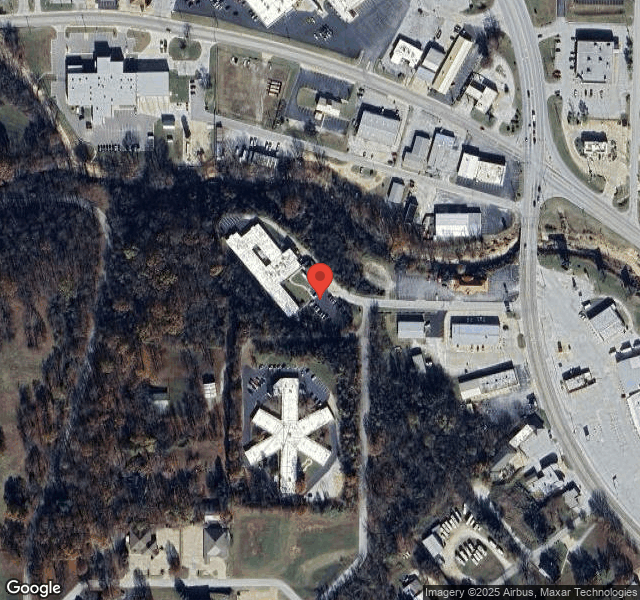
115 ORENDORFF AVENUE, HARRISON, AR 72601 (870) 741-3438
For profit - Limited Liability company 90 Beds THE SPRINGS ARKANSAS Data: November 2025
Trust Grade
85/100
#46 of 218 in AR
Last Inspection: July 2025

Inspected within the last 6 months. Data reflects current conditions.

Overview

The Springs of Harrison has a Trust Grade of B+, which means it is above average and recommended for families considering this facility. It ranks #46 out of 218 nursing homes in Arkansas, placing it in the top half, and #2 out of 3 in Boone County, indicating only one local option is better. The facility is improving, having reduced issues from 7 in 2024 to none in 2025, and it has not faced any fines, which is a positive sign. Staffing is rated average with a turnover rate of 52%, slightly above the state average, and the RN coverage is also average, meaning that while there is some consistency, improvements can be made. Specific concerns include inadequate food storage practices, such as failing to date several food items, which could pose a risk of foodborne illness for residents. Overall, while there are strengths like a high overall star rating, these food safety issues highlight areas for improvement that families should consider.

Trust Score
B+
85/100
In Arkansas
#46/218
Top 21%
Safety Record
Low Risk
No red flags
Inspections
Getting Better
7 → 0 violations
Staff Stability
⚠ Watch
52% turnover. Above average. Higher turnover means staff may not know residents' routines.
Penalties
✓ Good
No fines on record. Clean compliance history, better than most Arkansas facilities.
Skilled Nurses
⚠ Watch
Each resident gets only 24 minutes of Registered Nurse (RN) attention daily — below average for Arkansas. Fewer RN minutes means fewer trained eyes watching for problems.
Violations
⚠ Watch
18 deficiencies on record. Higher than average. Multiple issues found across inspections.
★★★★★
5.0
Overall Rating
★★★☆☆
3.0
Staff Levels
★★★★☆
4.0
Care Quality
★★★★★
5.0
Inspection Score
Stable
2024: 7 issues
2025: 0 issues

The Good

  • 4-Star Quality Measures · Strong clinical quality outcomes
  • Full Sprinkler Coverage · Fire safety systems throughout facility
  • No fines on record

Facility shows strength in quality measures, fire safety.

The Bad

Staff Turnover: 52%

Near Arkansas avg (46%)

Higher turnover may affect care consistency

Chain: THE SPRINGS ARKANSAS

Part of a multi-facility chain

Ask about local staffing decisions and management

The Ugly 18 deficiencies on record

Aug 2024 2 deficiencies
CONCERN (E) 📢 Someone Reported This

A family member, employee, or ombudsman was alarmed enough to file a formal complaint

Potential for Harm - no one hurt, but risky conditions existed

Resident Rights (Tag F0550)

Could have caused harm · This affected multiple residents

**NOTE- TERMS IN BRACKETS HAVE BEEN EDITED TO PROTECT CONFIDENTIALITY** Based on observations, interviews, records review, and facility policy review, the facility failed to ensure residents, or their...

Read full inspector narrative →
**NOTE- TERMS IN BRACKETS HAVE BEEN EDITED TO PROTECT CONFIDENTIALITY** Based on observations, interviews, records review, and facility policy review, the facility failed to ensure residents, or their representatives were notified of the high concentrations of [NAME] gas in the facility, depriving them of the right to choose to remain in the facility or move to another facility. This failed practice had the potential to affect all residents residing in the facility. Findings include: A review of Resident #6's electronic health records, reviewed on 08/26/2024 at 1:45 PM, revealed no documentation of [an electronic system for email, text or phone call messaging] to residents or their representatives regarding [NAME] gas exposure. No scanned paper notification was contained in the electronic health record. A review of Resident #6's Medical Diagnosis sheet included post Covid-19 condition. A review of a quarterly Minimum Data Set (MDS) with an assessment references date (ARD) of 07/24/2024, revealed Resident #6 had a Brief Interview for Mental Status (BIMS) score of 5, which indicated the resident had severe cognitive impairment. A review of a Progress Note dated 05/21/2024 at 02:24 PM indicated Resident #6 was administered an updraft treatment for a productive cough with thick, yellow sputum A review of a Progress Note dated 05/22/2024 at 3:41 PM indicated Resident #6 was started on antibiotics for an upper respiratory infection. A review of Resident #8's electronic health records, on 08/26/2024, at 2:00 PM, revealed no documentation of [an electronic system for email, text or phone call messaging] to residents or their representatives regarding [NAME] gas exposure. No scanned paper notification was contained in the electronic health record. A review of the Medical Diagnosis portion of Resident #8's electronic health record revealed a diagnosis of chronic obstructive pulmonary disease (COPD). A review of an admission MDS with an ARD of 07/21/2024 revealed Resident #8 had a BIMS score of 5, which indicated the resident had severe cognitive impairment. Resident #8 was not receiving oxygen therapy. A review of the Order Summary Report indicated Resident #8 was receiving two oral inhalers daily for COPD. A review of the Care Plan, with a revised date of 07/26/2024, indicated Resident #8 had impaired cognitive function related to a stroke and indicated the resident was able to make simple decisions with yes/no questions. A review of Resident #9's electronic health records on 08/26/2024 at 2:00 PM revealed no documentation of [an electronic system for email, text or phone call messaging] to residents or their representatives regarding [NAME] gas exposure. No scanned paper notification was contained in the electronic health record. A review of the Medical Diagnosis portion of Resident #9's electronic health record revealed diagnoses of allergic rhinitis and persistent asthma. A review of the admission MDS with an ARD of 07/19/2024 revealed Resident #9 had a BIMS score of 11, indicating resident had moderate cognitive impairment. Resident #9 was not receiving oxygen therapy. A review of the [NAME] Measurement Report dated 03/27/2023 indicated conditions were required for testing that included all occupants of the building were to receive notices no less than 24 hours prior to testing. A review of a list provided on 08/26/2024 at 07:56 AM and identified by the Maintenance Director as locations of [NAME] mitigation equipment revealed equipment was placed in the areas of the facility that included resident room numbers 102, 110, 117, 120, 121, 126, 134, 146, and the North Hall dining room. A review of the [NAME] Measurement Report, prepared by[named company providing testing services], dated 03/27/2023, indicated the report was done in accordance with the ANSI-AARST [American National Standards Institute-American Association of [NAME] Scientists and Technologists] protocol [specifies practices and minimum requirements for reducing soil gas entry into existing structures to mitigate exposure to hazardous gases, including [NAME], by occupants] used in schools and large buildings for[commercial real estate company]. The report summary revealed testing was done in 39 residential locations and sent out to [company providing analysis services] for analysis. Results returned included elevated results (concentrations that meet or exceed EPA [Environmental Protection Agency] action level of 4.0 pCi/L [picocuries per liter]) of the following rooms/areas: 100, 102, 104, 115, 116, 117, 118, 119, 121, 122, 123, 124, 125, 126, 127, 130, 134, 135, 136, 138, 140, 142, 144, 145, 146, 147, 148, 149, 150, 151, 152, small dining, living room, nurse station, main dining room, main dining room addition, living room, main lobby, and west nurse station. Recommendations included mitigation in 16 locations, must be completed as quickly as possible but no later than 12 months after closing per HUD [Housing and [NAME] Development] loan requirements. Review of Section 2.2 of the [NAME] Measurement Report dated 03/27/2023, indicated the purpose for testing is [NAME] occurs due to decay of uranium in soil, water and rocks releasing an odorless, colorless, radioactive gas which may become trapped in structures, causing high concentrations of [NAME]. [NAME] is the second-leading cause of lung cancer in the United States and the leading cause of lung cancer among non-smokers. The report noted no notification from the facility was given and no observations were made of mitigations systems present during testing. A review of [testing laboratory] report dated 08/21/2024, with testing dates of 08/16/2024 to 08/19/2024, indicated results obtained in different areas and had an estimated margin error rate of +/- 5%. Results dependent on using according to directions. Highest levels in room [ROOM NUMBER] at 2.3% with an error documented as 10 grams of water absorbed in test and high humidity indicative of lower test accuracy and room [ROOM NUMBER] at 2.1 %. A review of the Resident Room Roster with a printed on date of 08/26/2024 revealed residents occupancy of the following rooms: 100 - 2 residents, 102 - 2 residents, 104 - 2 residents, 115 - 2 residents, 116 - 2 residents, 117 - 2 residents, 118 - 2 residents, 119 - 2 residents, 121 - 2 residents, 122 - 1 resident, 123- 2 residents, 124 - 2 residents, 125 - 2 residents, 126 - 1 residents, 127 - 1 resident, 130 - 1 resident, 134 - 2 residents, 135 - 2 residents, 136 - 2 residents, 138 - 2 residents, 140 - 2 residents, 142 - 2 residents, 144 - 2 residents, 145 - 2 residents, 146 - 2 residents, 147 - 2 residents, 148 - 2 residents, 149 - 2 residents, 150 - 2 residents, 151 - 2 residents, and 152 - 2 residents. A review of the policy and procedure titled Hazardous Areas, Devices and Equipment, with a revised date of 07/2021, included a policy statement that indicated for the safety of the residents, all hazardous areas in the facility would be identified and mitigated to the extent possible. The interpretation and implementation of the policy included hazardous areas would be identified and addressed. Hazards were defined as, .anything in the environment that has the potential to cause injury or illness . This included, .but are not limited to, access to toxic chemicals and unsafe exposure . Assessment and Analysis included, 2. Any element of the resident environment that has the potential to cause injury and that is accessible to a vulnerable resident is considered hazardous. During an interview on 08/27/2024 at 10:35 AM, the Administrator stated the testing was done in March of 2023 and the facility was given about a week's notice prior to testing, no special instruction was given for occupants or the building itself. The Administrator stated the results required an intervention of the [NAME] Mitigation System because they rose to the yellow area. No notice was ever given to the resident or their representative prior to the testing, during the testing process, or after the testing was completed with the known results of high [NAME] levels in the yellow area. The Administrator stated they were not even sure [NAME] was a real thing and they did not follow up with [NAME] information. During an interview on 8/27/2024 at 11:30 AM, Resident #6's family member stated no communication was provided from the facility regarding [NAME] testing, results of elevated [NAME] levels, or the [NAME] Mitigation System at the time of admission in February 2024. The family member was aware a pipe had been installed somewhere recently and assumed the electric cord ran to it. During an interview on 08/27/2024 at 12:50 PM, Resident #9 acknowledged awareness of the electric cord running out of the window and the installation of the pipe in the room. Resident #9 was unaware of its purpose and denied any information from the facility regarding elevated [NAME] levels or a [NAME] Mitigation System. During an interview on 08/27/2024 at 1:00 PM, Resident #8's family member stated there was no information given at admission regarding elevated [NAME] levels in the facility, no information was given when the pipe was installed in the room, nor was the purpose was explained for the extension cord running out the window. During a follow-up interview on 08/27/2024 at 1:58 PM, the Administrator did not answer when asked if the resident's rights had been deprived because of noncommunication between the facility and the residents/representatives about the high concentrations of [NAME]. The Administrator again stated they did not believe [NAME] was even a real thing. When asked if the residents had the right to also formulate an opinion and make informed decisions for themselves, the Administrator became emotional and left the room.
CONCERN (F) 📢 Someone Reported This

A family member, employee, or ombudsman was alarmed enough to file a formal complaint

Potential for Harm - no one hurt, but risky conditions existed

Safe Environment (Tag F0921)

Could have caused harm · This affected most or all residents

Deficiency Text Not Available

Read full inspector narrative →
Deficiency Text Not Available
Apr 2024 5 deficiencies
CONCERN (D)

Potential for Harm - no one hurt, but risky conditions existed

Deficiency F0688 (Tag F0688)

Could have caused harm · This affected 1 resident

Based on observation, interview, and record review, the facility failed to ensure interventions were in place for a contracture for 1 (Resident #20) of 1 sampled resident. The findings include: Resid...

Read full inspector narrative →
Based on observation, interview, and record review, the facility failed to ensure interventions were in place for a contracture for 1 (Resident #20) of 1 sampled resident. The findings include: Resident #20 had diagnoses that included Hemiplegia and hemiparesis following cerebral infarction affecting left non-dominant side. The Quarterly Minimum Data Set (MDS) with an Assessment Reference Date (ARD) of 03/21/2024 revealed Resident #20 had a Brief Interview for Mental Status (BIMS) score of 15 (13-15 indicates cognitively intact) and had limited range of motion on one side both upper and lower extremity. A review of Resident #20's Care Plan, dated 04/03/2024, revealed the resident had an ADL (Activities of Daily Living) self-care deficit related to left side hemiplegia due to Cerebral Vascular Accident (CVA), and a contracture to the left hand. During an observation on 04/01/2024 at 12:20 PM, Resident #20 ' s left hand was contracted (A contracture is a fixed tightening of muscle, tendons, ligaments, or skin. It prevents normal movement of the associated body part). Resident #20 said that the resident had a splint apparatus on their chair, but it was broken, and foot pedals, but they were missing. Resident #20 said that the resident worries about their left hand getting worse and had tried an intervention with a washcloth, but it fell out. Resident #20 showed the Surveyor how the resident performs passive range of motion by using their right hand to open up their left hand. During an observation on 04/02/2024 at 09:50 AM, Resident #20 was up in a wheelchair, using their right foot to hold up their left foot. Resident #20 would stop at intervals and drag the affected left foot. Resident #20 said that the resident gets tired sometimes moving around and sometimes the resident doesn't like to get up because of it. No intervention for the contracted left hand was noted. During an observation on 04/03/2024 at 10:15 AM, Resident #20 was moving around the resident's room with the left foot dragging and no intervention in place for the left hand. During an interview on 04/03/2024 at 10:30 AM, Certified Nursing Assistant (CNA #1) was asked if Resident #20 had any interventions for the affected left foot while in the wheelchair. CNA #1 said he doesn't know why the resident doesn't have a foot pedal. The Surveyor asked what the issue could be for the resident. CNA #1 said that Resident #20 could have break down of the skin from the skin dragging and possible skin tears from it dragging around. The Surveyor asked if the resident had any interventions for left hand or left foot. CNA #1 said I have been here only six months but not that I know of. The Surveyor asked what could be the issue for Resident #20's left hand. CNA #1 said that nails could dig into the skin and cause infection. CNA #1 said that they were going to alert their nurse to the issues. During an interview on 04/03/2024 at 03:20 PM, the Surveyor asked Licensed Practical Nurse (LPN) #2 what could happen with Resident #20 being up in a wheelchair and their left foot dragging. LPN #2 said that the foot could get run over. The Surveyor asked what interventions could be put into place to prevent injury. LPN 2 said a foot pedal possibly. The Surveyor asked what the issue could be with no interventions for the contracted left hand? LPN #2 said nails could grow in or the contracture could get worse. The Surveyor asked what interventions could be put into place to prevent worsening of contracture. LPN #2 said that a hand roll or wash cloth could help. A review of a facility policy titled, Assistive Devices and Equipment, dated 04/04/2024, indicated, Our facility maintains and supervises the use of assistive devices and equipment for the resident.
CONCERN (E)

Potential for Harm - no one hurt, but risky conditions existed

Safe Environment (Tag F0584)

Could have caused harm · This affected multiple residents

**NOTE- TERMS IN BRACKETS HAVE BEEN EDITED TO PROTECT CONFIDENTIALITY** Based on observation, interview, and record review, the facility failed to maintain a safe, functional, sanitary, and homelike e...

Read full inspector narrative →
**NOTE- TERMS IN BRACKETS HAVE BEEN EDITED TO PROTECT CONFIDENTIALITY** Based on observation, interview, and record review, the facility failed to maintain a safe, functional, sanitary, and homelike environment for the residents to promote dignity and prevent the potential injury or spread of disease. The findings are: On 04/01/2024 at 02:13 PM, observed Resident #28 sitting in a wheelchair in the resident's room. The left and right wheelchair arm rests were wrapped in bubble plastic and black duct tape. Resident #28 was asked, Is this your wheelchair? Resident #28 stated, No, my [family member] brought mine from home, but it was too wide, so [the family member] took it home, and fixed this wheelchair so the arms would stay on. On 04/02/2024 at 08:31 AM, the right arm rest on Resident #25's wheelchair had the vinyl torn with foam exposed. Resident #25 stated, It's not my chair, it's theirs, [facility], it's been like that since I've been here. On 04/01/2024 at 11:24 AM, observed Resident #23 sitting in a geriatric chair. The plastic end of the left arm rest was missing and wrapped in black duct tape. The left arm rest of the geriatric chair had a dried white substance on it. On 04/04/2024 at 09:48 AM, observed Resident #23 sitting in a geriatric chair in the dayroom. The plastic end of the left arm rest was missing and wrapped in black duct tape. The left arm rest had a dried white substance on it. Maintenance #1 was asked to describe the left arm rest. Maintenance #1 stated, It's dirty, heavily stained, the arm rest is duct taped and the end of the arm rest is missing. It needs to be replaced. On 04/01/2024 at 02:17 PM, observation of room [ROOM NUMBER], the bathroom's metal door frame was rusted, with metal exposed and protruding 0.5 inches on both sides of the door frame near the floor. On 04/01/2024 at 02:19 PM, observed the bottom of a metal door frame in the shower room on Hall ACU (Acute Care Unit)/North Wing was rusted, with metal exposed and protruding outward 0.5 inches on both side of the door frame. On 04/04/2024 at 09:15 AM, Certified Nursing Assistant (CNA) #6 was asked, What is the process for reporting things in the facility that need to be repaired? CNA #6 stated, Write it on the board/book for maintenance. CNA #6 was asked, What are some things that would be reported? CNA #6 stated, Beds not working, television's not working, or if there are some wires showing. On 04/04/2024 at 09:18 AM, Registered Nurse (RN) #1 was asked, What is the process for reporting things in the facility that need to be repaired? RN #1 stated, There is a log by the time clock, and we fill out the paper for maintenance. RN #1 was asked, What are some things that would be reported? RN #1 stated, Beds, door handles, wheelchairs, medication carts, any kind of maintenance. On 04/04/2024 at 09:32 AM, Maintenance #1 was asked, What is the process for reporting things in the facility that need to be repaired? Maintenance #1 stated, There is a maintenance work request by the time clock. They fill it out and leave it for me. I check it every morning and throughout the day. Maintenance #1 was asked, What are some things that would be reported? Maintenance #1 stated, Any type of malfunctions, tv's, wheelchair malfunctions. Maintenance #1 was asked if any resident's wheelchair/geriatric arm rests had been reported for repair. Maintenance #1 stated, No. Maintenance #1 was asked to assess environmental issues with Surveyors. On 04/04/2024 at 09:40 AM, observed the lower door frame on the ACU/North Hall shower room was rusted, with metal protruding outward 0.5 inches. Maintenance #1 was asked if it had been reported. Maintenance #1 stated, It had been reported last week, it needs bracket support, but they haven't been ordered yet. Maintenance #1 was asked, What has been done to protect the residents from possible skin injury when entering and exiting the shower room? Maintenance #1 stated, Nothing. On 04/04/2024 at 09:43 AM, Maintenance #1 was asked to describe the lower metal doorframe in the bathroom of room [ROOM NUMBER]. Maintenance #1 stated, It's rough and it could cause an injury. Maintenance #1 was asked if it had been reported. Maintenance #1 stated, No. On 04/04/2024 at 09:45 AM, Maintenance #1 was asked about Resident #25's right wheelchair arm rest. Maintenance #1 stated, It needs to be replaced. On 04/04/2024 at 09:47 AM, Maintenance #1 was asked about Resident #47's bilateral wheelchair arm rests. Maintenance #1 stated, They are loose and need new arms. The Maintenance Work Requests on 11/15/2023 to 03/18/2024 did not include any work orders for the findings on [NAME] Hall. Maintenance #1 stated that none of these issues had been reported. On 04/04/2024 at 09:50 AM, the following observations were made with Maintenance #1 on [NAME] Hall: room [ROOM NUMBER]: The baseboard was pushed down on the wall next to the closet. Maintenance #1 felt of the area, then replied that it's a bit rough. The door facings in the bathroom were rusted. Maintenance #1 felt of the area and replied that is rough could cause injury. room [ROOM NUMBER]: The wall next to the closet had yellow paint peeling and protruding from the wall exposing sheet rock. Maintenance #1 replied that it needed to be painted, and it had crumbling dry wall. Bed B did not have a footboard or headboard on it. Maintenance #1 replied that needs to be fixed, I will definitely be putting those back on this bed. room [ROOM NUMBER]: All four bottom door frames in the bathroom were rusted with protruding metal. The baseboard for the room was completely missing, and a strong smell pervaded the air. Maintenance said the room was not reported to him and that the door facings needed to be repaired. room [ROOM NUMBER]: The bottom of the door frame in the bathroom was rusted with metal exposed. The Surveyor asked Maintenance #1 about the door frame. Maintenance #1 answered that it was not as sharp as some of the others, but it is getting there to cause an injury. On the right-hand side of the door half of the door facing was missing with wood exposed and protruding. The Surveyor asked Maintenance #1 to feel the door facing. Maintenance #1 answered that the silicone area was not bad but the areas with wood were sharp and could cause injury. room [ROOM NUMBER]: The entrance door facing was chipped with metal protruding. Under the sink the baseboard on the right-hand side was coming off the wall and the tile was discolored and raised. The Surveyor explained the issues with Maintenance #1. Maintenance said that they will be starting with room [ROOM NUMBER] and will do a round of the building to begin fixing these issues. room [ROOM NUMBER]: Behind Bed B's headboard, paint had been scrapped off the wall. Maintenance #1 was asked the approximate size of the area. Maintenance #1 answered, The longest scrape is approximately ten and one half inches and its approximately the width of the bed, maybe twenty three inches across, needs to be painted. room [ROOM NUMBER]: A cable was hanging from the ceiling tile above Bed B. Maintenance #1 said that the cable was long and could be pulled on. room [ROOM NUMBER]: There was a missing baseboard on a wall by the sink and under the vent area. Maintenance #1 said the areas needed to be repaired. On 04/01/24 at 11:58 AM, on Bed B there was a red comforter with a larger darkened area that had a white substance on top of it. On 04/02/24 at 3:00 PM, the red comforter had not been changed. On 04/03/24 at 11:53 AM, the red comforter had not been changed. On 04/03/24 at 12:48 PM, the Surveyor asked CNA #2 if the bed needed changed. CNA #2 confirmed it did. The Surveyor asked what was wrong with the bedding. CNA #2 said we don't know what is on the bedspread, could be anything. The Surveyor asked when the beds were supposed to be changed. CNA #2 said that they get changed as needed and with showers twice a week. A review of the facilities, Maintenance Work Request, dated 11/15/2023 through 03/18/2024, did not document any work order requests for Residents #23, #25, and #28 arm rests to be replaced. There were no work order requests for door frames in room [ROOM NUMBER] or for the shower room door frame on the ACU/North Wing. On 04/03/2024 at 04:07 P.M., the Director of Nursing (DON) provided the Resident's [NAME] of Rights, which documented, This facility must ensure and protect the human rights of every resident and will provide a clean, healthy, attractive environment .
CONCERN (E)

Potential for Harm - no one hurt, but risky conditions existed

Pressure Ulcer Prevention (Tag F0686)

Could have caused harm · This affected multiple residents

Based on observation, interview, and record review, the facility failed to ensure residents with pressure ulcers received care and treatment to prevent potential infection or deterioration and promote...

Read full inspector narrative →
Based on observation, interview, and record review, the facility failed to ensure residents with pressure ulcers received care and treatment to prevent potential infection or deterioration and promote healing for 1 (Resident #29) of 1 sampled resident. The findings are: A review of the Medical Diagnosis Record indicated the facility admitted Resident #29 with a diagnosis of Alzheimer's disease. The Quarterly Minimum Data Set (MDS) with an Assessment Reference Date (ARD) of 03/18/2024, revealed Resident #29 had a Staff Assessment for Mental Status (SAMS) score of 3, which indicated the resident was severely impaired for daily decision making. The resident was dependent on staff for Activities of Daily Living (ADL) and was always incontinent of bowel and bladder; had one Stage IV pressure ulcer (Full-thickness skin loss extends through the fascia with considerable tissue loss. There may be muscle, bone, tendon, or joint involvement); and skin and ulcer/injury treatments included, pressure reducing device for chair and application or nonsurgical dressings (with or without topical medications) other than to feet. A review of Resident #29's Physician Orders, for the month of April 2024, revealed an order, dated 12/29/2023 which noted Resident #29 was to have an unstageable pressure ulcer (PU) to right buttock cleansed with antimicrobial wound cleanser, pack wound with calcium alginate rope, and cover with a foam dressing every day shift for wound healing; and as needed for missing or soiled dressing. Review of Resident #29's Care Plan, revised on 07/17/2023, revealed the resident was at risk for impaired skin integrity and UTI (urinary tract infection) r/t (related to) decreased mobility and bowel and bladder (b/b) incontinence. Interventions included provide pressure reducing cushion to wheelchair; initiated on 07/06/2023. A revision on 04/01/2024 revealed the resident had a one (1) stage four (4) pressure ulcer to the left (L) gluteus (glute) related to (r/t) immobility. Interventions included administering treatments as ordered and observing for effectiveness. On 04/01/2024 at 12:09 PM, observed Resident #29 in a geriatric chair in the dining room. A mechanical lift pad was in the chair under the resident. There was no pressure relieving device/cushion under Resident #29. On 04/01/2024 at 02:16 PM, observed Resident #29 in a geriatric chair sitting in the resident's room. A mechanical lift pad was under the resident. There was no pressure relieving device/cushion under Resident #29. On 04/02/2024 at 12:10 PM, observed Resident #29 in a geriatric chair in the resident's room. A mechanical lift pad was under the resident. There was no pressure relieving device/cushion under Resident #29. On 04/03/2024 at 09:42 AM, observed Resident #29 sitting up in a geriatric chair in the hallway across from the resident's room. A mechanical lift pad was observed under Resident #29. On 04/03/2024 at 09:45 AM, Certified Nursing Assistant (CNA) #3 was asked if Resident #29 was supposed to have heels off loaded. CNA #3 stated, [The resident] had heel protectors or boots, but I don't know what happened to them, [the resident] was up when we got here. CNA #3 was asked what time did you get here this morning. CNA #3 stated, Six fifty AM. I should have made sure they were floated. CNA #3 was asked if Resident #29 had a cushion in [the resident's] chair. CNA #3 stated, They do not have a cushion in their chair. CNA #3 was asked why doesn't the resident have a cushion in the chair? CNA #3 stated, Therapy gives out the cushions. CNA #3 was asked if Resident #29 had a sore on [the resident's] bottom. CNA #3 stated, Yes. CNA #3 was asked how do you know how to take care of a resident? CNA #3 stated, They have a care plan that's in the computer that we have access to. On 04/03/2024 at 09:50 AM, CNA #3 and CNA #4 were to use a mechanical lift to lift Resident #29 out of the geriatric chair to be laid down in bed. The CNAs connected the lift pad to the mechanical lift and began to raise Resident #29 up in the air. Resident #29 had no chair cushion in the chair. On 04/03/2024 at 11:25 AM, Licensed Practical Nurse (LPN) #1 was asked what interventions the facility uses for residents with pressure ulcers. LPN #1 stated, Turn every two hours, cushions in chairs. LPN #1 was asked who was responsible for ensuring residents have cushions in their chairs. LPN #1 stated, Basically, everybody. I wasn't aware [Resident #29] didn't have a cushion in her chair until the girls said something. On 04/04/2024 at 08:36 AM, the Director of Nursing (DON) was asked when were chair cushions utilized and why. The DON stated, Utilized to prevent pressure ulcers. On 04/04/2024 at 08:39 AM, the Infection Control Preventionist (ICP) was asked when chair cushions were utilized and why. The ICP stated, Utilized for residents that need extra cushion to prevent pressure sores. A facility policy titled, Prevention of Pressure Injuries, dated April 2020, specified, The purpose of this procedure is to provide information regarding identification of pressure injury risk factors and interventions for specific risk factors. Review the resident's care plan and identify the risk factors as well as the interventions designed to reduce or eliminate those considered modifiable. Select appropriate support surfaces based on the resident's risk factors, in accordance with current clinical practice. Review the interventions and strategies for effectiveness on an ongoing basis.
CONCERN (E)

Potential for Harm - no one hurt, but risky conditions existed

Infection Control (Tag F0880)

Could have caused harm · This affected multiple residents

**NOTE- TERMS IN BRACKETS HAVE BEEN EDITED TO PROTECT CONFIDENTIALITY** Based on observation, interview, and record review, the facility failed to ensure infection control measures, including hand hyg...

Read full inspector narrative →
**NOTE- TERMS IN BRACKETS HAVE BEEN EDITED TO PROTECT CONFIDENTIALITY** Based on observation, interview, and record review, the facility failed to ensure infection control measures, including hand hygiene, were implemented during wound care for 1 (Resident #29) of 1 sampled resident; and failed to ensure hand hygiene was performed during meal service to prevent potential infection and or the spread of infections. The findings are: A review of the Medical Diagnosis Record indicated the facility admitted Resident #29 with a diagnosis of Alzheimer's disease. The Quarterly Minimum Data Set (MDS) dated [DATE], revealed Resident #29 had a Staff Assessment for Mental Status (SAMS) score of 3, which indicated the resident was severely impaired for daily decision making. The resident was dependent on staff for activities of daily living (ADL's) and was always incontinent of bowel and bladder; had one stage IV pressure ulcer (Full-thickness skin loss extends through the fascia with considerable tissue loss. There may be muscle, bone, tendon, or joint involvement); and skin and ulcer/injury treatments included: pressure reducing device for chair and application or nonsurgical dressings (with or without topical medications) other than to feet. A review of Resident #29's Physician Orders, for the month of April 2024, revealed an order dated 12/29/2023 documenting, cleanse unstageable pressure ulcer (PU) to right buttock with [name brand of antimicrobial wound cleanser]; pack wound with calcium alginate rope; cover with foam dressing; every day shift for wound healing; and as needed for missing or soiled dressing. Review of Resident #29's Care Plan, revised on 07/17/2023, revealed the resident was at risk for impaired skin integrity and UTI (urinary tract infection) r/t (related to) decreased mobility and bowel and bladder (b/b) incontinence. Interventions included provide pressure reducing cushion to wheelchair; initiated on 07/06/2023. A revision on 04/01/2024 revealed the resident had a one (1) stage four (4) pressure ulcer to the left (L) gluteus (glute) related to (r/t) immobility. Interventions included: administer treatments as ordered and observe for effectiveness. On 04/03/2024 at 11:34 AM, observed Certified Nursing Assistant (CNA) #3 and Licensed Practical Nurse (LPN) #1 washed hands, applied personal protective equipment, including gloves. Resident #29 was lying in bed. CNA #3 was standing on the side of Resident #29's bed near the window. LPN #1 was standing on the side of Resident #29's bed near the door. CNA #3 and LPN #1 pulled Resident #29 blanket/sheets down toward the resident's feet. A pillow was observed under Resident #29's left hip/back. With gloved hands, LPN #1 unfastened Resident #29's brief from the left side and tucked it under the resident. LPN #1 pulled the pillow out from under/behind the resident's left hip/back and placed it on the bedside table near the head of the bed. LPN #1 did not change gloves or perform hand hygiene. Using gloved hands, LPN #1 removed the dirty 4 x 4 bordered foam dressing from the upper mid area of Resident #29's right buttock and placed it in a biohazard bag taped at the end of the bedside table. LPN #1 did not change gloves or perform hand hygiene. Using contaminated gloves, LPN #1 picked up the clean plastic cup containing cleanser soaked gauze pads and removed a gauze pad. LPN#1 placed the clean cup on the bedside table. LPN #1 used the cleanser soaked gauze pad and wiped around the wound and discarded it into a biohazard bag. LPN #1 removed a clean cleanser soaked gauze pad and wiped around the wound and discarded it into a biohazard bag. On 04/03/2024 at 11:40 AM, observed LPN #1 removed gloves and washed hands. LPN #1 measured Resident #29's wound. LPN #1 changed gloves after measuring Resident #29's wound. LPN #1 used one skin prep and wiped around the wound then discarded. Using a cotton tipped applicator, LPN #1 packed the wound with 5 calcium alginate strips, touching the outer edges of the wound with gloved hands. LPN #1 then disposed of the cup in a biohazard bag. LPN #1 did not change gloves and did not perform hand hygiene. On 04/03/2024 at 11:49 AM, observed LPN #1, with contaminated gloves, remove a dry gauze pad from a plastic cup resting on the bedside table and placed the gauze pad over the calcium alginate packed wound. LPN #1 did not change gloves or perform hand hygiene. LPN #1 then applied a 4 x 4 bordered foam dressing over the wound and secured it. LPN #1 did not change gloves or perform hand hygiene. LPN #1 used one skin prep pad and wiped in a circular motion around the edge of the bordered 4 x 4 foam dressing then discarded it. On 04/03/2024 at 11:57 AM, LPN #1 was asked when gloves should be changed while performing wound care. LPN #1 stated, When dirty, after cleaning the wound you change them, and after I'm done cleaning the wound. LPN #1 was asked why should contaminated gloves be changed before going to a clean area during wound care. LPN #1 stated, To prevent infections. On 04/04/2024 at 08:36 AM, the Director of Nursing (DON) was asked, when are gloves changed during wound care and why? The DON stated, Between clean and dirty and to prevent infection. On 04/04/2024 at 08:39 AM, the Infection Control Preventionist (ICP) was asked, when are gloves changed during wound care and why? The ICP stated, When removing the bandage and putting new gloves on when cleaning, change after cleaning to prevent infection. On 04/01/2024 at 12:45 PM, during the lunch meal a CNA was observed feeding two residents with no hand hygiene between the two. The CNA got up to help a third resident in the dining room who was asking for a drink and the CNA provided an 8 ounce cup to the resident without any hand hygiene. On 04/01/2024 at 12:50 PM, observed two staff members feeding two residents apiece with no hand hygiene in between feeding the residents. One resident asked for sweetener in their tea. The staff member left to go get sweetener and upon returning did not perform hand hygiene. The staff member then added the sweetener to the drink and continued to feed the two residents. On 04/04/2024 at 08:40 AM, the Surveyor asked CNA #5, When feeding two residents or in general when providing meal service what should you do? CNA #5 said, wash hands in between the residents or when switching tasks. The Surveyor asked why that could be an issue. CNA #5 said it could spread germs. On 04/04/2024 at 08:45 AM, the Surveyor asked the Infection Preventionist, When feeding two residents or in general when providing meal service what should you do? The Infection Preventionist stated, Sanitize in between. The Surveyor asked why this could be an issue. The Infection Preventionist stated, Spread germs, infection control. A facility policy titled, Handwashing/Hand Hygiene, dated August 2019, specified, This facility considers hand hygiene the primary means to prevent the spread of infections. All personnel shall follow the handwashing/hand hygiene procedures to help prevent the spread of infections to other personnel, residents, and visitors. Use an alcohol-based hand rub containing at least 62% alcohol; or, alternatively, soap (antimicrobial or non-amicrobial) and water for the following situations: before handling clean or soiled dressings, gauze pads, etc.; before moving from a contaminated body site during resident care; after contact with blood or bodily fluids; after handling used dressings, contaminated equipment, etc.; after contact with objects (e.g., medical equipment) in the immediate vicinity of the resident; after removing gloves. The use of gloves does not replace hand washing/hand hygiene. Integration of glove use along with routine hand hygiene is recognized as the best practice for preventing healthcare-associated infections.
CONCERN (F)

Potential for Harm - no one hurt, but risky conditions existed

Food Safety (Tag F0812)

Could have caused harm · This affected most or all residents

According to observation, interview, and record review, the facility failed to ensure food was stored properly, kitchen equipment was maintained properly, and disinfectant was in use for the dishwashe...

Read full inspector narrative →
According to observation, interview, and record review, the facility failed to ensure food was stored properly, kitchen equipment was maintained properly, and disinfectant was in use for the dishwasher. The findings are: On 04/01/2024 at 11:15 AM, a container containing powdered milk had no date. The Dietary Manager said that it is a 5-gallon bucket. On 04/01/2024 at 11:17 AM, the following observations were made in the walk-in freezer: a. Twenty-four 4-ounce bowls of ice cream were on trays on the bottom left shelf with no date. b. Two bags of frozen coconut, one with a date of 7/23 and the other had no date with frost on the bags. The Dietary Manager said that they were clumpy and hard, possibly frost bitten. c. A plastic 2 pound container of salami was not dated. The Dietary Manager said that the salami was discolored and frost bitten. d. A 2 quart plastic container of lemonade was not dated and expired August 2022. On 04/01/2024 at 11:27 AM, on the bread rack were flour tortillas with an expiration date of January 20, 2024. On 04/01/2024 at 11:30 AM, the following observations were made in the walk-in refrigerator: a. Cabbage Salad Mix three full bags, with an expiration date of 3/17/24. b. Salad Mix one bag with an expiration date of 3/31/24. c. Two Lemon Juice 32 fluid ounces, and the other about 16 fluid ounces with an expiration date of 1/19/24. The lemon juice was cloudy. The Dietary Manager described them as cloudy and threw them away. d. Six boxes of 2 pie crust with no date and an expiration date of 1/24/24. On 04/01/2024 at 11:45 AM, the following observations were made in the deep freezer: a. 1/4 bag of tator tots with no date. b. 1/2 bag of fries with no date. During an observation on 04/01/2024 at 11:50 AM, a staff member got ice with the large scoop and then laid the scoop down on the stainless-steel table to the right of the ice machine. During an observation on 04/01/2024 at 11:52 AM, a towel dripping with water was tied around a pipe, with a medium sized gray plastic bin under it. To the right of the pipe was the garbage disposal, the nozzle for the sprayer was leaking continuously. The Dietary Manager stated it was their understand it had been like this for a while and Maintenance was coming to fix it. During an observation on 04/01/2024 at 11:57 AM, the grease in the fryer was cloudy with a thin film of light brown breading. The metal area around the fryer was coated in a layer of light brown breading. The inside of the fryer was coated in a thick layer of yellowish-brown grime. The Dietary Manager said the oil was supposed to be cleaned out every Saturday, but they have been out of oil and just got some in on the truck. During an observation on 04/01/2024 at 11:58 AM, the outer edges of the vent in the left-hand corner above the dishwashing area were discolored. During an observation on 04/02/2024 at 10:01 AM, the Surveyor entered the kitchen and observed the low temp (temperature) dishwasher thermometer was at 130 degrees. The Dietary Manager tested the chemical solution and said it's at 10 ppm (parts per million) and it should be higher. The sanitizing solution was empty. The Dietary Manager said they had another container in the closet but was not sure who was supposed to change out the disinfectant. The dietary employees thought the company did that. On 04/02/2024 at 12:39 PM, the Dietary District Manager provided the Manufacturer guidelines are on the dishwasher. The guidelines noted the Dishwasher Operating Requirements were Water Temperature - 120 degrees Fahrenheit minimum; Chlorine Residual - 50 ppm minimum, Minimum Wash 56 seconds and Rinse 24 seconds. During an interview on 04/02/2024 at 12:40 PM, the Surveyor asked for the temperature/chemical log for the dishwasher. The Dietary Manager said this is the one for March. The surveyor asked about April's log. The Dietary Manager said it was not put out yesterday. I don't have one currently. Then the Dietary Manager stated that as of March 31st after dinner the sanitization could have been out. The Dietary District Manager agreed with the statement. During an interview on 04/02/2024 at 02:25 PM, the Surveyor asked the Dietary Manager, Were you in-serviced on dishwasher temperature and chemical test strip usage? The Dietary Manager stated No, I just started two weeks ago. The District Manager said they did it roughly six months ago, but the forms keep disappearing. During an interview on 04/03/2024 at 02:34 PM, the Surveyor asked the Administrator, Do you communicate with the district manager about any issues in the kitchen? The Administrator said yes. The Surveyor asked if she was aware of any issues in the kitchen? The Administrator said there was a little problem with dates and expired food. The Surveyor asked if she was aware of any issues with the dishwasher? The Administrator said no. The Surveyor asked, who was responsible for ensuring maintenance and chemicals be provided on site? The Administrator said she would get an answer for the surveyor. The Surveyor asked, who was allowed to change the chemicals? The Administrator said she would get an answer for the surveyor. During an interview on 04/02/2024 at 02:42 PM, the Surveyor was informed by the Administrator that the Dietary Manager is responsible for ordering the disinfectant and that the dishwashers are responsible for taking temperatures and testing the disinfectant level. During an observation on 04/03/2024 at 10:45 AM, there was a puddle of water spanning from under the sink to the end of the steam table. The Surveyor asked the Dietary Manager what it was from. The Dietary Manager said that Maintenance tried to fix that pipe next to the garbage disposal, but it is leaking again. On 04/03/2024 at 11:30 AM, during observation of the food temperatures, Dietary Employee #4 did not clean the thermometer in between the regular chicken strips and the French fries. During an interview on 04/04/2024 at 09:30 AM, the Surveyor asked Maintenance #1 about the ongoing repairs with the pipe next to the garbage disposal. Maintenance #1 said that it has been ongoing for a couple months, and that they have tried different repairs which help for a bit, but then it starts back up again. Maintenance #1 then said this next repair was to replace an inner ring inside the pipe area. On 04/02/2024 at 1:30 PM, an in-service titled, Dietary In-services that indicated it was completed on 12/07/2023 documented, .label and date everything going into refrigerator .make sure dates are checked every day . On 04/04/2024 at 09:18 AM, the Administrator provided a kitchen cleaning list that noted the deep fryer was to be cleaned every 2nd Saturday by the A.M. cook and every 4th Saturday by the P.M. cook. On 04/04/2024 at 9:18 AM, the Administrator provided a document titled, Night Shift Close Down Check Off that detailed, .Fryer is off and check to see if it needs cleaned .
Mar 2023 10 deficiencies
CONCERN (D)

Potential for Harm - no one hurt, but risky conditions existed

Quality of Care (Tag F0684)

Could have caused harm · This affected 1 resident

Based on observation, interview, and record review, the facility failed to ensure resident medications were administered timely and per Physician's Orders and facility policy for 1 (Resident #117) of ...

Read full inspector narrative →
Based on observation, interview, and record review, the facility failed to ensure resident medications were administered timely and per Physician's Orders and facility policy for 1 (Resident #117) of 5 (Residents #21, #50, #52, #54 and #117) sampled residents who received medications from the medication cart on the East Hall. This failed practice had the potential to affect 17 residents residing on the East Hall who received medications from the East Hall medication cart per the list provided by the Director of Nursing (DON) on 03/09/23 at 2:57 PM. The findings are: 1. Resident #117 had diagnoses of Type II Diabetes Mellitus, Essential Hypertension, and Aftercare following Joint Replacement Surgery. The admission Minimum Data Set (MDS) with an Assessment Reference Date (ARD) of 02/27/23 documented the resident scored 15 (13-15 indicates cognitively intact) on a Brief Interview for Mental Status (BIMS). 2. On 03/07/23 at 8:40 AM, Resident #117 stated, They don't give me my meds [medication] on time. I still haven't received my meds this morning and look how late it is. 3. On 03/07/23 at 9:18 AM, Resident #117 stated, I still don't have my meds. Can you find someone? The Surveyor asked Resident #117 to use his call light and he laughed and stated, They won't come. 4. A Review of Resident #117's March 2023 Medication Administration Record (MAR) showed the 8:00 AM medications were not documented as being administered. 5. On 03/08/23 at 2:55 PM, the Surveyor asked Licensed Practical Nurse (LPN) #1 when the 8:00 AM scheduled medications should be administered. LPN #1 stated, An hour before and an hour after. The Surveyor asked if it was following Physicians Orders and facility policy if an 8:00 AM medication was not given by 9:00 AM. LPN #1 stated, No. 6. On 03/08/23 at 2:57 PM, the Surveyor asked the DON when the 8:00 AM scheduled medications needed to be administered. The DON stated, An hour before and an hour after. The Surveyor asked if it was following Physicians Orders and facility policy if an 8:00 AM medication was not given by 9:00 AM. The DON stated, No. The Surveyor asked what adverse outcomes could occur if a resident did not receive their 8:00 AM medications timely. The DON stated, It depends on the medications. The Surveyor asked the DON to review Resident #117's MAR. The DON stated, He [Resident #117] could have elevated blood pressure, elevated blood sugar and he is on a bunch of vitamins . which could affect his heart. 7. The facility policy titled, Administering Medications, provided by the Administrator on 03/09/23 at 1:52 PM documented, .Medications are to be administered in a safe and timely manner, and as prescribed . 4. Medications are administered in accordance with prescriber orders, including any required time frame. 5. Medication administration times are determined by resident need and benefit, not staff convenience . 7. Medications are administered within a reasonable time frame of the prescribed time, preferable one hour within the prescribed time unless otherwise specified .
CONCERN (E)

Potential for Harm - no one hurt, but risky conditions existed

ADL Care (Tag F0677)

Could have caused harm · This affected multiple residents

Based on observation, record review, and interview, the facility failed to ensure resident fingernails were cleaned, trimmed and filed for 1 (Resident #23) of 24 (Residents #1, #4, #5, #9, #11, #13, #...

Read full inspector narrative →
Based on observation, record review, and interview, the facility failed to ensure resident fingernails were cleaned, trimmed and filed for 1 (Resident #23) of 24 (Residents #1, #4, #5, #9, #11, #13, #14, #15, #16, #17, #19, #21, #23, #27, #34, #41, #42, #49, #50, #51, #54, #56, #57 and #62) sampled residents who were dependent for nail care as documented on a list provided by the Administrator on 03/08/23 at 3:22 PM and failed to ensure facial hair was removed to promote dignity and good grooming for 1 (Resident #23) of 6 (Residents #14, #15, #19, #23, #34 and #42) sampled residents who required assistance with shaving as documented on a list provided by the Administrator on 03/09/23 at 1:44PM. The findings are: 1. Resident #23 had diagnoses of Personal History of Transient Ischemic Attack and Cerebral Infarction. The Quarterly Minimum Data Set (MDS) with an Assessment Reference Date (ARD) of 02/23/23 documented the resident was severely impaired in cognitive skills for daily decision-making per a Staff Assessment for Mental Status (SAMS) and required extensive physical assistance of one person for personal hygiene. a. The Care Plan: with a revision date of 12/04/22 documented, .I have an ADL [activities of daily living] self-care performance deficit r/t [related to] Dementia and Hx [History] of Stroke . BATHING/SHOWERING: Requires extensive assist of 1 staff with showers . Personal Hygiene: Requires extensive assist of 1 staff with personal hygiene . b. On 03/06/23 at 6:35 PM, Resident #23 was up in Geri chair at supper. She had chin hair 1/4 inch long and her fingernails were approximately 1.5 millimeters (mm) long with a dark brown substance under them. c. On 03/07/23 at 7:47 AM, Resident #23 was lying in bed with breakfast in front of her. She had chin hair 1/4 inch long and her fingernails were approximately 1.5 mm long with a dark brown substance under them. d. On 03/07/23 at 2:51 PM, Resident #23 was lying in bed. She had chin hair ¼ inch long and her fingernails were approximately 1.5 mm long with a dark brown substance under them. e. On 03/07/23 at 3:00 PM, the Surveyor asked Certified Nursing Assistant (CNA) #1 to look at Resident #23's fingernails and chin hair. After CNA #1 looked Resident #23's fingernails and chin hair, the Surveyor asked if they should be that way. She stated, No. The Surveyor asked what could happen by this occurring. She stated, In my defense, I'm not on the shower team and they shave and do nails in the shower. The Surveyor asked, Aren't you a CNA? She stated, Yes. f. On 03/07/23 at 3:08 PM, the Surveyor asked Licensed Practical Nurse (LPN) #2 to look at Resident #23's fingernails and chin hair. After LPN #2 looked Resident #23's fingernails and chin hair, the Surveyor asked if they should be that way. She stated, No. The Surveyor asked what could happen by this occurring. She stated, She could hurt herself or others. She could get sick with whatever that is under her nails by going in her mouth and her chin hairs is a dignity issue. LPN #2 asked Resident #23 if she could clean her fingernails. Resident #23 stated, Yes. g. On 03/08/23 at 1:40 PM, the Surveyor asked the Director of Nursing (DON) who was responsible for ensuring fingernails are cleaned, cut and/or filed. She stated, Nurses if the resident is diabetic or on blood thinners. CNAs for the rest, if trained. The Surveyor asked the DON to explain what could occur by fingernails being dirty. She stated. Dignity and infection control. The Surveyor asked who ensures that facial hair [women] is removed for cleanliness. She stated, It's the same as nail care. h. The facility policy titled, Fingernails/Toenails, Care of, provided by the Administrator on 03/08/23 at 3:22 PM documented, .Purpose: The purposes of this procedure are to clean the nail bed, to keep nails trimmed, and to prevent infections . General Guidelines: 1. Nail care includes daily cleaning and regular trimming. 2. Proper nail care can aid in the prevention of skin problems around the nail bed . 4. Trimmed and smooth nails prevent the resident from accidently scratching and injuring his/her skin . i. The facility policy titled, Shaving the resident, provided by the Administrator on 03/08/23 at 3:22 PM documented, .Purpose: The purpose of this procedure is to promote cleanliness and to provide skin care .
CONCERN (E)

Potential for Harm - no one hurt, but risky conditions existed

Accident Prevention (Tag F0689)

Could have caused harm · This affected multiple residents

Based on observation, record review, and interview, the facility failed to ensure the call light systems were maintained to prevent accident hazards for 2 (Residents #14 and #41) sampled residents who...

Read full inspector narrative →
Based on observation, record review, and interview, the facility failed to ensure the call light systems were maintained to prevent accident hazards for 2 (Residents #14 and #41) sampled residents whose call light was in reach. This failed practice had the potential to affect all 63 residents in the facility as documented on a list provided by the Administrator on 03/08/23 at 3:22 PM. The findings are: 1. Resident #41 had a diagnosis of Non ST Elevation Myocardial Infarction. The Quarterly Minimum Data Set (MDS) with an Assessment Reference Date (ARD) of 02/10/23 documented the resident scored 15 (13-15 indicates cognitively intact) on a Brief Interview for Mental Status (BIMS). a. On 03/06/23 at 6:35 PM, Resident #41 was sitting in a rocking chair in her room. The call light was in reach across the overbed table. There were black, red, yellow, and white wires exposed on the cord. She stated, I need to use the bathroom. She stated, I pushed the light, and it doesn't work. The light above the door did not light up and there was no sound to notify staff. The Surveyor reset the call light and attempted to activate it. Again, it did not light up over the door and there was no sound to notify staff. b. On 03/06/23 at 8:39 PM, Resident #41 was in bed with her eyes closed. The Surveyor pushed the call light to activate. The call light did not light up over the door and there was no sound to notify staff. c. On 03/07/23 at 10:05 AM, Resident #41 was sitting in the rocker in her room. The call light was placed in a partially opened top drawer in the nightstand. The cord to the call light had exposed red, black, white, and yellow wiring. d. On 03/08/23 at 8:04 AM, Resident #41 was sitting in her rocker reading a book. The call light was in a partially opened top drawer of the nightstand. The red, black, white, and yellow wiring was exposed. Resident #41 was asked to activate the call light. She pressed the button and the light lit up over the door. 2. Resident #14 had a diagnosis of Unspecified Psychosis. The Quarterly MDS with an ARD of 01/13/23 documented the resident was severely impaired in cognitive skills for daily decision making on a Staff Assessment for Mental Status (SAMS). a. The Care Plan with a revision date of 10/24/22 documented, .History of hitting herself in the face with her call light . b. On 03/06/23 at 6:49 PM, Resident #14 was sitting in a geri chair in her room. The call light was in reach and had black electrical tape wrapped around the cord. c. On 03/06/23 at 8:40 PM, Resident #14 was lying in bed. The call light was in reach and had black electrical tape wrapped around the cord. d. On 03/08/23 at 8:04 AM, Resident #14 was not in her room. The call light was on the bed with black electrical tape wrapped around the cord. e. On 03/08/23 at 10:00 AM, the Surveyor asked Certified Nursing Assistant (CNA) #2, Has [Resident #41] reported to you that her call light doesn't always work? She answered, She has not said anything, but I have noticed that sometimes when we pop the white part back out to turn the light off it stays lit up over the door. Sometimes I have to unplug it from the wall and plug it back in to reset it. The Surveyor asked CNA #2 to obtain Resident #41's call light cord. The Surveyor asked, Can you describe what you see? She answered, It's pretty unsafe. Those are electric wires with an open circuit. The Surveyor asked, What could happen if a call light cord had electric wires exposed? She answered, They could get shocked. The Surveyor asked CNA #2 to obtain Resident #14's call light. The Surveyor pointed to the black electrical tape and asked, What is that? She answered, That looks like electrical tape. The Surveyor asked, Why would there be electrical tape on the cord? She answered, I don't know. Maybe they needed a new cord. The Surveyor asked, Who put the tape on there? She answered, I don't know. Maintenance probably. The Surveyor asked, What do you do if there is an issue with the call light system? She answered, We are supposed to put it in the Maintenance Book. f. On 03/08/23 at 10:58 PM, The Administrator approached the Surveyor with a call light system in her hand with black electrical tape wrapped around the cord. She stated, This is the call light that you were looking at and it has been replaced. The Surveyor asked her to provide the maintenance requisitions that addressed the call light system. g. On 03/08/23 at 11:05 AM, the Administrator stated, There is nothing in the Maintenance Book about call lights. 3. On 03/08/23 at 1:30 PM, the Surveyor asked the Maintenance Director, Has the call light system been in need of repair? He answered, Yes. I found out today. There haven't been any maintenance work orders about it. The Surveyor asked, What does the facility do if call lights don't function correctly? He answered, Starting today I will do a weekly check and tell the CNAs to keep their eyes peeled and I'm going to start a form to check them. The Surveyor asked, Does the facility have a process to routinely check the functionality of call lights? He answered, Not that I know of. The Surveyor asked, What could happen if a resident's call light doesn't work when they press it? He answered, Anything. A fall. An emergency. They could start hollering. But some can't yell. The Surveyor asked, What could happen if a resident's call light had exposed wires? He answered, There is a chance for shock with any bare wires because there is power going through it. 4. The facility policy titled, Call Light, Use of , provided by the Administrator on 03/08/23 at 3:23 PM documented, 10. Notify the maintenance department and enter defective call light location(s) in the maintenance log . 5. The facility policy titled, Electrical Safety for Residents, provided by the Administrator on 03/08/23 at 3:23 PM documented, .The resident will be protected from injury associated with the use of electrical devices, including electrocution, burns and fire . Inspect . electrical devices as part of routine fire safety and maintenance inspections .
CONCERN (E)

Potential for Harm - no one hurt, but risky conditions existed

Respiratory Care (Tag F0695)

Could have caused harm · This affected multiple residents

Based on observation, record review and interview, the facility failed to ensure that oxygen was administered at the ordered flow rate for 1 (Resident #21) of 7 (R #14, 15, 19, 21, 23, 34 and 42) samp...

Read full inspector narrative →
Based on observation, record review and interview, the facility failed to ensure that oxygen was administered at the ordered flow rate for 1 (Resident #21) of 7 (R #14, 15, 19, 21, 23, 34 and 42) sampled residents who had a physician's order for oxygen as documented on a list provided by the Administrator on 3/8/23 at 3:22PM. The findings are: 1.Resident # 21 had diagnoses of Respiratory Failure and Chronic Obstructive Pulmonary Disease (COPD). The admission Minimum Data Set (MDS) with an Assessment Reference Date (ARD) of 02/08/23 documented the resident scored 15 (13-15 indicates cognitively intact) on a Brief Interview of Mental Status (BIMS) and received oxygen therapy while a resident. a. The Physician Order dated 02/21/23 documented, .Oxygen 3 Liters per nasal cannula . b. The Care Plan with a revision date of 03/03/23 documented, .I have oxygen therapy r/t [related to] COPD and Respiratory Failure . Oxygen 3 Liters per nasal cannula . OXYGEN SETTINGS: Administer O2 [oxygen] as ordered . There was no documentation that her family changes the flow rate or that they have been educated on the risks. c. On 03/08/23 at 8:38 AM, Resident #21 was lying in bed with oxygen at 4.5 liters per minute via nasal cannula, A family member was at the beside. d. On 03/08/23 at 11:15 AM, the Surveyor asked Licensed Practical Nurse (LPN) #1 who was responsible for ensuring Physicians orders were followed for oxygen therapy. She stated, The nurse is. The Surveyor asked LPN #1 to check Resident #21's flow rate. After LPN #1 checked the oxygen rate, she stated, It's on 5 and should be 3. LPN #1 checked the Physician Orders and stated, Yes 3. The Surveyor asked, How could the wrong rate affect the resident? She stated, It can hold in carbon dioxide by trapping it and she has Congestive Heart Failure, and it can cause a buildup of fluid. e. On 03/08/23 at 1:40 PM, the Surveyor asked the Director of Nursing (DON) who was responsible for ensuring Physicians orders were followed for oxygen therapy. She stated, The nurses. The Surveyor asked, How could the wrong rate affect the resident? She stated, Respiratory Distress. f. On 03/08/23 at 2:07 PM, the Surveyor asked the Administrator for a list of residents who had a Physician's Order for oxygen and for the Oxygen Administration policy. The Nurse Consultant stated, If this is about [Resident #21] she is on Hospice and her family stays in the room all the time. They are the ones who turn the oxygen up. We have it Care Planned. The Administrator stated, It is on the very last page of the Care Plan. The DON stated, I have educated them, and they still turn it up. They think they are helping her. g. On 03/08/23 at 2:18 PM, the Surveyor asked the DON and the Registered Nurse (RN) Consultant when Resident #21's Care Plan was updated about the family adjusting the flow rate of the oxygen. The Surveyor referred them to the Care Plan reviewed on Monday 03/06/23 at the time of entry, which did not document the family adjusting the flow rate. The RN Consultant stated, Oh, the MDS Coordinator must have done that. h. The facility policy titled, Oxygen Administration, provided by the Administrator on 03/08/23 at 3:22 PM documented, .Purpose: The purpose of this procedure is to provide guidelines for safe oxygen administration . Preparation l. Verify that there is a physician's order for this procedure. Review the physician's orders or facility protocol for oxygen administration. 2. Review the resident's care plan to assess for any special needs of the resident . The policy does not address guidelines for monitoring oxygen therapy after setup.
CONCERN (E)

Potential for Harm - no one hurt, but risky conditions existed

Deficiency F0730 (Tag F0730)

Could have caused harm · This affected multiple residents

Based on record review, interview, the facility failed to ensure performance reviews were completed at least every 12 months to assist in the development of education needs, to include demonstrated co...

Read full inspector narrative →
Based on record review, interview, the facility failed to ensure performance reviews were completed at least every 12 months to assist in the development of education needs, to include demonstrated competencies of each nurse aide in applying the interventions necessary to meet the needs of the residents for 5 Certified Nursing Assistants (CNA) (CNAs #3, #4, #5, #6 and #7) identified. The findings are: 1. On 03/09/23 at 9:49 AM and 10:11 AM, a review of the CNA Annual Competency Checklists provided by the Human Resource (HR) Director showed the following: a. CNA #5's, did not show the date reviewed, there was no date by the CNA's signature, and did not contain the Director of Nursing's (DON) signature. b. CNA #6's did not show date reviewed, there was no date by the CNA's signature, and did not contain the DON's signature. c. CNA #3's did not show the date reviewed, there was no date by the CNA's signature, and did not contain the DON's signature. d. CNA #4's did not show the date reviewed, was not signed, or dated by the CNA, and did not contain the DON's signature. e. CNA#7's did not show the date reviewed, there was no date by the CNA's signature, and did not contain the DON's signature. 2. On 03/09/23 at 10:01 AM, the Surveyor asked the DON if she was responsible for ensuring HR completed the annual competencies for the CNAs. The DON stated, Yes. The Surveyor asked if an annual competency was not signed by the employee and/or had no dates that documented when it was completed would the competency be a valid documentation of completion. The DON stated, No, it would not be. 3. The facility policy titled, In-Service Training Program Nurse Aide, provided by the DON on 03/09/23 at 10:09 AM documented, . All nurse aide personnel participate in regularly scheduled in-service training classes . 2. The facility completes a performance review of nurse aides at least every 12 months .
CONCERN (E)

Potential for Harm - no one hurt, but risky conditions existed

Deficiency F0805 (Tag F0805)

Could have caused harm · This affected multiple residents

Based on observation, and interview, the facility failed to ensure pureed food items were blended to a smooth, lump-free consistency to minimize the risk of choking or other complications for resident...

Read full inspector narrative →
Based on observation, and interview, the facility failed to ensure pureed food items were blended to a smooth, lump-free consistency to minimize the risk of choking or other complications for residents who required pureed diets and temperature changes to pureed foods were minimized to prevent loss of nutritional value for 1 of 1 meal observed. The failed practices had the potential to affect 5 residents who received pureed diets as documented on the Diet list provided by the Administrator on 03/08/23. The findings are: 1. On 03/08/23 at 10:37 AM, Dietary Employee (DE) #1 began pureeing chicken alfredo and added 1 to 2 cups of cold milk to the food processor. DE #1 poured the puree into the steam table pan and stated it was ready. The Surveyor dipped a plastic spoon into the puree and rubbed it between her fingers. The Surveyor felt small solids in the puree. The Surveyor asked DE #1 how puree should be served. DE #1 stated, Smooth. The Surveyor asked DE #1 if she considered the puree to be a smooth pudding like consistency. DE #1 stated, I thought it was. The Director of Operations instructed DE #1 to puree the chicken alfredo longer. 2. On 03/08/23 at 10:50 AM, DE #1 poured a pot of broccoli and water into the food processor. After pureeing DE #1 poured it into a steam pan and stated it was ready. The Surveyor dipped a plastic spoon into the broccoli puree and all of the puree ran off of the spoon. The Surveyor asked if it was the proper consistency. DE #1 stated, No. DE #1 poured the broccoli puree into the processor and added 1/4 cup of thickener and pureed. DE #1 poured the puree into a steam table pan and stated it was ready. The Surveyor dipped a plastic spoon into the puree and all of the broccoli puree ran off of the spoon. The Surveyor asked if the puree was a pudding like consistency. DE #1 stated, No. DE #1 poured the broccoli puree back into the processor and added 1/4 cup of thickener and pureed. DE #1 poured the puree into a steam table pan and the Surveyor dipped a plastic spoon into the puree. The Surveyor asked the Director of Operations for the temperature of the puree. He stated it was cold. 3. On 03/08/23 at 11:09 AM, DE #1 began pureeing six butterscotch bars and added 1 cup of milk. DE #1 checked the consistency and added 1/4 cup of thickener. DE #1 checked the consistency and added another butterscotch bar. DE #1 scooped the mixture into a small clear bowl for service. The Surveyor dipped a plastic spoon in the mixture and all of the puree ran off of the spoon. The Surveyor asked of it was the proper consistency. DE #1 made an audible breath sound and stated, No. DE #1 added another 1/4 cup of thickener to the mixture and pureed longer. DE #1 stated she was concerned about the amount of thickener she was needing to use affecting the taste. The Director of Operations stated, You need to add less liquid. You can always add more but cannot take it away once it is added. 4. The menu provided by the Director of Operations on 03/08/23 at 12:46 PM documented, .PUREED diets should be pudding consistency . 5. The facility policy titled, Safe Food Handling, provided by the Administrator on 03/08/23 at 3:23 PM documented, .3. The Dining Services Director/Cook(s) will be responsible for food preparation techniques which minimize the amount of time that food items are exposed to temperatures greater than 41 degrees F [Fahrenheit] and/or less than 135 degrees F, or per state regulation .8. The Cook(s) will prepare all cooked food items in a fashion that permits rapid heating to appropriate minimum internal temperature . 6. The facility policy titled, Liberalized Diets, provided by the Administrator on 03/08/23 at 3:23 PM documented, .5. The Following diets will be served: .e. Pureed - Regular diet that is processed to a smooth, mashed potato or pudding consistency .
CONCERN (E)

Potential for Harm - no one hurt, but risky conditions existed

Deficiency F0883 (Tag F0883)

Could have caused harm · This affected multiple residents

Based on interview, and record review, facility failed to ensure pneumococcal immunizations were administered to eligible residents and immunization records were accurate for 4 (Residents #52, #54, #5...

Read full inspector narrative →
Based on interview, and record review, facility failed to ensure pneumococcal immunizations were administered to eligible residents and immunization records were accurate for 4 (Residents #52, #54, #56 and #62) of 5 (Residents #51, #52, #54, #56 and #62) sampled residents to help protect against pneumococcal bacteria which can cause serious infections and is potentially fatal and influenza immunizations were administered to eligible residents and immunization records were accurate for 3 (Residents #51, #56 and #62) of 5 (Residents #51, #52, #54, #56 and #62) sampled residents to help protect against influenza which can cause serious illness and is potentially fatal. The findings are: 1. Resident #56 had a diagnosis of Type II Diabetes Mellitus. The admission Minimum Data Set (MDS) with an Assessment Reference Date (ARD) of 01/30/23 documented the resident scored 12 (8-12 indicates moderately cognitively impaired) on a Brief Interview for Mental Status (BIMS) and was not offered the Influenza Vaccine or the Pneumococcal Vaccine. a. In the Electronic Record, under the immunization tab, the Pneumococcal immunization was not documented, and the Influenza vaccine was marked as refused. No vaccination consent or declinations were found in the electronic record. 2. Resident #54 had a diagnosis of Diabetes Mellitus. The admission MDS with an ARD of 02/15/23 documented the resident scored 15 (13-15 indicates cognitively intact) on a BIMS and received the Influenza Vaccine outside of the facility and was not offered the Pneumococcal Vaccine. a. In the Electronic Record, under the immunization tab, the Pneumococcal immunization was not documented, and the Pneumococcal consent or declination was not found in the electronic record. 3. Resident #52 had a diagnosis of Alzheimer's Disease. The Quarterly MDS with an ARD of 01/06/23 documented the resident scored 7 (0-7 indicates severely cognitively impaired) on a BIMS and was not in the facility during this year's influenza vaccination season and was up to date on the Pneumococcal vaccination. a. In the Electronic Record, under the immunization tab, the Pneumococcal vaccination was not documented, and the Pneumococcal declination found in the electronic record was dated 9/27/22. 4. Resident #51 had a diagnosis of Adult Failure to Thrive. The Quarterly MDS with an ARD of 01/03/23 documented the resident scored 14 (13-15 indicates cognitively intact) on a BIMS and was not in the facility during this year's influenza vaccination season and was offered and declined the Pneumococcal vaccination. a. In the Electronic Record, under the immunization tab, the Influenza immunization was marked as refused. The Influenza consent found in the electronic record was dated 09/29/22. 5. Resident #62 had a diagnosis of Vascular dementia and the admission MDS with an ARD of 02/02/23 documented a score of 4 (0-7 indicates severe cognitive impairment) on a BIMS and was not offered the Influenza Vaccine or the Pneumococcal Vaccine. a. In the Electronic Record, under the immunization tab, the Pneumococcal immunization was not documented, and the Influenza vaccine was marked as refused. The Influenza and Pneumococcal immunization consents found in the electronic record were dated 01/27/23. 6. On 03/09/23 at 10:55 AM, the Surveyor asked the Director of Nursing (DON) to review Resident #52's immunization tab and electronic records. The Surveyor asked if the Pneumococcal vaccine was documented. The DON stated, No. The Surveyor asked if it should be documented. The DON stated, Yes. The Registered Nurse (RN) Consultant stated, Yes, It will be corrected immediately. The DON stated this was the Infection Control and Preventionist's (ICP) responsibility. 7. On 03/09/23 at 11:08 AM, the Surveyor asked the ICP to review Resident #52's immunization tab and asked if it should include the three required immunizations. The ICP stated, Yes. The Surveyor asked what the ICP used to track and know if a resident needed an immunization. The ICP stated, I use this. [pointed to the immunization tab]. The Surveyor asked the ICP to review Resident #54's immunization tab and electronic records. The Surveyor asked if the Pneumococcal vaccine was documented. The ICP stated, No, it's not there. The Surveyor asked what the ICP used to document the immunizations. The ICP checked the scanned documents and could not find the Pneumococcal consent or declination form. The ICP stated, It ought to be documented but it's not there. The Surveyor asked the ICP to review Resident #56's immunization tab and electronic records. The Surveyor asked if the Pneumococcal vaccine was documented. The ICP stated, It is not. The ICP could not find any vaccination consents or declinations in the electronic records. The Surveyor asked the ICP where she obtained the information for the immunization tab. The ICP stated, I guess I just asked. The Surveyor asked if she documented that conversation. The ICP stated, No, I should have puts notes on the immunization tab, but I only do if I get around to getting it done. The Surveyor asked the ICP to review Resident #51's immunization tab and electronic records. The Surveyor asked if the immunization tab matched the consent or declination in the electronic records. The ICP stated, No. I should have documented notes when I talked to her. The Surveyor asked the ICP to review Resident #62's immunization tab and electronic records. The Surveyor asked if the Pneumococcal vaccine was documented. The ICP stated, No, I do not see it. The Surveyor asked if Resident #62 had a signed consent or declination. The ICP stated, There is a signed consent but [Resident #62] refused. The Surveyor asked if the ICP documented the refusal. The ICP stated, No I didn't. The Surveyor asked if the ICP documented it in the progress notes. The ICP stated, No, I don't document there. I only put notes in the immunization tab. The Surveyor asked if there were notes in the immunization tab. The ICP stated, No. 8. On 03/09/23 at 11:20 AM, the RN Consultant and the DON checked with the Social Service Director and the Business Office Manager/Medical Records, and neither could locate Resident #56's admission packet. 9. On 03/09/23 at 1:30 PM, the DON provided the Influenza and Pneumococcal documentation from Resident #56's admission packet which documented declinations dated 1/23/23 for both the Influenza and Pneumococcal Vaccines and Resident #54's Pneumococcal declination. 10. The facility policy titled, Pneumococcal Vaccine , provided by the Housekeeping Supervisor on 03/06/23 at 6:57 PM, documented, .1. Prior to or upon admission, residents are assessed to receive the pneumococcal vaccine series are offered the vaccine series within thirty (30) days of admission . 5.If refused, appropriate information is documented in the resident's medical record . 11. The facility policy titled, Influenza Vaccine , provided by the Housekeeping Supervisor on 03/06/23 at 6:57 PM documented, .1. Between October 1st and March 31st each year, the influenza vaccine shall be offered to residents .6. A resident's refusal of the vaccine shall be documented on the informed consent for influenza vaccine and placed in the resident's medical record .
CONCERN (E)

Potential for Harm - no one hurt, but risky conditions existed

Deficiency F0887 (Tag F0887)

Could have caused harm · This affected multiple residents

Based on interview, and record review, the facility failed to ensure COVID-19 vaccinations were administered to eligible residents and the immunization records were accurate for 3 (Residents #51, #56 ...

Read full inspector narrative →
Based on interview, and record review, the facility failed to ensure COVID-19 vaccinations were administered to eligible residents and the immunization records were accurate for 3 (Residents #51, #56 and #62) of 5 (Resident #51, #52, #54, #56, and #62) sampled residents to help protect against COVID-19 disease which can cause serious illness and is potentially fatal. The findings are: 1. Resident #56 had a diagnosis of Type II Diabetes Mellitus. The admission Minimum Data Set (MDS) with an Assessment Reference Date (ARD) of 01/30/23 documented the resident scored 12 (8-12 indicates moderately cognitively impaired) on a Brief Interview for Mental Status (BIMS). a. In the Electronic Record, under the immunizations tab, the COVID-19 immunizations were marked as refused. No vaccination consent or declination was found in the electronic record. 2. Resident #51 had a diagnosis of Adult Failure to Thrive. The Quarterly MDS with an ARD of 01/03/23 documented the resident scored 14 (13-15 indicates cognitively intact) on a BIMS. a. In the Electronic Record, under the immunization tab, the COVID-19 immunizations were marked as refused. A COVID-19 consent form was dated 09/29/22. 3. Resident #62 had a diagnosis of Vascular Dementia. The admission MDS with an ARD of 02/02/23 documented the resident scored 4 (0-7 indicates severely cognitively impaired) on a BIMS. a. In the Electronic Record, under the immunization tab, the COVID-19 immunizations were marked as refused. A COVID-19 consent form was dated 01/27/23. 4. On 03/09/23 at 11:08 AM, the Surveyor asked the Infection Control and Preventionist (ICP) what she used to track and know if a resident needed an immunization. The ICP stated, I use this. [pointed to the immunization tab]. The Surveyor asked the ICP to review Resident #56's immunization tab and electronic records. The Surveyor asked if the ICP could find a consent or declination for COVID. The ICP could not find any vaccination consents or declinations in the electronic records. The Surveyor asked the ICP where she obtained the information for the immunization tab. The ICP stated, I guess I just asked. The Surveyor asked if she documented that conversation. The ICP stated, No, I should have puts notes on the immunization tab, but I only do if I get around to getting it done. The Surveyor asked the ICP to review Resident #51's immunization tab and electronic records. The Surveyor asked if the immunization tab matched the consent or declination in the electronic records. The ICP stated, No. I should have documented notes when I talked to her. The Surveyor asked the ICP to review Resident #62's immunization tab and electronic records. The Surveyor asked if Resident #62 had a signed consent or declination. The ICP stated, There is a signed consent, but [Resident #62] refused. The Surveyor asked if the ICP documented the refusal. The ICP stated, No I didn't. The Surveyor asked if the ICP documented it in the progress notes. The ICP stated, No, I don't document there. I only put notes in the immunization tab. The Surveyor asked if there were notes in the immunization tab. The ICP stated, No. 5. On 03/09/23 at 11:20 AM, the Registered Nurse (RN) Consultant and Director of Nursing (DON) checked with the Social Service Director and the Business Office Manager/Medical Records regarding Resident #56 ' s admission packet, and neither could locate the admission packet. 6. On 03/09/23 at 1:30 PM, the DON provided the COVID documentation from Resident #56's admission packet which documented a declination dated 01/23/23 for the COVID-19 vaccination. 7. The facility policy titled, Coronavirus Disease (COVID-19) - Vaccination of Residents , provided by the ICP on 03/09/23 at 2:50 PM documented, . Policy Interpretation and Implementation . 3. COVID-19 vaccine education, documentation and reporting are overseen by the infection preventionist and coordinated by his or her designee . Documentation and Reporting . 2. If the resident did not receive the COVID-19 vaccine due to . refusal, appropriate documentation is made in the resident's record .
CONCERN (E)

Potential for Harm - no one hurt, but risky conditions existed

Deficiency F0919 (Tag F0919)

Could have caused harm · This affected multiple residents

Based on observation, record review, and interview, the facility failed to ensure the call systems in all areas were functioning properly for 2 (Residents #14 and #41) sampled residents whose call lig...

Read full inspector narrative →
Based on observation, record review, and interview, the facility failed to ensure the call systems in all areas were functioning properly for 2 (Residents #14 and #41) sampled residents whose call light was in reach. This failed practice had the potential to affect all 63 residents in the facility as documented on a list provided by the Administrator on 03/08/23 at 3:22 PM. The findings are: 1. Resident #41 had a diagnosis of Non ST Elevation Myocardial Infarction. The Quarterly Minimum Data Set (MDS) with an Assessment Reference Date (ARD) of 02/10/23 documented the resident scored 15 (13-15 indicates cognitively intact) on a Brief Interview for Mental Status (BIMS). a. On 03/06/23 at 6:35 PM, Resident #41 was sitting in a rocking chair in her room. The call light was in reach across the overbed table. There were black, red, yellow, and white wires exposed on the cord. She stated, I need to use the bathroom. She stated, I pushed the light, and it doesn't work. The light above the door did not light up and there was no sound to notify staff. The Surveyor reset the call light and attempted to activate it. Again, it did not light up over the door and there was no sound to notify staff. b. On 03/06/23 at 8:39 PM, Resident #41 was in bed with her eyes closed. The Surveyor pushed the call light to activate. The call light did not light up over the door and there was no sound to notify staff. c. On 03/07/23 at 10:05 AM, Resident #41 was sitting in the rocker in her room. The call light was placed in a partially opened top drawer in the night stand. The cord to the call light had exposed red, black, white, and yellow wiring. d. On 03/08/23 at 8:04 AM, Resident #41 was sitting in her rocker reading a book. The call light was in a partially opened top drawer of the night stand. The red, black, white, and yellow wiring was exposed. Resident #41 was asked to activate the call light. She pressed the button and the light lit up over the door. 2. Resident #14 had a diagnosis of Unspecified Psychosis. The Quarterly MDS with an ARD of 01/13/23 documented the resident was severely impaired cognitive skills for daily decision making on a Staff Assessment for Mental Status (SAMS). a. The Care Plan with a revision date of 10/24/22 documented, .History of hitting herself in the face with her call light . b. On 03/06/23 at 6:49 PM, Resident #14 was sitting in a geri chair in her room. The call light was in reach and had black electrical tape wrapped around the cord. c. On 03/06/23 at 8:40 PM, Resident #14 was lying in bed. The call light was in reach and had black electrical tape wrapped around the cord. d. On 03/08/23 at 8:04 AM, Resident #14 was not in her room. The call light was on the bed with black electrical tape wrapped around the cord. 3. On 03/08/23 at 10:00 AM, the Surveyor asked Certified Nursing Assistant (CNA) #2, Has [Resident #41] reported to you that her call light doesn't always work? She answered, She has not said anything, but I have noticed that sometimes when we pop the white part back out to turn the light off it stays lit up over the door. Sometimes I have to unplug it from the wall and plug it back in to reset it. The Surveyor CNA #2 to obtain Resident #41 ' s call light cord. The Surveyor asked, Can you describe what you see? She answered, It's pretty unsafe. Those are electric wires with an open circuit. The Surveyor asked, What could happen if a call light cord had electric wires exposed? She answered, They could get shocked. The Surveyor asked CNA #2 to obtain Resident #14 ' s call light. The Surveyor pointed to the black electrical tape and asked, What is that? She answered, That looks like electrical tape. The Surveyor asked, Why would there be electrical tape on the cord? She answered, I don't know. Maybe they needed a new cord. The Surveyor asked, Who put the tape on there? She answered, I don't know. Maintenance probably. The Surveyor asked, What do you do if there is an issue with the call light system? She answered, We are supposed to put it in the Maintenance Book. 4. On 03/08/23 at 10:58 PM, The Administrator approached the Surveyor with a call light system in her hand with black electrical tape wrapped around the cord. She stated, This is the call light that you were looking at and it has been replaced. The Surveyor requested the maintenance requisitions that addressed the call light system. 5. On 03/08/23 at 11:05 AM, the Administrator stated, There is nothing in the Maintenance Book about call lights. 6. On 03/08/23 at 1:30 PM, the Surveyor asked the Maintenance Director, Has the call light system been in need of repair? He answered, Yes. I found out today. There haven't been any maintenance work orders about it. The Surveyor asked, What does the facility do if call lights don't function correctly? He answered, Starting today I will do a weekly check and tell the CNAs to keep their eyes peeled and I'm going to start a form to check them. The Surveyor asked, Does the facility have a process to routinely check the functionality of call lights? He answered, Not that I know of. The Surveyor asked, What could happen if a resident's call light doesn't work when they press it? He answered, Anything. A fall. An emergency. They could start hollering. But some can't yell. The Surveyor asked, What could happen if a resident's call light had exposed wires? He answered, There is a chance for shock with any bare wires because there is power going through it. 7. A facility Policy titled, Call Light, Use of, provided by the Administrator on 03/08/23 at 3:23 PM documented, .Procedure Purpose: .To assure call system is in proper working order . Equipment: Bedside call light in functioning order . Procedure Details: .3. For bedside call lights, a light and sound will appear and be heard over the door of the resident's room and on the board at the nursing station . 10. Notify the maintenance department and enter defective call light location(s) in the maintenance log .
CONCERN (F)

Potential for Harm - no one hurt, but risky conditions existed

Food Safety (Tag F0812)

Could have caused harm · This affected most or all residents

Based on observation, interview, and record review, the facility failed to ensure food items stored in the refrigerator, freezer, and dry storage areas were dated when received and/or opened to preven...

Read full inspector narrative →
Based on observation, interview, and record review, the facility failed to ensure food items stored in the refrigerator, freezer, and dry storage areas were dated when received and/or opened to prevent potential food borne illness for residents who received meals from 1 of 1 kitchen; expired food items were promptly removed/discarded by the expiration or use by dates to prevent potential for food bone illness; and dietary staff washed their hands before handling clean dishes and trays or food items to prevent potential food borne illness for residents who received meals from 1 of 1 kitchen. The failed practices had the potential to affect 64 residents who received meals from 1 of 1 kitchen (total census: 64), as documented on the Diet list provided by Administrator on 03/08/23. The findings are: 1. On 03/06/23 at 6:21 PM, there was a clear plastic container of Greek Formula Seasoning that was ½ full on the prep counter in the Kitchen. The container was not dated. The Surveyor asked Dietary Employee (DE) #2 if it should be dated. DE #2 stated, Yeh, it should be dated the day it was filled. It comes in a large container. 2. On 03/06/23 at 6:23 PM, the following were in the walk-in refrigerator: a. A container of coffee creamer with a resident's name on it. The container did not have a received or opened date. DE #2 stated, Family's bring in things for them to have later. b. A bag, contained 2 bagels with no date on it. DE #2 grabbed the bag and wrote a date and stated, I got a date on there now. The Surveyor asked how he determined the date. DE #2 stated, I dated it today. c. A plastic container of cottage cheese. The Surveyor asked if he could find a date on it. DE #2 stated, No, but it expires [pause] darn, yesterday. The Surveyor asked if it should be dated. DE #2 stated, Yes, it should have been dated. I'll just toss it. 3. On 03/06/23 at 6:48 PM, the following spices were on a shelving unit in the Dry Storage Room: a. Thyme - 1/4 full, dated 11/2/17. b. Celery Seed - 1/4 full, dated 4/28/21. c. Chili Powder - 1/2 full, dated 4/28/21. d. Paprika - 1/2 full, dated 4/2/21. e. Cumin - 1/4 full, dated 1/31/19. f. Oregano - 1/4 full, dated 10/19/19. g. Oregano - 1/2 full, dated 4/9/20. h. Poultry Seasoning - 1/2 full, dated 9/10/20. i. Dill Weed - 1/2 full, dated 2/7/20. 4. The Surveyor asked DE #2 how long spices were good for and kept their potency and flavor. DE #2 stated, A year or two. 5. On 03/06/23 at 6:50 PM, the following were on a shelf in the Dry Storage Room: a. A bag of breadcrumbs had no received date and an expiration date of 4/11/22. DE #2 stated, We missed that one. b. A bag of pudding with a received date of 2/6, and a use before date of 1/30/23. DE #2 stated, I will toss that one too. 6. On 03/06/23 at 6:59 PM, a bag of carrots with a use before date of 2/9/23, was on a shelf in the walk-in freezer. DE #2 made an audible breath sound and threw out the bag. 7. On 03/07/23 at 6:58 AM, DE #1 retrieved an insulated food tray cart from the hallway, did not wash her hands, started touching plates for the meal service. 8. On 03/07/23 at 7:04 AM, DE #3 moved dirty plates to the dishwashing area. She did not wash her hands, she started touching clean plates and prepare meal trays. 9. On 03/07/23 at 07:08 AM, DE #1 retrieved an insulated food tray cart from the hallway, did not wash her hands, started toughing plates for the meal service. 10. On 03/07/23 at 7:21 AM, DE #3 opened and secured the door to the Dining Room, did not wash her hands, started touching plates for the meal service. 11. On 03/07/23 at 7:39 AM, DE #4 returned from the Dining Room with a meal tray and told to DE #1 he was saving the tray of food for a resident who refused to eat. Pointing to the shelf above the steam table, DE #1 stated, Leave it on here. The Director of Operations who filled in during the survey for the Dietary Manager stated, A tray cannot be served again that has left the kitchen. Discard that and we will make him a new one. 12. On 03/07/23 at 7:45 AM, the Surveyor asked DE #1 when line temperatures are taken. DE #1 stated, I temp them when I take them out of the oven. I did it earlier cause I ran early. The Surveyor asked if temperatures were taken at any other time. DE #1 stated, I did it before you got here. I do it about 20 minutes before serving. The Surveyor asked if hands should be washed after opening the door to the hallway and retrieving the insulated tray carts from the hallway. DE #1 stated, Yes, I should have washed them after getting the buggies. 13. On 03/07/23 at 7:49 AM, the Surveyor asked DE #3 if hands should be washed after handling dirty plates and before returning to touch clean plates. DE #3 stated, Yes, I should have. The Surveyor asked if hands should be washed after opening and locking the door open to the Dining Room before touching plates for meal service. DE #3 stated, Yes, I should have done it then too. The Director of Operations stated, I reminded her. The Surveyor asked DE #3 if the reminder came before she touched the clean plates. DE #3 stated, I don't think so. 14. The policy titled, Safe Storage and Handling of Outside Food , provided by the Director of Operations on 03/08/23 at 12:46 PM documented, .Any food which is not going to be consumed immediately must be covered and labeled with the resident's name, and the date the food was brought into the facility . 15. The facility policy titled, Safe Storage of Food , provided by the Administrator on 03/08/23 at 3:23 PM documented, .5. All foods will be stored wrapped or in covered containers, labeled, and dated . 10. Storage areas will be neat, arranged for easy identification, and date marked as appropriate . 16. The facility policy titled, Safe Food Handling , provided by the Administrator on 03/08/23 at 3:23 PM documented, .1. Dining Services staff will be responsible for food preparation procedures that avoid contamination by potentially harmful physical, biological, and chemical contamination . 3. The Dining Services Director/Cook(s) will be responsible for food preparation techniques which minimize the amount of time that food items are exposed to temperatures greater than 41 degrees F [Fahrenheit] and/or less than 135 degrees F, or per state regulation . 17. The facility policy titled, Hand Washing , provided by the Administrator on 03/08/23 at 3:23 PM documented, .4. Wash your hands as often as possible. It is important to wash your hands: Before starting to work with food, utensils, or equipment . After handling soiled utensils and equipment . As often as needed during food preparation and when changing tasks .
Dec 2022 1 deficiency
CONCERN (E) 📢 Someone Reported This

A family member, employee, or ombudsman was alarmed enough to file a formal complaint

Potential for Harm - no one hurt, but risky conditions existed

ADL Care (Tag F0677)

Could have caused harm · This affected multiple residents

Based on record review and interview, the facility failed to ensure baths/showers were regularly and consistently provided, to maintain good personal hygiene and prevent odors for 3 (Residents #1, #2 ...

Read full inspector narrative →
Based on record review and interview, the facility failed to ensure baths/showers were regularly and consistently provided, to maintain good personal hygiene and prevent odors for 3 (Residents #1, #2 and #4) of 3 sampled residents who were dependent on staff for showers/bathing. The findings are: 1. Resident #1 had diagnoses of Osteomyelitis of Vertebra, Chronic Obstructive Pulmonary Disease (COPD), Emphysema, Low back Pain, and Diabetes Mellitus (DM). The Modified admission Minimum Data Set (MDS) with an Assessment Reference Date (ARD) of 11/7/22 documented the resident scored 15 (13-15 Indicates Cognitively Intact) on a Brief Interview for Mental Status (BIMS); was totally dependent on two-person physical assistance for transfers; required extensive two-person physical assistance for bed mobility, dressing, toileting, personal hygiene, and bathing; was frequently incontinent of bowel and bladder; and was at risk of developing pressure ulcers. a. The Revised Care Plan dated 11/7/22 documented, . I have an ADL [Activity of Daily Living] self-care performance deficit r/t [Related to] decreased mobility, pain, and weakness . Bathing: Requires extensive assistance with bathing . b. On 12/7/22 at 8:45 AM, Resident #1 was resting in bed watching TV [television]. The Surveyor asked Resident #1, Are you getting your showers as scheduled? Resident #1 stated, No, I supposed to get them on Tuesday and Fridays, I had one yesterday. Lately, I have been receiving them once a week. The Surveyor asked, Do you know why? Resident #1 stated, No. c. The facility Activities of Daily Living Flow sheet for the last 30 days from 12/7/22 documented the following: . Bath/Shower . Tuesday Thursday . On 11/9 (Wednesday) and 11/14 (Monday) Resident #1 received a shower, on 11/15 (Tuesday), 11/17 (Thursday), 11/19 (Saturday) Not Applicable [NA] was checked. On 11/22 (Tuesday) resident refused a shower, 11/23 (Wednesday) received a sponge bath, 11/26 (Saturday) - NA, 11/28 (Monday) received a shower, 11/29 (Tuesday)- resident refused, 12/1 (Thursday), 12/3 (Saturday)- NA, 12/6 (Tuesday) - resident refused. 2. Resident #2 had a diagnosis of Vascular Dementia. The Quarterly MDS with an ARD of 9/15/22 documented the resident scored 15 (13-15 Indicates Cognitively Intact) on a BIMS; required limited assistance with one-person assistance for bed mobility, transfers, dressing, toileting, personal hygiene; bathing activity itself did not occur in the last 7 days; was occasionally incontinent of bowel and bladder. a. The revised Care Plan dated 10/11/22 documented, I have an ADL [Activity of Daily Living] self-care performance deficit r/t [related to] Dementia . Bathing: Requires limited assistance with bathing . b. On 12/7/22 at 10:31 AM, a copy of a Grievance Form dated 11/23/22 was received from the Administrator that documented, Mother [Resident #2] hasn't had a shower for 7 days due to no hot water . daughter took her to her home for a shower . c. On 12/7/22 at 9:21 AM, Resident #2 was lying in bed resting. The Surveyor asked Resident #2, , Are you getting your showers as scheduled? Resident #2 stated, I don't know, I get one once a week, sometimes twice a week. d. The facility Activities of Daily Living Flow sheet for the last 30 days from 12/7/22 documented the following: .Bath/Shower . Monday Thursday . On 11/8 (Tuesday), 11/9(Wednesday), 11/14 (Monday), 11/17 (Thursday), 11/24 (Thursday), 11/29 (Tuesday) and 12/5 (Monday) Resident #2 received a shower. 3. Resident #4 had diagnoses of Cerebral Infarction, DM [Diabetes Mellitus], and COPD [Chronic Obstructive Pulmonary Disease]. The admission MDS with an ARD of 10/24/22 documented the resident scored 12 (8-12 indicates moderately impaired) on a BIMS and required extensive two person physical assistance for bed mobility and toileting; limited assistance of two-person assist for transfers and personal hygiene; bathing activity itself did not occur in the last 7 days; was occasionally incontinent of bowel and bladder; and was at risk of developing pressure ulcers. a. The revised Care Plan dated, 10/20/22 documented, I have an ADL self-care performance deficit r/t weakness . Bathing: Requires extensive assistance with bathing . b. On 12/7/22 at 10:31 AM, a copy of a Grievance Form dated 11/23/22 was received from the Administrator that documented, R [Resident #4] c/o [complained of] to nurse that he is not getting regular showers and has not showered in over one week. c. On 12/7/22 at 12:11 PM, Resident #4 was in his room reclined in recliner. The Surveyor interviewed and asked Resident #4, , Do you get your showers as needed/scheduled? Resident #4 stated, I'm supposed to get two showers a week. I get one a week, one week I did not get one, I got missed or something. d. The facility Activities of Daily Living Flow sheet for the last 30 days from 12/7/22 documented the following: . Bath/Shower . Wednesday Saturday . On 11/16 (Wednesday) and 11/27 (Sunday), resident received a shower. e. On 12/8/22 at 12:21 PM, The Surveyor asked and interviewed Certified Nursing Assistant (CNA) #1, Who is assigned to give the resident's their baths/showers? CNA #1 stated, The CNAs. The Surveyor asked, How often are the resident's bathed/showered? CNA #1 stated, They are scheduled twice a week. They are not getting them as scheduled, they are getting them once a week, because we don't have a third CNA on our hall, to do the showers. The Surveyor asked CNA #1, Where are the baths/showers documented? CNA #1 stated, In the kiosk. The Surveyor asked, In the task for Bathing/shower what does NA mean? CNA #1 stated, Not Applicable, we are not supposed to use/check it. f. On 12/8/22 at 12:37 PM, The Surveyor asked Licensed Practical Nurse (LPN #1), Who is assigned to give the resident's their baths/showers? LPN #1 stated, The CNAs. The Surveyor asked, How often are the resident's bathed/showered? LPN #1 stated, Twice a week, receive as scheduled, a few get missed due to no extra staff. The Surveyor asked, Who is responsible to ensure the showers are completed as scheduled? LPN #1 stated, The nurses. The Surveyor asked LPN #1, Where are the baths/showers documented? LPN #1 stated, In the kiosk. The Surveyor asked, In the task for Bathing/shower what does NA mean? LPN #1 stated, Not applicable, it should not be checked. g. On 12/8/22 at 1:26 PM, The Surveyor asked the Director of Nursing (DON), Who performs the residents baths/showers? The DON stated, The CNAs. The Surveyor asked, How often are the residents scheduled to receive their baths/showers The DON stated, Twice a week and PRN [as needed]. The Surveyor asked, Are the residents receiving their baths as scheduled? The DON stated, There are times a residents' shower gets missed, but we make sure they get their shower ASAP [as soon as possible]. The Surveyor asked the DON, Who is responsible to ensure the residents are receiving their baths as scheduled? The DON stated, Me. The Surveyor asked, According to Resident #1, #2 and #4's ADL Flow sheet for bathing are they receiving their bath/showers as scheduled? The DON stated, No, they are not, they are getting a shower once a week. h. On 12/8/22 at 2:39 PM, the Policy on Bath, Shower/Tub was received from the DON documented, . The purposes of this procedure are to promote cleanliness, provide comfort to the resident and to observe the condition of the resident's skin.
Understanding Severity Codes (click to expand)
Life-Threatening (Immediate Jeopardy)
J - Isolated K - Pattern L - Widespread
Actual Harm
G - Isolated H - Pattern I - Widespread
Potential for Harm
D - Isolated E - Pattern F - Widespread
No Harm (Minor)
A - Isolated B - Pattern C - Widespread

Questions to Ask on Your Visit

  • "Can I speak with families of current residents?"
  • "What's your RN coverage like on weekends and overnight?"

Our Honest Assessment

Strengths
  • • Grade B+ (85/100). Above average facility, better than most options in Arkansas.
  • • No major safety red flags. No abuse findings, life-threatening violations, or SFF status.
  • • No fines on record. Clean compliance history, better than most Arkansas facilities.
Concerns
  • • 18 deficiencies on record. Higher than average. Multiple issues found across inspections.
Bottom line: Generally positive indicators. Standard due diligence and a personal visit recommended.

About This Facility

What is The Springs Of Harrison's CMS Rating?

CMS assigns THE SPRINGS OF HARRISON an overall rating of 5 out of 5 stars, which is considered much above average nationally. Within Arkansas, this rating places the facility higher than 99% of the state's 100 nursing homes. This rating reflects solid performance across the metrics CMS uses to evaluate nursing home quality.

How is The Springs Of Harrison Staffed?

CMS rates THE SPRINGS OF HARRISON's staffing level at 3 out of 5 stars, which is average compared to other nursing homes. Staff turnover is 52%, compared to the Arkansas average of 46%. RN turnover specifically is 75%, which is notably high. RNs provide skilled clinical oversight, so turnover in this role can affect medical care quality.

What Have Inspectors Found at The Springs Of Harrison?

State health inspectors documented 18 deficiencies at THE SPRINGS OF HARRISON during 2022 to 2024. These included: 18 with potential for harm.

Who Owns and Operates The Springs Of Harrison?

THE SPRINGS OF HARRISON is owned by a for-profit company. For-profit facilities operate as businesses with obligations to shareholders or private owners. The facility is operated by THE SPRINGS ARKANSAS, a chain that manages multiple nursing homes. With 90 certified beds and approximately 53 residents (about 59% occupancy), it is a smaller facility located in HARRISON, Arkansas.

How Does The Springs Of Harrison Compare to Other Arkansas Nursing Homes?

Compared to the 100 nursing homes in Arkansas, THE SPRINGS OF HARRISON's overall rating (5 stars) is above the state average of 3.2, staff turnover (52%) is near the state average of 46%, and health inspection rating (5 stars) is much above the national benchmark.

What Should Families Ask When Visiting The Springs Of Harrison?

Based on this facility's data, families visiting should ask: "Can I visit during a mealtime to observe dining assistance and food quality?" "How do you handle medical emergencies, and what is your hospital transfer rate?" "Can I speak with family members of current residents about their experience?"

Is The Springs Of Harrison Safe?

Based on CMS inspection data, THE SPRINGS OF HARRISON has a clean safety record: no substantiated abuse findings (meaning no confirmed cases of resident harm), no Immediate Jeopardy citations (the most serious violation level indicating risk of serious injury or death), and is not on the Special Focus Facility watch list (a federal program monitoring the lowest-performing 1% of nursing homes). The facility has a 5-star overall rating and ranks #1 of 100 nursing homes in Arkansas. While no facility is perfect, families should still ask about staff-to-resident ratios and recent inspection results during their visit.

Do Nurses at The Springs Of Harrison Stick Around?

THE SPRINGS OF HARRISON has a staff turnover rate of 52%, which is 5 percentage points above the Arkansas average of 46%. Moderate turnover is common in nursing homes, but families should still ask about staff tenure and how the facility maintains care continuity when employees leave.

Was The Springs Of Harrison Ever Fined?

THE SPRINGS OF HARRISON has no federal fines on record. CMS issues fines when nursing homes fail to meet care standards or don't correct problems found during inspections. The absence of fines suggests the facility has either maintained compliance or corrected any issues before penalties were assessed. This is a positive indicator, though families should still review recent inspection reports for the full picture.

Is The Springs Of Harrison on Any Federal Watch List?

THE SPRINGS OF HARRISON is not on any federal watch list. The most significant is the Special Focus Facility (SFF) program, which identifies the bottom 1% of nursing homes nationally based on persistent, serious quality problems. Not being on this list means the facility has avoided the pattern of deficiencies that triggers enhanced federal oversight. This is a positive indicator, though families should still review the facility's inspection history directly.