
MAPLE HEALTHCARE

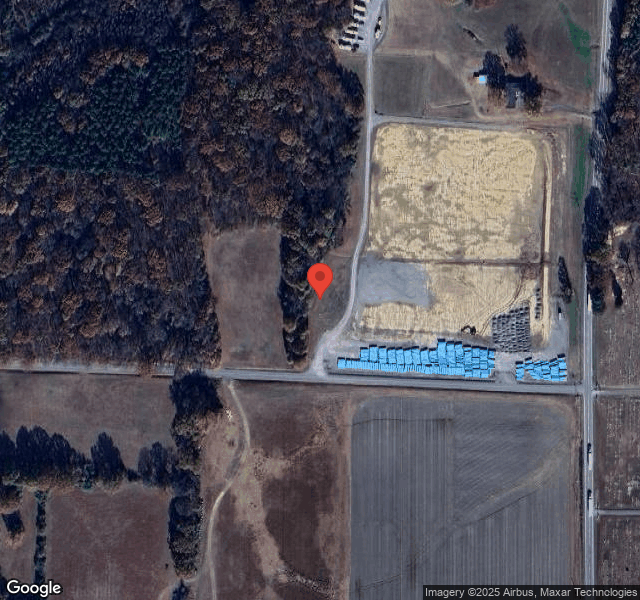
200 S MAPLE STREET, HAZEN, AR 72064 (870) 255-4323
For profit - Limited Liability company 70 Beds MARSH POINTE MANAGEMENT Data: November 2025
Trust Grade
40/100
#152 of 218 in AR
Last Inspection: June 2025

Inspected within the last 6 months. Data reflects current conditions.

Overview

Maple Healthcare in Hazen, Arkansas, has a Trust Grade of D, indicating below-average performance with some concerns. It ranks #152 out of 218 facilities in the state, placing it in the bottom half, but it is the only option in Prairie County. The facility is improving, with the number of reported issues decreasing from five in 2024 to two in 2025. Staffing is a strength, rated 4 out of 5 stars, with a turnover rate of 54%, which is about average for the state. However, there are serious concerns, such as staff failing to ensure residents were free from harm and not properly assessing a resident's ability to self-administer medications. Additionally, dietary staff were found not to wash their hands during meal preparation, posing risks for contamination.

Trust Score
D
40/100
In Arkansas
#152/218
Bottom 31%
Safety Record
High Risk
Review needed
Inspections
Getting Better
5 → 2 violations
Staff Stability
⚠ Watch
54% turnover. Above average. Higher turnover means staff may not know residents' routines.
Penalties
✓ Good
No fines on record. Clean compliance history, better than most Arkansas facilities.
Skilled Nurses
✓ Good
Each resident gets 44 minutes of Registered Nurse (RN) attention daily — more than average for Arkansas. RNs are trained to catch health problems early.
Violations
○ Average
10 deficiencies on record. Average for a facility this size. Mostly minor or procedural issues.
★★☆☆☆
2.0
Overall Rating
★★★★☆
4.0
Staff Levels
★★★☆☆
3.0
Care Quality
★★☆☆☆
2.0
Inspection Score
Stable
2024: 5 issues
2025: 2 issues

The Good

  • 4-Star Staffing Rating · Above-average nurse staffing levels
  • Full Sprinkler Coverage · Fire safety systems throughout facility
  • No fines on record

Facility shows strength in staffing levels, fire safety.

The Bad

2-Star Overall Rating

Below Arkansas average (3.1)

Below average - review inspection findings carefully

Staff Turnover: 54%

Near Arkansas avg (46%)

Higher turnover may affect care consistency

Chain: MARSH POINTE MANAGEMENT

Part of a multi-facility chain

Ask about local staffing decisions and management

The Ugly 10 deficiencies on record

1 actual harm
Jun 2025 2 deficiencies 1 Harm
SERIOUS (H)

Actual Harm - a resident was hurt due to facility failures

Free from Abuse/Neglect (Tag F0600)

A resident was harmed · This affected multiple residents

Based on observation, interview, record review, facility document review, and facility policy review, it was determined that facility failed to ensure residents were free from physical and psychosocia...

Read full inspector narrative →
Based on observation, interview, record review, facility document review, and facility policy review, it was determined that facility failed to ensure residents were free from physical and psychosocial harm for 2 (Resident #5 and 23) of 3 residents reviewed for abuse. The findings include: A review of an admission Record indicted the facility admitted Resident #25 with a diagnosis of dementia with agitation and delirium. A review of a quarterly Minimum Data Set (MDS) with an Assessment Reference Date of 05/22/2025 revealed Resident #25 had a Brief Interview for Mental Status (BIMS) score of 3, which indicated severe cognitive impairment. The MDS also indicated the resident had exhibited physical behavioral symptoms towards others. A review of Resident #25 ' s Care Plan revealed it was noted on 03/03/2025 the resident had the potential to be physically aggressive. A review of an admission Record revealed the facility admitted Resident #5 with a diagnosis of epilepsy (a disorder where nerve cell activity in the brain is disturbed causing seizures). The quarterly MDS with an ARD of 04/12/25 revealed Resident #5 had a BIMS score of 15, which indicated the resident was cognitively intact. A review of a facility incident report, dated 05/10/25 at 4:00 PM and completed by Registered Nurse (RN) #4, revealed: Resident #25 was removed from Resident #5 ' s room after an aide stated Resident #25 had struck Resident #5. RN #4 entered Resident #5 ' s room and observed Resident #5 holding the right side of the resident ' s face. When asked if they could explain what happened, Resident #5 stated, [Resident #25] came in here and was getting onto me and slapping me and hitting me. Resident #5 indicated Resident #25 had struck them in the stomach. Immediate action: Residents were separated with Resident #25 taken to the dayroom for closer observation. At 7:38 PM the Director of Nursing (DON) was notified of the incident between Resident #5 and #25. At 8:36 PM the Medical Director was notified of the incident between Resident #5 and #25. At 8:39 PM the Administrator was notified of the incident between Resident #5 and #25. A statement from Certified Nursing Assistant (CNA) #1 revealed she was in a resident room when she heard Resident #5 screaming. CNA #1 ran to Resident #5 ' s room and witnessed Resident #25 slapping Resident #5. When staff attempted removing Resident #25, Resident #25 hit Resident #5 on their right arm. A statement from CNA #2 revealed they were in another resident room when yelling was heard. CNA #2 went into Resident #5 ' s room and witnessed Resident #25 hitting Resident #5 and taking linens off Resident #5 ' s bed. CNA #2 moved Resident #25 to the dayroom and told the nurse. A stop sign was placed at Resident #5 ' s door to prevent other residents from entering the room. Facility training was completed with staff regarding abuse, neglect, and dementia. During an interview on 06/02/25 at 11:37 AM, Resident #5 stated, [Resident #25] came in and hit my arm and made a big bruise. I don't know why [Resident #25] came in, [Resident #25] just walked in here. During an interview on 06/04/2025 at 12:52 PM, Resident #5 revealed that they were going into their room and getting out of their wheelchair. Resident #5 stated, [Resident #25] walked in and hit my arm and left a big bruise on my arm. I pushed my call light, and the nurse came and got them. Resident #5 reported feeling scared and pain when they were being hit. Resident #5 verbalized telling the Social Director about the bruise. During an interview on 06/04/2025 at 10:53 AM, CNA #1 verified that she witnessed Resident #25 slapping Resident #5 two or three times, and punching them on the arm one time. Resident #25 was trying to take the linens off Resident #5 ' s bed and Resident #5 was stating, No, no, no. CNA #1 confirmed that they put a stop sign across Resident #5 ' s door so Resident #25 couldn't come in and sat Resident #25 alone and kept them away from everybody. CNA #1 confirmed Resident #5 had a bruise on their right arm and their face was red after the incident. CNA #1 said they reported the incident immediately. During an interview on 06/04/25 at 1:42 PM, CNA #1 verbalized that the bruise to Resident #5 ' s right arm was from the same day of the incident on 05/10/2025. During an interview on 06/04/2025 at 5:07 PM, CNA #1 verbalized that depending upon the day, somedays Resident #25 wandered, slept, or was angry. Resident #25 also hit and yelled out. When Resident #25 has behaviors, we leave them alone and let them calm down, the behaviors don't last long. During an interview on 06/03/25 at 1:31 PM, License Practical Nurse (LPN) #3 verbalized that a stop sign had been placed on Resident #5 ' s door to ensure safety. During an interview on 06/04/2025 at 12:20 PM, LPN #3 revealed Resident #5 had a bruise from an incident on 05/10/2025. LPN #3 stated, There was a whole reportable, I thought, I informed the MDS Coordinator and the DON regarding the bruise. During an interview on 06/04/2025 at 5:09 PM, LPN #3 verbalized that with perineal care and personal care Resident #25 often became agitated, and stated the resident did wander. During an interview on 06/04/25 at 6:53 PM, RN #4 stated, [Resident #25] went into [Resident #5 ' s] room. [Resident #5] was saying that they got hit in the stomach or arm, but I can't remember. RN #4 stated, I want to say they put the stop sign on the door that Monday. RN #4 stated, We would just watch [Resident #25] as close as we can. [Resident #25] can become aggressive, labile, and hard to predict. Resident #25 is aggressive. They doesn't like any kind of self-care and tend to get violent with the staff and has behaviors all the time. During an interview on 06/03/25 at 8:13 AM, the DON verbalized that a report for Resident #25 striking Resident #5 was completed, and immediate separation between the two residents was done. Resident #25 was placed on one-on-one supervision, and a stop sign was place on Resident #5 ' s door. Resident #5 was educated to immediately come out and get a staff member if someone came into their room. During an interview on 06/04/2025 at 9:50 AM, the DON verbalized a reportable was not done due to there being no injuries. During an interview on 06/04/2025 at 11:03 AM, the Administrator verified a CNA witnessed Resident #25 slapping Resident #5 ' s cheek. She confirmed that a stop sign was placed the next day. A review of an admission Record indicated the facility admitted Resident #23 with Alzheimer's disease (progressive disease that destroys memory and other important mental functions). The admission MDS with an ARD of 04/16/2025, revealed resident #23 had a BIMS score of 06, which indicated the resident had severe cognitive impairment. A review of a facility reportable, dated 05/27/25 at 6:40 AM and completed by RN #4, revealed: CNA #5 was in another room when they heard someone screaming. CNA #5 observed Resident #25 striking Resident #23 with a cane. CNA #5 attempted to stop Resident #25, but Resident #25 attempted to hit CNA #5 with the cane. CNA #5 was able to get Resident #25 to put the cane down and then called for assistance from CNA #6. Both CNA #5 and #6 were unsuccessful in removing Resident #25 from the room. RN #4 was contacted by CNA #6. When RN #4 entered the room, Resident #25 became aggressive towards RN #4 while the RN was removing Resident #25 from the room. Resident #23 verbalized to RN #4, [Resident #25] came in here, took my cane from me, and began hitting me with it over and over. RN #4 assessed Resident #23 and found discoloration to the right lower extremity in the shin area. A witness statement from CNA #5 revealed she heard someone screaming. CNA #5 reported Resident #25 was in Resident #23 ' s room hitting them with their cane. CNA #5 came in and tried to stop them. CNA #5 revealed, [Resident #25] was trying to hit me. CNA #5 got Resident #25 to put the cane down and then got CNA #6, who went and got RN #4. A witness statement from CNA #6 revealed Resident #25 hit Resident #23 on the legs with the cane. CNA #6 then went to get RN #4 to assist in removing Resident #25 from the room. A witness statement from RN #4 revealed Resident #25 took Resident #23 ' s cane and began hitting Resident #23 with it. RN #4 removed Resident #25 from the room. A witness statement from Resident #23 indicated the resident stated, I was lying in bed and heard my bedroom door open and noticed that it was [Resident #25]. I grabbed my cane that was on my bedside drawer by my bed and pointed it at them and told them to get out. They kept walking towards me and grabbed my cane and hit me several times over my legs with my cane. During an interview and observation on 06/05/2025 at 10:50 AM, Resident #23 was seen with three bruises that were yellowish in color to their right knee. Resident #23 reported Resident #25 beat them with a cane, striking them 5 or 6 times. Resident #23 reported being shocked by the attack, stating, I wasn't thinking about getting hit in a place like this. It irritated me that they had people walking around doing that. Resident #23 reported that no staff were around when it happened. I'm cautious when I walk out the room. I don't feel free to just stroll down the hall anymore. I don't know why they choose me to attack. I don't know if I looked vulnerable or what. I'm not sure what their thought process was. A review of Resident #23 ' s skin observation, dated 05/27/2025 at 8:15 AM, revealing bruising to right lower front leg. A review of Resident #23 ' s skin observation, dated 05/28/2025 at 8:33 AM, revealed bruising to right lower front and rear leg and front of right knee. During an interview on 06/05/2025 at 11:34 AM, CNA #6 revealed that Resident #23 seemed to be nervous following the incident. CNA #6 reported doing a facility training on the incident after it happened. During an interview on 6/05/2025 at 11:47 AM, RN #4 revealed Resident #25 was sent out as an immediate intervention to ensure safety for residents affected and other residents on the unit. RN #4 reported Resident #25 was a one-on-one supervision for a couple of days. RN #4 reported Resident #23 had a bruise on the side of their right leg following the incident. During an interview on 06/05/25 at 11:38 AM, the DON verified that Resident #23 reported another resident struck them, took their cane from them, and began hitting them over and over. During an interview on 06/05/25 at 11:55 AM, the Administrator reported the incident between Resident #25 and Resident #23 seemed to be an isolated incident. The Administrator reported to be working on allowing that hall to have its own nurse. She confirmed that it was important to ensure proper interventions were in place for all residents that have potential for harm to insure all residents' safety. Review of an undated policy titled, Abuse policy, indicated All reports of resident abuse, neglect, exploitation, misappropriation of resident property, mistreatment and/or injuries of unknown sources (abuse) shall be immediately reported to the administrator/designee and the Director of Nursing and promptly reported to local, state, and federal agencies (as defined by current regulations). These allegations will be thoroughly investigated by the facility management and the findings for abuse investigations will be reported as per local, state, and federal regulations.
CONCERN (D)

Potential for Harm - no one hurt, but risky conditions existed

Report Alleged Abuse (Tag F0609)

Could have caused harm · This affected 1 resident

Based on interview, record review, and facility policy review, it was determined that the facility failed to report a resident-to-resident altercation to the Office of Long-Term Care for two (Resident...

Read full inspector narrative →
Based on interview, record review, and facility policy review, it was determined that the facility failed to report a resident-to-resident altercation to the Office of Long-Term Care for two (Resident #5 and Resident #25) of two residents reviewed for abuse. The findings included: 1. A review of Resident #5 ' s admission Record indicted the facility admitted the resident with diagnoses of intellectual disabilities and history of traumatic brain injury, which included epilepsy. a. A review of Resident #5 ' s quarterly Minimum Data Set (MDS) with an Assessment Reference Date (ARD) of 04/12/2025, revealed the resident had a Brief Interview for Mental Status (BIMS) score of 15, which indicated intact mental cognition. b. A review of Resident #5 ' s, Care Plan, initiated 12/18/2022, indicated the resident was deemed appropriate for placement on the memory care unit. The Care Plan also revealed interventions, with an initiation date of 02/18/2025, which directed staff to redirect the resident when exit seeking or if there was an altercation with another resident, speak directly with resident in a calm manner with short sentences and simple questions, attempt task again in a calm manner, when or if the resident becomes agitated or combative. 2. A review of Resident #25 ' s admission Record indicted the facility admitted the resident, with diagnoses which included moderate vascular dementia. a. A review of Resident #25 ' s quarterly MDS with an ARD of 05/22/2025, revealed the resident had a BIMS score of 03, which indicated severe cognitive impairment. b. A review of Resident #25 ' s, Care Plan, revised 03/03/2025, revealed the resident had the potential to be physically aggressive. The Care Plan also revealed interventions, with initiation dates of 03/03/2025 and 03/26/2025, that directed staff to redirect resident, intervene before agitation escalates, redirect from source of distress, utilize calm conversations with resident. If resident is aggressive, walk away and attempt later. 3. During an interview on 06/02/2025 at 11:37 AM, Resident #5 stated, [Resident #25] came in (into Resident #5 ' room) and hit my arm and made a big bruise. I don't know why .they just walked in here. 4. During an interview on 06/04/2025 at 9:50 AM, the Director of Nursing (DON) revealed that there was not a reportable done with Resident #5 and Resident #25 due to no injuries. She verbalized her last training, regarding abuse was a week ago. 5. During an interview on 06/04/2025 at 10:53 AM, Certified Nursing Assistant (CNA) #1 stated, I witness them [Resident #25] slapping [Resident #5] two or three times and punched them on the arm one time. [Resident #25] were trying to take covers off [Resident #5 ' s] bed and [Resident #5] was saying, No, no, no. CNA #1 verbalized they had informed administration immediately following the incident. 6. During an interview on 06/04/2025 at 12:20 PM, Licensed Practical Nurse (LPN) #3 revealed Resident #5 had a bruise from an incident on 05/10/2025. LPN #3 stated, There was a whole reportable, I thought, and I informed the MDS Coordinator and DON regarding the bruise. 7. During an interview on 06/04/2025 at 12:52 PM, Resident #5 reported feeling scared during the time of the incident, and pain when struck. Resident #5 revealed they had a bruise from the hit and had informed the Social Director of the incident. 8. During an interview on 06/04/2025 at 1:42 PM, CNA #1 confirmed the bruise to Resident #5 ' s right arm was from the same day of the incident, on 05/10/2025. 9. During an interview on 06/05/25 at 4:11 PM, the Medical Director revealed that he was not notified of the incident that happened on 05/10/2025. He verbalized that there was an on call that could have been notified. 10. A review of a facility Incident Report, dated 05/10/2025, indicated Resident #5 was gotten onto and hit and slapped by Resident #25. The incident report revealed the DON was notified of the incident on 05/10/2025 at 7:38 PM, and the Administrator was notified of the incident on 05/10/2025 at 8:39 PM. 11. A review of a facility, Abuse and Neglect and Dementia training, dated 05/27/2025, acknowledged with staff listed above stating Investigate and report any allegations of abuse within timeframes as required by federal requirements. 12. A review of an undated facility policy titled, Abuse Policy, indicated All reports of resident abuse, neglect, exploitation, misappropriation of resident property, mistreatment and/or injuries of unknown sources (abuse) shall be immediately reported to the Administrator/Designee and the Director of Nursing [DON] and promptly reported to local, state, and federal agencies (as defined by current regulations).
Mar 2024 5 deficiencies
CONCERN (D)

Potential for Harm - no one hurt, but risky conditions existed

ADL Care (Tag F0677)

Could have caused harm · This affected 1 resident

Based on observation, record review and interview, the facility failed to ensure fingernails were cleaned and trimmed and facial hair was shaved to promote good personal hygiene and grooming for 1 (Re...

Read full inspector narrative →
Based on observation, record review and interview, the facility failed to ensure fingernails were cleaned and trimmed and facial hair was shaved to promote good personal hygiene and grooming for 1 (Resident #12) of 6 sampled residents who required assistance with nail care and 1 (Resident #12) of 4 sampled residents who required assistance with shaving on the secured unit. The findings are: Resident #12 had diagnoses of Unspecified Dementia and Unspecified Lack of Coordination. A Quarterly Minimum Data Set (MDS) with an Assessment Reference Date (ARD) of 02/24/24 documented the resident had a Brief Interview of Mental Status (BIMS) scored of 05 (00-07 indicates severely impaired) and required partial to moderate assistance with personal hygiene. a. A Care Plan last revised on 1/29/24 documented, .offer and assist [Resident #12] with showers 2 times weekly, PRN [as needed] and upon request . If [Resident #12] refuses care, approach at a later time and offer care . Keep Nails Smooth, Clean & [and] Trimmed, (Hands & Feet). Report To Nurse PRN Inability To Trim Nails D/T Thickness . b. An ADL Bathing-Shower form documented Resident #12 received physical help with a bathing activity on 2/23/24 and 3/1/24 and refused 2/27/24. There was no documentation from 3/1/24 to 3/6/24 regarding bathing activity. c. On 3/04/24 at 10:21 AM, Resident #12 was awake and sitting up on the side of the bed. The fingernails on both hands had a dark substance underneath them and were greater than a quarter (1/4) inch in length from the fingertip. There was facial hair on the resident's cheeks, chin and neck that was greater than 1/4 inch in length. d. On 3/05/24 at 10:47 AM, Resident #12 was in the dayroom sitting up in a recliner. The fingernails on both hands were greater than 1/4 inch in length from the fingertip and facial hair greater than 1/4 inch in length on the resident's cheeks, chin and neck. e. On 3/06/24 at 08:32 AM, Resident #12 was sitting up in a recliner in the dayroom. There was facial hair to Resident #12's cheeks, chin and neck that was greater than 1/4 inch in length and the fingernails on both hands were greater than 1/4 inch in length from the fingertip. f. On 3/6/24 at 3:08 PM, Certified Nursing Assistant (CNA) #1 confirmed that he/she was familiar with [Resident #12]'s plan of care and that nail care and shaving was offered to residents on their shower days or when they want it. She added they clean the fingernails when they see it's needed and the charge nurse was informed if a resident refused nail care or to be shaved and that they documented this when they completed their ADL (activities of daily living) tasks in the resident's electronic health record. g. On 3/6/24 at 3:28 PM, CNA #1 and this surveyor entered Resident #12's room. CNA #1 described the resident's face as, [Resident #12] didn't get no shave yesterday., and described the resident's nails by stating, Long, sharp and they can be cleaned, dirty nails. h. On 3/6/24 at 3:31 PM, Licensed Practical Nurse (LPN) #1confirmed that if a CNA tells him/her a resident has refused care, he/she tries to encourage the resident to have it done, but if not, he/she charts the refusal in the nurse's notes and when the CNAs document a refusal, an alert comes to them. i. A Fingernails/Toenails, Care of policy provided by the DON on 3/7/24 documented, .The purposes of this procedure are to clean the nail bed, to keep nails trimmed, and to prevent infections . Proper nail care can aid in the prevention of skin problems around the nail bed . Trimmed and smooth nails prevent the resident from accidentally scratching and injuring his or her skin . Documentation . 6. If the resident refused the treatment, the reason(s) why and the intervention taken . j. A Shaving the Resident policy provided by the DON on 3/7/24 documented, .The purpose of this procedure is to promote cleanliness and provide skin care . Reporting 1. Notify the supervisor if the resident refuses the procedure .
CONCERN (D)

Potential for Harm - no one hurt, but risky conditions existed

Respiratory Care (Tag F0695)

Could have caused harm · This affected 1 resident

**NOTE- TERMS IN BRACKETS HAVE BEEN EDITED TO PROTECT CONFIDENTIALITY** Based on observation, record review and interview, the facility failed to ensure parameters were put in place to ensure the corr...

Read full inspector narrative →
**NOTE- TERMS IN BRACKETS HAVE BEEN EDITED TO PROTECT CONFIDENTIALITY** Based on observation, record review and interview, the facility failed to ensure parameters were put in place to ensure the correct dosage of oxygen was administered and so the Physician could determine the dosage needed for 1 (Resident #29) of 1 sampled resident. The findings are: 1. Resident #29 was admitted on [DATE] with the diagnosis of Chronic Obstructive Pulmonary Disease (COPD), Unspecified. a. On 03/04/24 at 10:26 AM, Resident #29 was lying in bed with oxygen on via nasal cannula at 2 liters per minute (LPM). b. On 03/05/24 at 07:54 AM, Resident #29 was lying in bed with oxygen on via nasal cannula at 2 LPM. c. A Physicians Order dated 11/13/23 documented oxygen on at 2 liters via nasal cannula to keep sats (saturation, the level of oxygen in the blood) at 90% or above, every shift for shortness of breath. d. A Care Plan with an initiated date of 11/13/23 documented, Resident is at risk for breathing difficulties r/t [related to] COPD. O2 [oxygen] at 2 L/min [liters per minute] via NC [nasal cannula] as needed for SOB (shortness of breath); spo2 [the measurement of how much oxygen your blood is carrying] < [less than] 90% . e. Review of the March 2024 Medication Administration Record (MAR) revealed there was no documentation of pulse oximetry results to follow for correct dosage of oxygen administration. f. On 03/7/24 at 8:18 AM, Licensed Practical Nurse (LPN) #2 was asked how she knew when to increase or decrease the oxygen on Resident #29 to keep her oxygen saturation greater than 90%. LPN # 2 stated, Check her pulse ox [pulse oximetry] LPN #2 was asked if there was an order to check the pulse oximetry. LPN #2 stated, No. LPN #2 was asked how she knew Resident #29's oxygen saturation was above 90% per physicians orders. LPN #2 stated, Well I don't unless I check it. LPN #2 was asked what Resident #29's pulse oximetry was this morning. LPN #2 stated, I haven't checked it. g. On 3/07/24 at 8:43 AM, the Director of Nursing (DON) was asked how do you expect the nurses to determine what an oxygen flow rate should be. The DON stated, That there should be a O2 check per shift to determine if the rate needs to be adjusted. The DON was asked to look at the electronic record and read the current physician's order. The DON stated, There are no parameters and should be. The DON was asked the importance of setting parameters. The DON stated, To make sure that the resident isn't getting cyanotic [bluish or purplish discoloration due to deficient oxygenation of the blood] or that the order needs decreased. h. On 3/7/24 at 10:51 AM, the DON provided a policy titled, Oxygen Administration which documented, The purpose of this procedure is to provide guidelines for safe oxygen administration . Review the Physicians order . Before administering oxygen, and while the resident is receiving oxygen therapy, assess, for the following . oxygen saturation .
CONCERN (E)

Potential for Harm - no one hurt, but risky conditions existed

Deficiency F0554 (Tag F0554)

Could have caused harm · This affected multiple residents

Based on observation record review, and interview, the facility failed to ensure a resident was assessed and deemed safe for self-administration of medications for 1 (Resident #23) of 1 sampled reside...

Read full inspector narrative →
Based on observation record review, and interview, the facility failed to ensure a resident was assessed and deemed safe for self-administration of medications for 1 (Resident #23) of 1 sampled resident whose medication was left at the bedside. The findings are: The Care Plan with a revision date of 01/24/24 did not address self-administration of medications. The March 2024 Physician Orders did not address self-administration of medications. The March 2024 Medication Administration Record revealed Resident #23 was to receive a nebulizer (updraft) treatment, diuretic, antidepressant, antibiotics, pain, steroid, heart and immunodeficiency medications each morning. On 3/5/24 at 8:31 AM, Resident #23 had a medication cup with 11 pills, a medication cup with a crushed substance and particles with a spoon in it and a clear liquid in the chamber of the nebulizer. Resident #23 was lying on the left side turned away from the medications. On 3/5/24 at 8:32 AM, Licensed Practical Nurse (LPN) #2 was asked if there was anyone who was assessed to self-administer medication. LPN #2 stated, No. On 3/5/24 at 8:33 AM, LPN #2 was asked to accompany the Surveyor to Resident #23's room and to look on the bedside table and explain what he/she saw. LPN #2 stated, It's [Resident #23's] meds [medications] that I gave [the resident]. [The resident] hasn't taken them. I shouldn't leave them without making sure [the resident] swallowed them because a confused resident might wander in there and take them. The Surveyor asked about the liquid in the nebulizer chamber. LPN #2 stated, Yes, that's [Resident #23's] updraft medication. [The resident] didn't finish it. On 3/7/24 at 9:06 AM, the Director of Nursing (DON) was asked if the facility had anyone who is assessed for self-administration. The DON stated, No. The DON was asked to explain what she expected the nurses to do during medication pass once the medication had been prepared for an individual resident. The DON stated, Stay with them till all meds are taken. The DON was asked if the medication should ever be left at the bedside. The DON stated, No; someone one else could go in and take them, the resident could choke on them or not take them or accumulate them and take them all at once.
CONCERN (E)

Potential for Harm - no one hurt, but risky conditions existed

Medication Errors (Tag F0758)

Could have caused harm · This affected multiple residents

Based on record review and interview, the facility failed to ensure a psychotropic medication was not used on a PRN (as needed) basis for more than 14 days and without a documented rationale by a prov...

Read full inspector narrative →
Based on record review and interview, the facility failed to ensure a psychotropic medication was not used on a PRN (as needed) basis for more than 14 days and without a documented rationale by a provider to promote or maintain the highest practicable mental, physical, and psychosocial wellbeing for 1 (Resident #25) of 2 (Residents #20 and #25) sampled residents who had physician's orders for Ativan on a PRN basis. The findings are: 2. Resident #25 had diagnoses of Alzheimer's Disease, Anxiety Disorder and Dementia. A Quarterly Minimum Data Set (MDS) with an Assessment Reference Date (ARD) of 02/12/24 documented the resident had a Staff Assessment of Mental Status (SAMS) score of 3 (03-indicates severely impaired). a. A Physician's Order dated 02/02/24 documented, .Ativan 0.5 mg [milligrams] PO [by mouth] Q [every] 8 hr [hours] prn . There was no end date for this medication. b. A Care Plan revised on 2/27/24 documented, .Resident is at risk for side effects and complications of psychotropic drug use R/T [related to] Dementia with Behavior Disturbance, Depression and anxiety . Antianxiety Medication- Monitor for slurred speech, drowsiness, dizziness, N/V [nausea/vomiting], aggressive / impulsive behavior . Monitor use of medications and assess the need for and make recommendations to physician for psychotropic drug reductions per policy . c. The March 2024 electronic Medication Administration Record (MAR) documented Resident #25 received one PRN dose of Ativan 0.5 mg on 3/1/24, 3/2/24 and 3/4/24 to 3/7/24 and two doses on 3/3/24. d. On 3/7/34 at 2:00 PM, a review of Resident 25's Progress Notes from 2/12/24 to 2/20/24, noted on 2/12/24 at 9:33 PM there was a pharmacy note that documented, Chart reviewed. See report for recommendations. There was no documentation from the provider for a rationale to continue Ativan 0.5 mg on a PRN basis or an end date for the medication. e. On 3/07/24 at 2:07 PM, the Director of Nursing (DON) provided a copy of a Note to Attending Physician that was printed 2/12/24 and signed on 2/20/24 which documented, .No change . There was no end date or rationale for continuing the medication documented on this form for the Ativan PRN. The DON was asked, Who does these forms [A Note to Attending Physician] go to? The DON said, the Pharmacist sends them to me and I send them to (Medical Doctor), and the medical doctor signs them and sends them back.
CONCERN (F)

Potential for Harm - no one hurt, but risky conditions existed

Food Safety (Tag F0812)

Could have caused harm · This affected most or all residents

Based on observation, record review and interview, the facility failed to ensure dietary staff washed their hands during meal preparation to decrease the potential for contaminating food items for res...

Read full inspector narrative →
Based on observation, record review and interview, the facility failed to ensure dietary staff washed their hands during meal preparation to decrease the potential for contaminating food items for residents who received meals from 1 of 1 kitchen. This failed practice had the potential to affect all 30 residents (Census: 30) as documented on a list provided by the Director of Nursing (DON) on 3/7/24. The findings are: 1. On 3/6/24 at 10:15 AM, Dietary Employee (DE) #1 prepared a few pans of pizza. DE #1 removed the gloves, picked up a resealable plastic bag and with the right hand, used a black permanent marker to write something on the bag. Without washing her hands, DE #1 put a glove on the right hand, held the resealable plastic bag in the left ungloved hand, and used the right gloved hand to remove left over cheese from a metal pan and place it inside of the resealable plastic bag, sealed the bag and placed it in the refrigerator. 2. On 3/6/24 at 10:27 AM, DE #1 retrieved a bag of sealed lettuce from a refrigerator. Without washing hands, DE #1 put on a pair of gloves, picked up a pair of scissors with the right gloved hand and held the bag with the gloved left hand. DE #1 cut the top of the bag open with the scissors and laid the scissors down and with the same right gloved hand. DE #1 removed a handful of lettuce and placed it in a blender, then placed the top onto the blender with the left hand. DE #1 used the right gloved hand to pulse the blender to chop up the lettuce. After DE #1 had prepared the lettuce and placed it in a metal bowl, DE #1 removed the gloves, placed a piece of aluminum foil over the bowl, used a black permanent marker in the right hand, wrote on the foil and then placed the bowl in the refrigerator. DE #1 took another metal bowl, poured the remaining lettuce from the bag in the bowl and without washing hands put on clean gloves, opened a bag of carrots, and poured them in the bowl. Without washing hands or changing gloves, DE #1 took both hands and placed them in the salad and began to mix the lettuce and carrots together. 3. On 3/7/24 at 10:47 AM, the Dietary Manager was asked, Tell me when do you all wash your hands when you're in the kitchen? The Dietary Manager stated, We always wash our hands when we enter the kitchen, before pulling clean dishes, before touching any food, anytime you handle raw meat or veggies and before and after you take off your gloves. The Dietary Manager was asked what should have been done when a dietary employee puts on gloves and picks up scissors with the gloved right hand while holding a bag of lettuce with the left hand, cut the bag open with the scissors using the right gloved hand, opened the bag and then began using the same gloved right hand to remove lettuce from a bag and place it in a blender. The Dietary Manager stated, [DE #1] forgot to take [DE #1's] gloves off and wash [DE #1's] hands and put on clean gloves before touching the lettuce. The Dietary Manager was asked, What should have been done after a dietary employee took off the gloves, picked up a resealable plastic bag with the left hand and picked up a permanent black marker with the right hand, wrote on the resealable plastic bag, put a glove on the right hand and picked up the left over cheese from a pan and placed it in the resealable plastic bag The Dietary Manager stated, She should've taken her glove off, washed her hands and put clean gloves on before picking up the cheese. 4. A Preventing Foodborne Illness- Employee Hygiene and Sanitary Practices policy provided by the DON on 3/7/24 documented, .6. Employees must wash their hands: .g. during food preparation, as often as necessary to remove soil and contamination and to prevent cross contamination when changing tasks . 10 .The use of disposable gloves does not substitute for proper handwashing .
Dec 2022 3 deficiencies
CONCERN (D)

Potential for Harm - no one hurt, but risky conditions existed

Deficiency F0578 (Tag F0578)

Could have caused harm · This affected 1 resident

**NOTE- TERMS IN BRACKETS HAVE BEEN EDITED TO PROTECT CONFIDENTIALITY** Based on record review and interview, the facility failed to ensure the residents' orders and care plan accurately reflected the...

Read full inspector narrative →
**NOTE- TERMS IN BRACKETS HAVE BEEN EDITED TO PROTECT CONFIDENTIALITY** Based on record review and interview, the facility failed to ensure the residents' orders and care plan accurately reflected the resident's advanced directive decision that documented they did not want cardiopulmonary resuscitation for 1 (Resident #134) sampled residents whose clinical records were reviewed for advanced directive information. This failed practice had the potential to affect all 32 Residents who resided in the facility, as documented on the Resident Census and Conditions of Residents form provided by the Minimum Data Set (MDS) Coordinator on [DATE] at 11:48 a.m. The findings are: 1. Resident #134 was admitted to the facility on [DATE] with diagnoses of Periprosthetic Fracture around Internal Prosthetic Right Hip Joint, Diabetes Mellitus, and Acute on Chronic Respiratory Failure. The Annual Minimum Data Set (MDS) with an Assessment Reference Date (ARD) of [DATE] documented the resident scored 15 (13-15 indicates cognitively intact) on the Brief Interview for Mental status (BIMS), required extensive assistance with bed mobility, dressing, limited assistance with transfers, toileting, personal hygiene, and supervision with eating. a. A doctors order dated [DATE] documented, . FULL CODE . b. The form titled Resuscitation Designation Order, that was signed by the resident's POA (Power of Attorney) and the resident's Physician, dated [DATE] documented, . I do not desire Cardiopulmonary Resuscitation to be performed at this facility if I suffer a cardiac or respiratory arrest . c. The care plan with an initiation date of [DATE] documented, . Focus: I have requested that CPR (Cardiopulmonary Resuscitation) measures ARE to be performed (FULL CODE STATUS) . Goal: Staff will respect my wishes and rights in regard to my decision to have CPR performed . Interventions: Communicate my choice to all appropriate staff members . d. On [DATE] at 9:55 AM, the Surveyor asked Licensed Practical Nurse (LPN) #1, What is (Resident #134's) doctors order for code status? LPN #1 looked in the electronic record and stated, He is a full code. The Surveyor asked LPN #1, Does (Resident #134) have any directive saying what he wants his code status to be? LPN #1 looked in the Electronic Record and stated, He has paper stating he wants to be a DNR (Do Not Resuscitate). The Surveyor asked LPN #1, Is Resident #134' doctors order for his code status, correct? LPN #1 stated, No. I will get that corrected now. The Surveyor asked LPN #1, What does Resident #134 care plan say his code status is? LPN #1 looked in the Electronic Record and stated, It says full code. The Surveyor asked LPN #1, Is Resident #134 care plan correct based on the Resuscitation Designation order in the chart signed by the Power of Attorney and the Physician? LPN #1 stated, No, it is not correct. The Surveyor asked LPN #1, Why is it important that the residents orders and care plan reflect the residents wishes regarding any advanced directive such as code status, LPN #1 stated, If the resident did not want to be resuscitated and we did resuscitate them we would not be following his wishes which could cause the family to be very upset. e. On [DATE] at 10:00 AM, The Surveyor asked the Director of Nursing (DON), What is Resident #134 doctors order for code status? The DON looked in the Electronic Record and stated, He is a full code, no he is a DNR. The Surveyor asked the DON, Was the order for DNR put in the Electronic Record today? The DON looked at the Electronic Record and stated, Yes it was done today. The Surveyor asked the DON, Does the Resuscitation Designation order in the electronic record dated [DATE] that was signed by the Power of Attorney and the Physician state he wanted to be a DNR? The DON looked in the Electronic Record and stated, Yes. The Surveyor asked the DON, What does Resident #134 care plan say that his code status is? The DON looked in the Electronic Record and stated, It states he is a full code. The Surveyor asked the DON, Is the care plan correct? The DON stated, Based on what we just looked at it is not correct. The Surveyor asked the DON, Why is it important that the residents orders and care plan reflect the residents wishes regarding advanced directives such as code status? The DON stated, It is important so that we know what to do if it comes to that and we can do what the resident wants and wishes. I am going to audit all our residents to be sure there are no more incorrect statuses and update the care plan. f. On [DATE] at 10:15 AM, The Surveyor asked the Administrator, Should the resident orders accurately reflect any advanced directive they have such as their code status? The Administrator stated, Yes. The Surveyor asked the Administrator, Should the residents care plan reflect any advanced directive the resident has such as code status? The Administrator stated, Yes. The Surveyor asked the Administrator, Why is it important that the residents orders and care plan accurately reflect the residents wishes regarding advanced directives such as code status? The Administrator stated, It is important that we have the right code status documented so we know whether they want to be resuscitated or not. g. On [DATE] at 11:35 AM, The policy titled Advanced Directives, with a revised date of [DATE], provided by the Director of Nursing documented, Policy statement: Advanced directives will be respected in accordance with state law and facility policy .Policy Interpretation and Implementation: 1. Upon admission, the resident will be provided written information concerning the right to refuse or accept medical or surgical treatment, and to formulate an advanced directive if he or she chooses to do so . 10. The care plan of each resident will be consistent with his or her documented treatment preferences and/or advanced directive . 15. In accordance with current OBRA (Omnibus Reconciliation Act) definitions and guidelines governing advanced directives, our facility has defined advanced directives as preferences regarding treatment option and include, but are not limited to: . e. Do Not Resuscitate - indicates that, in case of respiratory or cardiac failure, the resident, legal guardian, health care proxy, or representative (sponsor) has directed that no cardiopulmonary resuscitation (CPR) or other life-sustaining treatments or methods be used .
CONCERN (D)

Potential for Harm - no one hurt, but risky conditions existed

Deficiency F0661 (Tag F0661)

Could have caused harm · This affected 1 resident

Based on record review and interview, the facility failed to ensure a written discharge summary was completed that included a recapitulation of the resident's and course of treatment for 1 of 10 disch...

Read full inspector narrative →
Based on record review and interview, the facility failed to ensure a written discharge summary was completed that included a recapitulation of the resident's and course of treatment for 1 of 10 discharged residents (Resident #32) of 1 sampled resident who was discharged in the past 90 days. 1. Resident #32 had diagnoses of Other Schizoaffective Disorder, Chronic Embolism and Thrombosis of the other Specified Veins, and Other Recurrent Depressive Disorders. The Quarterly Minimum Data Set (MDS) with an Assessment Reference Date (ARD) of 09/18/22 documented the resident scored 15 (13-15 indicates cognitively intact) on a Brief Interview for Mental Status (BIMS). a. On 12/21/22 at 09:05 am, The record review was completed by the surveyor and a discharge summary could not be located. b. On 12/21/22 at 09:08 am, the facility found the resident placement at another facility and provided the resident with transportation to the receiving facility. c. On 12/21/22 at 09:38 am, The Surveyor asked the Director of Nursing (DON), Can you provide a discharge summary for R #32? The DON stated, Let me see what I can find. d. On 12/21/22 at 10:00 am, the facility failed to complete a discharge summary. e. On 12/21/22 at 10:15 am, The Administrator stated, The discharge summary was not done at the time of discharge; we are getting it done today. f. On 12/21/22 at 10:32 am, The Discharge Return Not Anticipated MDS with an ARD of 10/28/22 documented discharge planned to another nursing facility. g. On 12/21/22 at 01:45 pm, the Surveyor asked the DON, When should a discharge be completed? The DON stated, At the time a resident discharge from the facility. The Surveyor asked the DON, Why should a discharge summary be completed? The DON stated, So the care a resident gets while in the facility can continue when they leave. 2. The Discharge Summary Policy documented, When the facility anticipates discharge a resident must have a discharge summary . (1) A recapitulation of the resident's stay that includes, but is not limited to, diagnoses, course of illness/treatment .
CONCERN (E)

Potential for Harm - no one hurt, but risky conditions existed

Respiratory Care (Tag F0695)

Could have caused harm · This affected multiple residents

**NOTE- TERMS IN BRACKETS HAVE BEEN EDITED TO PROTECT CONFIDENTIALITY** Based on observation, record review and interview, the facility failed to store and maintain Oxygen tubing appropriately for 1 R...

Read full inspector narrative →
**NOTE- TERMS IN BRACKETS HAVE BEEN EDITED TO PROTECT CONFIDENTIALITY** Based on observation, record review and interview, the facility failed to store and maintain Oxygen tubing appropriately for 1 Resident (#6) of 4 sampled residents (R #6, R #9, R #10, R #14) who had a Physician's Order for Oxygen. This failed practice had the potential to affect 7 residents who had a Physician's Order for oxygen as documented on a list provided by the Director of Nursing (DON) on 12/21/22 at 12:15 PM. The findings are: Resident #6 was admitted on [DATE] with a diagnosis of Pneumonia, Unspecified Organism, Hypothyroidism, Anemia, Essential Primary Hypertension. The Quarterly Minimum Data Set (MDS) with an Assessment Reference Date (ARD) of 11/30/22 documented the resident scored 4 (0-7 indicates cognitively severe impairment) on the Brief Interview for Mental Status (BIMS). A Physician's Order dated 10/8/22 stated, .O2 at 2 L/min [liters/minute] via [by way of] nasal cannula as needed for Shortness of Breath (SOB) or pulse ox [Pulse Oximetry less than] < 90% [percent]. as needed . a. On 12/20/22 at 8:17 AM, the Oxygen (O2) tubing was not stored correctly, the tubing is rolled up and stuck in the handle of the concentrator. b. On 12/20/22 at 2:52 PM, the O2 tubing was stuffed in the handle of the concentrator. c. On 12/21/22 at 10:00 AM, the O2 tubing was not stored correctly. d. On 12/21/22 at 1:45 PM, the Surveyor asked (LPN) Licensed Practical Nurse (LPN) #1, How should oxygen tubing be stored when not in use? LPN #1 stated, It should be in a bag. The Surveyor asked LPN #1, Why is it important for Oxygen tubing to be stored in a bag? LPN #1 stated, So it does not get contaminated with bacteria. The Surveyor asked LPN #1, What could happen if the oxygen tubing becomes contaminated? LPN #1 stated, The Oxygen will aerosol the bacteria and the resident will breathe it in and possibly cause an infection. e. On 12/21/22 at 02:00 PM, The Surveyor asked the DON, How should Oxygen tubing be stored when not in use? The DON stated, It should be in a bag with the date on it. The Surveyor asked the DON, Why is it important for Oxygen tubing to be stored in a bag? The DON stated, So it does not get contaminated. The Surveyor asked the DON, What could happen if the Oxygen tubing becomes contaminated? The DON stated, A resident using Oxygen could breathe it in and possibly cause a respiratory infection.
Understanding Severity Codes (click to expand)
Life-Threatening (Immediate Jeopardy)
J - Isolated K - Pattern L - Widespread
Actual Harm
G - Isolated H - Pattern I - Widespread
Potential for Harm
D - Isolated E - Pattern F - Widespread
No Harm (Minor)
A - Isolated B - Pattern C - Widespread

Questions to Ask on Your Visit

  • "What safeguards are in place to prevent abuse and neglect?"
  • "Can I speak with families of current residents?"
  • "What's your RN coverage like on weekends and overnight?"

Our Honest Assessment

Strengths
  • • No fines on record. Clean compliance history, better than most Arkansas facilities.
Concerns
  • • Multiple safety concerns identified: Federal abuse finding, 1 harm violation(s). Review inspection reports carefully.
  • • 10 deficiencies on record, including 1 serious (caused harm) violation. Ask about corrective actions taken.
  • • Grade D (40/100). Below average facility with significant concerns.
Bottom line: This facility has a substantiated abuse finding. Extreme caution advised. Explore alternatives.

About This Facility

What is Maple Healthcare's CMS Rating?

CMS assigns MAPLE HEALTHCARE an overall rating of 2 out of 5 stars, which is considered below average nationally. Within Arkansas, this rating places the facility higher than 0% of the state's 100 nursing homes. A rating at this level reflects concerns identified through health inspections, staffing assessments, or quality measures that families should carefully consider.

How is Maple Healthcare Staffed?

CMS rates MAPLE HEALTHCARE's staffing level at 4 out of 5 stars, which is above average compared to other nursing homes. Staff turnover is 54%, compared to the Arkansas average of 46%.

What Have Inspectors Found at Maple Healthcare?

State health inspectors documented 10 deficiencies at MAPLE HEALTHCARE during 2022 to 2025. These included: 1 that caused actual resident harm and 9 with potential for harm. Deficiencies causing actual harm indicate documented cases where residents experienced negative health consequences.

Who Owns and Operates Maple Healthcare?

MAPLE HEALTHCARE is owned by a for-profit company. For-profit facilities operate as businesses with obligations to shareholders or private owners. The facility is operated by MARSH POINTE MANAGEMENT, a chain that manages multiple nursing homes. With 70 certified beds and approximately 26 residents (about 37% occupancy), it is a smaller facility located in HAZEN, Arkansas.

How Does Maple Healthcare Compare to Other Arkansas Nursing Homes?

Compared to the 100 nursing homes in Arkansas, MAPLE HEALTHCARE's overall rating (2 stars) is below the state average of 3.1, staff turnover (54%) is near the state average of 46%, and health inspection rating (2 stars) is below the national benchmark.

What Should Families Ask When Visiting Maple Healthcare?

Based on this facility's data, families visiting should ask: "What safeguards and monitoring systems are in place to protect residents from abuse or neglect?" "Can I visit during a mealtime to observe dining assistance and food quality?" "How do you handle medical emergencies, and what is your hospital transfer rate?" "Can I speak with family members of current residents about their experience?" These questions are particularly relevant given the substantiated abuse finding on record.

Is Maple Healthcare Safe?

Based on CMS inspection data, MAPLE HEALTHCARE has documented safety concerns. The facility has 1 substantiated abuse finding (meaning confirmed case of resident harm by staff or other residents). The facility has a 2-star overall rating and ranks #100 of 100 nursing homes in Arkansas. Families considering this facility should ask detailed questions about what corrective actions have been taken since these incidents.

Do Nurses at Maple Healthcare Stick Around?

MAPLE HEALTHCARE has a staff turnover rate of 54%, which is 8 percentage points above the Arkansas average of 46%. Moderate turnover is common in nursing homes, but families should still ask about staff tenure and how the facility maintains care continuity when employees leave.

Was Maple Healthcare Ever Fined?

MAPLE HEALTHCARE has no federal fines on record. CMS issues fines when nursing homes fail to meet care standards or don't correct problems found during inspections. The absence of fines suggests the facility has either maintained compliance or corrected any issues before penalties were assessed. This is a positive indicator, though families should still review recent inspection reports for the full picture.

Is Maple Healthcare on Any Federal Watch List?

MAPLE HEALTHCARE is not on any federal watch list. The most significant is the Special Focus Facility (SFF) program, which identifies the bottom 1% of nursing homes nationally based on persistent, serious quality problems. Not being on this list means the facility has avoided the pattern of deficiencies that triggers enhanced federal oversight. This is a positive indicator, though families should still review the facility's inspection history directly.