SOUTHRIDGE VILLAGE NURSING AND REHAB
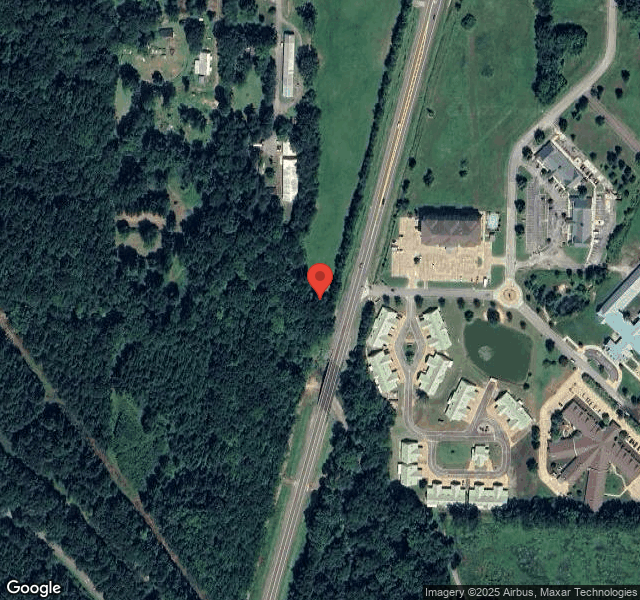

400 SOUTHRIDGE PARKWAY, HEBER SPRINGS, AR 72543 (501) 362-3185
For profit - Corporation 122 Beds ANTHONY & BRYAN ADAMS Data: November 2025
Trust Grade
75/100
#81 of 218 in AR
Last Inspection: July 2024

Within standard 12-15 month inspection cycle. Federal law requires annual inspections.

Overview

Southridge Village Nursing and Rehab has a Trust Grade of B, which means it is considered a good choice, performing solidly compared to other facilities. It ranks #81 out of 218 nursing homes in Arkansas, placing it in the top half, and is the best option among the two facilities in Cleburne County. The facility is improving, as it reduced its issues from 6 in 2023 to 3 in 2024, showing a positive trend. While staffing is rated average with a turnover of 46%, which is slightly below the state average, the lack of any fines indicates good compliance with regulations. However, there are some concerns: recent inspections found that staff sometimes failed to wash their hands properly, which could risk the spread of infection, and that food items were not adequately covered in storage, raising potential food safety issues. Overall, Southridge Village has both strengths and weaknesses that families should consider.

Trust Score
B
75/100
In Arkansas
#81/218
Top 37%
Safety Record
Low Risk
No red flags
Inspections
Getting Better
6 → 3 violations
Staff Stability
⚠ Watch
46% turnover. Above average. Higher turnover means staff may not know residents' routines.
Penalties
✓ Good
No fines on record. Clean compliance history, better than most Arkansas facilities.
Skilled Nurses
⚠ Watch
Each resident gets only 21 minutes of Registered Nurse (RN) attention daily — below average for Arkansas. Fewer RN minutes means fewer trained eyes watching for problems.
Violations
⚠ Watch
14 deficiencies on record. Higher than average. Multiple issues found across inspections.
★★★★☆
4.0
Overall Rating
★★★☆☆
3.0
Staff Levels
★★★★☆
4.0
Care Quality
★★★★☆
4.0
Inspection Score
Stable
2023: 6 issues
2024: 3 issues

The Good

  • 4-Star Quality Measures · Strong clinical quality outcomes
  • Full Sprinkler Coverage · Fire safety systems throughout facility
  • No fines on record

Facility shows strength in quality measures, fire safety.

The Bad

Staff Turnover: 46%

Near Arkansas avg (46%)

Higher turnover may affect care consistency

Chain: ANTHONY & BRYAN ADAMS

Part of a multi-facility chain

Ask about local staffing decisions and management

The Ugly 14 deficiencies on record

Jul 2024 3 deficiencies
CONCERN (D)

Potential for Harm - no one hurt, but risky conditions existed

Comprehensive Assessments (Tag F0636)

Could have caused harm · This affected 1 resident

Deficiency Text Not Available

Read full inspector narrative →
Deficiency Text Not Available
CONCERN (D)

Potential for Harm - no one hurt, but risky conditions existed

Deficiency F0657 (Tag F0657)

Could have caused harm · This affected 1 resident

Based on observations, interviews, record review, facility document review, and facility policy review, the facility failed to update and revise the care plan to include restorative services for 1 (Re...

Read full inspector narrative →
Based on observations, interviews, record review, facility document review, and facility policy review, the facility failed to update and revise the care plan to include restorative services for 1 (Resident #81) resident reviewed for care planning and revision. Findings include: A review of a facility policy titled, Care Planning- Interdisciplinary Team, revised on 09/01/2013, indicated, .Our facility's Care Planning/Interdisciplinary Team is responsible for the development of comprehensive care plan for each resident . A review of the Medical Diagnosis portion of the electronic health record indicated the facility admitted Resident #81 with diagnoses that included lower urinary tract calculus and muscle wasting and atrophy. The signification change Minimum Data Set (MDS) with an Assessment Reference Date (ARD) of 05/28/2024 revealed Resident #81 had a Brief Interview for Mental Status (BIMS) score of 15, which indicated the resident was cognitively intact. A review of Resident #81's Care Plan, initiated on 09/07/2023, revealed the resident had an Activities of Daily Living (ADL) self-performance deficit related to weakness. Interventions included physical and occupational therapy evaluation and treatment as per medical doctor order. Restorative nursing services were not included in the interventions. A review of the Order Summary Report revealed Resident #81 had no orders for restorative nursing services. A Restorative Nursing Program document, dated 07/11/2024, included two pages which included instructions for the Restorative Nursing Assistant (RNA) to follow when providing restorative nursing services to Resident #81. Instructions were provided by physical therapy (PT) and occupational therapy (OT). During an interview on 07/24/2024 at 3:00 PM, the Occupational Therapist (OT) confirmed that Resident #81 had been discharged from therapy services due to the resident not progressing towards the goals. When asked what happens once someone is discharged from therapy services, she stated that usually restorative starts working with the resident. She confirmed that Resident #81 had a plan for restorative nursing services and, the Occupational Therapist found two pages of instructions given to the Restorative Nursing Assistant (RNA) by OT and physical therapy (PT) staff, which were signed by the RNA. During an interview on 07/24/2024 at 3:15 PM, Restorative Nursing Assistant (RNA) #2 confirmed Resident #81 was not currently on the case mix for restorative nursing services. When asked how long it had been since Resident #81 had received restorative services, RNA #2 stated, It has been a while. During an interview on 07/24/2024 at 3:17 PM, the surveyor requested a copy of the restorative documentation for Resident #81. The Nurse Consultant confirmed at 3:20 PM, there was no documentation, and that the Restorative Nursing Assistant (RNA) was currently adding Resident #81 to restorative services. During an interview on 07/25/2024 at 8:45 AM, the Medicare Manager confirmed she was the overseer of the restorative program. She stated the procedure for getting notified when a resident is added to the restorative program involves therapy, who at that time discusses and educates the Restorative Nursing Assistant (RNA) and has them sign the instructions, then therapy gives the instructions to the Medicare Manager, who then puts it into the electronic medical record, by adding orders and placing it on the resident's care plan. The Medicare Manager stated that meetings are held weekly to discuss the residents on restorative services. The Medicare Manager stated, At first therapy was not going to put her on restorative, but I went to them and asked for them to put her on a restorative plan. I think it was a lack of therapy giving me the paperwork. During an interview on 07/25/2024 at 9:06 AM, the Director of Nursing (DON) confirmed the Medicare Manager oversees the restorative program. She stated the information is passed on from therapy after evaluation, then the Medicare Manager is given the paperwork and then enters the information into the electronic medical record. We do orders and tasks for the restorative program. When asked when the information should be added to the care plan, the DON responded, Should be added to the care plan within twenty four hours.
CONCERN (D)

Potential for Harm - no one hurt, but risky conditions existed

Deficiency F0676 (Tag F0676)

Could have caused harm · This affected 1 resident

Based on observations, interviews, record review, facility document review, and facility policy review, the facility failed to provide restorative services to improve or maintain Activities of Daily L...

Read full inspector narrative →
Based on observations, interviews, record review, facility document review, and facility policy review, the facility failed to provide restorative services to improve or maintain Activities of Daily Living (ADL) functions for 1 (Resident #81) of 1 resident reviewed for restorative services. Findings include: A review of a facility policy titled, Restorative Nursing Services revised on, July 2017 indicated, .Residents will receive restorative nursing care as needed to help promote optimal safety and independence .2. Residents may be started on a restorative nursing program upon admission, during the course of stay or when discharged from rehabilitative care . A review of the Medical Diagnosis portion of the electronic health record indicated the facility admitted Resident #81 with diagnoses that included lower urinary tract calculus and muscle wasting and atrophy. The signification change Minimum Data Set (MDS), with an Assessment Reference Date (ARD) of 05/28/2024, revealed Resident #81 had a Brief Interview for Mental Status (BIMS) score of 15 which indicated the resident was cognitively intact. A review of Resident #81's Care Plan, initiated on 09/07/2023, revealed the resident had a care plan for an Activities of Daily Living (ADL) self-care performance deficit related to weakness. Interventions included physical and occupational therapy evaluation and treatment as per medical doctor order. A review of Order Summary Report, revealed Resident #81 had no orders for restorative nursing services. A review of Restorative Tracking Log, dated July 2024, did not include Resident #81. A review of Restorative Nursing Program dated 07/11/2024, included two pages which included instructions for Restorative Nursing Assistant (RNA) to follow when providing restorative nursing services to Resident #81. Instructions were provided by physical therapy (PT) and occupational therapy (OT). During a concurrent observation and interview on 07/22/2024 at 11:00 AM, Resident #81 was lying in bed, and confirmed there were no issues with staff and that the food is good. During a concurrent observation and interview on 07/23/2024 at 3:00 PM, Resident #81 was lying in bed. Resident #81 confirmed therapy had been recently received and now was no longer receiving those services. During an interview on 07/24/2024 at 3:00 PM, the Occupational Therapist (OT) confirmed that Resident #81 had been discharged from therapy services due to the resident not progressing towards the goals. When asked what happens once someone is discharged from therapy services, she stated that usually restorative starts working with the resident. She confirmed that Resident #81 had a plan for restorative nursing services and, the Occupational Therapist found two pages of instructions given to the Restorative Nursing Assistant (RNA) by OT and PT (Physical Therapy) staff, which were signed by the RNA. During an interview on 07/24/2024 at 3:15 PM, Restorative Nursing Assistant (RNA) #2 confirmed that Resident #81 was not currently on the case mix for restorative nursing services. When asked how long it had been since Resident #81 had received restorative services, RNA #2 stated, It has been a while. During an interview on 07/24/2024 at 3:17 PM, the surveyor requested a copy of the restorative documentation for Resident #81. The Nurse Consultant confirmed at 3:20 PM, there was no documentation, and that the Restorative Nursing Assistant (RNA) was currently adding Resident #81 to restorative services. During an interview on 07/25/2024 at 8:45 AM, the Medicare Manager confirmed she was the overseer of the restorative program. She stated the procedure for getting notified when a resident is added to the restorative program involves therapy, who at that time discusses and educates the Restorative Nursing Assistant (RNA) and has them sign the instructions. Then therapy gives the instructions to the Medicare Manager, who then puts it into the electronic medical record, by adding orders and placing it on the resident's care plan. The Medicare Manager stated that meetings are held weekly to discuss the residents on restorative services. The Medicare Manager stated, At first therapy was not going to put her on restorative, but I went to them and asked for them to put her on a restorative plan. I think it was a lack of therapy giving me the paperwork. During an interview on 07/25/2024 at 9:06 AM, the Director of Nursing (DON) confirmed the Medicare Manager oversees the restorative program. She stated the information is passed on from therapy after evaluation, then the Medicare Manager is given the paperwork and then enters the information into the electronic medical record. We do orders and tasks for the restorative program. When asked when the information should be added to the care plan, the DON responded, Should be added to the care plan within twenty four hours.
May 2023 4 deficiencies
CONCERN (D)

Potential for Harm - no one hurt, but risky conditions existed

Deficiency F0687 (Tag F0687)

Could have caused harm · This affected 1 resident

Based on observation, interview, and record review, the facility failed to ensure toenails were cut to maintain good hygiene and prevent complications for 1 (Resident #93) of 15 (Residents #1, #15, #1...

Read full inspector narrative →
Based on observation, interview, and record review, the facility failed to ensure toenails were cut to maintain good hygiene and prevent complications for 1 (Resident #93) of 15 (Residents #1, #15, #19, #20, #28, #39, #49, #78, #80, #88, #93, #149, #150, #449 and #450) sampled residents who require assistance with Activities of Daily Living (ADL's). The findings are: 1. Resident #93 had a diagnosis of Displaced Intertrochanteric Fracture of Left Femur and Subsequent Encounter for Closed Fracture with Routine Healing. The Minimum Data Set (MDS) with an Assessment Reference Date (ARD) of 02/13/23 documented the resident scored 15 (13-15 indicates cognitively intact) on a Brief Interview for Mental Status (BIMS) and required extensive assistance with personal hygiene. a. The Care Plan with an initiated date of 02/17/23 documented, .Bathing/showering: Check nail length and trim and clean on bath day and as necessary. Report any changes to the nurse . b. On 05/01/23 at 1:44 PM, Resident #93's toenails were approximately ½ inch long, beyond the tip of the toe. c. On 05/02/23 at 2:14 PM, Resident #93 was lying in bed, his toenails were still approximately ½ inch long, beyond the tip of the toe. d. On 05/03/23 at 9:45 AM, the Surveyor asked Certified Nursing Assistant (CNA) #2 if she knew anything about Resident #93's toenails. CNA #2 stated, No. The Surveyor asked CNA #2 to accompany her to the room to look at Resident #93's toenails. The Surveyor asked CNA #2, When do the residents get their toenails cut? CNA #2 stated, The Wound Care Nurse is asked to cut them, or the Social Worker will make an appointment with the Podiatrist. e. On 05/03/23 at 9:51 AM, the Surveyor asked Licensed Practical Nurse (LPN) #1 if Resident #93 had an appointment to have his toenails cut. LPN #1 said, The Wound Care Nurse will trim them during his shower. f. On 05/03/23 at 10:10 AM, the Surveyor asked Registered Nurse (RN) #1 if she was aware she was to cut Resident #93's toenails today during his shower. RN #1 said, In the past, during bath I have tried to cut his toenails and he refused care. When the Podiatrist was last here, he [Resident #93] refused to let him [the Podiatrist] touch his toenails. I will try to cut them and see if he will let me. RN #1 asked Resident #93, Can I cut your toenails? Resident #93 stated, They need it. The Surveyor asked RN #1 if there were documented refusals in the chart. RN #1 reviewed the record and was not able to find any documentation of refusals. g. A facility policy titled, Foot Care, provided by the Administrator on 05/04/23 at 1:00 PM documented, .Residents will receive appropriate care and treatment in accordance with professional standards of practice .Trained staff may provide routine foot care (e.g., toenail clipping) within professional standards of practice for residents without complicating disease processes .
CONCERN (D)

Potential for Harm - no one hurt, but risky conditions existed

Respiratory Care (Tag F0695)

Could have caused harm · This affected 1 resident

Based on observation, record review, and interview, the facility failed to ensure oxygen was consistently administered at the flow rate ordered by the Physician, to minimize the potential for hypoxia,...

Read full inspector narrative →
Based on observation, record review, and interview, the facility failed to ensure oxygen was consistently administered at the flow rate ordered by the Physician, to minimize the potential for hypoxia, (low levels of oxygen in the body tissues), or other respiratory complications for 1 (Resident #451) of 10 (Residents #32, #39, #75, #79, #80, #88, #149, #299, #450 and #451) sampled residents who had Physician's Orders for oxygen therapy according to a list provided by the Administrator on 05/03/23 at 2:26 PM. The findings are: 1. Resident #451 had a diagnosis of Acute and Chronic Respiratory Failure with Hypoxia. The admission Minimum Data Set (MDS) with an Assessment Reference Date (ARD) of 04/30/23 documented the resident scored 14 (13-15 indicates cognitively intact) on a Brief Interview for Mental Status (BIMS) and received oxygen. a. A Care Plan with an initiated date of 04/27/23 documented, The resident has altered respiratory status/difficulty breathing . Oxygen Settings: O2 [Oxygen] via nasal prongs @ [at] 2-4L [Liters] as needed. Humidified as necessary . b. The May 2023 Medication Administration Record (MAR) documented, Oxygen as needed for Shortness of Breath 2-4 Liters/MIN [minute] per nasal cannula PRN [as needed] -Order Date- 04/26/2023 . c. On 05/01/23 at 1:33 PM, Resident #451 was sitting up on the side of his bed eating lunch, Resident #451's oxygen was set at 1.5 Liters per minute via nasal cannula. d. On 05/02/23 at 8:55 AM, Resident #451 was in bed watching tv [television]. Resident #451's oxygen was set at 1.5 Liters per minute via nasal cannula. e. On 05/03/23 at 10:29 AM, Resident #451 was sitting up in a wheelchair eating a snack at his bedside table. Resident #451's oxygen was set at 1.5 Liters per minute via nasal cannula. f. On 05/03/23 at 1:38 PM, Licensed Practical Nurse (LPN) #2 accompanied the Surveyor to Resident #451's room. The resident was lying in bed watching tv. The Surveyor asked the LPN #2 to look at the resident's oxygen flow rate setting and asked, What is the flow rate set on? LPN #2 looked at the oxygen concentrator flow meter and stated, 1.5 liters per minute. You read it right in the middle of the ball. Anything else I can help with? g. On 05/03/23 at 1:46 PM, the Surveyor accompanied the Director of Nursing (DON) to Resident #451's room and asked what Resident #451's oxygen flow rate was. The DON answered, 1.5 liters. Well, it's between 1.5 and 2. The Surveyor asked what the exact setting of the flow rate was. The DON answered, It's supposed to be between 2 and 4. Let me fix it. The DON adjusted the oxygen flow rate to 2 liters per minute. h. On 05/03/23 at 2:00 PM, the Surveyor asked the DON who was responsible for making sure the resident's oxygen was set at the appropriate rate. The DON answered, The nurses. They are supposed to check them and set them at the right rates. The Surveyor asked what could happen if flow rates are not set at the right rate. She answered, They could either become hypoxic and not get enough oxygen or get too much and it could be harmful. i. The facility policy titled, Oxygen Administration, provided by the Administrator on 05/03/23 at 2:26 PM documented, .Preparation 1. Verify that there is a physician's order for this procedure. Review the physician's orders or facility protocol for oxygen administration .
CONCERN (D)

Potential for Harm - no one hurt, but risky conditions existed

Deficiency F0805 (Tag F0805)

Could have caused harm · This affected 1 resident

Based on observation, and interview, the facility failed to ensure pureed food items were blended to a smooth, lump-free consistency to minimize the risk of choking or other complications for resident...

Read full inspector narrative →
Based on observation, and interview, the facility failed to ensure pureed food items were blended to a smooth, lump-free consistency to minimize the risk of choking or other complications for residents who required pureed diets for 1 of 1 meal observed. This failed practice had the potential to affect 6 residents who received pureed diets, as documented on a Diet List provided by the Food Service Supervisor on 05/02/23. The findings are: 1. On 05/01/23 at 11:01 AM, Dietary Employee #1 placed 6 servings of baked chicken into a blender, added chicken broth and pureed. At 11:04 AM, she poured the pureed chicken into a pan. The consistency of the pureed chicken was not smooth. It was lumpy. There were pieces of meat visible in the mixture. 2. On 5/01/23 at 11:37 AM, Dietary Employee #1 used a 4-ounce spoon to place seven servings of grits into a blender, added cheese and pureed. 05/01/23 at 11:40 AM, she poured the pureed grits into a pan. The consistency of the pureed grits was lumpy. 3. On 5/01/23 at 11:47 AM, Dietary Employee #1 placed six servings of dinner rolls into a blender, added warm milk and pureed. She poured the pureed bread into a pan on the steam table. The pureed bread was thick. 4. On 5/01/23 at 11:54 AM, Dietary Employee #1 used a 4-ounce spoon to place six servings of fried okra into blender, added warm milk and pureed. At11:59 AM, she poured the pureed fried okra into a pan on the steam table. The texture of the pureed fried okra was runny. 5. On 5/1/2023 at 1:08 PM, as Certified Nursing Assistant #1 assisted residents with their lunch, she was asked to describe the consistency of the pureed chicken served to the residents on pureed diets. She stated, Pureed meat was chunky.
CONCERN (F)

Potential for Harm - no one hurt, but risky conditions existed

Food Safety (Tag F0812)

Could have caused harm · This affected most or all residents

Based on observation, and interview, the facility failed to ensure staff washed their hands and changed gloves between dirty and clean tasks and before handling clean equipment or food items to minimi...

Read full inspector narrative →
Based on observation, and interview, the facility failed to ensure staff washed their hands and changed gloves between dirty and clean tasks and before handling clean equipment or food items to minimize the potential for contaminating food items for residents who received meals from 1 of 1 kitchen. The failed practices had the potential to affect 94 residents who received meals from the kitchen (total 94) as documented on the list provided by the Dietary Supervisor on 5/2/2023. The findings are: 1. On 05/01/23 at 10:53 AM, Dietary Employee #1 opened the oven to check on food items. She picked up a container of beef base from the shelf above the food preparation table and placed it on the counter. She picked a measuring cup, turned on the sink faucet and obtained water. After she turned off the faucet, she picked up pans from the shelf below the steam table and placed them on the counter. She did not wash her hands, she removed pan liners from a box under the food preparation counter and placed them into the pans. Her fingers touched the interior surfaces of the plastic pan liners that contained ground meat and pureed meat to be served to the residents during lunch. At 10:57 AM, she picked up a clean blade and attached it to the base of the blender and pureed food to be served to the residents for lunch. 2. On 5/01/23 at 11:10 AM, Dietary Employee #1 used a rag to wipe spilled foods off the counter. She did not wash her hands, she picked up a clean blender blade and attached it to the base of the blender to be puree food for residents on pureed diets. 3. On 5/01/23 at 11:15 AM, Dietary Employee #1 used a rag to wipe spilled foods off the counter. She removed two boxes of okra from the walk-in freezer and placed them on the food cart. She removed two boxes of grits from a shelf in the storage room and placed them on the counter. She obtained water from the sink, turned off the faucet. She picked up pans from under the steam table and placed them on the counter, contaminating her hands. She did not wash her hands, she picked up pan liners and spread them inside a pan, her fingers touched the interior surfaces of the pan liners of the pan that contained food to be served to the residents. 4. On 5/01/23 at 11:23 AM, Dietary Employee #1 removed bags of shredded cheese and placed them on the counter, touched the deep fryer handle, and turned off the stove, contaminated her hands. She did not wash her hands; she removed a pan liner from a box below the food preparation counter. She spread the pan liner inside a pan and poured grits into the pan to be served to the residents for lunch. 5. On 5/01/23 at 12:05 PM Dietary Employee #1 picked up a box of glove, removed gloves from the box and placed them on her hands. She up a rack that contained snack bags and placed it on the counter. She did not wash her hands, she picked up rolls and put them in bags to be served to the residents for lunch meal. 6. The facility policy titled, Employee Cleanliness and Handwashing Technique, provided by the Dietary Supervisor on 05/02/23 at 2:30 PM documented, Dietary department employees are required to wash hands . a. before beginning shift . j. any other time deemed necessary .
Mar 2023 2 deficiencies
CONCERN (E) 📢 Someone Reported This

A family member, employee, or ombudsman was alarmed enough to file a formal complaint

Potential for Harm - no one hurt, but risky conditions existed

Respiratory Care (Tag F0695)

Could have caused harm · This affected multiple residents

Based on observation, record review and interview, the facility failed to ensure nebulizer masks/tubing/mouthpieces were properly contained when not in use; and the facility failed to ensure Yankauer ...

Read full inspector narrative →
Based on observation, record review and interview, the facility failed to ensure nebulizer masks/tubing/mouthpieces were properly contained when not in use; and the facility failed to ensure Yankauer suction tips were properly contained when not in use to prevent the potential for the spread of infection and/or other diseases for 2 Residents (#4 and #6) of 6 (#1, #2, #3, #4, #5, #6) sample mix residents. The findings are: 1.Resident (R) #4 had a diagnoses of Chronic Obstructive Pulmonary Disease (COPD) and Chronic Kidney Disease. The Quarterly Minimum Data Set (MDS) with an Assessment Reference Date (ARD) of 12/22/22 documented the resident scored 15 (13-15 indicates cognitively intact) on the Brief Interview Mental Status (BIMS), required limited assist of one staff for bed mobility, transfer dressing, and personal hygiene; required supervision for toilet use; and was occasionally incontinent of bowel and bladder and used oxygen therapy. a. The Care Plan with a revision date of 11/08/22 documented, .the resident has oxygen therapy r/t [related to] dx [diagnosis] of COPD .updrafts per Medical Doctor (MD) orders .may self-administer after nurse sets up . b. The Physician Order with a start date of 02/01/23 documented, .Ipratropium-Albuterol Solution 0.5-2.5 (3mg (milligram)/3 ml (milliliter) 1 dose inhale orally four times a day .may self-administer after nurse sets up . c. On 03/06/23 at 9:59 a.m., R #4 was lying in bed. A nebulizer machine was on R #4's over the bed table. The nebulizer mouthpiece/tubing was not contained. The Surveyor asked, Do you use the nebulizer. R #4 replied, Yes. The Surveyor asked, How often do you get updraft treatments? R #4 replied, 4 or 5 times a day. The Surveyor asked R #4, Do you give the updraft treatments to yourself? R #4 replied, Yes, after the nurse sets it up. d. On 03/07/23 at 11:20 a.m., R #4 was lying in bed. R #4 stated, I just gave myself an updraft treatment. A nebulizer was on R #4's the bed table. The nebulizer mouthpiece/tubing was sitting in the holder. The nebulizer mouthpiece/tubing was not contained. e. On 03/07/23 at 11:25 a.m., the Surveyor asked Licensed Practical Nurse (LPN) #1, How are nebulizer masks/tubing/mouthpieces supposed to be stored when not in use? LPN #1 replied, In a plastic bag. The Surveyor asked, How are Yankauers supposed to be stored when not in use? LPN #1 replied, In a plastic bag. The Surveyor asked, Why should Yankauers and nebulizer masks/tubing/mouthpieces be contained when not in use? LPN #1 replied, To keep dust and germs from landing on them. The Surveyor asked, Who is responsible for ensuring Yankauers and nebulizer masks/tubing/mouthpieces are contained when not in use? LPN #1 replied, Everybody. The Surveyor asked, Who cleans the nebulizer masks/tubing/mouthpieces after R #4 self-administers an updraft treatment. LPN #1 replied, Usually the nurse. The Surveyor asked, LPN #1, Tell me about R #4 self-administration of the updraft treatment. LPN #1 replied, I set it up, turn on the machine and hand it to R #4. R #4 will turn it off. I go back in and dump it and rinse it. The Surveyor asked LPN #1, How is the nebulizer mouthpiece supposed to be stored after use? LPN #1 replied, It's supposed to go in the bag. 2.Resident (R) #6 had diagnoses of Malignant Neoplasm of upper lobe right bronchus or lung and neoplasm of unspecified behavior of brain. The 5-day MDS with an ARD of 1/11/2023 documented the resident scored 15 (13-15 cognitively intact) on the BIMS, required limited assist of one staff for bed mobility and personal hygiene; required extensive assist of one staff for transfer and dressing; and was totally dependent on one staff for toilet use; was occasionally incontinent of bladder and always incontinent of bowel and used oxygen therapy. a.The Physician Order with a start date of 02/20/23 documented, .suction as needed for increased secretions . b. On 03/06/23 at 10:46 a.m., R #6 was lying in bed. A suction machine was on the nightstand next to R #6 bed. The Yankauer was observed lying on the nightstand and not contained. c. On 03/07/23 at 1:16 p.m., the Surveyor asked the Director of Nursing (DON), How are nebulizer masks/tubing/mouthpieces supposed to be stored when not in use? The DON replied, In a bag. The Surveyor asked, How are Yankauers supposed to be stored when not in use? The DON replied, In a bag. The Surveyor asked, Why should Yankauers and nebulizer masks/tubing/mouthpieces be contained when not in use. The DON replied, So they don't get any bacteria on them. The Surveyor asked, Who is responsible for ensuring Yankauers and nebulizer masks/tubing/mouthpieces are contained when not in use? The DON replied, Nursing. The Surveyor asked, Who cleans the nebulizer masks/tubing/mouthpieces after R #6 self-administers an updraft treatment. The DON replied, The nurses. The Surveyor asked, What are your expectations from your staff regarding following the facilities policies and procedures and following the Centers for Medicare and Medicaid Services (CMS) guidelines? The DON replied, I want them to strictly to adhere to the policy and procedures from our facility and state, so it ensures patient safety, good patient outcomes, and good quality of care. d. On 03/07/23 at 1:45 p.m., the Surveyor asked the Administrator, How are nebulizer masks/tubing/mouthpieces supposed to be stored when not in use? The Administrator replied, In a bag. The Surveyor, How are Yankauers supposed to be stored when not in use? The Administrator replied, In a bag. The Surveyor asked, Why should Yankauers and nebulizer masks/tubing/mouthpieces be contained when not in use? The Administrator replied, Sanitation issues. The Surveyor asked, Who is responsible for ensuring Yankauers and nebulizer masks/tubing/mouthpieces are contained when not in use? The Administrator replied, The staff, nurses. The Surveyor asked, Who cleans the nebulizer masks/tubing/mouthpieces after R #6 self-administers updraft treatment. The Administrator replied, The nurse. The Surveyor asked, What are your expectations from your staff regarding following the facilities policies and procedures and following the CMS guidelines. The Administrator replied, I expect them to follow them. 3. The facility policy titled, Administering Medications through a Small Volume (Handheld) Nebulizer provided the Administrator on 03/07/23 at 10:15 a.m. documented, The purpose of this procedure is to safely and aseptically administer aerosolized particles of medication into the resident's airway .administer therapy until medication is gone .when treatment is complete, turn off nebulizer and disconnect T-piece, mouthpiece, and medication cup .rinse the nebulizer equipment with hot water and allow to dry .when equipment is completely dry, store in a plastic bag with the resident's name and the date on it .
CONCERN (E) 📢 Someone Reported This

A family member, employee, or ombudsman was alarmed enough to file a formal complaint

Potential for Harm - no one hurt, but risky conditions existed

Deficiency F0761 (Tag F0761)

Could have caused harm · This affected multiple residents

Based on observation, interview, and record review, the facility failed to ensure medications were stored in a secure location and according to state laws and accepted standards of pharmacy practice f...

Read full inspector narrative →
Based on observation, interview, and record review, the facility failed to ensure medications were stored in a secure location and according to state laws and accepted standards of pharmacy practice for 2 Residents (#3 and #4) of 6 (#1, #2, #3, #4, #5, #6) sample mix residents. This failed practice had the potential to affect 7 residents who were cognitively impaired and ambulated by any means on the 100, 200, and 400 Hall according to a list provided by the Administrator on 03/07/23 at 2:16 p.m. The findings are: 1.Resident (R) #3 had diagnoses of Respiratory Failure and Diabetes. The 5-day Minimum Data Set (MDS) with an Assessment Reference Date (ARD) of 01/12/23 documented the resident scored 14 (13-15 indicated cognitively intact) on the Brief Interview for Mental Status (BIMS), was totally dependent on two staff for bed mobility, transfer, toilet use, and personal hygiene; required extensive assist of two staff for dressing; was always incontinent of bowel and bladder. a. The Physician Order with a start date of 01/08/23 documented, .Nystatin Powder apply to affected areas topically as needed for yeast/redness . b. On 03/06/23 at 11:11 a.m., R #3 was lying in bed in her room. A plastic bottle labeled Medicated Body Powder was in a basket on the top shelf of the built-in chest of drawers. An unlabeled medicine cup containing 0.5 ml to (milliliters) 1 ml of a whiteish/greyish powder. c. On 03/06/23 at 11:14 a.m., the Surveyor asked Licensed Practical Nurse (LPN) #2, What is in the medicine cup? LPN #2 replied, Nothing I brought R #3. The Surveyor asked, Can you tell me what is (ingredients) in the medicated powder. LPN #2 looked at the back of the medicated powder bottle and replied, Zinc and Menthol Powder. d. On 03/06/23 at 11:35 a.m., the Surveyor asked LPN #2, Why should residents not have medicated powder and unlabeled medicine cups containing powder left in their rooms and not contained? LPN #2 replied, Because it's medication. The Surveyor asked LPN #2, Who is responsible for ensuring bottles of medicated powder and unlabeled medicine cups of powder are not left in the resident's rooms. LPN #2 replied, I am. e. The Material Safety Data Sheet (MSDS) provided by the Administrator via email on 03/06/23 at 3:33 p.m. documented, . Medicated Body Powder .active ingredients: Menthol 0.75% [percent], Zinc Oxide 1.0 % .harmful if swallowed .if respiration is compromised, endotracheal intubation and intermittent positive pressure breathing should be considered .material and/or its emissions may aggravate preexisting eye disease .keep out of reach of children .avoid creating excess dust . 2. Resident (R) #4 had diagnoses of Chronic Obstructive Pulmonary Disease (COPD) and Chronic Kidney Disease. The MDS with an ARD of 12/22/22 documented the resident scored 15 (13-15 indicated cognitively intact) on the BIMS, required limited assist of one staff for bed mobility, transfer dressing, and personal hygiene; required supervision for toilet use; and was occasionally incontinent of bowel and bladder. a. The Care Plan with a revision date of 11/08/22 documented, .the resident has oxygen therapy r/t [related to] dx [diagnosis]of COPD .updrafts per MD orders .may self-administer after nurse sets up . b. The Physician Order with a start date of 02/01/23 documented, .Ipratropium-Albuterol Solution 0.5-2.5 (3 mg (milligram)/3 ml 1 dose inhale orally four times a day .may self-administer after nurse sets up . c. On 03/06/23 at 9:59 a.m., R #4 was lying in bed. A nebulizer machine was on R #4's over the bed table. There was 3-5 ml of clear liquid in the nebulizer medicine cup. The nebulizer mouthpiece/tubing was not contained. The Surveyor asked R #4, Do you use the nebulizer? R #4 replied, yes. The Surveyor asked, How often do you get updraft treatments? R #4 replied, 4 or 5 times a day. The Surveyor asked, Do you give the updraft treatments to yourself. R #4 replied, Yes, after the nurse sets it up. d. On 03/07/23 at 11:20 a.m., R #4 was lying in bed. R #4 stated, I just gave myself an updraft treatment. A nebulizer was on R #4's over the bed table. The nebulizer medicine cup was sitting in the holder of the nebulizer. The nebulizer medicine cup contained 1 to 2 ml of clear liquid. e. On 03/07/23 at 11:25 a.m., the Surveyor asked LPN #1, Where is medicated powder supposed to be stored when not in use? LPN #1 replied, On the treatment cart nurse's cart or medication room. The Surveyor asked, Why should medicated powder be contained and not left out in resident's rooms or facility? LPN #1 replied, Another resident could eat it or swallow it. The Surveyor asked, Where should unlabeled medicine cups of powder be stored? LPN #1 replied, The medication cart, treatment cart, or the medication room. The Surveyor asked, Why should unlabeled medicine cups with powder be contained and not left out in the resident's rooms or facility? LPN #1 replied, If it doesn't have a label, it shouldn't be left out and a resident could eat it. The Surveyor asked, Who is responsible for ensuring unlabeled medicine cups with powder are not left out in the residents' rooms and facility? LPN #1 replied, The nurse. The Surveyor asked, Why would there be 3-5 mls of clear liquid in a nebulizer medicine cup sitting on R #4's nebulizer in R#4's room? LPN #1 replied, Because it wasn't dumped. The Surveyor asked, Tell me about R #4's self-administration of the updraft treatment. LPN #1 replied, I set it up, turn on the machine and hand it to R #4. R#4 will turn it off. I go back in and dump it and rinse it. The Surveyor asked, Who is responsible for ensuring the resident administers all the medication after self-administration of an updraft treatment? LPN #1 replied, The nurse. f. On 03/07/23 at 1:16 p.m., the Surveyor asked the Director of Nursing (DON), Where is medicated powder supposed to be stored when not in use? The DON replied, In the medication cart or treatment cart. The Surveyor asked, Why should medicated powder be contained and not left out in resident's rooms or facility? The DON replied, It's a medication and could be ingested. The Surveyor asked, Where should unlabeled medicine cups of powder be stored? The DON replied, There shouldn't be unlabeled medicine cups of powder out. The Surveyor asked, Why should unlabeled medicine cups with powder be contained and not left out in the resident's rooms or facility? The DON replied, It should never be left out. The Surveyor asked, Who is responsible for ensuring unlabeled medicine cups with powder are not left out in the resident's rooms and facility. The DON replied, Nursing. The Surveyor asked, Why would there be 3-5 mls of clear liquid in a nebulizer medicine cup sitting on R #4's nebulizer in R #4's room. The DON replied, There shouldn't be anything in there. The Surveyor asked, Who is responsible for ensuring the resident administers all the medication after self-administration of an updraft treatment? The DON replied, The nurse. The Surveyor asked, What are your expectations from your staff regarding following the facilities policies and procedures and following the Centers for Medicare and Medicaid Services (CMS) guidelines. The DON replied, I want them to strictly to adhere to the policy and procedures from our facility and state, so it ensures patient safety, good patient outcomes, and good quality of care. e. On 03/07/23 at 1:45 p.m., the Surveyor asked the Administrator, Where is medicated powder supposed to be stored when not in use? The Administrator replied, The treatment cart or medication room. The Surveyor asked, Why should medicated powder be contained and not left out in a resident's rooms or facility? The Administrator replied, To prevent anyone who's cognitively impaired from getting a hold of it. The Surveyor asked, Where should unlabeled medicine cups of powder be stored? The Administrator replied, It should be disposed of. The Surveyor asked, Why should unlabeled medicine cups with powder be contained and not left out in the resident's rooms or facility? The Administrator replied, So someone cognitively impaired doesn't get a hold of it. The Surveyor asked, Who is responsible for ensuring unlabeled medicine cups with powder are not left out in the resident's rooms and facility. The Administrator replied, Anybody that sees it. The Surveyor asked, Why would there be 3-5 mls of clear liquid in a nebulizer medicine cup sitting on R #4's nebulizer in R #4's room. The Administrator replied, There shouldn't be any in there. The Surveyor asked, Who is responsible for ensuring the resident administers all the medication after self-administration of an updraft treatment? The Administrator replied, The nurses. The Surveyor asked, What are your expectations from your staff regarding following the facilities policies and procedures and following the CMS guidelines. The Administrator replied, I expect them to follow them. The facility policy titled, Storage of Medications provided by the Administrator via email on 03/06/23 at 3:33 p.m. documented, .the facility shall store all drugs and biologicals in a safe, secure, and orderly manner .drugs and biologicals shall be stored in the packaging, containers or other dispensing systems in which they are received .the nursing staff shall be responsible for maintaining medication storage .drugs for external use, as well as poisons, shall be clearly marked as such .drugs shall be stored in an orderly manner in cabinets, drawers, carts, or automatic dispensing systems .
Nov 2022 2 deficiencies
CONCERN (E) 📢 Someone Reported This

A family member, employee, or ombudsman was alarmed enough to file a formal complaint

Potential for Harm - no one hurt, but risky conditions existed

Accident Prevention (Tag F0689)

Could have caused harm · This affected multiple residents

Based on observation, record review, and interview, the facility to ensure the environment was as free of potential accident hazards as possible, as evidenced by the failure to ensure medications were...

Read full inspector narrative →
Based on observation, record review, and interview, the facility to ensure the environment was as free of potential accident hazards as possible, as evidenced by the failure to ensure medications were stored and contained to prevent potential accidental ingestion and/or other injuries to cognitively impaired residents who were able to ambulate by any means. This failed practice had the potential to affect 14 (R #1, R #3, R #8, R #15, R #17, R #18, R #21, R #31, R #32, R #33, R #46, R #52, R #55, R #56) Cognitively Impaired Residents who could ambulate, according to a list provided by Licensed Practical Nurse (LPN) #1 on 11/8/2022 at 3:51 p.m. The findings are: 1. On 11/7/2022 at 9:31 a.m., a pair of black handled, sharp and pointed pair of scissors was on the bathroom sink in [named] room. 2. On 11/7/2022 at 9:56 a.m., a biohazard sharps container with no lid, containing 6 uncovered razors, was in a wire rack on the wall in the bathroom of [named] room and was not contained. A tube of [named] Paste was on top of the paper towel dispenser in room [named] and was not contained. 3. On 11/7/2022 at 12:34 p.m., a pair of black handled, sharp, and pointed pair of scissors was on the bathroom sink in [named] room. 4. On 11/7/2022 at 12:36 p.m., an open bottle of Hydrogen Peroxide was in a pink basin on top of the built-in dresser in [named]room and not contained. An opened bottle of Normal Saline 0.9% [percent] and a bottle of Sterile Water was on the nightstand in [named] room and not contained. 5. On 11/7/2022 at 2:42 p.m., an opened bottle of Hydrogen Peroxide was in a pink basin on top of the built-in dresser in [named] room and not contained. An opened bottle of Normal Saline 0.9% [percent] and a bottle of Sterile Water was on the nightstand in [named] room and not contained. 6. On 11/8/2022 at 12:30 p.m. a biohazard sharps container with no lid, containing 6 uncovered razors, was in a wire rack on the wall in the bathroom of [named] room and was not contained. A tube of [named] Paste was on top of the paper towel dispenser in [named] room and was not contained. 7. On 11/8/2022 at 12:33 p.m., The Surveyor asked licensed Practical Nurse (LPN) #1, Why is the sharps container with razors not covered and the tube of [named] Paste left out? LPN #1 replied, I don't know, I'm not sure how he got the paste. The Surveyor asked LPN #1, Should it be left out? LPN #1 replied, no. The Surveyor asked LPN #1, Who is responsible for ensuring those items are not left out. LPN #1 replied, all the staff. The Surveyor asked LPN #1, What is the ingredient in the paste? LPN #1 replied, Zinc Oxide 16%. 8. On 11/8/2022 at 12:56 p.m., an opened bottle of Normal Saline 0.9% and a bottle of Sterile Water was on the nightstand in [named] room and not contained. 9. On 11/8/2022 at 3:10 p.m., The Surveyor asked Certified Nursing Assistant (CNA) #1, Why should items like [named] Paste, Normal Saline, Sterile Water, and Hydrogen Peroxide, not be left out in the resident's rooms? CNA #1 replied, anything that says keep out of reach of children, shouldn't be in resident's rooms. The Surveyor asked CNA #1, who is responsible for ensuring these items are not left out? CNA #1 replied, we are. The Surveyor asked CNA #1, Why should sharps containers containing used razors be contained in a resident room? CNA #1 replied, safety issues. The Surveyor asked CNA #1, Who is responsible for ensuring these items are contained? CNA #1 replied, all of us. 10. On 11/8/2022 at 3:24 p.m., the Surveyor asked LPN #2, Why should items like [named] Paste, Normal Saline, Sterile Water, and Hydrogen Peroxide, not be left out in the resident's rooms? LPN #2 replied, It's a risk for accidental ingestion. The Surveyor asked LPN #2, Who is responsible for ensuring these items are not left out? LPN #2 replied, everybody. The Surveyor asked LPN #2, Why should sharps containers containing used razors be contained in a resident room? LPN #2 replied, to prevent accidents. The Surveyor asked LPN #2, Who is responsible for ensuring these items are contained? LPN #2 replied, nurses. 11. On 11/8/2022 at 3:36 p.m., The Surveyor asked the Director of Nursing (DON), Why should items like [named] Paste, Normal Saline, Sterile Water, and Hydrogen Peroxide, not be left out in the resident's rooms? The DON replied, hazardous to the residents if they drink it, overdose. The Surveyor asked the DON, Who is responsible for ensuring these items are not left out? The DON replied, everybody. The Surveyor asked the DON, Why should sharps containers containing used razors be contained in a resident room? The DON replied, they should not be in any room. The Surveyor asked the DON, Who is responsible for ensuring these items are contained? The DON replied, everybody. The Surveyor asked the DON, What are your expectations from your staff regarding following the facilities policy and procedure and the Centers for Medicare and Medicaid Services (CMS) guidelines? The DON replied, I expect them to do it. 12. On 11/8/2022 at 4:04 p.m., The Surveyor asked the Administrator, Why should items like [named] Paste, Normal Saline, Sterile Water, and Hydrogen Peroxide, not be left out in the resident's rooms? The Administrator replied, resident safety. The Surveyor asked the Administrator, Who is responsible for ensuring these items are not left out? The Administrator replied, everyone. The Surveyor asked the Administrator, Why should sharps containers containing used razors be contained in a resident room? The Administrator replied, resident safety. The Surveyor asked the Administrator, Who is responsible for ensuring these items are contained? The Administrator replied, Whoever puts them out. The Surveyor asked the Administrator, What are your expectations from your staff regarding following the facilities policy and procedure and the CMS guidelines? The Administrator replied, that we follow them. 13. A policy provided by the Administrator on 11/8/2022 at 9:40 a.m. documented .Storage of Medications .the facility shall store all drugs and biologicals in a safe, secure, and orderly manner .the nursing staff shall be responsible for maintaining medication storage . 14. A Material Safety Data Sheet provided by the Administrator on 11/8/2022 at 2:59 p.m. documented . [named] Paste .inhalation .remove to fresh air .if not breathing .give artificial respiration .if breathing is difficult .give oxygen .call a Physician .exposed persons should be kept under medical observation for 48 hours because delayed effects may occur .ingestion .treat symptomatically .skin contact .wash skin with soap and water .obtain medical attention if irritation persist .eye contact .immediately flush eyes with plenty of water for at least 15 minutes .lifting lower and upper eyelids occasionally .get medical attention if discomfort persists .
CONCERN (E) 📢 Someone Reported This

A family member, employee, or ombudsman was alarmed enough to file a formal complaint

Potential for Harm - no one hurt, but risky conditions existed

Safe Environment (Tag F0921)

Could have caused harm · This affected multiple residents

Based on observation, record review and interview, the facility failed to ensure housekeeping services were consistently provided to maintain a sanitary, orderly and comfortable living environment and...

Read full inspector narrative →
Based on observation, record review and interview, the facility failed to ensure housekeeping services were consistently provided to maintain a sanitary, orderly and comfortable living environment and improve the quality of life for residents that were dependent on staff for cleaning, as evidenced by failure to ensure the floors were free of substances, the residents bathrooms remained free of brown substance in and around the toilet, the residents trash cans were free of used briefs, and the resident's bedside commodes were free of liquid substances. This failed practice had the potential to affect all 94 residents that were dependent on staff for cleaning according to the Census and Condition provided by the Administrator on 11/7/2022 at 1:23 p.m. The findings are: 1. On 11/7/2022 at 9:00 a.m., in [named] room, a used medicine cup was in the floor between the residents' beds. The bathroom trash can was full of used briefs. There was a brown substance on the floor in front of the commode and in the commode and on the toilet riser. A bedside commode had 1000 cc's (cubic centimeters) of dark brown liquid. A trash can near the bed was full of used briefs. 2. On 11/7/2022 at 9:13 a.m., there was brown substances on the floor in front of the toilet and on the inside and outside of the toilet in [named] room. 3. On 11/7/2022 at 9:31 a.m., there was a brown substance inside the toilet in [named] room. 4. On 11/7/2022 at 9:33 a.m., there was a piece of chip in the floor and brown substances in the toilet in [named] room. 5. On 11/7/2022 at 9:46 a.m., paper and cookies/cake were on the floor in [named] room. 6. On 11/7/2022 at 9:50 a.m., there were brown substances on the toilet riser seat and a brown/white paper between the toilet and toilet riser seat in [named] room. 7. On 11/7/2022 at 10:17 a.m., there was paper, and debris in the hallway floor on [named] Hall. 8. On 11/7/2022 at 10:19 a.m., there was paper in the floor at the end of bed in [named] room. 9. On 11/7/2022 at 10:28 a.m., there were brown substances in and on the outside of the toilet in [named] room. 10. On 11/7/2022 at 12:38 p.m., there was paper, and debris in the hallway floor and residents' rooms on [named] Hall. 11. On 11/7/2022 at 2:41 p.m., there was paper, and debris in the hallway floor and residents' rooms on [named] Hall. 12. On 11/8/2022 at 10:45 a.m., a used medicine cup was on the floor between resident's beds in [named] room. The toilet riser in the bathroom had brown substances on it. The bathroom trash can had used briefs in it. A bedside commode had 1000 cc's [cubic centimeters] of dark liquid. The trash can next to bed was full of used briefs. A visitor in [named] room stated, that is the same trash that I put in the bathroom on Sunday, they do not empty the trash every day or sweep the floors every day. 13. On 11/8/2022 at 12:52 p.m., there were brown substances in the toilet in [named] room. 14. On 11/8/2022 at 1:08 p.m., there was plastic/paper debris in front of bed in [named] room. 15. On 11/8/2022 at 1:11p.m., The Surveyor asked the Housekeeping Supervisor (HKS), How often are the resident's rooms cleaned? HKS replied, daily. The Surveyor asked the HKS, What do the housekeepers clean? The HKS replied, they wipe down tables, dust the furniture, sweep and mop, spray the bathroom with disinfectant spray, clean the room, then do the bathroom. The Surveyor asked the HKS, Who is responsible for cleaning the bedside commodes? The HKS replied, the Certified Nursing Assistants (CNAs). The Surveyor asked the HKS, Who is responsible for cleaning toilet risers in the resident's bathrooms? The HKS replied, We clean those if they are in the bathroom. The Surveyor asked the HKS, Who is responsible for taking out the trash? The HKS replied, Housekeeping do it when cleaning the room, but on their last rounds after lunch, CNA's pull their own trash if there's briefs in it. The Surveyor asked the HKS, are the briefs supposed to be left in resident's rooms? The HKS replied, no, as the CNA's change them, it should be taken out after each change. 16. On 11/8/2022 at 2:39 p.m., the toilet riser had a brown substance on the inside and there was brown/white paper between the toilet and the toilet riser seat in [named] Room. The Surveyor asked the HKS, Why should residents' rooms be clean and free of brown substances on or in the toilet seats/risers and free of debris? The HKS replied, The housekeeper didn't take the riser out and for infection control. 17. On 11/8/2022 at 3:10 p.m., The Surveyor asked Certified Nursing Assistant (CNA) #1, Who is responsible for ensuring residents trash containing briefs is taken out? CNA #1 replied, the CNA's. The Surveyor asked CNA #1, Who is responsible for ensuring residents bedside commodes are emptied and clean? CNA #1 replied, we are. The Surveyor asked CNA #1, How often are residents rooms cleaned? CNA #1 replied, I work second, they are gone when I get here. 18. On 11/8/2022 at 3:11 p.m., The Surveyor asked CNA #2, Who is responsible for ensuring residents trash containing briefs is taken out? CNA #2 replied, CNA's, briefs should be left in rooms. The Surveyor asked CNA #2, Who is responsible for ensuring residents bedside commodes are emptied and clean? CNA #2 replied, we are. The Surveyor asked CNA #2, how often are residents rooms cleaned? CNA #2 replied, I see them down here. 19. On 11/8/2022 at 3:24 p.m., The Surveyor asked Licensed Practical Nurse (LPN) #2, Who is responsible for ensuring residents trash containing briefs is taken out? LPN #2 replied, everybody responsibility. The Surveyor asked LPN #2, who is responsible for ensuring residents bedside commodes are emptied and clean? LPN #2 replied, the CNA's. The Surveyor asked LPN #2, How often are residents rooms cleaned? LPN #2 replied, I'm not sure, it appears daily. 20. On 11/8/2022 at 3:36 p.m., The Surveyor asked the Director of Nursing (DON), who is responsible for ensuring residents trash containing briefs is taken out. The DON replied, the CNA's that does peri-care, CNA's change the trash throughout the day. The Surveyor asked the DON, Who is responsible for ensuring residents bedside commodes are emptied and clean? The DON replied, CNA's and nurses. The Surveyor asked the DON, How often are residents rooms cleaned? The DON replied, daily. The Surveyor asked the DON, What are your expectations from your staff regarding following the facilities policy and procedure and the Centers for Medicare and Medicaid Services (CMS) guidelines. The DON replied, I expect them to do it. 21. On 11/8/2022 at 4:04 p.m., The Surveyor asked the Administrator, who is responsible for ensuring residents trash containing briefs is taken out? The Administrator replied, the CNA's. The Surveyor asked the Administrator, who is responsible for ensuring residents bedside commodes are emptied and clean? The Administrator replied, CNA's. The Surveyor asked the Administrator, how often the residents' rooms are cleaned? The Administrator replied, daily. The Surveyor asked the Administrator, what are your expectations from your staff regarding following the facilities policy and procedure and the CMS guidelines? The Administrator replied, that we follow them.
Dec 2021 3 deficiencies
CONCERN (D)

Potential for Harm - no one hurt, but risky conditions existed

Comprehensive Assessments (Tag F0636)

Could have caused harm · This affected 1 resident

**NOTE- TERMS IN BRACKETS HAVE BEEN EDITED TO PROTECT CONFIDENTIALITY** Based on record review and interview, the facility failed to ensure the admission Minimum Data Set (MDS) was completed within 14...

Read full inspector narrative →
**NOTE- TERMS IN BRACKETS HAVE BEEN EDITED TO PROTECT CONFIDENTIALITY** Based on record review and interview, the facility failed to ensure the admission Minimum Data Set (MDS) was completed within 14 days after admission, to ensure all necessary information was collected, triggered on the Care Area Assessments (CAAs), and made available for the Interdisciplinary Team's (IDT's) review prior to making care planning decisions for 1 (Resident #319) of 2 (Residents #318 and #319) sampled residents who were new admissions. The findings are: Resident #319 had diagnoses of Unspecified Dementia without Behavioral Disturbance, Adult Failure to Thrive, Anxiety, Diabetes Mellitus, Emphysema, Pulmonary Fibrosis, and Malignant Neoplasm of Penis. An MDS entry tracking record dated as completed 12/2/21 documented the resident was admitted to the facility on [DATE] from another nursing home or swing bed. a. As of 12/15/21 at 10:00 a.m., there was no admission MDS available for review in the electronic health record. As of 12/16/21 at 9:38 a.m., there was an admission MDS with an Assessment Reference Date of 12/14/21 set for completion in the facility software; however, none of the assessment items had been completed. b. On 12/16/21 at 10:27 a.m., Registered Nurse (RN) #1 was asked how long a facility had to complete an admission MDS and stated, Fourteen days. RN #1 was asked, Can you identify what [Resident #319's] 14th day was? RN #1 stated, He was admitted on [DATE] so that would make it 12/14/21. RN #1 was asked, Was the admission MDS completed timely? RN #1 stated, No it wasn't.
CONCERN (D)

Potential for Harm - no one hurt, but risky conditions existed

Accident Prevention (Tag F0689)

Could have caused harm · This affected 1 resident

Based on observation, record review and interview, the facility failed to ensure a mechanical lift was utilized in accordance with the manufacturer's instructions to minimize the potential for transfe...

Read full inspector narrative →
Based on observation, record review and interview, the facility failed to ensure a mechanical lift was utilized in accordance with the manufacturer's instructions to minimize the potential for transfer-related injuries for 1 (Resident #56) of 1 sampled resident who required the use of a mechanical lift for transfers. The findings are: Resident #56 had diagnoses of Muscle Wasting / Atrophy and Hemiplegia / Hemiparesis following Cerebral Infarction. The Quarterly Minimum Data Set with an Assessment Reference Date of 09/22/21 documented the resident scored 8 (8-12 indicates moderately impaired) on a Brief Interview for Mental Status and was totally dependent on two-plus persons for bed mobility and transfers. a. The Care Plan with a revision date of 12/09/20 documented, .The resident has an ADL [activities of daily living] self-care performance deficit r/t [related to] activity intolerance, fatigue, hemiplegia . The resident requires Mechanical Lift, Red lift pad, with 2 staff assistance for transfers . b. On 12/15/21 at 10:31 a.m., Certified Nursing Assistant (CNA) #1 and CNA #2 transferred Resident #56 from the bed to a reclining Geri-chair. The CNAs placed the Geri-chair at the foot of the bed and positioned a red sling under the resident. CNA #1 positioned the legs of the lift under the bed, in the fully open position, and locked the casters of the lift. After lifting the resident, the CNA unlocked the casters and positioned the resident in the sling over the Geri-chair. The CNA then locked the casters before lowering the resident into the Geri-chair. c. On 12/15/21 at 2:01 p.m., CNA#1 was asked, When were you last trained on using the mechanical lift? CNA #1 stated, Not long ago. CNA #1 was asked, Did you lock the casters of the lift? CNA #1 stated, Yes, I did. CNA #1 was asked, Are you aware the mechanical lift guidelines document to leave the casters unlocked? CNA #1 stated, If I did, I forgot. I thought about should I or shouldn't I lock the wheels. I second guessed myself. d. On 12/15/21 at 2:15 p.m., the Director of Nursing and the Administrator were asked, Should CNAs follow the manufacturer's instructions for the mechanical lift? Both stated, Yes. e. The Mechanical Lift user's manual, provided by the Administrator on 12/15/21 at 1:35 p.m., documented, .Leaving the caster brakes unlocked will allow the lift to 'walk forward' to center itself over the patient's center of gravity as it raises. This increases the stability of the lift .
CONCERN (F)

Potential for Harm - no one hurt, but risky conditions existed

Food Safety (Tag F0812)

Could have caused harm · This affected most or all residents

Based on observation and interview, the facility failed to ensure food items stored in the freezer and dry storage area were covered or sealed; hot food items were heated to a temperature of at least ...

Read full inspector narrative →
Based on observation and interview, the facility failed to ensure food items stored in the freezer and dry storage area were covered or sealed; hot food items were heated to a temperature of at least 135 degrees Fahrenheit (F.) before being placed on the steam table to await service; and dietary staff washed their hands before handling clean equipment or food items to prevent potential food borne illness for residents who received meals from 1 of 1 kitchen. These failed practices had the potential to affect 70 residents who received meals from the kitchen (total census: 71), as documented on a list provided by the Dietary Supervisor on 12/16/21 at 2:51 P.M. The findings are: 1. On 12/15/2021 at 11:33 a.m., the following observations were made in the walk-in freezer: a. An open box of hamburger patties was stored on a shelf in the walk-in freezer. The box was not covered, and the inner bag was not sealed. b. An open box of catfish was stored on a shelf in the walk-in freezer. The box was not covered, and the inner bag was not sealed. 2. On 12/15/21 at 11:50 AM, Dietary Employee #1 got a can of ham base and a measuring cup and placed them on the counter. Without washing her hands, she picked up a clean blade and attached it to the base of the blender to be used in pureeing food items to be served to the residents who received pureed diets. 3. On 12/15/21 at 11:51 AM, an open bag of hotdog buns was on top of the microwave in the kitchen. The bag was not sealed. 4. On 12/15/21 at 12:40 PM Dietary Employee #1 turned on the handwashing sink faucet and washed the blender with soap and hot water. She sanitized the blender and turned off the faucet, contaminating her hand. Without washing her hands, she picked up a clean blade and attached it to the base of the blender to be used in pureeing food items to be served to the residents on pureed diets. 5. On 12/15/21 at 12:46 PM, Dietary Employee #2 dropped a lid to a sippy bottle inside the steam table where pans of food items were placed while awaiting meal service. The water in the pan was not clean and Dietary Employee #2 did not sanitize the lid before using it to cover a bottle that contained pureed vegetables to be served to a resident for the lunch meal. 6. On 12/15/21 at 12:53 PM, the Dietary Supervisor was wearing a glove on his hand when he used the water hose to spray off leftover foods from the blender. Without, changing gloves and washing his hands, he picked up a clean blade and attached it to the base of the blender to be used in pureeing food items to be served to the residents on pureed diets. 7. On 12/15/21 at 12:54 PM, the Dietary Supervisor placed 9 servings of dinner rolls in a blender, added warm milk and pureed. He transferred the pureed bread into a pan and placed it on the steam table. The temperature of the pureed bread was 130 degrees Fahrenheit. 8. On 12/16/21 at 10:20 AM, Dietary Employee #2 was asked, What should you have done when you picked up a lid to a bottle that fell in hot water on the steam table? She stated, I should have washed it. 9. On 12/16/21 at 10:25 AM, the Dietary Supervisor was asked, What should you have done after touching dirty objects and before handling clean equipment? He stated, Remove the glove and wash my hands.
Understanding Severity Codes (click to expand)
Life-Threatening (Immediate Jeopardy)
J - Isolated K - Pattern L - Widespread
Actual Harm
G - Isolated H - Pattern I - Widespread
Potential for Harm
D - Isolated E - Pattern F - Widespread
No Harm (Minor)
A - Isolated B - Pattern C - Widespread

Questions to Ask on Your Visit

  • "Can I speak with families of current residents?"
  • "What's your RN coverage like on weekends and overnight?"

Our Honest Assessment

Strengths
  • • No major safety red flags. No abuse findings, life-threatening violations, or SFF status.
  • • No fines on record. Clean compliance history, better than most Arkansas facilities.
Concerns
  • • 14 deficiencies on record. Higher than average. Multiple issues found across inspections.
Bottom line: Generally positive indicators. Standard due diligence and a personal visit recommended.

About This Facility

What is Southridge Village Nursing And Rehab's CMS Rating?

CMS assigns SOUTHRIDGE VILLAGE NURSING AND REHAB an overall rating of 4 out of 5 stars, which is considered above average nationally. Within Arkansas, this rating places the facility higher than 99% of the state's 100 nursing homes. This rating reflects solid performance across the metrics CMS uses to evaluate nursing home quality.

How is Southridge Village Nursing And Rehab Staffed?

CMS rates SOUTHRIDGE VILLAGE NURSING AND REHAB's staffing level at 3 out of 5 stars, which is average compared to other nursing homes. Staff turnover is 46%, compared to the Arkansas average of 46%. This relatively stable workforce can support continuity of care. RN turnover specifically is 62%, which is notably high. RNs provide skilled clinical oversight, so turnover in this role can affect medical care quality.

What Have Inspectors Found at Southridge Village Nursing And Rehab?

State health inspectors documented 14 deficiencies at SOUTHRIDGE VILLAGE NURSING AND REHAB during 2021 to 2024. These included: 14 with potential for harm.
Who Owns and Operates Southridge Village Nursing And Rehab?

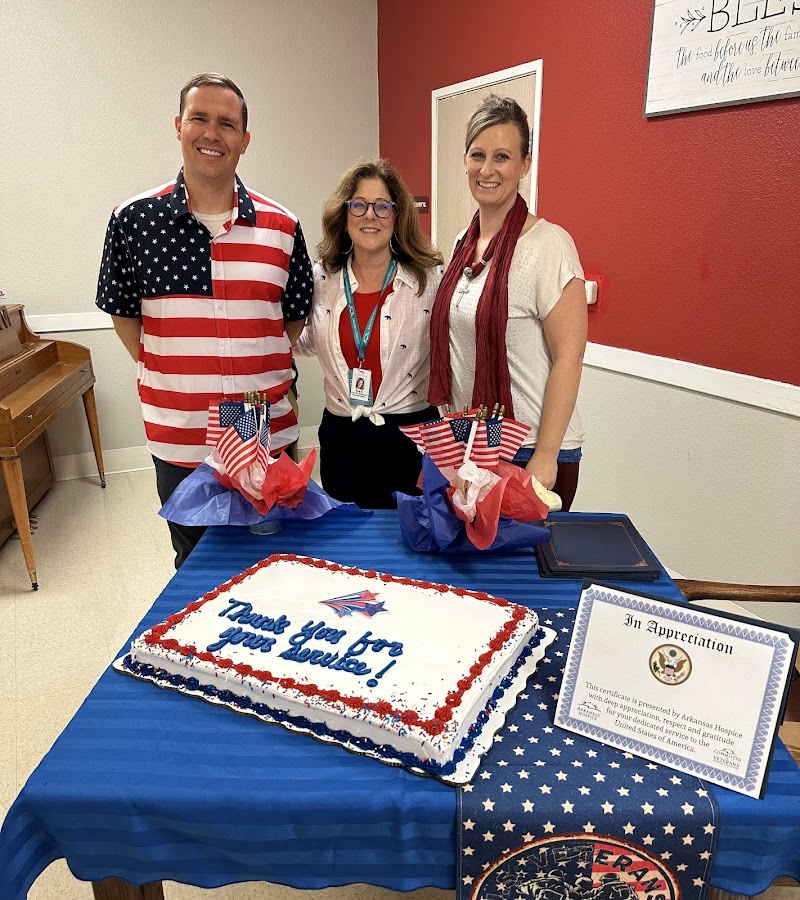
SOUTHRIDGE VILLAGE NURSING AND REHAB is owned by a for-profit company. For-profit facilities operate as businesses with obligations to shareholders or private owners. The facility is operated by ANTHONY & BRYAN ADAMS, a chain that manages multiple nursing homes. With 122 certified beds and approximately 89 residents (about 73% occupancy), it is a mid-sized facility located in HEBER SPRINGS, Arkansas.
How Does Southridge Village Nursing And Rehab Compare to Other Arkansas Nursing Homes?

Compared to the 100 nursing homes in Arkansas, SOUTHRIDGE VILLAGE NURSING AND REHAB's overall rating (4 stars) is above the state average of 3.1, staff turnover (46%) is near the state average of 46%, and health inspection rating (4 stars) is above the national benchmark.

What Should Families Ask When Visiting Southridge Village Nursing And Rehab?

Based on this facility's data, families visiting should ask: "Can I visit during a mealtime to observe dining assistance and food quality?" "How do you handle medical emergencies, and what is your hospital transfer rate?" "Can I speak with family members of current residents about their experience?"

Is Southridge Village Nursing And Rehab Safe?

Based on CMS inspection data, SOUTHRIDGE VILLAGE NURSING AND REHAB has a clean safety record: no substantiated abuse findings (meaning no confirmed cases of resident harm), no Immediate Jeopardy citations (the most serious violation level indicating risk of serious injury or death), and is not on the Special Focus Facility watch list (a federal program monitoring the lowest-performing 1% of nursing homes). The facility has a 4-star overall rating and ranks #1 of 100 nursing homes in Arkansas. While no facility is perfect, families should still ask about staff-to-resident ratios and recent inspection results during their visit.

Do Nurses at Southridge Village Nursing And Rehab Stick Around?

SOUTHRIDGE VILLAGE NURSING AND REHAB has a staff turnover rate of 46%, which is about average for Arkansas nursing homes (state average: 46%). Moderate turnover is common in nursing homes, but families should still ask about staff tenure and how the facility maintains care continuity when employees leave.

Was Southridge Village Nursing And Rehab Ever Fined?

SOUTHRIDGE VILLAGE NURSING AND REHAB has no federal fines on record. CMS issues fines when nursing homes fail to meet care standards or don't correct problems found during inspections. The absence of fines suggests the facility has either maintained compliance or corrected any issues before penalties were assessed. This is a positive indicator, though families should still review recent inspection reports for the full picture.

Is Southridge Village Nursing And Rehab on Any Federal Watch List?

SOUTHRIDGE VILLAGE NURSING AND REHAB is not on any federal watch list. The most significant is the Special Focus Facility (SFF) program, which identifies the bottom 1% of nursing homes nationally based on persistent, serious quality problems. Not being on this list means the facility has avoided the pattern of deficiencies that triggers enhanced federal oversight. This is a positive indicator, though families should still review the facility's inspection history directly.