Crestpark Helena, LLC
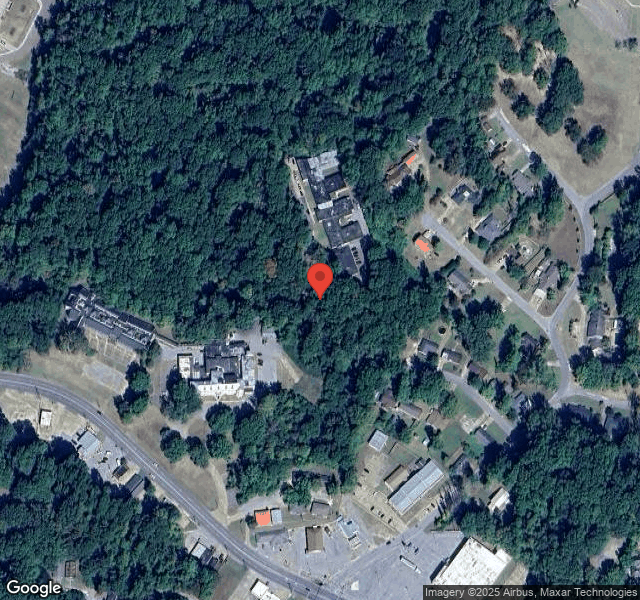
116 NOVEMBER DRIVE, HELENA, AR 72342 (870) 338-9886
For profit - Limited Liability company 100 Beds CRESTPARK Data: November 2025
Trust Grade
63/100
#103 of 218 in AR
Last Inspection: June 2024

Within standard 12-15 month inspection cycle. Federal law requires annual inspections.

Overview

Crestpark Helena, LLC has a Trust Grade of C+, indicating it is slightly above average among nursing homes. It ranks #103 out of 218 facilities in Arkansas, placing it in the top half of the state. The facility has shown improvement recently, with issues decreasing from 8 in 2023 to 7 in 2024. Staffing is a strong point, with a 5-star rating and only a 23% turnover rate, significantly lower than the state average. However, there are concerns, such as $8,193 in fines, which is average but still indicates some compliance issues. Additionally, reports highlighted specific problems, including dietary staff failing to wash hands during meal preparation, non-functional call lights in bathrooms, and maintenance issues affecting residents’ living conditions. While staffing and overall care show promise, families should consider these weaknesses when researching this facility.

Trust Score
C+
63/100
In Arkansas
#103/218
Top 47%
Safety Record
Low Risk
No red flags
Inspections
Getting Better
8 → 7 violations
Staff Stability
✓ Good
23% annual turnover. Excellent stability, 25 points below Arkansas's 48% average. Staff who stay learn residents' needs.
Penalties
✓ Good
$8,193 in fines. Lower than most Arkansas facilities. Relatively clean record.
Skilled Nurses
○ Average
Each resident gets 40 minutes of Registered Nurse (RN) attention daily — about average for Arkansas. RNs are the most trained staff who monitor for health changes.
Violations
⚠ Watch
25 deficiencies on record. Higher than average. Multiple issues found across inspections.
★★★☆☆
3.0
Overall Rating
★★★★★
5.0
Staff Levels
★★★☆☆
3.0
Care Quality
★★☆☆☆
2.0
Inspection Score
Stable
2023: 8 issues
2024: 7 issues

The Good

  • 5-Star Staffing Rating · Excellent nurse staffing levels
  • Low Staff Turnover (23%) · Staff stability means consistent care
  • Full Sprinkler Coverage · Fire safety systems throughout facility
  • No fines on record
  • Staff turnover is low (23%)

    25 points below Arkansas average of 48%

Facility shows strength in staffing levels, staff retention, fire safety.

The Bad

3-Star Overall Rating

Near Arkansas average (3.1)

Meets federal standards, typical of most facilities

Federal Fines: $8,193

Below median ($33,413)

Minor penalties assessed

Chain: CRESTPARK

Part of a multi-facility chain

Ask about local staffing decisions and management

The Ugly 25 deficiencies on record

Jun 2024 7 deficiencies
CONCERN (D)

Potential for Harm - no one hurt, but risky conditions existed

Comprehensive Care Plan (Tag F0656)

Could have caused harm · This affected 1 resident

Based on observation, record review, and interview, the facility failed to ensure a comprehensive assessment was completed to provide the resident with the proper type of call light to accommodate the...

Read full inspector narrative →
Based on observation, record review, and interview, the facility failed to ensure a comprehensive assessment was completed to provide the resident with the proper type of call light to accommodate the physical limitations of 1 (Resident #1) of 1 sampled resident. This failed practice had the potential to negatively impact resident care and safety due to the inability of the resident to alert staff. The findings are: Resident #1 had severe contractures to both left and right hands with hand contracture pads noted in both hands. Resident #1 is known to be non-verbal per staff and family member. The Minimum Data Set (MDS) with an Assessment Reference Date of 03/18/2024 addresses in section GG the physical limitations of the resident (impairment on both sides, mobility device in use) and bilateral contractures. On 06/03/2024 at 12:32 PM, the Surveyor observed Resident #1 in bed with a standard call light draped across the resident's chest over the blanket. On 06/06/2024 at 11:04 AM, the Surveyor interviewed Licensed Practical Nurse (LPN) #1 regarding the call light for Resident #1. LPN #1 was questioned about her knowledge of the limitations of range of motion and finger dexterity of Resident #1 due to severe contractures to bilateral hands. She confirmed Resident #1 does not have the ability to grip and/or press a standard call light to alert staff of a need, stating No, [Resident #1] couldn't grip it and push the button. The Surveyor asked, what other types of call lights are available? LPN #1 stated, The kind you apply pressure. The Surveyor walked with LPN #1 to Resident #1's room and asked what type of call light was observed in Resident #1's room. LPN #1 answered, The regular one with a button. On 06/06/2024 at 11:32 AM, the Surveyor interviewed the MDS Coordinator regarding the call light for Resident #1. The MDS Coordinator was asked to explain the process of assessing the resident for the proper call light. The MDS Coordinator stated, Can they push the call light, if not, we give them the one they can use. The Surveyor asked the MDS Coordinator about her knowledge of the limitations of range of motion and finger dexterity of Resident #1 due to severe contractures to both hands. She stated, Due to the contractures in [Resident #1's] hands, [the resident] wouldn't have the ability to use the standard call light. The Surveyor walked with the MDS Coordinator to Resident #1's room, and asked what type of call light was observed in Resident #1's room. The MDS Coordinator answered, A standard call light. The Administrator stated they do not have a policy or procedure specific to assessments or the determination of equipment matching the resident ' s needs. On 06/06/2024, the Surveyor discussed the process of assessments and determining the proper equipment for the residents with the Administrator, Director of Nursing (DON), and Assistant Director of Nursing (ADON). When asked the process of assessing and determining which equipment would be needed, the Administrator stated, Once the assessments are completed, the nurse decides what is needed based on the assessment. The DON and ADON both agreed this is the facility's process.
CONCERN (D)

Potential for Harm - no one hurt, but risky conditions existed

Deficiency F0761 (Tag F0761)

Could have caused harm · This affected 1 resident

**NOTE- TERMS IN BRACKETS HAVE BEEN EDITED TO PROTECT CONFIDENTIALITY** Based on observations and interviews, the facility failed to ensure the container used to store controlled substances was perman...

Read full inspector narrative →
**NOTE- TERMS IN BRACKETS HAVE BEEN EDITED TO PROTECT CONFIDENTIALITY** Based on observations and interviews, the facility failed to ensure the container used to store controlled substances was permanently affixed in Medication room [ROOM NUMBER]. The findings are: 1. On 06/05/2024 at 2:42 PM, the Surveyor observed the black box used to store controlled substances was not permanently affixed. The box contained 2 vials of 2 mg/ml (milligram/milliliter) of Ativan. The Surveyor asked Licensed Practical Nurse (LPN) #2 if the box was permanently affixed. LPN #2 stated, No, it is not attached to anything. It is locked and the refrigerator is locked but it is not affixed to anything. 2. On 06/05/2024 at 3:45 PM, the Surveyor asked the Director of Nursing (DON) if the black narcotic box in the refrigerator in Medication room [ROOM NUMBER] containing controlled substances should be permanently affixed. The DON stated I don't know about it being permanently affixed we never have it affixed. Is it supposed to be affixed? The Administrator and DON then went to the medication room to look at the box, both stated they did not know it should be affixed but would get it affixed. 3. The facility policy titled Storage of Medications did not contain relevant information.
CONCERN (E)

Potential for Harm - no one hurt, but risky conditions existed

Deficiency F0558 (Tag F0558)

Could have caused harm · This affected multiple residents

2. Review of Resident #1's Care Plan revealed diagnoses of a seizure disorder, osteoporosis, and fracture of femur. The care plan had a Disease Diagnosis section that indicated the resident was at ris...

Read full inspector narrative →
2. Review of Resident #1's Care Plan revealed diagnoses of a seizure disorder, osteoporosis, and fracture of femur. The care plan had a Disease Diagnosis section that indicated the resident was at risk for complications related to possible seizure activity. Approaches included, Keep side rails up and padded to reduce risk of injury. a. On 06/03/2024 at 11:29 AM, the Surveyor observed Resident #1 lying in bed, metal side rails up times two without padding installed, none visualized in room. b. On 06/04/2024 at 9:35 AM, the Surveyor observed Resident #1 lying in bed, metal side rails up times two, no padding noted, none visualized in any location in the resident's room. c. On 06/05/2024 throughout the day starting at 8:35 AM, ending at 5:05 PM, the Surveyor observed Resident #1 lying in bed with metal side rails up times two without padding installed, and none visualized in any location in resident's room. d. On 06/06/2024 at 11:00 AM, the Surveyor interviewed Licensed Practical Nurse (LPN) #1 and asked if she was familiar with Resident #1's care plan and medical diagnoses. LPN #1 stated, Yes. When asked what the policy for seizure precautions regarding bedrails instructs, LPN #1 answered, [Resident #1] should have padded bedrails. The Surveyor walked with LPN #1 to Resident #1's room and asked if the resident had padded bedrails in place. LPN #1 stated, No she doesn't. (None were observed on the bed or in the room). e. On 06/06/2024 at 11:26 AM, the Surveyor interviewed the MDS Coordinator and asked if she was familiar with Resident #1's care plan and medical history. The MDS Coordinator stated, Yes I am familiar. When asked what the policy for seizure precautions regarding bedrails instructs, the MDS Coordinator answered, Padded bedrails. The Surveyor walked with the MDS Coordinator to Resident #1's room and asked if the resident had padded bedrails in place. The MDS Coordinator stated, No. (none were observed on the resident's bed or in the room). Based on record review, interview, and observations, the facility failed to ensure the bedside commode in a resident ' s room was emptied in a timely manner for 1 (Resident #187) of 1 resident with a bedside commode and failed to ensure care plan interventions were followed regarding seizure precautions by installing padded bedrails for 1 (Resident #1) of 1 sample mix resident. The findings are: 1. On 06/03/2024 at 12:21 PM, the Surveyor observed the bedside commode sitting beside Resident #187's bed and in front of the resident who was sitting in the recliner. The commode was lined with a trash bag. The commode had 3 sets of used gloves folded together and tossed in the commode. Solid and liquid waste was observed in the commode. The Surveyor asked when the resident had used the bedside commode. The resident stated, I used the bedside commode at 8:00 AM and again at 10:15 AM. a. On 06/03/2024 at 03:34 PM, the Surveyor observed the bedside commode had three pairs of used gloves and solid/liquid waste inside the trash bag lined bucket. b. On 06/03/2024 at 04:01 PM, the Surveyor observed the bedside commode still contained gloves and solid/liquid waste. The Surveyor asked the resident if the staff had been in and emptied the commode. The resident stated, I don't think so. The Surveyor then asked Resident #187 if the resident had used the toilet since the Surveyor was in last. The resident stated, No, but I'm about to. c. On 06/04/2024 at 08:39 AM, the Surveyor observed the beside commode sitting beside the resident who was receiving therapy. When the therapist left the room, the Surveyor looked inside the toilet which contained a black trash bag with used gloves and liquid waste in the commode bucket. d. On 06/04/2024 at 03:26 PM, the Surveyor observed Resident #187 sitting in the recliner. The bedside commode was sitting beside the resident and contained the same gloves and liquid waste. e. On 06/05/2024 at 08:35 AM, Resident #187 was observed in bed. The bedside commode was observed beside the bed. The bedside commode contained a black trash bag lining the bucket, with liquid waste and gloves tossed inside. The Surveyor asked the resident if she had been up this morning. Resident #187 stated No, I have not been up to toilet this morning. f. On 06/04/2024 at 04:30 PM, Resident #187 was asked about the waste remaining in the bedside commode and stated, Well, one or two pees don't bother me so bad, but when it goes this long, by the end of the day it is embarrassing and nasty. It is unsanitary. It bothers me more that it is not a big deal to the CNAs [Certified Nursing Assistants]. They should want to empty it every time. g. A Facility Policy on Personal Care titled, Bedside Commode, Offering/Removing, provided by the Administrator on 06/05/2024 at 2:05 PM, provided instructions for cleaning the bedside commode once it has been used, .27. Wipe the portable commode clean. Store it in its designated storage area. 28. Discard soiled towels, wash cloth, etc., in the soiled laundry container. 29. Discard disposable items into designated containers. 30. Remove gloves and discard into designated container. Wash and dry your hands thoroughly. 31. Clean wash basin and return to designated storage area. 32. Clean the bedside stand. 33. Wash and dry your hands thoroughly. 34. If the resident desires, return the door and curtains to the open position and if visitors are waiting, tell them that they may now enter the room . h. Resident #187's Care Plan identified the resident to be incontinent, with a goal to maintain resident's dignity, and that the resident utilizes a bedside commode.
CONCERN (E)

Potential for Harm - no one hurt, but risky conditions existed

Unnecessary Medications (Tag F0759)

Could have caused harm · This affected multiple residents

Based on observation, record review, and interview, the facility failed to ensure the medication error rate was less than 5 percent (%) during the medication administration observation of 3 (Residents...

Read full inspector narrative →
Based on observation, record review, and interview, the facility failed to ensure the medication error rate was less than 5 percent (%) during the medication administration observation of 3 (Residents #10, #27 and #32) of 5 (Residents #7, #8, #27, #29 and #32) residents who received medications from 3 Licensed Practical Nurses (LPNs). The findings are: 1. Resident #32 had physician's orders for Lasix 20 milligrams (mg) and Omeprazole 40 mg to be administered at the 8:00 AM medication pass. a. On 06/04/2024 at 8:31 AM, LPN #4 gathered Resident #32's medications and stated she was holding the Lasix because it was to be held if the resident's blood pressure was low. At 8:35 AM, she gave the resident the medications with water, but did not give Lasix 20 mg or Omeprazole 40 mg at this time. b. On 06/04/2024 at 2:38 PM, LPN #4 was asked if she recalled administering Omeprazole to Resident #32 during the 8:00 AM medication pass and she stated, I think I did. She was asked to check the cart to see if the resident had a medication card for the medication in question. LPN #4 checked the medication cart and when she pulled out the resident's cards, there was no card of Omeprazole. She checked the as needed section of the cart, and it was not there. The evening nurse came out of a resident's room and stated the medication was in a packet. She opened the top drawer and removed a clear plastic bag that had foil bubble packets of Omeprazole for this resident. LPN #4 stated, Let me go back to the MAR (medication administration record) and circle that because Resident #32 missed that dose. She was asked if Resident #32 had a physician's order to hold the Lasix because no order was located in the resident's paper chart. She stated she thought she saw an order to hold it if the systolic (top number) blood pressure was less than 110 and the diastolic (bottom number) was less than 60. She was unable to provide an order to hold the Lasix prior to leaving her shift. 2. Resident #27 had physician's order for Potassium Chloride 10 Meq (milliequivalents) and Meloxicam 7.5 mg, both to be given with food. a. On 06/04/2024 at 8:42 AM, LPN #4 gathered Resident #27's 8:00 AM medications and at 8:51 AM, she gave the Resident #27 the scheduled medications, but there was no food on the resident's bedside table, or any applesauce or pudding given with the medications. The facility kitchen served breakfast at 6:45 AM. b. On 06/04/2024 at 2:38 PM, LPN #4 confirmed Resident #27 did not have any food during the morning medication pass. 3. Resident #10 had a physician's order for Eliquis 5 mg to be held times 3 days starting 05/30/2024 at 2:00 PM. There were no further orders to hold the medication past this date, the order was not clarified with the provider to resume the medication after this time. On 06/02/2024 at 8 AM, Resident #10's order to hold the medication had expired. a. On 06/04/2024 at 4:13 PM, LPN #6 stated Resident #10's Eliquis was on hold and she did not administer the medication at the 4:00 PM medication pass. b. On 06/06/2024 at 12:28 PM, the Director of Nursing (DON) confirmed there was no order in the record to continue to hold the Eliquis and stated, She's [the nurse] calling the doctor now. c. An Administering Medications policy provided by the Business Office Manager on 06/06/2024 specified, .Medications shall be administered in a safe and timely manner, and as prescribed .
CONCERN (E)

Potential for Harm - no one hurt, but risky conditions existed

Deficiency F0760 (Tag F0760)

Could have caused harm · This affected multiple residents

**NOTE- TERMS IN BRACKETS HAVE BEEN EDITED TO PROTECT CONFIDENTIALITY** Based on observation, record review, and interview, the facility failed to ensure the facility remained free of a significant me...

Read full inspector narrative →
**NOTE- TERMS IN BRACKETS HAVE BEEN EDITED TO PROTECT CONFIDENTIALITY** Based on observation, record review, and interview, the facility failed to ensure the facility remained free of a significant medication error for 1 (Resident #10) of 5 (Residents #7, #8, #10, #27 and #32) residents observed during the medication administration observation. The findings are: Resident #10 had a physician's order for Eliquis 5 milligrams (an anticoagulant medication used to treat and prevent blood clots and strokes) to be held times 3 days starting [DATE] at 2:00 PM. There were no further orders to hold the medication past this date and the order was not clarified with the provider to resume the medication after this time. On [DATE] at 8:00 AM, Resident #10's order to hold the medication had expired. a. On [DATE] at 4:13 PM, Licensed Practical Nurse (LPN) #6 stated Resident #10's Eliquis was on hold, and she did not administer the medication at the 4:00 PM medication pass. b. On [DATE] at 12:28 PM, the Director of Nursing (DON) confirmed there was no order in the record to continue to hold the Eliquis and stated, She's [the nurse] calling the doctor now. c. The [DATE] Medication Administration Record (MAR) reflected the Eliquis was held on [DATE] through [DATE] for the 8:00 AM and 4:00 PM times. The order was written on [DATE] at 2:00 PM to hold Eliquis x (times) 3 days. There was no documentation in the 8:00 AM or 4:00 PM box for [DATE] and [DATE] and the 8:00 AM box for [DATE] was blank. As of [DATE] at 1:00 PM, Resident #10 had missed 8 doses of Eliquis. d. An Administering Medications policy, provided by the Business Office Manager on [DATE] specified, .Medications shall be administered in a safe and timely manner, and as prescribed . The DON confirmed on [DATE] the facility did not have a policy covering significant medication errors.
CONCERN (E)

Potential for Harm - no one hurt, but risky conditions existed

Safe Environment (Tag F0921)

Could have caused harm · This affected multiple residents

Based on observations and interviews, the facility failed (1) to ensure the ceiling was in good repair in 1 (Resident #9) resident's room, (2) to ensure the two sofas and a chair in the dayroom were i...

Read full inspector narrative →
Based on observations and interviews, the facility failed (1) to ensure the ceiling was in good repair in 1 (Resident #9) resident's room, (2) to ensure the two sofas and a chair in the dayroom were in good repair, free of tears, cracks, and holes, and (3) to ensure the tables, benches, and seating on the patio were in good repair without holes, tears and cracks in the seats. The findings are: 1. On 06/03/2024 at 12:02 PM, the Surveyor observed the ceiling falling/hanging down over Resident #9's dresser. The falling ceiling had 9 nails/screws attempting to hold it in place, with several split areas of ceiling tile hanging down. Resident #9 asked the Surveyor to look at his/her ceiling Resident #9 stated, It has been that way about a month and a half. a. On 06/04/2024 at 3:31 PM, the ceiling over Resident #9's dresser remained damaged. b. On 06/05/2024 at 8:36 AM, the ceiling over Resident #9's dresser remained damaged. c. On 06/06/2024 at 9:15 AM, as the Administrator and Surveyor approached Resident #9's room the Administrator stated, If you are talking about [Resident #9's] ceiling, I have contacted the contractor about it. The Surveyor asked when the contractor was contacted. The Administrator stated, Two weeks ago and then I texted him yesterday. The Administrator was asked if she had proof of the contact made two weeks ago. The Administrator stated, No. The Administrator was asked if she had any work order for the repair. The Administrator stated, No, we just call someone or fix the issue. The Administrator was asked if she had a Repair or Replacement policy. The Administrator stated, No. 2. On 06/03/2024 at 1:25 AM, the Surveyor observed a long sofa and a loveseat in the front day room had multiple tears and cracks in the coverings, a chair was torn from one arm to the other arm across the front of the seat. These areas had the potential to cause skin tears to anyone who might sit in them. a. On 06/06/2024 at 9:15 AM, the Administrator stated the tears in the upholstery could cause a skin tear. 3. On 06/03/2024 at 1:00 PM, the Surveyor observed the resident smoking area had a pink chair with a tear along the front of the chair exposing the foam cushion, cracks in the fabric covering the entire seat of the chair, two blue chairs with holes and cracks in the seats of both chairs, a mauve colored chair with the back broken, a mauve colored chair with cracks and a large split in the fabric exposing the foam cushion, and a wooden bench with a dry cracking wood seat and back. These items have the potential to cause skin tears to residents who smoke or sit outside in this area. a. On 06/04/2023 at 10:00 AM, the damage to the chairs and bench was observed to remain. b. On 06/04/2024 at 3:43 PM, the damage to the chairs and bench was observed to remain. c. On 06/06/2024 at 9:00 AM, the damage to the chairs and bench was observed to remain. d. On 06/06/2024 at 9:15 AM, the Surveyor asked the Administrator to join the Surveyor in the patio area. Upon arriving at the patio area, the Surveyor asked do you have any concerns here. The Administrator stated, Yes, and I hadn't been out here or seen this. The Surveyor asked what could happen if a resident sat at one of the tables or chairs. The Administrator said, They could get a skin tear.
CONCERN (F)

Potential for Harm - no one hurt, but risky conditions existed

Food Safety (Tag F0812)

Could have caused harm · This affected most or all residents

Based on observation and interview, the facility failed to ensure dietary staff performed hand hygiene during the preparation of a meal and during the meal service, and failed to ensure food was prope...

Read full inspector narrative →
Based on observation and interview, the facility failed to ensure dietary staff performed hand hygiene during the preparation of a meal and during the meal service, and failed to ensure food was properly stored and labeled after it was opened in 1 of 1 kitchen (Census 36). This had the potential to affect 33 residents who received meals from the kitchen. The findings are: 1. On 06/05/2024 at 1:40 PM, the [NAME] brought a box of frozen dinner roll dough and placed it in on the workstation. Without washing his hands, he donned a pair of clean gloves and a took a can of oil out of the cabinet, removed the top with his left hand and held the can with his right hand and sprayed a metal pan. Without washing his hands or changing gloves, he used the same gloves, and he reached in the box and removed some frozen dinner rolls and placed them on the metal pan. He removed the gloves and took the pan to the counter and pulled some clear plastic wrap over it and then placed the pan on top of the upright oven. He retrieved a second metal pan and without washing his hands, put on a pair of clean gloves, removed the top with his left hand, held the can of oil and sprayed the pan using his right gloved hand. He sat the pan on the counter, discarded the gloves and pulled a piece of clear plastic wrap over the pan and placed it on top of the upright oven. He re-taped the box, and at 1:45 PM he left the kitchen with it. 2. At 1:47 PM, the [NAME] returned to the kitchen with a bag of frozen vegetables, and a 10 pound box of pulled white turkey. He then retrieved a 49 ounce can of chicken broth. At 1:50 PM, he took a 3rd pan and placed it on the workstation, reached in the upper cabinet and gathered a few plastic bottles of seasonings and sat them on the workstation. With his bare hands, he removed the top and sprayed the pan with oil. He then put on oven mitts and checked the items in the upright oven, removed the oven mitts and without washing his hands, donned a pair of clean gloves and opened a plastic bag of the turkey meat and poured it in a prepared pan. He opened a second bag of turkey meat and poured a small amount into the pan with the other turkey meat. He removed his gloves, took the bag or remaining turkey meat, wrapped it with clear plastic wrap, returned it to the box. 3. At 2:29 PM, the [NAME] took another metal pan, sprayed it with oil and opened the box of dough sheets using his bare hands. He put on a clean pair of gloves without washing his hands and removed a sheet of the frozen dough and placed it in the pan. He took a second sheet of frozen dough and filled the open areas on the pan. He took a scoop and removed some of the meat and vegetables and layered it over the dough and continued this process of layering with the sheets of dough and then the meat mixture. 4. At 2:34 PM, the [NAME] changed his gloves without sanitizing his hands and took a sheet of frozen dough and placed it over the meat mixture x 2 sheets. He removed his gloves and placed the prepared turkey pot pie in the over. 5. At 4:38 PM, the first tray was served through the kitchen window. During this observation, the Dietary Helper was assisting with placing utensils, condiments, and other items on the tray before it was passed to the cook with her bare hands. She was asked to retrieve some bread for a resident that received an alternate meal. She left the area and returned to the counter by the sink, holding a bag of bread from the dry storage area. With her bare hands she untied the bag. Without washing her hands, she put a glove on her right hand, and held the bag with her left hand, and reached in the bag with her gloved right hand and removed two slices of bread and placed them on a piece of foil, folded the foil over the bread and passed the foil of bread to the cook. The Surveyor left the kitchen at this time. 6. On 06/06/2024 at 1:08 PM, there were 3 reach in freezers, side by side and the third freezer had a clear plastic bag that was tied off and not properly sealed and there was no date or time noted on the bag. 7. On 06/06/2024 at 1:11 PM, the [NAME] was asked, Are you familiar with the handwashing policy? The [NAME] stated, Yes. He was asked, Tell me when should you wash your hands? He stated, Whenever you enter the kitchen, or touch a trash bag. I usually wash my hands after I spray something in the dish or touch items with my bare hands. He confirmed that he should have changed his gloves after he touched a box or can of spray with gloves on. He confirmed on the food that had been opened, it should have been wrapped in [name brand] wrap, put in a [name brand] bag, and labeled with what it was and the date. He added that depending on the items, it might need the expiration date. At 1:15 PM, he was asked to look in the reach in freezer on the right and look at a plastic bag and describe what was in the bag. He looked at the bag and confirmed they were dinner rolls and he confirmed that the bag was not labeled. 8. On 06/06/2024 at 1:18 PM, the Dietary Helper confirmed she should have washed her hands after she touched a non-food item, such as the outer part of a bread sack with her bare hands. She confirmed she should have washed her hands before putting on gloves. She was asked, Before touching the bread with a gloved hand that was used to touch the outer part of a bread sack, what should you do before removing the bread from the inside of the sack? She stated, I should have taken it off and changed my glove. 9. A Handwashing Procedure policy provided by the Dietary Manager on 06/06/2024 contained the procedure when washing the hands but did not contain information regarding when or how often the hands should be washed in the kitchen. A Food Facts sheet by the FDA (United States Food and Drug Administration) revealed, .Clean wash your hands and surfaces often . Wash your hands . before and after handling food . 10. A Storage policy provided by the Dietary Manager on 06/06/2024 revealed, .Correct storage procedures will be followed, and storerooms, refrigerators, and freezers will be kept clean and orderly .Frozen foods are stored at 0 degrees Fahrenheit or below. All foods to be frozen are well wrapped, labeled, and dated before freezing .
Apr 2023 8 deficiencies
CONCERN (D)

Potential for Harm - no one hurt, but risky conditions existed

Resident Rights (Tag F0550)

Could have caused harm · This affected 1 resident

Based on observation, interview, and record review, the facility failed to ensure a resident's urinary catheter drainage bag was kept in a privacy bag to promote dignity for 1 (Resident #11) of 5 (Res...

Read full inspector narrative →
Based on observation, interview, and record review, the facility failed to ensure a resident's urinary catheter drainage bag was kept in a privacy bag to promote dignity for 1 (Resident #11) of 5 (Residents #1, #11, #13, #15 and #28) sampled residents who had catheters as documented on the Matrix provided by the Administrator on 04/11/2023. The findings are: Resident #11 had diagnoses of Chronic Obstructive Pulmonary Disease (COPD), Urinary Tract Infection, Alzheimer Disease and Overactive Bladder. The Annual Minimum Data Set (MDS) with an Assessment Reference Date (ARD) of 02/08/23 documented the resident was severely impaired in cognitive skills for daily decision-making per a Staff Assessment for Mental Status (SAMS) and had an indwelling catheter and an ostomy. a. A Physicians Order dated 10/04/22 documented, .Foley catheter care wash with soap and H2O [water] per CNA [Certified Nursing Assistant]. Secure catheter with anchoring device to prevent trauma or dislodgement . b. The Care Plan with a review date of 02/08/23 documented, .Urinary Catheter Care .Keep catheter tubing free of kinks. Keep drainage bag below level of bladder . The Care Plan does not address keeping the drainage bag in a privacy covering for dignity. c. On 04/10/23 at 11:22 AM, Resident #11 was lying in bed. Foley catheter attached to bedrail draining cloudy yellow urine. Catheter bag was not in a privacy bag. c. On 04/10/23 at 12:56 PM, Resident #11 was lying in bed. Foley catheter attached to bedrail not in a privacy bag. d. On 04/11/23 at 8:38 AM, Resident #11 was lying in bed. Foley catheter was in a privacy bag. e. On 04/13/23 at 7:55 AM, Resident #11 was lying in bed. Foley catheter attached to bedrail not in a privacy bag. f. On 04/13/23 at 8:02 AM, Licensed Practical Nurse (LPN) #1 and Certified Nursing Assistant (CNA) #1 were at Resident #11's bedside, the catheter bag was in a privacy bag. The Surveyor asked LPN #1 about catheter bag being uncovered Monday, 04/10/23 and this morning, she stated, Aides, I think they empty the bag and tend to forget to cover it. LPN #1 acknowledged the catheter bag is supposed to be in a privacy bag. g. The facility policy titled, Catheter Care, Urinary, provided by the Assistant Director of Nursing (ADON) on 04/13/23 at 9:46 AM did not address privacy bags.
CONCERN (D)

Potential for Harm - no one hurt, but risky conditions existed

Deficiency F0561 (Tag F0561)

Could have caused harm · This affected 1 resident

Based on observation, interview, and record review, the facility failed to ensure resident's right to self-determination, as evidenced by the lack of accommodation of a resident's choice to be escorte...

Read full inspector narrative →
Based on observation, interview, and record review, the facility failed to ensure resident's right to self-determination, as evidenced by the lack of accommodation of a resident's choice to be escorted out of the facility to watch the cats for 1 (Resident #14) of 40 (Residents #1, #2, #3, #4, #5, #6, #7, #8, #9, #10, #11, #12, #13, #14, #15, #16, #17, #18, #19, #20, #21, #22, #23, #24, #25, #26, #27, #28, #29, #30, #31, #32, #33, #34, #35, #36, #37, #38, #39 and #40) residents that relied on the facility to maintain the highest practicable level of autonomy. The findings are: Resident #14 had diagnoses of Major Depression, Bipolar Disorder and Hypertension. The Quarterly Minimum Data Set (MDS) with an Assessment Reference Date (ARD) of 02/14/23 documented the resident scored 15 (13-15 indicates cognitively intact) on a Brief Interview for Mental Status (BIMS). a. On 04/11/23 at 11:20 AM, the Surveyor asked Resident #14 how she was feeling that morning. She stated, Depressed . two things are bothering me. One is I miss my cats. Resident #14 pointed at a photo on the wall. She stated, Before I came in here, I had cats at home. I'd really like to go outside and see the ones out there. The Surveyor asked if she had told staff she wished to go outside. She stated, Yes, but they said that if they let me go outside and state drove by and saw me, they'd get in trouble. The Surveyor asked who had told her that. She stated, One of the aides. I'd really just like to go out and sit in the sunshine to watch and feed the cats. b. On 04/12/23 at 10:32 AM, the Surveyor asked Certified Nursing Assistant (CNA) #2 if Resident #14 had asked to go outside. She stated, Yes. I know she's been asking. The Surveyor asked if the resident had ever been taken out when she requested it. She stated, I don't know. c. On 04/12/23 at 10:51 AM, the Surveyor asked the Administrator if she was aware that Resident #14 had requested to go outside. She stated, Yes, I've told her she can go out in the Courtyard, so she doesn't have to be supervised. The Surveyor told the Administrator that Resident #14 had requested to sit out front specifically so she could feed and observe the cats outside the facility. She stated, I know, but we feed the cats in the morning, and she only wants to go out later, like at 5:00 [PM], and she can't go out there alone.
CONCERN (D)

Potential for Harm - no one hurt, but risky conditions existed

Accident Prevention (Tag F0689)

Could have caused harm · This affected 1 resident

**NOTE- TERMS IN BRACKETS HAVE BEEN EDITED TO PROTECT CONFIDENTIALITY** Based on observation, and interview, the facility failed to ensure medical devices were plugged into a properly grounded electri...

Read full inspector narrative →
**NOTE- TERMS IN BRACKETS HAVE BEEN EDITED TO PROTECT CONFIDENTIALITY** Based on observation, and interview, the facility failed to ensure medical devices were plugged into a properly grounded electrical outlet and not into a power strip for 1 (Resident #15) of 15 (Residents #1, #6, #9, #11, #12, #13, #15, #21, #22, #28, #30, #31, #35, #36 and #38) sampled residents utilizing pressure relief air mattresses; and failed to maintain an environment free from hazards, as evidenced by a cable cord lying on the floor, running from one resident room, through the bathroom, into the adjoining room for 2 (rooms [ROOM NUMBERS]) rooms of 15 (room [ROOM NUMBER], 103, 105, 10, 109, 110, 112, 113, 114, 115, 116, 126, 201, 214 and 217) resident rooms and bathrooms observed. The findings are: 1. Resident #15 had diagnoses of Stage IV decubitus to coccyx, Type II diabetes with other skin ulcer, and Cerebrovascular accident. The Quarterly Minimum Data Set (MDS) with an Assessment Reference Date (ARD) of 01/12/2023 documented a score of 15 (13-15 indicates cognitively intact) on the Brief Interview for Mental Status (BIMS). a. On 04/11/23 at 10:44 AM, the Surveyor observed a power strip plugged into an electrical outlet with a fan, a cell phone charger, the resident's bed, and a pressure relief air mattress plugged into it simultaneously. b. On 04/11/23 at 3:40 PM, the Administrator provided documentation indicating the facility did not have a policy on extension cords and power strips. The documentation stated, Don't have policy for extension cords, power strips. c. On 04/12/23 at 10:32 AM, the Surveyor asked Certified Nursing Assistant (CNA) #2 to verify the pressure relief air mattress and bed were plugged into a power strip. She stated, Yes, it is. The Surveyor asked if medical devices should be powered through power strips. She stated, I don't know anything about that. The Surveyor asked if she had received any training regarding the use of power strips or electrical cords from the facility. She stated, No. d. On 04/12/23 at 10:51 AM, the Surveyor asked the Administrator if medical devices could be plugged into power strips. She stated, I don't know. The Surveyor asked if medical devices could be affected if a power strip malfunctioned. She stated, Yes. e. The pressure relief air mattress User's Manual provided by the Administrator on 04/13/23 at 9:47 AM documented, .WARNING . Connect this product to a properly grounded outlet only .2. Resident #17 had diagnoses to include Deep Vein Thrombosis, Hypertension, Anxiety Disorder, and Osteoarthritis. The Annual Minimum Data Set (MDS) with an Assessment Reference Date (ARD) of 02/07/23 documented the resident scored 8 (8 to 12 indicates moderately cognitively impaired) on a Brief Interview for Mental Status (BIMS). a. On 04/11/23 at 9:07 AM, 04/11/23 at 2:54 PM and 04/11/23 at 4:18 PM, in Resident room [ROOM NUMBER] a television cable from the back of the Resident ' s television set through the shared bathroom, around the back of the toilet and into the next room. Approximately 2 feet of the cable wire was in in the shared bathroom floor, with the potential to cause a trip hazard. The Resident stated, I can walk into the bathroom, but I usually ask for help. b. On 04/12/23 at 9:45 AM, the Administrator accompanied the Surveyor into Resident room [ROOM NUMBER] and confirmed the above observation and stated, I can't disagree with what you are saying. The Administrator confirmed there was a potential for a fall hazard.
CONCERN (D)

Potential for Harm - no one hurt, but risky conditions existed

Deficiency F0919 (Tag F0919)

Could have caused harm · This affected 1 resident

Based on observation, and interview, the facility failed to adequately maintain and repair the resident call light system to ensure there was a functioning communication system between the residents a...

Read full inspector narrative →
Based on observation, and interview, the facility failed to adequately maintain and repair the resident call light system to ensure there was a functioning communication system between the residents and nursing staff for 1 (Resident #19) of 1 sampled resident during the survey. The findings are: 1. Resident #19 had diagnoses of Atrial Fibrillation, Chronic Obstructive Pulmonary Disease and Heart Failure. The Quarterly Minimum Data Set (MDS) with an Assessment Reference Date (ARD) of 01/15/23 documented the resident scored 15 (13-15 indicates cognitively intact) on a Brief Interview for Mental Status (BIMS). 2. On 04/10/23 at 10:54 AM, in Resident #19's call light was wrapped around his walker. The end of the call light was taped to the wall at the plug. Resident #19 stated, The button was coming on by itself. It does not bother me, but it was a problem for the staff. It has been taped about a week. 3. On 04/11/23 at 2:56 PM, the call light continued to be taped to the wall and wrapped around the Resident #19's walker. The Surveyor pushed the call light button, the light outside the door did not come on, and no staff responded to the light. 4. On 04/12/23 at 9:55 AM, the Administrator accompanied the Surveyor to Resident #19's room and observed the call light plug taped to the wall. The Administrator tested the call light and confirmed it did not work and confirmed all residents require a working call light. The Administrator stated there was no policy related to the call light system.
CONCERN (E)

Potential for Harm - no one hurt, but risky conditions existed

Safe Environment (Tag F0584)

Could have caused harm · This affected multiple residents

**NOTE- TERMS IN BRACKETS HAVE BEEN EDITED TO PROTECT CONFIDENTIALITY** Based on observation, and interview, the facility failed to ensure the heating system was in good working order for 1 (room [ROO...

Read full inspector narrative →
**NOTE- TERMS IN BRACKETS HAVE BEEN EDITED TO PROTECT CONFIDENTIALITY** Based on observation, and interview, the facility failed to ensure the heating system was in good working order for 1 (room [ROOM NUMBER]) failed to ensure a clean, sanitary homelike environment for 5 (Rooms 105,108, 109, 110 and 116) of 15 (Rooms 101, 103, 105, 108, 109, 110, 112, 113, 114, 115, 116, 126, 201, 214 and 217) resident rooms and bathrooms observed. The findings are: a. On 04/10/23 at 11:43 AM, the Resident in Resident room [ROOM NUMBER] stated, It's always so cold in here. My heater broke a week or two ago. b. On 04/11/23 at 2:22 PM, the heater in Resident room [ROOM NUMBER] had vent slats broken and missing on one side of the top of the heater. An attempt was made to turn the heater on. The heater did not turn on and did not produce heat. c. On 04/12/23 at 10:11 AM, the Administrator stated, I have contacted maintenance. I was told yesterday the heater was broken. 2. On 04/10/23 at 11:30 AM, 04/11/23 at 8:15 AM, and 04/11/12 at 2:30 PM, in Resident room [ROOM NUMBER] there were water stains on one ceiling tile and multiple ceiling tiles were sagging. The metal runners between the tiles were brown/rust colored stained. In the bathroom, the paper towel holder was dusty and dirty. 3. On 04/10/23 at 12:16 PM, 04/11/23 at 8:26 AM, and 04/11/23 at 2:32 PM, in Resident room [ROOM NUMBER] the bathroom had a dirty, stained sink. 4. On 04/10/23 at 1:44 PM, 04/11/23 at 8:21 AM, and 04/11/23 at 2:24 PM, in Resident room [ROOM NUMBER]'s bathroom there was a thick, crusty white substance on the bathtub faucets and water handles. There were dark brown stains from the top of the tub, under the faucet and down to the drain, with red rust around the drain. 5. On 04/11/23 at 11:00 AM, and 04/11/23 at 2:49 PM, in Resident room [ROOM NUMBER], the only soap dispenser was broken from the wall and was lying on the edge of the sink, unusable. On 04/11/23 at 2:49 PM, there was a stained ceiling tile above the toilet and a stained ceiling tile above the bathtub. The air conditioning vent, exhaust fan and metal runners for the ceiling tile had a dark brown/rust colored staining. 6. On 04/10/23 at 1:35 PM, 04/11/23 at 8:34 AM, and 04/11/23 at 2:52 PM, in Resident room [ROOM NUMBER], the bathroom sink was dirty, with rust colored discoloration around the drain, the paper towel holder was dusty and dirty looking, and the soap dispenser was dirty. 7. On 04/12/23 at 8:34 AM, Licensed Practical Nurse (LPN) #2 stated, There is no log for staff to document repairs needed. LPN #2 indicated there were two maintenance men who are on call and live nearby and stated, We call the maintenance man. 8. On 04/12/23 at 8:37 AM, LPN #3 stated, If there is something that needs to be fixed, we just call the maintenance man who lives nearby. LPN #3 stated there is no log for them to complete if items need to be repaired. 9. On 04/12/23 at 9:45 AM, the Administrator indicated there were logs on the end of the halls for staff to document maintenance needs and confirmed the facility does not have full-time maintenance staff. The Administrator stated, The staff tell me when there are maintenance needs and I text the maintenance men. They both have other jobs. The Administrator accompanied the Surveyor to Resident Rooms 108, 109, 110, 116 and 105, and confirmed the above observations. The Administrator stated, I can't disagree with what you are saying.
CONCERN (E)

Potential for Harm - no one hurt, but risky conditions existed

QAPI Program (Tag F0867)

Could have caused harm · This affected multiple residents

Based on interview, and record review, the facility failed to develop and implement a Quality Assurance Performance Improvement (QAPI) Plan to include identification of problems, implementation of cor...

Read full inspector narrative →
Based on interview, and record review, the facility failed to develop and implement a Quality Assurance Performance Improvement (QAPI) Plan to include identification of problems, implementation of corrective actions, documentation, review, and analyze and tracking of the data. The findings are: 1. On 04/13/23 at 12:12 PM, the Administrator stated, I don't have any sign in sheets for the QAPI meetings. When an issue is identified, we meet, will discuss the issue, and will try something to solve the issue. If it doesn't work, we will try something else. There is no formal process to document what we monitor. 2. On 04/13/23 at 1:20 PM, the Surveyor asked Certified Nursing Assistant (CNA) #3 if she knew what the QAPI goals for 2023 were. CNA #3 stated, No, I don't know. I'm sorry. 3. On 04/13/23 at 1:25 PM, the Surveyor asked Licensed Practical Nurse (LPN) #2 who if she knew what the QAPI goals for 2023 were. LPN #2 stated, I'm trying to figure out what it is. Is that quality control or something? 4. On 04/13/23 at 1:27 PM, the Surveyor asked LPN #1 if she knew what the QAPI goals for 2023 were. LPN #1 stated, No ma'am, I've never heard of it. I don't even know what it is. 5. The facility policy titled, Quality Assurance & [and] Performance Improvement (QAPI) Plan ., provided by the Administrator on 04/11/23 at 1:05 PM documented, .the facility will put in place systems to monitor care and services .; [Facility] uses a systematic approach to determine when in-depth analysis is needed to fully understand the problem, it's causes, and implications of a change [Facility] applies a thorough and highly organized/structured approach to determine whether and how identified problems may be caused or exacerbated by the way care and services are organized or delivered. [Facility ' s] approach comprehensively assesses all involved systems to prevent future events and promote sustained improvement. We also have developed policies and procedures regarding expectations for the use of root cause analysis when problems are identified .
CONCERN (E)

Potential for Harm - no one hurt, but risky conditions existed

Infection Control (Tag F0880)

Could have caused harm · This affected multiple residents

**NOTE- TERMS IN BRACKETS HAVE BEEN EDITED TO PROTECT CONFIDENTIALITY** Based on observation, and interview, the facility failed to ensure resident personal care equipment was properly cleaned and sto...

Read full inspector narrative →
**NOTE- TERMS IN BRACKETS HAVE BEEN EDITED TO PROTECT CONFIDENTIALITY** Based on observation, and interview, the facility failed to ensure resident personal care equipment was properly cleaned and stored to prevent potential cross-contamination between residents. The failed practice had the potential to affect all 35 residents who resided in the facility as documented on the Room-Bed List provided by the Administrator on 04/11/23 at 12:00 PM. The findings are: 1. On 04/10/23 at 11:30 AM, 04/11/23 at 8:15 AM, and 04/11/23 at 2:30 PM, in the bathroom in Resident room [ROOM NUMBER] there was a dirty wash basin sitting on the floor under the bathroom sink. The wash basin was not stored in a bag or a storage container. 2. On 04/10/23 at 12:16 PM, 04/11/23 at 8:26 AM and 04/11/23 at 2:32 PM, in the shared bathroom in Resident room [ROOM NUMBER], there was a urinal with dark yellow stains inside of it and a wash basin on the back of the toilet. The wash basin and urinal were not labeled or stored in a bag or storage container. 3. On 04/10/23 at 1:35 PM, and 04/11/23 at 2:42 PM, in the shared bathroom in Resident room [ROOM NUMBER], there was a urinal with yellow stains sitting on the back of the toilet. The urinal was not labeled or stored in a bag or storage container. 4. On 04/11/23 at 10:25 AM, and 04/11/23 at 2:45 PM, in the shared bathroom in Resident room [ROOM NUMBER] there was a dirty urine collection container sitting on the floor under the sink. The urine collection container was not labeled or stored in a bag or storage container. 5. On 04/13/23 at 8:10 AM, the Assistant Director of Nursing, (ADON) indicated the night staff wash and disinfect the personal care equipment, such as the wash basins, then store them in a bag for re-use. The ADON stated, The items are not labeled with the resident's name and are used on other residents. The Surveyor requested to see the products used for cleaning the equipment. 6. The product Data Sheet for the disinfectant used by the facility and obtained from the website by the Surveyor on 04/13/23 at 8:41 AM documented, .Contaminated cleaning materials, blood and other body fluids should be autoclaved and/or disposed of according to local regulations for infections waste disposal . 7. On 04/13/23 at 9:19 AM, the ADON informed the Surveyor there were no audits done to assure personal care equipment is cleaned per the manufacturer's recommendations for the cleaning products and could not ensure the personal care equipment had not been contaminated with blood or other body fluids.
CONCERN (E)

Potential for Harm - no one hurt, but risky conditions existed

Safe Environment (Tag F0921)

Could have caused harm · This affected multiple residents

**NOTE- TERMS IN BRACKETS HAVE BEEN EDITED TO PROTECT CONFIDENTIALITY** Based on observation, and interview, the facility failed to ensure personal hygiene items were stored in a sanitary manner for 4...

Read full inspector narrative →
**NOTE- TERMS IN BRACKETS HAVE BEEN EDITED TO PROTECT CONFIDENTIALITY** Based on observation, and interview, the facility failed to ensure personal hygiene items were stored in a sanitary manner for 4 (Rooms #108, #109, #112 and #113) of 14 (Rooms #101, #103, #105, #108, #109, #110, #112, #113, #114, #115, #116, #201, #214 and #217) resident bathrooms observed. The findings are: 1. On 04/10/23 at 11:30 AM, 04/11/23 at 8:15 AM and 04/11/23 at 2:30 PM, the bathroom in room [ROOM NUMBER] had a metal basket on the back of the toilet with a toothbrush handle in the basket and the bristles of the toothbrush laying on the toilet tank lid. The toothbrush was not stored in a bag or storage container. A dirty wash basin was on the floor under the bathroom sink. The wash basin was not stored in a bag or a storage container. 2. On 04/10/23 at 12:16 PM, 04/11/23 at 8:26 AM and 04/11/23 at 2:32 PM, in the shared bathroom in room [ROOM NUMBER], there was a dirty, dried wash cloth, a urinal with dark yellow stains inside, and a wash basin on the back of the toilet. The wash basin and urinal were not labeled or stored in a bag or storage container. a. On 04/11/23 at 8:26 AM and 04/11/23 at 2:32 PM, on the overbed table in room [ROOM NUMBER], a brown substance was on the bottom half of the table leg. 3. On 04/10/23 at 1:35 PM and 04/11/23 at 2:42 PM, in the shared bathroom in room [ROOM NUMBER], there was a urinal with yellow stains, a hairbrush, toothpaste, and an empty styrofoam cup on the back of the toilet. The urinal was not labeled or stored in a bag or storage container and the brush and toothpaste were not labeled with the resident's name. 4. On 04/11/23 at 10:25 AM, and on 04/11/23 at 2:45 PM, in the shared bathroom in room [ROOM NUMBER] there was a dirty urine collection container on the floor under the sink. The urine collection container was not labeled or stored in a bag or storage container. a. On 04/11/23 at 2:45 PM, in the shared bathroom in room [ROOM NUMBER] there was a toothbrush in a styrofoam cup between the wall and the shower grab bars. The toothbrush was not in a storage container and was not labeled. 5. On 04/11/23 at 9:07 AM and 04/11/23 at 2:54 PM, in the shared bathroom in room [ROOM NUMBER] there was a box of denture cleaner, a denture cup, a toothbrush, a bottle of white liquid, mouthwash, shampoo, a cup with two toothbrushes and 3 bars of soap on the shelf above the sink. The items were not marked with the resident's name. 6. On 04/12/23 at 9:45 AM, the Administrator accompanied the Surveyor to Rooms #103, #108, #109, #112 and #113 and confirmed the above observations and stated, I can't disagree with what you are saying. The Administrator indicated she visits the rooms every day, but her focus is on the resident, and not the condition of the room. 7. On 04/13/23 at 8:10 AM, the Assistant Director of Nursing, (ADON) indicated the night staff wash and disinfect the personal care equipment, such as the wash basins, then store them in a bag for re-use. The ADON stated, The items are not labeled with the resident's name and are used on other residents.
Nov 2022 4 deficiencies
CONCERN (D) 📢 Someone Reported This

A family member, employee, or ombudsman was alarmed enough to file a formal complaint

Potential for Harm - no one hurt, but risky conditions existed

Safe Environment (Tag F0584)

Could have caused harm · This affected 1 resident

Based on observation and interview, the facility failed to ensure a bathroom light was maintained and functioned to provide adequate lighting for one restroom utilized by two residents. The findings a...

Read full inspector narrative →
Based on observation and interview, the facility failed to ensure a bathroom light was maintained and functioned to provide adequate lighting for one restroom utilized by two residents. The findings are: a. On 11/1/22 at 11:29 am, in the adjoining bathroom for (named) rooms, the light did not work. There were two light each side of the bathroom that did not work. b. On 11/1/22 at 1:48 pm, The Surveyor and Certified Nursing Assistant (CNA) #1 walked into the restroom of adjoining (named) rooms. The light would not come on. The Surveyor asked CNA #1, Is it a hazard for the bathroom light to not work for the residents that use this restroom? CNA #1 stated, Yes. The surveyor asked CNA #1 is this floor wet? The CNA #1 stated, Yes, it is resident in (named room) will come in here and pee in the floor. He does it all the time. c. On 11/1/22 at 1:26 pm, the Administrator provided a policy titled, Quality of Life-Homelike Environment. The policy documented, .Comfortable and adequate lighting is provided in all areas of the facility to promote a safe, comfortable, and homelike environment. The lighting design emphasizes a. Sufficient general lighting in resident-use areas .
CONCERN (D) 📢 Someone Reported This

A family member, employee, or ombudsman was alarmed enough to file a formal complaint

Potential for Harm - no one hurt, but risky conditions existed

Accident Prevention (Tag F0689)

Could have caused harm · This affected 1 resident

Based on observation and interview the facility failed to ensure that medications were placed in a secure location to prevent residents from accidentally ingesting them which could cause a potential a...

Read full inspector narrative →
Based on observation and interview the facility failed to ensure that medications were placed in a secure location to prevent residents from accidentally ingesting them which could cause a potential accident. This failed practice had the potential to affect 11 residents (R #3, R #7, R #10, R #11, R #12, R #13, R #14, R #17, R #21, R #22, and R #23) that were mobile and reside on the 100 Hall according to the Room-Bed List for 11/1/22. The findings are: a. On 11/1/22 at 10:32 am, in the lobby of 100 Hall there was a lunch box sitting on the table. The lunch box was open and there was a green pill container with pills laying on top of the food in the box. There were two drink bottles and a microwavable meal laying on the table beside the lunch box. The green bill box was labelled by the day and contained approximately 18 pills. There were no staff present in the lobby to account for the lunch box with medications. b. On 11/1/22 at 12:25 am, The Surveyor and the Administrator walked to the lobby on 100 Hall. The lunch box with medications remained on the table. The microwavable food and the bottles were gone. The Surveyor asked the Administrator, Is there potential for a resident to get into those medications in the green container in the lunch box that is open? The Administrator stated, Yes. The Administrator picked up the lunch box and carried it away with her. c. On 11/1/22 at 1:26 pm, The Administrator provided a policy labeled Accidents and Hazards. The policy stated, [Facility Name] will have a safe environment with no hazards for all residents. 1. We will have no unsecure medication in the facility within resident's reach .3. We will Inservice staff per DON (Director of Nursing), ADON (Assistant Director of Nursing) that all personal items will be locked up in a secure place or left in vehicle.
CONCERN (F) 📢 Someone Reported This

A family member, employee, or ombudsman was alarmed enough to file a formal complaint

Potential for Harm - no one hurt, but risky conditions existed

Deficiency F0919 (Tag F0919)

Could have caused harm · This affected most or all residents

Based on observation, and interview the facility failed to ensure call lights were maintained and functioning to meet the needs of residents who required assistance and to aid in prevention of possibl...

Read full inspector narrative →
Based on observation, and interview the facility failed to ensure call lights were maintained and functioning to meet the needs of residents who required assistance and to aid in prevention of possible injury. This failed practice had the potential to affect all 40 residents residing in the facility according to the Census provided by the Administrator on 11/1/22 at 10:07am. The findings are: a. On 11/1/22 at 10:24 am, The Surveyor entered the bathroom of (named) room and (named) room. The cord to the call light had a dark brown substance on it and the cord was wrapped around the grab bar multiple times. The cord coming from the call light base had a dark brown substance on it and the face plate attached to the wall. b. On 11/1/22 at 10:45 am, the women's restroom on the 100 Hall had call lights in two stalls that appeared to be rusted. The Surveyor asked Licensed Practical Nurse (LPN) #1 to enter the restroom with the Surveyor. The Surveyor asked LPN #1, Do the call lights work in these two-bathroom stalls? LPN #1 stated, I am not sure. The Surveyor asked LPN #1 to pull the call light cord in the first stall. LPN #1 pulled the cord and stated, It won't come out. I guess it doesn't work. The Surveyor asked LPN #1 to pull the call light cord in the second stall. LPN #1 pulled the cord and stated, It won't come out either. The Surveyor asked LPN #1, Would you say that call light doesn't work? LPN #1 stated, No, it doesn't. The Surveyor and LPN #1 entered the men's restroom on the 100 Hall. The surveyor asked LPN #1, Do you know if these calls lights work in these two stalls? LPN #1 stated, I don't know but I can pull the cord. LPN #1 pulled both cords in each male stall. The cords would not pull from the wall. LPN #1 stated, I guess these don't work either since you can't pull them out. c. On 11/1/22 at 12:09 pm, Licensed Practical Nurse (LPN) #1 and Surveyor entered bathroom of (named) room and (named) room. The surveyor asked LPN #1, Should the call light cord be rolled around the grab bar? LPN #1 stated, No it should not. The Surveyor asked LPN #1, What can happen with the cord being rolled up on the grab bar? LPN #1 stated, Someone could fall and not be able to pull the cord. The Surveyor asked LPN #1 to pull the call light cord and she did. The Surveyor asked LPN #1, Did the call like work? LPN #1 stated, I didn't hear anything. The Surveyor asked LPN #1, What can happen if the call light doesn't work? LPN #1 stated, Resident could fall and not get help. d. On 11/1/22 at 12:19 pm, The Administrator and the Surveyor walked in the bathroom adjoining rooms (named). The Surveyor asked the Administrator, Can you pull the call light? The Administrator pulled the call light, it did not do anything. The Surveyor asked the Administrator, Is that call light working? The Administrator stated, No. The Surveyor asked the Administrator, Should the call light cord be rolled up on the grab bar? The Administrator stated, No. The Administrator unrolled the call light cord from the grab bar. e. On 11/1/22 at 12:23 pm, The Administrator and the Surveyor walked into the women's restroom on 100 Hall. The Surveyor notified the Administrator of the call lights in the women's and men's restroom on the 100 Hall that did not work. The Administrator stated, Residents don't use these restrooms. The surveyor asked the Administrator, Since residents don't use this restroom is there still potential for a fall to occur in here and someone need help? The Administrator stated, Yes. f. On 11/1/22 at 1:44 pm, The Surveyor entered restroom of (named) room. The Surveyor pulled the call light in the bathroom with the permission of the resident in (named) room. The cord moved slightly. The Surveyor waited outside the room approximately 3 minutes and Certified Nursing Assistant (CNA) #2 came walking down the hall looking into rooms. The Surveyor asked CNA #2, What are you looking for? CNA #2 stated, There is a bathroom call light beeping somewhere and I am looking for it. The Surveyor asked, Should the light outside the room light up when the bathroom call light is pulled? CNA #2 stated, Yes, it should but sometimes they don't. It did beep and light up at the nurse's station but not in the hall. g. On 11/1/22 at 1:48 pm, The Surveyor and CNA #1 walked into restroom of adjoining (named) rooms. The light would not come on. The Surveyor asked CNA #1, Is this floor wet? CNA #1 stated, Yes, it is the resident will come in here and pee in the floor. He does it all the time. The Surveyor asked CNA #1, Will you pull the call light? CNA #1 pulled the call light and was unable to pull the cord. The Surveyor asked CNA #1, Is this call light working? CNA #1 stated, No. h. On 11/1/22 at 1:26 pm, The Administrator provide a policy labeled Answering the Call light. The policy documented, The purpose of this procedure is to respond to the resident's requests and needs .2. Demonstrate the use of the call light. 3 . (Explain to the resident that a call system is also located in his/her bathroom. Demonstrate how it works.) .7. Report all defective call lights to the nurse supervisor promptly .
CONCERN (F) 📢 Someone Reported This

A family member, employee, or ombudsman was alarmed enough to file a formal complaint

Potential for Harm - no one hurt, but risky conditions existed

Safe Environment (Tag F0921)

Could have caused harm · This affected most or all residents

Based on observation and interview the facility failed to ensure a safe, functional, sanitary, and comfortable environment for residents and staff and failed to ensure maintenance services were provid...

Read full inspector narrative →
Based on observation and interview the facility failed to ensure a safe, functional, sanitary, and comfortable environment for residents and staff and failed to ensure maintenance services were provided to ensure the interior environment was safe, orderly, and comfortable for residents residing in the facility. This failed practice had the potential to affect all 40 who resided in the facility according to the Census provided by the Administrator on 11/1/22 at 10:07 am. The findings are: a. On 11/1/22 at 10:16 am, (named) room had a base board approximately 3 feet long missing and the wall was exposed. The shared bathroom room between (named) room and (named) room had broken and missing tile approximately 6 inches by 3 inches under the leg of a bedside commode covering the toilet bowl. The sink had a ring around the inside bottom of the bowel approximately 3 by 3 inches. The door leading into the bathroom of (named) room had paint peeling off the frame with a reddish, brown substance covered with paint on the lower 6 inches of the door frame. b. On 11/1/22 at 10:18 am, in (named) room the door frame leading into the bathroom had a reddish, brown substance covered with paint on the lower portion of the frame and the paint was peeling off the frame. c. On 11/1/22 at 10:23 am, in (named) room on the wall where the head of the bed is located, there was a 6 inch by 4-inch area of the wall that had an area where paint was missing, and a hole approximately ½ to 1 in [inch] deep but was not broken through the sheet rock. d. On 11/1/22 at 10:24 am, in (named) room there was approximately 3 feet of base board pulled away from the wall. The bathroom shared between (named) room and (named) room had sheet rock peeling away from the wall on the wall to the left of the toilet and the wall behind the toilet. The wall beside the sink had sheet rock peeling away from the wall and exposed the internal portion of the sheet rock. There was what appeared to be erosion on both the hot water and cold-water knobs. The door frame leading into the bathroom from (named) room had approximately 6-10 inches of a reddish, brown substance on the frame. The paint had been peeled off and a portion of the metal frame was missing in the lower 3 inches connected to the floor. There was tile approximately 6 by 6 inches in the bathroom broken or missing. e. On 11/1/22 at 10:28 am, in (named) room, the door frame that led into the resident's restroom had a reddish, brown substance that covered areas with paint peeling off the frame approximately 12 inches in from the floor up the door frame. f. On 11/1/22 at 10:45 am, the Surveyor entered the restroom on the 100 Hall, the first sink in the restroom had approximately 2 inches by 2 inches of corroded areas on the sink faucet. g. On 11/1/22 at 10:54 am, in (named) room, there was approximately 6 inches by 4 inches of broken tile on the right side of the toilet between the toilet and the wall and in the resident room next to the brick wall there were 3 tiles 12 inches in length that were broken. h. On 11/1/22 at 10:58 am, in the Dining Room by the window there were 8 tiles 12 inches in length that were broken. There was paint peeling from the wall in the dining room under the dirty dish return area approximately the length of the wall. i.On 11/1/22 at 11:05 am, in (named) room, both door frames that led into the restroom had approximately 2 inches of paint peeling from the frame. j. On 11/1/22 at 11:07 am, in (named) room, the door frame in the restroom had approximately 12 inches of paint peeling and broken tile on the floor adjoining the door frame. k. On 11/1/22 at 11:11 am, in (named) room, the door leading into the bathroom had two holes in the lower 12 inches of the door. There was wood exposed in both holes. l. On 11/1/22 at 11:20 am, in (named) room, the door leading into the bathroom had a hole approximately 2 feet in length and 2 inches in width with the inside of the door exposed. m. On 11/1/22 at 11:27 am, in (named) room, the wall next to the toilet paint was peeling from the concrete wall exposing the concrete. The bathroom door had a hole in it approximately 1 inch by 3 inches. n. On 11/1/22 at 11:29am in (named) room, the bathroom light did not work. There were two switches on each side of the bathroom to turn the light on it did not come on. There were broken tiles on the entrance into the room. o. On 11/1/22 at 11:30 am, in (named) room there was tile missing and broken leading into the resident room and at the bottom of the door frame leading into the room. There was broken tile in front of the bathroom door. There was a base board approximately 3-4 feet in length lying in the floor away from the wall. p. On 11/1/22 at 12:09 pm, Licensed Practical Nurse (LPN) #1 and the Surveyor entered bathroom in named room. The Surveyor pointed to the door frame in the bathroom asked LPN #1, Can you tell me what that is? LPN #1 stated, It looks like rust that has been painted. The Surveyor pointed to the hot and cold-water knobs of the sink and asked LPN #1, Can you tell me what that is? LPN #1 stated, It is erosion. They are old. The Surveyor pointed to the wall beside the sink with sheet rock pulling away from the wall and asked LPN #1, Can you tell me what that looks like to you? LPN #1 stated, It looks like water damage. It needs to come off and new put up. The Surveyor asked LPN #1, Do you think there is potential for an accident with the broken tiles in bathrooms, resident rooms and hallways? LPN #1 stated, Yes, there is. The Surveyor asked LPN #1, Would you say the facility is not a safe and homelike environment? LPN #1 stated, I am not going to answer that. q. On 11/1/22 at 12:18 pm, the Administrator and the Surveyor walked into (named) room. The Surveyor pointed to the 3-foot base board pulled away from the wall and asked the Administrator, Can you tell me what that is? The Administrator stated, It looks like it has come detached from the wall and needs a new one. r. On 11/1/22 at 12:19 pm, the Administrator and the Surveyor walked in the bathroom of adjoining (named) rooms. The Surveyor pointed to the door frame with approximately 6-10 inches on the frame with a reddish, brown substance on it, the paint peeled off and a portion of the metal frame was missing in the lower 3 inches connected to the floor. The Surveyor asked the Administrator, Can you tell me what happened here? The Administrator stated, It looks like something was leaking. The building is old and corroded. The Surveyor pointed to the wall beside the sink and asked the Administrator, Can you tell me what happened there? The Administrator stated, It looks like something was on the wall and they pulled it off and the sheet rock came off with it. The Surveyor asked the Administrator, Can you tell me what that is around the hot and cold-water handles? The Administrator stated, It is erosion from there so long. s. On 11/1/22 at 12:23 pm, the Administrator and Surveyor walked into the women's restroom on 100 Hall. The Surveyor asked the Administrator, Can you tell me what that is on the sink faucet? The Administrator stated, It is erosion buildup. The Surveyor asked the Administrator, Do you feel like this is a safe homelike environment for the residents? The Administrator stated, No. t. On 11/1/22 at 1:26pm, The Administrator provided a policy titled Quality of Life-Homelike Environment. The policy documented, Residents are provided with a safe, clean, comfortable and homelike environment and encouraged to use their personal belongings to the extent possible .The facility staff and management shall maximize, to the extent possible, the characteristics of the facility that reflect a personalized, homelike setting. These characteristics include: 1. Cleanliness and order .
Jan 2022 6 deficiencies
CONCERN (D)

Potential for Harm - no one hurt, but risky conditions existed

Deficiency F0645 (Tag F0645)

Could have caused harm · This affected 1 resident

**NOTE- TERMS IN BRACKETS HAVE BEEN EDITED TO PROTECT CONFIDENTIALITY** Based on record review and interview, the facility failed to ensure a Level I Pre-admission Screening and Resident Review (PASRR...

Read full inspector narrative →
**NOTE- TERMS IN BRACKETS HAVE BEEN EDITED TO PROTECT CONFIDENTIALITY** Based on record review and interview, the facility failed to ensure a Level I Pre-admission Screening and Resident Review (PASRR) was completed prior to admission to ensure the resident received the needed care and services in the most appropriate setting for 1 (Resident #33) of 1 sampled resident who had a mental illness. This failed practice had the potential to affect 12 residents who had a mental illness, according to a list provided by the Assistant Director of Nursing (ADON) on 1/13/22 at 12:24 p.m. The findings are: Resident (R) #33 was admitted to the facility on [DATE] and had a diagnosis of Bipolar Disorder. The admission Minimum Data Set (MDS) with an Assessment Reference Date (ARD) of 12/2/21 documented the resident scored 15 (13-15 indicates cognitively intact) on a Brief Interview of Mental Status (BIMS) and had not been evaluated by Level II PASRR and determined to have a serious mental illness and / or mental retardation or related condition. a. The Plan of Care dated 11/29/21 documented .Use of psychotropic drug places resident at risk for signs and symptoms of drug-related Hypotension, gait disturbance, behavioral impairment, ADL [Activity of daily living] decline, decline in appetite, and abnormal involuntary movements; staff will monitor for these signs and symptoms . b. As of 01/12/22 at 2:10 PM, there was no documentation in the resident's medical record of a PASRR screening. The Assistant Director of Nursing (ADON) was asked, Should this resident have a [Level II] PASRR? She stated, Yes, we have called [the State-designated mental health authority], and they are supposed to be sending us something via fax. She was admitted in November, and we aren't sure if she has even had a Level I pre-screening in order to do a Level II PASRR. c. On 01/13/22 at 2:26 PM, the Administrator was asked, Did you ever get the fax for the PASRR? She stated, No, we called them again and we had to fax them the MD orders and some other information. We are waiting to hear back from them. They told us that we had 60 days to get the PASRR and we don't have one at this time; we are waiting.
CONCERN (E)

Potential for Harm - no one hurt, but risky conditions existed

Accident Prevention (Tag F0689)

Could have caused harm · This affected multiple residents

Based on observation and interview, the facility failed to ensure broken glass was removed from a glass-encased fire extinguisher on the wall near 1 (Station 1 Hall) of 3 halls (Station 1, 2 and 3 Hal...

Read full inspector narrative →
Based on observation and interview, the facility failed to ensure broken glass was removed from a glass-encased fire extinguisher on the wall near 1 (Station 1 Hall) of 3 halls (Station 1, 2 and 3 Halls) to prevent potential injury to residents. The failed practice had the potential to affect 25 residents who walked or self-propelled in wheelchairs, as documented on a list provided by the Administrator on 1/13/2022. The findings are: 1. On 01/12/22 at 1:12 PM, during the initial tour with the Housekeeping Supervisor, there was a fire extinguisher with a glass cover on the wall on the back of the Station 1 Hall. The right side of the glass was broken, approximately 12 inches long by 3 inches wide. The glass had slid down approximately 6 inches from the top. The Housekeeping Supervisor was asked, Should that glass be broken? She stated, No. She was asked, Why? She stated, Because someone could get cut. Upon closer inspection at 1:28 p.m., there were also broken areas in the glass on the left side of the fire extinguisher cover, approximately 2 inches wide by 6 inches long, and at the bottom approximately 1/2 inch wide. 2. On 01/12/22 at 1:50 PM, the Administrator was asked, Should broke glass be around the fire extinguisher on the back of Station 1? She stated, No, someone could get cut. 3. On 01/13/22 at 10:33 AM and 11:13 AM, the glass in the fire extinguisher on the back of Station 1 Hall was still broken. 4. The Safety and Supervision of Residents policy provided by the Administrator on 01/12/22 at 3:03 PM, documented, .Policy Statement Our facility strives to make the environment as free from accident hazards as possible. Resident safety and supervision and assistance to prevent accidents are facility-wide priorities . 4. Employees shall be trained and in-serviced on potential accidents hazards and how to identify and report accidents hazards and try to prevent avoidable accidents .
CONCERN (E)

Potential for Harm - no one hurt, but risky conditions existed

Deficiency F0692 (Tag F0692)

Could have caused harm · This affected multiple residents

Based on observation, record review and interview, the facility failed to ensure sufficient fluid intake was provided in accordance with physician orders to maintain proper hydration for 1 (Resident #...

Read full inspector narrative →
Based on observation, record review and interview, the facility failed to ensure sufficient fluid intake was provided in accordance with physician orders to maintain proper hydration for 1 (Resident #35) of 4 (Residents #35, #18, #25, and #13) sampled residents who received hydration via a feeding tube. The findings are: Resident #35 had diagnoses of Anorexia and Dysphagia. The Quarterly Minimum Data Set (MDS) with an Assessment Reference Date (ARD) of 12/6/21 documented the resident was severely impaired in cognitive skills for daily decision making per a Staff Assessment for Mental Status, was totally dependent for all activities of daily living, received 51% or more total calories and 501 cc (cubic centimeter) per day or more of fluid via a feeding tube. a. A Physician's Order dated 10/11/19 documented, NPO [nothing by mouth]. b. A Telephone Physician's Order dated 5/10/21 documented, Decrease: Jevity 1.5 to 45 ml/hr [milliliters per hour] & [and] 175ml H2O [water] q [every] 4h [hours] . c. A Nurses Note dated 10/3/21 at 1:40 PM documented, CNA [Certified Nursing Assistant] informed me of change in condition in resident. Reviewed resident in bed, semi-Fowlers pos. [position]. Face appeared bright, cherry red. Foamy secretion flowing from mouth. Acute distress noted. Eyes fixed, upper body trembling. Seizure activity noted. ST [station] 1 nurse assisted in helping me position pt [patient] to left side. Also administered O2 [oxygen] @ [at] 2L[liters]/[per] NC [nasal cannula]. d. A Nurses Note dated 10/3/21 at 5:20 PM documented, Received back to facility per ambulance x [times] 2 personnel assisted to bed . N.O. [new order] received to give 200ml H2O bid [twice a day] via g [gastrostomy] tube. ER [emergency room] stated dx [diagnosis] Dehydration-BUN [blood urea nitrogen] 45-creat [creatinine]1.3 . e. A Telephone Physician's Order dated 10/3/21 documented, Add 200ml H2O via feeding tube bid [twice a day]. f. The November 2021 and December 2021 printed Physicians Orders documented, .Flush 375ml/H2O per tube q4hours per continuous feeding pump . The start date was documented as 10/3/21; the physician's order for an additional 200 ml twice daily had been incorrectly transcribed to add an additional 200 ml every 4 hours (for a total of 375 ml every 4 hours). g. A Telephone Physicians Order dated 11/22/21 documented, Change: Formula to Suplena at 40ml/hr. Continue flushes as ordered. h. The Comprehensive Care Plan dated as reviewed on 12/14/21 documented, .DEHYDRATION .Resident is at risk for fluid volume deficit Related to: Tube Feeding .Monitor and report to physician signs and symptoms of dehydration .Tube feeding: Flushes per tube .FEEDING TUBE . Administer tube feeding formula and flushes as ordered (see current physician orders & [and] MAR [Medication Administration Record]) . i. On 01/10/22 at 11:23 AM, Resident #35 was lying in bed with a Kangaroo Pump set at a rate of 40ml/hr and a flush at 175ml every 4 hours, instead of the physician-ordered 375 ml every 4 hours. There were 2 bags hanging from the pole, one with tan liquid and one with clear liquid. The one with a tan liquid substance had a sticker on it labeled .Formula: Suplena 1.8 Rate: 40ml/hr . Additions: H2O 175ml Q [every] 4° [hours] . j. As of 1/11/22, the October 2021, November 2021, December 2021, and January 2022 Medication Administration Records (MARs) documented the physician order to flush with 175 ml of water every 4 hours per pump; however, there was no documentation on the MARs of the physician's order for an additional 200ml water flush twice a day. k. On 01/11/22 at 10:01 AM, Licensed Practical Nurse (LPN) #1 was asked to accompany the surveyor to Resident #35's room and verify the pump settings. She was asked to look at the physician's order to add 200ml water flush via feeding tube twice a day and was asked, How would this be included in the resident's flush settings? She replied, It would be given twice a day as a bolus flush, not added to the pump. She was asked, So it would be on the MAR as a 200ml twice a day flush? She replied, Yes, it should. She was asked to look at the MAR for October, November, December, and January and was asked, Was it put on the MAR? She replied, I don't see it. She was asked, Who wrote that order? She replied, I did. That's my fault. I guess I didn't put it on there. She was asked, How would the nurses know to give the extra 200mls of water twice a day if it is not on the MAR? She replied, They wouldn't know. She was asked to look at the nurses notes for that day and was asked, Is there a note that describes the purpose for the order? She replied, Yes, she went out to the hospital for a change in condition and she returned with the diagnosis of dehydration. She was asked to look at the physician's order to, Flush 375ml/H2O per tube q4hours per continuous feeding pump. She looked at the order and stated, That's not right and pointed out where it was changed on the MAR to 175ml/hr. l. On 01/13/22 at 1:10 PM, the Director of Nursing (DON) was shown a copy of the order for the increase in flush and was asked, What should have occurred to ensure the resident received the flushes and where should the order be for the nurses to know to administer the flushes? She replied, It needs to be put on the MAR. She was asked, Who does that? She replied, The nurses are supposed to when they write the order. She was asked to look at a copy of the MAR for October, November, December, and January and was asked, Do you see it anywhere on these? She replied, No, it's not there. She was asked, Once the order is written, who puts it into the computer to ensure it is on the MAR for the next month? She replied, Either I do, or my Assistant Director does that. She was asked, What could happen if the flush was given at a rate of 375 milliliters every 4 hours? She replied, Overload. She was asked, Was there more than one opportunity to get it on the MAR correctly? She replied, Yes, I take responsibility for that; I should have looked at that closer.
CONCERN (E)

Potential for Harm - no one hurt, but risky conditions existed

Infection Control (Tag F0880)

Could have caused harm · This affected multiple residents

Based on observation, record review and interview, the facility failed to ensure proper infection prevention and control practices were implemented to prevent potential development and transmission of...

Read full inspector narrative →
Based on observation, record review and interview, the facility failed to ensure proper infection prevention and control practices were implemented to prevent potential development and transmission of COVID-19 and other communicable diseases and infections in 1 of 1 facility, as evidenced by failure to ensure bio-hazardous trash was properly contained and stored until removed from the premises and failure to ensure laundry staff folded clean linens on a clean surface that was free of open beverages and other personal items for 1 of 1 laundry room. The findings are: 1. On 01/12/22 at 1:00 PM, during a tour of the facility, accompanied by the Housekeeping Supervisor, Laundry Aide (LA) #1 was on the 100 Hall folding clean laundry on a table. Next to the clean linens on the table were a personal bag, a bottle of water and a cup with no lid. There were also 2 other bottles of water sitting on the table. The Housekeeping Supervisor was asked, Who does that water belong to? LA #1 stated, That is mine. 2. On 01/12/22 at 1:18 PM, during a tour of the outside of the facility, accompanied by the Housekeeping Supervisor, the following was observed: On the lower parking deck, there were 5 red bags of biohazard material sitting outside on the ground and on a pallet on the ground. The bags were not in a sealed container. There were used gloves and other items sticking out of the bags. The bags were approximately 20 feet away from a parked personal vehicle and approximately 20 feet away from a wooded area. There was sealed bundle of boxes for biohazard materials not opened. In a container for storage of biohazardous materials there was approximately 8 boxes not picked up and not sealed. Some of the boxes had hazardous material sticking out of the boxes. The Housekeeping Supervisor was asked, Should biohazard be stored on the ground? She stated, No. She was asked, Why? She stated, Anyone could get into it and it is infectious. 3. On 01/12/22 at 1:50 PM, the Administrator was asked, Should staff have drinks next to the clean linens? She stated, No. She was asked, Why? She stated, Infection Control. She was asked, Should biohazard trash be stored on the ground outside the building? She stated, No. She was asked, Why? She stated, Infection Control. 4. The facility's Policy of Biohazard Waste, provided by the Administrator on 1/13/22 at 8:59 AM, documented, .Biohazard waste, such as (treatment supplies, isolation materials, sharps containers) will be put in the biohazard containers . Designee will take out the biohazard bag when full to the biohazard container outside. Items will be placed in the container that is outside (not beside it on the ground) . Make sure the biohazard waste is inside the designated storage area .
CONCERN (E)

Potential for Harm - no one hurt, but risky conditions existed

Safe Environment (Tag F0921)

Could have caused harm · This affected multiple residents

Based on observation and interview, the facility failed to ensure 2 of 2 clothes dryers remained free of lint build-up to decrease the potential for fire and loss of laundry services for 1 of 1 laundr...

Read full inspector narrative →
Based on observation and interview, the facility failed to ensure 2 of 2 clothes dryers remained free of lint build-up to decrease the potential for fire and loss of laundry services for 1 of 1 laundry room. This failed practice had the potential to affect all 44 residents due to the potential for the interruption of laundry services, as documented the Resident Census and Conditions of Residents form dated 1/10/22. The findings are: 1. On 01/12/22, the Surveyor and Housekeeping Supervisor made the following observations in the laundry room: a. At 1:04 PM, the Housekeeping Supervisor removed the door to the lint screen on Dryer #1 and there was approximately a 1/2-inch-thick accumulation of lint hanging down from the inside of the dryer. On the top of the lint screen there was approximately a 2 by 3-inch area of lint around the electrical wiring. The lint screen to the dryer was torn approximately 2 inches from the left side of the screen. The Housekeeping Supervisor was asked, What could happen with that screen torn? She stated, The lint could go up in there and cause a fire. She was asked, Should that lint be there around the electrical wiring? She stated, No. She was asked, Why? She stated, It could cause a fire. b. At 1:08 PM, in Dryer #2, the Housekeeping Supervisor removed the door to the lint screen. On the sides of the dryer, there was a buildup of lint stuck to each wall. She stated, You have to pull it off the walls. She pulled approximately 4 inches off the left side of the dryer wall. On the top of the lint screen there was approximately 2 x 3 inches of lint around the electrical wiring. On the bottom of the floor of the dryer in the back left corner there was approximately 4 inches of lint on the floor of the dryer. She was asked, How often are the lint traps cleaned? She stated, 4:30 am when I get here, mid-morning, and then second shift. c. At 1:10 PM, the area at the backs of the dryers had approximately 1/4-inch lint build-up around the electrical and gas lines. The Housekeeping Supervisor was asked how often this area was cleaned and stated, I'm not sure. 2. The Policy and Procedure for Cleaning Dryers, provided by the Administrator on 01/12/22 at 3:05 PM, documented, .In order to maintain the safety of all residents . housekeeping and maintenance personnel will be responsible for the upkeep and cleaning of the dryers. This will be done per schedule . which will reduce the risk of major injury through disasters such a s fire . Housekeeping: Dryer lint trap(s) will be inspected after each use of the dryer. Any lint is to be exposed [disposed] of via trash in no special container .
CONCERN (F)

Potential for Harm - no one hurt, but risky conditions existed

Garbage Disposal (Tag F0814)

Could have caused harm · This affected most or all residents

Based on observation and interview, the facility failed to ensure trash was properly contained within 3 of 3 trash dumpsters, to minimize the presence of foul odors and decrease the potential for pest...

Read full inspector narrative →
Based on observation and interview, the facility failed to ensure trash was properly contained within 3 of 3 trash dumpsters, to minimize the presence of foul odors and decrease the potential for pest infestation. The failed practice had the potential to affect all 44 residents who resided in the facility, as documented on the Resident Census and Conditions of Residents form dated 1/10/22. The findings are: 1. On 01/10/22 at 11:52 AM, the surveyor and the Dietary Manager (DM) observed the 3 outside dumpsters approximately 15 feet from the building. The lids were not closed, and the side doors were open. The DM started shaking her head side to side. She was asked, What is wrong? She stated, They know they are not supposed to leave those lids open. There were several cracked eggshells, a cup and 2 pair of used gloves on the ground. The DM was asked, Should those lids be closed on the dumpsters? She stated, Yes. She was asked, Should there be trash on the ground around the dumpsters? She stated, No. 2. On 01/11/22 at 12:35 PM, the Administrator was asked, Do you have a policy for the sanitation around the dumpsters? She stated, No. She was asked, Should the lids on the dumpster be closed? She stated, Yes. She was asked, Why? She stated, To keep critters out of them.
Understanding Severity Codes (click to expand)
Life-Threatening (Immediate Jeopardy)
J - Isolated K - Pattern L - Widespread
Actual Harm
G - Isolated H - Pattern I - Widespread
Potential for Harm
D - Isolated E - Pattern F - Widespread
No Harm (Minor)
A - Isolated B - Pattern C - Widespread

Questions to Ask on Your Visit

  • "Can I speak with families of current residents?"
  • "What's your RN coverage like on weekends and overnight?"

Our Honest Assessment

Strengths
  • • 23% annual turnover. Excellent stability, 25 points below Arkansas's 48% average. Staff who stay learn residents' needs.
Concerns
  • • 25 deficiencies on record. Higher than average. Multiple issues found across inspections.
Bottom line: Mixed indicators with Trust Score of 63/100. Visit in person and ask pointed questions.

About This Facility

What is Crestpark Helena, Llc's CMS Rating?

CMS assigns Crestpark Helena, LLC an overall rating of 3 out of 5 stars, which is considered average nationally. Within Arkansas, this rating places the facility higher than 0% of the state's 100 nursing homes. This mid-range rating indicates the facility meets federal standards but may have areas for improvement.

How is Crestpark Helena, Llc Staffed?

CMS rates Crestpark Helena, LLC's staffing level at 5 out of 5 stars, which is much above average compared to other nursing homes. Staff turnover is 23%, compared to the Arkansas average of 46%. This relatively stable workforce can support continuity of care.

What Have Inspectors Found at Crestpark Helena, Llc?

State health inspectors documented 25 deficiencies at Crestpark Helena, LLC during 2022 to 2024. These included: 25 with potential for harm.

Who Owns and Operates Crestpark Helena, Llc?

Crestpark Helena, LLC is owned by a for-profit company. For-profit facilities operate as businesses with obligations to shareholders or private owners. The facility is operated by CRESTPARK, a chain that manages multiple nursing homes. With 100 certified beds and approximately 36 residents (about 36% occupancy), it is a mid-sized facility located in HELENA, Arkansas.

How Does Crestpark Helena, Llc Compare to Other Arkansas Nursing Homes?

Compared to the 100 nursing homes in Arkansas, Crestpark Helena, LLC's overall rating (3 stars) is below the state average of 3.1, staff turnover (23%) is significantly lower than the state average of 46%, and health inspection rating (2 stars) is below the national benchmark.

What Should Families Ask When Visiting Crestpark Helena, Llc?

Based on this facility's data, families visiting should ask: "Can I visit during a mealtime to observe dining assistance and food quality?" "How do you handle medical emergencies, and what is your hospital transfer rate?" "Can I speak with family members of current residents about their experience?"

Is Crestpark Helena, Llc Safe?

Based on CMS inspection data, Crestpark Helena, LLC has a clean safety record: no substantiated abuse findings (meaning no confirmed cases of resident harm), no Immediate Jeopardy citations (the most serious violation level indicating risk of serious injury or death), and is not on the Special Focus Facility watch list (a federal program monitoring the lowest-performing 1% of nursing homes). The facility has a 3-star overall rating and ranks #100 of 100 nursing homes in Arkansas. While no facility is perfect, families should still ask about staff-to-resident ratios and recent inspection results during their visit.

Do Nurses at Crestpark Helena, Llc Stick Around?

Staff at Crestpark Helena, LLC tend to stick around. With a turnover rate of 23%, the facility is 22 percentage points below the Arkansas average of 46%. Low turnover is a positive sign. It means caregivers have time to learn each resident's needs, medications, and personal preferences. Consistent staff also notice subtle changes in a resident's condition more quickly.

Was Crestpark Helena, Llc Ever Fined?

Crestpark Helena, LLC has been fined $8,193 across 1 penalty action. This is below the Arkansas average of $33,161. While any fine indicates a compliance issue, fines under $50,000 are relatively common and typically reflect isolated problems that were subsequently corrected. Families should ask what specific issues led to these fines and confirm they've been resolved.

Is Crestpark Helena, Llc on Any Federal Watch List?

Crestpark Helena, LLC is not on any federal watch list. The most significant is the Special Focus Facility (SFF) program, which identifies the bottom 1% of nursing homes nationally based on persistent, serious quality problems. Not being on this list means the facility has avoided the pattern of deficiencies that triggers enhanced federal oversight. This is a positive indicator, though families should still review the facility's inspection history directly.