HEATHER MANOR NURSING AND REHABILITATION CENTER
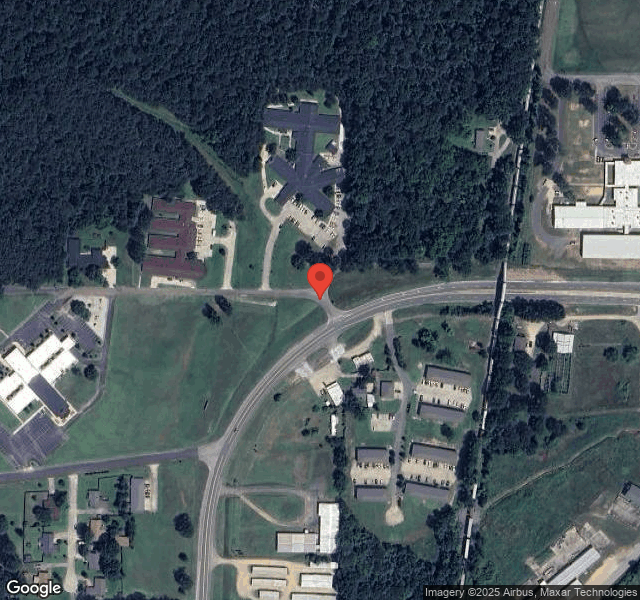
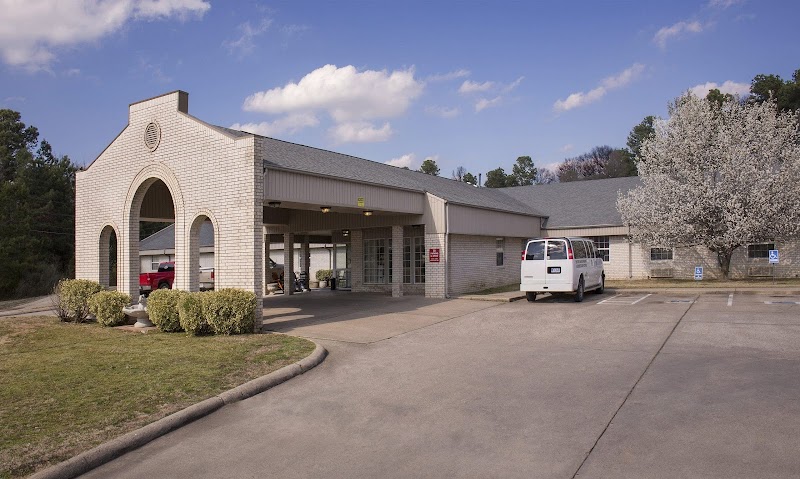
400 WEST 23RD STREET, HOPE, AR 71801 (870) 777-3448
For profit - Corporation 128 Beds CENTRAL ARKANSAS NURSING CENTERS Data: November 2025
Trust Grade
60/100
#107 of 218 in AR
Last Inspection: February 2025

Within standard 12-15 month inspection cycle. Federal law requires annual inspections.

Overview

Heather Manor Nursing and Rehabilitation Center has a Trust Grade of C+, indicating it is slightly above average but still has room for improvement. It ranks #107 out of 218 nursing homes in Arkansas, placing it in the top half of facilities statewide, and it is the only option in Hempstead County. The facility's performance is improving, with reported issues decreasing from 7 in 2024 to 6 in 2025. Staffing is a noted strength here, rated 4 out of 5 stars with a turnover rate of 34%, which is significantly lower than the state average of 50%. There have been specific concerns such as a lack of proper food safety practices, like staff not washing hands before preparing food and expired items not being discarded, which could put residents at risk for foodborne illnesses. Overall, while there are positive aspects like good staffing and no fines, families should also be aware of the facility's ongoing food safety issues.

Trust Score
C+
60/100
In Arkansas
#107/218
Top 49%
Safety Record
Low Risk
No red flags
Inspections
Getting Better
7 → 6 violations
Staff Stability
○ Average
34% turnover. Near Arkansas's 48% average. Typical for the industry.
Penalties
✓ Good
No fines on record. Clean compliance history, better than most Arkansas facilities.
Skilled Nurses
○ Average
Each resident gets 30 minutes of Registered Nurse (RN) attention daily — about average for Arkansas. RNs are the most trained staff who monitor for health changes.
Violations
⚠ Watch
22 deficiencies on record. Higher than average. Multiple issues found across inspections.
★★★☆☆
3.0
Overall Rating
★★★★☆
4.0
Staff Levels
★★★☆☆
3.0
Care Quality
★★★☆☆
3.0
Inspection Score
Stable
2024: 7 issues
2025: 6 issues

The Good

  • 4-Star Staffing Rating · Above-average nurse staffing levels
  • Full Sprinkler Coverage · Fire safety systems throughout facility
  • No fines on record
  • Staff turnover below average (34%)

    14 points below Arkansas average of 48%

Facility shows strength in staffing levels, fire safety.

The Bad

3-Star Overall Rating

Near Arkansas average (3.1)

Meets federal standards, typical of most facilities

Staff Turnover: 34%

12pts below Arkansas avg (46%)

Typical for the industry

Chain: CENTRAL ARKANSAS NURSING CENTERS

Part of a multi-facility chain

Ask about local staffing decisions and management

The Ugly 22 deficiencies on record

Feb 2025 6 deficiencies
CONCERN (D)

Potential for Harm - no one hurt, but risky conditions existed

Resident Rights (Tag F0550)

Could have caused harm · This affected 1 resident

Based on observations, interviews, record review, and facility policy review, the facility failed to ensure privacy was protected, and dignity was maintained for 1 (Resident #70) of 1 sample resident ...

Read full inspector narrative →
Based on observations, interviews, record review, and facility policy review, the facility failed to ensure privacy was protected, and dignity was maintained for 1 (Resident #70) of 1 sample resident observed for incontinence care. The findings include: A review of the significant change Minimum Data Set (MDS) with an Assessment Reference Date (ARD) of 11/08/2024, revealed Resident #70 had a Brief Interview of Mental Status (BIMS) score of 15 indicating the resident was cognitively intact. Resident #70 was occasionally incontinent of bowel and bladder. A review of the Plan of Care for Resident #70, revision date 07/05/2024, revealed Resident #70 had occasional incontinent episodes of bladder. On 02/04/25 at 2:24 PM, Surveyor observed Certified Nursing Assistant (CNA) #4 provide incontinence care to Resident #70 with the blinds raised halfway and open at the top. The window was facing the parking lot to the front of the building, where the facility entrance was located. The surveyor observed several cars in the lot outside the window. CNA #4 removed the resident ' s brief while the resident was positioned in a manner their buttocks and genital area were clearly visible from the window. On 02/04/25 at 2:30 PM, CNA #4 was interviewed regarding the incident and stated she should have closed the blinds prior to providing incontinence care to Resident #70. On 02/05/25 at 9:19 AM, During an interview, the Director of Nursing (DON) stated staff should close the door, pull the curtain, and close the blinds to provide privacy and maintain the residents' dignity. The DON stated if the blinds were raised and open to the front park lot while a resident was receiving incontinence care that could be a dignity issue. A copy of the facility policy titled Resident Rights noted that every resident in this facility has the right to be treated with consideration, respect, and full recognition of dignity and individuality. Also, privacy during treatment and care of personal needs.
CONCERN (D)

Potential for Harm - no one hurt, but risky conditions existed

Deficiency F0625 (Tag F0625)

Could have caused harm · This affected 1 resident

**NOTE- TERMS IN BRACKETS HAVE BEEN EDITED TO PROTECT CONFIDENTIALITY** Based on interviews, record review, facility document review, and facility policy review, it was determined the facility failed ...

Read full inspector narrative →
**NOTE- TERMS IN BRACKETS HAVE BEEN EDITED TO PROTECT CONFIDENTIALITY** Based on interviews, record review, facility document review, and facility policy review, it was determined the facility failed to ensure a written bed hold notification was provided prior to hospital transfer for 1 (Resident #76) of 7 sample residents reviewed for hospitalization. The findings include: 1. A review of the Annual Minimum Data Set (MDS) with an Assessment Reference Date (ARD) of 11/28/2024, indicated Resident #76 had diagnoses of Dementia with other behavior disturbances, encephalopathy, presence of right artificial knee joint and a Brief Interview for Mental Status (BIMS) score of 14 (13-15 indicates cognitively intact). a. A facility letter dated 12/18/2024, indicated Resident #76 was transferred to [named Hospital] for behavior symptoms. b. A review of Resident #76 ' s medical record revealed no documentation of bed hold notification was provided to resident or the resident representative at time of Resident #76 ' s transfer to the hospital on [DATE]. c. On 02/06/2025 at 11:35 AM, a bed hold policy was requested and received from the administrator. The facility policy titled, Bed-Hold Policy and Return, dated 11-2018, was reviewed and indicated the bed hold policy will be provided to resident or resident representative before the facility transfers the resident to a hospital. The last paragraph indicates the facility will contact the resident/resident representative on the next business day after the resident leaves the facility to review any bed-hold. The administrator indicated the Business Office Manager (BOM) was responsible to send the notice of bed hold to the resident/resident representative. d. 02/06/2025 at 12:07 PM, during an interview with the Business office Manager (BOM) she indicated she was responsible for sending the notice of bed-hold. The BOM indicated Resident #76 did not receive notice of bed hold because the resident was in a skilled bed and the facility does not hold skilled beds after midnight. The BOM verified no notice of bed hold policy was sent to resident/resident representative.
CONCERN (D)

Potential for Harm - no one hurt, but risky conditions existed

Medication Errors (Tag F0758)

Could have caused harm · This affected 1 resident

Based on record review, interview, and facility policy review, the facility failed to ensure gradual psychotropic (antipsychotic) dose reductions were addressed and (anti-anxiety) dose reductions (GDR...

Read full inspector narrative →
Based on record review, interview, and facility policy review, the facility failed to ensure gradual psychotropic (antipsychotic) dose reductions were addressed and (anti-anxiety) dose reductions (GDR) were attempted in the absence of a physician's documented evaluation of the specific risks versus benefits of continuing the as needed (PRN) medication past 14 days and a documented explanation as to why a dose reduction attempt would be contraindicated, in order to ascertain the smallest effective dose and minimize the potential for adverse drug effects for 1 (Resident # 11) of 5 residents reviewed for unnecessary medications. The findings include: A review of the admission Minimum Data Set (MDS) with the Assessment Reference Date (ARD) of 10/31/24, revealed Resident #11 had a Brief Interview of Mental Status (BIMS) score of 12, indicating moderately impaired cognition. Review of a Plan of Care for Resident #11 with a revision date of 01/09/2025, revealed Resident #11 used the psychotropic medication [A brand name antipsychotic medication used to treat major depressive disorder, schizophrenia in adults and children aged 13 years and older, and agitation associated with dementia due to Alzheimer's disease] related to behavior management. Resident #11 used anti-anxiety medications [A brand name medication used to treat anxiety disorders] related to anxiety disorder. When reviewed on 02/05/25, a PRN [as needed] Psychotropic Use form dated 11/03/24 noted Resident #11 had had an active order for [A name brand medication used to treat anxiety disorders] 0.5mg Q [every] 6 H [hours] PRN [as needed] for anxiety since 10/25/24. CMS [Centers for Medicare and Medicaid Services] limits the PRN use of [A brand name medication used to treat anxiety disorders] to treat anxiety to 14 days initially. After 14 days, CMS requires a new PRN order to be written. The new PRN order must specify a valid clinical rationale for continuation and a specific duration of therapy recommended not to exceed 60 days. Please clarify. A review of an incomplete Request for reduction of Antipsychotic Medication form dated 11/15/2024, noted Resident #11 was admitted with order for [A brand name antipsychotic medication used to treat major depressive disorder, schizophrenia in adults and children aged 13 years and older, and agitation associated with dementia due to Alzheimer's disease] 2mg [milligrams] QHS [every bedtime] for schizophrenia since 10/23/24 and stipulated the need to clarify diagnosis (DX). In the absence of approved DX (diagnosis), the facility needed to reduce [A brand name antipsychotic medication used to treat major depressive disorder, schizophrenia in adults and children aged 13 years and older, and agitation associated with dementia due to Alzheimer's disease] to 1milligram (mg). This correction was not found in the resident ' s health record. On 02/05/25 at 4:26 PM, the Director of Nursing (DON) stated the facility did not have documentation completed by the prescribing physician providing a rationale why the as needed antianxiety medication should be continued past 14 days. The DON stated the facility did not have documentation noting an approved diagnosis or reduction was completed for the suggested antipsychotic Gradual Dose Reduction (GDR), because it was not done. A review of policy titled Psychotropic Medications noted it is policy of this facility to ensure that residents who have not used psychotropic medications are not given these medications unless the medication is necessary to treat a specific condition, as diagnosed and documented in the resident's clinical record
CONCERN (D)

Potential for Harm - no one hurt, but risky conditions existed

Deficiency F0761 (Tag F0761)

Could have caused harm · This affected 1 resident

Based on observations, and facility policy review, the facility failed to ensure medication was properly stored to prevent unauthorized individuals from having access. The findings include: On 2/04/25...

Read full inspector narrative →
Based on observations, and facility policy review, the facility failed to ensure medication was properly stored to prevent unauthorized individuals from having access. The findings include: On 2/04/25 at 9:05 AM, this surveyor observed Licensed Practical Nurse (LPN) #3 walk down the hall and enter a resident's room. This surveyor noted there was a vial of insulin, a tube of wound gel, and a plastic cup which contained a clear liquid on top of the medication cart left unattended in the hallway. On 02/04/25 at 9:08 AM, this surveyor observed LPN #3 walk down the hall and enter a resident's room. This surveyor noted there was a vial of insulin, a tube of wound gel, and an unlabeled plastic cup with a clear liquid inside on top of the unattended medication cart. On 02/04/25 at 9:44 AM, this surveyor observed LPN #3 administer the contents in the plastic cup to a resident. LPN #3 stated he had pre-prepared a resident ' s [laxative solution mediation name] which was in the plastic cup. LPN #3 stated it was not standard practice to pre-prepare medications, but the [laxative solution medication name] dissolved better when pre-prepared. LPN #3 stated the medications should not have been left on top of the medication cart unattended. On 02/05/25 at 9:19 AM, the Director of Nursing (DON) confirmed that medications should not be left unattended in areas accessible to residents and visitors because anyone could get them. A policy titled Medication Storage in the Facility effective date 01/01/15, noted medications and biologicals are stored safely, securely, and properly accessible only to licensed nursing personnel, pharmacy personnel, or staff members lawfully authorized to administer medications.
CONCERN (E)

Potential for Harm - no one hurt, but risky conditions existed

Transfer Notice (Tag F0623)

Could have caused harm · This affected multiple residents

**NOTE- TERMS IN BRACKETS HAVE BEEN EDITED TO PROTECT CONFIDENTIALITY** Based on interviews, record review, and facility document review, it was determined the facility failed to ensure written notifi...

Read full inspector narrative →
**NOTE- TERMS IN BRACKETS HAVE BEEN EDITED TO PROTECT CONFIDENTIALITY** Based on interviews, record review, and facility document review, it was determined the facility failed to ensure written notification provided to the resident and/or the resident's representative of transfer/discharge to the hospital included all the required information for 3 (Resident #69, Resident #76, and Resident #49) out of 3 sampled residents reviewed for hospitalizations. The findings include: The quarterly Minimum Data Set (MDS), with an Assessment Reference Date (ARD) of 11/20/2024, revealed Resident #69 had a Brief Interview for Mental Status (BIMS) of 15 (indicating the resident was cognitively intact), and diagnoses that included end-stage renal disease (Kidney Failure), seizure disorder, and diabetes (abnormal blood sugar). A review of the facility document titled Emergency Transfers from Facility indicated Resident #69 was transferred to the hospital on 4 occasions: a. 10/29/2024 to 11/04/2025 b. 12/18/2024 to 12/21/2024 c. 12/28/2024 to 12/30/2024 d. 01/08/2025 to 01/11/2025 On the morning of 02/05/2025, the Administrator was asked to provide the notices of transfer for the hospitalizations listed above. On 02/05/2025 at noon, the Administrator provided a letter of transfer for each hospitalization. A review of the letter revealed not all the required information had been given to the Resident and/or Resident's representative, as required for a hospitalization or Emergency Department visit. The two missing elements were the appeals process and how to notify the Ombudsman, as described below. 1. A statement of the resident's appeal rights, including the name, address (mailing and email), and telephone number of the entity which receives such requests; and information on how to obtain an appeal form and assistance in completing the form and submitting the appeal hearing request. 2. The name, address (mailing and email) and telephone number of the Office of the State Long-Term Care Ombudsman On 02/05/25 at 2:20 PM, the Administrator was interviewed regarding the letter of Transfer given to the Resident. The Administrator stated there was no additional information given to the Resident and/or Representative, only the documents previously provided. On 02/06/25 at 9:30 AM, the Administrator was interviewed regarding the missing information (appeals process and how to notify the Ombudsman, as described above) given in writing to a representative and/or Resident upon transfer from the facility. The Administrator was not able to demonstrate that the missing information was included. On 02/06/2025 at 3:40 PM, during an interview with the Director of Nursing (DON) and the Administrator, the Administrator had no additional comments regarding the missing information on the forms and stated understanding regarding the need for the information for the Resident's ongoing care. A review of the discharge Minimum Data Set (MDS) with an Assessment Reference Date (ARD) of 12/18/2024 indicated Resident #76 ' s active diagnoses included dementia with other behavior disturbances, infection/inflammatory reaction due to internal right knee prosthesis, encephalopathy, presence of right artificial knee joint, and had a Brief Interview for Mental Status (BIMS) score of 14 (indicated cognitively intact). On 02/06/2025, the Administrator provided a copy of facility document titled Emergency Transfers from Facility dated December 2024, which revealed Resident #76 was transferred to hospital for behaviors on 12/18/2024. The Administrator also provided a copy of a facility letter dated 12/18/2024, indicating Resident #76 was transferred to the hospital for behavioral symptoms. A review of the letter revealed not all the required information had been given to the Resident and/or Resident's representative, as required for a hospitalization or Emergency Department visit. The two missing elements, in summary, are the appeals process and how to notify the Ombudsman, as described below. 1. A statement of the resident's appeal rights, including the name, address (mailing and email), and telephone number of the entity which receives such requests; and information on how to obtain an appeal form and assistance in completing the form and submitting the appeal hearing request. 2. The name, address (mailing and email) and telephone number of the Office of the State Long-Term Care Ombudsman The admission Minimum Data Set (MDS) with an Assessment Reference Date (ARD) of 03/12/2024, indicated Resident #49 had diagnoses of Alzheimer's disease, non-Alzheimer's dementia, anxiety disorder and had a Brief Interview for Mental Status (BIMS) score of 12 (indicated moderately impaired). On 02/06/2025, the Administrator provided copy of a facility document titled Emergency Transfers from Facility dated September 2024, which revealed Resident #49 transferred to the hospital on [DATE], for abdominal pain, nausea and vomiting and low blood pressure with a date of return to facility of 10/03/2024. On 2/07/2025, the Administrator provided a copy of a facility letter dated 09/10/2024, that indicated Resident #49 was transferred to the hospital for abdominal pain, nausea and vomiting and low blood pressure. Review of the letter revealed not all the required information had been given to Resident #49 and/or Resident's representative, as required for a hospitalization or Emergency Department visit. The two missing elements, in summary, are the appeals process and how to notify the Ombudsman, as described below. 1. A statement of the resident's appeal rights, including the name, address (mailing and email), and telephone number of the entity which receives such requests; and information on how to obtain an appeal form and assistance in completing the form and submitting the appeal hearing request. 2. The name, address (mailing and email) and telephone number of the Office of the State Long-Term Care Ombudsman
CONCERN (E)

Potential for Harm - no one hurt, but risky conditions existed

Infection Control (Tag F0880)

Could have caused harm · This affected multiple residents

Based on observation, record review, interview and policy review the facility failed to ensure staff used infection control measures while providing care to 1 (Resident #70) of 1 sampled resident obse...

Read full inspector narrative →
Based on observation, record review, interview and policy review the facility failed to ensure staff used infection control measures while providing care to 1 (Resident #70) of 1 sampled resident observed for incontinence care, and staff donned the proper Personal Protective Equipment (PPE) prior to providing high contact care to 2 (Resident #11, #64) of 2 sampled residents on Enhanced Barrier Precautions (EBP), and proper hand hygiene was followed during wound care for 1 resident (Resident #53) of 3 sampled residents reviewed for pressure ulcer care. The findings include: 1. A review of the admission Minimum Data Set (MDS) with an Assessment Reference Date (ARD) of 10/31/2024, revealed Resident #11 had a Brief Interview of Mental Status (BIMS) score of 12 indicating moderate cognitive impairment. a. Review of a Plan of Care for Resident #11 with a revision date of 01/10/2025, revealed Resident #11 had an indwelling catheter due to a terminal condition and was on enhanced barrier precautions related to the indwelling catheter. b. On 02/03/2025 at 11:35 AM, this surveyor observed Certified Nursing Assistant (CNA) #1 and CNA #2 transfer Resident #11 from the bed to the wheelchair using the mechanical lift. This surveyor noted neither of the two CNAs had gowns in place. c. On 02/03/2025 at 11:45 AM, CNA #2 stated she had checked Resident #11 ' s brief and catheter wearing only gloves. CNA #2 stated Resident #11 should be on EBP for the catheter, but there was no sign posted. d. On 02/04/2025 at 10:40 AM, the Director of Nursing (DON) stated We just put that catheter back in Friday [referring to Resident #11]. First, Enhance Barrier Precautions were a thing, then it was not, so are we back to it being a thing? 2. A review of the admission Minimum Data Set (MDS) with an Assessment Reference Date (ARD) of 01/20/2025, revealed Resident #64 had a Brief Interview of Mental Status (BIMS) score of 14, indicating Resident #64 was cognitively intact. a. A review of the Plan of Care for Resident #64 with a revision date of 01/27/2025, revealed Resident #64 had a gastrostomy tube related to dysphagia and Resident #64 was on Enhanced Barrier Precautions (EBP) related to Percutaneous Endoscopic Gastrostomy (PEG) tube. b. On 02/04/2025 at 9:40 AM, this surveyor observed Licensed Practical Nurse (LPN) #3 at the bedside administering medication to Resident #64 via PEG tube. This surveyor noted LPN #3 was not wearing a gown. c. On 02/04/2025 at 10:03 AM, LPN #3 stated he should have applied proper PPE when he administered medications to Resident #64 via PEG. LPN #3 stated there was no signage posted on Resident #64's door to alert staff the resident was on EBP. d. On 02/05/2025 at 9:19 AM, during an interview with the DON, she stated signage posted on the exterior door alert staff to use proper Personal Protective Equipment (PPE) prior to providing care to the residents on enhanced barrier precaution. e. The facility did not have a policy on Enhanced Barrier Precautions. 3. A review of the significant change Minimum Data Set (MDS) with an Assessment Reference Date (ARD) of 11/08/2024, revealed Resident #70 had a Brief Interview of Mental Status (BIMS) score of 15 indicating Resident #70 was cognitively intact, and Resident #70 was occasionally incontinent of bowel and bladder. a. A review of the Plan of Care for Resident #70, revision date 07/05/2024, revealed Resident #70 had occasional incontinent episodes of bladder. b. On 02/04/2025 at 2:24 PM, this surveyor observed Certified Nursing Assistant (CNA) #4 throw a dirty incontinence brief on the floor. c. A facility policy titled Infection Prevention and Control Program noted standard precautions will be used in the care of all residents regardless of their diagnoses, or suspected or confirmed infection status. d. A facility policy titled Perineal/Incontinence Care noted, place two (2) open bags at the foot of the bed (for soiled linens and trash). 4.The Quarterly Minimum Data Set (MDS) with an Assessment Reference Date (ARD) of 11/02/2024, indicated Resident #53 had a Brief Interview for Mental Status score of 5, which indicates severe cognitive impairment, and Resident #53 had diagnoses of peripheral vascular disease (impaired blood flow to the legs), wound infection, and diabetes (abnormal blood sugar). a. On 02/15/2025 at 9:58 AM, the Treatment Nurse was observed while changing the dressing for a pressure ulcer to the sacral area (at the base of the small of the back and the top/middle of the buttocks) for Resident #53. Resident #53's room was observed to have Enhanced Barrier Precautions (EBP) signage on the door with a caddy supplied with Personal Protective Equipment (PPE.) Steps in the process observed were as follows: 1) The nurse had an appropriate gown on at the start of the observation. 2) The nurse performed hand hygiene with soap and water and put on gloves. 3) Resident positioned onto right side 4) Incontinence brief pulled down 5) Mud-consistency brown stool noted 6) Sacral dressing removed 7) Gloves changed without hand hygiene performed 8) Wound cleaned from center of wound toward rectum 9) Gloves changed without hand hygiene performed 10) New dressing applied to coccyx b. On 02/05/2025 at 3:00 PM, a handwashing policy was requested from the MDS Coordinator and provided. Upon review of the policy by this surveyor, there was no information in the body of the document provided to address hand hygiene during wound care. c. On 02/06/2025 at 10:10 AM, the Treatment Nurse was interviewed regarding hand hygiene and aseptic technique during wound care. The Treatment Nurse described that she did not perform hand hygiene in between changing gloves, and that hand sanitizer should have been used because it was an important step in reducing the chance of spreading infection. d. On 02/06/2025 at 10:50 AM, the Director of Nursing (DON) was interviewed regarding hand hygiene and aseptic technique for wound care. The steps listed above were reviewed, and any available additional documentation was requested. The DON provided a document titled Dressing Change Using Aseptic Technique. The steps listed indicated that hand hygiene with alcohol gel was to be done prior to putting on clean gloves, after removing dirty gloves during the dressing change. The DON was asked the importance of performing hand hygiene during a dressing change and changing gloves and stated, You should use hand sanitizer to make sure hands are clean in between changing gloves.
Apr 2024 7 deficiencies
CONCERN (D)

Potential for Harm - no one hurt, but risky conditions existed

Deficiency F0561 (Tag F0561)

Could have caused harm · This affected 1 resident

Based on observation, interview, and record review, the facility failed to ensure 2 (Residents #12 and #23) were not served dislikes in the dining area to prevent weight loss or nutritional deficits. ...

Read full inspector narrative →
Based on observation, interview, and record review, the facility failed to ensure 2 (Residents #12 and #23) were not served dislikes in the dining area to prevent weight loss or nutritional deficits. This failed practice had the potential to affect 79 residents that eat meals from the kitchen. The findings are: 1. Resident #12 had diagnoses of Congestive heart failure, Acute respiratory failure with hypoxia, and Anemia. The Annual Minimum Data Set (MDS) with an Assessment Reference Date (ARD) of 01/18/2024 documented a Brief Interview for Mental Status (BIMS) score of 9 (8-12 suggest mildly impaired). Resident #12 required supervision or touch assistance for meals. a. A Care Plan for Resident #12 (Revision on: 12/07/2021) documented, .Offer substitutes for foods not eaten . b. On 04/01/2024 at 01:09 PM, Resident #12 was complaining loudly to the Dietary Manager (DM) that the resident does not eat this stuff, while pointing to chicken alfredo on Resident #12's plate. Resident #12's meal slip documented Resident #12 disliked chicken spaghetti. c. On 04/01/2024 at 01:11 PM, the Surveyor asked the DM to review Residents #12's meal slip, and the DM identified chicken spaghetti as a dislike. During the interview the DM was asked other than the shape of the pasta to describe in what way the chicken alfredo was different from chicken spaghetti. While the DM was thinking about it, the Surveyor asked if the chicken spaghetti had a red sauce or an alfredo sauce and the DM confirmed they use an alfredo sauce, and chicken alfredo is made with very similar ingredients to chicken spaghetti. 2. Resident #23 had diagnoses of Acute on chronic congestive heart failure, Type II diabetes mellitus, and Cerebral infarction. The MDS with an ARD of 03/22/2024 documented a BIMS score of 13 (13-15 suggest cognitively intact). Resident #23 required set up assistance for meals. a. On 04/01/2024 at 01:17 PM, Resident #23 was telling Registered Nurse (RN) #1 that the resident was tired of getting this slop. Staff offered to get a food alternative and Resident #23 told RN #1 the resident was just going to their room. Resident #23's meal slip documented a dislike for lettuce. Resident #23's plate had a roast beef sandwich, and lettuce salad with dressing. b. On 04/01/2024 at 01:19 PM, the DM was asked to look at Resident #23's meal slip. She told the Surveyor that Resident #23 is one of three that frequently complain about the food. The DM looked at the meal slip and said, I see, [the resident] was served lettuce and that is a dislike. The Surveyor asked what procedures are in place to prevent residents receiving dislikes. The DM told the Surveyor that there are two people that see the plates before they leave the kitchen, and they should correct the meals before serving. The DM told the Surveyor that the CNAs that serve the meals should notify the kitchen if someone receives dislikes so the plate can be corrected. c. On 04/03/2024 at 09:00 AM, the Director of Nursing (DON) confirmed there is not a policy on the serving of meals.
CONCERN (D)

Potential for Harm - no one hurt, but risky conditions existed

Respiratory Care (Tag F0695)

Could have caused harm · This affected 1 resident

Based on observation, interview, and record review, the facility failed to ensure humidifier bottles and nasal cannula tubing were dated and stored in a safe and sanitary manner to prevent infection f...

Read full inspector narrative →
Based on observation, interview, and record review, the facility failed to ensure humidifier bottles and nasal cannula tubing were dated and stored in a safe and sanitary manner to prevent infection for 2 (Resident #50 and #78) of 3 sampled residents with the potential to affect 5 residents on the 200 Hall and 2 on the 400 hall. The findings are: 1. Resident #78 had diagnoses of Abnormal findings of lung field and Cerebral infarction. Resident #78 had a Physicians Order dated 03/31/24 for oxygen therapy at 1 liter via nasal cannula and was changed to 3 liters on 04/03/2024. a. On 04/01/2024 at 11:15 AM, Resident #78 was lying in bed receiving humified oxygen via nasal cannula at 1 liter per minute. The Surveyor noted the humidifier bottle was not dated. b. On 04/01/2024 at 11:20 AM, the Surveyor asked Registered Nurse (RN) #1 while at Resident #78's bedside, Does that (humidifier) water bottle have a date? RN#1 stated, It is not dated. The Surveyor asked, Is the tubing dated? RN #1 stated, No it is not dated either. c. On 04/02/2024 at 12:38 PM, the Surveyor asked the Director of Nursing (DON), Should water used for oxygen therapy be dated? The DON stated, Yes. The Surveyor asked, What does the date indicate? The DON stated, When it was opened. 2. Resident #50 had diagnoses of Vascular dementia, Transient ischemic attacks, and Chronic kidney disease. The Quarterly Minimum Data Set (MDS) with an Assessment Reference Date (ARD) of 01/24/2024 suggested a Brief Interview for Mental Status (BIMS) score of 10 (8-12 indicates moderate cognitive impairment). a. A Physicians Order: Dated 03/15/2024 noted Resident #50 was to receive Oxygen at 2 liters per minute via nasal cannula as needed for oxygen saturations less than 90%. b. A Care Plan with a revision date of 07/23/2024 documented Resident #50 had oxygen therapy as needed and was to be .monitored for signs and symptoms of respiratory distress and report to the Medical Doctor as needed. Resident #50 is ambulatory at times in room and was to be provided extension tubing or portable oxygen apparatus. c. On 04/01/2024 at 10:23 AM, Resident #50 was standing up transferring from wheelchair to bed, a fall mat was on the left side of the bed and an oxygen concentrator was turned off. The humidifier bottle was not dated, and the nasal cannula tubing was hanging behind the concentrator to the floor. No storage bag was available. d. On 04/02/2024 at 07:57 AM, the Surveyor observed an undated humidifier bottle and nasal cannula tubing resting over the back of the concentrator. No storage bag for the tubing was noted in the room. e. On 04/02/2024 at 12:50 PM, the Surveyor asked Licensed Practical Nurse (LPN) #3 if Resident #50's oxygen had been discontinued as the concentrator was not in the room, and to explain the procedure for caring for equipment on a resident with as needed orders. LPN #3 told the Surveyor that Resident #50 gets as needed oxygen and the humidifier bottle and nasal cannula tubing should be dated, and the tubing stored when not in use. The Surveyor asked why the facility expects the nasal cannula to be stored when it is not in use. LPN #3 told the Surveyor to keep the germs away, and to keep it sanitary. LPN #3 was not sure where the concentrator was, suspects it is receiving maintenance, and confirmed Resident #50 has as needed oxygen orders. f. On 04/02/2024 at 02:00 PM, the DON was asked what is the procedure for caring for oxygen tubing and equipment. The DON confirmed that oxygen tubing and humidified water bottles should be dated, and the tubing stored in a plastic bag when it is not in use. The DON was asked if it was appropriate for staff to leave oxygen tubing resting over the concentrator touching the floor. The DON said it was not okay because it is unclean. g. On 04/03/2024 at 11:56 AM, the Surveyor was provided a copy of an Inservice Education Report documenting, .Please ensure that every Sunday Night/Monday morning that oxygen tubing, updraft tubing is changed .
CONCERN (D)

Potential for Harm - no one hurt, but risky conditions existed

Infection Control (Tag F0880)

Could have caused harm · This affected 1 resident

Based on observation, interview and record review, the facility failed to ensure intravenous medications were administered in a safe and non-contaminated manner for 1 (Resident #68) sampled resident. ...

Read full inspector narrative →
Based on observation, interview and record review, the facility failed to ensure intravenous medications were administered in a safe and non-contaminated manner for 1 (Resident #68) sampled resident. This failed practice had the potential to cause further infection directly into blood stream. The findings are: Resident #68 had diagnoses of Osteomyelitis and Pressure ulcer to sacral region. Resident #68 was receiving Vancomycin (an antibiotic) 1250mg (milligram) every 8 hours intravenous, Ceftriaxone (an antibiotic) 2g (gram) twice a day intravenous and was on contact isolation due to Methicillin-resistant Staphylococcus Aureus in wound. According to a Quarterly Minimum Data Set with Assessment Reference Date of 03/11/2024, Resident #68 had Intravenous (IV) Access while a Resident. On 04/03/2024 at 01:09 PM, the Surveyor observed Licensed Practical Nurse (LPN) #2 putting on a gown and gloves prior to entering Resident #68's room. LPN #2 uncapped the Peripherally Inserted Central Catheter (PICC) lumen, uncapped a 10cc (cubic centimeter) normal saline flush and tossed the caps for the lumen and saline on Resident #68's bed. LPN #2 pushed 5cc of normal saline, connected the IV (intravenous) tubing, and initiated infusion. LPN #2 recapped the remaining 5cc of normal saline. On 04/03/2024 at 01:39 PM, the Surveyor observed LPN #2 put on a gown and gloves, then disconnect Resident #68's IV tubing. LPN #2 then uncapped the previously recapped normal saline and flushed the remaining 5cc of normal saline then a heparin flush (used to keep the IV open). LPN #2 exited the room to retrieve a cap for the PICC lumen and returned to cap lumen without putting on gown and gloves. On 04/03/2024 at 01:45 PM, the Surveyor asked LPN #2, if that was the same normal saline flush used before she started the infusion. LPN #2 voiced that it was the same normal saline flush. The Surveyor asked what she did with the cap after she removed it the first time. LPN #2 stated, I probably threw it on the counter or bed; therefore, it was not sterile or clean anymore. The Surveyor asked why she didn't get another flush considering she was dealing with a PICC line. LPN #2 voiced that she was trying to save on supplies. The Surveyor asked what could be a negative outcome of attaching a contaminated flush to the lumen. LPN #2 stated, Further infection. The Surveyor asked LPN #2, when you capped the lumen after the infusion was complete, did you touch the tip? LPN #2 stated, I touched, but I don't think I touched the end, and I didn't have on gloves. The Surveyor asked when a resident is in contact isolation what should you have on? LPN #2 did not answer the question, but stated, In a hurry, I guess I forgot. On 04/03/2024 at 01:50 PM, the Surveyor asked the Director of Nursing (DON), when a Resident is in contact isolation, what Personal Protective Equipment (PPE) should staff put on prior to contact? The DON stated, Gown and gloves. The Surveyor asked why it is important for staff to wear proper PPE when providing care. The DON stated, To protect everyone. The Surveyor asked if a staff member had a 10cc syringe, pushed 5cc to flush a PICC line prior to infusion, then recapped the syringe, what should be done to flush the PICC line after the infusion is complete? The DON stated, She should throw it away and get a new one. The Surveyor asked what could be a negative outcome of not doing that. The DON stated, Infection. On 04/03/2024 at 01:50 PM, the DON voiced that the facility did not have a policy on PICC lines. On 04/01/2024 at 10:00 AM, a policy titled Isolation Precautions, Categories of documented, .B. Contact .c. Gloves and Handwashing 1. Wear gloves (clean, nonsterile) when entering the room . d. Gown 1. Wear a disposable gown upon entering the Contact Precautions room .
CONCERN (E)

Potential for Harm - no one hurt, but risky conditions existed

Resident Rights (Tag F0550)

Could have caused harm · This affected multiple residents

Based on observation, interview, and record review, the facility failed to treat each resident with respect and dignity, and care for each resident in a manner and in an environment that promoted the ...

Read full inspector narrative →
Based on observation, interview, and record review, the facility failed to treat each resident with respect and dignity, and care for each resident in a manner and in an environment that promoted the maintenance or enhancement of his or her quality of life, recognizing each resident's individuality for 2 (Residents #25 and #50) sampled residents with the potential to affect 8 Residents dependent on staff for meal assistance. The findings are: 1. Resident #25 had diagnoses of Paraplegia and Major depression disorder. A Quarterly Minimum Data Set (MDS) with an Assessment Reference Date (ARD) of 03/11/2024 documented Resident #25 scored an 11 (8-12 indicates moderate cognitive impairment) on a Brief Interview for Mental Status (BIMS), and required limited assistance with eating. a. On 04/01/2024 at 12:50 PM, Certified Nursing Assistant (CNA) #2 placed a clothing protector around Resident #25's neck and voiced to the resident, Don't try to feed yourself, you are a feeder. b. On 04/01/2024 at 12:55 PM, CNA #1 set Resident 25's meal, one of the first trays to come out the kitchen, on the table in front of the resident and voiced to the resident, Wait a minute, you know someone has to help you. CNA #1 then walked away and continued serving trays to the remaining residents in the dining room. The Surveyor observed 8 staff members serving in the dining room during meal service. c. On 04/01/2024 at 01:02 PM, Resident #25 picked up a spoon from the table, attempted to get food from the plate and put it in the resident's mouth. d. On 04/01/2024 at 01:05 PM, Resident #25 asked another Surveyor to help the resident with meal service. e. On 04/01/2024 at 01:08 PM, Resident #25 asked Registered Nurse (RN) #1 if she could help the resident with meal service. RN #1 voiced to Resident #25 that she would return to help the resident. f. On 04/01/2024 at 01:10 PM, RN #1 sit next to Resident #25 and initiated assistance with meal service. g. On 04/01/2024 at 01:13 PM, the Surveyor asked CNA #1, when you placed Resident 25's meal on the table in front of the resident, what instructions did you give Resident #25? CNA #1 voiced that she instructed Resident #25 not to try to feed their self that someone would come back and help. The Surveyor asked CNA #1, if it was standard practice to place a meal on the table in front of a resident and instruct that resident not to feed themself while the resident watches other residents at other tables eat. CNA #1 did not respond to the question, but asked the Surveyor, so I should have brought the resident's plate out last? h. On 04/02/2024 at 12:35 PM, the Surveyor asked CNA #2, yesterday I heard you refer to Resident #25 as a feeder, what did you mean by that? CNA #2 stated, As a feeder, [the resident] has to be fed, [the resident] has a hard time picking up [the resident's] silverware. [The resident] basically depends on us for everything. If you are waiting on [the resident] to feed [their self], it will be all day. i. On 04/02/2024 at 12:38 PM, the Surveyor asked the Director of Nursing (DON), if it was standard practice to deliver a resident's meal, instruct [the resident] not to help [themself] with eating, and continue passing out meal trays rather than sit and assist [the resident], allowing the resident to watch other residents eat. The DON stated, No. The Surveyor asked the DON what issue this could cause for the resident. The DON stated, Dignity. The Surveyor asked the DON if it was standard practice to refer to a resident as a feeder, while having a conversation with that resident? The DON stated, No, it's a dignity thing. 2. Resident #50 had diagnoses of Vascular dementia, Transient ischemic attacks, and Chronic kidney disease. The Quarterly MDS with an ARD of 01/24/2024 documented a BIMS score of 10. a. On 04/01/2024 at 10:00 AM, the Administrator provided a survey binder with Meal Times, which documented, .07:30 AM, 12:30 PM, and 05:30 PM . b. On 04/02/2024 at 12:34 PM, Resident #50 was sitting in a wheelchair, with an apron tied around [the resident's] neck. A food tray with remains of French toast sticks with syrup, eggs, a bowl of oatmeal, two empty cranberry juices, and a partial container of milk were resting on the lowered over the bed table. The Surveyor touched the milk carton, and it was warm to the touch. Resident #50 woke up and finished drinking the container of milk and picking at egg particles. c. On 04/02/2024 at 01:30 PM, lunch had not been served on the floor and Resident #50's breakfast tray was still on the over the bed table. The Surveyor observed Resident #50 facing the window with the resident's back to the meal tray. Resident #50 was observed leaning face forward with both hands reaching back and forth pulling on the apron ties, and occasionally yanking on the apron. d. On 04/02/24 at 01:42 PM, Resident #50 rolled the wheelchair to the over the bed table and was eating pieces of egg and french toast off of the breakfast tray. e. On 04/02/2024 at 01:44 PM, CNA #3 walked into Resident #50's and asked if Resident #50 was still eating breakfast and would like lunch. Resident #50 said, Yes, I was just eating. The Surveyor asked what the procedure was for picking up breakfast trays and removing aprons. CNA #3 stated, Well, we come to the room and ask if they are finished. [Resident #50] is care planned that [the resident] takes longer to feed [the resident]. The Surveyor asked what time residents normally receive a breakfast tray, and how long has this tray been sitting in Resident #50's room. CNA #3 reported Resident #50 normally got a tray about 08:15 AM, and it had been 5-6.5 hours. CNA #3 said she was not sure when it comes to food if it is still safe to eat. The Surveyor asked if Resident #50 had been drinking the milk that was on the tray, would that be too long. CNA #3 stated, Yeah, that is too long. CNA #3 told the Surveyor they felt the food was safe as long as Resident #50 was not drinking the milk or eating cheese and dairy products. f. On 04/03/2024 at 09:00 AM, the Director of Nursing (DON) was asked what process staff was expected to use for picking up meal trays, removing aprons, and how long is too long for meal trays to remain in the Resident ' s rooms. The DON told the Surveyor that ideally trays should be picked up after breakfast but told the Surveyor they have some residents that take longer for meals. The Surveyor asked how long was considered too long to consider food safe for residents to eat. The DON said, Well and did not finish the statement. The DON confirmed there is not a policy on the serving of meals. g. On 04/02/2024 at 01:50 PM, the Surveyor was provided with a policy titled Resident Rights documenting, .Each and every resident in this facility has the right to: .To be treated with consideration, respect and full recognition of dignity and individuality .
CONCERN (E)

Potential for Harm - no one hurt, but risky conditions existed

Accident Prevention (Tag F0689)

Could have caused harm · This affected multiple residents

Based on observation and interview, the facility failed to ensure combustible equipment was safely locked away from residents who wonder and/or self-propel throughout the facility. This failed practic...

Read full inspector narrative →
Based on observation and interview, the facility failed to ensure combustible equipment was safely locked away from residents who wonder and/or self-propel throughout the facility. This failed practice had the potential to affect 8 (Residents #30, #68, #4, #50, #23, #28, #81, and #19) sampled residents of 38 residents who could self-propel in a wheelchair. The findings are: On 04/01/2024 at 09:05 AM, the Surveyor opened a door labeled Oxygen at the end of 200 Hall and found portable oxygen tanks, supplies, and other equipment inside. A second Surveyor arrived and observed the Surveyor standing with the door open. On 04/01/2024 at 09:14 AM, the Surveyor opened a door labeled Oxygen at the end of 600 Hall and found portable oxygen tanks, supplies, and other equipment inside. On 04/01/2024 at 09:07 AM, the Surveyor asked the admission Coordinator if the door should be locked, referring to the door labeled Oxygen at the end of 200 Hall. The admission Coordinator stated, Yes ma'am, it should be locked. On 04/01/2024 at 09:15 AM, the Surveyor asked Licensed Practical Nurse (LPN) #3, if the door should be locked, referring to door labeled Oxygen at the end of the 600 Hall. LPN #3 stated, It just wasn't closed all the way. On 04/02/2024 at 12:38 PM, the Surveyor asked the Director of Nursing (DON), if rooms containing oxygen tanks and other equipment should be locked. The DON stated, Yes, they should. The Surveyor asked why is it important that type of equipment be behind locked doors. The DON stated, So they don't get in and mess with it. On 04/02/2024 at 2:00 PM, the DON informed the Surveyor the facility did not have a policy on Accidents and Hazards.
CONCERN (E)

Potential for Harm - no one hurt, but risky conditions existed

Deficiency F0761 (Tag F0761)

Could have caused harm · This affected multiple residents

Based on observation, interview and record review, the facility failed to ensure the storage container used to store controlled medications requiring refrigeration was permanently affixed. The findin...

Read full inspector narrative →
Based on observation, interview and record review, the facility failed to ensure the storage container used to store controlled medications requiring refrigeration was permanently affixed. The findings are: On 04/01/2024 at 10:15 AM, during observation of medication room with Licensed Practical Nurse (LPN) #1, LPN #1 removed the storage box used to store refrigerated controlled medications and placed the storage box on the counter. The Surveyor instructed LPN #1 to open the storage box for an inventory of what was contained inside. The Surveyor noted that the storage box contained 3 syringes of Lorazepam 2 mg/ml (milligram/milliliter) for emergency use and prescribed Lorazepam 0.25ml syringes. On 04/01/2024 at 10:20 AM, the Surveyor asked LPN #1 if the storage box was used to store refrigerated controlled medication permanently affixed. LPN #1 voiced that it was not attached and to his knowledge it was only required to be under 2 locks. On 04/02/2024 at 12:38 PM, the Surveyor asked the Director of Nursing (DON), what halls does the front medication room store medications for? The DON stated, 100, partial 200, 300, and 400 Halls. The Surveyor asked if the storage box used to store controlled medication that require refrigeration was permanently affixed. The DON stated, No, but it's behind two locks. On 04/02/2024 at 01:50 PM, a policy titled, Medication Ordering and Receiving from Pharmacy documented, .G. Medications listed in Schedules II, III, IV, and V are stored under double lock. Alternatively, in a unit dose system, Schedule III, IV, and V medications may be distributed with other medications throughout the cart, while the schedule II medications are kept under double lock, attached to a permanently affixed wall .
CONCERN (F)

Potential for Harm - no one hurt, but risky conditions existed

Food Safety (Tag F0812)

Could have caused harm · This affected most or all residents

Based on observation, investigation, and record review, the facility failed to ensure that hand sanitation was performed while preparing food, that kitchen equipment was clean and properly maintained,...

Read full inspector narrative →
Based on observation, investigation, and record review, the facility failed to ensure that hand sanitation was performed while preparing food, that kitchen equipment was clean and properly maintained, that food was in useable condition, that food was stored at least 6 off the floor, and that dirty dishes were properly placed in the dishwasher. The findings are as follows: 1. On 04/03/2024 at 12:08 PM, Dietary Aide #1 placed her hands under her apron, retrieved her glasses, and without washing her hands continued to set food up for serving. 2. On 04/03/2024 at 12:30 PM, the seal on the Ice Machine on the right, between the vent and ice container, was held in place by tape. 3. On 04/03/2024 at 12:38 PM, the following observations were made: a) The walk-in freezer contained 12 wheat sub rolls and 60 white sub rolls on the top shelf with ice particles inside the bag and surrounding the rolls. b) Ice was frozen to the side of the freezer door. The Dietary Manager (DM) confirmed she should scrap the ice off because it interferes with the seal of the freezer. 4. On 04/03/2024 at 12:39 PM, the vent above the door leading outside had a buildup of a black fuzzy substance that would wave as air passed by. The DM confirmed the air flow vent needed to be cleaned. On 04/03/2024 at 10:57 PM, the Administrator entered the kitchen to take a photo of the ice machine to order the broken seal. At that time the Administrator confirmed Maintenance was to clean the air vent. 5. On 04/03/2024 at 12:41 PM, Dietary Aide #2 placed dirty dishes into the dishwasher from the clean dish side. Dietary Aide #2 confirmed that could contaminate the clean dishes and the countertop where the dirty dishes were located. 6. On 04/03/2024 at 01:04 PM, a rubber spatula laid on the food preparation table by the serving table had numerous pieces of rubber missing from around the edges. The Dietary Manager confirmed the concern of bits of rubber breaking off the spatula into the food. 7. On 04/03/2024 at 01:08 PM, Dietary Aide #3 had her hand resting on the inside of a meal tray lid, then placed the lid on top of meal tray. 8. On 04/03/2024 at 01:09 PM, Dietary Aide #1 had her hand touching the inside part of a bowl lid, then placed the lid on the bowl to be sent to a residents' room as part of the meal. 9. On 04/03/2024 at 1:22 PM, the following observations were made in the dry food storage area: a) 1 bag of 16-ounce tortilla chips was open on the storage shelf and not sealed. b) 1 bag of 16-ounce tortilla chips was on the storage shelf with an expiration date of 03-21-2024. c) 1 box of 25-pound parboiled rice was open on the storage shelf. d) 1 box of 25-pound graham crackers was open and did not have an open date. e) 1 bottle of 32 fluid ounce lemon juice was on the storage shelf opened with the directions stating to refrigerate after opening. f) 1 bottle of 32 fluid ounce lemon juice was on the storage shelf opened without an open date. g) One 5-pound bucket of peanut butter was on the storage shelf opened without an open date. h) One 11-pound bucket of chocolate fudge icing did not have an open date and the icing was adhered to the outside container around the lid and down the side. The DM confirmed the concern was the icing going bad and rodents getting into the icing. i) 1 container containing corn bread granules failed to have the cover sealed. j) 1 tray containing 7 loaves of 24-ounce white bread was sitting in direct contact with the floor. The DM confirmed the bread delivery person places the bread trays directly on the floor by the kitchen back entrance door and that the bread is contaminated which affects the residents. 10. On 04/03/2024 at 1:45 PM, the fire alarm pull station by the kitchen back door entrance had a black sticky substance all over the pull alarm box. The DM confirmed it was dirty. 11. On 04/03/2024 at 1:50 PM, the spice storage area had 3 spice containers that were not completely closed: two 20-ounce garlic powder containers and one 16-ounce whole celery seed container. 12. On 04/03/2024 at 02:05 PM, the front entrance refrigerator contained 2 boiled eggs in a bowl with a date of 03-18-2024. 13. On 04/03/2024 at 10:25 AM, the back entrance door was not fully sealed. The DM confirmed that the Administrator was notified. At 10:58 AM, the Administrator confirmed that Maintenance was notified and was working on the situation. 14. On 04/03/2024 at 07:14 AM, a red cleaning bucket with brown murky water was sitting on the lid of the deep fryer. Dietary Aide #2 placed a used cloth inside the bucket. 15. On 04/03/2024 at 07:20 AM, a dirty cleaning cloth was left next to the coffee pot and another on the food preparation table in the corridor connecting the kitchen and dry food storage area. 16. On 04/03/2024 at 07:25 AM, 2 bags of 1.75-ounce individual serving cookies were opened with the cookies laying on the bottom of the bin. 17. On 04/03/2024 at 07:28 AM, the following delivered food items were in direct contact with the floor: a) 2 cardboard boxes containing 36 cans each of soda b) 1 cardboard box containing 36 cans of diet soda c) 1 cardboard box containing tomatoes with zucchini d) 1 cardboard box containing thickened water with a hint of lemon e) 1 cardboard box containing 96 - 0.75-ounce individual serving cups of corn flakes f) 1 cardboard box containing 144 - 1.76-ounce glazed honey buns g) 1 cardboard box containing 64 - 1-ounce white cheddar snack product 18. On 04/03/2024 at 07:30 AM, a cardboard box contained paper pan liners had the front left corner torn and was held in an upward position exposing that corner. At 10:20 AM, the DM confirmed a concern did not exist due to the DM would grab the pan liners from the middle of the box. The Surveyor observed a Dietary Aide had taken the top sheet two different times. 19. On 04/03/2024 at 07:36 AM, the steam table contained murky looking water with a white foam substance floating on the top; the water level did not reach the bottom of the pans containing the resident's meal. Dietary Aide #2 stated, I was running late and didn't empty the water last night. 20. On 04/03/2024 at 11:57 AM, the 4 stove hood vents were covered in a black sticky looking substance. The DM confirmed the vents looked rusted and needed to be repainted. 21. On 04/03/2024 at 11:56 AM, the Administrator provided a policy titled, Dry Food Storage which documented, .Purpose: To ensure dry food is stored in a safe, sanitary manner to ensure the best food quality .Procedure . Food will be stored at least 6 [inches] off floor to provide ease in cleaning floors .Food will be stored on shelves that are cleanable and allow for fair circulation .Opened food items will be stored in clean, dry, sealed containers with contents noted and opened on dates . 22. On 04/03/2024 at 11:56 AM, the Administrator provided a policy titled, Cold Storage Areas, which stated, .Policy: It is the policy to store cold food under safe and sanitary conditions . Purpose: Refrigerators and freezers are designed to keep food cold enough to prevent or slow the growth of bacteria as well as preserve the freshness and quality of foods. Units work effectively and efficiently when maintained, cleaned, and serviced . Procedure .Inspect refrigerators and freezers regularly for leaks, frozen areas, and dust on compressor units. Report problems/concerns according to the facility's preventive maintenance program . Always keep refrigerator and freezer doors closed, unless in immediate use, to minimize temperature fluctuations . Date, label, and properly secure all products removed from original containers with all items labeled stating the contents inside, the date opened and the appropriate use by date . 23. On 04/03/2024 at 11:56 AM, the Administrator provided a policy titled, Food Storage which stated, .Policy: Food is stored and prepared in clean safe sanitary manner that will comply with state and federal guidelines . Purpose: to minimize contamination and bacteria . Procedure . Food is stored at least 6 from floor and 18 from ceiling . All food not in original containers are to be labeled and dated and stored in NSF [National Sanitation Foundation] approved containers .
Mar 2023 9 deficiencies
CONCERN (E)

Potential for Harm - no one hurt, but risky conditions existed

ADL Care (Tag F0677)

Could have caused harm · This affected multiple residents

**NOTE- TERMS IN BRACKETS HAVE BEEN EDITED TO PROTECT CONFIDENTIALITY** Based on observation, record review, and interview, the facility failed to ensure showers/bathes were consistently given to prom...

Read full inspector narrative →
**NOTE- TERMS IN BRACKETS HAVE BEEN EDITED TO PROTECT CONFIDENTIALITY** Based on observation, record review, and interview, the facility failed to ensure showers/bathes were consistently given to promote health, good personal hygiene and grooming for 2 (Residents #69 and #334) of 38 (Resident #3, R #5, R #7, R #8, R #10, R #17, R #21, R #24, R #25, R #27, R #31, R #34, R #35, R #36, R #38, R #39, R #40, R #41, R #43, R #45, R #46, R #47, R #49, R #51, R #57, R #59, R #60, R #62, R #63, R #67, R #68, R #69, R #70, R #71, R #72, R #73, R #76, R #334, and R #385) sampled residents who were dependent for bathing/showering. The findings are: 1. Resident #69 had diagnoses of Myopathy and Morbid Obesity. The Quarterly Minimum Data Set [MDS] with an Assessment Reference Date [ARD] of 01/04/23 documented a Brief Interview of Mental Status [BIMS] of 15 (13-15 indicates conatively intact), was totally dependent on two-persons for transfers and required one-person physical assistance with bathing and had Moisture Associated Skin Damage [MASD]. a. On 02/27/23 at 10:25 AM, Resident #69 stated, I am supposed to get a shower on Monday, Wednesday, and Friday but sometimes it's just once a week. I've even went over two weeks before. The Surveyor asked Resident #69 if she knew the reason that she had only gotten a shower once a week. She replied, I have to have the lift to get up, which it takes two people to do and if they are short staffed, they can't get me up. b. On 02/28/23 at 9:37 AM, the Surveyor asked Resident #69, on days that you do not get a shower, do you receive a bed bath? Resident #69 stated, not always if there is not enough staff. Resident #69 went on to tell the Surveyor that she develops yeast infections in groin and abdominal area. c. Resident #69's task sheet indicated a shower should be given Monday, Wednesday, and Friday of each week. The February task sheet documented a shower was given February 8th on the 3 PM to 11 PM shift. Each additional day on the task sheet was either left blank or marked as NA (Not Applicable). d. On 03/02/23 at 2:45 PM, the Surveyor asked Licensed Practical Nurse (LPN) #4, should a facility honor a resident's preference for receiving a bath/shower? LPN #4 stated, yes. The Surveyor asked LPN #4, should a bariatric resident be denied a bath/shower due to staffing issues? LPN #4 stated, no. The Surveyor asked LPN #4, has there been days that a bariatric resident could not be accommodated to receive a shower/bath due to staffing? LPN #4 stated, yes, if we have call ins, we have to work and do the best we can. The Surveyor asked LPN #4, can you tell me how many days in the month of February did Resident #69 receive a bath or shower? LPN #4 looked up the task sheet on the computer and responded, Two days, February 4th and 8th. The Surveyor asked LPN #4, why is it important for residents to receive baths? LPN #4 stated, to keep them healthy and prevent skin issues. e. On 03/02/23 at 2:50 PM, the Surveyor asked the Infection Control Nurse (ICN), should a bariatric resident be denied a bath/shower due to staffing? The ICN stated, no. The Surveyor asked the ICN, has there been any days you could not accommodate a bariatric resident to be bathed/showered due to staffing issues? The ICN responded, no. The Surveyor asked the ICN if they could tell how many days in February Resident #69 received a bath or shower. The ICN looked up Resident #69's task sheets and responded, two. The Surveyor asked the ICN, why is it important for residents to receive baths? The ICN responded, to prevent skin issues and make them feel better overall. f. On 03/02/2023 at 3:00 PM, the Surveyor asked the Director of Nursing (DON) should a bariatric resident be denied a bath or shower due to staffing issues? The DON responded, no of course not. The Surveyor asked the DON, can you tell me how many days in the month of February Resident #69 received a bath? The DON looked at Resident #69's task sheet and stated, two but Resident #69 frequently refuses a shower and even refuses to get out of bed. The Surveyor asked the DON, what is the protocol when a resident refuses a bath/shower? The DON responded, we try again later and encourage, if they still refuse it is documented. g. On 03/02/23 at 3:30 PM, the Surveyor requested a policy on Activities of Daily Living from the DON and was told they did not have one. 2. Resident #334 with an admission date of 02/23/23 had a diagnosis of Retained Cholelithiasis following Cholecystectomy. The admission Minimum Data Set [MDS] with an Assessment Reference Date [ARD] of 03/01/23 documented a Brief Interview of Mental Status [BIMS] of 10 (8-12 indicates moderately impaired) and required two-person extensive physical assistance with transfers and one-person physical assistance with bathing. a. Resident #334's Baseline Care Plan dated 02/28/23 at 2:48 PM stated that he was alert and preferred to have daily showers. b. On 02/27/23 at 10:01 AM, Resident #334 laid in bed with his daughter at bedside, and stated, I haven't had a bath since I got here. Resident #334 had thick stubble on his face and attemped to shave himself with an electric razor. c. 0n 02/28/23 at 9:00 AM, Resident #334 sat up in wheelchair at bedside, clean shaven. The Surveyor asked, did you get a shower? I see you got a good shave. Resident #334 responded, no, I still haven't gotten a bath, my son came last night and shaved me. d. On 03/01/23 at 11:53 AM, Resident #334's task sheet did not document any showers given since admission on [DATE]. e. On 03/02/23 at 2:45 PM, the Surveyor asked LPN #4 what is an acceptable time frame for new admission to receive a shower/bath after admission? LPN #4 responded, the same day or the next for sure. The surveyor asked LPN #4, should the facility honor a resident's preferences for baths/showers? LPN #4 responded, yes. f. On 03/02/23 at 3:00 PM, the Surveyor asked the DON, what is an acceptable time for a new admission to receive a bath? The DON responded, not over three days, 2 to 3 days.
CONCERN (E)

Potential for Harm - no one hurt, but risky conditions existed

Accident Prevention (Tag F0689)

Could have caused harm · This affected multiple residents

Based on observation, record review and interview, the facility failed to ensure that medications were not left in (Resident #5, and R #67) who were not assessed for Self-Administration of Medication....

Read full inspector narrative →
Based on observation, record review and interview, the facility failed to ensure that medications were not left in (Resident #5, and R #67) who were not assessed for Self-Administration of Medication. This failed practice had the potential to affect all 88 residents residing in the facility according to the census and conditions provided by the Minimum Data Set (MDS) Coordinator on 2/27/2023 at 1:30 PM The findings are: 1. Resident #5 had diagnoses of Hemiplegia and Hemiparesis following Cerebral infarction affecting left dominant side. The Quarterly Minimum Data Set [MDS] with an Assessment Reference Date [ARD] of 01/19/23 documented a Brief interview for Mental Status [BIMS] of 15 (13-15 indicates cognitively intact), was totally dependent on one person for toileting, was always incontinent of bowel and bladder and had Moisture Associated Skin Damage (MASD). a. On 02/27/23 at 10:55 AM, Resident #5 laid in bed with her eyes closed. A 15-ounce tub of zinc oxide cream sat on top of the bed side table to the right side of the resident. The tub was open and had a wooden tongue blade sticking in the cream. On 02/28/23 at 10:17 AM, a tub of zinc oxide ointment remained on the bedside table with the top off and a wooden tongue blade sticking in it. On 03/02/2023 at 8:00 AM, the tub of zinc oxide remained on Resident #5's bedside table with the top off and wooden tongue blade stuck in it. b. The Care Plan dated 02/28/23 at 2:06 PM stated that Resident #5 did not have a Physician Order Zinc Oxide. Resident #5's Care Plan did not address Zinc Oxide. c. The Material Safety Data Sheet for Zinc Oxide cream/ointment documented, .chief health hazard associated with exposure during normal use and handling is the potential for mild irritation . allergic reactions to products containing the active ingredient, Zinc Oxide, .This product is combustible.Emergency responders should wear appropriate protection .: If this product is swallowed, CALL PHYSICIAN OR POISON CONTROL CENTER FOR MOST CURRENT INFORMATION . d. On 03/02/23 at 2:45 PM, the Surveyor asked Licensed Practical Nurse (LPN) #4, should a medication be left at a resident's bedside? LPN #4 stated, no. The Surveyor asked LPN #4, are any residents assessed for self-administration of medication? LPN #4 responded, not that I know of. The Surveyor asked LPN #4, what could be the outcome of leaving medications at bedside? LPN #4 responded, someone else could come in and take it, or the person could not take it. The Surveyor asked LPN #4, how do you determine if a cream with zinc oxide is hazardous? LPN #4 stated, maybe if they have a self-administration assessment, or I would check with the Director of Nursing (DON). e. On 03/02/23 at 2:50 PM, the Surveyor asked the Infection Control Nurse, should a medication be left at a resident's bedside? The Infection Control Nurse stated, no. The Surveyor asked the Infection Control Nurse, are there any residents assessed for self-administration of medication? The Infection Control Nurse stated, no, not that I know of. The Surveyor asked the Infection Control Nurse, what could be the outcome of leaving medications at bedside? The Infection Control Nurse responded, someone else could come in their room and take it. The Surveyor asked the Infection Control Nurse, how do you determine if a cream containing zinc oxide is hazardous? The Infection Control nurse replied, we can look up all the items we regularly use by our supplier. f. On 03/02/23 at 3:00 PM, the Surveyor asked the DON, should a medication be left at a resident's bedside? The DON responded, no. The Surveyor asked the DON, do you have any residents who have been assessed for self-administration of medication? The DON stated, no we do not. The Surveyor asked the DON, what could be the outcome of medications left at the bedside? The DON stated, someone else could come in their room and take them. The Surveyor asked the DON, how do you determine if a cream containing zinc oxide is safe to leave at beside? The DON responded, it's a barrier cream, we leave that in the room to use as a skin protectant. The Surveyor asked the DON, should zinc oxide be left at bedside with the lid off and a tongue blade stuck in it? The DON responded, no it should be closed and placed in a drawer. 2. Resident #67 had a diagnosis of TYPE 2 DIABETES MELLITUS WITH UNSPECIFIED COMPLICATIONS, CHRONIC ATRIAL FIBRILLATION . The Quarterly MDS with an ARD of 2/09/23 documented the resident scored 14 (12-14 cognitively intact) on a BIMS, required two plus person physical assistance with bed mobility, transfers, and toilet use. a. On 02/27/2023 at 10:04 AM, Resident #67's breakfast tray and a cup full of medications sat on his overbed table. Resident #67 was asleep but woke up when the Surveyor called his name. The Surveyor asked, do you know what's in this cup? as the cup was pointed out to the resident. He stated, it's my morning medicine. He then took the cup and took the cupful of medications. The Surveyor asked, why didn't you take them when the nurse brought them to you? He stated, I may have been asleep. b. On 02/27/2023 at 10:10 AM, the Surveyor asked Licensed Practical Nurse (LPN) #4 if medication should be left on the overbed table in a resident's room. She stated, I was giving his meds and had an emergency, the phones were ringing, it gets pretty busy back here. I'm giving meds for this whole section. I had a resident in another room not feeling good, and thought they were going to throw up. c. On 03/02/2023 at 10:30 AM, the Surveyor asked LPN #1 if medication should be left on the overbed table in a resident's room. She stated, no ma'am, the resident takes the meds while the nurse is present. If I found a cup of medicine in a resident's room, I would find out where they came from. d. On 03/02/2023 at 2:30 PM, the Surveyor asked the DON if medication should be left in a resident's room. She stated no, it should not, I have already heard about the situation and have it taken care of.
CONCERN (E)

Potential for Harm - no one hurt, but risky conditions existed

Respiratory Care (Tag F0695)

Could have caused harm · This affected multiple residents

Based on observations, record review, and interview, the facility failed to ensure oxygen tubing was changed for 1 (Resident #31) of 14 residents who were receiving oxygen. This failed practice had th...

Read full inspector narrative →
Based on observations, record review, and interview, the facility failed to ensure oxygen tubing was changed for 1 (Resident #31) of 14 residents who were receiving oxygen. This failed practice had the potential to affect 14 residents who had a Physician's Order for oxygen tubing to be changed every week according to a list provided by the Director of Nursing on 3/02/23 at 3:00 PM. The findings are: Resident #31 had diagnoses of CHRONIC OBSTRUCTIVE PULMONARY DISEASE, UNSPECIFIED CHRONIC RESPIRATORY FAILURE, UNSPECIFIED WHETHER WITH HYPOXIA OR HYPERCAPNIA A Quarterly Minimum Data Set with an Assessment Reference Date of 12/13/2022, that is in progress, documented the resident scored 15 (13-15 indicates cognitively intact) on a Brief Interview for Mental Status. Resident required limited assistance bed mobility, transfers, bathing, and personal hygiene, is independent with eating, and required oxygen therapy. 1. A Physician Order dated 9/8/19 showed , Change O2 [oxygen] tubing, clean filter, date all tubing every Sunday night on 11-7 shift. 2. The Care Plan dated 9/19/19 documented, Change and date updraft tubing and nebulizer every Sunday night on 11-7 shift . every night shift every Sun [Sunday] change O2 [oxygen] tubing, clean filter and O2 cabinet, date all tubing every Sunday night on 11-7 shift every night shift . 3. The Care Plan dated 7/29/19 documented, I have edema to my BLEs [Bilateral Lower Extremities] .Administer my diuretics as ordered.I have a diagnosis of CHF [Congestive Heart Failure] . Administer my cardiac and diuretic meds as ordered . I have a diagnosis of Hypokalemia . Administer my medications as ordered . a. On 2/27/23 at 2:39 PM, The O2 was set at 2.5L to Bi-pap, the tubing was dated 12/5/22. b. On 3/1/23 at 10:00 AM, Resident #31 was up at the bedside putting his Bi-pap mask back on. He stated, I'm gonna go back to sleep. The O2 tubing from concentrator to the Bi-pap machine was dated 12/5/22. c. On 3/1/23 at 10:30 AM, the Surveyor asked LPN #1 how often should oxygen tubing be changed? She stated, we change the O2 tubing, and humidifier bottles every Sunday night unless there is a problem and it needs changing sooner, The Surveyor asked, do you know why R #31's tubing would be dated 12/5/22? She stated, I have no idea, I can't believe it hasn't been changed. I'll take care of it immediately. d. On 3/1/23 at 2:30 PM, the Surveyor asked the Director of Nursing (DON) how often should Oxygen tubing be changed? She stated, the O2 tubing, and humidifier bottles are changed every Sunday night on 11-7 shift. The Surveyor asked, do you know why R #31's tubing would be dated 12/5/22? She stated, well that's my fault I was here helping them change tubing and humidifier bottles and I thought another nurse had done it.
CONCERN (E)

Potential for Harm - no one hurt, but risky conditions existed

Deficiency F0761 (Tag F0761)

Could have caused harm · This affected multiple residents

Based on observation, and inventory review of the two medication rooms and two medication carts on 03/02/23, the facility failed to ensure medications in 2 of 3 medication carts were labeled and store...

Read full inspector narrative →
Based on observation, and inventory review of the two medication rooms and two medication carts on 03/02/23, the facility failed to ensure medications in 2 of 3 medication carts were labeled and stored in accordance with State law and accepted standards of pharmacy practice. The facility failed to ensure discontinued or expired medications were removed and placed into an area for destruction to prevent potential administration to residents. These failed practices had the potential to affect all 88 residents who resided in the facility and would receive any physician-ordered medications from the medications room, or the medication carts. The findings are: 1. On 03/02/23 at 8:03 AM, the Director of Nursing (DON) unlocked the Medication Room at Station 1. The refrigerator contained an open vial of tuberculin testing solution which did not contain the date it was opened. The bottom drawer of the refrigerator contained a box containing 11 hemorrhoidal suppositories with an expiration date of July 2022. The storage cabinet contained two bottles of Aspirin 81 mg [milligrams] with an expiration date of January 2023. a. On 03/02/23 at 9:15 AM, the Surveyor asked the DON, who is responsible for checking for expired medications? The DON responded, the nurses, me and sometimes the Pharmacy Consultant checks them. b. On 03/02/23 at 9:20 AM, Licensed Practical Nurse (LPN) #1 unlocked the Medication Room at Station 2. The Medication Room contained three blood collection tubes (2 red top and 1 yellow top) which had expired (date?). c. On 03/02/23 at 9:30 AM, the Surveyor entered the secure neighborhood at Station 3. LPN #2 unlocked the Medication Room and accompanied the Surveyor inside then unlocked the medication cart. The medication cart contained two 30-ounce bottles of Protein Liquid Supplement with expiration dates of May 6, 2021, and March 26, 2022, and two 30-ounce bottles of [named] Liquid Supplement with an expiration date of April 6, 2021, and September 23, 2022. The bottom drawer of the medication cart contained two stacked plastic medication cups containing medication, one cup contained multiple oblong pink pills and one cup contained multiple round white pills. The Surveyor asked LPN #2, what is that? (Pointing to the stacked cups). LPN #2 stated, I have no idea. LPN #2 quickly picked up the stacked cups and tossed them into the trash. The bottom of the medication cart drawers contained a sticky substance that had been spilled and the cart was dirty. The Surveyor asked LPN #2, who is responsible for cleaning the medication carts? LPN #2 responded, the nurses are. d. On 3/03/23 at 9:15 PM, the facility Policy of Storage of Medication provided by the DON documented, No discontinued, outdated, or deteriorated medications will be available for use .Medications are stored in an orderly manner in designated area .
CONCERN (E)

Potential for Harm - no one hurt, but risky conditions existed

Menu Adequacy (Tag F0803)

Could have caused harm · This affected multiple residents

Based on observation, record review, and interview, the facility failed to ensure meals were prepared and served according to the planned written menu to meet the nutritional needs of the residents fo...

Read full inspector narrative →
Based on observation, record review, and interview, the facility failed to ensure meals were prepared and served according to the planned written menu to meet the nutritional needs of the residents for 2 of 2 meals observed. This failed practice had the potential to affect 2 residents who received pureed diets, from 1 of 1 kitchen according to a list provided by the Dietary Supervisor on 3/01/2023. The findings are: 1. The 3/01/2023 menu for breakfast documented residents who received enhanced diets were to receive ¾ ounce cup of super cereal, one biscuit, one cup of milk, one sausage/bacon, margarine spread, jelly, and coffee/tea. a. Resident 22's Tray Card documented, Mechanical soft Regular Diet, Enhanced food. b. The Physician's Order dated 9/7/2022 documented, .Regular enhanced diet, mechanical soft texture, regular consistency. c. On 03/01/2023 at 9:29 AM, Resident #22 was served one toast, ground sausage with gravy, scrambled eggs, a carton of cranberry juice, salt, jelly, butter, and pepper packet, instead of biscuit, milk, and super cereal. 2. The 03/02/2023 menu for breakfast documented, residents who received enhanced diets were to receive ¾ cup of super cereal, one biscuit, one cup of milk, one sausage/bacon, margarine spread, jelly, coffee/tea, and residents who received pureed diets were to receive pureed cereal. a. On 03/02/2023 at 8:02 AM, Resident #22 sat in a wheelchair in the unit dining room. She was served French toast, scrambled eggs, ground sausage with gravy, a carton of cranberry juice, pepper, margarine, salt, packet. There was no super cereal or milk served to the resident, The menu specified for a cup of milk and ¾ cup of super cereal for each resident on enhanced diets. b. On 03/02/2023 at 8:17 AM, the residents that were on pureed diets were served regular grits. c. On 03/02/2023 at 8:25 AM, the Surveyor asked Dietary Employee #2 the reason residents on pureed diets received regular grits. She stated, I was told by the previous Dietary Supervisor to give regular grits to the residents on pureed diets. The Dietary Supervisor stated, they were supposed to puree it. The Surveyor asked, what was the reason Resident #22 did not receive super cereal and milk with her meal tray? She stated, she doesn't like oatmeal or any type of cereal. The Dietary Supervisor stated, they should have given her ice cream and added cheese with her eggs.
CONCERN (E)

Potential for Harm - no one hurt, but risky conditions existed

Deficiency F0804 (Tag F0804)

Could have caused harm · This affected multiple residents

Based on observation, record review, and interview, the facility failed to ensure meal trays were not left to sit out in a medication room while residents were sleeping and a new meal tray was provide...

Read full inspector narrative →
Based on observation, record review, and interview, the facility failed to ensure meal trays were not left to sit out in a medication room while residents were sleeping and a new meal tray was provided instead of serving the food tray left sitting out to the residents to prevent the potential for food borne illness for 2 (Resident #22 and R #70 ) of 2 residents who received their meal trays in the unit dining room and/or in their room and who required assistance for eating, and failed to ensure meals were served at temperatures that were acceptable to the residents, to improve palatability and encourage good nutritional intake during 2 of 2 meals observed on the 400 hall (unit). The failed practice had the potential to affect 12 residents who received meal trays in the unit dining room, as documented on a list provided by Dietary Supervisor on 3/2/2023. The findings are: 1. Resident #22 had diagnosis of TYPE 2 DIABETES MELLITUS WITH HYPERGLYCEMIA of Depression, Diabetes Mellitus, Renal Failure (Dialysis) Congestive Heart Failure and Chronic Obstructive, HYPOKALEMIA, GASTRO-ESOPHAGEAL REFLUX DISEASE WITHOUT ESOPHAGITIS, DIAPHRAGMATIC HERNIA WITHOUT OBSTRUCTION OR GANGRENE and MAJOR DEPRESSIVE DISORDER, RECURRENT, MILD. The Quarterly Minimum Data Set (MDS) with an Assessment Reference Date (ARD) of 12/8/2022 indicated SAMS (Staff Assessment for Mental Status): severely impaired. She required Total assistance of 1 for toilet use and transfer, extensive assistance of 1 for bed mobility, dressing and personal hygiene, supervision after setting up only for eating and was always incontinent of bladder and bowel. a. The Physician's Order dated 9/7/22 documented, .Regular enhanced diet, mechanical soft texture, regular consistency. b. The Care Plan with a revision date of 12/12/22 documented, resident is a late riser and eats breakfast later in the morning. Provide and serve diet as ordered. Regular Enhanced Mechanical Soft Diet. c. On 3/01/23 at 9:13 AM, there were two breakfast trays on top of the bed side table in the Medication Room. The Surveyor asked Licensed Practical Nurse (LPN) #3, what do you have in those trays? She stated, there were breakfast trays for two residents who were still sleeping, but we are getting ready to get one up. The Surveyor asked if the Surveyor could see the trays. She lifted the lids from both trays. The tray for Resident #22 consisted of scrambled eggs, ground sausage with gravy, toast, a carton of cranberry juice, butter, salt, and pepper packet. The covered tray sat on the bedside table in the medication room. The Surveyor asked the (LPN) #3, how long have the trays been sitting there? She stated, about 7:45 AM. The Surveyor asked LPN #3, what do you do if you are serving trays in the dining room and the residents are sleeping? She stated, I will put their meal trays in the refrigerator until they are awake and ready to eat, then reheat them and serve. d. On 3/01/23 at 9:29 AM, Resident #22 was wheeled out of her room by LPN #3 to a table in the dining room. She picked up Resident #22's breakfast tray from the Medication Room and placed it on the table in front of the resident to assist her. The Surveyor immediately asked the Dietary Supervisor to check temperature of the food on Resident #22's lunch tray. She did, and the temperatures were: i. The scrambled eggs was 89.4 degrees Fahrenheit. ii. The ground sausage with gravy was 85 degrees Fahrenheit. 2. On 3/02/2023 at 7:42 AM, an unheated food cart that contained 12 breakfast trays was delivered to the 400 Hall by Certified Nursing Assistant (CNA) #3. At 7:57 AM, after the last tray was served to the resident's meal tray in their rooms on 400 Hall (unit), the temperatures of the food items on a tray from the cart checked and read by the Dietary Supervisor were: a. The milk was 59.9 degrees Fahrenheit. b. The ground sausage with gravy was 114 degrees Fahrenheit. c. The pureed bread with milk was 83.3 degrees Fahrenheit. 3. Resident #70 had diagnoses of Anxiety Disorder, Unspecified, Alzheimer's Disease, Unspecified and Metabolic Encephalopathy. A Significant Change MDS with ARD of 01/27/23 documented a SAMS of Moderately Impaired. Resident requires Extensive assistance of 2 assistances for bed mobility, transfer, dressing, toileting and personal hygiene, Extensive assistance of 1 assistance for eating, and is always incontinent of bowel and bladder. a. The Physician's Order dated 1/12/2023 documented, Regular diet Mechanical Soft texture, b. The Care Plan on 02/07/23 documented, Meals require assistance, but she refuses for staff assistance most of the times .She does not like anyone to assist her in eating .Provide milkshakes or liquid food supplements when she refuses .Dietary consult if indicated. Encourage foods low in fat and salt . c. On 3/01/23 at 9:13 AM, two breakfast trays were on top of the bed side table in the Medication Room. The Surveyor asked LPN #3, what do you have in those trays? She stated, there were breakfast trays for two residents who were still sleeping, but we are getting ready to get one up. The Surveyor asked to see the trays. She lifted the lids from both trays. The tray for Resident #70 consisted of scrambled eggs, ground sausage with gravy, a carton of whole milk, a carton of [named cereal], one [named] donut, a carton of cranberry juice, butter, salt, and pepper packet. The Surveyor asked the LPN #3 how long the trays had been sitting there. She stated, about 7:45 AM. The Surveyor asked LPN #3 what do you do if you are serving trays in the dining room and the residents are sleeping? She stated, I will put their meal trays in the refrigerator until they are awake and ready to eat, then, reheat them and serve. She removed the carton of whole milk from Resident #70's tray and stated, I am going to put it in the refrigerator to keep it cold. The Surveyor asked the Dietary Supervisor to check the temperature of the milk taken out of the Resident #70's breakfast tray. She did, and the temperature was 64 degrees Fahrenheit.
CONCERN (E)

Potential for Harm - no one hurt, but risky conditions existed

Deficiency F0805 (Tag F0805)

Could have caused harm · This affected multiple residents

Based on observation and interview, the facility failed to ensure pureed food items were blended to a smooth, lump free consistency to minimize the risk of choking or other complications for residents...

Read full inspector narrative →
Based on observation and interview, the facility failed to ensure pureed food items were blended to a smooth, lump free consistency to minimize the risk of choking or other complications for residents who required pureed diets for 2 of 2 meals observed. The failed practice had the potential to affect 2 residents who received pureed diets as documented on the Diet List provided by the Food Service Supervisor on 3/2/23. The findings are: a. On 3/01/23 at 10:25 AM, Dietary Employee #1 placed four servings of diced fried potatoes into a blender, added milk and pureed. She poured the pureed fried potatoes into a pan, covered the pan with foil, and placed in a pan of hot water on the stove. The consistency was thick and not smooth. b. On 3/01/23 at 12:35 PM, a pan of pureed cornbread was on the steam table. The consistency of the pureed cornbread was thick and not smooth. At 12:59 PM, the Surveyor asked the Dietary Supervisor to describe the consistency of the pureed food items served to the residents on pureed diets. She stated, they were stiff.
CONCERN (E)

Potential for Harm - no one hurt, but risky conditions existed

Infection Control (Tag F0880)

Could have caused harm · This affected multiple residents

Based on observation, interview, and record review the facility failed to adhere to hygienic practices during the noon meal service on 2/27/23 at 12:30 pm by staff not sanitizing their hands between r...

Read full inspector narrative →
Based on observation, interview, and record review the facility failed to adhere to hygienic practices during the noon meal service on 2/27/23 at 12:30 pm by staff not sanitizing their hands between resident's when setting up meal trays for the 20 residents that chose to eat in the main dining room. This failed practice had the potential to effect 26 residents who eat in the main dining room according to a list provided by the Assistant Director of Nursing (ADON) on 3/2/23 at 10:43 am. The findings are: a. On 2/27/23 at 12:30 PM, during a dining observation, staff transported resident meal trays from the kitchen window to the residents who were eating in the Main Dining Room and setting up meals for the residents without performing hand hygiene between residents. One staff member coughed into her hand and participated in meal service for residents without performing hand hygiene. b. On 2/27/23 at 1:35 PM, the Surveyor asked the Admissions Director, when should you perform hand hygiene during meal service? The Admissions Director stated, between each resident when passing trays. The Surveyor asked, should you have performed hand hygiene after coughing in your hand? The Admissions Director stated, yes. c. On 2/27/23 at 2:02 PM, noon meal service in the main dining room started at 1308 (1:08 PM). 2 staff used hand sanitizer between residents, 4 staff did not use hand sanitizer or wash their hands between residents when passing trays. d. On 3/01/23 at 2:30 PM, the Surveyor asked the Infection Preventionist (IP), when should staff assisting with meal service in the main dining room perform hand hygiene? The IP stated, between each patient. The Surveyor asked, if a staff member covers her mouth with her hand while coughing should she perform hand hygiene? The IP stated, she should have sanitized after coughing. The Surveyor asked, why is it important to use hand hygiene when assisting residents with meal service in the main dining room? The IP stated, because hand hygiene is the number one defense in preventing infections. The Surveyor asked, what could the possible outcome be if staff did not use hand hygiene during meal service in the main dining room? The IP stated, the residents could get an infection. e. On 3/01/23 at 3:00 PM, the Surveyor asked LPN #5, when should staff assisting with meal service in the main dining room perform hand hygiene? LPN #5 stated, between every resident. The Surveyor asked, if a staff member covers her mouth with her hand while coughing should she perform hand hygiene? LPN #5 stated, she should have gone and washed her hands with soap and water after coughing. The Surveyor asked, why is it important to use hand hygiene when assisting residents with meal service in the main dining room? LPN #5 stated, so staff don't spread germs and it prevents infections. The Surveyor asked, what could the possible outcome be if staff did not use hand hygiene during meal service in the main dining room? LPN #5 stated, the residents could get sick. f. On 3/01/23 at 3:30 PM, the Surveyor asked the Director of Nursing (DON), when should staff assisting with meal service in the Main Dining Room perform hand hygiene? The DON stated, in between each resident. The Surveyor asked, if a staff member covers her mouth with her hand while coughing should she perform hand hygiene? The DON stated, she should have sanitized or washed her hands after coughing. The Surveyor asked, why is it important to use hand hygiene when assisting residents with meal service in the main dining room? The DON stated, to prevent infections. The Surveyor asked, what could the possible outcome be if staff did not use hand hygiene during meal service in the main dining room? The DON stated, a resident could get sick. g. A document provided by the Assistant Director of Nursing on 3/2/23 at 10:43 AM titled Handwashing/Hand Hygiene states, This facility considers hand hygiene the primary means to prevent the spread of infections . 1. All personnel shall follow the handwashing/hand hygiene procedures to help prevent the spread of infections .
CONCERN (F)

Potential for Harm - no one hurt, but risky conditions existed

Food Safety (Tag F0812)

Could have caused harm · This affected most or all residents

Based on observation and interview, the facility failed to ensure food items stored in the refrigerator were covered, sealed, and dated to prevent the potential food borne illnesses, expired food item...

Read full inspector narrative →
Based on observation and interview, the facility failed to ensure food items stored in the refrigerator were covered, sealed, and dated to prevent the potential food borne illnesses, expired food items were promptly removed/discarded by the expiration or use by dates. The facility failed to ensure beverages were dated when opened to prevent the potential for food borne illness, dietary staff washed their hands before handling clean equipment or food items; and cold food was maintained at or above 41 degrees Fahrenheit on the counter while awaiting service to prevent potential food borne illness for residents who received meals from 1 of 1 kitchen. These failed practices had the potential to affect 86 residents who received meals from the kitchen (total census: 88), as documented on a list provided by the Dietary Supervisor on 3/3/2023 At 8:43 AM. The findings are: 1. On 3/01/2023 at 8:45 AM, a bag of nacho cheese stored on a shelf in the storage room had an expiration date of 02/26/23. 2. On 3/01/2023 at 9:13 AM, the following observations were made in the Medication Room on the 400 Hall (Unit): a. Three cartons of [named dietary supplement] stored on a shelf in the refrigerator had expiration date of 12/2022. b. A carton of whole milk had an expiration date of 2/27/2023. c. A bottle of electrolyte solution in the refrigerator did not have an opened date. 3. On 3/01/2023 at 12:44 PM, Dietary Employee #3 opened the walk-in refrigerator door, took out a container of chicken salad and placed it on the counter. She picked up a bag of bread from the bread rack and placed it on the counter. She did not wash her hands, which contaminated the glove. She untied the bread bag, removed 4 slices of bread from the bag, and placed them on a plate. She scooped up chicken salad from the counter with a spatula and spread it on the slices of bread. The chicken salad sandwiches were served to the residents who requested it for their lunch. The Surveyor asked Dietary Employee #3, what should you have done after touching dirty objects and before handling foods? She stated, I should have washed my hands. a. On 3/01/2023 at 12:45 PM, the temperature of the chicken salad was checked and read by Dietary Employee #2. The chicken salad was registered at 62 degrees Fahrenheit. b. On 3/01/2023 at 12:59 PM, the ice cream served to the residents for lunch was melted. The Surveyor asked the Dietary Supervisor to describe the ice cream served to the residents for lunch. She stated, The ice cream was melted. 4. The facility policy on hand washing documented, Staff will wash hands and exposed. portions of their arms. To remove contamination after entering the kitchen. When working with ready to eat food, before donning gloves for working with food, and after engaging in other activities that contaminates the hands.
Understanding Severity Codes (click to expand)
Life-Threatening (Immediate Jeopardy)
J - Isolated K - Pattern L - Widespread
Actual Harm
G - Isolated H - Pattern I - Widespread
Potential for Harm
D - Isolated E - Pattern F - Widespread
No Harm (Minor)
A - Isolated B - Pattern C - Widespread

Questions to Ask on Your Visit

  • "Can I speak with families of current residents?"
  • "What's your RN coverage like on weekends and overnight?"

Our Honest Assessment

Strengths
  • • No major safety red flags. No abuse findings, life-threatening violations, or SFF status.
  • • No fines on record. Clean compliance history, better than most Arkansas facilities.
  • • 34% turnover. Below Arkansas's 48% average. Good staff retention means consistent care.
Concerns
  • • 22 deficiencies on record. Higher than average. Multiple issues found across inspections.
Bottom line: Mixed indicators with Trust Score of 60/100. Visit in person and ask pointed questions.

About This Facility

What is Heather Manor's CMS Rating?

CMS assigns HEATHER MANOR NURSING AND REHABILITATION CENTER an overall rating of 3 out of 5 stars, which is considered average nationally. Within Arkansas, this rating places the facility higher than 0% of the state's 100 nursing homes. This mid-range rating indicates the facility meets federal standards but may have areas for improvement.
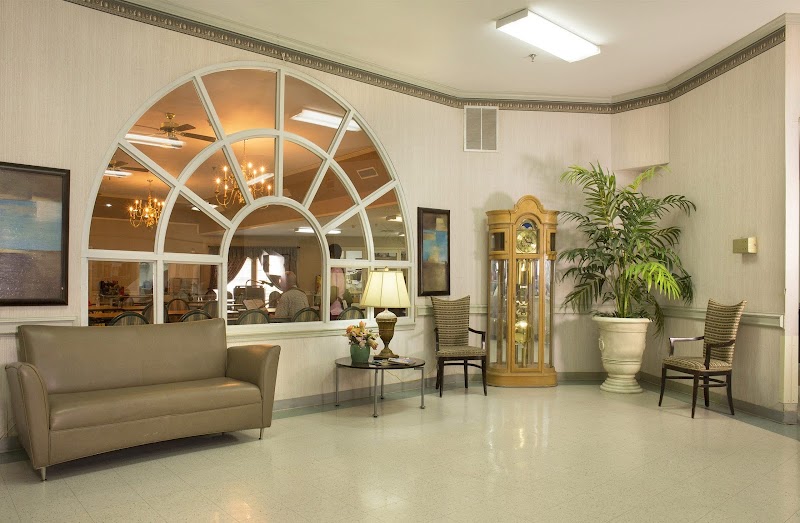
How is Heather Manor Staffed?

CMS rates HEATHER MANOR NURSING AND REHABILITATION CENTER's staffing level at 4 out of 5 stars, which is above average compared to other nursing homes. Staff turnover is 34%, compared to the Arkansas average of 46%. This relatively stable workforce can support continuity of care.

What Have Inspectors Found at Heather Manor?

State health inspectors documented 22 deficiencies at HEATHER MANOR NURSING AND REHABILITATION CENTER during 2023 to 2025. These included: 22 with potential for harm.
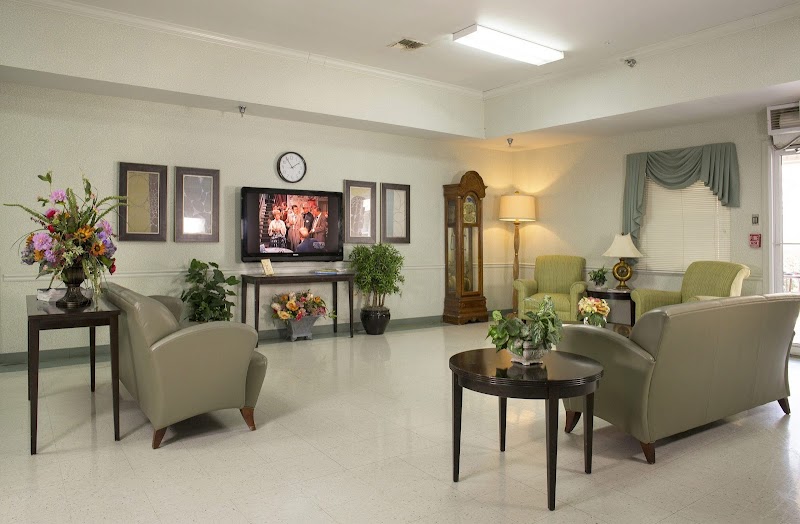
Who Owns and Operates Heather Manor?

HEATHER MANOR NURSING AND REHABILITATION CENTER is owned by a for-profit company. For-profit facilities operate as businesses with obligations to shareholders or private owners. The facility is operated by CENTRAL ARKANSAS NURSING CENTERS, a chain that manages multiple nursing homes. With 128 certified beds and approximately 76 residents (about 59% occupancy), it is a mid-sized facility located in HOPE, Arkansas.
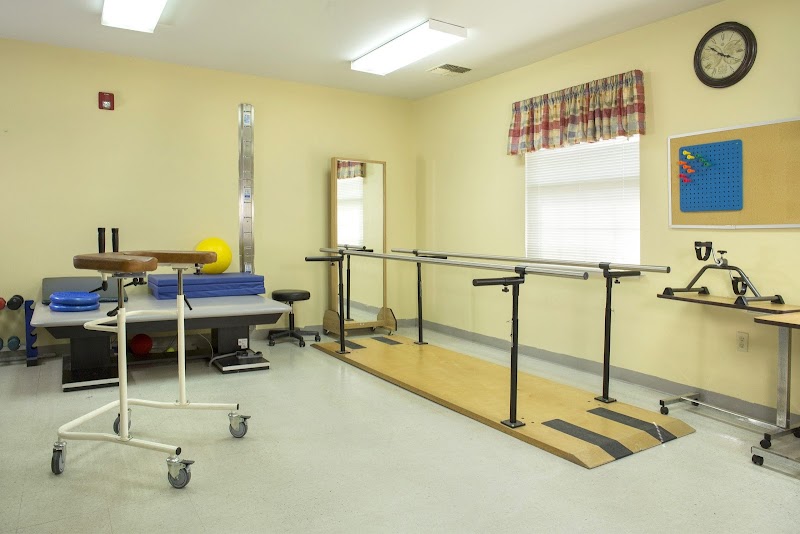
How Does Heather Manor Compare to Other Arkansas Nursing Homes?

Compared to the 100 nursing homes in Arkansas, HEATHER MANOR NURSING AND REHABILITATION CENTER's overall rating (3 stars) is below the state average of 3.1, staff turnover (34%) is significantly lower than the state average of 46%, and health inspection rating (3 stars) is at the national benchmark.

What Should Families Ask When Visiting Heather Manor?

Based on this facility's data, families visiting should ask: "Can I visit during a mealtime to observe dining assistance and food quality?" "How do you handle medical emergencies, and what is your hospital transfer rate?" "Can I speak with family members of current residents about their experience?"

Is Heather Manor Safe?

Based on CMS inspection data, HEATHER MANOR NURSING AND REHABILITATION CENTER has a clean safety record: no substantiated abuse findings (meaning no confirmed cases of resident harm), no Immediate Jeopardy citations (the most serious violation level indicating risk of serious injury or death), and is not on the Special Focus Facility watch list (a federal program monitoring the lowest-performing 1% of nursing homes). The facility has a 3-star overall rating and ranks #100 of 100 nursing homes in Arkansas. While no facility is perfect, families should still ask about staff-to-resident ratios and recent inspection results during their visit.

Do Nurses at Heather Manor Stick Around?

HEATHER MANOR NURSING AND REHABILITATION CENTER has a staff turnover rate of 34%, which is about average for Arkansas nursing homes (state average: 46%). Moderate turnover is common in nursing homes, but families should still ask about staff tenure and how the facility maintains care continuity when employees leave.

Was Heather Manor Ever Fined?

HEATHER MANOR NURSING AND REHABILITATION CENTER has no federal fines on record. CMS issues fines when nursing homes fail to meet care standards or don't correct problems found during inspections. The absence of fines suggests the facility has either maintained compliance or corrected any issues before penalties were assessed. This is a positive indicator, though families should still review recent inspection reports for the full picture.

Is Heather Manor on Any Federal Watch List?

HEATHER MANOR NURSING AND REHABILITATION CENTER is not on any federal watch list. The most significant is the Special Focus Facility (SFF) program, which identifies the bottom 1% of nursing homes nationally based on persistent, serious quality problems. Not being on this list means the facility has avoided the pattern of deficiencies that triggers enhanced federal oversight. This is a positive indicator, though families should still review the facility's inspection history directly.