LONOKE HEALTH AND REHAB CENTER, LLC
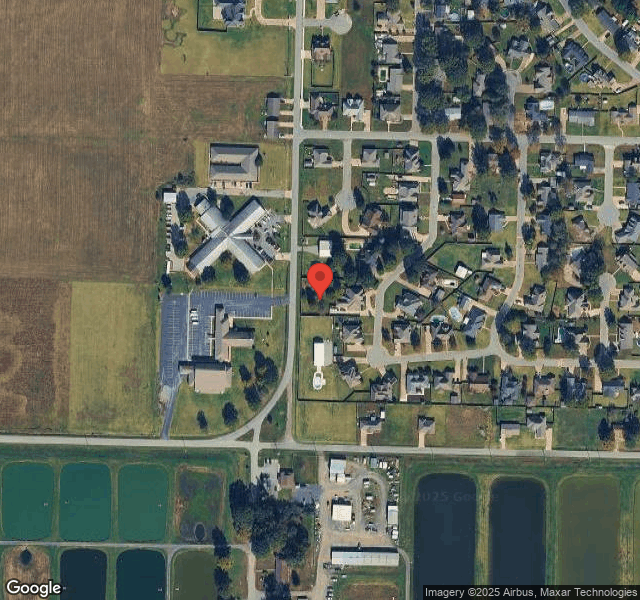

1501 LINCOLN STREET, LONOKE, AR 72086 (501) 676-2600
For profit - Limited Liability company 77 Beds CENTRAL ARKANSAS NURSING CENTERS Data: November 2025
Trust Grade
35/100
#201 of 218 in AR
Last Inspection: July 2024

Within standard 12-15 month inspection cycle. Federal law requires annual inspections.

Overview

Lonoke Health and Rehab Center has received a Trust Grade of F, which indicates significant concerns regarding the quality of care provided. Ranking #201 out of 218 facilities in Arkansas places it in the bottom half of state options, and as the lowest in Lonoke County, families may want to explore other alternatives. The facility's trend is worsening, with the number of reported issues increasing from 5 in 2023 to 15 in 2024, highlighting growing problems. Staffing is rated at 2 out of 5 stars with a 55% turnover rate, which is average, but concerningly, there is less RN coverage than 85% of Arkansas facilities, potentially impacting resident care. Specific incidents noted by inspectors include staff failing to sanitize their hands while assisting multiple residents with meals, raising infection risk, and issues with food safety such as expired items not being discarded, indicating serious procedural lapses. While the facility has no fines on record, the overall poor performance in health inspections and staffing should be carefully considered by families.

Trust Score
F
35/100
In Arkansas
#201/218
Bottom 8%
Safety Record
Low Risk
No red flags
Inspections
Getting Worse
5 → 15 violations
Staff Stability
⚠ Watch
55% turnover. Above average. Higher turnover means staff may not know residents' routines.
Penalties
✓ Good
No fines on record. Clean compliance history, better than most Arkansas facilities.
Skilled Nurses
⚠ Watch
Each resident gets only 15 minutes of Registered Nurse (RN) attention daily — below average for Arkansas. Fewer RN minutes means fewer trained eyes watching for problems.
Violations
⚠ Watch
24 deficiencies on record. Higher than average. Multiple issues found across inspections.
★☆☆☆☆
1.0
Overall Rating
★★☆☆☆
2.0
Staff Levels
★★★★☆
4.0
Care Quality
★☆☆☆☆
1.0
Inspection Score
Stable
2023: 5 issues
2024: 15 issues

The Good

  • 4-Star Quality Measures · Strong clinical quality outcomes
  • Full Sprinkler Coverage · Fire safety systems throughout facility
  • No fines on record

Facility shows strength in quality measures, fire safety.

The Bad

1-Star Overall Rating

Below Arkansas average (3.1)

Significant quality concerns identified by CMS

Staff Turnover: 55%

Near Arkansas avg (46%)

Frequent staff changes - ask about care continuity

Chain: CENTRAL ARKANSAS NURSING CENTERS

Part of a multi-facility chain

Ask about local staffing decisions and management

Staff turnover is elevated (55%)

7 points above Arkansas average of 48%

The Ugly 24 deficiencies on record

Jul 2024 15 deficiencies
CONCERN (D)

Potential for Harm - no one hurt, but risky conditions existed

Deficiency F0568 (Tag F0568)

Could have caused harm · This affected 1 resident

Based on interviews and record reviews the facility failed to ensure quarterly statements were provided to residents who are their own trust account representative and to properly record each transact...

Read full inspector narrative →
Based on interviews and record reviews the facility failed to ensure quarterly statements were provided to residents who are their own trust account representative and to properly record each transaction for one (Resident #28) sampled resident. This practice has the potential to affect 20 sampled residents. The findings are: On 07/22/2024 at 2:18 PM, Resident #28 informed the surveyor that quarterly bank statements are not provided, and the facility handles Resident #28's funds. On 7/24/2024 at 7:43 AM, the Administrator provided trust transaction history for dates of 4/4/2024 through 7/17/2024 which shows 4/16/2024 Cash Withdrawal (for) $50.00 dollars The Administrator was unable to provide a receipt for the transaction. On 7/24/2024 at 10:30 AM, the Administrator provided receipts for Resident #28 which shows 5/31/2024 Receipt #314463 was written to Resident #28 for $20.00. This withdrawal was not on the trust transaction history. On 07/24/2024 at 2:43 PM, the Director of Nursing (DON) confirmed the Business Office Manager does not keep individually acknowledged quarterly statements that were received by residents. The Business Office Manager will place resident's trust quarterly statements in the resident's room. The Business Office Manager does not require a signature from residents. Business Office Manager maintains a Verification of Trust Quarterly Statements with a statement of I attest that the above information is accurate, and that quarterly trust statements have been mailed out for this quarter. On 7/24/2024 at 3:10 PM, the DON provided two documents from the Administrator which showed: a. Administrator spoke with Business Office Manager at times Resident #28 will take money out on a Friday and for different occasions and will bring it [the money] back to put in her [Resident #28] trust, in which at this time she [Business Office Manager] states she [Business Office Manager] must have forgotten to go back and void the receipt. [Administrator] I looked through all other resident's account to make sure it was not taken from another resident on accident, and nothing was found in this amount. The trust was reconciled on 06/04/2024 in which all reconciled with no money under or over in residents trust fund cash box. b. Reivew of Resident #28's withdrawal dated 07/17/2024 showed Shopping for 07/17/2024 in the amount of $51.00. This was written as a check with multiple other residents for shopping at Anita's (Named) shop for jewelry and clothing. On 7/25/2024 at 8:30 AM, Resident #28 could not confirm neither the documented trust transaction withdrawal on 4/16/2024 for $50.00 nor the undocumented trust transaction for withdrawal on 5/31/2024 from facility receipt book for receipt #314463.
CONCERN (D)

Potential for Harm - no one hurt, but risky conditions existed

Deficiency F0583 (Tag F0583)

Could have caused harm · This affected 1 resident

Based on observations, interviews, and record reviews the facility failed to ensure resident's personal and medical records were protected. This failed practice had the potential to affect all 75 resi...

Read full inspector narrative →
Based on observations, interviews, and record reviews the facility failed to ensure resident's personal and medical records were protected. This failed practice had the potential to affect all 75 residents. The findings include: On 07/24/24 at 10:00 AM, the Surveyor observed an unattended laptop computer with the screen unlocked with the resident's profile. The Surveyor was able to see the resident's name, room number, date of birth , age, physician's name, allergies, code status, vital signs including weight, and orders on the screen. On 07/24/24 at 10:14 AM, Licensed Practical Nurse (LPN) #15 voiced the resident's name and date of birth was displayed on the screen. LPN #15 confirmed someone obtain the resident's information, such as the date of birth . On 07/24/24 at 2:30 PM, the Director of Nursing (DON) said nurses should make sure the medication carts are locked, computer screen are locked, and there is no medications left on top of the cart prior to walking away. DON confirmed if the computer screens are left unlocked information can be seen by other residents, family members, and staff not involved in the resident's care. On 07/24/24 at 03:16 PM, Resident Rights was provided and noted The Right to Privacy and Confidentiality, including the right to: To know that they are assured private and confidential treatment of all information contained in their medical records, including photographs, and that their consent, or the consent of their legal representative, is required for the release of information to persons not otherwise authorized to receive it.
CONCERN (D)

Potential for Harm - no one hurt, but risky conditions existed

PASARR Coordination (Tag F0644)

Could have caused harm · This affected 1 resident

Based on observation, record review, and interview, it was determined that the facility failed to incorporate the PASRR level II evaluation into the care plan of 2 of 2 sampled (Resident #4, and Resid...

Read full inspector narrative →
Based on observation, record review, and interview, it was determined that the facility failed to incorporate the PASRR level II evaluation into the care plan of 2 of 2 sampled (Resident #4, and Resident #44) to ensure residents received any recommended services. The findings are: 1. Per review of the Medical Diagnosis revealed Resident #4 has a diagnoses of respiratory failure, schizophrenia, and psychotic disorder. The admission Minimum Data Set (MDS) with an Assessment Reference Date (ARD) of 02/19/2024 suggested a Brief Interview for Mental Status (BIMS) score of 15 (13-15 indicates cognitively intact). a. On 07/24/24 at 8:35 AM, during an interview the Administrator confirmed that Resident #4 has a level II PASRR. b. During an interview on 07/24/2024 at 11:45 AM, the MDS Nurse was asked to check the care plan and she confirmed Resident #4's Level II PASRR was not documented on the care plan, and confirmed she cannot find the level II evaluation. The MDS Nurse confirmed she is responsible for coding to the MDS, but the Business Office Manager (BOM) receives the Level II evaluation. The Surveyor asked if there was a process for making sure the MDS Nurse was notified when the facility received a level II PASRR from the state designated authority, and there was no response. 2. A review of Medical Diagnosis revealed Resident #44 major depressive disorder, bipolar, and schizophrenia. The Quarterly minimum data set (MDS) with an assessment reference date (ARD) of 05/11/2024 suggested a BIMS score of 4 (0-7 indicates severe cognitive impairment). a. On 07/23/24 at 3:52 PM, the Surveyor checked Resident #44's care plan and did not find the PASRR level II, or recommendations implemented on the care plan. b. On 07/24/24 at 8:05 AM, the Administrator provided a level II evaluation from the state designated authority dated 2/24/23 that revealed Resident #44 did not require any specialized services and recommended a structured environment including Mental Health Evaluation, Master Treatment Plan, Pharmacologic Management by a Physician, and Periodic Review of the Master Treatment Plan. The MDS Nurse checked and confirmed the Level II PASRR with recommendations was not on Resident #44's care plan. c. During an interview on 07/24/2024 at 11:50 AM, the MDS Nurse confirmed Residents #4 and #44 had a level II PASRR, and that this not being reflected on Residents #4 and #44's care plans could have affected interventions and recommended services. The MDS confirmed she was responsible for coding to the MDS and confirmed that she uses the Resident Assessment Instrument (RAI) manual as a guide. d. During an interview with the Director of Nursing (DON) on 07/24/24 at 2:00 PM, the DON confirmed care plans are an important part of a resident's care, they do not have a MDS policy or procedure, and confirmed the MDS nurse is expected to follow the RAI manual.
CONCERN (D)

Potential for Harm - no one hurt, but risky conditions existed

Deficiency F0692 (Tag F0692)

Could have caused harm · This affected 1 resident

Based on observations, interviews and record reviews, the facility failed to implement interventions put in place to prevent weight loss. The findings include: A review of physician's orders for Resi...

Read full inspector narrative →
Based on observations, interviews and record reviews, the facility failed to implement interventions put in place to prevent weight loss. The findings include: A review of physician's orders for Resident #14 revealed an order for thickened vegetable juice, creamed soup, and fortified potatoes with lunch and dinner. A review of Resident #14 Care Plan (initiate date 11/02/2023) revealed that Resident#14 had an unplanned/unexpected weight loss related to acute illness and diuretic use. Resident #14 (revision on: 03/28/2024) had nutritional problem or potential nutritional problem related to acute illness. A review of nutrition assessment (completed date 07/10/2024) noted Resident #14 was to have the following supplements: creamed soup, vegetable juice, boost and fortified potatoes. A review of Quarterly Minimum Data Set (MDS) with Assessment Reference Date (ARD) of 07/05/2024 revealed Resident #14 scored 08 indicating severe cognitive impairment and Resident #14 was a loss of 5% or more in the last month or loss of 10% or more in last 6 months not on physician-prescribed weight-loss regimen. On 07/22/24 at 01:21 PM, the Surveyor observed Resident #14 lying in bed eating lunch and noted that the resident had a puree meal. The Survey did not note a shake or soup on the resident's meal tray despite those items being noted on the meal slip. On 07/22/24 at 01:28 PM, Certified Nursing Assist #1 voiced Resident #14 did not have soup and shake, because the resident did not like or consume the soup or shake. On 07/23/24 at 12:55 PM, the Surveyor observed Social Services assisting with the passing of meal trays. The Surveyor observed Social Service look at the meal card and send a staff member to the kitchen to retrieve items missing from Resident #14 meal tray. On 07/23/24 at 12:58 PM, Social Serviced confirmed whatever is on the card should be on the resident's tray. Social Services confirmed the items on the meal card were interventions for weight loss and if the items are not on the meal tray it does not help the resident with weight loss. Social Services voiced if the resident does not like a soup severed another soup should be retrieved or a different intervention should be put in place to prevent further weight loss. On 07/24/24 at 02:30 PM, the Director of Nursing (DON) confirmed the purpose of the notes section on the meal slip was for list of supplements usually for interventions put in place due to weight loss and should be on the resident's meal tray. The DON confirmed if those items are not on the tray it could have a negative impact on the resident's weight.
CONCERN (E)

Potential for Harm - no one hurt, but risky conditions existed

Assessment Accuracy (Tag F0641)

Could have caused harm · This affected multiple residents

**NOTE- TERMS IN BRACKETS HAVE BEEN EDITED TO PROTECT CONFIDENTIALITY** Based on record review and interview, it was determined the facility failed to ensure the minimum data set (MDS) accurately refl...

Read full inspector narrative →
**NOTE- TERMS IN BRACKETS HAVE BEEN EDITED TO PROTECT CONFIDENTIALITY** Based on record review and interview, it was determined the facility failed to ensure the minimum data set (MDS) accurately reflected on section A1500 the preadmission screening and assessment resident record (PASRR) a serious mental illness and/or intellectual disability affecting 2 (Residents #4 and #44) sampled residents with a level II PASRR. The findings are: 1. Review of the Medical Diagnosis revealed Resident #4 has a diagnoses of respiratory failure, schizophrenia, and psychotic disorder. a. The admission Minimum Data Set (MDS) with an Assessment Reference Date (ARD) of 02/19/2024 suggested a Brief Interview for Mental Status (BIMS) score of 15 (13-15 indicates cognitively intact). b. Per record review on 07/23/24 at 10:00 AM, the admission Minimum Data Set (MDS) from 02/19/2024, section A1500 revealed resident does not have a mental health or intellectual disability, and admission MDS with an ARD of 06/07/2016 showed Resident #4 has a level II PASRR. c. On 07/24/24 at 8:25 AM, LPN #14/ MDS Nurse provided a letter from State Designated Professional Associates that stated change of condition, no PASRR required, dated 06/14/2012. A letter from State Designated Professional Associates dated 01/21/15 says resident was approved for nursing home placement. Letter from State Designated Professional Associates dated 4/26/16 that said a level 1 was submitted and was considered a change of condition. No review was required at that time. d. On 07/24/24 at 8:35 AM, the Surveyor, MDS nurse, and Administrator reviewed the admission MDS from 06/07/2016 showing resident was a level II, and recent admission MDS dated [DATE] where section A1500 shows resident does not have a mental illness or intellectual disability. The administrator confirmed Resident #4 has a level II PASRR. 2. A review of Medical Diagnosis revealed Resident #44 had diagnoses of major depressive disorder, bipolar disorder, and schizophrenia. The Quarterly MDS with an ARD of 05/11/2024 suggested a BIMS score of 4 (0-7 indicates severe cognitive impairment). a. On 07/23/24 at 3:52 PM, during a review of the Annual MDS with an ARD of 02/09/2024, section A1500 shows 0, indicating Resident #44 does not have a serious mental health disability, or intellectual disability or related condition. b. On 07/24/24 at 8:05 AM, the Administrator provided a level II evaluation from the state designated authority dated 2/24/23 showing Resident #44 did not require any specialized services, and recommended a structured environment that is found at the facility. 3. During an interview on 07/24/2024 at 11:50 AM, the MDS Nurse confirmed Resident #4 and #44 had a Level II PASRR, section A1500 of the MDS was not coded correctly, it could affect the care plan, and could cause Residents #4 and #44 to not get recommended services. The MDS Nurse e MDS nurse confirmed that she uses the RAI manual to guide her in coding to the MDS.
CONCERN (E)

Potential for Harm - no one hurt, but risky conditions existed

Comprehensive Care Plan (Tag F0656)

Could have caused harm · This affected multiple residents

Based on record review and interview, the facility failed to develop a comprehensive care plan for 2 (Resident #26 and #44) of 3 sampled residents to ensure residents received appropriate care. The f...

Read full inspector narrative →
Based on record review and interview, the facility failed to develop a comprehensive care plan for 2 (Resident #26 and #44) of 3 sampled residents to ensure residents received appropriate care. The findings are: 1. A review of medical diagnosis revealed Resident #44 had diagnoses of major depressive disorder, bipolar, and schizophrenia. a. The Quarterly minimum data set (MDS) with an assessment reference date (ARD) of 05/11/2024 suggested a brief interview for mental status (BIMs) score of 4 (0-7 indicates severe cognitive impairment). b. A review of a Physicians Order dated, 02/06/2024 Novolin R Injection Solution 100 UNIT/ML (Insulin Regular (Human) Inject subcutaneously before meals and at bedtime related to type II diabetes mellitus with hyperglycemia c. A review of a Physicians Order dated, 03/04/2024 Trulicity Subcutaneous Solution Pen-injector 1.5 MG/0.5 ML (Dulaglutide) Inject 1 dose subcutaneously one time a day every Monday related to type II diabetes mellitus with hyperglycemia. Leave needle inserted for 5 to 10 seconds until hear 2nd click. d. During an interview with the Minimum Data Set (MDS) Nurse on 07/24/2024 at 1:13 PM, the Surveyor asked the MDS Nurse to find insulin or diabetic care on resident's care plan. The MDS Nurse checked Resident #44's medical records and confirmed diabetes and insulin were not care planned, and it is important because it is a serious illness, and staff needs to know what to look for. MDS Nurse told the surveyor she is solely responsible for care plans. e. On 07/24/2024 at 1:30 PM, the Director of Nursing (DON) was asked if a resident is a diabetic and takes insulin should staff include diabetes on their care plan. The DON said yes because it is part of their care and should be care planned, and DON confirmed the facility does not have a MDS or care plan policy, and staff should follow the RAI manual for care planning. 2. A review of medical diagnosis for Resident #26 reveals diagnoses of stroke, metabolic encephalopathy, and anxiety. a. The significant change MDS with an ARD of 06/18/2024 indicated a BIMS score of 00 (0-7 suggest severe cognitive impairment). Section O0110 showed resident is on oxygen. a. A review of the Order Summary revealed Oxygen at 2 liters via nasal cannula as needed for shortness of breath. b. On 07/22/2024 at 12:11 PM, Resident #26 was observed on 3 liters of oxygen. The Surveyor was unable to find oxygen on Resident #26's care plan. c. On 07/23/2024 at 12:06 PM, the Surveyor asked Licensed Practical Nurse (LPN) #17 for assistance findings oxygen on Resident #26's care plan and was referred to the closet care plan. LPN #11 said nursing tells each other about residents. After multiple requests for LPN #17 and LPN #11 to assist in pulling up Residents #26's care plan, LPN #18 demonstrated to staff where to find care plans, and told the Surveyor that oxygen is not listed on the care plan, and that is where she goes to find plans of care, and interventions. d. On 07/24/2024 at 01:40 PM, the Assistant Director of Nursing (ADON) provided an in-service book revealing All staff are to look/follow a residents closet care plan before providing care. e. During an interview with the Director of Nursing (DON) on 07/24/2024 at 02:00 PM, the DON confirmed that closet care plans are geared towards CNAs, and not nursing, and nurses are expected to use the computer for care plans and interventions.
CONCERN (E)

Potential for Harm - no one hurt, but risky conditions existed

Accident Prevention (Tag F0689)

Could have caused harm · This affected multiple residents

Based on observation, record review and interview, it was determined the facility failed to properly lift and lower residents with the legs open on a mechanical lift for 1 (Resident #28). The findings...

Read full inspector narrative →
Based on observation, record review and interview, it was determined the facility failed to properly lift and lower residents with the legs open on a mechanical lift for 1 (Resident #28). The findings are: 1. Record review of Medical Diagnosis for Resident #28 revealed diagnoses of polyneuropathy, heart failure, and major depression disorder. a. The Annual Minimum Data Set (MDS) with an Assessment Reference Date (ARD) of 04/18/2024 suggested a Brief Interview for Mental Status score of 14 (13-14 indicates cognitively intact). Section GG0110 does not indicate resident requires a mechanical lift, and the Quarterly MDS with an ARD of 07/19/2024 is not complete. b. A review of Care Plan for Resident #28 indicated, .Resident #28 has an ADL self-care performance deficit related to unsteadiness on feet (Revised, 05/06/2024) . TRANSFER: The resident requires Mechanical Lift .with 2 staff assistance for transfers . c. On 07/22/2024 at 12:31 PM, Resident #28 was observed resting in a lift pad hoovering above the bed in a mechanical lift with the lift's legs in the closed position. Certified Nursing Assistant (CNA #16 confirmed the legs of the mechanical lift would go in the open position under Resident #28's bed. CNA #16 was asked if it is standard practice to open the legs before lifting or lowering residents and CNA #8 confirmed the legs of the mechanical lift should be in the open position to balance the lift out when raising or lowering a resident in the mechanical lift. d. On 07/24/2024 at 2:00 PM, DON told the Surveyor they do not have a mechanical lift policy or procedure. They use the (Named) manual. e. Per record review of the mechanical lift guide provided by the DON on 07/24/24 at 02:10 PM, [Named] manual revealed .Lifting the patient WARNING When using an adjustable base lift, the legs MUST be in the maximum Open/Locked position before lifting the patient .[named] does not recommend the locking of rear casters of the patient lift when lifting an individual. Doing so could cause the lift to tip and endanger the patient and assistance. [Named] does recommend that the rear casters be left unlocked during lifting procedures to allow the patient lift to stabilize itself when the patient is initially lifted from a chair, bed, or any stationary object .
CONCERN (E)

Potential for Harm - no one hurt, but risky conditions existed

Incontinence Care (Tag F0690)

Could have caused harm · This affected multiple residents

Based on observations, interviews, and record reviews the facility failed to ensure that 2 (Resident #14 and #17) sampled resident received peri care in a manner that was sanitary to promote good hygi...

Read full inspector narrative →
Based on observations, interviews, and record reviews the facility failed to ensure that 2 (Resident #14 and #17) sampled resident received peri care in a manner that was sanitary to promote good hygiene and/or prevent infection. The findings include: 1. A review of Medical Diagnosis revealed Resident #17 had a diagnosis of dehydration and Methicillin Resistant Staphylococcus Aureus Infection. a. A review of Resident #17's Care Plan (revision date 03/30/2023) revealed the resident had bowel and bladder incontinence related (r/t) immobility. b. A review of Annual Minimum Data Set (MDS) with Assessment Reference Date (ARD) of 02/24/2024 revealed Resident #17 scored 15 indicating cognitive intact and Resident frequently had urinary incontinence and always incontinence of bowel. c. On 07/23/2024 at 1:05 PM, the Surveyor observed Certified Nursing Assistant (CNA) #1 and #2 did not use proper technique while providing perineal care to Resident #17 and did not use supplies in the correct manner to promote cleanliness. d. On 07/23/2024 at 1:50 PM, CNA #2 voiced she did not know if she cleaned Resident #17 correctly. 2. A review of Medical Diagnosis revealed that Resident #14 had a diagnosis of urinary tract infection (UTI). a. A review of Resident #14's Care Plan (initiate date 01/19/2024) revealed that Resident #14 had bowel and bladder incontinence related to immobility. b. A review of Quarterly Minimum Data Set (MDS) with Assessment Reference Date (ARD) of 07/05/2024 revealed Resident #14 scored 08 indicating severe cognitive impairment and Resident #14 was always incontinence of bowel and bladder. c. On 07/23/2024 at 1:29 PM, the Surveyor observed CNA #1 did not use proper technique while providing perineal care to Resident #14 and did not use enough supplies to promote cleanliness. d. On 07/23/2024 at 1:45 PM, CNA #1 confirmed that proper technique was not used while providing incontinence care to Resident #14 e. On 07/24/2024 at 1:30 PM, the Director of Nursing confirmed that the techniques used to provide perineal care to Residents #14 and #17 did not align with the training provided.
CONCERN (E)

Potential for Harm - no one hurt, but risky conditions existed

Respiratory Care (Tag F0695)

Could have caused harm · This affected multiple residents

Based on observation, record review and interview, it was determined that the facility failed to ensure oxygen was administered at the physician ordered rate for 2 (Resident #26 and #50) residents to ...

Read full inspector narrative →
Based on observation, record review and interview, it was determined that the facility failed to ensure oxygen was administered at the physician ordered rate for 2 (Resident #26 and #50) residents to prevent respiratory complications. The findings include: 1. A review of Medical Diagnosis for Resident #26 reveals diagnoses of stroke, metabolic encephalopathy, and anxiety. a. The significant Minimum Data Set (MDS) with an assessment reference (ARD) date of 06/18/2024 with a brief interview for mental status (BIMS) score of 00 (0-7 suggest severe cognitive impairment). Section O0110 showed resident is on oxygen. b. A review of the Order Summary reveals .dated, 06/28/2024 Oxygen at 2 liters via nasal cannula as needed for shortness of breath. c. On 07/22/2024 at 12:11 PM, Resident #26 was observed on 3 liters of oxygen. d. On 07/22/2024 at 2:45 PM, Resident #26 observed resting quietly on 3 liters nasal cannula. e. On 07/23/2024 at 11:48 AM, the Surveyor observed oxygen concentrator was set on 3 liters. f. On 07/23/2024 at 11:54 AM, Licensed Practical Nurse (LPN) #17 accompanied the Surveyor to Resident #26's room and confirmed the concentrator was set on 3 liters of oxygen. LPN #17 pulled up Resident #26's orders and confirmed Resident #26 should be on 2 liters of oxygen, and confirmed being on the incorrect dosage could interfere with a resident's breathing. LPN #17 said that nursing is responsible for checking the oxygen concentrators. g. During an interview with the Director of Nursing (DON) on 07/24/2024 at 2:00 PM, the DON revealed they do not have an oxygen policy that addresses oxygen rate, and signage. DON confirmed that nursing staff are responsible for checking resident orders, and oxygen concentrators when in a resident's room, and all staff are expected to watch for oxygen signage. 2. A review of Resident #50's physician orders showed oxygen at 2 liters via nasal cannula as needed every shift. a. A review of Resident #50's Care Plan with a revision date of 07/17/2024, noted Resident #50 was receiving oxygen therapy related to respiratory illness b. An admission MDS with the ARD of 06/12/2024 noted Resident #50 scored 02 on the BIMS, indicating severe cognitive impairment and was receiving oxygen therapy. c. On 07/22/2024 at 12:03 PM, the Surveyor observed Resident #50 lying in bed receiving oxygen therapy via nasal cannula per concentrator at 3 liters. The Surveyor did not note any signage at or around the door indicating oxygen in use. d. On 07/23/2024 at 12:33 PM, the Surveyor observed Resident #50 sitting in wheelchair in room receiving oxygen therapy via nasal cannula per concentrator at 3 liters. The Surveyor did not note any signage at or around the door indicating oxygen in use. e. On 07/23/2024 at 2:10 PM, the Surveyor observed Resident #50 sitting in wheelchair in room receiving oxygen therapy via nasal cannula per concentrator at 3 liters. The Surveyor did not note any signage at or around the door indicating oxygen in use. f. On 07/23/2024 at 2:15 PM, Licensed Practical Nurse #11 confirmed Resident #50 was receiving oxygen at 3 liter, order was for 2 liters and there was no signage posted.
CONCERN (E)

Potential for Harm - no one hurt, but risky conditions existed

Pharmacy Services (Tag F0755)

Could have caused harm · This affected multiple residents

Based on record review and interviews, the facility failed ensure the system used for records of receipt and disposition of all controlled drugs in sufficient detail to enable an accurate reconciliati...

Read full inspector narrative →
Based on record review and interviews, the facility failed ensure the system used for records of receipt and disposition of all controlled drugs in sufficient detail to enable an accurate reconciliation was implemented for one (Resident #33) sampled resident. The findings include: A review of diagnosis Resident #33 had a diagnosis of chronic pain. A review of the physician's orders Resident #33 had an order for Hydrocodone-Acetaminophen 10-325 milligram (MG) an opioid used to manage pain. A review of Resident #33's Care Plan (revision date 11/23/2020) revealed Resident #33 had a diagnosis of chronic pain, and behaviors were potentially present when the resident has a higher level of pain. A review of an annual Minimum Data Set (MDS) with the Assessment Reference Date (ARD) 05/18/2024 revealed Resident #33 scored 11 on Brief Interview of Mental Status (BIMS) indicating moderately impaired cognition, and Resident #33 was taking a medication classified as an opioid. On 07/23/24 at 10:06 AM, the Surveyor completed a random reconciliation of controlled medications with Licensed Practical Nurse (LPN) #11 and noted 50% of Resident #33's Hydrocodone/Acetaminophen 10/325 milligram (MG) the controlled medication legend noted 11 pills on hand, but the actual number of pills on hand was 10. On 07/23/24 at 10:06 AM, LPN #11 voiced another nurse had given Resident #33's hydrocodone and had not signed it out and may have expected her to do so. On 07/23/24 at 12:18 PM, LPN #11 confirmed the controlled medication log should accurately reflect the medication on hand and it was not accurate when the reconciliation was completed with the Surveyor. LPN #11 confirmed that potential negative outcome if the controlled medication log does not match what is on hand could have an impact on the resident if the nurse did not give the medication and a nurse could take the medication. On 07/24/24 at 2:30 PM, the Director of Nursing (DON) confirmed the controlled medication log was not accurate.
CONCERN (E)

Potential for Harm - no one hurt, but risky conditions existed

Menu Adequacy (Tag F0803)

Could have caused harm · This affected multiple residents

Based on observation, record review and interview, the facility failed to ensure meals were prepared and served according to the planned written quantified recipe and menu to meet the nutritional need...

Read full inspector narrative →
Based on observation, record review and interview, the facility failed to ensure meals were prepared and served according to the planned written quantified recipe and menu to meet the nutritional needs of the residents for 2 of 2 meals observed. This failed practice had the potential to affect 10 residents who received pureed diets and 17 residents who received enhanced food diets from 1 of 1 kitchen according to a list provided by the Dietary Manager on 07/23/2024 at 1:33 pm. The findings are: 1. The menu for lunch documented the residents who received pureed diets were to receive 1 #8 scoops (1/2 cup) of vegetable blend, #16 scoop (1/4 cup) of pureed bread, #8 scoop (1/2 cup) of pureed cake, #8 scoop (1/2 cup) of strawberry topping. 2. The menu for breakfast 07/23/2024 documented that residents who received pureed diets were to receive pureed purred hot cereal, #16 scoop (1/4 cup) of pureed biscuit/toast. 3. On 07/22/2024, the facility recipe for angel food cake puree documented for 10 residents: use 10 squares 2/3 inches, 1.25 cup 2% milk, 2 tablespoons and 1.5 teaspoons of food thickener. Note states: amount of thickener required may vary relative to liquid content of cooked product. For best results, alternate adding thickener with processing, checking product consistency periodically. A) On 7.22.2024 at 11:18 AM Dietary [NAME] #3 placed 13 pieces of angel food cake into blender. Dietary [NAME] #3 added half and half to the angel food cake in blender, without measuring half and half. Recipe calls for 1.25 cup of 2 milk and 2 tablespoons + 1.5 teaspoons of thickener. When asked the size of each piece of cake, she stated, They are an inch. The menu specified pieces of cake to be 2/3 inches. B) Dietary cook #3 used #16 scoop (1/4 cup) to add 6 servings of strawberry topping onto of puree instead of 1/4 cup of strawberry topping each as specified on the menu. At 1:05 PM Surveyor asked Dietary [NAME] #3 what size was cake she said, like 1 inch. When asked what scoop was used for mechanical soft meat she stated, number 16. When asked how many servings she gave to each resident she stated 1. When shown menu and asked why strawberries were not given to the resident she stated, I did not look at menu, I did not know they were supposed to have ½ cup of strawberry topping. 4. On 07/22/24 at 11:53 AM, Dietary [NAME] #3 used #10 to place 6 servings of vegetable blend with plenty of juice into blender, added two cups of tap water, added 1/4 cup of thickener, pureed. Added another 1/4 cup of thickener and pureed. At 11:55 AM, she added another 1/4 cup of thickener and pureed. She poured purred into pan and placed into oven. The consistency of purred vegetable was lumpy with pieces of thickener that were not fully blended in and were visible in mixture. Vegetable puree was too runny and not formed according to dietary staff when asked by surveyor. 5. On 07/22/2024 at 12:17 PM, a pan of mashed potatoes was observed on steam table. The surveyor asked Dietary [NAME] (DC) #3 how the mashed potatoes were prepared, she stated they were fortified, super potatoes. The surveyor asked how were the mashed potatoes prepared, she stated I sprinkled half and half, about half a cup of butter. When asked how much she would consider a sprinkle to be , she stated, I don't use a recipe. The facility recipe for enhanced mashed potatoes documented: potato pearls 1 lb-6 oz, whole milk (heated) 9-1/4 cups, margarine, or corn oil 12 tablespoons, salt 1 teaspoon, sour cream 1-1/2 cup. Nutrient data documented 232 calories. a. All 17 residents who required enhanced food diet were served incomplete enhanced mashed potatoes. 6. The facility menu for lunch meal documented for residents on puree diet were to receive: #8 scoop (1/2 cup) of pureed hashbrown. On 07/22/24 at 1:03 PM the residents on puree diet did not receive pureed hashbrown for lunch, as specified on menu. On 07/22/24 at 1:05 PM, Surveyor asked Dietary [NAME] #3 cook why the residents on the puree diet did not receive the hashbrown casserole, she stated Probably because I forgot to puree it. 7. On 07/23/2024, the menu provided by the facility specified for the lunch meal residents on puree diet were to receive: #16 scoop (1/4 cup) of pureed bread. On 07/22/24 at 1:03 PM, the residents on puree diets did not receive pureed bread for lunch, as specified on menu. 07/22/24 at 1:05 PM Surveyor asked Dietary [NAME] #3 cook why no bread was purred for the residents on a puree diet she stated, I did not know I was supposed to puree regular bread, I thought I was only supposed to puree garlic bread and cornbread. 8. On 07/23/2024 the menu for the breakfast meal provided by the facility specified residents on puree diet were to receive: #8 scoop (1/2) cup of pureed hot cereal. a. 07/23/24 7:43 AM, the residents on the puree diet were served regular oatmeal instead of pureed. b. Production recipe for cereal fortified oatmeal provided by Dietary Supervisor at 1:33 PM documented under ingredients for 20 portions: water 3.75 cup, nonfat dry milk 1.5 cup 1 tablespoon, evaporated milk 1/4 cup 2 tablespoons. Mix water nonfat dry milk and evaporated milk, bring to a boil. Add dry oatmeal cereal 1.25 quart. Pour in oatmeal and cook until done. Add margarine bulk 9.25 ounce, light brown sugar 3/4 cup, granulated sugar 3/4 cup, evaporated milk 3/4 cup. Stir until creamy. 9. On 07/23/2024 the menu provided by the facility specified for the breakfast meal residents on puree diets were to receive: #16 scoop (1/4 cup) of pureed biscuit or toast. On 07/23/24 7:43 AM, the residents on pureed diets were not served bread. On 07/23/24 at 07:52 AM, Dietary [NAME] #10 was asked if the residents on puree diets were supposed to get bread, she stated No, they get biscuits and gravy, but we did not have biscuits this morning. They are not supposed to get bread. When asked what was served to the residents on puree diet this morning for breakfast, she stated, They only have puree oatmeal, puree egg, and puree sausage.
CONCERN (E)

Potential for Harm - no one hurt, but risky conditions existed

Deficiency F0804 (Tag F0804)

Could have caused harm · This affected multiple residents

Based on observation, record review and interview, the facility failed to ensure meals were served in a method that maintained the nutritive value and flavor that were acceptable to the residents to i...

Read full inspector narrative →
Based on observation, record review and interview, the facility failed to ensure meals were served in a method that maintained the nutritive value and flavor that were acceptable to the residents to improve palatability and encourage good nutritional intake during 1 of 1 meal observed. This failed practice had the potential to affect 9 residents who receive pureed meal trays from 1 of 1 kitchen. The findings are: 1. On 07/22/2024 the facility recipe for angel food cake puree documented for 10 residents: use 10 squares 2/3 inches, 1.25 cup 2% milk, 2 tablespoons and 1.5 teaspoons of food thickener. Note states: amount of thickener required may vary relative to liquid content of cooked product. For best results, alternate adding thickener with processing, checking product consistency periodically. A) On 7/22/2024 at 11:18 AM, Dietary [NAME] #3 placed 13 pieces of angel food cake into blender. Dietary [NAME] #3 added half and half to the angel food cake in blender, without measuring half and half. Recipe calls for 1.25 cup of 2 milk and 2 tablespoons + 1.5 teaspoons of thickener. When asked the size of each piece of cake, she stated, They are an inch. The menu specified pieces of cake to be 2/3 inches. B) Dietary [NAME] #3 used #16 scoop (1/4 cup) to add 6 servings of strawberry topping onto of puree instead of 1/4 cup of strawberry topping each as specified on the menu. At 1:05 PM, Surveyor asked Dietary [NAME] #3 what size was cake she said, like 1 inch. When asked what scoop was used for mechanical soft meat she stated, number 16. When asked how many servings she gave to each resident she stated 1. When shown menu and asked why strawberries were not given to the resident she stated, I did not look at menu, I did not know they were supposed to have 1/2 cup of strawberry topping. 2. On 07/22/2024, review of the facility's quantified recipe for vegetable blend for 10 residents on puree diet documented: 10.5 cup of prepared vegetable blend. 3 tablespoons + 1 teaspoons of thickener. Process adding 1 teaspoon of thickener per serving. Note states: amount of thickener required may vary relative to liquid content of cooked product. For best results, alternate adding thickener with processing, checking product consistency periodically. On 07/22/24 at 11:53 AM Dietary [NAME] #3 used #10 to place 6 servings of vegetable blend with plenty of juice into blender, added two cups of tap water, added 1/4 cup of thickener, pureed. Added another 1/4 cup of thickener and pureed. At 11:55 AM, she added another 1/4 cup of thickener and pureed. She poured purred into pan and placed into oven. The consistency of purred vegetable was lumpy with pieces of thickener that were not fully blended in and were visible in mixture. Vegetable puree was runny and not formed. On 07/23/24 at 9:23 AM, the surveyor asked Dietary [NAME] #3 why the pureed vegetable was thin, she said, Maybe because I used too much broth. I used two cups of water. When asked if water covered the vegetables she said, yes. The surveyor asked how much thickener was used in the pureed vegetable, she said, 1/4 cup, three times. Surveyor asked how does food taste when you add too much thickener, she said, It would probably taste like thickener. Surveyor asked did you look at the recipe, she said, I did not, I never use recipes. Surveyor asked how many servings of vegetables did you use, she said six. Surveyor asked Dietary [NAME] #3 what is the reason you should not add extra liquid when pureeing vegetables, she said, Because it will be too thin. On 07/23/24 at 9:37 AM, Surveyor asked Dietary Supervisor why should extra liquid not be used when pureeing vegetable, she said Because it will make it too thin. Surveyor asked Dietary Supervisor what happens when too much thickener is used in food, she said It will alter taste and it may not come out the right constancy and someone could choke.
CONCERN (E)

Potential for Harm - no one hurt, but risky conditions existed

Deficiency F0805 (Tag F0805)

Could have caused harm · This affected multiple residents

Based on observation and interview, the facility failed to ensure pureed food items were blended to a smooth, lump free consistency to minimize the risk of choking or other complications for those res...

Read full inspector narrative →
Based on observation and interview, the facility failed to ensure pureed food items were blended to a smooth, lump free consistency to minimize the risk of choking or other complications for those residents who required pureed diets for 2 of 2 meals observed. The failed practice had the potential to affect 9 residents who received pureed diet. The findings are: The following observations were made during lunch and breakfast meal services. 1. On 07/22/24 at 11:18 AM, Dietary [NAME] #3 placed 13 small pieces of cake (1 inch each) and added 6 spoons of strawberries, 1/2 cup of thickener and purred. At 11:20 AM, another 1/2 cup of thickener was added and pureed. At 11:22 AM, Dietary [NAME] #3 used number 10 scoop to scoop pureed desert into 11 bowls. The consistency of pureed desert was thick with pieces of strawberries throughout. 2. On 07/22/24 at 11:53 AM, Dietary [NAME] #3 used #10 to place 6 servings of vegetable blend with plenty of juice into blender, added two cups of tap water, added 1/4 cup of thickener, pureed. Added another 1/4 cup of thickener and pureed. At 11:55 AM, she added another 1/4 cup of thickener and pureed. Poured purred into pan and placed into oven. The consistency of purred vegetable was lumpy with pieces of thickener that were not fully blended in and were visible in mixture. Vegetable puree was too runny and not formed according to dietary staff when asked by surveyor. 3. On 07/22/24 at 1:05 PM, Surveyor asked Dietary Manger and Dietary [NAME] #3 to describe puree food served to residents for lunch, both stated Pureed meat was thick and lumpy. Not smooth. 4. On 07/22/24 at 1:05 PM, the strawberry angel food cake desert was Too thick and has strawberry pieces in it. 5. On 07/22/24 at 1:28 PM, the Surveyor observed Certified Nursing Assistant (CNA) #1 exiting the resident upon entering the resident the Surveyor observed that cake was a different consistency. CNA #1 voiced that she mashed the dessert up with the strawberries. 6. On 07/22/24 at 1:34 PM, the Surveyor asked CNA #2 who set up the resident's tray? CNA #2 voiced she set up the resident's tray. The Surveyor asked CNA #2 did you notice the resident's dessert was not pureed? CNA #2 voiced she did not notice the dessert was not puree. The Surveyor asked what is the consistency of the cake? CNA #2 voiced the dessert looks smashed. The Surveyor asked CNA #2 does the dessert look pureed? CNA #2 voiced it did not look pureed. The Surveyor asked CNA#2 why is it important to ensure that what the residents are served matched the meal order? CNA #2 said so they don't get choked. 7. The following observations were made during the breakfast meal service: On 07/23/24 at 7:43 AM, during the breakfast meal in the dinner room the following foods were observed being served to the residents on puree diet: a. puree oatmeal. The consistency of oatmeal was lumpy and runny and not smooth. b. puree sausage. The consistency of the sausage was lumpy and was not smooth and was runny. On 07/23/24 7:45 AM, the surveyor asked CNA #3, who was assisting residents with their meal in the dining room to describe the consistency of the oatmeal served to the residents. She stated, lumpy. 8. On 07/23/24 at 7:46 AM. the surveyor asked CNA#8, who was assisting residents with their meal in the dining room, to describe the consistency of the oatmeal served to the residents. She stated, lumpy. 9. On 07/23/24 at 7:48 AM, Dietary [NAME] #10 was asked how she prepared oatmeal. She stated, I used two tablespoons of butter, two tablespoons of half and half and a half a bag of brown sugar. 10. On 07/23/24 at 7:56 AM. the surveyor asked Dietary Aid #4, Dietary Aid #7, and Dietary [NAME] #10 to describe the consistency of oatmeal served to the residents on puree diet and they stated, lumpy and loose. When asked to describe the consistency of the sausage served to the residents on the puree diet they stated, It is lumpy and runny. When asked why residents are on a puree diet they stated, Because they cannot chew or swallow regular food.
CONCERN (E)

Potential for Harm - no one hurt, but risky conditions existed

Food Safety (Tag F0812)

Could have caused harm · This affected multiple residents

**NOTE- TERMS IN BRACKETS HAVE BEEN EDITED TO PROTECT CONFIDENTIALITY** Based on observation, record review and interview, the facility failed to ensure dirty trash cans were stored away from the food...

Read full inspector narrative →
**NOTE- TERMS IN BRACKETS HAVE BEEN EDITED TO PROTECT CONFIDENTIALITY** Based on observation, record review and interview, the facility failed to ensure dirty trash cans were stored away from the food storage racks to prevent potential cross contamination, to ensure the ice machine and ice scoop were maintained in clean and sanitary condition to prevent potential growth of harmful bacteria that could be transferred to the residents food, failed to ensure opened food items in the refrigerator, freezer, and storage room were covered, sealed, and dated to maintain freshness and prevent potential cross contamination, that expired food items foods were promptly removed from stock to maintain freshness and prevent potential cross contamination, failed to ensure dietary staff practiced good hand washing techniques to potential cross contamination of food and clean dishes, and failed to ensure hot food item was maintained at the required temperature on the stove and serving line to prevent potential foodborne illness. This failed practice had the potential to affect 71 residents who received meals from the kitchen. The findings are: 1. On 07/22/24 at 9:48 AM, an open trash can that contained trash with no lid was leaning against a spice rack. 2. On 07/22/24 at 10:06 AM, an ice scoop was observed affixed to a wall with ice scoop laying inside. The surveyor asked the Dietary Manager to wipe the ice scoop and ice scoop holder with a white napkin. When wiped the ice scoop and ice scoop holder yielded orangish residue that easily transferred to the napkin. The surveyor asked the Dietary Manager how staff clean the ice machine and who uses the ice from the ice machine. Dietary Manager stated, Monday or Tuesday of every week. We use it to fill the beverages for the residents at mealtimes. Surveyor asked Dietary Manager to describe the residue on the napkin, she stated It's an orangish matter. 3. On 07/22/24 at 10:07 AM, the following observations were made on a shelf in the 2- door freezer: a. An open of biscuits with no open date. b. An open box of cream cheesecake, the box was not covered. 4. On 07/22/24 at 10:09 AM, an open bottle of half and half was on the food preparation counter. The manufacturer specification on box documented to refrigerate after opening. 5. On 07/22/24 at 10:29 AM, an open bag of sweet rolls was on the bread rack without an open date. 6. On 07/22/24 at 10:31 AM, the following observations were made on shelf of walk-in refrigerator with no open date: a. container of cucumber onion salad with no received by date. b. bag of shredded salad with no open date. c. container of enchilada sauce with no open date. d. container of BBQ sauce with no open date. e. An uncovered and unsealed box of sausage. 7. 07/22/24 10:36 AM, the following observations were made on the freezer: a. box of hamburger patties was uncovered, partially sealed, with no open date. b. open box of stake fingers with no open date. c. box of cookie dough with no open date. d. box of chicken strips with no open date. e open box of garlic with no open date. 8. On 07/22/24 10:38 AM, the following observations were made on a shelf below the food preparation counter: a. gallon of Worcestershire sauce with no open date. b. gallon of Teriyaki sauce with no open date. c. bottle of grill and griddle spray with expiration of 7/23/23. 9. On 07/22/24 10:44 AM, an open bottle of salt uncovered was observed on the spice rack. 10. On 07/22/24 10:49 AM, the right-side panel of the ice machine had white, orange residue that dripped down halfway to the ice. The surveyor asked Dietary Supervisor to wipe the area, and a white and orange residue easily transferred to tissue. The Dietary Supervisor stated the machine gets cleaned Monday or Tuesday of every week. The Dietary Supervisor stated the CNAs use the ice in machine for resident's room water pitchers. 11. 07/22/24 10:52 AM, the following observations were made in the storage room: a. A Bag of corn chips were on a rack with an expiration date of 7/7/24. b. Two of two bags of lime gelatin were on rack with no received date. c. Two of two bags of mushrooms were on rack with no received date. 12. 07/22/24 11:09 AM, the following observations were made on spice rack: a. container of ground Basil with expiration date of 10/20/2023. b. container of white pepper 7/15/24. c. container of Mediterranean style ground oregano with expiration date of 10/25/23. d. container of nut [NAME] with expiration date of 11/26/23. e. container of dill of expiration date of 7/28/23. f. open container of chicken and beef base with no open date. 13. On 07/22/24 at 11:19 AM, Dietary Aid #5 went to walk-in refrigerator and grabbed two tomatoes, a bag of shredded cheese, boiled egg, and a bag of lettuce and placed it all on top of the food preparation area. She picked up a pan and placed it on the counter, with fingers inside of pan. She placed gloves on hand and emptied lettuce into the pan. Without changing gloves or washing hands, she picked up tomatoes, without washing tomatoes first she sliced and placed the tomatoes on top of shredded lettuce. Dietary aid used same gloved hands to slice boiled egg to place on top of shredded lettuce and tomatoes. She opened bag of shredded cheese with same contaminated gloved hands and placed shredded cheese on shredded lettuce, tomato, and boiled egg. At 11:26 AM, Dietary Aid #5 removed gloves and threw them away. Without washing hands, she placed new gloves on her hands and tossed salad mixture. The surveyor immediately asked dietary aid what she should have done when moving between food items and before handling clean food items, she stated Wash my hands. 14. On 07/22/24 at 11:37 AM, Dietary Aid #7 picked up two cartons of half and half and placed on food preparation counter, then picked up lid that fell on floor and threw lid away. Without washing her hands, she picked up clean glasses by rims and poured supplement chocolate shake into cups and served to residents who received supplement as part of diet. Surveyor asked what you should have done after picking up milk cartons and after picking up things from floor, she stated I should have washed my hands. 15. On 07/22/24 at 12:07 PM, Dietary Aid #6 pushed cart that contained glasses of beverages out of refrigerator. He pushed cart by cabinet close to the steam table. Without washing hands, he picked up glasses by their rims and placed them on the cart to be used to serve residents. The surveyor asked Dietary Aid #6 what he should have done after handling dirty objects and before touching clean objects, he stated Wash my hands. 16. On 07/22/24, a milk grate that contained 41 containers of buttermilk was taken out of the milk refrigerator by the Dietary Manager on 7/17/2024. She sated They do not use buttermilk for residents, it's used to make cornbread. 17. On 07/23/2024, the facility policy titled Hand Washing provided by Dietary Supervisor Misty [NAME] at 1:33 PM documented: staff will wash hands to clean hands and exposed portions of their hands to removed contamination after; eating or drinking, handling soiled utensils or equipment, during food preparation, before donning gloves for working with food, after engaging in other activities that contaminate the hands.
CONCERN (E)

Potential for Harm - no one hurt, but risky conditions existed

Infection Control (Tag F0880)

Could have caused harm · This affected multiple residents

Based on observations, interviews and record reviews, the facility failed to ensure staff used proper hand hygiene while providing peri care to 1 (Resident #17) sampled resident. The facility failed t...

Read full inspector narrative →
Based on observations, interviews and record reviews, the facility failed to ensure staff used proper hand hygiene while providing peri care to 1 (Resident #17) sampled resident. The facility failed to provide hand hygiene during meal service to prevent cross contamination for 3 sampled (Residents #16, #24, #66). The findings include: A review of medical diagnosis revealed Resident #17 had diagnoses of dehydration and methicillin resistant staphylococcus aureus infection. A review of Resident #17's Care Plan (revision date 03/30/2023) revealed bowel and bladder incontinence related to immobility. A review of the Annual Minimum Data Set (MDS) with Assessment Reference Date (ARD) of 02/24/2024 revealed Resident #17 scored 15 on a Brief Interview for Mental Status (BIMS) indicating cognitively intact and that Resident #17 frequently had urinary incontinence and always incontinence of bowel. On 07/23/24 at 01:05 PM, the Surveyor observed Certified Nursing Assistant (CNA) #2 did not use proper hand hygiene while providing perineal care to Resident #17 and contaminated furniture and reusable items. On 07/23/24 at 01:50 PM, CNA #2 confirmed proper hand hygiene was not used while providing perineal care and that items were potentially contaminated. On 07/24/24 at 01:30 PM, the Director of Nursing confirmed the techniques used to provide perineal care did not reflect proper hand hygiene and potentially contaminated reusable items. During observation of meal service on 07/24/24 at 07:10 AM, CNA #8 was observed walking into the dining area, and assisting Resident #66 to sit up straight, and was observed scratching their right ear, and resting both hands against her back while awaiting a food tray, then proceeded to provide meal set up touching napkins, plates, and the handles of silverware without performing hand hygiene for Residents #16, #24, and #66. On 07/24/2024 at 7:15 AM, CNA #21 was observed with his arms crossed while scratching both arms and placing his left thumb in his pocket while standing at the kitchen window waiting on a food tray. He then provided meal set up touching the napkin, plates, and silverware without performing hand hygiene. On 07/24/2024 at 7:20 AM, the Surveyor asked CNA #8 the procedure for hand hygiene during meal service. CNA #8 confirmed the concern was cross contamination, and confirmed she should have sanitized her hands between residents, and after touching her back and ear. On 07/24/2024 at 7:24 AM, during an interview with CNA #21 the Surveyor asked what should staff do after scratching their skin or touching the uniform during meal service. CNA #21 confirmed it caused a risk of cross contamination. During an interview with DON on 07/24/24 at 2:00 PM, the DON stated that staff are expected to wash their hands during meal service, and after touching themselves or the uniform to prevent cross contamination.
Jun 2023 5 deficiencies
CONCERN (D)

Potential for Harm - no one hurt, but risky conditions existed

Deficiency F0558 (Tag F0558)

Could have caused harm · This affected 1 resident

Based on observation, record review and interview the facility failed to ensure that call light was within reach for 1 (Resident #25) of 5 (Residents #4, #25, #46, #49 and #62) sampled residents who r...

Read full inspector narrative →
Based on observation, record review and interview the facility failed to ensure that call light was within reach for 1 (Resident #25) of 5 (Residents #4, #25, #46, #49 and #62) sampled residents who resided on the 100 Hall and had the ability to utilize their call lights according to a list provided by the Administrator on 06/29/23 at 9:50 AM. The findings are: 1. On 06/27/23 at 10:50 AM, observed Resident #25 lying in bed. The Surveyor asked if she could locate her call light. She began to move her hand around on top of the blanket attempting to locate the call light. At this time her roommate stated, I told them that since she can only use one hand, to tie the call light to the string hanging from the light so she could find it, but they never did do it. The call light cord extended from the wall connection down below the edge of the bed. The call light was located between the wall and the bed that prevented the resident from accessing it. 2. On 06/28/23 at 2:55 PM, observed Resident #25 sitting up in her bed. The Surveyor asked her to locate her call light. Resident #25 used her hand and attempted to locate the call light underneath the blanket. Resident #25 was unable to locate the call light. The call light was extended from the wall connection down below the edge of the bed. The call light was located between the wall and the bed that prevented the resident from accessing the call light. 3. On 06/28/23 at 3:01 PM, a review of the Resident #25's Care Plan with an initiated and revision date of 02/18/21 revealed an intervention of, Anticipate and meet needs. Be sure call light is within reach and respond promptly to all requests for assistance. 4. On 06/28/23 at 3:05 PM, the Surveyor asked Certified Nursing Assistant (CNA) #6 if Resident #25 had the ability to use her call light to ask for assistance. CNA #6 stated, Yes, I know she has used it in the past. The Surveyor asked where the call light should be located. She stated, Where the resident can reach it. The Surveyor asked what could happen if the call light was out of reach. CNA #6 stated, Well they wouldn't be able to ask for help and that could be dangerous. 5. On 06/29/23 at 9:10 AM, the Surveyor asked CNA #2 if Resident #25 had the ability to use her call light. CNA #2 stated, Oh yes, she knows what her call light is for. She doesn't use it very often, but she can. 6. On 06/29/23 at 9:50 AM, the Administrator advised that there was no policy and procedure available addressing the placement of the call light.
CONCERN (D)

Potential for Harm - no one hurt, but risky conditions existed

Infection Control (Tag F0880)

Could have caused harm · This affected 1 resident

Based on observation, record review and interview, the facility failed to ensure staff followed standard precautions for infection control during medication administration via peg tube to prevent pote...

Read full inspector narrative →
Based on observation, record review and interview, the facility failed to ensure staff followed standard precautions for infection control during medication administration via peg tube to prevent potential spread of infection for 1 (Resident #22) of 3 (Residents #4, #22, and #25) sampled residents who received medications via peg tube according to a list provided by the Director of Nursing (DON) on 06/28/23 at 1:06 PM. The findings are: a. On 06/27/23 at 12:33 PM, observed Licensed Practical Nurse (LPN) #1 enter Resident #22's room holding two clear cups, one with clear liquid, the other with light yellow colored liquid substance. LPN #1 spoke to Resident #22 about giving her medications. The Surveyor asked LPN #1 what medications were mixed in the clear cup. LPN #1 answered, Acidopihilus, Metoprolol, Lactulose, and Reglan are mixed in the water. That's why it's that yellowish color. The Surveyor observed LPN #1 place the 2 cups, onto the floor at the head of the resident's bed. There was no bedside table on Resident #22's side of the room. b. The Surveyor observed LPN#1 pick up the cup of clear liquid from the floor, sit it on the resident's abdominal area touching the bottom of the cup to the resident, the tubing, and the bed covers. The cup was in her left hand, the tubing and syringe in her right. LPN #1 attempted to flush the tubing with approximately 30 cc of clear liquid. LPN #1 stated, Her tubing gets clogged a lot, and began squeezing the tube and stated, I can feel it, it's right here. LPN #1 then picked up the cup of the medication mixture from the floor and poured it into the syringe after removing the plunger. The medication mixture would not flow through the tube. LPN #1 then poured the medication solution from the syringe back into the cup. The Surveyor asked LPN #1 what could happen if the cups were on the floor, or if there was an issue with sitting cups on floor. She answered, Well, they could spill or, I know I shouldn't have done that. I know. c. On 06/28/23 at 12:45 PM, the Surveyor asked the Director of Nursing (DON) if there were issues with sitting supplies that are going to be used for flushing the feeding tube on the floor. The DON answered, Yes there is an issue. Everything should be laid out on a bedside table. Our nurses have been trained. The Surveyor asked what specific issues could occur. The DON answered, It would be like dropping a cracker on the floor and picking it up and eating it. The Surveyor asked what could happen. The DON answered, Depending upon the bacteria from the dirty surface, you could introduce that into the stomach from the dirty surfaces, or it could cause nausea or vomiting. d. On 06/29/23 at 1:50 PM, the Administrator provided a Policy and Procedure entitled, Infection Prevention and Control, which documented, .Standard precautions shall be used when caring for residents at all times regardless of their suspected or confirmed infection status .
CONCERN (E)

Potential for Harm - no one hurt, but risky conditions existed

Tube Feeding (Tag F0693)

Could have caused harm · This affected multiple residents

5. Resident #22 had a diagnosis of Dysphagia following Unspecified Cerebrovascular Disease and Moderate Protein-Calorie Malnutrition. a. A Care Plan with an initiated date of 07/19/18 and a revision ...

Read full inspector narrative →
5. Resident #22 had a diagnosis of Dysphagia following Unspecified Cerebrovascular Disease and Moderate Protein-Calorie Malnutrition. a. A Care Plan with an initiated date of 07/19/18 and a revision date of 03/01/21 documented, .Administer tube feeding formula and flushes as ordered . Report to the physician: Complications/side effects of tube feeding . b. A Physician's Order dated 04/28/23 documented Enteral Feed . every shift related to Dysphagia following Unspecified Cerebrovascular Disease . Glucerna 1.5 @ 65 ML/HR with 30 ML/HR H2O Flushes via pump **May disconnect for all ADL's [activities of daily living] . c. On 06/27/23 at 12:33 PM, observed LPN #1 attempt to administer medications through Resident #22's feeding tube, which was clogged. LPN #1 stated, Her tubing gets clogged a lot. Observed LPN #1 squeeze the tube, and stated I can feel it, it's right here., indicating the part of the tube closest to the resident's body. The Surveyor asked LPN #1 what they do when the peg tube gets clogged. LPN #1 stated, We have these de-cloggers, that will be my next course of action. Let me try to flush this. I will hook it back up and not run it. LPN #1 attempted to flush unsuccessfully, reconnected the tubing, and placed the syringe back into the bag, which was dated, but had no initials or time marked on it. LPN #1 left Resident #22's room at 12:47 PM. The Surveyor heard LPN #1 in the hallway stating, I need a de-clogger! d. On 06/27/23 at 12:50 PM, LPN #1 returned to Resident #22's room with LPN #2. Observed LPN #2 disconnect the tubing from the pump and attempted to flush the tube connected to Resident #22 with water unsuccessfully. LPN #2 removed the clog by milking the tube between her gloved fingers. A paste like yellowish substance that had visible white colored specks was expressed out of the end of the tubing and onto a paper towel sitting underneath the tubing on Resident #22's abdomen. e. On 06/28/23 at 12:45 PM, the Surveyor asked the DON if it was standard practice to milk a clogged feeding tube. The DON stated, Way back when it was, when I was in school. I'm not sure what they are teaching now. We do have de-cloggers. They are different French sizes and lengths. It's just a tube you can put in the tube and clean it, like you are cleaning a straw without the bristles. Back in the day they did teach us to do that milking. f. On 06/29/23 at 11:19 AM, the Surveyor asked the DON to provide documentation of any complications of Resident #22 ' s feeding tube issues. The DON answered, It's probably not documented, they only document if they can't get it unclogged. 6. On 06/28/23 at 1:06 PM, the DON provided a policy and procedure titled, Enteral Feedings, Administration via Gastrostomy. Under Procedure 9. Initiate Feeding A. Gastrostomy Tube . g. Clean syringe, replace protector on tip. Store in plastic bag. Label with date, time and initials. Number 2. Intermittent Feeding - Gravity a. Fill gavage bag with feeding solution. (Label bag with date, time and initials.) 3. Intermittent Feeding - Enteral Pump a. Hang filled gavage bag on IV pole, (Label bag with date, time and initials). 4. Continuous Feeding b. Prime tubing and clamp. Label bag with date, time and initials. Based on observation, record review and interview, the facility failed to ensure the enteral feeding bag and the water flush bag were dated and timed for 2 Residents, (Residents #4 and #25) and failed to ensure proper procedure was followed when attempting to resolve clogging prior to water flush and medication administration for 1 (Resident #22) of 3 (Residents #4, #22 and #25) sampled residents who received tube feedings according to a list provided by the Director of Nursing (DON) on 06/28/23 at 1:06 PM. The findings are: 1. On 06/27/23 at 10:01 AM, observed Resident #25 lying in bed with the head of bed elevated. A feeding pump was running at 85 milliliters (ml) per hour with a water flush at 45 ml every hour. Neither bag was labeled with the date or time when started. a. On 06/28/22 at 3:00 PM, a review of the Medical Record revealed Resident #25 had a Physicians Order dated 06/15/23 which documented the resident was to receive Diabetisource AC @ (at) 85 ml/hr (milliliters per hour) continuous via peg (percutaneous endoscopic gastrostomy) tube x (times) 8 hours from 2200-0600 (10:00 PM to 6:00 AM) with H2O (water) flush at 45 ml/hr every hour. 2. On 06/27/23 at 10:48 AM, observed Resident #4 lying in bed with the head of the bed elevated. A feeding pump was running Isosource 1.5 at 95 ml per hour with a water flush at 45 ml every hour. Neither bag was labeled with the date or time when started. a. On 06/28/23 at 3:10 PM, a review of the Medical Record revealed Resident #4 had a Physicians Order for an enteral feed one time a day ISOSOURCE 1.5 @ 95 ml/hr x 13 hours, 0600-1900 (6:00 AM to 7:00 PM) with 40 ml/hr H2O flush every hour. 3. On 06/29/23 at 10:50 AM, the Surveyor asked Licensed Practical Nurse (LPN) #3 what was important to remember when installing a new container of formula. She stated, Check the expiration date, make sure it is the right kind and be sure to put the date and time on it. The Surveyor asked why that was important. LPN #3 stated, To keep up with how often you are changing it and the intake. 4. On 06/29/23 at 11:00 AM, the Surveyor asked LPN #4 what was important to remember when hanging a new container of formula. LPN #4 stated, Well, you have to put the date and time. The Surveyor asked LPN #4 to discuss the importance of this practice. LPN #4 identified the need to know how long the feeding was in place and how much was consumed.
CONCERN (E)

Potential for Harm - no one hurt, but risky conditions existed

Menu Adequacy (Tag F0803)

Could have caused harm · This affected multiple residents

Based on observation, record review and interview, the facility failed to ensure meals were prepared and served according to the planned written quantified recipe and menu to meet the nutritional need...

Read full inspector narrative →
Based on observation, record review and interview, the facility failed to ensure meals were prepared and served according to the planned written quantified recipe and menu to meet the nutritional needs of the residents for 1 of 1 meal observed. This failed practice had the potential to affect 10 residents who received pureed diets from 1 of 1 kitchen according to a list provided by the Dietary Supervisor on 06/28/23. The findings are: 1. The menu for lunch documented the residents who received pureed diets were to receive 2 #8 scoops (1 cup) of pureed spaghetti with a tablespoon of parmesan cheese and for all residents to receive a slice of bread each. 2. The facility quantified recipe documented for 10, 8 ounce, servings of spaghetti with meat sauce the following: 1. Prepare according to regular recipe. Food thickener bulk 2 tablespoon plus 1½ teaspoon. Stock beef/soup base 1¼ cup. 2. Prepare slurry. 3. Process until smooth adding 1 oz slurry per portion. 3. On 06/27/23 at 11:44 AM, during the noon meal preparation Dietary Employee (DE) #2 used a #8 scoop (4-ounce or 1/2 cup) to place 7 servings of spaghetti with meat sauce into a blender. At 11:45 AM, DE #2 removed 5 slices of bread from the bread bag and placed them on the spaghetti. She then pressed down on the coffee maker handle and obtained 2 cups of hot water in a measuring cup and poured it on the spaghetti with bread. She pureed the mixture of spaghetti and bread into a pan to be served to the residents on pureed diets for lunch. The recipe specified to use 1¼ cup of stock. 4. On 06/27/23 at 11:56 AM, the Dietary Supervisor placed 8 servings of garlic bread into a blender and added Italian seasoning, instead of 10 slices of garlic bread as per the written menu. At 11:56 AM, DE #2 added 4 cups of water from the coffee maker and puree. She poured the pureed bread with water on the pan liner inside a pan and placed it on the steam table. 5. On 06/27/23 at 12:43 PM, the following observations were made during the noon meal service. a. DE #2 used a #8 scoop (1/2 cup) to serve a single portion of pureed spaghetti with meat sauce to the residents on pureed diets. There was no pureed parmesan cheese added to the pureed spaghetti when prepared and or when served to the residents. The menu specified for each resident on pureed diets to receive two #8 scoops (1 cup) of pureed spaghetti and tablespoon of parmesan cheese. At 1:27 PM, the Surveyor asked DE #2 what scoop size she used to serve the pureed spaghetti and how many servings did she give to each resident. She stated, I used a gray scoop which is ½ cup and I gave one serving each. The Surveyor asked if she looked at the menu. She stated, That's what I was told to use. b. DE #4 used a tong to serve a small portion of tossed salad to the residents. At 1:23 PM, the Surveyor asked DE #4 to measure the same amount of tossed salad she served to the residents who were on a mechanical soft diet and the residents on regular diets into an 8 ounce spoon which is equivalent to one cup. She did and stated, It was ½ cup. I should have used #8 spoon.
CONCERN (F)

Potential for Harm - no one hurt, but risky conditions existed

Food Safety (Tag F0812)

Could have caused harm · This affected most or all residents

14. On 06/28/23 12:40 PM, CNA #2 rubbed her forehead with her hand just prior to assisting Resident #65 with his lunch. Without sanitizing her hands, she then proceeded to Resident #2, picking up the ...

Read full inspector narrative →
14. On 06/28/23 12:40 PM, CNA #2 rubbed her forehead with her hand just prior to assisting Resident #65 with his lunch. Without sanitizing her hands, she then proceeded to Resident #2, picking up the resident's utensil and bringing the food to the resident's mouth for consumption. CNA #4 hovered over her rolling stool, using both hands to move the stool into position and sat down. Without sanitizing her hands CNA #4 began to assist Resident #24 with their lunch meal. CNA #4 obtained the utensil, dipped it into the food and then placed the utensil into the resident's mouth. Without sanitizing her hands CNA #4 immediately began the same task for Resident #29. CNA #1 placed each hand on the sides of her rolling stool to adjust placement prior to sitting down between residents ' . Without sanitizing her hands, CNA #1 repeatedly assisted Resident #6 and Resident #63 moving back and forth, offering bites of food to each resident without sanitizing her hands between residents. 15. On 06/29/23 at 1:09 PM, the Surveyor asked CNA #7 what should take place between assisting residents with their meals. She stated, You should sanitize your hands. The Surveyor asked CNA #4 what should take place between each resident when providing assistance to multiple residents during meals. CNA stated, You should talk to them. When prompted for additional information she stated, You should offer them a drink. At this time the Director of Nursing (DON) joined the conversation and was asked what should take place when providing assistance to multiple residents during meals. The DON indicated that she was unaware of the answer to the question. When the Surveyor offered sanitize hands as the answer to the question, the DON stated, We have never been told that before, but now that you say that it makes sense. Based on observation and interview, the facility failed to ensure food items stored in the refrigerator and freezer were covered and sealed; leftover food items were prepared and used to maintain food quality; dietary staff washed their hands when contaminated to decrease the potential for food borne illness for residents receiving food from 1 of 1 kitchen; 1 of 2 ice scoop holders and 1 of 2 ice machines were maintained in a clean and sanitary condition and dietary staff washed their hands before handling clean equipment or food items to prevent potential food borne illness for residents who received meals from 1 of 1 kitchen. The failed practices had the potential to affect 64 residents who received meals from the kitchen (total census: 69) as documented on a list provided by the Dietary Supervisor on 06/29/23 at 8:33 AM. The findings are: 1. On 06/27/23 at 9:28 AM, the following observations were made on a shelf in the walk-in refrigerator. a. An opened box of sausage was not covered or sealed. b. A ziplock bag that contained a leftover mixture of ground sausage and whole sausage. c. A pan of leftover pureed sausage. d. A pan of leftover pureed eggs. e. The surveyor asked the Dietary Supervisor what the leftover pureed eggs, pureed sausage, ground, and whole sausage were used for. She stated, We use them the next day for the pureed. 2. On 06/27/23 at 9:29 AM, the following observations were made on a shelf in the walk-in freezer. a. An opened box of fish sticks was not covered or sealed. b. An opened box of cookie dough was not covered or sealed. c. An opened box of cinnamon rolls was not covered or sealed. 3. On 06/27/23 at 9:44 AM, Dietary Employee (DE) #1 opened the milk refrigerator and placed a container of milk in it. Without washing his hands, he picked up clean glasses by their rims and placed them on a rack to be used in serving beverages to the residents for lunch. 4. On 06/27/23 at 10:20 AM, DE #2 used her blouse to wipe her face, contaminating her hands. Without washing her hands, she removed gloves from the glove box and placed them on her hands, contaminating the gloves. She then placed the gloves on her hands, contaminating the gloves. She picked up spaghetti with her contaminated gloved hand and when she was about to place it in a pan, the Surveyor immediately stopped her. The Surveyor asked what she should have done after touching dirty objects and before handling food items. She stated, Changed gloves and washed my hands. 5. On 06/27/23 at 10:40 AM, DE #1 sanitized dishes and placed them on the cart. He pushed the cart towards the plate warmer. Without washing his hands, he picked up clean plates, and placed them in the plate warmer to be used in portioning food items to be served to the residents for lunch with his fingers inside the plates. 6. On 06/27/23 at 10:50 AM, DE #3 turned on the hand washing sink faucet and washed her hands. After washing her hands, she turned off the sink faucet with her hands, and pulled out tissue papers and dried her hands, contaminating her hands. She then picked up trays that contained stacks of clean bowls from under the counter and placed them on the counter. She grabbed the bowls with her fingers inside the bowls and placed them on the cart to be used in portioning mixed fruit to be served to the residents for lunch. At 1:29 PM, the Surveyor asked DE #3 what she should have done after touching dirty objects and before handling clean equipment. She stated, I should have washed my hands. 7. On 06/27/23 at 11:30 AM, DE #1 used a rag to wipe off a utility cart, contaminating his hands. Without washing his hands, he picked up clean glasses by their rims and placed them on the cart to be used in serving lunch beverages to the residents. At 1:28 PM, the surveyor asked DE #1 what he should you have done after touching dirty objects and before handling clean equipment. He stated, Washed my hands. 8. On 06/27/23 at 11:42 AM, DE #2 turned off the food preparation sink faucet with her bare hand, contaminating her hand. Without washing her hands, she picked up a clean blade and attached it to the base of the blender to be used in pureeing food items to be served to the residents on pureed diets. 9. On 06/27/23 at 12:02 PM, DE #4 turned on the hand washing sink faucet and washed her hands. After washing her hands, she turned off the faucet with tissue paper, she used the same contaminated tissue paper to dry her hands. She then picked up cups that contained beverages by their rims to be served to the residents with their lunch meal and placed them on the cart. At 1:23 PM, the Surveyor asked DE #4 what she should have done after touching dirty objects and before handling clean equipment. She stated, Washed my hands. 10. On 06/27/23 at 1:02 PM, the ice scoop holder on the wall by the ice machine facing the nurses' station had wet yellow residue on it. The ice scoop was setting directly in contact with the residue. The Surveyor asked the Dietary Supervisor to wipe the yellow residue inside the scoop holder. She did so, and the yellow substance easily transferred to the paper towel. The Dietary Supervisor stated, It has yellow residue. 11. On 06/27/23 at 1:04 PM, the interior surfaces of the ice machine had an accumulation of sage green/black residue on it. The Surveyor asked the Dietary Supervisor to wipe the yellow residue inside the scoop holder. She did so, and the wet sage green and wet black substance easily transferred to the paper towel. The Dietary Supervisor stated, It has sage/black residue. The Surveyor asked the Dietary Supervisor who used the ice from the ice machine and how often do you clean ice machine and scoop holder. She stated, CNAs [Certified Nursing Assistants] use it for the water pitchers in the residents' rooms. We clean it once a week. 12. The facility policy titled, Hand Washing, provided by the Dietary Supervisor on 06/28/23 at 11:20 AM documented, .Purpose: To remove contamination after entering the kitchen handling soiled utensils or equipment, during food preparation, before donning gloves for working with food, and after engaging in other activities that contaminates the hands. Shut off the water faucet without contaminating clean hands (i.e., by using a paper towel . 13. The facility policy titled, Usage and Storage of Leftover Foods , provided by the Dietary Supervisor on 06/28/23 at 11:20 AM documented, .It is suggested all mechanically altered foods (grounds, mechanical soft, puree) are discarded from the steam table to help control food quality.
Apr 2022 4 deficiencies
CONCERN (D)

Potential for Harm - no one hurt, but risky conditions existed

Safe Environment (Tag F0584)

Could have caused harm · This affected 1 resident

**NOTE- TERMS IN BRACKETS HAVE BEEN EDITED TO PROTECT CONFIDENTIALITY** Based on observation and interview, the facility failed to ensure bed linens were changed promptly to maintain a clean and sanit...

Read full inspector narrative →
**NOTE- TERMS IN BRACKETS HAVE BEEN EDITED TO PROTECT CONFIDENTIALITY** Based on observation and interview, the facility failed to ensure bed linens were changed promptly to maintain a clean and sanitary environment for 1 (Resident #21) of 18 (#8, #9, #10, #14, #19, #20, #22, #30, #31, #35, #36, #38, #40, #41, #43, #46, #49 and #52) sampled residents who were dependent on staff for linen changes. The findings are: Resident #21 had diagnoses of Paranoid Schizophrenia, Bipolar Disorder, and Other Specified Depressive Disorders. The Quarterly Minimum Data with an Assessment Reference Date of 2/06/22 documented the resident scored 13 (13-15 indicates cognitively intact) on a Brief Interview for Mental Status and required supervision with set up help with bed mobility, and transfers, supervision with one-person physical assistance for dressing, limited physical assistance of one person with personal hygiene and physical help of one person with bathing. a. The Care Plan with a revision date of 06/03/21 documented, . Toilet Use: The resident is able to self-toilet; however, he does have episodes when he will urinate on fake indoor plants and defecate in areas that are not in his bathroom and/or a toilet (such as trash cans in offices), staff attempts to supervise and re-direct resident when any of the above toileting concerns are present . The resident is at risk to wander/elope . Distract resident from wandering by offering pleasant diversions . The Care Plan does not address that the resident doesn't like his linen changed or that he reuses cups, spoons, and stays in his room most of the time. b. On 4/04/22 at 12:38 PM, Resident #21 was sitting on the side of the bed. His sheets had brown stains on them. He was asked, How often do staff change your sheets? He stated, Once a month, I usually have to change them myself. c. On 4/07/22 at 12:54 PM, Certified Nursing Assistant (CNA) #2 was asked, How often are the sheets changed on the residents bed? She stated, Daily, or every other day, or as needed. She was asked, [Resident #21's] sheets had brown spots on them Monday. Can you tell me why? She stated, No, I can't tell you why it was there. She was asked, Should the sheets have been changed? She stated, Oh most definitely. d. On 04/07/22 at 1:00 PM, CNA #3 was asked, How often are the sheets changed on the residents bed? She stated, As often as needed. She was asked, [Resident #21's] sheets had brown spots on them Monday. Can you tell me why? She stated, I was off Monday. She was asked, Should the sheets have been changed if they had brown stains on them? She stated, Oh yes, they should've been changed. e. On 4/07/22 at 1:20 PM, the Director of Nursing (DON) was asked, How often are the residents beds changed? She stated, They are changed on their shower days and as needed. She was asked, On Monday [Resident #21] had brown stains on his sheets, can you tell me why his sheets were dirty? She stated, He doesn't like his sheets to be changed. He likes to re-use his cups, spoons, and he stays in his room [ROOM NUMBER] percent of the time. Before Covid he would go out on a day with his mom, and we could change his sheets. He's not out of his room much.
CONCERN (D)

Potential for Harm - no one hurt, but risky conditions existed

Respiratory Care (Tag F0695)

Could have caused harm · This affected 1 resident

Based on observation, interview and record review, the facility failed to ensure a CPAP [Continuous Positive Airway Pressure device] was used only when ordered by a physician to prevent potential comp...

Read full inspector narrative →
Based on observation, interview and record review, the facility failed to ensure a CPAP [Continuous Positive Airway Pressure device] was used only when ordered by a physician to prevent potential complications for 1 (Resident #22) of 1 sampled resident who used a CPAP. The findings are: Resident #22 had diagnoses of Other Sleep Disorders, Morbid Obesity and Heart Failure. The Quarterly Minimum Data Set with an Assessment Reference Date of 02/06/22 documented the resident scored 15 (13-15 indicates cognitively intact) on a Brief Interview Mental Status and required extensive physical assistance of one person with dressing and personal hygiene, did not receive oxygen therapy or a CPAP. a. The Care Plan with a revision date of 03/01/22 did not address CPAP use. b. The April 2022 Physician Orders did not address CPAP use. c. On 4/04/22 at 2:56 PM, a CPAP machine was sitting on Resident #22's bedside table. d. On 4/06/22 at 2:46 PM, the Director of Nursing (DON) was asked, Does [Resident #22] have a physician order for a CPAP? She looked in the computer, then she stated, I don't see an order. She was asked, Should he have an order for a CPAP? She stated, He should have had an order. Don't know why he didn't have one. e. On 4/07/22 at 12:54 PM, Certified Nursing Assistant (CNA) #2 was asked, How long has [Resident #22] been using a CPAP? She stated, I don't know a specific time, but it's been a while. I think that's his personal one. f. On 4/07/22 at 1:20 PM, the DON was asked, How long has [Resident #22] been using his CPAP? She stated, I don't know. I talked to him yesterday and he said he had it before he came. She was asked, Should the doctor be notified when a resident is admitted with a CPAP? She stated, He should have been.
CONCERN (E)

Potential for Harm - no one hurt, but risky conditions existed

Deficiency F0646 (Tag F0646)

Could have caused harm · This affected multiple residents

**NOTE- TERMS IN BRACKETS HAVE BEEN EDITED TO PROTECT CONFIDENTIALITY** 2. Resident #40 had diagnosis of Cerebral Palsy and Psychotic Disorder with Hallucinations due to Known Physiological Condition....

Read full inspector narrative →
**NOTE- TERMS IN BRACKETS HAVE BEEN EDITED TO PROTECT CONFIDENTIALITY** 2. Resident #40 had diagnosis of Cerebral Palsy and Psychotic Disorder with Hallucinations due to Known Physiological Condition. A Quarterly MDS with an ARD of 03/13/22 documented the resident scored 13 (13-15 indicates cognitively intact) on a BIMS and was totally dependent of two plus persons physical assistance for bed mobility, transfer, and personal hygiene, totally dependent of one person physical assistance for dressing, personal hygiene, bathing, toilet use and eating, had a feeding tube and was always incontinent of bladder and bowel. a. On 04/06/22 at 8:45 AM, the Administrator and Nurse Consultant was asked for a copy of Resident #40's PASARR. b. On 04/07/22 at 9:54 AM, the Administrator provided with a written statement documenting [Resident #40] has been a resident here at [Facility] since 2015. She was admitted here from another facility in which her records show she was a resident there since 2006, unknown to us where she was before this date. [State Designated Professional Associates] has no record of her being a PASARR client and are unsure if she is not in the system due to electronic files. c. 04/07/22 01:15 PM during a phone interview with [State Designated Professional Associates] The [State Designated Professional Associates] employee stated, Resident had an application on file from 2001 that was denied, and another from 2009. The [State Designated Professional Associates] employee was asked if there was a PASARR from 2015 when the resident got the diagnosis of Psychotic Disorder with Hallucinations due to Known Physiological Condition. The [State Designated Professional Associates] employee stated, No, there is not one. The facility should have reapplied for services when resident got new diagnosis. Based on interview and record review, the facility failed to ensure a Level 1, Preadmission Screening and Resident Review (PASARR) evaluation completed to determine if the resident meets nursing home eligibility criteria for 2 (Residents #8 and #40) of 18 (Residents #8, #9, #10, #14, #19, #20, #22, #30, #31, #35, #36, #38, #40, #41, #43, #46, #49 and #52) sampled residents who required a PASARR evaluation after a significant change. 1. Resident #8 was re-admitted on [DATE]. He had a diagnosis of Unspecified Psychosis not due to a Substance or Known Physiological Condition on 6/21/20. The Quarterly Minimum Data Set (MDS) with an Assessment Reference Date (ARD) of 1/12/22 documented the resident scored 11 (8-12 indicates moderately cognitively impaired) on a Brief Interview Mental Status (BIMS) and was totally dependent of two plus person physical assistance with toilet use and extensive assistance with two plus persons physical assistance for personal hygiene. a. On 4/06/22 at 9:43 AM, the Administrator was asked, Can you tell me why [Resident #8] doesn't have a PASARR completed? She stated, He has a Dementia diagnosis and doesn't require a PASARR. She was informed that Resident #8 had a diagnosis of psychosis. She stated, We didn't do a [State Designated Professional Associates] because it was situational. He was in a new place, with a new roommate. We didn't do one. b. On 4/06/22 at 11:05 AM, the Administrator stated, We sent the 703 [Arkansas Department of Human Services Evaluation of Medical Need Criteria form] to OLTC [Office of Long Term Care], but we didn't send it to [State Designated Professional Associates]. c. On 4/07/22 at 1:20 PM, the Director of Nursing (DON) was asked, What is the facility's process for identifying residents with a possible mental illness, intellectual disability or a related condition prior to admission to the facility? She stated, We review their records, do a BIMS upon admission, or review their records. She was asked, How does the facility identify residents with newly evident or possible serious mental illness, intellectual disability or a related condition after admission to the facility? She stated, Usually behavior or assessment, notify providers, and follow orders they give us. She was asked, Who is responsible for making the referral to the appropriate state-designated authority when a resident is identified as having an evident or possible mental illness, intellectual disability or related condition? She stated, Usually our MDS Coordinator. She was asked, Who notifies the MDS Coordinator of a new diagnosis of a possible mental illness, intellectual disability or a related condition? She stated, We have morning meetings, everyone communicates with MDS. She was asked, If the resident was identified as having evident or possible mental illness, intellectual disability or a related condition, and a referral to the appropriate state-authority was not made, why? The DON stated, That was prior to me taking over as Director of Nursing, so I honestly couldn't answer that question. d. On 4/07/22 at 1:37 PM, the MDS Coordinator was asked, Can you tell me why [Resident #8] doesn't have a PASARR? She stated, No, I can't. I've been here since August [2021].
CONCERN (F)

Potential for Harm - no one hurt, but risky conditions existed

Food Safety (Tag F0812)

Could have caused harm · This affected most or all residents

Based on observation, record review and interview, the facility failed to ensure food items stored in the refrigerator were covered and sealed and dated, expired food items were promptly removed and d...

Read full inspector narrative →
Based on observation, record review and interview, the facility failed to ensure food items stored in the refrigerator were covered and sealed and dated, expired food items were promptly removed and discarded, and expired bread products were promptly removed and discarded to prevent potential food borne illness for residents who received meals from 1 of 1 kitchen. These failed practices had the potential to effect 48 residents who received their meals from the dining room according to a list provided by the Administrator on 4/7/22 at 9:54 AM. The findings are: 1. On 04/04/22 at 10:43 AM, a tray covered in aluminum foil was on the top shelf of the freezer located in the kitchen. There was no date on the tray. Dietary Aide #1 stated, .a new employee put that in here by mistake. It should have gone into the walk-in for breakfast tomorrow . 2, On 4/4/22 at 10:50 AM, a three shelf rolling cart was in the walk-in refrigerator. The top and middle shelf contained approximately 30 individual servings of chocolate pie. The bottom shelf contained approximately 8 individual servings of pudding. The desserts were not covered and were open to air and contaminants. 3. On 4/4/22 at 10:53 AM, a one-gallon container of tartar sauce was sitting on the top shelf of the walk-in refrigerator. The container was full. The date on the container was 5/19/20. 4. On 4/4/22 at 10:55 AM, two white plastic containers of tuna salad were sitting on the middle shelf in the walk-in refrigerator. Each container was 1/2 full. The use by date on the containers was 3/20/22. 5. On 4/4/22 at 11:00 AM, three bags of dinner rolls, containing 12 rolls each were on the next to the top shelf on the bread rack. The use by date on the rolls was 3/30/22. 6. On 4/4/22 at 11:10 AM, a 25-pound bag containing approximately 1 pound of rice was rolled up and in a zip lock bag. The bag was located on the middle shelf in the dry storage area. The zip lock bag was not sealed or dated. 7. The facility policy titled, Food Storage, provided by the Administrator on 4/7/22 at 9:54 AM documented, .Food is stored and prepared in a clean safe sanitary manner that complies with state and federal guidelines. Purpose: To minimize contamination and bacteria . All food not in original containers will be labeled, dated .
Understanding Severity Codes (click to expand)
Life-Threatening (Immediate Jeopardy)
J - Isolated K - Pattern L - Widespread
Actual Harm
G - Isolated H - Pattern I - Widespread
Potential for Harm
D - Isolated E - Pattern F - Widespread
No Harm (Minor)
A - Isolated B - Pattern C - Widespread

Questions to Ask on Your Visit

  • "Can I speak with families of current residents?"
  • "What's your RN coverage like on weekends and overnight?"

Our Honest Assessment

Strengths
  • • No major safety red flags. No abuse findings, life-threatening violations, or SFF status.
  • • No fines on record. Clean compliance history, better than most Arkansas facilities.
Concerns
  • • 24 deficiencies on record. Higher than average. Multiple issues found across inspections.
  • • Grade F (35/100). Below average facility with significant concerns.
  • • 55% turnover. Above average. Higher turnover means staff may not know residents' routines.
Bottom line: Trust Score of 35/100 indicates significant concerns. Thoroughly evaluate alternatives.

About This Facility

What is Lonoke Health And Rehab Center, Llc's CMS Rating?

CMS assigns LONOKE HEALTH AND REHAB CENTER, LLC an overall rating of 1 out of 5 stars, which is considered much below average nationally. Within Arkansas, this rating places the facility higher than 0% of the state's 100 nursing homes. A rating at this level reflects concerns identified through health inspections, staffing assessments, or quality measures that families should carefully consider.
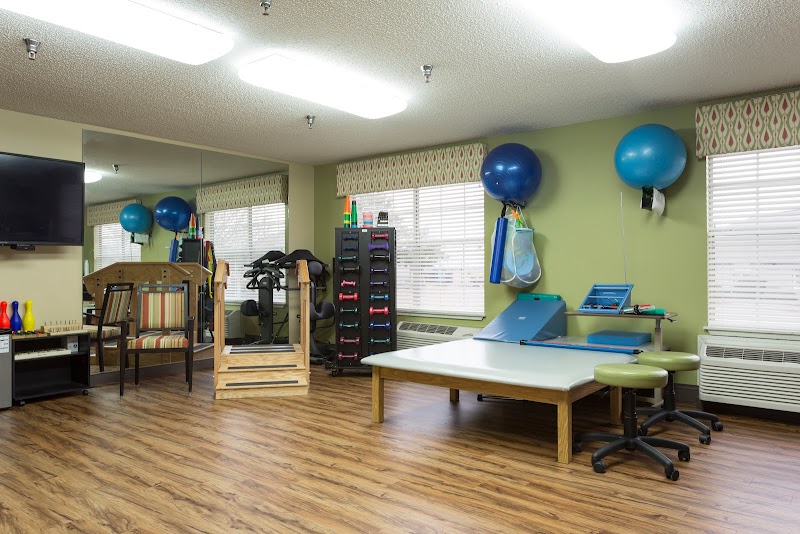
How is Lonoke Health And Rehab Center, Llc Staffed?

CMS rates LONOKE HEALTH AND REHAB CENTER, LLC's staffing level at 2 out of 5 stars, which is below average compared to other nursing homes. Staff turnover is 55%, which is 9 percentage points above the Arkansas average of 46%. High turnover can affect care consistency as new staff learn residents' individual needs. RN turnover specifically is 60%, which is notably high. RNs provide skilled clinical oversight, so turnover in this role can affect medical care quality.

What Have Inspectors Found at Lonoke Health And Rehab Center, Llc?

State health inspectors documented 24 deficiencies at LONOKE HEALTH AND REHAB CENTER, LLC during 2022 to 2024. These included: 24 with potential for harm.
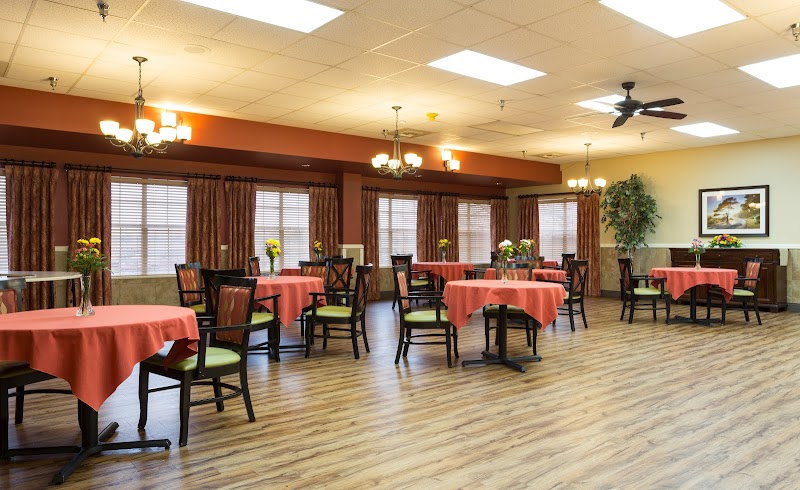
Who Owns and Operates Lonoke Health And Rehab Center, Llc?

LONOKE HEALTH AND REHAB CENTER, LLC is owned by a for-profit company. For-profit facilities operate as businesses with obligations to shareholders or private owners. The facility is operated by CENTRAL ARKANSAS NURSING CENTERS, a chain that manages multiple nursing homes. With 77 certified beds and approximately 72 residents (about 94% occupancy), it is a smaller facility located in LONOKE, Arkansas.
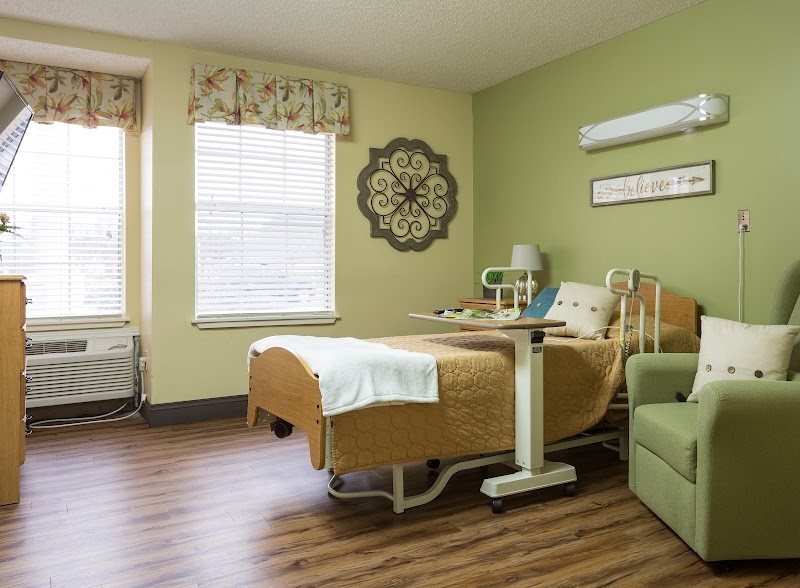
How Does Lonoke Health And Rehab Center, Llc Compare to Other Arkansas Nursing Homes?

Compared to the 100 nursing homes in Arkansas, LONOKE HEALTH AND REHAB CENTER, LLC's overall rating (1 stars) is below the state average of 3.1, staff turnover (55%) is near the state average of 46%, and health inspection rating (1 stars) is much below the national benchmark.

What Should Families Ask When Visiting Lonoke Health And Rehab Center, Llc?

Based on this facility's data, families visiting should ask: "How do you ensure continuity of care given staff turnover, and what is your staff retention strategy?" "Can you walk me through typical staffing levels on day, evening, and night shifts?" "Can I visit during a mealtime to observe dining assistance and food quality?" "How do you handle medical emergencies, and what is your hospital transfer rate?" These questions are particularly relevant given the facility's high staff turnover rate and the below-average staffing rating.

Is Lonoke Health And Rehab Center, Llc Safe?

Based on CMS inspection data, LONOKE HEALTH AND REHAB CENTER, LLC has a clean safety record: no substantiated abuse findings (meaning no confirmed cases of resident harm), no Immediate Jeopardy citations (the most serious violation level indicating risk of serious injury or death), and is not on the Special Focus Facility watch list (a federal program monitoring the lowest-performing 1% of nursing homes). The facility has a 1-star overall rating and ranks #100 of 100 nursing homes in Arkansas. While no facility is perfect, families should still ask about staff-to-resident ratios and recent inspection results during their visit.

Do Nurses at Lonoke Health And Rehab Center, Llc Stick Around?

Staff turnover at LONOKE HEALTH AND REHAB CENTER, LLC is high. At 55%, the facility is 9 percentage points above the Arkansas average of 46%. Registered Nurse turnover is particularly concerning at 60%. RNs handle complex medical decisions and coordinate care — frequent RN changes can directly impact care quality. High turnover means new staff may not know residents' individual needs, medications, or preferences. It can also be disorienting for residents, especially those with dementia who rely on familiar faces. Families should ask: What is causing the turnover? What retention programs are in place? How do you ensure care continuity during staff transitions?

Was Lonoke Health And Rehab Center, Llc Ever Fined?

LONOKE HEALTH AND REHAB CENTER, LLC has no federal fines on record. CMS issues fines when nursing homes fail to meet care standards or don't correct problems found during inspections. The absence of fines suggests the facility has either maintained compliance or corrected any issues before penalties were assessed. This is a positive indicator, though families should still review recent inspection reports for the full picture.

Is Lonoke Health And Rehab Center, Llc on Any Federal Watch List?

LONOKE HEALTH AND REHAB CENTER, LLC is not on any federal watch list. The most significant is the Special Focus Facility (SFF) program, which identifies the bottom 1% of nursing homes nationally based on persistent, serious quality problems. Not being on this list means the facility has avoided the pattern of deficiencies that triggers enhanced federal oversight. This is a positive indicator, though families should still review the facility's inspection history directly.