THE GREEN HOUSE COTTAGES OF WENTWORTH PLACE
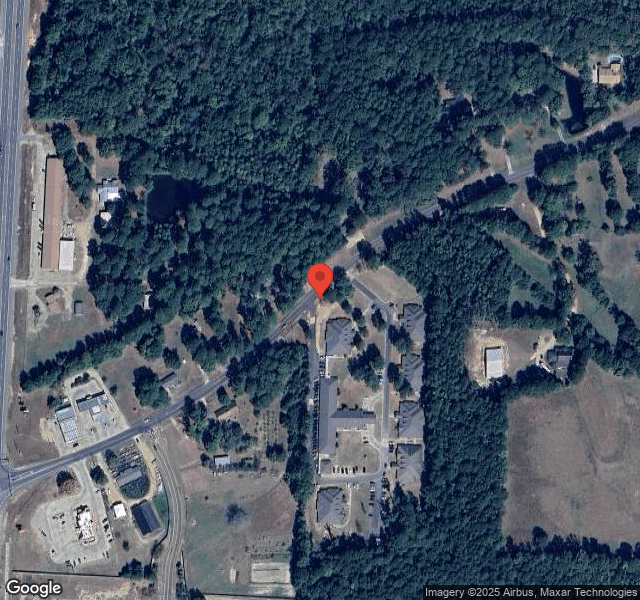
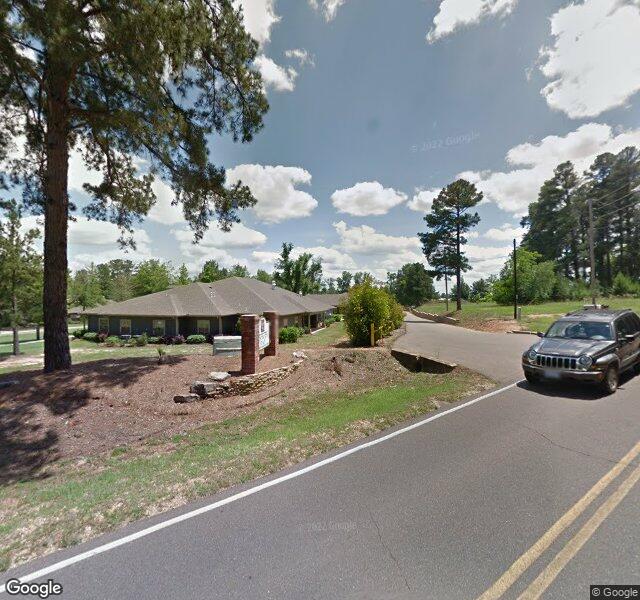
26 WARNOCK SPRINGS ROAD, MAGNOLIA, AR 71753 (870) 234-1361
For profit - Limited Liability company 110 Beds SOUTHERN ADMINISTRATIVE SERVICES Data: November 2025
Trust Grade
85/100
#42 of 218 in AR
Last Inspection: September 2024

Within standard 12-15 month inspection cycle. Federal law requires annual inspections.

Overview

The Green House Cottages of Wentworth Place has a Trust Grade of B+, which means it is above average and generally recommended for families seeking care. It ranks #42 out of 218 facilities in Arkansas, placing it in the top half, and #1 out of 3 in Columbia County, indicating it is the best option locally. However, the facility's performance is worsening, with reported issues increasing from 4 in 2023 to 8 in 2024. Staffing is a strong point, with a 5/5 star rating and a turnover rate of 31%, which is significantly lower than the state average, suggesting experienced staff who know the residents well. There have been no fines, which is a positive sign, and the facility provides more RN coverage than 82% of Arkansas facilities, ensuring better oversight of resident care. On the downside, there are some concerning incidents noted in recent inspections. For example, the facility failed to ensure that expired food items were promptly removed, which could lead to foodborne illnesses affecting many residents. Additionally, there was a failure to notify the long-term care ombudsman when residents were transferred to the hospital, which is an important communication lapse. These issues highlight areas that need improvement but do not overshadow the overall strengths of the facility.

Trust Score
B+
85/100
In Arkansas
#42/218
Top 19%
Safety Record
Low Risk
No red flags
Inspections
Getting Worse
4 → 8 violations
Staff Stability
○ Average
31% turnover. Near Arkansas's 48% average. Typical for the industry.
Penalties
✓ Good
No fines on record. Clean compliance history, better than most Arkansas facilities.
Skilled Nurses
○ Average
Each resident gets 38 minutes of Registered Nurse (RN) attention daily — about average for Arkansas. RNs are the most trained staff who monitor for health changes.
Violations
⚠ Watch
18 deficiencies on record. Higher than average. Multiple issues found across inspections.
★★★★★
5.0
Overall Rating
★★★★★
5.0
Staff Levels
★★★★★
5.0
Care Quality
★★★☆☆
3.0
Inspection Score
Stable
2023: 4 issues
2024: 8 issues

The Good

  • 5-Star Staffing Rating · Excellent nurse staffing levels
  • 5-Star Quality Measures · Strong clinical quality outcomes
  • Full Sprinkler Coverage · Fire safety systems throughout facility
  • No fines on record
  • Staff turnover below average (31%)

    17 points below Arkansas average of 48%

Facility shows strength in staffing levels, quality measures, fire safety.

The Bad

Staff Turnover: 31%

15pts below Arkansas avg (46%)

Typical for the industry

Chain: SOUTHERN ADMINISTRATIVE SERVICES

Part of a multi-facility chain

Ask about local staffing decisions and management

The Ugly 18 deficiencies on record

Sept 2024 8 deficiencies
CONCERN (D)

Potential for Harm - no one hurt, but risky conditions existed

Respiratory Care (Tag F0695)

Could have caused harm · This affected 1 resident

Based on observation, interview, and record review, the facility failed to ensure there was a physician's order for oxygen therapy for 1(Resident #212) of 3 (Resident #59, #212 and #366) sampled resid...

Read full inspector narrative →
Based on observation, interview, and record review, the facility failed to ensure there was a physician's order for oxygen therapy for 1(Resident #212) of 3 (Resident #59, #212 and #366) sampled residents that were reviewed for respiratory care. The findings are: 1. Review of the admission Minimum Data Set (MDS) with an Assessment Reference Date (ARD) of 7/27/2024 indicated Resident #212 had diagnoses of end stage renal disease, diabetes mellitus, and sleep apnea, and scored 12(13-15 indicates cognitively intact) on the Brief Interview for Mental Status). a Review of Resident #212's Order Summary Report for September 2024 did not show that the resident had an order for oxygen therapy. b. On 09/16/2024 at 12:13 PM, Resident #212 was sitting up in a recliner, eyes closed, with oxygen in use per nasal cannula at 1.5 liters. c. On 09/16/2024 at 02:44 PM, Resident #212 was sitting up in chair watching television, with oxygen in use at 1.5 liters per nasal cannula. The resident was unsure if they used oxygen continuously but knew it was always available. d. On 09/17/2024 at 03:20 PM, Resident #212 was lying in bed with oxygen in use at 1.5 liters per nasal cannula. e. On 09/18/20244 at 12:05 PM, Resident #212 was sitting in a wheelchair in their room with oxygen in use at 1.5 liters per nasal cannula. f. On 09/18/2024 at 12:08 PM, Registered Nurse (RN) #11 was asked to accompany the surveyor to Resident #212's room and asked to tell the Surveyor what the resident's oxygen flow rate was set at. RN #11 looked at the resident's oxygen and stated it looked like it was set at 1.5 (liters). RN #11 was asked what Resident #212's oxygen flow rate should be set on and after looking in the electronic record, RN#11 stated she did not see an oxygen order for the resident. RN#11 was asked if there should be a physician's order telling you what the oxygen flow rate should be if the resident is receiving oxygen, and stated there should be so that the resident gets the correct oxygen perfusion through their body based on their diagnosis. g. On 09/18/2024 at 01:50 PM, the Director of Nursing (DON) was asked if the use of oxygen require a physician's order and what the physicians order should include, and she stated there should be an order and it should include the flow rate and whether the oxygen is PRN (as needed) or continuous. The DON was asked if she was aware that Resident 212 was receiving oxygen without a physician's order, and she stated she was made aware by the resident's nurse earlier and they had obtained an order for the oxygen. The DON was asked why it was important that there is a physician's order for oxygen, and she stated there should be an order because oxygen is a medication. h. On 09/18/2024 at 2:50 PM, the Administrator came to the surveyor and stated that they did not have a policy on use of oxygen.
CONCERN (D)

Potential for Harm - no one hurt, but risky conditions existed

Deficiency F0761 (Tag F0761)

Could have caused harm · This affected 1 resident

**NOTE- TERMS IN BRACKETS HAVE BEEN EDITED TO PROTECT CONFIDENTIALITY** Based on observation, record review, interview, and facility policy review, it was determined that the facility failed to ensure...

Read full inspector narrative →
**NOTE- TERMS IN BRACKETS HAVE BEEN EDITED TO PROTECT CONFIDENTIALITY** Based on observation, record review, interview, and facility policy review, it was determined that the facility failed to ensure resident medications were stored behind a lock to prevent unauthorized staff or resident access. This failed practice had the potential to affect 1 (Resident #32) sampled resident. The findings are: 1. A review of a policy titled Medication Storage in the Facility, revised January 2018, revealed that medications should be stored behind locks, and be accessible to licensed and pharmacy personnel. Medication rooms and carts are to be locked up when not being attended by authorized personnel. 2. A review of Medical Diagnoses for Resident #32 revealed diagnoses of stroke, dementia, and diabetes mellitus. 3. On 09/17/2024 at 12:58 PM, the surveyor walked in Resident #32's room and the door to the bottom drug cabinet near the doorway fell open. The Surveyor pulled on the knob of the upper drug cabinet, and the door swung open easily revealing: a. Jardiance 25 mg (milligram) tablet, 1 tab b. Metformin 500 mg oral twice a day, 1 tab c. Vitamin D 1250 mg bottle d. Lantus 100u/ml (unit/milliliter), 10 ml vial e. Fiber lax 625 mg tables x 2 bottles f. Loratadine allergy relief 10 mg 1 bottle g. Acetaminophen 500 mg tablets, 2 bottles h. Fish oil 1000 mg bottle i. Glucosamine chondroitin advanced bottle j. Pen needles, 1 box k. Gabapentin 300 mg capsule at night, 1 tablet l. Atorvastatin 40 mg nightly, 1 tablet m. Metoprolol 50 mg, 1 tablet n. Losartan 25 mg twice a day, 1 tablet o. Terazosin 2 mg oral, 1 capsule 4. During an interview at [NAME] House with Registered Nurse #10 (RN) on 09/17/2024 at 1:05 PM, RN #10 was asked about the process for storing medications in resident rooms. RN #10 stated that both medication cabinets in Resident #32's room are supposed to be locked to prevent residents from taking someone else's medications. 5. During an interview with the Director of Nursing (DON) on 09/18/2024 at 3:45 PM, the DON confirmed that staff are expected to make sure medications are kept behind locked doors to prevent residents from self-medicating and hurting themselves.
CONCERN (D)

Potential for Harm - no one hurt, but risky conditions existed

Infection Control (Tag F0880)

Could have caused harm · This affected 1 resident

**NOTE- TERMS IN BRACKETS HAVE BEEN EDITED TO PROTECT CONFIDENTIALITY** Based on observation, record review, and interview, it was determined that the facility failed to ensure oxygen/nebulizer tubing...

Read full inspector narrative →
**NOTE- TERMS IN BRACKETS HAVE BEEN EDITED TO PROTECT CONFIDENTIALITY** Based on observation, record review, and interview, it was determined that the facility failed to ensure oxygen/nebulizer tubing and masks where changed every week in a timely manner to prevent respiratory infections affecting 1(Resident #59) of 3 sampled (Resident #59, #212, #366) residents reviewed for respiratory. Findings include: 1. A review of the Medical Diagnoses, revealed Resident #59 had diagnoses of chronic obstructive pulmonary disease (COPD), obstructive sleep apnea, and left foot contracture. a. A review of the Physicians Order, dated 06/29/2023, revealed Resident #59 gets albuterol updrafts three times a day. b. A review of Resident #59's Care Plan, revised on 07/21/2024, revealed Resident #59 has COPD and obstructive sleep apnea and to give medications as ordered. c. On 09/16/2024 at 10:24 AM, a storage bag and nebulizer mask on Resident #59's bedside table was dated 09/05/2024. d. On 09/17/2024 at 10:15 PM, a stored nebulizer mask with 09/5/2024 written on the side was stored on the right bedside table. e. A review of Resident #59's Medication Administration Record, dated September 2004 on 09/18/2024 at 08:51 AM, revealed that Resident #59 is compliant with nebulizer treatments three times a day. f. On 09/18/2024 at 09:46 AM, Resident #59 gave permission to open his/her bedside drawer to look at Resident #59's nebulizer tubing and mask was dated 09/05/2024. g. During an interview at [NAME] House with Licensed Practical Nurse #12 (LPN) on 09/18/2024 at 10:14 AM, LPN #12 was asked the process for changing oxygen tubing and nebulizer mask, and what process staff follows if they find oxygen tubing or nebulizer masks that have not been changed out. LPN #12 confirmed that night shift nurses change out oxygen tubing and nebulizer masks on Wednesday nights, but staff should notify a nurse on duty if they see tubing or nebulizer mask that are dated past one week. h. On 09/18/2024 at 10:17 AM, LPN #12 accompanied Surveyor to Resident #59's room and confirmed the oxygen mask and tubing were last changed on 9/05/2024, and they should have been changed after 7 days for sanitary reasons, and to prevent infection. i. During an interview with the Director of Nursing (DON) on 09/18/2024 at 03:35 PM, DON was asked what the process was for changing tubing and nebulizer mask. DON stated that nursing is expected to change out oxygen tubing and nebulizer mask every Wednesday night. DON confirmed that if staff finds tubing or nebulizer masks that were not changed out, they are expected to notify a nurse and confirmed that tubing and nebulizer mask dated 09/05/2024 should have already been changed out for cleanliness, and to prevent respiratory infections. The DON revealed that they do not have a policy addressing changing out oxygen tubing and nebulizer mask, but it is expected to be done every 7 days. j. On 09/19/2024 at 09:31 AM, Social Services Director (SSD) provided a letter from the administrator stating the facility does not have a policy or procedure for oxygen tube use.
CONCERN (E)

Potential for Harm - no one hurt, but risky conditions existed

Transfer Notice (Tag F0623)

Could have caused harm · This affected multiple residents

**NOTE- TERMS IN BRACKETS HAVE BEEN EDITED TO PROTECT CONFIDENTIALITY** Based on interviews, record review, and facility policy review, it was determined the facility failed to notify and provide a c...

Read full inspector narrative →
**NOTE- TERMS IN BRACKETS HAVE BEEN EDITED TO PROTECT CONFIDENTIALITY** Based on interviews, record review, and facility policy review, it was determined the facility failed to notify and provide a copy of the written notice to the long-term care ombudsman when a resident was transferred to the hospital for 3 (Resident #88, #85, and # 212) of 3 sampled residents reviewed for hospitalization. The findings are: 1. Review of an annual Minimum Data Set (MDS) with Assessment Reference Date (ARD) of 7/16/24 indicated Resident #88 had diagnoses of dementia, history of falling, personal history of healed traumatic fracture, muscle weakness. The MDS indicated Resident #88 had a Brief Interview for Mental Status (BIMS) score of 4 (0-7 suggests severe cognitive impairment). a. A Progress Note for 8/23/2024 at 09:38 AM read, This nurse called and notified elder's daughter of elder's condition. Daughter stated that she was not feeling well herself and that she was afraid she had got [Resident #88] sick. The Daughter was notified of [Resident #88] being sent out to (Name of Hospital) for further evaluation . b. On 9/18/24 at 10:00 AM, the surveyor examined Emergency Transfers from Facility log for the month of August, noting Resident # 88 was not on the list. c. On 9/18/24 at 12:05 PM, the surveyor requested notice of ombudsman notification for resident Hospital transfers for Resident # 88 and Resident # 85. d. On 09/18/24 at 2:29 PM, the surveyor received a revised Emergency Transfers from Facility log from the Social Services Director confirming the Ombudsman was notified 9/18/24 of Resident # 88's and Resident #85's hospitalization in August. 2. Review of the quarterly MDS with an ARD of 08/19/24 indicated Resident #85 had diagnoses of chronic obstructive pulmonary disease, stroke, and repeated falls, and scored 3 (0-7 indicates severe impairment) on the BIMS. a. An Advanced Practice Registered Nurse (APRN) progress note dated 6/30/2024 indicated Resident #85 had been found on the floor by staff and the resident reported hitting their head and experiencing neck pain. Following the assessment, the APRN ordered the resident be sent to the ER (Emergency Room) for hitting their head post fall and abnormal vital signs. b. A History and Physical dated 06/30/2024 contained in the After Visit Summary report from (name of hospital) indicated Resident #85 was admitted to the hospital on [DATE] with diagnoses of subarachnoid bleed after a fall where the resident hit their head and pneumonia. c. A review of the Emergency Transfer from Facility log and the Admission/Transfer to/from Report for both June 2024 and July 2024, provided by the Social Services Director at 8:50 AM on 9/18/2024 to confirm notification to the Ombudsman, did not show Resident #85's name. d. On 09/18/24 at 03:06 PM, the surveyor interviewed the Administrator and the Social Services Director regarding the Ombudsman not being notified of resident transfer to hospital for Resident # 88 in August 2024 and Resident # 85 in June 2024. Both staff stated it was overlooked, Ombudsman was notified on 9/18/2024. 3. Review of the admission MDS with an ARD of 7/27/24 indicated Resident #212 had a diagnoses of end stage renal disease, diabetes mellitus, and sleep apnea, and scored 12 (13-15 indicates cognitively intact) on the BIMS. a. Review of the Notice of Transfer/Discharge/LOA (Leave of Absence) with Bed Hold Policy form indicated Resident #212 was transferred to (Name of Hospital) for a change of condition on 8/21/24. b. Review of the Summary of Care report dated 9/10/24 from (Name of Hospital) indicated Resident #212 was admitted to the hospital from [DATE] to 9/10/24 with diagnoses of acute renal failure with acute tubular necrosis superimposed on chronic renal failure, sepsis and diabetes mellitus. c. Reviewed the forms titled Emergency Transfers from facility dated August 2024 and the Admissions/Discharge To/From Report for 8/1/2024 to 8/31/2024 provided by the Social Director on 9/18/2024 at 8:50 AM that documented the notification to the Ombudsman of residents that were transferred to the hospital in August of 2024 and neither of the forms included Resident #212 name. d. On 09/18/24 at 4:35 PM, the surveyor informed the Social Director and the Administrator Residents 212's name was not found after reviewing the lists provided by the facility showing notification of the Ombudsman of transfers to hospital during August. The Social Director stated the resident was not on the list because the resident was placed on bed hold and the list generated for the Ombudsman did not include bed holds. The Social Director stated they had come up with a process to ensure the monthly list sent to the Ombudsman included all resident transfers. e. On 09/19/2024 at 9:28 AM, the policy titled, Transfer and Discharge (undated) provided by the Administrator indicated before a resident is discharged the facility will notify the resident, a family member, or legal representative, and send a copy of the notice to a representative of the Office of the State Long-Term Care Ombudsman.
CONCERN (E)

Potential for Harm - no one hurt, but risky conditions existed

Accident Prevention (Tag F0689)

Could have caused harm · This affected multiple residents

**NOTE- TERMS IN BRACKETS HAVE BEEN EDITED TO PROTECT CONFIDENTIALITY** Based on observation, interview, and facility policy review, the facility failed to ensure the lift pad was free of fraying and ...

Read full inspector narrative →
**NOTE- TERMS IN BRACKETS HAVE BEEN EDITED TO PROTECT CONFIDENTIALITY** Based on observation, interview, and facility policy review, the facility failed to ensure the lift pad was free of fraying and holes for 1 (Resident #54) sampled resident reviewed for accidents and injuries, and to ensure a resident was not allowed to smoke outside without supervision affecting 1 (Resident #59) sampled resident of 2 Sampled (Resident #24, #59) residents reviewed for smoking. Findings include: 1. A review of Medical Diagnoses, revealed Resident #54 with a diagnoses of Huntington's disease, stroke, and major depressive disorders. a. The annual Minimum Data Set (MDS) with an Assessment Reference Date (ARDs) of 01/22/2024 indicated a Brief Interview for Mental Status (BIMs) score of 03 (0-7 suggest severely impaired). Section GG0130 indicated Resident #54 is totally dependent on staff for meals, transfers, dressing, toileting, and personal hygiene. b. A review of Resident #54's Care Plan, revised on 07/18/2024, revealed that Resident #54 is totally dependent on staff and requires a lift with two-person assistance for transfers. c. A review of an in-service dated 08/09/2024 revealed staff were educated in lift pad sizing and inspecting lift pads before use. d. On 09/16/2024 at 11:12 AM, Resident #54 was observed resting quietly in a geriatric chair in the common area at [NAME] House, on a purple lift pad with red trim with a small hole near the left of Resident #54's head, and three small areas of fraying around the trim near the head, and 2 frayed areas near the right arm. e. On 09/17/2024 at 01:55 PM, a purple lift pad with red trim was observed hanging on Resident #54's bathroom door. Shahbaz #7 and Shahbaz #8 were asked when a lift pad would be removed from service. They were not sure why a lift pad would not be used, or how to remove one from service. Shahbaz #8 picked up the purple lift pad with red trim and both examined it. Shahbaz #7 identified 3 burn holes, a small hole at the top of the lift pad, and a nickel size hole near the bottom nylon straps, and 2-3 areas of fraying around the edges of the lift pad. Shahbaz #7 confirmed they borrowed this lift pad from another cottage and was using it on Resident #54. Shahbaz #8 confirmed that the lift pad could rip while lifting a resident and cause an accident. f. During an interview with the Director of Nursing (DON) on 09/18/2024 at 03:45 PM, the DON was asked the process staff are expected to follow to remove lift pads from service. DON stated that if a lift pad is frayed, or has holes the Shahbaz can throw them away, and are expected to tell the charge nurse so that new lift pads can be ordered. Lift pads with holes and fraying would not be considered safe and could cause resident accidents. 2. Review of the Medical Diagnoses revealed Resident #59 had diagnoses of chronic obstructive pulmonary disease (COPD), obstructive sleep apnea, and left foot contracture. a. Review of an in-service titled Smoking with or without Supervision and Apron requirements, revealed that all residents that smoke have a smoking assessment, and staff must be outside with a resident that requires supervision. b. A review of Resident #59's Care Plan, revised 09/20/2023, revealed Resident #59 has been educated on residents smoking evaluation and requires supervision of staff or a family member when smoking, and must wear a smoking apron. c. On 09/17/2024 at 12:47 PM, Resident #59 was observed sitting on the porch alone at [NAME] House smoking a cigar and had a second cigar resting on his/her chest. d. On 09/17/2024 at 1:00 PM, Shahbaz #9 came outside and assisted Resident #59 in lighting a second cigar, and then returned inside the cottage. e. On 09/17/2024 at 1:02 PM, Shahbaz #9 was followed inside the cottage and was observed looking in a drawer near the snacks, with her back to the front windows. The Surveyor asked Shahbaz #9 the process for smoking outside unsupervised and if Resident #59 had gone through that process. Shahbaz #9 stated that Resident #59 did not require supervision but was seated outside near the far-right corner window so he could be checked on. f. Review of the Smoking-Safety Screening dated 09/09/2024 revealed Resident #59 required supervision and a smoking apron while smoking. g. During an interview with the DON on 09/18/2024 at 03:40 PM, the DON was asked the facilities interpretation of supervised smoking, and if checking on someone from across the room and glancing out the window was considered supervision. The DON confirmed that a staff member should be outside with the resident while smoking to be supervision and confirmed watching out a window is not considered supervision, and a resident could burn themselves. h. On 09/18/2024 at 6:42 PM, a review of a policy titled Smoking, revealed the facilities policy is to ensure a safe environment for residents to smoke outside. All residents that want to smoke outside will be assessed to determine what the resident needs to be safe when smoking. The facility also provided page 2 of a document from the state agency confirming that a facility must assess a resident and describe the methods used to deem a resident safe to smoke unsupervised.
CONCERN (E)

Potential for Harm - no one hurt, but risky conditions existed

Deficiency F0804 (Tag F0804)

Could have caused harm · This affected multiple residents

Based on observation, record review, and interview, the facility failed to ensure the meals were prepared in a method that maintained nutritive value and taste that were acceptable to the residents to...

Read full inspector narrative →
Based on observation, record review, and interview, the facility failed to ensure the meals were prepared in a method that maintained nutritive value and taste that were acceptable to the residents to improve palatability and encourage good nutritional intake during 1 of 1 meal observed. The findings are: 1. A review of document titled, Quantified Recipe .Breaded Chicken On Bun, initiated for 3/20/2024 and provided by the Dietary Manager on 9/18/2024 at 12:14 PM, indicated for 5 residents placed 5 sandwiches use 1.75 cup plus 2 tablespoons of water or stock. a. On 9/17/24 at 4:09 PM, Dietary [NAME] (DC) #1 placed 5 servings of fried chicken breast into a blade, added 4 cups of hot water from the sink and stated they used 5 chicken breasts, and the same amount of water to help maintain the consistency, instead of 1.75 cup plus 2 tablespoon of water or stock. 2. A review of a document titled, Quantified Recipe .Vegetable Blend, initiated 3/20/2024 and provided by the Dietary Manager on 9/18/2024 at 12:14 PM, indicated for 5 residents use 5.5 cups of vegetable blend of choice and 1 tablespoon plus teaspoon of thickener and no water, a. On 09/17/24 at 4:31 PM, DC #1 used a 4-ounce spoon to place 5 servings of mixed vegetables into a blender, added 1.25 cups of tap water and 2 tablespoon of thickener and pureed, instead 1 tablespoon plus 2 teaspoons of thickener and no water. 3. A review of a document titled, Quantified Recipe .puree dinner roll, initiated 3/20/2024 and provided by the Dietary Manager on 9/18/2024 at 12:14 PM, indicated for 5 residents use dinner roll, 1 each, plus 0.75 teaspoon thickener and 2 tablespoons of water or milk. a. On 09/17/24 at 4:38 PM, DC #1 placed 6 slices of bread into a blender, added 1.25 cups of tap water, instead of 0.5 cup plus 2 tablespoon water or milk. 4. On 9/17/24 at 6:12 PM, DC #1 stated food pureed with water would taste bland.
CONCERN (E)

Potential for Harm - no one hurt, but risky conditions existed

Deficiency F0805 (Tag F0805)

Could have caused harm · This affected multiple residents

**NOTE- TERMS IN BRACKETS HAVE BEEN EDITED TO PROTECT CONFIDENTIALITY** Based on observations, interview, and facility policy review, the facility failed to ensure pureed food items were blended to a ...

Read full inspector narrative →
**NOTE- TERMS IN BRACKETS HAVE BEEN EDITED TO PROTECT CONFIDENTIALITY** Based on observations, interview, and facility policy review, the facility failed to ensure pureed food items were blended to a smooth, lump free consistency to minimize the risk of choking or other complications for those residents who required pureed diets for 2 of 2 meals observed. The findings are: 1. On 9/17/24 at 5:17 PM, during observation of supper meal in [NAME] House, the following pureed food items were in a crock pot awaiting service: a. Pureed fried chicken breast. The consistency was chunky. There were pieces of chicken visible in the mixture. b. Pureed mixed vegetables. The consistency of the pureed was lumpy and not smooth. There were pieces of vegetables and stems visible in the mixture. c. Pureed tarter tots. The consistency was lumpy and not smooth. There were pieces of potatoes still in the mixture. 2. On 9/17/24 at 6:01 PM, the Dietary Manager stated the consistency pureed fried chicken breast was chunky, there were still pieces of chicken in the mixture. It is supposed to be pudding consistency. Pureed mixed vegetables has pieces of vegetables and vegetables stems in it and for the pureed tartar tots they were pieces of potato in it. They should have been pureed longer. 3. On 9/17/24 at 6:03 PM, Shahbaz #6 stated the consistency of the pureed fried chicken breast was chunky. Pureed vegetables have stems and lumps in it and pureed tarter tots was lumpy. 4. On 9/17/24 at 6:05 PM, Shahbaz #5 who prepared the supper meal stated the consistency of the pureed chicken was chunky, pureed mixed vegetables has lumps and vegetable stems sticking out. 5. On 9/18/24 at 9:13 AM, during observation of the breakfast meal in [NAME] House the pureed food items served to the residents who required pureed diets were not properly pureed: a. Pureed bread was runny and there were pieces of bread visible in the mixture. b. Pureed sausage had more of a mechanical texture. (Mechanical soft texture foods can be pureed, finely chopped, blended, or ground to make them smaller, softer, and easier to chew. It differs from a pureed diet, which includes foods that require no chewing.) 6. On 9/18/24 at 9:14 AM, the Dietary Manager stated the pureed bread was lumpy and runny, she can see particles of bread and pureed sausage is mechanically like. 7. On 9/18/24 at 9:14 AM, Shahbaz #5 stated the pureed bread has particles of bread in it, and the pureed sausage is mechanically soft and not pureed. 8. On 9/18/24 at 9:15 AM, Shahbaz #6 who prepared breakfast meal stated pureed bread had particles of bread in it and pureed sausage is mechanical like. I should have added more liquid to it. 9. The pureed fried chicken, pureed tarter tots, and pureed mixed vegetables remained as thick and lumpy as they were when first observed in the crock pot. This consistency persisted when they were served to the residents. 10. A review of a facility policy titled, In-service: Puree Foods, not dated, and provided by the Dietary Manager on 9/18/2024, indicated pureed food should be the consistency of pudding or mashed potatoes.
CONCERN (E)

Potential for Harm - no one hurt, but risky conditions existed

Food Safety (Tag F0812)

Could have caused harm · This affected multiple residents

**NOTE- TERMS IN BRACKETS HAVE BEEN EDITED TO PROTECT CONFIDENTIALITY** Based on observation, interview, and facility policy review, the facility failed to ensure dietary staff and Shahbaz thoroughly ...

Read full inspector narrative →
**NOTE- TERMS IN BRACKETS HAVE BEEN EDITED TO PROTECT CONFIDENTIALITY** Based on observation, interview, and facility policy review, the facility failed to ensure dietary staff and Shahbaz thoroughly washed their hands and changed gloves when contaminated and before handling food and clean equipment to decrease the potential for food borne illness for residents receiving meals from 2(Pavilion House and [NAME] House) kitchens; expired food items and spices were promptly removed/discarded on or before the expiration or use by date to minimize the potential for food borne illness for residents who received meals from 4 A(Pavilion House, [NAME] House, [NAME] House and [NAME] House) kitchens; hot food items were maintained at the required temperatures on the mini crock pots to prevent potential food borne illness for residents who received meals from 1(Brown House) kitchen. These failed practices had the potential to affect residents who received meals from the kitchen (with a total census of), according to the list provided by the Dietary Manager. The findings are. Pavilion House: 1. On 9/17/24 at 4:01 AM, the following observations were made in the kitchen during supper meal preparation: 2. Dietary [NAME] (DC)#1 wore mittens on her hands when she removed a pan of chicken from the oven and placed it on the counter. Without washing her hands, she picked up a clean blade and attached it to the base of the blender to be used in pureeing food items to be served to the residents on pureed diets. 3. On 9/17/24 at 4:19 PM, DC #1 turned on the 3-compartment sink faucet and washed the blender bowl, blade and the lid with hot water but didn't use soap. Without sanitizing it, she attached the blender bowl to the motor and attached a blade at the base of the blender. As DC #1 was about to use it to puree food items to be served to the residents on pureed diets for supper, DC #1 was asked if food processors should be washed with soap and sanitized before been used. DC #1 stated, Yes. 4. On 9/17/24 at 4:22 PM, Dietary Aide (DA) #2 removed cartons of thickened liquids from the storage and placed them on the counter. DA #2 pushed a cart that contained glasses towards the counter, contaminating her hands. Without washing her hands, she picked up glasses by their rims and poured beverages in them to serve the residents for supper. 5. On 9/18/24 at 10:09 AM, the following observations were made on a shelf in the freezer located in the storage room: a. One container of cottage cheese with an expiration date of 8/28/2024. b. One container of potato salad with an expiration of 9/11/2024. [NAME] House 1. On 9/18/24 at 9:53 AM, one container of chili powder in the kitchen cabinet had expiration date of 9/5/2024. Brown House 1. On 9/17/24 at 4:55 PM, the temperatures of the food items when checked and read by Shahbaz #4 were: a. Ground fried chicken breast in a crock pot was 128 degrees Fahrenheit. b. The fried chicken breast was 130 degrees Fahrenheit. c. Mechanical tarter tots in a foil pan on the counter was 125 degrees Fahrenheit. [NAME] House. 1. On 9/18/24 at 8:47 AM, the following observations were made in the kitchen cabinet. a. One gallon of garlic powder with an expiration date of 8/1 2023. b. One container of ground thyme with an expiration date of 9/1/2024. c. One container of Mediterranean style ground oregano with an expiration date of 9/11/24. Brown House. 1. On 9/18/24 at 9:07 AM, one container of potato salad was on a shelf in the refrigerator with an expiration date of 9/16/2024. 2. On 9/18/24 at 9:09 AM, the following observations were made on a shelf in the storage room: a. One bag of hot buns with an expiration date of 9/16/2024. b. One bag of bread with an expiration date of 9/13/2024. A review of a facility policy titled, Handwashing and Glove Usage in Food service, not dated and provided by the Dietary Manager on 9/19/2024, indicated, hands must be washed before starting work and when engaging in any activities that may contaminate hands.
Oct 2023 4 deficiencies
CONCERN (D)

Potential for Harm - no one hurt, but risky conditions existed

Deficiency F0804 (Tag F0804)

Could have caused harm · This affected 1 resident

**NOTE- TERMS IN BRACKETS HAVE BEEN EDITED TO PROTECT CONFIDENTIALITY** Based on observation and interview, the facility failed to ensure meals were served in a method that maintained the appearance, ...

Read full inspector narrative →
**NOTE- TERMS IN BRACKETS HAVE BEEN EDITED TO PROTECT CONFIDENTIALITY** Based on observation and interview, the facility failed to ensure meals were served in a method that maintained the appearance, and temperature that were acceptable to the residents to improve palatability and encourage good nutritional intake during 1 of 1 meal observed. This failed practice had the potential to affect 11 residents who resided in [NAME] House. The findings are: On 10/09/23 at 12:17 PM, observed the lunch meal at [NAME] House. A pan of ham was sitting on the kitchen island uncovered. The ham was dark brown and/or pink, and dry. The temperature of the food taken by Dietary #1 was as follows: a. Mashed Potatoes - 165 degrees Fahrenheit. b. Ham - 87 degrees Fahrenheit. On 10/09/23 at 12:25 PM, Dietary #1 said the crock pots were keeping the mashed potatoes warm. The Surveyor asked what their process was to keep meat warm after it is cooked. Dietary #1 said, We have a warmer. On 10/11/23 at 7:52 AM, the Surveyor asked the Dietary Manager (DM) the process for keeping meat at the proper temperature. The Dietary Manager said meat can be heated in the microwave, crockpots, and they have warmers in the cottages. The DM confirmed 87 degrees Fahrenheit was not appropriate to serve meat. A facility policy titled, Diet, Sanitation, and Menu, provided by the Administrator on 10/12/23 at 9:26 AM documented, Policy. The nursing facility will provide each Resident/Elder with a nourishing, palatable, well-balanced diet that meets the daily nutritional and special dietary needs of each resident/elder . 5. On 10/12/23 at 10:00 AM, the Administrator said the facility does not have a food service policy.
CONCERN (E)

Potential for Harm - no one hurt, but risky conditions existed

Deficiency F0761 (Tag F0761)

Could have caused harm · This affected multiple residents

**NOTE- TERMS IN BRACKETS HAVE BEEN EDITED TO PROTECT CONFIDENTIALITY** Based on observation, interview, and record review the facility failed to ensure medications were not left unattended at the bed...

Read full inspector narrative →
**NOTE- TERMS IN BRACKETS HAVE BEEN EDITED TO PROTECT CONFIDENTIALITY** Based on observation, interview, and record review the facility failed to ensure medications were not left unattended at the bedside and controlled substances were properly stored behind two secured locks, and access only permitted by authorized, licensed personnel to prevent misappropriation of resident medications in [NAME] House; insulin bottles were dated after opening in [NAME] House; and medications were not left with and administered by residents without self-administration rights in [NAME] House. The findings are: 3. [NAME] House: On 10/10/23 at 8:33 AM, observed Resident #66 sitting on the porch in a wheelchair beside another resident holding an opened plastic bag with a medication label visible. Resident #66 said the nurse went to get a pill she forgot and told her to go ahead and take her Trelogy inhaled medication like usual. Resident #66 stated, I gave it to myself, and now I am waiting on my pill. I can give it to myself better anyway. On 10/10/23 at 8:35 AM, LPN #3 came outside on the front porch and immediately told the Surveyor that Resident #66 was just supposed to hold the plastic bag containing the Trelogy inhaler while she went inside for a forgotten pill. The Surveyor informed LPN #3 that Resident #66 said she used the inhaler while she went inside for a forgotten pill. LPN #3 confirmed Resident #66 was not assessed for self-administration of medication. A Physicians Order dated 05/12/23 noted Resident #66 is to receive a Trelogy (Fluticasone-Umeclidin-Vilant) Inhaler one time a day for Chronic Obstructive Pulmonary Disease (COPD). 4. On 10/12/23 at 2:09 PM, the Surveyor asked the Director of Nursing (DON) what is the procedure when you open a new vial of insulin. The DON replied, Open the vial and date it. The Surveyor asked, When a key is hung up beside a locked door in the cottage, who could enter the room? DON replied, All staff and if it is a linen closet or supply closets family and elders can enter. 5. A facility policy titled, Pharmaceutical Services, provided by the Administrator on 10/11/23 at 8:04 AM documented, .Storage of drugs: All drugs and biologicals are stored in a locked compartment . Only authorized personnel are permitted to have access to the medication keys . 1. [NAME] House: On 10/10/23 at 8:22 AM, Resident #206 was lying in bed. An unopened vial of Ipratropium-Albuterol Solution (breathing medication) was lying on the bedside table. On 10/10/23 at 2:02 PM, the Surveyor asked LPN #1 about the unopened vial on Resident #206's bedside table. LPN #1 stated, Medication should not be left in a resident's room. On 10/10/23 at 1:50 PM, the Surveyor accompanied Licensed Practical Nurse (LPN) #1 to the Laundry Room where the narcotics were stored. Observed a key hanging on the wall beside the door. LPN #1 removed the key and unlocked the door. LPN #1 opened an unlocked bottom cabinet door and slid out a permanently affixed large wooden box with a latch and lock on top. The Surveyor asked, Who has access to this laundry room? LPN #1 stated, CNAs [Certified Nursing Assistant] do use the laundry room for residents' laundry. The Surveyor asked, Is the cabinet door lock broken? LPN #1 responded, The narcotic cabinet lock is broken, and they are waiting on maintenance to fix it. The Surveyor asked, How long has the lock been broken? LPN #1 responded, I do not know. The contents of the narcotic box were as follows: a. Hydrocodone 5/325 milligram - 46 pills b. Norco 10/325 milligram - 57 pills c. Lyrica 75 milligram - 50 pills d. Tramadol 50 milligram - 30 pills e. Clonazepam 0.5 milligram - 21 pills f. Tramadol 50 milligram - 27 pills g. Clonazepam 0.125 milligram - 21 pills On 10/10/2023 at 1:55 PM, the Surveyor and LPN #1 exited laundry room and LPN #1 hung the laundry room key back on the hook outside the door. Within moments Shahbaz #3 entered the laundry room using the key hung outside of the door on the hook. 2. [NAME] House: On 10/10/23 at 2:43 PM, observed the medication cabinet in [NAME] House room [ROOM NUMBER]A and observed an opened, undated multi dose vial of Humulin R Insulin. LPN # 5 stated, Whoever opened the insulin forgot to date the vial with an open and use by date. The vial should have an open date.
CONCERN (E)

Potential for Harm - no one hurt, but risky conditions existed

Infection Control (Tag F0880)

Could have caused harm · This affected multiple residents

Based on observation, record review, and interview, the facility failed to ensure staff and proper handling of filling up water bottles to prevent the potential spread of infection to other residents....

Read full inspector narrative →
Based on observation, record review, and interview, the facility failed to ensure staff and proper handling of filling up water bottles to prevent the potential spread of infection to other residents. The failed practices had the potential to affect all 107 residents who resided in the facility. The findings are: On 10/09/23 at 1:45 PM, Shahbaz #1 came out of a resident room that had a resident who was on isolation precautions with a lunch tray with a glass plate, glass bowl, utensils, and napkins on it. Shahbaz #1 carried the tray to the kitchen and placed it on the counter. At 1:52 PM, Shahbaz #1 gathered the utensils from the dirty trays including the tray from the isolation room and placed them in the sink and placed the bowls, plates, and glasses all together. On 10/09/23 at 2:51 PM, without washing her hands, Shahbaz #3 placed ice into two water bottles for a resident and used her hand/fingers to guide the ice into the bottles. On 10/11/23 at 8:25 AM, Certified Nursing Assistant (CNA) #1 donned a gown, gloves, mask, and face shield to enter Resident #87's isolation room. CNA #1 entered the isolation room and provided care then exited the room with a breakfast tray. CNA #1 placed the tray on the 3 drawer rolling cart outside the door. CNA #1 removed her gown, face shield and gloves. CNA #1 left her mask on and walked down the hall and then back, picked up the tray that was in the isolation room and placed it on the cart with the other breakfast trays without gloves on. CNA #1 did not clean or disinfect the top of the 3-drawer rolling cart where she placed the tray that she had brought out of the isolation room. On 10/11/23 at 8:34 AM, CNA #2 exited Resident #17's room fully dressed in Personal Protective Equipment (PPE) carrying 2 contaminated meal trays and walked 6 feet to place the contaminated meal trays on a cart with the other trays. On 10/11/23 at 8:40 AM, the Surveyor asked CNA #1 to describe the correct sequence of removing PPE after exiting an isolation room. CNA #1 stated, gloves, gown, face shield, mask. The Surveyor asked if she felt she had properly doffed her PPE. CNA #1 stated, No. On 10/12/23 at 12:57 PM, the Surveyor asked the Director of Nursing (DON) The Surveyor asked if it was appropriate to wear contaminated PPE in the hall. The DON stated, No. The Surveyor asked if it was appropriate to touch ice with your fingers/hand. The DON stated, No. The Surveyor asked if it was appropriate for trays from isolation rooms to be placed on the counter tops/hall carts uncovered and then taken to the kitchen with the rest of the trays. The DON stated No. A facility policy titled, Infection Control Program, provided by the Administrator on 10/11/23 at 3:37PM documented, .OVERVIEW: Policy: The facility will establish and maintain an Infection Control Program designed to provide a safe, sanitary and comfortable environment and to help prevent the development and transmission of disease and infection . The facility policy titled, Personal Protective Equipment (PPE) documented, Gloves Procedure: .3. Remove gloves after contact with a patient and/or surrounding environment . Gown Procedure: 1. Wear a gown, that is appropriate to the task, to protect skin and prevent soiling or contamination of clothing during procedures and patient care activities . 3. Remove gown and perform hand hygiene before leaving the patient's environment . Mask/Goggles/Face Shields: 1. Use PPE to protect the mucous membranes of the eyes, nose and mouth . Environmental & Equipment Cleansing/Disinfectants Patient-care equipment and instruments/devices: .Clean and disinfect surfaces that are likely to be contaminated with pathogens .
CONCERN (F)

Potential for Harm - no one hurt, but risky conditions existed

Food Safety (Tag F0812)

Could have caused harm · This affected most or all residents

**NOTE- TERMS IN BRACKETS HAVE BEEN EDITED TO PROTECT CONFIDENTIALITY** Based on observation, record review and interview, the facility failed to ensure dented food cans were promptly removed/ discard...

Read full inspector narrative →
**NOTE- TERMS IN BRACKETS HAVE BEEN EDITED TO PROTECT CONFIDENTIALITY** Based on observation, record review and interview, the facility failed to ensure dented food cans were promptly removed/ discarded; expired food items were promptly removed/discarded on or before the expiration or use by date; foods stored in the freezer, refrigerator and dry storage area were covered, sealed, and dated to minimize the potential for food borne illness for residents who received meals from 2 ([NAME] House and [NAME] House) kitchens; dietary staff wore hairnets to prevent the potential for cross contamination for residents who received meals from 2 ([NAME] House and [NAME] House) kitchens; dietary staff handled glassware items properly to prevent the potential for cross contamination for residents who received meals from 1 ([NAME] House) of 7 (Pavilion, [NAME] House, [NAME] House, [NAME] House, [NAME] House, [NAME] House and [NAME] House) kitchens. The failed practices had the potential to affect 104 residents who received meals from the kitchen (total census: 107). The findings are: 1. [NAME] House: On 10/09/23 at 10:14 AM, the following observations were made in the Dry Storage Room: a. One package of hamburger buns with no opened date. b. One loaf of sliced bread with no opened date. c. A tall container of frosted cornflakes with no opened or received date. d. A plastic storage container of cornmeal with the back latch missing, was not sealed. e. One 28 ounce can of diced tomatoes with green chilies was dented. 2. [NAME] House: On 10/10/23 at 8:49 AM, the following observations were made in stand-up refrigerator #1: a. Eleven individually wrapped super donuts were stored on the bottom shelf with raw hamburger meat on the shelf above. On 10/10/23 at 8:52 AM, the following observations were made in stand-up refrigerator #2: a. A vial of Humalog Insulin was on the fourth shelf with food. A staff member stated it was another staff's medication. On 10/10/23 at 8:54 AM, the following observations were made in the stand-up freezer: a. One large ziplock bag with 18 slices of garlic bread was not sealed with no opened date. b. One ziplock storage bag with 11 cookie dough balls was not sealed. On 10/10/23 at 08:56 AM, the following observations were made in the Dry Storage Room: a. One package of hamburger buns with no opened date. b. One loaf of sliced bread with no opened date. c. One 46 ounce can of tomato juice was dented. d. One large bag of tortilla chips with an expiration date of September 14, 2023. 4. [NAME] House: On 10/09/23 at 12:15 PM, during observation of the lunch meal in [NAME] House. Dietary #1 touched the upper rim of one resident's cup while pouring drinks. On 10/11/23 at 7:52 AM, the Surveyor asked the Dietary Manager (DM) what the process was for serving drinks to the residents. The Dietary Manager demonstrated with her hands that cups are to be handled from the bottom, and it is not acceptable to hold cups near the rim where a resident might place their lips due to germs. 5. [NAME] House: On 10/11/23 at 8:57 AM, observed Shahbaz #4 at the kitchen island attending to the lunch meal preparation. Observed Licensed Practical Nurse (LPN) #2 walk into the kitchen area without a hairnet. LPN #2 opened the refrigerator and poured a drink into a glass and walked off. On 10/11/23 at 8:59 AM, the Surveyor asked Shahbaz #4 what process was used for nurses to get a drink for a resident while passing medications. Shahbaz #4 said if they were not cooking, and the nurses were quick, then it was okay for them to come into the kitchen without a hairnet. The Surveyor pointed out that she had a large bowl of greens on the kitchen island and was chopping up potatoes and asked if meal prep required a hairnet. Shahbaz #4 did not respond. On 10/11/23 at 9:01 AM, the Surveyor asked LPN #2 what procedure she followed for getting drinks for residents from the kitchen. LPN #2 said, If they are not preparing the meal, and I am quick then I don't think I have to wear a hairnet. 6. On 10/12/23 at 12:57 PM, the Surveyor asked the Dietary Manager what staff were supposed to wear while in the kitchen. The Dietary Manager replied, The staff are supposed to wear an apron, mask, and hairnet. The Surveyor asked, What is your procedure for storing food once opened in the dry storage, refrigerator, and freezer? The Dietary Manager replied, Food must be in a sealed container and dated. The Surveyor asked if employee's medications should be stored in the refrigerator with resident foods? The Dietary Manager replied, No because some residents go into the kitchens. The Surveyor asked, What do you do with dented cans? The Dietary Manager replied, We now throw them away. The Surveyor asked, What is your process for removing expired food items? The Dietary Manager replied, We do inventory weekly and check for expired items. When they are expired, we throw them away. 3. [NAME] House: On 10/09/23 at 12:49 PM, a visitor visiting with Resident #207 walked into the kitchen area of Cottage 2 without a hair net on or washing her hands. The visitor opened the freezer and moved food around then shut the door and asked the staff where the twelve water bottles were that she had put in the freezer yesterday. Shahbaz #2 stated, They are in a bowl on the counter. The Surveyor asked Shahbaz #2 if visitors could go into the kitchen area at any time and store and retrieve items in the freezer. Shahbaz #2 stated, No. On 10/11/23 at 11:40 AM, the Surveyor asked Shahbaz # 3 who could enter the kitchen in Cottage 2. Shahbaz #3 stated, Staff can be back here and must wear gloves and put on a hair cover.
Jul 2022 6 deficiencies
CONCERN (D)

Potential for Harm - no one hurt, but risky conditions existed

Assessment Accuracy (Tag F0641)

Could have caused harm · This affected 1 resident

Based on observation, record review and interview, the facility failed to ensure the Annual Minimum Data Set (MDS) was completed accurately related to smoking for 1 (Resident #43) of the 3 sampled res...

Read full inspector narrative →
Based on observation, record review and interview, the facility failed to ensure the Annual Minimum Data Set (MDS) was completed accurately related to smoking for 1 (Resident #43) of the 3 sampled residents (Resident #43, #51 and #5) of those who smoke in the facility. The findings are: Resident #43 had diagnoses of Hypertension, Unspecified Convulsions, and Unspecified Psychosis. The Annual MDS with an assessment reference date of 11/17/21 documented a Brief Interview for Mental status as 15 (13-15 indicates cognitively intact) current tobacco use as no. a. The care plan documented on 04/04/22 Smoking Safety: I am safe to smoke unsupervised. Facility stores lighter for me. I have an e-cigarette that I use occasionally. b. On 07/11/22 at 3:24 p.m., the resident was out on the front porch smoking. c. On 07/11/22 at 3:35 p.m., Smoking assessments completed on 08/18/21, 11/17/21, 02/10/22 and 05/11/22 all identifying she smokes in the morning, afternoon, evenings, and nights. d. On 07/12/22 at 8:04 a.m., the resident was asked, How long have you been smoker? She stated, Forever. e. On 07/13/22 at 9:54 a.m., Licensed Practical Nurse (LPN) #1 was asked, Is [R#43] a smoker? She stated, Yes. She was shown the Annual MDS and asked, What was answered at current tobacco use? She stated, It's wrong, I'll have it fixed immediately.
CONCERN (E)

Potential for Harm - no one hurt, but risky conditions existed

Respiratory Care (Tag F0695)

Could have caused harm · This affected multiple residents

Based on observations, record review, and interview, the facility failed to ensure oxygen was ordered and administered at the prescribed flow rate and failed to ensure nebulizer mask was stored in a c...

Read full inspector narrative →
Based on observations, record review, and interview, the facility failed to ensure oxygen was ordered and administered at the prescribed flow rate and failed to ensure nebulizer mask was stored in a closed bag or container when not in use to prevent potential cross contamination that could result in respiratory infection for 1 (Residents #75) of 10 (Residents #75, 79, 12, 66, 81, 31, 99, 88, 24 and 5) sampled residents who had orders for oxygen and 1 (Resident #75) of 2 Residents (#75 and 94) sampled residents who had orders for updraft nebulizer treatments. This failed practice had the potential to affect 24 residents who had a physician's order for oxygen and 8 who had physician's order for updraft nebulizer (UDN) treatments according to a list provided by the Director of Nurses (DON) on 7/14/22 at 11:15 AM. R75 had diagnosis of Chronic Obstructive Pulmonary Disease (COPD), Unspecified. The Quarterly Minimum Data Set (MDS) with an Assessment Reference Date (ARD) 6/8/22 documented the resident scored 14 (13-15 indicates cognitively intact) on a Brief Interview of Mental Status (BIMS) was Short of Breath (SOB) or had trouble breathing with exertion, when sitting at rest and when lying flat and received oxygen therapy while a resident. a. The July 2022 Physician's orders documented, .2/08/21 O2 [oxygen] at 3 lpm [liters per minute] via [by] NC [nasal canula] every shift . 2/08/21 Ipratropium-Albuterol Solution 0.5-2.5 (3) MG [milligrams]/3ML [milliliters] 3 ml inhale orally four times a day related to Chronic Obstructive Pulmonary Disease, Unspecified . b. The Resident Plan of Care documented, .Problem: I have altered respiratory status/difficulty breathing r/t [related/to] COPD, dx [diagnosis] of sleep apnea, and SOB [shortness of breath]. Intervention: Administer respiratory medication/treatment as ordered. Observe for effectiveness and side effects. [LPN (Licensed Practical Nurse), RN (Registered Nurse)] Elevate my head of bed as needed. [CNA (Certified Nursing Assistant)] Observe for s/sx [signs/symptoms] of respiratory distress and report to MD [Medical Doctor]/Nurse PRN [as needed] [LPN, RN] OXYGEN SETTINGS: O2 via nc @ 2-3L humidified PRN [CNA, LPN, RN] . c. On 07/11/22 at 3:30 PM, the resident was lying in bed with O2 via NC at 2 L/M (liters per minute) and O2 nebulizer tubing/mask lying on top of the residents over bed table (OBT) not bagged. d. On 07/12/22 at 10:04 AM, the resident was lying in bed with O2 at 2 L/N via NC and O2 nebulizer tubing/mask laying on top of OBT not bagged. The resident was asked, When do they change your O2 tubing? She stated, They change O2 tubing every week. She was asked, Who sets up and takes off your updraft treatments? She stated, The nurses do. e. On 07/13/22 at 12:00 PM, LPN #3 was asked to go to the resident ' s room and was asked, What is her O2 flow rate supposed to be at? She said, (while looking at the flow rate) 2. After LPN #3 stated 2, [R75] said,2. LPN #3 was then asked, Where is [R75] UDN mask? She stated, (While pointing toward her OBT next to her bed) There. She was asked, Where should her UDN mask be when not in use? She stated, In a bag. R75 asked LPN #3, What's wrong? LPN #3 told her, It's supposed to be in a bag when you ' re when not using it. Resident #75 stated, Oh, ok. After leaving the resident ' s room LPN #3 was ask, What could the complications be not bagging her UDN mask when she is not using it? She said, I guess it good get dirty. She was then asked, What could happen if it got dirty? She said, Infection? f. On 07/13/22 at 11:08 AM, the resident was lying in bed receiving O2 via n/c at 2 L/M.
CONCERN (E)

Potential for Harm - no one hurt, but risky conditions existed

Menu Adequacy (Tag F0803)

Could have caused harm · This affected multiple residents

**NOTE- TERMS IN BRACKETS HAVE BEEN EDITED TO PROTECT CONFIDENTIALITY** Based on observation, record review and interview, the facility failed to ensure meals were prepared and served in accordance wi...

Read full inspector narrative →
**NOTE- TERMS IN BRACKETS HAVE BEEN EDITED TO PROTECT CONFIDENTIALITY** Based on observation, record review and interview, the facility failed to ensure meals were prepared and served in accordance with the planned written menu to meet the nutritional needs of the residents for 2 of 2 meals observed. These failed practices had the potential to affect 10 residents who received a regular or mechanical soft diets and 2 residents who received pureed meal trays from [NAME] House diets and 2 residents who received pureed diets from PAV House kitchen according to a list provided by the Dietary Supervisor on 7/12 at 8:21 AM The findings are: 1. The Spring/Winter noon menu for 2022 specified for the residents on regular and mechanical soft diets were to receive 6 oz (ounces) of spaghetti sauce each and ½ cup of spaghetti each. The residents on pureed diets were to receive a #6 scoop of pureed spaghetti sauce each. a. On 7/11/22 at 11:20 AM, Certified Nursing Assistant (CNA) #1 used 3 oz spoon which was equivalent to 1/3 cup and placed 2 servings of spaghetti sauce into a blender and pureed. She poured the pureed sauce in a bowl and placed in the oven to serve to the residents on pureed diets. The menu specified 6 oz of spaghetti sauce for each person. b. On 7/11/22 at 12:51 PM, Certified Nursing Assistant #1 used a 3 oz ladle spoon to serve a single portion of spaghetti and a single portion of spaghetti sauce to the residents on a regular and mechanical soft diet. She was asked what spoon size did she use to serve spaghetti and the sauce to the residents and how many servings did you give to the residents on regular and mechanic soft diets and she stated, I used a 3 oz spoon to serve spaghetti and 3 oz spoon for serving spaghetti sauce and I gave one serving to each person. 2. The Spring/winter supper menu for 2022 specified for the residents on pureed diets were to receive pureed seasoned cabbage, pureed fish, pureed Chatue potatoes, pureed bread and pureed cookie. a. On 7/11/22 at 5:30 PM, the residents on pureed diets were served pureed fish, pureed bread, and mashed potatoes. There were no vegetables prepared for the residents on pureed diets for supper meal. b. On 7/11/2022 at 5:31 PM, Dietary Employee #1 was asked the reason residents on pureed diets did not receive vegetables and she stated, I forgot to puree cabbage.
CONCERN (E)

Potential for Harm - no one hurt, but risky conditions existed

Deficiency F0805 (Tag F0805)

Could have caused harm · This affected multiple residents

**NOTE- TERMS IN BRACKETS HAVE BEEN EDITED TO PROTECT CONFIDENTIALITY** Based on observation and interview, the facility failed to ensure pureed food items were blended to a smooth, lump-free consiste...

Read full inspector narrative →
**NOTE- TERMS IN BRACKETS HAVE BEEN EDITED TO PROTECT CONFIDENTIALITY** Based on observation and interview, the facility failed to ensure pureed food items were blended to a smooth, lump-free consistency to minimize the risk of choking or other complications for residents who required pureed diets for 2 of 2 meals observed. This failed practice had the potential to affect 2 residents who received pureed diets in PAV House, 2 residents who received pureed diets in [NAME] House and 1 resident who received pureed diet in [NAME] House as documented on the Diet List provided by Dietary Supervisor on 7/12/2022 at 8:21 AM The findings are. 1. On 7/11/22 at 11:20 AM, the following observations were made in the [NAME] House during the noon meal preparation a. Certified Nursing Assistant (CNA) #1 used 2 oz spoon to place 2 servings of spaghetti sauce into a blender and pureed. She poured the pureed sauce in a pan and placed in the oven. The consistency of the pureed spaghetti sauce was lumpy and not smooth. There were pieces of meat visible in the mixture. b. CNA #1 used a 3 oz spoon to place 2 servings of noodles into a blender added hot water, 2 tablespoons of thickener and pureed. She poured the pureed noodles in a bowl, covered with foil and placed in the oven. The consistency of the pureed noodles was thick, lumpy and was not smooth. There were pieces of noodles in the mixture. c. CNA #1 placed 4 servings of garlic bread into a blender, added chicken broth, 3 tablespoons of thickener and pureed. She poured the pureed garlic bread in a bowl and placed it in the oven. The consistency of the pureed bread was lumpy and was not smooth. d. At 12:15 PM, A bowl that contained pureed mixed vegetables to be served to the residents on pureed diets was in the oven. The consistency was loose, lumpy and was not smooth. e. At 12:35 PM, Dietary Employee #1 was asked to describe the consistency of the pureed food items served to the residents on pureed diets. She stated, The pureed meat sauce was lumpy and more of mechanical meat, not very smooth. The pureed spaghetti had pieces of noodles in it, the pureed bread was lumpy and not smooth and the pureed vegetables were not formed, it was lumpy and not smooth. 2. On 7/11/22 at 12:20 PM, CNA #2 used a 6 oz spoon to place a serving of sauce into a blender, added chicken broth, thickener and pureed. She poured the pureed sauce in a bowl, covered with foil and placed in the oven. The consistency of the pureed sauce was not smooth. There were pieces of meat visible in the mixture. 3. On 7/11/22 at 5:26 PM, the following observations were made on the steam table in PAV House: a. A pan of pureed bread was on the steam table. The consistency of the pureed bread was thick, lumpy, and not smooth. b. A pan of pureed catfish was on the steam table. The consistency of the pureed catfish was lumpy and not smooth. There were pieces of fried fish still visible in the mixture. c. On 7/11/22 at 5:32 PM, Dietary Employee #1 was asked to describe the consistency of the pureed food items served to the residents on pureed diets. She stated, The pureed fish and pureed bread were thick and not smooth at all.
CONCERN (F)

Potential for Harm - no one hurt, but risky conditions existed

Food Safety (Tag F0812)

Could have caused harm · This affected most or all residents

**NOTE- TERMS IN BRACKETS HAVE BEEN EDITED TO PROTECT CONFIDENTIALITY** Based on observation and interview, failed to ensure expired food items were promptly removed /discarded on or before the expira...

Read full inspector narrative →
**NOTE- TERMS IN BRACKETS HAVE BEEN EDITED TO PROTECT CONFIDENTIALITY** Based on observation and interview, failed to ensure expired food items were promptly removed /discarded on or before the expiration or Use by dates and Dietary Staff washed their hands before handling clean equipment or food items to prevent potential food borne illness. These failed practices had the potential to affect 96 residents who received meals from of each kitchen in7 of 7 houses (Total Census: 96), according to the lists provided by the Dietary Supervisor dated. The findings are: 1. On 7/11/22 at 9:13 AM, the following observations were made in the [NAME] House a. There was an opened Sysco plain salt was stored on a shelf above the food preparation. The box was not covered. b. There was one 32 fl. (fluid) oz (ounce) of nectar thickened sweet tea stored on a shelf in the storage room. The box had an expiration date of 10/21/2021. c. There was one 32 fl. oz of med pass stored on a shelf in the storage room. The box had an expiration date of 6/20/2022. 2. On 7/11/22 at 9:38 AM, the following observations were made in [NAME] House: a. There was an opened Sysco plain salt stored on a shelf above the food preparation counter. The box was not covered. b. An opened box of oatmeal was stored on a shelf in the storage room. The box was not covered. c. One bag of hamburger buns was on a shelf in the storage room. The bag had an expiration date of 7/10/2022. d. On 7/11/22 at 12:08 PM Certified Nursing Assistant (CNA) #1 turned off the sink faucet with her bare hand. Then, picked up the clean blade and attached it to the base of the blender to be used in pureeing food items for the residents who received pureed diets. 3. On 7/11/22 at 9:54 AM, the following observations were made in [NAME] House: a. CNA #2 lifted a trash can lid and threw away tissue papers. Without washing her hands, she picked up clean bowls from the food preparation counter to be used in portioning dessert to be served to the residents for lunch meal and stacked them up on the counter with her fingers inside the bowls. The CNA placed gloves on her hands, removed lettuce head from the refrigerator and placed it on the counter. She removed gloves from the glove box and placed them on her hands, contaminating the gloves. She turned on sink faucet and rinsed lettuce, then placed it on the cutting board and sliced. She then transferred slices of lettuce into a bowl to be served to the residents for lunch meal. At 12:56 PM, she was asked what should you have done after touching dirty objects and before handling clean equipment? She stated, I should have washed my hands. 4. On 7/11/22 at 10:10 AM, the following observations were made in the [NAME] House: a. Twelve boxes of 32 fl. oz med pass was stored on a shelf in the storage room. Each box had an expiration date of 12/11/2021. b. CNA #3 was wearing gloves on her hands. She opened the refrigerator door and removed a lettuce head and two tomatoes and placed them on the counter. She turned on the sink faucet and rinsed the lettuce head. She placed the lettuce on the cutting board and cut it in pieces. The CNA did not remove the gloves and washed her hands before using her contaminated gloved hands to pick up slices of lettuce and put them in a bowl, In the process she sliced tomatoes without rinsing them and put them on the slices of lettuce in a bowl to be served to the residents for lunch meal. She was asked what should she have done after touching dirty objects and before handling clean food items or clean equipment? She stated, I should have washed my hands. She was asked what should you have done with the lettuce and tomatoes before preparing salad to be served to the residents for lunch and she stated, Rinsed them off . 5. On 7/11/22 at 04:42 PM, in the [NAME] House CNA #4 turned on the sink faucet and washed her hands, then turned off the faucet with her bare hand, and dried them with tissue papers. She lifted the trash can lid and threw away tissue papers, contaminating her hand in the process. At 4:44 PM She opened a drawer and removed gloves from the glove box and placed them on her hands, contaminating the gloves. When she was about to reach and pick up fried fish to place in the blender, she was immediately stopped and was asked what should she have done after touching dirty objects and before handling clean equipment and she stated, should have washed my hands. 6. On 7/11/22 at 10:38 AM, in the Hidden House kitchen there was one bag of hamburger buns on a shelf in the storage room with an expiration date of 7/10/2022. 7. On 7/11/22 at 4:22 PM, in the PAV House Dietary Employee #5 was wearing gloves on her hands. She opened the oven door and removed pans that contained fried catfish and cabbage and placed them on the counter. Without changing gloves and washing her hands, she picked up a clean blade and attached it to the base of the blender to be used in pureeing food items to be served to the residents on pureed diets. At 4:24 PM when she was ready to place fried fish into the blender, she was stopped and was asked what should she have done after touching dirty objects and before handling clean equipment and she stated, I should have removed the gloves and washed my hands. 8. The facility policy on hand washing documented, to wash hands, After handling dirty dishes or any other time deemed necessary.
MINOR (B)

Minor Issue - procedural, no safety impact

Deficiency F0661 (Tag F0661)

Minor procedural issue · This affected multiple residents

Based on record review and interview, the facility failed to ensure a written discharge summary was completed that included a recapitulation of the resident's stay that consisted of a concise summary ...

Read full inspector narrative →
Based on record review and interview, the facility failed to ensure a written discharge summary was completed that included a recapitulation of the resident's stay that consisted of a concise summary of the stay, course of treatment for 1 (Resident #102) sampled resident who was discharged in the past 90 days. The findings are: Resident #102 had diagnoses of Fracture of Unspecified Neck of Right Femur, and Unspecified Trochanteric Fracture of Left Femur. The admission Minimum Data Set (MDS) with an assessment reference date of 03/24/22 documented a Brief Interview for Mental Status of 8 (8-12 indicates moderately impaired.) a. On 07/12/22 at 10:32 a.m., the Discharge Return Not Anticipated MDS with an ARD of 04/18/22 documented discharge unplanned to the community. b. On 07/12/22 at 11:07 a.m., the Discharge Instructions and Summary documented under the section titled Recapitulation of Residents Stay on 4/18/22 documented PT [Physical Therapy]/OT [Occupational Therapy] as ordered per MAR [Medication Administration Record]. c. On 07/13/22 at 09:48 AM, Registered Nurse (RN)#1 was asked, Who's responsibility is it to complete the Discharge Summary Recapitulation of Stay? RN #1 stated, The nurses do. She was asked, What is a recapitulation supposed to identify? She stated, The course of their treatment at the facility. She was asked, Is a recapitulation documenting PT/OT as ordered per MAR enough to constitute a recapitulation of stay? She stated, No, not really, it needs more. d. The Discharge Transfer Policy did not document the completion of the Discharge Summary or the recapitulation of stay.
Understanding Severity Codes (click to expand)
Life-Threatening (Immediate Jeopardy)
J - Isolated K - Pattern L - Widespread
Actual Harm
G - Isolated H - Pattern I - Widespread
Potential for Harm
D - Isolated E - Pattern F - Widespread
No Harm (Minor)
A - Isolated B - Pattern C - Widespread

Questions to Ask on Your Visit

  • "Can I speak with families of current residents?"
  • "What's your RN coverage like on weekends and overnight?"

Our Honest Assessment

Strengths
  • • Grade B+ (85/100). Above average facility, better than most options in Arkansas.
  • • No major safety red flags. No abuse findings, life-threatening violations, or SFF status.
  • • No fines on record. Clean compliance history, better than most Arkansas facilities.
  • • 31% turnover. Below Arkansas's 48% average. Good staff retention means consistent care.
Concerns
  • • 18 deficiencies on record. Higher than average. Multiple issues found across inspections.
Bottom line: Generally positive indicators. Standard due diligence and a personal visit recommended.

About This Facility

What is The Green House Cottages Of Wentworth Place's CMS Rating?

CMS assigns THE GREEN HOUSE COTTAGES OF WENTWORTH PLACE an overall rating of 5 out of 5 stars, which is considered much above average nationally. Within Arkansas, this rating places the facility higher than 99% of the state's 100 nursing homes. This rating reflects solid performance across the metrics CMS uses to evaluate nursing home quality.

How is The Green House Cottages Of Wentworth Place Staffed?

CMS rates THE GREEN HOUSE COTTAGES OF WENTWORTH PLACE's staffing level at 5 out of 5 stars, which is much above average compared to other nursing homes. Staff turnover is 31%, compared to the Arkansas average of 46%. This relatively stable workforce can support continuity of care.

What Have Inspectors Found at The Green House Cottages Of Wentworth Place?

State health inspectors documented 18 deficiencies at THE GREEN HOUSE COTTAGES OF WENTWORTH PLACE during 2022 to 2024. These included: 17 with potential for harm and 1 minor or isolated issues.

Who Owns and Operates The Green House Cottages Of Wentworth Place?

THE GREEN HOUSE COTTAGES OF WENTWORTH PLACE is owned by a for-profit company. For-profit facilities operate as businesses with obligations to shareholders or private owners. The facility is operated by SOUTHERN ADMINISTRATIVE SERVICES, a chain that manages multiple nursing homes. With 110 certified beds and approximately 105 residents (about 95% occupancy), it is a mid-sized facility located in MAGNOLIA, Arkansas.

How Does The Green House Cottages Of Wentworth Place Compare to Other Arkansas Nursing Homes?

Compared to the 100 nursing homes in Arkansas, THE GREEN HOUSE COTTAGES OF WENTWORTH PLACE's overall rating (5 stars) is above the state average of 3.2, staff turnover (31%) is significantly lower than the state average of 46%, and health inspection rating (3 stars) is at the national benchmark.

What Should Families Ask When Visiting The Green House Cottages Of Wentworth Place?

Based on this facility's data, families visiting should ask: "Can I visit during a mealtime to observe dining assistance and food quality?" "How do you handle medical emergencies, and what is your hospital transfer rate?" "Can I speak with family members of current residents about their experience?"

Is The Green House Cottages Of Wentworth Place Safe?

Based on CMS inspection data, THE GREEN HOUSE COTTAGES OF WENTWORTH PLACE has a clean safety record: no substantiated abuse findings (meaning no confirmed cases of resident harm), no Immediate Jeopardy citations (the most serious violation level indicating risk of serious injury or death), and is not on the Special Focus Facility watch list (a federal program monitoring the lowest-performing 1% of nursing homes). The facility has a 5-star overall rating and ranks #1 of 100 nursing homes in Arkansas. While no facility is perfect, families should still ask about staff-to-resident ratios and recent inspection results during their visit.

Do Nurses at The Green House Cottages Of Wentworth Place Stick Around?

THE GREEN HOUSE COTTAGES OF WENTWORTH PLACE has a staff turnover rate of 31%, which is about average for Arkansas nursing homes (state average: 46%). Moderate turnover is common in nursing homes, but families should still ask about staff tenure and how the facility maintains care continuity when employees leave.

Was The Green House Cottages Of Wentworth Place Ever Fined?

THE GREEN HOUSE COTTAGES OF WENTWORTH PLACE has no federal fines on record. CMS issues fines when nursing homes fail to meet care standards or don't correct problems found during inspections. The absence of fines suggests the facility has either maintained compliance or corrected any issues before penalties were assessed. This is a positive indicator, though families should still review recent inspection reports for the full picture.

Is The Green House Cottages Of Wentworth Place on Any Federal Watch List?

THE GREEN HOUSE COTTAGES OF WENTWORTH PLACE is not on any federal watch list. The most significant is the Special Focus Facility (SFF) program, which identifies the bottom 1% of nursing homes nationally based on persistent, serious quality problems. Not being on this list means the facility has avoided the pattern of deficiencies that triggers enhanced federal oversight. This is a positive indicator, though families should still review the facility's inspection history directly.