ENCORE HEALTHCARE AND REHABI OF MALVERN
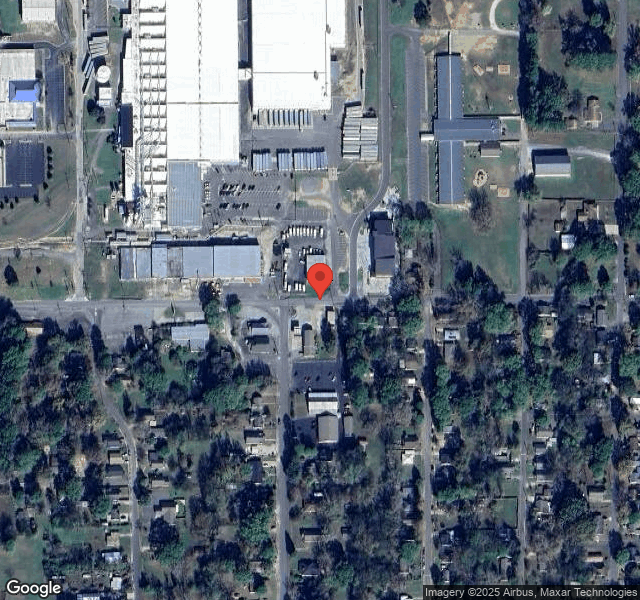

1820 WEST MOLINE STREET, MALVERN, AR 72104 (501) 337-9581
For profit - Corporation 108 Beds SOUTHERN ADMINISTRATIVE SERVICES Data: November 2025
Trust Grade
60/100
#104 of 218 in AR
Last Inspection: November 2024

Within standard 12-15 month inspection cycle. Federal law requires annual inspections.

Overview

Encore Healthcare and Rehabilitation of Malvern has a Trust Grade of C+, indicating it is slightly above average but not exceptional. It ranks #104 out of 218 facilities in Arkansas, placing it in the top half, but is the second-best option in Hot Spring County where there is only one competitor. The facility shows an improving trend, having reduced issues from four in 2024 to three in 2025. Staffing is rated average with a turnover rate of 45%, which is lower than the state average, suggesting that employees generally stay long enough to build relationships with residents. While there have been no fines recorded, some concerning incidents were noted. Dietary staff failed to consistently practice proper hand hygiene and food storage protocols, which increases the risk of foodborne illnesses for residents. Additionally, there was a serious incident of resident-to-resident abuse that went unaddressed for several days, highlighting potential gaps in supervision and resident safety. Overall, while there are strengths in staffing stability and a lack of fines, the facility needs to improve its food safety protocols and resident care practices.

Trust Score
C+
60/100
In Arkansas
#104/218
Top 47%
Safety Record
Low Risk
No red flags
Inspections
Getting Better
4 → 3 violations
Staff Stability
○ Average
45% turnover. Near Arkansas's 48% average. Typical for the industry.
Penalties
✓ Good
No fines on record. Clean compliance history, better than most Arkansas facilities.
Skilled Nurses
⚠ Watch
Each resident gets only 23 minutes of Registered Nurse (RN) attention daily — below average for Arkansas. Fewer RN minutes means fewer trained eyes watching for problems.
Violations
⚠ Watch
22 deficiencies on record. Higher than average. Multiple issues found across inspections.
★★★☆☆
3.0
Overall Rating
★★★☆☆
3.0
Staff Levels
★★★★☆
4.0
Care Quality
★★★☆☆
3.0
Inspection Score
Stable
2024: 4 issues
2025: 3 issues

The Good

  • 4-Star Quality Measures · Strong clinical quality outcomes
  • Full Sprinkler Coverage · Fire safety systems throughout facility
  • No fines on record
  • Staff turnover below average (45%)

    3 points below Arkansas average of 48%

Facility shows strength in quality measures, fire safety.

The Bad

3-Star Overall Rating

Near Arkansas average (3.1)

Meets federal standards, typical of most facilities

Staff Turnover: 45%

Near Arkansas avg (46%)

Typical for the industry

Chain: SOUTHERN ADMINISTRATIVE SERVICES

Part of a multi-facility chain

Ask about local staffing decisions and management

The Ugly 22 deficiencies on record

Mar 2025 3 deficiencies
CONCERN (D) 📢 Someone Reported This

A family member, employee, or ombudsman was alarmed enough to file a formal complaint

Potential for Harm - no one hurt, but risky conditions existed

Deficiency F0657 (Tag F0657)

Could have caused harm · This affected 1 resident

**NOTE- TERMS IN BRACKETS HAVE BEEN EDITED TO PROTECT CONFIDENTIALITY** Based on record review and interview, the facility failed to ensure a care plan was revised to include an intervention for a fal...

Read full inspector narrative →
**NOTE- TERMS IN BRACKETS HAVE BEEN EDITED TO PROTECT CONFIDENTIALITY** Based on record review and interview, the facility failed to ensure a care plan was revised to include an intervention for a fall mat for a resident who had a fall which resulted in the resident sustaining injuries of small collections of blood between the brain and outer covering in the front areas of the brain (bifrontal subdural hematomas) for 1 (Resident #5) of 3 (Residents #5, #6 and #7) sampled residents whose care plans were reviewed for falls. The findings are: Review of Resident #5's medical diagnosis screen revealed diagnoses of hemiparesis (partial muscle weakness on one side of the body) and hemiplegia (total paralysis on one side of the body), dementia (a decline in a person's mental thinking affecting daily life), fracture (break) of unspecified (not clear) part of neck or right femur (part of the thigh bone), and unspecified fracture of sacrum (break in the bone between the two hip bones). Review of the Order Summary Report revealed an order dated 12/14/2024 for a fall mat to the right (R) side of the bed every shift related to issues with thinking and communicating (cognitive communication deficit) and a history of falling. Review of a significant change Minimum Data Set (MDS) with an Assessment Reference Date of 01/08/2025 revealed Resident #5 had a Brief Interview for Mental Status (BIMS) score of 1, which indicated the resident was severely cognitively impaired, used a wheelchair for mobility, required substantial/maximal assistance for toilet and personal hygiene, dependent for chair/bed-to-chair and tub/shower transfer and had two falls with no injury, no falls with injury and no falls with a major injury since admission/entry or reentry or the prior assessment. Review of the care plan revised 01/07/2025 revealed, Resident #5 was at risk for falls. Interventions included the following: every one hour toileting, initiated 01/09/2025; educated staff to keep bed in lowest position, initiated 01/17/2025; mattress placed at bedside, initiated 01/21/2025; one to one (1:1) with nonclinical staff to call for assistance when the resident is trying to get out of bed and staff education to place mattress to bedside, initiated 2/5/2025 and more frequent checks, initiated 02/13/2025. Review of an incident and accident (I and A) report dated 01/15/2025 at 15:59 (3:59 PM), revealed aide [Certified Nursing Assistant (CNA)] alerted nurse resident had fallen. Upon the nurse entering room, the resident was lying on the left side, head at the foot of bed, bed was raised high, left side of face was on the floor and the wheelchair was on the other side of nightstand. The resident stated resident was trying to get from the bed to the chair. The resident had knots on the left side of the head. Immediate action: The resident was transferred to a local hospital and the staff were educated to lower the bed to the lowest position. Injury type: hematoma to back of head. On 03/06/2025 at 10:59 AM, CNA #1 was interviewed and stated she walked into the resident's room on 01/15/2025 and the resident was lying on the left side, on the floor, with the resident's head at the foot of the bed and the legs at the head of the bed. She stated the resident was asking for help and she left the room to get the nurse. She stated the resident had knots on the upper left side of the head. On 03/06/2025 at 11:48 AM, CNA #11 was interviewed and stated Resident #5 was not able to get out of bed without assistance and fell the last time the resident tried. She stated there was a fall mat by the resident's bed. On 03/07/2025, CNA #11 was interviewed and stated Resident #5 was not able to work the bed controls, she had observed the resident's bed not in the lowest position on rounds a few times and thought she noticed the fall mattress on the resident's floor in February 2025 but was not able to give an exact date. On 03/06/2025, CNA #15 was interviewed and stated Resident #5 was not able to get out of bed without assistance but did try hard and was at risk for falls. She stated the resident did fall some time ago and had a bump on the back of the head. On 03/07/2025 at 10:28 AM, CNA #15 was interviewed and stated Resident #5 was able to use the bed controls when not confused. CNA #15 had noticed the bed not in the lowest position and did not know when the fall mattress was placed on the resident's floor. On 03/07/2025 at 11:02 AM, Licensed Practical Nurse (LPN) #12 was interviewed and stated Resident #5 was not able to use the bed controls and could not recall the exact date the fall mattress was placed on the resident's floor. She confirmed she did receive the order on 12/14/2024 to place a fall mat on the resident's floor. She stated the fall mat was down and that the fall mattress was placed on the resident's floor, but she could not recall when the fall mat was placed. She stated she thought the fall mat was placed on the resident's floor the day the wound nurse alerted her the resident was on the floor. She stated she informed the CNAs of the order for the fall mat, but did not inform the other nurses or the MDS Coordinator. On 03/07/2025 at 11:19 AM, MDS Coordinators #13 and #14 were interviewed. MDS Coordinator #14 stated the MDS Coordinators revised most of the residents' care plans and other staff contributed. MDS Coordinator #13 stated residents' care plans are updated as needed and every quarter. She stated everything they need from the electronic health records (EHR), including [physician] orders, were gathered for information to be included in the care plan. The MDS Coordinators were asked to review Resident #5's care plan and let this surveyor know when the intervention for a fall mat was placed on the care plan. MDS Coordinator #14 stated the mattress was more recent but did not see where the fall mat was included on the care plan. MDS Coordinator #14 reviewed Resident #5's EHR and stated LPN #12 entered the order for the fall mat, but she did not see the intervention placed on the I and A report. She stated the I and A reports were discussed in morning meeting each day. On 03/07/2025 at 12:24 PM, the prior Director of Nursing (DON) was interviewed by telephone and she stated February 14, 2024, was her last day at the facility. She stated she was not at the facility the day Resident #5 had the fall and returned to the facility on [DATE]. She stated if a nurse enters an order for a fall mat, an in-service would be done to make other staff aware by her. She stated the MDS Coordinator updated the resident's care plan, but other nursing staff made revisions at times. She verified during her time at the facility as DON, the I and A reports were reviewed each morning with upper management. She stated the nurses initiate the I and A report and she would complete the I and A report and do a follow-up on the I and A. On 03/07/2025 at 1:39 PM, the DON was interviewed and stated she started in her role two weeks ago. She stated the MDS Coordinator updates the care plan quarterly and as needed. She stated she completes an in-service to ensure the staff were aware of any new interventions for resident care. The DON was asked who was responsible for ensuring the interventions were implemented and stated she will put the intervention in place and staff rounds daily. On 03/07/2025, the Administrator was asked to provide a policy for revising care plans. On 03/07/2025 at 2:01 PM, the DON stated the facility uses the Resident Assessment Instrument (RAI) manual and the Centers for Medicare and Medicaid Services (CMS) guidelines regarding revising the care plans. She stated the version of the RAI manual the facility has is v (version)1.19.1, effective October 2024.
CONCERN (E) 📢 Someone Reported This

A family member, employee, or ombudsman was alarmed enough to file a formal complaint

Potential for Harm - no one hurt, but risky conditions existed

Free from Abuse/Neglect (Tag F0600)

Could have caused harm · This affected multiple residents

Based on document review, record review, interviews, and facility policy review, the facility failed to ensure a resident was free from resident-to-resident abuse for 1 (Resident #1) of 4 residents re...

Read full inspector narrative →
Based on document review, record review, interviews, and facility policy review, the facility failed to ensure a resident was free from resident-to-resident abuse for 1 (Resident #1) of 4 residents reviewed for abuse. Specifically, Resident #2 verbally abused Resident #1 by commenting I am going to kill [pronoun] (Resident #2) on 10/30/2024. Resident #2 was not moved to another room until 11/01/2024 after a second verbal abuse, that resulted in physical abuse. 1. Resident #1's quarterly Minimum Data Set (MDS) with an Assessment Reference Date (ARD) 01/31/2025 documented a Brief Interview for Mental Status (BIMS) score of 08, which identified the resident as having moderate cognitive impairment. Diagnoses included: diabetes mellitus (DM), chronic kidney disease, cerebrovascular accident (CVA), cognitive communication deficit, delirium, and obstructive and reflux uropathy. Resident #1 had an indwelling urinary catheter. a. Review of an Incident and Accident (I & A) Information Report, revealed the findings and actions taken documented: On 10/30/2024, the Assistant Director of Nursing (ADON), observed Resident #1 sitting in the common area when Resident #2 came out of Resident #2's room yelling/cussing at Resident #1 with Resident #2's finger pointed in Resident #1's face. Certified Nursing Assistant (CNA) #4 immediately removed Resident #2 from the area. Resident #2 was combative with CNA #4 at this time and told CNA #4 [Resident #2] would kill her [CNA #4]. On 11/01/2024 at 6:09 am, Treatment Nurse #3 observed Resident #2 on Resident #1's side of the room yelling I'm gonna kill [Resident #1], I'm gonna kill [Resident #1] and advancing toward Resident #1. Resident #2 was redirected and moved to another room. b. Review of an I & A Report revealed findings and Actions Taken 11/05/2024 at 11:30 am, CNA #10 observed Resident #1 sitting in the resident's wheelchair outside of the resident's room. CNA #10 witnessed Resident #2 walk over to Resident #1, hit Resident #1 in the face and multiple times in the chest and called Resident #1 a [expletive]. CNA #10 immediately separated the two residents. Resident #2 was immediately placed on one-on-one precautions. Resident #1 was taken aside with other staff for support. c. On 3/5/25 at 1:50 pm, this surveyor interviewed CNA #10 regarding the incident on 11/05/24 between Resident #1 and Resident #2. CNA #10 stated Resident # 2 was coming out of the resident's room and saw Resident #1 sitting outside Resident #1's door. Resident #2 headed in the direction of Resident #1 immediately and began hitting Resident #1 before CNA #10 could make it to Resident #1. The residents were immediately separated. CNA #10 took Resident #2 down the hall and redirected the resident. CNA #10 immediately informed the Administrator. This surveyor asked if she knew what caused the incident. CNA #10 stated Resident #1 and Resident #2 do not get along. Resident #2 had a history of trauma. CNA #10 was aware of this and did not know what caused outbursts. Resident #1 was not verbally abusive and did not say anything to Resident #2. d. On 03/5/25 at 2:08 pm, this surveyor interviewed LPN #9 who was here during the incident. This surveyor asked Licensed Practical Nurse (LPN) #9 if Resident #1 had ever been verbally abusive to her or anyone. LPN #9 stated no. This surveyor asked LPN #9 about the incident on 11/05/24 between Resident #1 and Resident #2. LPN #9 stated she heard someone requesting her assistance down the hall. LPN #9 stated Resident #2 attacked Resident #1 unprovoked. The residents were separated immediately and LPN #9 assessed and observed injuries of bruises only to right arm and left side of face. LPN #9 stated Resident #2 did have a history of childhood trauma. Staff were unaware of what set Resident #2 off. Resident #2 could not stand Resident #1 for some reason. Resident #2 was redirected due to aggressive behavior. e. On 03/06/25 at 2:00 pm, this surveyor interviewed the Director of Nursing (DON) regarding the incident on 11/05/24 between Resident #1 and Resident #2. The DON was not at the facility at the time of this incident. This surveyor asked the DON what the procedure was following a resident-to-resident altercation. The DON said to ensure safety of residents, body audits on all residents and do what you have to keep the residents safe. The DON was not aware of anyone Resident #1 was afraid of, or current issues with other residents. This surveyor asked what steps would be taken if resident to resident altercations occur. The DON said she would ensure the residents were not around each other. This surveyor asked what the DON would do if she did not know who a resident is afraid of. The DON responded, I would investigate, figure out triggers, get labs and mental health evaluation and behavior health referral. This surveyor asked what staff members were involved in the stand-up meetings in the mornings. The DON stated, Department heads and therapy. f. On 03/06/25 at 3:30 pm, this surveyor interviewed the Administrator regarding what was done to protect Resident #1 from Resident #2 ' s verbal abuse. The Administrator said Resident #1 was redirected by CNA #4. Residents #1 and #2 were still roommates on 10/30/24. Resident #2 changed rooms on 11/01/24 after the second verbal abuse altercation. The Administrator stated, Just separated them and gave Resident #2 some time to cool down. g. On 03/07/25 at 8:45 am, this surveyor interviewed Treatment Nurse #3 regarding the physical and verbal abuse from Resident #2 to Resident #1 on 11/05/24. Treatment Nurse #3 said there was no other verbal abuse she could recall. h. On 03/07/25 at 9:09 am, this surveyor interviewed the Assistant Director of Nursing (ADON) regarding the incident on 10/30/24 between Resident #1 and Resident #2 in which the ADON observed Resident #1 sitting in the common area when Resident #2 came out of Resident #2's room yelling and cussing at Resident #1. The ADON stated CNA #4 immediately removed Resident #2 from the area. Resident #2 was combative with CNA #4 at that time and told her Resident #2 would kill her. This surveyor asked why Resident #1 was not removed from the room at that time. The ADON stated it was not fully clear who the anger was directed at. i. On 3/7/25 at 10:30 am, this surveyor interviewed CNA #4 regarding the incident on 10/30/24 between Resident #1 and Resident #2. CNA #4 stated she could not remember the exact date; however, she observed Resident #1 sitting in the common area when Resident #2 came out of the resident's room yelling and cussing at Resident #1 with Resident #2's finger pointed in Resident #1's face. CNA #4 immediately removed Resident #2 from the area and placed the resident on one-on-one supervision. Resident #2 was combative with CNA #4 at that time and told her Resident #2 would kill her. Per CNA #4, Resident #2 was referring to Resident #1. Resident #1 was not removed from the room at that time. j. On 3/7/25 at 11:00 am this surveyor received a policy from the Administrator titled, Abuse, Neglect and Maltreatment Investigation & Reporting. The policy documented in section III .The facility shall take all necessary steps to prevent further potential abuse .
CONCERN (E) 📢 Someone Reported This

A family member, employee, or ombudsman was alarmed enough to file a formal complaint

Potential for Harm - no one hurt, but risky conditions existed

Quality of Care (Tag F0684)

Could have caused harm · This affected multiple residents

**NOTE- TERMS IN BRACKETS HAVE BEEN EDITED TO PROTECT CONFIDENTIALITY** Based on record review and interview, the facility failed to ensure a physician's order for a fall mat was implemented as eviden...

Read full inspector narrative →
**NOTE- TERMS IN BRACKETS HAVE BEEN EDITED TO PROTECT CONFIDENTIALITY** Based on record review and interview, the facility failed to ensure a physician's order for a fall mat was implemented as evidenced by a resident sustaining small collections of blood between the brain and outer covering in the front areas of the brain (bifrontal subdural hematomas) after a fall for 1 (Resident #5) of 3 (Residents #5, #6 and #7) sampled residents reviewed for falls. The findings are: Review of a 7734 Incident and Accident Information form with a status date of 01/24/2025, revealed the prior Director of Nursing was reviewing Resident #5's medical records from a fall with a hospital encounter on 01/15/2025. A computer tomography (CT) scan showed small collections of blood between the brain and its outer covering in the front areas of the brain (bifrontal subdural hematomas). The left hematoma was 5.5 millimeters (mm) in maximum diameter (measurement from one side to the next) and the right hematoma was 2.5 mm in maximum diameter. Review of Resident #5's medical diagnosis screen revealed diagnoses of hemiparesis (partial muscle weakness on one side of the body) and hemiplegia (total paralysis on one side of the body), dementia (a decline in a person's mental thinking affecting daily life), (fracture (break) of unspecified (not clear) part of neck or right femur (part of the thigh bone), and unspecified fracture of sacrum (break in the bone between the two hip bones). Review of the Order Summary Report revealed an order dated 12/14/2024 for a fall mat to right (R) side of bed every shift related to issues thinking and communicating (cognitive communication deficit) and a history of falling. Review of a significant change Minimum Data Set with an Assessment Reference Date of 01/08/2025 revealed Resident #5 has a brief interview for mental status (BIMS) score of 1, which indicates severely cognitively impaired, uses a wheelchair for mobility, requires substantial/maximal assistance for toilet and personal hygiene, dependent for chair/bed-to-chair and tub/shower transfer and had two falls with no injury, no falls with injury and no falls with a major injury since admission/entry or reentry or the prior assessment. Review of Incident and Accident (I and A) reports revealed the following: 12/14/2024 at 10:00 (AM), Certified Nursing Assistant (CNA) [un-named] was walking by resident room and found resident lying on floor on right side of bed after attempting to get out of bed to toilet. The residents' assist rails were up, and the call light was in reach. The fall was unwitnessed, and the resident sustained no injuries. Immediate action: resident was assisted back to bed following peri-care and vital signs/ neuro checks were started. 01/15/2025 at 15:59 (3:59 PM), alerted nurse resident had fallen. Upon the nurse entering room, the resident was lying on the left side, head at the foot of bed, bed was raised high, left side of face was on the floor and the wheelchair was on the other side of nightstand. The resident stated resident was trying to get from the bed to the chair. The resident had knots on the left side of the head. Immediate action: The resident was transferred to a local hospital and the staff were educated to lower the bed to the lowest position. Injury type: hematoma to back of head. 01/17/2025 at 14:02 (2:02 PM), nurse was called to the resident's room by the wound care nurse stating the resident was on the floor again. The resident was on the floor beside the wheelchair (w/c). The CNA stated the resident was assisted to bed approximately 15 minutes prior to the fall and she had provided peri-care for the resident. The fall was unwitnessed, and the resident sustained no injuries. Immediate Action: The resident was checked for injuries, assisted to the w/c per 2 [staff members] and the resident was sitting at the nurses' desk and neuro checks were started. Review of a Computerized Tomography (CT) scan of Resident #5's head without contrast, dated as performed 01/15/2025 at 16:33 (4:33 PM), revealed an impression of small bifrontal subdural hematomas. Review of the care plan dated as revised 01/07/2025 revealed Resident #5 was at risk for falls. Interventions included the following: every 1 hour toileting, initiated 01/09/2025; educated staff to keep bed in lowest position, initiated 01/17/2025; mattress placed at bedside, initiated 01/21/2025; one to one (1:1) with nonclinical staff to call for assistance when the resident is trying to get out of bed and staff education to place mattress to bedside, initiated 02/05/2025 and more frequent checks, initiated 02/13/2025. On 03/06/2025 at 10:59 AM, CNA #1 was interviewed and stated she walked into the resident's room on 01/15/2025, and the resident was lying on the left side, on the floor, with the resident's head at the foot of the bed and the legs at the head of the bed. She stated the resident was saying help and she left the room to get the nurse. She stated the resident had knots on the upper left side of the head. On 03/06/2025 at 11:48 AM, CNA #11 was interviewed and stated Resident #5 was not able to get out of bed without assistance and fell the last time the resident tried. She stated there is a fall mat by the resident's bed. On 03/07/2025, CNA #11 was interviewed and stated Resident #5 was not able to work the bed controls, she had observed the resident's bed not in the lowest position on rounds a few times and thinks she noticed the fall mattress on the resident's floor in February 2025 but was not able to give an exact date. On 03/06/2025, CNA #15 was interviewed and stated Resident #5 was not able to get out of bed without assistance but does try hard and is at risk for falls. She stated the resident did fall some time ago and had a bump on the back of the head. On 03/07/2025 at 10:28 AM, CNA #15 was interviewed and stated Resident #5 was able to use the bed controls when not confused, CNA #15 has noticed the bed not in the lowest position and did not know when the fall mattress was placed on the resident's floor. On 03/07/2025 at 11:02 AM, Licensed Practical Nurse (LPN) #12 was interviewed and stated Resident #5 was not able to use the bed controls and could not recall the exact date the fall mattress was placed on the resident's floor. She confirmed she did receive the order on 12/14/2024 to place a fall mat on the resident's floor. She stated the fall mat was down and then the fall mattress was placed on the resident's floor, but she could not recall when the fall mat was placed. She stated she thinks the fall mat was placed on the resident's floor the day the wound nurse alerted her the resident was on the floor. She stated she informed the CNAs of the order for the fall mat, but did not inform the other nurses or the MDS Coordinator. On 03/07/2025 at 11:19 AM, MDS Coordinators #13 and #14 were interviewed. MDS Coordinator #14 stated the MDS Coordinators revised most of the residents' care plans and other staff contributed. MDS Coordinator #13 stated residents' care plans are updated as needed and every quarter. She stated everything they need from the electronic health records (EHR), including [physician] orders, were gathered for information to be included in the care plan. The MDS Coordinators were asked to review Resident #5's care plan and let this surveyor know when the intervention for a fall mat was placed on the care plan. MDS Coordinator #14 stated the mattress was more recent but did not see where the fall mat was included on the care plan. MDS Coordinator #14 reviewed Resident #5's EHR and stated LPN #12 entered the order for the fall mat, but she did not see the intervention placed on the I and A report. She stated the I and A reports were discussed in morning meeting each day. On 03/07/2025 at 12:24 PM, the prior Director of Nursing (DON) was interviewed by telephone and she stated February 14, 2024, was her last day at the facility. She stated she was not at the facility the day Resident #5 had the fall on 01/15/2025 and returned to the facility on [DATE]. She stated if a nurse enters an order for a fall mat, an in-service would be done to make other staff aware by her. She stated the MDS Coordinator updated the resident's care plan, but other nursing staff made revisions at times. She verified during her time at the facility as DON, the I and A reports were reviewed each morning with upper management. She stated the nurses initiate the I and A report and she would complete the I and A report and do a follow-up on the I and A. On 03/07/2025 at 1:39 PM, the DON was interviewed and stated she started in her role two weeks ago. She stated the MDS Coordinator updates the care plan quarterly and as needed. She stated she completes an in-service to ensure the staff were aware of any new interventions for resident care. The DON was asked who was responsible for ensuring the interventions were implemented and stated she will put the intervention in place and staff rounds daily. She stated she or the Assistant Director of Nursing (ADON) reviews the residents' charts for new orders. The DON stated she or the ADON reviewed the residents progress notes for any new changes but did not indicate physician's orders were reviewed.
Nov 2024 4 deficiencies
CONCERN (D)

Potential for Harm - no one hurt, but risky conditions existed

Accident Prevention (Tag F0689)

Could have caused harm · This affected 1 resident

Based on observation, record review, and interview, the facility failed to ensure residents were lowered and raised in a mechanical lift with the rear casters/wheels in the unlocked position to preven...

Read full inspector narrative →
Based on observation, record review, and interview, the facility failed to ensure residents were lowered and raised in a mechanical lift with the rear casters/wheels in the unlocked position to prevent accidents or injury for 1 sampled (Resident #45) resident reviewed for accidents and injuries. Findings include: 1. A review of Medical Diagnoses revealed Resident #45 with diagnoses of Parkinson's, type II diabetes, and Alzheimer's. The admission Minimum Data Set (MDS) with an Assessment Reference Date (ARD) of 07/23/2024, indicated a Brief Interview for Mental Status (BIMS) score of 03 (0-7 suggest cognitively impaired). Resident #45 required total care for bathing, dressing, and personal care. a. A review of Resident #45's Care Plan, dated 07/31/2024, revealed Resident #45 was dependent on 2 or more helpers doing all the effort for toileting and transfers using a mechanical lift with a green lift pad. b. Review of the mechanical lift instruction manual page 2 indicated not to lock the casters during lifting. c. On 11/18/2024 at 11:28 AM, Certified Nursing Assistant (CNA) #5 and CNA #6 were observed rolling Resident #45 over the bed in a mechanical lift. CNA #5 locked the rear casters/wheels and left the legs in the open position while lowering and raising Resident #45. The CNAs were asked the process for lowering and raising a resident while in the mechanical lift, and CNA #5 stated that they open the legs so that it keeps the lift from turning over, and the wheels are locked to keep the mechanical lift from rolling and moving on them. CNA #5 confirmed the facility provides mechanical lift training. d. During an interview with the Director of Nursing (DON) on 11/20/24 at 09:24 AM, the DON was asked what process staff are expected to use when lifting and lowering residents with a mechanical lift. The DON stated she would have to look and suspected the legs are to be open when raising and lowering residents for stability. After reviewing a copy of the manual guide on page 2, the DON confirmed that the casters/wheels of the mechanical lift are to remain unlocked when raising and lowering a resident but noted the manual did not explain why. e. On 11/20/24 at 10:12 AM, the Director of Nursing (DON) provided documentation of staff competencies that showed CNA #6 had been trained on the lift.
CONCERN (D)

Potential for Harm - no one hurt, but risky conditions existed

Deficiency F0761 (Tag F0761)

Could have caused harm · This affected 1 resident

**NOTE- TERMS IN BRACKETS HAVE BEEN EDITED TO PROTECT CONFIDENTIALITY** Based on observation, record review, interview, and facility policy review, it was determined that the facility nursing staff fa...

Read full inspector narrative →
**NOTE- TERMS IN BRACKETS HAVE BEEN EDITED TO PROTECT CONFIDENTIALITY** Based on observation, record review, interview, and facility policy review, it was determined that the facility nursing staff failed to label an anti-anxiety medication stored in the refrigerated narcotic box in the 300-hall medication room with the open and use by date to prevent expired medication from being administered to residents beyond the recommended use by date. The findings include: a. A review of an in-service titled, Narcotic Expiration, dated [DATE], revealed staff are to be mindful of the expiration dates on narcotics by dating bottles when opened, and lorazepam will expire 60 days from the date opened. Review of a policy titled, Medication Storage in the Facility, revised [DATE], revealed to ensure medication potency and purity, certain medications require an expiration date that is shorter than the manufacturers expiration date. The pharmacy will carry a beyond use date that is determined by regulations and the law. Multi dose packaging will have a beyond use date of 60 days. Medications should be dated when the manufacturer ' s seal is broken, and staff should place the date opened on the bottle, and the new date of expiration. b. On [DATE] at 2:51 PM, the Surveyor observed a resident had an unopened bottle of anti-anxiety oral concentrate 2mg/ml (milligram/milliliter), and a second opened bottle of anti-anxiety medication resting in the locked narcotic box in the 300 Hall medication room. The plastic storage bag was dated [DATE] for the open bottle. The Do Not Use Beyond sticker on the bottle and labeled storage bag were not filled out, and the date the medication was opened was not written on the bottle or the plastic bag. Licensed Practical Nurse (LPN) #7 revealed she was not sure when the medication was opened. Narcotic page 15 was started on [DATE], and showed the last dose given was on [DATE]. LPN #7 located the original entry from a retired drug book on page 60, showing the medication was first opened on [DATE]. LPN #7 was unable to confirm how many days anti-anxiety oral concentrate was good from the time opened and would get back to the Surveyor after speaking with the Director of Nursing (DON). c. On [DATE] at 7:45 AM, the Director of Nursing (DON) was asked what process nursing was expected to use to determine when a medication was expired. The DON stated they have spoken with the pharmacist and threw away both bottles of anti-anxiety medication because he told them the medications were past their expected beyond use date including the unopened bottle, and she confirmed the pharmacist told them anti-anxiety oral medication was good for 90 days after opening, but the policy was 60 days. When asked if it was appropriate to administer anti-anxiety medication on [DATE] from a bottle that was opened on [DATE], the DON confirmed that it was not appropriate to administer anti-anxiety medication from a bottle that was opened on [DATE] because it might be less potent and not benefit the resident.
CONCERN (E)

Potential for Harm - no one hurt, but risky conditions existed

Menu Adequacy (Tag F0803)

Could have caused harm · This affected multiple residents

Based on observation, record review, and interview, the facility failed to ensure meals were prepared and served according to the planned written menu to ensure that nutritionally balanced meals were ...

Read full inspector narrative →
Based on observation, record review, and interview, the facility failed to ensure meals were prepared and served according to the planned written menu to ensure that nutritionally balanced meals were provided for the residents for 2 of 2 meals observed. The findings are. 1. On 11/18//2024, the menu for noon meal indicated residents on pureed diets were to receive a #6 scoop (2/3 cup) of pureed chicken and dumpling and a #8 scoop (1/2 cup) of pureed cornbread. On 11/18/24 at 12:48 PM, the following observations were made during the noon meal service. a. Dietary Aide (DA) #1 used a #16 scoop (1/4 cup) to serve a single portion of pureed cornbread to the residents on pureed diets, instead of a #8 scoop (1/2 cup). On 11/19/24 at 8:45 AM, DA #1 when asked during an interview what spoon size she had used when serving pureed cornbread to the residents who required pureed diets. DA #1 stated she used the blue scoop (#16) which was equivalent to 1/4 cup to give a single serving to each resident. When asked if she looked at the menu DA #1 confirmed she did not. The kitchen staff always use the blue scoop to serve pureed cornbread. b. DA #1 used a #8 scoop (1/2 cup) to serve a single portion of pureed chicken and dumpling to the residents on pureed diets, instead of a #6 scoop (2/3 cup). At 12:53 PM, DA #1 when asked during an interview what spoon size she had used when serving chicken and dumpling to the residents who required pureed diets. DA #1 stated she made a mistake, by using a #8 scoop to give a single serving to each resident that she should have use #6 scoop instead. 2. On 11/19/2024, the menu for breakfast meal indicated residents on pureed diets were to receive a #8 scoop (1/2 cup) of pureed French toast. On 11/19/2024 at 8:09 AM, DA #1 served a single portion of pureed French toast with a #16 scoop which was equivalent to 1/4 cup, instead of a #8 scoop (1/2 cup). At 10:40 AM, DA #1 when asked during an interview what scoop size she had used when serving pureed French toast to the residents on pureed diets she stated blue scoop (#16) which was equivalent to 1/4 cup. DA #1 stated she knew now she should be looking at the menu before serving meals.
CONCERN (F)

Potential for Harm - no one hurt, but risky conditions existed

Food Safety (Tag F0812)

Could have caused harm · This affected most or all residents

Based on observation, interview, record review, and facility policy review, the facility failed to ensure dietary staff thoroughly washed their hands and changed gloves when contaminated and before ha...

Read full inspector narrative →
Based on observation, interview, record review, and facility policy review, the facility failed to ensure dietary staff thoroughly washed their hands and changed gloves when contaminated and before handling food and clean equipment when contaminated; food items stored in the refrigerator, freezer and dry storage area were covered, sealed or dated; expired food items and spices were promptly removed/discarded on or before the expiration or use by date, and hot food items were maintained at 135 degrees Fahrenheit or above for 2 of 2 meals observed. The findings are: 1. On 11/18/24 at 8:59 AM, an opened box of sausage was observed on a shelf in the walk-in refrigerator. The box was not covered or sealed. 2. On 11/18/24 at 9:15 AM, the following observations were made on a shelf in the walk-in freezer. a. An opened box of biscuits. The box was not covered or sealed. b. An opened box of chicken fried steak. The box was not covered or sealed. 3. On 11/18/24 at 9:19 AM, the following observations were made on a shelf in the storage room. a. One container of ground cloves with an expiration date of 6/28/2024. b. One container of ground thyme with an expiration date of 6/11/2024. 4. On 11/18/24 at 9:41 AM, two of two cartons of jelly were observed on a self in the refrigerator, in the nourishment room leading to 400-hall, with an expiration date of 11/11/2024. On 11/18/24 at 9:42 AM, the following cartons of desserts were on a shelf in the refrigerator, in the nourishment room leading to 400-hall, there were no dates when the desserts were received: a. Two cartons of strawberry yogurt. b. Two cartons of blueberry yogurt. c. One carton of banana supreme yogurt. d. One carton of protein peach. e. One bowl of cheesecake yogurt. f. One bowl of pumpkin pie. 5. On 11/18/24 at 10:18 AM, Dietary Aide (DA) #1 removed two sticks of butter from the refrigerator and placed them on the counter. Without washing her hands, she picked up glasses by their rims and placed them on the trays to be used in serving beverages to the residents for lunch. 6. On 11/18/24 at 10:58 AM, Dietary Aide (DA) #2 pushed plate warmer towards the steam table. Without washing his hands, DA #2 picked up plates and placed them on the counter with his fingers inside of them. DA #2 was interviewed and was asked what he should have done after touching dirty objects and before handling clean equipment, DA #2 stated he should have washed his hands. 7. On 11/18/24 at 11:14 AM, DC #3 walked out of the refrigerator and then pulled his pants, contaminating his hands. Without washing his hands, he picked up a clean blade and attached it to the base of the blender to be used in pureeing food items to be served to the residents for lunch. DC#2 was interviewed and was asked what he should have done after touching dirty objects and before handling clean equipment, DC #2 stated he knew he should have washed his hands before picking up the blade. 8. On 11/18/24 at 11:53 AM, DC #3 removed a carton of milk from the refrigerator and placed it on the counter, contaminating his hands. Without washing his hands, DC #3 picked up a clean blade and attached it to the base of the blender. He picked up gloves and placed them on his hands, contaminating the gloves in the process. At 11:55 AM, DC #3 used his contaminated gloved to pick up slices of cornbread to place into a blender. When he was asked what he should have done after touching dirty objects and before handling clean equipment, DC #3 stated he should have washed his hands. 9. On 11/18/24 at 12:28 PM, the temperatures of the tomato soup checked and read by the Dietary [NAME] (DC) #4 after been heated up in the microwave were: a. First bowl of tomato soup was 121 degrees Fahrenheit, and second bowl of tomato soup was 122 degrees Fahrenheit when served. The above soups were not reheated before being served to the residents who requested tomato soup with their lunch meal. DC #4 was interviewed and was asked what she should she have done when food items are not at the required temperature before being served to the residents, she stated she should have reheated it. 10. On 11/18/24 at 1:00 PM, Dietary [NAME] (DC) #4 was observed removing a bag of shredded lettuce from the refrigerator and placing it on the counter. DC #4 picked up gloves and placed them on her hands, contaminating the gloves in the process. At 1:03 PM, DC #4 unzipped the bag that contained shredded lettuce and used her contaminated gloved hand to remove shredded lettuce from the bag and placed them on the plates to serve to the residents who requested salad with their noon meal. DC #4 was interviewed and was asked what she should have done after touching dirty objects and before handling clean equipment, DC # 4 stated she should have washed her hands. 11. A review of facility policy titled, Hand Washing and Glove Usage in Food Service, initiated 2016, provided by the Dietary Manager on 11/19/2024 indicated, employees should wash their hands before starting work and after touching anything else like dirty equipment and work surfaces.
Nov 2023 9 deficiencies
CONCERN (D)

Potential for Harm - no one hurt, but risky conditions existed

Quality of Care (Tag F0684)

Could have caused harm · This affected 1 resident

Based on record review and interview, the facility failed to ensure bowel movements were occurring to prevent possible complications for 1 (Resident #18) of 1 sampled resident who required assistance ...

Read full inspector narrative →
Based on record review and interview, the facility failed to ensure bowel movements were occurring to prevent possible complications for 1 (Resident #18) of 1 sampled resident who required assistance with bowel elimination. The failed practice had the potential to affect 2 residents according to a list provided by the Administer on 11/9/23 at 1:45 PM. The findings are: 1. During initial rounds on 11/06/23 at 11:24 AM, during a resident interview, Resident #18 stated, I'm impacted now. a. On 11/07/23 at 12:06 PM, the Surveyor asked the Administrator for a printout of the bowel movement (BM) task records. b. On 11/07/23 at 12:40 PM, the Administrator provided the BM task record. c. During review of the BM Task record documented no BM from October 25th through November 7th, 2023. d. On 11/8/23 at 09:54 AM, Licensed Practical Nurse (LPN) #4 was asked if she was aware of Resident #18 complaining that he had not had a BM. LPN #4 stated Yes, we give him an enema once a week. LPN #4 and this Surveyor searched in the record for active and/or discontinued orders and did not find an order for enemas. e. On 11/8/23 at 9:56 AM, Certified Nursing Assistant (CNA) #5, stated, He never has a bowel movement on us. The nurses have to make sure that happens. The form was shown to the CNA about the incontinence on 11/1/23 and 11/3/23 and asked what it meant. CNA #5 stated, That's where he was incontinent of urine. f. On 11/08/23 at 02:34 PM, the DON was asked to explain the importance of having bowel movements. The DON stated, Its important because a resident can get a bowel perforation or obstruction. The DON was asked what should occur to prevent these possible events. The DON stated, Do an assessment, get a PRN (as needed) from the Doctor or an order for a KUB [kidney, ureter and bladder x-ray]. g. On 11/08/23 at 02:46 PM, the Administer was asked for a policy on the bowel program. The Administrator stated, We don't have a policy for that.
CONCERN (D)

Potential for Harm - no one hurt, but risky conditions existed

Incontinence Care (Tag F0690)

Could have caused harm · This affected 1 resident

Based on observation, record review and interview, the facility failed to ensure an indwelling catheter tubing was maintained in a fashion to prevent complications of infection for 1 (Resident #8) of ...

Read full inspector narrative →
Based on observation, record review and interview, the facility failed to ensure an indwelling catheter tubing was maintained in a fashion to prevent complications of infection for 1 (Resident #8) of 3 (Residents #8, #14, #33) sampled residents who had an indwelling catheter. The findings are: 1. Resident #8 had a diagnosis neurogenic bladder dated 08/08/22, and a history of Acute Urinary Tract Infection dated 11/1/2023. 2. On 11/06/23 at 10:11 AM, Resident #8 was lying in bed. The catheter tubing was touching the floor. 3. On 11/07/23 at 09:37 AM, Resident #8 was sitting in the wheelchair in the Activity Room. The catheter tubing was observed curled up on the floor under the catheter bag. 4. On 11/07/23 at 02:10 PM, Resident #8 was sitting in his wheelchair in the smoking area with the catheter under the wheelchair and the catheter tubing curled up on the concrete porch. 5. A Physicians Order dated 08/08/23 documented Foley Catheter 16 FR [french] with 10 CC [cubic centimeter] balloon record output every shift for neurogenic bladder. 6. The Minimum Data Set with an Assessment Reference Date of 8/16/23 documented resident had a foley catheter. 7. A Care Plan dated 11/14/23 documented . [Resident #8] has a foley catheter r/t [related to] his dx [diagnosis] of neurogenic bladder . [Resident #8] will be/remain free from catheter-related trauma through the review date . 8. On 11/09/23 at 11:31 AM, Certified Nursing Assistant (CNA) #6 was asked, how is a catheter drainage bag supposed to be placed when in a chair? She answered, Underneath the resident not dragging the ground. The Surveyor asked, would it be appropriate for the drainage bag and tubing to be lying on the floor or concrete? She answered, No. The Surveyor asked, what could happen if the tubing isn't placed appropriately? She answered, It can get contaminated or yanked out. 9. On 11/09/23 at 11:54 AM, the Director of Nursing (DON) was asked, how is the catheter tubing supposed to be placed when in a chair or lying in a bed? She answered, Down to the bag. The Surveyor asked, would it be appropriate for the tubing to touch the floor or concrete? She answered, No, the floor is dirty. The Surveyor asked, explain what could happen if the tubing isn't placed appropriately. The DON stated, It would be an Infection Control Issue. 10. On 11/09/23 at 11:58 AM, the Administrator stated, We don't have a catheter policy. We go by standard protocol and Physicians Orders.
CONCERN (D)

Potential for Harm - no one hurt, but risky conditions existed

Tube Feeding (Tag F0693)

Could have caused harm · This affected 1 resident

Based on observation, record review and interview, the facility failed to ensure a percutaneous endoscopic gastrostomy (PEG) tube was flushed and or auscultated prior to the administration of nutritio...

Read full inspector narrative →
Based on observation, record review and interview, the facility failed to ensure a percutaneous endoscopic gastrostomy (PEG) tube was flushed and or auscultated prior to the administration of nutritional supplements for 1 (Resident #18) of 4 (Residents #18, #27, #58, and #63) case mix residents who had enteral feeding tubes. This failed practice had the potential to affect 5 residents who had enteral feeding tubes, as documented on a list of residents provided by the Administrator on 11/08/23 at 5:07 PM. The findings are: a. A Physician's Orders dated 10/20/23 documented, Enteral feed order: Flush Feeding Tube with 60 cc [cubic centimeters] of water per tube q [every] shift. and Check tube placement via auscultation with 10 - 15cc of air before each use (feeding, flushes, bolus, medication administration) every shift 10/20/2023 18:00 . b. On 11/06/23 at 11:24 a.m., Resident # 18 stated, I don't eat a tray because I have a peg tube and I do my own flushes and I give myself a bottle of boost (8 fluid ounces) twice a day. I also put my tube back in when I accidently pull it out. I am the only one that puts anything through it. The resident was asked if the nurses ever flush, auscultate, or aspirate his PEG tube. Resident #18 laughed and stated, NO. I get a pleasure tray, but I let my [family member] eat it. During the Survey, the Surveyor observed Resident #18 getting a tray but not touching it. Resident #18's [family member] was eating out of both trays. c. On 11/8/23 at 09:30 A.M., Licensed Practical Nurse (LPN) #4 was asked if she provided nutrition, or flushes for Resident #18. LPN #4 stated, I have orders to flush it. LPN #4 was asked how much did she flush with. LPN #4 stated, 60 ccs. LPN #4 was asked to explain what could happen without receiving the proper nutrition. LPN #4 stated, They could lose weight and get sick. d. On 11/08/23 at 1:45 PM, the Director of Nursing (DON) was asked if Resident #18 was getting enough nutritional intake, if the Registered Dieticians (RD) recommendations had been followed up on, should there be any orders for the Boost [Nutritional Supplement] and should he be assessed for self-administration of PEG tube feedings. The DON stated, He gets a tray also. I have the Registered Dietitians recommendations on my desk. No, we haven't assessed him for self-administration of PEG tube feedings. On 11/08/23 at 4:18 PM, the Administrator provided a document form titled, Enteral Feeding that did not provide the needed information and had no other policy.
CONCERN (D)

Potential for Harm - no one hurt, but risky conditions existed

Respiratory Care (Tag F0695)

Could have caused harm · This affected 1 resident

Based on observation, interview and record review, the facility failed to post a precautionary oxygen sign outside the door indicating the use of oxygen for 1 (Resident #21) of 13 sampled residents. T...

Read full inspector narrative →
Based on observation, interview and record review, the facility failed to post a precautionary oxygen sign outside the door indicating the use of oxygen for 1 (Resident #21) of 13 sampled residents. This had the potential to affect 22 residents receiving oxygen therapy. The findings are: Resident #21 had a Physician's Order for oxygen therapy 2-4 Liters via nasal cannula as needed for shortness of breath or oxygen saturation below 92% no directions specified for order with an order revision date of 11/6/23. R21 had a diagnosis of unspecified dementia, unspecified severity, without behavioral disturbance, psychotic disturbance, mood disturbance, and anxiety. There was a care plan in place for oxygen therapy, but there was no pertinent information found in quarterly/annual Minimum Data Set in reference to oxygen. On 11/06/23 at 10:51 am, Resident #21 was observed lying in bed with the head of the bed elevated watching television. Oxygen at 2 liters via nasal cannula. There was no precautionary oxygen sign posted at or around the door. On 11/06/23 at 02:45 pm, Resident #21 was observed lying in bed with the head of the bed elevated watching television. Oxygen at 2 liters via nasal cannula. There was no precautionary oxygen sign posted at or around the door. On 11/06/23 at 03:14 pm, Resident #21 was observed lying in bed with the head of the bed elevated, oxygen at 2 liters via nasal cannula. There was no precautionary oxygen sign posted at or around the door. On 11/08/23 at 12:15 pm, observed Resident #21 lying in bed with an oxygen concentrator running at 2 liters, but at that time the resident did not have a nasal cannula in his nostrils. The oxygen tubing was lying across his lap. There was no precautionary oxygen sign posted at or around the bed nor at or around the door. On 11/08/23 at 12:27 pm, observed Licensed Practical Nurse (LPN) #3 walking up the hall with an oxygen sign in hand headed toward Resident #21's room. LPN #3 stated this is the last one I mean the last one. On 11/08/23 at 12:25 pm, the Surveyor asked LPN #3 if a resident is receiving oxygen therapy what precautionary measures should be in place? LPN #3 pointed to a door with an oxygen in use sign posted on it and stated that little red sign on that door. The Surveyor asked LPN #3 can you walk down the hall with me? LPN #3 stated sure. Upon reaching Resident #21's room, the Surveyor asked LPN #3 does anyone in this room receive oxygen therapy? LPN #3 stated yes, the one on the far side. Surveyor asked what is his name? LPN #3 stated Resident #21. The Surveyor asked LPN #3 is there a sign posted on this door? LPN #3 stated no, there is no sign posted on this door. On 11/08/23 at 12:55 pm, the Surveyor asked the Director of Nursing (DON) with the Administrator standing close, if I was walking down the hall how would I know that oxygen was in use before entering the resident's room? The DON stated that little red thing on the door, the Administrator stated red oxygen sign. On 11/08/23 at 04:30 PM, the Surveyor requested an oxygen administration policy from the Administrator but was brought a policy on handling and storage. The Surveyor informed the Administrator that oxygen administration policy is the needed policy. The Administrator stated we do not have an oxygen administration policy, that is all we have.
CONCERN (E)

Potential for Harm - no one hurt, but risky conditions existed

Accident Prevention (Tag F0689)

Could have caused harm · This affected multiple residents

4. a. On 11/07/2023 at 03:17 PM, the Surveyor observed a sharps container on the 200/300 Hall medication cart exceeding the full line. The full sharps container was unable to close the safety flap whi...

Read full inspector narrative →
4. a. On 11/07/2023 at 03:17 PM, the Surveyor observed a sharps container on the 200/300 Hall medication cart exceeding the full line. The full sharps container was unable to close the safety flap which left the contents easily accessible and be removed from the container. b. On 11/07/2023 at 03:31 PM, the Surveyor observed LPN #1 place a used insulin needle in the sharps container without the safety flap closing to prevent being able to remove the used needle from the sharp's container. c. On 11/07/2023 at 03:39 PM, the Surveyor observed LPN #1 place a used insulin needle in the sharps container without the safety flap closing to prevent being able to remove the used needle from the sharp's container. d. On 11/07/2023 at 03:58 PM, the Surveyor observed LPN #1 place a used insulin needle in the sharps container without the safety flap closing to prevent being able to remove the used needle from the sharp's container. e. On 11/07/2023 at 04:10 PM, LPN #1 was asked, How often are sharps containers changed? LPN #1 responded, Whenever they need it. LPN #1 was then asked, What is the reasoning for changing the sharps containers? LPN #1 responded, So it does not overflow and so we don't get stuck. LPN #1 was asked, What can happen with the sharps container currently with the amount of sharps that are in there? LPN #1 responded, You could reach in and grab them out. f. On 11/07/2023 at 04:29 PM, the DON was asked, How often are the sharps containers changed? The DON replied, When they have reached the full line. The DON was asked, What is the importance of changing the sharps containers when they reach the full line? The DON replied, To prevent finger sticks. A policy provided by the Administrator on 11/08/23 at 04:18 PM, titled, Accident Hazards Prevention documented, Resident Environment: The environment will be free from accident hazards as is possible .The frailty of some residents increases their vulnerability to hazards in the resident environment and can result in life -threatening injuries . Based on observation, record review and interview, the facility failed to ensure potentially hazardous chemicals were stored in a secure location to prevent the potential access to hazardous items for residents who were independently mobile and cognitively impaired; failed to ensure interventions were in place to prevent further falls; and failed to ensure sharps containers were changed when reaching the full line to prevent possible needle sticks and/or removal of used sharps from the sharp's container. These failed practices had the potential to affect 42 residents who ambulated independently or propelled independently, as documented on a list provided by the Administrator on 11/08/23 at 05:07 PM. The findings are: 1. a. On 11/06/23 at 11:04 AM, in 410B's bathroom a 32 ounce bottle of (Disinfectant, Cleaner and Deodorizer) was sitting on the sink. b. Houskeeper #1 was called to the room and as she saw the bottle stated, No this should not be left here. If a resident gets it and swallows it, they could die. c. On 11/09/23 at 11:40 AM, the Housekeeping Supervisor was asked what she expected the staff to do with their cleaning chemicals when they were not in eyesight. The Housekeeping Supervisor responded, The chemical should be put back in the cart and the chemical should remain in sight when not locked up The Housekeeping Supervisor was asked what could happen if a frail vulnerable resident accidentally ingested the chemical or sprayed it in their eyes. The Housekeeping Supervisor stated, They could get poisoned or burned. 2. a. Resident #28 had a fall with major injury documented on the Roster Matrix provided by the Administrator on 11/06/23 at 11:28 AM. On 10/05/23, Resident #28 had a fall which resulted in a hip fracture. A [nonslip mat] was put into place as an intervention to attempt to prevent further falls. On 2/16/23 the intervention was to lower the wheelchair seat to prevent falls. b. On 11/6/23 at 11:24 AM, Resident #28 was sitting in her wheelchair in the Dining Room. The wheelchair seat was not lowered and there was not a [nonslip mat] on her cushion. c. On 11/07/23 at 08:55 AM, during morning observation there was no [nonslip mat] in Resident #28's chair and her wheelchair seat was not lowered. Certified Nursing Assistant (CNA) #4 was asked to look under the resident to see if the [nonslip mat] was in place. The CNA lifted the resident up and stated, It's not there. She's supposed to have it. The CNA was asked if Resident #28s wheelchair had a lowered seat. CNA #4 stated, No, this is a normal wheelchair height. CNA #4 was asked why interventions were put in place and she stated, To prevent falls because they can break bones and worse things could happen. d. A Minimum Data Set with an Assessment Reference Date of 10/11/23 captured a fall. e. A Care Plan dated: 11/11/2022 with a revision date of 11/02/2023 documented, Resident #28 is at risk for falls r/t [related to] her dx [diagnosis] of dementia . 1/5/23- bolster overlay to bed . 10/5/23 - [nonslip mat] to wheelchair . 2/16/23 - Wheelchair seat lowered . f. On 11/08/2023 at 10:06 AM, the Director of Nursing (DON) was asked to check the electronic record for the fall on 2/16/23. The DON stated, Her wheelchair seat should be lowered. I know she was in the wrong wheelchair. [Named CNA #4] told me as well as her [nonslip mat] was not in her chair either. The DON was asked to explain why the interventions were important. The DON stated, They are to help prevent any more falls. 3. a. Resident #44 had a fall on 10/16/2023 and resulted in a right humerus fracture. According to the Care Plan and Progress Note there was no intervention put in place to prevent further falls with further injuries immediately. The first intervention was a referral to therapy on 10/20/23 for an evaluation. b. A Care Plan dated 09/21/23 with a revision date of 10/19/23 documented, [Resident #44] is at risk for falls . 10/16/23- fall mat to right side of bed 10/20/23- referral to therapy Date Initiated: 11/08/2023 with a Revision on: 11/08/2023 . c. On 11/08/2023 at 09:13 AM, Licensed Practical Nurse (LPN) #4 was asked if Resident #44 fell during her shift. LPN #4 stated Yes. LPN #4 was asked what intervention was put in place immediately to prevent further falls. LPN #4 did not answer the question. LPN #4 was asked if she had care planned any immediate intervention to communicate to oncoming shifts. LPN #4 stated I know if it isn't documented, it isn't done. LPN #4 was asked so there was no immediate intervention put in place? LPN #4 stated, No ma'am. d. On 11/08/2023 at 10:06 AM, the DON was asked if she was aware of Resident #44's fall on 10/16/23. The DON stated, Yes. The DON was asked to explain why the interventions were important. The DON stated, They are to help prevent any more falls. The DON was asked to look in the electronic record for Resident #44's immediate intervention. The DON stated, We put a fall mat in place and a referral to therapy. The DON was asked to explain how a fall mat might attempt to prevent a fall. The DON stated, It won't. The DON was asked when the referral to therapy was made. The DON stated, On the 20th twentieth of October. The DON was asked when the evaluation was done. The DON stated, I don't know.
CONCERN (E)

Potential for Harm - no one hurt, but risky conditions existed

Unnecessary Medications (Tag F0759)

Could have caused harm · This affected multiple residents

**NOTE- TERMS IN BRACKETS HAVE BEEN EDITED TO PROTECT CONFIDENTIALITY** Surveyor: [NAME], [NAME] Based on observation of medication pass and clinical record review, the facility failed to ensure physi...

Read full inspector narrative →
**NOTE- TERMS IN BRACKETS HAVE BEEN EDITED TO PROTECT CONFIDENTIALITY** Surveyor: [NAME], [NAME] Based on observation of medication pass and clinical record review, the facility failed to ensure physician orders were followed to maintain a medication error rate of less than 5%, to prevent potential complications for 2 (Residents #15 and #66) of 2 residents observed during the medication pass. The medication error rate was 9.68%, based on observation of 31 medications administered, plus 1 medication ordered but not administered when timed on the Medication Administration Record (MAR) for a total of 3 errors detected. The findings are: 1. A) Resident (R15) had a Physician's Order for Sucralfate Tablet 1 gram to give 1 tablet by mouth four times a day for gastric protection, take 1 hour before meals and at bedtime. B) On 11/07/23 at 03:05 pm, the Surveyor observed Licensed Practical Nurse (LPN) #6 dissolve a Sucralfate tablet with a small amount of water in a medicine cup then administered the medication with water to R15. C) On 11/08/23 at 11:15 am, the Surveyor asked (LPN) #2 to pull up the Medication Administration Record for R15. LPN #2 was asked to look at the Sucralfate and provide the times this medication was administered on 11/07/23. LPN #2 stated, 5:02 am, 11:05 am, 15:05 [3:05] am, 19:07 [7:07 pm]. The Surveyor asked what time was R15 served breakfast, lunch, and dinner? LPN #2 said I am not sure let me check on that and get back with you. Later, LPN #2 provided a sticky note and stated these are the times they start to serve meals: Breakfast 7:15 AM, lunch 12:15 PM, Dinner 5:15 PM. D) On 11/08/23 at 11:40 am, the Surveyor asked the Director of Nursing (DON) if she could pull up the Medication Administration Record for R15 and she did. The Surveyor asked can you tell me what time R15 can received her 4:00 pm dose of sucralfate? The DON said between three and five pm. The Surveyor asked the DON what about the part of the order that states give 1 hour before meals and at bedtime? The Administrator interjected and stated that end of the hall does not get their tray until five forty five or six pm. The Surveyor asked the DON now knowing the time R15 receives her meal what time should R15 have received her sucralfate? The DON said around four forty five.2. On 11/07/23 at 4:00 PM, Resident #66 had a scheduled Eliquis 5 mg (milligrams) to be given at 4:00 PM. This medication was not administered. Resident #66 did not have a scheduled Buspar 5 mg at 4:00 PM but was administered the Buspar. a. On 11/06/23 A Physicians order documented Eliquis Oral Tablet 5 MG (Apixaban) Give 1 tablet by mouth two times a day related to UNSPECIFIED ATRIAL FIBRILLATION. b. On 09/11/23 a Physicians Order documented BusPIRone HCl [Hydrochloride] Tablet 5 MG. Give 1 tablet by mouth three times a day for anxiety. c. On 11/08/23 at 08:50 AM, the Surveyors checked the medication cart along with LPN #5. Located in the 4:00 PM scheduled medications, was a card of Buspar 5 mg. d. LPN #5 was asked if the card of Buspar was in the wrong scheduled slot and the Surveyors observed the wrong medication being given according to time scheduled, what could have occurred. LPN stated, That would be a medication error. e. On 11/08/23 at 8:59 AM, the Surveyors asked LPN #5 for the Eliquis cards. LPN #5 said the Assistant Director of Nursing (ADON) got them this AM because the order was changed. f. On 11/08/23 at 9:10 AM, Two Cards of Eliquis were in the return bin. According to the MAR, 4 doses were administered. Only 1 tablet was missing. g. On 11/08/23 at 9:11 AM, the DON was asked if any Eliquis might have been given from the emergency box (ER Box). h. The DON stated at 11:18 AM on 11/08/23 that she could not locate any medications given from the ER box. i. On 11/08/23 at 11:20 AM, the DON was asked if there was no Eliquis in the 4:00 PM scheduled time slot and the two Surveyors (2) did not observe Eliquis being administered to explain what had occurred. The DON stated, That would be a medication error. 3. On 11/07/23 at 4:40 PM the DON provided a form titled, PREPARATION AND GENERAL GUIDELINES: MEDICATION ADMINISTRATION GUIDELINES: .4) Five Rights - .right drug .right time .a.compared against the medication administration record (MAR) by reviewing the 5 Rights . c.Complete the preparation of the dose and re-verify the label against the MAR by reviewing the 5 Rights .5. The medication administration record (MAR) is always employed during medication administration .
CONCERN (E)

Potential for Harm - no one hurt, but risky conditions existed

Deficiency F0804 (Tag F0804)

Could have caused harm · This affected multiple residents

Based on observation, record review and interview, the facility failed to ensure meals were served in a method that maintained the appearance of cold products and at temperatures that were acceptable ...

Read full inspector narrative →
Based on observation, record review and interview, the facility failed to ensure meals were served in a method that maintained the appearance of cold products and at temperatures that were acceptable to the residents to improve palatability and encourage good nutritional intake during 1 of 1 meal observed. This failed practice had the potential to affect 15 residents who received meal trays in their rooms on the 100 Hall, 32 residents who received meal trays on the 200 Hall, 18 residents who received meal trays in their room on the 300/400 Halls, and 16 residents who received meal trays in their room on the Retreat Hall, as documented on a list provided by the Dietary Supervisor on 11/07/2023 at 11:56 AM. The findings are: 1. On 11/07/23 at 10:06 AM, the Surveyor asked Resident (R)#37, is hot food hot and cold food cold. Resident stated, Hot food is usually cold. 2. On 11/07/23 at 09:35 AM, the Surveyor asked R#14, is hot food hot and cold food cold. Resident stated, All food is cold. 3. On 11/07/23 at 07:10 AM, an unheated food cart that contained 15 trays for breakfast was delivered to the 100 Hall by Certified Nursing Assistant (CNA) #1. At 07:45 AM, immediately after the last resident was served in their room on the 100 Hall the temperature of the food items on the tray used as a test tray were taken and read by the Dietary Supervisor with the following results: a. Milk - 49 degrees Fahrenheit. b. Ground sausage with gravy - 84 degrees Fahrenheit. 4. On 11/07/23 at 07:30 AM, an unheated food cart that contained 32 trays for breakfast was delivered to the 200 Hall Dining Room by Certified Nursing Assistant #2. At 07:48 AM, immediately after the last resident was served in their room on the 200 Hall, the temperature of the food items on the tray used as test tray were taken and read by the Dietary Supervisor with the following results: a. Milk - 45 degrees Fahrenheit. b. Pureed sausage - 108 degrees Fahrenheit. c. Pureed scrambled eggs - 105 degrees Fahrenheit. d. Sausage - 99 degrees Fahrenheit. e. Pancake - 114 degrees Fahrenheit. 5. On 11/07/23 at 07:48 AM, an unheated food cart that contained 16 trays for breakfast was delivered to the Retreat Hall by the Certified Nursing Assistant #3. At 07:58 AM, immediately after the last resident was served in the dining room on the Retreat Hall, the temperature of the food items on the tray used as test tray were taken and read by the Dietary Supervisor with the following results: a. Milk - 43 degrees Fahrenheit. b. Scrambled eggs - 115 degrees Fahrenheit. c. Pureed eggs - 98 degrees Fahrenheit. d. Ground sausage with gravy - 113 degrees Fahrenheit. 6. On 11/07/23 at 07:59 AM, an unheated food cart that contained 18 trays for breakfast for the 300 and 400 Halls was delivered in front of the nurses' station. The 300 Hall by Certified Nursing Assistant #4. At 08:08 AM, immediately after the last resident was served in their room on the 300 Hall the temperatures of the food items on the tray used as test tray were taken and read by the Dietary Supervisor with the following results: a. Milk - 47 degrees Fahrenheit. b. Scrambled eggs - 98 degrees Fahrenheit.
CONCERN (E)

Potential for Harm - no one hurt, but risky conditions existed

Infection Control (Tag F0880)

Could have caused harm · This affected multiple residents

Based on observation, record review, and interview, the facility failed to ensure a multi-resident use glucometer was properly disinfected between use to prevent potential spread of infection for 3 (R...

Read full inspector narrative →
Based on observation, record review, and interview, the facility failed to ensure a multi-resident use glucometer was properly disinfected between use to prevent potential spread of infection for 3 (Residents #51, #56 and #17) sampled residents who had physician orders for capillary blood glucose (CBG) monitoring from hall 200/300 medication cart, as documented on a list provided by the Administrator on 11/8/2023 at 4:29 PM. The findings are: a. On 11/07/2023 at 3:26 PM, during the medication administration observation, Licensed Practical Nurse (LPN) #1 performed a glucose finger stick using a multi resident glucometer on Resident #51. LPN #1 took a [Brand Name] germicidal disposable wipe and wiped the multiple resident glucometer for approximately 30 seconds then placed the glucometer in the top left drawer of the medication cart. Without disinfecting the glucometer or leaving the glucometer wrapped in the wipe to stay exposed to disinfectant for two minutes. b. On 11/07/2023 at 3:32 PM, during the medication administration observation, LPN #1 performed a glucose finger stick using a second multi resident glucometer on Resident #56. LPN #1 took a [Brand Name] germicidal disposable wipe and wiped the glucometer for approximately 30 seconds then placed the glucometer in the top left drawer of the medication cart and moved the first unit to a different compartment. Without disinfecting the glucometer or leaving the glucometer wrapped in the wipe to stay exposed to disinfectant for two minutes. c. On 11/07/2023 at 3:53 PM, the medication administration observation, LPN #1 performed a glucose finger stick using the first multi resident glucometer on Resident #17. LPN #1 took a [Brand Name] germicidal disposable wipe and wiped the multiple resident glucometer for approximately 30 seconds then placed the glucometer in the top left drawer of the medication cart and moved the second unit to a different compartment. Without disinfecting the glucometer or leaving the glucometer wrapped in the wipe to stay exposed to disinfectant for two minutes. d. On 11/07/2023 at 04:25 PM, LPN #1 was asked, How long do you clean the glucometers for between residents? LPN #1 responded, I rub the glucometer for 3-4 minutes. The Surveyor asked, What happens if you do not clean the glucometer for the required disinfection time? LPN #1 responded, You could pass on germs and cause an infection and the resident could be sick with fever and lots of things. e. On 11/07/2023 at 04:29 PM, the Director of Nursing (DON) was asked, What is the procedure you expect your nurses to follow on cleaning glucometers in between residents? The DON responded, All medication carts should have two glucometers. The nurses should clean with [Brand Name] for 30 seconds and set on tissue. Then, the nurse should use the other glucometer. f. On 11/08/2023 at 03:40 PM, the DON provided a [Brand Name] germicidal disposable wipe label that documented, . KILLS [blood borne virus] .PREVIOUSLY SOILED WITH BODY FLUIDS in 2 minutes surfaces/objects likely to be soiled with blood or body fluids . May be used on . blood glucose meters . g. On 11/08/2023 at 03:40 PM, the DON provided a User Instruction Manual for [Brand] Multi Blood Glucose Monitoring System that documented, .Cleaning and Disinfecting: .Super [Brand Name] Germicidal Disposable Wipe . Contact time 2 minute .
CONCERN (F)

Potential for Harm - no one hurt, but risky conditions existed

Food Safety (Tag F0812)

Could have caused harm · This affected most or all residents

Based on observation and interview, the facility failed to ensure foods stored in the freezer were covered to minimize the potential for food borne illness for residents who received meals from 1 of 1...

Read full inspector narrative →
Based on observation and interview, the facility failed to ensure foods stored in the freezer were covered to minimize the potential for food borne illness for residents who received meals from 1 of 1 kitchen; ensure dietary staff washed their hands before handling clean equipment or food items to prevent potential food borne illness for residents who received meals from 1 of 1 kitchen, and failed to ensure 1 of 2 ice scoop holders was maintained in clean and sanitary condition to prevent contamination of airborne particles. These failed practices had the potential to affect 83 residents who received meals from the kitchen, (total census: 83) as documented on a list provided by the Dietary Supervisor on 11/07 /2023 at 11:56 AM The findings are: 1. On 11/06/23 at 12:33 PM, Dietary Employee (DE) #1 took a paper plate in the storage room. Without washing her hands, she picked up a clean blade from the clean side of the dish washing machine and placed it on a clean rack to air dry to be used in pureeing food items to be served to the residents for supper meal. 2. On 11/06/23 at 01:00 PM, an opened box of sausage was on a shelf in the freezer. The box was not covered or sealed. 3. On11/06/23 at 01:03 PM, The Dietary Employee (DE) #1 wiped her face and without washing her hands, she picked plates and placed them on the plate warmer. The Surveyor asked DE #1 what she should have done after touching her face before and before handling clean equipment. She stated, Washed my hands. 4. On 11/06/23 at 01:24 PM, the ice scoop holder on the right side of the ice machine in the nourishment room on the 400 Hall had wet pink residue in it. The surveyor asked Dietary Supervisor to wipe the pink residue on the inside corners and the area where the scoop holder was resting. She did so, and the wet pink substance easily transferred to the paper towel. She was asked to describe what was seen in the scoop holder. How often do they clean it? Who uses the ice from the ice machine. She stated, That's the ice the CNAs [Certified Nursing Assistant] use for the water pitchers in the residents' rooms. We clean it once a week. 5. On 11/06/23 at 04:20 PM, Dietary Employee (DE) #1 pushed a cart that contained an ice cream cooler towards the cold side of the steamtable. Without washing her hands, she picked up bowls to be used in portioning food items and placed them on the food counter with her fingers inside the bowls. 6. On 11/06/23 at 04:50 PM, Dietary Employee (DE) #1 was on the tray line assisting with the supper meal. DE #1 picked up condiments and supplements and placed them on the trays. Without washing her hands, she picked up bowls to be used in portioning food items to be served to the residents and placed them on the trays with her fingers inside of them. The Surveyor asked DE #1 what should you have done after touching dirty objects and before handling clean equipment? She stated, I should have washed my hands. 7. A facility policy titled hand washing provided by the Dietary Supervisor on 11/07/2023 at 01:17 PM documented, .1. When to Wash Hands: .After engaging in other activities that contaminate the hands .
Oct 2023 1 deficiency
CONCERN (E) 📢 Someone Reported This

A family member, employee, or ombudsman was alarmed enough to file a formal complaint

Potential for Harm - no one hurt, but risky conditions existed

Deficiency F0805 (Tag F0805)

Could have caused harm · This affected multiple residents

Based on observation and interview, the facility failed to ensure pureed food items were blended to a smooth, lump free consistency to minimize the risk of choking or other complications for residents...

Read full inspector narrative →
Based on observation and interview, the facility failed to ensure pureed food items were blended to a smooth, lump free consistency to minimize the risk of choking or other complications for residents who required pureed diets for 2 of 2 meals observed. The failed practice had the potential to affect 5 residents who received pureed diets as documented on the Diet List provided by the Food Service Supervisor on 10/26/23. The findings are: 1. 10/26/23 At 8:40 AM in the resident assist feeding dining area the Resident receiving pureed consistency was noted that the breakfast gravy and biscuits was noted to be thick and was pasty. The eggs were chucky. The eggs were thick enough to cut with a fork. 2. 10/26/23 at 12:55 PM the Food Service Supervisor reviewed the pictures of breakfast that the surveyor had taken, and she stated the eggs are lumpy. 3. 10/26/23 at 12:45 PM In the assist feeding dining area the pureed rice and bread which was served at lunch to the residents with pureed diet consistency was noted to be thick and was pasty. The fork stood up in the rice by itself in the middle of the bowl. C.N.A #1 stated that is a choking hazard. I always look at it and if I feel they will choke on it I don't feed it to them. The C.N.A then moved the residents bowl to the side and stated don't feed her that. 4. 10/26/23 at 12:47 PM LPN #1 stated the pureed food (rice) looks too thick and gummy.
Aug 2022 5 deficiencies
CONCERN (D)

Potential for Harm - no one hurt, but risky conditions existed

Deficiency F0761 (Tag F0761)

Could have caused harm · This affected 1 resident

Based on observation, record review and interview, the facility failed to ensure that unlabeled medications were not stored at bedside for 1 (R #278) of 19 sampled (#26,34,#37,#41,#44,#50,#53,#57,#61,...

Read full inspector narrative →
Based on observation, record review and interview, the facility failed to ensure that unlabeled medications were not stored at bedside for 1 (R #278) of 19 sampled (#26,34,#37,#41,#44,#50,#53,#57,#61,#62,#277,#278,#279,#280,#281,and#283) residents. The failed practice had the potential to effect 17 residents on the 100 Hall according to a list provided by Administrator on 8/25/22 at 9:35 AM. The findings are: 1. Resident #278 had diagnosis of HEMIPLEGIA AND HEMIPARESIS FOLLOWING CEREBRAL INFARCTION AFFECTING LEFT NON-DOMINANT SIDE and INJURY OF OPTIC NERVE, UNSPECIFIED EYE, SUBSEQUENT ENCOUNTER. The Minimum Data Set (MDS) had not been completed for this resident due to being a new admission. a. R #278 physician order dated 8/22/22 documented, .ST [speech therapy] to recommend OPV to further assess physiology of swallow. (I69.354, J96.00, K21.9) . b. R #278 progress noted dated 8/23/22 documented, . Severe impairment to vision. Intermittent swallowing difficulty when taking meds. Encouraged to keep HOB [head of bed] elevated to high fowlers position when eating/drinking. Meds taken whole with drinks of water . c. R #278's chart reviewed on 8/27/2 at 10:04 AM, and there was no assessment for self-administration of medication. No documentation in care plan of self-administration of medication. d. On 08/23/22 at 08:41 AM, R #273 in room, in bed on back, with lights off, awake. Surveyor asked if light can be turned on, resident agreed. Bedside table was next to resident's bed with water and several pills on bedside table. Surveyor asked, Did you take your medicine this morning? He said, Yes. Surveyor asked, Do you take them yourself or does the nurse put them in your mouth? He said, The nurse always puts the medicine in my mouth. Surveyor asked, Did you drop any out of your mouth? He said, No. But they probably missed my mouth and that's where they landed. I can't see to tell. Surveyor asked, Were you sitting up eating? He said, No. e. On 08/23/22 at 08:49 AM, Surveyor remained in resident room and asked the Director of Nursing (DON) to come to resident's room. The Surveyor asked the DON, What is on the table? She said, Oh no, that is not good. The DON asked the resident, Did you take your medication this morning? He said, Yes. The DON looked around and under the resident's bed to check for more medication. The DON picked up the medication from the table. Surveyor asked DON, Can you please identify each of those pills? The DON went to LPN on the floor and opened the med cart. She located the resident's medicine and identified Citalopram 20mg (milligrams) 1 tab, Lisinopril 40mg 1 tab, and Carpamazine 1.5 tabs. f. On 08/23/22 at 09:02 AM, the Surveyor asked Licensed Practical Nurse LPN #1, How do you ensure [R#278] gets all of his medication? She said, Normally with him I try to catch him when he is on his back in bed. I have to help him put them in his mouth. I normally dump them in his mouth. I have to give him 3-4 drinks of water for him to get them all down. This morning, I went in and identified myself and asked if he was ready to take his medicine and he said yes. I took the cup and put them in his mouth, and I did drop one. I got a new one and gave it to him after I had given the others. There were no other pills in the bed. The Surveyor asked, When you left the room, were there any pills in his bed or on the bedside table? She said, I didn't see any other pills fall out. He was laying on his back, so they all went in his mouth.
CONCERN (E)

Potential for Harm - no one hurt, but risky conditions existed

Transfer Notice (Tag F0623)

Could have caused harm · This affected multiple residents

**NOTE- TERMS IN BRACKETS HAVE BEEN EDITED TO PROTECT CONFIDENTIALITY** Based on record review and interview, the facility failed to notify the representative of the reason for hospital transfer in wr...

Read full inspector narrative →
**NOTE- TERMS IN BRACKETS HAVE BEEN EDITED TO PROTECT CONFIDENTIALITY** Based on record review and interview, the facility failed to notify the representative of the reason for hospital transfer in writing and in language they understand for 3 (Residents #24, 77, and 47) of 12 (Residents #24, 77, 65, 278, 279, 280, 21, 61, 71, 47, 49, 48) sampled residents who were transferred to the hospital in the last 120 days, as documented by a list provided by the Administrator on 08/24/22 at 3:25 PM. The findings are: 2. Resident #77 had a diagnosis of Cardiorespiratory Conditions. The admission Minimum Data Set (MDS) with an Assessment Reference Date (ARD) of 05/14/22 documented a score of 15 (13-15 indicates cognitively intact) on the Brief Interview for Mental Status (BIMS). a. A Progress Note dated 07/01/22 documented, .Pulse never got above 32. ADON (Assistant Director of Nursing) called Life Net and sent her out to hospital in Hot Springs . b. A Discharge Return Not Anticipated MDS with an ARD of 07/01/22 documented discharged to an acute hospital. c. A document titled, Arkansas Notice of Emergency Transfer Form, which was in Resident #77's closed record and dated 07/01/20 did not document a reason for transfer to the hospital in writing. d. A Document titled, Hospital Resident Transfer Service OLTC (Office of Long-Term Care) Reg (Regulation) 332, which was provided by the Administrator on 08/24/22 at 03:25 PM did not address providing Notice of Transfer/Discharge to the representative with reason for discharge in writing and in a language they understand. e. On 08/25/22 at 08:31 AM, The Director of Nursing (DON) was asked, who is responsible for sending out notice of transfers with the reason for transfer in writing? She answered, The Admissions Coordinator. She was asked, where is the reason for transfer documented in writing in language that is understood? She answered, In the chart. I don't believe it's documented on that form. Just that they've gone to the hospital. f. On 08/25/22 at 09:16 AM, the admissions Coordinator was asked, Is the date correct on this Arkansas Notice of Emergency Transfer form? She answered No, that's a typo. It should be 2022. g. On 08/23/22 at 11:06 AM, the resident was hospitalized on [DATE] for change in condition, discharged [DATE]. MDS coordinator stated, She stayed in the hospital about 30 hours, and they sent her back to us. On 05/18/22 she was admitted to Geri Psych. The resident was discharged on 05/26/22. 1. Resident #24 had diagnoses of Alzheimer Disease with Late Onset, Anxiety and Cognitive Communication Deficit. The Quarterly Minimum Data Set [MDS] with an Assessment Reference Date [ARD] of 06/27/22 documented a Staff Interview Mental Status [SAMS] of 01 (indicated cognition severely impaired), required extensive assistance with activities of daily living self-performance skills with one-person physical assist. a. As of 08/24/22 at 4:30 PM, there was not any documentation in writing to the reason in a language they can understand for transfer/discharge to the resident or resident responsible party found in the Electronic Health Record (EHR) for 05/18/22 nor for 07/06/22 hospital admits. Resident #47 had a diagnosis of Heart failure, Hypertension, Benign Prostatic Hyperplasia, Diabetes Mellitus, Hypercholesterolemia, Thyroid Disorder, Alzheimer's Disease, Parkinson's Disease, Cognitive Communication Deficit. The MDS with an ARD 05/02/22 of documented a BIMS of 99 and A SAMS of 3 (Severely impaired-never/rarely made decisions), depends on staff to provide 100% care. 1. On 08/24/22 at 12:20 PM, The MDS Coordinator provided a Transfer / Discharge Notice for Resident #47. 2. Resident #47 was sent to acute care hospital on [DATE] and the notice of transport / discharge date d 08/8/22, does not have the reason for the discharge to the hospital written on the discharge notice. 3. On 08/25/22 at 1:35 PM, The Director of Nursing (DON) was asked, Where is the reason that R #47 was send to the hospital written on the discharge notice located at on the form? The DON stated, It's right here. Pointing to the first column (indicated with an X) stating The transfer of discharge is necessary for the resident's welfare and the resident's needs cannot be in the facility . on the form labeled ARKANSAS NOTICE OF EMERGENCY TRANSFER FORM. The DON was asked, Is that the actual reason that R# 47 went to the hospital? The DON stated, No. 2. Resident #77 had a diagnosis of Cardiorespiratory Conditions. The admission Minimum Data Set (MDS) with an Assessment Reference Date (ARD) of 05/14/22 documented a score of 15 (13-15 indicates cognitively intact) on the Brief Interview for Mental Status (BIMS). a. A Progress Note dated 07/1/22 documented, .Pulse never got above 32. Assistant Director of Nursing (ADON) called Life Net and sent her out to St. [NAME] in Hot Springs . b. A Discharge Return Not Anticipated MDS with an ARD of 07/1/22 documented discharged to an acute hospital. c. A document titled, Arkansas Notice of Emergency Transfer Form, which was in Resident #77's closed record and dated 07/1/20 did not document a reason for transfer to the hospital in writing. d. A Document titled, Hospital Resident Transfer Service OLTC (Office of Long-Term Care) Reg (Regulation) 332, which was provided by the Administrator on 08/24/22 at 03:25 PM did not address providing Notice of Transfer/Discharge to the representative with reason for discharge in writing and in a language they could understand. e. On 08/25/22 at 08:31 AM, The Surveyor asked the Director of Nursing (DON), who was responsible for sending out notice of transfers with the reason for transfer in writing? She answered, The Admissions Coordinator. The Surveyor asked, where is the reason for transfer documented in writing in language that is understood? She answered, In the chart. I don't believe it's documented on that form. Just that they've gone to the hospital. f. On 08/25/22 at 09:16 AM, The Surveyor asked the Admissions Coordinator, Is the date correct on this Arkansas Notice of Emergency Transfer form? She answered No, that's a typo. It should be 2022. Based on record review and interview, the facility failed to notify the representative of the reason for hospital transfer in writing and in language they could understand for 3 (Residents #24, #77, and #47) of 12 (Residents #21, #24, #47, #48, #49, #61, #65, #71, #77, #278, #279, #280) sampled residents who were transferred to the hospital in the last 120 days, as documented by a list provided by the Administrator on 08/24/22 at 3:25 PM. The findings are: 1. Resident #24 had diagnoses of Alzheimer Disease with Late Onset, Anxiety and Cognitive Communication Deficit. The Quarterly Minimum Data Set [MDS] with an Assessment Reference Date [ARD] of 06/27/22 documented a Staff Interview Mental Status [SAMS] of 01 (indicated cognition severely impaired), required extensive assistance with activities of daily living self-performance skills with one-person physical assist. a. On 08/23/22 at 11:06 AM, the resident was hospitalized on [DATE] for change in condition, discharged [DATE]. MDS coordinator stated, She stayed in the hospital about 30 hours, and they sent her back to us. On 05/18/22 she was admitted to Geri psych. discharged on 05/26/22. b. On 08/24/22 at 4:30 PM, there was no written documentation for the reason for hospitalization in a language they could understand for transfer/discharge to the resident or resident responsible party found in the Electronic Health Record (EHR) for 05/18/22 or 07/06/22 hospital admits.
CONCERN (E)

Potential for Harm - no one hurt, but risky conditions existed

Deficiency F0692 (Tag F0692)

Could have caused harm · This affected multiple residents

Based on record review and interviews, the facility failed to identify and put interventions in place to prevent significant weight loss for 1 (R#44) sampled resident. This failed practice had the pot...

Read full inspector narrative →
Based on record review and interviews, the facility failed to identify and put interventions in place to prevent significant weight loss for 1 (R#44) sampled resident. This failed practice had the potential to affect 81 residents as documented on the Census and Condition of Residents which was provided by the Administrator on 8/22/22 at 3:30 pm. The findings are: 1. Resident #44 had diagnoses of HEMIPLEGIA AND HEMIPARESIS FOLLOWING CEREBRAL INFARCTION AFFECTING RIGHT DOMINANT SIDE. The Minimum Data Set (MDS) with an Assessment Reference Date (ARD) of 7/16/22 documented a Brief Interview of Mental Status (BIMS) of 4 (0-6 indicates severely cognitive impairment) cognitive status. The MDS also documented, .Weight (in pounds) .216 .Loss of 5% or more in the last month or loss of 10% or more in the last 6 months .No or Unknown .Eating .Supervision . a. R #44's physician order dated 8/10/22 documented, .Regular diet, Regular texture, thin consistency . b. R #44's care plan last reviewed on 7/13/22 documented, .I am at risk for weight loss r/t (related to) recent CVA (Cerebra Vascular Accident), decreased intake .Serve me with the diet as ordered by my physician . c. On 8/23/22 at 10:46 AM, 07/13/2022, the resident weighed 216 lbs. On 08/16/2022, the resident weighed 196.6 pounds which is a -8.98 % Loss, and on 8/24/22, the resident weighed 192 pounds. This equals to a loss of 8.98% in one month and 2.3% in 8 days. d. R #44's Meal Intake provided by the Minimum Data Set (MDS) Coordinator on 8/24/22 at 9:45 AM documented from 8/15/22 to 8/23/22 10 times of .0-25% .What percentage of the meal was eaten? and 7 times of .26-50% . e. R #44's Nutritional Screening provided by the MDS Coordinator on 8/24/22 at 9:45 AM and dated 7/20/22 documented, Weight loss .No or unknown .Nutritional Supplement .No . Diet texture .Regular texture .Dental: none of the above . f. The Surveyor asked the Director of Nursing (DON) to provide documentation of the High-Risk Meeting and she brought the signature page of the meeting. The Surveyor asked, Do you have any minutes of the meetings? She said, No, everyone just brings their own stuff. I don't have any documentation of the meetings. f. On 8/25/22 at 8:45 AM, The Surveyor asked the DON, Are you aware of [R44] weight loss? She said, Yes they brought it to my attention yesterday. The Surveyor asked, What interventions do you have in place? She said, When they brought it to my attention, I went in and spoke with him and asked if he was trying to lose weight and he said no. He told me he wasn't eating much lately because his teeth hurt. So, I have set up a dentist appointment for him. I spoke with his mother, and he was supposed to have 7 teeth pulled before he came here and so I am going to work on getting that done. I also changed his diet to mechanical soft and added fortified foods. He also told me that he was having some bubbling in his throat after eating so I text our Advanced Practice Nurse (APN) to see if we could get him an acid reducer. The Surveyor asked, Do you have any documentation of an unavoidable weight loss? She said, No. g. On 8/25/22 at 9:02 AM, The Surveyor asked the Assistant Director of Nursing (ADON), What process do you use to identify high risk residents for weight loss? She said, We go off the weekly or monthly weight. So, if on monthly weight they have lost 3 pounds they will automatically go to weekly weights. I have a book that I keep my weights logged in, but it isn't caught up right now. We also have a risk meeting every week to discuss things like weight and therapy.
CONCERN (E)

Potential for Harm - no one hurt, but risky conditions existed

Respiratory Care (Tag F0695)

Could have caused harm · This affected multiple residents

Based on observation, interview, and record review, the facility failed to ensure that an oxygen flow rate was set at the prescribed ordered amount for 1 (R#65) of 23 Residents (#1, #6, #7, #11, #26, ...

Read full inspector narrative →
Based on observation, interview, and record review, the facility failed to ensure that an oxygen flow rate was set at the prescribed ordered amount for 1 (R#65) of 23 Residents (#1, #6, #7, #11, #26, #37, #45, #53, #65, #71, #73, #178, #278 #280, #281, and #282) sampled residents. The failed practice had the potential to effect 23 residents in the facility who receive oxygen therapy according to a list provided by the Administrator on 8/25/22 at 9:35 AM. The facility also failed to ensure that a CPAP mask was bagged and dated for 1 (R#1) of 3 (Residents #1, #26, and #32) sampled residents. The failed practice had the potential to effect 3 residents in the facility who receive CPAP therapy according to a list provided by the Administrator on 8/25/22 at 9:35 AM. The findings are: 1. R #65 had diagnoses of ACUTE RESPIRATORY FAILURE WITH HYPOXIA and ACUTE ON CHRONIC DIASTOLIC (CONGESTIVE) HEART FAILURE. The Minimum Data Set (MDS) with an Assessment Reference Date (ARD) of 7/16/22 documented a Brief Interview of Mental Status of 10 (7-12 indicates moderate cognitive impairment) cognitive status. The MDS also documented, .Oxygen .While a Resident .Yes . a. R #65's physician order dated 8/9/22 documented, .May have Oxygen 2 LPM [liters per minute] Via N/C [nasal cannula] as needed . b. R #65 care plan last reviewed on 7/14/22 documented, .I require Oxygen Therapy .Administer my oxygen as ordered . c. R #65 progress note dated 8/23/22 documented, .O2 [oxygen] in use @ at 2 LPM via NC. Respirations even and non-labored at this time . d. On 08/22/22 at 12:47 PM, Resident #65 was lying in bed on back. O2 on at 3.5 L (liters). Resident stated it should be at 4 L (liters). Resident was clean and well groomed. Nails were clean and manicured. Resident had no complaints of care. e. On 08/23/22 at 09:38 AM, the Resident was lying in bed on back with O2 on via nasal cannula at 3L. Family was at bedside. Family had no concerns with care. f. On 08/23/22 at 03:25 PM, The Surveyor asked LPN #1 to enter R#65's room, LPN #1 knocked, nurse and surveyor entered room, resident was lying in bed on back resting with eyes closed. O2 on at 3L via NC. The Surveyor asked LPN #1, Can you tell me what the resident's oxygen is set on? She said, 3 but I think it's supposed to be set on 2 liters. It may be up to 3 if our nurse practitioner has changed the order. She said, I am going to check the orders. The Surveyor asked, What could be the negative outcome if a resident's oxygen is set different than the order? She said, The problem has been she has been in fluid overload but if she gets too much oxygen could affect her too. 2. Resident #1 had diagnoses of CHRONIC OBSTRUCTIVE PULMONARY DISEASE, UNSPECIFIED, CHRONIC RESPIRATORY FAILURE, UNSPECIFIED WHETHER WITH HYPOXIA OR HYPERCAPNIA. The Minimum Data Set (MDS) with an Assessment Reference Date (ARD) of 8/15/22 documented a Brief Interview of Mental Status (BIMS) of 12 (indicates moderate cognitive impairment) cognitive status. The MDS also documented, .Personal hygiene .Total dependence .Two + person physical assist . a. R #1's physician order dated 8/9/22 documented, .CPAP [continuous positive airway pressure] with preset setting on at HS [bedtime] and off in AM . change CPAP humidified water weekly, rinse mask and canister with warm soapy water, rinse well prior to refill. Refill canister with distilled water .at bedtime every Wed [Wednesday] . b. R #1's care plan last reviewed on 8/23/22 documented, Resident #1 has oxygen therapy and uses a CPAP [continuous positive airway pressure] r/t [related to] COPD [chronic obstructive pulmonary disease], chronic resp [respiratory] failure, and CHF [chronic heart failure] .CPAP SETTINGS: CPAP per MD [medical doctor] orders . c. On 08/22/22 at 01:28 PM, Resident #1 in bed HOB [head of bed] up approximately 90 degrees. Resident stated she was pleased with care. She used to have a tracheostomy and peg tube but now she can eat. CPAP [continuous positive airway pressure] was sitting on rolling walker and mask and tubing hanging over arm of walker with no bag. The Surveyor asked Resident #1, Do you wear your CPAP every night? She said, Yes, every night. The Surveyor asked, Do you take off your mask or does the staff take it off? She said, The night nurse takes it off usually around 5:30 or 6 in the morning when she brings in my medicine. d. On 08/23/22 at 10:53 AM, Resident #1 in bed on back. AFO (ankle-foot orthosis) to right foot. The CPAP mask is hanging on arm of rolling walker not bagged or dated. The call light is in reach. e. On 08/25/22 at 08:04 AM, the Surveyor and Licensed Practical Nurse (LPN) #2 entered R #1 room after knocking and identifying self. CPAP mask was lying across arms of rolling walker not bagged or dated. The Surveyor asked LPN #2, Do you notice what is on the walker? He said, Yes that should be in a bag. I am not sure why it isn't. I haven't been in here this morning. LPN#2 then put CPAP mask in bag. The Surveyor asked LPN #2, Is the bag dated? He said, No it is not. I will get a new bag. After exiting resident's room, The Surveyor asked LPN #2, What would the complications be with leaving the CPAP mask out and not bagged? He said, She could get an infection, a respiratory infection.
CONCERN (E)

Potential for Harm - no one hurt, but risky conditions existed

Food Safety (Tag F0812)

Could have caused harm · This affected multiple residents

Based on observation, record review and interview, the facility failed to ensure that potentially hazardous foods were properly cooled prior to storing in the refrigerator to prevent foodborne illness...

Read full inspector narrative →
Based on observation, record review and interview, the facility failed to ensure that potentially hazardous foods were properly cooled prior to storing in the refrigerator to prevent foodborne illness. This failed practice had the potential to affect 78 residents who received a meal tray from the kitchen as documented on a list provided by the Administrator on 8/24/22 at 10:50 AM. The findings are: a. On 08/23/22 at 08:25 AM, under the supervision of Dietary Employee #1, a tour of the Kitchen was conducted. On the top shelf of the walk-in refrigerator were two large Ziplock bags containing cooked bacon and cooked scrambled eggs. The thermometer was under the Ziplock bags. Dietary Employee #1 took the thermometer from under the Ziplock bags on the top shelf and checked the temperature. The temperature read 60 degrees Fahrenheit. She took down the Ziplock bags from the top shelf and felt of the bags and permitted the Surveyors to feel of the bags. Both bags felt warm to the touch. b. A document titled, SERV Safe Manager - Foodborne Illnesses, which was provided by the Nurse Consultant on 08/23/22 at 4:03 PM documented, . How Food Becomes Unsafe - If food handlers do not handle food correctly, it can become unsafe . Holding food at incorrect temperatures . A foodborne illness can result if food is time-temperature abused . Food is not cooled correctly . c. On 08/23/22 at 08:25 AM, The Surveyor asked Dietary Employee #1, do you usually put hot foods in the refrigerator? She answered, It sat out and cooled a little. It still feels pretty warm. What could happen if you store hot food in the refrigerator? It could lower the temperature in the refrigerator, and it could cause bacteria to grow. d. On 08/23/22 at 09:20 AM, The Surveyor asked Dietary Employee #2, what will you do with the leftover eggs and bacon in the walk-in refrigerator? She stated, We will use the eggs for the pureed or mechanical breakfasts tomorrow. The bacon, I don't know. We may use it for cooking, or we may give it to the staff. e. On 08/24/22 at 09:50 AM, The Surveyor asked Dietary Employee #3, how do you safely store leftover food in the refrigerator? She answered, If it's hot, you have to cool it completely before you stick it in the fridge. The Surveyor asked, should hot foods be stored in the refrigerator? She answered, No ma'am. The Surveyor asked, what could happen if hot foods are stored in the refrigerator? It could cause illness and people could get sick.
Understanding Severity Codes (click to expand)
Life-Threatening (Immediate Jeopardy)
J - Isolated K - Pattern L - Widespread
Actual Harm
G - Isolated H - Pattern I - Widespread
Potential for Harm
D - Isolated E - Pattern F - Widespread
No Harm (Minor)
A - Isolated B - Pattern C - Widespread

Questions to Ask on Your Visit

  • "Can I speak with families of current residents?"
  • "What's your RN coverage like on weekends and overnight?"

Our Honest Assessment

Strengths
  • • No major safety red flags. No abuse findings, life-threatening violations, or SFF status.
  • • No fines on record. Clean compliance history, better than most Arkansas facilities.
  • • 45% turnover. Below Arkansas's 48% average. Good staff retention means consistent care.
Concerns
  • • 22 deficiencies on record. Higher than average. Multiple issues found across inspections.
Bottom line: Mixed indicators with Trust Score of 60/100. Visit in person and ask pointed questions.

About This Facility

What is Encore Healthcare And Rehabi Of Malvern's CMS Rating?

CMS assigns ENCORE HEALTHCARE AND REHABI OF MALVERN an overall rating of 3 out of 5 stars, which is considered average nationally. Within Arkansas, this rating places the facility higher than 0% of the state's 100 nursing homes. This mid-range rating indicates the facility meets federal standards but may have areas for improvement.

How is Encore Healthcare And Rehabi Of Malvern Staffed?

CMS rates ENCORE HEALTHCARE AND REHABI OF MALVERN's staffing level at 3 out of 5 stars, which is average compared to other nursing homes. Staff turnover is 45%, compared to the Arkansas average of 46%. This relatively stable workforce can support continuity of care.

What Have Inspectors Found at Encore Healthcare And Rehabi Of Malvern?

State health inspectors documented 22 deficiencies at ENCORE HEALTHCARE AND REHABI OF MALVERN during 2022 to 2025. These included: 22 with potential for harm.

Who Owns and Operates Encore Healthcare And Rehabi Of Malvern?

ENCORE HEALTHCARE AND REHABI OF MALVERN is owned by a for-profit company. For-profit facilities operate as businesses with obligations to shareholders or private owners. The facility is operated by SOUTHERN ADMINISTRATIVE SERVICES, a chain that manages multiple nursing homes. With 108 certified beds and approximately 87 residents (about 81% occupancy), it is a mid-sized facility located in MALVERN, Arkansas.

How Does Encore Healthcare And Rehabi Of Malvern Compare to Other Arkansas Nursing Homes?

Compared to the 100 nursing homes in Arkansas, ENCORE HEALTHCARE AND REHABI OF MALVERN's overall rating (3 stars) is below the state average of 3.1, staff turnover (45%) is near the state average of 46%, and health inspection rating (3 stars) is at the national benchmark.

What Should Families Ask When Visiting Encore Healthcare And Rehabi Of Malvern?

Based on this facility's data, families visiting should ask: "Can I visit during a mealtime to observe dining assistance and food quality?" "How do you handle medical emergencies, and what is your hospital transfer rate?" "Can I speak with family members of current residents about their experience?"

Is Encore Healthcare And Rehabi Of Malvern Safe?

Based on CMS inspection data, ENCORE HEALTHCARE AND REHABI OF MALVERN has a clean safety record: no substantiated abuse findings (meaning no confirmed cases of resident harm), no Immediate Jeopardy citations (the most serious violation level indicating risk of serious injury or death), and is not on the Special Focus Facility watch list (a federal program monitoring the lowest-performing 1% of nursing homes). The facility has a 3-star overall rating and ranks #100 of 100 nursing homes in Arkansas. While no facility is perfect, families should still ask about staff-to-resident ratios and recent inspection results during their visit.

Do Nurses at Encore Healthcare And Rehabi Of Malvern Stick Around?

ENCORE HEALTHCARE AND REHABI OF MALVERN has a staff turnover rate of 45%, which is about average for Arkansas nursing homes (state average: 46%). Moderate turnover is common in nursing homes, but families should still ask about staff tenure and how the facility maintains care continuity when employees leave.

Was Encore Healthcare And Rehabi Of Malvern Ever Fined?

ENCORE HEALTHCARE AND REHABI OF MALVERN has no federal fines on record. CMS issues fines when nursing homes fail to meet care standards or don't correct problems found during inspections. The absence of fines suggests the facility has either maintained compliance or corrected any issues before penalties were assessed. This is a positive indicator, though families should still review recent inspection reports for the full picture.

Is Encore Healthcare And Rehabi Of Malvern on Any Federal Watch List?

ENCORE HEALTHCARE AND REHABI OF MALVERN is not on any federal watch list. The most significant is the Special Focus Facility (SFF) program, which identifies the bottom 1% of nursing homes nationally based on persistent, serious quality problems. Not being on this list means the facility has avoided the pattern of deficiencies that triggers enhanced federal oversight. This is a positive indicator, though families should still review the facility's inspection history directly.