CRESTPARK MARIANNA, L L C
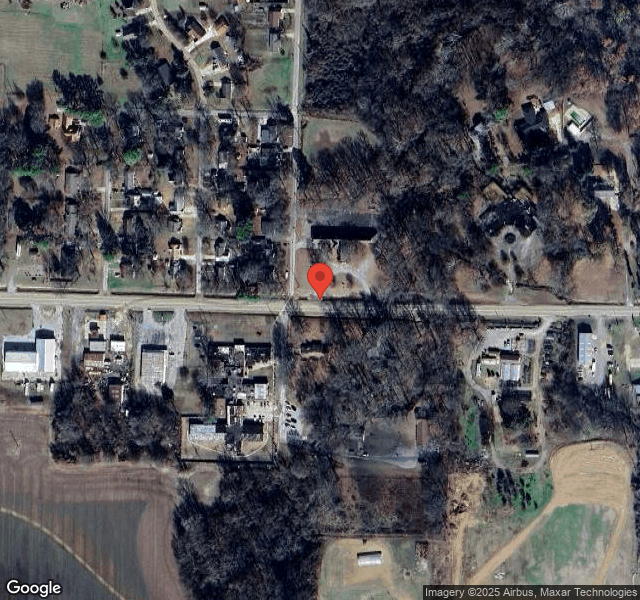

700 WEST CHESTNUT, MARIANNA, AR 72360 (870) 295-3466
For profit - Limited Liability company 80 Beds CRESTPARK Data: November 2025
Trust Grade
88/100
#7 of 218 in AR
Last Inspection: May 2025

Inspected within the last 6 months. Data reflects current conditions.

Overview

Crestpark Marianna has a Trust Grade of B+, which means it is above average and generally recommended for families considering care options. It ranks #7 out of 218 facilities in Arkansas, placing it in the top half, and is the only facility in Lee County, indicating no local competition. The facility is improving, with issues decreasing from 15 in 2024 to just 1 in 2025. Staffing is a strength, boasting a 4 out of 5-star rating and a low turnover rate of 27%, well below the state average. However, there are concerns raised in recent inspections; for example, expired food items were found in the kitchen, and one resident reported feeling disrespected during personal care. Additionally, privacy was not adequately maintained for another resident during care, which is a significant area for improvement. Overall, while Crestpark Marianna has strong staffing and a positive trend, families should weigh these strengths against the recent concerns noted in inspections.

Trust Score
B+
88/100
In Arkansas
#7/218
Top 3%
Safety Record
Low Risk
No red flags
Inspections
Getting Better
15 → 1 violations
Staff Stability
✓ Good
27% annual turnover. Excellent stability, 21 points below Arkansas's 48% average. Staff who stay learn residents' needs.
Penalties
✓ Good
No fines on record. Clean compliance history, better than most Arkansas facilities.
Skilled Nurses
⚠ Watch
Each resident gets only 29 minutes of Registered Nurse (RN) attention daily — below average for Arkansas. Fewer RN minutes means fewer trained eyes watching for problems.
Violations
⚠ Watch
19 deficiencies on record. Higher than average. Multiple issues found across inspections.
★★★★★
5.0
Overall Rating
★★★★☆
4.0
Staff Levels
★★★★★
5.0
Care Quality
★★★★☆
4.0
Inspection Score
Stable
2024: 15 issues
2025: 1 issues

The Good

  • 4-Star Staffing Rating · Above-average nurse staffing levels
  • 5-Star Quality Measures · Strong clinical quality outcomes
  • Low Staff Turnover (27%) · Staff stability means consistent care
  • Full Sprinkler Coverage · Fire safety systems throughout facility
  • No fines on record
  • Staff turnover is low (27%)

    21 points below Arkansas average of 48%

Facility shows strength in staffing levels, quality measures, staff retention, fire safety.

The Bad

Chain: CRESTPARK

Part of a multi-facility chain

Ask about local staffing decisions and management

The Ugly 19 deficiencies on record

Mar 2025 1 deficiency
CONCERN (D) 📢 Someone Reported This

A family member, employee, or ombudsman was alarmed enough to file a formal complaint

Potential for Harm - no one hurt, but risky conditions existed

Report Alleged Abuse (Tag F0609)

Could have caused harm · This affected 1 resident

Based on interviews and record review, it was determined the facility failed to report an allegation of abuse within 2 hours for 1 (Resident #1) of 3 (Residents #1, #3, and #4) residents reviewed for ...

Read full inspector narrative →
Based on interviews and record review, it was determined the facility failed to report an allegation of abuse within 2 hours for 1 (Resident #1) of 3 (Residents #1, #3, and #4) residents reviewed for abuse. The findings are: A policy titled, Protecting Residents During a Suspected Abuse, indicated, Any employee who suspects an alleged violation shall immediately notify the Administrator or his/her designee. The Administrator/designee shall also notify the appropriate state and local agencies immediately but not later than 2 hours if the alleged violation involves abuse or results in serious bodily injury. A review of Resident#1's Physician's Orders indicated Resident #1 had a diagnosis of dementia with behavior. The quarterly Minimum Data Set (MDS), with an Assessment Reference Date (ARD) of 02/05/2025, revealed Resident #1 had a Brief interview for Mental Status Score of 00, which indicated Resident #1 had severe cognitive impairment. Review of Resident #1's Plan of Care, dated 2/03/2025, indicated Resident #1 had a behavior problem as evidenced by fighting. Interventions indicated to allow Resident #1 to calm down before continuing care or a task to ensure safety. An Office of Long-Term Care (OLTC) Incident and Accident report dated 2/03/2025, discovery time 7:00 AM was reviewed. The Incident and Accident report was submitted on 2/04/2025 at 11:00 AM. The incident and accident report revealed Resident #1 was observed with skin tears to both arms. The incident and accident report indicated that a Certified Nursing Assistant (CNA) informed the charge nurse that Resident #1 had been combative while trying to place a lift pad under [gender pronoun]. The incident and accident report indicated that the charge nurse provided first aid to Resident #1, and did not notice anything on [gender pronoun] face at that time. An hour later the charge nurse checked on Resident #1 and noticed a dark swollen area on the resident's face. The Director of Nursing and the Medical Director were notified. A review of a Weekly Skin Audit Record indicated a skin assessment was completed for Resident #1 on 2/03/2025. The skin assessment revealed skin tears to both arms, and a bruise to Resident #1's right cheek. During an interview on 3/18/2025 at 11:55 AM, Certified Nursing Assistant (CNA) #2 indicated Resident #1 was irritated about getting up. CNA #2 indicated that Resident #1 had been hollering and screaming throughout the night. CNA #2 indicated that Resident #1 had been trying to get out the bed. During an interview on 3/18/2025 at 12:36 PM, Licensed Practical Nurse (LPN) #1 indicated that she was informed by CNA #2 that Resident #1 had been combative while she was trying to put a lift under the resident. LPN #1 reported that she observed a purple color area in front of Resident #1's ear. LPN#1 indicated that Resident #1 stated, She [CNA #2] beat me up. During an interview on 3/18/2025 at 2:48 PM, the Director of Nursing (DON) indicated that the Administrator or the DON is responsible for reporting abuse to the Office of Long-Term Care (OLTC). The DON indicated that she believed allegations were reported to OLTC by 11:00 AM the next business day. The DON indicated that Resident #1 had skin tears and discoloration on his cheek. During an interview on 3/18/2025 at 3:03 PM, the Administrator indicated that allegations of abuse should be reported to OLTC by 11:00 AM the next day. The Administrator indicated that Resident #1 had two (2) skin tears and a bruise on the right cheek. The Administrator indicated that she does not know how Resident #1 got the bruise to their right cheek. The Administrator indicated that Resident #1 indicated that CNA #1 had hit the resident with a hammer. The Administrator indicated that an unknown injury should be reported to OLTC by 11:00 AM, the next day.
Mar 2024 15 deficiencies
CONCERN (D)

Potential for Harm - no one hurt, but risky conditions existed

Comprehensive Care Plan (Tag F0656)

Could have caused harm · This affected 1 resident

2. Resident #17 had a medical diagnosis of History of cerebral vascular accident with right sided weakness. The Quarterly MDS with an ARD of 12/27/23 documented the resident scored 0 (0-7 indicates se...

Read full inspector narrative →
2. Resident #17 had a medical diagnosis of History of cerebral vascular accident with right sided weakness. The Quarterly MDS with an ARD of 12/27/23 documented the resident scored 0 (0-7 indicates severely cognitively impaired) on a BIMS and was dependent on staff for activities of daily living. 2a. The Care Plan with a review date of 12/28/2023 did not address bed rails. 2b. On 03/11/2024 at 03:15 PM, Resident #17 had 3/4 length side rails up, on both sides of the bed. 2c. On 03/13/2024 at 09:00 AM, Resident #17 had 3/4 length side rails up, on both sides of the bed. 2d. On 03/15/2024 at 11:31 AM, the Surveyor asked the MDS Coordinator, Should the side rails be care planned? She stated, I want to say no, because they aren't used as a restraint. 2e. On 03/15/2024 at 02:20 PM, the Surveyor asked the MDS Coordinator, Are bed rails supposed to care planned? She stated, Yeah, I guess. If the side rails are being used, they are supposed to be care planned. The Surveyor asked, How often is the care plan updated? She stated, Quarterly and as needed, anytime that's changed or significant change, change in orders, fall etc. The Surveyor asked, How is the staff made aware of care plan updates? She stated, We do kind of in-services, we have a FYI [for your information] book, closet care plans, and verbal report. The Surveyor asked, How are you made aware of resident changes? She stated, By reading nurses notes, verbal reports, reports, and pink slips. 2f. On 3/15/2024 at 2:00 PM, the DON said the facility does not have a care plan policy. 3. Resident #47 had a medical diagnosis of Schizophrenia. The Quarterly MDS with an ARD of 01/23/2024 documented a that Brief Interview for Mental Status Screening (BIMS) score is of 3, (0-7 indicates severely cognitively impaired) and required partial to moderate assistance with transfers and used a wheelchair. 3a. On 03/13/2024 at 11:02 AM, during record review Resident #47 did not address smokeless tobacco. 3b. On 03/13/2024 at 02:59 PM, the Surveyor asked the MDS Coordinator what should a care plan include for a resident. The MDS Coordinator said everything that has to do with resident care. The Surveyor asked if a resident uses smokeless tobacco should it be care planned? The MDS Coordinator said, yes it should. The Surveyor asked, how do the staff know the proper way to take care of a resident if it is not care planned? The MDS Coordinator said, it should be on the closet care plan. The Surveyor asked if Resident #47's smokeless tobacco was on the closet care plan. The MDS Coordinator said, no it is not, it isn't care planned at all. Based on observation, interview, and record review, the facility failed to ensure a resident's individualized care plan was updated to ensure appropriate care was received for 2 (Residents #17, #40 and #47) of 3 sampled residents. The findings are: 1. Resident #40 had a diagnosis of Dementia with behavior disturbance. The Annual Minimum Data Set (MDS) with an Assessment Reference Date (ARD) of 03/01/2024 showed a Brief Interview for Mental Status (BIMS) score of 0 (0-7 indicates severely cognitively impaired) and required substantial/maximum assistance with transfers. 1a. The Care Plan with a review date of 03/06/2024 did not address using a mechanical lift as an intervention. 1b. On 03/15/2024 at 11:22 AM, the Surveyor asked the MDS Coordinator when did Resident #40 start requiring a geriatric chair and mechanical lift? The MDS Coordinator said, Honestly, I don't know the date. I want to say within the last month or two. The resident was able to pivot, but the resident fights extremely bad with any care. The lift is not always used, it just depends on the resident's agitation. The Surveyor asked is the mechanical lift on the care plan? The MDS Coordinator said, the care plan specifies the resident needs assistance with transfers. The Surveyor asked, should the mechanical lift be on the care plan? The MDS Coordinator said, the (mechanical lift) could be an intervention, but we don't always have to use it. I guess I should put it on there. 1c. On 03/15/2024 at 11:52 AM, the Surveyor asked the Director of Nursing (DON), should a mechanical lift be on the care plan as an intervention even if it is not always used? The DON confirmed the mechanical lift should be on the care plan.
CONCERN (D)

Potential for Harm - no one hurt, but risky conditions existed

Incontinence Care (Tag F0690)

Could have caused harm · This affected 1 resident

Based on observation, interview, and record review, the facility failed to ensure an appropriate diagnosis was acquired prior to inserting an indwelling urinary catheter for 1 (Resident #39) of 1 samp...

Read full inspector narrative →
Based on observation, interview, and record review, the facility failed to ensure an appropriate diagnosis was acquired prior to inserting an indwelling urinary catheter for 1 (Resident #39) of 1 sampled resident. The findings are: Resident #39's diagnoses showed no diagnosis indicating an indwelling urinary catheter. The Minimum Data Set (MDS) with an Assessment Reference Date (ARD) of 1/28/24 showed a Brief Interview for Mental Status (BIMS) of 15 (13-15 indicates cognitively intact) and had an indwelling urinary catheter. The Physician's Orders showed a indwelling urinary catheter to be changed every month on the 3:00 PM - 11:00 PM shift on the 24th and as needed. Provide urinary catheter care every shift by cleansing with soap and water and/or wipes and secure with an anchoring device to prevent trauma and dislodgement. Start Date: 01/24/2024. The Care Plan with a review date of 01/29/24 noted on 01/24/2024 Resident #39 had a urinary catheter. Change the catheter and drainage bag per policy. Staff to provide catheter care per policy. On 03/11/2024 at 01:46 PM, Resident #39 had an indwelling urinary catheter with straw colored urine in the drainage tube. On 03/12/2024 at 02:59 PM, Resident #39 had an indwelling urinary catheter with straw colored urine in the drainage tube. On 03/13/2024 at 09:37 AM, Resident #39 had an indwelling urinary catheter with straw colored urine in the drainage tube. On 03/14/2024 at 01:22 PM, the Surveyor asked Licensed Practical Nurse (LPN) #1, does Resident #39 have a diagnosis for an indwelling urinary catheter? LPN #1 said, No, the resident doesn't have one. The resident requested an indwelling urinary catheter because the resident has a hard time getting to the bedside commode and has incontinent episodes. The resident falls sometimes while staff assists the resident to transfer to the bedside commode BSC, and we can't get the resident up. We had to call the Fire Department to help get Resident #39 up. On 03/15/2024 at 10:59 AM, the Surveyor asked Registered Nurse (RN) #2, should a resident have a diagnosis to have an indwelling urinary catheter? RN #2 said, Yes, it should be charted why we are inserting an indwelling urinary catheter. It should never be for the convenience of the staff. On 03/15/2024 at 11:59 AM, the Surveyor asked the Director of Nursing (DON), should a resident have a diagnosis to have an indwelling urinary catheter? The DON said, Yes, but the resident and the family requested it. The Surveyor asked, does the resident have an appropriate diagnosis for an indwelling urinary catheter? The DON confirmed the resident does not have an appropriate diagnosis for an indwelling urinary catheter.
CONCERN (D)

Potential for Harm - no one hurt, but risky conditions existed

Tube Feeding (Tag F0693)

Could have caused harm · This affected 1 resident

Based on observation and interview, the facility failed to ensure that feeding tube feeding bags were labeled, dated, and timed for 1 (Resident #17) of 3 sampled residents who received tube feedings. ...

Read full inspector narrative →
Based on observation and interview, the facility failed to ensure that feeding tube feeding bags were labeled, dated, and timed for 1 (Resident #17) of 3 sampled residents who received tube feedings. The findings are: Resident #17 had medical diagnoses of History of cerebral vascular accident with right sided weakness and Anorexia. The Quarterly Minimum Data Set (MDS) with an Assessment Reference Date (ARD) of 12/27/2023 documented a Brief Interview for Mental Status Screening (BIMS) of 0, (0-7 indicates severely cognitively impaired) and received tube feedings. On 03/12/2024 at 09:33 AM, Resident #17's feeding tube water bag was not labeled and had no date or time on the bag. On 03/13/2024 at 02:21 PM, the Surveyor asked Registered Nurse (RN) #3, Are tube feeding bags supposed to be dated and labeled? She stated, Yes they are. The Surveyor asked, Can you tell me if this bag is labeled and dated? She stated, No it is not, the feeding bag is but this one is not. On 03/13/2024 at 02:43 PM, the Director of Nursing (DON) was asked, Are tube feeding bags supposed to be dated and labeled? She stated, Yes. She was asked Can you tell me if this bag is labeled and dated? She stated, No it's not.
CONCERN (D)

Potential for Harm - no one hurt, but risky conditions existed

Deficiency F0726 (Tag F0726)

Could have caused harm · This affected 1 resident

Based on observation and interview, the facility failed to ensure the Nurses' Narcotic book was signed appropriately. The findings are: On 03/13/2024 at 10:30 AM, the narcotic book on the 300 medicati...

Read full inspector narrative →
Based on observation and interview, the facility failed to ensure the Nurses' Narcotic book was signed appropriately. The findings are: On 03/13/2024 at 10:30 AM, the narcotic book on the 300 medication cart was not signed on 03/12/2024 on the 3:00 PM and 5:00 PM slots. On 03/15/2024 at 11:00 AM, the Surveyor asked Licensed Practical Nurse (LPN) #2, When is the narcotic book signed by the nurse? She stated, Beginning and the end of the shift. The Surveyor asked, Why do nurses sign the narcotic book? She stated, To verify the narcotics are counted right. The Surveyor asked, Who signs the narcotic book? She stated, The ending nurse and beginning nurse. On 03/15/2024 at 02:16 PM, the Surveyor asked the Director of Nursing (DON), When is the narcotic book signed by the nurse? She stated, Supposed to be signed at change of shift, the off going and oncoming nurses both sign it. The Surveyor asked, Why do nurses sign the narcotic book? She stated, To verify the count. The Surveyor asked, Who signs the narcotic book? She stated, The charge nurses. On 03/15/2024 at 02:13 PM, the DON stated there was not a narcotic policy. A document titled, Charge Nurse Job Description, provided by the DON on 03/15/2024 at 02:00 PM documented, .Accounting for medications .
CONCERN (D)

Potential for Harm - no one hurt, but risky conditions existed

Staffing Information (Tag F0732)

Could have caused harm · This affected 1 resident

**NOTE- TERMS IN BRACKETS HAVE BEEN EDITED TO PROTECT CONFIDENTIALITY** Surveyor: [NAME], [NAME] Based on observation, interview, and record review, the facility failed to post and make readily access...

Read full inspector narrative →
**NOTE- TERMS IN BRACKETS HAVE BEEN EDITED TO PROTECT CONFIDENTIALITY** Surveyor: [NAME], [NAME] Based on observation, interview, and record review, the facility failed to post and make readily accessible to residents and visitors daily nurse staffing in a clear and readable format to include the facility name, date, total census and total number and actual hours worked by nursing staff. The findings are: a. On 03/14/2024 at 09:30 AM, the Surveyor asked the Director of Nursing (DON), where is nurse staffing posted? The DON took the Surveyor to a plastic sleeve on the wall by the day/dining room and took a clip board out of the sleeve and stated, This is where the staff sign in. The form on the clip board was titled, Daily Staffing Log. It did not document the facility name, census or total number and actual number of hours worked by nursing staff. The DON was asked, is this information accessible to residents and family? The DON stated, No. It is not accessible to family or residents. The DON then stated, I have staffing sheets posted at each nurses station. The Surveyor accompanied the DON to the nurse's station for the 100 Hall and was shown a copy of the form titled, Assignment Sheet Wing 2 7-3 (7:00 AM to 3:00 PM) shift that was posted on the wall at the back of the nurse's station. The form did not document the name of the facility, census or total number and actual number of hours worked by nursing staff. The Surveyor asked the DON, does this sheet show whether the staff listed are RN's (Registered Nurses), LPN's (Licensed Practical Nurses) or CNAs (Certified Nursing Assistants)? The DON stated, It just shows the [staff] names. It does not show whether it is an RN or an LPN. b. On 03/15/2024 at 09:15 AM, the Surveyor asked the Administrator, is the nursing staffing posted daily to include the facility name, date, and census and the total number and actual hours worked per shift for nursing staff responsible for patient care? The Administrator stated, No. What we have up are the staffing logs. d. On 03/15/2024 at 11:00 AM, the DON stated, We do not have a policy on posting staffing. We just go by the regulations.
CONCERN (D)

Potential for Harm - no one hurt, but risky conditions existed

Deficiency F0883 (Tag F0883)

Could have caused harm · This affected 1 resident

Based on interview and record review, the facility failed to ensure there was a policy for flu and pneumococcal vaccinations for 17 of 17 residents who received the flu and/or pneumococcal vaccination...

Read full inspector narrative →
Based on interview and record review, the facility failed to ensure there was a policy for flu and pneumococcal vaccinations for 17 of 17 residents who received the flu and/or pneumococcal vaccinations. The findings are: On 03/14/24 at 12:16 PM, the Surveyor asked the Director of Nursing (DON), Is there a policy for immunizations for flu and pneumococcal vaccinations? She stated, We just follow the admit packet and it gives the information on flu and pneumococcal vaccines in there. The Surveyor asked, How are vaccines tracked to ensure if they are given or not? She stated, We enter it into the computer and run and audit on it. The Surveyor asked, Who is responsible for the monitoring of vaccines? She stated Me. The Surveyor asked the DON, Who gives the pneumococcal vaccines? She stated, The pharmacy. The DON said the facility did not have policy for immunizations, flu, and pneumococcal vaccinations.
CONCERN (E)

Potential for Harm - no one hurt, but risky conditions existed

Resident Rights (Tag F0550)

Could have caused harm · This affected multiple residents

Based on observation, interview, and record review, the facility failed to ensure residents were treated with dignity and respect during incontinent care for 1 (Resident #40) of 2 sampled residents an...

Read full inspector narrative →
Based on observation, interview, and record review, the facility failed to ensure residents were treated with dignity and respect during incontinent care for 1 (Resident #40) of 2 sampled residents and when eating. The findings are: 1. Resident #40 had a diagnosis of Dementia with behavior disturbance. The Annual Minimum Data Set (MDS) with an Assessment Reference Date (ARD) of 03/01/2024 showed a Brief Interview for Mental Status (BIMS) of 0 (0-7 indicates severely cognitively impaired) and was dependent on staff for toileting, occasionally incontinent of bladder and always incontinent of bowel. a. On 03/11/2024 at 02:38 PM, Certified Nursing Assistant (CNA) #7, while performing incontinent care to Resident #40, called the resident by their first name. Resident #40 stated, Don't call me by my name. CNA #7 continued to call the resident by their first name during incontinent care after the resident requested multiple times not to be called by their first name. 2. On 03/11/2024 at 12:34 PM, during the noon meal a staff member was standing while assisting 2 different residents to eat. 3. On 03/15/2024 at 10:23 AM, the Surveyor asked CNA #1, When a resident asks you not to use their first name what do you do? CNA #1 stated, You honor their rights and should use their last name. The Surveyor asked, Should you continue to call the resident by their first name? CNA #1 stated, No, you should honor their request. 4. On 03/15/2024 at 10:28 AM, the Surveyor asked CNA #4, How do you feed a resident in the dining room? CNA #4 stated, You sit down eye to eye. The Surveyor asked, Do you ever stand up to assist feeding a resident? CNA #4 stated, You can't feed a resident standing up. 5. On 03/15/2024 at 10:48 AM, the Surveyor asked Registered Nurse (RN) #2, Should a staff member continue to call a resident by their first name after the resident asked them not to? RN #2 stated, No, you should never call a resident by their first name unless they request it. The Surveyor asked, When feeding a resident what would you do? RN #2 stated, I would sit down, explain to the residents what they are having with each bite and what they are drinking. 6. On 03/15/2024 at 12:03 PM, the Surveyor asked the Director of Nursing (DON), Should a staff member call a resident by their first name, and continue to, after the resident has requested not to be called by their first name? The DON stated, No, they should respect the resident's wishes. The Surveyor asked, Should the staff member be standing up or sitting down when assisting a resident to eat? The DON stated, They should be sitting down. 7. A document provided by the DON on 3/14/2024 at 09:26 a.m. titled, Residents' [NAME] of Rights showed, .Every resident has the right to .be treated with consideration, respect and full recognition of his/her dignity and individuality .
CONCERN (E)

Potential for Harm - no one hurt, but risky conditions existed

Deficiency F0583 (Tag F0583)

Could have caused harm · This affected multiple residents

2. Resident #17 had diagnoses of Essential (primary) hypertension and a History of cerebral vascular accident with right sided weakness. The Quarterly MDS with an ARD of 12/27/23 documented a BIMS sco...

Read full inspector narrative →
2. Resident #17 had diagnoses of Essential (primary) hypertension and a History of cerebral vascular accident with right sided weakness. The Quarterly MDS with an ARD of 12/27/23 documented a BIMS score is 00 (00-07 indicates severely cognitively impaired was dependent on staff for incontinent care. 2a. On 03/12/2024 at 09:45 AM, Resident #17 was lying in bed uncovered. CNA #3 straightened Resident #17's bedding and hospital gown. The door to the resident's room was open and the privacy curtain was not pulled. 2b. On 03/13/2024 at 02:06 PM, the Surveyor asked RN #3, Should the door be open or closed when providing care? RN #3 stated, Closed. The Surveyor asked, What is the reason that the door should be closed when providing care? RN #3 stated, Patient privacy. 2c. On 03/13/2024 at 02:46 PM, the Surveyor asked the DON, Should the door be open or closed when providing care? The DON stated, If the curtain is not pulled, then yes the door should be closed. The Surveyor asked, What is the reason that the door should be closed when providing care? The DON stated, To provide privacy. 2d. On 03/13/2024 at 03:01 PM, the Surveyor asked CNA #3 Should the door be open or closed when providing care? CNA #3 stated, Closed The Surveyor asked, What is the reason that the door should be closed when providing care? CNA #3 stated, For privacy. 3. A document provided by the DON on 03/14/2024 at 09:26 a.m. titled Resident's [NAME] of Rights showed, .every resident has the right to .privacy during treatment and care of personal needs . 4. A document received by the DON on 03/14/2024 at 09:47 AM titled Job Description: Nursing Assistant showed, .essential job functions .opening and closing doors and windows .privacy curtains .assisting residents who are incontinent which may include maintaining residents' privacy . Based on observation, interview, and record review, the facility failed to ensure privacy was provided during incontinent care for 2 (Residents #17 and #40) of 2 sampled mixed residents. The findings are: 1. Resident #40 had a diagnosis of Dementia with behavior disturbance. The Annual Minimum Data Set (MDS) with an Assessment Reference Date (ARD) of 03/01/2024 showed a Brief Interview for Mental Status (BIMS) score of 00 (00-07 indicates severely cognitively impaired) and was dependent on staff for toileting and was incontinent care. 1a. The Care Plan showed Resident #40 was experiencing incontinent episodes of bowel and/or bladder. The resident's dignity was to be maintained. 1b. On 03/11/2024 at 02:38 PM, two Certified Nursing Assistants (CNA) were observed leaving Resident #40's blinds up and the privacy curtain open while providing incontinent care. 1c. On 03/15/2024 at 10:24 AM, the Surveyor asked CNA #1, When providing incontinent care should the blinds be up, or curtains be opened? CNA #1 stated, No, the blinds and curtains should be pulled and closed. 1d. On 03/15/2024 at 10:56 AM, the Surveyor asked Registered Nurse (RN) #2, When providing incontinent care to a resident should the blinds be open? RN #2 stated, No, and if it is a two person room you pull the curtain and always shut the door. 1e. On 03/15/2024 at 11:56 AM, the Surveyor asked the Director of Nursing (DON), When providing incontinent care should the blinds be closed? The DON stated, Yes.
CONCERN (E)

Potential for Harm - no one hurt, but risky conditions existed

Safe Environment (Tag F0584)

Could have caused harm · This affected multiple residents

**NOTE- TERMS IN BRACKETS HAVE BEEN EDITED TO PROTECT CONFIDENTIALITY** Based on observation and interview, the facility failed to ensure Resident room [ROOM NUMBER]'s door protector and Resident #34'...

Read full inspector narrative →
**NOTE- TERMS IN BRACKETS HAVE BEEN EDITED TO PROTECT CONFIDENTIALITY** Based on observation and interview, the facility failed to ensure Resident room [ROOM NUMBER]'s door protector and Resident #34's geriatric chair were in good repair to create a safe homelike environment. The findings are: 1. On 03/11/2024 at 01:47 PM, room [ROOM NUMBER]'s door protector located on the bottom half of the door was busted and had multiple cracks in it with some of the material sticking out. 1a. On 03/12/2024 at 09:17 AM, room [ROOM NUMBER]'s door protector on the bottom half of the door was busted and had multiple cracks with some of the material sticking out. 1b. On 03/13/2024 at 10:29 AM, room [ROOM NUMBER]'s door protector on the bottom half of the door was busted and had multiple cracks with some of the material sticking out. 2. On 03/11/2024 at 03:31 PM, the left arm rest of Resident #34's geriatric chair was cracked and missing material where the resident's hand rests. 2a. On 03/12/2024 at 09:04 AM, the left arm rest of the resident's geriatric chair was cracked and missing material where the resident's hand rests. 2b. On 03/13/2024 at 11:28 AM, the left arm rest of the resident's geriatric chair was cracked and missing material where the resident's hand rests. 2c. On 03/15/2024 at 10:50 AM, the Surveyor asked Licensed Practical Nurse (LPN) #1, Should an armrest of a [geriatric] chair be cracked or missing material? LPN #1 stated, No furniture should ever have cracked or missing material. The Surveyor asked, Should the baseboards on the door be cracked or pieces of it stick out? LPN #1 stated, No, it should not be. 2d. On 03/15/2024 at 10:49 AM, the Surveyor asked Registered Nurse (RN) #2, Should the baseplates on the resident's doors be cracked and pieces sticking out? RN #2 stated, No, it's a hazard. The Surveyor asked, Should the furniture residents use have cracked or missing material? RN #2 stated, No. 2e. On 03/15/2024 at 11:13 AM, the Surveyor asked the Administrator, Do you have a maintenance person? The Administrator stated, Our head housekeeper makes a list and what he can't fix we contract out. The Surveyor asked, Is the door plate on room [ROOM NUMBER] cracked and the material on the [geriatric] chair cracked and missing? The Administrator confirmed the baseplate was cracked and the material on the geriatric chair was cracked and missing material. The Residents' [NAME] of Rights provided by the DON on 03/14/2024 at 09:26 AM documented, .This facility must ensure and protect the human rights of every individual in residence and to that end will provide a clean, healthy, attractive environment .
CONCERN (E)

Potential for Harm - no one hurt, but risky conditions existed

Deficiency F0604 (Tag F0604)

Could have caused harm · This affected multiple residents

Based on observation, interview, and record review, the facility failed to ensure residents were free from restraints for 2 of 2 sampled residents. Findings included: Resident #17 had a medical diagno...

Read full inspector narrative →
Based on observation, interview, and record review, the facility failed to ensure residents were free from restraints for 2 of 2 sampled residents. Findings included: Resident #17 had a medical diagnosis of History of cerebral vascular accident with right sided weakness . The Quarterly Minimum Data Set (MDS) with an Assessment Reference Date (ARD) of 12/27/2023 documented Resident #17 scored 0 (0-7 indicates severely cognitively impaired) on a Brief Mental Status Screening (BIMS) and was dependent on staff for care and did not use bedrails. The Care Plan with a review date of 12/28/2023 did not address bed rails. On 03/11/2024 at 03:15 PM, Resident #17 had 3/4 length side rails up, on both sides of the bed. On 03/13/2024 at 09:00 AM, Resident #17 had 3/4 length side rails up, on both sides of the bed. On 03/13/2024 at 10:57 AM, the surveyor asked Licensed Practical Nurse (LPN) #1, Is there anyone with full bed rails on their beds and is that considered a restraint? She stated, Yes, [Resident #17], but it's not used as a restraint. I don't consider it a restraint. The Surveyor asked, What is the reasoning of him having full bed rails? LPN #1 stated, Precautions and protection to keep him from falling out of the bed. The Surveyor asked, How often is [Resident #17] observed and monitored for the side rails She stated Every two hours and when they are doing incontinent care and as needed. On 03/15/2024 at 11:55 AM, the Surveyor asked the Director of Nursing (DON), Is there anyone with full bed rails on their beds and is that considered a restraint? She stated, No. The Surveyor asked, What is the reasoning of having full bed rails for [Resident #17]? The DON stated, I don't have anyone on full. I have some with three fourth rails. And it could be, but the two people that they are on, they can't get up anyway. The Surveyor asked, How often is the resident observed and monitored for the side rails? The DON stated, Only on the people who use as a restraint, we do a quarterly assessment on them. The Surveyor asked, What are the risks and benefits of using the device for [Resident #17]? The DON stated, Just for bed boundaries, [the resident] holds onto them. [The resident] didn't request for them to be taken off. On 03/15/2024 at 10:33 AM, the Surveyor asked Certified nursing Assistant (CNA) #4, Is there anyone with full bed rails on their beds and is that considered a restraint? CNA #4 stated, We got some and no. The Surveyor asked, How often is the resident observed and monitored for the side rails? CNA #4 stated, Every 2 hours, but they have to be ordered by the doctor.
CONCERN (E)

Potential for Harm - no one hurt, but risky conditions existed

ADL Care (Tag F0677)

Could have caused harm · This affected multiple residents

Based on observation, interview, and record review, the facility failed to ensure fingernails were clean and groomed to promote good personal hygiene and grooming for 2 (Residents #17 and #30) of 2 sa...

Read full inspector narrative →
Based on observation, interview, and record review, the facility failed to ensure fingernails were clean and groomed to promote good personal hygiene and grooming for 2 (Residents #17 and #30) of 2 sampled residents who were dependent on staff for fingernail care. The findings are: 1. Resident #30 had diagnoses of Alzheimer's dementia, Diabetes mellitus, and Chronic kidney disease. The Quarterly Minimum Data Set (MDS) with an Assessment Reference Date (ARD) of 01/25/2024 documented the resident scored 00 (0-7 indicates severely cognitively impaired) on a Brief Interview for Mental Status (BIMS) and required partial to moderate assistance with bathing. The Care Plan with a review date of 01/26/2024 documented, .Problem: [Resident #30] requires minimal assistance with ADL's [Activities of Daily Living] .Goal: Resident will be appropriately dresses and groomed by staff qd [each day] .Approaches: NSG [Nursing] staff to provide all ADL care to ensure daily needs are met . On 03/11/2024 at 12:35 PM, Resident #30 was sitting in the day/dining room. The resident's fingernails were 1/8 to 1/4 inch from the nail bed. On 03/12/24 at 09:10 AM, Resident #30 was sitting up in a chair in the dayroom. Resident #30's fingernails were 1/8 to 1/4-inch growth from the nail bed. On 03/14/24 at 08:15 AM, the Surveyor asked Registered Nurse (RN) #4, How much assistance does Resident #30 require with activities of daily living? RN #4 stated, [Resident #30] has dementia, so [the resident] needs help with toileting. [Resident #30] can feed herself but needs directions with most activities. The Surveyor asked RN #4 to describe Resident 30's fingernails. RN #4 stated, The nails are short enough. The Surveyor asked, How often should nail care be done? RN #4 stated, We try to do it once a week. For the nurses, if the resident is diabetic nail care is done with body audits. Otherwise, the aides can cut, trim, and file the nails. The Surveyor asked, Is it care planned that [Resident #30] refuses nail care? RN #4 stated, I do not know if it is on the care plan about nail care. I do know at times [the resident] becomes combative and will dig nails into the staff. That is when care is hard to provide. Usually, if you give [Resident #30] time to calm down and approach [the resident] after [the resident] has calmed down, [Resident #30] will allow care. I have found if I tell [Resident #30] step by step what I am about to do [the resident] does pretty well. On 03/15/2024 at 10:10 AM, the Surveyor asked the Director of Nursing (DON), who was responsible for doing nail care? The DON stated, Trimming nails if it is a diabetic, the nurse is responsible. Everyone else's nails can be trimmed by the CNA (Certified Nursing Assistant). The Surveyor asked, how often should nail care be done? The DON stated, As needed. The DON was asked why is it important that residents nails are kept neat and groomed? The DON stated, It helps prevent skin tears and prevent infections. The Surveyor asked, do you have a policy on nail care? On 03/15/24 11:00 AM, the DON stated, We do not have a policy on nail care. We just have the CNA assignment sheet that instructs the aides to do as needed. 2. Resident #17 had medical diagnoses of History of cerebral vascular accident with right sided weakness and Anorexia . The Quarterly MDS with an ARD of 12/27/23 documented a BIMS of 0, (0-7 indicates severely cognitively impaired) and was dependent on staff for personal hygiene. Resident #17's Care Plan with target date of 07/04/2023 documented, .resident has a Activities of Daily Living (ADL) self-care deficient. Needs assistance with bed mobility, transfer, walking, locomotion, dressing, toilet use, personal hygiene, bathing. At risk for developing complications associated with decreased ADL self-performance .Report changes in ADL self-performance to nurse. Provide only the amount of assistance/supervision that is needed . On 03/11/2024 at 03:15 PM, Resident #17's fingernails were 1/2 inch long with a brown substance underneath them. On 03/15/2024 at 10:25 AM, the Surveyor asked CNA #4, Who provides nail care for the residents? She stated, We do, and nurses do the diabetics. The Surveyor asked, How often is nail care performed? She stated, Every other day, we got some that refuse and let the nurse know so she can chart. Nails are checked every day and fingernails and toenails. On 03/15/2024 at 10:40 AM, the Surveyor asked RN #2 Who provides nail care for the residents? She stated, Depends on if it's a diabetic, it's a nurse, if they are not diabetic the aides can do it. The Surveyor asked, How often is nail care performed? She stated, Staff observe the nails every day and once a week we trim them and file them. On 03/15/2024 at 11:57 AM, the Surveyor asked the DON, Who provides nail care for the residents? She stated, CNAs do cut and trim except for diabetics, and they are done by licensed nurses. The Surveyor asked, How often is nail care performed? She stated, A minimum of bath days and prn.
CONCERN (E)

Potential for Harm - no one hurt, but risky conditions existed

Accident Prevention (Tag F0689)

Could have caused harm · This affected multiple residents

a. On 03/11/2024 at 01:54 PM, Resident #35 was sitting in the resident's room at a table with nail polish and nail polish remover on the table. b. On 03/11/2024 at 01:24 PM, Resident #35 was lying in ...

Read full inspector narrative →
a. On 03/11/2024 at 01:54 PM, Resident #35 was sitting in the resident's room at a table with nail polish and nail polish remover on the table. b. On 03/11/2024 at 01:24 PM, Resident #35 was lying in bed, and nail polish and polish remover was on the table. c. On 03/12/2024 at 09:26 AM, Resident #35 had fingernail polish on the table in the resident's room. d. On 03/03/2024 at 02:11 PM, the Surveyor asked Certified Nursing Assistant (CNA) #1, should fingernail polish remover be left out on the table in a resident's room? CNA #1 said, No it shouldn't. The Surveyor asked, why should it not be left out? CNA #1 said, Because the resident could drink it, or another resident could wander in the room and drink it. e. On 03/13/2024 at 02:47 PM, the Surveyor asked the Director of Nursing (DON), should a resident have fingernail polish left out in the room? The DON said, No, only if they are using it at the time, then it should be put up by the staff. The Surveyor asked, what negative outcome could occur if nail polish remover is left out? The DON said, The resident could drink it, or another resident could wander in the room and drink it. f. On 03/11/2024 at 03:34 PM, Resident #47 had smokeless tobacco in a small cup by the resident's bed. g. On 03/12/2024 at 09:04 AM, Resident #47 had a small cup of smokeless tobacco and 3 cups of dark liquid on bedside stand. h. On 03/13/2024 at 02:06 PM, the Surveyor asked Registered Nurse (RN) #1, if a resident uses smokeless tobacco should there be some type of assessment done? RN #1 said, Yes, there should be an oral assessment completed on the resident. The Surveyor asked if a resident uses smokeless tobacco how should it be administered? RN #1 said, The nurses give it to the resident and does frequent observations on them while they are chewing. The Surveyor asked, what negative outcome can occur from a resident using smokeless tobacco without being assessed to use it? RN#1 said, They could choke or aspirate. i. On 03/13/2024 at 02:47 PM, the Surveyor asked the DON, what type of assessment should be completed for a resident who uses smokeless tobacco? The DON said, We don't have an assessment for smokeless tobacco. The Surveyor asked, how should the tobacco be administered? The DON said, It should be given in a 30cc (cubic centimeter) cup by the nurse and observe them chewing it. The Surveyor asked, what could happen if a resident has not been properly assessed to use smokeless tobacco? The DON said, They could choke. Based on observation, interview, and record review, the facility failed to ensure the environment was free of potential accidents and hazards as evidenced by failure to ensure an order was followed for thickened liquids for 2 (Residents #34 and #40) of 2 sampled residents and 1 (Resident #35) of 1 sampled resident was assessed for smokeless tobacco. The findings are: 1. Resident #34 had diagnoses of Alzheimer's disease, Hypertension, and Restless leg syndrome. The Quarterly Minimum Data Set (MDS) with an Assessment Reference Date (ARD) of 01/29/2024 showed a Brief Interview for Mental Status (BIMS) of 00 (0-7 indicates severely cognitively impaired) and had no speech with an absence of spoken words and a swallowing disorder. The Care Plan with a review date of 01/30/2024 showed Speech Therapy to evaluate and treat as ordered and to order nectar thickened liquids. The Physician's Orders showed, goal is for speech therapy. Order Date: 02/26/2024. Speech Therapy to evaluate and treat per Nursing orders - Speech Therapy to treat 1 time a week for 4 weeks for dysphagia. Order Date: 02/02/2024; Speech Therapy to order nectar thickened liquids. Start Date: 03/06/2024. The Medication Administration Record showed a diet of Modified Texture (MT) Regular Pureed with nectar thickened liquids. On 03/13/2024 at 09:04 AM, a water pitcher was at Resident #34's bedside with non-thickened clear thin liquid with ice. 1e. On 03/13/2024 at 11:19 AM, a water pitcher was at Resident #34's bedside with non-thickened clear thin liquid with ice. 1f. On 03/13/2024 at 02:08 PM, Certified Nursing Assistant (CNA) #2 filled Resident #34's water pitcher with clear thin liquid and ice. On 03/13/2024 at 02:08 PM, the Surveyor asked CNA #2 what type of water is the resident supposed to have? CNA #2 said, I think thickened. The Surveyor asked did you give the resident thickened water? CNA #2 said, No, am I supposed to thicken that water too? The Surveyor stated, You would have to ask the Nurse. On 03/13/2024 at 02:18 PM, the Surveyor asked Registered Nurse (RN) #3 what type of water was in Resident #34's water pitcher? RN #3 said, Regular water. The Surveyor asked, Can you show me the residents' order, and do they have any special orders for water? RN #3 said, They have an order for nectar thickened water. The Surveyor asked, Is the order being followed? RN #3 said, No. 1i. On 03/13/2024 at 02:41 PM, the Director of Nursing (DON) confirmed Resident #34's water was not thickened. 2. Resident #40 had a diagnosis of Dementia with behavior disturbance. The Annual MDS with an ARD of 03/01/24 showed a BIMS of 00 (0-7 indicates severely cognitively impaired) and. required substantial/maximum assistance with transfers. 2a. On 03/11/2024 at 02:38 PM, Certified Nursing Assistant (CNA) #7 used the mechanical lift to transfer Resident #40 from the geriatric chair to the bed, while CNA #6 walked around the end of the bed to the other side of the bed. Resident #40 was transferred via the mechanical lift after incontinent care by CNA #5, while CNA #6 stood at the back of the geriatric chair and held it while the resident was being transferred into it. At no time did the Surveyor observe a second CNA guiding the resident during the transfer. The wheels on the geriatric chair were not locked during transfer as the chair rolled backwards and slightly sideways. 2b. On 03/15/2024 at 10:20 AM, the Surveyor asked CNA #1 how many people are required to transfer a resident via a mechanical lift? CNA #1 said, Two people. The Surveyor asked, when using the lift how do you transfer the person? CNA #1 said, One person operates the lift while the other guides the resident. The Surveyor asked, should a resident ever not be guided? CNA #1 said, No, somebody should always be guiding them. On 03/15/2024 at 10:52 AM, the Surveyor asked Registered Nurse (RN) #2, how many people are needed to transfer a resident with a mechanical lift? RN #2 said, At least two. The Surveyor asked, should the resident ever be left to hang from the lift while being transferred? RN #2 said, No they shouldn't. The Surveyor asked, should the wheels always be locked on the geriatric chair during a transfer? RN #2 said, Yes, the only time they should be unlocked is while being moved. 2d. On 03/15/2024 at 11:52 AM, the Director of Nursing (DON) confirmed 2 people are required to operate the mechanical lift and the geriatric chair wheels should be locked during a transfer. A document provided by the DON on 03/14/2024 at 09:47 AM titled, Job Description: Nursing Assistant showed, .to provide personal care and assistance to nursing facility residents according to the individual residents' comprehensive assessment and plan of care . A document provided by the MDS Nurse on 03/15/2024 at 02:36 PM titled, In-Service Training Class Attendance Record 02/23/2024: Transfer Residents using hydraulic lift, using U-sling, returning to bed, two person lift, bed to wheelchair documented, .never operate a mechanical lift without the assistance of another staff person, safety requires two people .be sure and support the resident's knees, feet, and head .
CONCERN (E)

Potential for Harm - no one hurt, but risky conditions existed

Infection Control (Tag F0880)

Could have caused harm · This affected multiple residents

**NOTE- TERMS IN BRACKETS HAVE BEEN EDITED TO PROTECT CONFIDENTIALITY** Based on observation, interview, and record review, the facility failed to ensure infection control practices were maintained to...

Read full inspector narrative →
**NOTE- TERMS IN BRACKETS HAVE BEEN EDITED TO PROTECT CONFIDENTIALITY** Based on observation, interview, and record review, the facility failed to ensure infection control practices were maintained to prevent the spread of infections as evidenced by not performing hand hygiene when feeding residents and after incontinent care; failed to inform the nurse of feces on a feeding tube; by placing contaminated trash next to clean items; emptying catheter bags into trash cans; and during medication administration. This failed practice had the potential to affect 3 (Residents #1, #39 and #40) of 3 sampled residents. The findings are: 1. On 03/11/2024 at 12:27 PM, Registered Nurse (RN) #2 was sitting at feeding table. She did not sanitize her hands before putting on gloves. After putting on gloves, she reached in the pocket of her uniform, put her phone on the floor and pulled her top down in the back, then proceeded to begin feeding the resident without changing her gloves or sanitizing hands. On 03/11/2024 at 12:34 PM, during observation of the noon meal a staff member was feeding two residents their lunch and did not sanitize his/her hands between feeding the residents. On 03/11/2024 at 12:57 PM, the Surveyor asked RN #2, what should you do before putting on gloves? RN #2 said, Wash my hands. The Surveyor asked, what should you do after putting your hands in your pockets, handling your phone, and pulling your uniform top down in the back? RN #2 said, I should have removed my gloves, sanitized my hands, and put clean gloves on. The Surveyor asked, what negative outcome can occur from not sanitizing your hands? RN #2 said, I can spread germs. 2. Resident #1 had diagnoses of Hypertensive heart disease with heart failure, Anxiety, Chronic pain syndrome, and Stroke. The Quarterly Minimum Data Set (MDS) with an Assessment Reference Date (ARD) of 2/21/24 showed a Brief Interview for Mental Status (MDS) of 15 (13-15 indicates cognitively intactness). The resident required partial/moderate assistance for toileting hygiene and toilet transfer. The Care Plan showed the resident has assistance with activities of daily living (ADLs) self-care deficiency and need assistance with personal hygiene, and walking the staff are to assist the resident with transfers to the bedside commode (BSC) as needed and are to provide incontinent care after each episode. On 03/11/2024 at 02:05 PM, Certified Nursing Assistant (CNA) #5 assisted Resident #1 up from the bedside commode to provide incontinent care. CNA #5 wiped Resident #1 and assisted the resident to bed. Without changing gloves and washing her hands, CNA #5 placed the resident's nasal cannula on the resident and moved the bedside table within the resident's reach. CNA #5 removed the trash bag from the bedside commode and placed it in another trash bag. CNA #5 then removed her gloves and washed her hands. 3. Resident #39 had diagnoses of Morbid (severe) obesity and Abdominal hernia without obstruction or gangrene. The Quarterly MDS with an ARD of 01/28/2024 showed a BIMS of 15 (13-15 indicates cognitively intactness) and required an indwelling urinary catheter. The Physician's Order dated 01/24/2024 documented Resident #39 was to be provided indwelling catheter care every shift. Staff are to cleanse the catheter with soap and water and/or wipes and secure the tubing with an anchoring device to prevent trauma and dislodgement. The Care Plan with a review date of 01/29/2024 showed Resident #39 had a urinary catheter and the catheter and drainage bag were to be changed per policy and staff was to provide catheter care per policy. The March 2024 Medication Administration Record (MAR) documented indwelling catheter output was to be completed every shift with the following dates with no output documented: 11:00 PM - 7:00 AM shift: 03/02/2024, 03/03/2024, 03/08/2024, and 03/09/2024; 07:00 AM - 03:00 PM shift: 03/01/2024, 03/06/2024, 03/11/2024, and 03/12/2024; 03:00 PM -11:00 PM shift: 03/01/2024, 03/03/2024, 03/04/2024, and 03/11/2024. On 03/11/2024 at 01:47 PM, CNA #5 emptied Resident #39's indwelling catheter straight into the trash can. 4. Resident #40 had diagnoses of Dementia with behavioral disturbance, Osteoarthritis, and Stage 3 chronic kidney disease. The Annual MDS with an ARD of 03/01/2024 showed Resident #40 had a BIMS of 00 (0-7 indicates severely cognitively impaired) and was dependent on staff for personal hygiene and toileting care and was occasionally incontinent of urine and had a feeding tube. The Care Plan with a review date of 03/03/24 showed Resident #40 had an ADL self-care deficit and needed assistance with transfers. The resident was experiencing incontinent episodes of bowel and/or bladder. Staff to provide prompt peri-care as needed for incontinent episodes and monitor for non-verbal cues that the resident may need to use the toilet between regularly scheduled toileting times. On 03/11/2024 at 02:38 PM, during incontinent care, Resident #40's feeding tube was observed inside the front of the resident's brief during incontinent care. CNA #7 cleaned off the feeding tube with a wet wipe. Incontinent care was provided, and the feeding tube was placed back in the front of the brief. CNA #7 placed a trash bag, with the dirty brief and wipes, on the resident's bedside table beside a box of clean gloves on an incontinent pad draped over the table. CNA #6 and CNA #7 did not wash or sanitize their hands after performing incontinent care and did not inform the nurse on duty of the feces covered feeding tube. 5. On 03/13/2024 at 09:17 AM, RN #2, during medication pass, dropped a pill on the medication cart, picked it up with her bare hands, and placed it back into the medication cup. RN #2 then went into the resident's room and administered the resident their medication. While tilting the medication cup up to the resident's mouth one of the pills fell out onto the resident's clothing. RN #2 picked the pill up without gloves, placed it into the medication cup, and gave the resident the medication. 6. On 03/15/2024 at 10:30 AM, the Surveyor asked CNA #1 [NAME] do you provide incontinent care? CNA #1 said, Knock on the door, wash your hands, and explain what you are doing then start peri([NAME]) care. The Surveyor asked, after transferring a resident to bed who requires oxygen, what would you do? CNA #1 said, I would wash my hands and then replace the oxygen tubing on the resident. The Surveyor asked, would you place a feeding tube in a brief after incontinent care? CNA #1 said, A feeding tube should not be in a brief. The Surveyor asked, where would you place it? CNA #1 said, Outside of the brief. The Surveyor asked if the feeding tube is dirty, what would you do? CNA # said, I would clean it. The Surveyor asked, would you tell anybody? CNA #1 said, I would let the nurse know. The Surveyor asked, how do you empty a foley catheter. CNA #1 said, You read how much is in it, and then drain it. The Surveyor asked, what do you drain the urine into? CNA #1 said, Into a urinal and then dump it into the commode. 7. On 03/15/2024 at 10:38 AM, the Surveyor asked CNA #4, would you put a bag of dirty wipes and briefs beside a box of clean gloves on a bedside table? CNA #4 said, No, you never mix dirty with clean. The Surveyor asked, what is your process when assisting two residents to eat? CNA #4 said, I tell them what they are eating. When they refuse, I offer them something else and always wash my hands between feedings. 8. On 03/15/2024 at 10:45 AM, the Surveyor asked Registered Nurse (RN) #2, when a feeding tube is dirty, what would you do? RN #2 said, I would clean it. The Surveyor asked, would you notify anyone? RN #2 said, I would notify the Doctor. The Surveyor asked, when administering medication and the pill falls on the med cart or a residents clothing, what would you do? RN #2 said, I would throw it away, get a new one, then chart what happened. The Surveyor asked, would you pick the medication up with your bare hands and put it back in the cup and give it to the resident? RN #2 said, No. The Surveyor asked, when a resident has an indwelling urinary catheter, do you chart the output every shift? RN #2 said, Yes. The Surveyor asked, how should the urine be collected to be measured and discarded? RN #2 said, It is emptied into a urinal with measurements and then discarded into the toilet. The Surveyor asked, should an indwelling urinary catheter ever be emptied straight into a trash can? RN #2 said, No. The Surveyor asked, when feeding two residents at one time what would you do? RN#2 said, I would sit down, explain to each resident what they are having with each bite and drink. I would give a bite to one resident, sanitize my hands, then give a bite to the other resident. 9. On 03/15/2024 at 12:07 PM, the Surveyor asked the Director of Nursing (DON), after a staff member has provided incontinent care to a resident with oxygen what should the staff member do before putting the oxygen back on the resident? The DON said, Wash their hands. The Surveyor asked, When a CNA finds a feeding tube to be dirty, what should they do? The DON said, Get the nurse to come clean it. The Surveyor asked, Should the feeding tube ever be placed in the brief? The DON said, No. The Surveyor asked, should a bag with dirty wipes and a dirty brief be placed on a table beside a clean box of gloves? The DON said, No. The Surveyor asked, should urine output be documented every shift and every day? The DON said, Yes. The Surveyor asked, what should a staff member use to empty the foley catheter and measure the output? The DON said, A urinal. The Surveyor asked, should an indwelling urinary catheter ever be emptied straight into a trash can? The DON said, No. The Surveyor asked, when administering medication and a pill falls on the medication cart or a residents clothing, what would you do? The DON said, Discard it. The Surveyor asked, should the medication ever be picked up with bare hands, put back in the cup, and given to the resident? The DON said, No. The Surveyor asked, when a staff member is assisting two different residents to eat what should they do? The DON said, If they touch the resident or the food they should sanitize their hands in between each resident. 10. On 03/13/2024 at 01:17 PM, a policy titled, Infection Control Guidelines for All Nursing Procedures, provided by the DON documented, .General Guidelines .3. Employees must wash their hands for ten (10) to fifteen (15) seconds using antimicrobial or non-antimicrobial soap and water under the following conditions: a. Before and after direct contact with residents .after removing gloves . 11. A facility policy provided by the DON on 03/14/2024 at 09:47 AM titled, Handwashing/Hand Hygiene showed, Policy Statement This facility considers hand hygiene the primary means to prevent the spread of infections . 2. All personnel shall follow the handwashing/hand hygiene procedures to help prevent the spread of infections to other personnel, residents, and visitors . Employees must wash hands for at least fifteen (15) seconds . under the following conditions: c. Before and after direct resident contact (for which hand hygiene is indicated by acceptable professional practice); .f. Before and after assisting a resident with meals; h. Before and after assisting a resident with personal care (e.g., oral care, bathing); n. Before and after assisting a resident with toileting .
CONCERN (E)

Potential for Harm - no one hurt, but risky conditions existed

Safe Environment (Tag F0921)

Could have caused harm · This affected multiple residents

Based on observation and interview, the facility failed to ensure a safe environment was maintained. The findings are: On 03/12/2024 at 11:26 AM, the bathroom next to the Director of Nursing (DON) off...

Read full inspector narrative →
Based on observation and interview, the facility failed to ensure a safe environment was maintained. The findings are: On 03/12/2024 at 11:26 AM, the bathroom next to the Director of Nursing (DON) office, in a high-traffic area, was unlocked and there was no call light inside. On 03/13/2024 at 02:57 PM, the bathroom next to the DON's office was unlocked and there was no call light inside. On 03/14/2024 at 10:38 AM, the bathroom next to the DON's office was unlocked and there was no call light inside. On 03/15/2024 at 11:09 AM, the bathroom next the DON's office was unlocked, and the door was slightly open and there was no call light inside. On 03/15/2024 at 11:13 AM, the Surveyor asked the Administrator if there was a call light in the bathroom. The Administrator stated, No. The Administrator confirmed the bathroom was unlocked and open.
CONCERN (F)

Potential for Harm - no one hurt, but risky conditions existed

Food Safety (Tag F0812)

Could have caused harm · This affected most or all residents

Based on observation and interview, the facility failed to ensure expired food items were discarded; kitchen utensils/equipment were clean and in good condition and staff washed their hands while prep...

Read full inspector narrative →
Based on observation and interview, the facility failed to ensure expired food items were discarded; kitchen utensils/equipment were clean and in good condition and staff washed their hands while preparing food. The findings are: 1. On 03/11/2024 at 11:04 AM, in the kitchen there was a milk crate of buttermilk in the cooler. The buttermilk cartons had an expiration date of 03/08/2024. 2. On 03/11/2024 at 11:11 AM, a wire rack hanging in the kitchen was covered in a shiny brown substance. The wire rack had clean pots and pans on it. 3. On 03/13/2024 at 10:21 AM, Dietary Employee (DE) #1 put her hand in her pocket, took it out and stirred cabbage. DE #1 walked by another employee, and put her hand on the other employee's shoulder, then picked up the puree machine to move it to another area. DE #1 then opened the cabbage and stirred it again. DE #1 then took a sanitation bucket by the handle and moved it to another counter. DE #1 opened the drawer to get a marker, wrote on an item, then began to add milk to the cabbage to puree. 4. On 03/13/2024 at 10:33 AM, the Surveyor asked DE #1, when you are preparing food, then you get in a drawer grab a marker, touch another employee, then a sanitation bucket, what should you do? DE #1 said, I should have washed my hands. The Surveyor asked, what outcome could happen from not washing your hands? DE #1 said, I can spread germs. 5. On 03/13/2024 at 12:10 PM, the Surveyor asked the Dietary Manager, can you tell me what you see on this wire rack hanging up? The Dietary Manager said, It is dirty with grease build up and it shouldn't be up there. 6. On 03/13/2024 at 12:17 PM, the Director of Nursing (DON) provided a policy titled, Handwashing/Hand Hygiene which documented, Policy Statement This facility considers hand hygiene the primary means to prevent the spread of infections. Policy Interpretation and Implementation. 1. All personnel shall be trained and regularly in-serviced on the importance of hand hygiene in preventing the transmission of healthcare-associated infections .All personnel shall follow the handwashing/hand hygiene procedures to help prevent the spread of infections to other personnel, residents, and visitors . Employees must wash their hands for at least 15 seconds using antimicrobial or non-antimicrobial soap and water under the following conditions .Before and after eating or handling food (hand washing with soap and water) .
Jan 2023 3 deficiencies
CONCERN (D)

Potential for Harm - no one hurt, but risky conditions existed

Comprehensive Assessments (Tag F0636)

Could have caused harm · This affected 1 resident

Based on observation, record review, and interview the facility failed to comprehensively assess 1 resident (R #26) of the 2 sampled residents (R #26 and R #99) who have a Physician's Order for a rest...

Read full inspector narrative →
Based on observation, record review, and interview the facility failed to comprehensively assess 1 resident (R #26) of the 2 sampled residents (R #26 and R #99) who have a Physician's Order for a restraint. The findings are: Resident #26 had diagnoses of Hypertension, Alzheimer's Disease, and Diabetes Mellitus. The Quarterly Minimum Data Set (MDS) with an Assessment Reference Date (ARD) of 12/07/22 documented a score of 99 (99 Indicates Unable to Interview) on the Brief Interview for Mental Status (BIMS). The Staff Assessment for Mental Status (SAMS) score of 3 which indicates severely impaired / never or rarely made decisions. Resident is totally dependent on staff for Activity of Daily Living (ADL)'s. a. The 1/6/23 the record review had an order listing report that showed a physician order for a restraint dated 4/4/22 Hand mitt every shift to left hand to prevent removal of peg tube . b. On 1/6/23 at 10:00 am, the Surveyor asked the MDS Coordinator, why is the mitten on R #26 left hand on the 802 Roster Matrix but not on the Quarterly MDS? The MDS Coordinator stated, I am not sure. The Director of Nursing (DON) stated, It's because she (R #26) has a Physician Order for the restraint. If there is a Physician Order, then the system will pull from there as well as the MDS. The MDS Coordinator stated, should it be coded as a limb restraint? The Surveyor stated, I don't know. The DON stated, yes, it's a limb restraint. c. On 1/6/23 at 10:48 am, the Surveyor asked the DON, if the facility could provide a policy on comprehensive assessments? The DON stated, we don't have one we go by the regulations.
CONCERN (E)

Potential for Harm - no one hurt, but risky conditions existed

Deficiency F0657 (Tag F0657)

Could have caused harm · This affected multiple residents

**NOTE- TERMS IN BRACKETS HAVE BEEN EDITED TO PROTECT CONFIDENTIALITY** Based on observation, record review, and interview, the facility failed to review and revise the care plan and reassess the effe...

Read full inspector narrative →
**NOTE- TERMS IN BRACKETS HAVE BEEN EDITED TO PROTECT CONFIDENTIALITY** Based on observation, record review, and interview, the facility failed to review and revise the care plan and reassess the effectiveness of interventions to meet the resident needs for 1 (Resident #1) of 6 sampled residents (resident #1, R #8, R #10, R #33, R #34, R #41) with falls and had the potential to affect 11 that had falls in the last 120 days per list provided by Director of Nursing (DON) on 1/6/23 at 9:51 am, and for 1 (Resident #26) of 2 sampled residents (Residents #26 and #99) that had orders for physical restraints in the last 120 days per list provided by DON on 1/6/22 at 9:51 am. The findings are: 1. Resident #1 with admission date 11/22/22 had diagnosis of Dementia, Chronic Pain Syndrome; Arthritis; History of Falling. The admission Minimum Data Set (MDS) with an Assessment Reference Date (ARD) of 12/02/22 documented a score of 09 (8-12 indicates Moderately impaired) on the Brief Interview for Mental Status (BIMS). MDS documented resident required limited assist of one person with toileting and transferring and independent with ambulation and bed mobility. Record documented 2 falls since admission [DATE]. a. On 1/4/23 at 11:00 am, the review of the Resident's health record documented nurse's notes .fall 12/10/22 at 6:00 am, resident found in floor in front activity visiting area by nurse . and .fall 12/11/22 at 12:45 am resident found in floor in her room in restroom by Certified Nurse's Assistant (CNA) . b. On 1/4/23 at 2:00 pm, the review of Incident and accident (I and A) forms for resident since admission [DATE]. Resident with 2 I and A's, one dated 12/10/22 for fall at 6:00 am and one dated 12/11/22 for fall at 12:45 am. c. On 1/4/23 at 2:20 pm, the review of the care plan documented, . Focus-FALLS problem date 12/3/22 At risk for fall related injury Approaches-report falls to physician and responsible party . d. On 1/5/23 at 11:30 am, the Surveyor asked the MDS nurse, should a resident's care plan be revised if the resident has a fall in the facility? She replied, yes, we usually do, who are you talking about, I keep a binder in here in my office with the interventions and dates of the falls, that is the only way I can keep up with it? The Surveyor stated, Resident #1 (name). The MDS nurse stated, let me pull hers. The MDS nurse looked in binder and pulled a form titled .Intervention's place on resident Care plan . the form documented by an .(x) remind to wait for assistance with date 12/11 handwritten ., and .place assistive devices within reach with date 12/10 handwritten . The Surveyor asked, when I look at the resident's care plan in her record it does not show any dates of falls or interventions for any specific falls, should it have been updated/revised on 12/10/22 and 12/11/22 when Resident #1 fell in the facility? She replied, yes, and I have this form and it should have already of been updated, I have been out sick with my family and myself having the Flu and if I am not here no one else does it. I will be updating the care plan with the interventions for the falls now. e. On 1/5/23 at 2:00 pm, the Surveyor asked the DON, should a resident's care plan be updated/revised when a resident falls in the facility? She stated, yes, we usually do revise them. f. On 1/6/23 at 8:30 am, requested policy regarding care plan revision for residents in facility. g. On 1/6/23 at 10:48 am, per DON no policy regarding care plan revision for facility. h. Section 4.7 of the RAI (Resident Assessment Instrument) Manual documented, . The Care Plan must be reviewed and revised periodically . on an ongoing basis to reflect changes in the resident and the care that the resident is receiving . individualized interventions . 2. Resident #26 had diagnoses of Hypertension, Alzheimer's Disease, and Diabetes Mellitus. The Quarterly Minimum Data Set (MDS) with an Assessment Reference Date (ARD) of 12/07/22 documented a score of 99 (99 indicates unable to interview) on the Brief Interview for Mental Status (BIMS). The Staff Assessment for Mental Status (SAMS) score of 3 which indicates severely impaired / never or rarely made decisions. Resident is totally dependent on staff for Activity of Daily Living (ADL)'s. a. On 1/5/23 at 2:45 pm, the Surveyor asked Registered Nurse (RN #2), why is the mitten on R #26 left hand? RN #2 stated, It's there because she will pull out her peg tube. The Surveyor asked RN #2, what would you classify the mitten as? RN #2 stated, well technically it's a restraint but we use it as a safety device to keep her from removing her peg tube because of her cognitive level. The Surveyor asked RN #2, should the mitten be care planned? RN #2 stated, Yes. we remove the mitten to assess her hand and provide ADL care. b. On 1/5/23 at 3:20 pm, the Surveyor asked the DON, why does R #26 have a mitten on her left hand? The DON stated, so she does not dislodge her feeding tube. The Surveyor asked the DON, how would you classify the mitten? The DON stated, It is a restraint. The Surveyor asked the DON, should a restraint be care planned? The DON stated, yes, it should be.
CONCERN (E)

Potential for Harm - no one hurt, but risky conditions existed

ADL Care (Tag F0677)

Could have caused harm · This affected multiple residents

Based on Observation, interviews and record review, the facility failed to provide necessary services to maintain personal hygiene for three residents (Residents #17, R #32, R #37) of the forty-five r...

Read full inspector narrative →
Based on Observation, interviews and record review, the facility failed to provide necessary services to maintain personal hygiene for three residents (Residents #17, R #32, R #37) of the forty-five residents that reside in the facility per the Director of Nursing. This failed practice had the potential to affect forty-five (45) residents who reside in the facility and rely on staff to provide nail care, according to the Census and Conditions provided by the Administrator on 1/3/22 at 12:50 pm. 1. Resident #17 had diagnoses of . Atrial Fibrillation, Status Post Colon Obstruction with Bowel Resection, Hypokalemia, Anorexia, Gastroesophageal Reflux Disease (GERD), Vitamin D Deficiency, Anemia, and Chronic Kidney Disease, Stage 3 . The Quarterly Minimum Date Set (MDS) with an ARD of 11/15/22 documented the resident scored 6 (0-7 indicates severely impaired) on a Brief Mental Assessment (BIMS) and required extensive assistance for bed mobility, grooming, bathing, transfer, and toileting. a. On 1/3/23 at 11:25 am, the resident was sitting in her room. Resident's toenails extended ¼ [inch] past tips of toes, puncturing her pantyhose. The Surveyor asked the resident if she preferred her nails to be long, and she replied no, I wish they would cut them. b. On 1/4/23 at 12:25 pm, the resident was in her room tidying. The resident's toenails remained long and untrimmed. c. On 1/5/23 at 10:00 am, the resident was in standing in her room. The resident's toenails remain greater than ¼ past the tips of toenails. 2. Resident #32 had diagnoses of . Hemiplegia left sided status post Cerebral Vascular Accident, Old Myocardial Infarction, Hypertension, type 2 Diabetes Mellitus without Complications, Hyperlipidemia, Poly-Osteoarthritis, encounter for fitting and adjustment of foley catheter, Chronic Pain Syndrome, Restlessness and Agitation, Retention of Urine, seizures, other Specified Depressive episodes, Unspecified Mood [affective] disorder, Vitamin Deficiency unspecified . The Quarterly Minimum Date Set (MDS) with an ARD of 11/1/22 documented the resident as having scored 15 (13 to 15 points: intact cognition) on a Brief Mental Assessment (BIMS) and as totally dependent for personal hygiene and required extensive assistance for bed mobility, grooming, bathing, transfer, and toileting. a. On 1/3/23 at 12:15 pm, the resident was in the common area. The resident's fingernails were long, extending ¼ past the tips of the fingertips and had an orange substance underneath. The Surveyor asked the resident if he liked his nails long and he replied no, they really need trimming. b. On 1/4/23 at 8:38 pm, the resident was in the common area. The resident's fingernails remained long and unclipped. The resident was showered, and personal hygiene addressed immediately afterwards, including nail care. 3. Resident #37 had diagnoses of Schizophrenia, Chronic Obstructive Pulmonary Disease (COPD), Hypertension, History of Myocardial Infarction, History of Cerebral Vascular Accident, Dementia, Cardiac Arrhythmia, Benign Prostatic Hyperplasia, Chronic Atrial Fibrillation, Gastrointestinal Hemorrhage, Unspecified, Anemia, Unspecified, novel Coronavirus . The Quarterly Minimum Date Set (MDS) with an ARD of 12/15/22 documented the resident scored 3 (0-7 indicates severely impaired) on a Brief Mental Assessment (BIMS) and required extensive assistance for bed mobility, grooming, bathing, transfer, and toileting. a. On 1/3/23 at 11:32 am, the resident was seated in his room. The resident's fingernails were long, extending ¼ beyond the tips of the fingers. A brown substance was caked beneath the fingernails. b. On 1/4/23 at 8:18 am, the resident was seated in his room. The resident's fingernails remained ¼ long and untrimmed. The resident was showered, and personal hygiene addressed immediately afterwards, including nail care. c. On 1/5/23 at 10:44 am, the Surveyor asked CNA # 1, who is responsible for assisting with showers and nail care? She replied, The CNA's The Surveyor asked, what do you do if a resident refuses nail care? she replied, I report it to the charge nurse and try again later. The Surveyor asked, do you document the refusal or completion? She replied, No the nurse does. d. On 1/5/23 at 10:50 am, the Surveyor asked CNA #2 who is responsible for assisting with showers and nail care? she replied CNA's. The Surveyor asked, what do you do if a resident refuses nail care? She replied, I tell the nurse. The Surveyor asked, do you document the refusal? She replied, no I just tell the charge nurse. e. On 1/5/23 at 10:52 am, the Surveyor asked CNA #3 who is responsible for assisting with showers and nail care? She replied, The CNA's do. The Surveyor asked, what do you do if a resident refuses nail care? She replied, I go help someone else and then come back and ask again. The Surveyor asked, and if they still refuse do you document the refusal? She replied, no I report it to the charge nurse. f. On 1/5/23 at 11:05 am, the Surveyor asked CNA #4 who is responsible for assisting with showers and nail care? She replied, we have a shower aide to do showers. The Surveyor asked Ok, so what do you do if a resident refuses, for example, nail care? she replied I just try again later. The Surveyor asked, so what if they continue to refuse, do you document it somewhere? She replied, no I tell the charge nurse and she does. g. On 1/5/23 at 2:58 pm, the Surveyor asked Registered Nurse (RN) #1, who is responsible for assisting with showers and nail care? She replied CNA's do showers. If a resident is diabetic, the nurse will do nails. If not, the assistants will do it. The Surveyor asked, what happens if a resident refuses, for example, nail care? She replied, they report it to the director. The Surveyor asked, will it be documented? She replied, to be honest I've never seen a resident refuse, but it should be. The Surveyor asked, where should a refusal be documented? She replied, in the nurse's notes. h. On 1/5/23 at 3:05 pm, the Surveyor asked RN #2, who is responsible for assisting with showers and nail care? She replied, we have a shower (assistant) who is responsible for washing the residents on the top of the schedule and the CNA's do the bottom part of the list. As far as nails go, the CNA's do them unless the resident is diabetic, in which case the nurses will do them. The Surveyor asked, what happens if a resident refuses, for example, nail care? She replied, they'll try three times, then they'll tell the nurse, and we'll try. The Surveyor asked, should it be documented if they still refuse? She replied, yes, in the chart. The Surveyor asked, where, specifically? She replied, the nurse's notes. i. On 1/5/23 at 3:08 pm, the Surveyor asked the DON, who is responsible for assisting with showers and nail care? She replied, the CNA's do both unless the resident is diabetic, then a nurse will do nail care. The Surveyor asked, what happens if a resident refuses, for example, nail care? She replied, It gets charted. The Surveyor asked, where specifically should it be documented? She replied, in the notes. j. On 1/7/23 at 10:00 am, the Surveyor asked the Director of Nursing for the policy on Activities of Daily Living, specifically nail care, she stated we don't have a policy on that, we just know what to do that Nurses cut diabetic 's nails and CNA's do the others.
Understanding Severity Codes (click to expand)
Life-Threatening (Immediate Jeopardy)
J - Isolated K - Pattern L - Widespread
Actual Harm
G - Isolated H - Pattern I - Widespread
Potential for Harm
D - Isolated E - Pattern F - Widespread
No Harm (Minor)
A - Isolated B - Pattern C - Widespread

Questions to Ask on Your Visit

  • "Can I speak with families of current residents?"
  • "What's your RN coverage like on weekends and overnight?"

Our Honest Assessment

Strengths
  • • Grade B+ (88/100). Above average facility, better than most options in Arkansas.
  • • No major safety red flags. No abuse findings, life-threatening violations, or SFF status.
  • • No fines on record. Clean compliance history, better than most Arkansas facilities.
  • • 27% annual turnover. Excellent stability, 21 points below Arkansas's 48% average. Staff who stay learn residents' needs.
Concerns
  • • 19 deficiencies on record. Higher than average. Multiple issues found across inspections.
Bottom line: Generally positive indicators. Standard due diligence and a personal visit recommended.

About This Facility

What is Crestpark Marianna, L L C's CMS Rating?

CMS assigns CRESTPARK MARIANNA, L L C an overall rating of 5 out of 5 stars, which is considered much above average nationally. Within Arkansas, this rating places the facility higher than 99% of the state's 100 nursing homes. This rating reflects solid performance across the metrics CMS uses to evaluate nursing home quality.

How is Crestpark Marianna, L L C Staffed?

CMS rates CRESTPARK MARIANNA, L L C's staffing level at 4 out of 5 stars, which is above average compared to other nursing homes. Staff turnover is 27%, compared to the Arkansas average of 46%. This relatively stable workforce can support continuity of care.

What Have Inspectors Found at Crestpark Marianna, L L C?

State health inspectors documented 19 deficiencies at CRESTPARK MARIANNA, L L C during 2023 to 2025. These included: 19 with potential for harm.

Who Owns and Operates Crestpark Marianna, L L C?

CRESTPARK MARIANNA, L L C is owned by a for-profit company. For-profit facilities operate as businesses with obligations to shareholders or private owners. The facility is operated by CRESTPARK, a chain that manages multiple nursing homes. With 80 certified beds and approximately 55 residents (about 69% occupancy), it is a smaller facility located in MARIANNA, Arkansas.

How Does Crestpark Marianna, L L C Compare to Other Arkansas Nursing Homes?

Compared to the 100 nursing homes in Arkansas, CRESTPARK MARIANNA, L L C's overall rating (5 stars) is above the state average of 3.2, staff turnover (27%) is significantly lower than the state average of 46%, and health inspection rating (4 stars) is above the national benchmark.

What Should Families Ask When Visiting Crestpark Marianna, L L C?

Based on this facility's data, families visiting should ask: "Can I visit during a mealtime to observe dining assistance and food quality?" "How do you handle medical emergencies, and what is your hospital transfer rate?" "Can I speak with family members of current residents about their experience?"

Is Crestpark Marianna, L L C Safe?

Based on CMS inspection data, CRESTPARK MARIANNA, L L C has a clean safety record: no substantiated abuse findings (meaning no confirmed cases of resident harm), no Immediate Jeopardy citations (the most serious violation level indicating risk of serious injury or death), and is not on the Special Focus Facility watch list (a federal program monitoring the lowest-performing 1% of nursing homes). The facility has a 5-star overall rating and ranks #1 of 100 nursing homes in Arkansas. While no facility is perfect, families should still ask about staff-to-resident ratios and recent inspection results during their visit.

Do Nurses at Crestpark Marianna, L L C Stick Around?

Staff at CRESTPARK MARIANNA, L L C tend to stick around. With a turnover rate of 27%, the facility is 19 percentage points below the Arkansas average of 46%. Low turnover is a positive sign. It means caregivers have time to learn each resident's needs, medications, and personal preferences. Consistent staff also notice subtle changes in a resident's condition more quickly.

Was Crestpark Marianna, L L C Ever Fined?

CRESTPARK MARIANNA, L L C has no federal fines on record. CMS issues fines when nursing homes fail to meet care standards or don't correct problems found during inspections. The absence of fines suggests the facility has either maintained compliance or corrected any issues before penalties were assessed. This is a positive indicator, though families should still review recent inspection reports for the full picture.

Is Crestpark Marianna, L L C on Any Federal Watch List?

CRESTPARK MARIANNA, L L C is not on any federal watch list. The most significant is the Special Focus Facility (SFF) program, which identifies the bottom 1% of nursing homes nationally based on persistent, serious quality problems. Not being on this list means the facility has avoided the pattern of deficiencies that triggers enhanced federal oversight. This is a positive indicator, though families should still review the facility's inspection history directly.