HIGHLAND COURT, A REHABILITATION AND RESIDENT CARE
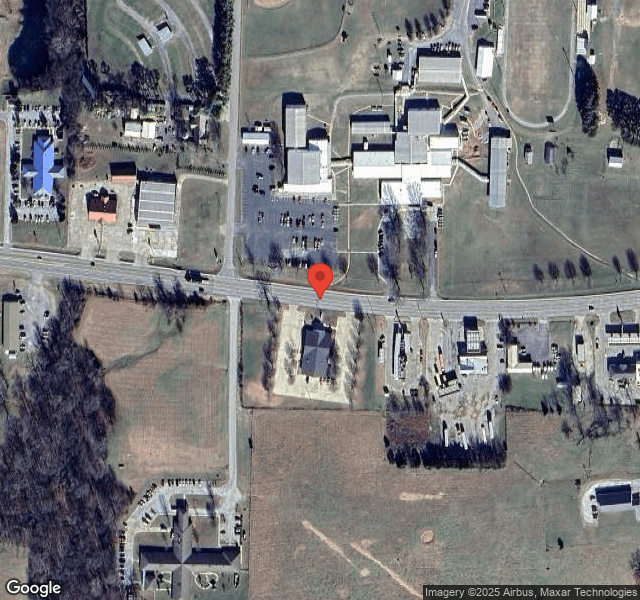

942 NORTH HIGHWAY 65, MARSHALL, AR 72650 (870) 448-3577
For profit - Limited Liability company 56 Beds SOUTHERN ADMINISTRATIVE SERVICES Data: November 2025
Trust Grade
88/100
#19 of 218 in AR
Last Inspection: August 2025

Inspected within the last 6 months. Data reflects current conditions.

Overview

Highland Court, a rehabilitation and resident care facility in Marshall, Arkansas, has a Trust Grade of B+, which means it is recommended and above average. It ranks #19 out of 218 facilities in Arkansas, placing it in the top half, and it is the only option in Searcy County, indicating it is the best local choice. The facility is improving, with issues decreasing from 10 in 2024 to just 1 in 2025. Staffing is strong, with a perfect 5/5 rating and a turnover rate of only 27%, significantly lower than the state average of 50%. There have been no fines recorded, which is a positive sign of compliance. The facility boasts more RN coverage than 95% of Arkansas facilities, ensuring thorough care. However, there have been some concerns, including issues with food storage that could lead to foodborne illnesses and instances where residents were not treated with sufficient respect and dignity during meals. Additionally, call devices were not within reach for some residents, potentially affecting their ability to request assistance. Overall, Highland Court has notable strengths but also areas that need attention.

Trust Score
B+
88/100
In Arkansas
#19/218
Top 8%
Safety Record
Low Risk
No red flags
Inspections
Getting Better
10 → 1 violations
Staff Stability
✓ Good
27% annual turnover. Excellent stability, 21 points below Arkansas's 48% average. Staff who stay learn residents' needs.
Penalties
✓ Good
No fines on record. Clean compliance history, better than most Arkansas facilities.
Skilled Nurses
✓ Good
Each resident gets 43 minutes of Registered Nurse (RN) attention daily — more than average for Arkansas. RNs are trained to catch health problems early.
Violations
⚠ Watch
16 deficiencies on record. Higher than average. Multiple issues found across inspections.
★★★★★
5.0
Overall Rating
★★★★★
5.0
Staff Levels
★★★★☆
4.0
Care Quality
★★★★☆
4.0
Inspection Score
Stable
2024: 10 issues
2025: 1 issues

The Good

  • 5-Star Staffing Rating · Excellent nurse staffing levels
  • 4-Star Quality Measures · Strong clinical quality outcomes
  • Low Staff Turnover (27%) · Staff stability means consistent care
  • Full Sprinkler Coverage · Fire safety systems throughout facility
  • No fines on record
  • Staff turnover is low (27%)

    21 points below Arkansas average of 48%

Facility shows strength in staffing levels, quality measures, staff retention, fire safety.

The Bad

Chain: SOUTHERN ADMINISTRATIVE SERVICES

Part of a multi-facility chain

Ask about local staffing decisions and management

The Ugly 16 deficiencies on record

Aug 2025 1 deficiency
CONCERN (D)

Potential for Harm - no one hurt, but risky conditions existed

Incontinence Care (Tag F0690)

Could have caused harm · This affected 1 resident

Based on observation, record review, interview, facility document review, and facility policy review, the facility failed to ensure a resident received appropriate treatment and services to prevent Ur...

Read full inspector narrative →
Based on observation, record review, interview, facility document review, and facility policy review, the facility failed to ensure a resident received appropriate treatment and services to prevent Urinary Tract Infections (UTIs) to the extent possible. This failed practice affected one (Resident #34) of one resident, who had multiple UTIs. The findings include: During an observation on 08/04/2025 at 12:21 PM, this surveyor observed a contact isolation sign and isolation supplies at the doorway of Resident #34’s room. During an observation on 08/06/2025 at 11:00 AM, this surveyor observed Certified Nursing Assistant (CNA) #4 assist Resident #34 in the bathroom. CNA #4 stated, I am going to do peri-care (perineal/incontinence care) now. CNA #4 had on a pair of gloves and used tissue paper to wipe Resident #34’s rectal area several times, then wiped Resident #34’s perineal area. When CNA #4 wiped the resident’s rectal area, this surveyor noted a small brown smear on the tissue following the first wipe. CNA #4 proceeded to wipe the perineal area in a circular motion, alternating wiping towards and away from the genital area, and did not change gloves or perform hand hygiene between tasks. A review of Resident #34’s admission Record revealed the facility admitted the resident on 10/15/2024, with diagnoses which included UTI. A review of Resident #34’s Progress Note, dated 07/29/2025, revealed the resident received an antibiotic for a UTI. Further review of Resident #34’s Progress Notes, dated 08/02/2025, revealed the resident received a new antibiotic for a UTI. A review of Resident #34’s Care Plan, dated 05/09/2025, revealed the resident was to be on contact isolation precautions related to a UTI. A review of Resident #34’s Physician Orders, dated 10/26/2024, 02/25/2025, 04/22/2025, and 07/31/2025, identified Resident #34 had orders for an antibiotic to be given for a UTI. A review of Resident #34’s Physician Orders, dated 08/01/2025, indicated staff were to maintain contact isolation every shift for Methicillin Resistant Staphylococcus Aureus (MRSA) in Resident #34’s urine. A review of Resident #34’s Medical Diagnosis Report identified the resident had a UTI diagnosis for the following dates: 10/15/2024, 10/17/2024, 01/23/2025, 03/03/2025, 07/14/2025, and 07/31/2025. A review of Resident #34’s Minimum Data Set, with an Assessment Reference Date of 07/14/2025, revealed a Brief Interview for Mental Status score of 02, which indicated Resident #34 had severely impaired cognition. The resident’s MDS also revealed Resident #34 was frequently incontinent of urine and was dependent upon staff for toileting hygiene. A review of Resident #34’s Urologist Report, dated 01/16/2025, revealed the resident's chief complaint was a diagnosis which caused disruption in normal urine flow. During an interview on 08/04/2025 at 12:47 PM, Licensed Practical Nurse (LPN) #5 confirmed Resident #34 was on antibiotics for a UTI. LPN #5 said there was MRSA in the resident’s urine and confirmed isolation precautions were in place. During an interview on 08/06/2025 at 11:05 AM, CNA #4 was asked if they had any concerns about wiping Resident #34’s rectal area, then cleaning the resident’s perineal area without changing their gloves. CNA #4 looked at this surveyor but did not verbally respond. This surveyor then asked CNA #4 if there was a risk of wiping from the resident’s rectal area to the resident’s perineal area and if this could cause a problem for the resident. CNA #4 said they did not know. During an interview on 08/06/2025 at 11:15 AM, the Registered Nurse (RN) Nurse Consultant revealed there was a concern with perineal care. The RN Nurse Consultant said staff should not clean a resident’s rectal area, then go to the perineal area. The RN Nurse Consultant also confirmed gloves should be changed. The RN Nurse Consultant requested to clarify that staff cleaned a residents rectum area, then the resident’s perineal area without changing gloves. This surveyor confirmed that was accurate for the observation. This surveyor then requested a male/female perineal care policy. During an interview on 08/06/2025 at 11:30 AM, the Administrator provided competency assessment procedures for male and female perineal care. A review of a facility procedure titled Competency Assessment Perineal Care, revised October 2010, revealed for a male resident to wash the perineal area starting with the urethra and working outward, continue to wash perineal area without using the same washcloth or water to clean the urethra, gently dry the perineum, then wash and rinse the rectal area thoroughly. During an interview on 08/06/2025 at 11:44 AM, this surveyor asked the Administrator what process staff were expected to follow while performing perineal care. The Administrator stated she expected the CNAs to follow the perineal care competency. The Administrator verified staff should clean the perineal area before cleaning the rectal area and should change gloves between tasks, to reduce contamination and prevent infections. The Administrator provided facility documentation Incontinence 42 C.F.R. & 483.25 (e), which revealed the facility followed the Lippincott Nursing Manual for perineal care. During an interview on 08/06/2025 at 1:01 PM, CNA #4 stated they were observed performing perineal care, and confirmed they did not wash front to back, change their gloves, or wash their hands between cleaning the resident’s buttocks and perineal area. CNA #4 confirmed they did not clean “front to back,” indicating they wiped towards the resident’s genitals. CNA #4 said they got nervous, but that was no excuse not to perform perineal care correctly. CNA #4 then confirmed it was important to perform perineal care by cleaning front to back, because of the potential to spread germs from the dirty area to the clean area. During an interview on 08/07/2025 at 9:30 AM, the Medical Director (MD) stated he was familiar with Resident #34 and the significant number of UTIs the resident has had. The MD said he had not asked the facility to conduct a root cause analysis but felt that it would be beneficial to have. The MD stated he expected staff to follow proper perineal care protocol for every resident so there was no contamination to the area. During an interview on 08/07/2025 at 10:40 AM, the Director of Nursing (DON) said they were aware of the number of UTIs Resident #34 has had. The DON said they had started tracking the UTIs in May of this year and had developed a Performance Improvement Plan with in-servicing and return demonstration by the staff regarding incontinent care. The DON said they expected staff to follow the facility procedures for proper perineal care and hand washing. The DON stated it was important to provide proper perineal care to prevent carrying over anything that might be present from the dirty side to the clean side. The DON revealed proper perineal care, handwashing, cleaning front to back, and changing gloves in between dirty and clean tasks were the number one ways staff could help prevent UTIs, by not introducing bacteria to the perineal area. During an interview on 08/07/2025 at 11:08 AM, CNA #3 explained the proper procedure for perineal care, regarding a resident who used the toilet, was to get the supplies ready, perform hand hygiene, put gloves on, ask the resident to stand and assist the resident to toilet, allow the resident to toilet, clean the resident by starting in the front, then clean the back area. Afterwards, wash hands and sanitize, then take the resident back to their room and remove the dirty items from their room. During an interview on 08/07/2025 at 11:14 AM, CNA #4 revealed they had been re-trained twice since they had been observed performing improper perineal care for Resident #34. CNA #4 said you should first sanitize your hands, get the things you need to change the resident, put your gloves on, make sure to change gloves between clean and dirty task, assist the resident to the toilet, clean from frontside first and the backside last, clean hands, sanitize, put on new gloves, and then unlock the wheelchair and take the resident back in the room, gather trash and bring it out. A review of the facility policy titled Incontinence documents the nursing facility will consult Lippincott Nursing Manual, 2014 10th Edition as the guide for matters relating to the resident’s incontinence as well as maintenance of continence. A review of the pages from Lippincott Nursing Manual provided by the RN Nursing Consultant did not provide information on Incontinent Care.
Apr 2024 10 deficiencies
CONCERN (D)

Potential for Harm - no one hurt, but risky conditions existed

Deficiency F0808 (Tag F0808)

Could have caused harm · This affected 1 resident

Based on record review, observations and interview the facility failed to ensure a physician's order was followed for a therapeutic diet to promote good nutritional intake for 1 (Resident #19) of 1 sa...

Read full inspector narrative →
Based on record review, observations and interview the facility failed to ensure a physician's order was followed for a therapeutic diet to promote good nutritional intake for 1 (Resident #19) of 1 sampled residents. The findings include: A review of the facility policy titled Diet, Sanitation, and Menu dated 04/24/2024 specified Physician Ordered Menu. A copy of diets as ordered by the physician will be posted in the kitchen and will correspond to the diet as ordered in the medical record and will be kept current. Diet list will include the Resident/Elder's name, room number, and diet and will be signed by licensed personnel. A review of the Order Summary showed Resident #19 had diagnoses of dementia and major depressive disorder. A review of the Order Summary for the month of April, revealed an order by a physician with a start date of 10/13/2022 is to receive a (increase in calories) diet, with mechanical soft texture, thin consistency, add ice cream to lunch and dinner meals. A review of Resident #19 ' s care plan, revised 02/08/2024, revealed the usual performance for ADLs (Activities of Daily Living) due to lymphoma, neuropathy, insomnia, cognitive communication deficit, dementia, poor eyesight, history of falls, osteoarthritis, abnormal gait, pain, right fib fracture, left femur fracture, right malleolus fracture, pain intervention include eating: supervision (helper provides verbal cues). On 04/23/24 at 12:32 PM, Surveyor observed during dining service Resident #19 eating lunch with supervision help from staff. All food is in red bowls, except the dessert, a cup of what appears to be cola, a cup of water, and a cup of red juice. Surveyor observed the meal ticket that states Notes: All food in CLEAR bowls .Standing orders of 8 fluid ounces of sweet tea (X 2) and ½ cup vanilla ice cream. On 04/22/24 at 1:19 PM, Surveyor asked CNA (Certified Nursing Assistant) #1, How do you know what drinks to pass before serving lunch trays. CNA #1 stated, Mostly memory. The Surveyor asked, Should standing orders be followed for meals and why is this an issue for the residents. CNA #1 said, Yes, they should be, and it is what they prefer. On 04/22/24 at 1:24 PM Surveyor asked CNA #3, How do you know what drinks to pass before serving lunch trays? CNA #3 said Lots and lots of practice. The Surveyor asked, Should standing orders be followed and is this an issue for the residents? CNA #3 said, It really depends on the day, I am trying to update the tickets to reflect preferences and because they are not properly cared for. On 04/23/24 at 1:42 PM, the Surveyor asked CNA #4 about the standing orders on the meal ticket for Resident #19. CNA #4 said, I helped Resident #19; the standing orders need to be updated with resident preferences. Resident #19 has been refusing the vanilla ice cream. The Surveyor asked if the resident was supposed to have all food in clear bowls. CNA #4 said they did not know why the clear bowls are not in use. The Surveyor asked what the Resident was served at lunch today. CNA #4 said 4 ounces of water, 4 ounces of fruit punch, and 8 ounces of cola. The Surveyor asked what the process is to update Resident preferences. CNA #4 said they would notify the Dietary Manager or the administrator to make changes. On 04/23/24 at 1:55 PM, Surveyor asked the Dietary Manger are clear bowls supposed to be used for meals for Resident #19. The Dietary Manager said they have been using the red bowls because they hold more, and that the notes need to be updated. The Surveyor asked the Dietary Manager should standing orders be followed. The Dietary Manager said yes, because they are the standing orders and can be for weight loss.
CONCERN (E)

Potential for Harm - no one hurt, but risky conditions existed

Resident Rights (Tag F0550)

Could have caused harm · This affected multiple residents

Based on observation, interview, and record review, the facility failed to treat each Resident with respect and dignity, to promote or enhance their quality of life for 2 Residents (Residents #9 and #...

Read full inspector narrative →
Based on observation, interview, and record review, the facility failed to treat each Resident with respect and dignity, to promote or enhance their quality of life for 2 Residents (Residents #9 and #19) of 6 Residents who were seated at the dining assistive table in the main dining room. This had the potential to affect 5 residents who require assistance with meals, and who eat in the main dining room. Findings included: A review of an admission Record indicated the facility admitted Resident #9 with diagnoses of Alzheimer's Disease and abnormal weight loss. The discharge Minimum Data Set (MDS), for Resident #9, dated 10/30/2023, revealed a Staff Assessment for Mental Status (SAMS) Cognitive Skills for Daily Decision-Making score of 3, which indicated the resident had severe cognitive impairment. The resident required substantial/maximal assistance with activities of daily living (ADLs). Review of Resident #9 ' s Care Plan, revised 05/11/2022, revealed the Resident has potential for nutritional deficits related to abnormal weight loss, constipation, gastro esophageal reflux disease (GERD), hypokalemia, vitamin A deficiency, Alzheimer's disease, hypothyroidism, vitamin B-12 deficiency, hypoglycemia, and gastroenteritis. Interventions included provide assistance with meals. (Initiated 01/23/2024). On 04/22/20244 at 11:30 AM, Certified Nursing Assistant (CNA) #2 placed Resident #19 at a half round table in the main dining room. Resident #9 was sitting at the table. CNA #2 was asked to identify the Residents and the purpose of the table were the Resident is placed. CNA #2 responded, That is the feeder table. We put residents there that need assistance being fed. CNA #2 identified Resident #9 and #19. During an interview on 04/22/2024 at 12:12 PM, CNA #1 stated the purpose of the half round tables were feeder tables where residents are placed that have to be fed. During an interview on 04/24/2024 at 10:40 AM, CNA #7 indicated everybody deserves dignity and respect and it is their right. Residents should not be labeled due to their needs as nobody here is the same and has different needs. Labeling or calling a Resident a feeder would not enhance their quality of life. During an interview on 04/24/2024 at 11:15 AM, LPN #2 stated Residents should always be treated with dignity and respect. It is their right and it is a good thing to do. Residents should not be labeled; it could be a dignity issue. Labeling a Resident as a feeder does not promote or enhance their quality of life. They should not be labeled. They eat at the assist table. Depending on the term being used, my reaction would vary. During an interview on 04/24/2024 at 03:16 PM, the Director of Nursing (DON) stated Residents absolutely should be treated with dignity and respect. Residents should not be labeled due to their needs or care requirements; it is a dignity issue. Labeling or calling a Resident a feeder does not promote or enhance their life. Being labeled or called by a need would make you feel poorly about yourself.
CONCERN (E)

Potential for Harm - no one hurt, but risky conditions existed

Deficiency F0558 (Tag F0558)

Could have caused harm · This affected multiple residents

**NOTE- TERMS IN BRACKETS HAVE BEEN EDITED TO PROTECT CONFIDENTIALITY** Based on observation, interview, and record review, it was determined the facility failed to ensure resident ' s call devices we...

Read full inspector narrative →
**NOTE- TERMS IN BRACKETS HAVE BEEN EDITED TO PROTECT CONFIDENTIALITY** Based on observation, interview, and record review, it was determined the facility failed to ensure resident ' s call devices were in reach for 2 (Residents #14 and #32) of 2 Residents with call devices not in reach. This had the potential to affect 23 residents residing on 300 hall. Findings include: A review of an admission Record indicated the facility admitted Resident #14 with a diagnoses that included a history of falling, Type 2 diabetes mellitus, essential primary hypertension, diastolic congestive heart failure, and pain. A review of the quarterly Minimum Data Set (MDS) dated [DATE], revealed Resident #14 had a Brief Interview for Mental Status (BIMS) score of 06, which indicated the resident had severe cognitive impairment. The resident required assistance with toilet hygiene; required set up assistance only with meals, lower body dressing and footwear; was independent with oral hygiene, personal hygiene, and upper body dressing. Resident uses a manual wheelchair for ambulation. A review of Resident #14's Care Plan initiated 03/19/2024, Revealed resident required assistance with dressing lower body, putting on/taking off shoes; required partial/moderate weight bearing assistance for shower/bath; required touch assistance with toileting hygiene, and assistance with meals as needed. No indication Resident requires instruction on use of call light for assistance. A review of an admission record indicated the facility admitted Resident #32 with diagnoses of essential primary hypertension, gastro-esophageal reflux disease without esophagitis, pure hypercholesterolemia, type 2 diabetes mellitus, and shortness of breath. A review of the quarterly MDS dated [DATE], revealed Resident #32 had a BIMS score of 06, which indicated the resident had severe cognitive impairment. The resident required partial/moderate assistance with shower/bath; set up or clean up assistance with eating and oral hygiene; and was independent with toileting, upper and lower body dressing, putting on/taking off footwear and personal hygiene. Resident #32 is independent with ambulation. A review of Resident #32's care plan did not document a need for instruction on use of call light for assistance. On 04/23/2024 at 09:41 AM, Resident #32's call light was on the floor, against the wall adjacent to the head of the bed, out of reach of Resident. When asked, Resident # 32 stated, It is usually right here. and indicated the over bed table. On 04/23/2024 at 10:32 AM, Resident #14's call light was clipped on the air mattress controller attached to the headboard. Resident #14 was sitting in the wheelchair at the foot of the bed, facing the window. The overbed table was in front of the Resident's wheelchair, and Resident's bed was to the Resident's right. The call light was not in the Resident ' s reach. On 04/23/2024 at 14:05 PM, Resident #32 was lying in bed. Call light was on the floor, against wall adjacent to the head of the bed. The overbed table is located to the right of Resident's bed, wheels of the overbed table just in front of the call button. When Resident was questioned about calling for assistance, the Resident stated, It is usually right here, and pointed to the over bed table. I do not know what happened to it. The call light was not within the Resident ' s reach. On 04/24/2024 at 09:16 AM, Resident #32 was sitting on the side of the bed. Resident #32 was asked if assistance was needed, how would staff be notified. I have a button here somewhere. I have no idea where it is now. Resident searching for call button. Resident stated, I guess I would have to yell. Call light was plugged into the wall, cord hanging down toward the floor, and under the head of the bed, on top of the base of the bedframe. On 04/24/2024 at 09:18 AM, Resident #14 was sitting in a wheelchair on the right side of the bed, facing the head of the bed. The call light was clipped on the air mattress controls on the top of the headboard. Resident #14 was asked if assistance was needed, how staff would be called. Resident stated, I call them or go out into hallway. Resident was asked how would you call them. Resident stated, I really don't know. When asked if Resident could reach the call light, Resident stated, I would go to the hall. During an interview on 04/24/2024 at 09:30 AM, CNA #7 said rounds are done every 2 hours for toileting, ensure rooms are clean and Residents are dry. Rounds are also done during free moments. CNA #7 also will look and listen for call lights and that call lights should be in reach of residents at all times. CNA #7 said Resident #32 is able to use the call light and it is always accessible. Resident #14 uses the call light all of the time and the emergency bath light as well. On 04/24/2024 at 09:33 AM, CNA #7 entered Resident #14 room and moved call light within Resident reach. CNA #7 said it should have been within reach. On 04/24/2024 at 09:35 AM, CNA #7 entered Resident #32 room, kneeled down to find call light, and placed within resident reach. CNA #7 did not know why the call light was not in reach. During an interview on 04/24/2024 at 09:36 AM, Licensed Practical Nurse (LPN) #2 stated rounds were done every 2 hours by CNAs and I see most people several times a day. Residents who require assistance push the call light or someone sees they look like they need assistance. Most Residents in the hall are able to ask for assistance. LPN #2 said call lights should always be in reach. Some Residents move them, but it is care planned if they do that. LPN #2 stated Resident #32 rarely uses the call light and comes into the hallway, even if the call light is accessible. Resident #14 moves the call light and does use it. On 04/25/2024 at 10:15 AM, the Administrator advised the Surveyor the facility does not have a call light policy.
CONCERN (E)

Potential for Harm - no one hurt, but risky conditions existed

Deficiency F0657 (Tag F0657)

Could have caused harm · This affected multiple residents

Based on interview and record review it was determined the facility failed to review and revise the Resident's care plan for 2 Residents (Residents #9 and #25) of 2 residents who was reviewed for care...

Read full inspector narrative →
Based on interview and record review it was determined the facility failed to review and revise the Resident's care plan for 2 Residents (Residents #9 and #25) of 2 residents who was reviewed for care plan compliance. This had the potential to affect 57 residents who currently reside in the facility. The findings included: A review of an admission Record indicated the facility admitted Resident #9 with diagnoses of Alzheimer's Disease and abnormal weight loss. The discharge Minimum Data Set (MDS) for Resident #9, with an Assessment Reference Date (ARD) of 10/30/2023, revealed a Staff Assessment for Mental Status (SAMS) Cognitive Skills for Daily Decision-Making score of 3, which indicated the resident had severe cognitive impairment. The resident required substantial/maximal assistance with activities of daily living (ADLs). A review of Resident #9 Care Plan with a revision date of 03/11/2024 documented the resident has a Urinary Tract Infection (UTI). A review of Resident # ' 9 ' s March 2024 Medication Administration Record documented Resident #9 was receiving Macrobid Oral Capsule 100 MG (Nitrofurantoin Monohydrate Macro) by mouth twice daily for a UTI (Urinary Tract Infection). The start date documented was 03/11/2024 with a last dose given on 03/21/2024. A review of Resident #9 ' s March 2024 Medication Administration Record documented Resident #9 was receiving Ertapenem Sodium Solution Reconstituted 1 gram (GM) by injection intramuscularly daily for UTI for 10 days. The start date documented was 03/07/2024 with a discontinued (D/C) date of 03/11/2024. Resident #25 ' s Medical diagnoses dated 4-25-24 included dementia with severe psychotic disturbance, and Alzheimer ' s Disease A care plan with target date of 4-15-24 documents Resident #25 was at risk for elopement/wandering. Upon admission the resident had an elopement monitoring bracelet placed. To be assessed for wandering quarterly. An MDS with an ARD of 3-28-24 documented that Resident #25 ' s Brief Interview for Mental Status score was 00 (0-7 indicates severe cognitive impairment), and documented that wandering is present at time of completion. Resident #25 was dependent on staff for assistance with activities of daily living (ADLs). On 04/24/24 at 09:27 AM, the Surveyor observed no elopement monitoring bracelet on leg or wrist. On 04/24/24 at 09:27 AM, the Surveyor asked Nursing Assistant (NA) #2, Does Resident #25 have a wander guard? NA #2 stated, No, but [Resident #25] did have before we started the unit. On 04/24/24 at 09:57 AM, the Surveyor asked the MDS Coordinator, Why should a resident care plan be revised? The MDS Coordinator stated, Because changes happen all the time and we need to know how to take care of our residents. The surveyor asked, When should a resident care plan be revised? The MDS coordinator stated, Anytime there is a change The surveyor asked, What should be revised on a care plan? The MDS Coordinator stated, Everything whether they have med changes, treatment changes, whether they have a fall or not. The surveyor asked, Who is supposed to revise the care plan when there is a change? The MDS Coordinator stated, Me and everybody else. On 4-25-24 at 10:10 the Surveyor asked MDS Coordinator if there was a policy for care plans or care plans revision. The MDS Coordinator stated We just follow the RAI (Resident Assessment Instrument) Manual and guidelines.
CONCERN (E)

Potential for Harm - no one hurt, but risky conditions existed

Respiratory Care (Tag F0695)

Could have caused harm · This affected multiple residents

Based on record review, observation and interview, the facility failed to ensure oxygen was consistently administered at the flow rate ordered by the physician, to minimize the potential for hypoxia o...

Read full inspector narrative →
Based on record review, observation and interview, the facility failed to ensure oxygen was consistently administered at the flow rate ordered by the physician, to minimize the potential for hypoxia or other respiratory complications for 1 (Resident #23 ) of 1 sampled residents. The findings are: A review of the facility procedure manual, Lippincott Manual of Nursing Practice, 10th Edition, specified, Administering Oxygen by Nasal Cannula, verify the correct patient. Attach the connecting tube from the nasal cannula to the humidifier outlet. Set the flow rate at the prescribed liters per minute. Determine patient comfort with oxygen use. Flow rates in excess of 4 liters (L) / minute may cause irritation to the nasal and pharyngeal mucosa. A review of an admission Record indicated the facility admitted Resident #23 with a diagnosis of chronic obstructive pulmonary disease. The annual Minimum Data Set (MDS) with an Assessment Reference Date (ARD) of 03/11/2024, revealed Resident #23 had a Brief Interview for Mental Status (BIMS) score of 15, which indicated the resident was cognitively intact. The resident received oxygen therapy while a resident. A review of Resident #23's Physician Orders, for the month of April 2024, revealed an order, dated 11/01/2022, for oxygen 2-3 liters per minute (lpm) via nasal cannula (NC) as needed every shift for oxygen therapy related to chronic obstructive pulmonary disease with acute exacerbation. Review of Resident #23's Care Plan, revised on 03/21/2022, revealed the resident had shortness of breath due to history of COPD (Chronic Obstructive Pulmonary Disease) , emphysema, and chronic respiratory failure. Interventions included, oxygen (02) as ordered; see physician orders, revised on 03/22/2024. On 04/22/24 11:22 AM, Resident #23 observed lying in bed with oxygen on and running at 4 liters per minute via nasal cannula. On 04/23/24 11:33 AM, Resident #23 observed lying in bed with oxygen on and running at 4 liters per minute via nasal cannula. On 04/23/2024 at 01:49 PM, Resident # 23 observed lying in bed with oxygen on and running at 4 liters per minute via nasal cannula. Resident #23 was asked, Do you ever adjust your oxygen settings? Resident #23 stated, I can't reach it. On 04/23/2024 at 01:50 PM, Licensed Practical Nurse (LPN) #1 was asked what is Resident #23 ' s oxygen supposed to be running at? LPN #1 stated, 2-3 liters per minute. LPN #1 was asked Does Resident #23 ever adjust it? LPN #1 stated, no. On 04/23/2024 at 01:51 PM, LPN #1 was asked to read the oxygen setting on Resident # 23 ' s oxygen concentrator. LPN #1 stated, 4 liters per minute. LPN #1 was asked who is responsible for ensuring residents oxygen is running at the physician prescribed order? LPN #1 stated, The nurses. LPN #1 was asked why should residents receive oxygen as prescribed by the physician? LPN #1 stated, If it's too high, they get too much carbon dioxide. On 04/23/2024 at 02:31 PM, the Director of Nursing (DON) was asked why residents should receive oxygen at the physician prescribed rate, and who is responsible for ensuring residents oxygen is administered at the correct rate. The DON stated, Because it's an order, and we should follow the physician's orders and it's the nurse ' s responsibility.
CONCERN (E)

Potential for Harm - no one hurt, but risky conditions existed

Deficiency F0761 (Tag F0761)

Could have caused harm · This affected multiple residents

**NOTE- TERMS IN BRACKETS HAVE BEEN EDITED TO PROTECT CONFIDENTIALITY** Based on observation, interview, and record review the facility failed to ensure medications that were beyond their expiration d...

Read full inspector narrative →
**NOTE- TERMS IN BRACKETS HAVE BEEN EDITED TO PROTECT CONFIDENTIALITY** Based on observation, interview, and record review the facility failed to ensure medications that were beyond their expiration date were removed or discarded. The failed practice has the potential to affect 56 residents who receive medication from one medication room. The findings are: On 04/24/24 at 8:59 AM, medications were reviewed in Medication Storage room [ROOM NUMBER] with Registered Nurse (RN) #1. On 04/24/2024 at 9:03 AM, the following were observed in the upper cabinets, located as you first enter the medication storage room, 17- 8 ounce bottles of nutritional drink expired on 12/23. On 04/24/2024 at 9:17 AM, the following were observed, a bottle on the second shelf, to the left of the medication room, a bottle of hydrogen peroxide, expired on 10/23, and a bottle of wound and skin cleanser expired on 4/21. On 04/24/24 at 9:18 AM, RN #1 was asked how often the nurse goes through the Medication Room and check for expired medications and remove them from the shelves. The nurse responded once a month. On 04/24/24 at 9:33 AM, the Medication Cart for the 300 Hall was checked with Licensed Practical Nurse (LPN)#2 and was observed to have no issue. On 04/24/24 at 9:46 AM, LPN# 2 was asked how often the nurse check the medication cart, The nurse responded every day. On 04/24/24 at 9:57 AM, the Medication Cart for the 100 Hall was checked with LPN #3 and was observed to have no issues. On 04/24/24 at 10:17 AM, LPN# 3 was asked how long insulin is sustainable at room temperature after it's opened. The nurse responded it's different for different types of insulins, usually 28 days or 30 days. On 04/24/24 at 1:10 PM, the Administer supplied a form on Pharmaceutical Services that documented, .Checking the emergency medication supply at least monthly to ascertain that it is properly sealed and stored and that the contents are not outdated; and checking for annual approval of contents by Medical Director, Director of Nursing, and Arkansas State Board of Pharmacy. b. Checking the medication storage facilities at least monthly, for proper storage of medication, cleanliness, and removal of expired medications .
CONCERN (E)

Potential for Harm - no one hurt, but risky conditions existed

Deficiency F0806 (Tag F0806)

Could have caused harm · This affected multiple residents

Based on record review, observations, and interviews the facility failed to ensure Residents preferences were honored during dining services to promote good nutritional intake for 2 out of 2 (Resident...

Read full inspector narrative →
Based on record review, observations, and interviews the facility failed to ensure Residents preferences were honored during dining services to promote good nutritional intake for 2 out of 2 (Resident #24 and Resident #30) sample residents. The findings included: A review of the Order Summary revealed Resident #24 had diagnoses of cerebral infarction, type 2 diabetes mellitus, and abnormal weight loss. A review of the Weight Record reveals that Resident #24 weighed 178.3 on 11/03/2023 and weighed 166.3 on 04/01/2024, indicating a 6.73 percent loss in 6 months. A review of Resident #24 ' s care plan revised on 02/27/24 revealed usual performance is weight bearing assist with ADLs due to insomnia, restlessness, and agitation, impaired mobility, and cognitive function, falls, anxiety, stroke, severe dementia. Interventions include Eating: supervision (helper provides verbal cues). On 04/23/24 at 12:33 PM, the Surveyor observed during dining services Resident #24 had three cups to drink for lunch including cola, juice, and water. Surveyor observed on the meal ticket for standing orders it reveals that the Resident is to have 6 fluid ounces of cola, cranberry juice 0.75 cup, and 8 fluid ounces of hot chocolate. A review of the Order Summary reveals that Resident #30 had diagnoses of type 2 diabetes and dementia. A review of Resident #30 care plan revised on 03/18/24 revealed usual performance is weight bearing assist with ADLs due to impaired mobility and cognitive function, anxiety, weakness, lack of coordination, severe dementia with agitation neuropathy, history of falls. Interventions include Eating: substantial/maximal Weight bearing with assistance of 1 staff. On 04/23/24 at 12:33 PM, Surveyor observed Resident #30 with two four ounces glasses each of milk and juice. The Surveyor observed the meal ticket which revealed Standing orders of 8 fluid ounces coffee, 8 fluid ounces fruit juice (punch), 8 fluid ounces of milk whole. On 04/23/24 at 1:52 PM, Surveyor asked Restorative Certified Nursing Assistant (RCNA) #1 if Resident #30 ' s meal ticket was checked before assisting Resident #30. RCNA #1 said no I did not. The Surveyor asked what Resident #30 received to drink with meals. RCNA #1 said 4 ounces of fruit juice and 8 ounces of milk. The Resident receives his milk in an 8-ounce glass, but it is poured into a smaller cup so the Resident can hold it easier. The Surveyor asked if Resident #30 ' s standing orders were followed at lunch time. RCNA said no, the Resident did not receive 4 more ounces of fruit punch or 8 fluid ounces of coffee. The Surveyor asked why is it important to follow these orders. RCNA said they are preferences what the Resident or family has communicated for them to have. On 04/22/24 at 1:19 PM, Surveyor asked CNA (Certified Nursing Assistant) #1 how do you know what drinks to pass before serving lunch trays. CNA #1 stated mostly memory. Surveyor asked should standing orders be followed for meals and why is this an issue for the Residents. CNA #1 said yes, they should be, and it is what they prefer. On 04/22/24 at 1:24 PM, Surveyor ask CNA #3 how do you know what drinks to pass before serving lunch trays? CNA #3 said lots and lots of practice. Surveyor asked should standing orders be followed and is this an issue for the Residents. CNA #3 said it really depends on the day, I am trying to update the tickets to reflect preferences and because they are not properly cared for. On 04/23/24 at 1:55 PM, the Surveyor asked the Dietary Manager should standing orders be followed. The Dietary Manager said yes, because they are the standing orders and can be for weight loss. On 04/24/24 at 8:15 AM the Administrator stated that there is no policy for standing orders or preferences.
CONCERN (E)

Potential for Harm - no one hurt, but risky conditions existed

Food Safety (Tag F0812)

Could have caused harm · This affected multiple residents

Based on observations, interviews and policy review, the facility failed to store and prepare foods under sanitary conditions by not properly restraining hair, not using proper hand sanitazation and g...

Read full inspector narrative →
Based on observations, interviews and policy review, the facility failed to store and prepare foods under sanitary conditions by not properly restraining hair, not using proper hand sanitazation and gloves, not labelling and dating food itmes in the Residents nourishment refrigerators, not discarding expired food items, and staff storing personal cups in the refrigerator. The findings Include: Review of a facility policy titled Handwashing and Glove Usage in Food Service documents that .After touching anything else such as dirty equipment, work surfaces or cloths . On 4/24/24 08:28 AM Administrator stated the facility did not have a policy for Food Storage. On 04/22/24 at 10:35 AM, initial round of kitchen made. Dietary Manager (DM) upon entering kitchen did not have hair net on. After few minutes of being in kitchen, DM placed hair net on at that time. Asked DM Should staff wear hairnets in kitchen at all times? The DM stated yes. The Surveyor asked, What is reason hairnets are to be worn in the kitchen? The DM stated, So that hair doesn't get in the food. On 04/23/24 at 11:15 AM, after pureeing the meatloaf, Dietary Employee (DE) #1, without taking gloves off or washing hands pureed the food, turned the sink on and off, rinse the container, and then returned to pureeing the beans. The Surveyor asked DE#1 on 04/24/24 at 09:03 AM, When preparing food and touching the sink, do you change your gloves and wash your hands? DE #1 stated yes. The Surveyor asked, What is the reasoning for washing your hands after touching contaminated fixtures? The DE #1 stated sanitation. The Surveyor asked the Dietary Manager on 04/24/24 at 09:07 AM When preparing food and touching the sink do you change your gloves and wash your hands? DM stated yes The Surveyor asked, What is the reasoning for washing your hands after touching contaminated fixtures? DM stated, Because they are dirty. On 04/23/24 at 02:02 PM, the unit's Resident refrigerator on secure unit, had a tall single cup with a lid and handle on it sitting inside of the Residents' refrigerator door. Certified Nursing Assistant (CNA) #6, after opening the refrigerator, stated, That's my cup and grabbed it out of the refrigerator. The Surveyor asked should staff ' s personal cups be in the When asked she Resident's refrigerator CNA #6 stated, We have to or Resident #25 will get it. On 04/24/24 at 09:18 AM, the Surveyor asked CNA #5 Should the staff ' s food and drinks be in the Residents refrigerator? CNA #5 stated No. The Surveyor asked, What is the reason staff's food and drinks should not be in the Residents refrigerator? CNA #5 stated, Because it's the Residents food. On 04/23/24 at 2:10 PM while observing the main nourishment room Surveyor noted the following: a. Lunch meat in the refrigerator undated. b. Two loaves of bread in the cabinet undated. c. [NAME] discolored spots on part of the bread. d. A container of barbeque sauce dented and less than half full, with an open date of 3/4/23. 04/24/24 09:10 AM, the Surveyor observed packet of a lunchmeat in the nourishment refrigerator in a metal container with no open date. On 04/24/24 at 09:10 AM, the Surveyor asked CNA #7 is there an open date on the lunchmeat? CNA #7 stated, no. The Surveyor asked, Can you describe this load of bread to me? CNA #7 stated, That is moldy looking bread. The Surveyor asked Is there an open date? CNA #7 stated, no. The Surveyor asked, Should food be in the nourishment room not dated? CNA #7 stated No mam The Surveyor asked, Should food in the nourishment room be dated over a year old. CNA #7 stated, No mam. The Surveyor asked the Dietary Manager (DM) on 04/24/24 at 10:44 AM, Is there an open date on the lunchmeat? The DM stated no. The Surveyor asked, Can you describe this loaf of bread to me? DM stated, It has a spot of mold on it. The Surveyor asked, Should food be in the nourishment room not dated? They stated no The Surveyor asked, Should food there be food in the nourishment room dated over a year old? The DM stated no The Surveyor asked, Can you look at the bread and tell me if there is an open date on the bread? The DM stated No. The Surveyor asked the Director of Nursing (DON) on 4-25-24 at 9:20 AM, Should food have an open date on it when in the nourishment room? The DON stated yes. The Surveyor asked, Can you describe this bread to me? She stated, Oh it's moldy. The Surveyor asked the DON Do you see an open date on this loaf of bread? The DON said no. The Surveyor asked, Can you tell me what the date is on the barbeque sauce? She stated 3/4/24. The Surveyor asked, Should there be food in the nourishment room with an open date of over a year? The DON stated, no. The Surveyor asked, Should staff food and drinks be in the Residents' refrigerator? The DON stated no. The Surveyor asked, Why should the staff not put their drinks or food in the Residents refrigerator? The DON stated, Because the Residents refrigerator is for Residents use only.
CONCERN (E)

Potential for Harm - no one hurt, but risky conditions existed

Infection Control (Tag F0880)

Could have caused harm · This affected multiple residents

Based on observation, interview, and record review, the facility failed to ensure staff performed proper hand hygiene and used appropriate infection control practices while serving residents in the ma...

Read full inspector narrative →
Based on observation, interview, and record review, the facility failed to ensure staff performed proper hand hygiene and used appropriate infection control practices while serving residents in the main dining room for 4 Residents (Resident #9, #16, #24, and #30) of 4 residents observed eating in the dining room. This had the potential to affect 5 residents eating at the assistive table in the main dining room. The findings included: A review of Resident #9's admission record indicated the facility admitted the resident with diagnoses of Alzheimer's Disease and abnormal weight loss. The discharge Minimum Data Set (MDS) for Resident #9 with an Assessment Reference Date (ARD) of 10/30/2023, revealed a Staff Assessment for Mental Status (SAMS) Cognitive Skills for Daily Decision-Making score of 3, which indicated the resident had severe cognitive impairment. The resident required substantial/maximal assistance with activities of daily living (ADLs). Review of Resident #9's care plan, revised 05/11/2022, revealed the Resident had potential for nutritional deficits related to abnormal weight loss, constipation, gastro esophageal reflux disease (GERD), hypokalemia, Vitamin A deficiency, Alzheimer's disease, hypothyroidism, Vitamin B-12 deficiency, hypoglycemia, and gastroenteritis. Interventions included provide assistance with meals. (Initiated 01/23/2024) and give supplements/medications as ordered. Observe/report for side effects and effectiveness. (Date Initiated: 01/23/2024) Resident #9's progress note dated 03/12/2024 at 15:01:27 PM documented a strawberry house shake was to be added twice daily (BID). Resident #16's admission record indicated the resident was admitted with diagnoses of muscle wasting and atrophy and unspecified dementia. The quarterly MDS for Resident #16 with an ARD 01/09/2024, revealed a Brief Interview for Mental Status (BIMS) with a score of 03, which indicated the resident had severe cognitive impairment. Review of Resident #16 ' s Care Plan revised 07/28/2023 revealed the resident has potential for nutritional deficits related to nausea/vomiting (n/v), gastritis, anemia, dementia, hypokalemia, GERD, and Vitamin D deficiency. (Date Initiated 07/28/2023) Interventions included provide assistance with meals. (Date Initiated 07/28/2023) A review of Resident # 24's admission Record indicated the facility admitted resident with diagnoses of unspecified dementia, Type 2 diabetes mellitus, and abnormal weight loss. The Significant Change in Status MDS for Resident #24, dated 02/14/2024, revealed a BIMS with a score of 01, which indicated the resident had severe cognitive impairment. Resident #24's care plan, revised 02/27/2024, revealed the resident has potential for nutritional deficits related to malnutrition, nausea/vomiting, vitamin deficiency, decreased appetite, abnormal weight loss, diabetes, umbilical hernia, constipation, protein calorie malnutrition, severe dementia, and GERD. (Date Initiated 05/31/2020) Interventions included provide assistance with meals, as needed. (Date Initiated 06/04/2020) A review of Resident #30's admission record indicated the facility admitted the resident with diagnoses of type 2 diabetes mellitus, unspecified dementia, and dysphagia. The quarterly MDS for Resident #30, dated 12/13/2023, revealed a SAMS Cognitive Skills for Daily Decision-Making score of 3, which indicated the resident had severe cognitive impairment. The resident required assistance with ADLs. Resident #30's Care Plan revised 10/27/2022 revealed the resident has potential for nutritional deficits related to Diabetes, dysphagia, constipation, vitamin deficiency, vitamin D deficiency, and dementia. (Date Initiated 11/17/2020) Interventions included provide assistance with meals, as needed. (Date Initiated 12/09/2020) Review of the facility's Inservice books provided by the Administrator, contained education Dignity/Death and Dying, Infection Control, and Workplace Safety, dated 07/13/2023, documented Certified Nursing Assistant (CNA) #1 and CNA #3 attended the education which included handwashing. On 04/22/2024 at 12:22 PM, CNA #3 was observed beginning beverage service in the main dining room. No hand hygiene was observed prior to beginning or during beverage service. CNA #1 was assisting CNA #3 with beverage service and did not perform hand hygiene prior to beginning or during assistance. During the beverage service, CNA #1 was observed placing a clothing protector on Resident #30. CNA #1 opened a carton of whole milk, added strawberry flavoring and while stirring the flavoring into milk, CNA #1 ' s fingers touched the inside of the milk carton. CNA #1 poured the milk into a clear glass by turning the carton upside down so it was inserted into the cup, allowing milk to flow into the cup. CNA #1 served the strawberry milk to Resident #9. Hand hygiene was not performed prior to providing the beverage to Resident #9. On 04/22/2024 at 12:40 PM, CNA #1 was holding a tray atop the palm of the right-hand walking toward Resident assistance table, stopped, and returned to the serving window. CNA #1 obtained a white, three compartment divided plate. CNA #1 was holding the plate with left hand, 4 fingers on back of plate, thumb over the rim touching the small compartment of plate, with the plate sideways hanging toward the floor. CNA #1 placed the divided plate on the table in front of Resident #16 and transferred food onto the divided plate from the plate on the tray. Cornbread was placed in a small area, cake was placed in a small area, fried squash in a large area. Beans in a separate bowl, cottage cheese in separate bowl, peaches in separate bowl, and beverages, tea, water, and punch were served in separate glasses. On 04/22/2024 at 12:50 PM, CNA #1 was assisting Resident #24, Resident #19, and Resident #9, all seated at the assistive table. CNA #1 used pointer finger of the right hand, rubbed nose above upper lip, and assisted Resident #9 with beverage cup. CNA #1 then clasped hands together, intertwining fingers, and dropped them below the table. No hand hygiene was performed. During an interview on 04/22/2024 at 01:51 PM, CNA #1 said plates, bowls, and cups should be moved from the tray to the table one at a time holding below the rim. Fingers should not extend over the rim of the plate onto the food surface. If fingers touch the surface, it should not be used. Hands should be sanitized between the service of each resident and were not sanitized after serving Resident #24 and before serving Resident #16. During an interview on 04/22/2024 at 03:13 PM, CNA #1 stated the food area of a plate, clothing, face, or table should not be touched. Continuing to assist a resident with their meal without sanitizing hands should not be done because you could touch something on the table or on the food and pass it on to another person, such as bacteria and allergies too. Hands should be re-sanitized. On 04/22/24 at 1:19 PM, Surveyor asked CNA #1 when hand hygiene should be performed in the dining room. CNA #1 said before and after meals, and in between tasks. The Surveyor asked CNA #1 why this could be an issue for the Residents. CNA #1 said not to pass anything along to them. Surveyor asked CNA #1 when pouring milk should the carton touch the clean glass. CNA #1 said I never thought about that but yeah, I guess not. The Surveyor asked why this would be an issue. CNA #1 said in case the milk has anything on it. On 04/22/24 at 1:24 PM, Surveyor asked CNA #3 when should hand hygiene be performed in the dining room. CNA #3 said that before everything, in between each task and in between Residents. The Surveyor asked CNA #3 why this could be an issue for the residents. CNA #3 said bacteria could spread infection. On 04/23/24 at 2:35 PM, the Surveyor asked Infection Preventionist when should hand hygiene be performed in the dining room. The Infection Preventionist said in between each Resident. The Surveyor asked should you touch the plates while serving lunch in the dining room. Infection Preventionist said no. Surveyor asked when pouring milk into a clean glass should the carton touch the glass. The Infection Preventionist said no. Surveyor asked why this could be an issue for the Resident. Infection Preventionist said that transferring germs from one to another.
MINOR (C)

Minor Issue - procedural, no safety impact

Assessment Accuracy (Tag F0641)

Minor procedural issue · This affected most or all residents

**NOTE- TERMS IN BRACKETS HAVE BEEN EDITED TO PROTECT CONFIDENTIALITY** Based on record review and interview the facility failed to ensure that a Minimum Data Set (MDS) was accurately coded for trache...

Read full inspector narrative →
**NOTE- TERMS IN BRACKETS HAVE BEEN EDITED TO PROTECT CONFIDENTIALITY** Based on record review and interview the facility failed to ensure that a Minimum Data Set (MDS) was accurately coded for tracheostomy status for 1 out of 1 sampled Resident (Resident #42). The findings are: A review of the Order Summary reveals Resident #42 has diagnoses of acquired absence of larynx, tracheostomy status, presence of artificial larynx, and malignant neoplasm of larynx. A review of the quarterly Minimum Data Set (MDS), dated [DATE], revealed the Resident #42 had a Brief Interview for Mental Status (BIMS) score of 15, which indicates the Resident was cognitively intact. According to section O, Special Treatments, Procedures, and Programs, E1. Tracheostomy Status response recorded as a no, on 04/08/2024 at 09:54 AM. On 04/24/2024 at 11:10 AM, Surveyor asked the Director of Nursing (DON) how long Resident #42 has had tracheostomy status. The DON said that it was prior to admission. The surveyor asked why should a Resident ' s tracheostomy status be coded on the MDS? The DON said so the Resident can receive accurate care for the tracheostomy. On 04/24/24 at 11:20 AM, Surveyor asked the MDS Coordinator is Resident #42 ' s quarterly MDS coded for tracheostomy status. MDS Coordinator said no it is not and should be.
Apr 2023 5 deficiencies
CONCERN (D)

Potential for Harm - no one hurt, but risky conditions existed

ADL Care (Tag F0677)

Could have caused harm · This affected 1 resident

Based on observation, interview, and record review, the facility failed to ensure assistance with eating and dressing was provided to maintain activities of daily living (ADL for 1 (Resident #26) of 1...

Read full inspector narrative →
Based on observation, interview, and record review, the facility failed to ensure assistance with eating and dressing was provided to maintain activities of daily living (ADL for 1 (Resident #26) of 12 (Residents #6, #8, #9, #13, #15, #23, #24, #26, #45, #49, #254 and #255) sampled residents who required assistance with ADLs/dressing as documented on a list provided by the Administrator on 04/20/23 at 8:30 AM. The findings are: Resident #26 had diagnosis Unspecified Mononeuropathy of Left Lower Limb, Contracture Right Hand, Other Abnormalities of Gait and Mobility, Other Lack of Coordination, and Muscle Wasting and Atrophy, not elsewhere classified, multiple sites. The Quarterly Minimum Data Set (MDS) with Assessment Reference Data (ARD) of 03/17/23 documented the resident scored 6 (0-7 indicates severely cognitively impaired) on a Brief Interview of Mental Status (BIMS) and required extensive physical assistance of two plus persons with dressing and extensive physical assistance of one person for personal hygiene. a. A Care Plan with a revision of 01/04/23 documented, .has an ADL [activities of daily living] self-care performance deficit due to weakness related to history of neuropathy, muscle weakness, contractures of right hand and history of polio, right humerus fracture . Dressing: Requires extensive assistance x [times] 1 with dressing . will be clean and well-groomed daily . Eating: Requires set-up assistance with meals/eating . Personal Hygiene: Resident requires extensive - total assistance x [times] 1-2 with personal hygiene . b. On 04/17/23 at 12:06 PM, Resident #26 was awake in bed. Certified Nursing Assistant (CNA) #1 stated, She is confused, but communicates well with staff. Resident #26 was wearing a gray t-shirt. The front of the shirt had a dried brown substance that extended across the chest. The Surveyor asked Resident #26 if she spilled something on herself. Resident #26 stated, What, I do not know. c. On 04/17/23 at 1:11 PM, Resident #26 was lying in bed feeding herself. She continued to have on the gray t-shirt with a dried brown substance across the chest. d. On 04/17/23 at 3:31 PM, Resident #26 was asleep lying in bed with her chin resting on her chest. A dried brown, and moist cream-colored substance extended across the chest of her clothing with her chin resting on the substance. e. On 04/19/23 at 1:20 PM, Resident #26 was feeding herself lunch. Her clothing had a creamy, yellow clump on the left chest of the clothing. The Surveyor asked CNA #2, What is your meal process for [Resident #26]? She stated, We bring the food in, take the lids off. The Surveyor asked what does support with set up assistance with eating mean. She said, I place things where she can reach them since she has a hard time with her right arm and hand. I would also have asked her and encouraged her to wear a clothing protector. The Surveyor asked who is responsible for assisting the resident with dressing changes. CNA #2 stated, The CNAs are.
CONCERN (D)

Potential for Harm - no one hurt, but risky conditions existed

Respiratory Care (Tag F0695)

Could have caused harm · This affected 1 resident

Based on observation, record review, and interview, the facility failed to ensure oxygen tubing was properly stored to prevent the potential for respiratory infections for 1 (Resident #39) of 5 (Resid...

Read full inspector narrative →
Based on observation, record review, and interview, the facility failed to ensure oxygen tubing was properly stored to prevent the potential for respiratory infections for 1 (Resident #39) of 5 (Residents #13, #24, # 39 #49 and #254) sampled residents who had a Physicians Order for Oxygen according to a list provided by the Administrator on 04/20/23 at 11:03 A.M. The findings are: 1. Resident #39 had diagnoses of Chronic Obstructive Pulmonary Disease (COPD) and Emphysema, Unspecified. The Significant Change In Status Minimum Data Set (MDS) with an Assessment Reference Date (ARD) of 03/15/23 documented the resident scored 15 (13-15 indicates cognitively intact) on a Brief Interview for Mental Status (BIMS) and received oxygen therapy. a. The April 2023 Physicians Orders documented, .May have oxygen 2-3 LPM [liters per minute] via N/C [nasal cannula] as needed, every shift for Oxygen [O2] Therapy . Order Date 12/20/22 . Ipratropium-Albuterol Inhalation Solution 0.5-2.5 (3) MG [milligrams]/3ML [milliliters] (Ipratropium-Albuterol) 3 ml inhale orally every 8 hours as needed for weezing /SOB [shortness of breath] . Order Date 03/25/23 . b. The Care Plan with a revision date of 03/10/23 documented, .has altered respiratory status/difficulty breathing r/t [related to] history of COVID, shortness of breath, wheezing, cough, chronic respiratory failure, COPD [Chronic Obstructive Pulmonary Disease], emphysema, solitary pulmonary nodule, dry nose RT [related to] oxygen use, bronchitis . Administer medication/treatment as ordered . OXYGEN SETTINGS: O2 via nasal cannula @ [at] 2-3L [liters] as needed . has Emphysema/COPD . Give aerosol or bronchodilators as ordered . Observe/report PRN [as needed] any s/sx [signs and/or symptoms] of respiratory infection . c. On 04/17/23 at 11:30 AM, Resident #39 was lying in bed with the nebulizer tubing and mouthpiece laying in the chair to the left of the bed not in a bag. d. On 04/19/23 at 2:33 PM, Resident #39 was lying in bed asleep. The nebulizer and mouthpiece were sitting in a chair on the left side of the bed. The tubing and mouthpiece were not in the bag provided for storage. e. On 04/20/23 at 9:34 AM, the Surveyor asked Certified Nursing Assistant (CNA) #3 how the nebulizer tubing and the mouth piece should be stored. CNA #3 stated, Yes, it should be in a bag. The Surveyor asked why the mouthpiece should be stored in a bag. CNA #3 stated, To keep it free from dirt and germs. The Surveyor asked what could happen if the mouthpiece becomes dirty with germs. CNA #3 stated, It could make the resident sick, an infection. f. On 04/20/23 at 9:46 AM, the Surveyor asked Licensed Practical Nurse (LPN) #1 if he assists the residents with the nebulizers and breathing treatments. LPN #1 stated, Yes, I do. The Surveyor asked how the tubing and mouth piece should be stored upon completion. LPN #1 stated, In a bag The Surveyor asked why you should place the mouthpiece back in the bag. LPN #1 stated, To protect them from cross contamination. The Surveyor asked what could happen if the mouthpiece was contaminated. LPN #1 stated, They could get pneumonia. g. The facility policy titled, Respiratory Care, provided by the Administrator on 04/20/23 at 11:03 AM documented, The facility will ensure residents that need respiratory care, including tracheostomy care and suctioning, will be provided consistent with professional standards of care. This nursing facility will consult Lippincott Nursing Manual, 2014 10th Edition as the guide for matters relating to respiratory care, such as tracheostomy care and tracheal suctioning. h. The Lippincott Nursing Manual, 2014 10th Edition, provided by the Administrator on 04/20/23 at 11:03 AM did not document storage instructions of tubing/nebulizers when not in use.
CONCERN (E)

Potential for Harm - no one hurt, but risky conditions existed

Accident Prevention (Tag F0689)

Could have caused harm · This affected multiple residents

**NOTE- TERMS IN BRACKETS HAVE BEEN EDITED TO PROTECT CONFIDENTIALITY** Based on observation and interview the facility failed to ensure disinfecting wipes were stored in a secure location to prevent ...

Read full inspector narrative →
**NOTE- TERMS IN BRACKETS HAVE BEEN EDITED TO PROTECT CONFIDENTIALITY** Based on observation and interview the facility failed to ensure disinfecting wipes were stored in a secure location to prevent potential access by residents able to ambulate without assistance. The failed practice had the potential to affect 41 residents who resided in the facility as documented on a list provided by the Administrator on 04/20/23 at 1:29 PM. The findings are: 1. On 04/17/23 at 1:11 PM, the entrance to Resident room [ROOM NUMBER] had a signage describing enhanced barrier precautions. Registered Nurse (RN) #1 stated, She is on precautions for foley catheter and verified no urinary infection. A 3 drawer, plastic storage container located outside of the room entrance contained gowns, disinfectant wipes, and plastic trash bags. The container of disinfectant wipes was in the bottom drawer which was unlocked. The disinfectant wipes stated to keep out of reach of children. 2. On 04/18/23 at 3:10 PM, staff were observed gowning and gloving outside of Resident room [ROOM NUMBER]. The disinfectant wipes remained in the bottom drawer of the unlocked storage container. 3. On 04/20/23 at 11:00 AM, the Surveyor asked the Administrator what the process was for storing containers of disinfectant wipes. She stated, They can be in the medication carts. Sometimes they are in the vital machine carts, and they are behind closed doors when not in use, and someone told me we can store them in the bottom of the isolation carts. The Surveyor asked, Can you tell me again about the carts that are locked and behind closed doors or are out of the way? The Surveyor accompanied the Administrator to the Assistant Director of Nursing (ADON) Office and pointed out a vital machine cart with a box of disinfectant wipes in the basket. The Surveyor asked if the container of disinfectant wipes was required to be kept out of reach of children. She stated, Yes, it does. An unsupervised vital machine with a basket containing disinfectant wipes was in the hallway near an improvised seating area for residents. Three residents were observed ambulating in the hallway at that time. 4. On 04/20/23 at 1:00 PM, the Surveyor asked Certified Nursing Assistant (CNA) #4 to identify a container in the bottom of an isolation cart on 200 Hall. She stated, Disinfectant Wipes. The Surveyor asked if any precautions were on the container. CNA #4 stated, Yes, it says to keep out of reach of children. The Surveyor asked her to describe her process for using and storing disinfectant wipes. She stated, Well, we use it to wipe down our equipment. We make sure residents don't use it on their face or hands or anything like that. We store it in the isolation carts. The Surveyor asked her to clarify that she was told it was okay to store wipes in the unlocked isolation carts, in resident hallways outside of resident rooms. She said, Yes, we can. 5. On 04/20/23 at 1:29 PM, the Administrator stated, We do not have a policy on the storage of hazardous materials.
CONCERN (E)

Potential for Harm - no one hurt, but risky conditions existed

Menu Adequacy (Tag F0803)

Could have caused harm · This affected multiple residents

Based on observation, record review, and interview, the facility failed to ensure pureed and mechanical soft diets were prepared and served as per the planned written menu and quantified recipe to mee...

Read full inspector narrative →
Based on observation, record review, and interview, the facility failed to ensure pureed and mechanical soft diets were prepared and served as per the planned written menu and quantified recipe to meet the nutritional needs of the residents for 1 of 1 meal observed. This failed practice had the potential to affect 18 residents who received mechanical soft diets and 1 resident who received a pureed diet according to the list provided by the Dietary Supervisor on 04/18/23 at 1:20 PM. The findings are: 1. On 04/17/23, the Lunch Menu documented a #8 scoop of pureed cornbread for the resident on a pureed diet. The quantified recipe documented under NOTES #2 documented, For ground or chopped menu items, grind or chop food to appropriate consistency. 2. On 04/17/23 at 12:17 PM, the resident on a pureed diet was served pureed chicken and dumplings, pureed cut green beans and pureed cherry cream pie. There was no cornbread or bread served to the resident on a pureed diet. 3. On 04/17/23 at 12:53 PM, Residents on mechanical soft diets were served chopped chicken and dumplings, instead of ground chicken and dumplings per the recipe. 4. On 04/17/23 at 1:03 PM, the Surveyor asked Dietary Employee (DE) #1 the reason residents on mechanical soft diets received chopped chicken and dumplings. She stated, We only have diced chicken and that's how we have been preparing chicken and dumplings. The Surveyor asked if she looked at the recipe. She stated, No. The Surveyor asked the reason the resident on a pureed diet did not receive pureed cornbread. She stated, It was my mistake. 4. On 04/18/23 at 11:10 AM, the Dietary Supervisor stated, I spoke to my Dietitian, and she informed me that we are supposed ground the meat in the chicken and dumplings for mechanical soft diets. 5. On 04/18/23 at 1:35 PM, the Surveyor asked DE #3 to describe the diced chicken that they used for the chicken and dumplings. She stated, We don't have any left. I believe the box had it as diced, cubed dark meat. They were big cubes and not diced. 6. On 04/18/23 at 2:44 PM, the Surveyor asked the Dietary Supervisor to give a description of the chicken used in the dumplings. He stated, It was chopped. Diced is like what you see in canned chicken noodle soup.
CONCERN (F)

Potential for Harm - no one hurt, but risky conditions existed

Food Safety (Tag F0812)

Could have caused harm · This affected most or all residents

Based on observation, record review, and interview, the facility failed to ensure foods stored in the freezer, and dry storage area were covered, sealed, and dated to minimize the potential for food b...

Read full inspector narrative →
Based on observation, record review, and interview, the facility failed to ensure foods stored in the freezer, and dry storage area were covered, sealed, and dated to minimize the potential for food borne illness for residents who received meals from 1 of 1 kitchen, snack products were promptly removed and/or discarded on or before the expiration or use by date to prevent the growth of bacteria; leftover food items were used to maintain food quality for residents who received mechanical soft diets and pureed diets from 1 of 1 kitchen; dietary staff washed their hands between dirty and clean tasks and before handling clean equipment or food items to prevent the potential for cross contamination; and 1 of 1 ice scoop holder was maintained in a clean and sanitary condition to prevent potential contamination of resident beverages for residents who received meals from 1 of 1 kitchen. These failed practices had the potential to affect 35 residents who received meals from the kitchen (total census: 35), as documented on a list provided by the Administrator on 04/18/23 at 1:20 PM. The findings are: 1. On 04/17/23 at 10:43 AM, the ice scoop holder on the clean area of the counter located in the dish washing machine room had water standing in it. There was white sediment settled at the bottom of the scoop holder with the ice scoop sitting directly on the sediment. The Surveyor asked Dietary Employee (DE) #1 to describe what was in the scoop holder. She stated, There are white particles. The Surveyor asked who uses the ice from the ice machine. She stated, The Certified Nursing Assistants (CNA) use it to fill water pitchers in the resident's rooms. 2. On 04/17/23 at 10:50 AM, the Surveyor asked the Dietary Supervisor who uses the ice from the ice machine and how often do you clean the ice machine. He stated, Certified Nursing Assistants use it to fill the water pitchers in the resident's rooms. We clean it every shift. 3. On 04/17/23 at 10:57 AM, DE #2 picked up a glove box. She removed gloves from the box and placed them on her hands contaminating the gloves. She picked up a knife and used it to cut cornbread. Without changing gloves and washing her hands, she picked up pieces of corn bread and placed them in a pan on the steam table to be served to the residents for the lunch meal. 4. On 04/17/23 at 10:58 AM, an opened box of iodized salt was stored on the counter above the food preparation counter. 5. On 04/17/23 at 11:00 AM, the following observations were made in the kitchen: a. An opened bag of yellow cornmeal was stored directly on the floor. b. 2 bags of corn chips stored on a shelf in the Storage Room had an expiration date of 2/14/2023. 6. On 04/17/23 at 11:03 AM, there were ziplock bags of leftover sausage and bacon on a shelf in the walk-in refrigerator. The Surveyor asked the Dietary Supervisor what was in the bag. He stated, There was leftover sausage and bacon from breakfast. We will use them for pureed meat and mechanical soft diet meat for breakfast the next day. 7. On 04/17/23 at 11:09 AM, an opened box of scrambled egg mix was on the counter in the kitchen. DE #2 stated, I used it when I was making cornbread and I forgot to put it back in up. 8. On 04/17/23 at 11:38 AM, DE #2 placed the blender bowl, the lid, and the blade on the dish rack and pushed it inside the machine to wash. Without washing her hands, she picked up a clean blade and attached it to the base of the blender to be used in pureeing food items to be served to the residents for lunch. 9. On 04/17/23 at 11:58 AM, DE #1 pushed a cart towards the steam table. Without washing her hands. She picked up divided plates and placed them on a rack above the steam table with her fingers inside of the plates. 10. On 04/17/23 at 12:11 AM, DE #1 was on the tray line assisting with the lunch meal. She picked up cartons of supplements and packages of condiments and placed them on the trays. Without washing her hands, she picked up glasses by their rims as she dispensed apple juice from the juice maker into the glasses and placed on the meal trays to be served to the residents for lunch. 11. On 04/17/23 at 12:13 PM, DE #1 was on the line assisting with the lunch meal, she removed two cartons of chocolate ice cream from the freezer and placed one on a food tray, then placed one on ice. Without washing her hands, she picked up a glass of water by the rim and placed it on the tray to be served to a resident. At 1:01 PM, The Surveyor asked DE #1, What should you have done after touching dirty objects and before handling clean equipment? She stated, I should have washed my hands. 12. On 04/18/23 at 11:43 AM, DE #1 was wearing gloves on her hands when she received a grocery bag that contained 4 bags of bread and a package of cheese slices from the Dietary Supervisor. She removed a bag of bread and a package of cheese slices from the bag and placed them on the counter, contaminating the gloves. She untied the bread bag and used her contaminated gloved hand to remove slices of bread from the bag and placed them on the tray. She opened the package of cheese and used her contaminated gloved hands to remove slices of cheese and placed the cheese on top of each slice of bread. At 11:48 AM, she removed a package of roast beef from the walk-in refrigerator and placed it on the counter. She used a knife to open the package of sliced roast beef. Without changing gloves and washing her hands, she removed slices of roast beef from the package with her contaminated gloved hands and placed them on top of the bread and cheese to be served to the residents who requested a meat and cheese sandwich with their lunch meal. The Surveyor immediately asked her what she should have done after touching dirty objects and before handling clean equipment or food items. She stated, I should have removed the gloves and washed my hands. .
Understanding Severity Codes (click to expand)
Life-Threatening (Immediate Jeopardy)
J - Isolated K - Pattern L - Widespread
Actual Harm
G - Isolated H - Pattern I - Widespread
Potential for Harm
D - Isolated E - Pattern F - Widespread
No Harm (Minor)
A - Isolated B - Pattern C - Widespread

Questions to Ask on Your Visit

  • "Can I speak with families of current residents?"
  • "What's your RN coverage like on weekends and overnight?"

Our Honest Assessment

Strengths
  • • Grade B+ (88/100). Above average facility, better than most options in Arkansas.
  • • No major safety red flags. No abuse findings, life-threatening violations, or SFF status.
  • • No fines on record. Clean compliance history, better than most Arkansas facilities.
  • • 27% annual turnover. Excellent stability, 21 points below Arkansas's 48% average. Staff who stay learn residents' needs.
Concerns
  • • 16 deficiencies on record. Higher than average. Multiple issues found across inspections.
Bottom line: Generally positive indicators. Standard due diligence and a personal visit recommended.

About This Facility

What is Highland Court, A Rehabilitation And Resident Care's CMS Rating?

CMS assigns HIGHLAND COURT, A REHABILITATION AND RESIDENT CARE an overall rating of 5 out of 5 stars, which is considered much above average nationally. Within Arkansas, this rating places the facility higher than 99% of the state's 100 nursing homes. This rating reflects solid performance across the metrics CMS uses to evaluate nursing home quality.

How is Highland Court, A Rehabilitation And Resident Care Staffed?

CMS rates HIGHLAND COURT, A REHABILITATION AND RESIDENT CARE's staffing level at 5 out of 5 stars, which is much above average compared to other nursing homes. Staff turnover is 27%, compared to the Arkansas average of 46%. This relatively stable workforce can support continuity of care.

What Have Inspectors Found at Highland Court, A Rehabilitation And Resident Care?

State health inspectors documented 16 deficiencies at HIGHLAND COURT, A REHABILITATION AND RESIDENT CARE during 2023 to 2025. These included: 15 with potential for harm and 1 minor or isolated issues.

Who Owns and Operates Highland Court, A Rehabilitation And Resident Care?

HIGHLAND COURT, A REHABILITATION AND RESIDENT CARE is owned by a for-profit company. For-profit facilities operate as businesses with obligations to shareholders or private owners. The facility is operated by SOUTHERN ADMINISTRATIVE SERVICES, a chain that manages multiple nursing homes. With 56 certified beds and approximately 58 residents (about 104% occupancy), it is a smaller facility located in MARSHALL, Arkansas.

How Does Highland Court, A Rehabilitation And Resident Care Compare to Other Arkansas Nursing Homes?

Compared to the 100 nursing homes in Arkansas, HIGHLAND COURT, A REHABILITATION AND RESIDENT CARE's overall rating (5 stars) is above the state average of 3.2, staff turnover (27%) is significantly lower than the state average of 46%, and health inspection rating (4 stars) is above the national benchmark.

What Should Families Ask When Visiting Highland Court, A Rehabilitation And Resident Care?

Based on this facility's data, families visiting should ask: "Can I visit during a mealtime to observe dining assistance and food quality?" "How do you handle medical emergencies, and what is your hospital transfer rate?" "Can I speak with family members of current residents about their experience?"

Is Highland Court, A Rehabilitation And Resident Care Safe?

Based on CMS inspection data, HIGHLAND COURT, A REHABILITATION AND RESIDENT CARE has a clean safety record: no substantiated abuse findings (meaning no confirmed cases of resident harm), no Immediate Jeopardy citations (the most serious violation level indicating risk of serious injury or death), and is not on the Special Focus Facility watch list (a federal program monitoring the lowest-performing 1% of nursing homes). The facility has a 5-star overall rating and ranks #1 of 100 nursing homes in Arkansas. While no facility is perfect, families should still ask about staff-to-resident ratios and recent inspection results during their visit.

Do Nurses at Highland Court, A Rehabilitation And Resident Care Stick Around?

Staff at HIGHLAND COURT, A REHABILITATION AND RESIDENT CARE tend to stick around. With a turnover rate of 27%, the facility is 19 percentage points below the Arkansas average of 46%. Low turnover is a positive sign. It means caregivers have time to learn each resident's needs, medications, and personal preferences. Consistent staff also notice subtle changes in a resident's condition more quickly. Registered Nurse turnover is also low at 29%, meaning experienced RNs are available to handle complex medical needs.

Was Highland Court, A Rehabilitation And Resident Care Ever Fined?

HIGHLAND COURT, A REHABILITATION AND RESIDENT CARE has no federal fines on record. CMS issues fines when nursing homes fail to meet care standards or don't correct problems found during inspections. The absence of fines suggests the facility has either maintained compliance or corrected any issues before penalties were assessed. This is a positive indicator, though families should still review recent inspection reports for the full picture.

Is Highland Court, A Rehabilitation And Resident Care on Any Federal Watch List?

HIGHLAND COURT, A REHABILITATION AND RESIDENT CARE is not on any federal watch list. The most significant is the Special Focus Facility (SFF) program, which identifies the bottom 1% of nursing homes nationally based on persistent, serious quality problems. Not being on this list means the facility has avoided the pattern of deficiencies that triggers enhanced federal oversight. This is a positive indicator, though families should still review the facility's inspection history directly.