WOODRUFF COUNTY HEALTH CENTER
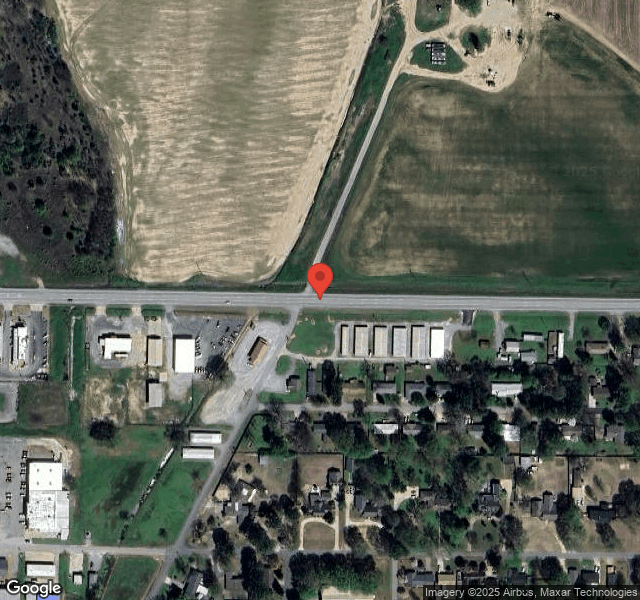

139 WEST HIGHWAY 64, MCCRORY, AR 72101 (870) 731-2543
Government - County 120 Beds Independent Data: November 2025
Trust Grade
61/100
#138 of 218 in AR
Last Inspection: May 2024

Within standard 12-15 month inspection cycle. Federal law requires annual inspections.

Overview

Woodruff County Health Center has a Trust Grade of C+, indicating it is slightly above average but still has room for improvement. It ranks #138 out of 218 facilities in Arkansas, placing it in the bottom half, although it is the only option in Woodruff County. Unfortunately, the facility is experiencing a worsening trend in quality, with issues increasing from 5 in 2023 to 9 in 2024. Staffing is a strong point, with a 5-star rating and a turnover rate of only 28%, significantly lower than the state average, ensuring consistency in resident care. However, the facility has incurred $12,735 in fines, which is concerning and suggests ongoing compliance issues. Specific concerns include the failure to ensure that food was stored properly, which could lead to foodborne illnesses for the residents. Additionally, there was an incident where a resident who is blind and at risk for falls did not have their call light within reach, which could compromise their safety. Overall, while there are strengths in staffing, the facility's health inspection ratings and the trend of increasing issues are areas that families should carefully consider.

Trust Score
C+
61/100
In Arkansas
#138/218
Bottom 37%
Safety Record
Low Risk
No red flags
Inspections
Getting Worse
5 → 9 violations
Staff Stability
✓ Good
28% annual turnover. Excellent stability, 20 points below Arkansas's 48% average. Staff who stay learn residents' needs.
Penalties
✓ Good
$12,735 in fines. Lower than most Arkansas facilities. Relatively clean record.
Skilled Nurses
○ Average
Each resident gets 31 minutes of Registered Nurse (RN) attention daily — about average for Arkansas. RNs are the most trained staff who monitor for health changes.
Violations
⚠ Watch
21 deficiencies on record. Higher than average. Multiple issues found across inspections.
★★★☆☆
3.0
Overall Rating
★★★★★
5.0
Staff Levels
★★☆☆☆
2.0
Care Quality
★★☆☆☆
2.0
Inspection Score
Stable
2023: 5 issues
2024: 9 issues

The Good

  • 5-Star Staffing Rating · Excellent nurse staffing levels
  • Low Staff Turnover (28%) · Staff stability means consistent care
  • Full Sprinkler Coverage · Fire safety systems throughout facility
  • No fines on record
  • Staff turnover is low (28%)

    20 points below Arkansas average of 48%

Facility shows strength in staffing levels, staff retention, fire safety.

The Bad

3-Star Overall Rating

Near Arkansas average (3.1)

Meets federal standards, typical of most facilities

Federal Fines: $12,735

Below median ($33,413)

Minor penalties assessed

The Ugly 21 deficiencies on record

May 2024 9 deficiencies
CONCERN (D)

Potential for Harm - no one hurt, but risky conditions existed

Assessment Accuracy (Tag F0641)

Could have caused harm · This affected 1 resident

Based on record review and interview, the facility failed to complete an accurate Minimum Data Set (MDS) for 1 (Resident #48) of 1 sample mix resident. The findings are: On 05/28/2024 at 11:06 AM, t...

Read full inspector narrative →
Based on record review and interview, the facility failed to complete an accurate Minimum Data Set (MDS) for 1 (Resident #48) of 1 sample mix resident. The findings are: On 05/28/2024 at 11:06 AM, the Surveyor observed Resident #48 sitting up in a specialized chair with a fall alarm attached to the chair and running behind the pillow, behind the resident's head, and attached to the resident's shirt. Review of Resident #48's Quarterly Minimum Data Set (MDS) with an Assessment Reference Date (ARD) of 04/19/2024 documented bed alarm, chair alarm not used. Resident #48's Order History did not reveal a physician's order for a chair alarm. On 05/30/2024 at 9:10 AM, the Surveyor interviewed Certified Nursing Assistant (CNA) #1 and she confirmed Resident #48 uses a chair alarm to alert staff when the resident is leaning too far forward in the specialized chair. 05/30/2024 at 9:11 AM, the Surveyor interviewed Licensed Practical Nurse (LPN) #2 and she confirmed Resident #48 uses a chair alarm due to leaning forward in the specialized chair. On 05/30/2024 at 1:15 PM, the Surveyor interviewed the MDS Coordinator, and she confirmed that if a resident has a chair alarm attached it should be documented on the MDS, and that Resident #48 did not have it documented on the MDS with an ARD of 04/19/2024. She confirmed the MDS is not accurate. A facility policy titled, Resident Assessment- RAI with a Copyright date of 2023 documented, Policy: The facility makes a comprehensive assessment of each resident's needs, strengths, goals, life history, and preferences using the resident assessment instrument (RAI) specified by CMS.
CONCERN (D)

Potential for Harm - no one hurt, but risky conditions existed

Deficiency F0657 (Tag F0657)

Could have caused harm · This affected 1 resident

Based on record review and interview, the facility failed to ensure residents individualized plan of care was revised to reflect the current needs of the resident and updated to include a chair alarm ...

Read full inspector narrative →
Based on record review and interview, the facility failed to ensure residents individualized plan of care was revised to reflect the current needs of the resident and updated to include a chair alarm for 1 (Resident #48) of 1 sample mix resident. The findings are: On 05/28/2024 at 11:06 AM, the Surveyor observed Resident #48 sitting up in a specialized chair with a fall alarm attached to chair and running behind the pillow behind the resident's head attaching to shirt. A review of Resident #48's Care Plan dated 07/31/2023 did not reveal the resident was care planned for a chair alarm. A review of Resident #48's Order History did not reveal an order for a chair alarm. On 05/30/2024 at 09:10 AM, the Surveyor interviewed Certified Nursing Assistant (CNA) #1 and she confirmed Resident #48 uses a chair alarm to alert staff when the resident is leaning too far forward in the specialized chair. CNA #1 confirmed the resident was not care planned for a chair alarm. 05/30/2024 09:11 AM, the Surveyor interviewed Licensed Practical Nurse (LPN) #2 and she confirmed Resident #48 uses a chair alarm due to leaning forward in the specialized chair. LPN #2 confirmed the resident was not care planned for a chair alarm. On 05/20/2024, the Surveyor interviewed the MDS Coordinator, and she confirmed Resident #48 was not care planned for a chair alarm but should be in order for staff to know how to care for the resident. A facility policy titled, Resident Assessment- RAI with a Copyright date of 2023 documented, Policy: The facility makes a comprehensive assessment of each resident's needs, strengths, goals, life history, and preferences using the resident assessment instrument (RAI) specified by CMS. A facility policy titled, Comprehensive Care Plans with a Copyright date of 2023 documented, Policy Explanation and Compliance Guidelines .The comprehensive care plan will be reviewed and revised by the interdisciplinary team after each comprehensive and quarterly MDS assessment.
CONCERN (D)

Potential for Harm - no one hurt, but risky conditions existed

Incontinence Care (Tag F0690)

Could have caused harm · This affected 1 resident

Based on observation, record review, and interview, the facility failed to ensure a catheter was hanging below the bladder for 1 of 1 sampled resident (Resident #81). The findings are: A review of th...

Read full inspector narrative →
Based on observation, record review, and interview, the facility failed to ensure a catheter was hanging below the bladder for 1 of 1 sampled resident (Resident #81). The findings are: A review of the Face Sheet revealed Resident #81 had diagnoses of neuromuscular dysfunction of bladder, chronic kidney disease, retention of urine, obstructive and reflex uropathy, and acute kidney failure. A review of the Quarterly Minimum Data Set (MDS), with an Assessment Reference Date (ARD) of 04/03/2024 revealed Resident #81 had short term memory problems and long term memory problems on a Staff Assessment for Mental Status (SAMS). A review of the Care Plan revealed Resident #81 required an indwelling urinary catheter. Approach: position bag below the bladder. On 05/28/2024 at 12:25 PM, the Surveyor observed Resident #81 sitting in the dining room with the catheter bag observed hanging above the bladder on the back of the geriatric chair. The Surveyor observed the tubing come out of the right pant leg, with the tubing running over the arm rest of the geriatric chair. On 05/30/2024 at 10:10 AM, the Surveyor asked Certified Nursing Assistant (CNA) #4 what the proper placement for a catheter bag was. CNA #4 stated below the kidneys, usually underneath the chair. The Surveyor asked what could the issue be for the resident if a catheter bag was not properly placed. CNA #4 said that it can back up and cause health issues. The Surveyor showed CNA #4 where the catheter bag was hanging on the 05/28/2024 observation and asked if that was proper placement for a catheter. CNA #4 stated that it was not proper placement and should be lower. On 05/30/2024 at 10:16 AM, the Surveyor asked Licensed Practical Nurse (LPN) #5 what is the proper placement for a catheter. LPN #5 said below the bladder, or it won't flow right. The Surveyor asked what the issue could be for the resident if a catheter bag was not properly placed. LPN #5 stated that it could cause infections or pain. The Surveyor showed LPN #5 where the catheter was hanging on the 05/28/2024 observation and asked if that was proper placement for a catheter bag. LPN #5 said that was not proper placement for a catheter. The Surveyor asked if the catheter had an anti-reflux valve to prevent backflow. LPN #5 said that she did not know, the order just says indwelling catheter. On 05/30/2024 at 10:40 AM, the Surveyor asked the Director of Nursing (DON) if the catheters used for Resident #81 had anti-reflux valves to prevent back flow. The DON said she did not know, but to let her find out. The DON asked the Surveyor to follow her to the medical supply room to observe the catheter bags ordered. A review of the catheter bag label revealed Contents 2000 ML [milliliters] vented drainage bag with anti-reflux tower. On 05/30/2024 at 1:30 PM, the Surveyor asked the DON if the catheter bag had just an anti-reflux tower to prevent backflow from the bag into the tube or does the tubing have an anti-reflux valve to prevent backflow from the tubing into the bladder. The DON went back to the medical supply room and looked over the catheter bag and stated, No it only states that it has an anti-reflux tower. I do not see anything about an anti-reflux valve to prevent backflow into the bladder. A review of the facility policy Catheter Care, Urinary revealed, Purpose The purpose of this procedure is to prevent catheter-associated urinary tract infections .Maintaining Unobstructed Urine Flow .The urinary drainage bag must be held or positioned lower than the bladder at all times to prevent the urine in the tubing and drainage bag from flowing back into the urinary bladder .
CONCERN (D)

Potential for Harm - no one hurt, but risky conditions existed

Infection Control (Tag F0880)

Could have caused harm · This affected 1 resident

Based on observation, interview and record review, the facility failed to ensure an open drink was not left within the reach of the residents on the 500 Hall. The findings are: On 05/30/2024 at 9:00 ...

Read full inspector narrative →
Based on observation, interview and record review, the facility failed to ensure an open drink was not left within the reach of the residents on the 500 Hall. The findings are: On 05/30/2024 at 9:00 AM, the Surveyor observed a covered linen cart on the 500 Hall. On the top shelf was an open drink in an aluminum can. The Surveyor observed residents and staff going up and down the hall passing by the linen cart. On 05/30/2024 at 9:30 AM, the Surveyor asked Certified Nursing Assistant (CNA) #3 if an opened drink container should be on the covered linen cart. CNA #3 said it should not be on there, a resident could get hold of it, and that won't be good. The Surveyor observed CNA #3 picking up the opened container to move it and was asked how much was left inside it. CNA #3 said it was about half full. On 05/30/2024 at 1:45 PM, the Surveyor asked the Infection Preventionist if an open drink container should be left on the covered linen cart. The Infection Preventionist said no, that is an infection risk to the residents. A facility policy titled, Policies and Practices-Infection Control revealed, This facility's infection control policies and practices are intended to facilitate maintaining a safe, sanitary, and comfortable environment and to help prevent and manage transmission of diseases and infections .
CONCERN (E)

Potential for Harm - no one hurt, but risky conditions existed

Deficiency F0558 (Tag F0558)

Could have caused harm · This affected multiple residents

Based on observation, record review and interview the facility failed to ensure call light was kept within reach for 01 (Resident #23) of 01 sample mix residents. The findings are: The Minimum Data S...

Read full inspector narrative →
Based on observation, record review and interview the facility failed to ensure call light was kept within reach for 01 (Resident #23) of 01 sample mix residents. The findings are: The Minimum Data Set (MDS) 5 Day with an Assessment Reference Date (ARD) of 03/20/2024 revealed resident #23 had a history of falls. Care Plan for resident #23 dated 09/07/2022 revealed the resident is blind and a risk for safety, and call light at residents' side at all times. The care plan for resident #23 also confirmed the resident's history of falls with fracture. On 05/28/24 at 12:06 PM, the Surveyor interviewed Resident #23. Resident #23 confirmed the call light should be attached on his/her chair. On 05/29/24 at 2:08 PM, the Surveyor observed Resident #23 in a wheelchair, with the call light hooked to the bed with a bedside table in between the resident and the bed. On 05/30/24 at 950 AM, the Surveyor observed Resident #23 in the resident's room without the call light in reach. It was tethered to the bed, and Resident #23 was across the room near the heat/air unit/window. Resident #23 was going to use it and reached down on the chair looking for the call light. Due to vision impairment, Resident #23 was observed unable to maneuver across the room to reach/use the call light. On 05/30/24 at 1:10 PM, the Surveyor initiated the call light per Resident #26's request (the call light was out of the resident's reach). Licensed Practical Nurse (LPN) #05 came to Resident #23's room and confirmed the call light was out of Resident #23's reach. On 05/30/24 at 1:44 PM, the Surveyor interviewed LPN #5. LPN #5 confirmed Resident #23's call light should be in reach of the resident at all times. LPN #5 confirmed call the light should be in reach for when the resident needs assistance or in case of an emergency. LPN #5 confirmed she was unsure of the call light policy. LPN #5 confirmed Resident #23 had a history of falls caused from getting up on his/her own. On 05/30/24 at 2:23 PM, the Surveyor interviewed Certified Nurse Assistant (CNA) #8. CNA #8 confirmed the call light should be in reach of Resident #23 at all times so if the resident needs something, the resident can call. CNA #8 confirmed the facility call light policy is to keep the call light in reach at all times. CNA #8 confirmed Resident #23 has a history of falls. CNA #8 confirmed the cause of the falls was the resident getting up on his/her own. The facility provided a policy titled, Call Lights: Accessibility and Timely Response, with a copyright date of 2023 documented, Policy: 1. All staff will be educated on the proper use of the resident all system, including how the system works and resident access to the call light. 3. Each resident will be evaluating for unique needs and preferences to determine any special accommodations that may be needed in order for the resident to utilize the call system. 5. Staff will ensure the call light is within reach of resident and secured, as needed. 6. The call system will be accessible to residents while in their bed or other sleeping accommodations within the residents room. 7. The call light must be accessible to the resident at each toilet and bath or shower facility. The call system will be accessible to the resident lying on the floor.
CONCERN (E)

Potential for Harm - no one hurt, but risky conditions existed

ADL Care (Tag F0677)

Could have caused harm · This affected multiple residents

Based on observation, record review, and interview, the facility failed to ensure residents who required assistance with activities of daily living were regularly provided with the necessary assistanc...

Read full inspector narrative →
Based on observation, record review, and interview, the facility failed to ensure residents who required assistance with activities of daily living were regularly provided with the necessary assistance to maintain good hygiene and grooming, as evidenced by failure to ensure fingernails were kept clean and trimmed for 1 of 1 sampled resident (Resident #85). The findings are: A review of the Face Sheet revealed Resident #85 had a diagnosis of dementia. A review of the Annual Minimum Data Set (MDS) with an Assessment Reference Date (ARD) of 04/15/2024 revealed Resident #85 scored a 4 (0-7 indicates severe cognitive impairment) on a Brief Interview for Mental Status (BIMS). A review of the Care Plan revealed Resident #85 required assistance with ADLs (activities of daily living) due to dementia, confusion, and behaviors. On 05/28/2024 at 12:33 PM, the Surveyor observed Resident #85 was eating a snack and licking chocolate off of the left index left finger, and both hands had long, thick, yellowing, chipped nails with a dark brown substance under them. The Surveyor asked Resident #85 if he/she would like their nails trimmed and cleaned. Resident #85 said if that was what needed to be done, he/she would not mind having it done. Then stated, They are getting a little long and dirty aren't they. On 05/29/2024 at 9:00 AM, the Surveyor observed Resident #85's nails had not been trimmed or cleaned. On 05/30/2024 at 10:15 AM, the Surveyor asked Certified Nursing Assistant (CNA) #4 to describe Resident #85's nails. CNA #4 said that they are dark, yellow, with substance under the nails, and that they are 1 inch in length. CNA #4 then said that they needed trimmed. The Surveyor asked what could be the issue for the resident. CNA #4 said they could scratch themselves or others. On 05/30/2024 at 10:20 AM, the Surveyor asked Licensed Practical Nurse (LPN) #5 to described Resident #85's nails. LPN #5 said that they were dirty, long, approximately an inch long, yellowing, and chipped and they need clipped, filed, and cleaned definitely. The Surveyor asked what could be the issue for the resident. LPN #5 said that they could scratch themselves or could even cause an infection. A review of the policy, Care of Fingernails/Toenails revealed, Purpose The purposes of this procedure are to clean the nail bed, to keep nails trimmed, and to prevent infections.General Guidelines: 2. Proper nail care can aid in the prevention of skin problems around the nail bed .
CONCERN (E)

Potential for Harm - no one hurt, but risky conditions existed

Deficiency F0687 (Tag F0687)

Could have caused harm · This affected multiple residents

Based on observation, record review, and interview, the facility failed to ensure residents who required assistance with foot care were regularly provided with the necessary assistance to maintain goo...

Read full inspector narrative →
Based on observation, record review, and interview, the facility failed to ensure residents who required assistance with foot care were regularly provided with the necessary assistance to maintain good hygiene and grooming, as evidenced by failure to ensure toenails were kept clean and trimmed for 1 of 1 sampled resident (Resident #74). The findings are: A review of the Face Sheet revealed Resident #74 had diagnoses of type 2 diabetes mellitus, gout, and peripheral venous insufficiency. A review of the Quarterly Minimum Data Set (MDS) with an Assessment Reference Date (ARD) of 04/02/2024 revealed Resident #74 scored a 9 (8-12 indicates moderate cognitive impairment) on a Brief Interview for Mental Status (BIMS). A review of the Physicians Orders revealed an order for Podiatry Consults as Needed. A review of the Care Plan revealed Resident #74 had required assistance with ADLs (activities of daily living) due to vascular dementia, gout in multiple sites, and osteoporosis. A review of a Foot Observation completed on 05/24/2024 revealed, that Does have thick or ingrown toenails? Yes was selected for the left and right foot. Does resident have swelling in feet? Yes was selected for the left and right foot. On 05/28/2024 at 1:55 PM, the Surveyor observed Resident #74's right foot was swollen, with cracked peeling skin, and the toenails were thick, yellow, and growing into the skin. The fourth toe had a discolored area on the right side. The left foot was observed to have cracked peeling skin, the toenails were thick, yellow, and growing into the skin, a treatment covering was observed on the fourth toe and pinky toe. The Surveyor asked Resident #74 if he/she would like anything done for their foot or if he/she were experiencing any pain. Resident #74 said my toenails need a little TLC (tender loving care), but they do not cause me any pain. On 05/29/2024 at 9:15 AM, the Surveyor observed no change in Resident #74's toenails from the day before. On 05/30/2024 at 10:45 AM, the Surveyor asked Licensed Practical Nurse (LPN) #6 if Resident #74 had a podiatry consult. LPN #6 said no Resident #74 did not. The Surveyor asked LPN #6 to describe Resident #74's toenails. LPN #6 said that they were thick, yellow, ingrown, skin was cracked with swelling, there was a blister area on the right foot, fourth toe. Then stated that they were callused, and that there was a treatment for the abrasion on the left foot, that she will go get the treatment nurse for. The Surveyor asked what could be the issue if the resident does not get proper foot care. LPN #6 said that he/she could get an infection, grow more into the skin, and cause pressure sores. On 05/30/2024 at 1:32, the Surveyor asked Certified Nursing Assistant (CNA) #7 to describe Resident #74's toenails. CNA #7 said that they needed clipped, they were thick and growing into the skin and needed some care. CNA #7 then stated that they give the Resident a bath and his/her feet often turn purple. The Surveyor asked what is the process when toenails look like that. CNA #7 said that they would let the nurse on the hall know and that they would let the wound care nurse know about the issue. The Surveyor asked what could be the problem if the resident does not get proper foot care. CNA #7 said that they could get an infection or sores. A review of the policy Care of Fingernails/Toenails revealed, Purpose The purposes of this procedure are to clean the nail bed, to keep nails trimmed, and to prevent infections.General Guidelines: 2. Proper nail care can aid in the prevention of skin problems around the nail bed. 5. Watch for and report any changes in the color of the skin around the nail bed, blueness of the nails, any signs of poor circulation, cracking of the skin between the toes, any swelling, bleeding, etc. 6. Stop and report to the nurse supervisor if there is evidence of ingrown nails, infections pain or if nails are too hard or too thick to cut with ease .
CONCERN (E)

Potential for Harm - no one hurt, but risky conditions existed

Accident Prevention (Tag F0689)

Could have caused harm · This affected multiple residents

Based on observation, record review, and interview the facility failed to ensure that a chemical wasn't left out within the reach of the residents on the 500 Hall. The findings are: A review of the l...

Read full inspector narrative →
Based on observation, record review, and interview the facility failed to ensure that a chemical wasn't left out within the reach of the residents on the 500 Hall. The findings are: A review of the label Micro-Kill One Germicidal Alcohol wipes, stated, Keep Out of Reach of Children Caution. On 05/30/2024 at 9:00 AM, the Surveyor observed on the second shelf of the linen cart a purple top container of Micro-Kill One Germicidal Alcohol Wipes. The Surveyor observed residents and staff members going up and down the hallway, the second shelf was observed to be at waist level of the Surveyor. On 05/30/2024 at 9:30 AM, the Surveyor asked Certified Nursing Assistant (CNA) #3 if chemicals should be stored on the covered linen cart. CNA #3 stated, No, it should not be stored on here. The Surveyor asked what could happen with chemicals stored on the linen cart. CNA #3 said the residents could get hold of it and mess with it. CNA #3 further said it wouldn't be good, it has alcohol on it and says to keep out of reach of children. On 05/30/2024 at 1:43 PM, the Surveyor asked Licensed Practical Nurse (LPN) #6 if chemicals should be stored on the covered linen cart. LPN #6 said no, it's dangerous for the residents they could get hurt. LPN #6 further said most chemicals read to keep out of reach of children.
CONCERN (E)

Potential for Harm - no one hurt, but risky conditions existed

Deficiency F0805 (Tag F0805)

Could have caused harm · This affected multiple residents

Based on observation and interview the facility failed to ensure pureed food was processed to the correct consistency to meet the needs of 4 sampled residents who had a physician's order for a pureed ...

Read full inspector narrative →
Based on observation and interview the facility failed to ensure pureed food was processed to the correct consistency to meet the needs of 4 sampled residents who had a physician's order for a pureed diet. The findings are: On 05/29/2024 at 10:30 AM, Dietary Aide #11 (DA) was observed to place two buttermilk pies into the bowl of the food processor. DA #11 added a large amount of milk into the bowl without measuring. Pie was blended. Upon lifting the lid, DA #11 verbalized the belief that the mixture was too thin. Before DA #11 achieved what was believed to be the correct consistency she had added 2 more whole pies. When asked what consistency she was attempting to achieve she described the mixture as pudding. On 05/29/2024 at 10:42 AM, eleven servings of baked beans were placed into the bowl for processing. The beans were observed to contain a large amount of liquid. After blending for a short time, DA #11 picked up a can of non-stick spray, coated a steam table pan and poured the liquified beans into the pan. On 05/29/2024 at 10:50 AM, DA #11 placed 11 scoops of boiled chicken and broth into the bowl of the food processor. The chicken mixture was blended for a small amount of time. DA #11 was observed to add 3 slices of white bread to the bowl and blend. DA #11 then added 4 more slices of white bread. DA #11 was asked to discuss the addition of bread to the protein. DA #11 described that the addition of the bread caused the meat to be smoother. When asked if the serving size was adjusted due to the addition of bread to the chicken, DA #11 quickly denied having any knowledge of allowances made. On 05/30/2024 at 12:34 PM, Certified Nursing Assistant (CNA) #9 was observed setting up a pureed tray for a resident in the dining room. The resident received his/her pureed lunch meal in a divided plate. The baked beans were observed to not hold their shape, assuming the shape of the plate compartment. The chicken/bread mixture was also observed to not hold its shape, assuming the shape of the plate compartment. CNA #10 was asked to describe the pureed chicken. As she stirred the chicken CNA #10 described the mixture as watery. When asked to describe the baked beans CNA #10 described them as watery too. CNA #10 was asked if a resident who maintained the ability to eat unassisted could feed themselves the pureed mixture. CNA #10 expressed that a resident would have difficulty feeding themselves the pureed food as it would not stay on the spoon due to it being so thin. On 05/30/2024 at 3:30 PM, the Administrator was asked to provide a policy concerning pureed diets, if one was available. The Administrator did not believe the facility had a policy but would provide one if located. No policy was forthcoming. On 05/31/2024 at 9:15 AM, the Dietary Manager was asked to describe the pureed lunch meal. The Dietary Manager described the plate as sloppy. She continued to report that the baked beans were too thin and had probably been pureed incorrectly. When ask to describe the implications of pureed food that is too thin, the Dietary Manager described a difficulty in swallowing could result.
Mar 2023 5 deficiencies
CONCERN (D)

Potential for Harm - no one hurt, but risky conditions existed

Transfer Notice (Tag F0623)

Could have caused harm · This affected 1 resident

Based on record review, and interview, the facility failed ensure the resident and resident representative were notified in writing of the reason for the transfer/discharge to the hospital in a langua...

Read full inspector narrative →
Based on record review, and interview, the facility failed ensure the resident and resident representative were notified in writing of the reason for the transfer/discharge to the hospital in a language they could understand and a copy of the notice was sent to the ombudsman for 1 Resident (#78) of 1 sampled resident who was transferred to the hospital. The findings are: Resident (R) #78 had diagnoses of Metabolic Encephalopathy, Chronic Kidney Disease, Unspecified and Severe Sepsis with Septic Shock. The Medicare 5 Day Minimum Data Set (MDS) with an Assessment Reference Date (ARD) on 02/20/23 documented the resident was severely impaired in cognitive skills for daily decision-making per a Staff Assessment for Mental Status (SAMS) a. On 03/08/23 at 3:00 PM, the Surveyor asked Licensed Practical Nurse (LPN) #1, Do you have a document for transfers/discharge with the reason for the transfer or discharge in writing? LPN #1 stated, We only do discharge for residents who aren't coming back. The Surveyor asked, Can you show me the document for R #78's transfer to the hospital? LPN #1 stated, It should be in the Medical Record under Resident Documents. The Surveyor asked, If it's not located there where would it be? LPN #1 stated, The family may not have signed and returned it. b. On 03/09/23 at 2:40 PM, LPN #1 stated, I figured out what you were talking about and the Social Director has those. c. On 03/09/23 at 2:44 pm., the Surveyor asked the Social Director for the transfer documents for R #78. The Social Director provided the facility, Bed Hold Policy - Transfer Notice form for R #78 with a transfer date of 02/09/23. The Surveyor asked, Where does it state in writing the reason for transferring to the hospital? The Social Director stated, It says transfer necessary for the Resident's welfare. The Surveyor asked, Is that the reason or the condition for the transfer to the hospital? The Social Director stated, We should go talk to the Administrator. d. On 03/09/23 at 3:10 PM, the Surveyor asked the Administrator, Can you show me on the Bed Hold Policy - Notice of Transfer form, where the reason for transfer is? The Administrator stated, It's right here. [pointing at the section stating Transfer necessary for Resident's welfare]. The Surveyor asked, Is that the reason for transfer. The Administrator stated, That's what we have always used since it has become a regulation, but we will make changes to it.
CONCERN (D)

Potential for Harm - no one hurt, but risky conditions existed

Deficiency F0655 (Tag F0655)

Could have caused harm · This affected 1 resident

**NOTE- TERMS IN BRACKETS HAVE BEEN EDITED TO PROTECT CONFIDENTIALITY** Based on observation, interview, and record review, the facility failed to accurately complete a Baseline Care Plan to reflect t...

Read full inspector narrative →
**NOTE- TERMS IN BRACKETS HAVE BEEN EDITED TO PROTECT CONFIDENTIALITY** Based on observation, interview, and record review, the facility failed to accurately complete a Baseline Care Plan to reflect the use of Oxygen for 1 (Resident #290) of 1 sampled resident whose oxygen therapy was not on their Care Plan. The finding are: Resident (R) #290 was admitted on [DATE] and had a diagnosis of Chronic Obstructive Pulmonary Disease (COPD). The admission Minimum Data Set (MDS) with an Assessment Reference Date (ARD) of 03/01/23 documented the resident scored 15 (13-15 indicates cognitively intact) on a Brief Interview of Mental Status (BIMS) received oxygen therapy. a. The Physician's Order dated 02/23/23 documented, .O2 [Oxygen] @ [at] 2L NC [2 liters per nasal canula] PRN [as needed] SHORTNESS OF BREATH, MAY REMOVE FOR ADL'S [Activities of Daily Living] .CHANGE O2 TUBING [and] HUMIDIFER WEEKLY ON WEDNESDAY NIGHTS Frequency: Once a Day on Wed [Wednesday] 11:00 PM - 07:00 AM . The Baseline Care Plan dated 02/24/23 did not address oxygen therapy. a. On 03/10/23 at 9:40 AM, the Surveyor asked the Director of Nursing (DON), Is it important for oxygen to be included on the Baseline Care Plan? The DON replied, Yes The Surveyor asked, Why is it important? The DON stated, We need to know. It effects the resident. b. On 03/10/23 at 9:45 AM, the Surveyor asked the MDS Coordinator, Who completes the Baseline Care Plans when a resident is admitted ? The MDS Coordinator replied, I do, as well as the Social Director. The Surveyor asked, Why is it important that oxygen in included in the Baseline Care Plan? The MDS Coordinator replied, Because it tells us how to take care of the resident. The Surveyor asked, What could be the outcome if it's not included? The MDS Coordinator replied, The resident could have respiratory distress, it lets us know what steps we need to take to care for them. c. On 03/10/23 at 9:50 AM, the Surveyor asked the Social Director, Do you help complete the Baseline Care Plan? The Social Director replied, Yes, I do my part, then give it to the nurse to complete the medical part. The Surveyor asked, When the resident has oxygen, do you complete that section? The Social Director replied, No, I don't do that part. I guess I need to start doing that, because if they are on oxygen, I do ask where they get their supplies, their doctors, etcetera.
CONCERN (E)

Potential for Harm - no one hurt, but risky conditions existed

Respiratory Care (Tag F0695)

Could have caused harm · This affected multiple residents

Based on observations, record review, and interview, the facility failed to ensure oxygen tubing was changed, dated, and stored properly for 2 (Residents #28, and #51) of 3 (Residents #28, #48 and #51...

Read full inspector narrative →
Based on observations, record review, and interview, the facility failed to ensure oxygen tubing was changed, dated, and stored properly for 2 (Residents #28, and #51) of 3 (Residents #28, #48 and #51) sampled residents who had physician orders for oxygen therapy, failed to ensure suction catheter and tubing were dated and contained in a bag when not in use for 1 (Resident #44) of 2 (Residents #28 and #44) who required suctioning and failed to ensure nebulizer masks were changed and dated for 1 (Resident #48) of 2 (Residents #48 and #51) sampled residents who required updrafts as documented on a list provided by Medical Records on 03/09/23 at 1:30 PM. The findings are: 1. Resident (R) #28 had diagnoses of Chronic Obstructive Pulmonary Disease, Unspecified Hypertensive Heart Disease with Heart Failure, and Tracheostomy Status. The Quarterly Minimum Data Set (MDS) with an Assessment Reference Date (ARD) of 12/30/22 documented the resident scored 14 (13-15 indicates cognitively intact) on a Brief Interview for Mental Status (BIMS) and did not receive oxygen therapy. a. The Care Plan dated 01/13/23 documented, .Change O2 [oxygen] tubing and humidifier weekly on Wednesday nights. Oxygen tubing will be changed out, dated, and placed in new bag with date when he places tubing in inappropriate places . b. The Physicians Order dated 03/06/23 documented, .Change O2 tubing and humidifier weekly on Wednesday nights . c. On 03/06/23 at 6:50 PM, Resident #28 was lying in bed with O2 at 4L [liters]. The O2 tubing was not dated, the date on the humidifier bottle was 02/17/22, the humidifier bottle was empty. a. On 03/06/23 at 7:05 PM., Licensed Practical Nurse (LPN) #1 stated, The humidifier bottles should be changed weekly or when they ran out. The Surveyor asked, What is the purpose of changing the humidifier bottles and tubing? LPN #1 stated, To prevent respiratory infections. The Surveyor asked, Should an empty humidifier bottle still be in use with a date of 02/17/23? LPN #1 stated, No, I will go take care of that right now. 2. Resident #44 had diagnoses of Dysphagia and Parkinson Disease. The Annual MDS with an ARD of 01/31/23 documented the resident was severely impaired in cognitive skills for daily decision-making per a Staff Assessment of Mental Status (SAMS) and did not require suctioning. The Physician's Order dated 01/27/23 documented, .May lightly suction due to increased secretions as needed . The Care Plan dated 01/30/23 documented, .May lightly suction due to increased secretions as needed . On 03/06/23 at 7:50 PM, a suction machine was on R #44's bedside table with undated tubing connected to a Yankauer suction catheter. The suction catheter was lying in the top drawer of the bedside table not bagged or dated. There was a suction catheter in a Plastic bag with no date. On 03/07/23 at 11:01 AM, a suction catheter was lying in the top drawer of the bedside table not bagged or dated. 03/08/23 at 08:44 AM, a suction catheter was lying in the top drawer of the bedside table not bagged or dated. 03/09/23 at 09:30 AM, a suction catheter was lying in the top drawer of the bedside table not bagged or dated. The facility policy titled, Suctioning the Upper Airway (Oral Pharyngeal Suctioning), provided by the Administrator on 03/08/23 at 1:20 PM documented, .Place catheter in clean dry area . The policy does not address dating the tubing/suction catheter. 3. Resident 48 had diagnoses of Unspecified Sequelae of Cerebral Infarction, Todd's Paralysis (post epileptic), Unspecified Asthma, Uncomplicated. The Quarterly MDS with an ARD of 02/15/23 documented the resident was severely impaired in cognitive skills for daily decision-making per SAMS and receives oxygen therapy. a. The Physicians Order dated 12/23/22 documented, ipratropium-albuterol solution for nebulization; 0.5 mg [milligrams]-3 mg(2.5 mg base)/3 mL [milliliter]; amt [amount]: l vial; inhalation Special Instructions: EVERY 6 HOURS AS NEEDED FOR SHORTNESS OF BREATH [DX [diagnosis]: Chronic obstructive pulmonary disease, unspecified] Every 6 Hours - PRN [as needed] . a. On 03/06/23 at 6:15 PM, a nebulizer mask was stored in a clear plastic bag with a date of 02/17/23. b. On 03/07/23 at 9:15 AM, a nebulizer mask was stored in a clear plastic bag with a date of 02/17/23. c. On 03/07/23 at 1:25 PM, a nebulizer mask was stored in a clear plastic bag with a date of 02/17/23. d. On 03/09/23 at 9:13 AM, a nebulizer mask was stored in a clear plastic bag with a date of 03/09/23. 4. Resident #51 had diagnoses of Chronic Pulmonary Embolism, Hypertensive Heart Disease without Heart Failure and Toxic Effect of Carbon Dioxide, Undetermined. The Quarterly MDS with an ARD of 12/14/22 documented the resident scored 15 (13-15 indicates cognitively intact) on a BIMS and did not receive oxygen therapy. The Physician Orders dated 04/09/18 documented, .O2 @ [at] 2L PRN shortness of breath . Change O2 tubing and humidifier weekly on Wednesday nights . The Care Plan dated 03/13/20 documented, .Administer oxygen as ordered per MD [Medical Doctor]. Observe oxygen precautions . Oxygen tubing will be changed out, dated and placed in new bag that's dated when she places it in inappropriate places b. On 03/06/23 at 7:13 PM, Resident #51's oxygen was set at 2.5 liters via nasal cannula. The oxygen tubing and the humidifier bottle were not dated. c. On 03/07/23 at 10:11 AM, Resident #51's oxygen was set at 2.5 liters via nasal cannula, the oxygen tubing and the humidifier bottle were dated 03/07/23. d. On 03/08/23 at 2:45 PM, the Surveyor asked LPN #2, When should O2 tubing, and humidifier bottles be changed out? LPN #2 stated, Normally we change it all out on Wednesday night on the night shift. The Surveyor asked, How often do you look at the tubing and bottles and check the dates? LPN #2 stated, I try to look at it each day, but most of the time, I don't have time. e. On 3/09/23 at 2:15 PM, the Surveyor asked the Director of Nursing (DON), How often should Oxygen tubing be changed? The DON stated, The O2 tubing, and humidifier bottles, suction catheters and masks are changed weekly every Wednesday night on the 11-7 shift or sooner if need be. The Surveyor asked, How often should the nurses check the O2 settings? The DON stated, Several times a shift. The Surveyor asked, What could be the result of not storing the suction catheter or mask properly? The DON stated, Well, it could cause bacteria to grow and cause a respiratory infection. The Surveyor asked, How should those items be stored? She stated, They should be dated and stored in a baggie. The facility policy titled, Oxygen Concentrator, provided by the Administrator on 03/10/23 at 8:00 AM documented, Change oxygen tubing and mask/cannula weekly and as needed if it becomes soiled or contaminated.
CONCERN (E)

Potential for Harm - no one hurt, but risky conditions existed

Deficiency F0805 (Tag F0805)

Could have caused harm · This affected multiple residents

Based on observation, and interview, the facility failed to ensure pureed food items were blended to a smooth, lump-free consistency to minimize the risk of choking or other complications for resident...

Read full inspector narrative →
Based on observation, and interview, the facility failed to ensure pureed food items were blended to a smooth, lump-free consistency to minimize the risk of choking or other complications for residents who required pureed diets for 3 of 3 meals observed. This failed practice had the potential to affect 8 residents who received pureed diets as documented on the Diet List provided by the Food Service Supervisor on 03/09/23. The findings are: a. On 03/08/23 at 11:32 AM, a pan of pureed lasagna was on the steam table. The consistency of pureed lasagna was lumpy. b. On 03/08/23 at 12:30 PM, the pureed dessert served to the residents on pureed diets was runny, the pureed bread was gritty, and the pureed lasagna was lumpy. The Surveyor asked Dietary Employee #2 to describe the consistency of the pureed bread served to the residents who required pureed diet. She stated, Pureed bread was gritty and was not smooth. The Dietary Supervisor stated, The pureed dessert was runny and was not pudding consistency. The pureed lasagna was lumpy. c. On 03/08/23 at 4:03 PM, Dietary Employee #2 used a #8 scoop, placed 9 servings of potato salad into a blender, and pureed. At 4:05 PM, she used a #8 scoop and transferred the pureed potato salad into 9 individual bowls. There were pieces of celery visible in the mixture. The Surveyor asked the Dietary Supervisor to describe the consistency of the pureed potato salad. She stated, There are pieces of celery. I guess, next time it shows up on the menu, we make it without celery. d. On 03/09/23 at 7:54 AM, the pureed sausage served to the residents on pureed diets was gritty. e. On 03/09/23 at 12:22 PM, the pureed pork roast served to the residents on pureed diets was more of mechanical soft. f. On 03/09/23 at 12:27 PM, the Surveyor asked Certified Nursing Assistant (CNA) #1 to describe the consistency of the pureed pork roast and pureed potatoes served to the residents on pureed diets for lunch. She stated, Pureed meat was lumpy and doesn't look like the pudding. g. On 03/09/23 at 12:28 PM, the Surveyor asked CNA #2 to describe the consistency of the pureed meat served to the residents on pureed diets for lunch. She stated, It's chopped fine, not pureed. h. On 03/09/23 at 12:29 PM, the Surveyor asked CNA #3 to describe the consistency of the pureed meat served to the residents on pureed diets for lunch. She stated, It's chopped fine not really pureed. i. On 03/09/23 at 12:30 PM, the Surveyor asked CNA #4 to describe the consistency of the pureed meat served to the residents on pureed diets for lunch. She stated, Finely chopped. j. On 03/09/23 at 12:31 PM, the Surveyor asked CNA #5 to describe the consistency of the pureed meat and pureed potatoes served to the residents on pureed diets for lunch. She stated, It's clumpy and it doesn't look pureed. It looks like mechanical soft. k. On 03/09/23 at 12:33 PM, the Surveyor asked CNA #6 to describe the consistency of the pureed meat served to the residents on pureed diets for lunch. She stated, It was basically ground up. l. On 03/09/23 at 12:40 PM., the Surveyor asked Dietary Employee #2 to describe the consistency of the pureed meat served to the residents on pureed diets for lunch. She stated, It was clumpy.
CONCERN (F)

Potential for Harm - no one hurt, but risky conditions existed

Food Safety (Tag F0812)

Could have caused harm · This affected most or all residents

Based on observation, record review, and interview, the facility failed to ensure foods stored in the freezer, refrigerator and dry storage area were covered, sealed, and dated to minimize the potenti...

Read full inspector narrative →
Based on observation, record review, and interview, the facility failed to ensure foods stored in the freezer, refrigerator and dry storage area were covered, sealed, and dated to minimize the potential for food borne illness for residents who received meals from 1 of 1 kitchen; failed to ensure leftover food items were used in a manner to maintain food quality, expired food item was promptly removed/discarded by the expiration or use by dates to prevent potential for bacteria growth for residents who received meals from 1 of 1 kitchen; dietary staff washed their hands before handling clean equipment or food items to prevent potential food borne illness for residents who received meals from 1 of 1 kitchen and cold food was maintained at or below 41 degrees Fahrenheit on pans of ice on the counter while awaiting service to prevent potential food borne illness for residents who received meals from 1 of 1 kitchen. These failed practices had the potential to affect 79 residents who received meals from the kitchen (total census: 84), as documented on a list provided by Dietary Supervisor on 03/09/23. The findings are: 1. On 03/08/23 at 10:39 AM., the following were on the spice rack in the kitchen: a. Mesquite Barbeque that did not have an opened date on the container. b. Basil leaves did not have an opened date on the container. c. A container of lemon pepper did not have an opened date. d. A container of garlic curry powder did not have an opened date or received date. e. A container of ground cinnamon did not have a received or opened date. f. A container of unseasoned meat tenderizer did not have a received date on it. 2. On 03/08/23 at 10:44 AM, twelve bags of hamburger buns were stored on the bread rack with no received date on them. 3. On 03/08/23 at 10:45 AM, an opened box of pancakes was on a shelf in the freezer. The box did not have an opened date. 4. On 03/08/23 at 10:56 AM, the following leftover food items were on a shelf in the refrigerator: a. A container of leftover scrambled eggs boiled eggs. b. A container of ground sausage c. A container of sausage patties. d. The Surveyor asked the Dietary Supervisor, what the leftover foods were for. She stated, We use them the next day for the pureed and the mechanical soft diets. We never throw food away here. At 11:06 AM., the Dietary Supervisor stated, The Administrator said that we don't have a policy for leftover foods. We have alternates and we give them to the residents who asked for it, because it's their choice. The Surveyor asked, Do the other residents get a leftover mixture of scrambled eggs and poached eggs and get leftover ground sausage? She stated, No, we give them fresh eggs and sausage every morning. The Surveyor asked, What happens to the residents who cannot voice their choices? She stated, I guess we don't have to serve it to them. We are going to start giving the ones on pureed and mechanical soft diets fresh eggs and sausage. 5. On 03/08/23 at 11:04 AM, a container of multi-mix calorie and protein supplement were on a shelf in the kitchen with an expiration date of 03/07/23. 6. On 03/08/23 at 11:11 AM, the following were on the spice rack above the food preparation counter: a. A container of pure ground black pepper - did not have an opened or received date on the container. b. A container of garlic powder - did not have a received date on it. c. A container of nutmeg - did not have an opened date on it. 7. On 03/08/23 at 11:28 AM, Dietary Employee #1 took out a plate that contained tossed salad with meat and cheese from the refrigerator and placed it on the counter. At 11:32 AM, the temperature of the food when tested and read by the Dietary Employee #1 was 52 degrees Fahrenheit. 8. On 03/08/23 at 11:29 AM., Dietary Employee #1 used rags to remove pans that contained food items to be served to the residents for lunch and placed them on the steam table. Without washing her hands, she picked up plates to be used in portioning food to serve to the residents for lunch and placed them on the shelf on the steam table with her thumb inside the plates. 9. On 03/08/23 at 11:54 AM, the following were made on a shelf in the Nourishment Room Refrigerator on the 200 Hall: a. One bottle of high protein nutritional shake did not have a received date on the bottle. b. Four bottles of nutritional shakes plus did not have a received date on them. 10. On 03/08/23 at 11:59 AM, the following were on a shelf in the Unit refrigerator: a. A container of real mayonnaise did not have an opened or received date. b. One opened box of bologna did not have an opened date. c. An opened bag of hot dog buns did not have an opened and/or received date on the bag. 11. The facility policy titled, Policy and Procedure Manual Hand Washing provided by the Dietary Supervisor on 03/10/23 at 9:35 AM documented, When to wash hands .After entering the kitchen at the start of a shift and after engaging in other activities that contaminate the hands .
Sept 2021 7 deficiencies
CONCERN (D)

Potential for Harm - no one hurt, but risky conditions existed

Assessment Accuracy (Tag F0641)

Could have caused harm · This affected 1 resident

**NOTE- TERMS IN BRACKETS HAVE BEEN EDITED TO PROTECT CONFIDENTIALITY** Based on record review and interview, the facility failed to ensure the Minimum Data Set (MDS) was completed accurate related to...

Read full inspector narrative →
**NOTE- TERMS IN BRACKETS HAVE BEEN EDITED TO PROTECT CONFIDENTIALITY** Based on record review and interview, the facility failed to ensure the Minimum Data Set (MDS) was completed accurate related to an anticoagulant medication for 1 (Resident #63) of 4 (Residents #63, #38, #57 and #74) sampled residents who had a physician orders for Aspirin. The findings are: Resident #63 had diagnoses of Dementia, and a history of Transient Ischemic Attack and Cerebral Infarction. The Quarterly MDS with an Assessment Reference Date of 8/31/21 documented the resident was severely impaired in cognitive skills per a Staff Assessment for Mental Status and documented seven days of anticoagulant use. a. The Physicians Orders dated 5/24/21 documented, . aspirin . 325 mg [milligram] .1 TABLET . Once A Day . b. The August 2021 Medication Administration Record documented, .aspirin . 325 mg .1 TABLET . was initialed as being administered from August 1st through the 31st. There were no orders found or medication administered that was classified as an anticoagulant in the MAR. c. On 9/22/21 at 1:04 P.M., the MDS Coordinator was asked, Who fills out the medication section on the MDS? She replied, I do. The MDS Coordinator was asked, On the resident's Quarterly MDS dated [DATE], is the anticoagulant coded correctly? She replied, No, the only medication I can find in her physician orders for August, is aspirin. I will fix that.
CONCERN (D)

Potential for Harm - no one hurt, but risky conditions existed

Quality of Care (Tag F0684)

Could have caused harm · This affected 1 resident

Based on observation, record review and interview, the facility failed to ensure physician orders were correctly implemented for wound care for 1 (Resident #23) of 3 (Residents #23, #41, and #37) case...

Read full inspector narrative →
Based on observation, record review and interview, the facility failed to ensure physician orders were correctly implemented for wound care for 1 (Resident #23) of 3 (Residents #23, #41, and #37) case mix residents who had a physician order for wound care treatment. The findings are: Resident #23 had diagnoses of Diabetes Mellitus and a Diabetic Ulcer. The Quarterly Minimum Data Set with an Assessment Reference Date of 07/07/21 documented the resident was moderately impaired in cognitive skills per a Staff Assessment for Mental Status; required extensive assistance for bed mobility and bathing; was frequently incontinent of bladder and always incontinent of bowel; and had no venous and arterial ulcers present. a. The Care Plan documented, .At risk for skin break down and other skin issues.Resident is at risk for complications r/t [related to] DM II [Diabetes Mellitus Type II] and being noncompliant with diabetic diet Date: 04/06/2021 . b. The September 2021 Physician Orders dated 8/9/21 documented, CLEANSE ULCER TO RIGHT LOWER PRONE LEG WITH WOUND CLEANSER, APPLY COLLAGEN MATRIX DRESSING, NON-STICK PAD, WRAP WITH KERLIX DAILY . c. On 9/22/21 at 10:56 A.M., Licensed Practical Nurse (LPN) #2 performed wound care to the resident's right posterior lower leg. LPN #2 cleansed the ulcer with wound cleanser .applied hydrogel to the wound bed with sterile Q-tips, covered the ulcer with a nonstick pad, wrapped with kerlix and secured with tape. d. On 9/22/21 at 2:56 P.M., LPN #2 was asked, What does the physicians orders say for wound care to the resident's right lower leg? She stated, after viewing the physician's orders, Apply Collagen Matrix dressing, I applied hydrogel, I'm going to notify the MD [Medical Doctor] and redo his dressing. e. The Policy on Dressings received from a Medical Records Employee on 9/23/21 at 4:53 P.M. documented, The purpose of this procedure is to provide guidelines for the application of dry, clean dressings.Verify that there is a physician's order for this procedure.Review the resident's .current orders .Check the treatment record.
CONCERN (E)

Potential for Harm - no one hurt, but risky conditions existed

Resident Rights (Tag F0550)

Could have caused harm · This affected multiple residents

Based on observation, record review and interview, the facility failed to ensure staff did not stand over residents while assisting with eating to promote dignity for 1 resident (Resident#51) of 6 (Re...

Read full inspector narrative →
Based on observation, record review and interview, the facility failed to ensure staff did not stand over residents while assisting with eating to promote dignity for 1 resident (Resident#51) of 6 (Residents #57, #11, #32, #64, #59, and #51) who required assistants with eating. The findings are: 1. Resident #51 had diagnoses of Unspecified Dementia without Behavioral Disturbance, Adult Failure to Thrive, Generalized Anxiety Disorder, and Anorexia. The Significant Change in Status Minimum Data Set with Assessment Reference Date of 08/11/21 documented the resident scored 1 (0-7 indicates severely cognitively impaired) per a Brief Interview for Mental Status and required total assistance with eating. a. The Comprehensive Care Plan documented, .She is at risk of weight loss due to DX [diagnosis]; dementia, major depressive disorder, adult failure to thrive, anorexia, poor consumption, poor fluid intake and has to be fed. Red napkin on trays so staff knows to feed meals . Start Date 05/20/21 b. On 09/20/21 at 12:37 P.M., Certified Nursing Assistant (CNA) #2 was standing over Resident # 51 while feeding her lunch at the bedside. c. On 09/21/21 at 1:00 P.M., CNA #1 was standing over Resident # 51 while feeding her lunch at the bedside. d. On 9/24/21 at 8:40 A.M., CNA #3 was asked, How should you position yourself when assisting a resident who has to be fed? She replied, When they are in bed I prefer to stand. She was asked, If you are standing over them do you feel that is a dignified experience for the resident? She replied, Did I not answer that correctly? If I am doing something wrong, I wish you would tell me. She was asked, Have you been trained on the proper way to assist residents with meals? She replied, No, I've been doing this for a long time so if I'm not doing something right, I wish they would just tell me. e. On 09/24/21 at 8:59 A.M., Licensed Practical Nurse (LPN) #1 was asked, How should you be positioned when assisting a resident who has to be fed? She replied, Sit with them. She was asked, Why is it important to sit with the resident? She replied, So they feel they have your attention. She was asked, So what is the issue if you are standing when feeding a resident? She replied, Dignity. f. An Assistance with Meals policy provided by the Administrator on 09/23/21 at 4:27 P.M. documented, .Residents who cannot feed themselves will be fed with attention to safety, comfort, and dignity, for example: a. Not standing over residents while assisting them with meals .
CONCERN (E)

Potential for Harm - no one hurt, but risky conditions existed

Incontinence Care (Tag F0690)

Could have caused harm · This affected multiple residents

Based on observation, interview and record review, the facility failed to ensure indwelling catheter drainage bags and tubing were maintained in a position below the level of the bladder and it was se...

Read full inspector narrative →
Based on observation, interview and record review, the facility failed to ensure indwelling catheter drainage bags and tubing were maintained in a position below the level of the bladder and it was secured to prevent trauma and the potential for further complications and infection for 1 (Resident #10) of 2 (Residents #10 and #32) sample mix residents who had indwelling catheter. The findings are: 1. Resident #10 had diagnoses of Neuromuscular Dysfunction of the Bladder, and Chronic Kidney Disease. The Quarterly Minimum Data Set with Assessment Reference Date of 06/14/21 documented the resident scored 15 (13-15 indicates cognitively intact) per a Brief Interview for Mental Status and had an indwelling catheter. a. The September 2021 Physician's Orders documented, .SUBPUBIC [suprapubic] CATH [catheter] CARE Q [every] SHIFT & [and] PRN [as needed]; .apply dry dressing to supra pubic cath site q shift for drainage . Start Date 09/07/21 . b. The Baseline Care Plan with an admission Date of 09/07/21 documented, .Bladder: Appliance F/C [foley catheter] . c. On 09/20/21 at 1:09 P.M., Resident #10's catheter bag was not hanging on the side of the bed. Certified Nursing Assistant (CNA) #1 accompanied the surveyor to the room and was asked to locate the catheter bag. The catheter bag was found in the bed with the resident, level with the bladder. The tubing was coiled up on the bed. CNA #1 stated, This ain't supposed to be right here. This is supposed to be hanging on the bed. d. On 09/21/21 at 12:18 P.M., Resident # 10 was sitting up in his wheelchair. His catheter tubing was pulled taught over his right thigh and the collection bag was hanging under the chair. He was asked, Do they have your catheter tubing secured to your leg somewhere? He replied, No, let me show you what they have. He pulled the top of his brief down and showed me the insertion site for the suprapubic catheter and it was sutured to his skin. He was asked, Can you feel that pulling? He replied, No, it doesn't hurt or anything. The insertion site was bright pink with an area of yellow around the opening. A clear yellow and pink liquid substance was present at the insertion site. No dressing was present. e. On 9/24/21 at 8:39 A.M., CNA #3 was asked, Where should catheter bags be positioned to promote proper drainage? She replied, At the bedside below the resident. She was asked, Why is it important for it to be below the resident? She replied, So it can drain. She was asked, How do you prevent tugging on the catheter? She replied, One of them things on the leg. I don't know what they are called but there are different kinds of them. She was asked, Why is it important to secure the tubing? She replied, So you don't pull it during care. f. On 9/24/21 at 8:56 A.M., Licensed Practical Nurse (LPN) #1 was asked, Where should catheter bags be positioned to promote proper drainage? She replied, Down, below the bladder. She was asked, Why is it important for it to be below the bladder? She replied, So urine doesn't back up into the bladder. She was asked, Why is that important, what can happen if urine backs up into the bladder? She replied, A lot of things, UTI's [urinary tract infections], bladder spasms. She was asked, What should be in place to prevent the tubing from being pulled on? She replied, Statlock. She was asked, Why should the tubing be secured? She replied, Cause you don't want it to come out, that could cause a lot of pain. She was asked, Why would that be painful? She replied, Because of trauma. g. A Catheter Care, Urinary policy provided by the Administrator on 09/23/21 at 4:27 P.M. documented, .The urinary drainage bag must be held or positioned lower than the bladder at all times to prevent the urine in the tubing and drainage bag from flowing back into the urinary bladder .Ensure that the catheter remains secured with a leg strap to reduce friction and movement at the insertion site .
CONCERN (E)

Potential for Harm - no one hurt, but risky conditions existed

Tube Feeding (Tag F0693)

Could have caused harm · This affected multiple residents

Based on observation, record review and interview, the facility failed to ensure a tube feeding and flush were running at the rate ordered by the physician to promote proper nutrition and hydration fo...

Read full inspector narrative →
Based on observation, record review and interview, the facility failed to ensure a tube feeding and flush were running at the rate ordered by the physician to promote proper nutrition and hydration for 1 (Resident #41) of 3 (Residents #41, #38 and #72) sampled residents (R#41, R#38, R#72) who receive tube feedings via enteral pump. The findings are: 1. Resident #41 had diagnoses of Adult Failure to Thrive, Dysphagia, and Type 2 Diabetes Mellitus with Hyperglycemia. The Quarterly Minimum Data Set with Assessment Reference Date of 08/02/21 documented the resident scored 5 (0-7 indicates severely cognitively impaired) per a Brief Interview for Mental Status and had a feeding tube. a. The Physician's Orders documented, .DIET: NPO [Nothing by mouth] . Start Date 03/01/21 .Enteral Feeding: FORMULA GLUCERNIA 1.5 FLOW RATE @ [at] 65 ML [milliliters] / [per] HR [hour] WITH 40 ML/HR H2O [water] FLUSH Q [every] HOUR . Start Date 04/14/21 . b. The Comprehensive Care Plan revised on 07/23/21 documented, .Problem: Resident requires tube feeding R/T [related to] dysphagia/aphasia . Approach: Ensure correct enteral is administered along with correct rate . c. On 09/20/21 at 10:57 A.M., Resident # 41 was lying in bed and had a Kangaroo pump infusing an enteral feeding by way of PEG (Percutaneous Endoscopic Gastrostomy) tube, the setting on the pump was, Feed Rate: 60ml/hr. Flush: 40mL Every 0 hours. The bag with clear liquid was filled to the top. There was a bottle of Glucerna 1.5 that indicated 200ml was left in the bottle. d. On 09/20/21 at 12:07 P.M., Licensed Practical Nurse (LPN) #1 accompanied me to the room and was asked, Can you tell me what is wrong with his Kangaroo Pump settings? She replied, It looks like he is not getting flushes. She was asked, Did you set the pump? She replied, No, it was already set when I got here. She was asked, Is it supposed to be set at 40ml every 1 hour? She replied, Yes, it is, let me fix that right now. She went and checked the order and came back to the room and set the flush to 40ml every 1 hour and stated, We have some new nurses on 11-7 shift, and I guess we need to check that more often. She was asked, What time did you get here this morning? She replied, 6:30 this morning. She was asked, Have you refilled the water since you arrived? She replied, No, I have not. She was asked to describe the water flush bag. She stated, It is completely full. It doesn't look like he has got any of his flush since it was hung. The rate of the formula was left at 60ml/hr. e. On 9/24/21 at 8:53 A.M., LPN #1 was asked, Why is it important to verify your feeding pump settings with the physician's orders? She replied, To make sure it is correct and ensure they are receiving the proper nutrition and don't get dehydrated. She was asked, When I asked you about the settings that day, was there something else wrong with the pump settings other than the flushes? She replied, Yes, the feeding was set on 60ml/hr but was supposed to be running at 65ml/hr. I caught that later when I checked the orders again. f. An Enteral Feedings-Safety Precautions policy provided by the Administrator on 09/23/21 which documented, .Preventing errors in administration: 1. Check the enteral nutrition label against the order before administration. check the following information: .Rate of administration (ml/hr) .
CONCERN (E)

Potential for Harm - no one hurt, but risky conditions existed

Respiratory Care (Tag F0695)

Could have caused harm · This affected multiple residents

Based on observation, record review and interview, the facility failed to ensure oxygen was administered at the flow rate ordered by the physician to reduce the potential for complications for 1 (Resi...

Read full inspector narrative →
Based on observation, record review and interview, the facility failed to ensure oxygen was administered at the flow rate ordered by the physician to reduce the potential for complications for 1 (Resident # 32) and failed to ensure oxygen tubing was properly stored when not in use to prevent potential cross contamination that could result in respiratory infection for 1 (Resident #17) of 4 (Residents #19, #11, #32 and #17) sampled residents with physician orders for oxygen therapy. The findings are: 1. Resident #32 had a diagnosis of Heart Failure. The admission Minimum Data Set (MDS) with an Assessment Reference Date (ARD) of 07/30/2021 documented the resident scored 15 (13 -15 indicates cognitively intact) per a Brief Interview for Mental Status (BIMS) and required oxygen therapy. a. The September 2021 Physician Orders dated 08/03/2021 documented, O2 [Oxygen] @ [at] 4L [Liters] NC [Nasal Cannula] MAY REMOVE FOR ADL'S [Activities of Daily Living] Every Shift Nights, Days, Evenings . b. On 09/21/21 at 11:42 A.M., Resident #32 was resting in bed with eyes closed and was receiving oxygen by way of nasal cannula at 3 Liters. c. On 09/22/21 at 9:56 A.M., Resident #32 was resting in bed with oxygen in place by way of nasal cannula at 3.5 Liters. d. On 9/22/21 at 10:45 A.M., Licensed Practical Nurse (LPN) #2 was asked, Where on the flow meter should the metal ball be? She replied, The ball should be at the center of the liters ordered. LPN #2 accompanied the surveyor to Resident #32s room and was asked, How many liters is the resident on according to the flow meter and/or ball? She replied, 3.5 liters. It should be at 4 liters. 2. Resident #17 had diagnoses of Chronic Obstructive Pulmonary Disease and History of COVID-19 and Pneumonia. The Quarterly MDS with an ARD of 07/3/2021 documented the resident scored 15 (13 -15 indicates cognitively intact) per a BIMS; required oxygen therapy. a. The revised Care Plan documented, Resident requires oxygen therapy related to SOB [Shortness of breath] .Keep room cool and free of irritants . Approach Date 05/18/2018 . b. The September 2021 Physician Orders dated 12/09/2019 documented, .O2 @ 2L NC PRN [AS NEEDED] SHORTNESS OF BREATH MAY REMOVE FOR ADL'S . c. On 09/21/21 at 12:02 P.M., Resident #17 was resting in her wheelchair with her eyes closed. The oxygen tubing was draped over the side rail and was laying on the bed and not in a storage bag. d. On 9/22/21 at 9:58 A.M., Resident #17 was sitting up in her wheelchair, her oxygen tubing was lying across the concentrator. No storage bag present. e. On 09/22/21 at 10:49 A.M., LPN #2 was asked, What is the proper way to store oxygen tubing when not in use? She replied, In a plastic bag. LPN #2 accompanied the surveyor to Resident #17's room. The oxygen tubing was lying across the concentrator. The surveyor asked, Is the resident's oxygen tubing properly stored? She replied, No, it should be in a storage bag. LPN #2 was asked, Does the resident have a storage bag? She replied, No. I don't see one. 3. The Policy for An Oxygen Administration policy received from the Administrator on 09/23/21 documented, The purpose of this procedure is to provide guidelines for safe oxygen administration. Verify that there is a physician's order . Review the physician's orders .
CONCERN (F)

Potential for Harm - no one hurt, but risky conditions existed

Food Safety (Tag F0812)

Could have caused harm · This affected most or all residents

Based on observation, record review and interview, the facility failed to ensure kitchen equipment was maintained in a sanitary manner, food was dated, and stored per manufacturer's instructions to pr...

Read full inspector narrative →
Based on observation, record review and interview, the facility failed to ensure kitchen equipment was maintained in a sanitary manner, food was dated, and stored per manufacturer's instructions to prevent potential food borne illness for residents who received meals from 1 of 1 kitchen. This failed practice had the potential to effect 74 residents (Total Census: 79) who received meals from the kitchen based on a list provided by the Dietary Manager on 9/22/21. The findings are: 1. On 09/20/21 at 10:02 A.M., the following observations were made in the kitchen: a. There was a brownish sticky residue on the internal vent of the microwave. Dietary Employee #1 was asked to describe what she saw in the microwave and she said, It needs to be cleaned. When asked how often it is cleaned, the Dietary Employee #1 replied, Once a week. b. On the countertop near the microwave there was four containers of dry cereal with no date or label. Dietary Employee #1 was asked to identify the dry cereals and she said, There's Cheerios, Raisin Bran, Cornflakes, and [NAME] Krispies. When asked if the cereals should be dated, she said Yes. c. Across from the three compartmental sink there was a worktable with a drawer containing an unidentified black clump and food crumbs among the clean utensils. Dietary Employee #1 said, It looks like someone got in a hurry and dropped something in the drawer. 2. On 09/21/21 at 10:02 A.M., the following observations were made in the kitchen: a. There was a case, (50) of 6-ounce orange nutritional drinks with a received date of 9/2/2021 in the walk-in refrigerator. The handling instructions on the side of the individual drink documented, .Store frozen (0 F or below). After thawing, keep refrigerated. Use within 14 days after thawing. Dietary Employee #1 was asked if she knew how long the drinks had been thawed and she said, No. They should have a date showing when they were pulled out of the freezer. b. The can opener blade and holder had a gummy black substance on them. c. There was a fan sitting on a shelf above clean bowls and serving trays. The fan blades were covered with a greyish fuzzy debris. d. There was a grayish kitchen cart with clean serving trays stored on it. On the bottom shelf of the cart there was a soiled piece of paper, crumbs, and a yellowish unidentified substance near the clean trays.
Understanding Severity Codes (click to expand)
Life-Threatening (Immediate Jeopardy)
J - Isolated K - Pattern L - Widespread
Actual Harm
G - Isolated H - Pattern I - Widespread
Potential for Harm
D - Isolated E - Pattern F - Widespread
No Harm (Minor)
A - Isolated B - Pattern C - Widespread

Questions to Ask on Your Visit

  • "Can I speak with families of current residents?"
  • "What's your RN coverage like on weekends and overnight?"

Our Honest Assessment

Strengths
  • • No major safety red flags. No abuse findings, life-threatening violations, or SFF status.
  • • 28% annual turnover. Excellent stability, 20 points below Arkansas's 48% average. Staff who stay learn residents' needs.
Concerns
  • • 21 deficiencies on record. Higher than average. Multiple issues found across inspections.
  • • $12,735 in fines. Above average for Arkansas. Some compliance problems on record.
Bottom line: Mixed indicators with Trust Score of 61/100. Visit in person and ask pointed questions.

About This Facility

What is Woodruff County's CMS Rating?

CMS assigns WOODRUFF COUNTY HEALTH CENTER an overall rating of 3 out of 5 stars, which is considered average nationally. Within Arkansas, this rating places the facility higher than 0% of the state's 100 nursing homes. This mid-range rating indicates the facility meets federal standards but may have areas for improvement.

How is Woodruff County Staffed?

CMS rates WOODRUFF COUNTY HEALTH CENTER's staffing level at 5 out of 5 stars, which is much above average compared to other nursing homes. Staff turnover is 28%, compared to the Arkansas average of 46%. This relatively stable workforce can support continuity of care.

What Have Inspectors Found at Woodruff County?

State health inspectors documented 21 deficiencies at WOODRUFF COUNTY HEALTH CENTER during 2021 to 2024. These included: 21 with potential for harm.

Who Owns and Operates Woodruff County?

WOODRUFF COUNTY HEALTH CENTER is owned by a government entity. Government-operated facilities are typically run by state, county, or municipal agencies. The facility operates independently rather than as part of a larger chain. With 120 certified beds and approximately 92 residents (about 77% occupancy), it is a mid-sized facility located in MCCRORY, Arkansas.

How Does Woodruff County Compare to Other Arkansas Nursing Homes?

Compared to the 100 nursing homes in Arkansas, WOODRUFF COUNTY HEALTH CENTER's overall rating (3 stars) is below the state average of 3.1, staff turnover (28%) is significantly lower than the state average of 46%, and health inspection rating (2 stars) is below the national benchmark.

What Should Families Ask When Visiting Woodruff County?

Based on this facility's data, families visiting should ask: "Can I visit during a mealtime to observe dining assistance and food quality?" "How do you handle medical emergencies, and what is your hospital transfer rate?" "Can I speak with family members of current residents about their experience?"

Is Woodruff County Safe?

Based on CMS inspection data, WOODRUFF COUNTY HEALTH CENTER has a clean safety record: no substantiated abuse findings (meaning no confirmed cases of resident harm), no Immediate Jeopardy citations (the most serious violation level indicating risk of serious injury or death), and is not on the Special Focus Facility watch list (a federal program monitoring the lowest-performing 1% of nursing homes). The facility has a 3-star overall rating and ranks #100 of 100 nursing homes in Arkansas. While no facility is perfect, families should still ask about staff-to-resident ratios and recent inspection results during their visit.

Do Nurses at Woodruff County Stick Around?

Staff at WOODRUFF COUNTY HEALTH CENTER tend to stick around. With a turnover rate of 28%, the facility is 18 percentage points below the Arkansas average of 46%. Low turnover is a positive sign. It means caregivers have time to learn each resident's needs, medications, and personal preferences. Consistent staff also notice subtle changes in a resident's condition more quickly.

Was Woodruff County Ever Fined?

WOODRUFF COUNTY HEALTH CENTER has been fined $12,735 across 1 penalty action. This is below the Arkansas average of $33,206. While any fine indicates a compliance issue, fines under $50,000 are relatively common and typically reflect isolated problems that were subsequently corrected. Families should ask what specific issues led to these fines and confirm they've been resolved.

Is Woodruff County on Any Federal Watch List?

WOODRUFF COUNTY HEALTH CENTER is not on any federal watch list. The most significant is the Special Focus Facility (SFF) program, which identifies the bottom 1% of nursing homes nationally based on persistent, serious quality problems. Not being on this list means the facility has avoided the pattern of deficiencies that triggers enhanced federal oversight. This is a positive indicator, though families should still review the facility's inspection history directly.