MONTGOMERY COUNTY NURSING HOME
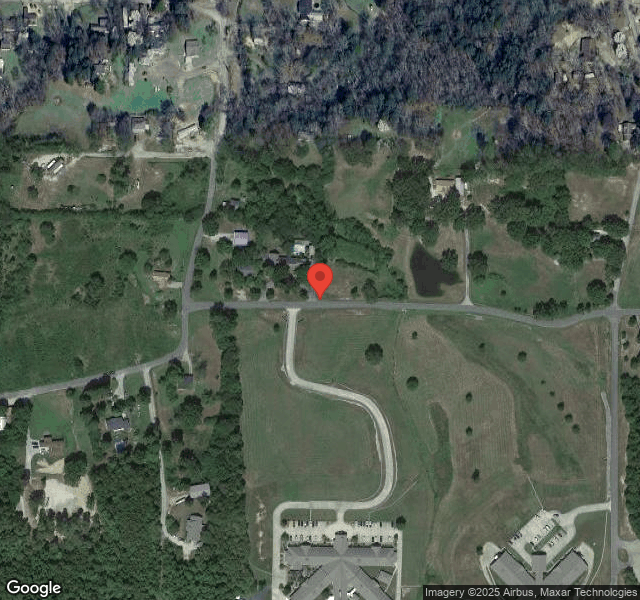

741 SOUTH DRIVE, MOUNT IDA, AR 71957 (870) 867-2156
Government - County 112 Beds Independent Data: November 2025
Trust Grade
80/100
#69 of 218 in AR
Last Inspection: May 2025

Inspected within the last 6 months. Data reflects current conditions.

Overview

Montgomery County Nursing Home in Mount Ida, Arkansas, has received a Trust Grade of B+, which indicates it is above average and recommended for consideration. It ranks #69 out of 218 facilities in the state, placing it in the top half overall, and is the only option in Montgomery County. The facility is improving, reducing its issues from four in 2024 to just one in 2025, which is a positive trend. While staffing is a weakness with a low rating of 1 out of 5 stars, the turnover rate of 22% is significantly better than the state average, suggesting some staff stability. There have been no fines on record, which is a good sign, and the nursing home has a concerning history with specific incidents, such as improper food storage and failure to maintain hand hygiene, which could affect residents' health.

Trust Score
B+
80/100
In Arkansas
#69/218
Top 31%
Safety Record
Low Risk
No red flags
Inspections
Getting Better
4 → 1 violations
Staff Stability
✓ Good
22% annual turnover. Excellent stability, 26 points below Arkansas's 48% average. Staff who stay learn residents' needs.
Penalties
✓ Good
No fines on record. Clean compliance history, better than most Arkansas facilities.
Skilled Nurses
○ Average
RN staffing data not reported for this facility.
Violations
⚠ Watch
16 deficiencies on record. Higher than average. Multiple issues found across inspections.
★★★★☆
4.0
Overall Rating
★☆☆☆☆
1.0
Staff Levels
★★★★☆
4.0
Care Quality
★★★★★
5.0
Inspection Score
Stable
2024: 4 issues
2025: 1 issues

The Good

  • 4-Star Quality Measures · Strong clinical quality outcomes
  • Low Staff Turnover (22%) · Staff stability means consistent care
  • Full Sprinkler Coverage · Fire safety systems throughout facility
  • No fines on record
  • Staff turnover is low (22%)

    26 points below Arkansas average of 48%

Facility shows strength in quality measures, staff retention, fire safety.

The Bad

No Significant Concerns Identified

This facility shows no red flags. Among Arkansas's 100 nursing homes, only 1% achieve this.

The Ugly 16 deficiencies on record

May 2025 1 deficiency
CONCERN (D)

Potential for Harm - no one hurt, but risky conditions existed

Infection Control (Tag F0880)

Could have caused harm · This affected 1 resident

Based on observation, interview, record review, and facility policy review, it was determined that the facility did not ensure Enhanced Barrier Precautions (EBP) were implemented and that staff wore p...

Read full inspector narrative →
Based on observation, interview, record review, and facility policy review, it was determined that the facility did not ensure Enhanced Barrier Precautions (EBP) were implemented and that staff wore proper personal protective equipment (PPE) when care was provided for 1 (Resident #61) of 3 residents reviewed for wound care. The findings include: 1. A review of the quarterly Minimum Data Set (MDS) with an Assessment Reference Date (ARD) of 05/11/2025, revealed Resident #61 had a Brief Interview for Mental Status (BIMS) score of 15, which indicated the resident was cognitively intact. Resident #61 had diagnoses which included diabetes mellitus and dementia. a. A review of Resident #61 ' s Care Plan report, revised 05/13/2025, indicated the resident had a diabetic ulcer to the bottom of the right foot. The care plan did not address the need to implement EBP while performing wound care to the resident ' s foot. b. A review of Resident #61 ' s Treatment Administration Record (TAR) indicated wound care orders for the resident's right foot. c. A review of a Physician ' s Order dated 05/29/2025, on 05/30/2025 at 10:36 AM, indicated Resident #61 received wound care, every day, to a diabetic ulcer on the right foot. d. During an observation on 05/30/2025 at 11:42 AM, Licensed Practical Nurse (LPN) #1 performed wound care to the diabetic ulcer on the bottom of Resident 61's right foot. LPN #1 entered the room, with gloves on and wound care supplies in hand, no gown was worn. LPN #1 ' s body brushed against the resident's table, while performing wound care. e. During an interview on 05/30/2025 at 11:55 AM, LPN #1 stated she was not aware of any EBP to be observed during wound care or any PPE to be worn during wound care. f. During an interview on 05/30/2025 12:00 PM, the Director of Nursing (DON) stated gloves were only to be worn for wound care. The DON was not aware of the need for gowns being worn during wound care. g. During an interview on 05/30/2025 at 1:15 PM, the Infection Preventionist (IP) nurse stated gloves were only to be worn for wound care. The IP nurse stated EBP, including wearing gowns, were for indwelling devices only. h. A facility training titled Enhanced Barrier Precautions dated 02/26/2025 indicated that EBP should be used when performing high contact activities including wound care. i. The facility training titled Enhanced Barrier Precautions dated 02/26/2025 indicated the DON and IP were the instructors and contained LPN #1's signature, as having received the training.
Mar 2024 4 deficiencies
CONCERN (D)

Potential for Harm - no one hurt, but risky conditions existed

Deficiency F0583 (Tag F0583)

Could have caused harm · This affected 1 resident

Based on observation, interview, and record review, the facility failed to protect 1 (Resident #53) sampled resident ' s privacy by leaving the Medication Administration Record [MAR] book open and una...

Read full inspector narrative →
Based on observation, interview, and record review, the facility failed to protect 1 (Resident #53) sampled resident ' s privacy by leaving the Medication Administration Record [MAR] book open and unattended on the medication cart across from the nurses station. This failed practice had the potential to affect 4 sampled residents that ambulate and self-propel in the facility. The findings are: a. On 03/19/2024 at 08:10 AM, the Surveyor walked by an unattended 100-Hall medication cart parked near the nurses station and observed the MAR book open to Resident #53. The Surveyor was able to view residents name, diagnoses, allergies, and current medications. The Surveyor noted Licensed Practical Nurse [LPN] #1 was giving medication in the dining room with LPN #1's back to the cart. b. On 03/19/2024 at 08:12 AM, LPN #1 approached the medication cart and the Surveyor asked if the medication chart should be left open, and why staff would be expected to keep it closed when unattended. LPN #1 told the Surveyor they had went to the dining area to give medication and forgot to close the medication book. He told the Surveyor that the medication book should be kept closed when it is unattended because anyone could come by and see private resident information. c. On 03/20/2024 at 08:15 AM, the Surveyor asked the Administrator if there was an in-service or policy on Resident Privacy. The Administrator told the Surveyor privacy would be addressed in Resident Rights. The Assistant Director of Nursing [ADON] told the Surveyor that they would provide the information. d. On 03/20/2024 at 08:57 AM, the ADON Infection Prevention [IP] nurse provided Resident Rights in-services including the Resident Rights policy and the Dignity policy. The In-service titled Resident Rights / Abuse and Neglect dated January 2024 documented, .Dignity .The facility will treat you with the dignity and respect in full recognition of your individuality . The policy titled Resident Rights documented, . As a resident of this facility, you have a right to a dignified existence and to communicate with individuals and representatives of choice. The facility will protect and promote your rights as designated below .The Resident Rights does not address protecting privacy. e. On 03/21/2024 at 09:20 AM, the Surveyor asked the Director of Nursing [DON] the process medication nurses use to protect resident privacy when passing medications. The DON told the Surveyor that the Medication Administration book should be closed, and no residents name or information should be visible from the cart. The Surveyor asked why staff are expected to follow this procedure and the DON told the Surveyor that is how it has always been done, and that is how they should do it.
CONCERN (D)

Potential for Harm - no one hurt, but risky conditions existed

ADL Care (Tag F0677)

Could have caused harm · This affected 1 resident

Based on observation, interview, and record review, the facility failed to ensure fingernails were kept clean to promote good personal hygiene and grooming for 1 (Resident #47) of 6 sampled residents ...

Read full inspector narrative →
Based on observation, interview, and record review, the facility failed to ensure fingernails were kept clean to promote good personal hygiene and grooming for 1 (Resident #47) of 6 sampled residents who were dependent on staff for nail care on 100 Hall. The findings are: 1. Resident #47 had diagnoses of Dementia, Brain dysfunction, Encephalopathy, and Depression. On the Quarterly Minimum Data Set (MDS) with an Assessment Reference Date (ARD) of 02/18/2024, Resident #47 had a score of 10 (8-12 indicates moderate cognitive impairment) on the Brief Interview for Mental Status (BIMS). a. On 03/18/2024 at 12:20 PM, Resident #47 was observed using his/her hands to pick up food to eat. There was a dark brown substance under the fingernails on the left hand. b. On 03/19/2024 at 12:42 PM, Resident #47 was observed using his/her hands to pick up food to eat. There was a dark brown substance under the fingernails on the left hand. c. On 03/20/2024 at 08:57 AM, the Administrator provided an in-service from January 2024 titled Residents Rights/Abuse & Neglect which covers nail care not being done .Types of Abuse and Neglect .failure to assist in personal hygiene . d. On 03/20/2024 at 11:06 AM, Resident #47 was observed sitting in the dining room between mealtimes with a dark brown substance under the fingernails on the left hand. e. On 03/20/2024 at 11:07 AM, Licensed Practical Nurse (LPN) #1, was asked, Who does diabetic nail care? LPN #1 stated that whoever the nurse is for the resident, typically on the PM-1 shift, will do the nail care. LPN #1 was asked, Where is the nail care documented? LPN #1 showed the treatment book which is kept at the nurse's station. It was observed that there had not been any nail care done for Resident #47 so far this month. It is documented on the care plan that diabetic nail care gets done once per month and as needed (PRN). f. On 03/20/2024 at 03:50 PM, LPN #3 was asked what the process is for diabetic nail care. LPN #3 stated that diabetic nails for the halls that she covers on her shift, which is 3:00 PM-11:00 PM, are done by her, once per month, usually towards the end of the month. LPN #3 was asked if CNAs (Certified Nursing Assistant) let her know if there was a specific resident in need of nail care before the end of the month. LPN #3 said, Yes, usually. LPN #3 was asked if the nails just needed cleaning, could the CNAs take care of that. LPN stated, Yes, they may clean them. LPN #3 was asked if nail care for diabetics was documented. LPN #3 stated that it would be documented in the treatment book kept at the nurse's station. g. On 03/21/2024 at 09:15 AM, CNA #1 was asked what the process was for cleaning resident's fingernails. CNA #1 stated that during shower time, the resident's nails are softened up and they use a little wooden stick to go up under the nail and clean the substance out from under them. CNA #1 was asked what the purpose of keeping the resident's nails clean is. CNA #1 stated they need to be clean for personal hygiene purposes, infection prevention, and resident's dignity. h. On 03/21/2024 at 09:22 AM, the Director of Nursing (DON) was asked who was responsible for keeping the resident's fingernails clean. The DON stated that diabetic nail cutting and trimming is done by the nurse and documented in the treatment book. The DON said that CNA's clean nails and document on the resident's ADL sheets. The DON was asked what the purpose of maintaining clean nails is. The DON stated it's for good hygiene and infection control.
CONCERN (D)

Potential for Harm - no one hurt, but risky conditions existed

Accident Prevention (Tag F0689)

Could have caused harm · This affected 1 resident

Based on observations, interview, and record review, the facility failed to ensure the resident environment was as free of potential accident hazards as possible, as evidenced by failure to ensure med...

Read full inspector narrative →
Based on observations, interview, and record review, the facility failed to ensure the resident environment was as free of potential accident hazards as possible, as evidenced by failure to ensure medication carts containing medications were locked to prevent access to the medications, and the possible risk for misappropriation of medications. This failed practice had the potential to affect 4 (Residents #1, #34, #53, #58) sampled residents of 23 residents who were independent for ambulation or self-propelled in wheelchairs. The findings are: On 03/19/2024 at 08:10 AM, between the nurse's station and the dining room there were two medication carts against the wall. The other cart was unattended. The Surveyor walked by and pulled on the drawer of the medication cart and the drawer opened. Inside were bottles of medications. On 03/19/2024 at 08:14 AM, Licensed Practical Nurse #1 (LPN) returned to the medication cart. The LPN was asked if it's ok to leave the medication cart unattended and unlocked. The LPN stated that it is never ok to leave the medication cart unattended while unlocked. The LPN was asked what could happen if the cart was left unlocked while unattended. The LPN stated that a resident could potentially get into the unlocked cart and ingest the medications, causing them harm. On 03/21/2024 at 09:22 AM, the Director of Nursing (DON) was asked what the process is for a nurse to leave their medication cart unattended. The DON said to make sure that it is locked. The DON was asked why is it important to lock the medication cart while unattended. The DON stated it was to keep somebody from possibly getting into the medications. The DON was asked what could happen if a resident was to get ahold of medications inside of an unlocked cart. The DON said the medications could be ingested and potentially cause them harm.
CONCERN (F)

Potential for Harm - no one hurt, but risky conditions existed

Food Safety (Tag F0812)

Could have caused harm · This affected most or all residents

**NOTE- TERMS IN BRACKETS HAVE BEEN EDITED TO PROTECT CONFIDENTIALITY** Based on observation, interview, and record review, the facility failed to ensure dishcloths and scouring pads were stored in a ...

Read full inspector narrative →
**NOTE- TERMS IN BRACKETS HAVE BEEN EDITED TO PROTECT CONFIDENTIALITY** Based on observation, interview, and record review, the facility failed to ensure dishcloths and scouring pads were stored in a safe, sanitary manner, and the staff failed to ensure proper hand hygiene when handling food, and food was placed down in an unsanitary manner to prevent cross contamination. These failed practices had the potential to affect all 67 residents that eat from the kitchen. The findings are: 1. On 03/20/2024 at 07:53 AM, the Surveyor observed 5 white dishcloths, and 2 scouring pads resting to the right side of the sink, resting on dishwater and soap subs, while Dietary #3 was observed washing dishes. The Surveyor asked the Dietary Manager if it was their procedure to store rags at the side of the sink. The Dietary Manager told the Surveyor it was not sanitary, and the wash rags should be in a container with sanitizer. 2. On 03/20/2024 at 10:22 AM, the Surveyor observed Dietary #2 holding two pieces of bread in both gloved hands. Dietary #2 was observed setting the 2 slices of bread down on top of a loaf of bread, turned to open the doors on a metal rack then turn and picked up the two slices of bread with both gloved hands and placed them on the toaster. The Surveyor asked Dietary #2 where loaves of bread are stored. Dietary #2 said, In the freezer. The Surveyor asked if there was any reason why staff would not want to place bread down on top of a used bread bag and picked up after touching a metal rack. Dietary #2 told the Surveyor that it is unsanitary, and it is unsanitary to lay bread down on the outside of the bag because too many people have touched the bag. a. On 03/20/2024 at 11:00 AM, Dietary #1 was asked for a policy on food preparation, food storage, and was asked if she had a policy that would address washing dishes in a sanitary manner. Dietary #1 told the Surveyor that she did not have those policies. b. On 03/20/2024 at 02:30 PM, the Surveyor asked the Infection Preventionist [IP] if she had any policies regarding the sanitary handling of food, or the kitchen. The IP nurse printed a copy of their General Infection Control policy titled Infection Prevention and Control Program [NAME] County Nursing Home documenting, .[NAME] County Nursing Home maintains an organized, effective facility-wide program designed to systemically identify and reduce the risk of acquiring and transmitting infections among residents, visitors and healthcare workers .Employees: .Participates in performance improvement activities by promoting enhanced hand hygiene .Policies and Procedures .MCNH has infection prevention policies and procedures, which outline strategies designed to reduce the risk of transmission of infectious agents among healthcare workers, residents and visitors .Additional policies and procedures include but may not be limited to: .Food Services, housekeeping and maintenance . c. On 03/20/2024 at 02:35 PM, Dietary #1 was asked if staff handing food could place food down on bread wrappers to handle something else in the kitchen and turn back to the food and pick it up to place in the toaster. Dietary #1 told the Surveyor that is not sanitary, and anyone could have touched the outside of the bread wrapper. d. On 03/21/2024 at 09:00 AM, the Assistant Director of Nursing provided a Dietary In-Service Training Report titled Handwashing/Food Handling/Washing Dishes (11/09/2023) documenting, .When and How to Wash Your Hands .Germs can spread from person to person or from surfaces to people when you: Prepare or eat food and drinks with unwashed hands, touch surfaces or objects that have germs on them .You can help yourself and your loved ones stay healthy by washing your hands often, especially during these key times when you are likely to get and spread germs: Before, during, and after preparing food .
Feb 2023 11 deficiencies
CONCERN (D)

Potential for Harm - no one hurt, but risky conditions existed

Respiratory Care (Tag F0695)

Could have caused harm · This affected 1 resident

Based on observation, interview, and record review, the facility failed to ensure BiPAP [Bilevel Positive Airway Pressure] mask was properly stored in a bag when not in use to prevent potential possib...

Read full inspector narrative →
Based on observation, interview, and record review, the facility failed to ensure BiPAP [Bilevel Positive Airway Pressure] mask was properly stored in a bag when not in use to prevent potential possible cross contamination that could result in a respiratory infection for 1 (Resident #42) of 1 sampled resident who had a physician's order for a BiPAP. The findings are: 1. Resident #42 had diagnoses of COPD (Chronic Obstructive Pulmonary Disease), Atelectasis RLL (Right Lower Lobe) and Obstructive Sleep Apnea (OSA). The Significant Change Minimum Data Set (MDS) with an Assessment Reference Date (ARD) of 01/26/23 documented the resident scored 14 (13-15 indicates cognitively intact) on a Brief Interview of Mental Status (BIMS) and received oxygen therapy and used a CPAP (Continuous Positive Airway Pressure)/BIPAP while a resident. a. The Physician Orders dated 01/20/23 documented, .O2 [oxygen] oxygen HS [bedtime] @ [at] 2-4 L/NC [liters per nasal cannula] PRN [as needed] . Apply . BiPAP QHS [every bedtime] while in bed . b. The Care Plan with an initiated date of 01/20/23 documented, .BiPAP at HS with O2 2-4 L/MIN [liters per minute] PRN as ordered for resp support 2nd [secondary] to OSA follow protocol for use . c. On 02/06/23 at 12:52 PM, Resident #42 was lying in bed with his BIPAP mask sitting on his bedside table not in a bag. d. On 02/08/23 at 8:40 AM, Resident #42 was lying in bed with his BIPAP mask lying across the bedside table not in a bag. e. On 02/08/23 at 8:49 AM, the Surveyor asked Licensed Practical Nurse (LPN) #1 to accompany the Surveyor to Resident #42's room. The Surveyor asked if she saw anything out of place. LPN #1 stated, Yes, the CPAP is not covered. The Surveyor asked which part of the BiPAP should be covered. LPN #1 stated, The mask. The Surveyor asked what should be done with the mask. LPN #1 stated, It should be in a bag. The Surveyor asked why the mask should be in a bag. LPN #1 stated, To prevent contamination. The Surveyor asked what could happen if the mask was to get contaminated. LPN #1 stated, Because he could get an URI [Upper Respiratory Infection]. f. On 02/09/23 at 8:14 AM, the Surveyor asked the Director of Nursing (DON), When the LPN or CNA [Certified Nursing Assistant] removes the resident's mask what should they do with it? The DON said, The mask should be bagged. The Surveyor asked why the mask should be bagged. The DON said, To keep it from falling on the floor. The Surveyor asked what should happen if the mask were to fall on the floor. The DON said, It should be washed with soap and water. The Surveyor asked what could happen to the resident if the mask was not washed with soap and water. The DON said, The resident could get an URI.
CONCERN (E)

Potential for Harm - no one hurt, but risky conditions existed

Resident Rights (Tag F0550)

Could have caused harm · This affected multiple residents

Based on observation, record review, and interview, the facility failed to ensure residents in the same Dining Room and at the same table were served concurrently to promote dignity and respect for 1 ...

Read full inspector narrative →
Based on observation, record review, and interview, the facility failed to ensure residents in the same Dining Room and at the same table were served concurrently to promote dignity and respect for 1 (Residents #29) of 4 (Residents #2, #29, #39 and #46) sampled residents who ate meals in the Unit Dining Room and were dependent for eating. These failed practices had the potential to affect 4 residents who were dependent for eating and had the potential to affect all 21 residents who resided in the Unit on the 400 Hall as documented on lists provided by the Assistant Director of Nursing (ADON) on 02/10/23. The findings are: 1. Resident #29 had diagnoses of Dementia, Altered Mental Status, Gastroesophageal reflux disease (GERD) and Anemia. The Quarterly Minimum Data Set (MDS) with an Assessment Reference Date (ARD) date of 11/28/22 documented the resident was severely impaired in cognitive skills for daily decision making per a Staff Assessment for Mental Status (SAMS) and was totally dependent on one person for eating. a. The Physician's Order dated 03/16/17 documented, .Diet: Liquified Pureed . b. The Care Plan with a revision date of 11/29/22 documented, .Resident requires total care in all ADLs [activities of daily living] . Diet as ordered . Fed by staff at feeder table . c. On 02/06/23 at 12:30 PM, Certified Nursing Assistant (CNA) #3 placed a lunch tray on the table in front of Resident #29. No verbal interaction took place between CNA #3 and Resident #29 who had been positioned at the table for lunch. CNA #3 then continued to assist the other residents at the table who required assistance with eating. At 12:42 PM, CNA #3 began feeding Resident #29, 12 minutes after the other residents had been served and had eaten. d. On 02/07/022 at 7:36 AM, during breakfast, there were 16 residents in the Unit Dining Room. Two residents sitting at Table #3 were done with their breakfast and left the table. Four residents were sitting at Table # 4 eating. CNA #1 was sitting in a chair in the center of a round of Table #1 assisting 6 residents with their breakfast. While the other residents were eating, Resident #29 and three other residents were sitting at Table #2 and had not received their meal. The Surveyor asked CNA #1 who was assisting the residents sitting at Table #1, the reason the residents sitting at Table #2 had not received their meal tray, and what time was the breakfast food cart delivered to the Unit. She stated, It was out at 7:10 AM, but I am the only one passing trays and assisting the residents. The other CNAs were helping residents in their rooms. The residents sitting at the other table have not been served because they require help.
CONCERN (E)

Potential for Harm - no one hurt, but risky conditions existed

Deficiency F0567 (Tag F0567)

Could have caused harm · This affected multiple residents

Based on interview, and record review, the facility failed to ensure residents who had a resident Trust Fund account with the facility received monthly applicable interest deposited into the account o...

Read full inspector narrative →
Based on interview, and record review, the facility failed to ensure residents who had a resident Trust Fund account with the facility received monthly applicable interest deposited into the account of each entitled resident for 3 (Residents #1, #2 and #34) of 3 sampled residents whose Trust Fund accounts were reviewed. This failed practice had the potential to affect 20 residents who had resident Trust Fund accounts managed by the facility as documented on the Trust Fund Report dated 02/06/23 provided by the Bookkeeper on 02/08/23 at 9:21 AM. The findings are: 1. On 02/07/23 at 10:26 AM, the Surveyor asked the Bookkeeper what type of account the resident Trust Funds were kept in. The Bookkeeper stated, All funds are in an interest-bearing account. 2. On 02/08/23 at 2:24 PM, the Trust Fund account transaction printouts from 08/01/22 to 02/06/23 provided by the Bookkeeper for Residents #1, #2 and #34 documented the residents had not received any interest since September 30, 2022. The Surveyor asked the reason no interest had been allocated since September 2022. The Bookkeeper stated, I haven't gotten to January's yet. The Surveyor asked about the October, November, and December 2022's interest allocation. The Bookkeeper stated, I noticed when I ran the report the same people got all of the interest. I put a hold on the accounts that were getting interest so others could get some interest, so it was fairer, so the wealth can be shared. I guess I wanted them to have some. The Surveyor asked if she had the authority or approval from the families to give interest to other residents. The Bookkeeper stated, No ma'am. They just get so little money. 3. On 02/08/23 at 2:32 PM, the Surveyor asked the Administrator if interest should be allotted to each resident that was eligible. The Administrator stated, Yes. The Surveyor asked if he was aware of some of the resident Trust Fund accounts being put on a hold and interest being given to other residents. The Administrator stated, No, I am not aware of that. The Surveyor asked if the Bookkeeper had the authority or approval from the families to give interest to other residents. No, I mean it should be allocated properly. 4. On 02/09/23 at 2:21 PM, the Surveyor requested the facility's policy for resident Trust Funds. The Administrator stated the facility did not have a policy regarding resident funds.
CONCERN (E)

Potential for Harm - no one hurt, but risky conditions existed

Deficiency F0568 (Tag F0568)

Could have caused harm · This affected multiple residents

Based on interview, and record review, the facility failed to ensure generally accepted proper bookkeeping techniques were followed to accurately reconcile individual resident Trust Funds for 3 (Resid...

Read full inspector narrative →
Based on interview, and record review, the facility failed to ensure generally accepted proper bookkeeping techniques were followed to accurately reconcile individual resident Trust Funds for 3 (Residents #23, #26 and #70) of 13 (Resident #1, #2, #3, #8, #10, #23, #26, #29, #34, #35, #45, #55, and #70) sampled residents who had Trust Funds managed by the facility. This failed practice had the potential to affect 20 residents who had their personal Trust Funds managed by the facility as documented by the Trust Fund Report dated 02/06/23 provided by the Bookkeeper on 02/08/23 at 9:21 AM. The findings are: 1. On 02/07/23 at 10:26 AM, the Surveyor requested the resident Trust Fund balances, the most recent reconciliation, and the Surety Bond from the Bookkeeper. 2. On 02/08/23 at 8:48 AM, the Surveyor asked for an update on the requested personal funds documentation. The Bookkeeper stated, I am sorry it is taking me so long. I made some errors a few months back and we have a handful of accounts in the negative. Luckily, they [residents] haven't asked for any money lately. I have reached out to the Accountant, and she is going to help me, but the last two months she has not been able to. I asked again and she told me to wait another month because we had more important things to focus on. 3. On 02/08/23 at 9:21 AM, the Surveyor received a list of the resident Trust Fund balances and the most recent reconciliation from the Bookkeeper. 4. On 02/08/23 at 9:50 AM, the Surety Bond dated September 19, 2008, provided by the Administrator documented, $5,000 coverage per employee against loss of money or other property, and was increased to $100,000 per employee dated March 26, 2010. 5. On 02/08/23 at 10:30 AM, the resident Trust Fund balances of 3 of the 22 listed residents had negative balances with handwritten documentation posting error accountant to assist. The resident Trust Fund balances as of 02/06/23 documented, Resident #23's balance was -$914.90, Resident #26's balance was -$13.28, and Resident #70's balance was -$968.40. 6. On 02/08/23 at 12:07 PM, the Surveyor reviewed the documentation provided and could not balance the account. 7. On 02/08/23 at 12:28 PM, the Surveyor asked the Bookkeeper to show the Surveyor how she balanced the resident Trust Funds if three of the accounts had errors since November but was not documented on the reconciliation. The Bookkeeper stated, She [Accountant] told me to not document on there, it was wrong. It's just been phone calls back and forth. The Surveyor asked if the accounts were not balanced and were not completely reconciled. The Bookkeeper stated, Yes ma'am. 8. On 02/08/23 at 1:03 PM, the Surveyor asked the Administrator if he was aware of any resident Trust Fund discrepancies or accounting issues. The Administrator stated, No. The Surveyor asked if he was aware that the Trust Funds of three residents were in the negative due to accounting errors. The Administrator stated, No, I haven't heard. The Surveyor asked if one of the residents in the negative wanted funds what would be done. The Administrator stated, I would give them money and research the error. We better be giving them funds still. 9. On 02/09/23 at 2:21 PM, the Surveyor requested the facility's policy for resident Trust Funds. The Administrator stated the facility did not have a policy regarding resident funds.
CONCERN (E)

Potential for Harm - no one hurt, but risky conditions existed

Deficiency F0569 (Tag F0569)

Could have caused harm · This affected multiple residents

Based on interview, and record review, the facility failed to ensure residents who received Medicaid benefits were notified when the amount in their Trust Fund account was within $200.00 of the maximu...

Read full inspector narrative →
Based on interview, and record review, the facility failed to ensure residents who received Medicaid benefits were notified when the amount in their Trust Fund account was within $200.00 of the maximum Medicaid recipient cash assets for 2 (Residents #1 and #29) of 13 (Residents #1, #2, #3, #8, #10, #23, #26, #29, #34, #35, #45, #55 and #70) sampled residents who had Medicaid coverage and had Trust Funds managed by the facility as documented on the Trust Fund Report dated 02/06/23 provided by the Bookkeeper on 02/08/23 at 9:21 AM. The findings are: 1. On 02/08/23 at 9:21 AM, the Surveyor received the resident Trust Fund balances from the Bookkeeper and noted Resident #1 had a balance of $1,810.25 since 02/03/23 and Resident #29 had a balance over $1,800 since 08/02/22. 2. On 02/08/23 at 2:24 PM, the Surveyor asked the Bookkeeper for the documentation regarding the Medicaid notification letters for Resident #1 and Resident #29. The Bookkeeper stated, I send out letters when their balances reach $500 and $1,000. I didn't know I had to send them out any other time. I made up the letter myself. I didn't know I had to tell them. The Surveyor requested documentation of the families being informed or the letters being sent out. The Bookkeeper stated, I just call them or talk to them or sometimes I send the letters I made. The Surveyor asked if she documented in the residents' charts. The Bookkeeper stated, No ma'am. The Surveyor asked if she photocopied the postage envelopes for the letters mailed. The Bookkeeper stated, No ma'am. The Surveyor asked if she had the residents or resident representatives sign a copy of the letter. The Bookkeeper stated, No ma'am. Should I do one of those things? 3. On 02/08/23 at 02:32 PM, the Surveyor asked the Administrator if he was aware of any documentation of notification to Medicaid residents or families regarding needing to spend down due to being within $200 or over the Medicaid limit for cash assets. The Administrator stated, I'm not sure of any. The Administrator explained that one of the resident's family members lives next door to the Bookkeeper and she just talks to her and lets her know. 4. On 02/09/23 at 2:21 PM, the Surveyor requested the facility's policy for resident Trust Funds. The Administrator stated the facility did not have a policy regarding resident funds.
CONCERN (E)

Potential for Harm - no one hurt, but risky conditions existed

Menu Adequacy (Tag F0803)

Could have caused harm · This affected multiple residents

Based on observation, record review, and interview, the facility failed to ensure meals were prepared and served in accordance with the planned, written menu, to meet the nutritional needs of the resi...

Read full inspector narrative →
Based on observation, record review, and interview, the facility failed to ensure meals were prepared and served in accordance with the planned, written menu, to meet the nutritional needs of the residents for 2 of 2 meals observed. This failed practice had the potential to affect 11 residents who received pureed diet and 4 residents who received a liquified pureed diet (total census: 68), according to the Diet List provided by the Dietary Supervisor on 02/08/23. The findings are: 1. On 02/06/23, the facility's menu for the noon meal provided by the Dietary Supervisor on 02/07/23 at 8:27 AM documented the residents on pureed diets and on liquified pureed diets were to receive a #16 scoop of flour tortilla and a #30 scoop of pureed salsa. a. On 02/06/23 at 1:00 PM, there was no pureed flour tortilla and or pureed salsa prepared and served to the residents on pureed diets. The menu specified the residents on pureed diets were to receive a #16 scoop of pureed tortilla and a #30 scoop of salsa each. 2 On 02/07/23 at 7:10 AM, the menu for the breakfast meal documented the residents on pureed diets were to receive a #16 scoop of pureed biscuit and a #16 scoop of pureed sausage. At 8:06 AM, there was no pureed biscuit and pureed sausage prepared for the residents on pureed diets. The residents were served pureed scrambled eggs, breadcrumbs, and oatmeal. At 8:13 AM, the Surveyor asked Dietary Employee (DE) #5 if the residents on pureed diets should get pureed biscuit and pureed sausage. He stated, We have not been giving biscuit and sausage to the residents on pureed diets. We give them eggs and breadcrumbs.
CONCERN (E)

Potential for Harm - no one hurt, but risky conditions existed

Deficiency F0804 (Tag F0804)

Could have caused harm · This affected multiple residents

Based on observation, record review, and interview, the facility failed to ensure food was prepared by methods that maintained the flavor and appearance; hot foods were served hot and cold foods were ...

Read full inspector narrative →
Based on observation, record review, and interview, the facility failed to ensure food was prepared by methods that maintained the flavor and appearance; hot foods were served hot and cold foods were served cold to maintain palatability and to encourage adequate nutritional intake for 2 of 2 meals observed on the 400 Hall Unit. This failed practice had the potential to affect 21 residents who received their meals in the Unit Dining Room according to a list provided by the Dietary Supervisor on 02/08/23 at 2:16 PM. The findings are: 1. On 02/07/23 at 7:10 AM, an unheated food cart with 21 breakfast trays was delivered to the 400 Hall by Certified Nursing Assistant (CNA) #1. At 7:42 AM, CNA #3 was ready to serve the residents who had not been served in the Dining Room, the temperatures of the food items on a test tray from the cart was checked and read by the Dietary Supervisor with the following results: a. A carton of whole milk - 59 degrees Fahrenheit. b. Milk in a glass - 65 Milk degrees Fahrenheit. c. Scrambled eggs - 113 degrees Fahrenheit. d. Gravy - 110 degrees Fahrenheit. 2. Resident #29 had diagnoses of Dementia, Altered Mental Status, Gastroesophageal reflux disease (GERD) and Anemia. The Quarterly Minimum Data Set (MDS) with an Assessment Reference Date (ARD) date of 11/28/22 documented the resident was severely impaired in cognitive skills for daily decision making per a Staff Assessment for Mental Status (SAMS) and was totally dependent on one person for eating. a. The Physician's Order dated 03/16/17 documented, .Diet: Liquified Pureed . b. The Care Plan with a revision date of 11/29/22 documented, .Resident requires total care in all ADLs [activities of daily living] . Diet as ordered . Fed by staff at feeder table . 3. On 02/07/23 at 12:15 PM, during lunch, there were 5 residents sitting at Table #2. Certified Nursing Assistant (CNA) #3 was sitting in a chair at the center of the table with her back to Resident #29, assisting four residents with their meal. Resident #29's lunch meal of liquified pureed meatloaf, potato soup, green beans and her milk in a sippy cup was on the table in front of her untouched. CNA #3 made no attempt to assist Resident #29 with her meal or to speak to her. At 12:25 PM, when CNA #4 came to assist Resident #29 with her meal, the temperature of the resident's meal tray was taken and read by the Dietary Supervisor. The temperatures were as follows: a. Milk - 49 degrees Fahrenheit. b. Liquid meat - 104 degrees Fahrenheit. c. Potato soup - 110 degrees Fahrenheit. d. Pureed liquid green beans - 106 degrees Fahrenheit. At 12:40 PM, the Surveyor asked CNA #3 why she did not assist the resident with eating. She stated, I was waiting for someone to come and help me because I don't want to turn my back on the ones I am assisting. 4. On 02/07/23 at 7:46 AM, the following observations were made during the noon meal service in the Dining Room: a. The ground bacon served to the residents on mechanical soft diets was dry, greasy like, and did not look like bacon. The Surveyor asked CNA #2 to describe the appearance of the ground bacon served to the residents on Mechanical Soft Diets. She stated, It looks like it's extra done. 5. On 02/07/23 at 7:49 AM, the Surveyor asked CNA #3 to describe the appearance of the ground bacon served to the residents on Mechanical Soft Diets. She stated, It doesn't look like bacon. 6. On 02/07/23 at 7:53 AM, the Surveyor asked the Dietary Supervisor to describe the appearance of the ground bacon and sausage served to the residents on Mechanical Soft Diets. She stated, The ground bacon was greasy and dry. Regular sausage was overdone and was burnt. The ground sausage was dry.
CONCERN (E)

Potential for Harm - no one hurt, but risky conditions existed

Deficiency F0805 (Tag F0805)

Could have caused harm · This affected multiple residents

Based on observation, and interview, the facility failed to ensure pureed food items were blended to a smooth, lump free consistency to minimize the risk of choking or other complications for resident...

Read full inspector narrative →
Based on observation, and interview, the facility failed to ensure pureed food items were blended to a smooth, lump free consistency to minimize the risk of choking or other complications for residents who required pureed diets for 2 of 2 meals observed. The failed practice had the potential to affect 11 residents who received pureed diets and 4 residents who received liquified pureed diets as documented on a List provided by the Dietary Supervisor on 02/08/23 at 2:16 PM. The findings are: 1. On 02/06/23 at 11:35 AM, the following were on the steam table: a. A pan of pureed refried beans, the consistency was not smooth it was thick and there were pieces of beans in the mixture. b. A pan of pureed meat, the consistency was not smooth it was thick and gritty. c. A cup of liquified cabbage in a warmer, the consistency was thick. d. A cup of liquified meat, the consistency was lumpy and not smooth e. A cup of liquified beans, the consistency was not smooth, it was thick and there were pieces of beans in the mixture. 2. On 02/06/23 at 12:33 PM, the following food items were served to the residents on pureed diets and liquified pureed diets for lunch: a. Breadcrumbs served underneath the pureed meat was chunky. b. Liquified meat was thick and looked like pudding and had pieces of meat visible in it. c. Liquified beans had pieces of beans visible in it. d. Certified Nursing Assistant (CNA) #3 was assisting residents with their lunch meal. The Surveyor asked CNA #3 to describe the food items served to the residents who had received a pureed diet. She stated, Breadcrumbs served underneath the pureed meat. She used a spoon to cut it and stated, You would have to cut it with a spoon or not feed that to the resident. e. Pureed cherry cobbler was a little thick with pieces of cherry visible in it. f. Pureed meat was thick and gritty. 3. On 02/06/23 at 12:37 PM, the Surveyor asked the Dietary Supervisor to describe the consistency of the breadcrumbs, pureed food items and liquid food items served to the residents on pureed diets and residents on liquid diets. She stated, Breadcrumbs are not fine enough. Pureed beans were too thick with pieces of beans in it. Pureed meat was gritty. Liquid beans and meat too thick and not smooth. Liquid beans had pieces of beans in it and liquid meat had pieces of meat in it. 4. On 02/06/23 at 1:06 PM, CNA #5 assisted residents with their lunch meal in the Dining Room. The Surveyor asked CNA #5 to describe the consistency of the liquid food items served to the residents on liquid diets. She stated, Liquid beans served in a cup was gritty with pieces of beans in it and was more like pudding. Liquid meat was mushy and was gritty. 5. On 2/06/23 at 2:45 PM, Dietary Employee (DE) #1 used a 4-ounce (oz) spoon to place 6 servings of Brussels sprouts into a blender, added broth from the sprouts and pureed. She then poured the pureed Brussels sprouts into a pan. The consistency of the pureed Brussels sprouts was not smooth, it was thick, and strings of sprouts were visible in the mixture. 6. On 02/06/23 at 3:09 PM, DE #1 placed 11 servings of baked ham into a blender, added broth from the ham and pureed. At 3:18 PM, she added 2 slices of bread and broth from ham and pureed it some more. She poured the pureed ham into a pan. She covered the pan with foil and placed it in a warmer. The consistency of the pureed ham was more of mechanical soft meat and was dry. 7. On 02/06/23 at 3:25 PM, DE #1 placed 4 three-ounce servings of baked ham into a blender, added 2 cups of Med Pass 2.0 and pureed. She poured the pureed liquid ham into 4 cups. The consistency of the liquid meat had pieces of meat in it. 8. On 02/06/23 at 3:39 PM, the Surveyor asked the Dietary Supervisor and DE #1 to describe the consistency of the pureed food items and the liquified pureed items prepared to be served to the residents on pureed diets and the residents on liquified diets. The Dietary Supervisor stated, Pureed ham was not smooth. It was a little thick and gritty and liquified pureed meat was a little gritty. It was not thick or runny. Pureed Brussels sprouts were a little thick and was stringy. They both should be smooth with no lumps or vegetable strings. You should be able to drink liquified foods. 9. The handbook titled, Preparing foods for a Liquidized (Level 3) Diet, provided by the Speech Therapist on 02/07/23 at 9:03 AM documented, .All food should meet the following criteria: Food is smooth (no lumps, fibers, skins, husks etc.) Food is moist. Food can be easily poured. Food spreads out on a plate. Food cannot be piped, layered, or molded. Food does not need chewing. Food cannot be eaten with a fork because it drips through the prongs (can be eaten with a spoon). Food is not sticky (it should pour from a spoon without sticking) Food has no lumps. No separate thin liquid (food is a uniform consistency) .
CONCERN (E)

Potential for Harm - no one hurt, but risky conditions existed

Deficiency F0895 (Tag F0895)

Could have caused harm · This affected multiple residents

Based on interview, and record review, the facility failed to ensure monitoring and auditing were conducted on a regular basis by the Compliance Officer in the areas of resident trusts and admissions ...

Read full inspector narrative →
Based on interview, and record review, the facility failed to ensure monitoring and auditing were conducted on a regular basis by the Compliance Officer in the areas of resident trusts and admissions to prevent and detect potential criminal, civil, and administrative violations. The findings are: 1. On 02/06/23 at 1:20 PM, during review of the resident charts, the Surveyor noted Do Not Resuscitate (DNR) and/or Power of Attorney (POA) forms in Resident #9's, #19's, #27's, #34's, #40's, #46's and #60's charts that were not dated. 2. On 02/06/23 at 7:30 PM, in the first sample admission Packet provided by the Administrator on 02/06/23 at 11:03 AM, the Surveyor noted the Living Will, DNR and the POA pages in the admission Packet contained a photocopy of the physician's stamp on the physician's signature line and two witnesses and were copied. 3. On 02/07/23 at 10:26 AM, the Surveyor requested the resident Trust Fund balances, the most recent reconciliation, and the Surety Bond from the Bookkeeper. 4. On 02/08/23 at 8:48 AM, the Surveyor asked for an update on the requested personal funds documentation. The Bookkeeper stated, I am sorry it is taking me so long. I made some errors a few months back and we have a handful of accounts in the negative. Luckily, they [residents] haven't asked for any money lately. I have reached out to the Accountant, and she is going to help me, but the last two months she has not been able to. I asked again and she told me to wait another month because we had more important things to focus on. 5. On 02/08/23 at 2:24 PM, the Bookkeeper provided the transaction printouts for Residents #1, #2 and #34 from 08/01/22 to 02/06/23. The Surveyor noted Residents #1, #2 and #34 had not received any interest since September 2022. The Surveyor asked why no interest had been allocated since September 2022. The Bookkeeper stated, I haven't gotten to January's yet. The Surveyor asked about October, November, and December 2022's interest allocation. The Bookkeeper stated, I noticed when I ran the report the same people got all of the interest. I put a hold on the accounts that were getting interest so others could get some interest, so it was fairer, so the wealth can be shared. I guess I wanted them to have some. The Surveyor asked if she had the authority or approval from the families to give interest to other residents. The Bookkeeper stated, No ma'am. They just get so little money. 6. On 02/09/23 at 9:30 AM, the Surveyor asked the Administrator for the name of the Compliance Officer. The Administrator stated, I guess that is me, as much as anybody else. The Surveyor asked if there was an assigned person to conduct the Compliance Officer duties. The Administrator stated, No. The Surveyor asked as the Compliance Officer if he was aware of the use of copied pre-signed forms in the admission packets. The Administrator stated, No, not until you asked me the other day about them. The Surveyor asked the Administrator if any staff had brought to his attention the pre-signed forms may be unethical to use. The Administrator stated, No. The Surveyor asked when the last time the admission packet and process was audited. The Administrator stated, February 7th, when you brought it to my attention. The Surveyor asked when it had been previously audited. The Administrator stated, I don't believe it had been. The Surveyor asked as the Compliance Officer if he had been made aware of the three resident whose trusts had not balanced since November and of the interest that had not been given to the appropriate residents. The Administrator stated, No. The Surveyor asked when the last time the resident trusts and process was audited. The Administrator stated, Our accountant audits the bank accounts monthly and reconciles them. She reconciles the bank accounts but not the internal resident trusts. The Surveyor asked when the last internal audit was conducted on admissions and resident trusts. The Administrator stated, We had not done an internal audit on our paperwork until February 7th, when you informed me of the signatures. We will be changing that. The Surveyor asked when the last time the Compliance and Ethic Program was reviewed. The Administrator stated, I believe I looked at that in October 2021. The Surveyor stated the date at the top of the policy was 10/1/19 and did not have a review date. The Surveyor asked if he had documentation that it was reviewed. The Administrator stated, Correct, No. 7. On 02/09/23 at 2:21 PM, the Surveyor requested the most recent in-service or training the facility had regarding Ethics or Ethical Practices. The Administrator stated he did not think they had done any in-services or trainings on Ethics but would look and bring it to the Surveyor if he found one. 8. On 02/09/23 at 3:50 PM, the Administrator stated to the Surveyor, You had asked me earlier about an Ethics In-Service or training. Everything we in-service or train on should be ethical. We ethically train on dignity, human rights, civil rights, resident rights, abuse, neglect and others. 9. The facility policy titled, Compliance and Ethics Program, provided by the Administrator on 02/09/23 at 9:00 AM documented, .This facility is committed to compliance and has designed, implemented, and enforced a compliance and ethics program for promoting quality of care and preventing and detecting criminal, civil, and administrative violations . 2. The facility maintains a designated compliance and ethics program contact . f. Compliance achievement activities, such as monitoring, auditing, and reporting systems, and data integrity process . 6. The facility reviews the compliance and ethics program annually, revising as needed to: .b. Improve performance in in deterring, reducing, and detecting violations .
CONCERN (F)

Potential for Harm - no one hurt, but risky conditions existed

Food Safety (Tag F0812)

Could have caused harm · This affected most or all residents

Based on observation, record review, and interview, the facility failed to ensure food items stored in the refrigerator and dry storage areas were sealed, covered and dated; leftover food items were m...

Read full inspector narrative →
Based on observation, record review, and interview, the facility failed to ensure food items stored in the refrigerator and dry storage areas were sealed, covered and dated; leftover food items were maintained to promote food quality and or prevent potential food borne illness for residents who received meal trays from 1 of 1 kitchen; expired food items were promptly removed from stock; staff washed their hands between dirty and clean tasks and before handling clean dishes or food items; 1 of 2 ice scoop holders was maintained in a clean and sanitary condition. These failed practices had the potential to affect 68 residents (total Census 68) who received meals from 1 of 1 kitchen as documented on a list provided by the Dietary Supervisor on 02/08/23 at 2:58 PM. The findings are 1. On 02/06/23 at 10:58 AM, the following were on the bread rack in the Storage Room: a. 11 loafs of wheat bread with no received date on the bags. b. 9 loafs of white sandwich bread with no received date on the bags. 2. On 02/06/23 at 11:09 AM, the following spices were on a rack in the Storage Room with no opened date on the containers: a. Garlic Butter. b. Celery Seed. c. Seasoning Salt. d. Ground Thyme. e. Mediterranean Style Seasoning Salt. f. Ground Oregano. g. Dill Weed. h. Granulated Onion. i. Ground Cumin. j. Ground Basil. k. Light Chili Powder. l. Ground Cayenne Pepper. m. Dried Chives. n. Poultry Seasoning. o. Montreal Chicken Seasoning. p. Lemon and Pepper Seasoning Salt. 3. On 02/06/23 at11:19 AM, the following were on a shelf in the walk-in refrigerator: a. An opened box of sausage was not covered or sealed. b. A box of cottage cheese with an expiration date of 1/31/2022. c. A container of leftover scrambled eggs and a container of bacon were stored on shelf in the walk-in refrigerator. The Surveyor asked Dietary Employee (DE) #1 What do you use the left-over food items for? She stated, We use them the next day for pureed, mechanical soft and liquified diets. 4. On 02/06/23 at 11:31 AM, DE #2 placed a bag in a locker and without washing his hands, he picked up a clean blade and attached it to the base of the blender to be used in pureeing food items to be served to the residents on pureed diets for lunch. 5. On 02/06/23 at 11:46 AM, DE #3 took out a box of Brussels sprouts from the freezer and placed them on the counter. Without washing his hands, he placed gloves on his hands contaminating the gloves. He then removed bags of Brussels sprouts from the box, opened the bags, and placed Brussels sprouts into two pans and used his contaminated gloved hand to level the Brussels sprouts in the pan. He removed the gloves from his hands and threw them away. He took out a cutting board from underneath the counter and placed it on the counter. He took out two logs of butter from the refrigerator and placed them on the counter. Without washing his hands, he placed new gloves on his hands contaminating the gloves. He unwrapped the butter logs, placed them on the cutting board and cut them with a knife. He transferred the sliced butter onto the Brussels sprouts in the pans. He covered the pans with plastic wrap and placed them in the refrigerator to be cooked and served to the residents for supper. 6. On 02/06/23 at 11:49 AM, DE #5 turned on the hand washing sink faucet and washed his hands. He turned off the faucet with his bare hands contaminating his hands. He pulled tissue papers from the tissue dispenser and dried his hands contaminating the tissue papers in the process. He picked up clean plates from the clean side of the dish washing machine and stacked them on a rack with his fingers touching the interior surfaces of the plates to be used in portioning food items to be served to the residents for lunch and/or supper. 7. On 02/06/23 at 11:56 AM, DE #2 walked out of the Dietary Supervisor's office with a bag and placed the bag in a locker. Without washing his hands, he picked a clean blade and attached it to the base of the blender to be used in pureeing food items to be served to the residents who received pureed diets for lunch. 8. On 02/06/23 at 12:09 PM, in the Supplement Room (Clean Utility Room) opposite the Nurse's Station the scoop holder on the wall by the ice machine had a wet reddish/brown residue at the bottom of it. The ice scoop was stored directly in contact with the residue. The Surveyor asked the Dietary Supervisor to wipe the brown residue at the bottom of the scope holder. She did so, and the reddish/brown residue easily transferred to the tissue. The Surveyor asked the Dietary Supervisor How often do you clean the ice scoop holder and who uses the ice from the machine? She stated, They should clean it daily. They used it to fill beverages served to the residents at mealtimes. The Surveyor asked her to describe what was observed. She stated, It was reddish/brown matter. That's the ice the CNAs [Certified Nursing Assistants] use for the water pitchers in the residents' rooms. The Housekeeping Supervisor stated, I will start cleaning it daily from now on. 9. On 02/06/23 at 12:12 PM, the following items were on a shelf in the refrigerator in the Supplement Room (Clean Utility Room) and did not have a received date on the containers: a. 16 bottles of Glucerna Rich Chocolate. b. 27 bottles of Ensure Original Vanilla. c. 14 cartons of Ensure Plus. d. 11 bottles of Vanilla Boost. 10. On 02/06/23 at 12:20 PM, the following items were on a shelf in the refrigerator on the 400 Hall (Unit) and did not have a received date on the containers: a. 2 containers of Iso Sauce. b. 5 cartons of prune juice. c. 3 cartons of cocktail cranberry nectar. d. 4 boxes of Ensure Plus Therapeutic Nutrition. e. 4 original boxes of Ensure. f. 6 boxes of Glucerna. g. 5 bottles of Boost. 11. On 02/06/23 at 12:23 PM, the following items were in the cabinet in the Unit Dining Room cabinet and were not sealed. a. An opened bag of (Brand) cheese puffs. b. An opened bag of ruffled potato chips. 12. On 02/06/23 at 2:33 PM, DE #4 picked up a container of (Brand) thirst quencher powder from the Storage Room and placed it on the counter. Without washing his hands, he picked up glasses by their rims and poured beverages into them to be served to the residents for the lunch meal. 13. On 02/06/23 at 2:52 PM, DE #4 took out a gallon of whole milk from the refrigerator and placed it on the counter. He took out a marker from his pocket and used it to write a date on the lid of the milk. Without washing his hands, he picked up glasses by their rims and poured milk into them to be served to the residents for supper meal. At 2:55 PM, the Surveyor asked, What should you have done after touching dirty objects and before handling clean equipment or food items? He stated, I should have washed my hands. 14. On 02/06/23 at 2:59 PM, DE #1 took out a pan of ham from the oven and placed it on the counter. Without washing her hands, she picked up a clean blade and attached it to the base of the blender to be used in pureeing food items to be served to the residents who received pureed diets for the supper meal. At 3:45 PM, the Surveyor asked, What should you have done after touching dirty objects and before handling clean equipment or food items? He stated, I should have washed my hands. 15.On 02/07/23 at 8:13 AM, the Surveyor asked DE #5, What do you use leftover food items for? He stated, We use the bacon and sausage for mechanical soft diets and eggs for the pureed diets the next morning. 16. The facility policy titled, When and How to Wash Your Hands, provided by the Dietary Supervisor on 02/08/23 at 2:16 PM documented, .Washing hands can keep you healthy and prevent the spread of respiratory and diarrheal infections. Germs can spread from person to person or from surfaces to people when you: Touch your eyes, nose, and mouth with unwashed hands. Prepare or eat food and drinks with unwashed hands. Touch surfaces or objects that have germs on them . You can help yourself and your loved ones stay healthy by washing your hands often, especially during these key times when you are likely to get and spread germs: Before, during, and after preparing food .
CONCERN (F)

Potential for Harm - no one hurt, but risky conditions existed

Deficiency F0836 (Tag F0836)

Could have caused harm · This affected most or all residents

Based on interview, and record review, the facility failed to be in compliance with all applicable Federal, State, and local laws, regulations, and codes by failing to ensure the admission Packets wer...

Read full inspector narrative →
Based on interview, and record review, the facility failed to be in compliance with all applicable Federal, State, and local laws, regulations, and codes by failing to ensure the admission Packets were completed with original signatures for 7 (Residents #9, #19, #27, #34, #40, #46 and #60) of 7 sampled residents. This failed practice had the potential to affect all 68 residents who resided in the facility as documented on the Resident Census provided by the Administrator on 02/06/23. The findings are: 1. On 02/06/23 at 1:20 PM, during review of the resident charts, the Surveyor noted Do Not Resuscitate (DNR) and/or Power of Attorney (POA) forms in Residents #9, #19, #27, #34, #40, #46 and #60 charts that were not dated. 2. On 02/06/23 at 7:30 PM, in the first sample admission Packet provided by the Administrator on 02/06/23 at 11:03 AM, the Surveyor noted the Living Will, DNR and the POA pages in the admission Packet contained a photocopy of the physician's stamp on the physician's signature line and two witnesses and were copied. 3. On 02/07/23 at 1:34 PM, the second sample admission Packet provided by the Administrator contained copies of the POA, Living Will, Notice of Admission, Discharge Plan, and Consent for Authorized Representative forms with a photocopy of the physician's stamp on the physician's signature line and two witnesses. 4. On 02/07/23 at 1:46 PM, Residents #9, #19, #27, #34, #40, #46 and #60 charts contained the following: a. Resident #9 had an undated DNR with a photocopy of the physician's stamp on the physician's signature line. b. Resident #19 had an undated DNR with a photocopy of the physician's stamp on the physician's signature line and an undated Declaration of Living Will with copied witness signatures of the Human Resource/Assistant Administrator (HRAA) and Social Service Director (SSD). c. Resident #27 had a POA Will with copied witness signatures of the HRAA and SSD. d. Resident #34 had an undated DNR with a photocopy of the physician's stamp on the physician's signature line. e. Resident #40 had a DNR with a photocopy of the physician's stamp on the physician's signature line and a Declaration of Living Will with copied witness signatures of the HRAA and SSD. f. Resident #46 had an undated DNR with a photocopy of the physician's stamp on the physician's signature line. g. Resident #60 had a POA and Living Will with copied witness signatures of the HRAA and SSD. 5. On 02/08/23 at 8:50 AM, the Surveyor asked the Bookkeeper if she was present at the signing of all admission packets. The Bookkeeper stated, No ma'am. The Surveyor presented her the blank Consent for Authorized Representative form and asked if the signature on the form was hers. The Bookkeeper stated, Yes ma'am. Well, in the beginning I was so unsure of what needed to be done, so I pre-signed one, so they did not have to come see me for a signature. The Surveyor asked if she was aware copies were made of the forms. The Bookkeeper stated, Yes, it was a convenience effort. The Surveyor asked if she was made aware every time a staff used the form with her pre-signed signature. The Bookkeeper stated, Umm, not until I receive it. The Surveyor asked if she felt it was unethical for a form to be used after a staff member was no longer an employee. The Bookkeeper stated, Yes, I would have a problem with it if it was after I was gone. 6. On 02/08/23 at 9:08 AM, the Surveyor asked the HRAA if she was present at all admission packet signings. The HRAA stated, Yes, for the most part. The Surveyor asked if the facility ever completed them without her being present. The HRAA stated, They try not to do them. I think they did some a few years back when I was in the hospital, but they call me when admissions are going to be done. The Surveyor presented Resident #19's, #27's, #40's and #60's POA and Living Will documentation and asked if they were copied signatures. The HRAA stated, I think that is an original. The Surveyor asked if her signature was exactly in the same place each time she signed it, as the signatures crossed the words below at the same place on each. The HRAA stated, Oh, then it probably is one of the copies. The Surveyor asked what the witness signature represented on the documentation. The HRAA stated, That we [SSD and HRAA] were there and went over it with them [resident or family]. The Surveyor then presented Resident #9's, #19's, #34's, #40's and #46's DNR documentation and asked if she could tell the Surveyor when the physician signed the forms. The HRAA stated, Oh, there are no dates on them. She [SSD] should have dated them. The Surveyor asked if she could determine when the physician signed the DNR. The HRAA stated, No, that is a copy of his stamp. The Surveyor asked if the DNR was valid if it was not dated. The HRAA stated, It's not dated, so it's not valid. I will ensure she [SSD] dates them. The Surveyor asked what could happen if a copy of a pre-stamped physician signature was used for the DNR. The HRAA stated, They could use it, but they don't. She [SSD] keeps her office locked. The Surveyor then presented the blank POA and Living Will documents from the second admission packet and asked what staff belonged to the first signature. The HRAA stated, She's gone. That was our old SSD. Those are from an old one. The Surveyor asked if they were copies of a previous employee's signature. The HRAA stated, Yes, I will throw them all away and correct those, as of this date. The Surveyor asked if it was unethical to use signatures of previous employees and copies of signatures of current employees on documentation. The HRAA stated, Yes, but we are typically there. I know that's falsification if we are not here. The Surveyor asked if the SSD was in today. The HRAA stated, No, she is not available today because she is with her father. 7. On 02/08/23 at 9:22 AM, the Surveyor asked the Administrator if it was unethical to use copies of employee signatures on admission packet documentation specifically POA, Living Will, Notice of Admission, Discharge Plan, and Consent for Authorized Representative forms. The Administrator stated, I think it would be unethical if it was filled in without somebody's permission and direction. The Surveyor asked what the signatures on the witness lines represented. The Administrator stated, They should be signing that they should be witnessing what the requests are. The Surveyor asked if it represented that the person was present. The Administrator stated, Yes, it should be. The Surveyor asked if [former employee] was a current employee. The Administrator stated, No. Those should have been pulled and not used. They are the wrong sheets. The Surveyor presented Resident #19's DNR document to the Administrator and asked if he was able to determine when the DNR was signed by the physician. The Administrator stated, No, I am not. The Surveyor presented Resident #34's DNR document and asked if the Administrator was able to determine when the DNR was signed by the physician or by the resident/representative. The Administrator stated, No, I am not. The Surveyor presented Resident #46's DNR document and asked if he could determine when the DNR was signed by the physician or by the resident/representative. The Administrator stated, Same thing. The Surveyor presented Resident #9's DNR document and asked if he was able to determine when the DNR was signed by the physician or by the resident/representative. The Administrator stated, No. The Surveyor asked if documentation was valid without a date to determine when it was signed. The Administrator stated, No, well, yes valid, but it cannot be told when it was signed. 8. On 02/08/23 at 9:56 AM, the HRAA provided a third sample copy of an admission Packet and stated it was from the SSD's office and she was throwing out all of the other ones. The third copy contained pre-signed copies of the POA and Living Will forms by the HRAA and the SSD. 9. The facility policy titled, admission Process, provided by the Administrator on 02/08/23 at 7:30 AM documented, .9. Review the resident's present resuscitation status and physician's orders for DNR .11. Notify physician of admission, admission orders, and obtain any other orders needed . 22. Send physician's orders for signature . 10. On 02/09/23 at 2:21 PM, the Surveyor requested the most recent in-service or training the facility had regarding Ethics or Ethical practices. The Administrator stated he did not think they had done any in-services or trainings on Ethics but would look and bring it to the Surveyor if he found one. 11. On 02/09/23 at 3:50 PM, the Administrator stated to the Surveyor, You had asked me earlier about an Ethics in-service or training. Everything we in-service or train on should be ethical. We ethically train on dignity, human rights, civil rights, resident rights, abuse, neglect and others.
Understanding Severity Codes (click to expand)
Life-Threatening (Immediate Jeopardy)
J - Isolated K - Pattern L - Widespread
Actual Harm
G - Isolated H - Pattern I - Widespread
Potential for Harm
D - Isolated E - Pattern F - Widespread
No Harm (Minor)
A - Isolated B - Pattern C - Widespread

Questions to Ask on Your Visit

  • "Can I speak with families of current residents?"
  • "What's your RN coverage like on weekends and overnight?"

Our Honest Assessment

Strengths
  • • Grade B+ (80/100). Above average facility, better than most options in Arkansas.
  • • No major safety red flags. No abuse findings, life-threatening violations, or SFF status.
  • • No fines on record. Clean compliance history, better than most Arkansas facilities.
  • • 22% annual turnover. Excellent stability, 26 points below Arkansas's 48% average. Staff who stay learn residents' needs.
Concerns
  • • 16 deficiencies on record. Higher than average. Multiple issues found across inspections.
Bottom line: Generally positive indicators. Standard due diligence and a personal visit recommended.

About This Facility

What is Montgomery County's CMS Rating?

CMS assigns MONTGOMERY COUNTY NURSING HOME an overall rating of 4 out of 5 stars, which is considered above average nationally. Within Arkansas, this rating places the facility higher than 99% of the state's 100 nursing homes. This rating reflects solid performance across the metrics CMS uses to evaluate nursing home quality.

How is Montgomery County Staffed?

CMS rates MONTGOMERY COUNTY NURSING HOME's staffing level at 1 out of 5 stars, which is much below average compared to other nursing homes. Staff turnover is 22%, compared to the Arkansas average of 46%. This relatively stable workforce can support continuity of care.

What Have Inspectors Found at Montgomery County?

State health inspectors documented 16 deficiencies at MONTGOMERY COUNTY NURSING HOME during 2023 to 2025. These included: 16 with potential for harm.

Who Owns and Operates Montgomery County?

MONTGOMERY COUNTY NURSING HOME is owned by a government entity. Government-operated facilities are typically run by state, county, or municipal agencies. The facility operates independently rather than as part of a larger chain. With 112 certified beds and approximately 68 residents (about 61% occupancy), it is a mid-sized facility located in MOUNT IDA, Arkansas.

How Does Montgomery County Compare to Other Arkansas Nursing Homes?

Compared to the 100 nursing homes in Arkansas, MONTGOMERY COUNTY NURSING HOME's overall rating (4 stars) is above the state average of 3.1, staff turnover (22%) is significantly lower than the state average of 46%, and health inspection rating (5 stars) is much above the national benchmark.

What Should Families Ask When Visiting Montgomery County?

Based on this facility's data, families visiting should ask: "Can you walk me through typical staffing levels on day, evening, and night shifts?" "Can I visit during a mealtime to observe dining assistance and food quality?" "How do you handle medical emergencies, and what is your hospital transfer rate?" "Can I speak with family members of current residents about their experience?" These questions are particularly relevant given the below-average staffing rating.

Is Montgomery County Safe?

Based on CMS inspection data, MONTGOMERY COUNTY NURSING HOME has a clean safety record: no substantiated abuse findings (meaning no confirmed cases of resident harm), no Immediate Jeopardy citations (the most serious violation level indicating risk of serious injury or death), and is not on the Special Focus Facility watch list (a federal program monitoring the lowest-performing 1% of nursing homes). The facility has a 4-star overall rating and ranks #1 of 100 nursing homes in Arkansas. While no facility is perfect, families should still ask about staff-to-resident ratios and recent inspection results during their visit.

Do Nurses at Montgomery County Stick Around?

Staff at MONTGOMERY COUNTY NURSING HOME tend to stick around. With a turnover rate of 22%, the facility is 23 percentage points below the Arkansas average of 46%. Low turnover is a positive sign. It means caregivers have time to learn each resident's needs, medications, and personal preferences. Consistent staff also notice subtle changes in a resident's condition more quickly. Registered Nurse turnover is also low at 17%, meaning experienced RNs are available to handle complex medical needs.

Was Montgomery County Ever Fined?

MONTGOMERY COUNTY NURSING HOME has no federal fines on record. CMS issues fines when nursing homes fail to meet care standards or don't correct problems found during inspections. The absence of fines suggests the facility has either maintained compliance or corrected any issues before penalties were assessed. This is a positive indicator, though families should still review recent inspection reports for the full picture.

Is Montgomery County on Any Federal Watch List?

MONTGOMERY COUNTY NURSING HOME is not on any federal watch list. The most significant is the Special Focus Facility (SFF) program, which identifies the bottom 1% of nursing homes nationally based on persistent, serious quality problems. Not being on this list means the facility has avoided the pattern of deficiencies that triggers enhanced federal oversight. This is a positive indicator, though families should still review the facility's inspection history directly.