MURFREESBORO REHAB AND NURSING, INC
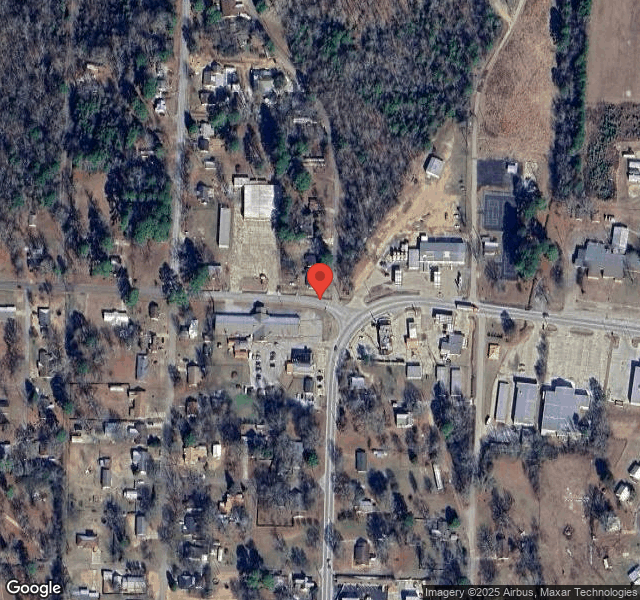

110 W 13TH STREET, MURFREESBORO, AR 71958 (870) 285-2186
For profit - Corporation 33 Beds Independent Data: November 2025
Trust Grade
55/100
#156 of 218 in AR
Last Inspection: August 2024

Within standard 12-15 month inspection cycle. Federal law requires annual inspections.

Overview

Murfreesboro Rehab and Nursing, Inc has a Trust Grade of C, which means it is average compared to other facilities, placing it in the middle of the pack. In Arkansas, it ranks #156 out of 218 facilities, indicating it is in the bottom half, and it is the second option among two facilities in Pike County. The facility's performance is worsening, with issues increasing from 5 in 2023 to 6 in 2024. Staffing is a notable strength, with a turnover rate of 0%, which is well below the state average, but they received a poor 1/5 star rating for staffing overall. There are no fines on record, which is a positive sign. However, there have been concerning findings, such as failing to ensure proper food safety practices, which can increase the risk of foodborne illness for residents. Additionally, the facility did not consistently notify two residents or their representatives about account activities, potentially affecting their financial management. These incidents highlight both strengths, such as low staff turnover, and weaknesses in operational practices that families should consider when researching this nursing home.

Trust Score
C
55/100
In Arkansas
#156/218
Bottom 29%
Safety Record
Low Risk
No red flags
Inspections
Getting Worse
5 → 6 violations
Staff Stability
○ Average
Turnover data not reported for this facility.
Penalties
✓ Good
No fines on record. Clean compliance history, better than most Arkansas facilities.
Skilled Nurses
○ Average
RN staffing data not reported for this facility.
Violations
⚠ Watch
17 deficiencies on record. Higher than average. Multiple issues found across inspections.
★★☆☆☆
2.0
Overall Rating
★☆☆☆☆
1.0
Staff Levels
★★★☆☆
3.0
Care Quality
★★★☆☆
3.0
Inspection Score
Stable
2023: 5 issues
2024: 6 issues

The Good

  • Full Sprinkler Coverage · Fire safety systems throughout facility
  • No fines on record

Facility shows strength in fire safety.

The Bad

2-Star Overall Rating

Below Arkansas average (3.1)

Below average - review inspection findings carefully

The Ugly 17 deficiencies on record

Aug 2024 6 deficiencies
CONCERN (D)

Potential for Harm - no one hurt, but risky conditions existed

Deficiency F0583 (Tag F0583)

Could have caused harm · This affected 1 resident

Based on observations, interviews, and facility policy review, the facility failed to ensure 1 (Resident #16) sampled resident's personal and health information was properly protected. The findings i...

Read full inspector narrative →
Based on observations, interviews, and facility policy review, the facility failed to ensure 1 (Resident #16) sampled resident's personal and health information was properly protected. The findings include: A review of the Quarterly Minimum Data Set (MDS) with an Assessment Reference Date (ARD) of 5/20/24 revealed Resident #16 had a Brief Interview of Mental Status (BIMS) score of 15 indicating the resident was cognitively intact. On 08/20/24 at 11:45 AM, the Surveyor observed Licensed Practical Nurse (LPN) #1 leaving a laptop unattended while Resident #16's personal and medical information was visible on the screen. On 08/21/24 at 11:47 AM, LPN #1 confirmed the laptop was left open and stated the computer should have been pushed down. On 08/22/24 at 11:15 AM, the Director of Nursing (DON) stated the nurse should have put the laptop computer screen down prior to walking away to make sure patient information was hidden. The DON stated it was a risk to the resident's privacy and a violation of the Health Insurance Portability and Accountability Act (HIPAA) if the unattended laptop screen was left up and displayed a resident's personal and health information. A policy titled Privacy Policy for Electronic Health Records (EHRs) 5.3 Confidentiality - Confidentiality: All electronic health records will be kept confidential. All staff must maintain this practice while away from the nurses station. Screens on electronic devices must be hidden.
CONCERN (D)

Potential for Harm - no one hurt, but risky conditions existed

Deficiency F0761 (Tag F0761)

Could have caused harm · This affected 1 resident

Based on observations, interviews, and facility policy review, the facility failed to ensure medications were stored securely in an unattended medication cart. The findings include: On 08/20/24 at 12...

Read full inspector narrative →
Based on observations, interviews, and facility policy review, the facility failed to ensure medications were stored securely in an unattended medication cart. The findings include: On 08/20/24 at 12:00 PM, the Surveyor observed Licensed Practical Nurse (LPN) #1 leave a medication cart unlocked, unattended, and out of view while in a resident's room. On 08/20/24 at 1:46 PM, LPN #1 stated the medication cart should be locked prior to leaving it unattended. LPN #1 stated if the medication cart is left unlocked when unattended someone could get in it and get something. On 08/22/24 at 11:15 AM, the Director of Nursing (DON) stated the nurses should make sure the medication cart is locked and the screen is hidden prior to walking away. The DON stated if the medication cart was left unlocked a resident could have gotten inside the medication cart and gotten something that could have harmed them. A policy Medication Storage noted 3. Security Locking Mechanism: Use the locking feature of the cart to restrict access to authorized personnel only.
CONCERN (E)

Potential for Harm - no one hurt, but risky conditions existed

Deficiency F0568 (Tag F0568)

Could have caused harm · This affected multiple residents

Based on observations, interviews, and record review, the facility failed to ensure 2 (Residents #5 and #14) residents and/or resident representatives was notified at least quarterly of the account ac...

Read full inspector narrative →
Based on observations, interviews, and record review, the facility failed to ensure 2 (Residents #5 and #14) residents and/or resident representatives was notified at least quarterly of the account activities and/or balance. The finding include: 1. According to an admission Record, Resident #5 was a Medicaid recipient. a. A review of a Participant Ledger Account Cash Journal Resident #5 had a balance of $2,176.51. b. According to an Annual Minimum Data Set (MDS) with an Assessment Reference Date 7/25/2024 Resident #5 scored 03 on the Brief Interview of Mental Status (BIMS) indication severe cognitive impairment. 2. According to an admission Record, Resident #14 was a Medicaid recipient. a. A review of Participant Ledger Account Cash Journal Resident #14 had a balance of $2,004.20. b. According to Quarterly Minimum Data Set (MDS) with the Assessment Reference Date 8/16/2024 Resident #5 scored 03 on the Brief Interview of Mental Status (BIMS) indication severe cognitive impairment. On 08/22/24 at 12:00 PM, the Administrator stated statements are not provided to residents or residents representatives unless they are requested.
CONCERN (E)

Potential for Harm - no one hurt, but risky conditions existed

Deficiency F0569 (Tag F0569)

Could have caused harm · This affected multiple residents

Based on observations, interviews, and record review, the facility failed to ensure the residents and/or resident's representative were notified when 2 (Resident #5 and #14) sampled resident's account...

Read full inspector narrative →
Based on observations, interviews, and record review, the facility failed to ensure the residents and/or resident's representative were notified when 2 (Resident #5 and #14) sampled resident's account were within $200.00 of the maximum amount a Medicaid recipient can have in cash assets. The finding include: 1. According to an admission Record, Resident #5 was a Medicaid recipient. a. A review of a Participant Ledger Account Cash Journal Resident #5 had a balance of $2,176.51. b. According to an Annual Minimum Data Set (MDS) with an Assessment Reference Date of 7/25/2024, Resident #5 scored 03 on the Brief Interview of Mental Status (BIMS) indication severe cognitive impairment. 2. According to admission Record Resident #14 was a Medicaid recipient. a. A review of Participant Ledger Account Cash Journal Resident #14 had a balance of 2,004.20. b. According to Quarterly Minimum Data Set (MDS) with the Assessment Reference Date 8/16/2024 Resident #5 scored 03 on the Brief Interview of Mental Status (BIMS) indication severe cognitive impairment. On 08/22/24 at 12:00 PM, the Administrator stated neither the resident nor the resident representative was notified when the resident's account was within $200.00 of the allowed amount of cash assets of a Medicaid recipient. The Administrator confirmed the residents could have Medicaid payments rejected for being over the allowed amount.
CONCERN (E)

Potential for Harm - no one hurt, but risky conditions existed

Assessment Accuracy (Tag F0641)

Could have caused harm · This affected multiple residents

**NOTE- TERMS IN BRACKETS HAVE BEEN EDITED TO PROTECT CONFIDENTIALITY** Based on record review, observation, and interview, the facility failed to complete Minimum Data Set (MDS) assessments accuratel...

Read full inspector narrative →
**NOTE- TERMS IN BRACKETS HAVE BEEN EDITED TO PROTECT CONFIDENTIALITY** Based on record review, observation, and interview, the facility failed to complete Minimum Data Set (MDS) assessments accurately for 2 (Resident #3 and #16) sampled residents. The findings are: 1. Review of an Order Summary Report revealed Resident #3 had diagnoses of heart failure, diabetes mellitus, and transient ischemic attacks (mini strokes). a. The quarterly Minimum Data Set (MDS) with an Assessment Reference Date (ARD) of 7/17/2024 indicated that the resident scored 15 (13-15 indicates cognitively intact) on the Brief Interview for Mental Status (BIMS) and received an anticoagulant medication. b. A physician's order dated 10/3/23 indicated, .Clopidogrel Bisulfate Oral Tablet 75 MG (milligram) Give 1 tablet by mouth one time a day related to personal history of transient ischemic attack (TIA) . c. On 08/20/24 at 11:45 AM, a review of Resident #3's Order Summary Report from 07/01/2024 through 8/20/2024 did not show the resident had an order for an anticoagulant medication. d. On 08/20/24 at 11:50 AM, a review of Resident #3's Medication Administrator Record (MAR) for July 2024 did not show that the resident received an anticoagulant medication. e. On 08/20/2024 at 1:51 PM, during an interview the MDS Coordinator stated that she had incorrectly coded the antiplatelet medication Clopidogrel as an anticoagulant on Resident #3's quarterly MDS assessment dated [DATE]. The MDS Coordinator stated it was important to code the MDS correctly because the information entered into the MDS was linked to the resident's care plan and the care that the resident receives. f. On 08/21/2024 at 11:00 AM, the Administrator was asked if the facility had a policy on accuracy of MDS assessments. g. On 08/21/24 at 11:30 AM, the policy titled, Accuracy of care plan/MDS indicated, .It is crucial that the Minimum Data Set (MDS) assessment is accurate and comprehensive to ensure proper care and treatment of residents . 2. A review of the Quarterly Minimum Data Set (MDS) with an Assessment Reference Date (ARD) of 5/20/2024 revealed Resident #16 had a Brief Interview of Mental Status (BIMS) score of 15, indicating the resident was cognitively intact, and that Resident#16 had diagnoses of bipolar disorder and schizophrenia. a. A Care Plan for Resident #16, revision on 2/21/2024, revealed the resident was taking psychotropic medications related to bipolar schizoaffective disorder. b. Review of the State Designated Professional Associates letter dated July 23rd, 2018, provided by the facility showed Resident #16 did not require specialized services for the mental illness, intellectual disability, and/or developmental disability beyond the capabilities of a nursing facility. c. On 08/20/24 at 10:55 AM, the Minimum Data Set (MDS) Coordinator stated Resident #16 was considered by the state level II Preadmission Screening and Resident Review (PASRR) process to have serious mental illness and/or intellectual disability, or a related condition and that information should have been reflected on the comprehensive assessment. d. On 08/22/24 at 11:15 AM, the Director of Nursing (DON) confirmed Resident #16 was considered by the state PASRR level II process to have serious mental illness and/or intellectual disability and that information should have been reflected on the comprehensive assessment. The DON stated if the assessment was not accurately completed the resident's care could have been affected.
CONCERN (E)

Potential for Harm - no one hurt, but risky conditions existed

Infection Control (Tag F0880)

Could have caused harm · This affected multiple residents

Based on record review, observation, interview and policy review, the facility failed to ensure staff washed hands, changed gloves and followed infection control precautions appropriately during medic...

Read full inspector narrative →
Based on record review, observation, interview and policy review, the facility failed to ensure staff washed hands, changed gloves and followed infection control precautions appropriately during medication administration, wound care for 1(Resident #17) sampled resident, and enteral feedings for 1(Resident #9) sampled residents. The findings are: 1. On 08/20/24 at 11:30 AM, the Survey observed Licensed Practical Nurse (LPN) #1 administer medication to 5 residents without using proper hand hygiene before or after medication administration. The Surveyor observed LPN #1 wipe sweat from her face and wipe her nose with her hands without using hand hygiene afterwards or prior to an encounter with a resident. The Surveyor observed LPN #1 handling cups by placing her finger inside the cup used to provide water for medication administration. The Surveyor observed LPN #1 touch computer, medication cart, keys, and mouse with gloves used check blood glucose. 2. A review of Physician's orders indicated Resident #9 had an order to receive enteral feed every 4 hours 250 milliliters (ML) and flush with 100 cubic centimeters (cc) of water (H2O) before and after meals and medication administration via Percutaneous Endoscopic Gastrostomy (PEG). a. According to Quarterly Minimum Data Set with the Assessment Reference Date of 8/1/2024 indicated that Resident #9 scored 03 on the Staff Assessment for Mental Status indicating the resident was severely impaired. Resident #9 had diagnoses of cerebral palsy, autistic disorder, and dysphagia (difficulty swallowing). Resident #9 had a feeding tube while a resident. b. A Care Plan for Resident #9, revision on 5/02/2024, revealed Resident #9 required tube feeding related to dysphagia and had nutritional problem or potential nutritional problem related to PEG tube used for feeing Resident #9 was on Enhance Barrier Precautions which required staff to wear gowns and gloves when providing high contact resident care. c. On 08/20/24 at 1:05 PM, the Surveyor observed LPN #1 cough toward the open nutritional supplement held in her right gloved hand then poured more of the supplement into the PEG tube. The Surveyor observed LPN #1 remove left gloved from holding the PEG, wipe sweat from her forehead with left gloved hand, and place left gloved hand back on the PEG tube. The Surveyor observed LPN #1 cough a second time toward to the open nutritional supplement held in her right gloved right gloved hand prior to pouring the remaining amount in the PEG tube. The Surveyor observed LPN #1 cap the lumen on the PEG tube using both left and right gloved hands. d. On 08/20/24 at 1:47 PM, LPN #1 confirmed she did not wash or sanitize hands between administrating medications to 5 residents. LPN #1 confirmed she potentially contaminated the supplement when she coughed in the direction of the open nutritional supplement held in the right hand. e. On 08/22/24 at 11:15 AM, the Director of Nursing (DON) stated the nurse should have used hand hygiene between each resident and after hands encounter bodily fluids. The DON stated hand hygiene was important to maintain a clean environment and not spread germs from resident to resident or from staff to resident. f. A policy titled Handwashing noted Wash hands: after using restroom, between handling of individual patients, after blowing or wiping nose, leaving an isolation area. 3. Review of an Order Summary Report showed Resident #17 had diagnoses of Diabetes Mellitus with diabetic neuropathy, history of transient ischemic attack, non-pressure chronic ulcer to left foot, carrier or suspected carrier of methicillin resistant staphylococcus aureus. a. The quarterly Minimum Data Sheet (MDS) with a date of 8/8/24 indicated a Brief Interview for Mental Status (BIMS) score of 15, indicating the resident was cognitively intact). b. A physicians order dated 8/14/24 showed .Order Summary: Cleanse wound to top left foot with NS (Normal Saline) and pat dry. Apply calcium alginate with silver to wound bed. Apply calmoseptine to skin around wound bed. Cover with abdominal pad and wrap with gauze and secure with tape. every day shift for diabetic ulcer PRN (as needed) or if visibly soiled . c. A care plan with an initiated date of 08/08/2024 indicated the resident had stage 2 pressure ulcer left foot and potential for further pressure ulcer with potential for further skin problems due to diabetes and immobility. Goal: The resident will not have further skin issues or skin deterioration. d. On 8/20/2024 at 1:43 PM, LPN # 2 prepared wound care supplies, then applied gloves after using hand sanitizer. Resident # was on enhanced barrier precautions, LPN #2 put on a gown, and gloves, entered the resident's room, removed dressing to left foot, did not remove gloves, touched floor, performed wound care as ordered, did not remove gloves or cleanse hands during wound care and placed dressing on bare floor without a barrier device. f. On 8/20/2024 at 2:00 PM, the Surveyor conducted an interview with LPN # 2. The surveyor asked LPN #2 when gloves should be changed and hands washed during wound care and should bandage/wound care supplies be placed on the bare floor. LPN #2 stated they had only been a nurse since last June and we were never trained on wound care. g. On 8/22/2024 at 11:00 AM, the Surveyor interviewed the DON regarding Inservice training on hand washing or wound care. No Inservice/training was provided. h. On 8/22/2024 at 11:45 AM, the Surveyor asked the DON when a nurse providing wound care should wash hands and change gloves. The DON responded wash hands and change gloves before providing wound care and before applying new dressing. h. The facility provided a policy titled Infection Control, Standard Precautions that indicated, change gloves between tasks and procedures on the same resident after contact with material that may contain microorganisms.
Sept 2023 5 deficiencies
CONCERN (D)

Potential for Harm - no one hurt, but risky conditions existed

Resident Rights (Tag F0550)

Could have caused harm · This affected 1 resident

Based on observation, record review, and interview the facility failed to ensure indwelling urinary catheter tubing was not in plain sight to provide dignity for 1 (Resident #1). The findings are: On...

Read full inspector narrative →
Based on observation, record review, and interview the facility failed to ensure indwelling urinary catheter tubing was not in plain sight to provide dignity for 1 (Resident #1). The findings are: On 9/11/2023 at 2:45 PM observed Resident #1 in a chair in the lobby/common area with 8 other residents present. A urinary catheter tube was observed protruding through the front opening area of the resident's pants and hung down into a privacy bag attached to chair. The urinary catheter tube was visible to all other residents and staff in the lobby area. On 9/11/23 at 3:00 PM observed Resident #1 in the Resident Council meeting with 4 other residents, the urinary catheter tube was protruding through the front opening of the resident's pants and was visible to all in the meeting. During an interview on 9/11/2023 at 4:00 PM, CNA #1 confirmed the urinary catheter tube should be covered and stated, it's a dignity thing. During an interview on 9/11/2023 at 4:10 PM Licensed Practical Nurse (LPN) #1 confirmed the catheter tubing protruding from the resident's pants should be covered. On 09/11/2023 at 4:15 PM the Director of Nurses (DON) confirmed the catheter tubing should be covered. Review of document titled, Foley Cath/peg tube dignity, undated, showed .foley tubing must be covered or discretely placed beside person .
CONCERN (D)

Potential for Harm - no one hurt, but risky conditions existed

Deficiency F0577 (Tag F0577)

Could have caused harm · This affected 1 resident

Based on observation and interview, the facility failed to ensure the residents had knowledge of the State Inspection Book, and to make it accessible to them if they chose to read it. The findings are...

Read full inspector narrative →
Based on observation and interview, the facility failed to ensure the residents had knowledge of the State Inspection Book, and to make it accessible to them if they chose to read it. The findings are: a. On 9/11/23 at 3:10 pm, during a Resident Council Meeting, the Surveyor asked the residents if they were familiar with the State Inspections Book and where it was located in the facility. All 5 Residents stated they were not aware of the State Inspections Book, or where it was located. b. On 9/11/23 at 3:13 pm, observed the State Inspection Book in the front of the facility in the walkway by the front door. There was a locked door in the dayroom which led into the walkway where the book was located. c. On 9/11/23 at 3:15 pm, the Surveyor asked the Administrator if the residents want to read the State Inspection Book how will they be able to read it since the door leading to it was locked. The Administrator stated, if the residents want to read the book they ask, and we let them read it. The Surveyor asked the Administrator, should the residents have to ask to read the book? The Administrator stated, they should not have to ask for it. d. On 9/12/23 at 2:33 pm, the Surveyor asked the Director of Nursing (DON), who is responsible for letting the residents know about the State Inspections Book? The DON stated, the Activities Director or Social Services. The Surveyor asked, should the State Inspections Book be accessible to the residents at all times? The DON stated, yes.
CONCERN (D)

Potential for Harm - no one hurt, but risky conditions existed

Comprehensive Care Plan (Tag F0656)

Could have caused harm · This affected 1 resident

**NOTE- TERMS IN BRACKETS HAVE BEEN EDITED TO PROTECT CONFIDENTIALITY** Based on observation, record review, and interview, the facility failed to develop and implement a comprehensive person-centered...

Read full inspector narrative →
**NOTE- TERMS IN BRACKETS HAVE BEEN EDITED TO PROTECT CONFIDENTIALITY** Based on observation, record review, and interview, the facility failed to develop and implement a comprehensive person-centered care plan for 2 (Resident #24, and #15) of 3 (Resident #24, #15, #1) sampled resident. The findings are: 1. Review of Resident #24 admission Minimum Data Set (MDS) with an Assessment Reference Date (ARD) of 8/4/23 showed the resident admitted to the facility with Hospice care services. a. Review of the hospice physician's telephone orders showed Resident #24 was admitted to the nursing facility under hospice respite level of care. b. 9/11/23 at 11:35 AM review of the baseline care plan, dated 7/24/23 did not address hospice care. Review of the comprehensive care plan failed to show a care plan for hospice care. c. On 9/11/2023 at 2:00 PM review of resident #24 census information for admission showed the resident was admitted on [DATE] with a primary payer source listed as hospice private. d. During an interview on 9/12/23 at 8:56 AM Licensed Practical Nurse (LPN) #2 confirmed Resident #24 was admitted with hospice care and did not have a hospice care plan in place. e. During an interview on 9/12/2023 at 2:25 PM the Director of Nurses (DON), confirmed LPN #2 the MDS coordinator was responsible for completing the care plans, and confirmed Resident #24 should have had a hospice care plan. 2. A review of Resident #15 Quarterly Minimum Data Set (MDS) with an Assessment Reference Date (ARD) of 7/26/23 showed the resident had functional limitation in range of motion on both legs. On 9/11/23 at 4:08 PM observed Resident #15 legs were contracted in a fetal position and his right foot was turned inward at his ankles. Review of Resident #15 Care Plan, last reviewed on 2/1/23 did not include the contractures. During an interview on 9/12/23 at 11:45 the DON (Director of Nurses), confirmed the contractures were not on the care plan. During an interview on 9/12/23 at 2:27 PM the DON stated, Resident #15 had the contractures on admission. The DON stated the staff use wedge pillow in between the resident's knees and confirmed the contractures have not worsened since admission. The DON confirmed the resident was assessed for pain and does not have any. During an interview on 9/12/23 at 2:35 PM LPN #2, confirmed the Resident did not have a care plan for contractures, and stated, I simply just didn't see it. Review of a policy titled, Comprehensive Care Plans, undated showed, .Develop a care plan that reflects the resident's unique needs, preferences, and goals of the resident . Regularly review and update the care plan based on ongoing assessments, observations, and discussions with the resident and their family members or designated representatives .
CONCERN (D)

Potential for Harm - no one hurt, but risky conditions existed

Deficiency F0805 (Tag F0805)

Could have caused harm · This affected 1 resident

Based on observation and interview, the facility failed to ensure that pureed food items were blended to a smooth, lump free consistency to minimize the risk of choking or other complications for thos...

Read full inspector narrative →
Based on observation and interview, the facility failed to ensure that pureed food items were blended to a smooth, lump free consistency to minimize the risk of choking or other complications for those residents who required pureed diets for 1 of 1 meal observed. The failed practice had the potential to affect 1 resident who received pureed diets, as documented on the list Dietary Supervisor provided by the Food Service Supervisor on 09/11/2023 The findings are: 1. On 09/10/23 at 11:47 AM, the following observations were made on steam table: a. A pan of pureed brisket was on the steam table. The consistency of the pureed brisket was lumpy. There were pieces of gristle and meat visible in the mixture. b. A pan of pureed beans was on the steam table. The consistency was lumpy. There were lumps of thickener that were not completely dissolved visible in the mixture. c. On 09/10/23 at 12:55 PM, the Surveyor asked Dietary Employee (DE) #3 to describe the consistency of the pureed beans and pureed brisket served to the resident on a pureed diet. DE #3 stated, pureed beans has lumps and pureed briskets were gritty. The pureed foods are supposed to be like baby food. DE #4 stated, pureed beans were very lumpy with thickener in it. Pureed meat was gritty.
CONCERN (F)

Potential for Harm - no one hurt, but risky conditions existed

Food Safety (Tag F0812)

Could have caused harm · This affected most or all residents

Based on observation and interview, the facility failed to ensure leftover food items were used to maintain food quality; 1 ice machine was maintained in clean and sanitary condition; food stored in t...

Read full inspector narrative →
Based on observation and interview, the facility failed to ensure leftover food items were used to maintain food quality; 1 ice machine was maintained in clean and sanitary condition; food stored in the dry storage area refrigerator, and freezer were covered, or sealed to minimize the potential for food borne illness for residents who received meals from 1 of 1 kitchen; expired food items were promptly removed from stock to prevent potential food borne illness for residents who received meal trays from I of I kitchen; failed to ensure foods were dated the day received to assure first in, first out usage to prevent potential for food bone illness; floor tiles were free of chipped, stains, air vent was free of rust; wall baseboard was free of stains, secured and were maintained in clean sanitary conditions; dietary staff washed their hands before handling clean equipment or food items to prevent potential food borne illness for residents who received meals from 1 of 1 kitchen. These failed practices had the potential to affect 28 residents who received meals from the kitchen, (total census:30) as documented on a list provided by the Dietary Supervisor on 09/11 /2023 at PM The findings are: 1. On 09/10/23 at 09:51 AM a pan of leftover pureed eggs, pan of pureed oatmeal and a pan of ground sausage were on a shelf in the up-right refrigerator. The surveyor asked Dietary Employee (DE) #1 what do you use the leftover pureed eggs, pureed oatmeal, and ground sausage for? She stated, We use it for the pureed diet the next morning. 2. On 09/10/23 at 09:56 AM, the following observations were made in the kitchen area. a. The floor between the hand washing sink, deep fryer and upright refrigerator had accumulation of grease on it. b. The wall above the deep fryer and the stove had grease stains. c. The floor tiles under and in front of the deep fryer and under a cart where boxes of oil were kept were missing. The areas that were missing had black caked on greasy residue in it. d. There was a gap under the stove. The area that was exposed had debris. e. The floor leading to the Janitor's closet, between a rack and the counter by the milk refrigerator were chipped exposing the cement. 3. On 09/10/23 at 10:06 AM the ice machine panel in the kitchen had wet black residue on it. The surveyor asked DE #1 to wipe the panel. The wet residue easily transferred to the tissue. She stated, They were black stains. The Surveyor asked DE #1, who uses the ice from the ice machine, and how often do you clean it? She stated, That's the ice the CNAs [Certified Nursing Assistants] use for the water pitchers in the residents' rooms and the residents' beverages at the mealtimes. We clean it once a month. 4. On 09/10/23 at 10:08 AM three containers of potato salad were on a shelf in the refrigerator. There was no received date on them. 5. On 09/10/23 at 10:13 AM an opened box of cookies was on a shelf in the freezer. The box was not covered or sealed. 6. On 09/10/23 at 10:27 AM there were 2 bags of hot dog buns on a shelf in the freezer. The bags had an expiration date of 6/17/2023. 7. On 09/10/23 at 10:32 AM the floor leading to the storage room, dining room, and in front of the freezer and refrigerator were chipped. The areas that were chipped had an accumulation of dirt and debris. 8. On 09/10/23 at 11:11 AM the baseboard on the wall above the metal around the dish washing machine was loose. The areas that were exposed had accumulation of back residue on it. 9. On 09/10/23 at 11:15 AM DE #2 took a carton of milk in the kitchen after passing a 10:00 AM snack. When she was ready to put it in the milk refrigerator, the Surveyor asked DE #2 to check the temperature of the milk. She did and stated, it was 47 degrees Fahrenheit. The Surveyor asked DE #2 what temperatures should the cold foods be? The Assistant Supervisor stated 41% Fahrenheit. 10. On 09/10/23 at 03:30 PM DE #2 opened the cabinet and removed a box of zip lock bags and placed the bag on the counter. Without washing her hands, she placed gloves on her hands, then used her contaminated gloved hand to place cookies in the zip lock bags to be served to the residents for supper meal. 11. On 09/11/23 at 10:46 AM DE #2 removed a box of nectar thickened lemon-flavored water, 4 boxes of supplemental shake, balanced nutritional drink, 2 boxes of boost control, muscle health energy rich chocolate, a pitcher of sweetened tea, a pitcher of unsweetened tea and placed them on the counter. Without washing her hands, she picked glasses by their rims and placed them on the counter. She then poured beverages in the glasses to be served to the residents for lunch. The surveyor asked DE #2 what should be done after touching dirty objects and before handing clean equipment? She stated, Washed my hands. 12. On 09/11/23 at 10:56 AM DE# 4 wore gloves on her hands when she turned on the food preparation sink faucet and rinsed tomatoes. She then turned off the faucet with the same gloves. With the same gloves DE #4 placed tomatoes on the cutting board and sliced them to be served to the residents for supper. At 10:59 AM DE #5 placed sliced tomatoes into a pan. The surveyor asked DE #5 what should you have done after touching dirty objects and before handing clean equipment. She stated, I didn't think about it. I should have washed my hands. 13. On 09/11/23 at 11:25 AM DE #3 walked into the kitchen from outside. Without washing her hands, she picked up 2 pans and placed them on the steam table with her fingers touching inside the pans. She picked a pot of peas from the stove to empty it into the pan to be served to the residents for lunch. The Surveyor asked DE #3 what should have done after touching dirty objects and before handing clean equipment? She stated, I should have washed my hands. 14. On 09/11/23 at 11:37 AM DE #3 scratched her head. Without washing her hands, she picked up a clean blade and attached it to the base of the blender. When she was ready to place food items in the blender the surveyor asked DE#3 what should you have done after touching dirty objects and before handing clean equipment? She stated, I should have washed my hands. 15. On 09/11/23 at 11:58 AM DE #5 removed a pan of pineapple and placed it on a pan of ice on the counter by the steam table. Without washing her hands, she picked a clean blade and attached it to the base of the blender to be used in pureeing food items to be served to the resident on a puree diet. The surveyor asked DE #5 what should you have done after touching dirty objects and before handing clean equipment? She stated, I should have washed my hands. 16. The facility policy titled, hand washing policy for dietary staff provided by the Administrator on 9/11/2023 at 2:00 PM showed, All staff members must wash their hands before starting work or entering the dietary area. After touching their face, hair, or any other body parts and after any other activity that may contaminate their hands. On 9/12/23 at 8:05 AM a policy was received from the Director of Nurses titled, Food Quality. It showed, .Pureed food shall be prepared fresh as needed, ensuring that it meets the nutritional requirements and preferences of each resident .
Jun 2022 6 deficiencies
CONCERN (D)

Potential for Harm - no one hurt, but risky conditions existed

Deficiency F0583 (Tag F0583)

Could have caused harm · This affected 1 resident

Based on observation, record review and interview, the facility failed to ensure privacy was provided during medication administration via a feeding tube for 1 (Resident #28) of 3 (Residents #28, 4 an...

Read full inspector narrative →
Based on observation, record review and interview, the facility failed to ensure privacy was provided during medication administration via a feeding tube for 1 (Resident #28) of 3 (Residents #28, 4 and 29) sampled residents who had a feeding tube as documented on a list provided by the Director of Nursing (DON) on 6/15/22 at 8:45 AM. The findings are: Resident #28 had diagnoses of Autism and Cerebral Palsy. The Annual Minimum Data Set with an Assessment Reference Date of 5/26/22 documented the resident was severely impaired in cognitive skills for daily decision-making on a Staff Assessment for Mental Status (SAMS) and had a feeding tube. a. The June 2022 Physician's Orders documented, . Two Cal HN [high-calorie nutrition] give 1 can q [every] 4 hrs [hours] flush with l00cc [cubic centimeters] H2O [water] before and after meals & [and] meds . Order Date 07/12/18 . Flush with 100cc H20 (water) before and after meals and meds . Order Date 07/12/18 . Flush G-tube [gastrostomy tube] with 100cc water before and after all meds . Order Date 07/12/18 . b. On 06/13/22 at 11:15 AM, Licensed Practical Nurse (LPN) #1 prepared medications for Resident #28. After preparing the medications she donned gloves and entered the room. She did not close the door or pull the curtain. She verified tube placement by checking residual stomach contents. She flushed the tube with 60ml water and administered the medications and flushed the tube with 60ml water. She administered 8 ounces of Two Cal and flushed the tube with 60ml water. c. On 06/15/22 at 8:35 AM, LPN #1 was asked, Should you provide privacy when you give medications by feeding tube? She answered I don't know. I guess so. d. On 06/15/22 at 11:16 AM, the DON was asked, Should the door be closed, or the curtain be pulled when administering medications by peg tube? She answered Yes. She was asked, Why? She answered, To maintain decency and dignity. e. The facility policy titled, Medication Administration via G-Tubes, provided by the DON on 6/15/22 at 8:00 AM documented, .The purpose of this procedure is to provide residents with necessary medications via feeding tubes . The policy does not address providing privacy. f. The facility policy titled, Privacy/Dignity, provided by the DON on 6/15/22 at 10:22 AM documented, .In order to ensure privacy and dignity, privacy curtains will be pulled at all times during the provision of personal care .
CONCERN (D)

Potential for Harm - no one hurt, but risky conditions existed

Deficiency F0657 (Tag F0657)

Could have caused harm · This affected 1 resident

Based on observation, record review and interview, the facility failed to ensure the Care Plan was revised to include necessary interventions to meet the resident's needs for 1 (Resident #29) of 13 (R...

Read full inspector narrative →
Based on observation, record review and interview, the facility failed to ensure the Care Plan was revised to include necessary interventions to meet the resident's needs for 1 (Resident #29) of 13 (Residents #20, 26, 29, 28, 1, 31, 25, 18, 181, 7, 12, 29 and 11) sampled residents whose care plans were reviewed. The findings are: Resident #29 had a diagnosis of Cerebral Palsy. The Quarterly Minimum Data Set (MDS) with an Assessment Reference Date of 5/25/22 documented the resident was severely impaired in cognitive skills for daily decision-making on a Staff Assessment for Mental Status (SAMS) and did not receive oxygen therapy. a. The Physician's Order dated 6/3/22 documented, .DuoNeb Updrafts 1 vial q [every] 4 hours PRN [as needed] . b. As of 06/14/22 at 11:38 AM, the Care Plan did not address the use of a nebulizer. c. On 06/13/22 at 10:19 AM, Resident #29 was not in his room, a nebulizer machine with mask was sitting on the nightstand. d. On 06/13/22 at 2:34 PM, Resident #29 was lying in bed, a nebulizer machine with mask was sitting on the nightstand. e. On 06/14/22 at 9:01 AM, Resident #29 was lying in bed, a nebulizer machine with mask was sitting on the nightstand. f. On 06/15/22 at 8:45 AM, the MDS Coordinator was asked, Should the use of nebulizers be documented on the care plan? She answered, Yes. It's on there now. g. On 06/15/22 at 11:16 AM, the Director of Nursing was asked, Should the use of nebulizers be documented on the care plan? She answered, Yes. She was asked, Why? She answered, So everyone will be on the same page. h. The Resident Assessment Instrument (RAI) Manual, Section 4.7 documented, .the care plan must be reviewed and revised periodically, and the services provided or arranged must be consistent with each resident's written plan of care . The care plan should be revised on an ongoing basis to reflect changes in the resident and the care that the resident is receiving .
CONCERN (D)

Potential for Harm - no one hurt, but risky conditions existed

Tube Feeding (Tag F0693)

Could have caused harm · This affected 1 resident

Based on observation, record review and interview, the facility failed to ensure Physician's Orders were followed during medication administration via a feeding tube for 1 (Resident #28) of 3 (Residen...

Read full inspector narrative →
Based on observation, record review and interview, the facility failed to ensure Physician's Orders were followed during medication administration via a feeding tube for 1 (Resident #28) of 3 (Residents #28, 4 and 29) sampled residents who had a feeding tube as documented on a list provided by the Director of Nursing (DON) on 6/15/22 at 8:45 AM. The findings are: Resident #28 had diagnoses of Autism and Cerebral Palsy. The Annual Minimum Data Set with an Assessment Reference Date of 5/26/22 documented the resident was severely impaired in cognitive skills for daily decision-making on a Staff Assessment for Mental Status (SAMS) and had a feeding tube. a. The June 2022 Physician's Orders documented, . Two Cal HN [high-calorie nutrition] give 1 can q [every] 4 hrs [hours] flush with l00cc [cubic centimeters] H2O [water] before and after meals & [and] meds . Order Date 07/12/18 . Flush with 100cc H20 (water) before and after meals and meds . Order Date 07/12/18 . Flush G-tube [gastrostomy tube] with 100cc water before and after all meds . Order Date 07/12/18 . b. On 06/13/22 at 11:15 AM, Licensed Practical Nurse (LPN) #1 prepared medications for Resident #28. After preparing the medications she donned gloves and entered the room. She obtained a 60ml [milliliter] syringe from the top drawer of the nightstand. She verified tube placement by checking residual stomach contents. She flushed the tube with 60ml water and administered the medications and flushed the tube with 60ml water. She administered 8 ounces of Two Cal and flushed the tube with 60ml water. c. On 06/15/22 at 8:35 AM, LPN #1 was asked, What is [Resident #28's] order for flushes? She answered, I got that wrong the other day. I had to fix it. It is 100ml. She was asked, Would a flush of 60ml be an error if the order is for 100ml? She answered, I fixed it after you left when I realized I had messed up. d. On 06/15/22 at 11:16 AM, the DON was asked, If a resident has an order for the tube to be flushed with 100cc water and the nurse flushes with 60cc, would that be considered an error? She answered, Yes. e. The facility policy titled, Medication Administration via G-Tubes, provided by the DON on 6/15/22 at 8:00 AM documented, .The purpose of this procedure is to provide residents with necessary medications via feeding tubes . The policy does not address following physician orders. f. The facility policy titled, Peg Tubes, provided by the DON on 6/15/22 at 10:22 AM documented, .Administer any medications or fluids according to guidelines .
CONCERN (D)

Potential for Harm - no one hurt, but risky conditions existed

Infection Control (Tag F0880)

Could have caused harm · This affected 1 resident

Based on observation of the noon medication pass on 6/13/22, record review and interview, the facility failed to implement appropriate infection control practices during medication administration to p...

Read full inspector narrative →
Based on observation of the noon medication pass on 6/13/22, record review and interview, the facility failed to implement appropriate infection control practices during medication administration to prevent the potential spread of infection by not sanitizing hands, using bare hands to handle medication, and contaminating a syringe. This failed practice had the potential to affect 12 Residents who receive medication from the East Hall Medication Cart as documented on a list provided by the Director of Nursing (DON) on 6/15/22 at 8:00 a.m. The findings are: 1. On 06/13/22 at 11:15 AM, Licensed Practical Nurse (LPN) #1 was administering medications for Resident #28. Her KN95 mask was pulled down with her nose exposed. She stated, I have a cold and I can't breathe. She obtained the following medications from the medication cart: Carbidopa Levodopa 25/100mg (milligram) 1 tablet, Tramadol 50mg 1 tablet, Diazepam 10mg 1 tablet, Carbamazepine 100mg/5ml (milligrams per milliliter) syrup. She punched 1 Tramadol tablet into her ungloved hand and placed the tablet in a 60cc (cubic centimeter) plastic medication cup. She crushed the pills in the plastic pouch. She shook the bottle of Carbamazepine syrup and withdrew 10ml into a 10ml syringe. She dropped the full syringe on top of the medication cart, leaving a residue of medication on the top of the cart. She picked up the syringe and squirted the medication into a cup with the crushed pills and water. Without sanitizing her hands, she donned gloves and entered the room. She obtained a 60ml syringe from the top drawer of the nightstand and placed the plunger of the syringe on the bare nightstand and then verified tube placement. She flushed the tube with 60ml water and administered the medications by gravity. She then flushed the tube with another 60ml water and then administered 8 ounces of Two Cal and flushed the tube with 60ml water. 2. On 06/15/22 at 8:35 AM, LPN #1 was asked, What is the appropriate way to wear a mask? She answered, Over your face and nose. She was asked, Why? She answered, So you won't spread germs. She was asked, Should you punch pills into your ungloved hand? She answered, No. She was asked, Why not? She answered, You could get germs on it. She was asked, If you drop a filled syringe on top of the medication cart, what should you do? She answered, Get rid of it and start over. She was asked, Why? She answered, In case anything is on the buggy. 3. On 06/15/22 at 11:16 AM, the DON was asked, What is the appropriate way to wear a mask? She answered, Around ears, covering mouth and nose. She was asked, Why? She answered, To prevent the spread of infection. She was asked, Should the nurse punch a pill into an ungloved hand and give the pill? She answered, No. She was asked, Why not? She answered, Risk of infection and the nurse could get the medication on her hands. She was asked, If a nurse drops a filled syringe on the medication cart and some of the medication spills on the cart, what should the nurse do? She answered, Clean the cart and discard the syringe. She was asked, Why? She answered, It could be contaminated. 4. The facility policy titled, Administering Medications - (Facility Name), provided by the DON on 6/15/22 at 8:00 AM documented, .Established infection control procedures must be followed during the administration of medications .
CONCERN (E)

Potential for Harm - no one hurt, but risky conditions existed

Transfer Notice (Tag F0623)

Could have caused harm · This affected multiple residents

2. Resident #18 had diagnoses of Chronic Obstructive Pulmonary Disease, Elevated [NAME] Cell Count and Stroke. The Annual MDS with an ARD of 5/4/22 documented the resident scored 14 (13-15 indicates c...

Read full inspector narrative →
2. Resident #18 had diagnoses of Chronic Obstructive Pulmonary Disease, Elevated [NAME] Cell Count and Stroke. The Annual MDS with an ARD of 5/4/22 documented the resident scored 14 (13-15 indicates cognitively intact) on a BIMS. a. The Nurses Note dated 3/8/22 at 07:45 (7:45 AM) documented, .Upon entering resident room - sitting up in recliner with head bent down . very hot, R sweaty, increased confusion, increased lethargy . 07:55 [7:55 AM] Ambulance here to transport resident to [Hospital] ER for evaluation . b. The Physician's Order dated 3/8/22 documented, .1. May send to [Hospital] ER for Evaluation . c. On 6/14/22 at 12:25 PM, the MDS Coordinator was asked, Do you have a copy of the Notice of Transfer and Bed Hold given to the resident/family when the resident went to the hospital on 3/8/22? The MDS Coordinator stated, I will get it and bring it to you. d. The Notice of Transfer and Bed Hold form provided by the MDS Coordinator on 6/14/22 at 12:35 PM documented, .Date: 3/8/22 Resident: [Resident #18] .The above resident has been sent to [Hospital] for evaluation. They may or may not be admitted . The form did not document why the resident was sent to the hospital. 3. Resident #181 had diagnoses of Dementia, Anxiety Disorder, and Impulse Disorder. The Quarterly MDS with an ARD of 3/29/22 documented the resident scored 6 (0-7 indicates severely cognitively impaired) on a BIMS. a. The Nurses Note dated 5/27/22 at 09:45 (9:45 AM) documented, R left facility in private vehicle with [Facility] employee to [Hospital]. b. The Physician's Order dated 5/27/22 documented, .May send to [Hospital] for eval . c. On 6/14/22 at 2:00 PM, the Administrator was asked, Do you have a copy of the Transfer and Bed Hold form that was provided to the resident/family when [Resident #181] went to the hospital on 5/27/22? The Administrator stated, I will get that for you from [MDS Coordinator]. d. The Notice of Transfer and Bed Hold provided by the MDS Coordinator on 6/14/22 at 2:15 PM, documented, .Date: 5-27-22 . Resident: [Resident # 181] . The above resident has been sent to the [Hospital] for evaluation. They may or may not be admitted . The form did not document why the resident was sent to the hospital. 4. On 6/14/22 at 2:17 PM, the MDS Coordinator was asked, When giving the resident or family the notice of transfer to the hospital do you write the reason for the transfer on the notice? The MDS Coordinator stated, We don't put the reason for the transfer on the form. We just tell the family where the resident has been sent. The nurses call the family and let them know why the resident is being sent out and where they are going. The MDS Coordinator was asked, Have you ever written the reason the resident is being transferred to the hospital on the Transfer notification? The MDS Coordinator stated, No we have never done that. 5. The facility policy titled, Notification of Family When Resident is Sent Out to Hospital/ER, provided by the DON on 6/14/22 at 12:32 PM documented, .anytime a Resident is sent to the ER/Hospital that not only do we notify the family . we must send a letter to the responsible party . Based on record review and interview, the facility failed to ensure the resident/representative was notified in writing of the reason for transfer to the hospital in language they understand for 3 (Residents #26, #18 and #181) of 9 (Residents #25, #17, #18, #4, #12, #20, #31, #181 and #26) sampled residents who were transferred to the hospital in the past 120 days as documented on a list provided by Minimum Data Set (MDS) Coordinator on 6/14/22 at 2:34 PM. The findings are: 1. Resident #26 had diagnoses of Diaphragmatic Hernia and Malignant Melanoma of Skin. The Quarterly MDS with an Assessment Reference Date (ARD) of 5/16/22 documented the resident scored 15 (13-15 indicates cognitively intact) on a Brief Interview for Mental Status (BIMS). a. The Nurses Note dated 6/3/22 documented, .1855 [6:55 PM] R [resident] c/o [complained of] chest pain, states it feels like a stabbing pain . b. The Nurses Note dated 6/3/22 documented, .1905 [7:05 PM] rec'd [received] N.O. [new order] to send to [Hospital] ER [Emergency Room] for eval [evaluation] . c. The Physician's Telephone Order dated 6/3/22 documented, .May send to [Hospital] ER for eval . d. The Notice of Transfer and Bed Hold form provided to the representative on 6/3/22 received by the MDS Coordinator on 06/14/22 at 10:55 AM did not document the reason for transfer in writing. The MDS Coordinator was asked, Is this all that is provided to the representative? She answered, There is also a bed hold policy. e. On 06/15/22 at 11:16 AM, the Director of Nursing (DON) was asked, Should the resident or representative be notified in writing of the reason for transfer to the hospital? She answered, Yes.
CONCERN (E)

Potential for Harm - no one hurt, but risky conditions existed

Respiratory Care (Tag F0695)

Could have caused harm · This affected multiple residents

Based on observation, record review and interview, the facility failed to ensure oxygen was administered at the flow rate ordered by the physician to reduce the potential for respiratory complications...

Read full inspector narrative →
Based on observation, record review and interview, the facility failed to ensure oxygen was administered at the flow rate ordered by the physician to reduce the potential for respiratory complications for 2 (Residents #11 and #18) and failed to ensure an Oxygen in Use sign was posted on the door of the room for 1 (Resident #18) of 9 (Residents #1, #3, #7, #9, #11 #12, #18, #20 and #181) sampled residents who had physician orders for Oxygen Therapy. The findings are: 1. Resident #11 had diagnoses of Heart Failure, Diabetes Mellitus and Dementia. The Quarterly Minimum Data Set (MDS) with an Assessment Reference Date (ARD) of 4/6/22 documented the resident scored 15 (13-15 indicates cognitively intact) on a Brief Interview for Mental Status (BIMS) and received oxygen therapy. a. The Care Plan with a revision date of 4/6/22 documented, .2. Be sure to apply oxygen at 2 lpm [liters per minute] nc [nasal cannula] or 4 L [liters] simple mask continuously . b. The Physicians Orders dated 5/25/22 documented, .Oxygen-2LPM by NC or 4 L Simple Mask . c. On 06/13/22 at 12:42 PM, Resident #11 was sitting up in the Dining Room. Oxygen was in use per nasal cannula at 1.5 liters per minute. d. On 06/14/22 at 8:28 AM, Resident #11 was lying in bed with her eyes closed. Oxygen was in use at 1.5 liters per nasal cannula. e. On 6/14/22 at 12:50 PM, Resident #11 was lying in bed watching television. Oxygen was in use at 1.5 liters per nasal cannula. f. On 6/14/22 at 12:55 PM, Licensed Practical Nurse (LPN) #3 was asked, What is [Resident #11's] oxygen flow rate set at? LPN #3 stated, It's set at 1.5 liters. LPN #3 was asked, What should the oxygen flow rate be set at? LPN #3 stated, It should be set at 2 liters per minute. LPN #3 was asked, Should physicians orders for the oxygen flow rate be followed? LPN #3 stated, Yes they should be followed. 2. Resident #18 had diagnoses of Chronic Obstructive Pulmonary Disease, Elevated [NAME] Cell Count and Stroke. The Annual MDS with an ARD of 5/4/22 documented the resident scored 14 (13-15 indicates cognitively intact) on a BIMS and received oxygen therapy. a. The Care Plan with a revision date of 5/4/22 documented, .1. Oxygen if ordered and monitor for effectiveness Oxygen 3LPM NC or 5LPM simple mask continuously . b. The Physicians Orders dated 5/25/22 documented.Oxygen-3LPM/NC or 5LPM mask continuously . c. On 06/13/22 at 12:17 PM, Resident #18 walked with his walker back from the bathroom. The resident sat down in his recliner and put his oxygen on. The oxygen was set at 3.5 liters per nasal cannula. There was not an Oxygen in Use sign on the door. d. On 06/14/22 at 8:40 AM, Resident #18 was sitting up in his recliner in his room talking with his brother. Oxygen was in use at 3.5 liters per nasal cannula. There was not an Oxygen in Use sign on the door. e. On 06/14/22 at 9:25 AM, Resident #18 was sitting up in his recliner in his room. He had oxygen in use at 3.5 liters per nasal cannula. There was not an Oxygen in Use sign on the door. f. On 6/14/22 at 12:50 PM, Resident #18 was sitting up in his recliner in his room with his eyes closed. Oxygen was in use at 3.5 liters per nasal cannula. g. On 06/14/22 at 1:00 PM, LPN #3 was asked to accompany the surveyor to Resident #18's room and was asked, What is [Resident #18's] oxygen flow rate set at? LPN #3 stated, It is set at almost 4 liters. LPN #3 was asked, What should [Resident #18's] oxygen flow rate be set at? LPN #3 stated, It should be set at 3 liters. LPN #3 was asked, Who is responsible for checking to make sure the oxygen flow rate is set correctly? LPN #3 stated, The nurses are responsible, and the night nurses change out the tubing. LPN #3 was asked, How often should the oxygen flow rate be checked? LPN #3 stated, It should be checked every day. LPN #3 was asked, Should the physician orders for the oxygen flow rate be followed? LPN #3 stated, Yes ma'am. LPN #3 was asked to accompany the surveyor into the hall and was asked, Does the resident have a sign stating, Oxygen in Use on his door? LPN #3 stated, No. LPN #3 was asked, Should there be an Oxygen in Use sign on the residents door? LPN #3 stated, Yes there should. 3. On 06/15/22 at 9:35 AM, the Director of Nursing (DON) was asked, Who is responsible for checking to make sure the residents oxygen flow rate is correct? The DON stated, That would be the nurses. The DON was asked, How often should the residents oxygen flow rate be checked? The DON stated, It should be checked every morning. The DON was asked, Should there be an Oxygen in Use sign on the resident's door if they are using oxygen? The DON stated, Yes. The DON was asked, Should physician's order for oxygen flow rate be followed? The DON stated, Yes. 4. The facility policy titled, .[FACILITY NAME] GUIDELINE provided by the DON on 06/14/22 at 2:23 PM documented, .SUBJECT: Oxygen . Oxygen administration will be administered as ordered by the physician. It will be administered on a prn [as needed] basis or a continuous basis .
Understanding Severity Codes (click to expand)
Life-Threatening (Immediate Jeopardy)
J - Isolated K - Pattern L - Widespread
Actual Harm
G - Isolated H - Pattern I - Widespread
Potential for Harm
D - Isolated E - Pattern F - Widespread
No Harm (Minor)
A - Isolated B - Pattern C - Widespread

Questions to Ask on Your Visit

  • "Can I speak with families of current residents?"
  • "What's your RN coverage like on weekends and overnight?"

Our Honest Assessment

Strengths
  • • No major safety red flags. No abuse findings, life-threatening violations, or SFF status.
  • • No fines on record. Clean compliance history, better than most Arkansas facilities.
Concerns
  • • 17 deficiencies on record. Higher than average. Multiple issues found across inspections.
  • • Grade C (55/100). Below average facility with significant concerns.
Bottom line: Mixed indicators with Trust Score of 55/100. Visit in person and ask pointed questions.

About This Facility

What is Murfreesboro Rehab And Nursing, Inc's CMS Rating?

CMS assigns MURFREESBORO REHAB AND NURSING, INC an overall rating of 2 out of 5 stars, which is considered below average nationally. Within Arkansas, this rating places the facility higher than 0% of the state's 100 nursing homes. A rating at this level reflects concerns identified through health inspections, staffing assessments, or quality measures that families should carefully consider.

How is Murfreesboro Rehab And Nursing, Inc Staffed?

CMS rates MURFREESBORO REHAB AND NURSING, INC's staffing level at 1 out of 5 stars, which is much below average compared to other nursing homes.

What Have Inspectors Found at Murfreesboro Rehab And Nursing, Inc?

State health inspectors documented 17 deficiencies at MURFREESBORO REHAB AND NURSING, INC during 2022 to 2024. These included: 17 with potential for harm.

Who Owns and Operates Murfreesboro Rehab And Nursing, Inc?

MURFREESBORO REHAB AND NURSING, INC is owned by a for-profit company. For-profit facilities operate as businesses with obligations to shareholders or private owners. The facility operates independently rather than as part of a larger chain. With 33 certified beds and approximately 0 residents (about 0% occupancy), it is a smaller facility located in MURFREESBORO, Arkansas.

How Does Murfreesboro Rehab And Nursing, Inc Compare to Other Arkansas Nursing Homes?

Compared to the 100 nursing homes in Arkansas, MURFREESBORO REHAB AND NURSING, INC's overall rating (2 stars) is below the state average of 3.1 and health inspection rating (3 stars) is at the national benchmark.

What Should Families Ask When Visiting Murfreesboro Rehab And Nursing, Inc?

Based on this facility's data, families visiting should ask: "Can you walk me through typical staffing levels on day, evening, and night shifts?" "Can I visit during a mealtime to observe dining assistance and food quality?" "How do you handle medical emergencies, and what is your hospital transfer rate?" "Can I speak with family members of current residents about their experience?" These questions are particularly relevant given the below-average staffing rating.

Is Murfreesboro Rehab And Nursing, Inc Safe?

Based on CMS inspection data, MURFREESBORO REHAB AND NURSING, INC has a clean safety record: no substantiated abuse findings (meaning no confirmed cases of resident harm), no Immediate Jeopardy citations (the most serious violation level indicating risk of serious injury or death), and is not on the Special Focus Facility watch list (a federal program monitoring the lowest-performing 1% of nursing homes). The facility has a 2-star overall rating and ranks #100 of 100 nursing homes in Arkansas. While no facility is perfect, families should still ask about staff-to-resident ratios and recent inspection results during their visit.

Do Nurses at Murfreesboro Rehab And Nursing, Inc Stick Around?

MURFREESBORO REHAB AND NURSING, INC has not reported staff turnover data to CMS. Staff turnover matters because consistent caregivers learn residents' individual needs, medications, and preferences. When staff frequently change, this institutional knowledge is lost. Families should ask the facility directly about their staff retention rates and average employee tenure.

Was Murfreesboro Rehab And Nursing, Inc Ever Fined?

MURFREESBORO REHAB AND NURSING, INC has no federal fines on record. CMS issues fines when nursing homes fail to meet care standards or don't correct problems found during inspections. The absence of fines suggests the facility has either maintained compliance or corrected any issues before penalties were assessed. This is a positive indicator, though families should still review recent inspection reports for the full picture.

Is Murfreesboro Rehab And Nursing, Inc on Any Federal Watch List?

MURFREESBORO REHAB AND NURSING, INC is not on any federal watch list. The most significant is the Special Focus Facility (SFF) program, which identifies the bottom 1% of nursing homes nationally based on persistent, serious quality problems. Not being on this list means the facility has avoided the pattern of deficiencies that triggers enhanced federal oversight. This is a positive indicator, though families should still review the facility's inspection history directly.