GREENE ACRES NURSING HOME
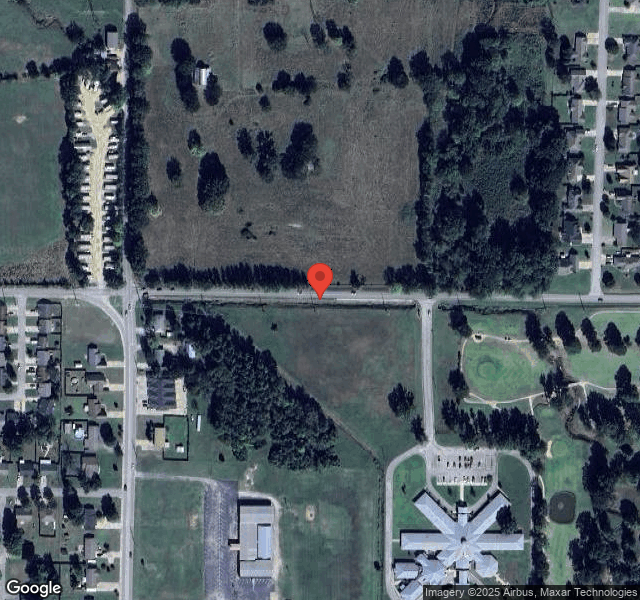
2402 COUNTRY CLUB ROAD, PARAGOULD, AR 72450 (870) 236-8771
Non profit - Corporation 143 Beds Independent Data: November 2025
Trust Grade
65/100
#106 of 218 in AR
Last Inspection: July 2024

Within standard 12-15 month inspection cycle. Federal law requires annual inspections.

Overview

Greene Acres Nursing Home in Paragould, Arkansas has a Trust Grade of C+, meaning it is slightly above average but not exceptional. It ranks #106 out of 218 facilities in the state, placing it in the top half, and it is the best option in Greene County, which only has two facilities. However, it is important to note that the facility's trend is worsening, with issues increasing from 3 in 2023 to 4 in 2024. Staffing is a relative strength, with a rating of 4 out of 5 stars and a turnover rate of 41%, which is better than the state average. On the downside, there were specific concerns noted during inspections, including food not being labeled correctly in the kitchen, which could lead to food safety issues, and a failure to ensure safety measures for a resident who smokes despite having a chronic illness. While there are no fines against the facility, the presence of 19 issues, including 13 that could cause potential harm, raises some concerns about the overall quality of care.

Trust Score
C+
65/100
In Arkansas
#106/218
Top 48%
Safety Record
Low Risk
No red flags
Inspections
Getting Worse
3 → 4 violations
Staff Stability
○ Average
41% turnover. Near Arkansas's 48% average. Typical for the industry.
Penalties
✓ Good
No fines on record. Clean compliance history, better than most Arkansas facilities.
Skilled Nurses
⚠ Watch
Each resident gets only 27 minutes of Registered Nurse (RN) attention daily — below average for Arkansas. Fewer RN minutes means fewer trained eyes watching for problems.
Violations
⚠ Watch
19 deficiencies on record. Higher than average. Multiple issues found across inspections.
★★★☆☆
3.0
Overall Rating
★★★★☆
4.0
Staff Levels
★☆☆☆☆
1.0
Care Quality
★★★★☆
4.0
Inspection Score
Stable
2023: 3 issues
2024: 4 issues

The Good

  • 4-Star Staffing Rating · Above-average nurse staffing levels
  • Full Sprinkler Coverage · Fire safety systems throughout facility
  • No fines on record
  • Staff turnover below average (41%)

    7 points below Arkansas average of 48%

Facility shows strength in staffing levels, fire safety.

The Bad

3-Star Overall Rating

Near Arkansas average (3.1)

Meets federal standards, typical of most facilities

Staff Turnover: 41%

Near Arkansas avg (46%)

Typical for the industry

The Ugly 19 deficiencies on record

Jul 2024 4 deficiencies
CONCERN (D)

Potential for Harm - no one hurt, but risky conditions existed

Deficiency F0558 (Tag F0558)

Could have caused harm · This affected 1 resident

Based on observation, and interview, the facility failed to ensure accommodation of needs were met by not ensuring the call light was within reach for one (Resident #23) of one resident The findings ...

Read full inspector narrative →
Based on observation, and interview, the facility failed to ensure accommodation of needs were met by not ensuring the call light was within reach for one (Resident #23) of one resident The findings are: Resident #23 had a diagnosis of vascular dementia as listed on the Medical Diagnosis sheet. Review of the quarterly Minimum Data Set (MDS) with an Assessment Reference Date (ARD) of 12/18/2023 revealed the resident received a score of three on a Staff Assessment for Mental Status (SAMS), indicating Resident #23 was moderately cognitively impaired. a. On 07/15/2024 at 3:10 PM, Resident #23 was observed to be lying in bed. The call light was observed to be at the very top of the bed behind the curtain and out of reach of the resident. Registered Nurse (RN) #2 entered the room. The surveyor asked where the resident's call light should be located. RN #2 stated it should be next to the resident's hand so it would be within the resident's reach. b. On 07/16/2024 at 9:39 AM, Resident #23 was in bed. The call light was noted to be lying on the other bed and well out of reach of Resident #23. Certified Nursing Assistant (CNA) #3 was asked to step into the room. The surveyor asked CNA #3 if the call light was within reach of Resident #23. She said it was not but that it should be. CNA #3 placed the call light on Resident#23's bed next to the resident's hand. c. On 07/17/2024 at 11:48 AM, the Administrator was asked if the facility had a policy and procedure for call lights. He said there was not one.
CONCERN (E)

Potential for Harm - no one hurt, but risky conditions existed

Accident Prevention (Tag F0689)

Could have caused harm · This affected multiple residents

Based on observation, interviews, and record review, the facility failed to ensure interventions were implemented to promote safety while smoking for one (Resident #78) of one sampled resident. Findin...

Read full inspector narrative →
Based on observation, interviews, and record review, the facility failed to ensure interventions were implemented to promote safety while smoking for one (Resident #78) of one sampled resident. Findings include: 1. Review of the Diagnosis Report revealed Resident #78 had diagnosis of chronic obstructive pulmonary disease (COPD) and major depressive disorder. 2. Review of the 5 day Minimum Data Sheet (MDS) with an Assessment Reference Date (ARD) of 03/22/2024 noted Resident #78 scored 15 on a Brief Interview for Mental Status (BIMS) indicating the resident was cognitively intact. 3. Review of the Smoking Assessment dated 07/10/2024 indicated Resident #78 was safe to smoke without supervision but does require smoke apron. 4. Review of Resident #78's Care Plan initiated 07/09/2024 stated, .The resident can smoke UNSUPERVISED.The resident requires a smoking apron while smoking .The resident's smoking supplies are stored in the med [medication] room. NO LONGER SAFE TO KEEP CIGARETTES WITH [resident] . 4. On 07/15/2024 at 2:56 PM, Resident #78 was observed in the smoking room, unsupervised, with no smoking apron on. 5. On 07/16/2024 at 10:16 AM, the surveyor observed Resident #78 in the smoking room smoking a cigarette with no supervision and no smoking apron. Resident #78 had cigarettes and lighter in their possession 6. On 07/17/2024 at 9:36 AM, Certified Nursing Assistant (CNA) #1 was asked where Resident #78's smoking paraphernalia was kept. CNA #1 stated that the resident was allowed to keep her cigarettes and lighter in her room, in the drawer. CNA #1 was asked if Resident #78 required a smoking apron while smoking and she stated that Resident #78 did require a smoking apron but that she doesn't always use it. 7. On 07/17/2024 at 9:47 AM, Registered Nurse (RN) #2 was asked if Resident #78 required a smoking apron and if she was allowed to keep smoking paraphernalia in her room. RN #2 stated it would be care planned and a smoking assessment would determine. 8. On 07/17/2024 at 10:00 AM, the Director of Nursing (DON) was interviewed about Resident #78's care plan and smoking assessment. The DON was asked if Resident #78 should be using a smoking apron according to his/her care plan, and the DON stated Resident #78 should be using an apron and that the resident's cigarettes and lighter should not be kept in the resident's room according to the smoking assessment dated 07/2024. 9. A review of the facility policy titled, Policy and Procedure - Smoking, indicated, .8. Upon a Resident's admission to the facility, designated Facility Employees will conduct an assessment to establish guidelines for each Resident who wishes to smoke. Any restrictions will be noted in the Resident's record. A resident's smoking procedures will be addressed in the Resident's care plan. Residents will be assessed for keeping any smoking paraphernalia in their possession or locked up by nursing staff.
CONCERN (E)

Potential for Harm - no one hurt, but risky conditions existed

Infection Control (Tag F0880)

Could have caused harm · This affected multiple residents

Based on observation, record review, interview and facility policy review, it was determined the facility failed to ensure staff performed hand hygiene before applying and taking off gloves, before, d...

Read full inspector narrative →
Based on observation, record review, interview and facility policy review, it was determined the facility failed to ensure staff performed hand hygiene before applying and taking off gloves, before, during and after perineal care for 1 (Resident #63) sampled resident observed during incontinent care. Additionally, the facility failed to ensure dirty wipes were not placed on clean wipes to prevent cross contamination during incontinent care for Resident #63. The findings are: On 07/15/2024 at 1:14 PM, Certified Nursing Assistant (CNA) #4 and CNA #5 were observed assisting Resident #63 from a wheelchair with a lift into the resident's bed. After getting the resident into bed, the CNAs proceeded to perform incontinent care on Resident #63 without performing hand hygiene before putting on gloves. The CNAs rolled Resident #63 onto the resident's left side, then CNA #4 performed incontinent care on the resident by handing a soiled perineal wipe across the resident to CNA #5 to dispose of in a trash bag placed on the resident's nightstand. CNA #5 put the soiled wipe in the trash bag, handed the trash bag to CNA #4, then without changing gloves, put her right hand on the resident's back to prevent the resident from falling. CNA #4 took the trash bag and laid it on resident's bed. CNA #4 picked up a stack of clean wipes in her left hand, then proceeded to perform incontinent care on the resident with her right hand. CNA #4 would take a soiled wipe in her right hand, place it on top of the clean wipes in her left hand, and fold it over before disposing of it in the trash bag. CNA #4 did not perform hand hygiene between putting on and taking off her gloves. On 07/15/2024 at 1:37 PM, CNA #4 was asked would you have done anything different during incontinent care? She said no. The surveyor asked should you put dirty wipes on top of clean wipes to fold them after using them? CNA #4 said no, that's cross contamination. The surveyor asked should hand hygiene be performed before and between glove change. CNA #4 said yes. On 07/15/2024 at 1:45 PM, CNA #5 was asked if they should have done anything different during incontinent care. She said no. The surveyor asked if the resident should be touched with dirty gloves after disposal of dirty wipes in the trash bag on the nightstand. She said no. The surveyor asked if hand hygiene should be performed before and between glove changes. CNA # 5 said yes. On 07/18/2024 at 8:10 AM, the Infection Control (IC) Nurse said for infection control to be maintained during incontinent care, we have to be sure to wipe properly, front to back, wear gloves and wash hands when going from dirty to clean, before putting on gloves and after care is finished. The surveyor asked if a CNA should touch a soiled wipe then return to hold the resident without changing gloves or washing their hands. The IC said that is probably not the best practice. I need to ensure education is provided. On 07/18/2024 at 8:14 AM, the Director of Nursing (DON) said to maintain infection control during incontinent care, wiping front to back, changing gloves before and after perineal care, having disposal bag within reach, right beside me. The surveyor asked if a CNA should touch a soiled wipe then return to hold the resident without changing gloves or washing hands. The DON said, No because that is contamination. On 07/18/2024 at 9:00 AM, the DON said there was not a hand hygiene policy. A policy and procedure found in the Infection Control Book provided by the Infection Preventionist documented, Policy: To provide a safe, sanitary and comfortable environment and to help prevent the development and transmission of communicable diseases and infections .(f) The hand hygiene procedures to be followed by staff involved in direct resident contract . A copy of the new employee orientation with competency checkoff documented, .Hand Washing .Hands should always be washed before and after contact with each resident. Hands should be washed even when gloves have been used .
CONCERN (F)

Potential for Harm - no one hurt, but risky conditions existed

Food Safety (Tag F0812)

Could have caused harm · This affected most or all residents

Based on observation, record review and interview the facility failed to ensure that food was labelled correctly, and hand hygiene was performed in the kitchen to prevent cross contamination. The fin...

Read full inspector narrative →
Based on observation, record review and interview the facility failed to ensure that food was labelled correctly, and hand hygiene was performed in the kitchen to prevent cross contamination. The findings are: On 07/15/2024 at 10:45 AM, during an observation of the walk-in refrigerator, the surveyor noted two cardboard boxes containing a full sheet of strawberry shortcake to be used for lunch the following day, neither were labeled with a date. The Dietary Manager confirmed the findings. On 07/15/2024 at 10:47 AM, the surveyor observed 5 full bags of lettuce, and 1/4 of a bag of lettuce with no date, the lettuce in the open bag was turning brown with liquid at the bottom. The Dietary Manager confirmed the findings and stated that they were throwing away the open bag as it looked old. On 07/15/2024 at 10:48 AM, the surveyor observed a full container of cream cheese not sealed on the top left shelf of the refrigerator, with a received date of 06/26/2024. The Dietary Manager confirmed that it was not sealed. On 07/15/2024 at 10:52 AM, during observation in the dry storage area was a 1/4 full bag of fettucine pasta that was not sealed. The Dietary Manager confirmed the findings. On 07/15/2024 at 10:53 AM, during observation in the dry storage area was a bin of eight 1.5 pound full bags of white pepper gravy with no received date on the bin or individual bags. The Dietary Manager confirmed the findings. On 07/15/2024 at 10:54 AM, during observation in the dry storage area was a bin of ten, 13 ounce full bags of brown gravy with no received date on the bin or individual bags. The Dietary Manager confirmed the findings. On 07/15/2024 at 10:55 AM, during observation in the dry storage area was a bin of six 1.4 pound full bags of chicken gravy with no received date on the bin or individual bags. The Dietary Manager confirmed the findings. On 07/15/2024 at 10:56 AM, during observation in the dry storage area on the lowest shelf were two boxes of croissants with no received date, The Dietary Manager confirmed the findings and said there were approximately 25 croissants. On 07/15/2024 at 10:58 AM, during observation in the walk-in freezer, an opened bag of French fries was not sealed properly. The Dietary Manager confirmed the findings and stated that the French fries had ice crystals on them. On 07/15/2024 at 11:05 AM, on a prep table, the lower shelf contained a 42 ounce container of quick oats that was opened and not dated. The Dietary Manager confirmed the findings. On 07/16/2024 at 10:51 AM, the surveyor observed the Dietary Aide adding 12 beef fritters to the fryer basket with gloved hands. After putting the basket in the fryer, the Dietary Aide then removed her gloves. She then put on new gloves to clean the prep table and put away the frozen beef fritters with no hand hygiene in between. On 07/16/2024 at 11:39 AM, the Dietary Manager put on gloves to redo the pureed potato salad, as the previous batch was contaminated. She checked the consistency against her gloved hand to ensure it was pudding consistency. The Dietary Manager took off the glove and put on another glove with no hand hygiene. She cleaned up the work area and took the temperature of the pureed potato salad before performing hand hygiene. On 07/17/2024 at 3:30 PM, during an interview the Dietary Manager said hand hygiene should be performed in between tasks, changing gloves, or anytime your hands become contaminated. She then stated it is to prevent cross contamination in the kitchen. On 07/18/2024 at 8:35 AM, during an interview the Dietary Aide said you should perform hand hygiene before you start anything and when you change gloves, to prevent cross contamination. On 07/18/2024 at 9:02 AM, the surveyor asked the Administrator for hand hygiene and food storage polices for the kitchen. The Administrator said they do not have those policies, they are following Medicaid/Medicare guidelines.
Jun 2023 3 deficiencies
CONCERN (E)

Potential for Harm - no one hurt, but risky conditions existed

Respiratory Care (Tag F0695)

Could have caused harm · This affected multiple residents

3. Resident #41 had diagnoses of COPD and Unspecified, Dysphagia, Oropharyngeal Phase. a. A Physicians Order dated 04/12/23 documented, Continuous Positive Airway Pressure . every night shift for sle...

Read full inspector narrative →
3. Resident #41 had diagnoses of COPD and Unspecified, Dysphagia, Oropharyngeal Phase. a. A Physicians Order dated 04/12/23 documented, Continuous Positive Airway Pressure . every night shift for sleep apnea on at bedtime off in am . b. The Care Plan with an initiated date and revision date of 03/17/23 did not address COPD, respiratory therapy, or CPAP therapy. c. On 06/05/23 at 1:07 PM, Resident #41 was not in his room. A CPAP mask was lying on the bedside table, not in a storage bag. d. On 06/06/23 at 9:26 AM, Resident #41 was not in his room. A CPAP mask was lying on the bedside table, not in a storage bag. e. On 06/06/23 at 1:41 PM, Resident #41 was in his room resting with his eyes closed. The Surveyor asked Resident #41 who was responsible for caring for his CPAP, and if he had a bag to store the mask in to protect it from germs. Resident #41 said, No, I take care of it myself. In the mornings, I take it off and sit it to the side. I will use a bag for my CPAP if they give one to me. f. On 06/08/23 at 10:59 AM, the Surveyor pointed out the CPAP mask lying on a magazine on Resident #41's bedside table to LPN #1 and asked who was responsible for Resident #41's CPAP machine equipment and what the procedure was for storing the CPAP mask. LPN #1 said, The nurses, or treatment nurses are responsible. The Surveyor asked LPN #1 the possible outcome of not having respiratory therapy on Resident #41's Care Plan and the CPAP mask not being stored in a ziplock bag. LPN #1 said, Not getting equipment cleansed properly, dirt, infection, and probably the reason the storage bag for his mask was overlooked. 4. On 06/09/23 at 9:00, the Administrator said, We do not have a CPAP or oxygen policy. Based on observations, record review, and interview, the facility failed to ensure oxygen tubing was properly stored in a plastic bag or container when not in use to prevent potential cross contamination for 1 (Resident #20) of 3 (Residents #19, #20, and #67) sampled residents who had a Physician Orders for Oxygen (O2) and failed to ensure Continuous Positive Airway Pressure (CPAP)/Bilevel Positive Airway Pressure (BiPAP) mask were stored in a plastic bag or container when not in use to prevent cross contamination for 2 (Residents # 15 and #41) of 3 (Residents #14, #20 and #41) sampled residents who had Physician Orders for CPAP/BiPAP therapy as documented on lists provided by the Administrator on 06/09/23 at 9:00 AM. The findings are: 1. Resident #15 had diagnosis of Chronic Obstructive Pulmonary Disease (COPD), Unspecified and Acute Respiratory Failure with Hypoxia. a. A Physicians Order with a start date of 11/17/22 documented, BI-PAP with basic settings turn on, attach O2 and place on resident, document use/refusals . b. A Physicians Order with a start date of 03/06/23 documented, O2 @ [at] 4L [liters] per NC [nasal cannula] PRN [as needed] . c. A Care Plan with a revision date of 05/03/23 documented, .Requires PRN use of oxygen therapy r/t [related to] CHF [Congested Heart Failure], COPD. ****Has BIPAP to be used at HS [hour of sleep]-Frequently refuses to wear . Assess concentrator every shift and prn to ensure proper maintenance. Example: sufficient amt [amount] of water in bottle, tubing clean, tubing in storage bag on concentrator when not in use, accurate dates on bottle, tubing, mask . d. On 06/05/23 at 3:08 PM, Resident #15 was lying in bed with O2 at 4 liters per minute (LPM) via nasal cannula (NC). A Continuous Positive Airway Pressure (CPAP) mask was sitting on a cabinet beside the bed not in a plastic bag or container e. On 06/06/23 at 1:52 PM, Resident #15 was not in her room. A CPAP mask was lying on a cabinet beside the bed, not in a plastic bag or container. f. On 06/08/23 at 10:32 PM, Resident #15 was not in her room. A CPAP mask was lying on a cabinet beside the bed, not in a plastic bag or container. g. On 06/08/23 at 10:43 AM, the Surveyor showed Certified Nursing Assistant (CNA) #3, the CPAP mask lying on the cabinet beside the bed, and asked, Should the mask be stored the way it is now? CNA #3 said, No, it should be in a plastic bag and kept sterilized. The Surveyor asked what could happen if the mask is not kept in the plastic bag when not in use. CNA #3 said, It could cause an upper respiratory infection and distress. h. On 06/08/23 at 10: 57 AM, the Surveyor asked the Director of Nursing (DON) how a CPAP mask should be stored when it is not being used. The DON said, In a plastic ziplock bag. The Surveyor asked why you put the mask in a plastic bag. The DON said, To keep it clean and protect it. The Surveyor asked if the mask is not kept clean, what could happen. The DON said, It could become contaminated. 2. Resident #20 had diagnoses of COPD and Obstructed Sleep Apnea. a. A Physicians Order with a start date of 01/25/22 documented, O2 at 2 LPM [liters per minute] prn SOB [Shortness of Breath]/respiratory distress . b. A Care Plan with a start date of 05/23/23 documented, .has oxygen therapy/CPAP prn r/t COPD, Asthma, Sleep Apnea . Assess concentrator every shift and prn to ensure proper maintenance. Example: sufficient amt [amount] of water in bottle, tubing clean, tubing in storage bag on concentrator when not in use, accurate dates on bottle, tubing, mask . c. On 06/05/23 at 12:55 PM, Resident #20 was sitting up in bed. The Oxygen (O2) concentrator was on 2 liters the nasal cannula (NC) was on the floor. d. On 06/06/23 at 1:40 PM, Resident #20 was lying in bed. The O2 concentrator was running on 2 liters the NC was on the floor. e. On 06/08/23 at 10:19 AM, the Surveyor asked CNA #2 where a resident's NC should be stored when not in use. CNA #2 said, They're put in a plastic ziplock bag. The Surveyor asked why the NC was put in a plastic bag. CNA #2 said, For infection control. The Surveyor asked what could happen if the NC is left out of the bag when the resident is not wearing it. CNA #2 said, It could be contaminated with germs and dirt. f. On 06/08/23 at 10:22 AM, the Surveyor asked Licensed practical Nurse (LPN) #1 how NC was stored when a resident isn't wearing it. LPN #1 said, It should be in a plastic bag, dated, and folded up. The Surveyor asked why should the NC be put in a plastic bag. LPN #1 said, It is for infection control.
MINOR (B)

Minor Issue - procedural, no safety impact

Comprehensive Care Plan (Tag F0656)

Minor procedural issue · This affected multiple residents

Based on observation, interview, and record review, the facility failed to ensure the facility developed and implemented a comprehensive care plan for Continuous Positive Airway Pressure (CPAP) and Ch...

Read full inspector narrative →
Based on observation, interview, and record review, the facility failed to ensure the facility developed and implemented a comprehensive care plan for Continuous Positive Airway Pressure (CPAP) and Chronic Obstructive Pulmonary Disease (COPD) for 1 (Resident #41) of 21 (Residents #6, #10, #11, #15, #16, #19, #20, #26, #30, #41, #59, #67, #71, #73, #75, #77, #79, #83, #85, #86 and #138) sampled residents according to a list provided by the Administrator on 06/05/23 at 11:15 AM. The findings are: a. Resident #41 had diagnoses of COPD. b. A Physicians Order dated 04/12/23 documented, Continuous Positive Airway Pressure . every night shift for sleep apnea on at bedtime off in am. c. The Care Plan with an initiated date and revision date of 03/17/23 did not address COPD, respiratory therapy, or CPAP therapy. d. On 06/06/23 at 2:20 PM, the Surveyor asked Certified Nursing Assistant (CNA) #3 the process for reviewing Care Plans, and if they had Closet Care Plans. CNA #3 said, We do not use Closet Care Plans. The Surveyor asked how Care Plan changes were implemented and passed on to staff. CNA#3 said, Well, typically you have to check for them. e. On 06/08/23 at 8:43 AM, the Surveyor asked the Director of Nursing (DON) who was responsible for developing Care Plans. The DON said, [Licensed Practical Nurse (LPN) #2], the Minimum Data Set [MDS] nurse is responsible, but she is out sick. Care Plans are started during the admission Assessment. The Surveyor asked if Care Plans for residents with a respiratory diagnosis, including a CPAP would be important and why. The DON said, Yes, because it is how we base our care. The Surveyor asked what possible outcomes from not including respiratory therapy in Resident #41 ' s Care Plan could be. The DON said, Not getting the care they need. f. On 06/08/23 at 10:59 AM, the Surveyor asked LPN #1 how changes in a resident's condition, respiratory care and equipment communicated to staff. LPN #1 said, We have a 24-hour report sheet. The Surveyor asked LPN #1 to explain the importance of a Comprehensive Care Plan and how it is implemented. LPN #1 said, Yes, it is important. It is how we know to provide care. The Surveyor asked what the possible outcome of not having respiratory therapy on Resident #41's Care Plan could be. LPN #1 said, Not getting equipment cleansed property, dirt, infection, and the reason a storage bag for his mask was overlooked.
MINOR (B)

Minor Issue - procedural, no safety impact

Drug Regimen Review (Tag F0756)

Minor procedural issue · This affected multiple residents

Based on record review, and interview, the facility failed to ensure the Physician followed up on the Pharmacy Consultant recommendations to assess the correct diagnoses for 1 (Resident #67) of 3 (Res...

Read full inspector narrative →
Based on record review, and interview, the facility failed to ensure the Physician followed up on the Pharmacy Consultant recommendations to assess the correct diagnoses for 1 (Resident #67) of 3 (Residents #15, #67 and #73) sampled residents who were receiving antipsychotic medications according to a list provided by the Administrator on 06/09/23 at 9:00 AM. The findings are: 1. Resident #67 diagnosis Metabolic Encephalopathy, Anxiety Disorder, Unspecified, Depression, Unspecified, Unspecified Dementia, Unspecified Severity without Behavioral Disturbance, Psychotic Disturbance, Mood Disturbance, and Anxiety. a. A Medication Regimen Review (MMR) from 12/14/22 to 05/23/23 provided by the Administrator on 06/07/23 at 9:05 AM revealed that on 12/31/22, the Pharmacist recommended Risperidone 0.5mg (milligrams) three times daily be reduced to twice a day, and to clarify the diagnosis of Dementia without Behavioral Disturbances diagnosis. Anxiety is not a valid diagnosis. From 12/14/23-05/23/23 the pharmacist requested risperidone diagnosis clarification. b. On 06/07/23 at 2:14 PM, during a phone interview with the Pharmacist, the Surveyor asked if he had identified any medication irregularities for Resident #67 that had been reported to the Physician or Director of Nursing (DON). The Pharmacist said, No, but I have asked for the diagnosis of Dementia without Behavioral Disorders to be addressed. Usually, I see behaviors like harm to self or others, and I can't tell that has happened. I wanted to see about getting rid of that without behaviors in the Dementia diagnosis. The Surveyor asked how often he completes the MRR, and if there was the potential for adverse outcomes due to diagnosis. The Pharmacist said, MRR's are done monthly. I will try to clarify the diagnosis according to the Centers for Medicare and Medicaid Services [CMS] regulation. I do not consider this harmful. Just trying to meet regulations. c. On 06/07/23 at 3:15 PM, the Surveyor asked the DON if she is included in the Interdisciplinary Team [IDT] meetings for Resident #67. The DON said, I am included at times. The Pharmacist talks to us about stuff when he is here. The Surveyor asked if she is aware that the Pharmacist has asked for diagnoses clarification due to Risperidone therapy for Resident #67, or if she received a written report of irregularities identified during the MRR. The DON pointed to the computer and said, I see it right here. He never specifically mentioned it in our meetings. The Surveyor asked if anyone was responsible to review the MRR. The DON said, [Registered Nurse (RN) #1] takes care of admissions, pharmacy and medication reductions. The Surveyor asked what other approaches were attempted prior to the use of a psychotropic medication and/or while attempting a Gradual Dose Reduction (GDR). The [NAME] said, Her daughter used to work here and recommended talking to her soothingly. d. On 06/07/23 at 3:27 PM, the Surveyor asked RN #1 if she received a report on the MRR for Resident #67. RN #1 handed the Surveyor a Doctor ' s Order Sheet dated and faxed on 06/07/2023 showing a diagnosis of Unspecified Dementia with Behavioral Disturbances, signed on 06/07/23 by the Physician. RN #1 said, This was already fixed. The Surveyor asked RN #1 what her procedure was for reviewing the MRR, and if there were any possible outcomes due to the previous diagnosis. RN #1 said, All diagnoses should correspond with the diagnosis for medications. I work off a report from the Pharmacy Consultant instead of using the computer. January, February, and March did not show they needed clarification of the Dementia diagnosis, and this was corrected in December. The April/May reports did request clarification and I just received that report this past week. The Surveyor asked RN #1 to explain how the diagnoses were corrected in December. RN #1 said, Well, the diagnosis was Anxiety. Dementia without out behavioral issues was ordered in December. I use the reports the Pharmacist sends me to review the MRR's because it has more information. e. On 06/08/23 at 7:23 AM, the Surveyor asked the Administrator if a MRR policy had been implemented. The Administrator said, I am going to say no. f. The Pharmacist Monthly QA (Quality Assurance) reports from December 31,2022 through May 22, 2023 provided by RN #1 on 06/08/23 at 7:54 AM revealed the QA report from December said that CMS specifically prohibits use of antipsychotics, including Risperidone, to treat anxiety. The Pharmacist QA report from 12/14/22 through 05/23/2023 indicated CMS only allows antipsychotics to be used for Dementia if the facility has current documentation of behaviors that are harmful to self or others, and request diagnoses clarification.
Apr 2022 12 deficiencies
CONCERN (D)

Potential for Harm - no one hurt, but risky conditions existed

Resident Rights (Tag F0550)

Could have caused harm · This affected 1 resident

Based on observation, record review, and interview, the facility failed to ensure staff sat with the residents and did not stand over them while assisting them with eating to promote dignity for 1 (Re...

Read full inspector narrative →
Based on observation, record review, and interview, the facility failed to ensure staff sat with the residents and did not stand over them while assisting them with eating to promote dignity for 1 (Residents #29) of 9 (Residents #294, #44, #74, #29, #87, #49, #90, #25 and #48 sampled residents who required assistance with eating. The findings are: 1. Resident #29 had diagnoses of Alzheimer's and Cerebrovascular Accident (CVA). The Annual Minimum Data Set with an Assessment Reference Date of 1/27/22 documented the resident was severely impaired in cognitive skills for daily decision making per the Staff Assessment for Mental Status, required extensive assistance with one-person assist with eating. a. The Physician Order dated 11/25/20 documented, NAS [No Added Salt] diet, pureed texture, Regular consistency . b. The revised Care Plan dated 1/31/22 documented, [Resident #29] has an ADL [Activity of Daily Living] self-care performance deficit r/t [related to] CVA, severely impaired mobility and cognition. EATING: [Resident #29] requires assist per staff with meals to ensure adequate intake . c. On 4/11/22 at 12:41 PM, Certified Nursing Assistant (CNA) #1 was assisting Resident #29 with her lunch meal in the resident's room. CNA #1 was standing beside the resident's bed assisting/feeding the resident and continued to stand over the resident throughout the entire meal. The CNA was asked, Should you stand over a resident while feeding them? She replied, I think it's okay. The CNA was asked, Were you trained to sit next to the resident when feeding them? She replied, Yes, when we are assisting the residents in the dining room. d. On 4/14/22 at 9:12 AM, Nurse Manager #1 was asked, When staff are assisting residents with their meal, in their room, should the staff member stand over them while feeding them? She replied, No, it's a dignity issue.
CONCERN (D)

Potential for Harm - no one hurt, but risky conditions existed

Abuse Prevention Policies (Tag F0607)

Could have caused harm · This affected 1 resident

**NOTE- TERMS IN BRACKETS HAVE BEEN EDITED TO PROTECT CONFIDENTIALITY** Based on record review and interview, the facility failed to ensure their abuse prohibition policies and procedures included the...

Read full inspector narrative →
**NOTE- TERMS IN BRACKETS HAVE BEEN EDITED TO PROTECT CONFIDENTIALITY** Based on record review and interview, the facility failed to ensure their abuse prohibition policies and procedures included the process for investigating injuries of unknown origin and reporting to the Office of Long-Term Care (OLTC) for 1 of 1 (Resident #90) sampled resident who had an injury of unknown origin. The findings are: Resident #90, with an admission date of 12/23/21, had diagnoses of Displaced Mid-Cervical Fracture Left Femur, Alzheimer's Disease, Acute Pain, and Heart Failure. The Significant Change Minimum Data Set (MDS) with an Assessment Reference Date (ARD) of 3/16/22 documented the resident was severely impaired in cognitive skills for daily decision making per a Staff Assessment for Mental Status (SAMS), was totally dependent on two plus persons for transfers, required extensive assistance of two persons for bed mobility, dressing, eating, toileting, and personal hygiene. a. Physical Therapy Treatment Encounter Note dated for 12/21/21 from the facility the resident lives in documented, .He [resident] has difficulty advancing his left LE (lower extremity) . b. A Health Status Note dated 12/31/2021 written by a Licensed Practice Nurse (LPN) #2 documented, Restorative aid reported to this nurse that resident is stiff and not wanting to bend/slide out of high back w/c [wheelchair] with complaints of pain. Restorative aid and therapist assisted in pulling resident up in w/c and per therapist, resident placed in Geri-chair with staff assist x [times] 2 with use of mechanical lift until further evaluated. This nurse asked resident while in Geri-chair of pain or discomfort anywhere and resident stated, 'No, I am not in any pain anywhere.' while shaking head. Will continue with plan of care. c. A Transfer to Hospital Summary Note dated 1/2/2022 at 09:14 a.m., written by LPN #3 documented, .Received return call from [facility physician] with order to send to ER [emergency room] for eval [evaluation] and treatment if indicated . d. Hospital Discharge summary dated for 1/2/22 documented .He was admitted with a left-sided femoral neck fracture. This [injury] may well of happened several days before admission . e. A second Health Status Note dated 1/2/2022 at 16:27 by LPN #4 documented, .Received call from resident's daughter who states: 'The doctor just came back with x-ray results and his left hip is broken. They are going to take him off his blood thinners and get ortho involved to see what can be done.' This nurse voiced understanding. Notified Administrator of situation, due to this being a fracture of unknown origin as resident has had no incidents/falls since admission. Administrator states, Since this is not any kind of suspected abuse we have until the next day to report it and we will handle it in the morning. Will await further information on resident from family/hospital. f. On 04/12/22 at 02:19 PM, the Administrator was asked for Incident and Accident (I & A) report and/or reportable for the resident. At 02:40 PM, the Administrator stated there was no I & A or reportable because the injury did not occur at this facility, and the family reports the resident had fallen several times at the previous facility where the resident lived. The Administrator provided a printed copy of page one of the hospital Discharge summary dated [DATE]. The Administrator stated, This documents that the fracture happened several days before. The Administrator also provided a copy of the physical therapy notes dated 12/21/21 and stated, This is the therapy notes from the other facility where the therapist said the resident was having difficulty moving his left leg. g. The Policy and Procedure on the Preventions of Resident Abuse, Neglect, Exploitation and Misappropriation of Resident's Property provided by the Administrator on 04/13/22 at 08:03 AM, documented, . all reported allegations will be reported by the Administrator, Administrator's designee, and/or DON to the OLTC per reporting regulations. Corrective actions will take place depending upon the outcome of the investigation . h. On 04/13/22 at 11:42 AM, the Administrator was asked if the facility had a policy specific for investigation and reporting injuries from an unknown injury. The Administrator stated, Is this about the fractured hip? The surveyor stated, Yes. The Administrator stated, It wasn't an unknown origin. We know he had falls. I have statements from the family, or it's documented that the family stated the resident had fallen at the other facility. I did call the Administrator this morning and asked for documentation but was told her company won't release information. I don't think I have a specific policy, but I will look. i. On 04/13/22 at 03:42 PM, the Administrator was asked if the facility had policies and procedures specifically related to investigating and reporting injuries of an unknown origin and he stated, No ma'am I did not. We follow state and federal guidelines.
CONCERN (D)

Potential for Harm - no one hurt, but risky conditions existed

Report Alleged Abuse (Tag F0609)

Could have caused harm · This affected 1 resident

**NOTE- TERMS IN BRACKETS HAVE BEEN EDITED TO PROTECT CONFIDENTIALITY** Based on record review and interview, the facility failed to ensure an injury of unknow origin was immediately reported to the O...

Read full inspector narrative →
**NOTE- TERMS IN BRACKETS HAVE BEEN EDITED TO PROTECT CONFIDENTIALITY** Based on record review and interview, the facility failed to ensure an injury of unknow origin was immediately reported to the Office of Long Term Care (OLTC) and other agencies in accordance with state law to ensure a thorough investigation was completed and appropriate protective measures were initiated for 1 (Resident #90) of 26 (Residents #2, 3, 6, 9, 10, 15, 23, 28, 29, 33, 34, 35, 37, 44, 46, 55, 58, 59, 72, 74, 75, 77, 81, 84, 90, and 294) sampled residents who were severely cognitively impaired. This failed practice had the potential to affect 48 residents who were cognitively impaired according to a list provided by the Administrator on 4/14/2022. The findings are: Resident #90 had diagnoses of Displaced Mid-Cervical Fracture Left Femur, Alzheimer's Disease, Acute Pain, and Heart Failure. The Significant Change Minimum Data Set (MDS) with an Assessment Reference Date (ARD) of 3/16/22 documented the resident was severely impaired in cognitive skills for daily decision making per a Staff Assessment for Mental Status (SAMS), was totally dependent on two plus persons for transfers, required extensive assistance of two persons for bed mobility, dressing, eating, toileting, and personal hygiene. 1. A Health Status Note dated 12/31/2021 written by a Licensed Practice Nurse (LPN) #2 documented, Restorative aid reported to this nurse that resident is stiff and not wanting to bend/ sliding out of high back w/c [wheelchair] with complaints of pain. Restorative aid and therapist assisted in pulling resident up in w/c and per therapist, resident placed in Geri-chair with staff assist x [times] 2 with use of mechanical lift until further evaluated. This nurse asked resident while in Geri-chair of pain or discomfort anywhere and resident stated, 'No, I am not in any pain anywhere.' while shaking head. Will continue with plan of care. a. Physical Therapy Treatment Encounter Note dated for 12/21/21 documented .He [resident] has difficulty advancing his left LE (lower extremity) . b. A Transfer to Hospital Summary Note dated 1/2/2022 at 09:14, written by LPN #3 documented, .Received return call from [facility physician] with order to send to ER [emergency room] for eval [evaluation] and treatment if indicated . c. Hospital Discharge summary dated for 1/2/22 documented .This [injury] may well of happened several days before admission . 2. A second Health Status Note dated 1/2/2022 at 16:27 by LPN #4 documented, .Received call from resident's daughter who states: The doctor just came back with x-ray results and his left hip is broken. They are going to take him off his blood thinners and get ortho involved to see what can be done. This nurse voiced understanding. Notified Administrator of situation, due to this being a fracture of unknown origin as resident has had no incidents/falls since admission. Administrator states, Since this is not any kind of suspected abuse we have until the next day to report it and we will handle it in the morning. Will await further information on resident from family/hospital. 3. On 04/12/22 at 02:19 PM, the Administrator was asked for Incident and Accident (I & A) report and/or reportable for the resident. At 02:40 PM, the Administrator stated there was no I & A or reportable because the injury did not occur at this facility, and the family reports the resident had fallen several times at the previous facility where the resident lived. The Administrator provided a printed copy of page one of the hospital Discharge summary dated [DATE]. The Administrator stated, This documents that the fracture happened several days before. The Administrator also provided a copy of the physical therapy notes dated 12/21/21 and stated, This is the therapy notes from the other facility where the therapist said the resident was having difficulty moving his left leg. 4. The Policy and Procedure on the Preventions of Resident Abuse, Neglect, Exploitation and Misappropriation of Resident's Property provided by the Administrator on 04/13/22 at 08:03 AM, documented, . all reported allegations will be reported by the Administrator, Administrator's designee, and/or DON to the OLTC per reporting regulations. Corrective actions will take place depending upon the outcome of the investigation . 5. On 04/13/22 at 11:42 AM, the Administrator was asked if the facility had a policy specific for investigation and reporting injuries from an unknown injury. The Administrator stated, Is this about the fractured hip? The surveyor stated, Yes. The Administrator stated, It wasn't an unknown origin. We know he had falls. I have statements from the family, or it's documented that the family stated the resident had fallen at the other facility. I did call the Administrator this morning and asked for documentation but was told her company won't release information. I don't think I have a specific policy, but I will look. 6. On 4/13/22 at 11:17 AM, the surveyor notified the Administrator that the state office had been consulted, and it was suggested that the Administrator start an investigation concerning the fractured hip for Resident #90. 7. On 04/13/22 at 03:42 PM, the Administrator was asked if the facility had policies and procedures specifically related to investigating and reporting injuries of an unknown origin and he stated, No ma'am I did not. We follow state and federal guidelines.
CONCERN (D)

Potential for Harm - no one hurt, but risky conditions existed

ADL Care (Tag F0677)

Could have caused harm · This affected 1 resident

Based on observation, record review, and interview, the facility failed to ensure all soiled areas were cleansed of urine; staff wiped from the front to back during incontinent care to promote good hy...

Read full inspector narrative →
Based on observation, record review, and interview, the facility failed to ensure all soiled areas were cleansed of urine; staff wiped from the front to back during incontinent care to promote good hygiene and prevent potential infection for 1 (Resident #84) of 19 (Residents #294, #44, #28, #9, #29, #87, #27, #84, #68, #62, #40, #49, #48, #24, #90, #77, #89, #7, and #23) sample residents who were dependent on staff for incontinent care. The findings are: 1. Resident #84 had diagnoses of Dementia and Urinary Tract Infection (UTI). The admission Minimum Data Set with an Assessment Reference Date of 3/21/22 documented the resident scored 5 (0-7 indicates severe cognitive impairment) on the Brief Interview for Mental Status and required extensive assistance with two-plus people for toilet use and was always incontinent of bowel and bladder. a. The Initial Care Plan dated 3/14/22 documented, The resident is receiving antibiotic therapy. UTI . Practice good infection control standards/measures while providing care . The resident has an ADL [Activities of Daily Living] self-care performance deficit . incontinent of bowel and bladder. Extensive assist x [times] 2 with incontinent care episodes . b. The Physician Order dated 3/14/22 documented, AZO Cranberry Tablet 250-30 MG (Cranberry-Vitamin C-Probiotic) Give 1 tablet by mouth one time a day for UTI PROPHYLAXIS . Discontinued 4/12/22 . c. On 4/11/22 at 12:59 PM, Certified Nursing Assistant (CNA) #1 and CNA #2 provided incontinent care to the resident. CNA #2 tucked the wet brief between the resident's legs. The resident was rolled on her right side. CNA #2 wiped the left buttock, then wiped the rectal area from back to front times one wipe. She then rolled up the wet brief towards the resident's buttocks and tugged twice to remove the brief from under the resident . d. On 4/11/22 at 1:14 PM, CNA #2 was asked, When performing peri-care, which way should you wipe when cleansing the perineal area? She replied, Front to back. She was asked, Which way did you wipe when cleansing the resident's rectal area? The CNA replied, Back to front. She was asked, When performing peri-care on the buttocks should you have cleansed her right buttock? She replied, Yes. The CNA was asked, When removing a brief from under the resident, should you pull on the brief to remove it? She replied, No. e. On 4/14/22 at 9:12 AM, Nurse Manager #1 was asked, When providing peri-care, should the CNA wipe back to front? She stated, No, front to back. She was asked, Why? She stated, There's a risk for an UTI. She was asked, When providing peri-care should the CNA's cleanse the buttocks of urine? She replied, Yes, it could cause skin breakdown, if not cleansed of urine. She was asked, Should the CNA pull on the brief to remove it from under the resident? She replied, No, it could cause shearing.
CONCERN (D)

Potential for Harm - no one hurt, but risky conditions existed

Deficiency F0688 (Tag F0688)

Could have caused harm · This affected 1 resident

Based on observation, record review and interview, the facility failed to ensure a positioning device was utilized to decrease the potential for further decline in range of motion for 1 (Resident #74)...

Read full inspector narrative →
Based on observation, record review and interview, the facility failed to ensure a positioning device was utilized to decrease the potential for further decline in range of motion for 1 (Resident #74) of 7 (Residents #25, #40, #90, #74, #44, #48 and #9) sampled resident who had hand contractures. The findings are: Resident #74 had diagnoses of Dementia and Cerebral Infarction. The Quarterly Minimum Data Set with an Assessment Reference Date of 3/9/22 documented the resident was severely impaired in cognitive skills for daily decision making per a Staff Assessment for Mental Status, was totally dependent on the assistance of two plus people for transferring, required extensive assistance with two plus people for bed mobility, dressing, toilet use, personal hygiene, and required extensive assistance of one person with eating, had functional limitation in range of motion to the upper extremity on both sides. a. The revised Care Plan dated 3/14/22 documented, [Resident #74] has an ADL [Activities of Daily Living] self-care performance deficit . CONTRACTURES: [Resident #74] has contractures of the RIGHT FOOT & [and] LEFT HAND. Provide skin care Q [Every] SHIFT to keep clean and prevent skin breakdown. b. On 4/11/22 at 1:55 PM and on 4/12/22 at 9:04 AM, resident was lying in a low bed. The left hand was contracted in a fist position, with no device in place. c. On 4/12/22 at 9:32 AM, Licensed Practical Nurse (LPN) #1 was asked, What is your policy or procedure to prevent resident's contractures from worsening? She replied, We use carrots for their hands. The LPN accompanied the surveyor to the Resident's room, and was asked, Is the resident able to open his left hand? The LPN replied, No. The resident's left hand was in a tight fist, the LPN was able to open hand approximately an inch, no pressure areas or odor noted to palm. The LPN was asked, Does the resident have a device or need a device placed in his hand to prevent a pressure area or further contracture? She replied, Yes, I think we tried to keep one in his hand before, I will get a carrot for his hand. d. On 4/14/22 at 9:12 AM, Nurse Manager #1 was asked, What is your policy or procedure to prevent resident's contractures from worsening? She replied, We place devices, in their hands, like carrots or even a washcloth.
CONCERN (D)

Potential for Harm - no one hurt, but risky conditions existed

Medication Errors (Tag F0758)

Could have caused harm · This affected 1 resident

Based on record review and interview, the facility failed to ensure an antianxiety dose reduction was attempted, in the absence of a physician's documented evaluation of the potential risks versus ben...

Read full inspector narrative →
Based on record review and interview, the facility failed to ensure an antianxiety dose reduction was attempted, in the absence of a physician's documented evaluation of the potential risks versus benefits of continuing the medication and any contraindications for attempting a dose reduction, in order to determine the lowest effective dose and reduce the potential for adverse medication effects for 1 (Resident #74) of 1 sampled residents who had a physician's order for Clonazepam. The findings are: Resident #74 had diagnoses of Dementia and Anxiety. The Quarterly Minimum Data Set with an Assessment Reference Date of 3/9/22 documented the resident was severely impaired in cognitive skills for daily decision making per a Staff Assessment for Mental Status and received an antianxiety medication 7 out of the last 7 days. a. A Physician's Order dated 10/26/20 documented, . Clonazepam Tablet Disintegrating 0.5 MG [Milligram] Give 1 tablet by mouth two times a day for Anxiety . b. The revised Care Plan dated 3/14/22 contained no documentation related to the administration of antianxiety medication or monitoring for adverse effects or complications related to the use of the antianxiety medications. c. A Pharmacist Consultation Report dated April 2021 documented, CMS REQUIRES Residents have two failed gradual dose reductions of anti-anxiety drugs within the first year . unless clinically contraindicated; CLONAZEPAM 0.5MG TWO TIMES A DAY FOR ANXIETY SINCE 10/26/20 . May we implement the following order? CONSIDER REDUCTION OF CLONAZEPAM 0.5 MG AM DOSE TO 1/2 TABLET . The Physician disagreed with the recommendation, with a clinical justification statement on 5/14/21. There was no documentation found that a second dose reduction was implemented or completed by the Pharmacist for the continued use and or reduction of the medication. d. On 4/13/22 at 3:42 PM, Nurse Manager #1 was asked, When a resident is prescribed an antianxiety medication, how many dose reduction are required in the first year? She replied, Twice the first year, then once yearly. She was asked, Were two gradual dose reductions attempted for the resident's Clonazepam since 10/26/20? She stated, No, just the one on 5/14/21, I talked to the Pharmacist, and he cannot find any documentation of a second reduction attempted or recommended. She was asked, Who is responsible to ensure dose reductions are completed as required? She replied, The Pharmacist. e. The Policy and Procedure on Pharmacy Services (Medication Regimen Review and Unnecessary Drugs) provided by Nurse Manager #1 on 4/14/22 documented, . To ensure a monthly review of each resident's medical record by a pharmacy. The Primary care physician will be notified, of any negative findings per the monthly pharmacy consultant report, for his/her consideration and review. The Physician will then then address in writing if there is to be any changes or his/her rational for no change .The pharmacist will report any irregularities to the attending physician . Any irregularities will be addressed in a timely manner. Irregularities include, but are not limited to: Any unnecessary drug, when an excessive dose, duration, without adequate monitoring or indication for its use in the presence of adverse consequences which indicate the dose should be reduced or discontinued. Psychotropic Drugs: Any drug that affects brain activities associated with mental processes and behavior. Psychotropic drugs include: . Anti-anxiety . Residents who use psychotic drugs will receive gradual dose reductions and non-pharmacological interventions, unless clinically contraindicated, in order to discontinue these drugs.
CONCERN (E)

Potential for Harm - no one hurt, but risky conditions existed

Respiratory Care (Tag F0695)

Could have caused harm · This affected multiple residents

2. Resident (R) #9 had diagnoses of Congestive Heart Failure and Chronic Obstructive Pulmonary Disease. The Quarterly Minimum Data Set (MDS) with an Assessment Reference Date (ARD) 4/4/22 documented t...

Read full inspector narrative →
2. Resident (R) #9 had diagnoses of Congestive Heart Failure and Chronic Obstructive Pulmonary Disease. The Quarterly Minimum Data Set (MDS) with an Assessment Reference Date (ARD) 4/4/22 documented the resident was severely impaired in cognitive skills per a Staff Assessment for Mental Status (SAMS) and received oxygen while a resident a.The Physician order dated 1/19/21 documented, .Albuterol Sulfate Nebulization Solution (2.5 MG/3ML) [milligram/milliliter] 0.083(%) [percent] 1 vial inhale orally every 4 hours as needed for Wheezing/SOB [shortness of breath]; CHANGE O2 [oxygen] tubing and humidifier every Sunday and Wednesday 10/6 shift every night shift related to Chronic Obstructive Pulmonary Disease . b. The Plan of Care revised on 4/5/22 documented, .Administer [Resident #9] medications as ordered. Document any side effects noted and the effectiveness of medication as needed. Give medications as ordered by physician. Monitor/document side effects and effectiveness; O2 as ordered via nasal cannula. Check for proper placement. Change out tubing/equipment twice weekly if used routinely as needed if used PRN [as needed] or rarely . c. On 04/11/22 at 01:02 PM, Resident #9 was in her room. Oxygen was in use at 2 liters via nasal canula. The Nebulizer machine, tubing and mask were lying on the heating and cooling unit, not dated or in a bag. d. On 04/11/22 at 01:17 PM, Certified Nursing Assistant (CNA) #3 was asked, Should a nebulizer be in a bag and dated? She stated, Yes. She was asked, Can you look at the residents and tell me what you see, please? She stated, Her nebulizer machine is on her heat and air unit and should be in a bag and dated. She was asked, What can happen if you don't keep a nebulizer and the tubing clean? She stated, They can get an upper respiratory infection. Based on observation, record review, and interview, the facility failed to ensure oxygen supplies were stored and labeled properly, updraft mask/mouthpiece was dated, labeled, or stored in a bag or other closed container when not in use to prevent potential contamination for 2 (Residents #68, and #9) of 6 (Residents #90, #294, #68, #23, #62 and #9) sampled residents who had a physician's order for updrafts and oxygen therapy. The findings are: 1. Resident #68 had diagnoses of Asthma, Chronic Obstructive Pulmonary Disease (COPD) and History of Pneumonia due to Coronavirus Disease. The admission Minimum Data Set with an Assessment Reference Date of 3/4/22 documented the resident scored 11 (8-12 indicated moderately impaired) on a Brief Interview for Mental Status, had shortness of breath or trouble breathing with exertion and received oxygen therapy while a resident. a. The Physicians Order dated 3/1/22 documented, . Change tubing and humidifier every Sunday and Wednesday 10/6 [10:00 p.m. - 6:00 a.m.] shift every night shift for OXYGEN USE . Albuterol Sulfate Nebulization Solution 0.63 MG/3ML [Milligram/Milliliter] 3 ml inhale orally via nebulizer every 4 hours as needed for SOB [Shortness of Breath]/Wheezing . b. The revised Care Plan documented, The resident has ASTHMA/COPD . The resident will be free of s/sx [signs/symptoms] of respiratory infections through review date . Give aerosol or bronchodilators as ordered. Monitor/document any side effects and effectiveness. c. The April 2022 Medication Administration Record (MAR) documented, Albuterol Sulfate Nebulization Solution 0.63 MG/3ML [Milligram/Milliliter] 3 ml inhale orally via nebulizer every 4 hours as needed for SOB [Shortness of Breath] / Wheezing . and was initialed as being administered on 4/5/22 at 5:43 PM. d. On 4/12/22 at 9:27 AM, Licensed Practical Nurse (LPN) #1 was asked, What is your policy for changing out/storing oxygen/updraft supplies? She replied, They are changed twice a week, the 10-6 shift does that, plus they date all the oxygen supplies. The LPN accompanied the surveyor to the resident's room, the updraft machine and mouthpiece was lying on the shelve, the storage bag was under the machine. The LPN was asked, Is that the proper way to store an updraft mouthpiece when it's not in use? She replied, No. The LPN was asked, What date was the updraft mouthpiece and storage bag last changed out? She replied, I do not know, they are not dated. e. On 4/14/22 at 9:12 AM, Nurse Manager #1 was asked, What is your policy for changing out/storing oxygen/updraft supplies? She replied, It is changed out on Wednesday and Sunday night, should be stored in a plastic bag when not in use, and supplies should be dated.
CONCERN (F)

Potential for Harm - no one hurt, but risky conditions existed

Food Safety (Tag F0812)

Could have caused harm · This affected most or all residents

Based on observation and interview, the facility failed to ensure 1 of 2 ice machines were maintained in clean and sanitary condition; the fan guard on the walk-in refrigerator was cleaned. Dietary St...

Read full inspector narrative →
Based on observation and interview, the facility failed to ensure 1 of 2 ice machines were maintained in clean and sanitary condition; the fan guard on the walk-in refrigerator was cleaned. Dietary Staff washed their hands between dirty and clean tasks and before handling clean equipment or food items; food items stored in the freezer, dry storage areas were sealed or covered, and hot food was maintained at or above 135 degrees Fahrenheit (F) on the steam table to prevent potential food borne illness for residents who received meals from 1 of 1 kitchen. The findings are: 1. On 04/11/22 at 12:55 PM, the following observations were made: a. There was a 12-pound tub of potato salad not sealed closed in the short 3-door refrigerator in front of the serving line. b. The walk-in refrigerator's fan guard was covered with thick, blackish debris. Dietary Employee #1 was asked to describe what she saw, and she stated, It's a brownish fussy buildup of dust. c. On a shelf on the right in the walk-in refrigerator there were eleven 5-pound bags of shredded lettuce with no receive date. The lettuce in six of the bags was brownish, slimy, and watery. The lettuce in the other five bags were brownish and mushy. Dietary Employee #1 was asked to describe the lettuce and she said it's brown and bad. d. Inside of the walk-in freezer there was a box containing 20 biscuits not sealed after opening. When Dietary Employee #1 was asked how food should be stored, she stated, It should be closed up where it won't be exposed to air. e. The water/ice dispenser outside of the dining room was checked for cleanliness. When dietary employee #1 wiped the ice dispenser chute with a white napkin there was a sticky brownish substance on the napkin. Dietary Employee #1 was asked to describe what she saw, and she stated, It's the color of tea. I don't know what it is. Housekeeping cleans this one. 2. On 4/13/22 at 9:01 AM, the interior surfaces of the ice machine in the kitchen had black and gray residue on it. Dietary Employee #1 was asked to wipe the Black/gray residue on the interior surfaces. She did so, and the black/gray substance easily transferred to the white napkin. Dietary Employee #1 stated, It had black /gray dirt. She was asked, Who used the ice from the ice machine and how often do you clean the ice machine. She stated, We use it to chill foods, and we clean it once or twice a week. Sometimes we give it to the residents when they ask for it. On 4/14/22 at 6:42 AM Dietary Employee #2 was asked, who uses the ice from the ice machine in the kitchen? She stated, Sometimes we give it to the residents when they ask for it. 3. On 4/13/22 at 9:11 AM, the stove had an accumulation of grease carbon build up. 4. On 4/13/22 at 9:14 AM, Dietary Employee #2 used a dish towel to wipe off the food cart. Dietary Employee #2 did not wash her hands after wiping off the food cart. She used her contaminated hands to pick up clean dishes from the clean area of the dish washing machine and stacked them with her fingers touching the interior surface of the dishes. On 4/14/22 at 6:42 AM Dietary Employee #2 was asked, What should you have done after touching dirty objects and before handling clean equipment or food items? She stated, Washed my hands. 5. On 4/13/22 at 9:24 AM, an open of box of iodized salt was on a rack above the food preparation counter. 6. On 4/13/22 at 9:30 AM, the following observations were made in the walk-in freezer: a. An open box of biscuit stored on a shelf in the freezer was not covered or sealed. b. An open box of sausage stored on a shelf in the freezer was not covered or sealed. 7. An open box of egg rolls stored on a shelf in the freezer was not covered or sealed. 8. On 4/13/2022 at 11:13 AM, Dietary Employee #3 checked the temperature of the hot food items that had been placed on the serving line on the steam table in the kitchen in preparation for the lunch meal service. The temperature of the beef patties was 112 degrees Fahrenheit. The above food item was not reheated before being served to the residents. 9. On 4/13/22 at 11:43 AM, Dietary Employee #4 was on the tray line assisting with the meal service. He picked up trays cards and condiments and placed them on the meal trays, contaminating his hand. Without washing his hands, he picked up plates and placed them on the trays with his fingers inside the plates. 10. On 4/13/22 at 3:40 PM, Dietary Employee #6 removed a carton of nectar thickened apple juice from the refrigerator and placed it on the counter. Without washing her hands, she picked up glasses by the rims and poured thickened apple juice to be served to the residents who received thickened liquids for the supper meal. At 4:30 PM Dietary Employee #6 was asked, What should you have done after touching dirty objects and before handling clean equipment or food items? She stated, I should have washed my hands. 11. On 4/13/22 at 4:05 PM, Dietary Employee #5 pulled her blouse up. Without washing her hands, she picked up a clean blade with her bare hand and attached it to the base of the blender to be used in pureeing food items to be served to the residents on pureed diets for the supper meal. At 4:32 PM, the Dietary Employee #3 was asked, What should you have done after touching dirty objects and before handling clean equipment or food items? She stated, I should have washed my hands.
MINOR (B)

Minor Issue - procedural, no safety impact

Deficiency F0582 (Tag F0582)

Minor procedural issue · This affected multiple residents

Based on record review, and interview, the facility failed to ensure Advanced Beneficiary Notices (ABNs) were provided prior to coverage ending, as required by regulation, to inform residents and/or t...

Read full inspector narrative →
Based on record review, and interview, the facility failed to ensure Advanced Beneficiary Notices (ABNs) were provided prior to coverage ending, as required by regulation, to inform residents and/or their responsible parties of their financial liability for continued care and services after their Medicare-covered services were discontinued for 2 (Residents #66 and R90) of 3 (Residents #92, R66, R90) sampled selected residents who were discharged from Medicare skilled services in the last 6 months and remained in the facility. This failed practice had the potential to affect 16 residents who received Medicare skilled services in the last 6 months and remained in the facility after they were discharged from Medicare services, according to a list provided by the Administrator on 4/12/22. The findings are: 1. Resident #66's Minimum Data Set (MDS) with an Assessment Reference Date (ARD) of 3/2/22 documented the resident scored 15 (13-15 indicates intact cognitive) on the Brief Interview for Mental Status (BIMS). On 04/12/22 at 01:33 PM, NOMNC (Notice of Medicare Non-Coverage) and ABN provided by the Administrator stated R #66's last day covered by Medicare was 3/6/22 and the forms were not signed until 3/8/22. 2. Resident #90 MDS with an ARD of 3/2/22 documented the resident was severely impaired in cognitive skills for daily decision making per the Staff Assessment for Mental Status (SAMS). On 04/12/22 at 01:33 PM, the NOMNC and ABN provided by the Administrator stated R #90's last day covered by Medicare was 2/9/22 and the forms were not signed until 4/12/22. 3. On 04/12/22 at 02:39 PM, the Administrator was asked about the forms being dated after Medicare was discontinued. The Administrator stated he was unsure why R #66's forms were signed late and the forms for R#90 were not found. The Administrator stated he called family and they were never signed. 4. As of 04/13/22 at 8:15 PM, the progress notes and miscellaneous sections in the facility's electronic records had no documentation regarding NOMNC or ABN being mailed or given to the resident and/or resident's representative.
MINOR (C)

Minor Issue - procedural, no safety impact

Deficiency F0568 (Tag F0568)

Minor procedural issue · This affected most or all residents

Based on record review and, interview, the facility failed to ensure proper bookkeeping techniques were followed to accurately reconcile individual resident funds for 43 of 43 (Residents #2, R3, R5, R...

Read full inspector narrative →
Based on record review and, interview, the facility failed to ensure proper bookkeeping techniques were followed to accurately reconcile individual resident funds for 43 of 43 (Residents #2, R3, R5, R6, R9, R10, R14, R15, R23, R24, R25, R27, R28, R29, R31, R33, R34, R35, R37, R40, R44, R45, R46, R47, R48, R49, R52, R55, R58, R59, R62, R66, R70, R72, R74, R75, R77, R78, R81, R89, R91, R92, and R294) sampled selected residents who had trust funds managed by the facility. This failed practice had the potential to affect 84 residents (total census: 92) who had their personal trust funds managed by the facility, according to a list received from the Financial Coordinator on 4/12/22. The findings are: 1. On 04/12/22 at 02:59 PM, the Financial Coordinator provided the resident trust bank statement dated 2/28/22 with an ending balance of $64,156.88, and the facility trust Account Balance as of 2/28/22 was $32,994.71. 2. On 04/12/22 at 03:06 PM, the Financial Coordinator provided the Petty Cash information listed on a post-it note. The amount was $234.50. 3. On 04/12/22 at 03:18 PM, the Administrator and Financial Coordinator were asked about the resident trust funds and reconciliation of the trust fund accounts. The Financial Coordinator stated he did not know what a reconciliation was, and the Administrator had just explained it to him. The Financial Coordinator stated he was unsure of the total amount of outstanding checks, as account had not had reconciliation performed since August 2021. The Administrator stated that [Social Services/Medicaid Application (Employee) #1] was who handled the resident trust accounts and bank reconciliation and works 8-12 (8:00 a.m. - 12:00 p.m.) Monday through Thursday, but she had been out since August 2021 and has only worked hit and miss. The Administrator was asked how they determine if funds/transactions were accurately recorded in all resident trust accounts. The Administrator stated he, BOM [Business Office Manager], and [the] Financial Coordinator had been trying to piece it together while [Social Services/Medicaid Application #1] was out. The Administrator stated at least there was a silver lining and .the bank statement has more money than is showing in the resident trust, so that is good . 4. On 04/13/22 at 03:14 PM, the Administrator was asked to provide documentation of the last reconciliation performed of the trust bank statement and the resident trust accounts. At 4:07 PM, the Administrator came to the conference room and stated that he could not find any reconciliations.
MINOR (C)

Minor Issue - procedural, no safety impact

Deficiency F0569 (Tag F0569)

Minor procedural issue · This affected most or all residents

Based on record review and interview, the facility failed to ensure Medicaid recipient residents and/or their responsible parties were notified when their trust balance was within, or approaching, $20...

Read full inspector narrative →
Based on record review and interview, the facility failed to ensure Medicaid recipient residents and/or their responsible parties were notified when their trust balance was within, or approaching, $200 of the maximum Medicaid recipient cash assets for 4 (Residents #28, R44, R45, and R89) of 35 (Residents #2, R5, R9, R10, R14, R23, R25, R27, R28, R29, R31, R33, R34, R35, R37, R40, R44, R45, R46, R49, R52, R58, R59, R62, R70, R72, R74, R75, R77, R78, R81, R84, R89, R91 and R294) sampled selected residents who were dependent on Medicaid for services and had trust funds managed by the facility. This failed practice had the potential to affect 59 residents who were dependent on Medicaid for services and had their personal trust funds managed by the facility, according to a list received from the Financial Coordinator on 4/12/22. The findings are: 1. Resident #28's Minimum Data Set (MDS) with an Assessment Reference Date (ARD) of 1/27/22 documented the was severely impaired in cognitive skills for daily decision making on the Staff Assessment for Mental Status (SAMS). a. The last stimulus payment was received 4/7/21 per the Trust Transaction History received from the Financial Coordinator on 4/12/22. b. As of 4/12/22, Resident 28's current account balance received from the Financial Coordinator was $7,980.77. c. On 04/12/22 at 04:20 PM, Resident #28 had 4 outstanding checks not yet posted to the trust account totaling $4,067.49 per copies received from the Financial Coordinator, which made R28's balance $3,913.28, still over Medicaid criteria limit. 2. Resident #44's MDS with an ARD of 2/10/22 documented the resident scored 3 (0-7 indicates severely impaired) on the Brief Interview for Mental Status (BIMS). a. The last stimulus payment was received 4/7/21 per the Trust Transaction History received from the Financial Coordinator on 4/12/22. b. As of 4/12/22, R #44's current account balance received from the Financial Coordinator was $3,538.32. 3. Resident #45's MDS with an ARD of 2/14/22 documented the resident scored 6 (0-7 indicates severely impaired) on the BIMS. a. The last stimulus payment was received 4/7/21 per Trust Transaction History received from the Financial Coordinator on 4/12/22. b. As of 4/12/22, R #45's current account balance received from the Financial Coordinator was $2,828.05. 4. Resident #89's MDS with an ARD of 3/15/22 documented the resident scored 9 (8-12 indicates moderately impaired) on the BIMS. a. The last stimulus payment was received 4/7/21 per the Trust Transaction History received from the Financial Coordinator on 4/12/22. b. As of 4/12/22, R #89's current account balance received from the Financial Coordinator was $2,731.30 5. On 04/13/22 at 09:08 AM, the Administrator was asked where the facility documented contacting residents and/or resident representatives on Medicaid when trust was within the $2,000 limit. The Administrator stated, they are just phone calls . unsure if they are documented anywhere. At 09:12 AM, the Administrator informed the surveyors that the facility does not document those notification calls. 6. On 04/13/22 at 08:15 PM, a record review of the progress notes and miscellaneous sections in the facility's electronic records showed no documentation regarding notification to resident and/or resident representative of the need to spend down trust money to meet Medicaid criteria limit. 7. On 04/13/22 at 8:15 PM, the State Medicaid website documented, .The stimulus payment MUST be spent within 12 months. Otherwise, it will count as an asset and could reduce your benefits .Medicaid recipients need to spend [the stimulus] within a year if it puts them over Medicaid's resource limit .
MINOR (C)

Minor Issue - procedural, no safety impact

Deficiency F0570 (Tag F0570)

Minor procedural issue · This affected most or all residents

Based on record review and interview, the facility failed to ensure a Surety Bond was purchased in an amount that would fully cover the balance in the resident trust funds to prevent potential financi...

Read full inspector narrative →
Based on record review and interview, the facility failed to ensure a Surety Bond was purchased in an amount that would fully cover the balance in the resident trust funds to prevent potential financial loss and failed to ensure the Surety Bond was current for 43 (Residents #2, R3, R5, R6, R9, R10, R14, R15, R23, R24, R25, R27, R28, R29, R31, R33, R34, R35, R37, R40, R44, R45, R46, R47, R48, R49, R52, R55, R58, R59, R62, R66, R70, R72, R74, R75, R77, R78, R81, R89, R91, R92, and R294) of 43 sampled residents who had trust funds managed by the facility. This failed practice had the potential to affect 82 (Total census: 92) residents who had their personal trust funds managed by the facility, according to a list received from the Financial Coordinator on 4/12/22. The findings are: 1. The Current Account Balance sheet provided by the Financial Coordinator on 4/12/22 listed 82 residents, 43 sampled selected, with trust funds, and documented an overall balance of $40,199.60. 2. The Surety Bond and Transaction Report & Invoice presented by the Financial Coordinator on 4/12/22 documented, Bond No. [#] .the [insurance company name] for the use and benefit of residents of the facility in the aggregate penalty amount of Twenty Five Thousand and no/100 Dollars ($25,000.00) .hereby continues in force, its Bond/Policy No. [Number] . Patient Trust Fund Bond in the sum of Thirty Thousand Dollars ($30,000.00) shall be effective beginning the 29th day of September, 2006 . 3. The Final Notice of Premium Due 03/06/2021 presented by the Financial Coordinator on 4/12/22 documented, .Bond [#] . [insurance company name] .Term Dates 03/06/2021 to 03/06/2022 .Bond Amount $30,000.00 . 4. As of 4/12/22, the Surety Bond did not fully cover the amount of monies in the resident's trust fund and the surety bond presented was past the term date/expiration date.
Understanding Severity Codes (click to expand)
Life-Threatening (Immediate Jeopardy)
J - Isolated K - Pattern L - Widespread
Actual Harm
G - Isolated H - Pattern I - Widespread
Potential for Harm
D - Isolated E - Pattern F - Widespread
No Harm (Minor)
A - Isolated B - Pattern C - Widespread

Questions to Ask on Your Visit

  • "Can I speak with families of current residents?"
  • "What's your RN coverage like on weekends and overnight?"

Our Honest Assessment

Strengths
  • • No major safety red flags. No abuse findings, life-threatening violations, or SFF status.
  • • No fines on record. Clean compliance history, better than most Arkansas facilities.
  • • 41% turnover. Below Arkansas's 48% average. Good staff retention means consistent care.
Concerns
  • • 19 deficiencies on record. Higher than average. Multiple issues found across inspections.
Bottom line: Mixed indicators with Trust Score of 65/100. Visit in person and ask pointed questions.

About This Facility

What is Greene Acres's CMS Rating?

CMS assigns GREENE ACRES NURSING HOME an overall rating of 3 out of 5 stars, which is considered average nationally. Within Arkansas, this rating places the facility higher than 0% of the state's 100 nursing homes. This mid-range rating indicates the facility meets federal standards but may have areas for improvement.

How is Greene Acres Staffed?

CMS rates GREENE ACRES NURSING HOME's staffing level at 4 out of 5 stars, which is above average compared to other nursing homes. Staff turnover is 41%, compared to the Arkansas average of 46%. This relatively stable workforce can support continuity of care.

What Have Inspectors Found at Greene Acres?

State health inspectors documented 19 deficiencies at GREENE ACRES NURSING HOME during 2022 to 2024. These included: 13 with potential for harm and 6 minor or isolated issues.

Who Owns and Operates Greene Acres?

GREENE ACRES NURSING HOME is owned by a non-profit organization. Non-profit facilities reinvest revenue into operations rather than distributing to shareholders. The facility operates independently rather than as part of a larger chain. With 143 certified beds and approximately 88 residents (about 62% occupancy), it is a mid-sized facility located in PARAGOULD, Arkansas.

How Does Greene Acres Compare to Other Arkansas Nursing Homes?

Compared to the 100 nursing homes in Arkansas, GREENE ACRES NURSING HOME's overall rating (3 stars) is below the state average of 3.1, staff turnover (41%) is near the state average of 46%, and health inspection rating (4 stars) is above the national benchmark.

What Should Families Ask When Visiting Greene Acres?

Based on this facility's data, families visiting should ask: "Can I visit during a mealtime to observe dining assistance and food quality?" "How do you handle medical emergencies, and what is your hospital transfer rate?" "Can I speak with family members of current residents about their experience?"

Is Greene Acres Safe?

Based on CMS inspection data, GREENE ACRES NURSING HOME has a clean safety record: no substantiated abuse findings (meaning no confirmed cases of resident harm), no Immediate Jeopardy citations (the most serious violation level indicating risk of serious injury or death), and is not on the Special Focus Facility watch list (a federal program monitoring the lowest-performing 1% of nursing homes). The facility has a 3-star overall rating and ranks #100 of 100 nursing homes in Arkansas. While no facility is perfect, families should still ask about staff-to-resident ratios and recent inspection results during their visit.

Do Nurses at Greene Acres Stick Around?

GREENE ACRES NURSING HOME has a staff turnover rate of 41%, which is about average for Arkansas nursing homes (state average: 46%). Moderate turnover is common in nursing homes, but families should still ask about staff tenure and how the facility maintains care continuity when employees leave.

Was Greene Acres Ever Fined?

GREENE ACRES NURSING HOME has no federal fines on record. CMS issues fines when nursing homes fail to meet care standards or don't correct problems found during inspections. The absence of fines suggests the facility has either maintained compliance or corrected any issues before penalties were assessed. This is a positive indicator, though families should still review recent inspection reports for the full picture.

Is Greene Acres on Any Federal Watch List?

GREENE ACRES NURSING HOME is not on any federal watch list. The most significant is the Special Focus Facility (SFF) program, which identifies the bottom 1% of nursing homes nationally based on persistent, serious quality problems. Not being on this list means the facility has avoided the pattern of deficiencies that triggers enhanced federal oversight. This is a positive indicator, though families should still review the facility's inspection history directly.