RANDOLPH COUNTY NURSING HOME
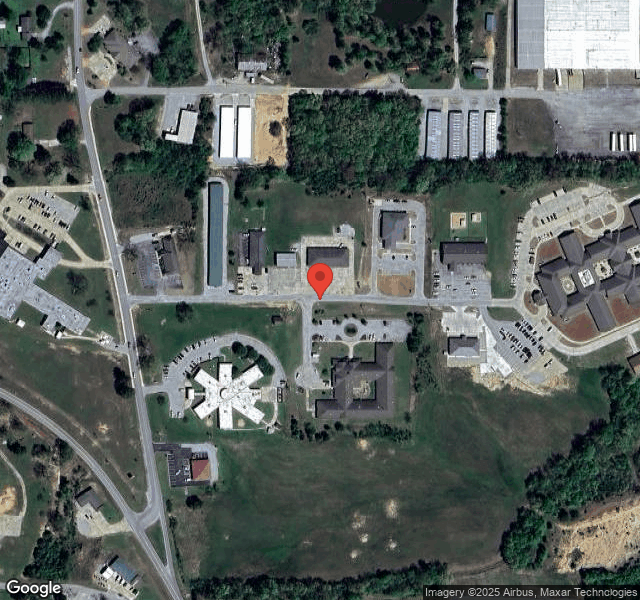
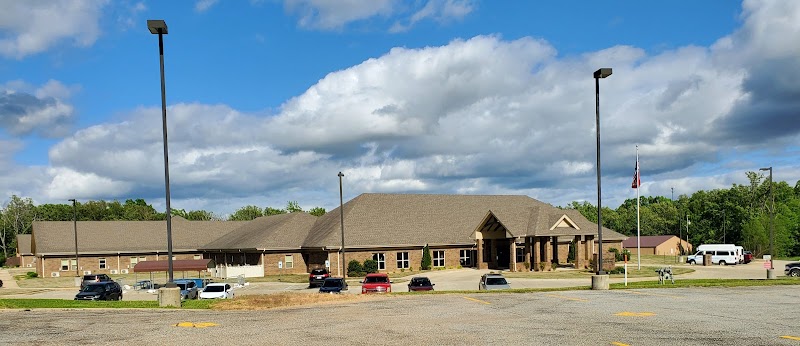
500 CAMP ROAD, POCAHONTAS, AR 72455 (870) 892-5214
Government - County 140 Beds Independent Data: November 2025
Trust Grade
75/100
#77 of 218 in AR
Last Inspection: April 2025

Within standard 12-15 month inspection cycle. Federal law requires annual inspections.

Overview

Randolph County Nursing Home in Pocahontas, Arkansas, has a Trust Grade of B, indicating it is a good choice among nursing facilities. It ranks #77 out of 218 in the state, placing it in the top half, and is the best option out of the two facilities in Randolph County. The facility is on an improving trend, with a significant reduction in issues reported, going from 11 in 2024 to just 1 in 2025. Staffing is a strength, with a 4 out of 5 star rating and a turnover rate of 40%, which is lower than the state average. However, there have been concerns noted, including incidents where food items were not stored properly, exposing residents to potential foodborne illnesses, and failures in hand hygiene by staff, which could lead to cross-contamination. Overall, while there are strengths in staffing and improvement trends, families should be aware of the identified concerns regarding food safety practices.

Trust Score
B
75/100
In Arkansas
#77/218
Top 35%
Safety Record
Low Risk
No red flags
Inspections
Getting Better
11 → 1 violations
Staff Stability
○ Average
40% turnover. Near Arkansas's 48% average. Typical for the industry.
Penalties
✓ Good
No fines on record. Clean compliance history, better than most Arkansas facilities.
Skilled Nurses
○ Average
Each resident gets 34 minutes of Registered Nurse (RN) attention daily — about average for Arkansas. RNs are the most trained staff who monitor for health changes.
Violations
⚠ Watch
16 deficiencies on record. Higher than average. Multiple issues found across inspections.
★★★★☆
4.0
Overall Rating
★★★★☆
4.0
Staff Levels
★★★★☆
4.0
Care Quality
★★★★☆
4.0
Inspection Score
Stable
2024: 11 issues
2025: 1 issues

The Good

  • 4-Star Staffing Rating · Above-average nurse staffing levels
  • 4-Star Quality Measures · Strong clinical quality outcomes
  • Full Sprinkler Coverage · Fire safety systems throughout facility
  • No fines on record
  • Staff turnover below average (40%)

    8 points below Arkansas average of 48%

Facility shows strength in staffing levels, quality measures, fire safety.

The Bad

Staff Turnover: 40%

Near Arkansas avg (46%)

Typical for the industry

The Ugly 16 deficiencies on record

Apr 2025 1 deficiency
CONCERN (E)

Potential for Harm - no one hurt, but risky conditions existed

Food Safety (Tag F0812)

Could have caused harm · This affected multiple residents

Based on observation, record review, interview, and facility policy review, the facility failed to ensure expired food items and leftovers food items were promptly removed/discarded on or before the e...

Read full inspector narrative →
Based on observation, record review, interview, and facility policy review, the facility failed to ensure expired food items and leftovers food items were promptly removed/discarded on or before the expiration or use by date and dietary staff washed their hands between dirty and clean tasks and before handling clean equipment for 1 of 1 meal observed. The findings are: 1. On 3/31/25 at 5:52 PM, in the storage room, there was a box that contained four (4) cups of sweet corn with an expiration date of 3/28/2025. Another box of sweet corn had an expiration date of 3/26/2025. The Dietary Manager/Registered Dietician stated she checked all stock, and she must have missed those two cartons. 2. On 4/1/25 at 10: 31 AM, Dietary Aide (DA) #3 pushed a cart that held containers of supplement towards the steam table, contaminating her hands. Without washing her hands. She used her contaminated hands to pick up glasses by their rims and placed them on the counter. 3. On 4/1/25 at 10:35 AM, DA #1 was wearing gloves on her hands when she turned on the food preparation sink and ran water into a pitcher. She then turned off the faucet with her gloved hand, contaminating the glove. DA #1 used her contaminated gloved hands to pick up glasses by their rims and poured water in them and placed them on the trays to be served to the residents for lunch. 4. On 4/1/25 at 10:59 AM, DA #2 turned on the hand washing sink and washed her hands. She turned off the faucet with her bare hands, contaminating her hands. She picked up a bread bag from the bread rack and placed it on the counter. She removed gloves from the glove box and placed them on her hands, contaminating the gloves. She then untied the bread bag, and without changing gloves and washing her hands, she used her contaminated gloved hand to remove slices of bread and placed them in individual bags to be served to the residents for the lunch meal. During an interview on 4/1/25 at 1:07 AM, DA #2 was asked what she should have done after touching dirty objects and before handling clean equipment. DA #2 stated she should have washed her hands. 5. On 4/1/25 at 11:00 AM, DA #1 pushed a cart that contained boxes of sausage patties from the freezer towards the food preparation counter, contaminating her hands. DA #1 removed gloves from the glove box and placed them in her hands. After putting them on, she used a knife to cut open the box of sausage patties. Then, with her contaminated hands, she removed the sausage patties from the box and placed them on the trays. During an interview on 4/1/25 at 11:08 AM, DA #1 was asked what she should have done after touching dirty objects and before handling clean equipment. DA #1 stated she should have washed her hands. 6. On 4/1/25 at 11:05 AM, Dietary [NAME] (DC) #3, who was on the tray line assisting with the lunch meal service, used her bare hands to pick up cartons and bottles of supplements and placed them on the trays. DC #3 opened the refrigerator, removed individual bags of sandwiches and placed them on the trays, contaminating her hands. Without washing her hands, she used her contaminated hands to pick up glasses by their rims and placed them on the trays to be served to the residents for lunch. During an interview on 4/1/25 at 11:09 AM, DC #3 was asked what she should have done after touching dirty objects and before handling clean equipment. She stated she should have washed her hands. 7. On 4/2/25 at 11:14 AM, two bottles of skim milk on a shelf in the refrigerator had an expiration date of 3/29/2025. The Dietary Manager/Registered Dietician stated the milk was expired and she would toss it. The Dietary Manager/Registered Dietician also stated she checked the refrigerator and freezer often and knew where the 2 bottles of milk came from. 8. On 4/2/25 at 11:15 AM, the following observations were made on a shelf in the freezer in the kitchenette in the central area: a. Two bags of bagel bites with an expiration date of 12/28/2024. b. A bag of pepperoni with an expiration date of 1/25/2025. The Dietary Manager/Registered Dietician stated that they were all expired and she would toss them. A review of facility policy titled, Handwashing/Hand Hygiene reviewed indicated all personnel are trained and regularly in-serviced on the importance of hand hygiene in preventing the transmission of healthcare -associated infections. Hands should be washed with soap and water and the use of gloves does not replace hand washing/hand hygiene. A review of facility policy titled, First in, first out reviewed indicated for the old stock to be placed in the front and newer in the back.
Jan 2024 11 deficiencies
CONCERN (D)

Potential for Harm - no one hurt, but risky conditions existed

Resident Rights (Tag F0550)

Could have caused harm · This affected 1 resident

Based on observation and interview the facility failed to ensure 1 (Resident #16) of 6 (Resident #16, #18, #84, #101, #119, and #126) sampled residents who receive a meal tray from the kitchen on the ...

Read full inspector narrative →
Based on observation and interview the facility failed to ensure 1 (Resident #16) of 6 (Resident #16, #18, #84, #101, #119, and #126) sampled residents who receive a meal tray from the kitchen on the 100 hall was not served food on a paper towel. The findings are: Resident #16 had a diagnosis of Protein Calorie Malnutrition. A Quarterly Minimum Data Set (MDS) with an Assessment Reference Date (ARD) on 10/09/23 documented the resident scored 08 (moderately impaired) on a Brief Interview for Mental Status (BIMS). On 1/09/24 at 8:33 AM Resident #16 was sitting in the day area eating breakfast. Her eggs and toast were on a brown paper towel. She was asked, Did you ask the staff to put your food on a paper towel? She stated, No I didn't. She came and got my plate and put it on their herself. She was asked, Do you prefer to have your food on a plate? She stated, Yes I do. On 1/09/24 at 8:35 AM the surveyor asked Certified Nurse Aide (CNA) #2 why is Resident #16 ' s breakfast sandwich on a paper towel was? She stated, Sometimes she likes for us to put it on a napkin. I was picking up the trays and she said it was ok to put it on one. On 1/10/24 at 2:38 PM, the Surveyor asked the Administrator, Should staff put a resident's food on a paper towel if they're not finished eating in order to remove the tray? She stated, No, they can come back later and get the tray.
CONCERN (E)

Potential for Harm - no one hurt, but risky conditions existed

Deficiency F0583 (Tag F0583)

Could have caused harm · This affected multiple residents

Based on observation and interview, the facility failed to ensure 19 residents ' personal information was kept confidential. The findings are: On 01/08/24 at 12:11 PM, the Surveyor observed a news and...

Read full inspector narrative →
Based on observation and interview, the facility failed to ensure 19 residents ' personal information was kept confidential. The findings are: On 01/08/24 at 12:11 PM, the Surveyor observed a news and notice board outside of the Director of Nurses (DON) office and a 2nd one outside of the main dining room that showed 2 lists of Resident's with a scheduled Care Plan meeting dated January 10, 2024, and January 17, 2024, at 11 AM. The notices state, There will be a care plan meeting for the following residents .in the activity room . On 01/09/24 at 11:17 AM, the Surveyor observed 2 separate news and notice boards that showed 2 lists of Resident's with a scheduled Care Plan meeting dated January 10, 2024, and January 17, 2024, at 11 AM. On 01/10/24 at 8:42 AM, the Surveyor observed 2 separate notice boards with lists of Resident's with a scheduled Care Plan meeting. On 01/11/24 at 9:25 AM, the Surveyor asked the Director of Nursing (DON), how do you notify family and residents of care plan meetings? The DON said the Minimum Data Set (MDS) Coordinator sends a letter to the family, and post a list with date and time by the MDS office and in front of my office for the weekly meetings. The Surveyor asked, how does this provide confidentiality for the residents? The DON stated, It's not private. I thought it was a requirement that it had be posted. A document titled Privacy and Confidentiality provided by the DON on 1/10/2024 at 3:17 p.m. showed, .Personal privacy extends to .communications .and meetings of family .
CONCERN (E)

Potential for Harm - no one hurt, but risky conditions existed

Quality of Care (Tag F0684)

Could have caused harm · This affected multiple residents

Based on observation, interview, and record review, the facility failed to ensure a physician's order was followed for 1 (Resident #111) Resident of 6 (Residents #1, #5, #11, #62, #106, #111) sample m...

Read full inspector narrative →
Based on observation, interview, and record review, the facility failed to ensure a physician's order was followed for 1 (Resident #111) Resident of 6 (Residents #1, #5, #11, #62, #106, #111) sample mixed residents on the 200 halls. The findings are: Resident #111's diagnoses showed dementia without behavioral disturbance, psychotic disturbance, mood disturbance, and anxiety. The Minimum Data Set (MDS) with and Assessment Reference Date (ARD) of 10/24/2023 showed a Brief Interview for Mental Status (BIMS) of 7 (score of 0-7 points suggests severe cognitive impairment). The resident is dependent for personal care. Review of Resident # 111 ' s Physician's Order Summary showed No order for topical mentholated rub or topical zinc oxide ointment. On 01/08/24 at 11:41 AM, the Surveyor observed a 2-ounce (oz.) tube of zinc oxide ointment and a 3.5.3 oz. jar of topical mentholated rub sitting on resident's bedside table. Resident # 111 stated, I use those when I need them. On 01/08/24 at 12:44 PM, the Surveyor observed a tube of zinc oxide ointment and a jar of topical mentholated rub sitting on nightstand. On 01/08/24 at 3:06 PM, the Surveyor observed a tube of zinc oxide ointment and a jar of topical mentholated rub sitting on nightstand. On 01/09/24 at 8:50 AM, the Surveyor observed a tube of zinc oxide and a jar of topical mentholated rub sitting on resident's nightstand. On 01/09/24 at 9:45 AM, LPN #2 confirmed there was no order for the topical mentholated rub or the zinc oxide ointment. On 01/11/24 at 9:28 AM, the Surveyor asked the (Director of Nursing) DON, who is responsible for ensuring an order is placed in a Resident's chart? The DON said,stated, whoever processes the order is responsible for putting the order in electronic health record. The Surveyor asked, should there be an order for every medication? The DON stated, yes.
CONCERN (E)

Potential for Harm - no one hurt, but risky conditions existed

Accident Prevention (Tag F0689)

Could have caused harm · This affected multiple residents

Based on observations, interview and record review, the facility failed to ensure medication was not left unattended at the bedside; and topical ointments and mouthwash was stored properly for 2 f 2 R...

Read full inspector narrative →
Based on observations, interview and record review, the facility failed to ensure medication was not left unattended at the bedside; and topical ointments and mouthwash was stored properly for 2 f 2 Resident ' s #1 and #111. The failed practice had the potential to affect 7 ambulatory residents. The findings are: 1. Resident #1 diagnoses showed moderate intellectual cerebral palsy and dementia with mood disturbance. The Annual Minimum Data Set (MDS) with an Assessment Reference Date (ARD) of 10/17/2023 showed a Brief Interview for Mental Status (MDS) of 12 (Score of 8-12 points: suggests moderate cognitive impairment). The resident is dependent for oral hygiene. Active diagnoses showed the need for assistance with personal care. 1 a. The Resident #1 ' s care plan showed Resident #1 needs help taking care of oral care: assist twice daily and as needed floss daily. 1 b. On 01/08/24 at 11:28 AM, the Surveyor observed a used 4-ounce (oz.) bottle of mouthwash sitting beside the Resident's sink. 1 c. On 01/08/24 at 12:47 PM, the Surveyor observed a used 4 oz. bottle of mouthwash beside the Resident's sink. 1 d. On 01/08/24 at 03:05 PM, the Surveyor observed a used 4 oz. bottle of mouthwash sitting beside the Resident's sink. 1 e. On 01/09/24 at 08:46 AM, the Surveyor observed a used 4 oz. bottle of mouthwash sitting on the resident's counter by the sink. 1 f. On 01/09/24 at 9:43 AM, the Surveyor asked LPN #2 do you see anything sitting out that shouldn't be in Residnet #1's room? LPN #2 said, the mouthwash shouldn't be out because another resident could come in the room, get it, and drink it. 2. Resident # 111's diagnoses showed unspecified dementia, unspecified severity, without behavioral disturbance, psychotic disturbance, mood disturbance, and anxiety. The Minimum Data Set (MDS) with and Assessment Reference Date (ARD) of 10/24/2023 showed a Brief Interview for Mental Status (BIMS) of 7 (score of 0-7 points suggests severe cognitive impairment). The resident is dependent for personal care. 2 a. On 01/08/24 at 11:41 AM, the Surveyor observed a 2-ounce (oz.) tube of zinc oxide ointment and a 3.5.3 oz. jar of topical mentholated rub sitting on resident's bedside table. Resident #111 said, I use those when I need them. The Surveyor also observed a round white scored tablet sitting on Resident # 111's nightstand. 2 b. On 01/08/24 at 12:44 PM, the Surveyor observed a round white scored tablet sitting on the nightstand. A tube of zinc oxide ointment and a jar of topical mentholated rub sitting on nightstand. 2 d. On 01/08/24 at 3:06 PM, the Surveyor observed a tube of zinc oxide ointment, a round white scored tablet, and a jar of topical mentholated rub sitting on nightstand. 2 e. On 01/09/24 at 08:50 AM, the Surveyor observed a tube of zinc oxide and a jar of topical mentholated rub sitting on resident's nightstand. 2 f. On 01/09/24 at 9:45 AM, the Surveyor asked LPN #2, can you tell me what is sitting on the Resident #111's side table. LPN #2 said a jar of [Named] vapor rub and a tube of zinc oxide ointment. The Surveyor asked, should they be left out on the Resident's nightstand? LPN #2 said, the zinc should be in the drawer and the vapor rub shouldn't be in here. LPN #2 confirmed a round white scored tablet was sitting on the table in the room. 2 g. On 01/11/24 at 09:36 AM, the Surveyor asked the Director of Nursing (DON) how should mouthwash, zinc oxide ointment, and a jar of mentholated vapor rub be stored in a resident's room? The zinc should be in the treatment cart. The mouthwash should have been in the resident's personal drawer with all the bathing stuff. The mentholated vapor rub shouldn't have been there because the family brought it. The Surveyor asked, should medication be left at the resident's bedside? The DON confirmed no medication should be left unattended at the bedside.
CONCERN (E)

Potential for Harm - no one hurt, but risky conditions existed

Respiratory Care (Tag F0695)

Could have caused harm · This affected multiple residents

Based on observation and interview, the facility failed to ensure a CPAP (Continuous Positive Airway Pressure) storage bag was changed weekly for 1 of 1 (Resident #119) sampled residents, and the faci...

Read full inspector narrative →
Based on observation and interview, the facility failed to ensure a CPAP (Continuous Positive Airway Pressure) storage bag was changed weekly for 1 of 1 (Resident #119) sampled residents, and the facility failed to ensure oxygen tubing was dated for 1 (Resident #5) of 2 Residents (Resident #5 & #88) requiring oxygen on the 200 Hall. The findings are: 1. Resident #119 had a diagnosis of OBSTRUCTIVE SLEEP APNEA (ADULT) (PEDIATRIC). A Quarterly Minimum Data Set (MDS) with an Assessment Reference Date (ARD) on 12/14/23 documented the resident scored 14 (cognitively intact) on a Brief Interview for Mental Status (BIMS). A January 2024 physician order documented, .CPAP every evening and night shift per home settings . A care plan with a revision date of 11/15/23 documented, . Uses CPAP nightly for sleep apnea . On 1/08/24 at 12:01 PM, a CPAP mask was in a storage bag dated 12/01/23. Resident #119 was asked, Do you use your C-Pap every night? She stated, Yes I use it every night. On 1/09/24 at 9:03 AM, a CPAP mask was on the nightstand in a plastic storage bag dated 12/01/23. On 1/09/24 at 3:45 PM, a CPAP mask was on the nightstand in a plastic storage bag dated 12/01/23. On 1/09/24 at 3:49 PM, Licensed Practical Nurse (LPN) #1 was asked, How often should Resident #119 ' s CPAP storage bag be changed? She stated, weekly. She was asked, who's responsible for changing the CPAP storage bag? She stated, Night shift; the nurses. She was asked, can you tell me what date is on Resident #119 ' s CPAP storage bag? She stated, 12/01/23. On 1/10/24 at 2:43 PM, the surveyor asked the Administrator, How often should a CPAP storage bag be changed? She stated, weekly. Resident #5's diagnoses showed COVID-19; chronic obstructive pulmonary disease (COPD) with (acute) lower respiratory infection; acute and chronic respiratory failure with hypercapnia and hypoxia; atrial fibrillation; heart failure. The Minimum Data Set (MDS) with an Assessment Reference Date (ARD) of 12/18/2023 showed a Brief Interview for Mental Status (BIMS) of 15 (score of 13-15 points indicates cognitive intactness). Resident was on continuous oxygen therapy upon admission and as needed while a resident. The Physician's Order Summary showed oxygen to be administered via nasal cannula at 2 liters as needed for shortness of breath. Titrate oxygen to maintain oxygen level greater than 92%. The care plan showed the Resident has COPD (Chronic Obstructive Pulmonary Disease) and is short of breath when lying flat, sitting, and exerting self. Staff is to report an increase in shortness of breath, wheezing, difficulty breathing, and changes in respirations or mental status. The resident has heart failure and atrial fibrillation. The staff is to report shortness of breath. On 01/08/24 at 3:32 PM, the Surveyor observed oxygen tubing with no date. On 01/09/24 at 8:57 AM, the Surveyor observed no date on oxygen tubing. On 01/11/24 at 9:02 AM, Registered Nurse (RN) #1 confirmed the oxygen tubing was not dated. The Surveyor asked the DON, how often is oxygen tubing changed? The DON said, it is changed weekly on Monday nights 11-7. The Surveyor asked, should the tubing be dated? The DON said yes. The Surveyor asked, can you tell me what the date is on Resident #5 ' s oxygen tubing? The DON confirmed there was not a date on the oxygen tubing. A policy provided by the DON on 1/9/2024 at 10:30 AM titled Oxygen Administration and Storage showed tubing will be changed weekly on the 11- 7 shift.
CONCERN (E)

Potential for Harm - no one hurt, but risky conditions existed

Staffing Information (Tag F0732)

Could have caused harm · This affected multiple residents

Based on observation and interview the facility failed to ensure daily staffing schedules were posted in a public location. The findings are: On 01/08/24 at 2:44 PM, the Surveyor did not observe a dai...

Read full inspector narrative →
Based on observation and interview the facility failed to ensure daily staffing schedules were posted in a public location. The findings are: On 01/08/24 at 2:44 PM, the Surveyor did not observe a daily staffing schedule posted in a public area. On 01/09/24 at 1:37 PM, the Surveyor did not observe a daily staffing schedule posted. On 01/10/24 at 10:25 AM, the Surveyor did not observe a daily staffing schedule posted. On 01/10/24 at 10:26 AM, the Director of Nursing (DON) confirmed daily staffing schedules are not posted. The DON said, we were told at the Arkansas Health Care Association (AHCA) Convention that we didn't have to post them anymore.
CONCERN (E)

Potential for Harm - no one hurt, but risky conditions existed

Deficiency F0761 (Tag F0761)

Could have caused harm · This affected multiple residents

Based on observation, interview and policy review, the facility failed to store controlled medications were not stored properly in a permanently affixed box in 2 (100, and 300 Halls) of 4 Medication S...

Read full inspector narrative →
Based on observation, interview and policy review, the facility failed to store controlled medications were not stored properly in a permanently affixed box in 2 (100, and 300 Halls) of 4 Medication Storage Rooms in the facility. The findings are: On 01/09/2024 at 1:55 PM, the medication refrigerator in the 300 Hall Medication Room was observed to be unlocked. Licensed Practical Nurse (LPN) #3 opened the refrigerator without having to unlock it and removed from it a transparent plastic box. The plastic box was not permanently affixed. LPN #3 confirmed the box was used to store controlled medications and opened it to identify the medication inside, a 30-milliliter bottle of Lorazepam. LPN #3 was asked if storage containers for controlled medications needed to be permanently affixed. LPN #3 said they had not heard of the need to secure the narcotics box. On 01/09/2024 at 3:23 PM, the medication refrigerator in the 100 Hall Medication Room was observed to be unlocked. Inside was a transparent plastic box containing 2 opened 30 milliliter bottles and 5 single use syringes of Lorazepam. The plastic box was not permanently affixed. On 01/10/2024 at 1:24 PM, the Director of Nursing (DON) was asked if they were aware that the containers being used to store controlled medications in the facility were not permanently affixed. The DON stated, Yes, we'd been discussing that issue with our consultant, but we weren't sure of a safe solution. We were worried that drilling into the refrigerator to mount it would be dangerous. On 01/11/2024 at 9:33 AM, the Administrator confirmed that they were aware that the containers being used to store controlled medications in the facility were not permanently affixed. On 01/11/2024 at the Administrator provided a policy titled, Storage of Medications. It documented, Drugs and biologicals will be stored in a safe, secure, and orderly manner .All controlled substances are stored under double-lock and key .
CONCERN (E)

Potential for Harm - no one hurt, but risky conditions existed

Menu Adequacy (Tag F0803)

Could have caused harm · This affected multiple residents

Based on observation, record review and interview, the facility failed to ensure meals were prepared and served according to the planned written menu to meet the nutritional needs of the residents for...

Read full inspector narrative →
Based on observation, record review and interview, the facility failed to ensure meals were prepared and served according to the planned written menu to meet the nutritional needs of the residents for 1 of 1 meal observed. This failed practice had the potential to affect 8 residents who received pureed meals from 1 of 1 kitchen. The findings are: 1. On 01/08/24, the menu for the supper meal documented, Residents on pureed diets were to receive 2 #8 scoops of pureed chili dog with cheese and a #8 scoop (1/2 cup) of pureed carrots. 2. On 01/08/24 at 4:36 PM, Dietary Employee(DE) #2 used a #16 scoop (1/4 cup) to serve a single portion of pureed chili dog and pureed carrots to the residents on pureed diets, instead of 2#8 scoop of the pureed chili dog (1 cup) and ½ cup of carrots, as specified on the menu. 3. On 01/09/2024 12:08 PM, the Surveyor asked DE #2 what scoop sizes she used to serve the supper meal to the residents and how many servings she gave to each resident. She stated, I used the blue scoop the 2-ounce scoop to serve pureed chili dog and pureed carrots. I gave one serving each.
CONCERN (E)

Potential for Harm - no one hurt, but risky conditions existed

Deficiency F0805 (Tag F0805)

Could have caused harm · This affected multiple residents

Based on observation and interview, the facility failed to ensure pureed food items were blended to a smooth, lump-free consistency to minimize the risk of choking or other complications for residents...

Read full inspector narrative →
Based on observation and interview, the facility failed to ensure pureed food items were blended to a smooth, lump-free consistency to minimize the risk of choking or other complications for residents who required pureed diets for 2 of 2 meals observed. This failed practice had the potential to affect 8 residents who received pureed diets. The findings are: 1. On 01/08/24 at 11:04 AM, the following observations were made on the steam table. a. A pan of pureed chicken [NAME] was on the steam table. The consistency of the pureed paste was lumpy, not smooth. There were pieces of paste visible in the mixture. b. A container of pureed broccoli in a mold shape. The consistency of the pureed broccoli was dried and thick. 2. On 01/08/24 at 11:55 AM, the surveyor asked the Dietary Supervisor to describe the consistency of the pureed foods served to the residents on pureed diets. She stated, Pureed meat was dried, and thick and pureed pasta was lumpy. 3. On 01/09/24 at 11:41 AM, A pan of pureed chicken was on the steam table. The consistency of the pureed chicken was lumpy, not smooth. There were pieces of chicken visible in the mixture. The surveyor asked Dietary Supervisor to describe the consistency of the pureed chicken served to the residents on pureed diets. She stated, It has little lumps.
CONCERN (E)

Potential for Harm - no one hurt, but risky conditions existed

Infection Control (Tag F0880)

Could have caused harm · This affected multiple residents

Based on observation, interview, and record review the facility failed to ensure staff had on appropriate Personal Protection Equipment (PPE) for 1 of 1 (Resident #62) sampled residents that were on e...

Read full inspector narrative →
Based on observation, interview, and record review the facility failed to ensure staff had on appropriate Personal Protection Equipment (PPE) for 1 of 1 (Resident #62) sampled residents that were on enhanced barrier precautions on the 200 hall. The findings are: Resident # 62's diagnosis showed a urinary tract infection. The Physician's Order Summary showed an order with a start date of 1/05/2024 for Enhanced Barrier precautions three times a day for Methicillin-resistant Staphylococcus aureus (MRSA) Urinary tract infection (UTI). The Care Plan showed the Resident #62 had been placed on Enhanced Barrier Precautions on 1/5/24 for MRSA of the urine. Precautions will remain in place for as long as the resident meets the criteria for these enhanced precautions. Gowns and gloves will be worn during any close contact activities per Centers for Disease Control (CDC) guidance in addition to all standard precautions. On 01/08/24 at 1:07 PM, the Surveyor observed PPE located outside of Resident # 62's door. The Surveyor observed Certified Nursing Assistant (CNA) #1 enter Resident # 62's room without proper PPE in place and then leave the room. On 01/08/24 at 1:09 PM, the Surveyor observed a sign hanging outside of the resident's room showing enhanced barrier precautions. The Surveyor entered the room to speak with the resident and did not observe a gait belt on them at this time. On 01/08/24 at 01:20 PM, the Surveyor observed CNA #1 enter Resident # 62's room without PPE. CNA #1 closed the door with no PPE in place. The Surveyor knocked and entered the room. CNA #1 was standing in front of the resident and was in the process of putting gloves on. A gait belt was observed around the Resident's waist. The Surveyor asked CNA #1, what type of precautions is Resident #62 on? CNA #1 said,, we put the gait belt on when we assist them to the bathroom. The Surveyor asked, what type of precautions is the resident on. CNA #1 stated, I don't understand what you mean. The Surveyor stated, Resident #62 is on enhanced barrier precautions, why are they on precautions and what type of PPE should staff be wearing when caring for the resident? CNA #1 said, the resident has scratches on their legs, so we must wear gloves. Oh, and we should wear a gown. CNA #1 then went and put a gown on and continued care. On 1/11/24 at 09:29 AM, the Surveyor asked the Director of Nursing (DON), how should care be given to a resident on enhanced barrier precautions? The DON said, instructions are listed on the sheet outside the door. The enhanced barrier precautions are for high-risk activities of daily living (ADL) care. If staff are providing any high-risk care, they are required to wear PPE. The Surveyor asked, is it appropriate for a staff member to enter the room and provide care without PPE? The DON stated, It depends on what it is The Surveyor asked, if the resident has MRSA, is it appropriate for care to be provided without PPE? The DON stated, No, it is not. A Policy provided by the DON on 1/11/24 at 11:24 a.m. titled Categories of Transmission-based Precautions showed, .an approach of targeted gown and glove use during high-contact resident care activities designed to reduce transmission of Staphylococcus aureus .when performing high-contact resident care activities, a gown and gloves will need to be worn .
CONCERN (F)

Potential for Harm - no one hurt, but risky conditions existed

Food Safety (Tag F0812)

Could have caused harm · This affected most or all residents

Based on observation, record review and interview, the facility failed to ensure foods stored in the freezer, refrigerator and dry storage area were covered, sealed and dated to minimize the potential...

Read full inspector narrative →
Based on observation, record review and interview, the facility failed to ensure foods stored in the freezer, refrigerator and dry storage area were covered, sealed and dated to minimize the potential for food borne illness for residents who received meals from 1 of 1 kitchen; expired dessert with dairy products and food items were promptly removed / discarded on or before the expiration or use by date to prevent the growth of bacteria; dietary staff washed their hands between dirty and clean tasks and before handling clean equipment or contamination and hot food items were maintained at above 135 degrees Fahrenheit on the steam table while awaiting service to prevent potential food borne illness for residents who received meals from 1 of 1 kitchen. These failed practices had the potential to affect 125 residents who received meals from 1 of 1 kitchen, as provided by the Dietary Supervisor on 01/09/2024 at 12:59 PM. The findings are: 1. On 01/08/24 10:48 AM, there was a partially open bag of shredded mozzarella cheese on a shelf in the refrigerator. The bag was not completely sealed. 2. A box that contained 34 individual cartons of vanilla pudding was on a shelf in the walk-in refrigerator with an expiration date of 12/21 2023. 3. On 01/08/24 at 11:03, Dietary Employee (DE) #1 had gloves on her hands when she picked up a temperature gauge and checked the food temperatures on the steam table. At 11:07 AM Dietary Employee was still wearing the gloves that she had on her hands when checking the temperatures of the food items on the steam table when she picked up plates to be used in portioning foods to be served to the residents for lunch and placed them on the plate holders with her contaminated gloves fingers inside the plates. 4. On 01/08/24 at 11:04 AM, the temperatures of the food items when checked on the steam table by Dietary Employee #1 were the following: a. Hamburger patties 120 degrees Fahrenheit. b. English peas was 129 degrees Fahrenheit. The above food items were not reheated before being served to the residents. 5. On 01/07/24 at 01/08/24 11:04, the following observations were made in the walk-in freezer: a. An opened box of biscuit dough was on a shelf in the freezer. The box was not covered and the bag inside the box was not completely sealed. b. An opened box of hamburger patties was on a shelf in the freezer. The box was not covered, and the bag inside the box was not completely sealed. c. An opened box of sausage patties was on a shelf in the freezer. The box was not covered, and the bag inside the box was not completely sealed. d. An opened box of beef patties was on a shelf in the freezer. The box was not covered, and the bag inside the box was not fully sealed. e. An opened box of beef fritters was on the shelf in the freezer. The box was not covered, and the bag was not sealed. f. An opened box of beef steaks was on a shelf in the freezer. The box was not covered and the bag inside the box was not completely sealed. 6. On 01/08/24 at 11:10 AM, there was an open bag of bread on the bread rack. There was no date on the bag to indicate when it was received and or opened. 7. On 01/08/24 at 2:17 PM, Dietary Employee #2 turned on the hand washing sink faucet and washed her hands. After washing her hands, she used tissue paper to turn off the faucet. Then, used the same tissue paper to dry her hands. Without washing her hands, she picked up a clean blade and attached it to the base of the blender to be used in grounding meat for the residents on mechanical soft diets for supper. At 2:18 PM, when Dietary Employee #2 was ready to place meat items into the blender to ground. The Surveyor immediately asked her what should you have done after touching dirty objects and before handling clean equipment? She stated, That's how I was taught. 8. On 01/08/24 at 2:36 PM, Dietary Employee #2 picked up a pot of carrot from the stove and placed it on the counter. Without washing her hands, she picked up a clean blade and attached it to the base of the blender to be used in pureed foods for the residents on pureed diets for supper. The Surveyor asked Dietary Employee #2 what she should have done after touching dirty objects, before handling clean equipment? She stated, I should have washed my hands. 9. On 01/08/24 at 2:45 PM, Dietary Employee #3 was wearing gloves on his hands when he turned on the hand washing sink faucet and rinsed tomatoes. After rinsing tomatoes, he used his gloved hand to turn off the faucet and placed tomatoes on the cutting board. When Dietary Employee #3 was ready to slice tomatoes, The Surveyor asked him what should have done after touching dirty objects, before handling clean equipment. He stated, I should have washed my hands. 10. The facility policy titled, Hand Hygiene provided by the infection preventionist on 01/09/2024 at 02:18 PM documented, Hand hygiene is a key feature of standard precautions and should be used by all departments and personnel working or performing duties within the facility. Wash hands with water. Apply enough soap to cover all hand surfaces. Rinse hands with water. Dry hands thoroughly with a single use rowel. Use towel to turn off faucet.
Sept 2023 2 deficiencies
CONCERN (E) 📢 Someone Reported This

A family member, employee, or ombudsman was alarmed enough to file a formal complaint

Potential for Harm - no one hurt, but risky conditions existed

Deficiency F0565 (Tag F0565)

Could have caused harm · This affected multiple residents

Based on interviews, and record review, the facility failed to ensure resident concerns from the Resident Council Meeting were acted upon promptly for 1 of 1 (Resident #3) sampled residents. This fail...

Read full inspector narrative →
Based on interviews, and record review, the facility failed to ensure resident concerns from the Resident Council Meeting were acted upon promptly for 1 of 1 (Resident #3) sampled residents. This failed practice had the potential to affect 129 residents that reside in the facility. The findings included: Review of Resident #3's Order Summary Report dated 09/11/2023 showed a diagnosis of an urinary tract infection. Review of the resident council minutes dated 08/30/2023 at 2:07 PM showed Resident #3 said staff gripes at her if she used the restroom and last night aides were rude. There was no documentation of a grievance report filed. On 09/14/2023 at 10:46 AM the Surveyor asked the Social Worker (SW) what is the process if a resident reports abuse? The SW said, report what happened to the nurse, and would report to the Administrator if she witnessed abuse. The Surveyor asked the SW did you report what Resident #3 stated in the Resident Council Meeting and to whom? The SW replied, Yes, I told the nurse, but I don't remember the nurse's name. The Surveyor asked, did you file a grievance? The SW stated, No I did not. The Surveyor asked why wasn't a grievance filed? The SW said it is done at the QA (Quality Assurance) meeting once a month, and was scheduled for today. During interview on 09/14/2023 at 11:41 AM Registered Nurse #1 confirmed if a resident reports staff gripe at me for using the restroom and are rude that is a form of emotional abuse and should have been reported to the Director of Nursing (DON) or Administrator. During interview on 09/14/2023 at 11:58 AM Licensed Practical Nurse #1 confirmed if a resident reports staff gripe at me for using the restroom and are rude that is a form of verbal abuse and should be reported to the next person in the chain of command. During interview on 09/14/2023 at 1:06 PM, The Surveyor asked the DON if a resident reports staff gripe at me for using the restroom and are rude, what kind of abuse is this considered to be? The DON stated, Verbal. The Surveyor asked should this be reported, when, and to whom? The DON said, Yes, to the immediate supervisor and follow through. The Surveyor asked, did anyone report to you what Resident #3 stated in the August 2023 Resident Council Meeting that staff griped at her for using the restroom and were rude? The DON sated, I have not received anything on Resident #3. Anything that comes out of the meetings should be filed as a grievance and followed through. Review of a copy of the Resident's Guide to Your Rights and Responsibilities provided by the Administrator on 09/13/2023 at 10:24 AM showed, residents have the right to speak up about grievances and have them responded to promptly and fairly. Residents have the right to voice concerns and complaints, spoken or in writing about the treatment and care provided without fear of discrimination. Review of the facility's policy titled Grievances/Complaints-Staff Responsibility- Staff Members provided by the DON on 09/14/2023 at 9:20 AM showed, if a staff member overhears or is the recipient of a complaint voiced by a resident concerning the resident's medical care or treatment, the staff member is encouraged to assist the resident to file a written complaint with the facility.
CONCERN (E) 📢 Someone Reported This

A family member, employee, or ombudsman was alarmed enough to file a formal complaint

Potential for Harm - no one hurt, but risky conditions existed

Notification of Changes (Tag F0580)

Could have caused harm · This affected multiple residents

Based on interview and record review, the facility failed to ensure the responsible party/family member was notified of changes in condition after new orders were obtained for 3 (Resident #1, Resident...

Read full inspector narrative →
Based on interview and record review, the facility failed to ensure the responsible party/family member was notified of changes in condition after new orders were obtained for 3 (Resident #1, Resident #2, and Resident #3) of 3 sample mix residents. This failed practice had the potential to affect 129 residents who reside in the facility. A. Review of the Order Summary Reports showed the following: 1. A physician order for Resident #1 with a start date of 06/07/2023 to administer Lamictal 25 mg (milligram) by mouth at bedtime and no documentation of the responsible party notification. 2. A physician order for Resident #2 with a start date of 09/09/2023 to administer Seroquel 12.5 mg by mouth in the morning and no documentation of the responsible party notification. 3. A physician order for Resident #3 with a start date of 06/24/2023 to administer Keflex 250 mg by mouth one time a day and no documentation of the responsible party notification. B. During interview on 09/14/2023 at 11:41 AM, Registered Nurse #1 confirmed the findings in A. C. During interview on 09/14/2023 at 11:58 AM the Surveyor asked Licensed Practical Nurse #1 if a resident has a change of condition or a new medication, who do you notify? LPN #1 replied, The POA (power of attorney). D. During interview on 09/14/2023 at 1:06 PM the Surveyor asked the Director of Nursing (DON) if a resident has a change of condition or a new medication, who do you notify? The DON said, The primary contact on the chart. E. Review of facility's policy titled Change in a Resident's Condition or Status provided by the DON on 09/14/2023 at 1:03 PM showed, the nurse supervisor will notify the resident's next of kin or representative when there is a significant change in the resident's physical, mental, or psychosocial status or there is a change in the resident's treatment.
Oct 2022 2 deficiencies
CONCERN (E)

Potential for Harm - no one hurt, but risky conditions existed

Deficiency F0804 (Tag F0804)

Could have caused harm · This affected multiple residents

Based on observation, record review and interview, the facility failed to ensure meals were served at temperatures that were acceptable to the residents to improve palatability and encourage good nutr...

Read full inspector narrative →
Based on observation, record review and interview, the facility failed to ensure meals were served at temperatures that were acceptable to the residents to improve palatability and encourage good nutritional intake during 1 of 1 meal observed. This failed practice had the potential to affect 35 residents who received meal trays in their rooms on the 100 Hall, 32 residents who received meal trays in their room on the 200 Hall, 36 residents who received their meal trays in their rooms on the 300 Hall and 28 residents who received their meal trays in their rooms on the 400 Hall as documented on a list provided by Dietary Supervisor on 10/11/2022. The findings are: 1. Resident #70 had diagnoses of Spina Bifida, Hypokalemia and Muscle Wasting. A Quarterly Minimum Data Set (MDS) with an Assessment Reference Date (ARD) of 8/30/2022 documented a Brief Interview Mental Status (BIMS) of 15. October Physician's Orders documented .Regular diet, texture . Resident complained, The food is cold at most meals. a. On 10/11/22 at 06:55 AM, the unheated food carts that contained trays for breakfast were delivered to the 200 halls. At 07:29 AM, after the last resident received their tray in their room on the 200 Halls, the temperatures of the food items on a test tray from the cart were checked and read by the Dietary Supervisor with the following results: 1. The milk was 56.6 degrees Fahrenheit. 2. The scrambled eggs were 96.6 degrees Fahrenheit. 3. The sausage was 94 degrees Fahrenheit. 4. The ground sausage was 94.6 degrees Fahrenheit. b. On 10/11/22 at 07:03 AM, the unheated food carts that contained trays for breakfast were delivered to the 100 halls. At 07:35 AM after the last resident received their tray in their room on the 100 Halls, the temperatures of the food items on a test tray from the cart were checked and read by the Dietary Supervisor with the following results: 1. The milk was 46.7 degrees Fahrenheit. 2. The pureed sausage was 107.7 degrees Fahrenheit. 3. The pureed eggs were 108.5 degrees Fahrenheit. 4. The oatmeal was 107.4 degrees Fahrenheit. 5. The ground sausage was 110.3 degrees Fahrenheit. 6. The scrambled eggs were 107.7 degrees Fahrenheit. 7. The regular sausage was 102.2 degrees Fahrenheit. 8. The omelets were 101.4 degrees Fahrenheit. 9. The gravy was 113.7 degrees Fahrenheit. c. On 10/11/22 at 07:20 AM, the unheated food carts that contained 36 trays for breakfast were delivered to the 300 halls. At 08:08 AM after the last resident received their tray in their room on the 300 Halls, the temperatures of the food items on a test tray from the cart were checked and read by the Dietary Supervisor with the following results: 1. The milk was 50 degrees Fahrenheit. 2. The regular sausage was 107 degrees Fahrenheit. 3. The oatmeal was 103 degrees Fahrenheit. 4. The scrambled eggs were 106.7 degrees Fahrenheit. 5. The pureed sausage was 108 degrees Fahrenheit. 6. The cream of wheat was 103.6 degrees Fahrenheit. 7. The omelets was 108 degrees Fahrenheit. 8. The ground sausage was 104.3 degrees Fahrenheit. d. On 10/11/22 at 07:36 AM, the unheated food carts that contained 28 trays for breakfast were delivered to the 400 Hall. At 07:58 AM after the last resident received their tray in their room on the 400 Halls, the temperatures of the food items on a test tray from the cart were checked and read by the Dietary Supervisor with the following results: 1. The sausage was 91 degrees Fahrenheit. 2. The omelets were 95.2 degrees Fahrenheit. 3. The ground sausage was 96 degrees Fahrenheit.
CONCERN (F)

Potential for Harm - no one hurt, but risky conditions existed

Food Safety (Tag F0812)

Could have caused harm · This affected most or all residents

Based on observation and interview, the facility failed to ensure that staff washed their hands before handling clean equipment or food items to prevent the potential for cross contamination, expired ...

Read full inspector narrative →
Based on observation and interview, the facility failed to ensure that staff washed their hands before handling clean equipment or food items to prevent the potential for cross contamination, expired food items and spoiled foods were promptly removed and discarded on or before the expiration or use by dates and failed to ensure leftover food items were used by the use-by date to prevent potential food borne illness for residents who received meal trays from 1 of 1 kitchen; failed to ensure opened food items in a rubber container were covered to maintain freshness and prevent potential cross contamination. These failed practices had the potential to affect 128 residents who received meals from the kitchen (total census: 129) according to the list provided by the Dietary Supervisor dated 10/11/2022. The findings are: a. On 10/10/22 at 10:23 AM, Dietary Employee #1 was wearing gloves on her hands, she picked up a pan liner and spread it inside the pan. She untied bags of hamburger buns and placed them on the utility cart. Dietary Employee #1 did not wash her hands before she removed the hamburger buns from the bag and placed them inside the pan to be served to the residents for the lunch meal. b. On 10/10/22 at 10:31 AM, an opened box of Cream of Wheat was in a rubber container on the counter. The box was not sealed. c. On 10/10/22 at 10:35 AM, The Dietary Employee united a bag that contained bowls. Without washing her hands, she picked up the bowls and placed them on the counter with her fingers inside the bowls to be used in portioning food items to be served to the residents for the lunch meal. d. On 10/10/22 at 10:40 AM, a box of gluten oatmeal raisins stored on a shelf had an expiration date 9/20/2022. e. On 10/10/22 at 10:55 AM, Dietary Employee #2 was wearing gloves on her hands when she picked up a bag that contained lids. She untied the bag and placed it on the counter. She removed the gloves and threw them away. She placed new gloves on her hands and contaminated the gloves. Without washing her hands, she picked up tea glasses by their rims and placed them on the trays to be served to the residents for lunch. At 11:31 AM, The Surveyor asked Dietary Employee #2, what should you had done after touching dirty objects and before handling clean equipment and or food items? She stated, I should have washed my hands. f. On 10/10/22 at 11:08 AM, Dietary Employee #1, who was wearing gloves on her hands, picked up tray cards and placed them on the trays and without washing her hands, she picked up the hamburger buns, opened the buns and placed them on the plates. She scooped the barbeque pork meat on them to serve to the residents for lunch. g. On 10/10/22 at 11:12 AM, a box of Mac and Cheese was stored in the freezer in the clean utility room on the 400 Hall with an expiration date of 9/12/2022. h. On 10/10/22 at 11:45 AM, The Surveyor asked Dietary Employee #1 what should you have done after touching dirty objects and before handling clean equipment and or food items? She stated, Washed my hands. i. On 10/10/22 at 1:03 PM, Dietary Employee #3 took out a marker from her pocket and used it to write the date on the cover of the bowls that contained dessert to serve to the residents for supper. At 1:08 PM Dietary Employee #3 went into the walk-in refrigerator and took out a gallon jar of bread and butter pickle slices and placed it on the counter. Next, she removed gloves from the glove box and placed them on her hands contaminating the gloves. She used her gloved hand to remove slices of pickles from the jar and placed them on top of the shredded lettuce to serve to the residents who requested salad with their supper meal. j. On 10/10/22 at 1:16 PM, Dietary Employee #3 picked up bags of peanut butter jelly sandwiches (from the from???) and threw them away. She picked up a bag of bread from the utility cart and placed it on the counter. She picked up grapy jelly from the refrigerator and placed it on the counter. She took out a container of peanut butter from a shelf in the storage room and placed it on the counter. Without washing her hands, she placed gloves on her hands and contaminated the gloves. She used her contaminated gloved hand to remove slices of bread from the bag and spread peanut butter and grape jelly on them to serve to the residents who requested for peanut butter and jelly with their supper meal. The Surveyor immediately stopped Dietary Employee #3 and asked, what should you done after touching dirty objects and before handling clean equipment and or food items? She stated, I should have washed my hands. k. On 10/10/22 at 3:39 PM, Dietary Employee #3 was wearing gloves on her hands. She picked up and opened a can of mandarin oranges and emptied them in a colander to drain them. Without changing gloves and washing her hands, she picked up the blade and attached it to the base of the blender to be used in pureeing food items to be served to the residents who received pureed diets for the supper meal. At 3:50 PM, The Surveyor asked Dietary Employee #3, what should you have done after touching dirty objects and before handling clean equipment or food items? She stated, I should have washed my hands. At 10/11/22 at 12:58 PM, The facility policy on hand washing provided by Food Safety Services (FSS) documented, Wash hands when starting work, when returning from break and when contaminated.
Understanding Severity Codes (click to expand)
Life-Threatening (Immediate Jeopardy)
J - Isolated K - Pattern L - Widespread
Actual Harm
G - Isolated H - Pattern I - Widespread
Potential for Harm
D - Isolated E - Pattern F - Widespread
No Harm (Minor)
A - Isolated B - Pattern C - Widespread

Questions to Ask on Your Visit

  • "Can I speak with families of current residents?"
  • "What's your RN coverage like on weekends and overnight?"

Our Honest Assessment

Strengths
  • • No major safety red flags. No abuse findings, life-threatening violations, or SFF status.
  • • No fines on record. Clean compliance history, better than most Arkansas facilities.
  • • 40% turnover. Below Arkansas's 48% average. Good staff retention means consistent care.
Concerns
  • • 16 deficiencies on record. Higher than average. Multiple issues found across inspections.
Bottom line: Generally positive indicators. Standard due diligence and a personal visit recommended.

About This Facility

What is Randolph County's CMS Rating?

CMS assigns RANDOLPH COUNTY NURSING HOME an overall rating of 4 out of 5 stars, which is considered above average nationally. Within Arkansas, this rating places the facility higher than 99% of the state's 100 nursing homes. This rating reflects solid performance across the metrics CMS uses to evaluate nursing home quality.

How is Randolph County Staffed?

CMS rates RANDOLPH COUNTY NURSING HOME's staffing level at 4 out of 5 stars, which is above average compared to other nursing homes. Staff turnover is 40%, compared to the Arkansas average of 46%. This relatively stable workforce can support continuity of care.

What Have Inspectors Found at Randolph County?

State health inspectors documented 16 deficiencies at RANDOLPH COUNTY NURSING HOME during 2022 to 2025. These included: 16 with potential for harm.

Who Owns and Operates Randolph County?

RANDOLPH COUNTY NURSING HOME is owned by a government entity. Government-operated facilities are typically run by state, county, or municipal agencies. The facility operates independently rather than as part of a larger chain. With 140 certified beds and approximately 117 residents (about 84% occupancy), it is a mid-sized facility located in POCAHONTAS, Arkansas.

How Does Randolph County Compare to Other Arkansas Nursing Homes?

Compared to the 100 nursing homes in Arkansas, RANDOLPH COUNTY NURSING HOME's overall rating (4 stars) is above the state average of 3.1, staff turnover (40%) is near the state average of 46%, and health inspection rating (4 stars) is above the national benchmark.

What Should Families Ask When Visiting Randolph County?

Based on this facility's data, families visiting should ask: "Can I visit during a mealtime to observe dining assistance and food quality?" "How do you handle medical emergencies, and what is your hospital transfer rate?" "Can I speak with family members of current residents about their experience?"

Is Randolph County Safe?

Based on CMS inspection data, RANDOLPH COUNTY NURSING HOME has a clean safety record: no substantiated abuse findings (meaning no confirmed cases of resident harm), no Immediate Jeopardy citations (the most serious violation level indicating risk of serious injury or death), and is not on the Special Focus Facility watch list (a federal program monitoring the lowest-performing 1% of nursing homes). The facility has a 4-star overall rating and ranks #1 of 100 nursing homes in Arkansas. While no facility is perfect, families should still ask about staff-to-resident ratios and recent inspection results during their visit.

Do Nurses at Randolph County Stick Around?

RANDOLPH COUNTY NURSING HOME has a staff turnover rate of 40%, which is about average for Arkansas nursing homes (state average: 46%). Moderate turnover is common in nursing homes, but families should still ask about staff tenure and how the facility maintains care continuity when employees leave.

Was Randolph County Ever Fined?

RANDOLPH COUNTY NURSING HOME has no federal fines on record. CMS issues fines when nursing homes fail to meet care standards or don't correct problems found during inspections. The absence of fines suggests the facility has either maintained compliance or corrected any issues before penalties were assessed. This is a positive indicator, though families should still review recent inspection reports for the full picture.

Is Randolph County on Any Federal Watch List?

RANDOLPH COUNTY NURSING HOME is not on any federal watch list. The most significant is the Special Focus Facility (SFF) program, which identifies the bottom 1% of nursing homes nationally based on persistent, serious quality problems. Not being on this list means the facility has avoided the pattern of deficiencies that triggers enhanced federal oversight. This is a positive indicator, though families should still review the facility's inspection history directly.