THE BLOSSOMS AT PRESCOTT REHAB & NURSING CENTER
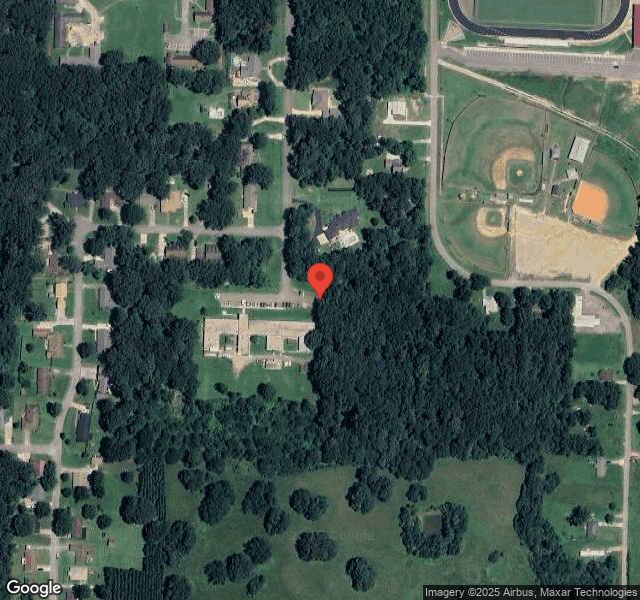

700 MANOR RD, PRESCOTT, AR 71857 (870) 455-1086
For profit - Limited Liability company 45 Beds THE BLOSSOMS NURSING AND REHAB CENTER Data: November 2025
Trust Grade
85/100
#38 of 218 in AR
Last Inspection: October 2024

Within standard 12-15 month inspection cycle. Federal law requires annual inspections.

Overview

The Blossoms at Prescott Rehab & Nursing Center has a Trust Grade of B+, which means it is recommended and above average in quality. It ranks #38 out of 218 facilities in Arkansas, placing it in the top half, and is the best option out of two in Nevada County. The facility is improving, with a decrease in issues from 10 in 2023 to 5 in 2024. However, staffing is rated below average at 2 out of 5 stars, with a turnover rate of 49%, slightly lower than the state average. While there are no fines reported, which is a positive sign, there have been concerns regarding food safety and hygiene practices. For example, staff failed to ensure safe food preparation, with incidents of not washing hands or changing gloves while handling food, which could risk contamination for residents. Additionally, there were issues with not properly labeling cereal bowls, and some staff did not follow hygiene protocols during personal care for a resident. Overall, while the facility has strong quality measures and no fines, families should be aware of the staffing challenges and the specific concerns raised by inspectors.

Trust Score
B+
85/100
In Arkansas
#38/218
Top 17%
Safety Record
Low Risk
No red flags
Inspections
Getting Better
10 → 5 violations
Staff Stability
⚠ Watch
49% turnover. Above average. Higher turnover means staff may not know residents' routines.
Penalties
✓ Good
No fines on record. Clean compliance history, better than most Arkansas facilities.
Skilled Nurses
⚠ Watch
Each resident gets only 23 minutes of Registered Nurse (RN) attention daily — below average for Arkansas. Fewer RN minutes means fewer trained eyes watching for problems.
Violations
⚠ Watch
19 deficiencies on record. Higher than average. Multiple issues found across inspections.
★★★★★
5.0
Overall Rating
★★☆☆☆
2.0
Staff Levels
★★★★★
5.0
Care Quality
★★★★☆
4.0
Inspection Score
Stable
2023: 10 issues
2024: 5 issues

The Good

  • 5-Star Quality Measures · Strong clinical quality outcomes
  • Full Sprinkler Coverage · Fire safety systems throughout facility
  • No fines on record

Facility shows strength in quality measures, fire safety.

The Bad

Staff Turnover: 49%

Near Arkansas avg (46%)

Higher turnover may affect care consistency

Chain: THE BLOSSOMS NURSING AND REHAB CENT

Part of a multi-facility chain

Ask about local staffing decisions and management

The Ugly 19 deficiencies on record

Oct 2024 4 deficiencies
CONCERN (D)

Potential for Harm - no one hurt, but risky conditions existed

Deficiency F0558 (Tag F0558)

Could have caused harm · This affected 1 resident

Based on observation, record review, and interview the facility failed to ensure a resident that requires total care had a call light within reach to call for assistance. This failed practice affected...

Read full inspector narrative →
Based on observation, record review, and interview the facility failed to ensure a resident that requires total care had a call light within reach to call for assistance. This failed practice affected 1 sampled (Resident #40) reviewed for call light. Findings include: A review of Medical Diagnosis revealed Resident #40 with a diagnoses of stroke, chronic obstructive pulmonary disease, and type II diabetes. The Annual Minimum Data Set (MDS) with an Assessment Reference Date (ARD) of 05/14/2024 suggest a Brief Interview for Mental Status (BIMS) score of 9 (8-12 indicates moderate impairment), and Resident #40 required total care. a. A review of an In Service dated 09/30/2024 revealed staff is to ensure a call light is always in reach of residents. b. On 10/29/2024 at 1:50 PM, Surveyor asked Resident #40 if resident can use the call light. Resident #40 stated, No, because I cannot get to it, because it is clipped to that curtain at the foot of my bed. c. On 10/29/2024 at 1:55 PM, Resident #40 asked CNA #3 for her call light, but CNA #3 said she needed to wash her hands first. CNA #4 came into the room and handed Resident #40 the call light. d. On 10/30/2024 at 3:00 PM, call light not observed in reach of resident. e. On 10/31/2024 at 8:12 AM, Resident #40 observed lying in bed with call light observed connected to the privacy curtain at the foot of the bed. Resident #40 stated resident needed to get out of the bed. f. On 10/31/2024 at 8:15 AM, Licensed Practical Nurse (LPN) #5 accompanied the Surveyor to Resident #40's room and LPN #5 began to search for the call light and found it clipped high up on the privacy curtain facing away from the resident. LPN #5 confirmed that the call light is supposed to be in reach in case resident needs help. g. On 10/31/2024 8:20 AM, Director of Nursing (DON) confirmed call lights should be in reach of residents and unless their privacy curtain is near their reach it would not be appropriate for the call light to be clipped away from the residents reach so that they can call for assistance. The Surveyor requested policies, procedures for call lights. h. On 10/31/2024 at 8:23 AM, The Administrator confirmed the facility does not have a call light policy.
CONCERN (D)

Potential for Harm - no one hurt, but risky conditions existed

Assessment Accuracy (Tag F0641)

Could have caused harm · This affected 1 resident

**NOTE- TERMS IN BRACKETS HAVE BEEN EDITED TO PROTECT CONFIDENTIALITY** Based on record review, and interview the facility failed to ensure that an Annual Minimum Data (MDS) Assessment was coded corre...

Read full inspector narrative →
**NOTE- TERMS IN BRACKETS HAVE BEEN EDITED TO PROTECT CONFIDENTIALITY** Based on record review, and interview the facility failed to ensure that an Annual Minimum Data (MDS) Assessment was coded correctly to document a resident had a serious mental illness and or intellectual disability or related condition requiring level II PASARR (Preadmission Screening and Resident Review) to ensure continuity of care for 2 (Resident #5, and Resident #14) sampled residents with a diagnosis of serious mental illness. The findings are: 1. The Order Summary Report dated 10/29/2024 indicated Resident #5 had diagnoses of delusional disorders, psychotic disorder, dementia with mood disorder. The (MDS with an Assessment Reference Date (ARD) of 8/24/2024 indicated Resident #5 scored 10 (8-12 indicates moderate impairment) on the Brief Interview for Mental Status (BIMS) and took an antianxiety medication. a. MDS with an ARD of 8/24/2024 indicated, A 1500 Preadmission Screening and Resident Review .Is the resident currently considered by the state level II PASRR process to have a serious mental illness and/or intellectual disability or related condition? 0. No . b. The care plan with a revision date of 9/04/2024 indicated Resident #5 had behaviors related to diagnosis of dementia with behaviors and delusional disorder and the goal of care was the resident would cause no harm to self or others. c. On 10/29/2024 at 12:30 PM, the surveyor reviewed a letter dated 3/14/2018 from (Name of state designated authority for PASARR determination) which indicated Resident #5 did not require specialized services for their mental health illness beyond the capabilities of a nursing facility. d. On 10/30/24 at 9:00 AM, the MDS Coordinator during an interview indicated Resident #5 had a serious mental health diagnosis and the Annual MDS dated [DATE] was coded incorrectly. The MDS coordinator indicated it was important that the MDS Assessment is coded accurately so that the resident can receive the best care. e. On 10/30/24 at 2:10 PM, the Director of Nursing was asked if there is a facility policy on accuracy of MDS assessments. f. On 10/30/24 at 2:15 PM, the policy titled, Coordination/Certification of Assessments (with a reviewed date of 1/2024) provided by the DON indicated, all information recorded within the MDS Assessment must reflects the resident's status at the time of the assessment and the individuals who complete a portion of the assessment must sign and certify the accuracy of the portion of the assessment he or she completes. 2. Resident #14 has a diagnosis of Seizure Disorder, Anemia, high blood pressure, Diabetes Mellitus, Cerebrovascular Accident (CVA), Schizophrenia, Depression, and difficulty swallowing. The Quarterly MDS with an ARD of 9/24/24 documented that the resident scored 99 BIMS (indicates the resident was unable to complete the interview) takes antianxiety medication. a. On 10/29/24 at 1:45 PM, a letter from (name of state designated authority) for PASARR determination dated 8/23/2013 stated change in condition and no PASARR is required. b. On 10/29/24 at 1:51 PM, a Care Plan with a target completion date of 9/24/24 indicated, Focus: Resident #14 has a current diagnosis of personality and behavioral disorders, depressive episodes, mental disorders, paranoid schizophrenia, and mild intellectual disabilities. c. On 10/30/24 at 9:20 AM, Surveyor spoke with (name of state designated authority) regarding PASARR level 2 and was informed the Resident is still a level 2 PASARR. d. On 10/30/24 at 9:30 AM, Surveyor asked the MDS coordinator regarding MDS accuracy related to PASARR level 2, The MDS coordinator stated the Annual MDS dated [DATE] was coded incorrectly and the importance of correct coding is to ensure proper care of residents. +
CONCERN (E)

Potential for Harm - no one hurt, but risky conditions existed

Food Safety (Tag F0812)

Could have caused harm · This affected multiple residents

Based on observation and interview the facility failed 1) to ensure food items were labeled with an accurate use by date to ensure food was not used beyond its safety period. 2) to ensure professional...

Read full inspector narrative →
Based on observation and interview the facility failed 1) to ensure food items were labeled with an accurate use by date to ensure food was not used beyond its safety period. 2) to ensure professional standards for sanitary conditions and equipment were maintained to prevent cross-contamination in storage of food and kitchen equipment, and 3) to ensure safe food preparation and identification of potential hazards in food preparation process and adhering to critical control points to reduce the risk of food contamination. The findings are: A. On 10/28/24 at 10:10 AM and 11:25 AM, 31 bowls of dry cereal of various kinds, did not have a use by date on the bowls. The tray the bowls were sitting on contained one label identifying assorted cereal. The label had a prepared date of 10/14/24 with a use by 1/14/25. There were 6 bowls of toasted oats, 21 bowls of cornflakes, 3 Styrofoam bowls of cornflakes, covered with foil and 1 prepackaged bowl of cornflakes. The Dietary Manager (DM) said these cereals came out of large bags of cereal, but she could not tell the surveyor when the individual cereal bags were opened or what the use by dates were for each kind of cereal. The DM said the toasted oats were from a bag with a stock date of 9/18/24, but she could not tell the surveyor when the cereals were opened or the accurate use by date was for each cereal. B. On 10/28/24 at 10:08 AM, an unopened package of sausage links found in the 3-door refrigerator did not have a stock date or a use by date on the package. C. On 10/28/24 at 10:08 AM, 28 small cups of salad dressing were sitting on a tray in the 3-door refrigerator uncovered. The DM said the salad dressing was for lunch and should be covered. D. On 10/28/24 at 10:00 AM, the grease in the deep fryer was uncovered, exposing the grease to the open kitchen. E. On 10/28/24 at 10:00 AM, a cart of plate covers was sitting in a storage cart in the dining room uncovered. F. On 10/28/24 at 2:20 PM, the surveyor observed stacked juice glasses, pots and steamtable bins on a rack in the kitchen. They were wet and had been stacked on top of each other. The juice glasses, pots and bins contained water inside the glasses, in the bottom of the pots and inside the bins. i. 25 juice glasses had been stacked up wet. ii. 2 pots had been stacked with water on inside bottom. iii. 3 steamtable bins stacked wet. iv. 7 scoops in drawer wet. G. On 10/28/24 at 2:20 PM, the surveyor observed a food processor with blade and bowl inside, sitting on the counter in the kitchen. The bowl had water inside the bowl, the blade and lid had water on them inside the bowl. H. On 10/29/24 at 8:30 AM, 3 tumbler glasses with water on the inside were stacked together on the shelf. I. On 10/28/24 at 2:20 PM, Dietary Aide #2 said putting dishes up wet can cause bacteria and mold to grow on the dishes. J. On 10/28/24 at 2:22 PM Dietary Aide #1 said putting dishes up wet can cause bacteria and mold to grow on the dishes. Those glasses are from this morning or last night because mine are still on the rack. K. On 10/29/24 at 1:45 PM, the Dietary Manager (DM) said it is important to allow dishes to completely dry before stacking to prevent bacteria from getting in them. L. On 10/28/24 at 11:22 AM, a cart containing pre-poured glasses of tea and juices were sitting on the second shelf of the cart, sitting beside a dirty trash can in the dishwasher room of the kitchen. At 11:45 AM, Dietary Aide #2 filled the glasses with ice from the ice chest sitting on top of the cart. M. On 10/29/24 at 8:30 AM, two trays of tea and juice tumblers had been pre-poured and sitting on a tray beside a trash can in the dish washer room. N. On 10/29/24 at 8:47 AM, the attic fan, above the dishwasher, was blowing over the clean dishes as the dishes came out of the dishwasher and left sitting to dry under the fan. Dust particles were noted on the top of the dishwasher. O. On 10/30/24 at 8:30 AM, the attic fan, above the dishwasher, was blowing over the clean dishes as the dishes came out of the dishwasher and left sitting to dry under the fan. Dust particles were noted on the top of the dishwasher. P. On 10/30/24 at 8:30 AM, two trays of tea and juice tumblers had been pre-poured sitting on a tray on the second shelf of the cart. The cart was sitting against a large air grill-ventilation cover. The grill was covered with dust and dirt. Q. On 10/29/24 at 1:45 PM, the DM said drinks should not be stored in the dishwasher room next to a dirty trash can. This could cause cross-contamination. The DM said it is not sanitary to leave plate covers uncovered on a cart in the dining room where residents and others walk freely, sweep and mop. They should not have been out there. R. On 10/30/24 at 8:30 AM, a large package/roll of ground beef did not have use by date on the package, 2 large pork loins did not have a use by date on the package, 1 large ham did not have a use by date on the package, 1 large roast did not have a use by date on the package and 1 large package of diced chicken did not have a use by date on the package located in the freezer designated for meat. S. On 10/30/24 at 8:40 AM, 3 large packages of French toast inside the freezer designated for pre-packaged frozen items did not have a use by date on the packages. On 10/29/24 at 1:00 PM, the administrator said they do not have a food storage policy or a policy concerning cross contamination in dietary. On 10/30/24 at 2:00 PM, the Administrator said it is important to date food when it is received and placed out for use so we don't use bad food. We do not want to get anyone sick. And so, the staff who are off will know if something is good or not when they come back to work. We need to use the oldest food first. Dishes should not be dried using a fan, they should be allowed time to dry, away from anything that is contaminated. Putting up or stacking wet dishes is unsanitary and, can contain germs and improper temperatures can cause bacteria. Food and drinks should be covered in the refrigerator and prefilled tea, or juices should not be stored beside a trash can, due to germs, and anything could get on it. It is unsanitary.
CONCERN (E)

Potential for Harm - no one hurt, but risky conditions existed

Infection Control (Tag F0880)

Could have caused harm · This affected multiple residents

Based on observation, record review, interview, and facility policy review it was determined the facility failed to ensure appropriate hand hygiene and failed use wipes to avoid cross contamination, a...

Read full inspector narrative →
Based on observation, record review, interview, and facility policy review it was determined the facility failed to ensure appropriate hand hygiene and failed use wipes to avoid cross contamination, and the facility failed to follow recommended manufacture guidelines pertaining to the use of one incontinent brief to prevent infections for 1 sampled (Resident #40)) reviewed for female peri care. Findings include: Resident #40 with a diagnoses of stroke, chronic obstructive pulmonary disease, and type II diabetes. The Annual Minimum Data Set (MDS) with an Assessment Reference Date (ARD) of 05/14/2024 suggest a Brief Interview for Mental Status (BIMS) score of 9 (8-12 indicates moderate impairment), and Resident #40 requires total care. a. A review of a policy titled Incontinence Protocol, review date 01/2024, did not address hand hygiene, or peri care protocol. b. A review of a policy titled Urinary Catheter Care, review date 01/2024, revealed when providing peri care to a female resident, resident should be washed with a washcloth or disposable wipe one time for each downward stroke. c. Review of an In Service dated 04/24/2024 revealed gloves should be changed after cleaning the perineal area. d. A review of Care Plan, revised 09/04/2024 revealed resident is incontinent of bowel and bladder, and staff should check on resident every two hours as required for incontinent residents. e. Review of an In Service dated 09/17/2024 revealed gloves should be changed after cleaning the perineal area. f. On 10/29/24 at 2:02 PM, Certified Nursing Assistant (CNA) #3 and CNA #4 were observed rolling down two briefs worn by Resident #40, and CNA #3 handed clean wipes to CNA #4 without performing hand hygiene or changing gloves. CNA #4 wiped the right side of the peri area, folded wipe in half and wiped the left peri fold. CNA #4 removed the two briefs while Resident was resting on the right side and wiped the buttocks from top to bottom in one direction, folded the wipe and wiped from top to bottom with the same wipe. CNA #4 stated they can fold and refuse wipes once, and rags and towels can be folded and used 4 times. CNA #4 stated Resident #40 is wearing two briefs because Resident #40 has had diarrhea and is taking medication that makes her go more. CNA #3 confirmed gloves should have been changed after assisting in removing residents wet brief, before handing clean wipes to CNA #4. g. During an interview with Director of Nursing (DON) on 10/30/2024 at 2:05 PM, DON was asked the procedure for peri care and confirmed staff should use one wipe in one direction, and if staff assist in removing a brief, they should provide hand hygiene or change gloves before removing clean wipes for the CNA wiping the resident because it causes cross contamination. DON stated they do not use rags or towels anymore to clean residents, and confirmed residents should not wear more than one brief at a time because it holds stuff in and increases the risk for infection. h. On 10/30/2024 at 3:20 PM, the Administrator provided a picture from a bag of (named) adult briefs showing stating resident should be log rolled onto a brief, the rolled back onto the brief. The brief should be gently pulled upward until the crotch fits snuggly to the groin and leg. There are no instructions recommending two briefs should be placed on a resident. i. On 10/31/24 at 10:27 AM, a review of manufacturer website indicated a common mistake is double briefing because it holds in heat and moisture increasing the risk of skin breakdown.
Jun 2024 1 deficiency
CONCERN (E) 📢 Someone Reported This

A family member, employee, or ombudsman was alarmed enough to file a formal complaint

Potential for Harm - no one hurt, but risky conditions existed

Transfer Requirements (Tag F0622)

Could have caused harm · This affected multiple residents

Based on interview and record review, the facility failed to ensure 1 (Resident #1) of 1 sampled resident was able to return to the facility following a hospitalization. The findings are: Review of a...

Read full inspector narrative →
Based on interview and record review, the facility failed to ensure 1 (Resident #1) of 1 sampled resident was able to return to the facility following a hospitalization. The findings are: Review of an admission Record indicated the facility admitted Resident #1 with a diagnosis of Autistic Disorder. Review of the Discharge Minimum Data Set (MDS) with an Assessment Reference Date (ARD) of 02/09/2024 revealed Resident #1's cognitive skills for decision making were severely impaired according to the Staff Assessment for Mental Status. A review of a Care Plan with a target date of 11/29/2023 indicated Resident #1 and/or his family will receive the support needed for successful transition into long term care. A review of a Progress Note dated 02/09/2024 indicated Resident #1 was being transferred by ambulance to a psychiatric unit for behaviors. A review of a late entry note dated 02/12/2024 indicated The facility contacted the hospital and informed the hospital that they would not be taking Resident #1 back into the facility. On 6/05/24 at 11:31 AM, the Operational Manager indicated there was not a policy for permitting a resident to return to the facility after hospitalization. During an interview on 06/05/2024 at 11:32 AM, the Operational Manager indicated the facility had plans on Resident #1 returning to the facility when he was discharged to the hospital. The Operational Manager indicated that while Resident #1 was in the hospital the facility decided they could not take care of Resident #1, and decided not to let him return to the facility once it was time for him to return. During an interview on 06/05/2024 at 1:00 PM, Licensed Practical Nurse (LPN) #1 indicated she never saw Resident #1 hit anyone. She indicated she didn't think anyone knew how to take care of him because he had autism. During an interview on 06/05/2024 at 1:24 PM, Certified Nursing Assistant (CNA) #2 indicated Resident #2 never harmed anyone, or himself. During an interview on 06/05/2024 at 1:39 PM, the Administrator indicated the plan was to try to take Resident #1 back the day he discharged to the hospital and try to find placement for him. She indicated within a few days after he went to the hospital, she continued to look for a placement for Resident #1.
Nov 2023 10 deficiencies
CONCERN (D)

Potential for Harm - no one hurt, but risky conditions existed

Comprehensive Assessments (Tag F0636)

Could have caused harm · This affected 1 resident

**NOTE- TERMS IN BRACKETS HAVE BEEN EDITED TO PROTECT CONFIDENTIALITY** Based on observation, record review and interview, the facility failed to ensure the Quarterly Minimum Data Set (MDS) dated [DAT...

Read full inspector narrative →
**NOTE- TERMS IN BRACKETS HAVE BEEN EDITED TO PROTECT CONFIDENTIALITY** Based on observation, record review and interview, the facility failed to ensure the Quarterly Minimum Data Set (MDS) dated [DATE] was accurately coded to reflect the presence of an indwelling catheter for 1 (Resident #34) of 2 (Residents #21, and #34) sampled residents whose Minimum Data Sets (MDS) were reviewed. The findings are: 1. A Physicians Order dated 6/15/23 noted Resident #34 had an order for an indwelling catheter, change foley catheter every 30 days and as need due to leakage, obstruction, or patient removal. 2. A Care Plan with a revision date of 09/14/2023 noted Resident #34's catheter bag and tubing were to be positioned below the level of the bladder and away from entrance room door. 3. Resident #34's Quarterly Minimum Data Set (MDS) with an Assessment Reference Date of 10/28/23 did not document the presence of an indwelling catheter. 4. On 11/21/23 at 10:17 AM, the MDS Consultant was asked to look at the electronic record for Resident #34's coding involving Indwelling Catheters. The MDS Consultant stated, The resident has a catheter so it should be a yes, not a no. 5. On 11/21/23 at 9:40 AM, the Director of (DON) was asked if she expected the nurse to accurately code the MDS. The DON stated. Yes. The DON was asked if a resident did in fact have an indwelling Foley catheter, but the MDS documented no, would that be considered inaccurate coding. The [NAME] stated, Yes. 6. On 11/21/23 at 04:19 PM, the Administrator was asked for a policy for coding MDSs. The Administrator stated we go by the RAI (Resident Assessment Instrument) manual. The Administrator was asked to print the page for evidence. 7. On 11/22/23 at 10:07 AM, the Administrator provided a form titled CMS's [Centers for Medicare & Medicaid Services] RAI Version 3.0 Manual stated, SECTION H: BLADDER AND BOWEL Intent: The intent of the items in this section is to gather information on the use of .and bladder appliances .to achieve or maintain as normal elimination function as possible . Steps for Assessment 1. Examine the resident to note the presence of any urinary or bowel appliance. 2. Review the medical record . Coding Instructions Check next to each appliance that was used at any time in the past 7 days .
CONCERN (D)

Potential for Harm - no one hurt, but risky conditions existed

PASARR Coordination (Tag F0644)

Could have caused harm · This affected 1 resident

Based on record review and interviews, the facility failed to inform the appropriate (State Designated Professional Associates) when they became aware that a resident had a mental health disorder to e...

Read full inspector narrative →
Based on record review and interviews, the facility failed to inform the appropriate (State Designated Professional Associates) when they became aware that a resident had a mental health disorder to ensure that the resident received care and services in an integrated setting appropriate to the resident's needs for 1 (Resident #23) of 19 (Residents #1,#4, #5, #8, #18, #20,#21, #23 #24, #25,#26, #27, #28, #33, #35, #38, #39, #40 and #41) sampled residents with mental health disorders. The findings are: 1. Resident#23 had a diagnosis of Schizophrenia. The Annual Minimum Data Set (MDS) with an Assessment Reference Date of (ARD) of 9/16/23, Section A1500 documented Resident #23 is not currently considered by the state level II PASRR. The Care Plan with an initiated date of 06/19/2023 documented, Focus: [Resident #23] Identifies as being Pre-admission Screening and Resident Review (PASRR) positive status . A History and Physical dated 4/2/19 was reviewed and schizophrenia was not listed as a diagnosis. A History and Physical with date of service of 10/9/23 was reviewed and schizophrenia was listed as a diagnosis. A letter dated 7/24/19 from (State Designated Professional Associates) documented, .Applicant: Resident #23 .You recently submitted a Level 1 application (703, 787, 780) on the above client. (State Designated Professional Associates) has reviewed the application and has determined this client is a NON-PASRR client. No further action will be taken with this application . On 11/21/23 at 09:00 AM, the Surveyor asked the Director of Nursing (DON), with Nurse Consultant sitting in on interview, The (State Designated Professional Associates) assessment done 7/24/19 is that the only one? The DON stated, Yes. The DON was asked, Has the resident had any new mental illness diagnosis? The DON stated, No, he had that diagnosis when he entered the facility. The diagnosis was just entered on that date in the system. The Surveyor asked, Can you provide me with documentation that the resident was admitted with that diagnosis? The DON stated, Yes. The DON and the Nurse Consultant reviewed the electronic record. On 11/21/23 at 10:04 AM, the DON provided the Surveyor with a document titled, Established Patient Visit, with the date of service of May 9, 2023, that documented Schizophrenia as a diagnosis with onset date of 1/31/2018. The DON stated that the onset date was the date they became aware of the diagnosis. The Surveyor stated to the DON, The date of service on this form is May 9, 2023. The DON stated, We were just trying to show we were not just pulling this diagnosis out of a hat. The Surveyor informed the DON that the application submitted to (State Designated Professional Associates) was still needed with a list of the resident's diagnoses. On 11/21/23 at 11:30 AM, the Nurse Consultant explained that when the application was submitted to (State Designated Professional Associates) that schizophrenia was not listed as a diagnosis, but resident had the diagnosis. The Surveyor asked the DON to look in the electronic record and pull up the History and Physical dated 4/2/2019 and she did. The Surveyor asked the DON, Does that history and physical that was documented in 2019 mention schizophrenia as a diagnosis? The DON stated, No. The Surveyor stated, The care plan states the resident is PASRR positive, but the annual MDS states the resident is not PASRR II. On 11/21/23 at 11:30AM, the application provided by the Director of Nursing (DON) that was submitted to (State Designated Professional Associates) on 7/17/19 documented no, to the question does the individual have a diagnosis or history of mental illness. Schizophrenia was listed as an option.
CONCERN (D)

Potential for Harm - no one hurt, but risky conditions existed

Tube Feeding (Tag F0693)

Could have caused harm · This affected 1 resident

Based on observation, interview, and record review, the facility failed to ensure medications and fluids were properly administered through a gastrostomy tube for 1 (Resident #1) of 1 sampled resident...

Read full inspector narrative →
Based on observation, interview, and record review, the facility failed to ensure medications and fluids were properly administered through a gastrostomy tube for 1 (Resident #1) of 1 sampled resident who had a gastrostomy tube. The findings are: 1. On 11/20/23 at 09:58 AM, Resident #1 was lying back in a recliner. A ready to hang bottle of a Jevity was at bedside. 2. Physicians Orders dated 7/25/2022 noted Resident #1 was to receive a Jevity 1.5 Cal Liquid (Nutritional Supplements) via feeding tube six times a day. Flush with 20 milliliters of water before and after medications and feedings. 3. A Physicians Order dated 3/25/23 noted placement was to be verified via aspiration and auscultation before medication administration, feedings, and flushes. 4. On 11/21/23 at 11:54 AM, during observation of medication administration, Resident #1 was being administered the morning medications and water flushes. Licensed Practical Nurse (LPN) #2 failed to aspirate the stomach residual. LPN #2 used a syringe and allowed 20 milliliters of water and medication to flow via gravity. LPN #2 then poured 60 milliliters of water into the syringe. When a back flow was observed, LPN #2 inserted the plunger into the syringe attached to the gastrostomy tube and pushed the plunger till the water flushed. LPN #2 then withdrew the syringe of medication mixed with water pushed the plunger until the syringe was emptied. Then LPN #2 pulled up the Jevity formula into the syringe with the plunger and pushed the formula into the tube four (4) more times till all formula and additional water was finished. 5. On 11/21/23 at 12:16 PM, LPN #2 was asked if he normally pushed fluids into the Gastrostomy tube. LPN #2 stated, When it flows back like that I do. LPN #2 was asked if the physicians orders documented to push fluids or allow to flow by gravity. LPN #2 stated, I would have to check. 6. On 11/21/23 at 02:16 PM, the Director of Nursing (DON) was asked to explain how to administer medications/liquids through a gastrostomy tube. The DON said allow it to flow through by gravity. The DON was asked if forcing fluids was acceptable without a Physicians Order. The DON stated, No. The DON was asked how could forcing medications and liquids through a Gastrostomy tube have a possible negative outcome? The DON stated, Aspiration, pneumonia and possible death. 7. A facility policy provided by the (Assistant Director of Nursing) ADON on 11/21/23 at 02:23 PM titled, Enteral Nutritional Therapy (Tube Feeding) Policy and Procedure, documented, Purpose: To provide liquid nourishment through a tube, inserted into the stomach . Procedure: .5. Verify position of tube by: c. Pull plunger back on feeding syringe and aspirate content.7.Allow feeding to flow into the stomach very slowly .
CONCERN (D)

Potential for Harm - no one hurt, but risky conditions existed

Respiratory Care (Tag F0695)

Could have caused harm · This affected 1 resident

2. On 11/20/23 at 09:49 AM, Resident #33 was sitting in his wheelchair with oxygen being administered via nasal cannula at 4 Liters per minute (LPM) No oxygen in use sign was on the door. a. On 11/20...

Read full inspector narrative →
2. On 11/20/23 at 09:49 AM, Resident #33 was sitting in his wheelchair with oxygen being administered via nasal cannula at 4 Liters per minute (LPM) No oxygen in use sign was on the door. a. On 11/20/23 at 01:53 PM, Resident #33 was sitting in the doorway of his room in a wheelchair with oxygen in use at 4 LPM. Resident #33 was asked if he always uses oxygen. Resident stated, Pretty much. There was no oxygen sign on the door. b. On 11/21/23 at 08:47 AM, Resident #33 was sitting in a chair in his room with oxygen on via nasal cannula at 4 LPM. There was no oxygen sign on the door. c. A Physicians Order dated 06/05/23 noted Resident #33 was to receive oxygen at 2 liters per minute via nasal canula as needed for Shortness of Breath. d. A Care Plan with a revision date of 08/03/23 documented, .OXYGEN SETTINGS: O2 via nasal cannula @ [at] 3L [3 liters] continuously. Humidified. e. On 11/21/23 at 08:48 AM, Certified Nursing Assistant (CNA) #3 was asked to accompany the Surveyor to Resident #33's room and was asked what the oxygen flow rate was on the concentrator. CNA #3 stated, It's on a four. CNA #3 was asked if there was a sign on the door indicating that oxygen was in use. CNA #3 stated, There's not one. f. On 11/21/23 at 09:11AM, LPN #2 was asked to accompany the Surveyor to Resident #33's room. LPN #2 was asked if there was signage on the door indicating oxygen was in use. LPN #2 stated, No ma'am, but there should be because oxygen is highly flammable. LPN #2 was asked what the oxygen flow rate was on the concentrator. LPN #2 stated, It's on a four. LPN #2 was asked what the physicians order was for the flow rate. LPN looked at the MAR and stated, Two. LPN #2 was asked if Resident #33 used oxygen often. LPN #2 stated, All the time. g. On 11/21/23 at 02:23 PM, the Director of Nursing (DON) was asked if she expected the nurses to follow physicians' orders pertaining to oxygen. The DON stated, Yes. The DON was asked if a resident was receiving a higher liter amount than prescribed, would that be an issue. The DON stated, Yes. The DON was asked how the staff, visitors, or other residents might be alerted that a resident was receiving oxygen. The DON stated, We have a sign on the door out front. The DON was asked if that was the only sign. The DON stated, Yes. The DON was asked how many doors were there, that someone could enter. The DON stated, several but typically they use the front door. The DON was asked what should be on the door to each resident room alerting someone that the resident was receiving oxygen. The DON stated, There should be a little magnet sign on each door. h. On 11/21/23 at 2:25 PM, the policy titled, Oxygen Administration Policy and Procedure provided by the DON documented, Purpose: To administer oxygen to the resident when insufficient oxygen is being carried by the blood to the tissue. Procedure: 1. Check physician's order for liter flow and method of administration. 2. Place appropriate oxygen sign per facility procedure . Based on observation, record review, and interview, the facility failed to ensure oxygen was administered at the flow rate ordered by the physician to reduce the potential for respiratory complications for 1 (Resident #33) and Oxygen in Use signage was in place to promote oxygen safety for 2 (Residents #33 and R#38) of 5 (Residents #4, #5, #33, #35 and #38) sampled residents who had physician orders for oxygen therapy. This failed practice had the potential to affect 9 residents who had physician orders for oxygen therapy as documented on a list provided by the Administrator on 11/21/23 at 4:34 PM. The findings are: 1. Resident #38 had diagnoses of Schizophrenia, Chronic Obstructive Pulmonary Disease (COPD), and Mild Cognitive Impairment. The Quarterly Minimum Data Set (MDS) with an Assessment Reference Date (ARD) of 11/9/23 documented the resident scored 14 (13-15 indicates cognitively intact) on a Brief Interview for Mental Status (BIMS) and received oxygen therapy. a. A Physicians Order dated 1/18/23 documented, .Oxygen every 1 hours as needed for Shortness of Breath Oxygen @ 2-3 Liters/Nasal Canula as needed may remove per self for ADL's [Activities of Daily Living] . b. The Care Plan with a revision date of 8/9/23 documented, Focus: [Resident #38] has oxygen therapy r/t [related to] COPD . Goal: [Resident #38] will have no s/sx [signs or symptoms] of poor oxygen absorption . Interventions/Tasks . OXYGEN SETTINGS: O2 [Oxygen] via NC [Nasal Cannula] HS [Hour of Sleep] AND PRN [As Needed] . c. On 11/20/23 at 11:40 AM, Resident #38 was sitting on the bed with oxygen in use at 2 liters per nasal cannula. There was no Oxygen in Use sign on the door. d. On 11/21/23 at 11:20 AM, Resident #38 was sitting up in wheelchair with oxygen in use at 2 liters per nasal cannula. There was no oxygen in use sign on the door. e. On 11/21/23 at 02:15 PM, Licensed Practical Nurse (LPN) #1 was asked, Does [Resident #38] use oxygen? LPN #1 stated, Yes. He does use oxygen. The Surveyor asked LPN #1 to accompany her to Resident #38's room and asked, Is there a sign at the entrance to the room stating, 'Oxygen in Use.'? LPN #1 stated, No. There is not. LPN #1 was asked, Should there be a sign on the door stating, 'Oxygen in Use'? LPN #1 stated, Yes, there should. LPN #1 was asked, Who is responsible for making sure there is an Oxygen in Use sign on the door? LPN #1 stated, All nursing staff. Including the aides. If they see the sign is missing, they should report to the nurse. LPN #1 was asked, Why should there be a sign on the resident's door stating, 'Oxygen in use'? LPN #1 stated, Because oxygen is flammable, and it lets people know the resident is on oxygen. I will get a sign and correct that right now.
CONCERN (D)

Potential for Harm - no one hurt, but risky conditions existed

Deficiency F0761 (Tag F0761)

Could have caused harm · This affected 1 resident

Based on observation, record review and interview, the facility failed to ensure the refrigerated narcotic medications were stored in a permanently affixed compartment, and failed to ensure medication...

Read full inspector narrative →
Based on observation, record review and interview, the facility failed to ensure the refrigerated narcotic medications were stored in a permanently affixed compartment, and failed to ensure medications were not left in the resident rooms for 1 (Resident #39). This failed practice had the potential to affect all 14 residents residing in the 100 Hall according to the Daily Census provided by the Administrator on 11/20/2023 at 9:45 AM. The findings are: a. On 11/20/23 at 10:16 AM, the Surveyor observed a bottle of Fluticasone nasal spray on Resident #39's bedside table. Resident #39 stated, The nurse was in a hurry and forgot that. b. On 11/20/23 at 10:32 AM, the Surveyor observed nasal spray on Resident #39's bedside table. c. On 11/20/23 at 4:00 PM, the Assistant Director of Nursing (ADON), stated The Nurse on 100 Hall self-reported that meds [medications] were left at bedside. We educated her, writing her up and Q/A [Quality Assurance] it.d. On 11/21/23 at 08:43 AM, while observing the medication Room with Licensed Practical Nurse (LPN) #1, the Surveyor asked to count the narcotic box. LPN #1 was observed unlocking the refrigerator and pulling out a small black unaffixed locked box. The following medications were counted by LPN #1: 1. 4 - Ativan 2mg/ml [milligrams per milliliters] vials 2. 1 - Lorazepam 30ml multi dose bottle, opened, with no opened date. 3. 1- Lorazepam 30ml, unopened multi dose bottle. e. On 11/21/23 at 08:50 AM, the Surveyor asked LPN #1 should open vials be dated, and what process was used to remove narcotics from the refrigerator? LPN #1 said that she was the only one with a key to the medication room, and narcotic box. The narcotics used would be documented in the narcotic book, and the narcotic box would be locked back up. LPN #1 said opened vials should be dated, and that the narcotics might be more secure if the box was not removable from the refrigerator, but the narcotic box does not leave the medication room and is behind three locks. f. On 11/21/2023 at 04:06 PM, the policy titled, Medication Storage Policy and Procedure, provided by the Administrator documented, .Purpose: To properly secure medications and biologicals according to CMS guidelines. Policy: 1. Medications and biologicals will be maintained in a secured location only accessible to designated staff . 3. Schedule II controlled medications will be maintained within a separately locked permanently affixed compartment . 7. Multi-dose vials which have been opened or accessed (e.g., needle-punctured) should be dated and discarded within 28 days . Procedure: 1. Designated personnel will perform weekly and as needed review of medication storage areas and carts for compliance of policy . g. On 11/22/23 at 10:40 AM, the Surveyor interviewed the Director of Nursing, (DON) and asked should vials be dated when opened, and what the process for storing narcotics was according to their policy. The DON said that vials should be dated when opened, and the narcotic box should be permanently affixed per their policy.
CONCERN (D)

Potential for Harm - no one hurt, but risky conditions existed

QAPI Program (Tag F0867)

Could have caused harm · This affected 1 resident

Based on record review and interview, the facility failed to ensure the Quality Assurance and Performance Improvement program (QAPI) Committee developed and implemented appropriate plans of action to ...

Read full inspector narrative →
Based on record review and interview, the facility failed to ensure the Quality Assurance and Performance Improvement program (QAPI) Committee developed and implemented appropriate plans of action to prevent repeated deficiencies by failing to ensure that a resident with a mental health disorder received a level II Pre-admission Screening and Resident Review (PASRR) that was warranted due to Resident #23's diagnosis of schizophrenia. The findings are: 1. During a recertification survey completed on 12/15/23 deficiencies were cited related to Level II PASARR completion when there was a change in medical diagnosis. A. On 11/22/23 at 10:30 am, a review of the facility's Plan of Correction, with a completion date of 1/14/23 documented, .on 12/13/22 Minimum Data Set (MDS) Coordinator audited current residents to ensure a PASRR was completed for every resident who required either a level I or Level II PASRR. Also documented on 12/13/22 that MDS Coordinator/Designee updated electronic health record (EHR) system by uploading additional paper records utilized prior digitization to ensure 100% accuracy of resident electronic medical records (EMRs) . The Plan of Correction showed responsible staff were provided training, monitoring was completed and the findings were to be presented to the QAPI Committee for review and recommendations. 2. A Recertification survey was conducted on 11/20/23 at the facility. During this survey, the team identified a concern that a resident with a new diagnosis of schizophrenia did not have a PASRR level II. The facility stated that the resident had the diagnosis upon admission to the facility, but the application dated 07/17/19, that was submitted to (State Designated Professional Associates) by the facility completed by Director of Nursing (DON) indicated that resident did not have a mental health disorder. On 11/22/23 at 10:07 am, the Administrative Trainee provided Quality Assurance Policy and Procedures that stated the committee will meet at least quarterly to identify quality assessment and assurance issues, and to develop and implement, or oversee implementation of, appropriate plans of correction for identified quality deficiencies. On 11/22/23 at 08:15 AM, the Surveyor asked the Assistant Director of Nursing (ADON) and the Director of Nursing (DON) how does the QAA Committee know when an issue arises in any department? The ADON stated, When there is a problem we meet, discuss the issue, and make a decision on how to handle it. The Surveyor asked how does the QAA Committee know when a deviation from performance or a negative trend is occurring? The ADON stated, Once a plan is put into place, we are supposed to monitor for everybody we track and trend it. The Surveyor asked how does the QAA Committee decide which issues to work on? The DON stated, Whatever seems to be the recurring problem, complaint, or issue at hand. The Surveyor asked how long will the QAA Committee monitor an issue that has been corrected? The DON stated, It depends on the situations. We keep monitoring until the next QA meeting. The Surveyor asked is the QAA Committee aware of repeated survey deficiencies? The ADON stated, Yes.
CONCERN (E)

Potential for Harm - no one hurt, but risky conditions existed

Resident Rights (Tag F0550)

Could have caused harm · This affected multiple residents

Based on observation, interview, and record review, the facility failed to ensure resident's urinary catheter drainage bags were kept in a privacy bag from view of other residents/visitors to promote ...

Read full inspector narrative →
Based on observation, interview, and record review, the facility failed to ensure resident's urinary catheter drainage bags were kept in a privacy bag from view of other residents/visitors to promote dignity for 2 (Residents #21 and #34) of 2 sampled residents who had an indwelling catheter. The findings are: 1. a. According to Resident #21's Quarterly Minimum Data Set (MDS) with an Assessment Reference Date of 08/29/2023, under section H0100, Appliances, resident has an indwelling catheter. A Physicians Order dated 08/23/2023 stated, Suprapubic catheter (24 French with 30cc [cubic centimeters] bulb) Change monthly on the 15th and PRN [as needed] . b. A Care Plan with a revision date of 08/18/2023 stated, Catheter: The resident has suprapubic catheter. Position catheter bag and tubing . away from entrance room door . c. On 11/20/23 at 09:40 AM, Resident #21 had a catheter drainage bag hanging on a wheelchair wheel beside the bed with no privacy cover. The urine in the drainage bag was visible for visitors and other residents. d. On 11/20/23 at 12:44 PM, Resident #21 had a catheter drainage bag hanging on a wheelchair wheel beside the bed with no privacy cover. The urine in the drainage bag was visible for visitors and other residents. e. On 11/21/2023 at 08:46 AM, Resident #21 had a catheter drainage bag hanging on the base of a wheelchair with no privacy cover. The urine in the drainage bag was visible for visitors and other residents. 2. On 11/20/23 at 09:55 AM, Resident #34 was sitting in her electric wheelchair with the catheter bag hanging on the chair visible to the hall with no cover. a. On 11/20/23 at 11:34 PM, Resident #34 was sitting in her electric wheelchair with the catheter bag hanging on the side of the chair with no cover seen from the hallway. b. On 11/21/2023 at 08:59 AM, Certified Nurse Assistant (CNA) #2 was asked what the placement of a catheter drainage bag should be. CNA #2 stated, In a privacy bag. It's a dignity issue if it's not. c. On 11/21/23 at 09:11 AM, Resident #34 was sitting in her electric wheelchair in the hallway with the catheter bag hanging on the right side of the chair. The catheter bag was not in a privacy cover and was visible LPN #2 was asked what the placement of a catheter bag should be. LPN #2 stated, In a privacy bag or have a bag with a cover on it. LPN #2 was asked when the drainage is not covered what's it called. LPN #2 stated, It's a dignity issue. d. On 11/21/23 at 09:14 AM, Resident #34 was asked if it bothered her that her catheter bag could be seen by everyone. Resident #34 stated, Yes. People stare at it. e. A Physicians Order dated 6/15/23 noted Resident #34 had an order for an indwelling catheter, change foley catheter every 30 days and as need due to leakage, obstruction, or patient removal. f. A Care Plan with a revision date of 09/14/2023 noted Resident #34's catheter bag and tubing were to be positioned below the level of the bladder and away from entrance room door. 3. On 11/21/2023 at 02:22 PM, the Surveyor asked CNA #1, How should a residents catheter drainage bag be placed? CNA #1 replied, In a plastic storage bag. The Surveyor asked, Why should the catheter bag be placed in a storage bag? CNA #1 replied, To keep the bag clean. 4. On 11/21/2023 at 02:29 PM, the Surveyor asked Licensed Practical Nurse (LPN) #1, How should a residents catheter drainage bag be placed? LPN #1 replied, Below the bladder with a privacy bag. The Surveyor asked, Why should the catheter bag be placed in a privacy bag? LPN #1 replied, For resident privacy. 5. On 11/21/2023 at 02:19 PM, the Director of Nursing (DON) was asked how she expected the staff to properly hang a catheter drainage bag. The DON stated, In a covered bag to prevent a dignity issue. 6. On 11/21/2023 at 02:35 PM, a Policy titled, Catheter Care, Indwelling Catheter Policy and Procedure, provided by the DON did not address privacy covers for urinary drainage bags to support residents' dignity.
CONCERN (E)

Potential for Harm - no one hurt, but risky conditions existed

Infection Control (Tag F0880)

Could have caused harm · This affected multiple residents

2. On 11/21/23 at 11:30 AM, while walking through the laundry room the Surveyor observed a chair with green vinyl almost completely peeled off to the foam padding. There were brown substances staining...

Read full inspector narrative →
2. On 11/21/23 at 11:30 AM, while walking through the laundry room the Surveyor observed a chair with green vinyl almost completely peeled off to the foam padding. There were brown substances staining the foam padding. The Assistant Maintenance, and a former Laundry Supervisor identified clean lift pads resting in the seat of the chair. a. On 11/21/2023 at 02:10 PM, LPN #1 accompanied the Surveyor to the laundry area. LPN #1 was asked how the green peeling chair could be disinfected. LPN #1 informed the Surveyor that without the leather covering, the chair cannot be sanitized. b. On 11/22/2023 at 10:50 AM, the Surveyor asked the DON if clean linen should be stored in a chair, and if the vinyl covering had peeled away from the chair, was it possible to disinfect the foam padding. The DON said, No, and without the vinyl covering it cannot be effectively sanitized. Based on observation, record review, and interview, the facility failed to ensure a multi-resident use glucometer was disinfected after use to prevent potential spread of infection for 8 (Residents #8, #5, #23, #24, #25, #33, #36 and #39) sampled residents who had physician orders for capillary blood glucose (CBG) monitoring and the potential to affect 17 residents who had physicians orders for CBG and the facility failed to ensure clean lift pads were stored in a sanitary manner in the laundry with the potential to affect 4 sampled residents (Residents #1, #18, #34 and #40) with the potential to affect 11 residents who used a lift pad. The findings are: 1. On 11/21/23 at 11:06 AM, during a medication administration observation, Licensed Practical Nurse (LPN) #1 performed a glucose finger stick to Resident #24. LPN #1 took a (Brand Name) bleach wipe and cleaned the glucometer for approximately 7 seconds then placed the glucometer on the medication cart. LPN #1 after cleaning the glucometer for 7 seconds stated, I just have to wait 4 minutes before using it on anyone else. a. On 11/21/23 at 11:48 AM, LPN #1 took another glucometer and obtained a glucose finger stick on Resident #5. LPN #1 did not clean the glucometer prior to obtaining the blood sugar of either resident. After the glucose fingerstick check on Resident #5, LPN #1 cleaned the glucometer with a (Brand Name) bleach wipe for approximately 8 seconds then placed it back into the cart. b. On 11/21/23 at 02:00 PM, LPN #1 was asked how long they cleaned a glucometer. LPN #1 stated, Thirty seconds. LPN #1 was asked how long the machine should have been left wet. LPN #1 stated, Four minutes. LPN #1 was asked how many glucometers are on each cart. LPN #1 replied, Two. LPN #1 was asked how she knew the glucometer was clean when she used it. LPN #1 stated I don't know unless I clean it myself. c. On 11/21/23 at 2:16 PM, the Director of Nursing (DON) was asked how long the glucometer should be cleaned with wet contact. The DON stated, Twenty or thirty seconds. The DON was asked how do you educate on performing glucose finger sticks? The DON stated, Quarterly and PRN [as needed] with in-servicing. d. On 11/21/23 at 02:20 PM, the Assistant Director of Nursing (ADON) was asked to provide the Manufactures Guidelines for the glucometer and (Name Brand) Bleach wipes. e. On 11/21/23 at 02:23 PM, the ADON provided a document titled, [Name Brand] Bleach Wipes General Guidelines For use.4. The treated surface must remain visibly wet for a full four (4) minutes. Use additional wipe(s) if needed to assure continuous 4-minute wet contact time . f. On 11/21/23 at 02:44 PM the ADON provided the [Name Brand] Blood Glucose Monitoring System User Instruction Manual. Page 38 documented, .To minimize the risk of transmission of blood-borne pathogens, the cleaning and disinfection procedure should be performed as recommended . The meter should be cleaned and disinfected after use on each patient. This Blood Glucose Monitoring System may be only used for testing multiple patients when Standard Precautions and the Manufacture's disinfection procedures are followed . g. A policy titled, Glucometer Machine Cleaning Policy and Procedure, provided by the Assistant Director of Nursing on 11/21/23 documented, .Purpose: To keep Glucometer machine clean. Policy: Glucometer machine will be cleaned after each resident use to prevent spread of infection. Procedure: 1. All surface areas of the machine will be cleaned with disinfectant wipe according to manufacturer recommendation. a. Review required contact time and make sure glucometer is cleaned according to contact time of product. b. Allow disinfectant to air dry. Standard Precautions to be utilized throughout procedure. Equipment: 1. Gloves 2. Disinfectant wipe 3. Glucometer .
CONCERN (E)

Potential for Harm - no one hurt, but risky conditions existed

Safe Environment (Tag F0921)

Could have caused harm · This affected multiple residents

Based on observations and interviews, the facility failed to provide a safe, functional, sanitary, and comfortable environment for residents, staff, and the public. This failed practice had the potent...

Read full inspector narrative →
Based on observations and interviews, the facility failed to provide a safe, functional, sanitary, and comfortable environment for residents, staff, and the public. This failed practice had the potential to affect 3 of 7 residents receiving therapy treatments and 3 sampled residents with the potential to affect 4 residents residing on the 300 Hall. The facility failed to ensure safe, functioning equipment affecting all 40 residents that get laundry done at the facility. The findings are: 1. On 11/20/23 at 09:30 AM, Resident #23 stated that the facility has been saying they are going to paint for 2 months, tape is on everything, and they are not going to do anything. Resident #23 said, They been saying that [expletive] for 2 months now. a. On 11/20/23 at 10:25 AM, Resident #27 complained that the base boards in her restroom looked like termites had eaten at them. b. On 11/21/23 at 10:52 AM, observed Therapy providing stand by assist to a resident walking away from the Therapy Room on the roped off section on 300 Hall. c. On 11/21/23 at 02:17 PM, the Surveyor walked the hall and observed paint peeling, taped areas, and a damaged ceiling. The Surveyor observed the blue painted area at the bottom of wall that maintenance stated had been painted. d. On 11/21/23 at 02:19 PM, the Surveyor observed Resident #27's bathroom. The Surveyor observed the rusty jagged edges on the bottom of the door frame. e. On 11/22/23 at 1:21 PM, Physical Therapy Assistant (PTA) #1 provided documentation that 3 residents received therapy in the therapy room. f. On 11/21/23 at 02:30 PM, the Surveyor asked the Maintenance Supervisor if he was doing the painting. The Maintenance Supervisor said he had been painting since August, and so far, has painted the blue at the bottom of the hallway and some rooms. g. On 11/22/23 at 11:55 AM, the Surveyor asked PTA #1 if all residents receiving therapy come to the therapy room, and how many come to the therapy room? PTA #1 said, No, some receive room treatment, and half of my case load, which is 3 residents per day. 2. On 11/21/2023 at 09:57 AM, the Administrator provided the last 120 days of pest control. Documentation shows the facility has monthly maintenance. On 08/28/2023, dietary and the exit door of 300 Hall was treated for ants. a. On 11/21/2023 at 11:28 AM, the Surveyor observed water coming out of a hose attached to the door of the washing machine, continuous water pouring onto the wet floor and going down the floor drain. Laundry #1 said the water stops leaking when the door is closed, but if the door is closed the machine keeps cycling. The Assistant Maintenance person said he was not aware the machine was leaking, and a few of the ceiling tiles needed replaced in the laundry room. b. On 11/21/2023 at 11:29 PM, the Surveyor observed stained and sagging ceiling tiles above a clothing rack in the clean side of the laundry room. c. On 11/21/2023 at 12:00 PM, the Surveyor observed a 20.5 inches x 0.5 inch long, thin gouge in the near the exit door at the end of the 300 Hall. d. On 11/21/2023 at 11:59 AM, the Surveyor walked into the bathroom at the end of the 300 Hall and noticed white gouges on the green walls near the trash can and above the sink, cracks running up the corners, and ceiling tiles lifted and sagging. e. On 11/21/2023 at 01:37 PM, while working in the Nurse Practitioners Office, the Surveyor went to the bathroom located between the Nurse Practitioners Office, and a room used for storage on the 300 Hall. The bathroom was abnormally cold. There were four missing ceiling tiles above the functioning sink, white ceiling tile with brown stains in the toilet bowl, and the toilet tank had no lid or water. There were ants crawling from the open ceiling to the sink below. f. On 11/21/2023 at 03:59 PM, the Director of Operations informed the Surveyor they do not have a Maintenance Policy. g. On 11/22/23 at 08:10 AM, the Surveyor walked through the 300 Hall with the Maintenance Supervisor. The Maintenance Supervisor said the end of the hall was roped off because there is not a nurse's station, and they want to keep residents off this end of the hall. He said that even though it is roped off, residents are brought back for rehab. He said he was not aware of the cracked tile near the 300 Hall exit doors, and believed the building was shifting causing cracks. The Administrator joined and said she did not know why the 300 Hall was roped off but believes there are plans to wall off this area and move physical therapy to another area. The Maintenance Supervisor and Administrator observed the bathroom in the Nurse Practitioners office and said they were unaware the ceiling was missing 4 tiles, and the toilet tank was missing a lid. h. On 11/22/23 at 01:55 PM, the Administrator said all 40 residents get their laundry done at the facility.
CONCERN (F)

Potential for Harm - no one hurt, but risky conditions existed

Food Safety (Tag F0812)

Could have caused harm · This affected most or all residents

Based on observation, interview, and record review the facility failed to ensure staff distributed and served food in a safe and sanitary manner. This failed practice had the potential to affect 15 sa...

Read full inspector narrative →
Based on observation, interview, and record review the facility failed to ensure staff distributed and served food in a safe and sanitary manner. This failed practice had the potential to affect 15 sampled Residents (Residents #4, #18, #21, #23, #24, #25, #27, #28, #33, #34, #35, #38, #39, #40 and #41) with the potential to affect 40 residents that eat food prepared from the kitchen. The findings are: a. On 11/21/23 at 10:04 AM, Dietary #1 placed 7 rolls with milk in the food blender and pureed. Dietary #1 opened the lid with the left gloved hand, picked up the spatula with the right gloved hand and stirred the rolls then picked up the milk lid with the right gloved hand and screwed it back onto the milk. The Surveyor observed Dietary #1 reach into the dinner roll bag, grab three rolls and throw them into the blender without performing hand hygiene, or changing gloves. b. On 11/21/23 at 10:06 AM, the Surveyor asked what process is used when adding rolls to the blender. Dietary #1 said, Oh, I should have changed my gloves before I reached in the bag for more rolls. c. On 11/21/2023 at 04:06 PM, the policy titled Dining and Meal Service Policy and Procedure provided by the Administrator did not apply. d. On 11/22/23 at 10:16 AM, the Surveyor asked the Dietary Manager the process to maintain food sanitation while making pureed food. The Certified Dietary Manager said that staff should follow the recipe, and hand washing and changing gloves should be done whenever the process is stopped to stir and when adding more food to the blender.
Dec 2022 4 deficiencies
CONCERN (D)

Potential for Harm - no one hurt, but risky conditions existed

Deficiency F0637 (Tag F0637)

Could have caused harm · This affected 1 resident

Based on record review, and interview the facility failed to ensure that there was a Significant Change Minimum Data Set (MDS) Assessment when there was a change in medical diagnosis to bipolar disord...

Read full inspector narrative →
Based on record review, and interview the facility failed to ensure that there was a Significant Change Minimum Data Set (MDS) Assessment when there was a change in medical diagnosis to bipolar disorder that would require a Level II PASARR [Pre-admission Screening and Resident Review] for 1 (Resident #3) of 3 (R #11 R #13, and R #15) sample Residents who had diagnoses warranting a PASARR. The findings are: 1. Resident #3 had diagnoses of BIPOLAR DISORDER, CURRENT EPISODE MANIC WITHOUT PSYCHOTIC FEATURES, MODERATE (07/27/20), MOOD DISORDER DUE TO KNOWN PHYSIOLOGICAL CONDITION WITH MIXED, and Seizures. The Annual MDS with an Assessment Reference Date (ARD) of 11/03/22 documented a Staff Interview Mental Status (SAMS) of 3 (Indicated Cognition Severely Impaired), required extensive to total dependence with activities of daily living self-performance skills with one-to-two-person physical assist. a. On 07/27/20, the Medical Diagnoses list for the resident documented, On 3/27/20, there was a new diagnosis added for the resident, which was BIPOLAR DISORDER, CURRENT EPISODE MANIC WITHOUT PSYCHOTIC FEATURES, MODERATE. There was not significant Change MDS done. b. On 03/21/20, the Medical Diagnoses List documented, BIPOLAR DISORDER, CURRENT EPISODE MANIC WITHOUT PSYCHOTIC FEATURES, MILD. There was no significant Change MDS done. c. On 12/15/22 at 6:10 PM, The Surveyor asked the MDS Coordinator, if a Resident's mental status changes such as a new diagnosis of Bipolar should a significant Change MDS be done? She stated, Yes.
CONCERN (D)

Potential for Harm - no one hurt, but risky conditions existed

ADL Care (Tag F0677)

Could have caused harm · This affected 1 resident

Based on observation, record review, and interview, the facility failed to ensure that nail care was completed to promote good personal hygiene for 1 resident (Resident #3) of 18 sample residents (R #...

Read full inspector narrative →
Based on observation, record review, and interview, the facility failed to ensure that nail care was completed to promote good personal hygiene for 1 resident (Resident #3) of 18 sample residents (R #1, R #3, R #4, R #5, R #11, R #14, R #15, R #19, R #21, R #24, R #25, R #26, R #28, R #30, R #31, R #33, R #34, R #35) who were dependent for nail care/personal hygiene according to the lists given by the Director of Nursing (DON) on 12/14/22 at 3:20 pm. The findings are: 1.Resident #3 had diagnoses of Fracture of Unspecified Part of Neck of Left Femur, Pneumonia, Lack of Coordination, Muscle Weakness, Cognitive Communication Deficit. The Significant Change Minimum Data Set (MDS) with and an Assessment Reference Date (ARD) of 12/7/22 documented a Brief Interview of Mental Status (BIMS) of 14 (13-15 indicates cognitively intact) cognitive status. a. On 12/12/22 at 3:41pm, R #3 had a brown substance under her fingernails on both hands. b. On 12/13/22 at 10:35am, R #3 had a brown substance under her fingernails on both hands. c. On 12/14/22 at 1:04pm, R #3 had a brown substance under her fingernails on both hands and the thumb nail on her right hand was long and jagged. d. On 12/14/22 at 1:10pm The Surveyor asked Certified Nursing Assistant (CNA) #1, How often is nail care provided for the residents that depend on staff to complete that task? CNA #1 stated, Nail care is provided when the resident receives a shower and as needed. #1 The Surveyor asked, What type of nail care is provided? CNA #1 stated, The nails are cleaned, trimmed, and filed. e. On 12/14/22 at 3:20pm, The Surveyor asked the DON, Should residents who depend on staff for Activity of Daily Living (ADL)'s be provided nail care? The DON stated, Yes, on bath days or if their nails are dirty. The Surveyor asked, Do staff trim and file resident's nail that depend on staff for ADL's? The DON stated, Yes; Nurses do the diabetic nails. f. The Nail Care Policy and Procedure provided by the DON on 12/14/22 at 3:20pm stated, All residents will have nails cleaned and trimmed once a week or as needed per resident request.
CONCERN (E)

Potential for Harm - no one hurt, but risky conditions existed

Deficiency F0578 (Tag F0578)

Could have caused harm · This affected multiple residents

**NOTE- TERMS IN BRACKETS HAVE BEEN EDITED TO PROTECT CONFIDENTIALITY** Based on observation, record review, and interview, the facility failed to ensure that a resident's decisions as to whether they...

Read full inspector narrative →
**NOTE- TERMS IN BRACKETS HAVE BEEN EDITED TO PROTECT CONFIDENTIALITY** Based on observation, record review, and interview, the facility failed to ensure that a resident's decisions as to whether they desired to have an Advance Directive form signed to ensure their wishes regarding their code status in the nursing facility for 1 (Resident #31) of 1 sampled resident was met. The findings are: 1. Resident #31 was admitted on [DATE] with diagnoses of Hypo-Osmolality and Hyponatremia, Edema Unspecified, Primary Hypertension. The admission Minimum Data Set (MDS) with an Assessment Reference Date (ARD) of [DATE] documented a score of 14 (13-15 Indicates Cognitively Intact) on the Brief Interview for Mental Status (BIMS). a. On [DATE] at 12:03 PM, a review of Resident #31's Electronic Health Record (EHR) documented a Physician's Order documenting .Full Code - Physician Orders for Life Sustaining Treatment (POLST) on file. b. On [DATE] at 1:00 PM, a review of Resident #31's EHR documented in Care Plan, R #31's code status is Full Code. If the residents heart stops, or if they stop breathing, Cardiopulmonary Resuscitation (CPR) will be initiated per the resident/responsible party's wishes . initiation date of [DATE]. c. On [DATE] at 1:50 PM, the Surveyor asked the Director of Nursing (DON), When should advance directives/Code status information be completed on a resident? The DON stated, On admission we do those, and we get the POLST form signed. The Surveyor asked, Do you have any other form to show an advance directive? The DON stated, I don't think so; this is the form we use. d. On [DATE] at 2:00 PM, The DON provided the Surveyor with a policy titled, Advance Directives Policy and Procedure. The policy states, The facility will adhere to state and federal regulations regarding advanced directives .
CONCERN (E)

Potential for Harm - no one hurt, but risky conditions existed

PASARR Coordination (Tag F0644)

Could have caused harm · This affected multiple residents

**NOTE- TERMS IN BRACKETS HAVE BEEN EDITED TO PROTECT CONFIDENTIALITY** Based on record review, and interview the facility failed to ensure that a Level II PASARR [Pre-admission Screening and Resident...

Read full inspector narrative →
**NOTE- TERMS IN BRACKETS HAVE BEEN EDITED TO PROTECT CONFIDENTIALITY** Based on record review, and interview the facility failed to ensure that a Level II PASARR [Pre-admission Screening and Resident Review was done when there was a change in medical diagnosis to bipolar disorder for 1 (Resident #3) of 3 sample Residents (R #11, R #13, R #15) who had diagnoses warranting a PASARR. The findings are: 1. Resident #3 had a diagnosis of BIPOLAR DISORDER, CURRENT EPISODE MANIC WITHOUT PSYCHOTIC FEATURES, MODERATE (07/27/20), MOOD DISORDER DUE TO KNOWN PHYSIOLOGICAL CONDITION WITH MIXED, and Seizures. The Annual Minimum Data Set [MDS] with an Assessment Reference Date [ARD] of 11/03/2022 documented a Staff Interview Mental Status [SAMS] of 3 (Indicated cognition severely impaired, required extensive to total dependence with activities of daily living self-performance skills with one-to-two-person physical assist. a. On 12/13/22 at 11:15 AM, a Record Review was done, there was no PASARR found in the medical record. b. On 12/13/22 at 3:00 PM, a record review was done of medical diagnoses, On 3/27/20, there was a new diagnosis added for the resident, which was BIPOLAR DISORDER, CURRENT EPISODE MANIC WITHOUT PSYCHOTIC FEATURES, MODERATE. There was no new paperwork sent into the state agency that does Level II PASRR's, nor was there a significant change MDS done. c. On 12/15/22 at 9:42 AM, a letter was given from the entity that does the PASARR's by the Director of Nursing (DON) dated, [DATE], that documented, The above client was approved for Nursing Home (NH) placement by OLTC [Office of Long-Term Care] on 02/23/1990 after an ARR and/or PASRR was conducted by the entity. d. On 12/15/22 at 10:59 AM, the entity was notified, and was told the Resident is in the system, and at the time of we were not doing Level II PASARR's. e. On 12/15/22 at 1:30 PM, The Surveyor asked the Administrator and the MDS Coordinator, Why there had not been documentation sent into the PASARR entity since the resident has a diagnosis warranting a Level II PASARR? They both stated, We did not know she needed one.
Understanding Severity Codes (click to expand)
Life-Threatening (Immediate Jeopardy)
J - Isolated K - Pattern L - Widespread
Actual Harm
G - Isolated H - Pattern I - Widespread
Potential for Harm
D - Isolated E - Pattern F - Widespread
No Harm (Minor)
A - Isolated B - Pattern C - Widespread

Questions to Ask on Your Visit

  • "Can I speak with families of current residents?"
  • "What's your RN coverage like on weekends and overnight?"

Our Honest Assessment

Strengths
  • • Grade B+ (85/100). Above average facility, better than most options in Arkansas.
  • • No major safety red flags. No abuse findings, life-threatening violations, or SFF status.
  • • No fines on record. Clean compliance history, better than most Arkansas facilities.
Concerns
  • • 19 deficiencies on record. Higher than average. Multiple issues found across inspections.
Bottom line: Generally positive indicators. Standard due diligence and a personal visit recommended.

About This Facility

What is The Blossoms At Prescott Rehab & Nursing Center's CMS Rating?

CMS assigns THE BLOSSOMS AT PRESCOTT REHAB & NURSING CENTER an overall rating of 5 out of 5 stars, which is considered much above average nationally. Within Arkansas, this rating places the facility higher than 99% of the state's 100 nursing homes. This rating reflects solid performance across the metrics CMS uses to evaluate nursing home quality.

How is The Blossoms At Prescott Rehab & Nursing Center Staffed?

CMS rates THE BLOSSOMS AT PRESCOTT REHAB & NURSING CENTER's staffing level at 2 out of 5 stars, which is below average compared to other nursing homes. Staff turnover is 49%, compared to the Arkansas average of 46%. RN turnover specifically is 83%, which is notably high. RNs provide skilled clinical oversight, so turnover in this role can affect medical care quality.

What Have Inspectors Found at The Blossoms At Prescott Rehab & Nursing Center?

State health inspectors documented 19 deficiencies at THE BLOSSOMS AT PRESCOTT REHAB & NURSING CENTER during 2022 to 2024. These included: 19 with potential for harm.

Who Owns and Operates The Blossoms At Prescott Rehab & Nursing Center?

THE BLOSSOMS AT PRESCOTT REHAB & NURSING CENTER is owned by a for-profit company. For-profit facilities operate as businesses with obligations to shareholders or private owners. The facility is operated by THE BLOSSOMS NURSING AND REHAB CENTER, a chain that manages multiple nursing homes. With 45 certified beds and approximately 55 residents (about 122% occupancy), it is a smaller facility located in PRESCOTT, Arkansas.

How Does The Blossoms At Prescott Rehab & Nursing Center Compare to Other Arkansas Nursing Homes?

Compared to the 100 nursing homes in Arkansas, THE BLOSSOMS AT PRESCOTT REHAB & NURSING CENTER's overall rating (5 stars) is above the state average of 3.2, staff turnover (49%) is near the state average of 46%, and health inspection rating (4 stars) is above the national benchmark.

What Should Families Ask When Visiting The Blossoms At Prescott Rehab & Nursing Center?

Based on this facility's data, families visiting should ask: "Can you walk me through typical staffing levels on day, evening, and night shifts?" "Can I visit during a mealtime to observe dining assistance and food quality?" "How do you handle medical emergencies, and what is your hospital transfer rate?" "Can I speak with family members of current residents about their experience?" These questions are particularly relevant given the below-average staffing rating.

Is The Blossoms At Prescott Rehab & Nursing Center Safe?

Based on CMS inspection data, THE BLOSSOMS AT PRESCOTT REHAB & NURSING CENTER has a clean safety record: no substantiated abuse findings (meaning no confirmed cases of resident harm), no Immediate Jeopardy citations (the most serious violation level indicating risk of serious injury or death), and is not on the Special Focus Facility watch list (a federal program monitoring the lowest-performing 1% of nursing homes). The facility has a 5-star overall rating and ranks #1 of 100 nursing homes in Arkansas. While no facility is perfect, families should still ask about staff-to-resident ratios and recent inspection results during their visit.

Do Nurses at The Blossoms At Prescott Rehab & Nursing Center Stick Around?

THE BLOSSOMS AT PRESCOTT REHAB & NURSING CENTER has a staff turnover rate of 49%, which is about average for Arkansas nursing homes (state average: 46%). Moderate turnover is common in nursing homes, but families should still ask about staff tenure and how the facility maintains care continuity when employees leave.

Was The Blossoms At Prescott Rehab & Nursing Center Ever Fined?

THE BLOSSOMS AT PRESCOTT REHAB & NURSING CENTER has no federal fines on record. CMS issues fines when nursing homes fail to meet care standards or don't correct problems found during inspections. The absence of fines suggests the facility has either maintained compliance or corrected any issues before penalties were assessed. This is a positive indicator, though families should still review recent inspection reports for the full picture.

Is The Blossoms At Prescott Rehab & Nursing Center on Any Federal Watch List?

THE BLOSSOMS AT PRESCOTT REHAB & NURSING CENTER is not on any federal watch list. The most significant is the Special Focus Facility (SFF) program, which identifies the bottom 1% of nursing homes nationally based on persistent, serious quality problems. Not being on this list means the facility has avoided the pattern of deficiencies that triggers enhanced federal oversight. This is a positive indicator, though families should still review the facility's inspection history directly.