THE GREEN HOUSE COTTAGES OF SOUTHERN HILLS
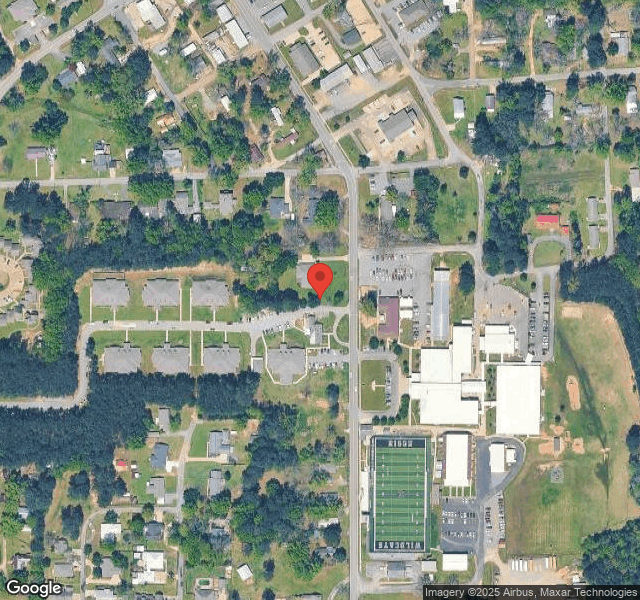
701 SOUTH MAIN STREET, RISON, AR 71665 (870) 325-6202
For profit - Corporation 106 Beds SOUTHERN ADMINISTRATIVE SERVICES Data: November 2025 3 Immediate Jeopardy citations
Trust Grade
14/100
#173 of 218 in AR
Last Inspection: April 2024

Within standard 12-15 month inspection cycle. Federal law requires annual inspections.

Overview

The Green House Cottages of Southern Hills received a Trust Grade of F, indicating significant concerns about the facility's operations and care quality. It ranks #173 out of 218 nursing homes in Arkansas, placing it in the bottom half of the state, but it is the only option in Cleveland County. The facility is showing some improvement, with a reduction in issues from 10 in 2024 to just 1 in 2025. Staffing is a strong point, with a 5/5 star rating and a turnover rate of 34%, which is much lower than the state average. However, the facility has accumulated $47,814 in fines, which is concerning and suggests ongoing compliance problems. There have been critical incidents, including a failure to properly supervise residents who smoke, leading to potential burn risks, and a lack of required safety measures for a resident at high risk of falls. Additionally, another incident highlighted that a resident with severe cognitive impairment was not adequately monitored, resulting in elopement risks. Overall, while there are strengths in staffing, the facility faces serious issues that families should consider carefully.

Trust Score
F
14/100
In Arkansas
#173/218
Bottom 21%
Safety Record
High Risk
Review needed
Inspections
Getting Better
10 → 1 violations
Staff Stability
○ Average
34% turnover. Near Arkansas's 48% average. Typical for the industry.
Penalties
○ Average
$47,814 in fines. Higher than 63% of Arkansas facilities. Some compliance issues.
Skilled Nurses
○ Average
Each resident gets 31 minutes of Registered Nurse (RN) attention daily — about average for Arkansas. RNs are the most trained staff who monitor for health changes.
Violations
⚠ Watch
20 deficiencies on record. Higher than average. Multiple issues found across inspections.
★★☆☆☆
2.0
Overall Rating
★★★★★
5.0
Staff Levels
★★★★☆
4.0
Care Quality
★☆☆☆☆
1.0
Inspection Score
Stable
2024: 10 issues
2025: 1 issues

The Good

  • 5-Star Staffing Rating · Excellent nurse staffing levels
  • 4-Star Quality Measures · Strong clinical quality outcomes
  • Full Sprinkler Coverage · Fire safety systems throughout facility
  • No fines on record
  • Staff turnover below average (34%)

    14 points below Arkansas average of 48%

Facility shows strength in staffing levels, quality measures, fire safety.

The Bad

2-Star Overall Rating

Below Arkansas average (3.1)

Below average - review inspection findings carefully

Staff Turnover: 34%

12pts below Arkansas avg (46%)

Typical for the industry

Federal Fines: $47,814

Above median ($33,413)

Moderate penalties - review what triggered them

Chain: SOUTHERN ADMINISTRATIVE SERVICES

Part of a multi-facility chain

Ask about local staffing decisions and management

The Ugly 20 deficiencies on record

3 life-threatening
Aug 2025 1 deficiency
CONCERN (D) 📢 Someone Reported This

A family member, employee, or ombudsman was alarmed enough to file a formal complaint

Potential for Harm - no one hurt, but risky conditions existed

Accident Prevention (Tag F0689)

Could have caused harm · This affected 1 resident

Number of residents sampled: Number of residents cited: Based on record review and interviews, the facility failed to ensure a resident’s wheelchair was properly secured to ensure the resident w...

Read full inspector narrative →
Number of residents sampled: Number of residents cited: Based on record review and interviews, the facility failed to ensure a resident’s wheelchair was properly secured to ensure the resident was safely transported in the facility van for one (Resident #4) of one resident reviewed. The findings include: A review of a Police Incident Report Form indicated that near an address between [town name] and the facility, Certified Nursing Assistant (CNA) #1 was driving the van with two passengers inside: the Activities Director (AD) and Resident #4. While traveling, the wheelchair Resident #4 was seated in suddenly rolled backwards. This caused Resident #4 to bump the back of their head. The resident was transported to the emergency room for evaluation and treatment. A review of a quarterly Minimum Data Set (MDS) with an Assessment Reference Date of 06/04/2025, revealed Resident #4 had a Brief Interview for Mental Status score of 15, which indicated the resident was cognitively intact. The MDS also indicated the resident had diagnoses which included fracture of unspecified part of thigh bone, worn cartilage of the joints, anxiety, diabetes mellitus, and muscle wasting and shrinkage. Resident #4 used a wheelchair or walker for mobility. A review of an Incident and Accidents (I & A) Report with a date of 05/09/2025, revealed Resident #4 was involved in an “unusual occurrence” while on the facility van for a shopping outing with CNA #1 and the AD. A summary of the incident dated 05/09/2025 at approximately 12:15 PM, indicated the Assistant Director of Nursing (ADON) was notified by CNA #1 that on return travel to facility from an outing, Resident #4’s wheelchair tilted back, and the resident’s head hit the lift rack. CNA #1 pulled the facility van to the side of the street and stopped. CNA #1 and the AD assisted the resident back into an upright position. The Director of Nursing (DON) came to the scene of the incident and reported Resident #4 was in the van upon her arrival. Resident #4 was transported to the emergency room for evaluation. A review of a Progress Note dated 05/09/2025 at 9:30 PM revealed Resident #4 hit their head while in the facility van. The resident was sent to the area hospital for evaluation and returned to the facility at 9:30 PM. A body audit completed at the time of return revealed bruising with mild swelling to the left upper arm that was tender to touch, a knot on the back of the head, as well as redness and blanching to sacrum with complaint of mild pain from sitting for extended time at the hospital. Neuro checks were started at this time. A review of a Body Audit dated 05/09/2025, indicated at 9:30 PM Resident #4 had a knot and swelling to back of their head and bruising to left elbow, left upper arm, and left forearm. A review of an emergency room (ER) General Physician Note dated 05/09/2025, indicated Resident #4 stated they were on the facility transportation bus and their wheelchair tipped backwards. The note revealed an “Obvious bump on lower back part of skull, possible blood collection under the skin to left back bicep, and [Resident #4] reported a headache.” Computed Tomography performed on 05/09/2025 revealed mild back of the head swelling. The ER final diagnoses included head injury, closed, accidental fall, and back of the head swelling due to blood accumulation. Resident #4 was discharged back to facility 05/08/2025 at 5:28 PM. A review of an in-service training sign-in sheet dated 05/07/2025, indicated CNA #1 attended an in-service which covered “correct operation of the lift, correct procedure for loading and unloading a resident utilizing the van lift, correctly securing residents with proper tie down procedures, and manual operation of the lift. The course was named “Correct Lift Operation and Properly Securing Residents” and took place at the facility. A review of an inspection company invoice dated 05/15/2025 indicated the following: - Concern: safety inspection of lift, tiedown straps and belts due to an incident with a resident - Cause: At time of inspection the tiedowns were not in the proposition for transporting a wheelchair. No mechanical issues or damage was found with/on the tiedowns or the lap and shoulder belt assembly when vehicle was inspected. - Correction: Need an in-service training to show proper placement of retractors. Need to replace back tires and front windshield due to safety issues. Review of In-service Education Report titled “When Transporting an Elder Make Sure All the Following Are Observed” dated 05/09/2025 indicated “correct operation of the lift, correct procedure for loading/unloading elder on lift, correct securing of resident with the proper tie down procedures.” CNA #1 and the Maintenance Supervisor signed the in-service report. A review of an In-service Education Report titled “Transportation Van” dated 05/22/2025 indicated a new wheelchair with anti-tippers will be utilized on the van. Residents will not be transported in their personal wheelchair. During an interview on 08/05/2025 at 11:05 AM, Resident #4 indicated CNA #1 strapped the resident’s wheelchair in place and placed the seatbelt over the resident in the facility van before they left the facility. The resident indicated that CNA #1 and the AD were the two employees on the van. Resident #4 indicated on the way back to the facility, suddenly the resident’s head went back, and resident’s head was hit on the lift at the back of the facility van. The resident stated “The whole wheelchair and I went back. I was pinned with my chin to my chest.” The resident reported the employees stopped the van on the side of the road and helped them up. The resident referred to the incident as “a freak accident” and stated they had a “large goose egg big enough to see without feeling on the back of my head and my left shoulder and left arm had large bruising.” During an interview on 08/05/2025 at 12:12 PM, the AD indicated on 05/09/2025 Resident #4 went on a shopping outing in the facility van. She reported after shopping at a store, CNA #1 applied the straps onto Resident #4’s wheelchair, securing the resident for the travel back to the facility. She indicated they were about half-way back to the facility when the resident made a verbal sound that caught her attention. The AD reported she looked back, and the resident’s head was against the gate of the lift in the back of the van. The AD reported CNA #1 quickly pulled off the road and they assisted the resident up off the lift. She stated “I don’t even know how it happened. After the accident the wheelchair locks were locked, and all the straps were in place correctly. Shoulder strap and lap belt, each wheel (four) had its own strap and all were in place.” During a phone interview on 08/06/2025 at 11:27 AM, the van inspection company employee verified the repair order safety inspection for the facility van dated 05/15/2025. The van inspection company employee indicated on the invoice Cause: “at time of inspection the tie downs were not in the proposition for transporting a wheelchair” included a typo and the word “proposition” should have read “proper position.” The van inspection company employee indicated straps, or tie downs were also called retractors, and the retractors on the facility van were in the wrong spot, the wrong position. The employee stated “the ratchet straps were parallel to the ones behind it. The two ratchet straps in the back should be closer together so they hold the back of the chair.” The employee reported the way the retractors were positioned in the van could allow a resident to fall side to side or to tip backwards. During a phone interview on 08/07/2025 at 8:16 AM, the van inspection company manager verified the repair order safety inspection for the facility van dated 05/15/2025. The manager indicated on the invoice the Cause: “at time of inspection the tiedowns were not in the proposition for transporting a wheelchair” the word proposition was misspelled and should be proper position and not “proposition”. The manager indicated the tie downs or retractors were not placed in the proper area. The manager reported that when the facility requested the safety inspection following an incident, the facility was instructed to not move anything in the van before the inspection was completed. The manager also reported the facility maintenance man brought the van in and took part in some education on the proper placement of the tie downs. The van inspection company manager stated, “The maintenance man said to me I don’t think we have ever been shown this way”. The manager reported the tiedowns could not have been tight on the wheelchair the way they were positioned. During an interview on 08/07/2025 at 11:21 AM, the Maintenance Director (MD) reported he drove the van back to the facility without passengers after the incident. He reported he took the facility van to be inspected on 05/15/2025. He reported the inspection made recommendations for new tires and a new windshield and the facility did get new tires and a new windshield. The MD stated “The guy checked the straps and said that it was good, he wanted to make sure the tie downs were correctly placed. There were no issues with how they were placed.” The MD verbalized he did not read the printed safety inspection report. He reported the inspector in-serviced him on how to spread out the straps to keep the wheelchair from “wobbling”. He indicated he relayed the in-service to the admin. During an interview on 08/07/2025 at 11:45 AM, the Administrator reported she received a call from the ADON reporting Resident #4 hit their head on the lift of the facility van on the way back from a shopping outing and the van was pulled over on the side of the road. The Administrator indicated she went to the scene and called the ambulance and local sheriff’s office on the way there. The Administrator reported when she got to the van she checked on the resident first. The Administrator indicated Resident #4 was still in the wheelchair and the restraints were in place. The Administrator reported that the resident stated they “adjusted” themselves in the chair. The Administrator reported Resident #4 was transported to the emergency room via ambulance. She reported that the Maintenance Director was called to come pick up the van. The Administrator reported an appointment was made to have the van inspected and the staff were instructed to leave everything as it was and avoid moving anything. The Administrator reported neither she nor any other staff moved anything in the van. She stated the safety inspection indicated “there was no problem with the tract system, there was nothing wrong.” The Administrator stated “I called to get an update from them (inspectors of the van). They said nothing was wrong.” She reported the inspector did say the van needed new tires and a new windshield. The Administrator stated, “it was a ‘freak accident’” and Resident #4 only had a very small knot on the back of [the resident’s] head that was gone the next day. “I really think [Resident #4] leaned back repositioning self and hit head.” During an interview on 08/07/2025 at 4:15 PM the Administrator reported there was not a facility policy for accidents.
Apr 2024 10 deficiencies 1 IJ
CRITICAL (J) 📢 Someone Reported This

A family member, employee, or ombudsman was alarmed enough to file a formal complaint

Immediate Jeopardy (IJ) - the most serious Medicare violation

Accident Prevention (Tag F0689)

Someone could have died · This affected 1 resident

**NOTE- TERMS IN BRACKETS HAVE BEEN EDITED TO PROTECT CONFIDENTIALITY** 4). Resident #20 had diagnoses of dementia, psychotic disturbance, anxiety, and delirium. Fall Assessments dated 03/29/2024, 3/...

Read full inspector narrative →
**NOTE- TERMS IN BRACKETS HAVE BEEN EDITED TO PROTECT CONFIDENTIALITY** 4). Resident #20 had diagnoses of dementia, psychotic disturbance, anxiety, and delirium. Fall Assessments dated 03/29/2024, 3/11/2024, 3/1/2024, 12/28/2023, 10/10/2023, 10/7/2023, and 10/1/2023 all identified Resident #20 to be a High Fall Risk. Resident #20 had a BIMS of 7, as identified on a MDS dated [DATE], which indicated Resident #20 had severe cognitive impairment. Resident #20 ' s Care Plan dated 04/03/2024 identified Resident #20 to be at risk for falls and dates for falls of 10/01/2023; 10/07/2023; 10/20/2023; 01/03/2024; 02/01/2024; 03/11/2024. The Care Plan initiated 09/20/2023 with revision of 04/08/2024 documented: Resident #20 will be free of falls through the review date. Date Initiated: 04/03/2024. 10/01/2023 encouraged to use the call light for assistance; 10/20/2023 blanket was removed from w/c [wheelchair], encouraged to lock brakes on w/c; 10/07/2023 fall mat to floor right side of bed; 02/01/2024 maintenance inspected threshold to door. And 03/11/2024 fall mat to floor, new low bed ordered by hospice. A Nursing Progress Note dated 03/11/2024 at 19:43 (7:43) PM documented, The elder was reaching for a drink off the nightstand, and she slid out of the bed hitting her head on the bedside table. She has a small laceration to the top of the scalp on the left side. The area was cleaned, and the bleeding stopped. She was assessed and assisted to a wheelchair. Neuros [neurological checks] started at this time. The hospice nurse was notified and came to see the elder also. MD [Medical Doctor] was notified of the fall along with family member . A Nursing Progress Note dated 03/13/2024 at 11:23 PM documented, .Continues on observation for fall. No c/o [complaints of] px [pain] or discomfort voiced at this time. Currently resting in bed with bed in lowest position. No acute distress noted. Will continue with current plan of care. C/L [call light] in reach. A MDS Progress Note dated 04/03/2024 at 03:07 PM documented, Quarterly MDS Assessment Completed. Elder requires staff assistance with some functional abilities . Fall X2 noted during the look back period. No skill therapy services, referrals or plan of discharge. Elder continues with [named provider] hospice services. On 04/22/2024 at 10:25 AM, Resident #20 was observed lying in bed, the bed was not in the lowest position, the bed was at normal height. On 04/22/2024 at 11:50 AM, Resident #20 was observed lying in bed, the bed was not in the lowest position. On 04/22/2024 at 02:05 PM, Resident #20 was observed lying in bed, the bed was not in the lowest position. On 04/23/2024 at 10:15 AM, Resident #20 was observed in bed, the bed was not in the lowest position. The bed height was that of a normal hospital bed. On 04/23/2024 at 2:20 PM, Resident #20 was observed in bed. The bed was at normal height, and not in low position. The bed height was that of a normal hospital bed. On 04/23/2024 at 03:15 PM, Resident #20's bed height was that of a normal hospital bed. During continued rounds in the cottage, the resident was observed attempting to get out of bed. On 04/23/2024 at 03:18 PM, CNA #4 stated that staff keep Resident #20 ' s bed in its lowest position when Resident #20 is not eating or drinking. On 04/23/2024 at 03:20 PM, LPN #1 stated the bed was to be kept in the lowest position when the resident was in it, this was an intervention after a fall. It is supposed to be kept down, at all times, except when they are changing the resident. On 04/25/2024 at 08:59 AM, Resident #20's bed was observed not to be in the lowest position. CNA #4 measured the bed to be at 69 inches, the height was verified by CNA #11. On 04/25/2024 at 02:45 PM, the ADON stated they do not have a policy on bed height. The Surveyor asked the ADON, How do you expect the staff to use the Hi-Low bed for Resident #20? The ADON stated, They are to leave it in the lowest possible position. They are not to leave her in a high position. The Surveyor asked, If the resident requested to remain in the high position, how would you instruct the staff? The ADON stated, We can't leave her up because if she fell at that height, it could cause a serious injury. It is for her safety. 3). On 04/22/2024 at 10:50 AM, the Surveyor observed keys in the doorknob of a closet. The Surveyor opened the door and noted full and empty portable oxygen tanks sitting on the floor behind boxes of items to provide care (razors, saving cream, gloves, oral swabs, incontinence briefs, toilets paper). On 04/22/2024 at 10:53 AM, the Surveyor asked Registered Nurse (RN) #1 if the door should be unlocked? RN #1 stated, No. The Surveyor asked why is it important that the door remains locked? RN #1 stated, There is stuff in there like mouth wash, razors, and oxygen that the elders could get into and it could be harmful to them. The Surveyor asked whose keys were in the door. Certified Nursing Assistant (CNA) #1 walked up and stated, mine and removed the keys from the doorknob. On 04/25/2024 at 10:37 AM, the Surveyor asked the Assistant Director of Nursing (ADON), if the door to the closet used to store items to provide care, clean linens, and portable oxygen tanks should be locked? The ADON stated, Yes. The Surveyor asked with the closet containing portable oxygen tanks, could it be a danger to the residents? The ADON stated, Yes. On 04/25/2024 at 11:39 AM, the Surveyor was provided a policy titled, Accident Hazards Prevention that documented Resident Environment. The Environment will be free from accident hazards as is possible. A Life Safety manual will be maintained. Based on observation, interview and record review, the facility failed to ensure adequate supervision was provided to prevent elopement for 1 (Resident #82) of 1 sampled resident reviewed for elopement. The lack of an effective monitoring plan resulted in Resident #82 eloping from the facility and being found walking in the grass on the side of a public highway, approximately 100 yards from the resident's residence. 1. Resident #82 followed two other residents out to the back patio for their smoke break and staff only checked on residents every 5 to 10 minutes when they were outside the residence. Resident #82 was admitted on [DATE] with a diagnosis of Alzheimer's disease and had an admission Assessment which indicated the resident was at risk of wandering. On 04/23/2024, Resident #82 verbalized to staff that she lived close by and wanted to walk home. Staff were instructed to closely monitor the resident due to making that statement. At the time of the survey, there were 35 residents residing in the cottages who were identified as at risk for elopement. It was determined the facility's non-compliance with one or more requirements of participation had caused, or was likely to cause, serious injury, harm, impairment, or death to residents. The Immediate Jeopardy (IJ) was related to State Operations Manual, Appendix PP, 483.25 (Quality of Care) at a scope and severity of J; 2. failed to ensure hazardous chemicals and equipment were secured in a closed, locked room, from wandering residents. This failed practice had the potential to affect 1 (Resident #29) of 8 residents in Cottage 4 that ambulated or self-propelled; 3. failed to ensure adequate supervision was provided, assistive devices were in place, and interventions were implemented to decrease the potential for accidents for 1 (Resident #20) of 1 resident who was at risk for falls; 1.) Resident #82 was admitted on [DATE] and had an admission Assessment which indicated the resident was at risk of wandering. On 04/23/2024, Resident #82 verbalized to staff that [Resident #82] lived close by and wanted to walk home. A staff member was instructed to closely monitor Resident #82 due to making that statement. At the time of the survey, there were 35 residents residing in the cottages who were identified as at risk for elopement. It was determined the facility's non-compliance with one or more requirements of participation had caused, or was likely to cause, serious injury, harm, impairment, or death to residents. The Immediate Jeopardy (IJ) was related to State Operations Manual, Appendix PP, 483.25 (Quality of Care) at a scope and severity of J. The IJ began on 04/23/2024 around 6:00 PM when Resident #82 was seen walking in the grass on the side of a public highway approximately 100 yards from the resident's residence by a facility staff member who was walking to her vehicle after work. The resident was seen exiting the building with two other residents by a staff member. However, the resident left the area without staff knowledge. The Administrator, Administrator Assistant, Assistant Director of Nursing (ADON) and Nurse Consultants were notified of the IJ on 04/25/2024 at 12:39 PM. A Plan of Removal was requested. The Removal Plan was accepted by the State Survey Agency on 04/26/2024 at 3:29 PM. The IJ was removed on 04/30/2024 at 3:00 PM after the survey team performed onsite verification that the Removal Plan had been implemented. The findings are: Resident #82 was admitted on [DATE] with a diagnosis of Alzheimer's disease as documented on the Order Summary. A Care Plan initiated 04/24/2024 documented Resident #82 was an elopement risk/wanderer and was transitioned to the Secure Cottage and was to be observed for any changes in wandering or exit seeking behaviors. On 04/23/2024 at 8:04 PM, the facility submitted an Incident and Accident report to the Office of Long-Term Care that documented Resident #82 had walked away from the campus and was found by the admission and Marketing Director and brought back to the campus. A Wandering Risk Scale dated 04/23/2024 documented Resident #82 had a score of 9 (9-10 indicates at risk for wandering/elopement). On 04/24/2024 at 12:43 PM, Resident #82 was sitting in a chair in the room looking at a book. Resident #82 was asked if Resident #82 knew why resident was moved to a new room and resident replied, I may have wandered off. Resident #82 had no memory of the incident on 04/23/2024. On 04/24/2024 at 1:04 PM, the Admissions and Marketing Director was interviewed, and she was asked to describe the incident regarding Resident #82, and she stated, I was getting ready to leave around six o'clock. I was going to my car to leave and looked up and I saw [Resident #82]. I didn't know who it was at first. I took off running when I saw [Resident #82] to stop [Resident #82] and redirect [Resident #82] back to the facility. She admitted the resident was on the road going to [Resident #82]'s right. She added Resident #82 was still on the left side of the street and was about 30-40 yards from the stop sign. She stated [Resident #82] stated [Resident #82] was fine and that [Resident #82] stated [Resident #82] was trying to get to a cousin's house because the resident's spouse was supposed to be there to pick up [Resident #82]. The admission and Marketing Director stated when Resident #82 was told they needed to go back to the facility, Resident #82 immediately came with her. She added that the Minimum Data Set (MDS) Coordinator and Administrator saw her running, knew something was wrong and came to her and [Resident #82] after they were back on facility grounds, and they (Administrator and MDS Coordinator) walked the resident the rest of the way and she left. On 04/24/2024 at 2:50 PM, Certified Nursing Assistant (CNA) #11, was asked when she saw Resident #82 last and she stated it was after 5:30 PM and going on 6:00 PM after supper. She stated Resident #82 had got up from the table and followed two residents to the back patio to smoke. She added Resident #82 did not smoke when asked and that she thought the resident liked the company but usually came back it. She confirmed that no staff member went outside with the residents and that she was not aware that the nurse had told a co-worker to keep an eye on Resident #82. CNA #11 was asked how she knew which residents needed supervision and she stated she had not been told about anyone who needed supervision. On 04/24/2024 at 3:17 PM, CNA #12 was asked if residents were allowed to be on the porch alone and he stated, Yes, if they are not visually disoriented, but we have to keep an eye on them, depending on who they are. If it's someone new, we try to check on them every 5 to 10 minutes. He confirmed that CNAs were responsible for watching the residents when they were on the porch. He was asked if he was familiar with [Resident #82] and he stated it was his second day with the resident since the resident's admission. CNA #12 denied knowing if the resident had any exit seeking behavior. He admitted the last time he saw Resident #82 was about 5:30 PM to 5:45 PM when Resident #82 was sitting at the dinner table eating. He confirmed that he was told by the nurse to keep an eye on Resident #82 because the resident could possibly wander off. On 04/24/2024 at 4:39 PM, Registered Nurse (RN) #1 was asked to describe the incident regarding Resident #82 and she stated, About 4:50 [pm] I was packing up my things and an aide brought [Resident #82] in from the back porch to the library and the aide stated she didn't want [Resident #82] to get hurt because they were mowing and then [Resident #82] stated [Resident #82] thought [Resident #82] lived pretty close down the street and [Resident #82] thought [Resident #82] could walk there. So, we re-orientated [Resident #82] and took [Resident #82] back to [Resident #82]'s room. Then I was about to go across the street and the aide, at the CNA [documentation area], I told to keep an eye on the elder because [Resident #82] made a comment that [Resident #82] lived down the street and thought [Resident #82] could walk there and I didn't want [Resident #82] to try to leave, thinking that [Resident #82] lived there from the Alzheimer's. At that point the resident was in [Resident #82]'s room and [Resident #82]'s door was visible from the [documentation area]. After that, I went to [NAME] Cottage for my 5 o'clock med [medication] pass. She confirmed Resident #82 did not show any exit seeking behaviors on her shift, but the night nurse stated Resident #82 commented about wanting to go home. On 04/24/2024 at 05:34 PM, the Administrator was interviewed and stated that she and the MDS Coordinator were walking to their vehicles around 5:50 PM and observed the Admissions and Marketing Director talking to Resident #82. She stated they met Resident #82 and the Admissions and Marketing Director and walked Resident #82 back and Resident #82 was taken to the Secure Cottage and [Resident #82]'s belongings moved. The Administrator stated she met with the staff and had the MDS Coordinator start running risks assessments. The Administrator added, I sent nursing, ADON, to do a body audit immediately and the Nurse Practitioner was on the phone with the ADON, and the 15 minutes checks were started, and all notifications were being done and family was notified. She stated she sent the Dietary Assistant/CNA to the cottages with the in-services to make sure they understood and to let them know that she would follow before she left but she needed them [in-services] to go out immediately. She had another staff nurse to get witness statements. She stated, After I left 3 [Cottage #3], I did go find the nurse and I told her to do an I&A [incident and accident] and that I needed her to make sure [Resident #82] meds and belongings got transferred to Cottage 1. The Immediate Jeopardy was removed on 04/26/2024 at 03:00 PM when the following Plan of Removal was implemented by the facility: Upon notification to Administrator that Resident #82 was observed off campus, the Resident was returned to the campus by the admission Coordinator, a body audit was conducted by a Licensed Practical Nurse with no negative findings and Resident #82 was placed in the secure cottage on 04/23/2024 at 06:15 PM. Resident #82's wandering risk assessment was reassessed by the Minimum Data Set Coordinator and the plan of care was updated to include risk of wandering on 04/23/2024. CNA in Secure Cottage Began 15 minute checks on Resident #82 on 04/23/2024. These 15-minute checks will continue until Resident #82 no longer exhibits exit seeking behavior. The Administrator and Assistant Administrator began in-service training for all staff on duty on 04/23/2024 related to abuse, neglect, and elopement. All other staff will be trained before coming on duty on abuse and neglect and elopement. The training included if an elder seems more confused, is exit seeking, found to have an increase in wandering or any change of condition, staff are to notify a supervisor/nurse immediately and staff to perform more frequent checks on them. This has a completion date of 04/26/2024. Facility Registered Nurse and Licensed Practical Nurse reassessed all other elders on current census for their wandering risk assessment on 04/23/2024. Resident's care plans and wandering assessments will indicate if a resident is at risk for wandering. All corrections were completed on 04/26/2024. The Administrator provided a Missing Resident/Elopement Protocols policy on 04/24/2024 that documented, .It is the policy of the [NAME] House Cottages of Southern Hills to provide a safe and secure environment for all residents. In the event of resident elopement, it is the policy of the [NAME] House Cottages of Southern Hills to implement its elopement protocols immediately to locate the resident in a timely manner . On 04/26/2024 at 12:30 PM, the Administrative Assistant provided an Inservice Education Report on Elopement, a second one on Abuse and Neglect Investigation and Reporting and a third one that documented, All elders are to be monitored every 15 minutes . with different signatures and titles on each in-service. Onsite Verification: The IJ was removed on 04/26/2024 at 03:00 PM after the survey team performed an onsite verification that the Removal Plan had been implemented. On 04/30/2024 at 10:45 AM, the Surveyor entered the facility to verify removal of the immediate jeopardy. Reviewed Resident #82's placement, verified resident census for the secure cottage. Resident #82's wandering risk assessment was reassessed by the Minimum Data Set Coordinator and the plan of care was updated to include risk of wandering on 04/23/2024. Reviewed Certified Nursing Assistant (CNA) in Secure Cottage l5 minute checks on Resident #82 on 04/23/2024. The checks began on 04/23/2024 at 7:00 PM, and ended on 04/24/2024 at 7:00 PM, with no notation of exit seeking behavior since 04/24/2024 at 10:30 AM, noted Resident 'beating on door.' On 04/30/2024 at 2:10 PM, Resident #82 observed sitting in the resident's room of the secure cottage pleasantly visiting with a peer. No exit seeking or wandering behaviors observed. Reviewed staff in-service related to abuse, neglect, and elopement that began on 04/23/2024. The Assistant Administrator provided an audit list of employees for the facility to verify all staff were in-serviced by 04/26/2024. The Assistant Administrator reported the audit list was compared to staff signatures and phone calls to staff so they could verify every staff member had been in-serviced. On 04/30/2024 between 12:00 PM and 2:40 PM, 20 Certified Nursing Assistants, 3 Licensed Practical Nurses and 1 Registered Nurse that work various shifts, were interviewed to verify they received and understood the in-service. They were able to verbalize the training included that if a resident seemed more confused, is exit seeking, found to have an increase in wandering or any change of condition, staff are to notify a supervisor/nurse immediately and staff to perform more frequent checks on them. This had a completion date of 04/26/2024. Reviewed resident audit list for wandering risk assessment on 04/23/2024. Two residents were identified with a change in risk, verified both resident's care plans were updated to indicate resident is at risk for wandering. The Administrator and the Regional Consultant were informed of the Immediate Jeopardy Plan of Removal with a Completion Date of 04/26/2024 verified removal on 04/30/2024 at 03:00 PM.
CONCERN (D)

Potential for Harm - no one hurt, but risky conditions existed

Deficiency F0554 (Tag F0554)

Could have caused harm · This affected 1 resident

Based on observation, interview and record review, the facility failed to ensure medications were not self-administered without a physician's order, and the interdisciplinary team (IDT) assessed resid...

Read full inspector narrative →
Based on observation, interview and record review, the facility failed to ensure medications were not self-administered without a physician's order, and the interdisciplinary team (IDT) assessed residents to determine self-administration of medications was safe for 1 (Resident #33) of 1 sampled resident. The findings are: On 04/22/2024 at 11:44 AM, a bottle of Nystatin-Triamcinolone Cream was found in Resident #33's bathroom. Resident #33 stated that the resident applies the cream to the resident because of where it is located. On 04/24/2024 at 09:19 AM, a bottle of Nystatin-Triamcinolone Cream was found in Resident #33's bathroom. A Quarterly Minimum Data Set (MDS) with an Assessment Reference Date (ARD) of 03/16/2024 documented Resident #33 scored 14 (13-15 indicates cognitively intact) on a Brief Interview for Mental Status (BIMS). Resident #33's Care Plan dated 04/01/2024, did not identify the resident as able or assessed to self-administer medications. The Medication Administration Record (MAR) dated April 2024 documented that Resident #33 had been diagnosed with candidiasis (a fungal infection caused by a yeast (a type of fungus) called Candida) and had a Physician's Order for Nystatin-Triamcinolone Cream to be applied to the abdomen, the groin and under the breasts topically every 24 hours as needed for itching/redness. On 04/24/2024 at 8:52 AM, Licensed Practical Nurse (LPN) #3 stated there were no residents that self-administered medications, and that she was unaware of any resident assessed for self-administration of medications. LPN #3 stated the reason it was important for residents to be assessed for self-administration of medications was to make sure they can actually take the medicine and that it was the right mediation. LPN #3 stated that any resident who had been assessed and approved to self-administer medications would have those medications stored in a locked cabinet in the resident's room. On 04/24/2024 at 09:07 AM, the Director of Nursing (DON) stated there were no residents that self-administered medications, and that there had been no resident assessed for self-administration of medications in over a year. The DON stated the reason it was important for residents to be assessed for self-administration of medications was to make sure they know how to safely do it, to not over or under medicate, and to not allow another resident to have access to their medication. On 04/24/2024 at 9:20 AM, the DON asked Resident #33 where the medicating cream had been obtained. Resident #33 stated one of the nurses left it for the resident to self-administer. The DON explained to the resident that medication cannot be kept at bedside and the resident voiced understanding. On 04/24/2024 at 09:44 AM, the DON was unable to produce a policy for resident self-administration of medications, or a self-administration form.
CONCERN (D)

Potential for Harm - no one hurt, but risky conditions existed

Safe Environment (Tag F0584)

Could have caused harm · This affected 1 resident

Based on observation, interview and record review, the facility failed to ensure resident restrooms were cleaned to promote a clean and sanitary environment for 1 (Resident #43) of 1 sampled resident ...

Read full inspector narrative →
Based on observation, interview and record review, the facility failed to ensure resident restrooms were cleaned to promote a clean and sanitary environment for 1 (Resident #43) of 1 sampled resident who used the bathroom in their room. The findings are: 1. Resident #43 had diagnoses of weakness and constipation as documented on an order summary. a. A Quarterly Minimum Data Set (MDS) with an Assessment Reference Date (ARD) of 02/09/2024 documented the resident had a Brief Interview of Mental Status (BIMS) of 15 (13-15 indicates cognitively intact) and required substantial/maximal assistance with toileting hygiene. b. A Care Plan dated 02/16/2024 documented Resident #43 required assistance with some functional abilities related to weakness and requires assistance of one staff with toileting hygiene. c. On 04/22/2024 at 12:55 PM, Resident #43's toilet had brown stains on the inside and outside of the toilet bowl. d. On 04/23/2024 at 03:38 PM, Resident #43's toilet had brown stains on the inside and outside of the toilet bowl. e. On 04/25/2024 at 06:00 PM, Resident #43's toilet had a brown substance in front of the toilet bowl just below the seat and on the back of the seat. f. On 04/25/2024 at 07:10 PM, Certified Nursing Assistant (CNA) #11 stated that the CNAs were responsible for cleaning the resident's rooms and stated, On bath days, the CNAs goes in the room for deep cleaning. CNA #11 stated Resident #43's bath days were Tuesday and Thursday. g. On 04/25/2024, the Administrative Assistant stated they did not have a policy on cleaning resident rooms.
CONCERN (D)

Potential for Harm - no one hurt, but risky conditions existed

Incontinence Care (Tag F0690)

Could have caused harm · This affected 1 resident

Based on observation, interview and record review, the facility failed to ensure residents received proper and punctual incontinence care for 1 (Resident #25) sampled resident. The findings are: Resid...

Read full inspector narrative →
Based on observation, interview and record review, the facility failed to ensure residents received proper and punctual incontinence care for 1 (Resident #25) sampled resident. The findings are: Resident #25 had diagnoses of Urinary tract infection and Candidiasis. An admission Minimum Data Set (MDS) with an Assessment Referenced Date (ARD) of 02/13/2024 documented Resident #25 scored 15 (13-15 indicates cognitively intact) on a Brief Interview for Mental Status and was occasionally incontinent of bowel and bladder. A Care Plan with a review date of 02/23/2024, documented Resident #25 required assistance with functional abilities related to muscle weakness, lack of coordination, and fracture to left femur and shaft of right tibia. On 04/22/2024 at 09:55 AM, the Surveyor noted the odor of urine upon entering Resident #25's room that got stronger upon approach to the resident. Resident #25 was lying in bed with a blue disposable incontinence pad visible underneath the resident's body. On 04/22/2024 at 12:15 PM, the Surveyor observed Resident #25 lying in bed. The Surveyor noted that the Resident's bed was wet, with the blue incontinent pad placed under the resident having a yellow discoloration in a circular pattern. Resident #25 acknowledged the blue disposable incontinence pad underneath the resident was wet and had had an episode of urinary incontinence. On 04/22/2024 at 12:20 PM, Certified Nursing Assistant (CNA) #2 and #3 provided incontinence care to Resident #25. The Resident's incontinence brief, blue disposable incontinence pad, and sheet were saturated with urine as evidenced by yellow discoloration. Resident #25 had visible skin irritation in the form of reddened excoriation in the areas that contacted the wet brief. When cleaning Resident #25's perineal area, CNA #3 did not properly clean all affected areas of the skin. CNA #2 and #3 did not perform proper hand hygiene or gloves changes after completing incontinence care, after disposing of soiled linens, after applying clean linens, or before applying topical skin barrier cream to the resident's perineal area. On 04/22/2024 at 12:37 PM, CNA #3 stated that neither CNA that performed incontinence care for Resident #25 had performed hand sanitation while performing glove changes. CNA #2 confirmed that the resident's perineal area had been incompletely cleansed, and that soiled gloves had been used to apply the clean sheets, incontinence pad, brief, and topical barrier cream. CNA #2 stated that she had last checked the Resident #25 for incontinence at 08:00 AM that morning. On 04/25/2024 at 10:37 AM, the Assistant Director of Nursing (ADON) stated every part of the body that comes in contact with urine should be cleaned when providing incontinence care, and that it is important to clean all areas that come in contact with urine, so their skin doesn't become irritated, or any skin breakdown occurs. The ADON stated that improper incontinence care could lead to a urinary tract infection, that staff should sanitize or wash hands between glove changes, and that clean items should not be touched with soiled gloves to prevent the spread of infection. On 04/25/2024 at 11:39 AM, a policy titled Hand Hygiene documented Perform Hand Hygiene .When .After removing gloves. On 04/25/2024 at 11:39 AM, the Surveyor was provided a policy titled Peri Care Check Off that documented the proper procedure for providing incontinence care, which included to change gloves after touching a soiled area and to change gloves after providing incontinence care to the front of the resident and the back.
CONCERN (D)

Potential for Harm - no one hurt, but risky conditions existed

Tube Feeding (Tag F0693)

Could have caused harm · This affected 1 resident

Based on observation, interview and record review, the facility failed to provide appropriate treatment and services for residents receiving enteral nutrition via Percutaneous Endoscopic Gastrostomy (...

Read full inspector narrative →
Based on observation, interview and record review, the facility failed to provide appropriate treatment and services for residents receiving enteral nutrition via Percutaneous Endoscopic Gastrostomy (PEG) tube for 1 (Resident #23) of 1 sampled resident. The findings are: Resident #35 had diagnoses of sequelae of cerebral infarction, epilepsy, aphasia, and dysphagia. A Quarterly Minimum Data Set (MDS) with an Assessment Reference Date (ARD) of 03/23/2024 documented Resident #35 scored 3 (3 indicates severely impaired cognitive skills) on a Staff Assessment for Mental Status (SAMS) and had a PEG tube while a Resident. A Physician ' s Order for Resident #35 documented, Enteral Feed 45 ml (milliliter)/hour for 23 of 24 hours a day, enteral feed every shift flush rate of water (H2O) 60ml/hour, elevate HOB (Head of Bed) 30 to 45 degrees. A Care Plan with a review date of 04/04/2024 documented that Resident #35 had a PEG tube and needs HOB elevated 30 to 45 degrees during tube feeding. On 04/22/2024 at 10:40 AM, the Surveyor observed Certified Nursing Assistant (CNA) #1 at the bedside of Resident #35 providing care. Resident #35's bed was positioned flat, without HOB inclined, while enteral nutrition was infusing at 45 ml/hour with 60ml flush. On 04/22/2024 at 10:45 AM, CNA #1 confirmed it is important to make sure that the infusion has stopped prior to lying the resident flat because the resident could aspirate. On 04/22/2024 at 10:53 AM, Register Nurse (RN) #1 confirmed it was essential to pause the pump providing enteral nutrition before lying the bed flat to prevent aspiration. On 04/25/2024 at 10:37 AM, the Assistant Director of Nursing (ADON) confirmed residents should not be laid flat with enteral nutrition being provided to prevent aspiration, or pneumonia from the aspiration. On 04/25/2024 at 11:39 AM, the ADON voiced that the facility did not have a policy on eternal infusion/feeding.
CONCERN (D)

Potential for Harm - no one hurt, but risky conditions existed

Drug Regimen Review (Tag F0756)

Could have caused harm · This affected 1 resident

Based on interview and record review, the facility failed to ensure a pharmacist's recommendation for the provider to provide an appropriate diagnosis before administering an antipsychotic medication ...

Read full inspector narrative →
Based on interview and record review, the facility failed to ensure a pharmacist's recommendation for the provider to provide an appropriate diagnosis before administering an antipsychotic medication was followed for 1 (Resident #20) sampled resident. The findings are: 1. Resident #20 had diagnoses of Dementia, Major depression, and Delirium due to unknown physiological condition. 2. Resident #20 had an order in place for Zyprexa, which is an antipsychotic medication that can treat several mental health conditions like schizophrenia and bipolar disorder. 3. A Medication Regimen Review (MRR) dated 09/29/2023 documented, A. Consultant Pharmacist .Antipsychotic recommendation . Unnecessary Psychotropic Medication . ZyPREXA Oral Tablet 5 MG (milligram) . Diagnosis: F33.1 MAJOR DEPRESSIVE DISORDER, RECURRENT, MODERATE . Consultant Pharmacist Notes .Consider appropriate diagnosis . a. The Attending Physician/Prescribing Practitioner response was, .Continue current medication regimen with no changes . Clinical rationale and/or documentation for continued need (risk vs. benefit): hospice . b. The Director of Nursing (DON)/Designee response was, MD (medical doctor) response received and accepted .MD Response received and follow up required .The following action has been taken: hospice patient . 4. On 04/25/2024 at 10:37 AM, the Assistant Director of Nursing reported there was no documentation stating that hospice was notified of the recommendations by the Pharmacist dated 09/29/2023. C. On 04/25/2024 at 11:39 AM, the Assistant Director of Nursing stated the facility did not have a policy on unnecessary medications.
CONCERN (E)

Potential for Harm - no one hurt, but risky conditions existed

Deficiency F0761 (Tag F0761)

Could have caused harm · This affected multiple residents

Based on observation, interview, and record review, the facility failed to ensure medications were not left at the bedside for 2 (Residents #7 and #29) sampled residents. The findings are: 1. Residen...

Read full inspector narrative →
Based on observation, interview, and record review, the facility failed to ensure medications were not left at the bedside for 2 (Residents #7 and #29) sampled residents. The findings are: 1. Resident #7 had diagnoses of dementia and pelvic/perineal pain. a. An admission Minimum Data Set (MDS) with an Assessment Reference Date (ARD) of 04/06/2024 documented Resident #7 scored 13 (13-15 indicates cognitively intact) on a Brief Interview for Mental Status. b. Resident #7 had a Physician's Order for Diclofenac Sodium External Gel 1 % to be applied as needed for localized pain. c. Resident #7's Care Plan documented that the resident has pelvic and perineal pain and included intervention as follows: administer pain medications as ordered/needed, notify MD/Practitioner if not effective, administer PRN (as needed) pain medications as ordered to alleviate pain or for breakthrough pain. d. On 04/22/2024 at 10:10 AM, the Surveyor observed a container of Diclofenac Sodium 1% in the Resident's bathroom on a shelf. e. On 04/22/2024 at 12:13 PM, the Surveyor observed a container of Diclofenac Sodium 1% in the Resident's bathroom on a shelf. f. On 04/23/2024 at 08:45 AM, the Surveyor observed a container of Diclofenac Sodium 1% in the Resident's bathroom on the shelf. g. On 04/23/2024 at 09:10 AM, the Surveyor observed a container of Diclofenac Sodium 1% in the Resident's bathroom on the shelf. h. On 04/23/2024 at 09:10 AM, the Surveyor asked Medication Administration Certified aide (MA-C), while in the Resident's bathroom, Can you tell me what you see that should not be unlocked in a Resident's room? MA-C identified zinc cream, arthritis cream (Diclofenac), and aerosol air freshener. 2. Resident #29 had diagnoses of Down syndrome, adjustment disorder, and other specified mental disorders due to know physiological condition. a. A Quarterly MDS with an ARD of 04/20/2024 documented Resident #29 had short term and long-term memory problems. According to care plan Resident 29 was dependent on staff, mother, family for meeting emotional, intellectual, physical and social needs related to Cognitive deficits mental disability. b. A review of Resident #29's physician's orders revealed there was no order in place for triple antibiotic ointment. c. On 04/22/2024 at 10:25 AM, the Surveyor observed 3 sample size packs triple antibiotic ointment on a shelf near the entrance in Resident #29's room. d. On 04/22/2024 at 10:39 AM, the Surveyor observed 3 sample size packs triple antibiotic ointment on a shelf near the entrance in Resident #29's room. e. On 04/22/2024 at 10:53 AM, the Surveyor asked Registered Nurse (RN) #1 if the antibiotic cream should be left in the resident's room. RN #1 stated, No. The Surveyor asked RN #1 why this medication should not be left out in the Resident's room. RN #1 stated, Because it's a medication. f. On 04/25/2024 at 10:37 AM, the Surveyor asked the Assistant Director of Nursing (ADON) if any resident in any of cottages were self-administering medications. The ADON stated, No ma'am. The Surveyor asked the ADON if there should be over the counter medications in the Resident's room. The ADON stated, No. 3. On 04/25/2024 at 11:39 AM, the Surveyor was provided a policy titled, Medication Storage in the Facility that documented Medications and biologicals are stored safely, securely, and properly, following manufacturer's recommendations or those of the supplier. The medication supply is accessible only to licensed nursing personnel, pharmacy personnel, or staff members lawfully authorized to administer medications.
CONCERN (E)

Potential for Harm - no one hurt, but risky conditions existed

Deficiency F0805 (Tag F0805)

Could have caused harm · This affected multiple residents

Based on observation and interview, the facility failed to ensure pureed food items were blended to a smooth, lump-free consistency to minimize the risk of choking or other complications for residents...

Read full inspector narrative →
Based on observation and interview, the facility failed to ensure pureed food items were blended to a smooth, lump-free consistency to minimize the risk of choking or other complications for residents who required pureed diets for 2 of 2 meals observed. This failed practice had the potential to affect 1 resident who received pureed diets in Cottage #4, 1 resident who received pureed diets in Cottage #6, and 3 residents who received pureed diets in Cottage #7. The findings are: 1. On 04/22/2024 at 12:28 PM, the lead Certified Nursing Assistant (CNA) in Cottage #7 used a 4-ounce spoon to place 4 servings of cut green beans into a blender and pureed. She poured it into a divided plate on the counter. The consistency of the pureed green beans was runny and was not formed. Water was separated from the beans. 2. On 04/22/2024 at 12:30 PM, the lead CNA placed 4 servings of bread sticks into a blender, added whole milk and pureed. She poured the pureed bread into a divided plate. The consistency of the pureed bread was lumpy, and not smooth. The consistency of the pureed chicken alfredo on the plate to be served to the residents on pureed diets was lumpy and not smooth. 3. On 04/22/2024 at 12:03 PM, CNA # 2 in Cottage #6 used a 4 ounce spoon to place 2 servings of chicken alfredo into a blender, added milk and pureed. She poured the pureed chicken alfredo on a divided plate. The consistency of the chicken alfredo was gritty and not smooth. There were pieces of noodles and chicken. 4. 3. On 04/22/2024 at 12:33 PM, the Surveyor asked the Dietary Supervisor to describe the consistency of the pureed food items served to the residents on pureed diets. She stated, Pureed chicken alfredo was a little gritty. Pureed cut green beans was loose and pureed bread was a little gritty. 5. On 04/23/2024 at 08:46 AM, the residents who received pureed diets from the kitchen in Cottage #7 were served pureed sausage and pureed French toast sticks for breakfast. The consistency of the pureed sausage was lumpy, runny and was not smooth. There were pieces of meat visible in the mixture. The consistency of the pureed French toast sticks was thick. At 08:50 AM, the Surveyor asked Medication Assistant-Certified #1 to describe the consistency of the pureed food items served to the residents on pureed diets. She stated, Pureed sausage was mushy, running and had pieces of sausage in it. Pureed French toast was thick.
CONCERN (E)

Potential for Harm - no one hurt, but risky conditions existed

Infection Control (Tag F0880)

Could have caused harm · This affected multiple residents

Based on observation, interview and record review, the facility failed to ensure staff used proper hand hygiene while passing medication and providing perineal care for 2 (Resident #16 and #25) sample...

Read full inspector narrative →
Based on observation, interview and record review, the facility failed to ensure staff used proper hand hygiene while passing medication and providing perineal care for 2 (Resident #16 and #25) sampled residents. The findings are: 1. On 04/24/2024 at 07:24 AM, Licensed Practical Nurse (LPN) #3 prepared medications for Resident #16. At 07:32 AM, she put on gloves, administered eye drops, inhaler, and injected scheduled insulin into the abdomen of Resident #16. She then applied cream to Resident #16's arms and hands. At 7:36 AM, LPN #3 discarded the gloves and retrieved a clean pair and, without washing or sanitizing her hands, put on the clean pair of gloves and administered a second dose of eye drops in each eye of Resident #16. a. On 04/25/2024 at 07:59 PM, the Infection Preventionist (IP) was interviewed by telephone and was asked what should a nurse do before changing gloves during medication administration. She asked what the scenario was and was informed the nurse was changing administration routes. The IP then answered, Use hand sanitizer. She was asked why and stated, To prevent contamination. b. A policy provided by the Administrative Assistant on 04/25/2024 titled, Specific Medication Administration Procedures documented, .Policy To administer medications in a safe and effective manner .Cleanse hands using antimicrobial soap and water or facility-approved hand sanitizer before beginning a med pass, before handling medication, and before contact with resident . 2. Resident #25 had diagnoses of Urinary tract infection and Candidiasis. a. According to the admission Minimum Data Set with an Assessment Referenced Date of 02/13/2024, Resident #25 scored 15 (13-15 indicates cognitively intact) on a Brief Interview of Mental Status and was occasionally incontinent of bowel and bladder. b. A Care Plan with a review date of 02/23/2024 documented Resident #25 required assistance with functional abilities related to muscle weakness, lack of coordination, and fracture to left femur and shaft of right tibia. c. On 04/22/2024 at 12:20 PM, Certified Nursing Assistant (CNA) #2 and #3 provided incontinence care to Resident #25. The Resident's incontinence brief, blue disposable incontinence pad, and sheet were saturated with urine as evidenced by yellow discoloration. Resident #25 had visible skin irritation in the form of reddened excoriation in the areas that contacted the wet brief. When cleaning Resident #25's perineal area, CNA #3 did not properly clean all affected areas of the skin. CNA #2 and #3 did not perform proper hand hygiene or gloves changes after completing incontinence care, after disposing of soiled linens, after applying clean linens, or before applying topical skin barrier cream to the resident's perineal area. d. On 04/22/2024 at 12:37 PM, CNA #3 stated that neither CNA that performed incontinence care for Resident #25 had performed hand sanitation while performing glove changes. CNA #2 confirmed that the Resident's perineal area had been incompletely cleansed, and that soiled gloves had been used to apply the clean sheets, incontinence pad, brief, and topical barrier cream. e. On 04/25/24 at 10:37 AM, the Assistant Director of Nursing (ADON) stated every part of the body that comes in contact with urine should be cleaned, and that it is important to clean all areas that come in contact with urine, so their skin doesn't become irritated, or any skin breakdown occur. The ADON stated that staff should sanitize or wash their hands between glove changes, and that clean items should not be touched with soiled gloves to prevent the spread of infection. f. On 04/25/2024 at 11:39 AM, a policy titled, Hand Hygiene, documented, Perform Hand Hygiene .When .After removing gloves. g. On 04/25/2024 at 11:39 AM, the Surveyor was provided a policy titled, Peri Care Check Off, documented the proper procedure for providing incontinence care, which included to change gloves after touching a soiled area and to change gloves after providing incontinence care to the front of the resident and the back.
CONCERN (F)

Potential for Harm - no one hurt, but risky conditions existed

Food Safety (Tag F0812)

Could have caused harm · This affected most or all residents

Based on observation, record review and interview, the facility failed to ensure (1) food preparation equipment was free of peeling and chipped paint to prevent potential food borne illness for reside...

Read full inspector narrative →
Based on observation, record review and interview, the facility failed to ensure (1) food preparation equipment was free of peeling and chipped paint to prevent potential food borne illness for resident who received meals from the kitchen in Cottage #6, (2) expired food items were promptly removed from stock to prevent potential food borne illness for residents who received meal trays from 7 of 7 kitchens, (3) foods stored in the freezer, refrigerator and dry storage area were covered, sealed, dated and were stored in accordance with the manufacturer's instructions for residents who received meals from the kitchen in Cottage #7, (4) that 1 of 7 ice scoop holder was maintained in a clean and sanitary condition to prevent potential contamination of residents' beverages for residents who received meals from the kitchen in Cottage #7, and dietary staff washed their hands before handling clean equipment to prevent potential food borne illness for residents who received meals from the kitchen in Cottage #2. The failed practices had the potential to affect 12 residents who receive meals from the kitchen in Cottage #1; 12 residents who receive meals from kitchen on Cottage #2; 12 residents who received meal trays from the kitchen in Cottage #3; 12 residents who received meal trays from the kitchen in Cottage #4; 11 residents who received meal trays from the kitchen in Cottage #5; 12 residents who received meal trays from the kitchen in Cottage #6; and 12 residents who received meal trays from the kitchen in Cottage #7. The findings are: 1. On 04/22/2024 at 09:44 AM, the following observation was made in the refrigerator located in the kitchen in Cottage #7. a. An opened gallon of milk was on a shelf with no open date on it. b. An open bottle of prune juice was on a shelf, with no open date on the bottle. c. A packet of sliced oven roasted turkey was on a shelf and had sell by date of 04/21/2024. d. An opened bottle of lemon juice with no open date on the bottle. e. A bottle of caramel sauce. There was no date on the bottle to indicate when it was opened. f. A bottle of cocktail sauce. There was no open date on the bottle. g. Two bottles of Worcestershire sauce. No date on the bottle to indicate when it was opened. h. A bottle of chocolate syrup with no open date on it. i. Three opened bottles of tomato ketchup. j. A container of parmesan cheese with no open date on it. k. A bottle of Italian dressing with open date on it. l. A bottle of traditional tomato sauce with no open date on the bottle. m. An opened bottle of tartar sauce. No date on the bottle to indicate when it was opened. n. An opened bottle of real mayonnaise with no open date on it. o. A bottle of apple cider vinegar on shelf that had an expiration date of 01/25/2024. p. A box of nectar sweetened tea with lemon flavor. There was no received or opened date on the box. q. A gallon of medium picante sauce with no open date on the gallon. 2. On 04/22/2024 at 10:01 AM, the following observations were made in the kitchen cabinet in Cottage #7: a. An opened bottle of lemon juice. Some of the juice has been used from it. The manufacture specification on the bottle documented, Refrigerate after opening. The surveyor asked Certified Nursing Assistant (CNA) #2 what they use lemon juice for? She stated, We use it when we make lemon pie. b. An opened bottle of Italian dressing and an opened bottle of thousand land. The manufacturer specifications on the bottles documented, Refrigerate after opening. The surveyor asked CNA #7 if Italian dressing and an opened bottle of thousand island be refrigerated after opening. She stated, Yes. Someone must have put them there. c. A box of raisins and a box of baking soda with no received or opened dates on them. d. A container of ground cumin. e. A box of iodized salt. f. Ground cinnamon. g. A container of lemon pepper seasoning salt. h. A container of rubbed sage. 3. On 04/22/2024 at 10:13 AM, the following food items stored on a shelf in the freezer were not covered, sealed and or dated when opened or received: a. An opened bag of cheese omelets. b. Two bags of chicken tenders. c. An opened bag of hash brown. d. An opened bags of chicken tenders. e. An opened bag of bread sticks. f. An opened bag of sausage. g. An opened box of biscuits. h. A box of chicken pot pie had no received date on it. i. A box of beef pot pie and a box of turkey pot pies have no received date on them. 4. On 04/22/2024 at 10:16 AM, the following observations were made in the refrigerator and on the rack in the storage room: a. A container of sour cream on a shelf in the refrigerator had an expiration date of 03/23/2024. b. A container of cottage cheese on a shelf in the refrigerator had an expiration date of 03/24/2024. c. An opened container of chopped garlic was on a shelf, there was no open date on the container. d. An opened bag of potato chips was on the rack in the storage room. The bag was not sealed and did not have a date when it was opened. e. An opened bag of tornillos chips was on the rack in the storage room. The bag was not sealed. There was no date to indicate when it was opened. f. A 8 count bag of hamburger buns was on the rack with an expiration date of 04/09/2024. g. Two of 2 bags of bread on the rack had an expiration date of 04/21/2024. h. An opened box of fish fry crumbs was on the rack. The box was not covered or sealed. The lead CNA stated, We normally check the dates on the bread and if they have expired, we pull them out and throw them away. We have done it this morning. 5. On 04/22/2024 at 10:23 AM, the ice scoop holder on the wall by the ice machine in the storage room had water standing with brownish residue floating on it. The ice scoop was directly resting on the residue. The Surveyor asked the lead CNA how much was in the ice scoop holder, to describe what was observed in the water, who uses the ice from the machine and how often it was cleaned. She stated, About a cup of water and had brownish substances floating on it. We clean it once a week. We use it to fill beverages served to the residents at mealtimes and also use it to fill the water cups in the residents' rooms. 6. On 04/22/2024 at 10:00 AM, initial rounds in kitchen in Cottage #6 were conducted with the CNA #4. The microwave located on the food preparation counter had a gray finish peeling off the inside top. Certified Nursing Assistant #4 took a wet white towel and whipped it across the surface and dark particles came off onto the towel. 7. On 04/22/2024 at 10:10 AM, Maintenance #1 came in Cottage #6 and looked at the surface, he peeled some of the surface off and said the unit needed to get a new one due to the paint peeling off. The Surveyor asked Maintenance #1 if he had received a work order on this microwave. Maintenance #1 stated, No. 8. On 04/22/2024 at 10:07 AM, the following observations were made on a shelf in the refrigerator in the kitchen area in Cottage #6: a. A partial jug of milk that had expired 04/20/2024. b. A gallon jug with red liquid in it had not been dated. c. A quart of half and half had expired on 04/07/2024. d. A carton of (fortified nutritional shake oral supplement) expired on 03/26/2024. e. A box of orange juice expired on 10/04/2023. 3. On 04/22/2024 at 10:20 AM, the freezer in the storage room contained 2 (Fast Food Business) cups of ice. CNA#4 stated it belonged to a staff member. When asked where the staff was to store their food items, CNA #4 stated, We store it in the refrigerators, indicating the same one with the resident food. 4. On 04/22/2024 at 10:25 AM, a dented can of tomato soup was on the shelves where food intended to be used was stored. 5. On 04/22/2024 at 10:44 AM, the utensil drawer had a spatula with several areas chipped off. The Surveyor asked CNA #4 what the spatula was used for. CNA #4 stated it was used for icing cakes. The Surveyor asked what problem she saw with the spatula. CNA #4 stated pieces could chip off in the icing. 6. On 04/22/2024 at 04:15 PM, two cartons of nectar sweetened lemon flavor tea were on a rack in the storage room with an expiration date of 10/12/2023. CNA #2 stated, We threw all nectar thickened liquid away. We missed those 2 cartons. We don't even have anyone on nectar thickened liquid anymore. 7. On 04/22/2024 at 04:18 PM, the following spices were stored in the cabinet above the food preparation counter with no open date on them: a. A container of chili powder. b. A container of lemon pepper seasoning. c. A container of ground cayenne pepper. d. A container of mediterranean style ground oregano. e. A container of ground cumin. 8. On 04/22/2024 at 10:48 AM, the following observations were made in the refrigerator in Cottage #5. a. A small individual tub of tuna salad did not have a receive date on it. b. A quart of buttermilk that expired 04/10/2024. 9. On 04/22/2024 at 10:55 AM, the following observations were made in the freezer in Cottage #5: a. A ham in the freezer in a large plastic bag on a shelf was freezer burned and contained white ice particles. b. Three bags of california blend vegetables did not have dates and were freezer burned with white ice particles on the vegetables inside the bag. c. Two packages of green beans are not dated. d. Two packages of zucchini had freezer burned containing white ice particles on the vegetables. The Surveyor asked CNA #6 how these foods appeared. CNA #6 stated they appear freezer burned. The Surveyor asked CNA #6 if these foods were usable. CNA #6 stated she did not know if she could use them. 10. On 04/22/2024 at 11:05 AM, a #10 can of cherry pie filling was dented and stored on the shelves for food to be used. 11. On 04/22/2024 at 11:15 AM, the following observations were made in the refrigerator in Cottage #5. a. A jar of relish on a shelf was not dated. b. A zip lock bag containing a head of cabbage not sealed. 12. On 04/22/2024 at 11:17 AM, there was an open bag of tortilla chips on the rack in the storage room. The bag was not sealed. 13. On 04/22/24 at 10:34 AM, in Cottage #4 the following spices were stored in the cabinet above the food preparation counter with no open dates on them: a. An open box of iodized salt was not covered. b. A container of ground cumin. c. A container of ground pepper. d. A container of garlic powder. e. A container of ground mustard. f. A container of lemon pepper. g. A container of cinnamon. h. A container of ground oregano. i. A container spanish paprika. j. A container of light chili powder. k. Two containers of breadcrumbs. l. A container of rubbed sage. m. A container of traditional seasoned salt. n. A bottle of vanilla extract. o. An opened box of baking soda. The box was not covered. p. A bottle of worcestershire sauce. q. A container of cornstarch. r. A container of peanut butter. 14. On 04/22/2024 at 10:37 AM, the following observations were made on a shelf in the refrigerator and on the rack in the storeroom with no open date on them: a. An opened container of chopped garlic in water. b. A gallon of enchilada sauce. c. A bottle of italian dressing. d. A container of kosher dill spears pickles. e. A container of sour cream on a shelf in the refrigerator had an expiration date of 04/21/2024. f. A bag of bread on the rack had an expiration date of 04/18/2024. g. Two of 2 bags with 8 counts of hot dog buns each had an expiration date of 04/21/2024. h. A box of nectar thickened flavor water on the rack in the storage room had an expiration date of 03/06/2024. i. A bottle of prune juice on the rack with an expiration date of 02/28/2024 j. An opened box of fish fryer crumbs was on a shelf in the storage room. The box was not covered or sealed. 15. On 04/22/2024 at 10:39 AM, the following observations were made in the freezer in the storage room: a. Two bags of opened pie shells were on a shelf in the freezer. The bags were not sealed. b. An opened bag of biscuits was in the freezer compartment. The bag was not sealed. 16. On 04/22/2024 at 11:30 AM, the following spices were stored in the cabinet above the food preparation counter in Cottage #3 with no open dates on them. a. A container of ground lemon pepper. b. A container of mustard. c. A container of garlic powder. d. A container of ground mustard. e. A container of cinnamon. f. A container of creole seasoning. g. A container of celery seasoning. h. A container of light chili powder. i. A container of rubbed sage. 17. On 04/22/2024 at 11:33 AM, the following observations were made on a shelf in the refrigerator with no open date. a. A bottle of worcestershire sauce. b. A bottle of cocktail sauce. c. A bottle of ranch dressing. d. A container of parmesan cheese. e. A gallon of enchilada sauce. f. A plastic bag of shredded cheese was not sealed. g. A container of cottage cheese had an expiration date of 04/20/2024. h. A bottle of prune juice had expiration date of 03/14/2024. 18. On 04/22/2024 at 02:32 PM, a container of cottage cheese was on a shelf in the refrigerator in the storage room with an expiration date of 03/25/2024. 19. On 04/22/2024 at 02:33 PM, three bags of hamburger buns with 8 counts in each bag were on the rack in the storage room with an expiration date of 04/20/2024. 20. On 04/22/2024 at 02:27 PM, the following observations were made in the refrigerator of Cottage #1: a. An opened resealable bag of mozzarella cheese was on a shelf. The bag was not sealed. There was no date to indicate when the bag was opened. b. A container of cottage cheese had an expiration date of 04/21/2024. 21. On 04/22/2024 at 02:29 PM, the following spices were stored in the cabinet above the food preparation counter with no open date on them: a. A container of garlic powder. b. A container of ground black pepper. c. A container of onion powder. d. A container of celery salt. e. A container of cinnamon. f. A container of ground cumin. g. A container of ground mustard. 22. Two bags with 8 hamburger buns in each bag were on the rack in the storage room with an expiration date of 03/25/2024. 23. On 04/22/2024 at 01:43 PM, the following spices were stored in the cabinet above the food preparation counter in Cottage #2 with no open date on them. a. A container of parmesan grated cheese. b. A container of garlic powder. c. a container of celery seed. d. A container of ground mustard. e. A container of mediterranean style ground oregano. f. A container of ground cayenne pepper. g. A container of rubbed sage. 24. On 04/22/2024 at 01:51 PM, the following observations were made in the refrigerator compartment: a. An opened package of oven roasted turkey was in the compartment with no open date on it. b. An opened package of smoked ham was in the compartment with no open date indicated on the package. c. An opened bottle of strawberry jelly was on a shelf in the refrigerator and there was no open date on it. d. An opened bottle of grape jelly was on a shelf and there was no open date on it. 25. On 04/22/2024 at 02:01 PM, the following observations were made in the freezer compartment: a. An opened bag of sausage. The bag was not sealed. b. An opened bag of biscuits. The bag was not sealed. 26. On 04/22/2024 at 02:03 PM, the following food items stored on a shelf in the freezer in the storage room did not have a received date on them: a. A bag of battered sweet corn nuggets. b. Carrots. c. Breaded okra. 27. On 04/22/2024 at 02:07 PM, a container of cottage cheese on a shelf in the refrigerator had an expiration date of 04/20/2024. 28. On 04/22/2024 at 02:09 PM, the following observations were made on the rack in the storage room: a. An opened bag of corn chips was on the rack. There was no open date on the bag. b. A bag of bread was on the rack with expiration date of 04/21/2024. 29. On 04/22/2024 at 03:46 PM, CNA #8 turned on the sink faucet and obtained water in a pot. After obtaining the water, she turned the water faucet off with her gloved hands, contaminating them. She then placed the pot of water on the stove. She opened a bag of tator tots that was on the counter. Without changing gloves and washing her hands, she removed tator tots from the bag and placed them inside the deep fryer basket to be fried and served to the residents for the supper meal. The Surveyor asked CNA #8 Should you have used the same glove that you wore when you turned and on and turned off the faucet to remove tator tots? She stated, I should have removed the gloves and washed my hands. 30. On 04/23/2024 at 07:59 AM, CNA # 9 picked up glasses by their rims and placed them on the counter to be used serving beverages to the residents for breakfast. The Surveyor asked CNA #9 what should you have done after touching dirty objects and before handling clean equipment? She stated, Washed my hands. 31. A facility policy titled Handwashing: Follow these five steps every time documented, Wet your hands with clean, running water (warm or cold), and apply soap. Lather your hands by rubbing them together with the soap. Lather the backs of your hands, between your fingers, and under your nails. Scrub your hands for at least 20 seconds. Rinse your hands well under clean, running water. Dry your hands using a clean towel or air dry them.
Jul 2023 1 deficiency 1 IJ
CRITICAL (J) 📢 Someone Reported This

A family member, employee, or ombudsman was alarmed enough to file a formal complaint

Immediate Jeopardy (IJ) - the most serious Medicare violation

Accident Prevention (Tag F0689)

Someone could have died · This affected 1 resident

**NOTE- TERMS IN BRACKETS HAVE BEEN EDITED TO PROTECT CONFIDENTIALITY** Based on observation, record review, and interview, the facility failed to ensure safety and supervision to prevent elopement fr...

Read full inspector narrative →
**NOTE- TERMS IN BRACKETS HAVE BEEN EDITED TO PROTECT CONFIDENTIALITY** Based on observation, record review, and interview, the facility failed to ensure safety and supervision to prevent elopement from the secure unit for 1 (Residents #1) of 3 (Resident #1, #2, #3) sampled residents. This failed practice resulted in Past non-compliance at Immediate Jeopardy. The Administrator was informed of the Immediate Jeopardy on 07/12/2023 at 2:00 PM. The findings are: 1. Resident #1 was admitted to the secure unit in the facility on 02/24/2023 with diagnosis of dementia, anxiety disorder, and chronic obstructive pulmonary disease and repeated falls. According to The Quarterly Minimum Data Set (MDS) with an Assessment Reference Date (ARD) of 06/03/2023, Resident #1 had a BIMS (Brief Interview for Mental Status) of 03 (indicates severe impairment) and required supervision for ambulation on unit and off unit. a. The Plan of Care with an initiated date of 2/24/23 showed, Resident #1 was an elopement risk/wanderer related to history of wandering. Interventions included resident to reside in a secure cottage, and staff to observe for any changes in wandering or exit seeking behaviors. b. Review of the Wandering Risk Scale assessment dated [DATE] revealed Resident #1 had a history of wandering and resides in the secure unit. The Resident was scored as a high risk for wandering. c. Review of the Facility Investigation Report for Resident Abuse, Neglect, Misappropriation of Property, and Exploitation of Residents in Long Term care Facilities (Form DMS-762) noted on 7/4/23 Resident #1 left the facility without supervision. The document noted the resident was last observed by staff at approximately 12:40 PM in the day room, and at 12:30 PM according to the report, a man saw the resident and called the sheriff's office at 12:43 PM. The resident was taken by ambulance from the apartment complex area, where he was found, to the local hospital for evaluation. d. Witness statements from the DMS-762 revealed Certified Nursing Assistant (CNA) #4 last saw Resident #1 at 12:38 PM and did not realize he was missing until 12:45 PM. CNA #1 noted the last time she saw Resident #1 was approximately 12:36 PM and noted the resident was walking around in the cottage. e. On 7/11/2023 at 1:05 PM interview with the administrator who stated, Resident #1 went to the apartments, which are next to the facility, through the woods by a small trail. She stated the resident went out with family members from the locked/secured unit. She further stated, Resident #1 looks fine, and you would not know that he must be supervised just to look, he is able to walk without hands on assist, he just needs supervision. The administrator stated the secure code was in place, but the staff had given it out to the families because the families had to wait for staff and it takes a bit for them to get to the door. She further stated the code will be changed, and will not be given to the families, they will have to wait for staff to let them in. f. On 7/11/2023 at 1:45 PM observed all exterior doors in the secure cottage. The front entrance door, the back entrance that leads to a fenced in yard (library area), the side door by the laundry room entrance and the side door by the sprinkler system entrance, both side doors that face the wooded area (Resident #1 exited from) have the secure code entrance-exit locking system. There were no sounding alarms for any of the doors in and out of the locked cottage, there was no signage noted on the doorways alerting visitors or staff to not allow residents to follow them out of the secure unit. g. On 7/11/2023 at 4:00 PM observed the trail area from the facility cottage grounds to the apartment complex that resident #1 walked through on 7/4/2023. The trail appeared to be [NAME] red dirt with pine straw on the ground, the trail was 20 to 22 feet long and 3-4 feet wide with large, tall pine trees on both sides of the trail area. There was muddy water along the trail. The apartment complex had multiple 2 story buildings and a concrete walk path around into the car parking lot area that was surrounded by the buildings. h. On 7/12/2023 at 7:30AM the surveyor walked up to the secure unit to enter. A staff member exited through the front entrance, and offered the surveyor the code to enter the cottage. i. On 7/12/2023 at 9:55AM interview with Licensed Practical Nurse (LPN) #1 who stated on 7/4/23 she received a call from the ambulance service requesting Resident #1's date of birth , and stated they had the Resident in route to the hospital. She stated from her understanding the CNA's in the secure cottage had been looking for Resident #1 for about 10 minutes and had not called to notify her because they wanted to make sure the Resident was not just in a room somewhere. LPN #1 stated, I think the Resident followed the family of one of the other residents out when they left, Resident #1 can walk very good and really doesn't look like a nursing home resident. j. On 7/13/2023 at 9:40AM the surveyor asked CNA #3, who had the code to the secure cottage entrance/exit front door on 7/4/2023? CNA #3 stated, the staff of course, and some of the families that come regularly. She stated there were two families visiting on 7/4/23, one left at 12:30 PM and the other left about 12:40 PM. She stated the doors have not malfunctioned in the past, and always lock and stated she thinks the resident walked out with one of the families. She stated the Resident has not attempted to exit in the past, and stated the resident does go out to smoke. k. On 7/13/2023 at 10:20 AM interview with the Director of Nursing (DON) revealed the LPN working on the day of the elopement believed the resident exited with the visitors. She stated the staff and the families who visit regularly have the door code, and further stated the staff provided the code to the family members. The DON confirmed there was no signage on the exit doors related to not letting the residents out of the door. l. Review of the website www.timeanddate.com/weather, accessed on 7/13/23 revealed the temperature for 7/4/23 at 12:00 PM to be 90 degrees and partly sunny, with humidity at 61 percent. m. On 7/13/2023 at 10:30AM review of policy titled, Missing Resident/Elopement Protocols, no date of. The policy stated, .It is the policy of the facility to provide a safe and secure environment for all residents. In the event of resident elopement, it is the policy of the facility to implement its elopement protocols immediately to locate the resident in a timely manner. 2. The facility implemented the following to correct the non-compliance: a. On 7/4/2023 Abuse and neglect training was completed in the secure cottage. b. On 7/4/2023 Resident #1 was placed on a 48-hour l -on 1supervision until the secure cottage door code could be changed. Only staff will have the secure door code. Staff will let visitors in and out. Staff will be required to stand by the door to assure they hear door closure clicks and locks. Staff must put in secure key code to allow any entrance to the secure cottage or exit from the secure cottage and the staff have been instructed not to give out the code to visitors. c. On 7/4/2023 All staff on all shifts will review the care plans, and will follow the care plans. d. On 7/4/2023 Inservice on Elopement / missing resident and protocols. e. On 7/4/2023 the Maintenance Director checked all locks and keypad lock number was changed. f. On 7/4/2023 a plan for a fence to be placed around the property. On 7-11-2023 at 1:30 PM observed maintenance staff with heavy equipment in the area of the planned fence, clearing small trees and dirt for construction to begin. g. On 7-12-23 at 8:30 AM the Administrator stated the facility has ordered and will be putting low sounding alarms on all the doors to the secure unit that will sound if the door is open for a specified length of time to alert the staff.
May 2023 3 deficiencies
CONCERN (D)

Potential for Harm - no one hurt, but risky conditions existed

Deficiency F0637 (Tag F0637)

Could have caused harm · This affected 1 resident

Based on interview and record review, the facility failed to ensure that residents who experienced a significant change in status had a comprehensive assessment completed within 14 days of the facilit...

Read full inspector narrative →
Based on interview and record review, the facility failed to ensure that residents who experienced a significant change in status had a comprehensive assessment completed within 14 days of the facility determining that there had been a significant change for 2 (Residents #26, and #86) of 24 (#2, #11, #14, #26, #28, #29, #42, #43, #51, #57, #61, #63, #67, #69, #72, #73, #75, #77, #82, #85, #86, #87, #138, and #191) sampled residents who relied on the facility for accurate Minimum Data Set (MDS) documentation. The findings are: 1. Resident #26 had diagnoses of Systemic Lupus Erythematosus, Hemiplegia and Hemiparesis following Cerebral Infarction affecting left Dominant Side, and Primary generalized Osteoarthritis. The Quarterly MDS with an Assessment Reference Date (ARD) of 02/21/23 documented a score of 9 (8-12 indicates moderate impairment) on a Brief Interview for Mental Status (BIMS). a. The Quarterly MDS with an ARD of 11/21/22 documented the following under Section G, Subsection G0110. Activities of Daily Living (ADL) Assistance: i. Bed mobility required limited assistance with one person physically assisting. ii. Transfer required extensive assistance with one person physically assisting. iii. Eating required supervision with setup help only. iv. Toileting required extensive assistance with two or more people physically assisting. b. The Quarterly MDS with an ARD of 02/21/23 documented the following under Section G, Subsection G0110. ADL Assistance: i. Bed mobility required limited assistance with one person physically assisting. ii. Transfer required extensive assistance with two or more people physically assisting. iii. Eating required supervision with setup help only. iv. Toileting required extensive assistance with one person physically assisting. c. On 05/04/23 at 8:05 AM., the Surveyor asked the MDS Coordinator to navigate to Resident #26's chart in [Facility Computer Software] and verify that there were two or more changes in her condition. The MDS Coordinator stated, Mmhmm there is. Sometimes she gets better or worse, so I just watch it and go back and change it if something changes. She's got another assessment coming up soon. The Surveyor asked if a Significant Change MDS should be performed if there were two or more changes in a resident's condition. The MDS Coordinator stated, I think it's three changes before you have to do another assessment. The Surveyor informed her that Appendix PP in the State Operations Manual currently required a Significant Change MDS to be performed if there were two or more changes in the resident's status. The MDS Coordinator stated, I didn't know that. 2. Resident #86 had diagnoses of Alzheimer's disease, Non-ST-Elevation Myocardial Infarction, and Type 2 Diabetes Mellitus. The Quarterly MDS with an ARD of 01/20/23 documented a score of 3 (3 indicates severely impaired) on a Staff Assessment for Mental Status (SAMS). a. The Quarterly MDS with an ARD of 10/20/22 documented the following under Section G, Subsection G0110. ADL Assistance: i. Bed mobility was independent with no setup or physical help from staff. ii. Transfer was independent with no setup or physical help from staff. iii. Eating required supervision with setup help only. iv. Toileting required supervision with setup help only. b. The Quarterly MDS with an ARD of 01/20/23 documented the following under Section G, Subsection G0110. ADL Assistance: i. Bed mobility required supervision with setup help only. ii. Transfer required limited assistance with one person physically assisting. iii. Eating required supervision with setup help only. iv. Toileting required limited assistance with one person physically assisting. c. On 05/04/23 at 8:05 AM., the Surveyor asked the MDS Coordinator to navigate to Resident #86's chart in [Facility Computer Software] and verify that there were three changes in the resident's condition. The MDS Coordinator stated, Yes. 3. The State Operations Manual Appendix PP documented, .A Significant Change in Status MDS is required when: .A resident experience a consistent pattern of changes, with either two or more areas of decline or two or more areas of improvement, from baseline (as indicated by comparison of the resident's current status to the most recent CMS [Center for Medicare and Medicaid Services]-required MDS) .
CONCERN (D)

Potential for Harm - no one hurt, but risky conditions existed

Quality of Care (Tag F0684)

Could have caused harm · This affected 1 resident

Based on observation, interview, and record review, the facility failed to provide treatment and care in accordance with professional standards to prevent the worsening of a skin condition for 1 (Resi...

Read full inspector narrative →
Based on observation, interview, and record review, the facility failed to provide treatment and care in accordance with professional standards to prevent the worsening of a skin condition for 1 (Resident #11) sampled resident who had a non-pressure related skin condition and failed to provide services to prevent the worsening of a contracture for 1 (Resident #42) sampled resident who required a hand roll. The findings are: 1. Resident #11 had a diagnosis of Chronic Venous Hypertension (Idiopathic) with Ulcer of Bilateral Lower Extremities. The Quarterly Minimum Data Set (MDS) with an Assessment Reference Date (ARD) of 02/07/23 received a score of 14 (13-15 indicates cognitively intact) on a Brief Interview Mental Status (BIMS). Requires one-person physical assist with bathing, supervision with locomotion on and off unit, toileting, dressing, personal hygiene and is independent with bed mobility and transfers. a. The Care Plan with a revision date of 05/11/22 documented, .Resident #11 is at risk for Impaired Skin Integrity .Report any skin concerns to nurse .Unna boot to bil [Bilateral] legs . b. The Progress Note dated 04/12/23 documented, . Wound to R [Right] shin resolved. No open area or signs of infection present .New order to d/c [discontinue] treatment to R shin . c. The review of the Active Orders with a date of 05/03/23 showed no current treatment ordered for Resident 11's lower legs. d. On 05/01/23 at 1:56 PM., Resident #11 was sitting in his room in his recliner. He was wearing short pants with his legs exposed. His bilateral lower legs were discolored, with each having scattered open areas along the front of both legs, and a red to clear drainage going down both of them. e. On 05/02/23 at 9:33 AM., Resident #11 was sitting in his recliner in his room with his feet elevated. His lower legs were exposed with dried drainage on both of them. f. On 05/03/23 at 1:30 PM., the Surveyor asked Licensed Practical Nurse (LPN) #1 Is Resident #11 receiving a treatment to his lower legs? LPN #1 stated, He was but they are healed, so not right now. The Surveyor stated, He has open areas on both lower legs. LPN #1 stated, I will have to check his legs and call the provider. g. On 05/03/23 at 3:00 PM., the Director of Nursing (DON) notified the Surveyor that LPN #1 had contacted the provider and received an order for Resident #11's lower legs which she had already done. h. On 05/04/23 at 1:15 PM., the DON stated, There was not a policy for wound care, and it was according to the Physician's Order. 2. Resident #42 had a diagnosis of Cerebral Vascular Accident (CVA) and Hemiplegia. The MDS with an ARD of 02/26/23 documented a score of 15(13-15 indicates cognitively intact) on a BIMS. Required limited assistance of one person for transfers, dressing, toilet use and personal hygiene and has limited range of motion upper and lower extremities on one side. a. The Care Plan with a revision date of 02/26/20 documented, .Resident #42 has an Activity of Daily Living (ADL) self-care performance deficit, .requires supervision to limited assistance with ADLs.is non-ambulatory and has weakness to left side r/t [related to] Cerebral Infarction .Resident #42 uses a wheelchair for mobility .hand roll to left hand . b. On 05/02/23 at 9:03 AM., Resident #42 was sitting outside in his wheelchair. His left-hand was slacked at the side in a contracture, but not in a hand roll. At 9:20 AM, the Surveyor asked Resident #42, Do you normally wear a hand roll in your left hand? Resident #42 stated, Yes, and an arm brace too. The Surveyor asked, Do you apply them yourself? Resident #42 stated, They [Certified Nursing Assistants] help me with them. c. On 05/02/23 at 3:40 PM., Resident #42 was outside in his wheelchair. His left arm was slacked at the side with his hand in his wheelchair seat beside his leg, no hand roll was in place. d. On 05/04/23 at 1:15 PM., the DON stated, We do not have a specific policy for hand rolls and splints, they are applied according to the Physician's Orders.
CONCERN (D)

Potential for Harm - no one hurt, but risky conditions existed

Respiratory Care (Tag F0695)

Could have caused harm · This affected 1 resident

Based on observation, interview, and record review, the facility failed to provide service to maintain appropriate sleep hygiene for 2 (Residents #11 and #67) sampled residents who use Continuous Posi...

Read full inspector narrative →
Based on observation, interview, and record review, the facility failed to provide service to maintain appropriate sleep hygiene for 2 (Residents #11 and #67) sampled residents who use Continuous Positive Airway Pressure (CPAP). The findings are: 1. Resident #11 had a diagnosis of Chronic Obstructive Pulmonary Disease (COPD). The Quarterly Minimum Data Set (MDS) with an Assessment Reference Date (ARD) of 02/07/23 documented a score of 14 (13-15 indicates cognitively intact) on a Brief Interview Mental Status (BIMS), required one-person physical assist with bathing, supervision with locomotion on and off unit, toileting, dressing, personal hygiene and was independent with bed mobility and transfers. a. The Care Plan with a revision date of 05/11/22 documented, .Resident #11 is at risk for altered respiratory status, complications/SOB [Shortness of Breath] r/t [related to] COPD and Respiratory Failure .CPAP @ [at] HS as ordered . b. The Physician's Order with a start date of 02/16/23 documented, .Auto BPAP [Bilevel Positive Airway Pressure] to be worn at bedtime IPAP [Inspiratory Positive Airway Pressure], setting 18-24, EPAP [Expiratory Positive Airway Pressure] 14-20 at bedtime .Change and Date: Auto BiPAP storage bag. Wash Auto BiPAP mask with soap and water. Every day shift every Sat [Saturday] . c. On 05/01/23 at 1:56 PM, Resident #11 was sitting in his recliner in his room with the Oxygen via nasal cannula set at 3 liters per minute He stated, I need my CPAP fixed, I can't wear it, the hoses are too big for the mask. d. On 05/02/23 at 9:33 AM., Resident #11 was in his room in his recliner. He asked, Did you find out anything about my CPAP? e. On 05/03/23 at 2:30 PM., the Surveyor asked the Director of Nursing (DON), Do you know why Resident #11 is not wearing his CPAP at night? The DON replied, He has anxiety and does not like the feeling he gets when it is too tight, the resident says it's too tight and needs a larger one. 2. Resident #67 had a diagnosis of Obstructive Sleep Apnea. The Quarterly MDS with an ARD of 02/26/23 documented of 15 (13-15 indicates cognitively intact) on a BIMS, required one-person physical assist with dressing, grooming, and bathing and supervision with transfers. a. The Care Plan with an initiation date of 06/11/21 documented, .Resident #67 is at risk for altered respiratory status/difficulty breathing .CPAP machine to be worn @ HS PRN [at bedtime as needed]. b. The Physician's Orders with a start date of 11/18/22 documented, .CPAP to be worn at bedtime .CPAP to be cleaned weekly-must take apart and clean reservoir .Clean Mask. Change and date: CPAP storage bag. Wash CPAP mask with soap and water. Every day shift every Sat . c. On 05/01/23 at 1:43 PM., Resident #67's CPAP mask was connected to the hoses on the CPAP machine, un-bagged and lying on his bed. d. On 05/02/23 at 9:09 AM., Resident #67's CPAP mask was lying un-bagged in the seat of the recliner next to his bed. e. On 05/04/23 at 1:15 PM., the Surveyor asked the DON for a policy on oxygen and respiratory equipment storage. By 2:30 PM, a policy had not been provided.
Jan 2022 5 deficiencies 1 IJ (1 affecting multiple)
CRITICAL (K)

Immediate Jeopardy (IJ) - the most serious Medicare violation

Accident Prevention (Tag F0689)

Someone could have died · This affected multiple residents

**NOTE- TERMS IN BRACKETS HAVE BEEN EDITED TO PROTECT CONFIDENTIALITY** Based on observation, record review, and interview, the facility failed to ensure the care planned level of supervision was prov...

Read full inspector narrative →
**NOTE- TERMS IN BRACKETS HAVE BEEN EDITED TO PROTECT CONFIDENTIALITY** Based on observation, record review, and interview, the facility failed to ensure the care planned level of supervision was provided to a resident with a history of burning himself while smoking and staff responsible for the resident's care were aware of the need to provide supervision and secure cigarette lighters to prevent further potential injury for 1 (Resident #47); and failed to ensure smoking safety assessments were conducted and documented upon admission and at least quarterly to determine the level of supervision necessary to ensure resident safety for 2 (Residents #47 and #20) of 3 (Residents #47, #20 and #34) sampled residents who resided in the [NAME] Cottage and smoked. The facility also failed to ensure cigarette lighters were kept in a secure location and regular monitoring was conducted to ensure compliance with the residents' care planned needs and the facility's smoking policy to prevent potential fire or further potential burn injuries for residents who resided in 1 ([NAME] Cottage) of 6 cottages. The failed practices resulted in immediate jeopardy, which caused or could have caused serious harm, injury or death to Resident #47, and had the potential to cause more than minimal harm to all 12 residents who resided in the [NAME] Cottage, as documented on the Census by Cottage list provided by the Administrator on 1/3/22 at 9:50 a.m. The Administrator was notified of the immediate jeopardy situation on 1/3/22 at 3:43 p.m. The findings are: 1. Resident #47 had diagnoses of Nicotine Dependence, Other Tobacco Product, Depressive Episodes, Paranoid Schizophrenia, and Chronic Obstructive Pulmonary Disease. The Quarterly Minimum Data Set (MDS) with an Assessment Reference Date (ARD) of 11/2/21 documented the resident scored 15 (13-15 indicates cognitively intact) on a Brief Interview for Mental Status (BIMS), required setup and supervision with locomotion on and off the unit, was independent with transferring, used a wheelchair for mobility, had an active diagnosis of Non-Alzheimer's Dementia, and had no open lesions or second or third-degree burns in the past 7 days. a. The Smoking Safety Screening dated 8/30/21 documented, .Can resident light own cigarette? Yes . Resident need for adaptive equipment: Smoking apron . Does resident need nursing facility to store lighter and cigarettes? Yes . Plan of care is used to assure resident is safe while smoking? Yes . IDTC [Interdisciplinary Team Conference] decision: .Elder dropped cigarette on right thigh and has ongoing treatment to area. Elder will now smoke with apron and supervision as needed. Will re-evaluate at later date. Team decision: Safe to smoke with supervision . b. The Care Plan dated as revised 8/30/21 documented, [Resident #47] chooses to smoke, had dx [diagnosis] of nicotine dependence . 3/20/19 staff to keep and store lighter up per facility policy . 8/30/2021 [Resident #47] voiced that he dropped his cigarette on his leg . 8/30/2021 When notified of smoking assessment update to wear smoking apron and supervision, he refused . There was no documentation on the Care Plan to indicate any alternate interventions were discussed or developed after the resident refused the smoking apron. c. The Shahbaz Care Plan updated 8/30/21 documented, .Special needs: .Smoker - staff to keep / store lighter per facility policy. d. A Nursing MDS Progress Note dated 8/31/21 documented, This nurse was notified to conduct another smoking assessment 8/30/21, elder stated to staff that he dropped a cigarette on his leg. Smoking assessment was updated to wearing a smoking apron and supervision. When elder was notified he became upset and states, 'Y'all can't make me wear that, I'm not going to and there is no one here that can make me'. This nurse notified DON [Director of Nursing] and Admin [Administrator]. e. On 12/13/21 at 11:19 a.m., the resident was sitting in his wheelchair on the front porch of the cottage, smoking a cigarette, with no smoking apron on. Various nursing staff went in and out the front door, but no staff member was providing continuous supervision to the resident while he smoked. The resident did not drop the cigarette or ashes on himself during the surveyor's observation. f. On 12/14/21 at 8:48 a.m., Certified Nursing Assistant (CNA) #1 was asked, In the [NAME] Cottage, who gets [Resident #47] his cigarettes and lighter when he wants to smoke, and who takes him out? CNA #1 stated Oh, he keeps them in his room, and he takes himself out whenever he wants to go smoke. g. On 12/14/21 at 12:51 p.m., the resident was in his room and was asked, Who takes you to smoke, and do you wear an apron when you are smoking? He stated, I take myself to smoke and no, I don't wear that apron. They wanted me to, but I am not going to. There were 2 packs of cigarettes and a lighter on the bedside table at the end of the bed. There were also 2 old lighters on a shelf in the room. The cigarettes and lighters were within reach of any resident who came into the resident's room. A list provided by Director of Nursing (DON) #1 on 12/16/21 at 1:00 p.m. documented there were 6 residents who resided in the [NAME] Cottage who, have cognitive impairments but can still get around. h. On 12/15/21 at 10:56 a.m., Licensed Practical Nurse (LPN) #1 was asked, Can residents keep their cigarettes and lighters in their rooms? She replied, I don't think they can have their lighter in their rooms; they have to get those from the staff when they want to smoke. i. On 12/16/21 at 3:00 p.m., Director of Nursing (DON) #1 was asked, If [Resident #47] wants to smoke, who does he get his cigarettes and lighter from? She stated, The staff keeps them in a drawer in the kitchen, or in the nurse's desk and sometimes in the med [medication] cart. The DON was asked, Can any of the residents keep their cigarettes and/or lighter in their rooms? The DON stated, No. The DON was asked, Is there a concern regarding safety and accidents if residents are allowed to keep their lighter and cigarettes in their room? She stated, Yes, well they could smoke in their room, and if there is oxygen in use that could be dangerous, and if the other residents get ahold of it that is a true concern. j. On 1/3/22 at 9:45 a.m., surveyors re-entered the facility to further investigate failed practices related to supervision of residents who smoked. DON #1 was no longer available for interview. DON #2 had been employed in the DON position for less than 2 weeks. k. On 1/03/22 at 11:09 a.m., LPN #4 and CNA #1 were asked, Where are the residents' cigarettes and lighters stored? LPN #4 stated, The residents keep their cigarettes in the medication cart and showed the surveyor packs of cigarettes for Resident #20 and another resident who resided in the [NAME] Cottage. The LPN stated she did not have any cigarettes for Resident #47 and, I assume he keeps his own cigarettes. She was asked where he kept them and stated she was not sure if he kept them, in his room or put up. She stated Resident #20, .gets a pack of cigarettes a day and they [residents] smoke whenever they want to . The lighters are kept in the drawer in the kitchen area, generally, and they have to ask for them. CNA #1 stated, The nurse keeps them in the med cart or in the extra medication closet, usually. The LPN and CNA were asked, How do you know what safety precautions are to be used with residents? LPN #4 stated, Oh, I am not sure who assesses that and where to find that information out at this time. CNA #1 stated, The nurses do the assessment on that. They were asked, Is there a smoking schedule for the residents? LPN #4 stated, There is no smoking schedule; they smoke whenever they want to. CNA #1 stated, There is no schedule. They were asked, Who is responsible for supervising the residents when they smoke, if they need it? LPN #4 stated, The aides. CNA #1 stated, Aides. They were asked, How does the facility determine who is safe to smoke alone or with supervision? LPN #4 stated, I am not sure. CNA #1 stated, Social Services Director or the Nurse that is over the cottage does the assessment on the residents. l. On 1/3/22 at 11:33 a.m., DON #2 indicated she was not aware that Resident #47 had cigarettes and lighters in his room on 12/14/21. She was asked to provide a copy of a current smoking assessment for Resident #47 and documentation of what the facility was doing to mitigate the risk of injury to Resident #47 or other residents, related to the resident smoking unsupervised and having lighters found in his room. At 12:30 p.m., the DON provided the smoking assessment dated [DATE] as the most recent smoking assessment for this resident. The DON also provided a typed document that listed the measures to protect residents from potential fire / burn injuries related to smoking residents. It documented, Several safety precautions are in place to ensure that all elders are safe in the event another elder may choose to refuse help or assistance for safety purposes. Red safety smoke cans are placed on each back porch. Lighters are stored by staff so that use can be monitored. Wool fire protection blankets are stored in each library. All residents that chose to not smoke are separated from the designated smoking section by an airlock or two closed doors. All elders are housed in private rooms. The document did not indicate any monitoring was conducted to ensure lighters were secured and residents were supervised in accordance with their assessed and care planned needs. No staff in-servicing or monitoring had been initiated since the original survey exit date of 12/17/21. On 1/3/22 at 5:45 p.m. during the exit conference, the Administrator stated the facility had not initiated any in-services or monitoring prior to 1/3/22 because they were waiting for the 2567 to arrive. m. On 1/3/22 at 11:54 a.m., Resident #47 propelled himself to the back porch to smoke. CNA #1 stated, [Resident #47] won't wear an apron. He's supposed to, but he won't. The resident removed a pack of cigarettes and a lighter from his coat pocket and lit his cigarette. The CNA supervised the smoke break. n. On 1/3/22 at 12:12 p.m., Resident #47 was asked, Where do you keep your cigarettes and lighter when you aren't smoking? He stated, I keep my cigarettes on me, but they keep my lighter at the desk. He was asked, Has anyone ever talked to you about wearing an apron? He stated, Yes, they did, but I'm not going to. He was asked, Have you ever been burned? He stated, Yes, and that's my business. If you want to put me out of here, go ahead. o. On 1/03/22 at 12:20 p.m., CNA #1 was asked where the lighters were kept in the kitchen and stated, They are kept here in this drawer. The CNA opened a drawer and showed the surveyor lighters in Ziplock bags labeled with residents' names. 2. Resident #20 had diagnoses of Hypertension, Diabetes Mellitus Type 2, and Alcohol Dependence with Alcohol-Induced Mood Disorder. The admission MDS with an ARD of 3/30/21 documented current tobacco use. The Quarterly MDS with an ARD of 9/30/21 documented the resident scored 15 on a BIMS, was independent with transfer, required supervision and set-up help with walking and locomotion. a. The Shahbaz Care Plan updated 7/6/21 documented, .Special needs: .Smoker - staff to store and keep lighter per facility policy . b. The Care Plan dated 10/4/21 documented, [Resident #20] is a smoker, staff to store and keep lighter per facility policy . 10/20/2021 [Resident #20] becomes upset at times with staff about lighter policy, he states, 'I am a grown man, and I don't need no one telling me that I can't keep my cigarettes and lighter'. [Resident #20] is able to smoke without staff supervision . As of 1/3/22, there was no Smoking Safety Screening available for review in the resident's clinical record. c. On 1/3/22 at 10:51 a.m., Resident #20 was on the back porch of the [NAME] Cottage smoking with no staff present. He was asked, Do you smoke on a schedule or do you smoke whenever you want to? He stated, Whenever I want to. He was asked, Do the staff keep your cigarettes and lighter or do you keep them? He stated, I keep them. The nurses are so busy, I hate to interrupt them from what they are doing, so I keep them myself. The resident did not exhibit any unsafe smoking practices during the surveyor's observation. d. On 1/3/22 at 11:33 a.m., DON #2 was asked for a current smoking assessment for Resident #20. e. On 1/3/22 at 11:54 a.m., Resident #20 propelled himself to the back porch to smoke. CNA #1 assisted him with applying a smoking apron, then the resident used a lighter from his pocket to light his cigarette. The CNA remained on the porch to supervise this smoke break. f. On 1/3/22 at 12:30 p.m., DON #2 provided a smoking assessment for Resident #20 with an effective date of 9/24/21 which documented the resident was able to smoke without staff supervision; however, the lock date on the assessment was 1/3/22 and the assessment was signed by LPN #5 on 1/3/22. DON #2 was asked, Does the lock date [of 1/3/22] mean it was completed today? She stated, I don't know. I would have to find out. She was asked, How often are the smoking assessments completed? She stated, I'm not sure. I will have to check. 3. A Smoking Policy provided by DON #1 on 12/15/21 at 2:15 p.m. documented, It is the policy of this facility to ensure a safe environment for all residents who wish to smoke outside at the facility . Any resident that wishes to smoke while a resident at this facility will be required to keep their lighters, matches, electronic cigarettes, as well as other smoking related items, locked up . All residents that wish to smoke will have a smoking assessment completed upon admission and change in condition to determine safety equipment that is needed . Residents will be allowed to smoke at designated times determine by facility and smoking residents' preferences . The first instance where a resident is caught not following the smoking policy will result in a care plan meeting with resident and responsible party to ensure resident and responsible party understand the policy . Second instance where a resident is caught not following the smoking policy may result in the resident receiving an immediate discharge notice due to safety in facility being jeopardized . On 1/3/22 at 5:45 p.m. during the exit conference, the Administrator stated this policy provided by DON #1 on 12/15/21 was not the facility's policy but did not provide a different smoking policy for the facility at this time. Per the regulation at 483.90(i)(5) - tag F926, facilities are required to establish policies regarding smoking, smoking areas, and smoking safety. 4. The immediate jeopardy was removed, and the scope/severity reduced to E on 1/3/22 at 5:30 p.m. when the facility implemented the following plan of removal: 1/3/2022 Plan of Removal. Department heads made rounds in each cottage all rooms for cigarette and lighters are to be secured by staff - [Activities Director] & [and] [Social Services Director] for residents at all times. Inservice taken around and staff signed. Rounds were conducted 1/3/22. If it is care planned for a resident to wear a smoking apron while smoking, they are to be supervised to ensure that all cigarettes and lighters are being kept by staff. Reviewing Care Plans and interventions to be done by [LPN #5] MDS and [LPN #1] MDS. Every shift should check resident's rooms to ensure that all cigarettes and lighter are being kept by staff. Inservice conducted by [Activities] and [Social Services]. If at any time you observed a resident that appears to need to be given a smoking assessment, please notify your DON and Administrator immediately. All smoking assessments to be done today on all smoking elders - MDS [LPN #5] and [LPN #1] MDS. All these inservices will be done this shift and all shifts x [times] 1 week. Then we will monitor 3 times a week for 8 weeks by all department heads.
CONCERN (D)

Potential for Harm - no one hurt, but risky conditions existed

ADL Care (Tag F0677)

Could have caused harm · This affected 1 resident

Based on observation, record review and interview, the facility failed to ensure fingernails were clean and trimmed to promote good personal hygiene and grooming for 1 (Resident #18) of 33 (Residents ...

Read full inspector narrative →
Based on observation, record review and interview, the facility failed to ensure fingernails were clean and trimmed to promote good personal hygiene and grooming for 1 (Resident #18) of 33 (Residents #74, 75, 54, 63, 5, 21, 71, 44, 10, 52, 13, 65, 38, 18, 39, 17, 31, 43, 42, 8, 58, 53, 68, 22, 70, 3, 11, 40, 20, 37, 16, 48, and 47) sampled residents who required assistance with nail care. The findings are: Resident #18 had diagnoses of Parkinson's Disease, Osteoarthritis and Altered Mental Status. The Quarterly Minimum Data Set (MDS) with an Assessment Reference Date (ARD) of 09/23/21 documented the resident scored 15 (13-15 indicates cognitively intact) on a Brief Interview for Mental Status (BIMS) and required limited assistance of one-person for personal hygiene. a. The Care Plan dated 09/23/21 documented [Resident #18] has an ADL [activity of daily living] self-care performance deficit r/t [related to] Parkinson's Disease, Osteoporosis . [Resident #18] is extensive assistance with the following ADLs: transfers, dressing, bathing, and personal hygiene . b. On 12/13/21 at 11:23 AM, the resident's fingernails were long, extending approximately 1/4-1/2 inch beyond the fingertips. She stated, I need them trimmed. c. On 12/14/21 at 2:04 PM, the resident's fingernails remained long. The fingernails were discolored from food and there was debris under the fingernails. d. On 12/15/21 at 10:15 AM, the fingernails remained approximately 1/4 to 1/2 inch long. e. On 12/15/21 at 10:20 AM, Licensed Practical Nurse (LPN) #2 was asked, Do you know when [Resident #18] had her fingernails trimmed last? She answered, I do not. I can get them trimmed today. She was asked, Who should do it. She answered, She's not diabetic, so it would be the CNAs [Certified Nursing Assistants]. f. On 12/15/21 at 2:18 PM, the Director of Nursing (DON) was asked, How often is nail care done on the residents? She answered, When they receive their bath or shower. She was asked, Who should do it? She answered, CNAs. g. On 12/16/21 at 1:58 PM, Registered Nurse (RN) #1 was asked, How often should nail care be done? She answered, Once a week. She was asked, Who does it? She answered, I am responsible for the diabetics on the weekends. The treatment nurse does the other diabetics during the week. The CNAs do the rest during the week on bath days.
CONCERN (D)

Potential for Harm - no one hurt, but risky conditions existed

Deficiency F0804 (Tag F0804)

Could have caused harm · This affected 1 resident

Based on observation, record review and interview, the facility failed to ensure pureed food was prepared with broth, milk, or another nutritive liquid rather than water, to prevent potential dilution...

Read full inspector narrative →
Based on observation, record review and interview, the facility failed to ensure pureed food was prepared with broth, milk, or another nutritive liquid rather than water, to prevent potential dilution of the per-serving nutritional content and maintain palatability during 1 of 2 meals observed. The failed practices had the potential to affect 2 residents who received pureed meal trays in the dining room in cottage #2, as documented on a list provided by the Dietary Supervisor on 12/14/2021. The findings are: 1. On 12/13/21 at 11:54 a.m., Certified Nursing Assistant (CNA) #1 used a regular spoon to spoon 3 servings of greens with a large amount of water into a blender and pureed. She poured the pureed greens into a bowl. The pureed greens were runny and had areas where the water had separated from the greens. 2. On 12/13/21 at 12:01 p.m., CNA #1 placed 3 servings of sliced ham on a plate on the counter. She cut the slices of ham in cubes and poured into a blender. She added water and pureed. She poured the pureed ham into a bowl. The pureed ham was runny and had areas where the water had separated from the ham. 3. On 12/14/21 at 8:43 a.m., CNA #1 was asked to describe the consistency of the pureed food items served to the resident at the lunch meal on 12/13/2021. The CNA stated, I put too much water. That's why it was runny. That will take away the taste. I could have used juice from the beans.
CONCERN (E)

Potential for Harm - no one hurt, but risky conditions existed

Respiratory Care (Tag F0695)

Could have caused harm · This affected multiple residents

3. Resident #39 had diagnoses of Chronic Obstructive Pulmonary Disease (COPD) and Acute Ischemic Heart Disease. The Annual MDS with an ARD of 10/23/21 documented the resident scored 12 (8-12 indicates...

Read full inspector narrative →
3. Resident #39 had diagnoses of Chronic Obstructive Pulmonary Disease (COPD) and Acute Ischemic Heart Disease. The Annual MDS with an ARD of 10/23/21 documented the resident scored 12 (8-12 indicates moderately impaired) on the BIMS and did not receive oxygen while a resident. a. The Care Plan dated 10/23/21 documented, . [Resident #39] has DX [diagnoses] of COPD and Respiratory failure. [Resident #39] is a smoker and she says, 'I've been a smoker for many years .' OXYGEN SETTINGS: O2 [oxygen] as needed per MD [Medical Doctor] orders . b. The December 2021 Physician's Orders documented, .Oxygen 2 LPM VIA NC . c. On 12/13/21 at 11:38 AM and 12/14/21 at 2:10 PM, Resident #39 was in bed, asleep. Oxygen was in use at 0.5 liters per minute via nasal cannula. d. On 12/15/21 at 10:17 AM, the resident was in bed, asleep. Oxygen was in use at 0.5 liter per NC. e. On 12/15/21 at 10:24 AM, Licensed Practical Nurse (LPN) #2 was asked what the correct oxygen flow rate was for Resident #39. She replied, It should be on 2. She was asked if it should be on 0.5. She replied, Not unless they bumped it. f. On 12/15/21 at 2:19 PM, the Director of Nursing (DON) was asked what oxygen flow rate was ordered for Resident #39. She replied, 2 liters per minute. She was asked, Should it be on 0.5 liters? She answered, No. g. The facility policy titled, [Facility Name] Oxygen Administration, provided by the DON on 12/15/21 at 2:15 PM, documented, .Check physician's order for liter flow and method of administration . Set the flow meter to the rate ordered by the physician . Based on observation, record review and interview, the facility failed to ensure oxygen / respiratory supplies were changed out timely to prevent potential bacterial growth that could result in infection for 2 (Residents #71 and #22); and failed to ensure oxygen was administered at the physician-ordered flow rate to prevent potential complications for 1 (Resident #39) of 9 (Residents 63, 71, 44, 39, 31, 53, 70, 40, and 16) sampled residents who received oxygen therapy. The findings are: 1. Resident #71 had a diagnosis of Acute Respiratory Failure with Hypercapnia. The admission Minimum Data Set with an Assessment Reference Date of 11/28/21 documented the resident scored 10 (8-12 indicates cognitively impaired) on a Brief Interview for Mental Status, was totally dependent on the assistance of two plus people for transfers and bed mobility, and received oxygen while a resident a. A Care Plan with a completed date of 12/13/21 documented, .[Resident #71] has altered respiratory status / difficulty breathing r/t [related to] Emphysema .Administer [Resident #71] medication/treatment as ordered. Observe for effectiveness and side effects . b. The December 2021 Physician Order documented, Change oxygen tubing q [every] week every day shift every Sun [Sunday] . Change updraft tubing weekly every day shift every Sun . May have oxygen 2 LPM [liters per minute] via N/C [nasal cannula] as needed every shift for Oxygen Therapy . c. On Monday, 12/13/21 at 12:43 PM, Resident #71 was sitting at a dining table, eating. The humidifier bottle attached to her oxygen tank was empty. The bottle was dated 12/05/21. The oxygen was set on 2 liters via nasal cannula. d. On 12/14/21 at 9:05 AM, and 12/15/21 at 10:56 AM, Resident #71 was lying in bed. The oxygen was flowing at 2 liters by nasal cannula. There was no water in the humidifier bottle, which was dated 12/05/21. e. On 12/15/21 at 12:15 PM, Licensed Practical Nurse (LPN) #3 was asked, When do you change the water bottle on the oxygen tank? She stated, They are changed every Sunday. She was asked, Can you tell me why the water bottle is empty on [Resident #71's] oxygen tank? She stated, I didn't notice it. I changed it about eleven something. She was asked why it was important to have water in the humidifier bottle. She stated, I'm not sure but I can find out for you. f. On 12/16/21 at 3:00 PM, the Director of Nursing (DON) was asked, Who is responsible for changing the humidifier bottle on the oxygen tank? She stated, We have a nurse that works during the weekends. She changes the oxygen tubing and the humidifier bottles. She was asked, Why is important that the humidifier bottle is changed before it is empty? She stated, It could dry out their nose if it is not humidified. 2. Resident #22 had a diagnosis of Chronic Obstructive Pulmonary Disease with (Acute) Exacerbation. The admission Minimum Data Set with an Assessment Reference Date of 10/04/21 documented the resident scored 14 (13-15 indicates cognitively intact) on a Brief Interview for Mental Status and did not use oxygen while a resident. a. A Care Plan with an initiated date of 9/27/21 documented, .Give aerosol or bronchodilators as ordered. Observe for side effects and effectiveness . The Care Plan dated as initiated 10/1/21 documented, [Resident #22] is at risk for altered cardiovascular status / complications r/t A-Fib [atrial fibrillation] . Oxygen settings: O2 [oxygen] as ordered . b. The December 2021 Physician Orders documented a physician order dated 9/27/21 for, Albuterol Sulfate Nebulization Solution (2.5 mg [milligram] / 3 mL [milliliter] 0.083% 3 mL inhale orally via nebulizer two times a day for SOB [shortness of breath]. c. On 12/13/21 at 11:52 AM, Resident #22 was in her recliner chair watching TV. Her nebulizer bag was on her bedside table and was dated 12/05/21. She was asked, Do you still use the face mask that's in the bag on your bedside table. She stated, I get breathing treatments twice a day. d. On 12/15/21 at 12:14 PM, an oxygen bag was on the bedside table with an oxygen mask inside. The bag was dated 12/05/21. e. On 12/15/21 at 12:14 PM, LPN #3 was asked, How often do you change the bag that the oxygen mask is stored in? She stated, Should be every week. She was asked, Can you tell me why [Resident #22]'s storage bag for her oxygen mask is dated 12/05/21? She stated, I'm not sure why it's dated that day. f. On 12/16/21 at 3:05 PM, the DON was asked, How often does [Resident #22] get her updraft? She stated, Weekly. She was asked, When should the storage bag be changed? She stated, It should be changed weekly.
CONCERN (F)

Potential for Harm - no one hurt, but risky conditions existed

Food Safety (Tag F0812)

Could have caused harm · This affected most or all residents

Based on observation, record review and interview, the facility failed to ensure expired food items were promptly removed from stock; food items stored in the refrigerator, freezer, and storage areas ...

Read full inspector narrative →
Based on observation, record review and interview, the facility failed to ensure expired food items were promptly removed from stock; food items stored in the refrigerator, freezer, and storage areas were covered Dietary Employees washed their hands between dirty and clean tasks and before handling clean dishes or food items; the blender was maintained in clean condition; and hot foods were maintained at or above 135 degrees Fahrenheit while awaiting service to prevent potential food borne illness for residents who received meals from 7 of 7 kitchens. The findings are: 1. On 12/13/21 at 10:48 a.m., in Cottage #1, there were two loaves of white bread stored on a shelf in the storage room with an expiration date of 11/20/2021. 2. On 12/13/21 at 11:02 a.m., in Cottage #2, the following observations were made in the refrigerator: a. An open zip lock bag that contained slices of cheese was stored in the refrigerator compartment. The bag was not sealed. b. An open box of cream cheese was stored in a compartment in the refrigerator. The box was not closed completely and the bag the cream cheese was in was not sealed. 3. On 12/13/21 at 11:31 a.m., in Cottage #7 the following observations were made in the freezer: a. There was an open bag of corn stored on a shelf in the freezer. The bag was not sealed. b. An open bag of pie shells was observed on a shelf in the freezer. The bag was not covered. 4. On 12/13/21 at 11:43 a.m., Certified Nursing Assistant (CNA) #1 washed her hands, after washing her hands, she pulled out paper towels from the paper dispenser and dried her hands. She then rubbed her hands around her chest. CNA #1 did not wash her hands before picking up a clean blender blade, which she attached to the base of the blender to be used in pureeing food items to be served to the residents on pureed diets. a. On 12/13/21 at 11:52 a.m., CNA #1 turned on the water in the handwashing sink and washed the blender bowl with soap and hot water. After washing the blender bowl, she used a towel to dry inside the blender bowl. She then turned off the faucet with her bare hand. Without washing her hands, she picked up a clean blade and attached it to the base of the blender. Without sanitizing the blender properly, she used it to puree food items to be served to the residents who received their meal trays in the dining room in Cottage #2. b. On 12/13/21 at 12:07 p.m., CNA #1 turned off the faucet. Without washing her hands, she picked up 3 servings of cornbread with her bare hand and placed them into a blender, added water, and pureed to be served to the residents on pureed diets. 5. On 12/13/21 at 12:26 p.m., in Cottage #2 the temperature of the pureed food items in a serving plate on the counter was tested / checked and read by CNA #2 immediately after the food was pureed and plated. The temperatures were: Pureed ham: 81 degrees Fahrenheit Pureed green beans: 90 degrees Fahrenheit. 6. On 12/13/21 at 11:18 a.m., in Cottage #3, there was an open bag of biscuits stored on a shelf in the freezer. The bag of biscuits was not sealed. 7. On 12/13/2021 at 4:29 p.m., in cottage #6, CNA #3 plugged in the blender. Without washing her hands, she picked up a clean blade and attached it to the base of the blender to be used in pureeing food items to be served to the residents who received pureed diets. At 4:40 p.m., CNA #3 was asked, What should you have done after touching dirty objects and before handling clean equipment? She stated. I should have washed my hands. 8. On 12/14/21 in Cottage #6, the following observations were made during the breakfast meal preparation: a. At 7:55 a.m., CNA #4 placed a bowl of ground sausage in the microwave. She opened a cabinet and a bowl and placed it on the counter. Without washing her hands, she removed the blade from the blender and attached it back to the base to be used in pureeing food items to be served to the residents on pureed diets. b. At 8:05 AM, the temperature of the food items in the crock pots when tested and read by CNA #4 were: Scrambled eggs 122 degrees Fahrenheit, Pureed sausage 125 degrees Fahrenheit, and pureed eggs 128 degrees Fahrenheit. c. At 8:17 a.m., CNA #5 removed a pitcher that contained orange juice from the refrigerator and placed it on the counter. She opened a cabinet and removed glasses by the rims and placed them on the counter. She then poured orange juice in the glasses to be served to the residents at the breakfast meal. CNA #5 did not wash her hands before she picked up the glasses. At 12:51 p.m., CNA #5 was asked, What should you have done after touching dirty objects and before you handled clean objects? She stated, I should have washed my hands. 9. On 12/14/2021 at 8:35 a.m., in Cottage #2, as breakfast was being served the temperature of the pureed oatmeal in a bowl was tested and read by CNA #2. The temperature was: Pureed oatmeal: 94 degrees Fahrenheit. At 8:44 a.m., CNA #2 was asked, What should you have done when food temperatures were not hot enough before serving it to the residents? She stated, Reheat it. On 12/14/2021 at 8:36 a.m., in Cottage #2, the temperature of the pureed food items in a divided plate on the counter was tested and read by CNA #1 immediately after plating. The temperatures were: Pureed eggs 120 degrees Fahrenheit and pureed sausage 80 degrees Fahrenheit. 10. The facility hand washing policy provided by the Dietary Supervisor on 12/14/2021 at 9:41 a.m., documented, Food handlers must wash their hands before preparing food or working clean equipment and utensils.
Understanding Severity Codes (click to expand)
Life-Threatening (Immediate Jeopardy)
J - Isolated K - Pattern L - Widespread
Actual Harm
G - Isolated H - Pattern I - Widespread
Potential for Harm
D - Isolated E - Pattern F - Widespread
No Harm (Minor)
A - Isolated B - Pattern C - Widespread

Questions to Ask on Your Visit

  • "What changes have you made since the serious inspection findings?"
  • "Can I speak with families of current residents?"
  • "What's your RN coverage like on weekends and overnight?"

Our Honest Assessment

Strengths
  • • 34% turnover. Below Arkansas's 48% average. Good staff retention means consistent care.
Concerns
  • • Multiple safety concerns identified: 3 life-threatening violation(s), $47,814 in fines. Review inspection reports carefully.
  • • 20 deficiencies on record, including 3 critical (life-threatening) violations. These warrant careful review before choosing this facility.
  • • $47,814 in fines. Higher than 94% of Arkansas facilities, suggesting repeated compliance issues.
  • • Grade F (14/100). Below average facility with significant concerns.
Bottom line: This facility has 3 Immediate Jeopardy findings. Serious concerns require careful evaluation.

About This Facility

What is The Green House Cottages Of Southern Hills's CMS Rating?

CMS assigns THE GREEN HOUSE COTTAGES OF SOUTHERN HILLS an overall rating of 2 out of 5 stars, which is considered below average nationally. Within Arkansas, this rating places the facility higher than 0% of the state's 100 nursing homes. A rating at this level reflects concerns identified through health inspections, staffing assessments, or quality measures that families should carefully consider.

How is The Green House Cottages Of Southern Hills Staffed?

CMS rates THE GREEN HOUSE COTTAGES OF SOUTHERN HILLS's staffing level at 5 out of 5 stars, which is much above average compared to other nursing homes. Staff turnover is 34%, compared to the Arkansas average of 46%. This relatively stable workforce can support continuity of care.

What Have Inspectors Found at The Green House Cottages Of Southern Hills?

State health inspectors documented 20 deficiencies at THE GREEN HOUSE COTTAGES OF SOUTHERN HILLS during 2022 to 2025. These included: 3 Immediate Jeopardy (the most serious level, indicating potential for serious harm or death) and 17 with potential for harm. Immediate Jeopardy findings are rare and represent the most serious regulatory concerns. They require immediate corrective action.

Who Owns and Operates The Green House Cottages Of Southern Hills?

THE GREEN HOUSE COTTAGES OF SOUTHERN HILLS is owned by a for-profit company. For-profit facilities operate as businesses with obligations to shareholders or private owners. The facility is operated by SOUTHERN ADMINISTRATIVE SERVICES, a chain that manages multiple nursing homes. With 106 certified beds and approximately 81 residents (about 76% occupancy), it is a mid-sized facility located in RISON, Arkansas.

How Does The Green House Cottages Of Southern Hills Compare to Other Arkansas Nursing Homes?

Compared to the 100 nursing homes in Arkansas, THE GREEN HOUSE COTTAGES OF SOUTHERN HILLS's overall rating (2 stars) is below the state average of 3.1, staff turnover (34%) is significantly lower than the state average of 46%, and health inspection rating (1 stars) is much below the national benchmark.

What Should Families Ask When Visiting The Green House Cottages Of Southern Hills?

Based on this facility's data, families visiting should ask: "What changes have been made since the serious inspection findings, and how are you preventing similar issues?" "Can I visit during a mealtime to observe dining assistance and food quality?" "How do you handle medical emergencies, and what is your hospital transfer rate?" "Can I speak with family members of current residents about their experience?" These questions are particularly relevant given the facility's Immediate Jeopardy citations.

Is The Green House Cottages Of Southern Hills Safe?

Based on CMS inspection data, THE GREEN HOUSE COTTAGES OF SOUTHERN HILLS has documented safety concerns. Inspectors have issued 3 Immediate Jeopardy citations (the most serious violation level indicating risk of serious injury or death). The facility has a 2-star overall rating and ranks #100 of 100 nursing homes in Arkansas. Families considering this facility should ask detailed questions about what corrective actions have been taken since these incidents.

Do Nurses at The Green House Cottages Of Southern Hills Stick Around?

THE GREEN HOUSE COTTAGES OF SOUTHERN HILLS has a staff turnover rate of 34%, which is about average for Arkansas nursing homes (state average: 46%). Moderate turnover is common in nursing homes, but families should still ask about staff tenure and how the facility maintains care continuity when employees leave.

Was The Green House Cottages Of Southern Hills Ever Fined?

THE GREEN HOUSE COTTAGES OF SOUTHERN HILLS has been fined $47,814 across 2 penalty actions. The Arkansas average is $33,557. While any fine indicates a compliance issue, fines under $50,000 are relatively common and typically reflect isolated problems that were subsequently corrected. Families should ask what specific issues led to these fines and confirm they've been resolved.

Is The Green House Cottages Of Southern Hills on Any Federal Watch List?

THE GREEN HOUSE COTTAGES OF SOUTHERN HILLS is not on any federal watch list. The most significant is the Special Focus Facility (SFF) program, which identifies the bottom 1% of nursing homes nationally based on persistent, serious quality problems. Not being on this list means the facility has avoided the pattern of deficiencies that triggers enhanced federal oversight. This is a positive indicator, though families should still review the facility's inspection history directly.