RUSSELLVILLE NURSING AND REHABILITATION CENTER
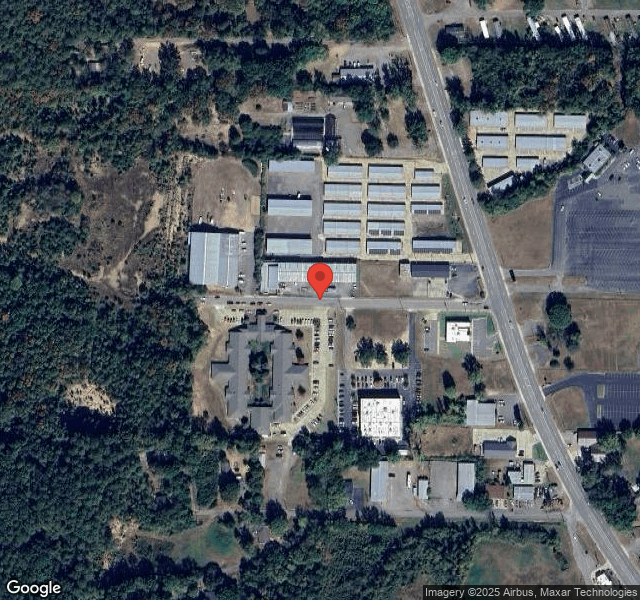
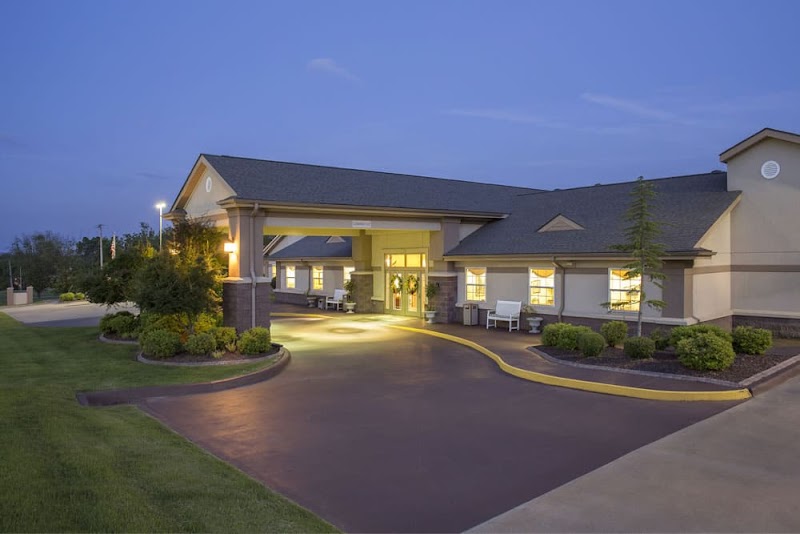
215 SOUTH PORTLAND AVENUE, RUSSELLVILLE, AR 72801 (479) 968-5256
For profit - Corporation 100 Beds CENTRAL ARKANSAS NURSING CENTERS Data: November 2025
Trust Grade
60/100
#119 of 218 in AR
Last Inspection: August 2024

Within standard 12-15 month inspection cycle. Federal law requires annual inspections.

Overview

Russellville Nursing and Rehabilitation Center has a Trust Grade of C+, indicating it is slightly above average but not exceptional. It ranks #119 out of 218 facilities in Arkansas, placing it in the bottom half of state options, and #4 out of 4 in Pope County, meaning there are no better local choices. The facility is showing improvement, with the number of issues decreasing from 9 in 2023 to 7 in 2024. Staffing is a strength, rated 4 out of 5 stars, with a turnover rate of 41%, which is better than the state average. However, there have been some concerning incidents, such as food being served past its use-by date and issues with the preparation of pureed diets that could pose choking risks for residents. While there are notable strengths, families should weigh these weaknesses carefully.

Trust Score
C+
60/100
In Arkansas
#119/218
Bottom 46%
Safety Record
Low Risk
No red flags
Inspections
Getting Better
9 → 7 violations
Staff Stability
○ Average
41% turnover. Near Arkansas's 48% average. Typical for the industry.
Penalties
✓ Good
No fines on record. Clean compliance history, better than most Arkansas facilities.
Skilled Nurses
⚠ Watch
Each resident gets only 21 minutes of Registered Nurse (RN) attention daily — below average for Arkansas. Fewer RN minutes means fewer trained eyes watching for problems.
Violations
⚠ Watch
22 deficiencies on record. Higher than average. Multiple issues found across inspections.
★★★☆☆
3.0
Overall Rating
★★★★☆
4.0
Staff Levels
★★★★★
5.0
Care Quality
★★☆☆☆
2.0
Inspection Score
Stable
2023: 9 issues
2024: 7 issues

The Good

  • 4-Star Staffing Rating · Above-average nurse staffing levels
  • 5-Star Quality Measures · Strong clinical quality outcomes
  • Full Sprinkler Coverage · Fire safety systems throughout facility
  • No fines on record
  • Staff turnover below average (41%)

    7 points below Arkansas average of 48%

Facility shows strength in staffing levels, quality measures, fire safety.

The Bad

3-Star Overall Rating

Near Arkansas average (3.1)

Meets federal standards, typical of most facilities

Staff Turnover: 41%

Near Arkansas avg (46%)

Typical for the industry

Chain: CENTRAL ARKANSAS NURSING CENTERS

Part of a multi-facility chain

Ask about local staffing decisions and management

The Ugly 22 deficiencies on record

Aug 2024 7 deficiencies
CONCERN (D) 📢 Someone Reported This

A family member, employee, or ombudsman was alarmed enough to file a formal complaint

Potential for Harm - no one hurt, but risky conditions existed

Grievances (Tag F0585)

Could have caused harm · This affected 1 resident

Based on observation, interview, and record review, the facility failed to follow a grievance policy signed by the facility and resident upon resident admission to include completing a grievance form ...

Read full inspector narrative →
Based on observation, interview, and record review, the facility failed to follow a grievance policy signed by the facility and resident upon resident admission to include completing a grievance form and prompt resolution of grievance for 1 (Resident #16) of 1 sampled resident. On 08/19/2024 at 10:30 AM, Resident #16 reported a lost tablet. A family member at bedside reported the tablet purchased by family was lost or stolen while the resident was in the facility. The family member reported Administration was made aware, and an investigation was supposed to be initiated. On 08/20/2024 at 2:44 PM, the Assistant Director of Nursing (ADON) was interviewed regarding Resident #16's family member reporting the missing tablet to the Administrator. When asked if tablet was found, the ADON stated she was never notified. On 08/20/2024 at 2:44 PM, the Administrator was interviewed and asked if Resident #16's tablet was reported missing. He stated he could not recall an incident where tablet had been reported missing. On 08/20/2024 at 2:50 PM, the Assistant Director of Nursing stated that yes, the resident and resident family had reported to the Administrator the tablet was missing On 08/20/2024 at 3:00 PM, the Administrator stated he did recall a family member stating a resident's tablet had been missing, and that he had requested information on the tablet so it could be located or replaced, however no information was received. When asked if a grievance report was completed regarding the incident the Administrator stated he did not interpret this as a grievance. On 08/20/2024 at 3:30 PM, the surveyor called the family representative who stated the tablet was provided by family and was lost or stolen while Resident #16 was in the facility. When asked if facility administration had requested information regarding tablet so it could be located or replaced, the family representative stated no information had been requested. When asked if the facility offered any restitution for missing property, the family representative stated no restitution had been offered. On 08/20/2024, review of a document titled, Grievance Policy and Procedure. dated 11/22/2016, provided by facility showed the resident has the right to voice grievances without discrimination or reprisal, and the facility must make prompt efforts to resolve grievances. The facility will make all efforts to resolve the grievance promptly. The expected timeframe for resolution of grievances is 5 business days.
CONCERN (D)

Potential for Harm - no one hurt, but risky conditions existed

Deficiency F0637 (Tag F0637)

Could have caused harm · This affected 1 resident

Based on record review and interview, it was determined the facility failed to ensure a comprehensive Minimum Data Set (MDS) assessment was completed within 14 days after a significant change was iden...

Read full inspector narrative →
Based on record review and interview, it was determined the facility failed to ensure a comprehensive Minimum Data Set (MDS) assessment was completed within 14 days after a significant change was identified to facilitate the ability to determine if any changes in care were necessary for 1 (Residents #58) sampled resident admitted to hospice care. The findings are: A review of an admission Record indicated the facility admitted Resident # 58 with diagnoses that included hypertensive heart disease with heart failure and Alzheimer's disease. A review of the Order Summary Report, dated 03/16/2024, revealed an order reading, Admit to: Long Term Care/ Hospice. The Quarterly Minimum Data Set (MDS) with an Assessment Reference Date (ARD) of 05/13/2024 revealed in Section O0110, Special Treatments, Procedures, and Programs, K1. Hospice care While a resident? Yes. Review of Resident # 58's Care Plan, initiated 03/04/2024, revealed the resident was admitted to [company name] hospice on 03/04/2024 for hypertensive heart disease with heart failure. Interventions included 2 hospice aides to come 5 times/week, Registered Nurse (RN) two times a week and PRN (as needed), weather permitting and on call for holidays. During an interview on 08/22/2024 at 8:06 AM, the MDS Coordinator said she uses the RAI (Resident Assessment Instrument) Manual as the criteria for a significant change such as a decline in 2 areas like weight loss, a decline in ADLs (Activities of Daily Living) or going on/coming off hospice. The MDS Coordinator said she is familiar with Resident #58 and realized she overlooked doing a significant change MDS when resident was admitted on hospice.
CONCERN (E) 📢 Someone Reported This

A family member, employee, or ombudsman was alarmed enough to file a formal complaint

Potential for Harm - no one hurt, but risky conditions existed

Safe Environment (Tag F0584)

Could have caused harm · This affected multiple residents

Based on observation, interview, and record review, the facility failed to provide a safe, clean, homelike environment for 1 (Resident #44) of 1 resident regarding linen changes, 2 (Resident #15 and #...

Read full inspector narrative →
Based on observation, interview, and record review, the facility failed to provide a safe, clean, homelike environment for 1 (Resident #44) of 1 resident regarding linen changes, 2 (Resident #15 and #44) of 2 residents regarding plaster cracking, and 43 out of 43 residents who use the 100 Hall bath. 1. On 08/19/2024 at 11:36 AM, the surveyor noted Resident #44's bed to be unmade, covers pulled back, and bottom linens appeared soiled with two large, orange-colored spots on fitted sheet. The surveyor noted an orange colored spot on the pillowcase on pillow at the head of the bed. the surveyor noted multiple flies around the resident's bed and a urine odor present. The surveyor made additional observation of unmade bed with soiled linens on 08/20/2024 at 11:58 PM. The surveyor interviewed Certified Nursing Assistant (CNA) #5 and asked when Resident #44's bed linens were last changed, CNA #5 stated on shower days and when the resident wants the linens changed. When asked why the resident's linens were not changed when visibly soiled, CNA #5 stated I don't know. 2. On 08/19/2024 at 11:50 AM, the surveyor noted the sink in Resident #44 and Resident #15's personal bathroom to have cracks in plaster between wall and sink with large piece of plaster missing. The surveyor made additional observation of the sink with cracks in plaster between wall and sink with large piece of plaster missing on 08/20/2024. When interviewed the Maintenance Supervisor stated, I didn't even know about this sink. 3. On 08/19/2024 at 1:04 PM, the whirlpool tub in the bath room on 100 Hall was noted to have what appeared to be feces present. The surveyor made an additional observation of apparent fecal matter in whirlpool on 08/20/2024 at 9:56 AM. When interviewed CNA #4 stated housekeeping is responsible for cleaning baths. Housekeeper #6 was interviewed and stated baths are cleaned every day, and that no dirt or bodily material should be present following daily cleaning.
CONCERN (E)

Potential for Harm - no one hurt, but risky conditions existed

Accident Prevention (Tag F0689)

Could have caused harm · This affected multiple residents

**NOTE- TERMS IN BRACKETS HAVE BEEN EDITED TO PROTECT CONFIDENTIALITY** Based on observation, interview, and record review, the facility failed to ensure an accepted power source was used for medical ...

Read full inspector narrative →
**NOTE- TERMS IN BRACKETS HAVE BEEN EDITED TO PROTECT CONFIDENTIALITY** Based on observation, interview, and record review, the facility failed to ensure an accepted power source was used for medical equipment to prevent the potential for fire hazards. The oxygen concentrator and pacemaker equipment were plugged into a small white 6 outlet power strip hanging on the wall behind the head of the bed of Resident #4. The facility failed to provide an environment that is free from accidents and hazards affecting 1 (Resident #12) resident. The findings are: 1. On 8/19/24 a physician orders indicated oxygen was to be continuous at 3 liters per minute utilizing a nasal cannula and every Thursday a nurse was to check the Heart Monitor which will be checked between the hours of 2-4 am every night shift on Thursdays by St [NAME] Medical phone. a. On 8/19/24 at 11:44 AM, the surveyor observed a small 6 outlet power strip hanging on the wall above the head of Resident #4. The resident's oxygen concentrator and pacemaker equipment were plugged into two of the outlets along with a cell phone charger. b. On 08/20/24 at 7:23 AM, the surveyor observed a small 6 outlet power strip hanging on the wall above the head of Resident #4. The resident's oxygen concentrator and pacemaker equipment were plugged into two of the outlets along with a cell phone charger. c. On 08/20/24 at 8:12 AM, the surveyor observed the back of the power strip, and it does not have one of the two numbers, (UL1363 or UL1363A as identified by Life Safety surveyor) accepted medical grade power strips. d. On 8/21/24 at 9:49 AM, during an interview in the resident's room, with the Administrator, he said the power strip was a concern due to the medical equipment being plugged in to it because medical equipment cannot be plugged into this type of power strip. 2. On 08/19/2024 at 11:35 AM, the surveyor was told by Resident #12 that the toilet in the resident's bathroom moves when resident's roommate uses the bathroom, and after it is moved it is difficult for the resident to use the bathroom. Resident #12 reported notifying staff and administration, but it had not been fixed. The surveyor observed the toilet in Resident #12's bathroom was easily moved several inches from its original location. Resident #12 reported the toilet had been like that for months. a. The surveyor made an additional observation of the toilet moved from its original location on 08/20/2024 at 11:45. b. During an interview on 08/20/2024 at 1:30 PM the Maintenance Supervisor stated Yeah, I know about this toilet, the people who built this home shouldn't have put tile in the bathroom. I can caulk it if I need to. 3. On 08/19/2024 at 11:37 AM, the surveyor noted a small white pipe sticking out of Resident#47's wall, the pipe was hollow with no contents inside. The resident's walker was placed in front of pipe. The surveyor made an additional observation of pipe on 08/20/2024 at 12:00 PM. a. On 08/20/2024 at 1:30 PM the Maintenance Supervisor stated the pipe was in place to move television to other side of wall. When asked why the television had not yet been moved, the Maintenance Supervisor stated, I am not sure. When asked if there were plans to move the television soon, the Maintenance Supervisor stated, I do not know. When asked how much of pipe appeared to be sticking out from wall, the Maintenance Supervisor said approximately 4 inches. b. On 08/20/2024 at 1:50 PM, Certified Nursing Assistance (CNA) #4 was asked why the pipe was in wall, CNA #4 stated I think because of the TV. When asked how long the pipe had been present CNA #4 stated I do not know. When asked why the pipe should not be sticking out of the wall in front of where resident places their walker CNA #4 stated, Because it could tear skin. It really should be capped.
CONCERN (E)

Potential for Harm - no one hurt, but risky conditions existed

Tube Feeding (Tag F0693)

Could have caused harm · This affected multiple residents

Based on observations, interviews, record reviews, and facility policy review, the facility failed to provide appropriate treatment and services to prevent complications from enteral feedings for 1 (R...

Read full inspector narrative →
Based on observations, interviews, record reviews, and facility policy review, the facility failed to provide appropriate treatment and services to prevent complications from enteral feedings for 1 (Resident #63) of 1 resident observed during supplemental feeding via percutaneous endoscopic gastrostomy (PEG) tube. Specifically, the facility failed to ensure placement of PEG tube before enteral feeding and flush. The findings include: A review of an admission Record indicated the facility admitted Resident #63 with diagnoses that included gastroparesis, severe protein-calorie malnutrition, and adult failure to thrive. The annual Minimum Data Set (MDS) with an Assessment Reference Date (ARD) 07/01/2024 revealed in Section K0100, Swallowing Disorder: C. Coughing or choking during meals or when swallowing medications and D. Complaints of difficulty or pain when swallowing .K0520. Nutritional Approaches: B. Feeding tube (e.g., nasogastric or abdominal (PEG) while a resident: Yes. Review of Resident #63's Care Plan, initiated 10/30/2023, revealed the resident has a nutritional problem or potential nutritional problem related to gastroparesis, severe protein-calorie malnutrition, and adult failure to thrive. Review of a Medication Administration Record (MAR): revealed a physician's order (PO) dated 05/09/24 revealed Resident #63 was to receive enteral feeding two times a day, [brand name] 120cc (cubic centimeter) via PEG tube, flush with H20 (water). On 08/20/2024 at 05:12 AM, Licensed Practical Nurse (LPN) # 3 was observed giving supplemental enteral feeding via PEG tube. LPN #3 performed a water flush, enteral feeding, then water flush before exiting resident's room. LPN #3 said she did not check for placement before feeding because she checked it last night before the 10 PM feeding and didn't want to have to keep Resident # 63 awake any longer than she needed to. During an interview on 8/22/2024 at 9:35 AM, the Director of Nurses (DON) said a nurse should check for placement every time before inserting flush, feeding, or medication. Review of a facility policy titled Enteral Feedings, Administration via Gastrostomy revised 11/22/2016 indicated The following equipment and Supplies may be utilized: 1. gavage bag and tubing 2. 30-60cc catheter tipped syringe 3. Stethoscope .Procedure 1. Obtain equipment 2. Explain procedure to resident 3. Check bowel sounds .1. Auscultate for air bolus over epigastric area or follow physician's orders for residual feeding as indicated.
CONCERN (E)

Potential for Harm - no one hurt, but risky conditions existed

Infection Control (Tag F0880)

Could have caused harm · This affected multiple residents

Based on observation, record review, and interview, it was determined that the facility failed to ensure staff followed isolation precautions including the appropriate use of personal protective equip...

Read full inspector narrative →
Based on observation, record review, and interview, it was determined that the facility failed to ensure staff followed isolation precautions including the appropriate use of personal protective equipment (PPE) prior to high contact resident care, to reduce transmission of resistance organisms for 1 (Resident #63) of 1 sampled resident observed during supplemental feeding via percutaneous endoscopic gastrostomy (PEG) tube. Specifically, the facility failed to ensure a gown was worn before a supplemental PEG tube feeding and flush and failed to ensure used personal protective equipment (PPE) was disposed of properly and the container was closed to prevent possible cross contamination to anyone passing the trash can sitting in the hallway. A review of an admission Record indicated the facility admitted Resident # 63 with diagnoses that included gastroparesis, severe protein-calorie malnutrition, and adult failure to thrive. A review of the annual Minimum Data Set (MDS) with an Assessment Reference Date (ARD) of 07/01/2024 revealed in Section K0100. Swallowing Disorder: C. Coughing or choking during meals or when swallowing medications and D. Complaints of difficulty or pain when swallowing .K0520. Nutritional Approaches: B. Feeding tube (e.g., nasogastric or abdominal (PEG)) while a resident: Yes. Review of Physician's Order (PO), dated 03/29/24, revealed an order for Enhanced Barrier Precautions related to PEG tube every shift. Review of a PO dated 05/09/24 revealed an enteral feed order two times a day Nutren 2.0 120cc via PEG tube, flush with water. Review of Resident # 63's Care Plan, initiated 03/29/24, revealed the resident required enhanced barrier precautions related to PEG tube to reduce transmission of resistant organisms, and that staff were to use gowns and gloves during high contact resident care activities. On 08/20/24 at 05:12 AM, Licensed Practical Nurse (LPN) # 3 was observed entering Resident #63's room to administer a tube feeding. LPN #3 did not apply appropriate PPE per Enhanced Barrier Precautions (EBP) signage posted on the wall outside of the resident's room. Upon exit, LPN # 3 said she did not see the EBP signage on the wall outside resident's room and was planning on washing her hands in the bathroom behind the nurse's station, but it would probably have been better to wash them in the resident's bathroom. On 8/21/2024 at 1:45 PM, the Administrator said the facility did not have a policy on Enhanced Barrier Precautions. During an interview on 8/22/2024 at 9:35 AM, the Director of Nurses (DON) said a gown, gloves, and masks should be worn with high contact resident care.
CONCERN (F)

Potential for Harm - no one hurt, but risky conditions existed

Food Safety (Tag F0812)

Could have caused harm · This affected most or all residents

Based on observation, interview, and policy review, the facility failed to ensure food was discarded prior to the use by date, staff hands were washed between clean and dirty tasks and that meals were...

Read full inspector narrative →
Based on observation, interview, and policy review, the facility failed to ensure food was discarded prior to the use by date, staff hands were washed between clean and dirty tasks and that meals were served in a manner as to not promote cross contamination for 80 residents who receive their meal from one of one kitchen. The findings are: On 08/19/24 at 10:35 AM, a large plastic container of soup was observed with a use by date of 8/18/24. A large plastic container, approximately 1/3 full of sliced tomatoes, had a use by date of 08/16/24. A large plastic container, approximately 1/4 full of sliced onions, was observed with a use by date of 8/16/24. On 08/19/24 at 10:43 AM, a tray containing four 4-ounce glasses of orange juice, one 4-ounce glass of tomato juice, and one 8-ounce glass of tea was observed on the middle shelf of the 2-door refrigerator. The tray and the individual glasses were not labeled with a date. On 08/19/24 the refrigerator was observed to contain no interior thermometer. On 08/20/24 at 11:25 AM, Dietary Employee #1 was observed to wash her hands prior to obtaining a steam table pan, a can of cooking spray, and handling a scoop. Employee then applied gloves to contaminated hands. On 08/20/24 at 11:46 AM, Dietary Employee #1 was observed to reach for a divided plate. Contaminated hands/fingers were placed into the interior of the plate where the food was placed for serving. This practice was observed on 3 occasions. On 08/20/24 at 11:50 AM, Dietary Employee #2 was observed as she placed the insulated dome over each lunch plate. Contaminated hands were placed inside the dome prior to placing it on top of the plate. On 08/22/24 08:19 AM, the Administrator reported the facility does not have a policy on hand washing specific to the kitchen. The policy titled Handwashing/Hand Hygiene indicated the facility considers hand hygiene as the primary means to prevent the spread of infection. The policy indicated all employees will follow the handwashing/hand hygiene procedures to help prevent the spread of infections to other personnel, residents, and visitors. On 08/22/24 at 08:30 AM, a review of the facility food storage policy revealed all food not stored in original containers will be labeled and dated and stored in approved containers. On 08/22/24 at 10:15 AM, the Dietary Manager was asked when hands should be washed when working in the kitchen. The Dietary Manager reported that hands should be washed before moving from one task to the next, and before applying gloves. When asked how dishes should be handled when serving, she identified the need to handle a dish, glass, etc. ensuring hands do not go inside the dish where liquid or food comes into contact with the dish. The Dietary Manager explained that items being put into the refrigerator/freezer should be covered and dated with the date of being placed in the refrigerator and the use by date. When asked why this practice is important the Dietary Manager described how it is important as to not give a resident spoiled food which could result in illness.
Oct 2023 8 deficiencies
CONCERN (D)

Potential for Harm - no one hurt, but risky conditions existed

Deficiency F0578 (Tag F0578)

Could have caused harm · This affected 1 resident

**NOTE- TERMS IN BRACKETS HAVE BEEN EDITED TO PROTECT CONFIDENTIALITY** Based on record review and interview, the facility failed to clearly determine and document the Advanced Directives for 1 of 1 (...

Read full inspector narrative →
**NOTE- TERMS IN BRACKETS HAVE BEEN EDITED TO PROTECT CONFIDENTIALITY** Based on record review and interview, the facility failed to clearly determine and document the Advanced Directives for 1 of 1 (Resident #25) residents reviewed. Review of a document DNR (Do Not Resuscitate)/ Cardiopulmonary Resuscitation (CPR) Instructions, signed on [DATE] by Resident #25, which showed the resident did not want CPR. Review of a document Acknowledgment of Receipt of Advance Directive Information signed on [DATE] by Resident #25 Power of Attorney noted the resident is a full code . Review of the electronic medical record Miscellaneous tab showed on [DATE] Resident #25 was coded as DNR. During an interview on [DATE] at 9:15 AM, the Administrator said I would go by the most recent signature which was in [DATE]. The Administrator confirmed Resident #25 did not have a decline in status between May and November of 2019, which would prevent the resident from signing the code status. The Surveyor asked if there was any concern with the conflicting documents. The ADON answered, Yes, I can see the issue with that The Assistant Administrator confirmed the resident did not have a decline, and confirmed the conflicting documents are confusing. A review of the Advance Directive policy, last revised on [DATE] showed the facility will review existing advance directives upon admission and will provide residents who do not have advance directives in place an opportunity to formulate an advanced directive, if desired, and will follow those directives in accordance with applicable state law.
CONCERN (D)

Potential for Harm - no one hurt, but risky conditions existed

ADL Care (Tag F0677)

Could have caused harm · This affected 1 resident

Based on observation, interview and record review, the facility failed to ensure fingernail care was provided to maintain good hygiene and prevent potential injury or infection for 1 Resident (Residen...

Read full inspector narrative →
Based on observation, interview and record review, the facility failed to ensure fingernail care was provided to maintain good hygiene and prevent potential injury or infection for 1 Resident (Resident #42) of 3 case mix sampled residents (Resident #2, #33, & #42). The findings are: Review of Resident #42's Quarterly Minimum Data Set (MDS) with an Assessment Review Date (ARD) of 9/15/23 showed, requires extensive assistance with 2-person physical support for bed mobility, toileting, and personal hygiene. Review of Resident #42's care plan with a revision date of 05/18/2021 showed, Resident has an activities of daily living self-care performance deficit related to weakness. During observation on 10/09/23 at 2:27 PM, Resident #42's thumb nails were more than 1/2 inch in length from fingertips with jagged edges and light to medium brown substance visible underneath fingernails. During observation on 10/10/23 at 03:05 PM, Resident #42's fingernails on both hands were more than 1/2 inch in length from tips of fingers, and a medium to light brown substance was visible under each nail. Both thumb nails had sharp jagged edges. During interview on 10/11/23 at 11:10 AM, Medication Assistant -Certified (MA-C) #3 said Resident #42's nails were long enough to scratch herself and need to be cleaned and filed.
CONCERN (E)

Potential for Harm - no one hurt, but risky conditions existed

Accident Prevention (Tag F0689)

Could have caused harm · This affected multiple residents

Based on observation, interview and record review, the facility failed to ensure medications were not left in a resident's room unattended for 1 Resident (Resident #39) of 2 case mix sample Residents ...

Read full inspector narrative →
Based on observation, interview and record review, the facility failed to ensure medications were not left in a resident's room unattended for 1 Resident (Resident #39) of 2 case mix sample Residents (Resident #33 and #39). This failed practice had the potential to affect 17 residents receiving medications residing in the facility on hall 300. The findings are: On 10/09/23 at 11:20 AM, the Surveyor observed a medication cup with 2 pills resting on the armrest of a recliner to the left of Resident #39's bed. During interview on 10/09/23 at 11:37 PM, Medication Assistant -Certified confirmed medications were left on the armrest of the recliner in Resident #39's room unattended. Review on 10/11/23 at 1:20 PM of facility policy titled Medication Ordering Receiving and Storage showed, medications and biologicals shall be locked when not in use and should not be left unattended.
CONCERN (E)

Potential for Harm - no one hurt, but risky conditions existed

Respiratory Care (Tag F0695)

Could have caused harm · This affected multiple residents

Based on observation, interview and record review, the facility failed to store nebulizer mask and tubing, for 3 Residents (Resident #2, #13 and #22), and ensure humidifier bottles were filled for 1 ...

Read full inspector narrative →
Based on observation, interview and record review, the facility failed to store nebulizer mask and tubing, for 3 Residents (Resident #2, #13 and #22), and ensure humidifier bottles were filled for 1 (Resident #22) and failed to enter a physicians order prior to administering oxygen to 1 Resident (Resident #13) receiving supplemental oxygen and/or utilizing nebulizer treatments in order to prevent the potential for infection and respiratory complications for (Resident #2, #4, #8, #12, #13, #15, #22, #25, #30, #58 and #68) sampled residents who received respiratory therapy. The findings are: Review of Resident #2's Order Summary Report showed the following: a. A physician's order dated 8/5/23 to administer O2 (oxygen) at 2 L (Liters)/M (minute) via NC (Nasal Canula) as needed. b. A physician's order dated 3/15/23 to change O2 tubing, and date all tubing every Wednesday night on 11-7 shift. During observation on 10/09/23 at 12:30 PM, Resident #2's nebulizer mask was sitting on the nightstand between the Resident's bed and wall. The mask was not in a plastic bag and open to air. During observation on 10/10/23 at 3:01 PM, Resident # nebulizer mask was on the nightstand uncontained. Review of Resident #13's progress noted dated 09/19/23 by the Dietary Manager showed, Resident was readmitted back to the facility post hospital stay for chronic respiratory failure on oxygen 2 liters via nasal cannula continuous, but there was no documentation of an order in place for oxygen therapy. During observation on 10/09/23 at 9:43 AM, Resident #13 had an oxygen tubing around her neck, and the nebulizer mask was lying uncovered on the nightstand with tubing connected. During observation on 10/10/23 at 2:15 PM, Resident #13's oxygen was being delivered at 3 liters via nasal cannula, and the nebulizer mask lying on nightstand uncovered. During interview on 10/11/23 at 8:41 AM, LPN #3 said she would come back later and put Resident #13's nebulizer mask in a bag. During interview on 10/11/23 at 2:25 PM, LPN #3 confirmed there was not a physician order to administer oxygen to Resident #13 during the time frame of 9/10/23 to 10/10/23. Review of Resident #22's Order Summary Report showed a physician order dated 9/14/23 to administer O2 at 1-3 L/M via nasal cannula continuously every shift. The following observations were made on 10/09/23: a. At 2:00 PM, Resident # 22 was receiving O2 via n/c (nasal canula). The humidifier bottle on the oxygen concentrator was empty, swollen, and dated 10/5/23. b. At 2:46 PM, Resident # 22 was receiving O2 via n/c at 3 Liters. The humidifier bottle on the concentrator was empty. c. At 3:24 PM, Resident #22 was receiving O2 via n/c at 3 Liters. The humidifier bottle was swollen and empty. During observation on 10/10/23 at 8:49 AM, Resident # 22 was receiving O2 via n/c at 3 Liters/minute. The humidifier bottle was empty and swollen. During interview on 10/11/23 at 1:21 PM, the DON said the humidifier bottles should be changed weekly, sooner if they are empty or very low, and tubing is changed at least one time a week and should be checked every time someone goes into a room. The DON said oxygen tubing should be stored in one of the O2 storage bags either hanging on the bedside table or hanging on a hook. Nebulizers are supposed to be rinsed out after use, laid out to dry, and stored in a bag after drying. Review on 10/11/23 at 10:52 AM of facility policy titled Oxygen Safety showed, the facility will properly handle oxygen and oxygen therapy is administered to the resident only upon the written order of a licensed physician.
CONCERN (E)

Potential for Harm - no one hurt, but risky conditions existed

Infection Control (Tag F0880)

Could have caused harm · This affected multiple residents

Based on observation, interview and record review, the facility failed to post a contact isolation precaution sign to notify staff of appropriate precautions to follow during resident care for 1(Resid...

Read full inspector narrative →
Based on observation, interview and record review, the facility failed to post a contact isolation precaution sign to notify staff of appropriate precautions to follow during resident care for 1(Resident #55) of 1 sampled resident. The findings are: Review of Resident #55's progress noted dated 09/18/22 by Physician Assistant showed the Resident with urinary tract infection with multiple organisms, one of which being Methicillin-resistant Staphylococcus Aureus (MRSA). The following observation were made on 10/09/23: a. At 12:49 PM, personal protective equipment (PPE) was hanging on Resident #55's door with no contact isolation precaution sign on the door. b. At 8:43 AM, PPE was hanging on Resident #55's door with no contact isolation precaution sign on the door. c. At 9:14 AM, PPE was hanging on Resident #55's door. No contact isolation precaution sign was observed on the door. During observation on 10/11/23 at 8:36 AM, PPE was hanging on Resident #55's door. No contact isolation precaution sign was observed on the door. During interview on 10/11/23 at 10:56 AM Certified Nursing Assistant (CNA) #3 confirmed she has not seen any signs on Resident #55's door concerning isolation. Review on 10/12/23 at 10:30 AM of Resident #55's nursing-hot rack entry dated 10/09/23 and 10/10/23 showed Resident was to remain on contact isolation. Review on 10/11/23 at 11:34 AM of facility policy titled Isolation Precautions, Categories of showed, color coded signs will be used on a resident's door to alert staff of the implementation of isolation precaution, the type of precaution, and to alert all visitors to report to the nurses' station before entering the resident's room.
CONCERN (F)

Potential for Harm - no one hurt, but risky conditions existed

Menu Adequacy (Tag F0803)

Could have caused harm · This affected most or all residents

Based on observation, record review and interview, the facility failed to ensure meals were prepared and served in accordance with the planned written menu for preparation of pureed foods, alterative ...

Read full inspector narrative →
Based on observation, record review and interview, the facility failed to ensure meals were prepared and served in accordance with the planned written menu for preparation of pureed foods, alterative foods, and enhanced food items to meet the nutritional needs of the residents for 2 of 2 meals observed. This failed practice had the potential to affect 3 residents who received pureed diets, 2 residents who received alterative foods, and enhanced food items 24 residents who received enhanced food items from 1 of 1 kitchen. The findings are: Review of the facility Spring/Summer 2023 menu for lunch showed residents on pureed diets were to receive 2 #8 scoops (1 cup) of pureed goulash. During observation on 10/09/23 at 12:04 PM, Dietary Employee # 4 served 3 chicken wings to the residents who dislike goulash. At 12:19 PM, the Surveyor asked Dietary Employee #4 to weigh 3 pieces of chicken wings to check if it equals the same amount of goulash served to residents who disliked goulash, and it weighed 1.3 ounces. At 12:20 PM, the Surveyor asked the Dietary Supervisor how much protein should have been given to the residents who received chicken, instead of goulash? She said 3 ounces of chicken. During observation on 10/09/23 at 12:16 PM, Dietary Employee #4 used a #8 scoop (1/2 cup) to serve a single portion of goulash to residents on pureed diets, instead of 2 #8 scoops of pureed goulash. At 12:21 PM, the Surveyor asked Dietary Employee #4 what size spoon she used when serving pureed goulash and how many servings she gave to each resident on pureed diets. She stated, I used 4-ounce spoon (1/2 cup) and gave a serving each. Review of the facility Spring/Summer 2023 menu for supper showed residents on enhanced foods were to receive super pudding. During observation on 10/09/23 at 5:01 PM, during the supper meal service there was no super pudding served to the residents on super pudding. On 10/09/23 at 12:04 PM, the surveyor asked Dietary Employee #1 if she would have served enhanced food items to the residents who required enhanced foods. She stated, I only gave enhanced juice to 3 residents. We are supposed to give enhanced pudding. I didn't know it was in the refrigerator. Review of the facility Spring/Summer 2023 menu for breakfast meals showed residents on enhanced foods were to receive super cereal. During observation on 10/09/23 at 7:46 AM, Dietary Employee #4 served the residents on enhanced foods ½ cup of super cereal, instead of a cup. At 7:48 AM, the Surveyor asked Dietary Employee #4 what size spoon did you used to serve enhanced foods and how many servings did you gave each? She stated, I used 4-ounce spoon (1/2 cup) and a gave a serving each.
CONCERN (F)

Potential for Harm - no one hurt, but risky conditions existed

Deficiency F0805 (Tag F0805)

Could have caused harm · This affected most or all residents

Based on observation and interview, the facility failed to ensure that pureed food items were blended to a smooth, lump free consistency to minimize the risk of choking or other complications for thos...

Read full inspector narrative →
Based on observation and interview, the facility failed to ensure that pureed food items were blended to a smooth, lump free consistency to minimize the risk of choking or other complications for those residents who required pureed diets for 2 of 2 meals observed. The failed practice had the potential to affect 3 residents who received pureed diets. The findings are: The following observations were made on 10/09/23: a. At 7:46 AM, the pureed sausage served to residents who required pureed diets was not smooth, with pieces of meat visible in the mixture. At 7:48 AM , the surveyor asked Dietary Employee #4 to describe the consistency of the pureed sausage served to the residents on pureed diets. She stated, It has a little lump. b. At 7:46 AM, the pureed sausage served to residents who required pureed diets was not smooth, with pieces of meat visible in the mixture. At 7:48 AM, the surveyor asked Dietary Employee #4 to describe the consistency of the pureed sausage served to the residents on pureed diets. She stated, It has a little lump. c. At 4:01 PM, Dietary Employee #4 used a spatula to scoop pureed breaded chicken and buns into a pan. The consistency was not smooth, thick, and sticky. d. At 4:13 PM, Dietary Employee #4 placed 5 servings of tarter tots into a blender, added warm milk and pureed. At 4:17 PM, Dietary Employee #4 poured pureed tarter tots into a pan and placed it in the oven. The consistency was thick and not smooth. During observation on 10/10/23 12:06 PM, the pureed meat loaf served to the residents on pureed diets had pieces of meat in it. The pureed cookie delight was lumpy and not smooth. The Surveyor asked the Dietary Supervisor to describe the consistency of the pureed cookie delight and meat loaf served to the residents on pureed diets. She said, the pureed meatloaf had pieces of meat in it, and the pureed cookie delight still has crumbs in it. On 10/10/29 at 12:06 PM, the Surveyor asked the Dietary Supervisor to describe the consistency of the pureed breaded chicken with buns and tarter tots served to the residents who are on pureed diets at the supper meal on 10/09/23. She stated, They were thicker. On 10/09/23 5:02 PM, the Surveyor asked Certified Nursing Assistant #1 to describe the consistency of the pureed food items served to the residents on pureed diets for supper. She stated, The pureed breaded chicken with buns was thick and the pureed tarter tots was thicker.
CONCERN (F)

Potential for Harm - no one hurt, but risky conditions existed

Food Safety (Tag F0812)

Could have caused harm · This affected most or all residents

Based on observation and interview, the facility failed to ensure food items stored in the refrigerator were covered or sealed; staff washed their hands before handling clean equipment or food items t...

Read full inspector narrative →
Based on observation and interview, the facility failed to ensure food items stored in the refrigerator were covered or sealed; staff washed their hands before handling clean equipment or food items to prevent potential food borne illness for residents dietary; hot food items were maintained at or above 135 degrees Fahrenheit on the steam table while awaiting service to prevent potential food borne illness for residents who received meals from 1 of 1 kitchen. The failed practices had the potential to affect 64 residents who received meals from the kitchen The findings are: On 10/09/23 at 10:40 AM, the following observations were made on a shelf in the walk-in refrigerator. a. An opened box of sausage uncovered and unsealed. b. An opened box of bacon uncovered and unsealed. c. At 10:46 AM, Dietary Employee #1 picked up packages of gelled thickener from a container under the food preparation counter and placed them on the counter. Without washing her hands, she picked up glasses by the rims and poured beverages to be served to the residents for lunch. d. At 10:48 AM, Dietary Employee #2 used a maker to write a date on a bag. Without washing his hands, he placed gloves on his hands. Then, removed slices of bread from the bag and spread peanut butter and jelly to be served to residents . e. At 10:53 AM, Dietary Employee #3 wore gloves on her hands when she removed a container from the refrigerator and placed it on the counter. Without changing gloves and washing her hands, she untied a bag of bread, removed slices of bread, and placed them in a saucepan. f. At 10:57 AM, the temperatures of food items when checked on the steam table by Dietary Employee (DE) #4 showed the following results: 1. Fried squash 125 degrees Fahrenheit. 2. Regular mechanical soft squash 127 degrees Fahrenheit. 3. Vegetable blend 126 degrees Fahrenheit. 4. Mashed potatoes 120 degrees Fahrenheit. 5. Gravy 123 degrees Fahrenheit. 6. Ground chicken 120 degrees Fahrenheit. The above food items were not reheated before being served to the residents. g. At 11:27 AM, Dietary Employee #3 with gloved hands removed two bags of broccoli from the walk-in freezer and placed them on the counter. Without changing gloves and washing her hands, she picked up a pan and placed it on the counter with her gloved fingers touching inside the pan. She opened bags of broccoli and emptied them into a pan to be cooked and served to the residents for the supper meal. h. At 11:43 AM, Dietary Employee #1 with gloved hands opened the walk-in refrigerator door and removed a container of cheese and a cheese block and placed them on the counter. Without changing gloves and washing her hands, she unwrapped the cheese packet and transferred them into a container to be used in making grill cheese sandwiches for residents. i. At 11:56 AM, Dietary Employee #1 carried a pan with tomatoes to the food preparation sink, turned on the faucet and rinsed tomatoes, and turned off the sink. She picked up tomatoes with her hands and placed them on a cutting board. The Surveyor immediately asked Dietary Employee #1 what should you have done after touching dirty objects and before handling food items or clean equipment? She stated, I should have washed my hands. j. At 12:06 PM, Dietary Employee #3 gloved hands, rinsed lettuce, and placed rinsed lettuce on the cutting board. Without washing her hands, she placed gloves on her hands, picked up a knife, cut the lettuce and placed the lettuce on a plate. She removed slices of ham from a packet and placed the ham on top of the lettuce to be served to resident for the lunch meal. The Surveyor immediately asked Dietary Employee #3 what should you have done after touching dirty objects, before handling food items or clean equipment? She stated, I should have washed my hands. k. At 3:46 PM, Dietary Employee #4 removed two pans of breaded chicken from the oven and placed them on the counter. Without washing her hands, she picked up a clean blade and attached it to the base of a blender to be used in grounding or pureeing food items to serve to residents who require mechanical soft or pureed diets. The Surveyor asked Dietary Employee #3 what should you have done after touching dirty objects and before handing clean equipment? She stated, Washed my hands. Review of facility policy titled Infection control procedure for food service showed, Practice proper hand washing. Before beginning your work shift. When entering a food preparation area. Before engaging in food preparation and before putting on clean, single-use glove for working with food and between glove change.
Aug 2023 1 deficiency
CONCERN (E) 📢 Someone Reported This

A family member, employee, or ombudsman was alarmed enough to file a formal complaint

Potential for Harm - no one hurt, but risky conditions existed

Quality of Care (Tag F0684)

Could have caused harm · This affected multiple residents

Based on observation, record review and interview, the facility failed to ensure the Medication Assistant-Certified (MA-C) administered medication according to the physician ' s order for one (Residen...

Read full inspector narrative →
Based on observation, record review and interview, the facility failed to ensure the Medication Assistant-Certified (MA-C) administered medication according to the physician ' s order for one (Resident #7) of ten (Resident #1, #2, #3, #4, #5, #6, #7, #8, #9 and #10) sampled residents. The findings included: a. During observation on 08/09/2023 at 10:59 AM, MA-C #1 unlocked the medication cart, opened the top drawer, and picked up a plastic medication cup with Resident #7's last name written on the cup. The cup contained several pills and a capsule. MA-C #1 attempted to put the cup in a sharps container attached to the medication cart. The Surveyor asked MA-C #1 what is that cup? MA-C #1 said it is Resident #7's medications, he was asleep this morning and did not take them. The Surveyor asked what time should the medications have been given to Resident #7? MA-C #1 said at 7:00 AM and placed the cup of medications in the sharps container. The Surveyor asked when should you document in the resident's record that the medications have not been given? MAC-C #1 said right now. b. Review of Resident #7's Physician's Orders with an active date of 08/09/2023 showed medications ordered daily to be administered in the morning such as, but not limited to the following: Lasix for hypertension and to prevent body fluid buildup, Losartan Potassium, Metoprolol, and potassium bicarbonate-citric to prevent high blood pressure. c. Review of the Progress Notes for Resident #7 on 08/09/2023 showed no documentation of notification to the licensed nurse, supervisor, or Director of Nursing (DON) that Resident #7 missed ordered medications on the morning of 08/09/2023, or an assessment for elevated blood pressure, pulse or swelling due to missed medication. d. On 08/10/2023 at 8:40 AM the Surveyor asked Licensed Practical Nurse (LPN) #1, what should a MA-C do if a resident's medication is not given, or the resident refused the medication? LPN #1 said the MA-C should inform the LPN and the LPN should attempt to give the medication. If the resident continues to refuse the medication, the reason why is documented in the resident ' s record and progress note. The Surveyor asked what is the protocol if medications have been punched out of the medication card? LPN #1 said, the medications would be disposed of in the sharps container. The Surveyor asked, who should be notified? LPN #1said the nurse, the Director of Nursing (DON), and Assistant Director of Nursing (ADON). The Surveyor asked what is the potential outcome for a resident who missed blood pressure medication or a diuretic (prevents fluid buildup). LPN #1 said the blood pressure could become too high, the heart rate could increase, and the resident could experience swelling. The Surveyor asked what should be done to assess residents who missed taking these types of medications? LPN #1 stated, We should monitor their blood pressure and check for swelling. e. During interview on 08/10/2023 at 9:45 AM, the Surveyor asked the DON what should happen if a resident does not receive or take ordered medications from a MA-C and the medication has been punched out of the medication card? The DON said the MA-C should alert the nurse, dispose of the medication, and document immediately. The Surveyor asked where is it documented and what should be documented? The DON said it should be documented in the progress note with notification to the doctor and family being informed. The Surveyor asked what is the potential outcome of a resident missing medications such as, a blood pressure medication or a diuretic (prevents fluid buildup)? She stated, Not good, the blood pressure could get too high, they could start holding fluid. The Surveyor asked, how would you assess a resident for potential outcomes due to missing these types of medications? The DON stated, Monitor blood pressure and check for swelling. The Surveyor asked is it good practice for a resident ' s medication to be put in a medication cup with their name on the cup and placed in the medication cart? The DON said, no. f. During interview on 08/10/2023 at 9:53 AM the DON stated, We don't really have a policy on Medication Assistants, but I did bring the job description. g. Review of the facility's Medication Assistant Job Description provided by the DON on 08/10/2023 at 9:53 AM showed, administer medication to residents as ordered by the physician, report concerns to the licensed nurse, initiate corrective action and document according to facility policy.
Jul 2022 6 deficiencies
CONCERN (D)

Potential for Harm - no one hurt, but risky conditions existed

Respiratory Care (Tag F0695)

Could have caused harm · This affected 1 resident

**NOTE- TERMS IN BRACKETS HAVE BEEN EDITED TO PROTECT CONFIDENTIALITY** Based on observation, record review and interview, the facility failed to ensure oxygen tubing, Nebulizer mask and tubing and Co...

Read full inspector narrative →
**NOTE- TERMS IN BRACKETS HAVE BEEN EDITED TO PROTECT CONFIDENTIALITY** Based on observation, record review and interview, the facility failed to ensure oxygen tubing, Nebulizer mask and tubing and Continuous Positive Airway Pressure (CPAP) mask and tubing was properly stored according to standards of practice when not in use for 2 (Resident #29 and 52) of sample mix residents to prevent potential contamination that could result in respiratory infection for 12 (Residents #9, 10, 15, 17, 18, 26, 29, 31, 35, 57, 59, and 210) sampled residents who had physician orders for oxygen therapy, respiratory treatments and/or CPAP according to a list provided by the Director of Nursing on 7/28/22. The findings are: 1. Resident #29 was admitted on [DATE] with Diagnoses of Obstructive Sleep Apnea and Shortness of Breath. The Annual MDS with an ARDs of 5/26/22 documents a score of 15 (13-15 cognitively intact) and requires a CPAP. a. A record review was conducted on 7/26/22 at 12:17 pm shows a Physician's Order dated 6/27/22 that documents, .O2 at 1 L/M (liter per minute) via nasal cannula at HS (hour of sleep) . and .Ipratropium-Albuterol Solution 0.5-2.5 (3) mg(milligrams)/3 ml (milliliters) 3 ml inhale orally every 6 hours related to Chronic Obstructive Pulmonary Disease . b. A record review was conducted on 7/26/22 at 12:29 pm shows a care plan dated 7/17/22 that documents .OXYGEN SETTINGS: O2 via NC at 1L at HS . c. On 7/25/22 at 01:23 pm, CPAP on side table with tubing and mask attached that is not covered. d. On 7/26/22 at 08:12 am, CPAP mask out and uncovered behind CPAP machine on the bedside table. Licensed Practical Nurse (LPN)#1 was asked, Do you see her CPAP mask uncovered on the bedside table? Should that be covered or in a bag? She stated, Yes, I'll take care of it. 2. Resident #52 was admitted on [DATE] with the diagnoses of Chronic Obstructive Pulmonary Disease and Nicotine Dependence, Cigarettes. The admission Minimum Data Set (MDS) with an Assessment Reference Date (ARD) of 7/8/22 documents a score of 15 (13-15 cognition intact) and that resident requires Oxygen. a. On 7/25/22 at 09:54 am, Resident was outside smoking. Oxygen concentrator with nasal cannula was on chair and nebulizer mask on the chair and not in storage bag, still hooked up to Nebulizer. Staffing Coordinator came into room and put O2 tubing and Nebulizer mask into bags. b. On 7/26/22 08:16 am, Breathing treatment mask sitting on chair by Nebulizer, neither mask nor machine covered. c. During record review on 7/27/21 at 02:13 pm, a physician's order dated 6/27/22 documents .O2 [Oxygen]at 1 L/M [liter per minute] via nasal cannula at HS . d. During record review on 7/27/22 at 02:15 pm, a physician's order dated 6/27/22 documents .Ipratropium-Albuterol Solution 0.5-2.5 (3) MG (milligrams)/3ML (milliliters) 3 ml inhale orally every 6 hours related to CHRONIC OBSTRUCTIVE PULMONARY DISEASE, UNSPECIFIED . e. On 7/26/22 at 09:14 am, Licensed Practical Nurse #1 was brought to resident's room and asked, Do you see the breathing treatment mask on the chair? Should that be covered? She stated, Yes, I'll take care of that now. f. On 7/28/22 at 10:15 am, the Director of Nursing was asked, Where should Oxygen, CPAP, and Nebulizer masks and tubing be store when not in use? She stated, In their bags. g. On 7/28/22 at 11:24 am, requested a policy on oxygen storage and there was no policy specific for storage.
CONCERN (E)

Potential for Harm - no one hurt, but risky conditions existed

Comprehensive Care Plan (Tag F0656)

Could have caused harm · This affected multiple residents

Based on record review and interview, the facility failed to ensure the comprehensive care plan addressed an intervention of padded siderails for 1 (Resident #12) of 16 sampled residents and an antico...

Read full inspector narrative →
Based on record review and interview, the facility failed to ensure the comprehensive care plan addressed an intervention of padded siderails for 1 (Resident #12) of 16 sampled residents and an anticoagulant for 1 (Resident #54) of 16 sampled residents to meet the resident's needs and prevent complications. 1. Resident # 12 had Diagnoses of Unspecified Convulsions and Hemiplegia affecting the left side. The Annual Minimum Data Set (MDS) with an Assessment Reference Date of 5/6/22 documents a score of 15 (13-15 cognitively intact) and is totally dependent for bed mobility with the two staff. a. On 07/25/22 at 09:28 AM, Resident #12 was leaning to the left side of her bed, no padding on that side rail, but right-side rail was padded. Resident #12 was asked, Why she didn't have the side rail padding on? She states, I threw up on it the other day and they took it to be washed and haven't brought it back yet. CNA [Certified Nurse's Assistant] #1 entered her room and came out and then went and got her a cushion for her side rail. She stated, Yep, she threw up on it and they took it to laundry. b. On 07/25/22 at 11:50 AM, Certified Nursing Assistant (CNA) # 3 was asked about Resident's side rail pad. Do you have any extras to use? CNA #3 stated, Yes, we have extras in the Activity of Daily Living (ADL) closet. It's locked but we can always get to them because the key is right there. Whoever took it to laundry should have gotten her another one. c. A record review on 7/27/22 at 1:23 PM, revealed Care Plan had no padded side rails as intervention on Care Plan. d. On 7/28/22 at 10:15 AM, the Director of Nursing was asked, Can you show me where the padded side rails are on the Care Plan for [Resident #12]? She stated, Umm, I don't see it. We do use those sometimes and it should be on the Care Plan. e. On 7/28/22 at 10:25 AM, The Minimum Data Set nurse was asked, Can you find padded side rails on the care plan? She stated, Well I don't think it was for an intervention. Nope, I don't see it on there. 2. Resident # 54 had Diagnoses of Atherosclerotic Heart Disease of Native Coronary Artery and Atrial Fibrillation. A Change of Condition Minimum Data Set with an Assessment Reference Date of 7/2/22 documents a 4 (0-7 suggests severe impairment) and takes an Anticoagulant under section N. a. During record review on 7/27/22 at 11:54 AM, a physician's order dated 4/19/22 documents .Eliquis tablet 5 MG [milligrams] (Apixaban) give 1 tablet by mouth two times a day. b. During a record review on 7/27/22 at 11:54 AM, the care plan dated 7/18/22 did not address anticoagulants. c. On 7/28/22 at 10:15 AM, The Director of Nursing was asked, Should Anticoagulants be on the care plan? She stated, Well that would be important to know. She was asked, Why is it important? She stated, For bleeding risk. d. On 7/28/22 at 10:25 AM, the Minimum Data Set Nurse was asked, Can you show me where the anticoagulant is on the care plan for [Resident #54]? She looked on the computer and stated, All I have is give medications per MD (Medical Doctor) orders under Cardiac Medications.
CONCERN (E)

Potential for Harm - no one hurt, but risky conditions existed

Medication Errors (Tag F0758)

Could have caused harm · This affected multiple residents

Based on record review and interviews the facility failed to ensure Psychotropic PRN (as needed) orders for 1 (R#59) of the 2 (R#50 and R#59) sampled residents with orders for PRN psychotropic drugs w...

Read full inspector narrative →
Based on record review and interviews the facility failed to ensure Psychotropic PRN (as needed) orders for 1 (R#59) of the 2 (R#50 and R#59) sampled residents with orders for PRN psychotropic drugs was addressed within 14 days and failed to ensure residents who have used psychotropic drugs have the necessary diagnosed issues and/or risk vs. (versus) benefit to treat a specific condition for 1 (R#30) of the 9 (R#54, R#31, R#10, R#30, R#55, R#50, R#20, R#34, and R#59) sampled residents with orders for psychotropic drugs. . 1. Resident #59 had Diagnoses of Unspecified Dementia with Behavioral Disturbance, Anxiety Disorder Unspecified and Other Specified Depressive Episodes. The Significant Change in Status Minimum Data Set (MDS) with an Assessment Reference Date (ARD) of 07/07/22 documented a Brief Interview for Mental Status (BIMS) of 4 (0-7 indicates severe impairment) received antipsychotic, antianxiety, and antidepressant medications for 7 of 7 days. 2. On 07/27/22 at 10:13 AM, a Physician Order dated 6/7/22 documented clonazepam tablet 0.5 MG [milligrams] give 1 tablet by mouth two times a day related to Anxiety Disorder Unspecified and give 1 tablet by mouth every 6 hours as needed for anxiety hold for low B/P [Blood Pressure]. 3. Resident #30 had Diagnoses of Anxiety and Depression. A Change of Condition MDS with an ARDs of 5/26/22 documented a score of 15 (13-15 cognitively intact) and indicated resident takes antianxiety and antidepressant medications. 4. A record review conducted on 7/27/22 at 10:50 AM, and a pharmacist review dated 5/23/22 documents that the facility was made aware of duplicate therapy regarding .duplicate therapy-multiple anxiolytics .Clonazepam 1 milligram by mouth at bedtime . Buspar 5mg BID (twice a day) [2/23/22] and that resident had recently had a fall. Pharmacist recommendations were to consider a gradual dose reduction or tapering the dose. Under the attending Physician/Prescribing Practitioner response Continue current medication regimen with no changes is selected and the box titled Clinical Rationale and/or documentation for continued need (risk vs. benefit) is blank. 5. A record review conducted on 7/27/22 at 10:50 AM and a Care Plan dated 10/22/20 documents .Resident will maintain mood stability .and no increase in observable signs of emotional distress by the next review date . report significant findings/changes to the physician . Observe for acute episodic feelings or sadness, loss of pleasure or interest in activities, feeling bad about self, feelings of failure or having let self/family down, feeling down/depressed or hopeless, feeling tired or having little energy, change in appetite/eating habits, change in sleep patterns, diminished ability to concentrate, change in psycho-motor skills and report to the physician/psychiatrist as needed . No documentation found reporting any increase in symptoms to the physician. 6. On 07/28/22 at 10:13 AM, The Director of Nursing (DON) was asked, Can you identify why R#59 has a PRN [as needed] order for Clonazepam? She stated, Because she has dementia with behaviors. She was asked, How long are PRN Psychotropic Drugs appropriate for? She stated, We use them for 2 weeks. She was asked, Can you identify when the PRN Clonazepam was ordered? She stated, On 06/07/22, it's more than 2 weeks we need to DC [Discontinue] that. 7. On 7/28/22 at 10:15 AM, the DON was asked, Can you show me the justification for continuing the Buspar and Clonazepam after the pharmacist recommended a reduction? She stated, I don't see it in the chart and was asked if she could go check on it. 8. On 7/28/22 at 11:15 AM, the DON brought in the Pharmacist Medication Regimen Review that is signed by the doctor, but no justification is documented on the form. 9. On 7/28/22 at 2:16 PM, the Psychotropic Medications Policy and Procedure provided by the DON documented .PRN orders for psychotropic medications are limited to 14 days, unless the attending physician believes that it is appropriate for the PRN order to be extended beyond 14 days.
CONCERN (E)

Potential for Harm - no one hurt, but risky conditions existed

Deficiency F0883 (Tag F0883)

Could have caused harm · This affected multiple residents

Based on record review and interview the facility failed to ensure that the pneumonia vaccine was administered for 2 (Resident #59, #6) of 17 sampled residents. The findings are: 1. Resident #59 had d...

Read full inspector narrative →
Based on record review and interview the facility failed to ensure that the pneumonia vaccine was administered for 2 (Resident #59, #6) of 17 sampled residents. The findings are: 1. Resident #59 had diagnoses of DISPLACED INTERTROCHANTERIC FRACTURE OF RIGHT FEMUR, SUBSEQUENT ENCOUNTER FOR CLOSED FRACTURE WITH ROUTINE HEALING, and ANXIETY DISORDER, UNSPECIFIED. On the Minimum Data Set (MDS) with the assessment reference date of 06/14/22 the resident received a score of 4 on the Brief Interview for Mental Assessment (BIMS) (0-7 severe impairment). Requires the assistance of two for bed mobility, transfer, dressing, toileting, and personal hygiene. Personal assistance of 1 is required for eating. a. On 07/26/22 a review of the medical record revealed that a consent for a pneumonia immunization was signed on 6/7/22. Administration of the pneumonia vaccine or reasoning why the pneumonia vaccine was not provided was not recorded in the medical record. 2. Resident #6 had diagnoses of HYPERTENSIVE HEART DISEASE WITHOUT HEART FAILURE (I11.9), ALZHEIMER'S DISEASE WITH LATE ONSET (G30.1), TYPE 2 DIABETES MELLITUS WITHOUT COMPLICATIONS. On the Minimum Data Set with the Assessment Reference Date of 07/11/22 the resident received a score of 3 (0-7 severe impairment) on the Brief Interview for Mental Status (BIMS). The resident requires one person assistance for bed mobility, transfer, dressing, toileting, and personal hygiene. Set up only is required for eating. b. On 07/26/22 at 10:45 AM, the Assistant Director of Nursing (ADON) was asked who was responsible for monitoring administration of pneumonia vaccinations to the residents. She described that this was part of her duties. She stated, .we were in some training, I think it was May and we were told that the pneumonia shots were changing, and then there was a time when our pharmacist said we couldn't get the shots .after that I guess I just forgot . c. On 7/26/22 at 10:55 AM, a review of the medical record revealed that a consent for pneumonia immunization was signed on 4/21/22. Consent for vaccination was signed on 4/21/22. Administration of the pneumonia vaccine or reasoning why the pneumonia vaccine was not provided was not recorded in the medical record. d. On 07/28/22, the Director of Nursing (DON) was asked who monitors the resident immunizations. She stated, .my ADON (Assistant Director of Nursing) . She continued, .I do know that there was a time when our pharmacist said he couldn't get the pneumonia shot . DON was asked if she could provide that information. She stated, .he can probably get me something . On 11:24 AM, the DON stated, .I called, and he said he didn't have anything . e. On 7/28/22 at 1:44 PM, the Administrator provided the policy on Immunizations Influenza, Pneumococcal and COVID-19. According to policy, point number 7, the resident's medical record includes documentation that indicates, at a minimum: (B) Each dose of the immunizations administered to the resident (C) If the resident did not receive an immunization due to medical contraindications or refusal.
CONCERN (E)

Potential for Harm - no one hurt, but risky conditions existed

Deficiency F0885 (Tag F0885)

Could have caused harm · This affected multiple residents

**NOTE- TERMS IN BRACKETS HAVE BEEN EDITED TO PROTECT CONFIDENTIALITY** Based on record review and interview the facility failed to inform the residents, their representatives, and families of those r...

Read full inspector narrative →
**NOTE- TERMS IN BRACKETS HAVE BEEN EDITED TO PROTECT CONFIDENTIALITY** Based on record review and interview the facility failed to inform the residents, their representatives, and families of those residing in facilities by 5 p.m. the next calendar day following the occurrence of either a single confirmed infection of COVID-19 or three or more residents or staff with new-onset of respiratory symptoms occurring within 72 hours of each other. The failed practice had the ability to affect the 60 residents who reside in the facility, according to the room/bed list provided by the Administrator on 7/25/22 at 9:10 a.m. The findings are: a. On 7/25/22 at 1:10 a.m., a review of the facility Survey Book revealed that the .administrator is responsible for notifying, the resident, family members, staff and all that apply of any positive COVID-19 residents and/or staff. Social Director assists with this at times . Survey Book continues to report, .CLINICONEX is the system we use to notify residents and/or family members of any positive residents or staff in the facility . b. On 7/26/22 the Administrator provided a list of COVID-19 positives in the last 4 weeks. Employees - No Residents According to the information provided, Certified Nursing Assistant (CNA) #1 tested positive for COVID-19 on 6/18/22. A review of the CLINICONEX entries in the medical record revealed that there was no notification made on 6/18/22 or 6/19/22. CNA #2 tested positive for COVID-19 on 6/19/22. A review of the CLINICONEX entries in the medical record revealed that there was no notification made on 6/19/22 or 6/20/22. c. On 7/27/22 at 1:11 p.m., the Administrator stated, I'm going to confess my [NAME], I guess I just forgot to do those notifications. It was a weekend . Review of the electronic medical record revealed that the next notification of a change in the COVID-19 status of the building was made on 6/27/22.
MINOR (B)

Minor Issue - procedural, no safety impact

Comprehensive Assessments (Tag F0636)

Minor procedural issue · This affected multiple residents

Based on record review and interview the facility failed to ensure a comprehensive, accurate, standardized reproducible assessment of each resident's functional capacity included documentation of summ...

Read full inspector narrative →
Based on record review and interview the facility failed to ensure a comprehensive, accurate, standardized reproducible assessment of each resident's functional capacity included documentation of summary information regarding the additional assessment performed on the care areas triggered by the completion of the Minimum Data Set (MDS) for 2 (R#55 and R#59) of the 16 (R#20, R#34, R#17, R#55, R#50, R#59, R#31, R#52, R#12, R#25, R#10, R#210, R#30, R#29, R#54, and R#26) sampled residents Care Area Assessments (CAA). 1. Resident #55 had Diagnoses of Other Bipolar Disorder and Anxiety Disorder Unspecified. The Significant Change in Status MDS with an Assessment Reference Date (ARD) of 04/12/22 documented a Brief Interview for Mental Status (BIMS) of 14 (13-15 indicates cognitively intact) received antipsychotic, antianxiety, and antidepressant medications for the last 7 of 7 days. 2. On 07/27/22 at 9:54 AM, The Psychotropic Drug Care Area Assessment (CAA) documented Is this problem/need: Actual Nature of the problem/condition: Resident is on Abilify, on Effexor, Wellbutrin, Cymbalta for depression and takes Buspar for anxiety. No s/sx (signs and symptoms) of adverse reactions will monitor. Describe impact of this problem/need on the resident and your rationale for care plan decision. (Include complications and risk factors and the need for referral to other health professionals) was blank. 3. Resident #59 had Diagnoses of Unspecified Dementia with Behavioral Disturbance, Anxiety Disorder Unspecified and Other Specified Depressive Episodes. The Significant Change in Status MDS with an ARD of 7/7/22 documented a BIMS of 4 (0-7 indicates severe impairment) received antipsychotic, antianxiety, and antidepressant medications for the 7 of 7 days. 4. On 07/27/22 at 12:14 PM, The Psychotropic CAA documented; Is this problem/need: Actual Nature of the problem/condition: Resident has dementia with some behaviors, anxiety and depression noted. Takes Paxil and Remeron, Remeron also for appetite. Takes Seroquel for Dementia with behaviors and takes Clonazepam for anxiety. Will monitor. Describe impact of this problem/need on the resident and your rationale for care plan decision. (Include complications and risk factors and the need for referral to other health professionals) was blank. 5. On 07/28/22 at 10:36 AM, The MDS Coordinator was asked, how long have you been completing MDS? She stated, 7 years. She was asked, Have you had training on completion of the CAA's? She stated, Yes, recently. She was asked, What is the purpose of completing the CAA's? She stated, To build your care plan. She was directed the Resident Assessment Instrument where it documented the CAA to further assess care areas triggered from the MDS 3.0 Resident Assessment Instrument. She was asked, Can you identify what is missing from the Psychotropic CAA on R#55 and R#59? She stated, I am missing what the actual symptoms are.
Understanding Severity Codes (click to expand)
Life-Threatening (Immediate Jeopardy)
J - Isolated K - Pattern L - Widespread
Actual Harm
G - Isolated H - Pattern I - Widespread
Potential for Harm
D - Isolated E - Pattern F - Widespread
No Harm (Minor)
A - Isolated B - Pattern C - Widespread

Questions to Ask on Your Visit

  • "Can I speak with families of current residents?"
  • "What's your RN coverage like on weekends and overnight?"

Our Honest Assessment

Strengths
  • • No major safety red flags. No abuse findings, life-threatening violations, or SFF status.
  • • No fines on record. Clean compliance history, better than most Arkansas facilities.
  • • 41% turnover. Below Arkansas's 48% average. Good staff retention means consistent care.
Concerns
  • • 22 deficiencies on record. Higher than average. Multiple issues found across inspections.
Bottom line: Mixed indicators with Trust Score of 60/100. Visit in person and ask pointed questions.

About This Facility

What is Russellville's CMS Rating?

CMS assigns RUSSELLVILLE NURSING AND REHABILITATION CENTER an overall rating of 3 out of 5 stars, which is considered average nationally. Within Arkansas, this rating places the facility higher than 0% of the state's 100 nursing homes. This mid-range rating indicates the facility meets federal standards but may have areas for improvement.
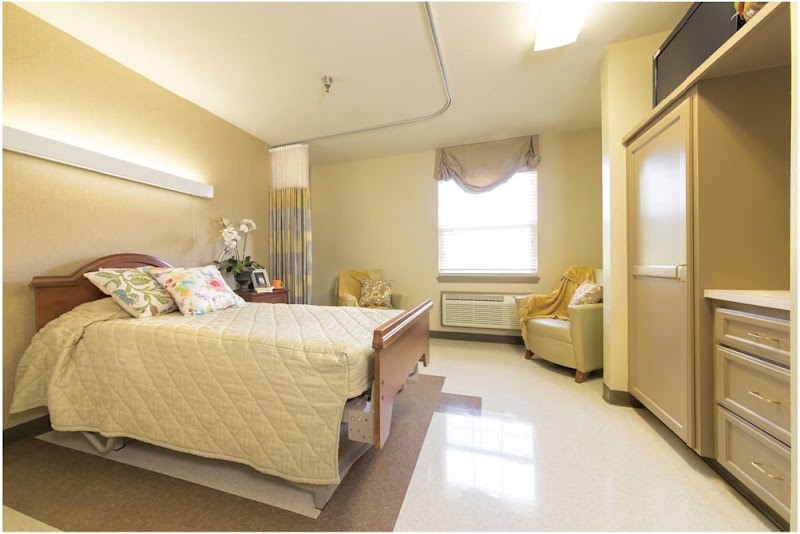
How is Russellville Staffed?

CMS rates RUSSELLVILLE NURSING AND REHABILITATION CENTER's staffing level at 4 out of 5 stars, which is above average compared to other nursing homes. Staff turnover is 41%, compared to the Arkansas average of 46%. This relatively stable workforce can support continuity of care.

What Have Inspectors Found at Russellville?

State health inspectors documented 22 deficiencies at RUSSELLVILLE NURSING AND REHABILITATION CENTER during 2022 to 2024. These included: 21 with potential for harm and 1 minor or isolated issues.

Who Owns and Operates Russellville?

RUSSELLVILLE NURSING AND REHABILITATION CENTER is owned by a for-profit company. For-profit facilities operate as businesses with obligations to shareholders or private owners. The facility is operated by CENTRAL ARKANSAS NURSING CENTERS, a chain that manages multiple nursing homes. With 100 certified beds and approximately 93 residents (about 93% occupancy), it is a mid-sized facility located in RUSSELLVILLE, Arkansas.
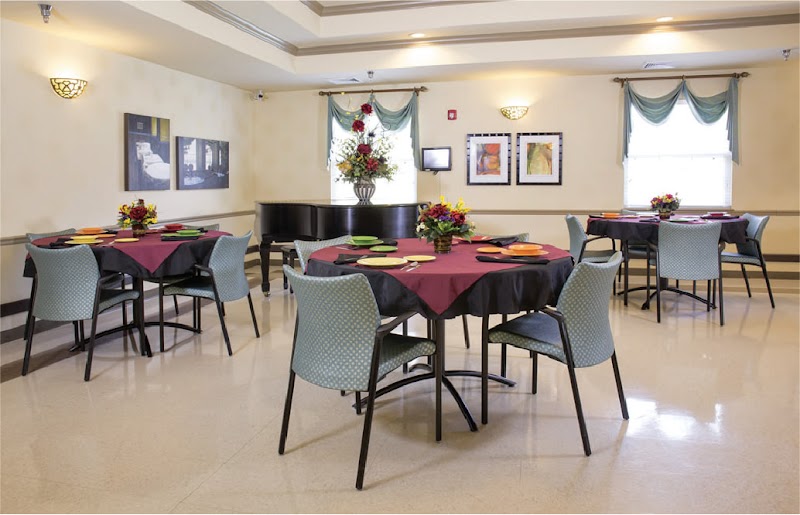
How Does Russellville Compare to Other Arkansas Nursing Homes?

Compared to the 100 nursing homes in Arkansas, RUSSELLVILLE NURSING AND REHABILITATION CENTER's overall rating (3 stars) is below the state average of 3.1, staff turnover (41%) is near the state average of 46%, and health inspection rating (2 stars) is below the national benchmark.

What Should Families Ask When Visiting Russellville?

Based on this facility's data, families visiting should ask: "Can I visit during a mealtime to observe dining assistance and food quality?" "How do you handle medical emergencies, and what is your hospital transfer rate?" "Can I speak with family members of current residents about their experience?"

Is Russellville Safe?

Based on CMS inspection data, RUSSELLVILLE NURSING AND REHABILITATION CENTER has a clean safety record: no substantiated abuse findings (meaning no confirmed cases of resident harm), no Immediate Jeopardy citations (the most serious violation level indicating risk of serious injury or death), and is not on the Special Focus Facility watch list (a federal program monitoring the lowest-performing 1% of nursing homes). The facility has a 3-star overall rating and ranks #100 of 100 nursing homes in Arkansas. While no facility is perfect, families should still ask about staff-to-resident ratios and recent inspection results during their visit.

Do Nurses at Russellville Stick Around?

RUSSELLVILLE NURSING AND REHABILITATION CENTER has a staff turnover rate of 41%, which is about average for Arkansas nursing homes (state average: 46%). Moderate turnover is common in nursing homes, but families should still ask about staff tenure and how the facility maintains care continuity when employees leave.

Was Russellville Ever Fined?

RUSSELLVILLE NURSING AND REHABILITATION CENTER has no federal fines on record. CMS issues fines when nursing homes fail to meet care standards or don't correct problems found during inspections. The absence of fines suggests the facility has either maintained compliance or corrected any issues before penalties were assessed. This is a positive indicator, though families should still review recent inspection reports for the full picture.

Is Russellville on Any Federal Watch List?

RUSSELLVILLE NURSING AND REHABILITATION CENTER is not on any federal watch list. The most significant is the Special Focus Facility (SFF) program, which identifies the bottom 1% of nursing homes nationally based on persistent, serious quality problems. Not being on this list means the facility has avoided the pattern of deficiencies that triggers enhanced federal oversight. This is a positive indicator, though families should still review the facility's inspection history directly.