SOUTHFORK RIVER THERAPY AND LIVING
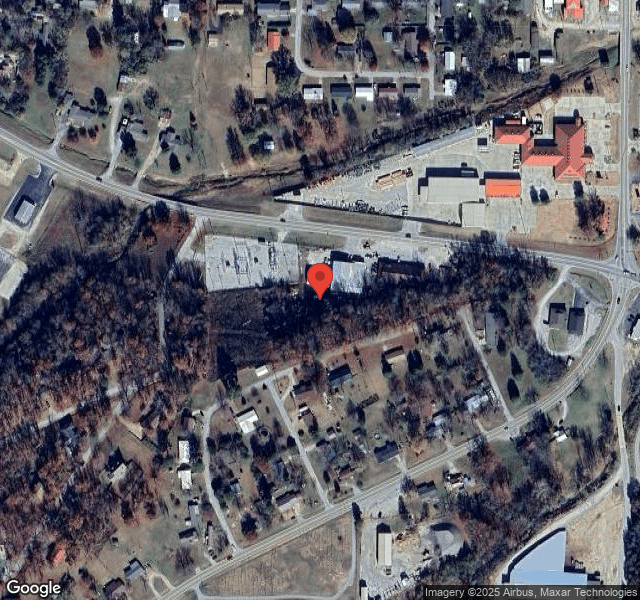

624 HWY 62/412 WEST, SALEM, AR 72576 (870) 895-3817
For profit - Corporation 68 Beds ANTHONY & BRYAN ADAMS Data: November 2025
Trust Grade
90/100
#33 of 218 in AR
Last Inspection: August 2024

Within standard 12-15 month inspection cycle. Federal law requires annual inspections.

Overview

Southfork River Therapy and Living in Salem, Arkansas, has received a Trust Grade of A, indicating it is an excellent facility highly recommended for care. It ranks #33 out of 218 nursing homes in Arkansas, placing it in the top half, and is the only option in Fulton County. The facility is showing an improving trend, having reduced its issues from four in 2023 to none in 2024, which is encouraging. Staffing is generally strong with a 4 out of 5-star rating and a turnover rate of 42%, which is lower than the state average, suggesting that staff are experienced and familiar with the residents. However, there have been concerns noted, including inadequate food storage practices and unsecured hazardous items, such as razors, which could pose risks to residents. Overall, while there are areas needing improvement, the strengths of the facility, including high ratings and a commitment to better care, make it a viable option for families considering nursing home care.

Trust Score
A
90/100
In Arkansas
#33/218
Top 15%
Safety Record
Low Risk
No red flags
Inspections
Getting Better
4 → 0 violations
Staff Stability
○ Average
42% turnover. Near Arkansas's 48% average. Typical for the industry.
Penalties
✓ Good
No fines on record. Clean compliance history, better than most Arkansas facilities.
Skilled Nurses
⚠ Watch
Each resident gets only 20 minutes of Registered Nurse (RN) attention daily — below average for Arkansas. Fewer RN minutes means fewer trained eyes watching for problems.
Violations
○ Average
10 deficiencies on record. Average for a facility this size. Mostly minor or procedural issues.
★★★★★
5.0
Overall Rating
★★★★☆
4.0
Staff Levels
★★★★★
5.0
Care Quality
★★★★★
5.0
Inspection Score
Stable
2023: 4 issues
2024: 0 issues

The Good

  • 4-Star Staffing Rating · Above-average nurse staffing levels
  • 5-Star Quality Measures · Strong clinical quality outcomes
  • Full Sprinkler Coverage · Fire safety systems throughout facility
  • No fines on record
  • Staff turnover below average (42%)

    6 points below Arkansas average of 48%

Facility shows strength in staffing levels, quality measures, fire safety.

The Bad

Staff Turnover: 42%

Near Arkansas avg (46%)

Typical for the industry

Chain: ANTHONY & BRYAN ADAMS

Part of a multi-facility chain

Ask about local staffing decisions and management

The Ugly 10 deficiencies on record

Sept 2023 4 deficiencies
CONCERN (E)

Potential for Harm - no one hurt, but risky conditions existed

Accident Prevention (Tag F0689)

Could have caused harm · This affected multiple residents

**NOTE- TERMS IN BRACKETS HAVE BEEN EDITED TO PROTECT CONFIDENTIALITY** Based on observation, record review, and interview, the facility failed to ensure potentially hazardous chemicals and hygiene pr...

Read full inspector narrative →
**NOTE- TERMS IN BRACKETS HAVE BEEN EDITED TO PROTECT CONFIDENTIALITY** Based on observation, record review, and interview, the facility failed to ensure potentially hazardous chemicals and hygiene products were stored in a secure location on 1 (200 Hall) of 3 (200 Hall, 300 Hall, and 400 Hall) halls to prevent potential access of hazardous items by cognitively impaired residents who ambulate by any means. The findings are: 1. An observation was made on 09/05/23 at 1:27 PM, on a table in the restroom of Resident room [ROOM NUMBER] was an emesis basin with 3 triple blade razors with no covers. On an open shelf mounted on the restroom wall was one small container of mentholated topical ointment, 2 unopened packages and 1 opened package of denture cleanser tablets. 2. On 09/06/23 at 9:21 AM, On a table in the restroom of Resident room [ROOM NUMBER] was an emesis basin with 3 triple blade razors with no covers. On an open shelf mounted on the restroom wall was one small container of mentholated topical ointment, 2 unopened packages and 1 opened package of denture cleanser tablets. 3. On 09/07/23 at 8:15 AM, On a table in the restroom of Resident room [ROOM NUMBER] was an emesis basin with 3 triple blade razors with no covers. On an open shelf mounted on the restroom wall was one small container of mentholated topical ointment, 2 unopened packages and 1 opened package of denture cleanser tablets. 4. On 09/07/23 at 3:13 PM, the Surveyor asked Certified Nursing Assistant (CNA) #2 where razors should be stored when not in use. CNA #2 stated, In the shower room. The Surveyor asked where denture cleanser tablets should be stored when not in use. CNA #2 stated, In a Ziplock bag in a closet. 5. On 09/07/23 at 3:16 PM, the Surveyor asked Licensed Practical Nurse (LPN) #1 where razors should be stored when not in use. LPN #1 responded, In the supply room. The Surveyor asked where denture cleanser tablets and mentholated topical ointment should be stored when not in use. LPN #1 stated The same, in the storage room behind locked doors for safety The Surveyor asked who was responsible for ensuring that those items are put up safely. LPN #1 replied, CNAs. 6. On 09/07/23 at 3:21 PM, the Director of Nursing (DON) stated that razors and denture cleanser should be stored in the supply cabinet, behind locked door and that residents personal care items should be stored in a bag in a drawer with their name on it to keep residents out of harm. 7. On 09/08/23 at 10:36 AM, the Administrator stated that the facility did not have a policy regarding storage of personal care items.
CONCERN (E)

Potential for Harm - no one hurt, but risky conditions existed

Respiratory Care (Tag F0695)

Could have caused harm · This affected multiple residents

Based on observation, interview, and record review, the facility failed to ensure a Physicians Order was obtained for CPAP (Continuous Positive Airway Pressure) usage for 1 (Resident #63) of 1 sampled...

Read full inspector narrative →
Based on observation, interview, and record review, the facility failed to ensure a Physicians Order was obtained for CPAP (Continuous Positive Airway Pressure) usage for 1 (Resident #63) of 1 sampled resident who used a CPAP. The findings are: a. On 09/05/23 at 1:28 pm, observed a CPAP mask on Resident #63's nightside, not in a container/bag. b. On 09/06/23 at 9:53 am, observed a CPAP nose piece lying on Resident #63 ' s nightstand, not in a container/bag. c. On 09/07/23 at 2:14 pm, observed a CPAP mask stored in an undated plastic bag. d. On 09/07/23 at 2:43 pm, the Surveyor asked Licensed Practical Nurse (LPN) #2 if Resident #63 had an order for the CPAP. LPN #2 said, I do not see one. e. On 09/07/23 at 2:45 pm, the Surveyor asked the Nurse Consultant if she had an order for [Resident #63's] CPAP. She stated, I do not have an order for the CPAP. The Surveyor asked, Does [Resident #63] have a diagnosis, as to why she is using a CPAP? The Nurse Consultant stated, I haven't found one, but I will keep looking. f. As of 09/07/23 at 2:50 pm, Resident #63's Physician Orders and/or Care Plan did not address CPAP usage.
CONCERN (E)

Potential for Harm - no one hurt, but risky conditions existed

Deficiency F0761 (Tag F0761)

Could have caused harm · This affected multiple residents

Based on observation, interview, and record review, the facility failed to ensure drugs and biologicals contained a pharmacy label, contained a date opened, and expired medications were removed from t...

Read full inspector narrative →
Based on observation, interview, and record review, the facility failed to ensure drugs and biologicals contained a pharmacy label, contained a date opened, and expired medications were removed from the medication cart for 1 or 1 medication room and 2 of 3 medication carts on 2 (100 Hall and 300 Hall). The findings are: 1. On 09/06/23 at 2:41 PM, the following observations were made in the Central Medication Room with Licensed Practical Nurse (LPN) #1: a. An opened box of Acetaminophen Suppositories 650 milligrams with the patient label torn off was in the refrigerator. b. An opened vial of Novolog Insulin with no opened date. c. An intravenous administration set with an expiration date of 09/05/22. d. In the cabinet above the sink was an opened bottle of Vitamin C 1000 milligrams with an expiration date of August 2023. e. An opened box of mucus expectorant containing 9 tablets with an expiration date of 8/2023. f. A package of four 0.9% Sodium Chloride 250 milliliters with an expiration date of 06/01/2022. g. A package of 0.9% Sodium Chloride 250 milliliters with an expiration date of 12/2022. h. An opened plastic container with 50 milliliters of 0.9 % Sodium Chloride in a plastic box containing primary tubing intravenous sets with no name or no label with an expiration date of 01/22. i. A packaged Intravenous administration set with an expiration date of 09/05/2022. j. On 09/06/2023 at 3:15 PM, the Surveyor asked LPN #1 who was responsible to ensure insulin has an opened date. LPN #1 stated, Whoever opens the bottle of insulin. The Surveyor asked where the expired medications were to be placed. LPN #1 stated, We have a place next door, a bucket with a lock on it. 2. On 09/06/23 at 3:20 PM, the following observations were made in the 300 Hall Medication Cart with LPN #3: a. An opened bottle of nitroglycerin tablets with no name and no opened date. LPN #3 stated, The nitroglycerin bottle was taken from the emergency box and was given to one of the residents and should no longer be in the cart. There is no name on it. b. A medication card of Ondansetron (nausea and vomiting medication) with an expiration date of 7/15/2023. c. An unidentifiable half of a tablet was loose in the bottom of the drawer. 3. On 09/06/23 at 3:56 PM, the following observations were made in the 100 Hall Medication Cart with LPN #4: a. A vial of Humalog Insulin with an opened date of 7/18/23. (Humalog Insulin should be discarded 28 days after opening.) b. A medication card of Memantine HCL (Hydrochloride) (Alzheimer's Disease medication) with an expiration date of 02/20/2023. c. A bottle of Fluticasone (Allergy Medication) with an opened date 05/18/2023. LPN #4 stated, That medication was discontinued and is not being used. 4. A facility policy titled, Storage of Medications, provided by the Administrator on 09/07/23 at 12:55 PM documented, Policy Statement The facility shall store all drugs and biologicals in a safe, secure, and orderly manner. Policy Interpretation and Implementation .2. Drug containers that have missing, incomplete, improper, or incorrect labels shall be returned to the pharmacy for proper labeling before storing. 4. The facility shall not use discontinued, outdated, or deteriorated drugs or biologicals. All such drugs shall be destroyed .
CONCERN (E)

Potential for Harm - no one hurt, but risky conditions existed

Infection Control (Tag F0880)

Could have caused harm · This affected multiple residents

Based on observation and interview, the facility failed to ensure staff followed the appropriate use of gloves during medication administration to prevent potential cross contamination for 1 (Resident...

Read full inspector narrative →
Based on observation and interview, the facility failed to ensure staff followed the appropriate use of gloves during medication administration to prevent potential cross contamination for 1 (Resident #5) of 1 sampled resident. This failed practice had the potential to affect 27 residents who resided on the 200 Hall and shared staff with Resident #5. These findings are: a. On 09/07/23 at 8:44 am, Licensed Practical Nurse (LPN) #1 donned gloves before administrating medication via Percutaneous Endoscopic Gastrostomy (PEG) tube. After administrating the medications, she doffed and disposed of the gloves. She went to bathroom and rinsed out the syringe and put the syringe in a package and placed it in the nightstand drawer. Without washing her hands, LPN #1 then donned gloves to give an updraft treatment via nebulizer. She placed the face mask on Resident #5 and then placed a pulse oximetry on the resident's finger. During the treatment, LPN #1 touched the resident's doll and other items on the resident's bed, contaminating the gloves. After the treatment, she removed the nebulizer mask and placed it in a ziplock bag on the nightstand while wearing the contaminated gloves. b. A Physicians Orders dated 03/30/18 noted Resident #5's nebulizer mask was to be cleaned with soap and water after each use, air dry, and was to be kept in a ziplock bag when not in use. c. On 09/07/23 at 9:15 am, the Surveyor asked LPN #1, Should you have changed your gloves after touching multiple items on the resident's bed before placing the mask in the ziplock bag for storage? She stated, Yes. d. On 09/07/23 at 2:56 pm, the Surveyor asked the Director of Nursing (DON) When a nurse is giving medications via PEG tube, should gloves be changed between tasks or after touching multiple things? She stated, Yes, hand hygiene should be done, then change gloves. e. A facility policy titled, Personal Protective Equipment - Gloves, provided by the Administrator on 09/08/23 at 10:03 am documented, .3. The use of gloves will vary according to the procedure involved. The use of disposable gloves is indicated: a. When it is likely that the employee's hands will come in contact with blood, body fluids, secretions, excretions, mucous membranes, and/or non-intact skin while performing the procedure . d. When handling . items that may be contaminated . 8. Wash your hands after removing gloves .
Jun 2022 6 deficiencies
CONCERN (D)

Potential for Harm - no one hurt, but risky conditions existed

Assessment Accuracy (Tag F0641)

Could have caused harm · This affected 1 resident

**NOTE- TERMS IN BRACKETS HAVE BEEN EDITED TO PROTECT CONFIDENTIALITY** Based on observation, record review, and interview, the facility failed to ensure Minimum Data Set (MDS) assessments were accura...

Read full inspector narrative →
**NOTE- TERMS IN BRACKETS HAVE BEEN EDITED TO PROTECT CONFIDENTIALITY** Based on observation, record review, and interview, the facility failed to ensure Minimum Data Set (MDS) assessments were accurate and complete to facilitate the ability to plan and provide necessary care and services for 1 (Resident #58) of 1 (Resident #58) sample mix residents who had an indwelling catheter and for 1 (Resident #38) of 1 (Resident #38) sample mix residents who had a tracheostomy. The findings are: 1. Resident #58 had a diagnosis of Retention of Urine. The Quarterly Minimum Data Set [MDS] with an Assessment Reference Date [ARD] of 5/25/22 documented the resident scored 00 (0-7 indicates Severe impairment) on a Brief Interview for Mental Status; required extensive assistance of two person for toilet use, had no indwelling catheter and his urinary continence was not rated. a. The Initial Care Plan dated 8/31/18 documented, [Resident #58] has Suprapubic Catheter . CATHETER: The resident has suprapubic catheter. b. The June Physicians Orders dated 9/16/18 documented, Change supra pubic catheter if not patent #16 with 30cc [cubic centimeters] bulb . c. On 6/13/22 at 12:19 PM, the resident was resting in bed. A foley catheter bag was hanging from the window side of the bed frame in a privacy bag. d. On 6/16/22 at 9:58 AM, the MDS Coordinator was asked, Who is responsible for completing Section H [of the MDS]? She replied, Me. The MDS Coordinator was asked, How long has the resident had an indwelling catheter? She replied, Since admission, The MDS Coordinator was asked, Is Section H0100 coded correctly? She replied, No, it is not, I will correct that. 2. Resident #38 has a diagnosis of Traumatic Brain Injury. The Annual Minimum Data Set (MDS) with an Assessment Reference Date (ARD) of 4/28/22 documented the resident was severely impaired in cognitive skills for daily decision and did not require Tracheostomy care. a. The Initial care plan dated 9/16/19 documented, [Resident #38] has a tracheostomy r/t [related to] Impaired breathing mechanics . b. The Physicians order dated 10/24/20 documented, Tracheostomy 4DCT [Disposable Cannula Cuffed Tracheostomy Tube] . [NAME] 4 cuff . c. On 6/13/22 at 11:21 AM, the resident was resting in bed, the head of bed was up, tracheostomy secured in-place with a c collar. d. On 6/16/22 at 9:58 AM, MDS Coordinator was asked, Who is responsible for completing Section O [on the MDS]? She replied, Me. The MDS Coordinator was asked, How long has the resident had a Tracheostomy? She replied, Since admission, The MDS Coordinator was asked, Is Section O coded correctly? She replied, No, it is not, I will correct that.
CONCERN (D)

Potential for Harm - no one hurt, but risky conditions existed

Comprehensive Care Plan (Tag F0656)

Could have caused harm · This affected 1 resident

Based on record review and interview, the facility failed to ensure the comprehensive care plan addressed functional limitation in range of motion (ROM) to ensure appropriate interventions were develo...

Read full inspector narrative →
Based on record review and interview, the facility failed to ensure the comprehensive care plan addressed functional limitation in range of motion (ROM) to ensure appropriate interventions were developed and implemented to prevent further decline for 1 (Residents #38) of 2 (Residents #8, and #38) sampled mix residents with contractures. The findings are: Resident #38 has a diagnosis of Traumatic Brain Injury [TBI]. The Annual Minimum Data Set (MDS) with an Assessment Reference Date (ARD) of 4/28/22 documented the resident was severely impaired in cognitive skills for daily decision, required total assistance with two-person assist for bathing, extensive assistance of two person assist for bed mobility, transfer, toilet use, and personal hygiene and had impairment to the upper and lower extremities on both sides. a. The admission MDS with an ARD of 9/3/19 documented the resident had impairment to the upper and lower extremities on both sides. b. On 6/13/22 at 11:22 AM and on 6/14/22 at 2:23 PM, the resident was lying in bed, her left hand contracted, in a fist position with no device in place. c. On 6/14/22 at 2:41 AM, LPN [Licensed Practical Nurse] #1, was interviewed and asked, is the resident able to open her left hand? She replied, No, we tried to put a washcloth in her hand and if she starts to cry, we stop. She was asked, Is she supposed to have a device in her hand? She replied, I don't know. d. On 6/15/22 at 8:30 AM, RN [Register Nurse] #1 was performing Peg tube site care, the resident was resting in bed, a washcloth was in her left hand with no distress noted. e. The revised Care Plan dated, 6/15/22 documented, [Resident's Name] has limited physical mobility r/t [related to] TBI . washcloth placed in hand to maintain extension of fingers of left hand after ROM [Range of Motion] has been performed by CNA [Certified Nursing Assistant]. f. On 6/16/22 at 9:58 AM, the MDS Coordinator was interviewed and asked, Who is responsible for implementing and revising the care plans? She replied, Me. She was asked, Does the resident have a contracture to her left hand? She replied, Yes. The MDS Coordinator was asked, Should her contracture be care planned? She replied, Yes. The MDS Coordinator was asked, Was her contracture care planned prior to 6/15/22? She replied, No. g. On 6/16/22 at 10:08 AM, the DON [Director of Nursing] was interviewed and asked, does the resident have a contracture to her left hand? She replied, Yes. The DON was asked, Should she have a device in place to prevent further decline in range of motion? The DON replied, Yes. The DON was asked, should the resident be care planned for a hand roll or a device? She replied, Yes. h. On 6/16/22, the Policy on Resident Mobility and Range of Motion was received from the Administrator documented, Residents will not experience an avoidable reduction in Range of Motion (ROM). Residents with limited range of motion will receive treatment and services to increase and/or prevent a further decrease in ROM. The Care plan will be developed by the interdisciplinary team based on the comprehensive assessment and will be revised as needed. The care plan will include specific interventions, exercise, and/or improve and therapies to maintain, prevent avoidable decline in, and/or improve mobility and range of motion. Interventions may include therapies, the provision of necessary equipment, and/or exercises and will be based on professional standards of practice and be consistent with state laws and practice acts. The care plan will include the type, frequency, and duration of intervention, as well as measurable goals and objectives.
CONCERN (D)

Potential for Harm - no one hurt, but risky conditions existed

ADL Care (Tag F0677)

Could have caused harm · This affected 1 resident

Based on observation, record review, and interview, the facility failed to ensure incontinent care was provided in a manner to promote good hygiene, maintain skin integrity, and prevent potential urin...

Read full inspector narrative →
Based on observation, record review, and interview, the facility failed to ensure incontinent care was provided in a manner to promote good hygiene, maintain skin integrity, and prevent potential urinary tract infections and the privacy curtain was pulled for 1 (Resident #31) of 15 (Residents #35, #8, #40, #39, #6, #18, #55, #45, #47, #58,#41, #31, #43, #20 and #38) case mix residents who were incontinent and failed to ensure residents' fingernails were cleaned and trimmed to promote good personal hygiene and grooming for 2 (Residents #58 and #18) of 16 (Residents #35, #8, #7, #40, #39, #6, #18, #55, #45, #47, #58, #41, #31, #43, #20 and #38) sampled residents who were dependent for nail care. The findings are: 1. Resident #31 had diagnoses of a Stroke, Obstructive Uropathy, Dysuria and Dementia. The Quarterly Minimum Data Set (MDS) with an Assessment Reference Date (ARD) of 4/22/22 documented the resident scored 11 (8-12 indicates moderately impaired) on a Brief Interview for Mental Status (BIMS), required extensive two-plus person assistance with transfers and toilet use, and was always incontinent of bladder and bowel. a. The Initial Care Plan dated 10/19/20 documented, [Resident #31] has an ADL [Activities of Daily Living] self-care performance deficit r/t [related to] Stroke . TOILET USE: The resident requires extensive assist by (2) staff for toileting. [Resident #31] has mixed bladder incontinence r/t previous Stroke, Dysuria. INCONTINENT: Check q [every] 2 hours and as required for incontinence. Wash, rinse, and dry perineum. b. On 6/13/22 at 10:59 AM, Certified Nursing Assistant (CNA) #1 performed peri-care. The CNA un-taped the wet brief, wiped down the labia one time without separating, rolled the resident onto the left side. The CNA cleansed the rectal area with one wipe, from front to back without spreading the buttocks to cleanse the rectum. c. On 6/13/22 at 11:15 AM, CNA #1 was asked, When performing peri care should the curtain be pulled all around the resident for privacy? He replied, Yes. He was asked, When cleansing the perineal area, should you separate the labia to cleanse both sides? The CNA replied, Yes. The CNA was asked, When cleansing the rectal area should you, separate the buttocks to cleanse the rectum? He replied, Yes. d. On 6/16/22 at 9:58 AM, the Director of Nursing (DON) was asked, When the CNAs are providing peri-care should the curtain encircle the resident for privacy? She replied, Yes. She was asked, when cleaning the perineal area should the labia be separated and cleansed on both sides? The DON replied, Yes. She was asked, When cleansing the rectal area, should the buttocks be separated to cleanse the rectum? She replied, Yes. e. On 6/16/22, the Policy on Perineal Care was received by the Administrator documented, The purpose of this procedure are to provide cleanliness and comfort to the resident, to prevent infections and skin irritation, and to observe the resident's skin condition. Wash perineal area, wiping front to back . Separate labia and wash area in downward from front to back . Wash the rectal area thoroughly, wiping from the base of the labia towards and extending over the buttocks. 2. Resident #58 had a diagnosis of Cerebral Palsy. The Quarterly Minimum Data Set [MDS] with an Assessment Reference Date [ARD] of 5/25/22 documented the resident scored 00 (0-7 indicates Severe impairment) on a Brief Interview for Mental Status; required extensive assistance of two person for toilet use, personal hygiene, and extensive assistance of one person for bathing. a. The Initial Care Plan dated 9/4/18 documented, [Resident's Name] has an ADL self-care performance deficit r/t cerebral palsy . BATHING/SHOWERING: Check nail length and trim and clean on bath day and as necessary . b. On 6/13/22 at 12:24 PM and on 6/14/22 at 2:17 PM, the resident was resting in his bed, his left fingernails were approximately 1/8 inch long and had a brown substance underneath his fingernail tips. c. On 6/14/22 at 3:30 PM, LPN #1 was accompanied to the Resident #58's room and asked, What is that brown substance under his nail tips? She replied, Probably food, he eats with his fingers. She was asked, Should his fingernails be cleaned? She replied, Yes, I will get that done right now. 3. Resident #18 had a diagnosis of Dementia. The Quarterly Minimum Data Set [MDS] with an Assessment Reference Date [ARD] of 5/25/22 documented the resident scored 5 (0-7 indicates Severe impairment) on a Brief Interview for Mental Status; required extensive assistance of one person for personal hygiene, limited assistance of one person assist for toilet use and bathing activity itself did not occur. a. The revised Care Plan documented, [Resident #18] has potential to skin integrity r/t [related to] fragile skin . The resident will maintain or develop clean and intact skin by the review date . Avoid scratching and keep hands and body parts from excessive moisture. Keep fingernails short. [Resident's Name] has an ADL self-care performance deficit r/t Dementia . TOILET USE: The resident is able to toilet self . PERSONAL HYGIENE/ORAL CARE: The resident is able to: perform own personal hygiene . b. On 6/13/22 at 3:10 PM, the resident was in his room, sitting in his wheelchair, his fingernails on the right and left hands were approximately 1/8 inch long, jagged, and had a brown substance under the fingernail tips. c. On 6/14/22 at 2:15 PM, the resident was in the hallway in his wheelchair. The resident's fingernails were uneven and jagged with a brown substance under the fingernail tips. d. On 6/15/22 at 3:24 PM, LPN #1 was accompanied down the hall, Resident #18 was in his wheelchair in the hallway. The LPN was asked, What is that brown substance under his fingernail tips? She replied, I'm not sure, but he does take himself to the bathroom. She was asked, Should his fingernails be filed, trimmed and cleaned? She replied, Yes, they are a little long and jagged. 4. On 6/14/22 at 2:22 PM, CNA #2 was asked, Who performs the resident's nail care? The CNA replied, The nurses must file and trim if diabetic, the CNAs can clean everyone's nails. The CNA was asked, When is nail care performed? The CNA replied, Once a week, for filing and trimming, cleaning on shower days and as needed. The CNA was asked, How often are the residents showered? The CNA replied, Twice a week. 5. On 6/14/22 at 3:20 PM, Licensed Practical Nurse (LPN) #1 was asked, Who performs the resident's nail care? She replied, The CNAs, if diabetic the nurses have to file and trim. She was asked, When is nail care performed on the residents? She replied, On shower days and as needed. The LPN was asked, Who is responsible to ensure the resident's nail care is being completed as needed? The LPN replied, The Nurses. 6. On 6/16/22 at 9:58 AM, the DON was asked, Who performs nail care on the residents? She replied, The CNAs, nurses, and the treatment nurse. If diabetic the nurses and treatment nurse have to file and trim them. The DON was asked, When is nail care performed on the residents? She replied, On shower days and as needed. The DON was asked, Who is responsible to ensure nail care is being provided to the residents as needed? She replied, The floor nurse, I just did an in-service on nail care. 7. The Policy on Fingernails/Toenails, Care of documented, The purpose of this procedure are to clean the nail bed, to keep nails trimmed, and to prevent infections. Nail care includes daily cleaning and regular trimming. Trimmed and smooth nails prevent the resident from accidentally scratching and injuring his or her skin.
CONCERN (D)

Potential for Harm - no one hurt, but risky conditions existed

Deficiency F0688 (Tag F0688)

Could have caused harm · This affected 1 resident

Based on observation, record review, and interview, the facility failed to ensure a splint, hand roll, and other positioning device was consistently utilized to prevent further decline in range of mot...

Read full inspector narrative →
Based on observation, record review, and interview, the facility failed to ensure a splint, hand roll, and other positioning device was consistently utilized to prevent further decline in range of motion (ROM) for 1 (Residents #38) of 2 (Resident #38 and #8) sample mix residents who had contractures. The findings are: Resident #38 has a diagnosis of Traumatic Brain Injury [TBI]. The Annual Minimum Data Set (MDS) with an Assessment Reference Date (ARD) of 4/28/22 documented the resident was severely impaired in cognitive skills for daily decision, required total assistance with two-person assist for bathing, extensive assistance of two person assist for bed mobility, transfer, toilet use, and personal hygiene and had impairment to the upper and lower extremities on both sides. a. The Care Plan with a revision date of 6/01/22 documented, [Resident #38] has limited physical mobility r/t [related to] TBI . NURSING REHAB/RESTORATIVE: PASSIVE ROM . PROM BUE [Passive Range of Motion Bilateral Upper Extremities] hands as tolerated, begin with therapeutic massage to prepare joints and calm pt [patient] . b. On 6/13/22 at 11:22 AM and on 6/14/22 at 2:23 PM, the resident was lying in bed, with her left hand contracted, in a fist position with no device in place. c. On 6/14/22 at 2:41 AM, Licensed Practical Nurse (LPN) #1, was asked, Is the resident able to open her left hand? She replied, No, we tried to put a washcloth in her hand and if she starts to cry, we stop. She was asked, Is she supposed to have a device in her hand? She replied, I don't know. d. On 6/15/22 at 8:30 AM, Register Nurse (RN) #1 was performing feeding tube site car. The resident was resting in bed, a washcloth was in her left hand, with no distress noted. e. On 6/16/22 at 9:58 AM, the MDS Coordinator was asked, Who is responsible for implementing and revising the care plans? She replied, Me. She was asked, Does the resident have a contracture to her left hand? She replied, Yes. The MDS Coordinator was asked, Should her contracture be care planned? She replied, Yes. The MDS Coordinator was asked, Was her contracture care planned prior to 6/15/22? She replied, No. f. On 6/16/22 at 10:08 AM, the Director of Nursing (DON) was asked, Does the resident have a contracture to her left hand? She replied, Yes. The DON was asked, Should she have a device in place to prevent further decline in range of motion? The DON replied, Yes. She was asked, Should the resident be care planned for a hand roll or a device? She replied, Yes. g. On 6/16/22, the Policy on Resident Mobility and Range of Motion was received from the Administrator documented, Residents will not experience an avoidable reduction in range of motion (ROM). Residents with limited range of motion will receive treatment and services to increase and/or prevent a further decrease in ROM. The Care plan will be developed by the interdisciplinary team based on the comprehensive assessment and will be revised as needed. The care plan will include specific interventions, exercise, and/or improve and therapies to maintain, prevent avoidable decline in, and/or improve mobility and range of motion. Interventions may include therapies, the provision of necessary equipment, and/or exercises and will be based on professional standards of practice and be consistent with state laws and practice acts. The care plan will include the type, frequency, and duration of intervention, as well as measurable goals and objectives.
CONCERN (E)

Potential for Harm - no one hurt, but risky conditions existed

Deficiency F0805 (Tag F0805)

Could have caused harm · This affected multiple residents

Based on observation and interview, the facility failed to ensure pureed food items were blended to a smooth, lump free consistency to minimize the risk of choking or other complications for residents...

Read full inspector narrative →
Based on observation and interview, the facility failed to ensure pureed food items were blended to a smooth, lump free consistency to minimize the risk of choking or other complications for residents who required pureed diets for 2 of 2 meal observed. The failed practice had the potential to affect 6 residents who received pureed diets as documented on the Diet List provided by the Food Service Supervisor on 6/14/2022. The findings are: 1. On 6/13/2022 at 10:46 AM., Dietary Employee #1 placed 5 servings of chicken breast into a blender, added chicken broth and pureed them. She poured the pureed chicken in a pan. She covered the pan with foil and placed it in the oven. The consistency of the pureed chicken had pieces of chicken visible in the mixture and not smooth. 2. On 6/13/2022 at 4:14 PM., Dietary Employee #3 used a 4 oz [ounce] spoon and placed 5 servings of beef tips into a blender, added beef broth and pureed them. At 4:17 PM, She poured the pureed beef tips in a pan, covered the pan with foil and placed it on the steam table. The consistency of the pureed beef tips was not smooth. There were pieces of meat still visible in the mixture. 3. On 6/13/2022 at 4:26 PM., Dietary Employee #3 used a 4 oz to spoon 4 servings of parsley noodles into a blender, added both and thickener and pureed them. At 4:31 PM, she pureed the noodles in a pan. The consistency of the pureed noodles was lumpy and not smooth. There were pieces of noodles visible in the mixture. On 6/13/2022 at 4:33 PM, she added 2 more servings of noodles into a blender, added thickener, broth and pureed. At 4:36 PM, she poured the pureed noodles in the same pan. She placed the pureed noodles on the steamtable. The consistency of the last pureed noodles was lumpy and not smooth. There were pieces of noodles visible in the mixture. 4. On 6/13/2022 at 4:55 PM., Dietary Employee used a 4 oz spoon and placed 4 servings of broccoli with more of stocks into a blender, added thickener and pureed them. At 4:48 PM, she used #8 scoop and placed the pureed broccoli into a pan. She placed the pan of pureed broccoli on the steam table to be served to the residents on pureed diets for supper. The consistency of the pureed broccoli had pieces of broccoli in the mixture and was not smooth. 5. On 6/13/2022 at AM., Dietary Supervisor was asked to describe the consistency of the pureed food items prepared and served to the residents for supper. She stated, Pureed meat was gritty. It was not smooth and was not pureed longer than it should have. Pureed noodles should be pureed longer. Agreed there were pieces of noodles visible in the mixture.
CONCERN (F)

Potential for Harm - no one hurt, but risky conditions existed

Food Safety (Tag F0812)

Could have caused harm · This affected most or all residents

Based on observation, record review and interview, the facility failed to ensure food items stored in the freezer were covered or sealed and dietary staff washed their hands before handling clean equi...

Read full inspector narrative →
Based on observation, record review and interview, the facility failed to ensure food items stored in the freezer were covered or sealed and dietary staff washed their hands before handling clean equipment or food items to prevent potential food borne illness for residents who received meals from 1 of 1 kitchen according to the list provided by the Dietary Supervisor dated 6/14/2022 at 9:45 AM. The findings are: 1. On 6/13/2022 at 10:26 AM., the following observations were made in the kitchen: a. An opened box of beef patties was stored on a shelf in the freezer. The box was not covered or sealed. b. An opened box of pancakes was stored on a shelf in the freezer. The box was not covered or sealed. c. An opened box of cinnamon roll was stored on a shelf in the freezer. The box was not covered or sealed. d. An opened box of hamburger patties was stored on a shelf in the freezer. The box was not covered or sealed. 2. On 6/13/2022 at 10:43 AM., Dietary Employee #1 took out a pan of baked chicken from the oven and placed it on the counter. Without washing her hands, she picked up a clean blade an attached it to the base of the blender to be used in pureeing food items to be served to the resident who required pureed diets for lunch. 3. On 6/13/2022 at 10:48 AM., Dietary Employee #2 took out a bag of Cheetos and placed it on the counter. He picked up gloves from the glove box and placed them on his hands, contaminating the gloves. He picked a bag of bread from the bread rack and placed it on the counter. He opened the refrigerator door, took out a container of sliced cheese and a container of sliced ham and placed them on the counter. He picked up plates from a bag and placed them on the counter. He untied the bread bag and without changing gloves and washing his hands, he removed slices of bread from the bag and placed them on the plates, removed slices of cheeses from the container and slices of ham and placed them on the bread to be served to the residents who requested ham and cheese sandwich with their lunch meal. 4. On 6/13/2022 at 11:58 AM., Dietary Employee #2 pushed a rack into the dish washing machine to wash. Without washing his hands, he picked up a clean blade from the clean rack and attached it to the base of the blender to be used in pureeing food items to be served to the resident who received pureed diets for supper. 5. The facility's policy on hand washing under Dietary Department employees are required to wash their hands on the occasions listed below .after picking up anything from the floor .any other time deemed necessary.
Understanding Severity Codes (click to expand)
Life-Threatening (Immediate Jeopardy)
J - Isolated K - Pattern L - Widespread
Actual Harm
G - Isolated H - Pattern I - Widespread
Potential for Harm
D - Isolated E - Pattern F - Widespread
No Harm (Minor)
A - Isolated B - Pattern C - Widespread

Questions to Ask on Your Visit

  • "Can I speak with families of current residents?"
  • "What's your RN coverage like on weekends and overnight?"

Our Honest Assessment

Strengths
  • • Grade A (90/100). Above average facility, better than most options in Arkansas.
  • • No major safety red flags. No abuse findings, life-threatening violations, or SFF status.
  • • No fines on record. Clean compliance history, better than most Arkansas facilities.
  • • 42% turnover. Below Arkansas's 48% average. Good staff retention means consistent care.
Concerns
  • • No significant concerns identified. This facility shows no red flags across CMS ratings, staff turnover, or federal penalties.
Bottom line: Generally positive indicators. Standard due diligence and a personal visit recommended.

About This Facility

What is Southfork River Therapy And Living's CMS Rating?

CMS assigns SOUTHFORK RIVER THERAPY AND LIVING an overall rating of 5 out of 5 stars, which is considered much above average nationally. Within Arkansas, this rating places the facility higher than 99% of the state's 100 nursing homes. This rating reflects solid performance across the metrics CMS uses to evaluate nursing home quality.

How is Southfork River Therapy And Living Staffed?

CMS rates SOUTHFORK RIVER THERAPY AND LIVING's staffing level at 4 out of 5 stars, which is above average compared to other nursing homes. Staff turnover is 42%, compared to the Arkansas average of 46%. This relatively stable workforce can support continuity of care.

What Have Inspectors Found at Southfork River Therapy And Living?

State health inspectors documented 10 deficiencies at SOUTHFORK RIVER THERAPY AND LIVING during 2022 to 2023. These included: 10 with potential for harm.

Who Owns and Operates Southfork River Therapy And Living?

SOUTHFORK RIVER THERAPY AND LIVING is owned by a for-profit company. For-profit facilities operate as businesses with obligations to shareholders or private owners. The facility is operated by ANTHONY & BRYAN ADAMS, a chain that manages multiple nursing homes. With 68 certified beds and approximately 62 residents (about 91% occupancy), it is a smaller facility located in SALEM, Arkansas.

How Does Southfork River Therapy And Living Compare to Other Arkansas Nursing Homes?

Compared to the 100 nursing homes in Arkansas, SOUTHFORK RIVER THERAPY AND LIVING's overall rating (5 stars) is above the state average of 3.2, staff turnover (42%) is near the state average of 46%, and health inspection rating (5 stars) is much above the national benchmark.

What Should Families Ask When Visiting Southfork River Therapy And Living?

Based on this facility's data, families visiting should ask: "Can I visit during a mealtime to observe dining assistance and food quality?" "How do you handle medical emergencies, and what is your hospital transfer rate?" "Can I speak with family members of current residents about their experience?"

Is Southfork River Therapy And Living Safe?

Based on CMS inspection data, SOUTHFORK RIVER THERAPY AND LIVING has a clean safety record: no substantiated abuse findings (meaning no confirmed cases of resident harm), no Immediate Jeopardy citations (the most serious violation level indicating risk of serious injury or death), and is not on the Special Focus Facility watch list (a federal program monitoring the lowest-performing 1% of nursing homes). The facility has a 5-star overall rating and ranks #1 of 100 nursing homes in Arkansas. While no facility is perfect, families should still ask about staff-to-resident ratios and recent inspection results during their visit.

Do Nurses at Southfork River Therapy And Living Stick Around?

SOUTHFORK RIVER THERAPY AND LIVING has a staff turnover rate of 42%, which is about average for Arkansas nursing homes (state average: 46%). Moderate turnover is common in nursing homes, but families should still ask about staff tenure and how the facility maintains care continuity when employees leave.

Was Southfork River Therapy And Living Ever Fined?

SOUTHFORK RIVER THERAPY AND LIVING has no federal fines on record. CMS issues fines when nursing homes fail to meet care standards or don't correct problems found during inspections. The absence of fines suggests the facility has either maintained compliance or corrected any issues before penalties were assessed. This is a positive indicator, though families should still review recent inspection reports for the full picture.

Is Southfork River Therapy And Living on Any Federal Watch List?

SOUTHFORK RIVER THERAPY AND LIVING is not on any federal watch list. The most significant is the Special Focus Facility (SFF) program, which identifies the bottom 1% of nursing homes nationally based on persistent, serious quality problems. Not being on this list means the facility has avoided the pattern of deficiencies that triggers enhanced federal oversight. This is a positive indicator, though families should still review the facility's inspection history directly.