SHERIDAN HEALTHCARE AND REHABILITATION CENTER
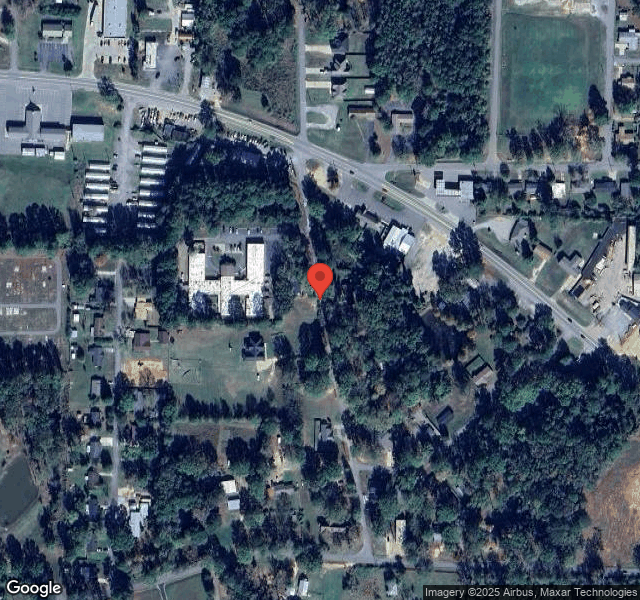

113 SOUTH BRIARWOOD DRIVE, SHERIDAN, AR 72150 (870) 942-2183
For profit - Limited Liability company 121 Beds SOUTHERN ADMINISTRATIVE SERVICES Data: November 2025
Trust Grade
70/100
#79 of 218 in AR
Last Inspection: April 2025

Within standard 12-15 month inspection cycle. Federal law requires annual inspections.

Overview

Sheridan Healthcare and Rehabilitation Center has a Trust Grade of B, indicating a good standard of care that is solid, though not outstanding. In Arkansas, it ranks #79 out of 218 facilities, placing it in the top half, and it's the only option in Grant County, ranking #1 of 1. The facility is improving, with issues decreasing from 14 in 2024 to 4 in 2025, and it has a staffing rating of 4 out of 5 stars, with a turnover rate of 43%, which is better than the state average. Notably, there were no fines issued, suggesting compliance with regulations; however, some concerns were noted, such as residents not receiving personal mail on Saturdays and improper food storage practices that could lead to health risks. While the facility generally has good RN coverage and quality measures, it still faces some significant areas for improvement, particularly in ensuring proper resident services and food safety protocols.

Trust Score
B
70/100
In Arkansas
#79/218
Top 36%
Safety Record
Low Risk
No red flags
Inspections
Getting Better
14 → 4 violations
Staff Stability
○ Average
43% turnover. Near Arkansas's 48% average. Typical for the industry.
Penalties
✓ Good
No fines on record. Clean compliance history, better than most Arkansas facilities.
Skilled Nurses
⚠ Watch
Each resident gets only 28 minutes of Registered Nurse (RN) attention daily — below average for Arkansas. Fewer RN minutes means fewer trained eyes watching for problems.
Violations
⚠ Watch
21 deficiencies on record. Higher than average. Multiple issues found across inspections.
★★★★☆
4.0
Overall Rating
★★★★☆
4.0
Staff Levels
★★★★★
5.0
Care Quality
★★★☆☆
3.0
Inspection Score
Stable
2024: 14 issues
2025: 4 issues

The Good

  • 4-Star Staffing Rating · Above-average nurse staffing levels
  • 5-Star Quality Measures · Strong clinical quality outcomes
  • Full Sprinkler Coverage · Fire safety systems throughout facility
  • No fines on record
  • Staff turnover below average (43%)

    5 points below Arkansas average of 48%

Facility shows strength in staffing levels, quality measures, fire safety.

The Bad

Staff Turnover: 43%

Near Arkansas avg (46%)

Typical for the industry

Chain: SOUTHERN ADMINISTRATIVE SERVICES

Part of a multi-facility chain

Ask about local staffing decisions and management

The Ugly 21 deficiencies on record

Apr 2025 4 deficiencies
CONCERN (D) 📢 Someone Reported This

A family member, employee, or ombudsman was alarmed enough to file a formal complaint

Potential for Harm - no one hurt, but risky conditions existed

Deficiency F0602 (Tag F0602)

Could have caused harm · This affected 1 resident

Based on record review, interview, and facility policy review, the facility failed to protect a resident's right to be free from misappropriation of resident ' s property, as evidenced by a medication...

Read full inspector narrative →
Based on record review, interview, and facility policy review, the facility failed to protect a resident's right to be free from misappropriation of resident ' s property, as evidenced by a medication card of [Compound Narcotic Pain Medication], 5 milligrams (mg)/325 mg which contained 43 pills, was taken from a medication cart and the empty card was located in a dumpster behind the facility, for 1 (Resident #8) of 1 sampled resident reviewed for misappropriation of property. The findings are: Review of an OLTC (Office of Long-Term Care) Incident and Accident Report (I&A), with discovery date and time of 07/12/2024 at 6:45 PM revealed during the count of the [NAME] medication cart on Friday, 07/12/24 around 6:15 PM, between former Licensed Practical Nurse (LPN) #5 [outgoing nurse] and former Registered Nurse (RN) #6 [incoming nurse], there was a discrepancy in the narcotic book count and the number of actual 5 mg [Brand name Opioid] for Resident #8. During the investigation, former LPN #5 admitted to the Director of Nursing (DON), Administrator and former Assistant Director of Nursing (ADON) #8, there had been an issue on the secure unit that required her attention quickly, and she left the medication cart unlocked by accident. Former LPN #5 indicated the narcotic box was not locked unless you shut [the lid] with force or used the key, and the [medication] cart and [narcotic (narc)] box were not locked upon her return, but she did not think about anything being missing. Review of Resident #8's Medical Diagnosis Screen revealed the resident had diagnoses that included osteoporosis (a bone disease which causes the bones to change), dementia (a condition which affects a person ability to think or perform daily activities), and cervicalgia (neck pain). Review of a quarterly Minimum Data Set (MDS) with an Assessment Refence Date (ARD) of 07/16/2024, revealed Resident #8 had a Brief Interview for Mental Status (BIMS) score of 04, which indicated severely cognitively impaired and was dependent on staff for toilet and personal hygiene, shower/bathe self, upper and lower body dressing, and received scheduled pain medication and as needed pain medication or was offered and declined, frequently experienced pain which frequently limited the resident's day-to-day activities and was receiving a high-risk drug, opioid. Review of a Care Plan report, dated 03/31/2025, revealed Resident #8 was on pain medication therapy and had interventions to administer analgesic medications, as ordered by physician, and observe side effects and effectiveness. The Care Plan report also revealed, the resident received opioid medication with interventions to administer medication, as ordered and monitor for signs and symptoms of a potential drug overdose. Review of Resident #8's Electronic Medication Administration Record (eMAR) for 07/2024 revealed [Compound Narcotic Pain Medication] 5-325 mg give 1 tablet by mouth at bedtime for pain. Start date: 06/27/2024, hold 07/06/24 to 07/09/24. This medication was discontinued on 07/22/2024. The 07/2024 eMAR revealed a dose was administered at 8:00 PM from 07/09/2024 through 07/21/2024. Review of the Narcotic Book, page 97, revealed on 07/11/24 at 8:27 PM, the balance was 47 [pills]. There was a blank line after this entry and then on 07/12/24 at 9:00 AM the balance reflected 4 [pills]. On 07/15/24 at 7:09 PM, the last pill was signed out of the narc log, and the remaining balance was zero. Review of a written statement by former LPN #5 revealed, she noticed a card of [Name Brand Opioid] missing and the count was correct at the beginning of her shift, at 6:00 AM. At 6:43 PM, she called the DON and was instructed to stay at the facility. The DON, former ADON #8, Administrator, former RN #6, and former LPN #5 searched for the medication, and did not find it. The written statement by former LPN #5 indicated she had to go to the secured unit for an emergency. She wrote when she came back to the med cart, it was unlocked, and she did not count anything, because she did not think anything would be missing. On 04/03/2025 at 10:35 AM, the DON was interviewed and stated former LPN #5 and former RN #6 were doing the shift change narcotic count and they noticed a card of [opioid pain medication] missing for Resident #8. The DON indicated she was notified immediately, and no staff left the building from that point forward. She stated she notified the former ADON #8 and the Administrator, after she was called. She stated the [med] cart, the med room, and all the [medication] carts were searched, but the missing medication was not found. The DON stated she and the former ADON #8, went out to the dumpsters out the east side entrance of the building and began to pull the bags out and go through each bag. She stated the [medication] card, that still had Resident #8's identifying information, was found and was empty. The DON stated she was made aware of the lock on the narcotic box, in the medication cart on the west hall nursing station, not working properly at the time of the investigation for the missing medication. She stated she was informed that it had been happening [lock not working properly] and that you either had to lock the narc box with a key or it [the lid] had to be slammed shut. She stated she could not recall if the nurses gave her a time frame as to when they noticed the issue with narc box lock. Review of an Abuse, Neglect, Maltreatment and Investigation and Reporting policy, not dated, indicated the facility will endeavor to protect resident/elders from maltreatment, which means adult abuse, exploitation, neglect, physical abuse, sexual abuse and the misappropriation of resident/elders ' property. Misappropriation of resident/elder property is patterned or deliberate misplacement, exploitation, or wrongful temporary or permanent use of a resident/elder's belongings or money without the resident/elder's consent.
CONCERN (E)

Potential for Harm - no one hurt, but risky conditions existed

Safe Environment (Tag F0584)

Could have caused harm · This affected multiple residents

Based on observations, interviews, and facility digital thermometer readings, the facility failed to maintain rehab resident rooms and the rehab hallway at a comfortable temperature level for resident...

Read full inspector narrative →
Based on observations, interviews, and facility digital thermometer readings, the facility failed to maintain rehab resident rooms and the rehab hallway at a comfortable temperature level for residents in 1 of 5 hallways in the facility. The findings include: On 03/31/25 at 11:07 AM, this surveyor observed Resident #221 in their room, sitting in a wheelchair next to the bed. The resident stated the room was cold. On 03/31/25 at 01:39 PM, this surveyor observed Resident # 221 in their room, sitting in a wheelchair in the middle of the room. The resident stated it was still cold in the room and even the quilts were cold. This surveyor obtained a digital thermometer temperature reading of 68.4 degrees Fahrenheit (F), at resident sitting height. On 04/01/25 at 10:34 AM, Resident #221 stated it felt better in here [resident ' s room] last night. They [facility staff] shut my vent. This surveyor observed that the vent was closed at this time. Resident #221 stated it was still cold in the room. This surveyor obtained a digital thermometer temperature reading of 66.9 degrees F, near the door side of Resident #221 ' s room and a temperature reading of 64.4 degrees F, by the resident's bed. On 04/02/2025 at 9:47 AM, Maintenance checked air temperatures, using the facility digital thermometer, to obtain a temperature of 60.2 degrees F, inside Resident #221 ' s room. On 03/31/2025 at 11:23 AM, Resident #219 was in their room, sitting in a wheelchair in the middle of the room, and stated the room was cold. On 03/31/2025 at 01:41 PM, this surveyor's digital thermometer displayed a temperature reading of 66.2 degrees F inside Resident #219 ' s room beside the bed, and a temperature reading of 63.1 degrees F inside the resident's room, near the hall. On 04/01/2025 at 8:23 AM, this surveyor's digital thermometer displayed a temperature reading of 58.8 degrees F, inside Resident #219 ' s room near the door, which was open. On 04/01/2025 at 8:24 AM, this surveyor's digital thermometer displayed a temperature reading of 56.5 degrees F, beside Resident #219 ' s bed. On 04/01/2025 at 03:19 PM, this surveyor's digital thermometer displayed a temperature reading of 68.7 degrees F, inside Resident #219 ' s room, by the door side of the room and a temperature reading of 66.6 degrees F inside the resident's room, near the bed. Resident #219 was observed lying in bed, covered with a blanket. On 04/02/2025 at 9:47 AM, Maintenance checked air temperatures, using the facility digital thermometer, to obtain temperatures inside Resident #219 ' s room. From the vent, a temperature of 56.8 degrees F and near the bed area, a temperature of 69.2 degrees F. On 03/31/25 at 11:55 AM, the rehab hallway and resident rooms were notably colder than other halls, entry of facility common area, dining room, and other resident rooms. Rehab hall resident rooms did not have individual thermostats, nor heater/air condition units. Other halls had resident rooms with individual thermostats/air conditioner units. Three (3) staff in the rehab room were observed wearing jackets. On 03/31/25 at 01:44 PM, this surveyor observed Resident #218 lying in bed, covered with a blanket. The resident stated, I am a little cool today. With the resident's room door closed, the surveyor's digital thermometer displayed a temperature reading of 66.1 degrees F, near the resident's bed. On 04/02/2025 at 9:47 AM, Maintenance checked air temperatures in Resident #218 ' s room, using the facility ' s digital thermometer, to obtain a vent temperature of 56.3 degrees F and a temperature of 68.9 degrees F, near the resident's bed. On 04/01/25 at 8:31AM, this surveyor's digital thermometer displayed a temperature of 67.6 degrees F, in front of the outside door at end of the rehab hall and 67.6 degrees F, in the rehab hall near the nurse ' s desk. On 04/01/2025 at 8:32 AM, this surveyor's digital thermometer had a temperature reading of 61.3 degrees F at the end of the rehab hallway, near the outside door. On 04/02/25 at 10:32 AM, this surveyor observed the rehab hall near the outside door and the air felt cool. On 04/02/2025 at 9:47 AM, Maintenance checked air temperatures in the rehab hall, using the facility ' s digital thermometer, to obtain a temperature of 56.5 degrees F, by the outside door. Maintenance also checked the rehab room door, to obtain a temperature of 62.7 degrees F, in the larger area of the room and a temperature of 70 degrees F in the smaller area, attached to the rehab room. On 04/02/25 at 09:47 AM, Maintenance was interviewed and indicated, for maintenance issues the staff would page him, verbalize to him, or document in the maintenance log which was located on East and [NAME] nurses' desks by the printers. He stated the CNAs or nurses would tell him about resident concerns, as needed. He reported air temperatures were not logged, but air temperatures in residents' rooms were checked once a month. He checked air temperatures, at this time, using the facility ' s digital thermometer. On 04/02/25 at 10:39 AM, Certified Nursing Assistant (CNA) # 18 was interviewed and stated, if the residents said they were cold, she would offer them a blanket or their jacket. CNA #18 stated she asked another staff member to adjust the temperature in the area for the residents. On 04/02/25 at 10:42 AM, CNA # 1 was interviewed and stated, if the residents said they were cold, she would offer to get a jacket or blanket for them. On 04/02/25 at 10:47 AM, the Speech Therapy was interviewed and stated if the residents said they were cold, he would turn on the heater and stated he could also use blankets, if needed. On 04/02/25 at 10:49 AM, Certified Occupational Therapy Assistant (COTA) #2 was interviewed and stated, if the residents said they were cold, she would offer the resident a blanket. She also stated they had a heater they could use to adjust the temperature. COTA #2 reported that any of the therapists can adjust the temperature using the thermostat, and stated she was a little cold in the rehab room. On 04/02/2025, while this surveyor was interviewing staff, in the large rehab room, a resident exclaimed from a small, attached rehab room away from the interviews, it's 20 below in here! On 04/02/25 at 10:52 AM, Physical Therapy Assistant (PTA) #3 was interviewed and stated, if the residents said they were cold, she would offer them a blanket or move them closer to the heater. On 04/02/25 at 10:55 AM, COTA #4 was interviewed and stated, if the residents said they were cold, she would offer them a blanket or jacket. She also stated the room temperature could be adjusted by Maintenance. On 04/02/2025, the Director of Nursing (DON) was interviewed and stated, if the residents said they were cold, she would offer a jacket or extra layer, maybe change rooms, if need. She stated a comfortable temperature for a resident was about 73 degrees F and reported the guidelines were 71 degrees F to 81 degrees F. 04/03/2025 9:10 AM, this surveyor heard a staff member pushing a resident in a wheelchair, down the rehab hall state, it's cold in here. This staff member was wearing short sleeve scrubs. On 04/03/25 at 01:53 PM, the Administrator was interviewed and stated, if the residents said they were cold, she would give them blankets, open or close their room vents, or move the resident ' s bed to another side of the room. She stated the comfortable temperature for resident rooms and common areas was preference, around 70 degrees F to 80 degrees F. She reported that the rehab area had been colder than other areas, because different staff on different shifts change the thermostat according to the temperature they like. She stated, I thought about locking the thermostat .
CONCERN (E)

Potential for Harm - no one hurt, but risky conditions existed

Transfer Notice (Tag F0623)

Could have caused harm · This affected multiple residents

**NOTE- TERMS IN BRACKETS HAVE BEEN EDITED TO PROTECT CONFIDENTIALITY** Based on record review and interview, the facility failed to ensure the Ombudsman was notified of residents transferred from the...

Read full inspector narrative →
**NOTE- TERMS IN BRACKETS HAVE BEEN EDITED TO PROTECT CONFIDENTIALITY** Based on record review and interview, the facility failed to ensure the Ombudsman was notified of residents transferred from the facility and send a copy of the transfer of notification for 2 (Residents #15 and #63) of 2 sampled residents reviewed for hospitalization. The findings are: 1. Review of Nursing Note dated 12/25/2024 at 3:17 PM, indicated Resident #15 had confusion, that was gradually progressing during the shift. At 2:10 PM, the resident's blood pressure (BP) measured 110/60, heart rate (HR) 58, and was receiving oxygen (O2) at a flow rate of 2 liters, through a nasal cannula (NC). Resident #15 was given a breathing treatment (updraft) and the amount of oxygen in the resident's blood continued to stay at 88%. The on-call provider was called, and an order was given to send the resident to the hospital, for evaluation. Review of a Notice of Transfer/Discharge/LOA (leave of absence) with Bed Hold Policy form dated 12/25/2024, revealed Resident #15 was transferred to [hospital name], due to increase in confusion, decreased appetite and oxygen saturation at 88%, after an updraft. The form indicated the resident representative was contacted by telephone, and the bed hold policy was mailed to the representative. The form had no indication of Ombudsman notification. Review of Resident #15's Order Summary Report revealed acute (sudden onset) and chronic (lasting a long time) respiratory (related to breathing) failure. Review of a 5-day Medicare Minimum Data Set (MDS) with an Assessment Reference Date (ARD) of 01/06/2025, revealed Resident #15 had a Brief Interview for Mental Status (BIMS) score of 03, which indicated severely cognitively impaired. Resident received O2 therapy on admit and while a resident. Review of a Plan of Care report dated as revised 04/03/2025, revealed Resident #15 had altered respiratory status/difficulty breathing and staff were to observe for signs/symptoms (s/sx) of respiratory distress and report findings to the Medical Doctor (MD)/nurse as needed. 2. Review of Resident #63's Progress Notes indicated a summary for providers note dated 01/27/2025 at 10:40 PM, which revealed the resident had a change in condition of abnormal vital signs. Blood pressure was 95/65, pulse 74, respirations 18, temperature 97.6 [forehead, and did not specify Celsius or Fahrenheit), and pulse oximetry [a test measuring the amount of oxygen in the blood] 93% on room air. The nursing observations, evaluation and recommendations revealed the resident's Electrocardiogram (EKG) [a test that measures the electrical impulses of your heart] showed atrial fibrillation [an abnormal rhythm of the heart] (a-fib) with rapid ventricular response [a condition of the heart associated with a-fib characterized by the heartbeat exceeding 100 beats per minute]. The Advance Practice Nurse (APN) was called and gave orders to the nurse to send the resident to the hospital, if the family wanted the resident to go. An emergency medical services company was called by the nurse, and the resident was sent to hospital. Review of a Notice of Transfer/Discharge/LOA (leave of absence) with Bed Hold Policy form dated 01/27/2025, revealed Resident #63 was transferred to a hospital on [DATE], related to an abnormal EKG - new onset a-fib. The form indicated the resident's representative was notified by telephone of the transfer. The form indicated the bed hold notice was hand delivered to the resident and mailed to the representative. The form did not indicate Ombudsman notification. Review of a Social Note dated 01/28/2025 at 11:34 AM, revealed social mailed the transfer/discharge form today [01/28/2025] to Resident #63's representative. The note did not indicate Ombudsman notification. On 04/04/25 at 1:26 PM, the Business Office Manager (BOM) provided a list of emergency transfers for December 2024 and January 2025. Resident #15 was listed on the emergency transfer list provided for December 2024 and Resident #63 was listed on the emergency transfer list for January 2025. The BOM was asked to provide all notifications sent to the Ombudsman for December 2024 and January 2025. She stated she did know she was supposed to send information to the Ombudsman and therefore could not produce what she did not have. The BOM was interviewed and stated, she became the full time BOM in September 2024 and received training, but no one instructed her to send the information about resident transfers to the Ombudsman. On 04/02/2025 at 4:12 PM, the Administrator was interviewed and stated the facility had a mock (not real) survey and the BOM was doing the list of [resident] transfers, but no one asked if she was sending the information to the Ombudsman.
CONCERN (F)

Potential for Harm - no one hurt, but risky conditions existed

Deficiency F0838 (Tag F0838)

Could have caused harm · This affected most or all residents

Based on record review and interview, the facility failed to ensure the minimum requirements were addressed in the facility assessment, as evidenced by, the medical director was not actively involved ...

Read full inspector narrative →
Based on record review and interview, the facility failed to ensure the minimum requirements were addressed in the facility assessment, as evidenced by, the medical director was not actively involved in the organization of the facility assessment for 1 of 1 facility. This failed practice had the potential to affect all residents in the facility (total census: 69). The findings are: On 04/04/2025, the Facility Assessment, dated as approved on 08/01/24 and reviewed with the Quality Assessment and Assurance (QAA) committee on 08/28/24, was reviewed and no signature page included. The revision history page was blank. On 04/04/205, the Administrator provided a copy of the QA & (and) A Committee Agenda/Minutes, dated 08/28/24, and no signature was observed for the Nurse Practitioner or Medical Director. The following words were written on the bottom of the minutes, Reviewed new F/A [facility assessment] plan. On 04/04/2025 at 2:46 PM, the Administrator was interviewed and stated the Medical Director was not a part of the completion of the facility assessment, but the Advanced Practice Registered Nurse (APRN) was. She stated, the APRN did attend the QAA meeting on 08/28/24 but was not sure why he did not sign the form, but the Medical Director did not attend this meeting. She stated a lot of the department heads, without naming any specific person, were responsible for completing the facility assessment. She stated, the purpose of the facility assessment was knowing you have what you need to provide for your population, and your people [staff] are trained for your population. She stated the residents were the population. She stated the facility did not have a facility assessment policy.
Jan 2024 14 deficiencies
CONCERN (D)

Potential for Harm - no one hurt, but risky conditions existed

Resident Rights (Tag F0550)

Could have caused harm · This affected 1 resident

Based on observation, record review and interview, the facility failed to ensure staff complied with a resident's request to use the bathroom to promote dignity for 1 (Resident #6) of 13 (Residents #6...

Read full inspector narrative →
Based on observation, record review and interview, the facility failed to ensure staff complied with a resident's request to use the bathroom to promote dignity for 1 (Resident #6) of 13 (Residents #6, #8, #11, #17, #23, #25, #26, #29, #31, #43, #53, #54, and #270) sampled residents who required staff assistance for toileting, as documented on a list provided by the Director of Nursing on 1/26/24 at 11:56 am. The findings are: 1. Resident #6 had diagnoses of Unspecified Osteoarthritis, Muscle Wasting and Atrophy and Cognitive Communication Deficit. a. A Care Plan with a review date of 12/28/23 documented Resident #6 had an Activities of Daily Living (ADL) self-care performance deficit related to impaired mobility and dependent assistance on one staff for toilet use. b. On 01/23/24 at 9:42 AM, Resident #6 had her call light on and Certified Nursing Assistant (CNA) #6 entered the room. The resident asked to go to the bathroom and CNA #6 told her she could not get up and that she had a brief on and she could go ahead and use it in her brief and they would change her later. The resident replied that she couldn't do that and again stated she wanted to use the bathroom. CNA #6 again told her to go ahead and use it in her brief and she would come back and check on her and change her. c. On 01/23/24 at 10:01 AM, CNA #6 told the Surveyor the resident was not able to get out of bed and two staff members had to assist her out of bed. She was asked if the resident was continent or incontinent. She replied incontinent. She was asked, Can this resident tell you when she has to use the restroom? She stated, She doesn't do it all the time and that's the first time she's called me in there. She was asked, If an incontinent resident requests to use the bathroom, should that person be assisted to the toilet, bedside commode or a bedpan be if used, whichever is appropriate? She stated, I'll try to go to the bathroom if they are able to get up. She was then asked, If a resident requests to use the restroom, should that resident be told to use it in their brief? She stated, I had to tell her that because she's not able to get up. I'm going to say yes because she can't get up. The staff has to use the lift to get her up. That would be the only time I tell them to use it in their brief if they have to have a lift to get up.
CONCERN (D)

Potential for Harm - no one hurt, but risky conditions existed

Deficiency F0553 (Tag F0553)

Could have caused harm · This affected 1 resident

Based on record review and interview, the facility failed to ensure residents were invited and/or assisted to exercise their right to participate in development of their person-centered plans of care,...

Read full inspector narrative →
Based on record review and interview, the facility failed to ensure residents were invited and/or assisted to exercise their right to participate in development of their person-centered plans of care, to facilitate development of plans that would incorporate residents' goals, choices and preferences for 1 (Resident #25) of 6 (Residents #8, #17, #25, #29, #31 and #52) sampled residents whose Brief Interview for Mental Status (BIMS) scores were between 13 to 15 (13-15) which indicates the residents were cognitively intact, as documented on a list provided by the Director of Nursing (DON) on 1/26/24 at 11:56 AM. The findings are: 1. Resident # 25 had diagnoses of Paraplegia and Unspecified Injury at T1 (Thoracic 1) Level of Thoracic Spinal Cord. A Quarterly Minimum Data Set (MDS) with an Assessment Reference Date (ARD) of 11/12/23 documented the resident had a BIMS score of 15. a. On 01/23/24 at 10:15 AM, Resident #25 was asked if she had been invited to participate in a care plan meeting regarding her care or any other changes regarding her care. She replied she had not been. b. On 01/25/23 at 12:27 PM, a Notice of Scheduled Plan of Care Meeting form, dated 08/03/2021, was in the resident's electronic health record and no other Plan of Care Meeting forms were located. c. On 1/25/24 at 5:06 PM, the DON was asked to provide documentation that Resident #25 had been invited to recent care plan meetings. At 5:11 PM, the Nurse Consultant came to the conference room with a laptop and stated she had located the resident's documentation. This Surveyor asked to be shown where to locate it in the record and she showed her computer screen and this surveyor pointed out that that particular form had been located, but it was dated 08/03/21. She stated, Oh. Let me keep looking then and exited the room. At 5:24 PM, the DON returned to the conference room and stated, The last invitation was in 2021, and if they invited her personally, I'm unaware of that. d. On 01/25/24 at 5:18 PM, the Progress Notes were reviewed from 10/24/23 to 01/25/24, there was no documentation that the resident/representative had been invited to a care plan meeting. e. On 01/26/25 at 10:14 AM, the MDS Coordinator confirmed that care plan meetings should be held quarterly. She confirmed that it's been a while since any care plan meetings had been held.
CONCERN (D)

Potential for Harm - no one hurt, but risky conditions existed

Comprehensive Assessments (Tag F0636)

Could have caused harm · This affected 1 resident

Based on record review and interview, the facility failed to accurately code the Minimum Data Set (MDS) for 1 (Resident #19) of 1 sampled resident who had a diagnosis of a mental disorder. The finding...

Read full inspector narrative →
Based on record review and interview, the facility failed to accurately code the Minimum Data Set (MDS) for 1 (Resident #19) of 1 sampled resident who had a diagnosis of a mental disorder. The findings are: 1. Resident #19 had diagnoses of bipolar and major depressive disorder. The Preadmission Screening and Resident Review (PASRR) was completed on 1/9/17. a. On 01/25/24 at 09:52 AM, according to Resident #19's Annual Minimum Data Set (MDS) with an Assessment Reference Date (ARD) of 8/8/23 noted Resident #19 was not considered by the state level II PASRR process to have serious mental illness and/or intellectual disability or a related condition. b. On 01/25/24 at 03:37 PM, the Surveyor asked the Minimum Data Set (MDS) Coordinator if a PASRR level II screening was completed on Resident 19. The MDS Coordinator stated, Yes. The Surveyor asked how do you respond to question 1500 in section A of the Annual Minimum Data Set for a resident who had a level II screening completed? The MDS stated, Yes but you are going to tell me it says no, aren't you? c. On 01/25/24 at 03:45 PM, the Surveyor asked the Director of Nursing (DON) and the Assistant Director of Nursing (ADON) if a level II PASRR screening was completed on Resident 19. The ADON stated Yes. The Surveyor asked can you look at section A question 1500 and tell me what is there? The ADON stated It says no. The Surveyor asked what it should say. The ADON stated Yes. d. On 01/25/24 at 05:00 PM, the ADON stated, The facility does not have a policy on MDS coding, we use the RAI [Resident Assessment Instrument] manual. e. On 01/25/24 at 05:05 PM, the Surveyor asked the ADON for the section of the RAI manual used to code the MDS. f. On 01/25/24 at 05:20 PM, the DON provided the Surveyor with a portion of the RAI manual. A1500: Preadmission Screening and Resident Review (PASRR) . code 1, yes if PASRR level II screening determined that the resident had a serious mental illness and/or ID/DD or related condition, and continue to A1510, Level II Preadmission Screening and Resident Review (PASRR) Conditions.
CONCERN (D)

Potential for Harm - no one hurt, but risky conditions existed

Deficiency F0637 (Tag F0637)

Could have caused harm · This affected 1 resident

Based on record review and interview, the facility failed to ensure a Significant Change Minimum Data Set (MDS) assessment was completed within 14 days after a decline in activities of daily living (A...

Read full inspector narrative →
Based on record review and interview, the facility failed to ensure a Significant Change Minimum Data Set (MDS) assessment was completed within 14 days after a decline in activities of daily living (ADL) was noted, in order to address any potential changes in care needs for 1 (Resident #43) of 1 sampled resident who experienced an ADL decline. The findings are: 1. Resident #43 had diagnoses of Unspecified Dementia, Unspecified Severity, Without Behavioral Disturbance, Psychotic Disturbance, Mood Disturbance and Anxiety. a. An admission MDS with an ARD of 9/29/23 documented the resident required extensive, one person assistance for transfers and toilet use. b. A Progress Note dated 11/07/23 at 8:40 AM documented, .i was called to dementia unit where resident was sitting in the floor hollaring [hollering] help me help me. vitals signs taken . bruise to right hip noted, large bump on right temporal area noted. resident assisted out of the floor and placed on couch in dementia unit . ambulance called . resdietn [resident] to be transfered [transferred] to [hospital] . c. A Progress Note dated 11/14/2023 at 13:48 (1:48 PM) documented, .re-admitted to facility for Long Term Care . on 11/14/2023 . Resident readmitted from hospital . d. A Progress Note dated 12/5/2023 at 15:23 (3:23 PM) documented, .Care Plan/Meeting Note . Care meeting with [Resident Representative] DON [Director of Nursing] and provider for status update. DON discussed post hospitalization . continued functional decline requiring total care, all meals fed per staff, total assist for transfers . e. A Progress Note dated 12/30/2023 at 14:47 (2:47 PM) documented, .MDS Progress Note Late Entry: Note Text: Quarterly Assessment Progress Note: look back period December 24 through 30, 2023 . All ADLs are weight bearing assistance of 1 staff except toileting and bathing which are dependent with 1 staff, transferring is dependent with 2 staff . f. Resident #43's Quarterly MDS with an ARD of 12/30/23 documented the resident was dependent on two staff for transfers and dependent on one staff for toilet use. g. On 1/26/24 at 10:10 AM, the MDS Coordinator was asked to look at Resident #43's Admit MDS with an ARD of 9/29/23 and review her ADL section. She was then asked to review the Care Plan meeting note for 12/5/23. She was asked, Tell me what the criteria is for a Significant Change status assessment? She stated, Typically it's two to three changes in their ADLs. It can be an improvement or a decline. After she was done reviewing the information in the resident's electronic health record, she was asked, Was the criteria met for a significant change MDS? She stated, She would have met the requirement. She was asked, Should a significant change assessment been completed? She stated, It should have been a quarterly with a significant change. She was asked, Who is responsible for updating the residents care plan? and she stated, I am.
CONCERN (D)

Potential for Harm - no one hurt, but risky conditions existed

Comprehensive Care Plan (Tag F0656)

Could have caused harm · This affected 1 resident

Based on record review and interview, the facility failed to ensure comprehensive care plans were developed to address the resident's insulin injection order to ensure staff were aware of the required...

Read full inspector narrative →
Based on record review and interview, the facility failed to ensure comprehensive care plans were developed to address the resident's insulin injection order to ensure staff were aware of the required medication to promote continuity of care for 1 (Resident #32) of 6 (Residents #29, #8, #32, #9, #17, and #19) who had physician orders for insulin. The findings are: a. On 1/24/2024 at 10:27 AM, during record review the Surveyor noted on the Quarterly Minimum Data Set (MDS) with an Assessment Reference Date (ARD) of 11/08/2023 that Resident #32 received insulin injections the last 7 out of 7 days. The Annual MDS with an ARD of 05/09/2023 noted Resident #32 received insulin injections the last 7 out of 7 days. b. On 1/24/2024 at 10:32 AM, Resident #32's Care Plan did not address physician orders for insulin. c. On 01/26/2024 at 12:19 PM, the Surveyor asked the MDS Coordinator to review Resident #32's Annual MDS with an ARD 05/09/2023. The MDS Coordinator was also asked to review the Quarterly MDS with an ARD of 11/08/2023. The MDS Coordinator confirmed Resident #32 received insulin injections every day for the past seven days on both the annual and quarterly MDS. The Surveyor asked, Would you say the comprehensive assessment was complete? The MDS Coordinator stated, Diabetes is on there. The Surveyor asked, Knowing insulin is a high-risk medication should it have been on the care plan? The MDS Coordinator stated, We have pre-set banked care plans. I would hope the nurses know what to do if someone is hypoglycemic. The Surveyor asked, How does the staff know how to monitor this medication? The MDS Coordinator replied, Again we have a banked care plan the nurses should know. The Surveyor asked, Should side effects and adverse reactions be listed on the care plan? The MDS Coordinator replied, I guess they should be, the other Surveyor has already spoke with me about this and I have reached out to my Consultant, and they are fixing it. d. On 01/26/2024 02:32 PM, the Assistant Director of Nursing (ADON) stated the facility does not have a care plan policy.
CONCERN (D)

Potential for Harm - no one hurt, but risky conditions existed

ADL Care (Tag F0677)

Could have caused harm · This affected 1 resident

Based on observation, record review and interview, the facility failed to ensure nail care services were regularly provided to promote good personal hygiene and grooming for 1 (Resident #6) of 16 (Res...

Read full inspector narrative →
Based on observation, record review and interview, the facility failed to ensure nail care services were regularly provided to promote good personal hygiene and grooming for 1 (Resident #6) of 16 (Residents #6, #8, #11, #17, #23, #25, #26, #29, #31, #40, #43, #52, #53, #54, #58, #270 ) sampled residents who required assistance for nail care, as documented on a list provided by the Director of Nursing on 1/26/24 at 11:56 am. The findings are: 1. Resident #6 had diagnoses of Unspecified Osteoarthritis, Muscle Wasting and Atrophy and Cognitive Communication Deficit. a. A Care Plan with a review date of 12/28/23 documented Resident #6 had an ADL (Activities of Daily Living) self-care performance deficit related to impaired mobility, preferred her nails to be long. An approach was to check nail length, trim and clean as necessary. b. On 01/22/24 at 1:42 PM, Resident #6 was resting quietly in bed awake. A dark brown substance was noted underneath the fingernails on her left hand. c. On 01/23/24 at 8:49 AM, Resident #6 was resting quietly in bed awake. The fingernails on her right hand had jagged edges, and a dark brown substance was underneath the fingernails on her left hand. d. On 01/25/24 at 3:59 PM, Resident #6 was resting quietly in bed awake. All fingernails on the left hand had a dark brown substance underneath. The fingernails on her right hand had jagged edges. e. On 01/25/24 at 4:00 PM, two Certified Nursing Assistants (CNAs) walked into Resident #6's room with a lift to get her up. CNA # 3 was asked to look at the resident's fingernails on her left hand and describe what she saw. She stated, They need to be cleaned underneath, especially before we get her up to eat. She was asked, Look at her right hand and tell me what you see? She stated, They need to be trimmed. She was asked, Who is responsible for nail care? She stated, All the CNAs. She was asked, What if the resident is Diabetic? She stated, We would be able to do the cleaning but not the trimming and we are not allowed to do the toenails.
CONCERN (D)

Potential for Harm - no one hurt, but risky conditions existed

Incontinence Care (Tag F0690)

Could have caused harm · This affected 1 resident

Based on observation, interview and record review, the facility failed to ensure Resident #19 received proper incontinence care to prevent the potential for skin breakdown, poor hygiene, and/or infect...

Read full inspector narrative →
Based on observation, interview and record review, the facility failed to ensure Resident #19 received proper incontinence care to prevent the potential for skin breakdown, poor hygiene, and/or infection. The findings are: 1. Resident #19 had diagnoses of paraplegia and weakness. The Quarterly Minimum Data Set (MDS) with an Assessment Reference Date (ARD) of 11/6/23 documented the resident scored 15 (13-15 indicates cognitively intact) on a Brief Interview of Mental Status (BIMS) and was always incontinent of bowel and bladder. a. A Care Plan with an initiated and revision date of 08/05/2020 noted Resident #19 was to receive incontinence care every 2 hours and as needed by 1 staff member. b. On 01/22/24 at 02:15 PM, Certified Nursing Assistant (CNA) #1 provided incontinent care to Resident #19. CNA #1 applied gloves; removed Resident #19's covers and unfastened the brief. CNA #1 cleaned stool from the front of Resident #19 with wipes, using the wipe several times before tucking it between the resident's legs. CNA #1 removed her dirty gloves and put on clean gloves without sanitizing her hands and rolled Resident #19 onto her right side. The Surveyor observed a urine soaked brief, dried feces, and a brown stain on the incontinent pad when Resident #19 was rolled onto her side. CNA #1 cleaned the stool from the back of Resident #19 in a side to side motion (hip to hip) using the wipe multiple times before discarding it into trash. CNA #1 removed the dirty brief and placed the soiled brief in the trash. CNA #1 then removed her gloves, and with ungloved hands rolled the dirty pad under Resident #19 along with a clean pad, placing her left hand on the resident's left hip. CNA #1 then had Resident #19 roll onto her left side and removed the soiled pad and pulled the clean pad over with ungloved hands. CNA #1 placed the soiled pad in a clear bag that was on the floor next to trash container. CNA #1 put on clean gloves and cleaned the remaining stool from the front of Resident #19. Then with soiled gloves, CNA #1 placed a clean brief on Resident #19 by having the resident to roll onto the right side then the left side. CNA #1 removed her gloves then covered the resident and grabbed 2 clear bags 1 that was on floor and the other in trash container. c. On 01/22/24 at 02:15 PM, the Surveyor asked CNA #1, can you walk me through how you provide incontinent care? CNA #1 stated, Remove the brief and pad put on clean brief. The Surveyor asked how many times should you wipe a resident using a wipe before discarding it? CNA #1 stated, Wipe one time or fold it. The Surveyor asked if she did that. CNA #1 stated I didn't? I did, didn't I? I think I did. The Surveyor asked if it was standard practice to remove a soiled pad and replace it with a clean pad with ungloved hands? CNA stated, No. The Surveyor asked CNA #1 if it was standard practice to apply a clean brief with dirty gloves? CNA #1 stated No. d. On 01/24/24 at 03:30 PM, the Surveyor asked CNA #2 how many bags for disposal do you normally have at the bedside when providing incontinence care? CNA #2 stated, Two. The Surveyor asked where do you place your bags during care? CNA #2 stated, At the foot of the bed. The Surveyor asked why at the foot of the bed? CNA #2 stated, I don't think you are supposed to put anything on the floor. The Surveyor asked when you wipe the resident, where do you discard the wipe? CNA #2 stated, In the trash bag. The Surveyor asked is it standard practice to wipe a resident and tuck the dirty wipe between the resident's legs? CNA #2 said no. The Surveyor asked why not? CNA #2 stated, Because it can get stuck, and you may not see it when you roll the resident over. The Surveyor asked between glove change what should you do? CNA #2 said apply hand sanitizer. The Surveyor asked is it standard practice to assist the resident with turning, remove the soiled incontinent pad, and apply a new one with your ungloved hands? CNA #2 stated No. The Surveyor asked why not? CNA #2 stated Because the resident may have bodily fluids on them, and I don't want to take that chance. e. On 01/25/24, at 3:45, the Surveyor asked the Director of Nursing (DON) and the Assistant Director of Nursing (ADON) when providing care where do staff place the bags for disposal? The ADON stated, At the foot of the bed. The Surveyor asked why at the foot of bed? The ADON stated, Because there is no other place to put it and you are not supposed to place anything on the floor. The Surveyor asked why can you not place bags for disposal on the floor? The ADON stated, It is an infection control issue. The Surveyor asked between glove change, what should staff do? The ADON stated, Sanitize hands. The Surveyor asked when providing care how many times should staff wipe with wipes? The ADON stated, One swipe per wipe. The Surveyor asked is it standard practice to assist the resident with turning, remove the soiled incontinent pad, or place a clean incontinent pad under the resident with ungloved hands? The ADON stated No it is not sanitary. The Surveyor asked is it standard practice to tuck soiled wipes between a resident's legs? The ADON stated, No. f. On 01/25/24 at 5:00 PM, the ADON provided Surveyor with a policy titled Hand Hygiene. Perform Hand Hygiene When: 1. Before having direct contact with patients, 5. After contact with inanimate objects in immediate vicinity of the patient., 6. After removing gloves.
CONCERN (D)

Potential for Harm - no one hurt, but risky conditions existed

Deficiency F0700 (Tag F0700)

Could have caused harm · This affected 1 resident

Based on observation, record review, and interview, the facility failed to ensure bed rails were utilized only after an assessment for entrapment risk was conducted and documented for 1 (Resident #60)...

Read full inspector narrative →
Based on observation, record review, and interview, the facility failed to ensure bed rails were utilized only after an assessment for entrapment risk was conducted and documented for 1 (Resident #60) of 5 (Residents #27, #8, #54, #60, and #23) sampled residents who used bed rails. The findings are: Resident #60 had a diagnosis of hemiplegia and hemiparesis following cerebral infarction affecting left non-dominant side. According to the Quarterly Minimum Data Set (MDS) with an Assessment Reference Date (ARD) of 12/29/23, the Resident scored 14 (13-15 indicates cognitively intact) on a Brief Interview for Mental Status (BIMS) and used bed rails daily. a. On 01/22/24 at 02:10 PM, observed Resident #60 sitting on the side of the bed with her feet on floor and the side rails up. b. On 01/25/24 at 10:15 AM, observed Resident #60's side rails were up on the bed. c. The Care Plan with an initiated date of 06/27/23 and the January 2024 Physician Orders, did not address the use of side rails. d. On 01/24/24 at 10:30 AM, the Surveyor asked Certified Nursing Assistant (CNA) #5 what type of fall interventions were in place for Resident #60? CNA #5 replied that Resident #60 had fall mats. The Surveyor asked do you put her side rails down? CNA #5 stated, No she puts herself to bed. e. On 01/24/24 at 10:33 AM, the Surveyor asked Licensed Practical Nurse (LPN) #2 what fall intervention are in place for Resident #60? LPN #2 stated, She is supervision with transfers. f. On 01/25/24 at 10:10 AM, the Surveyor asked CNA #4 at the bedside of Resident #60, can you tell me what you see when you look at Resident #60's bed? CNA #4 stated, A messy bed. The Surveyor asked can you tell me what you see in reference to the bed rails? CNA #4, They are up. The Surveyor asked is the resident able to raise the rails herself? CNA #4 stated, No. The Surveyor asked if the resident did not raise the rails herself, can you tell me what you think that means? CNA #4 stated They need to come off if they are not on her care plan. The Surveyor asked how do you think they got raised if the resident is unable to do so? CNA #4 stated The CNA had to do it. g. On 01/25/24 at 10:15 AM, the Surveyor asked LPN #2 at Resident 60 bedside, can you tell me what you see in reference to the bed rails? LPN #2 stated, The rails are up, and she probably doesn't have an order for them. h. On 01/25/24 at 10:28 AM, the Surveyor asked Resident #60 how do you position yourself when in bed? Resident #60 stated, With my handrails. The Surveyor asked who raises the rails you, or the staff? Resident #60 stated, The staff. i. On 01/25/24 at 03:45 PM, the Surveyor asked the Director of Nursing (DON) and the Assistant Director of Nursing (ADON) what is needed for a resident who is using side rails? The ADON stated, We need an order, consent, and have it on the care plan. The Surveyor asked did you have any of that prior to today? The ADON stated, No we didn't. I'm not gonna lie to you. The DON said that Resident #60's bed was changed over the weekend. The Surveyor asked the ADON to pull up Resident #60's Quarterly Minimum Data Set with Assessment Reference Date of 12/29/23 and look at section P, what does it say about bed rails? The ADON stated, Used daily. j. On 01/25/24 at 05:00 PM, the ADON stated that the facility did not have a policy on the use of restraints/bed rails.
CONCERN (D)

Potential for Harm - no one hurt, but risky conditions existed

Deficiency F0725 (Tag F0725)

Could have caused harm · This affected 1 resident

Based on observation, interview and record review, the facility failed to ensure call lights were answered in a timely manner to ensure resident safety and care needs were met. The findings are: 1. R...

Read full inspector narrative →
Based on observation, interview and record review, the facility failed to ensure call lights were answered in a timely manner to ensure resident safety and care needs were met. The findings are: 1. Resident #371 had diagnosis of difficulty walking, dizziness, and methicillin-resistant staphylococcus aureus (MRSA) of the left knee. A Care Plan dated 01/11/24 documented Resident #371 was on isolation precautions for MRSA. a. On 01/23/24 at 08:42 AM, observed the call light on outside of Resident #371's closed door and heard a beeping noise. b. On 01/23/24 at 08:56 AM, observed Licensed Practical Nurse (LPN) #2 donning Personal Protective Equipment (PPE) outside of Resident #371's closed door and then enter the room. c. On 01/23/24 from 08:42 AM to 08:56 AM, the Surveyor counted 7 staff members on the hall near Resident #371's door (3 staff members walked past Resident #371's room, 4 had a conversation near door, and 2 made multiple trips in the area near door, for a total of 10 failed opportunities by staff to respond to call light. d. On 01/23/24 at 08:56 AM, the Surveyor asked LPN #2 who was at the bedside of Resident #371 if she knew what Resident #371 needed prior to entering his room? LPN #2 stated, Yes. The Surveyor asked did you open his door prior to responding to the call light? LPN #2 stated, No ma'am. The Surveyor asked how did you know what he needed? LPN #2 stated, I could hear his pump beeping when I walked by his room a few minutes ago. The Surveyor asked did you know prior to entering the room that he was not on the floor? LPN #2 stated, No ma'am, I just assumed it was his pump. I should have checked. e. On 01/25/24 at 03:45 PM, the Surveyor asked the Director of Nursing (DON) and the Assistant Director of Nursing (ADON), who answers the call lights? The ADON stated, Everyone answers call lights. If you see it, you answer it. Even the social worker can answer the call light and if they are unable to provide the care, they tell someone who can. The Surveyor asked how long it should take to respond to a call light. The ADON stated, If staff is available promptly. The Surveyor asked why it is important to respond promptly to call lights. The ADON stated, Because you don't know what they need it, could be a heart attack, fall, halfway fall and they are letting you know they need some help. The Surveyor asked is it standard practice to have 10 staff encounters near a resident's door before someone responded to the call light? The ADON stated, No, it is not standard practice! f. On 01/25/24 at 05:00 PM, the ADON stated that the facility did not have a policy on call lights.
CONCERN (E)

Potential for Harm - no one hurt, but risky conditions existed

Deficiency F0657 (Tag F0657)

Could have caused harm · This affected multiple residents

Based on record review and interview, the facility failed to ensure care plans were reviewed and revised at least quarterly and/or when residents' care needs changed, as evidence by failure to revise ...

Read full inspector narrative →
Based on record review and interview, the facility failed to ensure care plans were reviewed and revised at least quarterly and/or when residents' care needs changed, as evidence by failure to revise the plan of care to address the use of an antidepressant, an anticoagulant and insulin injections to ensure staff were aware of the necessary care, assessments and services required for 1 (Resident #43) of 17 (Residents #6, #8, #11, #17, #18, #19, #23, #26, #27, #29, #31, #32, #43, #52, #53, #54 and #58) sampled residents who had orders for an antidepressant, 1 (Resident #43) of 6 (Residents #25, #27, #32, #43, #270 and #271) sampled residents who had orders for an anticoagulant and 1 (Residents #17) of 6 (Residents #8, #9, #17, #19, #29 and #32) sampled residents who had orders for insulin, as documented on lists provided by the Director of Nursing on 01/26/24 at 11:56 AM, and 1 (Resident #6) of 1 (Resident #6) sampled residents who had orders for an opioid. The findings are: 1. Resident #43 had diagnoses of Major Depressive Disorder and Atherosclerotic Heart Disease of Native Coronary Artery Without Angina Pectoris. a. Resident #43 had Physician's Orders for Eliquis Oral Tablet for Atherosclerotic Heart Disease of Native Coronary Artery Without Angina Pectoris and Mirtazapine Oral Tablet Disintegrating related to Major Depressive Disorder. b. A Care Plan completed on 1/4/24 documented the resident was on anticoagulant therapy and a listed approach was to observe for side effects and effectiveness. No side effects/adverse reactions were listed to guide staff what to monitor the resident for. There was no problem listed for the use of an antidepressant or what side effects/adverse reactions to guide staff on what to monitor the resident for. c. On 1/26/24 at 10:14 AM, the Surveyor asked the Minimum Data Set (MDS) Coordinator, if a resident is on a high risk medication such as insulin or an anticoagulant, should the care plan reflect this, and she confirmed it should. She was asked if a resident is on a high risk medication, such as insulin or an anticoagulant, how does the staff know what to monitor the resident for. She confirmed there should be interventions. The Surveyor asked if side effects/adverse reactions should be listed on the care plan for high risk meds, such as insulin and anticoagulants. She stated, Probably. d. On 1/26/24 at 10:17 AM, the MDS Coordinator was asked if side effects/adverse reactions should listed on the residents care plan for Mirtazapine. She stated, The Mirtazapine is used for appetite stimulant and not for an antidepressant. The Surveyor reviewed the Physician's orders and Mirtazapine is listed as ordered for Depression on the January 2024 orders. 2. Resident #17 had a diagnosis of Type 2 Diabetes Mellitus with Unspecified Complications. a. Resident #17 had Physician's Orders for Detemir (long acting) Insulin Injections and Regular (short acting) Insulin sliding scale injections. b. A Care Plan completed on 12/20/23 documented Resident #17 had Diabetes Mellitus and a listed approach was to observe the resident for side effects and effectiveness. There were no side effects/adverse reactions listed to monitor the resident for. c. On 1/26/25 at 10:17 AM, the MDS Coordinator was asked, Should side effects/adverse reactions have been listed on the care plan regarding insulin? She stated, Probably. The only option we have is preset interventions for each diagnosis. You can go in and edit them. But do I edit them, not typically. 3. Resident #6 had a diagnosis of Wedge Compression Fracture of Second Lumber Vertebra. a. Resident #6 had a Physician's Order dated 10/06/2023 for a Fentanyl Patch every 72 hours for pain and remove per schedule. This is a controlled drug. b. A Care Plan completed 12/28/23 documented the resident is on pain medication therapy for lower back pain/osteoarthritis and an approach was listed to observe side effects and effectiveness. There were no side effects/adverse reactions listed for the staff to monitor to the resident for.
CONCERN (E)

Potential for Harm - no one hurt, but risky conditions existed

Deficiency F0805 (Tag F0805)

Could have caused harm · This affected multiple residents

Based on observation and interview, the facility failed to ensure pureed food items were blended to a smooth, lump free consistency to minimize the risk of choking or other complications for those res...

Read full inspector narrative →
Based on observation and interview, the facility failed to ensure pureed food items were blended to a smooth, lump free consistency to minimize the risk of choking or other complications for those residents who required pureed diets for 2 of 2 meals observed. The failed practice had the potential to affect 5 residents who received pureed diets, as documented on the list provided by the Food Service Supervisor on 01/25/2024 The findings are: 1. On 01/24/24 at 11:19 AM, Dietary Employee (DE) #2 placed 6 servings of breaded chicken fried steak into a blender, added ½ cup of beef broth, thickener and pureed. She poured the pureed mixture into a pan. The mixture was not smooth and there were pieces of meat visible in the mixture. 2. On 01/24/24 at 12:25 PM, the pureed bread served to the residents on pureed diets, did not have a smooth consistency and had pieces of bread that were not completely pureed. At 12:31 PM, the Surveyor asked the Dietary Supervisor to describe the consistency of the pureed food items served to the residents on pureed diets. She stated, Pureed chicken fried steak was not smooth enough and was gritty. Pureed bread doesn't look like pureed. It was not smooth enough. 3. On 01/25/24 at 07:20 AM, the following observations were made during the breakfast meal: a. Pureed bread served to the residents who received pureed diets was thick. b. Pureed sausage served to the residents who required pureed diets was gritty and not smooth. c. On 01/25/24 at 07:28 AM, the Surveyor asked Certified Nursing Assistant (CNA) #1 to describe the pureed bread served to the residents on pureed diets. She stated, It was a little thick. d. On 01/25/24 at 07:37 AM, the Surveyor asked DE # 1 to describe the consistency of the pureed sausage and pureed bread served to the residents for breakfast. DE #1 stated, It was gritty. The Dietary Supervisor stated, Pureed bread and pureed donuts were a little thick.
CONCERN (F)

Potential for Harm - no one hurt, but risky conditions existed

Deficiency F0576 (Tag F0576)

Could have caused harm · This affected most or all residents

Based on interview, and record review, the facility failed to ensure residents received personal mail on Saturdays. This failed practice had the potential to affect all 60 residents who resided in the...

Read full inspector narrative →
Based on interview, and record review, the facility failed to ensure residents received personal mail on Saturdays. This failed practice had the potential to affect all 60 residents who resided in the facility, as documented on the Midnight Census provided by the Administrator on 1/22/2024 at 1:52 PM. The findings are: a. On 01/24/2024 at 02:50 PM, a resident council meeting was held with 6 residents. The Surveyors asked, Do you receive personal mail unopened and on Saturdays? The residents present replied, No we do not receive our mail on Saturdays, we receive it Monday through Friday. b. On 01/24/2024 at 04:07 PM, the Surveyor asked the Assistant Director of Nursing (ADON), Do residents receive their mail on Saturdays? The ADON stated, Yes, the weekend supervisor Registered Nurse (RN) receives the mail and delivers to the residents. c. On 01/24/2024 at 04:09 PM, the Surveyor asked the Business Office Manager (BOM), Do residents receive their mail on Saturday? The BOM replied, No, the mail comes late in the evening on Saturdays, so we deliver it to the residents on Monday. d. On 01/24/2024 at 04:14 PM, the Surveyor asked Licensed Practical Nurse (LPN) #3, Do residents receive their mail on Saturdays? LPN #3 replied, I have never seen any mail be delivered on Saturdays. e. On 01/24/2024 at 05:01 PM, the Surveyors asked for clarification from the BOM, Who delivers the mail to the residents throughout the week? The BOM stated, Either myself, or the Assistant Business Office Manager (ABOM) will get the mail from the mailbox on Monday and put in a large envelope for the Activities Director to hand out to the residents. The Surveyor asked, How late does the mail arrive? The BOM stated, Usually around four or five o'clock on Saturdays so we pick it up on Mondays. G. On 01/26/2024 at 02:59 PM, the Administrator stated, There is no policy on mail delivery in the facility.
CONCERN (F)

Potential for Harm - no one hurt, but risky conditions existed

Food Safety (Tag F0812)

Could have caused harm · This affected most or all residents

Based on observation and interview, the facility failed to ensure potential frozen meat items were not stored above frozen packages of food items; cartons of pasteurized eggs were not stored above but...

Read full inspector narrative →
Based on observation and interview, the facility failed to ensure potential frozen meat items were not stored above frozen packages of food items; cartons of pasteurized eggs were not stored above butter logs; foods stored in the refrigerator, and dry storage area were covered and sealed to minimize the potential for food borne illness for residents who received meals from 1 of 1 kitchen, foods were dated the day received or opened to assure first in, first out usage to prevent potential for food bone illness, the dining floor was free of stains; door frames were free of rotten wood; the kitchen vent over the dish washing machine was free of rust stains, the clean dish machine counter was replaced, the dish washer and kitchen walls were free of paint peeling; dietary staff washed their hands before handling clean equipment or food items to prevent potential food borne illness for residents who received meals from 1 of 1 kitchen; the ice machine was maintained in clean and sanitary conditions; and expired beverages were promptly removed from refrigerator. The failed practices had the potential to affect 60 residents who received meals from the kitchen (total census: 60), as documented on a list provided by Dietary Supervisor on 01/25/2024 at 12:13 PM. The findings are: 1. On 01/22/24 at 02:12 PM, a crate of whole pasteurized eggs and cartons of pasteurized liquid egg were stored on a shelf above the compartments where one pound blocks of butter were kept. The compartments were not completely closed. 2. On 01/22/24 at 02:14 PM, an opened container of honey thickened lemon sweet tea was on a shelf in Refrigerator #1 with no opened or received date on the container. 3. On 01/22/24 at 02:16 PM, an opened 2-gallon bag of french toast sticks was on a shelf in Freezer #3 connected to the refrigerator with no opened or received date on the bag. At 02:19 PM, the Dietary Supervisor stated while pulling a marker from her pocket, I'm gonna date that other bag. 4. On 01/22/24 at 02:17 PM, the following observations were made on a shelf in Freezer #2 connected to refrigerator: a. A 3 ounce bag of pickles. The bag had no received date on it. b. A half raw solid frozen pork loin was stored above frozen packages of pancakes on the bottom shelf. 5. There was an open 2-gallon bag of corn dogs on a shelf in the 2-door stand up freezer. The bags were not sealed. The corn dogs had frost on them. 6. On 01/22/24 at 02:34 PM, there were 2 open gallon bags of cream of wheat and oatmeal on a shelf in the storage room. The bags were not sealed. 7 On 01/22/24 at 02:28 PM, the Maintenance Supervisor was in multiple areas of the kitchen not wearing a beard cover or hair net. The Surveyor asked the Maintenance Supervisor, What is your process for entering the kitchen? He stated, I should have put on a hairnet. The Surveyor asked the Dietary Supervisor, What should all staff have on, while in the kitchen? She stated. All must be wearing a hairnet. 8. On 01/24/24 at 08:36 AM, the following observations were made in the Dining Room: a. The floor leading to the kitchen from the dining room had black stains. b. The bottom of the door frames leading to the kitchen from the dining room were rotten. c. The walls between the door leading to the kitchen, the dirty dish window, and throughout the dining room had paint peeling and the cement was exposed. d. The paint on a table at the coffee station in the dining room where coffee cups were kept by the door leading to the kitchen had paint peeling off, exposing the wood. 9. On 01/24/24 at 08:38 AM, Dietary Employee (DE) #1, who was on the clean side of the dish washing area, touched her arm, contaminating her hands. Without washing her hands, she picked up clean dishes and stacked them on a clean cart with her fingers touching the inside of the dishes. 10. On 01/24/24 at 08:48 AM, an opened box of sirloin steak fritters was on a shelf in the 2-door freezer in the storage room. The box was not covered, and the bag was not sealed. 11. On 01/24/24 at 09:25 AM, DE #2 turned on the hand washing sink faucet and washed her hands. She then pulled out tissue papers from the tissue dispenser and dried her hands. She then put on her apron, and removed gloves from the glove box and placed them on her hands, contaminating the gloves. She opened the cabinet, removed bowls, and placed them on the trays to be used in portioning desserts to be served to the residents for the lunch meal with her fingers inside of them. 12. On 01/24/24 at 09:32 AM, the following observations were made in the dish washing machine room: a. The inside and outside of the vent hood over the dish washing machine room had an accumulation of rust build up over them. b. The metal flat trims around the ceiling tile in the dish machine room had rust on them. 13. On 01/25/24 at 09:50 AM, DE #2 removed a carton of whole milk from the refrigerator and placed it on the counter. She then removed gloves from a drawer and placed them on her hands, contaminating the gloves. Without changing gloves and washing her hands, she picked up a clean blade and attached it to the blender to be used in pureeing foods for the residents who required pureed diets. The Surveyor immediately asked DE #2 what should you have done after touching dirty objects and before handling clean equipment. DE #2 stated, I should have washed my hands. 14. On 01/24/24 at 10:13 AM, the ice machine in the dining room had an accumulation of wet black/yellow sediment on the interior surfaces of the ice machine. The Surveyor asked the Dietary supervisor to wipe the accumulation of wet black/yellow sediment on the interior surfaces of the ice machine. She did, and the wet black/yellow colored residue easily transferred to the tissue. The Surveyor asked the Dietary Supervisor to describe what was observed and who uses the ice from the ice machine and how often do you clean it? She stated, There was black and yellow residue. It was dirty. The maintenance man cleans it once a month and we clean it daily. The CNAs [Certified Nursing Assistants] use it for the water pitchers in the residents' rooms. 15. On 01/24/24 at 10:34 AM, the refrigerator temperature in the medication room at the nurse's station on the [NAME] Hall was 41 degrees Fahrenheit. Thirteen cartons of honey thickened liquids on a shelf in the refrigerator in the medication room at the nurse's station on the [NAME] Hall had an expiration date of 01/23/2024. 16. A facility policy titled, Handwashing and Glove Usage in Food Service, provided by the Dietary Supervisor on 01/25/2024 at 11:50 AM documented, .When food handlers must wash their hands: · Before starting work . · After touching hair, face or body . · After leaving and returning to the kitchen/prep area. · After touching anything else such as dirty equipment, work surfaces or cloths .
CONCERN (F)

Potential for Harm - no one hurt, but risky conditions existed

Infection Control (Tag F0880)

Could have caused harm · This affected most or all residents

Based on observation, interview, and record review, the facility failed to ensure staff used proper hand hygiene when assisting resident during meal service; laundry staff were properly trained to pro...

Read full inspector narrative →
Based on observation, interview, and record review, the facility failed to ensure staff used proper hand hygiene when assisting resident during meal service; laundry staff were properly trained to process contaminated linen; the folding table was free from contamination and to establish/implement a plan for Legionella to prevent the spread waterborne pathogens to reduce the potential for infections. This failed practice had the potential to affect 60 residents residing in the facility based on a list provided by the Administrator on 01/22/24 at 1:52 PM. The findings are: 1. On 01/22/24 at 02:15 PM, Certified Nursing Assistant (CNA) #1 removed soiled gloves and donned clean gloves without sanitizing her hands, while providing care to a resident. CNA #1 with ungloved hands assisted the resident with turning, tucked a soiled incontinent pad, and place a clean incontinent pad under the resident during care. CNA #1 then placed the soiled incontinent pad in a clear bag that was on the floor next to a trash container. a. On 01/22/24 at 02:15 PM, the Surveyor asked CNA #1 if it was standard practice to remove a soiled incontinent pad and replace it with a clean incontinent pad under a resident with ungloved hands. CNA #1 stated No. b. On 01/24/24 at 03:30 PM, the Surveyor asked CNA #2 how many bags do you normally have at the bedside when providing incontinent care? CNA #2 stated Two, one for trash, one for dirty linen. The Surveyor asked where do you place the bags during care? CNA #2 stated, At the foot of the bed. The Surveyor asked why at the foot of the bed? CNA #2 stated, I don't think you are supposed to put anything on the floor. The Surveyor asked between glove change what should you do? CNA #2 said apply hand sanitizer. The Surveyor asked is it standard practice to assist a resident with turning, remove a soiled incontinent pad, and place a clean pad under a resident with your ungloved hands? CNA #2 stated, No. The Surveyor asked why not? CNA #2 stated, Because the resident may have bodily fluids on them, and I don't want to take that chance. c. On 01/25/24, at 3:45 PM, the Surveyor asked the Director of Nursing (DON) and the Assistant Director of Nursing (ADON), when providing care where do staff place the bag for disposal? The ADON stated, At the foot of the bed. The Surveyor asked why at the foot of bed? The ADON stated, Because there is no other place to put it and you are not supposed to place anything on the floor. The Surveyor asked why can you not place the bags for disposal on the floor? The ADON stated, It is an infection control issue. The Surveyor asked between glove changes, what should staff do? The ADON stated, Sanitize hands. The Surveyor asked is it standard practice to assist a resident with turning, remove a soiled incontinent pad, or place a clean incontinent pad under a resident with ungloved hands? The ADON stated, No it is not. d. On 01/25/24 at 5:00 PM, the ADON provided a policy titled, Hand Hygiene, which documented, .Perform Hand Hygiene When: 1. Before having direct contact with patients 2. After contact with blood, body fluids, or excretions, mucous membranes, non-intact skin, or wound dressing 3. After contact with patient's intact skin 4. If hands will be moving from a contaminated-body site to clean-body site during patient care 5. After contact with inanimate objects in immediate vicinity of the patient 6. After removing gloves . 2. On 01/24/24 at 12:28 PM, CNA #3 touched Resident #6's geriatric chair and without sanitizing her hands initiated feeding Resident #6. CNA #3 then went over to Resident #23 and initiated feeding. CNA #3 with help repositioned Resident #6 then CNA #3 assisted the following residents with feeding Resident #23 and Resident #270 without sanitizing her hands. a. On 01/24/24 at 04:50 PM, the Surveyor asked CNA #3 after you repositioned Resident #6, but before assisting Residents #23 and #270 with feeding what should you have done? CNA #3 said sanitize my hands. CNA #3 stated, I did after I realized what I had done. I touched the spoon, then got up to get some salt/pepper, and sanitized my hands. The Surveyor asked did you do anything else when you got up to sanitize your hands? CNA #3 said no. The Surveyor stated let me go over your steps to ensure that I am clear on what you said happened. The Surveyor stated, You repositioned Resident #6, sat down grabbed Resident #23's spoon, realized that you made an error, got up to go sanitize your hands, then sat back down, grabbed the same spoon, and initiated feeding Resident #23. CNA #3 stated, Oh now I get it, the spoon was contaminated. b. On 01/25/24 at 03:45 PM, the Surveyor asked the Director of Nursing (DON) and the Assistant Director of Nursing (ADON) what the standard practice was for hand hygiene when feeding multiple residents? The ADON stated, You sanitize your hands if you touch anything other than silverware. c. On 01/25/24 at 5:00 PM, the ADON provided a policy titled, Hand Hygiene, which stated, .Perform Hand Hygiene When: .5. After contact with inanimate objects in immediate vicinity of the patient . 3. On 01/25/24 at 02:40 PM, a bottle of a carbonated drink, an energy drink, and a cell phone on the table used to fold clean clothes in the laundry area. a. On 01/25/24 at 02:54 PM, observed 2 pairs of dusty goggles and a dusty apron hanging on a hook near the dirty laundry and isolation bins. b. On 01/25/24 at 02:54 PM, the Surveyor asked Laundry Employee #1, can you walk me through your process of receiving laundry from an isolation room? Laundry Employee #1 replied that laundry staff use the goggles and apron hanging on a hook next to the isolation bins and that she had never washed laundry from an isolation room. The Surveyor asked, have you been trained on how to receive and wash laundry from isolation rooms? Laundry Employee #1 replied that she had not been trained yet. The Surveyor asked how long she had been employed at the facility? Laundry Employee #1 replied that she had been employed for one month. The Surveyor asked is it standard practice to have drinks and a cell phone on the table used to fold clean clothes? Laundry Employee #1 replied it was not standard practice to have drinks on the folding table, that she normally puts her drink in the window and her cell phone in her pocket. c. On 01/26/24 at 08:40 AM, the Surveyor asked the Housekeeping Supervisor if it was standard practice to have drinks on the folding table? The Housekeeping Supervisor stated, No, it is not. They are told to put their items on the refrigerator. I heard about the incident that happened yesterday, I will be doing training and an in-service on that. The Surveyor asked how long has Laundry Employee #1 been employed here? The Housekeeping Supervisor stated, A month or so, but she only works two to three days a week. The Surveyor asked has she been trained on how to process linen from the isolation rooms. The Housekeeping Supervisor stated, Yes she has been trained. I kind of do things as they happen. The Surveyor asked what is your process for taking in linen from the isolation rooms? The Housekeeping Supervisor stated The nursing staff bring the linen to the laundry room in a red bag. We put on goggles, apron, and gloves and dump the linen from the bag into the washer. The Surveyor asked do you all sort the laundry prior to washing? The Housekeeping Supervisor stated, Sometimes because the CNAs leave gloves in the laundry. The Surveyor asked where do you keep the apron and goggles that you use when you receive laundry from the isolation rooms? The Housekeeping Supervisor stated, On the same wall as the isolation bins. The Surveyor showed the Housekeeping Supervisor pictures of the goggles and apron hanging on the wall next to the isolation bins and asked can you tell me what you see? The Housekeeping Supervisor stated, Dusty, it needs to be cleaned. The Surveyor asked does the apron and goggles look like that have been worn recently. The Housekeeping Supervisor stated, No. The Surveyor asked do you have residents who are currently on isolation? The Housekeeping Supervisor stated, Yes. d. On 1/25/24 at 5:00 PM, a policy titled, Infection Control Program, which documented, .II. Scope of the Infection Control Program The Infection Control Program is comprehensive in that it addresses detection, prevention, and control of infections among patients and personnel. THE MAJOR ACTIVITIES OF THE INFECTION CONTROL PROGRAM ARE: .B. IMPLEMENTATION OF CONTROL MEASURES The facility will determine what procedures, such as isolation, should be applied to an individual resident. Prevention of spread of infections is accomplished by use of Standard/Universal Precautions and other barriers, appropriate treatment and follow-up, and employee work restrictions for illness. C. PREVENTION OF INFECTION staff and patient education is done to focus on risk of infection and practices to decrease risk . 4. On 01/25/24 at 03:00 PM, the Surveyor approached the Maintenance Director and requested any documentation he had for the monitoring and testing of legionella. a. On 01/25/24 at 03:00 PM, observed Licensed Practical Nurse (LPN) #3 at a computer typing then reading off the definition of legionella. b. On 01/25/24 at 03:00 PM, the Maintenance Director stated, What is legionella? Is it something to do with laundry. The Surveyor asked are you telling me that you do not know what legionella is? The Maintenance Director stated, I am serious, I am not going to lie to you. I have never heard of legionella. After hearing LPN #3 read off the definition of legionella the Maintenance Director asked the Surveyor, Who is supposed to test for it, am I supposed to? c. On 01/25/24 at 3:15 PM, the Administrator said that the Corporate Office had sent over a policy about legionella, but there had not been any training on it. d. On 01/25/24 at 3:25 PM, the DON said that she and the Advance Practice Nurse (APN) had received a guidance form from the Corporate Office, and she started a binder for when a resident contacted legionella. The DON stated that they would get cultures from any resident with pneumonia that was not responding to antibiotics, but she did not know there was anything else that was supposed to be done. The DON said that she and the APN had not brought Maintenance in, because she didn't know she was supposed to. The Surveyor asked the DON what preventive measures are in place for legionella? The DON stated that the guidance did not state that there was anything that needed to be done. e. On 01/22/24 at 1:55 PM, the Administrator provided a policy titled, Legionella Surveillance .Guidelines 1. Legionella surveillance is one component of the facility' s water management plans for reducing the risk of Legionella and other opportunistic pathogens in the facility's water systems . 5c. Physical controls: i. cooling towers and portable water systems shall be routinely maintained. ii. At-risk medical equipment shall be cleaned and maintained in accordance with manufacturer recommendation. iii. Non-potable water systems shall be routinely cleaned and disinfected .
Nov 2022 3 deficiencies
CONCERN (D)

Potential for Harm - no one hurt, but risky conditions existed

Comprehensive Assessments (Tag F0636)

Could have caused harm · This affected 1 resident

Based on Interview and record review, the facility failed to ensure that the Minimum Data Set (MDS) was coded correctly to meet the residents needs for 1 (R #22) of 15 (R #1, R #11, R #14, R #16, R #2...

Read full inspector narrative →
Based on Interview and record review, the facility failed to ensure that the Minimum Data Set (MDS) was coded correctly to meet the residents needs for 1 (R #22) of 15 (R #1, R #11, R #14, R #16, R #20, R #22, R #26, R #29, R #30, R #34, R #43, R #47, R #50, R #57, R #58) sampled residents whose MDS were reviewed. The findings are: Resident #22 had diagnoses of Hallucinations and Psychosis. A Quarterly MDS with an Assessment Reference Date (ARD) of 8/15/22 documented that the resident scored a 13 (13-15 Indicates Cognitively Intact) on a Brief Interview for Mental Status (BIMS); required extensive assistance with one-person physical help with bed mobility, transfers, and toileting and Independent with set up help with eating. Use of Antipsychotic Medication was not documented during the 7 day look back period. a. On 11/2/22 at 7:30PM, on the Medication Administration Record (MAR), the Antipsychotic was documented as being given during the 7 day look back period. b. On 11/2/22 at 7:40PM, The Physicians Order dated 7/14/22 documented, Seroquel 25 mg [Milligrams] give 1 tablet by mouth two times a day for Hallucinations . c. On 11/3/22 at 9:25AM, The Surveyor asked the MDS Coordinator to look at the MDS with the ARD of 8/15/22 to see if the Antipsychotic was coded. She replied, No and it should be. The Surveyor asked her to look at the MAR and see if R #22 was documented as receiving an Antipsychotic during the 7 day look back period. She stated, I know she was without looking; Yes, she did. d. On 11/3/22 at 10:15AM, According to the Resident Assessment Instrument manual page N-6n N0410A documented, . Antipsychotic: .Record the number of days an Antipsychotic medication was received by the resident at any time during the 7 days look back period .
CONCERN (D)

Potential for Harm - no one hurt, but risky conditions existed

Deficiency F0645 (Tag F0645)

Could have caused harm · This affected 1 resident

Based on observation, record review, and interview, the facility failed to ensure that a Pre-admission Screening and Resident Review [PASARR] Level I and Level II was in place in the Medical Record, a...

Read full inspector narrative →
Based on observation, record review, and interview, the facility failed to ensure that a Pre-admission Screening and Resident Review [PASARR] Level I and Level II was in place in the Medical Record, and in the facility for 1 (Resident #34) of 14 sample Residents (R #6, R #9, R #10, R #15, R #17, R #22, R #29, R #25, R #33, R #34, R #43, R #46, R #47, and R #110) who required PASARR's. This failed practice had the potential to affect 24 residents in the facility who required Level II PASARR's according to the list given by the Administrator on 11/03/22 at 11:30 AM. The findings are: 1. Resident #34 had diagnoses of UNSPECIFIED DEMENTIA, MILD, WITH OTHER BEHAVIORAL DISTURBANCE, ALTERED MENTAL STATUS, and UNSPECIFIED PSYCHOSIS NOT DUE TO A SUBSTANCE OR KNOWN PHYSIOLOGICAL CONDITION. The Quarterly Minimum Data Set (MDS) with an Assessment Reference Date [ARD] of 08/10/22, documented a Brief Interview Mental Status [BIMS] of 05 (Indicated Cognition Severely Impaired), required extensive assistance with activities of daily living Self-Performance skills with one-person physical assist. a. On 11/01/22 at 10:06 AM, a Record Review showed no PASARR [Pre-Not in Medical Record]. b. On 11/01/22 at 4:04 PM, the Surveyor asked the Administrator for the resident's PASARR. c. On 11/02/22 at 9:48 AM, the Administrator stated, We looked for it and even contacted the previous facility. We did not find one. d. On 11/02/22 at 3:06 PM, the Entity responsible for doing PASARR screenings was notified, and the Surveyor asked if the resident had a PASARR. The Entity Representative stated, No, the resident is not found in our system, and was also informed that the facility sent in a form this morning requesting a PASARR. e. On 11/02/22 at 3:50 PM, the Surveyor asked the Administrator the Resident's PASARR and she stated, We looked for it, but found that the paperwork was not sent in. We sent in for Medicaid but did not send one to the entity for her PASARR. We just missed that one.
CONCERN (E)

Potential for Harm - no one hurt, but risky conditions existed

Accident Prevention (Tag F0689)

Could have caused harm · This affected multiple residents

Based on observation and interview the facility failed to ensure that dryer lint traps were cleaned of excess buildup to minimize potential for fire. The failed practice had the ability to affect 52 r...

Read full inspector narrative →
Based on observation and interview the facility failed to ensure that dryer lint traps were cleaned of excess buildup to minimize potential for fire. The failed practice had the ability to affect 52 residents who reside in the facility according to the Daily Census which was provided by the Administrator on 10/31/22 at 10:00 AM. The findings are: a. On 11/02/22 at 1:23 PM, The Surveyor asked Laundry Employee (LE) #1 to open the lint door of the middle dryer for observation. LE #1 opened the lint door of the middle machine. The lint screen was covered in a layer of light gray material. Toward the back of the machine a large, deposit of lint/debris was no longer attached to the lint screen and had fallen off onto the bottom of the machine. The lint door of the machine immediately to the right was opened. The lint screen was covered in a layer of light gray material. Toward the back of a machine two large deposits of multi-colored material were no longer attached to the lint screen and had fallen on to the bottom of the dryer. The Surveyor asked LE #1, How often are the lint screens cleaned? She stated, .Every two hours, but I just got here . The Laundry Supervisor confirmed that the lint screens were cleaned every 2 hours. b. On 11/03/22 at 9:10 AM, The Surveyor showed the Administrator the excess lint in the bottom of the dryer and asked if the excess lint should be present. She stated, no. The Surveyor asked, What is the danger of excess lint in the bottom of the dryer? She stated, It could start a fire.
Understanding Severity Codes (click to expand)
Life-Threatening (Immediate Jeopardy)
J - Isolated K - Pattern L - Widespread
Actual Harm
G - Isolated H - Pattern I - Widespread
Potential for Harm
D - Isolated E - Pattern F - Widespread
No Harm (Minor)
A - Isolated B - Pattern C - Widespread

Questions to Ask on Your Visit

  • "Can I speak with families of current residents?"
  • "What's your RN coverage like on weekends and overnight?"

Our Honest Assessment

Strengths
  • • No major safety red flags. No abuse findings, life-threatening violations, or SFF status.
  • • No fines on record. Clean compliance history, better than most Arkansas facilities.
  • • 43% turnover. Below Arkansas's 48% average. Good staff retention means consistent care.
Concerns
  • • 21 deficiencies on record. Higher than average. Multiple issues found across inspections.
Bottom line: Mixed indicators with Trust Score of 70/100. Visit in person and ask pointed questions.

About This Facility

What is Sheridan Healthcare And Rehabilitation Center's CMS Rating?

CMS assigns SHERIDAN HEALTHCARE AND REHABILITATION CENTER an overall rating of 4 out of 5 stars, which is considered above average nationally. Within Arkansas, this rating places the facility higher than 99% of the state's 100 nursing homes. This rating reflects solid performance across the metrics CMS uses to evaluate nursing home quality.

How is Sheridan Healthcare And Rehabilitation Center Staffed?

CMS rates SHERIDAN HEALTHCARE AND REHABILITATION CENTER's staffing level at 4 out of 5 stars, which is above average compared to other nursing homes. Staff turnover is 43%, compared to the Arkansas average of 46%. This relatively stable workforce can support continuity of care.

What Have Inspectors Found at Sheridan Healthcare And Rehabilitation Center?

State health inspectors documented 21 deficiencies at SHERIDAN HEALTHCARE AND REHABILITATION CENTER during 2022 to 2025. These included: 21 with potential for harm.

Who Owns and Operates Sheridan Healthcare And Rehabilitation Center?

SHERIDAN HEALTHCARE AND REHABILITATION CENTER is owned by a for-profit company. For-profit facilities operate as businesses with obligations to shareholders or private owners. The facility is operated by SOUTHERN ADMINISTRATIVE SERVICES, a chain that manages multiple nursing homes. With 121 certified beds and approximately 64 residents (about 53% occupancy), it is a mid-sized facility located in SHERIDAN, Arkansas.

How Does Sheridan Healthcare And Rehabilitation Center Compare to Other Arkansas Nursing Homes?

Compared to the 100 nursing homes in Arkansas, SHERIDAN HEALTHCARE AND REHABILITATION CENTER's overall rating (4 stars) is above the state average of 3.1, staff turnover (43%) is near the state average of 46%, and health inspection rating (3 stars) is at the national benchmark.

What Should Families Ask When Visiting Sheridan Healthcare And Rehabilitation Center?

Based on this facility's data, families visiting should ask: "Can I visit during a mealtime to observe dining assistance and food quality?" "How do you handle medical emergencies, and what is your hospital transfer rate?" "Can I speak with family members of current residents about their experience?"

Is Sheridan Healthcare And Rehabilitation Center Safe?

Based on CMS inspection data, SHERIDAN HEALTHCARE AND REHABILITATION CENTER has a clean safety record: no substantiated abuse findings (meaning no confirmed cases of resident harm), no Immediate Jeopardy citations (the most serious violation level indicating risk of serious injury or death), and is not on the Special Focus Facility watch list (a federal program monitoring the lowest-performing 1% of nursing homes). The facility has a 4-star overall rating and ranks #1 of 100 nursing homes in Arkansas. While no facility is perfect, families should still ask about staff-to-resident ratios and recent inspection results during their visit.

Do Nurses at Sheridan Healthcare And Rehabilitation Center Stick Around?

SHERIDAN HEALTHCARE AND REHABILITATION CENTER has a staff turnover rate of 43%, which is about average for Arkansas nursing homes (state average: 46%). Moderate turnover is common in nursing homes, but families should still ask about staff tenure and how the facility maintains care continuity when employees leave.

Was Sheridan Healthcare And Rehabilitation Center Ever Fined?

SHERIDAN HEALTHCARE AND REHABILITATION CENTER has no federal fines on record. CMS issues fines when nursing homes fail to meet care standards or don't correct problems found during inspections. The absence of fines suggests the facility has either maintained compliance or corrected any issues before penalties were assessed. This is a positive indicator, though families should still review recent inspection reports for the full picture.

Is Sheridan Healthcare And Rehabilitation Center on Any Federal Watch List?

SHERIDAN HEALTHCARE AND REHABILITATION CENTER is not on any federal watch list. The most significant is the Special Focus Facility (SFF) program, which identifies the bottom 1% of nursing homes nationally based on persistent, serious quality problems. Not being on this list means the facility has avoided the pattern of deficiencies that triggers enhanced federal oversight. This is a positive indicator, though families should still review the facility's inspection history directly.