EDGEWOOD HEALTH AND REHAB
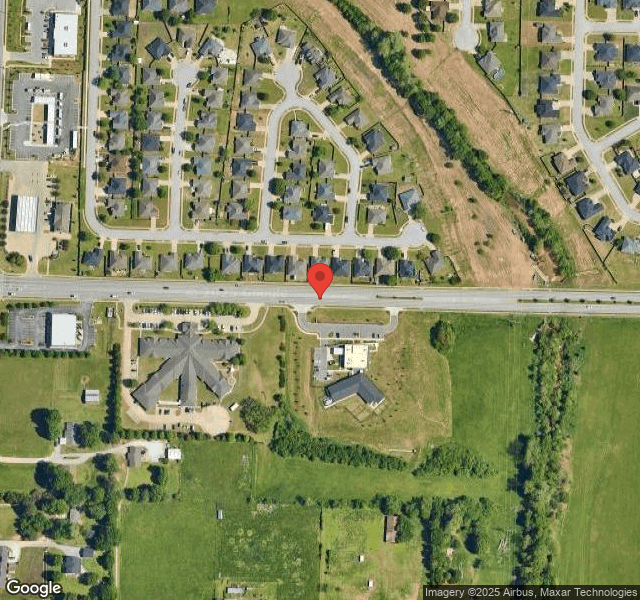

1393 E DON TYSON PARKWAY, SPRINGDALE, AR 72764 (479) 751-2390
For profit - Corporation 102 Beds ANTHONY & BRYAN ADAMS Data: November 2025
Trust Grade
85/100
#11 of 218 in AR
Last Inspection: November 2024

Within standard 12-15 month inspection cycle. Federal law requires annual inspections.

Overview

Edgewood Health and Rehab in Springdale, Arkansas has a Trust Grade of B+, which means it is above average and recommended for families considering care options. It ranks #11 out of 218 facilities in Arkansas, placing it in the top half, and #1 out of 12 in Washington County, indicating it is the best local option. The facility is improving, having reduced issues from 9 in 2023 to just 3 in 2024, showing positive progress. Staffing is rated average with a turnover of 47%, which is slightly below the state average, but it does have concerning RN coverage, as it offers less than 93% of Arkansas facilities. While there are no fines recorded, which is a good sign, there have been specific incidents noted, such as dietary staff not properly washing hands before handling food and improperly storing food items, which raises concerns about food safety for residents. Overall, Edgewood Health and Rehab has strengths in its overall care and quality measures, but families should be aware of the staffing and food safety issues that need attention.

Trust Score
B+
85/100
In Arkansas
#11/218
Top 5%
Safety Record
Low Risk
No red flags
Inspections
Getting Better
9 → 3 violations
Staff Stability
⚠ Watch
47% turnover. Above average. Higher turnover means staff may not know residents' routines.
Penalties
✓ Good
No fines on record. Clean compliance history, better than most Arkansas facilities.
Skilled Nurses
⚠ Watch
Each resident gets only 12 minutes of Registered Nurse (RN) attention daily — below average for Arkansas. Fewer RN minutes means fewer trained eyes watching for problems.
Violations
⚠ Watch
18 deficiencies on record. Higher than average. Multiple issues found across inspections.
★★★★★
5.0
Overall Rating
★★★☆☆
3.0
Staff Levels
★★★★★
5.0
Care Quality
★★★★☆
4.0
Inspection Score
Stable
2023: 9 issues
2024: 3 issues

The Good

  • 5-Star Quality Measures · Strong clinical quality outcomes
  • Full Sprinkler Coverage · Fire safety systems throughout facility
  • No fines on record

Facility shows strength in quality measures, fire safety.

The Bad

Staff Turnover: 47%

Near Arkansas avg (46%)

Higher turnover may affect care consistency

Chain: ANTHONY & BRYAN ADAMS

Part of a multi-facility chain

Ask about local staffing decisions and management

The Ugly 18 deficiencies on record

Nov 2024 3 deficiencies
CONCERN (D)

Potential for Harm - no one hurt, but risky conditions existed

Report Alleged Abuse (Tag F0609)

Could have caused harm · This affected 1 resident

Deficiency Text Not Available

Read full inspector narrative →
Deficiency Text Not Available
CONCERN (E)

Potential for Harm - no one hurt, but risky conditions existed

Deficiency F0727 (Tag F0727)

Could have caused harm · This affected multiple residents

Based on observations, interviews, and document reviews, the facility failed to ensure a Registered Nurse (RN) worked at least 8 consecutive hours a day, for 7 days a week, and the Director of Nursing...

Read full inspector narrative →
Based on observations, interviews, and document reviews, the facility failed to ensure a Registered Nurse (RN) worked at least 8 consecutive hours a day, for 7 days a week, and the Director of Nursing (DON) did not serve as the RN in the facility. This failed practice had the potential to affect all residents residing in the facility. The facility census was 84. Findings included: A review of an undated document, titled Job Description Charge Nurse/Shift Supervisor, revealed the primary purpose of the position was to direct nursing care that included: participation in surveys, admit, transfer, and discharge residents, administering medications, arranging diagnostic services, consulting with physician for resident care and treatment, ensuring resident treatments are performed, evaluate residents physical and emotional status, provide catheterization, tube feedings, dressing application/changes, massages, range of motion exercises, obtaining lab specimens, and checking residents, unable to utilize the call light, frequently, and supervise nursing activities performed by nursing assistants. The supervision must be in accordance with current federal, state, and local standards, guidelines, and regulations governing the facility. A review of an undated document, titled Job Description Assistant Director of Nursing, revealed the primary purpose of the position was to direct the operation of the nursing department in accordance with current federal, state, and local standards, guidelines, and regulations governing the facility. Responsibilities of the ADON included act as Director of Nursing Services in the absence, or unavailability of the DON, directing nursing services, ensuring nursing services follow respective job descriptions and assist with planning resident care. A review of an undated document, titled Job Description Director of Nursing, revealed the primary purpose of the position was to plan, organize, develop, and direct the operation of the nursing department in accordance with current federal, state, and local standards, guidelines, and regulations governing the facility. The Facility failed to provide evidence there were two RNs available, one as DON and one as charge nurse as their average daily occupancy was greater than 60 on these days: October 17 and 19, November 9 and 10. During an interview on 11/06/2024 at 9:34 AM, Human Resources (HR), stated the Director of Nursing (DON) and the Assistant Director of Nursing (ADON) were not counted on Direct Care Daily Staffing sheets, and they were the RN in the building on those days (referring to the dates with no coverage noted). A review of clock in times provided by HR, revealed RN coverage on 10/19/2024 was done by the nurse consultant. HR stated Nurse Consultant worked on the floor as a nurse supervisor, when needed. RN coverage for 10/17/2024, 10/19/2024, 11/04/2024 through 11/05/2024 was done by ADON. HR stated ADON was covering for DON who was on vacation. During an interview on 11/06/2024 at 10:53 AM, the ADON stated the DON was on vacation until Monday (11/11/2024) and he was acting DON. The ADON stated he was not able to work on the floor and do the RN hours but believed he was able to be the acting DON. During an interview on 11/06/2024 at 4:16 PM, the Administrator stated DON was on vacation and the position was being covered by ADON. The Administrator stated the facility did not have a staffing waiver in place, and the census was currently 83. The Administrator was not aware of any rule not allowing the DON or ADON to count in the 8 consecutive RN hours.
CONCERN (E)

Potential for Harm - no one hurt, but risky conditions existed

Infection Control (Tag F0880)

Could have caused harm · This affected multiple residents

**NOTE- TERMS IN BRACKETS HAVE BEEN EDITED TO PROTECT CONFIDENTIALITY** Based on observations, interviews, and facility policy review, the facility failed to ensure staff performed hand hygiene during...

Read full inspector narrative →
**NOTE- TERMS IN BRACKETS HAVE BEEN EDITED TO PROTECT CONFIDENTIALITY** Based on observations, interviews, and facility policy review, the facility failed to ensure staff performed hand hygiene during meal service. Specifically, staff failed to perform hand hygiene between serving resident trays, prior to entering or leaving resident rooms on 1 (300) hall of 1 hall observed during meal service; and failed to ensure hand hygiene was performed during perineal care with a brief change for 1 (Resident #12) of 21 sampled residents. The facility also failed to initiate Enhanced Barrier Precaution (EBP) for 1 (Resident #34) of 1 resident reviewed for enhanced barrier precautions. Findings included: A review of a facility policy titled, Handwashing/Hand Hygiene, revised 10/2023 revealed, the facility trained and expected all employees to follow the policy on hand hygiene, as the facility considered hand hygiene the primary means of preventing the spread of healthcare-associated infections. Hand hygiene was to be performed, c. after contact with . body fluids .d. after touching a resident; e. after touching the resident's environment; f. before moving from work on a soiled body site to a clean body site on the same resident. During an observation on 11/04/2024 at 12:38 PM, Certified Nursing Assistant (CNA) #1 removed a tray from the insulated cart, containing meal trays for residents on 300-Hall, and entered room [ROOM NUMBER], placed the meal tray on the B-bed overbed table and exited the room. CNA #1 placed the lid, that covered the plate, on the handrail, with the handle facing away from the wall. CNA #1 then placed the meal ticket above name plate, sliding it between the wall and nameplate. No hand hygiene was performed. CNA #1 returned to the insulated cart, removed a meal tray, and entered room [ROOM NUMBER]. CNA #1 placed the meal tray on the overbed table of A-bed and exited the room. CNA #1 placed the lid, that covered the plate, on the handrail, with the handle facing away from the wall. CNA #1 then placed the meal ticket above name plate, sliding it between the wall and nameplate. No hand hygiene was performed. CNA #1 returned to the insulated cart. At 12:40 PM, CNA #1 removed a tray from the insulted cart and entered room [ROOM NUMBER]. CNA #1 placed the meal tray on the overbed table of B-bed and exited the room. CNA #1 placed the lid, that covered the plate, on the handrail, with the handle facing away from the wall. CNA #1 then placed the meal ticket above name plate, sliding it between the wall and nameplate. No hand hygiene was performed. Human Resources (HR) walked onto 300-hall and advised CNA #1 to sanitize their hands. CNA #1 entered room [ROOM NUMBER] and sanitized their hands. CNA #1 returned to the insulated cart, removed a meal tray and entered room [ROOM NUMBER] and placed the meal tray on an overbed table of A-bed and exited the room. CNA #1 placed the lid, that covered the plate, on the handrail, with the handle facing away from the wall. CNA #1 then placed the meal ticket above name plate, sliding it between the wall and nameplate. No hand hygiene was performed. CNA #1 returned to the insulated cart. CNA #1 moved the insulated meal cart down the hall to room [ROOM NUMBER], opened the door of the cart and removed a tray and entered room [ROOM NUMBER], and placed the tray on the overbed table of A-bed and exited the room. CNA #1 placed the lid, that covered the plate, on the handrail, with the handle facing away from the wall. CNA #1 then placed the meal ticket above name plate, sliding it between the wall and nameplate. No hand hygiene was performed. During an interview on 11/04/2024 at 12:44 PM, CNA #1 stated hands should be sanitized or washed after every tray. CNA #1 stated they washed their hands in the resident's bathroom. The surveyor stated CNA #1 was observed entering resident's rooms, placing trays on residents over bed tables, exiting the rooms and placing the lids on the handrails and meal tickets above the name plates, and CNA #1 did not enter the bathroom in any of the rooms or use the sanitizer, until being told to do so, then entered room [ROOM NUMBER] and used hand sanitizer. CNA #1 admitted they did not wash or sanitize their hands in any of the rooms until being told to do so and should have sanitized between trays to prevent the spread of infection to residents. During an interview on 11/04/2024 at 2:04 PM, the Assistant Director of Nursing (ADON) stated he was the infection preventionist, and that staff knew hand hygiene was to be performed between each tray that was served, and before leaving a resident's room. A review of the admission Record, indicated Resident #12 was admitted with diagnoses that included a disorder that caused inflammation, muscle pain and stiffness of shoulders and hips; body pain and tiredness; difficulty walking; and chronic kidney disease. A review of Resident #12 ' s care plan, initiated on 10/01/2024, indicated Resident #12 had an Activity of Daily Living (ADL) deficit related to weakness and pain, and required 1 to 2 staff for bed mobility, was not toileted, had bladder and bowel incontinence, and required Enhanced Barrier Precautions (EBP). Interventions included, providing perineal care after each incontinent episode, wearing gloves and a gown for high-contact care activities. A review of the quarterly Minimum Data Set (MDS) with an Assessment Reference Date (ARD) of 09/30/2024, revealed Resident #12 had a Brief Interview for Mental Status, (BIMS) score of 15, indicating resident was cognitively intact. Resident #12 used a wheelchair for ambulation; required substantial to maximal assistance for toileting, bathing, dressing and rolling side to side in bed; required setup/cleanup assistance with eating and personal hygiene; and was always incontinent of bladder and bowel. A review of Resident #12 ' s Order Summary, with an order date of 10/31/2024, indicated barrier cream was to be applied to buttocks two times daily; an antibiotic to be injected into the muscle daily through 11/11/2024 for a urinary tract infection (UTI); and EBP was to be used every shift. A review of Resident #12 ' s Order Summary, with an order date of 11/02/2024, indicated a urine sample was to be obtained immediately and sent for testing that included a culture and sensitivity, a test to determine the type of bacteria and the medication that would be effective in killing or stopping the bacteria from multiplying. A review of Resident #12 ' Lab Results Report, dated 11/04/2024 indicated the bacteria was Escherichia coli, with a sensitivity to antibiotics that included a third-generation cephalosporin. During an observation on 11/06/2024 at 10:23 AM, CNA #2 entered Resident #12's room to perform perineal care and a brief change. CNA #2 used hand sanitizer and donned EBP that included a gown and gloves. CNA #2 closed the resident's door, pulled the privacy curtain, lowered the head of the bed (HOB), removed a blanket and sheet covering Resident #12, pulled resident's pants down, unfastened the brief and tucked it between the resident's legs. CNA #2 used adult wipes to clean Resident #12's suprapubic area, groin, and genitalia. CNA #2 assisted Resident #12 onto their right side. CNA #2 pushed the soiled brief under Resident #12 and placed a clean brief, outstretched and half under resident. CNA #2 used 2 adult wipes and cleaned Resident #12's genitalia, and 1 wipe to clean each buttock. CNA #2 applied barrier cream containing Vitamin A, D, E, Aloe, and Zinc. CNA #12 then used 1 adult wipe to clean their gloves. CNA #2 then assisted Resident #12 onto their left side, removed the soiled brief, adjusted the draw sheet and pulled the clean brief under the resident, assisted Resident #12 onto their right side and adjusted the draw sheet and clean brief. Resident #12 rolled onto their back and CNA#2 pulled the brief up between Resident #12's legs and fastened the brief in place using the attached hook and loop fasteners. CNA #2 pulled Resident #12's pants up, adjusted the resident's shirt and pants, covered Resident #12 with the sheet and blanket, raised the HOB with the bed controller, placed the call light in reach of the resident, and moved overbed table in reach of resident. CNA #2 removed the trash bag from the trashcan, opened the privacy curtain, removed the gown and gloves, and sanitized their hands. CNA #2 did not remove the soiled gloves or perform hand hygiene during the brief change process. During an interview on 11/06/2024 at 10:36 AM, CNA #2 stated they were not allowed to remove the gloves after entering the resident's room because the resident was on EBP due to a wound. CNA #2 stated the gloves were cleaned but not changed and hand sanitation was not done because it would have been unsanitary to remove gloves, sanitize, and put on clean gloves in a room where EBP was used. CNA #2 stated touching the clean brief, resident's pants, bedding, call light, bed control, and curtain, was not sanitary. During an interview on 11/06/2024 at 10:53 AM, the ADON stated Resident # 12 had issues with UTI's, and was just given antibiotics after a culture was received indicating a bacterial infection. The ADON stated gloves should be changed when they became soiled, and hands should be sanitized between glove changes. The ADON stated gloves would be considered soiled when cleaning a resident using a wipe. During an interview on 11/06/2024 at 4:16 PM, the Administrator stated staff were expected to follow the facility's hand hygiene policy. Review of an admission Record indicated the facility admitted Resident #34 on 10/01/2024 with admitting diagnoses of a post-surgical right hip fracture repair and orthopedic aftercare. Review of the quarterly Minimum Data Set (MDS), with an Assessment Reference Date (ARD) of 10/04/2024, revealed Resident #34 had a Brief Interview for Mental Status (BIMS) score of 11, which indicated the resident had moderate cognitive impairment. In section GG, it stated Resident #34 ambulated with assistance of a walker and required partial to moderate assistance with their Activities of Daily Living (ADLs). On 11/04/24 at 12:30 PM, Resident #34 was observed to have a pressure ulcer to the right heel and a pressure ulcer to the sacrum. At the time of the observation, no sign or notification for EBP was seen, and no Personal Protective Equipment (PPE) was seen in Resident #34's room. A review of Resident #34's Clinical Physician's Orders, indicated the resident had a treatment order for an unstageable pressure ulcer to the right heel, and a stage II pressure ulcer to the sacrum. There were no orders for EBP for Resident #34. On 11/05/24 at 8:25 AM, the Surveyor interviewed LPN #3 regarding Resident #34. LPN#3 stated the floor nurses are responsible for completing ordered wound care treatments for their residents. She confirmed this resident has two pressure ulcers, one unstageable to the right heel and a stage II to the sacrum. She also confirmed Resident #34 should have been on Enhanced Barrier Precautions (EBP), but it was not in place at this time. A review of Resident #34's care plan, revised on 11/05/2024, included the implementation of enhanced barrier precautions, however; it stated this was initiated on 10/28/2024. The care plan history in the facility's electronic medical records showed enhanced barrier precautions along with the interventions that were initiated on 11/05/2024 following the interview with LPN #3. On 11/07/24 at 10:27 AM, Surveyor interviewed ADON regarding EBP and Resident #34. He confirmed Resident #34 was currently receiving treatment for an unstageable pressure ulcer to the right heel, and a stage II pressure ulcer to the sacrum, and should have been on EBP. During the interview, ADON and Surveyor reviewed Resident #34's Clinical Physicians Orders. He confirmed there was not an order prior to the surveyor discussing the findings with staff. Upon review of a facility policy titled Enhanced Barrier Precautions with a date of August 2022, the policy stated in number 5: Enhanced Barrier Precautions (EBP) are indicated when contact precautions do not otherwise apply, for residents with wounds and/or indwelling medical devices regardless of MDRO (multi drug resistant organisms) colonization.
Sept 2023 5 deficiencies
CONCERN (D)

Potential for Harm - no one hurt, but risky conditions existed

Deficiency F0583 (Tag F0583)

Could have caused harm · This affected 1 resident

Based on observation and interview, the facility failed to ensure personal medical information and privacy was protected for 1of 1 Resident (Resident #279) during medication administration. This faile...

Read full inspector narrative →
Based on observation and interview, the facility failed to ensure personal medical information and privacy was protected for 1of 1 Resident (Resident #279) during medication administration. This failed practice had the potential to affect 19 Residents on Hall 300 receiving medications. The findings included: During the morning medication pass on 09/07/2023 at 7:40 AM, the Surveyor observed LPN#1 leave Resident #279's empty medication blister pack on top of the medication cart with Resident #279's name and medication information visible to anyone in 300 hall. During interview on 09/07/2023 at 7:45 AM LPN#1 said, she forgot and left the empty medication pack on the cart visible, and confirmed there was personal information of Resident #279's on the pack. On 09/07/23 at 11:47 AM, the Director of Nursing (DON) confirmed medication cards with resident information should not be left unattended and visible on the medication cart. Review of facility's policy titled Computer Terminals/Workstations on 09/08/2023 at 11:50 AM provided by the Nurse Consultant showed, Printed information that contains protected health information must be positioned in such a manner that it cannot be viewed or read by the public or unauthorized staff.
CONCERN (D)

Potential for Harm - no one hurt, but risky conditions existed

Infection Control (Tag F0880)

Could have caused harm · This affected 1 resident

Based on observation, interview, and record review, the facility failed to ensure appropriate infection control measures were implemented during medication administration to help prevent the developme...

Read full inspector narrative →
Based on observation, interview, and record review, the facility failed to ensure appropriate infection control measures were implemented during medication administration to help prevent the development and transmission of communicable diseases and infections for 1 of 1 blood glucose observation. The following observations and interviews were made on 09/07/2023 of (Licensed Practical Nurse) LPN #1 during the morning medication pass. a. On 09/07/2023 at 7:39 AM LPN#1 came out of a resident's room with gloved hands that were worn while checking a resident's blood glucose level. LPN#1 pulled the handle on the bottom drawer of the medication cart wearing the same gloves. LPN#1 then pulled the glove off his right hand, laid it on top of the medication cart, and proceeded to open the drawer where insulin was stored. The Surveyor asked LPN#1 if there was an issue with trying to open the medication cart drawer with the same gloves worn for checking glucose. The LPN#1 stated, You don't want to transfer any germs. I'm sorry you caught me off guard. During interview on 09/07/2023 at 11:47 AM, the Surveyor asked the Director of Nursing (DON) should a nurse remove gloves after glucose testing prior to leaving a resident' s room to administer medications from the medication cart? The DON stated, Yes, we could contaminate the medication cart. Review of facility's policy titled Administering Medications provided by the Administrator on 09/07/2023 showed, medications shall be administered in a safe manner. Review of facility's policy titled Infection Control provided by the Infection Preventionist (IP) on 09/07/2023 at 3:55 PM showed, infection control practices are intended to maintain a safe, sanitary, and comfortable environment and help prevent the transmission of diseases and infections.
CONCERN (E)

Potential for Harm - no one hurt, but risky conditions existed

Safe Environment (Tag F0584)

Could have caused harm · This affected multiple residents

Based on observation and interview, the facility failed to provide a sanitary environment for 79 residents and failed to ensure furnishings were free of tears to promote a homelike environment affecti...

Read full inspector narrative →
Based on observation and interview, the facility failed to provide a sanitary environment for 79 residents and failed to ensure furnishings were free of tears to promote a homelike environment affecting 15 residents residing in the 100 unit. Findings included: A. During observation of the nurses' station on 09/07/2023 at 9:56 AM the wall guard had a layer of dust resting on top. B. During observation of Unit 100 on 09/06/2023 at 2:28 PM, a blue chair in the common area outside the nurses' station had a tear approximately 7 x 2.5 with cream colored foam exposed. The foam area had a hole in the middle and appeared picked apart. C. During interview on 09/07/2023 at 9:18 AM CNA #1 said, residents stick tissues into the hole that is in the blue chair. D. During interview on 09/07/2023 at 9:28 AM, the Surveyor asked Maintenance Director who is responsible for the furnishings, and is it appropriate to use chairs that are ripped with stuffing exposed? The Maintenance Director said he is responsible for furnishings, and it does not make for a homelike appearance. E. During interview on 09/07/2023 12:00 PM, the Director of Nurses confirmed the findings in A and B.
CONCERN (E)

Potential for Harm - no one hurt, but risky conditions existed

Deficiency F0761 (Tag F0761)

Could have caused harm · This affected multiple residents

Based on observation and interview, the facility failed to ensure that insulin bottles were dated after opening. The failed practice had the potential to effect 13 residents with orders to receive ins...

Read full inspector narrative →
Based on observation and interview, the facility failed to ensure that insulin bottles were dated after opening. The failed practice had the potential to effect 13 residents with orders to receive insulin, and the facility failed to ensure the refrigerated narcotic medications were stored in a permanently affixed container, and locked, to prevent the potential of misappropriation of resident property affecting 79 residents. The findings included: On 09/07/2023 at 7:40 AM the Surveyor observed LPN #1during medication pass on Hall 100. An open bottle of Glargine Insulin was unlabeled and undated. The Surveyor asked LPN #1 is it standard practice to label a new insulin bottle with the open date? LPN#1 stated, They are supposed to be, but she is a fairly new admit. During interview on 09/07/2023 at 11:47 AM, the Surveyor asked the Director of Nursing (DON) should insulin be dated when opened? The DON said, yes in order to discard the bottle within 28 days. Observation of the medication storage room on 09/07/2023 at 3:15 PM showed the following: a. One open bottle of Levemir Insulin injection with an expiration date of 09/30/2025 in the medication refrigerator without an open date. b. The narcotic lock box was unlocked and unattached inside the medication refrigerator with 2 bottles of lorazepam and five vials of Morphine Sulphate. On 09/07/2023 at 3:18 PM, the Surveyor asked LPN #2, should insulin have an open date on the bottle after it has been opened? LPN #2 stated, Yes, it should be dated. The Surveyor asked, should the narcotic box be permanently fixed, attached, and locked in the refrigerator? LPN #2 stated, Yes. On 09/07/2023 at 3:51 PM, The Surveyor asked the Director of Nursing (DON), should insulin have an open date on the bottle after it has been opened? The DON stated, Yes. The Surveyor asked the DON, should the narcotic box be permanently fixed, and attached, and locked in the refrigerator? The DON stated, Yes. Review of facility's policy titled Storage of Medication with a revision date of April 2007 provided by the Administrator on 09/07/2023 at 2:32 PM showed, the facility shall store all drugs in a safe, secure, and orderly manner. Drawers, cabinets, rooms, refrigerators, carts, and boxes containing drugs shall be locked when not in use, and not left unattended if opened. Review of facility's policy titled Administering Medications , provided by the Administrator on 09/07/2023 at 2:32 PM showed, medications shall be administered in a safe and timely manner. The expiration date on the medication label must be checked prior to administering, and when opening a multi-dose container, the date opened shall be recorded on the container. Review of facility's policy titled Insulin Administration with a revision date of September 2014 provided by the DON at 11:15 AM on 09/08/2023, showed, check the expiration date if drawing from an opened multi-dose vial. When opening a new vial, record the expiration date and time on the vial.
CONCERN (F)

Potential for Harm - no one hurt, but risky conditions existed

Food Safety (Tag F0812)

Could have caused harm · This affected most or all residents

Based on observation and interview, the facility failed to ensure dietary staff effectively washed their hands before handling clean equipment or food items to prevent potential food borne illness for...

Read full inspector narrative →
Based on observation and interview, the facility failed to ensure dietary staff effectively washed their hands before handling clean equipment or food items to prevent potential food borne illness for residents who received meals from 1 of 1 kitchen, These failed practices had the potential to affect 78 residents who received meals from the kitchen. The findings included: The following observations were made during the supper meal on 09/06/2023. a. Dietary Employee (DE) # 1 at 4:11 PM, removed a can of cream of chicken soup from the storage room and placed it on the counter. She picked up a pan from below the food preparation counter and placed it on the counter. She turned on the sink faucet and rinsed the pan and placed the pan on the counter with her fingers inside the pan. b. At 4:13 PM, DE #1 opened a can of cream of chicken soup and emptied it into a contaminated pan and placed it on the stove. She placed chicken into a pot and started to cook. c. Dietary Employee #2 at 4:15 PM, was holding a box of gloves with his bare hand removed the gloves from the box and placed his hands into the gloves. DE #2 removed packages of grape jelly from a basket on a rack and placed them on the counter. He removed a container of peanut butter from a shelf above the counter and placed it on the counter. He removed the covering from packages of grape jelly and did not change gloves nor wash his hands before he removed slices of bread from the bread bag and prepared peanut butter jelly sandwiches for the residents. d. Dietary Employee #1 at 4:25 PM with gloved hands, picked up a box of fish from a counter and placed it on a cart. Without changing gloves and washing her hands, she removed biscuits from a box and placed them on top of the cream of chicken soup and mixed vegetables that were in a pan to make chicken pot pie to be served to the residents. e. Dietary Employee #1 at 4:33 PM, removed containers of chicken noodle soup and a container of tomato soup from the walk-in refrigerator and placed them on the counter. Without washing her hands, she picked up pans from under the steam table and placed them on the counter with her fingers inside the pans. f. At 4:36 PM DE #1, used a scoop to place chicken noodle soup into a pan and used another scoop to place tomato soup into a pan. She placed both pans on a pan of hot water on the stove. g. Dietary Employee #3 at 5:15 PM turned on the stove with gloved hands. Without changing gloves and washing her hands, she removed slices of bread from the bread bag and placed them in a saucepan on the stove to prepare grill cheese sandwiches to be served to the residents. h. Dietary Employee #3 at 5:18 PM, was on the tray line serving the supper meal with gloved hands. She picked up tray cards and placed them on the trays. Without changing the gloves, she picked up plates to be used in portioning food items to be served to the residents and placed them on the steam table shelf with her gloved thumb inside the plates. i. Dietary Employee #2 at 5:22 PM was on the tray line assisting with the supper meal, picked up cartons of ice cream from the cold side of the steam table and placed them on the trays. Without washing his hands, he picked up glasses that contained beverages by the rims and placed them on the trays to be served to the residents. The following observations were made on 09/07/2023 during the breakfast meal. a. Dietary Employee #4 was on the tray line at 7:40 AM with gloved hands as she served the breakfast meal. She used different spoons to serve different food items on the steam table. Without changing gloves and washing her hands, she picked up biscuits from a pan on the steam table opened them with her gloved hands and placed them on the plates topped them with sausage or bacon to be served to the residents who received mechanical soft diets. She picked up plates to be used in portioning food items and placed them on the counter with her gloved thumb inside the plates. b. Dietary Employee #5 at 7:53 AM, pushed a food cart into the dining room and closed the kitchen door. Without washing her hands, she picked up glasses that contained beverages by the rims and placed them on the trays to be served to the residents. c. Dietary Employee #6 at 10:20 AM, removed gloves from the glove box and placed them in her pocket. She then washed her hands, dried them, removed the gloves from her pocket, and placed them on her hands. She used her gloved hand to push apple cobbler into a scoop. Just before she was transferring cobbler into a bowl to be served to the residents for lunch, the Surveyor asked should you have used a glove from your pocket to touch food? DE #6 stated, No, I will wash my hands and put new gloves on. d. Dietary Employee #6 at 10:24 AM with gloved hands, used a rag to wipe off the counter. Without changing gloves and washing her hands, she picked up napkins the residents would use during and after eating the lunch meal and placed them on the counter. With the same gloved hands, she picked up the utensils and placed them on each individual napkin for the residents to use for the lunch meal. During interview on 09/07/2023 at 10:27 AM the Surveyor asked DE #5 what should you have done after touching dirty objects and before handling clean equipment? She stated, Removed gloves and washed my hands. During interview on 09/07/2023 at 2:44 PM, the Surveyor asked DE #2 what should have been done after touching dirty objects before handling clean equipment? She stated, I should have removed my gloves and washed my hands. During interview on 09/07/2023 at 2:58 PM the Surveyor asked DE #1 what should you have done after touching dirty objects and before handling clean equipment? She stated, I should have my hands. Review of facility's policy titled Food Preparation and Service provided by the Assistant Dietary Supervisor on 09/08/2023 at 9:52 AM showed, Food preparation staff will adhere to proper hygiene and sanitary practices to prevent the spread of food-borne illness. Food and nutrition services staff, will wash their hands before serving food to residents.
Feb 2023 4 deficiencies
CONCERN (D) 📢 Someone Reported This

A family member, employee, or ombudsman was alarmed enough to file a formal complaint

Potential for Harm - no one hurt, but risky conditions existed

Comprehensive Care Plan (Tag F0656)

Could have caused harm · This affected 1 resident

Based on observation, interview, and record review, the facility failed to ensure resident's showers were implemented in accordance with the plan of care to promote dignity and cleanliness for 2 (R #2...

Read full inspector narrative →
Based on observation, interview, and record review, the facility failed to ensure resident's showers were implemented in accordance with the plan of care to promote dignity and cleanliness for 2 (R #2 and R #6) sampled residents. This failed practice had the potential to affect 79 residents based on the Roster Matrix provided by the Administrator on 2/16/2023 at 8:23 a.m. The findings are: 1.Resident (R #2) had diagnoses of heart failure and Diabetes Mellitus. The Quarterly Minimum Data Set (MDS) with an Assessment Reference Date (ARD) of 11/25/2022 documented the resident scored 14 (13-15 cognitively intact) on the Brief Interview for Mental Status (BIMS), required extensive assist for bed mobility, transfer, dressing, toilet use, and personal hygiene, and was totally dependent on staff for bathing. a.A Care Plan with a revision date of 11/23/2022 documented, .the resident has an ADL (Activity of Daily Living) self-care performance deficit r/t (related to) disease process Encephalopathy .resident is totally dependent on 1-2 staff to provide bath/shower twice weekly and as necessary . b. On 2/16/2023 at 2:47 p.m., the Assistant Director of Nursing (ADON) provided a copy of R #2 bathing documentation dated 1/19/2023 through 2/16/2023. R #2 received 1 bed bath during the week of January 29, 2023, through February 4, 2023, on 2/2/2023, and did not receive 2 baths/showers as per the Care Plan. R #2 received 1 bed bath during the week of February 5, 2023, through February 11, 2023, on February 6, 2023, and did not receive 2 baths/showers as per the Care Plan. 2.Resident (R #6) had diagnoses of Dementia and Schizophrenia. The Quarterly MDS with an ARD of 11/10/2022 documented the resident scored 12 (8-12 moderately impaired) on the BIMS, required extensive assist with bed mobility, transfers, dressing, toilet use, and personal hygiene, and was totally dependent on staff for bathing. a. A Care Plan with a revision date of 4/15/2022 documented, .the resident has an ADL self-care performance deficit r/t CVA (Cerebral Vascular Accident) with left sided Hemiplegia .resident is totally dependent on 1 staff to provide shower 2x's (times) per week and as necessary . b. On 2/16/2023 at 2:47 p.m., the ADON provided a copy of R #6 bathing documentation dated January 19, 2023, through February 16, 2023. R #6 received 1 bed bath during the week of January 29, 2023, through February 4, 2023, on February 2, 2023, and did not receive 2 baths/showers as per the Care Plan. R #6 received 1 bed bath during the week of February 5, 2023, through February 11, 2023, on February 6, 2023, and did not receive 2 baths/showers as per the Care Plan. 3. On 2/17/2023 at 8:15 a.m., the Surveyor asked Certified Nursing Assistant (CNA) #1 how often are the residents showered. CNA #1 replied, 2 times a week. The Surveyor asked CNA #1, how do you know when a resident is supposed to be showered? CNA #1 replied, it's scheduled in the computer, in the kiosk. The Surveyor asked CNA #1, who is responsible for ensuring residents are showered per their preferences? CNA #1 replied, the shower team and if no shower team, the assistants on the hall. The Surveyor asked CNA #1, why should residents Care Plan be followed? CNA #1 replied, to know how to take care of them. 4. On 2/17/2023 at 8:34 a.m., the Surveyor asked CNA #2, how often are residents showered? CNA #2 replied, 2 times a week. The Surveyor asked CNA #2, how do you know when a resident is supposed to be showered? CNA #2 replied, it's on our computer and it shows all residents to be showered. The Surveyor asked CNA #2, who is responsible for ensuring residents are showered per their preferences? CNA #2 replied, staff, the CNA on the hall, shower team, the nurse. The Surveyor asked CNA #2, why should residents Care Plan be followed? CNA #2 replied, it's a plan of care to meet their needs, preferences, and safety. 5. On 2/17/2023 at 8:53 a.m., the Surveyor asked Licensed Practical Nurse (LPN) #1, how often are residents showered? LPN #1 replied, 2 times a week, unless they refuse. The Surveyor asked LPN #1, how do you know when a resident is supposed to be showered? LPN #1 replied, we have a shower list. The Surveyor asked LPN #1, who is responsible for ensuring residents are showered per their preferences? LPN #1 replied, ultimately the charge nurse, but CNA's do the showers. The Surveyor asked LPN #1, why should residents Care Plan be followed? LPN #1 replied, that tells us everything, how to take care of them. 6. On 2/17/2023 at 9:35 a.m., the Surveyor asked the Assistant Director of Nursing (ADON), how often are residents showered? The ADON replied, scheduled twice a week, can request more, and as needed. The Surveyor asked the ADON, how do you know when a resident is supposed to be showered? The ADON replied, CNA's have tasks, and we do it by room number. The Surveyor asked the ADON, is it care planned? The ADON replied, yes. The Surveyor asked the ADON, who is responsible for ensuring residents are showered per their preferences? The ADON replied, we have a shower team, and the CNAs on the hall. The Surveyor asked the ADON, why should residents Care Plans be followed? The ADON replied, that is what the plan of care is for, resident's preferences and interventions. 7. On 2/17/2023 at 11:21 a.m., the Surveyor asked the Administrator, how often are residents showered? The Administrator replied, 2 times a week, as needed per preference. The Surveyor asked the Administrator, how do you know when a resident is supposed to be showered? The Administrator replied, it's on the task list and every morning the Director of Nursing (DON) gives a list to the shower team. The Surveyor asked the Administrator, who is responsible for ensuring residents are showered per their preferences? The Administrator replied, the shower team, CNAs on the hall, Nurse Manager. The Surveyor asked the Administrator, why should residents Care Plan be followed? The Administrator replied, for safety, so everybody on the same page for their care. 8.A policy provided by the ADON on 2/17/2023 at 11:10 a.m. documented, .Activities of daily living .residents will be provided with care, treatment and services as appropriate to maintain or improve their ability to carry out activities of daily living .residents who are unable to carry out activities of daily living independently will receive the services necessary to maintain good nutrition, grooming and personal and oral hygiene .with the consent of the resident and in accordance with the plan of care, including appropriate support and assistance with .hygiene (bathing, dressing, grooming, and oral care) .
CONCERN (E) 📢 Someone Reported This

A family member, employee, or ombudsman was alarmed enough to file a formal complaint

Potential for Harm - no one hurt, but risky conditions existed

Respiratory Care (Tag F0695)

Could have caused harm · This affected multiple residents

Based on observation, record review and interview, the facility failed to ensure that an updraft treatment was administered correctly and safely as evidenced by failure to ensure residents were assess...

Read full inspector narrative →
Based on observation, record review and interview, the facility failed to ensure that an updraft treatment was administered correctly and safely as evidenced by failure to ensure residents were assessed prior, during, and after an updraft treatment was administered in accordance with facility policies and Physician Orders to prevent complications for 1 (Resident #1) of 6 sampled residents. This failed practice had the potential to affect 6 (R #1, R #4, R #9, R #11, R #14, and R #12 residents who had orders for updraft treatments according to a list provided by the Assistant Director of Nursing (ADON) on 2/17/2023 at 11:10 a.m. The findings are: Resident #1 had diagnoses of Pneumonia, Shortness of Breath, and Parkinson's disease. The Quarterly Minimum Data Set (MDS) with an Assessment Reference Date (ARD) of 11/25/2022 documented the resident scored 15 (13-15 cognitively intact) on the Brief Interview for Mental Status (BIMS), required limited assist for bed mobility, transfer, dressing, toilet use, and personal hygiene. A Physician Order with a start date of 6/15/2022 documented .Ipratropium-Albuterol Solution 0.5-2.5 (3) milligrams/milliliters (mg/ml) 3 ml inhale orally every 4 hours as needed for pneumonia . a. On 2/16/2023 at 9:48 a.m., the Surveyor walked down 400 Hall and heard R #1 coughing and wheezing upon inspiration and expiration. The Surveyor asked R #1, are you ok? R #1 replied, no, I hurt all over and my chest is tight. The Surveyor asked R #1, do you use oxygen? R #1 replied, I do at night. The Surveyor asked R #1, do you have orders for an inhaler or updraft treatments? R #1 replied, I don't know. The Surveyor asked R #1, have you had an updraft treatment or used an inhaler today? R #1 replied, no. b. On 2/16/2023 at 9:39 a.m., the Surveyor asked Licensed Practical Nurse (LPN) #1, can you check R #1 pulse oximetry (P0x), she is wheezing and coughing. The Surveyor asked LPN #1, does R #1 have an order for oxygen. LPN #1 replied, no, she has a PRN (as needed) breathing treatment. The Surveyor asked LPN #1, has R #1 had a breathing treatment today. LPN #1 stated, no, R #1 has had that cough. c. On 2/16/2023 at 9:51 a.m., LPN #1 placed the P0x on R#1 right index finger and obtained a reading of 83% [percent]. LPN #1 removed the P0x from R#1 finger and placed it on R #1 left index finger and obtained a reading of 83%. LPN #1 removed the P0x from R #1 finger and left the room. d. On 2/16/2023 at 9:55 a.m., LPN #1 was at the medication cart and stated, I don't think the P0x is accurate, I'm going to find a better one. LPN #1 removed a vial of Ipratropium-Albuterol Solution 0.5-2.5 3 mg/ml 3 ml. e. On 2/16/2023 at 9:57 a.m., LPN #1 was walking down 200 Hall toward the nurse and the medication cart. LPN #1 then walked down 300 Hall, returned to 200 Hall, then returned to 300 Hall with a staff member with keys, who opened the doors. LPN #1 obtained a package that contained updraft mask and tubing, then went to another door on 300 Hall and obtained a nebulizer. f. On 2/16/2023 at 10:01 a.m., LPN #1 entered R#1 room with nebulizer, updraft mask/tubing, and vial of medication. g. On 2/16/2023 at 10:02 a.m., LPN #1 placed the updraft face mask onto R#1 face and turned the nebulizer on and sat down on R#1 roommate bed. LPN #1 did not assess R #1 lung sounds prior to administering the nebulizer treatment. h. On 2/16/2023 at 10:10 a.m., LPN #1 removed the nebulizer facemask from R #1 and applied oxygen at 2 liters per minute via nasal cannula to R #1. LPN #2 checked R #1 P0x with a reading of 84%. i. On 2/16/2023 at 10:13 a.m., LPN #1 exited R #1 room with nebulizer and updraft tubing. LPN #1 did not assess R #1 lung sounds after updraft treatment. j. On 2/16/2023 at 11:12 a.m., the Surveyor asked LPN #1, did you assess R #1 lungs before and after the updraft treatment? LPN #1 replied, no. The Surveyor asked LPN #1, did you assess R#1 pulse during the updraft treatment? LPN #1 replied, no. The Surveyor asked LPN #1, why not? LPN #1 replied, just checked the P0x. The Surveyor asked LPN #1, why should you assess resident's lung sounds before and after providing an updraft treatment? LPN #1 replied, to make sure they're clear, signs of wheezing. Surveyor asked LPN #1, have you been trained in and regarding medication administration? LPN #1 replied, yes. k. On 2/17/2023 at 8:53 a.m., the Surveyor asked LPN #3, what is the process when administering an updraft treatment to a resident? LPN #3 replied, hand hygiene, assess lungs, check P0x, administer medication if they have an order .stay with the resident .re-assess lungs, hand hygiene, then document. The Surveyor asked LPN #3, why should the nurse assess resident's lung sounds before and after an updraft treatment? LPN #3 replied, to make sure updraft is opening the lungs more, need a baseline, something to compare to, to make sure it works. l. On 2/17/2023 at 9:35 a.m., the Surveyor asked the ADON, what is the process when administering an updraft treatment to a resident? The ADON replied, check for an order, assess P0x and respiratory rate, listen to lungs .hand hygiene, apply treatment, stay with the resident .re-assess resident, notify provider as needed, and hand hygiene. The Surveyor asked the ADON, why should the nurse assess resident's lung sounds before and after an updraft treatment? The ADON replied, check to ensure treatment worked, to have a baseline to compare to. The Surveyor asked the ADON, what are your expectations regarding your staff following the facilities policies and procedures and the Centers for Medicare and Medicaid Services (CMS) guidelines? The ADON replied, they are expected to do it and if something comes up, they should ask about it. m. On 2/17/2023 at 11:21 a.m., the Surveyor asked the Administrator, The Surveyor asked the Administrator, what is the process when administering an updraft treatment to a resident? The Administrator replied, I'm not a nurse. The Surveyor asked the Administrator, why should the nurse assess resident's lung sounds before and after an updraft treatment? The Administrator replied, I'm not a nurse. The Surveyor asked the Administrator, what are your expectations regarding your staff following the facilities policies and procedures and the Centers for Medicare and Medicaid Services (CMS) guidelines? The Administrator replied, that we follow the guidelines and follow policy and procedures. n. A policy provided by the Director of Nursing (DON) on 2/16/2023 at 10:28 a.m. documented .Administering Medications through a small volume (handheld) nebulizer .the purpose of this procedure is to safely and aseptically administer aerosolized particles of medications into the resident's airway .assemble equipment and supplies on the resident's overbed table .wash and dry hands .explain the procedure to the resident .wash and dry hands .dispense medication into the nebulizer cup .when treatment is complete, turn of nebulizer and disconnect .wash and dry hands .the following information should be recorded in the resident's medical record .pulse, respiratory rate and lung sounds before and after the treatment .pulse during treatment .
CONCERN (E) 📢 Someone Reported This

A family member, employee, or ombudsman was alarmed enough to file a formal complaint

Potential for Harm - no one hurt, but risky conditions existed

Pharmacy Services (Tag F0755)

Could have caused harm · This affected multiple residents

Based on observation, record review and interview, the facility failed to ensure that an updraft treatment was administered correctly, safely, and sanitary conditions were followed; and the facility f...

Read full inspector narrative →
Based on observation, record review and interview, the facility failed to ensure that an updraft treatment was administered correctly, safely, and sanitary conditions were followed; and the facility failed to ensure residents were assessed prior to and after an updraft treatment was administered in accordance with facility policies and physician orders for 1 (Resident #1) of 14 sample mix residents, to prevent further complications and or infections. This failed practice had the potential to affect 6 (R#1, R #4, R #9, R #11, R #14, and R #12) residents according to a list provided by the Assistant Director of Nurses (ADON) on 2/17/2023 at 11:10 a.m. The findings are: Resident #1 had a diagnosis of Pneumonia, Shortness of Breath, and Parkinson's disease. The Quarterly Minimum Data Set (MDS) with an Assessment Reference Date (ARD) of 11/25/2022 documented the resident scored 15 (13-15 cognitively intact) on the Brief Interview for Mental Status (BIMS), required limited assist for bed mobility, transfer, dressing, toilet use, and personal hygiene. A Physician Order with a start date of 6/15/2022 documented .Ipratropium-Albuterol Solution 0.5-2.5 (3) milligrams/milliliters (mg/ml) 3 ml inhale orally every 4 hours as needed for pneumonia . a. On 2/16/2023 at 9:48 a.m., the Surveyor was walking down 400 Hall and heard R #1 coughing and wheezing upon inspiration and expiration. The Surveyor asked R#1, are you ok. R#1 replied, no, I hurt all over and my chest is tight. The Surveyor asked R#1, do you use oxygen. R#1 replied, I do at night. The Surveyor asked R#1, do you have orders for an inhaler or updraft treatments. R#1 replied, I don't know. The Surveyor asked R#1, have you had an updraft treatment or used an inhaler today. R#1 replied, no. b. On 2/16/2023 at 9:39 a.m., the Surveyor asked Licensed Practical Nurse (LPN) #1, can you check R#1 pulse oximetry (P0x), she is wheezing and coughing. LPN #1 did not have a P0x on her cart and had to obtain one from another cart. The Surveyor asked LPN #1, does R#1 have an order for oxygen. LPN #1 replied, no, she has a PRN (as needed) breathing treatment. The Surveyor asked LPN #1, has R#1 had a breathing treatment today. LPN #1 stated, no, R#1 has had that cough. c. On 2/16/2023 at 9:51 a.m., LPN #1 entered R#1 room. LPN #1 did not perform hand hygiene. LPN #1 placed the P0x on R#1 right index finger and obtained a reading of 83%. LPN #1 removed the P0x from R#1 finger and placed it on R#1 left index finger and obtained a reading of 83%. LPN #1 removed the P0x from R#1 finger and left the room. LPN #1 did not perform hand hygiene. d. On 2/16/2023 at 9:55 a.m., LPN #1 was observed at the medication cart and stated, I don't think the P0x is accurate, I'm going to find a better one. LPN #1 was observed to pull a vial of Ipratropium-Albuterol Solution 0.5-2.5 3 mg/ml 3 ml. e. On 2/16/2023 at 9:57 a.m., LPN #1 was observed walking down 200 Hall toward the nurse and the medication cart. LPN #1 then walked down 300 Hall, returned to 200 Hall, then returned to 300 Hall with a staff member with keys, who opened the doors and LPN #1 was observed to obtain a package containing updraft mask and tubing, then to another door on 300 Hall to obtain a nebulizer. f. On 2/16/2023 at 10:01 a.m., LPN #1 was observed to enter R#1 room with nebulizer, updraft mask/tubing, and vial of medication. LPN #1 did not perform hand hygiene. g. On 2/16/2023 at 10:02 a.m., LPN #1 was observed connecting the updraft tubing to the nebulizer. LPN #1 was observed disconnecting the updraft face mask from the medicine cup and laid the updraft face mask on R#1 roommate bed, while pouring the vial of medication into the updraft medicine cup, then picked up the face mask from R#1 roommate bed, and connected the face mask to the medicine cup and placed the updraft face mask onto R#1 face and turned the nebulizer on and sat down on R#1 roommate bed. LPN #1 did not perform hand hgiene. LPN #1 did not assess R#1 lung sounds prior to administering the nebulizer treatment. h. On 2/16/2023 at 10:10 a.m., LPN #1 removed the nebulizer facemask from R#1 and applied oxygen at 2 liters per minute via nasal cannula to R#1. LPN #2 checked R#1 P0x with a reading of 84%. i. On 2/16/2023 at 10:13 a.m., LPN #1 exited R#1 room with nebulizer and updraft tubing. LPN #1 did not assess R#1 lung sounds after updraft treatment. LPN #1 did not perform hand hygiene before exiting R#1 room. j. On 2/16/2023 at 11:12 a.m., the Surveyor asked LPN #1, did you assess R#1 lungs before and after the updraft treatment. LPN #1 replied, no. The Surveyor asked LPN #1, did you assess R#1 pulse during the updraft treatment. LPN #1 replied, no. The Surveyor asked LPN #1, why not. LPN #1 replied, just checked the P0x. The Surveyor asked LPN #1, when do you perform hand hygiene. LPN #1 replied, before patient care. The Surveyor asked LPN #1, did you change the updraft mask after you placed it on the other bed before applying to R#1. LPN #1 replied, it was a new mask that came out of a new bag. The Surveyor asked LPN #1, was R#1 roommate's bed a clean surface. LPN #1 replied, no. The Surveyor asked LPN #1, why should the updraft mask be changed after being contaminated and prior to using on R#1. LPN #1 replied, to prevent infections. The Surveyor asked LPN #1, why should you assess resident's lung sounds before and after providing an updraft treatment. LPN #1 replied, to make sure they're clear, signs of wheezing. The Surveyor asked LPN #1, why should hand hygiene be performed prior to and after administering updraft treatments to residents. LPN #1 replied, proper protocol for infection control. The Surveyor asked LPN #1, have you been trained in performing hand hygiene. LPN #1 replied, yes. The Surveyor asked LPN #1, have you been trained in and regarding medication administration. LPN #1 replied, yes. The Surveyor asked LPN #1, have you been trained in infection control. LPN #1 replied, yes. k. On 2/17/2023 at 8:53 a.m., the Surveyor asked LPN #3, when do you perform hand hygiene. LPN #3 replied, before and after going into a room, basically all the time. The Surveyor asked LPN #3, why should hand hygiene be performed. LPN #3 replied, so we're not spreading germs. The Surveyor asked LPN #3, what is the process when administering an updraft treatment to a resident. LPN #3 replied, hand hygiene, assess lungs, check P0x, administer medication if they have an order .stay with the resident .re-assess lungs, hand hygiene, then document. The Surveyor asked LPN #3, why should the nurse assess resident's lung sounds before and after an updraft treatment. LPN #3 replied, to make sure updraft is opening the lungs more, need a baseline, something to compare to, to make sure it works. The Surveyor asked LPN #3, why should a clean/new nebulizer mask not be placed on a contaminated bed, then used on a resident to provide an updraft treatment. LPN #3 replied, because it's not sterile, it was just placed in germs. The Surveyor asked LPN #3, why should hand hygiene be performed prior to administering and after administering an updraft treatment to a resident. LPN #3 replied, to keep a clean field. l. On 2/17/2023 at 9:35 a.m., the Surveyor asked the ADON, when do you perform hand hygiene. The ADON replied, before and after room, between clean and dirty, all the time. The Surveyor asked the ADON, why should hand hygiene be performed. The ADON replied, best way to stop cross contamination. The Surveyor asked the ADON, what is the process when administering an updraft treatment to a resident. The ADON replied, check for an order, assess P0x and respiratory rate, listen to lungs .hand hygiene, apply treatment, stay with the resident .re-assess resident, notify provider as needed, and hand hygiene. The Surveyor asked the ADON, why should the nurse assess resident's lung sounds before and after an updraft treatment. The ADON replied, check to ensure treatment worked, to have a baseline to compare to. The Surveyor asked the ADON, why should a clean/new nebulizer mask not be placed on a contaminated bed, then used on a resident to provide an updraft treatment. The ADON replied, cross contamination. The Surveyor asked the ADON, why should hand hygiene be performed prior to administering and after administering an updraft treatment to a resident. The ADON replied, cross contamination of everything. The Surveyor asked the ADON, what are your expectations regarding your staff following the facilities policies and procedures and the Centers for Medicare and Medicaid Services (CMS) guidelines. The ADON replied, they are expected to do it and if something comes up, they should ask about it. m. On 2/17/2023 at 11:21 a.m., the Surveyor asked the Administrator, when do you perform hand hygiene. The Administrator replied, before and after care, during if needed. The Surveyor asked the Administrator, why should hand hygiene be performed. The Administrator replied, risk of contamination. The Surveyor asked the Administrator, what is the process when administering an updraft treatment to a resident. The Administrator replied, I'm not a nurse. The Surveyor asked the Administrator, why should the nurse assess resident's lung sounds before and after an updraft treatment. The Administrator replied, I'm not a nurse. The Surveyor asked the Administrator, why should a clean/new nebulizer mask not be placed on a contaminated bed, then used on a resident to provide an updraft treatment. The Administrator replied, I'm not a nurse. The Surveyor asked the Administrator, why should hand hygiene be performed prior to administering and after administering an updraft treatment to a resident. The Administrator replied, cross contamination. The Surveyor asked the Administrator, what are your expectations regarding your staff following the facilities policies and procedures and the CMS guidelines. The Administrator replied, that we follow the guidelines and follow policy and procedures. A policy provided by the Director of Nursing (DON) on 2/16/2023 at 10:28 a.m. documented .Administering Medications through a small volume (handheld) nebulizer .the purpose of this procedure is to safely and aseptically administer aerosolized particles of medications into the resident's airway .assemble equipment and supplies on the resident's overbed table .wash and dry hands .explain the procedure to the resident .wash and dry hands .dispense medication into the nebulizer cup .when treatment is complete, turn of nebulizer and disconnect .wash and dry hands .the following information should be recorded in the resident's medical record .pulse, respiratory rate and lung sounds before and after the treatment .pulse during treatment .
CONCERN (E) 📢 Someone Reported This

A family member, employee, or ombudsman was alarmed enough to file a formal complaint

Potential for Harm - no one hurt, but risky conditions existed

Infection Control (Tag F0880)

Could have caused harm · This affected multiple residents

Based on observation, record review and interview, the facility failed to ensure that hand hygiene was performed before, during, and after administering an updraft treatment to prevent the potential s...

Read full inspector narrative →
Based on observation, record review and interview, the facility failed to ensure that hand hygiene was performed before, during, and after administering an updraft treatment to prevent the potential spread of infection for 1 (Resident #1) of 14 sample residents, to prevent further complications and/or infections. This failed practice had the potential to affect 6 (R #1, R #4, R #9, R #11, R #14, and R #12) residents who had orders for updrafts according to a list provided by the Assistant Director of Nursing (ADON) on 2/17/2023 at 11:10 a.m. The findings are: Resident #1 had diagnoses of Pneumonia, Shortness of Breath, and Parkinson's Disease. The Quarterly Minimum Data Set (MDS) with an Assessment Reference Date (ARD) of 11/25/2022 documented the resident scored 15 (13-15 cognitively intact) on the Brief Interview for Mental Status (BIMS), required limited assist for bed mobility, transfer, dressing, toilet use, and personal hygiene. A Physician Order with a start date of 6/15/2022 documented .Ipratropium-Albuterol Solution 0.5-2.5 (3) milligrams/milliliters (mg/ml) 3 ml inhale orally every 4 hours as needed for pneumonia . a. On 2/16/2023 at 9:48 a.m., the Surveyor walked down 400 Hall and heard R #1 coughing and wheezing upon inspiration and expiration. The Surveyor asked R #1, are you ok? R #1 replied, no, I hurt all over and my chest is tight. The Surveyor asked R #1, do you use oxygen? R #1 replied, I do at night. The Surveyor asked R #1, do you have orders for an inhaler or updraft treatments? R #1 replied, I don't know. The Surveyor asked R #1, have you had an updraft treatment or used an inhaler today? R #1 replied, no. b. On 2/16/2023 at 9:39 a.m., the Surveyor asked Licensed Practical Nurse (LPN) #1, can you check R #1 pulse oximetry (P0x), she is wheezing. The Surveyor asked LPN #1, does R #1 have an order for oxygen? LPN #1 replied, no, she has a PRN (as needed) breathing treatment. The Surveyor asked LPN #1, has R #1 had a breathing treatment today? LPN #1 stated, no, R #1 has had that cough. c. On 2/16/2023 at 9:51 a.m., LPN #1 entered R #1 room. LPN #1 did not perform hand hygiene. LPN #1 placed the P0x on R #1 right index finger and obtained a reading of 83% [percent]. LPN #1 removed the P0x from R#1 finger and placed it on R#1 left index finger and obtained a reading of 83%. LPN #1 removed the P0x from R #1 finger and left the room. LPN #1 did not perform hand hygiene. d. On 2/16/2023 at 9:55 a.m., LPN #1 was at the medication cart and stated, I don't think the P0x is accurate, I'm going to find a better one. LPN #1 removed a vial of Ipratropium-Albuterol Solution 0.5-2.5 3 mg/ml 3 ml. e. On 2/16/2023 at 9:57 a.m., LPN #1 walked down 200 Hall toward the nurse and the medication cart. LPN #1 then walked down 300 Hall, returned to 200 Hall, then returned to 300 Hall with a staff member with keys, who opened the doors and LPN #1 obtained a package containing an updraft mask and tubing, then went to another door on 300 Hall and obtained a nebulizer. f. On 2/16/2023 at 10:01 a.m., LPN #1 entered R #1 room with nebulizer, updraft mask/tubing, and vial of medication. LPN #1 did not perform hand hygiene. the updraft tubing to the nebulizer. LPN #1 disconnected the updraft face mask from the medicine cup and laid the updraft face mask on R #1 roommate bed, while she poured the vial of medication into the updraft medicine cup, then picked up the face mask from R #1 roommate bed and connected the face mask to the medicine cup and placed the updraft face mask onto R #1 face, turned the nebulizer on and sat down on R #1 roommate bed. LPN #1 did not perform hand hygiene. h. On 2/16/2023 at 10:10 a.m., LPN #1 removed the nebulizer facemask from R #1 and applied oxygen at 2 liters per minute via nasal cannula to R #1. LPN #2 checked R #1 P0x with a reading of 84%. i. On 2/16/2023 at 10:13 a.m., LPN #1 exited R#1 room with nebulizer and updraft tubing. LPN #1 did not perform hand hygiene before exiting R#1 room. j. On 2/16/2023 at 11:12 a.m., the Surveyor asked LPN #1, when do you perform hand hygiene? LPN #1 replied, before patient care. The Surveyor asked LPN #1, did you change the updraft mask after you placed it on the other bed before applying to R#1? LPN #1 replied, it was a new mask that came out of a new bag. The Surveyor asked LPN #1, was R #1 roommate's bed a clean surface. LPN #1 replied, no. The Surveyor asked LPN #1, why should the updraft mask be changed after being contaminated and prior to using on R#1? LPN #1 replied, to prevent infections. The Surveyor asked LPN #1, why should hand hygiene be performed prior to and after administering updraft treatments to residents? LPN #1 replied, proper protocol for infection control. The Surveyor asked LPN #1, have you been trained in performing hand hygiene? LPN #1 replied, yes. The Surveyor asked LPN #1, have you been trained in and regarding medication administration? LPN #1 replied, yes. The Surveyor asked LPN #1, have you been trained in infection control? LPN #1 replied, yes. k. On 2/17/2023 at 8:53 a.m., the Surveyor asked LPN #3, when do you perform hand hygiene. LPN #3 replied, before and after going into a room, basically all the time. The Surveyor asked LPN #3, why should hand hygiene be performed? LPN #3 replied, so we're not spreading germs. The Surveyor asked LPN #3, what is the process when administering an updraft treatment to a resident? LPN #3 replied, hand hygiene, assess lungs, check P0x, administer medication if they have an order .stay with the resident .re-assess lungs, hand hygiene, then document. The Surveyor asked LPN #3, why should a clean/new nebulizer mask not be placed on a contaminated bed, then used on a resident to provide an updraft treatment? LPN #3 replied, because it's not sterile, it was just placed in germs. The Surveyor asked LPN #3, why should hand hygiene be performed prior to administering and after administering an updraft treatment to a resident? LPN #3 replied, to keep a clean field. l. On 2/17/2023 at 9:35 a.m., the Surveyor asked the ADON, when do you perform hand hygiene. The ADON replied, before and after room, between clean and dirty, all the time. The Surveyor asked the ADON, why should hand hygiene be performed? The ADON replied, best way to stop cross contamination. The Surveyor asked the ADON, what is the process when administering an updraft treatment to a resident? The ADON replied, check for an order, assess P0x and respiratory rate, listen to lungs .hand hygiene, apply treatment, stay with the resident .re-assess resident, notify provider as needed, and hand hygiene. The Surveyor asked the ADON, why should a clean/new nebulizer mask not be placed on a contaminated bed, then used on a resident to provide an updraft treatment? The ADON replied, cross contamination. The Surveyor asked the ADON, why should hand hygiene be performed prior to administering and after administering an updraft treatment to a resident? The ADON replied, cross contamination of everything. The Surveyor asked the ADON, what are your expectations regarding your staff following the facilities policies and procedures and the Centers for Medicare and Medicaid Services (CMS) guidelines? The ADON replied, they are expected to do it and if something comes up, they should ask about it. m. On 2/17/2023 at 11:21 a.m., the Surveyor asked the Administrator, when do you perform hand hygiene? The Administrator replied, before and after care, during if needed. The Surveyor asked the Administrator, why should hand hygiene be performed? The Administrator replied, risk of contamination. The Surveyor asked the Administrator, what is the process when administering an updraft treatment to a resident? The Administrator replied, I'm not a nurse. The Surveyor asked the Administrator, why should a clean/new nebulizer mask not be placed on a contaminated bed, then used on a resident to provide an updraft treatment? The Administrator replied, I'm not a nurse. The Surveyor asked the Administrator, why should hand hygiene be performed prior to administering and after administering an updraft treatment to a resident? The Administrator replied, cross contamination. The Surveyor asked the Administrator, what are your expectations regarding your staff following the facilities policies and procedures and the CMS guidelines? The Administrator replied, that we follow the guidelines and follow policy and procedures. n. A policy provided by the Director of Nursing (DON) on 2/16/2023 at 10:28 a.m. documented .Administering Medications through a small volume (handheld) nebulizer .the purpose of this procedure is to safely and aseptically administer aerosolized particles of medications into the resident's airway .assemble equipment and supplies on the resident's overbed table .wash and dry hands .explain the procedure to the resident .wash and dry hands .dispense medication into the nebulizer cup .when treatment is complete, turn of nebulizer and disconnect .wash and dry hands .the following information should be recorded in the resident's medical record .pulse, respiratory rate and lung sounds before and after the treatment .pulse during treatment .
Jun 2022 6 deficiencies
CONCERN (D)

Potential for Harm - no one hurt, but risky conditions existed

Assessment Accuracy (Tag F0641)

Could have caused harm · This affected 1 resident

**NOTE- TERMS IN BRACKETS HAVE BEEN EDITED TO PROTECT CONFIDENTIALITY** Based on record review and interview, the facility failed to ensure the Minimum Data Set (MDS) assessments were accurate to faci...

Read full inspector narrative →
**NOTE- TERMS IN BRACKETS HAVE BEEN EDITED TO PROTECT CONFIDENTIALITY** Based on record review and interview, the facility failed to ensure the Minimum Data Set (MDS) assessments were accurate to facilitate the ability to plan and provide necessary care and services for 3 (Resident #25, 69 and 70) of 11 (Residents #14, 69, 55, 13, 51, 25, 70, 72, 56, 49 and 38) sampled residents who received Plavix, and failed to ensure accurate completion of the MDS related to a significant change in condition for 1 (Resident #42) of 13 (Residents #14, 75, 39, 32, 71, 59, 50, 77, 62, 6, 43, 42 and 13) sampled residents who were hospitalized , admitted or discharged from Hospice Services or had a decline in care areas the last 120 days. These failed practices had the potential to affect 14 residents with Physician Orders for Plavix according to list provided by the Director of Nursing (DON) on 6/8/22 at 3:20 PM and 34 residents who were hospitalized , admitted , or discharged from Hospice services or who had a decline in care areas the last 120 days according to a list provided by the MDS Coordinator on 6/9/22 at 2:24 PM. The findings are: 1. Resident #25 had diagnoses of Other Acute Osteomyelitis of Left Ankle and Foot, Peripheral Vascular Disease and Hyperlipidemia. The Quarterly Minimum Data Set (MDS) with Assessment Reference Date (ARD) 4/13/2022 documented the resident scored 13 (13-15 indicates cognitively intact) on a Brief Interview for Mental Status (BIMS) and received an anticoagulant 7 days of the 7 day look back period. a. The Physician's Order dated 05/04/22 documented, .Clopidogrel Bisulfate Tablet 75 MG [milligram] Give 1 tablet by mouth one time a day for blood clot prevention . 2. Resident #69 had diagnoses of Atherosclerosis of Coronary Artery Bypass Graft(s) without Angina Pectoris and Personal History of Transient Ischemic Attack (TIA), and Cerebral Infarction without Residual Deficits. The Annual MDS with an ARD of 5/16/22 documented the resident scored 15 (13-15 indicates cognitively intact) on a BIMS Brief Interview of Mental Status and received an anticoagulant 7 days of the 7 day look back period. a. The Physician's Order dated 10/02/19 documented, .Plavix Tablet 75 mg (Clopidogrel Bisulfate) Give 1 tablet by mouth one time a day . 3. Resident #70 had diagnoses of Rheumatic Heart Disease, Unspecified. The Quarterly MDS with an ARD of 5/17/22 documented the resident scored 10 (8-12 indicates moderately cognitively impaired) on a BIMS and received an anticoagulant 7 days of the 7 day look back assessment period. a. The Physician's Orders dated 02/07/20 documented, .Plavix Tablet 75 MG (Clopidogrel Bisulfate) Give 1 tablet by mouth one time a day for blood thinner . 4. On 6/7/22 at 1:39 PM, the MDS Coordinator was asked, Who is responsible for completing the Medication Section of the MDS? She said, I have been training a girl for the last 3 months. She was asked, How long have you been functioning as the MDS Coordinator? She stated, Two years. She was asked, Are you aware that [Resident #25, Resident #69 and Resident #70] have orders for Plavix and it is coded as an anticoagulant on the MDS? She stated, It should not have been coded as an anticoagulant. Plavix is an antiplatelet. I'll correct that. 5. Resident #42 had diagnosis of Alzheimer's Disease, Unspecified, Type 2 Diabetes Mellitus without Complications and Anxiety Disorder, Unspecified. The Annual MDS with an ARD of 4/4/22 documented the resident scored 1 (0-7 indicates severely cognitively impaired) on a BIMS and required limited assistance of one staff for bed mobility, transfer, and toilet use and required supervision with set up only with eating. a. The Quarterly MDS with an ARD of 11/30/21 documented the resident scored 1 on a BIMS and was independent with bed mobility and transfers and required supervision with set up only for eating and limited assistance of one staff for toilet use. 6. On 6/8/22 at 9:22 AM, the MDS Coordinator was asked, [Resident #42] had a decline in bed mobility and transfers from the MDS dated [DATE] to the MDS dated [DATE]. What services were put in place to address this decline? She said, I think she was referred to Part B services, I'll go check. At 9:58 AM she returned and stated, There was not a therapy evaluation done. She should have had a SCIS [Significant Change in Status] completed but didn't. I'll do a modification to correct this. 7. The CMS's RAI (Resident Assessment Instrument) Version 3.0 Manual documented, N0410: Medications Received (cont. [continued]) . N0410E, Anticoagulant .Do not code antiplatelet medications such as aspirin/extended release, dipyridamole or clopidogrel here . Significant Change in Status Assessments (SCSA)- Comprehensive Assessment .An SCSA can be performed at any time after the completion of the admission assessment. If a significant change in status is identified in the process of completing a Quarterly assessment, code the assessment as a SCSA and complete a comprehensive assessment. Do not code it as a Quarterly assessment . Similarly, if an SCSA is identified in the process of completing an annual assessment, it should be coded as an SCSA .A significant change is a decline or improvement in a resident's status that: 1. Will not normally resolve itself without intervention by staff or by implementing standard disease-related clinical interventions, is not self-limiting 2. Impacts more than one area of the resident's health status; and 3. Requires interdisciplinary review and/or revision of the care plan .
CONCERN (D)

Potential for Harm - no one hurt, but risky conditions existed

Comprehensive Care Plan (Tag F0656)

Could have caused harm · This affected 1 resident

Based on record review and interview, the facility failed to ensure the comprehensive person centered plan of care addressed the medical and nursing needs related to the administration of an anticoagu...

Read full inspector narrative →
Based on record review and interview, the facility failed to ensure the comprehensive person centered plan of care addressed the medical and nursing needs related to the administration of an anticoagulant medication to alert staff of the necessary care and monitoring to minimize the potential for complications for 1 (Resident #36) of 9 (Residents #36, 55, 51, 19, 34, 226, 59, 176 and 67) sampled residents who had physician orders for an anticoagulant medication. The findings are: 1. Resident #36 had diagnoses of Hypertension, Personal History of Pulmonary Embolism and Thrombosis and Embolism. The Quarterly Minimum Data Set (MDS) with an Assessment Reference Date (ARD) of 4/18/22 documented the resident scored 13 (13-15 indicates cognitively intact) on a Brief Interview for Mental Status (BIMS) and received an anticoagulant 7 days of the 7 day look back period. a. The Physician's Order dated 10/18/21 documented, Eliquis Tablet 5 MG (Apixaban) Give 1 tablet by mouth two times a day related to Personal History of Other Venous Thrombosis and Embolism . b. On 06/09/22 at 9:47 AM, the MDS Coordinator was asked, Does [Resident #36] have care plan interventions in place for anticoagulation therapy? The MDS Coordinator looked at her computer and stated, I do not see that on the care plan. She was asked, Is she currently taking an anticoagulant? She stated, Yes, she is on Eliquis for history of DVT [Deep Vein Thrombosis] .she started it in October 2021 on her admission. The MDS Coordinator was asked, What anticoagulation interventions should have been in place on her care plan? She stated, I always add the black box warning, assess for bruising, and monitoring for changes in their stool to indicate a bleed. She was asked, Should you have had anticoagulation interventions on [Resident #36's] care plan? She stated, Yes. 2. On 6/9/22 at 2:24 PM, the MDS Coordinator was asked, 'Who is responsible for ensuring the care plans are completed? The MDS Coordinator stated, Myself and . 3. The facility policy titled, Care Plans, Comprehensive Person-Centered, provided by the Director of Nursing on 06/09/22 at 1:28 PM documented, The comprehensive, person-centered care plan that includes measurable objectives and timetables to meet the resident's physical .and functional needs is developed and implemented for each resident .The care plan interventions are derived from a thorough analysis of the information gathered as part of the comprehensive assessment .a8. The comprehensive, person -center care plan will: a. Include measurable objectives and timeframes: Describe the services that are to be furnished to attain or maintain the resident's highest practical physical .well-being .h. Incorporate risk factors associated with identified problems; Identify the professional services that are responsible for each element of care .
CONCERN (E)

Potential for Harm - no one hurt, but risky conditions existed

Transfer Notice (Tag F0623)

Could have caused harm · This affected multiple residents

Deficiency Text Not Available

Read full inspector narrative →
Deficiency Text Not Available
CONCERN (E)

Potential for Harm - no one hurt, but risky conditions existed

Deficiency F0676 (Tag F0676)

Could have caused harm · This affected multiple residents

2. Resident #57 had a diagnosis of Dysphasia, Aphasia, Facial Weakness following Cerebral Infarction, Vascular Dementia with Behavioral Disturbance and Hemiplegia and Hemiparesis following Cerebral In...

Read full inspector narrative →
2. Resident #57 had a diagnosis of Dysphasia, Aphasia, Facial Weakness following Cerebral Infarction, Vascular Dementia with Behavioral Disturbance and Hemiplegia and Hemiparesis following Cerebral Infarction Affecting Left Non-Dominant Side. The MDS with an ARD of 5/10/2022 documented the resident scored 10 (8-12 indicates moderately cognitively impaired) on a BIMS and required supervision with setup help only with eating and was on a mechanically altered diet. a. The MDS with an ARD of 03/02/22 documented the resident scored 4 (0-7 indicates severely cognitively impaired) on a BIMS and required extensive physical assistance of one person with eating and was on a mechanically altered diet. b. The Physician's Order dated 02/25/22 documented, Regular diet Mechanical Soft texture, Regular consistency, 1 on 1 assist . c. The Physician's Progress notes dated 2/25/22 did not address the reason for change. Surveyor asked Administrator to call Physician. Administrator handed Surveyor phone. Surveyor asked Physician about Resident #57's Physician Order change on 2/25 and asked the reason for the change. Physician stated she would not know without being in front of her notes, but believes it was for hemiplegia and cognition issues. She stated 1 on 1 assist could mean set-up, supervision, or assistance eating . Surveyor asked if it was for choking. The Physician stated she would not know for sure unless she asked the CNAs on that hall what he needed. d. The Care Plan revision date of 4/8/22 documented, .The resident has an ADL self-care performance deficit r/t cva [Cerebrovascular Accident] with left sided hemiplegia . Interventions/Tasks . EATING: The resident requires set up to moderate assist of 1 staff for eating . e. On 06/06/22 at 12:55 PM Resident #57 was sitting up in bed with 50% of meal tray was left on overbed table at bedside. He was asked, Does staff assist you with meals? Resident #57 stated, I feed myself. f. On 6/8/22 at 3:30 PM, CNA #2 and CNA #3 was asked what assistance Resident #57 needed for eating. CNA #3 stated, Only set-up and walked away from surveyor. CNA #2 stated, He needs set-up, drinks opened, and any other preparations to be able to use his plate guard appropriately. CNA #2 was asked if she had noticed any issues with choking. CNA #2 stated she had not seen any because they only do set-up for him. g. On 6/8/22 at 3:40 PM, the DON asked the surveyor to accompany her into the Administrator's office. The DON stated she overheard the surveyor's conversation with the Physician, so she called Physician to explain more about what the surveyor was asking. The DON stated that [Facility Computer Software] was incorrect and had not been updated correctly. On 2/25/22, Resident #57 changed from one on one assist to Supervision, and they accidently left on the one on one assist. Surveyor stated, To clarify, Resident #57 went from one on one assist to supervision so he should be supervised while eating. The DON stated, Yes. The Administrator and the DON both stated Resident #57 had improved a lot since arriving. 3. The facility policy titled, Assistance with Meals, provided by the DON on 06/09/22 at 1:287 PM documented, .Residents shall receive assistance with meals in a manner that meets the individual needs of each resident.Facility Staff will serve resident trays and will help residents who require assistance with eating . Based on observation, record review and interview, the facility failed to ensure assistance with meals was provided to meet the needs of the residents to improve, maintain or prevent a decline in their eating abilities for 1 (Resident #56) of 2 (Residents #56 and 176) of sampled residents who required their food to be cut up and failed to ensure one on one assistance with eating was provided for 1 (Resident #57) of 1 sampled resident who had physician orders for one on one meal assistance. The findings are: 1. Resident #56 had diagnoses of Dementia, Hemiplegia, Chronic Pain, Osteoporosis Unspecified Cerebral Infarction, Muscle wasting and Atrophy Multiple Sites. The Quarterly Minimum Data Set (MDS) with an Assessment Reference Date (ARD) of 5/10/22 documented the resident scored 14 (13-15 indicates cognitively intact) on a Brief Interview for Mental Status (BIMS) and required supervision with set up only for eating. a. A current physician's orders documented, Regular-Enhanced diet Regular texture, regular consistency . b. The Care Plan with a revision date of 5/17/22 documented, 1:1 [one on one] activity is appropriate for this resident due to significant cognitive impairment . The resident has an ADL [Activities of Daily Living] self-care performance deficit r/t [related to] cva [cerebral vascular accident] with hemiplegia .Interventions: Eating: The resident is able to eat independently after staff setup . c. On 6/6/22 at 1:05 PM, Resident #56 was sitting up in a recliner in her room with the over bed table directly in front of her with her lunch tray on top of the table. She had eaten her chicken leg, but the chicken thigh was picked at with very little missing. Resident #56 stated, I can't get to it She was asked, If you could get to it or if it was cut up for you would you eat it? She stated, Yes. d. On 6/8/22 at 12:38 PM, Resident #56 stated, No way in the world I can cut this. The girl dropped it off and said, Enjoy your meal. A whole piece of chicken with one slice in it. Resident #56 stated, [Visitor] has to cut it up for me today because they didn't cut it again. Resident #56 stated, Breakfast was not cut up either. I told the new girl to cut it up, but she only cut up the waffle and left before I could tell her to cut up the sausage . I tried to cut up the tomatoes and zucchini but can't. Resident #56 attempted to cut the canned whole tomato and the tomato slid up the edge of bowl. She was unable to cut them. The visitor cut the chicken, tomatoes, and the half circle slices of zucchini. The visitor stated, I hate that you are having to do something about it, but [Resident #56] telling them is obviously not working. e. On 6/8/22 at 1:22 PM, Certified Nursing Assistant (CNA) #5 was asked, Did you deliver [Resident #56's] lunch tray to her today? She stated, Yes, I gave it to her. She had company. I took everything off and opened lids, drinks and her meat was already cut up. She had smothered chicken, rice, roll and Oreo cheesecake. CNA #5 was asked, To your knowledge does [Resident #56] have difficulty cutting up her food? She stated, Not that I know of. If it is whole meat, we were told to cut it up anyway even if they can cut it up. f. On 6/8/22 at 1:28 PM, the Dietary Manager (DM) was asked, What was [Resident #56] served today? She stated, Smothered chicken, rice, tomatoes and zucchini and Oreo pie . She was asked, Was her meat cut up? She stated, No, she is a regular diet. If they are to have their meat cut up, we do it in the kitchen just in case the aides don't do it. She was asked to confirm with the kitchen staff if [Resident #56's] meat was cut up on the noon tray. She returned from the kitchen and stated, The cook, who cuts up the meat said her meat was not cut up . g. On 6/8/22 at 1:37 PM, the Lead CNA was asked if Resident #56 required assist [assistance] with cutting up her food. She stated, The aides are supposed to cut up everyone's food for them and set up their tray, opening milk . h. On 6/8/22 at 1:42 PM, Licensed Practical Nurse (LPN) #1 was asked if Resident #56 required her food to be cut up. She said she was not sure, but the aides were supposed to cut up all the resident's food for them. i. On 6/8/22 at 2:19 PM, the Director of Nursing (DON) was asked, How does your staff accommodate residents that have difficulty cutting up their food? She stated, They cut it up for them. She was asked, How is the staff made aware of those residents who require assist with cutting up their food? She stated, It should be on their closet care plan and the nurses tell them. She was asked, Does [Resident #56] require her food to be cut up? She looked at her computer and stated, She is a set up help only. They are supposed to open and cut up her stuff, yes.
CONCERN (E)

Potential for Harm - no one hurt, but risky conditions existed

Deficiency F0805 (Tag F0805)

Could have caused harm · This affected multiple residents

Based on observation, record review and interview, the facility failed to ensure pureed food items were blended to a smooth, lump free consistency to minimize the risk of choking or other complication...

Read full inspector narrative →
Based on observation, record review and interview, the facility failed to ensure pureed food items were blended to a smooth, lump free consistency to minimize the risk of choking or other complications for residents who required pureed diets for 1 of 1 meal observed. The failed practice had the potential to affect 4 residents who received pureed diets as documented on a list received from the Director of Nursing (DON) on 06/09/22 at 1:32 PM. The findings are: 1. On 06/07/22 at 11:12 AM, Dietary Employee (DE) #1 pureed beef patties and emptied the food processor contents into a metal steam table pan and covered the pan with plastic wrap and placed it on steam table. The Surveyor took a spoonful of the pureed beef patties and felt texture with her fingers. There were pieces of hard fat, 1/2 the size of a pea throughout the spoonful of pureed beef patties. The Registered Dietician (RD) felt the fat balls and stated the beef patties, pork, and sausage were difficult to puree. 2. The RD informed DE #1 to puree the meat more and add two slices of bread per the recipe to make a smooth texture. After DE #1 added the bread and pureed the beef patties again, the RD and surveyor rechecked the consistency and pureed beef patties was smooth. 3. The recipe to Puree Beef Patty provided by the RD on 6/8/22 at 11:18 AM documented, .Recipe: P [puree] Beef Patty . Ingredients . Beef Patty . Broth Beef . Bread [NAME] Sliced .
CONCERN (F)

Potential for Harm - no one hurt, but risky conditions existed

Food Safety (Tag F0812)

Could have caused harm · This affected most or all residents

Based on observation, record review and interview, the facility failed to ensure foods stored in the refrigerators, freezer, and dry storage room were dated and failed to ensure foods stored in the fr...

Read full inspector narrative →
Based on observation, record review and interview, the facility failed to ensure foods stored in the refrigerators, freezer, and dry storage room were dated and failed to ensure foods stored in the freezer were sealed to prevent potential food borne illness for residents who received meals from 1 of 1 kitchen. These failed practices had the potential to affect 71 residents (total census 73) who received meals from the kitchen as documented on a list provided by the Director of Nursing (DON) on 06/09/22 at 1:35 PM. The findings are: 1. On 06/06/22 at 9:22 AM, during the initial tour of the kitchen with the Registered Dietician (RD) and the Dietary Manager (DM) the following observations were made: a. At 9:57 AM, in the Walk-In freezer there was a box of Vanilla Ice Cream Sandwiches not dated. The RD could not find the box they came out of. She stated she would throw them away. The RD guessed there was 15-20 Ice Cream sandwiches in the box. An open bag of breaded chicken fillets was not sealed. Whitish gray crystals had formed on the fillets. The RD stated they will throw them out. The RD was asked how many fillets were in the box and the RD stated, About 30. b. At 10:03 AM, in the Walk-In refrigerator there were 4 bags of zucchini not dated. The RD stated they are the same as the two bags in the sealed box that was dated and she would have someone date them the same. c. At 10:10 AM, in the Dry Storage Room there were four 46 ounce cans of tomato sauce were not dated. The RD stated, We will throw these out also. Not sure why the other cans are dated and not these. 2. 06/09/22 01:28 PM, the facility policy titled, Food Receiving and Storage provided by the Director of Nursing on 06/09/22 01:28 PM documented, .Foods shall be received and stored in a manner that complies with safe food handling practices . 7. Dry foods that are stored in bins will be removed from original packaging, labeled, and dated (use: by date). Such foods will be rotated using a first in first out system. 8. All foods stored in refrigerator or freezer will be covered, labeled and dated (use by date) .
Understanding Severity Codes (click to expand)
Life-Threatening (Immediate Jeopardy)
J - Isolated K - Pattern L - Widespread
Actual Harm
G - Isolated H - Pattern I - Widespread
Potential for Harm
D - Isolated E - Pattern F - Widespread
No Harm (Minor)
A - Isolated B - Pattern C - Widespread

Questions to Ask on Your Visit

  • "Can I speak with families of current residents?"
  • "What's your RN coverage like on weekends and overnight?"

Our Honest Assessment

Strengths
  • • Grade B+ (85/100). Above average facility, better than most options in Arkansas.
  • • No major safety red flags. No abuse findings, life-threatening violations, or SFF status.
  • • No fines on record. Clean compliance history, better than most Arkansas facilities.
Concerns
  • • 18 deficiencies on record. Higher than average. Multiple issues found across inspections.
Bottom line: Generally positive indicators. Standard due diligence and a personal visit recommended.

About This Facility

What is Edgewood Health And Rehab's CMS Rating?

CMS assigns EDGEWOOD HEALTH AND REHAB an overall rating of 5 out of 5 stars, which is considered much above average nationally. Within Arkansas, this rating places the facility higher than 99% of the state's 100 nursing homes. This rating reflects solid performance across the metrics CMS uses to evaluate nursing home quality.

How is Edgewood Health And Rehab Staffed?

CMS rates EDGEWOOD HEALTH AND REHAB's staffing level at 3 out of 5 stars, which is average compared to other nursing homes. Staff turnover is 47%, compared to the Arkansas average of 46%.

What Have Inspectors Found at Edgewood Health And Rehab?

State health inspectors documented 18 deficiencies at EDGEWOOD HEALTH AND REHAB during 2022 to 2024. These included: 18 with potential for harm.

Who Owns and Operates Edgewood Health And Rehab?

EDGEWOOD HEALTH AND REHAB is owned by a for-profit company. For-profit facilities operate as businesses with obligations to shareholders or private owners. The facility is operated by ANTHONY & BRYAN ADAMS, a chain that manages multiple nursing homes. With 102 certified beds and approximately 83 residents (about 81% occupancy), it is a mid-sized facility located in SPRINGDALE, Arkansas.

How Does Edgewood Health And Rehab Compare to Other Arkansas Nursing Homes?

Compared to the 100 nursing homes in Arkansas, EDGEWOOD HEALTH AND REHAB's overall rating (5 stars) is above the state average of 3.2, staff turnover (47%) is near the state average of 46%, and health inspection rating (4 stars) is above the national benchmark.

What Should Families Ask When Visiting Edgewood Health And Rehab?

Based on this facility's data, families visiting should ask: "Can I visit during a mealtime to observe dining assistance and food quality?" "How do you handle medical emergencies, and what is your hospital transfer rate?" "Can I speak with family members of current residents about their experience?"

Is Edgewood Health And Rehab Safe?

Based on CMS inspection data, EDGEWOOD HEALTH AND REHAB has a clean safety record: no substantiated abuse findings (meaning no confirmed cases of resident harm), no Immediate Jeopardy citations (the most serious violation level indicating risk of serious injury or death), and is not on the Special Focus Facility watch list (a federal program monitoring the lowest-performing 1% of nursing homes). The facility has a 5-star overall rating and ranks #1 of 100 nursing homes in Arkansas. While no facility is perfect, families should still ask about staff-to-resident ratios and recent inspection results during their visit.

Do Nurses at Edgewood Health And Rehab Stick Around?

EDGEWOOD HEALTH AND REHAB has a staff turnover rate of 47%, which is about average for Arkansas nursing homes (state average: 46%). Moderate turnover is common in nursing homes, but families should still ask about staff tenure and how the facility maintains care continuity when employees leave.

Was Edgewood Health And Rehab Ever Fined?

EDGEWOOD HEALTH AND REHAB has no federal fines on record. CMS issues fines when nursing homes fail to meet care standards or don't correct problems found during inspections. The absence of fines suggests the facility has either maintained compliance or corrected any issues before penalties were assessed. This is a positive indicator, though families should still review recent inspection reports for the full picture.

Is Edgewood Health And Rehab on Any Federal Watch List?

EDGEWOOD HEALTH AND REHAB is not on any federal watch list. The most significant is the Special Focus Facility (SFF) program, which identifies the bottom 1% of nursing homes nationally based on persistent, serious quality problems. Not being on this list means the facility has avoided the pattern of deficiencies that triggers enhanced federal oversight. This is a positive indicator, though families should still review the facility's inspection history directly.