SHILOH NURSING AND REHAB, LLC
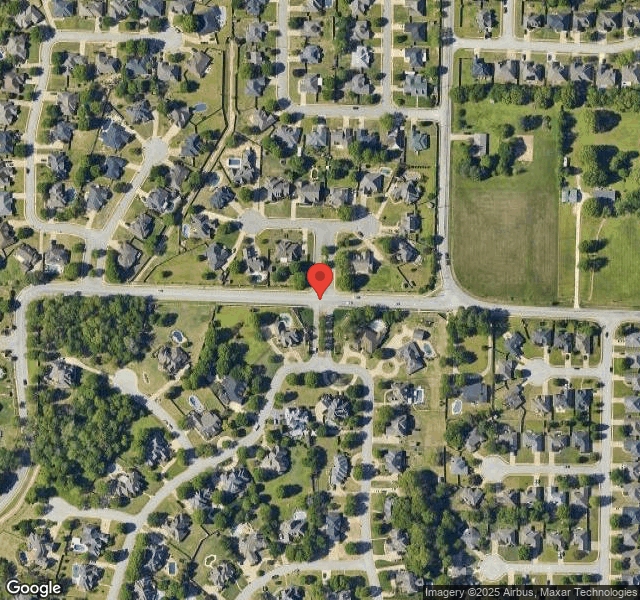

1092 WEST STULTZ ROAD, SPRINGDALE, AR 72764 (479) 750-3800
For profit - Limited Liability company 140 Beds CENTRAL ARKANSAS NURSING CENTERS Data: November 2025
Trust Grade
85/100
#32 of 218 in AR
Last Inspection: February 2025

Within standard 12-15 month inspection cycle. Federal law requires annual inspections.

Overview

Shiloh Nursing and Rehab, LLC has a Trust Grade of B+, indicating it is above average and recommended for families considering options for their loved ones. It ranks #32 out of 218 facilities in Arkansas and #2 out of 12 in Washington County, placing it in the top half of local options. The facility is improving, reducing its issues from 7 in 2024 to 3 in 2025, although there are some concerns regarding staffing, as it has lower RN coverage than 94% of state facilities. While staffing turnover is relatively good at 42%, and there have been no fines, recent inspections revealed serious concerns such as dietary staff failing to wash hands before serving food, which poses an infection risk for residents. Overall, Shiloh Nursing and Rehab shows strengths in its rankings and improvements, but families should be aware of the food safety practices that need addressing.

Trust Score
B+
85/100
In Arkansas
#32/218
Top 14%
Safety Record
Low Risk
No red flags
Inspections
Getting Better
7 → 3 violations
Staff Stability
○ Average
42% turnover. Near Arkansas's 48% average. Typical for the industry.
Penalties
✓ Good
No fines on record. Clean compliance history, better than most Arkansas facilities.
Skilled Nurses
⚠ Watch
Each resident gets only 10 minutes of Registered Nurse (RN) attention daily — below average for Arkansas. Fewer RN minutes means fewer trained eyes watching for problems.
Violations
⚠ Watch
14 deficiencies on record. Higher than average. Multiple issues found across inspections.
★★★★★
5.0
Overall Rating
★★★☆☆
3.0
Staff Levels
★★★★★
5.0
Care Quality
★★★★☆
4.0
Inspection Score
Stable
2024: 7 issues
2025: 3 issues

The Good

  • 5-Star Quality Measures · Strong clinical quality outcomes
  • Full Sprinkler Coverage · Fire safety systems throughout facility
  • No fines on record
  • Staff turnover below average (42%)

    6 points below Arkansas average of 48%

Facility shows strength in quality measures, fire safety.

The Bad

Staff Turnover: 42%

Near Arkansas avg (46%)

Typical for the industry

Chain: CENTRAL ARKANSAS NURSING CENTERS

Part of a multi-facility chain

Ask about local staffing decisions and management

The Ugly 14 deficiencies on record

Feb 2025 3 deficiencies
CONCERN (D)

Potential for Harm - no one hurt, but risky conditions existed

Deficiency F0761 (Tag F0761)

Could have caused harm · This affected 1 resident

Based on observations, interviews, record review, facility document review, and facility policy review, it was determined the facility failed to properly label and discard a medication per the manufac...

Read full inspector narrative →
Based on observations, interviews, record review, facility document review, and facility policy review, it was determined the facility failed to properly label and discard a medication per the manufacture's guidelines for 1 medication cart of 3 carts reviewed for medication labeling and storage. The findings include: A review of a facility policy titled, Medication Storage in the Facility, revised in January 2018 indicated, Medications and biologicals are stored safely, securely, and properly following manufacturer's recommendations or those of the supplier. Outdated, contaminated, or deteriorated medications and those in containers that are cracked, soiled or without secure closures are immediately removed from inventory, disposed of according to procedures for medication disposal, and reordered from the pharmacy, if a current order exists. When the original seal of a manufacture's container or vial is initially broken, the container or vial will be dated. The nurse shall place a date opened sticker on the medication and enter the date opened and the new date of expiration. The expiration date of the vial or container will be 30 days unless the manufacturer recommends another date or regulations/guidelines require different dating. The nurse will check the expiration date of each medication before administering it. No expired medication will be administered to a resident. All expired medications will be removed from the active supply and destroyed in the facility, regardless of the amount remaining. The medication will be destroyed in the usual manner. A review of the (Brand Name) inhaler package insert indicated, 16. How Supplied/Storage and Handling: Each canister is packaged in a foil overwrap pouch with desiccant sachet and placed into a carton. The inhaler should be discarded when the labeled number of inhalations have been used or within 3 months after removal from the foil pouch. During a concurrent observation and interview on 02/26/2025 at 1:22 PM, Licensed Practical Nurse (LPN) #2 retrieved Resident #74's (Brand Name) inhaler from the Apple Blossom/Bayberry medication cart. The inhaler had a small pharmacy label with a printed date of 05/10/2024. LPN #2 stated she was unable to locate an open date or an expiration date, we barely use it, it maybe expired. No original packaging or bag was located with the full pharmacy label. LPN #2 located a second (Brand Name) inhaler in another drawer. The small pharmacy label had a printed date of 09/25/2024, no open date was located on the inhaler, and both inhalers had been used according to the inhaler meter. During an interview on 02/26/2025 at 1:33 PM, the Director of Nursing (DON) stated, open dates should be placed on inhalers when they are opened for the first time. During an interview on 02/27/2025 at 10:12 AM, the Administrator stated, open dates should be placed by the nurse on medications at the time of opening and nurses should check for expiration dates at the end of their shift.
CONCERN (E)

Potential for Harm - no one hurt, but risky conditions existed

Food Safety (Tag F0812)

Could have caused harm · This affected multiple residents

Based on observation, interview, and facility policy review, the facility failed to ensure food was thawed properly and in sanitary conditions, specifically thawing fish in a dirty sink at room temper...

Read full inspector narrative →
Based on observation, interview, and facility policy review, the facility failed to ensure food was thawed properly and in sanitary conditions, specifically thawing fish in a dirty sink at room temperature with no water. This failed practice had the potential to affect 4 of 4 residents who received the alternate meal choice from the kitchen. The findings are: On 02/24/2025 at 11:03 am, during the initial tour of the kitchen, a zipper sealed bag of frozen fish was observed in a sink with no water. The sink also contained a whisk and a knife with a yellow liquid substance covering them. On 02/24/2025 at 11:04 am, the Dietary Manager (DM) was asked what was in the zipper sealed bag. The DM said it was frozen fish. The DM stated that the fish was for the alternate meal choice. On 02/26/2025 at 9:06 am, the DM was asked to explain how frozen meats, fish, and poultry should be thawed. The DM confirmed that the proper way is to place the frozen food in a pan and run cold water over it. The DM was asked what could happen if frozen food was served to residents that had been thawed improperly. The DM confirmed the residents could get sick. On 02/27/2025 at 9:04 am, [NAME] #3 confirmed training and in-servicing on safe food handling had been completed. [NAME] #3 confirmed the proper way to thaw frozen meats, fish, and poultry is to either sit it in the refrigerator 3 days prior to serving or placing it in a pan and running cold water over it. On 02/27/2025 at 9:11 am, Dietary Aide #5 (DA) was asked to explain how to properly thaw frozen meat, fish, or poultry. DA #5 confirmed that frozen food should be placed in a deep pan and covered with cold water. DA #5 confirmed that improper thawing of meats, fish, and poultry could cause the residents to get sick if served and consumed. On 02/27/2025 at 9:41 am, the Administrator confirmed competencies and trainings were done with staff regarding safe food handling. The Administrator was asked to describe a possible negative outcome if meat, fish, or poultry were served to residents that had been improperly thawed. The Administrator said they could get sick from a foodborne illness. On 02/27/2025 at 1:22 pm, [NAME] #4 confirmed in-service training on safe food handling had been completed. [NAME] #4 also confirmed that the proper way to thaw frozen meats was to place them in a deep pan and run cold water over it. [NAME] #4 was asked what potential negative outcome could occur from serving meats that had been improperly thawed. [NAME] #4 said that it could make people sick. The Administrator provided dietary staff competencies on basic skills check-off, diets, and food textures, in-service on safe food handling, and the policy and procedure on thawing foods. The policy and procedure for thawing frozen foods indicated 4 acceptable methods of thawing: refrigeration, as part of cooking process, microwave, and in a pan with cold water. The policy also indicated that All food is purchased, stored, prepared and distributed in a clean safe sanitary manner promoting safe food handling and compliance with state and federal guidelines.
CONCERN (E)

Potential for Harm - no one hurt, but risky conditions existed

Infection Control (Tag F0880)

Could have caused harm · This affected multiple residents

Based on observations, interviews, record review, facility document review, and facility policy review, it was determined the facility failed to maintain infection control prevention for 4 (Residents ...

Read full inspector narrative →
Based on observations, interviews, record review, facility document review, and facility policy review, it was determined the facility failed to maintain infection control prevention for 4 (Residents #24, #59, #62, and #67) of 5 residents reviewed for infection control. The findings include: A review of a facility policy titled, Medication, Insulin Injection, revised 11/22/2016, indicated, equipment and supplies needed included clean gloves which would be put on prior to withdrawal of insulin from the vial. Gloves were to be removed after administration and disposal of needle and syringe in the sharp's container. A review of a Centers for Disease Control (CDC) undated table titled, Summary of Personal Protective Equipment (PPE) Use and Room Restriction When Caring for Residents in Nursing Homes, provided by the Administrator on 02/26/2025, as the facility's guide for PPE application indicated, standard precautions applied to all residents and PPE should be utilized for situations with any potential for exposure to blood, body fluids, mucous membranes, non-intact skin, and potentially contaminated environmental surfaces or equipment. Depending on anticipated exposure, any or all may be required: gloves, gown, face mask or eye protection. During an observation on 02/26/2025 at 7:37 AM, Licensed Practical Nurse (LPN) #1 administrated 3 units (u) of short acting insulin by subcutaneous (SQ) injection to Resident #62 in the left upper arm, without wearing gloves as a standard precaution. During an observation on 02/26/2025 at 7:41 AM, LPN #1 administrated 6u of short acting insulin by SQ injection to Resident #24 in the left lower abdominal quadrant, without wearing gloves as a standard precaution. During an observation on 02/26/2025 at 7:50 AM, LPN #1 administrated 10u of a short acting insulin by SQ injection to Resident #59 in the left lower abdominal quadrant and a second syringe with 55u of long-acting insulin in the right lower abdominal quadrant, without wearing gloves as a standard precaution. During an interview on 02/26/2025 at 7:55 AM, LPN #1 stated she did not routinely use gloves when administering medications. During an observation on 02/26/2025 at 8:46 AM, LPN #1 administrated 17u of a long-acting insulin by SQ injection to Resident #67 in the right upper abdominal quadrant, without wearing gloves as a standard precaution. During an interview on 02/26/2025 at 8:07 AM, the Infection Preventionist (IP) stated, during administration of SQ injections, gloves should definitely be used for standard precautions. During an interview on 02/26/2025 at 1:33 PM, the Director of Nursing (DON) stated, standard precautions should be utilized at all times when personal care was provided by staff, including the administration of a SQ injection. During an interview on 02/27/2025 at 10:12 AM, the Administrator stated, gloves and hand hygiene should be utilized during a medication pass. During an interview on 02/27/2025 at 1:42 PM, the Medical Director stated, he expected the staff to wear the appropriate PPE during administration of a SQ injection.
Jan 2024 7 deficiencies
CONCERN (D)

Potential for Harm - no one hurt, but risky conditions existed

Tube Feeding (Tag F0693)

Could have caused harm · This affected 1 resident

Based on observation, record review and interview, the facility failed to ensure gastric contents were aspirated prior to administering medications through a Percutaneous Endoscopic Gastrostomy (PEG) ...

Read full inspector narrative →
Based on observation, record review and interview, the facility failed to ensure gastric contents were aspirated prior to administering medications through a Percutaneous Endoscopic Gastrostomy (PEG) tube to decrease the potential for complications and enteral feeding bags were labeled with the date, time, and initials for 1 (Resident #58) of 1 sampled resident with a PEG tube as documented on a list provided by the Administrator on 01/04/24 at 3:52 PM. The findings are: 1. Resident #58 had diagnoses of gastro-esophageal reflux disease (GERD) with esophagitis, without bleeding, dysphagia following cerebral infarction and gastrostomy status. a. Resident #58's Physicians Order Summary, active 01/03/24, documented the Resident #58's diet was nothing by mouth (NPO). Check placement of peg tube prior to meds medications and feedings every shift. Order date 12/26/23. b. A Care Plan revised on 11/28/23 documented the Resident required tube feeding related to a swallowing problem. c. On 01/02/24 at 11:43 AM, the Resident was resting quietly in bed with a nutritional supplement infusing at 55 ml/hr (milliliters per hour) and the flush was set at 150 ml every 4 hours on the feeding pump. Neither bag had a date, time, or staff initials in place indicating when the bags were hung, or which staff member performed the task. d. On 01/03/23 at 8:35 AM, the Resident was lying in bed awake with the head of the bed (hob) elevated. A nutritional supplement was infusing by way of a feeding pump. Both bags were labeled with the date and time, but there were no staff initials on either bag. e. On 01/03/24 at 4:05 PM, Resident #58 was resting quietly while up in a geriatric chair. The were no staff initials on the enteral feeding bags at this time. f. On 01/04/24 at 08:41 AM, Licensed Practical Nurse (LPN) #2 washed her hands, placed Resident 58's feeding pump on hold, disconnected the administration set from the PEG tube, obtained stethoscope and a 60 cubic centimeter (cc) syringe, and added a 10cc air bolus in the syringe. She inserted the tip of the syringe in the end of the PEG tube, placed a stethoscope on the resident's upper abdomen, pushed the air bolus through the syringe, but did not pull back on the plunger to aspirate gastric contents. She removed the syringe and clamped the end of the PEG tube. g. On 01/04/24 at 4:07 PM, the Administrator provided a facility policy titled, Enteral Feedings, Administration via Gastrostomy which documented, .Procedure . 8. Assess placement of tube . A. Gastrostomy Tube . 3. Aspirate gastric contents . 9. Initiated Feeding: A. Gastrostomy Tube . 4. Continuous Feeding . b.Label bag with date, time and initials . h. On 01/05/24 at 10:18 AM, during an interview the DON confirmed a PEG tube should be aspirated for gastric contents to ensure placement. i. On 01/05/24 at 10:57 AM, during an interview the DON confirmed that the date, time when it was hung, and nurse initials should be on the enteral feeding bags so staff will know what's in it and when it was hung.
CONCERN (D)

Potential for Harm - no one hurt, but risky conditions existed

Respiratory Care (Tag F0695)

Could have caused harm · This affected 1 resident

Based on observation, record review and interview, the facility failed to ensure cautionary signage was placed outside the room of a resident who had oxygen (O2) in use for 1 (Resident #2) of 3 (Resid...

Read full inspector narrative →
Based on observation, record review and interview, the facility failed to ensure cautionary signage was placed outside the room of a resident who had oxygen (O2) in use for 1 (Resident #2) of 3 (Residents #2, #4 and #127) sampled residents who had physician orders for oxygen as documented on a list provided by the Administrator on 01/04/24 at 3:52 PM. The findings are: 1. Resident #2 had diagnoses of solitary pulmonary nodule, hypoxemia, and acute respiratory failure unspecified whether with hypoxia or hypercapnia. a. The Physicians Order Summary documented, .O2 at 1L [liter] -10L L/M [liters per minute] via [by way of] Titrate O2 To Keep Sats [saturations] 90% [percent] or Greater every shift and as needed for keep 02 sat > [greater than] 90 . start date 10/12/23 . b. A Care Plan completed 10/12/23 documented, .The resident has oxygen therapy r/t [related to] SOB [shortness of breath] .OXYGEN SETTINGS: O2 @ 1L-10L/M . c. On 01/02/24 at 12:08 PM, Resident #2 was lying in bed, awake. There was an O2 concentrator on the floor that was off at this time. There was no cautionary signage posted on the outside of the Resident's room alerting staff/visitors that oxygen was in use in the room. d. On 01/03/24 at 9:04 AM, the Resident was not in her room, the O2 concentrator was on and it was set at 3.5 L/M. There was no cautionary signage posted on the outside of the Resident's room alerting staff/visitors that oxygen was in use in the room. e. On 01/04/24 at 10:25 AM, there was no cautionary signage posted on the outside of the resident's room alerting staff/visitors that oxygen was in use in the room. f. An Oxygen Safety policy, provided by the Administrator on 01/04/24 at 3:52 PM documented, .The facility will properly handle oxygen and other flammable gases . 10. Prior to administering oxygen, Oxygen in Use sign must be posted on the outside of the room entrance door . g. On 01/05/24 at 10:14 AM, during an interview the Minimum Data Set (MDS) Coordinator confirmed an oxygen in use sign should be on the door frame before entering the room of a resident who uses it. h. On 01/05/24 at 10:22 AM, the Director of Nursing (DON) confirmed residents with oxygen in the room should have cautionary signs in place to make everyone aware that oxygen is in use.
CONCERN (E)

Potential for Harm - no one hurt, but risky conditions existed

Investigate Abuse (Tag F0610)

Could have caused harm · This affected multiple residents

Based on observation, interview and record review, the facility failed to investigate in a timely manner a possible injury to 1 (Resident #42) of 1 sampled resident, who reported a possible knee injur...

Read full inspector narrative →
Based on observation, interview and record review, the facility failed to investigate in a timely manner a possible injury to 1 (Resident #42) of 1 sampled resident, who reported a possible knee injury to the nurse due to an improper transfer performed by a staff member. The findings are: 1. Resident #42 had a diagnosis of rheumatoid arthritis, reduced mobility, and muscle wasting atrophy. The Quarterly Minimum Data Set (MDS) with an Assessment Reference Date (ARD) of 12/07/23 documented the resident received a score of 15 (13-15 indicates cognitively intact) on the Brief Interview for Mental Status (BIMS) and required two plus persons assistance for bed mobility and transfer. a. On 01/02/24 at 2:42 PM, Resident #42 informed the Surveyor that a few days ago when the staff was changing her, when they got ready to roll her back over, they let her leg just fall over instead of rolling her back over and she heard her right knee pop. Resident #42, then pulled back the covers for the Surveyor to observe her knee. It was swollen and much larger than her left knee and had some discolored areas to it. The Surveyor asked Resident #42, did you report this to anyone. Resident #42 said it didn't hurt until the next day, and I told my nurse on the weekend about it and she just kind of brushed me off stating it was probably just still my shingles, but I told her know it was hurting and something was going on with it. 3. On 01/03/24 at 8:20 AM, the Surveyor asked Resident #42 if she had informed anyone else about her knee, Resident #42 said yes, I told my nurse last night and the nurse this morning. I told the nurse this morning that I needed to see my provider about it that it was really hurting. 4. On 01/3/24 at 12:25 PM, the Surveyor asked the Director of Nursing (DON) for a list of Incidents and Accidents for Resident #42 in the past 30 days. The DON said, I don't have any. I am getting ready to write one because the Physician Assistant just informed me that Resident #42 had reported an injury to her right knee. 5. On 01/03/24 at 8:00 PM, the Surveyor reviewed the x-ray of the right knee, which was negative for injury. 6. On 1/3/24 at 2:24 PM, during a phone interview with Licensed Practical Nurse (LPN) #3, the Surveyor asked if she was aware of Resident #42. LPN #3 said yes, I am. The Surveyor asked do you know how many people it takes to transfer her in bed. LPN #3 said two people. The Surveyor asked has she complained of pain to you. LPN #3 said yes in her shoulders and her right knee. The Surveyor asked can you remember when she complained. LPN #3 said yes on 12/23/24. The Surveyor asked what did you do for her pain? LPN #3 said she asked me to rub some (Name Brand) Pain-Relieving Gel on her shoulders and right knee. The Surveyor asked did you notify the provider of the new pain she had informed you of in her right knee. LPN #3 said no I didn't. The Surveyor asked did you do an Incident and Accident on her new pain after she informed you of what happened. LPN #3 said no I didn't. The Surveyor asked did you report the new pain to your director of nursing? LPN #3 said no I didn't. 7. On 01/04/24 at 3:44 PM, during an interview with LPN #1 the Surveyor asked if a resident complains of pain and reports an injury from staff, what should the nurse do? LPN #1 said the nurse should assess the area that the resident is complaining about. The Surveyor asked after assessing, if the nurse confirms that there is an injury what should the nurse do? LPN #1 said I should contact the provider. 8. On 1/4/24 at 4:01 PM, during an interview, the Surveyor asked the Director of Nursing (DON) if a resident complains of pain or an injury that a staff member could have done, what should the nurse do? The DON said first assess the possible injury. Do a pain assessment and after the assessment, if there is a difference in the resident assessment the nurse should contact the provider. The Surveyor asked if the nurse doesn't investigate the resident's complaint what could happen? The DON said it could cause the resident to be in unnecessary pain, or if here was an injury it could get worse. 9. On 1/4/24 at 4:44 PM, the DON provided a facility policy titled, Incident and Accident Policy which documented, Policy Al1 incidents and accidents occurring in this Facility or its premises will be investigated and reported to the Administrator and Director of Nursing. An incident or accident is an incident or unusual occurrence where there is apparent injury, or where injury may have occurred. An incident may also be allegations or suspicions of, or actual incidents of abuse, neglect or misappropriation of property. 1. All incidents and accidents will be reported (immediately or as soon as practicable) to the Administrator and the Director of Nursing. 2. When an accident occurs, immediate assistance will be rendered to the injured person .
CONCERN (E)

Potential for Harm - no one hurt, but risky conditions existed

Quality of Care (Tag F0684)

Could have caused harm · This affected multiple residents

Based on observation, interview, and record review, the facility failed to ensure Resident #42 had a physician's order for medication that was being administered by nurses. This had the ability to aff...

Read full inspector narrative →
Based on observation, interview, and record review, the facility failed to ensure Resident #42 had a physician's order for medication that was being administered by nurses. This had the ability to affect 16 residents who resided on 600 Hall and receive medications. The findings are: 1. On 1/2/24 at 2:42 pm, Resident #42 said that the nurses were applying (Name Brand) Pain Relieving Gel to her right knee when she asked them to. 2. On 1/3/24 at 2:48 pm, during record review it was noted Resident #42 did not have a Physician's Order for the (Name Brand) Pain Relieving Gel applied by Licensed Practical Nurse (LPN) #3. 3. On 1/4/24 at 3:54 pm, during an interview the Surveyor asked LPN #1, what should a nurse do before administering a medication? LPN #1 said look at the Medication Administration Record (MAR), and order. The Surveyor asked what should a nurse do if a resident asks for a medication that they do not have an order for? LPN #1 said call the provider. 4. On 1/4/24 at 4:02 pm, during an interview the Surveyor asked the Director of Nursing (DON) what should a nurse do before administering a medication? The DON said look at the order. The Surveyor asked should a nurse administer medications without an order. The DON said no they shouldn't. 5. On 1/4/24 at 4:08 pm, The DON informed the Surveyor that the facility did not have a policy for medication administration.
CONCERN (E)

Potential for Harm - no one hurt, but risky conditions existed

Accident Prevention (Tag F0689)

Could have caused harm · This affected multiple residents

Based on observation, record review and interview, the facility failed to ensure the residents was free of potential accident and hazards, as evidenced by failure to ensure that all the clips were in ...

Read full inspector narrative →
Based on observation, record review and interview, the facility failed to ensure the residents was free of potential accident and hazards, as evidenced by failure to ensure that all the clips were in place on the mechanical lift when lifting 1 (Resident #63) of 1 sampled resident. This failed practice had the potential to affect 5 (Residents #24, #42, #63, #71 and #72) sampled residents who resided on the 600 Hall and were dependent on a mechanical lift for transfers. The findings are: 1. On 1/4/24 at 10:14 am observed, Certified Nursing Assistants (CNA) #2 and #5 use a mechanical lift to transfer Resident #63 from the geri-chair to the bed. The mechanical lift was missing a clip in the middle on the left side. 2. On 1/4/24 at 10:34 am, during an interview the Surveyor asked the Lead Certified Nursing Assistant (CNA) #1 if she could look at the lift and tell the Surveyor what it was missing. CNA #1 said it is missing a clip on the left side. The Surveyor asked should this lift be used when it has a missing clip. CNA #1 said no ma'am, it shouldn't. The Surveyor asked what could happen if it is being used with a missing clip. CNA #1 said, well nothing because we don't use that middle clip. The Surveyor asked then why do you have a clip on the other side? CNA #1 said well because it is the manufactures guidelines that they should be on there. 3. On 1/4/24 at 10:40 am, during an interview the Surveyor asked the Director of Nursing (DON) if she could tell the Surveyor what was wrong with the lift. The DON said it is missing a clip on the left side. The Surveyor asked should this mechanical lift continue to be used. The DON said no it shouldn't. The Surveyor asked what could happen if it is used without the clip. The DON said it could cause harm to a resident. 4. On 1/4/24 at 3:52 pm, the Manufactures Guidelines for the mechanical lift was provided by the Administrator. The guidelines documented on Page 41, . the Hanger Bar check the bolt/hooks for wear or damage. Check sling hooks for wear or deflection .
CONCERN (E)

Potential for Harm - no one hurt, but risky conditions existed

Infection Control (Tag F0880)

Could have caused harm · This affected multiple residents

2. On 01/02/24 at 1:05 PM, observed Certified Nursing Assistants (CNA) #2, #3, and #4, passing out trays to the residents on the 600 Hall without sanitizing their hands in between residents. After pas...

Read full inspector narrative →
2. On 01/02/24 at 1:05 PM, observed Certified Nursing Assistants (CNA) #2, #3, and #4, passing out trays to the residents on the 600 Hall without sanitizing their hands in between residents. After passing out the last tray CNA #3, without sanitizing her hands, sat down and began to feed Resident #63. a. On 01/02/24 at 1:13 PM, CNA #4 went into a resident's room and removed a chair from the room to sit on in the open area where the feeders were. CNA #4 began to feed Resident #63 without sanitizing her hands. b. On 01/02/2024 at 1:21 pm, during an interview the Surveyor asked CNA #4 when passing trays what should you do before you pass out a tray? CNA #4 said sanitize your hands. The Surveyor asked what should you do in between passing trays from one resident to another? CNA #4 said sanitize your hands. c. On 01/02/24 at 1:28 PM, the Surveyor asked CNA #2 what should happen between passing out a tray and before passing out another tray. CNA #2 said wash/sanitize your hands. d. On 01/02/2024 at 1:33 pm, the Surveyor asked CNA #3 what should happen between passing out a tray and before passing out another tray? CNA #3 said wash your hands. The Surveyor asked what should happen after passing out trays and before starting to feed a resident. CNA #3 said wash your hands. e. On 1/4/24 at 3:52 pm, the Administrator provided a facility policy titled, Handwashing/Hand Hygiene, which documented, The facility considers hand hygiene the primary means to prevent the spread of infections . Based on observation, record review and interview, the facility failed to ensure infection control practices were maintained during the administration of medications to decrease the risk of contamination for 1 (Resident #58) of 1 sampled resident with a Percutaneous Endoscopic Gastrostomy (PEG) tube; staff performed hand hygiene while delivering trays to residents during the lunch meal service on the 600 Hall, and failed to ensure staff performed hand hygiene in between feeding residents who required assistance with meals during the lunch meal service. The findings are: 1. Resident #58 had diagnoses of gastro-esophageal reflux disease (GERD) with esophagitis, without bleeding, dysphagia following cerebral infarction and gastrostomy status. a. the Resident #58's Physicians Order Summary documented all oral medications to be given through the resident's PEG tube. b. A Care Plan revised 11/28/23 documented Resident #58 required tube feeding related to a swallowing problem. c. On 01/04/24 at 9:07 AM, Licensed Practical Nurse (LPN) #2 was administering Resident #58's medications through the PEG tube by gravity while wearing gloves. She noticed the medications stopped flowing through the tube. After unsuccessful attempts to get the medications flowing again, LPN #2 called for another staff member to bring her a cup and she poured the remaining medications in the cup and reconnected the end of the administration set to the end of the Resident's PEG tube. While wearing the same gloves, she took the cup with the medications in it to the bathroom, turned on the faucet and added more water from the faucet into the cup and then placed the cup on the bedside table. When she disconnected the end of the administration set from Resident #58's PEG tube, she held the end of the administration set in her left gloved hand, reconnected the tip of the syringe to the end of Resident #58's PEG tube and attempted to administer Resident #58's medications by gravity but the medications were not flowing through the tube. d. On 01/04/24 at 9:17 AM, LPN #1 again poured the medications into the clear plastic cup and reconnected the end of the administration set to Resident #58's PEG tube and began touching Resident #58's PEG tube with both gloved hands. At 9:18 AM, the Director of Nursing (DON) entered the room to assist LPN #1. e. On 01/04/24 at 9:21 AM, LPN #1 disconnected the administration set from Resident #58's PEG tube, held the end of the tubing in her left hand while wearing the same gloves and unsuccessfully attempted to administer Resident #58's medications. At 9:22 AM, the DON instructed LPN #1 to clamp Resident #58's PEG tube, and she left the room. f. On 01/04/24 at 9:26 AM, the DON returned to the room with a declogger. She donned a clean pair of gloves without sanitizing or washing her hands, disconnected part of Resident #58's PEG tube and took it and the declogger to the bathroom. The DON inserted the declogger in the part of the PEG tube and after a few minutes she was able to get the water from the faucet in the bathroom to flow through the PEG tube piece. g. On 01/04/24 at 9:30 AM, the DON changed gloves without sanitizing or washing her hands and reconnected the piece of tubing back to Resident #58's PEG tube. h. On 01/05/24 at 10:02 AM, during an interview LPN #2 confirmed hand hygiene should be performed before performing anything with a resident's PEG tube or if you touch something not involved with the PEG tube. i. On 01/05/24 at 10:18 AM, during an interview the DON confirmed hand hygiene should be performed before putting on or changing gloves.
CONCERN (F)

Potential for Harm - no one hurt, but risky conditions existed

Food Safety (Tag F0812)

Could have caused harm · This affected most or all residents

Based on observation, and interview, the facility failed to ensure dietary staff washed their hands before serving food in the kitchen to prevent potential for cross contamination. This failed practic...

Read full inspector narrative →
Based on observation, and interview, the facility failed to ensure dietary staff washed their hands before serving food in the kitchen to prevent potential for cross contamination. This failed practice had the potential to affect 72 residents who received a tray from the kitchen. The findings are: 1. On 1/4/24 at 12:33 pm, observed Dietary Employees (DE) #2 and #3 standing near the food line go directly to the food line and begin serving food to the residents without washing their hands before serving food. 2. On 1/4/24 at 3:29 pm, during an interview the Surveyor asked the Dietary Manager (DM) what should an employee do before they start to serve food? The DM said wash their hands. The Surveyor asked what could happen from staff not washing their hands. The DM said if they had germs or an infection, they could pass it through the food to the residents. 3. On 1/5/24 at 8:04 am, during an interview the Surveyor asked DE #2 what should an employee do before serving food on the line? DE #2 said wash my hands. The Surveyor asked what could happen if you don't wash your hands? DE #2 said it could spread infection to residents. 4. On 1/5/24 at 8:04 am, during an interview the Surveyor asked DE #3 what should an employee do before serving food on the line? DE #3 said wash your hands. The Surveyor asked what could happen if you don't wash your hands. DE #3 said it could spread infection to residents. 5. On 1/4/24 at 3:52 pm, the Administrator provided a facility policy titled, Handwashing/Hand Hygiene, which documented, The facility considers hand hygiene the primary means to prevent the spread of infections. 1. All personnel shall follow the handwashing/hand hygiene procedures to help prevent the spread of infections to other personnel, residents, and visitors .
Sept 2022 4 deficiencies
CONCERN (D)

Potential for Harm - no one hurt, but risky conditions existed

Comprehensive Care Plan (Tag F0656)

Could have caused harm · This affected 1 resident

Based on record review and interview the facility failed to ensure a comprehensive plan of care was developed for a resident who had a colostomy, to assure that the resident's individual needs were me...

Read full inspector narrative →
Based on record review and interview the facility failed to ensure a comprehensive plan of care was developed for a resident who had a colostomy, to assure that the resident's individual needs were met and maintained for 1 (Resident #36) of 1 (Resident #36) who had a colostomy. The findings are: 1.Resident #36 had diagnoses of Cerebral Infarction, Gastrostomy, Hereditary Deficiency of other clotting factors, Aphasia, and Diverticulosis of Intestine. The admission Minimum Data Set (MDS) with an Assessment Reference Date (ARD) on 07/10/22 documented the resident scored 3 (severely impaired) on the Staff Assessment for Mental Status (SAMS) and required extensive assist of two persons for bed mobility, dressing, extensive assist of one for toileting, personal hygiene, limited assist of one person for eating, and totally dependent for bathing. a. On 09/07/22 at 11:59 AM, current Physician's Orders dated 08/01/22 documented, .CHANGE OSTOMY APPLIANCE/BAG WEEKLY ON WEDNESDAY every day shift every Wed . b. On 09/07/22, a review of R#36's Care Plan was completed, and colostomy care was not found on the care plan. c. On 09/07/22 at 10:08 AM, the Treatment Nurse changed the colostomy wafer and bag to left lower quadrant of R#36's abdomen. d. On 09/07/22 at 02:19 PM, the Surveyor asked the MDS Coordinator, Who is responsible for completing the Resident's Care Plans? She stated, I am. The Surveyor asked, Does [R36] have a colostomy? She stated, Yes. The Surveyor asked, What colostomy interventions do you have in place on her care plan? The MDS Coordinator looked at her computer and she was asked, Do you have Colostomy interventions on her Care Plan? She looked at her computer screen again and stated, No. The Surveyor asked the MDS Coordinator, What are the potential negative outcomes of not having colostomy interventions documented on her care plan? She stated, Improper care of her colostomy . It's not there. I will get them in there now. e. On 09/08/22 at 12:47 PM, a document provided by the Administrator titled Section H: Bladder and Bowel documented, .Planning for Care-Care planning should include interventions that are consistent with the resident's goals and minimize complications associated with appliance use .should be based on an assessment and evaluation of the resident's history, physical examination, physician's orders, .Colostomy-A stoma that has been constructed by connecting a part of the colon onto the anterior abdominal wall .
CONCERN (E)

Potential for Harm - no one hurt, but risky conditions existed

Menu Adequacy (Tag F0803)

Could have caused harm · This affected multiple residents

Based on observation, record review, and interview, the facility failed to ensure meals were prepared and served according to the planned written menu to meet the nutritional needs of the residents fo...

Read full inspector narrative →
Based on observation, record review, and interview, the facility failed to ensure meals were prepared and served according to the planned written menu to meet the nutritional needs of the residents for 2 of 2 meals observed. This failed practice had the potential to affect 4 residents who received pureed diets from 1 of 1 kitchen according to a list provided by the Dietary Supervisor on 9/7/22. The findings are: 1. On 9/6/22, the menu for the lunch meal documented residents who received pureed diets were to receive #8 scoop (½ cup) of pureed taco meat, pureed refried beans, pureed Mexican rice, and tortilla bread. On 9/6/22 at 12:39 PM, the following observations were made during the lunch meal: a. Dietary Employee #1 used a #16 scoop (blue scoop) which is equivalent 1/4 cup (4 ounces) to serve a single portion of pureed refried beans, pureed taco meat and pureed plain rice to residents who required pureed diets, instead of #8 scoop as specified on the menu. b. There was no Mexican rice served to the residents on pureed diets. Residents on pureed diets were served pureed plain rice, instead of pureed Mexican rice as specified on the menu. On 9/7/22 at 9:55 AM The Surveyor asked Dietary Employee #2 the reason plain rice was served to the residents. She stated, It should have been pureed Mexican rice. The Surveyor asked what scoop size did you to serve pureed food item? She stated, We used the blue scoop. 2. On 9/6/22, the menu for the supper meal documented residents who received pureed diets were to receive 2 #8 scoops (1 cup) of pureed fish sandwich. a. On 9/6/22 at 5:53 PM. Dietary Employee #4 used a #10 scoop which is equivalent to 3 to 4 oz (ounces) to serve a single portion of pureed fish sandwich to the residents on pureed diets, instead of 2 #8 scoops of pureed taco meat as specified on the written menu. On 9/6/22 at 6:46 PM, the Surveyor asked Dietary Employee #1 the reason residents on pureed diets did not receive 2 servings of pureed taco meat and the reason #10 scoop was used, instead of #8 scoop. She stated, We used the wrong scoop.
CONCERN (E)

Potential for Harm - no one hurt, but risky conditions existed

Deficiency F0805 (Tag F0805)

Could have caused harm · This affected multiple residents

Based on observation and interview, the facility failed to ensure pureed food items were blended to a smooth, lump-free consistency to minimize the risk of choking or other complications for residents...

Read full inspector narrative →
Based on observation and interview, the facility failed to ensure pureed food items were blended to a smooth, lump-free consistency to minimize the risk of choking or other complications for residents who required pureed diets for 3 of 3 meals observed. This failed practice had the potential to affect 4 residents who received pureed diets, as documented on the Diet List provided by the Food Service Supervisor on 9/07/22. The findings are: 1. On 9/06/22 at 12:06 PM, Dietary Employee #1 used a 6 0z spoon to place 3 servings of plain rice into a blender, added milk and pureed. On 09/06/22 at 12:07 PM, She poured the pureed rice into a pan, covered the pan with foil and placed it in the oven. The consistency of the pureed rice was lumpy, not smooth. Pieces of rice remained in the mixture. 2. On 9/06/22 at 12:34 PM, The following items were on the steam table: a. Pureed refried beans were on the steam table. The consistency of the pureed refried beans were runny. b. A pan of pureed taco meat. The consistency of the pureed meat was gritty, not smooth. c. A pan of pureed bread was on the steam table. The consistency was lumpy, not formed, not smooth. There were pieces of breadcrumbs visible in the mixture. 3. On 9/06/22 at 3:54 PM, Dietary Employee #1 placed 4 breaded fried cods into a blender, added 4 slices of cheese and 4 hamburger buns and whole milk. She pureed the mixture into a pan. At 3:56 PM, she poured the pureed fish sandwich into a pan. She covered the pan with foil and placed it in the oven. The consistency of the pureed fish sandwich was lumpy, not smooth. There were pieces of fish and bread in the mixture. 4. On 9/06/22 at 4:36 PM, Dietary Employee #1 used a tong to place 5 servings of tater tots into a blender, added 2 cups of chicken broth and pureed. At 4:38 PM, she poured the pureed tater tots into a pan, covered it with foil and placed it in the oven. The consistency of the pureed tarter tots was lumpy, not smooth. 5. On 9/06/22 at 6:42 PM, The Surveyor asked the Dietary Supervisor to describe the consistency of the pureed food items served to the residents on pureed diets. She stated, It could have been pureed a little more. 6. On 9/06/22 at 6:45 PM, the Surveyor asked Dietary Employee #4 to describe the consistency of the pureed food items prepared and served to the residents on pureed diets. She stated, Pureed sandwich and pureed tater tots were clumpy. 7. On 9/07/22 at 8:03 AM, the items were on the steam table: a. Pan of pureed bread was on the steam table. The consistency of the pureed bread was lumpy and was not smooth. b. A pan of pureed egg was on the steam table. The consistency of the pureed eggs was not formed. It was lumpy, not smooth. c. A pan of pureed sausage was on the steam table. The consistency of the pureed sausage was not formed. It was gritty, smooth. d. The Surveyor asked Dietary Employees #5 and, #6 to describe the consistency of the pureed food items served to the residents on pureed diets. They both stated, Pureed bread, pureed eggs and pureed sausage were lumpy and not pudding consistency.
CONCERN (F)

Potential for Harm - no one hurt, but risky conditions existed

Food Safety (Tag F0812)

Could have caused harm · This affected most or all residents

Based on observation, record review, and interview, the facility failed to ensure dietary staff washed their hands and changed gloves before handling food items to prevent the potential for cross cont...

Read full inspector narrative →
Based on observation, record review, and interview, the facility failed to ensure dietary staff washed their hands and changed gloves before handling food items to prevent the potential for cross contamination for residents who received meals from 1 of 1 kitchen. These failed practices had the potential to affect 69 residents who received meals from the Kitchen (Total Census: 69), according to the list provided by the Dietary Supervisor on 9/07/22 at 1:18 PM The findings are: 1. The following observations were made during noon and supper meal preparations: a. On 9/06/22 at 12:23 PM Dietary Employee #1 picked up the water hose with her bare hand, used it to spray off leftover food items from the dishes contaminating her hands, placed dishes in the dirty racks and pushed them into the dish washing machine to wash and after the dishes stopped washing. Dietary Employee #1, moved to the clean side in dishwasher area and without washing her hands picked up a clean blade and attached it to the base of the blender to be used to puree food items to be served to the residents for the supper meal. The Surveyor asked Dietary Employee #1 what should you have done after touching and before handling clean equipment? She stated, I should have washed my hands. 2. On 9/06/22 at 12:42 PM, Dietary Employee #3 was on the tray line assisting with the lunch meal. She picked cartons of supplements and placed them on the trays. Without washing her hands, she picked up glasses that contained beverages by their rims and placed them on the trays to be served to the residents for lunch. 3. On 9/06/22 at 4:05 PM, Dietary Employee #1 took out a pan of breaded fried cod fish from the oven and place it on the counter. Without washing her hands, she picked up a blade and attached it to the base of the blender to be used to puree food items for the residents who required pureed diets. 4. On 9/06/22 at 4:32 PM, Dietary Employee #1 picked up deep fryer baskets that contained tater tots and placed them on the hook attached to the deep fryer to drain. Without washing her hands, she picked up a clean blade and attached it to the base of the blender to be used to puree food items to be served to the residents on pureed diets. 5. On 9/06/22 At 4:46 PM, Dietary Employee #1 Pushed a cart that contained a box of lettuce and a box of tomatoes from the walk-in refrigerator towards the food preparation counter. She removed a bulk of lettuce and placed it inside a pan. She picked up a cutting board and placed it on the counter. She turned on the food preparation faucet and rinsed the lettuce and tomatoes. She used a rag that she had used to wipe off spilled food on the counter to dry the cutting board. She removed a jar of pickles, a zip lock bag of shredded cheese, a jar of olives and placed them on the counter. She removed lettuce from the pan and placed it on the cutting board. She picked up gloves and placed them on her hands contaminating the gloves in the process. She cut the lettuce and tomatoes and placed them on the plates. She unzipped the bag that contained the shredded cheese and used her contaminated gloved hands to remove shredded cheese and placed the cheese on top of the lettuce and tomatoes. She used a tong to remove pickles and olives form the jar and placed the pickles and olives on the salad to be served to the residents who requested a salad with their supper meal. She covered both salad plates with saran wrap and placed them on a shelf in the refrigerator. The Surveyor asked her immediately what should you have done after touching dirty objects and before handling clean equipment or food items? She stated, I shouldn't have used the rag to dry the cutting board. I should have removed the gloves and washed my hands. 6. On 9/07/22 at 9:48 AM, the Surveyor asked Dietary Employee #3, what should you have done after you touched dirty dishes and before you handled clean objects. She stated, Washed my hands. 7. The facility's policy on hand washing provided by the Dietary Supervisor on 9/07/22 documented, After engaging in other activities that contaminate the hands.
Understanding Severity Codes (click to expand)
Life-Threatening (Immediate Jeopardy)
J - Isolated K - Pattern L - Widespread
Actual Harm
G - Isolated H - Pattern I - Widespread
Potential for Harm
D - Isolated E - Pattern F - Widespread
No Harm (Minor)
A - Isolated B - Pattern C - Widespread

Questions to Ask on Your Visit

  • "Can I speak with families of current residents?"
  • "What's your RN coverage like on weekends and overnight?"

Our Honest Assessment

Strengths
  • • Grade B+ (85/100). Above average facility, better than most options in Arkansas.
  • • No major safety red flags. No abuse findings, life-threatening violations, or SFF status.
  • • No fines on record. Clean compliance history, better than most Arkansas facilities.
  • • 42% turnover. Below Arkansas's 48% average. Good staff retention means consistent care.
Concerns
  • • 14 deficiencies on record. Higher than average. Multiple issues found across inspections.
Bottom line: Generally positive indicators. Standard due diligence and a personal visit recommended.

About This Facility

What is Shiloh Nursing And Rehab, Llc's CMS Rating?

CMS assigns SHILOH NURSING AND REHAB, LLC an overall rating of 5 out of 5 stars, which is considered much above average nationally. Within Arkansas, this rating places the facility higher than 99% of the state's 100 nursing homes. This rating reflects solid performance across the metrics CMS uses to evaluate nursing home quality.

How is Shiloh Nursing And Rehab, Llc Staffed?

CMS rates SHILOH NURSING AND REHAB, LLC's staffing level at 3 out of 5 stars, which is average compared to other nursing homes. Staff turnover is 42%, compared to the Arkansas average of 46%. This relatively stable workforce can support continuity of care.

What Have Inspectors Found at Shiloh Nursing And Rehab, Llc?

State health inspectors documented 14 deficiencies at SHILOH NURSING AND REHAB, LLC during 2022 to 2025. These included: 14 with potential for harm.

Who Owns and Operates Shiloh Nursing And Rehab, Llc?

SHILOH NURSING AND REHAB, LLC is owned by a for-profit company. For-profit facilities operate as businesses with obligations to shareholders or private owners. The facility is operated by CENTRAL ARKANSAS NURSING CENTERS, a chain that manages multiple nursing homes. With 140 certified beds and approximately 105 residents (about 75% occupancy), it is a mid-sized facility located in SPRINGDALE, Arkansas.

How Does Shiloh Nursing And Rehab, Llc Compare to Other Arkansas Nursing Homes?

Compared to the 100 nursing homes in Arkansas, SHILOH NURSING AND REHAB, LLC's overall rating (5 stars) is above the state average of 3.2, staff turnover (42%) is near the state average of 46%, and health inspection rating (4 stars) is above the national benchmark.

What Should Families Ask When Visiting Shiloh Nursing And Rehab, Llc?

Based on this facility's data, families visiting should ask: "Can I visit during a mealtime to observe dining assistance and food quality?" "How do you handle medical emergencies, and what is your hospital transfer rate?" "Can I speak with family members of current residents about their experience?"

Is Shiloh Nursing And Rehab, Llc Safe?

Based on CMS inspection data, SHILOH NURSING AND REHAB, LLC has a clean safety record: no substantiated abuse findings (meaning no confirmed cases of resident harm), no Immediate Jeopardy citations (the most serious violation level indicating risk of serious injury or death), and is not on the Special Focus Facility watch list (a federal program monitoring the lowest-performing 1% of nursing homes). The facility has a 5-star overall rating and ranks #1 of 100 nursing homes in Arkansas. While no facility is perfect, families should still ask about staff-to-resident ratios and recent inspection results during their visit.

Do Nurses at Shiloh Nursing And Rehab, Llc Stick Around?

SHILOH NURSING AND REHAB, LLC has a staff turnover rate of 42%, which is about average for Arkansas nursing homes (state average: 46%). Moderate turnover is common in nursing homes, but families should still ask about staff tenure and how the facility maintains care continuity when employees leave.

Was Shiloh Nursing And Rehab, Llc Ever Fined?

SHILOH NURSING AND REHAB, LLC has no federal fines on record. CMS issues fines when nursing homes fail to meet care standards or don't correct problems found during inspections. The absence of fines suggests the facility has either maintained compliance or corrected any issues before penalties were assessed. This is a positive indicator, though families should still review recent inspection reports for the full picture.

Is Shiloh Nursing And Rehab, Llc on Any Federal Watch List?

SHILOH NURSING AND REHAB, LLC is not on any federal watch list. The most significant is the Special Focus Facility (SFF) program, which identifies the bottom 1% of nursing homes nationally based on persistent, serious quality problems. Not being on this list means the facility has avoided the pattern of deficiencies that triggers enhanced federal oversight. This is a positive indicator, though families should still review the facility's inspection history directly.