THE BLOSSOMS AT STAMPS REHAB & NURSING CENTER
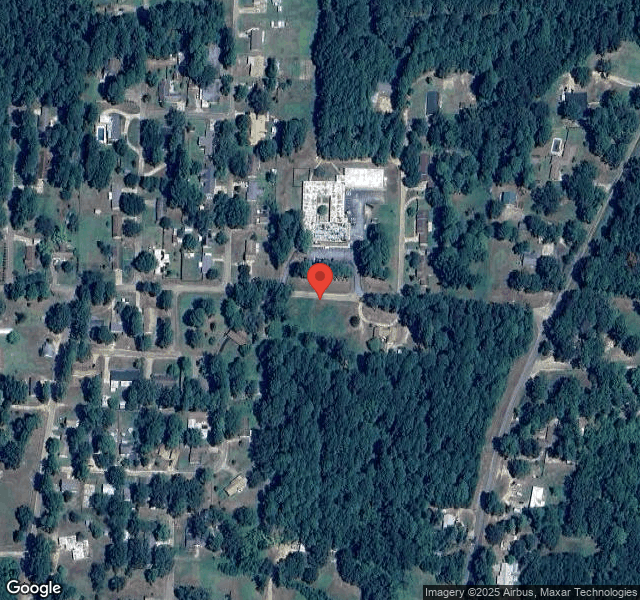
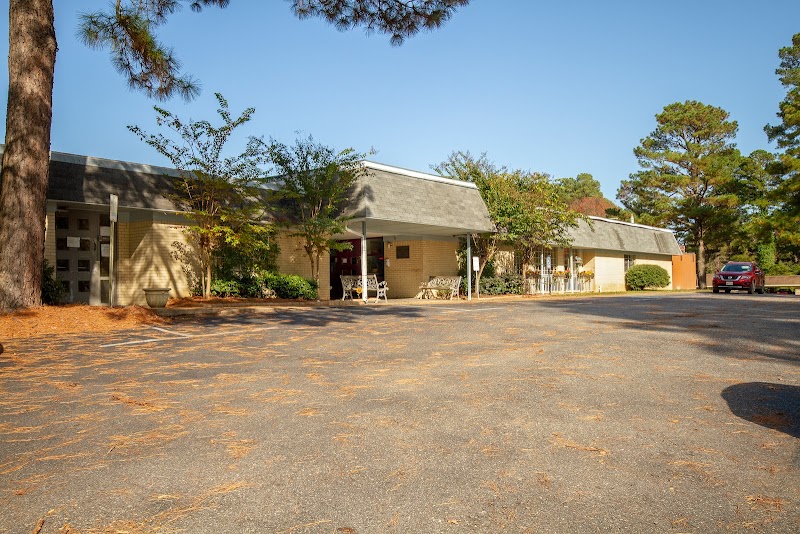
826 NORTH STREET, STAMPS, AR 71860 (870) 533-4444
For profit - Limited Liability company 59 Beds THE BLOSSOMS NURSING AND REHAB CENTER Data: November 2025
Trust Grade
90/100
#39 of 218 in AR
Last Inspection: October 2024

Within standard 12-15 month inspection cycle. Federal law requires annual inspections.

Overview

The Blossoms at Stamps Rehab & Nursing Center has an excellent Trust Grade of A, indicating they are highly recommended and perform well overall. They rank #39 out of 218 facilities in Arkansas, placing them in the top half, and are the only option in Lafayette County. The facility is improving, with reported issues decreasing from 5 in 2023 to 2 in 2024. While staffing received a below-average rating of 2 out of 5 stars, their turnover rate of 47% is slightly better than the state average. Notably, there have been no fines, which is a positive sign, and they provide more RN coverage than many facilities, ensuring that potential problems are caught early. However, there were concerning incidents noted, such as failing to properly use a mechanical lift for a resident with dementia and leaving medications unattended, which could pose risks for accidents or misappropriation. Overall, while there are strengths in their ratings and a commitment to improvement, families should be aware of the specific care shortcomings highlighted in the recent inspections.

Trust Score
A
90/100
In Arkansas
#39/218
Top 17%
Safety Record
Low Risk
No red flags
Inspections
Getting Better
5 → 2 violations
Staff Stability
⚠ Watch
47% turnover. Above average. Higher turnover means staff may not know residents' routines.
Penalties
✓ Good
No fines on record. Clean compliance history, better than most Arkansas facilities.
Skilled Nurses
⚠ Watch
Each resident gets only 13 minutes of Registered Nurse (RN) attention daily — below average for Arkansas. Fewer RN minutes means fewer trained eyes watching for problems.
Violations
○ Average
10 deficiencies on record. Average for a facility this size. Mostly minor or procedural issues.
★★★★★
5.0
Overall Rating
★★☆☆☆
2.0
Staff Levels
★★★★★
5.0
Care Quality
★★★★★
5.0
Inspection Score
Stable
2023: 5 issues
2024: 2 issues

The Good

  • 5-Star Quality Measures · Strong clinical quality outcomes
  • Full Sprinkler Coverage · Fire safety systems throughout facility
  • No fines on record

Facility shows strength in quality measures, fire safety.

The Bad

Staff Turnover: 47%

Near Arkansas avg (46%)

Higher turnover may affect care consistency

Chain: THE BLOSSOMS NURSING AND REHAB CENT

Part of a multi-facility chain

Ask about local staffing decisions and management

The Ugly 10 deficiencies on record

Oct 2024 2 deficiencies
CONCERN (D)

Potential for Harm - no one hurt, but risky conditions existed

Infection Control (Tag F0880)

Could have caused harm · This affected 1 resident

Based on observation, record review, interview, and facility policy review, the facility failed to ensure gloves were removed after touching a trash can, and appropriate hand hygiene was performed dur...

Read full inspector narrative →
Based on observation, record review, interview, and facility policy review, the facility failed to ensure gloves were removed after touching a trash can, and appropriate hand hygiene was performed during medication pass to prevent cross contamination, and the risk of infection for 1 (Resident #51) sampled resident reviewed for infection control risk. Findings include: 1. A review of Medical Diagnosis, revealed Resident #51 had diagnoses of schizophrenia, bipolar, and type II diabetes. a. The quarterly Minimum Data Set (MDS) with an Assessment Reference Date (ARD) of 08/31/2024 revealed Resident #51 had a Brief Interview for Mental Status (BIMS) score of 13 (13-15 indicates cognitively intact). b. A review of a policy titled Hand Hygiene, dated 03/2020, revealed hand hygiene prevents the spread of infection, and all staff are expected to follow hand hygiene procedures to prevent the spread of infection to others. Gloves do not replace handwashing or hand hygiene. c. Review of a policy titled Medication Administration, revised 11/25/22, reveal staff should follow infection control procedures including handwashing and gloves for administering medications. d. A review of Physician Order, dated 07/31/2024 revealed, Lantus 30 units subcutaneously every morning and at bedtime for diabetes. (Lantus is a long acting insulin.) e. On 10/15/24 at 7:45 AM, Licensed Practical Nurse (LPN) #3 was observed putting on gloves, and holding a syringe in the left hand while wiping the top of a bottle of insulin with an alcohol pad. LPN #3 reached down with the right hand and opened the lid of the garbage can on the medication cart, then drew up insulin for Resident #51 in the syringe without sanitizing hands. e. On 10/15/24 at 7:59 AM, the Surveyor asked LPN #3 what process should be followed when administering medications after touching the trash can on the medication cart. LPN #3 stated she probably should have sanitized her hands because there are germs on the lid of the trash can. f. During an interview with Director of Nursing (DON) on 10/15/24 at 1:05 PM, the DON confirmed nursing should remove gloves after touching a trash can and sanitize hands because there could be a hole in the gloves, and it is an infection control issue.
CONCERN (E)

Potential for Harm - no one hurt, but risky conditions existed

Accident Prevention (Tag F0689)

Could have caused harm · This affected multiple residents

Based on observation, record review, interview, and facility policy review it was determined the facility failed to ensure the rear casters or wheels of the mechanical lift were left unlocked when lif...

Read full inspector narrative →
Based on observation, record review, interview, and facility policy review it was determined the facility failed to ensure the rear casters or wheels of the mechanical lift were left unlocked when lifting and lowering residents affecting 1 sampled (Resident #211) resident, and to ensure medications were not left unattended in a resident's room to prevent misappropriation, accidents, or injuries for 1 sampled (Resident #51) of 2 sampled reviewed for accidents and injuries. Findings include: 1. A review of Medical Diagnosis, revealed Resident #211 with a diagnosis of dementia, heart attack, and anemia. The admission Minimum Data Set (MDS) with an Assessment Reference Date (ARD) of 09/04/2024, with a Brief Interview for Mental Status (BIMS) score of 00 (0-6 indicates cognitively impaired). Section GG0130 indicated Resident #211 is dependent on total care. a. On 10/15/2024 at 2:15 PM, a review of an in-service for Certified Nursing Assistants (CNA)s and nursing staff including a policy titled Mechanical Lift Procedure, revised, 09/29/2023 revealed the purpose is to establish a safe mechanical lift policy. The policy does not address locking the rear casters or wheels. b. Review of a Care Plan for Resident #211, revised 09/13/2024, revealed Resident #211 requires 1-2 staff members to use a mechanical lift for transfers. c. On 10/15/2024 at 6:53 AM, CNA #1 and #2 were observed using the mechanical lift with rear casters in the locked position when raising Resident #211 from the bed, and when lowering Resident #211 to a specialty chair. When asked the purpose of locking the rear casters or wheels when lifting and lowering residents, CNA #2 stated locking the rear wheels keeps the lift from moving, and the lift stays stationary. CNA #1 agreed and revealed it was a safety issue. d. During an interview with Director of Nursing (DON) on 10/15/2024 at 1:00 PM, the DON was asked the procedure staff were expected to follow when lifting and lowering residents with a mechanical lift. DON stated the legs of the left should be kept straight, and the wheels locked so that the lift stays in place. We want the wheels locked to make sure that the lift is stable. The DON was asked to provide mechanical lift policy, procedures, and any in-service documentation. e. On 10/15/2024 at 07:25 AM, A review of the Battery Operated Patient Lift Manual, stated to maintain mechanical lift legs spread open to the widest position, and ensure the casters are unlocked with lifting or lowering a resident except when lifting a resident from the floor. 2. A review of Medical Diagnosis, revealed Resident #51 with diagnosis of schizophrenia, bipolar, and Parkinson's. The Quarterly Minimum Data Set (MDS) with an Assessment Reference Date (ARD) of 08/31/2024, with a Brief Interview for Mental Status (BIMS) score of 13 (13-15 indicates cognitively intact). a. A review of Physician orders dated 07/31/2024 revealed: Antidepressant 60 milligrams 1 capsule in the morning by mouth for chronic pain. A blood pressure medication, 2.5 MG give 1 tablet by mouth in the morning for high blood pressure. Stool softener 8.6 MG, give 1 tablet by mouth every morning and at bedtime for stool softener Vitamin D3 Oral Tablet 25 micrograms 1 tablet by mouth in the morning for supplement A Physicians Order, dated 09/12/2024 revealed, Antipsychotic 2 MG, give 1 tablet by mouth every morning and at bedtime related to suicidal ideation. b. A review of an In-service titled Medication Administration Skills, dated 10/10/2024 given to nursing staff along with a policy titled Medication Administration, revised 11/25/2022, revealed medications must be given in a safe manner, and the medication cart must be clearly visible to the nurse administering medications, and the outward sides of the medication cart should be inaccessible to residents or other people passing by c. On 10/15/2024 at 8:00 AM, Resident #51 asked to take medications with applesauce and the Surveyor observed Licensed Practical Nurse (LPN) #3 set down a medication cup containing an antidepressant, antihypertensive, stool softener, antipsychotic, and a vitamin down in front of Resident #51 and walk out of the Resident's room and out of sight to a medication cart resting against the wall in the hallway. d. On 10/15/2024 at 8:04 AM, LPN #3 was asked if medications should have been left at Resident #51's bedside when retrieving applesauce from the medication cart, and LPN #3 stated the medications should not have been left at the bedside because another resident could have wandered in, or Resident #51 could have done something with the pills and she would not have known. e. During an interview on 10/15/2024 at 1:00 PM, the DON was asked the process nursing is expected to follow if they return to the medication cart before administering medications. The DON stated the nurse should take the medications with them when they return to the cart because another resident could get the medicine, or they could be knocked to the floor.
Dec 2023 5 deficiencies
CONCERN (D)

Potential for Harm - no one hurt, but risky conditions existed

Deficiency F0625 (Tag F0625)

Could have caused harm · This affected 1 resident

**NOTE- TERMS IN BRACKETS HAVE BEEN EDITED TO PROTECT CONFIDENTIALITY** Based on record review and interview, the facility failed to ensure the resident and/or representative was notified in writing o...

Read full inspector narrative →
**NOTE- TERMS IN BRACKETS HAVE BEEN EDITED TO PROTECT CONFIDENTIALITY** Based on record review and interview, the facility failed to ensure the resident and/or representative was notified in writing of the facility's bed hold policy and any potential bed hold charges for 1 (Resident #30) of 6 (Residents #4, #30, #39, #50, #51 and #52) sampled residents who were discharged or transferred over the last 90 days. The findings are: 1. Resident #30 had diagnoses of diabetes mellitus, (congestive) heart failure, and transient cerebral ischemic attack (a stroke that lasts only a few minutes). The Quarterly Minimum Data Set (MDS) with an Assessment Reference Date (ARD) of 10/29/2023 documented a Brief Interview for Mental Status (BIMS) of 11 (08-12 indicates moderately impaired). a. Resident #30 was discharged to the hospital on [DATE]. ER (Emergency Room) records indicate resident was admitted with an altered mental status, and suspected seizure. Resident #30 was admitted for IV (intravenous) anti-seizure medication and neuro checks. b. On 11/29/2023 at 11:00 AM, review of the electronic record showed no bed hold policy was provided to the resident or the family for the hospitalization from 02/20/2023-02/28/2023. c. On 11/29/2023 at 11:30 AM, the Surveyor asked the Administrator for a copy of the bed hold policy from Resident #30's hospitalization on 02/20/2023. d. On 11/29/2023 at 03:17 PM, the Administrator said they did not have a bed hold for Resident #30 for the 02/20/2023 discharge to the hospital. e. On 11/20/2023 at 03:17 PM, the Administrator provided the facility policy titled, Bed Holds and Returns (03/11/2022 Revision), documenting, .Policy Statement: Prior to transfers and therapeutic leaves, residents or resident representatives will be informed in writing of the bed-hold and return policy, unless the transfer is an emergency transfer to an acute care hospital. In those instances, the resident representative will be notified as soon as practical .
CONCERN (D)

Potential for Harm - no one hurt, but risky conditions existed

Deficiency F0805 (Tag F0805)

Could have caused harm · This affected 1 resident

Based on observation, record review, and interview, the facility failed to ensure pureed food items were blended to a smooth, lump-free consistency to minimize the risk of choking or other complicatio...

Read full inspector narrative →
Based on observation, record review, and interview, the facility failed to ensure pureed food items were blended to a smooth, lump-free consistency to minimize the risk of choking or other complications for 1 (Resident #14) of 3 (Residents #9, #14 and #44) sampled residents who required pureed diets for 1 of 2 meals observed. This failed practice had the potential to affect 5 residents who received pureed diets. The findings are: 1. Resident #14 had diagnoses of Alzheimer's disease, psychosis, and anxiety disorder. The Minimum Data Set (MDS) with an Assessment Reference Date (ARD) of 10/27/2023 documented a score of 01 (0-7 indicates severe cognitive impairment) on a Brief Interview for Mental Status (BIMS) and was dependent for eating, dressing, toileting, transfers, and personal hygiene. a. A Physicians Order dated 12/22/2022 documented, .Pureed Texture, thin liquids consistency, add fortified cereal to breakfast, mighty shake with lunch and dinner . b. On 11/29/23 at 12:19 PM, Residents #14's meal slip showed Resident #14 was on a regular pureed diet. Resident #14's plate contained pureed beans, a pureed roll with a pudding consistency, and spaghetti that had a thick, chunky looking texture. c. On 11/29/23 at 12:20 PM, the Surveyor asked Certified Nursing Assistant (CNA) #3 to describe the texture of the spaghetti she was feeding Resident #14. CNA #3 said, Its soft . like a mechanical soft texture. It should look more like a smoothie. d. On 11/30/2023 at 0800 AM, during an interview the Surveyor asked the Dietary Manager (DM) to DM to describe the texture of the pureed food. The DM stated, Puree is a pudding consistency, and it is important to serve the food prepared as ordered to prevent choking.
CONCERN (E)

Potential for Harm - no one hurt, but risky conditions existed

ADL Care (Tag F0677)

Could have caused harm · This affected multiple residents

Based on observation, record review, and interview the facility failed to ensure meal set up assistance was provided for (Resident #3) of 1 sampled resident and nail care was provided to promote good ...

Read full inspector narrative →
Based on observation, record review, and interview the facility failed to ensure meal set up assistance was provided for (Resident #3) of 1 sampled resident and nail care was provided to promote good hygiene and reduce the risk for infection for 2 (Residents #8 and, #14) of 7 (Residents #3, #8, #14, #15, #24, #30 and #44) sampled residents who required nailcare on the East Hall. The findings are: 1. Resident #3 had diagnoses of dementia, anxiety disorder, and chronic atrial fibrillation. The admission Minimum Data Set (MDS) with an Assessment Reference Date (ARD) of 11/13/2023 documented a Brief Interview for Mental Status (BIMS) of 6 (a score of 0-7 indicates severe cognitive impairment) and required set up assistance with meals. a. A Care Plan with a revision date of 11/24/2023 documented, .resident at risk for nutritional weight gain/loss related to therapeutic diet, BMI .Staff to assist me with tray set-up and observe for needed assistance during meal prn or as needed . b. On 11/29/23 at 7:20 AM, while observing the Activity/Dining Room area the Surveyor observed Resident #3 successfully pull apart the opening tab on a carton of milk but was unable to fully open the container. Resident #3 was holding the milk carton with his left hand and making a continuous jabbing motion with a fork held his right hand. The Surveyor observed 5 different staff members pass by Resident #3. c. On 11/29/23 at 7:23 AM, the Surveyor observed Resident #3 place his fork on the table, set the carton of milk off to the left side, and unwrap a muffin. d. On 11/29/23 at 07:27 AM, the Surveyor asked Certified Nursing Assistant (CNA) #1 if she was familiar with Resident #3, and if Resident #3 is care planned for set up assistance. CNA #1 said, Opening milk is part of serving meals to residents. I do not know if [Resident #3] is care planned for assistance. e. On 11/29/23 at 08:29 AM, during an interview the Surveyor asked the Director of Nursing (DON) what the process was for serving meals, and if opening milk is part of meal service. The DON said, Whether care planned or not, everyone should offer to open the residents milk. 2. Resident #8 had diagnoses of type 2 diabetes mellitus, dementia, and Alzheimer's disease. The Quarterly MDS with an of 10/27/23 documented a BIMS of 6 (a score of 0-7 indicates severe cognitive impairment) and required moderate assistance for transfers, maximal assistance for eating and dressing, and total assistance for personal hygiene. a. A Care Plan with a revision date of 08/25/2017 documented, .The resident is unable to provide her own ADL [activities of daily living] .Assist to bathe, dress, and groom daily per staff . b. On 11/27/23 at 10:31 AM, observed a brown substance under the left thumbnail, and the right pointer finger, and right thumbnail of Resident #8's fingernails. Resident #8's fingernails appeared to be 1/8 inch beyond the tip of the fingers and fingernail polish, and some nails had a filed rough edge. Resident #8 told the surveyor the fingernails are longer than she would like and did not know who cares for her fingernails. c. On 11/28/23 at 10:02 AM, observed Resident #8 in the dining area touching her hair braids. Resident #8's nails were 1/8 inch long beyond the tip of the fingers with chipped nail polish. d. On 11/28/23 at 2:06 PM, CNA #2 told the Surveyor that Resident #8 is a diabetic and nursing is responsible for trimming nails and can remove nail polish. The Surveyor asked CNA #2 how she would describe Resident #8's fingernails and she said, The nail polish has chipped most the way off. 3. Resident #14 had diagnoses of Alzheimer's disease, anxiety disorder, and psychosis. The Quarterly MDS with an ARD of 10/27/2023 documented BIMS of 01 (0-7 indicates severe cognitive impairment) and was dependent for eating, dressing, toileting, transfers, and personal hygiene. a. A Care Plan with a revision date of 10/10/2023 documented, .The resident has an ADL [activities of daily living] selfcare deficit related to Alzheimer's . She requires one-person dependent physical assistance with all personal care . b. On 11/27/23 at 10:33 AM, the Surveyor visualized a long fingernail on Resident #14's pointer finger, with a brown substance under the tip of the nail. c. On 11/28/23 at 8:24 AM, Resident #14's left hand had abnormally longs fingernails with a brown substance under all 5 fingernails. d. On 11/28/23 at 2:03 PM, the Surveyor asked CNA #2 what is the process for cleaning Resident #14's fingernails. CNA #2 told the Surveyor Resident #14 is bathed every other day on the 3-11 (3:00 PM to 11:00 PM) shift, and nailcare should be done then. CNA #2 was asked to describe Resident #14's fingernails. CNA #2 said, [Resident #14's] fingernails are long, there is dirt up under her nails, and her hands are dry. e. On 11/28/23 at 02:20 PM, the DON came to Resident #8's and Resident #14's and the Surveyor asked who was responsible for nail care for Resident #8, and Resident #14. The DON told the Surveyor the CNAs are responsible for nailcare. The Surveyor asked if CNAs cared for Resident #8's nails since she is a diabetic. The DON said, The nurses are responsible for [Resident #8's] nailcare, and the CNAs can do [Resident #14's] nailcare. The Surveyor asked the DON to describe Residents #8's fingernails. The DON said that she does not wear nail polish, so she cannot tell how long it has been since they were painted, and when nurses file fingernails it can chip the paint off like this. f. On 11/29/2023 at 2:00 PM, the Surveyor asked the Administrator for a policy on ADLs. g. On 11/29/2023 at 3:17 PM, the Administrator told the Surveyor there was not a policy on the serving of food, or ADLs.
CONCERN (E)

Potential for Harm - no one hurt, but risky conditions existed

Deficiency F0761 (Tag F0761)

Could have caused harm · This affected multiple residents

Based on observations, interviews and record review, the facility failed to ensure controlled medication for stock medication lockbox was stored in a permanently affixed container to prevent the poten...

Read full inspector narrative →
Based on observations, interviews and record review, the facility failed to ensure controlled medication for stock medication lockbox was stored in a permanently affixed container to prevent the potential of misappropriation of resident property The findings are: a. On 11/28/23 at 2:00 PM, the Surveyor entered the medication room with Licensed Practical Nurse (LPN) #1 for an audit of medication storage. The Surveyor asked LPN #1 to unlock the refrigerator. The Surveyor observed a clear shelf with a clear locked box attached that housed one medication. The Surveyor pulled the clear shelf to see if it was removable. The Surveyor was able to remove the clear shelf with the clear locked box attached from the refrigerator with ease. b. On 11/28/23 at 02:05 PM, LPN #1 stated, while holding the clear shelf with the clear locked box attached in hand stated, is that a problem. The Surveyor asked LPN #1 if that was a narcotic in the locked box. LPN #1 stated yes. The Surveyor asked what the medication was. LPN #1 stated I think lorazepam. The Surveyor asked is it for a resident or is it stock medication? LPN #1 unlocked locked box and removed the medication and stated, Yes, it is lorazepam, and it is a stock a med [medication]. c. On 11/28/23 at 2:10 PM, the Surveyor asked the Assistant Director of Nursing (ADON) who had access to the med room. The ADON stated, Only nurses. The Surveyor, the ADON, and LPN #1 re-entered the medication storage room. After entrance, LPN #1 unlocked the locked refrigerator and pulled out the clear shelf with locked box attached and held it in her hand. The Surveyor asked the ADON if the locked box was permanently affixed to the refrigerator. The ADON stated, No. d. On 11/29/23 at 2:20 PM, the Surveyor requested a medication storage policy from the Administrator. e. On 11/29/23 at 3:17pm, a policy titled, Medication Storage in the Facility (2022 edition), provided by the Administrator documented, .Medications and biologicals are stored safely, securely, and properly, following manufacturer's recommendations or those of the supplier. The medication supply is accessible only to license nursing personnel, pharmacy personnel, or staff members lawfully authorized to administer medications .
CONCERN (E)

Potential for Harm - no one hurt, but risky conditions existed

Infection Control (Tag F0880)

Could have caused harm · This affected multiple residents

Based on observation, record review, and interview the facility failed to ensure dental products were stored in a sanitary manner to prevent infection for 1 (Resident #44) of 2 (Residents #24 and #44)...

Read full inspector narrative →
Based on observation, record review, and interview the facility failed to ensure dental products were stored in a sanitary manner to prevent infection for 1 (Resident #44) of 2 (Residents #24 and #44) sampled residents who required denture care; and soiled laundry from isolation rooms was transported in a sealed container from the secure unit to the laundry room. The findings are: 1. Resident #44 had diagnoses of unspecified dementia, anxiety disorder and type 2 diabetes mellitus. The Quarterly Minimum Data Set (MDS) with an Assessment Reference Date (ARD) of 09/21/2023 indicated the resident scored 4 (a score of 0-7 indicates severe cognitive impairment) on a Brief Interview for Mental Status (BIMS) and required supervised set up assistance for eating and bed mobility, supervised one person assistance for transfers, and limited one person assistance for dressing, toileting, and personal hygiene. a. The Care Plan with a revised date of 03/25/2023 documented, . is dependent on staff to activities for emotional, intellectual, physical, and social stimulation . The resident needs assistance with ADLs as required during the activity . and I require .limited assist x1 staff with .personal hygiene . Observe for my hygiene needs and render as needed each shift and prn [as needed] . b. On 11/27/2023 at 10:07 AM, observed an uncovered, blue denture cup with Resident #44's name on the side, resting on the left-hand side of the sink, to the left of the toilet. The denture cup contained both upper and lower dentures resting in just enough clear fluid to cover the bottom of the denture cup. The upper dentures appear dry, with white patches on the upper sides. c. On 11/28/2023 at 8:54 AM, observed Resident #44's blue denture cup resting on the left-hand side of the sink with lower and upper dentures stored uncovered. The dentures were covered with clear fluid this morning. d. On 11/28/2023 at 2:41 PM, the Surveyor asked Certified Nursing Assistant (CNA) #1 to look in Resident #44's restroom. She pointed out there was not a lid on the blue denture cup resting on the left side of the sink, to the left of the toilet. CNA #1 said it is important to keep the dentures covered to keep out germs and bugs and staff would be responsible for noticing the lid was missing and replacing it. e. On 11/29/2023 at 8:25 AM, the Surveyor asked the Director of Nursing (DON) what process they use to provide hygienic dental care for residents with dentures. The DON said that staff and residents wash and brush dentures and place them in a labeled denture cup. The Surveyor asked if denture cups should be covered with a lid. The DON said, Yes, denture cups should be covered with a lid for residents. f. On 11/29/2023 at 3:17 PM, the Administrator said there is not an ADL policy. 2. On 11/30/2023 at 10:21 AM, the Surveyor entered the laundry room and Laundry Worker #2 was asked to show where PPE (Personnel Protective Equipment) is kept and how contaminated linen is transported. Laundry Worker #2 pointed out a red can with a lid broken on both sides with what appeared to be a 5 inch x 1.5 inch area preventing the container from sealing correctly. On one side the crack was extending in towards the middle of the container approximately 4 inches in length. Laundry Worker #2 told the Surveyor that the red can is placed outside of the isolation rooms, PPE is donned, and bagged soiled linens are tied in a knot and placed in the red can outside the resident's door. a. On 11/30/2023 at 10:25 AM, the Surveyor checked the inner red bag in the red rolling trash can and observed an open clear bag of soiled laundry. b. On 11/30/2023 at 10:54 AM, during an interview Laundry Worker #2 the red can needs a good seal for infection control. c. On 11/30/2023 at 1:53 PM, the Surveyor asked the DON what the process was for taking soiled linens from the isolation rooms and transporting them to the laundry room. The DON said that linens are placed in a disintegrating bag, that goes into a red barrel with a red liner. The contaminated laundry is taken to the laundry room, and it is not washed with other laundry. The disintegrating bag with linens is placed in the washer. The Surveyor asked if the red barrel should have a lid that seals tightly when transporting laundry. The DON said, Yes, the red barrel should have a lid. d. On 11/30/2023 at 2:18 PM, the Administrator was asked if the facility had an infection control policy addressing laundry. e. On 11/30/2023 at 02:37 PM, the Administrator provided a policy titled, Laundry and Bedding, Soiled, which documented, Policy Interpretation and Implementation .2. Place contaminated laundry in a bag or container at the location where it is used and do not sort or rinse at the location of use. 3. Place and transport contaminated laundry in bags or containers in accordance with established policies governing the handling and disposal of contaminated items. 6. Environmental services and nursing staff will place and transport contaminated laundry that is wet enough to potentially leak or soak through the bag or container in double bags, or leak-proof bags or containers .
Sept 2022 3 deficiencies
CONCERN (D)

Potential for Harm - no one hurt, but risky conditions existed

Deficiency F0645 (Tag F0645)

Could have caused harm · This affected 1 resident

Based on record review and interview the facility failed to ensure that a Pre-admission Screening and Resident Review [PASARR] Level II was in place in the medical record, and in the facility for 1 (R...

Read full inspector narrative →
Based on record review and interview the facility failed to ensure that a Pre-admission Screening and Resident Review [PASARR] Level II was in place in the medical record, and in the facility for 1 (Resident #13) of 12 sampled Residents (#1, #4, #6, #9, #13, #19, #22, #23, #24, #33, #39, #141) that required PASARR's according to the list given by the Administrator on 09/08/2022 at 4:56 PM. The findings are: 1. Resident #13 had diagnoses of SCHIZOAFFECTIVE DISORDER, DEPRESSIVE TYPE, and Homicidal Ideations. The Minimum Data Set with an Assessment Reference Date [ARD] of 07/01/2022 documented a Brief Interview Mental Status of 14 (indicated cognition intact), required limited assistance with activities of daily living self-performance skills with one-person physical assist. a. On 09/07/2022 at 11:54 am, The Surveyor asked Licensed Practical Nurse (LPN) #1 if the Resident had a PASARR? She gave a letter from the screening entity which documented, Has been approved for nursing placement by OLTC (Office of Long-Term Care) and my enter nursing home of his/her choice. b. On 09/08/2022 at 11:45 am, The Surveyor notified the Screening entity for PASARR's and asked, Does this Resident have a Level II PASARR? The Resident does have a Level II PASARR, on March 11, 2022, the resident was not Psych stable, and was informed also that the facility needed to send in a new application within 30 days. In order to receive PASARR now there is a fee for it.
CONCERN (D)

Potential for Harm - no one hurt, but risky conditions existed

Deficiency F0661 (Tag F0661)

Could have caused harm · This affected 1 resident

Based on record review and interview, the facility failed to ensure a written discharge summary was completed that included a recapitulation of the resident's stay that consisted of a concise summary ...

Read full inspector narrative →
Based on record review and interview, the facility failed to ensure a written discharge summary was completed that included a recapitulation of the resident's stay that consisted of a concise summary of the stay, course of treatment for 1 of 9 discharged residents (Resident #41) of 1 sampled resident who was discharged in the past 120 days. 1. Resident #41 had diagnoses of Morbid (SEVERE) Obesity Due to Excess Calories, Lymphedema, Major Depressive Disorder. The admission Minimum Data Set (MDS) with an assessment reference date of 06/29/22 documented a Brief Interview for Mental Status of 15 (13-15 indicates cognitively intact.) 2. The Discharge Return Not Anticipated MDS with an Assessment Reference Date (ARD) of 06/29/22 documented discharge planned to another nursing home or swing bed. 3. The Discharge Instructions and Summary dated 6/29/22 at 1:15 p.m., documentation under the section titled Recapitulation of Residents Stay on 6/29/22 was left blank. 4. On 09/08/22 at 2:10 p.m., The Surveyor asked the MDS Coordinator, Who's responsibility is it to complete the Discharge Summary Recapitulation of Stay? MDS Coordinator stated, The charge nurse at the time of discharge. She was asked, What is a recapitulation of stay supposed to identify? She stated, The overall care while a resident at the facility. She was asked is a recapitulation of stay be blank? She stated, No, it should not. 5. The Discharge Transfer Policy provided by the MDS Coordinator on 9/8/22 at 2:40 p.m., states the discharge summary will include a recapitulation of the resident's stay at this facility and a final summary of the resident's status at the time of the discharge in accordance with established regulations
CONCERN (E)

Potential for Harm - no one hurt, but risky conditions existed

ADL Care (Tag F0677)

Could have caused harm · This affected multiple residents

Based on observation, record review, and interview the facility failed to ensure that oral care was provided for 1 (Resident #9) of 10 sampled residents (#4, #8, #9, #12, #13, #19, #22, #23, #24, #141...

Read full inspector narrative →
Based on observation, record review, and interview the facility failed to ensure that oral care was provided for 1 (Resident #9) of 10 sampled residents (#4, #8, #9, #12, #13, #19, #22, #23, #24, #141), who were dependent for oral care according to the list given by the Administrator on 09/08/22 at 1:35 PM. The findings are: 1. Resident #9 had diagnoses of Alzheimer Dementia, and General Muscle Weakness. The Annual Minimum Data Set [MDS] with an Assessment Reference Date [ARD] of 06/18/22 documented a Brief Interview Mental Status [BIMS} of 02 (indicated cognition severely impaired). required limited assist with activities of daily living self-performance skills with one-person physical assist. a. On 09/06/22 at 12:20 PM, The resident was ambulating in the hallway on unit. The Resident's pants were wet in the seat. The Surveyor asked the Resident, how are you? He stated, Fine, and then rambles when speaking. The Resident's teeth needed brushing. There was a milky cheesy film over them. b. On 09/08/22 at 10:48 AM, The Surveyor showed the Resident's teeth to the Licensed Practical Nurse (LPN) #1. The teeth were still in need of brushing. c. On 09/08/22 at 11:54 AM, The Surveyor asked the Minimum Data Set (MDS) Coordinator if the Resident's Plan of Care documented, that he resisted oral care. She read the Plan of Care and stated, No, it is not on the Plan of Care, but I will add it. d. On 09/08/22 at 2:58 PM, The Surveyor asked the Certified Nursing Assistant (CNA) #1, When should you perform oral care on residents? She stated, In the morning and after every meal. e. On 09/08/22 at 3:02 PM, The Surveyor asked CNA #2, When should you perform oral care on residents? She stated, After every meal. f. On 09/08/22 at 3:05 PM, The Surveyor asked Licensed Practical Nurse (LPN)#3, When should oral care be performed on residents? She stated, In the morning and after every meal and at night before they go to bed. Also, if a resident has any inhaled medication, it should be done after that. g. The Plan of Care dated 06/18/22 documented, PERSONAL HYGIENE: Resident requires limited-extensive assistance with cueing with short, simple instructions such as hold your brush, wash your hands; with personal hygiene care at times.
Understanding Severity Codes (click to expand)
Life-Threatening (Immediate Jeopardy)
J - Isolated K - Pattern L - Widespread
Actual Harm
G - Isolated H - Pattern I - Widespread
Potential for Harm
D - Isolated E - Pattern F - Widespread
No Harm (Minor)
A - Isolated B - Pattern C - Widespread

Questions to Ask on Your Visit

  • "Can I speak with families of current residents?"
  • "What's your RN coverage like on weekends and overnight?"

Our Honest Assessment

Strengths
  • • Grade A (90/100). Above average facility, better than most options in Arkansas.
  • • No major safety red flags. No abuse findings, life-threatening violations, or SFF status.
  • • No fines on record. Clean compliance history, better than most Arkansas facilities.
Concerns
  • • No significant concerns identified. This facility shows no red flags across CMS ratings, staff turnover, or federal penalties.
Bottom line: Generally positive indicators. Standard due diligence and a personal visit recommended.

About This Facility

What is The Blossoms At Stamps Rehab & Nursing Center's CMS Rating?

CMS assigns THE BLOSSOMS AT STAMPS REHAB & NURSING CENTER an overall rating of 5 out of 5 stars, which is considered much above average nationally. Within Arkansas, this rating places the facility higher than 99% of the state's 100 nursing homes. This rating reflects solid performance across the metrics CMS uses to evaluate nursing home quality.

How is The Blossoms At Stamps Rehab & Nursing Center Staffed?

CMS rates THE BLOSSOMS AT STAMPS REHAB & NURSING CENTER's staffing level at 2 out of 5 stars, which is below average compared to other nursing homes. Staff turnover is 47%, compared to the Arkansas average of 46%. RN turnover specifically is 57%, which is notably high. RNs provide skilled clinical oversight, so turnover in this role can affect medical care quality.

What Have Inspectors Found at The Blossoms At Stamps Rehab & Nursing Center?

State health inspectors documented 10 deficiencies at THE BLOSSOMS AT STAMPS REHAB & NURSING CENTER during 2022 to 2024. These included: 10 with potential for harm.
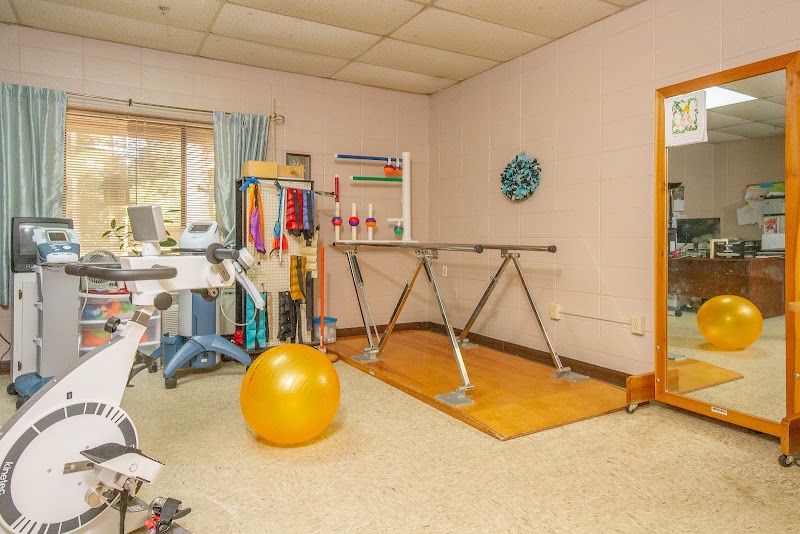
Who Owns and Operates The Blossoms At Stamps Rehab & Nursing Center?

THE BLOSSOMS AT STAMPS REHAB & NURSING CENTER is owned by a for-profit company. For-profit facilities operate as businesses with obligations to shareholders or private owners. The facility is operated by THE BLOSSOMS NURSING AND REHAB CENTER, a chain that manages multiple nursing homes. With 59 certified beds and approximately 61 residents (about 103% occupancy), it is a smaller facility located in STAMPS, Arkansas.
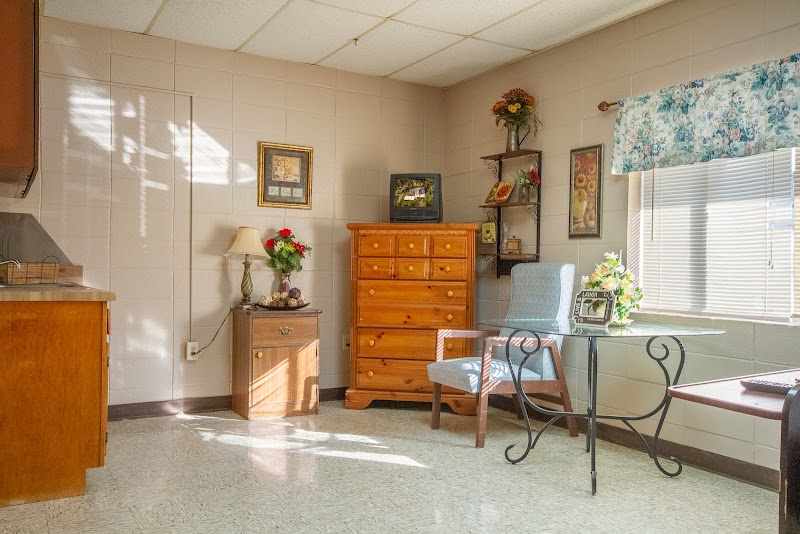
How Does The Blossoms At Stamps Rehab & Nursing Center Compare to Other Arkansas Nursing Homes?

Compared to the 100 nursing homes in Arkansas, THE BLOSSOMS AT STAMPS REHAB & NURSING CENTER's overall rating (5 stars) is above the state average of 3.2, staff turnover (47%) is near the state average of 46%, and health inspection rating (5 stars) is much above the national benchmark.

What Should Families Ask When Visiting The Blossoms At Stamps Rehab & Nursing Center?

Based on this facility's data, families visiting should ask: "Can you walk me through typical staffing levels on day, evening, and night shifts?" "Can I visit during a mealtime to observe dining assistance and food quality?" "How do you handle medical emergencies, and what is your hospital transfer rate?" "Can I speak with family members of current residents about their experience?" These questions are particularly relevant given the below-average staffing rating.

Is The Blossoms At Stamps Rehab & Nursing Center Safe?

Based on CMS inspection data, THE BLOSSOMS AT STAMPS REHAB & NURSING CENTER has a clean safety record: no substantiated abuse findings (meaning no confirmed cases of resident harm), no Immediate Jeopardy citations (the most serious violation level indicating risk of serious injury or death), and is not on the Special Focus Facility watch list (a federal program monitoring the lowest-performing 1% of nursing homes). The facility has a 5-star overall rating and ranks #1 of 100 nursing homes in Arkansas. While no facility is perfect, families should still ask about staff-to-resident ratios and recent inspection results during their visit.

Do Nurses at The Blossoms At Stamps Rehab & Nursing Center Stick Around?

THE BLOSSOMS AT STAMPS REHAB & NURSING CENTER has a staff turnover rate of 47%, which is about average for Arkansas nursing homes (state average: 46%). Moderate turnover is common in nursing homes, but families should still ask about staff tenure and how the facility maintains care continuity when employees leave.

Was The Blossoms At Stamps Rehab & Nursing Center Ever Fined?

THE BLOSSOMS AT STAMPS REHAB & NURSING CENTER has no federal fines on record. CMS issues fines when nursing homes fail to meet care standards or don't correct problems found during inspections. The absence of fines suggests the facility has either maintained compliance or corrected any issues before penalties were assessed. This is a positive indicator, though families should still review recent inspection reports for the full picture.

Is The Blossoms At Stamps Rehab & Nursing Center on Any Federal Watch List?

THE BLOSSOMS AT STAMPS REHAB & NURSING CENTER is not on any federal watch list. The most significant is the Special Focus Facility (SFF) program, which identifies the bottom 1% of nursing homes nationally based on persistent, serious quality problems. Not being on this list means the facility has avoided the pattern of deficiencies that triggers enhanced federal oversight. This is a positive indicator, though families should still review the facility's inspection history directly.