THE BLOSSOMS AT STAR CITY REHAB & NURSING CENTER
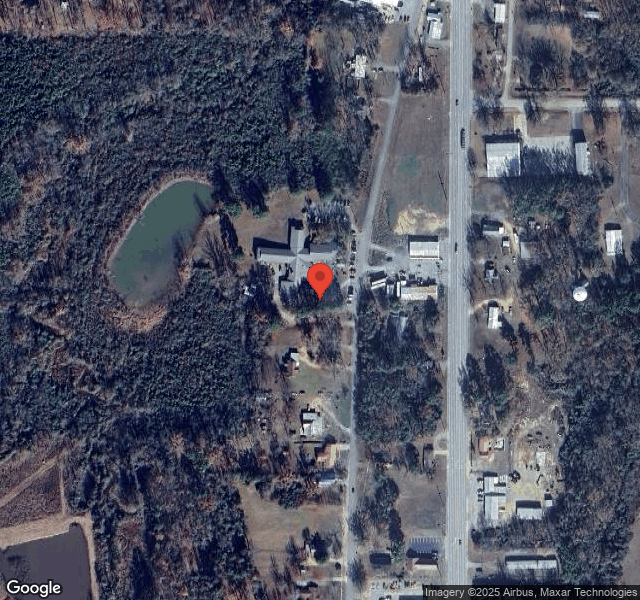
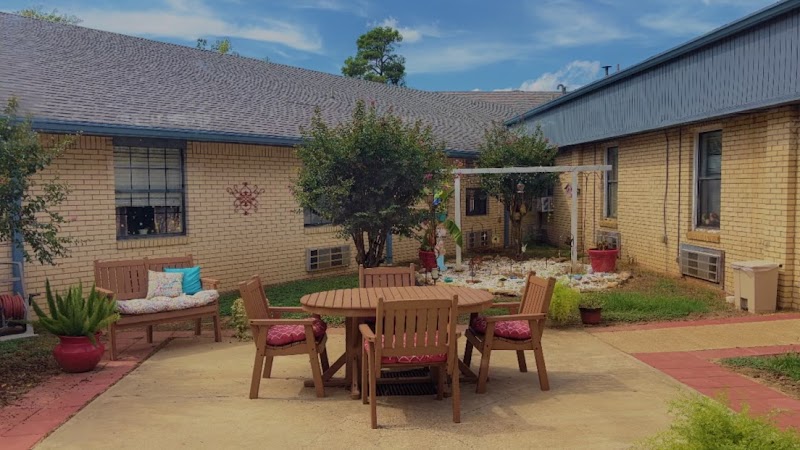
702 N DREW ST, STAR CITY, AR 71667 (870) 628-4144
For profit - Limited Liability company 95 Beds THE BLOSSOMS NURSING AND REHAB CENTER Data: November 2025
Trust Grade
60/100
#125 of 218 in AR
Last Inspection: January 2025

Within standard 12-15 month inspection cycle. Federal law requires annual inspections.

Overview

The Blossoms at Star City Rehab & Nursing Center has a Trust Grade of C+, indicating that it's slightly above average but not exceptional. In Arkansas, it ranks #125 out of 218 facilities, placing it in the bottom half, although it is the only option in Lincoln County. The facility is improving, with issues decreasing from 13 in 2024 to just 4 in 2025. Staffing is a concern, rated at 2 out of 5 stars, with a turnover rate of 52%, which is around the state average. However, there are no fines on record, which is a positive sign. Some specific incidents raised during inspections include a failure to ensure proper food safety practices, such as unsealed food items and inadequate cleanliness in the kitchen, which could potentially affect the health of residents. Additionally, there were concerns about maintaining residents' privacy and dignity, particularly regarding the treatment of residents with mental health conditions. While the facility shows some strengths, such as no fines, it does have notable weaknesses that families should consider.

Trust Score
C+
60/100
In Arkansas
#125/218
Bottom 43%
Safety Record
Low Risk
No red flags
Inspections
Getting Better
13 → 4 violations
Staff Stability
⚠ Watch
52% turnover. Above average. Higher turnover means staff may not know residents' routines.
Penalties
✓ Good
No fines on record. Clean compliance history, better than most Arkansas facilities.
Skilled Nurses
⚠ Watch
Each resident gets only 17 minutes of Registered Nurse (RN) attention daily — below average for Arkansas. Fewer RN minutes means fewer trained eyes watching for problems.
Violations
⚠ Watch
23 deficiencies on record. Higher than average. Multiple issues found across inspections.
★★★☆☆
3.0
Overall Rating
★★☆☆☆
2.0
Staff Levels
★★★☆☆
3.0
Care Quality
★★★☆☆
3.0
Inspection Score
Stable
2024: 13 issues
2025: 4 issues

The Good

  • Full Sprinkler Coverage · Fire safety systems throughout facility
  • No fines on record

Facility shows strength in fire safety.

The Bad

3-Star Overall Rating

Near Arkansas average (3.1)

Meets federal standards, typical of most facilities

Staff Turnover: 52%

Near Arkansas avg (46%)

Higher turnover may affect care consistency

Chain: THE BLOSSOMS NURSING AND REHAB CENT

Part of a multi-facility chain

Ask about local staffing decisions and management

The Ugly 23 deficiencies on record

Jan 2025 4 deficiencies
CONCERN (E)

Potential for Harm - no one hurt, but risky conditions existed

Resident Rights (Tag F0550)

Could have caused harm · This affected multiple residents

Based on observations, interviews, record review, and facility policy review, it was determined that the facility failed to ensure privacy and dignity was provided for 1 ( Resident #28) of 2 sampled r...

Read full inspector narrative →
Based on observations, interviews, record review, and facility policy review, it was determined that the facility failed to ensure privacy and dignity was provided for 1 ( Resident #28) of 2 sampled residents reviewed for privacy and dignity. The findings are: A review of a facility policy titled, Resident Rights, dated 01/01/2024, indicated, Federal and state laws guarantee certain basic rights to all residents of this facility. These rights include the residents ' right to: a. a dignified existence. b. be treated with respect, kindness, and dignity . A review of the admission Record indicated the facility admitted Resident #28 with diagnoses that included chronic obstructive pulmonary disease (COPD) with (acute) exacerbation, Asperger's syndrome, and bipolar disorder, current episode mixed, severe, with psychotic features. The annual Minimum Data Set (MDS), with an Assessment Reference Date (ARD) of 11/18/2024, revealed Resident #28 had a Brief Interview for Mental Status (BIMS) score of 15 which indicated the resident was cognitively intact. A review of Resident #28's care plan revised on 12/10/2024, revealed the resident had an ADL self-care performance deficit related to muscle weakness, Asperger's syndrome, muscle wasting and atrophy, and unsteady gate. Interventions included personal hygiene: the resident required assistance by staff with personal care, and toilet use: the resident required assistance by staff for toileting. During an observation on 01/27/2025 at 3:33 PM, Certified Nursing Assistant (CNA) #9 changed Resident #28's brief while the resident was standing, exposing the resident's buttock to the roommate. CNA #9 wiped Resident #28's bottom with a wipe while Resident #28's roommate was sitting up in bed watching the care be provided. CNA #9 did not pull the privacy curtain between the residents' beds. During an observation on 01/28/2025 at 11:57 AM, Resident #28 was in their room, standing up with no pants or brief on while CNA #9 removed a dirty brief from the resident in the room. Resident #28 was standing exposing the resident's buttock to the roommate. CNA #9 wiped Resident #28's bottom with a wipe while the resident's roommate was lying in bed watching the care be provided. CNA #9 did not pull the privacy curtain between the residents' beds. During an interview on 01/30/2025 at 10:26 AM, CNA #11 confirmed Resident #28 stood to have a brief change, and the privacy curtain should be pulled between the resident beds. During an interview on 01/30/2025 at 10:48 AM, Licensed Practical Nurse (LPN) #3 confirmed Resident #28 stood to have a brief change while holding onto the walker and the privacy curtain should be pulled between the resident beds. During an interview on 01/30/2025 at 12:41 PM, the Director of Nursing (DON) confirmed Resident #28 stood to have a brief change while holding onto the walker and the privacy curtain should be pulled between the resident beds.
CONCERN (E)

Potential for Harm - no one hurt, but risky conditions existed

Comprehensive Care Plan (Tag F0656)

Could have caused harm · This affected multiple residents

Based on observations, interviews, and record reviews, the facility failed to accurately complete the care plan to address bipolar disorder and post-traumatic stress disorder (PTSD) (Resident #13) and...

Read full inspector narrative →
Based on observations, interviews, and record reviews, the facility failed to accurately complete the care plan to address bipolar disorder and post-traumatic stress disorder (PTSD) (Resident #13) and contractures (Resident #44) for two (Resident #13 and Resident #44) of 23 sampled resident who were reviewed for care plan accuracy. The findings are: 1. Resident #13's Order Summary Report was reviewed and indicated diagnoses of a mental health condition caused by a traumatic event affecting one's ability to function daily (post-traumatic stress disorder) and a mental disorder characterized by periods of depression and periods of abnormal moods (bipolar disorder). [Antipsychotic medication name] 25 milligrams (mg) give 1 table by mouth at bedtime for post-traumatic stress disorder (PTSD) and [antipsychotic medication name] 2.5 mg give 1 tablet by mouth two times a day for bipolar disorder was ordered. The annual Minimum Data Set (MDS) with an Assessment Reference Date (ARD) of 10/24/2024 was reviewed and revealed Resident #13 had a Brief Interview for Mental Status (BIMS) of 7, which indicated severely cognitively impaired, and had active diagnoses of bipolar disorder and PTSD. A care plan, dated 12/16/2024, was reviewed and did not address Resident #13's PTSD or bipolar disorder. 2. Review of Resident #44's diagnosis sheet indicated the resident had diagnoses of cerebral infarction (stroke), pneumonia, dysphagia (swallowing difficulties), heart failure and muscle weakness. Resident #44's quarterly MDS with an ARD of 01/13/2025 revealed a Staff Assessment of for Mental Status (SAMS) that indicated severe cognitive impairment. The MDS indicated the resident had impairments to bilateral upper and lower extremities, was dependent on staff for activities of daily living, transfer, wheelchair ambulation and incontinence care. The restorative section of the MDS indicated Resident #44 received no range of motion, splints or braces for assistance. Review of Resident #44's care plan did not mention or address contractures of upper or lower extremities. Review of progress notes dated 12/30/2024 to 01/30/2025 did not indicate identification of contractures to musculoskeletal system. On 01/27/2025 at 10:28 AM, Resident #44 was observed lying in bed. The resident ' s left upper extremity was contracted into a forward bend at the wrist and hand into a semi fist, both legs were contracted to a near fetal position. No brace or hand roll was observed on the upper extremity, no pillows or positioning devices were observed to the lower extremities. Resident #44 was observed again on 01/28/2025 at 09:15 AM, 01/29/2025 at 8:47 AM and 3:36PM, and 01/30/2025 at 10:00 AM and 1:30 PM without any devices to the left upper extremity or bilateral lower extremities. On 01/30/2025 at 1:33 PM, Licensed Practical Nurse (LPN) #4/ MDS Coordinator was asked how she determines what was included in the resident's care plans. She related she uses the MDS, new orders, diagnoses and nurses notes to help guide her as to what is included in the resident's care plans. She said the care plan should be updated daily as needed related to the resident's condition as well as at least quarterly. The MDS Coordinator was asked if Bipolar, PTSD, and contractures were concerns that should be addressed on the care plan, to ensure proper interventions are used. She confirmed they should be.
CONCERN (E)

Potential for Harm - no one hurt, but risky conditions existed

Accident Prevention (Tag F0689)

Could have caused harm · This affected multiple residents

Based on observation, interview, record review, and facility policy review, the facility failed to ensure smoking paraphernalia was not stored in the resident rooms and failed to ensure residents with...

Read full inspector narrative →
Based on observation, interview, record review, and facility policy review, the facility failed to ensure smoking paraphernalia was not stored in the resident rooms and failed to ensure residents with vape devices were assessed for safe usage for 2 (Residents #24 and #176) of 2 sampled residents reviewed for smoking. The findings are: On 01/27/2025 at 2:34 PM, Resident #24 was sitting up on the side of the bed awake and there was a small device on the overbed table. The resident was interviewed and when asked about the device, the resident picked up the device, placed it in the resident's mouth, inhaled and blew white smoke from the resident's mouth. The resident stated once the vape device was empty, it was refilled. The resident opened the top drawer on the nightstand and removed a glass bottle. The label on the bottle indicated the contents were a flavored liquid for vaping and contained nicotine. Resident #24's care plan, dated 01/16/2025, was reviewed and indicated the resident was a smoker and tobacco user and vaped and to instruct the resident about the facility policy on smoking/electronic smoking devices/smokeless tobacco. The care plan did not indicate if the resident required supervision or if the resident was safe to keep or use the vape device/refill bottle in the resident's room. The resident's IHCMA Quarterly/Annual/Significant Change Nursing Evaluation dated 01/17/2025 did not indicate if the resident was safe to use/store the vape device or refill bottle in the resident's room, or if the vaping paraphernalia was to remain with staff. Resident #24's Order Summary Report was reviewed and there was no indication the resident smoked. On 01/30/2025 at 12:20 PM, Licensed Practical Nurse (LPN) #2 was interviewed and stated the nurses assessed the residents on admission and quarterly for capabilities to hold/light a cigarette, and if he/she required supervision. She stated residents were not allowed to have smoking paraphernalia in their room. LPN #2 stated smoking paraphernalia, and vaping devices were locked in the medication room. At 12:28 PM, LPN #2 stated residents were not allowed to keep the refills for the vape devices in their rooms and those items were kept in the nursing station with other cigarette items. A Smoking Policy, dated as reviewed 02/2024, was reviewed and indicated the facility will establish and maintain safe resident smoking practices. The smoking policy indicated smoking was only permitted outside in designated smoking areas, was not allowed inside the facility under any circumstances and included tobacco and electronic cigarettes. A review of the admission Record, indicated the facility admitted Resident #176 with diagnoses that included hemiplegia and hemiparesis following nontraumatic intracerebral hemorrhage affecting left dominant side, cerebral infarction, other seizures, nicotine dependence, unspecified and psychoactive substance abuse with other psychoactive substance induced disorder. A review of the admission Minimum Data Set (MDS), with an Assessment Reference Date (ARD) of 01/27/2025, was incomplete. A review of Resident #176's care plan initiated on 01/15/2025, revealed the resident had chosen to smoke and needed to be observed for safety. Interventions included the resident may need to wear a smoker's apron when smoking due to safety concerns, store all my smoking material, including lighters, matches, etc., in a safe place; remind the resident's family not to give smoking materials directly to the resident, show the resident the designated smoking areas and assist the resident to and from smoking area during smoking times. A review of the physician orders revealed Resident #176 was admitted to the male secure unit due to diagnosis of psychoactive substance abuse with other psychoactive substance induced disorder. A review of the Admission/readmission Nursing Evaluation Packet, revealed Resident #176 had medications that affected awareness, judgement, and safety including medications with adverse reactions, a smoking related burn in the past 6 months and required supervision while smoking with additional comments which included needs assist/supervision. During an observation on 01/27/2025 at 1:38 PM, Resident #176 had a vape device lying on the nightstand and a vape device on the charger lying on the bed. During an observation on 01/28/2025 at 9:07 AM, Resident #176 was sitting in a wheelchair with vape device in the resident's hand. During an observation on 01/28/2025 at 12:03 PM, Resident #176 was lying in bed with a vape device in the resident's left hand and another vape device lying on the nightstand charging. During a concurrent observation and interview on 01/28/2025 at 2:48 PM, Resident #176 verbalized going outside to smoke and while in room using a vaping device. Resident #176 took two puffs from the vaping device during the interview.
CONCERN (E)

Potential for Harm - no one hurt, but risky conditions existed

Infection Control (Tag F0880)

Could have caused harm · This affected multiple residents

**NOTE- TERMS IN BRACKETS HAVE BEEN EDITED TO PROTECT CONFIDENTIALITY** Based on observation, interview, record review, and facility policy review, the facility failed to ensure a glucometer was disin...

Read full inspector narrative →
**NOTE- TERMS IN BRACKETS HAVE BEEN EDITED TO PROTECT CONFIDENTIALITY** Based on observation, interview, record review, and facility policy review, the facility failed to ensure a glucometer was disinfected per disinfectant wipe directions for one of one glucometer disinfecting observed; failed to ensure infection prevention and control practices were implemented to prevent the development of communicable diseases and infections as evidenced by leaving a clean linen cart uncovered and placing used hangers with clean clothes on linen cart; failed to ensure infection prevention and control practices were implemented to prevent the development of communicable diseases and infections as evidenced by failure to keep dirty briefs and linen off of the floor in Resident #28 ' s room and failure to contain items during transport through the hallway. The findings are: 1. On 01/29/25 11:28 AM, Licensed Practical Nurse (LPN) #1 was observed walking up the North Hall with a glucometer in her hand, she unlocked her medication cart, removed a disinfectant wipe from the bottom drawer of the medication cart and wiped the glucometer once. She then laid the wiped glucometer on a tissue on the top of the medication cart. The glucometer was not visibly wet. At 11:29 AM, LPN #1 gathered supplies of gloves, alcohol swabs, one piece lancet and a bottle of glucose testing strips, then picked up the glucometer in the tissue and proceeded to room [ROOM NUMBER]-S-B. After performing a blood glucose test, LPN #1 wrapped the glucometer back in the tissue and placed it in a disposable plastic cup and took it back to the medication cart. At 11:30 AM, back at the medication cart, she removed a disinfectant wipe from the bottom drawer of her medication cart and wiped the glucometer once, then laid it on a clean tissue on top of the cart. The glucometer was not visibly wet. On 01/29/25 at 11:31 AM, LPN #1 was asked to describe her procedure for disinfecting the glucometer. She stated, after using it she wiped it with a disinfectant wipe and laid it on a tissue to air dry for 3-5 minutes for the disinfectant to be effective. After being asked to read the directions printed on disinfectant wipe container, she read the label and stated, It says two minutes. LPN #1 was then asked to read the directions for use on the label which indicated for disinfected areas to remain visibly wet for 2 minutes and allowed to air dry. LPN #1 was then asked if the surface of the glucometer had remained wet for 2 minutes, she replied, probably not. When asked what the outcome of improper disinfecting could be, she confirmed it could lead to cross contamination. The glucometer cleaning and disinfecting instructions indicated disinfecting was needed to prevent the transmission of bloodborne pathogens. The label for the disinfecting wipes indicated that the surface of the item to be disinfected should remain wet for 2 minutes for disinfection to be effective. 2. A review of a facility policy titled, Infection Prevention and Control Program, revised on 01/01/2024 indicated, 1. The infection prevention and control programs are a facility-wide effort involving all disciplines and individuals. 2. The elements of the infection prevention and control program consist of coordination/oversight, policies/procedures, surveillance, data analysis, antibiotic stewardship, outbreak management, prevention of infection, and employee health and safety .policies and procedures a. policies and procedures are utilized as the standards of the infection prevention and control program .prevention of infection .educating staff and ensuring that they adhere to proper techniques and procedures. During an observation on 01/29/2025 at 12:48 PM, a clean linen cart with clean clothes hanging on the rod and linen setting inside the basket was uncovered on the 500 hallway. During an observation on 01/29/2025 at 12:49 PM, Laundry #12 walked out of a resident's room and placed hangers onto the rod with clean clothing. During a concurrent observation and interview on 01/29/2025 at 12:50 PM, Laundry #12 placed hangers laying in the basket on the rod with clean clothes and verbally confirmed the hangers in the basket were the hangers removed from the resident rooms while placing the resident's clean clothes into the closet. Laundry #12 confirmed the clean clothes, and linen should be covered while in the hallway to prevent contamination. Laundry #12 confirmed putting hangers from resident rooms on the rod with clean clothes and that it can cause cross contamination. During an interview on 01/30/2025 at 12:05 PM, LPN #10 confirmed clean clothing should be covered while on the clean linen cart in the hallways. LPN #10 confirmed hangers removed from resident rooms should not be placed on a rod with clean clothes due to contaminating the clean clothes. During an interview on 01/30/2025 at 12:25 PM, the Director of Nursing (DON) confirmed clean clothing on a linen cart should be covered while in the hallways and DON confirmed hangers removed from resident rooms should not be placed on a rod with the clean clothes due to cross contamination. 3. A review of the admission Record, indicated the facility admitted Resident #28 with diagnoses that included chronic obstructive pulmonary disease (COPD) with (acute) exacerbation, Asperger's syndrome, bipolar disorder, current episode mixed, severe, with psychotic features. The annual Minimum Data Set (MDS) with an Assessment Reference Date (ARD) of 11/18/2024 revealed Resident #28 had a Brief Interview for Mental Status (BIMS) score of 15 which indicated the resident was cognitively intact. A review of Resident #28's care plan revised on 12/10/2024, revealed the resident had an ADL (activities of daily living) self-care performance deficit related to muscle weakness, Asperger's syndrome, muscle wasting and atrophy and unsteady gate. Interventions included personal hygiene: the resident requires assistance by staff with personal care, toilet use: the resident requires assistance by staff for toileting. During an observation on 01/27/2025 at 3:33PM, Certified Nursing Assistant (CNA) #9 removed Resident #28 pants and dirty brief and threw the pants and dirty brief onto the floor. CNA #9 used wet wipes to clean Resident #28 and threw the wet wipes onto the floor. CNA #9 removed the wet linen off the bed and placed it on the floor. After Resident #28 was dressed, CNA #9 picked up all the items off the floor, opened the door, walked down the hallway and placed the items into a trash can and the soiled linen receptacle. During an observation on 01/28/2025 at 11:57 AM, CNA #9 placed Resident #28's brief and pants on. Lying on the floor was a dirty brief, used wipes, wet clothes, and wet bed linen. After Resident #28 was dressed, CNA #9 picked up the dirty brief and dirty wipes and placed them in the trash can with a trash liner. CNA #9 removed the trash liner and tied it in a knot. CNA #9 opened the door with dirty gloved hands, walked down the hallway and placed the trash liner with dirty items into the trash receptacle. CNA #9 returned to the room, picked up the dirty clothes and linens, walked down the hall with the wet items and placed them into the soiled linen receptacle. During an interview on 01/30/2025 at 10:26 AM, CNA #11 confirmed dirty briefs, used wipes, dirty clothes and wet linens should be placed into a trash bag and not on the floor. CNA #11 verbalized items should be in a bag to transport down the hallway due to possible contamination. During an interview on 01/30/2025 at 10:48 AM, the LPN #3 confirmed dirty briefs, used wipes, dirty clothes and wet linens should be placed into a trash bag and not on the floor due to possible spread of bacteria. LPN #3 verbalized items should be in a bag to transport down the hallway due to possible spread of bacteria. During an interview on 01/30/2025 at 12:10 PM, the LPN #10 confirmed dirty briefs, used wipes, dirty clothes and wet linens should be placed into a trash bag and not on the floor due to possible cross contamination. LPN #10 verbalized items should be in a bag to transport down the hallway due to possible cross contamination. During an interview on 01/31/2025 at 12:41 PM, the DON confirmed dirty briefs, used wipes, dirty clothes and wet linens should be placed into a container like a trash bag and not on the floor due to possible cross contamination. The DON verbalized items should be in a bag to transport down the hallway due to possible cross contamination.
Oct 2024 1 deficiency
CONCERN (E) 📢 Someone Reported This

A family member, employee, or ombudsman was alarmed enough to file a formal complaint

Potential for Harm - no one hurt, but risky conditions existed

Quality of Care (Tag F0684)

Could have caused harm · This affected multiple residents

Based on interviews, record review, facility document review, and facility policy review, it was determined the facility failed to ensure wound measurements were completed and wound care was documente...

Read full inspector narrative →
Based on interviews, record review, facility document review, and facility policy review, it was determined the facility failed to ensure wound measurements were completed and wound care was documented for 1 (Resident #6) of 3 residents reviewed for skin issues. Findings include: A review of a facility policy titled, Wound and Pressure Ulcer Management Policy, revised on 01/01/2024, indicated, .Any resident with a wound receives treatment and services consistent with the resident's goals of treatment. The goal is one of promoting healing and minimizing infection unless a resident's preferences and medical condition necessitate palliative care as primary focus .1. A system for pressure injury assessment and documentation with each dressing change or at least weekly is established 2. Comprehensive wound assessment includes the following parameters (at a minimum): . b. length, width, depth measurements recorded in centimeters. C. direction and length of tunneling and undermining. D. appearance of the wound base. E. Type and percentage of tissue in wound. F. Drainage amount and characteristics including color, consistency, and odor .g. appearance of wound edges. H. description of the peri-wound condition on evaluation of the skin adjacent to the wound . i. pain associated with wound . A review of the care plan indicated the facility admitted Resident #6 with diagnoses that included bipolar disorder, unspecified [not named] soft tissue disorder related to use, overuse, and pressure left ankle and foot, complete traumatic amputation of one left lesser toe, and first-time active treatment for a condition or injury. The annual Minimum Data Set (MDS), with an Assessment Reference Date (ARD) of 10/11/2024, revealed Resident #6 had a Brief Interview for Mental Status (BIMS) score of 00, which indicated the resident had severe cognitive impairment. Section M indicated the presence of an infection of foot, other open lesions on foot, and surgical wound. A review of Resident #6's Care Plan, revised on 09/27/2024, revealed the resident had pain medication therapy related to pain from amputation to 2nd left toe and resident has actual skin impairment related to fragile skin and limited mobility, soft tissue disorder related to use, overuse and pressure, left ankle and foot. Amputation to one left lesser toe. Interventions included administering analgesic [a drug that reduces pain] medications as ordered by physician, monitor respiratory rate, depth and effort after administration of pain medications and perform treatment per MD [medical doctor] orders. A review of physician orders revealed Resident #6 had Adaptic non-adhering dressing external pad (wound dressing) apply to left foot surgical site topically every day shift related to complete traumatic amputation of one left lesser toe until 7/25/24 starting on 7/12/24. A review of physician orders revealed Resident #6 had Adaptic (non-adhering) dressing external pad (wound dressing) apply to left foot surgical site topically every day shift related to complete traumatic amputation of one left lesser toe until 7/26/24 starting on 7/13/24. A review of resident's EMR (electronic medical record) indicated the last documented wound observation was completed on 1/31/23. There had not been any further wound observation documented. A review of the weekly body audit on 6/10/24 indicated discoloration to right second toe. A review of x-ray completed on 6/11/24 indicated no bony erosion to suggest osteomyelitis. A review of admission/re-admit form completed on 6/12/24 indicated discoloration to right second toe. A review of the weekly body audit completed on 6/17/24 indicated SDTI [suspected deep tissue injury]to toe, antibiotics ongoing. A review of the weekly body audit completed on 6/24/24 indicated SDTI to toe, antibiotics completed. No measurements documented. A review of the APRN [Advanced practice registered nurse] wound care note dated 6/28/24 indicated the podiatrist [foot doctor] seen resident and treated toe with mupirocin and cipro. The wound has worsened and now necrotic. [tissue death]. APRN was unable to palpate pulse and ordered further imaging to determine baseline for circulation and blood perfusion. A review of weekly body audit completed on 7/1/24 indicated SDTI to toe, antibiotics completed. A review of weekly body audit completed on 7/8/24 indicated osteomyelitis [bone infection]to left 2nd toe with surgery scheduled for 7/11/24. No measurements documented. A review of the weekly body audit completed on 7/15/24 indicated resident had toe amputation on 7/11/24 sutures intact with some edema [swelling] and bruising noted. No drainage noted. No measurements documented. A review of the weekly body audit completed on 7/22/24 indicated treatment continues to left 2nd toe surgical area. Observed slight bleeding to area. Sutures remain intact. No odor or sign of infection noted. A review of the weekly body audit completed on 7/29/24 indicated treatment continues to left 2nd toe surgical area. observed slight bleeding to area. no odor and sign of infection noted. surgical area open. Treatment completed with daughter present. During an interview on 10/25/2024 at 11:51a.m., the Director of Nursing [DON] indicated resident was being treated for a wound on toe. The DON verbalized resident was seen by orthopedic physician and the toe had to be amputated because of osteomyelitis. During an interview on 10/28/2024 at 3:32 p.m , the Wound Treatment Nurse [TN] verbalized wound is to be measured weekly. The TN indicated the documentation of wound care and measurements should be documented on the wound observation sheet. The TN verbalized there were no measurements of resident's wounds since it was going to be amputated. During an interview on 10/28/2024 at 3:40 p.m., the DON verbalized would care and measurements should be documented on the weekly wound observation form and has not been completed. The DON verbalized the TN is responsible for ensuring documentation and measurements are completed.
Jun 2024 1 deficiency
CONCERN (D) 📢 Someone Reported This

A family member, employee, or ombudsman was alarmed enough to file a formal complaint

Potential for Harm - no one hurt, but risky conditions existed

Accident Prevention (Tag F0689)

Could have caused harm · This affected 1 resident

**NOTE- TERMS IN BRACKETS HAVE BEEN EDITED TO PROTECT CONFIDENTIALITY** Based on observation, interview, and record review, it was determined the facility failed to ensure interventions were consisten...

Read full inspector narrative →
**NOTE- TERMS IN BRACKETS HAVE BEEN EDITED TO PROTECT CONFIDENTIALITY** Based on observation, interview, and record review, it was determined the facility failed to ensure interventions were consistently implemented to prevent further harm or injury to a resident who had a previous fall with a major injury for 1 (Resident #3) of 3 (Residents #1, #2 and #3) residents who were reviewed for falls. The findings are: A review of the Order Summary indicated the facility admitted Resident #3 with diagnoses of dementia and muscle wasting and atrophy. The 5-day Medicare Minimum Data Set (MDS) with an Assessment Reference Date (ARD) of 05/27/2024 indicated Resident #3 had a Brief Interview of Mental Status (BIMS) score of 3 (0-7 indicates severe cognitive impairment). Review of Resident #3's Care Plan, revised 04/22/2024, revealed the resident was at risk for falls and had an actual fall on 03/10/2024 and was to have non-skid strips to the bedside and a fall mat bedside the bed. A Nsg (nursing) I&A (incident and accident) note, dated 03/10/2024, indicated Resident #3 was sitting on the floor next to the bed and reportedly had slid off the bed. The resident complained of right hip pain and an x-ray was ordered for the right hip. A Nsg -Morse Fall Score form, dated 01/06/2024, indicated Resident #3 had a score of 75 (45 and higher indicated high risk for falls). A Nsg-[Named] Fall Score form, dated 03/10/2024, indicated Resident #3 had a score of 60. A Radiology Results Report, dated 03/11/2024, revealed Resident #3 had fractured the right proximal femur. An encounter, reviewed from a progress note dated 03/18/2024 at 00:00 (12 AM), revealed in the history of present illness section that Resident #3 had surgery that week on the right femur and would be participating in skilled therapy. On 06/13/2024 at 1:30 PM, Resident #3 was lying in bed in Resident #3's room with eyes closed, and there were no non-skid strips or a fall mat on the floor on Resident #3's side of the room. On 06/13/2024 at 2:05 PM, Certified Nursing Assistant (CNA) #1 entered Resident #3's room and during an interview she confirmed that she was familiar with the resident 's plan of care and that she thought the resident did have a past fall. She confirmed there were no non-skid strips or a fall mat on the floor at this time. When she was asked if the resident was supposed to have either item, she indicated that she was not sure. On 06/13/2024 at 2:14 PM, Licensed Practical Nurse (LPN) #2 entered the resident's room and during an interview she confirmed that she was familiar with Resident #3's plan of care and confirmed the resident had a fall in which a hip fracture occurred. She confirmed there was no fall mat or non-skid strips on the resident's floor and to her knowledge, she didn't think the resident was required to have either item. On 06/13/2024 at 2:42 PM, the MDS Coordinator provided a Visual / Bedside [NAME] Report that indicated Resident #3 was to have a fall mat and non-skid strips to the bedside. An Incident and Accident Policy and Procedure, that was not dated, and provided by the Director of Nursing (DON) on 6/14/2024 specified, .Purpose: To assure that all persons who are involved in an incident or accident, or suspected to have had an incident or accident, are evaluated and receive treatment as indicated and are monitored for disposition of incident and accident . Procedure: .10. All incidents will be discussed daily with ID [interdisciplinary] team to include intervention and update of plan of care . The Fall Prevention Program Policy and Procedures, not dated, and provided by the DON on 06/14/2024 specified, .Purpose: The fall prevention program is an individualized plan to promote safety of residents who have been identified as high risk for falls via [by way of] ID team determination .6.All residents on the program will have a care plan addressing goals and approaches .
Jan 2024 11 deficiencies
CONCERN (D)

Potential for Harm - no one hurt, but risky conditions existed

Deficiency F0583 (Tag F0583)

Could have caused harm · This affected 1 resident

Based on observations, interviews, and record review the facility failed to ensure that Resident #66 received privacy during incontinence care. The Findings are: 1. Resident #66 had a diagnosis of Alz...

Read full inspector narrative →
Based on observations, interviews, and record review the facility failed to ensure that Resident #66 received privacy during incontinence care. The Findings are: 1. Resident #66 had a diagnosis of Alzheimer's Disease and according to Annual Minimum Data Set (MDS) with an Assessment Reference Date (ADR) of 11/8/23 the resident scored 01 (0-7 indicates severe impairment) on the Brief Interview Mental Status (BIMS) and was always incontinent of bowel and bladder. a. On 01/02/24 at 1:35 PM, Surveyor observed Certified Nursing Assistant #1 and #2 providing incontinence care with the privacy curtain partially pulled. b. On 01/02/24 at 1:45 PM, Surveyor asked CNA #1 If someone entered the room right now with the curtain partially pulled what would they see? CNA #1 stated Her being changed. c. On 01/02/24 at 2:15 PM, Surveyor asked Director of Nursing (DON) if a Resident is receiving incontinence care with the curtain pulled only between the Resident but not all the way around to the door what would someone entering the room see immediately upon entering the room? The DON stated they are going to see the Resident receiving care and that is a dignity issue. d. On 1/2/24 at 12:40 PM, the Administrator provided Surveyor with a admission packet section c titled Patient's Rights-State Laws 9 states the Resident has the right to have privacy in treatment and in caring for personal needs, to close room doors and to have facility personnel knock before entering the room except in the case of an emergency or unless medically contraindicated, and to security in storing and using personal possessions. Privacy of the Patient's body shall be maintained during, but not limited to, toileting, bathing, and other activities of personal hygiene, except as needed for patient safety or assistance.
CONCERN (D)

Potential for Harm - no one hurt, but risky conditions existed

Assessment Accuracy (Tag F0641)

Could have caused harm · This affected 1 resident

Based on observation, interview and record review, the facility failed to ensure the Minimum Data Set [MDS] assessment accurately reflected a level II Preadmission Screening and Resident Review [PASAR...

Read full inspector narrative →
Based on observation, interview and record review, the facility failed to ensure the Minimum Data Set [MDS] assessment accurately reflected a level II Preadmission Screening and Resident Review [PASARR] evaluation with recommendations to facilitate the ability to plan, coordinate and provide necessary care for 1(Resident #52) of 16 residents who have a level II PASRR. The findings are: 1. Resident #52 with a diagnosis of intracranial injury with loss of consciousness of duration, Epilepsy, and seizures and Schizoaffective disorder. The significant change minimum data set [MDS] with an assessment reference date [ARD] of 09/04/2023 indicated a brief interview for mental status [BIMS] score of 09 (8-12 suggest moderately impaired). a. A care plan with a (Revision, 10/11/2023) documented .state designated authority has approved admittance to facility see approval packet . monitor and document behaviors. b. On 01/02/2024 at 08:01 PM, the Surveyor observed a Level II PASARR evaluation for Resident #52 with serious mental illness, dated 03/18/2022. c. 01/04/24 10:00 AM, MDS nurse #1 and MDS nurse #2 were asked if Resident #52 had a PASARR II, and asked MDS nurse #1 to observe Resident #52 MDS is coded for a PASARR II. MDS nurse #1 showed a 02/22/2022 letter that indicated resident was non-PASARR, and a level II evaluation letter dated 03/18/2023. MDS nurse #1 pointed out it No specialized services. MDS nurse #1 then checked the significant MDS with an assessment reference date [ARD] of 09/04/2023 and stated, A 1500 says no, that would be no if he is a level 1, right? The MDS nurse was asked if she has anything she uses as a guide or manual for reference. The MDS nurse #2 told the Surveyor they have the Resident Assessment Instrument [RAI] manual online. d. On 01/05.2023 on 11:05 AM, the DON was asked why it is important to code correctly to the minimum data set [MDS]. The DON said she does not know a lot about the MDS but knows that it is mandatory, affects financials, flows to the care plan, and reflects resident ' s care.
CONCERN (D)

Potential for Harm - no one hurt, but risky conditions existed

ADL Care (Tag F0677)

Could have caused harm · This affected 1 resident

Based on observation, interview and record review, the facility failed to ensure person centered nail care was provided to promote good hygiene and reduce the risk for infection in 1 (Resident #4) of ...

Read full inspector narrative →
Based on observation, interview and record review, the facility failed to ensure person centered nail care was provided to promote good hygiene and reduce the risk for infection in 1 (Resident #4) of 8 sampled residents on 500 hall requiring fingernail care assistance. The findings are: a. Resident #4 has an activity of daily living [ADL] self-care performance deficit . The resident requires assistance from staff with showering 3 x/week and as necessary . The resident requires assistance by staff with personal hygiene and oral care . b. On 01/02/24 at 10:08 AM, the Surveyor observed Resident #4's fingernails are long and has very faded red nail polish. The Surveyor asked Resident #4 what she thinks about her nails. Resident #4 said she would like to have her nails cut, and said her polish is almost gone. The Surveyor asked who normally takes care of Resident #4's fingernails and Resident #4 said, The nurse. c. On 01/02/24 at 3:21 PM, the Surveyor observed Resident #4 coloring at the bedside, with long fingernails and small patches of red nail polish. d. On 01/03/24 at 9:38 AM, Certified Nursing Assistant [CNA] #3 was observed at the bedside. The Surveyor asked CNA #3 how often Resident #4 gets showers, and do they provide nail care on shower day. CNA #3 said Resident #4 gets 3 showers a week, and if she is not on the diabetic list they should provide nail care, including removal of old polish. The Surveyor asked Resident #4 if she likes her fingernails, and she said she would like them to be trimmed and repainted. CNA #3 was asked to describe the Resident ' s nails and was provided a ruler to measure the tip of the finger to the end of the fingernail on her right pointer finger. CNA #3 said, she needs some attention, and if she is not a diabetic and does not refuse, we can trim and polish Resident #4's nails. CNA #3 agreed the right pointer fingernail measuring just below 1/2 cm from the end of the pointer finger to the tip of the fingernail. e. On 01/04/24 at 09:46 AM, during an interview with the Director of Nursing [DON] the Surveyor asked what process the facility uses to ensure residents get nailcare. The DON said the shower aids trim resident nails on shower days. The Surveyor asked if a resident is not capable of knowing when or how to ask for care and how do staff address their nailcare. The DON said if a resident's nails look like they need attention then the shower team should just address it and clip the nails. The DON said occasionally a podiatrist comes into the facility. The DON was asked for a nail care policy. f. On 01/04/2024 at 01:45 PM, The Chief Nursing Officer [CNO] provided a policy titled Nail Care Policy and Procedure documenting, .Purpose: 1. To provide cleanliness. Policy: All residents will have nails cleaned and trimmed once weekly or as needed per resident request. Procedure: 1. Explain to resident the procedure. 2. Take needed supplies to the room. 3. Trim nails. 4. Discard of disposable equipment. Equipment: 1. Fingernail clippers 2. File .
CONCERN (D)

Potential for Harm - no one hurt, but risky conditions existed

Incontinence Care (Tag F0690)

Could have caused harm · This affected 1 resident

Based on observations, interviews and record review, the facility failed to ensure that Resident #66 received proper incontinence care. This failed practice had the potential to cause skin breakdown, ...

Read full inspector narrative →
Based on observations, interviews and record review, the facility failed to ensure that Resident #66 received proper incontinence care. This failed practice had the potential to cause skin breakdown, poor hygiene, and/or infection. The Findings are: 1. Resident #66 had a diagnosis of Alzheimer's Disease and according to Annual Minimum Data Set (MDS) with an Assessment Reference Date (ADR) of 11/8/23 the resident scored 01 (0-7 indicates severe impairment) on the Brief Interview Mental Status (BIMS) and was always incontinent of bowel and bladder. a. On 01/02/24 at 1:30 PM, the Surveyor observed Certified Nursing Assistant (CNA) #1 and #2 transferring Resident #66 from chair to bed via lift. Surveyor observed incontinence brief lying in the bed and CNA #1 and #2 placed Resident #66 and lift pad on top of the clean brief. CNA #1 and #2 rolled Resident #66 from side to side, removed lift pad with incontinence brief, and pulled brief that was under Resident in place. Surveyor observed blue line on incontinence brief that indicate that Resident #66 was incontinent of bladder prior to CNA #1 putting the brief in the trash. Neither CNA #1 nor #2 wiped or provided incontinence care to Resident #66 prior to putting on another brief. Surveyor observed CNA #2 moved bedside table with dirty gloves after care was complete. b. On 01/02/24 at 1:32 PM, the Surveyor asked both CNAs, was the Resident incontinent of bladder? CNA #1 stated yes. The Surveyor asked, how do you perform incontinence care? CNA #2 stated, Wipe across, down the thighs and in between and front to back. The Surveyor asked, why did you not do that on when providing care to this resident? CNA #2 stated, Because we didn't have any wipes. The Surveyor asked, when should you change gloves? CNA #2 stated, After each wipe. The Surveyor asked, why didn't you change your gloves? CNA #2 stated, Because I did not have anymore. The Surveyor asked, why did you not bring wipes and extra gloves in to provide incontinence care? CNA #1 stated, Because she is usually dry. c. On 01/02/24 at 2:15 PM, the Surveyor asked Director of Nursing (DON) If a Resident is incontinent of bladder should they be wiped or provided incontinent care? DON stated Don't tell me they didn't wipe at all. Yeah, they should be wiped. d. On 01/02/24 at 3:09 PM, Director of Nursing provided Surveyor with a policy titled perineal care policy and procedure. Purpose: To cleanse the perineum and external genitalia to prevent infection and odor.
CONCERN (D)

Potential for Harm - no one hurt, but risky conditions existed

Tube Feeding (Tag F0693)

Could have caused harm · This affected 1 resident

Based on observation, interview, and record review the facility failed to ensure tube feedings were turned off by nursing when residents were laid flat for personal care or dressing changes to prevent...

Read full inspector narrative →
Based on observation, interview, and record review the facility failed to ensure tube feedings were turned off by nursing when residents were laid flat for personal care or dressing changes to prevent the risk for aspiration for 1 (Resident #3) of 2 residents receiving tube feedings. The findings are: 1. Resident #3 with a diagnosis of Dysphagia, Pressure Ulcer of Sacral Region, Stage 4, and Type 2 Diabetes Mellitus. The quarterly Minimum Data Set [MDS] with an assessment reference date [ARD] of 12/28/23, indicates a Brief Interview of Mental Status [BIMS] of 3 (0-7 suggest severe cognitive impairment). Resident #3 is dependent for toileting, bathing, and dressing, and requires maximal assistance for eating and personal hygiene. a. A Physicians order dated 10/23/2023 documented, .two times a day related to DYSPHAGIA, UNSPECIFIED Diabetasource 1.2 at 85 cc [cubic centimeter] per hour continuous - H20 [water] at 145 every 4 hours continuous. b. On 01/03/24 at 11:45 AM, the Surveyor accompanied Licensed Practical Nurse [LPN] #1 to room Resident #3 ' s room to observe a dressing change. The head of the bed was observed to be flat, and Resident ' s head was resting on a flat pillow with Diabetasource running at 85 cc per hour to Resident #3's feeding tube. Certified Nursing Assistant [CNA] #4 and CNA #5 were standing to Resident #3's left side waiting to assist with positioning. The Surveyor asked LPN #1 what the normal procedure was for reclining a patient for his dressing change. LPN #1 said that the feeding tube is normally turned off by a nurse prior to lowering the head of the bed. CNA #5 said the shower nurse had returned the Resident to the Resident ' s room and lowered the head of the bed. The Surveyor asked LPN #1 why nursing normally turned off the feeding and LPN #1 said nursing stopped the feeding tube to avoid aspiration. c. On 01/04/2024 at 9:50 AM, the Director of Nursing [DON] was asked what procedure the facility or CNA's uses when a resident with a tube feeding requires personal care, or the bed must be flat. The DON said a nurse needs to come in and put the feeding tube on hold, because the resident could aspirate. The DON was asked for a feeding tube policy. d. On 01/04/2024 at 01:45 PM, the Chief Nursing Officer [CNO] provided a policy titled Enteral Feeding Tube, Care of Policy and Procedure documenting, .3. Position resident in semi-Fowler's position . The policy did not address tube feeding during procedures.
CONCERN (E)

Potential for Harm - no one hurt, but risky conditions existed

Deficiency F0570 (Tag F0570)

Could have caused harm · This affected multiple residents

Based on record review and interview the facility failed to ensure a Surety Bond was purchased, or there was an alternate means of assuring the security of all personal funds deposited in the Trust Fu...

Read full inspector narrative →
Based on record review and interview the facility failed to ensure a Surety Bond was purchased, or there was an alternate means of assuring the security of all personal funds deposited in the Trust Fund Account managed by the facility, to prevent the financial loss for 75 residents who have individual Trust Fund Accounts. The findings are: a. On 01/03/24 at 3:18 PM, a review of [Named Facility] Trust - Current Account Balance of $32,218.21 as of 01/03/24. b. On 01/03/24 at 3:20 PM, a Surety Bond provided by [Surety Company Name] documented an amount of $30,000 this bond shall be effective beginning on the 1st day of June, 2023 and shall be deemed a part of the original bond, does not create a new obligation, and is executed upon the express condition and provision that the Surety's liability under the above-referenced bond, along with all Continuation Certificates issued in connection therewith, shall not be cumulative and that the Surety's aggregate liability under the bond on account of all defaults committed during the period(s) the bond has been and shall be in force, shall not in any event exceed the amount of the bond as hereinbefore set forth. c. On 01/04/24 at 1:30 PM, the Business Office Manager (BOM) was asked about why the Surety was not large enough to cover the Residents trust fund account? The BOM stated that he would have to get with his consultant and get the Surety Bond raised.
CONCERN (E)

Potential for Harm - no one hurt, but risky conditions existed

Accident Prevention (Tag F0689)

Could have caused harm · This affected multiple residents

Based on observation, interviews and record reviews, the facility failed to ensure that hazardous chemicals were secured in a closed locked room from wondering residents. This failed practice had the ...

Read full inspector narrative →
Based on observation, interviews and record reviews, the facility failed to ensure that hazardous chemicals were secured in a closed locked room from wondering residents. This failed practice had the potential to affect 2 sampled Residents #49, and #51 with the potential to affect 10 Residents who wonder. The facility also failed to ensure that Resident #238 ' s environment was free from accident and hazards by making sure lift pad/sling was free of fraying to prevent accidents. This failed practice had the potential to a affect 1 Resident (238) requiring mechanical lift transfer with the potential to affect 7 sampled Residents requiring lift assistants. The findings are: 1. a. On 1/2/24 at 1:25 PM, Surveyor observed Housekeeping Staff #1 exit room with bed pan and oxygen signs on door, but the door did not fully close. There was a key hanging on a string just outside the door. b. On 1/2/24 at 1:27 PM, Surveyor observed Maintenance Staff grab the key to enter room. Surveyor stopped Maintenance Staff prior to putting key into doorknob and asked him to push the door. c. On 1/2/24 at 1:27 PM, Surveyor asked Maintenance Staff was the door closed? Maintenance Staff stated No, but I didn't do it. The Surveyor asked Maintenance Staff should the door be open? Maintenance Staff stated no. Surveyor asked Maintenance Staff, why shouldn't the door be left open? Maintenance Staff stated, Hazardous chemicals residents could get to them. d. On 1/2/24 at 1:30 PM, the Surveyor indicated the room with the bed pan and oxygen sign on the door to Housekeeping Staff #1 and asked, what is in that room? Housekeeping Staff #1 stated, 'Our housekeeping stuff. Surveyor asked Housekeeping Staff #1, did you just exit that room? Housekeeping Staff #1 stated, Yes, about 5 minutes ago and I closed it. Surveyor showed Housekeeping Staff #1 pictures of the door open and the time stamp. Housekeeping Staff #1 stated, That was on me. I will start double checking to make sure it is closed so none of the resident meddle with the cleaning supplies. e. On 1/2/24 at 2:15 PM, the Surveyor asked the Director of Nursing (DON), the closet door on west hall that has bed pans and an oxygen sign on it, should it be left open? The DON stated, No, because there are chemicals in there and the residents can consume the chemicals. f. On 1/3/24 at 3:15 PM, the Director of Nursing stated that the facility did not have a policy on accident and hazards. 2. Resident #238 had diagnoses of fracture of the left lower leg, Cellulitis (infection of the skin), and Type 2 Diabetes Mellitus. The admission Medicare 5 day Minimum Data Set [MDS] with an Assessment Reference Date [ARD] of 10/17/2023, indicates a Brief Interview for Mental Status [BIMS] of 13 (13-15 indicates cognitive intact) and that resident requires maximal assistance for eating, and dependent for transfers, dressing, toileting, and personal care. a. On 01/03/2023 at 1:40 PM, the Surveyor observed Resident #238 being lifted from the chair to the bed with the mechanical lift for peri care by Certified Nursing Assistant [CNA] #6 and CNA #7. The Surveyor observed fraying trim in three areas below the top left loop, and bottom left loop. b. On 01/03/2024 at 1:51 PM, CNA #6 was asked to look at the sling pad with the Surveyor outside room. CNA #6 inspected the trim and three areas of fraying were observed on the edges of the lift pad. The Surveyor asked what procedure would be followed when a lift sling is fraying or has been used. CNA #6 said it would be sent to laundry, and they would probably throw it away due to the fraying on the edges. CNA #6 stated, I have never seen a lift pad tear. The Surveyor asked where they got the lift sling from that they were using on Resident #238. CNA #6 said the swings are stored in a closet. c. On 01/04/2024 at 9:20 AM, the Director of Nursing [DON] was asked for a copy of the user manual for the [named] Lift, and [named] lift policy. d. On 01/04/2024 at 10:00 AM, the DON provided a user manual (2011) titled Invacare Reliant documented, .Using the Sling (page 9) WARNING .After each laundering (in accordance with instructions on the sling(s) for wear, tears, and loose stitching, bleached, torn, cut, frayed, or broken slings are unsafe and could result in injury. Discard immediately . e. On 01/04/2024 at 11:00 AM, the DON provided a policy titled Transfer of Resident Using a Hoyer Lift Policy and Procedure documenting, .Purpose: To Provide resident safety with transfers. Policy: The facility will provide the resident a safe and easy method of transferring when they are unable to do so themselves . f. On 01/05/2024 at 09:00 AM, the Maintenance Director was asked where lift slings were stored. The Maintenance Director took the Surveyor to a closet on 500 hall and inspected 7 slings: 1 sling had a 3-inch frayed area on the material exposing white batting material, and below that frayed area a 4-inch area of frayed material. The Maintenance Director found two slings that had areas that were drawn up that he said was weaknesses in the material caused from going through the dryer. The Maintenance Director said lift pads were supposed to be washed and hung to dry, and lift/sling pads come through the laundry. They should be inspected and discarded if they have any damage. Then the Infection Preventionist should be notified so new ones can be ordered. The Maintenance Director stated, We have not had an in-service, but staff has been trained to follow this procedure. The Maintenance Director agreed that the 3 damaged lift pads/slings were not safe to use. g. On 01/05/2024 at 09:07 AM, the Director of Nursing [DON} was asked what process staff is expected to follow before using a lift pad or sling to lift a resident. The DON said staff should inspect the pad before use to make sure they are safe to prevent injuries. The Infection Preventionist [IP] said lift pads become damaged in the dryer and that is a safety issue, and the pad should be inspected before being used on a resident.
CONCERN (E)

Potential for Harm - no one hurt, but risky conditions existed

Menu Adequacy (Tag F0803)

Could have caused harm · This affected multiple residents

Based on observation, record review and interview, the facility failed to ensure that meals were prepared and served according to the planned written menu and recipe to meet the nutritional needs of t...

Read full inspector narrative →
Based on observation, record review and interview, the facility failed to ensure that meals were prepared and served according to the planned written menu and recipe to meet the nutritional needs of the residents for 2 of 2 meals observed. This failed practice had the potential to affect 5 residents who received pureed diets and 23 residents from 1 of 1 kitchen. The findings are: 1. The menu for the 01/02/2024 noon meal documented a #6 dip (6 ounces) for pureed sandwich. a. On 01/02/24 at 12:30 PM, the Dietary Supervisor #2 used a 4-ounce spoon to serve a single portion of pureed cold ham/turkey sandwich for the residents on pureed diets a difference of 2 ounces. b. On 01/02/24 at 2:24 PM, the surveyor asked Dietary Supervisor #2 what spoon serve she had used to serve pureed sandwich and how many servings she gave to each resident. She stated, I used a -4-ounce spoon and gave a serving each. 2. The facility recipe for fortified sweetened oatmeal provided by the Dietary Supervisor on 01/03/24 at 8:39 AM documented, for 10 servings used 4 cups of water, one cup of non-fat dry milk, ½ cup of evaporated milk, 2 cups dry oatmeal cereal, 4 tablespoons of margarine, one cup of light brown sugar and 2 cups of granulated white sugar. a. On 01/02/24 at 7:20 AM, the surveyor asked Dietary Employee #1 how she prepared fortified cereal. DE #1 stated, I used water, salt, half bag of brown sugar and 8 ounces of butter. The surveyor asked DE #1 the reason she did not use milk. DE #1 stated, I was told to use dry milk, but we didn't have it. I didn't use any milk. b. There was no non-fat dry milk, evaporated milk, more margarine and granulated white sugar used in the preparation of fortified sweetened oatmeal.
CONCERN (E)

Potential for Harm - no one hurt, but risky conditions existed

Deficiency F0804 (Tag F0804)

Could have caused harm · This affected multiple residents

Based on observation, record review and interview, the facility failed to ensure meals were served at temperatures that were acceptable to the residents to improve palatability and encourage good nutr...

Read full inspector narrative →
Based on observation, record review and interview, the facility failed to ensure meals were served at temperatures that were acceptable to the residents to improve palatability and encourage good nutritional intake during 1 of 2 meals observed. The failed practices had the potential to affect 21 residents who received their meal trays their rooms on 500 Hall, 10 residents who received meals in their rooms on [NAME] Hall 7 residents who received meals in their rooms on North Hall. The findings are: 1. Resident #68 with a diagnosis of paraplegia (paralysis of all or part of your trunk, legs, and pelvic), hypokalemia, and vitamin D deficiency. The quarterly Minimum Data Set [MDS] with an Assessment Reference Date [ARD] of 12/19/2023 indicates a Brief Interview Mental Status [BIMS] score of 15 (13 to 15 suggest cognition is intact). Resident #68 requires set up assistance for meals and oral hygiene, and is dependent for dressing, transfers, toileting, and personal hygiene. a. A Physicians Order dated 09/14/2023 documented . Regular diet, regular texture and regular consistency . b. On 01/02/24 at 11:29 AM, Resident #68 complained that breakfast is almost always cold, and sometimes lunch is cold. The Surveyor asked if Resident #68 had ever told someone the food is cold or filed a grievance. Resident #68 said she has complained to staff before that food is cold but has never filed a grievance. 2. On 01/03/24 at 07:26 AM, an unheated food cart that contained 21 trays for the breakfast meal was in 500 Hall. On 01/03/24 7:48 AM immediately after the last resident received tray in their room, the surveyor asked the Dietary Supervisor to check the temperatures of the food items on the trays. Dietary Supervisor said the following: a. Milk 50.1 degrees Fahrenheit. b. Pancake 114 degrees Fahrenheit. 2. On 01/03/24 at 7:41 AM, an unheated food cart that contained 10 trays for the breakfast meal was delivered to the [NAME] Hall. On 01/03/24 8:00 AM, immediately after the last resident received tray in their room. The surveyor asked the Dietary Supervisor to check the temperatures of the food items on the trays. The Dietary Supervisor said the following: a. Milk 49.1 degrees Fahrenheit. b. Pancake 111.5 degrees Fahrenheit. c. Ground sausage with gravy 112.6 degrees Fahrenheit. 4. 01/03/24 07:52 AM an unheated food cart that contained 7 trays for the breakfast meal was delivered to the North Hall. 01/03/24 08:00 AM Immediately after the last resident received tray in their room. The surveyor asked the Dietary Supervisor to check the temperatures of the food items on the trays. Which she did and stated, The Dietary Supervisor said the following: a. Milk 48.7 degrees Fahrenheit. b. Pancake 111.5 degrees Fahrenheit, c. Scrambled eggs 100 degrees Fahrenheit. d. Gravy 100.2 degrees Fahrenheit
CONCERN (E)

Potential for Harm - no one hurt, but risky conditions existed

Deficiency F0805 (Tag F0805)

Could have caused harm · This affected multiple residents

Based on observation and interview, the facility failed to ensure that pureed food items were blended to a smooth, lump free consistency to minimize the risk of choking or other complications for thos...

Read full inspector narrative →
Based on observation and interview, the facility failed to ensure that pureed food items were blended to a smooth, lump free consistency to minimize the risk of choking or other complications for those residents who required pureed diets for 2 of 2 meals observed. The failed practice had the potential to affect 7 residents who received pureed diets and 2 residents who received pureed meat only. The findings are: 1. On 01/02/24 at 12:12 PM, Dietary Employee (DE) #1 used a regular spoon to put 6 servings of cream corn into a blender, added whole milk and pureed. At 12:14 PM, DE #1 poured the pureed cream of corn, into a pan and placed it on the steam table to be served to the residents on pureed diets for lunch. The consistency of the pureed cream corn was runny and not formed. 2. On 01/02/24 at 7:15 AM, the following food items were served to the residents on pureed diets. a. Pureed ham served to the residents pureed diets was gritty and not smooth. b. Pureed oatmeal served to the residents on pureed diets was runny and was not formed. At 8:21 AM, the surveyor asked the Dietary Supervisor to describe the consistency of the pureed ham and pureed oatmeal served to the residents on pureed diets. She stated, Pureed oatmeal was loose and pureed ham was gritty.
CONCERN (F)

Potential for Harm - no one hurt, but risky conditions existed

Food Safety (Tag F0812)

Could have caused harm · This affected most or all residents

Based on observation and interview, the facility failed to ensure foods stored in the refrigerator, freezer and storage areas were sealed and dated, storage shelves were free of paint peelings, door f...

Read full inspector narrative →
Based on observation and interview, the facility failed to ensure foods stored in the refrigerator, freezer and storage areas were sealed and dated, storage shelves were free of paint peelings, door frames, pillars, and floor tiles in the kitchen were intact to allow for thorough cleaning/disinfecting, kitchen and storage room floors were free of rust and wax build-up; the ice scoop holder was maintained in clean and sanitary condition; dietary staff washed their hands before handling clean equipment or food to prevent potential food borne illness for residents who received meals from 1 of 1 kitchen; cold foods were maintained at or below 41 degrees Fahrenheit. The failed practices had the potential to affect 86 residents who received meals from the kitchen. The findings are: 1. On 01/02/24 at 9:31 AM, the following observations were made in the kitchen area. a. An opened bag of classic coffee bag was on counter by the coffee maker. The bag was not sealed. Exposing it to air and potential cross contamination. b. The floor throughout the kitchen was stained. The door frames leading to the dish washing machine room, to the storage room and to the room where vegetable freezer and milk refrigerator were kept were chipped, exposing the metals and or cement. c. There were paint peelings around the exhaust fan above the 2-door refrigerator and milk box, exposing the cement. The area paint had peeled off had water damaged on it. d. There was a hole in the wall by the door leading to the outside. The floor tile around the kitchen closet was broken, exposing the concrete. e. A strip behind the food preparation sink had a mixture of rust, brown and black stains on it. f. Forty-five wood sections in the storage room where canned or dried food items were stored had a mixture of black, gray, and white paint peeling off, exposing the wood. g. A support pole attached to the ceiling by the steam table was peeling with paint, exposing the cement. The plywood attached to the dirty dish window had a sage color on it. h. The floor in front of the 3-door freezer was chipped. The area that was chipped was stained. The bodies of the 3-door freezers had brown stains on them. The Dietary supervisor stated, There were rust stains. i. The floor tile in front of the cold area of the steam table was missing, exposing the concrete. The floor tile in front of the hand washing sink paddle had rusty/brown stains on it. 2. On 01/02/24 at 9:33 AM, the following observations were made on a shelf in the refrigerator. a. An opened gallon of apple juice. There was no opening date on the gallon to indicate when it was opened. b. An opened plastic bag of sliced cheese was sitting on the top shelf of the refrigerator. The bag was not sealed and was not dated. 3. On 01/02/24 at 9:35 AM, the following observations were made on a shelf in the 3- door freezer. a. An opened box of bread sticks. The box was not covered, and the bag was not sealed. b. A clear bag of dumplings was sitting on a second shelf in the 3-door freezer. There was no date on the bag to indicate when it had been received. c. An opened box of corndogs. The box was not covered, and the bag was not sealed. d. There was a plastic bag that contained hamburger patties inside a box in the freezer. The bag had no date when it was opened. 4. On 01/02/24 at 10:02 AM, the following observations were made in the freezer in the extra storage room. a. An opened box of skinless chicken breast was sitting on a shelf in the freezer and had no received date. b. A bag of dinner rolls was sitting in an open box on a shelf and there was no date on the bag to indicate when it had been opened. The bag was twisted and not properly closed. 5. On 01/02/24 at 10:06 AM, the ice scoop holder on the left side of ice machine had yellow residue at the bottom of it. The surveyor asked the Dietary Supervisor to wipe the wet yellow residues and the wet yellow residues easily transferred to the paper towel. The surveyor asked the Dietary Supervisor to describe what was observed in the scoop holder. She said, it was yellow slimy. The surveyor asked the Dietary Supervisor how often the ice scoop holder is cleaned and who uses the ice from the machine. She stated, That's the ice the CNAs (Certified Nursing Assistant) use to fill the water pitchers in the resident ' s rooms. We use it in the kitchen to fill beverages served to the residents at meals. We clean it once a week. 6. On 01/02/24 at 10:20 AM, Dietary Employee #1 removed onions from the storage room and placed them on the cutting board. She peeled their skins off and without rinsing the onions, she sliced the onions and placed them on top of the bean to be used for bean salad. The surveyor asked DE #1 how you process onions before using them in food. She stated, I should have rinse them. 7. On 01/02/24 at 10:38 AM Dietary, Employee #2 was wearing gloves on her hands when she opened the refrigerator door and removed a bag that contained bell peppers. She removed the bell peppers from the bag, turned on the sink faucet and rinsed them. She placed them on the cutting board and without changing gloves and washing her hands, she sliced the bell peppers. At 10:42 AM when DE #2 was ready to pour sliced bell peppers on corn in a pan to be cooked for noon meal, the surveyor immediately asked her what should you have done after touching dirty objects and before handling food items? She stated, I should have washed my hands. 8. On 01/02/24 at 11:38 AM, Dietary Employee #3 was wearing gloves when she picked up a scissors and used it to cut open a package of sliced cold turkey. Without changing gloves and washing her hands, she removed slices of turkey from the package and used her contaminated gloved hands to remove and placed them on top of each slice of bread laid out in a pan to prepare sandwiches to be served to the residents for lunch meal. The surveyor asked DE #3 what should you have done after touching dirty objects and before handling food items? She stated, I should have removed gloves and washed my hands. 9. On 01/02/24 at 12:13 PM, Dietary Employee #4 was wearing gloves on her hands when she picked up a bag of bread from the counter and untied it. Without changing gloves and washing her hands, she used her contaminated gloved hand to remove slices of bread and placed them into a pan to be used in making cold ham/turkey sandwiches to be served to the residents for lunch meal. At 12:27 PM, the surveyor asked Dietary Employee #4 what should you have done after touching dirty objects and before handling food? DE # stated, I should have washed my hands. 10. On 01/02/24 at 12:17 PM, DE #1 checked the temperatures of the cold food items that had been placed on the serving line on top of the pans of ice and hot food items that had been placed on the hot side of the steam table in preparation for the serving of noon meal service. The temperatures were as follows: a. Regular three bean salad 49 degrees Fahrenheit. b. Ground ham/turkey 57 degrees Fahrenheit. c. Regular ham/turkey sandwiches on ice 59 degrees Fahrenheit. d. Pureed cream corn 115 degrees Fahrenheit. e. Pureed cut green beans with peas 110 degrees Fahrenheit. The above food items were not reheated before being served to the residents for lunch. 11. The facility policy for hand hygiene policy and procedure provided by the Dietary Supervisor on 01/03/2024 at 04:02 PM documented, Before and after eating or handling food (hand wishing with soap and water). After handling soiled dietary equipment or resident dishes. and after handling soiled equipment or resident dishes.
Nov 2023 1 deficiency
CONCERN (E) 📢 Someone Reported This

A family member, employee, or ombudsman was alarmed enough to file a formal complaint

Potential for Harm - no one hurt, but risky conditions existed

Quality of Care (Tag F0684)

Could have caused harm · This affected multiple residents

Based on observations, interview and record review, the facility failed to complete nail care for 3 (Residents #4, #5 and #6) of 6 (Residents #1, #2, #3, #4, #5 and #6) sampled residents who required ...

Read full inspector narrative →
Based on observations, interview and record review, the facility failed to complete nail care for 3 (Residents #4, #5 and #6) of 6 (Residents #1, #2, #3, #4, #5 and #6) sampled residents who required assistance of staff with activities of daily living (ADL). The findings are: 1. Resident #4 had a diagnosis of Glaucoma. The admission Minimum Data Set (MDS) with an Assessment Reference Date (ARD) of 10/12/2023 documented a Brief Interview for Mental Status (BIMS) of 13 (13-15 indicates cognitively intact) and required assistance with ADLs. a. On 11/20/2023 at 9:45 AM, Resident #4 was in bed. The fingernails on both hands were ¼ inch past the tips of her fingers, with chipped polish and had a dark brown substance under the nails. The Surveyor asked the resident if they liked their nails long. Resident #4 replied no not really but they (staff) are going to give me a shower in just a little bit. b. The Care Plan with an initiated date of 10/06/2023 documented, .The resident has an ADL self-care performance deficit . The resident requires assistance by staff with personal hygiene . Avoid scratching and keep hands and body parts from excessive moisture . c. On 11/20/2023 at 1:30 PM, Certified Nursing Assistants CNA#1 and CNA#2 were asked to accompany the Surveyor to Resident #4's room. They were asked to describe Resident #4's fingernails. CNA #1 stated, Long and chipped polish and dirty. CNA #2 stated Jagged. They were then asked, Who is responsible for nail care? CNA#1 stated, The nurses if they are diabetic and the aide if not. The Surveyor then asked, When is nailcare done? CNA#1 responded, Usually on bath days. The Surveyor asked, When was [Resident #4's] bath? CNA#1 stated, Today, but I'll get that taken care of. d. Review of Resident #4's ADL task sheet documented that nail care had been completed on 11/19/2023 at 03:46 PM. 2. Resident #5 had a diagnosis of Alzheimer's Disease. The Quarterly MDS with an ARD of 11/02/2023 documented a BIMS of 03 (0-7 indicates severe cognitive impairment). a. On 11/20/2023 at 9:30 AM, Resident #5 was in bed, her fingernails were ¼ inch past their fingertips and jagged. b. On 11/20/2023 at 01:29 PM, Resident #5 was sitting in Dining Room, her fingernails extended ¼ inch past the tips of the fingers and had sharp, jagged edges. When the Surveyor asked the resident about her nails, Resident #5 said her nails were rough and long but that they could not cut them without help. c. Resident #5's Care Plan with an initiated date of 11/21/2021 documented, .Staff instructed on importance of keep nails an appropriate length to prevent scratching . d. Resident #5's Care Plan with a revision date of 02/02/2020 documented, .Check nail length and trim and clean on bath day and as necessary. Report any changes to the nurse . e. Resident #5's Care Plan with an initiated date of 02/05/2020 documented, .The resident needs their nails kept short to reduce risk of scratching or injury from picking at skin . f. Resident #5's ADL task sheet documented nail care on 11/19/2023 at 12:14 PM. 3. Resident #6 had a diagnosis of Dementia. The Quarterly MDS with an ARD of 11/02/2023 documented a BIMS of 06 (0-7 indicates cognitively impaired). a. On 11/20/2023 at 9:40 AM, Resident #6 was sitting in a recliner in her room. Her nails were sharp and jagged. b. The Progress note dated 10/09/2023 at 14:44 PM documented.Orders - Administration Note Text: Fingernail scratch to back of head - Clean ., apply TAO [Triple Antibiotic Ointment] and leave open to air one time a day . c. The Care Plan dated 06/09/2023 documented, .Avoid scratching and keep hands and body parts from excessive moisture. Keep fingernails short . d. On 11/20/2023 at 01:39 PM, Licensed Practical Nurse (LPN) #1 was asked to assess the fingernails of Resident #6. LPN #1 stated, Some of them are long .some are sharp on the end. [Resident #6] could scratch or cut themselves. e. Resident #6's ADL task sheet documented nail care was done 11/19/2023 at 3:49 PM. 4. On 11/20/2023 at 2:59 PM, the Director of Nursing (DON) stated, Yes, we should be keeping the resident's nails trimmed and smooth .they could get scratched, cut, or infected. 5. The facility nail care procedure documented, .All residents will have nails cleaned and trimmed once weekly or as needed .
Oct 2023 1 deficiency
CONCERN (D) 📢 Someone Reported This

A family member, employee, or ombudsman was alarmed enough to file a formal complaint

Potential for Harm - no one hurt, but risky conditions existed

Deficiency F0655 (Tag F0655)

Could have caused harm · This affected 1 resident

**NOTE- TERMS IN BRACKETS HAVE BEEN EDITED TO PROTECT CONFIDENTIALITY** Based on observation, interview and record review, the facility failed to complete a baseline care plan within 48 hours of admis...

Read full inspector narrative →
**NOTE- TERMS IN BRACKETS HAVE BEEN EDITED TO PROTECT CONFIDENTIALITY** Based on observation, interview and record review, the facility failed to complete a baseline care plan within 48 hours of admission for one (Resident #5) of 6 (Residents #1, #2, #3, #4, #5 and #6) sampled residents. The findings are: 1. Resident #5 was admitted to the facility on [DATE]. Review of the Physicians Orders for 10/19/23 to 10/26/23 noted Resident #5 had diagnoses to include: hypertension, cardiac pacemaker, arthritis, macular degeneration, disorientation, depression, cognitive communication deficit, anxiety disorder, legal blindness, unsteadiness on feet, asthma, fracture of left radius, unspecified fall, atrial fibrillation, and acute kidney failure. On 10/26/2023 at 10:11 AM, review of Resident #5's admission assessment dated [DATE] at 2:32 PM, noted Resident #5 was totally dependent or required assistant with activities of daily living and was at risk to wander. The Baseline Care Plan with an effective date of 10/19/23 at 2:31 PM had Resident #5 diagnosis, but no other information documented. The Care Plan with an initiated date of 10/26/23, only addressed acute/chronic pain related to left wrist fracture with goals and interventions/task for the pain. The Care Plan did not address any other areas of focus, goals, or interventions/tasks. On 10/26/23 at 11:30 AM, the Surveyor asked the Director of Nursing (DON) and Assistant Director of Nursing (ADON) when baseline care plans are done and who does them. The ADON replied, The Minimum Data Set (MDS) Coordinator usually gets them out in 24 hours, if they are not here when a resident admits, then the nurse who admits them gets them started and the MDS Coordinator completes them the next day. The Surveyor asked if Resident #5's baseline care plan had been completed within 48 hours. The ADON stated, I'm sure it has. The DON and ADON looked in the electronic health record and confirmed the baseline care plan was not in the record.
Oct 2022 4 deficiencies
CONCERN (D)

Potential for Harm - no one hurt, but risky conditions existed

Deficiency F0661 (Tag F0661)

Could have caused harm · This affected 1 resident

Based on record review and interview, the facility failed to ensure a written discharge summary was completed that included a recapitulation of the resident's stay that consisted of a concise summary ...

Read full inspector narrative →
Based on record review and interview, the facility failed to ensure a written discharge summary was completed that included a recapitulation of the resident's stay that consisted of a concise summary of the stay, course of treatment for 1 (Resident #50) of 1 sampled residents who was discharged in the past 90 days. 1. Resident #50 had diagnoses of Unspecified Dementia with Behavioral Disturbance, Muscle weakness (generalized), Essential Primary Hypertension, Paroxysmal Atrial Fibrillation. The Significate Change Minimum Data Set (MDS) with an Assessment Reference Date (ARD) of 08/10/22 documented a Brief Interview for Mental Status (BIMS) of 2 (0-7 Indicates Severely Impaired.) a. On 10/26/22 at 10:32 a.m., the Discharge Return Anticipated MDS with an ARD of 09/07/22 documented Resident #50 was discharged to another nursing home or swing bed. b. On 10/26/22 at 10:32 a.m., a Nursing Note dated 09/12/22 documented, went to another NH (Nursing Home) after hospital . c. On 10/26/22 at 11:02 a.m., the Nursing (Nsg)-Discharge Location and Status dated 09/07/2022 documented, Hospital for inpatient care. The discharge summary does not include a recapitulation of stay, where the resident was transferred to, if the resident's belongings were sent with resident, or a medication reconciliation. d. On 10/26/22 at 11:30 a.m., the Surveyor asked the Administrator, Who is responsible for completing the Discharge Summary? The Administrator stated, The charge nurses do. The Surveyor asked, What should a Discharge Summary include? The Administrator stated, The course of treatment during his or her stay at the facility, medication reconciliation, and things like that. The Surveyor asked, Is a Nursing Note documenting went to another NH after hospital enough to constitute a recapitulation of stay? The Administrator stated, No, not really. e. On 10/26/22 at 04:27 PM, review of (Nursing Discharge Location and Status) showed Resident #50 went to the hospital with return anticipated, the family chose another facility. f. On 10/27/22 at 07:54 AM, the facility provided more information and documentation (Administration Note) that was sent to the receiving facility, documentation did not have recap of stay. g. On 10/27/22 at 7:54 AM, The Surveyor asked the Director of Nursing (DON), What should a discharge summary include? The DON stated, The treatment during the residents stay at the facility, Medication Reconciliation, any treatments and appointments after discharge. The Surveyor asked, Is a Nursing Note documenting went to another NH after hospital enough to constitute a recapitulation of stay? The DON stated, Absolutely not. h. The Discharge Summary Policy and Procedure provided by the Administrator at 10/26/22 at 10:50 AM documented, Discharge Summary is to be completed within a timely manner of discharge . discharge summary will include the following: 2.A recapitulation of the residents stay .
CONCERN (E)

Potential for Harm - no one hurt, but risky conditions existed

Safe Environment (Tag F0584)

Could have caused harm · This affected multiple residents

Based on observation, record review, and interview, the facility failed to ensure that there were no brown stained ceiling tiles, a hole in one ceiling tile in resident room West-6, and failed to ensu...

Read full inspector narrative →
Based on observation, record review, and interview, the facility failed to ensure that there were no brown stained ceiling tiles, a hole in one ceiling tile in resident room West-6, and failed to ensure that the paint was not scuffed off on the wall behind the head of the bed, and side wall, and failed to ensure that a ceiling tile was securely attached for 1 (Resident #32) of 17 finalized sampled residents (#2, #4, #5, #19, #23, #24, #25, #26, #31, #32, #33, #36, #38, #42, #44, #45, #46). This failed practice had the potential to affect 48 residents residing in the facility. The findings are: a. On 10/24/22 at 12:09 PM, during a tour of (room number). There were 2 circular brown spots on the ceiling tile in the room, and a hole in the corner of the ceiling tile on the B side of the room. This room was occupied by 2 Residents. b. On 10/24/22 at 01:17 PM, in (named room number) there is a moderate amount of scuffed paint on the wall on the opposite side of the room, scuffed paint areas at the head of the bed, on the wall around the side of the resident's bed, and the side of the ceiling over the head of the resident's bed that was securely attached into the tile joint. This room was occupied by one resident at this time. c. On 10/26/22 at 03:11 PM, the brown stained spots and the hole remained in the ceiling tiles. d. On 10/26/22 at 03:12 PM, the areas of scuffed paint, and the unsecured tile remained. e. On 10/27/22 at 12:45 PM, the Administrator was informed, and accompanied the Surveyor to both rooms to observe the areas, and stated, We are going to do something about the areas.
CONCERN (E)

Potential for Harm - no one hurt, but risky conditions existed

Deficiency F0657 (Tag F0657)

Could have caused harm · This affected multiple residents

Based on observation, record review, and interview, the facility failed to review and revise the care plan to reflect the focus, goals, and interventions for 1 (Resident #38) of 1 sampled residents th...

Read full inspector narrative →
Based on observation, record review, and interview, the facility failed to review and revise the care plan to reflect the focus, goals, and interventions for 1 (Resident #38) of 1 sampled residents that had been admitted to hospice services, for 1 (Resident #36) of the 8 (#1, #2, #5, #24, #31, #36, #41, #46) sampled residents that had a diagnosis of Schizoaffective Disorder, and for 1 (Resident #44) of 10 (#1, #2 , #5, #24, #31, #32, #36, #41, #44, #46) sampled residents who had an Antipsychotic Prescribed. 1. Resident #38 had diagnoses of Type 2 Diabetes Mellitus without Complications, Hypothyroidism, Unspecified Atrial Fibrillation, Metabolic Encephalopathy, Dysphagia. The Significate Change Minimum Data Set (MDS) with an Assessment Reference Date (ARD) of 10/1/22 documented a Brief Interview for Mental Status (BIMS) of 3 (0-7 indicates severely impaired). a. On 10/1/22 Resident #38 was admitted to hospice services and a Significant Change completed. The Person-Centered Care Plan, reviewed on 10/26/22, was not revised or updated to reflect the residents change of condition. 2. Resident #36 had diagnoses of Atherosclerotic Heart Disease of native Coronary Artery without Angina Pectoris, Gastrointestinal Hemorrhage, Profound Intellectual Disabilities, Other Schizoaffective Disorders. The Medicare-5 Day MDS with an ARD of 10/2/22 documented a BIMS of 15 (13-15 Indicates Cognitively Intact). a. Resident #36 had an admission date of 8/26/22, on 9/17/22 Resident #36 was diagnosed with other schizoaffective disorder. The Resident's Care Plan was reviewed on 10/25/22 and the Care Plan had not been updated or revised to include the diagnosis. b. On 10/26/22 at 3:00pm, the Surveyor asked the Medicare Coordinator, If a resident has a significate change should that change be included on the Person-Centered Care Plan? The MDS Coordinator stated, Yes. c. On 10/26/22 at 3:00pm, the Surveyor asked the (Director or Nursing) DON, If a resident has a significate change or a new diagnosis should that change be included on the Person-Centered Care Plan? The DON stated, Yes, any changes in a resident's condition should be on the Care Plan. The Surveyor asked, Should the changes include a focus, goals, and interventions? The DON stated, Yes. 3. Resident #44 had diagnoses of Unspecified Dementia, Unspecified Severity, without Behavioral Disturbance, Psychotic Disturbance, Mood Disturbance, and Anxiety. The Quarterly MDS with an ARD of 10/5/22 documented Resident #44 scored 7 (0-7 indicates Severe Impairment) on a BIMS, required extensive assist of two person with toileting, and bed mobility and was totally dependent with 2 persons for transfers. a. On 10/25/22 at 1:27pm, a review of Resident #44's Electronic Health Record (EHR) documented diagnoses .Unspecified Dementia, Unspecified Severity, without Behavioral Disturbance, Psychotic Disturbance, Mood Disturbance, and Anxiety as admission diagnosis dated 3/22/2021 .Abilify Tablet 10 MG [milligrams] Give 1 tablet by mouth one time a day related to Unspecified Dementia Without Behavioral Disturbance . order start date 6/4/21. b. On 10/25/22 at 1:27pm, a review of the Care Plan showed no mention of Focus, Goals, or Interventions for Resident #44 medication Abilify or mediation category Antipsychotic on the Comprehensive Care Plan with start date 10/3/22 for Resident #44. c. On 10/26/22 at 1:42pm, the Surveyor asked the MDS Coordinator if a Resident is taking an Antipsychotic medication should that be included on the Resident's Care Plan? She replied, yes. The Surveyor asked, The Care Plan should document Focus, Goal, and Interventions for either the named medication Abilify or category Antipsychotics on any Resident that has Physician Orders for that type of medication? she replied, yes it should. d. On 10/26/22 at 1:50pm, the Surveyor asked the MDS Coordinator to show me the Focus, Goals, and Interventions for Resident #44 on the Comprehensive Care Plan in relation to Antipsychotic Medications. The MDS Coordinator said, Let me look she pulled up the Care Plan in Resident #44's EHR and stated, I don't see it but let me look a little more and I will bring you the information. e. On 10/26/22 at 3:00pm, the MDS Coordinator provided the Surveyor with a copy of Resident #44's Comprehensive Care Plan and stated, Focus, Goals, and Interventions for Abilify or Antipsychotics medication is not on the resident Comprehensive Care Plan, but it is now. f. On 10/26/22 at 3:30pm, a policy titled Care Plan Policy and Procedure documented, .it is the policy of this facility to utilize an advanced care planning approach to review and determine patient centered care plans based on Physician orders . g. On 10/27/22 at 9:15am, The Surveyor asked the Interim DON, If a resident has Physicians Orders for Antipsychotic medication to be given in the facility should that medication have Focus, Goals and Interventions included on the residents Comprehensive Care Plan? She stated, Oh Absolutely. h. Section 2.0 of the RAI (Resident Assessment Instrument) Manual documented, . The care plan should be revised on an on-going basis to reflect changes in the resident and the care the resident is receiving .
CONCERN (E)

Potential for Harm - no one hurt, but risky conditions existed

Deficiency F0744 (Tag F0744)

Could have caused harm · This affected multiple residents

Based on observation, record review, and interview, the facility failed to Develop and implement Person-Centered Care Plans that included and support the dementia care needs of a resident with a Demen...

Read full inspector narrative →
Based on observation, record review, and interview, the facility failed to Develop and implement Person-Centered Care Plans that included and support the dementia care needs of a resident with a Dementia diagnosis for 1 (Resident #44) of 2 (Resident #38 and Resident #44) sampled residents. This failed practice had the potential to affect 6 resident's that had diagnoses of Dementia and resided in the facility per a list provided by the Administrator on 10/26/22 at 3:30pm. The findings are: Resident #44 had diagnoses Unspecified Dementia, Unspecified Severity, without Behavioral Disturbance, Psychotic Disturbance, Mood Disturbance, and Anxiety. The Quarterly Minimum Data Set (MDS) with an Assessment Reference Date (ARD) of 10/5/22 documented the resident scored 7 (0-7 indicates Severe Impairment on a Brief Interview for Mental Status (BIMS), required extensive assist of two person with toileting, and bed mobility and totally dependent with 2 persons for transfers. a. On 10/25/22 at 1:27pm, a review of the resident's Electronic Health Record (EHR) documented diagnoses of .Unspecified Dementia, Unspecified Severity, without Behavioral Disturbance, Psychotic Disturbance, Mood Disturbance, and Anxiety as admission diagnosis dated 3/22/2021 . b. On 10/25/22 at 1:27pm, a review of the Care Plan, showed no mention of Focus, Goals, or Interventions for a diagnosis of Dementia without behaviors on the Comprehensive Care Plan with start date of 10/3/22. c. On 10/26/22 at 1:42pm, The Surveyor asked the MDS Coordinator If a resident has a diagnosis of Dementia should that be included on Resident's Care Plan? She replied, yes. The Surveyor asked, The Care Plan should document Focus, Goals and Interventions for Dementia on any resident that has been diagnosed with Dementia? She stated, yes. d. On 10/26/22 at 1:50pm, The Surveyor asked the MDS Coordinator to show the Focus, Goals, and Interventions for Resident #44 on her Comprehensive Care Plan in relation to Dementia diagnosis. The MDS Coordinator said, let me look she pulled up the Care Plan in Resident #44's EHR and stated, I know it is here, but I don't see it, let me look and I will bring you the information. e. On 10/26/22 at 3:00pm, The MDS Coordinator provided the Surveyor with a copy of Resident #44's Comprehensive Care Plan and stated, Focus, Goals and Interventions for Dementia Care/Short Term Memory is on the care plan. The Surveyor reviewed the Comprehensive Care Plan and noted the Dementia Focus area showed a revision date 10/26/22, (todays date) on the Comprehensive Care Plan. f. On 10/26/22 at 3:30pm, a policy titled Care Plan Policy and Procedure documented, .it is the policy of this facility to utilize an advanced care planning approach to review and determine patient centered care plans based on Active Disease Process . g. On 10/27/22 at 9:20am, The Surveyor asked the Interim Director of Nursing (DON), If a resident has a diagnosis of Dementia without behaviors, should that diagnosis be included on the Comprehensive Care Plan and have goals, and interventions documented? She stated, Absolutely. h. Section 4.7 of the RAI (Resident Assessment Instrument) Manual documented, . The Care Plan must be reviewed and revised periodically . on an ongoing basis to reflect changes in the resident and the care that the resident is receiving . individualized interventions .
Understanding Severity Codes (click to expand)
Life-Threatening (Immediate Jeopardy)
J - Isolated K - Pattern L - Widespread
Actual Harm
G - Isolated H - Pattern I - Widespread
Potential for Harm
D - Isolated E - Pattern F - Widespread
No Harm (Minor)
A - Isolated B - Pattern C - Widespread

Questions to Ask on Your Visit

  • "Can I speak with families of current residents?"
  • "What's your RN coverage like on weekends and overnight?"

Our Honest Assessment

Strengths
  • • No major safety red flags. No abuse findings, life-threatening violations, or SFF status.
  • • No fines on record. Clean compliance history, better than most Arkansas facilities.
Concerns
  • • 23 deficiencies on record. Higher than average. Multiple issues found across inspections.
Bottom line: Mixed indicators with Trust Score of 60/100. Visit in person and ask pointed questions.

About This Facility

What is The Blossoms At Star City Rehab & Nursing Center's CMS Rating?

CMS assigns THE BLOSSOMS AT STAR CITY REHAB & NURSING CENTER an overall rating of 3 out of 5 stars, which is considered average nationally. Within Arkansas, this rating places the facility higher than 0% of the state's 100 nursing homes. This mid-range rating indicates the facility meets federal standards but may have areas for improvement.
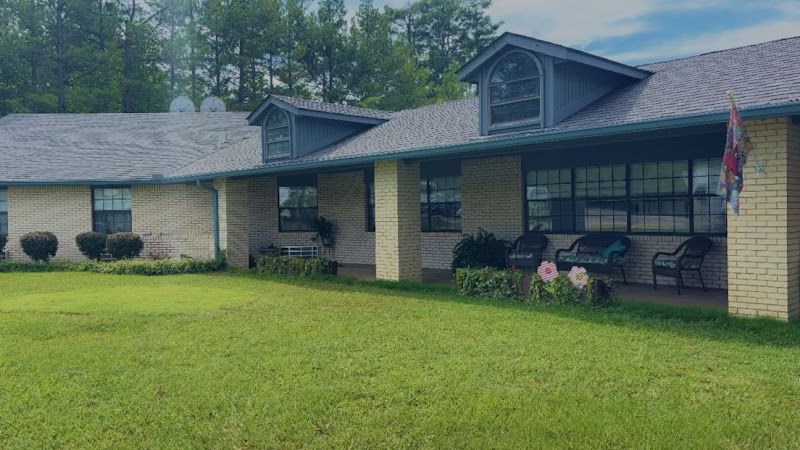
How is The Blossoms At Star City Rehab & Nursing Center Staffed?

CMS rates THE BLOSSOMS AT STAR CITY REHAB & NURSING CENTER's staffing level at 2 out of 5 stars, which is below average compared to other nursing homes. Staff turnover is 52%, compared to the Arkansas average of 46%.

What Have Inspectors Found at The Blossoms At Star City Rehab & Nursing Center?

State health inspectors documented 23 deficiencies at THE BLOSSOMS AT STAR CITY REHAB & NURSING CENTER during 2022 to 2025. These included: 23 with potential for harm.
Who Owns and Operates The Blossoms At Star City Rehab & Nursing Center?

THE BLOSSOMS AT STAR CITY REHAB & NURSING CENTER is owned by a for-profit company. For-profit facilities operate as businesses with obligations to shareholders or private owners. The facility is operated by THE BLOSSOMS NURSING AND REHAB CENTER, a chain that manages multiple nursing homes. With 95 certified beds and approximately 82 residents (about 86% occupancy), it is a smaller facility located in STAR CITY, Arkansas.
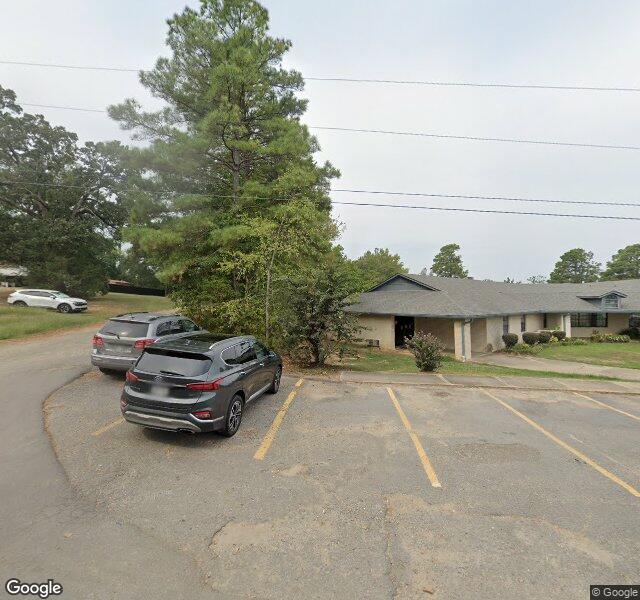
How Does The Blossoms At Star City Rehab & Nursing Center Compare to Other Arkansas Nursing Homes?

Compared to the 100 nursing homes in Arkansas, THE BLOSSOMS AT STAR CITY REHAB & NURSING CENTER's overall rating (3 stars) is below the state average of 3.1, staff turnover (52%) is near the state average of 46%, and health inspection rating (3 stars) is at the national benchmark.

What Should Families Ask When Visiting The Blossoms At Star City Rehab & Nursing Center?

Based on this facility's data, families visiting should ask: "Can you walk me through typical staffing levels on day, evening, and night shifts?" "Can I visit during a mealtime to observe dining assistance and food quality?" "How do you handle medical emergencies, and what is your hospital transfer rate?" "Can I speak with family members of current residents about their experience?" These questions are particularly relevant given the below-average staffing rating.

Is The Blossoms At Star City Rehab & Nursing Center Safe?

Based on CMS inspection data, THE BLOSSOMS AT STAR CITY REHAB & NURSING CENTER has a clean safety record: no substantiated abuse findings (meaning no confirmed cases of resident harm), no Immediate Jeopardy citations (the most serious violation level indicating risk of serious injury or death), and is not on the Special Focus Facility watch list (a federal program monitoring the lowest-performing 1% of nursing homes). The facility has a 3-star overall rating and ranks #100 of 100 nursing homes in Arkansas. While no facility is perfect, families should still ask about staff-to-resident ratios and recent inspection results during their visit.

Do Nurses at The Blossoms At Star City Rehab & Nursing Center Stick Around?

THE BLOSSOMS AT STAR CITY REHAB & NURSING CENTER has a staff turnover rate of 52%, which is 6 percentage points above the Arkansas average of 46%. Moderate turnover is common in nursing homes, but families should still ask about staff tenure and how the facility maintains care continuity when employees leave.

Was The Blossoms At Star City Rehab & Nursing Center Ever Fined?

THE BLOSSOMS AT STAR CITY REHAB & NURSING CENTER has no federal fines on record. CMS issues fines when nursing homes fail to meet care standards or don't correct problems found during inspections. The absence of fines suggests the facility has either maintained compliance or corrected any issues before penalties were assessed. This is a positive indicator, though families should still review recent inspection reports for the full picture.

Is The Blossoms At Star City Rehab & Nursing Center on Any Federal Watch List?

THE BLOSSOMS AT STAR CITY REHAB & NURSING CENTER is not on any federal watch list. The most significant is the Special Focus Facility (SFF) program, which identifies the bottom 1% of nursing homes nationally based on persistent, serious quality problems. Not being on this list means the facility has avoided the pattern of deficiencies that triggers enhanced federal oversight. This is a positive indicator, though families should still review the facility's inspection history directly.