THE SPRINGS OF TEXARKANA
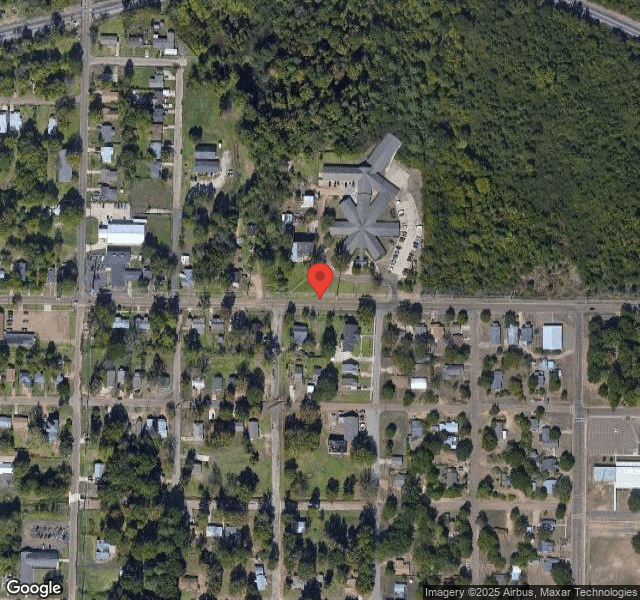

2107 DUDLEY STREET, TEXARKANA, AR 71854 (870) 772-4427
For profit - Limited Liability company 173 Beds THE SPRINGS ARKANSAS Data: November 2025 1 Immediate Jeopardy citation
Trust Grade
61/100
#91 of 218 in AR
Last Inspection: October 2024

Within standard 12-15 month inspection cycle. Federal law requires annual inspections.

Overview

The Springs of Texarkana has a Trust Grade of C+, which means it is slightly above average and considered decent for nursing homes. It ranks #91 out of 218 facilities in Arkansas, placing it in the top half, and #2 out of 3 in Miller County, indicating only one local option is better. The facility is improving, having reduced its issues from four in 2024 to two in 2025. Staffing is rated average with a turnover rate of 51%, which is close to the state average. However, there are some concerning incidents, including a critical finding where a resident was transported without adequate supervision and staff training, which could have led to serious harm. Other concerns include poor food safety practices in the kitchen and inadequate maintenance of safety equipment, which could put residents at risk. Overall, while there are strengths in care quality, families should be aware of these significant weaknesses.

Trust Score
C+
61/100
In Arkansas
#91/218
Top 41%
Safety Record
High Risk
Review needed
Inspections
Getting Better
4 → 2 violations
Staff Stability
⚠ Watch
51% turnover. Above average. Higher turnover means staff may not know residents' routines.
Penalties
✓ Good
$14,069 in fines. Lower than most Arkansas facilities. Relatively clean record.
Skilled Nurses
⚠ Watch
Each resident gets only 19 minutes of Registered Nurse (RN) attention daily — below average for Arkansas. Fewer RN minutes means fewer trained eyes watching for problems.
Violations
⚠ Watch
16 deficiencies on record. Higher than average. Multiple issues found across inspections.
★★★★☆
4.0
Overall Rating
★★★☆☆
3.0
Staff Levels
★★★★★
5.0
Care Quality
★★★☆☆
3.0
Inspection Score
Stable
2024: 4 issues
2025: 2 issues

The Good

  • 5-Star Quality Measures · Strong clinical quality outcomes
  • Full Sprinkler Coverage · Fire safety systems throughout facility
  • No fines on record

Facility shows strength in quality measures, fire safety.

The Bad

Staff Turnover: 51%

Near Arkansas avg (46%)

Higher turnover may affect care consistency

Federal Fines: $14,069

Below median ($33,413)

Minor penalties assessed

Chain: THE SPRINGS ARKANSAS

Part of a multi-facility chain

Ask about local staffing decisions and management

The Ugly 16 deficiencies on record

1 life-threatening
Mar 2025 1 deficiency
CONCERN (D) 📢 Someone Reported This

A family member, employee, or ombudsman was alarmed enough to file a formal complaint

Potential for Harm - no one hurt, but risky conditions existed

Notification of Changes (Tag F0580)

Could have caused harm · This affected 1 resident

Based on interviews, record review, and facility policy review, it was determined the facility failed to notify a resident's family member/responsible party of the resident's fall and change in condit...

Read full inspector narrative →
Based on interviews, record review, and facility policy review, it was determined the facility failed to notify a resident's family member/responsible party of the resident's fall and change in condition for 1 (Resident #2) of 5 residents reviewed for falls. The findings are: 1. Resident #2's quarterly Minimum Data Set (MDS) with an Assessment Reference Date (ARD) 2/24/2025 documented a Brief Interview for Mental Status (BIMS) score 1 (0-7 indicates severe impairment) with medical diagnoses of diabetes mellitus (DM), Alzheimer's disease, and cerebrovascular accident (CVA) a. Review of a progress note dated 2/24/2025 at 10:33 pm indicated Resident # 2 had an unwitnessed fall and sustained a small laceration to the right eye. The progress note did not indicate the family/responsible party was notified of the fall. b. Review of Resident/Family Grievance/Concern Form dated 2/27/2025 revealed Resident #2's son was upset that he was not notified of a fall that occurred with Resident # 2. The resolution was that all nurses were in-serviced to ensure they were calling the family for fall notifications and the nurse (unidentified) was written up for failure to notify family. Additional comments stated that Resident #2's son was still frustrated with not being contacted but was satisfied with the actions taken to resolve the issue. c. On 3/10/2025 at 2:45 pm, during an interview Registered Nurse (RN) #1 was asked about Resident #2's fall on 2/24/2025. RN #1 stated she rounded on Resident #2 at around 9:00 pm. RN #1 stated Certified Nursing Assistant (CNA) #2 notified RN #1 of the resident in the floor around 10:00 pm. RN #1 stated she went to Resident #2's room and noted a laceration above the right eye with bleeding noted. RN #1 stated she stopped the bleeding and started neuro checks. The Medical Doctor (MD) and Director of Nursing (DON) were notified of Resident #2's fall. RN #1 stated Resident #2's son/resident family was not notified. d. On 3/10/2025 at 2:55 pm, during an interview Certified Nursing Assistant (CNA) #2 was asked about Resident #2's fall on 2/24/2025. CNA #2 stated she made rounds on Resident #2 around 9:00 pm. CNA #2 stated Resident #2 was in bed lying on left side, with the bed in low position. At around 9:40 pm on 2/24/2025, CNA #2 noted Resident #2 was in the floor. CNA #2 stated Resident #2 hit the resident's head on the trash can. CNA # 2 stated she notified RN #1 of Resident #2's fall. e. On 3/11/2025 at 9:02 am, this surveyor reviewed the Incident and Accident (I&A) note for Resident #2 for 2/24/2025. The I&A report stated: Agencies and People notified: Physician: 2/24/2025 at 10:26 pm; DON: 2/24/2025 at 10:26 pm; and Family Member: 2/27/2025 at 10:09 am. f. On 3/11/2025 at 9:15 am, this surveyor requested the facilities fall policy from the Administrator. g. On 3/11/2025 at 9:30 am, this surveyor interviewed the Director of Nursing (DON) regarding the incident on 2/24/25 with Resident #2. The DON stated she was notified immediately at 10:26 pm of Resident #2's fall with injury, the medical doctor (MD) was also notified immediately. The DON was asked if a family member was notified of Resident #2's fall. The DON stated RN #1 received counseling for not notifying a family member. h. On 3/11/2025 at 9:45 am, this surveyor received a policy from the Administrator titled, Assessing Falls and Their Causes (undated), the policy indicated the resident's family should be notified in an appropriate time frame after a fall. i. On 3/11/2025 at 1:05 pm, this surveyor received a form titled, Employee Memorandum from the Administrator that indicated RN #1 received a verbal warning on 2/27/2025 for failure to notify a family member when a resident had a fall. Corrective action: Ongoing monitoring. j. On 03/11/2025 at 1:40 pm, during an interview with Licensed Practical Nurse (LPN) #3 this surveyor asked who was to be notified when a resident had a fall. LPN #3 stated the family, the DON, the Nurse Practitioner, and the Administrator. This surveyor asked when they should be notified, and LPN # 3 stated immediately. k. On 3/11/2025 at 1:45 pm, during an interview this surveyor asked the Administrator about the facilities fall protocol. The Administrator stated staff should complete a resident assessment, an I&A report, if the resident hit their head neuro checks, and perform wound care if necessary. After assuring the resident was stable, contact the medical doctor, the DON, the Administrator and the family immediately. l. On 03/11/2025 at 1:55 PM, during an interview with Licensed Practical Nurse (LPN) # 4, this surveyor asked who was to be notified when a resident had a fall. LPN #4 stated the MD [doctor], the family, the DON and now the new Administrator. This surveyor asked when they should be notified. LPN #4 stated as soon as the fall happens. This surveyor asked if LPN #4 had been in-serviced on what to do when a resident falls. LPN #4 stated yes, just recently in the last week or two. m. On 3/11/2025 at 3:15 pm, this surveyor received an in-service from the Administrator dated 2/28/2025 titled, Abuse and Neglect and miscellaneous topics. Number 29 on the in-service stated: Nurses, please ensure that the incident report is filled out completely, accurately and all parties are notified including DON, administrator, Doctor and family and if on hospice, please notify a hospice provider.
Feb 2025 1 deficiency 1 IJ
CRITICAL (J) 📢 Someone Reported This

A family member, employee, or ombudsman was alarmed enough to file a formal complaint

Immediate Jeopardy (IJ) - the most serious Medicare violation

Accident Prevention (Tag F0689)

Someone could have died · This affected 1 resident

Based on interview, record review, and the operational manual review for a borrowed lift van, the facility failed to ensure 1 (Resident #3) of 3 sampled residents received adequate supervision and ass...

Read full inspector narrative →
Based on interview, record review, and the operational manual review for a borrowed lift van, the facility failed to ensure 1 (Resident #3) of 3 sampled residents received adequate supervision and assistance devices to prevent an accident; and, failed to ensure the Transport Driver (CNA #2) was properly trained in the use of a borrowed van with lift prior to Certified Nursing Aide (CNA) #2 transporting Resident #3 to an appointment, putting the resident at risk for serious harm, serious injury, serious impairment, or death. It was determined the facility's non-compliance with one or more requirements of participation had caused, or was likely to cause, serious injury, harm, impairment, or death to residents. The Immediate Jeopardy (IJ) was related to State Operations Manual, Appendix PP, 483.25(d) (Accidents and Hazards) at a scope and severity of J. The IJ began on 11/06/2024, when Resident #3 was transported to an appointment using a borrowed van without appropriately training the staff transporting Resident #3 on the use of the lift of the borrowed van. The Administrator was notified of the past noncompliance (PNC) IJ on 02/26/2025 at 1:50 PM. The facility implemented corrective actions which were completed prior to the State Agency's completion of its survey; thus it was determined to be a Past Noncompliance citation. The findings are: Resident #3's Minimum Data Set (MDS)with an Assessment Reference Date of 2/10/2025 identified Resident #3 to have a Brief Interview for Mental Status (BIMS) score of 15, indicating Resident #3 was cognitively intact. Resident #3 was identified to be totally dependent on staff for chair to bed and chair to chair transfers and sit to stand. Resident #3 was identified to require a wheelchair and limb prosthesis for mobility. Resident #3 has diagnosis of type 2 diabetes mellitus, chronic kidney disease, bi-lateral lower extremities amputee, obesity, muscle weakness. Resident #3's Plan of Care, dated 11/21/2024, identified Resident #3 to have sustained a witnessed fall with injury from the van lift. On 2/24/25 at 3:00 PM, the Surveyor interviewed Resident #3, who reported Resident #3 had rolled off the van lift when the wheelchair rolled backwards while the lift was raised. Resident #3 said, I thinks the wheel must have caught between the tailgate like thing on the back of the lift and the side of the lift. Resident #3 said the wheelchair rolled backwards and was tilted after it caught in the lift. Resident #3 said the wheelchair wheels were not locked. Resident #3 said after falling from the lift onto the ground CNA #2 came around the van to assist Resident #3. Resident #3 said CNA #2 said, I should have double checked everything. Resident #3 said CNA #2 was very upset. Resident #3 said the wheelchair was not locked and I do not remember a belt being bucked behind the wheelchair. Resident #3 said, I had some bruises and scratches, and my right shoulder area was sore, but I was okay. Resident #3 said, I felt like I had been in a car wreck, just sore, but was okay after a few days. Resident #3 was very pleasant and able to answer the surveyor's questions. On 2/24/2025 at 4:30 PM, CNA #1 reported having been a van driver since 11/2023. CNA #1 said, I had been trained on the Springs of Texarkana facility van following an incident in November of 2024 where a resident fell from the borrowed van lift. CNA #1 said the Texarkana van was not the one the resident had fallen off. CNA #1 said the resident fell from the lift of a borrowed van, or bus. CNA #1 said the facility had borrowed the van from a sister facility nursing home and it was like a bus. CNA #1 said, I was not going to drive that bus. I was not trained or in-serviced on the borrowed van. CNA #1 provided a written statement stating she was not trained/in-serviced on any van other than the van provided by the Springs of Texarkana. On 2/24/2025 at 5:15 PM, CNA #3 stated she had been a van driver in the past but had transferred to the cottages. CNA #3 said she will continue to help with transport when needed. CNA #3 said she had not been trained on the van since May of 2024. CNA #3 provided a written statement stating she had transported a resident to dialysis about 3 weeks ago on a Saturday. CNA #3 said she was not aware of any van lift training over the last 4 months. On 2/24/2025 at 5:35 PM, CNA #2, the transport driver, stated he had taken the resident to an appointment at Hanger Clinic Prosthetics and Orthotics, and he loaded Resident #3, in a wheelchair, onto the wheelchair lift of the borrowed van and then activated the lift to raise the resident up. CNA #2 said I then went around the van and got in so I could assist the resident from the lift into the van. CNA #2 said he saw Resident #3 begin to roll backwards and fall off the lift in the wheelchair. CNA #2 said the van he had used that day was not the facility van but one that had been borrowed from another facility. CNA #2 said he had not been trained on the borrowed van, or its lift. CNA #2 said that the borrowed van's lift was on the side of the van and the Texarkana facility lift was on the back of the van. CNA #2 said the lifts loaded differently. CNA #2 said the lift on the borrowed van had a lean to it, the parking lot leaned downward, the resident was top heavy, and the wheelchair had a high back on it. CNA #2 said it was like the perfect storm, so to speak, Resident #3 fell off the lift in the wheelchair. CNA #2 said the van was parked on an incline. On 2/24/2025 at 6:08 PM, the Administrator said the facility's van lift had gone down around November the 4th or 5th and on November 6, 2024, we borrowed a lift van from a sister facility, (Named facility) in Nashville. The Administrator said the lift and its mechanics were the same as the lift on our lift van. The Administrator said he and the Maintenance Supervisor went to Nashville to get the van and when they got back, he told the Maintenance Supervisor to get the group together so we can in-service them on the van. The Administrator said the maintenance supervisor said, let's do the ones that are insured. The Administrator said they trained 3 staff, CNA #1, CNA #2, and CNA #4 on the use of the borrowed van and its lift. The Administrator said the staff were trained by verbal instructions, not demonstration. The Administrator said, we all got on the van and talked about how to use the lift. So, we in-serviced CNA #2 and CNA #1 on driving the borrowed van, the operating of the van, the use of the doors and the basic operations of the van. The Administrator said, we cannot find the documentation of this training. The Administrator said training is normally done by their van mobility company representatives. The Administrator said we showed them the lift, seat belts in the van and where the wheelchairs sat side by side in the borrowed van, where theirs sat one behind the other. We did not do actual demonstrations on the borrowed van or the lift. We explained that it is the same as our old one, but nothing really changes. The Administrator said when our van came back, we did actual demonstrations with me sitting in a wheelchair and being lifted onto the van using the lift. The Administrator said there were no issues with the borrowed van's lift. The surveyor asked the Administrator if the facility provided paperwork to the staff when they trained. The Administrator said, when it is a new employee, we do. The Administrator said the mobility representative provides annual training for our staff and the representative comes twice a year and inspects the van and does our training. The Administrator said normally he (the mobility representative) would have provided it, but we did not contact him regarding this training. The Administrator said that the borrowed van's lift goes out to the side, where ours goes out the back, but it's the same principle. This surveyor asked the Administrator if he in-serviced all the van drivers on the use of the lift following the incident. The Administrator said they in-serviced all the staff listed on the list provided in the Facility Reported Incident and most were completed on 11/14/2024 but a couple was on 11/18/24. The Administrator said he sat in the wheelchair, and we trained the staff, and the staff completed a return demonstration on the facility van, following the incident. This surveyor asked the Administrator if the borrowed van lift had a seatbelt. The Administrator said confirmed it did. The Administrator said ours did not have that yellow strap that goes behind the wheelchair, but we ordered one of the belts and we demonstrated the use of that belt during the training on 11/14/24. The Administrator said if the lifts are not level, they will not move, the kick plates must be up for it to operate properly. On 2/25/25 at 9:15 AM, the Administrator provided the survey team with the training the administrator and the Maintenance Supervisor had conducted on 11/6/2024. The Administrator told the surveyor the sections highlighted in green were covered during the verbal training. The Administrator said they did not provide a demonstration of the lift during that training. The Administrator attached a yellow sticky note to the training sheet where he had written: Training for borrowed van - verbal direction since lifts/safety mechanisms are similar in operations. The Administrator provided the survey team with a copy of the Operational Manual for the borrowed van. On 2/25/025 at 9:15 AM, the Administrator provided the survey team with an invoice dated 11/12/2024 for a Yellow Safety Belt. On 2/25/25 at 4:01 PM, an email was received from the ambulance service staff. On page 2 of the email the note states: the patient fell roughly 4-5 feet backwards from a wheelchair lift that broke midair and threw the patient back and off. The Narrative, on page 4, stated upon patient contact, the patient was lying on the ground holding patient head but appeared to be in no acute distress. The patient fell about 4-5 feet backwards. The patient had no loss of consciousness and took no blood thinners, the patient stated the patient was hurting all over, but the right shoulder and head hurt the worst. On 2/25/25 at 5:15 PM, a follow up phone interview was conducted by this surveyor with CNA #2. CNA #2 was asked if the lift itself had malfunctioned or broken. CNA #2 said the lift did not get down to the 45-degree angle. CNA #2 said the lift was that way when we got it from the other facility. It was not level, but it did lock into place, but it sagged away from van in the direction Resident #3 fell off the lift. This surveyor asked if the van was used to transport any other residents, following this incident. CNA #2 stated, yes, that very day. The Administrator told me to go pick up a wheelchair resident from dialysis on the way back to the facility. CNA #2 said he had told the Administrator about the lift leaning but was instructed to pick up the resident from dialysis first. The other resident was a wheelchair resident. CNA #2 said he used the lift, but did not have any issues with it when he picked the resident up. CAN #2 said the lift on the borrowed van goes up about 3 feet off the ground. The surveyor asked CNA #2 if Resident #3 had complained about Resident #3 head hurting. CNA #2 stated Resident #3 had not complained about that, but Resident #3 did not hit the ground headfirst, Resident #3 was shaken up, but the handles of the wheelchair hit the ground first and they bent. (Note: The Administrator had stated in his interview there were no problems with the lift). On 2/25/25 at 9:43 PM, the surveyor reviewed the Operational Manual for the van used to transport Resident #3 when the fall occurred. On page 10 of the manual, under lift operations safety is a list of warnings: Warning: Read manual and supplements before operating lift, become familiar with all safety precautions, operation notes and details, operating instructions and manual operating instructions before operating the lift . Warning: Load and unload on level surface only. Warning: Inspect the lift before operation, do not operate the lift if you suspect lift damage, wear, or any abnormal condition. On page 13 of the manual, it lists a Warning failure to follow these safety precautions may result in serious bodily injury and/or property damage.
Oct 2024 4 deficiencies
CONCERN (D)

Potential for Harm - no one hurt, but risky conditions existed

Deficiency F0583 (Tag F0583)

Could have caused harm · This affected 1 resident

Based on observation, record review, interview, and facility policy review, it was determined the facility failed to ensure a resident's personal and medical information was protected from potential u...

Read full inspector narrative →
Based on observation, record review, interview, and facility policy review, it was determined the facility failed to ensure a resident's personal and medical information was protected from potential unauthorized persons for 1 (Resident #306) sampled resident. Findings include: 1. A review of Medical Diagnosis, revealed Resident #306 had diagnoses of a brain bleed, respiratory failure, and type II diabetes a. Review of the discharge assessment-return anticipated Minimum Data Set (MDS) with an Assessment Reference Date (ARD) of 08/14/2024, and a Staff Assessment for Mental Status (SAMS) indicated Resident #306 had severe cognitive impairment. b. A review of a policy titled Confidentiality of Information and Personal Privacy, revised October 2017, revealed the facility will safeguard residents personal and medical records, and medical records will be limited to authorized staff. Computer stored information is protected according to resident rights, and privacy policies. c. On 10/07/24 at 10:44 AM, Licensed Practical Nurse (LPN) #1 went to Resident #306's room and left the computer screen open revealing Resident #306's name, room number, weight, vitals, allergies, and medications visible to anyone passing down the hall. d. On 10/07/2024 at 11:14 AM, LPN #1 told the Surveyor that the process for leaving the cart in the hall is to lock the medication cart and computer screen, so nobody has access to the resident information. It is the Health Insurance Portability and Accountability Act (HIPAA). e. A review of the Resident Rights, revealed that the information in a Resident's clinical record is confidential and requires a Resident's written consent to be disclosed. f. During an interview with the Director of Nursing (DON) on 10/09/24 at 04:19 PM, the DON stated there is a button on the computer screen the nurses are expected to push to lock the screen when they walk away from the computer. The DON confirmed that if the screen displays a resident's face, demographics, and medications then it is considered an invasion of privacy and a HIPAA violation. The Surveyor asked for any in-services, policy or procedures addressing privacy.
CONCERN (E)

Potential for Harm - no one hurt, but risky conditions existed

Accident Prevention (Tag F0689)

Could have caused harm · This affected multiple residents

Based on observation, record review, interview, and facility policy review, it was determined the facility failed to ensure lift pads were in appropriate working order, free of fraying and loose strin...

Read full inspector narrative →
Based on observation, record review, interview, and facility policy review, it was determined the facility failed to ensure lift pads were in appropriate working order, free of fraying and loose strings to prevent potential accidents or injury for 1 sampled (Resident #10) resident; aerosol disinfectant was not stored at the bedside to prevent accidents or injury for 1 sampled (Resident #84); and failed to ensure the resident's environment remained free of accidents as possible and each resident received adequate supervision to prevent accidents for 1 sampled (Resident #69). Findings include: 1. A review of Medical Diagnoses revealed Resident #10 had diagnoses of stroke, heart failure, and diabetes type II. a. The Quarterly Minimum Data Set (MDS) with an Assessment Reference Date (ARD) of 08/21/2024 suggested a Brief Interview for Mental Status (BIMS) score of 05 (0-7 indicates severe cognitive impairment). Section GG0139 indicated Resident #10 was totally dependent in all areas. b. A review of a policy titled, Lifting Machine, using a Mechanical, revised July 2017, revealed staff were to ensure all necessary equipment was in good working condition before use. c. A review of an in-service training dated 06/26/2024, revealed staff were trained on the safe transfer of residents, and the mechanical lift policy. d. Review of Resident #10's Care Plan revised 06/15/2023, revealed Resident #10 required assistance of 2 staff members with a mechanical lift transfers. e. On 10/07/24 at 10:00 AM, Certified Nursing Assistant (CNA) #9 was observed pushing the lift away from Resident #10's adjustable chair at Resident #10's bedside. The Surveyor observed the lift pad placed under Resident #10 had fraying and loose strings around the lift pad edges. f. On 10/07/24 at 10:05 AM, CNA #9 was asked to look at Resident #10's lift pad and CNA #9 pointed out frayed areas, and loose strings. CNA #9 stated it is tearing, and the thread is coming out. When asked if staff would want to use lift pads that are frayed and tearing, CNA #9 stated the resident could be dropped, and there was a possibility of the lift pad ripping while being used with a resident and the resident could be dropped in the air. g. During an interview the Director of Nursing (DON) on 10/09/2024 at 04:12 PM, the DON stated that the CNA supervisor is responsible for inspecting lift pads and confirmed that any lift pad with fraying or loose strings should be thrown away and reported to the DON for replacement. Please summarize/paraphrase your interview. The DON stated that using lift pads that are damaged could rip when being used with a resident and cause them to fall. 2. A review of Medical Diagnoses revealed Resident #84 had diagnoses of brain injury, anxiety, and depression. The a. The quarterly Minimum Data Set (MDS) with an Assessment Reference Date (ARD) of 09/20/2024 suggested a Brief Mental Status (BIMS) of 09 (8-12 indicates moderate cognitive impairment). b. On 10/07/24 at 10:24 AM, a can of disinfectant spray was observed at Resident #84's bedside. c. On 10/09/24 at 03:44 PM, Resident #84 was observed sitting in a wheelchair to the left of a bedside table with a can of disinfectant spray resting nearby. Resident #84 stated a relative brings the disinfectant spray for the bathroom. Certified Nursing Assistant (CNA) #10 stated that staff are not allowed to have a disinfectant spray but did not see a problem with family bringing it in for their use. d. During an interview with the Director of Nursing (DON) on 10/09/2024 at 04:12 PM, the DON confirmed residents were not allowed to have disinfectant spray at the bedside, and stated a confused person could spray it in their face. The DON stated there were no in-services or a policy or procedure addressing aerosol disinfectants at the bedside. 3. On 10/07/24 at 12:26 PM, during an interview, Resident #69 informed the surveyor that the resident took pain medications and was waiting on the nurse to bring the medications just anytime. LPN #1 knocked on Resident #69's door and partially opened it. Resident #69 greeted LPN #1 by her name. The surveyor was standing behind the partially opened door. The surveyor observed someone reach into the room and hand a clear medicine cup, with a white pill in it, to Resident #69. LPN #1 immediately shut the door without watching Resident #69 take the pill. Resident #69 reached for a cup of water, from her over the bed table, as she held the medicine cup with the white pill inside in her right hand. The surveyor asked Resident #69 if she could look at the pill. The surveyor noted it was a white round tablet with a 3 on the side facing up. The surveyor asked Resident #69 who had handed Resident #69 the medicine cup with the white pill. Resident #69 said [LPN #1] handed me my Acetaminophen-Codeine #3, my pain pill. Resident #69 then took the pill. Resident #69 then told the surveyor LPN #1 brought them Albuterol (a vial of medication) for their breathing machine and told Resident #69 to put it in their purse until they got ready to use it, and that LPN#1 told them not to tell anyone. So, I put it beside me in my chair until I was ready to use it. Resident #69 reported doing their own breathing treatments every day. Resident #69 said when they were administering their breathing treatment when the Infection Nurse saw them and informed the resident they wasn't supposed to be doing that by themselves. Resident #69 then asked why not. Resident #69 then said the Infection Nurse stood there and watched them until they finished the breathing treatment. a. On 10/07/24 at 12:43 PM, the Surveyor interviewed LPN#1. LPN#1 explained the process for administering medication, stating LPN#1 follows the 5-Rs (rights) of medication administration: right patient, right medicine, right time, right route, and right date. The surveyor asked LPN #1 if residents here administer their own breathing treatments or give their own medications. LPN #1 told the surveyor some residents hold their own tubing after we put the medication in the machine, and then we watch them to make sure they take all the medication correctly. No resident gives themselves their medication because we need to know they take it, and the right amount is taken at the right time. The surveyor asked LPN #1 if they had left Albuterol with a resident today and left the room before administering it. LPN #1 said, Yes, with [Resident #69], because [Resident #69] asked us to leave it. The surveyor asked if she saw Resident #69 administer the Albuterol. LPN #1 said No. The surveyor asked what the risk was of leaving the Albuterol with the resident. LPN #1 said, The resident could overuse it or not use all of it. The surveyor asked if she knew if Resident #69 still had the Albuterol in Resident #69's room. LPN #1 said, No, I don't know. The surveyor asked if she had handed a medicine cup with an Acetaminophen-Codeine to Resident #69 and shut the door without seeing Resident #69 take the Acetaminophen-Codeine. LPN #1 said, Yes, I was interrupting Resident #69, so I left it, but that is not a reason to leave a resident with their medication because a resident might not take it. The surveyor asked if she knew if Resident #69 took the medication. LPN #1 said, Yes because she always takes her pain medicine. The surveyor asked if she had seen Resident #69 take the medication. LPN #1 said No. b. On 10/07/24 at 1:00 PM, the surveyor informed the Director of Nursing (DON) and the Administrator of Acetaminophen-Codeine being left with Resident #69 to self-administer. c. On 10/07/24 at 1:15 PM, the Surveyor interviewed the Infection Preventionist (IP) Registered Nurse (RN) #5. The IP said she had not actually witnessed LPN #1 leave the Albuterol with the resident but that she had witnessed the resident administering the treatment without supervision, so she stayed and supervised the resident while the resident received the medication. d. A review of Resident #69's Order Summary Report, revealed Resident #69 takes 1 tablet of Acetaminophen-Codeine by mouth every six hours for pain; and Albuterol Sulfate Inhalation Nebulization Solution three milliliters via nebulizer two times a day due to chronic obstructive pulmonary disease (COPD). e. A review of Resident #69's care plan revealed Resident #69 takes Acetaminophen-Codeine with instructions to ensure accuracy when prescribing, dispensing, and administering acetaminophen/codeine oral solution or suspension. Dosing errors due to confusion between mg and mL and other codeine-containing oral products of different concentrations can result in accidental overdose and death. f. On 10/10/24 at 9:14 AM, Care Consultant #7 provided a policy titled, Administering Oral Medications. Item 21 instructs staff to remain with the resident until all medications have been taken. g. On 10/10/24 at 9:45 AM, the Director of Nursing informed the surveyor that a Self-Administration Assessment was completed for Resident #69 to self-administer Albuterol on 10/7/24 at 2:30 PM. h. On 10/10/24 at 11:45 AM, an interview was conducted with the Director of Nursing (DON). The DON said new Licensed Practical Nurses (LPNs) are provided three days of orientation unless they request more, then more is provided. The DON said she, and other nurses, provide on-going training for Medication Administration, and the Pharmacy Consultant along with other nurses, conduct medication pass observations with the nurses. A previous staff conducted the medication pass observation with LPN #1. The DON said LPN #1 should not have left the narcotic or the Albuterol with Resident #69 because Resident #69 had not been assessed to self-administrator medication. The DON provided the surveyor with in-service training dated 8/16/24 and 9/12/24 on Medication Administration in which LPN #1 was in attendance. The in-services dated 8/16/24 and 9/12/24 instructed the nurse to remain with the residents until medications are swallowed. In-service dated 9/12/24 gives a second instruction stating Please note the nurse must remain in the resident's room while medication is administered for nebulizer (Albuterol updrafts) setting up the medication and leaving the room will be considered a medication error unless the resident has an order to self-administer their medication.
CONCERN (E)

Potential for Harm - no one hurt, but risky conditions existed

Deficiency F0761 (Tag F0761)

Could have caused harm · This affected multiple residents

**NOTE- TERMS IN BRACKETS HAVE BEEN EDITED TO PROTECT CONFIDENTIALITY** Based on observation, record review, interview, and facility policy review, it was determined the facility failed to ensure medi...

Read full inspector narrative →
**NOTE- TERMS IN BRACKETS HAVE BEEN EDITED TO PROTECT CONFIDENTIALITY** Based on observation, record review, interview, and facility policy review, it was determined the facility failed to ensure medication carts were locked when left unattended to prevent accidents, or the misappropriation of medications on the 600 Hall; doctor ' s orders were followed; and a feeding tube was flushed before and after giving medications through a feeding tube for 1 sampled (Resident #306) resident of 3 sampled (Resident #76, #101, #306) residents reviewed for tube feeding. Findings include: 1. A review of a policy titled Storage of Medications, revised November2020, revealed compartments containing drugs or biologicals, including carts, are expected to be locked when they are not in use. a. A review of an in-service titled, Medication Pass Tip Sheet, dated 04/30/2024, revealed the medication cart should be locked when unattended, unless the cart is pulled up to the resident's door with the drawers opening into the room. b. On 10/07/24 at 10:44 AM, Licensed Practical Nurse (LPN) #1 was observed leaving the medication cart unlocked on 600 Hall when entering room [ROOM NUMBER]A and closing the door. c. On 10/07/24 at 10:56 AM, the Administrator walked down the hall and was observed locking the medication cart. d. On 10/07/24 at 11:12 AM, LPN #1 was asked the process for leaving the medication cart when going into a resident room. LPN #1 told the Surveyor that the medication cart should have been locked so nobody would have access to medications in the cart. e. During an interview with the Director of Nursing (DON) on 10/09/2024 at 04:20 PM, the DON stated the medication cart should be locked when left unattended to prevent residents from having access and taking medications from the cart. 2. A review of Medical Diagnosis, revealed Resident #306 had diagnoses of a brain bleed, respiratory failure, and type II diabetes. a. Review of the discharge assessment-return anticipated Minimum Data Set (MDS) with an Assessment Reference Date (ARD) of 08/14/2024, and a Staff Assessment for Mental Status (SAMS) indicated Resident #306 had severe cognitive impairment. b. Review of a policy titled, Administering Medications through an Enteral Tube, revised November 2018, revealed staff should verify there is a physician's order, administer the medication between flushes, stop feeding and flush with at least 15 milliliters of warm purified water, and administer medication to gravity. c. A review of the Physician Orders, dated 07/17/2024, revealed medications can be crushed and mixed together with a flush of 60 milliliters of water before and after. d. A review of the Physician Orders, dated 09/27/2024, revealed an order for an anti-nausea medication every 8 hours as needed for nausea and vomiting via feeding tube. e. On 10/07/24 at 10:44 AM, Licensed Practical Nurse (LPN) #1 was observed crushing an anti-nausea medication and mixing it in 6 to 8 ounces of water. f. On 10/07/24 at 12:29 PM, LPN #1 was observed unhooking the feeding tube from Resident #306 and then she placed a syringe into the feeding tube and without checking placement or flushing, the anti-nausea medication in the water mixture was poured into the syringe. LPN #1 used the syringe plunger to get the mixture to go into the tube. LPN #1 did not flush behind the anti-nausea medication. g. On 10/07/2024 at 11:14 AM, during an interview the Surveyor asked LPN #1 the process for flushing and giving medications with a feeding tube. LPN #1 stated it was not necessary to flush before and after giving medication and confirmed there are orders to flush the feeding tube twice a day, but I just add a little more water to the crushed pills when I am giving them. h. On 10/10/24 at 09:40 AM, the Director of Nursing confirmed a nurse should flush the feeding tube before and after giving medications to make sure any medication is cleared from the tube.
CONCERN (E)

Potential for Harm - no one hurt, but risky conditions existed

Food Safety (Tag F0812)

Could have caused harm · This affected multiple residents

Based on observation, interview, and facility policy review, the facility failed to ensure dietary staff washed their hands before handling clean equipment when contaminated; the ice machine was maint...

Read full inspector narrative →
Based on observation, interview, and facility policy review, the facility failed to ensure dietary staff washed their hands before handling clean equipment when contaminated; the ice machine was maintained in clean and sanitary condition, and cold food items were maintained at 41 degrees Fahrenheit or below. The findings are: 1. On 10/9/24 at 1:19 PM, Dietary Aide (DA) #2 picked up tray cards and placed them on the trays located on the food carts. Without washing her hands, he picked up plates from the clean rack and placed them on the plate warmer with her hands inside of them. DA #2 stated he should have washed his hands. 2. On 10/9/24 at 1:24 PM, the top panel of the ice machine in the nourishment room on the 400 Hall had a wet reddish pink slimy residue on it. It was pointed out to the Dietary Manager, and the Dietary Manager was asked if the residue build up could be wiped off. She used a tissue and wiped it off. The pinkish residue easily transferred to the tissue. At 1:25 PM, during an interview the Dietary Manager stated that the residue was slimy, wet, and reddish pink, and the ice was being used by the Certified Nursing Assistants (CNAs) to fill the water pitchers in the residents' rooms and they cleaned it every month. 3. On 10/9/24 at 4:35 PM, the temperatures of the cold food items on pans of ice on the counter by the steam table were checked by Dietary [NAME] (DC) #4 were: a. Pimento cheese sandwich - 50.4 degrees Fahrenheit. b. Pureed pimentos cheese - 44.1 degrees Fahrenheit. c. Three bean salad - 53.2 degrees Fahrenheit. d. On 10/10/24 at 11:33 AM, during an interview DC #4 was asked about the process of keeping cold food items cold before being served. DC #4 stated she should have kept it on ice when she first put it in the refrigerator. 4. On 10/10/24 at 9:40 AM, DA #3 turned on the two compartment sink faucet and obtained water in a pitcher and then turned off the faucet. Without washing his hands, he picked up glasses by the rims and placed them on the trays to be used in portioning food items to be served to the residents for the lunch meal. 5. A review of a facility policy titled, QRT [Quick Reference Tool] Hand Washing, initiated on 9/1/2021 indicated, wash your hands as often as possible. Before starting to work with food utensils or equipment, and as often as needed during food preparation and when changing tasks.
Nov 2023 5 deficiencies
CONCERN (D)

Potential for Harm - no one hurt, but risky conditions existed

Resident Rights (Tag F0550)

Could have caused harm · This affected 1 resident

Based on observation, interview, and record review, the facility failed to ensure residents were treated with respect and dignity to promote a dignified existence affecting 1 resident (Resident #7) of...

Read full inspector narrative →
Based on observation, interview, and record review, the facility failed to ensure residents were treated with respect and dignity to promote a dignified existence affecting 1 resident (Resident #7) of 3 sampled residents (Resident #7, Resident #13, Resident #46) residing on the 600 Hall, with the potential to affect 11 residents that live on the 600 Hall. The findings are: 1. Resident #7 had diagnoses of Hemiplegia, Unspecified affecting left nondominant side; Major Depressive Disorder, single episode, mild; and Type 2 Diabetes Mellitus without complications. The Quarterly Minimum Data Set (MDS) with an Assessment Review Date (ARD) of 09/30/2023 documented a Brief Interview of Mental Status (BIMS) score of 15, (a score of 13-15 indicates cognitive intactness). Resident #7 requires extensive two-person assistance for bed mobility, transfers, extensive one person assistance with dressing and personal hygiene and supervised set up assistance with meals. a. On 11/06/2023 at 11:59 AM, the Surveyor observed Resident #7's lunch tray resting on the overbed table, with a clear brown fluid covering the entire tray surrounding Resident #7's plate, a soaked napkin, and cups of coffee, pudding, and fruit. There was an empty cup with brown residue covered in plastic wrap. The Surveyor asked Resident #7 if he had called for assistance and Resident #7 said, No, they get mad if you ask for anything. They say stuff like what do you want. Resident #7 demonstrated that the tone was abrupt. b. On 11/06/23 at 12:03 PM, Certified Nursing Assistant [CNA] #1 was observed entering Resident #7's room with a cup of brown fluid and napkins. CNA #1 said to Resident #7, what do you need. Resident #7 told CNA #1 that Surveyors had asked him if he was going to call for assistance. CNA said to the Surveyors, What do you want, did you need something, did you push his call light button? The Surveyor told CNA #1 that Resident #7 used his call light to ask for help cleaning up a spilled drink. CNA #1 said, Well, he and I had already discussed this when I left his room. c. On 11/06/23 at 03:57 PM, Resident #7 told the Surveyor that the tone CNA #1 used when speaking to Resident #7 and the Surveyor is how some of the staff have talked to the residents. d. On 11/07/2023 at 02:21 PM, the Administrator provided the Concern/Grievance Log showing the following: 1. On 08/15/2023 A resident stated a CNA talked to her in a rude tone. 2. On 08/22/2023 A resident said a nurse talked to her in a rude tone. 3. On 09/05/2023 Resident Council reported Residents felt like CNAs were disrespectful. Comment: Staff in-service regarding tone and speech when addressing residents. e. On 11/07/2023 at 02:21 PM, the Administrator provided the Resident Council Meeting (September 05, 2023) Minutes that documented, .Nursing: residents stated that CNAs are being disrespectful at times . f. On 11/08/2023 at 12:20 PM, the Surveyor asked CNA #1 if she was familiar with resident rights, and what in-services staff had received regarding resident rights. CNA #1 told the Surveyor she received in-service when she was hired, and a few months ago there was an in-service. CNA #1 said, The Residents have rights to refuse medications, and care. CNA #1 told the Surveyor that Residents have basic human rights to retain their dignity. g. On 11/08/2023 at 02:45 PM, the Surveyor asked the Director of Nursing (DON) how staff was expected to talk to the residents. The DON told the Surveyor that residents should be spoken to in a polite, kind manner just like they are a family member. The Surveyor asked if staff had in-services that address patient rights or behaviors. The DON told the Surveyor that CNAs had an in-service on 09/08/2023 that addressed rude behavior not being tolerated. h. On 11/08/2023 at 03:10 PM, the DON provided the policy titled Resident Rights (February 2021 Revision) that documented, .Policy Statement Employees shall treat all residents with kindness, respect, and dignity. Policy Interpretation and Implementation 1. Federal and state laws guarantee certain basic rights to all residents of this facility. These rights include the resident's right to: a. a dignified existence. b. be treated with respect, kindness, and dignity . i. The DON also provided the policy titled CNA Inservice (September 8, 2023) that documented, .Being disrespectful to residents will not be tolerated . The residents can experience fear, anger, shame, confusion, uncertainty, isolation, self-doubt, and depression.
CONCERN (D)

Potential for Harm - no one hurt, but risky conditions existed

Safe Environment (Tag F0584)

Could have caused harm · This affected 1 resident

Based on observation, interview, and record review, the facility failed to ensure that the resident had functioning running hot water. This failed practice affected 1 (Resident #34) of 1 sampled resid...

Read full inspector narrative →
Based on observation, interview, and record review, the facility failed to ensure that the resident had functioning running hot water. This failed practice affected 1 (Resident #34) of 1 sampled resident and had the potential to affect 11 residents who resided on the 500 Hall. The findings are: 1. On 11/07/23 at 08:54 AM, Resident #34 told the Surveyor that she has had no hot water since she moved into this room two weeks ago. 2. On 11/07/23 at 02:15 PM, the Surveyor asked the Maintenance Supervisor to check Resident #34's hot water. The Surveyor observed the Maintenance Supervisor turn on the hot water faucet, and no water came out. The Surveyor asked if the resident might need hot water. The Maintenance Supervisor said, She should have hot water. She has to have hot water to wash the hands. 3. On 11/08/23 at 10:07 AM, the Surveyor asked the Director of Nursing (DON) if it was important to have functioning, hot water in the resident rooms. The DON said, Yes, of course you have to have hot water to properly clean hands. The Surveyor asked if not having hot running water contributed to a home like environment? The DON said, No, it does not. 4. On 11/8/23 at 09:12 AM, the Business Office Manager (BOM) provided the policy titled Preventative Maintenance Policy (February 2023 Revision) that documented, .Policy: A Preventative Maintenance Program shall be developed and implemented to ensure the provision of a safe, functional, sanitary, and comfortable environment for residents, staff, and the public .Policy Explanation and Compliance Guidelines: 1. The Maintenance Director is responsible for developing and maintaining a schedule of maintenance services to ensure that buildings, grounds, and equipment are maintained in a safe and operable manner .
CONCERN (D)

Potential for Harm - no one hurt, but risky conditions existed

Assessment Accuracy (Tag F0641)

Could have caused harm · This affected 1 resident

2. Resident #37 had diagnoses of Unspecified Convulsions, Other Recurrent Depressive Disorders, Post Traumatic Stress Disorder, Chronic. The Annual MDS with an ARD of 08/21/2023 documented No in Secti...

Read full inspector narrative →
2. Resident #37 had diagnoses of Unspecified Convulsions, Other Recurrent Depressive Disorders, Post Traumatic Stress Disorder, Chronic. The Annual MDS with an ARD of 08/21/2023 documented No in Section A1500 if the resident was currently considered by the Level II PASARR process to have serious mental illness. 3. On 11/08/2023 at 09:55 AM, the Surveyor asked the MDS Coordinator to look at section A1500 on the MDS of Resident #13, and Resident #37. The MDS Coordinator told the Surveyor that section A1500 shows Resident #13, and Resident #37 does not have a mental illness or intellectual disability. The MDS Coordinator checked her level II binder and said, Both residents have a level II PASRR. The Surveyor asked why it would be important to accurately code the MDS, and if she uses anything for a guide of reference. The MDS Coordinator told the Surveyor that she uses an online Resident Assessment Instrument [RAI] manual, and the MDS needs to be accurate so they can treat the resident properly. The MDS Coordinator said, I am the one responsible for the MDS. 4. On 11/08/2023 at 10:00 AM, the Surveyor asked the Director of Nursing (DON) why it was important to accurately code the MDS. The DON told the Surveyor that it was important for the MDS Coordinator to report correctly to the MDS, so the diagnoses are triggered on the care plan. 5. On 11/08/2023 at 12:15 PM, the policy titled, Comprehensive Assessment (revised March 2022) was provided by the Consultant and documented, Policy Statement: Comprehensive assessments are conducted to assist in developing person-centered care plans. Policy Interpretation and Implementation 1. Comprehensive assessments are conducted in accordance with criteria and timeframes established in the Resident Assessment Instrument (RAI) User Manual . Based on observation, interview and record review, the facility failed to ensure the Minimum Data Set (MDS) accurately reflected on section A1500 the Preadmission Screening and Resident Review (PASRR) a serious mental illness and/or intellectual disability affecting 2 (Residents #13 and #37) of 3 sampled residents (Residents #13, #25 and #37) with a level II PASRR. This failed practice had the potential to affect 14 residents with a level II PASRR. The findings are: 1. Resident #13 had diagnoses of Bipolar II disorder, Anxiety Disorder, Unspecified and Vascular Dementia, Unspecified Severity, with other Behavioral Disturbance. The Annual MDS with an Assessment Reference review Date (ARD) of 07/18/2023 documented, No in Section A1500 if the resident was currently considered by the Level II PASARR process to have serious mental illness.
CONCERN (D)

Potential for Harm - no one hurt, but risky conditions existed

Deficiency F0692 (Tag F0692)

Could have caused harm · This affected 1 resident

Based on observation, interview, and record review, the facility failed to ensure residents had sufficient water at the bedside to maintain hydration and health. This failed practice affected 1 (Resid...

Read full inspector narrative →
Based on observation, interview, and record review, the facility failed to ensure residents had sufficient water at the bedside to maintain hydration and health. This failed practice affected 1 (Resident #61) of 3 sampled residents (Residents #6, #61 and #62) who resided on the 400 Hall and had the potential to affect 7 residents who resided on the 400 Hall without fluid restrictions. The findings are: 1. Resident #61 had diagnoses of Alzheimer's Disease, Unspecified; Acute Kidney Failure, Unspecified, and Adult Failure to Thrive. The Quarterly Minimum Data Set (MDS) with an Assessment Review Date (ARD) of 10/27/2023 documented a Brief Interview of Mental Status (BIMS) score of 00, (a score of 0-7 indicates severe cognitive impairment). Resident #61 required supervision or touching assistance with meals. a. On 11/06/23 at 12:46 PM, Resident #61's family member said Resident #61 normally has a pitcher of ice water on the bedside table, but she does not see one today. The Surveyor observed Resident #61 did not have fluids at the bedside. b. On 11/06/23 at 03:50 PM, the Surveyor observed there was not a water pitcher, or fluids in Resident #61's room. c. On 11/07/23 at 01:38 PM, the Surveyor observed Resident #61 resting quietly, eyes closed. There was an unopened super donut, and a small plastic cup and straw with an inch of clear fluid, out of reach, on the bedside table. d. On 11/08/2023 at 07:58 AM, the Surveyor observed an unopen package of super donuts, and a small plastic cup and straw with an inch of clear fluid resting on the bedside table. The cup of clear fluid was out of reach of the resident. e. On 11/08/2023 at 02:13 PM, the Surveyor observed Certified Nursing Assistant (CNA) #2 coming out of Resident #61's room. The Surveyor observed an unopened super donut, and a small plastic cup and straw with an inch of clear fluid resting on the bedside table. CNA #2 returned to Resident #61's room and the Surveyor asked CNA #2 about the procedure for passing out water. CNA #2 said they check and fill water pitchers at the beginning of the shift. The Surveyor asked what the procedure is when a resident does not have a water pitcher or is there any reason why a resident might not get water. CNA #2 told the Surveyor that they replace missing water pitchers, but residents like Resident #61 may not have water because they throw their water pitcher away because they have Dementia. f. On 11/08/2023 at 02:45 PM, the Surveyor asked the Director of Nursing (DON) about the procedure for providing water at the bedside. The DON said that everyone should have a water pitcher. Staff pass out ice and fluids. Restorative care goes around with the hydration cart at 10:00 AM, and 02:00 PM. If a resident does not have a water pitcher it should be replaced. g. On 11/08/2023 at 03:10 PM, the DON provided the policy titled Serving Drinking Water (October 2010 Revision) .Purpose The purposes of this procedure are to provide the resident with a fresh supply of drinking water and to provide adequate fluids for the resident . Steps in the Procedure 3. Go to the resident's bedside stand and pick up the water pitcher. 4. Take the water pitcher into the bathroom. Empty the contents into the commode. Flush the commode. 5. Rinse the water pitcher with tap water. Pour the water down the sink. 6. Fill the water pitcher one-half full with tap water. 7. Unless the resident is in isolation, take the water pitcher to the ice cart outside the room. Fill the pitcher with ice. Do not let the ice scoop touch the water pitcher. 8. Return the water pitcher to the resident's bedside stand.10. Offer the resident a fresh cup of water. 11. Place the water pitcher and cup within easy reach of the resident. Place flexible straws next to the water pitcher .
CONCERN (D)

Potential for Harm - no one hurt, but risky conditions existed

Food Safety (Tag F0812)

Could have caused harm · This affected 1 resident

Based on observation, interview, and record review, the facility failed to ensure staff distributed and served food in a safe and sanitary manner. This failed practice affected 1 (Resident #3) of 3 sa...

Read full inspector narrative →
Based on observation, interview, and record review, the facility failed to ensure staff distributed and served food in a safe and sanitary manner. This failed practice affected 1 (Resident #3) of 3 sampled residents (Residents #3, #61 and #74) and with the potential to affect 13 residents that eat in the Dining Room. The findings are: 1. On 11/08/23 at 07:25 AM, the Surveyor observed Licensed Practical Nurse (LPN) #1 touching his scrub top and scratching the right side of his face without performing hand hygiene, while passing trays to staff in the Dining Room. The Surveyor asked LPN #1 what his process was for handing out trays. LPN #1 said, Well, you wash your hands and then hand the trays out to be passed to residents. The Surveyor asked LPN #1 if there is any change to the process if staff touches their clothing or scratches their face. LPN #1 said staff would need to sanitize their hands because germs would be a concern. 2. On 11/08/23 at 07:28 AM, the Surveyor observed Certified Nursing Assistant (CNA) #3 provide breakfast set up for Resident #3. Resident #3 had a clear, and orange colored drink arrived uncovered, and CNA #3 was observed placing both drinks on the table with her fingertips on the rim, and palm above fluids. The Surveyor asked CNA #3 what process was used for serving drinks. CNA #3 said, Do you mean by holding drinks by the bottom of the cup? Holding the cup at the rim can give germs to the residents. 3. On 11/08/2023 at 02:45 PM, the Surveyor asked the Director of Nursing (DON) what procedure they use to ensure proper hand hygiene while passing plates and cups out to staff in the dining room. The DON said if you are a nurse or CNA and you touch your clothing or scratch yourself then hands should be washed or sanitized with hand gel by the window in the dining room.
Aug 2022 5 deficiencies
CONCERN (D)

Potential for Harm - no one hurt, but risky conditions existed

Deficiency F0583 (Tag F0583)

Could have caused harm · This affected 1 resident

Based on observation, record review and interview, the facility failed to ensure privacy was provided during incontinent care for 1 (Resident #49) of 23 (#1, #4, #11, #26, #31, #35, #36, #42, #47, #49...

Read full inspector narrative →
Based on observation, record review and interview, the facility failed to ensure privacy was provided during incontinent care for 1 (Resident #49) of 23 (#1, #4, #11, #26, #31, #35, #36, #42, #47, #49, #52, #56, #65, #67, #68, #69, #72, #73, #81, #82, #233, #234 and #237) sampled residents who were dependent for incontinent care according to the list provided by the Assistant Director of Nursing (ADON) on 08/11/2022. The findings are: 1. Resident #49 had diagnoses of Cerebrovascular Accident and Right Above Knee Amputation. The Quarterly Minimum Data Set with an Assessment Reference Date of 06/26/2022 documented the resident scored 3 (0-7 indicates severely cognitively impaired) on a Brief Interview for Mental Status and required extensive physical assistance of two plus persons with bed mobility and was always incontinent of bowel and bladder. a. The Care Plan with a revision date of 11/15/21 documented, I am incont [incontinent] of bowel and bladder I require assist [assistant] with toileting . BRIEF USE: I use disposable briefs. Change every 2 hours and prn [as needed] .Check me every 2 hours and prn as required for incontinence AND OFFER TOLIETING . b. On 08/09/22 at 10:12 AM, Certified Nursing Assistance [CNA] #1 was providing incontinent care to Resident #49. The privacy curtains were not pulled and when the surveyor entered the room the resident's body was exposed from the waist down and could be seen when the surveyor entered the room. c. On 08/10/2022 at 11:30 am, the Surveyor asked CNA #3, When giving incontinent care to a resident should the privacy curtains be pulled? CNA #3 stated, Of course you always pull privacy curtains and close the door and blinds when giving care. d. On 08/10/2022 at 11:45 am, the Surveyor asked CNA #4, When giving incontinent care to a resident should the privacy curtains be pulled? CNA #4 stated, Yes, always. e. On 08/11/22 at 11:08 am, the Surveyor asked CNA #5, When giving incontinent care to a resident should the privacy curtains be pulled? CNA #5 stated, Always, because you don't know who might walk in. Another resident could walk in and the resident be exposed.
CONCERN (D)

Potential for Harm - no one hurt, but risky conditions existed

Deficiency F0646 (Tag F0646)

Could have caused harm · This affected 1 resident

Based on record review and interview, the facility failed to promptly notify the state mental health authority or state intellectual disability authority to have a Preadmission Screening and Resident ...

Read full inspector narrative →
Based on record review and interview, the facility failed to promptly notify the state mental health authority or state intellectual disability authority to have a Preadmission Screening and Resident Review (PASARR) evaluation completed to determine the care and services needed for 1 (Resident #82) of 1 sampled resident who required a PASARR evaluation after a significant change. The findings are: 1. Resident #82 had diagnosis of Bipolar Type 2 and Vascular Dementia with Behavioral Disturbance. The Annual Minimum Data Set (MDS) with an Assessment Reference Date (ARD) of 7/17/22 documented the resident scored 12 (7-12 indicates moderately cognitively impaired) on a Brief Interview for Mental Status (BIMS) and was not currently considered by the state level II PASRR process to have serious mental illness and/or intellectual disability or a related condition. a. The Care Plan with a revision date of 7/21/21 documented, . I have a mood problem, my moods fluctuate Dx: [diagnosis] Mood Disorder Dx: Anxiety Dx: Bi-Polar 2 . b. As of 08/10/22 at 10:00 AM, there was not a documented PASARR screening in Resident #82's medical record. c. On 8/10/22 at 1:30 PM, the Surveyor asked the Business Development Employee, Were you able to locate a PASARR screening for [Resident #82]? She said, No. [Resident #82] does not require a PASARR because he has a Dementia diagnosis before Bi-Polar. The Surveyor asked the Business Development Employee, Should [Resident #82] have received a PASRR screening when the diagnosis of Bi-Polar 2 was given to him? The Business Development Employee stated, I'm not real sure, but I will try to find out. d. On 8/10/22 at 3:54 PM, during a phone interview with a representative from a state screening agency regarding the PASRR, this Surveyor asked, If a resident in a Long-Term Care Facility has a diagnosis of Dementia upon entry to the facility and later has a change in mental status and is given a diagnosis of Bi-Polar 2, what should the facility do? The Agent stated, The facility should submit the proper paperwork for a Level 1 to ensure the diagnosis is reported. The long-term care resident would more than likely be a no review need.
CONCERN (E)

Potential for Harm - no one hurt, but risky conditions existed

Deficiency F0687 (Tag F0687)

Could have caused harm · This affected multiple residents

Based on observation, record review and interview, the facility failed to ensure toenail care was regularly provided to promote good foot care for 1 (Resident #36) of 21 (Residents #1, #9, #12, #13, #...

Read full inspector narrative →
Based on observation, record review and interview, the facility failed to ensure toenail care was regularly provided to promote good foot care for 1 (Resident #36) of 21 (Residents #1, #9, #12, #13, #23, #26, #31, #35, #36, #37, #42, #44, #46, #49, #52, #56, #64, #65, #68, #72 and #233) sampled residents who were dependent for nail care according to the list provided by the Assistant Director of Nursing (ADON) on 08/11/2022. The findings are: 1. Resident #36 had diagnoses of Cerebrovascular Accident, Congestive Heart Failure, and Hemiplegia and Hemiparesis of Right Dominant Side. The 5 Day Medicare Minimum Data Set with an Assessment Reference Date of 06/20/2022 documented the resident scored 6 (0-7 indicates severely cognitively impaired) on a Brief Interview for Mental Status and required extensive physical assistance of one person with personal hygiene and was totally dependent of one person for bathing. a. The Physician's Order dated 11/20/20 documented, . MAY SEE PODIATRIST Q [every] 90 DAYS AND PRN [as needed . b. The Care Plan with a revision date of 10/18/21 documented, . I have an ADL [activities of daily living] Self Care Performance Deficit I require assist with my ADL'S bathing . Check nail length and trim and clean on bath day and as necessary. Report any changes to the nurse . c. On 08/09/22 at 10:16 AM, Resident #36 had just came back from a whirlpool bath. She was wrapped in a sheet and propelled into room by Certified Nursing Assistant (CNA) #1 and CNA #2 and transferred into bed via lift. She was then towel dried and her clothes were put on. The resident's toenails on the left foot were approximately ½ inch long with sharp edges and the great toe on her right foot extended approximately 2 inches over the end of the toes and was brown in color. d. On 08/10/22 at 11:30 am, the Surveyor asked CNA #3, When should you cut a resident's toenails? CNA #3 stated, Whenever needed, especially on bath days. Cut if needed, keep clean. e. On 08/10/22 at 11:45 am, the Surveyor asked CNA #4, When should you cut a resident's toenails? CNA #4 stated, Check them every day. If need cleaning, clean them. Cut when needed. f. On 08/11/2022 at 11:08 am, the Surveyor asked CNA #5 When should you cut and clean a resident's toenails? She stated, You should let the treatment nurse know that there is a problem with the resident's toenails, that they are long and clean them when needed, especially on bath days. g. The facility policy titled, Care of Fingernails/Toenails, provided by the ADON on 08/11/22 at 11:50 AM documented, .Purposes: The Purpose of this procedure are to clean the nail bed, to keep nails trimmed, and to prevent infections . General Guidelines 1. Nail care includes daily cleaning and regular trimming.
CONCERN (E)

Potential for Harm - no one hurt, but risky conditions existed

Unnecessary Medications (Tag F0759)

Could have caused harm · This affected multiple residents

Based on observation of the 9:00 a.m. medication passes on 08/10/22, record review and interview, the facility failed to ensure a medication error rate of less than 5% was maintained to prevent potent...

Read full inspector narrative →
Based on observation of the 9:00 a.m. medication passes on 08/10/22, record review and interview, the facility failed to ensure a medication error rate of less than 5% was maintained to prevent potential complications for 2 (Residents #21 and #50) of 2 sampled residents who were observed during the medication passes resulting in medication errors by 2 Licensed Practical Nurse (LPN) #1 and LPN #3. The failed practice had the potential to affect all 84 Residents who reside in the facility as documented on the Resident Census and Conditions of Residents provided on 08/8/22 by the Administrator on 08/8/22. The medication error rate was 5.13% based on observation of 39 medications administered and a total of 2 errors detected. The findings are: 1. Resident #21 had diagnosis of Transient Cerebral Ischemic Attack, Unspecified. a. The Physician Orders dated 02/12/22 documented, .Aspirin 81 Tablet Delayed Release (Aspirin) Give 1 tablet by mouth one time a day for TIA [Transient Ischemic Attack] related to Transient Cerebral Ischemic Attack, Unspecified . b. On 8/10/22 at 8:37 am, during medication administration, LPN #1 administered medication to Resident #21. She administered a Chewable Aspirin 81mg [milligrams]. c. On 8/11/22 at 11:10 am, the Surveyor asked LPN #1, Should you make sure you give delayed release aspirin versus chewable, when delayed release is ordered? She stated, Yes, we would want the aspirin to work over a longer period. I guess I didn't realize the difference. 2. Resident #50 had diagnosis of Chronic (Congestive) Heart Failure. a. The Physicians Order dated 06/28/22 documented, .Systane Complete Solution 0.6 % (Propylene Glycol) Instill 2 drop in both eyes two times a day for DRY EYES . b. On 8/10/22 at 8:06 am, during the morning medication administration LPN #3 only gave one Systane Eye Drop in each eye. c. On 08/11/2022 at 10:02 am, the Surveyor asked LPN #3 How many drops did you give [Resident #50] in each eye on yesterday? He stated, One drop in each eye, see (he pointed to the label on the plastic bag that the eye drops came in which documented, Systane Sol [solution] instill one dop in both eyes 2 times a day. He then went to the current orders which documented, .06/28/22 Systane Complete Solution 0.6 % (Propylene Glycol) Instill 2 drop in both eyes two times a day for DRY EYES . LPN #3 stated, It is on the bag, instill one drop but it says here on the orders to instill two drops two times a day.
CONCERN (F)

Potential for Harm - no one hurt, but risky conditions existed

Food Safety (Tag F0812)

Could have caused harm · This affected most or all residents

Based on observation and interview, the facility failed to ensure dietary staff washed their hands and changed gloves between dirty and clean tasks and before handling clean equipment or food items; f...

Read full inspector narrative →
Based on observation and interview, the facility failed to ensure dietary staff washed their hands and changed gloves between dirty and clean tasks and before handling clean equipment or food items; failed to ensure leftover food items were not used in preparation for any future meals; food items stored in the refrigerator, freezer or dry storage area were sealed, covered, and dated; expired food items were promptly removed /discarded on or before the expiration or use by dates; an ice machine was maintained in clean and sanitary condition, to minimize the potential for food borne illnesses in 1 of 1 kitchen; failed to ensure one of two ice machines was maintained in clean condition; to ensure cold food was maintained at or below 41 degrees Fahrenheit and hot foods were maintained at or above 135 degrees Fahrenheit on the steam table while awaiting service to prevent potential food borne illness for residents who received meals from 1 of 1 kitchen. These failed practices had the potential to affect 82 residents who received meals from the kitchen (total census:84), as documented on a list provided by the Dietary Supervisor on 8/11/22. The findings are: 1. On 08/11/22 at 12:25 PM, the following observations were made in the refrigerator: a. A ziplock bag was one-quarter full of sausage and slices of ham were on a shelf in the 2-door refrigerator. The Surveyor asked Dietary Employee #2, What is in this bag? She stated, Sausage from this morning's breakfast. We save and use them for pureed. b. Two opened containers of tuna salad were stored on a shelf in the 2 door refrigerator. There was no date when they were opened. 2. On 08/10/22 at 1:03 PM, the following observations were made in the storage room: a. There were 3 cases of bottled water stored on the floor in the storage room, each case contained 80 bottles of water. There was no date when they were received. b. A container of baking powder was stored on a shelf in the storage room with an expiration date of May 22. 3. On 8/10/22 at 1:17 PM, the following observations were made in the nourishment room on the 400 Hall: a. The interior surfaces of the ice machine in the nourishment room on the 400 Hall had a black wet residue on the interior surfaces. The top panel of the ice machine had an accumulation of brown and black residue across it. The Dietary Supervisor was asked to wipe the black wet residue on the interior surfaces of the ice machine and the black and brown residue on the top panel of the ice machine. She did so, and the black/brown wet substance easily transferred to the paper towel. The Surveyor asked, How often do you clean the ice machine and who uses the ice from the machine? She stated, The maintenance man cleans once every month. That's the ice the CNAs [Certified Nursing Assistants] use for the water pitchers in the residents' rooms. We use it to fill beverages served to the residents with meals. b. There was a bag of cheese, a bag of pepperoni and a bag of crackers in a container on a shelf in the refrigerator. The pepperoni had sage/black and green color mixed in. The cheese was dried and had cream color all over. There was no date when the food items were received and there was no name to indicate whom the food items belong to. The Dietary Supervisor was asked to describe the appearance of the food items. She stated, Pepperoni looked slimy, and they were spoiled. 4. On 8/10/22 at 1:25 PM, the following observations were made in the refrigerator in the Unit (800 Hall): a. An opened cup of orange juice with a straw was stored on a shelf in the refrigerator. There was no date when it was stored or a name to indicate whom it belonged to. b. An opened box of bacon was stored on a shelf in the refrigerator. There was no date or name on the box. c. A box of stir fry rice and chicken was stored on a shelf in the freezer with no date or name on it. d. A bottle of hazelnut was stored on inside the door shelf with no date or name on it. e. A styrofoam plate that contained cooked rice was on a shelf in the refrigerator. There was no date or name on it. f. A slice of pizza wrapped in foil was stored on shelf in the in the refrigerator with no date or name on it. 5. On 8/10/22 at 3:04 PM, Dietary Employee #1 was wearing gloves on her hands. She turned off the 3 compartment sink faucets, contaminating the glove. Without changing gloves and washing her hands, she picked up clean bowls and placed them on the trays with her fingers inside the bowls to be used in portioning dessert to be served to the residents for supper meal. 6. On 8/10/22 at 3:18 PM, Dietary Employee #1 washed her hands, after washing her hands, she untied a bag that contained Styrofoam bowls. Without changing gloves. She removed bowls from the bag and placed them on the counter with her gloved finger inside the bowls to be used in portioning dessert to be served to the residents for supper meal. The Surveyor asked, What should you have done after touching dirty objects and before handling clean equipment? She stated, I guess wash my hands. 7. On 8/10/22 at 4:46 PM, the temperature of the ground hamburger patties when tested and read on the steam table by Dietary Employee #2 was 130 degrees Fahrenheit, instead of 135 degrees or above. 8. On 8/10/22 at 4:50 PM, the temperature of the sliced turkey meat plated to be served to the resident when tested and read by Dietary Employee #1 was 50.5 degrees Fahrenheit. 9. The facility policy titled, Hand Washing, provided by the Dietary Supervisor on 8/11/22 at 11:53 AM documented, It is essential for each Food service worker to wash his/her hands at times stated, 4. After handling soiled dishes at any point in department or dish room . 6. Any other time the hands become soiled or contaminated. Hands harbor dirt, grime, and germs, Hands cannot be over cleaned . Turn off water with towel so as not to contaminate the hands . 10. The facility policy titled, Hand Sanitization Procedure for One Person Dishwashing Operation, provided by the Dietary Supervisor on 8/11/22 at 11:53 AM documented, . Hands will be sanitized between clean and dirty operations to prevent cross contamination .
Understanding Severity Codes (click to expand)
Life-Threatening (Immediate Jeopardy)
J - Isolated K - Pattern L - Widespread
Actual Harm
G - Isolated H - Pattern I - Widespread
Potential for Harm
D - Isolated E - Pattern F - Widespread
No Harm (Minor)
A - Isolated B - Pattern C - Widespread

Questions to Ask on Your Visit

  • "What changes have you made since the serious inspection findings?"
  • "Can I speak with families of current residents?"
  • "What's your RN coverage like on weekends and overnight?"

Our Honest Assessment

Strengths
  • • Licensed and certified facility. Meets minimum state requirements.
Concerns
  • • Multiple safety concerns identified: 1 life-threatening violation(s). Review inspection reports carefully.
  • • 16 deficiencies on record, including 1 critical (life-threatening) violation. These warrant careful review before choosing this facility.
  • • $14,069 in fines. Above average for Arkansas. Some compliance problems on record.
Bottom line: Mixed indicators with Trust Score of 61/100. Visit in person and ask pointed questions.

About This Facility

What is The Springs Of Texarkana's CMS Rating?

CMS assigns THE SPRINGS OF TEXARKANA an overall rating of 4 out of 5 stars, which is considered above average nationally. Within Arkansas, this rating places the facility higher than 99% of the state's 100 nursing homes. This rating reflects solid performance across the metrics CMS uses to evaluate nursing home quality.

How is The Springs Of Texarkana Staffed?

CMS rates THE SPRINGS OF TEXARKANA's staffing level at 3 out of 5 stars, which is average compared to other nursing homes. Staff turnover is 51%, compared to the Arkansas average of 46%. RN turnover specifically is 57%, which is notably high. RNs provide skilled clinical oversight, so turnover in this role can affect medical care quality.

What Have Inspectors Found at The Springs Of Texarkana?

State health inspectors documented 16 deficiencies at THE SPRINGS OF TEXARKANA during 2022 to 2025. These included: 1 Immediate Jeopardy (the most serious level, indicating potential for serious harm or death) and 15 with potential for harm. Immediate Jeopardy findings are rare and represent the most serious regulatory concerns. They require immediate corrective action.

Who Owns and Operates The Springs Of Texarkana?

THE SPRINGS OF TEXARKANA is owned by a for-profit company. For-profit facilities operate as businesses with obligations to shareholders or private owners. The facility is operated by THE SPRINGS ARKANSAS, a chain that manages multiple nursing homes. With 173 certified beds and approximately 99 residents (about 57% occupancy), it is a mid-sized facility located in TEXARKANA, Arkansas.

How Does The Springs Of Texarkana Compare to Other Arkansas Nursing Homes?

Compared to the 100 nursing homes in Arkansas, THE SPRINGS OF TEXARKANA's overall rating (4 stars) is above the state average of 3.1, staff turnover (51%) is near the state average of 46%, and health inspection rating (3 stars) is at the national benchmark.

What Should Families Ask When Visiting The Springs Of Texarkana?

Based on this facility's data, families visiting should ask: "What changes have been made since the serious inspection findings, and how are you preventing similar issues?" "Can I visit during a mealtime to observe dining assistance and food quality?" "How do you handle medical emergencies, and what is your hospital transfer rate?" "Can I speak with family members of current residents about their experience?" These questions are particularly relevant given the facility's Immediate Jeopardy citations.

Is The Springs Of Texarkana Safe?

Based on CMS inspection data, THE SPRINGS OF TEXARKANA has documented safety concerns. Inspectors have issued 1 Immediate Jeopardy citation (the most serious violation level indicating risk of serious injury or death). The facility has a 4-star overall rating and ranks #1 of 100 nursing homes in Arkansas. Families considering this facility should ask detailed questions about what corrective actions have been taken since these incidents.

Do Nurses at The Springs Of Texarkana Stick Around?

THE SPRINGS OF TEXARKANA has a staff turnover rate of 51%, which is about average for Arkansas nursing homes (state average: 46%). Moderate turnover is common in nursing homes, but families should still ask about staff tenure and how the facility maintains care continuity when employees leave.

Was The Springs Of Texarkana Ever Fined?

THE SPRINGS OF TEXARKANA has been fined $14,069 across 1 penalty action. This is below the Arkansas average of $33,220. While any fine indicates a compliance issue, fines under $50,000 are relatively common and typically reflect isolated problems that were subsequently corrected. Families should ask what specific issues led to these fines and confirm they've been resolved.

Is The Springs Of Texarkana on Any Federal Watch List?

THE SPRINGS OF TEXARKANA is not on any federal watch list. The most significant is the Special Focus Facility (SFF) program, which identifies the bottom 1% of nursing homes nationally based on persistent, serious quality problems. Not being on this list means the facility has avoided the pattern of deficiencies that triggers enhanced federal oversight. This is a positive indicator, though families should still review the facility's inspection history directly.