THE SPRINGS OF WALDRON
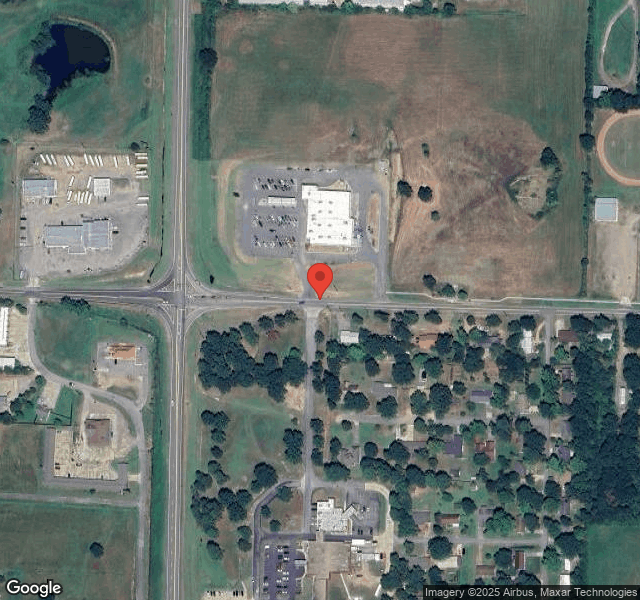
1369 WEST 6TH STREET, WALDRON, AR 72958 (479) 637-3171
For profit - Limited Liability company 75 Beds THE SPRINGS ARKANSAS Data: November 2025
Trust Grade
45/100
#179 of 218 in AR
Last Inspection: August 2024

Within standard 12-15 month inspection cycle. Federal law requires annual inspections.

Overview

The Springs of Waldron has a Trust Grade of D, indicating below-average quality with some significant concerns. It ranks #179 out of 218 nursing homes in Arkansas, placing it in the bottom half of facilities in the state, but it is the only option in Scott County. While the facility is improving over time, with the number of issues decreasing from 17 to 11, it still reported 39 concerns during inspections, including failures to ensure food freshness and proper meal preparation. Staffing is relatively strong with a rating of 4 out of 5 stars and a turnover rate of 55%, which is in line with the state average. Notably, the facility has not incurred any fines, suggesting that it has not faced severe compliance issues, but it still has room for improvement in cleanliness and food safety practices.

Trust Score
D
45/100
In Arkansas
#179/218
Bottom 18%
Safety Record
Low Risk
No red flags
Inspections
Getting Better
17 → 11 violations
Staff Stability
⚠ Watch
55% turnover. Above average. Higher turnover means staff may not know residents' routines.
Penalties
✓ Good
No fines on record. Clean compliance history, better than most Arkansas facilities.
Skilled Nurses
⚠ Watch
Each resident gets only 23 minutes of Registered Nurse (RN) attention daily — below average for Arkansas. Fewer RN minutes means fewer trained eyes watching for problems.
Violations
⚠ Watch
39 deficiencies on record. Higher than average. Multiple issues found across inspections.
★★☆☆☆
2.0
Overall Rating
★★★★☆
4.0
Staff Levels
★★★☆☆
3.0
Care Quality
★★☆☆☆
2.0
Inspection Score
Stable
2023: 17 issues
2024: 11 issues

The Good

  • 4-Star Staffing Rating · Above-average nurse staffing levels
  • Full Sprinkler Coverage · Fire safety systems throughout facility
  • No fines on record

Facility shows strength in staffing levels, fire safety.

The Bad

2-Star Overall Rating

Below Arkansas average (3.1)

Below average - review inspection findings carefully

Staff Turnover: 55%

Near Arkansas avg (46%)

Frequent staff changes - ask about care continuity

Chain: THE SPRINGS ARKANSAS

Part of a multi-facility chain

Ask about local staffing decisions and management

Staff turnover is elevated (55%)

7 points above Arkansas average of 48%

The Ugly 39 deficiencies on record

Dec 2024 7 deficiencies
CONCERN (D) 📢 Someone Reported This

A family member, employee, or ombudsman was alarmed enough to file a formal complaint

Potential for Harm - no one hurt, but risky conditions existed

Deficiency F0557 (Tag F0557)

Could have caused harm · This affected 1 resident

Deficiency Text Not Available

Read full inspector narrative →
Deficiency Text Not Available
CONCERN (D) 📢 Someone Reported This

A family member, employee, or ombudsman was alarmed enough to file a formal complaint

Potential for Harm - no one hurt, but risky conditions existed

Pressure Ulcer Prevention (Tag F0686)

Could have caused harm · This affected 1 resident

Based on observation, interviews, record review, and facility policy review, the facility failed to ensure the physician's order for wound care was followed correctly for 1 (Resident #6) of 3 (Residen...

Read full inspector narrative →
Based on observation, interviews, record review, and facility policy review, the facility failed to ensure the physician's order for wound care was followed correctly for 1 (Resident #6) of 3 (Residents #4, #5, #6) sampled residents. The finding include: A review of the quarterly Minimum Data Set (MDS), with the Assessment Reference Date of 10/29/2024, revealed Resident #6 had a Brief Interview of Mental Status (BIMS) score of 15, indicating cognitively intact. Resident #6 had an unhealed stage II pressure ulcer. The plan of care for Resident #6, revision date 12/06/2024, revealed Resident #6 was at risk for impaired skin integrity related to impaired mobility and declining health. A review of the Treatment Administration Record (TAR) revealed that Resident #6 had a physician's order for treatment to right side of the sacrum to cleanse with normal saline (NS), pat dry, apply Leptospermum (Manuka) honey (a medication used to treat wounds and burns), and cover with duoderm (a hydrocolloid, moisture-retentive wound dressing used for partial and full-thickness wounds with exudate). On 12/11/2024 at 7:47 AM, this surveyor observed the Infection Control/Wound Care Nurse provide wound care to Resident #6. This surveyor observed the Infection Control/Wound Care Nurse clean the wound with dermal wound cleanser, apply Leptospermum (Manuka) honey (a medication used to treat wounds and burns), and a hydrocolloid dressing. On 12/11/2024 at 8:50 AM, the Infection Control/Wound Care Nurse stated, I messed up. I misread the order and used wound cleanser rather than normal saline. On 12/11/2024 at 9:20 AM, the Director of Nursing (DON) stated that wound cleanser and normal saline are not the same. Therefore, the physician's order was not followed. The DON stated not following the physician's order could harm the resident and affect the healing of the wound. A review of the facility policy titled Wound Care noted the purpose of this procedure is to provide guidelines for the care of wounds to promote healing.
CONCERN (D) 📢 Someone Reported This

A family member, employee, or ombudsman was alarmed enough to file a formal complaint

Potential for Harm - no one hurt, but risky conditions existed

Incontinence Care (Tag F0690)

Could have caused harm · This affected 1 resident

Based on observations, interviews, record reviews, and facility policy review, the facility failed to ensure incontinence care was provided to 1 (Resident #5) of 3 (Residents #4, #5, #6) sampled resid...

Read full inspector narrative →
Based on observations, interviews, record reviews, and facility policy review, the facility failed to ensure incontinence care was provided to 1 (Resident #5) of 3 (Residents #4, #5, #6) sampled residents in a manner to promote cleanliness and/or prevent skin breakdown. The findings include: A review of the significant change Minimum Data Set (MDS), with the Assessment Reference Date of 9/15/2024, revealed Resident #5 had a Brief Interview of Mental Status (BIMS) score of 12 indicating moderate impaired cognition. Resident #5 was frequently incontinent of bowel and bladder. A plan of care for Resident #5, revision date 8/15/2023, revealed Resident #5 had an Activities of Daily Living (ADL) self-care deficit related to impaired mobility, weakness, and fluctuation in mental status. On 12/10/2024 at 1:45 PM, this surveyor observed Certified Nursing Assistant (CNA) #2 and CNA #3 provide incontinence care to Resident #5, who had been incontinent of bladder. CNA #2 and CNA #3 did not clean all areas of the perineal and buttock areas that had been exposed to urine. On 12/10/2024 at 2:00 PM, CNA #2 and CNA #3 both confirmed all areas exposed to urine were not cleaned. CNA #2 stated not cleaning all areas exposed to urine could potentially cause urine to remain on the resident and/or cause skin breakdown. On 12/11/2024 at 8:08 AM, the Director of Nursing (DON) stated when staff provide incontinent care to the resident all areas exposed to urine should be cleaned to get germs, urine, and/or stool off the resident's body and prevent skin breakdown. A review of facility policy titled Perineal Care noted the purpose of this procedure are to provide cleanliness and comfort to the resident, to prevent infections and skin irritation, and to observe the resident's skin condition.
CONCERN (D) 📢 Someone Reported This

A family member, employee, or ombudsman was alarmed enough to file a formal complaint

Potential for Harm - no one hurt, but risky conditions existed

Deficiency F0804 (Tag F0804)

Could have caused harm · This affected 1 resident

Deficiency Text Not Available

Read full inspector narrative →
Deficiency Text Not Available
CONCERN (E) 📢 Someone Reported This

A family member, employee, or ombudsman was alarmed enough to file a formal complaint

Potential for Harm - no one hurt, but risky conditions existed

Menu Adequacy (Tag F0803)

Could have caused harm · This affected multiple residents

Based on observation, record review, and interview, the facility failed to ensure meals were prepared and served according to the planned written menu to ensure that nutritionally balanced meals were ...

Read full inspector narrative →
Based on observation, record review, and interview, the facility failed to ensure meals were prepared and served according to the planned written menu to ensure that nutritionally balanced meals were provided for the residents for 1 of 1 meal observed. The findings are: 1. On 12/09/2024, the menu for the noon meal documented residents on pureed regular diets and on mechanical soft diets were to receive 4 ounces (oz) of meat balls in sauce. 2. On 12/9/24 at 12:11 PM, Dietary [NAME] (DC) #1 placed 16 meatballs into a blender and ground. DC #1 poured the ground meatballs into a pan and placed it on the steam table to be served to 17 residents who required mechanical soft diets. 3. On 12/9/24 at 12:30 PM, during the noon meal service, DC #1 used a 2-ounce spoon to serve a single portion of ground meatballs to eight (8) residents on mechanical soft diets instead of 4 ounces. At 12:51 PM, the 16 meatballs prepared to be served to 17 residents ran out after serving 8 residents 2 ounces instead of 4 ounces. 4. On 12/9/24 at 12:53 PM, DC #1 placed 21 meat balls into a pan and handed it to the Dietitian. The Dietitian poured the meatballs into a blender, ground, and poured the ground meat content into a pan and placed it on the steam table to be served to the remaining nine (9) residents who received mechanical soft diets. At 12:58 PM, DC #1 used a 2-ounce spoon to serve a single portion of ground meat balls to residents on mechanical soft diets, instead of 4 ounces. 5. On 12/09/24 at 1:50 PM, the Assistant Dietary Manager (ADM) was asked if she could weigh the meatballs starting from one (1) meatball. She did so and stated one (1) meatball weighed 1 ounce, two (2) meatballs weighed 2 ounces, and three (3) meatballs weighed 3 ounces. 6. On 12/10/24 at 11:38 AM, DC #1 was interviewed and asked if there was any reason she should not serve the proper number of meatballs, and if she checked the menu or recipe to determine how many meatballs to cook for the number of residents who received meal trays from the kitchen. DC #1 stated she didn't think she did enough. She gave three (3) meatballs each to about 15 residents and gave two (2) meatballs to the rest of the residents. DC #1 stated she would have run out of meatballs if she had given three (3) meatballs to each resident. DC #1 confirmed that she did not prepare enough. She would have needed to use at least three (3) or four (4) bags of meatballs, but there were only two (2) bags available in the freezer and that's what she used.
CONCERN (E) 📢 Someone Reported This

A family member, employee, or ombudsman was alarmed enough to file a formal complaint

Potential for Harm - no one hurt, but risky conditions existed

Food Safety (Tag F0812)

Could have caused harm · This affected multiple residents

Based on observation, interview, and record review, the facility failed to ensure foods stored in the dry storage areas, refrigerator, and freezer were covered and sealed, expired food items were prom...

Read full inspector narrative →
Based on observation, interview, and record review, the facility failed to ensure foods stored in the dry storage areas, refrigerator, and freezer were covered and sealed, expired food items were promptly removed, and dietary staff washed their hands before handling clean equipment or food items for 2 of 2 meals observed. The findings are: 1. On 12/9/24 at 11:13 AM, the following observations were made in the kitchen areas: a. An opened box of baking soda was in the cabinet above the food preparation counter. The box had an expiration date of 11/27/2024. The Dietary Manager (DM) was interviewed and was asked what she use baking soda for. The DM stated the staff used it when a recipe calls for it, but they had not used it to bake anything in a long time. b. Five (5) boxes of baking soda were in a cabinet above the food preparation counter. The boxes had an expiration date of 11/27/2024. c. An opened box of brown sugar was on a shelf above the food preparation counter. The bag was not sealed. d. An opened bag of grits was on the shelf above the food preparation counter. The bag was not sealed. e. An opened box of plain salt was on shelf above the food preparation counter. The box of salt was not covered. f. An opened gallon of soy sauce was on shelf below the food preparation counter. the manufacturer's instructions on the gallon indicated, Refrigerate after opening. 2. On 12/9/24 at 11:38 AM, the following observations were made in the storage room: a. An opened 50-pound (lb.) bag of white cake mix. The bag was not sealed. b. An opened 25 lb. bag of fortified milk. The bag was not sealed. c. An opened 25lb. bag of brown sugar. The bag was not sealed. d. An opened 50 lb. bag of cornmeal. The bag was not sealed. 3. On 12/9/24 at 11:42 AM, the following observations were made on a shelf in the walk-in refrigerator: a. An opened box of doughnuts. The box was not covered. b. An opened clear bag of coconut. The bag was not sealed. c. An opened clear bag of bag of yogurt. The bag was not sealed. d. An opened bag of shredded carrots. The bag was not sealed. e. Two (2) opened boxes of baking soda. The opened boxes had expiration dates of 11/27/2024. 4. On 12/9/24 AM at 11:44 AM, the following observations were made on a shelf in the walk-in freezer: a. An opened bag of vegetables blend. The bag was not sealed. b. An opened box of biscuits. The box was not covered or sealed. c. An opened box of chicken nuggets. The bag was not sealed. d. An opened box of peas and carrots. The box was not covered or sealed. e. An opened bag of onion rings. The bag was not sealed. f. An opened bag of fries. The bag was not sealed. g. An opened box of corn on the cob. The box was not covered or sealed. 5. On 12/9/24 at 12:14 PM, Dietary [NAME] (DC) #1 wore gloves when opening an alcohol packet, contaminating the gloves in the process. DC #1 then used the contaminated gloves to remove an alcohol pad. Without changing gloves or washing her hands, DC #1 touched bread sticks in a pan on the stove with the contaminated gloves. DC #1 wiped the stem of the temperature gauge with an alcohol pad and checked the temperature of the meatballs. DC #1 then used the contaminated glove to push the meatball stuck on the temperature gauge tip into a pan. DC #1 was interviewed immediately and was asked what she should have done after touching dirty objects and before handling food items. DC #1 stated she should have removed gloves and washed her hands. 6. On 12/9/24 at 12:32 PM, Dietary [NAME] (DC) #1 wore gloves on her hands while serving the lunch meal. DC #1 picked up tray cards, contaminating the gloves. Without changing gloves and washing her hands, DC #1 picked up plates, placed them on the plates inside the trays with her fingers, touching the inside of the plates to be used in portioning food items to be served to the residents. DC #1picked up bread sticks and placed them on the plates to be served to the residents. 7. On 12/9/24 at 1:03 PM, Dietary [NAME] (DC) #4 opened the refrigerator door, took out a jelly, and placed it on the counter. DC #4 did not wash her hands. She placed gloves on her hands and contaminated the gloves. DC #4 untied the bread bag, removed slices of bread from the bag, placed them on the plate, and spread peanut butter and jelly on the slices of bread to be served to the residents who requested it. 8. On 12/10/24 at 7:19 AM, DC #1 had gloves on her hands when she was on the tray line serving the breakfast meal. She picked up tray cards and placed them on the trays, contaminating the gloves. Without changing gloves and washing her hands, DC #1picked up plates and bowls, touching the inside of the plates and bowls with her contaminated gloved fingers, and placed them on the steam table shelf for portioning food items to be served to the residents for breakfast meal. DC #1was interviewed and was asked what she should have done after touching and before handling food items. DC #1stated she should have washed her hands. 9. On 12/10/24 at 7:53 AM, DC #1 tucked her gloved hands below her chest, touched her blouse, and contaminated the gloves. DC #1 then picked up a tray card and held it in her contaminated gloved hand. Without changing gloves and washing her hands, DC #1 picked up a plate with the contaminated gloved fingers inside the plate. Then she picked slices of toast up and placed on a plate to be served to the residents for the breakfast meal. DC #1 was interviewed and was asked what she should have done after touching dirty objects and before handling food items. DC #1 stated she should have removed gloves and washed her hands. 10. A review of facility policy titled, Manual: Food and Nutrition Services-Quick Resources tool: Hand washing not dated and provided by the Dietary Manager indicated hands should be washed as often as possible, before starting to work with food, utensils or equipment and as needed during food preparation and when changing tasks.
CONCERN (E) 📢 Someone Reported This

A family member, employee, or ombudsman was alarmed enough to file a formal complaint

Potential for Harm - no one hurt, but risky conditions existed

Infection Control (Tag F0880)

Could have caused harm · This affected multiple residents

Based on observations, interviews, record review, and facility policy review, the facility failed to ensure staff used proper hand hygiene when providing care for 2 (Residents #5, #6) of 3 (Residents ...

Read full inspector narrative →
Based on observations, interviews, record review, and facility policy review, the facility failed to ensure staff used proper hand hygiene when providing care for 2 (Residents #5, #6) of 3 (Residents #4, #5, #6) sampled residents. The finding include: 1. A review of the significant change Minimum Data Set (MDS), with the Assessment Reference Date of 9/15/2024, revealed Resident #5 had a Brief Interview of Mental Status (BIMS) score of 12, indicating moderate impaired cognition. Resident #5 was frequently incontinent of bowel and bladder. a. A plan of care for Resident #5, revision date 8/15/2023, revealed Resident #5 had an Activities of Daily Living (ADL) self-care deficit related to impaired mobility, weakness, and fluctuation in mental status. b. On 12/10/2024 at 1:45 PM, this surveyor observed Certified Nursing Assistant (CNA) #2 and CNA #3 did not use proper hand hygiene while providing care to Resident #5. This surveyor observed CNA #2 apply a clean brief and place a pillow under the resident's knees with dirty gloves. c. On 12/10/2024 at 2:00PM, CNA #3 stated hand hygiene should be used between glove changes and confirmed that hand hygiene was not done between glove changes. d. CNA #2 stated that she should have applied clean gloves prior to placing a clean brief on resident #5, and she potentially spread germs by handling the resident's pillow with dirty gloves. 2. A review of the quarterly Minimum Data Set (MDS), with the Assessment Reference Date of 10/29/2024, revealed Resident #6 had a Brief Interview of Mental Status (BIMS) score of 15 indicating cognitively intact. Resident #6 had an unhealed stage II pressure ulcer. a. A plan of care for Resident #5, revision date 12/06/2024, revealed Resident #6 was at risk for impaired skin integrity related to impaired mobility and declining health. b. On 12/11/2024 at 7:47 AM, this surveyor observed the Infection Control/Wound Care Nurse provide wound care to Resident #6. The Infection Control/Wound Care Nurse did not don the proper Personal Protective Equipment (PPE) prior to providing care or use proper hand hygiene during care. c. On 12/11/2024 at 7:47 AM, while providing care to Resident #6, the Infection Control/Wound Care Nurse stated after removing gloves I usually use hand sanitizer at this time but did not. 3. On 12/11/2024 at 8:08 AM, the Director of Nursing (DON) stated staff should wash or sanitize hands between glove changes. The DON stated staff should not apply a clean brief with dirty gloves, because you are dirtying your clean. 4. A policy titled Handwashing/Hand Hygiene noted this facility considers hand hygiene the primary means to prevent the spread of infection.
Aug 2024 1 deficiency
CONCERN (E)

Potential for Harm - no one hurt, but risky conditions existed

Infection Control (Tag F0880)

Could have caused harm · This affected multiple residents

Based on observations, interviews, record review, facility document review, and facility policy review, the facility failed to have measures in place to prevent the growth of Legionella and other oppo...

Read full inspector narrative →
Based on observations, interviews, record review, facility document review, and facility policy review, the facility failed to have measures in place to prevent the growth of Legionella and other opportunistic waterborne diseases in building water system. The facility failed to have staff use appropriate Personal Protective Equipment (PPE) when providing care to a resident on droplet precautions for 1 (Resident # 2) sampled resident. The findings include: 1. A review of a facility policy titled, Water Management Program dated 02/12/2024, indicated the following: a. The control measures, locations, and frequency-controlled measures shall be implemented at the location of risk areas on a weekly basis by the maintenance director or designee. Common control measures include but are not limited to the following: i. Visual inspection ii. Disinfection levels iii. Temperature checks. b. Monitor and respond- when it is determined that the control limits are not usually met, the maintenance director shall report to the water management team and corrective actions shall occur. Control measures and limits include: i. Total dissolved solids (TDS) PPM acceptable range 0-399 ii. pH acceptable range 6.5-8.5 iii. Hot water temperature acceptable range >108 and < state established anti scold limit. Cold water temp acceptable range <77. 2. On 07/30/2024 at 1:20 PM, the Surveyor interviewed the Maintenance Director about Legionella. The Maintenance Director denied knowing anything about it. Stated they had heard of it but is not sure what it was. 3. On 07/30/2024 at 1:24 PM, the Surveyor asked the Administrator about their process for Legionella. The Administrator stated maintenance takes care of it. When told maintenance didn't know anything about it, the Administrator called corporate maintenance who provided a copy of their policy and procedure that stated the team shall include but not be limited to the Administrator, Director of Nursing, Infection Prevention and Maintenance Director. The Infection Prevention Nurse was unavailable at the time. 4. On 07/30/2024 at 2:15 PM, the Surveyor interviewed the Director of Nursing (DON) about being on the water management team. The Director of Nursing stated they didn't know anything about it, they just started about two months ago. The DON stated understanding of what it is but had not been monitoring it here. 5. Resident #2's care plan with a revision date of 07/29/2024 indicated, .Resident #2 had a diagnosis of COVID 19 .Resident is on droplet precautions due to testing positive for COVID-19 on 7/22/2024 Resident will not be socially isolated through plan of tx (treatment) this qtr (quarter) .Disinfect all equipment used before it leaves the room . Droplet isolation: Gown, gloves, and mask to be worn at all times while providing care/in room .Educate resident/family/staff regarding preventive measures to contain the infection . a. A review of physician's orders dated 7/22/24 indicated, .droplet precautions until 08/02/2024 related to positive COVID on 7/22/24 . b. On 07/30/2024 at 2:29 PM, the Surveyor observed the Droplet Precaution sign on the door that showed pictures with instructions of proper usage of Personal Protective Equipment (PPE) and stated Droplet Precaution Stop: Everyone must wear mask; Doctors and staff Must: Wear eye protection, gown and gloves with specific directions for the order it must be done. Wash hands or use hand sanitizer, gown, mask, eye cover and gloves. c. On 07/30/2024 at 1:30 PM, the surveyor observed Certified Nursing Assistant (CNA) #1 enter Resident # 2's room and bring out a lunch tray with only a surgical mask on. CNA #1 was asked what the signs were on the door as they stopped and read them and stated it was precaution in case they spit or sneezed on you, they only wear a surgical mask when entering the room to pick up tray but if she needs to turn, reposition or clean her they fully dress out. The surveyor noticed on the door were face shields, gloves and gown on the hanger for PPE. d. On 07/30/2024 at 2:20 PM, CNA #1 brought N95 mask and placed them in the PPE hanger. CNA #1 and CNA #2 were going in the room together. Prior to entry the surveyor asked why the signs were up, what did the Resident have? CNA #1 & CNA #2 were unable to answer. When asked what the need is for using the correct PPE, they said to protect themselves from getting sick then after a few moments they said to prevent other residents from getting ill as well. e. On 07/30/2024 PM at 3:00 PM, the Surveyor asked the DON what the protocol for proper PPE for Resident #2. The DON pointed at the sign on the door and stated gown, mask, eye cover and gloves; to discard gloves, eye cover, gown and mask. When asked what the importance was of using proper PPE, the DON stated to prevent the spread of illness to other residents.
Mar 2024 3 deficiencies
CONCERN (D) 📢 Someone Reported This

A family member, employee, or ombudsman was alarmed enough to file a formal complaint

Potential for Harm - no one hurt, but risky conditions existed

Administration (Tag F0835)

Could have caused harm · This affected 1 resident

**NOTE- TERMS IN BRACKETS HAVE BEEN EDITED TO PROTECT CONFIDENTIALITY** Based on interview and record review, the facility failed to ensure the Administrator was responsible for the overall operation ...

Read full inspector narrative →
**NOTE- TERMS IN BRACKETS HAVE BEEN EDITED TO PROTECT CONFIDENTIALITY** Based on interview and record review, the facility failed to ensure the Administrator was responsible for the overall operation of the facility. The findings are: 1. Resident #04 expired in the facility on [DATE]. a. A Nursing Progress Note dated [DATE] at 3:54 PM by Licensed Practical Nurse (LPN) #01 documented, This nurse went into residents room to check on her and no vitals were obtained. No respirations noted. No heart beat auscultated. Time of death was pronounced by this nurse at 1449 [2:49 PM]. Family at beside. Administrator, DON [Director of Nursing], ADON [Assistant Director of Nursing], Dr. [Name], and [Nurse Consultant Name] all notified of time of death. [Name] Funeral Home was called at 1500 [3:00 PM]. Body picked up . b. During an interview on [DATE] at 12:27 PM, the County Coroner confirmed no one from the nursing home or the Medical Director had called her office to report Resident #04 had expired and time of death needed to be called. c. During an interview on [DATE] at 04:05 PM, the Funeral Home Owner/Deputy Coroner confirmed that he/she was called by the nursing home on his/her funeral home answering service line for a body pick up for the funeral home and that the coroner's office did not dispatch him/her to call time of death. d. During an interview on [DATE] at 09:39 AM, LPN #01 stated he/she called the Administrator and the Medical Director to report the resident had expired but had not contacted the coroner's office directly. e. During an interview on [DATE] at 09:22 AM, the Administrator confirmed he/she was to be notified of a resident expiring in the facility but was not notified Resident #04 had expired until [DATE], and that the County Coroner had not been notified by the facility or the Medical Director.
CONCERN (D) 📢 Someone Reported This

A family member, employee, or ombudsman was alarmed enough to file a formal complaint

Potential for Harm - no one hurt, but risky conditions existed

Deficiency F0836 (Tag F0836)

Could have caused harm · This affected 1 resident

**NOTE- TERMS IN BRACKETS HAVE BEEN EDITED TO PROTECT CONFIDENTIALITY** Based on interview and record review, the facility failed to ensure compliance with all applicable Federal, State, and local law...

Read full inspector narrative →
**NOTE- TERMS IN BRACKETS HAVE BEEN EDITED TO PROTECT CONFIDENTIALITY** Based on interview and record review, the facility failed to ensure compliance with all applicable Federal, State, and local laws, regulations, and codes by failing to ensure a death was reported to the Coroner's office. The findings are: 1. Resident #04 expired in the facility on [DATE]. a. A Nursing Progress Note dated [DATE] at 3:54 PM by Licensed Practical Nurse (LPN) #01 documented, This nurse went into residents room to check on her and no vitals were obtained. No respirations noted. No heart beat auscultated. Time of death was pronounced by this nurse at 1449 [2:49 PM]. Family at beside. Administrator, DON [Director of Nursing], ADON [Assistant Director of Nursing], Dr. [Name], and [Nurse Consultant Name] all notified of time of death. [Name] Funeral Home was called at 1500 [3:00 PM]. Body picked up . b. During an interview on [DATE] at 12:27 PM, the County Coroner confirmed no one from the nursing home or the Medical Director had called her office to report Resident #04 had expired and time of death needed to be called. c. During an interview on [DATE] at 04:05 PM, the Funeral Home Owner/Deputy Coroner confirmed that he/she was called by the nursing home on his/her funeral home answering service line for a body pick up for the funeral home and that the coroner's office did not dispatch him/her to call time of death. d. During an interview on [DATE] at 09:39 AM, LPN #01 stated he/she called the Administrator and the Medical Director to report the resident had expired but had not contacted the coroner's office directly. e. During an interview on [DATE] at 09:22 AM, the Administrator confirmed he/she was to be notified of a resident expiring in the facility but was not notified Resident #04 had expired until [DATE], and that the County Coroner had not been notified by the facility or the Medical Director. f. During an interview on [DATE] at 09:27 AM, the Medical Director confirmed he/she received a text message on [DATE] at 02:53 PM that Resident #04 had expired. The Surveyor asked, What is the procedure when you are notified a resident has expired? The Medical Director stated, Umm, usually they will just contact me if a resident passed. The Surveyor asked, Did you come into the facility and attend the death of the resident? The Medical Director stated, As far as I know we've never come in to pronounce patients. The Surveyor asked, Did you contact the County Coroner's office to notify them that [Resident #04] had expired in the facility? The Medical Director stated, No, usually the facility will do that without having to be told. g. A facility In-Service titled, Death in Facility, provided by the Administrator on [DATE] at 09:56 AM documented, .1. Order obtained to release body to funeral home (our Doctor) .3. MD/NP [Medical Director/Nurse Practioner] notification documented .5. Coroner notified documented (Make contact, have to talk to them!!!) . h. Facility policy titled, Post-Mortem Care Policy and Procedure provided by the Administrator on [DATE] at 10:07 AM documented, .Procedure: 1. Follow regulations for reporting deaths to the coroner's office. Licensed nurse will obtain an order from the physician or physician designee releasing the body to the mortuary before beginning post-mortem care . i. The 2010 Arkansas Code Title 20 - Public Health And Welfare Subtitle 2 - Health And Safety Chapter 18 - Vital Statistics Act Subchapter 6 - Deaths § 20-18-601 - Registration generally documented: .(c) (1) (A)The medical certification shall be completed, signed, and returned to the funeral director within two (2) business days after receipt of the death certificate by the physician in charge of the patient's care for the illness or condition that resulted in death . (2) The Arkansas State Medical Board shall enforce by rule subdivision (c)(1) of this section concerning the time period in which the medical certification shall be executed . (3) A registered nurse employed by the attending hospice may complete and sign the medical certification of death and pronounce death for a patient who is terminally ill, whose death is anticipated, who is receiving services from a hospice program certified under 20-7-117, and who dies in a hospice inpatient program or as a hospice patient in a nursing home. (4) If the hospice patient dies in the home, the registered nurse may make pronouncement of death. However, the coroner and the chief law enforcement official of the county or municipality where death occurred shall be immediately notified in accordance with 12-12-315. (5) The Department of Health shall provide hospitals, nursing homes, and hospices with the appropriate death certificate forms, which will be made available to the certifier of death. When death occurs outside these health facilities, the funeral home shall provide the death certificate to the certifier of death. (d) If the cause of death appears to be other than the illness or condition for which the deceased was being treated or if inquiry is required by either of the laws referred to in subsection (c) of this section, the case shall be referred to the office of the State Medical Examiner or coroner in the jurisdiction where the death occurred or the body was found for investigation to determine and certify the cause of death. If the State Medical Examiner or county coroner determines that the case does not fall within his or her jurisdiction, he or she shall within twenty-four (24) hours refer the case back to the physician for completion of the medical certification. (e) When inquiry is required by either of the laws referred to in subsection (c) of this section, the State Medical Examiner or coroner in the jurisdiction where the death occurred or the body was found shall determine the cause of death and shall complete and sign the medical certification within forty-eight (48) hours after taking charge of the case. (f) If the cause of death cannot be determined within forty-eight (48) hours after death, the medical certification shall be completed as provided by regulation. The attending physician or State Medical Examiner or county coroner shall give the funeral director or person acting as the funeral director notice of the reason for the delay, and final disposition of the body shall not be made until authorized by the attending physician or State Medical Examiner or county coroner .
CONCERN (D) 📢 Someone Reported This

A family member, employee, or ombudsman was alarmed enough to file a formal complaint

Potential for Harm - no one hurt, but risky conditions existed

Deficiency F0841 (Tag F0841)

Could have caused harm · This affected 1 resident

**NOTE- TERMS IN BRACKETS HAVE BEEN EDITED TO PROTECT CONFIDENTIALITY** Based on record review and interview, the facility failed to ensure the Medical Director fulfilled his/her responsibility for th...

Read full inspector narrative →
**NOTE- TERMS IN BRACKETS HAVE BEEN EDITED TO PROTECT CONFIDENTIALITY** Based on record review and interview, the facility failed to ensure the Medical Director fulfilled his/her responsibility for the implementation of resident care policies and/or the coordination of medical care in the facility. The findings are: 1. Resident #04 expired in the facility on [DATE]. a. A Nursing Progress note dated [DATE] at 3:54 PM by Licensed Practical Nurse (LPN) #01 documented, This nurse went into residents room to check on her and no vitals were obtained. No respirations noted. No heart beat auscultated. Time of death was pronounced by this nurse at 1449 [2:49 PM]. Family at beside. Administrator, DON [Director of Nursing], ADON [Assistant Director of Nursing], Dr. [Name], and [Nurse Consultant Name] all notified of time of death. [Name] Funeral Home was called at 1500 [3:00 PM]. Body picked up . b. During an interview on [DATE] at 12:27 PM, the County Coroner confirmed no one from the nursing home or the Medical Director had called her office to report Resident #04 had expired and time of death needed to be called. c. During an interview on [DATE] at 04:05 PM, the Funeral Home Owner/Deputy Coroner confirmed that he/she was called by the nursing home on his/her funeral home answering service line for a body pick up for the funeral home and that the coroner's office did not dispatch him/her to call time of death. d. During an interview on [DATE] at 09:39 AM, LPN #01 stated he/she called the Administrator and the Medical Director to report the resident had expired but had not contacted the coroner's office directly. e. During an interview on [DATE] at 09:22 AM, the Administrator confirmed he/she was to be notified of a resident expiring in the facility but was not notified Resident #04 had expired until [DATE], and that the County Coroner had not been notified by the facility or the Medical Director. f. During an interview on [DATE] at 09:27 AM, the Medical Director confirmed he/she received a text message on [DATE] at 02:53 PM that Resident #04 had expired. The Surveyor asked, What is the procedure when you are notified a resident has expired? The Medical Director stated, Umm, usually they will just contact me if a resident passed. The Surveyor asked, Did you come into the facility and attend the death of the resident? The Medical Director stated, As far as I know we've never come in to pronounce patients. The Surveyor asked, Did you contact the County Coroner's office to notify them that [Resident #04] had expired in the facility? The Medical Director stated, No, usually the facility will do that without having to be told.
Aug 2023 13 deficiencies
CONCERN (D)

Potential for Harm - no one hurt, but risky conditions existed

Deficiency F0574 (Tag F0574)

Could have caused harm · This affected 1 resident

Based on record review and interview, the facility failed to ensure the residents know where the Ombudsman contact information is posted, and the facility failed to ensure the residents have been info...

Read full inspector narrative →
Based on record review and interview, the facility failed to ensure the residents know where the Ombudsman contact information is posted, and the facility failed to ensure the residents have been informed of their rights and given information of how to file a formal complaint with the State Agency. The failed practice had the potential to affect all 52 residents in the facility as documented on the Resident Census and Conditions of Residents which was provided by the Administrator on 08/21/2023 at 1:00 PM. The findings included: During interview on 08/22/2023 at 9:30 AM, the Administrator confirmed there were three Presidents of the Resident Council Resident #7, #38, and #43. On 08/22/2023 at 1:10 PM, the Surveyors met with the Resident Council with Resident #5, #42, #31, #37, and #40 in attendance. The three Presidents were not in attendance. The Surveyor asked the Resident Council members, do you know where the Ombudsman poster with contact information is posted? The Resident Council members collectively said they did not know. The Surveyor asked the Resident Council members, have you been informed of your rights and given instructions on how to formally file a complaint with the State? The Resident Council members stated collectively they did not know. During interview on 08/22/2023 at 2:00 PM, the Surveyor asked the Activity Director why did the Presidents not attend the Resident Council meeting? The Activity Director said one Resident was in the shower, one Resident was getting a haircut, and one Resident said he had been interviewed by the State. During interview on 08/23/2023 at 3:30 PM, the Activity Director, confirmed residents should know where the Ombudsman poster is located and have the right to be informed of how to contact the Office of Long-Term Care (OLTC) if they have complaints. Review of the facility ' s policy titled, Resident Rights and Quality of Life Policy and Procedure provided by Nurse Consultant #1 on 08/24/2023 at 9:18 AM showed residents have the right to communicate with people, and to services inside and outside of the facility, and have immediate access to any representative of the State and the State's Long Term Care Ombudsman.
CONCERN (D)

Potential for Harm - no one hurt, but risky conditions existed

Deficiency F0577 (Tag F0577)

Could have caused harm · This affected 1 resident

Based on record review and interview, the facility failed to ensure the state inspection results are available to residents without having to ask. This failed practice had the potential to affect all ...

Read full inspector narrative →
Based on record review and interview, the facility failed to ensure the state inspection results are available to residents without having to ask. This failed practice had the potential to affect all 52 residents in the facility. The findings included: During interview on 08/22/2023 at 9:30 AM, the Administrator confirmed there were three Presidents of the Resident Council Resident #7, #38, and #43. On 08/22/23 at 1:10 PM, the Surveyors met with the Resident Council with Resident #5, #42, #31, #37, and #40 in attendance. The three Presidents were not in attendance. The Resident Council was asked, do you know where the results of the state inspection are posted, and can you read them without having to ask for them? The Resident Council stated collectively they did not know. During interview on 08/22/2023 at 2:00 PM, the Surveyor asked the Activity Director why did the presidents not attend the Resident Council meeting? The Activity Director said one Resident was in the shower, one Resident was getting a haircut, and one Resident said he had been interviewed by the state. During interview on 08/23/23 at 03:30 PM, the Activity Director confirmed residents should have access to the state inspection results without asking for them. Review of the facility ' s policy titled, Resident Rights and Quality of Life Policy and Procedure provided by Nurse Consultant #1 on 08/24/2023 at 9:18 AM showed all residents have the right to examine facility survey results.
CONCERN (D)

Potential for Harm - no one hurt, but risky conditions existed

Deficiency F0637 (Tag F0637)

Could have caused harm · This affected 1 resident

Based on record review and interview, the facility failed to complete a Significant Change in Status Minimum Data Set (MDS) after a decline in two or more activities of daily living (ADL) for 1 (Resid...

Read full inspector narrative →
Based on record review and interview, the facility failed to complete a Significant Change in Status Minimum Data Set (MDS) after a decline in two or more activities of daily living (ADL) for 1 (Resident #26) of 10 (Resident# 6, #18, #21, #26, #34, #39, #44, #47, #204 and #205) residents whose MDS were reviewed. The findings included: Review of Resident #26 ' s Minimum Data Set (MDS) Quarterly Assessment with an Assessment Reference Date (ARD) of 03/29/2023 showed Resident required limited assistance with 1-person physical assist with bed mobility and limited assistance with 1- person physical assist. Review of the Minimum Data Set a Quarterly Assessment with an Assessment Reference Date of 06/29/2023 showed the resident required extensive assistance with 2-person physical assist with bed mobility and extensive assistance with 1- person physical assist. During interview on 08/24/2023 at 3:08 PM, the MDS Coordinator (MDSC) confirmed a decline in 2 or more areas between the last 2 MDSs of Resident #26. During interview on 08/24/2023 at 3:20 PM, the Director of Nurses (DON) confirmed the MDSC should accurately code the MDSs. Review of a form titled Assessment Management Requirements and Tips for Annual Assessments dated October 2019 provided by the DON showed, significant change is a major decline or improvement in a resident's status that will not normally resolve itself without intervention, and a significant change is appropriate if there are either two or more areas of improvement or decline.
CONCERN (D)

Potential for Harm - no one hurt, but risky conditions existed

Deficiency F0645 (Tag F0645)

Could have caused harm · This affected 1 resident

Based on interview and record review, the facility failed to ensure a resident with a Mental Disorder was referred for a Level II PASARR (Preadmission Screening and Resident Review) evaluation for 1 (...

Read full inspector narrative →
Based on interview and record review, the facility failed to ensure a resident with a Mental Disorder was referred for a Level II PASARR (Preadmission Screening and Resident Review) evaluation for 1 (Resident #43) out of 2 (Resident #10 and #43) sample mix. The findings included: Review of Resident #43's Care Plan showed a diagnosis of bipolar disorder, and antipsychotic medications r/t bipolar disorder with an initiated date of 11/27/2021 and revised on 07/11/2023. During interview on 08/22/2023 at 3:40 PM, the BOM confirmed Resident #43 does not have a State Designated Professional Associates letter for Level II PASARR. During an interview on 08/23/2023 at 08:29 AM 08:29 AM, with a State Designated Professional Associate regarding a PASSAR Level II for Resident # 43 who stated the resident was not being tracked. During interview on 08/23/2023 at 3:40 PM, the Director of Nursing (DON), said, we try to get the preadmission screening completed before they come in. The DON confirmed there was not a PASARR Level II for Resident #43 and confirmed a resident with a diagnosis of bipolar should have a Level II. During interview on 08/23/2023 at 04:01 PM, the DON stated, I found out some additional information on Resident # 43. In 2021 the resident came from Texas and the PASARR was probably just overlooked. Review of facility's policy titled Pre-admission Screening and Resident Review [PASRR] Policy and Procedure provided by Consultant #1 on 08/24/2023 09:18 AM, showed, PASRR is a federal requirement to help ensure that individuals who have a mental disorder or intellectual disabilities are not inappropriately placed in nursing home for long term care. The facility is to review resident diagnosis and medications upon admission and throughout the resident stay to determine if a level two request for resident review is to be completed and incorporating the recommendations from the PASARR level II determination and the PASARR evaluation report in the resident's assessment, care planning, and transitions of care. A resident review for level II evaluation should be considered for the following residents with Tier one diagnosis such as Bi-Polar.
CONCERN (D)

Potential for Harm - no one hurt, but risky conditions existed

ADL Care (Tag F0677)

Could have caused harm · This affected 1 resident

Based on observation, interview, and record review, the facility failed to ensure fingernails were kept trimmed for 1 (Resident #10) of 29 (Residents #2, #4, #6, #10, #16, #17, #18, #21, #22, #25, #26...

Read full inspector narrative →
Based on observation, interview, and record review, the facility failed to ensure fingernails were kept trimmed for 1 (Resident #10) of 29 (Residents #2, #4, #6, #10, #16, #17, #18, #21, #22, #25, #26, #27, #29, #30, #31, #32, #34, #39, #41, #42, #43, #44, #47, #50, #52, #53, #154, #204, #205) sampled residents who relied on the facility for nail care per a list provided by Nurse Consultant #2 on 08/24/2023 at 08:56 AM. The findings included: On 08/21/2023 at 10:38 AM the Surveyor observed Resident #10 fingernails with jagged edges extending ½ past the tips of the fingers. During interview on 08/21/2023 at 10:38 AM, the Surveyor asked Resident #10 do you like your nails that length? Resident #10 stated No, I wish they would cut them. Resident #10 said the facility staff cuts her nails and the staff is aware of the nails needing cut. On 08/23/2023 at 1:10 PM the Surveyor observed Resident #10 ' s fingernails with jagged edges extending ½ past the tips of the fingers. During interview on 08/23/2023 at 1:22 PM the Surveyor asked LPN #1 who was responsible for cutting the nails for residents. LPN #1 said the aides cut the residents nails unless the resident is a diabetic. The Treatment Nurse cuts the nails of the diabetic residents. LPN #1 confirmed Resident #10 ' s fingernails needed to be cut. During interview on 08/23/2023 at 1:36 PM, the Assistant Director of Nursing (ADON) confirmed Resident #10's nails needed to be cut. Reveiw of facility's policy titled Nail Care Policy and Procedure. on 08/24/2023 at 9:18 AM provided by Nurse Consultant #1 showed all residents will have nails cleaned and trimmed once weekly or as needed per resident request.
CONCERN (D)

Potential for Harm - no one hurt, but risky conditions existed

Quality of Care (Tag F0684)

Could have caused harm · This affected 1 resident

Based on observation, interview, and record review, the facility failed to provide repositioning assistance for 1 (Resident #43) of 5 (Resident #10, #21, #27, #43 and #44) sampled residents that requi...

Read full inspector narrative →
Based on observation, interview, and record review, the facility failed to provide repositioning assistance for 1 (Resident #43) of 5 (Resident #10, #21, #27, #43 and #44) sampled residents that required the assistance of one or more staff members for bed repositioning per a list provided by Nurse Consultant #2 on 08/24/2023 at 8:56 AM. The findings included: On 08/21/2023 at 10:21 AM, the Surveyor observed Resident #43 lying in bed. The bed was inclined, and Resident #43 was slouched down in bed at an angle, with her head and feet extending from either side of the bed. The Surveyor asked Resident #43, are you comfortable? Resident #43 stated, No my neck and back are hurting. The Surveyor asked are you able to reposition yourself without assistance? Resident #43 stated, No please I need help. On 08/22/2023 at 7:19 AM the Surveyor observed, with LPN #1, Resident #43 lying slouched down in bed with her feet and lower legs hanging off the right side of the bed and her head hanging off the left side. The Surveyor asked Resident #43 do you need help? Resident #43 stated, Yes I'm not comfortable, I need help moving. During interview on 08/22/2023 at 1:51 PM Certified Nursing Assistant (CNA) #5 confirmed responsibility for the care of Resident #42. The Surveyor asked CNA #5 if Resident #43 required assistance to reposition in bed. CNA #5 stated, Yes, I have to pull her up. Review of Resident #43's Quarterly Minimum Data Set (MDS) with an Assessment Reference Date (ARD) of 05/18/2023 showed, Resident moves to and from lying position, turns side to side, and positions body while in bed or alternate sleep furniture requiring one-person physical assist. Review of facility's policy titled Positioning the Resident Policy and Procedure provided by Nurse Consultant #1 on 08/24/2023 at 9:18 AM showed, the purpose is to change the resident ' s position with good body alignment.
CONCERN (D)

Potential for Harm - no one hurt, but risky conditions existed

Respiratory Care (Tag F0695)

Could have caused harm · This affected 1 resident

Based on observation, interview, and record review, the facility failed to ensure a physician's order was obtained prior to administering supplemental oxygen to 1 (Resident #43) of 7 (Residents #6, #1...

Read full inspector narrative →
Based on observation, interview, and record review, the facility failed to ensure a physician's order was obtained prior to administering supplemental oxygen to 1 (Resident #43) of 7 (Residents #6, #16, #26, #34, #39, #43, #205) sampled residents receiving supplemental oxygen in the facility per a list provided by Nurse Consultant #2 on 08/24/2023 at 08:56 AM. The findings included: During observation on 08/21/2023 at 10:21 AM, Resident #43 was lying in bed with a nasal cannula in place receiving oxygen from a bedside oxygen concentrator set to deliver 3 liters per minute of oxygen. During interview on 08/22/2023 at 7:19 AM Licensed Practical Nurse (LPN) #1 confirmed that Resident #43 was receiving oxygen via nasal cannula at a rate of 3 liters. The Surveyor asked LPN #1 to locate the physician's order regarding supplemental oxygen for Resident #43. LPN #1 stated I don't see one. During interview on 08/23/2023 at 3:39 PM, the Assistant Director of Nursing (ADON) stated, They were receiving oxygen when they were in the hospital, I don't know why it isn't in the chart. Review of facility ' s policy on 08/24/2023 at 08:56 AM Nurse Consultant #1 provided a document titled Oxygen Administration Policy and Procedure undated provided by Nurse Consultant #1 showed check physician's order for liter flow and method of administration.
CONCERN (D) 📢 Someone Reported This

A family member, employee, or ombudsman was alarmed enough to file a formal complaint

Potential for Harm - no one hurt, but risky conditions existed

Deficiency F0697 (Tag F0697)

Could have caused harm · This affected 1 resident

Based on observation, record review and interview, the facility failed to ensure that pain medication was provided in a timely manner for 1 (Resident #33) of 19 (Resident #33, #38, #6, #44, #16, #17, ...

Read full inspector narrative →
Based on observation, record review and interview, the facility failed to ensure that pain medication was provided in a timely manner for 1 (Resident #33) of 19 (Resident #33, #38, #6, #44, #16, #17, #29, #5, #39, #43, #26, #10, #37, #20, #34, #205, #27, #47, #32) sampled residents who had a physician's order for routine pain medication, as documented on a list provided by the Director of Nursing (DON) on 08/23/2023 at 3:30 PM. The findings included: 1. On 08/22/2023 during observation at 8:00 AM LPN #1 was informed Resident #33 was in pain and requesting pain medication. The Surveyor accompanied LPN #1 to Resident #33's room. The LPN asked Resident #33 to rate the pain on a scale of 1 to 10. Resident #33 said, 8. The LPN administered Hydrocodone-Acetaminophen 10-325 MG. The Surveyor asked LPN #1 is the medication scheduled or PRN (as needed)? LPN #1 replied, It's scheduled. Review of Resident #33 ' s physician ' s Order Summary Report dated 08/23/2023 showed the following: a. A diagnosis of quadriplegia, spinal cord injury, and chronic pain. b. A medication order dated 10/07/2022 for Hydrocodone-Acetaminophen tablet 10-325 MG (milligrams) administer 1 tablet by mouth every 6 hours for pain. c. An order dated 08/16/2023 assess for pain using 0-10 scale every shift. Review of the August Medication Administration Record (MAR) showed Hydrocodone-Acetaminophen tablet 10/325mg to be administered at midnight, 6:00 AM, 12:00 PM and 6:00 PM daily. Review of the Annual Minimum Data Set (MDS) with an Assessment Reference Date (ARD) of 05/17/2023 showed a scheduled pain medication regimen, presence of pain and 7 days of opioids. Review of Resident #33 ' s Care Plan with a revision date of 06/30/2023 showed, administer analgesic medications as ordered by the physician. During interview on 08/23/2023 at 8:44 AM LPN #1 confirmed Resident #33 ' s pain medication had been administered 90 minutes past the scheduled time. During interview on 08/23/2023 at 1:40 PM, the Assistant Director of Nursing (ADON) confirmed the medication dose was administered late. During interview on 08/23/2023 at 3:30 PM, LPN #2 confirmed a resident should not have to ask for scheduled pain medication and wait an hour and a half before the pain medication is administered. During interview on 08/23/23 at 03:40 PM, the Director of Nursing (DON) confirmed a resident should not have to ask for scheduled pain medication and wait an hour and a half before the medication is administered. Review of facility ' s policy titled, Medication Administration, General Guidelines, Policy and Procedure undated provided by Nurse Consultant #1 showed, routine medication dose administration is established by the facility and utilized on the administration records. Review of facility ' s policy titled, Pain Management Policy and Procedure provided by Nurse Consultant #1 on 08/24/2023 at 9:18 AM showed, Resident pain is to be assessed and addressed to meet individual needs, and pain medication is to be utilized as ordered by the physician.
CONCERN (E) 📢 Someone Reported This

A family member, employee, or ombudsman was alarmed enough to file a formal complaint

Potential for Harm - no one hurt, but risky conditions existed

Resident Rights (Tag F0550)

Could have caused harm · This affected multiple residents

Based on observation, interview, and record review, the facility failed to serve residents in a manner that promoted dignity for 3 (Residents #2, #22, #26) of 9 (Residents #2, #22, #25, #26, #29, #31,...

Read full inspector narrative →
Based on observation, interview, and record review, the facility failed to serve residents in a manner that promoted dignity for 3 (Residents #2, #22, #26) of 9 (Residents #2, #22, #25, #26, #29, #31, #36, #42, #43 ) sampled residents that eat their meals in the dining room. The findings included: On 08/21/2023 at 12:06 PM the Surveyor observed Resident #2 seated at a table in the dining room with another resident. The second resident received a lunch tray at 12:08 PM, while Resident #2 did not receive a lunch tray until 12:17 PM. The second resident had completed eating their lunch before Resident #2's tray arrived. On 08/21/2023 at 12:08 PM the Surveyor observed Resident #22 seated at a table in the dining room with another resident. A lunch tray was delivered to each resident at 12:08 PM, but Resident #22 did not receive assistance with eating until 12:16 PM. On 08/21/2023 at 12:10 PM the Surveyor observed Resident #26 seated at a table in the dining room with two other residents. A lunch tray was delivered to the other two residents at 12:14 PM. Resident #26 did not receive a tray until 12:29 PM, and the other residents seated at the table had completed their meals and left the dining hall. Kitchen staff began clearing the dirty dishes from the table while Resident #26 was still eating. Review of Resident #26's Quarterly Minimum Data Set (MDS) with an Assessment Reference Date of 06/29/2023 showed Resident #26 required assistance with setup for eating. Review of Resident #22's Quarterly Minimum Data Set (MDS) with an Assessment Reference Date of 07/23/2023 showed, required limited assistance from one person for eating. On 08/23/2023 at 3:25 PM, the Surveyor asked the Dietary Manager if he was aware residents seated together were being served at different times. The Dietary Manager said he was not aware of residents seated together being served meal trays at different times, and he was not aware of a policy concerning serving meals. During interview on 08/23/2023 at 3:29 PM, the Assistant Director of Nursing (ADON) confirmed residents seated at the table should all be served and eating at the same time. The ADON stated This has been an ongoing issue we've been trying to address. Review on 08/23/2023 at 9:18 AM of facility's policy titled Dining and Meal Service Policy and Procedure undated showed meals will be served to all individuals at the table at the same time and assisted with eating at the same time.
CONCERN (E)

Potential for Harm - no one hurt, but risky conditions existed

Deficiency F0657 (Tag F0657)

Could have caused harm · This affected multiple residents

Based on observation, interview, and record review, the facility failed to revise Care Plans to reflect the current needs of 2 (Residents #10 and #43) of 29 (Residents #2, #4, #6, #10, #16, #17, #18, ...

Read full inspector narrative →
Based on observation, interview, and record review, the facility failed to revise Care Plans to reflect the current needs of 2 (Residents #10 and #43) of 29 (Residents #2, #4, #6, #10, #16, #17, #18, #21, #22, #25, #26, #27, #29, #30, #31, #32, #34, #39, #41, #42, #43, #44, #47, #50, #52, #53, #154, #204 and #205) sampled residents. The findings included: The Quarterly Minimum Data Set (MDS) with an Assessment Reference Date (ARD) of 07/28/2023 for Resident #10 showed Resident maintains personal hygiene, including combing hair, brushing teeth, shaving, applying makeup, washing/drying face and hands (excludes baths and showers) an assessment of care needed as, extensive assistance with one-person physical assist. Review of Resident #10's Care Plan initiated on 10/30/2021 showed Resident required set-up/supervision by 1 staff with personal hygiene, nail care, and oral care. Review of the MDS with an ARD of 07/28/2023 for Resident #10 showed Resident uses the toilet room, commode, bedpan, or urinal; transfers on/off toilet; cleanses self after elimination; changes pad; manages ostomy or catheter; and adjusts clothes with extensive assistance, two+ person physical assist. Review of Resident #10's Care Plan initiated on 10/30/2021 showed Resident requires set-up/supervision by 1 staff for toileting. Review of the MDS with an ARD as of 05/18/2023 for Resident #43 showed Resident moves to and from lying position, turns side to side, and positions body while in bed or alternate sleep furniture with one-person physical assist. Review of Resident #43's Care Plan initiated 11/17/2021 showed Resident can move and reposition herself in bed. During interview on 08/23/2023 at 3:58 PM the MDS Coordinator confirmed the discrepancy between Resident #43's most recent MDS assessment and the Care Plan. Review of facility's policy on 08/24/2023 at 9:18 AM titled, Care Plan Policy and Procedure provided by Nurse Consultant #1 showed each resident's care plan will remain current and inform staff of resident's needs, strengths, goals, and approaches.
CONCERN (E) 📢 Someone Reported This

A family member, employee, or ombudsman was alarmed enough to file a formal complaint

Potential for Harm - no one hurt, but risky conditions existed

Accident Prevention (Tag F0689)

Could have caused harm · This affected multiple residents

**NOTE- TERMS IN BRACKETS HAVE BEEN EDITED TO PROTECT CONFIDENTIALITY** Surveyor: [NAME], [NAME] Based on observation, record review and interview, the facility failed to ensure adequate supervision f...

Read full inspector narrative →
**NOTE- TERMS IN BRACKETS HAVE BEEN EDITED TO PROTECT CONFIDENTIALITY** Surveyor: [NAME], [NAME] Based on observation, record review and interview, the facility failed to ensure adequate supervision for 2 of 2 Residents (Resident #6 and #39) sampled residents who desired to smoke. The findings are: During interview on 08/21/2023 at 10:23 AM, Resident #6 stated, The staff went through my stuff without permission. They took my cigarettes and lighter. I went out with a friend to smoke. Review of Resident #6's Care Plan with an initiation date of 06/09/2023 showed, Resident goes off facility property with family to smoke, and will not suffer injury from unsafe smoking/electronic smoking device practices. Resident and family educated on safe smoking. Review of Resident #6's Nursing -Tobacco/e-cigarette Assessment and Care Plan-V1 dated 08/22/2023 showed, Resident #6 smokes with supervision, requires a smoking apron, and needs facility to store smoking material. During interview on 08/22/2023 at 08:50 AM, LPN #2 stated, There is no smoking policy, administration is working on it. The residents check themselves out and go to the end of the road to smoke. No one from the facility goes with them. During interview on 08/22/23 at 12:35 PM, the Social Services Director (SSD) said there is no smoking policy. The residents sign themselves out and go across the parking lot to the trees and must have family or friends with them. The residents keep their smoking materials in their rooms. The SSD confirmed Resident #6 and Resident #39 got the code to the door and went out to smoke. During interview on 08/22/2023 at 12:50 PM, The Director of Nursing (DON) said there is no smoking policy. The residents sign themselves out to go off the grounds with family or friends to smoke. The Surveyor asked the DON what if family or friends are not available to take a resident to smoke how does the facility navigate the resident ' s rights? The DON stated, There's nothing I can do. I don't have the smoking paraphernalia for them to safely smoke. The residents keep their own smoking paraphernalia in their room in a lock box. Resident #6 knows the code. She didn't sign out or tell anyone. She asked another resident to go with her. During a telephone interview on 08/22/23 at 5:30 PM LPN #5 said Residents #6 and #39 went over to the smoking area all weekend. During interview on 08/23/2023 at 12:25 PM, the Surveyor asked the Activity Director to explain the time and location Resident #6 and Resident #39 went outside of the building to smoke on the night of 08/16/2023. The Activity Director stated, They were at the edge of the parking lot that is connected to the walking trail, and it was 10:21 PM. During interview on 08/23/2023 at 12:00 PM, Resident #34 stated, I smoke in the courtyard a couple of times in the afternoons. Staff goes with me. I keep my cigarettes and lighter with me all the time. Review of the facility ' s policy titled Smoking/Tobacco/Electronic Smoking Device Policy and Procedure with an updated date of 04/27/2023 provided by Nurse Consultant #1 on 08/22/2023 at 1:30 PM, showed, the purpose is to provide a safe environment for those residents who choose to smoke. The facility will identify smoking areas for residents to utilize for smoking.
CONCERN (E)

Potential for Harm - no one hurt, but risky conditions existed

Deficiency F0692 (Tag F0692)

Could have caused harm · This affected multiple residents

**NOTE- TERMS IN BRACKETS HAVE BEEN EDITED TO PROTECT CONFIDENTIALITY** Surveyor: [NAME], [NAME] Based on observation, record review, and interview, the facility failed to ensure residents received an...

Read full inspector narrative →
**NOTE- TERMS IN BRACKETS HAVE BEEN EDITED TO PROTECT CONFIDENTIALITY** Surveyor: [NAME], [NAME] Based on observation, record review, and interview, the facility failed to ensure residents received an enhanced diet to meet the nutritional needs for 3 (Resident #12, #25, and #26,) of 12 (Resident #6, #44, #16, #17, #29, #21, #26, #25, #12, #27, #22 and # 47) sampled residents who had a physician's order for an enhanced diet. This failed practice had the potential to affect 19 residents who had a physician's order for an enhanced diet as documented on a list provided by Nurse Consultant #1 on 08/24/2023 at 01:01PM. The findings included: During observation of Resident #26 ' s meal tray card on 08/21/2023 at 12:47 PM showed an enhanced diet, and mashed potatoes was the enhanced food item Resident #26 received fried fish, pinto beans, buttered noodles, and cantaloupe on her tray. During the noon meal service on 08/23/2023 at 12:18 PM the following was observed: a. Resident #12 ' s tray was sitting at the dietary window ready to be served with enhanced diet written on the tray card. The Surveyor asked Dietary Employee #2 what is the enhanced food item? Dietary Employee #2 stated, mashed potatoes. There were no mashed potatoes on the tray. The Surveyor asked why are residents not receiving their enhanced foods? Dietary Employee #2 stated, I didn't pay attention. I was in a hurry. b. Resident # 25 did not receive an enhanced diet and had enhanced diet on the tray card. Resident #25 did not have an enhanced food item on the tray. c. Resident #26 ' s tray card read enhanced. Resident #26 did not have an enhanced food item on the tray. The Surveyor asked CNA #2 which food item is enhanced? CNA #2 stated, I honestly don't know. Review of physician ' s Order Summary Report showed the following: a. Resident #12 ' s order dated 04/14/2023: regular -enhanced foods, regular texture, consistency, and add fortified foods for all meals. b. Resident #25 ' s order dated 10/28/2022: regular enhanced diet, mechanical texture, and regular consistency. c. Resident #26 ' s order dated 06/27/2023: regular enhanced foods diet, regular texture and consistency. Review of Resident ' s Care Plans showed the following: a. Resident #12's Care Plan with an initiated date of 03/28/2023 and a revision date of 07/17/2023: regular enhanced diet with regular texture and consistency and receives house supplement as ordered. b. Resident #25 ' s Care Plan with an initiated date of 07/17/2023: regular-enhanced diet with mechanical soft texture and regular consistency. c. Resident #26's Care Plan with an initiated date of 12/26/2022 and a revision date or 07/17/2023: regular-enhanced diet with regular texture and consistency. During interview on 08/24/2023 at 10:15AM Licensed Practical Nurse (LPN) # 3 confirmed Resident #6 was on an enhanced diet due to weight loss. During interview on 08/24/2023 at 10:20 AM, the DON confirmed Resident #6 was on an enhanced diet due to weight loss in June. During interview on 08/24/2023 at 10:45AM, the Surveyor asked the Dietary Manager (DM) are you aware the kitchen is not sending out enhanced diets? The DM stated I do now. My staff told me yesterday. Review of facility ' s policy titled Diet Orders Policy and Procedure provided by Nurse Consultant #1 on 08/24/2023 at 12:37 PM showed, the facility will provide a therapeutic diet that is individualized to meet the nutritional and clinical needs of the resident. Diets will be offered as ordered by the physician.
CONCERN (F)

Potential for Harm - no one hurt, but risky conditions existed

Food Safety (Tag F0812)

Could have caused harm · This affected most or all residents

Based on observation, record review and interview, the facility failed to ensure opened packages of food were sealed and dated in the dry storage room to maintain food freshness and prevent the potent...

Read full inspector narrative →
Based on observation, record review and interview, the facility failed to ensure opened packages of food were sealed and dated in the dry storage room to maintain food freshness and prevent the potential for infestation, and the facility failed to ensure the ice machine was clean to prevent the potential for foodborne illness. The failed practices had the potential to affect 50 residents who received a meal tray from the kitchen, as documented on a list provided by the Business Office Manager on 8/22/23 at 12:43 PM. The findings included: On 08/21/2023 with Dietary Employee #1, the following was observed: a. At 9:56 AM, there was one bag of cookie wafers unsealed and undated. b. Dietary Employee #1 at 10:07 AM, wiped the area of the ice machine where the ice is dispensed with a white napkin. Observation of the white napkin after Dietary Employee #1 completed wiping the ice machine showed dark brownish black particles on the napkin. The Surveyor asked Dietary Employee #1 to describe what is on the napkin? Dietary Employee #1 stated, I would say it's mold. During interview on 08/23/2023 at 03:15 PM the Dietary Manager (DM) confirmed the dark brownish black particles on the cloth that wiped the ice machine. Review of the facility ' s policy titled, Sanitation of Dining and Food Service Areas, provided by the Assistant Director of Nursing on 8/22/2023 at 9:59 AM showed, dining services staff will uphold sanitation of the dining areas according to a written schedule. Review of facility's policy tittled Dry Storage Areas, provided by Nurse Consultant #2 on 08/22/2023 at 12:00 PM showed, dry storage areas will be maintained in a condition which protects stored foods from infestation. Review of the facility ' s policy titled Cleaning Instructions Ice Machine and Equipment Policy and Procedure, provided by the Nurse Consultant on 8/22/2023 at 12:00 PM showed, the ice machine and equipment will be cleaned on a regular basis to maintain a clean and sanitary condition.
Aug 2023 1 deficiency
CONCERN (E) 📢 Someone Reported This

A family member, employee, or ombudsman was alarmed enough to file a formal complaint

Potential for Harm - no one hurt, but risky conditions existed

Deficiency F0809 (Tag F0809)

Could have caused harm · This affected multiple residents

Based on observations, interview and record review, the facility failed to ensure snacks were provided to meet the nutritional needs of individual residents. This deficient practice had the potential ...

Read full inspector narrative →
Based on observations, interview and record review, the facility failed to ensure snacks were provided to meet the nutritional needs of individual residents. This deficient practice had the potential to affect 57 residents that reside in the facility according to the census provided by the Business Office Manager on 08/09/2023 at 1:28 PM. The findings included: During an interview with Resident #1 on 08/09/2023 at 1:51 PM, Resident #1 said, we do not get snacks on a regular basis around here and the snack last night was a small piece of an orange. During observations and interview on 08/09/2023 showed the following: a. At 2:10 PM the Surveyor asked CNA #1, are you passing out snacks? CNA #1 stated, No. I am passing out ice, but I can go get snacks if you want me to give them out. The Surveyor asked CNA #1, Do you pass out snacks? CNA #1 stated, Yes, if a resident asks for some. b. At 2:15 PM to 3:00 PM, no snacks were passed out to residents, and no snacks were available at the nurses' station counters. During observation on 08/10/2023 showed the following: a. At 10:00 AM to 10:30 AM, no snacks were delivered to the floors from dietary or to the resident rooms. b. At 2:00 PM to 2:30 PM, no snacks were delivered to the floors from dietary or to the resident rooms. During interview on 08/11/2023 at 9:59 AM, the Surveyor asked Licensed Practical Nurse (LPN) #1, what time do residents receive their snacks, who brings the snacks to the floors, and passes the snacks out to the residents? LPN #1 said, dietary brings the snacks to the floors, and the CNA's pass the snacks out at 10:00 AM and 2:00: PM. The Surveyor noted the time as 10:00 AM and asked, where are the snacks? LPN #1 stated, I guess sometimes they are late. During observation on 08/11/2023 at 10:00 AM to 10:30 AM, no snacks were delivered to the floors from dietary or to the resident's rooms. During an interview on 08/11/2023 at 10:22 AM, the Surveyor asked Dietary Manager (DM), Where are the residents' snacks? DM stated, I am baking cookies now. I am starting a new process today. The Surveyor asked, How long have the residents been going without snacks? DM said, I don't know. The Surveyor asked, what was provided last night to the residents for a bedtime snack? DM said, sandwiches, honey buns, pudding and oatmeal pies were available at the nurses' station and in the refrigerator behind the nurses' station. The Surveyor asked, should residents be offered snacks twice a day and at bedtime? DM stated, Yes. During an interview on 08/11/2023 at 10:46 AM the Surveyor requested a policy on providing snacks/nutrition to the residents. The Director of Nursing (DON) stated, We do not have a policy on snacks. The Surveyor asked the DON, do residents get snacks throughout the day? The DON said snacks are offered throughout the day or if a resident requests a snack or something to eat. The Surveyor asked, who brings the snacks to the floor? The DON said dietary brings the snacks to the floor and puts them in the refrigerator behind the nursing station. Review of facility's policy titled Nourishments and Supplements undated provided by the DON on 08/11/2023 at 10:46 AM showed, the food service manager or designee will assure individuals receive the nourishments/supplements ordered by the physician or recommended by the Registered Dietitian (RD). Nursing staff will deliver the nourishments/supplements.
Jun 2023 1 deficiency
CONCERN (E) 📢 Someone Reported This

A family member, employee, or ombudsman was alarmed enough to file a formal complaint

Potential for Harm - no one hurt, but risky conditions existed

Notification of Changes (Tag F0580)

Could have caused harm · This affected multiple residents

**NOTE- TERMS IN BRACKETS HAVE BEEN EDITED TO PROTECT CONFIDENTIALITY** failed to ensure the responsible party/family member were notified of falls, new orders, and room changes; and the facility fail...

Read full inspector narrative →
**NOTE- TERMS IN BRACKETS HAVE BEEN EDITED TO PROTECT CONFIDENTIALITY** failed to ensure the responsible party/family member were notified of falls, new orders, and room changes; and the facility failed to ensure the Physician was notified of abnormal blood sugar readings and falls for 2 (Residents #1 and #2) of 3 (#1, #2, #3) sampled residents who had a change in a condition. The findings are: 1. Resident #1 had a diagnosis of Diabetes Mellitus. The admission Minimum Data Set (MDS) with an Assessment Reference Date (ARD) of 04/27/23 documented the resident scored 10 (8-12 indicates moderately impaired) on the Brief Interview for Mental Status (BIMS), required extensive assist of one staff for most all Activities of Daily Living (ADL's). a. The Physician Order with a start date of 04/21/23 documented, .Fingerstick blood sugars twice daily .if blood sugar greater than 350 notify Physician . b. The admission MDS with an ARD of 04/27/23 documented Resident #1 admitted to [named] room. The facility moved Resident #1 to [named] room her discharge on [DATE]. There was no family notification of the room change documented. c. The Physician Order with a start date of 05/17/23 documented, .Seroquel 25 mg [milligram] 1 tablet PO [by mouth] Q [every] 12 hours . There is no family notification for the new order. d. The Physician Order with a start date of 05/20/23 documented, .Macrobid 100 mg 1 tablet Po Bid [twice daily] x[times] 10 days . There was no family notification for the new order. e. The May 2023 Medication Administration Record (MAR) documented blood sugars as follows: i. On 05/01/23 at 4:00 p.m. a blood sugar documented 475. ii. On 05/06/23 at 4:00 p.m. a blood sugar documented 387. iii. On 05/12/23 at 4:00 p.m. a blood sugar documented 368. iv. On 05/14/23 at 4:00 p.m. a blood sugar documented 404. v. On 05/15/23 at 4:00 p.m. a blood sugar documented 535. vi. On 05/18/23 at 4:00 p.m. a blood sugar documented 460. vii. On 05/21/23 at 4:00 p.m. a blood sugar documented 394. There are no Physician notifications documented for blood sugars of greater than 350. 2. Resident #2 had a diagnosis of lack of Coordination. The 5-day MDS with an ARD of 05/26/23 documented Resident #2 received a score of 10 (8-12 indicates moderately impaired) on the BIMS. a. The Incident and Accident (I and A) Report dated 05/09/23 documented, .while in the shower .resident repeatedly hit head on the side rail of the shower bed causing an abrasion .treatment nurse cleaned and applied bandage to abrasion . There is no family or Physician notification documented. b. The I and A Report dated 05/11/23 documented, .resident has noted bruise to left upper chest related to her punching self on chest and face .resident calmed and consoled . There is no family notification documented. c. On 06/15/23 at 9:19 a.m., the Surveyor asked Licensed Practical Nurse (LPN) #1, Who do you notify if there is a change of condition in a resident's status? LPN #1 replied, The doctor and the family. The Surveyor asked, Who do you notify if a resident has a fall? LPN #1 replied, The family and doctor. The Surveyor asked, When you notify the family/Physician of a resident's change of condition, new orders, falls, where is this documented? LPN #1 replied, In a Progress Note. The Surveyor asked, If an order reads to notify the Physician if the blood sugar is greater than 350, when do you notify the Physician? LPN #1 replied, Send a fax and do a Progress Note. The Surveyor asked, Who is responsible for notifying the Physician and family of a resident's change of condition? LPN #1 replied, The nurse assigned to that resident. The Surveyor asked, Why should the Physician and family be notified of a resident's change of condition? LPN #1 replied, So that they are aware. The Surveyor asked, Why should the family be notified when a resident changes rooms or the facility moves a resident to a new room? LPN #1 replied, Because if they come in and wonder what happened to them. d. On 06/15/23 at 9:20 a.m., the Surveyor asked LPN #2, Who do you notify if there is a change of condition in a resident's status? LPN #2 replied, The family and the doctor. The Surveyor asked LPN #2, Who do you notify if a resident has a fall? LPN #2 replied, The doctor and family. The Surveyor asked, When you notify the family/Physician of a resident's change of condition, new orders, falls, where is this documented? LPN #2 replied, In a Progress Note. The Surveyor asked, If an order reads to notify the Physician if the blood sugar is greater than 350, when do you notify the Physician? LPN #2 replied, I normally do it through the MAR, and the Minimum Data Set (MDS) Coordinator scans it in the miscellaneous documents. The Surveyor asked, Who is responsible for notifying the Physician and family of a resident's change of condition? LPN #2 replied, The nurse. The Surveyor asked, Why should the Physician and family be notified of a resident's change of condition? LPN #2 replied, If you don't follow Physician Orders, something bad could happen. The Surveyor asked, Why should the family be notified when a resident changes rooms or the facility moves a resident to a new room? LPN #2 replied, I think they have to ask the family and it should be documented and ok'd with family. e. On 06/15/23 at 9:39 a.m., the Surveyor asked the MDS Coordinator, When do you notify family or the physician of a resident's change of condition, new orders, falls, where is this documented? The MDS Coordinator replied, In a progress note and on the I and A, click on notification. The Surveyor asked, Who do you notify if there is a change of condition in a resident's status? The MDS Coordinator replied, The family, doctor, the DON, and the Administrator. The Surveyor asked, If an order reads to notify the Physician if the blood sugar is greater than 350, when do you notify the Physician? The MDS Coordinator replied, Immediately after the reading. The Surveyor asked, Do you have any documentation for Resident #1 that has not been uploaded to Resident #1's file? The MDS Coordinator replied, No, we go and get all the paperwork and we don't have any paperwork for Resident #1. The Surveyor asked, Why should the family be notified when a resident changes rooms or the facility moves a resident to a new room? The MDS Coordinator replied, They help make that decision, the Social Worker does notifications now. We didn't have anyone before, not sure who if anyone was doing notifications. f. On 06/15/23 at 10:04 a.m., the Surveyor asked Social Services (SS), Are you supposed to discuss the resident's room change with family? The SS Employee replied, Yes. The Surveyor asked, Should this be documented that someone spoke with the family? The SS Employee replied, Yes, I just started. The Surveyor asked, Is there any documentation Resident #1's family was contacted or notified of the room change from [named room] to [named room]? The SS Employee replied, There is nothing documented that I see, I don't remember anything about it, there's nothing documented. g. On 06/15/23 at 10:12 a.m., the Surveyor asked the Director of Nursing (DON), Who do you notify if there is a change of condition in a resident's status? The DON replied, The Physician, family, and the DON. The Surveyor asked, Who do you notify if a resident has a fall? The DON replied, The Physician and the family. The Surveyor asked, If an order reads to notify the Physician if the blood sugar is greater than 350, when do you notify the Physician? The DON replied, When they get the result of the blood sugar. The Surveyor asked, Who is responsible for notifying the Physician and family of a resident's change of condition? The DON replied, The nurse. The Surveyor asked, Why should the family be notified when a resident changes rooms or the facility moves a resident to a new room? The DON replied, They need to know where they are and why they are moved. The Surveyor asked, Who is responsible for changing a resident's room? The DON replied, IDT (Interdisciplinary) team in the morning meeting. Social is supposed to contact the family/responsible party with the requested room change and the reason and why. The Surveyor asked, When was Resident #1 moved from [named rooms] and why? The DON replied, After the move, we did change rooms to separate them in an emergency situation, and the nurses should have contacted the family after they got them separated and let them know, and we didn't, we dropped the ball. The Surveyor asked, Are you supposed to discuss the resident room change with the family? The DON replied, Yes, the nurses should have called the next day, Social should have called to verify that were notified. h. On 06/15/23 at 10:50 a.m., the Surveyor asked the Administrator, Are you supposed to discuss a resident's room change with family? The Administrator replied, Yes, and the family can deny it, the room change. The Surveyor asked, What are your expectations from your staff for following the facilities policies and procedures and the Centers for Medicare and Medicaid Services (CMS) guidelines? The Administrator replied, My expectations is that they notify the family and the Physician as soon as possible of changes. i. The facility policy titled, Policy provided by the DON on 06/15/23 at 10:48 a.m. documented, .A resident has the right .to be notified of a change in room or roommate or a change in resident's rights under state of federal law . j. The facility policy titled, Change of Condition, provided by the DON on 06/15/23 at 11:01 a.m. documented, .to provide guidance to licensed nurses on follow up documentation post-acute episode, antibiotic therapy, incident and accident, change in condition, hospital return .all residents will have follow up documentation when applicable .notify family of antibiotic therapy and any change of condition .incident and accident .notify physician and document results of physician contact .notify responsible party .
Apr 2023 2 deficiencies
CONCERN (E) 📢 Someone Reported This

A family member, employee, or ombudsman was alarmed enough to file a formal complaint

Potential for Harm - no one hurt, but risky conditions existed

Incontinence Care (Tag F0690)

Could have caused harm · This affected multiple residents

Based on observation, interview, and record review, the facility failed to ensure a resident with an indwelling foley catheter received care and treatment in accordance with professional standards of ...

Read full inspector narrative →
Based on observation, interview, and record review, the facility failed to ensure a resident with an indwelling foley catheter received care and treatment in accordance with professional standards of nursing practice for 1 (Resident #1) of 4 (#1, #2, #3, #4) sample mix residents, as evidenced by failure to ensure the indwelling foley catheter was changed according to Physician Orders, failed to ensure the indwelling foley catheter was free of sediment; failed to ensure staff performed hand hygiene during indwelling foley catheter care; and the facility failed to ensure staff did not use gloves from scrub tops during indwelling foley catheter care to prevent cross contamination and possible infections. The findings are: 1.Resident #1 had diagnoses of Diabetes Mellitus, Absence of Left Leg, and Atrial Fibrillation. The Quarterly Minimum Data Set (MDS) with an Assessment Reference Date (ARD) of 02/28/23 documented the resident scored 14 (13-15 cognitively intact) on the Brief Interview for Mental Status (BIMS), required limited assist of one staff for bed mobility; required extensive assist of one staff for transfer, dressing, toilet use and personal hygiene, had an indwelling foley catheter; and was always incontinent of bowel. a. The Care Plan with a revision date of 12/23/22 documented, .alterations in . elimination .aeb [as evidenced by] .has indwelling foley catheter . 16 fr [french]/30 cc [cubic centimeter] bulb and is incontinent of bowels at times .will have increased incontinence and will require more assistance from staff .as disease's progress .change catheter every 30 days and prn [as needed] . b. The Physician Order with a start date of 01/12/23 documented, .foley catheter .16 fr 30 cc [cubic centimeters] bulb .as needed for obstruction or malfunction . c. The Physician Order with a start date of 01/12/23 documented, .may irrigate foley catheter with 60 cc ns [normal saline] prn .obstruction . d. The Physician Order with a start date of 01/17/23 documented, .foley catheter 16 fr 30 cc bulb at bedtime .starting on the 17th [seventeenth] and ending on the 18th [eighteenth] every month . e. On 04/06/23 at 10:44 a.m., Resident #1 was lying in bed with an indwelling foley catheter bag/tubing connected to the bed frame. The indwelling foley catheter bag/tubing was crusted with whitish/pale yellow and dark reddish/brown colored sediments in the indwelling foley catheter tubing closer to the insertion site. The Surveyor asked Resident #1, When was the last time the foley catheter tubing/bag was changed? Resident #1 replied, They were supposed to change it last week. f. On 04/06/23 at 10:55 a.m., Certified Nursing Assistant (CNA) #1 and CNA #2 entered Resident #1's room. CNA #1's right hand was gloved, then she applied a glove to her left hand. CNA #2 entered Resident #1's room with both hands gloved. They did not perform hand hygiene prior to starting perineal care on her. g. On 04/06/23 at 10:56 a.m., CNA #1 removed the glove from her right hand after wiping feces from Resident #1's buttocks, and placed it on the bedpan. She removed a glove from her scrub top pocket and placed it on her hand. She did not perform hand hygiene after removing the soiled gloves and prior to applying the glove on her hands, continued to clean the feces from Resident #1's buttocks. h. On 04/06/23 at 11:02 a.m., CNA #2 handed a wet washcloth that was sprayed with perineal wash to CNA #1. She wiped the feces from Resident #1's buttocks. She picked up the bed pan that was filled with feces and placed it on top of a clear plastic bag at the end of Resident #1's bed. CNA #1 removed the dirty gloves and she did not perform hand hygiene. She pulled the gloves from her scrub top pocket, applied them to her hands, and wiped Resident #1's front perineal area. Her indwelling foley catheter was not cleaned from the insertion site to the leg band. The Surveyor asked CNAs #1 and #2 if they were done with peri/catheter care. They stated, Yes. The Surveyor asked them to clean around Resident #1's indwelling foley catheter tubing. i. On 04/06/23 at 11:09 a.m., CNA #2 entered Resident #1's room and she did not perform hand hygiene. She assisted Resident #1 with her television remote control. j. On 04/06/23 at 11:10 a.m., CNA #1 removed the gloves from her scrub top pocket and handed them to CNA #2. CNA #2 applied the gloves to her hands, but did not perform hand hygiene prior to applying the gloves. k. On 04/06/23 at 11:11 a.m., CNA #2 wiped Resident #1's indwelling foley catheter tubing at the insertion site downward using a wet washcloth, with a brown substance on the washcloth. She folded the wet washcloth and using one downward swipe, wiped Resident #1's indwelling foley catheter tubing with a light brown substance on the washcloth. l. On 04/06/23 at 11:13 a.m., CNA #2 left Resident #1's room with bags of dirty linen and the bedpan. She did not perform hand hygiene before exiting. m. On 04/06/23 at 11:17 a.m., the Surveyor asked CNA #2, When is hand hygiene performed? CNA #2 replied, Before and after care. The Surveyor asked, Why should hand hygiene be performed between dirty and clean tasks? CNA #2 replied, So our hands are clean. The Surveyor asked, Why should the indwelling foley catheter tubing be cleaned? CNA #2 replied, To keep infections down. The Surveyor asked? Why do you use gloves from your pockets? CNA #2 replied, We always have. The Surveyor asked, Is the pockets of your scrub top sanitary? CNA #2 replied, No, I should have put them in a bag. n. On 04/06/23 at 11:31 a.m., the Surveyor asked CNA #1, When is hand hygiene performed? CNA #1 replied, Anytime you do care. The Surveyor asked, Why should hand hygiene be performed. CNA #1 replied, To wash away the dirt. The Surveyor asked Why should the indwelling foley catheter tubing be cleaned? CNA #1 replied, Because it could cause a UTI [Urinary Tract Infection]. The Surveyor asked, Why didn't you perform hand hygiene after wiping feces and before reaching for the gloves in your scrub top pocket? CNA #1 replied, I assumed my hand was cleaned because it was in my glove. The Surveyor asked CNA #1, Why do you use the gloves from your pockets? CNA #1 replied, They should be in a bag. The Surveyor asked, Are the pockets of your scrub top sanitary? CNA #1 replied, No. o. Review of Resident #1's March 2023 Medication Administration Record (MAR)/Treatment Administration Record (TAR) on 04/06/23 at 12:47 p.m., revealed Resident #1's indwelling foley catheter was not changed on 03/17/23 or 03/18/23 at 2000 [8:00]. p. On 04/06/23 at 2:13 p.m., the Surveyor asked Licensed Practical Nurse (LPN) #1, When was the last time Resident #1's indwelling foley catheter was changed? LPN #1 replied, They normally change it on the 17th, it hasn't been done. The Surveyor asked, Who is responsible for changing the resident's indwelling foley catheters? LPN #1 replied, The night shift nurse. The Surveyor asked LPN #1 to describe Resident #1's indwelling foley catheter tubing. LPN #1 replied, looks very dirty, it looks like sediment, and it needs to be changed. The Surveyor asked LPN #1, What have you done for Resident #1 indwelling foley catheter? LPN #1 replied, Right now, get it changed out, two days ago, I asked the night shift nurse to change it, there has only been 1 nurse on night shift, that's dangerous. The Surveyor asked, Why should residents indwelling foley catheter tubing/bags be clean and without crusted sediment? LPN #1 replied, It could get blocked and cause a UTI (Urinary Tract Infection). The Surveyor asked Why should Physician Orders be followed? LPN #1 replied, Because it prevents UTI's, blockages that could happen from not following the orders. q. On 04/06/23 at 2:36 p.m., the Surveyor asked LPN #2, Who is responsible for changing resident's indwelling foley catheters? LPN #2 replied, The nurses. The Surveyor asked, Why should residents indwelling foley catheter tubing/bags be clean and without crusted sediment. LPN #2 replied, So it doesn't cause a UTI. The Surveyor asked LPN #2, Why should Physician Orders be followed? LPN #2 replied, It could cause a UTI. r. On 04/06/23 at 3:05 p.m., the Surveyor asked the Director of Nursing (DON), Who is responsible for changing resident's indwelling foley catheters? The DON replied, The LPN's, nursing. The Surveyor asked, Why should Physician Orders be followed? The DON replied, Because we are supposed to follow them. The Surveyor asked, When should hand hygiene be performed? The DON replied, Before and after you do anything. The Surveyor asked, Why is it important to perform hand hygiene during incontinent/foley catheter care? The DON replied, Because you don't want to spread germs. The Surveyor asked, What are your expectations from your staff regarding following the facilities policy and procedure and the Centers for Medicare and Medicaid Services (CMS) guidelines? The DON replied, I expect them to follow them. 2. The facility policy titled, Cather Care, Indwelling Catheter Policy and Procedure, provided by the DON on 04/06/23 at 12:07 p.m. documented, .Catheter Care .Indwelling Catheter purpose .to prevent infection .do not contaminate area with feces .if resident had an involuntary bowel movement, clean this area first .wash hands and obtain clean equipment for catheter care cleanse area well at catheter insertion .taking care not to pull on catheter or advance further into urethra .all debris must be removed from catheter at insertion site . 3. The facility policy titled, Hand Hygiene Policy and Procedure, provided by the DON on 04/06/23 at 12:07 p.m. documented, .Hand hygiene .to cleanse the hands between resident direct contact .hand hygiene will be performed by all staff consistent with accepted standards of practice, to reduce the spread of infections and prevent cross contamination .the Centers for Disease Control and Prevention (CDC) defines hand hygiene as cleaning your hands by using either handwashing (washing hands with soap and water), antiseptic hand wash, antiseptic hand rub (i.e., alcohol-based hand sanitizer including foam or gel), or surgical hand antiseptics. In this facility, hand hygiene is performed by using either alcohol-based hand rub (ABHR) or washing hands with soap and water .
CONCERN (E) 📢 Someone Reported This

A family member, employee, or ombudsman was alarmed enough to file a formal complaint

Potential for Harm - no one hurt, but risky conditions existed

Deficiency F0761 (Tag F0761)

Could have caused harm · This affected multiple residents

**NOTE- TERMS IN BRACKETS HAVE BEEN EDITED TO PROTECT CONFIDENTIALITY** Based on observation, record review and interview, the facility failed to ensure medications were stored in accordance with stat...

Read full inspector narrative →
**NOTE- TERMS IN BRACKETS HAVE BEEN EDITED TO PROTECT CONFIDENTIALITY** Based on observation, record review and interview, the facility failed to ensure medications were stored in accordance with state laws and accepted standards of Pharmacy practice to ensure resident's safety. This failed practice had the potential to affect 59 residents according to the Daily Census provided by the Director of Nursing (DON) on 04/06/23. The findings are: a. On 04/06/23 at 10:44 a.m., an opened bottle of Normal Saline and a bottle of Anti-fungal powder on the nightstand in room [ROOM NUMBER]. b. On 04/06/23 at 11:15 a.m., an opened bottle of Normal Saline and a bottle of Anti-fungal powder were on the nightstand in room [ROOM NUMBER]. c. The facility policy titled, Medication Storage Policy and Procedure, provided by the DON on 04/06/23 at 12:07 p.m. documented, .Medication Storage .to properly secure medications and biologicals according to CMS guidelines .medications and biologicals will be maintained in a secured location only accessible to designated staff . d. On 04/06/23 at 1:03 p.m., the Surveyor asked the Ombudsman during a telephone interview, Have you ever seen medications left at bedside in the residents' rooms? The Ombudsman replied, I have witnessed medications left at the resident's bedside. e. On 04/06/23 at 2:26 p.m., the Surveyor asked Licensed Practical Nurse (LPN) #1, Why should medications not be left out in the residents' rooms? LPN #1 replied, Because they could eat it or swallow it. The Surveyor asked, Who is responsible for ensuring medications are not left out in the residents' rooms? LPN #1 replied, Everybody. f. On 04/06/23 at 2:36 p.m., the Surveyor asked LPN #2, Why should medications not be left out in the residents' rooms? LPN #2 replied, Wanderers could get a hold of them. The Surveyor asked, Who is responsible for ensuring medications are not left out in the residents' rooms? LPN #2 replied, Everybody. g. On 04/06/23 at 3:11 p.m., the Surveyor asked the DON, Who is responsible for ensuring medications are not left out in the residents' rooms? The DON replied, All the nurses. The Surveyor asked, What are your expectations from your staff regarding following the facilities policy and procedure and the Centers for Medicare and Medicaid Services (CMS) guidelines? The DON replied, I expect them to follow them.
Nov 2022 4 deficiencies
CONCERN (D) 📢 Someone Reported This

A family member, employee, or ombudsman was alarmed enough to file a formal complaint

Potential for Harm - no one hurt, but risky conditions existed

Deficiency F0808 (Tag F0808)

Could have caused harm · This affected 1 resident

Based on observation, record review, and interview, the facility failed to ensure physician ordered therapeutic diets were provided for 1 (Resident #6) of 1 sampled resident who was to receive a mecha...

Read full inspector narrative →
Based on observation, record review, and interview, the facility failed to ensure physician ordered therapeutic diets were provided for 1 (Resident #6) of 1 sampled resident who was to receive a mechanically altered diet. This failed practice had the potential to affect 18 residents who required a mechanically altered diet with all meals, as identified by a list provided by the Certified Dietary Manager on 11/21/2022 at 12:45 PM. The findings are: Resident #6 had diagnoses of Type 2 Diabetes Mellitus, Hemiplegia and Hemiparesis following Cerebral Infarction Affecting Right Dominant Side, Muscle Wasting and Atrophy, and Dysphagia. The Quarterly Minimum Data Set (MDS) with an Assessment Reference Date (ARD) of 10/27/2022 documented the resident scored 6 (0-7 indicates severely cognitively impaired) on a Brief Interview for Mental Status (BIMS) and set up only for eating a. The Physician's Order dated 10/27/2022 documented, .REGULAR-ENHANCED FOODS diet, MECHANICAL SOFT . b. On 11/20/22 at 11:54 AM, Resident #6 was sitting in a wheelchair in the dining room for lunch. She was served rice with red peppers, whole roast beef instead of ground meat, mixed vegetables, a roll, 8 oz glass of tea, mixed fruit, and a carton of mighty shake. She did not eat the meat. c. On 11/20/22 at 5:04 PM, Resident #6 was sitting a wheelchair in the dining room. She was served a ham sandwich, shredded lettuce with slices of tomatoes, tarter tots, and a glass of fortified milk, instead of a pimento cheese salad sandwich and diced tomatoes. d. On 11/22/22 at 9:45 AM, the Surveyor asked the Dietary Supervisor, Should residents on mechanical soft diets receive whole meat? She stated, No.
CONCERN (E) 📢 Someone Reported This

A family member, employee, or ombudsman was alarmed enough to file a formal complaint

Potential for Harm - no one hurt, but risky conditions existed

Menu Adequacy (Tag F0803)

Could have caused harm · This affected multiple residents

Based on observation, record review, and interview, the facility failed to ensure meals were prepared and served according to the planned written menu to meet the nutritional needs of the residents fo...

Read full inspector narrative →
Based on observation, record review, and interview, the facility failed to ensure meals were prepared and served according to the planned written menu to meet the nutritional needs of the residents for 2 of 2 meals observed. This failed practice had the potential to affect 2 residents who received pureed diets, 18 residents who received mechanical soft diets and 32 residents who received regular diets according to a list provided by Dietary Supervisor on 11/21/2022. The findings are: 1. On 11/20/2022, the menu for the lunch meal documented residents who received a regular diet were to receive 3 ounces (oz) of barbeque beef, a #8 dip of red beans and rice, 4 oz spoodle of buttered corn. Residents on mechanical soft diets were to receive, a #8 dip of ground barbeque beef, # 8 scoop of red beans and rice, #4 oz spoodle of buttered corn. Residents on pureed diets were to receive a #8 scoop of pureed barbeque beef, a #8 dip of red beans and rice, and #12 dip of pureed creamed corn. 2. On 11/20/2022 at 11:28 AM, the following observations were made during the noon meal service: a. Dietary Employee (DE) #1 used a #16 scoop, which is equivalent to 2 ounces (1/4 cup) to serve a single portion of pureed roast beef and a single portion of pureed mixed vegetables to the residents on pureed diets, instead of a #8 dip (1/2 cup) as documented on the menu. b. DE #1 served a single portion of chopped beef with a #16 scoop to the residents on mechanical soft diets, instead of ground meat as specified on the menu. c. On 11/20/22 at 12:37 PM, DE #2 was asked to weigh the amount of chopped roast beef and the regular roast beef served to the residents on regular diets and the residents on mechanical soft diets. He did and stated, Chopped roast beef weighed 1.6 oz and the regular roast beef weighed 1.5 oz. d. On 11/20/22 at 1:22 PM, the Dietary Supervisor was asked the reason the menu was not followed. She stated, They are supposed to have BBQ beef, beans and rice, buttered corn but they did not. I have to in-service with them on how to follow the menu. They are supposed to serve what was on the menu. 3. On 11/20/2022, the menu for the supper meal documented residents who had physician's orders for regular diets and mechanical soft diets were to receive grilled cheese and tomato sandwich. The residents on pureed diets were to receive a #6 dip of pureed grilled cheese and tomato sandwich, which is equivalent to 2/3 cup. A #8 scoop, which is equivalent to 1/2 cup was used to serve pureed tater tots. At 4:32 PM, the Dietary Supervisor was asked to describe the consistency of the pureed food items served to the residents on pureed diets. She stated, Pureed tomatoes with crackers were not quite pureed and was lumpy. Pureed tarter tots was lumpy. Bottom of the biscuits were burnt. 4. On 11/20/22 at 5:32 PM, the following observations were made during the supper meal service: a. DE #3 used a 2 oz ladle spoon (1/4 cup) to serve a single portion of pureed tomatoes with crackers to the residents on pureed diets. There was no pureed grilled cheese served to the residents on pureed diets. b. DE #3 used a 2 oz ladle spoon to serve a single portion of pureed tarter tots to the residents on pureed diets. The menu specified for each resident who was on a pureed diet to receive a #8 scoop of pureed tater tots (1/2 cup). c. The residents on mechanical soft and regular diets were served a garlic biscuit with pimento cheese, not a grilled cheese and tomato sandwich. d. On 11/20/22 at 6:00 PM, the Surveyor asked DE #3 why pureed grilled cheese was not prepared. She stated, We did, but I forgot to serve it. 5. On 11/21/2022 at 8:03 AM, the Surveyor asked DE #2 why the lunch menu was not followed on (11/20/22). He stated, We did not have corn and I decided to do beans and carrots. I did only rice because the beans were burnt, and I did not do barbeque. I did roast beef.
CONCERN (E) 📢 Someone Reported This

A family member, employee, or ombudsman was alarmed enough to file a formal complaint

Potential for Harm - no one hurt, but risky conditions existed

Deficiency F0804 (Tag F0804)

Could have caused harm · This affected multiple residents

Based on observation and interview, the facility failed to ensure food was prepared by methods that maintained the appearance and encourage good nutritional intake for the residents who received mecha...

Read full inspector narrative →
Based on observation and interview, the facility failed to ensure food was prepared by methods that maintained the appearance and encourage good nutritional intake for the residents who received mechanical soft diets for 2 of 2 meals observed. This failed practice had the potential to affect 18 residents who received mechanical soft diets and 32 residents who received regular diets, according to a list provided by the Dietary Supervisor on 11/21/2022 at 12:45 a.m. The findings are: 1. On 11/20/22 at 11:32 AM, the following food items were on the steam table: a. A pan that contained slices of roast beef to be served to the residents on regular diets. The edges of the slices of roast beef were burnt and the ground pork riblet was dry and had darker brown and black areas. b. A pan of chopped roast beef to be served to the residents on mechanical soft diets. The edges of the meat were burnt. 2. On 11/20/22 at 12:03 PM, on initial rounds the Surveyor asked Resident #2, How is your food? She stated, It sucks. I don't eat in the dining room. The Surveyor asked if she was ever served burnt food? She stated, Yes, the biscuits are like baseballs, hockey pucks. 3. On 11/20/22 at 12:27 PM, the Surveyor asked Resident #1 how the food was. Resident #1 stated, Roast was so tough and wasn't seasoned. a. On 11/20/22 at 12:55 PM, Resident #7 was lying on her back in bed, eating mixed fruit. She was served whole roast beef, mixed vegetables, one roll, rice with red peppers and an 8 oz glass of tea. The Surveyor asked Resident #7, How is your lunch? She stated, Look at the meat, it's too tough to cut because it came from [Tire Company Name]. Certified Nursing Assistant (CNA) #2 who was assisting Resident #7 with her lunch meal stated, It was tough and very dry. 4. On 11/20/22 at 1:39 PM, a taste tray that consisted of rice with red peppers and roast beef was obtained and was tasted by the Dietary Supervisor. After the tasting of the foods. She stated, Rice was bland. Roast beef was not tender like a roast should be. 5. On 11/20/22 at 4:32 PM, a pan of biscuits was on the steam table, the bottom of the biscuits were burnt. The Surveyor asked the Dietary Supervisor to describe the appearance of the biscuits to be served to the residents for supper meal. She stated, The bottom of the biscuits are burnt.
CONCERN (E) 📢 Someone Reported This

A family member, employee, or ombudsman was alarmed enough to file a formal complaint

Potential for Harm - no one hurt, but risky conditions existed

Deficiency F0805 (Tag F0805)

Could have caused harm · This affected multiple residents

Based on observation, record review, and interview, the facility failed to ensure pureed food items were blended to a smooth, lump free consistency to minimize the risk of choking or other complicatio...

Read full inspector narrative →
Based on observation, record review, and interview, the facility failed to ensure pureed food items were blended to a smooth, lump free consistency to minimize the risk of choking or other complications for residents who required pureed diets for 2 of 2 meals observed. This failed practice had the potential to affect 5 residents who received pureed diets, as documented on the list provided by the Dietary Supervisor on 11/21/2022. The findings are: 1. On 11/20/22 at 11:23 AM, the following food items were on the steam table: a. A pan of pureed mixed vegetables that were thick, not smooth. There were pieces of vegetable skin visible in the mixture. b. A pan of pureed roast beef that was runny and gritty. 2. On 11/20/22 at 12:22 PM, the Surveyor asked Certified Nursing Assistant (CNA) #1 to describe the consistency of the pureed food items served to the residents. She stated, Pureed mixed vegetables were a little chunky, pureed roast beef was runny and gritty. 3. On 11/20/22 at 1:39 PM, the Dietary Supervisor sampled a taste tray that consisted of pureed mixed vegetables and pureed roast beef. She tasted the foods then stated, Pureed mixed vegetables could have been a little creamy and pureed roast beef was runny and was gritty. 4. On 11/20/22 at 4:32 PM, the following food items were on the steam table: a. A pan of pureed tarter tots that were lumpy, not smooth. b. A pan of pureed tomatoes with crackers that were lumpy, not smooth, and contained pieces of crackers. c. The Surveyor asked the Dietary Supervisor to describe the consistency of the pureed food items served to the residents. She stated, The pureed tomatoes with crackers were not quite pureed and were lumpy. The pureed tarter tots were lumpy.
Aug 2022 7 deficiencies
CONCERN (D)

Potential for Harm - no one hurt, but risky conditions existed

Transfer Notice (Tag F0623)

Could have caused harm · This affected 1 resident

Based on record review and interview, the facility failed to notify the Resident and/or Resident Representative in writing of the reason for transfer to hospital in a language they understand for 1 (R...

Read full inspector narrative →
Based on record review and interview, the facility failed to notify the Resident and/or Resident Representative in writing of the reason for transfer to hospital in a language they understand for 1 (Resident #24) of 9 (Resident #18, 1, 41, 42, 56, 37, 156, 57 and 24) sampled residents who transferred/discharged to the hospital in the last 120 days. This failed practice had the potential to affect 23 residents who transferred/discharged to the hospital in the last 120 days as documented on a list provided by the Director of Nurses (DON) on 8/4/22 @ [at] 8:13 AM. The findings are: Resident #39 had Diagnoses of OTHER SCHIZOAFFECTIVE DISORDERS, UNSPECIFIED INTELLECTUAL DISABILITIES, DEMENTIA IN OTHER DISEASES CLASSIFIED ELSEWHERE WITHOUT BEHAVIORAL DISTURBANCE, The Entry Minimum Data Set (MDS) with an Assessment Reference Date (ARD) of 6/23/22 documented, Entry Date: 6/23/22; Type of Entry: Reentry. Entered From: Psychiatric Hospital. a. The Progress Note dated 6/9/2022 at 3:00 PM documented: Discharge Summary Note Text: EMS IN FACILITY FOR TRANSPORT TO (Named) facility. RESIDENT IN PLEASANT MOOD AT THIS TIME. VERBALIZED UNDERSTANDING AND ACCEPTS TRANSPORT TO (Named) facility. TRANSFERED SELF TO GURNEY WITH OUT INCIDENT. CARE TRANSFERED TO EMS AT THIS TIME. b. The Progress Note dated 6/23/2022 10:52 documented, admission Summary Note Text: RECIEVED RESIDENT TO FACILITY FOR readmission TO LTC [Long-Term Care] FROM STAFF TRANSPORTED RESIDENT VIA FACILITY VAN WITH NO INCIDENT. RESIDENT IN PLEASANT MOOD. LCTA. RESPIRATIONS AT EASE. STATES SHE IS GLAD TO BE BACK IN FACILITY. DENIES ANY FURTHER NEEDS. CALL LIGHT AND WATER WITHIN EASY REACH. c. On 8/3/22 at 12:00 PM, requested the Hospital Transfer/Discharge Notice for hospitalizations for the last 120 days for R#24 from the Director of Nursing. e. On 8/3/22 at 3:30 PM, the DON stated, I checked with the BOM [Business Office Manager] and she used to do this but according to her this hasn't been done for any residents for a long time because the staff used to let her know when someone went to the hospital and then she would send out the notice, but it hasn't been done in a long time. f. On 8/4/22 at 10:35 AM, the Surveyor asked the BOM, ,Are you responsible for sending out the Hospital Transfer/Discharge Notices to the families as well as the Bed Hold Notices? She said, Yes, but this hasn't been done since June of last year. I just figured our new company wasn't going to do this anymore. They didn't tell me this, but I figured they must have told Nursing since I wasn't getting notices anymore from Nursing that someone was sent out to the hospital. The Surveyor asked, When you were doing this what were you documenting on the notices? She said, The date and time they were discharged and to what facility they were discharged to. She was then asked, Did you include in this notice the reason why they were discharged /transferred to the hospital? She said, No. The Surveyor asked, Have you not been sending bed hold notices either? She said, No.
CONCERN (D)

Potential for Harm - no one hurt, but risky conditions existed

Deficiency F0625 (Tag F0625)

Could have caused harm · This affected 1 resident

**NOTE- TERMS IN BRACKETS HAVE BEEN EDITED TO PROTECT CONFIDENTIALITY** Based on record review and interview, the facility ensure a Bed Hold Notice was given for 1 (Resident #24) of 9 (Resident #18, 1...

Read full inspector narrative →
**NOTE- TERMS IN BRACKETS HAVE BEEN EDITED TO PROTECT CONFIDENTIALITY** Based on record review and interview, the facility ensure a Bed Hold Notice was given for 1 (Resident #24) of 9 (Resident #18, 1, 41, 42, 56, 37, 156, 57 and 24) sampled residents who transferred/discharged to the hospital in the last 120 days. This failed practice had the potential to affect 23 residents who transferred/discharged to the hospital in the last 120 days as documented on a list provided by the Director of Nurses (DON) on 8/4/22 @ 8:13 AM. The findings are: R #24 had diagnoses of OTHER SCHIZOAFFECTIVE DISORDERS, UNSPECIFIED INTELLECTUAL DISABILITIES, DEMENTIA IN OTHER DISEASES CLASSIFIED ELSEWHERE WITHOUT BEHAVIORAL DISTURBANCE, The Entry Minimum Data Set (MDS) with an Assessment Reference Date (ARD) of 6/23/22 documented, Entry Date: 6/23/22; Type of Entry: Reentry; Entered From: Psychiatric hospital. a. The Progress Note dated 6/9/2022 3:00 PM documented, Discharge Summary Note Text: EMS IN FACILITY FOR TRANSPORT TO [NAME] COUNTY (Named) facility. RESIDENT IN PLEASANT MOOD AT THIS TIME. VERBALIZED UNDERSTANDING AND ACCEPTS TRANSPORT TO (Named) facility. TRANSFERED SELF TO GURNEY WITH OUT INCIDENT. CARE TRANSFERED TO EMS AT THIS TIME. b. The Progress Note dated 6/23/2022 10:52 documented, admission Summary Note Text: RECIEVED RESIDENT TO FACILITY FOR readmission TO LTC FROM (Named) facility. STAFF TRANSPORTED RESIDENT VIA FACILITY VAN WITH NO INCIDENT. RESIDENT IN PLEASANT MOOD. LCTA. RESPIRATIONS AT EASE. STATES SHE IS GLAD TO BE BACK IN FACILITY. DENIES ANY FURTHER NEEDS. CALL LIGHT AND WATER WITHIN EASY REACH. c. On 8/3/22 at 12:00 PM, the Surveyor requested the Hospital Transfer/Discharge Notice for hospitalizations for the last 120 days for R #24 from the Director of Nurses. d. The Bed Holds and Returns Policy and Procedure received from the DON on 8/4/22 at 10:24 AM documented, Prior to transfers and therapeutic leaves, residents or resident representatives will be informed i writing of the bed-hold and return policy. Policy Interpretation and Implementation: 3. Prior to a transfer, written information will be given to the residents and the resident representatives that explains in detail: a. The rights and limitations of the resident regarding bed-holds. b. The reserve bed payment policy as indicated by the state plan (Medicaid residents), c. The facility per diem rate required to hold a bed (non-Medicaid residents), or to hold a bed beyond the state bed-hold period (Medicaid residents); and d. The details of the transfer (per the Notice of Transfer). e. On 8/4/22 at 10:35 AM, the BOM was asked, Are you responsible for sending out the Hospital Transfer/Discharge Notices to the families as well as the Bed Hold Notices? She said, Yes, but this hasn't been done since June of last year. I just figured our new company wasn't going to do this anymore. They didn't tell us this, but I figured they must have told Nursing since I wasn't getting notices anymore from Nursing that someone was sent out to the hospital. She was asked, When you were doing this what were you documenting on the notices? She said, The date and time they were discharged and to what facility they were discharged to. She was then asked, Did you include in this notice the reason why they were discharged /transferred to the hospital? She said, No. She was asked, Have you not been sending bed hold notices either? She said, No.
CONCERN (D)

Potential for Harm - no one hurt, but risky conditions existed

ADL Care (Tag F0677)

Could have caused harm · This affected 1 resident

**NOTE- TERMS IN BRACKETS HAVE BEEN EDITED TO PROTECT CONFIDENTIALITY** Based on observation, record review and interview, the facility failed to ensure residents were regularly assisted with shaving ...

Read full inspector narrative →
**NOTE- TERMS IN BRACKETS HAVE BEEN EDITED TO PROTECT CONFIDENTIALITY** Based on observation, record review and interview, the facility failed to ensure residents were regularly assisted with shaving or grooming of facial hair to ensure good grooming and hygiene for 1 (Resident #6) of 39 (R#56, 8, 31, 23, 3, 38, 43, 18, 24, 6, 27, 54, 21, 20, 35, 12, 36, 28, 2, 4, 39, 16, 156, 26, 32, 50, 42, 1, 44, 15, 46, 57, 22, 30, 19, 7, 14, 17, 41) and failed to ensure nails were trimmed and clean to ensure good personal hygiene for 1 (Resident #6) of 39 (R#56, 8, 31, 23, 3, 38, 43, 18, 24, 6, 27, 54, 21, 20, 35, 12, 36, 28, 2, 4, 39, 16, 156, 26, 32, 50, 42, 1, 44, 15, 46, 57, 22, 30, 19, 7, 14, 17, 41) sampled residents who required assistance with shaving and nail care. The failed practices had the potential to affect 39 residents who required assistance with shaving and nail care according to a list provided by Director of Nursing (DON) on 8/4/22 at 10:24 am. The findings are: 1. Resident #6 had diagnoses of Type 2 Diabetes Mellitus with Hyperglycemia, Dementia in Other Diseases Classified Elsewhere with Behavioral Disturbance. The Minimum Data Set (MDS) with an Assessment Reference Date (ARD) of 7/22/22 documented a Brief Interview of Mental Status (BIMS) of 14 (13-15 indicates cognitively intact) cognitive status. The MDS also documented, .Personal hygiene .Extensive assist . a. R #6 care plan last reviewed on 5/13/21 documented, .Focus: Resident # 6 does require assistance from staff with his ADL's [Activities of Daily Living] due to Dx (Diagnosis) of Dementia in other Diseases classified elsewhere with behavioral disturbance and pain unspecified. His level of assistance from staff with his ADL's [Activities of Daily Living] does vary at times. It is expected he will have declines in his physical status and will require more assistance from staff as his disease's progress. Had dx [diagnosis] of muscle wasting and atrophy, abnormality of gait and mobility, lack of coordination, unspecified symbolic dysfunctions, and cognitive communication deficit .Interventions: Diabetic nail care twice a month and prn. Nurse to provide all nail care. **DIABETIC** .Shower with shampoo twice a week and PRN [as needed]. Bed linens to be changed on shower days and PRN. He does have history of refusing showers. Assist with facial shaving on shower days and prn . b. On 08/01/22 at 11:25 AM, Resident #6 Resident was lying in bed on back in room. Resident had approximately 1/16- to 1/8-inch-long facial hair covering chin and cheeks and stated he had lost his razor. Resident had fingernails that were approximately 1/4 in long, jagged with brown like stains that go past the pads of the fingers. Resident stated, they are too long. c. On 08/02/22 at 09:28 AM, Resident was lying in bed on back in room. Resident continued to have facial hair approximately 1/16 to 1/8 inch long covering cheeks and chin. Resident fingernails were still long and jagged approximately 1/4 inch past the pad of the fingertip. Resident stated, They need to be clipped. d. On 08/03/22 at 10:40 AM, Resident was lying in bed on back in room. Resident had facial hair that is approximately 1/8 long facial hair covering chin and cheeks. Resident fingernails were still long and jagged approximately 1/4 inch past the pad of the fingertip. Resident asked, Have you been asked to be shaved? He said, Yes, they tried to yesterday, but the razor wasn't sharp. When resident was asked to see fingernails, resident stated, They need to be clipped. e. On 08/03/22 at 11:02 AM, Accompanied Director of Nursing (DON) into R #6 room and asked DON, Do you believe he should have been shaved? DON said, Yes, even if he wanted to keep a goatee, the other should be cleaned up. The surveyor then asked if the resident would mind showing the DON his fingernails, The DON said, Yes, we need to get those trimmed and cleaned up for you today. f. The Policy for Fingernails/Toenails, Care of obtained from the Administrator on 8/4/22 at 9:21 AM documented, .The purposes of this procedure are to clean the nail bed, to keep nails trimmed, and to prevent infections .General Guidelines .1 .Nail care includes .daily cleaning and regular trimming .4 .Trimmed and smooth nails prevent the resident from accidentally scratching and injuring his or her skin . g. The Policy for Shaving obtained from the DON on 8/4/22 at 12:55 PM documented, .It is the policy of [NAME] Nursing and Rehab that all residents, male and female, are shaved for dignity and personal appearance .
CONCERN (D)

Potential for Harm - no one hurt, but risky conditions existed

Pressure Ulcer Prevention (Tag F0686)

Could have caused harm · This affected 1 resident

Based on observation, record review and interview, facility failed to ensure that interventions were put into place to prevent further skin breakdown for 1(R #22) of 39 (R#56, 8, 31, 23, 3, 38, 43, 18...

Read full inspector narrative →
Based on observation, record review and interview, facility failed to ensure that interventions were put into place to prevent further skin breakdown for 1(R #22) of 39 (R#56, 8, 31, 23, 3, 38, 43, 18, 24, 6, 27, 54, 21, 20, 35, 12, 36, 28, 2, 4, 39, 16, 156, 26, 32, 50, 42, 1, 44, 15, 46, 57, 22, 30, 19, 7, 14, 17, 41) sample selected residents from a list provided by DON (Director of Nursing) on 08/4/22 at 10:24 am. The findings are: 1. Resident #22 had diagnoses of Hemiplegia and Hemiparesis following Cerebral Infarction Affecting Right Dominant Side, Unspecified Protein Calorie Malnutrition, Restless Leg Syndrome, Fibromyalgia and Bed Confinement Status. The Minimum Data Set (MDS) with an Assessment Reference Date (ARD) of 05/17/22 documented a Brief Interview of Mental Status (BIMS) of 9 (7-12 indicates moderate cognitive impairment) cognitive status. The MDS also documented, .Does this resident have one or more unhealed pressure ulcers/injuries? No . MDS also documented, .Functional Limitation in Range of Motion .Upper Extremities .Impairment on both Sides .Lower Extremities .Impairment on both Side .Bed Mobility .Extensive assistance .Two person's physical assist . a. R #22 care plan last reviewed on 05/19/22 documented, .Focus: Resident does have risk for pressure ulcers and skin breakdown due to decreased mobility, incontinence, requires assistance with ADLs [Activities of Daily Living], and has history of pressure ulcers. She is currently receiving skin care to moisture related fungal rash to bilateral breast folds, right ischia; monitoring of sacrum area for redness, etc. and monitoring of right inner ankle for opening of scabbed area .Interventions: Encourage and assist as needed to make frequent position changes to prevent pressure to bony prominences . b. On 08/01/22 at 10:29 AM, Resident # 22 was lying in bed on back in room awake and watching TV. Resident engaged with surveyor. Resident legs were contracted. Toes were purple. Toenails were black and long. Resident had bruises to right arm and skin tear to right elbow. 1/2 side rails to bed with fall mat. Resident stated that she was losing teeth and that it is bothering her mentally. When asked if the staff was doing anything for that? She said, No. When asked, What kind of food can you eat? She said, Good food. When asked if she gets enough food. She said, Oh yes, I get plenty. Resident had no pillows between legs or devices in place to help with contractures or with skin breakdown. c. On 08/02/22 at 08:10 AM, Resident #22 was lying in bed on back in room sleeping. Call light in reach. Legs with no pillows in between knees. Folded sheet under left foot. d. On 05/2/2022 at 10:08 AM, IDT-Weekly Skin Note documented, .CHANGED ORDER TO RIGHT INNER ANKLE. IT IS HEALED WITH A SCABBED AREA, CONTINUE TO MONITOR FOR OPENING OF SCAB TO AREA. MAY APPLY BORDERFOAM DRESSING FOR REINFORCEMENT IF NEEDED . e. On 07/28/22 NSG Weekly Body Audit documented, .NO SKIN ISSUES NOTED . f. On 08/03/22 at 10:36 AM, Surveyor accompanied Licensed Practical Nurse (LPN) #1 to R#22 room. Resident was lying on back sleeping and awakened when nurse and surveyor entered. Resident covered from waist down. Surveyor asked LPN #1 to ask resident if it was okay to observe resident's legs and resident nodded yes. LPN #1 uncovered resident's legs and surveyor asked nurse to look at her knees and ankles. LPN #1 identified the reddened areas to resident's right inner ankle that had been on top of resident's left calf. LPN #1 stated, I will get a sheet and put between her legs. When asked, What can happen when there isn't something kept between her legs? She said, Pressure and moisture related breakdown. g. On 08/03/22 at 10:50 AM, The Surveyor asked Certified Nursing Assistant (CNA) #1, How often do you check [R22] skin? She said, Every time I do rounds so every two hours. When was the last time you looked at [R22] skin? She said, The last time I did rounds. She was then asked, When was the last time rounds were done on [R22]? She said, They are changing her right now. Surveyor then asked CNA #1 to come to room with her. CNA #2 was exiting room and surveyor asked her if they were done and she said, Yes. The Surveyor asked, How often do you look at resident's skin? She said, When I do rounds. The Surveyor asked, Did you just look at [R22] skin? She said, Yes. The Surveyor asked, Who do you report something new to if you find it on resident's skin? She said, My charge nurse or the treatment nurse. The Surveyor asked CNA #1, Who do you report something new to if you find it on resident's skin? She said, The nurse on the hall or treatment nurse. The Surveyor asked the CNAs to enter resident's room with her and look at resident's ankle. The Surveyor asked, Do you see any redness there? They said, Yes. The Surveyor asked, Did you see that earlier? They both said, No. The Treatment Nurse entered room along with Director of Nursing (DON) and observed. The Treatment Nurse stated, That is new. Everyone exited resident's room. The DON told Treatment Nurse to start an I and A on it and he would start the follow up on it.
CONCERN (D)

Potential for Harm - no one hurt, but risky conditions existed

Accident Prevention (Tag F0689)

Could have caused harm · This affected 1 resident

Based on observation, record review and interview, the facility failed to ensure the facility provides an environment that is free from accidents and hazards by keeping the central shower room door lo...

Read full inspector narrative →
Based on observation, record review and interview, the facility failed to ensure the facility provides an environment that is free from accidents and hazards by keeping the central shower room door locked for 4 (R#3,#4,#36 and #55) of 4 (R#3,#4,#36 and #55) sample selected residents who are cognitively impaired and can self-propel in wheelchair and/or ambulate as indicated by a list provided by the DON (Director of Nursing) on 8/3/22 at 3:30 pm. The findings are: 1. Resident #36 had diagnosis of Dementia in Other Diseases Classified Elsewhere with Behavioral Disturbances and Violent Behavior. The Minimum Data Set (MDS) with an Assessment Reference Date (ARD) of 6/20/22 documented a Brief Interview of Mental Status (BIMS) of 3 (which indicates severe cognitive impairment) cognitive status. The MDS also documented, .Has Resident Wandered .Behavior of This Type Occurred Daily . a. R #36 Care Plan last reviewed on 3/24/22 documented, .Focus: [R#36] is at high risk for elopement due to his wandering, impaired thought process and impaired communication skills .Interventions: Assess for fall risk .Disguise exits: cover doorknobs and handles, tape floor as needed .Distract [R#36] from wandering by offering pleasant diversions, structured activities, food, conversation, television, book. If he does wander, staff to allow him to wander safely within the facility .Identify pattern of wandering: Is wandering purposeful, aimless, or escapist? Is [R#36] looking for something? Does it indicate the need for more exercise? Is he hungry, soiled, sleepy/tired or in pain? Intervene as appropriate .Keep call light in easy reach and check frequently for needs and wants .Monitor for fatigue and weight loss .Monitor his whereabouts frequently .Provide structured activities: toileting, walking inside and outside, reorientation strategies including signs, pictures, and memory boxes . b. On 08/01/22 at 11:20 AM, Resident # 36 was out of room. c. On 8/01/22 at 10:40 AM, Resident # 36 was wandering down 200 Hall; turned knob and started to enter clean utility room. Before resident completely entered room, two staff members redirected him back to his hall (400 Hall). d. On 08/01/22 at 10:15 AM, Shower room on the 400 halls had an unlocked door, hair dryer plugged in above sink, radio plugged in and on above sink. Scrubbing bubbles, mousse, shaving cream, deodorant, old spice after shave, razor, soap, out on bedside table, on cart in shower room there was a bottle of multi surface cleaner, a bag of total bath skin and hair cleaner, in cabinet that was unlocked and open on bottom there is a hair dryer multiple bottles of body wash, shampoos, lice killing shampoo and other toiletries. e. On 08/02/22 at 08:25 AM, Shower room on the 400 halls had an unlocked door, hair dryer and radio remain out but not plugged in by sink, shaving cream and soap on bedside table by sink, cabinet is closed with supplies but not locked. f. On 8/3/22 at 3:15 PM, the Director of Nursing (DON) was asked to go to the Central Bath at the front of the 400 Hall and asked to go in. He opened the door after knocking and proceeded inside. Surveyor followed and asked, Should this door be left unlocked? He said, No, absolutely not. The Surveyor asked, Why? He said, Because there are so many hazards in here that they could hurt themselves. The Surveyor asked, Do you have any self-mobile cognitively impaired residents who could enter this unlocked door and hurt themselves? He said, Yes. The Surveyor asked, Can you get me a list of residents who are self-mobile and cognitively impaired? He said, Yes, I will.
CONCERN (D)

Potential for Harm - no one hurt, but risky conditions existed

Incontinence Care (Tag F0690)

Could have caused harm · This affected 1 resident

Based on observation, record review and interview the facility failed to ensure a leg strap was in place to prevent possible trauma to the urethra for 1 (R#39) of 3 (R#2, R#39, and R#57) Sampled Selec...

Read full inspector narrative →
Based on observation, record review and interview the facility failed to ensure a leg strap was in place to prevent possible trauma to the urethra for 1 (R#39) of 3 (R#2, R#39, and R#57) Sampled Selected residents who had Urinary Foley Catheters. This failed practice had the potential to affect 5 Residents with Urinary Foley Catheters according to a list provided by the Director of Nurses on 8/3/22 at 4:17 PM. The findings are: Resident #39 had Diagnoses of TYPE 2 DIABETES MELLITUS WITH FOOT ULCER, PRESSURE-INDUCED DEEP TISSUE DAMAGE OF UNSPECIFIED SITE, PERSONAL HISTORY OF OTHER DISEASES OF URINARY SYSTEM, and CHRONIC KIDNEY DISEASE, STAGE 3 UNSPECIFIED. The admission Minimum Data Set (MDS) with an Assessment Reference Date (ARD) of 6/22/22 documented she had a Brief Interview of Mental Status (BIMS) score of 9 (a score of 8 - 12 indicates moderate cognitive impairment) and had an indwelling catheter. a. The August 2022 Physician Orders documented, .Foley Catheter 20 FR [French] 10 cc [cubic centimeters], chg [change] on 17th [seventeenth] of every month start date 7/28/22 . b. On 8/3/22 at 3:35 PM, Certified Nursing Assistant CNA #1 was providing catheter care. R#39 did not have a catheter leg strap. When rolling R#39 toward her (CNA #1) the tubing became taunt and stretched slightly tugging on urethra. c. On 8/3/22 at 3:40 PM, the Surveyor asked CNA #1,Does [R#39] have a Foley catheter leg strap? She said, No. She was asked, Should she have one? She said, Yes. She was asked, Why should she have one? She said, Because it could pull out and cause her pain. d. On 8/3/22 at 4:00 PM, the Surveyor asked the Director of Nursing (DON), Should residents with Foley Catheters have a leg strap? He said, Yes. He was asked, Why? He said, Because it could cause trauma if pulled out. e. The Catheter Care, Urinary Policy and Procedure provided by the DON on 8/14/22 at 10:24 AM documented, Purpose: The purpose of this procedure is to prevent catheter-associated urinary tract infections .Changing Catheters: 2. Ensure that the catheter remains secured with a leg strap to reduce friction and movement at the insertion site. (Note: Catheter tubing should be strapped to the resident's inner thigh.)
CONCERN (E)

Potential for Harm - no one hurt, but risky conditions existed

Infection Control (Tag F0880)

Could have caused harm · This affected multiple residents

Based on observation, record review, and interview, the facility failed to ensure that visitors were properly screened for signs and symptoms of COVID-19 before entering the main portion of the facili...

Read full inspector narrative →
Based on observation, record review, and interview, the facility failed to ensure that visitors were properly screened for signs and symptoms of COVID-19 before entering the main portion of the facility where resident areas are located, to prevent the spread of infection. This failed practice had the potential to affect 56 residents, as documented by the census by hall provided by the Administrator on 8/1/22 at 9:40 am. The findings are: 1. On 8/1/22 at 9:35 am, The Social Services Director (SSD) asked for surveyors' name and took surveyors' temperature prior to allowing entry into the facility. The SSD did not ask the surveyors any of the screening questions related to signs and symptoms or give instructions on the type of mask required by the facility. 2. On 8/1/22 at 11:48 am, the SSD opened the front door for the Pharmacy Delivery Driver and after a brief discussion on how he would only be in the facility a minute, allowed him to enter the facility without wearing the facility required mask (KN95 or N95), no temperature taken, did not sanitize his hands and the screening form was not used. 3. A policy titled, Infection and Prevention provided by the Director of Nursing (DON) on 8/2/22 at 10:45 am documented, . All visitors are screened for exposure, fever and signs/symptoms using the Visitor Symptom Evaluation form . 4. On 8/3/22 at 1:30 pm, The Surveyor asked the SSD, Should all visitors be screened for signs and symptoms of COVID-19 before entering the main part of the facility where the resident areas are located? The SSD stated, Yes, everyone has to be screened before going into the facility. The Surveyor asked the SSD, Did you receive education on how to complete the visitor screening process? The SSD stated, Yes. The Surveyor asked the SSD, What are the steps for the screening process? The SSD stated, When a visitor comes to the front door, I have to open it to let them (visitors) in. They (visitor) are given a KN95 or N95 mask to wear because we (the facility) are in outbreak mode. Then they have to get their temperature taken. After that I (Social Service Director) use the visitor screening form and ask them the questions on the form. If they (visitor) answer all the questions correctly I take them through that door (pointing to the door that goes from the lobby to the courtyard) and open the other door (the door from the courtyard into the main portion of the facility where the residents reside) so they can go visit the resident they came to see. The Surveyor asked the SSD, Would you let a visitor that has not completed the COVID-19 screening process enter the facility? The SSD stated, No. The Surveyor asked the SSD, Would you let the pharmacy delivery driver enter the facility without screening or wearing the required face mask if he said that he was going to be in the main facility for just a minute? The SSD stated, No, everyone has to be screened. 5. On 8/3/22 at 1:45 pm, The Surveyor asked the IP (Infection Preventionist),Should all visitors be screened for signs and symptoms of COVID-19 before entering the main part of the facility where the resident areas are located? The IP stated, Yes. The Surveyor asked the IP, Did you receive education on how to complete the visitor screening process? The IP stated, Yes. The Surveyor asked the IP, What are the steps for the screening process? The IP stated, When a visitor comes to the front door the staff member has to open it to let them (visitors) in. They (visitor) are given a KN95 or N95 mask to wear. Then they have their temperature taken. A staff member will then use the visitor screening form and ask them the questions on the form. If they (visitor) answer all the questions without any issues and use hand sanitizer they can go visit the resident they came to see. The IP was asked, Would you let a visitor that has not completed the COVID-19 screening process enter the facility? The IP stated, No. The IP was asked, Would you let the pharmacy delivery driver enter the facility without screening or wearing the required face mask if he said that he was going to be in the main facility for just a minute? The IP stated, No sir, all visitors have to be screened before entering the facility. 6. On 8/3/22 at 1:45 pm, The Surveyor asked the DON, Should all visitors be screened for signs and symptoms of COVID-19 before entering the main part of the facility where the resident areas are located? The DON stated, Yes. The Surveyor asked the DON, Did you receive education on how to complete the visitor screening process? The DON stated, Yes. The Surveyor asked, What are the steps for the screening process? The DON stated, When a visitor comes to the front door a staff member working the screening station or one of the office staff has to open it to let them (visitors) in. if the visitor does not have or is not wearing the required mask, they (visitor) will be given a KN95 or N95 mask to wear. Then they have to use the hand sanitizer and have their temperature taken. A staff member will then use the visitor screening form to complete the screening process. If they (visitor) answer all the questions without any issues they can go from the screening area through the courtyard and enter the resident area for the visitation. The Surveyor asked, Would you let a visitor that has not completed the COVID-19 screening process enter the facility? The DON stated, No. The Surveyor asked, Would you let the pharmacy delivery driver enter the facility without screening or wearing the required face mask if he said that he was going to be in the main facility for just a minute? The DON stated, Absolutely not, all visitors have to be screened before entering the facility. 7. On 8/4/22 at 12:35 pm, The DON provided a COVID-19 Screener Competency check off completed by the Social Services Director on 3/13/20.
Understanding Severity Codes (click to expand)
Life-Threatening (Immediate Jeopardy)
J - Isolated K - Pattern L - Widespread
Actual Harm
G - Isolated H - Pattern I - Widespread
Potential for Harm
D - Isolated E - Pattern F - Widespread
No Harm (Minor)
A - Isolated B - Pattern C - Widespread

Questions to Ask on Your Visit

  • "Why is there high staff turnover? How do you retain staff?"
  • "Can I speak with families of current residents?"
  • "What's your RN coverage like on weekends and overnight?"

Our Honest Assessment

Strengths
  • • No major safety red flags. No abuse findings, life-threatening violations, or SFF status.
  • • No fines on record. Clean compliance history, better than most Arkansas facilities.
Concerns
  • • 39 deficiencies on record. Higher than average. Multiple issues found across inspections.
  • • Grade D (45/100). Below average facility with significant concerns.
  • • 55% turnover. Above average. Higher turnover means staff may not know residents' routines.
Bottom line: Trust Score of 45/100 indicates significant concerns. Thoroughly evaluate alternatives.

About This Facility

What is The Springs Of Waldron's CMS Rating?

CMS assigns THE SPRINGS OF WALDRON an overall rating of 2 out of 5 stars, which is considered below average nationally. Within Arkansas, this rating places the facility higher than 0% of the state's 100 nursing homes. A rating at this level reflects concerns identified through health inspections, staffing assessments, or quality measures that families should carefully consider.

How is The Springs Of Waldron Staffed?

CMS rates THE SPRINGS OF WALDRON's staffing level at 4 out of 5 stars, which is above average compared to other nursing homes. Staff turnover is 55%, which is 9 percentage points above the Arkansas average of 46%. High turnover can affect care consistency as new staff learn residents' individual needs.

What Have Inspectors Found at The Springs Of Waldron?

State health inspectors documented 39 deficiencies at THE SPRINGS OF WALDRON during 2022 to 2024. These included: 39 with potential for harm.
Who Owns and Operates The Springs Of Waldron?

THE SPRINGS OF WALDRON is owned by a for-profit company. For-profit facilities operate as businesses with obligations to shareholders or private owners. The facility is operated by THE SPRINGS ARKANSAS, a chain that manages multiple nursing homes. With 75 certified beds and approximately 66 residents (about 88% occupancy), it is a smaller facility located in WALDRON, Arkansas.

How Does The Springs Of Waldron Compare to Other Arkansas Nursing Homes?

Compared to the 100 nursing homes in Arkansas, THE SPRINGS OF WALDRON's overall rating (2 stars) is below the state average of 3.1, staff turnover (55%) is near the state average of 46%, and health inspection rating (2 stars) is below the national benchmark.

What Should Families Ask When Visiting The Springs Of Waldron?

Based on this facility's data, families visiting should ask: "How do you ensure continuity of care given staff turnover, and what is your staff retention strategy?" "Can I visit during a mealtime to observe dining assistance and food quality?" "How do you handle medical emergencies, and what is your hospital transfer rate?" "Can I speak with family members of current residents about their experience?" These questions are particularly relevant given the facility's high staff turnover rate.

Is The Springs Of Waldron Safe?

Based on CMS inspection data, THE SPRINGS OF WALDRON has a clean safety record: no substantiated abuse findings (meaning no confirmed cases of resident harm), no Immediate Jeopardy citations (the most serious violation level indicating risk of serious injury or death), and is not on the Special Focus Facility watch list (a federal program monitoring the lowest-performing 1% of nursing homes). The facility has a 2-star overall rating and ranks #100 of 100 nursing homes in Arkansas. While no facility is perfect, families should still ask about staff-to-resident ratios and recent inspection results during their visit.

Do Nurses at The Springs Of Waldron Stick Around?

Staff turnover at THE SPRINGS OF WALDRON is high. At 55%, the facility is 9 percentage points above the Arkansas average of 46%. High turnover means new staff may not know residents' individual needs, medications, or preferences. It can also be disorienting for residents, especially those with dementia who rely on familiar faces. Families should ask: What is causing the turnover? What retention programs are in place? How do you ensure care continuity during staff transitions?

Was The Springs Of Waldron Ever Fined?

THE SPRINGS OF WALDRON has no federal fines on record. CMS issues fines when nursing homes fail to meet care standards or don't correct problems found during inspections. The absence of fines suggests the facility has either maintained compliance or corrected any issues before penalties were assessed. This is a positive indicator, though families should still review recent inspection reports for the full picture.

Is The Springs Of Waldron on Any Federal Watch List?

THE SPRINGS OF WALDRON is not on any federal watch list. The most significant is the Special Focus Facility (SFF) program, which identifies the bottom 1% of nursing homes nationally based on persistent, serious quality problems. Not being on this list means the facility has avoided the pattern of deficiencies that triggers enhanced federal oversight. This is a positive indicator, though families should still review the facility's inspection history directly.