LAWRENCE HALL HEALTH & REHABILITATION
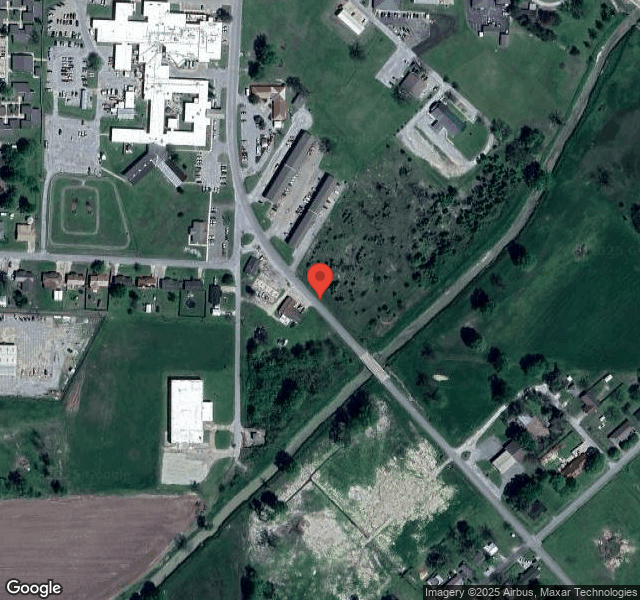
1051 WEST FREE STREET, WALNUT RIDGE, AR 72476 (870) 886-1295
Non profit - Corporation 110 Beds Independent Data: November 2025 1 Immediate Jeopardy citation
Trust Grade
41/100
#151 of 218 in AR
Last Inspection: December 2024

Within standard 12-15 month inspection cycle. Federal law requires annual inspections.

Overview

Lawrence Hall Health & Rehabilitation has received a Trust Grade of D, indicating below-average care with some significant concerns. Ranking #151 out of 218 facilities in Arkansas places it in the bottom half, and it is the second-best option in Lawrence County, meaning only one local facility is rated higher. The facility is showing an improving trend, with issues decreasing from six in 2024 to just one in 2025. Staffing is a strength, rated 4 out of 5 stars and maintaining a 30% turnover rate, which is well below the state average. However, recent inspections revealed critical incidents, including a resident being injured during a mechanical lift transfer due to improper procedures and concerns about maintaining sanitary conditions in the kitchen, indicating areas needing attention despite some strengths in staffing and a positive trend.

Trust Score
D
41/100
In Arkansas
#151/218
Bottom 31%
Safety Record
High Risk
Review needed
Inspections
Getting Better
6 → 1 violations
Staff Stability
○ Average
30% turnover. Near Arkansas's 48% average. Typical for the industry.
Penalties
⚠ Watch
$7,446 in fines. Higher than 90% of Arkansas facilities, suggesting repeated compliance issues.
Skilled Nurses
⚠ Watch
Each resident gets only 27 minutes of Registered Nurse (RN) attention daily — below average for Arkansas. Fewer RN minutes means fewer trained eyes watching for problems.
Violations
⚠ Watch
17 deficiencies on record. Higher than average. Multiple issues found across inspections.
★★☆☆☆
2.0
Overall Rating
★★★★☆
4.0
Staff Levels
★☆☆☆☆
1.0
Care Quality
★★★☆☆
3.0
Inspection Score
Stable
2024: 6 issues
2025: 1 issues

The Good

  • 4-Star Staffing Rating · Above-average nurse staffing levels
  • Full Sprinkler Coverage · Fire safety systems throughout facility
  • No fines on record
  • Staff turnover below average (30%)

    18 points below Arkansas average of 48%

Facility shows strength in staffing levels, fire safety.

The Bad

2-Star Overall Rating

Below Arkansas average (3.1)

Below average - review inspection findings carefully

Staff Turnover: 30%

16pts below Arkansas avg (46%)

Typical for the industry

Federal Fines: $7,446

Below median ($33,413)

Minor penalties assessed

The Ugly 17 deficiencies on record

1 life-threatening
May 2025 1 deficiency
CONCERN (E) 📢 Someone Reported This

A family member, employee, or ombudsman was alarmed enough to file a formal complaint

Potential for Harm - no one hurt, but risky conditions existed

Infection Control (Tag F0880)

Could have caused harm · This affected multiple residents

Based on observation, interview, record review, and facility policy review, it was determined that the facility failed to ensure Enhanced Barrier Precautions (EBP) were utilized for 1 (Resident #5) of...

Read full inspector narrative →
Based on observation, interview, record review, and facility policy review, it was determined that the facility failed to ensure Enhanced Barrier Precautions (EBP) were utilized for 1 (Resident #5) of 4 residents reviewed for pressure ulcers. The findings include: 1. A review of an admission Record, indicated Resident #5 had diagnoses which included a stage 2 pressure ulcer of the right buttocks. (A stage 2 pressure injury indicates partial thickness loss of dermis presenting as a shallow open ulcer with a red or pink wound bed, without slough or bruising). a. A review of the admission Minimum Data Set (MDS) with an Assessment Reference Date of 03/07/2025, revealed Resident #5 had a Brief Interview for Mental Status score of 03, which indicated the resident had severe cognitive impairment. The MDS also revealed Resident #5 had one unhealed pressure ulcer. b. A review of Resident #5 ' s Order Summary Report, revealed orders for wound care to the resident ' s buttocks. c. During an observation on 05/27/2025 at 1:15 PM, this surveyor observed the Treatment Nurse performing wound care on Resident #5, without wearing personal protective equipment (PPE), as indicated for EBP. Specifically, a gown was not utilized. The Treatment Nurse stated when a resident was on EBP a gown would be worn if the resident ' s wound had drainage. d. During an interview on 05/29/2025 at 10:00 AM, the Infection Preventionist (IP) revealed residents were placed on EBP for chronic wounds or copious amounts of draining, but for small wounds the facility did not place residents on it. If a resident had a stage 2 pressure ulcer, with no drainage, the facility would not put them on EBP as long as the wound was dry. The IP verified that the importance of ensuring EBP was the prevention and spread of infection. e. A review of a facility policy titled, Enhanced Barrier Precautions PP, dated 04/01/2024, indicated Enhanced barrier precautions (EBP) refer to an infection control intervention designed to reduce transmission of multidrug-resistant organisms that employs targeted gown and glove use during high contact resident care activities .
Dec 2024 6 deficiencies
CONCERN (D)

Potential for Harm - no one hurt, but risky conditions existed

Deficiency F0661 (Tag F0661)

Could have caused harm · This affected 1 resident

Based on interviews, record review, and facility policy review, it was determined the facility failed to ensure a written discharge summary and information form was completed for 1 (Resident #90) of 1...

Read full inspector narrative →
Based on interviews, record review, and facility policy review, it was determined the facility failed to ensure a written discharge summary and information form was completed for 1 (Resident #90) of 1 resident reviewed for discharge. The findings included: Review of updated facility policy titled Resident Discharge Process dated 06/28/2024, indicated when a resident was discharged home, the Director of Nursing/Designee will ensure a discharge note was completed. A review of resident medical diagnoses indicated the facility admitted Resident #90 with diagnoses of dementia and diabetes. The quarterly Minimum Data Set with an Assessment Reference Date of 08/14/2024 revealed Resident #90 had a Brief Interview for Mental Status (BIMS) score of 14, which indicated the resident was cognitively intact. A review of Resident #90's medical records revealed no completed discharge summary was present. During an interview with the Director of Nursing (DON) on 12/11/2024 at 11:00AM, the DON stated that the discharge summary was not completed for Resident #90.
CONCERN (D)

Potential for Harm - no one hurt, but risky conditions existed

Deficiency F0675 (Tag F0675)

Could have caused harm · This affected 1 resident

Based on observations, interviews, record review, and facility document review, it was determined that the facility failed to ensure a resident was in the proper position for consuming a meal while in...

Read full inspector narrative →
Based on observations, interviews, record review, and facility document review, it was determined that the facility failed to ensure a resident was in the proper position for consuming a meal while in bed for 1 (Resident #13) of 1 resident reviewed for proper positioning during meal consumption. The findings include: On 12/12/2024 at 11:55 AM, the Director of Nursing (DON) stated the facility did not have a policy for positioning during meal consumption. A review of the Medical Diagnosis, indicated the facility admitted Resident #13 with diagnoses that included dementia, dysphagia (difficulty swallowing), gastrointestinal hemorrhage (bleeding of the digestive tract), and gastro-esophageal reflux disease with esophagitis (a condition in which stomach acid repeatedly flows back up into the tube connecting the mouth and stomach). The quarterly Minimum Data Set (MDS), with an Assessment Reference Date (ARD) of 09/03/2024, revealed Resident #13 had a Staff Interview for Mental Status (SAMS) score of 3 which indicated the resident was severely impaired for daily decision making. Resident #13 was dependent with bed mobility. A review of Resident #13's Care Plan, revised on 12/18/2023, revealed Resident #13 had potential risk for complications related to deficits in self-care activities of daily living and preferred to stay in bed most days. Interventions included substantial assistance with all bed mobility which included lying to sitting and dependent assistance of one staff member with eating. During an observation on 12/09/2024 at 12:53 PM, Resident #13 was lying in bed with the over-the-bed table across the bed. Resident #13 was down in the bed, unable to see what was on the table. A plate of pureed food was sitting in front of Resident #13 and had not been eaten. Resident #13 stated I'm not too hungry right now. During an observation on 12/10/2024 at 8:16 AM, Resident #13 was lying in bed with the head of the bed elevated approximately 30 degrees, a breakfast tray was on the over-the-bed table which was across the resident. Resident #13 was not upright in the bed with the resident's head barely above the over-the-bed table and the resident could not see what was on the table. During an interview on 12/10/2024 at 8:25 AM, the Certified Nursing Assistant (CNA) #5 confirmed that Resident #13 should not be down in the bed when asked if Resident #13 was in the correct position to eat. During an interview on 12/10/2024 at 2:22 PM, the Director of Nursing (DON) confirmed that Resident #13 should have been pulled up in the bed and someone should have assisted the resident with eating. The DON stated that being down in the bed could lead to choking.
CONCERN (D)

Potential for Harm - no one hurt, but risky conditions existed

Deficiency F0808 (Tag F0808)

Could have caused harm · This affected 1 resident

Based on observations, interviews, record review, and facility document review, it was determined that the facility failed to ensure resident received the correct physician ordered diet for 1 (Residen...

Read full inspector narrative →
Based on observations, interviews, record review, and facility document review, it was determined that the facility failed to ensure resident received the correct physician ordered diet for 1 (Resident #13) of 1 resident reviewed for therapeutic diet. The findings include: On 12/12/2024 at 11:31 AM, the Director of Nursing (DON) stated the facility did not have a policy regarding checking meal trays prior to serving. A review of the Medical Diagnosis, indicated the facility admitted Resident #13 with diagnoses that included dementia, dysphagia, gastrointestinal hemorrhage, and gastro-esophageal reflux disease with esophagitis. The quarterly Minimum Data Set (MDS), with an Assessment Reference Date (ARD) of 09/03/2024, revealed Resident #13 had a Staff Interview for Mental Status (SAMS) score of 3 which indicated the resident was severely impaired mental cognition and indicated Resident #13 was on a therapeutic and mechanically altered diet. A review of Resident #13's Care Plan, revised on 11/16/2023, revealed Resident #13 was at risk for potential nutritional problem inadequate protein/caloric intake related to disease progression and decreased nutrient intake. Interventions included providing and serving a low concentrated sweets (LCS) diet with pureed texture. A review of the Order Summary Report, revealed Resident #13 had an order for LCS diet with pureed texture, and regular consistency liquids. During an observation, on 12/10/2024 at 8:19 AM, Resident #13 was observed with a plate of food on the over-the-bed table, in front of the resident. The eggs appeared lumpy, the meat was grainy in appearance, and the cereal was glazed over. There was a spoon in the eggs and a spoon in the meat. No one was assisting Resident #13 with eating. Resident #13's tray ticket for the meal called for LCS Pureed. During an interview on 12/10/2024 at 8:25, Certified Nursing Assistant (CNA)#5 stated Resident #13's food was pureed. CNA #5 confirmed the meat was grainy in appearance and the eggs were regular scrambled eggs when CNA #5 turned the food over with the spoon. CNA #5 stated Resident #13's roommate had gotten a tray early that morning due to an appointment and that dietary had sent a tray for Resident #13 as well. CNA #5 stated, we are about to go get another tray. During an interview on 12/10/2024 at 10:47 AM, the Certified Dietary Manager/Kitchen Director (CDM/KD) confirmed that the meat appeared to be minced, and the eggs were regular scrambled eggs. During an interview on 12/10/2024 at 2:22 PM, the Director of Nursing (DON) stated the meat appeared to be minced and the eggs from the meal tray of Resident #13 appeared to be regular scrambled eggs. The DON stated the nurses, CNAs or resident assistants (RAs) were responsible for making sure the right diet and consistency were served to the residents when passing out meal trays.
CONCERN (D)

Potential for Harm - no one hurt, but risky conditions existed

Infection Control (Tag F0880)

Could have caused harm · This affected 1 resident

Based on observation, record review, interview, and facility policy review, the facility failed to ensure the 200 Hall Soiled Utility door was locked to prevent resident access to dirty linens and tra...

Read full inspector narrative →
Based on observation, record review, interview, and facility policy review, the facility failed to ensure the 200 Hall Soiled Utility door was locked to prevent resident access to dirty linens and trash, failed to ensure the 200 Hall Linen Closet door was locked to prevent resident access to linens, and failed to prevent clean laundry items from resting against the floor to prevent cross contamination. The facility also failed to ensure appropriate hand hygiene was performed during perineal care for 1 (Resident #20) of 1 sampled resident, and during meal service to prevent cross contamination and the risk for infection. The findings include: 1.a. On 12/09/2024 at 11:35 AM, the Soiled Utility door on 200 hall was found to be open despite a push button lock, and sign stating Soiled Utility please keep door closed. b. On 12/09/2024 at 01:38 PM, Registered Nurse (RN) #2 revealed the Soiled Utility door should be locked to prevent residents from going inside because it contained dirty linens and trash that they would not want the residents to have access to. It is an infection control issue, stated RN #2. 2.a. On 12/09/2024 at 01:33 PM, the Linen Closet door on 200 hall was found to be open despite a push button lock. There was a folded towel, wash cloth, pillow care, and lift pads resting on the floor. b. On 12/09/2024 at 01:34 PM, RN #2 identified lift pads, folded blanket, washcloth and pillowcase resting on the floor. Rn #2 stated, It is unsanitary. The surveyor asked RN #2 who was responsible for the linen closet. RN #2 stated, Laundry stocks it, but aides are in and out getting supplies. Anyone that gets something from this closet is responsible for making sure nothing is on the floor. It is an infection control issue. c. On 12/10/2024 at 02:10 PM, during an interview the Director of Nursing (DON) was asked what the procedure was for maintaining the Soiled Utility room and Linen Closet on 200 Hall outside the closed unit. The DON confirmed that the linen and supply closets should remain locked to prevent residents ' access to the dirty linens and trash in the Soiled Utility room. The surveyor asked if it was appropriate for linens and clean lift pads to touch the floor or be on the floor of the Linen closet. The DON confirmed that linens and lift pads should not rest on the floor and resident access to dirty linens and trash were infection control issues. The DON confirmed that lift pads were sent to the linen closet in a bag and the bag should be hung on the hook in the linen room to prevent pads from touching the floor because it is an infection control issue. The surveyor requested any in-services and policies and procedures on storing linen and resident access to dirty linens or trash. d. 12/11/24 09:25 AM, The DON provided education titled July 2024 Education, revealing when linens are taken off the cart, they should be placed in a bag to keep them from being soiled. If any linens touch the floor without a barrier, they are considered dirty and should be sent to the laundry. Nothing should be placed on the floor even if it is in a bag. Education, dated 09/2024, revealed if any linens, including resident clothing, touch the floor, they were to be sent to the laundry. The DON did not have a policy addressing linen and trash storage, and stated she provided the education piece. 3. A review of Medical Diagnosis revealed Resident #20 had diagnoses of psychosis, anxiety, and arthritis. The quarterly Minimum Data Set (MDS) with an Assessment Reference Date (ARD) of 09/10/2024, revealed a Staff Assessment for Mental Status (SAMs) indicating Resident #20 had memory problems. Section H0300, and H0400 suggest Resident #20 was always incontinent of bowel and bladder. a. On 12/09/24 01:50 PM, Certified Nursing Assistant (CNA) #4 was observed picking up a package of wipes and pulling out one wipe at a time, using both hands, while providing peri care to Resident #20's perineal area and buttocks. CNA #4 did not perform hand hygiene between holding the package of wipes and pulling out clean wipes. b. On 12/09/24 01:55 PM, CNA #4 was asked the process for removing gloves and maintaining good hand hygiene when removing wipes. CNA #4 stated that the wipes get stuck, and she must grab onto the bag with one hand and use the other to pull them out with a shake, and confirmed the wipes are not clean if hand hygiene is not performed before pulling wipes from the package during peri care. c. During an interview on 12/11/24 at 11:15 AM, the DON was asked what process staff were expected to use during perineal care to ensure wipes were used in a manner that promotes good hand hygiene. The DON stated that staff are trained to pull out multiple wipes before peri care, when their gloves are clean, and to place wipes on a clean barrier so staff are not grabbing clean wipes with a dirty hand during peri care, because that is an infection control issue. The surveyor asked for in-services and policies and procedures for perineal care. d. On 12/11/24 at 01:00 PM, the DON provided an in-service titled Hand Hygiene, date range 01/01/2024-12/11/2024 which revealed gloves help reduce the spread of organisms and must be worn properly when there is a risk of contact with infectious material. Change gloves when visibly soiled with body fluids, or changing from a contaminated to a clean body site. e. On 12/11/24 at 03:47 PM, the Infection Preventionist (IP) provided a policy titled Hand Washing Technique, revealing handwashing was the most important way to prevent the spread of disease, and staff should perform hand hygiene when going from a contaminated body site to a clean body site. Policy titled Infection Prevention and Control Plan, revealed healthcare workers, visitors, and others in a healthcare environment can be protected when education emphasizes hand washing. 4. A review of a facility policy titled, Hand Washing Technique, revised in April 2009, indicated that handwashing was important in preventing the spread of infections and that hand washing facilities were conveniently located throughout the facility and that approved antimicrobial soaps and alcohol-based hand rubs were also available in all the appropriate areas. During an observation on 12/10/2024 at 8:00 AM, Licensed Practical Nurse (LPN)/Staffing Coordinator (SC) started serving the breakfast meal in the dining room on 400 hall. The LPN/SC did not sanitize hands prior to serving the first tray from the meal cart. At 8:03 AM, the LPN/SC went to the meal cart and got another tray and did not sanitize hands prior to serving the tray to the resident, unwrapped the silverware and set the tray up. Then LPN/SC left the dining room, went across the hall, and returned to the dining room holding two milk cartons. At 8:06 AM, the LPN/SC went back across the hall for more milk and returned to the dining room holding a disposable cup and gave the cup to a resident. After delivering the cup, the LPN/SC went to the meal cart, did not sanitize hands, and got another tray to deliver. During an interview on 12/10/2024 at 9:30 AM, the LPN/SC confirmed that hands were not sanitized prior to serving trays and in between residents. The LPN/SC stated, I couldn't find any, then I finally saw it on top of the cart after I had already served the trays. During an interview on 12/11/2024 at 10:32 AM, the Director of Nursing (DON) confirmed that hands should be washed, or hand sanitizer used between residents/trays. When asked what the importance of hand sanitation was, the DON stated, for infection control.
CONCERN (E)

Potential for Harm - no one hurt, but risky conditions existed

Deficiency F0761 (Tag F0761)

Could have caused harm · This affected multiple residents

Based on observation, record review, and interview, the facility failed to ensure medications were not stored on top of the nurse ' s station counter near residents, to prevent misappropriate use of r...

Read full inspector narrative →
Based on observation, record review, and interview, the facility failed to ensure medications were not stored on top of the nurse ' s station counter near residents, to prevent misappropriate use of resident owned medications or accidents affecting 1sampled (Resident #72) resident. The facility also failed to ensure the appropriate temperature range was maintained in the 300 Hall medication refrigerator to ensure flu vaccines were stored at the recommended temperatures. The findings include: 1.a. On 12/11/2024 at 09:48 AM, Five (5) medication cards of an anti-viral medication were observed resting on top of the nurse ' s station counter near an empty pharmacy bag. Licensed Practical Nurse (LPN) #3 was observed with her back turned talking on the telephone. Two (2) residents in specialty chairs and Resident #72, an ambulatory resident, was sitting in a nearby chair. LPN #3 was asked the process for receiving medications from the pharmacy. LPN #3 stated medications are counted together with the pharmacy on arrival. LPN #3 also stated she did not know where the anti-viral medications came from. LPN #1 walked up and said this was his fault. He stated, he removed the medication cards from the top of my cart and placed them on the counter of the nurse ' s station and walked off to give medication to a resident and just forgot. The survey asked if this was an appropriate way to store medications. LPN #1 responded, no. LPN #1 stated a resident could have taken the medications and he would not have known and confirmed medications should be locked on the cart or in the medication room. 2.a. On 12/11/2024 at 09:49 AM, Licensed Practical Nurse (LPN) #1 opened the narcotic refrigerator, located in the 300 Hall medication room, and verified the temperature was 30 degrees Fahrenheit. LPN #1 counted a box of flu vaccines with three (3) remaining doses, and an unopened box of flu vaccines with 10 doses. This surveyor asked at what temperature vaccines were to be maintained. Licensed Practical Nurse (LPN) #1 read from the flu vaccine box 35-46 degrees Fahrenheit. This Surveyor asked what process was followed to make sure the narcotic refrigerator is at the right temperature. LPN #1 stated third shift recorded the temperature, and if it was wrong the nurse was supposed to adjust the temperature until it was correct. This surveyor asked why it was important to maintain the appropriate temperature. LPN #1 responded the medication might not be as effective. LPN #1 pointed out the temperature log on front of the refrigerator that indicated the temperature should be between 36-46 degrees Fahrenheit, and if the temperature was incorrect, it should be adjusted until it was in range. b. During an interview, the Director of Nursing DON was asked if it was appropriate to store medications on top of the nurse ' s station counter, what the facility process was, and if any of the three residents at the counter were able to ambulate independently to where the medication was left. The Director of Nursing (DON) identified Resident #72 could ambulate and confirmed that someone could have taken the medications, and they would not have known. This surveyor asked what process the nurses follow to make sure refrigerated medications were stored at the right temperature. The DON stated nurses were to check the thermometer and let the DON know if it was not correct. This surveyor asked if staff notified the DON of the temperature on 12/08/2024. The DON looked at the temperature log and confirmed that no staff let her know the temperature was 32 degrees on 12/08/24. This surveyor asked the DON why it was important to monitor refrigerator temperatures. The DON stated because vaccines and medications could become less effect when not stored at the recommended temperature. This surveyor requested the medication storage policy and in-services. c. On 12/11/2024 at 01:00 PM, the DON provided Medication Administration in-service documentation that showed staff, including LPN #1, received training on 10/3/24 and 03/06/24. The in-service did not cover medication storage, or maintaining temperatures for refrigerated medications. d. On 12/12/2024 at 09:30 AM. DON was asked again for a medication storage policy and the information provided in their Medication Administration in-service addressed medication storage.
CONCERN (E)

Potential for Harm - no one hurt, but risky conditions existed

Food Safety (Tag F0812)

Could have caused harm · This affected multiple residents

Through observations, interviews, and policy/procedure reviews, it was determined the facility failed to ensure that essential equipment and appliances were kept clean and free of debris and food item...

Read full inspector narrative →
Through observations, interviews, and policy/procedure reviews, it was determined the facility failed to ensure that essential equipment and appliances were kept clean and free of debris and food items were properly stored and labeled. The findings are: On 12/9/2024 at 10:10 AM, one bag of sliced white bread was not closed after being used for breakfast. The Certified Dietary Manager (CDM) confirmed the bag was left open after the breakfast meal. There was a possibility to cross-contaminate the bread in the bag. On 12/9/2024 at 10:15AM, the drink cooler contained the following drinks without a received date nor an open date: 15 half pint whole milk containers, four half pint - one percent low-fat buttermilk, 16 half pint - two percent milk, three half pint - fat free milk, four - eight fluid ounce advanced therapeutic milk chocolate nutrition, two - eight fluid ounce vanilla almond milk, 28 - four fluid ounce thickened lemon water, three - four fluid ounce thickened orange juice, seven - four fluid ounce thickened apple juice, eight - four fluid ounce apple juice, three - four ounce fluid ounce cranberry juice cocktail, ten - for fluid ounce grape juice, six - four fluid ounce prune juice. The Certified Dietary Manager confirmed there were not any received nor open dates for the drinks in the drink cooler. On 12/9/2024 at 10:22AM, the drink cooler tray that held the four-ounce prune juice containers had unknown brownish syrupy, sticky substance under the juice containers and on one - four-ounce prune juice container. The Certified Dietary Manager stated the tray was on the rotation clean list to be done at least once a week and stated the tray shouldn't be like this; the tray should have been changed; the prune juice container should be disposed of for safety reasons and was unable to identify what the unknown brownish syrupy sticky substance was. On 12/9/2024 at 10:28AM, the food serving area contained two wheeled silver carts. The first wheeled cart's first sheet pan appeared to have five unknown white dried, crusty type spills with unknown white particles along the sides and bottom of the sheet pan. The sheet pan contained the following snacks for residents: four - 50-gram honey buns, three individual, packaged wheat peanut butter and strawberry jam sandwiches, four individual blueberry breakfast bars, three individual, packaged chocolate chip cookies, two individual, packaged peanut butter cookies, two individual, packaged oatmeal raisin cookies, two individual, packaged vanilla sandwich cookies, and one individual, packaged graham crackers. The second shelf contained 15 disposable food domes, not properly covered to keep foreign objects from being on the food covering surface and unknown brown and white particles near the disposable food domes. The second sheet pan contained one package puffy cheese snacks, two package baked barbeque chips and one package salted baked chips. The third sheet pan held the toaster, used at breakfast. The toaster contained numerous unknown brown and white specks on top of the toaster surrounding the four slots to put bread into. The bottom of the sheet pan had numerous unknown brown and white specks surrounding the toaster. The Certified Dietary Manager stated the sheet pans were scheduled to be cleaned at least one-time weekly or as needed and confirmed that the food domes should be inverted to keep unknown particles from landing inside and cross-contaminating when flipped over the food and confirmed the toaster should had been cleaned after breakfast to not attract various pests. On 12/9/2024 at 10:29AM, the second wheeled cart's first sheet pan appeared to have the appearance of broken flake cereal towards the front edge of the pan and the back third section of the pan. This pan contained the following cereals without a received date or an opened date for residents to consume: six factory individualized, pre-portioned sugar covered flakes, seven factory individualized, pre-portioned grain O rings, and four kitchen portion plain flakes. On 12/9/2024 at 10:31AM, the second wheeled cart's second sheet pan contained the following cereals without a received date or an opened date for residents to consume: nine factory individualized, pre-portioned sweetened cereal with marshmallows, three factory individualized, pre-portioned unsweetened crisped rice, five factory individualized, pre-portioned bran flakes with raisins, and two factory individualized, pre-portioned grain circles of various colors. On 12/9/2024 at 10:32AM the Certified Dietary Manager confirmed the cereals on both shelves of the second wheeled cart did not have neither the received date nor the open date. On 12/9/2024 at 10:34AM, above the tray line serving area a container of adapted forks and spoons looked to had been tossed in into an uncovered silver steam table container where the eating part of one utensil crossed the handle of a different eating utensil. The regular forks, spoons and knives were placed in an uncovered divided container. The Certified Dietary Manager confirmed neither set of utensils for resident's use were covered. The Certified Dietary Manager stated the utensils were used for the meals. On 12/9/2024 at 10:39AM, five open coffee carafes were in an upright position, without a cover on the bottom shelf, underneath the drink preparation table. The Certified Dietary Manager confirmed the open carafes should had been inverted or covered to keep out debris and other cross-contaminations that could cause the residents to become sick. On 12/9/2024 at 10:43AM, the kitchen condiment area contained the following condiments in containers without a received date or open date: three full containers of individual ketchup cups, one container of individual sized white creamy dressing, two containers of individual sized salsa, two containers of barbeque sauce, one container of individual sized sugar-free pancake syrup, one container of individual sized pancake syrup, one container of individual sized relish, one container of individual sized raspberry vinegar dressing, one container of individual sized creamy red dressing, one container of individual sized herb flavored dressing. The Certified Dietary Manager confirmed there was neither a received date nor an expiration date for any of the condiments. On 12/9/2024 at 10:43AM, the bulk sugar container was approximately three-quarters of the way full held various sized white and brown crumbly debris on the top with unknown black ground-in debris in various areas, to include the handle used to open the lid. The outside walls of the bulk sugar container also had the same unknown black ground-in debris in various areas. The carrying handle had an unknown yellowish-brown substance built up. Along the top inside edges of the container were gouges and scratches with dark brown and black unknown substance. The indents from the carrying handles has a black ground in looking unknown substance. The Certified Dietary Manager stated the bulk sugar container was not considered clean and there was too much build up around the edges of the container. The Certified Dietary Manager stated areas of concern were how long the substance build up had been there and not knowing what the built-up substance was due to the possibility for the substance to get into the sugar used for various foods provided to the residents for consumption. On 12/9/24 at 10:53AM, the dish warmer's lid closure was prevented by 42 plates on the left side and 28 plates on the right side above the maximum limit. The dish warmer's lid ' s inability to close properly resulted in the plates not having the serving side properly covered. The Certified Dietary Manager confirmed that the plates should be inside the plate warmer with the lid closed. The lid not closed could cause cross-contamination of all the plates in the plate warmer. On 12/9/2024 at 11:05AM, on the inside door around the clasp to hold the door shut of the walk-in refrigerator was an unknown brown substance built up around and in the seam of the clasp bracket. The unknown brown substance built up was also in the indentations around the door clasp on the inside of the refrigerator door and the crevasse of the inside door that meets the refrigerator frame ' s edge. The latch secured to the outside wall of the refrigerator contained a scaley brown and white unknown substance built in the seams of the latch plate around the bolts to secure the latch plate and on the wall surrounding the latch plate. Approximately 40 inches above the latch towards the ceiling the unknown brown substance was encrusted in the wall. The left inside door frame had a piece of plastic missing that exposed the wood beneath. The outside panel above the door contained an unknown dark greyish substance the spread the length of the panel and about half the height. The right side of the walk-in refrigerator outside wall contained a dark brown unknown substance that ran the entire height of the door. The door hinges and plates were encrusted with an unknown reddish-brown substance. The seal around the entire walk-in refrigerator door held a black grimy sludge like unknown substance. This black grimy sludge like unknown substance was embedded into to grooves of the seal. There was a gap between the floor edging under the walk-in refrigerator door and the wall. The gap was filled with various unknown debris, with a thick brown and white unknown substance attached to the wall and floor edging. The Certified Dietary Manager confirmed the unknown substances were in the crevasses, hinges, plates, grooves, gaps. The Certified Dietary Manager stated there were concerns of the unknown substance growth in the walk-in refrigerator area due to possible cross contamination of food stored in the walk-in refrigerator. On 12/9/2024 at 11:11AM, in the three-door pastry refrigerator on the left side of the kitchen a five-pound container of egg salad expired on 12/5/2024. The Certified Dietary Manager confirmed the egg salad was expired. The Certified Dietary Manager sent a staff member to collect all egg salad sandwiches that had been sent to the facility's halls for residents' snacks. The Certified Dietary Manager confirmed that expired food should not be served due to concern of bacterial growth. On 12/9/2024 at 11:26AM the dry good storage shelving contained the following food items without a received date or an open date: 54 individual four fluid ounce cranberry juice, 45 individual four fluid ounce thicken sweet tea, 32 individual four fluid ounce thickened apple juice, 65 individual four ounce prune juice, 80 individual eight fluid ounce of various flavors, 18 individual four fluid ounce thickened orange juice, 70 individual four ounce thickened lemon water, 90 individual four fluid ounce grape juice, 57 individual eight fluid ounce high protein nutritional drink, 60 individual four fluid ounce apple juice, 42 individual four fluid ounce orange juice. The Certified Dietary Manager confirmed there were not received dates nor open dates for the drinks stored on the dry good shelves. On 12/9/2024 at 11:32AM the storage container with chocolate cake mix was not completely sealed. The back right corner was not completely sealed. The outside cover of the storage container was covered with an unknown powdery white substance with some small white clumps scattered within the powdery unknown substance. The Certified Dietary Manager confirmed the unknown white powdery substance, and clumps were able to cross-contaminate the cake mix inside the storage container. With the seal not properly closed it could allow other contaminants to enter the storage container with the cake mix that was used for residents' meals. On 12/9/2024 at 12:09PM the dishwasher machine had an unknown white crusty substance over the entire outside housing unit. The unknown white crusty substance had water drip marks that ran down the machine sides. The dirty side entrance had a white and blue unknown substance build up in the crevasses. The front right third edge of the dishwashing machine had an unknown brownish substance in the crevasse. The long side of the dishwashing machine crevasse had a white and blue unknown substance in the crevasse. The left edge side of the top of the dishwashing machine held a buildup of an unknown crusty white substance. The right edge middle side of the top of the dishwashing machine held approximately three inches by four-inch gooey bluish unknown substance. The clean side of the dishwashing machine had a thick unknown white build up substance on the cloth strips the clean dishes pass through to exit the machine. The dishwashing machine clean side top back wall had unknown thick white build up in the crevasses and a quarter of the way up the wall. The back wall had brownish unknown substance that gathered in various sections on top of the thick white build up and along the right side back wall. The left side crevasse held the unknown white substance that ran the entire length of the crevasse. The Certified Dietary Manager confirmed the dishwasher needed to be deep cleaned weekly and wiped down daily. On 9/12/2024 at 12:06PM three baking sheets of sausage sitting on a wheeled cart preparation cart were stacked on top of each other without a barrier placed between the frozen sausage patties and the bottom of the baking sheet on top. The Certified Dietary Manager confirmed the sausage patties should have something to cover the sausage patties before the baking sheet was placed on top. The CDM stated cross contamination could occur due to not knowing what the bottom of the baking sheet had touched. A review of the cleaning schedules dated 11/25/2024 through 12/8/2024 showed that: 11/26/2024 the dishwasher was not cleaned by kitchen staff 11/29/2024, 12/3/2024, and 12/6/2024 the dishwasher was cleaned by kitchen staff 11/26/2024 and 12/3/2024 3 dietary roll carts were cleaned by staff A review of the facility approved policy or procedure Infection Prevention in Dietary for Infection Prevention Dietary Services Policy Number 1C#VII A effective date of 10/16/1996; Last revision date 6/22/2022; Last review date 9/16/2022 showed B1. Cleaning schedules will be followed, department director is responsible to see that cleaning schedules are followed. B2. Equipment will be checked often to ensure proper working condition. B3. Employees are to report equipment defects immediately to the department director, who makes sure defects are repaired quickly.
Nov 2023 3 deficiencies
CONCERN (E)

Potential for Harm - no one hurt, but risky conditions existed

PASARR Coordination (Tag F0644)

Could have caused harm · This affected multiple residents

**NOTE- TERMS IN BRACKETS HAVE BEEN EDITED TO PROTECT CONFIDENTIALITY** Based on interview and record review, the facility failed to ensure a request for Level ll Preadmission Screening and Resident R...

Read full inspector narrative →
**NOTE- TERMS IN BRACKETS HAVE BEEN EDITED TO PROTECT CONFIDENTIALITY** Based on interview and record review, the facility failed to ensure a request for Level ll Preadmission Screening and Resident Review (PASRR) was completed and referred to the appropriate state agency for 2 Residents (Resident's #33 and #67), of 45 residents who had a negative Level 1 pre-screen who was later identified with a newly evident serious mental disorder. The findings are: 1. Resident #33 had an admission date of 3/8/2016 to facility with no mental health diagnosis and an Arkansas Pre-admission Screening Mental Illness/Mental Retardation-Level 1 Identification Screen (DMS-787) completed by the facility admission Coordinator. a. On 11/28/23 at 2:39 AM, the Administrator provided documentation of Pre-admission Screening form 787 dated 3/9/2016 which documented, No on all sections of identification questions. b. Resident #33 received a diagnosis of Post Traumatic Stress Disorder (PTSD) on 6/21/2018 documented in the electronic medical record with a note created on 10/12/21. c. A Diagnosis/History form dated 4/18/16 showed a diagnosis of mood disorder due to known physiological condition with depressive features with an onset date of 3/9/2016. d. A Minimum Data Set (MDS) with an Assessment Review Date (ARD) of 9/25/2023 documented Yes under section I Psychiatric/Mood Disorder for Anxiety Disorder, Depressive Disorder, and PTSD. Section N0410 documented Resident #33 had received an antidepressant for the past 7 days since admission. 2. Resident #67 admitted on [DATE] with no mental health diagnosis and an Arkansas Pre-admission Screening Mental Illness/Mental Retardation-Level 1 Identification (DMS-787) completed by the facilities admission Coordinator dated 10/30/23. a. Resident #67 received a new bipolar disorder diagnosis documented in the electronic records dated 11/10/23. b. On 11/29/23 at 2:45 PM, the Surveyor asked the admission Nurse, when is a PASSR completed? The Admissions Nurse stated, Upon admission and if they have a new mental health diagnosis, we do a Level 1. The Surveyor asked if Resident #67 received a new mental health diagnosis after admission, and was a new application submitted to State Designated Professional Associates . The Admissions Nurse stated, No, I wasn't aware that I was supposed to send one in for a Level II after they received a new diagnosis after they were admitted . c. On 11/29/23 at 3:15 PM, the Administrator informed the Surveyor that the facility did not have a PASSR policy.
CONCERN (E)

Potential for Harm - no one hurt, but risky conditions existed

ADL Care (Tag F0677)

Could have caused harm · This affected multiple residents

Based on observation, interview and record review, the facility failed to ensure nail care, and personal hygiene was provided on a regular basis to prevent injury, infection, or cross contamination fo...

Read full inspector narrative →
Based on observation, interview and record review, the facility failed to ensure nail care, and personal hygiene was provided on a regular basis to prevent injury, infection, or cross contamination for 2 Residents (R #17 and R #64). Findings follow: 1. On 11/29/23 at 8:59 AM, the Surveyor observed R #17 fingernails to be approximately 1/4 - 1/2 inch past the fingertips with brown colored substance visible underneath nails on both hands. The Surveyor asked R #17 if he liked his nails, the way they were. R #17 answered, No, they are long and need to be cut. I need a bath. The Surveyor asked R #17 when his last bath was. R #17 answered, I'm not sure but it was a week ago this past Monday (11/27/23). The Surveyor asked if it had been 10 days or more since the last bath. R #17 answered, Yes, I think so. The Surveyor asked R #17 if he told anyone his nails needed to be trimmed and he needed a bath. R #17 stated, Yes, I'm supposed to get a bath today. Maybe they will do them when I get my bath. a. On 11/29/23 at 11:10 AM, the Surveyor observed R #17 had not had a shave. Nails remained the same length with brown substance visible under fingernails. b. On 11/29/23 at 2:48 PM, the Surveyor asked R#17 if he had gotten his bath yet, or his nails cleaned and trimmed. R #17 answered, no. c. On 11/29/23 at 2:50 PM, the Surveyor asked Certified Nursing Assistant (CNA) #1 if Resident # 17 had gotten a shower, and what his shower schedule was. CNA #1 stated, No, I addressed that this morning with the shower aide. The Surveyor asked CNA #1 if R #17 had set days that he was supposed to get showers, shaves, and nail care. CNA answered, I don't know. He wasn't on the list. I [the shower aide] have to find out when they are going to do it. The Surveyor asked CNA #1 who was responsible for finding out when resident showers were and who made the shower schedule. CNA #1 stated, I don't know who makes the shower schedule. d. On 11/29/23 at 2:52 PM, the Surveyor asked CNA #1 to describe R #17's fingernails. CNA #1 stated, answered, They are dirty, and they need clipped. The Surveyor asked CNA #1 who was responsible for nailcare. CNA #1 answered, We are, the aides. e. On 11/29/23 at 03:02 PM, the Surveyor asked Licensed Practical Nurse (LPN) #2 what R #17 shower schedule was. LPN #2 answered, They are supposed to be offered a shower within the first 24 hours of admission. It looks like he had one on the 20th, and he refused on the 28th at 1:42 PM. The Surveyor asked what days R #17 was scheduled to have a shower. LPN #2 answered, Tuesday and Saturday. LPN #2 stated, All residents have the right to a shower all they have to do is ask for it on a prn [as needed] basis. The Surveyor asked LPN #2 if R #17 had asked for a shower. LPN #2 answered, I don't know but he refused it yesterday. The Surveyor asked if R #17 was told he could ask for a shower, and who is responsible for telling the residents that they have a right to a shower. LPN #2 answered, I don't know who or when. f. On 11/29/23 at 3:07 PM, the Surveyor asked the Director of Nursing (DON) to describe R #17's nails. The DON answered, They need some attention. They need cleaned, and they need cut. The Surveyor asked who was responsible for nail care for residents. The DON answered, The Certified Nurse Assistants (CNA's) do nail care. If Diabetic the nurses and the wound care nurse, does it. 2. On 11/27/2023 at 11:15 AM, the Surveyor observed R #64 in room with 1/2-inch nails on both hands with dark brown substance under nails. a. On 11/27/2023 at 3:10 PM, the Surveyor observed R #64 with 1/2 inch nails on both hands with brown substance under nails on both hands. b. On 11/28/2023 at 8:15 AM, the Surveyor asked R #64 with long ½ inch nails on both hands and brown substance under the nails. Surveyor asked the resident, does the facility staff clean and cut your nails and resident stated, not very often. c. On 11/29/2023 at 2:25 PM, the Surveyor interviewed LPN #1, how often do the residents receive nail care? LPN #1 stated Monthly or some have orders for every 2 weeks. The Surveyor asked who is responsible for making sure nail care is done? LPN #1 stated, The CNA's do the non-diabetic residents, and the nurses do the diabetics. The Surveyor asked should brown substance be under the resident's nails for several days? LPN #1 replied, no it should not. d. On 11/29/23 at 2:37 PM, the Surveyor interviewed Director of Nursing (DON) and asked how often nail care is provided to the residents? The DON stated, Every 14 days or as needed. The Surveyor asked who is responsible for making sure that nail care is done/ The DON stated, The CNA's are for the residents who are not diabetic and the nurses do the diabetic residents. The Surveyor asked should there be brown substance under resident nails for several days DON stated, No it should not. e. On 11/29/23 at 3:15 PM, the Administrator informed the surveyor that the facility did not have a nail care policy.
CONCERN (E)

Potential for Harm - no one hurt, but risky conditions existed

Respiratory Care (Tag F0695)

Could have caused harm · This affected multiple residents

Based on observation, interview and record review, the facility failed to date and contain oxygen tubing, nebulizer tubing, and date and contain Continuous Positive Airway Pressure (CPAP) tubing, mask...

Read full inspector narrative →
Based on observation, interview and record review, the facility failed to date and contain oxygen tubing, nebulizer tubing, and date and contain Continuous Positive Airway Pressure (CPAP) tubing, mask, and connectors for 4 Residents (Resident #17, #33, #60, and #239) receiving oxygen/respiratory therapy to prevent cross contamination and infection. The findings are: 1. On 11/27/23 at 10:39 AM, the Surveyor observed Resident #17 with a CPAP machine on the night stand next to the Resident's bed. The Bilevel Positive Airway Pressure (BIPAP) mask was not contained and sitting on nightstand. There was oxygen tubing connected to the wall unit which was undated. The Surveyor asked Resident #17 how often he used the CPAP machine. Resident #17 stated, I use it every night. a. On 11/28/23 8:27 AM, Resident #17's oxygen tubing was bagged, but not dated. There was a green sticker lying on nightstand beside machine dated 11/27/23 that was not attached to any tubing or oxygen equipment. b. On 11/29/23 at 8:59 AM, Resident #17's masks are bagged, but the oxygen tubing was not dated. The [NAME] sticker remained on the nightstand next to the CPAP machine. The CPAP Tubing was not bagged and on the floor. c. On 11/29/23 at 11:10 AM, Resident #17's CPAP tubing was unbagged, the connector tube was lying on the floor and the green sticker with the date of 11/27/23 remained lying on the nightstand next to the CPAP machine. d. On 11/29/23 at 3:10 PM, the Surveyor accompanied the DON to R#17 asked the DON if Resident #17's oxygen tubing, CPAP mask, and tubing should be contained and dated. The DON answered, That mask is hanging on the flow meter, and it should be in a bag. Yes, it gets changed weekly so it should be dated. The Surveyor asked the DON to look at both sets of tubing and read the date. The DON answered, I don't see a sticker. e. 11/29/23 3:12 AM, The Surveyor asked the Certified Respiratory Therapist (CRT) if the oxygen and CPAP tubing should be bagged and dated. The CRT answered, No, it's all contained and doesn't come into contact with his face or nose like a cannula. The Surveyor asked if the connector tubing that attached to the resident's mask and CPAP machine that was on the floor should be contained. The DON stated, The end of the tubing was on the floor. The CRT answered, Oh, I'm so sorry, I'm going to change that now and I'll get shorter tubing. The Surveyor asked the CRT which tubing the green sticker lying on the nightstand that was dated 11/27/23 was pertaining to since it wasn't attached to anything. The CRT stated, He doesn't need that because he's not on a cannula. f. 11/29/23 3:53 PM, the Surveyor asked how the green sticker got on the nightstand in Resident #17's room. The CRT answered, I put that there because I thought he had a cannula, but he didn't. The Surveyor asked the CRT if the green stickers were put on all of the oxygen tubing on Tuesday (11/28) that were dated 11/23/23. The CRT answered, Yes, but I'm going to change that tomorrow. The Surveyor clarified that the tubing and stickers were not changed last week. The CRT answered, No, I wasn't here last week. I had already predated the stickers and just put them on Tuesday (11/28/23). 2. Resident #33 had MD orders dated 10/31/23 documenting, Oxygen: change oxygen tubing, supplies and oxygen interface and attach green sticker with date weekly and as needed, every day shift every Thursday, and as needed soiled, damaged. and .make sure oxygen accessories in bag: make sure cannulas, updraft, BIPAP, CPAP, and Trilogy items are in the Respiratory bag when not in use. a. On 11/28/23 at 8:41 AM, the Surveyor observed Resident #33 O2 tubing with nasal cannula hanging over bedpost, and not contained. The Surveyor asked Resident #33 when the oxygen tubing was changed on the concentrator. Resident #33 stated, They changed the oxygen tubing today. The Surveyor observed a green sticker on the tubing dated 11/23/23. b. On 11/28/23 at 9:00 AM, A green sticker was on the tubing connected to Resident #33 ' s concentrator dated 11/23/23. c. On 11/28/23 at 10:59 AM, the Surveyor observed Resident 33's O2 tubing and nasal cannula laying over the top of bedpost with the nasal prongs in contact with the outside of the right wheel of Resident #33's wheelchair. There was no bag for tubing observed in the room. d. On 11/29/23 at 3:00 PM, the Surveyor observed the oxygen tubing in a bag hanging on the flow meter of the concentrator. The green sticker on the tubing was dated 11/23/23. 3. On 11/27/23 at 10:28 AM, the Surveyor observed oxygen and nebulizer tubing dated 11/16/23 for Resident #60. a. On 11/27/23 at 2:28 PM, the Surveyor observed oxygen and nebulizer tubing dated 11/16/23 for Resident #60. 4. On 11/27/23 at 10:36 AM, the Surveyor observed oxygen and nebulizer tubing was not dated for Resident #230. a. On 11/27/23 at 2:26 PM, the Surveyor observed that oxygen and nebulizer tubing was not dated for Resident #230. b. On 11/29/23 at 2:30 PM, the Surveyor interviewed Licensed Practical Nurse (LPN) #1, who is responsible for dating and changing the oxygen and nebulizer tubing. LPN #1 stated, The Respiratory Therapist or if she isn't there the nurses do it. The Surveyor asked according to your policy how often should the tubing be changed and dated? LPN #1 stated, Weekly or more often if needed. The Surveyor asked what could the outcome be if the oxygen tubing isn't changed weekly? LPN #1 stated, respiratory infection. c. On 11/29/23 at 2:36 PM, the Surveyor interviewed the DON, who is responsible for making sure oxygen and nebulizer tubing is changed and dated? The DON stated, Respiratory Therapist or nurses. d. On 11/29/23 at 3:15 PM, the Administrator informed the Surveyor that the facility did not have a respiratory or oxygen policy.
Apr 2023 1 deficiency 1 IJ
CRITICAL (J) 📢 Someone Reported This

A family member, employee, or ombudsman was alarmed enough to file a formal complaint

Immediate Jeopardy (IJ) - the most serious Medicare violation

Accident Prevention (Tag F0689)

Someone could have died · This affected 1 resident

**NOTE- TERMS IN BRACKETS HAVE BEEN EDITED TO PROTECT CONFIDENTIALITY** Based on record review, and interview, the facility failed to ensure that transfers were conducted according to manufacturer's g...

Read full inspector narrative →
**NOTE- TERMS IN BRACKETS HAVE BEEN EDITED TO PROTECT CONFIDENTIALITY** Based on record review, and interview, the facility failed to ensure that transfers were conducted according to manufacturer's guidelines to decrease the potential for injury for 1 (Resident #1) of 3 (#1, #2, #3) sampled residents who were dependent on mechanical lifts for transfers. This had the potential to cause more than minimal harm to 38 residents who required a lift for transfers, according to a list provided by the Administrator [DATE] at 10:50am. This failed practice resulted in past non-compliance Immediate Jeopardy for Resident #1, who was transferred with a mechanical lift which overturned during the transfer resulting in a fall. The Administrator was notified of the past non-compliance Immediate Jeopardy on [DATE] at 3:52pm. The findings are: 1. Resident #1 had diagnoses of Spastic Hemiplegic Cerebral Palsy and Morbid Obesity. The Quarterly Minimum Data Set (MDS) with an Assessment Reference Date (ARD) of [DATE] documented the resident scored 15 (13-15 indicates cognitively intact) on a Brief Interview for Mental Status (BIMS) and required extensive assistance with bed mobility, transfers, dressing, and toileting, and total assistance with bathing. a. The Comprehensive Care Plan with an initiation date of [DATE] indicated Resident #1 required the use of a mechanical lift for all transfers. b. An Office of Long-Term Care (OLTC) Witness Statement form dated [DATE] written by Certified Nursing Assistant (CNA) #2 at 1:00 pm documented, . CNA #1 and I were getting Resident #1 for her shower, when we got her in the lift it died, and we were transferring back to the bed when the lift started tipping and we gently as possible lowered her to the floor to avoid injury. The legs on the lift were closed as to fit it under the bed . c. An OLTC Witness Statement form dated [DATE] written by CNA #3 at 1:00pm documented, .I was about to go in a resident's room and [CNA #1] yelled saying they need me in Resident #1's room. I go in there and she's in the floor and the lift is on its side. I run and grab LPN #1 [Licensed Practical Nurse] (my nurse on the hall) they tell us the battery was dead and the lift tipped over. They said the legs on the lift were closed under the bed. LPN #1 calls LPN #2 and me and LPN #1 get the lift pad unhooked because it's squashing and hurting her . d. An OLTC Witness Statement form dated [DATE] written by LPN #1 at 1:15pm documented, .This nurse was called to resident room by CNA who yelled Hurry, help we need you now! This nurse took off with CNA to the resident's room. Upon entering the resident's room, I found the resident in the lift in the floor with the lift flipped on its side. This nurse noticed the lift legs were together (closed) and asked the CNAs why the legs were closed, and they stated, Because we were moving her out from under the bed. This nurse stated, It does not matter the legs have to be open and the CNAs stated, It was under the bed. This nurse began removing the lift pad from the hooks to release the resident and the CNAs began to help. This nurse called the other LPN to the room STAT [Urgent] who also called the DON (Director of Nursing) and the Administrator. All staff in the room got the resident back in lift properly with a new charged battery and got resident back in bed. Resident denies any pain at this time and refuses to go to ER [Emergency Room]. APN #1 [Advance Practice Nurse] contacted by this nurse who stated to start neuros [neurological checks] and if resident starts c/o [complaining of] pain send her to ER or X-Ray . e. An OLTC Witness Statement form dated [DATE] written by CNA #1 at 1:35pm documented, .We were transferring Resident #1 back to her bed cause the lift died on us in the middle of the transfer the lift fell over but me and CNA#2 were lowering her to the floor along with the lift she did not hit the floor we got her to floor safely and we yelled for help . (Checked) f. On [DATE] at 13:48 [1:48]pm, An I and A [Incident and Accident] report documented, .This nurse was standing at medication cart at 400 Hall nurses' station when CNA began yelling Hurry, help we need you, NOW! this nurse took off to resident room with the CNA. Upon entering resident room this nurse found resident in floor, in the lift pad connected to lift, lift completely over on its side, two they got this nurse. This nurse asked what happened and why the lift legs were closed. CNAs stated, Because we were moving her out from under the bed. this nurse stated, It does not matter the legs have to be open. The CNA replied It was under the bed. This nurse began removing lift pad from lift hooks with help of CNAs to release resident. This nurse called the other LPN who came down to assist. Other LPN notified DON and the Administrator. All staff mentioned came to room and assisted to get resident back in lift properly with charged battery. Resident was assisted correctly in lift from floor to bed. Resident denies any pain at this time and refuses to go to ER to be evaluated. This nurse contacted [APN #1] who ordered to start neuro checks and stated if resident later c/o [complained of] pain send to ER or get order for X-Ray. Resident is stable at this time, redness noted to left inner breast. BP [Blood Pressure] 130/67 temp [temperature] 97.9 pulse 88 02 [oxygen] @ [at] 90% [percent] Resident Description: Resident stated, 'The lift tipped over and then I was on the floor. Intervention: One on one education on proper use of mechanical lift with specific CNAs involved, facility wide written education provided regarding proper use of lifts, one on one competency check offs completed with involved CNAs and all direct care staff . g. An OLTC Witness Statement form dated [DATE] written by LPN # 2 at 1400 (2:00pm) documented, . Resident #1 incident statement: Resident stated CNAs lifted her up in lift. The lift started to tilt. CNAs attempted to stop the lift from fall over. Resident stated assistants discussed calling for help but didn't because they didn't want to get in trouble. Resident then stated the lift went to the ground and the CNAs assisted her decent. Then the assistants called for help . h. An Incident and Accident Next Day Reporting form 7734 with a fax date and time of [DATE] at 4:50pm documented, .Resident #1 was being transferred from the bed to the shower stretcher via mechanical lift by two CNAs and the battery quit working and the lift started to overturn. The resident was assisted to the floor, still in the sling and sling was intact on the lift. No injury noted . i. Form DMS-762, page 4, signed by the Administrator on [DATE] (no time) documented, .Upon notification of incident the resident was assisted back to the bed using the mechanical lift and several staff members. The two assistants, [CNA#1] and [CNA#2] were pulled to the DON office for interview and the assistants reenacted the transfer. During reenactment it was identified that the assistants did not have the legs of the lift completely open. The assistants were immediately in-serviced, and observation made by Clinical Educator using another LPN to ensure the assistants properly completed a mechanical lift transfer. Upon investigation, it was identified the bar under the bed potentially prevented the legs of the lift to open completely. The Clinical Educator did an audit on the beds to ensure no bars are obstructing under the bed for a mechanical lift to be inserted properly. A Work Order was completed by the DON for the Maintenance staff to check all batteries to ensure each one will charge. Staff in-service sent out to ensure batteries are charged prior to using the mechanical lift. The Clinical Educator and Clinical staff ensured all staff completed mechanical lift competency check offs . j. On [DATE] at 10:12am., Resident #1 was lying in her bed. The Surveyor introduced herself and requested an interview. She agreed. The Surveyor asked her how long she has resided in the facility. She replied, I've been here about 4 ½ years. The Surveyor asked if she could explain the incident involving the mechanical lift. She replied, The two little girls didn't know what they were doing. They almost had me on the stretcher and the battery went out. They were going to put me back in the bed. That girl said, This thing is hard to roll. They didn't have the legs open on it and it tipped over. I fell half-way on this bed (while pointing to the mattress) and half-way on the floor. I slid off the bed and landed in the floor. They didn't get help until I was on the floor. They never opened the legs on the lift. The Surveyor asked, Did anyone assist you to the floor? She replied, No, they never touched me. They claim I hit my head, but I didn't. I saw that bar and I moved my head when I was going down. She was pointing to the underside of the bed and the Surveyor asked, Are you talking about the bed frame that the mattress is lying on? Resident #1 replied, Yes. The Surveyor asked, What happened next? She replied, They left me lying there naked and went and got help. The Surveyor asked, They both left you? She replied, No. One of them stayed with me. Then, a bunch of them showed up. They got me unhooked, went and got another battery for the lift and used the lift and got me back in bed. The Surveyor asked, Were you hurt? She replied, No, I wasn't hurt. She became tearful and stated, I heard one of them say, Good thing she had plenty of cushion. They weighed me later and I weighed 348 pounds. They are using a different lift on me now. k. On [DATE] at 8:15am., the Administrator provided documents titled, . [named lift] .Operating Manual . which documented on page 25, Base Adjustment: The base of the [named lift] should be open to its widest position for all transfers . l. On [DATE] at 8:39am., the Surveyor requested to see the lift that was used during the transfer. The DON brought the lift and on it were laminated instructions titled, Full Mechanical Lift Information and Sling Sizing Information which documented on the last page, .The base of the [named lift] should be open to its widest position for all transfers . m. On [DATE] at 2:09pm., the Surveyor asked LPN #1 to describe the events which occurred regarding the lift turning over with Resident #1 during a transfer. She explained, CNA #3 called me to the room. The lift was on its side, and Resident #1 was still in the lift pad on the floor. The lift pad was still connected to the lift. I noticed the legs were closed on the lift and I said, Why are the legs closed, the legs are supposed to be open. They [CNA #1 and CNA #2] said the battery went dead when they were transferring to the shower stretcher, so they were moving her back to bed. They said they closed the legs so they could get the lift to go under the bed. I told them The legs are always supposed to be open when you have someone in the lift. The Surveyor asked, Was the resident injured during the incident? LPN #1 replied, She had a discoloration on her left breast toward the inside where the lift was on her. The Surveyor asked, Do you use the lift much? She replied, I help the CNAs sometimes. The Surveyor asked, How did you know the legs on the lift should be open during transfers? She replied, Because I was a CNA for five years before I became a nurse. The legs have to be open. n. On [DATE] at 2:34pm., the Surveyor asked CNA #3 to describe the events that occurred regarding the lift turning over with Resident #1 during a transfer. She explained, I was walking down the hall when [CNA #1] said, We need help. When I went into the room, the resident was in the floor and the lift was turned over. I went and got [LPN #1]. We pulled the lift off of the resident, it was pressing into her skin where the lift pad was connected. Her body was under the edge of the bed a little bit. The Surveyor asked, What did you hear being said when the nurse entered the room? She replied, The CNAs were arguing with the nurse about the legs being closed on the lift, like they were supposed to be closed to get the lift to go under the bed. The Surveyor asked, How should the legs on a lift be positioned when transferring a resident? She replied, Open at all times. The Surveyor asked, What should you do if there is limited space to accommodate the lift legs being open? She stated, Move objects to create room for the transfer. o. On [DATE] at 9:40am., the Surveyor asked LPN #3 2 if he witnessed any of the events that occurred when the lift tipped over with Resident #1. He explained, No, but I went to talk to her [Resident #1] afterward. She wouldn't talk with anyone else about it. The Surveyor asked, What did she say happened? He asked if he could look at his witness statement to recall the conversation. He read his witness statement and replied, She told me that she was in the lift and that it tipped over. She said she hit the bed and the floor. She said that the assistants talked about how were afraid they were going to get into trouble. The Surveyor asked, What position should the legs on the lift be in when transferring a resident? He replied, The instructions are right on the lift. You leave them open. p. On [DATE] at 10:08am., the Surveyor asked CNA #1 how long she had been a CNA. She stated, Seven years. The Surveyor asked her to describe the incident that occurred when the lift tipped over with Resident #1. She explained, We were going moving her from the bed to the shower stretcher when the battery died on the lift. She wasn't up high enough to get her on the shower stretcher, so we were having to put her back in bed. She was about halfway over the bed when the lift started tipping over. I have always been taught the legs had to be closed to get the lift under the bed, so the legs were closed. The Surveyor asked, Have you had any training on the proper use of the lift during a transfer? She replied, Yes, we had to come to the DON office immediately after and were checked off on the lift. The Surveyor asked, Did you have any training during the hiring process? Were you checked off on using the lift? She replied, No. q. On [DATE] at 10:25am., the Surveyor asked CNA #2 to describe the incident involving Resident #1 when the lift tipped over. She explained, We were transferring her [Resident #1] from bed to bath stretcher when the lift died. She wasn't up high enough to get her on the stretcher and the lift wouldn't go up any higher because the battery was drained. I had a hold of the lift pad and [CNA #1] was operating the lift. She closed the lift legs and the weight shifted and the lift tipped. I was on the other side of the bed holding on to the lift pad guiding the resident when it tipped and started going to the floor. That's how I assisted the resident to the floor. She was halfway over the bed and when the lift tipped, I still had a hold of her, and she slowly slid off the bed onto the floor. The Surveyor asked, Have you received any training on using the lift? She replied, Yes, immediately after this occurred, we were checked off on using the lift. The Surveyor asked, In what position should the legs of the lift be when transferring the resident? She replied, Always open. r. On [DATE] at 11:22am., the Surveyor asked the DON to describe her experience during the incident involving the lift tipping over with [Resident #1]. She explained, When I made it to the room, the resident was lying in the floor by the bed still in the sling. There was a sheet over her. We assessed her and she denied injury. We unhooked her and repositioned the lift upright. We used the lift to transfer her back to bed. She refused to go to the ER. The staff was saying that the lift battery went dead, and they were trying to get her back in bed when the lift overturned. The Surveyor asked, What position are the legs on the lift supposed to be in when transferring a resident? She stated, Open. The Surveyor asked, Why? She replied, To increase your center of gravity and decrease the likelihood to tip. s. On [DATE] at 12:41pm., the Surveyor asked the Administrator for a policy on transferring the residents and was told that she does not have a policy for that.
Sept 2022 6 deficiencies
CONCERN (D)

Potential for Harm - no one hurt, but risky conditions existed

Deficiency F0760 (Tag F0760)

Could have caused harm · This affected 1 resident

Based on Observation, interview, and record review the facility failed to ensure that during the 8:00 AM medication pass, manufacturers guidelines were consistently followed when administering insulin...

Read full inspector narrative →
Based on Observation, interview, and record review the facility failed to ensure that during the 8:00 AM medication pass, manufacturers guidelines were consistently followed when administering insulin via a pen insulin device for 1 (Resident #51) resident. This failed practice had the potential to effect 4 (#49, #51, #65 and #91) sample residents who had physician's orders for an insulin pen according to a list provided by the ADON [Assistant Director of Nurses] on 9/14/2022 at 12:00 PM. The findings are: Resident #51 had a diagnosis of Insulin Dependent Diabetes Type 2. A Quarterly MDS [Minimum Data Set] with an ARD (Assessment Reference Date) of 7/26/2022 documented a BIMS [Brief Interview for Mental Status] of 05 [00-07 indicated severely impaired]. Physician's Orders for September documented .Basaglar KwikPen Solution Pen-injector 100 UNIT/ML [milliliter] (Insulin Glargine) Inject 55 unit subcutaneously in the morning ., do not mix with other insulins, rotate sites ., Resident had new physician's order dated 9/14/2022 that documented .Basaglar KwikPen Solution Pen-injector 100 UNIT/ML (Insulin Glargine) Inject 55 unit subcutaneously in the morning ., do not mix with other insulins, rotate site. Prime pen prior to use 1.Resident #51's Care Plan with an initiated date of 10/21/2021, documented, .The resident has Diabetes Mellitus and hyperlipidemia. Refused therapeutic diet. Frequently eats sweet snacks, oversized portions, etc. Receives oral and injectable glycemic meds (scheduled and sliding scale insulin) Date Initiated: 10/18/2021 Revision on: 04/29/2022 ., Diabetes medication as ordered by doctor. Monitor/document for side effects and effectiveness. Date Initiated: 12/09/2021 . a. On 9/14/2022 at 8:09 AM during the 8:00 AM medication pass, Basaglar peninsulin administration was observed. RN #1 dialed up 55 units of insulin without priming the pen initially. RN #1 injected the insulin into the left upper arm of the resident, then immediately removed the pen from residents' arm without holding for any count to ensure all of insulin had been injected. b. On 9/14/2022 at 2:29 AM the Surveyor asked the DON [Director of Nurses], if the manufacturer recommendations for Basaglar insulin pens are to prime the pen prior to dialing up the prescribed dose? She stated, .yes, they should all be primed . If the pen isn't primed as per manufacturers recommendations, what is a potential outcome? She stated, .the dose could be wrong, the resident wouldn't get the appropriate dose What is a potential outcome if the pen isn't primed correctly? She stated, .The resident wouldn't get the whole dose . After administering the insulin dose, do manufacturer instruction read to hold for a specific time? She stated, .yes, all pen plungers are to be held for a certain count. Usually 5-10 seconds . What would be a potential outcome if the resident didn't get their prescribed dose? She stated, .it could result in an elevated blood sugar due to not getting the medication . c. On 9/14/2022 at 3:45 PM RN #1 was interviewed and asked, for insulin pens, is it standard practice to prime the pen prior to dialing up the ordered dose? She Stated, .apparently yes, I just found out . You didn't know prior to today that insulin pens had to be primed prior to dialing up the dose? She stated, .no, I didn't. We didn't get training in school for that . Were you in-serviced by the facility? She stated, .yes, just a while ago . The facility had an in-service January 11th and 12th of this year. Did you attend? She stated, .I don't remember . So, until today, you had no knowledge of how to properly draw up and give an insulin pen injection? She stated, .no . Is it the nurse's responsibility giving the medications to know how to properly give medications? She stated, .I guess . When completing an insulin pen injection, is there a specific time to hold the plunger down to ensure all of the medication has been given? She stated, .yes, the plunger should be held down to make sure all of the insulin was given . Did you hold the plunger down after administering the insulin? She stated, .no, I didn't . What could potentially happen if a resident doesn't get the ordered amount of insulin? She stated, .they could have high blood sugar . d. On 09/14/22 at 8:57 A.M. The Package Insert provided by DON for Basaglar (insulin glargine injection) with a revision date of 09/2018 showed, Prime before each injection . Priming means removing the air from the Needle and Cartridge that may collect during normal use. It is important to prime your Pen before each injection so that it will work correctly ., If you do not prime before each injection, you may get too much or too little insulin , To prime your pen, turn the Dose Knob to select 2 units ., Hold your pen with the needle pointing up. Tap the Cartridge Holder gently to collect air bubbles at the top ., Continue holding your pen with needle pointing up. Push the Dose Knob in until it stops, and 0 is seen in the dose window. Hold the dose knob in and count to 5 slowly ., You should see insulin at the tip of the Needle ., If you do not see insulin, repeat the priming steps, but no more than 4 times ., If you still do not see insulin, change the needle and repeat the priming .Small air bubbles are normal and will not affect your dose .
CONCERN (D)

Potential for Harm - no one hurt, but risky conditions existed

Deficiency F0761 (Tag F0761)

Could have caused harm · This affected 1 resident

**NOTE- TERMS IN BRACKETS HAVE BEEN EDITED TO PROTECT CONFIDENTIALITY** Based on observation, interview, and record review the facility failed to consistently store prescription, Narcotic and over the...

Read full inspector narrative →
**NOTE- TERMS IN BRACKETS HAVE BEEN EDITED TO PROTECT CONFIDENTIALITY** Based on observation, interview, and record review the facility failed to consistently store prescription, Narcotic and over the counter medications in the 300 Hall locked medication cart, to prevent the potential for self-mobile residents to have access to these medications. This failed practice had the potential to effect 3 (#25, #51 and #94) final sample residents who resided on 300 Hall and were self-mobile according to a list provided by the ADON [Assistant Director of Nursing] on 9/14/2022 at 12:07 PM. a. On 09/14/22 at 08:01 AM, the medication cart on 300 Hall was in the hall, unlocked, outside of room [ROOM NUMBER] with the door to residents' room closed completely. No staff was present. b. On 09/14/22 at 08:03 AM, RN# 1 exited room [ROOM NUMBER] and pushed the medication cart to the side and pushed the latch to lock it. The Surveyor asked if she just locked the cart. She stated, .yes, I did . The Surveyor asked, should the medication cart be locked when no staff are present? She stated, .yes, it should be locked, but the door wouldn't stay open . The Surveyor asked, what is a potential outcome if a resident was confused and was able to get medications out of the cart and take them. She stated, .it could hurt them . c. On 9/14/2022 at 2:29 PM the DON [Director of Nursing] was interviewed, the Surveyor asked what the policy was for securing medications in the medication cart. She stated, .the medication cart should be locked at all times that it is out of sight of the nurse passing medications .What is a potential complication with having the medication cart unlocked and unsupervised? She stated, .anyone, resident or staff, could get into the cart . What type of medications are kept in the medication cart? She stated, .over the counter meds, prescription meds and narcotics . The Surveyor asked, If the medication cart is unlocked and uncovered, does that ensure that the narcotics are double locked? She stated, .No, it doesn't . d. On 09/14/22 at 9:39 AM, The DON provided A Policy and Procedure for Medication Storage with effective date: 5/17/16, Date of Revision 05/20/2019 showed, .Policy: All medications shall be properly stored throughout the nursing home according to State and Federal Regulations ., All legend drugs will be kept in a locked location, medication room doors, medication cabinets, and medication carts shall be locked at all times.
CONCERN (E)

Potential for Harm - no one hurt, but risky conditions existed

Medication Errors (Tag F0758)

Could have caused harm · This affected multiple residents

Based on interview and record review the facility failed to ensure an antianxiety medication was discontinued or reevaluated for use after 14 days for 2 (residents #58 and #90) of 13 (#3, #5, #6, #10,...

Read full inspector narrative →
Based on interview and record review the facility failed to ensure an antianxiety medication was discontinued or reevaluated for use after 14 days for 2 (residents #58 and #90) of 13 (#3, #5, #6, #10, #22, #35, #50, #53, #57, #65, #72, #84 and #90) final sample residents who had PRN [as needed] antianxiety medications according to a list provided by The Assistant Director of Nursing on 09/14/22 at 10:56 AM. 1. Resident #58 had diagnosis of Anxiety. A Significant Change MDS [Minimum Data Set] with an Assessment Reference Date (ARD) on 7/28/2022 documented a SAMS [staff assessment for mental status of 1/1 [ short- and long-term memory loss]. Residents Care Plan with an initiated date of 10/21/2021, documented, . The resident uses antianxiety medications (Lorazepam PRN [as needed]) r/t [related to] Anxiety, comfort care protocol, Date Initiated: 08/03/2022 . a. Physician's Orders for September 14, 2022 documented, .Lorazepam Tablet 1 MG (milligrams) Give 1 tablet by mouth every 8 hours as needed for Anxiety, Pharmacy Active 7/22/2022 14:45 . b. Pharmacy recommendations dated 7/26/2022 documented a recommendation to discontinue or document their rational for continuing this medication due to its PRN status. No resolution or recommendation was identified on consultant report. On 9/14/2022 at 2:29 PM the DON stated, .we don't have anything for that . 2. Resident #90 had diagnosis of Generalized Anxiety Disorder. An Annual MDS with an ARD of 6/21/2022 documented a BIMS [Brief interview for Mental Status] of 14 [13-15 indicated cognitively intact]. Physician's September 14, 2022 Orders documented, .Ativan Tablet 0.5 MG [milligrams] (Lorazepam) Give 0.5 tablet by mouth every 24 hours as needed for agitation Pharmacy Active 8/20/2022 11:00 . Residents Care Plan documented, . The resident uses anti-anxiety medications (Ativan) r/t Anxiety disorder Date Initiated: 12/13/2021 . a. On 09/14/2022 at 10:29 AM, Pharmacy consults reports reviewed, the current report dated 8/26/2022 had no recommendation of changing or discontinuing the antianxiety PRN medication after 14 days.
CONCERN (E)

Potential for Harm - no one hurt, but risky conditions existed

Menu Adequacy (Tag F0803)

Could have caused harm · This affected multiple residents

Based on observation, record review, and interview, the facility failed to ensure meals were prepared and served according to the planned written menu to meet the nutritional needs of the residents fo...

Read full inspector narrative →
Based on observation, record review, and interview, the facility failed to ensure meals were prepared and served according to the planned written menu to meet the nutritional needs of the residents for 2 of 2 meals observed. This failed practice had the potential to affect 6 residents who received pureed diets, 7 residents who received mechanical soft diets from 1 of 1 kitchen according to a list provided by the Dietary Supervisor on 9/13/2022. The findings are: 1. On 9/12022, the menu for the lunch meal documented residents who received a pureed diet were to receive a # 8 scoop (1/2 cup) of pureed pork roast and a # 8 (1/2 cup) of pureed peas. Mechanical soft diets were to receive 4 oz (ounces) pork roast. 2. On 9/12/2022 at 12:47 PM the following observations were made during the lunch meal service: a. Dietary Employee used #16 scoop to serve a single one serving of pureed green beans to the residents on pureed diets. b. On 09/13/22 at 7:56 AM, the Surveyor asked Dietary Employee what scoop size did you use to serve pureed green beans yesterday? She stated, The blue scoop which was #8 scoop. She immediately was informed by surveyor that blue scoop is #16 scoop and gray scoop is #8. She stated, I thought blue scoop was #8 scoop. That's how I was taught. 3. On 9/12/2022 The menu for the supper meal documented residents on regular diets, mechanical soft diets and pureed diets were to receive 1 cup of Swedish meat balls each, ½ cup of penne pasta and ½ cup of fried green beans and residents who received pureed diets were to receive 1 cup of pureed Swedish meat balls, ½ cup of pureed of pureed penne pasta and 1/2 cup of pureed fried green beans. a. On 9/12/2022 at 5:17 PM, the following observations were made during the supper meal service: i. Dietary Employee #1 used #8 scoop which is equivalent to ½ cup to served 3 Swedish meat balls with penne pasta to the residents on regular diets for supper meal. The menu specified 1 cup Swedish meat balls for each and ½ cup of penne pasta for each resident on regular diets. ii. Dietary Employee used a #16 (blue scoop) which is ¼ cup to serve a single portion of pureed fried green beans to the residents on pureed diets. The menu specified ½ cup of pureed fried green beans. iii. Dietary Employee #1 used a #16 scoop to serve a single portion of pureed Swedish meat balls with penne pasta to the residents on pureed diets, instead of 1 cup as per the written menu. iv. Dietary Employee #1 used a #16 (blue scoop) equivalent to 1/4 cup to serve single portion of ground penne pasta with Swedish meat balls to the residents on mechanical soft diets. v. Dietary Employee #1 used a #16 scoop which is equivalent to ¼ cup to serve a single portion of ground fried green beans to the residents who received mechanical soft diets, instead of ½ cup of ground fried green beans. vi. On 9/12/22 at 5:44 PM, The Surveyor asked Dietary Employee #1, how many meat balls did you serve to the residents? He stated, I gave them 3 meat balls with noodles.
CONCERN (E)

Potential for Harm - no one hurt, but risky conditions existed

Deficiency F0805 (Tag F0805)

Could have caused harm · This affected multiple residents

Based on observation and interview, the facility failed to ensure pureed food items were blended to a smooth, lump-free consistency to minimize the risk of choking or other complications for residents...

Read full inspector narrative →
Based on observation and interview, the facility failed to ensure pureed food items were blended to a smooth, lump-free consistency to minimize the risk of choking or other complications for residents who required pureed diets for 2 of 2 meals observed. This failed practice had the potential to affect 12 residents who received pureed diets, as documented on the Diet List provided by the Food Service Supervisor on 9/13/2022 at 2:40 PM. The findings are: 1. On 9/12/22 at 11:44 AM, A pan of pureed bread was on the steam table. The consistency of the pureed bread was thick, not smooth. 2. On 9/12/22 at 3:35 PM, Dietary Employee #1 used a 4 oz [ounce] spoon to place 12 servings of penne pasta with Swedish meat balls into a blender and ground. He poured half of the ground noodles with Swedish meat balls into a pan and stated, That's for moist soft. I have 5 residents on moist soft. He then, added ½ [half] cup of milk to the remaining ground noodles with Swedish meat balls and pureed. 3. On 09/12/22 at 3:40 PM, He poured the pureed noodle pasta into a pan and placed in the oven. The consistency of the pureed noodle with Swedish meat was lumpy, thick, not smooth. The Surveyor asked, how much of noodles with Swedish meat balls did you use? He stated, I put 12 servings. The other half is for puree diets. I am doing 10 pureed diets. 3. On 9/12/22 at 4:19 PM, Dietary Employee #1 used a 4 oz spoon and placed 11 servings fried green beans into a blender, added ½ cup of milk and pureed. At 4:22 PM, He scooped pureed fried green beans into a pan and placed it in the oven. The consistency of the pureed fried green beans was thick, not smooth. 4. On 9/12/22 at 4:28 PM, Dietary Employee #1 placed 16 slices of bread into a blender, added milk and pureed. At 4:37 PM, He poured the pureed bread into a pan and placed it on the steam table. The consistency was lumpy and was not smooth. Pieces of bread were still visible in the mixture. 5. On 9/12/22 at 5:30 PM, The Surveyor asked the Registered Dietitian to describe the consistency of the food items served to the residents on pureed diets. She stated, Puree fried green beans was too thick, pureed noodle with Swedish meat balls needed to be smooth. They shouldn't have lumps and pureed bread should have no lumps.
CONCERN (F)

Potential for Harm - no one hurt, but risky conditions existed

Food Safety (Tag F0812)

Could have caused harm · This affected most or all residents

Based on observation, record review, and interview, the facility failed to ensure 1 of 3 ice scoop holders and 1 of 3 ice machines were maintained in a clean and sanitary condition to prevent potentia...

Read full inspector narrative →
Based on observation, record review, and interview, the facility failed to ensure 1 of 3 ice scoop holders and 1 of 3 ice machines were maintained in a clean and sanitary condition to prevent potential contamination of residents' beverages for residents who received meals from 1 of 1 kitchen; failed to ensure foods stored in the freezer, refrigerator and dry storage area were covered, sealed, and dated to minimize the potential for food borne illness for residents who received meals from 1 of 1 kitchen; failed to ensure 1 of 3 ice scoops and 1 of 3 ice machines were maintained in a clean and sanitary condition to prevent potential contamination of residents' beverages for residents who received meals from 1 of 1 kitchen; expired food items were promptly removed/discarded by the expiration or use by dates, and foods were dated when received to assure first in first out usage to prevent potential for food bone illness, and dietary staff washed their hands before handling clean equipment. These failed practices had the potential to affect 93 residents who received meals from the kitchen (total census: 95) as documented on a list provided by the Registered Dietitian on 9/13/2022. The findings are: 1. On 9/13/2022 at 10:43 AM, during the initial tour of the kitchen with the Registered Dietitian the following were observed: a. 9/12/22 10:45 AM, The ice scoop holder attached on the right-hand side of the ice machine has brown sticky substance at the bottom of it. The Surveyor asked the Registered Dietician to wipe the residue settled at the bottom of scoop holder. She did, and the brown sticky residue easily transferred to the tissue. The Surveyor asked her to describe the contents at the bottom of the ice scoop holder She stated, It look like brown sticky residue. They are supposed to clean it daily. The Surveyor asked, does it look like it has been cleaned daily? She stated, Definitely not. b. On 9/12/22 at 10:46 AM, The ice machine panel had an accumulation of wet, pink residue on it. The Surveyor asked the Registered Dietician to wipe the residue on the panel of the ice machine with a tissue She did, and the wet, pink residue easily transferred to the tissue. The Surveyor asked the Dietician to describe the contents within the ice machine panel. She stated, It was pink residue. They are supposed to clean it weekly. The Surveyor asked, does it look like it has been cleaned every week? She stated, No, it doesn't look like it has been cleaned weekly. At 4:12 PM, The Surveyor asked Dietary Employee #1 who uses the ice from the ice machine? He stated, We put ice in the tea before we send them down with food at mealtimes c. On 9/12/22 at 10:49 AM, Dietary Employee #1 was wearing gloves on her hands. She opened the refrigerator door and removed a container of ham and a container of cheese and placed them on the counter by the stove. She untied the bread bag, removed slices of bread, and placed them on the tray. Without changing gloves and washing her hands, she removed slices of ham from the container and placed them on slices of bread to prepare sandwiches to serve to the residents who requested a sandwich with their lunch meal and placed them in dessert refrigerator. 2. On 9/12/22 at 10:51 AM, An opened container with the following food items were on the counter in the kitchen: a. An opened bag of hot dog buns with expiration date of 8/18/22. b. An 8-count bag of hamburger buns c. Two unidentified items wrapped with foil. There was no date or food type written on the foil to indicate what was in the foil or when it was stored. The Surveyor asked the Registered Dietitian what was wrapped in the foil. She unwrapped them and stated, Hamburger buns. d. There were 5 individual open bags of diced bread with no date as of when they were stored. 3. On 09/12/22 at 10:54 AM, the leftover refrigerator contained the following food items that had no date when opened or received: a. Two containers of potato salad with no received date. b. A container of pimento cheese with no opened date. c. A container of tuna salad with no received date. 4. On 9/12/22 at 11:03 AM, The following food items in the walk-in freezer were not covered or sealed: a. Two boxes of Crispitos. b. Chicken breast. c. Chicken nuggets. d. One box of Hoagie buns. e. One box of bread sticks. 5. On 9/12/22 at 11:13 AM, The following were in the walk-in refrigerator: a. A container of leftover diced sausage documented, Stored 8/30/22 used by 9/6/22 was on a shelf in the walk-in refrigerator. b. Two boxes of protein and calorie powder had no received date. 6. On 9/12/22 at 11:35 AM, Dietary Employee #1 plugged the steam table into the wall socket. He pushed a trash can out of the way. Without washing his hands, he removed gloves from the glove box and placed them on his hands contaminating the gloves. He picked up a clean blade and attached it to the base of the blender to be used to puree food items for the residents who required mechanical soft or pureed diets. The Surveyor asked the Dietary Employee- what he should have done before he touched the clean objects and before he handled the clean equipment. He stated, I should have changed gloves and washed my hands. 7. On 9/12/22 at 3:32 PM Dietary Employee #3 removed individual containers of ranch dressing from a box and placed them on the salad plates for the residents who requested salad with their meal. The Surveyor immediately asked the Dietary Employee if it was okay to place a container of dressing out of a box on top of salad to be served to the residents. She stated, That's how I was trained. 8. The facility's policy for leftover food items documented, Leftovers are not to be more than 5 days old.
Understanding Severity Codes (click to expand)
Life-Threatening (Immediate Jeopardy)
J - Isolated K - Pattern L - Widespread
Actual Harm
G - Isolated H - Pattern I - Widespread
Potential for Harm
D - Isolated E - Pattern F - Widespread
No Harm (Minor)
A - Isolated B - Pattern C - Widespread

Questions to Ask on Your Visit

  • "What changes have you made since the serious inspection findings?"
  • "Can I speak with families of current residents?"
  • "What's your RN coverage like on weekends and overnight?"

Our Honest Assessment

Strengths
  • • 30% turnover. Below Arkansas's 48% average. Good staff retention means consistent care.
Concerns
  • • Multiple safety concerns identified: 1 life-threatening violation(s). Review inspection reports carefully.
  • • 17 deficiencies on record, including 1 critical (life-threatening) violation. These warrant careful review before choosing this facility.
  • • Grade D (41/100). Below average facility with significant concerns.
Bottom line: Trust Score of 41/100 indicates significant concerns. Thoroughly evaluate alternatives.

About This Facility

What is Lawrence Hall Health & Rehabilitation's CMS Rating?

CMS assigns LAWRENCE HALL HEALTH & REHABILITATION an overall rating of 2 out of 5 stars, which is considered below average nationally. Within Arkansas, this rating places the facility higher than 0% of the state's 100 nursing homes. A rating at this level reflects concerns identified through health inspections, staffing assessments, or quality measures that families should carefully consider.
How is Lawrence Hall Health & Rehabilitation Staffed?

CMS rates LAWRENCE HALL HEALTH & REHABILITATION's staffing level at 4 out of 5 stars, which is above average compared to other nursing homes. Staff turnover is 30%, compared to the Arkansas average of 46%. This relatively stable workforce can support continuity of care.

What Have Inspectors Found at Lawrence Hall Health & Rehabilitation?

State health inspectors documented 17 deficiencies at LAWRENCE HALL HEALTH & REHABILITATION during 2022 to 2025. These included: 1 Immediate Jeopardy (the most serious level, indicating potential for serious harm or death) and 16 with potential for harm. Immediate Jeopardy findings are rare and represent the most serious regulatory concerns. They require immediate corrective action.

Who Owns and Operates Lawrence Hall Health & Rehabilitation?

LAWRENCE HALL HEALTH & REHABILITATION is owned by a non-profit organization. Non-profit facilities reinvest revenue into operations rather than distributing to shareholders. The facility operates independently rather than as part of a larger chain. With 110 certified beds and approximately 82 residents (about 75% occupancy), it is a mid-sized facility located in WALNUT RIDGE, Arkansas.
How Does Lawrence Hall Health & Rehabilitation Compare to Other Arkansas Nursing Homes?

Compared to the 100 nursing homes in Arkansas, LAWRENCE HALL HEALTH & REHABILITATION's overall rating (2 stars) is below the state average of 3.1, staff turnover (30%) is significantly lower than the state average of 46%, and health inspection rating (3 stars) is at the national benchmark.

What Should Families Ask When Visiting Lawrence Hall Health & Rehabilitation?

Based on this facility's data, families visiting should ask: "What changes have been made since the serious inspection findings, and how are you preventing similar issues?" "Can I visit during a mealtime to observe dining assistance and food quality?" "How do you handle medical emergencies, and what is your hospital transfer rate?" "Can I speak with family members of current residents about their experience?" These questions are particularly relevant given the facility's Immediate Jeopardy citations.

Is Lawrence Hall Health & Rehabilitation Safe?

Based on CMS inspection data, LAWRENCE HALL HEALTH & REHABILITATION has documented safety concerns. Inspectors have issued 1 Immediate Jeopardy citation (the most serious violation level indicating risk of serious injury or death). The facility has a 2-star overall rating and ranks #100 of 100 nursing homes in Arkansas. Families considering this facility should ask detailed questions about what corrective actions have been taken since these incidents.

Do Nurses at Lawrence Hall Health & Rehabilitation Stick Around?

LAWRENCE HALL HEALTH & REHABILITATION has a staff turnover rate of 30%, which is about average for Arkansas nursing homes (state average: 46%). Moderate turnover is common in nursing homes, but families should still ask about staff tenure and how the facility maintains care continuity when employees leave.

Was Lawrence Hall Health & Rehabilitation Ever Fined?

LAWRENCE HALL HEALTH & REHABILITATION has been fined $7,446 across 1 penalty action. This is below the Arkansas average of $33,153. While any fine indicates a compliance issue, fines under $50,000 are relatively common and typically reflect isolated problems that were subsequently corrected. Families should ask what specific issues led to these fines and confirm they've been resolved.

Is Lawrence Hall Health & Rehabilitation on Any Federal Watch List?

LAWRENCE HALL HEALTH & REHABILITATION is not on any federal watch list. The most significant is the Special Focus Facility (SFF) program, which identifies the bottom 1% of nursing homes nationally based on persistent, serious quality problems. Not being on this list means the facility has avoided the pattern of deficiencies that triggers enhanced federal oversight. This is a positive indicator, though families should still review the facility's inspection history directly.