CHAPEL WOODS HEALTH AND REHABILITATION
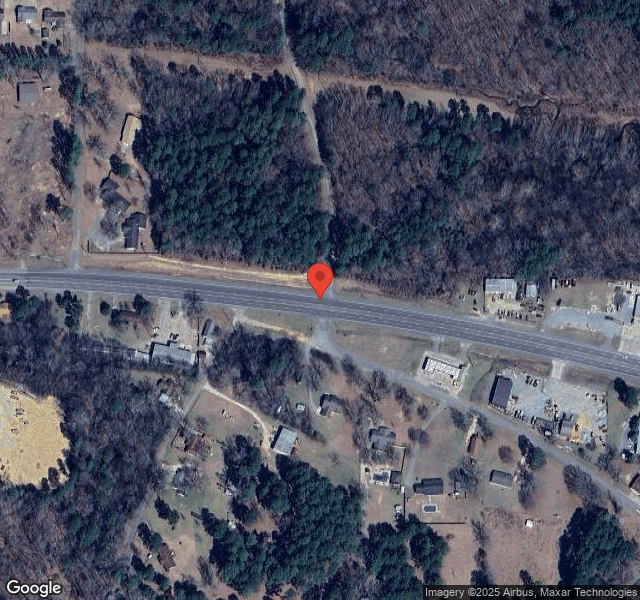

1440 EAST CHURCH, WARREN, AR 71671 (870) 226-6766
For profit - Corporation 140 Beds ANTHONY & BRYAN ADAMS Data: November 2025 1 Immediate Jeopardy citation
Trust Grade
21/100
#188 of 218 in AR
Last Inspection: October 2024

Within standard 12-15 month inspection cycle. Federal law requires annual inspections.

Overview

Chapel Woods Health and Rehabilitation has received a Trust Grade of F, indicating significant concerns about the facility's care and management. With a state rank of #188 out of 218 in Arkansas, they are in the bottom half of all nursing homes, while being the only option in Bradley County. The facility is showing signs of improvement, as issues have decreased from eight in 2024 to three in 2025, although it still faces serious challenges. Staffing is a relative strength with a 4/5 star rating, but turnover is average at 53%, which means staff may not be as familiar with residents as in better-performing homes. However, there have been critical incidents, such as a cognitively impaired resident being left outside unsupervised, which raises serious concerns about safety, along with findings related to food handling and hygiene practices that could affect resident health.

Trust Score
F
21/100
In Arkansas
#188/218
Bottom 14%
Safety Record
High Risk
Review needed
Inspections
Getting Better
8 → 3 violations
Staff Stability
⚠ Watch
53% turnover. Above average. Higher turnover means staff may not know residents' routines.
Penalties
✓ Good
$12,740 in fines. Lower than most Arkansas facilities. Relatively clean record.
Skilled Nurses
⚠ Watch
Each resident gets only 21 minutes of Registered Nurse (RN) attention daily — below average for Arkansas. Fewer RN minutes means fewer trained eyes watching for problems.
Violations
⚠ Watch
31 deficiencies on record. Higher than average. Multiple issues found across inspections.
★☆☆☆☆
1.0
Overall Rating
★★★★☆
4.0
Staff Levels
★★★☆☆
3.0
Care Quality
★☆☆☆☆
1.0
Inspection Score
Stable
2024: 8 issues
2025: 3 issues

The Good

  • 4-Star Staffing Rating · Above-average nurse staffing levels
  • Full Sprinkler Coverage · Fire safety systems throughout facility
  • No fines on record

Facility shows strength in staffing levels, fire safety.

The Bad

1-Star Overall Rating

Below Arkansas average (3.1)

Significant quality concerns identified by CMS

Staff Turnover: 53%

Near Arkansas avg (46%)

Higher turnover may affect care consistency

Federal Fines: $12,740

Below median ($33,413)

Minor penalties assessed

Chain: ANTHONY & BRYAN ADAMS

Part of a multi-facility chain

Ask about local staffing decisions and management

The Ugly 31 deficiencies on record

1 life-threatening 1 actual harm
May 2025 1 deficiency 1 IJ
CRITICAL (J) 📢 Someone Reported This

A family member, employee, or ombudsman was alarmed enough to file a formal complaint

Immediate Jeopardy (IJ) - the most serious Medicare violation

Free from Abuse/Neglect (Tag F0600)

Someone could have died · This affected 1 resident

**NOTE- TERMS IN BRACKETS HAVE BEEN EDITED TO PROTECT CONFIDENTIALITY** Based on record review, interview, and facility policy review, the facility failed to ensure a cognitively impaired resident was...

Read full inspector narrative →
**NOTE- TERMS IN BRACKETS HAVE BEEN EDITED TO PROTECT CONFIDENTIALITY** Based on record review, interview, and facility policy review, the facility failed to ensure a cognitively impaired resident was not left outside alone, unsupervised, and after hours for 1 (Resident #1) of 1 sampled resident reviewed for neglect. It was determined the facility's non-compliance with one or more requirements of participation had caused, or was likely to cause, serious injury, harm, impairment, or death to residents. The Immediate Jeopardy (IJ) was related to State Operations Manual, Appendix PP, 483.12 (Freedom from Abuse, Neglect, and Exploitation) at a scope and severity of J. The IJ began on 05/04/2025 around 5:45 PM when Resident #1 was left outside, alone and unsupervised, in the courtyard of the secured unit. The Administrator, Director of Nursing, and Nurse Consultant were notified of the IJ on 05/09/2025 at 8:54 AM. A plan of removal was requested. The removal plan was accepted by the State Survey Agency on 05/09/2025 at 6:36 PM. The immediacy of the IJ was removed on 05/09/2025 at 6:36 PM. The findings are: Review of an Office of Long-Term Care (OLTC) Incident and Accident [I&A] report with a discovery date of 05/5/2025 indicated that on 05/04/2025 at approximately 5:15 PM, Resident #1 requested to sit in the courtyard, located outside of the dining room on the secured unit, to get some sun. The resident was noticed missing on 05/05/2025 at 4:19 AM and was located on 05/05/2025 at 5:21 AM sitting outside in the courtyard. On 05/05/2025 at 10:45 PM, Resident #1 was interviewed and reported going outside after supper to sit. Resident #1 reported trying to come back in but could not because the door was locked. Resident #1 reported knocking hard on the door all night long and sitting wherever possible to stay warm because it was cold that night. A nursing general note dated 05/05/2025 at 5:21 AM indicated the Director of Nursing (DON) located Resident #1 sitting in a chair outside of the dining room on the patio with jacket zipped up and head covered. Review of an online weather service ' s historical data revealed the low temperature the morning of the incident, 5/5/2025, was 47 degrees Fahrenheit. Review of the Medical Diagnosis portion of Resident #1 ' s electronic health record revealed the resident was admitted to the facility on [DATE] with diagnoses of schizophrenia and psychotic disorder with hallucinations. Review of an annual Minimum Data Set with an Assessment Reference Date of 04/30/2025 revealed a brief interview for mental status score of 12, which indicates moderate cognitive impairment. The MDS also indicated Resident #1 required supervision/touch assistance with toileting and personal hygiene, shower/bathe self, chair/bed-to-chair transfer, toilet and tub/shower transfer. Review of the Care Plan Report, dated as revised 04/30/2025, revealed Resident #1 could benefit from placement in the secured neighborhood due to the need for a safe environment and special programming with an intervention of providing opportunity for the resident to experience growth, connectedness, meaning, and joy by participating in the life of the neighborhood. Resident #1 was an elopement risk/wanderer with an intervention of supervision in courtyard. On 05/05/2025 at 11:04 AM, Certified Nursing Assistant (CNA) #1 was interviewed over the telephone and stated that on the evening of 05/04/025, she opened the door to the courtyard so the residents could go outside after supper. She stated between 5:00 PM and 5:30 PM, the residents came back inside, and she did not see Resident #1 seated in the resident's usual seating area and she assumed Resident #1 had come back inside so she closed the door. CNA #1 stated she did not check the resident's room or anywhere else on the secured unit for the resident because the resident was in and out of the bathroom frequently and she thought the resident was in the bathroom when she made rounds. CNA #1 stated staff were supposed to round every two hours but that does not always happen. She stated she did not realize the resident was not in the room prior to leaving her shift at 11:00 PM because the resident frequently used the bathroom and when the resident was not seen in the room, she usually assumed the resident was in the bathroom. On 05/08/2025 at 1:32 PM, CNA #3 was interviewed by telephone and stated she came to work on 05/04/2025 around 10:50 PM and made rounds a little after 12 AM but could not give an exact time. CNA #3 stated when she looked in Resident #1 ' s room, she saw the bathroom light on and assumed the resident was in the bathroom but did not go in and check. She stated around 4:20 AM, she went to Resident #1's room to get the resident up and realized the resident was not there when she turned the light on. CNA #3 stated she notified the nurse [LPN #4], and staff began looking for the resident. She stated the DON was working that night up front and LPN #4 called and requested the DON come back to the secured unit. CNA #3 stated the DON located Resident #1 outside in the courtyard and brought the resident inside. CNA #3 stated she was sure the resident was cold but was unsure of what the temperature was the night of 05/04/2025. She stated staff were supposed to make rounds on the residents every 2 hours, but sometimes staff do not do that. On 05/08/2025 at 2:51 PM, the DON was interviewed and stated she was working the front of the facility, halls A and B, the night of the incident. At around 5:15 AM she was passing medications, and CNA #6 asked if the DON knew a resident was missing and she stated no. The DON immediately locked her cart and went to the unit. When she got to the unit she was told Resident #1 was missing. The DON stated she immediately started looking room to room while talking to the staff asking questions and asked when the last time Resident #1 was seen. Both the 7 AM to 7 PM nurse and 11 PM to 7 AM aide stated they had not seen Resident #1 during their shift. She stated she immediately called the day nurse [LPN #5] to see when the last time she saw the resident. LPN #5 stated it was around 5:30 PM after she had given the resident's medications and sat in the courtyard with the resident. The DON stated that while she was on the phone with LPN #5, she went to the dining room and courtyard door. The DON opened the door, and the resident was sitting on the bench to the left of the door with a jacket on, zipped all the way up and face covered. The immediate jeopardy was removed on 05/09/2025 at 6:36 PM when the following plan of removal was implemented by the facility: Immediate interventions: 1. Resident was immediately brought into building and taken to his room where he was toileted, and clothing changed. 2. APN was contacted. She stated she would not be in the facility today so requested that facility schedule a tele-med visit. 3. Body Audit was completed on [Resident #1] with no negative findings. 4. Family notified, 5. Tele-med visit completed with new orders received_. 6. Abuse in-service began on Abuse and Neglect. 7. Body Audits completed on all residents on the secured unit with no negative findings. 8. The nurse [LPN #4] and CNA's [CNA #1, #2 and #3] were all placed on administrative leave. 9. Administrator/DON/designee will round the secure neighborhood 3 times per day, at least 1 time on each shift, to ensure that all residents are present in the confines of the building and safe. These rounds will begin on 5/9/25 and will be documented on a facility designed rounding calendar. 10. Beginning 3:00 p.m., 5/9/25, Administrator/designee will round the smoking area courtyard at least 1 time every 2 hours to ensure that wandering residents have not made their way outside, until security system with Wanderguard sensor automatic magnetic locks are installed. Action to Prevent Similar Incident: 1. Facility will ensure residents residing on the secure neighborhood will not be allowed to be in either facility courtyard unattended. D.O.N/Designee will train secured unit staff on this change beginning 5/5/25. No employee will be allowed to work the neighborhood until training is completed by 05-09-2025. 2. DON/Designee will train all nursing staff on the importance of making rounds at shift change to make sure all residents are accounted for. Trainings were begun on 5/5/25. Beginning at 12 noon on 5/9/25, no nursing staff will be allowed to work before being trained by DON/Designee and training will be completed by 05-09-25. 3. DON/Designee will train all LPNs/RNs [Registered Nurses] on the importance of completing midnight census with visual check of each and every resident. Training began on 5/5/25. Beginning at 12 noon on 5/9/25, no nurses will be allowed to work before being trained by DON/Designee on 05-09-25. 4. Train all CNAS on the importance of completing 2-hour rounds and visualizing every resident even if they toilet independently. Training was begun on 5/5/25 by the DON. Beginning noon on 5/9/25, no aides will be allowed to work before being trained by DON/Designee and training will be completed by 05-09-25. By 1:00 p.m. on 5/9/25, a task was set up in the EMR (electronic medical record) system for aides to document 2-hour rounds. CNAs and nurses were trained by the DON/designee on the completion of this task on 5/9/25. The completion of this task will be verified by the charge nurse assigned to each work area at the end of the shift, starting at the end of evening shift on 5/9/25. 5. DON/Designee will train all staff on the elopement policy, including when resident is not located immediately within the facility, check the courtyards. Training began on 5/5/25 and training will be completed by 05-09-25. Beginning 12 noon on 519125, no employees will be allowed to work who have not been trained by 05-09-25. 6. From the time this QAA document was established on 5/5/2025, no employee has been allowed to work on the secure neighborhood until trained on the points above, with special emphasis on point #1. And no employee will be allowed to work on the secure neighborhood until they have been trained. All corrections were completed on 05/09/2025. Onsite Verification: The IJ was removed on 05/12/2025 at 2:30 PM after this surveyor performed an onsite verification that the removal plan had been implemented as follows: Immediate interventions: 1. Review of the reportable dated 05/05/2025 revealed Resident #1 was located outside the building at 5:21 AM and was brought inside, toileted and clothing changed. 2. Review of the progress notes revealed a nursing general note dated 05/05/2025 at 5:21 AM which indicated APN notified with no new orders. Plan for tele-med later in the morning. 3. Review of body audit dated 05/05/2025 indicated no negative findings. 4. This surveyor spoke with Resident #1's responsible party by telephone on 05/12/25 at 9:43 AM and she stated she was notified the morning of 05/05/2025. 5. Review of an Access Medical Note dated 05/05/2025 at 10:57 AM by APRN, revealed visit was conducted via tele-med with interactive audio and visual capabilities and was necessary due to resident was outside last night. 6. Review of the reportable dated 05/05/2025 included a training dated 5/5/25 conducted by the DON with a topic of abuse/neglect. 7. Review of the reportable revealed body audits on residents on the secured unit with no negative findings. 8. Review of the reportable dated 05/05/2025 revealed in the steps taken four staff members were suspended pending the outcome of investigation: [LPN#4, CNA #2, CNA #1, CNA #3]. 9. Review of sheets provided by the DON revealed a licensed nurse (LPN or RN) signed a document indicating 2-hour rounding was completed on the secured units for 5/9/25, 5/10/25, and 5/11/25, and all residents were safe and accounted for. 10. Review of a smoking area courtyard security rounds sheet revealed 2-hour rounds started on 05/09/2025 at 3:00 PM and the sheet was current up to 05/12/2025 at 11:00 AM when the document was provided to this surveyor.
Mar 2025 1 deficiency
CONCERN (D) 📢 Someone Reported This

A family member, employee, or ombudsman was alarmed enough to file a formal complaint

Potential for Harm - no one hurt, but risky conditions existed

Unnecessary Medications (Tag F0759)

Could have caused harm · This affected 1 resident

Based on observation, record review, interview and facility policy review, the facility failed to ensure the medication error rate was less than 5 percent (%) during the medication administration obse...

Read full inspector narrative →
Based on observation, record review, interview and facility policy review, the facility failed to ensure the medication error rate was less than 5 percent (%) during the medication administration observation of 1 (Resident #7) of 2 (Residents #1 and #7) sampled residents, and one (Resident #8) non-sampled resident who received medications from 1 Registered Nurse (RN) and 2 Certified Med Techs (CMT). Observed 25 opportunities of medication administration and 2 of the 25 medications were not administered in accordance with the physician's orders, resulting in a medication error rate of 8.00%. The findings are: 1. On 03/11/2025 at 9:06 AM, CMT #2 entered Resident #7's room to administer the medication she had prepared. CMT #2 gave the resident a cup of pills with a cup of water. Once the resident took the pills, CMT #2 administered one drop of [Name brand - Polyethylene Glycol 440 / Propylene Glycol] ophthalmic (eye) drops in each of the resident's eyes. CMT #2 did not take [brand name] laxative to the resident with the other medications. Resident #7's Order Summary Report was reviewed and indicated the resident was to receive [brand name] Powder (Polyethylene Glycol 3350) 17 grams by mouth one time a day for constipation and [brand name - carboxymethylcellulose sodium] Solution instill 1 drop in both eyes in the morning related to dry eye syndrome of unspecified lacrimal gland (a small organ that produces tears). There was no active order for [brand name - Polyethylene Glycol 440 / Propylene Glycol] eye drops. The electronic Medication Administration Record (eMAR) was reviewed and indicated the [brand name] laxative powder was last administered at 0800 (8:00 AM) on 03/11/2025 by CMT #2. The eMAR indicated [brand name - carboxymethylcellulose sodium] solution was last administered at 0800 (8:00 AM) by CMT #2. On 03/11/2025 at 9:53 AM, CMT #2 was interviewed and stated she did not give [brand name] laxative powder to Resident #7 with the other medication this morning. She stated the resident refuses this medication and would ask for this medication when the resident feels constipated. She stated she signed the [brand name] laxative medication as being administered this morning in error. On 03/11/2025 at 10:04 AM, Resident #7 was interviewed and stated [brand name] laxative powder was not taken this morning. The resident stated [pronoun] asks for the laxative medication when constipated. On 03/11/2025 at 3:40 PM, the Unit Manager was in the medication stock room restocking medication. There was a box of [carboxymethylcellulose sodium] Lubricant eye drops on the top shelf. The Unit Manager was interviewed and stated she ordered the medication, and the delivery came today. On 03/11/2025 at 3:59 PM, the Advanced Practice Nurse (APN) was interviewed by telephone and stated she was not made aware by staff that Resident #7 was not taking the [name brand] laxative medication. She stated [brand name - Polyethylene Glycol 440 / Propylene Glycol] eye drops, and [brand name - carboxymethylcellulose sodium] Tears were different but worked the same. She stated what the practitioner ordered needed to be sent to the pharmacy because [brand name - carboxymethylcellulose sodium] Tears was ordered for a reason. On 03/12/2025 at 10:14 AM, CMT #2 was interviewed and stated she looked for [brand name - carboxymethylcellulose sodium] eye drops, and the facility did not have any. She stated it was on a Saturday, and the LPN who was working that day told her it was ok to use the [brand name - Polyethylene Glycol 440 / Propylene Glycol] eye drops. The LPN she asked is no longer an employee at the facility. On 03/12/2025 at 10:26 AM, the Director of Nursing (DON) was interviewed and stated nurses and med techs were placed on orientation with a nurse who has been at the facility for a while to train with until they were comfortable passing medications at the facility. She stated if a resident was refusing to take a scheduled medication, the doctor should be notified of the refusal and the reason should be charted. She stated if a medication was not available, the nurse/med tech should mark the medication as not given and call the provider. She stated the nurse/med tech should not substitute a medication order without notifying the provider. An Adverse Consequences and Medication Errors policy, dated as revised April 2014, was reviewed and indicated a medication error was defined as the preparation or administration of drugs or biological which was not in accordance with the physician's orders, manufacture's specifications, or accepted professional standards of the professional providing services. Examples of medication errors included: a drug ordered but not administered, wrong drug, and wrong time. An Administering Oral Medications policy with a revision date of October 2010, was reviewed and indicated for preparation, a physician's medication order should be verified. Steps in the procedure indicated check the label on the medication and confirm the medication name and dose with the MAR (Medication Administration Record).
Jan 2025 1 deficiency
CONCERN (E) 📢 Someone Reported This

A family member, employee, or ombudsman was alarmed enough to file a formal complaint

Potential for Harm - no one hurt, but risky conditions existed

Investigate Abuse (Tag F0610)

Could have caused harm · This affected multiple residents

Based on record review, interview, and facility policy review, the facility failed to ensure allegations of abuse and neglect were thoroughly investigated for 3 (Residents #1, #4 and #5) of 6 sampled ...

Read full inspector narrative →
Based on record review, interview, and facility policy review, the facility failed to ensure allegations of abuse and neglect were thoroughly investigated for 3 (Residents #1, #4 and #5) of 6 sampled residents reviewed for abuse and 1 (Resident #6) of 1 sampled resident reviewed for neglect. The findings are: 1)The Quarterly Minimum Data Set (MDS), with an Assessment Reference Date (ARD) of 12/26/2024, revealed Resident #1 had a Brief Interview for Mental Status (BIMS) score of 6, which indicated the resident was not cognitively intact. Diagnoses on the MDS included end-stage renal disease (kidney disease), bipolar disorder (depression/mania), dementia, and heart failure. The resident's Incident Report (I&A) and corresponding action plan were reviewed for completeness. A review of Resident #1's I&A revealed the following: a. On 10/31/2024 the resident made allegations of abuse. b. The I&A Report dated 10/31/2024 stated Admin interviewed cognitive residents on C Hall with no negative findings. Residents unable to be interviewed were assessed for any signs of abuse with no negative findings. c. On 01/22/2025 at 12:55PM the Nurse Consultant was unable to provide the documents referenced above, to reflect the resident interviews or the resident assessments (body audits) completed on 10/31/2024. 2) The Quarterly Minimum Data Set (MDS), with an Assessment Reference Date (ARD) of 11/15/2024, revealed Resident #4 had a Brief Interview for Mental Status (BIMS) score of 6 which indicated the resident was not cognitively intact. Diagnoses on the MDS included dementia, atrial fibrillation (abnormal heart rhythm), and high blood pressure. The resident's I&A and corresponding action plan were reviewed for completeness. A review of Resident #4's I&A revealed the following: a. On 11/13/2024 the resident was noted by staff to have a bruise of unknow origin. b. The I&A Report dated 11/13/2024 mentioned the Licensed Practical Nurse (LPN) assessed the resident for signs of abuse. The report also stated, LPN then assessed all other residents on the unit for any signs of abuse; there were no negative findings. c. On 01/22/2025 at 12:55PM the Nurse Consultant was unable to provide the documents referenced above, to reflect the resident assessments (body audits) completed for 11/13/2024. 3) On 11/05/2024 at 12:40 PM, the facility submitted an OLTC [office of long-term care] Incident and Accident Report (I&A) to the state agency for an allegation of physical and verbal abuse for Resident #5. The report indicated on 11/05/2024 at 11:00 AM, Resident #5 reported to the social worker and the unit manager a certified nursing assistant (CNA) was being rough with the resident during care and snatched a call light from the resident's hand. The report indicated CNA #1 was assigned to the resident's hall the day of the incident. CNA #1 was suspended while the incident was investigated. The I&A report indicated the residents on Halls A and B who were unable to be interviewed were assessed for any signs/symptoms of abuse. There were no assessments provided for any non-interviewable residents in the report. On 01/21/2025 at 3:18 PM, Resident #5 was sitting up in a recliner in the room and was interviewed. The resident was unable to recall what happened the day of the incident but stated the CNA thought she knew it all and was helping the resident after the resident was in the bed. The resident was unable to give the name of the CNA and did not provide any other specific information about the alleged incident. Resident #5's medical diagnosis screen was reviewed and indicated diagnoses of unusual patterns of movement or changes in the way an individual walks or moves (abnormalities of gait and mobility) and generalized muscle weakness. A quarterly MDS with an ARD of 12/17/2024 was reviewed and indicated Resident #5 had a BIMS of 13 which indicated cognitively intact and was dependent on staff for toileting and personal hygiene and chair/bed-to-chair transfers. 4) The Quarterly Minimum Data Set (MDS), with an Assessment Reference Date (ARD) of 12/26/2024, revealed Resident #6 had a Brief Interview for Mental Status (BIMS) score of 6 which indicated the resident was not cognitively intact. Diagnoses on the MDS included dementia, anxiety, depression, and dysphagia (trouble swallowing). The resident's Incident Report and corresponding action plan were reviewed for completeness. A review of Resident #6's I&A revealed the following: a. On 11/14/2024 the resident had a fall, and the case was reviewed by the facility for neglect. b. The I&A Report dated 11/15/2024 stated Interview residents on C Hall to see if they felt neglected. If they can't be interviewed a body audit will be completed. c. On 01/22/2025 at 12:55PM the Nurse Consultant was unable to provide the documents referenced above, to reflect the resident interviews or the resident assessments/body audits completed for 11/15/2024. 5) On 01/23/2025 at 01:15 PM the Director of Nursing (DON) was interviewed regarding the I&A reports with missing documents for resident interviews and/or resident assessments/body audits. The DON stated that the responsibility of ensuring that resident interviews and/or resident assessments/body audits were completed after an allegation of abuse or neglect was up to the DON and the Administrator. In addition, the DON stated it was important to ensure resident interviews and resident assessments/body audits were completed to make sure the same situations had not happened to other residents. The DON was not able to provide the documentation requested (referenced above) with the resident I&As for #1, #4 and #6 to reflect that the resident interviews and resident assessments/body audits were done. 6) On 01/23/2025 at 2:00 PM the Administrator was interviewed regarding the I&A reports with missing documents for resident interviews and/or resident assessments/body audits. The DON stated that the responsibility of ensuring that resident interviews and/or resident assessments/body audits were completed after an allegation of abuse or neglect was up to the Administrator. In addition, the Administrator stated it was important to ensure resident interviews and resident assessments/body audits were completed to make sure the same situations have not happened to other residents. The Administrator was not able to provide the documentation requested (referenced above) with the I&As for residents #1, #4, #5, and #6 to reflect that the resident interviews and Resident assessments/body audits were done. 7) On 01/24/2025, the Administrator was asked to provide the assessments completed on the non-interviewable residents. The Administrator returned to the room and stated no assessments were located for the non-interviewable residents on Halls A and B. 8) An Abuse Prevention policy, dated as revised 11/16/2017, was reviewed and indicated all reports of resident abuse, neglect, injuries of an unknown source, resident-to-resident abuse and resident-to-staff abuse are promptly and thoroughly investigated by facility management.
Oct 2024 8 deficiencies 1 Harm
SERIOUS (G) 📢 Someone Reported This

A family member, employee, or ombudsman was alarmed enough to file a formal complaint

Actual Harm - a resident was hurt due to facility failures

Accident Prevention (Tag F0689)

A resident was harmed · This affected 1 resident

Deficiency Text Not Available

Read full inspector narrative →
Deficiency Text Not Available
CONCERN (D)

Potential for Harm - no one hurt, but risky conditions existed

Deficiency F0657 (Tag F0657)

Could have caused harm · This affected 1 resident

Based on observation, record review, and facility policy review, the facility failed to ensure a care plan was revised to reflect the resident's most recent care needs for 1 (Resident #3) sampled resi...

Read full inspector narrative →
Based on observation, record review, and facility policy review, the facility failed to ensure a care plan was revised to reflect the resident's most recent care needs for 1 (Resident #3) sampled resident whose care plan was reviewed. The findings are: Resident #3's medical diagnosis screen was reviewed and indicated the resident was diagnosed with a condition which caused loss of thinking and decision-making skills which interfered with daily life (dementia) and a change in the mental status (altered mental status). A quarterly Minimum Data Set with an Assessment Reference Date of 09/27/2024, was reviewed and indicated Resident #3 had a Brief Interview for Mental Status score of 15, which indicated the resident was cognitively intact and was taking the following high-risk drugs: an antipsychotic, an antidepressant, an antibiotic, a diuretic (removes excess fluid) and antiplatelet. Resident #3's Order Summary Report was reviewed and indicated the following orders: a. Bumex (removes excess fluid) 2 milligrams (mg) and give 1 tablet by mouth one time a day and was ordered on 09/22/2024; b. Fluoxetine (antidepressant) 20 mg give 1 tablet by mouth one time a day and was ordered on 07/25/2022; Quetiapine Fumarate (Seroquel- antipsychotic) 25 mg and give 12.5 mg by mouth four times a day for anxiety and was ordered on 09/22/2024 and Tramadol 50 mg and give 50 mg by mouth every 8 hours as needed (PRN) for pain and was ordered on 07/11/2023. The care plan, dated 09/24/2024, was reviewed and indicated Resident #3 was using an antidepressant, a diuretic, and Tramadol for pain but did not indicate which side effects or signs and symptoms to monitor the resident for while taking these high-risk medications. On 10/25/2024 at 1:25 PM, the MDS Coordinator was interviewed by another surveyor and stated she was familiar with the Resident Assessment Instrument (RAI) manual and had an active icon on her desktop which keeps the information up to date and accurate at all times. She stated when gathering information for the MDS, she visits and talks with new residents, speaks to staff and reviews the residents' charts. She stated high-risk medications should be care planned, so staff can monitor the residents, the residents' symptoms and positive or negative changes/reactions the residents may have. She stated the nurses and certified nursing assistants know how to care for the residents by their care plan information. She stated she updated the care plans quarterly and when new orders or gradual dose reductions were received. A Care Plans, Comprehensive Person-Centered policy, dated as revised December 2016 and provided by the Administrator, was reviewed and indicated the care plan interventions came from a thorough analysis of information collected from the comprehensive assessment. The care plan policy indicated the assessments of residents were ongoing and care plans were revised as information about the residents and the residents' conditions change. The care plan policy indicated that the care plan must be updated with certain conditions, one being at least quarterly, in conjunction with the required quarterly MDS assessment.
CONCERN (D)

Potential for Harm - no one hurt, but risky conditions existed

ADL Care (Tag F0677)

Could have caused harm · This affected 1 resident

Based on observation, interview, record review and facility policy review, the facility failed to ensure toenail care was consistently provided during resident care for 1 (Resident #22) sampled reside...

Read full inspector narrative →
Based on observation, interview, record review and facility policy review, the facility failed to ensure toenail care was consistently provided during resident care for 1 (Resident #22) sampled resident reviewed for nail care. The findings are: On 10/21/2024 at 11:57 AM, Resident #22 was leaned back in a recliner and the left shoe was off. The toenails were observed to be discolored, thick and had jagged edges. The resident stated the staff used to trim the toenails on bath days, which the resident thought were Tuesdays and Fridays. Resident #22's medical diagnosis screen was reviewed and indicated the resident had a condition which affected the airflow in the lungs and breathing (chronic obstructive pulmonary disease) and a condition in which the heart could not pump blood as efficiently (heart failure). An annual Minimum Data Set with an Assessment Reference Date of 08/04/2024, was reviewed and indicated Resident #22 had a Brief Interview for Mental Status score of 12, which indicated moderately cognitively impaired and required partial/moderate assistance with the bathing activity and supervision/touch assistance with personal hygiene. A care plan, dated 09/25/2024, was reviewed and indicated Resident #22 had an activity of daily living (ADL) self-care performance deficit. The care plan indicated the resident's nail length was to be checked, trimmed and cleaned on bath days and as necessary and required one-person assistance with bathing/showers. An ADL task for bathing document was reviewed and indicated Resident #22's bath days were Tuesday, Thursday and Saturday. The ADL bathing document indicated the resident received a whirlpool bath on 10/11/2024, 10/17/2024 and 10/19/2024; a bed bath on 10/12/2024 and 10/15/2024; refused a bath on 10/18/2024 and received a shower on 10/22/2024. On 10/23/2024 at 9:18 AM, Resident #22 was reclined in a recliner in the room, awake with black house slippers on. Certified Nursing Assistant (CNA) #11 was interviewed with concurrent observations and was asked to take off the resident's left shoe. The resident's toenails on the left foot were thick, the great toenail was jagged, discolored and long. CNA #11 was asked to describe the resident's toenails on the left foot, and she stated the toenails were thick, long, yellowish and sharp. She stated the 11 to 7 CNAs were responsible for providing nail care and nail care was to be provided when the residents were showered. She stated Resident #22's shower days were Tuesday, Thursday and Saturday. On 10/24/2024 at 3:00 PM, CNA #5 was interviewed and stated she did give Resident #22 whirlpool baths and provides nail care to all the residents. She stated she believed Resident #22's nail care was provided last week but did not give a date. She stated she did not give the resident a whirlpool on Tuesday, 10/22/2024, as another staff member, CNA #6, assisted the resident with a shower. On 10/24/2024 at 3:39 PM, CNA #6 was interviewed and she stated she started working at the facility on October 5th [2024] and was instructed on what to do when a resident was showered. She stated she did not recall if she gave Resident #22 a shower on 10/22/2024. A Fingernails, Toenails, Care of policy, dated as revised February 2018 and provided by the Administrator, was reviewed and indicated nail care included daily cleaning and regular trimming and trimmed, and smooth nails prevented the resident from accidently scratching and injuring the skin. The policy indicated evidence of ingrown nails, infections, pain, or if nails were too hard or too thick to cut with ease should be reported to the nurse supervisor.
CONCERN (D)

Potential for Harm - no one hurt, but risky conditions existed

Menu Adequacy (Tag F0803)

Could have caused harm · This affected 1 resident

Based on observation, record review, and interview, the facility failed to ensure meals were prepared and served according to the planned written menu to meet the nutritional needs of the residents fo...

Read full inspector narrative →
Based on observation, record review, and interview, the facility failed to ensure meals were prepared and served according to the planned written menu to meet the nutritional needs of the residents for 1 of 1 meal observed. The findings are: 1. On 10/21/24 at 11:41 AM, during the noon meal preparation Dietary Aide (DA) #1 placed 10 servings of cheesy biscuits into a blender added milk, pureed, and used a #8 scoop to portion it into 10 individual bowls, covered the bowls with lids and placed them in the refrigerator. a. On 10/21/24 at 12:46 PM, 7 of 8 residents did not receive pureed cheesy biscuits. b. On 10/21/24 at 12:56 PM, during an interview DA #1 stated she forgot to serve pureed cheesy biscuit to the remaining 7 residents.
CONCERN (D)

Potential for Harm - no one hurt, but risky conditions existed

Infection Control (Tag F0880)

Could have caused harm · This affected 1 resident

Based on observation, interviews, record reviews, and facility policy review the facility failed to ensure staff donned the proper Personal Protective Equipment (PPE) while performing high contact res...

Read full inspector narrative →
Based on observation, interviews, record reviews, and facility policy review the facility failed to ensure staff donned the proper Personal Protective Equipment (PPE) while performing high contact resident activities for 1 (Resident #76) sampled resident on Enhanced Barrier Precautions (EBP). The findings include: A review of the admission Minimum Data Set (MDS) with the Assessment Reference Date (ARD) of 8/18/2024 revealed Resident #76 had memory problems and a history of coughing/choking during meals or when swallowing medications. A plan of care (revision date: 9/17/2024) revealed Resident #76 required Enhanced Barrier Precautions related to Percutaneous Endoscopic Gastrostomy (PEG) tube. On 10/23/24 at 7:50 AM, the Surveyor observed Licensed Practical Nurse (LPN) #2 administer medication to Resident #76 via PEG tube wearing only gloves, with no additional PPE. On 10/23/24 at 8:00 AM, during an interview LPN #1 stated, I messed up, I did not wear a gown. On 10/23/24 at 2:18 PM, during an interview the Director of Nursing (DON) stated staff should wear a gown and gloves when administering medication through a PEG tube, to protect the resident from potential infections. A policy titled, Enhanced Barrier Precautions, noted that high contact resident care activities requiring the use of gown and gloves include device care or use (central line, urinary catheter, feeding tubes) to prevent the spread of multi-drug resistant organism (MDRO).
CONCERN (E) 📢 Someone Reported This

A family member, employee, or ombudsman was alarmed enough to file a formal complaint

Potential for Harm - no one hurt, but risky conditions existed

Pharmacy Services (Tag F0755)

Could have caused harm · This affected multiple residents

Based on record review, interview, and facility policy review, the facility failed to ensure the process for dispensing controlled substances was consistently implemented to decrease the potential for...

Read full inspector narrative →
Based on record review, interview, and facility policy review, the facility failed to ensure the process for dispensing controlled substances was consistently implemented to decrease the potential for diversion of medications from one of four medication carts from which a random narcotic count was performed. The findings are: On 10/24/2024 at 1:19 PM, this surveyor and Licensed Practical Nurse (LPN) #3 performed a random narcotic count of the contents of the controlled substance box on the medication cart for halls E and F. During the count, the following were observed: 1. Page 74 indicated Resident #75 had Diazepam 5 milligrams (mg), last signed out on 10/24/2024 at 0900 (9:00 AM) by LPN #3 and 39 tablets (tabs) remaining for the balance. Upon review of the medication card, there were 38 tabs remaining. LPN #3 stated the medication was sent out of the facility at 11:30 AM with Resident #75's family member. (Diazepam is used to treat anxiety, muscle spasms, and seizures.) 2. Page 77 indicated Resident #25 had Hydro-APAP (Hydrocodone-Acetaminophen) 5/325 (5 milligrams per 325 milligrams) tabs with 17 tabs for the balance. The last dose was signed out on 10/24 (10/24/2024) at 0545 (5:45 AM), and the name was illegible. Upon review of the medication card, there were only 16 tablets remaining. The nurse stated she had administered the medication to the resident at 12 noon but had not signed the pill out of the narcotic log. 3. Page 79 indicated a non-sampled resident had Hydro-APAP 7/325 and 9 tabs remaining for the balance and the last dose was signed out on 10/24/24 at 0800 (8:00 AM) by LPN #3. Upon review of the medication card, there were only 8 tablets remaining. LPN #3 stated she had administered the medication to the resident at 12 noon but had not signed the medication out of the narcotic log. On 10/24/2024 at 1:35 PM, LPN #3 was interviewed and stated Resident #75's family member was taking the resident out of the facility for a while and the resident would not be back in time for the 2:00 PM dose of Diazepam. LPN #3 stated around 11:30 AM, she removed a pill, placed it in a clear plastic bag and gave the medication to the Administrator, who was standing at the doorway of the medication room, to take the medication to Resident #75's family member. LPN #4 was sitting in a chair in the medication room and stated she witnessed LPN #3 pass the pill to the Administrator. LPN #3 stated she did not sign the medication out of the narcotic log after it was removed. LPN #3 stated that medication removed from the narcotic box was supposed to be signed out after the medication was removed. She stated the family member who received the medication for the resident leaving the facility was supposed to sign the narcotic book with the nurse. On 10/24/2024 at 4:11 PM, the Director of Nursing (DON) was interviewed and stated two nurses performed the narcotic count at shift change. She stated the nurses were required to sign the count sheet as soon as the count was finished. She stated the narcotic log was audited and she was ultimately responsible for this task, but she assigned the task to her nurse manager. She stated she liked to review the narcotic log at least weekly. She stated when a nurse removes a narcotic from the medication cart, the nurse is supposed to sign the medication out immediately. She stated two nurses normally sign the narcotic medication out together in the book (narcotic log). She stated once the medication was signed out of the narcotic log, the medication should be given to the direct family member taking the medication from the facility. She stated the family member receiving the medication for the resident was supposed to sign the narcotic log to indicate the medication was issued. At 4:25 PM, the DON was informed about the concern regarding Resident #75's Diazepam count. The DON was informed about the other controlled medications whose remaining balance on the card did not match the balance in the controlled substance book. A Controlled Substances policy, dated as revised November 2022, was reviewed and indicated controlled substance inventory was monitored and reconciled to identify loss or potential diversion in a manner that minimizes the time between loss/diversion and detection/follow-up. The policy indicated the nursing staff count controlled medication inventory at the end of each shift, using these records to reconcile the inventory count and the on-coming and off-going nurse made the count together, documented and reported any discrepancies to the DON. The policy also indicated the controlled substance was not surrendered to anyone except for a resident on pass or therapeutic leave, to a resident or responsible party upon discharge from the facility.
CONCERN (E)

Potential for Harm - no one hurt, but risky conditions existed

Medication Errors (Tag F0758)

Could have caused harm · This affected multiple residents

2. Resident #69's medical diagnosis screen was reviewed and indicated the resident had a condition which caused loss of thinking and decision-making skills which interfered with daily life (dementia) ...

Read full inspector narrative →
2. Resident #69's medical diagnosis screen was reviewed and indicated the resident had a condition which caused loss of thinking and decision-making skills which interfered with daily life (dementia) and depression. A quarterly MDS with an ARD of 10/03/2024, was reviewed and indicated Resident #69 had a BIMS of 6, which indicated severely cognitively impaired and was receiving antianxiety and antidepressant medications. Resident #69's Order Summary Report was reviewed and indicated Mirtazapine 7.5 milligrams (mg) every night at bedtime and was ordered on 06/24/2024 for depression and Buspirone 7.5 mg three times a day for anxiety and was ordered on 10/26/2023. A care plan, dated 10/04/2024, was reviewed and indicated Resident #69 was taking an antidepressant and antianxiety medication and listed signs and symptoms to monitor the resident for. A Pharmacy MRR-Anxiolytic form, dated 05/30/2024, was reviewed and indicated Resident #69 was receiving Buspirone 7.5 mg by mouth three times a day since 03/10/2024 and recommended a gradual dose reduction or tapering the medication dose to determine the optimal dose or if the medication was necessary for the resident. There was no response from the attending physician/prescribing practitioner on the form. As of 10/25/2024, the resident was yet receiving the dose indicated above. 3. A review of admission Record indicated Resident #2 had diagnoses of dementia, without behavioral disturbance, psychotic disturbance, mood disturbance and anxiety. A review of the care plan initiated on 10/07/24 indicated Resident #2 was on antianxiety therapy related to an antianxiety medication. The facility developed interventions to include to monitor the resident's condition based on clinical practice guidelines or clinical standards of practice related to the use of the antianxiety medication. A review of Order Summary Report indicated Resident #2 had a physician order dated 08/07/2024 for an antianxiety medication and to give 1 tablet via PEG-Tube every 8 hours as needed for anxiety. A review of Medication Administration Records (MARs) from August through October 2024 (08/08/24 through 10/24/2024) were reviewed with the following findings: - August 2024: Nurses' initials documented the antianxiety medication was administered 11 out of the 24 remaining dates of the month (08/08/24 through 08/31/24). - September 2024: Nurses' initials documented the antianxiety medication was administered 17 times, on 14 out of 30 days, - October 2024: Nurses' initials documented the antianxiety medication was administered 4 times on 3 out of 24 days. A review of Medication Regimen Review dated and signed by the Pharmacist on 08/22/2024 showed no discrepancies. During an interview on 10/25/24 at 10:50 AM the Assistant Director of Nursing (ADON) was asked, a PRN (as needed) anxiety medication is supposed to be for how long? The ADON indicated 30 days. The ADON was asked when a PRN antianxiety medication that was ordered on 08/07/24 be reassessed? The ADON indicated it should have already been reassessed by the physician. Based on record review, interview, and facility policy review, the facility failed to ensure a pharmacist medication regimen review recommendations were addressed for 3 (Residents #2, #3 and #69) of 5 (Residents #2, #3, #53, #69 and #77) sampled residents who were reviewed for unnecessary and psychotropic medications, and medication regimen reviews (MRRs). The findings are: Resident #3's medical diagnosis screen was reviewed and indicated the resident was diagnosed with a condition which caused loss of thinking and decision-making skills which interfered with daily life (dementia) and a change in the mental status (altered mental status). A quarterly Minimum Data Set (MDS) with an Assessment Reference Date (ARD) of 09/27/2024, was reviewed and indicated Resident #3 had a Brief Interview for Mental Status (BIMS) score of 15, which indicated cognitively intact and was taking the following high-risk drugs: an antipsychotic, an antidepressant, an antibiotic, a diuretic (removes excess fluid) and antiplatelet. Resident #3's Order Summary Report was reviewed and indicated the resident had an order for Quetiapine Fumarate (Seroquel-antipsychotic) 25 mg and give 12.5 mg by mouth four times a day for anxiety and was ordered on 09/22/2024. A Pharmacy MRR-Antipsychotic form, dated 09/24/2024, was reviewed and indicated Resident #3 was receiving Quetiapine Fumarate (Seroquel) 12.5 mg by mouth four times a day since 09/22/2024 and recommended a gradual dose reduction or tapering the dose to determine either the most favorable (optimal) dose or if the medication was necessary for the resident as the resident had a documented fall. On 10/15/2024, the Advanced Practice Registered Nurse (APRN) documented on the form to make the changes per pharmacy recommendations. As of 10/25/2024, the medication had not been adjusted.
CONCERN (F)

Potential for Harm - no one hurt, but risky conditions existed

Food Safety (Tag F0812)

Could have caused harm · This affected most or all residents

Based on observation, interview, record review, and facility policy review, the facility failed to ensure dietary staff thoroughly washed their hands and changed gloves when contaminated; expired food...

Read full inspector narrative →
Based on observation, interview, record review, and facility policy review, the facility failed to ensure dietary staff thoroughly washed their hands and changed gloves when contaminated; expired food items were promptly removed/discarded on or before the expiration or use by date; foods stored in the freezer, refrigerator and dry storage area were covered, sealed, and dated; and hot food item was maintained at the required temperature on the tray above the steam table for one meal observed. The findings are. 1. During a concurrent observation and interview on 10/21/24 at 10:02 AM, Dietary Aide (DA) #1 removed bananas from the original box and placed them on the counter, contaminating her hands. DA #1 then peeled off the skin layers from the bananas and placed them on the cutting board and held it with her hands while she sliced them with a knife. DA #1 then transferred the slices of bananas into a bowl on the counter to be used in preparing dessert to be served to the residents for lunch. DA #1 stated she should have washed her hands. 2. On 10/21/24 at 10:05 AM, an opened box of bread sticks were on a shelf in the freezer with no opened date. 3. During a concurrent observation and interview on 10/21/24 at 10:09 AM, one pan with 34 thawed biscuits, covered with clear wrap dated 10/21/2024 was on a shelf in the glass refrigerator. When asked about it, Dietary [NAME] (DC) #2 stated they had put it out to thaw in the refrigerator at 8:30 AM, this morning, as it takes time to thaw completely by the next morning. The Dietary Manager confirmed they prepared it this morning at 8:30 AM for the breakfast meal tomorrow, emphasizing the need for adequate thawing time. When asked about the instructions on the box. The Dietary Manager checked and said it indicated that the item should be baked while frozen. The Dietary Manager confirmed it was thawed and they will throw them away. 4. During a concurrent observation and interview on 10/21/24 at 10:57 AM, DA #1 wore gloves when she picked up the water hose with her bare hands and used it to spray leftover food from inside of the blender. DA #1 placed the blender, a blade, and the lid in the dirty racks and pushed the rack into the dish washing machine to wash. After the dishes stopped washing, DA #1 moved to the clean side of the dishwasher area and picked up a clean blade and attached it to the base of the blender to be used in pureeing foods to be served to the residents who received pureed diets for lunch. DA #1 stated she should have washed her hands. 5. On 10/21/24 at 11:21 AM, the Station 2 freezer temperature was -10 degrees Fahrenheit, and refrigerator temperature was 39 degrees Fahrenheit. The following observations were made on a shelf in the refrigerator at the nurse's station in Station #2: a. One carton of whole milk with an expiration date of 10/17/2024. b. One carton of 2% milk with an expiration date of 9/24/2024. c. An opened carton of discolored pudding. There was no opened or received date on the carton. The Dietary Manage stated it looked old. d. A bowl of leftover chili with chips. There was no received date and no name to indicate who it belongs to. The Dietary manager stated it looked like it's been there for more than 3 days. It is supposed to be there for 3 days. 6. On 10/21/24 at 11:36 AM, the following observations were made on the tray on top of the freezer at the nurses' station in Station #2. a. An opened box of vanilla wafers had a best when used by date of 9/24/2024. b. A bottle of pizza sauce with no name and no received date on it. c. Two bags of smoking crackers with no name and no received date on the bags. d. One box of pizza crust with no name or received date on the box. 7. During a concurrent observation and interview on 10/21/24 at 11:41 AM, DA #1 wore gloves on her hands when she picked up a pan of cheesy biscuit from the counter in the food preparation room and placed it on the counter by the mixer. DA #1 opened the refrigerator, took out a gallon of milk from the refrigerator and poured some on top of the cheesy biscuits inside the blender. After placing the gallon back in the refrigerator, DA #1 then, attempted to cover the blender bowl with its lid to puree the cheesy biscuits. However, the lid wouldn't fit because the blade wasn't fully attached to the base. DA #1 then used her contaminated gloved hand to adjust the blade at the base of the blender. DA #1 stated she should have washed her hands. She pureed the cheesy biscuits, used #8 scoop to portion the pureed mixture into 10 individual bowls on the tray and placed it in the refrigerator. DA #1 stated she should have washed her hands. 8. During a concurrent observation and interview on 10/21/24 at 12:24 PM, DA #1 removed the pan with individual bowls of pureed cheesy garlic biscuits from the refrigerator and placed it on top of the steam table. The Dietary Manager was asked if she could check the temperature of cheesy garlic biscuit, she did and stated it was 84 degrees Fahrenheit. DC # 2 stated they were to serve it hot. 9. On 10/21/24 at 12:29 PM, the following observations were made on a shelf in the refrigerator in Station #1's medication room: a. Two packages of honey buns with an expiration date of 9/11/2024. b. An opened box of pudding. The box was not covered and there was no open date or received date on the box. The freezer temperature was 0 degrees Fahrenheit. On 10/21/24 at 12:38 PM, the following observations were made in the freezer: a. One box of salisbury steak with no name or received date on it. b. One box of chocolate chip cookies with no name or received date on it. 10. During a concurrent observation and interview on 10/21/24 at 4:45 PM, Dietary Aide (DA) #3 was wearing gloves on his hands when he picked up a bread bag from the rack and placed it on the counter. After that, he opened the refrigerator, removed 2 cartons of milk and placed them in the preparation sink, near the blender machine. He then united the bread bag and used his contaminated gloved hands to remove slices of bread from the bag, preparing to put them into a blender to puree. DA #3 stated he should have removed the gloves, washed his hands, and used a tong to pick up the bread. 11. The undated facility policy titled, Employee Cleanliness and Handwashing Technique provided by the Dietary Manager, indicated hands should be washed before beginning a shift and after picking up anything from the floor.
Dec 2023 9 deficiencies
CONCERN (D)

Potential for Harm - no one hurt, but risky conditions existed

Comprehensive Care Plan (Tag F0656)

Could have caused harm · This affected 1 resident

Based on observation, interview and record review, the facility failed to update the resident care plan to reflect the needs of 1 Resident (Resident #10) sampled resident. Resident #10 had a past dia...

Read full inspector narrative →
Based on observation, interview and record review, the facility failed to update the resident care plan to reflect the needs of 1 Resident (Resident #10) sampled resident. Resident #10 had a past diagnosis of Osteomyelitis of lower extremities. On 12/11/2023 at 10:45 AM, Resident #10 was sitting in a wheelchair with bilateral lower extremities with 2+ pitting edema. When questioned about her lower leg swelling, Resident #10 stated she had this problem for years off and on. Progress note dated 10/06/2023 at 10:30 AM documented resident had 2+ pitting edema of lower extremities. At 2:16 it documented to start Lasix 40 mg daily. The Physician's order dated 10/07/2023 documented .Lasix oral tablet 40 mg (milligrams) give one tablet by mouth one time a day for fluid retention. On 12/12/2023 review of Resident #10's plan of care did not address nor document the pitting edema or the diuretic use. On 12/13/2023 at 2:50 PM, the (Minimum Data Set) MDS Coordinator was asked, should the edema of Resident #10's lower extremities be care planned? The MDS Coordinator stated, I mostly try to care plan problems, but she does have lower leg issues. On 12/13/2023 at 2:52 PM, the MDS Coordinator was asked how they were made aware of changes in the resident's condition or medications. The MDS coordinator stated, The floor nurse documents in the progress note, any significant change and we go from there. I wasn't aware [Resident #10] had the swelling until just now. On 12/14/2023 at 1:45 PM, the Surveyor asked the Director of Nursing why is it important to care plan medications, the DON stated, It could help prevent a medication error, so the staff know what side effects to look for and better care for our residents.
CONCERN (D)

Potential for Harm - no one hurt, but risky conditions existed

Deficiency F0657 (Tag F0657)

Could have caused harm · This affected 1 resident

Based on observation, record review and interview the facility failed to invite resident and family to attend care plan meetings for one (Resident #10) sampled residents. Resident #10 had a diagnosis...

Read full inspector narrative →
Based on observation, record review and interview the facility failed to invite resident and family to attend care plan meetings for one (Resident #10) sampled residents. Resident #10 had a diagnosis of muscle weakness. The Quarterly Minimum Data Set [MDS] with an assessment reference date [ARD] of 10/12/2023 documented a brief interview of mental status [BIMS] of 14 which indicated resident cognitive. On 12/11/23 at 10:40 AM, Resident #10 was asked if she attended care plan meetings and participated in developing her plan of care, Resident #10 stated she would like to attend care plan meetings but was unaware of when they are and had not been invited to attend. Review of Resident #10's clinical record did not document an invitation to resident or resident's representative to attend the care plan meeting. On 12/13/2023 at 1:20 PM during an interview, the Social Director was unable to provide documentation of Resident #10 and Resident #10's representative being invited to care plan meeting and confirmed neither party was invited. The Social Director went on to say she calls family members to invite them to care plan meetings according to list in charting system-[Facility Computer Software] populated by the MDS Coordinator. Review of the list confirmed Resident #10 was not listed prior to the last care plan meeting. On 12/14/2023 at 1:45 PM, the DON was asked why it is important to include the resident and family in care planning? The DON said it helps to better care for the residents and to keep the resident and family informed of what is going on with the resident and to plan with the residents wants and needs in mind, family can voice concerns. On 12/14/2023 at 1:53 PM, the MDS coordinator was questioned why it is important to include the resident and family in the care plan, they responded, So they can keep informed of the residents generalized care. The facility Care Planning policy documented, .the resident and residents family and/or the residents legal representative are encouraged to participate in the development of and revisions to the residents care plan .every effort will be made to schedule care plan meetings at the best time of day for the resident and family .
CONCERN (D)

Potential for Harm - no one hurt, but risky conditions existed

ADL Care (Tag F0677)

Could have caused harm · This affected 1 resident

Based on observation, interview and record review, the facility failed to ensure nails were trimmed to maintain good hygiene and prevent potential skin tears and infection. This failed practice had th...

Read full inspector narrative →
Based on observation, interview and record review, the facility failed to ensure nails were trimmed to maintain good hygiene and prevent potential skin tears and infection. This failed practice had the potential to affect all 49 residents in the facility who were dependent or assisted with nail care. The findings are: 1. On 12/11/2023 at 10:59 AM Resident #3 had jagged fingernails, approximately ½ inch long beyond the tip of the fingers. 2. On 12/11/2023 at 2:47 PM, Resident #3 had jagged fingernails, approximately ½ inch long beyond the tip of the fingers. 3. On 12/12/2023 at 9:49 AM, Resident #3 had jagged fingernails, approximately ½ inch long, a fingernail tore at edge of nail bed with red tinged drainage around the nail and on the fingertip. 4. A care plan with an initiation date of 07/12/2023 stated, Resident #3 has an ADL [activities of daily living] self-care performance deficit r/t [related to] weakness .Check nail length and trim and clean on bath day and as necessary. Report any changes to the nurse . 5. A Quarterly Minimum Data Set (MDS) with assessment reference date of 08/24/2023 documented Resident #3 is dependent for personal hygiene. 6. On 12/13/2023 at 10:15 AM, the Surveyor asked Nursing Assistant (NA) #1, Who is responsible for nailcare? NA #1 replied, Normally the CNAs [Certified Nursing Assistant] but if the resident is a diabetic then the nurse is responsible. The Surveyor asked, How often is nail care performed? NA #1 replied, Every other day. 7. On 12/13/2023 at 10:20 AM, the Surveyor asked Licensed Practical Nurse (LPN) #1, Who is responsible for nailcare? LPN #1 replied, Everybody. The surveyor asked, How often is nail care performed? LPN #1 replied, Weekly. Surveyor asked, What are some negative outcomes for jagged and long length nails? LPN #1 replied, they can get skin tears. 8. On 08/17/23 at 8:46 AM, the Surveyor asked the Director of Nursing (DON), Who is responsible for nailcare? DON replied, Treatment nurse and the nurse on the hall. Surveyor asked, How often is nail care performed? DON replied, Weekly and with body audits. 9. On 12/13/2023 at 2:52 PM the Administrator provided a policy titled, Care of Fingernails/Toenails states, .The purpose of this procedure are to clean the nail bed, to keep nails trimmed, and to prevent infections .Nail care includes daily cleaning and regular trimming .proper nail care can aid in the prevention of skin problems around the nail bed .trimmed and smooth nails prevent the resident from accidentally scratching or injuring his or her skin .watch for and report any changes .bleeding .
CONCERN (D)

Potential for Harm - no one hurt, but risky conditions existed

Deficiency F0679 (Tag F0679)

Could have caused harm · This affected 1 resident

**NOTE- TERMS IN BRACKETS HAVE BEEN EDITED TO PROTECT CONFIDENTIALITY** Based on observation, interview and record review, the facility failed to provide activities for, or invite room bound residents...

Read full inspector narrative →
**NOTE- TERMS IN BRACKETS HAVE BEEN EDITED TO PROTECT CONFIDENTIALITY** Based on observation, interview and record review, the facility failed to provide activities for, or invite room bound residents to activities for one (Resident #10) of two (Resident #10 and #25) sampled residents who spend most of their time in their room. The findings are: Resident #10 had a diagnosis of muscle weakness. The Quarterly Minimum Data Set [MDS] with an assessment reference date [ARD] of 10/12/2023 documented a brief interview of mental status [BIMS] of 14 which indicated resident cognitive. On 12/11/23 at 10:38 AM Resident #10 was asked if she participated in any activities at the facility, Resident #10 stated they had not but would like to attend activities, especially Bingo. Review of Resident #10's clinical record did not document any activity or participation notes for activities. Review of Resident #10's care plan, with initiated date of 07/07/2023, documented, .Assist the resident in developing /Provide the resident with a program of activities that is meaningful and of interest .Encourage resident to participate in activities of choice. Facilitate attendance as needed . On 12/13/2023 at 12:30 PM, the Activity Director was asked if she kept a record of residents who participated in activities and where activity notes were on Resident #10. Confirmation was made there were not activity notes on Resident #10 and there was a program on (electronic health record program) participation was documented on. When asked for documentation of participation in group or individual activities for Resident #10 since admission on [DATE], the Activity Director gave printed documentation which indicated active participation in a group activity one time in June, no documentation for July, August or September, active participating in a group activity one time in October, actively participating in a group activity one time in November and 2 group and one 1-1 activity in December. On 12/13/23 at 02:35 PM Resident #10 voiced a desire to participate in activities, emphasizing enjoyed playing Bingo and liked to do crafts. On 12/14/2023 at 1:45 PM, the DON was asked why activities are important for the residents. The DON stated, Quality of life, when they come here, I don't want them to feel like it's the end of life, activities help keep their mind active and keeps them happy. That's another reason 1:1 activity is important for room bound residents. On 12/14/23 at 2:00 PM, the Activity Director was asked to explain why it is important for residents to participate in activities, the Activity Director stated, Its important because it helps them be more active and helps prevent them from being depressed, If they spend all their time in their room or in bed, they can be bored and it could affect their health. When asked how often 1:1 activities are held with room bound residents and Activity Director stated, I try to do something with them at least twice a week. The facilities policy on Activity Programs documented, .The Activities Program is provided to support the wellbeing of residents and to encourage both independence and community interaction .Resident's activity participation is documented in the residents individual medical record .
CONCERN (D)

Potential for Harm - no one hurt, but risky conditions existed

Respiratory Care (Tag F0695)

Could have caused harm · This affected 1 resident

Based on observation, record review and interview, the facility failed to ensure oxygen was consistently administered at the flow rate ordered by the physician, to minimize the potential for respirato...

Read full inspector narrative →
Based on observation, record review and interview, the facility failed to ensure oxygen was consistently administered at the flow rate ordered by the physician, to minimize the potential for respiratory complications for 1 (Residents #230) of 1 sampled resident who had physician's orders for oxygen therapy. The facility also failed to ensure a nasal cannula was dated to ensure regular change out to prevent potential contamination or infection. The failed practice had the potential to affect 9 residents who had physician's orders for oxygen therapy. The findings are: On 12/11/23 at 10:40 AM, during initial rounds Resident # 230 was lying in bed and with oxygen via nasal cannula at 1 liter per minute (lpm) with no date on the tubing. On 12/11/23 at 4:04 PM, Resident #230 was lying in bed with oxygen administered at 1 lpm. On 12/12/23 at 9:06 AM, Resident #230 with oxygen being administered at 1 lpm. On 12/13/23 at 12:10 PM, Resident #230 with oxygen being administered at 1.5 lpm. On 12/13/23 at 12:15 PM, Medication Assistant Certified (MAC) #1 said, Resident #230 ' s oxygen was being administered at 1.5 lpm but should be a 2 lpm which she adjusted to a 2 at this time. MAC #1 checked the electronic record and physician order and stated, It says it's supposed to be at 3 lpm. On 12/13/23 at 1:28 PM, the Surveyor asked the Director of Nurses was asked if she expected the nurses to follow the physician ' s orders when administering oxygen. DON stated, Check them when first come in then every morning to make sure the flow rate is correct. A Physicians order dated 08/28/23 documented Oxygen @ 3L Nasal Cannula (NC). A care plan dated 02/16/23 documented, .oxygen settings: O2 via 3L NC humidified.
CONCERN (E)

Potential for Harm - no one hurt, but risky conditions existed

Unnecessary Medications (Tag F0759)

Could have caused harm · This affected multiple residents

Based on observation during medication administration, record review and interview, the facility failed to ensure physician's orders were followed to maintain a medication error rate of less than 5% t...

Read full inspector narrative →
Based on observation during medication administration, record review and interview, the facility failed to ensure physician's orders were followed to maintain a medication error rate of less than 5% to prevent potential complications for one Resident #64. Medication errors were made by 1 Licensed Practical Nurses (LPN) (LPN #2) of 2 LPNs and 1 Medication Assistant Certified (MAC) who administered medications in the facility. The medication error rate was 7.32%. The failed practice had the potential to affect 84 residents who received medications. The findings are: a. A Physician's Order dated 11/10/2023 Slow Magnesium/Calcium Oral Tablet Delayed Release 70-117 MG (Milligram) (Magnesium Chloride-Calcium Carbonate) Give 2 tablets by mouth two times a day related to Hypomagnesemia. b. On 12/13/23 at 08:14 AM, MAC #1 administered medications and failed to give the Slow Magnesium/Calcium Oral Tablets. c. On 12/14/23 at 10:44 AM the MAC was asked if she remembered how many medications, she gave Resident #64. MAC #1 stated, 8. The MAC was asked to look at the electronic record and count. The MAC stated, There should have been 9, I missed the Magnesium 2 tabs. The MAC stated, I will double check my MAR (Medication Administration Record) from now on. By her not getting her Magnesium, her labs can be low in that area, and she can get sick. d. On 12/14/23 at 1:25 AM, The Surveyor asked the Director of Nurses (DON) was asked if she expected the nurses to follow the Medication Administration Record (MAR). The DON stated, yes. The DON was asked to explain her understanding of how medications are supposed to be administered. The DON stated, By looking at the MAR and card and match them together. You make sure it's the correct dose, med time and resident and make sure they match. e. On 12/13/23 at 2:52 PM, the Administrator provided a form titled, Administering Oral Medications The purpose of this procedure is to provide guidelines for the safe administration of oral medications .Verify that there is a physician ' s order .6. Check the label on the medication and confirm the medication name and dose with the MAR .8. Check the medication dose. Recheck to confirm the proper dose .
CONCERN (E)

Potential for Harm - no one hurt, but risky conditions existed

Deficiency F0761 (Tag F0761)

Could have caused harm · This affected multiple residents

Based on inspection of the medication room and medication carts on 12/12/2023, the facility failed to ensure medications in 1 of 2 medication rooms were labeled and stored in accordance with State law...

Read full inspector narrative →
Based on inspection of the medication room and medication carts on 12/12/2023, the facility failed to ensure medications in 1 of 2 medication rooms were labeled and stored in accordance with State law and accepted standards of pharmacy practice, the facility failed to ensure discontinued or expired medications were removed and placed into an area for destruction to prevent potential administration to residents for 2 of 4 medication carts, and the facility failed to ensure all medications and biologicals were stored in locked compartments with only authorized personnel to have access. These failed practices had the potential to affect all 84 residents who resided in the facility and would receive any physician-ordered medications from the medications room, or the medication carts and 47 residents who are mobile and self-propel around the facility. The findings are: 1. On 12/12/2023 at 2:01 PM, The E/F hall medication cart was checked with Licensed Practical Nurse (LPN) #3. The PRN (as needed) medications check for the medication cart contained the following results: a. 30 Tizanidine 2 mg (milligrams) -- expired 10/17/2023. b. 13 Levothyroxine 150 mcg (micrograms)-- expired 08/21/2023. c. 15 ondansetron 4 mg-- expired 08/27/2023. d. 28 ondansetron 4 mg-- expired 11/15/2023. e. 2 clonidine 0.1 mg-- expired 05/10/2023. f. 12 clonidine 0.1 mg-- expired 09/13/2023. g. 15 ondansetron 4 mg-- expired 09/15/2023. 2. On 12/12/2023 at 2:28 PM, the G/H hall medication cart was checked with the Director of Nurses (DON). The PRN (as needed) medications check for the medication cart contained the following results: a. 4 ondansetron 4 mg-- expired 03/03/2023. 3. On 12/12/2023 at 2:38 PM, the medication room was checked with the DON. The check for the Medication room contained the following results: a. An open Influenza Vaccine 5 ml multi dose vial with no open date was in the medication refrigerator. 4. On 12/12/2023 at 2:20 PM, LPN #3 was asked, What is the process for expired drugs? LPN stated, If they have an order for it I will reorder it. If not, I will put the medication in the discontinue bin. The Surveyor asked, What is the importance of checking for expired medications? LPN #3 replied, So that you do not give an expired drug. 5. On 12/12/2023 at 2:31 PM, the Surveyor asked the DON, What is the process for expired medications? The DON stated, replied, When the medication expires remove the card and write in book and place in barrel. The Surveyor asked, How often is the medication carts checked for expired medications? DON replied, Usually daily or 2 times a week. The Surveyor asked, What should the nurses do immediately after opening a medication vial? The DON stated, replied, Open date and initials. The Surveyor asked, What is the reason for placing an open date? The DON replied, To know how many days the medication is good for. 6. On 12/12/2023 at 2:45 PM., the Surveyor asked LPN #3 What should you do after opening a medication vial? LPN #3 stated, replied, date it. 7. a On 12/13/23 at 8:08 AM, the Surveyor observed the Hall C cart unlocked and unattended. The Surveyor opened the cart and the Medication Assistant Certified #2 (MAC) came to the cart at 8:13 AM. The Surveyor asked MAC #2 if she had the keys to the unlocked cart. MAC #2 stated No mam [named nurse] does. At 8:16 AM, Licensed Practical Nurse (LPN) #1 came to the medication cart. b. On 12/13/23 at 8:17 AM, the Surveyor asked LPN #1, what is wrong with the medication cart? LPN #1 stated, I guess I left it unlocked. LPN #1 was asked to explain the reason a medication cart should be locked. LPN#1 stated, Because anyone can get into it and overdose; It is super serious. c. On 12/14/2023, the Director of Nursing [DON] was asked by the Surveyor why the medication cart needs to be locked. The DON stated To keep residents from any risk of ingesting medications that are not for them. It could be disastrously fatal. d. On 12/13/2023 at 2:52 PM, the Administrator provided the policy titled Storage of Medications, The facility shall store all drugs and biologicals in a safe secure and orderly manner . 4. The facility shall not use discontinued, outdated, or deteriorated drugs or biologicals . 7. Compartments containing drugs and biologicals shall be locked when not in use. Trays or carts used to transport such items are not left unattended and available to others .10. Only authorized personnel will have access to the keys .
CONCERN (E)

Potential for Harm - no one hurt, but risky conditions existed

Menu Adequacy (Tag F0803)

Could have caused harm · This affected multiple residents

Based on observation, record review and interview, the facility failed to ensure enough food items were prepared and served according to planned written menu for 1 of 1 meal observed. The failed pract...

Read full inspector narrative →
Based on observation, record review and interview, the facility failed to ensure enough food items were prepared and served according to planned written menu for 1 of 1 meal observed. The failed practice had the potential to affect 13 residents who received their meal trays in the unit dining room, 8 residents who received their meal trays in the room on E- Hall, 4 residents who received their meal trays in their room on B-Hall, and 5 residents who received their meal trays in their room on G- Hall from 1 of 1 kitchen. The findings are: 1. Resident #51 had a diagnosis of Diabetes Mellitus. The Quarterly Minimum Data Set [MDS] with an assessment reference date [ARD] of 12/06/2023 documented a Brief interview for mental status [BIMS] of 13 (13-15 cognitive). On 12/11/23 at 11:17 AM Resident #51 stated the portions of food here are small and they don't get enough to eat. He went on to say the facility frequently runs out of food. 2. 1. On 12/11/2023, the menu for noon meal documented all residents were to receive ½ cup of squash casserole. 3. On 12/11/23 at 12:39 PM, all residents who received noon meal in the unit were served small portions of squash casserole. 4. On 12/11/23 at 12:43 PM, Dietary Employee used a 4- ounce spoon (1/2 cup) to serve half a portion (¼ cup) of baked squash casserole to 8 residents who received meal trays in their room on E-Hall, instead of ½ cup. 5. On 12/11/23 at 12:54 PM, the following observations were made during the noon meal service in the kitchen. a. The kitchen ran out of baked squash casserole. b. Four residents were served broccoli/cauliflower and carrots, instead of baked squash casserole. c. Five residents were served cream corn with boiled squash, instead of baked squash casserole. d. On 12/11/23 at 1:02 PM, the surveyor asked Dietary Employee (DE) #2 the reason some residents were served small portions of baked squash casserole and the reason some residents did not get baked squash casserole. DE #2 stated, I ran out. I didn't make enough.
CONCERN (F)

Potential for Harm - no one hurt, but risky conditions existed

Food Safety (Tag F0812)

Could have caused harm · This affected most or all residents

Based on observation, record review and interview, the facility failed to ensure food items stored in the freezer and refrigerator were covered or sealed to decrease the potential for cross contaminat...

Read full inspector narrative →
Based on observation, record review and interview, the facility failed to ensure food items stored in the freezer and refrigerator were covered or sealed to decrease the potential for cross contamination; expired food items were promptly removed/discard by the expiration or use by dates as when it was delivered, door frames, ceiling tiles, ceiling vent floor tiles were free of stains, debris, rust and chipped; 1 of 2 ice machines was maintained in clean and sanitary condition, staff washed their hands, and dietary staff washed their hands and between clean tasks to decrease the potential for food borne illness dirty and clean, before handing food items. The failed practices had the potential to 80 affect residents who received meals from the kitchen. The findings are: 1. On 12/11/23 at 10:12 AM, Dietary Employee (DE) #1 pulled her mask up. Without washing her hands, she picked up glasses and placed them on the counter, with her fingers touching the rims. She then poured beverages in the glasses to be served to the residents with their lunch meal. 2. On 12/11/23 at 10:19 AM, DE #2 turned on the 3- compartment sink faucet and obtained water. She then turned off the faucet, without washing her hands, she removed gloves from the glove box and placed them on her hands. At 10:20 AM, DE #2 then used her gloved hand to remove chicken fried steaks from the bag and placed them in a deep fryer basked to be fried served to the residents for lunch. 3. On 12/11/23 at 10:23 AM, the following observations were made in the walk-in freezer. a. An open box of biscuits on a shelf in the walk-in freezer. The box was not covered or sealed. b. An open box of cookies on a shelf in the walk-in freezer. The box was not covered or sealed. 4. On 12/11/23 at 10:24 AM, Dietary Employee (DE) #3 was wearing gloves on her hands when she picked up a pan from the bottom shelf of the food preparation counter and placed it on the counter. Without changing gloves and washing her hands. She picked plates to be used portioning dessert to be served to the residents for lunch and placed them on the trays on the counter with her gloved fingers inside the plates. 5. On 12/11/23 at 10:50 AM, the right and the back inside panels of the ice machine had wet black residue on them. The Surveyor asked the Dietary Employee to wipe the area where wet black residue was noted. She did so and stated it was black residue. The Surveyor asked how often they cleaned the ice machine. She stated, We clean it every week The Surveyor asked, Who uses the ice from the ice machine? She stated, The Certified Nursing Assistant (CAN)s used it to fill water pitchers in the residents' room. 6. On 12/11/23 at 10:54 AM, the following observations were made in the kitchen area. a. The flat panels on the wall by the dirty dish washing machine were chipped, exposing the metal and paper insulation. The exposed areas had rust stains on them. The door frames leading to the dish washing machine were chipped, exposing the metal. The floor in front of the dish machine had a mixture of brown and black stains on it. b. The ceiling tiles above the food preparation counter have brown, rust, and lint stains on them. c. The ceiling tiles above the food preparation sink in the food preparation area had a buildup of yellow lint on it. d. The ceiling vent in the dish washing room had rust stains on it. 7. On 12/11/23 at 12:15 PM, DE #1 pulled her pants up, picked up condiments and placed them on the trays. Without washing her hands, she picked glasses that contained beverages to be served to the residents for lunch and placed them on the trays with fingers touching the rims. 8. On 12/11/23 at 12:19 PM, the following observations were made in the unit refrigerator in the nourishment room at the nurses' station. a. There was a bowl of chef salad with turkey and ham on a shelf in the refrigerator with an expiration date of 12/6/2023. There was no name to whom it belongs or date when received on the bowl. b. An opened bottle of miracle whip was on a shelf in the refrigerator and there was no name to whom it belongs to, no date when stored and no date when received on the bag. c. A plastic bag of forest ham was on a shelf in the refrigerator with an expiration date of 12/2/2023. There was no name, no date when it was stored or received on the bag. 9. On 12/11/23 at 12:34 PM in the refrigerator medication room leading to the D-Hall, there was a bottle of tropical orange juice on a shelf in the refrigerator in the medication room leading to the D-Hall with an expiration date of 9/23/2023. 10. A facility policy titled .Employee cleanliness and handwashing technique documented, Dietary department employees are required to wash their hands on the occasions listed below . Before beginning shift and any other time deemed necessary.
May 2023 3 deficiencies
CONCERN (E) 📢 Someone Reported This

A family member, employee, or ombudsman was alarmed enough to file a formal complaint

Potential for Harm - no one hurt, but risky conditions existed

Deficiency F0676 (Tag F0676)

Could have caused harm · This affected multiple residents

**NOTE- TERMS IN BRACKETS HAVE BEEN EDITED TO PROTECT CONFIDENTIALITY** Based on observation, interview, and record review, the facility failed to provide the necessary care and services to maintain r...

Read full inspector narrative →
**NOTE- TERMS IN BRACKETS HAVE BEEN EDITED TO PROTECT CONFIDENTIALITY** Based on observation, interview, and record review, the facility failed to provide the necessary care and services to maintain resident hygiene needs. The facility did not ensure residents were placed on a bathing schedule or receive bathing at regular intervals for 3 (Residents #4, #6, and #7) of 4 sampled residents who required assistance with Activities of Daily Living (ADLs). The findings are: 1. Resident #4 was admitted on [DATE] and had diagnoses of: Diabetes Mellitus, Congestive Heart Failure, Morbid Obesity, Chronic Kidney Disease, Acute and Chronic Respiratory Failure, Acquired Absence of Left Leg Below Knee, Muscle Weakness, other Reduced Mobility. The Minimum Data Set (MDS) with an Assessment Reference Date of 03/20/23 documented the resident scored 15 (13-15 indicates cognitively intact) on a Brief Interview for Mental Status (BIMS) and required extensive assist with personal hygiene. a. The Care Plan with an initiation date of 03/03/23 documented, .Bathing/Showering: The resident requires Maximum assistance by (2) staff with (Specify bathing/showering) (Specify Freq [frequency]) and as necessary . b. A medical record review on 05/02/23 showed no bathing documented for April 2023 or May 2023. 2. Resident #6 was admitted on [DATE] and had diagnoses of Nontraumatic Spinal Cord Dysfunction, Non-Alzheimer Dementia, and Depression. The MDS with an ARD of 03/15/23 documented the resident scored 12 (8-12 indicates moderate impairment) on a BIMS and required extensive assist with personal hygiene. a. A medical record review on 05/02/23 showed no bathing documented April 2023 or May 2023. b. The Care Plan with an initiation date of 03/21/23 did not show any personal hygiene or bathing requirements. 3. Resident #7 was admitted [DATE] and had diagnoses of Seizure Disorder, Diabetes Mellitus, and Schizophrenia. The MDS with an ARD of 03/06/23 documented the resident scored 10 (8-10 indicates moderate impairment) on a BIMS and required extensive assist for personal hygiene. a. The Care Plan with an initiation date of 03/03/23 did not show any personal hygiene or bathing/showering requirements: .Bathing/Showering: The resident requires (Specify what assistance) by (X) staff with (Specify bathing/showering) (Specify Freq) and as necessary . b. A medical record review on 05/02/23 showed no bathing documented April 2023 or May 2023. 4. On 05/03/23 at 11:56 AM, the Surveyor asked the Administrator to provide documentation that Residents #4, #5, #6, and #7 received regular bathing. The Registered Nurse Consultant (RNC) stated that the facility had no documentation that bathing occurred for them. The RNC stated, We have started an audit of our residents because we found many were placed on a PRN [as needed] bathing schedule instead of a regular schedule, and this was overlooked. We have no documentation bathing occurred for these residents regularly or PRN.
CONCERN (E) 📢 Someone Reported This

A family member, employee, or ombudsman was alarmed enough to file a formal complaint

Potential for Harm - no one hurt, but risky conditions existed

Deficiency F0711 (Tag F0711)

Could have caused harm · This affected multiple residents

**NOTE- TERMS IN BRACKETS HAVE BEEN EDITED TO PROTECT CONFIDENTIALITY** Based on observation, interview, and record review the facility physician or physician-designee failed to sign and date the Phys...

Read full inspector narrative →
**NOTE- TERMS IN BRACKETS HAVE BEEN EDITED TO PROTECT CONFIDENTIALITY** Based on observation, interview, and record review the facility physician or physician-designee failed to sign and date the Physicians' Orders or write, sign, and date Progress Notes at each visit for 3 (Residents #1, #2, and #3) of 3 sampled residents. The findings are: 1. Resident #1 admitted [DATE] and had diagnoses of Diabetes Mellitus, Thyroid Disorder, and Non-Alzheimer Dementia. The Minimum Data Set (MDS) with an Assessment Reference Date (ARD) of 01/17/23 documented the resident scored 0 (0-7 indicates severe impairment) on a Brief Interview for Mental Status (BIMS). a. The Physician Progress Note dated 01/26/23 for a visit on 01/19/23 and signed by an Advanced Practice Registered Nurse (APRN) documented, .Obtain labs for TSH [Thyroid Stimulating Hormone] Q [every] 6 months . and .Monitor BS [Blood Sugar] prior to meal . b. The Physician Progress Note dated 3/31/23 for a visit on 3/16/23 and signed by the APRN documented, .Obtain labs for TSH Q 6 months . and .Monitor BS prior to meal . c. The Treatment Administration Record (TAR) with an Order Date of 11/21/20 for the months of April 2023 and May 2023 documented, .Accucheck Bid [two times a day] related to Type 2 Diabetes Mellitus Without Complications (E11.9) . d. The record review of the laboratory results did not document that the TSH was ordered, drawn, or sent to the laboratory from 05/12/22 through 04/17/23. e. On 05/03/23 at 12:50 PM, the Surveyor asked the Regional Nurse Consultant (RNC) and APRN, Could potential harm exist for not obtaining blood sugars per orders? The APRN stated, Yes. When we found we had a problem with the progress notes and orders, I monitored the residents with blood sugars for a while. 2. Resident #2 was admitted on [DATE] and had diagnoses of Diabetes Mellitus, Depression, and Hemiplegia. The MDS with an ARD of 12/05/22 documented the resident scored 15 (13-15 indicates cognitively intact) on a BIMS. a. The Physician Progress Note dated 10/17/22, for a visit on 10/10/22 and signed by an APRN documented, .Metformin 1000 [milligrams] mg . and .Monitor BS prior to meal . b. The Physician Progress Note dated 04/04/23 for a visit on 01/31/23 and signed by an Advanced Practice Registered Nurse (APRN) documented, .Metformin 1000 mg . and .Monitor BS prior to meal . c. The Medication Administration Records (MARs) for months of December 2022, January 2023, February 2023, and March 2023, documented Metformin 500 mg twice a day was provided to the resident. d. The MAR for the month of April 2023 documented an order change for Metformin 1000 mg occurred on April 14, 2023. e. On 05/03/23 at 2:00 PM, the Surveyor stated that Resident #2 had an order change from Metformin 500 mg twice a day to Metformin 1000 mg a day in December 2022 that was not implemented until 04/14/23. The Surveyor asked, What happened with this particular order? The RNC stated, We were trying to see if it was an export issue for these problems. We need a better plan for checking Progress Notes. This predates the APRN's illness, and yea, this is another problem. 3. Resident #3 was readmitted on [DATE] and had diagnoses of Non-Alzheimer Dementia and Thyroid Disorder. The MDS with an ARD of 01/15/23 documented the resident scored 0 (0-7 indicates severe impairment) on a BIMS. a. The record review documented the most recent Physician Progress Note was dated 12/19/22 and was signed by the APRN. b. On 05/02/23 at 2:28 PM, the Surveyor asked the Administrator and the RNC to provide Resident #3's Progress Notes from January 2023 to present. They were not provided to the Surveyor. 4. On 05/03/23 at 1:48 PM, the Surveyor asked the RNC when the facility discovered missing progress notes and failure to implement new orders. The RNC stated, We began an audit in May 2023 after receiving the progress notes from February and March, and we realized we had some problems with orders. So, we then notified our APRN to discuss the urgency, to ask if there was anybody in this stack [physician notes] that we should prioritize triage to help us with the urgency. I called her to say, out of all of these, are any we should prioritize first and then began a plan to audit all those progress notes. The Surveyor asked, How many residents had order changes that were not recognized? The RNC stated, Eleven had new or changed orders. 5. On 05/03/23 at 2:10 PM, the Surveyor asked the RNC if the facility received Progress Notes and signed orders on the day of the visit, would these errors have occurred. The RNC stated, No, probably not. The APRN stated, We are looking at ways to ensure my orders and notes are obtained timely.
CONCERN (F) 📢 Someone Reported This

A family member, employee, or ombudsman was alarmed enough to file a formal complaint

Potential for Harm - no one hurt, but risky conditions existed

Deficiency F0712 (Tag F0712)

Could have caused harm · This affected most or all residents

**NOTE- TERMS IN BRACKETS HAVE BEEN EDITED TO PROTECT CONFIDENTIALITY** Based on interview and record review, the facility failed to ensure that Physician face-to-face visits were conducted, and Physi...

Read full inspector narrative →
**NOTE- TERMS IN BRACKETS HAVE BEEN EDITED TO PROTECT CONFIDENTIALITY** Based on interview and record review, the facility failed to ensure that Physician face-to-face visits were conducted, and Physician Progress Notes were documented at least every 60 days identified for 3 (Residents #1, #2, and #3) of 3 residents sampled for the timeliness of Physician Progress Notes. The findings are: 1. Resident #1 was admitted on [DATE] and had diagnoses of Diabetes Mellitus, Thyroid Disorder, and Non-Alzheimer Dementia. The Minimum Data Set (MDS) with an Assessment Reference Date (ARD) of 01/17/23 documented the resident scored 0 (0-7 indicates severe impairment) on a Brief Interview for Mental Status (BIMS). a. The Physician Notes from December 2022 to May 2023 did not document an attending Physician's visit or a Progress Note. The Progress Notes were signed by an Advanced Practice Registered Nurse (APRN). 2. Resident #2 was admitted on [DATE] and had a diagnoses of Diabetes Mellitus, Depression, and Hemiplegia. The MDS with an ARD of 12/05/22 documented the resident scored 15 (13-15 indicates cognitively intact) on a BIMS. a. The Physician Notes from December 2022 to May 2023 did not document an attending Physician visit or a Progress Note. The Progress Notes were signed by an APRN. 3. Resident #3 was readmitted on [DATE] and had the diagnoses of Non-Alzheimer Dementia and Thyroid Disorder. The MDS with an ARD of 01/15/23 documented the resident scored 0 (0-7 indicates severe impairment) on a BIMS. a. The Physician Notes from December 2022 to May 2023 did not document an attending Physician visit or Progress Note. The Progress Notes were signed by an APRN. 4. On 05/03/23 at 12:45 PM, the Surveyor asked the Administrator if the APRN was supervised by a Physician. The Administrator stated, Yes. The Surveyor requested the most recent Physician Progress Notes for Residents #1, #2, and #3. The Physician Notes were not produced. 5. On 05/03/23 at 4:00 PM, the Surveyor asked the Administrator for the Physician Progress Notes. The Administrator stated, We have problems with the Physician. The APRN stated, We are discussing plans to become compliant with Physician Services and will implement a plan to ensure the Physician sees the residents, that our notes are timely, and orders are responded to.
Sept 2022 8 deficiencies
CONCERN (D)

Potential for Harm - no one hurt, but risky conditions existed

Comprehensive Assessments (Tag F0636)

Could have caused harm · This affected 1 resident

**NOTE- TERMS IN BRACKETS HAVE BEEN EDITED TO PROTECT CONFIDENTIALITY** Based on record review and interview, the facility failed to ensure the comprehensive Minimum Data Set (MDS) assessment was comp...

Read full inspector narrative →
**NOTE- TERMS IN BRACKETS HAVE BEEN EDITED TO PROTECT CONFIDENTIALITY** Based on record review and interview, the facility failed to ensure the comprehensive Minimum Data Set (MDS) assessment was completed by the 14th day after admission to identify the residents' care needs and preferences and facilitate development of a comprehensive plan of care for 1 (Resident #3) of 1 sampled resident whose MDS assessment was reviewed. The failed practice had the potential to affect 66 residents according to the Census and Conditions of Residents provided by the Administrator on 9/14/22 at 8:45 am. The findings are: 1. Resident #3 was readmitted to the facility on [DATE]. The Quarterly MDS with an Assessment Reference Date (ARD) of 8/26/22 was not completed as of 09/15/22 at 10:08 AM. a. On 09/15/22 at 12:05 PM, the Surveyor asked the MDS Consultant, Who is responsible for the completion of the MDS? She said, It would be the MDS Coordinator. She is an LPN, so she has to have an RN sign behind her as complete. The Surveyor asked, Who is the RN that signs behind her? She said, Normally, it would be the DON [Director of Nursing] or ADON [Assistant Director of Nursing], but they are fairly new, and they have been in a staffing crunch and working the floor so in that case I will go in and sign them for her. The Surveyor asked, What is the timeframe a quarterly MDS should be completed? She said, Should be completed within fourteen days of the ARD. b. On 09/15/22 at 12:30 PM, the Surveyor asked the ADON, Who is responsible for the completion of the MDS? She said, That would be the MDS Coordinator. The Surveyor asked, Who is the RN that signs behind her? She said, I assume the DON does because I haven't done that yet. c. The facility policy titled, MDS Completion and Submission Timeframes, provided by the Regional Nurse Consultant on 9/15/22 at 11:09 AM documented, .Our facility will conduct and submit resident assessments in accordance with current federal and state submission timeframes . Policy Interpretation and Implementation .1. The Assessment Coordinator or designee is responsible for ensuring that resident assessments are submitted to CMS' [Centers for Medicare and Medicaid Services] QIES [Quality Improvement and Evaluation System] Assessment Submission and Processing (ASAP) system in accordance with current federal and state guidelines . 2. Timeframes for completion and submission of assessments is based on the current requirements published in the Resident Assessment Instrument Manual . d. The Resident Assessment Instrument (RAI) manual documented, .The MDS completion date [item Z0500B] must be no later than 14 days after the ARD [ARD + [plus] 14 calendar days] .
CONCERN (D)

Potential for Harm - no one hurt, but risky conditions existed

Deficiency F0661 (Tag F0661)

Could have caused harm · This affected 1 resident

Based on record review and interview, the facility failed to ensure a written discharge summary included a recapitulation of the resident's stay consisted of a concise summary of the stay and course o...

Read full inspector narrative →
Based on record review and interview, the facility failed to ensure a written discharge summary included a recapitulation of the resident's stay consisted of a concise summary of the stay and course of treatment for 1 (Resident #72) of 1 sampled resident who was discharged in the past 120 days as documented on a list provided by the Minimum Data Set (MDS) Coordinator on 9/15/22. The findings are: 1. Resident #72 had diagnoses of COVID-19, Pneumonia due to Corona Virus Disease 2019, Bent Bone of Left Ulna, Subsequent Encounter for Closed Fracture with routine healing and Dysphagia Oral Phase. The Discharge Return not Anticipated MDS with an Assessment Reference Date of 07/12/22 documented the resident scored 3 (0-7 indicates severely cognitively impaired) on a Brief Interview for Mental Status (BIMS) and discharge planned to another nursing home or swing bed. a. The Nursing Discharge Location and Status dated 07/12/22 at 9:04 a.m. documented, .1. Resident discharged or transferred to the following location: k. None of the above . 2. Resident discharged or transferred to the following location: a. 01 Home or Self Care . The form did not contain a recapitulation of the Resident #72's stay. b. On 09/15/22 at 2:15 p.m., the Surveyor asked the Director of Nursing (DON), Whose responsibility is it to complete the discharge summary? The DON stated, Social does it at the time of discharge. The Surveyor asked the DON, Should a recapitulation of stay be included in a discharge summary? The DON stated, I think so. The Surveyor asked the DON, Why is important to include a recapitulation of stay in a discharge summary? The DON stated, It shows the treatment and medications while the resident was here. c. On 9/15/22 at 2:30 p.m., the Surveyor asked the Social Services Director, When you complete a discharge summary do you also do a recapitulation of the residents stay? The Social Director stated, I don't do the actual summary. I do the discharge planning on admission. The discharge summary at time of discharge is done by the nurses.
CONCERN (E)

Potential for Harm - no one hurt, but risky conditions existed

Transfer Notice (Tag F0623)

Could have caused harm · This affected multiple residents

**NOTE- TERMS IN BRACKETS HAVE BEEN EDITED TO PROTECT CONFIDENTIALITY** 3. Resident #67 had diagnoses of Bipolar Disorder, Unspecified, Alzheimer's Disease, Unspecified, and Parkinson's Disease. The M...

Read full inspector narrative →
**NOTE- TERMS IN BRACKETS HAVE BEEN EDITED TO PROTECT CONFIDENTIALITY** 3. Resident #67 had diagnoses of Bipolar Disorder, Unspecified, Alzheimer's Disease, Unspecified, and Parkinson's Disease. The MDS with an ARD of 8/30/22 documented the resident scored 0 (0-7 indicates severely cognitively impaired) on a BIMS. a. The Progress Note with an Effective Date of 7/15/2022 at 8:15 AM documented, .Late Entry . Type: Nsg [Nursing]-I&A [Incident and Accident] Follow Up Date and I&A Description: 7/14/22 I was sitting in my office and resident was walking down the H hall with her head looking up when she tripped over the portable fan and fell. She hit her chin on the floor. She was bleeding from the area . Long Term Intervention: keep pathways free of clutter during wandering Added to the Care Plan: yes. Ensure MD [Medical Doctor] & [and] Family Notification: [APRN] [Family Member] . b. The Progress Note dated with an Effective Date of 7/15/22 at 3:05 AM documented, .Resident returned form [from] [Hospital] via ambulance in room resting with no s/s [signs and/or symptoms] of distress. pt [patient] has broken mandible and was given pain medication in ER [Emergency Room] will cont. [continue] to monitor . c. The Progress Note with an Effective Date of 8/31/2022 at 8:29 PM documented, I & A Note dated 8/31/22 documented, .Type: Nsg-I&A Note . Tried to call [Family Member] and left him a message at 16:45 [4:45 PM]. Incident Description: I was on g-hall and got called to unit where I found resident on floor in hallway face down on the floor. Legs were stretched out behind her. Immediate Intervention: The CNAs [Certified Nursing Assistants] assisted me as we rolled her over carefully and she was bleeding from her mouth and chin. I came and filled out paperwork to call ambulance. The ambulance was called at 4:41 pm, then the Hospital was called at 4:43 [pm] to give report. I spoke with [Staff] in the ER. Ambulance arrived and took resident to [Hospital] -ER . d. The Progress Note dated 9/1/2022 at 3:00 AM documented, .Received report from [Hospital] ER that resident will be returning with facial fractures, follow up appt [appointment] with MD at [Hospital] . 4. Resident #36 had diagnoses of Unspecified Atrial Fibrillation, Coronary Atherosclerosis due to Lipid Rich Plaque and Essential Primary Hypertension. The admission MDS with an ARD of 06/25/22 documented the resident scored 3 (0-7 indicates severely cognitively impaired) on a BIMS. a. The BOM Facility Initiated Transfer dated 6/25/22 at 7:10 AM, located in the resident's chart, did not have the reason for discharge in a language that the resident and or the resident's representative could understand. 5. Resident #51 had diagnoses of Other Disorder of Kidney and Ureter and Type 2 Diabetes Mellitus without Complications. The admission MDS with an ARD of 08/04/22 documented 8 (8-12 indicates moderately cognitively impaired) on a BIMS. a. The Nursing Discharge Location and Status Form with a discharge date of 9/5/22 at 2010 [8:10 PM] located in the resident's chart, did not have the reason for discharge in a language that the resident and or the resident's representative could understand. 6. The Policy for Transfer or Discharge Notice provided by the Administrator on 9/15/22 at 10:56 AM documented, .Our facility shall provide a resident and/or the resident's representative (sponsor) with a thirty (30)-day written notice of an impending transfer or discharge . 2. Under the following circumstances, the notice will be given as soon as it is practicable but before the transfer or discharge: .f. An immediate transfer or discharge is required by the resident's urgent medical needs . 3. The resident and/or representative (sponsor) will be notified in writing . 4. A copy of the notice will be sent to the Office of the State Long-Term Care Ombudsman . Based on record review and interview, the facility failed to ensure the resident and resident's representative were notified in writing of the reason for the transfer/discharge to the hospital in a language they could understand and a copy of the notice was sent to the ombudsman for 5 (Resident #13, #24, #36, #51 and #67) of 11 (Resident #10, #13, #21, #24, #32, #36, #46, #51, #67, #69 and #72) sample residents whose medical record was reviewed. This failed practice had the potential to affect 24 Residents who were transferred and/or discharged to the hospital in the past 4 months according to the list given by the Director of Nursing (DON) on 09/15/2022 at 12:02 PM. The findings are: 1. Resident #13 had diagnoses of Alzheimer Dementia, Chronic Obstructive Pulmonary Disease (COPD) and Diabetes Mellitus II. The Medicare 5 Day admission Minimum Data Set (MDS) with an Assessment Reference Date (ARD) of 06/06/22 documented the resident scored 6 (0-7 indicates severely cognitively impaired) on a Brief Interview Mental Status (BIMS). a. The Hospital Record dated 07/21/22 documented the resident was transferred to the hospital on [DATE] and returned to the facility on [DATE]. b. On 09/14/22 at 3:01 PM, the Surveyor asked the Business Office Manager (BOM) for the Transfer/Bed Hold policy and the documentation provided to the resident and resident representative for why the resident was going to the hospital. The BOM provided the notice of Bed Hold Policy dated 07/21/22. The resident's record also contained another Bed Hold Policy dated 06/21/22. No documentation in writing to the resident or resident representative was provided or in the resident's record of the reason for the transfers to the hospital in a language they could understand. 2. Resident #24 had diagnoses of Sepsis, Urinary Tract Infection (UTI), Anemia and Acute Kidney Failure. The Medicare 5-Day MDS with an ARD of 08/25/2022 documented the resident scored 0 (0-7 indicates severely cognitively impaired) on a BIMS. a. The Interdisciplinary Progress Note dated 08/16/2022 documented, .Resident sent out to hospital with a low SPO2 [blood oxygen level] of 79% [percent] . b. The Interdisciplinary Progress Note dated 08/16/2022 documented, .8/22/2022 19:09 [7:09 PM] Hot Rack Charting: Returned to facility via [Ambulance] with Dx [Diagnoses] of Sepsis, Acute Pyelonephritis, Hypernatremia, Acute kidney injury . c. On 09/14/22 at 3:01 PM, the Surveyor asked the BOM for the Bed Hold policy and the documentation provided to the resident and resident representative for why the resident was going to the hospital. The BOM provided the notice of bed hold policy. No documentation in writing to the resident or resident representative was provided or in the record of the reason for the transfer to the hospital in a language they could understand.
CONCERN (E)

Potential for Harm - no one hurt, but risky conditions existed

Deficiency F0657 (Tag F0657)

Could have caused harm · This affected multiple residents

Based on record review and interview, the facility failed to ensure that the Plan of Care was revised and updated to include Hemodialysis frequency, interventions for care of the resident before and a...

Read full inspector narrative →
Based on record review and interview, the facility failed to ensure that the Plan of Care was revised and updated to include Hemodialysis frequency, interventions for care of the resident before and after dialysis, and measures to implement in the event of an emergent situation for 1 (Resident #19) of 1 sampled resident who received dialysis. The findings are: 1. Resident #19 had diagnoses of End Stage Renal Disease, Dependence on Renal Dialysis and Diabetes Mellitus II. The Minimum Data Set (MDS) with an Assessment Reference Date (ARD) of 06/09/22 documented the resident scored 15 (indicates cognitively intact) on a Brief Interview for Mental Status (BIMS) and did not receive dialysis. a. The Plan of Care with a revision date of 09/02/21 documented, .The resident has nutritional problem or potential nutritional problem r/t [related to] Therapeutic diet, constipation, diabetes, renal dialysis . The resident has chronic) renal failure r/t chronic renal disease. The resident will have no s/sx [signs/symptom] of complications r/t [related to] fluid deficit through the review date. Give medications as ordered by physician. Monitor for s/sx of infection, UTI [Urinary Tract Infection . The Plan of Care did not address hemodialysis frequency, instructions for emergent issues with dialysis access, or approaches to care for dialysis. b. On 09/13/22 at 2:54 PM, the resident stated, I go to dialysis on Mondays, Wednesdays, and Fridays. c. On 09/15/2022 at 10:28 AM, the Surveyor asked Licensed Practical Nurse (LPN) #2, What do you do when a resident returns from dialysis? LPN #2 stated, Take Vital signs, feed them. This resident is a diabetic also, so check blood sugars, check dressing, reinforce if need to, but they do not want us to take the dressing off until it has been on for 5 hours. The dressing is usually removed on graveyard shift. The Surveyor asked, If bleeding from the access site, what would you do? Bleeding, I would apply pressure, if not controlled, call doctor and send out. d. On 09/15/2022 at 10:35 AM, the Surveyor asked, What do you do when a resident returns from dialysis? LPN #3 stated, Take vitals as soon as the resident gets back. Lay them down if they want to rest. Leave dressing on for about 2 hours or so, but you have to take to off to assess the site to make sure it is not bleeding. The Surveyor asked, If bleeding from the access site, what would you do? LPN #3 stated, Normally if it is bleeding, reinforce it. If a lot of bleeding, apply pressure, call dialysis, the doctor and send out. The Surveyor asked, Does the Plan of Care need to include Hemodialysis frequency, care of patient prior to and after dialysis, and interventions to be implemented in the event of an emergent situation? LPN #3 stated, I would hope that it is on the care plan, it should be.
CONCERN (E)

Potential for Harm - no one hurt, but risky conditions existed

Quality of Care (Tag F0684)

Could have caused harm · This affected multiple residents

Based on observation, interview, and record review, the facility failed to ensure physician orders for discontinuation of a bandage were followed for 1 (Resident #53) of 1 sampled resident who had had...

Read full inspector narrative →
Based on observation, interview, and record review, the facility failed to ensure physician orders for discontinuation of a bandage were followed for 1 (Resident #53) of 1 sampled resident who had had a skin tear. The findings are: 1. Resident #53 had diagnoses of Sepsis, Unspecified Organism, rash and other Nonspecific Skin Eruption and Alzheimer's Disease, Unspecified. The admission Minimum Data Set (MDS) with an Assessment Reference Date (ARD) of 7/28/22 documented the resident scored 7 (0-7 indicates severely cognitively impaired) on a Brief Interview of Mental Status (BIMS) and did not have skin tears. a. The I&A (Incident and Accident) Note dated 8/26/22 documented, .Incident Description: This nurse was going down hall when heard a call for help. Went into resident room and roommate states his roommate needs assistance in the bathroom. Upon entry, this nurse noted resident sitting in front of the toilet on nonskid strips with blood coming from skin tear on left elbow and left forearm. Resident states he stood up to pull his pants up and he lost his balance and fell. Immediate Intervention: Assisted resident to his feet. ROM [Range of Motion] performed. No complaints of pain or distress expressed by resident. Notify MD [Medical Doctor] and family. Asked resident to use call light when needing to go to the restroom. Nonskid socks on resident feet. Asked resident to apply shoes before going to the bathroom . b. The Physician's Order dated 8/27/22 and discontinued on 8/31/22 documented, .CLEANSE elbow skin tear with W/C [wash cloth]. Pat dry with 4x4. Apply TAO [Triple Antibiotic Ointment] to area. Cover with 3x3 foam border dressing . every day shift every 3 day(s) . c. On 09/12/22 at 12:13 PM, Resident #53 was lying in bed. Resident #53 stated, I have these bandages that probably need to be taken off. Resident #53 showed the surveyor a bandage to the right elbow that was dated 9/5/22. d. On 09/13/22 at 12:48 PM, Resident #53 was propped up in bed eating lunch. The Surveyor asked Resident #53, Do you still have the bandage on your arm? Resident #53 stated, Yes. The resident pulled up his sleeve and showed the surveyor the bandage dated 9/5/22 on his right elbow.
CONCERN (E)

Potential for Harm - no one hurt, but risky conditions existed

Tube Feeding (Tag F0693)

Could have caused harm · This affected multiple residents

Based on interview, observation, and record review, the facility failed to ensure the head of bed was maintained at 45 degrees for a resident who had a gastrostomy tube to prevent complications for 1 ...

Read full inspector narrative →
Based on interview, observation, and record review, the facility failed to ensure the head of bed was maintained at 45 degrees for a resident who had a gastrostomy tube to prevent complications for 1 (Resident #46) of 3 (Residents #46, #51 and #56) sampled residents who had gastrostomy tubes. The failed practice had the potential to affect 3 residents according to a list provided by Administrator on 9/15/22 at 10:56 am. The findings are: 1. Resident #46 had diagnoses of Dysphagia, Oropharyngeal Phase, Gastrostomy Status, and Abnormal Weight Loss. The Minimum Data Set (MDS) with an Assessment Reference Date (ARD) of 7/23/22 documented the resident scored 3 (0-7 indicates cognitively impaired) on a Brief Interview of Mental Status (BIMS) and received 51% or more total calories and 501 cc/day or more fluid intake per day by tube feedings. a. The Care Plan last reviewed on 4/15/22 documented, .The resident has nutritional problem or potential nutritional problem r/t [related to] COPD [Chronic Obstructive Pulmonary Disease], Constipation, diabetes, NPO [nothing by mouth] diet-peg tube nutrition . Provide and serve supplements as ordered: Glucerna 1.5 . b. The Physicians Order dated 7/3/22 documented, .Enteral Feed every shift for G-Tube Glucerna 1.5 Cal @ [at] 45 ml/hr [milliliters per hour]. H20 [water] Flushes @ 50 ml/hr. Document the amount of formula and water provided every 8 Hours . c. On 09/12/22 at 12:16 PM, Resident #46 was lying in bed on her back. The head of the bed (HOB) was raised to 45 degrees. Resident #46 had slid to bottom of bed and with her head lower than HOB. The tube feeding (TF) pump was beeping and had flush error on the screen. d. On 09/12/22 at PM, Resident #46 was lying in bed on her back. The HOB was raised to 45 degrees. Resident #46 had slid to bottom of bed with her head lower than HOB. The TF pump was running at 45 ml/hr and the flush was at 50 ml/hr. e. On 09/13/22 at 9:13 AM, Resident #46 was lying in bed on her right side. The TF was running at 45 ml/hr. The HOB was raised to 15 degrees. f. On 09/14/22 at 8:42 AM, Resident #46 was lying in bed on her back. The HOB was raised to approximately 15 degrees. The TF was running at 45 ml/hr with the flush at 50 ml/hr. g. On 09/14/22 at 10:01 AM, Resident #46 was lying in bed on her right side. The HOB was raised to approximately 15 degrees. h. On 09/15/22 at 9:01 AM, Resident #46 was lying in bed on her left side, with her head off of the side of the bed. The HOB was raised approximately 15-30 degrees. The TF was running at 45 ml/hr with the flush at 50 ml/hr. i. On 09/15/22 at 9:05 AM, the Surveyor asked Certified Nursing Assistant (CNA) #1, What height should a bed be for a tube feeding resident? She said, 90 degrees. The Surveyor asked CNA #1 to accompany the surveyor to Resident #46's room. Resident #46 was lying on her left side with her head off the side of the bed. The HOB was raised approximately 15 degrees. CNA #1 said, I will fix her. The Surveyor asked, What could the complications be for a resident receiving tube feeding and the HOB not being up at least 30 to 45 degrees? She said, She could choke or aspirate. j. On 09/15/22 at 9:43AM, the Surveyor asked the Director of Nursing (DON), What height should a bed be for a tube feeding resident? She said, Between 45 and 90 degrees. The Surveyor asked, What could the complications be for a resident receiving tube feeding and the HOB is not up at the appropriate height? She said, Aspiration. k. The facility policy titled, Enteral Tube Feeding via Continuous Pump, provided by the Regional Nurse Consultant on 9/14/22 at 9:49 AM documented, . Steps in the Procedure . 4. Position the head of the bead at 30 degrees - 45 degrees (semi-Fowler's position) for feeding, unless medically contraindicated .
CONCERN (E)

Potential for Harm - no one hurt, but risky conditions existed

Medication Errors (Tag F0758)

Could have caused harm · This affected multiple residents

Based on record review and interview, the facility failed to ensure psychotropic medications ordered on an as needed (PRN) basis for longer than 14 days were accompanied by a physician's documentation...

Read full inspector narrative →
Based on record review and interview, the facility failed to ensure psychotropic medications ordered on an as needed (PRN) basis for longer than 14 days were accompanied by a physician's documentation, including evaluation, rationale to continue, other non-pharmacological interventions attempted, and the duration needed in the resident's medical record for 1 (Resident #67) of 5 (Residents #13, #21, #46, #66 and #67) sampled residents who had physician orders for PRN psychotropic medications. The findings are: 1. Resident #67 has diagnosis of Bipolar Disorder Unspecified, Alzheimer's Disease Unspecified, Anxiety Disorder Unspecified, Major Depressive Disorder Recurrent, Unspecified and Parkinson's Disease. The Annual Minimum Data Set (MDS) with an Assessment Reference Date (ARD) of 8/30/22 documented the resident scored 0 (0-7 indicates severely cognitively impaired) on a Brief Interview of Mental Status (BIMS) and received antipsychotic medication 7 of the 7 day look back period. a. The Care Plan with a review date of 8/27/21 documented, .Resident has a current diagnosis of Bipolar Disorder, Unspecified, Anxiety Disorder, Unspecified, Major Depressive Disorder, Recurrent, Unspecified . Administer medications as ordered. Monitor/document for side effects and effectiveness . b. The Physicians Order dated 5/23/22 documented, .Ativan Tablet 1 MG [milligram] (Lorazepam) Give 1 tablet by mouth two times a day related to Anxiety Disorder, Unspecified . Risperidone Tablet 0.5 MG Give 0.25 mg by mouth four times a day related to Bipolar Disorder, Unspecified .; Bipolar Disorder, Current Episode Manic without Psychotic Features, Unspecified . c. The MMR dated 07/26/22 documented, .Pharmacist . Resident has had recent documented fall . Physician . Ativan 1mg change to Q AM . Risperidone DC all . Continue others at this time . d. On 9/14/22 at 3:15 PM, the Surveyor asked the Director of Nursing (DON), How does the facility ensure that a Gradual Dose reduction is being done? The DON stated, The Pharmacy Consultant comes through, but it's left up to the physician whether to change it. The APRN [Advanced Practice Registered Nurse] is here generally trying to reduce meds [medications]. The Surveyor asked, Are the monthly MRR's being conducted? The DON stated, Yes. The Surveyor asked, How do you identify if there are recommendations for changes by the Pharmacist and changes made by the physician? The DON stated, We send a copy to the PCP [Primary Care Physician], and he makes changes. The Surveyor asked, Who is responsible for following up on changes to medications made by the physician on the MRR? The DON stated, We had a nurse in place, but there's no one now, so I try to do them. If he comes, two of us do the reviews, the MDS Coordinator and me. After the PCP gives orders, I follow up on them. The Surveyor asked, If the physician made a change to a medication on the MRR who is responsible for making sure the change is made in the EMAR? The DON stated, The Charge Nurse or the nurse receiving the order. e. The facility policy titled, Medication Regimen Reviews, provided by the Regional Nurse Consultant on 9/14/22 at 12:25 PM documented, . The Consultant Pharmacist reviews the medication regimen of each resident at least monthly . 12. The attending physician documents in the medical record that the irregularity has been reviewed and what (if any) action was taken to address it . 15. Copies of medication regimen review reports, including physician responses, are maintained as part of the permanent medical record.
CONCERN (F)

Potential for Harm - no one hurt, but risky conditions existed

Food Safety (Tag F0812)

Could have caused harm · This affected most or all residents

Based on observation and interview, the facility failed to ensure door frames, floor tiles, base boards, ceiling tile and air vents were intact to allow for thorough cleaning and disinfecting; the cei...

Read full inspector narrative →
Based on observation and interview, the facility failed to ensure door frames, floor tiles, base boards, ceiling tile and air vents were intact to allow for thorough cleaning and disinfecting; the ceiling tile in the kitchen was free of peeling paint; kitchen floors were free of stains and wax build up to prevent potential contamination of food items and dietary employees washed hands before handling clean equipment and between dirty and clean tasks to decrease the potential for food borne illness. These failed practices had the potential to affect 64 residents (total census: 66) who received meal trays from 1 of 1 kitchen as documented on the list provided by the Dietary Supervisor dated 9/15/2022. The findings are: 1.On 9/14/22 at 10:26 AM, the following observations were made in the kitchen: a. The floor in front of the walk-in freezer and food preparation counter had yellow stains across it. The corner around the door leading to the dining room was chipped. The area that was chipped was covered with brown residue and black and brown stains. b. The air vent by the steam table, the air vent in the dish washing machine room, and the air vent over the food preparation counter had black, brown and gray dust on the vents. c. The base boards below the walls leading to the walk -in freezer, storage room, food preparation area and dish washing machine room were missing exposing the fiber. The areas where the base boards were missing had brown substances all over them. d. The ceiling tile above the 2-door glass refrigerator had paint peeling, water damage stains and the fiber was exposed. The Dietary Supervisor stated, The paint peeling and the stains were caused when the air condition was leaking. The air condition unit is there. The Surveyor asked the Dietary Supervisor how long it had been going on. She stated, It has been leaking water down to the floor since last month. e. The floor around the food preparation area, in front of the stove and around the steam table, had yellow stains. f. The base boards on the walls in the dish machine room were loose from the wall. The area that was loose had an accumulation of caked on food crumbs in it. The floor in the dish washing machine room had a mixture of gray, brown, and black stains on it. g. On 9/14/22 at 12:11 PM, Dietary Employee (DE) #1 was on the tray line assisting with the lunch meal. He picked up condiments, cartons of health shakes, milk cartons and other supplements and placed then on the trays. Without washing his hands, he picked up glasses by the rims and placed them on the trays to serve to the residents for lunch. On 09/14/220 at 1:15 PM, the Surveyor asked DE #1, What should you have done after touching dirty objects and before handling clean equipment? He stated, Washed my hands. h. On 9/14/22 at 3:02 PM, DE #2 was wearing gloves when she opened the refrigerator and took out a container of tea and placed it on the counter. Without changing gloves and washing her hands, she picked up glasses by the rims and placed them on the trays with her gloved fingers inside the glasses and poured tea in them to serve to the residents for the supper meal. i. On 9/14/22 at 3:10 PM, DE #2 picked up a brewer basket from the tea maker, lifted the trash lid and emptied out the tea grounds. She picked up the water hose from the dish washing machine with her bare hand and used it to spray off the remaining tea grounds from the basket contaminating her hand. Without properly washing the tea basket and washing her hands, she picked up loose tea to place it in the basket. The Surveyor immediately stopped her and asked her what she should have done after touching dirty objects and before she handled clean equipment or food items. She stated, I should have washed my hands. j. The facility procedure titled, Tea Brewer Cleaning Procedure, provided by the Food Service Supervisor on 09/15/22 at 11:27 AM documented, .After each use: 1. Wash the brewer container with hot, soapy water, rinse, sanitize. 2. Allow to air dry 3. Wash basket with hot, soapy water and rinse . k. The facility policy titled, Preventing Foodborne Illness - Employee Hygiene and Sanitary Practices, provided by the Food Service Supervisor on 0915/22 at 9:48 AM documented, . Food and nutrition services employees will follow appropriate hygiene and sanitary procedures to prevent the spread of foodborne illness . 1. All employees who handle, prepare or serve food will be trained in the practices of safe food handling and preventing foodborne illness. Employees will demonstrate knowledge and competency in these practices prior to working with food or serving food to residents . 6. Employees must wash their hands: .d. Before coming in contact with any food surfaces; .f. After handling soiled equipment or utensils; g. During food preparation, as often as necessary to remove soil and contamination and to prevent cross contamination when changing tasks; and/or h. After engaging in other activities that contaminate the hands . 10. Gloves are considered single-use items and must be discarded after completing the task for which they are used. The use of disposable gloves does not substitute for proper handwashing.
Understanding Severity Codes (click to expand)
Life-Threatening (Immediate Jeopardy)
J - Isolated K - Pattern L - Widespread
Actual Harm
G - Isolated H - Pattern I - Widespread
Potential for Harm
D - Isolated E - Pattern F - Widespread
No Harm (Minor)
A - Isolated B - Pattern C - Widespread

Questions to Ask on Your Visit

  • "What changes have you made since the serious inspection findings?"
  • "Can I speak with families of current residents?"
  • "What's your RN coverage like on weekends and overnight?"

Our Honest Assessment

Strengths
  • • Licensed and certified facility. Meets minimum state requirements.
Concerns
  • • Multiple safety concerns identified: 1 life-threatening violation(s), 1 harm violation(s). Review inspection reports carefully.
  • • 31 deficiencies on record, including 1 critical (life-threatening) violation. These warrant careful review before choosing this facility.
  • • $12,740 in fines. Above average for Arkansas. Some compliance problems on record.
  • • Grade F (21/100). Below average facility with significant concerns.
Bottom line: Trust Score of 21/100 indicates significant concerns. Thoroughly evaluate alternatives.

About This Facility

What is Chapel Woods's CMS Rating?

CMS assigns CHAPEL WOODS HEALTH AND REHABILITATION an overall rating of 1 out of 5 stars, which is considered much below average nationally. Within Arkansas, this rating places the facility higher than 0% of the state's 100 nursing homes. A rating at this level reflects concerns identified through health inspections, staffing assessments, or quality measures that families should carefully consider.

How is Chapel Woods Staffed?

CMS rates CHAPEL WOODS HEALTH AND REHABILITATION's staffing level at 4 out of 5 stars, which is above average compared to other nursing homes. Staff turnover is 53%, compared to the Arkansas average of 46%.

What Have Inspectors Found at Chapel Woods?

State health inspectors documented 31 deficiencies at CHAPEL WOODS HEALTH AND REHABILITATION during 2022 to 2025. These included: 1 Immediate Jeopardy (the most serious level, indicating potential for serious harm or death), 1 that caused actual resident harm, and 29 with potential for harm. Immediate Jeopardy findings are rare and represent the most serious regulatory concerns. They require immediate corrective action.

Who Owns and Operates Chapel Woods?

CHAPEL WOODS HEALTH AND REHABILITATION is owned by a for-profit company. For-profit facilities operate as businesses with obligations to shareholders or private owners. The facility is operated by ANTHONY & BRYAN ADAMS, a chain that manages multiple nursing homes. With 140 certified beds and approximately 66 residents (about 47% occupancy), it is a mid-sized facility located in WARREN, Arkansas.

How Does Chapel Woods Compare to Other Arkansas Nursing Homes?

Compared to the 100 nursing homes in Arkansas, CHAPEL WOODS HEALTH AND REHABILITATION's overall rating (1 stars) is below the state average of 3.1, staff turnover (53%) is near the state average of 46%, and health inspection rating (1 stars) is much below the national benchmark.

What Should Families Ask When Visiting Chapel Woods?

Based on this facility's data, families visiting should ask: "What changes have been made since the serious inspection findings, and how are you preventing similar issues?" "Can I visit during a mealtime to observe dining assistance and food quality?" "How do you handle medical emergencies, and what is your hospital transfer rate?" "Can I speak with family members of current residents about their experience?" These questions are particularly relevant given the facility's Immediate Jeopardy citations.

Is Chapel Woods Safe?

Based on CMS inspection data, CHAPEL WOODS HEALTH AND REHABILITATION has documented safety concerns. Inspectors have issued 1 Immediate Jeopardy citation (the most serious violation level indicating risk of serious injury or death). The facility has a 1-star overall rating and ranks #100 of 100 nursing homes in Arkansas. Families considering this facility should ask detailed questions about what corrective actions have been taken since these incidents.

Do Nurses at Chapel Woods Stick Around?

CHAPEL WOODS HEALTH AND REHABILITATION has a staff turnover rate of 53%, which is 7 percentage points above the Arkansas average of 46%. Moderate turnover is common in nursing homes, but families should still ask about staff tenure and how the facility maintains care continuity when employees leave.

Was Chapel Woods Ever Fined?

CHAPEL WOODS HEALTH AND REHABILITATION has been fined $12,740 across 1 penalty action. This is below the Arkansas average of $33,206. While any fine indicates a compliance issue, fines under $50,000 are relatively common and typically reflect isolated problems that were subsequently corrected. Families should ask what specific issues led to these fines and confirm they've been resolved.

Is Chapel Woods on Any Federal Watch List?

CHAPEL WOODS HEALTH AND REHABILITATION is not on any federal watch list. The most significant is the Special Focus Facility (SFF) program, which identifies the bottom 1% of nursing homes nationally based on persistent, serious quality problems. Not being on this list means the facility has avoided the pattern of deficiencies that triggers enhanced federal oversight. This is a positive indicator, though families should still review the facility's inspection history directly.