RIVER RIDGE REHABILITATION AND CARE CENTER
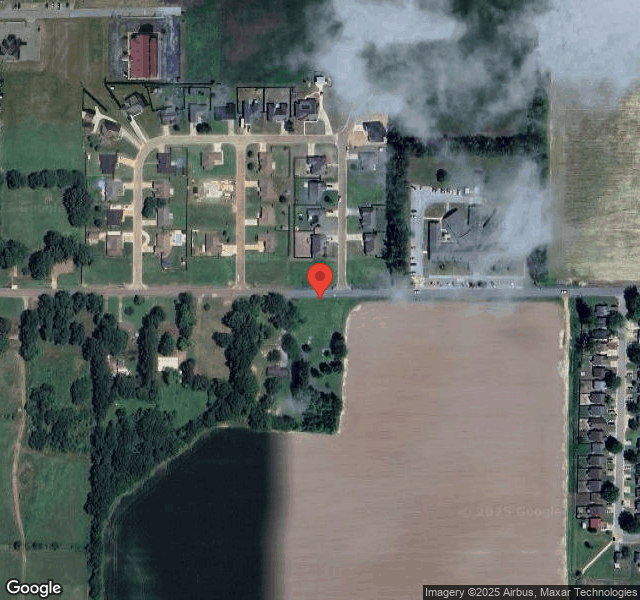

1100 EAST MARTIN DRIVE, WYNNE, AR 72396 (870) 238-4400
For profit - Limited Liability company 100 Beds SOUTHERN ADMINISTRATIVE SERVICES Data: November 2025 1 Immediate Jeopardy citation
Trust Grade
38/100
#163 of 218 in AR
Last Inspection: June 2025

Inspected within the last 6 months. Data reflects current conditions.

Overview

River Ridge Rehabilitation and Care Center currently holds a Trust Grade of F, indicating significant concerns about the quality of care provided. Ranking #163 out of 218 facilities in Arkansas places it in the bottom half, and it is the second of only two options in Cross County, meaning there is only one local facility that is better. The trend is improving, as the number of issues reported has decreased from 13 in 2024 to 7 in 2025. Staffing is rated average with a turnover of 52%, similar to the state average, but they have no fines, which is encouraging. However, there are serious concerns, including a critical incident where a resident was not adequately supervised, leading to a risk of elopement. Additionally, there were issues with kitchen cleanliness and food safety practices that could potentially harm residents. Overall, while there are some strengths, families should weigh them against the significant weaknesses highlighted in the facility's recent inspections.

Trust Score
F
38/100
In Arkansas
#163/218
Bottom 26%
Safety Record
High Risk
Review needed
Inspections
Getting Better
13 → 7 violations
Staff Stability
⚠ Watch
52% turnover. Above average. Higher turnover means staff may not know residents' routines.
Penalties
✓ Good
No fines on record. Clean compliance history, better than most Arkansas facilities.
Skilled Nurses
⚠ Watch
Each resident gets only 20 minutes of Registered Nurse (RN) attention daily — below average for Arkansas. Fewer RN minutes means fewer trained eyes watching for problems.
Violations
⚠ Watch
35 deficiencies on record. Higher than average. Multiple issues found across inspections.
★★☆☆☆
2.0
Overall Rating
★★★☆☆
3.0
Staff Levels
★★★☆☆
3.0
Care Quality
★★☆☆☆
2.0
Inspection Score
Stable
2024: 13 issues
2025: 7 issues

The Good

  • Full Sprinkler Coverage · Fire safety systems throughout facility
  • No fines on record

Facility shows strength in fire safety.

The Bad

2-Star Overall Rating

Below Arkansas average (3.1)

Below average - review inspection findings carefully

Staff Turnover: 52%

Near Arkansas avg (46%)

Higher turnover may affect care consistency

Chain: SOUTHERN ADMINISTRATIVE SERVICES

Part of a multi-facility chain

Ask about local staffing decisions and management

The Ugly 35 deficiencies on record

1 life-threatening
Jun 2025 7 deficiencies
CONCERN (D)

Potential for Harm - no one hurt, but risky conditions existed

Resident Rights (Tag F0550)

Could have caused harm · This affected 1 resident

Based on observations, interviews, record review, and facility policy review, it was determined that the facility failed to dress a resident in their preferred attire for one (Resident #19) of one res...

Read full inspector narrative →
Based on observations, interviews, record review, and facility policy review, it was determined that the facility failed to dress a resident in their preferred attire for one (Resident #19) of one resident reviewed for dignity. The findings include: A review of Resident #19 ' s Medical Diagnosis, indicated the resident had diagnoses which included hemiplegia and hemiparesis, following cerebral infarction, affecting right dominant side. A review of Resident #19 ' s quarterly Minimum Data Set (MDS) with an Assessment Reference Date of 05/12/2025, revealed the resident had a Staff Assessment for Mental Status score of 3, which indicated the resident was severely impaired in daily decision making. The MDS also revealed Resident #19 required substantial/maximum assistance with dressing upper body. A review of Resident #19's Care plan, initiated on 05/29/2025, indicated due to cognitive impairment, cerebral vascular accident, Resident #19 required assistance with activities of daily living. Interventions specified Resident #19 required assistance from staff for dressing, and the resident preferred to have a white T-shirt on, at all times. During an observation on 06/02/2025 at 11:25 AM, Resident #19 was lying in bed, with a hospital gown on. During an observation on 06/03/2015 at 9:28 AM, Resident #19 was lying in bed, with a hospital gown on. During an interview on 06/03/2025 at 2:34 PM, with Resident #19 ' s representative, the representative reported Resident #19 was always in a hospital gown when they visited. The representative also revealed that Resident #19 did have clothes at the facility. During an interview with the Director of Nursing (DON) on 06/05/2025 at 10:40 AM, the DON reported Resident #19 should not have been in a hospital gown and should have had regular clothes on. The DON also reported Resident #19 ' s care plan stated to put Resident #19 into a white t-shirt, every day. The DON looked in Resident #19 ' s drawers and found clothes. During an interview with the DON on 06/06/2025 at 8:45 AM, the DON reported that the resident ' s dignity was not being honored, and dignity was part of the resident ' s rights. During an interview with the Administrator on 06/06/2025 at 8:51 AM, the Administrator reported that a resident's pride could be affected if dignity was not honored. The Administrator reported that dignity was part of a resident's rights. During an interview with Licensed Practical Nurse (LPN) #2 on 06/04/2025 at 2:55 PM, LPN #2 reported that being in a hospital gown was against a resident's rights. A facility policy review of Resident Rights revealed, The nursing facility protects and promotes the rights of each Resident/Elder admitted in order to provide a dignified existence, self-determination and communication with and access to persons and services inside and outside the nursing facility. The nursing facility will protect and promote the rights of each Resident/Elder.
CONCERN (D) 📢 Someone Reported This

A family member, employee, or ombudsman was alarmed enough to file a formal complaint

Potential for Harm - no one hurt, but risky conditions existed

Comprehensive Care Plan (Tag F0656)

Could have caused harm · This affected 1 resident

Based on observations, interviews, record review, and facility document review, the facility failed to ensure the comprehensive person-centered care plan was developed and implemented to include order...

Read full inspector narrative →
Based on observations, interviews, record review, and facility document review, the facility failed to ensure the comprehensive person-centered care plan was developed and implemented to include ordered care for one (Resident #6) of one sampled resident. The findings include: During a hall observation, in front of Resident #6 ' s room on 06/04/2025 at 10:23 AM, this surveyor heard the resident request Certified Nursing Assistant (CNA) #10 to get them up to a chair. CNA #10 told the resident they would go get help and get the resident up. CNA #10 exited the room at 10:25 AM. During a continuous hall observation, outside of Resident #6 ' s room on 06/04/2025 from 10:23 AM through 12:40 PM, no staff entered the room to get the resident up to a chair. During an observation, outside of Resident #6 ' s room on 06/04/25 at 11:09 AM, the Social Services Director (SSD) was observed putting on personal protective equipment to enter the resident ' s room. CNA #10 approached the SSD and stated Resident #6 wanted to get up to a chair. CNA #10 turned and walked away, without providing assistance the Resident # 6. A review of Resident #6's quarterly Minimum Data Set (MDS) with an Assessment Reference Date of 04/07/2025, revealed Resident #6 had a Brief Interview for Mental Status score of 15, which indicated the resident was cognitively intact. The MDS also revealed the resident required maximum assistance for toileting hygiene, shower/bathe self, lower body dressing, putting on/taking off footwear, roll left and right, sit to lying, and lying to sitting on side of bed. Resident #6 was dependent for chair/bed-to-chair transfer and tub/shower transfer. A review of a Physician Order, dated 01/15/2025, indicated the Medical Director ordered Resident #6 to be up in their wheelchair, three times a week during day shift, on Monday, Wednesday, and Friday. A review of Resident #6's Comprehensive Care Plan dated 04/22/2025, indicated the resident required extensive assistance with personal hygiene and two-person assistance with mechanical lift for all transfers, using an extra-large blue poly lift pad. No documentation or intervention to transfer Resident #6 to their wheelchair, during day shift, every Monday, Wednesday, and Friday was revealed. A review of Patient Care Team Nursing Home Progress Note dated 01/15/2025, indicated the Nurse Practitioner documented a plan of order to prevent muscle weakness to get Resident #6 up in chair, three times a week, and to document refusal. A review of a Faxed Note of Access Medical Clinic, dated 01/20/2025, revealed the document was sent to the facility, showing the ordered notation of Resident #6 to be up to a chair, three times a week. A review of a Nursing Progress Note dated 01/15/2025, indicated staff decided the resident would get up to a chair on Sundays, with resident choice of the other two days. A review of Resident #6 ' s Kardex dated 06/05/2025, indicated the resident was a two-person assistance, with mechanical lift for all transfers, and to use an extra-large blue poly lift pad. There was no documentation noted for the resident to get up to a chair, three days a week. During an interview on 06/04/2025 at 9:43 AM, a family member of Resident #6 stated that the resident was supposed to get up to a chair three days a week, but that did not happen. The family member indicated they had to call the facility to tell them the resident better be up to a chair when they get there, and we shouldn't have to do that. The family member indicated Resident #6 was always on their back, in the bed, and they had never seen the resident turned on their side. During an interview with the Assistant Director of Nursing (ADON) on 06/05/2025 at 2:30 PM, the ADON stated a care plan was what the MDS Coordinator put in as part of a residents' chart, and any interventions that went with the care plan were placed on the Kardex. The ADON stated an employee would look at the care plan, or Kardex, to know what should have been done with the resident. Staff would use the care plan to determine if the resident required assistance if the resident could get up to a chair. During an interview on 06/03/2025 at 1:09 PM, CNA #10, stated the employees had to look at the Kardex or care plan to find out what to do with the resident, such as assistance with bath, total care, lifts, or anything to do specifically, with that resident. CNA #10 verified they had not received training on repositioning residents, although training had been received on reading care plans. We reposition residents every two hours, and if the resident refused, the charge nurse was notified. If the resident refused, the staff would go back to try again after a few minutes. If a resident stayed in one position for too long, they could get pressure sores. The Kardex or care plan was looked at for interventions.
CONCERN (D) 📢 Someone Reported This

A family member, employee, or ombudsman was alarmed enough to file a formal complaint

Potential for Harm - no one hurt, but risky conditions existed

Quality of Care (Tag F0684)

Could have caused harm · This affected 1 resident

Based on observation, interviews, record review, and facility document review, the facility failed to implement a physician ' s order to get a resident up to a chair, for one (Resident #6) of one samp...

Read full inspector narrative →
Based on observation, interviews, record review, and facility document review, the facility failed to implement a physician ' s order to get a resident up to a chair, for one (Resident #6) of one sampled resident, reviewed for quality of care. The findings include: During an observation on 06/04/2025 at 10:18 AM, Resident #6 pressed the call light, with this surveyor in the room, to request to be gotten up to a chair. During a hall observation in front of Resident #6 ' s room, on 06/04/2025 at 10:23 AM, this surveyor heard the resident request Certified Nurse Assistant (CNA) #10 to get them up to a chair. CNA #10 told the resident they would go get help, to get the resident up. CNA #10 exited the room at 10:25 AM. During a continuous hall observation outside of Resident #6's room, on 06/04/2025 from 10:23 AM through 12:40 PM, no staff entered Resident #6 ' s room or offered assistance to get the resident up to a chair. During an observation outside of Resident #6's room, on 06/04/2025 at 11:09 AM, the Social Services Director (SSD) was putting on personal protective equipment to enter the resident's room. CNA #10 approached the SSD and stated the resident wanted to get up to a chair. CNA #10 walked away, without providing assistance to the resident. During a concurrent observation and interview with Resident #6 on 06/04/25 at 12:35 PM, the resident was still lying on their back, in the bed. When asked what CNA #10 said when the call light was pressed, the resident stated, [CNA #10] had to go get some help to get up to the chair and would be back, but they have not returned. A review of Resident #6's quarterly Minimum Data Set (MDS) with an Assessment Reference Date of 04/07/2025, indicated Resident #6 had a Brief Interview for Mental Status score 15, which indicated the resident was cognitively intact. The MDS also revealed Resident #6 required maximum assistance for toileting hygiene, shower/bathe self, lower body dressing, putting on/taking off footwear, roll left and right, sit to lying, and lying to sitting on side of bed. Resident #6 was dependent for chair/bed-to-chair transfer and tub/shower transfer. A record review of Physician Order dated 01/15/2025, indicated the Medical Director ordered Resident #6 to be up in the wheelchair, three times a week during day shift, on Monday, Wednesday, and Friday. A review of Resident #6's Comprehensive Care Plan, dated 04/22/2025, indicated the resident required extensive assistance with personal hygiene and two-person assistance with mechanical lift for all transfers using an extra-large blue poly lift pad. No documentation of intervention to transfer Resident #6 to a chair during the day every Monday, Wednesday, and Friday. Th Care Plan also revealed that Resident #6 was at risk for impaired skin integrity related to immobility and incontinence. A review of Patient Care Team Nursing Home Progress Note dated 01/15/2025, indicated the Nurse Practitioner plan of order to prevent muscle weakness was to get Resident #6 up in chair, three times a week, and to document refusal. A record review of Faxed Note of Access Medical Clinic dated 01/20/2025, revealed the document was sent to the facility, showing the ordered notation of Resident #6 to be up to a chair, three times a week. A record review of Nursing Progress Note dated 01/15/2025, indicated staff decided the resident would get up to a chair on Sundays, with resident choice of the other two days. A review of a facility document titled Kardex dated 06/05/2025, indicated Resident #6 was a two-person assistance with mechanical lift for all transfers and to use an extra-large blue poly lift pad. No documentation was included for Resident #6 getting up to a chair three days a week. During an interview on 06/04/2025 at 9:43 AM, a family member of Resident #6 stated the resident was supposed to get up to a chair three days a week, but that did not happen. The family member indicated they had to call the facility to tell them Resident #6 better be up to a chair when they get there, and we shouldn't have to do that. The family member indicated the resident was always on their back, in the bed, and they had never seen the resident turned on the side. During an interview on 06/03/2025 1:09 PM, CNA #10 stated the employees had to look at the Kardex or care plan to find out what to do with the resident, such as assistance with bath, total care, or anything to do specifically, with that resident. CNA #10 verified they had not received training on repositioning residents. CNA #10 stated, We reposition residents every two hours, and if the resident refused, the charge nurse was notified. If the resident refused, the staff would go back to try again after a few minutes. If a resident stayed in one position for too long, they would get pressure sores. The Kardex or care plan was looked at for interventions. During an interview with the Director of Nursing (DON) on 06/05/2025 at 8:42 AM, she stated during day shift on 06/04/2025 the facility had nine CNAs, three Licensed Practical Nurses (LPNs), and three Registered Nurses (RNs). The DON stated residents should be turned every two hours and not left lying on their back for hours and hours. When residents lay on their backs for long periods of time, they could obtain pressure ulcers. Every resident should get up to a chair daily, even the residents that are a two-person assist. The DON stated that when a resident had asked to be gotten up to a chair, the employee should have gotten them up. During an interview with CNA #10 on 06/05/2025 1:12 PM, CNA #10 stated if a resident could not move their arms or legs, staff should perform range of motion to the residents. When CNA #10 was asked where they documented every two-hour position changes of the residents, she stated the stop and watch notes. If a resident did not get up to a chair, the resident could get pressure sores. CNA #10 stated they had plenty of staff to assist when getting dependent residents up. Residents should be helped up any time they want, and Resident #6 had not been up to a chair since being moved to that hall last Friday 05/30/2025, because the resident had not asked to be up. During an interview with the MDS Coordinator on 06/05/2025 at 2:24 PM, she stated the staff did not document residents being turned every two hours, it was a standard of care. Therefore, there was no documentation of Resident #6 being repositioned. During an interview with the Assistant Director of Nursing (ADON) on 06/05/2025 at 2:30 PM, she stated residents should be turned every two hours, and the ADON was unsure if the staff documented it. She indicated, it is not good for a resident to lay in one position for hours, and a negative outcome would be skin breakdown or infections. The ADON revealed the resident(s) determined if they got up, if they required a two person assist, they would use the mechanical lift. If a resident requested to be gotten up to a chair, staff should do it. During an interview with the Administrator and the DON on 06/05/2025 at 3:10 PM, they revealed the facility did not have a policy on standard of care. The Administrator defined the standard of care as, the resident should be turned every two hours or as needed. The DON stated, the resident should be turned every two hours, as needed or when asked. A review of an undated facility policy titled Positioning Immobility, indicated the goal of frequent position changes was to prevent pressure sores. Changed positions several times a day prevented changes in the cardiovascular system. The recommendation was to change body position every two hours and more frequently in patients who had no spontaneous movement. A review of an undated facility policy titled Pressure Ulcer indicated pressure ulcers were the most common result from prolonged periods of bed rest which can develop within hours. Repositioning every two hours, using cushion devices on bony areas, and provided activity and ambulation as much as possible prevented pressure ulcers.
CONCERN (D)

Potential for Harm - no one hurt, but risky conditions existed

Respiratory Care (Tag F0695)

Could have caused harm · This affected 1 resident

Based on observations, interviews, record review, and facility policy review, it was determined that the facility failed to provide supplemental oxygen per physician orders for 1 (Resident #49) of 1 r...

Read full inspector narrative →
Based on observations, interviews, record review, and facility policy review, it was determined that the facility failed to provide supplemental oxygen per physician orders for 1 (Resident #49) of 1 resident reviewed for respiratory care. The findings include: During an observation on 06/02/2025 at 11:38 AM, Resident #49 was observed in their room receiving oxygen from an oxygen concentrator, at four liters per minute, via nasal cannula. During an observation on 06/03/2025 at 8:25 AM, Resident #49 was observed in their room, receiving oxygen from an oxygen concentrator, at four liters per minute, via nasal cannula. During an observation on 06/03/25 at 2:29 PM, Resident #49 ' s was observed in their room receiving oxygen from an oxygen concentrator, at five liters per minute, via nasal cannula. A review of the Medical Diagnosis portion of Resident #49 ' s electronic health record revealed diagnoses which included chronic obstructive pulmonary disease (COPD) and chronic respiratory failure. A review of Resident #49 ' s quarterly Minimum Data Set, with an Assessment Reference Date of 03/03/2025, revealed the resident had a Brief Interview for Mental Status score of 13, which indicated the resident was cognitively intact. A review of Resident #49 Care Plan, initiated on 10/24/2024 and revised on 05/30/2025, revealed the resident had COPD and chronic respiratory failure. Interventions instructed staff to check oxygen settings, provide oxygen as ordered, and to see physician orders. A review of Clinical Physician Orders, revealed Resident #49 may have oxygen at two liters, via nasal cannula, as needed. On 06/03/2025 at 2:50 PM, the Director of Nursing (DON) accompanied the surveyor to Resident #49 ' s room, to look at the resident ' s oxygen concentrator. The DON reported Resident #49 ' s oxygen concentrator was set at five liters per minute. The DON reported, after reviewing Resident #49 ' s orders, the resident ' s oxygen was to be set at two liters per minute. During an interview on 06/06/2025 at 8:31 AM, the DON stated a resident that received a high dosage of oxygen, with a diagnosis of COPD, could develop carbon dioxide poisoning. The DON reported Resident #49 was not able to the turn knob on their oxygen concentrator, due to not being able to move their right side or get out of the bed. The DON indicated Resident #49 ' s oxygen concentrator was situated behind the resident. During an interview) on 06/06/2025 at 9:10 AM, the Assistant Director of Nursing (ADON) reported if a resident with a diagnosis of COPD received a high dosage of oxygen, the resident could develop decreased respirations and carbon dioxide poisoning. The ADON reported Resident #49 could not reach their oxygen concentrator to adjust the flow rate themselves due to not being able to get out of bed. A review of a facility policy titled, Oxygen Administration, indicated, Check physician's order for liter flow and method of administration. Set the flow meter to the rate ordered by the physician.
CONCERN (E)

Potential for Harm - no one hurt, but risky conditions existed

Unnecessary Medications (Tag F0759)

Could have caused harm · This affected multiple residents

Based on observation, record review, interview, and facility policy review, the facility failed to ensure the medication error rate was not 5 % or greater for one of one medication administration pass...

Read full inspector narrative →
Based on observation, record review, interview, and facility policy review, the facility failed to ensure the medication error rate was not 5 % or greater for one of one medication administration pass reviewed for medication errors. Four (Residents #9, #24, #49, and #32) of seven residents observed during medication administration. Eleven medication errors were observed during 42 observed medication administration opportunities. This resulted in a medication error rate of 26.19 %. The findings include: During a medication administration observation on 06/04/2025 at 7:15 AM, Licensed Practical Nurse (LPN) #1 administered medications to residents on D hall. The following errors were observed: At 7:33 AM, LPN #1 failed to administer the ordered dose of antihistamine to Resident #49. At 7:36 AM, LPN #1 failed to administer the ordered dose of antihistamine to Resident #32. At 7:40 AM, LPN #1 failed to administer the ordered dose of antihistamine, laxative solution, and eye drops to Resident #9. At 7:47 AM, LPN #1 failed to administer the ordered doses of vitamin C, ferrous sulfate elixir, multivitamin, protein oral liquid, zinc, and a laxative to Resident #24. When LPN #1 indicated the medication pass was completed, this surveyor asked if anything was omitted or not administered as ordered. LPN #1 stated, No. A review of Resident #49 ' s Medication Administration Record (MAR) and Clinical Physician Orders revealed an antihistamine tablet 10 milligrams (mg), was ordered on 12/10/2024, to be given at 8:00 AM daily. A review of Resident #32 ' s MAR and Clinical Physician Orders revealed an antihistamine oral tablet 10 mg was ordered on 04/23/2025, to be given at 8:00 AM daily. A review of Resident #9 ' s MAR and Clinical Physician Orders revealed eye drops, 1 drop in both eyes, was ordered on 05/30/2025; an antihistamine tablet 10 mg was ordered on 06/26/2024; and laxative solution 17 grams/scoop was ordered on 03/01/2024; all were ordered to be given at 7:30 AM daily. A review of Resident #24 ' s MAR and Clinical Physician Orders revealed a multivitamin-minerals oral tablet was ordered on 08/10/2024; a ferrous sulfate elixir 220 mg, was ordered on 08/10/2024; zinc sulfate 50 mg, was ordered on 08/10/2024; laxative 100 mg, was ordered on 08/09/2024; vitamin C 500 mg was ordered on 08/10/2024; and protein oral liquid 30 milliliters was ordered on 08/09/2024; all were ordered to be given at 8:00 AM daily. A review of the Medication Administration training and nurse competencies for 23 nurses revealed LPN #1's training was complete and up to date. During an interview on 06/04/2025 at 8:15 AM, LPN #1 confirmed all medications that were due were given to the residents during the observation. LPN #1 was asked to review the MAR for the observed residents. When asked if she administered the medications listed above to the four residents listed above, she stated, No I didn't. LPN #1 stated, I didn't scroll over there to see those. A review of the Medication Administration Audit Report revealed the medications that were observed to not be given to the four residents, were marked as given by LPN #1. When asked, why the medications were marked as given, LPN #1 stated I'm not sure. During an interview on 06/04/2025 at 9:30 AM, the Administrator confirmed the nursing staff were expected to administer medications, according to the physician's orders, and per the Medication Administration policy. A review of the Medication Administration policy revealed, Medications are administered in accordance with good nursing. Medications are administered in accordance with written orders of the prescriber, following the rights of medication administration principles and practices and only by person legally authorized to administer medications do so only after they have been properly oriented, to the facility's medication distribution system.
CONCERN (E)

Potential for Harm - no one hurt, but risky conditions existed

Food Safety (Tag F0812)

Could have caused harm · This affected multiple residents

Based on observation, interview, and facility policy review, the facility failed to ensure food stored in the dry storage area was covered and sealed, dented cans were removed from stock, and expired ...

Read full inspector narrative →
Based on observation, interview, and facility policy review, the facility failed to ensure food stored in the dry storage area was covered and sealed, dented cans were removed from stock, and expired food items were discarded on or before the expiration or use- by date for 1 of 1 kitchen observed. The findings include: On 06/02/2025 at 11:20 AM, the following observations were made on the shelves in two food storage areas during a tour of the kitchen and pantries, accompanied by the Dietary Manager (DM). 1. Eight dented cans of various food items were observed on the shelving used to store food intended to be served to the residents. The Dietary Manager (DM) was asked what was done with dented cans, and stated, They are trashed because metal shavings can get inside. 2. A opened bottle of lemon flavor sweet tea. The DM stated, It should have been refrigerated once opened. 3. One opened bag of rice. The bag was not sealed and was open to air. 4. Two bags of corn chips, also stored in an area used to store food intended to be served to residents, had a use-by date of 04/08/2025. On 06/02/2025 at 12:15 PM, the following observations were made on the shelf in the kitchen area: 1. Two seasoning/spice bottles with a use-by date of 04/03/2025. 2. One bottle of steak sauce with a use-by date of 02/02/2025. 3. Three grated cheese containers with a use-by date of 05/24/2025. A review of the facility policy titled, Diet, Sanitation and Menu revealed that the nursing facility will store, prepare, distribute, and serve food under sanitary conditions.
CONCERN (F) 📢 Someone Reported This

A family member, employee, or ombudsman was alarmed enough to file a formal complaint

Potential for Harm - no one hurt, but risky conditions existed

Deficiency F0725 (Tag F0725)

Could have caused harm · This affected most or all residents

Based on observations, interviews, record review, facility document review, facility policy review, it was determined that the facility failed to ensure sufficient staffing to meet the residents' need...

Read full inspector narrative →
Based on observations, interviews, record review, facility document review, facility policy review, it was determined that the facility failed to ensure sufficient staffing to meet the residents' needs as evidenced by not following the facility assessment staffing guidelines for 74 of 87 shifts reviewed from 03/01/2025 day shift through 03/31/2025 night shift. The findings include: A review of a facility policy titled, Facility Assessment, dated 12/13/2024, indicated the facility had an average daily census of 74. Common diagnoses of the facility's residents included psychiatric/mood/substance use disorders, heart/circulatory system disorders, neurological system disorders, intellectual disabilities, musculoskeletal system disorders, cancers, respiratory disorders, genitourinary disorders, blood diseases, skin conditions, and infectious diseases. fractures and arthritis. The facility assessed acuity affecting licensed nurses were 16% residents on an altered diet and 4% residents with swallowing disorder, 51.4% with Psychiatric/Mood Disorders, 87.5% with Heart/Circulatory, 2% with Major Joint replacement or Spinal Surgery, 47% Non-Orthopedic Surgery and Acute Neurologic, 32% Other Orthopedic, 19% Medical Management, 11% Extensive services, 62% Special Care High, 11% Special Care Low, 9% Clinically Complex, 7% Reduced Physical Functioning. Acuity Affecting Nurse Aides revealed 7 residents were dependent upon staff for dressing, 16 for bathing, 16 for transfers, 6 for eating, 7 for toileting, 5 for oral hygiene, 11 for mobility, 3 for bed mobility. The facility assessed their coverage needs to adequately met the residents' daily needs per shift as: Day Shift: 1-Director of Nursing (RN), 3-4 Registered Nurse (RN), 1-Infection Preventionist, 2-Licensed Practical Nurses (LPNs), 6-7 Certified Nurse Assistants (CNAs), 1 Restorative Aide, 1 Med Techs. Evening Shift: 0 RNs, 2 LPNs, 4-6 CNAs, 1 Med Tech. Night Shift: 1 RN, 1 LPNs, 4 CNAs. A review of the facility's Resident Matrix printed 6/2/2025 revealed that 11 out of 64 facility residents had suffered a fall, two of which resulted in a major injury, 27 had a diagnosis of Alzheimer's/Dementia, one was on transmission based precautions (isolation requiring a personal protective equipment), four were on hospice care, nine were being treated for an infection, three had a pressure injury, three had a urinary catheter in place, and eight required tube feedings. A review of the documents Detailed Hours, for March 2025 daily staffing was reviewed from the employee's time clock punch reports starting with the day shift on 3/1/2025 through the end of the night shift on 3/31/2025. Using staffing guidelines defined by the facility in their 12/13/2024 Facility Assessment, the bedside staff coverage was found lacking coverage by either a partial or complete open shift on 74 of 84 shifts between the dates of 03/01/2025 and 03/31/2025. A review of a document titled, Incident by Incident Type, reviewed for a date range from 3/1/2025 to 3/31/2025, revealed two witnessed falls, five unwitnessed falls, and two falls during staff assist incidents. Review of an Medication Administration Record for the month of March indicated Resident #37 ha a physician ' s order for two types of insulin, including a long acting form of insulin ordered to be administered twice daily at 8:00 AM and 8:00 PM, and a fast acting form of insulin ordered to be administered via sliding scale at 7:30 AM, 11:30 AM, 4:30 PM, and 8:00 PM. A review of a document titled Medication Admin Audit Report reviewed for a date range from 3/1/25 to 3/31/25, revealed Resident #37 had received the ordered doses at least one hour, and up to four hours late, on 16 occasions in the month of March. During an interview on 6/6/2025 at 9:10 AM Director of Nursing (DON) stated the facility does not use temporary or contract staff. The DON stated the low staffing issue that was identified on the Payroll Based Journal that was submitted for the 1st quarter of 2025 was addressed by implementing a weekend option so that the facility would have 8 certified nurse assistants that work from on Saturday and Sunday from 6AM-6PM. When asked about Resident #37 receiving ordered insulin late, the DON confirmed that the time frame for medication to be administered, is 1 hour before and after dose was scheduled, with a concern of the resident developing hyperglycemia if the schedule is not followed. During an interview on 6/6/2025 at 2:10 PM, Certified Nurse Assistant (CNA) #5 stated that they have noticed that the facility did not have enough staff, especially during the last six months. They continued by stating that they have observed on the first shift, the facility not having enough staff to meet residents' needs, resulting in residents waiting a long time for someone to help them. CNA #5 reported that sometimes beds are left unmade and rooms messy on the weekend. During an interview on 6/6/2025 at 2:40 PM, CNA #6 stated that they have noticed, sometimes, that the facility does not have enough staff, especially during the last six months. CNA #6 stated that they sometimes observed the facility not having enough staff to meet residents' needs, such as residents waiting a long time for someone to help them. CNA #6 also reported that beds are left unmade and rooms are messy on the weekend, and there are times when there are not enough staff to take care of the residents. During an interview on 6/7/2025 at 9:30 AM, Dietary Aide #8 stated that they hear the residents complain about their food getting cold while they wait to be assisted by nursing staff. Dietary Aide #8 stated that food trays come back untouched, which might indicate short nursing staff. Dietary Aide #8 stated that residents might be absent from the dining room because nursing staff are not available to assist them to the dining room.
May 2024 11 deficiencies
CONCERN (D) 📢 Someone Reported This

A family member, employee, or ombudsman was alarmed enough to file a formal complaint

Potential for Harm - no one hurt, but risky conditions existed

ADL Care (Tag F0677)

Could have caused harm · This affected 1 resident

Based on observations, interviews, record review, facility document review, and facility policy review, it was determined the facility failed to perform proper incontinent care for 1 (Resident #9) of ...

Read full inspector narrative →
Based on observations, interviews, record review, facility document review, and facility policy review, it was determined the facility failed to perform proper incontinent care for 1 (Resident #9) of 1 resident reviewed for incontinent care. Findings include: A review of the Order Summary Report, indicated the facility admitted Resident #9 with diagnoses that included morbid (severe) obesity due to excess calories, dysuria, urinary tract Infection. The Quarterly Minimum Data Set (MDS) with an Assessment Reference Date (ARD) of 04/08/2024 revealed Resident #9 had a Brief Interview for Mental Status (BIMS) score of 14 which indicated the resident was cognitively intact. The MDS indicated the resident was substantial/maximal assistance with toileting hygiene. A review of Resident #9's Care Plan, revised 04/19/2024, revealed the resident is at risk for impaired skin integrity r/t (related to) incontinence, impaired mobility, obesity, circulatory issues associated with atherosclerotic heart disease, scoliosis, and DM (diabetes mellitus). Interventions included provide incontinent/peri-care after each incontinent episode and as needed dated 07/09/2019. During an observation on 05/31/2024 at 11:32 AM, Certified Nursing Assistant (CNA) #12 assisted CNA #7 in rolling the resident to a left side lying position. CNA #12 used disposable wipes to clean an incontinent episode from the base of the buttocks near the anus and cleansed upwards. After pausing to ensure all stool was removed CNA #12 noted solid waste below the resident's buttocks, cleansed the area with disposable wipes, and applied barrier cream to the sacrum. A clean brief was placed behind the resident, the resident was rolled onto their back and CNA #12 and #7 secured the brief, repositioned resident, and exited the room. Licensed Practical Nurse (LPN) #10 was present in the room but never advised the CNAs otherwise. Resident #9 was noted to have been incontinent of solid waste, and neither the CNAs or the LPN cleaned the perineal area. During an interview on 05/31/2024 at 01:56 PM, CNA #12 confirmed only the backside was cleaned during the incontinence episode task and the front should have been cleaned as well. CNA #12 said to the Surveyor that by not cleaning the perineal area there was a potential to cause yeast infections or urinary tract infections. During an interview on 05/31/2024 at 02:30 PM, LPN #10 confirmed incontinent care was only performed from the anus to the rear, and that the front should have been cleaned as well. LPN #10 added that by not cleaning the perineal area the resident was at risk for skin breakdown and urinary tract infections. During an interview on 05/31/2024 at 02:40 PM, the Director of Nursing (DON) stated that incontinent care with stool involved should include cleaning from the top of the buttocks to the thighs, between the thighs, and the front. The DON added this is to ensure that the resident does not endure any skin breakdown or a urinary tract infection from stool entering the urinary tract. A review of a facility policy titled, Perineal Care, dated 2017, indicated, .Using gentle downward strokes, clean from the front to the back of the perineum to prevent intestinal organisms from contaminating [perineal area]. Turn the patient on his/her side to the [left side, left hip and lower extremity straight, and right hip and knee bent] position, if possible, to expose the anal area. Clean, rinse, and dry the anal area, .wiping from front to back. After cleaning the perineum, apply a moisture-barrier skin protectant as needed.
CONCERN (D)

Potential for Harm - no one hurt, but risky conditions existed

Quality of Care (Tag F0684)

Could have caused harm · This affected 1 resident

Based on observation, interviews, and record review, the facility failed to ensure assistance in positioning/repositioning were provided for 1 (Resident #26) of 1 sampled resident who required assista...

Read full inspector narrative →
Based on observation, interviews, and record review, the facility failed to ensure assistance in positioning/repositioning were provided for 1 (Resident #26) of 1 sampled resident who required assistance. Findings include: 1. A review of the Order Summary indicated Resident # 26 had diagnoses of cerebral infarction, retention of urine, and obstructive and reflux uropathy. a. The admission Minimum Data Set (MDS) with an Assessment Reference Date (ARD) of 03/15/2024 indicated a Brief Interview for Mental Status (BIMS) score of 9 (8-12 indicated moderately impaired). b. The Care Plan dated 03/24/2024 included, Bed Mobility: Substantial/maximal assistance - Helper does MORE THAN HALF the effort. The helper lifts or holds trunk or limbs and provides more than half the effort. c. On 05/29/2024 at 12:49 PM, a lunch tray was provided for Resident #26. Resident #26 was lying with the head of the bed elevated and was not positioned high enough in the bed to be able to reach the meal tray. The meal tray was on the bedside table to the left side of the resident's bed, not across the bed. Resident #26 was observed trying to eat and struggling to reach the tray. d. On 05/29/2024 at 1:00 PM, Certified Nursing Assistant (CNA) # 8 was asked if the resident was positioned correctly to feed themselves. CNA #8 said Resident #26 should be positioned higher in the bed and the bedside table should be across the bed and not on the side of the bed. e. On 05/29/2024 at 1:00 PM, CNA #11 was asked if Resident #26 was positioned correctly in bed in order to feed themself. CNA #11 said Resident #26 should be positioned higher in the bed and the bedside table should be across the bed and not on the side of the bed. f. On 05/31/2024 at 8:47AM, Licensed Practical Nurse (LPN) #10 was asked how a resident who required assistance in positioning should be positioned in the bed to feed themselves, and where should the meal tray be placed. LPN #10 said the resident should be positioned up in bed with the head of the bed elevated and the bedside table with the lunch tray on it should be across the bed. g. On 05/31/2024 at 8:47AM, the Director of Nursing (DON) was asked how a resident who required assistance in positioning should be positioned in the bed to feed themselves, and where should the meal tray be placed. The DON said the resident should be positioned up in bed with the head of the bed elevated and the bedside table with the lunch tray across the bed. h. On 05/31/2024 at 9:12 AM, the Administrator stated that the facility had no policy on positioning residents in bed.
CONCERN (D) 📢 Someone Reported This

A family member, employee, or ombudsman was alarmed enough to file a formal complaint

Potential for Harm - no one hurt, but risky conditions existed

Pressure Ulcer Prevention (Tag F0686)

Could have caused harm · This affected 1 resident

**NOTE- TERMS IN BRACKETS HAVE BEEN EDITED TO PROTECT CONFIDENTIALITY** Based on observations, interviews, record review, facility document review, and facility policy review, the facility failed to p...

Read full inspector narrative →
**NOTE- TERMS IN BRACKETS HAVE BEEN EDITED TO PROTECT CONFIDENTIALITY** Based on observations, interviews, record review, facility document review, and facility policy review, the facility failed to perform wound care treatments as ordered by the physician to prevent worsening of an identified pressure ulcer for 1 (Resident #465) of 1 resident reviewed for pressure ulcers. Findings include: A review of the Order Summary Report indicated Resident #465 had diagnoses that included immunodeficiency, extended spectrum beta lactamase (ESBL) resistance, peripheral vascular disease, pressure ulcer of sacral region, stage 4, local infection of the skin and subcutaneous tissue, unspecified, pain, unspecified, type 2 diabetes mellitus without complications, and elevated white blood cell count. The Quarterly Minimum Data Set (MDS), with an Assessment Reference Date (ARD) of 02/16/2024, revealed Resident #465 had a Brief Interview for Mental Status (BIMS) score of 13, which indicated the resident was cognitively intact, and had one stage 4 pressure ulcer present at time of assessment (Stage 4 pressure ulcers involve full-thickness skin loss that extends through the fascia with considerable tissue loss. There may be muscle, bone, tendon, or joint involvement). A review of Resident #465's Care Plan, revised 03/20/2024, revealed the resident has a pressure ulcer or potential for pressure ulcer development r/t (related to) impairment in mobility, foley catheter tubing, bowel incontinence, anorexia, and protein-calorie malnutrition. Interventions included administering treatments as ordered and observe for effectiveness, dated 11/30/2023. A review of the Order Summary Report, revealed Resident #465 had a physician's order with a start date of 04/16/2024 which stated, Cleanse sacrum with wound cleanser. Pat dry. Apply primary dressing of [named brand of mesh gauze] to the exposed bone. Apply secondary dressing of saline moistened gauze to wound bed. Apply tertiary dressing of 2 ABD (abdominal pad) pads secured with tape daily and PRN (as needed) soiling/saturation every day and evening shift for wound healing. This order was discontinued on 05/07/2024. A review of Treatment Administration Record (TAR) 04/01/2024- 04/30/2024, revealed Resident #465 had wound care treatments scheduled every day and evening shift starting on 04/16/2024 which according to the TAR the treatments were not completed on 04/16/2024 evening shift, 04/19/2024 both day and evening shift, 04/22/2024 evening shift, 04/24/2024 both day and evening shift, 04/26/2024 both day and evening shift, 04/29/2024 evening shift, 04/30/2024 evening shift. This was a total of 10 treatments missed. A review of Treatment Administration Record (TAR), revealed Resident #465 had wound care treatments scheduled every day and evening shift continued into the month of May. According to the TAR ordered treatments were not completed on 05/02/2024 day shift, 05/06/2024 both day and evening shift. This was a total of 3 treatments missed for the month of May. A review of [Facility named] Wound Healing Center Progress Note Details, revealed Resident #465 had an encounter in the center on 04/29/2024 during which current measurements at that time were 8.7 cm (centimeter) length, 10.8 cm width, and 6 cm depth and noted the wound is deteriorating. A review of Progress Notes revealed Resident #465 had a progress note documented on 05/06/2024 at 21:00 (09:00 PM) which stated, Resident observed diaphoretic and barely responding. No output observed in catheter throughout 8 hour shift. Vital signs taken BP [blood pressure] 108/46, HR [heart rate] 113, O2 [oxygen] 95%. Assess medical contacted, stated to irrigate catheter, 1000 cc (cubic centimeters) of urine returned, UA [urinalysis] obtained, unable to get blood due to being a hard stick, urine sent to [hospital name] lab. [provider name] notified via access medical. A review of Progress Notes revealed Resident #465 had a progress note documented on 05/07/2024 at 04:17 which stated, attempted to draw blood twice in right ac [antecubital], and right hand. Minimum blood return. Attempts unsuccessful. A review of Progress Notes revealed Resident #465 had a progress note documented on 05/07/2024 at 08:35 which stated, Current vital signs 101/46, 103.2 axillary, 56 [heart reat], 16 [respirations], notified [provider name] order to send to [hospital name] for evaluation and treatment, resident is lethargic and slow to respond to verbal stimuli, notified EMS [Emergency Medical Services] to transport, report called to [nurse's name] at [hospital name], notified [name] who is resident caseworker and guardian she verbalized understanding. A review of [Hospital] Critical Care History and Physical, revealed Resident #465 had been admitted to Intensive Care Unit with sepsis, UTI (urinary tract infection) and sacral decubitus. The Certified Nurse Practitioner (CNP) documented the sacral wound was pink with pale yellow slough, foul odor, and undermining. The sacral wound measured approximately 6 inches by 5 inches by 2 inches (This translates to 15.24 cm by 12.7 cm by 5.08 cm). This note was from 05/07/2024 at 19:23 (07:23 PM). A review of [Hospital] Imaging Services, revealed Resident #465 had an MRI (Magnetic Resonance Imaging) of the pelvis on 05/10/2024 which was compared to the last MRI on 07/16/2022. The current impression is large sacral decubitus ulcer with osteomyelitis of most of the remaining sacrum and the posterior left iliac bone. Findings are worse than on the 2022 study. During an interview on 05/31/2024 at 01:29 PM, the Director of Nursing (DON) said wound treatments would be documented in the Treatment Administration Record (TAR). The DON clarified that the wound center was implemented as an intervention to assist with the sacral wound healing. During an interview on 05/31/2024 at 05:24 PM, Registered Nurse (RN) #13 stated that there is currently no wound care nurse in the facility and so all nurses are responsible for wound treatments ordered by the physician. RN #13 added treatments ordered by the physician is the responsibility of the nurse who is assigned to the resident to complete, to ensure optimal care in the facility for each individual resident. During an interview on 05/31/2024 at 05:32 PM, the Director of Nursing (DON) said floor nurses are responsible for treatments ordered by the physician. The DON confirmed on the TAR empty boxes mean the treatment was not signed off and the DON added, If it's not signed off its not completed. The DON emphasized that the importance of wound care as ordered is to ensure continuity of care and to make sure that physician orders are followed. A review of a facility policy titled, Pressure Ulcer- Injury Prevention and Management, dated 2022, indicated, The facility is committed to the prevention of avoidable pressure injuries, unless clinically unavoidable, and to provide treatment and services to heal the pressure ulcer/injury, prevent infection, and the development of additional pressure ulcers/injuries. Interventions for prevention and to promote healing. After completing a thorough assessment/evaluation, the interdisciplinary team shall develop a relevant care plan that includes measurable goals for prevention and management of pressure injuries with appropriate interventions.
CONCERN (D)

Potential for Harm - no one hurt, but risky conditions existed

Incontinence Care (Tag F0690)

Could have caused harm · This affected 1 resident

Based on observations, interviews, and record review, the facility failed to ensure a leg strap was in place to prevent trauma from the indwelling catheter for 1 (Resident #26) of 2 (Resident #26 and ...

Read full inspector narrative →
Based on observations, interviews, and record review, the facility failed to ensure a leg strap was in place to prevent trauma from the indwelling catheter for 1 (Resident #26) of 2 (Resident #26 and #54) sampled residents who were dependent on staff for indwelling catheter care. The findings are: 1. Resident #26 had diagnoses of retention of urine and reflux uropathy. a. An admission Minimum Data Set (MDS) with an Assessment Reference Date (ARD) of 03/15/2024 indicated a Brief Interview for Mental Status (BIMS) score of 9 (8-12 indicated moderately impaired) and Resident #26 was admitted with an indwelling catheter. b. A review of the Physician Orders (dated, 05/23/24) revealed Resident #26 had an indwelling catheter, which was inserted through the urethra and left in the bladder to drain urine. c. A review of Resident #26's Care Plan with a revision date of 04/18/2024 revealed .The resident has foley catheter related to DX [diagnosis] of obstructive uropathy .position catheter bag and tubing below the level of the bladder, secure catheter tubing to leg with applicable device. d. On 05/29/2024 at 12:48 PM, Resident #26 was being repositioned in the bed by Certified Nursing Assistant (CNA) #8 and #11. The indwelling catheter was not secured to Resident #26's leg with a leg strap. e. On 05/29/2024 at 12:50 PM, CNA #8 was asked if the resident had anything to secure the tubing to the resident's leg to prevent pulling or tugging. CNA #8 said there was nothing to secure it. f. On 05/29/2024 at 12:51 PM, CNA #11 was asked if there should be something in place to prevent the catheter tubing from pulling or tugging and she said it should have something, but it does not. g. On 05/29/2024 at 08:45 AM, Licensed Practical Nurse (LPN) #10 was interviewed and asked if a resident who has an indwelling catheter should have a supportive device to keep it from pulling or tugging. LPN #10 said there should always be a leg strap or some type of secure device in place. LPN #10 was asked who would be responsible for ensuring it was in place and she said everyone should. h. On 05/29/2024 at 8:47 AM, the Director of Nursing (DON) was asked to explain the process for staff to follow to make sure the catheter tubing is stable or secured. The DON said the catheter tubing should be held in place by placing a leg band or something to secure the tubing on the resident. The DON was asked who should be responsible for ensuring the leg strap was in place and the DON said everyone should. i. On 05/29/2024 at 9:12 AM, the Administrator said the facility had no policy on indwelling catheter care.
CONCERN (D)

Potential for Harm - no one hurt, but risky conditions existed

Deficiency F0761 (Tag F0761)

Could have caused harm · This affected 1 resident

Through observation, record review, and interview, the facility failed to ensure expired medications were removed and placed into an area for destruction to prevent potential administration to residen...

Read full inspector narrative →
Through observation, record review, and interview, the facility failed to ensure expired medications were removed and placed into an area for destruction to prevent potential administration to residents. The findings are: 1. On 05/30/2024 at 1:40 PM, the following medicines or equipment were found expired in an area of the medication storage room used to store medications and supplies in active use: a. One hypodermic needle, 22-gauge x 1, expired on 03/31/2022. b. One 16 fluid ounce liquid multivitamin/mineral supplement expired 04/2024. c. 30 syringes - 1 milligram (mg) per 0.5 mL (milliliter) Lorazepam (Ativan) Intensol (benzodiazepines), expired on 05/04/2024. 2. On 05/30/2024 at 1:53 PM, Licensed Practical Nurse (LPN) #9 confirmed the expiration dates and stated neither the hypodermic needle nor the liquid multivitamin/mineral supplement should have been on the shelves. LPN #9 placed the items in the medication discard box. 3. On 05/30/2024 at 1:57 PM, LPN #10 confirmed the expiration date and the number of expired unused benzodiazepine oral syringes. LPN #9 and LPN #10 gave the benzodiazepine oral syringes to the Director of Nursing (DON). The DON confirmed the oral syringes were expired as of 05/02/2024.
CONCERN (D)

Potential for Harm - no one hurt, but risky conditions existed

Infection Control (Tag F0880)

Could have caused harm · This affected 1 resident

Based on observations, interviews, record review, facility document review, and facility policy review, the facility failed to perform hand hygiene during resident care to prevent the spread of bacter...

Read full inspector narrative →
Based on observations, interviews, record review, facility document review, and facility policy review, the facility failed to perform hand hygiene during resident care to prevent the spread of bacteria for 1 (Resident #9) of 1 resident reviewed for incontinent care. Findings include: A review of the Order Summary Report, indicated Resident #9 had diagnoses that included morbid (severe) obesity due to excess calories, dysuria, and urinary tract infection. The Quarterly Minimum Data Set (MDS) with an Assessment Reference Date (ARD) of 04/08/2024 revealed Resident #9 had a Brief Interview of Mental Status (BIMS) score of 14 which indicated the resident was cognitively intact. The MDS indicated the resident was substantial/maximal assistance with toileting hygiene. A review of Resident #9's Care Plan, revised 04/19/2024, revealed the resident is at risk for impaired skin integrity r/t (related to) incontinence, impaired mobility, obesity, circulatory issues associated with atherosclerotic heart disease, scoliosis, and DM (diabetes mellitus). Interventions included provide incontinent/peri-care after each incontinent episode and as needed dated 07/09/2019. During an observation on 05/31/2024 at 11:32 AM, Certified Nursing Assistant (CNA) #12 was performing incontinence care for Resident #9. CNA #12 entered and immediately applied gloves; hand hygiene was not observed by the Surveyor. The brief was loosened, and the resident was positioned to the resident's left side. The incontinent stool was removed by CNA #12 with disposable wipes. Licensed Practical Nurse (LPN) #10 instructed the CNA to change gloves. CNA #12 changed gloves; hand hygiene was not performed. CNA #12 noted more stool, cleansed with disposable wipes. LPN #10 instructed CNA #12 to change gloves; hand hygiene was not performed with glove change. CNA #12 removed barrier cream from bedside nightstand and applied to sacrum. Placed brief on resident and repositioned resident. Removed gloves when finished placed in trash bag and took bag down the hallway and disposed of the trash. This Surveyor never observed CNA #12 perform hand hygiene before going down a different hall. During an interview on 05/31/2024 at 01:56 PM, the CNA #12 confirmed to the surveyor that hand hygiene was not performed during incontinent care and that hand hygiene should have been performed with each glove change, prior to gloves applied, and once the gloves were removed. CNA #12 added hand hygiene should have been performed to prevent the spread of germs from resident to resident. During an interview on 05/31/2024 at 02:30 PM, the LPN #10 confirmed no hand hygiene was performed during incontinent care and staff should perform hand hygiene when hands become soiled, and when switching from clean to dirty. LPN #10 stated hand hygiene is performed to prevent the spread of germs. During an interview on 05/31/2024 at 02:40 PM, the Director of Nursing (DON) stated gloves should be changed once in contact with a soiled surface and hand hygiene is to be performed between glove changes. The DON added hand hygiene is the first line of infection prevention and prevents the spread of infection. A review of the facility's undated policy titled, Hand Hygiene, indicated, Hand hygiene is any method that removes or destroys microorganisms on hands that includes handwashing and alcohol-based hand rubs. Perform hand hygiene when: 1. Before having direct contact with patients. 2. After contact with blood, body fluids, or excretions, mucous membranes, non-intact skin, or wound dressings. 3. After contact with patient's intact skin. 4. If hands will be moving from a contaminated-body site to clean-body site during patient care. 5. After contact with inanimate objects in immediate vicinity of the patient. 6. After removing gloves.
CONCERN (D)

Potential for Harm - no one hurt, but risky conditions existed

Antibiotic Stewardship (Tag F0881)

Could have caused harm · This affected 1 resident

Deficiency Text Not Available

Read full inspector narrative →
Deficiency Text Not Available
CONCERN (E)

Potential for Harm - no one hurt, but risky conditions existed

Menu Adequacy (Tag F0803)

Could have caused harm · This affected multiple residents

Based on observation, record review, and interview, the facility failed to ensure meals were prepared and served according to the planned written menu, and recipes were followed to meet the nutritiona...

Read full inspector narrative →
Based on observation, record review, and interview, the facility failed to ensure meals were prepared and served according to the planned written menu, and recipes were followed to meet the nutritional needs of the residents for 2 of 2 meals observed. This failed practice had the potential to affect 15 residents who received mechanical soft diets and 21 residents who received enhanced diets from 1 of 1 kitchen. The findings are: 1. The menu for lunch documented the residents on mechanical soft diets were to receive 4 ounces of meat loaf and residents on pureed diets were to receive 2 ounces of gravy with mashed potatoes. a. On 05/28/2024 at 12:01 PM, Dietary [NAME] (DC) #1 placed 6 servings of meatloaf into a blender, ground and poured into a pan. DC #1 added 2 more servings of meat loaf, ground and poured in the same pan for a total of 8 servings, instead of 15 servings required per list the provided by the Social Director on 05/29/2024 at 08:56 AM. b. On 05/29/2024 at 11:01 AM, the Surveyor asked DC #1 how many mechanical soft diets there were in the facility. DC#1 stated, 15. Only 8 servings were prepared. The Surveyor asked if they should be short on their portions. DC #1 stated, No. We should not have any left over. The Surveyor asked DC #1, If the scoop was filled up, should you have any left over? DC #1 stated, No. c. On 05/28/2024 at 12:35 PM, a resident on puree diet was not served gravy with her noon meal. The menu indicated for the resident on puree was to receive 2 ounces of gravy with mashed potatoes. d. On 05/29/2024 at 11:01 PM, the Surveyor asked DC #1 the reason the resident on a puree diet did not receive gravy on the mashed potatoes. DC #1 stated, I did not see that. 2. The menu for breakfast revealed the residents on super calorie diets were to receive one cup of super cereal. a. On 05/29/2024 at 08:10 AM, all residents on super calorie diets were served a single portion of super cereal, instead of one cup as specified on the menu. b. On 05/29/2024 at 11:17 AM, the Surveyor asked DC #4 what scoop size she used to serve super cereal oatmeal. DC#4 stated, The (gray scoop #8) 1/2 cup to serve one serving each. 3. The Surveyor asked DC #1 how much water was used when pureeing meatloaf, lima beans, and bread. DC #1 stated she used one cup each. [NAME] #1 was asked what the best liquid to utilize to maintain nutrient use when pureeing food items. [NAME] #1 stated, Milk and broth off the meat. [NAME] #1 was asked how the food tastes when you use water. [NAME] #1 stated, It would not taste as good as it should be.
CONCERN (E)

Potential for Harm - no one hurt, but risky conditions existed

Deficiency F0804 (Tag F0804)

Could have caused harm · This affected multiple residents

Based on observation, record review, and interview, the facility failed to ensure the meals were served in a method that conserved nutritive value and maintained appearance, that cold product was stor...

Read full inspector narrative →
Based on observation, record review, and interview, the facility failed to ensure the meals were served in a method that conserved nutritive value and maintained appearance, that cold product was stored at 41 degrees Fahrenheit or below, and hot food items were served at temperatures that were acceptable to the residents to improve palatability and encourage good nutritional intake during 1 of 1 meal observed. This failed practice had the potential to affect 9 residents who receive meal trays in their rooms on the A-Hall, 7 residents who receive meal trays in their room on the B-Hall, 9 residents who receive meal trays on the C-Hall, and 10 residents who receive meal trays in their room on the D-Hall. The findings are: 1. A review of the Order Summary Report, indicated Resident #34 had diagnoses that included chronic obstructive pulmonary disease and essential hypertension. a. The Quarterly Minimum Data Set (MDS) with an Assessment Reference Date (ARD) of 03/20/2024 revealed Resident #34 had a Brief Interview for Mental Status (BIMS) score of 13 which indicated the resident was cognitively intact. b. On 05/28/2024 at 10:50 AM, the Surveyor asked Resident #34, Do you eat in your room all the time? Resident #34 stated, Yes. The Surveyor then asked, Is the hot food hot when you get your tray from the kitchen? Resident #34 stated, The food is always cold when it gets to my room. 2. The facility recipe for lima beans documented to use 1/2 cup plus 2 tablespoons stock chicken/soup base in preparation. On 05/28/2024 at 11:39 AM, Dietary [NAME] (DC) #1 used a 4 ounce (oz) spoon to put two servings of lima beans into a blender, then used the 4 oz spoon to add tap water, twice, to the beans and puree. 3. The facility recipe for meatloaf documented to use 1/2 cup plus 2 tablespoons (TBSP) water or stock in preparation. a. On 05/28/2024 at 11:44 AM, DC #1 placed two servings of meatloaf into the blender, then used 4 ounces (1/2 cup) spoon to add tap water, twice, for a total of 1 cup of tap water and pureed. b. At 05/28/2024 at 01:28 PM, the Surveyor asked the Activity Director to taste meatloaf served to the resident on puree diet. She did so and stated the meatloaf did not taste salty and required more salt, it is bland. 4. A review of the Order Summary Report, indicated Resident #13 had a diagnosis of diabetes mellitus. a. A Quarterly MDS with an ARD of 03/08/2024 documented a BIMS score of 9 (08-12 indicates moderately impaired). b. On 05/28/2024 at 11:51 AM, Resident #13 confirmed that eating their meals in their room, and that meals arrived cold. 5. The recipe for the puree dinner roll indicated 1/2 cup plus 2 TBSP of water or milk to be used in preparation. To thicken the dinner, roll 1 TBSP plus 3/4 teaspoon to be used in preparation. a. On 05/28/2024 at 12:09 PM, DC #1 placed 2 slices of white bread into a blender, used a 4 ounce spoon to add 2 servings of tap water on the bread, then added 2 tablespoons of thickener and pureed. b. On 05/28/2024 at 1:28 PM, the Activity Director stated the meatloaf did not taste salty and required more salt. 6. On 05/29/2024 at 11:01 AM, the Surveyor asked DC #1, how much water was used when pureeing meatloaf, lima beans, and bread, and what would be the best way to maintain the nutritive value when pureeing food items? DC #1 stated, I used one cup of water each. Milk and broth off the meat. DC #1 was asked how the food tastes when using water to puree. DC #1 stated, It would not taste as good as it should be. 7. On 05/29/2024 at 7:27 AM, an unheated cart that contained 9 breakfast trays was delivered to the A- hall by Certified Nursing Assistant (CNA) #5. At 07:36 AM, immediately after the last resident received tray in their room on A Hall, the temperature of test food items on the tray were checked and read by the CNA #5 with the following results: a. Scrambled eggs - 105 degrees Fahrenheit. b. Ground sausage with gravy - 104 degrees Fahrenheit. 8. On 05/29/2024 at 07:40 AM, an unheated cart that contained 16 breakfast trays for both B and C halls, was delivered to B hall by CNA #6. On 05/29/2024 at 07:50 AM, the food cart was then delivered to the C Hall by CNA #6. At 07:56, immediately after the last resident received their tray in their room on the C Hall, the temperature of food items on the test tray from the cart were checked and read by CNA #6 with the following results: a. Milk - 55 degrees Fahrenheit. b. Sausage - 91 degrees Fahrenheit. c. Scrambled eggs - 105 degrees Fahrenheit. d. Ground sausage with gravy - 103 degrees Fahrenheit. 9. On 05/29/2024 at 07:52 AM, an unheated cart that contained 10 breakfast trays was delivered to the D Hall. At 08:02 AM, immediately after the last resident received their tray in their room on D Hall, the temperature of food items on the test tray from the cart were checked and read by CNA #6. The temperatures were: a. Milk - 52 degrees Fahrenheit. b. Sausage - 95 degrees Fahrenheit. c. Scrambled eggs - 96 degrees Fahrenheit.
CONCERN (E)

Potential for Harm - no one hurt, but risky conditions existed

Deficiency F0805 (Tag F0805)

Could have caused harm · This affected multiple residents

Based on observation and interview, the facility failed to ensure pureed food items were blended to a smooth, lump-free consistency to minimize the risk of choking or other complications for residents...

Read full inspector narrative →
Based on observation and interview, the facility failed to ensure pureed food items were blended to a smooth, lump-free consistency to minimize the risk of choking or other complications for residents who required pureed diets for 2 of 2 meals observed. This failed practice had the potential to affect 1 resident who received a pureed diet. The findings are: 1. On 05/28/2024 at 11:44 AM, Dietary [NAME] (DC) #1 placed two servings of meatloaf into the blender, then used a 4 ounce spoon to add tap water twice and pureed. DC #1 poured the pureed meatloaf into a pan and placed it on the steam the steam. The consistency of the pureed meat loaf was lumpy and was not smooth. At 01:26 PM the surveyor asked the Activity Director to describe the consistency of the pureed meatloaf served to the resident on a puree diet. She stated, It looks chunky. 2. On 05/29/2024 at 12:49 PM, puree cubed steak, served to the resident on a pureed at lunch, contained clumps. The cabbage was not smooth and contained clumps. The surveyor asked the Activity Director to describe the consistency of the pureed food items served to the resident on puree diet. She stirred the cubed steak and stated, It is thick and stringy. 3. On 05/29/2024 at 12:50 PM, the surveyor asked Certified Nursing Assistant (CNA) #8 to describe the consistency of the meat and cabbage. CNA #8 stated, It is thick and gritty.
CONCERN (F)

Potential for Harm - no one hurt, but risky conditions existed

Food Safety (Tag F0812)

Could have caused harm · This affected most or all residents

Based on observation and interview, the facility failed to ensure (1) that the kitchen floor, wall and ceiling tiles were cleaned and free of stains, chipped, grease and paint peeling to provide a san...

Read full inspector narrative →
Based on observation and interview, the facility failed to ensure (1) that the kitchen floor, wall and ceiling tiles were cleaned and free of stains, chipped, grease and paint peeling to provide a sanitary environment for food preparation, (2) food items stored in the refrigerator, freezer, and storage area were covered or sealed, (3) expired dressing were promptly removed from stock to prevent potential food borne illness for residents who received meal trays from I of 2 kitchen, (4) the ice machine was maintained in clean and sanitary condition, and (5) dietary staff washed their hands before handling clean equipment or food items to prevent potential food borne illness for residents who received meals from 1 of 1 kitchen. These failed practices had the potential to affect 63 residents who received meals from the kitchen. The findings are: 1. On 05/28/2024 at 10:15 AM, the following observations were made in the kitchen. a. At the entrance door to the kitchen area, the floor between the ice machine and air vent had rust stains. b. The floor between the oven and deep fryer had grease build up and the body of the deep fryer and oven had grease build up. c. Inside the deep fryer, the shelf had an accumulation of loose, greasy, dark brown, food crumbs covering the whole surface. d. The corners inside the food preparation sink had sage color settled on them. e. The wall above the food preparation sink was discolored a rust color and cracked. f. The window above the food preparation sink was cracked and there were gnats flying around the window. g. The wall between the food preparation counter to the handwashing sink was cracked and discolored with rust-colored stains around it. h. The ceiling tile between the milk refrigerator and dry goods rack was chipped, exposing the cement and concrete and the area was sage color. i. Wall inside the janitor's closet was cracked, discolored sage color around the area. j. The door leading to the walk-in refrigerator had rust stains. k. The wall above the fire extinguisher had paint peeling, exposing the brown colored fiber board. l. The wall behind the water hose in the dish machine had red, black and sage color stains. m. The floor where the metal bar was attached to the steam table had thick brownish rust on it. n. The floor area around the 2 poles attached to the steam table had rust. 2. On 05/28/2024 at 10:17 AM, there were loose tea and coffee filters on top of a box, below the food counter where the tea and coffee machines are kept. Dietary [NAME] (DC) #1 was asked what those are used for. DC #1 stated, The big ones are for the tea and the small ones are for the coffee. 3. On 05/28/2024 at 10:24 AM, Dietary Aide #2 used a water hose to spray left over food particles out of the dishes, then placed the dishes on the rack and pushed it inside the dish machine. Without washing his hands, he picked up the plates with his bare hand and dried them with a rag and sat on a cart to be used in portioning food items to be served to the residents for lunch. This Surveyor immediately asked Dietary Aide #2, What should you have done after touching dirty objects and before handling clean equipment? Dietary Aide #2 stated, I should have washed my hands. 4. On 05/28/2024 at 10:26 AM, the following observations were made in the walk-in refrigerator: a. An open box of sausage was on the shelf in the walk-in refrigerator, the box was not covered or sealed. b. An open box of bacon was on the shelf in the walk-in refrigerator, the box was not covered or sealed. 5. On 05/28/2024 at 10:28 AM, an open box of garlic bread was on a shelf in the walk-in freezer, the box was not covered or sealed. 6. On 05/28/2024 at 10:30 AM, Dietary Aide #2 used a water hose to spray left over food particles out of the dishes, then placed the dishes on the rack and pushed it inside the dish machine without washing their hands. After the machine stopped Dietary Aide #2 moved to the clean area, and without washing his hands picked up the glasses at the rim that touches the mouth, stacked them on the tray to be used for the residents during the noon meal. 7. On 05/28/2024 at 10:37 AM, the seams of the milk refrigerator had white, black, and brown residue on them. At 1:28 PM, the Activity Director was asked to wipe the residue observed on the seams of the milk refrigerator. The Activity Director wiped the seams and a white, black, brown residue easily transferred to the tissue. The Activity Director was asked to describe what was found. The Activity Director stated, It is mildew. 8. On. 05/28/2024 at 11:03 AM, the following observations were made in the dry storage room: a. An open container of parmesan cheese was on a shelf in the dry storage room. There was no received or open date on the container to ensure first in and first out. There were two additional open containers of parmesan cheese that did not have an open date. b. There was an open bottle of Hershey, with an open date of 12/26/2023, the manufacturer specification documented Refrigerate after opening. c. A box that contained 45 individual packages of gluten free, thousand island dressing, was on a shelf and had an expiration date of 01/09/2024. 9. On 05/28/2024 at 11:36 AM, Dietary [NAME] #1 pushed the blender motor toward the edge of the food preparation counter. Without washing her hands, she picked up the blade and attached it to the base of the blender to be used in pureeing items to be served to 1 resident on puree diet. As she was about to pour lima bean into a blender the Surveyor immediately stopped her and asked, What should you have done after touching dirty objects and before handling clean equipment? Dietary [NAME] #1 stated, I should have washed my hands.- 10. On 05/28/2024 at 11:57 AM, Dietary Aide #2 turned on the food prep sink faucet by the drink area and obtained water in a pitcher and placed it on the counter. She then used her bare hand to turn off the faucet contaminating them. Without washing her hands, she picked the glasses by their rims and placed them on the trays to be used in serving beverages to the residents for lunch. The Surveyor asked, What should you have done after touching dirty objects and before handling clean equipment or food items? She stated, I should have washed my hands. 11. On 05/28/2024 at 12:50 PM, Dietary [NAME] #1 who was on the tray line serving noon meal picked up the tray cards and placed them on a shelf above the steam table. Without washing her hands, she picked up the plates to be used in portioning food items to serve the residents with her fingers inside of the plates. She picked up the hot dog bun and separated it with her bare hands, before placing hot dog between the bun to be served to the resident who requested for it. 12. On 05/28/24 at 12:30 PM, the top panel of the ice machine had wet black residue on it. The Surveyor asked the Activity Director to wipe off the black/rusty residue on the panel with a paper towel. She did so, and the black/substance easily transferred to the paper towel. The Activity Director stated, It had black/brown residue. The surveyor asked, Who used the ice from the Ice Machine and how often do you clean the ice machine. The Dietary Supervisor stated, That's the ice the CNAs use for the water pitchers in the residents' rooms, I don't know who is responsible to clean it. 13. A facility policy titled Hand Washing documented, Before starting work: Always wash hands before beginning any food-related tasks. After touching anything else, such as dirty equipment, work surfaces, or cloths: Regularly clean hands to prevent cross-contamination.
Mar 2024 2 deficiencies
CONCERN (D) 📢 Someone Reported This

A family member, employee, or ombudsman was alarmed enough to file a formal complaint

Potential for Harm - no one hurt, but risky conditions existed

Resident Rights (Tag F0550)

Could have caused harm · This affected 1 resident

**NOTE- TERMS IN BRACKETS HAVE BEEN EDITED TO PROTECT CONFIDENTIALITY** Based on observation, interview and record review, the facility failed to ensure staff sat at eye level while assisting resident...

Read full inspector narrative →
**NOTE- TERMS IN BRACKETS HAVE BEEN EDITED TO PROTECT CONFIDENTIALITY** Based on observation, interview and record review, the facility failed to ensure staff sat at eye level while assisting residents with meals for 1 (Resident #1) of 3 case mix residents. The findings are: Resident #1 was admitted to the facility on [DATE] with a diagnosis of Hydrocephalus. The admission Minimum Data Set (MDS) with an Assessment Reference Date (ARD) of 12/5/23 documented Resident #1 was rarely/never understood and required setup or cleanup assistance with eating. A Care Plan with an initiated date of 12/4/23 documented, .[Resident name] has an ADL [activities of daily living] self-care performance deficit due to Confusion, Encephalopathy, Dementia . On 2/29/24 at 1:01 pm, Resident #1 was served a lunch meal tray. On 2/29/24 at 1:02 pm, Licensed Practical Nurse (LPN) #1 began feeding Resident #1 while standing to the left side of the resident. On 2/29/24 at 1:08 pm, the Activity Director walked by LPN #1 and instructed her to sit down. LPN #1 slid a chair next to Resident #1 and sat down to continue feeding. On 2/29/24 at 1:10 pm, LPN #1 was asked why it is important to sit down while feeding a resident. LPN #1 stated, I don't know. I have never had to feed a resident before. This is new to me. On 2/29/24 at 1:12 pm, during an interview, the Director of Nursing (DON) confirmed that standing to feed a resident is a dignity issue and a resident does not want to be hoovered over while being fed. The Administrator provided a copy of the Resident Rights and Responsibilities policy which documented, The nursing facility protects and promotes the rights of each Resident/Elder admitted in order to provide a dignified existence, self-determination, and communication with and access to persons and services inside and outside the nursing facility. The nursing facility will protect and promote the rights of each Resident/Elder .
CONCERN (D) 📢 Someone Reported This

A family member, employee, or ombudsman was alarmed enough to file a formal complaint

Potential for Harm - no one hurt, but risky conditions existed

Food Safety (Tag F0812)

Could have caused harm · This affected 1 resident

Based on observation, interview and record review, the facility failed to ensure hands were washed between clean and dirty tasks to prevent cross contamination. The findings are: On 2/29/24 at 12:40 p...

Read full inspector narrative →
Based on observation, interview and record review, the facility failed to ensure hands were washed between clean and dirty tasks to prevent cross contamination. The findings are: On 2/29/24 at 12:40 pm, Dietary [NAME] (DC) #1 walked out of the kitchen and sat down at a dining table with one resident. DC #1 began sorting through meal tickets. When the sorting was completed, DC #1 entered the kitchen and went to the serving line and began serving food. DC #1 did not wash hands prior to serving food. On 2/29/24 at 3:05 pm, during an interview, DC #1 confirmed he/she did not wash her hands upon returning to the kitchen and began serving lunch, and should have washed his/her hands to prevent cross contamination. On 2/29/24 at 3:10 pm, during interview, the Dietary Manager confirmed DC #1 did not wash her hands when returning to the meal service food line and began serving food, that there was a potential for cross contamination, and has educated DC #1 on hand washing. On 2/29/24 at 2:44 pm, the Administrator provided a policy titled, Handwashing and Glove Usage in Food service, the policy documented, Objectives: 1. Understand the importance of handwashing in prevention of illness. 2. Identify when hands need to be washed .When Food Handlers must wash their hands: before starting work .After leaving and returning to the kitchen/prep area .Hands must be washed in a sink designated for handwashing .
Jun 2023 12 deficiencies
CONCERN (D)

Potential for Harm - no one hurt, but risky conditions existed

Deficiency F0569 (Tag F0569)

Could have caused harm · This affected 1 resident

**NOTE- TERMS IN BRACKETS HAVE BEEN EDITED TO PROTECT CONFIDENTIALITY** Based on record review and interview, the facility failed to ensure resident funds were refunded promptly after the resident's d...

Read full inspector narrative →
**NOTE- TERMS IN BRACKETS HAVE BEEN EDITED TO PROTECT CONFIDENTIALITY** Based on record review and interview, the facility failed to ensure resident funds were refunded promptly after the resident's discharged /expired for 10 (Residents #366, #368, #369, #370, #371, #372, #373, #374, #375, #376) of 10 case mix residents who had been discharged /expired and had a remaining balance in the resident trust fund account at 1 of 1 facility according to the list provided by the Business Office Manager (BOM) on [DATE]. The findings are: a. The admission Packet received on [DATE] from the BOM documented, Beneficiary Designation Form: Be it known to all, that I [space for resident's name], a resident of [Facility's Name], hereby declare and designate that [space for Beneficiary's Name], who lives at [space for Beneficiary's Address], shall receive all monies held in my personal trust account held at said facility, if any, at the time of my death. If the above-named beneficiary predeceases me in death, I declare and designate that [Second Beneficiary's Name] who lives at [Second Beneficiary's Address] shall receive all monies held in my personal trust account. By my signature below, I further declare that I am competent to execute this document and have done so voluntarily, free of undue influence, coercion, or duress of any kind. I further state that I have the right at any time to modify this form and designate other individuals to receive the monies held in my personal trust account. [Resident/ Guardian or Legal Representative Signature] . [ Resident's Printed Name] . b. On [DATE] at 10:15 AM, the BOM provided the last Quarterly Statement for every resident who has funds managed by the facility. Upon record review, the residents were identified who no longer reside in the facility. The Surveyor asked the BOM to convey reasoning for accounts being open for residents who were deceased or left the facility as long as two years prior. The BOM stated, A lot of this is before my time. Some of these people didn't identify who to give their money to once they died and we just don't know what to do with it. I was told that we can't give it to just any family member unless they are listed, and we have tried to find out where to send it back to the state but that has fallen through. c. On [DATE] at 11:13 AM, the BOM provided a list of 10 former residents who currently have funds remaining with the facility. The BOM reports having contacted the Corporate Office concerning disbursement of resident funds. An E-mail from [Corporate employee] to all BOM's stated, Please remember that all trust fund balances must be returned to the resident, POA, or named beneficiary within 30 days of discharge/expiration. Also included were instructions on how to distribute funds if a personal representative has been appointed and if one has not been appointed. The BOM stated, we are going to work on this today. d. The Current Trust Fund Balance Report for [DATE] received from the BOM on [DATE] at 12:29 pm documented that Resident #366 had a balance of $0.08. Review of the Death in Facility MDS was completed on [DATE]. e. The Current Trust Fund Balance Report for [DATE] received from the BOM on [DATE] at 12:29 pm documented that Resident #368 had a balance of $253.09. Review of the Discharge Return Anticipated MDS was completed on [DATE]. f. The Current Trust Fund Balance Report for [DATE] received from the BOM on [DATE] at 12:29 pm documented that Resident #369 had a balance of $0.01. Review of the Discharge Return Anticipated MDS was completed on [DATE]. g. The Current Trust Fund Balance Report for [DATE] received from the BOM on [DATE] at 12:29 pm documented that Resident #370 had a balance of $700.78. Review of the Death in facility MDS was completed on [DATE]. h. The Current Trust Fund Balance Report for [DATE] received from the BOM on [DATE] at 12:29 pm documented that Resident #371 had a balance of $31.24. Review of the Death in facility MDS was completed on [DATE]. i. The Current Trust Fund Balance Report for [DATE] received from the BOM on [DATE] at 12:29 pm documented that Resident #372 had a balance of $229.97. Review of the Death in facility MDS was completed on [DATE]. j. The Current Trust Fund Balance Report for [DATE] received from the BOM on [DATE] at 12:29pm documented that Resident #373 had a balance of $220.09. Review of the Death in facility MDS was completed on [DATE]. k. The Current Trust Fund Balance Report for [DATE] received from the BOM on [DATE] at 12:29 pm documented that Resident #374 had a balance of $0.01. Review of the Death in facility MDS was completed on [DATE]. l. The Current Trust Fund Balance Report for [DATE] received from the BOM on [DATE] at 12:29 pm documented that Resident #375 had a balance of $20.19. Resident #375 did not have any medical records in current electronic medical records. On [DATE] 2:06 PM, the Surveyor spoke with the Administrator, and she explained that Resident #375 had discharged on [DATE] and the Medical Records are in the old system. m. The Current Trust Fund Balance Report for [DATE] received from the BOM on [DATE] at 12:29 pm documented that Resident #376 had a balance of $312.00. Review of the Discharge Return Anticipated MDS was completed on [DATE].
CONCERN (D)

Potential for Harm - no one hurt, but risky conditions existed

Deficiency F0583 (Tag F0583)

Could have caused harm · This affected 1 resident

Based on observation and interview, the facility failed to ensure privacy and confidentiality of resident's personal and medical records was maintained for 1 resident (Resident #249) of 4 sampled resi...

Read full inspector narrative →
Based on observation and interview, the facility failed to ensure privacy and confidentiality of resident's personal and medical records was maintained for 1 resident (Resident #249) of 4 sampled residents (#49, #247, #249, and #351) during medication pass by not locking the laptop screen when not in use, and not ensuring confidential information on a notepad such as names, diagnoses, and medications were not visible to passersby. The findings are: a. On 05/31/23 from 9:15-9:17 AM, the Surveyor observed an unattended Medication Cart on Hall C. There were 5 medication blister packs containing Resident #47's Personal Health and Medication Information left out in the open. The Surveyor asked Licensed Practical Nurse (LPN) #1 if it was safe to leave medications out in the open unattended on the Medication Cart. LPN #1 answered, Oh shoot, I didn't even think about it. This is only my third day here and I'm just trying to get everything done on time. b. On 06/02/23 at 1:20 PM, the Surveyor asked the Director of Nursing (DON), Who was responsible for protecting Resident Health Information? The DON answered, Everyone. The Surveyor asked, What could happen if residents' health information or medications were left out in the open on a medication cart? The DON answered, Another resident could pick it up, a staff person could pick it up, it's a safety issue. The The Surveyor asked, Why protecting resident personal information was important? The DON answered, HIPPA. The Surveyor asked how to ensure staff understands the importance of medication safety and protecting confidential health information. The DON answered, Education. c. The In-Service training report policy titled, HIPPA [Health Insurance Portability and Accountability Act] Compliance: Regarding Residents and Staff provided by the DON at 06/01/23 at 4:00 PM documented, .HIPPA Policy - A Policy Statement ensuring a resident's confidential health information is protected from use or disclosure that is in violation of the HIPPA privacy rule or other applicable federal or state requirements .Examples of failure to comply with HIPPA: leaving resident information out in the open .
CONCERN (D)

Potential for Harm - no one hurt, but risky conditions existed

ADL Care (Tag F0677)

Could have caused harm · This affected 1 resident

**NOTE- TERMS IN BRACKETS HAVE BEEN EDITED TO PROTECT CONFIDENTIALITY** Based on observation, interview, and record review the facility failed to ensure fingernails were trimmed and clean for a reside...

Read full inspector narrative →
**NOTE- TERMS IN BRACKETS HAVE BEEN EDITED TO PROTECT CONFIDENTIALITY** Based on observation, interview, and record review the facility failed to ensure fingernails were trimmed and clean for a resident to maintain good hygiene and prevent complications for 1 (Resident #7) of 14 (#2, #6, #7, #8, #9, #10, #14, #16, #18, #20, #27, #45, #55, #61) sampled residents who require assistance with Activities of Daily Living (ADL's). The findings are: 1. Resident #7 was admitted on [DATE] with a diagnosis of Dementia with Psychotic Disturbance. The Minimum Data Set (MDS) with an Assessment Reference Date of 04/27/23 documented the resident scored 00 (0-7 indicates severely impaired) on a Brief Interview for Mental Status (BIMS) and required extensive assistance for personal hygiene. a. On 06/01/23 at 10:38 AM, Resident #7 was sitting in her room in her wheelchair. Her fingernails on her right hand were approximately 1/4 to 1/2 inch in length from the fingertips. Her right hand's fourth fingernail was split. Half of the fingernail was missing, and there was a sharp pointed edge on part of the remaining fingernail. Her Left-hand fingernails were all 1/4 - 1/2 inch in length with uneven edges, and a brown substance was noted under 3 of them. b. On 06/01/23 at 3:08 PM, Resident #7 was sitting in her wheelchair in front of the nurse's desk. Her fingernails remained long and uneven with a sharp, pointed edge on her right hand's 4th [fourth] finger. Her fingernails on her left hand remained long and uneven with a brown substance underneath 3 of them. c. On 06/01/23 at 3:10 PM, the Surveyor asked Licensed Practical Nurse (LPN) #5 to accompany the surveyor to where Resident #7 was sitting in front of the nurse's desk. The Surveyor asked LPN #5 to look at Resident #7's fingernails and describe what she saw. LPN #5 answered, She doesn't really like me, so she may not let me look. Oh yeah, that needs to be cut. LPN #1 came over to observe Resident #7's fingernails at LPN #5 request. LPN #5 stated, We need to get one of the assistants to trim these nails. d. On 06/01/23 at 3:14 PM, the Surveyor asked LPN #1 to describe what she saw looking at Resident #7's fingernails. LPN #1 answered, Looks really sharp and jagged like she got it caught on something and ripped it off. The Surveyor asked LPNs #5 and #1, Who was responsible for nail care in the facility. LPN #5 answered, If they are Diabetic, we are, the nurses. LPN #1 answered, CNA's do it if they aren't Diabetic and sometimes family comes in and does it. The Surveyor asked the LPNs, What could happen if fingernail care wasn't done? LPN #5 answered They can grow and curve down into her fingers, I just worry about it cutting her. She screams and cusses a lot and that makes it difficult sometimes. LPN #5 asked Resident #7 if it was ok for someone to trim her nails. She looked up, shook her head and said yes. LPN #1 answered, I will let the CNAs know that she needs to have her nails trimmed. e. On 06/01/23 at 3:30 PM, the Surveyor asked the Administrator for the policy on Nail Care and list of residents requiring assistance with ADL's. f. On 06/01/23 at 4:00 PM, the Director of Nursing (DON) provided a list of Residents requiring Assistance with ADL's and an Inservice Education Report for nail care dated 04/06/23. The Inservice Education Report documented, All Residents should receive nail care on their shower days. If a resident refuses nail care, you must let the nurse know. Refusals have to be documented by the CNA and the nurse.
CONCERN (D)

Potential for Harm - no one hurt, but risky conditions existed

Accident Prevention (Tag F0689)

Could have caused harm · This affected 1 resident

Based on observation, interview, and record review, the facility failed to follow care planned interventions intended to prevent falls for 1 (Resident #25) of 5 (#10, #16, #25, #33, #42) sampled resid...

Read full inspector narrative →
Based on observation, interview, and record review, the facility failed to follow care planned interventions intended to prevent falls for 1 (Resident #25) of 5 (#10, #16, #25, #33, #42) sampled residents identified as having a high risk of falls as documented by a list titled High Fall Risk provided by the Administrator on 06/02/23 at 10:50 AM. The findings are: a. The Care Plan with the initiation date of 10/26/21 documented, .Resident #25 is at risk for falls r/t [related to] generalized muscle weakness. He has a personal history of falls . Observe Resident #25 for appropriate footwear when ambulating or mobilizing in w/c [wheelchair] . b. The Fall Risk Assessment for Resident #25 dated 04/10/23 documented a score of 13. If the total score is 12 or greater, then the resident is considered to be at High risk for falls. c. On 05/30/23 at 12:45 PM, Resident #25 was seated on a bench in his room by the window. He was wearing loose fitting white socks that were not pulled up completely on his feet. d. On 05/30/23 at 1:10 PM, the Surveyor heard Resident #25 cry out for help from his room. The Surveyor returned and found him lying on the floor between the bench and the restroom, yelling in pain that his back was hurting. e. On 05/30/23 at 1:28 PM, Resident #25 was sitting in his wheelchair in his room, holding his left arm with his right hand. His shoes had been placed on him. f. On 06/02/23 at 11:21 PM, the Surveyor informed the Administrator that Resident #25 had not been wearing non-slip socks when he fell. The Administrator stated, Yeah, he's care planned for non-slip footwear. I'll have the staff remove all the regular socks, so no one puts them on him again.
CONCERN (D)

Potential for Harm - no one hurt, but risky conditions existed

Deficiency F0692 (Tag F0692)

Could have caused harm · This affected 1 resident

Based on interview and record review, the facility failed to provide assessment and intervention intended to prevent severe weight loss for 1 (Resident #16) of 24 (Residents #2, #6, #8, #9, #10, #14, ...

Read full inspector narrative →
Based on interview and record review, the facility failed to provide assessment and intervention intended to prevent severe weight loss for 1 (Resident #16) of 24 (Residents #2, #6, #8, #9, #10, #14, #16, #17, #19, #20, #24, #25, #27, #33, #42, #45, #47, #50, #55, #59, #61, #64, #65, #116) sampled residents who relied on the facility to meet their dietary needs. The findings are: a. The Physician's Order with a start date of 08/28/19 documented, Regular diet, Regular texture .Give extra protein with all meals related to Type 1 Diabetes Mellitus Without Complications. b. On 11/21/22, Resident #16 weighed 240.6 pounds. On 05/23/23, the resident weighed 194.5 pounds which is a -19.16 % [percent] Loss. c. On 04/27/23, Resident #16 weighed 208.6 pounds. On 05/23/23, the resident weighed 194.5 pounds which is a -6.76 % Loss in a one-month time span. d. The Care Plan had no goals or interventions documented related to Resident #16's weight loss. e. On 06/01/23 11:50 AM, the Surveyor asked the Dietary Supervisor if she was aware of any dietary interventions put in place for Resident #16. The Dietary Supervisor stated, I know he gets extra portions. The Surveyor informed the Dietary Supervisor that the resident had experienced a 46-pound weight loss in six months, and asked if that would be suitable rationale for the Dietician to evaluate. The Dietary Supervisor stated, I don't know. I know he lost a lot of weight in the hospital. I'll look into it.
CONCERN (D)

Potential for Harm - no one hurt, but risky conditions existed

Respiratory Care (Tag F0695)

Could have caused harm · This affected 1 resident

Based on observation, interview, and record review, the facility failed to obtain a Physician's Order before administering supplemental oxygen to 1 (Resident #6) of 4 (#6, #20, #27, #50) sampled resid...

Read full inspector narrative →
Based on observation, interview, and record review, the facility failed to obtain a Physician's Order before administering supplemental oxygen to 1 (Resident #6) of 4 (#6, #20, #27, #50) sampled residents receiving supplemental oxygen in the facility. The findings are: a. The Physician's Orders for Resident #6 did not include an order for supplemental oxygen. b. On 05/30/23 at 12:40 PM, Resident #6 was lying in her bed resting. She received supplemental oxygen from a nasal cannula that was connected to an oxygen concentrator at her bedside. The flow gauge on the oxygen concentrator displayed that it was providing 6 liters per minute (lpm) of oxygen. c. On 05/31/23 at 3:20 PM, Resident #6 was receiving 6 lpm of oxygen from the bedside oxygen concentrator via nasal cannula. d. On 05/31/23 at 3:29 PM, the Surveyor asked Licensed Practical Nurse (LPN) #1 to navigate to Physician's Orders for Resident #6 and identify if there was an order for supplemental oxygen. LPN #1 stated, No, I don't see it in there. The Surveyor asked if an order was required for administering supplemental oxygen. LPN #1 stated, Yes, somebody may have taken a telephone order and never put it in. e. On 06/01/23 at 4:14 PM, the Surveyor asked the Assistant Director of Nursing (ADON) if a Physician's Order is required for administering supplemental oxygen. The ADON stated, Yes. The Surveyor asked, What administering oxygen without an order would be considered? The ADON stated, A med [medication] error.
CONCERN (D)

Potential for Harm - no one hurt, but risky conditions existed

Unnecessary Medications (Tag F0759)

Could have caused harm · This affected 1 resident

Based on observation, record review, and interview the facility failed to ensure the medication error rate was less than 5% (percent). The medication error rate was 7.41 %. The findings are: 1. Reside...

Read full inspector narrative →
Based on observation, record review, and interview the facility failed to ensure the medication error rate was less than 5% (percent). The medication error rate was 7.41 %. The findings are: 1. Resident #47's Physician Order with an order date of 05/14/23 documented, Acetaminophen 325mg [milligram] Give 2 tablet by mouth every 6 hours as needed for pain. 2. The Physician Order with an order date of 05/14/23 documented, Myrbetriq oral tablet ER [Extended Release] 24-hour 25mg (Merabegron) Give 1 tablet by mouth one time a day for bladder spasms. 3. The Physician Order with an order date of 05/14/23 documented, Crush and administer all meds concurrently unless clinically contraindicated. This applies to crushed meds given orally or per tube. 4. On 05/31/23 at 9:02 am, LPN #3 administered 1 500 mg tab of Acetaminophen to Resident #47. 5. On 05/31/23 at 9:20 am, LPN #3 crushed 1 Myrbetriq 25 mg ER tablet, then administered to Resident #47. 6. On 06/02/23 at 10:20 am, the Surveyor asked the Assistant Director of Nursing (ADON) if crushing the Extended-Release tablets was appropriate. The ADON replied, No. The Surveyor asked, Why this was not acceptable? The ADON answered, It changes how the body works to absorb, and how the medication works. The Director of Nursing (DON) responded, It is contraindicated.
CONCERN (D)

Potential for Harm - no one hurt, but risky conditions existed

Menu Adequacy (Tag F0803)

Could have caused harm · This affected 1 resident

Based on observation, record review, and interview, the facility failed to ensure meals were prepared and served according to the planned written menu to meet the nutritional needs of the residents fo...

Read full inspector narrative →
Based on observation, record review, and interview, the facility failed to ensure meals were prepared and served according to the planned written menu to meet the nutritional needs of the residents for 1 of 1 meal observed. This failed practice had the potential to affect 15 residents who received mechanical soft diets from 1 of 1 kitchen according to a list provided by the Dietary Supervisor on 05/31/23 at 11:58 AM. The findings are: 1. The Menu for lunch documented the residents on Mechanical soft diets were to receive 8 ounces of spaghetti with meat sauce. a. On 05/30/23 at 11:35 AM, Dietary Employee (DE) #1 used a 4 ounce spoon and placed 11 servings of spaghetti into a pan, used a 6 ounce spoon and placed 12 servings of meat sauce on the spaghetti, poured the mixture into a blender and grounded it. On 05/30/23 11:38 AM, she poured the ground spaghetti with meat sauce into a pan and placed it on the steam table. b. On 05/30/23 at 12:16 PM, DE #3 used a #8 scoop (1/2 cup) to serve a single portion of spaghetti with meat sauce to the residents that required mechanical soft diets. The menu specified 8 ounces (1cup) of mechanical soft spaghetti with meat sauce for each resident on a mechanical soft diet. c. On 05/31/23 at 1:06 PM, the Surveyor asked DE #3 What scoop size did you use to serve mechanical soft spaghetti with meat sauce? She stated, I used the gray scoop. The Surveyor asked, What size a gray scoop was? DE #3 stated, Number 8 scoop. The Surveyor asked how servings were given to each resident on a mechanical soft diet. DE #3 stated, I gave one serving each.
CONCERN (D)

Potential for Harm - no one hurt, but risky conditions existed

Deficiency F0804 (Tag F0804)

Could have caused harm · This affected 1 resident

Based on observation, record review, and interview, the facility failed to ensure the meals were served in a method that maintained the appearance of cold product and at temperatures that were accepta...

Read full inspector narrative →
Based on observation, record review, and interview, the facility failed to ensure the meals were served in a method that maintained the appearance of cold product and at temperatures that were acceptable to the residents to improve palatability and encourage good nutritional intake during 1 of 1 meal observed. This failed practice had the potential to affect 9 residents who receive meal trays in their rooms on the A-Hall, 13 residents who receive meal trays in their room on the B-Hall, 10 residents who receive meal trays on the C-Hall, and 14 residents who receive meal trays in their room on the D-Hall, as documented on a list provided by Dietary Supervisor on 05/31/23 at 11:58 PM. The findings are: 1. On 05/31/23 at 7:23 AM, an unheated cart that contained 14 breakfast trays was delivered to the D-Hall by Certified Nursing Assistant (CNA) #1. At 7:39 AM immediately after the last residents received their trays in their rooms on D-Hall, the temperatures of food items on the test tray were checked and read by CNA #2 with the following results: a. Milk at 50.7 degrees Fahrenheit. b. Mighty shake at 60.6 degrees Fahrenheit. c. Scrambled eggs at 107.2 degrees Fahrenheit. d. oatmeal at 109.9 degrees Fahrenheit. e. Sausage at 107.4 degrees Fahrenheit. f. Ground sausage at 98.7 degrees Fahrenheit.
CONCERN (D)

Potential for Harm - no one hurt, but risky conditions existed

Infection Control (Tag F0880)

Could have caused harm · This affected 1 resident

Based on observation, interview, and record review, the facility failed to ensure hand hygiene was preformed, failed to ensure the stethoscope was disinfected between residents, and failed to ensure a...

Read full inspector narrative →
Based on observation, interview, and record review, the facility failed to ensure hand hygiene was preformed, failed to ensure the stethoscope was disinfected between residents, and failed to ensure a multi-resident use glucometer was disinfected before and after use to decrease the potential for spread of infection for 1 (Resident #47) of 1 sampled resident who had Physician Orders for Capillary Blood Glucose (CBG) monitoring and resided on the 200 Hall according to a list provided by the Director of Nursing (DON) on 06/02/23 at 10:30 am. The findings are: a. On 05/31/23 at 8:34 am, Licensed Practical Nurse (LPN) #3 did not wear gloves when administering eye drops and did not sanitize or wash hands between resident rooms during medication administration. b. On 05/31/23 at 9:02 am, LPN #3 did not clean the glucometer, or disinfect the glucometer before or after using the glucometer when performing a CBG test for Resident #47 and returned it to the medication Cart drawer. c. On 05/31/23 at 9:17 am, the Surveyor asked LPN #3 if he had hand sanitizer on the medication cart. LPN #3 replied, No, I guess I need to go buy some sanitizer for the cart. The Surveyor asked if he sanitized between residents or when handling medications in the medication cart. He answered, I do it when I am in the room. The Surveyor stated that she had not seen him sanitize or wash his hands. LPN #3 did not respond. d. On 06/01/23 at 11:31 am, the Surveyor accompanied LPN #3 to administer medications via peg tube. He used his teeth to separate ear tubes on the stethoscope prior to placing earpieces in his ears to listen for the peg tube placement on Resident 47's abdomen. LPN #3 did not sanitize the stethoscope after the peg tube procedure, looped the stethoscope around his neck, and proceeded to continue the medication administration. e. On 06/01/23 at 4:10 pm, the Surveyor asked the Director of Nursing (DON) what the process for infection control was when administering medications. The DON answered, Sanitize in between residents. The Surveyor asked, Who is responsible for infection control? The DON answered, We are kind of in between right now. We are training medical records to do it, but for right now the team is responsible. The Surveyor asked, What can happen if the process isn't followed? The DON answered, Cross contamination. f. The facility policy titled, Cleaning and Disinfecting Procedures for glucometer, provided by the DON on 06/02/23 at 10:30 am documented, .two disposable wipes will be needed for each cleaning and disinfecting procedure: one wipe for cleaning and a second wipe for disinfecting .1. wear appropriate protective gear such as disposable gloves .2. open the cap of the disinfectant container and pull our 1 towelette and close the cap .3. Wipe the entire surface of the meter 3 times horizontally and 3 times vertically using one towelette to clean blood and other body fluids .4. Dispose of the used towelette in a trash bin. The meter should be cleaned prior to each disinfection step .7. Allow exteriors to remain wet for the corresponding contact time for each disinfectant .8. After disinfection, the user's gloves should be removed to be thrown away and hands washed before proceeding to the next patient. g. The facility policy titled, Hand Hygiene, provided by the DON on 06/02/23 at 12:05 pm documented, .All staff will perform proper hand hygiene procedures to prevent the spread of infection to other personnel, residents, and visitors. This applies to all staff working in all locations within the facility .
CONCERN (E)

Potential for Harm - no one hurt, but risky conditions existed

Deficiency F0800 (Tag F0800)

Could have caused harm · This affected multiple residents

Based on observation and interview, the facility failed to ensure that alternate dietary choices were made known and available to 4 (Residents #8, #20, #27, #33) of 24 (# 2, #6, #8, #9, #10, #14, #16,...

Read full inspector narrative →
Based on observation and interview, the facility failed to ensure that alternate dietary choices were made known and available to 4 (Residents #8, #20, #27, #33) of 24 (# 2, #6, #8, #9, #10, #14, #16, #17, #19, #20, #24, #25, #27, #33, #42, #45, #47, #50, #55, #59, #61, #64, #65, #116) sampled residents who relied on the facility to meet their dietary needs. The findings are: a. On 05/30/23 at 12:51 PM, Resident #33 was sitting in her room with her uneaten lunch on the bedside table. The Surveyor asked if she had been offered an alternative if they didn't find the offered meal appetizing. Resident #33 stated, No, they've never offered me anything else. b. On 05/30/23 at 12:55 PM, the Surveyor observed Resident #20 in the hallway and asked if she had a good lunch. She shook their head and stated, I didn't like it. The Surveyor asked if an alternative option had been offered. She stated, No, I wasn't offered anything. I didn't know there was anything different ever available. c. On 05/30/23 at 1:09 PM, the Surveyor observed Resident #8 having only eaten a small portion 10% (percent) of his lunch. The Surveyor asked if he was satisfied with his meal. Resident #8 shook his head and stated, I wouldn't feed a cat this food. The Surveyor asked if he had been offered an alternative meal. Resident #8 stated, No, they've never mentioned anything else. d. On 05/30/23 at 1:24 PM, the Surveyor observed Resident #27's lunch tray on the bedside table covered up. The Surveyor asked if he had enjoyed his lunch. Resident #27 shook his head. The Surveyor asked if he was aware they could ask for alternatives if they didn't like what was being served. Resident #27 stated, I've asked before, but they say this is all they've got, that there ain't nothing else. e. On 06/01/23 at 12:00 PM, the Surveyor asked the Dietary Supervisor to provide a copy of the facility's alternate meal menu. The Dietary Supervisor stated, We don't have an alternate menu, it's left up to our discretion. If someone says they don't want mashed potatoes, we give them rice. Some residents like bologna so we buy that. We do quarterly preference meetings. The Surveyor asked how the residents who eat in their rooms understood that alternatives were available. The Dietary Supervisor stated, It's up to the assistants. f. On 06/01/23 at 1:45 PM, the Surveyor asked Nursing Assistant (NA)#1 if they helped deliver meals to the residents that ate in their rooms on D Hall. NA #1 stated, Yes I do. The Surveyor asked how they made alternate meals available as an option to the residents who were not eating or did not want their primary meal option. NA #1 stated, I don't know .I guess I'd go ask. The Surveyor asked what the alternate had been for the meal that had just been served at 12:00 PM. NA #1 stated, I don't know, I guess I could get them something like peanut butter and jelly. g. On 06/01/23 at 1:51 PM, the Surveyor asked NA #2 if they assisted in serving meals to the residents who dined in their rooms. NA #2 stated, Yes, I helped with lunch. The Surveyor asked how they informed residents of the availability of an alternate meal choice. NA #2 stated, I guess I'd just wait until they asked about it. The Surveyor asked what the alternative had been for the lunch that had just been served. NA #2 stated, I don't know.
CONCERN (F)

Potential for Harm - no one hurt, but risky conditions existed

Food Safety (Tag F0812)

Could have caused harm · This affected most or all residents

Based on observation and interview, the facility failed to ensure that the kitchen vents were cleaned to provide a sanitary environment for food preparation, floors, dish washer and kitchen walls, the...

Read full inspector narrative →
Based on observation and interview, the facility failed to ensure that the kitchen vents were cleaned to provide a sanitary environment for food preparation, floors, dish washer and kitchen walls, the door frames and baseboards were free of rotten wood, chipped floor tiles, debris, dirt, grease, rust, stains, wall tiles were replaced, food item stored in the refrigerator were covered or sealed, expired food items were promptly removed from stock to prevent potential food borne illness for residents who received meal trays from I of I kitchen; ice machine and ice scoop holder were maintained in clean and sanitary condition and dietary staff washed their hands before handling clean equipment or food items to prevent potential food borne illness for residents who received meals from 1 of 1 kitchen. These failed practices had the potential to affect 54 residents who received meals from the kitchen (total census: 58) as documented on a list provided by the Dietary Supervisor on 05/31/23 at 11:58 AM. The findings are: 1. On 05/30/23 at 10:19 AM, the following observations were made in the kitchen: a. At the entrance door to the kitchen area, the floor had dirt and debris and was chipped exposing the cement. b. The floor between the ice machine and the air vent had stains on it. The air vent had brown/black dirt and lint particles stuck to the slats. c. The air vent attached to the door of the Air Conditioning Unit had dirt and lint particles stuck to the slats. 2. On 05/30/23 at 10:21 AM, The following observations were made in the Storage Room: a. There were 5 bottles of [named] lime juice on the shelf with an expiration date of 12/22/22. b. Two of the 5 bottles of lime juice were opened and partially used. The Surveyor asked the Dietary Supervisor, What do you use the lime juice for? The Dietary Supervisor stated, We use it when we bake lime pie. c. There were two opened gallons of lemon juice with an opening date of 02/13/23 on the shelf. Both were partially used. The lemon condensation was separated from the juice. The Surveyor asked, What do you use the lemon juice for? The Dietary Supervisor stated, We use it when we bake, and we also use it to clean. d. An open bag of taco shells was on the shelf. The bag was not sealed. 3. On 05/30/23 at 10:36 AM, the following observations were made in the walk-in refrigerator. a. An open bag of shredded cheese was on the shelf. b. An unsealed bag of mozzarella cheese was on the shelf. 4. On 05/30/23 at 10:41 AM, the walk-in freezer temperature was 0 degrees Fahrenheit. The floor in front of the walk-in refrigerator was chipped and had an accumulation of dirt and debris. 5. On 05/30/23 at 10:47 AM, the floor between the deep fryer and the oven had an accumulated mixture of food particles and grease. 6. On 05/30/23 at 10:50 AM, the following observations were made in the area of the steam table and the 3-compartment sink in the kitchen: a. The floor around the area of the steam table, in front of the cabinet where the tea and coffee makers were located was chipped and covered with black residue. b. The floor where the metal bar was attached to the steam table had thick brownish rust on it. c. The floor area around the 2 poles attached to the steam table had rust. d. The door frame by the 3-compartment sink and the door frames by the Dry Storage Room leading to the outside were rotten. 7. On 05/30/23 at 10:53 AM, the top panel of the Ice Machine had wet black residue on it. The Surveyor asked the Dietary Supervisor to wipe off the black/brown residue on the panel with a paper towel. She did so, and the black/brown substance easily transferred to the paper towel. The Dietary Supervisor stated, It had black/brown residue. The Surveyor asked, Who used the ice from the Ice Machine and how often do you clean ice machine. The Dietary Supervisor stated, We use it to fill beverages served to the residents at meals. We clean it once. 8. On 05/30/23 at 10:55 AM, the following observations were made in the Dish Washing Room: a. The wall on the dirty side of the Dish Washing Machine above the sink had a wet thick accumulation of black/sage substance on it. The Surveyor asked the Dietary Supervisor to describe the appearance of what was found above the sink. The Dietary Supervisor stated, It was mildew stains. b. The paint on the ceiling in the Dish Washing Room was peeling, exposing the cement. 9. On 05/30/23 at 11:11 AM, Dietary Employee (DE) #1 walked out of the walk-in refrigerator with a box of butter. She removed the sticks of butter from the box, contaminating her hands. Without washing her hands, she unwrapped the sticks of butter with ungloved hands and placed them on the spaghetti in a pan on the steam table to be served to the residents for lunch. 10. On 05/30/23 at 11:13 AM, DE #2 lifted the Ice Machine lid and scooped the ice into a container. Without washing her hands, she picked up the glasses by their rims and placed them on the tray. As she was about to pour water into the glasses, the Surveyor immediately stopped her and asked, What should you have done after touching dirty objects and before handling clean equipment? DE #2 stated, Washed my hands. 11. On 05/30/23 at 11:28 AM, DE #3 picked up a pot that contained pork roast from the stove and poured it into a pan on the steam table, contaminating her hands. Without washing her hands, she picked up a clean blade and attached it to the base of the blender to be used in grounding the meat to be served to the residents on mechanical soft diets who do not like spaghetti for lunch. The Surveyor asked, What should you have done after touching dirty objects and before handling clean equipment? She stated, I should have washed my hands. 12. On 05/30/23 at 11:32 AM, DE #1 pulled out the drawer and removed a serving spoon, contaminating her hands. Without washing her hands, she picked up a clean blade and attached it to the base of the blender to be used in grounding foods to be served to the residents who required mechanical soft diets. 13. On 05/30/23 at 11:41 AM, DE #2 turned on the hand washing sink faucet and washed her hands; she removed the tissue and used them to turn off the faucet. She then used the same tissue paper to dry her hands, contaminating them. Without washing her hands, she picked the glasses by their rims and placed them on the trays to be used in serving beverages to the residents for lunch. The Surveyor asked, What should you have done after touching dirty objects and before handling clean equipment or food items? She stated, I should have washed my hands. 14. On 05/30/23 at 11:51 AM, DE #4 turned on the hand washing sink faucet. She removed the tissue and used them to dry her hands. She used the same tissue to turn off the faucet. She then used the same tissue that was saturated with water to dry around the sink, contaminating her hands. Without washing her hands, she picked up the glasses that contained the beverages and placed them on the tray to be served to the residents with their lunch. The Surveyor immediately stopped her and asked, What she should have done after touching dirty objects and before handling equipment's that was cleaned? DE #4 stated, I should have rewashed my hands. 15. On 05/31/23 at 7:10 AM, DE #1 who was on the tray line serving breakfast picked up the tray cards and placed them on a shelf above the steam table. Without washing her hands, she picked up the plates to be used in portioning food items to serve the residents with her fingers inside of the plates. 16. On 05/31/23 at 8:03 AM, the scoop holder on a wall by the ice machine in a Supplement Room on the B-Hall-l had black/tannish residue at the bottom of it. The Surveyor asked the Dietary Supervisor to wipe off the black/tannish residue at the bottom off the scoop holder with a paper towel. She did so, and the black/tannish substance easily transferred to the paper towel. The Surveyor asked her to describe what was inside the scoop holder. The Dietary Supervisor stated, It was black/tannish color. The Surveyor asked, Who uses the ice machine from the machine and how often do you clean it? The Dietary Supervisor stated, That's the ice the CNAs use for the water pitchers in the residents' rooms, and we cleaned it once a week. 17. On 05/31/23 at 8:07 AM, there were 4 cartons of [named supplement] on the shelf in the Supplement Room on B-Hall and had an expiration date of 03/24/23. 18. The facility policy titled, Handwashing and Glove Usage in Food Service, provided by the Dietary Supervisor on 05/31/23 at 11:58 AM documented, Must wash their hands after touching anything else such as dirty equipment, work surfaces or cloths and before beginning a different task.
May 2023 1 deficiency 1 IJ
CRITICAL (J) 📢 Someone Reported This

A family member, employee, or ombudsman was alarmed enough to file a formal complaint

Immediate Jeopardy (IJ) - the most serious Medicare violation

Accident Prevention (Tag F0689)

Someone could have died · This affected 1 resident

**NOTE- TERMS IN BRACKETS HAVE BEEN EDITED TO PROTECT CONFIDENTIALITY** Based on record review and interview, the facility failed to ensure that adequate supervision was provided to prevent elopement ...

Read full inspector narrative →
**NOTE- TERMS IN BRACKETS HAVE BEEN EDITED TO PROTECT CONFIDENTIALITY** Based on record review and interview, the facility failed to ensure that adequate supervision was provided to prevent elopement for 1 (Resident #2) of 4 (Residents #1, #2, #3 and #4) case mix residents. This failed practice resulted in past non-compliance at the level of Immediate Jeopardy, which caused or could have caused serious harm, injury or death for Resident #2. The Administrator and Regional [NAME] President was informed of the past Immediate Jeopardy situation on 05/16/23 at 1:02pm. The findings are: 1. Resident #2 was admitted to the facility on [DATE] with diagnoses of Diffuse Traumatic [NAME] Injury with Loss of Consciousness of Unspecified Duration. The admission Minimum Data Set (MDS) with Assessment Reference Date (ARD) of 04/27/23 documented resident scored 13 on a Brief Interview of Mental Status (BIMS) and requires supervision with bed mobility, transfer, dressing, eating, toilet use, and personal hygiene. a. The Admissions Evaluation was completed on 04/20/23. The admission Evaluation documented, Resident does not smoke. The Wandering risk scale resident scored 9 (9 - 10 indicates at risk to wander). b. The Care Plan with an initiation date of 05/05/23 documented, [Resident name] has a history of smoking. She smoked 2 ppd (packs per day) before her accident on 01/13/23. She does not have the funds to smoke, and her family will not support this habit. [Resident name] has not smoked or had nicotine since 01/13/23. On 05/09/23 Visualized [Resident name] with yellow crayon in her hand during outside supervised activity. [Resident name] brought the crayon to her mouth and inhaled repeatedly as if she was smoking a real cigarette .Calmly remind [Resident name] that she is no longer a smoker and state that you are proud of her then redirect .[Resident name] has an ADL [Activities of daily Living] self-care performance deficit r/t[Related to] diffuse traumatic brain injury with loss of consciousness of unspecified duration, bipolar disorder with severe manic episodes with psychotic features, neuromuscular disorder of bladder, gastronomy status, hx [history] of meth use, fx [Fracture] of neck unspecified, Dysphagia, and Schizophrenia . [Resident name] is an elopement risk/wanderer r/t talking to father on phone and repeated expressed desire to leave the facility and go to [named city/state] . Wander Alert: Placed on Left Ankle. Verify placement Q shift [Every shift] . [Resident name] has a diagnosis of Bipolar Disorder and Schizophrenia unspecified. She receives Antipsychotic medication . [Resident name] has actual impairment to skin integrity of LLQ [Left lower quadrant] gastronomy status . c. The Wandering Risk scale dated 05/09/23 documented, resident scored 9 At risk to wander. d. The Wandering Risk Scale dated 05/11/23 documented, resident scored 4 which indicates low risk to wander. The note section documented: Pushed screen out of window crawled out and walked to gas station. e. The E-Interact Form dated 05/11/23 documented, Removed screen from window, crawled out, went to gas station to purchase tobacco. The resident was transferred to the hospital. f. The Nursing Note with an effective date of 05/11/23 documented, Resident eloped to convenience store. Resident was heard playing piano in the dining room at approximately 1530-1545. At 1550, it was reported to this nurse that resident could not be located, and her window was open and screen was removed. Someone in the community that visits here recognized resident and notified facility that resident was at convenience store purchasing tobacco products. 4 staff members took facility van to retrieve resident. Brought resident back. No injuries noted during body audit. 1 to 1 initiated. Contacted [named] Care Consult Team to arrange placement of resident. Resident is now a danger to herself and others. Behavior is erratic and unpredictable. Will continue to monitor closely. g. The facility provided a copy of the Facility Investigation Report for Resident Abuse, Neglect, Misappropriation of Property, &Exploitation of Residents in Long Term Care Facilities, (Form DMS 762) on 05/11/23 and it documented, . On 05/11/23 at 3:55pm [Assistant Business office manager name] informed Administrator that she had received a call from [Name] (preacher who comes to facility) stating, I think one of your residents is at the gas station close to the facility.Resident [resident name] age [AGE] BIMS (13) was standing in gas station parking lot 644 meters from nursing facility trying to get a light for her [named little cigar] when van arrived [Resident name] got into van without any difficulty .When resident [resident name] was asked what had happened she stated, I kicked the screen out of my window in my room and crawled out. I have been feening all day I am an addict. I have been doing pencil therapy all day and it was not working. I went to gas station and bought some [named little Cigar] with my own money because they are a dollar. I was a bad girl and kicked the screen out of my window because I needed a smoke . h. On 05/17/23 at 9:41 am, an Interview with Director of Nursing, (DON) was conducted. The Surveyor asked, Who notified you that the resident's window was open, and the screen was out? The DON stated, I believe it was a CNA (Certified Nursing Assistant). It was all at one time. I was on A hall passing meds and working as the floor nurse. The Surveyor asked, What did you do when you were notified? The DON stated, They were already grabbing the van keys to go and collect her. [Administrator name] was here and she was aware, then we notified the family and MD [Medical Doctor]. [Administrator name] completed the reportable. We did 1 on 1 with her when she returned, and we notified [named] Care Consult Team. That is who we call for behavioral issues and they give us provider recommendations then we proceed. The Surveyor asked, Why was the resident sent to Behavioral Health? The DON stated, That was [named] cares recommendation. They told [APRN name] APRN and she wrote the order to transfer her there. We could not safely house her here anymore. The Surveyor asked, Was the resident having behaviors? The DON stated, Yes, she is severely Schizophrenic and bipolar, auditory and visual hallucinations were getting worse. She is [AGE] year-old woman with a BIMS of 13. She has not been declared incompetent by the state. If she wants to leave that is her right. I talked with her and told her that she needed someone to manage her medications and her care. She is very aware of her mental illness. She needs someone that is better trained in Psychiatric issues that can manager her disease process more effective than we can here. She was getting to where she was hyper focused on tobacco. The Surveyor asked, Can you explain that? The DON stated, She was a danger to herself, because she broke out and escaped through a window and on foot and that is very dangerous to her and others. Her behavior was erratic and unpredictable. I don't believe she would hurt anyone but with her being unpredictable and the vulnerable population we have here is why she needed to be somewhere more appropriate. i. The facility policy titled, Missing Resident Policy and Procedure, was provided by the Administrator on 05/16/23 at 2:00pm documented, Purpose: The purpose of a Missing Resident Policy and Procedure is to ensure that all necessary steps are taken in the event that a resident wanders away from the facility .
May 2023 2 deficiencies
CONCERN (E) 📢 Someone Reported This

A family member, employee, or ombudsman was alarmed enough to file a formal complaint

Potential for Harm - no one hurt, but risky conditions existed

Safe Environment (Tag F0584)

Could have caused harm · This affected multiple residents

Based on observation, record review, and interview, the facility failed to ensure a safe, clean, comfortable, homelike environment for 1 (Resident #3) of 3 (#2, #3, #4) case mix residents by failure t...

Read full inspector narrative →
Based on observation, record review, and interview, the facility failed to ensure a safe, clean, comfortable, homelike environment for 1 (Resident #3) of 3 (#2, #3, #4) case mix residents by failure to keep resident's room free of pests to prevent the potential spread of cross contamination or bacteria growth and by failing to ensure the room was clean without a torn chair and old mattress. These failed practices had the potential to affect 67 residents who resided in the facility according to the alphabetical census provided by the Administrator on 05/15/23 at 10:15am. The findings are: a. On 05/15/23 at 9:27 am, When exiting Resident #3's room, there were two small roaches crawling up the wall by the bathroom. b. On 05/15/23 at 3:43 pm, the Surveyor was in the room with Resident #3. The room had an odor of urine. There were 3 roaches crawling up the wall beside the Resident #3's bed. There were 5 small roaches crawling on the floor around the base board below the sink in the room. Resident #3 did not have any roaches on her body during conversation. While exiting the room, there were two roaches crawling on the wall outside the bathroom. c. On 05/15/23 at 3:47 pm, the Surveyor went to the Administrator and informed her there were several roaches in Resident #3's room. The Administrator informed the housekeeping and maintenance staff that Resident #3 needed to be taken out of her room and the room needed to be stripped and cleaned. d. On 05/15/23 at 4:03 pm, the Maintenance Director was sprinkling Boric Acid powder into Resident #3's bathroom floor and corners. The Surveyor asked, Did you see roaches in her bathroom? The Maintenance Director stated, Yes. The Maintenance Director opened the three doors under the sink in the room and multiple roaches ran out. There were too many roaches to count. There were three bags of trash directly under the sink and there were several empty [named soda] cans in the cabinet next to the sink. e. On 05/15/23 at 4:04 pm, the Administrator and the Regional [NAME] President (RVP) went to Resident #3's room with the Surveyor. The Administrator instructed the Maintenance Director to remove Resident #3's chair that was in front of the Television as the chair had multiple tears in the seat and arms. f. On 05/16/23 at 10:13 am, The Surveyor asked Licensed Practical Nurse (LPN) #1, How often do you see roaches in Resident #3 room? LPN #1 stated, A couple of times. I saw them in there yesterday for sure. I even told you I had killed one, while we were standing in the hallway. g. On 05/16/23 at 10:34 am, the Surveyor asked Certified Nursing Assistant (CNA) #1, How often do you see roaches in her room? CNA #1 stated, I have seen maybe 3 or 4 times. She doesn't like anyone in her room. She will come out in the hallway talk with me, but she doesn't like anyone in your room. We do talk a lot outside the room, but she is very territorial about her room. When I take her tray in there, I will put it on the table and leave because she doesn't want anyone in there for very long. The Surveyor asked, How often does Housekeeping clean her room? CNA #1 stated, I see them go in there every day, but I don't know what they do in there. I know she has days when she doesn't want anyone in there. I know she doesn't allow them to do it every single day. h. On 05/16/23 at 12:39 pm, the Surveyor asked the Maintenance Director, How long have you worked here? The Maintenance Director stated, About two years. The Surveyor asked, Have you seen roaches in Resident #3's room before? The Maintenance Director stated, Yes ma'am? The Surveyor asked, Do you take care of her room when you see them? The Maintenance Director stated, Yes and we have someone come out. The Surveyor asked, Do you know when? The Maintenance Director stated, Pest control comes every month and sprays every month. The Surveyor asked, Does she allow them to spray her room? The Maintenance Director stated, Yes. She does. The Surveyor asked, Have you seen her room before that bad with roaches? The Maintenance Director stated, With the cans and trash in under the sink are all contributing factors of roaches in her room. She is very territorial with her room and her stuff. The Surveyor asked, How often is her room treated for roaches? The Maintenance Director stated, The pest control treats it every month. The Surveyor asked the Maintenance Director, Would you say that pest control is effective? The Maintenance Director stated, Yes. The Surveyor asked, Would you say the pest control is effective in her room? The Maintenance Director stated, Spraying every month with her leaving wet stuff around and trash around, no. The Surveyor asked, How often does Housekeeping clean her room? The Maintenance Director stated, Every day. The Surveyor asked, How often do they take out her trash? The Maintenance Director stated, They take everyone's trash every day when they go in the resident room. The Surveyor asked, Where did the trash under her sink come from? The Maintenance Director stated, She likes to keep cans, even when she was at home. She just doesn't understand that brings in pests. She had paper towels and cans in those trash bags, and she doesn't understand those attract pests. The Surveyor asked, What items were removed from her room yesterday? The Maintenance Director stated, Just cans, wet clothes that were in the sink. The chair that was torn and changed her mattress. The Surveyor asked, Why did you remove the chair and the mattress? The Maintenance Director stated, The chair had a tear and stuff could get in it. The mattress we just wanted to get her a better more comfortable mattress for her.
CONCERN (E) 📢 Someone Reported This

A family member, employee, or ombudsman was alarmed enough to file a formal complaint

Potential for Harm - no one hurt, but risky conditions existed

Deficiency F0925 (Tag F0925)

Could have caused harm · This affected multiple residents

Based on observation, record review, and interview, the facility failed to ensure an effective pest control program was in place to keep residents' room free of pests to prevent the potential spread o...

Read full inspector narrative →
Based on observation, record review, and interview, the facility failed to ensure an effective pest control program was in place to keep residents' room free of pests to prevent the potential spread of cross contamination or bacteria growth. These failed practices had the potential to affect 67 residents who resided in the facility according to the alphabetical census provided by the Administrator on 05/15/23 at 10:15am. The findings are: a. On 05/15/23 at 9:27 am, When exiting Resident #3's room there were two small roaches crawling up the wall by the bathroom. b. On 05/15/23 at 3:43pm, the Surveyor was in the room with Resident #3. There were 3 roaches crawling up the wall beside Resident #3's bed. There were 5 small roaches crawling on the floor around the base board below the sink in her room. Resident #3 did not have any roaches on her body during the conversation. While exiting the room, there were two roaches crawling on the wall outside of the bathroom. c. On 05/15/23 at 3:47pm, The Surveyor went to the Administrator and informed her that there were several roaches in Resident #3's room. The Administrator informed the housekeeping and Maintenance staff that Resident #3 needed to be taken out of her room and the room needed to be stripped and cleaned. d. On 05/15/23 at 4:03pm, The Maintenance Director was sprinkling Boric acid powder on Resident #3's bathroom floor and corners. The Surveyor asked the Maintenance Director, Did you see roaches in her bathroom? The Maintenance Director stated, Yes. The Maintenance Director opened the three doors under the sink in the room and multiple roaches ran out. There were too many roaches to count. There were three bags of trash directly under the sink and there were several empty [named soda] cans in the cabinet next to the sink. e. On 05/15/23 at 4:04pm, the Administrator and the Regional [NAME] President (RVP) went to the resident's room with the Surveyor to observe the roaches and multiple bags of trash and empty soda cans. The Administrator observed the area and provided instructions to the housekeeping and maintenance staff. f. On 05/16/23 at 10:13 am, the Surveyor asked Licensed Practical Nurse (LPN) #1, How often do you see roaches in Resident #3's room? LPN #1 stated, A couple of times. I saw them in there yesterday for sure. I even told you I had killed one, while we were standing in the hallway. g. On 05/16/23 at 10:34 am, the Surveyor asked Certified Nursing Assistant (CNA) #1, How often do you see roaches in her room? The CNA #1 stated, I have seen maybe 3 or 4 times. She doesn't like anyone in her room. She will come out in the hallway talk with me, but she doesn't like anyone in her room. We do talk a lot outside the room, but she is very territorial about her room. When I take her tray in there, I will put it on the table and leave because she doesn't want anyone in there for very long. The Surveyor asked CNA #1, How often does housekeeping clean her room? CNA #1 stated, I see them go in there every day, but I don't know what they do in there. I know she has days when she doesn't want anyone in there. I know she doesn't allow them to do it every single day. h. On 05/16/23 at 12:39 pm, The Surveyor asked, Have you seen roaches in Resident #3 room before? The Maintenance Director stated, Yes ma'am? The Surveyor asked, Do you take care of her room when you see them? The Maintenance Director stated, Yes and we have someone come out. The Surveyor asked, Do you know when? The Maintenance director stated, Pest control comes every month and sprays every month. The Surveyor asked, Does she allow them to spray her room? The Maintenance Director stated, Yes. She does. The Surveyor asked, Have you seen her room before that bad with roaches? The Maintenance Director stated, With the cans and trash in under the sink are all contributing factors of roaches in her room. She is very territorial with her room and her stuff. The Surveyor asked, How often is her room treated for roaches? The Maintenance Director stated, The pest control treats it every month. The Surveyor asked the Maintenance Director, Would you say that pest control is effective? The Maintenance Director stated, Yes. The Surveyor asked Would you say the pest control is effective in her room? The Maintenance Director stated, Spraying every month with her leaving wet stuff around and trash around, no. The Surveyor asked the Maintenance Director, How often does Housekeeping clean her room? The Maintenance Director stated, Every day. The Surveyor asked, How often do they take out her trash? The Maintenance They take everyone's trash every day when they go in the resident room. The Surveyor asked, Where did the trash under her sink come from? The Maintenance Director stated, She likes to keep cans, even when she was at home. She just doesn't understand that brings in pests. She had paper towels and cans in those trash bags, and she doesn't understand those attract pests. The Surveyor asked the Maintenance Director, What items were removed from her room yesterday? The Maintenance Director stated, Just cans, wet clothes that were in the sink. The chair that was torn and changed her mattress. The Surveyor asked, Why did you remove the chair and the mattress? The Maintenance Director stated, The chair had a tear and stuff could get in it. The mattress we just wanted to get her a better comfortable mattress for her.
Understanding Severity Codes (click to expand)
Life-Threatening (Immediate Jeopardy)
J - Isolated K - Pattern L - Widespread
Actual Harm
G - Isolated H - Pattern I - Widespread
Potential for Harm
D - Isolated E - Pattern F - Widespread
No Harm (Minor)
A - Isolated B - Pattern C - Widespread

Questions to Ask on Your Visit

  • "What changes have you made since the serious inspection findings?"
  • "Can I speak with families of current residents?"
  • "What's your RN coverage like on weekends and overnight?"

Our Honest Assessment

Strengths
  • • No fines on record. Clean compliance history, better than most Arkansas facilities.
Concerns
  • • Multiple safety concerns identified: 1 life-threatening violation(s). Review inspection reports carefully.
  • • 35 deficiencies on record, including 1 critical (life-threatening) violation. These warrant careful review before choosing this facility.
  • • Grade F (38/100). Below average facility with significant concerns.
Bottom line: Trust Score of 38/100 indicates significant concerns. Thoroughly evaluate alternatives.

About This Facility

What is River Ridge Rehabilitation And's CMS Rating?

CMS assigns RIVER RIDGE REHABILITATION AND CARE CENTER an overall rating of 2 out of 5 stars, which is considered below average nationally. Within Arkansas, this rating places the facility higher than 0% of the state's 100 nursing homes. A rating at this level reflects concerns identified through health inspections, staffing assessments, or quality measures that families should carefully consider.

How is River Ridge Rehabilitation And Staffed?

CMS rates RIVER RIDGE REHABILITATION AND CARE CENTER's staffing level at 3 out of 5 stars, which is average compared to other nursing homes. Staff turnover is 52%, compared to the Arkansas average of 46%. RN turnover specifically is 57%, which is notably high. RNs provide skilled clinical oversight, so turnover in this role can affect medical care quality.

What Have Inspectors Found at River Ridge Rehabilitation And?

State health inspectors documented 35 deficiencies at RIVER RIDGE REHABILITATION AND CARE CENTER during 2023 to 2025. These included: 1 Immediate Jeopardy (the most serious level, indicating potential for serious harm or death) and 34 with potential for harm. Immediate Jeopardy findings are rare and represent the most serious regulatory concerns. They require immediate corrective action.

Who Owns and Operates River Ridge Rehabilitation And?

RIVER RIDGE REHABILITATION AND CARE CENTER is owned by a for-profit company. For-profit facilities operate as businesses with obligations to shareholders or private owners. The facility is operated by SOUTHERN ADMINISTRATIVE SERVICES, a chain that manages multiple nursing homes. With 100 certified beds and approximately 65 residents (about 65% occupancy), it is a mid-sized facility located in WYNNE, Arkansas.

How Does River Ridge Rehabilitation And Compare to Other Arkansas Nursing Homes?

Compared to the 100 nursing homes in Arkansas, RIVER RIDGE REHABILITATION AND CARE CENTER's overall rating (2 stars) is below the state average of 3.1, staff turnover (52%) is near the state average of 46%, and health inspection rating (2 stars) is below the national benchmark.

What Should Families Ask When Visiting River Ridge Rehabilitation And?

Based on this facility's data, families visiting should ask: "What changes have been made since the serious inspection findings, and how are you preventing similar issues?" "Can I visit during a mealtime to observe dining assistance and food quality?" "How do you handle medical emergencies, and what is your hospital transfer rate?" "Can I speak with family members of current residents about their experience?" These questions are particularly relevant given the facility's Immediate Jeopardy citations.

Is River Ridge Rehabilitation And Safe?

Based on CMS inspection data, RIVER RIDGE REHABILITATION AND CARE CENTER has documented safety concerns. Inspectors have issued 1 Immediate Jeopardy citation (the most serious violation level indicating risk of serious injury or death). The facility has a 2-star overall rating and ranks #100 of 100 nursing homes in Arkansas. Families considering this facility should ask detailed questions about what corrective actions have been taken since these incidents.

Do Nurses at River Ridge Rehabilitation And Stick Around?

RIVER RIDGE REHABILITATION AND CARE CENTER has a staff turnover rate of 52%, which is 6 percentage points above the Arkansas average of 46%. Moderate turnover is common in nursing homes, but families should still ask about staff tenure and how the facility maintains care continuity when employees leave.

Was River Ridge Rehabilitation And Ever Fined?

RIVER RIDGE REHABILITATION AND CARE CENTER has no federal fines on record. CMS issues fines when nursing homes fail to meet care standards or don't correct problems found during inspections. The absence of fines suggests the facility has either maintained compliance or corrected any issues before penalties were assessed. This is a positive indicator, though families should still review recent inspection reports for the full picture.

Is River Ridge Rehabilitation And on Any Federal Watch List?

RIVER RIDGE REHABILITATION AND CARE CENTER is not on any federal watch list. The most significant is the Special Focus Facility (SFF) program, which identifies the bottom 1% of nursing homes nationally based on persistent, serious quality problems. Not being on this list means the facility has avoided the pattern of deficiencies that triggers enhanced federal oversight. This is a positive indicator, though families should still review the facility's inspection history directly.