MODOC MEDICAL CENTER D/P SNF
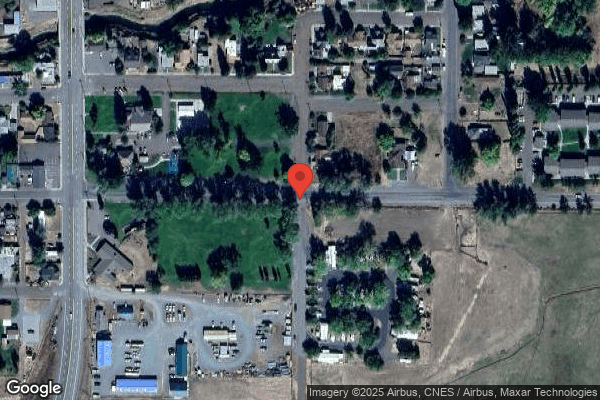
228 W MC DOWELL AVE, ALTURAS, CA 96101 (530) 233-5131
For profit - Corporation 50 Beds Independent Data: November 2025
Trust Grade
75/100
#408 of 1155 in CA
Last Inspection: April 2025

Within standard 12-15 month inspection cycle. Federal law requires annual inspections.

Overview

Modoc Medical Center D/P SNF in Alturas, California, has a Trust Grade of B, indicating it is a good choice for families seeking care (Grade B means solid but not exceptional). It ranks #1 out of 2 facilities in Modoc County and #408 out of 1,155 in California, placing it in the top half of state facilities. The facility's trend is stable, with six issues reported in both 2023 and 2025, but it has significant staffing concerns, receiving only 1 out of 5 stars in this area, and has less RN coverage than 91% of California facilities. While there have been no fines, there are notable incidents, such as failing to maintain consistent RN coverage, which could affect resident care, and not reporting a COVID-19 outbreak that impacted multiple residents and staff. Overall, while the nursing home has strengths in some areas, such as health inspections, the staffing and incident reports raise valid concerns for families considering this facility.

Trust Score
B
75/100
In California
#408/1155
Top 35%
Safety Record
Low Risk
No red flags
Inspections
Holding Steady
6 → 6 violations
Staff Stability
○ Average
41% turnover. Near California's 48% average. Typical for the industry.
Penalties
✓ Good
No fines on record. Clean compliance history, better than most California facilities.
Skilled Nurses
⚠ Watch
Each resident gets only 20 minutes of Registered Nurse (RN) attention daily — below average for California. Fewer RN minutes means fewer trained eyes watching for problems.
Violations
⚠ Watch
18 deficiencies on record. Higher than average. Multiple issues found across inspections.
★★★★☆
4.0
Overall Rating
★☆☆☆☆
1.0
Staff Levels
★★☆☆☆
2.0
Care Quality
★★★★★
5.0
Inspection Score
Stable
2023: 6 issues
2025: 6 issues

The Good

  • Full Sprinkler Coverage · Fire safety systems throughout facility
  • No fines on record
  • Staff turnover below average (41%)

    7 points below California average of 48%

Facility shows strength in fire safety.

The Bad

Staff Turnover: 41%

Near California avg (46%)

Typical for the industry

The Ugly 18 deficiencies on record

Jun 2025 2 deficiencies
CONCERN (D) 📢 Someone Reported This

A family member, employee, or ombudsman was alarmed enough to file a formal complaint

Potential for Harm - no one hurt, but risky conditions existed

Deficiency F0563 (Tag F0563)

Could have caused harm · This affected 1 resident

**NOTE- TERMS IN BRACKETS HAVE BEEN EDITED TO PROTECT CONFIDENTIALITY** Based on observation, interview, and record review, the facility failed to follow their visitation policy and procedure (P&P) fo...

Read full inspector narrative →
**NOTE- TERMS IN BRACKETS HAVE BEEN EDITED TO PROTECT CONFIDENTIALITY** Based on observation, interview, and record review, the facility failed to follow their visitation policy and procedure (P&P) for one out of three sampled residents (Resident 1) when Resident 1 was denied (not allowed) visitors of his choosing, the facility did not notify Resident 1 that his friend (Visitor) had been denied visits, there was no documentation present in the medical record, and rules and regulations regarding visitors were not posted for the public and residents to review. This failure violated Resident 1's right to receive visitors of his choosing and had the potential to cause psychosocial harm. Findings: A review of the facility's P&P titled, Visitation, Acute Hospital/SNF, revised 12/1/19, indicated, residents had the right to visitors of their choosing if they had the ability to make their own decisions. The P&P indicated, A visitor may also be prohibited [not allowed] if in the clinical judgement of the healthcare team, a visitor would negatively impact the health or safety of the patient, facility's staff, or other visitor at the facility. The P&P indicated, In all cases, where visitation is denied, the reasons will be clearly communicated to the patient and also documented in the medical record. The P&P indicated, visiting hours, rules, and regulations would be posted (displayed in a place that could be seen). A review of the Patient Information form, dated 12/14/22, indicated, Resident 1 was admitted to the facility on [DATE]. A review of the History and Physical, dated, 3/18/25, indicated, Resident 1 had diagnoses of history of CVA (stroke, loss of blood flow to part of the brain) and atrial fibrillation with RVR (irregular heart rhythm). A review of the Admissions Minimum Data Set (MDS, a resident assessment tool), dated 3/11/25, indicated, a Brief Interview for Mental Status (BIMS, an assessment tool used by facilities to screen and identify memory, orientation, and judgement status of the resident) was performed and Resident 1's BIMS score was 14 out of 15 (indicating good memory). A review of the Quarterly MDS, dated [DATE], indicated Resident 1 had a BIMs score of 15 out of 15. During an interview on 6/10/25 at 9:05 am, Visitor stated, [Risk Management, RM] told me, I was to never set foot on the property again and if I do, they will call the Sheriff. Visitor stated, I visit [Resident 1] every Monday, bring him items that he requests, and now I can't go see him. During a concurrent interview and record review on 6/11/25 at 11:18 am, Resident 1 was observed sitting up in bed and smiling. When Visitor's name was mentioned, Resident 1's facial features softened, and his smile widened. Resident 1 stated, [Visitor] visits me every Monday and hasn't been here this week. Resident 1 confirmed, facility staff had not informed him that Visitor was not allowed to enter the facility or visit with him. Resident 1's smile turned into an angry frown, his face scrunched up, and his face began to turn red. Resident 1's voice became loud and stated, I want [Visitor] to visit and I'm not happy that [Visitor] was told she couldn't visit. During an interview on 6/11/25 at 11:45 am, RM stated, I talked to [Visitor] on 6/4/25, she came in and insisted that staff video tape [Resident 1]. I told her she could not record without express permission. I trespassed her for 30 days (a 30-day trespass was an order issued by the Sheriff's department to a person who has threatened to or has caused physical harm. The trespass makes it illegal for that person to enter the facility for 30 days) due to being aggressive. RM stated, I made the decision based on concerns of resident and staff safety. During a concurrent interview and record review on 6/11/25 at 12:10 pm, an untitled document, written by Licensed Nurse (LN) A, dated 6/4/25 was reviewed with RM. RM confirmed, the document indicated, it was written by LN A due to Visitor requesting LN A being present while Visitor videotaped Resident 1 and LN A felt uncomfortable with the request. RM confirmed, the document did not indicate Resident 1's Visitor had been physically or verbally aggressive to residents or staff. RM confirmed, RM did not speak to Resident 1 regarding the incident or notify Resident 1 that Visitor was not permitted in the building or allowed to visit. RM confirmed, RM had not documented the incident or decision to perform a 30-day trespass on Visitor and confirmed, the facility's P&P regarding visitation had not been followed. RM confirmed, verbally informing Visitor there was a 30-day trespass against Visitor and Visitor was not allowed in the facility. A review of the Patient Information form, dated 5/6/25, indicated, Resident 2 was admitted to the facility on [DATE]. A review of the History and Physical, dated, 5/6/25, indicated, Resident 2 had diagnoses of hypertension (high blood pressure) and depression (a sad mood). A review of the admission MDS, dated [DATE], indicated Resident 2 had a BIMs score of 11 out of 15 (memory was mildly impaired). During an interview on 6/11/25 at 12:20 pm, Resident 2 (Resident 1's roommate) confirmed, Visitor did not make Resident 2 feel unsafe and stated, she doesn't bother me. During an interview on 6/11/25 at 12:25 pm, Certified Nurse Assistant (CNA) B confirmed being familiar with Resident 1 and Visitor. CNA B stated, I've never had any issues with [Visitor] regarding safety for [Resident 1] or staff. During a concurrent observation, interview, and record review on 6/11/25 at 12:27 pm, with Director of Nursing (DON), the entrance of the facility was observed and two information boards (the information boards contained various notices displayed for visitors, staff, and residents to review, such as resident rights and policies and procedures regarding facility rules and regulations) were inspected. DON confirmed, there was no information posted at the entrance of the facility or on the information boards, regarding visitor hours, rules, or regulations. Observed on the information board was an undated document titled, Resident Rights. DON confirmed, the document indicated, residents had the right to visits and reasonable restriction to visit with the resident's permission.
CONCERN (D) 📢 Someone Reported This

A family member, employee, or ombudsman was alarmed enough to file a formal complaint

Potential for Harm - no one hurt, but risky conditions existed

Deficiency F0909 (Tag F0909)

Could have caused harm · This affected 1 resident

**NOTE- TERMS IN BRACKETS HAVE BEEN EDITED TO PROTECT CONFIDENTIALITY** Based on interview and record review the facility failed to ensure bedframes were maintained for resident safety when the Medica...

Read full inspector narrative →
**NOTE- TERMS IN BRACKETS HAVE BEEN EDITED TO PROTECT CONFIDENTIALITY** Based on interview and record review the facility failed to ensure bedframes were maintained for resident safety when the Medical Equipment Management Plan and manufacture recommendations were not followed for one of four sampled residents (Resident 1), when the footboard fell off of Resident 1's bed. This had the potential to subject all residents to injury from equipment that the facility had not regularly inspected and maintained for the safe use by residents. Findings: A review of the facility's policies and procedures (P&P) titled, Equipment Management Program, revised 3/1/18, indicated, electronically operated patient beds would be included in the Equipment Management Program. A review of the facility's P&P titled, Preventative Maintenance, revised 3/1/23, indicated, the facility maintained a comprehensive Preventative Maintenance Program for all equipment that included scheduled maintenance and documentation of maintenance. A review of the Medical Equipment Management Plan, dated 1/1/11, indicated, the purpose of the plan was to ensure medical equipment supported safe patient care through maintenance and repair of the equipment. The Medical Equipment Management Plan, indicated, maintenance would be provided based on manufacturer recommendations and work orders would be used for planned maintenance and documentation of maintenance that was performed. A review of the Patient Information form, dated 12/14/22, indicated, Resident 1 was admitted to the facility on [DATE]. A review of the History and Physical, dated, 3/18/25, indicated, Resident 1 had diagnoses of history of CVA (stroke, loss of blood flow to part of the brain) and atrial fibrillation with RVR (irregular heart rhythm). A review of the Quarterly Minimum Data Set (MDS, a resident assessment tool), dated 6/9/25, indicated, a Brief Interview for Mental Status (BIMS, an assessment tool used by facilities to screen and identify memory, orientation, and judgement status of the resident) was performed and Resident 1's BIMS score was 15 out of 15 (indicating intact memory). During an interview on 6/11/25 at 11:13 am, Maintenance Lead (ML), stated, Bedframes were inspected on a quarterly basis (every three months). During an interview on 6/11/25, at 11:18 am, Resident 1 stated, the footboard to my bed broke off. Resident 1 was not able to verbalize when it had happened. During a concurrent interview and record review on 6/11/25 at 12:02 PM, with ML, Manufacture Recommendations, dated 1/1/23 was reviewed. ML confirmed, the Manufacturer Recommendations indicated, facility staff should thoroughly and visually inspect the bedframe monthly. ML provided an undated document titled, Headboard/Footboard Safety Weekly Checklist (weekly checklist) ML stated, this [weekly checklist] was created after [Resident 1's] footboard broke. ML confirmed, the weekly checklist was blank and stated, the weekly checklist form has not gone into effect. ML confirmed, there was no documentation present that indicated resident bedframes had been inspected for safety. During a concurrent interview and record review on 6/11/25 at 1:15 pm, ML reviewed work orders from 9/1/24 through 6/11/25 and stated, I don't remember when the footboard broke. ML confirmed, there was no work order that indicated Resident 1's footboard had broken or had been repaired and stated, there should be.
Apr 2025 3 deficiencies
CONCERN (D)

Potential for Harm - no one hurt, but risky conditions existed

Deficiency F0761 (Tag F0761)

Could have caused harm · This affected 1 resident

**NOTE- TERMS IN BRACKETS HAVE BEEN EDITED TO PROTECT CONFIDENTIALITY** Based on interview, observation and record review, the facility failed to meet this requirement when a medication cart was obser...

Read full inspector narrative →
**NOTE- TERMS IN BRACKETS HAVE BEEN EDITED TO PROTECT CONFIDENTIALITY** Based on interview, observation and record review, the facility failed to meet this requirement when a medication cart was observed to be left unlocked on two occasions. This had the potential to result in unauthorized access to medications that had the potential to cause illness and death. Findings: Review of the facility's policy titled Medication Preparation and Administration, last reviewed 2010, indicated, If the nurse leaves the medication cart, it must be locked. On 4/15/25 at 12:32 PM, a medication cart was observed to be unlocked and openable outside room [ROOM NUMBER]. Unsupervised medications were observed to include heart medication, blood pressure medication, antipsychotics (medications for mental health), and diuretics ('blood pressure pills), among many other drugs. No staff was observed nearby to secure the cart while it was open. On 4/15/25 at 12:33 PM, LVN (Licensed Vocational Nurse) was observed coming toward the unlocked cart from a distant hall in the facility. In a concurrent interview, LVN stated she had left it open and forgot to lock it. On 4/16/25 9:50 AM, the med cart was observed second time, unlocked and with no staff present, outside room [ROOM NUMBER]. In a concurrent interview and observation on 4/16/25 at 9:51 AM, LVN came back to the cart from another hall, acknowledged that it was unlocked again, and stated she got sidetracked. In an interview on 4/16/25 at 9:55 AM, DON (Director of Nursing) stated, The med cart should be locked at all times when not attended.
CONCERN (D)

Potential for Harm - no one hurt, but risky conditions existed

Food Safety (Tag F0812)

Could have caused harm · This affected 1 resident

Based on observation, interview and record review, the facility failed to meet this requirement when an expired food product was stored in the refrigerator and available for serving to residents. This...

Read full inspector narrative →
Based on observation, interview and record review, the facility failed to meet this requirement when an expired food product was stored in the refrigerator and available for serving to residents. This had the potential to result in foodborne illness and poor food palatability (flavor, freshness). Findings Review of the facility's policy titled, Food Storage Policy and Procedure dated 2005 indicated, All food should be labeled and dated, and Refrigerated food should be stored upon delivery and careful rotation procedures should be followed. On 4/14/25 at 12:00 PM, a 15-ounce spray can of Redi Whip whipped topping was observed in the facility's foodservice refrigerator, with a use by date of 2/24/25 written per the facility's policy. It was observed that the product was nearly two months beyond this use-by date. In a concurrent interview on 1/14/25 at 12:00 PM, Dietary Manager (DM) confirmed that the whipped topping, Should have been thrown away. DM was observed disposing of the item.
CONCERN (D)

Potential for Harm - no one hurt, but risky conditions existed

Infection Control (Tag F0880)

Could have caused harm · This affected 1 resident

**NOTE- TERMS IN BRACKETS HAVE BEEN EDITED TO PROTECT CONFIDENTIALITY** Based on observation, interview, and record review, the facility failed to follow infection control standards for 4 out of 5 res...

Read full inspector narrative →
**NOTE- TERMS IN BRACKETS HAVE BEEN EDITED TO PROTECT CONFIDENTIALITY** Based on observation, interview, and record review, the facility failed to follow infection control standards for 4 out of 5 residents (Resident 1, Resident 28, Resident 19, and Resident 29) during medication pass when staff did not disinfect medical equipment and when medication containers where brought into residents' rooms and handled by the residents. This had the potential to spread a communicable disease and cause cross-contamination. Findings: The facility's policy titled, Cleaning of Non-Critical Patient Care Equipment, dated 05/2017, indicated the purpose of this policy is to provide guidance on cleaning and disinfection of non-critical, patient care equipment. It is the policy for patient care equipment to be cleaned and disinfected to prevent the potential spread of infection and cross-contamination. The facility's policy titled, Medication Preparation and Administration, revised 2010, indicated this policy is to ensure the most complete and accurate implementation of a physician's medication orders and to optimize drug therapy by administering drugs in an accurate, safe, timely and sanitary manner. A review of Resident 1's record indicated Resident 1 was admitted to the facility on [DATE] with diagnoses that include dementia (impairment of memory, thinking and social abilities), hypertension (pressure in your blood vessels is too high), and renal insufficiency (poor function of the kidneys). Review of the most recent Minimum Data Set (MDS, a resident assessment tool), for Resident 1 dated 2/28/25, indicated that Resident 1 had a moderate cognitive deficit, with a brief interview for mental status (BIMS) score of 8 out of 15. During an observation on 4/16/25 at 7:11 am, Licensed Vocational Nurse (LVN) 1 took the blood pressure of Resident 1. Once finished, LVN 1 then placed the blood pressure cuff on the cart without disinfecting the cuff or the cart. A review of Resident 28's record indicated Resident 28 was admitted to the facility on [DATE] with diagnoses that include diabetes mellitus (high concentration of sugar in the blood), hyperlipidemia (high concentration of fat in the blood), anxiety, and depression. Review of the most recent MDS, for Resident 28 dated 2/04/25, indicated that Resident 28 had no cognitive deficit, with a BIMS score of 13 out of 15. During an observation on 4/16/25 at 8:03 am, LVN 1 took a medication in the manufacturer's box into the room of Resident 28. The medication box was placed on the bedside table without a barrier. The resident then handled the box. After the medication was administered, LVN 1 put the medication box back into the cart drawer with other boxed medications. During an interview with LVN 1 on 4/16/25 at 11:15 am, LVN 1 confirmed that the blood pressure cuff should have been wiped with a disinfectant wipe, the box for the medication should not have been placed on a bedside table, and the resident should not have touched the medication box. LVN 1 stated, I could have transferred whatever one of the resident may have to another resident. This would be an infection control issue. A review of Resident 19's record indicated Resident 19 was admitted to the facility on [DATE] with diagnoses that include mild cognitive disorder (the stage between typical thinking skills and dementia), hypertension (pressure in your blood vessels is too high), seizure disorder (when the flow of electrical signals in the brain are disrupted), and psychotic disorder (mental health illnesses that affect the mind where there has been some loss of contact with reality). Review of the most recent MDS for Resident 19 dated 3/14/25, indicated that Resident 19 had no cognitive deficit, with a BIMS score of 15 out of 15. A review of Resident 29's record indicated Resident 29 was admitted to the facility on [DATE] with diagnoses that include hypertension (pressure in your blood vessels is too high), and anemia (blood disorder where the blood has a reduced ability to carry oxygen). Review of the most recent MDS for Resident 29 dated 2/07/25, indicated that Resident 29 had no cognitive deficit, with a BIMS score of 15 out of 15. During an observation on 4/16/25 at 8:23 am, LVN 2 took the blood pressure of Resident 19. At 8:55 am LVN 2 used the blood pressure cuff on Resident 29 without disinfecting the blood pressure cuff in-between the two residents. During an observation on 4/16/25 at 8:23 am, LVN 2 took a medication in the manufacturer's box to Resident 19 who was sitting at a table. The medication box was placed on the table without a barrier. The resident then handled the box. After the medication was administered, LVN 2 put the medication box back into the cart drawer with other boxed medications. During an interview with LVN 2 on 4/16/25 at 11:23 am, LVN 2 confirmed that the blood pressure cuff needed to be wiped down between residents with disinfectant wipes, the box for the medication should not have been placed on a table, and the resident should not have touched the medication box. LVN 2 stated, This is because of infection control. During an interview with the Nurse Manager (NM) and Director of Staff Development (DSD) on 4/16/25 at 10:21 am, both confirmed that the blood pressure cuffs should have been wiped down with disinfectant wipes after each resident. They also confirmed that medical equipment, including carts need to be wiped down. The NM confirmed that the medications boxes should not be placed on tables or allow residents to handle the boxes because of infection control issues. Both confirmed and agreed, Re-education of the nurses is due. During an interview with the Infection Prevention Nurse (IP) on 4/16/25 at 11:27 am, IP confirmed that the blood pressure cuffs should have been wiped with disinfectant wipes because that was an infection control issue. IP also confirmed that residents should not be touching medication boxes, and medication boxes should not touch furniture. IP stated this is another infection control issue. IP stated, It looks like some in-services need to be done.
Apr 2025 1 deficiency
CONCERN (D) 📢 Someone Reported This

A family member, employee, or ombudsman was alarmed enough to file a formal complaint

Potential for Harm - no one hurt, but risky conditions existed

Report Alleged Abuse (Tag F0609)

Could have caused harm · This affected 1 resident

**NOTE- TERMS IN BRACKETS HAVE BEEN EDITED TO PROTECT CONFIDENTIALITY** Based on interview and record review, the facility failed to report an injury of unknown origin for one of one residents (Reside...

Read full inspector narrative →
**NOTE- TERMS IN BRACKETS HAVE BEEN EDITED TO PROTECT CONFIDENTIALITY** Based on interview and record review, the facility failed to report an injury of unknown origin for one of one residents (Resident 1) sampled for abuse. Resident 1 was found to have significantly large suspicious bruising on both of her breasts from an unknown cause. The facility had not reported this to the California Department of Public Health (CDPH), Ombudsman (Resident advocate agency), or to their local Law Enforcement agency, in accordance with their Abuse Policy. This failure resulted in the inability for CDPH, Ombudsman and Law Enforcement to gather additional information surrounding Resident 1's injuries and conduct their own investigation, which could negatively impact Resident 1's physical, emotional and psychosocial well-being and quality of life. Findings: A review of facility's policy provided by Director of Nursing (DON) titled, Elder Abuse dated January 2012, indicated abuse as the, willful infliction of injury .resulting in physical harm, pain, or mental anguish. Facility policy further indicated it would identify events such as suspicious bruises on patients .that may constitute abuse and determine the direction of the investigation. Facility policy indicated the facility would investigate alleged incidents and complete an SOC 341 form (a form used to report suspected elder abuse to the Ombudsman and CDPH), notify the Ombudsman, local Law Enforcement and call the Department of Health Services Licensing and Certification (CDPH), no later than two hours after the allegation is made. Then complete a written investigation report in writing to the Ombudsman, State Survey Certification Agency, and any other agency according to law. During a record review of Resident 1 ' s admission record, Resident 1 was admitted to the facility on [DATE] with diagnoses that included failure to thrive (decline in overall health, including weight loss, decreased appetite, and reduced physical function stemming from various underlying medical or psychosocial issues), and dementia (loss of memory, language, and other thinking abilities that are severe enough to interfere with daily life). A record review of Resident 1's, Wound, Skin Tear or Bruise Investigation Report dated 8/20/24, completed by Registered Nurse (RN) A indicated, Multiple bruises with different stages found [on Resident 1's breasts] during shower. Possible self-picking? RN A documented that, nursing interventions were to monitor until resolved. A record review of Resident 1's, Nursing Narrative Note Final Report dated 8/20/24 5:03 pm, written by RN A, indicated a Certified Nursing Assistant (CNA), reported that resident has multiple bruises on her breast and her right hand. Assessed resident [Resident 1's] body. Multiple bruises with different stages, yellowish and dark purple color. Physician Assistant assessed the bruises. DON and nurse supervisor notified. Nursing intervention: Monitor until healed .and continue to investigate the incident. A record review of Resident 1's, Long Term Care Progress Note Final Report dated 8/20/24 4:41 pm, Medical Doctor (MD) A documented, Extensive bruising to bilateral breast and right forearm. Noticed today by nursing while the patient received a bath. During a concurrent review of facility's Abuse Policy and interview with the DON on 3/26/25 at 1:48 pm, DON stated, we couldn ' t verify what happened. DON confirmed the facility had not completed an SOC-341 or reported Resident 1's suspicious bruises to CDPH, Ombudsman and local Law Enforcement, in accordance with their Abuse Policy and State and Federal regulations.
Dec 2023 1 deficiency
CONCERN (D) 📢 Someone Reported This

A family member, employee, or ombudsman was alarmed enough to file a formal complaint

Potential for Harm - no one hurt, but risky conditions existed

Free from Abuse/Neglect (Tag F0600)

Could have caused harm · This affected 1 resident

Based on observation, interview, and record review, the facility did not protect residents' right to be free from sexual abuse for one of three sampled residents (Resident 1), when Certified Nursing A...

Read full inspector narrative →
Based on observation, interview, and record review, the facility did not protect residents' right to be free from sexual abuse for one of three sampled residents (Resident 1), when Certified Nursing Assistant (CNA) 1, offered to have sexual relations with her to relieve stress. This caused fear and anxiety for Resident 1, and had the potential to negatively impact her emotional and psychosocial well-being. Findings: A review of the facility's policy titled, Elder Abuse dated 6/2023, indicated, Abuse is the infliction of injury, unreasonable confinement, intimidation, or punishment resulting in physical harm, pain or mental anguish. Abuse of a patient includes the deprivation of goods or services necessary to attain or maintain physical, mental and psychosocial well-being. This presumes that instances of abuse of all patients, even those in a coma, irrespective of any mental or physical condition, cause physical harm, pain, or mental anguish. Instances include verbal abuse, sexual abuse, physical abuse, and mental abuse including abuse facilitated or enabled through the use of technology. Sexual Abuse Includes, but is not limited to: · Sexual harassment. · Sexual coercion. · Sexual assault. · Non-consensual sexual contact of any type. Resident 1 was admitted to the facility with diagnoses that included Diabetes and weakness. Resident 1 was alert, oriented and able to make her own health care decisions. Resident 1 was able to engage in daily activities with minimal assistance. On 9/05/23, Resident 1's Minimum Data Set (MDS, an assessment tool), reflected a Brief Interview for Mental Status (BIMS, determines decision making skills and memory), with a score of 15/15 meaning she had no cognitive impairments. During a concurrent interview and record review on 10/24/23 at 2:30 PM, the Director of Nursing (DON) stated, We found out about it [the sexual abuse allegation] October 17, 2023. We took him [CNA 1] off immediately. We offered Resident 1 counseling and support but she didn't want any. The DON provided a copy of the facility's policy titled, Elder Abuse and pointed out the topic of sexual abuse on page two. The DON stated, They know they can't do that with residents. During a concurrent record review and interview on 10/2423 at 4:15 PM, Social Services (SS) stated that on 10/17/23, A CNA came to me with [Resident 1] to report that [CNA1] told [Resident 1], that he could help me with stress relief by getting me off and stated that I had a nice butt and boobs. I immediately called the DON, the Nurse Manager (NM), Human Resources and pulled [CNA 1] in and we talked to him about the allegations. He looked away not saying anything. On 10/24/23 at 5:10 PM, The Licensed Vocational Nurse Manager (NM) was interviewed. The NM stated, I have talked to her [Resident 1] a couple of times about it. She honestly seems fine. Even when we originally talked to him [CNA 1], he didn't deny anything. Even in his written statement he didn't deny he did anything at all and confirmed in writing that he had offered stress relief to [Resident 1]. On 10/25/23 at 7:15 AM, Resident 1 was interviewed in her room. Resident 1 stated that CNA 1, offered to help me with stress relief and said he could get me off. Resident 1 stated, I was really anxious and afraid he was going to continue and force himself on me. Resident 1 added that CNA 1, came back in my room and stood there for five minutes just staring at me and on another occasion he stood there for fifteen minutes watching me. He also said he liked parts of my body, my breasts and butt. Resident 1 indicated that she was afraid of CNA 1, and approached staff for help.
Nov 2023 1 deficiency
CONCERN (D) 📢 Someone Reported This

A family member, employee, or ombudsman was alarmed enough to file a formal complaint

Potential for Harm - no one hurt, but risky conditions existed

Deficiency F0741 (Tag F0741)

Could have caused harm · This affected 1 resident

Based on observation, interview and record review the facility failed to ensure one of seven sampled residents (Resident 1), received care according to Resident 1's comprehensive person-centered care ...

Read full inspector narrative →
Based on observation, interview and record review the facility failed to ensure one of seven sampled residents (Resident 1), received care according to Resident 1's comprehensive person-centered care plan. This happened when Certified Nursing Assistant (CNA) 2 and CNA 3 had a verbal disagreement in front of Resident 1; CNAs did not exit the room when Resident 1 became agitated; CNA 3 provided care quickly with no breaks between tasks; three CNAs were in the room at the same time and CNAs did not provide a sheet to cover Resident 1 during care. This failure resulted in Resident 1 becoming increasingly agitated and had the potential to cause Resident 1 physical and psychosocial harm. Findings: During a review of facility policy and procedure titled, Resident Right-Resident Behavior and Facility Practice, dated 10/2020, indicated the resident has the right to be free from verbal abuse and the facility must care for residents in a manner and in an environment that promotes maintenance or enhancement fo each resident's quality of life and enhances dignity and respect in full recognition of his/her individuality which includes treating residents with respect. During a review of facility record, Job Description-Certified Nursing Assistant, dated 1/2019, indicated under the heading of General Competencies, the CNA always demonstrates a professional behavior when on duty and demonstrates a positve working relationship with patients visitors and facility staff. During a review of Resident 1's History and Physical, dated 10/26/2021 at 5:04 pm, indicated Resident 1 was admitted to the facility 10/25/2021. Resident 1 had a history of advanced dementia with minimal communicative skills, alcoholism, delusions, hallucinations, agitation and chronic back pain with arthritis and spinal compression fracture. Resident 1 had an increase in agitation, delusions and aggressive behaviors in March of 2021 and was brought to a hospital. Resident 1 stayed in the hospital for six months until a bed was available in the skilled nursing facility. During a review of Resident 1's Minimum Data Set (assessment of resident and care screening) dated 9/8/2023, indicated Resident 1 had unclear speech, severely impaired decision-making skills, disorganized thinking, inattention, short tempered and easily annoyed, delusions, physical behaviors (hitting kicking, pushing, grabbing) toward others and refused care. Resident 1 required at least 2-person physical assist for bed mobility, transfers, toilet use, personal hygiene and was dependent on staff for bathing. During a review of Resident 1's Progress Notes, dated 10/19/2023 at 11:54 am, indicated Resident 1's behaviors had improved with medication change but some staff noted behaviors of striking out. Staff believe it was related to how the staff approached Resident 1. Staff discussed with the physician and spouse regarding what interventions (action taken to meet a goal) needed to be adjusted when approaching Resident 1 to further improve care related behaviors. During a review of Resident 1's active Care Plans indicated: On 2/01/2022, Resident 1's goal under the category of Behaviors, indicated staff should have no more than 2 people in the room (more people tend to stress the resident out). On 4/26/2022, Resident 1's goal under the category of Activities of Daily Living, indicated staff should allow rest breaks between tasks when Resident 1 seems agitated. On 4/28/2022, Resident 1's goal under the category of Communication, indicated staff should watch for signs of agitation from Resident 1 and exit the room and re-approach later. On 1/11/2023, Resident 1's goal under the category of Activities of daily Living, indicated staff should provide a sheet for Resident 1 during incontinent care. Per Resident 1's wife this would help with agitation. On 3/8/2023, Resident 1's goal under the heading of Pain, indicated staff should assist Resident 1 with slow position changes. During an observation on 10/31/2023 at 12:50 pm, in Resident 1's room, Resident 1 had a sign on the door with red capitalized letters underlined indicated, ATTENTION (NAME OF FACILITY) STAFF. Under the red capitalized heading the sign indicated: Please keep yourself and our residents safe by reading and following the resident's care plan. If you run into any problems during care, if the resident appears to be agitated, please step away immediately and call his wife. The bottom of the sign indicated Resident 1's wife's name, availability was 24 hours a day, 7 days a week and her phone number. Resident 1's bed was in the corner on the right side of the room with the head of bed and one side of the bed touching the walls. Resident 1 was using the wall on the side of the bed to lean against and had his legs hanging over the side of the bed. Resident one looked at me briefly when I introduced myself but had no verbal response that was understandable. Resident 1 sat up and drank out of his coffee cup and leaned back against the wall. During an interview on 10/31/2023 at 12:55 pm, CNA 1 stated when Resident 1 was agitated or aggressive the only thing you can do was stand back and let him have his space. CNA 1 stated Resident 1 can become very defensive and combative during care. CNA 1 stated Resident 1 was incontinent of bowel and bladder and providing care could set him off and become agitated. CNA 1 stated when Resident 1 becomes agitated, the staff needs to back off and let him calm down. CNA 1 stated Resident 1's wife was available at any time and should be called when the staff are unable to calm Resident 1. During an interview on 10/31/2023 at 1:20 pm, with Licensed Vocational Nurse (LVN), stated the sign on Resident 1's door indicating to immediately step away when Resident 1 was agitated had been there since Resident 1 was admitted about 2 years ago. LVN stated all staff have been trained to back away from Resident 1 when he was agitated, let him calm down before continuing with care. LVN stated if Resident 1 does not calm down the staff were trained to call Resident 1's wife. LVN stated the staff are expected to follow the training and Resident 1's care plans when providing care. During an interview on 10/31/2023 at 1:30 pm, the Nurse Manager (NM), stated Resident 1 was confused and had agitation and aggressive behaviors since he was admitted . NM stated the facility had numerous trainings for staff on how to care for Resident 1 when he was agitated. NM stated she expected staff to step away from Resident 1 when he was agitated and not to approach Resident 1 until he calmed down. NM stated the staff are expected to follow the training and Resident 1's care plans when providing care. During an interview on 10/31/2023 at 2:10 pm, with Director of Staff Development (DSD), stated the instruction sign on Resident 1's door has been there for years. DSD stated when Resident 1 gets agitated staff have been educated to back off and call Resident 1's wife. During an interview on 10/31/2023 at 2:37 pm, with Chief Nursing Officer (CNO), stated the staff were trained to give Resident 1 space and stop care when he becomes agitated. CNO stated the staff were trained to call Resident 1's wife when Resident 1 could not be calmed down by staff. CNO agreed the CNAs should have allowed Resident 1 a few more minutes to calm down before continuing with his care. During an interview on 11/1/2023 at 10:25 am, CNA 2 stated on 10/24/2023, CNA 3 and CNA 4 entered the room with her to provide care for Resident 1. CNA 2 stated Resident 1's floor, clothing and bed linens were soiled with urine. CNA 2 stated Resident 1 was lying on his bed when CNA 3 quickly started providing care and rolled Resident 1 onto his side causing Resident 1 to become agitated. CNA 2 stated Resident 1 tried to punch CNA 3 after she rolled him onto his side and CNA 3 did not back away from Resident 1 when he became agitated. CNA 2 stated Resident 1 became agitated when CNA 3 provided care to quickly and Resident 1's agitation increased when CNA 3 did not back away from Resident 1. During an interview on 11/1/2023 at 3:30 pm, CNA 3 stated on 10/24/2023, CNA 2 and CNA 4 entered the room with her to provide care for Resident 1 because Resident 1's floor, clothing and linen were soiled with urine. CNA 3 stated Resident 1 rarely answered questions, had serious aggressions, and would get easily agitated with care. CNA 3 stated Resident 1 was sitting on his bed when they entered the room and removed Resident 1's shoes, laid him down on his bed and tried to get his pants off, but Resident 1 became agitated. CNA 3 stated they stepped back and let him calm down then continued with care, but he continued to be aggressive and agitated. CNA 3 stated her, and CNA 2 had a verbal disagreement in front of Resident 1 regarding getting Resident 1's wife to help calm Resident 1. CNA 3 stated CNA 2 left the room to get Resident 1's wife. CNA 3 stated she and CNA 4 continued providing care and removed Resident 1's pants, shirt, and glasses. CNA 3 stated Resident 1 was not provided a sheet or blanket to cover himself while care was provided and Resident 1 was agitated the entire time they provided care. CNA 3 stated Resident 1's increased agitation could have been caused by too many staff in the room, not allowing enough time for Resident 1 to calm down before restarting care and Resident 1 could have heard and felt the tension in the room due to the verbal disagreement between the CNAs while providing care. CNA 3 stated she was aware of the sign on the door that indicated staff were to step away immediately if Resident 1 becomes agitated. CNA 3 agreed she should have given Resident 1 more time to calm down before restarting care and it was inappropriate to discuss disagreements in front of Resident 1 during care.
Oct 2023 2 deficiencies
CONCERN (E)

Potential for Harm - no one hurt, but risky conditions existed

Deficiency F0727 (Tag F0727)

Could have caused harm · This affected multiple residents

Based on interview and record review, the facility failed to provide a Registered Nurse (RN) who was on duty, eight hours out of every day, seven days a week. This failure had the potential for RN ass...

Read full inspector narrative →
Based on interview and record review, the facility failed to provide a Registered Nurse (RN) who was on duty, eight hours out of every day, seven days a week. This failure had the potential for RN assessment skills and supervision to not be available every day for residents and staff. Findings: Record review of the staffing schedules for the months of August and September 2023 showed there was no RN working on the following dates: 8/5, 8/6, 8/19, and 8/20; 9/2, 9/3, 9/9, 9/10, 9/16, 9/17, 9/23, 9/24, and 9/30. During an interview, on 10/3/23, at 9:18 am, the Administrative Assistant stated they did not have a full-time RN on the weekends during the months of August and September 2023. During an interview, on 10/4/23, at 10:23 am, the Director of Nursing stated they didn't have any policy about nurse staffing or RN staffing. During an interview, on 10/4/23, at 10:42 am, Licensed Nurse (LN) A stated RNs on the floor were sporadic, they came and went. During an interview, on 10/4/23, at 11:41 am, the Nurse Manager stated that for the last month they didn't have an RN working on the weekends.
CONCERN (E)

Potential for Harm - no one hurt, but risky conditions existed

Infection Control (Tag F0880)

Could have caused harm · This affected multiple residents

**NOTE- TERMS IN BRACKETS HAVE BEEN EDITED TO PROTECT CONFIDENTIALITY** Based on interview and record review, the facility failed to report a COVID-19 (a contagious virus that caused respiratory illne...

Read full inspector narrative →
**NOTE- TERMS IN BRACKETS HAVE BEEN EDITED TO PROTECT CONFIDENTIALITY** Based on interview and record review, the facility failed to report a COVID-19 (a contagious virus that caused respiratory illness) outbreak which affected four residents (Residents 5, 19, 43, and 45) and four staff members to the California Department of Public Health (CDPH). This failure had the potential to expose further residents to illness, which could have threatened their health and well-being. Findings: A facility policy, titled, Outbreak Investigation, revised 1/1/12, was reviewed. An outbreak was defined as an excess level of endemic (constantly present in a specific location) disease or statistically (by the numbers) significant increase in endemic level. The time period would have varied according to the infection. The facility's threshold (required number of cases for an outbreak) was defined as greater than five percent of the resident population. If an outbreak was confirmed, it should have been reported to the local county Public Health Department and also to CDPH within 24 hours of the initial identification. A review of Resident 5's record indicated they were admitted to the facility on [DATE]. Resident 5's diagnoses included chronic obstructive pulmonary disease (COPD--a lung disorder) and pneumonia (a lung infection). Resident 5 tested positive for the COVID-19 virus on 9/23/23. A review of Resident 19's record indicated they were admitted to the facility on [DATE]. Resident 19's diagnoses included COPD and heart failure (inability of the heart to pump adequately). Resident 19 tested positive for the COVID-19 virus on 9/21/23. A review of Resident 43's record indicated they were admitted to the facility on [DATE]. Resident 43's diagnoses included COPD and heart failure. Resident 43 tested positive for the COVID-19 virus on 9/23/23. A review of Resident 45's record indicated they were admitted to the facility on [DATE]. Resident 45's diagnoses included dementia (a mental disorder that caused confusion and memory loss) and high blood pressure. Resident 45 tested positive for the COVID-19 virus on 9/28/23. Record review of the facility's census (number of residents) showed that from 9/21/23 to 9/28/23, there were 48 to 49 residents. The number of positive COVID-19 cases (four), would have been approximately eight percent of the facility's resident population at that time. During an interview, on 10/3/23, at 1:42 pm, the Infection Preventionist (IP) stated the facility had four residents who had tested positive for COVID-19 in September of 2023, and IP reported it to their county's Public Health Department. Their county's Health Officer was also the facility's Medical Director. IP stated they did not report it to CDPH. IP had been reporting outbreaks to CDPH and also via another network reporting system, until recent changes in the reporting procedure were implemented. IP stated, We absolutely did have an outbreak in September [2023].
May 2023 2 deficiencies
CONCERN (D) 📢 Someone Reported This

A family member, employee, or ombudsman was alarmed enough to file a formal complaint

Potential for Harm - no one hurt, but risky conditions existed

Deficiency F0557 (Tag F0557)

Could have caused harm · This affected 1 resident

Based on observation, interview and record review, the facility failed to treat one of three sampled residents (Resident 1) with dignity and respect, when Certified Nursing Assistant (CNA) A pulled Re...

Read full inspector narrative →
Based on observation, interview and record review, the facility failed to treat one of three sampled residents (Resident 1) with dignity and respect, when Certified Nursing Assistant (CNA) A pulled Resident 1's hair while brushing it. This failure resulted in Resident 1 experiencing pain and had the potential to result in fear and a decline in psychosocial well being. Findings: The California Department of Public Health received a report from the facility on 3/15/23, which indicated CNA A was brushing Resident 1's hair when the brush hit a tangle and pulled her hair and Resident 1 slapped CNA A. Resident 1 alleged CNA A pulled her hair on purpose. A review of Resident 1's record indicated she was admitted with diagnoses that included high blood pressure, diabetes, and heart disease. A review of her Minimum Data Set (MDS, a standardized resident assessment tool) dated 2/21/23, included a BIMS (brief interview for mental status) of 12 which indicated mild cognitive impairment. During a concurrent record review and interview on 5/3/23 at 2 pm, Licensed Nurse (LN) 2 who was the MDS nurse, said Resident 1's last BIMS score on 2/21/23 was 12. She said Resident 1 has some confusion at times but had been stable for the last two prior quarterly MDS assessments. She said Resident 1 was able understand and able to convey her needs. LN 2 confirmed there have been no prior care plans regarding allegations of abuse from or towards staff. During an interview on 5/2/23 at 8:55 am, Licensed Nurse (LN) 1 said this Resident 1's hair was short and thin and although Resident 1 was confused at times she was usually alert, and thought her hair was pulled on purpose. LN 1 said some of the staff have said CNA A finishes in a room as quickly as possible so she can get back on her cell phone. During a concurrent observation and interview on 5/3/23 at 11:45 am, Resident 1 said she doesn't recall a whole lot and said it's been a couple months ago now. She recalled CNA A pulled her hair but said CNA A had not been brushing her hair. Resident 1 put her hands up to her head to demonstrate how her hair had been pulled. She said she had worked with this CNA before and she had never done anything like this. She has had no problems with other staff. She pulled off her crochet hat and her hair was observed to be short to the nape of her neck and thin. During an interview on 5/4/23 at 7:50 am, CNA A said she was getting Resident 1 up around 5 am and Resident 1 was grumpy. She was brushing Resident 1's hair and pulled a large knot and Resident 1 started crying so she bent down and Resident 1 slapped her and said, you did that on purpose. CNA A's human resources file was reviewed on 5/3/23 at 1:15 pm with the Human Resources Director. CNA A had been disciplined on 10/29/22 for being aggressive and disrespectful towards staff members. The facility's policy titled, Resident Rights - Resident Behavior and Facility Practice dated 10/2020, was reviewed and indicated, the facility must care for its residents in a manner and in an environment that promotes maintenance or enhancement of each resident's quality of life and enhances dignity and respect in full recognition of his/her individuality.
CONCERN (D) 📢 Someone Reported This

A family member, employee, or ombudsman was alarmed enough to file a formal complaint

Potential for Harm - no one hurt, but risky conditions existed

Investigate Abuse (Tag F0610)

Could have caused harm · This affected 1 resident

Based on interview and record review, the facility failed to follow their abuse policy and procedure when a Certified Nursing Assistant (CNA) A, who allegedly abused a resident (Resident 1), was not i...

Read full inspector narrative →
Based on interview and record review, the facility failed to follow their abuse policy and procedure when a Certified Nursing Assistant (CNA) A, who allegedly abused a resident (Resident 1), was not immediately removed from direct patient care during an abuse investigation. This failure had the potential to place Resident 1 and other residents at risk for harm. Findings: A review of the facility's Elder Abuse policy indicated, Employees who are being investigated for alleged abuse will be either placed in a non-patient work setting or on administrative leave. The California Department of Public Health received a report from the facility on 3/15/23, which indicated CNA A was brushing Resident 1's hair when the brush hit a tangle and pulled her hair and Resident 1 slapped CNA A. Resident 1 alleged CNA A pulled her hair on purpose. This report did not indicate if CNA A had been suspended during the investigation. A review of Resident 1's record indicated she was admitted with diagnoses that included high blood pressure, diabetes, and heart disease. A review of her Minimum Data Set (MDS, a standardized resident assessment tool) dated 2/21/23, included a BIMS (brief interview for mental status) of 12 which indicated mild cognitive impairment. Resident 1 was able to understand and able to convey her needs. During an interview on 5/4/23 at 7:50 am, CNA A said she was getting Resident 1 up around 5 am on 3/15/23, and the resident was grumpy. She was brushing Resident 1's hair and pulled a large knot and Resident 1 started crying so she bent down and the resident slapped her and said, you did that on purpose. CNA A said she put the brush down and finished the rest of Resident 1's care, put away the hoyer lift and reported the incident to the charge nurse. She said she finished the rest of her shift which was about one hour then gave report and did rounds with the oncoming shift from 6:30 am to 7 am. CNA A said she was not put on Administrative (admin) leave. She said she asked about that and was told by the charge nurse that it was too late. CNA A said she did not come in contact with Resident A the rest of the shift. During an interview on 5/4/23 at 8:50 am, the charge nurse said Human Resources (HR) places staff on admin leave and the Chief Nursing Officer (CNO) or Director of Nurses (DON) was the one responsible for notifying HR about allegations of staff to resident abuse. She said CNA A was not placed on Admin leave. During an interview on 5/3/23 at 1:15 pm, the Human Resources Director (HRD) said an email was sent to the Risk Manager on 3/15/23 at 5:25 am, from their internal safety system, that included the details of the incident and indicated that CNA A was instructed to not come in contact with the resident or enter her room until after an investigation was conducted. An email on 3/16/23 at 8:59 am, from the CNO indicated it was he said/she said incident. HRD said she did not find out about this incident until 3/22/23. At that time she sent an email to the CNO on 3/22/23 at 10:57 am, and a follow up email at 11:10 am, wherein she advised the CNO that they put the employee on leave, even it was for just one day, until it could be determined that the incident was unfounded. HRD said CNA A should have been put on Administrative (admin) leave as is their usual protocol. She said even if the staff was off the schedule they should be placed on admin leave. The CNO sent an email to the Risk Manager on 3/22/23 at 11:06 am, in which he said there was no way to corroborate the incident so they were not going to put CNA A on admin leave. The email further stated that the abuse allegation was the resident against an employee and was more about Resident 1 slapping CNA A in the face while she was brushing her hair. During an interview on 5/8/23 9:45 am, the CNO said the night shift charge nurse called him the morning of 3/15/23. He said he waited until he got the social service's notes on 3/20/23 before he completed his five day report to the state but had already determined by 3/17/23 that he could not corroborate abuse. CNO said he did not notify HR because there was no reason to suspend CNA A because she was not on the schedule on 3/15 and 3/16 and by 3/17/23 (her next working day), he already concluded there was no abuse. He was asked if he thought there was any issue with the treatment Resident 1 received, assuming what CNA A said was true and that she had pulled Resident 1's hair when she was brushing it, and he said no. He said the incident was really more about Resident 1 slapping CNA A instead of the opposite.
Jun 2022 6 deficiencies
CONCERN (D)

Potential for Harm - no one hurt, but risky conditions existed

Accident Prevention (Tag F0689)

Could have caused harm · This affected 1 resident

Based on observation, interview, and record review, the facility failed to ensure adequate supervision and implement all interventions in the care plan including having a sitter, to prevent one of 16 ...

Read full inspector narrative →
Based on observation, interview, and record review, the facility failed to ensure adequate supervision and implement all interventions in the care plan including having a sitter, to prevent one of 16 sampled residents (Resident 3), who was a high risk for elopement (leaving the building without permission), from leaving the building. This had the potential to result in a serious injury to Resident 3, which could lead to negative clinical outcomes. Findings: The facility's policy titled, Resident Elopement, revised 3/18, was reviewed, and indicated that facility will have a system in place for the early identification of residents at risk for elopement and will have the implementation of interventions to prevent elopement, and harm as evidenced by the assessment and care planning procedures. The facility reported to the California Department of Public Health on 6/1/22, that Resident 3 had left the faciity on 5/27/22, and was found about 150-feet away by a staff member who lived in the area. The staff member brought her back to the facility, and there were no injuries. The facility video had been viewed and showed that Resident 3 left the building at 7:31 pm, through the service hallway. The video showed the barricade/stop sign, that was used to deter residents from going down that hallway, was not engaged. The video had no audio so they were unable to tell if the wanderguard alarmed, but staff did not respond as though it was sounding. A review of Resident 3's medical record indicated, that she was admitted with the following diagnoses lung disease, anxiety disorder, vascular dementia (form of dementia caused by an impaired supply of blood to the brain) with behavioral disturbances, and major depressive disorder. An elopement risk tool completed on 3/15/22, indicated that Resident 3 was at risk for elopement with a history or wandering outdoors. Resident 3 wore a wanderguard (a device attached to a resident's extremity that alarms if they attempt to leave the facility). Resident 3's care plan for elopement included interventions, dated 7/23/19, to redirect from exit seeking, and if resident desires to go outside, take for a walk. A wanderguard was added to the care plan on 8/27/19, and a sitter as needed for escalating behaviors was added to the care plan on 5/21/21. Resident 3's Nursing Notes on 5/26/22 at 2:51 pm, indicated that the resident was having some behaviors including wandering, pacing, and was anxious. The resident was easy to direct. Staff will continue to monitor. Resident 3's Nursing Notes on 5/27/22 at 12:16 am, indicated that resident had been up wandering into other resident's rooms. Resident 3's Nursing Notes on 5/27/22 at 1:52 pm, indicated that it has been observed, and noted by staff that this resident's behaviors, especially those of continued wandering/pacing through the facility were escalating. Staff will have the nurse call her physician to report this change, and request some possible recommendations to her medication regime. Resident 3's Nursing Notes on 5/27/22 at 2:57 pm, indicated that resident was pacing and agitated during this shift. Sitter is currently with her. During an interview, on 6/15/22 at 11:32 am, the Director of Nurses (DON), reported that they do not know definitively how Resident 3 was able to leave the building. She said they checked Resident 3's wander guard, and it worked and staff reported they did not hear the alarm when the resident left the building. The DON said the system was tested, and the alarms worked. The barricade was down in the hallway going toward the kitchen. She said they have done reeducation with staff regarding disarming a door, and doing a head count if an alarm is heard, and staff need an awareness of where this resident is. The DON confirmed the alarms on residents are tested daily, and door alarms are tested daily. Resident 3 has never attempted to go through the barricade, but dietary probably left it down and did not put it back up. In the past when the barricade was up, this resident had not tried to remove it to go past. The DON said it seemed like for some reason the alarm did not go off. The elopement occurred during shift change around 7 pm, and dietary staff were cleaning dishes. On 6/13/22 at 12:12 pm, a wanderguard was observed on Resident 3's right ankle. During an interview, on 6/15/22 at 4:30 pm, Certified Nursing Assistant (CNA) 1 said, if a wanderguard is on the resident's right ankle it sometimes does not seem to work, as well because of the placement of the alarm device on the door.
CONCERN (E)

Potential for Harm - no one hurt, but risky conditions existed

Drug Regimen Review (Tag F0756)

Could have caused harm · This affected multiple residents

Based on interview, and record review, the facility's pharmacy consultant failed to identify drug irregularities which included the diagnoses and necessary indications, including target behaviors, for...

Read full inspector narrative →
Based on interview, and record review, the facility's pharmacy consultant failed to identify drug irregularities which included the diagnoses and necessary indications, including target behaviors, for each psychotropic drug (any drug that affects brain activities associated with mental processes and behavior), or antipsychotic drug (drugs that work by altering brain chemistry to help reduce psychotic symptoms including hallucinations, delusions, and disordered thinking), and the Centers for Medicare and Medicaid Services (CMS) requirement to limit as needed (PRN) psychotropic medications to 14-days, unless there was a documented rationale which included why the medication needed to be extended past 14-days, and the duration, for three of eight sampled resident records reviewed for unnecessary medications (Residents 3, 37, and 25). This failure resulted in, or had the potential to result in residents receiving unnecessary medication with adverse side effects, some of which could be permanent. The facility failed to ensure their pharmacy consultant provided documentation for each resident when the medication regimen review was done on a monthly basis. There was nothing in each resident's medical record to indicate that a medication regimen review was done, if there were no drug irregularities found. This resulted in the inability to ensure that each resident had a monthly medication regimen review. The facility's medication regimen review (MRR) policy did not include timeframe's for the different steps in the process, including the time the pharmacist took to prepare his reports following his review, or steps the pharmacist must take if an irregularity was identified that required urgent action. This resulted in a delay in the pharmacist preparing his reports, and had the potential to result in a delay in physician response to irregularities identified during the medication regimen review. Findings: 1a. Resident 3's medical record was reviewed. Resident 3's was admitted to this facility with the following diagnoses; lung disease, anxiety disorder, vascular dementia (form of dementia caused by an impaired supply of blood to the brain) with behavioral disturbances, and major depressive disorder. A review of Resident 3's Physician Orders, included an order, dated 11/29/21, for Zyprexa (antipsychotic medication) 7.5 milligrams (mg) daily at bedtime. There was no diagnosis, or indication for use including specific target behavioral symptoms included in the order. During a concurrent interview, and record review, on 6/14/22 at 4:44 pm, the MDS (Minimum Data Set, resident assessment) Nurse, Licensed Nurse (LN) 3 confirmed that the above Physician's Order for Zyprexa did not include a diagnosis, or indication for use or specific behaviors to monitor. During a concurrent record review, and interview, on 6/15/22 at 10:02 am, the Pharmacy Consultant (Pharm) was asked about the Resident 3's Physician's Order for Zyprexa, dated 11/29/21. Pharm confirmed there was no diagnoses for the use of this drug, and said he had not identified any irregularity regarding this order during his medication regimen reviews. b. A review of Resident 37's medical record indicated that he was admitted with diagnoses that included unspecified dementia with behavioral disturbance, insomnia, and lung disease. A review of the Physician's Orders included an order dated 5/17/22, for Remeron (anti-depressant) 30 mg at bedtime for dementia. Remeron is not approved to treat dementia. There was no specific behavioral symptoms included in this order. There was also an order dated 6/1/22, for Seroquel 125 mg three times per day for behavior disturbance. There was no diagnosis or indication for use, or specific behavioral symptoms included in this order. During a concurrent interview, and record review, on 6/14/22 at 5:06 pm, LN 3 confirmed the above order for Resident 37's Remeron indicated its use was for dementia, and did not include specific behavior monitors. She confirmed there was no diagnosis included in the order for Seroquel, and no specific behaviors. During a concurrent interview, and record review, on 6/15/22 at 10:02 am, Pharm said he had completed the medication regimen review for all the residents the last week in May, although he wasn't sure of the specific date. He agreed dementia was not an appropriate clinical indication or diagnosis for the use of Remeron. Pharm said he had not reviewed the Seroquel order yet, as he had not completed the medication regimen reviews for the month of 6/22. c. A review of Resident 25's record indicated, that he was admitted with diagnoses that included unspecified dementia with behavioral disturbances, delusional disorder (characterized by the presence of one or more nonbizarre delusions that persist for at least one month), and chronic pain. A review of Resident 25's Physician's Orders included an order, dated 4/4/22, for Xanax (anti-anxiety medication) 0.25 mg twice per day for anxiety, and a Xanax 0.5 mg PRN order before changing, dated 11/1/21. During a concurrent interview, and record review, on 6/14/22 at 4:57 pm, LN 3 confirmed the orders for Resident 25 indicated Xanax was to be given for anxiety, although no anxiety disorder, was included in the list of diagnoses for this resident. The PRN order for Xanax was ordered on 11/1/21, and started on 11/2/21. During a concurrent interview, and record review, on 6/15/22 at 8:52 am, the Charge Nurse (CN) confirmed the physician had not documented a reason why Resident 25's PRN Xanax needed to be extended past 14-days and the duration. During a concurrent interview, and record review, on 6/15/22 at 10:02 am, Pharm confirmed that he had not advised the physician of the need to re-evaluate Resident 25's PRN Xanax after 14-days, and document the rationale as to why it should continue with the duration, in his medication regimen reviews for this resident. 2. Monthly medication regimen reviews could not be located in the medical records for Residents 3, 37, and 25. A binder with medication reviews for all residents in the facility was reviewed. This included irregularities, and gradual dose reduction recommendations but did not include medication regimen review (MRR) for residents in which no irregularity had been found. During an interview, on 6/15/22 at 10:02 am, Pharm said there was only a summary report each month. There was not a separate MRR report for each resident. He said there was nothing to indicate he had completed a medication regimen review if there no irregularity had been found. 3. The facility's policy titled, Medication Regimen Review, revised 7/12, was reviewed, and indicated the Director of Nurses would follow up with the physician within the following week after any irregularity was identified by the pharmacist. The policy did not include how long the pharmacist should take to prepare his report following his review, or steps the pharmacist should take if an irregularity required urgent action. During an interview, on 6/15/22 at 10:02 am, Pharm confirmed the most current MRR policy was dated 7/12. Pharm said the most recent residents' MRR's he had completed was during the last week in May. The Pharm said he was still preparing, and and typing those notes and had not finished them yet. The last MRR reports that have been completed were done in 4/22. The Pharm said he usually tries to get the reports done in two weeks, unless it is urgent. During an interview, on 6/15/22 at 11:31 am, the Chief Nursing Officer (CNO) agreed, that the MRR policy needed to be updated. The CNO reported that had previously been identified, and a pharmacy meeting set for today, was postponed due to the survey.
CONCERN (E)

Potential for Harm - no one hurt, but risky conditions existed

Medication Errors (Tag F0758)

Could have caused harm · This affected multiple residents

Based on interview, and record review, the facility failed to ensure 4 of 8 sampled residents (Residents 3, 8, 25, and 37) who received psychotropic drugs (any drug that affects brain activities assoc...

Read full inspector narrative →
Based on interview, and record review, the facility failed to ensure 4 of 8 sampled residents (Residents 3, 8, 25, and 37) who received psychotropic drugs (any drug that affects brain activities associated with mental processes and behavior), or antipsychotic drugs (drugs that work by altering brain chemistry to help reduce psychotic symptoms including hallucinations, delusions, and disordered thinking) had adequate diagnoses and clinical indications for use including monitoring of target behaviors to assess effectiveness, monitoring of adverse side effects, and documentation by the physician that included the rationale, and duration for as needed (PRN) psychotropic drugs that exceeded 14-days. This resulted in or had the potential to result in residents receiving unnecessary medication with adverse side effects, some of which could include permanent neurological side effects, and a deterioration in the clinical condition of these residents. Findings: 1. A review of Resident 3's medical record indicated she was admitted with diagnoses that included lung disease, anxiety disorder, vascular dementia (form of dementia caused by an impaired supply of blood to the brain) with behavioral disturbances, and major depressive disorder. A review of Resident 3's Physician Orders included an order, dated 11/29/21, for Zyprexa (antipsychotic medication) 7.5 milligrams (mg) daily at bedtime. There was no diagnosis or indication for use including specific target behavioral symptoms included in the order. No monitoring of adverse side effects could be located in the medical record. During a concurrent interview, and record review, on 6/14/22 at 4:44 pm, the MDS (Minimum Data Set, resident assessment tool) Nurse, Licensed Nurse (LN) 3 confirmed the above Physician's Order for Zyprexa did not include a diagnosis, or indication for use or specific behaviors to monitor. During a concurrent record review, and interview, on 6/15/22 at 10:02 am, the Pharmacy Consultant (Pharm) was asked about Resident 3's Physician's Order for Zyprexa, dated 11/29/21. The Pharm confirmed there was no diagnoses for the use of this drug, and said he had not identified any irregularity regarding this order during his medication regimen reviews. During a concurrent interview, and record review, on 6/16/22 at 7:59 am, the Charge Nurse (CN) confirmed the diagnosis should be included in Resident 3's Physician Order, as well as the target behaviors. She confirmed the adverse side effects were not being monitored as they should for this resident, and other residents who received psychotropic medications. They noted this to be an issue, and new monitoring forms have been ordered that have this capability. 2. A review of Resident 8's medical record indicated, that she was admitted with diagnoses that included dementia with behavioral disturbance, schizoaffective disorder depressive type (combination of symptoms of schizophrenia, and mood disorder such as depression), and anxiety disorder. Resident 8 received Abilify (antipsychotic drug) for schizoaffective disorder. The consent for this drug included the following target behaviors: verbal outbursts, sadness, aggressive behavior during care, and accusatory statements. During a concurrent interview, and record review, on 6/15/22 at 7:33 am, LN 3 confirmed the above behaviors were monitored for use of the drug Abilify. The behavior monitoring forms for Abilify indicated a 1 meant verbal outbursts. From 6/1/22 - 6/9/22 a 1 appeared on the day shift. LN 3 was asked how many verbal outbursts did Resident 8 have per day for those days. LN 3 reported that there should be a note with details about the behavior, and how many. From 6/1/22 - 6/9/22, there were no notes regarding behaviors, with the exception of 6/4/22, when there was a specific note about one behavior that shift. LN 3 agreed she was unable to tell if Resident 8 had just one behavior, of verbal outbursts, or more on the other days where there was no note. LN 3 said they have ordered different forms that have capability to enter the number of specific behaviors. LN 3 was asked about monitoring of adverse side effects of the psychotropic, and antipsychotic drugs this resident took, but she did not know if it was being done, or where it was documented, if done. During a concurrent interview, and record review, on 6/16/22 at 7:43 am, CN confirmed the above. CN said the behavior monitoring was not accurate, and it was hard to tell exactly how many behaviors the Resident 8 had. CN also confirmed adverse side effects were not being monitored, as they should be. CN said they noted this to be an issue, and new monitoring forms have been ordered that have the capability to accurately monitor behaviors as well as side effects. 3. A review of Resident 25's medical record indicated, that he was admitted with diagnoses that included unspecified dementia with behavioral disturbances, delusional disorder (characterized by the presence of one or more nonbizarre delusions that persist for at least one month), and chronic pain. A review of the Resident 25's Physician's Orders included an order, dated 4/4/22, for Xanax (anti-anxiety medication) 0.25 mg twice per day for anxiety, and a Xanax 0.5 mg PRN (as needed) order before changing, dated 11/1/21. During a concurrent interview, and record review, on 6/14/22 at 4:57 pm, LN 3 confirmed that Resident 25's orders indicated Xanax was to be given for anxiety, although no anxiety disorder, was included in the list of diagnoses for this residents. The PRN order for Xanax was ordered on 11/1/21, and started on 11/2/21. During a concurrent interview, and record review, on 6/15/22 at 8:52 am, the CN confirmed that Resident 25's physician had not documented a reason why the PRN Xanax needed to be extended past 14-days, and the duration. During a concurrent interview, and record review, on 6/15/22 at 10:02 am, Pharm confirmed that he had not advised the physician of the need to re-evaluate the PRN Xanax after 14- days, and document the rationale as to why it should continue with the duration, in his medication regimen reviews for this Resident 25. 4. A review of Resident 37's medical record indicated, that he was admitted with diagnoses that included unspecified dementia with behavioral disturbance, insomnia, and lung disease. A review of the Resident 37's Physician's Orders included an order dated 5/17/22, for Remeron (anti-depressant) 30 mg at bedtime for dementia (Remeron is not approved to treat dementia). There was no specific behavioral symptoms included in this order. There was also an order dated 6/1/22, for Seroquel 125 mg three times per day for behavior disturbance. There was no diagnosis or indication for use, or specific behavioral symptoms included in this order. During a concurrent interview, and record review, on 6/14/22 at 5:06 pm, LN 3 confirmed the above order for Remeron indicated its use was for dementia, and did not include specific behavior monitors. LN 3 confirmed there was no diagnosis included in the order for Seroquel, and no specific behaviors. During a subsequent interview, on 6/15/22 at 8:03 am, LN 3 said the consent for Seroquel listed behaviors as delusions and agitation. For Behavior monitoring a 1 was noted to be for delusions. A 1 was noted on 6/9/22, even though Resident 37 was noted to be combative and not having delusions on that day. CN who was also present, said the notes should include what happened for any behavior documented on the behavior monitoring sheet. During a later interview, on 6/15/22 at 8:55 am, CN confirmed the diagnosis and behaviors should be included in the Physician's Order, and the behaviors on the physician's order and the consent should be the same. CN again confirmed the behavior monitoring was not accurate, and it was hard to tell exactly how many behaviors the resident had. CN also confirmed adverse side effects were not being monitored as they should be. CN said they noted this to be an issue, and new monitoring forms have been ordered that have the capability to accurately monitor behaviors as well as side effects.
CONCERN (E)

Potential for Harm - no one hurt, but risky conditions existed

Food Safety (Tag F0812)

Could have caused harm · This affected multiple residents

Based on observation, interview, and record review, the facility failed to make sure that the ice machine dispenser area was free of mineral deposits and debris. This failure had the potential to pro...

Read full inspector narrative →
Based on observation, interview, and record review, the facility failed to make sure that the ice machine dispenser area was free of mineral deposits and debris. This failure had the potential to promote the growth of mold which could have cross contaminated the ice and led to foodborne illness among those residents, staff, and visitors who consumed it, which could lead to negative outcomes. Findings: The facility's policy titled, Food Safety: Ice, revised 11/1/21, was reviewed, and indicated that the facility's ice supply would remain free of all possible contaminants. The Food Code of the United States Public Health Service, and Food and Drug Administration, dated 2017, was reviewed, and indicated in Section 4-602.11 the cleaning of equipment such as ice machines: 4-602.11 Equipment Food-Contact Surfaces and Utensils. (E) Except when dry cleaning methods are used as specified under § 4-603.11, surfaces of utensils and equipment contacting food that is not time/temperature control for safety food shall be cleaned: (1) At any time when contamination may have occurred; (4) In equipment such as ice bins and beverage dispensing nozzles and enclosed components of equipment such as ice makers and water vending equipment: (a) At a frequency specified by the manufacturer, or (b) Absent manufacturer specifications, at a frequency necessary to preclude (prevent) accumulation of soil or mold. A review of the Scotsman Ice Machine User Manual, dated 4/1/14, indicated directions for scale removal and sanitizing. Scale removal was to have been done at least twice a year, or as often as every three months (quarterly) depending on water conditions. Sanitizing was done every time the scale was removed, or as often as needed to maintain a sanitary unit. A review of the Scotsman Clear One Scale Remover for Ice Machines, label indicated directions for its use. The user was to follow the directions on the ice machine cleaning label or in its manual. If mineral scale remained, the user was to have repeated the removal process. During a concurrent observation, and interview, on 6/14/22 at 9:17 am, with the Certified Dietary Manager (CDM), there was a small amount of rust and some whitish buildup on the top front of the metal interior of the ice bin. The bin was full of crushed ice. When the metal dispenser area was wiped with a clean, dry paper towel, the paper towel had a scant amount of orangish-beige residue with some scant fine gritty material present on it. This finding was confirmed with the CDM. During a concurrent observation, and interview, on 6/14/22 at 3:15 pm, the Director of Maintenance (DM) described the cleaning process he followed for the ice machine as this surveyor, and CDM observed the ice bin. There was some rusty discoloration on the metal and some whitish material that appeared similar to calcium, or lime buildup. The DM stated he did monthly cleaning to maintain the machine, then quarterly sanitation. To sanitize, after cleaning he wiped down the whole interior with a sanitizing cloth. Another clean paper towel test done by this surveyor indicated a scant amount of particulate matter that was beige in color. This finding was confirmed by the DM and CDM. During a concurrent observation, and interview, on 6/15/22 at 2:55 pm, the DM stated, when asked, that he referred to the metal piece of the machine as the metal dispenser. DM stated that no descaler solution was used during the monthly cleaning, and the descaler never reached the bin or the metal dispenser area when used. Those areas were cleaned and sanitized quarterly. This surveyor did another paper towel wipe test which yielded a scant amount of orangish residue on the paper towel. The DM confirmed this observation and finding.
CONCERN (E)

Potential for Harm - no one hurt, but risky conditions existed

QAPI Program (Tag F0867)

Could have caused harm · This affected multiple residents

Based on interview, and record review, the facility's Quality Assessment and Assurance (QAA) Committee failed to develop and implement a plan of action to correct deficiencies related to unnecessary p...

Read full inspector narrative →
Based on interview, and record review, the facility's Quality Assessment and Assurance (QAA) Committee failed to develop and implement a plan of action to correct deficiencies related to unnecessary psychotropic medications (any drug that affects brain activities associated with mental processes and behavior). As a result of this failure, a pattern of deficiencies was present regarding unnecessary psychotropic medications control that had the potential to harm all residents who received these drugs. (Refer to F 756, and F 758). Findings: During an interview, on 6/16/22 at 9:45 am, the Chief Nursing Officer (CNO) reported that the QAA Committee was working on falls, skin, pain, and psychotropic medication issues. Specifically, he said there was a high percentage of psychotropic use for the residents in the skilled nursing facility. The CNO said they discuss gradual dose reductions (GDR) during their GDR meetings. He was asked if the QAA committee identified any issues with psychotropic drugs being given without diagnosis or clinical indication, inadequate monitoring of behaviors and adverse side effects, and as needed (PRN) psychotropic use. The CNO said no, they had not identified these specific issues, but had focused on GDRs only. On 6/16/22 at 9:56 am, the Director of Nurses (DON), who was also present during this interview, said they did discuss monitoring of behaviors, and adverse side effect monitoring in the QAA meeting on 5/22. The DON said they have ordered new forms, that should make it easier for staff to capture this kind of data. The DON said that staff would begin to use this form for better behavior, and adverse side effect monitoring.
MINOR (B)

Minor Issue - procedural, no safety impact

Deficiency F0868 (Tag F0868)

Minor procedural issue · This affected multiple residents

Based on interview, and record review, the facility did not have the required membership at its Quality Assessment and Assurance (QAA) meetings, when the Medical Director missed the meetings for one q...

Read full inspector narrative →
Based on interview, and record review, the facility did not have the required membership at its Quality Assessment and Assurance (QAA) meetings, when the Medical Director missed the meetings for one quarter. This failure had the potential for unidentified resident care issues to occur, as well as a lack of medical oversight, which could lead to negative clinical outcomes. Findings: On 6/16/22 at 9:23 am, the attendance sheets for QAA meetings from 6/10/21 through 6/9/22, were provided by Administrative Assistant (AA). A review of these documents indicated there had been a total of nine meetings during that period. The Medical Director was present during a meeting on 12/9/21, and 5/12/22, but did not attend meetings held on 1/13/22, and 4/14/22, so he missed one quarterly QAA meeting. During a concurrent interview, and document review, on 6/16/22 at 9:34 am, the Director of Nurses (DON) confirmed that the Medical Director had missed one of the quarterly QAA meetings.
Understanding Severity Codes (click to expand)
Life-Threatening (Immediate Jeopardy)
J - Isolated K - Pattern L - Widespread
Actual Harm
G - Isolated H - Pattern I - Widespread
Potential for Harm
D - Isolated E - Pattern F - Widespread
No Harm (Minor)
A - Isolated B - Pattern C - Widespread

Questions to Ask on Your Visit

  • "Can I speak with families of current residents?"
  • "What's your RN coverage like on weekends and overnight?"

Our Honest Assessment

Strengths
  • • No major safety red flags. No abuse findings, life-threatening violations, or SFF status.
  • • No fines on record. Clean compliance history, better than most California facilities.
  • • 41% turnover. Below California's 48% average. Good staff retention means consistent care.
Concerns
  • • 18 deficiencies on record. Higher than average. Multiple issues found across inspections.
Bottom line: Generally positive indicators. Standard due diligence and a personal visit recommended.

About This Facility

What is Modoc Medical Center D/P Snf's CMS Rating?

CMS assigns MODOC MEDICAL CENTER D/P SNF an overall rating of 4 out of 5 stars, which is considered above average nationally. Within California, this rating places the facility higher than 99% of the state's 100 nursing homes. This rating reflects solid performance across the metrics CMS uses to evaluate nursing home quality.

How is Modoc Medical Center D/P Snf Staffed?

CMS rates MODOC MEDICAL CENTER D/P SNF's staffing level at 1 out of 5 stars, which is much below average compared to other nursing homes. Staff turnover is 41%, compared to the California average of 46%. This relatively stable workforce can support continuity of care.

What Have Inspectors Found at Modoc Medical Center D/P Snf?

State health inspectors documented 18 deficiencies at MODOC MEDICAL CENTER D/P SNF during 2022 to 2025. These included: 17 with potential for harm and 1 minor or isolated issues.

Who Owns and Operates Modoc Medical Center D/P Snf?

MODOC MEDICAL CENTER D/P SNF is owned by a for-profit company. For-profit facilities operate as businesses with obligations to shareholders or private owners. The facility operates independently rather than as part of a larger chain. With 50 certified beds and approximately 46 residents (about 92% occupancy), it is a smaller facility located in ALTURAS, California.

How Does Modoc Medical Center D/P Snf Compare to Other California Nursing Homes?

Compared to the 100 nursing homes in California, MODOC MEDICAL CENTER D/P SNF's overall rating (4 stars) is above the state average of 3.2, staff turnover (41%) is near the state average of 46%, and health inspection rating (5 stars) is much above the national benchmark.

What Should Families Ask When Visiting Modoc Medical Center D/P Snf?

Based on this facility's data, families visiting should ask: "Can you walk me through typical staffing levels on day, evening, and night shifts?" "Can I visit during a mealtime to observe dining assistance and food quality?" "How do you handle medical emergencies, and what is your hospital transfer rate?" "Can I speak with family members of current residents about their experience?" These questions are particularly relevant given the below-average staffing rating.

Is Modoc Medical Center D/P Snf Safe?

Based on CMS inspection data, MODOC MEDICAL CENTER D/P SNF has a clean safety record: no substantiated abuse findings (meaning no confirmed cases of resident harm), no Immediate Jeopardy citations (the most serious violation level indicating risk of serious injury or death), and is not on the Special Focus Facility watch list (a federal program monitoring the lowest-performing 1% of nursing homes). The facility has a 4-star overall rating and ranks #1 of 100 nursing homes in California. While no facility is perfect, families should still ask about staff-to-resident ratios and recent inspection results during their visit.

Do Nurses at Modoc Medical Center D/P Snf Stick Around?

MODOC MEDICAL CENTER D/P SNF has a staff turnover rate of 41%, which is about average for California nursing homes (state average: 46%). Moderate turnover is common in nursing homes, but families should still ask about staff tenure and how the facility maintains care continuity when employees leave.

Was Modoc Medical Center D/P Snf Ever Fined?

MODOC MEDICAL CENTER D/P SNF has no federal fines on record. CMS issues fines when nursing homes fail to meet care standards or don't correct problems found during inspections. The absence of fines suggests the facility has either maintained compliance or corrected any issues before penalties were assessed. This is a positive indicator, though families should still review recent inspection reports for the full picture.

Is Modoc Medical Center D/P Snf on Any Federal Watch List?

MODOC MEDICAL CENTER D/P SNF is not on any federal watch list. The most significant is the Special Focus Facility (SFF) program, which identifies the bottom 1% of nursing homes nationally based on persistent, serious quality problems. Not being on this list means the facility has avoided the pattern of deficiencies that triggers enhanced federal oversight. This is a positive indicator, though families should still review the facility's inspection history directly.