

OAK RIVER REHAB

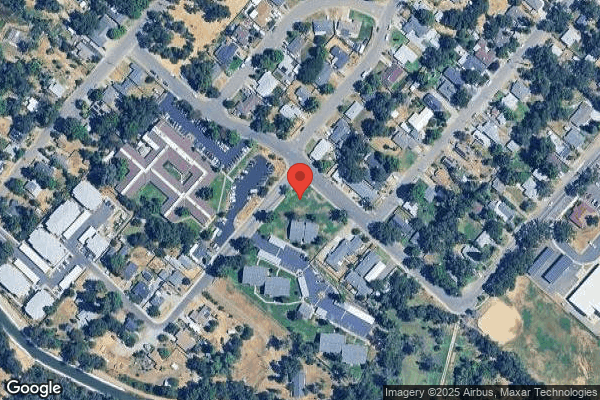
3300 FRANKLIN STREET, ANDERSON, CA 96007 (530) 365-0025
For profit - Limited Liability company 143 Beds PACS GROUP Data: November 2025
Trust Grade
85/100
#149 of 1155 in CA
Last Inspection: December 2024

Within standard 12-15 month inspection cycle. Federal law requires annual inspections.

Overview

Oak River Rehab in Anderson, California has a Trust Grade of B+, indicating it is above average and recommended for families looking for care. It ranks #149 out of 1,155 facilities in California, placing it in the top half, and #2 out of 10 in Shasta County, meaning there is only one local option rated higher. The facility is improving, with a decrease in issues from four in 2024 to just one in 2025. Staffing is average with a 3/5 star rating and a turnover rate of 43%, which is similar to the state average, suggesting some stability but room for improvement. Notably, there have been no fines, which is a positive sign, and RN coverage is average, meaning residents receive a decent level of nursing oversight. However, there are specific concerns: two residents with a history of falls did not receive adequate supervision, leading to missed assessments and potential for further injury. Additionally, one resident received unnecessary psychotropic medication for four months due to a failure to follow physician orders. Lastly, the facility did not properly measure food portions for residents on controlled carbohydrate diets, which could affect their nutritional needs. Overall, while there are strengths in the facility's recommendations and lack of fines, families should be aware of these serious care deficiencies.

Trust Score
B+
85/100
In California
#149/1155
Top 12%
Safety Record
Low Risk
No red flags
Inspections
Getting Better
4 → 1 violations
Staff Stability
○ Average
43% turnover. Near California's 48% average. Typical for the industry.
Penalties
✓ Good
No fines on record. Clean compliance history, better than most California facilities.
Skilled Nurses
○ Average
Each resident gets 30 minutes of Registered Nurse (RN) attention daily — about average for California. RNs are the most trained staff who monitor for health changes.
Violations
⚠ Watch
20 deficiencies on record. Higher than average. Multiple issues found across inspections.
★★★★★
5.0
Overall Rating
★★★☆☆
3.0
Staff Levels
★★★★☆
4.0
Care Quality
★★★★★
5.0
Inspection Score
Stable
2024: 4 issues
2025: 1 issues

The Good

  • 4-Star Quality Measures · Strong clinical quality outcomes
  • Full Sprinkler Coverage · Fire safety systems throughout facility
  • No fines on record
  • Staff turnover below average (43%)

    5 points below California average of 48%

Facility shows strength in quality measures, fire safety.

The Bad

Staff Turnover: 43%

Near California avg (46%)

Typical for the industry

Chain: PACS GROUP

Part of a multi-facility chain

Ask about local staffing decisions and management

The Ugly 20 deficiencies on record

Jan 2025 1 deficiency
CONCERN (D) 📢 Someone Reported This

A family member, employee, or ombudsman was alarmed enough to file a formal complaint

Potential for Harm - no one hurt, but risky conditions existed

Deficiency F0760 (Tag F0760)

Could have caused harm · This affected 1 resident

**NOTE- TERMS IN BRACKETS HAVE BEEN EDITED TO PROTECT CONFIDENTIALITY** Based on Interviews and record review, the facility failed to meet this requirement when Resident 1 was administered nitroglycer...

Read full inspector narrative →
**NOTE- TERMS IN BRACKETS HAVE BEEN EDITED TO PROTECT CONFIDENTIALITY** Based on Interviews and record review, the facility failed to meet this requirement when Resident 1 was administered nitroglycerin without a physician ' s order. This was against the facility ' s policy and had the potential to contribute to a decline in Resdident 1 ' s health. Findings Resident 1 was admitted to the facility on [DATE] for diagnoses that included metabolic encephalopathy, (an imbalance of chemicals in the blood that can cause confusion and tiredness), morbid (life-threatening) obesity, muscle weakness, congestive heart failure (inability of the heart to return blood flow to the body), history of stroke, and hypertension (high blood pressure). Review of the facility ' s policy titled Administering Medications, revised April 2019, indicated that physician orders are required for administering medications to residents:4. Medications are administered in accordance with prescriber orders . A review of the facility ' s policy titled Medication Orders, dated 11/2014, indicated that: 2. A current list of orders must be maintained in the clinical record of each patient. Review of the facility ' s policy titled, Adverse Consequences and Medication Errors, dated 2/23, indicated that a medication error is defined as the preparation or administration of drugs or biologicals which is not in accordance with physician ' s orders, manufacturer specifications, or accepted professional standards and principles of the professional(s) providing services. The policy further indicated that examples of medication errors could include, b., Unauthorized Drug - a drug is administered without a physician ' s order. The policy indicated that an adverse consequence refers to an unwanted, uncomfortable, or dangerous effect that a drug may have. Review of the facility ' s record titled Medication Deviation Report dated 11/19/24, indicated that on 11/19/24, Licensed Vocational Nurse (LVN C) administered nitroglycerine to Resident 1 without a physician ' s order, and that Resident 1 was transferred to emergency room for a higher level of care. The record indicated that corrective action was taken and that LVN C was terminated. Review of Resident 1 ' s Change of Condition report dated 11/19/24 at 1:53 PM, indicated that at approximately 1:00, Resident 1 complained of chest pain to the left side and that he couldn ' t breathe, and that Resident 1 received two doses of nitroglycerine five minutes apart. During that time, the record indicated Resident 1 ' s blood pressure dropped from 102/64 to 60/40. The report indicated that Resident 1 ' s physician was notified, and Resident 1 was transferred to a nearby medical center at approximately 1:30. Review of a signed document provided by LVN C (undated), indicated that LVN C confirmed that she gave Resident 1 two doses of nitroglycerin, five minutes apart, without an order, and that Resident 1 was sent to an acute care hospital because his blood pressure had dropped from 102/64 to 69/44. In an interview on 1/16/25 at 10:20 AM, Director of Nursing (DON A) confirmed that the facility had become aware of the error, that LVN C had administered nitroglycerine to Resident 1 without having a physician ' s order, and that Resident 1 had experienced a drop in blood pressure afterward. DON A stated that LVN C was then terminated for not following the facility ' s policy. DON A indicated that the facility had already begun its plan of correction by holding an inservice for nursing staff reminding them of the requirements to obtain a physician ' s order. Concurrent review of a record titled Inservice Sign-in Sheet dated 11/26/24 indicated 21 participants had attended. In an interview on 1/16/25 at 11:25 AM, LVN D confirmed that it is the facility ' s policy to administer medications only with a physician order, and that the physician is readily available to give verbal orders in emergency situations. In an interview on 1/16/25 at 12:15 PM, Medical Director E confirmed that he had not given an order to LVN C for the nitroglycerine. Based on Interviews and record review, the facility failed to meet this requirement when Resident 1 was administered nitroglycerin without a physician's order. This was against the facility's policy and had the potential to contribute to a decline in Resdident 1's health. Findings Resident 1 was admitted to the facility on [DATE] for diagnoses that included metabolic encephalopathy, (an imbalance of chemicals in the blood that can cause confusion and tiredness), morbid (life-threatening) obesity, muscle weakness, congestive heart failure (inability of the heart to return blood flow to the body), history of stroke, and hypertension (high blood pressure). Review of the facility's policy titled Administering Medications, revised April 2019, indicated that physician orders are required for administering medications to residents:4. Medications are administered in accordance with prescriber orders . A review of the facility's policy titled Medication Orders, dated 11/2014, indicated that: 2. A current list of orders must be maintained in the clinical record of each patient. Review of the facility's policy titled, Adverse Consequences and Medication Errors, dated 2/23, indicated that a medication error is defined as the preparation or administration of drugs or biologicals which is not in accordance with physician's orders, manufacturer specifications, or accepted professional standards and principles of the professional(s) providing services. The policy further indicated that examples of medication errors could include, b., Unauthorized Drug – a drug is administered without a physician's order. The policy indicated that an adverse consequence refers to an unwanted, uncomfortable, or dangerous effect that a drug may have. Review of the facility's record titled Medication Deviation Report dated 11/19/24, indicated that on 11/19/24, Licensed Vocational Nurse (LVN C) administered nitroglycerine to Resident 1 without a physician's order, and that Resident 1 was transferred to emergency room for a higher level of care. The record indicated that corrective action was taken and that LVN C was terminated. Review of Resident 1's Change of Condition report dated 11/19/24 at 1:53 PM, indicated that at approximately 1:00, Resident 1 complained of chest pain to the left side and that he couldn't breathe, and that Resident 1 received two doses of nitroglycerine five minutes apart. During that time, the record indicated Resident 1's blood pressure dropped from 102/64 to 60/40. The report indicated that Resident 1's physician was notified, and Resident 1 was transferred to a nearby medical center at approximately 1:30. Review of a signed document provided by LVN C (undated), indicated that LVN C confirmed that she gave Resident 1 two doses of nitroglycerin, five minutes apart, without an order, and that Resident 1 was sent to an acute care hospital because his blood pressure had dropped from 102/64 to 69/44. In an interview on 1/16/25 at 10:20 AM, Director of Nursing (DON A) confirmed that the facility had become aware of the error, that LVN C had administered nitroglycerine to Resident 1 without having a physician's order, and that Resident 1 had experienced a drop in blood pressure afterward. DON A stated that LVN C was then terminated for not following the facility's policy. DON A indicated that the facility had already begun its plan of correction by holding an inservice for nursing staff reminding them of the requirements to obtain a physician's order. Concurrent review of a record titled Inservice Sign-in Sheet dated 11/26/24 indicated 21 participants had attended. In an interview on 1/16/25 at 11:25 AM, LVN D confirmed that it is the facility's policy to administer medications only with a physician order, and that the physician is readily available to give verbal orders in emergency situations. In an interview on 1/16/25 at 12:15 PM, Medical Director E confirmed that he had not given an order to LVN C for the nitroglycerine.
Dec 2024 3 deficiencies
CONCERN (D)

Potential for Harm - no one hurt, but risky conditions existed

Deficiency F0645 (Tag F0645)

Could have caused harm · This affected 1 resident

Based on interview, record review, facility document, and facility policy review, the facility failed to ensure residents' Preadmission Screening and Resident Review (PASARR) Level I Screenings were a...

Read full inspector narrative →
Based on interview, record review, facility document, and facility policy review, the facility failed to ensure residents' Preadmission Screening and Resident Review (PASARR) Level I Screenings were accurate for 2 (Resident #76 and Resident #111) of 3 residents reviewed for PASARR requirements. This had the potential for residents not to receive care and services in the most integrated setting appropriate to their needs and adversely affect their psychosocial and emotional well-being. Findings included: A facility policy titled, Pre-admission Screening and Resident Review (PASARR), revised 10/2023, revealed, 1. All new admissions and readmission are screened for mental disorders (MD), intellectual disabilities (ID), or related disorders (RD) per the Medicaid Pre-admission Screening and Resident Review (PASARR) process. a. If the level I screen indicates that the individual may meet the criteria for a MD, ID, or RD, he or she is referred to the state PASARR representative for the Level II (evaluation and determination) screening process. 1. An admission Minimum Data Set (MDS), with an Assessment Reference Date (ARD) of 08/19/2024, revealed Resident #111 had a Brief Interview for Mental Status (BIMS) score of 7, which indicated the resident had moderate cognitive impairment. The MDS revealed the facility admitted the resident on 08/12/2024. According to the MDS, Resident #111 was not considered by the state Level II PASARR process to have a serious mental illness. The MDS indicated Resident #111 had diagnoses of anxiety disorder, depression, and post-traumatic stress disorder. Resident #111's Preadmission Screening and Resident Review (PASRR) [PASARR] Level I Screening, dated 08/06/2024, revealed a positive Level I Screening. The Level I Screening listed Resident #111's diagnoses of bipolar and attention deficit hyperactivity disorder (ADHD). The Level I Screening indicated Resident #111 had not been prescribed psychotropic medication for serious mental illness. Resident #111's hospital History and Physical dated 08/04/2024 revealed no diagnosis of bipolar. Resident #111's Diagnosis Report, dated 09/16/2024 and signed by the physician, revealed no diagnosis of bipolar for Resident #111. The reported listed Resident #111 had the diagnoses of post-traumatic disorder (onset date 05/01/2024), anxiety disorder (onset date 05/01/2024), and depression (onset date 06/19/2024). During an interview on 12/04/2024 at 8:59 AM, the admission Director stated she requested the PASARR Level I Screenings from the hospital. She stated that she did not review the PASARRs for accuracy or completion. During an interview on 12/04/2024 at 10:51 AM, the Medical Records Director stated that she would resubmit a Level I PASARR when the Level I PASARR was not accurate. She stated Resident #111's Level I PASARR was inaccurate and the resubmission had fallen through the cracks and was not completed. She stated the diagnoses on Resident #111 Level I PASARR were not accurate. During an interview on 12/05/2024 at 9:27 AM, the Director of Nursing (DON) stated that the Medical Records Director was responsible for ensuring that the Level I PASARRs were complete. The DON stated Resident #111 had diagnoses of post-traumatic stress disorder and anxiety disorder. The DON stated the post-traumatic stress disorder and anxiety disorder should have been documented on the resident's Level I PASARR. During an interview on 12/05/2024 at 9:54 AM, the Administrator stated the residents' PASARRs should match the level of care the residents were receiving, and the Level I PASARR should be accurate. During a follow-up interview on 12/05/2024 at 11:13 AM, the DON stated that Resident #111's Level I PASARR was not accurate. The DON stated the Medical Records Director was responsible for ensuring the PASSRRs were accurate. 2. An admission Record indicated the facility admitted Resident #76 on 11/12/2024. According to the admission Record, the resident had a medical history that included diagnoses of depression and anxiety disorder. An admission Minimum Data Set (MDS), with an Assessment Reference Date (ARD) of 11/19/2024, revealed Resident #76 had a Brief Interview for Mental Status (BIMS) score of 14, which indicated the resident had intact cognition. Per the MDS, Resident #76 had diagnoses of anxiety disorder, depression and post-traumatic stress disorder. Resident #76's Preadmission Screening and Resident Review (PASRR) [PASARR] Level I Screening dated 11/09/2024 revealed the Level I Screening was negative for serious mental illness (SMI), ID, developmental disability (DD), and RC. The Level I Screening indicated that the resident had no serious mental health diagnoses. During an interview on 12/04/2024 at 8:59 AM, the admission Director stated she ensured the Level I PASARR was completed for new admissions but did not review them for accuracy or completion. During an interview on 12/04/2024 at 10:18 AM, the Medical Records Director stated the admission Director received the Level I PASARR from the hospital and she reviewed them for accuracy. The Medical Records Director stated that if the Level I PASARR was not accurate, she completed another one with the correct information. The Medical Records Director stated that Resident #76 was a newer admission, and she had not yet reviewed their Level I PASARR for accuracy but needed to submit a new one because the current Level I PASARR on file was not accurate. During an interview on 12/05/2024 at 9:27 AM, the Director of Nursing (DON) stated the Medical Records Director checked to ensure completion of the Level I PASARR the hospital sent, but she did not know who was responsible for ensuring the accuracy. The DON further stated another Level I PASARR should be completed for Resident #76 that included their anxiety disorder diagnosis. During an interview on 12/05/2024 at 9:54 AM, the Administrator stated that the Admissions Director, and the Medical Records Director were responsible for ensuring PASARR accuracy and moving forward they would ensure the Level I PASARR matched the resident's level of care.
CONCERN (D)

Potential for Harm - no one hurt, but risky conditions existed

Pharmacy Services (Tag F0755)

Could have caused harm · This affected 1 resident

Based on interview, record review, and facility policy review, the facility failed to ensure medication was ordered from the pharmacy within enough time to ensure routine doses were available for admi...

Read full inspector narrative →
Based on interview, record review, and facility policy review, the facility failed to ensure medication was ordered from the pharmacy within enough time to ensure routine doses were available for administration to 1 (Resident #116) of 5 residents reviewed for medication availability. This had the potential for residents not to receive medications as their physician's ordered and negatively impact their physical and emotional well-being. Findings included: A facility policy titled, Medication Ordering and Receiving from Pharmacy, reviewed 09/2023, indicated, Medications and related products are received from the dispensing pharmacy on a timely basis. The facility maintains accurate records of medication order and receipt. The policy further indicated, 2) If not automatically refilled by pharmacy, repeat medications (refills) are [written on a medication order form/ordered by peeling off the top label from the physician order sheet and placing it in the appropriate area on the order form provided by the pharmacy for that purpose and or ordered electronically]. The policy specified, Reorder medication [three to four] days in advance of need, as directed by the pharmacy and delivery schedule, to ensure an adequate supply is on hand, and indicated medications that required Special processing should be ordered at least [seven days] in advance of need. Resident #116's admission Record indicated the facility admitted the resident on 07/09/2024. A quarterly Minimum Data Set (MDS), with an Assessment Reference Date (ARD) of 10/16/2024, revealed Resident #116 had a Brief Interview for Mental Status (BIMS) score of 15, which indicated the resident had intact cognition. Resident #116's Order Summary Report contained an order dated 07/09/2024 for Biktarvy oral tablet 50-200-25 milligrams (mg), one tablet by mouth at bedtime. Resident #116's November 2024 Medication Administration Record (MAR) revealed the resident's Biktarvy was scheduled to be given at 8:00 PM each day. The MAR indicated Licensed Vocational Nurse (LVN) #1 documented the resident's 11/30/2024 dose of Biktarvy as 9, for Other See Nurses Notes. Resident #116's Progress Notes revealed a note, dated 11/30/2024 at 10:13 PM, that indicated the resident's Biktarvy was ordered but did not arrive from the pharmacy. According to the note, the nurse called the pharmacy, who informed the nurse that the medication would be delivered on 12/01/2024. Resident #116's December 2024 MAR revealed LVN #2 documented the resident's 12/01/2024 dose of Biktarvy as 9, for Other See Nurses Notes. Resident #116's Progress Notes revealed a note, dated 12/01/2024 at 8:59 PM, that indicated the resident's Biktarvy was not available from the pharmacy. During an interview on 12/02/2024 at 11:25 AM, Resident #116 stated they did not receive their antiviral medication on 11/30/2024 or 12/01/2024. During an interview on 12/04/2024 at 9:37 AM, LVN #1 stated Resident #116's Biktarvy was unavailable, so she called the pharmacy. Per LVN #1, Resident #116's Biktarvy medication container did not have a sticker on it to attach to a fax to reorder it, so she thought the medication had already been reordered. During an interview on 12/04/2024 at 11:14 AM, LVN #2 stated Resident #116's Biktarvy was ordered but was not delivered from the pharmacy. LVN #2 then stated the dayshift nurse called the pharmacy to see why the medication was not delivered and was notified the medication would be delivered on the evening of 12/01/2024; however, according to LVN #2, the Biktarvy was not delivered on 12/01/2024. LVN #2 further stated she normally reordered medications when there was about a seven-day supply left, and she was not sure why the pharmacy did not deliver the Biktarvy on time. During an interview on 12/04/2024 at 11:35 AM, the Director of Nursing (DON) stated she could not provide evidence the facility reordered Resident #116's Biktarvy prior to 12/01/2024. According to the DON, she called the pharmacy and was informed the facility had last ordered the resident's Biktarvy on 10/29/2024. During an interview on 12/04/2024 at 12:47 PM, the Pharmacy Technician stated the facility ordered Resident #116's Biktarvy on 12/01/2024 but the pharmacy did not have it in stock, so they sent it on 12/02/2024. The Pharmacy Technician then stated there were no records of the facility ordering the resident's Biktarvy in November 2024; the last time the facility ordered the medication was on 10/29/2024. During an interview on 12/04/2024 at 1:00 PM, the DON stated that around 11/25/2024 or 11/26/2024 , the facility switched from reordering medications by pulling stickers off the medication containers to reordering medications through their electronic system. The DON said she thought the nurse likely saw the sticker was pulled off Resident #116's Biktarvy and assumed the medication had already been reordered. During an interview on 12/04/2024 at 3:44 PM, the Physician stated he was aware of Resident #116's missed doses of Biktarvy and since it was a long-term medication, missing two doses would not have any negative outcome. During an interview on 12/05/2024 at 9:22 AM, the DON stated she expected her staff to monitor when medications were low and to reorder them in a timely manner. During an interview on 12/05/2024 at 9:42 AM, the Administrator stated he did not have a medical background and deferred to the DON on the process for ordering medications. The Administrator further stated it was important to ensure residents received their ordered medications promptly and as ordered by the physician.
CONCERN (D)

Potential for Harm - no one hurt, but risky conditions existed

Infection Control (Tag F0880)

Could have caused harm · This affected 1 resident

**NOTE- TERMS IN BRACKETS HAVE BEEN EDITED TO PROTECT CONFIDENTIALITY** Based on observation, interview, record review, facility procedure review, and facility policy review, the facility failed to pr...

Read full inspector narrative →
**NOTE- TERMS IN BRACKETS HAVE BEEN EDITED TO PROTECT CONFIDENTIALITY** Based on observation, interview, record review, facility procedure review, and facility policy review, the facility failed to provide catheter care in a manner to prevent cross contamination and potential infection for 1 (Resident #57) of 1 resident observed for urinary catheter care. This had the potential to contribute to Resident 57 developing unnecessary urinary tract infections. Findings included: A facility policy titled, Indwelling Catheters, last reviewed by the facility in October 2023, revealed, Infection Control: 1. Use standard precautions when handling or manipulating the drainage system. 2. Maintain clean technique when handling or manipulating the catheter, tubing, or drainage bag. An undated facility procedure titled, Providing Catheter Care, provided the step-by-step procedure for maintaining infection control practices while providing catheter care, to include: 12. Applies soap to washcloth and cleans around meatus, using a clean area of the cloth for each stroke. 13. Holds catheter near meatus, avoiding tugging the catheter. Cleans at least four inches of catheter. Moves in only one direction, away from the meatus. Uses a clean area of the cloth for each stroke. 14. Rinses around the meatus. Uses a clean area of the cloth for each stroke. With a clean, dry towel, dries the area around the meatus. 15. Rinses at least four inches of catheter nearest the meatus, moving away from the meatus. Uses a clean area of the cloth for each stroke. 16. With a clean, dry towel, dries at least four inches of catheter nearest meatus, moving away from the meatus. An admission Record revealed the facility admitted Resident #57 on 09/04/2024. According to the admission Record, the resident had a medical history that included diagnoses of infection and inflammatory reaction due to indwelling urethral catheter, stage 3 chronic kidney disease, overactive bladder, presence of urogenital implants, obstructive and reflux uropathy, benign prostatic hyperplasia with lower urinary tract symptoms, other specified disorders of the bladder, and retention of urine. A quarterly Minimum Data Set (MDS), with an Assessment Reference Date (ARD) of 11/05/2024, revealed Resident #57 had a Brief Interview for Mental Status (BIMS) score of 7, which indicated the resident had moderate cognitive impairment. The MDS indicated the resident required moderate to maximum assistance with all activities of daily living (ADLs), had an indwelling catheter, and was continent of bowel. Resident #57's Order Summary Report, with active orders as of 12/04/2024, revealed an order dated 08/06/2023 for Indwelling foley catheter care q [every)] shift. Resident #57's care plan included a focus area initiated 08/07/2023 that indicated the resident had an indwelling urinary catheter and was at increased risk for urinary tract infections. Interventions directed staff to provide catheter care every shift (initiated 08/07/2023). During an observation on 12/03/2024 at 8:31 AM, Certified Nursing Assistant (CNA) #5 was observed providing catheter care to Resident #57, while CNA #6 assisted her in the positioning and turning of the resident during the care. CNA #5 was observed gathering a basin of soapy water and four washcloths and placing them on Resident #57's bedside table, with no barrier underneath the supplies. CNA #5 wet one of the washcloths in the soapy water and washed the resident's urethral area without using a clean portion of washcloth with each stroke, and placed the washcloth back into the basin, swishing it around in the water, wrung it out and used it again to finish washing Resident #57's peri area. She then put the dirty washcloth on top of the bedside table, next to the wash basin, with no barrier under it. Without rinsing the resident's peri area, CNA #5 grabbed a dry washcloth and dried the resident off, placing that dirty washcloth on top of the wet one on the bedside table. CNA #6 assisted in turning Resident #57 on their left side, and CNA #5 used the third washcloth with soapy water to clean the resident's buttocks, placing the soiled washcloth on top of the bedside table, and without rinsing the resident, used the fourth dry washcloth to dry the resident off. Both CNA #5 and CNA #6 assisted the resident in placing on a clean brief and repositioning the resident in the bed. CNA #5 then grabbed one of the wet, soiled washcloths and wiped down the catheter tubing from the leg strap attached to Resident #57's right thigh, to the catheter bag hanging on the resident's trashcan. When finished, she exchanged the wet soiled washcloth for a soiled dry washcloth from the bedside stand and dried the catheter tubing from the leg strap to the catheter bag. CNA #5 then took the used washcloths and basin of water into the bathroom, emptying the basin and rinsing it out, and placing the washcloths in a trash bag for transport to the laundry. During an interview on 12/03/2024 at 8:48 AM, immediately following catheter care, CNA #5 stated, I don't know, when asked why she did not clean the catheter tubing from the end of the meatus toward the leg strap. CNA #5 stated that she always put her dirty linens on top of the bedside table like that and then took them into the bathroom to put them in a bag. She stated there were disinfectant wipes available in the enhanced barrier precautions bins if they wanted to use them; however, she did not use a barrier for catheter care supplies. During an interview on 12/04/2024 at 2:14 PM, the Director of Staff Development (DSD) stated not using a barrier for the catheter care supplies, using soiled linens for the catheter care instead of a clean surface for each wipe, and not cleaning the catheter tubing, moving away from the urethra, were all breeches of infection control. During an interview on 12/05/2024 at 10:06 AM, the Director of Nursing (DON) stated her expectation was for staff to maintain infection control practices during all treatments and procedures to include indwelling urinary catheter care, and she agreed there were breeches of infection control and would [NAME]-service on the process of indwelling urinary catheter care to ensure the CNAs had a good understanding going forward. During an interview on 12/05/2024 at 10:55 AM, the Administrator stated his expectation was for the staff to abide by the infection control policies and procedures set for the facility, including catheter care.
Jul 2024 1 deficiency
CONCERN (D) 📢 Someone Reported This

A family member, employee, or ombudsman was alarmed enough to file a formal complaint

Potential for Harm - no one hurt, but risky conditions existed

Notification of Changes (Tag F0580)

Could have caused harm · This affected 1 resident

Deficiency Text Not Available

Read full inspector narrative →
Deficiency Text Not Available
Mar 2022 6 deficiencies
CONCERN (D)

Potential for Harm - no one hurt, but risky conditions existed

Resident Rights (Tag F0550)

Could have caused harm · This affected 1 resident

Based on observation, interview, and record review, the facility failed to ensure all residents were treated with respect and dignity when one resident (Resident 300), was observed with their backside...

Read full inspector narrative →
Based on observation, interview, and record review, the facility failed to ensure all residents were treated with respect and dignity when one resident (Resident 300), was observed with their backside exposed in the hallway. This failure could lead to this resident feeling exposed, and embarrassed which could lead to negative clinical outcomes. Findings: The facility's policy titled, Resident Rights, revised 1/11, was reviewed, and indicated that all employees shall treat all residents with kindness, respect, and dignity. On 3/17/22 at 7:10 am, Resident 300 was observed in a public hallway wearing a hospital gown that was not closed in the back, and exposed her to public view. There were other residents and staff present in the immediate area at that time. On 3/17/22 7:15 am, Resident 300 was observed being assisted by physical therapy staff (PT A) to ambulate using a walker. Resident 300 was dressed only in a hospital gown that was not fastened in back, and was draping open exposing her sides, and entire back. Resident 300 had on only an incontinence pad (adult diaper), and undergarment under the gown. Resident 300 was bent over the walker and the gown was slipping down off her shoulders. There were two staff present in the Physical Therapy Room, (PT A, and PT B) with this resident, and other residents and the door to the room was open to a public hall. During an interview, with the Director of Nursing (DON), on 3/17/22 at 8:25 am, the DON confirmed that her expectation for staff was that they dress the residents according to their specific preference, which is on the care plan. If a resident prefers to wear a hospital gown in the public hallways, staff would put another gown over the back or use a blanket to protect the resident's dignity. During an interview, on 3/17/22 at 10:43 am, the DON reported that Resident 300 did prefer to wear only a hospital gown, and that the DON had made a request to staff to ensure that the resident's dignity was protected when wearing the gown in the hallway to and from the physical therapy room.
CONCERN (D)

Potential for Harm - no one hurt, but risky conditions existed

Comprehensive Care Plan (Tag F0656)

Could have caused harm · This affected 1 resident

**NOTE- TERMS IN BRACKETS HAVE BEEN EDITED TO PROTECT CONFIDENTIALITY** Based on observation, interview, and record review, the facility failed to develop comprehensive care plans for 2 of 25 sampled ...

Read full inspector narrative →
**NOTE- TERMS IN BRACKETS HAVE BEEN EDITED TO PROTECT CONFIDENTIALITY** Based on observation, interview, and record review, the facility failed to develop comprehensive care plans for 2 of 25 sampled residents (Resident 61, and 81), when: 1. Resident 61 did not have a behavior care plan developed for the use of Seroquel and Zyprexa (both antipsychotic medications, that alter mood and behavior). 2. Resident 81 did not have an accident care plan developed when she hit her chin on her bedrail, and sustained a bruise. These failures had the potential for important medical and emotional services that these residents needed, to go unrecognized and untreated which could lead to negative clinical outcomes. Findings: 1. Resident 61's medical record was reviewed. Resident 61 was admitted on [DATE], with diagnoses that included, liver cancer, bone cancer, bipolar disorder (mood swings ranging from depression lows to manic highs), and anxiety. On 3/14/22 at 11:15 am, during an interview, Resident 61 stated that he was taking Seroquel and Zyprexa because he felt, scared and his mind races. Resident 61's record indicated that their physician had ordered both Seroquel and Zyprexa, upon admission on [DATE]. A review Resident 61's care plans, indicated that no care plans had been developed for his problems of feeling scared, and having racing thoughts. There were no goals or interventions which described the necessary steps required to help Resident 61 to correct these unwanted behaviors. 2. Resident 81's medical record was reviewed. Resident 81 was admitted on [DATE], with diagnoses that included a blood clot in her lung, weight loss, difficulty walking, and a history of falling. On 3/14/22 at 10:30 am, Resident 81 was observed in her bed with a dark purple bruise about the size of a half dollar under her chin. Resident 81 stated that the bruise was from her getting into bed and, somehow I hit my chin on the bedrail. She did not recall the exact date that it happened, but did indicate that she told the staff. A review Resident 81's care plans, indicated that no care plans had been developed for her bruised chin. There were no goals or interventions in place that described the necessary steps required to ensure that her bruise resolved without complications, and to mitigate further accidents. The facility's policy titled, Care Plans, Comprehensive, revised 1/11, was reviewed, and indicated that an individualized comprehensive care plan that includes measurable objectives and timetables to meet the resident's medical, nursing, mental and psychosocial needs will be developed for each resident. On 3/16/22 at 9:04 am, during an interview, and concurrent record review, with the Assistant Director of Nursing (ADON) B. ADON B confirmed that Resident 61, and 81, did not have care plans developed for the above problems and, should have when the problems were first identified.
CONCERN (D)

Potential for Harm - no one hurt, but risky conditions existed

Deficiency F0659 (Tag F0659)

Could have caused harm · This affected 1 resident

**NOTE- TERMS IN BRACKETS HAVE BEEN EDITED TO PROTECT CONFIDENTIALITY** Based on interview, and record review, the facility failed to ensure the comprehensive care plan was implemented for one of 25 s...

Read full inspector narrative →
**NOTE- TERMS IN BRACKETS HAVE BEEN EDITED TO PROTECT CONFIDENTIALITY** Based on interview, and record review, the facility failed to ensure the comprehensive care plan was implemented for one of 25 sampled residents (Resident 6), when the physician orders for use of a topical cream were not followed and wound treatment was noted to have continued after the wounds were healed. This failure resulted in Resident 6 receiving a medicated cream, in error, and inaccuracies in the medical record. Findings: Resident 6's medical record was reviewed. Resident 6 was admitted on [DATE], with diagnoses that included lung disease, diabetes, and muscle weakness. The nurse's progress note dated 3/5/22, indicated that Resident 6 was receiving treatment for a pressure injury. There was a physician's order dated 1/18/22, for mometasone (steroid medication used to relieve itching, redness, and swelling) cream 0.1% to be applied in a thin layer to small scabbed areas on scalp, discontinue when resolved. During a concurrent interview, and record review, on 3/16/22 at 10:15 am, the Treatment Nurse (TN) reported that Resident 6 had been admitted with two pressure injuries (bedsores), and the last one had healed on 2/10/22. After Resident 6 was admitted she complained of itchiness on her scalp. TN said she didn't actually see anything, but the resident complained of itching, so the physician was told and ordered mometasone cream to the area. The TN reported that this area on the scalp was noted to be resolved on 1/29/22. The TN explained that the nurses could do their own assessments, or look in the record to know when she had documented that the wounds had resolved. The wound treatment record for the pressure injury showed treatment ended on 2/10, which was the day it had resolved. Further review, of the record indicated that nurses's progress notes dated; 2/25-2/27/22, 3/4/22, and 3/5/22, from three different nurses, that indicated that Resident 6 was still receiving treatment for the buttock pressure injury, even though treatment had already been discontinued on 2/10/22. A review of the treatment record on 3/15/22, indicated that Resident 6 continued to receive the cream the physician ordered to be applied to the scalp, even though it should have been discontinued when the wound resolved, on 1/29/22. During an interview, on 3/16/22 at 1:20 pm, Resident 6 said she had a sore on her head but it had gone away. Resident 6 also said that she had came in with a couple sores on her buttock, and those have healed. The above information was discussed in an interview, with the Director of Nurses (DON) on 3/16/22 at 1:40 pm. The DON stated that she would follow up, but no additional information was received. During a subsequent interview, on 3/17/22 at 1:20 pm, TN stated that the nurses have been asked to check the event report to make sure treatment was ongoing for wounds, before charting such.
CONCERN (D)

Potential for Harm - no one hurt, but risky conditions existed

Medication Errors (Tag F0758)

Could have caused harm · This affected 1 resident

**NOTE- TERMS IN BRACKETS HAVE BEEN EDITED TO PROTECT CONFIDENTIALITY** Based on observation, interview, and record review, the facility failed to ensure that 1 of 5 sampled resident's medication regi...

Read full inspector narrative →
**NOTE- TERMS IN BRACKETS HAVE BEEN EDITED TO PROTECT CONFIDENTIALITY** Based on observation, interview, and record review, the facility failed to ensure that 1 of 5 sampled resident's medication regimen was free from unnecessary drugs when Resident 61 was given Seroquel (an antipsychotic drug that alters mood and behavior) without monitoring the correct indication for use. This had the potential for Resident 61, and his physician to receive incorrect information regarding the effectiveness of the drug and negatively impact Resident 61's psychosocial and emotional well-being. Findings: Resident 61's medical record was reviewed. Resident 61 was admitted on [DATE], with diagnoses that included, chronic respiratory failure, high blood pressure, liver cancer, bone cancer, bipolar disorder (mood swings ranging from depression lows to manic highs), depression, panic disorder (anxiety) and weight loss. On 3/14/22 at 11:15 am, an observation, and interview, was conducted with Resident 61. He was in his room sitting in a chair and waiting for lunch. He was alert and appropriate with conversation. Resident 61 stated that he was aware that he was taking Seroquel because he felt people were out to get him and he was scared. Resident 61's Physician's Order's dated 2/16/22 to 3/16/22, indicated that Seroquel 100 milligrams (mg) was ordered on 2/17/22, for insomnia (inability to fall asleep). Resident 61, and his daughter signed an informed consent on 2/16/22, indicating that they understood that Seroquel was ordered to help with Insomnia. Resident 61's hours of sleep were monitored. On 2/23/22, Resident 61's medication regimen review (MRR, a review of medications by a Pharmacist) indicated that Seroquel was not recommended or appropriate for Insomnia. Resident 61's physician responded on 2/27/22, and documented, Not for Insomnia, for Paranoia. On 2/27/22, the Physician's Order was changed to,Seroquel 100 mg for Paranoia, however, the behavior monitor was not changed, and Resident 61 continued to be monitored for Insomnia. On 3/16/22 at 9:04 am, an interview, and concurrent record review, was conducted with the Assistant Director of Nursing (ADON) B. ADON B confirmed that Resident 61 was still being monitored for Insomnia, and not Paranoia, as his physician directed and that was not the correct indication for use.
CONCERN (D)

Potential for Harm - no one hurt, but risky conditions existed

Deficiency F0761 (Tag F0761)

Could have caused harm · This affected 1 resident

Based on observation, interview, and record review, the facility failed to provide safe storage, and labeling of medications and medical supplies when: 1. A mislabeled blister pack (a package that is ...

Read full inspector narrative →
Based on observation, interview, and record review, the facility failed to provide safe storage, and labeling of medications and medical supplies when: 1. A mislabeled blister pack (a package that is pre-filled with medication by a pharmacy) for a pain medication called tramadol (also known as Ultram, a medication to relieve pain)was not consistent with current doctor's order in one out of four sampled residents (Resident 51). 2. Expired medication, and blood test supplies were stored in the active storage areas in one of two medication rooms. This failure resulted in the potential for unsafe medication use, and inaccurate lab test results in the facility which could lead to negative clinical outcomes. Findings: 1. During a medication pass observation with Licensed Nurse (LN C), on 3/15/22 at 7:48 am, LN C administered Ultram 50 milligrams (mg) to Resident 51. The label on the blister pack read, Tramadol HCL Tab 50 mg [generic for Ultram] take 1 tablet by mouth every 4-hours routine, and 1 tablet twice daily as needed. The Ultram medication label indicated the blister pack had been filled on 3/22. Resident 51's medical record was reviewed. Resident 51's record included three orders for Ultram that indicated: 1. Ultram (tramadol) 50 mg one tablet, once a day at 1400 (2:00 pm), dated 10/06/21. 2. Ultram (tramadol) 50 mg one tablet, every four hours, dated 10/11/20. 3. Ultram (tramadol) 50 mg one tablet, at 2200 (bedtime) dated 3/21/21. There was no order for Ultram to be given as needed. During a concurrent record review, and interview, on 3/16/22, at 2:50 pm with RPH-1 (the facility's pharmacist), RPH-1 reviewed the physician order's and confirmed that the current Ultram order was not consistent with medication label. RPH-1 stated that there was an old Ultram order from October 2021, that matched the label currently being placed on the Ultram blister pack. RPH-1 stated the order from October 2021, was to give Ultram 50 mg every four hours, and two times as needed. RPH-1 confirmed that the label on the Ultram blister pack did not match the current orders, and stated that the label issue must be on our end, and will need to be fixed. During an interview with LN C on 3/16/22 at 3 pm, LN C confirmed the current orders for Ultram, and the label for the Ultram blister pack were incorrect. LN C stated that when the order is changed, a sticker is placed on the blister pack indicating a change of order had occurred, and that when the medication needed to be reordered, the nurse should call the pharmacy to have the label changed. LN C placed a change of order sticker on the Ultram blister pack during interview, and confirmed that the sticker was not present prior. During an interview, with the Director of Nursing (DON) on 3/16/22, at 5:10 pm, the DON confirmed that a change of order sticker should be placed on the blister pack when a medication order has been changed. The facility's undated policy titled, Storage of medication, was reviewed, and indicated that all medications with incorrect labels, shall be returned to the pharmacy for proper labeling. 2. During a tour of the medication room located at Nurse's Station Two, on 3/15/22, at 8:46 am, accompanied by LN D, the following expired products were observed stored in the active storage areas: 1. One bottle of UTI-STAT (a medical food for urinary tract health), which had expired on 3/11/22. 2. Nine lavender laboratory tubes (used to collect blood samples for laboratory testing) had expired on 2/22. 3. Four sets of culture laboratory bottles (used to determine if there is an infection in a person's blood stream) had expired 2/28/22. During an interview, on 3/15/2022 at 4 pm, with the Director of Nursing (DON), the DON stated that the responsibility of checking for expired medications and supplies fell upon the central supply staff, the Assistant Director of Nursing (ADON), and the night shift nurses, and is to be performed every 24- hours. The facility's undated policy titled, Storage of medications, was reviewed, and indicated that nursing staff shall be responsible for maintaining medication storage, and the facility shall not use discontinued, outdated, or deteriorated drugs.
CONCERN (E)

Potential for Harm - no one hurt, but risky conditions existed

Accident Prevention (Tag F0689)

Could have caused harm · This affected multiple residents

**NOTE- TERMS IN BRACKETS HAVE BEEN EDITED TO PROTECT CONFIDENTIALITY** Based on observation, interview, and record review, the facility failed to provide adequate supervision and assistance to preven...

Read full inspector narrative →
**NOTE- TERMS IN BRACKETS HAVE BEEN EDITED TO PROTECT CONFIDENTIALITY** Based on observation, interview, and record review, the facility failed to provide adequate supervision and assistance to prevent accidents, and appropriate post fall or post accident care for two of 5 sampled residents (Residents 19 and 81), with a history of falls, when: 1. Resident 19 had five falls within two-months. Neuro (neurological assessments include mental status, motor function, pupillary responses and vital signs) checks were not done according to the facility policy for any of the five falls (all of which were unwitnessed, or the resident hit her head), interventions in the care plan were not implemented during the fall on 1/12/22, post fall injuries sustained on 2/17/22, were not monitored according to the care plan, and the falls care plan was not updated with appropriate interventions, relating to the cause of the falls, which occurred on 1/18/22, 2/17/22, and 3/10/22. This had the potential to result in more falls with major injuries. 2. The facility also failed to ensure the bathroom hot water temperature was safe for all residents in the facility. This had the potential to result in burns to the residents. Findings: The facility's policy titled, Falls and Fall Risk, Managing, dated 3/18, was reviewed, and indicated that a fall was defined as unintentionally coming to rest on the ground, floor or other lower level, but not as a result of an overwhelming external force (e.g., a resident pushes another resident). An episode where a resident lost his/her balance and would have fallen, if not for another person or if he or she had not caught him/herself, is considered a fall. A fall without injury is still a fall. Unless, there is evidence suggesting otherwise, where a resident is found on the floor, a fall is considered to have occurred. If falling recurs despite initial interventions, staff will implement additional or different interventions, or indicate why the current approaches remains relevant. If underlying causes cannot be readily identified or corrected, staff will try various interventions, based on assessment of the nature or category of falling, until falling is reduced or stopped, or until the reason for the continuation of the falling is identified as unavoidable. The facility's undated policy titled, Falls, was reviewed, and indicated that a following a fall a complete head to toe assessment will be completed, neuro checks (if applicable) every 15-minutes for four times, every 30-minutes for two times, every one hour for two times, every two hours for two times, every four hours for four times, every eight hours for six times, for a total of 72 hours. Staff will create a fall care plan. 1. Resident 19's medical record was reviewed. Resident 19 was admitted on [DATE], with diagnoses that included lung disease, ataxia (impaired balance or coordination due to damage to the brain, nerves, or muscles), anxiety disorder, and high blood pressure. During a two month period from 1/12/22 through 3/10/22, Resident 19 fell five times. Resident 19 fell on 1/12/22, 1/16/22, 1/18/22, 2/17/22, and 3/10/22. During a concurrent interview, and record review, on 3/17/22 at 10 am, Assistant Director of Nurses (ADON) A reported that after a resident has fallen, the physician and Responsible Party are notified, neuro checks are complete if there was a head injury, or with an unwitnessed fall, vital signs, full assessment, an Event report is done, care plans updated, alert charting for 72-hours, and the Interdisciplinary Team (IDT) who meets Monday through Friday would discuss any event from the prior day. The five falls Resident 19 had were then reviewed with ADON A. On 1/12/22 at 12:15 am, Resident 19 was found sitting beside the bed reaching for her call light and fell out of bed. In the Event Report a neuro check was done, and was within normal limits, and the cause was noted to be, call light not within reach. ADON A confirmed that a fall care plan had been started upon admission on [DATE], and included, keeping the call light within reach. On 1/16/22 at 12:16 am, Resident 19 was found sitting on the floor beside her bed, a neuro check was included in the Event Report and was within normal limits. ADON A confirmed that a landing pad (which is the same as a fall mat) was added to Resident 19's fall care plan. On 1/18/22 at 6:52 am, Resident 19 fell out of bed while a Certified Nursing Assistant (CNA) was changing her brief, and hit her head. The initial neuro check was included in the Event Report. ADON A said that the initial neuro checks were in the Event Report, and subsequent ones were hand written per their falls policy. The care plan was updated on 1/19/22, and the new intervention added was to move Resident 19 to her current room, which was closer to the nurse's station. The Event Report listed the cause as the resident rolling off the bed as the CNA changed her, so the new intervention had nothing to do with the cause of this fall. On 2/17/22 at 10:43 pm, Resident 19 rolled out of bed and was noted to sustain injuries to her face, and right forehead. ADON A confirmed the type of injuries were not included in the nurse's progress note, and the neuro checks were not included in the Event Report. The care plan was updated to include a fall mat to both sides of the bed. ADON A said the resident had a history of rolling out of bed, and had spasticity due to her medical diagnoses. She was asked about the fall mats and why they were not placed on both sides of the bed, for safety, when the resident rolled out on 1/16, given the resident's history of rolling out of bed, instead of waiting until she rolled out again on 2/17/22, and sustained injuries. ADON A said she was unable to tell which side of the bed the resident had rolled out of during any of the falls, and she did not know which side of the bed the first fall mat was placed. ADON A stated, We can't use all our interventions at one time, otherwise we won't have anything new to try the next time she falls. The resident's next fall on 3/10/22 at 7:15 pm, was then discussed with ADON A. There was a Telehealth note from a physician that indicated the resident was found on her left side and had two new bumps on her head, and expressed head pain and indicated left elbow and right hip pain. The Event Report included a neuro check. The care plan was then updated for, TV stand to be strapped to wall. ADON A said for the 3/10/22 fall, the resident crawled out of bed, grabbed the TV, and pulled it over on her and that was the reason for the new intervention of strapping the TV to the wall. She said there was an internal report that was not part of the resident's medical record regarding the TV. ADON A said she was unable to tell if the MD who evaluated the resident had been told the TV fell on her or not, as the note only says resident was found lying on her left side. During an interview, on 3/17/22 at 10:40 am, the Medical Records Director (MRD) provided a copy of a late entry note recorded in the chart on 3/17/22 at 3:55 am, and 3:57 am (six days after the incident, and after the survey began) that indicated resident's neuro signs were normal on 3/12/22 at 9:52 pm, and 3/13/22 at 7:56 pm. The MRD said there were no other neuro checks in the electronic record for this fall, and no paper copy of neuro checks for this fall or any other of the other falls. During an interview, on 3/17/22 at 11:05 am, the Administrator said the internal document had been destroyed but no TV had fallen on this resident. He said someone came up with an intervention to strap the TV stand to the wall just because there was a possibility that it could happen, but it did not happen. 2. The facility's undated policy titled, Physical Environment and Accommodations Policy, was reviewed, and indicated that all faucets used by residents for personal care such as shaving and grooming shall deliver hot water. Hot water temperature controls shall be maintained to automatically regulate the temperature of hot water used by residents to attain a temperature of not less than 105 degrees F (41 degrees C) and not more than 120 degrees F (49 degrees C). On 3/14/22 at 9:35 am, room [ROOM NUMBER], with Resident 98 was observed to be alert, had a walker and was walking independently. On 3/14/22 at 10:09 am, the hot water temperature was check in the bathroom for Rooms 2 &4 (resident in these two rooms shared a bathroom), and 6. Both bathroom hot water temperatures were 123.8 degrees F. The Administrator was immediately notified about this. He agreed it was too hot, and said he would talk to maintenance right away. On 3/14/22 at 11:59 am, the hot water temperature was rechecked in room [ROOM NUMBER], at the same time as Maintenance Staff (MS) and both thermometers indicated the same temperature of 119.5 degrees F. On 3/15/22 at 2:50 pm, the hot water temperature was taken in the bathroom shared by the residents in rooms [ROOM NUMBERS], and it was 122 degrees F. The Administrator was immediately notified. During an interview, on 3/16/22 at 2:30 pm, the Plant Supervisor, Maintenance (PSM) provided a copy of bathroom hot water temperatures taken for that day, and all were less than 120 degrees F. He said the plumber checked their system today, and they have a bad circulation pump. PSM said if it couldn't be fixed they would get a new one as soon as possible. The Centers for Medicare and Medicaid Services (CMS) included the below information in its interpretive guidelines for this regulation. Table 1. Time and Temperature Relationship to Serious Burns Water Time Required for a 3rd Degree Temperature Burn to Occur ___________________________________________ 155°F 68°C 1 sec 148°F 64°C 2 sec 140°F 60°C 5 sec 133°F 56°C 15 sec 127°F 52°C 1 min 124°F 51°C 3 min 120°F 48°C 5 min 100°F 37°C Safe Temperatures for Bathing (see Note) ___________________________________________ NOTE: Burns can occur even at water temperatures below those identified in the table, depending on an individual's condition and the length of exposure. Based upon the time of the exposure and the temperature of the water, the severity of the harm to the skin is identified by the degree of burn, as follows. *First-degree burns involve the top layer of skin (e.g., minor sunburn). These may present as red and painful to touch, and the skin will show mild swelling. *Second-degree burns involve the first two layers of skin. These may present as deep reddening of the skin, pain, blisters, glossy appearance from leaking fluid, and possible loss of some skin. *Third-degree burns penetrate the entire thickness of the skin and permanently destroy tissue. These present as loss of skin layers, often painless (pain may be caused by patches of first- and second-degree burns surrounding third-degree burns), and dry, leathery skin. Skin may appear charred or have patches that appear white, brown, or black.
May 2019 9 deficiencies
CONCERN (D)

Potential for Harm - no one hurt, but risky conditions existed

Deficiency F0659 (Tag F0659)

Could have caused harm · This affected 1 resident

**NOTE- TERMS IN BRACKETS HAVE BEEN EDITED TO PROTECT CONFIDENTIALITY** Based on interview and record review, the facility failed to follow the physician's written plan of care for two of 25 sampled r...

Read full inspector narrative →
**NOTE- TERMS IN BRACKETS HAVE BEEN EDITED TO PROTECT CONFIDENTIALITY** Based on interview and record review, the facility failed to follow the physician's written plan of care for two of 25 sampled residents (Residents 26 and 37) when: 1. The facility did not give the ordered amount of tube feeding for Resident 37. This had the potential to result in additional weight gain. 2. The facility did not give a medication with food as ordered by the physician. This had the potential to cause stomach distress. Findings: 1. A review of Resident 37's record indicated she was admitted to the facility on [DATE] with diagnoses that included dementia and dysphagia (difficulty swallowing). Resident 37 received all her nutrition and fluids through a feeding tube. A review of the physician's orders indicated an order, dated 3/25/19, to give tube feeding 110 milliliters (ml) for 10 hours (equal to 1100 ml) and 65 ml of water for 10 hours (equal to 650 ml). Both the tube feeding (TF) and water were to start daily at 7 pm. The prior tube feeding order was dated 5/2/18 and was for 110 ml for 11 hours. Resident 37 had gained weight and the physician had ordered the TF to be decreased from 11 hours per day to 10 hours per day. A review of the Medication Administration Record (MAR) for 3/2019 and 4/2019 indicated on some days, Resident 37 received 1210 ml total TF as opposed to the amount ordered by the physician of 1100 ml. The MAR also indicated, on some days, 650 ml water was not documented as given. During a concurrent interview and record review on 4/30/19 at 3:40 pm, the Director of Nurses (DON) confirmed the amount of tube feeding did not equal the amount ordered by the MD on all days in April and the amount of water charted as given was also not the amount ordered by the MD on some of the days. She stated this resident had gained some weight and that was the reason for the order to decrease the amount from 11 hours to 10 hours. A review of the amount documented on the MAR for the TF was 1210 instead of 1100 from 4/1 to 4/12/19. The amount of water documented was 60 or 65 ml instead of 650 on 4/1, 4/8, and 4/9, and was 710 and 715 ml on 4/3 - 4/6 and 4/11/19. The DON stated the amount which was ordered 650 ml, should have been charted. Other water included in flushes after medication administration should have been charted elsewhere on the MAR under the section for flushes. A review of the Enteral Tube Feeding via Continuous Pump policy dated 11/2018, read as follows under the documentation section. The person performing this procedure should record the following information in the resident's medical record: 3. Amount and type of enteral feeding. 2. A review of Resident 26's record indicated he was admitted to the facility on [DATE] with diagnoses that included heart failure and gout (a disease in which defective metabolism causes arthritis especially in the smaller bones of the feet causing episodes of acute pain). A review of the monthly pharmacy medication regimen review for 10/2018 indicated the pharmacist had recommended that allopurinol (medication used to treat gout) be given with food and full glass of water. (This medication can cause stomach upset when given on an empty stomach). The physician signed this as an order on 10/9/18. A review of the MAR indicated this order had been transcribed as, Allopurinol should be given with a full glass of water, but did not include give with food. The MAR for 5/2/19 was signed to indicate Resident 26 had been given Allopurinol at 8 am. During an interview on 5/2/19 at 11:30 am, Certified Nursing Assistant (CNA) B confirmed resident did not eat breakfast today and refused it because he said he just wanted to sleep. He had just awakened. During an interview on 5/2/19 at 11:35 am, Resident 26 stated he had slept through breakfast and had not eaten. He stated he just woke up and asked for coffee. During an interview on 5/2/19 at 11:45 am, DON confirmed the MAR did not indicate that the medication was to be given with food and should have been since that was what the physician ordered. She stated this resident rarely refuses breakfast so usually he would get this medication with breakfast at 8 am.
CONCERN (D)

Potential for Harm - no one hurt, but risky conditions existed

Respiratory Care (Tag F0695)

Could have caused harm · This affected 1 resident

**NOTE- TERMS IN BRACKETS HAVE BEEN EDITED TO PROTECT CONFIDENTIALITY** Based on observation, interview, and record review, the facility failed to ensure that one of two sampled residents using oxygen...

Read full inspector narrative →
**NOTE- TERMS IN BRACKETS HAVE BEEN EDITED TO PROTECT CONFIDENTIALITY** Based on observation, interview, and record review, the facility failed to ensure that one of two sampled residents using oxygen (O2), have continuous oxygen applied as ordered by the physician (Resident 81). This failure had the potential that residents could suffer with inadequate oxygenation and respiratory distress and/or shortness of breath (SOB). Findings: The facility policy and procedure titled Oxygen Administration, dated 10/2010, read Steps in the Procedure . 12. Check the mask, tank, humidifying jar, etc to be sure they are in good working order .13. Observe the resident upon setup and periodically thereafter to be sure oxygen is being tolerated . Resident 81's record was reviewed. Resident 81 was readmitted to the facility on [DATE] with diagnoses that included Chronic Obstructive Pulmonary Disease (COPD- a lung disease that causes narrowing of the airways and difficulty in breathing), pneumonia, shortness of breath, and difficulty walking. Resident 81 made his own health care decisions. Resident 81's physician's order for O2, dated 10/4/18, and renewed monthly, read O2 @ 6 l/min (liters per minute) via NC (nasal cannula - a tube to the nostrils from the oxygen source) to maintain O2 Sats (saturation of O2 in the blood) greater 90%. During an observation on 4/29/19 at 9:50 am, Resident 81 was in his room, alert and sitting upright in his wheel chair, with a NC in place with tubing leading to an O2 cylinder secured to his wheel chair. At the same time it was observed that the tank his oxygen tubing was connected to was empty. Resident 81 did not appear to be in distress and was unaware he had run out of oxygen. The Assistant Director of Nursing (ADON) was immediately contacted and acknowledged that Resident 81 should not have been on an empty tank of oxygen and changed his tubing to his continuous oxygen concentrator in his room. ADON stated that he was not sure that Resident 81 was ordered continuous oxygen. During a concurrent interview and record review of Resident 81's physician's orders with ADON and Licensed Vocational Nurse Charge (LVN) C on 4/29/19 at 9:55 am, both acknowledged that Resident 81's current order was for continuous oxygen and that he should not have been on an empty tank. LVN C stated that the licensed nurses are responsible for oxygen administration and all staff are to be checking that residents on oxygen cylinders do not run out.
CONCERN (D)

Potential for Harm - no one hurt, but risky conditions existed

Deficiency F0761 (Tag F0761)

Could have caused harm · This affected 1 resident

**NOTE- TERMS IN BRACKETS HAVE BEEN EDITED TO PROTECT CONFIDENTIALITY** Based on observation, interview, and record review, the facility pharmacy and nurses failed to provide an accurate label for one...

Read full inspector narrative →
**NOTE- TERMS IN BRACKETS HAVE BEEN EDITED TO PROTECT CONFIDENTIALITY** Based on observation, interview, and record review, the facility pharmacy and nurses failed to provide an accurate label for one of one sampled resident receiving IV (Intravenous) medications (Resident 105) when the label had two conflicting infusion rate directions that would result in the medication being delivered over 30 minutes or 60 minutes depending on how the directions were interpreted. This failure had the potential for the medication to be administered at inconsistent infusion rates and at a rate other than prescribed, as well as resident frustration at the inconsistent length of time to administer. Findings: A facility policy titled Medication Labels, revised 8/2014, read: 1) If the physician's direction for use change or the label is inaccurate, the nurse may place a change of order--check chart label on the container indicating there is change in direction for use, taking care not to cover important label information. 2) When such a label appears on the container , the medication nurse checks the resident's medication administration record (MAR) or the physician's order for current information. 3) The dispensing pharmacy is informed prior to the next refill of the prescription so the new container will contain an accurate label and quantity . H. Medication containers having soiled, damaged, incomplete, illegible, confusing, or makeshift labels are[returned to the dispensing pharmacy for relabeling .] Resident 105's record was reviewed. Resident 105 was admitted to the facility on [DATE] with diagnoses that included after care for left shoulder surgery, infection, cellulitis (a skin infection) as well as adjustment and management of vascular device-IV. Resident 105 had a peripherally inserted central catheter (PICC - a IV line that runs into the central venous system) for IV medications and fluids. Resident 105 made his own health care decisions. A physician's ordered antibiotic, dated 3/29/19, read Nafcillin recon soln (reconstituted solution- meaning the medication vial is in powder form and normal saline is added, as instructed, to dissolve the powder into the fluid solution, and the label is attached to the saline bag) 2 grams, intravenous Special instructions: Cellulitis, run over 30 minutes Every 4 hours; . This order was to be discontinued on 5/2/19. During a medication observation and concurrent interview on 5/01/19 at 11:00 am, with Assistant Director of Nursing (ADON) he prepared a vial of Nafacillin 2 Grams by reconstituting with 50 milliliters (ml) of normal saline (NS) then applied the pharmacy supplied label to the IV saline bag with the 2 grams of the Nafacillin. ADON then went to Resident 105 checked his PICC line to ensure it was patent (open to flow) and started the Nafacillin at an infusion rate of 100 ml per hour. ADON stated that the infusion should be complete in about 30 minutes. Upon review of the pharmacy provided label that had been applied to the IV bag attached to Resident 105, it read Nafcillin 2 gm in 50 ml NS bag . Infuse IV over 60 minutes every 4 hours . res vol:100 ml, rate 100 ml/hr . ADON acknowledged that the label infusion rate was incorrect as his NS bag of 50 ml infused at 100 ml/hr would infuse over 30 minutes as ordered not 60 minutes as the label had instructed. ADON stated that the pharmacy had been notified of the label error but he had no evidence. ADON stated a direction change sticker should have been applied to any label that has incorrect information and that it had not been done for Resident 105's IV Nafcillin. ADON also stated that the label error from the pharmacy had been in place for some time and that Resident 105 would receive his last dose at midnight. During a concurrent interview Resident 105 stated that he had to correct nurses for some time about the pharmacy label error.
CONCERN (D)

Potential for Harm - no one hurt, but risky conditions existed

Infection Control (Tag F0880)

Could have caused harm · This affected 1 resident

**NOTE- TERMS IN BRACKETS HAVE BEEN EDITED TO PROTECT CONFIDENTIALITY** Based on observation, interview, and record review, the facility failed to dispose of a lancet (a device used for obtaining bloo...

Read full inspector narrative →
**NOTE- TERMS IN BRACKETS HAVE BEEN EDITED TO PROTECT CONFIDENTIALITY** Based on observation, interview, and record review, the facility failed to dispose of a lancet (a device used for obtaining blood from a finger), that was contaminated with blood, into a sharps container (a plastic container that prevents access after disposal) and instead discarded the contaminated lancet into a the residents shared bathroom garbage can for one of two tests observed during survey (Resident 123). This failure had the potential for anyone handling the garbage to be subjected to a sharps injury and disease from blood borne illness. Findings: A facility policy titled Sharps Disposal, dated 1/2012, read 1. Whoever uses contaminated sharps (any device that pierces the skin) will discard them immediately or as soon as feasible into designated containers. Resident 123's record was reviewed. Resident 123 was admitted to the facility on [DATE] with diagnoses that included diabetes and long term use of insulin. During an observation on 4/30/19 at 4:49 pm, a blood sugar (BS) glucometer testing of a Resident 123 was observed with Registered Nurse (RN) E. After the blood was obtained for the test by using a lancet to pierce a hole in Resident 123's finger, the used lancet (with a retractable cover) was placed with other items used for the testing (BS test strip, alcohol wipe, and disposable cup) into Resident 123's bathroom garbage can. A plastic sharps container was noted and labeled on the wall in Resident 123's bedroom. Upon leaving Resident 123's room RN E was asked about the disposal of the lancet in the resident garbage. She stated that the lancet should not have been thrown in the resident garbage can and that she would immediately retrieve it and place the lancet in the sharps container.
CONCERN (E)

Potential for Harm - no one hurt, but risky conditions existed

Medication Errors (Tag F0758)

Could have caused harm · This affected multiple residents

**NOTE- TERMS IN BRACKETS HAVE BEEN EDITED TO PROTECT CONFIDENTIALITY** Based on observation, interview and record review, the facility failed to ensure residents received the correct psychotropic (af...

Read full inspector narrative →
**NOTE- TERMS IN BRACKETS HAVE BEEN EDITED TO PROTECT CONFIDENTIALITY** Based on observation, interview and record review, the facility failed to ensure residents received the correct psychotropic (affects mind, emotions, behavior) medication for the exhibited behavior per physican order for one of one five sampled residents (Resident 27). This resulted in Resident 27 to receive an unecessary psychotropic medication for four months. Findings: A review of facility's policy titled, Psychotropic Medication Use, updated on March 2018, indicated Psychotropic medications may be used if medications are necessary to treat specific condition, diagnosed and documented in medical record. Behavioral interventions, unless contraindicated, will be used to meet the individual needs of the residents. 1.Residents will only receive Psychotropic medications when necessary to treat specific condition, diagnosed and documented in medical record. 2.Psychotropic medication management for the resident will involve the facility interdisciplinary team consideration of the following: indication and clinical need for medication, dose, duration, and adequate monitoring for efficacy and adverse consequences. Management will also include preventing, identifying, and responding to adverse consequences; and identifying person-centered non-pharmacological interventions, unless contraindicated, to meet the individual needs of the resident, and minimize or discontinue the use of Psychotropic medication. 3.PRN (as needed) Psychotropic medication will be used only if necessary to treat a diagnosed specific condition that is documented in the clinical record. 4.The staff will observe, document, and report to the Attending Physician information regarding the effectiveness of any interventions, including antipsychotic medications. A review of Resident 27's admission record indicated he was admitted to the facility on [DATE], with diagnoses which included stroke, encounter for attention to gastrostomy (PEG tube, flexible feeding tube placed through the stomach wall into the stomach for nutrition, fluids and/or medications), and anxiety. Resident 27 was unable to make health care decisions for himself. A review of Resident 27's anxiety care plan dated 9/10/17, indicated he was receiving Ativan (for treatment of anxiety) for behavior of pull at tubes and clothes leading to exhaustion. An intervention was to attempt non pharmalogical approaches (activity of talk therapy, out of room outside for fresh air) before administering medications (Ativan). A review of Resident 27's care plan that address his risk for unmet needs dated 8/15/18, for behaviors of repetitive verbalization's of yelling out/moaning that lead to exhaustion. There were 5 approaches listed in the care plan that included distraction therapy, comfort, and physical/social activity. There was no documentation found in nursing progress notes that Resident 27 received any non-pharmaceutical interventions attempted before administration of Ativan. A review of Resident 27's physician order written 1/21/19, for Ativan 0.5mg one tab, via feeding tube, twice a day, as necessary (PRN) for behaviors of pulling at feeding tube and clothes that leads to exhaustion. A review of behavioral monitoring record that documented Resident 27's observed yelling out and/or moaning leading to exhaustion, indicated 40 times in January 2019, 54 times in February 2019, 40 times in March 2019, and 33 times in April, for a total of 167 times over four months. A review of Resident 27's PRN Medication Administration Record indicated he was given Ativan for yelling and/or calling out in six times in January 2019, 18 times in February 2019, 10 times in March 2019, 7 times in April 2019, for a total of 41 times over four months. A review of Resident 27's Interdisciplinary team (IDT, health care disciplines that discuss resident plan of care) psychotropic gradual dose reduction (GDR, ensures the lowest effective dose), dated 2/11/19, indicated IDT, physician and pharmacist reviewed Resident 27's Ativan for side effects and behaviors. Patient continues with behaviors noted, there was no identification that the Licensed Nurses (LNs) were giving Ativan to Resident 27 for yelling and/or calling out behaviors and were not following the physician orders. During an observation 4/30/19 at 9 am, Resident 27 was lying on his back in bed, awake, calm and noted to only have an incontinence brief and blanket covering him. When asked questions, Resident 27 mumbled answers and pointed a lot. He was able to answer Yes and No questions clearly. During an observation 5/1/19 at 9:30 am, Resident 27 was calm sitting up in bed reading a book. No yelling, mumbling and pointing observed. During an observation 5/1/19 at 10:40 am, Licensed Vocational Nurse (LVN) F offered a nutritional supplement given through feeding tube to Resident 27, and he refused, without yelling. During a concurrent interview and record review of the Medication Administration Record (MAR) of Ativan on 5/1/19 at 10:45 am, LVN F confirmed Ativan was given to Resident 27 for yelling and this did not follow his physicians orders. During an interview on 5/1/19 at 1:05 pm, Certified Nursing Assistanct (CNA) B and LVN F both confirmed that Resident 27 did not pull at his feeding tube and actually had begun protecting it when assisted when putting on his clothes and tranferring. During an concurrent observation of Resident 27 with CNA B and I on 5/1/19 at 4:24 pm, he was calm and watching television. CNA B and I confirmed Resident 27 do yell or call out when he needs something, for example when he needs his television remote control, once assisted his yelling resolves. CNA I stated that sometimes Resident 27 picked at his skin around the feeding tube and did not pull on it. During a concurrent interview and record review on 5/1/19 at 4:45 pm, Director of Nursing (DON) confirmed that LVNs did not follow physician orders when administering Ativan to Resident 27 for yelling. The DON confirmed there was no nursing documentation of non-pharmacologic interventions in the nurses notes for Resident 27 and about him pulling on feeding tube or pulling off clothing causing exhaustion. The DON confirmed the IDT notes only spoke to the GDR of Ativan, and there was no identification that Ativan was given for yelling and/or calling out behaviors by LVNs. During an interview 5/2/19 at 9:40 am, CNA I (working evening shift) stated sometime in early evening on 5/1/19, Resident 27 had an outburst of yelling from his room. CNA I explained it took a long time to understand Resident 27, and once she determined his need (television off) he became calm. CNA I reported to an evening LVN that Resident 27 had yelled out to turn off television.
CONCERN (E)

Potential for Harm - no one hurt, but risky conditions existed

Menu Adequacy (Tag F0803)

Could have caused harm · This affected multiple residents

Based on observation, interview, and record review, the facility failed to follow their menus and measure portion sizes correctly for residents receiving Controlled Carbohydrate (CCHO-an eating plan d...

Read full inspector narrative →
Based on observation, interview, and record review, the facility failed to follow their menus and measure portion sizes correctly for residents receiving Controlled Carbohydrate (CCHO-an eating plan designed to help regulate blood sugar; carbohydrate--food that provides energy) diets during lunch. This had the potential to prevent 32 residents who received a CCHO diet from getting the proper amount of food to meet their nutritional needs. Findings: Review of the facility document titled, Resident Orders, dated 5/2/19, showed that each resident had a diet ordered by a physician based on their individual needs and preferences. Some diets were designed to meet special needs such as ground up to be easy to chew and swallow, or low in salt or fat. CCHO diets were often ordered for residents with diabetes (a disease of blood sugar regulation). These orders were to be followed by the kitchen staff when preparing meals. CCHO plans help stabilize (keep steady) blood sugar levels by creating uniformity (consistency) of carbohydrate intake across all meals. The goal is for the amount of carbohydrates eaten each day and at each meal to remain the same (Academy of Nutrition and Dietetics). A three-bean salad contains carbohydrates. Review of a facility menu showed three different meal sizes based on calories. Small contained 1600-1900 calories, regular contained 2100-2400 calories, and large contained 2500-2800 calories. All diet types had directions for small, regular, and large portions that were to be followed when dishing up the food. A registered dietitian reviewed and approved the menus for use. Review of a facility menu showed that three-bean salad was to be served as part of lunch on 4/30/19. It should have been well-drained and served in a portion size of ¼ cup for all CCHO diet sizes. During a concurrent observation and interview on 4/30/19 at 11:45 am, [NAME] 2 confirmed that the three bean salad had been measured in a portion size of ½ cup for all resident meals, including the CCHO diets.
CONCERN (E)

Potential for Harm - no one hurt, but risky conditions existed

Deficiency F0808 (Tag F0808)

Could have caused harm · This affected multiple residents

Based on observation, interview, and record review, the facility failed to consistently follow their Nutritionally Enhanced Meal (NEM-added extra calories or protein) plans during breakfast. This fail...

Read full inspector narrative →
Based on observation, interview, and record review, the facility failed to consistently follow their Nutritionally Enhanced Meal (NEM-added extra calories or protein) plans during breakfast. This failure had the potential to prevent some residents from receiving the nutrition needed to maintain their weight and health which could have negatively affected their well-being. Findings: Review of the facility document titled, Resident Orders, dated 5/2/19, showed that each resident had a diet ordered by a physician based on their individual needs and preferences. Some diets were designed to meet special needs such as ground up to have been easy to chew and swallow, or low in salt. The physician's order also contained directions for NEMs. These orders were to be followed by the kitchen staff when they prepared meals. Review of the facility's policy titled, Fortification (enrichment or strengthening) of Food: Increasing Calories and/or Protein in the Diet, dated 1/1/18, showed its purpose was to increase the calories or protein in food to help improve the nutrition status of certain residents who weren't eating enough. Calories or protein were to be added to foods using items such as margarine or mayonnaise. Staff who prepared the food would have been familiar with the fortification process for each item chosen to be used in the facility. During an observation on 5/2/19 beginning at 8:30 am, Dietary Aide (DA) C was plating breakfast meals in the main dining room. It was noted while Certified Nursing Assistants (CNAs) accurately read the NEM diet order to DA C, the meals being plated were no different than a regular diet. Review of a facility menu for Spring 2019 showed that it had been reviewed by a dietitian on 3/4/19. For hash brown potatoes served at breakfast, the directions indicated that ½ ounce of melted margarine should have been put on top of the potatoes. During an interview on 5/2/19 at 8:45 am, dietary services DA C stated that NEM directions were on the menu spreadsheet (a computer printout). DA C gave an extra pat of butter or margarine on the side of the plate for the NEM that day instead of melted margarine. In a follow up observation on 5/2/19 beginning at 8:50 am, random observation resident NEM meal trays revealed that greater than three random trays did not have extra butter. An additional two random trays had one pat of unused butter. During a concurrent interview and record review on 5/2/19 at 8:50 am, Licensed Dietitian (LD) confirmed that the spreadsheet indicated melted margarine was to have been placed on top of the hash brown potatoes for NEM as the responsibility of dietary staff to fortify the meal prior to presenting to residents.
CONCERN (E)

Potential for Harm - no one hurt, but risky conditions existed

Food Safety (Tag F0812)

Could have caused harm · This affected multiple residents

Based on observation, interview, and record review, the facility failed to meet food safety requirements when: 1. the kitchen ice machine sanitizer solution was not checked for concentration before u...

Read full inspector narrative →
Based on observation, interview, and record review, the facility failed to meet food safety requirements when: 1. the kitchen ice machine sanitizer solution was not checked for concentration before use; 2. nutritional supplement shakes stored in the refrigerator were not dated when pulled from the freezer and the temperature of the shakes was 44.2 degrees Fahrenheit (F.); 3. nursing staff did not sanitize their hands between residents when handing out plates of food in the dining room; 4. a plastic scoop was stored inside a container of dry goods during use; 5. kitchen staff did not follow the facility's policy on facial jewelry and beard covers. These practices had the potential to cause harm to all residents by putting them at risk for eating food contaminated by germs or chemicals. Eating contaminated food could have led to complications such as diarrhea, vomiting, dehydration, and malnutrition. Findings: 1. Review of an undated facility document titled, Guide to Service, showed a description of icemaker cleaning and sanitizing procedures. The recommended ice machine cleaner was to have been mixed as three and one-third ounces in two gallons of water. Review of a Flake Ice Machine Installation, Use & Care Manual, dated 7/1/09, showed instructions for cleaning and sanitizing the make and model of ice machine used in the kitchen. A revised version was found online, dated 12/1/16. Both manuals directed the user to sanitize with the manufacturer's Ice Machine Sanitizer, to spray all interior bin surfaces and the evaporator discharge spout, and to not rinse after sanitizing. The sanitizer concentration was to be mixed as one-half ounce of solution in one gallon of water. During an interview on 5/1/19 at 8:14 am, Maintenance Assistant (MA) stated that he put bleach in a spray bottle and misted the inside of the ice machine to disinfect it. He did not know how many parts per million (ppm-a measure of concentration of a chemical solution) the bleach mixture was. During a concurrent observation and interview on 5/1/19 at 8:30 am, MA prepared a bleach solution in four quarts of water. A chlorine test strip was inserted into the bleach solution and turned a dark purple, which was compared to the label on the test strips bottle and showed a level of 200 ppm, the maximum testing level for the strip. 2. Review of a facility policy titled, General Receiving of Delivery of Food and Supplies, dated 1/1/18, showed a description of the procedure for inspecting and putting away food when it was delivered to the facility. It directed staff to carefully inspect the deliveries for proper labeling, temperature, and appearance. Deliveries were to be put away as quickly as possible and labeled with the delivery date or a use-by date. During a kitchen observation on 4/29/19 at 9:45 am, there were three boxes containing individual four ounce cartons of nutritional supplement called mighty shakes (drinks that provided extra protein, vitamins and calories) in refrigerator number five. The mighty shakes were delivered frozen and then moved to the refrigerator. A delivery date of 4/10/19 was on a sticker on one box, a delivery date of 4/16/19 was on a second box, and a delivery date of 3/28/19 was on a third box. According to the manufacturer's directions, the shakes were good for 14 days after they were taken out of the freezer. There were no dates on the cartons that indicated what day they were moved from the freezer to the refrigerator. During a kitchen observation on 4/29/19 at 9:45 am, a digital temperature probe was inserted into a nutritional supplement mighty shake carton. The temperature of the shake was 44.2 degrees F. During a concurrent observation and interview on 4/29/19 at 9:45 am, Licensed Dietitian (LD) confirmed there were no freezer pull dates written on the three boxes of nutritional supplement mighty shakes that were in refrigerator number five. 3. Review of the facility's policy titled, Handwashing/Hand Hygiene, revised 1/1/17, showed that the facility considered hand hygiene its primary means to prevent the spread of infections. It directed staff to wash hands with soap and water when their hands were visibly soiled and also after contact with a resident who had infectious diarrhea. In addition, staff were directed to use an alcohol-based hand rub to kill germs on their hands in the following situations: before and after direct contact with residents, before and after eating or handling food, and before and after assisting a resident with meals. During a dining observation on 5/2/19 from 8:14 am to 8:35 am, several Certified Nursing Assistants (CNAs) touched the inner edges of plates of food with their bare thumbs while delivering meals to the tables. They were seen touching their faces and touching residents without sanitizing their hands in between tasks. During a concurrent observation and interview on 5/2/19 at 8:50 am, LD and Director of Nurses (DON) demonstrated the method of holding the plates from the edges. They confirmed that the thumb of the person holding the plate at times touched the inside of the plate near the food. 4. Review of the facility's policy titled, Storage of Food and Supplies, dated 1/1/17, showed that food and supplies should have been stored properly and in a safe manner. Dry bulk foods such as flour, beans, spices, or food thickener, should have been stored in seamless metal or plastic containers with tight covers, or in bins that were easily sanitized. Scoops should not have been left in the containers. During a concurrent observation and interview on 4/30/19 at 9:27 am, Dietary Services Supervisor (DSS) confirmed that a plastic scoop was inside a container of food thickener powder. The open date written on the container was 4/21/19 and the use-by date was 4/24/19. 5. Review of the facility's policy titled, Dress Code for Men and Women, reviewed 1/1/18, showed its purpose was to describe appropriate dress in the Food & Nutrition Department. It directed staff to wear no facial jewelry and to cover all facial hair. During a concurrent observation and interview on 5/1/19 at 9:31 am, [NAME] 1 had a beard cover that was pulled down around his neck and not covering his beard. He stated that beard covers should have been worn all the time. During a concurrent observation and interview on 5/2/19 at 11:40, Dietary Supervisor Assistant (DSA) stated that the piece of metal jewelry which was exposed on her right upper cheek had been surgically implanted and could not have been removed. She thought she was allowed to wear studs. During a concurrent observation and interview 5/2/19 at 11:42, Dietary Aide (DA) D touched the metal hoop hanging from the left side of his nose and stated he thought that jewelry that wasn't dangling was allowed to be worn.
CONCERN (E)

Potential for Harm - no one hurt, but risky conditions existed

Room Equipment (Tag F0908)

Could have caused harm · This affected multiple residents

Based on observation, interview, and record review, the facility failed to maintain kitchen equipment in safe operating condition when two gaskets (seals) on refrigerator doors were broken. This failu...

Read full inspector narrative →
Based on observation, interview, and record review, the facility failed to maintain kitchen equipment in safe operating condition when two gaskets (seals) on refrigerator doors were broken. This failure could have caused food to not be stored at safe temperatures. Improper temperatures could have caused a growth of germs in the food that potentially could lead to food borne illness. Findings: During a kitchen observation on 4/29/19 at 9:30 am, the black rubber gaskets on both doors of refrigerator number two were split and separated. During a concurrent interview and record review on 5/1/19 at 9:40 am, Dietary Services Supervisor (DSS) stated that the entry about the seal on the refrigerator number two door was made after the California Department of Public Health (CDPH) inspection was done on 4/29/19. Review of a facility document titled, Quality Assurance Action Plan, dated 4/23/19, showed a typed entry that read, Replace gaskets on all cold units. Review of a facility document on 5/1/19 at 10:12 am, showed a list of kitchen work orders. Two hand-written entries dated 4/29/19 read, left door of cook frig., REF #2, seal needs to be fixed, and on order.
Understanding Severity Codes (click to expand)
Life-Threatening (Immediate Jeopardy)
J - Isolated K - Pattern L - Widespread
Actual Harm
G - Isolated H - Pattern I - Widespread
Potential for Harm
D - Isolated E - Pattern F - Widespread
No Harm (Minor)
A - Isolated B - Pattern C - Widespread

Questions to Ask on Your Visit

  • "Can I speak with families of current residents?"
  • "What's your RN coverage like on weekends and overnight?"

Our Honest Assessment

Strengths
  • • Grade B+ (85/100). Above average facility, better than most options in California.
  • • No major safety red flags. No abuse findings, life-threatening violations, or SFF status.
  • • No fines on record. Clean compliance history, better than most California facilities.
  • • 43% turnover. Below California's 48% average. Good staff retention means consistent care.
Concerns
  • • 20 deficiencies on record. Higher than average. Multiple issues found across inspections.
Bottom line: Generally positive indicators. Standard due diligence and a personal visit recommended.

About This Facility

What is Oak River Rehab's CMS Rating?

CMS assigns OAK RIVER REHAB an overall rating of 5 out of 5 stars, which is considered much above average nationally. Within California, this rating places the facility higher than 99% of the state's 100 nursing homes. This rating reflects solid performance across the metrics CMS uses to evaluate nursing home quality.

How is Oak River Rehab Staffed?

CMS rates OAK RIVER REHAB's staffing level at 3 out of 5 stars, which is average compared to other nursing homes. Staff turnover is 43%, compared to the California average of 46%. This relatively stable workforce can support continuity of care.

What Have Inspectors Found at Oak River Rehab?

State health inspectors documented 20 deficiencies at OAK RIVER REHAB during 2019 to 2025. These included: 20 with potential for harm.

Who Owns and Operates Oak River Rehab?

OAK RIVER REHAB is owned by a for-profit company. For-profit facilities operate as businesses with obligations to shareholders or private owners. The facility is operated by PACS GROUP, a chain that manages multiple nursing homes. With 143 certified beds and approximately 133 residents (about 93% occupancy), it is a mid-sized facility located in ANDERSON, California.

How Does Oak River Rehab Compare to Other California Nursing Homes?

Compared to the 100 nursing homes in California, OAK RIVER REHAB's overall rating (5 stars) is above the state average of 3.2, staff turnover (43%) is near the state average of 46%, and health inspection rating (5 stars) is much above the national benchmark.

What Should Families Ask When Visiting Oak River Rehab?

Based on this facility's data, families visiting should ask: "Can I visit during a mealtime to observe dining assistance and food quality?" "How do you handle medical emergencies, and what is your hospital transfer rate?" "Can I speak with family members of current residents about their experience?"

Is Oak River Rehab Safe?

Based on CMS inspection data, OAK RIVER REHAB has a clean safety record: no substantiated abuse findings (meaning no confirmed cases of resident harm), no Immediate Jeopardy citations (the most serious violation level indicating risk of serious injury or death), and is not on the Special Focus Facility watch list (a federal program monitoring the lowest-performing 1% of nursing homes). The facility has a 5-star overall rating and ranks #1 of 100 nursing homes in California. While no facility is perfect, families should still ask about staff-to-resident ratios and recent inspection results during their visit.

Do Nurses at Oak River Rehab Stick Around?

OAK RIVER REHAB has a staff turnover rate of 43%, which is about average for California nursing homes (state average: 46%). Moderate turnover is common in nursing homes, but families should still ask about staff tenure and how the facility maintains care continuity when employees leave.

Was Oak River Rehab Ever Fined?

OAK RIVER REHAB has no federal fines on record. CMS issues fines when nursing homes fail to meet care standards or don't correct problems found during inspections. The absence of fines suggests the facility has either maintained compliance or corrected any issues before penalties were assessed. This is a positive indicator, though families should still review recent inspection reports for the full picture.

Is Oak River Rehab on Any Federal Watch List?

OAK RIVER REHAB is not on any federal watch list. The most significant is the Special Focus Facility (SFF) program, which identifies the bottom 1% of nursing homes nationally based on persistent, serious quality problems. Not being on this list means the facility has avoided the pattern of deficiencies that triggers enhanced federal oversight. This is a positive indicator, though families should still review the facility's inspection history directly.